Reef-safe aquarium fish
Reef-safe fish can share a tank with corals and inverts without picking at them. These profiles cover species rated reef safe, with tank size, temperament and any cautions to watch for.
At a glance
- Tank size
- 5–396 gal
- 5 gal (19 L) to 396 gal (1,500 L); half the list needs 30 gal (115 L) or more
- Temperature
- 73–81°F
- 23–27°C, most of the list
- pH
- 8.1–8.4
- Most of the list
- Difficulty
- 120 easy
- 55 medium · 17 difficult
- Temperament
- 101 peaceful
- 77 mostly peaceful · 14 aggressive
192 species and 25 varieties
Start here
A reef-safe starter list
Reef safe means the fish leaves corals, clams and the clean-up crew alone, and these six are marked reef safe and easy or beginner. The ocellaris clownfish and the royal gramma are the usual first pair, both 3.1 inches (8 cm). The firefish hovers in mid-water at 3.5 inches (9 cm) in 20 gallons (75 liters). The green chromis is a peaceful schooling damsel for 30 gallons (115 liters). The Banggai cardinalfish hangs among the rock at 3.1 inches (8 cm), and the tailspot blenny is a 2.4 inch (6 cm) fish for 20 gallons (75 liters) that perches and watches.
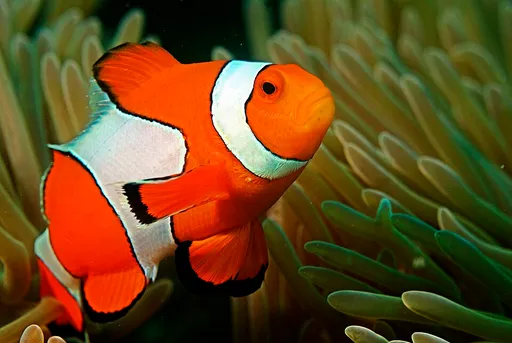
Ocellaris clownfish
Amphiprion ocellaris
Saltwater- Size
- 3.1 in (8 cm)
- Tank
- 20 gal (75 L)
- Water
- 75–82°F (24–28°C)
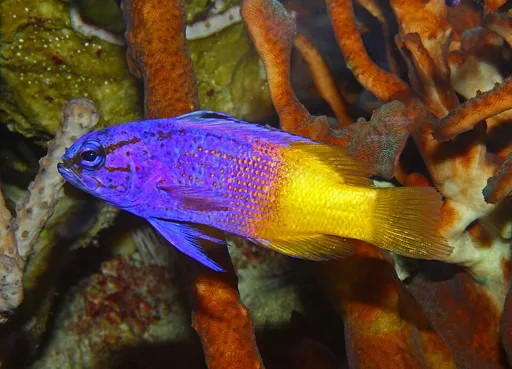
Royal gramma
Gramma loreto
Saltwater- Size
- 3.1 in (8 cm)
- Tank
- 29 gal (110 L)
- Water
- 72–81°F (22–27°C)
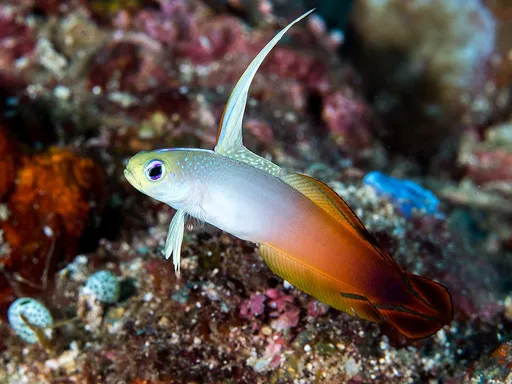
Firefish
Nemateleotris magnifica
Saltwater- Size
- 3.5 in (9 cm)
- Tank
- 20 gal (75 L)
- Water
- 72–81°F (22–27°C)
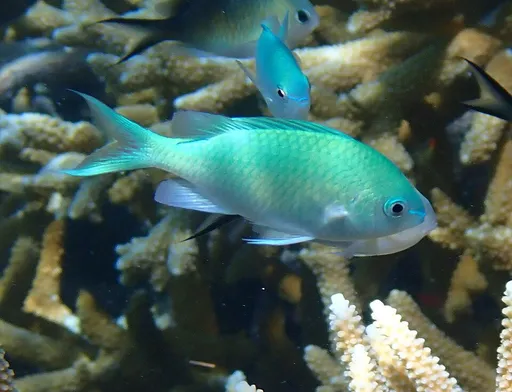
Green chromis
Chromis viridis
Saltwater- Size
- 3.1 in (8 cm)
- Tank
- 30 gal (115 L)
- Water
- 75–82°F (24–28°C)
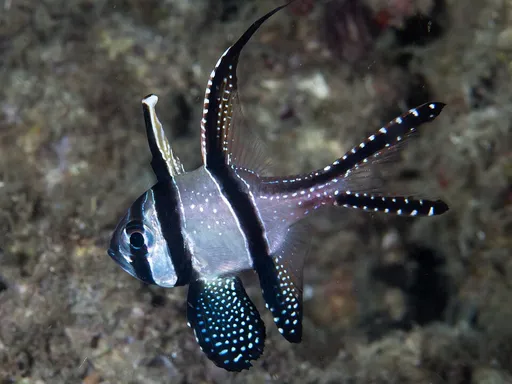
Banggai cardinalfish
Pterapogon kauderni
Saltwater- Size
- 3.1 in (8 cm)
- Tank
- 29 gal (110 L)
- Water
- 73–82°F (23–28°C)
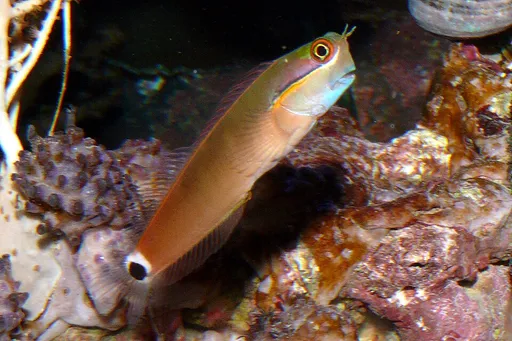
Tailspot blenny
Ecsenius stigmatura
Saltwater- Size
- 2.4 in (6 cm)
- Tank
- 20 gal (75 L)
- Water
- 72–79°F (22–26°C)
The rule
What reef safe means in the catalog
Every profile carries one of three marks. Reef safe means the species leaves corals and invertebrates alone, and that is the mark this list filters on. Caution means it usually does but has a known habit, a wrasse that eats small shrimp, a dwarf angel that nips clam mantles, a clown goby that irritates the coral it lives in. Not reef safe means it eats or nips as a matter of course, and those fish have the FOWLR list. Reef safe says nothing about other fish: the maroon clownfish and several damsels are reef safe and aggressive at the same time.
- 01
Reef safe
Leaves corals, clams and the clean-up crew alone
- 02
Caution
Usually fine, with a known habit on the profile
- 03
Not reef safe
Eats or nips, and belongs in a FOWLR tank
- 04
Not the same as peaceful
Temperament is a separate mark
Movement
Tangs, wrasses and a school for a bigger reef
The grazers and open-water swimmers need length. The scopas tang is the compact tang at 7.9 inches (20 cm) for 90 gallons (340 liters), marked easy, and the mimic tang reaches 11.4 inches (29 cm) in 129 gallons (490 liters). The fairy and flasher wrasses are the reef-safe wrasses by nature, feeding on plankton in the water column: the exquisite fairy wrasse lists 90 gallons (340 liters), McCosker's flasher wrasse 55 gallons (208 liters). The melanurus wrasse hunts flatworms and pests on the rock at 5.5 inches (14 cm). The schooling bannerfish is the reef-safe butterflyfish, a peaceful schooling fish at 8.3 inches (21 cm) for 124 gallons (470 liters).
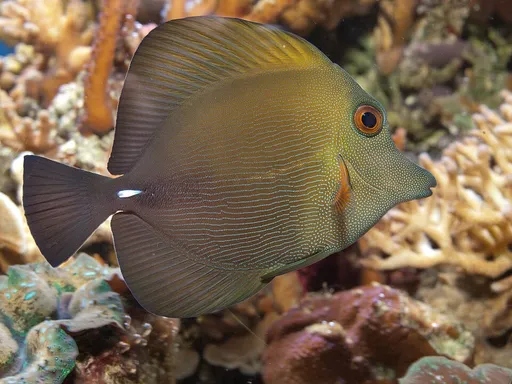
Scopas tang
Zebrasoma scopas
Saltwater7.9 in (20 cm) · 90 gal (340 L)75–82°F (24–28°C)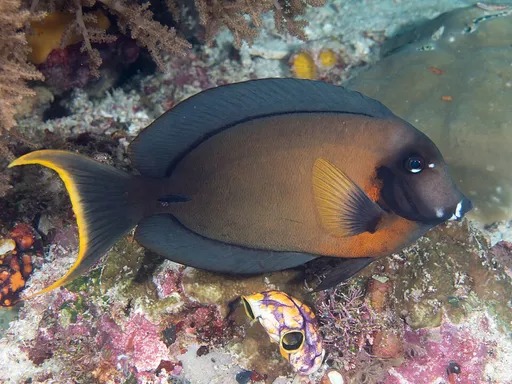
Mimic tang
Acanthurus pyroferus
Saltwater11.4 in (29 cm) · 129 gal (490 L)75–82°F (24–28°C)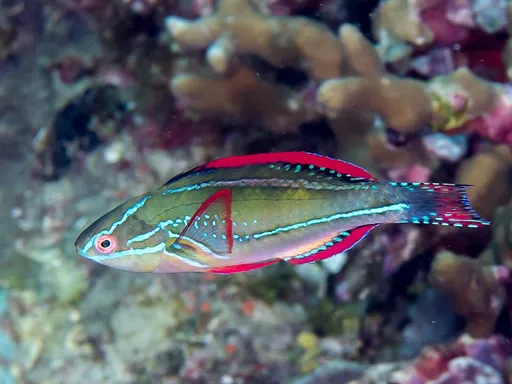
Exquisite fairy wrasse
Cirrhilabrus exquisitus
Saltwater4.7 in (12 cm) · 90 gal (340 L)72–79°F (22–26°C)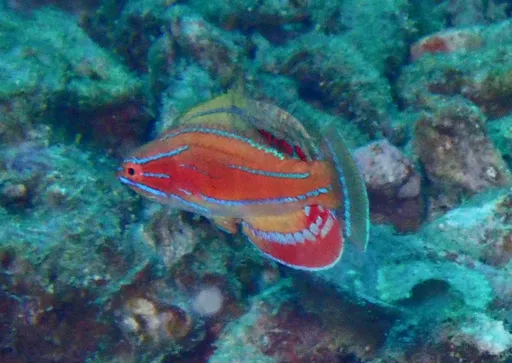
McCosker's flasher wrasse
Paracheilinus mccoskeri
Saltwater3.1 in (8 cm) · 55 gal (208 L)72–79°F (22–26°C)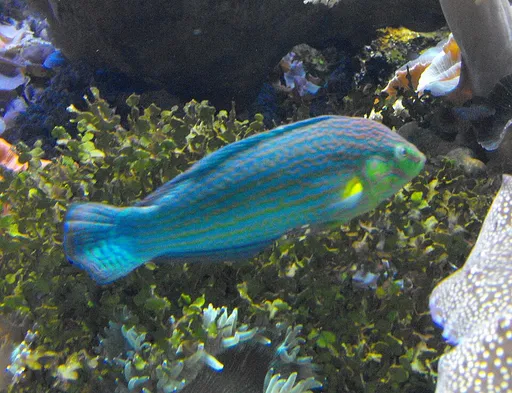
Melanurus wrasse
Halichoeres melanurus
Saltwater5.5 in (14 cm) · 100 gal (380 L)72–79°F (22–26°C)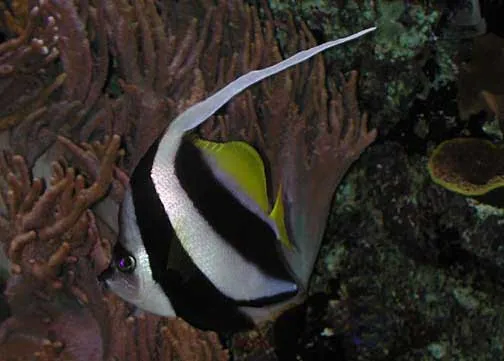
Schooling bannerfish
Heniochus diphreutes
Saltwater8.3 in (21 cm) · 124 gal (470 L)75–81°F (24–27°C)
Small reefs
Reef-safe fish for 20 to 30 gallons
The neon goby stays at 2 inches (5 cm) and lists 11 gallons (40 liters), and the sharknose goby is its 1.6 inch (4 cm) cousin for 13 gallons (50 liters). Helfrich's firefish is the small, peaceful firefish at 2.4 inches (6 cm) for 20 gallons (75 liters). The yellow cardinalfish and the pictus blenny both stay at 2 inches (5 cm) in 20 gallons (75 liters). Hector's goby grazes hair algae at 3.1 inches (8 cm) and lists the same tank. None of them touches a coral.
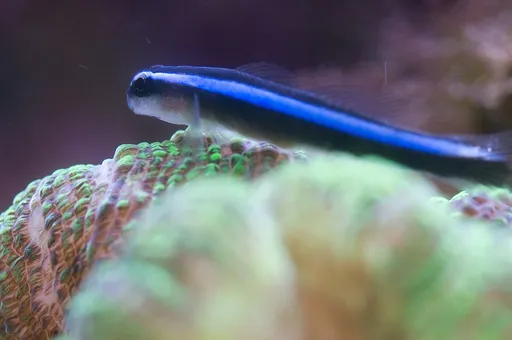
Neon goby
Elacatinus oceanops
Saltwater2 in (5 cm) · 11 gal (40 L)72–79°F (22–26°C)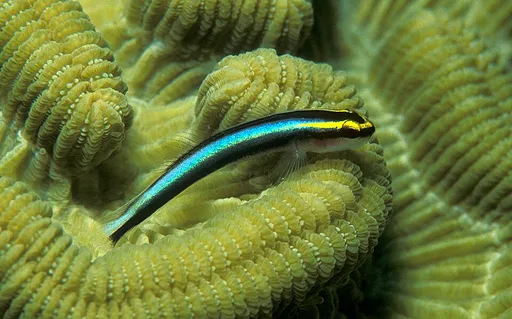
Sharknose goby
Elacatinus evelynae
Saltwater1.6 in (4 cm) · 13 gal (50 L)75–79°F (24–26°C)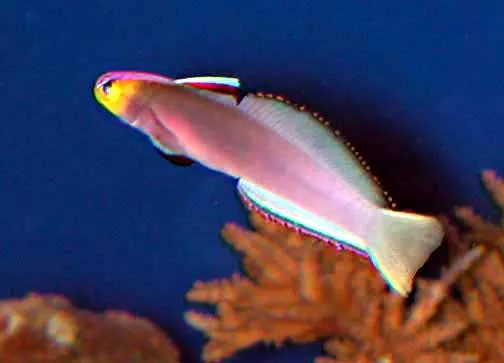
Helfrich's firefish
Nemateleotris helfrichi
Saltwater2.4 in (6 cm) · 20 gal (75 L)73–81°F (23–27°C)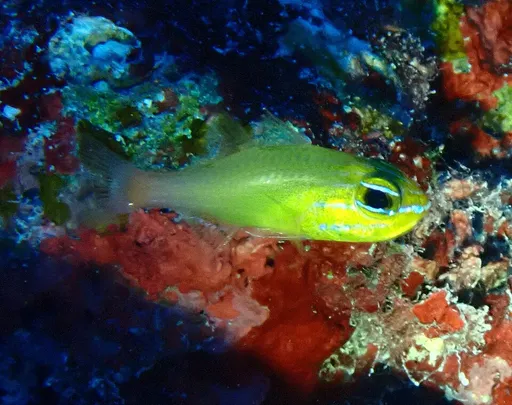
Yellow cardinalfish
Ostorhinchus luteus
Saltwater2 in (5 cm) · 20 gal (75 L)73–79°F (23–26°C)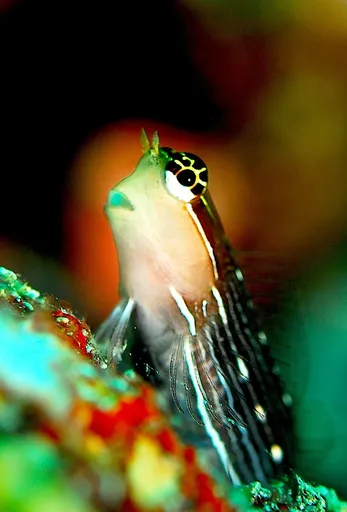
Pictus blenny
Ecsenius pictus
Saltwater2 in (5 cm) · 20 gal (75 L)73–81°F (23–27°C)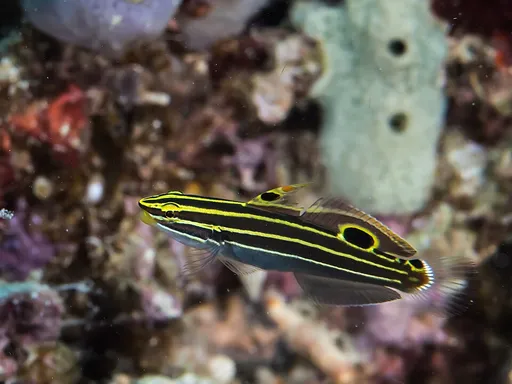
Hector's goby
Koumansetta hectori
Saltwater3.1 in (8 cm) · 20 gal (75 L)73–81°F (23–27°C)
Watch out
Reef safe is not the same as peaceful
The maroon clownfish is marked reef safe and aggressive, a 6.7 inch (17 cm) fish that owns its anemone and the tank around it. The blue damsel is marked beginner, reef safe and aggressive, and so are the three-stripe and four-stripe damsels, which is why they are missing from the beginner list. The bicolor dottyback is a 2.8 inch (7 cm) fish that will harass anything its size, and the blue velvet damsel reaches 5.9 inches (15 cm) with the same temper. They all leave corals alone. They do not leave other fish alone.
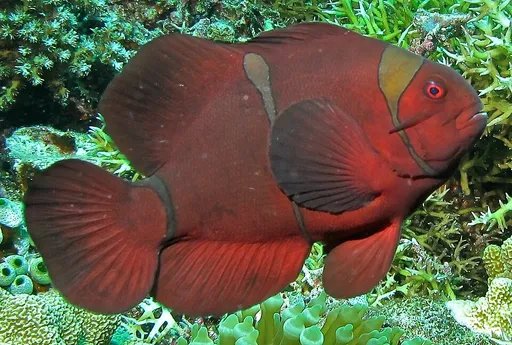
Maroon clownfish
Premnas biaculeatus
Saltwater6.7 in (17 cm) · 40 gal (150 L)75–82°F (24–28°C)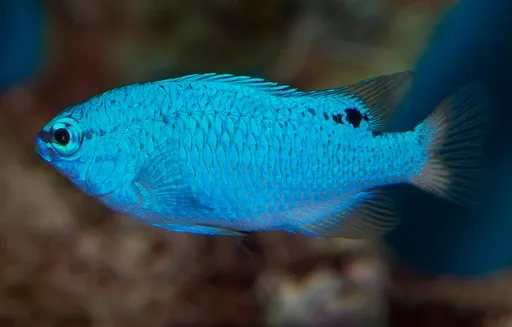
Blue damsel
Chrysiptera cyanea
Saltwater3.1 in (8 cm) · 29 gal (110 L)75–81°F (24–27°C)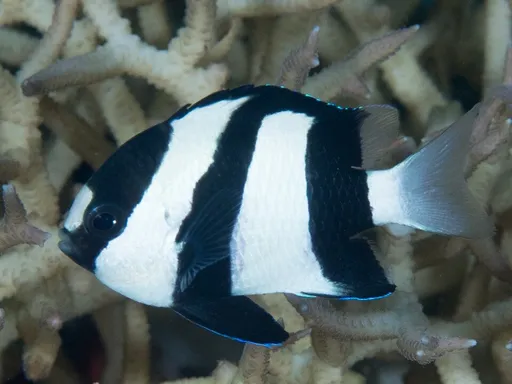
Three-stripe damsel
Dascyllus aruanus
Saltwater3.5 in (9 cm) · 29 gal (110 L)75–81°F (24–27°C)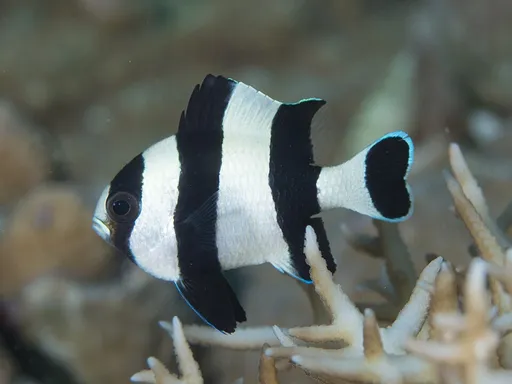
Four-stripe damsel
Dascyllus melanurus
Saltwater3.1 in (8 cm) · 29 gal (110 L)75–81°F (24–27°C)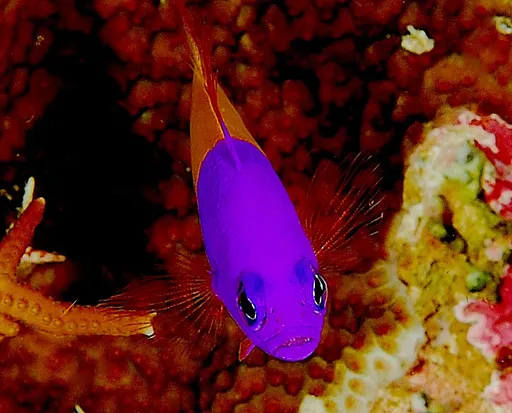
Bicolor dottyback
Pictichromis paccagnellae
Saltwater2.8 in (7 cm) · 29 gal (110 L)72–81°F (22–27°C)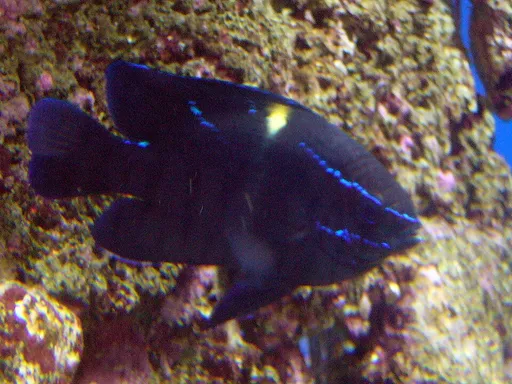
Blue velvet damsel
Neoglyphidodon oxyodon
Saltwater5.9 in (15 cm) · 55 gal (210 L)75–81°F (24–27°C)
By the numbers
Smallest
Largest
Easiest to keep
Most peaceful
Fits a 20 gallon tank
Fits a 30 gallon tank
FAQ
Common questions
What does reef safe mean?
That the fish is not known to eat or nip corals, clams, shrimp or snails. It is the top mark of three; the middle mark, caution, means the fish usually behaves but has a known habit.
Are clownfish reef safe?
Yes. Every clownfish in the catalog is marked reef safe, and none of them needs an anemone. The maroon clownfish is reef safe and aggressive, so it wants calm tank mates.
Are tangs reef safe?
Yes, tangs are grazers and leave corals alone. The catch is size: the scopas tang lists 90 gallons (340 liters), the mimic tang 129 gallons (490 liters), and the unicornfish need far more.
Which wrasses are reef safe?
The fairy and flasher wrasses, the six-line and fourline wrasses, the melanurus wrasse and the leopard wrasses are marked reef safe. The Halichoeres wrasses that eat small shrimp carry a caution, and the Thalassoma and Coris wrasses are marked not reef safe.
Are dwarf angelfish reef safe?
Most carry a caution, because a dwarf angel may nip clam mantles and fleshy corals. A few are marked reef safe; check the profile before adding one to a reef with clams.
Are damsels reef safe?
Yes, but many are aggressive toward other fish. The azure, yellowtail, sapphire and Talbot's damsels and the chromis are the mostly peaceful ones; the blue, three-stripe and four-stripe damsels are marked aggressive.
Index
All reef-safe fish
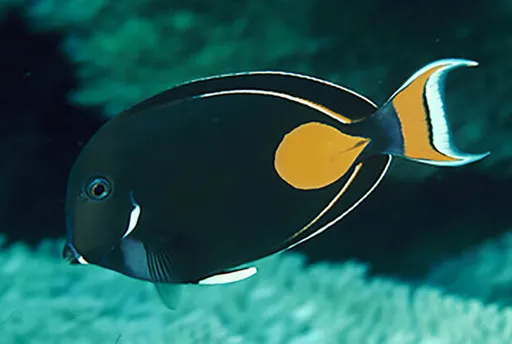
Achilles tang
Acanthurus achilles
Saltwater9.4 in (24 cm) · 180 gal (680 L)75–81°F (24–27°C)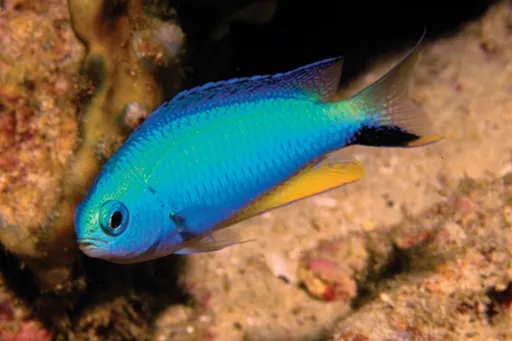
Allen's damsel
Pomacentrus alleni
Saltwater2.4 in (6 cm) · 29 gal (110 L)75–81°F (24–27°C)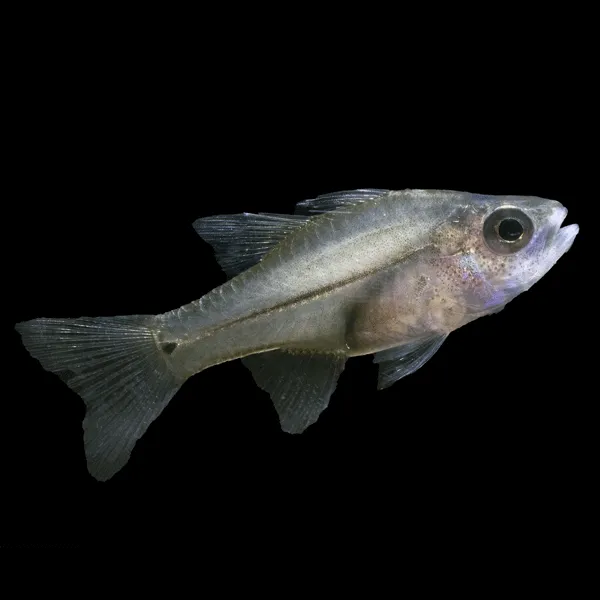
Amboina cardinalfish
Fibramia amboinensis
Saltwater3.5 in (9 cm) · 50 gal (190 L)72–79°F (22–26°C)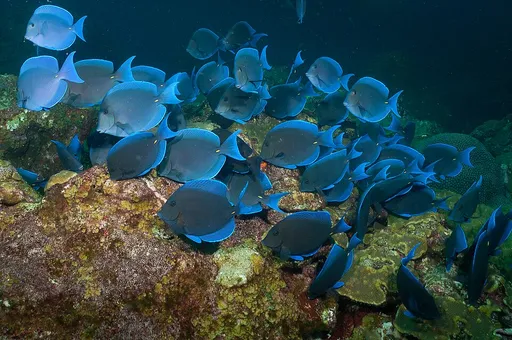
Atlantic blue tang
Acanthurus coeruleus
Saltwater13.8 in (35 cm) · 151 gal (570 L)75–81°F (24–27°C)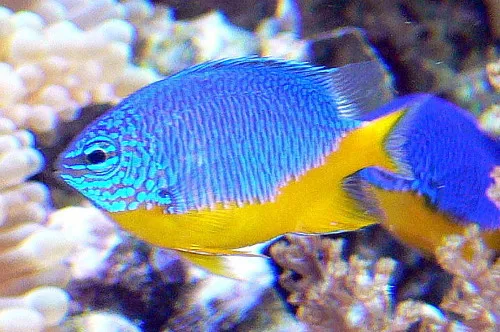
Azure damsel
Chrysiptera hemicyanea
Saltwater2.8 in (7 cm) · 29 gal (110 L)75–81°F (24–27°C)Banggai cardinalfish
Pterapogon kauderni
Saltwater3.1 in (8 cm) · 29 gal (110 L)73–82°F (23–28°C)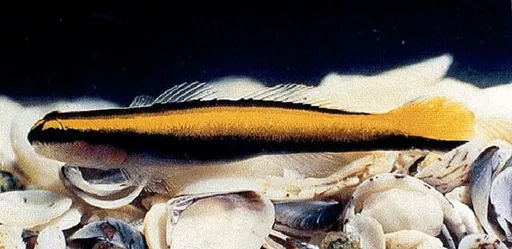
Barber goby
Elacatinus figaro
Saltwater1.6 in (4 cm) · 11 gal (40 L)72–79°F (22–26°C)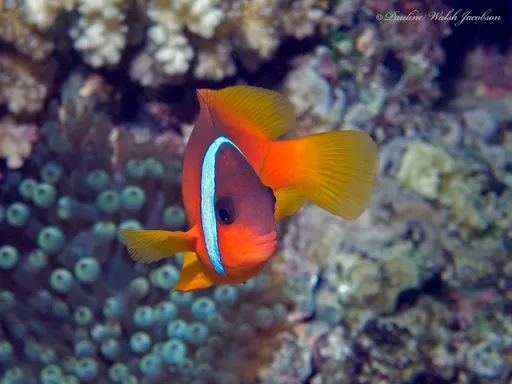
Barberi clownfish
Amphiprion barberi
Saltwater3.5 in (9 cm) · 30 gal (115 L)75–81°F (24–27°C)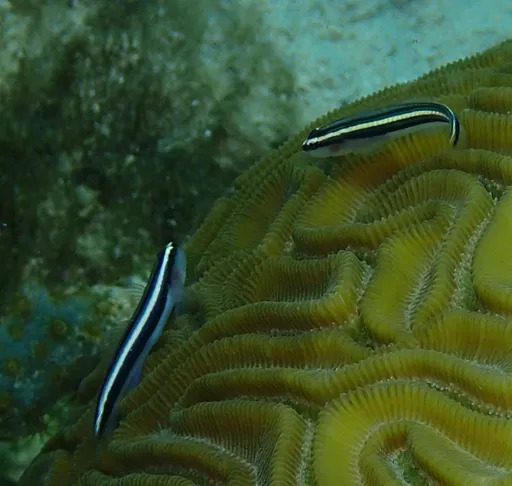
Barsnout cleaner goby
Elacatinus illecebrosus
Saltwater1.6 in (4 cm) · 11 gal (40 L)72–79°F (22–26°C)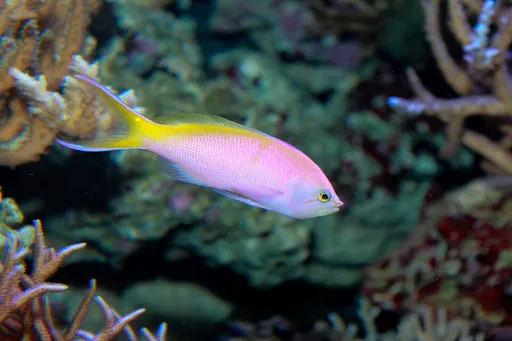
Bartlett's anthias
Pseudanthias bartlettorum
Saltwater3.5 in (9 cm) · 70 gal (265 L)72–79°F (22–26°C)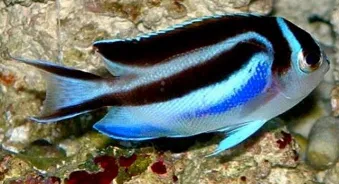
Bellus angelfish
Genicanthus bellus
Saltwater7.1 in (18 cm) · 85 gal (320 L)72–79°F (22–26°C)
Bicolor anthias
Pseudanthias bicolor
Saltwater5.1 in (13 cm) · 125 gal (475 L)72–79°F (22–26°C)Bicolor dottyback
Pictichromis paccagnellae
Saltwater2.8 in (7 cm) · 29 gal (110 L)72–81°F (22–27°C)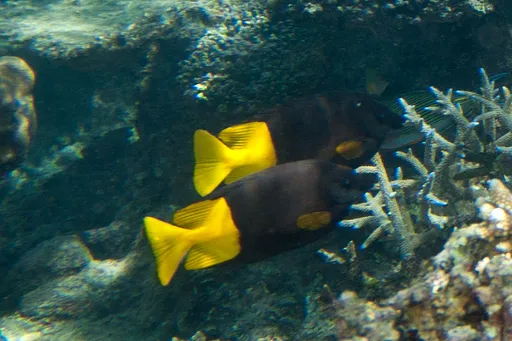
Bicolor foxface
Siganus uspi
Saltwater9.4 in (24 cm) · 124 gal (470 L)75–81°F (24–27°C)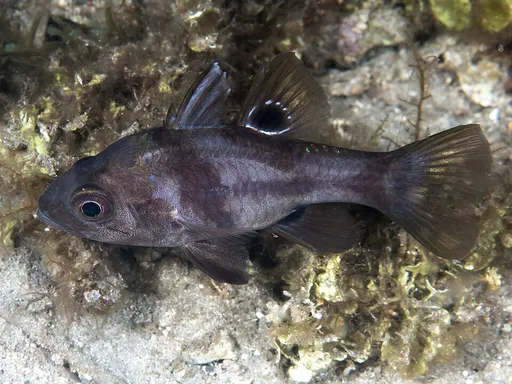
Black cardinalfish
Apogonichthyoides melas
Saltwater4.3 in (11 cm) · 29 gal (110 L)72–79°F (22–26°C)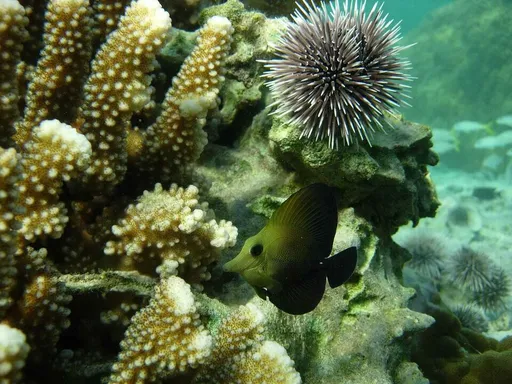
Black tang
Zebrasoma rostratum
Saltwater8.3 in (21 cm) · 119 gal (450 L)75–81°F (24–27°C)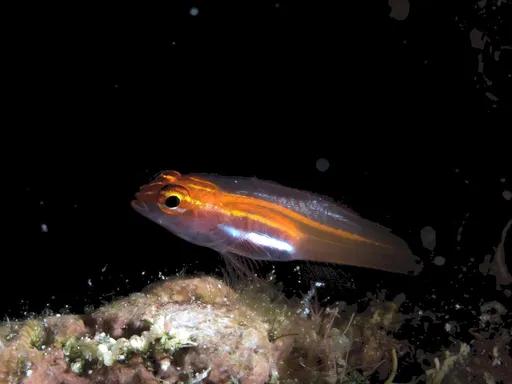
Blackbelly dwarfgoby
Eviota atriventris
Saltwater0.8 in (2 cm) · 5 gal (19 L)72–79°F (22–26°C)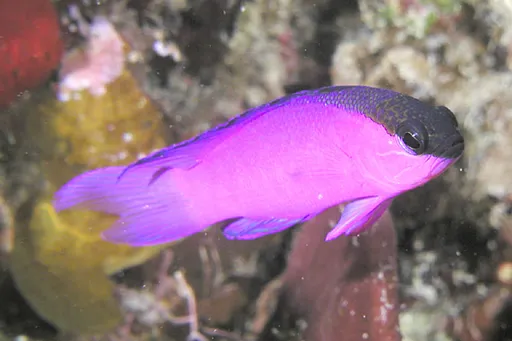
Blackcap basslet
Gramma melacara
Saltwater3.9 in (10 cm) · 29 gal (110 L)72–81°F (22–27°C)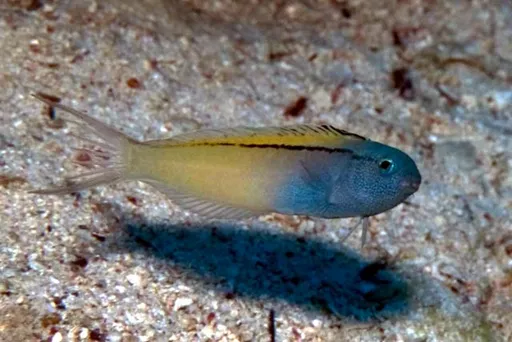
Blackline fang blenny
Meiacanthus nigrolineatus
Saltwater3.5 in (9 cm) · 20 gal (75 L)75–81°F (24–27°C)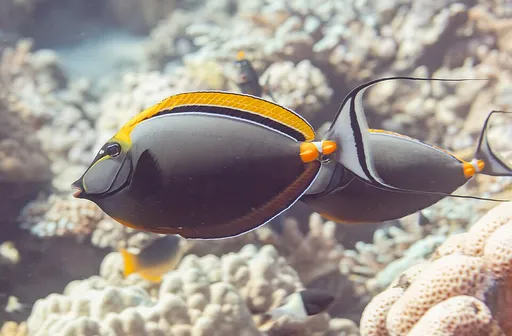
Blonde naso tang
Naso elegans
Saltwater17.7 in (45 cm) · 180 gal (680 L)75–81°F (24–27°C)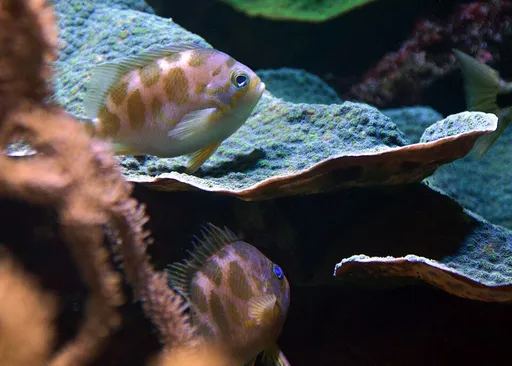
Blotched anthias
Odontanthias borbonius
Saltwater5.9 in (15 cm) · 100 gal (380 L)72–79°F (22–26°C)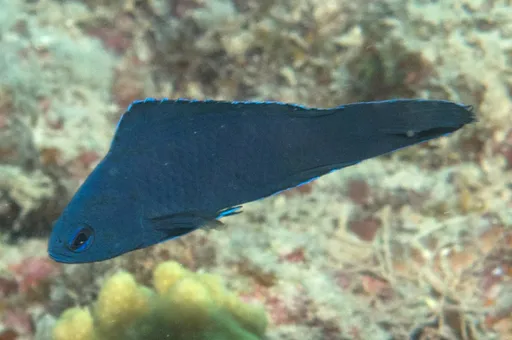
Blue assessor
Assessor macneilli
Saltwater2.8 in (7 cm) · 29 gal (110 L)72–79°F (22–26°C)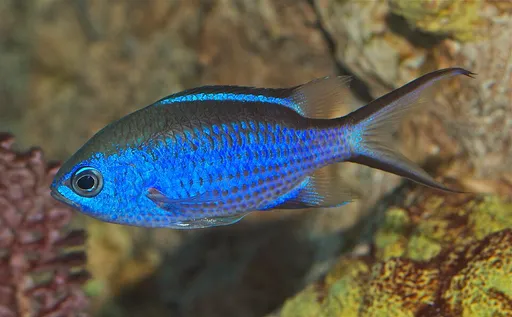
Blue chromis
Chromis cyanea
Saltwater5.1 in (13 cm) · 53 gal (200 L)73–81°F (23–27°C)Blue damsel
Chrysiptera cyanea
Saltwater3.1 in (8 cm) · 29 gal (110 L)75–81°F (24–27°C)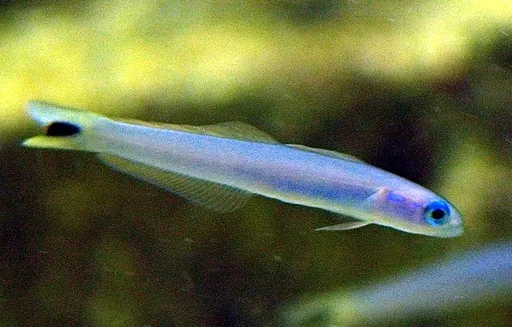
Blue gudgeon dartfish
Ptereleotris heteroptera
Saltwater5.1 in (13 cm) · 29 gal (110 L)72–79°F (22–26°C)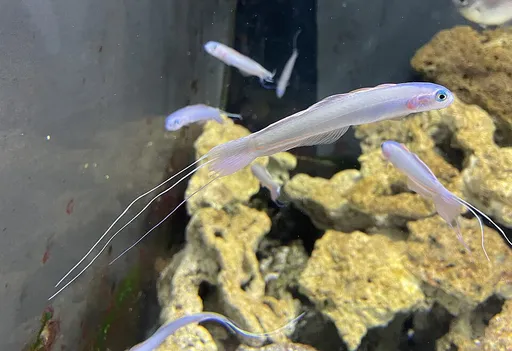
Blue hana goby
Ptereleotris hanae
Saltwater4.7 in (12 cm) · 40 gal (150 L)73–81°F (23–27°C)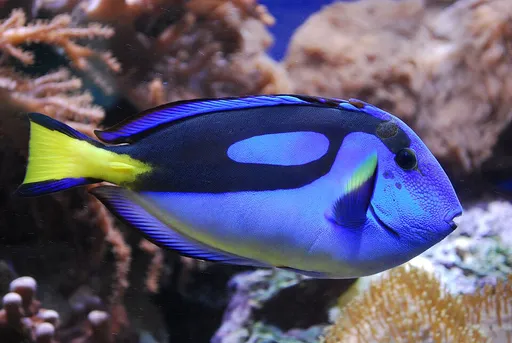
Blue hippo tang
Paracanthurus hepatus
Saltwater11.8 in (30 cm) · 180 gal (680 L)73–81°F (23–27°C)Blue velvet damsel
Neoglyphidodon oxyodon
Saltwater5.9 in (15 cm) · 55 gal (210 L)75–81°F (24–27°C)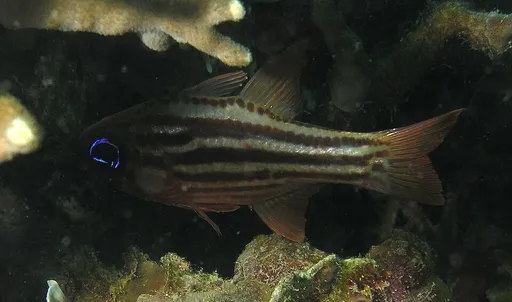
Blue-eye cardinalfish
Ostorhinchus compressus
Saltwater4.7 in (12 cm) · 53 gal (200 L)72–79°F (22–26°C)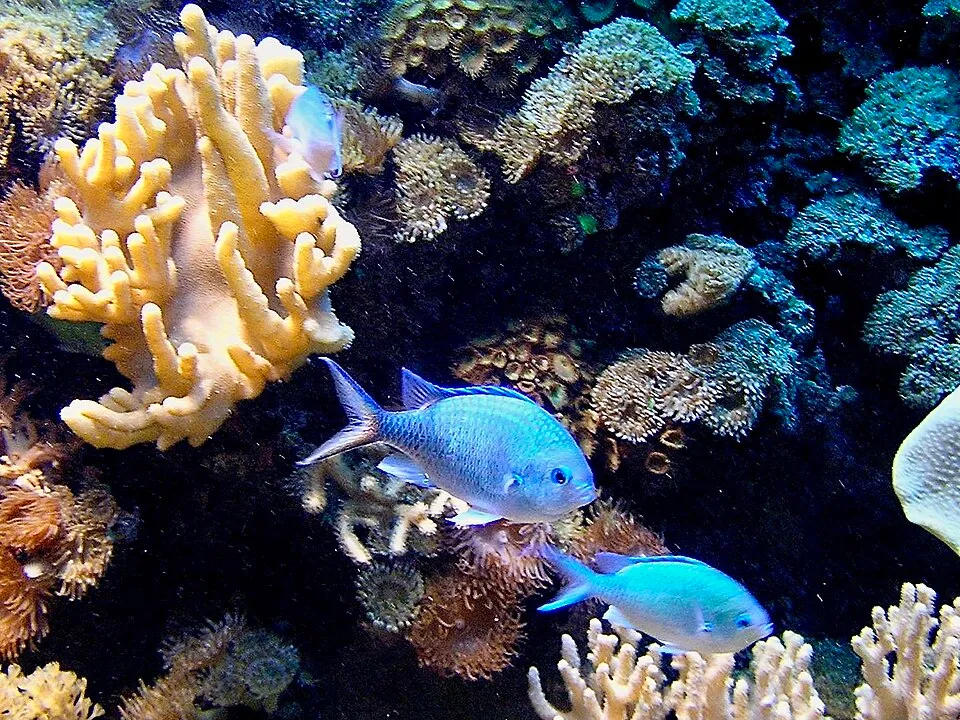
Blue-green chromis
Chromis atripectoralis
Saltwater4.7 in (12 cm) · 30 gal (115 L)75–82°F (24–28°C)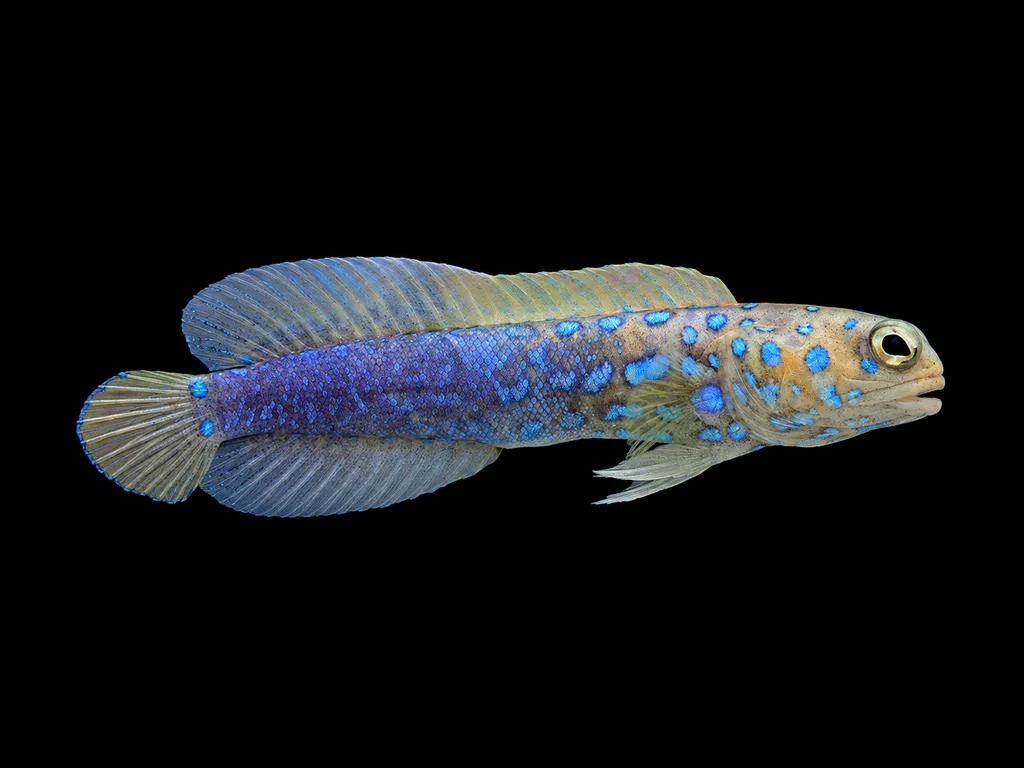
Blue-spotted jawfish
Opistognathus rosenblatti
Saltwater3.9 in (10 cm) · 30 gal (115 L)70–77°F (21–25°C)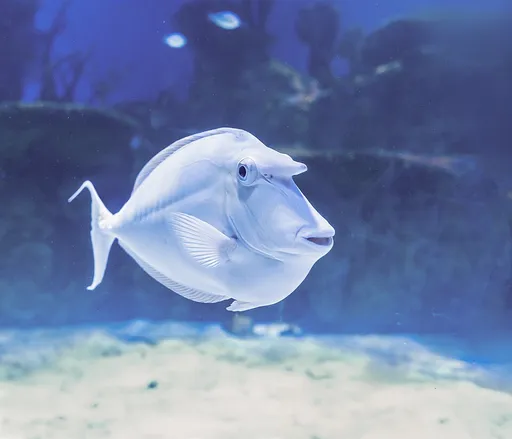
Bluespine unicornfish
Naso unicornis
Saltwater23.6 in (60 cm) · 396 gal (1,500 L)75–81°F (24–27°C)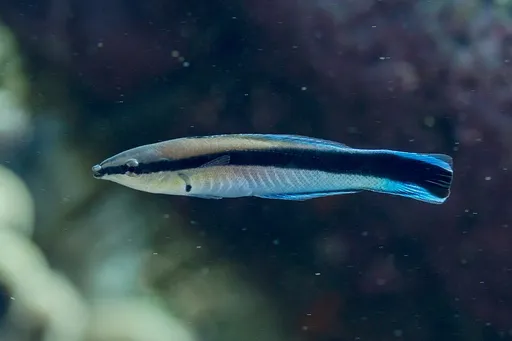
Bluestreak cleaner wrasse
Labroides dimidiatus
Saltwater4.3 in (11 cm) · 106 gal (400 L)75–81°F (24–27°C)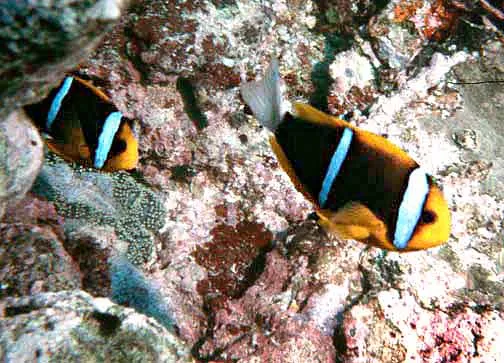
Bluestripe clownfish
Amphiprion chrysopterus
Saltwater6.7 in (17 cm) · 55 gal (210 L)75–82°F (24–28°C)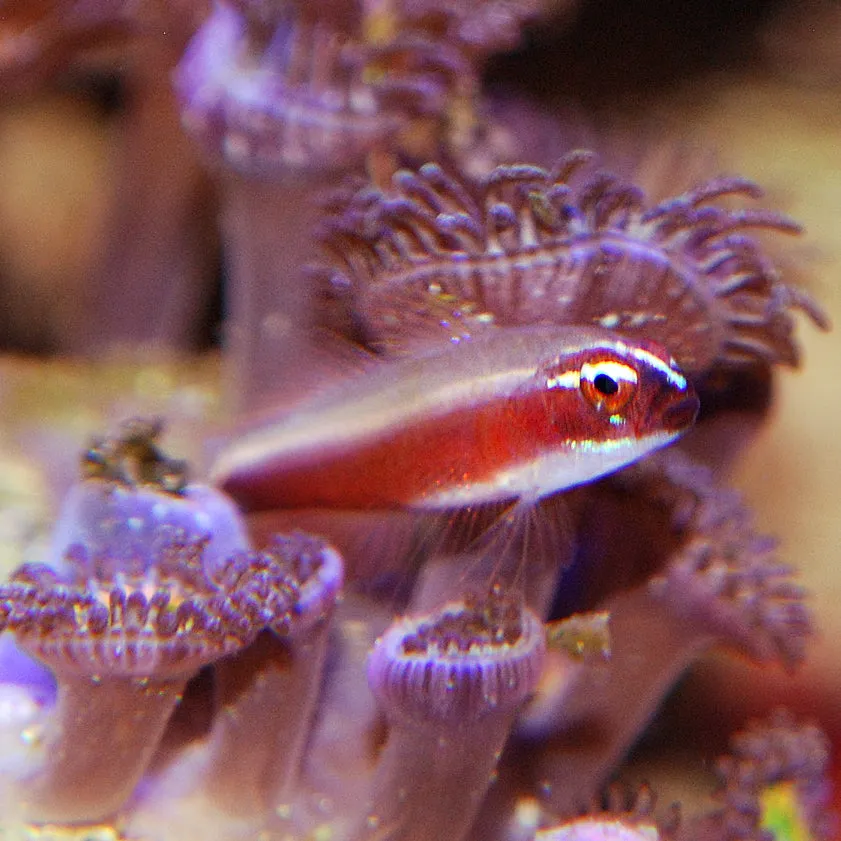
Brahm's dwarfgoby
Eviota brahmi
Saltwater0.8 in (2 cm) · 5 gal (19 L)72–79°F (22–26°C)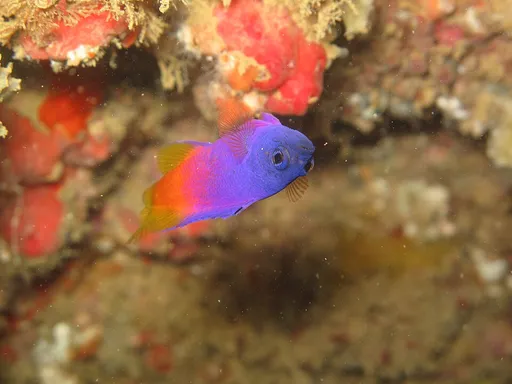
Brazilian gramma
Gramma brasiliensis
Saltwater3.5 in (9 cm) · 40 gal (150 L)73–81°F (23–27°C)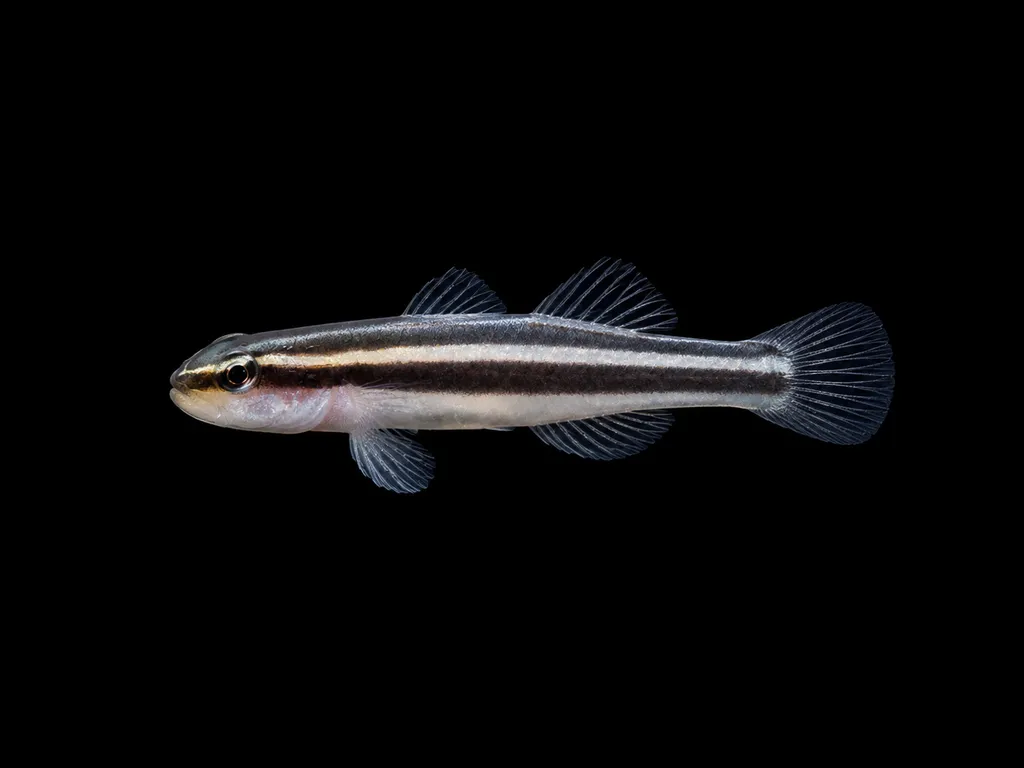
Broadstripe cleaner goby
Elacatinus prochilos
Saltwater1.6 in (4 cm) · 11 gal (40 L)72–79°F (22–26°C)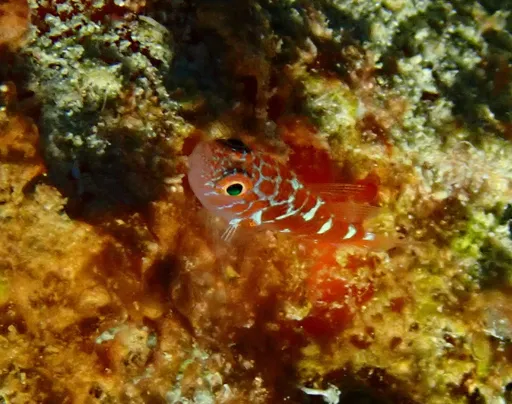
Caesiura pygmygoby
Trimma caesiura
Saltwater1.4 in (3.5 cm) · 10 gal (38 L)72–79°F (22–26°C)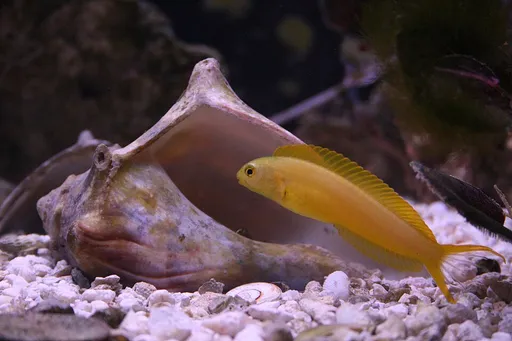
Canary fang blenny
Meiacanthus oualanensis
Saltwater3.9 in (10 cm) · 40 gal (150 L)72–79°F (22–26°C)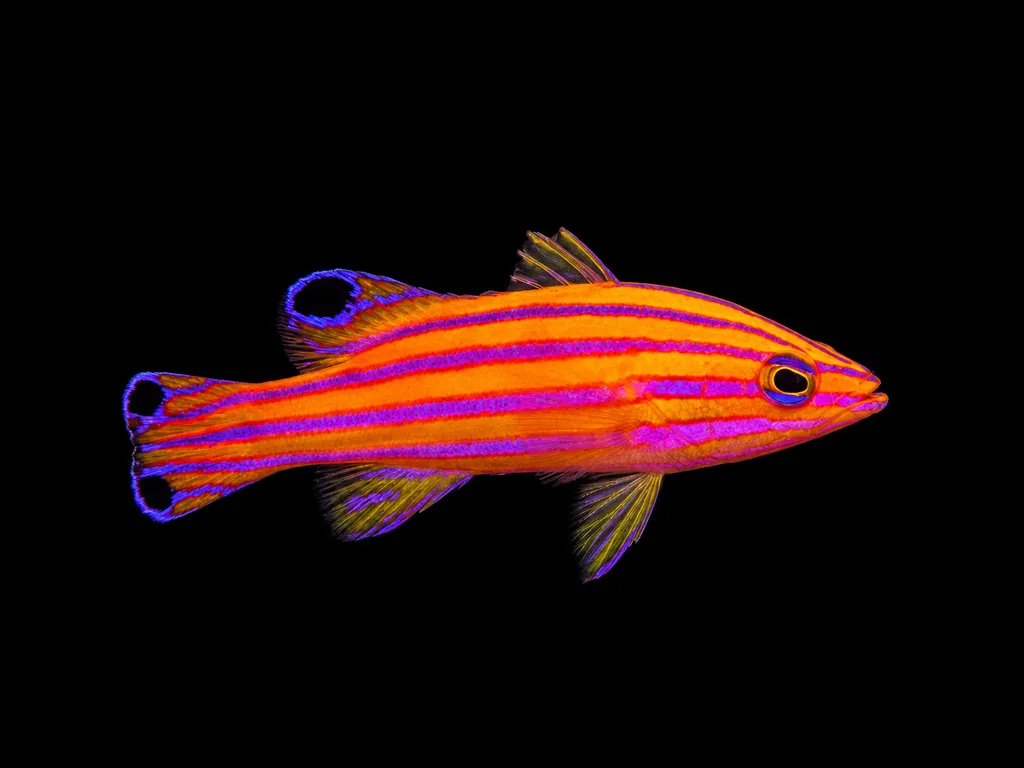
Candy basslet
Liopropoma carmabi
Saltwater2.4 in (6 cm) · 26 gal (100 L)72–79°F (22–26°C)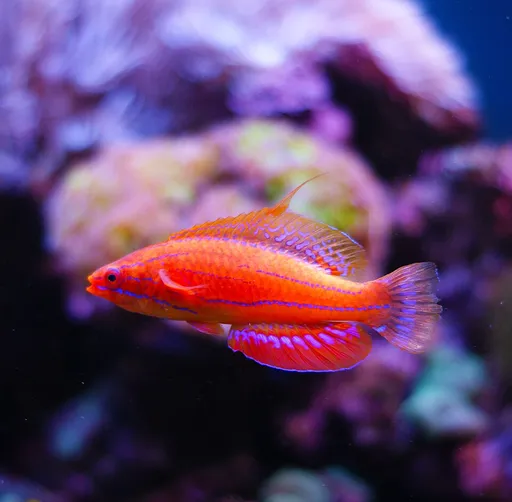
Carpenter's flasher wrasse
Paracheilinus carpenteri
Saltwater3.1 in (8 cm) · 53 gal (200 L)73–81°F (23–27°C)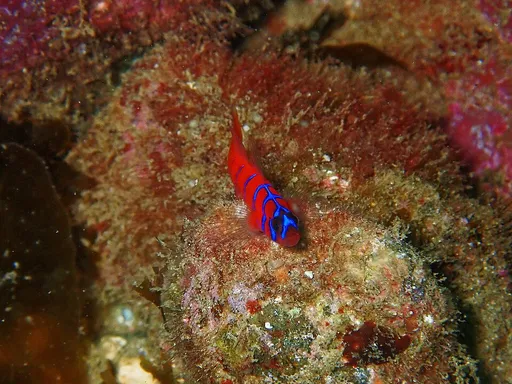
Catalina goby
Lythrypnus dalli
Saltwater2.4 in (6 cm) · 11 gal (40 L)59–72°F (15–22°C)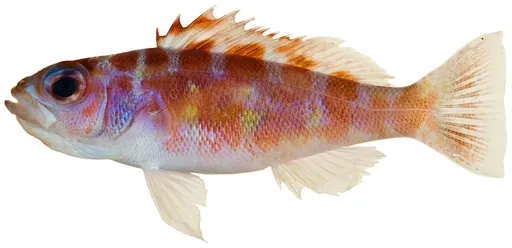
Chalk bass
Serranus tortugarum
Saltwater3.1 in (8 cm) · 29 gal (110 L)72–81°F (22–27°C)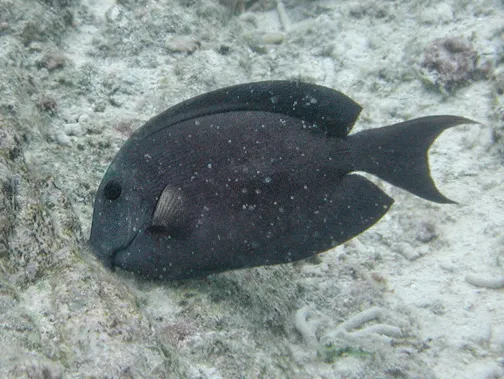
Chevron tang
Ctenochaetus hawaiiensis
Saltwater11 in (28 cm) · 180 gal (680 L)75–81°F (24–27°C)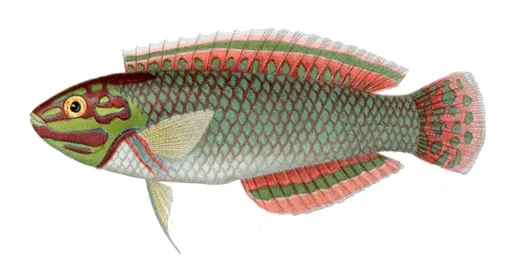
Christmas wrasse
Halichoeres ornatissimus
Saltwater5.9 in (15 cm) · 70 gal (265 L)72–79°F (22–26°C)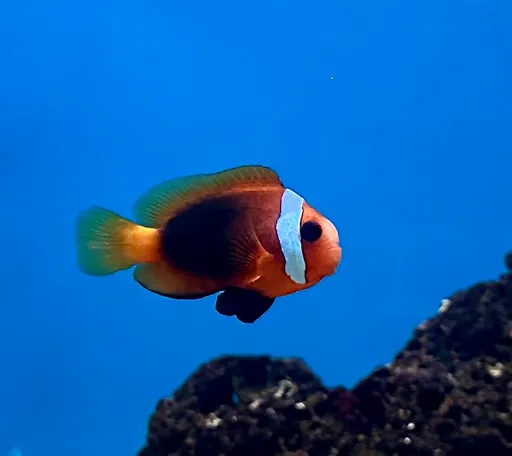
Cinnamon clownfish
Amphiprion melanopus
Saltwater4.7 in (12 cm) · 30 gal (115 L)75–82°F (24–28°C)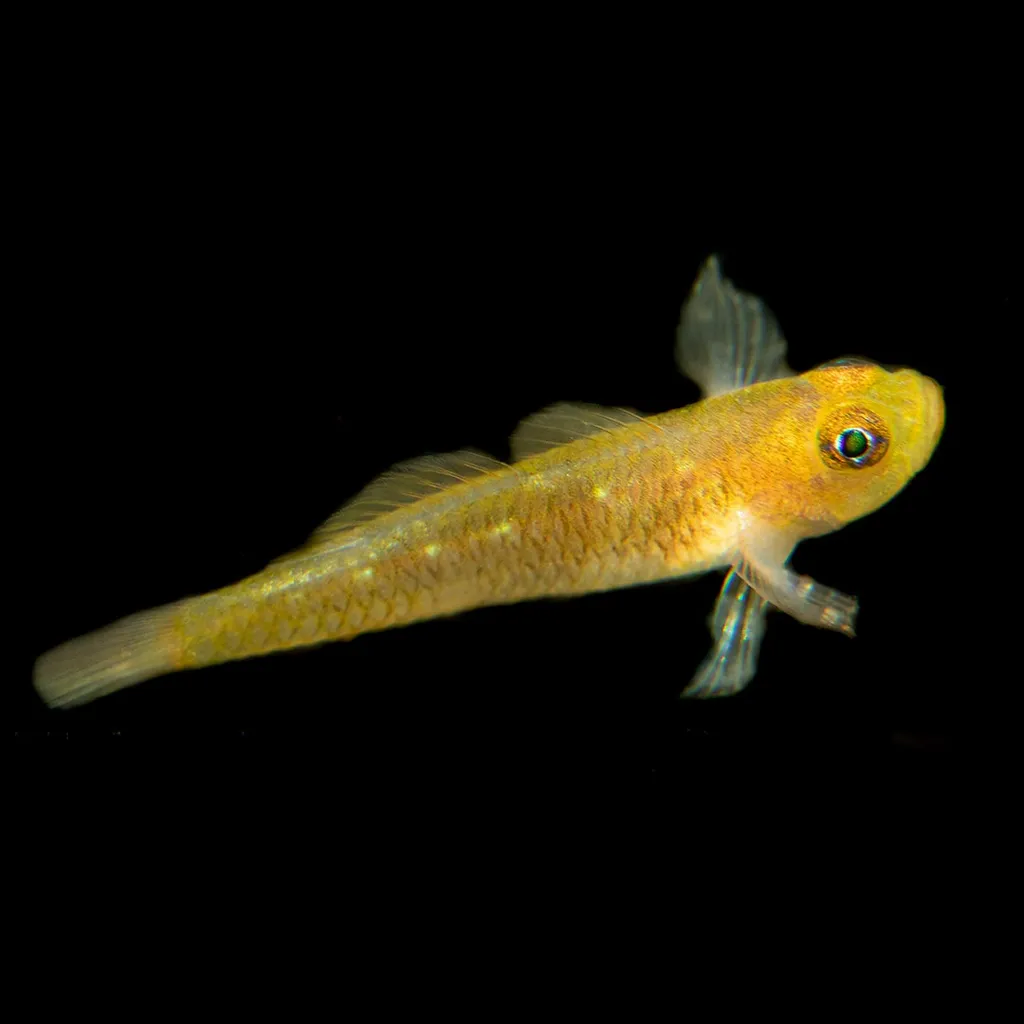
Citron pygmygoby
Trimma kitrinum
Saltwater1.1 in (2.7 cm) · 5 gal (19 L)72–79°F (22–26°C)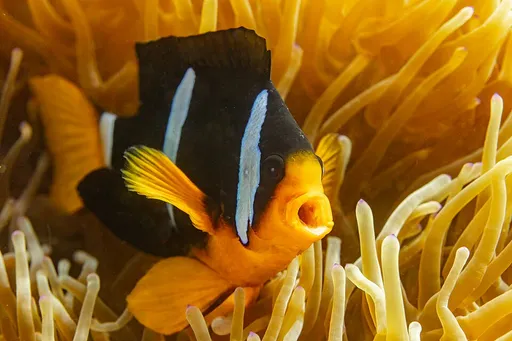
Clark's clownfish
Amphiprion clarkii
Saltwater5.5 in (14 cm) · 30 gal (115 L)75–82°F (24–28°C)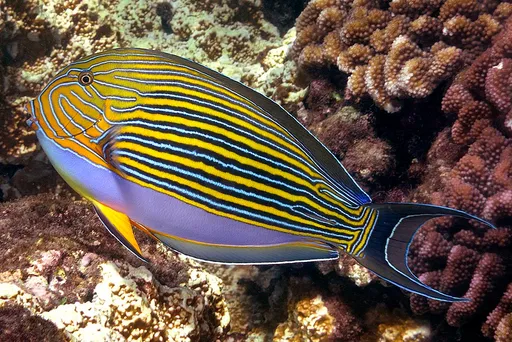
Clown tang
Acanthurus lineatus
Saltwater15 in (38 cm) · 238 gal (900 L)75–81°F (24–27°C)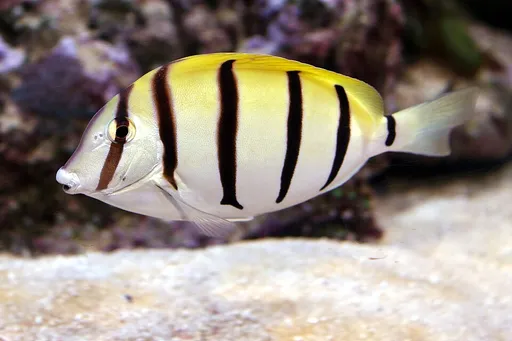
Convict tang
Acanthurus triostegus
Saltwater10.6 in (27 cm) · 124 gal (470 L)75–82°F (24–28°C)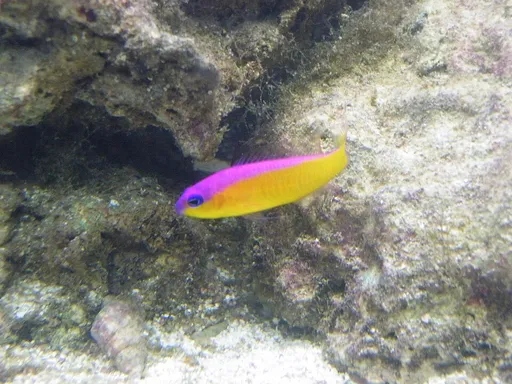
Diadem dottyback
Pseudochromis diadema
Saltwater2.8 in (7 cm) · 20 gal (75 L)73–81°F (23–27°C)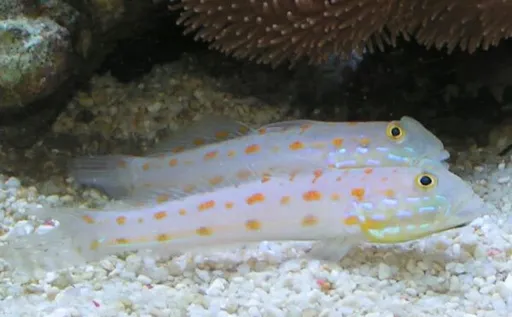
Diamond sleeper goby
Valenciennea puellaris
Saltwater5.9 in (15 cm) · 55 gal (208 L)72–79°F (22–26°C)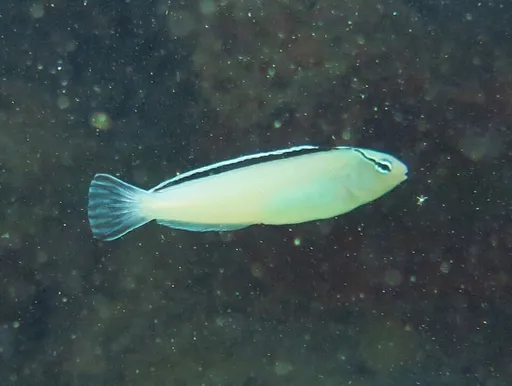
Disco blenny
Meiacanthus smithi
Saltwater3.1 in (8 cm) · 26 gal (100 L)73–81°F (23–27°C)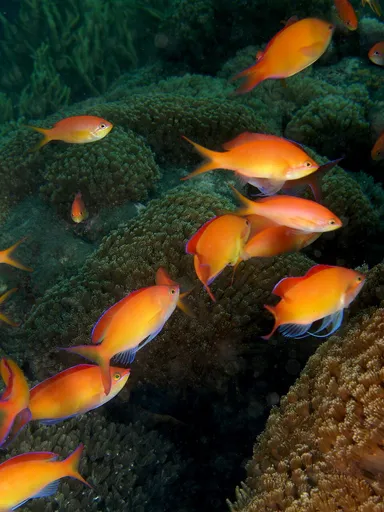
Dispar anthias
Pseudanthias dispar
Saltwater3.7 in (9.5 cm) · 70 gal (265 L)72–79°F (22–26°C)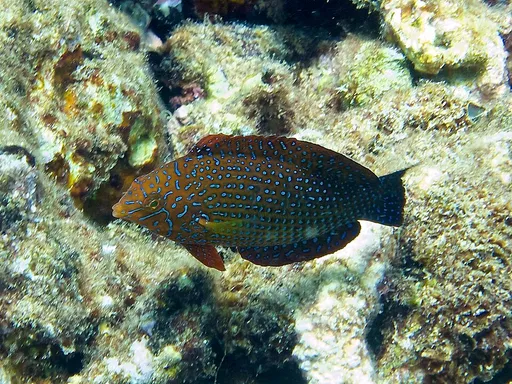
Divided leopard wrasse
Macropharyngodon bipartitus
Saltwater5.1 in (13 cm) · 55 gal (208 L)72–79°F (22–26°C)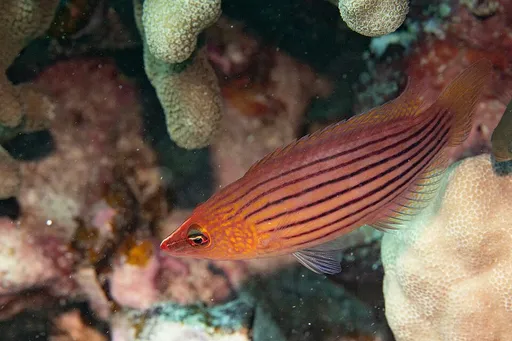
Eightline wrasse
Pseudocheilinus octotaenia
Saltwater4.7 in (12 cm) · 55 gal (208 L)72–79°F (22–26°C)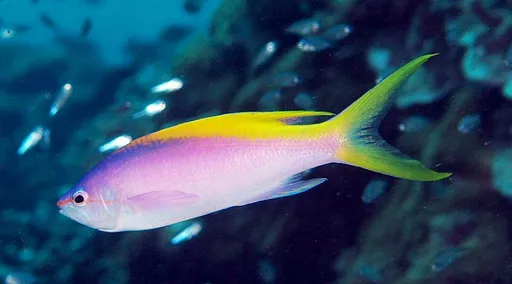
Evansi anthias
Pseudanthias evansi
Saltwater4.7 in (12 cm) · 75 gal (285 L)75–81°F (24–27°C)Exquisite fairy wrasse
Cirrhilabrus exquisitus
Saltwater4.7 in (12 cm) · 90 gal (340 L)72–79°F (22–26°C)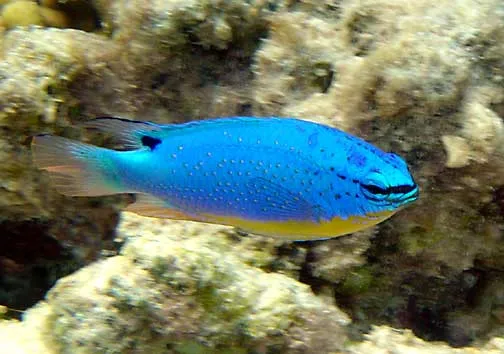
Fiji blue devil damsel
Chrysiptera taupou
Saltwater3.1 in (8 cm) · 29 gal (110 L)75–81°F (24–27°C)Firefish
Nemateleotris magnifica
Saltwater3.5 in (9 cm) · 20 gal (75 L)72–81°F (22–27°C)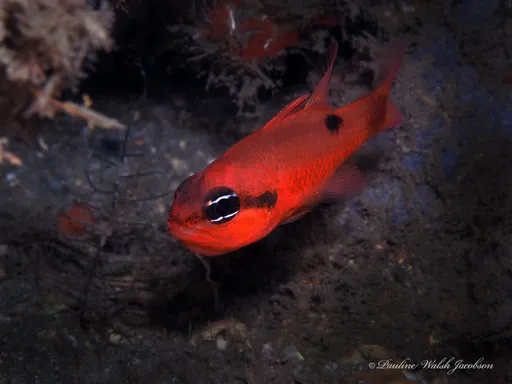
Flame cardinalfish
Apogon maculatus
Saltwater4.3 in (11 cm) · 30 gal (114 L)72–79°F (22–26°C)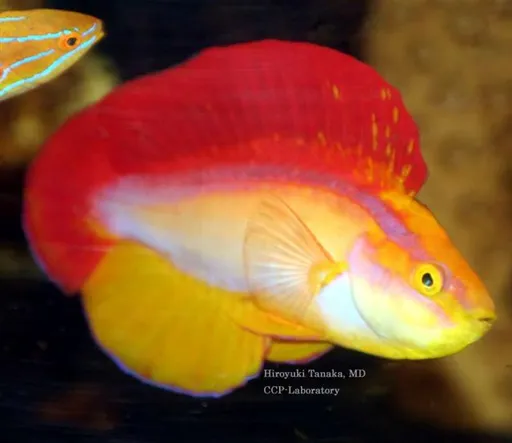
Flame fairy wrasse
Cirrhilabrus jordani
Saltwater3.9 in (10 cm) · 90 gal (340 L)72–79°F (22–26°C)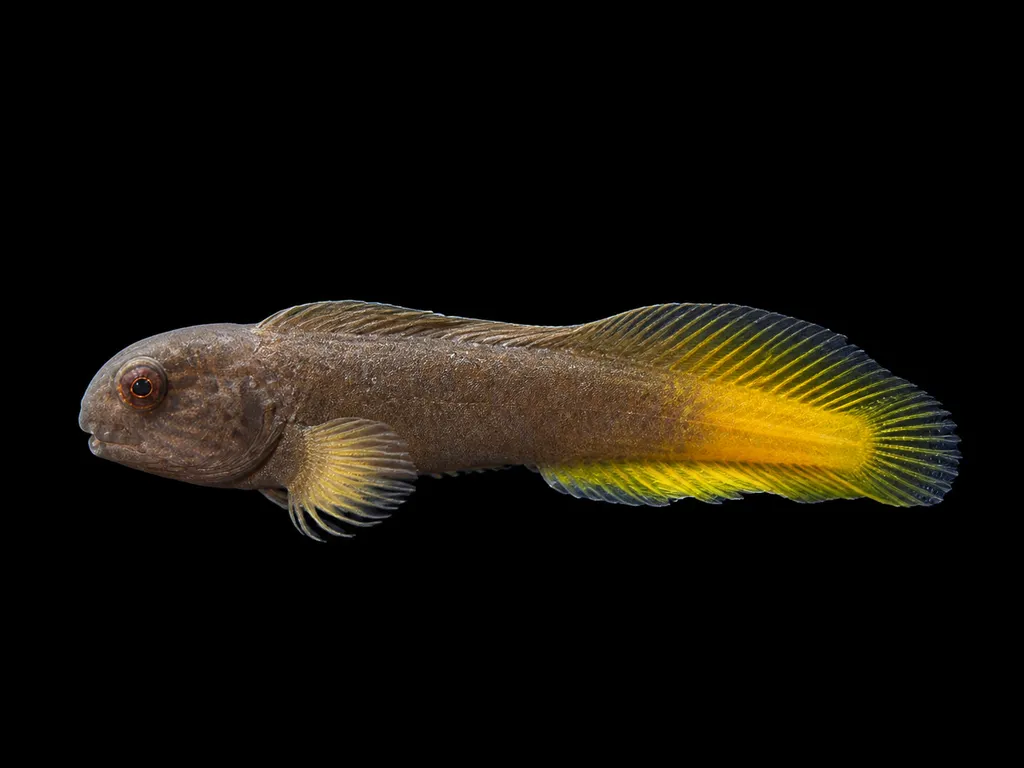
Flametail blenny
Enchelyurus flavipes
Saltwater3 in (7.5 cm) · 29 gal (110 L)72–79°F (22–26°C)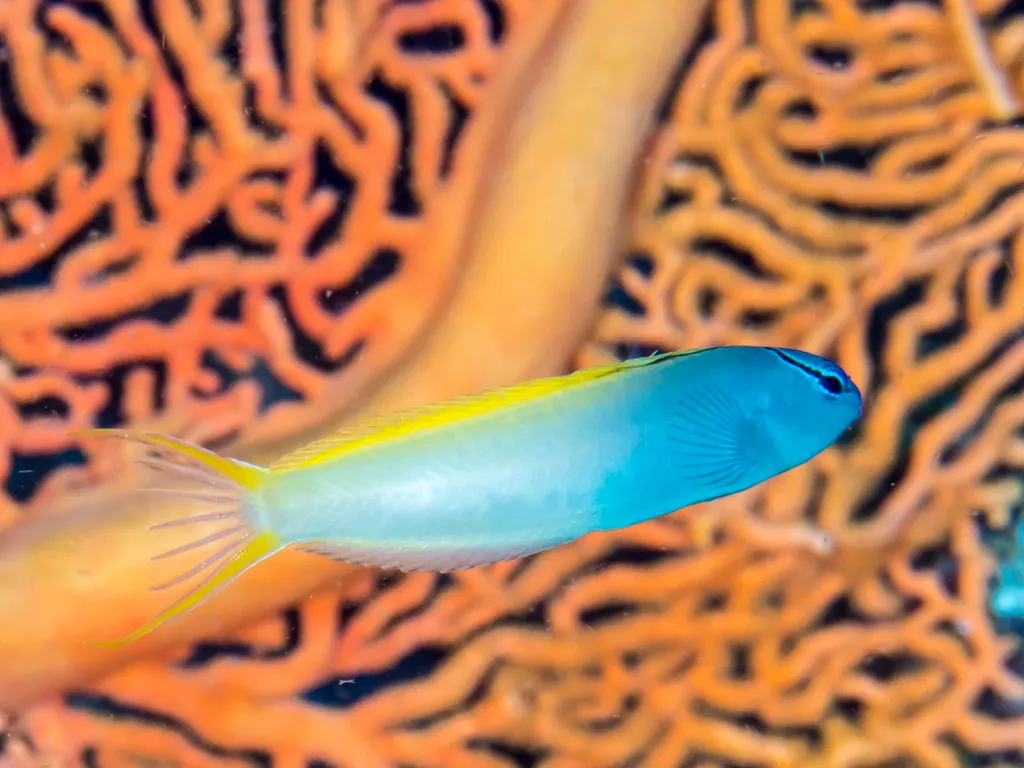
Forktail fang blenny
Meiacanthus atrodorsalis
Saltwater4.3 in (11 cm) · 30 gal (114 L)72–79°F (22–26°C)Four-stripe damsel
Dascyllus melanurus
Saltwater3.1 in (8 cm) · 29 gal (110 L)75–81°F (24–27°C)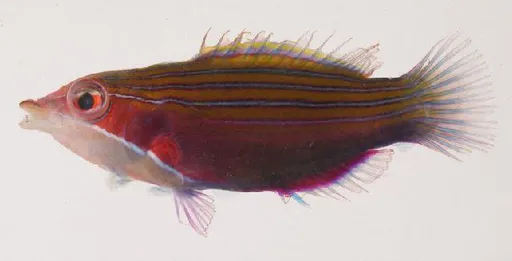
Fourline wrasse
Pseudocheilinus tetrataenia
Saltwater3 in (7.5 cm) · 30 gal (114 L)72–79°F (22–26°C)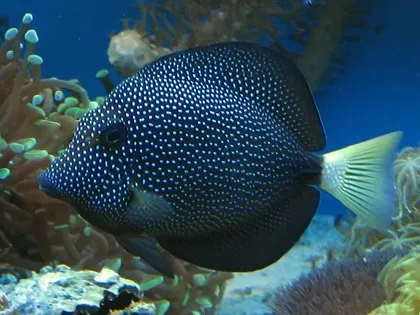
Gem tang
Zebrasoma gemmatum
Saltwater8.7 in (22 cm) · 151 gal (570 L)75–81°F (24–27°C)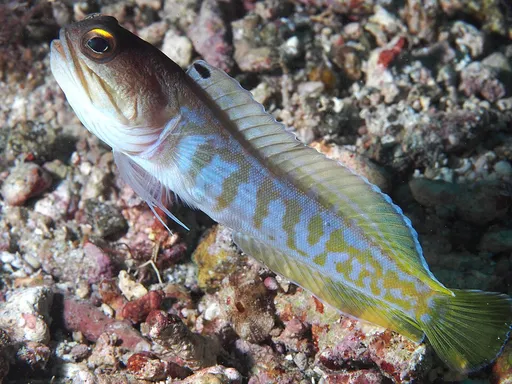
Gold-specs jawfish
Opistognathus randalli
Saltwater3.9 in (10 cm) · 30 gal (115 L)73–81°F (23–27°C)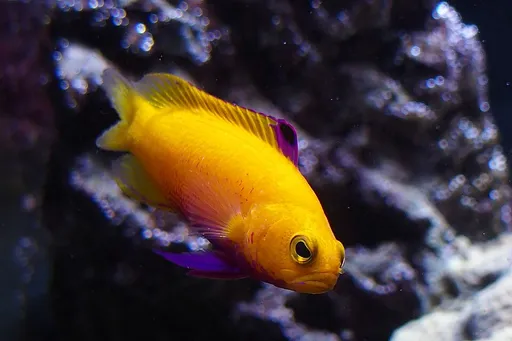
Golden basslet
Gramma dejongi
Saltwater2.8 in (7 cm) · 29 gal (110 L)75–81°F (24–27°C)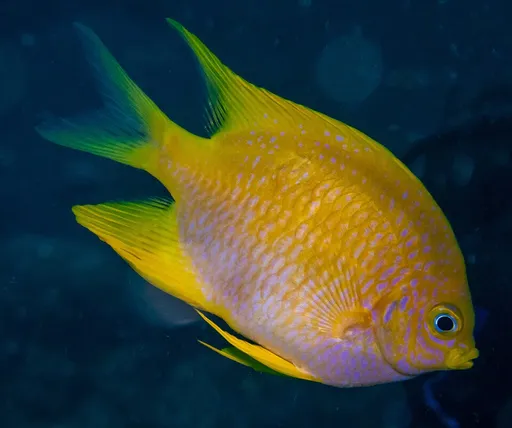
Golden damselfish
Amblyglyphidodon aureus
Saltwater4.7 in (12 cm) · 53 gal (200 L)75–81°F (24–27°C)Green chromis
Chromis viridis
Saltwater3.1 in (8 cm) · 30 gal (115 L)75–82°F (24–28°C)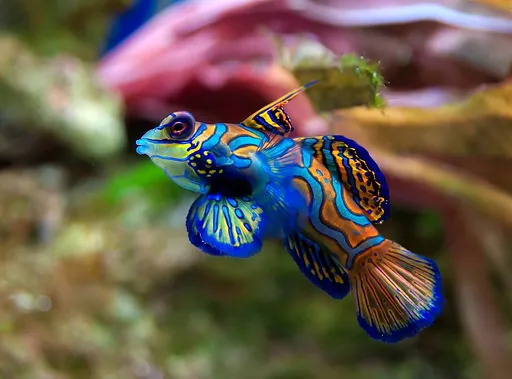
Green mandarin dragonet
Synchiropus splendidus
Saltwater3.1 in (8 cm) · 29 gal (110 L)75–81°F (24–27°C)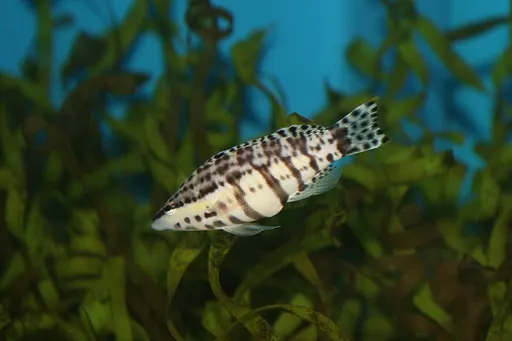
Harlequin bass
Serranus tigrinus
Saltwater5.1 in (13 cm) · 53 gal (200 L)73–81°F (23–27°C)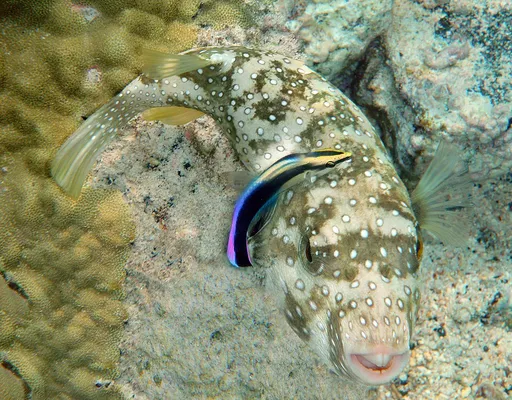
Hawaiian cleaner wrasse
Labroides phthirophagus
Saltwater3.9 in (10 cm) · 70 gal (265 L)75–81°F (24–27°C)Hector's goby
Koumansetta hectori
Saltwater3.1 in (8 cm) · 20 gal (75 L)73–81°F (23–27°C)Helfrich's firefish
Nemateleotris helfrichi
Saltwater2.4 in (6 cm) · 20 gal (75 L)73–81°F (23–27°C)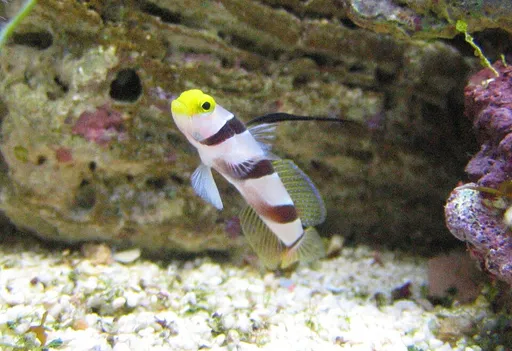
Hi-fin red banded goby
Stonogobiops nematodes
Saltwater2.4 in (6 cm) · 20 gal (75 L)72–81°F (22–27°C)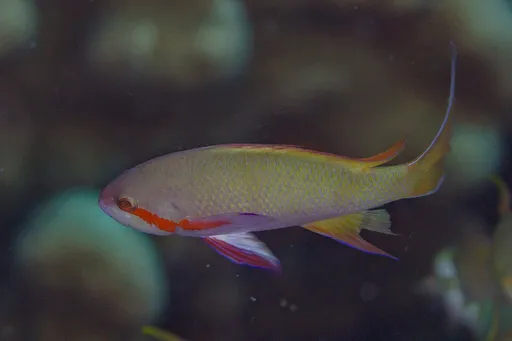
Huchtii anthias
Pseudanthias huchtii
Saltwater4.7 in (12 cm) · 90 gal (340 L)75–81°F (24–27°C)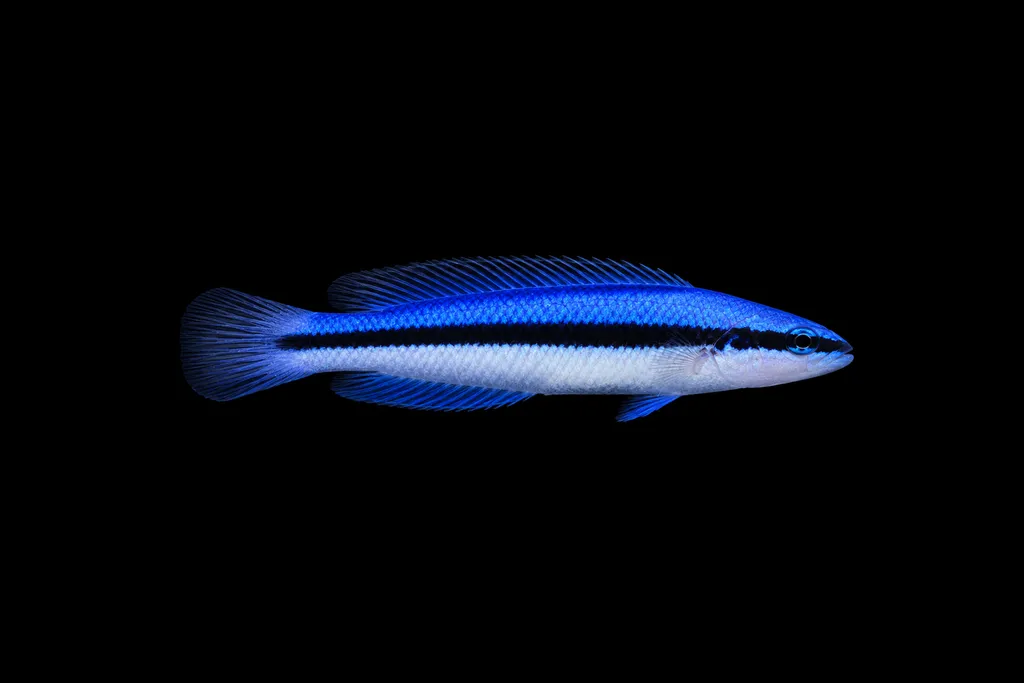
Indigo dottyback
Pseudochromis hybrid
Saltwater3 in (7.5 cm) · 29 gal (110 L)73–81°F (23–27°C)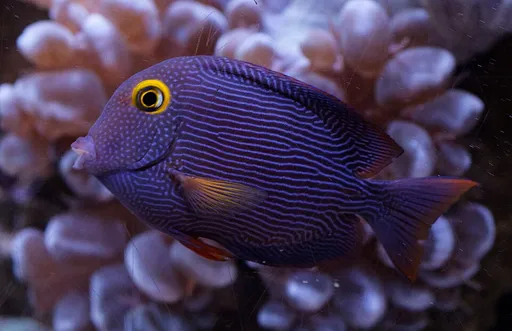
Kole tang
Ctenochaetus strigosus
Saltwater7.1 in (18 cm) · 79 gal (300 L)75–81°F (24–27°C)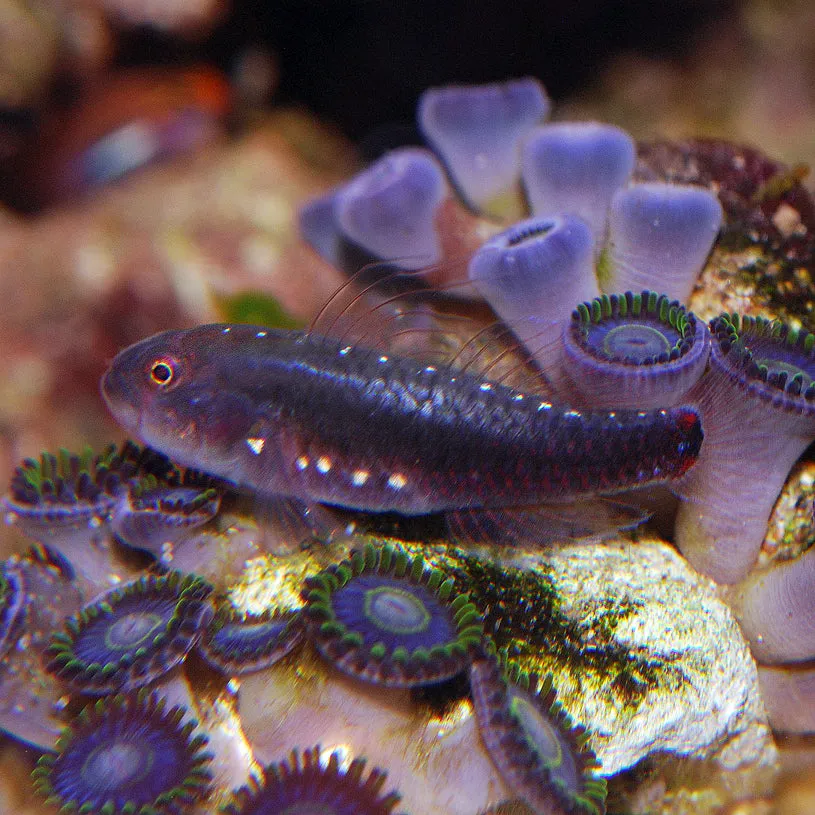
Lachdebere's dwarfgoby
Eviota lachdeberei
Saltwater0.8 in (2.1 cm) · 5 gal (19 L)72–79°F (22–26°C)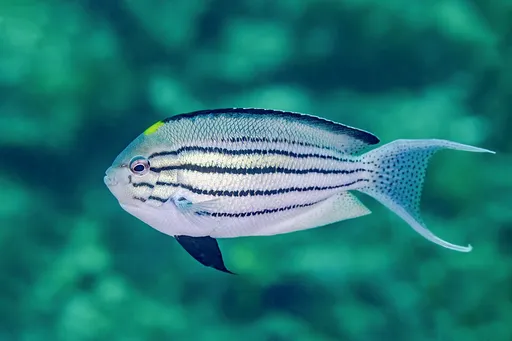
Lamarck's angelfish
Genicanthus lamarck
Saltwater9.8 in (25 cm) · 124 gal (470 L)72–79°F (22–26°C)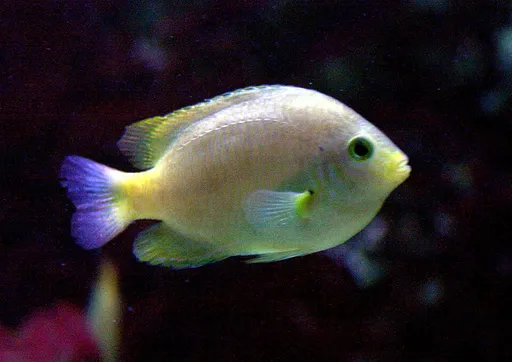
Lemon damsel
Pomacentrus moluccensis
Saltwater3.5 in (9 cm) · 29 gal (110 L)75–81°F (24–27°C)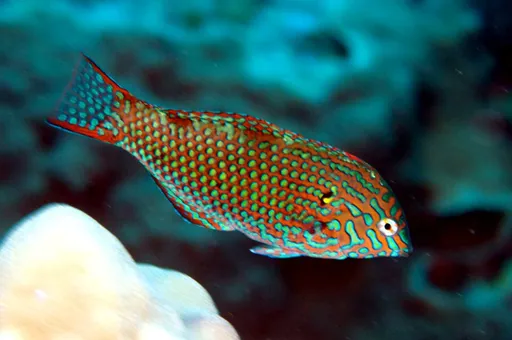
Leopard wrasse
Macropharyngodon meleagris
Saltwater5.9 in (15 cm) · 90 gal (340 L)72–79°F (22–26°C)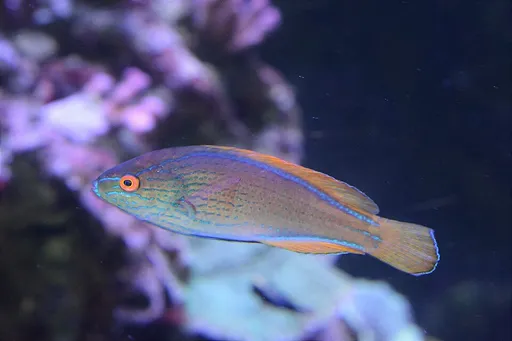
Lineatus fairy wrasse
Cirrhilabrus lineatus
Saltwater4.7 in (12 cm) · 90 gal (340 L)73–81°F (23–27°C)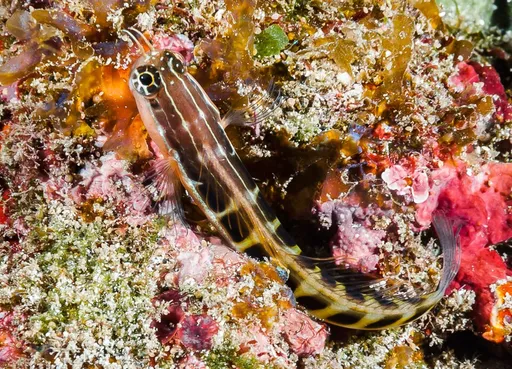
Lined blenny
Ecsenius lineatus
Saltwater3.5 in (9 cm) · 20 gal (75 L)72–79°F (22–26°C)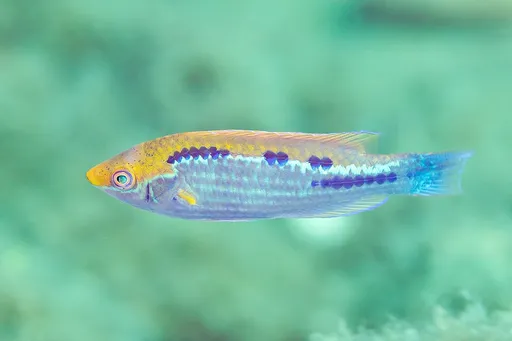
Lubbock's fairy wrasse
Cirrhilabrus lubbocki
Saltwater3.1 in (8 cm) · 55 gal (208 L)72–79°F (22–26°C)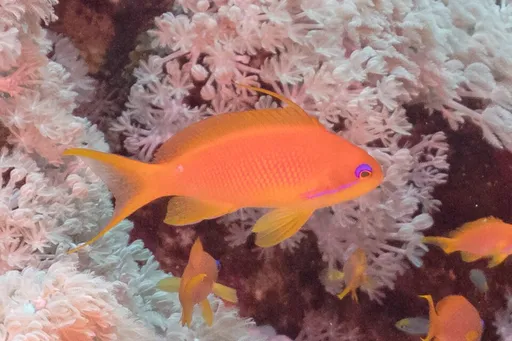
Lyretail anthias
Pseudanthias squamipinnis
Saltwater5.1 in (13 cm) · 79 gal (300 L)75–81°F (24–27°C)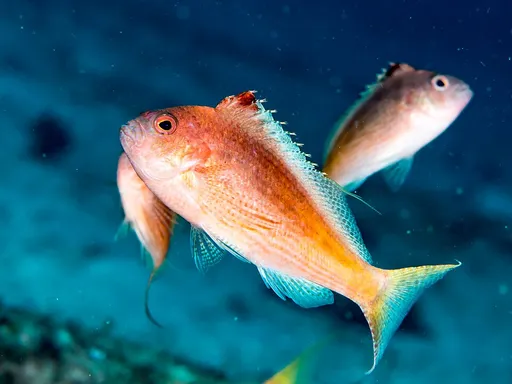
Lyretail hawkfish
Cyprinocirrhites polyactis
Saltwater5.9 in (15 cm) · 40 gal (150 L)72–79°F (22–26°C)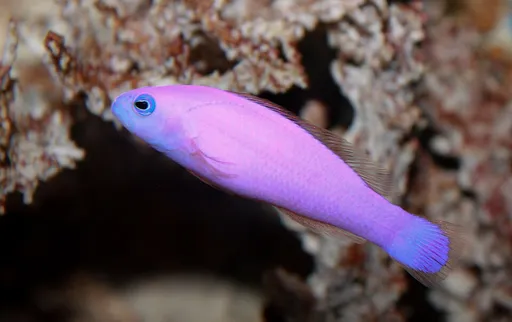
Magenta dottyback
Pictichromis porphyrea
Saltwater2.4 in (6 cm) · 20 gal (75 L)72–79°F (22–26°C)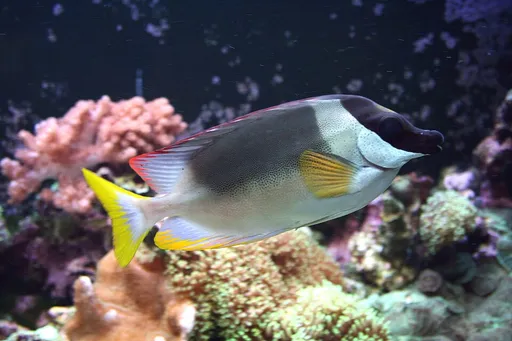
Magnificent foxface
Siganus magnificus
Saltwater9.1 in (23 cm) · 124 gal (470 L)75–81°F (24–27°C)Maroon clownfish
Premnas biaculeatus
Saltwater6.7 in (17 cm) · 40 gal (150 L)75–82°F (24–28°C)4 varietiesMcCosker's flasher wrasse
Paracheilinus mccoskeri
Saltwater3.1 in (8 cm) · 55 gal (208 L)72–79°F (22–26°C)Melanurus wrasse
Halichoeres melanurus
Saltwater5.5 in (14 cm) · 100 gal (380 L)72–79°F (22–26°C)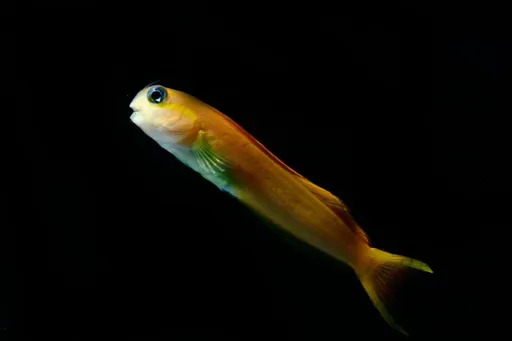
Midas blenny
Ecsenius midas
Saltwater5.1 in (13 cm) · 29 gal (110 L)72–79°F (22–26°C)Mimic tang
Acanthurus pyroferus
Saltwater11.4 in (29 cm) · 129 gal (490 L)75–82°F (24–28°C)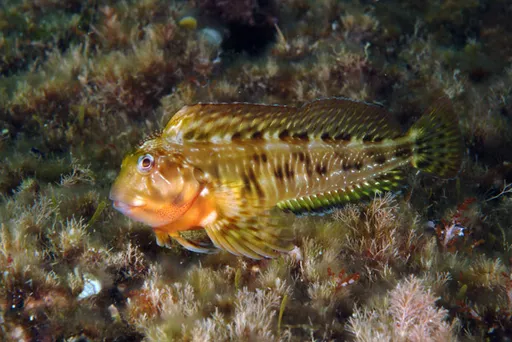
Molly Miller blenny
Scartella cristata
Saltwater4.7 in (12 cm) · 30 gal (114 L)72–79°F (22–26°C)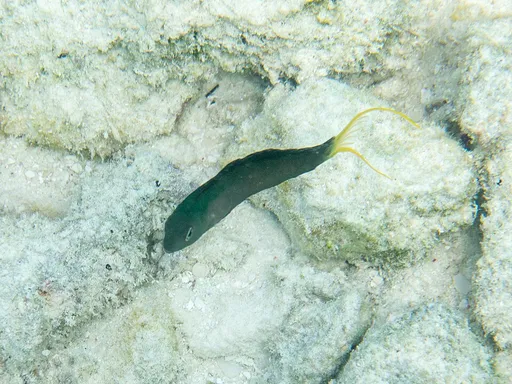
Mozambique fangblenny
Meiacanthus mossambicus
Saltwater3.5 in (9 cm) · 29 gal (110 L)72–79°F (22–26°C)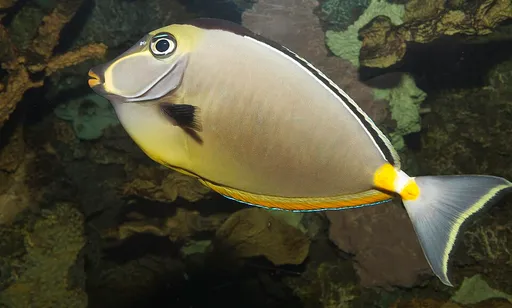
Naso tang
Naso lituratus
Saltwater17.7 in (45 cm) · 180 gal (680 L)73–82°F (23–28°C)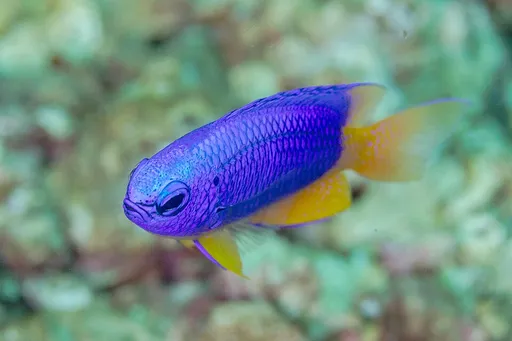
Neon damselfish
Pomacentrus coelestis
Saltwater3.5 in (9 cm) · 29 gal (110 L)75–81°F (24–27°C)Neon goby
Elacatinus oceanops
Saltwater2 in (5 cm) · 11 gal (40 L)72–79°F (22–26°C)Ocellaris clownfish
Amphiprion ocellaris
Saltwater3.1 in (8 cm) · 20 gal (75 L)75–82°F (24–28°C)17 varieties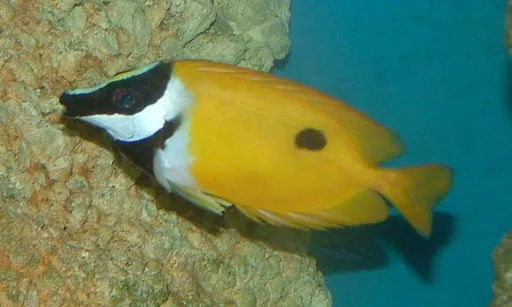
One-spot foxface
Siganus unimaculatus
Saltwater7.9 in (20 cm) · 70 gal (265 L)75–81°F (24–27°C)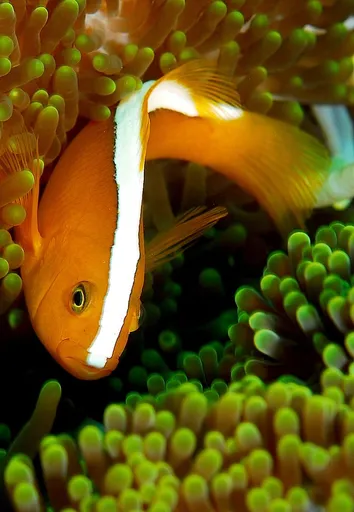
Orange skunk clownfish
Amphiprion sandaracinos
Saltwater5.5 in (14 cm) · 30 gal (115 L)75–82°F (24–28°C)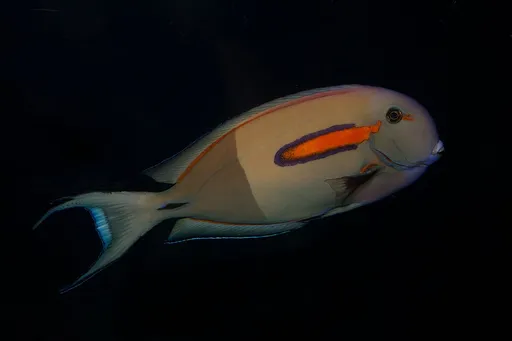
Orangeshoulder tang
Acanthurus olivaceus
Saltwater13.8 in (35 cm) · 180 gal (680 L)75–82°F (24–28°C)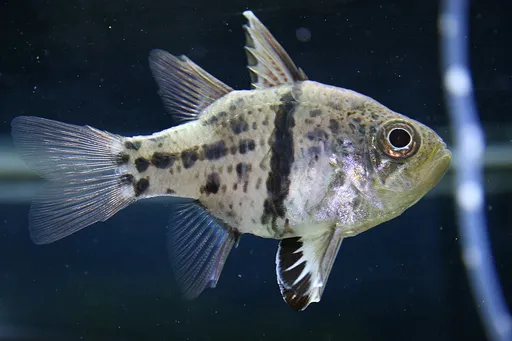
Orbiculate cardinalfish
Sphaeramia orbicularis
Saltwater3.9 in (10 cm) · 30 gal (115 L)75–82°F (24–28°C)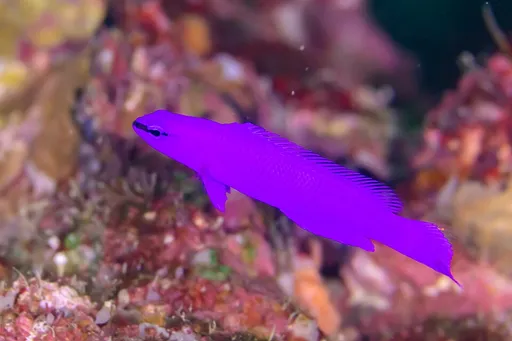
Orchid dottyback
Pseudochromis fridmani
Saltwater2.8 in (7 cm) · 29 gal (110 L)72–79°F (22–26°C)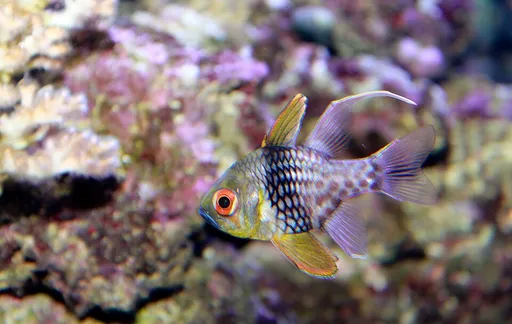
Pajama cardinalfish
Sphaeramia nematoptera
Saltwater3.1 in (8 cm) · 29 gal (110 L)72–81°F (22–27°C)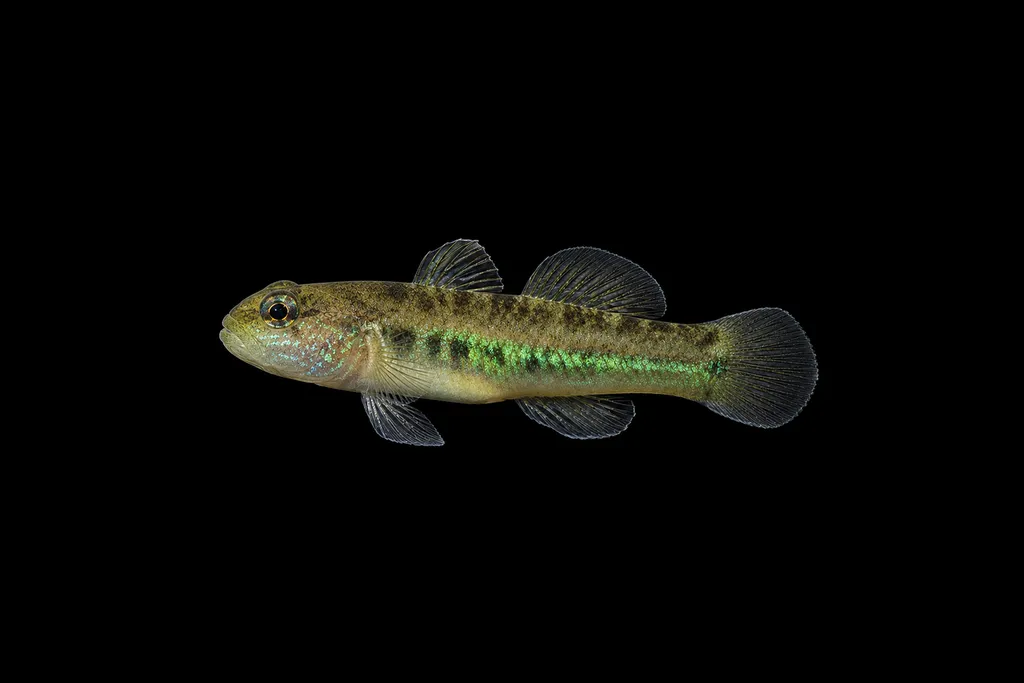
Panamanian greenbanded goby
Tigrigobius panamensis
Saltwater1.2 in (3 cm) · 11 gal (40 L)75–81°F (24–27°C)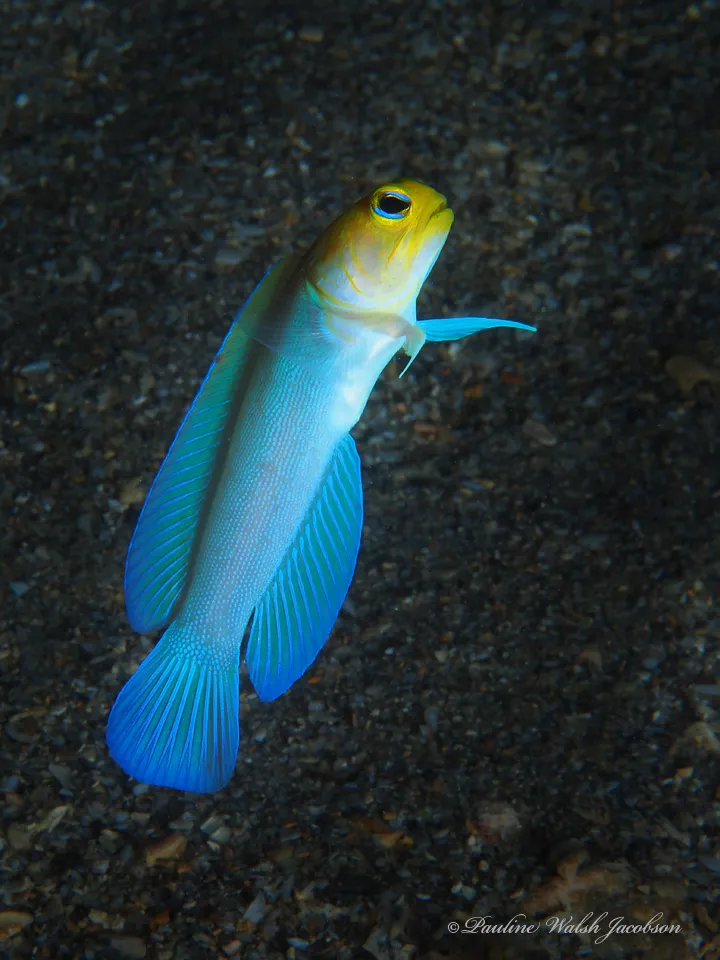
Pearly jawfish
Opistognathus aurifrons
Saltwater3.9 in (10 cm) · 29 gal (110 L)73–81°F (23–27°C)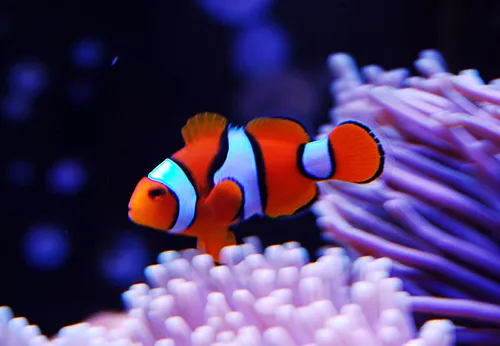
Percula clownfish
Amphiprion percula
Saltwater3.1 in (8 cm) · 20 gal (75 L)75–82°F (24–28°C)4 varietiesPictus blenny
Ecsenius pictus
Saltwater2 in (5 cm) · 20 gal (75 L)73–81°F (23–27°C)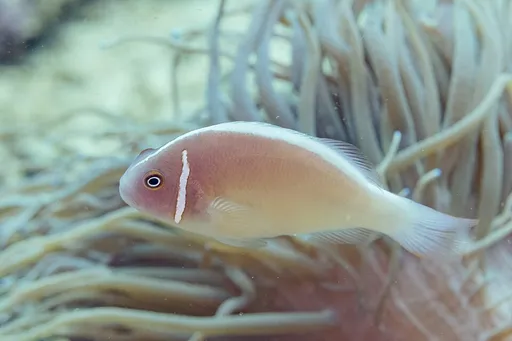
Pink skunk clownfish
Amphiprion perideraion
Saltwater3.9 in (10 cm) · 30 gal (115 L)75–82°F (24–28°C)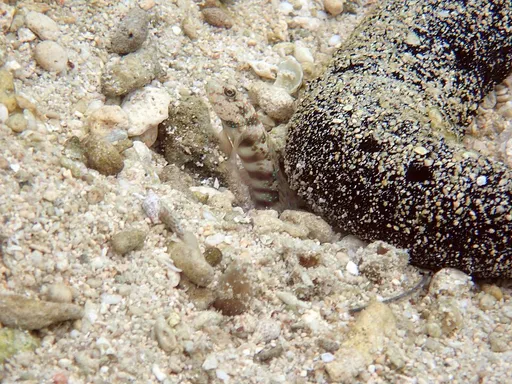
Pink-spotted watchman goby
Cryptocentrus leptocephalus
Saltwater3.9 in (10 cm) · 30 gal (115 L)73–81°F (23–27°C)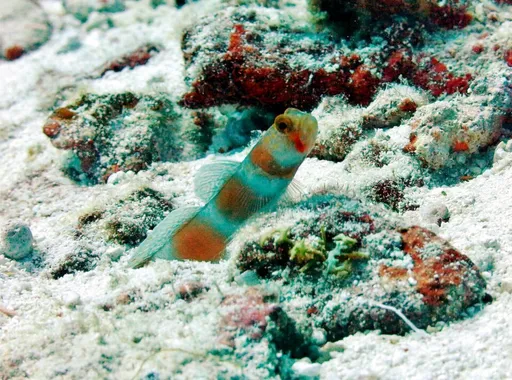
Pinkbar goby
Amblyeleotris aurora
Saltwater4.3 in (11 cm) · 30 gal (115 L)73–81°F (23–27°C)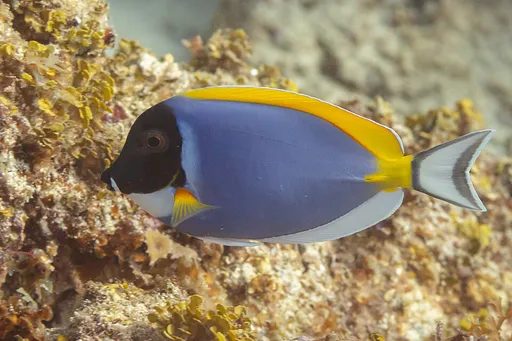
Powder blue tang
Acanthurus leucosternon
Saltwater9.1 in (23 cm) · 124 gal (470 L)75–81°F (24–27°C)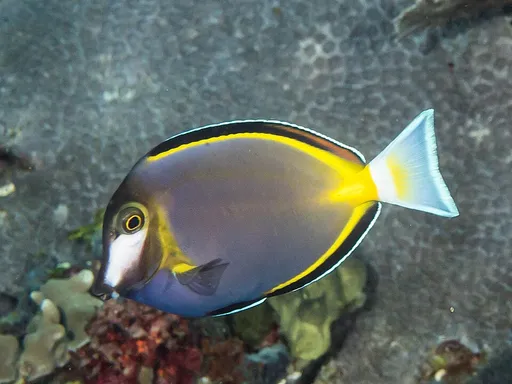
Powder brown tang
Acanthurus japonicus
Saltwater8.3 in (21 cm) · 129 gal (490 L)75–81°F (24–27°C)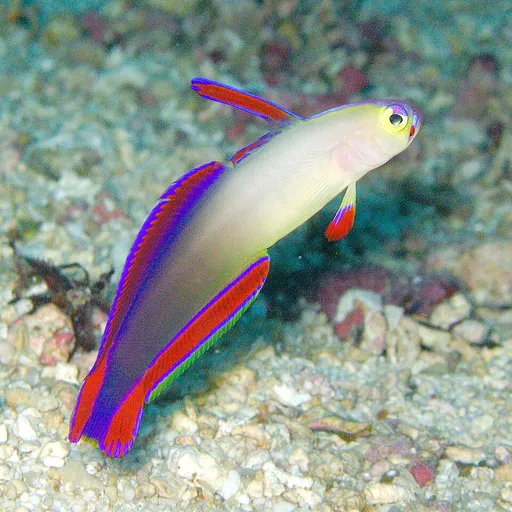
Purple firefish
Nemateleotris decora
Saltwater3.5 in (9 cm) · 20 gal (75 L)72–79°F (22–26°C)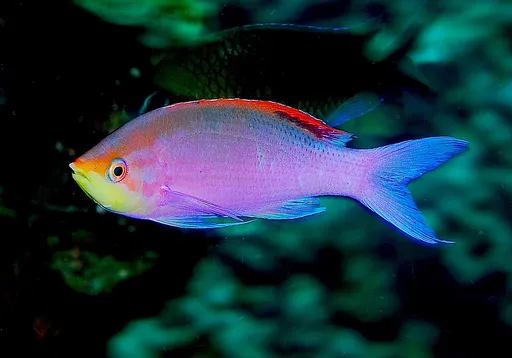
Purple queen anthias
Pseudanthias tuka
Saltwater4.7 in (12 cm) · 75 gal (285 L)75–81°F (24–27°C)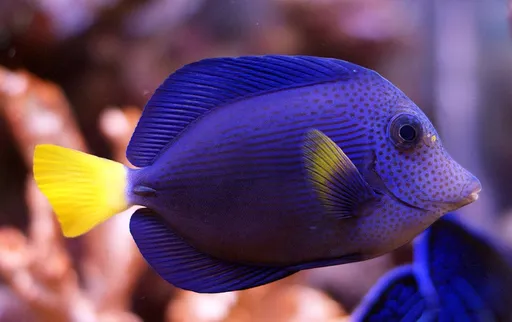
Purple tang
Zebrasoma xanthurum
Saltwater9.8 in (25 cm) · 106 gal (400 L)75–82°F (24–28°C)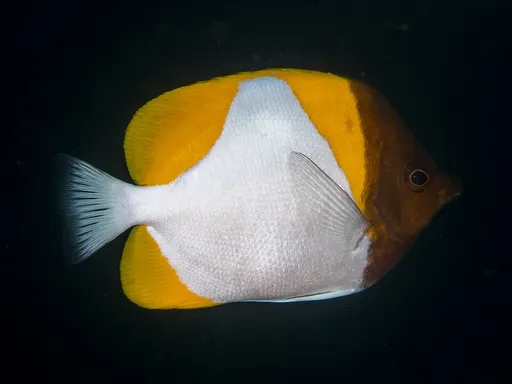
Pyramid butterflyfish
Hemitaurichthys polylepis
Saltwater7.1 in (18 cm) · 124 gal (470 L)75–81°F (24–27°C)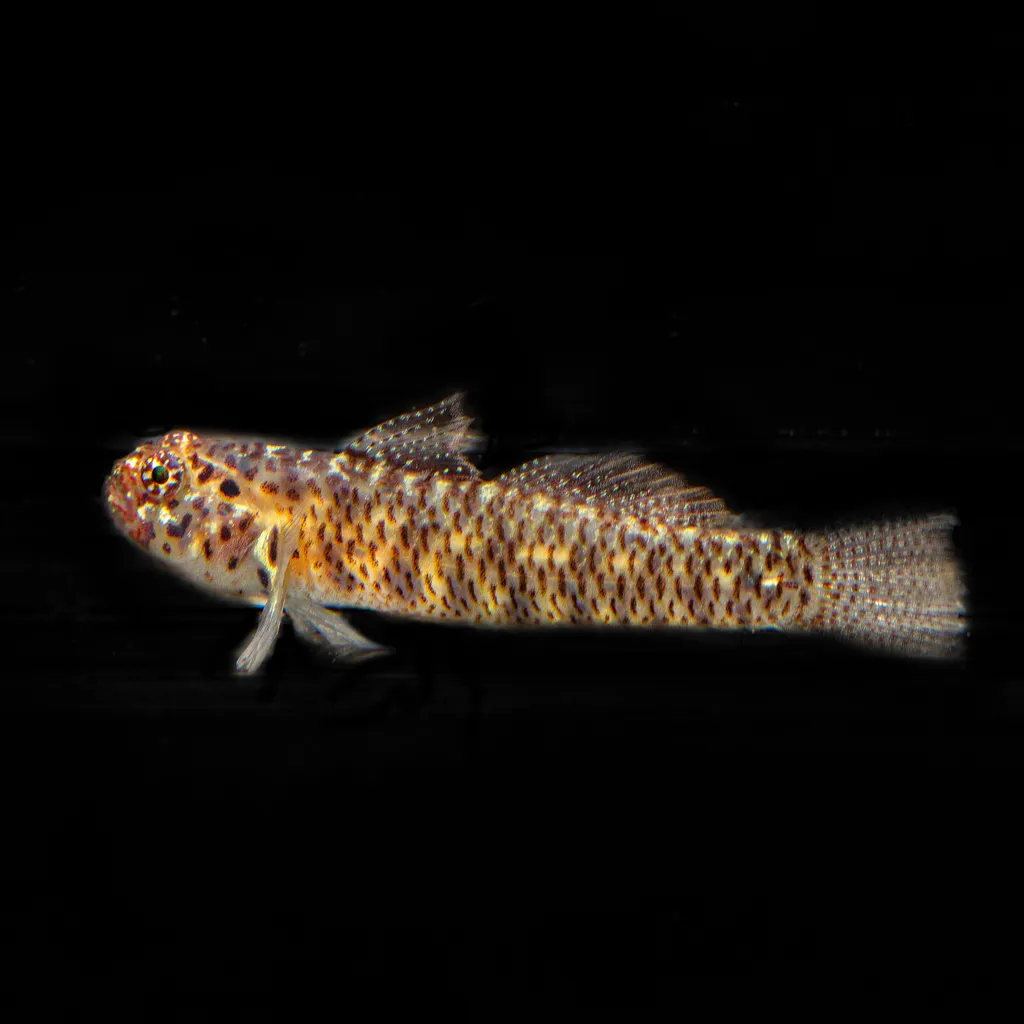
Queensland dwarfgoby
Eviota queenslandica
Saltwater0.9 in (2.4 cm) · 10 gal (38 L)72–79°F (22–26°C)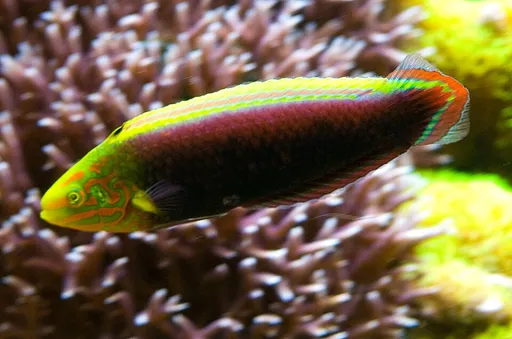
Radiant wrasse
Halichoeres iridis
Saltwater4.5 in (11.5 cm) · 75 gal (284 L)72–79°F (22–26°C)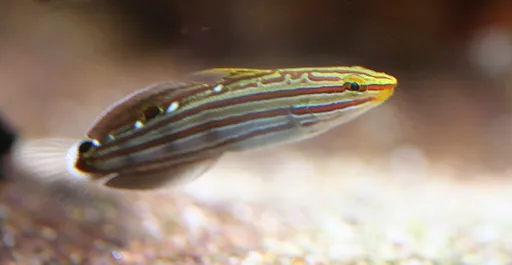
Rainford's goby
Koumansetta rainfordi
Saltwater3.1 in (8 cm) · 20 gal (75 L)72–79°F (22–26°C)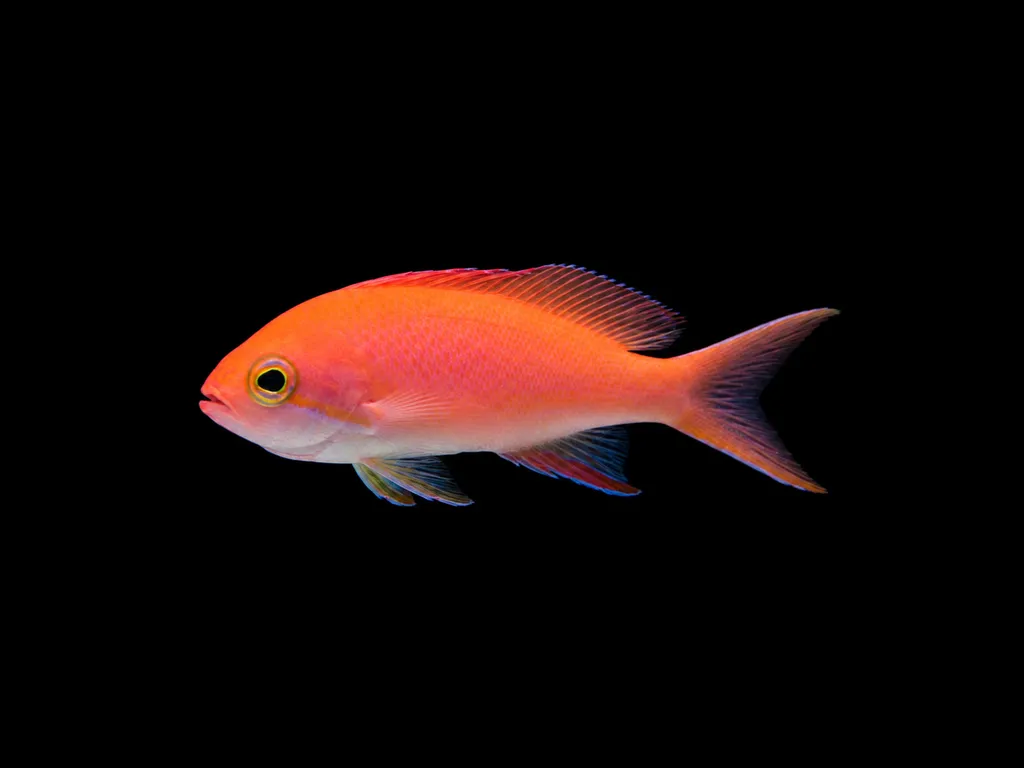
Randall's anthias
Pseudanthias randalli
Saltwater3.1 in (8 cm) · 75 gal (285 L)75–81°F (24–27°C)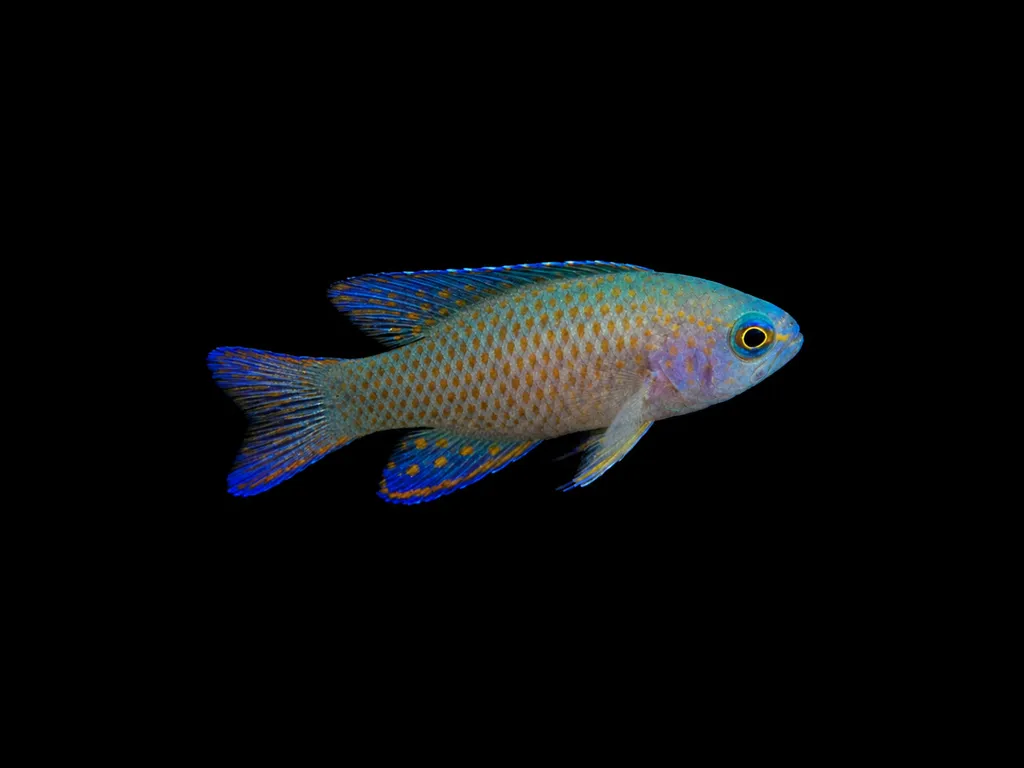
Randall's assessor
Assessor randalli
Saltwater3.1 in (8 cm) · 29 gal (110 L)73–81°F (23–27°C)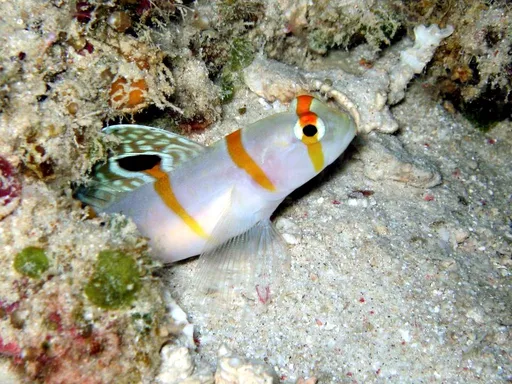
Randall's prawn goby
Amblyeleotris randalli
Saltwater4.7 in (12 cm) · 30 gal (114 L)72–79°F (22–26°C)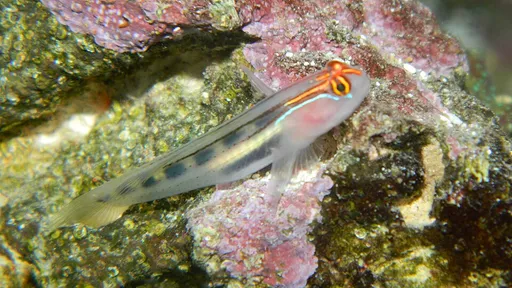
Red head goby
Elacatinus puncticulatus
Saltwater2 in (5 cm) · 11 gal (40 L)72–79°F (22–26°C)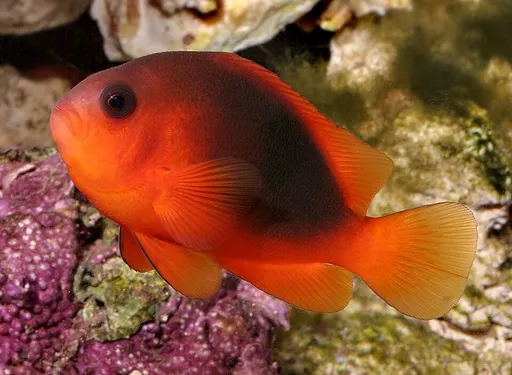
Red saddleback anemonefish
Amphiprion ephippium
Saltwater5.5 in (14 cm) · 30 gal (115 L)75–81°F (24–27°C)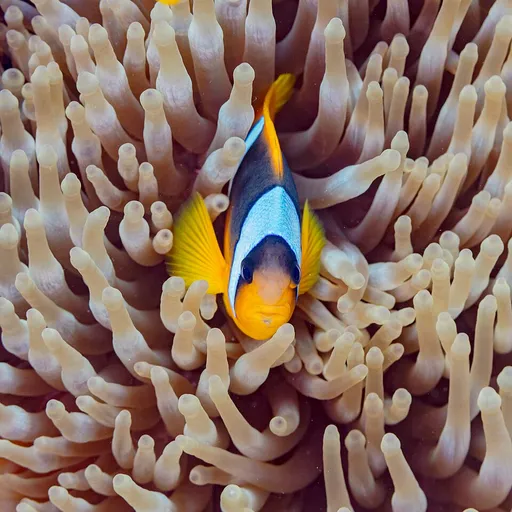
Red Sea clownfish
Amphiprion bicinctus
Saltwater5.5 in (14 cm) · 30 gal (115 L)75–82°F (24–28°C)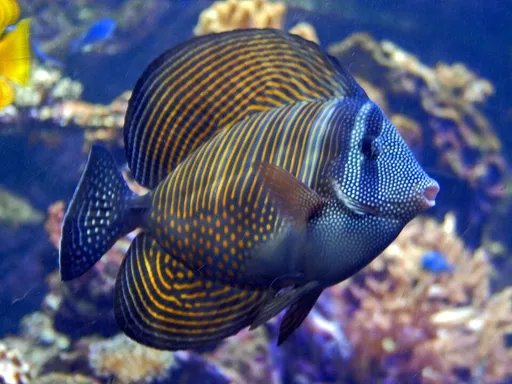
Red Sea sailfin tang
Zebrasoma desjardinii
Saltwater15.7 in (40 cm) · 180 gal (680 L)75–82°F (24–28°C)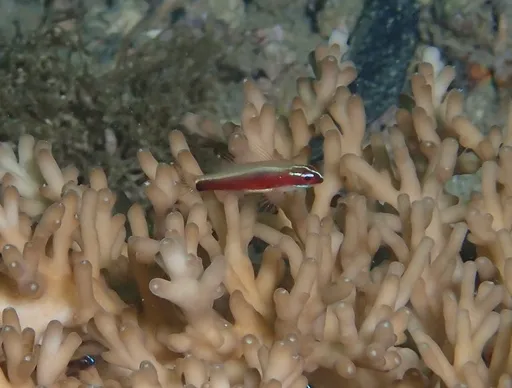
Redbelly dwarfgoby
Eviota nigriventris
Saltwater1.2 in (3 cm) · 10 gal (38 L)72–79°F (22–26°C)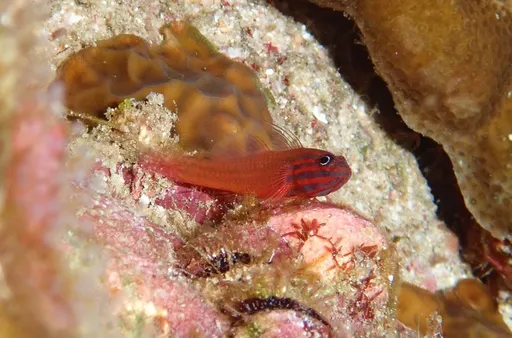
Redlined pygmygoby
Trimma striatum
Saltwater1.2 in (3 cm) · 10 gal (38 L)72–79°F (22–26°C)Royal gramma
Gramma loreto
Saltwater3.1 in (8 cm) · 29 gal (110 L)72–81°F (22–27°C)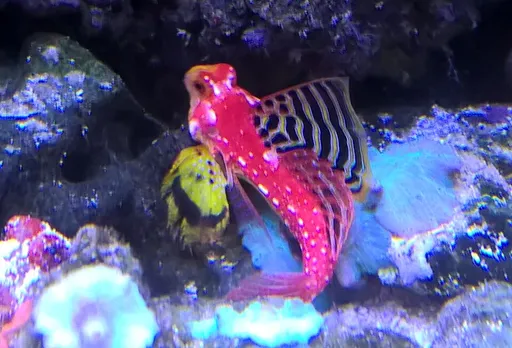
Ruby red dragonet
Synchiropus sycorax
Saltwater2.4 in (6 cm) · 53 gal (200 L)73–81°F (23–27°C)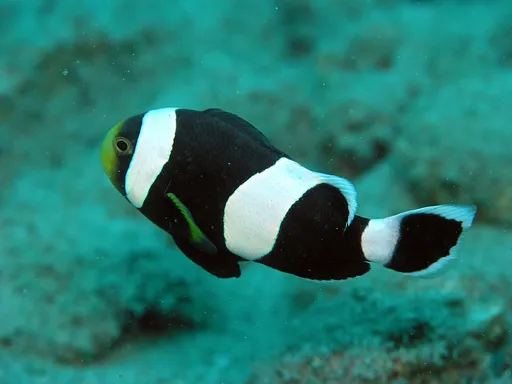
Saddleback clownfish
Amphiprion polymnus
Saltwater5.1 in (13 cm) · 40 gal (150 L)75–82°F (24–28°C)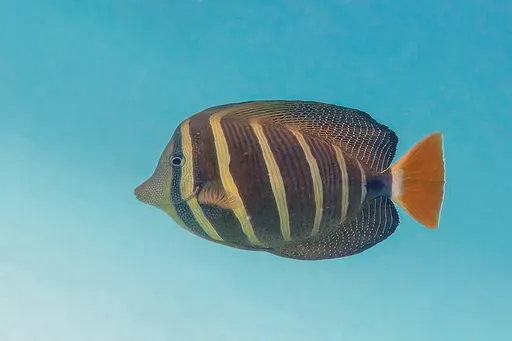
Sailfin tang
Zebrasoma veliferum
Saltwater11.8 in (30 cm) · 145 gal (550 L)75–82°F (24–28°C)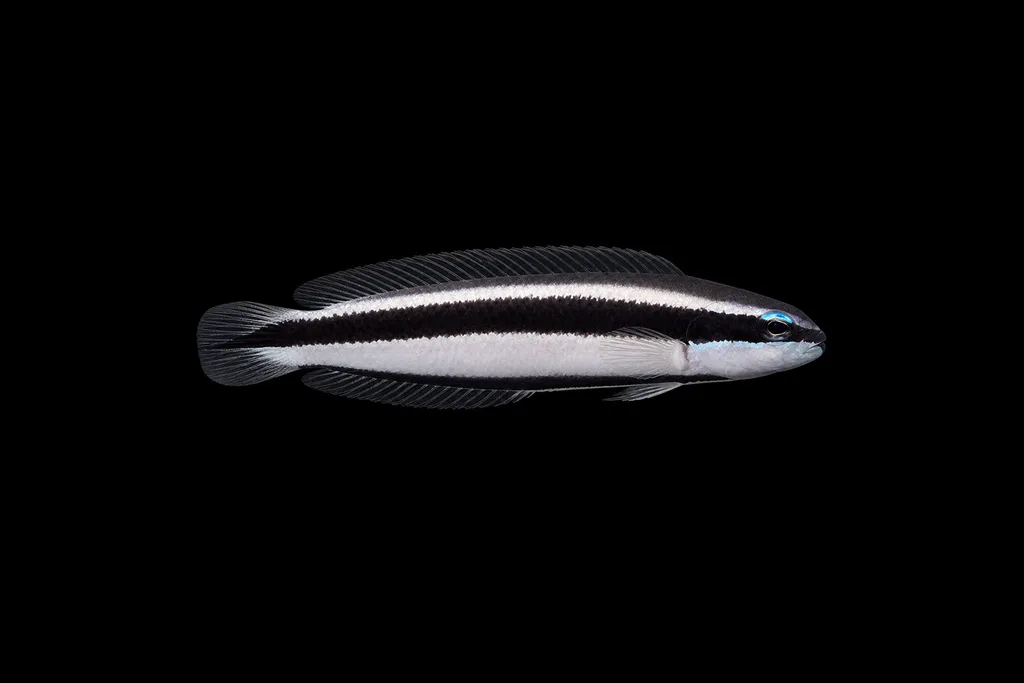
Sankey's dottyback
Pseudochromis sankeyi
Saltwater3.1 in (8 cm) · 29 gal (110 L)75–82°F (24–28°C)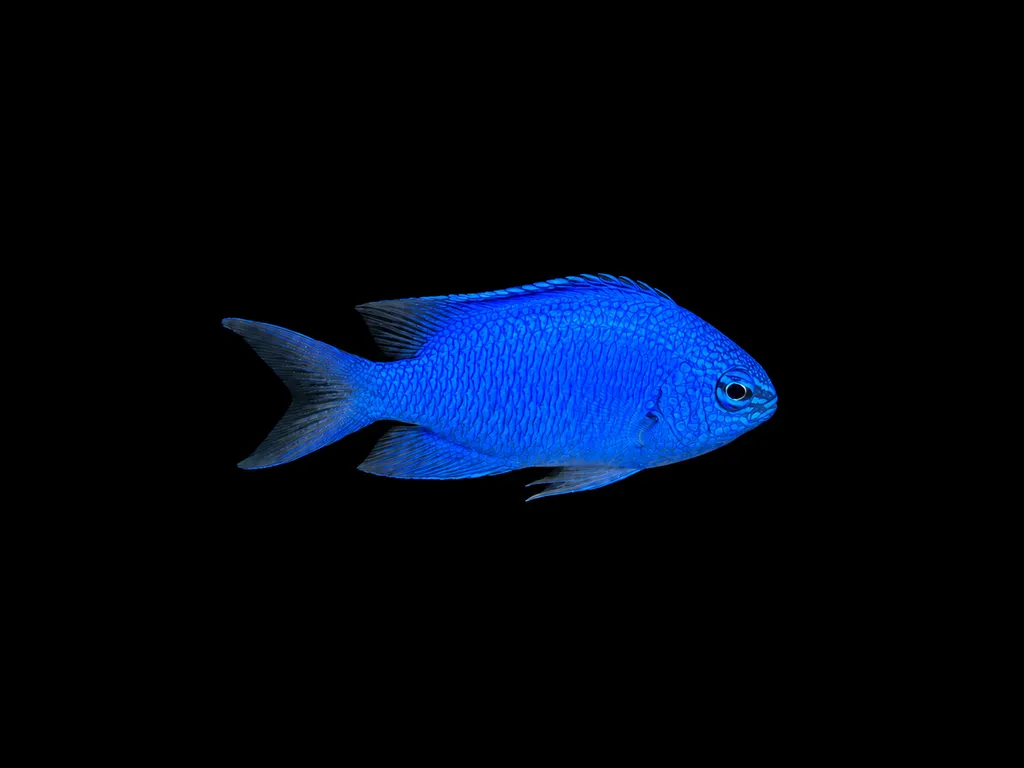
Sapphire damsel
Pomacentrus pavo
Saltwater3.3 in (8.5 cm) · 29 gal (110 L)75–82°F (24–28°C)Schooling bannerfish
Heniochus diphreutes
Saltwater8.3 in (21 cm) · 124 gal (470 L)75–81°F (24–27°C)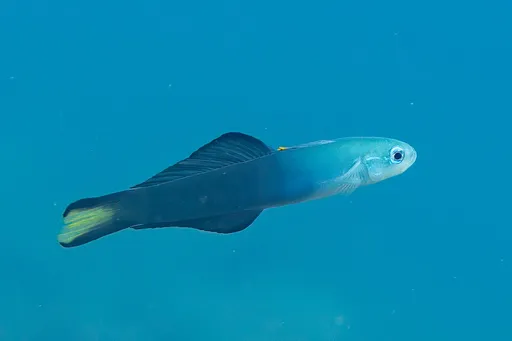
Scissortail dartfish
Ptereleotris evides
Saltwater5.5 in (14 cm) · 29 gal (110 L)72–79°F (22–26°C)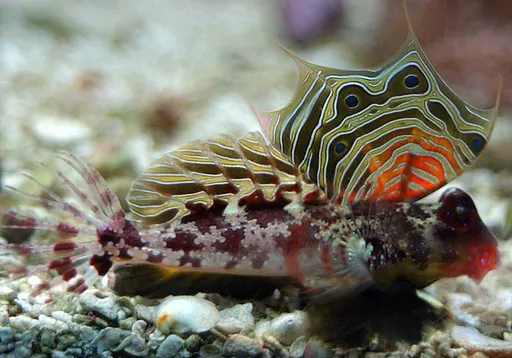
Scooter dragonet
Synchiropus ocellatus
Saltwater3.5 in (9 cm) · 29 gal (110 L)75–81°F (24–27°C)Scopas tang
Zebrasoma scopas
Saltwater7.9 in (20 cm) · 90 gal (340 L)75–82°F (24–28°C)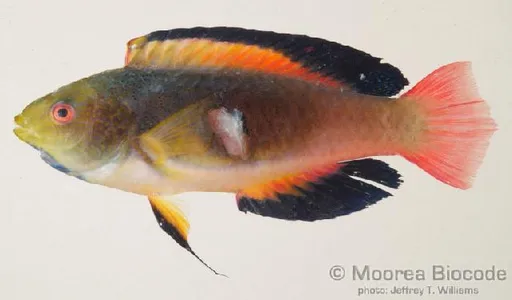
Scott's fairy wrasse
Cirrhilabrus scottorum
Saltwater5.1 in (13 cm) · 90 gal (340 L)73–81°F (23–27°C)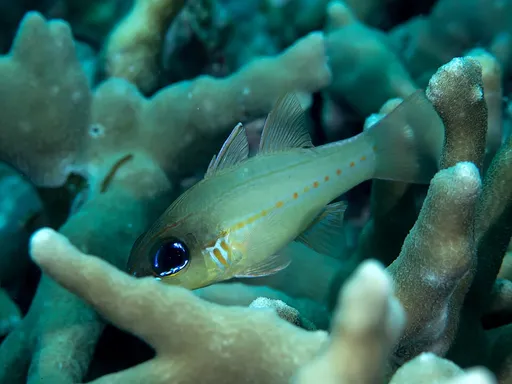
Seale's cardinalfish
Ostorhinchus sealei
Saltwater3.9 in (10 cm) · 29 gal (110 L)72–79°F (22–26°C)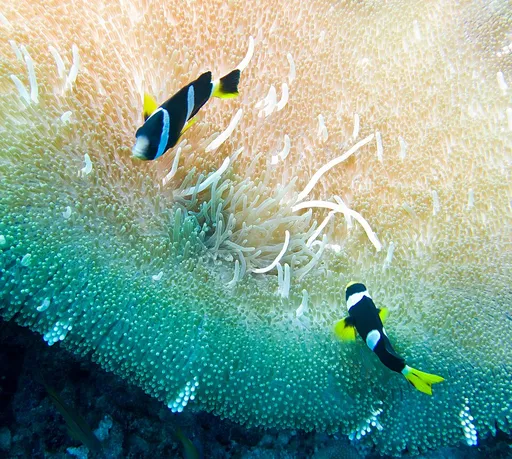
Sebae clownfish
Amphiprion sebae
Saltwater5.9 in (15 cm) · 30 gal (115 L)75–82°F (24–28°C)Sharknose goby
Elacatinus evelynae
Saltwater1.6 in (4 cm) · 13 gal (50 L)75–79°F (24–26°C)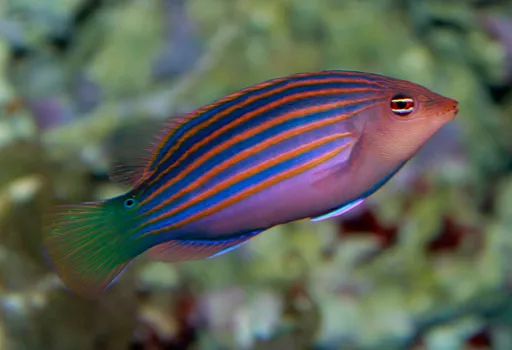
Six-line wrasse
Pseudocheilinus hexataenia
Saltwater3.1 in (8 cm) · 29 gal (110 L)72–79°F (22–26°C)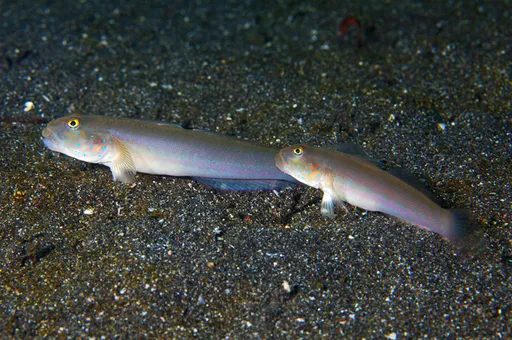
Sixspot sleeper goby
Valenciennea sexguttata
Saltwater5.5 in (14 cm) · 40 gal (150 L)72–79°F (22–26°C)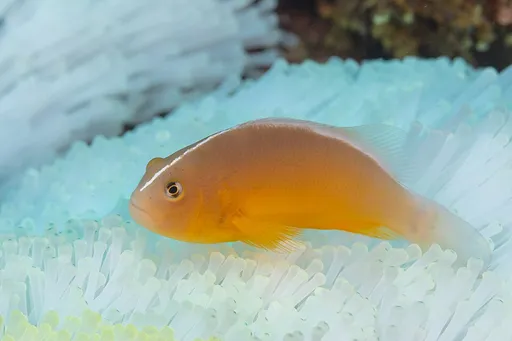
Skunk clownfish
Amphiprion akallopisos
Saltwater4.3 in (11 cm) · 26 gal (100 L)75–82°F (24–28°C)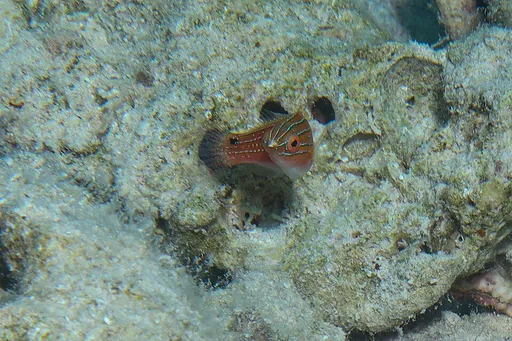
Social fairy wrasse
Cirrhilabrus rubriventralis
Saltwater2.8 in (7 cm) · 53 gal (200 L)73–81°F (23–27°C)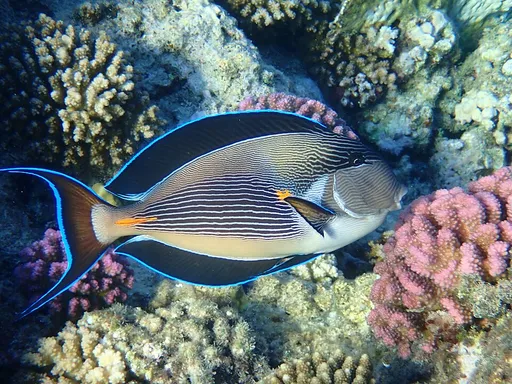
Sohal tang
Acanthurus sohal
Saltwater15.7 in (40 cm) · 180 gal (680 L)75–82°F (24–28°C)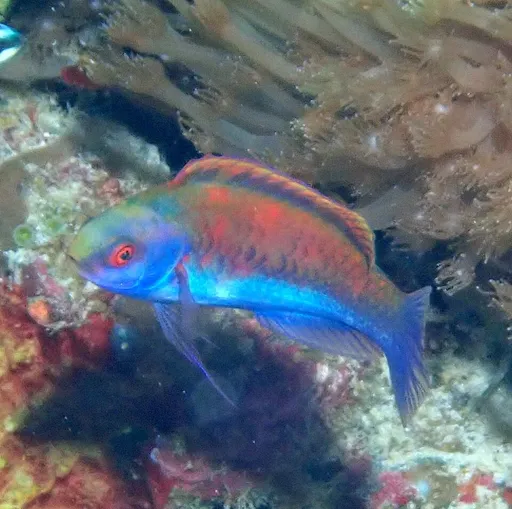
Solar fairy wrasse
Cirrhilabrus solorensis
Saltwater4.3 in (11 cm) · 90 gal (340 L)72–79°F (22–26°C)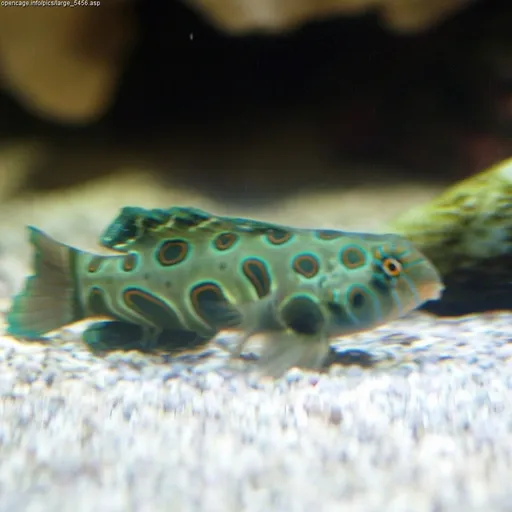
Spotted mandarin dragonet
Synchiropus picturatus
Saltwater2.8 in (7 cm) · 29 gal (110 L)75–81°F (24–27°C)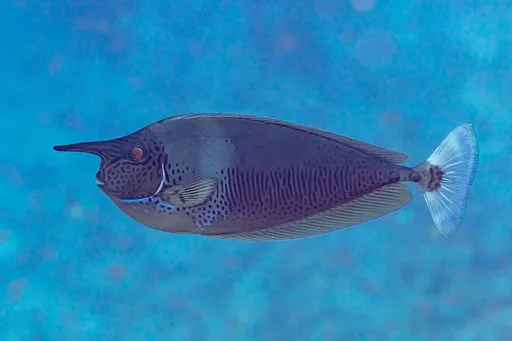
Spotted unicornfish
Naso brevirostris
Saltwater21.7 in (55 cm) · 343 gal (1,300 L)75–81°F (24–27°C)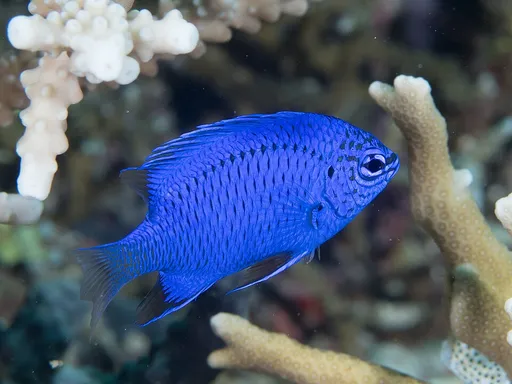
Springer's damsel
Chrysiptera springeri
Saltwater2.8 in (7 cm) · 25 gal (95 L)75–81°F (24–27°C)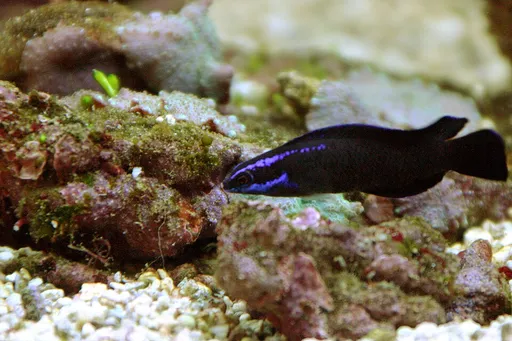
Springer's dottyback
Pseudochromis springeri
Saltwater2.4 in (6 cm) · 20 gal (75 L)72–79°F (22–26°C)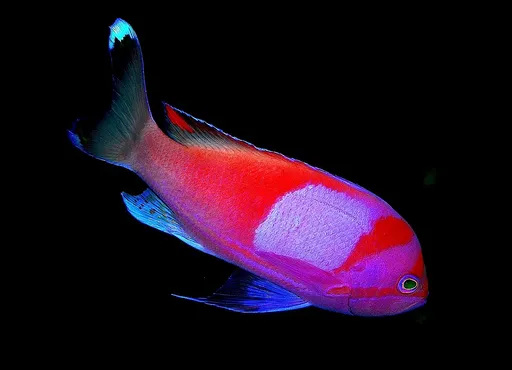
Square anthias
Pseudanthias pleurotaenia
Saltwater7.9 in (20 cm) · 100 gal (380 L)72–79°F (22–26°C)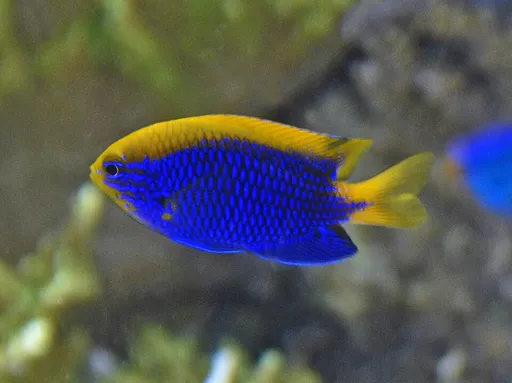
Starck's damsel
Chrysiptera starcki
Saltwater3.5 in (9 cm) · 29 gal (110 L)73–81°F (23–27°C)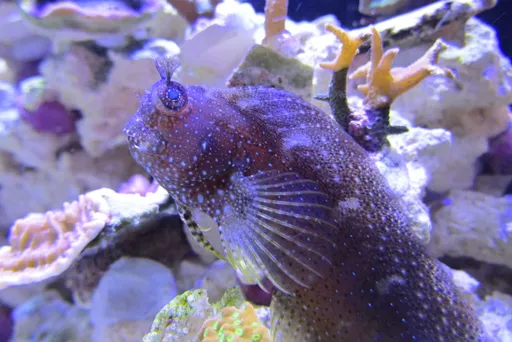
Starry blenny
Salarias ramosus
Saltwater5.5 in (14 cm) · 30 gal (114 L)72–79°F (22–26°C)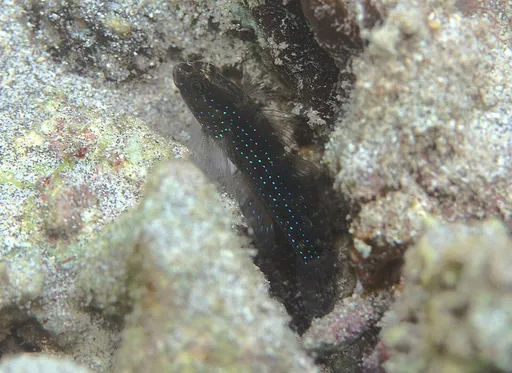
Starry goby
Asterropteryx semipunctata
Saltwater2.8 in (7 cm) · 13 gal (50 L)73–81°F (23–27°C)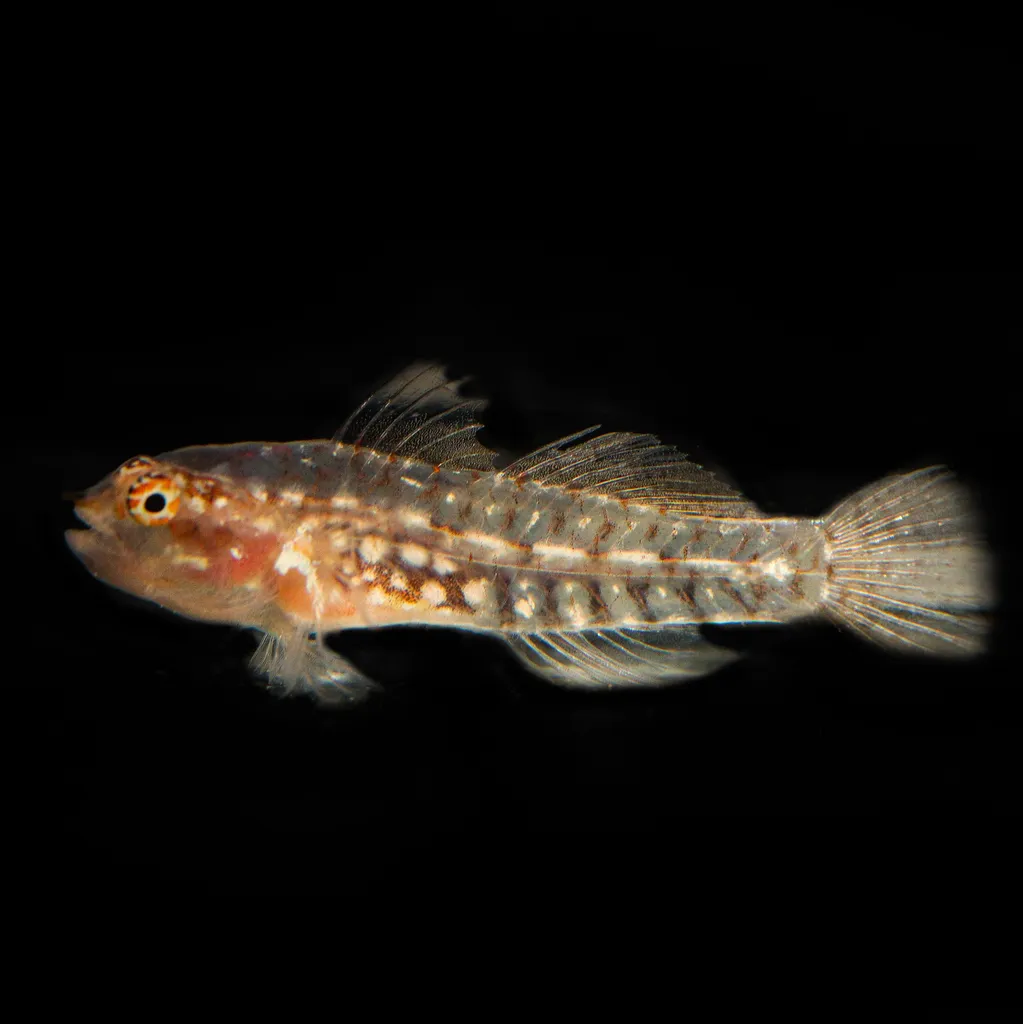
Storthynx dwarfgoby
Eviota storthynx
Saltwater1 in (2.5 cm) · 5 gal (19 L)72–79°F (22–26°C)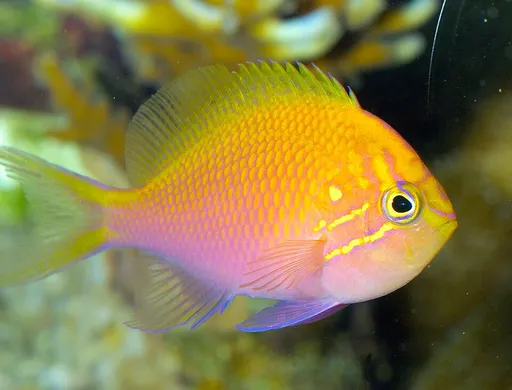
Sunburst anthias
Serranocirrhitus latus
Saltwater5.1 in (13 cm) · 70 gal (265 L)72–81°F (22–27°C)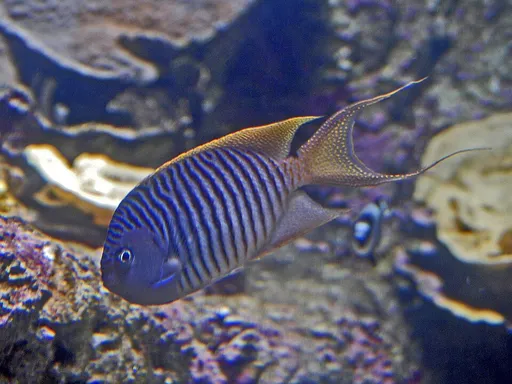
Swallowtail angelfish
Genicanthus melanospilos
Saltwater7.1 in (18 cm) · 106 gal (400 L)72–79°F (22–26°C)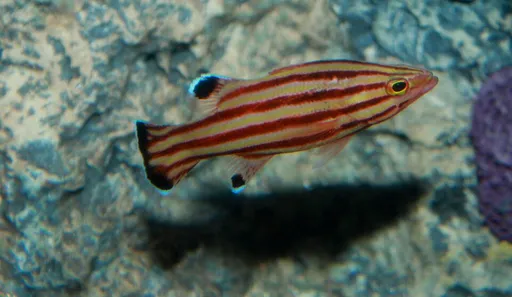
Swissguard basslet
Liopropoma rubre
Saltwater3.1 in (8 cm) · 29 gal (110 L)75–81°F (24–27°C)Tailspot blenny
Ecsenius stigmatura
Saltwater2.4 in (6 cm) · 20 gal (75 L)72–79°F (22–26°C)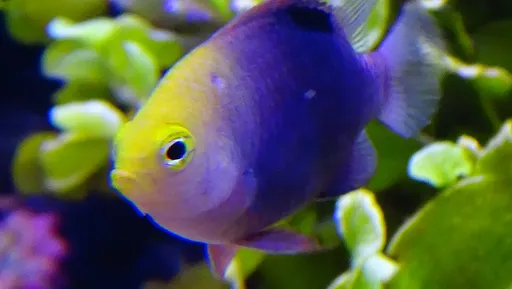
Talbot's damsel
Chrysiptera talboti
Saltwater2.4 in (6 cm) · 29 gal (110 L)75–81°F (24–27°C)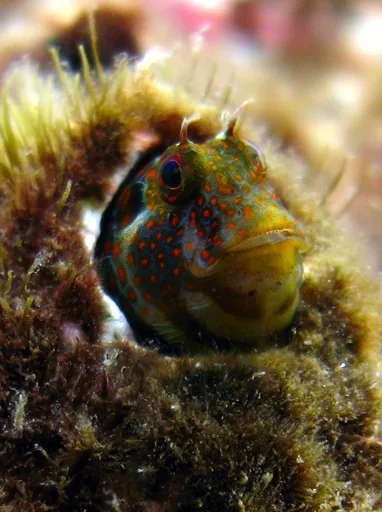
Tessellated blenny
Hypsoblennius invemar
Saltwater2.4 in (6 cm) · 20 gal (75 L)73–79°F (23–26°C)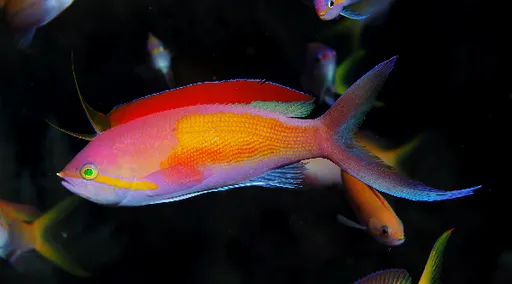
Threadfin anthias
Nemanthias carberryi
Saltwater3.9 in (10 cm) · 70 gal (265 L)72–79°F (22–26°C)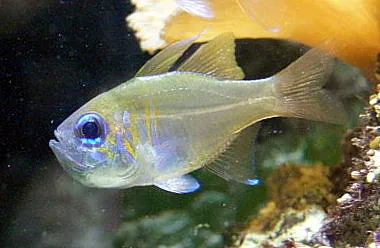
Threadfin cardinalfish
Zoramia leptacantha
Saltwater2.4 in (6 cm) · 30 gal (114 L)72–79°F (22–26°C)Three-stripe damsel
Dascyllus aruanus
Saltwater3.5 in (9 cm) · 29 gal (110 L)75–81°F (24–27°C)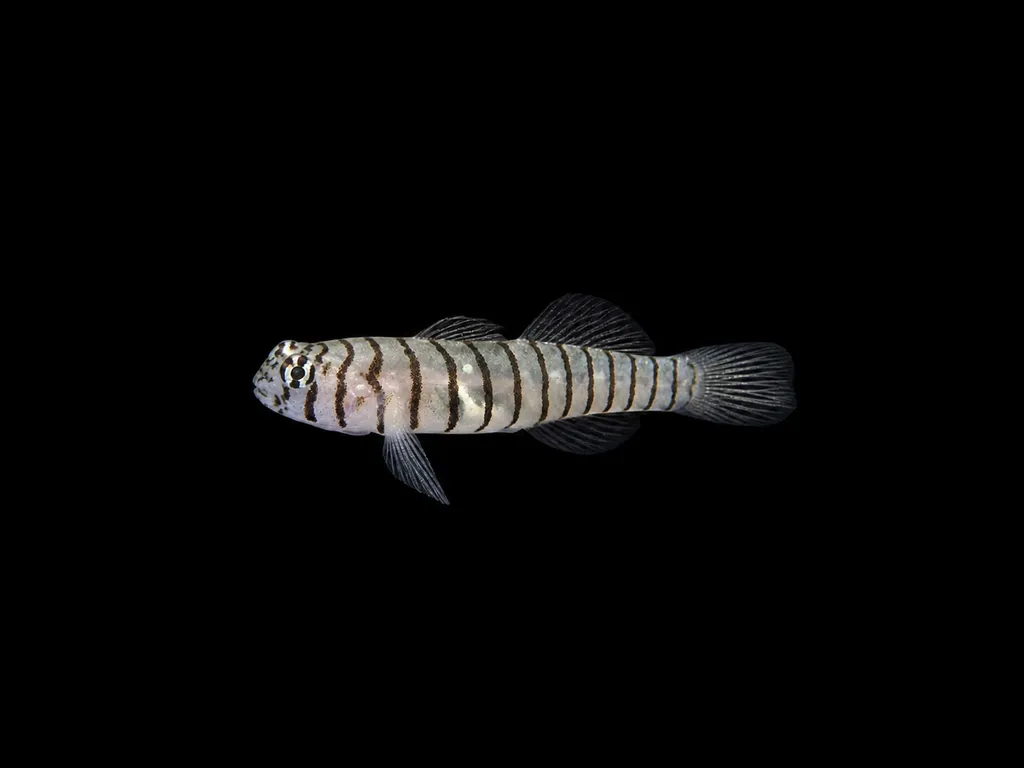
Tiger goby
Tigrigobius macrodon
Saltwater2 in (5 cm) · 11 gal (40 L)72–81°F (22–27°C)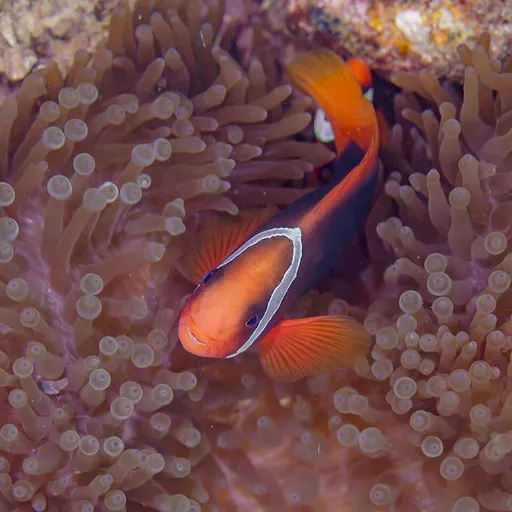
Tomato clownfish
Amphiprion frenatus
Saltwater5.5 in (14 cm) · 30 gal (115 L)75–82°F (24–28°C)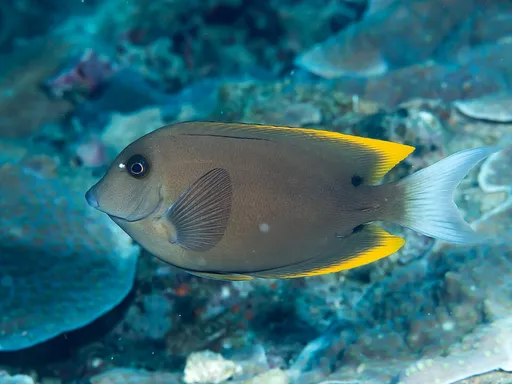
Tomini tang
Ctenochaetus tominiensis
Saltwater6.3 in (16 cm) · 70 gal (265 L)75–81°F (24–27°C)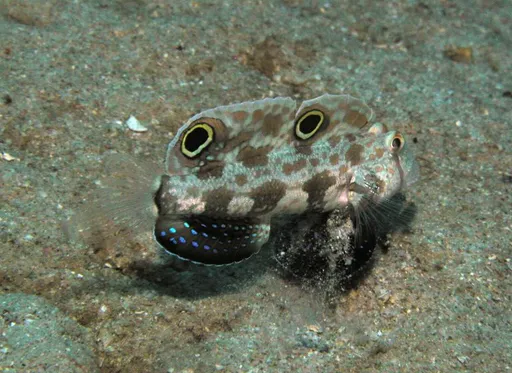
Twinspot goby
Signigobius biocellatus
Saltwater3.9 in (10 cm) · 30 gal (115 L)73–81°F (23–27°C)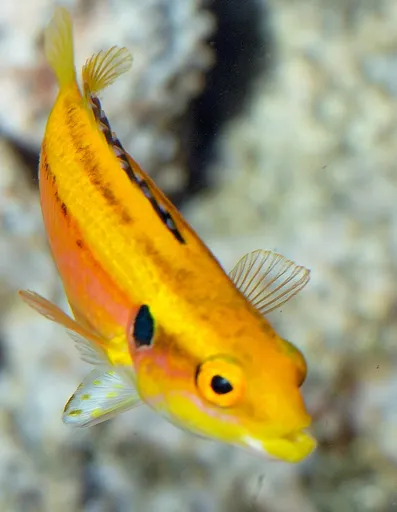
Twospot hogfish
Bodianus bimaculatus
Saltwater3.9 in (10 cm) · 30 gal (114 L)72–79°F (22–26°C)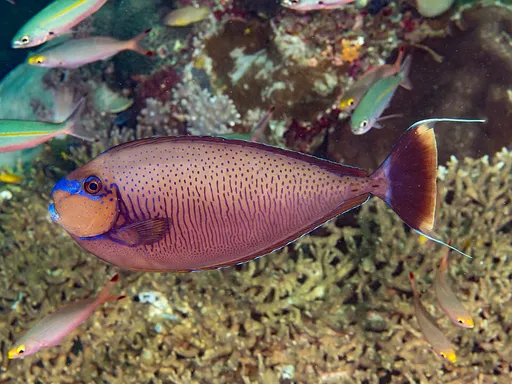
Vlamingi tang
Naso vlamingii
Saltwater23.6 in (60 cm) · 359 gal (1,360 L)75–81°F (24–27°C)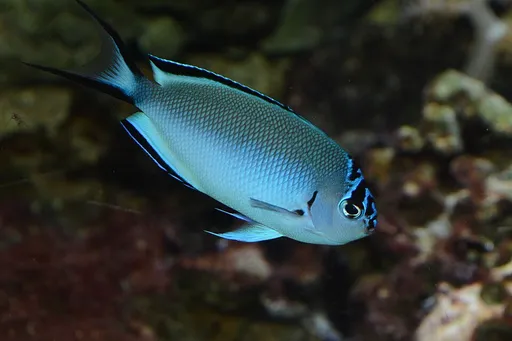
Watanabei angelfish
Genicanthus watanabei
Saltwater5.9 in (15 cm) · 79 gal (300 L)72–79°F (22–26°C)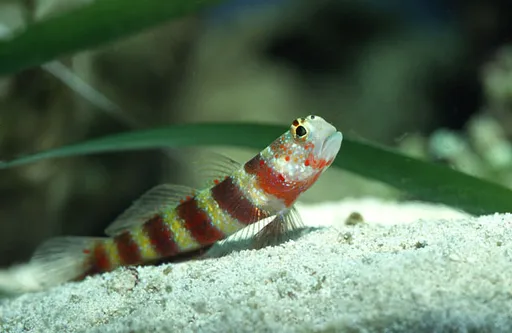
Wheeler's prawn goby
Amblyeleotris wheeleri
Saltwater3.9 in (10 cm) · 30 gal (114 L)72–79°F (22–26°C)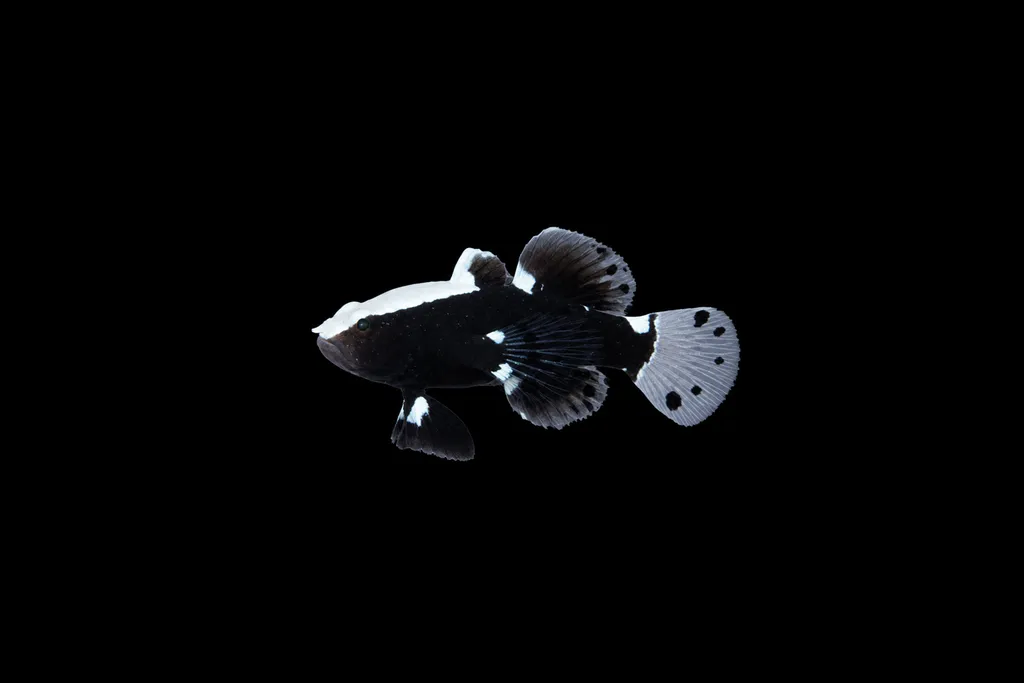
Whitecap goby
Lotilia klausewitzi
Saltwater2 in (5 cm) · 11 gal (40 L)73–81°F (23–27°C)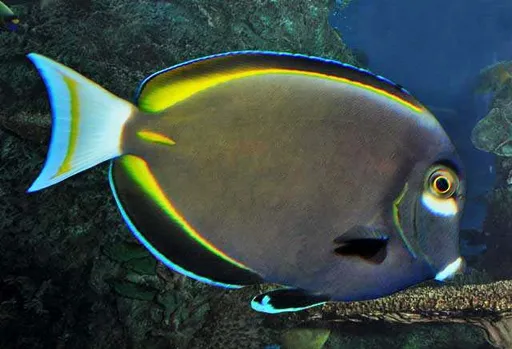
Whitecheek tang
Acanthurus nigricans
Saltwater13.8 in (35 cm) · 129 gal (490 L)75–81°F (24–27°C)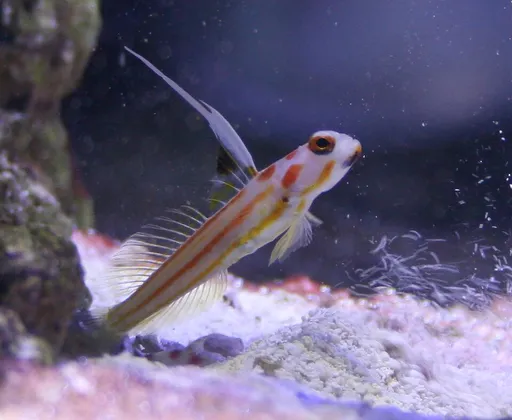
Yasha goby
Stonogobiops yasha
Saltwater2.4 in (6 cm) · 15 gal (57 L)72–79°F (22–26°C)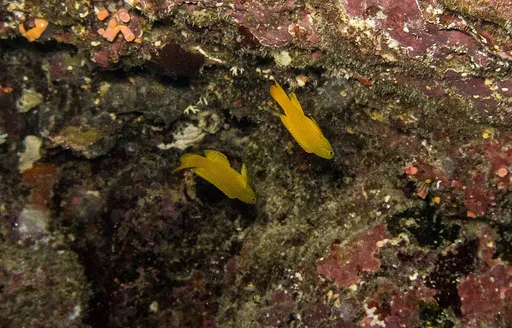
Yellow assessor
Assessor flavissimus
Saltwater2.8 in (7 cm) · 29 gal (110 L)72–79°F (22–26°C)Yellow cardinalfish
Ostorhinchus luteus
Saltwater2 in (5 cm) · 20 gal (75 L)73–79°F (23–26°C)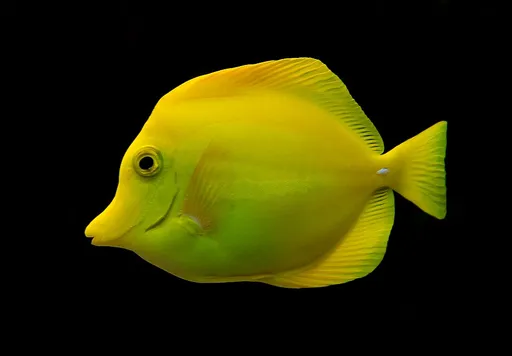
Yellow tang
Zebrasoma flavescens
Saltwater7.9 in (20 cm) · 100 gal (380 L)72–79°F (22–26°C)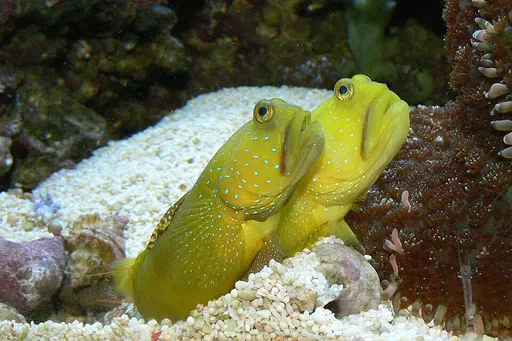
Yellow watchman goby
Cryptocentrus cinctus
Saltwater3.5 in (9 cm) · 20 gal (75 L)72–81°F (22–27°C)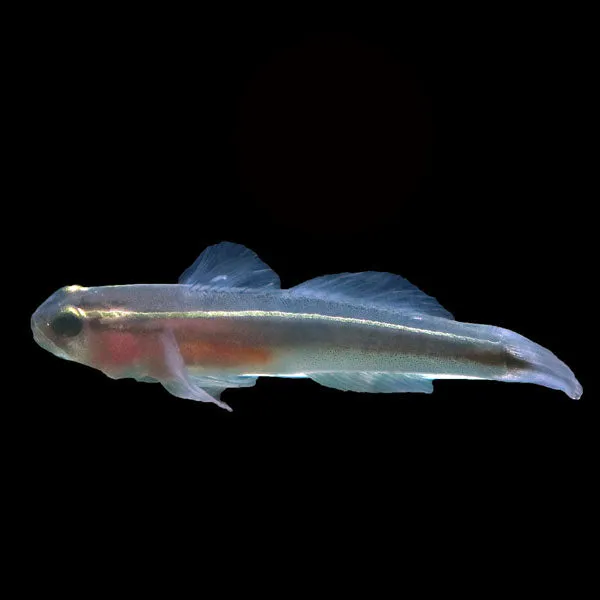
Yellowline sponge goby
Elacatinus horsti
Saltwater2 in (5 cm) · 11 gal (40 L)72–79°F (22–26°C)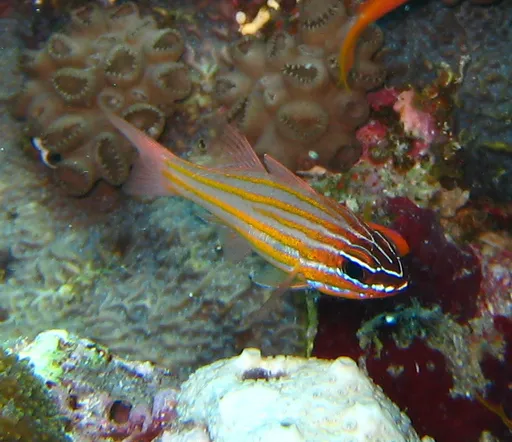
Yellowstriped cardinalfish
Ostorhinchus cyanosoma
Saltwater3.1 in (8 cm) · 30 gal (114 L)72–79°F (22–26°C)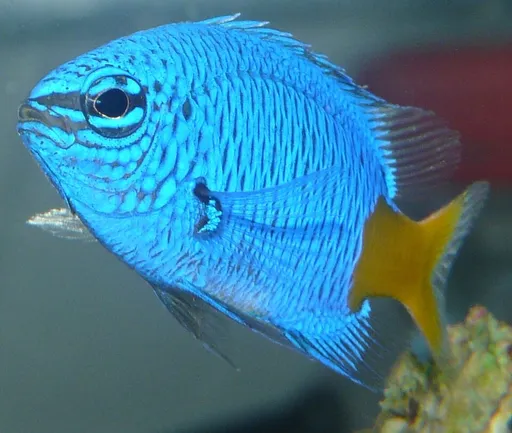
Yellowtail damsel
Chrysiptera parasema
Saltwater2.8 in (7 cm) · 29 gal (110 L)75–81°F (24–27°C)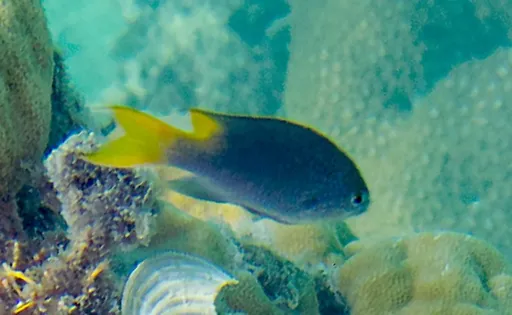
Yellowtail demoiselle
Neopomacentrus azysron
Saltwater3 in (7.5 cm) · 50 gal (190 L)75–81°F (24–27°C)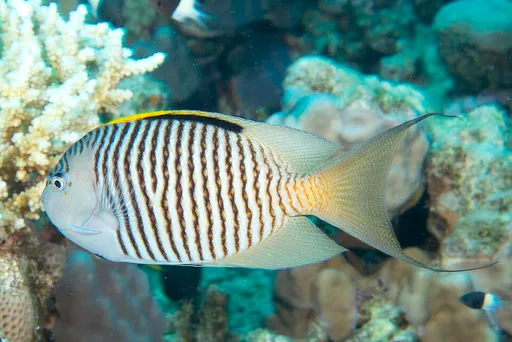
Zebra angelfish
Genicanthus caudovittatus
Saltwater7.9 in (20 cm) · 90 gal (340 L)75–82°F (24–28°C)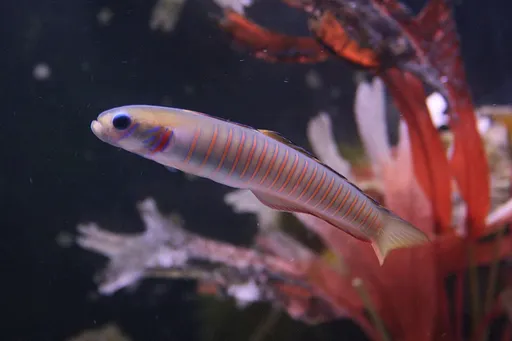
Zebra dartfish
Ptereleotris zebra
Saltwater4.7 in (12 cm) · 29 gal (110 L)72–79°F (22–26°C)
Planning a tank?
TankBud checks stocking and water fit as you build a tank, then tracks water tests, reminders and photos once it is running.
Track your tanksMaintain tanks for clients? See TankBud Pro