Gouramis
Gouramis are labyrinth fish that gulp air at the surface and range from the palm-sized honey gourami to giants that need a stock tank. Males can be territorial, so many do best one to a tank or in a large group with plenty of cover. Each profile lists tank size, temperament and the water a species prefers.
At a glance
- Tank size
- 5–264 gal
- 5 gal (20 L) to 264 gal (1,000 L); half the list needs 20 gal (75 L) or more
- Temperature
- 72–82°F
- 22–28°C, most of the list
- pH
- 6.0–7.5
- Most of the list
- Difficulty
- 13 easy
- 25 medium · 28 difficult
- Temperament
- 36 peaceful
- 23 mostly peaceful · 7 aggressive
66 species and 9 varieties
Types of gourami
Gouramis are labyrinth fish, able to breathe air at the surface, and the family sorts into groups with very different needs. The community gouramis (Trichogaster: dwarf, honey, thick-lipped and banded) stay at 2 to 3.5 inches (5 to 9 cm). The larger Trichopodus gouramis (pearl, three spot, moonlight and snakeskin) run 5 to 10 inches (12 to 25 cm). The croaking gouramis (Trichopsis) are 1.6 to 2.8 inches (4 to 7 cm) and make audible clicks. The licorice gouramis (Parosphromenus) and the chocolate gouramis are blackwater specialists. The paradise fish (Macropodus) take cool water. The kissing gourami and the giant gouramis are the big ones. The African bushfish and the climbing perch are the family's relatives from Africa and Asia and are here because they are kept the same way.
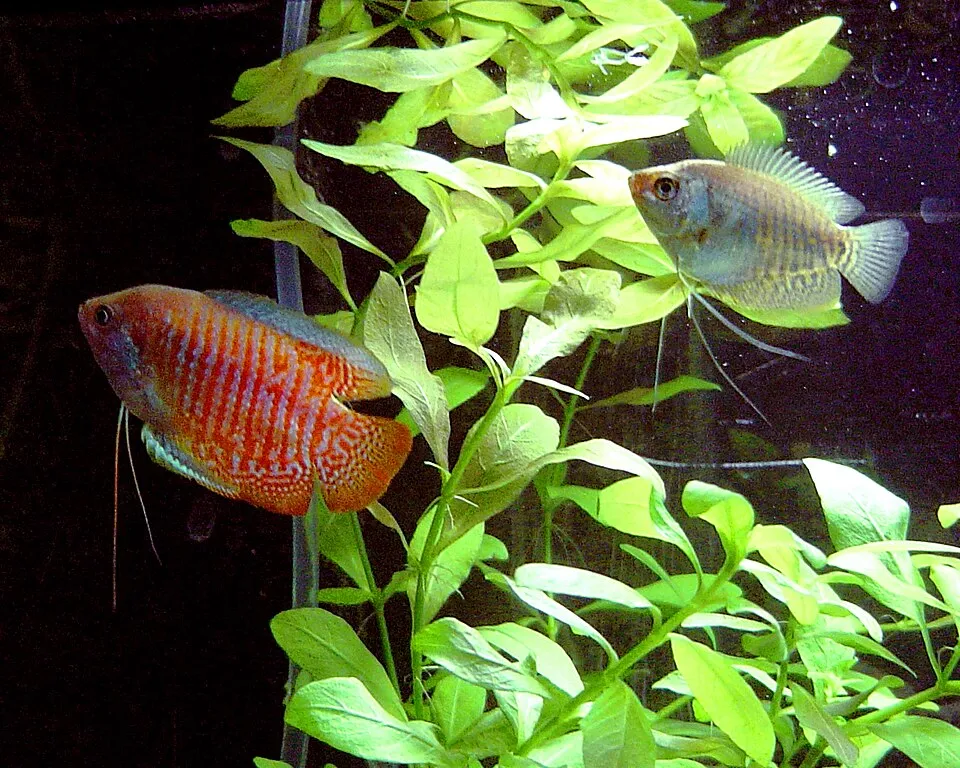
Dwarf gourami
Trichogaster lalius
Freshwater- Size
- 3 in (7.5 cm)
- Tank
- 16 gal (60 L)
- Water
- 72–81°F (22–27°C)
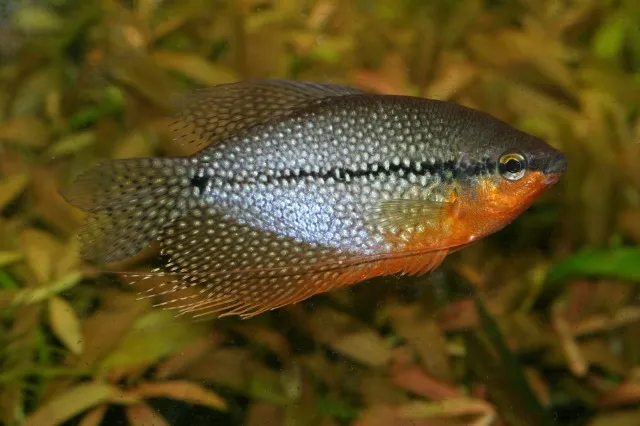
Pearl gourami
Trichopodus leerii
Freshwater- Size
- 4.7 in (12 cm)
- Tank
- 30 gal (115 L)
- Water
- 75–86°F (24–30°C)
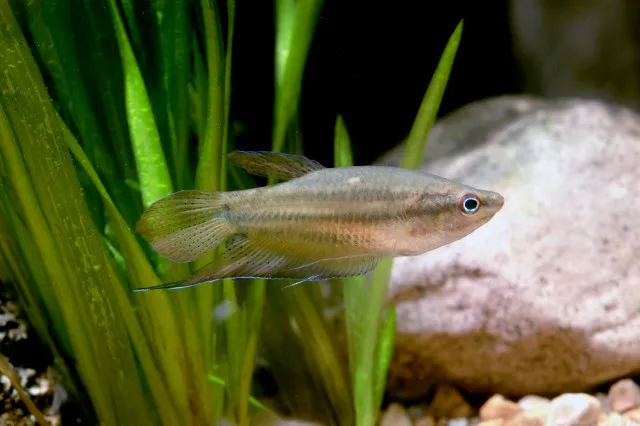
Croaking gourami
Trichopsis vittata
Freshwater- Size
- 2.8 in (7 cm)
- Tank
- 25 gal (95 L)
- Water
- 72–82°F (22–28°C)
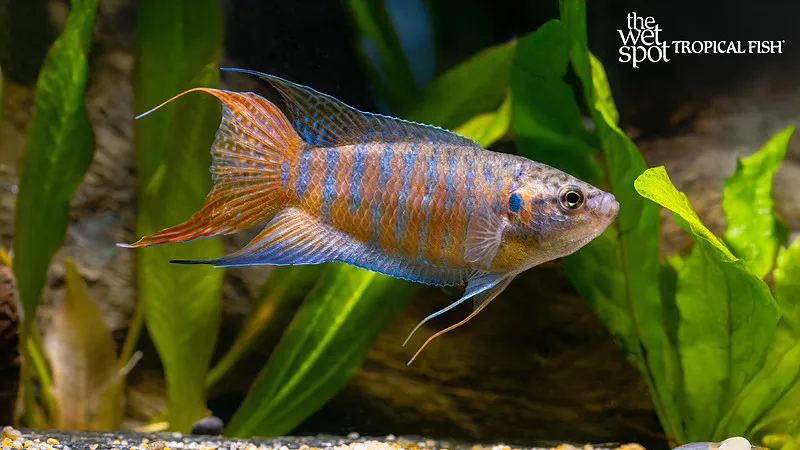
Paradise fish
Macropodus opercularis
Freshwater- Size
- 3.1 in (8 cm)
- Tank
- 25 gal (95 L)
- Water
- 50–72°F (10–22°C)
Gouramis for a community tank
The honey gourami is the gentle one: 2 inches (5 cm), 20 gallons (75 liters), marked easy and peaceful, and safe with small tetras and shrimp. The pearl gourami is the best of the larger species, 4.7 inches (12 cm) in 30 gallons (115 liters), easy and peaceful even as a male. The thick-lipped gourami is a hardy 3.5 inch (9 cm) fish for 20 gallons. The dwarf gourami is the one in every shop, 3 inches (7.5 cm) in 15 gallons (60 liters), and it is marked medium for a reason: the trade stock carries a virus that kills fish within months of purchase, so buy from a source you trust and quarantine. For a nano tank the pygmy gourami stays at 1.6 inches (4 cm) and croaks.
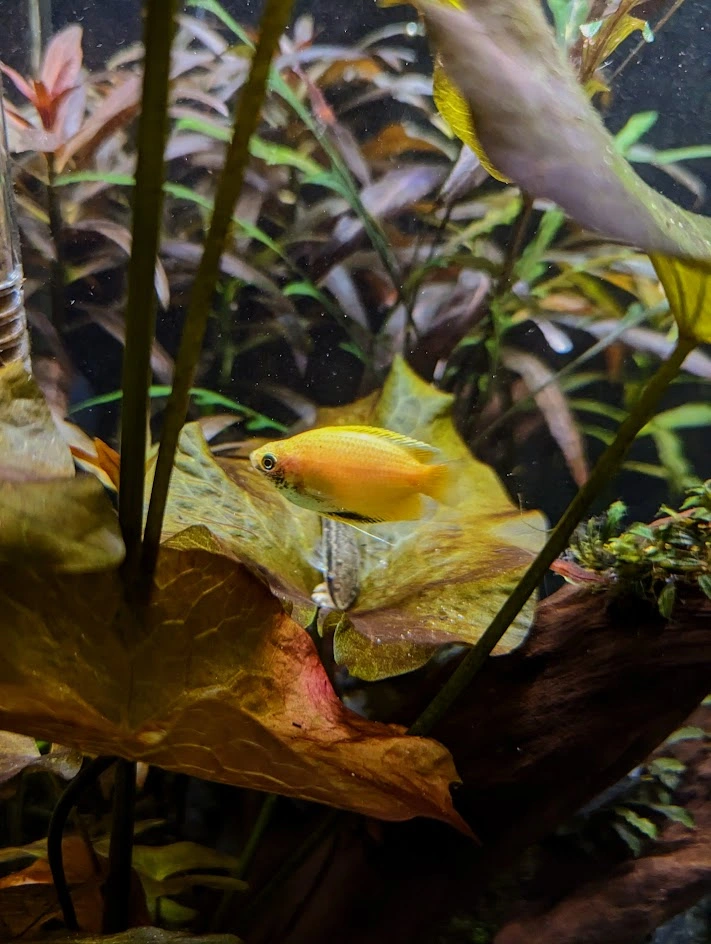
Honey gourami
Trichogaster chuna
Freshwater2 in (5 cm) · 20 gal (75 L)72–82°F (22–28°C)Pearl gourami
Trichopodus leerii
Freshwater4.7 in (12 cm) · 30 gal (115 L)75–86°F (24–30°C)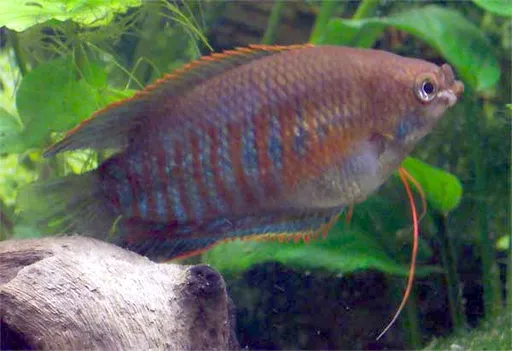
Thick-lipped gourami
Trichogaster labiosa
Freshwater3.5 in (9 cm) · 20 gal (75 L)72–82°F (22–28°C)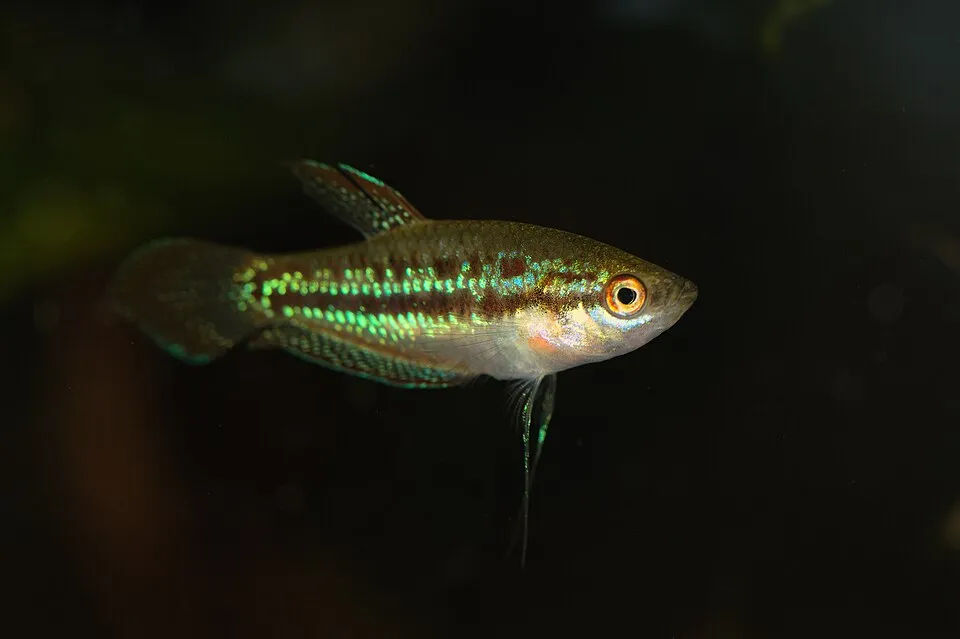
Pygmy gourami
Trichopsis pumila
Freshwater1.6 in (4 cm) · 15 gal (55 L)72–82°F (22–28°C)
One male, or plenty of room
Most male gouramis build bubble nests and defend the water around them. Two male dwarf or three spot gouramis in a 20 gallon fight until one is cornered permanently; keep one male with one or two females, or one gourami per tank. The paradise fish is listed as one male per tank, and the combtail gourami, the climbing perch and the pikeheads are marked aggressive and solitary. The pearl, honey and croaking gouramis are the ones that tolerate a group when the tank has cover. All of them need to reach the surface: floating plants, no strong surface current, and a lid that keeps the air above the water warm.
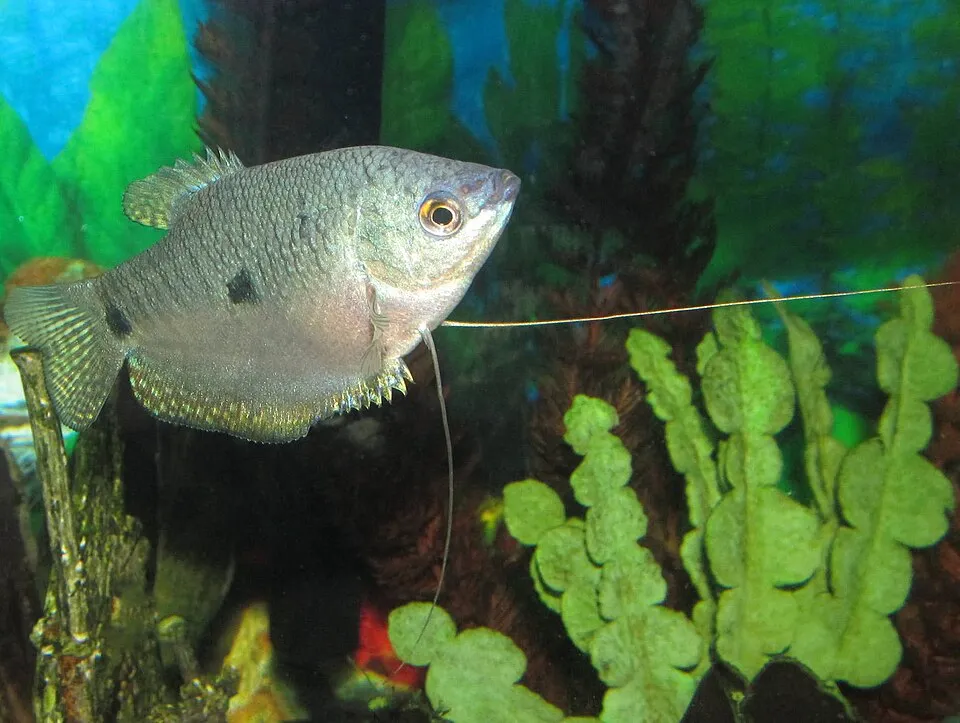
Three spot gourami
Trichopodus trichopterus
Freshwater5.1 in (13 cm) · 30 gal (115 L)75–86°F (24–30°C)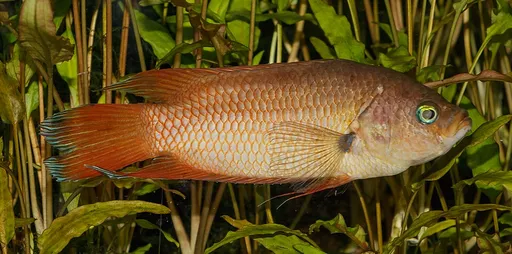
Combtail gourami
Belontia signata
Freshwater4.7 in (12 cm) · 53 gal (200 L)72–82°F (22–28°C)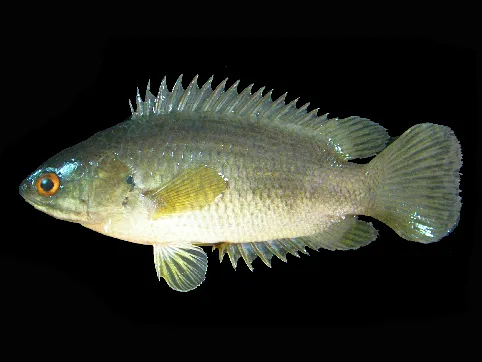
Climbing perch
Anabas testudineus
Freshwater7.9 in (20 cm) · 40 gal (150 L)59–86°F (15–30°C)Paradise fish
Macropodus opercularis
Freshwater3.1 in (8 cm) · 25 gal (95 L)50–72°F (10–22°C)
Licorice and chocolate gouramis are blackwater fish
The licorice gouramis stay between 1 and 1.6 inches (2.4 and 4 cm), list 5 to 10 gallons (20 to 40 liters), and are marked difficult across the board: they want very soft water with a pH in the 4s and 5s, leaf litter, dim light, live or frozen food and no boisterous company. Many are threatened in the wild and are kept by specialist breeders in species tanks. The chocolate gourami is a little easier, marked medium at 2 inches (5 cm) in 17 gallons (65 liters), but it wants heat, 79–88°F (26–31°C), and the same soft acidic water; the crossband, sharpnose and Vaillant's chocolate gouramis are marked difficult.
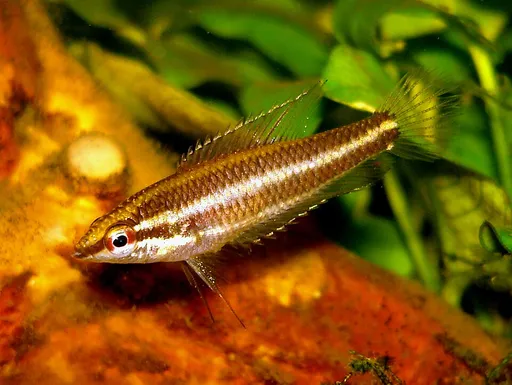
Licorice gourami
Parosphromenus deissneri
Freshwater1.5 in (3.8 cm) · 11 gal (40 L)72–82°F (22–28°C)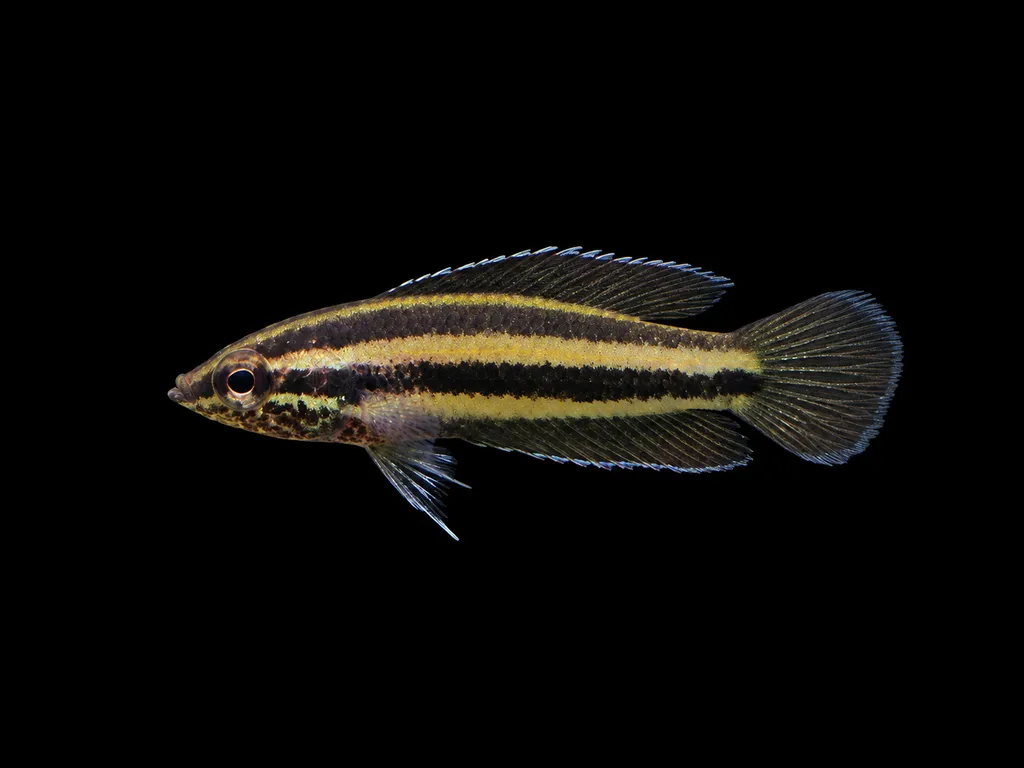
Anjungan licorice gourami
Parosphromenus anjunganensis
Freshwater1.4 in (3.5 cm) · 11 gal (40 L)72–82°F (22–28°C)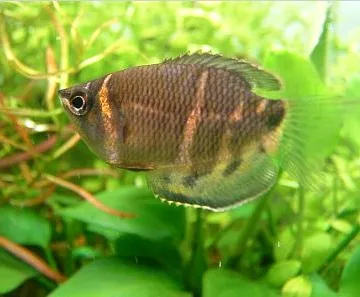
Chocolate gourami
Sphaerichthys osphromenoides
Freshwater2 in (5 cm) · 17 gal (65 L)79–88°F (26–31°C)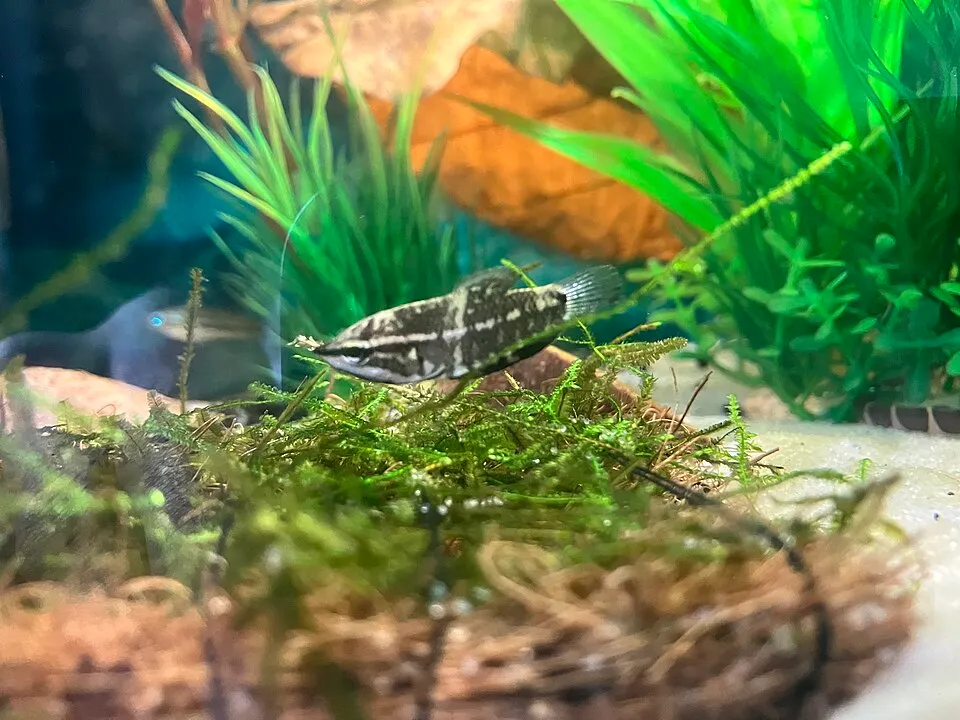
Vaillant's chocolate gourami
Sphaerichthys vaillanti
Freshwater2.2 in (5.5 cm) · 20 gal (75 L)70–77°F (21–25°C)
Cool-water gouramis and the giants
The paradise fish lists 50–72°F (10–22°C) and suits an unheated tank or a summer pond, at 3 inches (8 cm) in 25 gallons (95 liters); the Hong Kong and round-tail paradise fish take similar cool water. At the other end of the list the giant gourami reaches 28 inches (70 cm), lists 125 gallons (475 liters) and lives for decades; the giant red tail and seven-banded giant gouramis reach 20 inches (50 cm) and list 264 gallons (1000 liters). The kissing gourami and the snakeskin gourami both reach 10 inches (25 cm) and are sold as small community fish, which they are not.
Paradise fish
Macropodus opercularis
Freshwater3.1 in (8 cm) · 25 gal (95 L)50–72°F (10–22°C)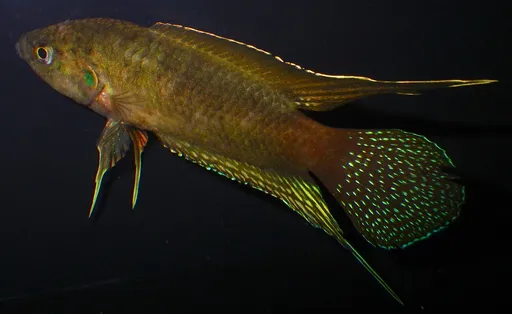
Round-tail paradise fish
Macropodus ocellatus
Freshwater3.1 in (8 cm) · 20 gal (75 L)61–75°F (16–24°C)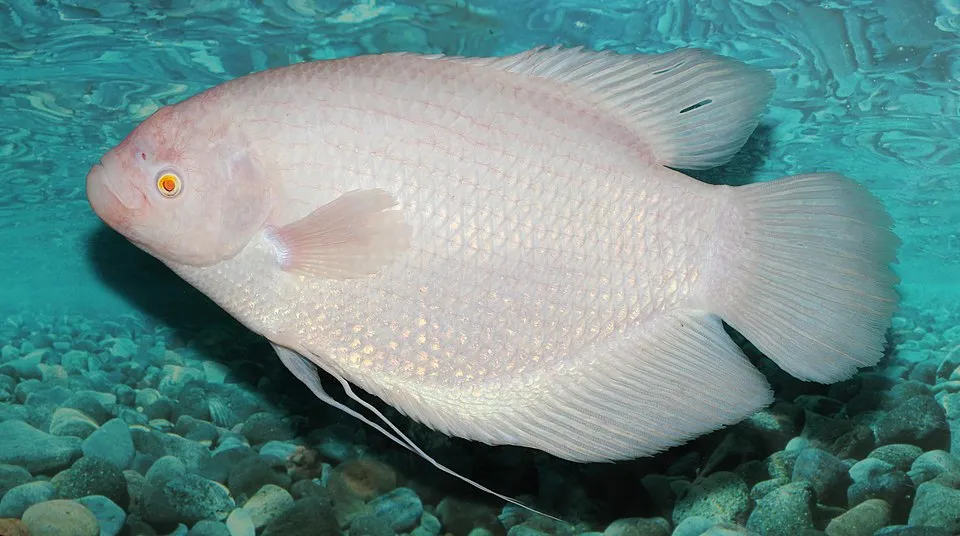
Giant gourami
Osphronemus goramy
Freshwater27.6 in (70 cm) · 125 gal (475 L)68–86°F (20–30°C)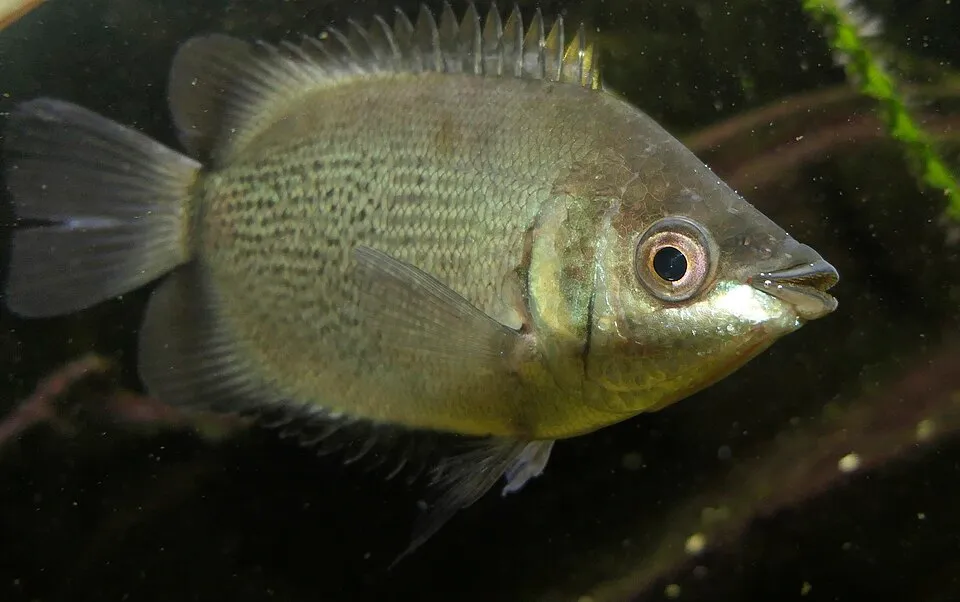
Kissing gourami
Helostoma temminckii
Freshwater9.8 in (25 cm) · 36 gal (135 L)72–86°F (22–30°C)
By the numbers
Smallest
Largest
Easiest to keep
Most peaceful
Fits a 20 gallon tank
Fits a 30 gallon tank
FAQ
Common questions
What types of gourami are there?
Community gouramis (dwarf, honey, thick-lipped), the larger pearl, three spot, moonlight and snakeskin gouramis, croaking gouramis, licorice and chocolate gouramis, paradise fish, the kissing gourami and the giant gouramis, plus the African bushfish and climbing perch that are kept the same way.
How big do gouramis get?
Honey gourami 2 inches (5 cm), dwarf gourami 3 inches (7.5 cm), pearl gourami 4.7 inches (12 cm), three spot 5 inches (13 cm), kissing and snakeskin gouramis 10 inches (25 cm), giant gourami 28 inches (70 cm).
How long do gouramis live?
Dwarf and honey gouramis around four to six years, pearl and three spot gouramis four to six and sometimes more, and a giant gourami can pass twenty.
Can two gouramis live together?
Two males of the territorial species fight. Keep one male with one or two females, or one gourami per tank. Honey, pearl and croaking gouramis tolerate a group in a planted tank.
What size tank do gouramis need?
15 to 20 gallons (60 to 75 liters) for honey and dwarf gouramis, 30 gallons (115 liters) for pearl and three spot, 5 to 10 gallons (20 to 40 liters) for a pair of licorice gouramis in a species tank, and 125 gallons (475 liters) upward for the giant gourami.
Are gouramis aggressive?
It depends on the species. Honey, pearl, croaking and licorice gouramis are peaceful. Dwarf and three spot males are territorial. Paradise fish, the combtail gourami, the climbing perch and the pikeheads are aggressive.
Why do gouramis keep going to the surface?
They breathe air with a labyrinth organ and must. Keep the surface reachable and the air above it warm and humid with a lid.
What size tank does a licorice gourami need?
5 to 10 gallons (20 to 40 liters) for a pair, with very soft acidic water and no other fish.
Index
All gouramis
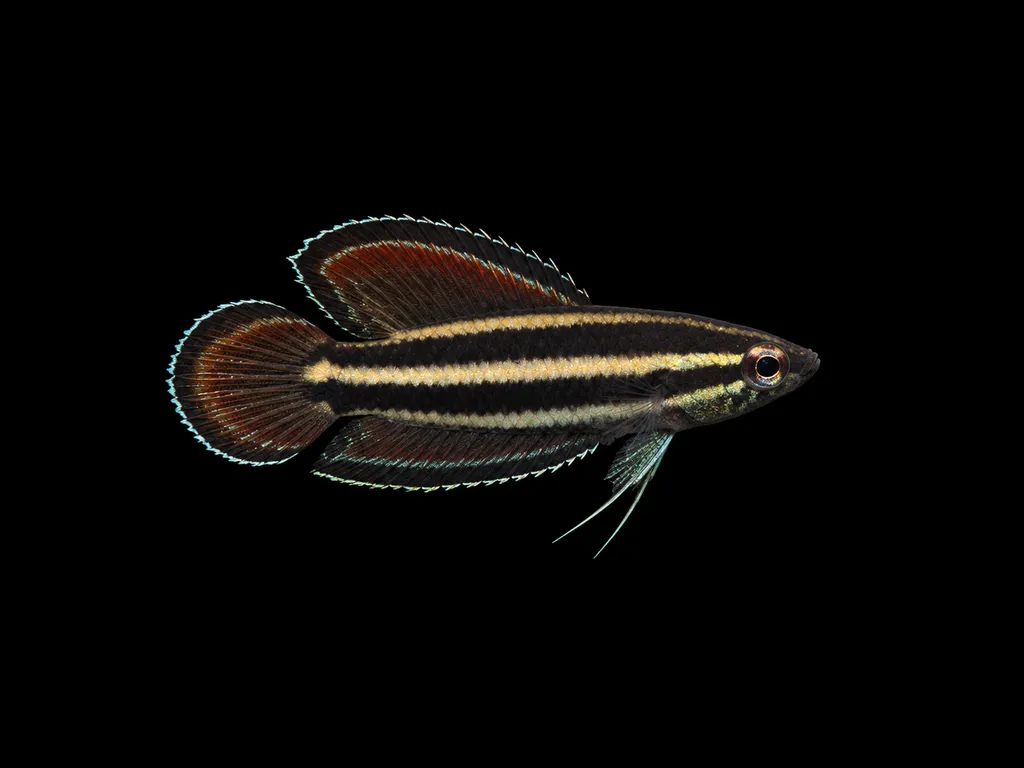
Alfred's licorice gourami
Parosphromenus alfredi
Freshwater1.3 in (3.2 cm) · 5 gal (20 L)72–81°F (22–27°C)Anjungan licorice gourami
Parosphromenus anjunganensis
Freshwater1.4 in (3.5 cm) · 11 gal (40 L)72–82°F (22–28°C)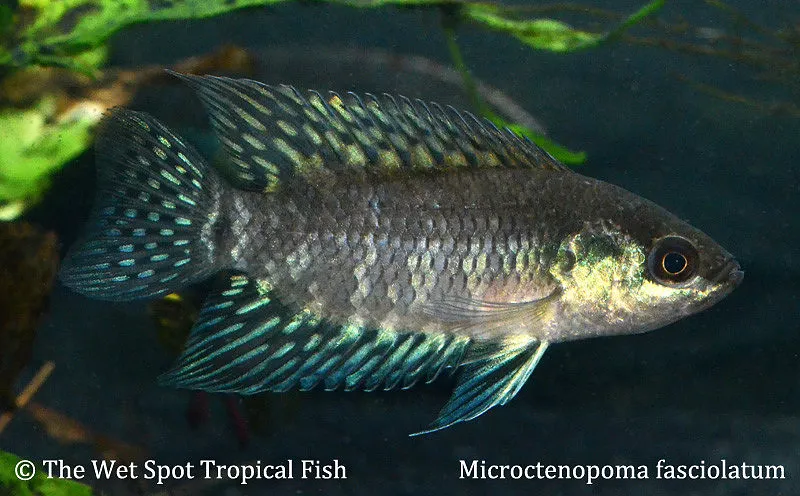
Banded bushfish
Microctenopoma fasciolatum
Freshwater3.1 in (8 cm) · 24 gal (90 L)75–82°F (24–28°C)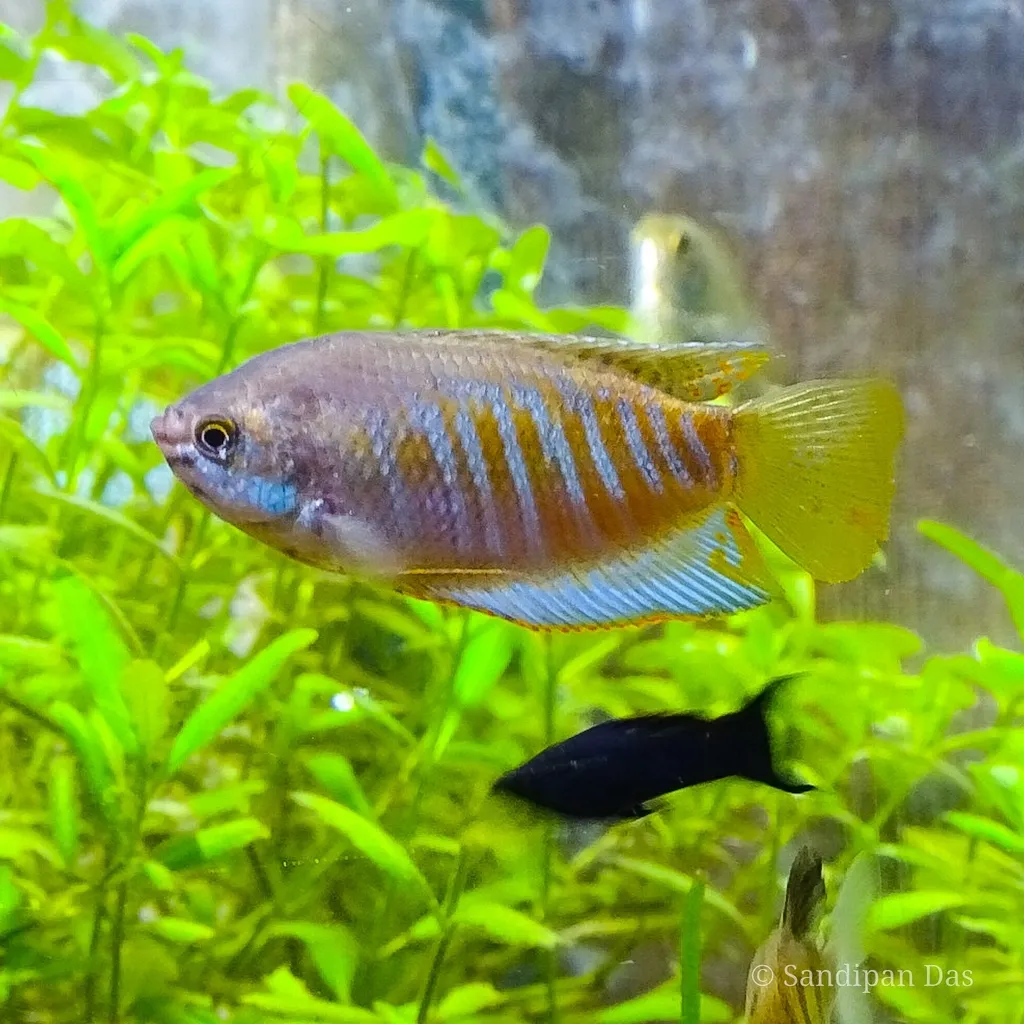
Banded gourami
Trichogaster fasciata
Freshwater3.5 in (9 cm) · 26 gal (100 L)70–82°F (21–28°C)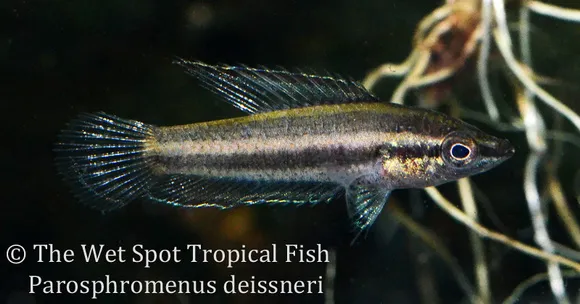
Bintan licorice gourami
Parosphromenus bintan
Freshwater1.3 in (3.2 cm) · 5 gal (20 L)72–81°F (22–27°C)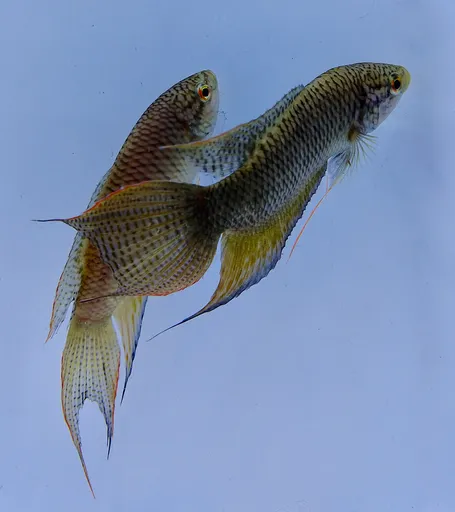
Black paradise fish
Macropodus spechti
Freshwater3.1 in (8 cm) · 20 gal (75 L)68–82°F (20–28°C)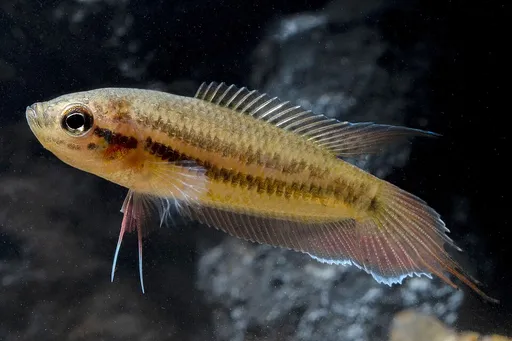
Brown spiketail paradisefish
Pseudosphromenus dayi
Freshwater2.6 in (6.5 cm) · 12 gal (45 L)68–82°F (20–28°C)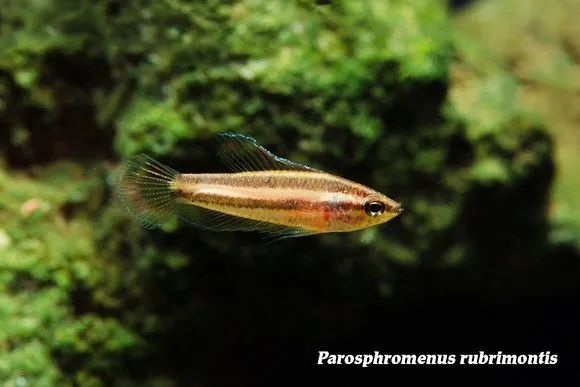
Bukit Merah licorice gourami
Parosphromenus rubrimontis
Freshwater1.2 in (3 cm) · 5 gal (20 L)72–81°F (22–27°C)Chocolate gourami
Sphaerichthys osphromenoides
Freshwater2 in (5 cm) · 17 gal (65 L)79–88°F (26–31°C)Climbing perch
Anabas testudineus
Freshwater7.9 in (20 cm) · 40 gal (150 L)59–86°F (15–30°C)Combtail gourami
Belontia signata
Freshwater4.7 in (12 cm) · 53 gal (200 L)72–82°F (22–28°C)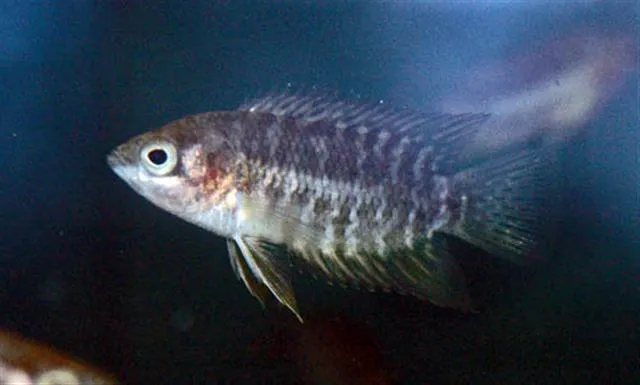
Congo bushfish
Microctenopoma congicum
Freshwater3 in (7.5 cm) · 20 gal (75 L)73–81°F (23–27°C)Croaking gourami
Trichopsis vittata
Freshwater2.8 in (7 cm) · 25 gal (95 L)72–82°F (22–28°C)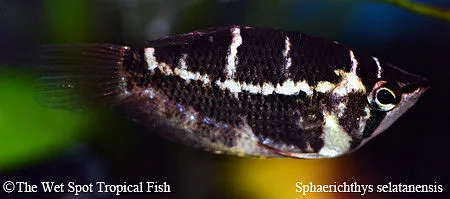
Crossband chocolate gourami
Sphaerichthys selatanensis
Freshwater1.8 in (4.5 cm) · 16 gal (60 L)79–86°F (26–30°C)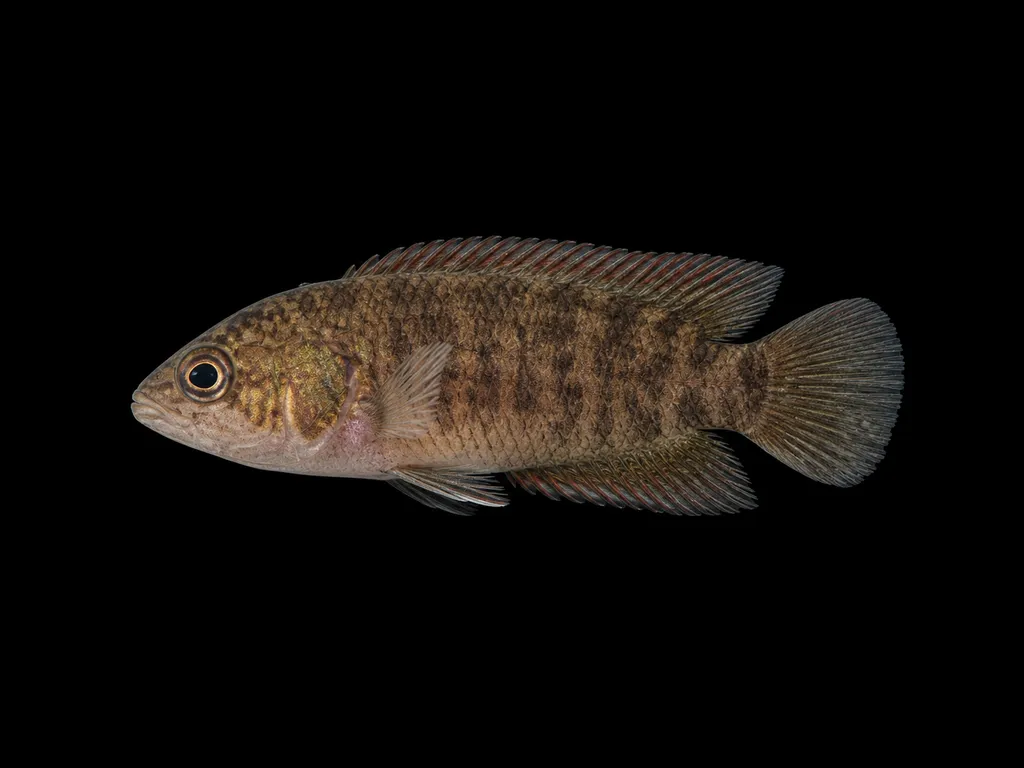
Dwarf bushfish
Microctenopoma nanum
Freshwater3 in (7.5 cm) · 14 gal (54 L)72–81°F (22–27°C)Dwarf gourami
Trichogaster lalius
Freshwater3 in (7.5 cm) · 16 gal (60 L)72–81°F (22–27°C)3 varieties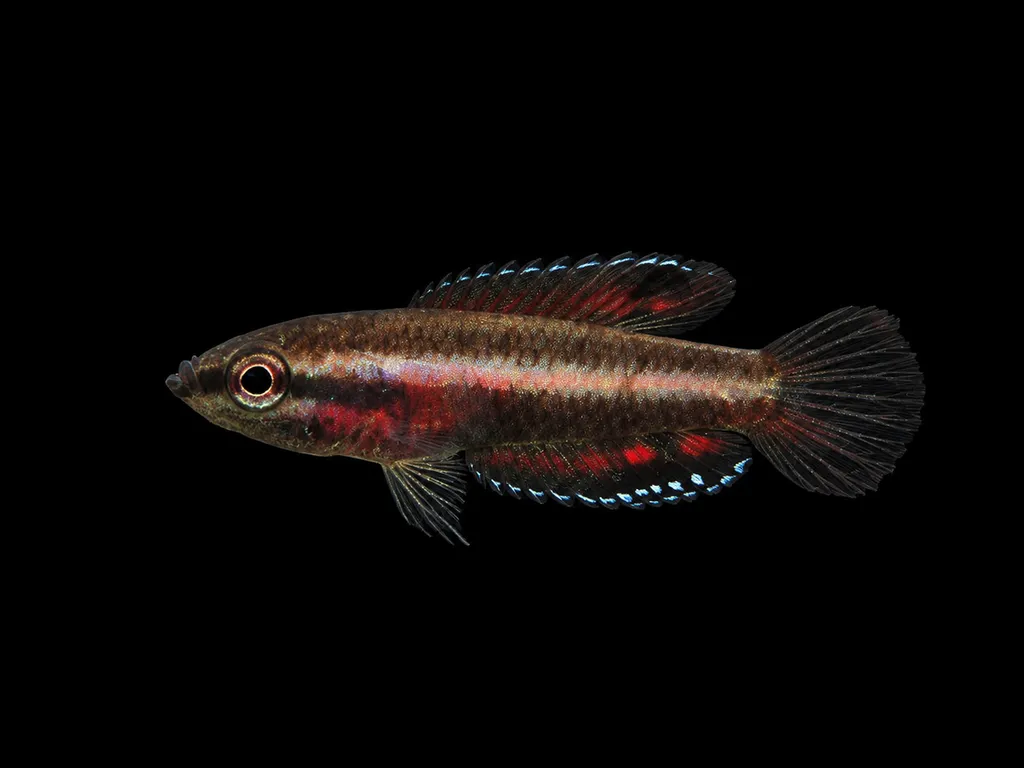
Dwarf licorice gourami
Parosphromenus parvulus
Freshwater1.1 in (2.7 cm) · 5 gal (20 L)72–81°F (22–27°C)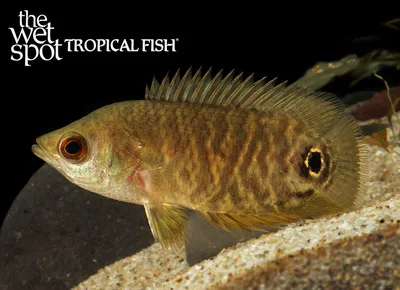
Eyespot bushfish
Ctenopoma ocellatum
Freshwater5.9 in (15 cm) · 42 gal (160 L)73–82°F (23–28°C)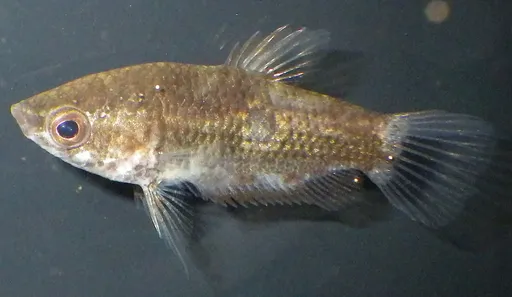
Eyespot gourami
Parasphaerichthys ocellatus
Freshwater1.4 in (3.5 cm) · 12 gal (45 L)64–77°F (18–25°C)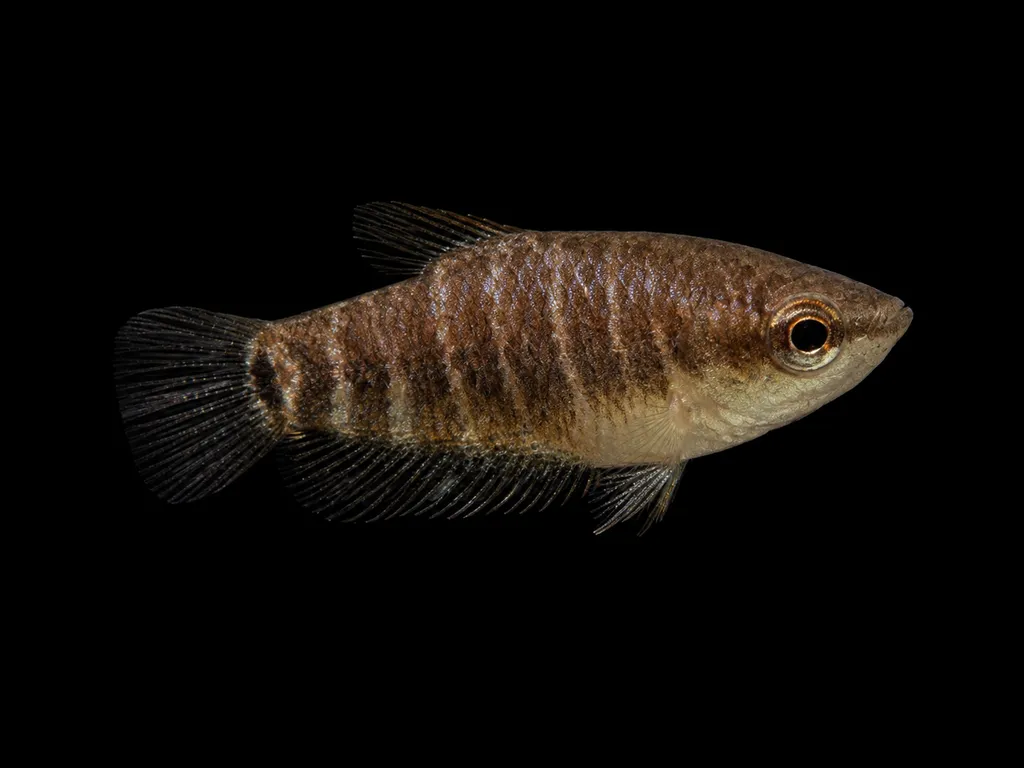
False chocolate gourami
Parasphaerichthys lineatus
Freshwater1 in (2.5 cm) · 11 gal (40 L)68–79°F (20–26°C)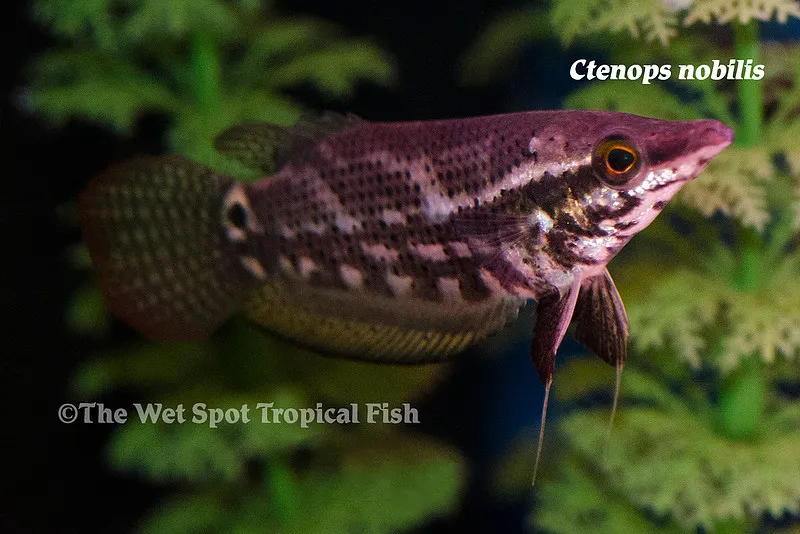
Frail gourami
Ctenops nobilis
Freshwater3.9 in (10 cm) · 24 gal (90 L)68–79°F (20–26°C)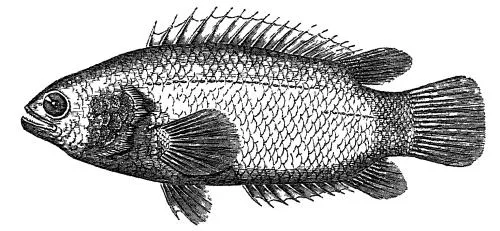
Gangetic climbing perch
Anabas cobojius
Freshwater9.8 in (25 cm) · 66 gal (250 L)72–86°F (22–30°C)Giant gourami
Osphronemus goramy
Freshwater27.6 in (70 cm) · 125 gal (475 L)68–86°F (20–30°C)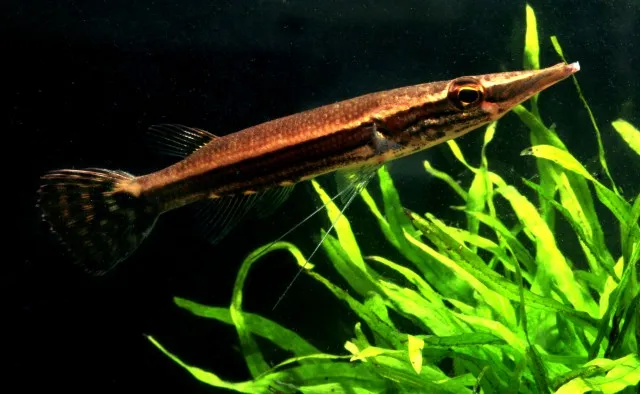
Giant pikehead
Luciocephalus pulcher
Freshwater7.9 in (20 cm) · 36 gal (135 L)72–79°F (22–26°C)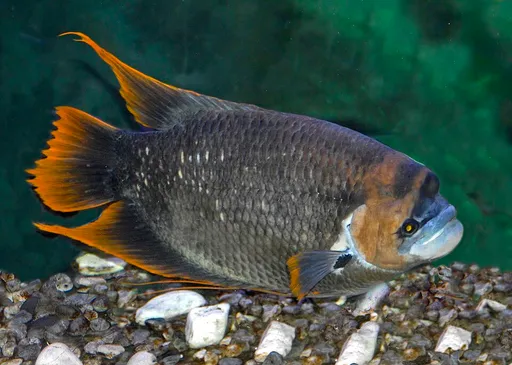
Giant red tail gourami
Osphronemus laticlavius
Freshwater19.7 in (50 cm) · 264 gal (1,000 L)68–86°F (20–30°C)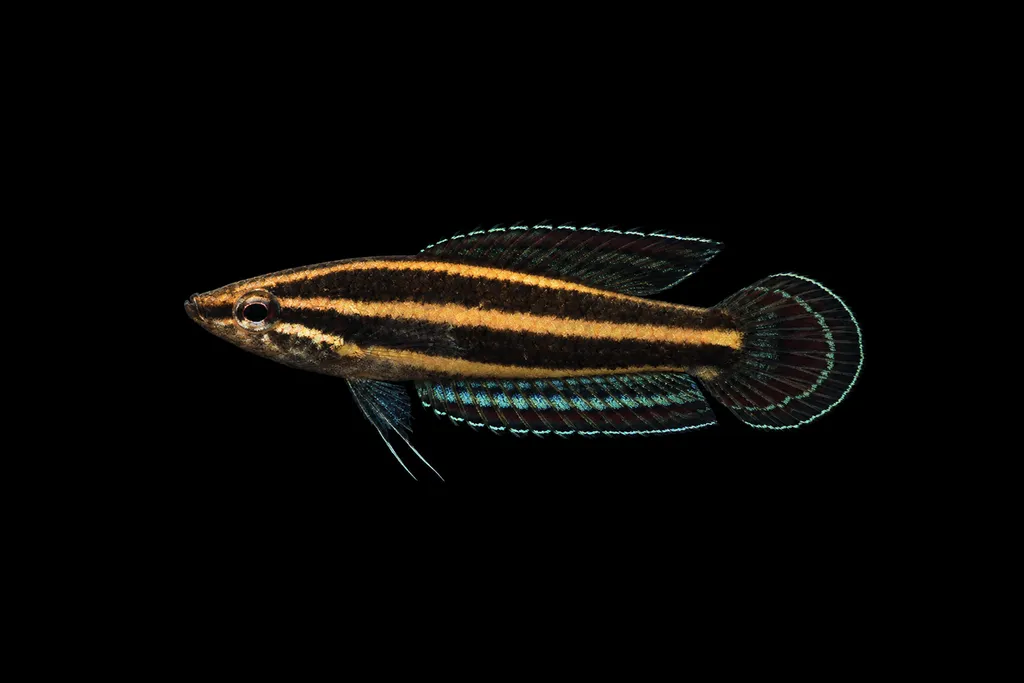
Gunawan's licorice gourami
Parosphromenus gunawani
Freshwater1.2 in (3 cm) · 5 gal (20 L)72–81°F (22–27°C)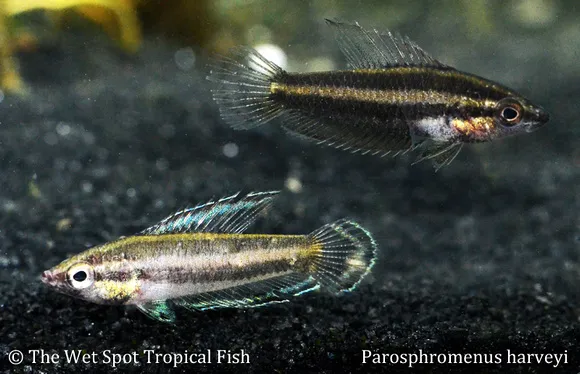
Harvey's licorice gourami
Parosphromenus harveyi
Freshwater1.2 in (3.1 cm) · 5 gal (20 L)72–81°F (22–27°C)Honey gourami
Trichogaster chuna
Freshwater2 in (5 cm) · 20 gal (75 L)72–82°F (22–28°C)2 varieties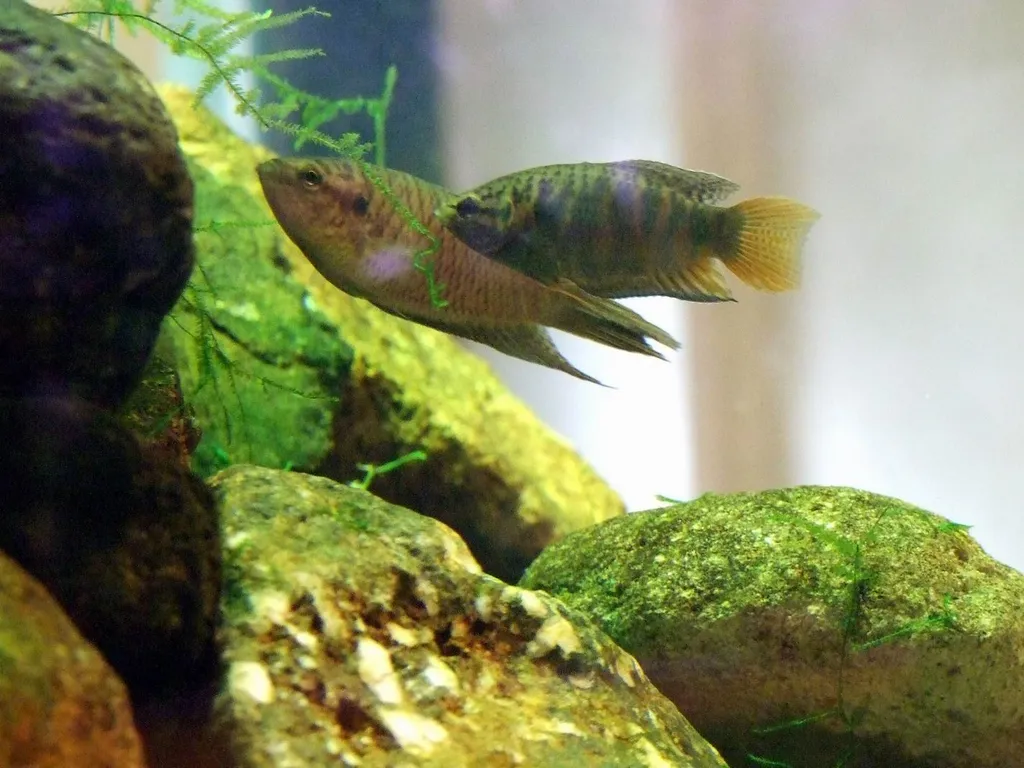
Hong Kong paradise fish
Macropodus hongkongensis
Freshwater3 in (7.5 cm) · 25 gal (95 L)54–77°F (12–25°C)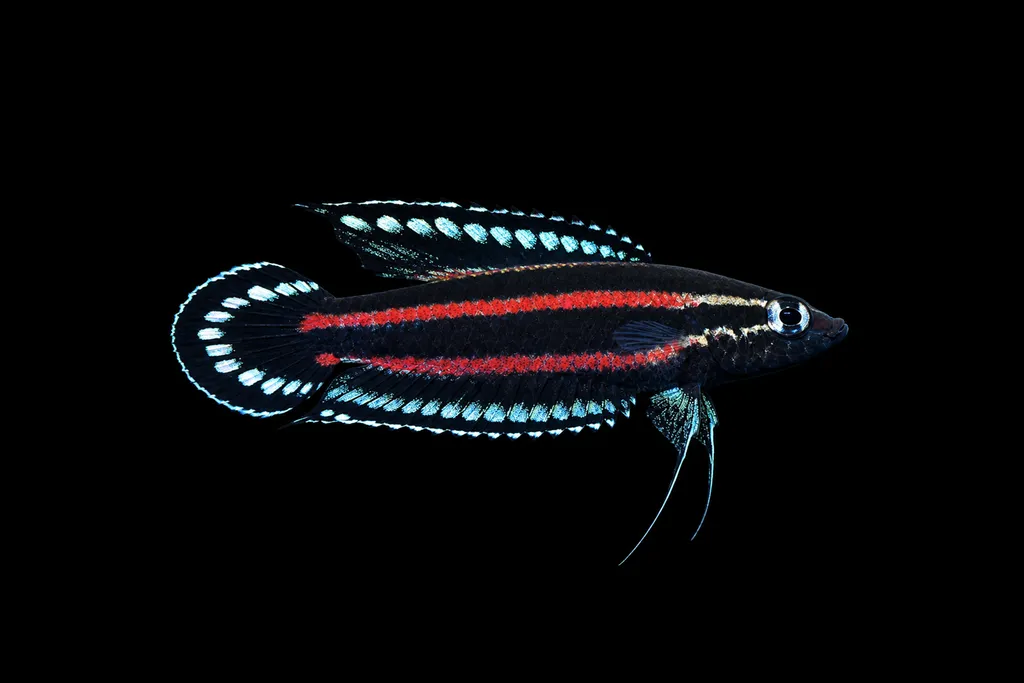
Juelin's licorice gourami
Parosphromenus juelinae
Freshwater1.2 in (3 cm) · 5 gal (20 L)72–81°F (22–27°C)Kissing gourami
Helostoma temminckii
Freshwater9.8 in (25 cm) · 36 gal (135 L)72–86°F (22–30°C)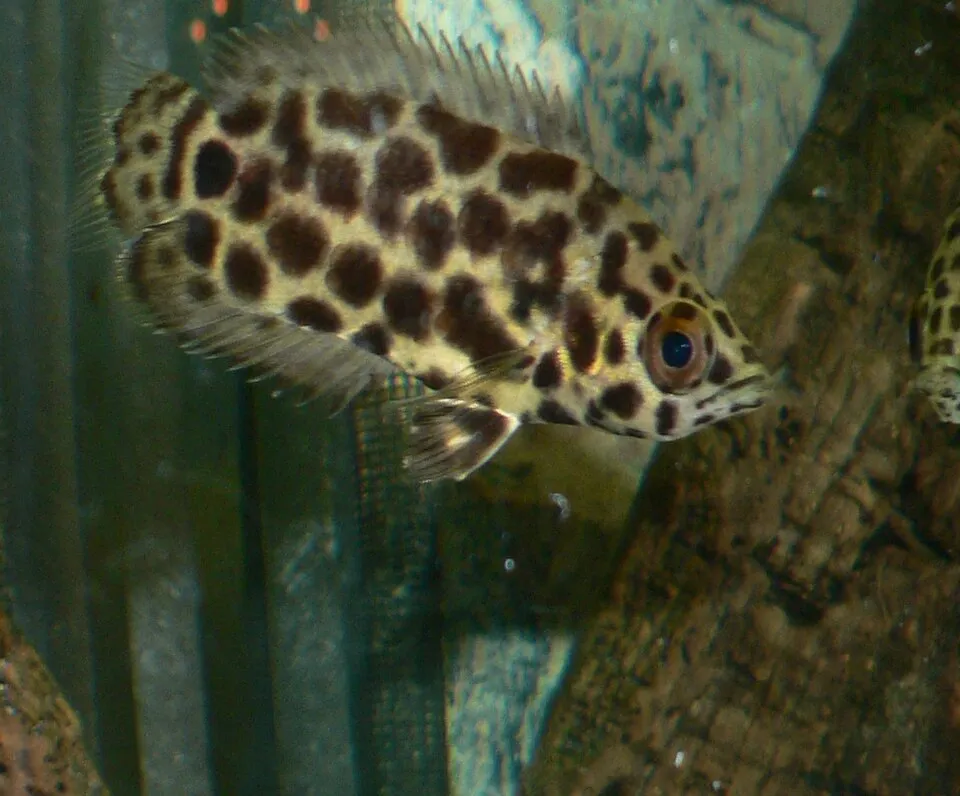
Leopard bush fish
Ctenopoma acutirostre
Freshwater6.3 in (16 cm) · 40 gal (150 L)68–82°F (20–28°C)Licorice gourami
Parosphromenus deissneri
Freshwater1.5 in (3.8 cm) · 11 gal (40 L)72–82°F (22–28°C)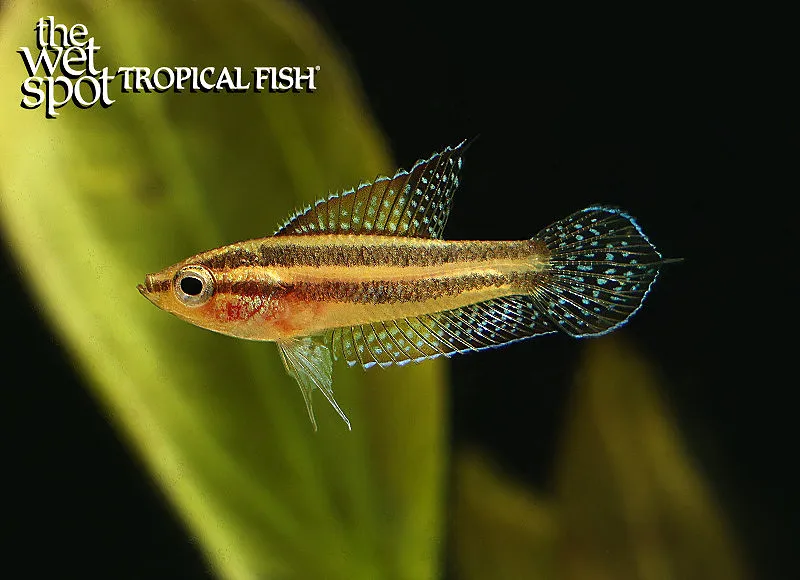
Linke's licorice gourami
Parosphromenus linkei
Freshwater1.4 in (3.5 cm) · 11 gal (40 L)72–82°F (22–28°C)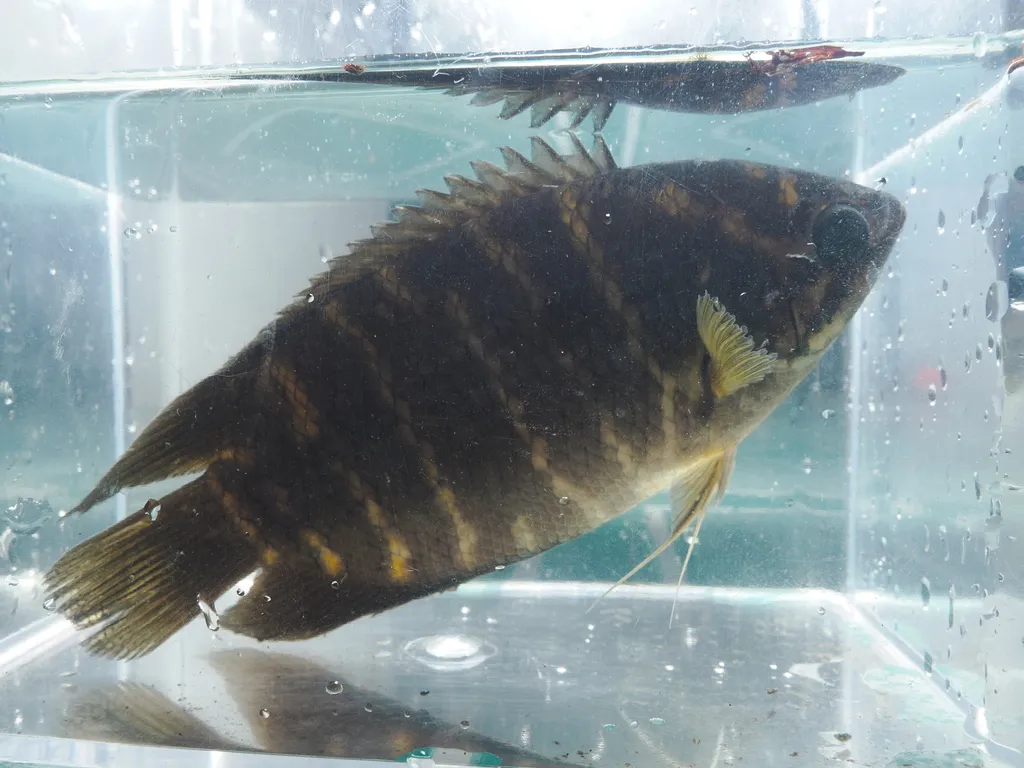
Malay combtail gourami
Belontia hasselti
Freshwater7.9 in (20 cm) · 45 gal (170 L)70–79°F (21–26°C)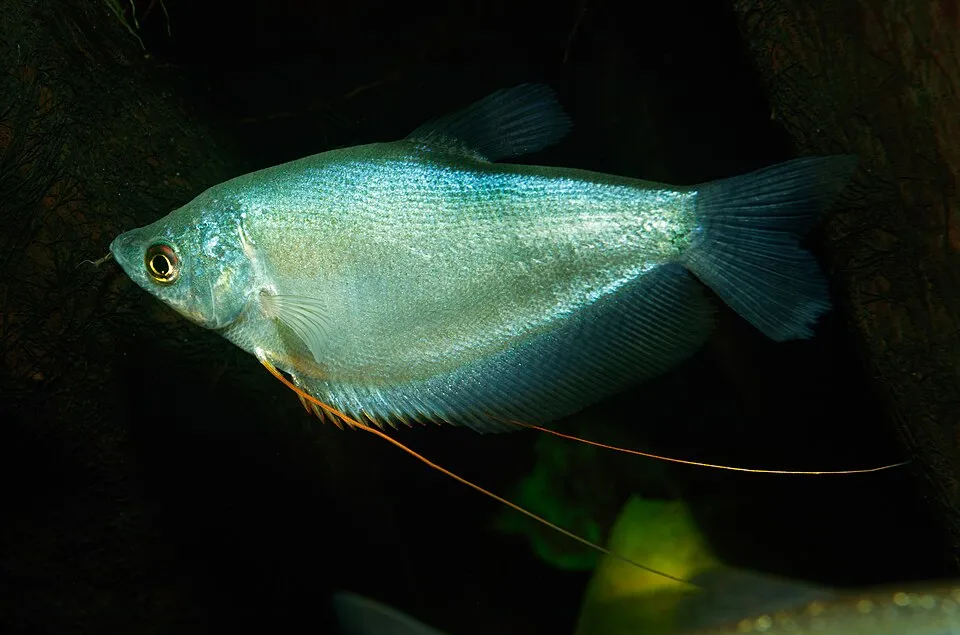
Moonlight gourami
Trichopodus microlepis
Freshwater5.9 in (15 cm) · 30 gal (115 L)77–86°F (25–30°C)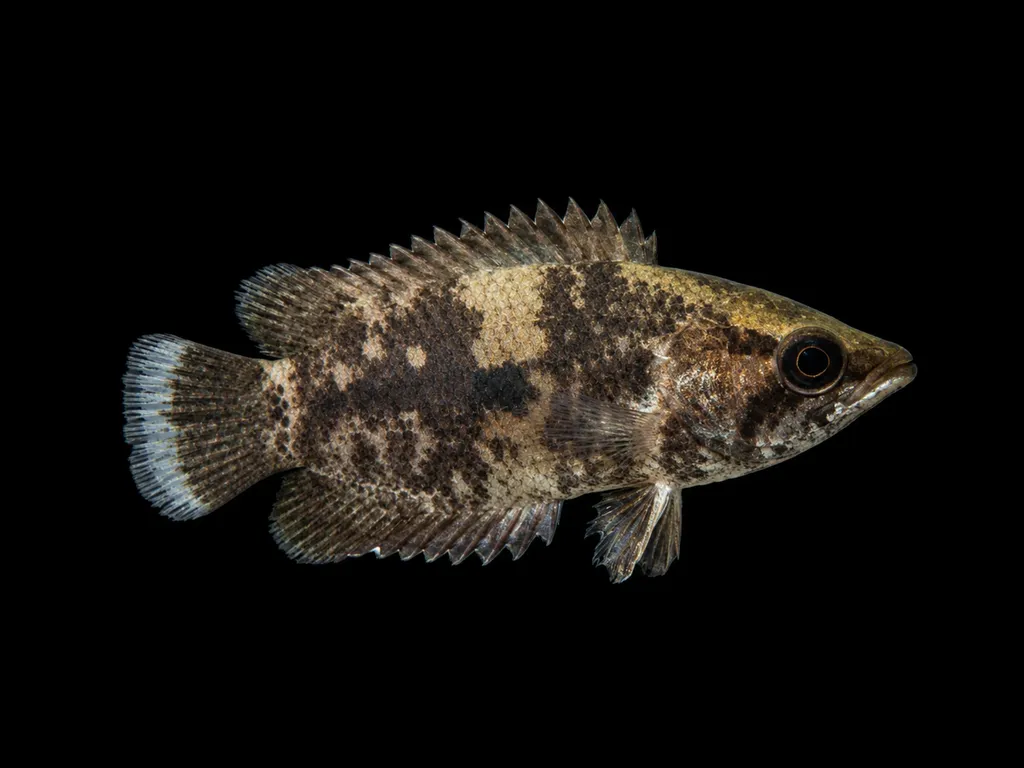
Mottled bushfish
Ctenopoma weeksii
Freshwater4.7 in (12 cm) · 42 gal (160 L)73–82°F (23–28°C)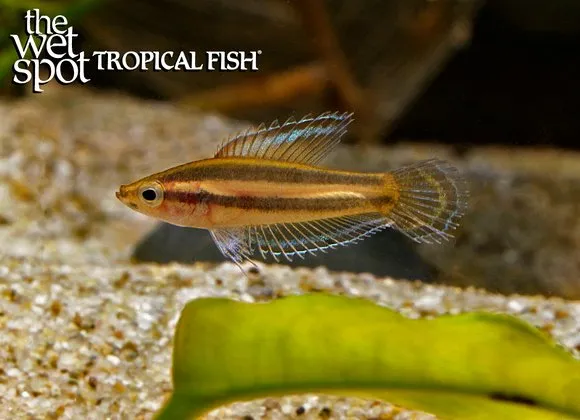
Nagy's licorice gourami
Parosphromenus nagyi
Freshwater1.4 in (3.5 cm) · 5 gal (20 L)72–81°F (22–27°C)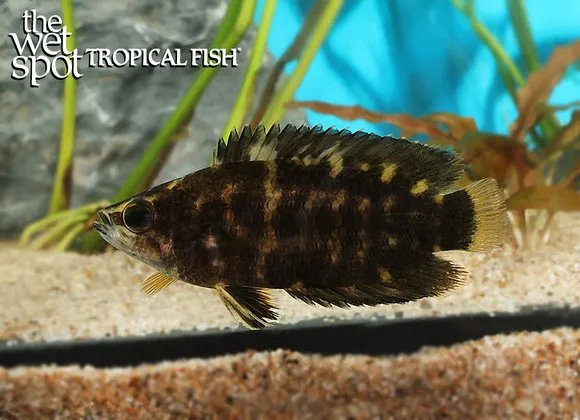
Niger Delta bushfish
Ctenopoma nebulosum
Freshwater4.7 in (12 cm) · 42 gal (160 L)73–82°F (23–28°C)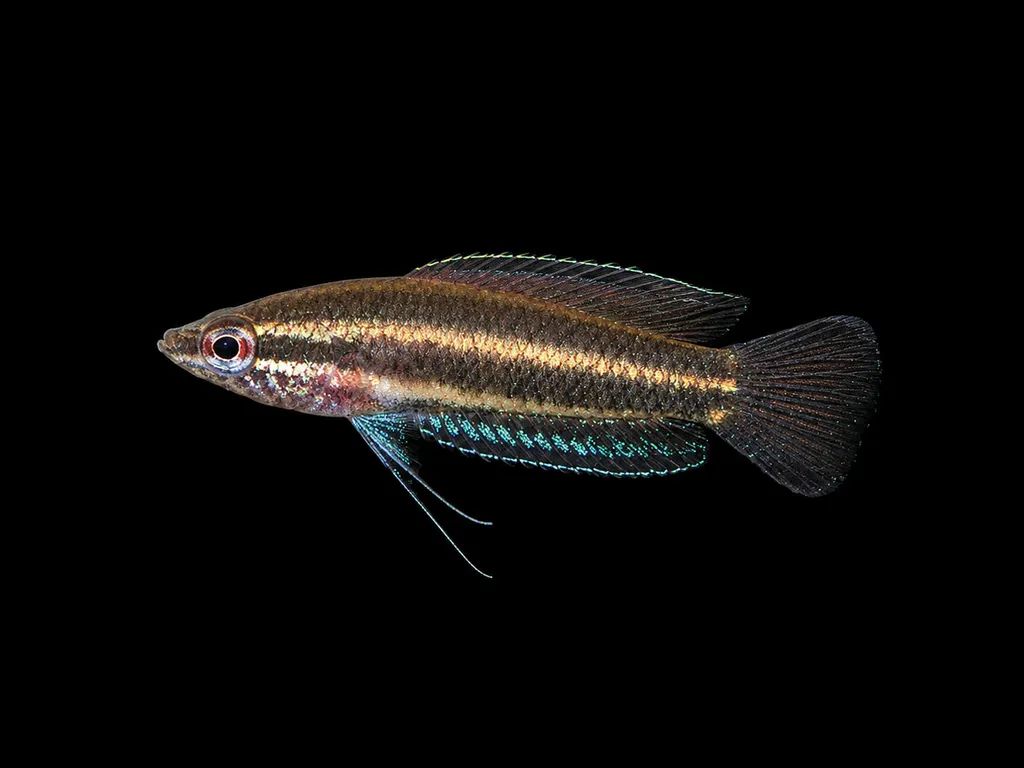
Opal licorice gourami
Parosphromenus opallios
Freshwater1.2 in (3 cm) · 5 gal (20 L)72–81°F (22–27°C)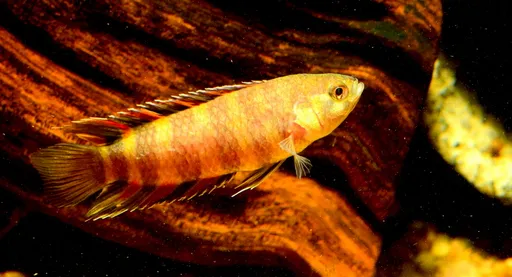
Ornate bushfish
Microctenopoma ansorgii
Freshwater3.1 in (8 cm) · 20 gal (75 L)73–81°F (23–27°C)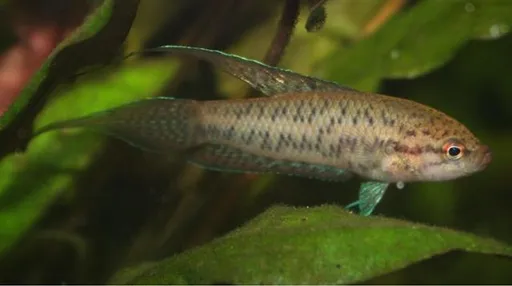
Ornate paradisefish
Malpulutta kretseri
Freshwater2 in (5 cm) · 12 gal (45 L)72–82°F (22–28°C)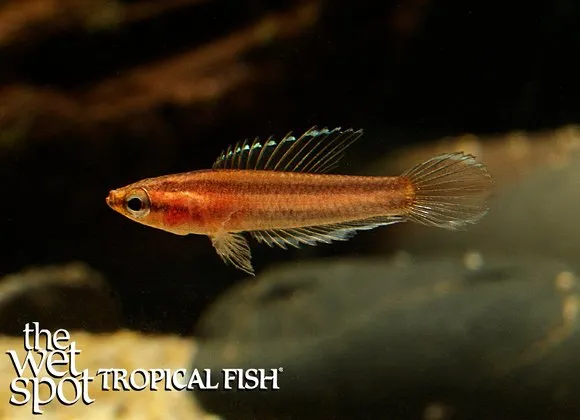
Ornate-tail licorice gourami
Parosphromenus ornaticauda
Freshwater0.9 in (2.4 cm) · 5 gal (20 L)72–81°F (22–27°C)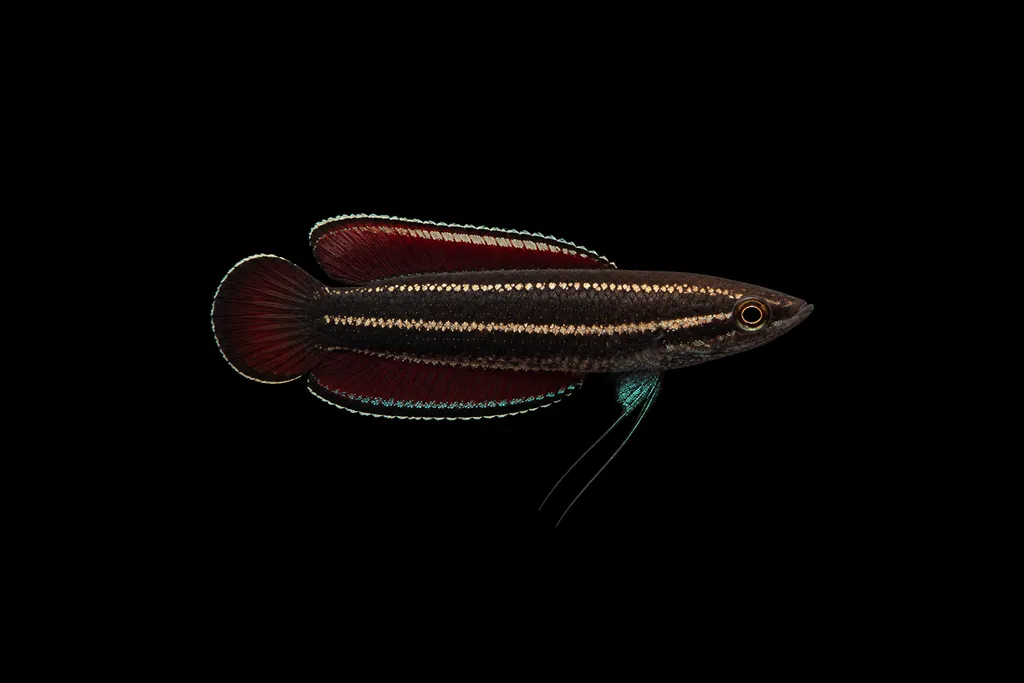
Pahu licorice gourami
Parosphromenus pahuensis
Freshwater1.1 in (2.8 cm) · 5 gal (20 L)72–81°F (22–27°C)Paradise fish
Macropodus opercularis
Freshwater3.1 in (8 cm) · 25 gal (95 L)50–72°F (10–22°C)1 varietyPearl gourami
Trichopodus leerii
Freshwater4.7 in (12 cm) · 30 gal (115 L)75–86°F (24–30°C)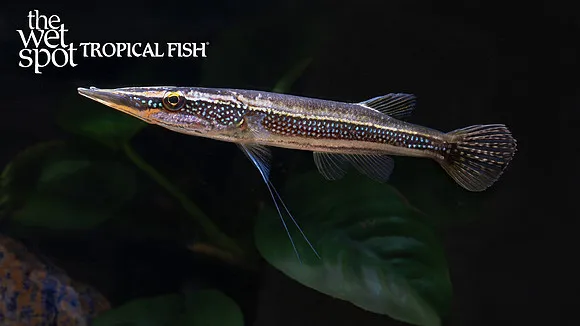
Peppermint pikehead
Luciocephalus aura
Freshwater4.7 in (12 cm) · 29 gal (110 L)72–79°F (22–26°C)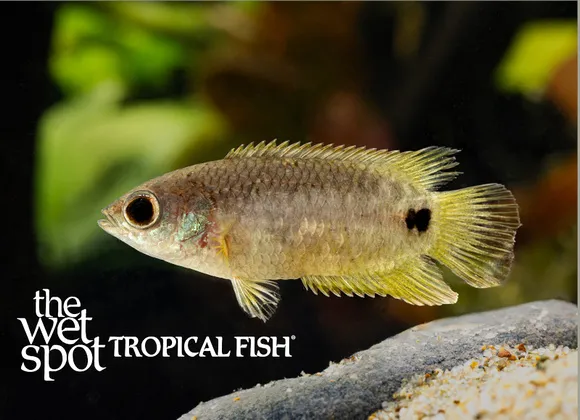
Petherick's bushfish
Ctenopoma petherici
Freshwater6.9 in (17.5 cm) · 53 gal (200 L)73–82°F (23–28°C)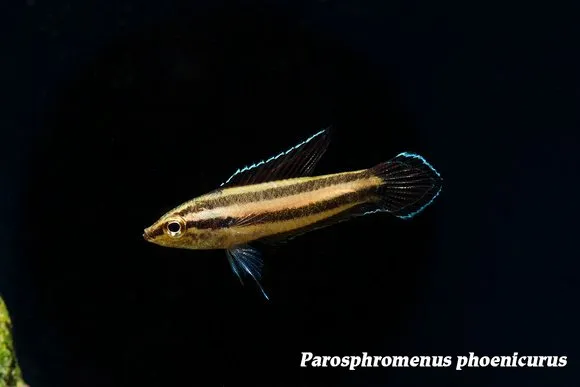
Phoenix licorice gourami
Parosphromenus phoenicurus
Freshwater1.3 in (3.2 cm) · 5 gal (20 L)72–81°F (22–27°C)Pygmy gourami
Trichopsis pumila
Freshwater1.6 in (4 cm) · 15 gal (55 L)72–82°F (22–28°C)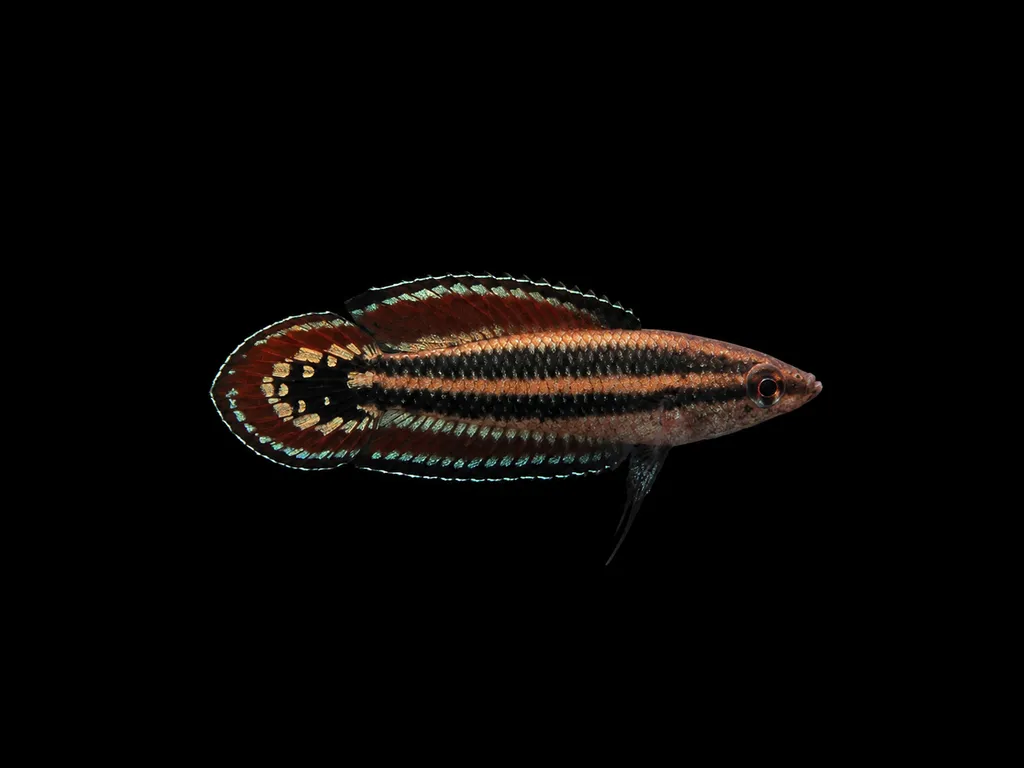
Quindecim licorice gourami
Parosphromenus quindecim
Freshwater1.3 in (3.4 cm) · 5 gal (20 L)72–81°F (22–27°C)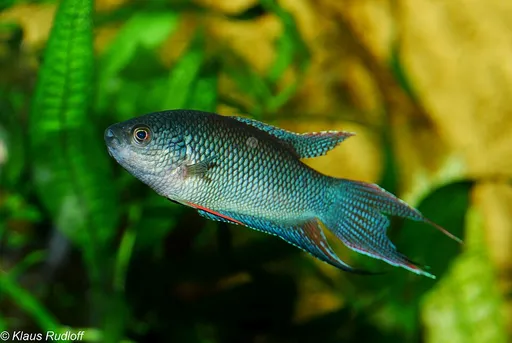
Redback paradisefish
Macropodus erythropterus
Freshwater3.1 in (8 cm) · 20 gal (75 L)68–86°F (20–30°C)Round-tail paradise fish
Macropodus ocellatus
Freshwater3.1 in (8 cm) · 20 gal (75 L)61–75°F (16–24°C)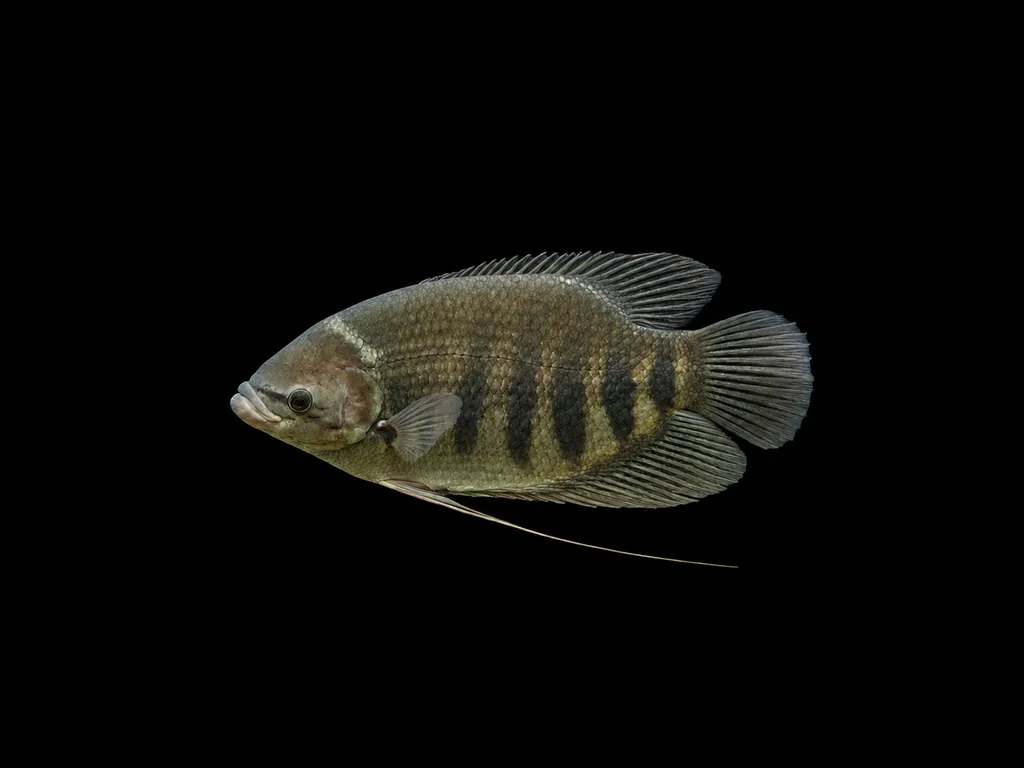
Seven-banded giant gourami
Osphronemus septemfasciatus
Freshwater19.7 in (50 cm) · 264 gal (1,000 L)72–82°F (22–28°C)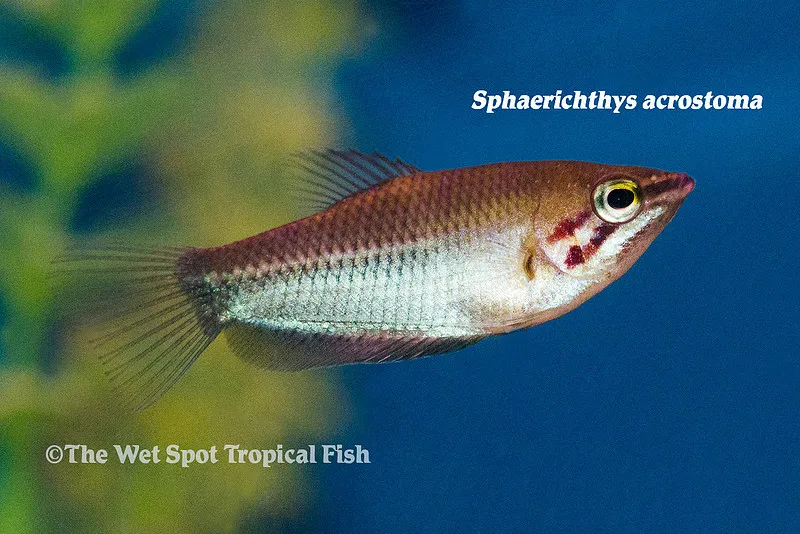
Sharpnose chocolate gourami
Sphaerichthys acrostoma
Freshwater2.8 in (7 cm) · 24 gal (90 L)72–79°F (22–26°C)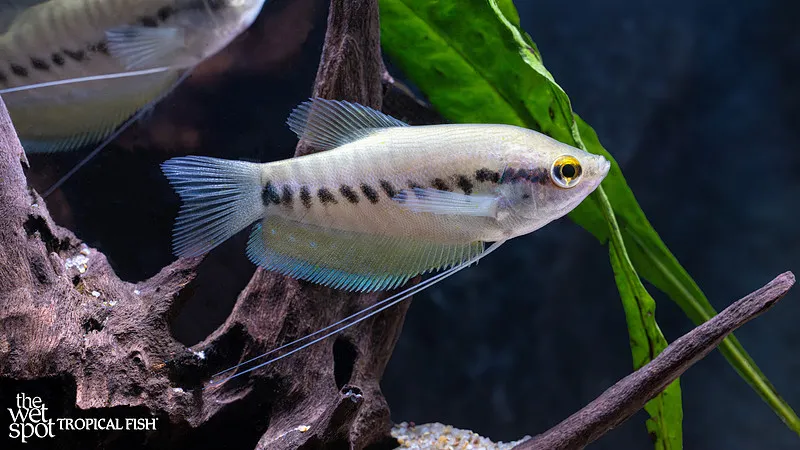
Snakeskin gourami
Trichopodus pectoralis
Freshwater9.8 in (25 cm) · 61 gal (230 L)72–86°F (22–30°C)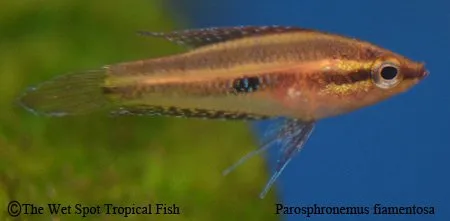
Spadetail licorice gourami
Parosphromenus filamentosus
Freshwater1.6 in (4 cm) · 5 gal (20 L)72–81°F (22–27°C)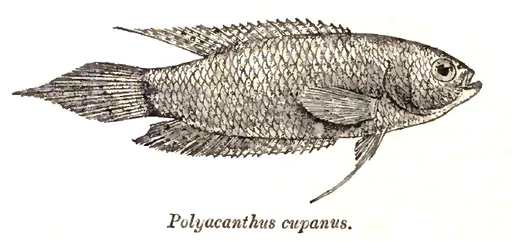
Spiketail paradisefish
Pseudosphromenus cupanus
Freshwater2.6 in (6.5 cm) · 12 gal (45 L)68–82°F (20–28°C)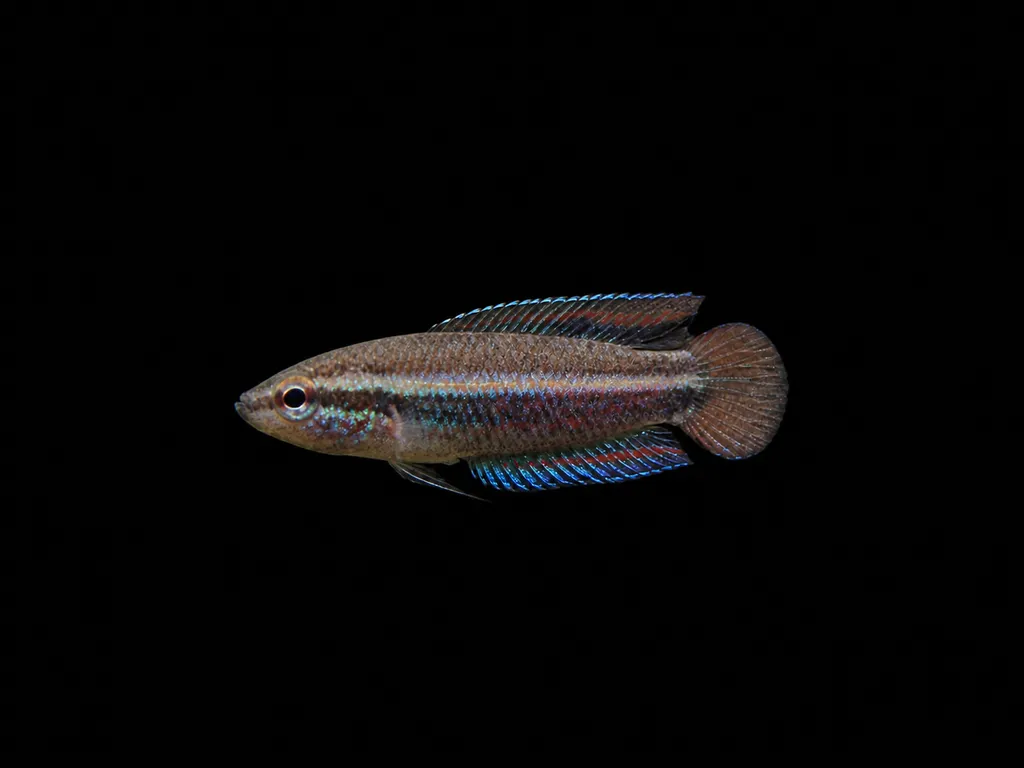
Sumatran licorice gourami
Parosphromenus sumatranus
Freshwater1.2 in (3 cm) · 5 gal (20 L)72–81°F (22–27°C)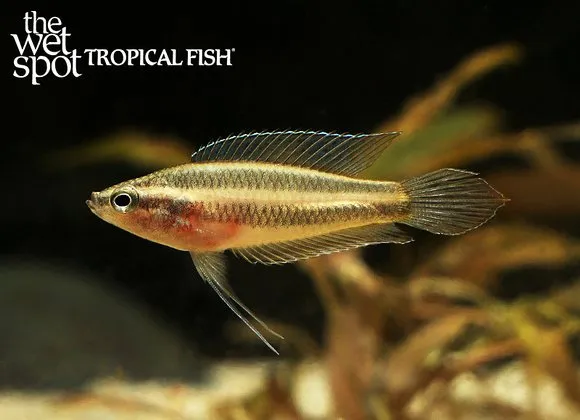
Swamp licorice gourami
Parosphromenus paludicola
Freshwater1.5 in (3.7 cm) · 5 gal (20 L)72–81°F (22–27°C)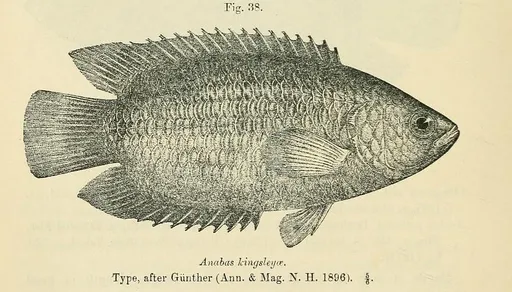
Tailspot climbing perch
Ctenopoma kingsleyae
Freshwater7.9 in (20 cm) · 66 gal (250 L)73–82°F (23–28°C)Thick-lipped gourami
Trichogaster labiosa
Freshwater3.5 in (9 cm) · 20 gal (75 L)72–82°F (22–28°C)Three spot gourami
Trichopodus trichopterus
Freshwater5.1 in (13 cm) · 30 gal (115 L)75–86°F (24–30°C)3 varieties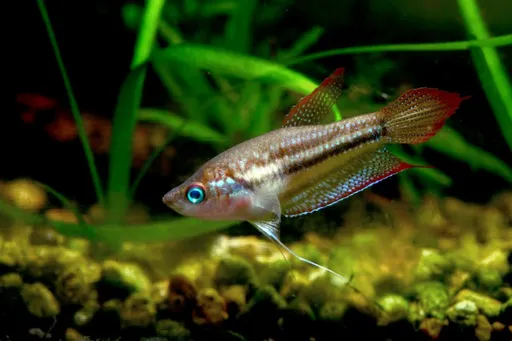
Threestripe croaking gourami
Trichopsis schalleri
Freshwater2 in (5 cm) · 12 gal (45 L)72–82°F (22–28°C)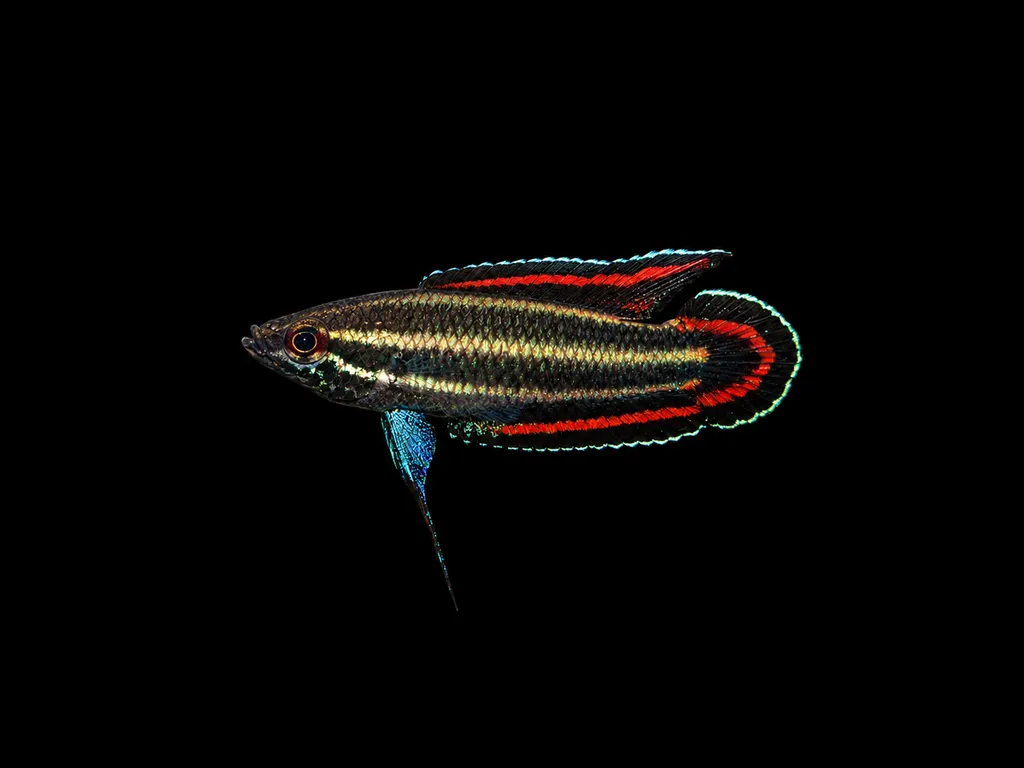
Tweedie's licorice gourami
Parosphromenus tweediei
Freshwater1.2 in (3 cm) · 5 gal (20 L)72–81°F (22–27°C)Vaillant's chocolate gourami
Sphaerichthys vaillanti
Freshwater2.2 in (5.5 cm) · 20 gal (75 L)70–77°F (21–25°C)
Planning a tank?
TankBud checks stocking and water fit as you build a tank, then tracks water tests, reminders and photos once it is running.
Track your tanksMaintain tanks for clients? See TankBud Pro