Algae eaters
No algae eater replaces maintenance, but the right one keeps glass, plants and wood tidier between water changes. This list gathers the animals that actually eat algae: bristlenose plecos and otocinclus, the Siamese algae eater for black beard algae, the American flagfish for hair algae, hillstream loaches, Amano shrimp and nerite snails. Each profile lists tank size, what a species grazes and how it behaves, since a few sold as algae eaters get large or territorial.
At a glance
- Tank size
- 5–53 gal
- 5 gal (19 L) to 53 gal (200 L); half the list needs 20 gal (75 L) or more
- Temperature
- 70–79°F
- 21–26°C, most of the list
- pH
- 6.5–7.5
- Most of the list
- Difficulty
- 13 easy
- 20 medium · 2 difficult
- Temperament
- 26 peaceful
- 8 mostly peaceful · 1 aggressive
35 species and 1 variety
Brown algae and diatoms
The brown dust that coats a new tank is diatoms, and it fades on its own as the tank matures. Otocinclus graze it off leaves and glass better than anything else, in a group of six in a 20 gallon (75 liter) tank or larger, and nerite snails clear glass and hardscape. Do not buy otos for a brand new tank, though. They starve without a film to eat, which is why they are rated medium.
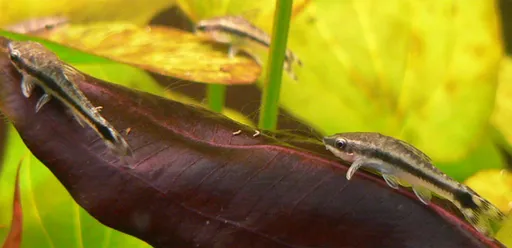
Common otocinclus
Otocinclus vittatus
Freshwater- Size
- 2 in (5 cm)
- Tank
- 20 gal (75 L)
- Water
- 72–79°F (22–26°C)
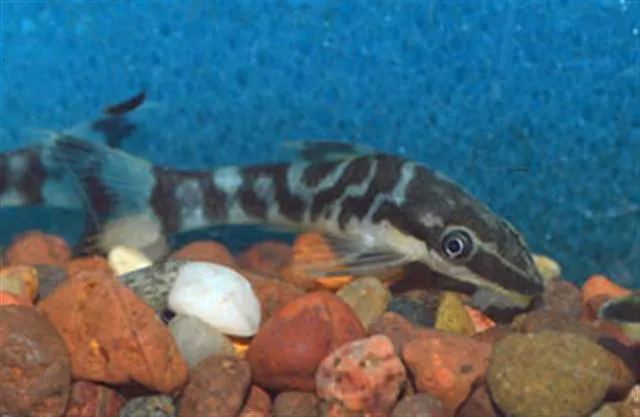
Zebra dwarf sucker
Otocinclus cocama
Freshwater- Size
- 1.8 in (4.5 cm)
- Tank
- 11 gal (40 L)
- Water
- 70–77°F (21–25°C)
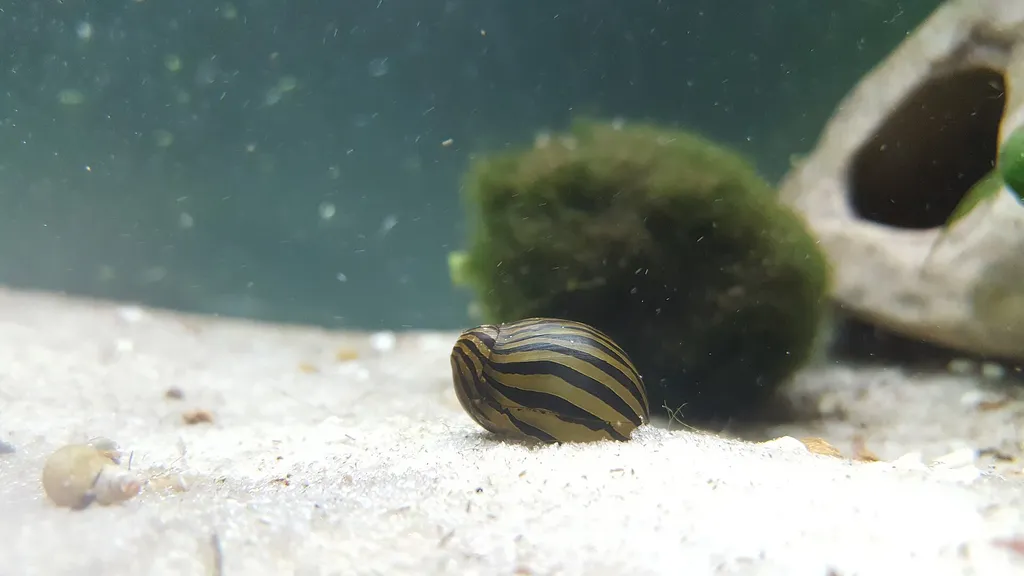
Zebra nerite
Vittina natalensis
FreshwaterBrackish- Size
- 1 in (2.5 cm)
- Tank
- 5 gal (20 L)
- Water
- 66–84°F (19–29°C)
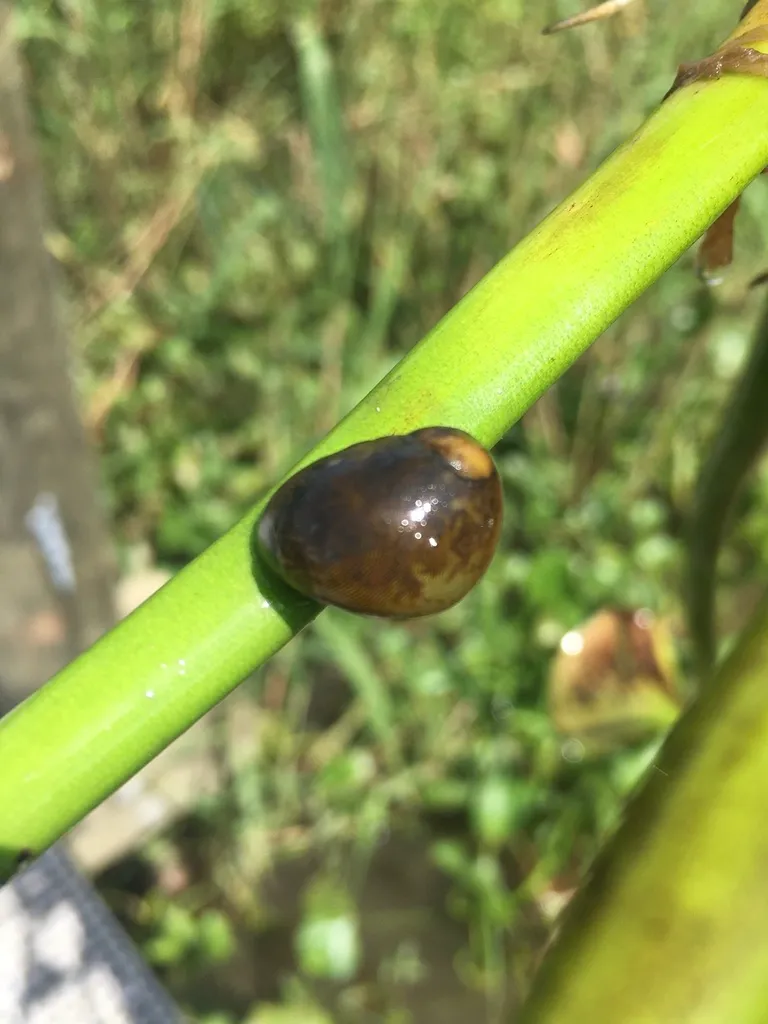
Olive nerite
Vittina usnea
FreshwaterBrackish- Size
- 0.8 in (2 cm)
- Tank
- 5 gal (20 L)
- Water
- 72–82°F (22–28°C)
Black beard algae
The true Siamese algae eater, Crossocheilus oblongus, is the one fish that reliably eats black beard algae, and it does it best while young and hungry. It grows to 6 inches (16 cm), shoals, and lists a 37 gallon (140 liter) tank. The flying fox and silver flying fox are sold under the same name and eat far less of it. Amano shrimp pick at black beard algae too, and a squad of them keeps new growth down once the fish has done the heavy work.
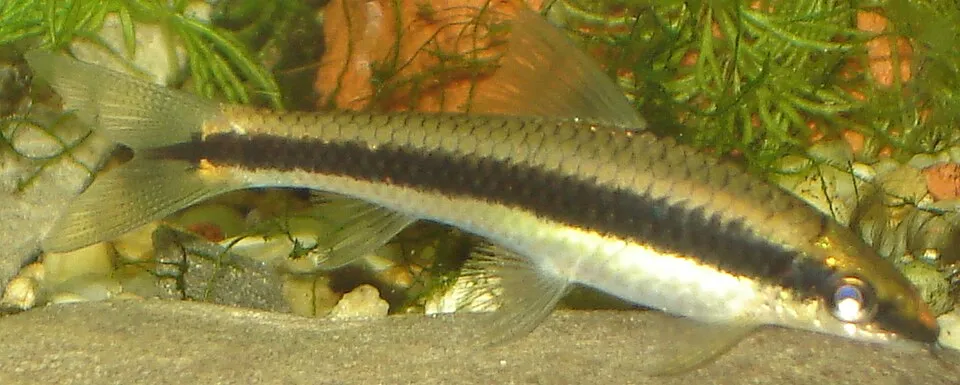
Siamese algae eater
Crossocheilus oblongus
Freshwater6.3 in (16 cm) · 37 gal (140 L)68–79°F (20–26°C)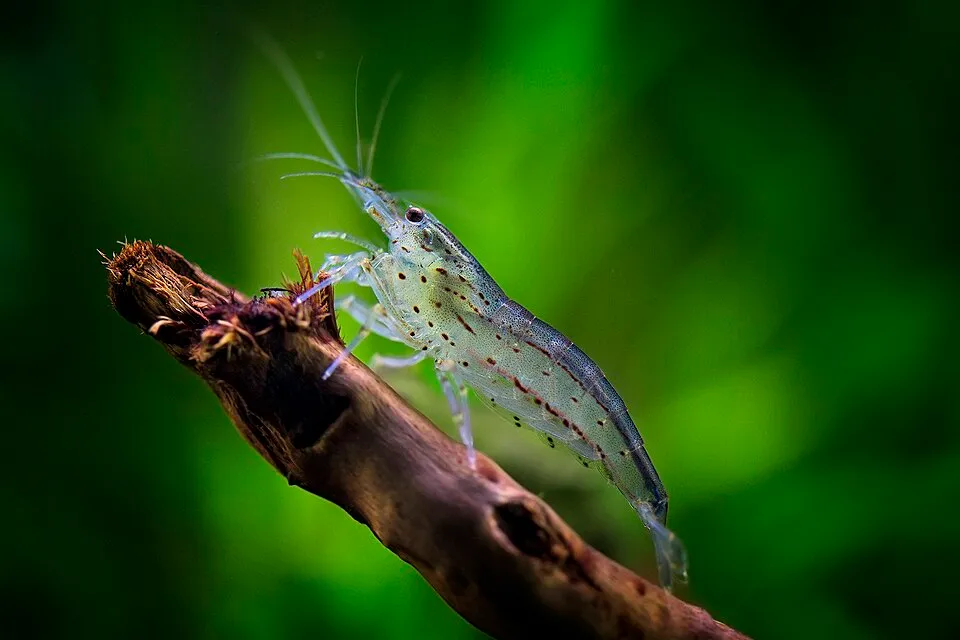
Amano shrimp
Caridina multidentata
FreshwaterBrackish2 in (5 cm) · 8 gal (30 L)59–81°F (15–27°C)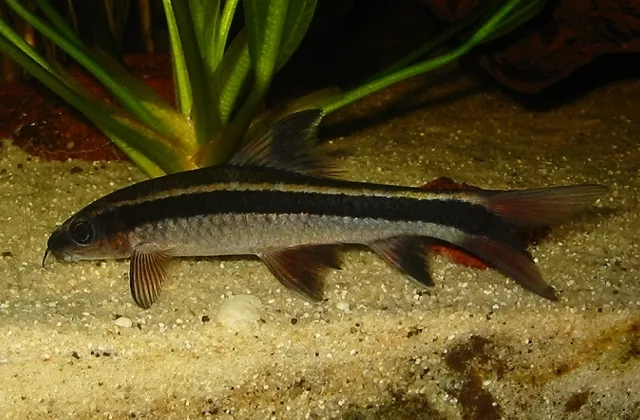
Flying fox
Epalzeorhynchos kalopterum
Freshwater6.3 in (16 cm) · 37 gal (140 L)68–79°F (20–26°C)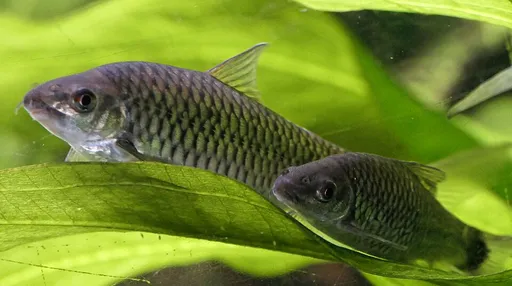
Silver flying fox
Crossocheilus reticulatus
Freshwater6.3 in (16 cm) · 53 gal (200 L)64–77°F (18–25°C)
Green film and spots on glass and hardscape
Nerite snails are the answer for glass, and the zebra, tiger and horned nerites rasp even the hard green spot algae that nothing else touches. A bristlenose pleco does the same on wood and rock and stays at 5 inches (12.5 cm), unlike the common pleco. In a cool tank with strong flow the hillstream loaches graze the glass and stones the way they graze a river.
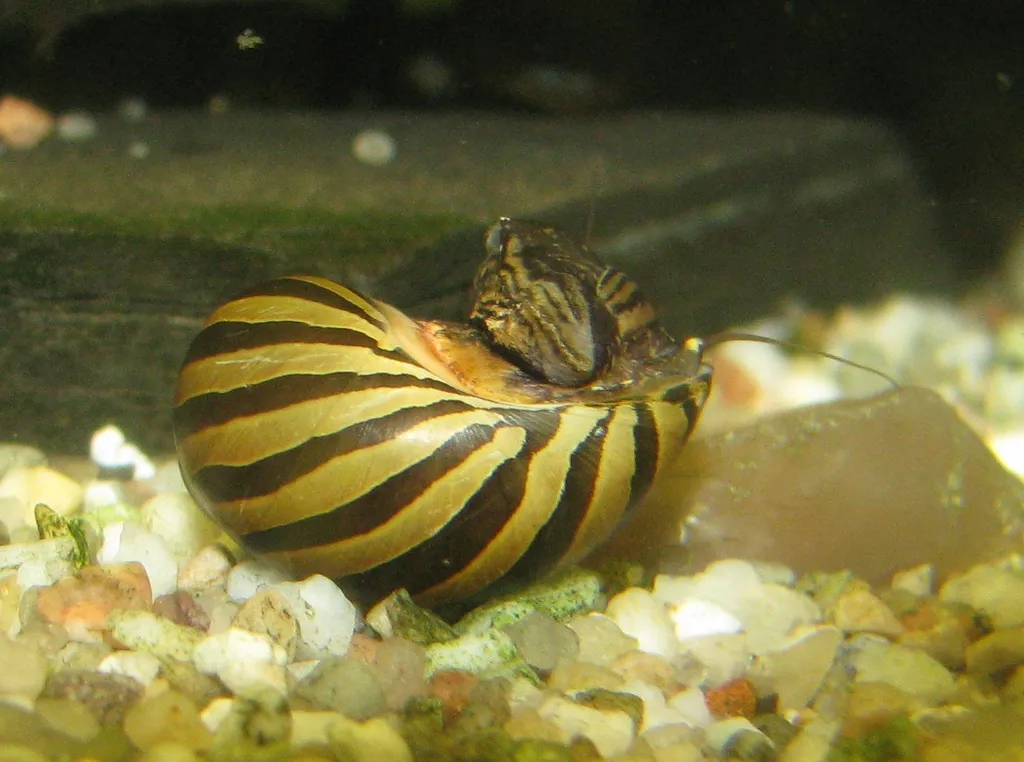
Tiger nerite
Vittina coromandeliana
FreshwaterBrackish1 in (2.5 cm) · 5 gal (19 L)72–79°F (22–26°C)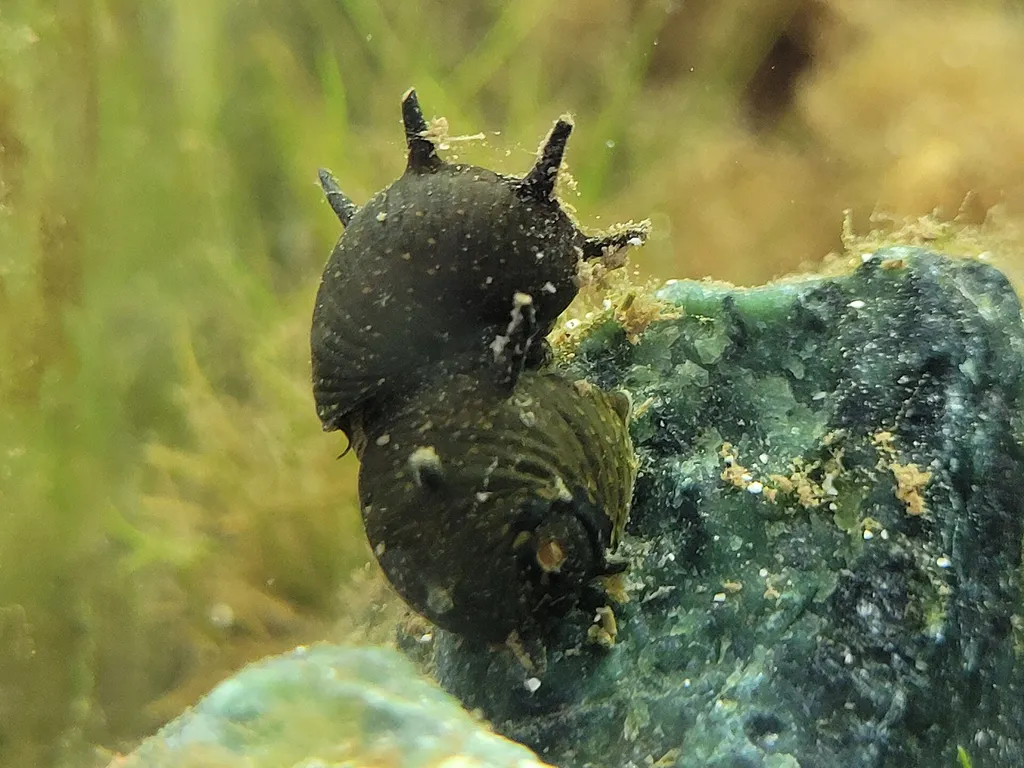
Horned nerite
Clithon corona
FreshwaterBrackish0.6 in (1.5 cm) · 5 gal (19 L)72–79°F (22–26°C)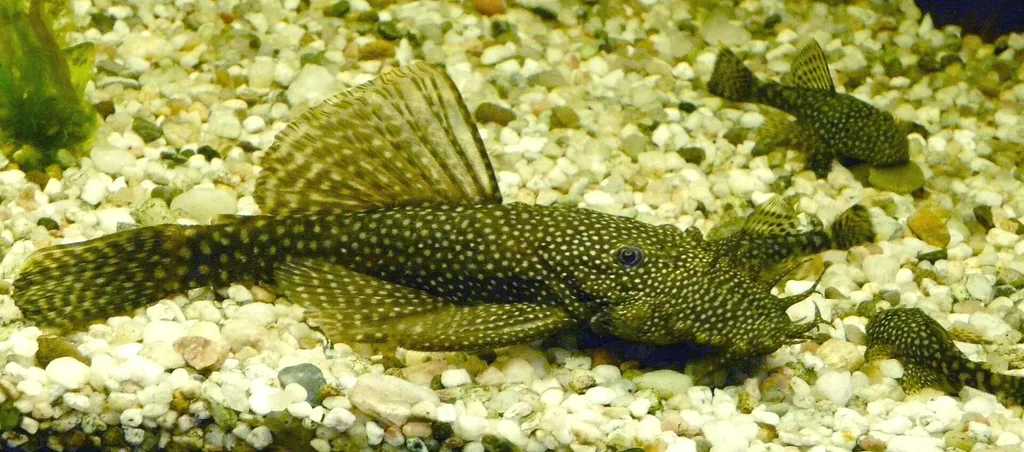
Bristlenose pleco
Ancistrus sp.
Freshwater4.9 in (12.5 cm) · 20 gal (75 L)70–79°F (21–26°C)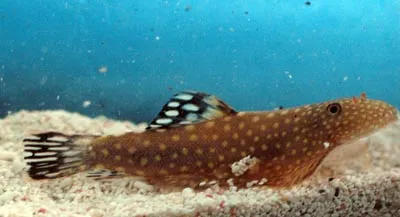
Borneo hillstream loach
Gastromyzon ctenocephalus
Freshwater1.6 in (4 cm) · 20 gal (75 L)68–75°F (20–24°C)
Hair and thread algae
The American flagfish eats hair algae the way a goat eats grass, and it is the only fish here that does. It wants cooler water, 63 to 73°F (17 to 23°C), and a 20 gallon (70 liter) tank. Amano shrimp and cherry shrimp pull threads apart and eat them, and a large enough group makes a visible difference in a week.
Small tanks and planted tanks
In a nano tank the horned nerite, at 5 gallons (19 liters), and a few Amano or cherry shrimp do the work without adding a fish. In a planted tank the same shrimp plus a group of otocinclus clean leaves without damaging them, which no pleco can promise. Skip plecos in anything under 20 gallons.
Horned nerite
Clithon corona
FreshwaterBrackish0.6 in (1.5 cm) · 5 gal (19 L)72–79°F (22–26°C)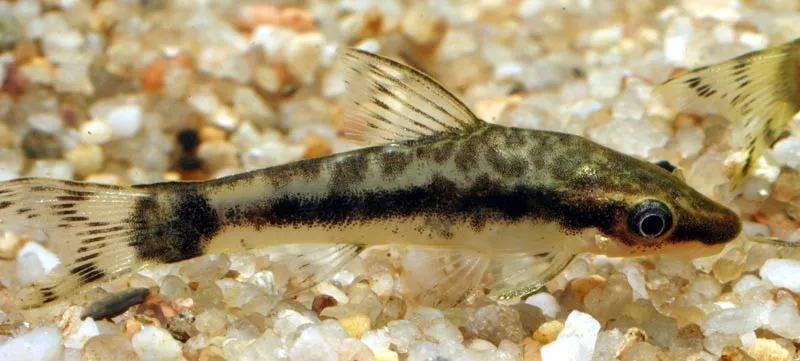
Golden dwarf sucker
Otocinclus macrospilus
Freshwater1.4 in (3.5 cm) · 11 gal (40 L)70–79°F (21–26°C)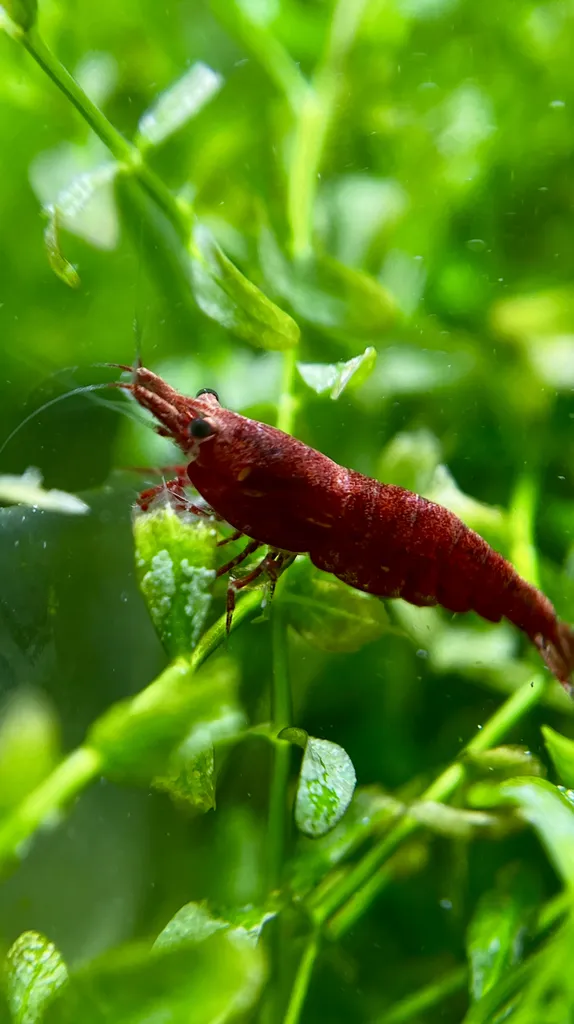
Cherry shrimp
Neocaridina davidi
Freshwater1.6 in (4 cm) · 5 gal (20 L)59–84°F (15–29°C)Amano shrimp
Caridina multidentata
FreshwaterBrackish2 in (5 cm) · 8 gal (30 L)59–81°F (15–27°C)
Pick the animal, then fix the cause
Fish need groups and a mature tank, shrimp need a tank with no copper in the medications and no fish that eat them, and snails need calcium in the water or their shells pit. Whichever you choose, it is treating a symptom. Algae grows on light, nutrients and time, so shorten the light to six or eight hours, feed less, change more water, and plant fast growers to take the nutrients first. The eater keeps things tidy between those chores.
By the numbers
Smallest
Largest
Easiest to keep
Most peaceful
Fits a 20 gallon tank
Fits a 30 gallon tank
FAQ
Common questions
What is the best algae eater for a small tank?
Nerite snails and Amano shrimp. The horned nerite lists a 5 gallon (19 liter) tank, the zebra and tiger nerites 5 gallons too, and Amano shrimp 8 gallons (30 liters). None of them breeds out of control in freshwater.
What eats black beard algae?
The true Siamese algae eater, and to a lesser degree Amano shrimp. Most fish sold as algae eaters, the flying fox and Chinese algae eater among them, leave it alone.
Are plecos good algae eaters?
The bristlenose is, and it stays at 5 inches (12.5 cm). The common pleco is not on this page: it grows to 16 inches (40 cm), eats less algae as it ages and makes more waste than it cleans.
Do nerite snails breed in freshwater?
No. They lay hard white eggs on wood and glass, but the larvae need brackish or salt water to develop, so the eggs never hatch in a freshwater tank.
How many otocinclus should I keep?
Six or more, in a mature tank of 20 gallons (75 liters) or larger. They shoal, they graze constantly, and a single oto in a new tank usually starves.
Will an algae eater clean my tank?
It will keep glass, leaves and wood tidier between water changes. It will not fix the light, food and nutrients that grew the algae, and no animal on this page eats every kind.
Index
All algae eaters
Amano shrimp
Caridina multidentata
FreshwaterBrackish2 in (5 cm) · 8 gal (30 L)59–81°F (15–27°C)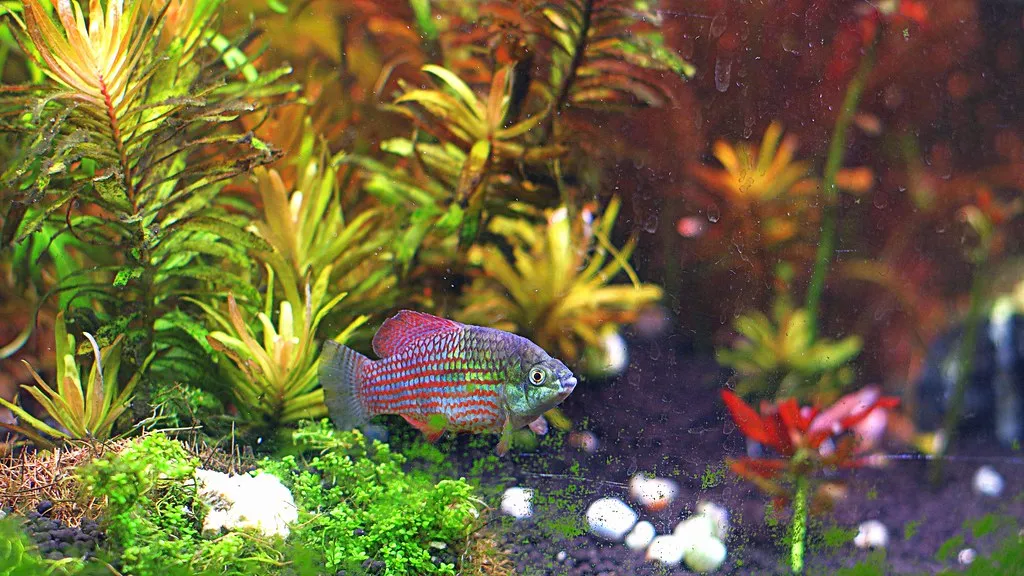
American flagfish
Jordanella floridae
Freshwater2.2 in (5.5 cm) · 18 gal (70 L)63–73°F (17–23°C)Borneo hillstream loach
Gastromyzon ctenocephalus
Freshwater1.6 in (4 cm) · 20 gal (75 L)68–75°F (20–24°C)Bristlenose pleco
Ancistrus sp.
Freshwater4.9 in (12.5 cm) · 20 gal (75 L)70–79°F (21–26°C)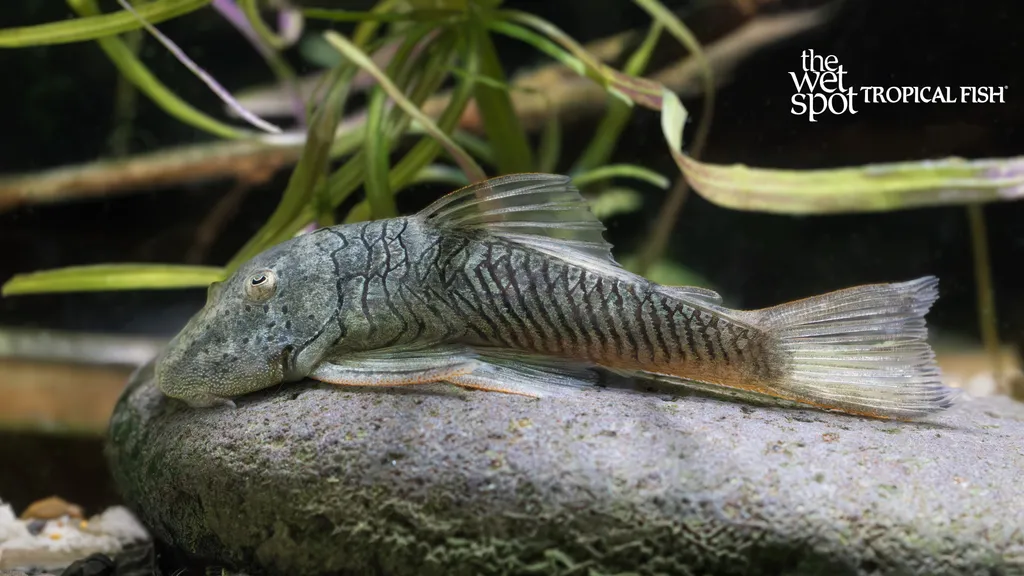
Bulldog pleco
Chaetostoma formosae
Freshwater4.3 in (11 cm) · 40 gal (150 L)68–77°F (20–25°C)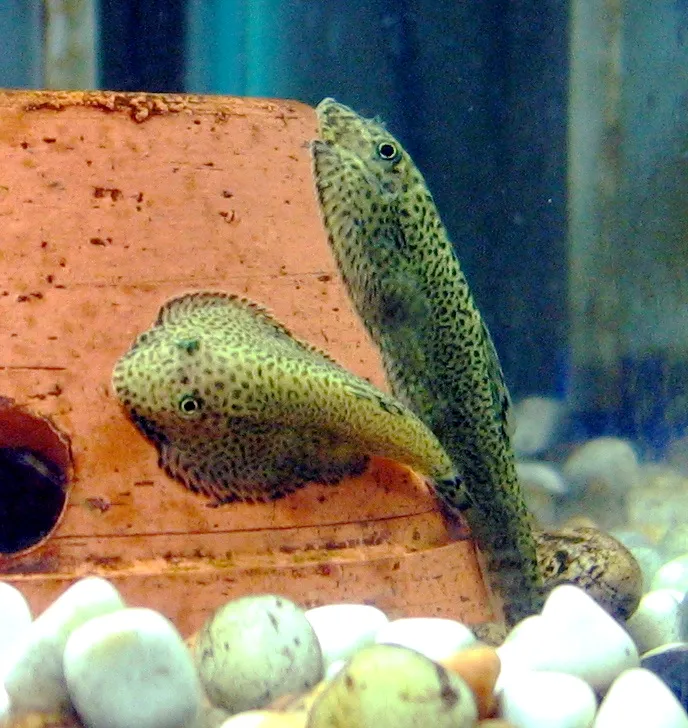
Butterfly loach
Beaufortia kweichowensis
Freshwater3 in (7.5 cm) · 25 gal (95 L)61–75°F (16–24°C)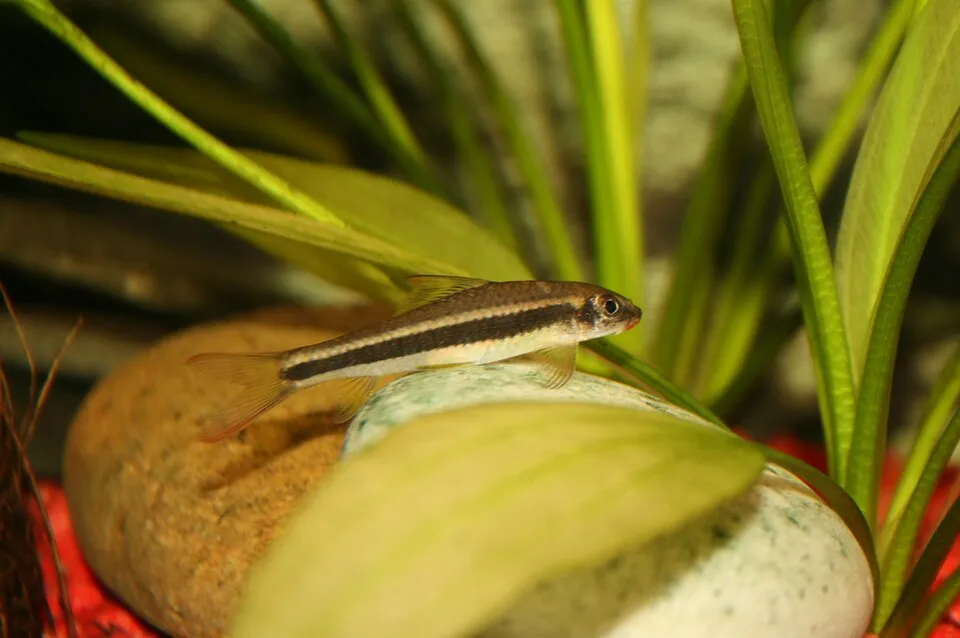
Cambodian log sucker
Garra cambodgiensis
Freshwater5.9 in (15 cm) · 32 gal (120 L)68–81°F (20–27°C)Cherry shrimp
Neocaridina davidi
Freshwater1.6 in (4 cm) · 5 gal (20 L)59–84°F (15–29°C)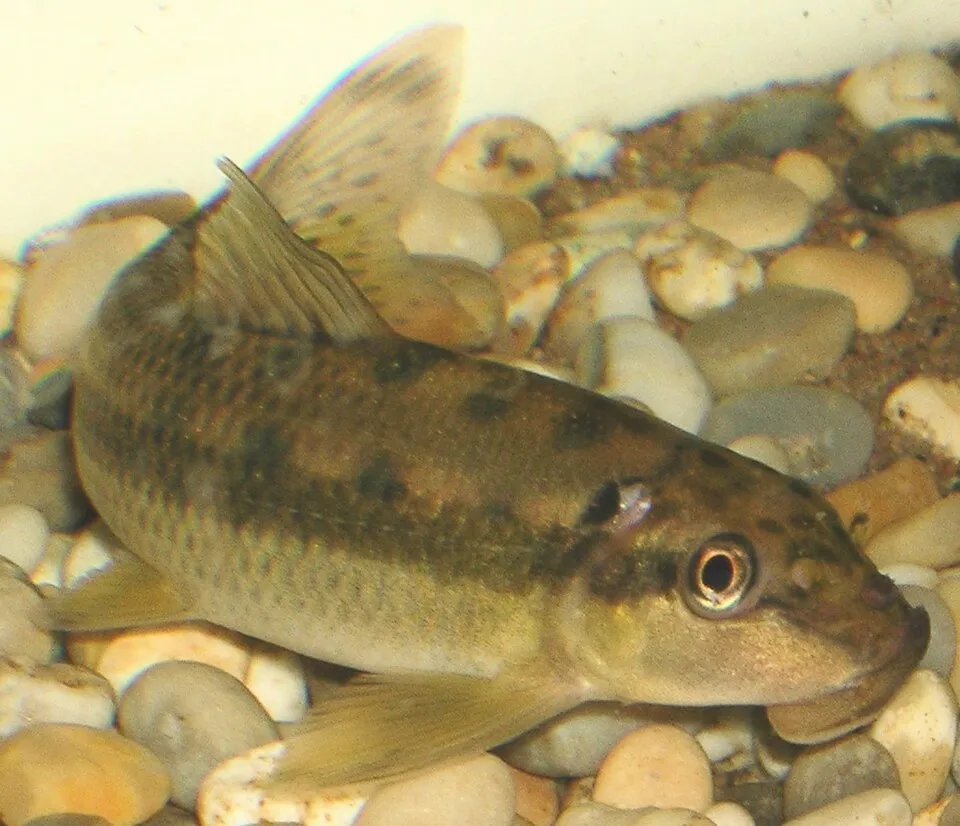
Chinese algae eater
Gyrinocheilus aymonieri
Freshwater11 in (28 cm) · 46 gal (175 L)72–79°F (22–26°C)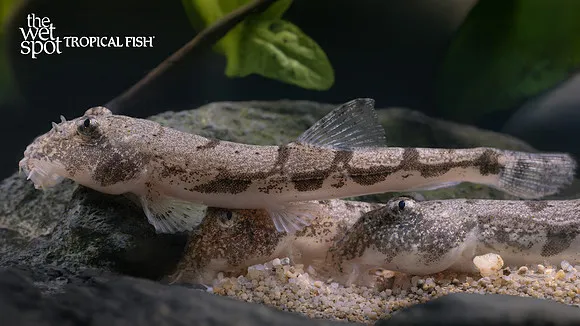
Chinese butterfly loach
Pseudogastromyzon cheni
Freshwater2.4 in (6 cm) · 20 gal (75 L)64–75°F (18–24°C)Common otocinclus
Otocinclus vittatus
Freshwater2 in (5 cm) · 20 gal (75 L)72–79°F (22–26°C)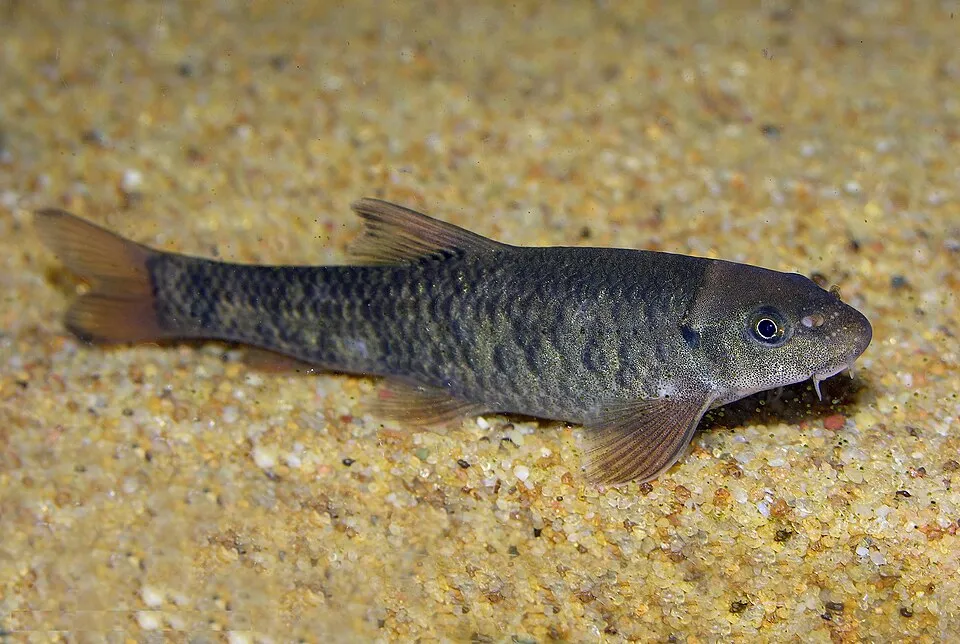
Doctor fish
Garra rufa
Freshwater4.7 in (12 cm) · 29 gal (110 L)57–68°F (14–20°C)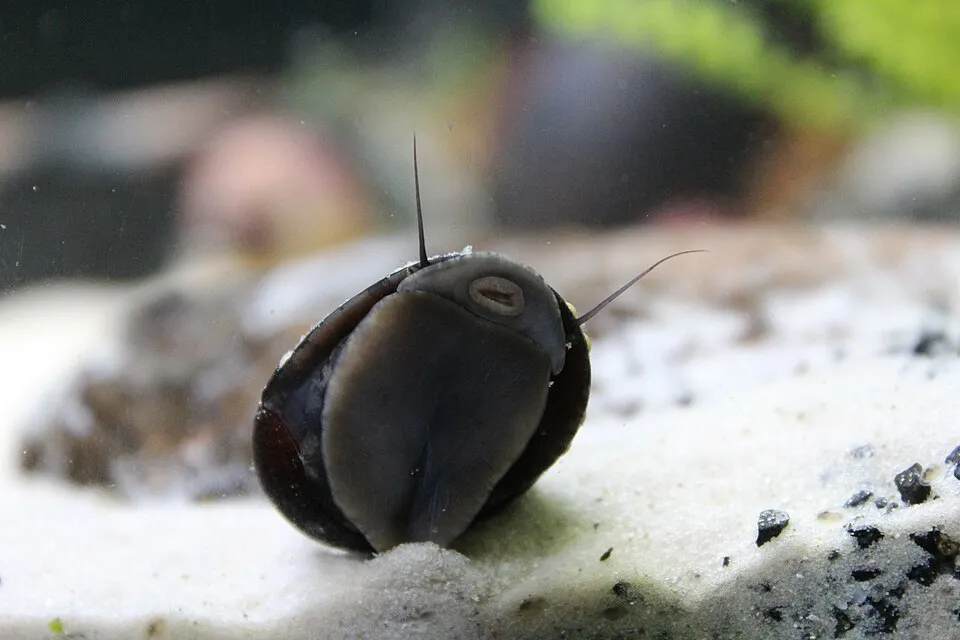
Dusky nerite snail
Neritina pulligera
FreshwaterBrackish1.6 in (4 cm) · 5 gal (20 L)72–82°F (22–28°C)Flying fox
Epalzeorhynchos kalopterum
Freshwater6.3 in (16 cm) · 37 gal (140 L)68–79°F (20–26°C)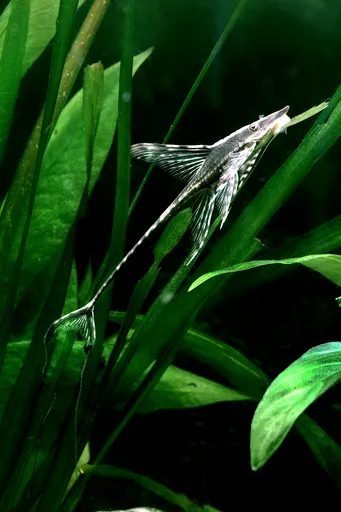
Giant whiptail catfish
Sturisomatichthys aureus
Freshwater7.9 in (20 cm) · 53 gal (200 L)73–81°F (23–27°C)Golden dwarf sucker
Otocinclus macrospilus
Freshwater1.4 in (3.5 cm) · 11 gal (40 L)70–79°F (21–26°C)Horned nerite
Clithon corona
FreshwaterBrackish0.6 in (1.5 cm) · 5 gal (19 L)72–79°F (22–26°C)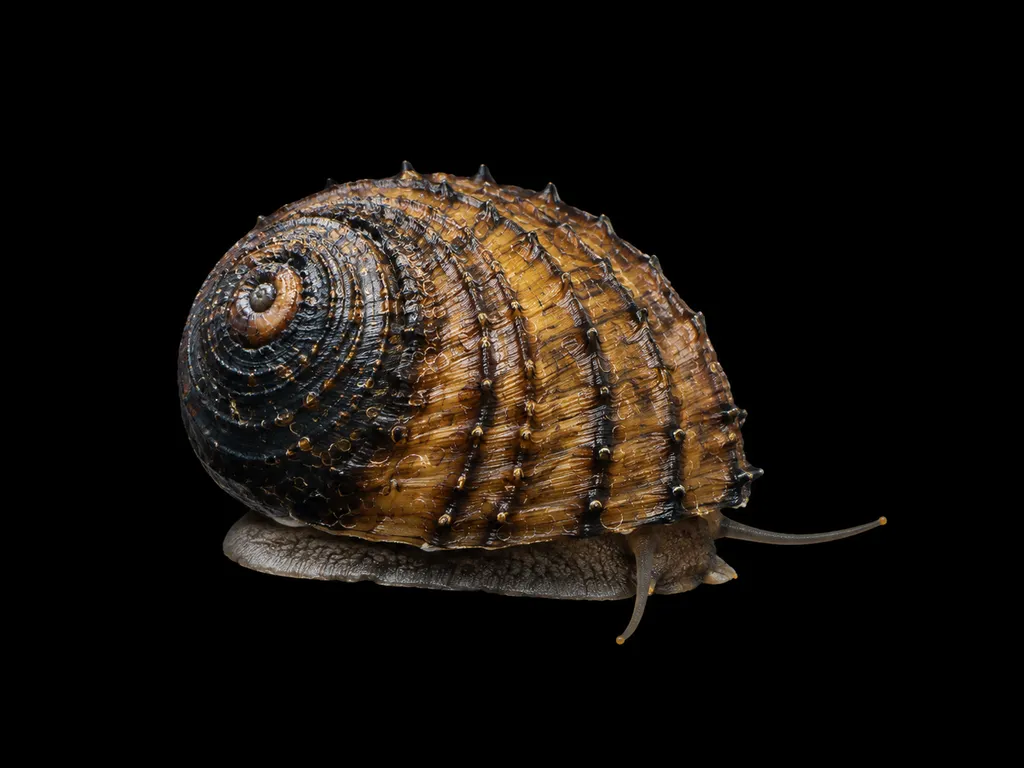
King Koopa nerite
Neritina juttingae
FreshwaterBrackish1 in (2.5 cm) · 5 gal (20 L)72–82°F (22–28°C)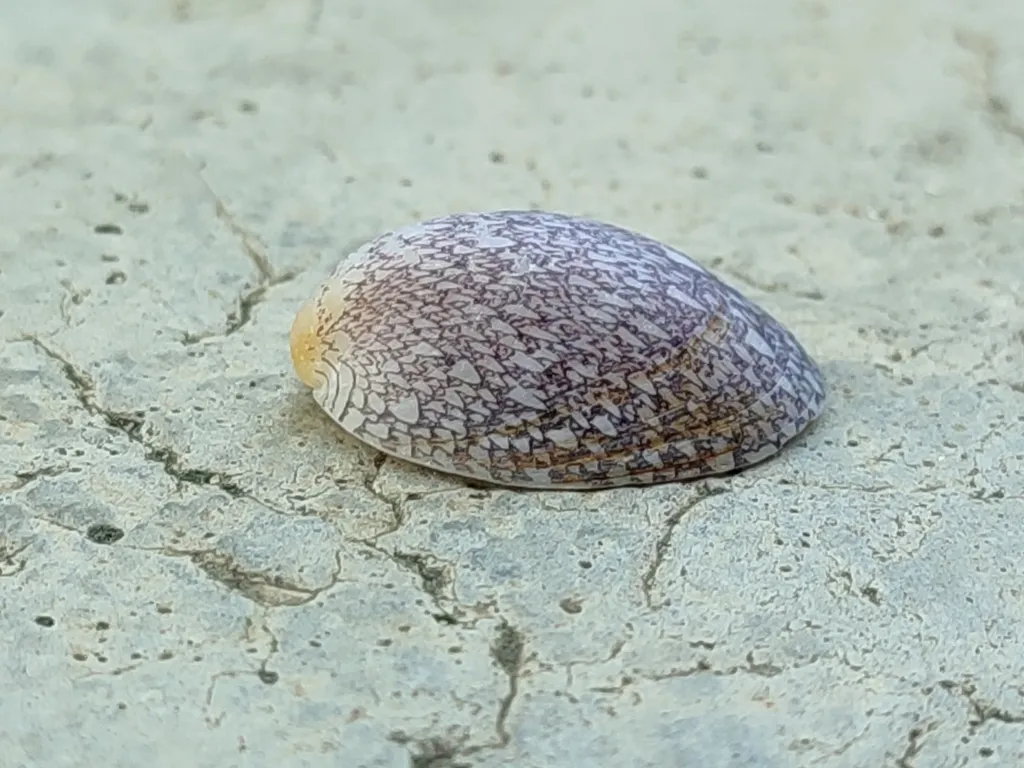
Marbled limpet nerite
Septaria porcellana
FreshwaterBrackish1.2 in (3 cm) · 5 gal (20 L)73–82°F (23–28°C)Olive nerite
Vittina usnea
FreshwaterBrackish0.8 in (2 cm) · 5 gal (20 L)72–82°F (22–28°C)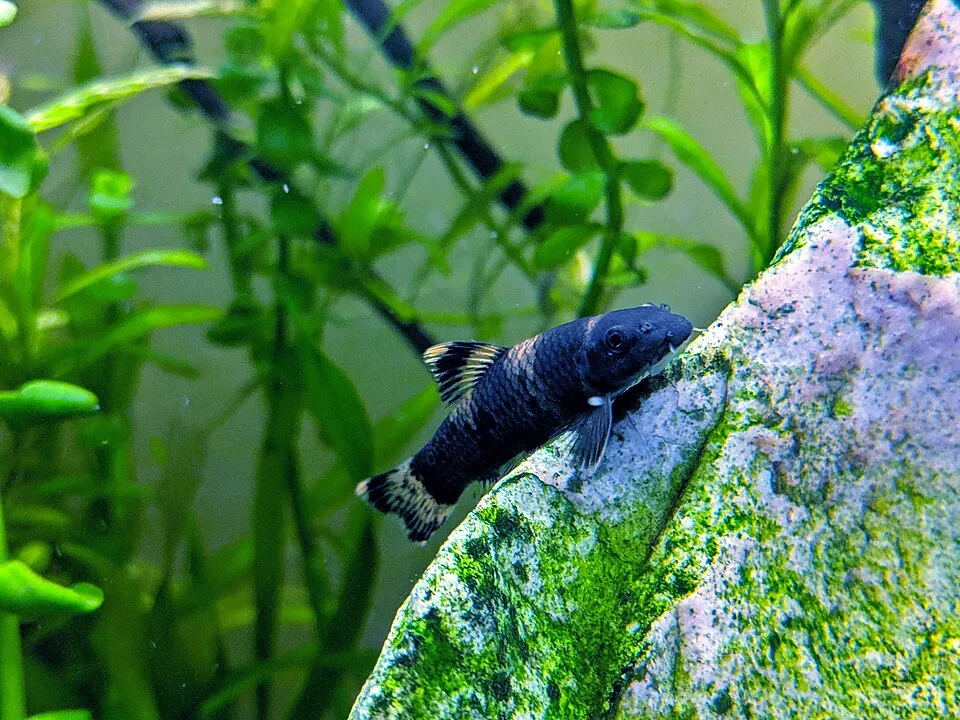
Panda garra
Garra flavatra
Freshwater3.5 in (9 cm) · 26 gal (100 L)72–81°F (22–27°C)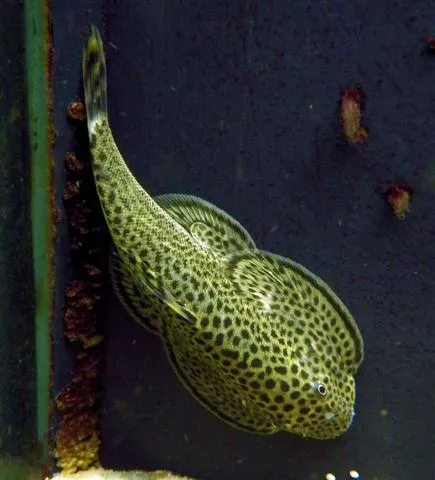
Red hillstream loach
Beaufortia leveretti
Freshwater3.1 in (8 cm) · 24 gal (90 L)64–75°F (18–24°C)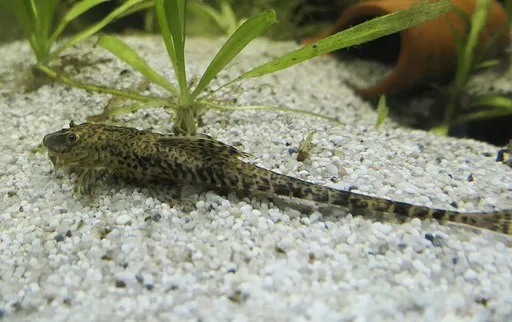
Red lizard whiptail
Rineloricaria lanceolata
Freshwater3.9 in (10 cm) · 24 gal (90 L)77–82°F (25–28°C)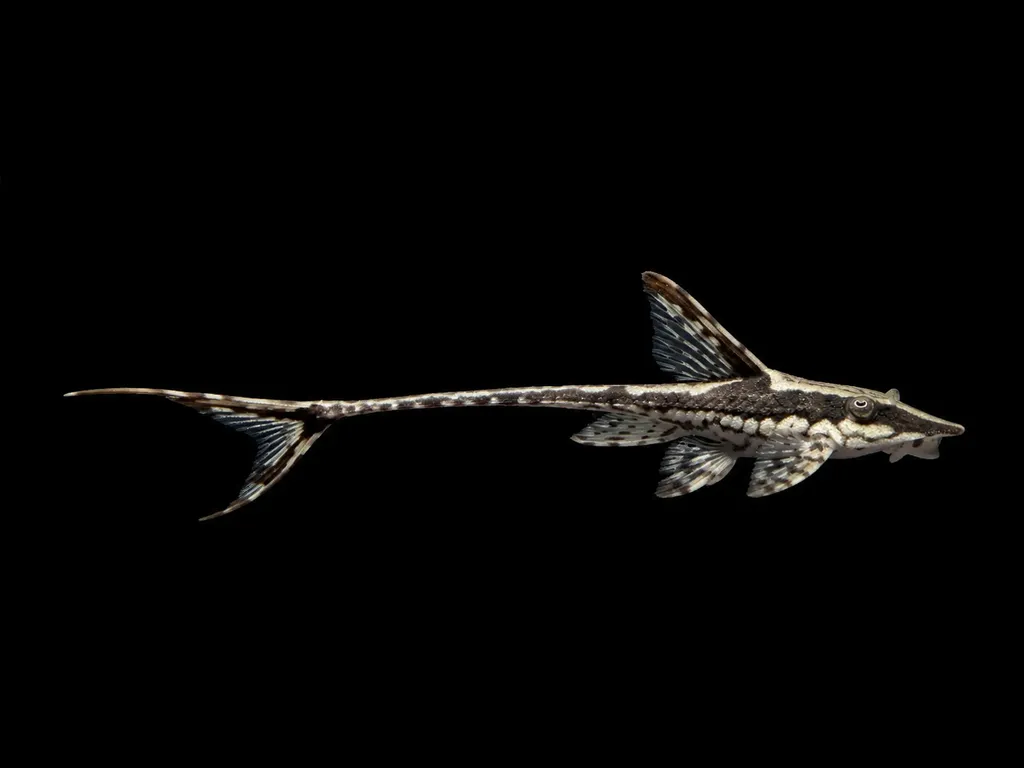
Royal whiptail catfish
Sturisoma panamense
Freshwater7.9 in (20 cm) · 40 gal (150 L)72–82°F (22–28°C)Siamese algae eater
Crossocheilus oblongus
Freshwater6.3 in (16 cm) · 37 gal (140 L)68–79°F (20–26°C)Silver flying fox
Crossocheilus reticulatus
Freshwater6.3 in (16 cm) · 53 gal (200 L)64–77°F (18–25°C)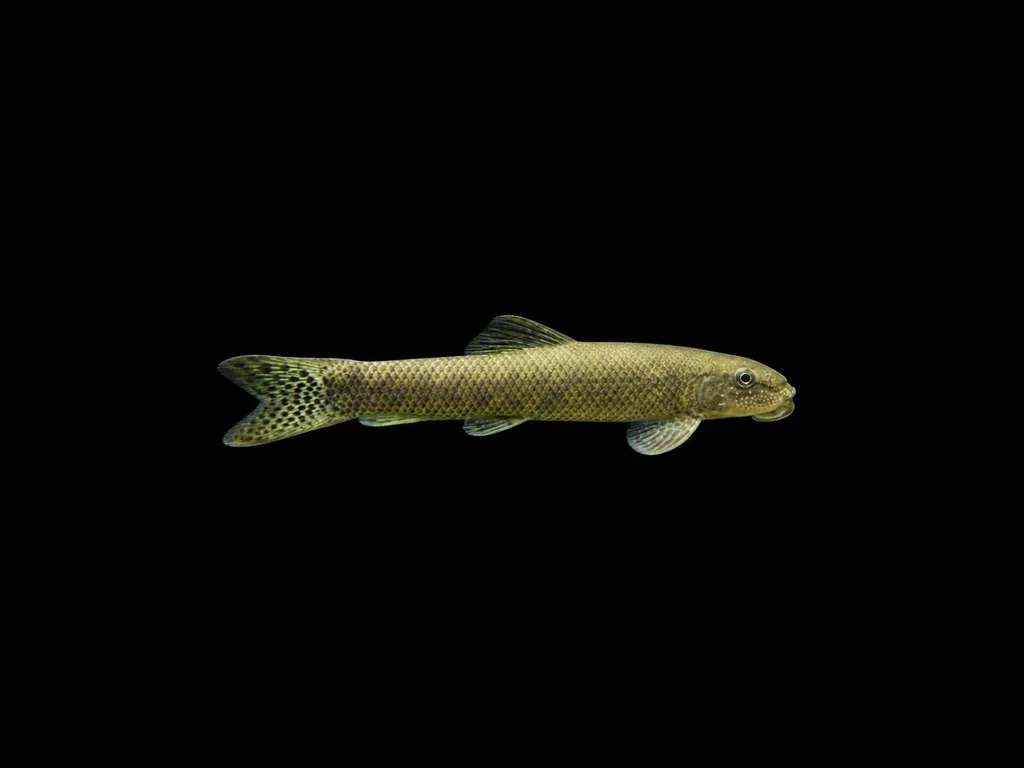
Spotted algae eater
Gyrinocheilus pennocki
Freshwater11 in (28 cm) · 53 gal (200 L)72–82°F (22–28°C)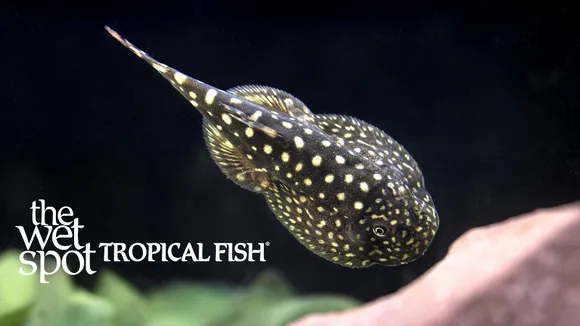
Spotted hillstream loach
Gastromyzon punctulatus
Freshwater2.6 in (6.5 cm) · 20 gal (75 L)68–75°F (20–24°C)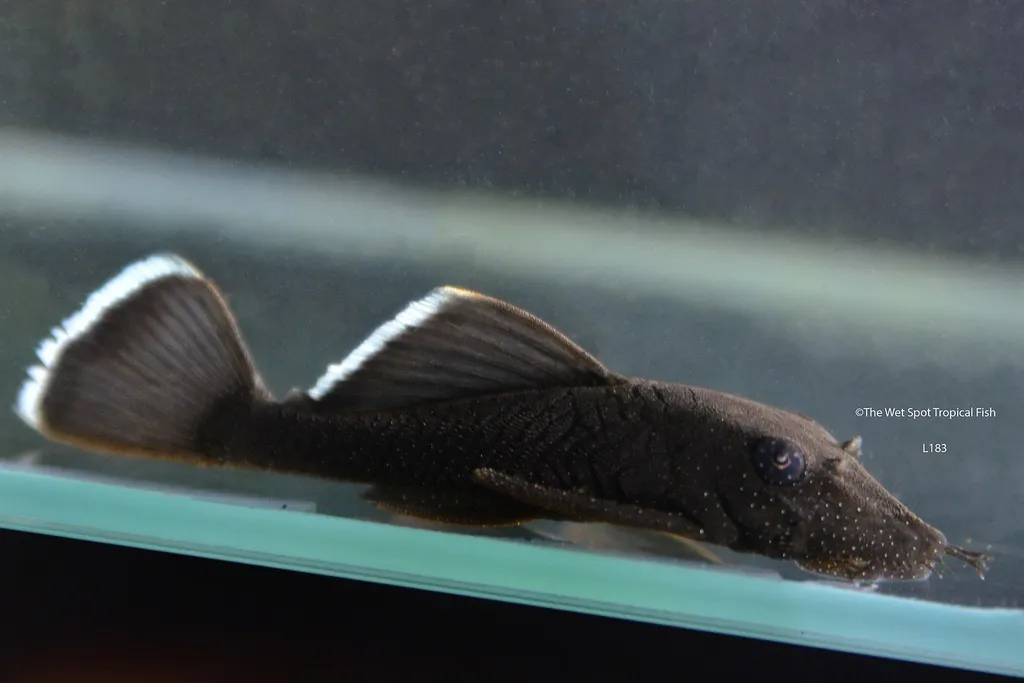
Starlight bristlenose pleco (L183)
Ancistrus dolichopterus
Freshwater5.5 in (14 cm) · 30 gal (115 L)79–84°F (26–29°C)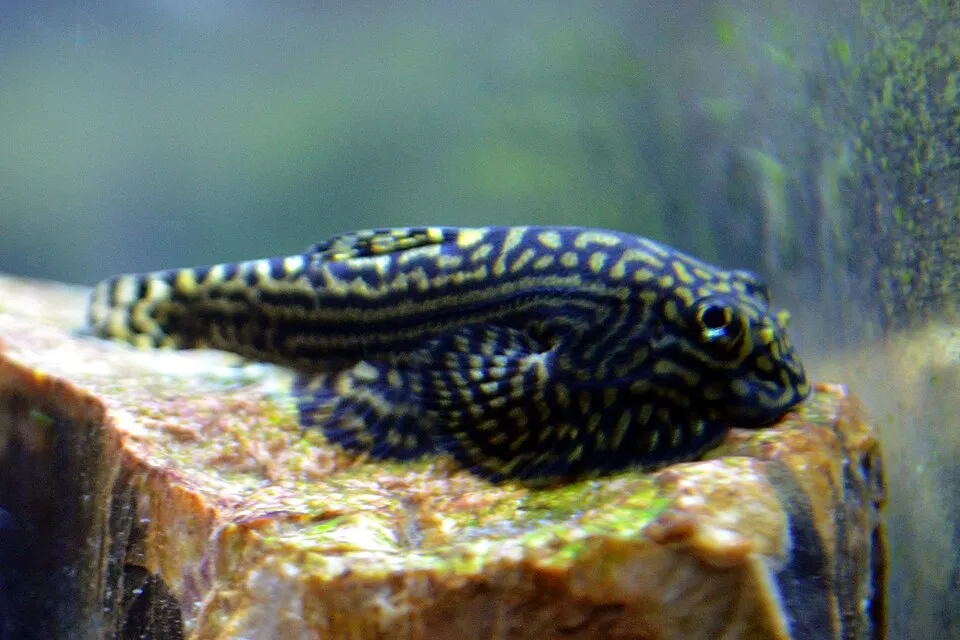
Tiger hillstream loach
Sewellia lineolata
Freshwater2.6 in (6.5 cm) · 25 gal (95 L)68–75°F (20–24°C)Tiger nerite
Vittina coromandeliana
FreshwaterBrackish1 in (2.5 cm) · 5 gal (19 L)72–79°F (22–26°C)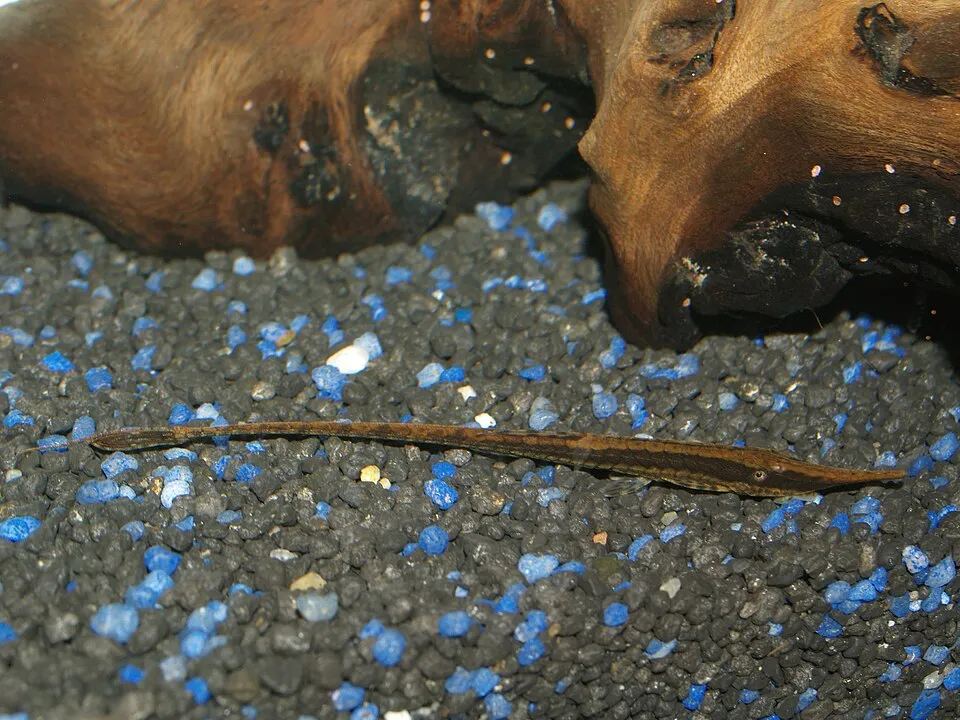
Twig catfish
Farlowella vittata
Freshwater5.9 in (15 cm) · 30 gal (115 L)75–81°F (24–27°C)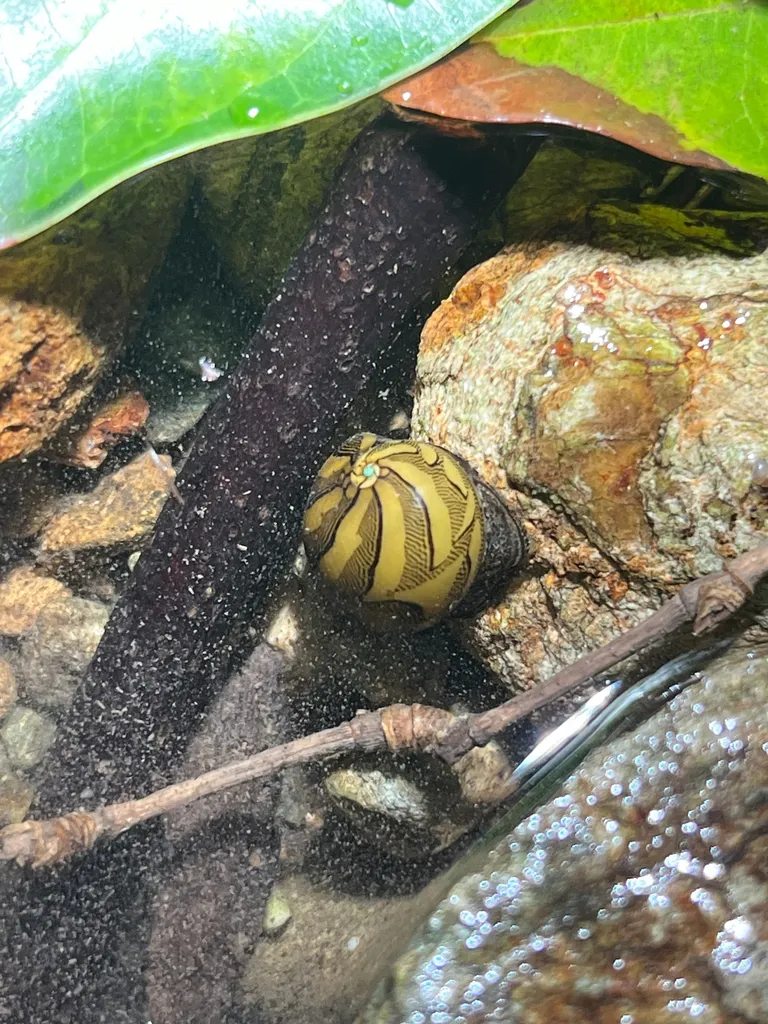
Virgin nerite
Vitta virginea
FreshwaterBrackish0.8 in (2 cm) · 5 gal (20 L)72–79°F (22–26°C)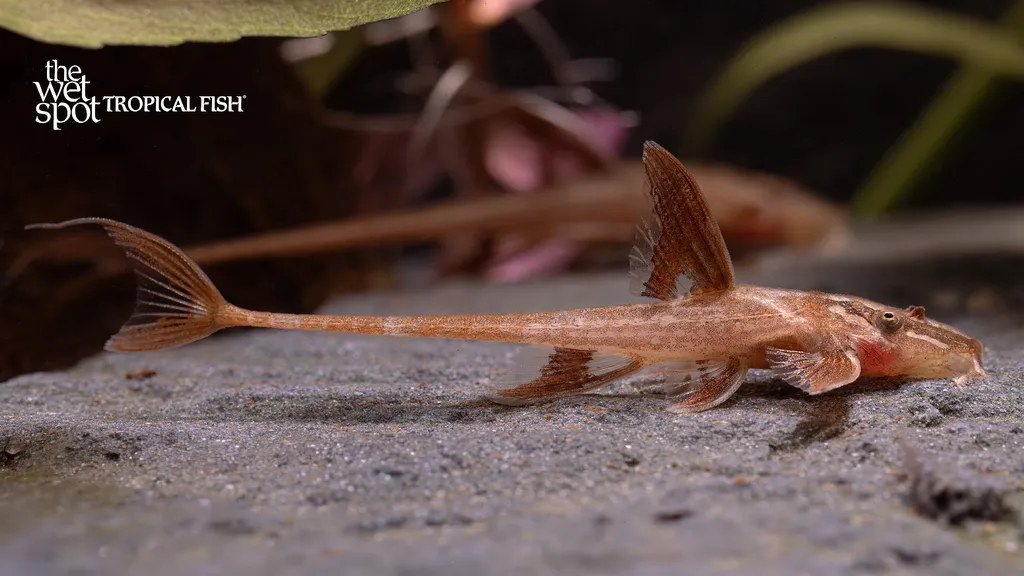
Whiptail catfish
Rineloricaria sp.
Freshwater4.3 in (11 cm) · 20 gal (75 L)75–84°F (24–29°C)Zebra dwarf sucker
Otocinclus cocama
Freshwater1.8 in (4.5 cm) · 11 gal (40 L)70–77°F (21–25°C)Zebra nerite
Vittina natalensis
FreshwaterBrackish1 in (2.5 cm) · 5 gal (20 L)66–84°F (19–29°C)
Planning a tank?
TankBud checks stocking and water fit as you build a tank, then tracks water tests, reminders and photos once it is running.
Track your tanksMaintain tanks for clients? See TankBud Pro