Coldwater aquarium fish
Coldwater fish are comfortable below the tropical range, and most of them suit an unheated tank at room temperature. Darters, sticklebacks, the giant stone loach and several others top out at 64–70°F (18–21°C) and need a cool room or a chiller. Goldfish are the classic, but White Cloud minnows, weather loaches and paradise fish belong here too. Each profile lists the temperature range and tank size a species needs.
At a glance
- Tank size
- 5–5,283 gal
- 5 gal (20 L) to 5,283 gal (20,000 L); half the list needs 25 gal (95 L) or more
- Temperature
- 61–75°F
- 16–24°C, most of the list
- pH
- 6.5–7.5
- Most of the list
- Difficulty
- 48 easy
- 119 medium · 36 difficult
- Temperament
- 80 peaceful
- 102 mostly peaceful · 21 aggressive
191 species and 32 varieties
What counts as coldwater
Coldwater covers fish that are comfortable at or below 64°F (18°C), which for most of them means an unheated tank at room temperature. That is the appeal: one less piece of equipment, one less thing to fail. And the category is much bigger than goldfish; small schooling minnows, North American natives and a few oddballs all live happily without a heater. The darters, sticklebacks and other true cold fish find room temperature too warm, so their tank has to stay cool.
Good coldwater fish for smaller tanks
White Cloud Mountain minnows and medaka are the easiest starting points: peaceful schooling fish around an inch and a half long, happy from about 10 gallons (35 to 38 liters). Rainbow shiners bring real color to an unheated 20 gallon, Everglades pygmy sunfish fit tanks as small as 8 gallons (30 liters), and fathead minnows are close to indestructible. Keep White Cloud minnows and medaka in groups of six or more, and rainbow shiners in groups of eight or more.
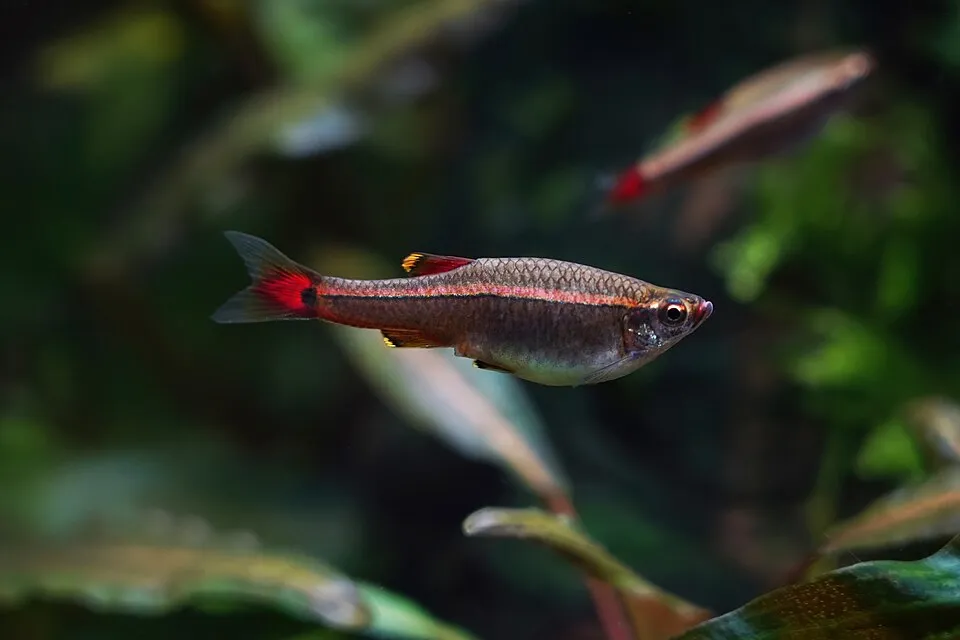
White Cloud Mountain minnow
Tanichthys albonubes
Freshwater- Size
- 1.6 in (4 cm)
- Tank
- 10 gal (38 L)
- Water
- 57–72°F (14–22°C)
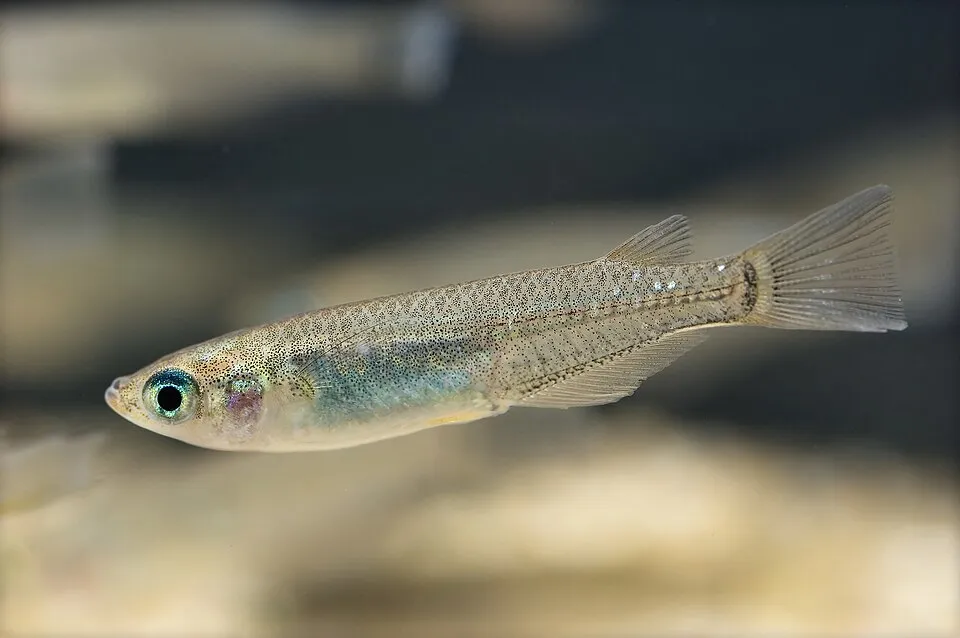
Medaka
Oryzias latipes
Freshwater- Size
- 1.4 in (3.5 cm)
- Tank
- 9 gal (35 L)
- Water
- 61–72°F (16–22°C)

Rainbow shiner
Notropis chrosomus
Freshwater- Size
- 3.1 in (8 cm)
- Tank
- 20 gal (75 L)
- Water
- 50–72°F (10–22°C)
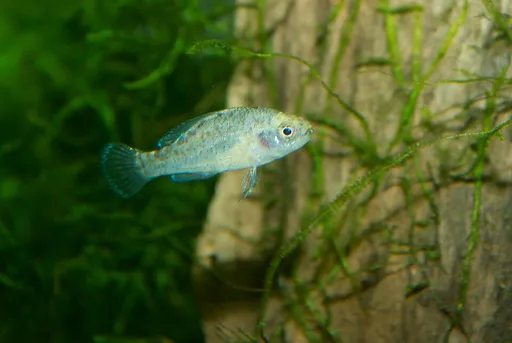
Everglades pygmy sunfish
Elassoma evergladei
Freshwater- Size
- 1.3 in (3.4 cm)
- Tank
- 8 gal (30 L)
- Water
- 54–82°F (12–28°C)
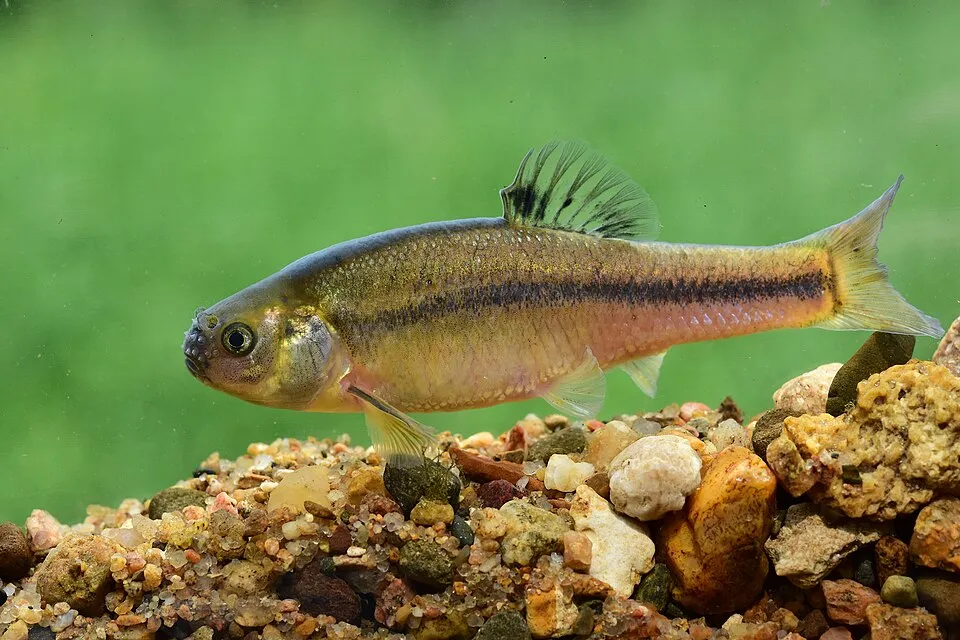
Fathead minnow
Pimephales promelas
Freshwater- Size
- 3 in (7.5 cm)
- Tank
- 20 gal (75 L)
- Water
- 50–72°F (10–22°C)
Goldfish need more room than the bowl suggests
A common goldfish reaches 9.8 inches (25 cm), and its profile lists 50 gallons (190 liters) for one adult. It wants company of its own kind, so a pair or group needs more room. No bowl comes close to those numbers. The pumpkinseed and bluegill sunfish need a 70 gallon (265 liter) tank and defend their territory. The banded, blackbanded and Everglades pygmy sunfish stay small. If you are not sure what fits, the stocking calculator will tell you before the fish is in the bag.
Subtropical, not cold
Most of the fish on this page are not from cold water at all. Zebra danios, rosy and Odessa barbs, pearl danios and round-tail paradise fish are comfortable down to around 61 to 64°F (16 to 18°C). They are fine in a heated house without a heater and wrong for an unheated garage or porch. The profile lists the full range for each species, and the range matters more than the label. A living room at 68°F (20°C) and a shed at 50°F (10°C) are different tanks.
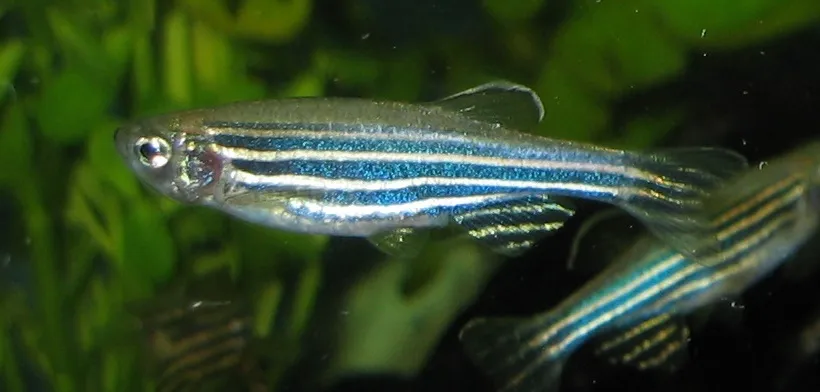
Zebra danio
Danio rerio
Freshwater2 in (5 cm) · 11 gal (41 L)64–75°F (18–24°C)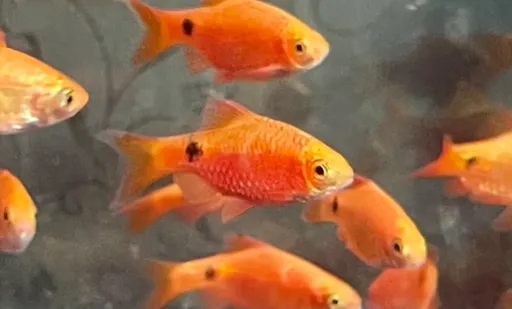
Rosy barb
Pethia conchonius
Freshwater2.8 in (7 cm) · 24 gal (90 L)61–75°F (16–24°C)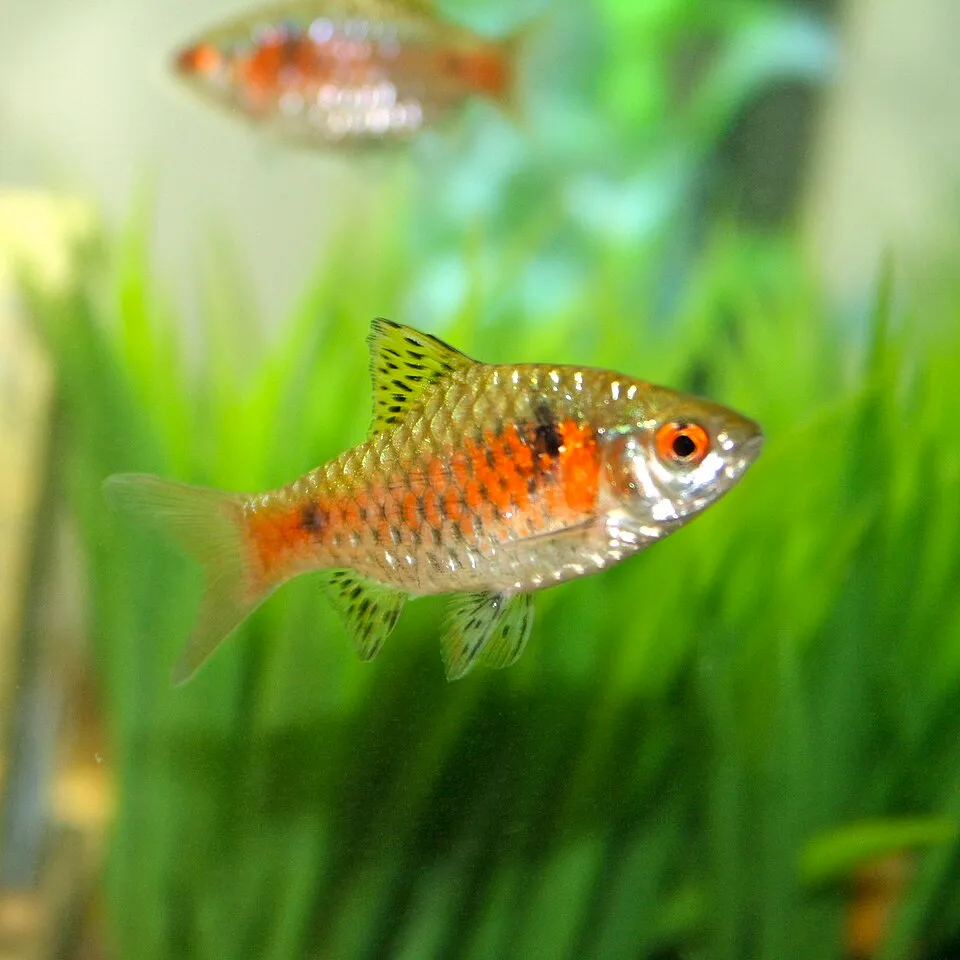
Odessa barb
Pethia padamya
Freshwater1.8 in (4.5 cm) · 20 gal (75 L)61–77°F (16–25°C)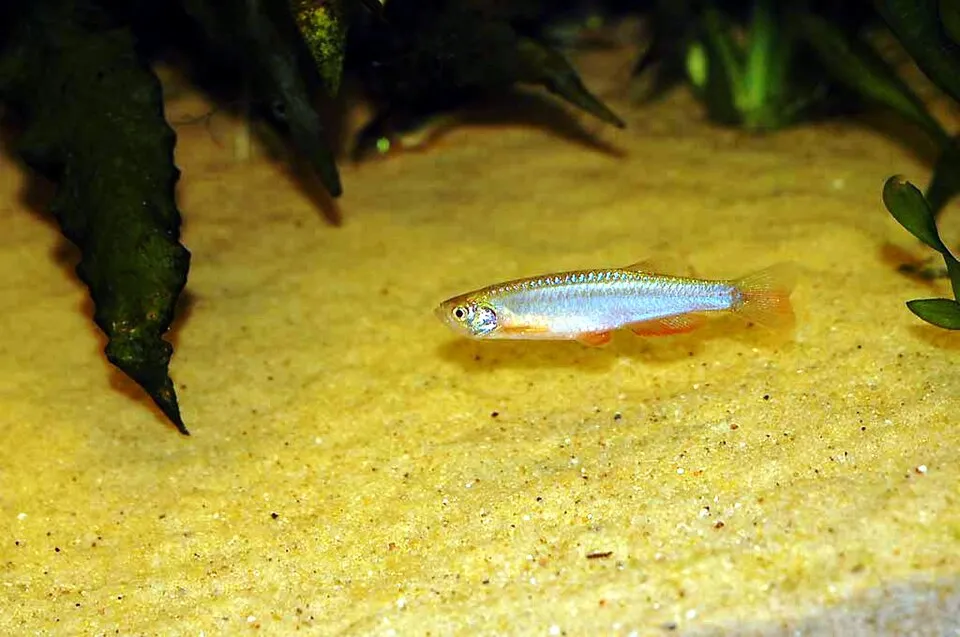
Pearl danio
Danio albolineatus
Freshwater2.4 in (6 cm) · 18 gal (70 L)61–77°F (16–25°C)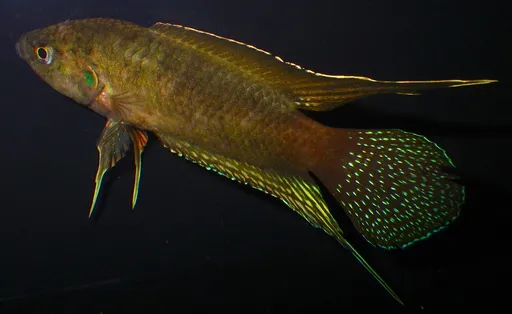
Round-tail paradise fish
Macropodus ocellatus
Freshwater3.1 in (8 cm) · 20 gal (75 L)61–75°F (16–24°C)
Cool, fast water
Hillstream loaches, the Rhinogobius gobies and the doctor fish come from streams that run cool and hard. The butterfly loach and the white-cheek goby list temperatures from 61°F (16°C), and the Chinese butterfly loach from 64°F (18°C). The doctor fish tops out at 68°F (20°C), so a tropical tank is too warm for all of them. They want flow, oxygen and smooth stones, and they are the fish to build an unheated river tank around. The hillstream loaches and the doctor fish graze algae. The Rhinogobius gobies and the Asian stone catfish eat small live and frozen foods instead.
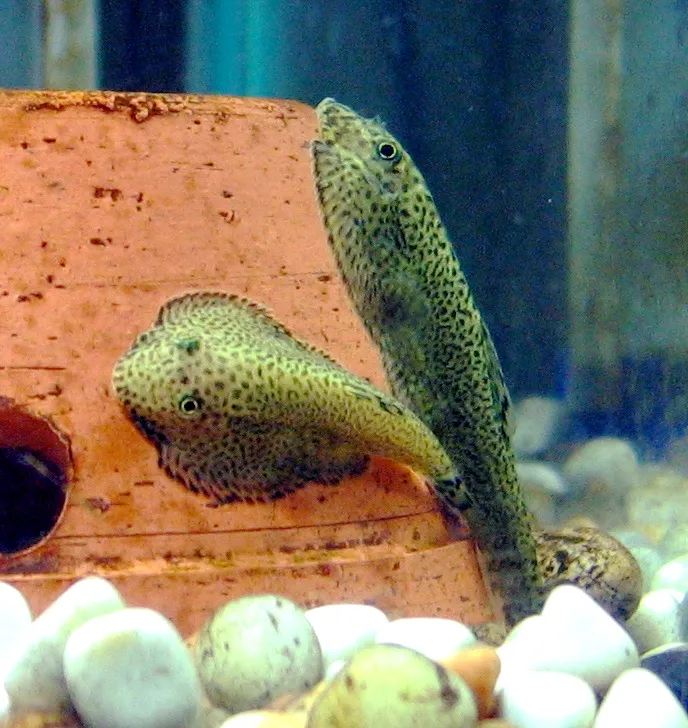
Butterfly loach
Beaufortia kweichowensis
Freshwater3 in (7.5 cm) · 25 gal (95 L)61–75°F (16–24°C)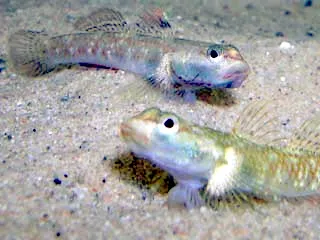
White-cheek goby
Rhinogobius duospilus
Freshwater2 in (5 cm) · 16 gal (60 L)61–75°F (16–24°C)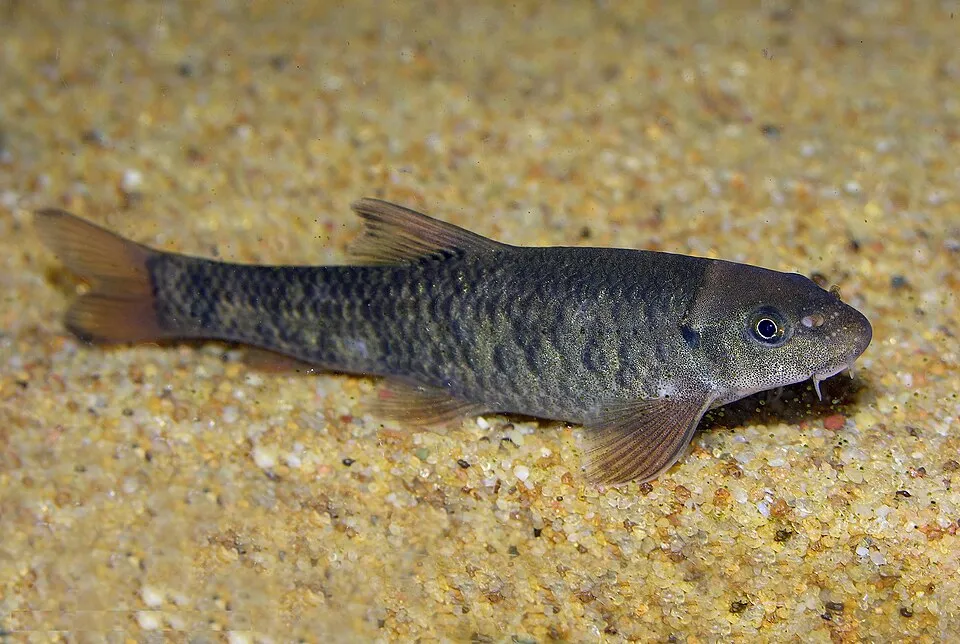
Doctor fish
Garra rufa
Freshwater4.7 in (12 cm) · 63 gal (240 L)57–68°F (14–20°C)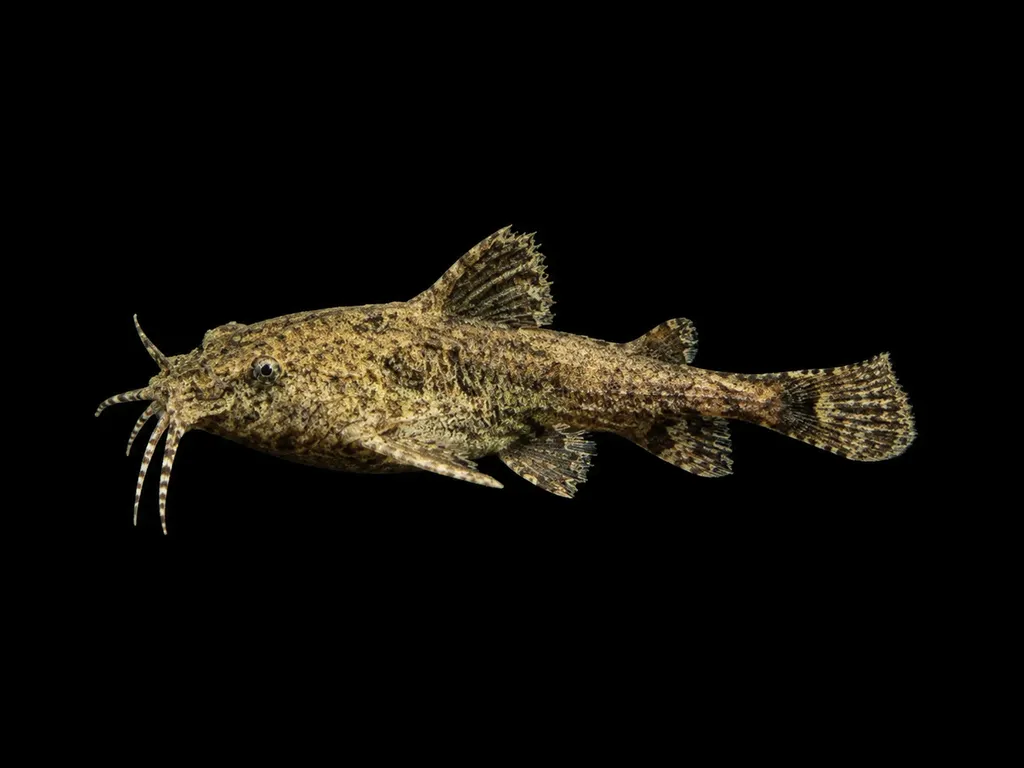
Asian stone catfish
Hara jerdoni
Freshwater1.6 in (4 cm) · 11 gal (40 L)64–75°F (18–24°C)
Natives and the pond crossover
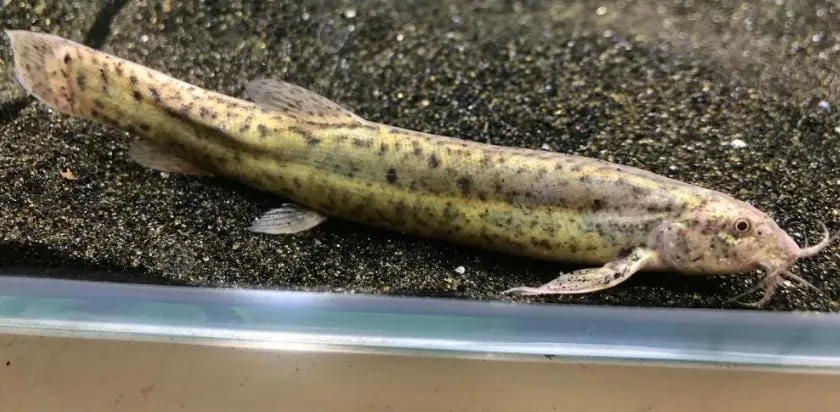
The sunfish, weather loach, crucian carp, bitterlings and shiners are pond fish that happen to fit an aquarium. A weather loach reaches 11 inches (28 cm) and lists a 55 gallon (210 liter) tank, but it is as hardy as its name and lives happily at 50°F (10°C). The pumpkinseed and bluegill sunfish are hardy but marked aggressive and quick to own a tank. The banded sunfish is marked mostly peaceful, and the blackbanded and Everglades pygmy sunfish are marked peaceful. If you are tempted to collect native fish yourself, check the rules where you live first, since many places restrict it.
Weather loach
Misgurnus anguillicaudatus
Freshwater11 in (28 cm) · 55 gal (210 L)50–73°F (10–23°C)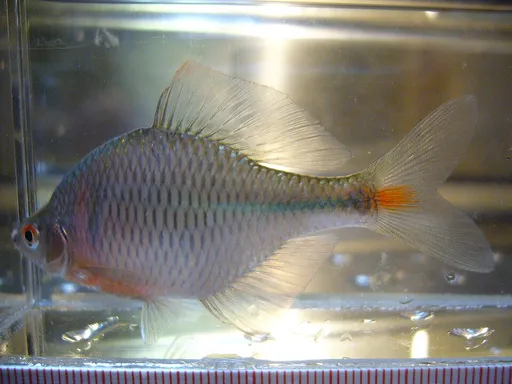
Rosy bitterling
Rhodeus ocellatus
Freshwater3.1 in (8 cm) · 21 gal (80 L)64–75°F (18–24°C)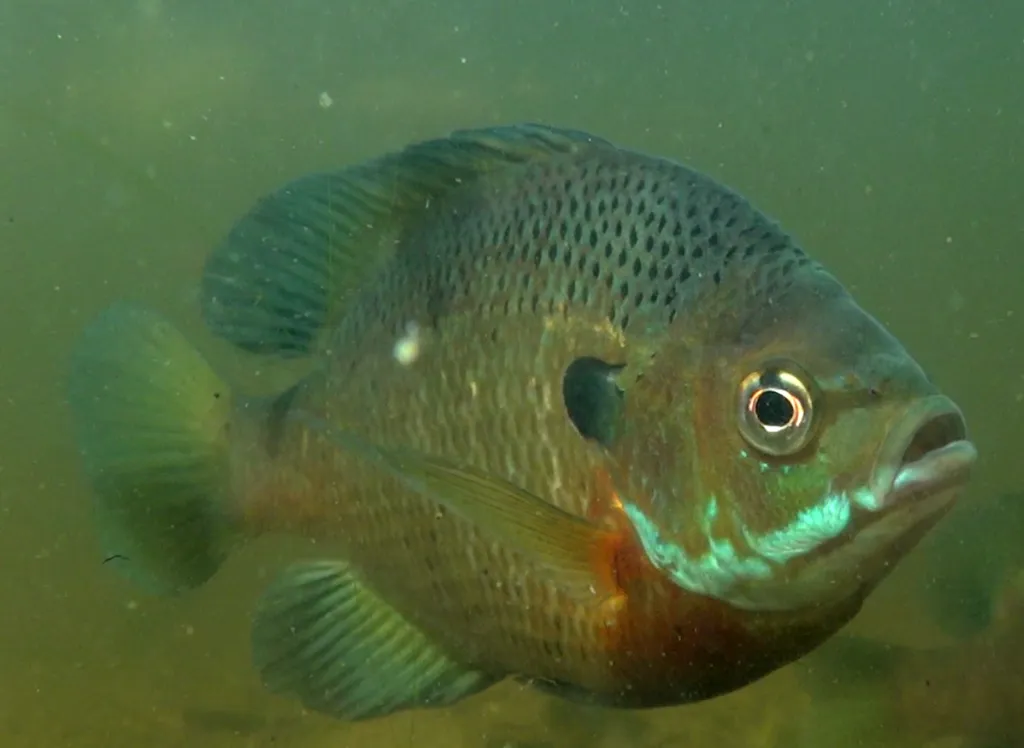
Bluegill sunfish
Lepomis macrochirus
Freshwater13.8 in (35 cm) · 70 gal (265 L)41–73°F (5–23°C)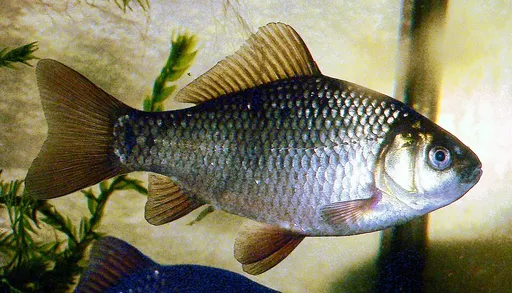
Crucian carp
Carassius carassius
Freshwater11.8 in (30 cm) · 119 gal (450 L)39–75°F (4–24°C)
The coldwater giants
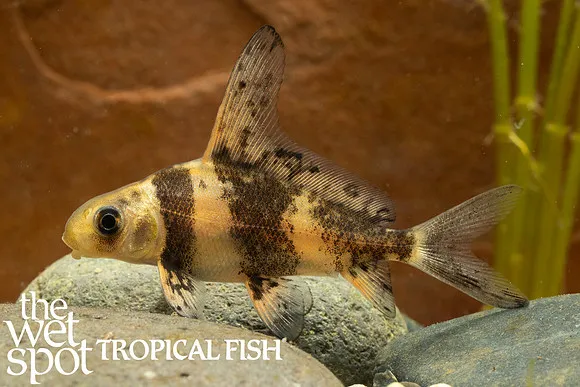
Koi are sold as small, appealing fish, and the Chinese high-fin banded shark as a small, striped one. They grow into 23.6 inch (60 cm) and 26.8 inch (68 cm) animals that list 264 and 528 gallons (1,000 and 2,000 liters). Channel catfish and the Tor and Deccan mahseers grow longer still. The European perch stays at 19.7 inches (50 cm) for 119 gallons (450 liters). These are pond fish, and their profiles say so.
Chinese high-fin banded shark
Myxocyprinus asiaticus
Freshwater26.8 in (68 cm) · 528 gal (2,000 L)57–75°F (14–24°C)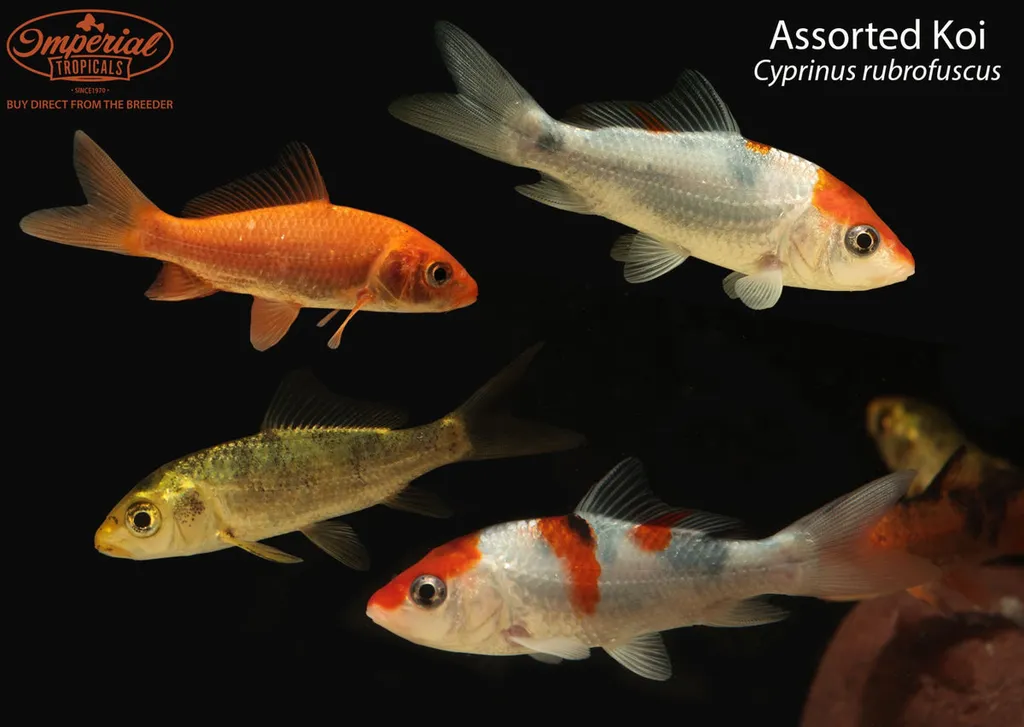
Koi
Cyprinus rubrofuscus
Freshwater23.6 in (60 cm) · 264 gal (1,000 L)39–81°F (4–27°C)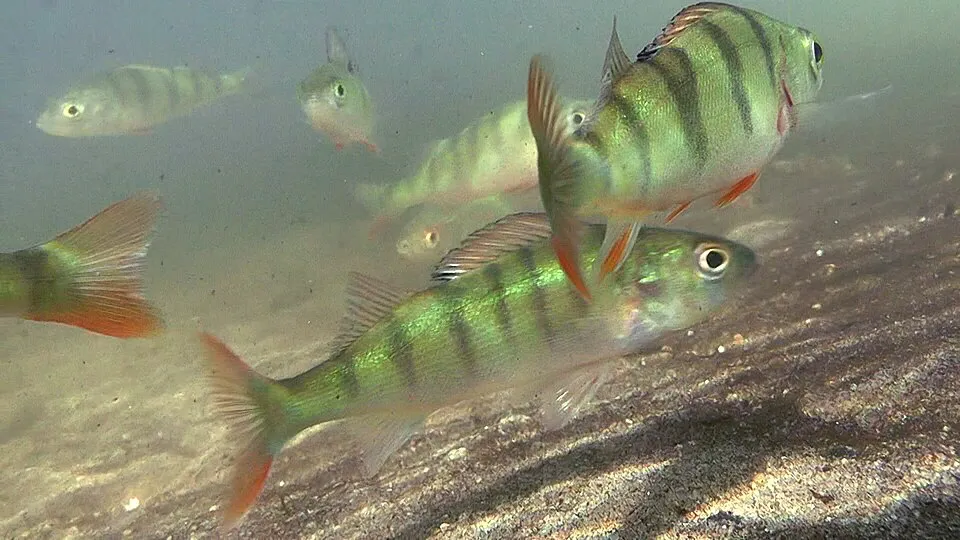
European perch
Perca fluviatilis
Freshwater19.7 in (50 cm) · 119 gal (450 L)50–72°F (10–22°C)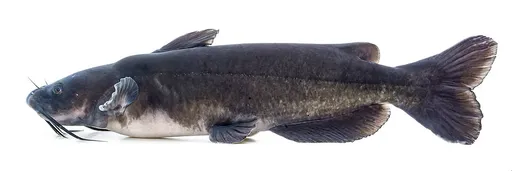
Channel catfish
Ictalurus punctatus
Freshwater39.4 in (100 cm) · 1,057 gal (4,000 L)50–86°F (10–30°C)
By the numbers
Smallest
Largest
Easiest to keep
Most peaceful
Fits a 20 gallon tank
Fits a 30 gallon tank
FAQ
Common questions
What fish can live in an unheated aquarium?
In a normal house, most fish on this page: White Cloud minnows, medaka, zebra danios, rosy barbs, paradise fish, hillstream loaches and the smaller goldfish. The darters, sticklebacks, giant stone loach, doctor fish and several others top out at 64 to 70°F (18 to 21°C). A living room in summer can be too warm for them. Check each profile's range against both the coldest and the warmest your room gets.
What temperature counts as coldwater?
This list takes fish that are comfortable at or below 64°F (18°C). Many of them are subtropical and also happy at 75°F (24°C). The weather loach and the pumpkinseed, bluegill and blackbanded sunfish are true cold fish that live at 50°F (10°C) or lower.
Are White Cloud minnows coldwater fish?
Yes. The profile lists 57 to 72°F (14 to 22°C), so they suit an unheated tank in most homes and dislike a heated tropical one.
Can goldfish live with tropical fish?
The temperatures overlap around 72 to 74°F (22 to 23°C). A common goldfish grows to 9.8 inches (25 cm), eats anything that fits and fouls the water. Keep goldfish with goldfish.
Do coldwater fish need a heater in winter?
Only if the room drops below a species' low end. A zebra danio lists 64°F (18°C) and a White Cloud 57°F (14°C), so a heated house is fine for both; an unheated sunroom in January may not be.
Can I keep fish I catch from a pond or stream?
Check the law where you live first, since many places restrict collecting. Wild fish also carry parasites and settle poorly. The pond natives here, such as the fathead minnow, bluegill and channel catfish, are sold captive-bred anyway.
Index
All coldwater fish
African butterfly barb
Barbus hulstaerti
Freshwater1.4 in (3.5 cm) · 11 gal (40 L)63–75°F (17–24°C)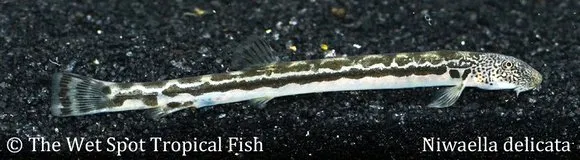
Ajime loach
Niwaella delicata
Freshwater3.7 in (9.5 cm) · 29 gal (110 L)50–72°F (10–22°C)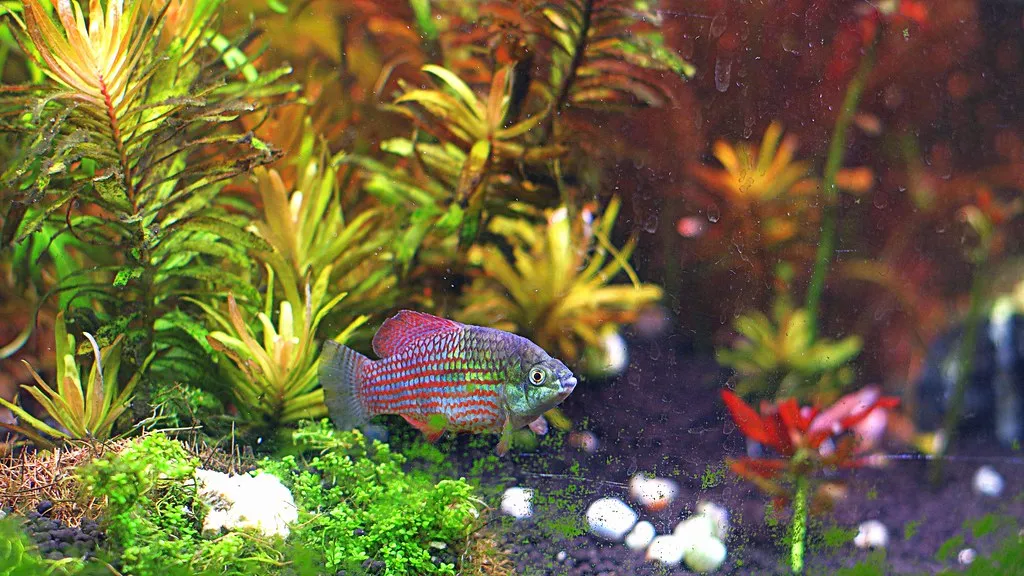
American flagfish
Jordanella floridae
Freshwater2.2 in (5.5 cm) · 18 gal (70 L)63–73°F (17–23°C)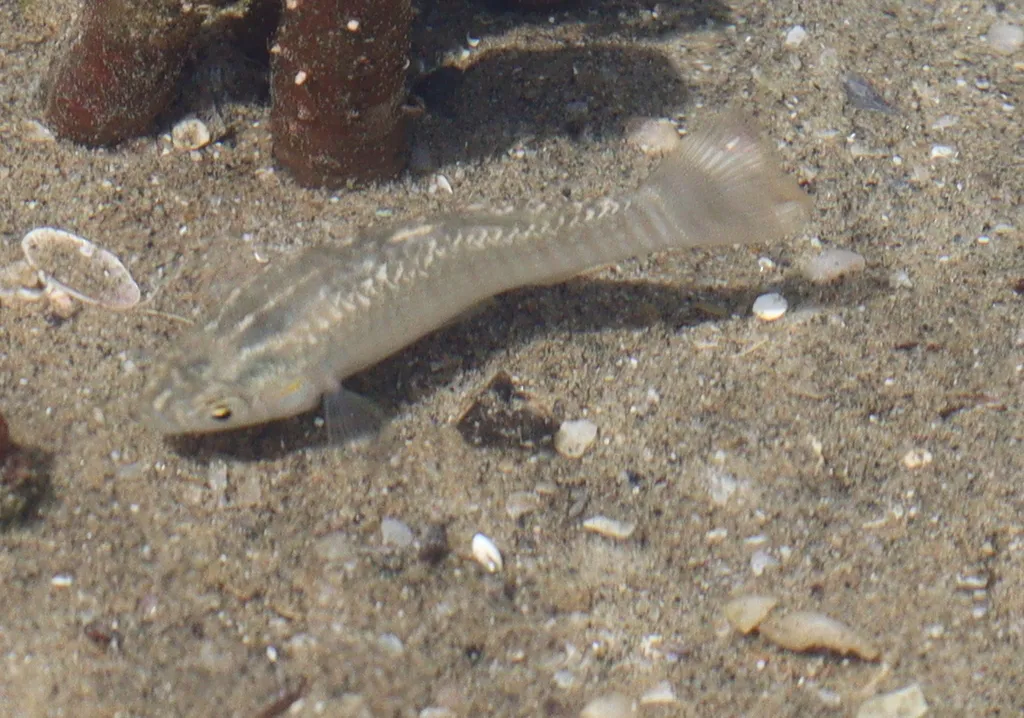
Arabian toothcarp
Aphanius dispar
Freshwater2.8 in (7 cm) · 30 gal (115 L)59–86°F (15–30°C)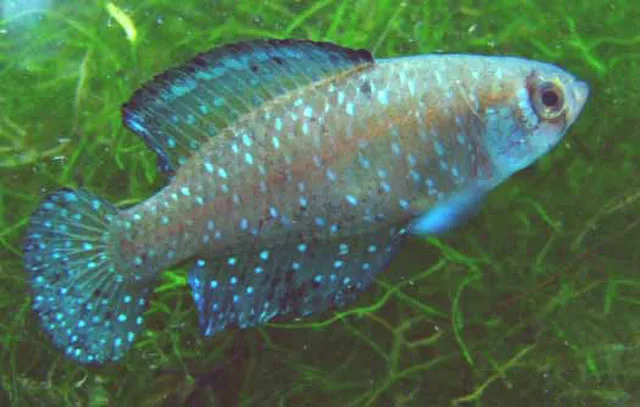
Argentine pearl killifish
Austrolebias nigripinnis
Freshwater2.8 in (7 cm) · 18 gal (70 L)64–75°F (18–24°C)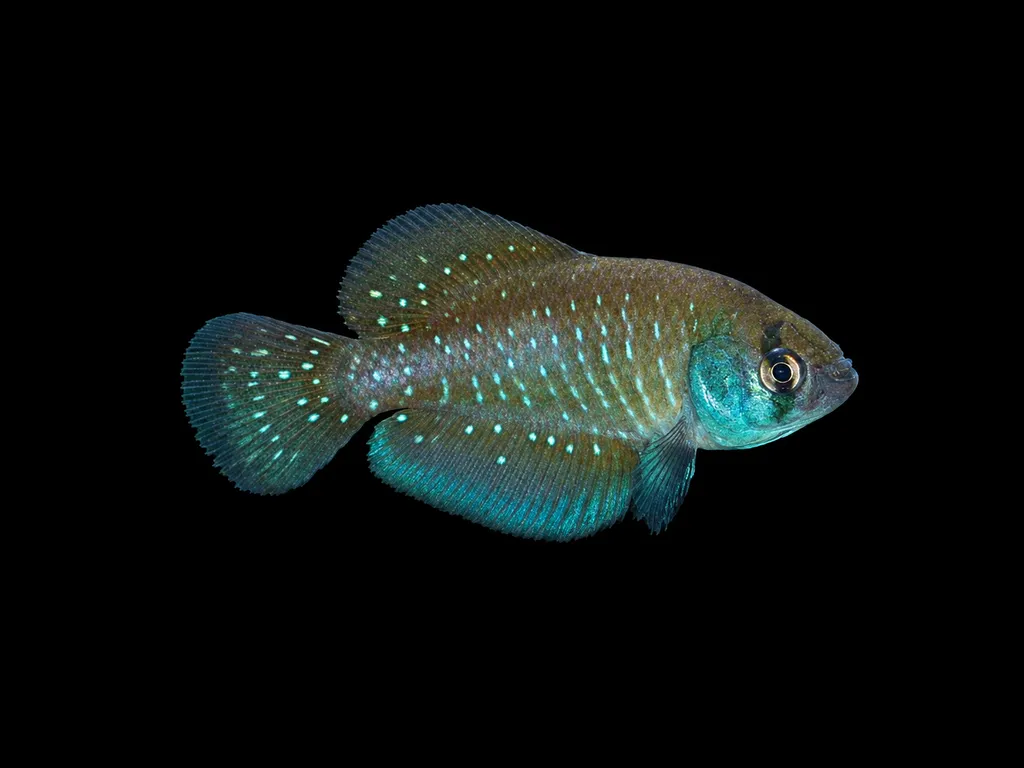
Argentine pearlfish
Austrolebias bellottii
Freshwater2.8 in (7 cm) · 14 gal (54 L)61–75°F (16–24°C)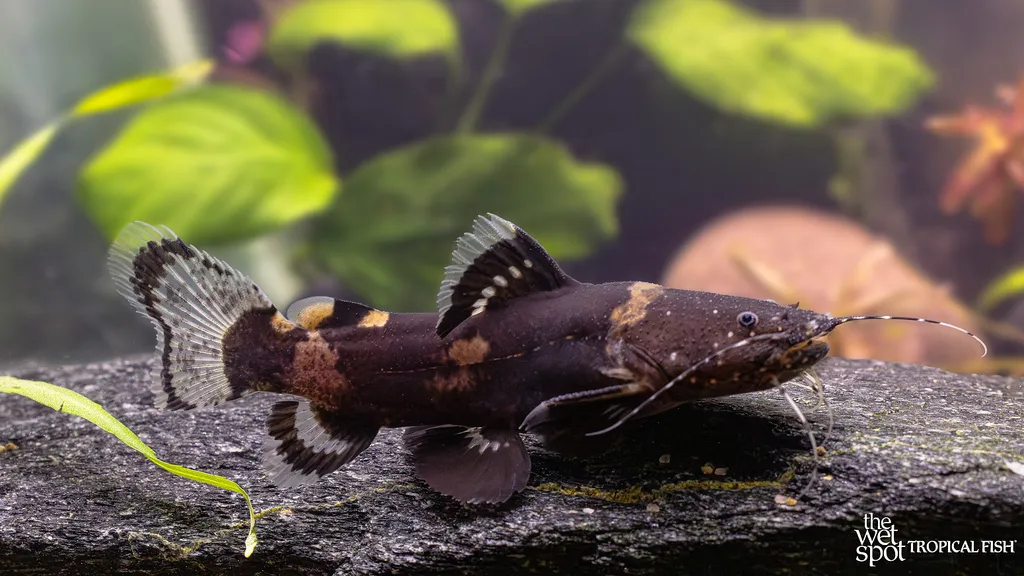
Asian banjo catfish
Acrochordonichthys rugosus
Freshwater4.3 in (11 cm) · 25 gal (95 L)64–75°F (18–24°C)Asian stone catfish
Hara jerdoni
Freshwater1.6 in (4 cm) · 11 gal (40 L)64–75°F (18–24°C)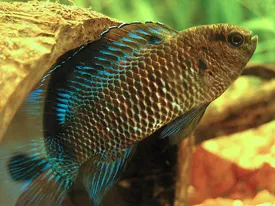
Badis
Badis badis
Freshwater2.4 in (6 cm) · 20 gal (75 L)59–77°F (15–25°C)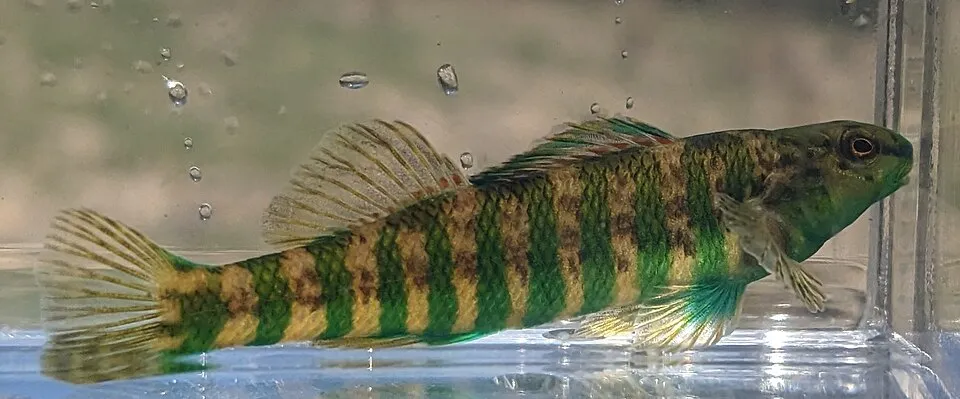
Banded darter
Etheostoma zonale
Freshwater3.1 in (7.8 cm) · 26 gal (100 L)59–70°F (15–21°C)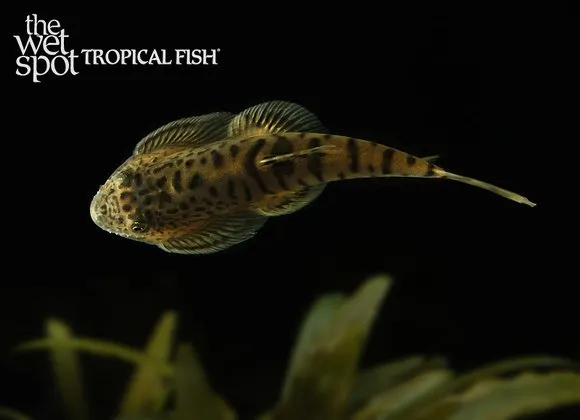
Banded hillstream loach
Pseudogastromyzon fasciatus
Freshwater3.9 in (10 cm) · 25 gal (95 L)64–75°F (18–24°C)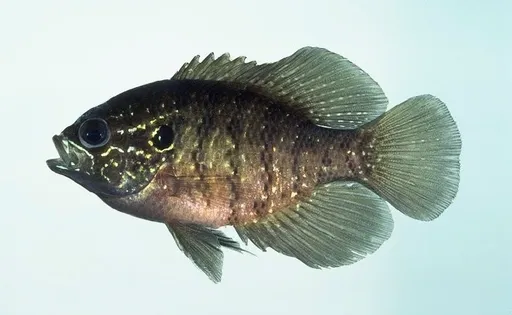
Banded sunfish
Enneacanthus obesus
Freshwater3.5 in (9 cm) · 20 gal (75 L)64–72°F (18–22°C)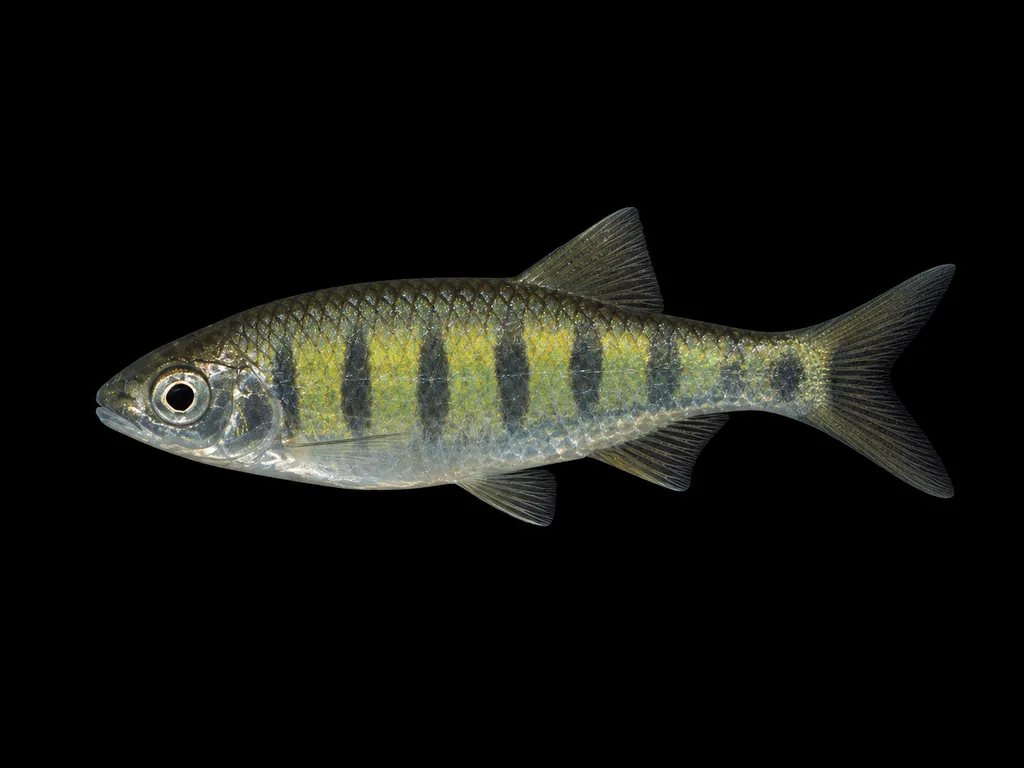
Barna baril
Opsarius barna
Freshwater5.9 in (15 cm) · 53 gal (200 L)64–79°F (18–26°C)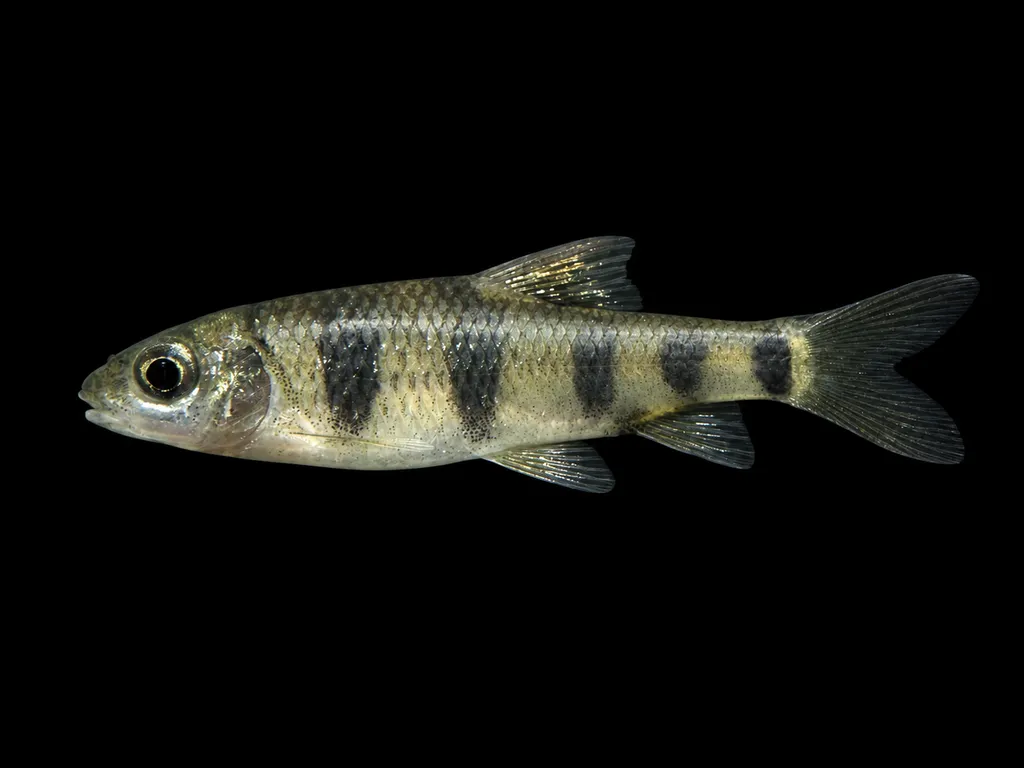
Beijiang barb
Acrossocheilus beijiangensis
Freshwater5.1 in (13 cm) · 53 gal (200 L)64–79°F (18–26°C)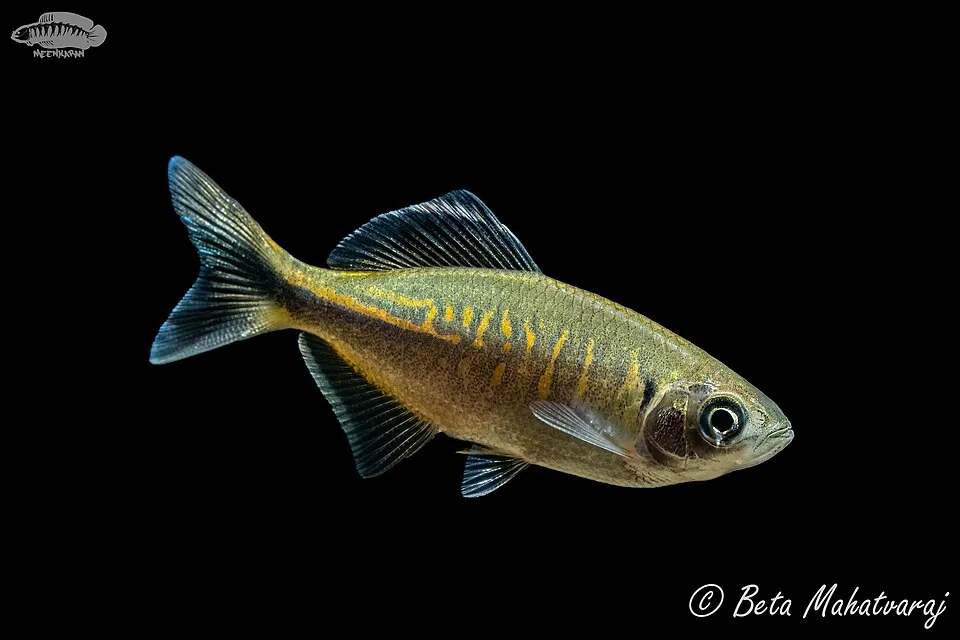
Bengal danio
Devario devario
Freshwater3.5 in (9 cm) · 34 gal (130 L)59–81°F (15–27°C)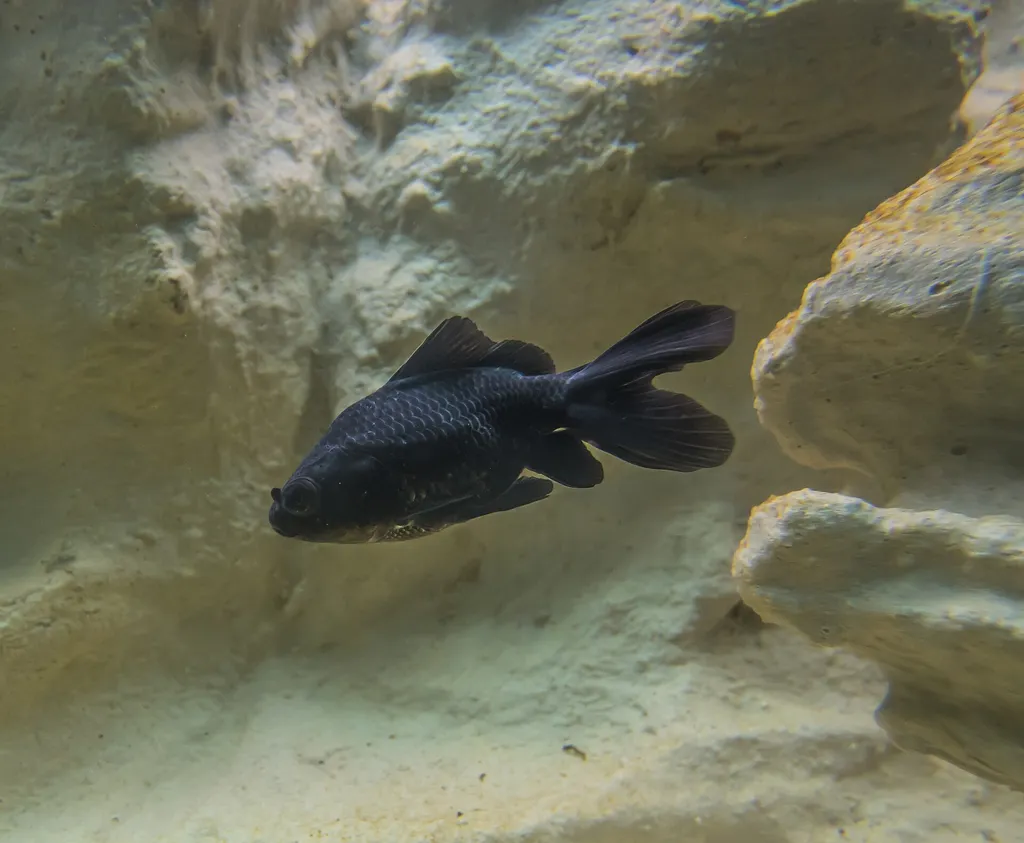
Black moor
Carassius auratus
Freshwater7.9 in (20 cm) · 25 gal (95 L)61–75°F (16–24°C)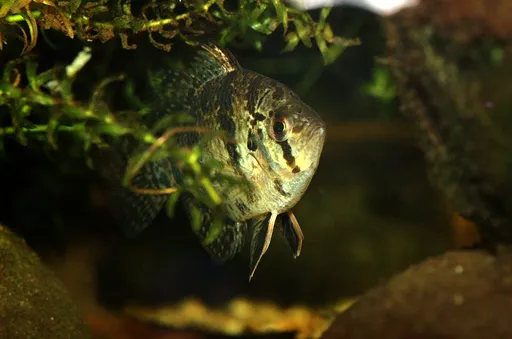
Blackbanded sunfish
Enneacanthus chaetodon
Freshwater3.9 in (10 cm) · 20 gal (75 L)39–75°F (4–24°C)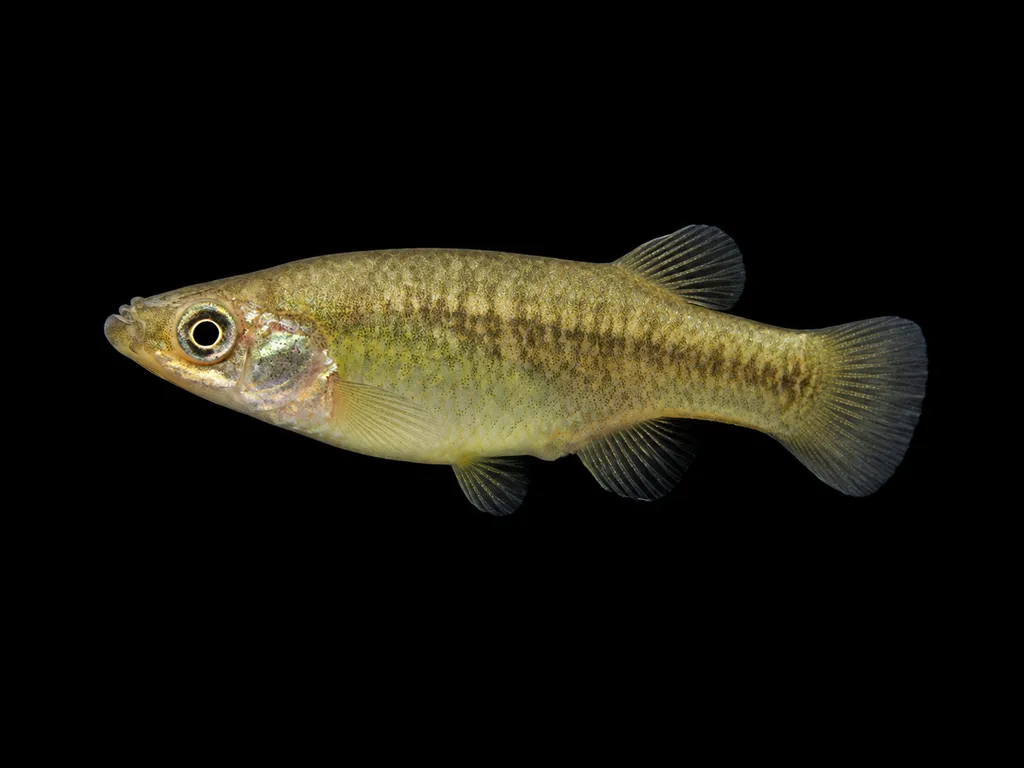
Blackfin goodea
Goodea atripinnis
Freshwater7.1 in (18 cm) · 53 gal (200 L)61–79°F (16–26°C)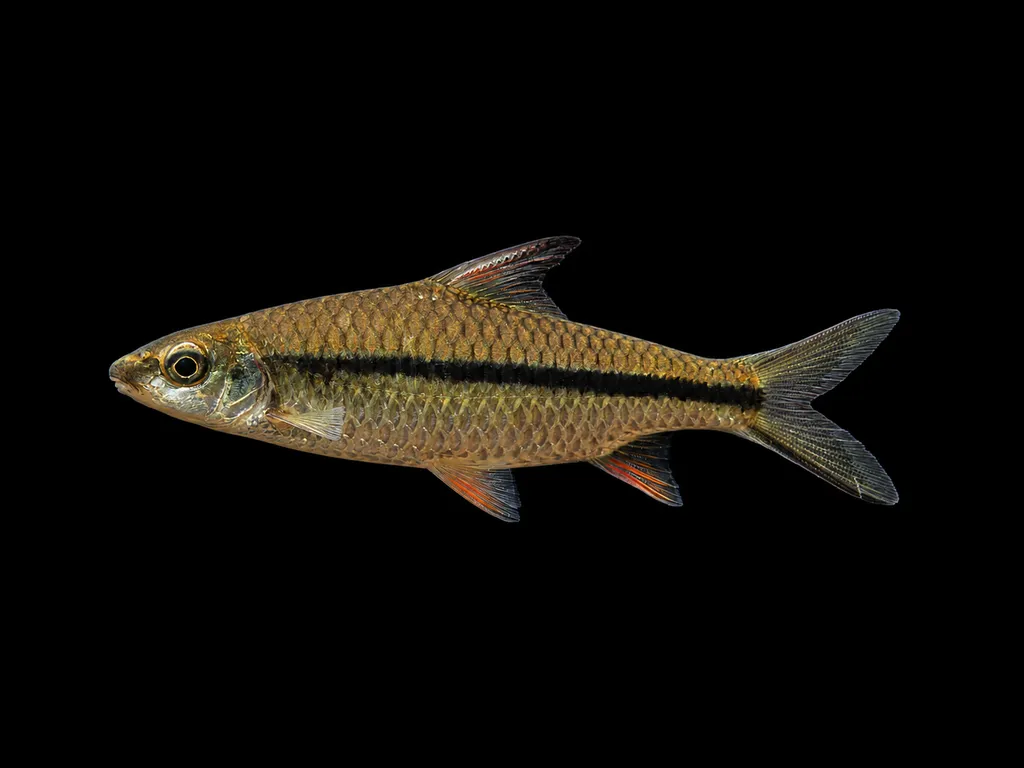
Blackline poropuntius barb
Poropuntius melanogrammus
Freshwater7.9 in (20 cm) · 66 gal (250 L)64–77°F (18–25°C)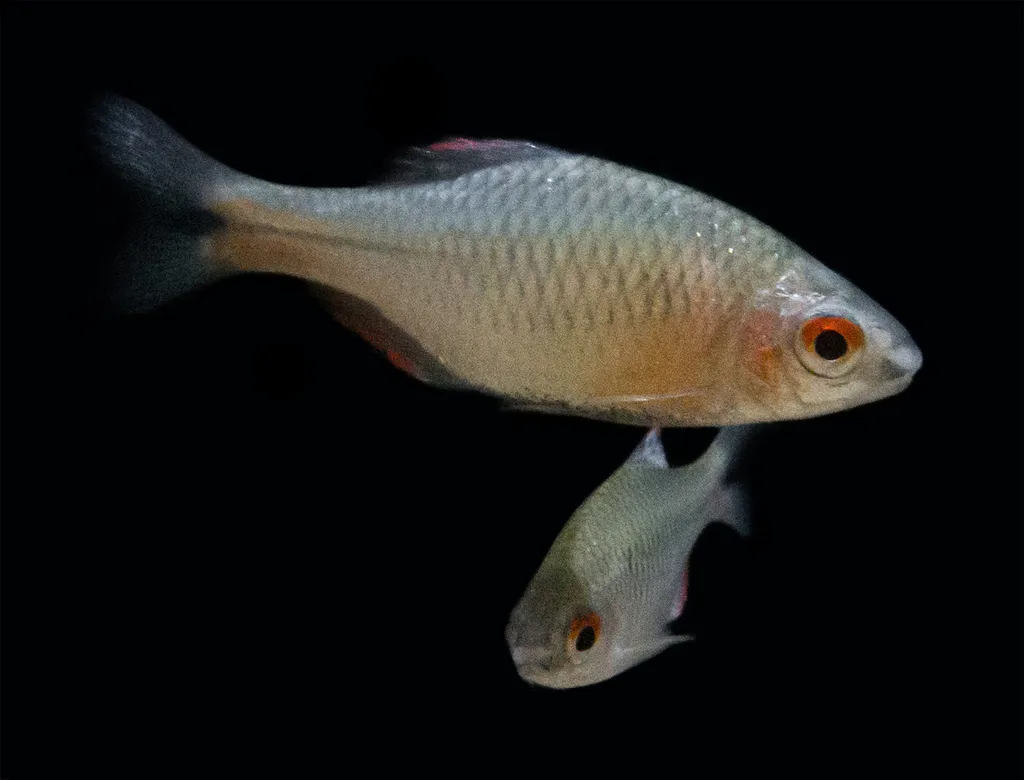
Blue Amur bitterling
Paracheilognathus himantegus
Freshwater3.1 in (8 cm) · 30 gal (112 L)57–79°F (14–26°C)
Blue snakehead
Channa andrao
Freshwater5.5 in (14 cm) · 29 gal (110 L)59–77°F (15–25°C)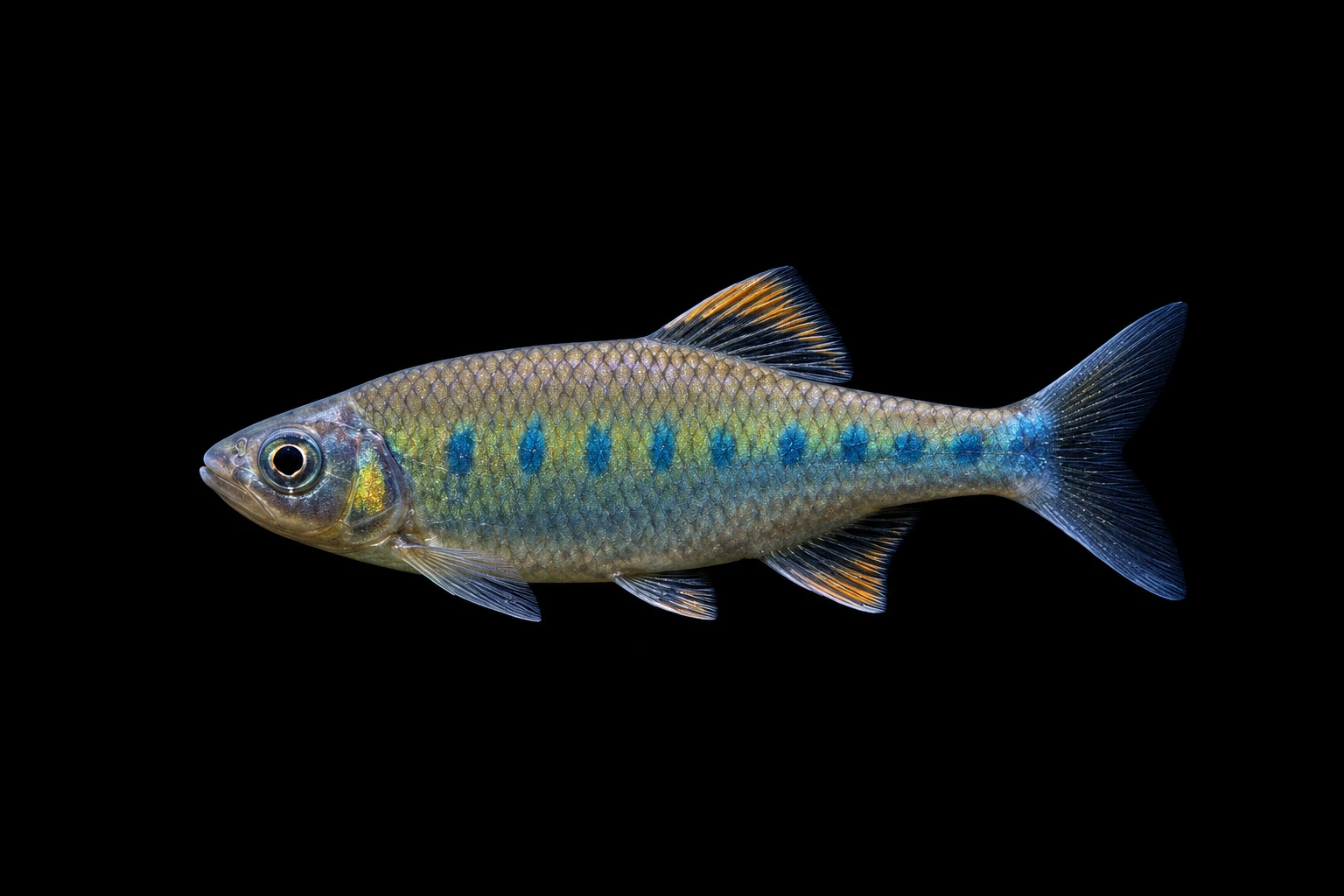
Blue spotted hill trout
Barilius bakeri
Freshwater5.1 in (13 cm) · 53 gal (200 L)64–79°F (18–26°C)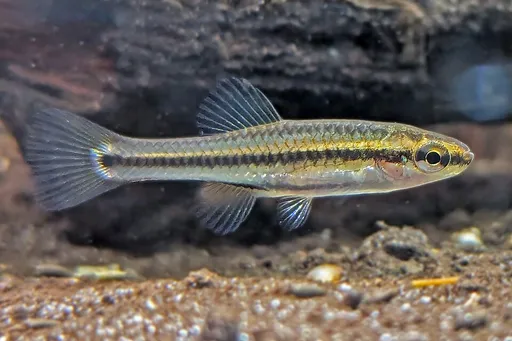
Bluefin killifish
Lucania goodei
Freshwater2 in (5 cm) · 11 gal (40 L)64–77°F (18–25°C)Bluegill sunfish
Lepomis macrochirus
Freshwater13.8 in (35 cm) · 70 gal (265 L)41–73°F (5–23°C)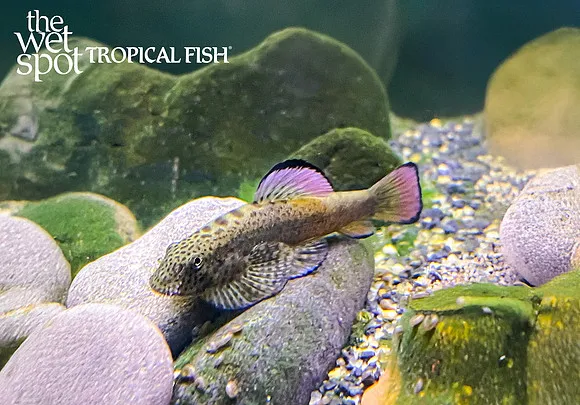
Broadhead hillstream loach
Pseudogastromyzon laticeps
Freshwater3.1 in (8 cm) · 24 gal (90 L)64–75°F (18–24°C)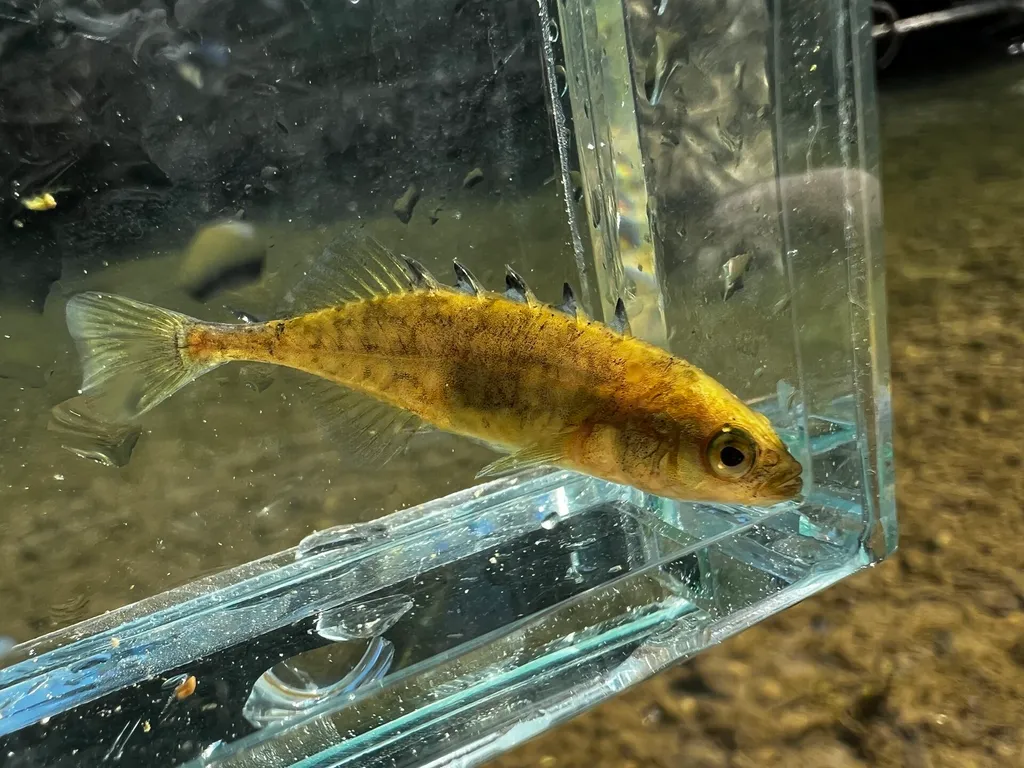
Brook stickleback
Culaea inconstans
Freshwater1.8 in (4.5 cm) · 20 gal (75 L)50–68°F (10–20°C)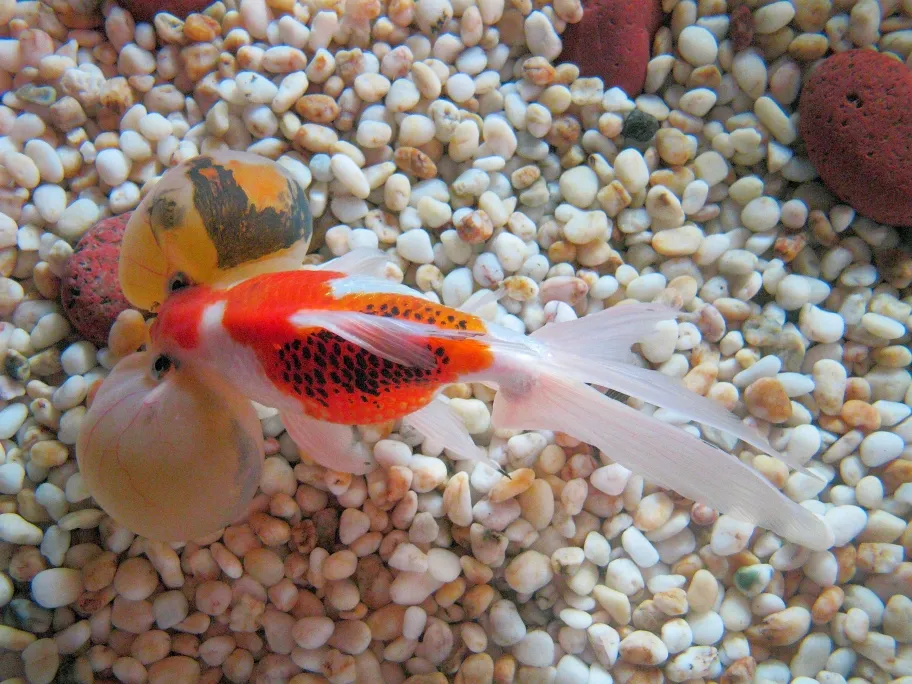
Bubble eye
Carassius auratus
Freshwater5.9 in (15 cm) · 20 gal (75 L)64–73°F (18–23°C)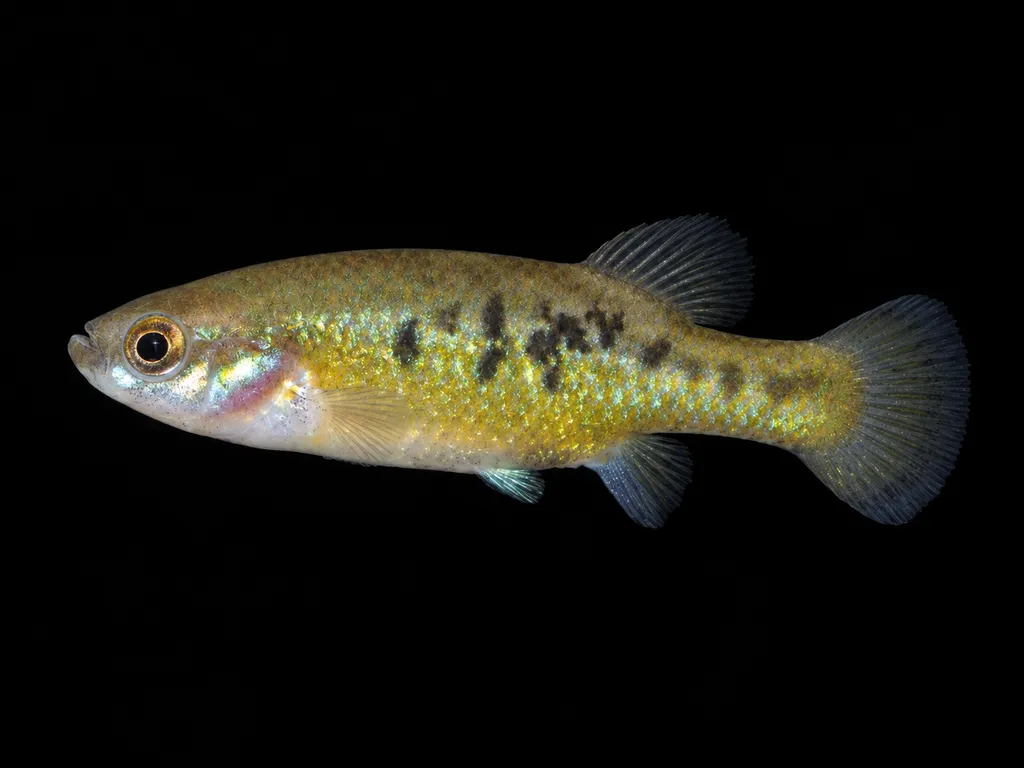
Bumblebee goodeid
Allotoca dugesii
Freshwater2.8 in (7 cm) · 20 gal (75 L)64–79°F (18–26°C)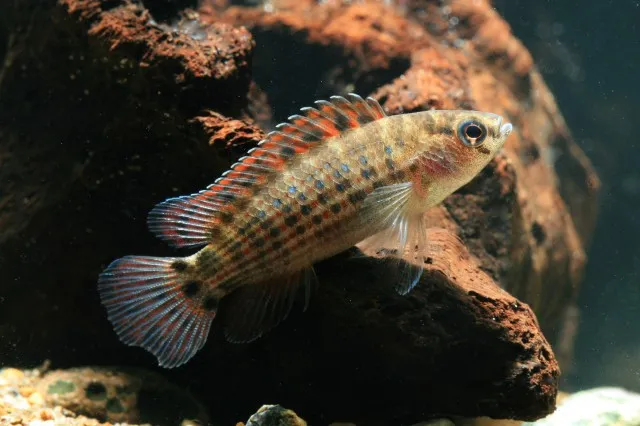
Burmese badis
Badis ruber
Freshwater2 in (5 cm) · 20 gal (75 L)64–77°F (18–25°C)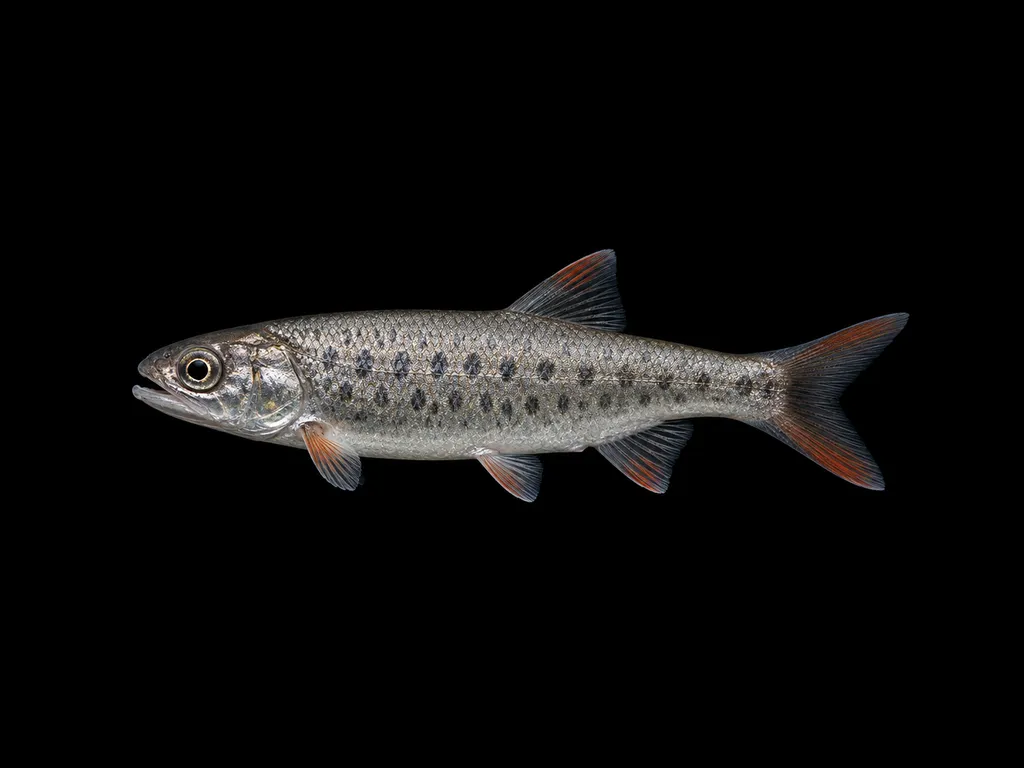
Burmese trout
Raiamas guttatus
Freshwater13.8 in (35 cm) · 159 gal (600 L)64–79°F (18–26°C)Butterfly loach
Beaufortia kweichowensis
Freshwater3 in (7.5 cm) · 25 gal (95 L)61–75°F (16–24°C)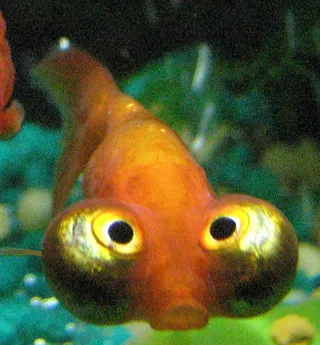
Celestial eye
Carassius auratus
Freshwater5.9 in (15 cm) · 20 gal (75 L)64–73°F (18–23°C)
Chanchito
Australoheros facetus
Freshwater8.7 in (22 cm) · 53 gal (200 L)59–79°F (15–26°C)Channel catfish
Ictalurus punctatus
Freshwater39.4 in (100 cm) · 1,057 gal (4,000 L)50–86°F (10–30°C)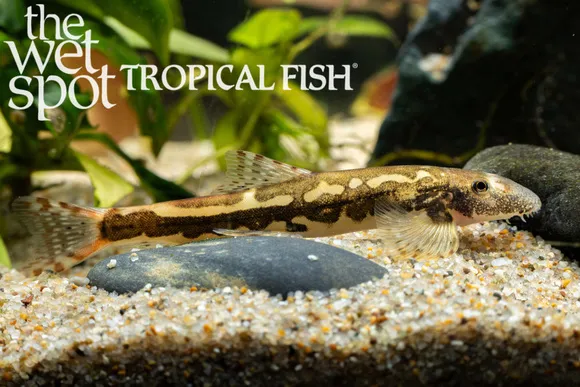
Chen's lizard loach
Formosania chenyiyui
Freshwater3.6 in (9.2 cm) · 25 gal (95 L)61–75°F (16–24°C)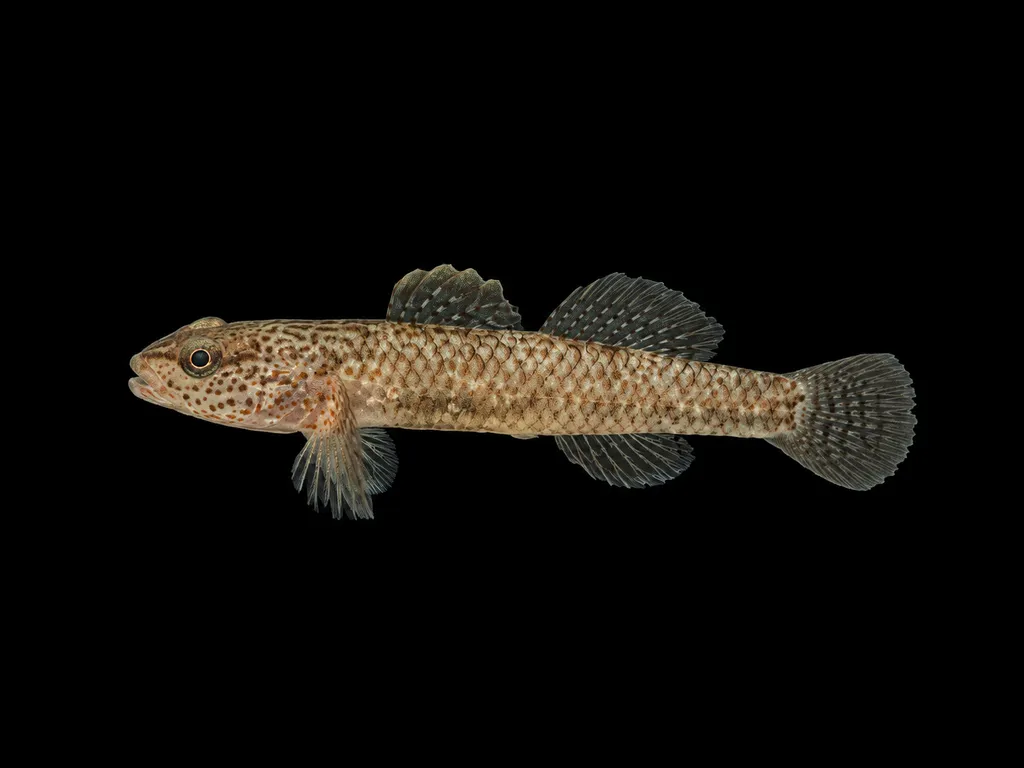
Chiangmai stream goby
Rhinogobius chiengmaiensis
Freshwater2 in (5 cm) · 14 gal (54 L)64–75°F (18–24°C)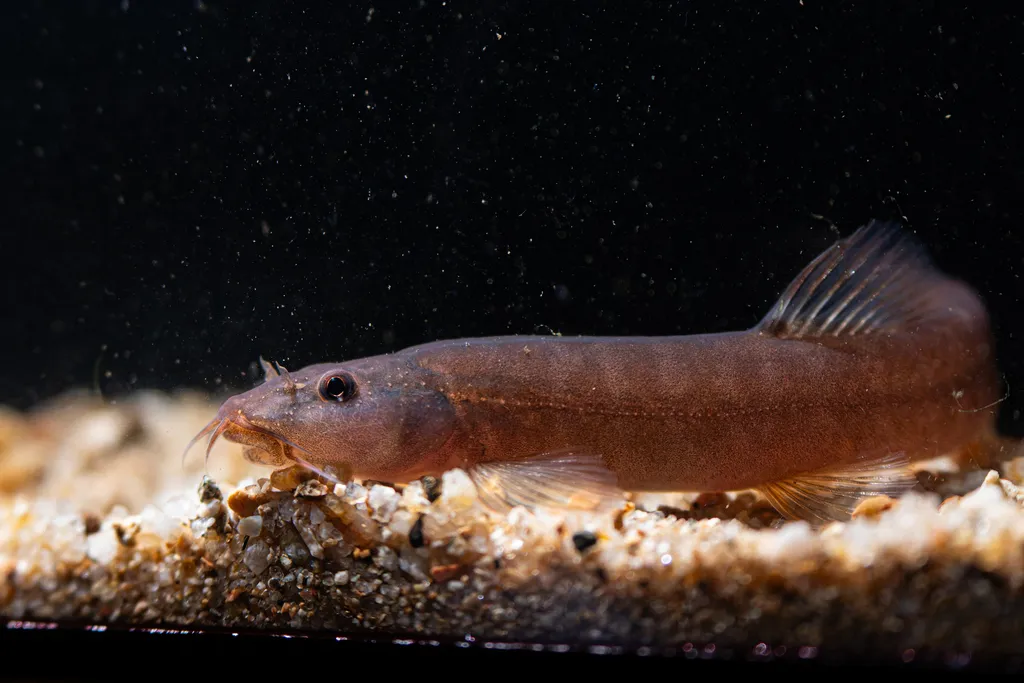
Chinese banded loach
Schistura fasciolata
Freshwater4.7 in (12 cm) · 29 gal (110 L)61–75°F (16–24°C)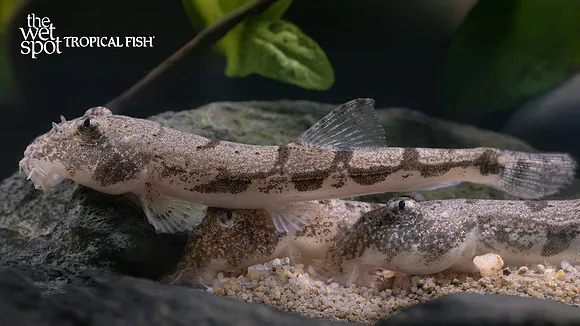
Chinese butterfly loach
Pseudogastromyzon cheni
Freshwater2.4 in (6 cm) · 20 gal (75 L)64–75°F (18–24°C)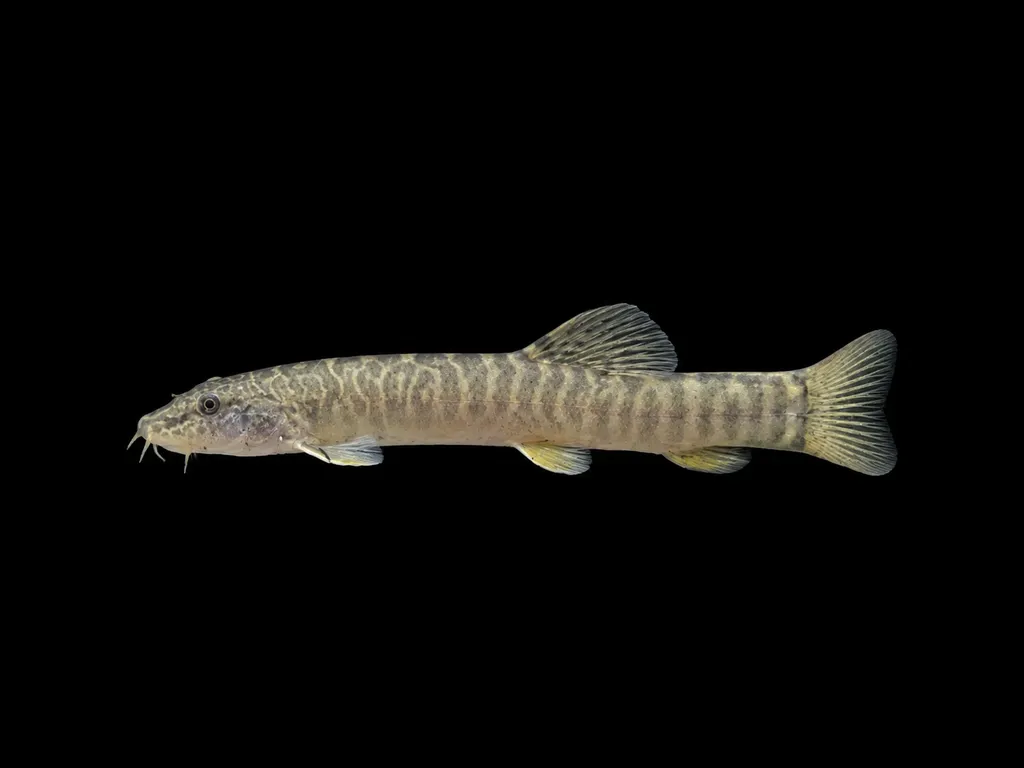
Chinese elongated zebra loach
Homatula potanini
Freshwater5.3 in (13.5 cm) · 40 gal (150 L)61–75°F (16–24°C)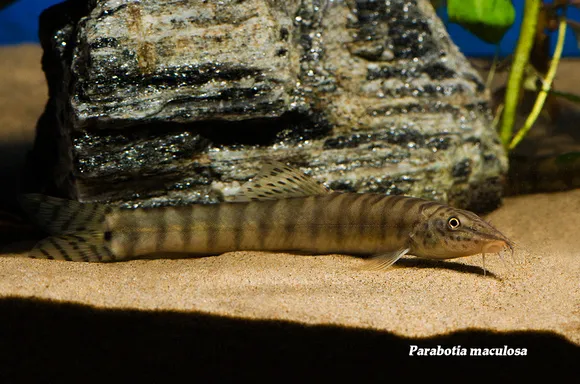
Chinese emperor loach
Parabotia maculosus
Freshwater7.9 in (20 cm) · 70 gal (265 L)64–79°F (18–26°C)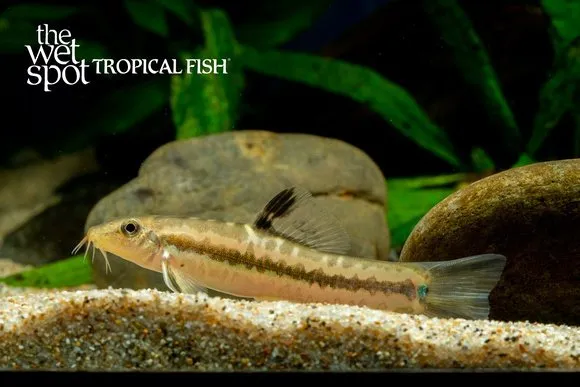
Chinese flower loach
Traccatichthys pulcher
Freshwater4.7 in (12 cm) · 29 gal (110 L)61–75°F (16–24°C)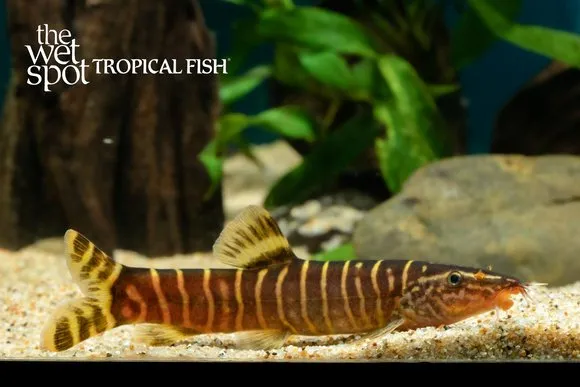
Chinese golden zebra loach
Sinibotia pulchra
Freshwater3.9 in (10 cm) · 37 gal (140 L)64–77°F (18–25°C)Chinese high-fin banded shark
Myxocyprinus asiaticus
Freshwater26.8 in (68 cm) · 528 gal (2,000 L)57–75°F (14–24°C)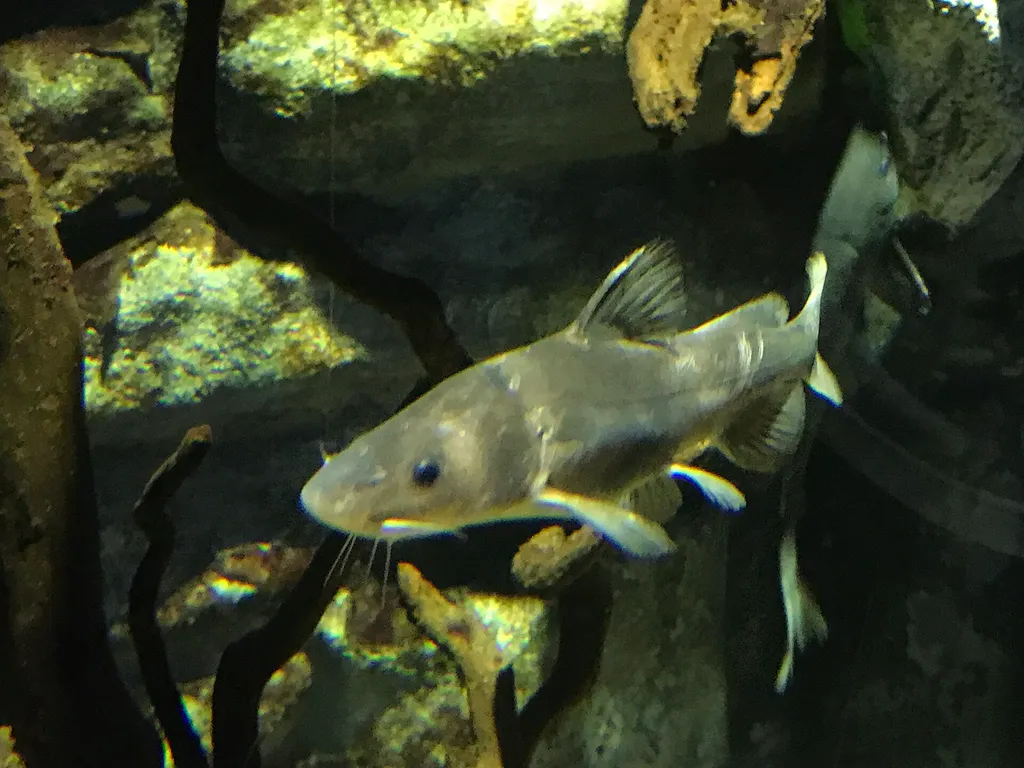
Chinese longsnout catfish
Leiocassis longirostris
Freshwater27.6 in (70 cm) · 264 gal (1,000 L)61–79°F (16–26°C)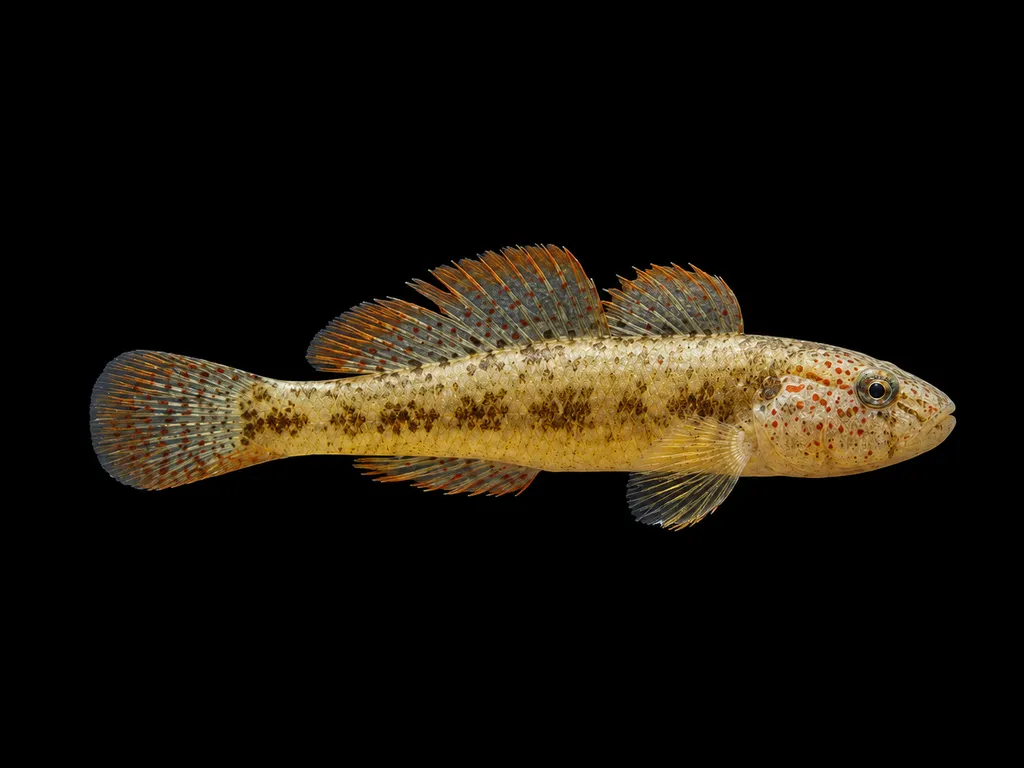
Chinese mandarin goby
Sineleotris saccharae
Freshwater3.9 in (10 cm) · 30 gal (112 L)61–75°F (16–24°C)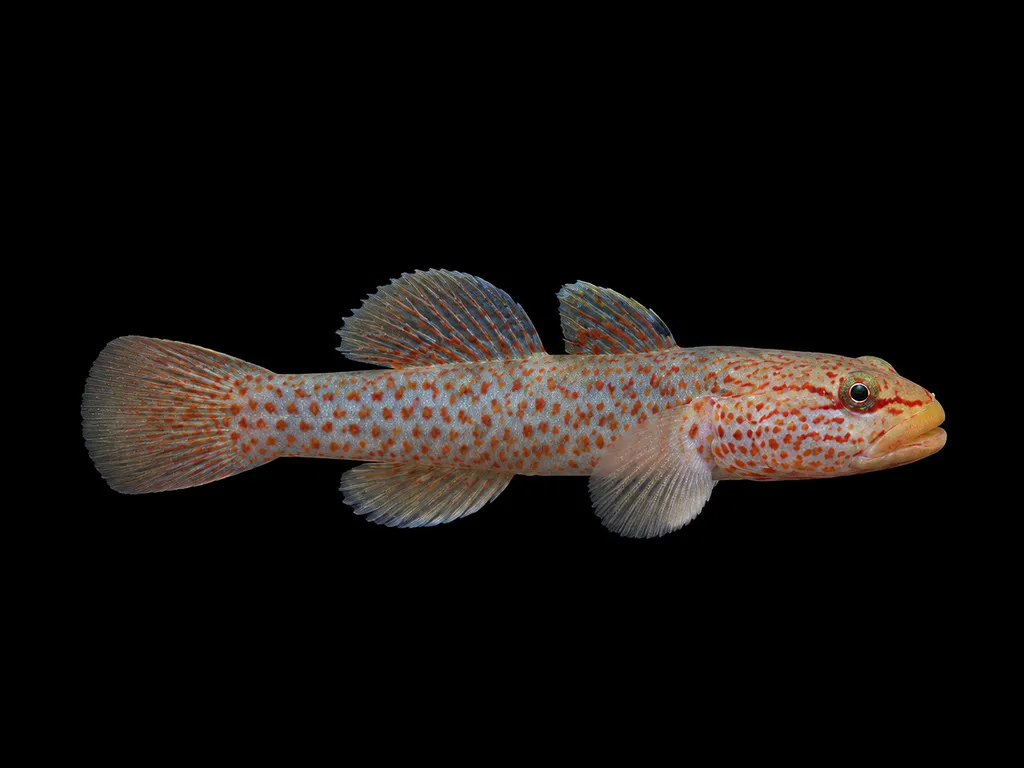
Chinese red ninja goby
Rhinogobius shennongensis
Freshwater2.4 in (6 cm) · 14 gal (54 L)61–73°F (16–23°C)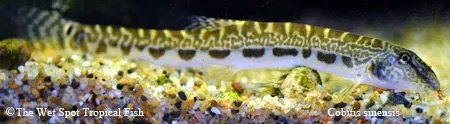
Chinese spiny loach
Cobitis sinensis
Freshwater6 in (15.3 cm) · 42 gal (160 L)59–75°F (15–24°C)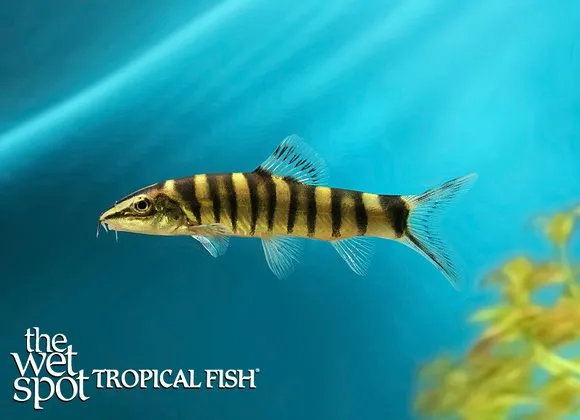
Chinese tiger loach
Sinibotia robusta
Freshwater7.1 in (18 cm) · 53 gal (200 L)64–79°F (18–26°C)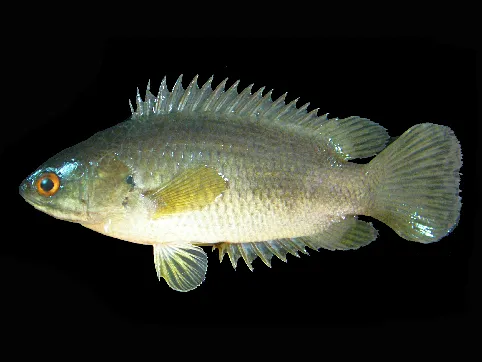
Climbing perch
Anabas testudineus
Freshwater7.9 in (20 cm) · 40 gal (150 L)59–86°F (15–30°C)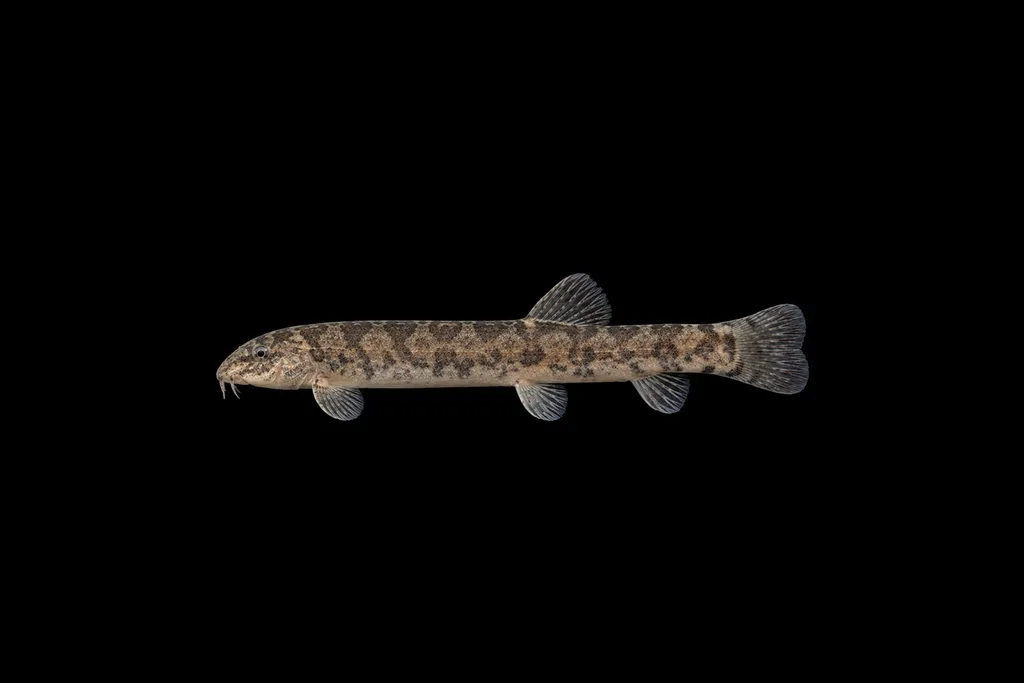
Cloud loach
Schistura nubigena
Freshwater2 in (5 cm) · 20 gal (75 L)64–75°F (18–24°C)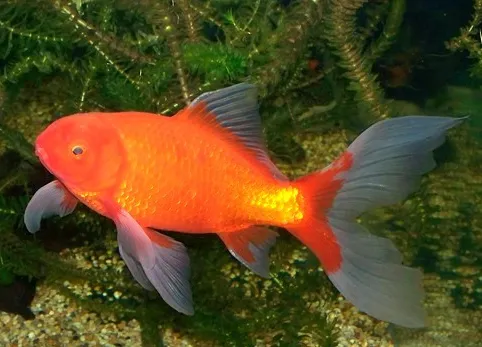
Comet
Carassius auratus
Freshwater11.8 in (30 cm) · 50 gal (190 L)39–75°F (4–24°C)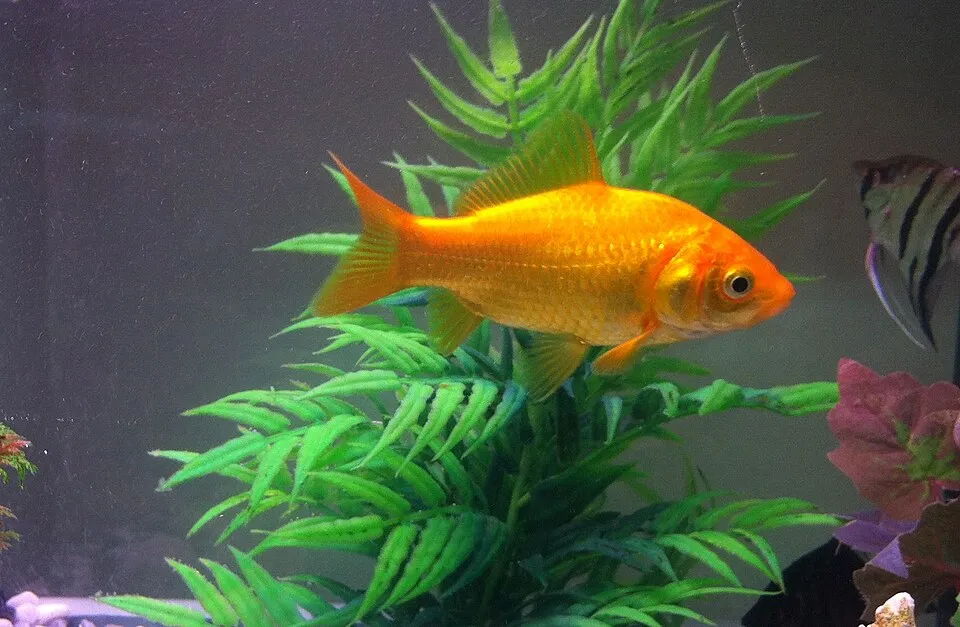
Common goldfish
Carassius auratus
Freshwater9.8 in (25 cm) · 50 gal (190 L)39–75°F (4–24°C)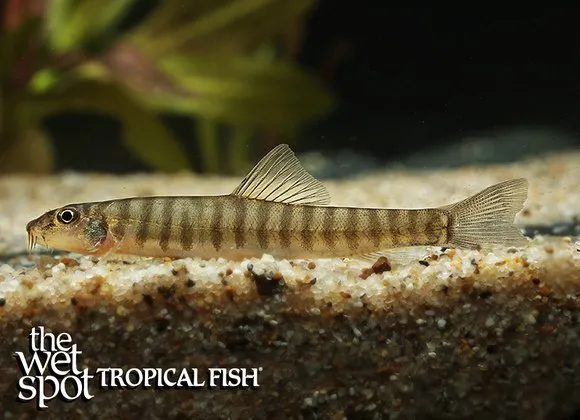
Creek loach
Schistura beavani
Freshwater3.9 in (10 cm) · 29 gal (110 L)64–77°F (18–25°C)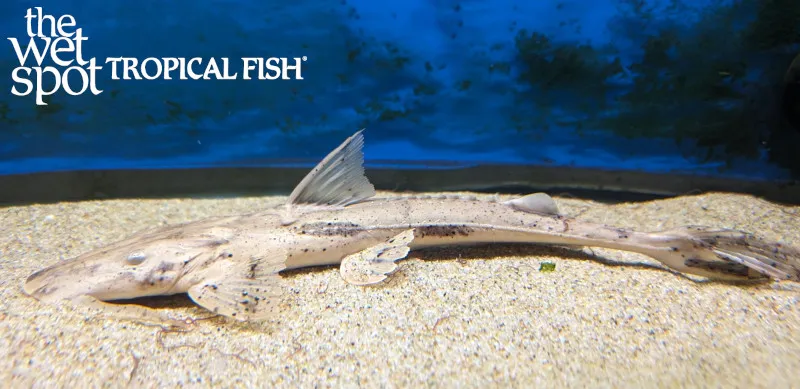
Crocodile catfish
Bagarius suchus
Freshwater27.6 in (70 cm) · 660 gal (2,500 L)64–73°F (18–23°C)Crucian carp
Carassius carassius
Freshwater11.8 in (30 cm) · 119 gal (450 L)39–75°F (4–24°C)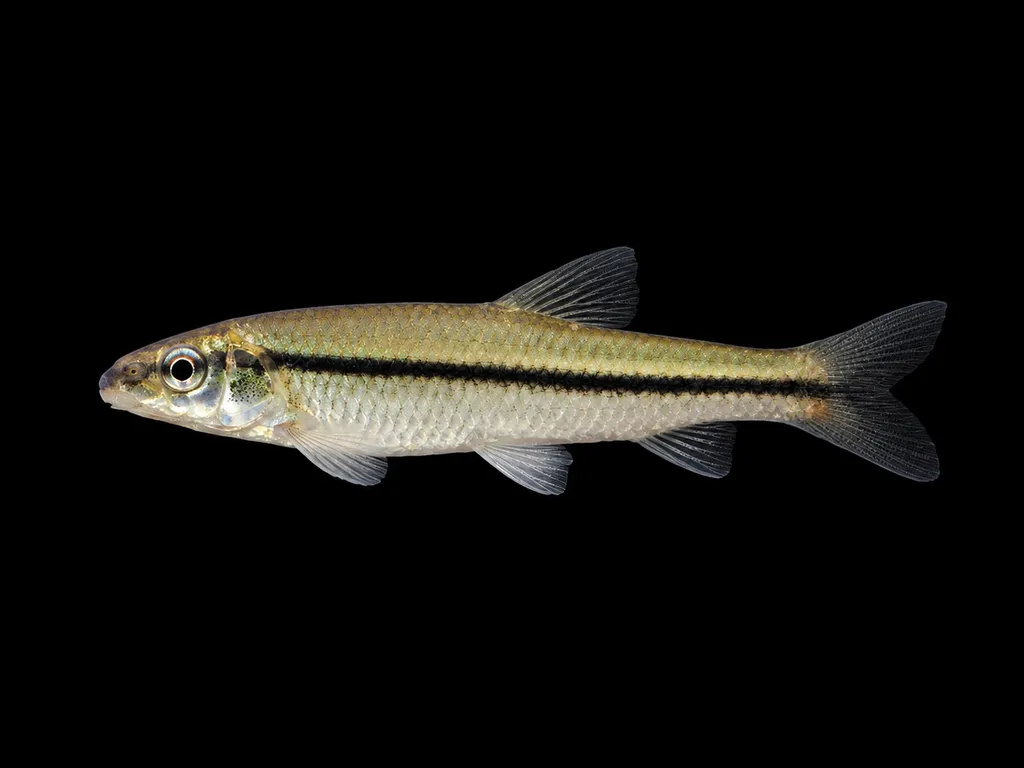
Darter characin
Apareiodon affinis
Freshwater7.1 in (18 cm) · 53 gal (200 L)64–77°F (18–25°C)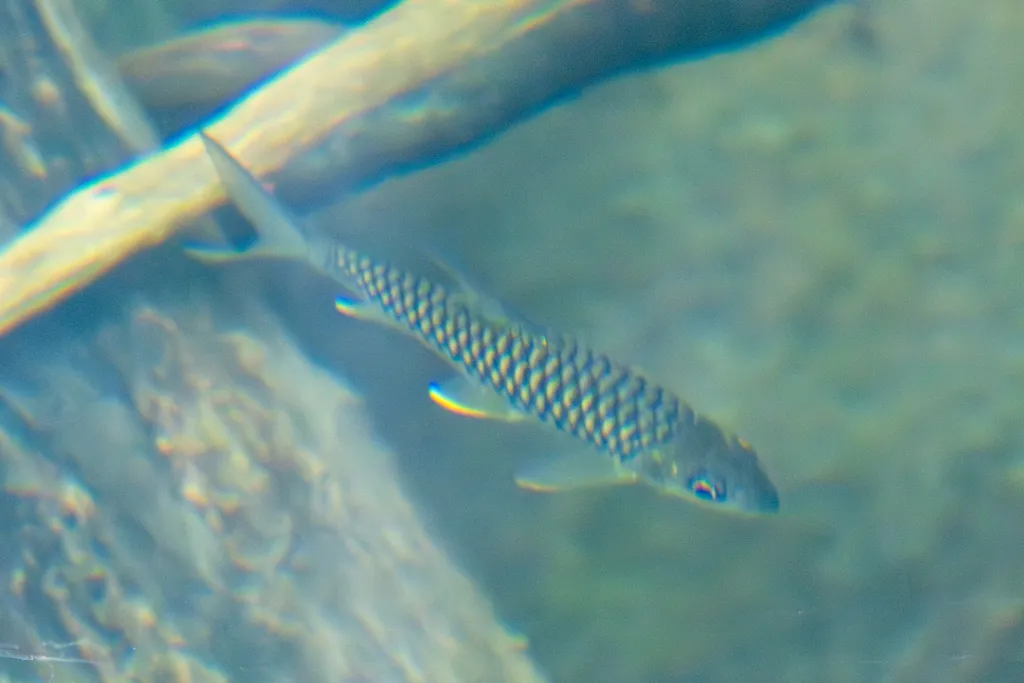
Deccan mahseer
Tor khudree
Freshwater39.4 in (100 cm) · 502 gal (1,900 L)64–79°F (18–26°C)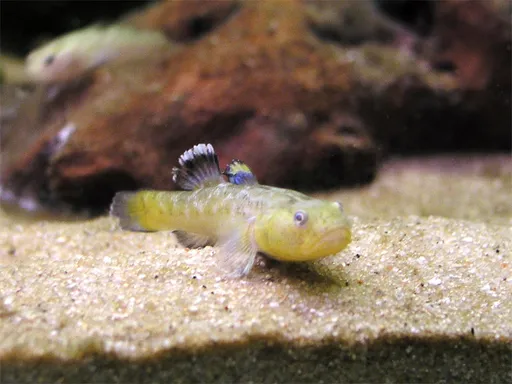
Desert goby
Chlamydogobius eremius
Freshwater2.4 in (6 cm) · 16 gal (60 L)64–82°F (18–28°C)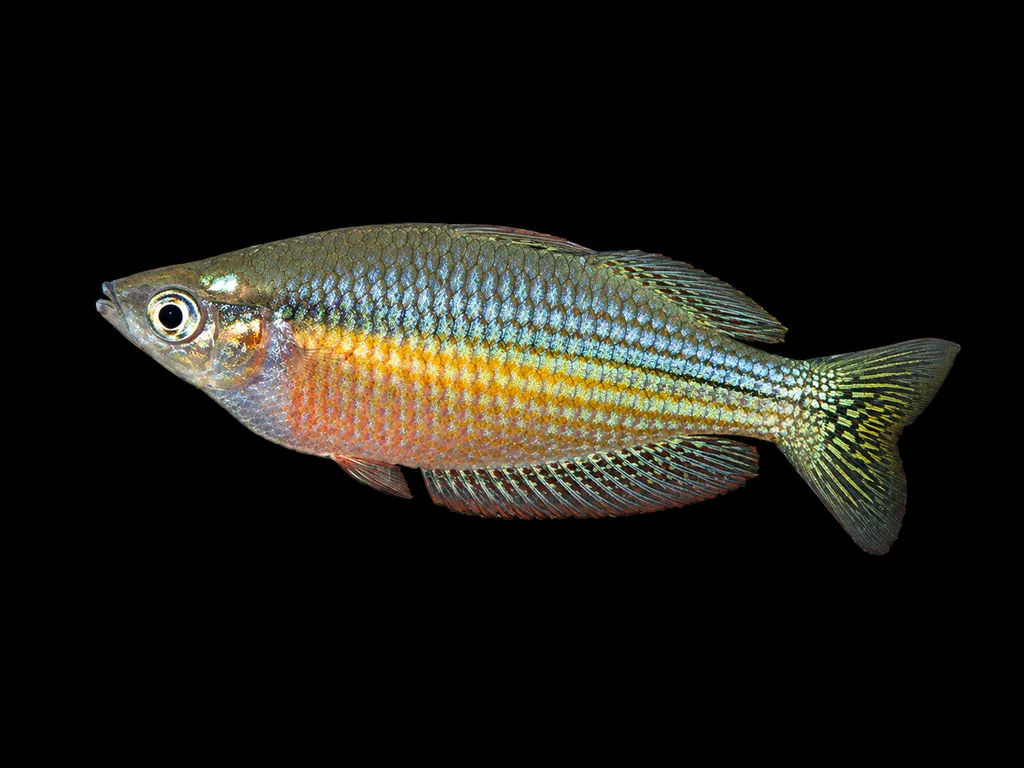
Desert rainbowfish
Melanotaenia splendida tatei
Freshwater3.9 in (10 cm) · 42 gal (160 L)64–86°F (18–30°C)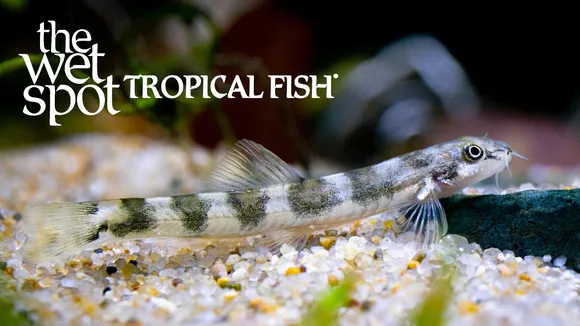
Devdevi loach
Schistura devdevi
Freshwater2 in (5 cm) · 20 gal (75 L)64–75°F (18–24°C)Doctor fish
Garra rufa
Freshwater4.7 in (12 cm) · 63 gal (240 L)57–68°F (14–20°C)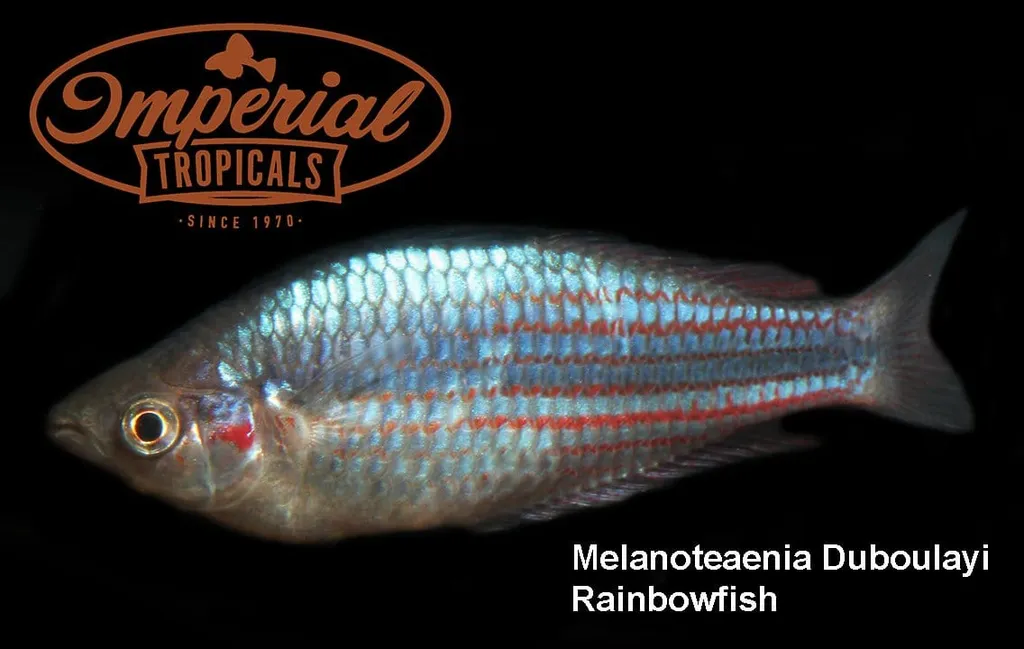
Duboulayi's rainbowfish
Melanotaenia duboulayi
Freshwater4.7 in (12 cm) · 30 gal (115 L)64–82°F (18–28°C)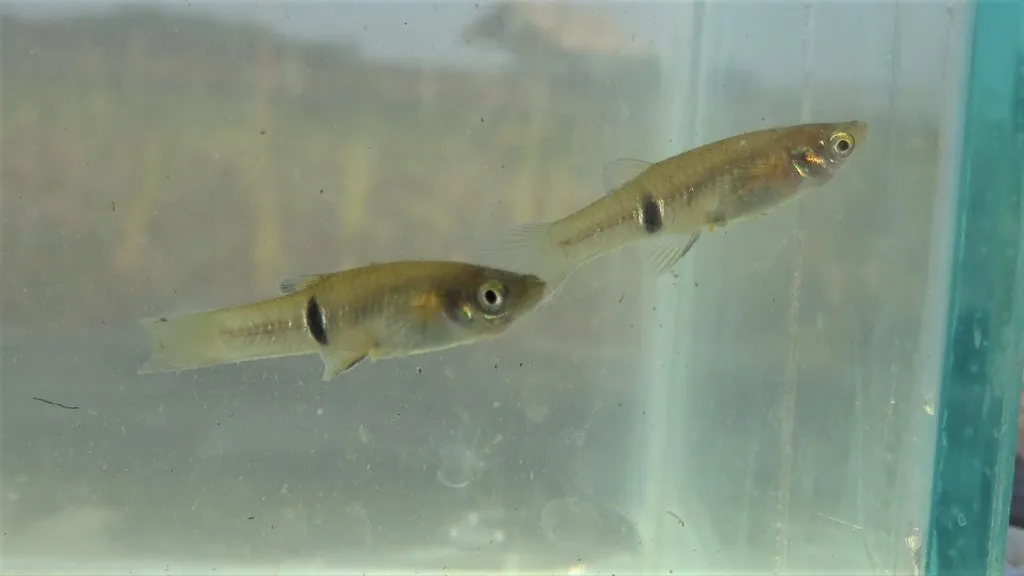
Dusky millions fish
Phalloceros caudimaculatus
Freshwater2.4 in (6 cm) · 12 gal (45 L)64–75°F (18–24°C)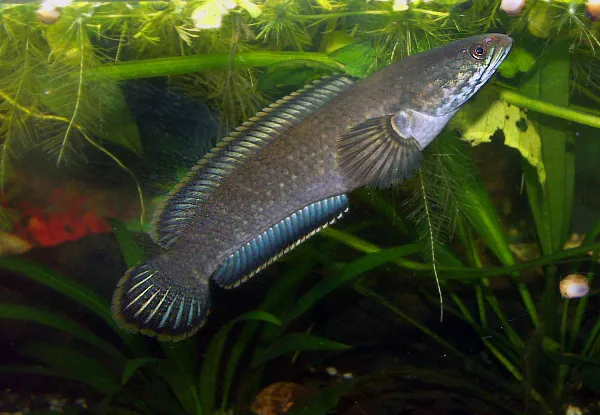
Dwarf snakehead
Channa gachua
Freshwater7.9 in (20 cm) · 40 gal (150 L)64–82°F (18–28°C)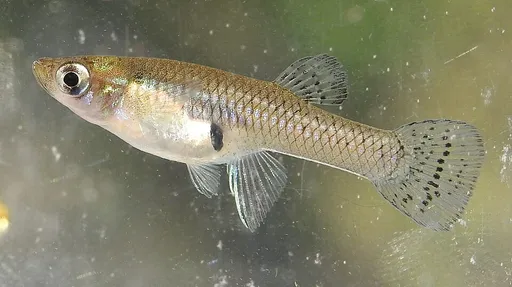
Eastern mosquitofish
Gambusia holbrooki
Freshwater3.1 in (8 cm) · 11 gal (40 L)59–84°F (15–29°C)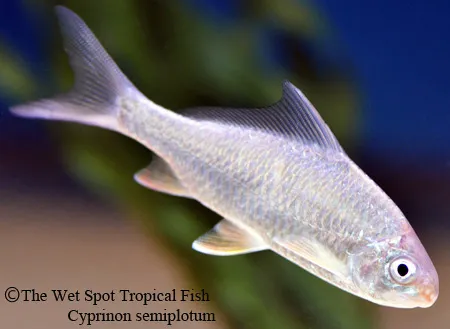
Emperor round-face barb
Cyprinion semiplotum
Freshwater23.6 in (60 cm) · 396 gal (1,500 L)61–77°F (16–25°C)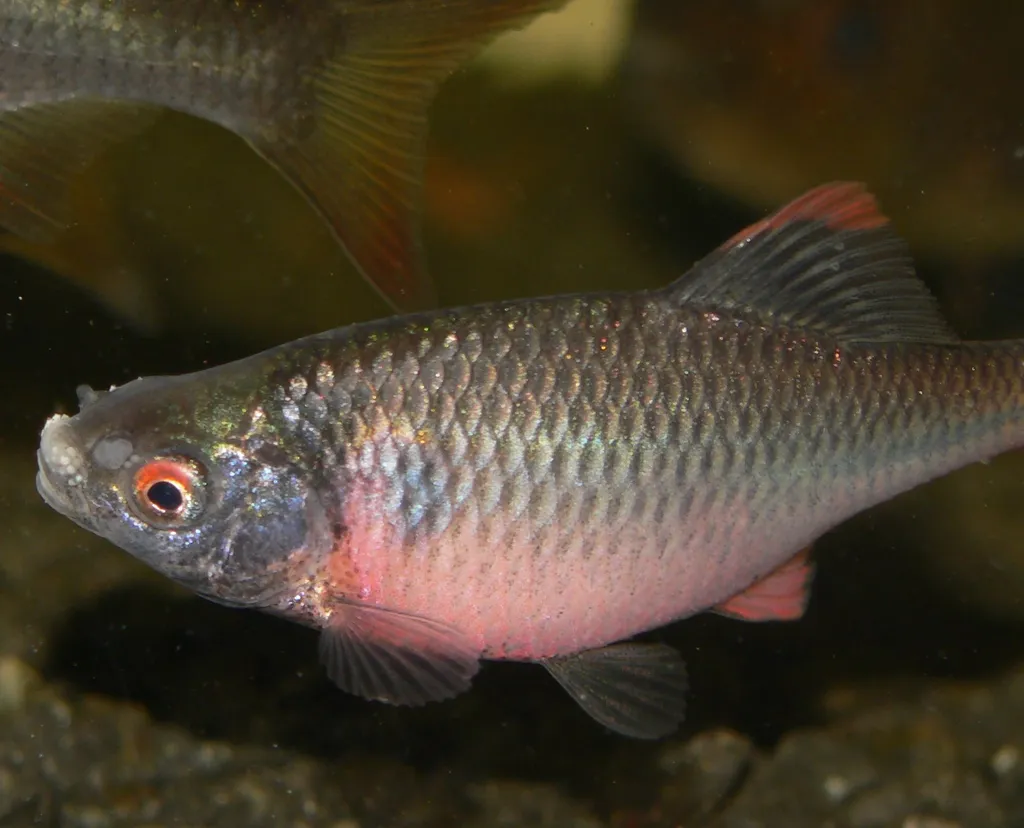
European bitterling
Rhodeus amarus
Freshwater3.9 in (10 cm) · 34 gal (130 L)55–72°F (13–22°C)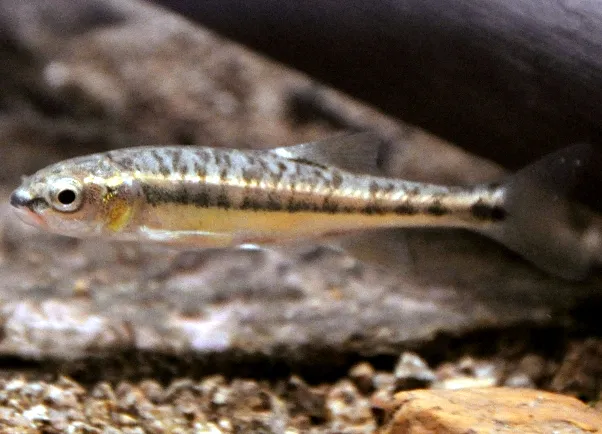
European minnow
Phoxinus phoxinus
Freshwater5.1 in (13 cm) · 45 gal (170 L)54–68°F (12–20°C)European perch
Perca fluviatilis
Freshwater19.7 in (50 cm) · 119 gal (450 L)50–72°F (10–22°C)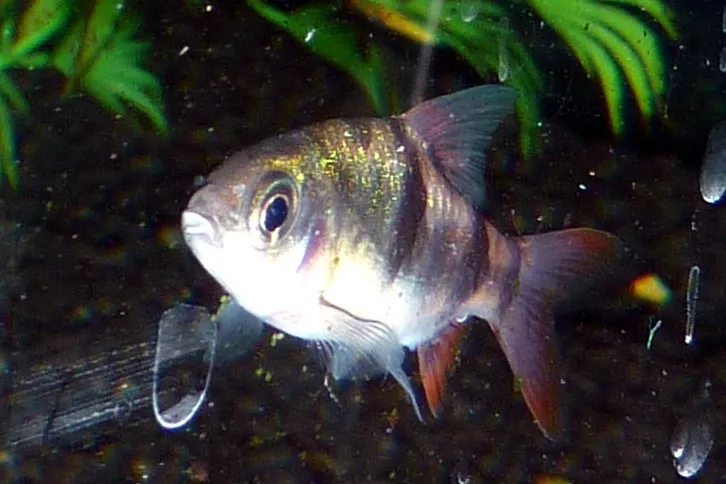
Everett's barb
Barbodes everetti
Freshwater4.7 in (12 cm) · 40 gal (150 L)64–82°F (18–28°C)Everglades pygmy sunfish
Elassoma evergladei
Freshwater1.3 in (3.4 cm) · 8 gal (30 L)54–82°F (12–28°C)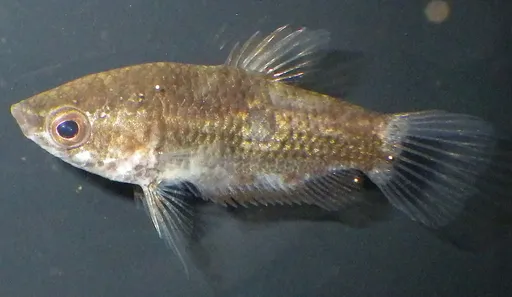
Eyespot gourami
Parasphaerichthys ocellatus
Freshwater1.4 in (3.5 cm) · 12 gal (45 L)64–77°F (18–25°C)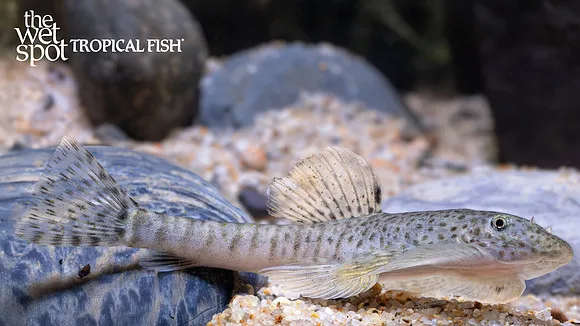
Fang's hillstream loach
Pseudogastromyzon fangi
Freshwater3.9 in (10 cm) · 25 gal (95 L)64–75°F (18–24°C)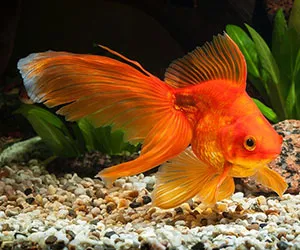
Fantail
Carassius auratus
Freshwater7.1 in (18 cm) · 20 gal (75 L)59–73°F (15–23°C)Fathead minnow
Pimephales promelas
Freshwater3 in (7.5 cm) · 20 gal (75 L)50–72°F (10–22°C)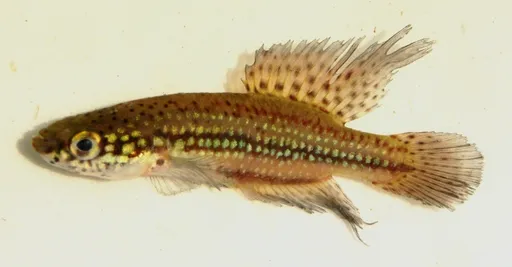
Fighting gaucho
Cynopoecilus melanotaenia
Freshwater1.8 in (4.5 cm) · 5 gal (20 L)64–75°F (18–24°C)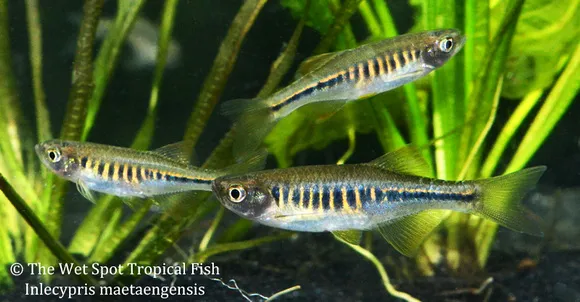
Fire bar danio
Devario maetaengensis
Freshwater2.4 in (6 cm) · 20 gal (75 L)64–77°F (18–25°C)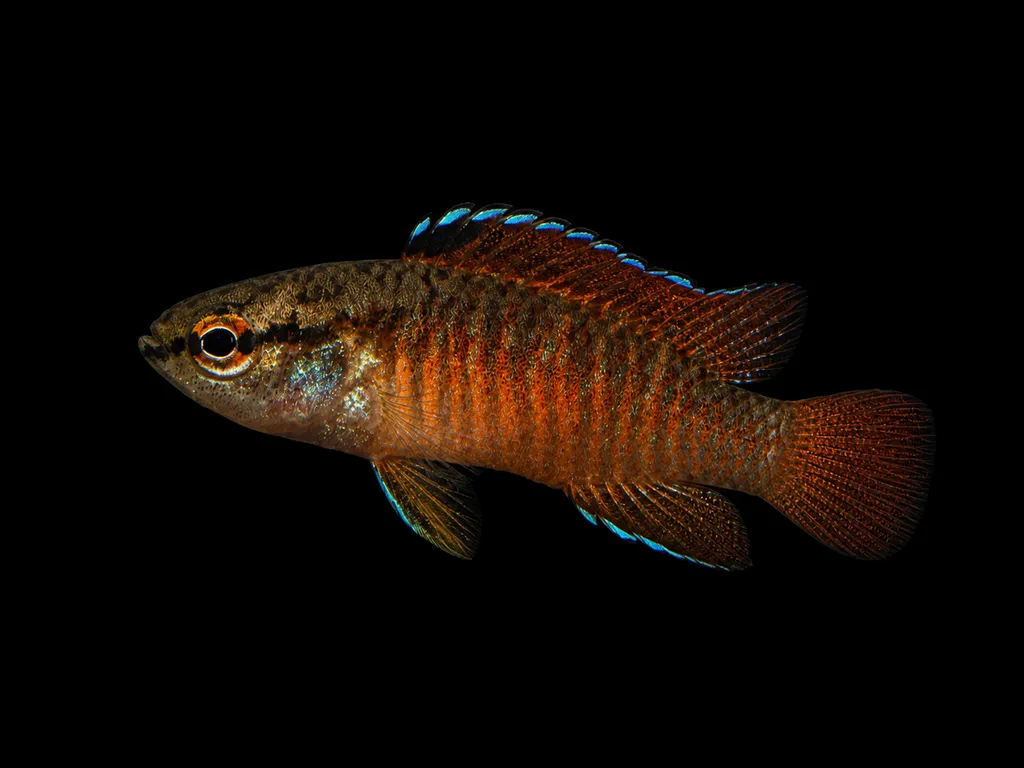
Flame jewel badis
Dario kajal
Freshwater0.8 in (2 cm) · 11 gal (40 L)64–79°F (18–26°C)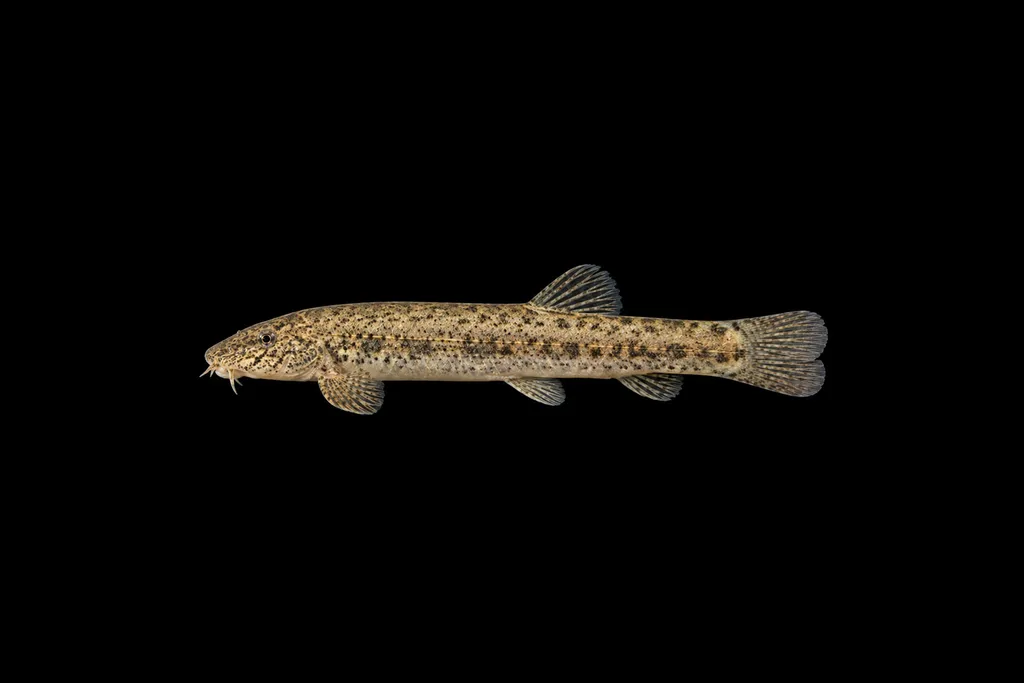
Freckled lizard loach
Formosania stigmata
Freshwater3.9 in (10 cm) · 25 gal (95 L)61–75°F (16–24°C)
Freshwater blenny
Salaria fluviatilis
Freshwater5.9 in (15 cm) · 25 gal (95 L)54–68°F (12–20°C)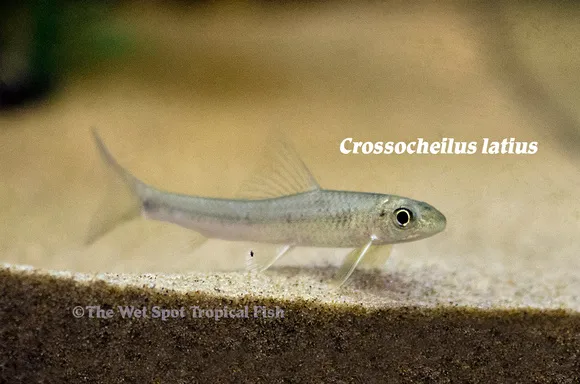
Gangetic latia
Tariqilabeo latius
Freshwater5.9 in (15 cm) · 42 gal (160 L)64–77°F (18–25°C)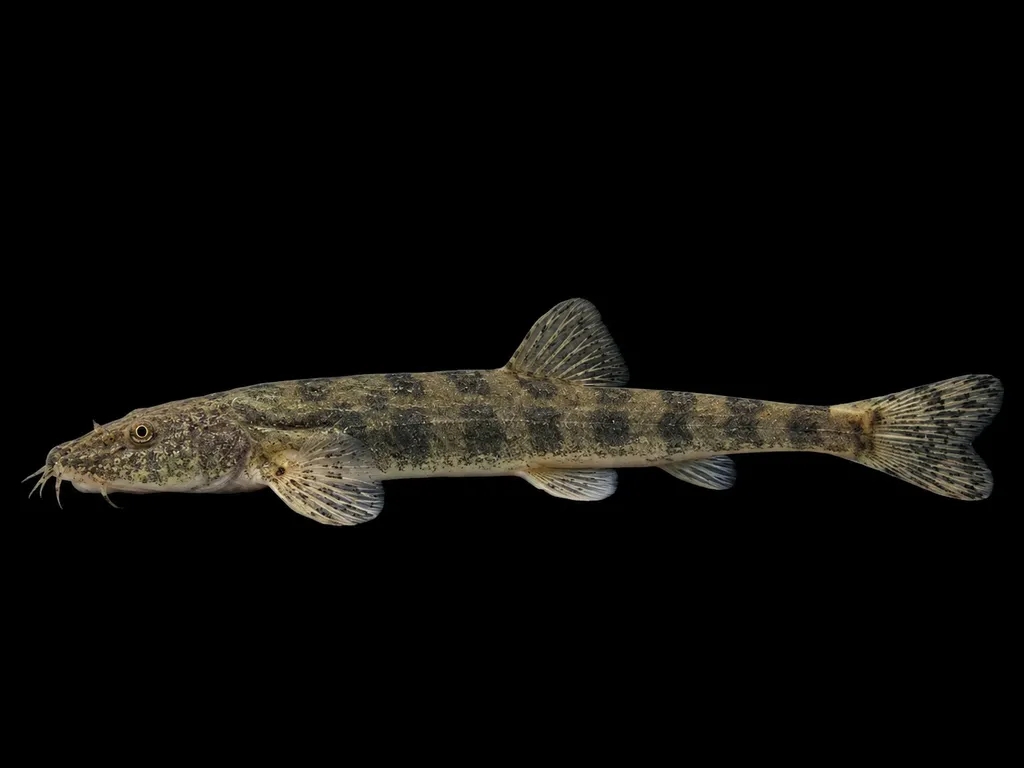
Giant stone loach
Triplophysa siluroides
Freshwater21.7 in (55 cm) · 127 gal (480 L)50–68°F (10–20°C)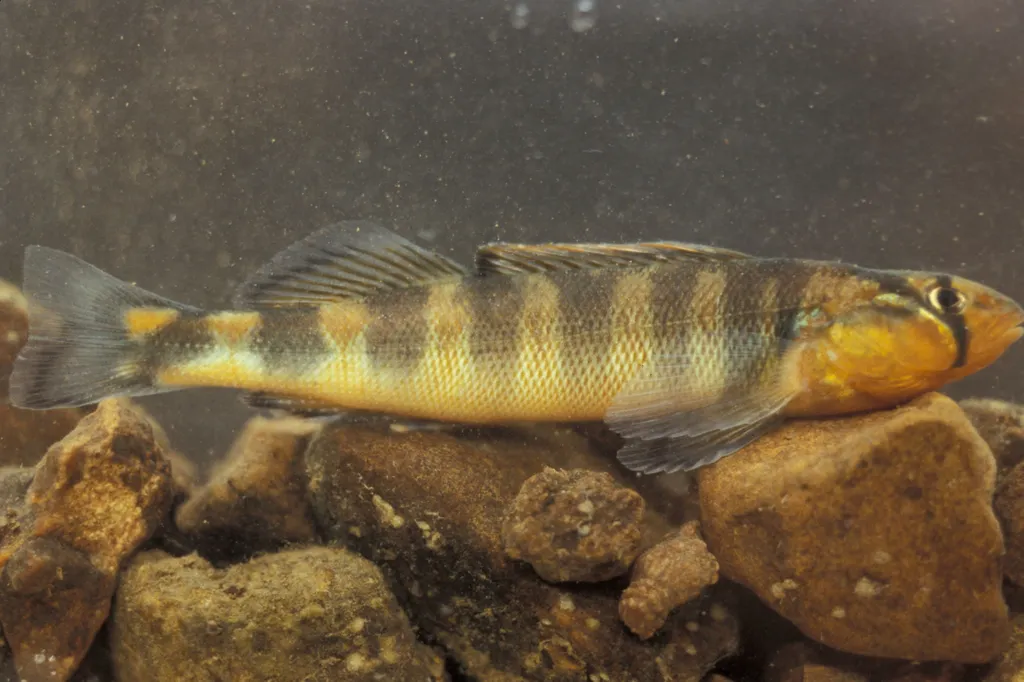
Gilt darter
Percina evides
Freshwater3.5 in (9 cm) · 29 gal (110 L)59–70°F (15–21°C)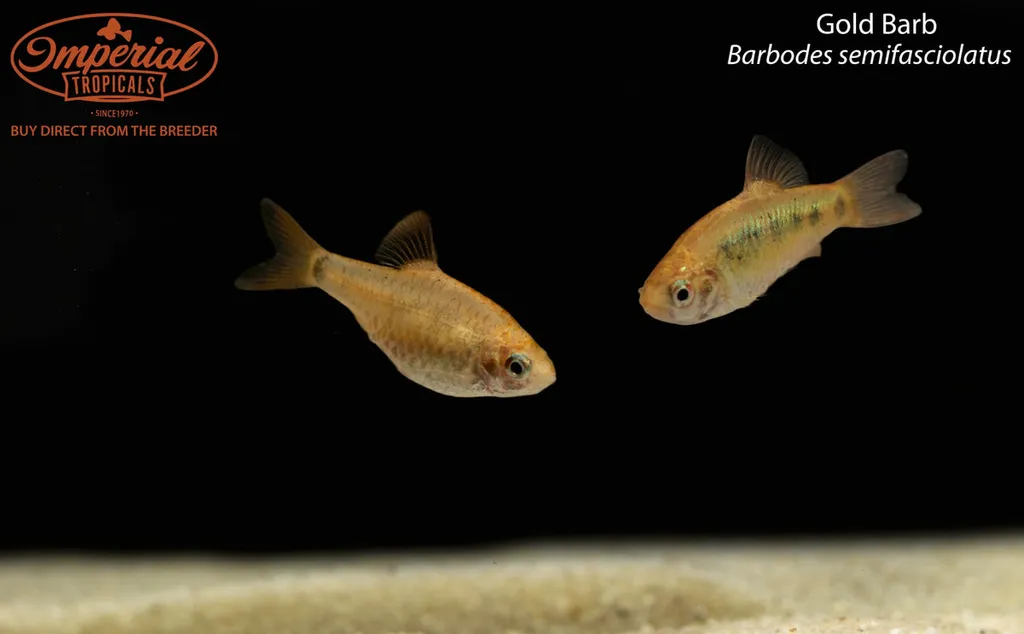
Gold barb
Barbodes semifasciolatus
Freshwater2.8 in (7 cm) · 20 gal (75 L)64–75°F (18–24°C)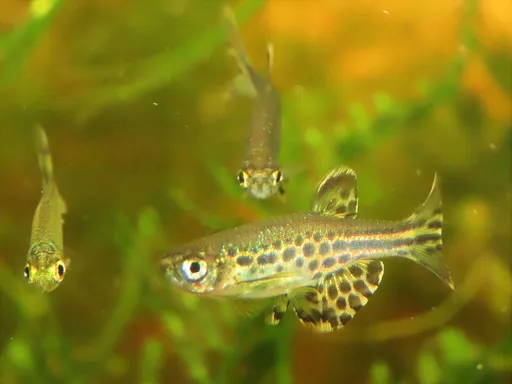
Gold ring danio
Danio tinwini
Freshwater1.2 in (3 cm) · 11 gal (40 L)64–79°F (18–26°C)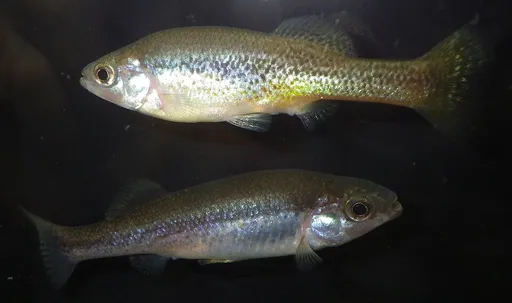
Goldbreast splitfin
Ilyodon furcidens
Freshwater3.9 in (10 cm) · 24 gal (90 L)64–79°F (18–26°C)
Golden dwarf barb
Pethia gelius
Freshwater1.6 in (4 cm) · 20 gal (75 L)64–75°F (18–24°C)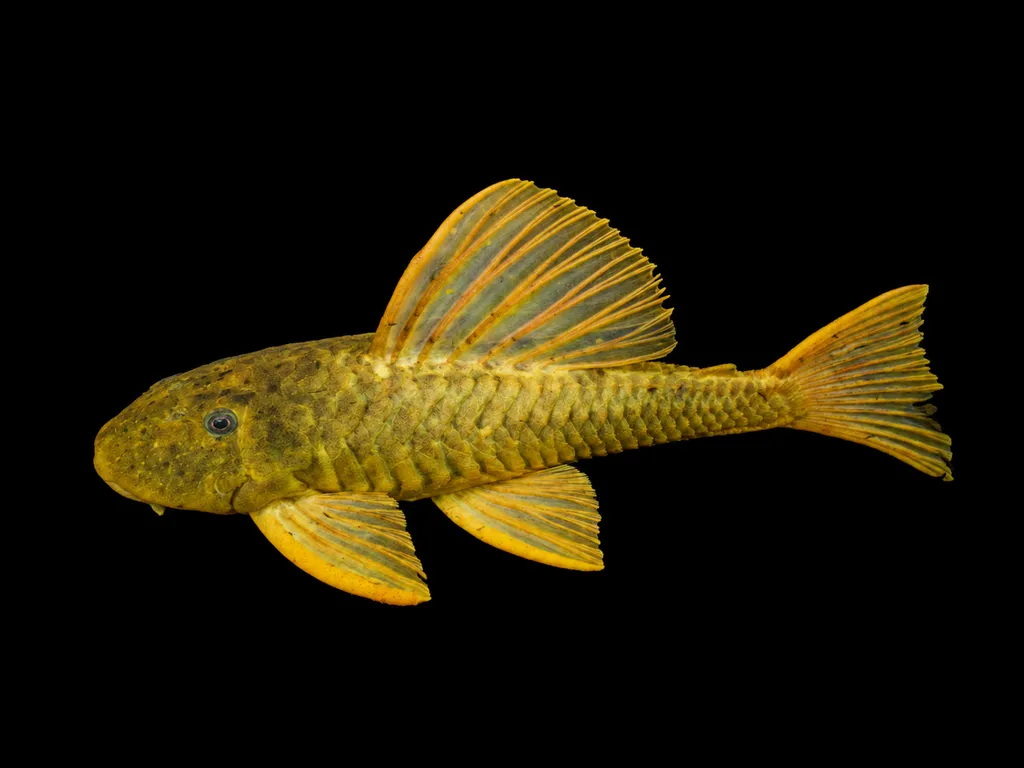
Golden hypostomus
Hypostomus luteus
Freshwater13.8 in (35 cm) · 106 gal (400 L)64–79°F (18–26°C)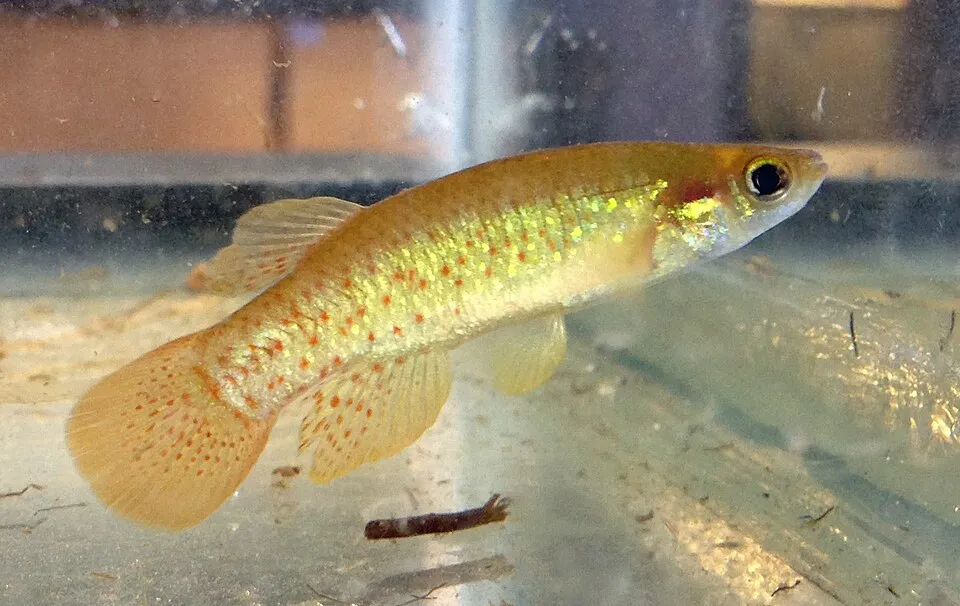
Golden topminnow
Fundulus chrysotus
Freshwater3 in (7.5 cm) · 22 gal (85 L)59–75°F (15–24°C)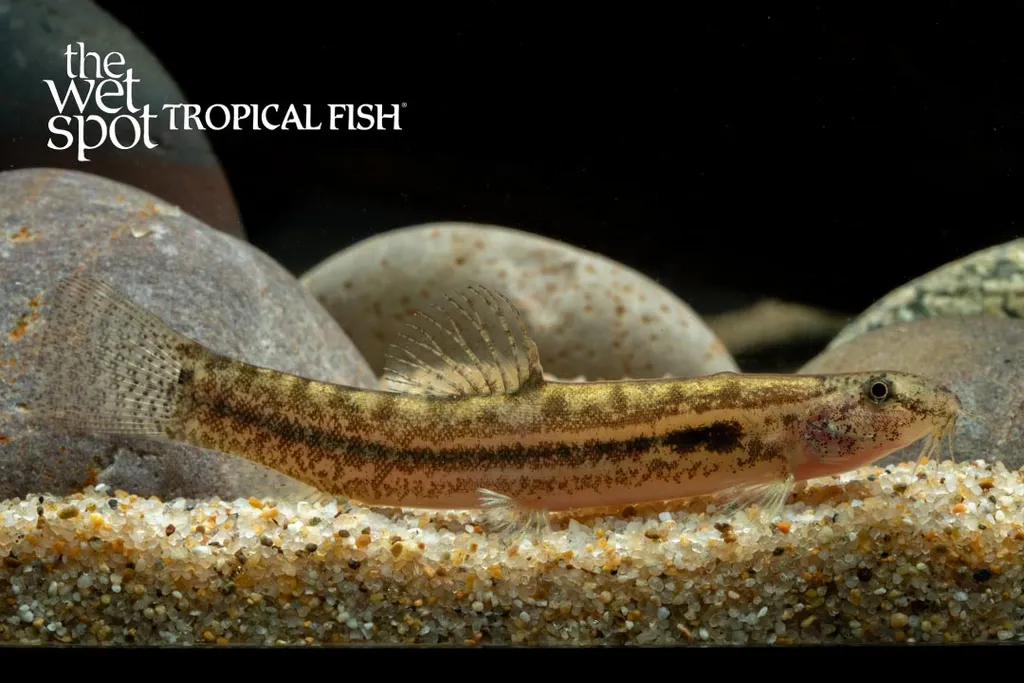
Guntea loach
Lepidocephalichthys guntea
Freshwater4.7 in (12 cm) · 24 gal (90 L)64–82°F (18–28°C)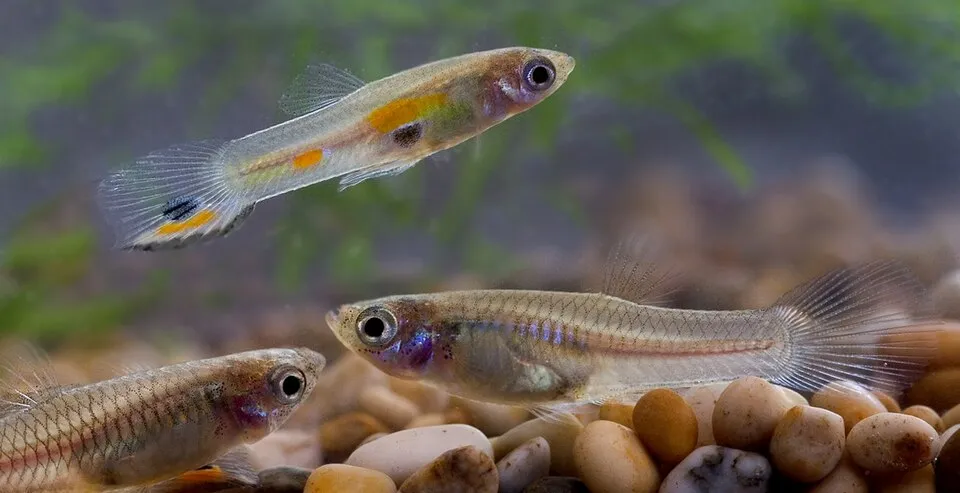
Guppy
Poecilia reticulata
FreshwaterBrackish2.4 in (6 cm) · 10 gal (38 L)64–82°F (18–28°C)9 varieties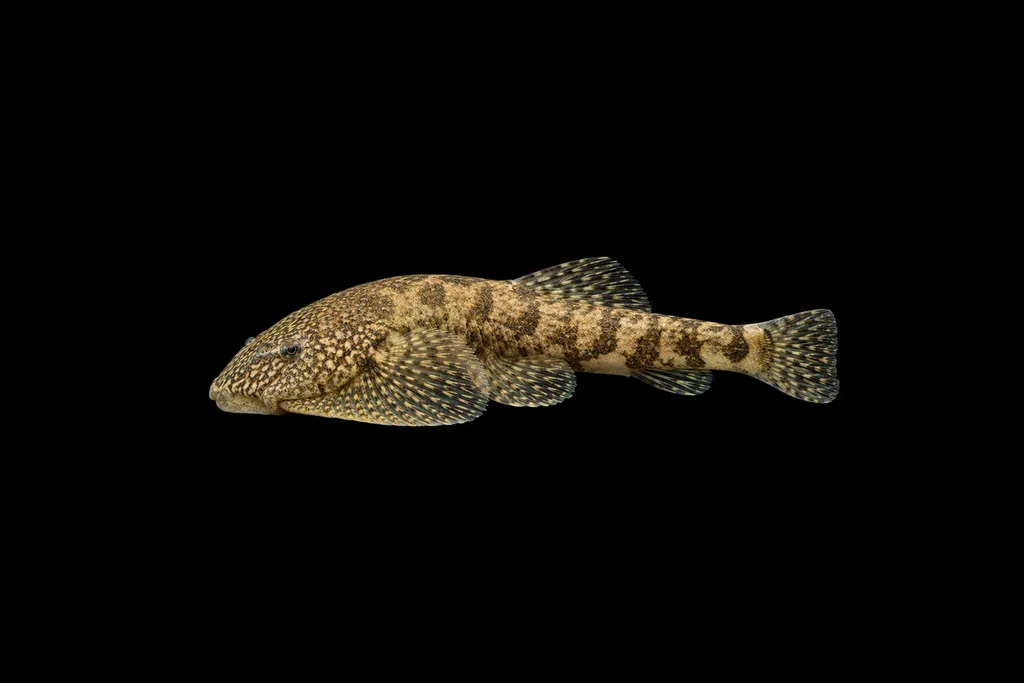
Hanshu hillstream loach
Metahomaloptera omeiensis
Freshwater2.4 in (6 cm) · 21 gal (80 L)61–72°F (16–22°C)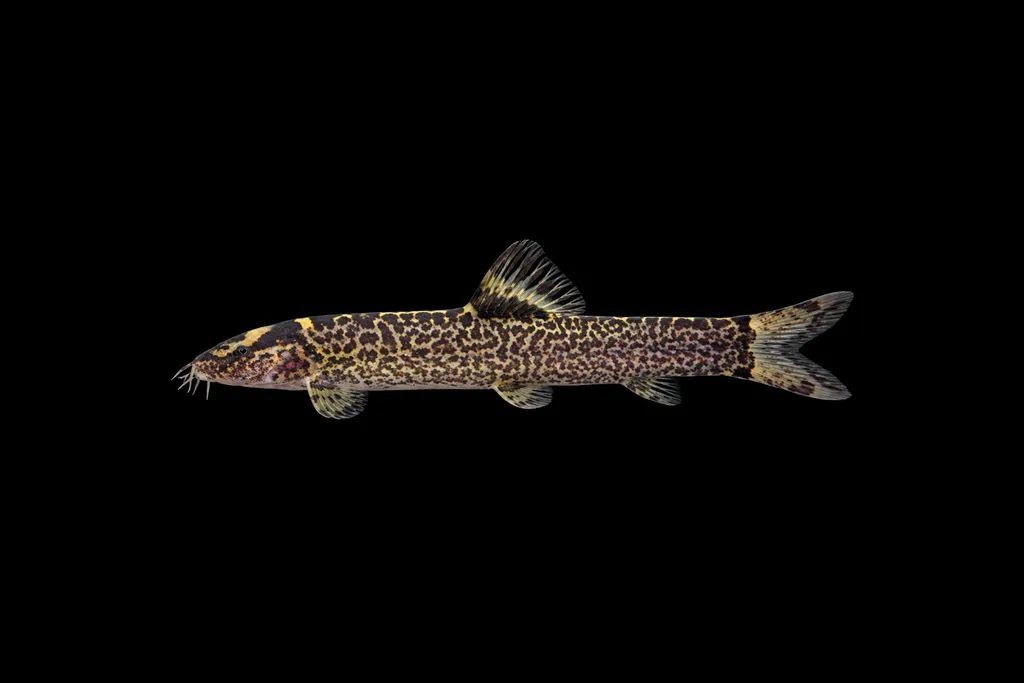
Honeycomb loach
Leptobotia taeniops
Freshwater9.1 in (23 cm) · 106 gal (400 L)64–79°F (18–26°C)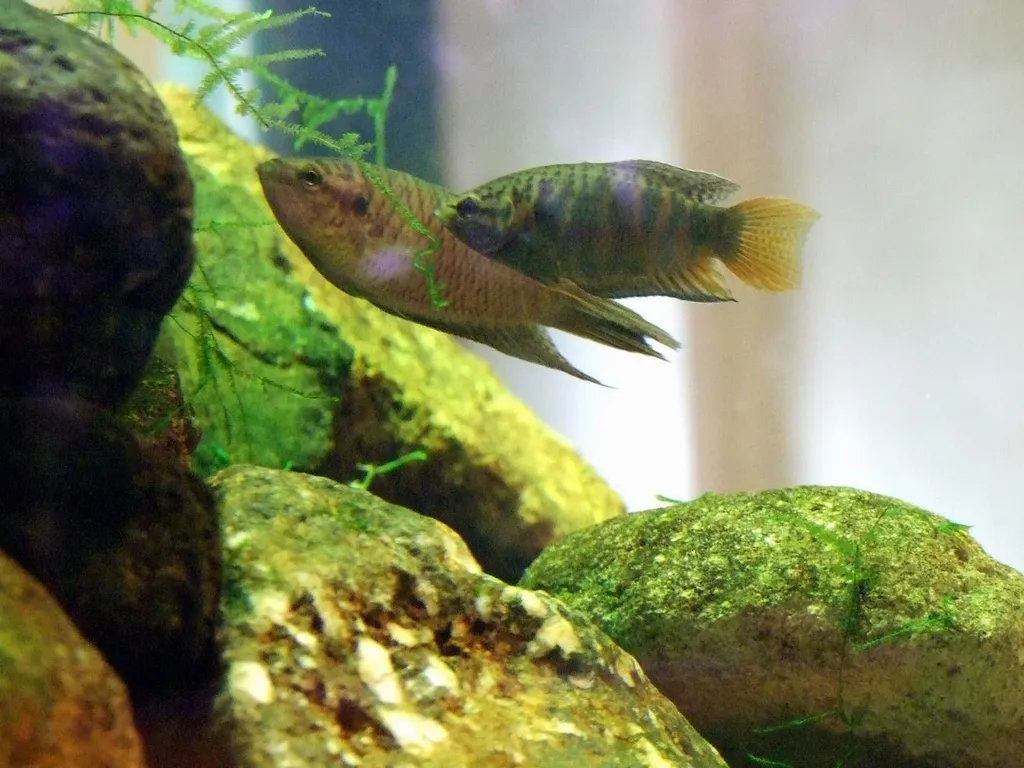
Hong Kong paradise fish
Macropodus hongkongensis
Freshwater3 in (7.5 cm) · 25 gal (95 L)54–77°F (12–25°C)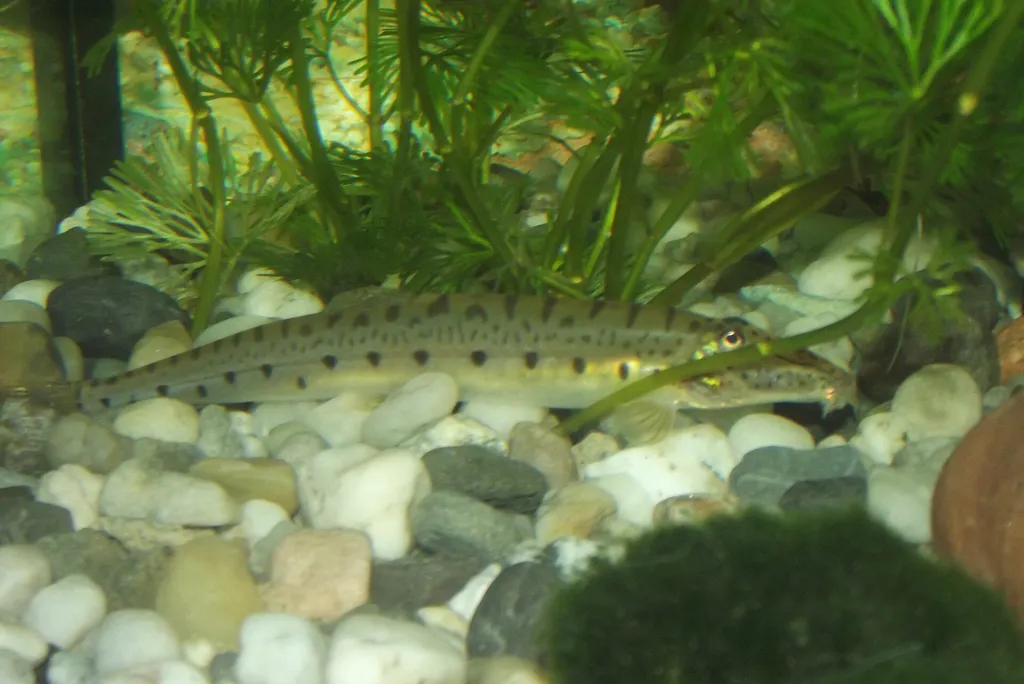
Horseface loach
Acantopsis dialuzona
Freshwater7.9 in (20 cm) · 55 gal (210 L)61–75°F (16–24°C)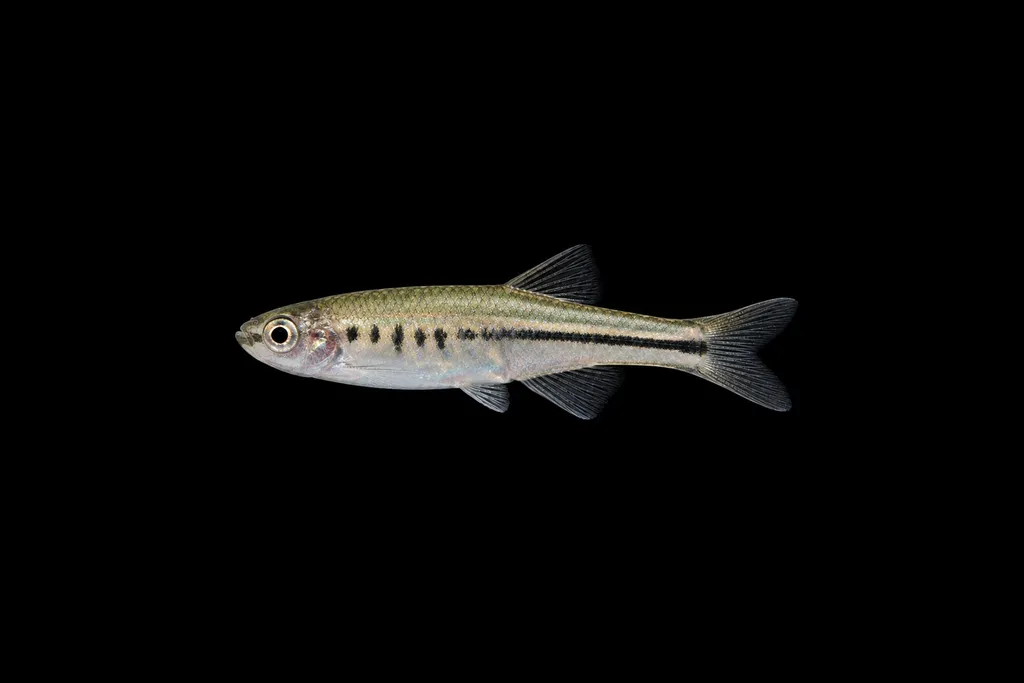
Interrupted danio
Devario interruptus
Freshwater2.8 in (7 cm) · 24 gal (90 L)64–77°F (18–25°C)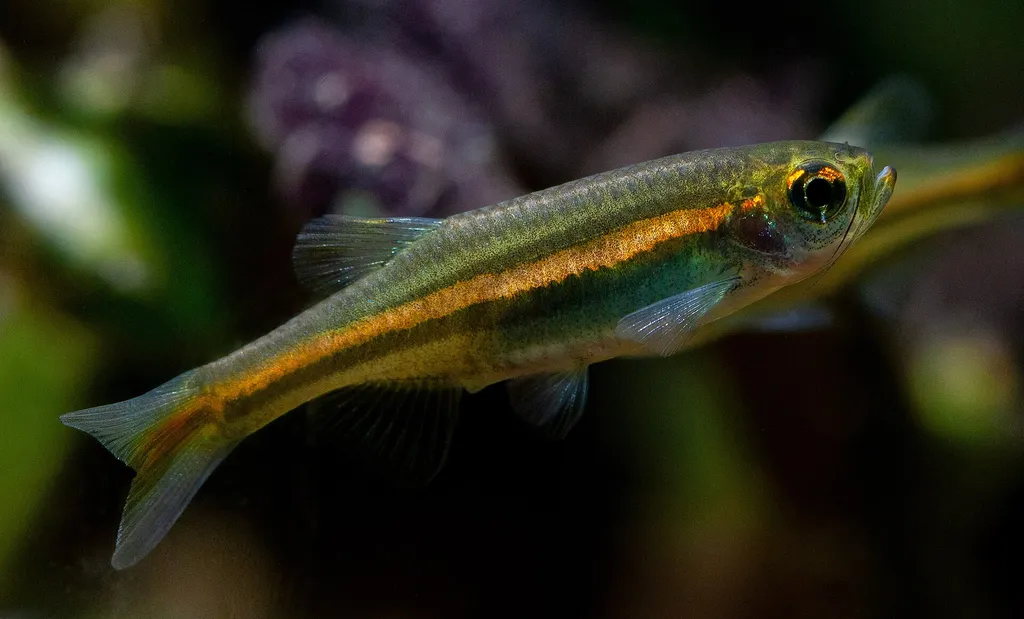
Jaintia danio
Danio jaintianensis
Freshwater2 in (5 cm) · 20 gal (75 L)64–75°F (18–24°C)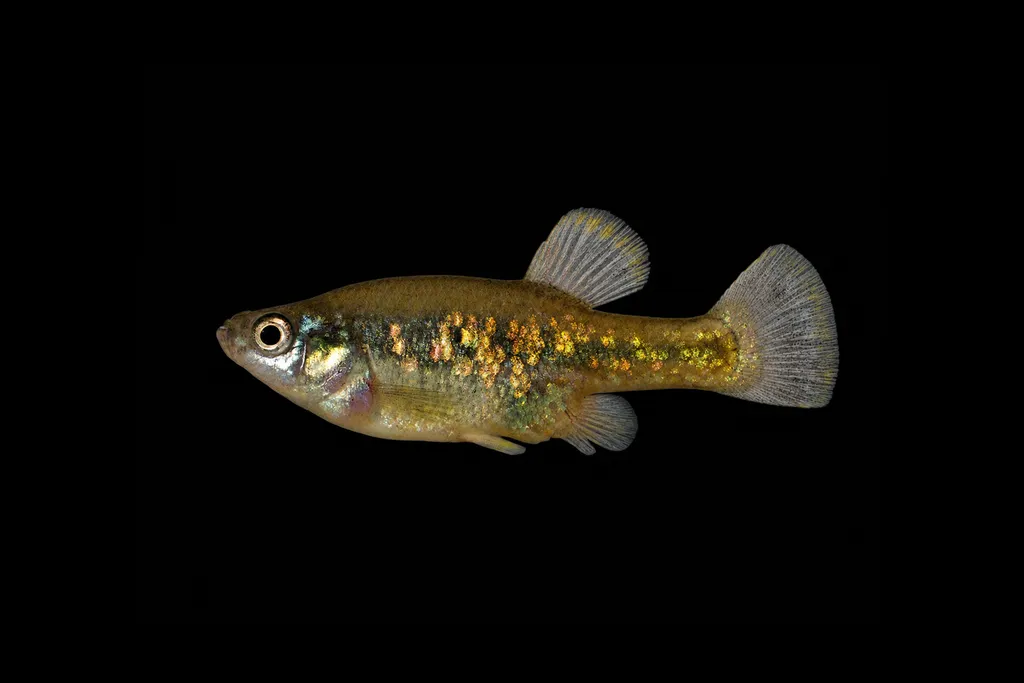
Jeweled splitfin
Xenotoca variata
Freshwater2.8 in (7 cm) · 20 gal (75 L)64–81°F (18–27°C)Koi
Cyprinus rubrofuscus
Freshwater23.6 in (60 cm) · 264 gal (1,000 L)39–81°F (4–27°C)5 varieties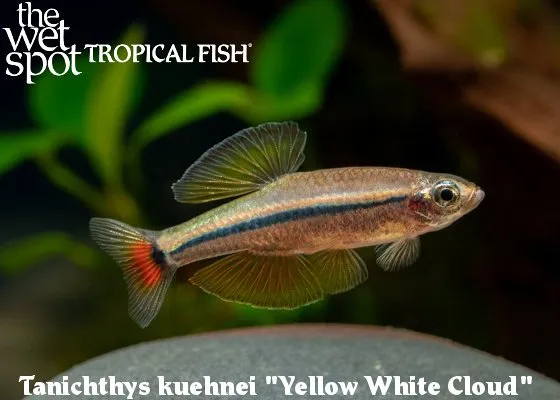
Kuehne's white cloud minnow
Tanichthys kuehnei
Freshwater1.5 in (3.7 cm) · 14 gal (54 L)64–75°F (18–24°C)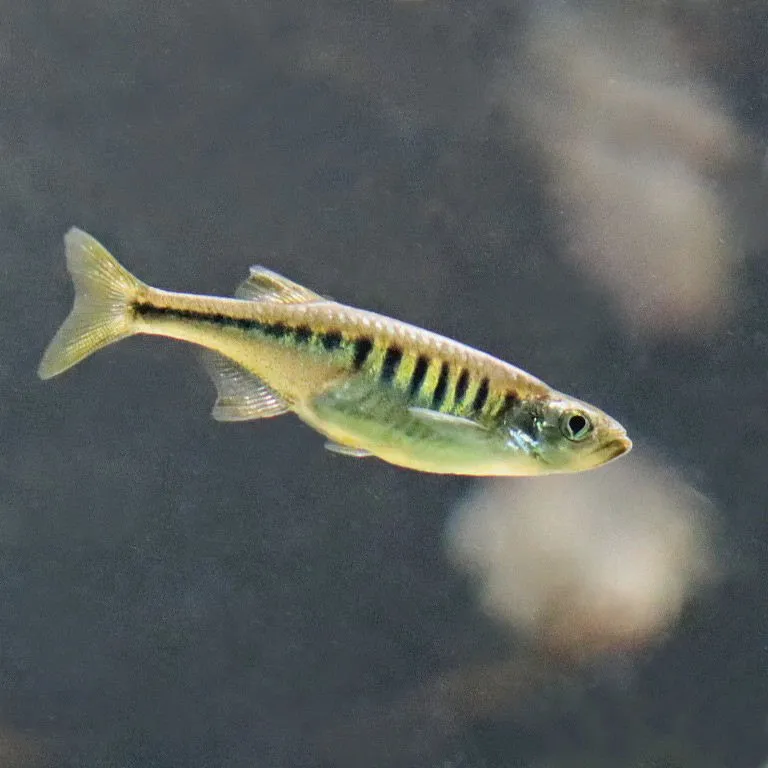
Lake Inle danio
Devario auropurpureus
Freshwater3.1 in (8 cm) · 24 gal (90 L)64–77°F (18–25°C)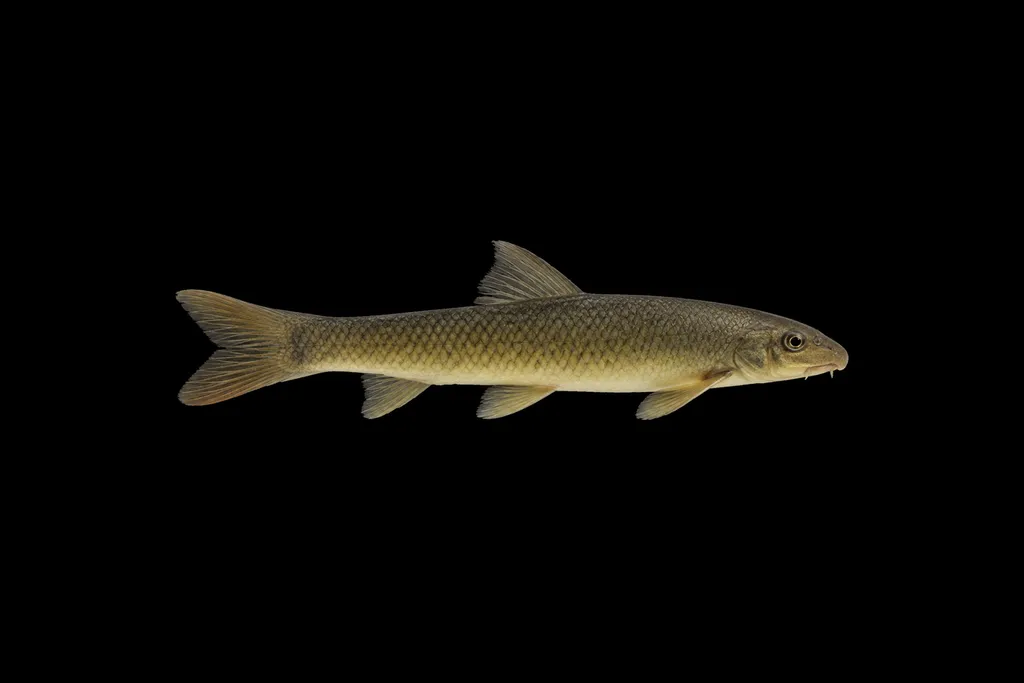
Lamta garra
Garra lamta
Freshwater4.7 in (12 cm) · 29 gal (110 L)64–77°F (18–25°C)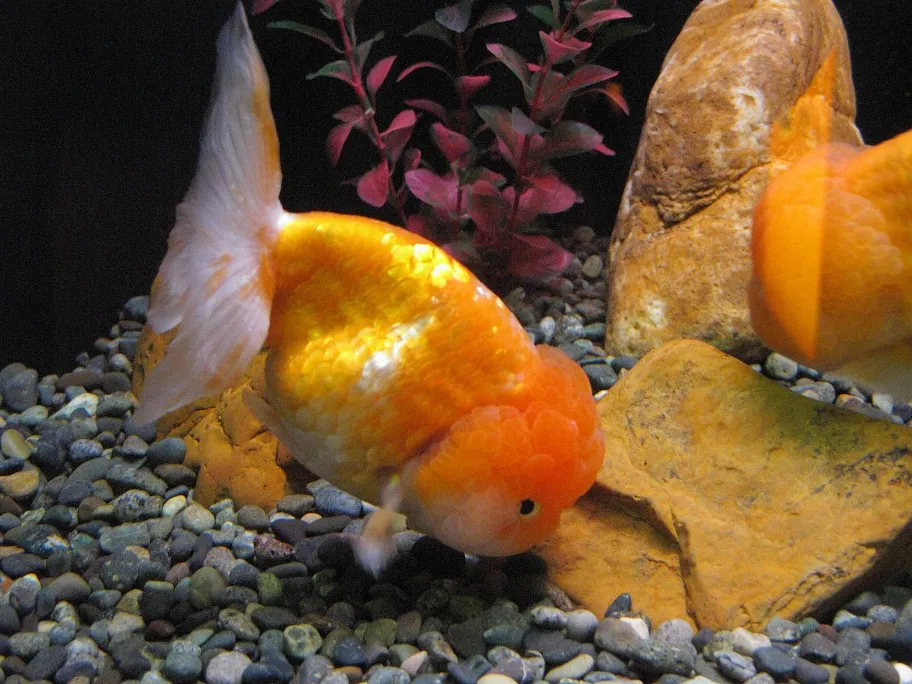
Lionhead
Carassius auratus
Freshwater7.1 in (18 cm) · 25 gal (95 L)61–75°F (16–24°C)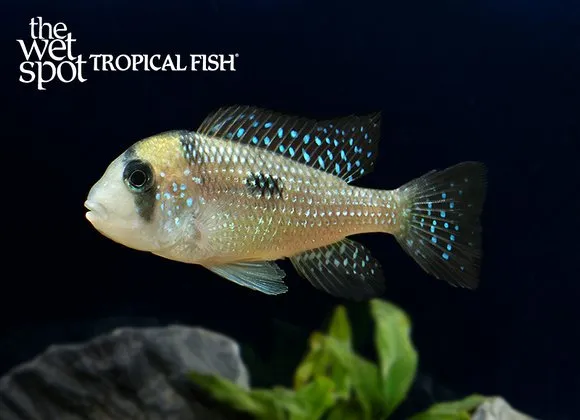
Longbody eartheater
Gymnogeophagus mekinos
Freshwater5.1 in (13 cm) · 66 gal (250 L)61–79°F (16–26°C)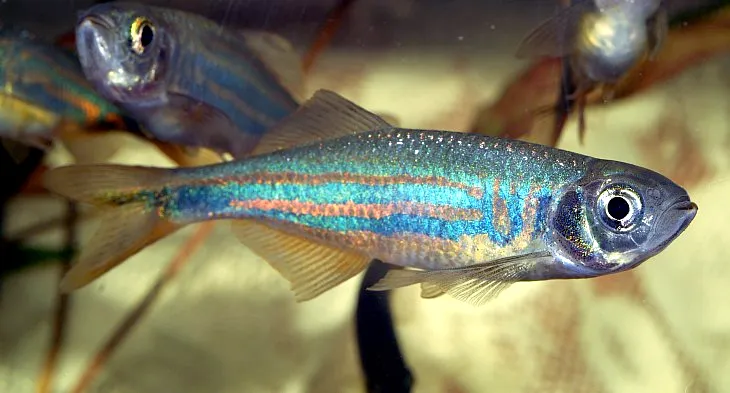
Malabar danio
Devario malabaricus
Freshwater5.1 in (13 cm) · 48 gal (180 L)64–77°F (18–25°C)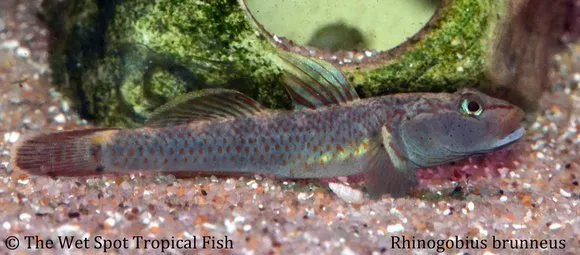
Mandarin rhinogobius
Rhinogobius brunneus
Freshwater2.4 in (6 cm) · 14 gal (54 L)64–75°F (18–24°C)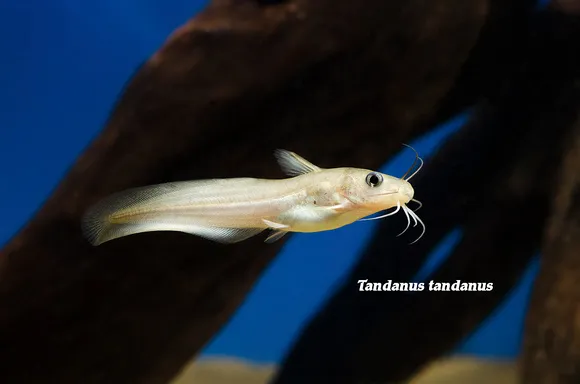
Marbled tandanus catfish
Tandanus tandanus
Freshwater31.5 in (80 cm) · 185 gal (700 L)61–79°F (16–26°C)Medaka
Oryzias latipes
Freshwater1.4 in (3.5 cm) · 9 gal (35 L)61–72°F (16–22°C)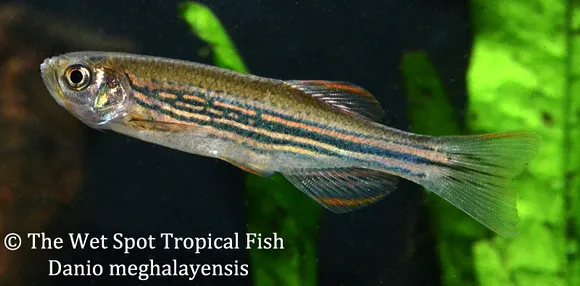
Meghalaya danio
Danio meghalayensis
Freshwater2.4 in (6 cm) · 24 gal (90 L)64–75°F (18–24°C)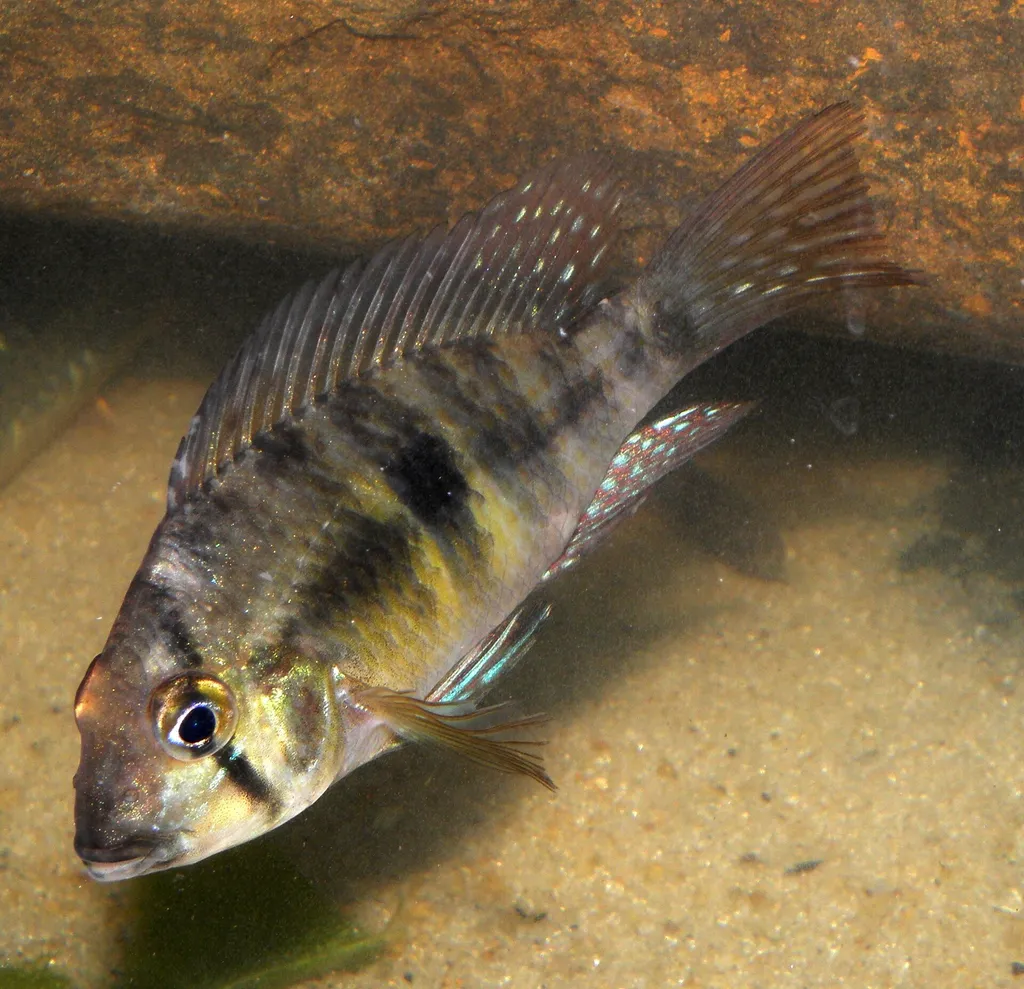
Meridionalis eartheater
Gymnogeophagus meridionalis
Freshwater4.3 in (11 cm) · 53 gal (200 L)61–79°F (16–26°C)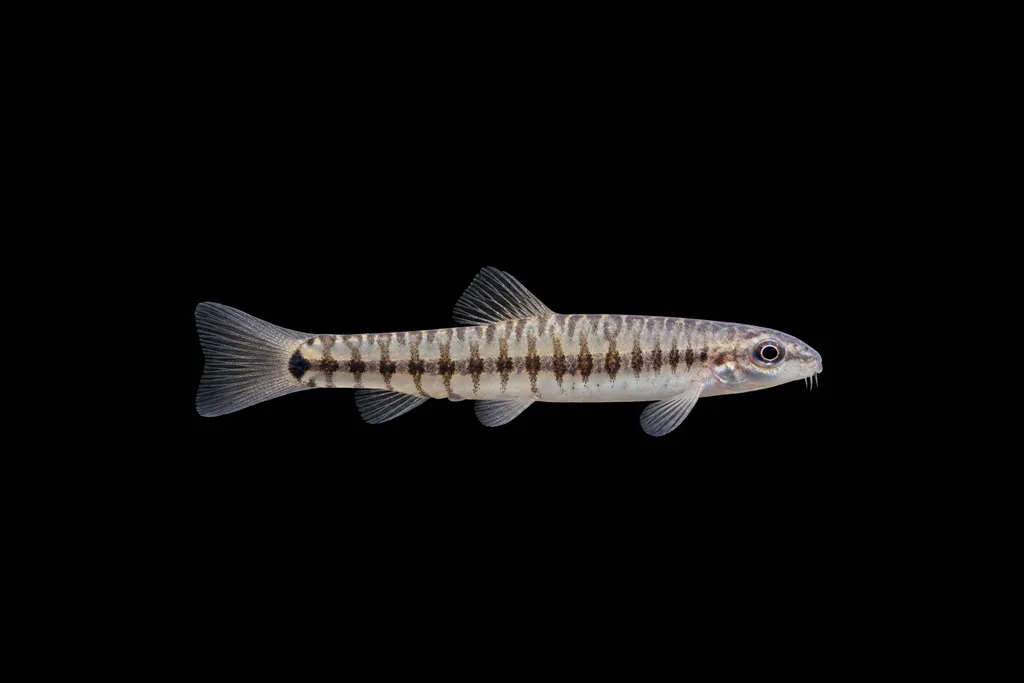
Mini zebra loach
Yunnanilus pulcherrimus
Freshwater2 in (5 cm) · 14 gal (54 L)64–75°F (18–24°C)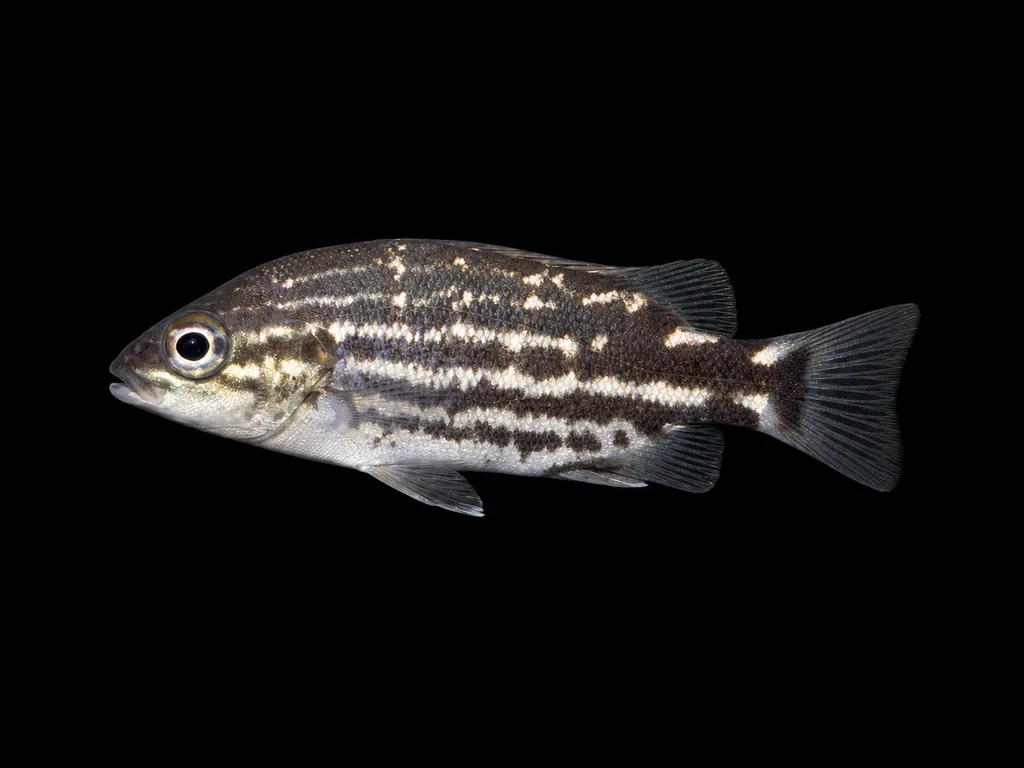
Mountain grunter
Hephaestus habbemai
Freshwater5.9 in (15 cm) · 70 gal (265 L)64–79°F (18–26°C)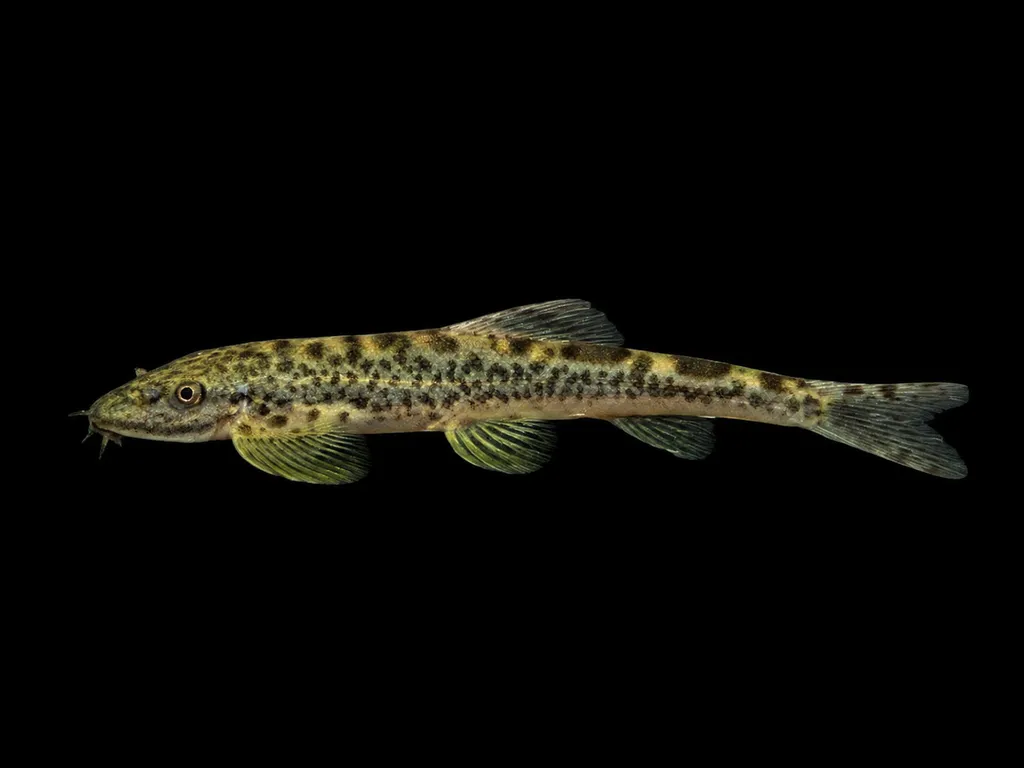
Nan River loach
Hemimyzon nanensis
Freshwater2.8 in (7 cm) · 24 gal (90 L)64–75°F (18–24°C)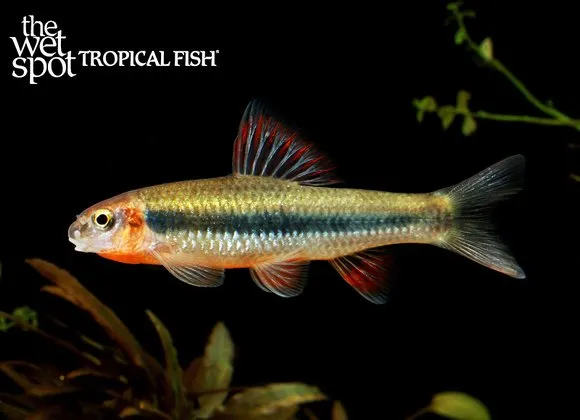
Neon golden-stripe shark
Sarcocheilichthys parvus
Freshwater3.5 in (9 cm) · 30 gal (112 L)61–75°F (16–24°C)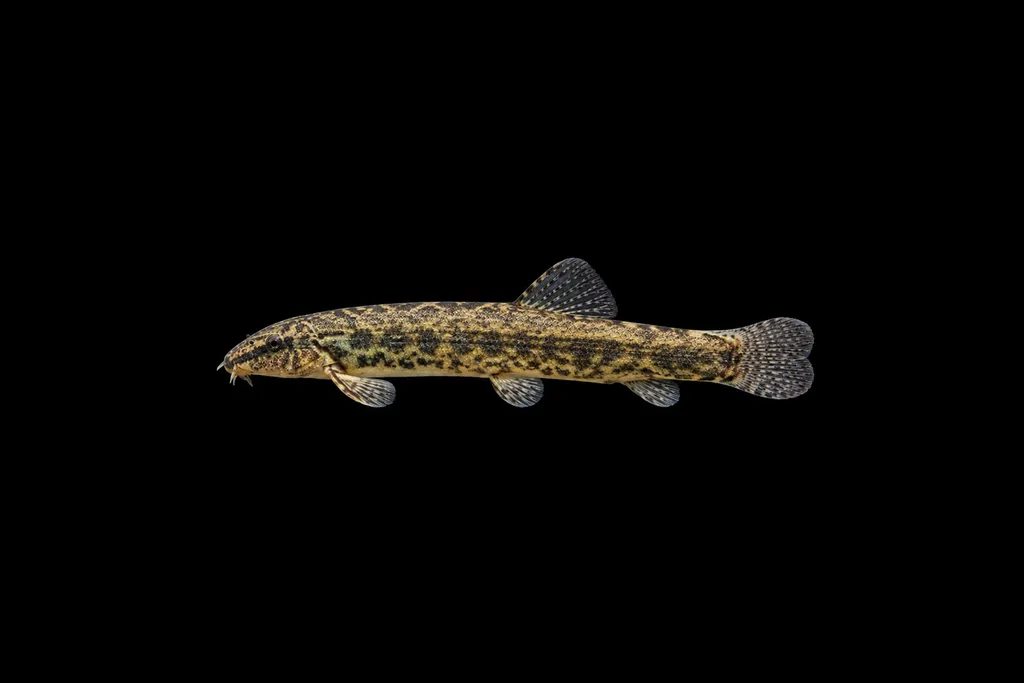
Nilgiri loach
Schistura nilgiriensis
Freshwater2.4 in (6 cm) · 20 gal (75 L)64–75°F (18–24°C)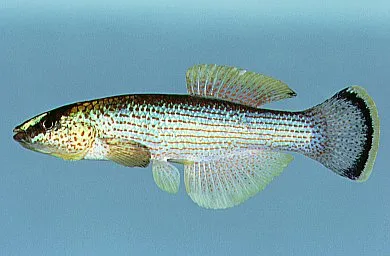
Northern studfish
Fundulus catenatus
Freshwater5.9 in (15 cm) · 37 gal (140 L)59–77°F (15–25°C)Odessa barb
Pethia padamya
Freshwater1.8 in (4.5 cm) · 20 gal (75 L)61–77°F (16–25°C)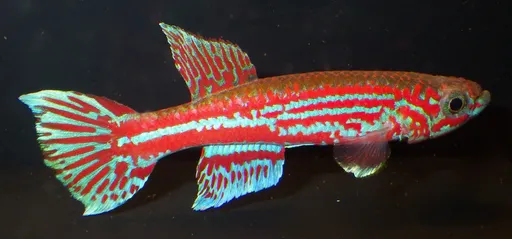
Ogowe killifish
Aphyosemion ogoense
Freshwater2 in (5 cm) · 11 gal (40 L)64–73°F (18–23°C)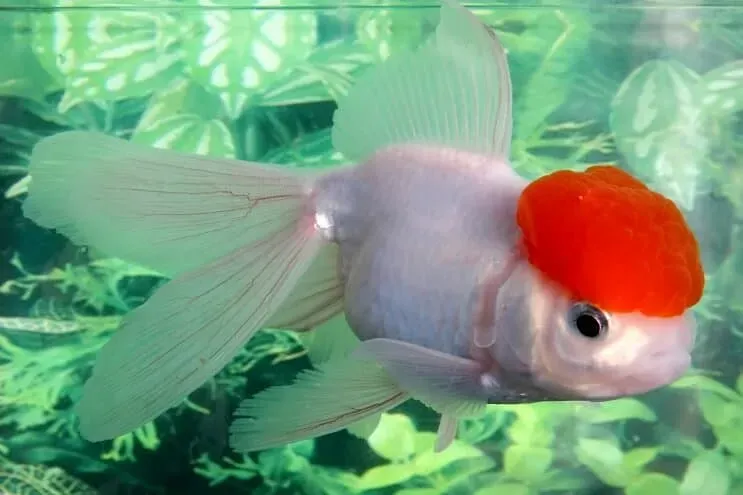
Oranda
Carassius auratus
Freshwater9.8 in (25 cm) · 30 gal (114 L)61–73°F (16–23°C)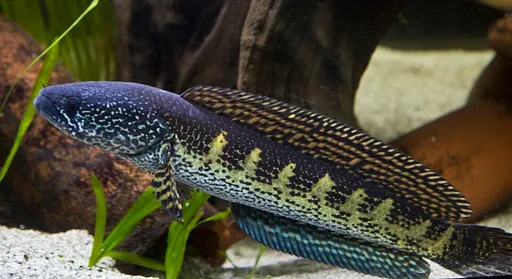
Orange-spotted snakehead
Channa aurantimaculata
Freshwater15.7 in (40 cm) · 119 gal (450 L)59–77°F (15–25°C)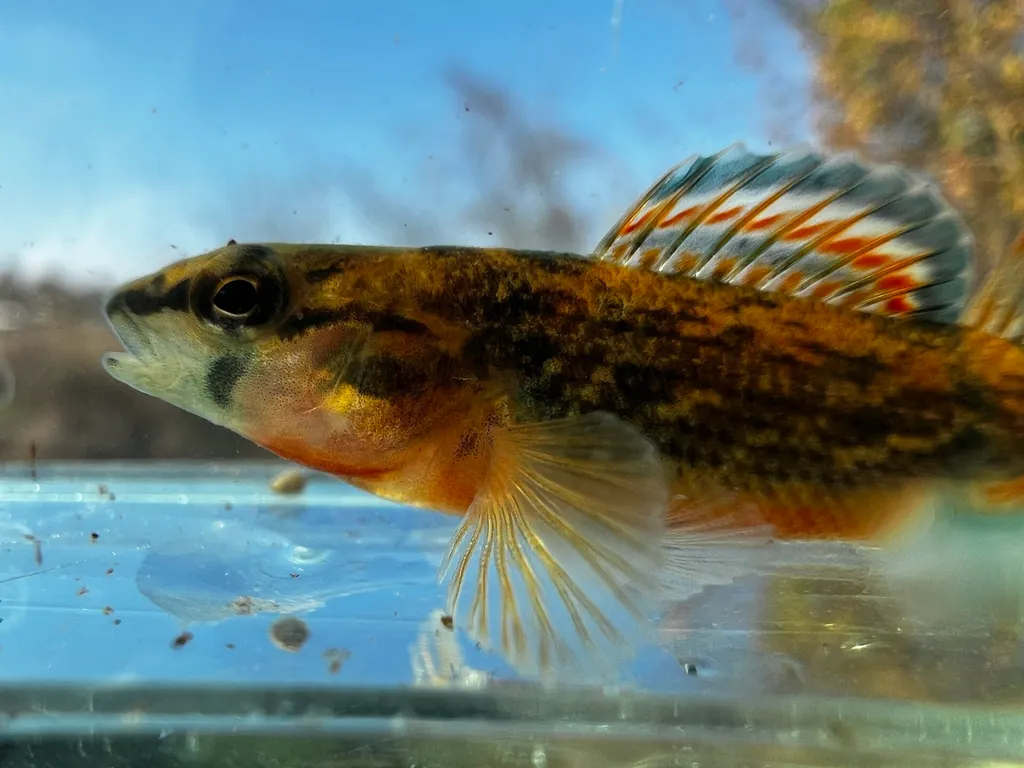
Orangethroat darter
Etheostoma spectabile
Freshwater2.8 in (7 cm) · 25 gal (95 L)59–68°F (15–20°C)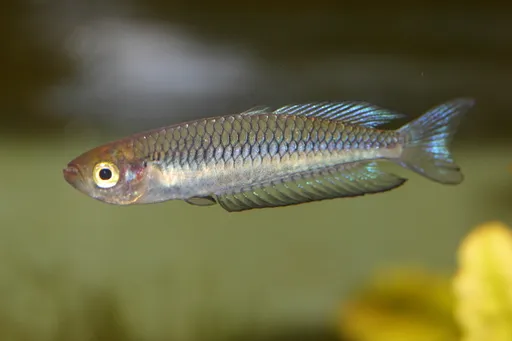
Ornate rainbowfish
Rhadinocentrus ornatus
Freshwater2.4 in (6 cm) · 20 gal (75 L)64–82°F (18–28°C)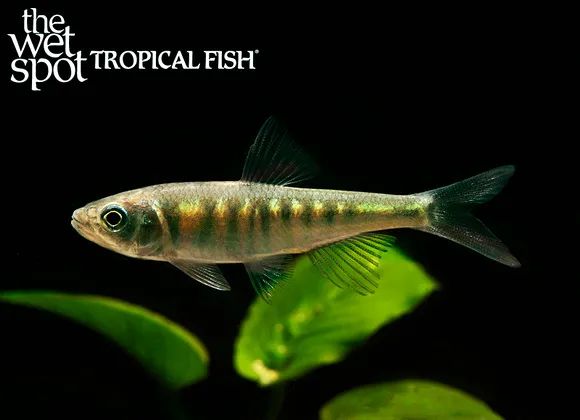
Pale chub
Zacco platypus
Freshwater7.9 in (20 cm) · 79 gal (300 L)54–75°F (12–24°C)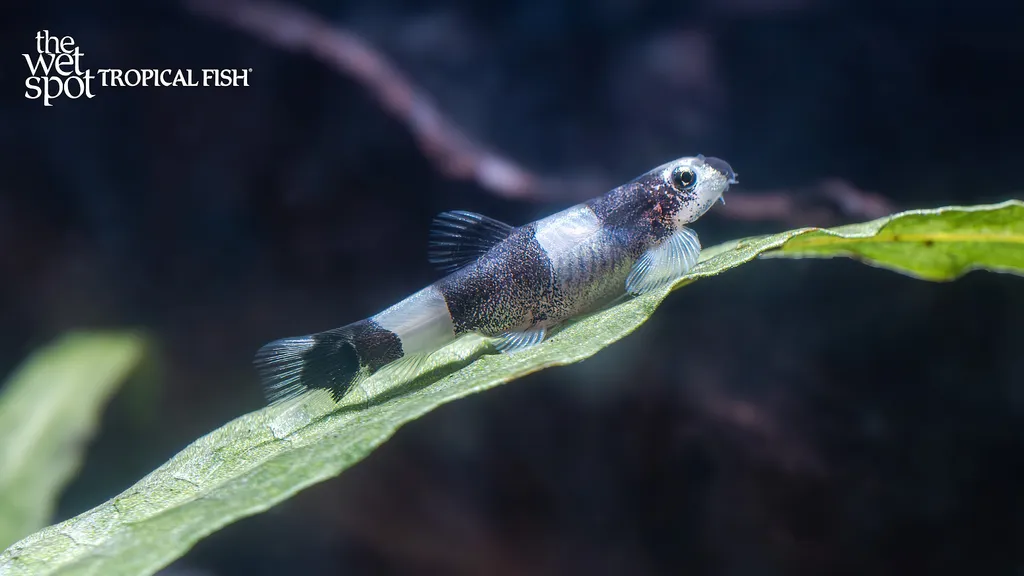
Panda loach
Yaoshania pachychilus
Freshwater2.8 in (7 cm) · 20 gal (75 L)64–75°F (18–24°C)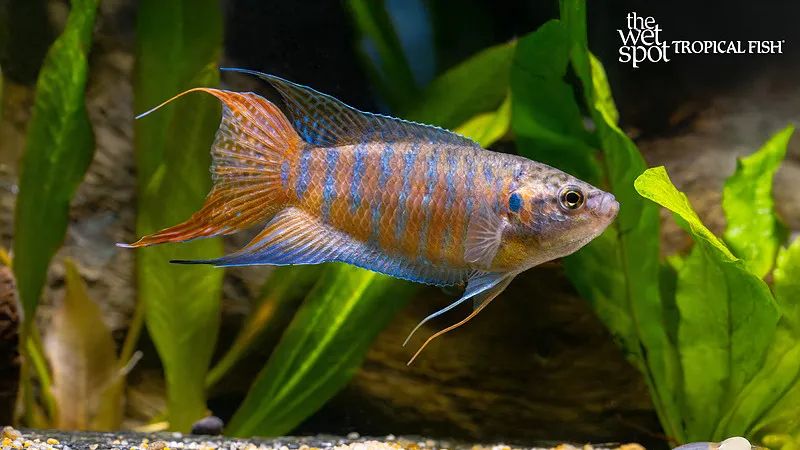
Paradise fish
Macropodus opercularis
Freshwater3.1 in (8 cm) · 25 gal (95 L)50–72°F (10–22°C)1 variety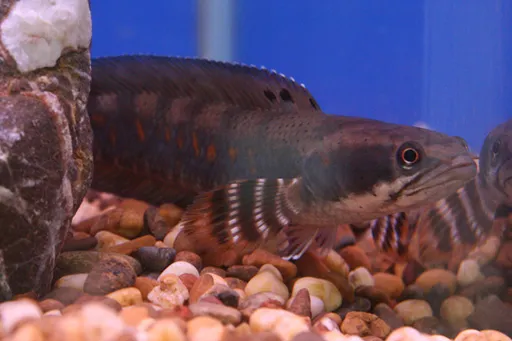
Peacock snakehead
Channa pulchra
Freshwater11.8 in (30 cm) · 74 gal (280 L)61–79°F (16–26°C)Pearl danio
Danio albolineatus
Freshwater2.4 in (6 cm) · 18 gal (70 L)61–77°F (16–25°C)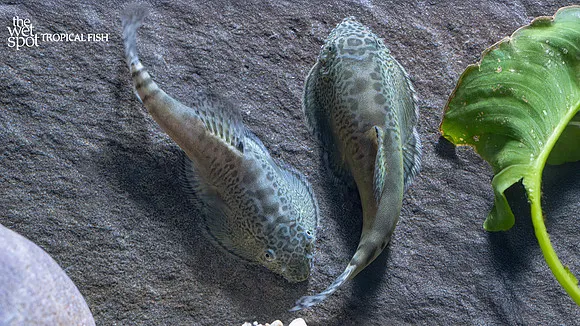
Pearl River hillstream loach
Beaufortia granulopinna
Freshwater3.1 in (8 cm) · 24 gal (90 L)61–75°F (16–24°C)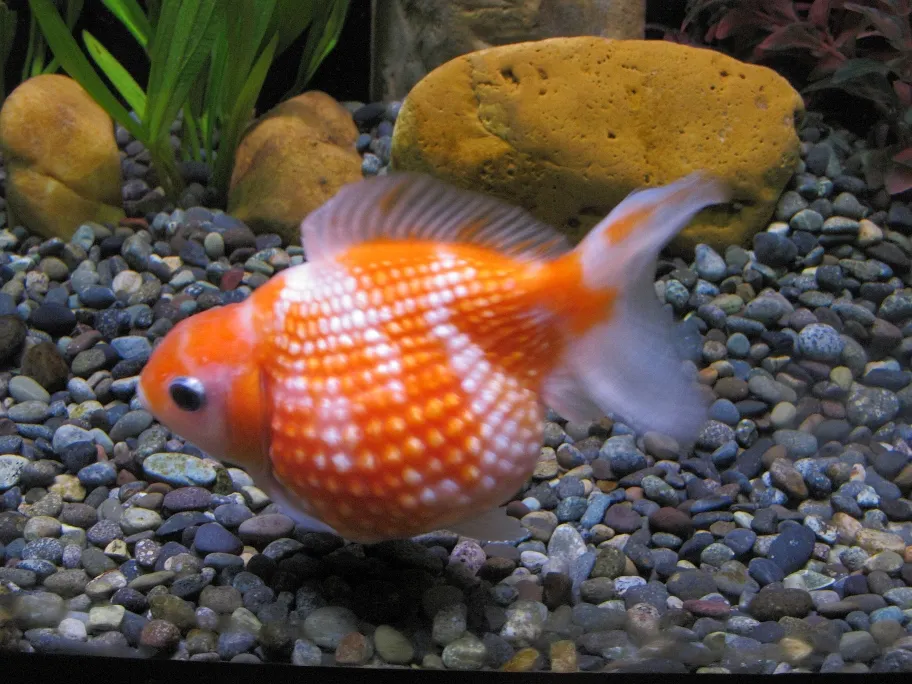
Pearlscale
Carassius auratus
Freshwater7.1 in (18 cm) · 25 gal (95 L)64–75°F (18–24°C)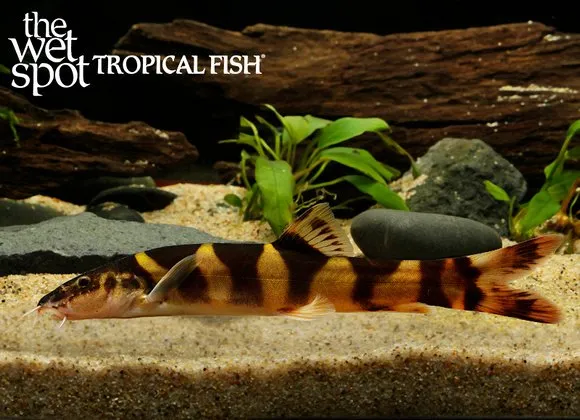
Pellegrin's loach
Leptobotia pellegrini
Freshwater8.7 in (22 cm) · 106 gal (400 L)64–79°F (18–26°C)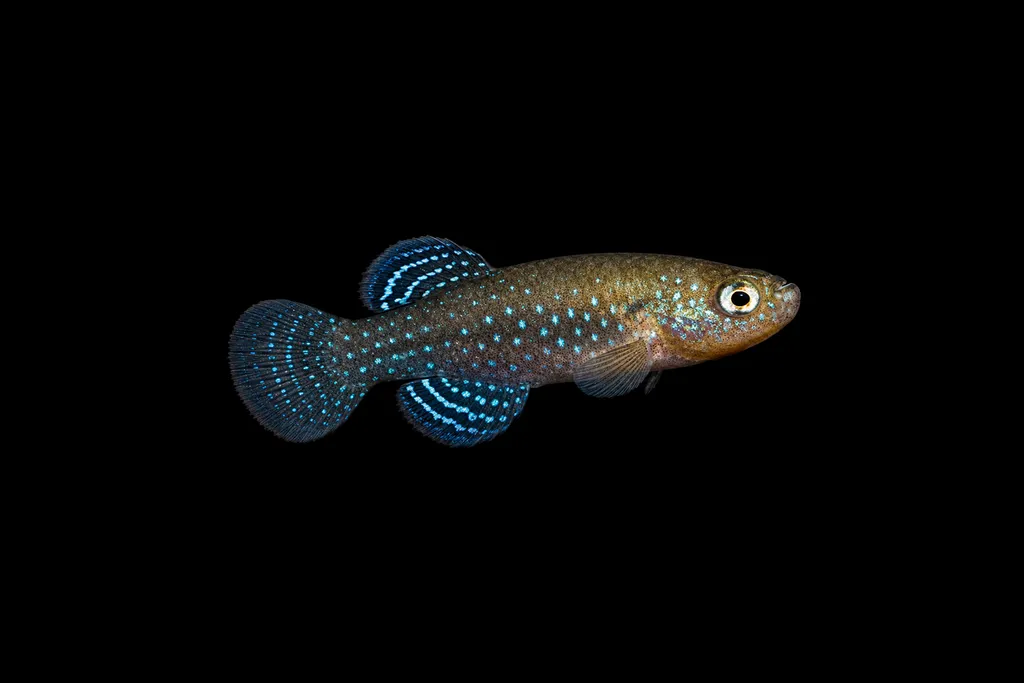
Persian toothcarp
Paraphanius mento
Freshwater2.6 in (6.5 cm) · 29 gal (110 L)59–86°F (15–30°C)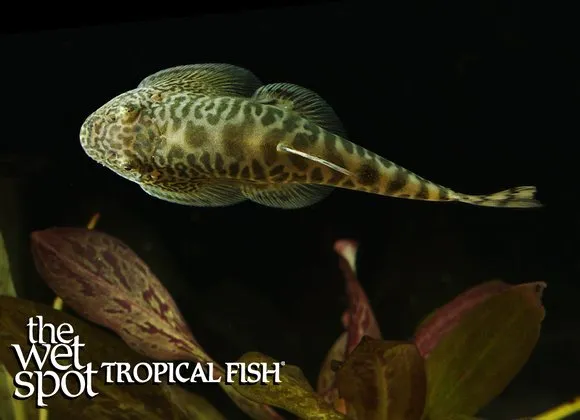
Ping's hillstream loach
Beaufortia pingi
Freshwater3.5 in (8.9 cm) · 24 gal (90 L)61–75°F (16–24°C)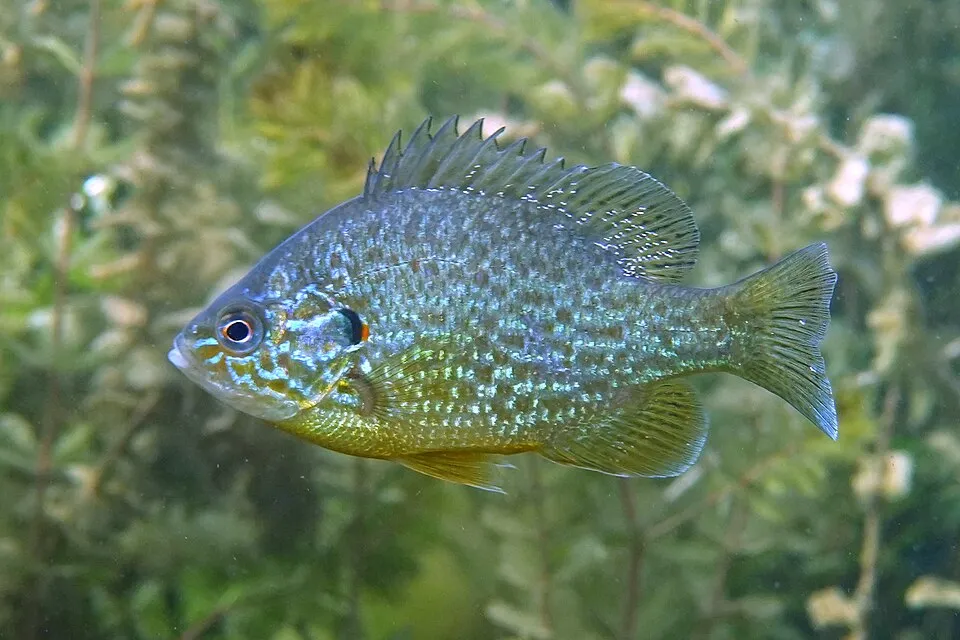
Pumpkinseed sunfish
Lepomis gibbosus
Freshwater9.8 in (25 cm) · 70 gal (265 L)41–73°F (5–23°C)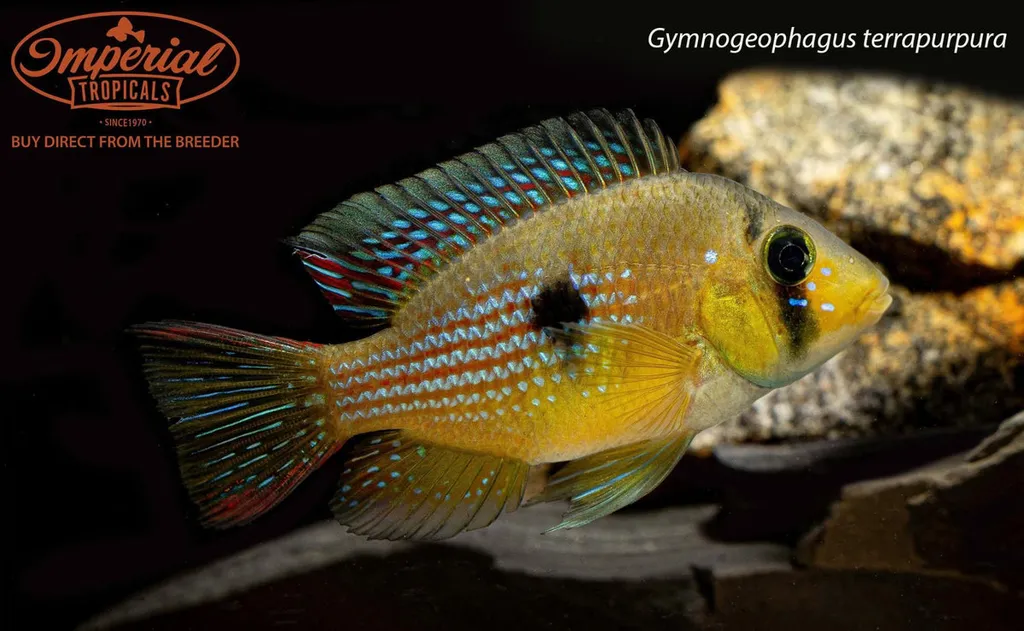
Purple earth eartheater
Gymnogeophagus terrapurpura
Freshwater4.3 in (11 cm) · 53 gal (200 L)61–79°F (16–26°C)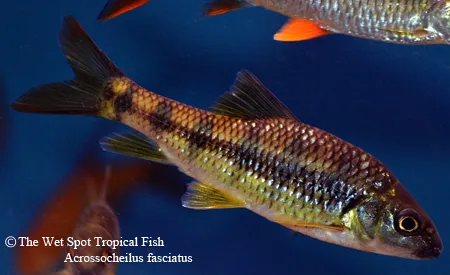
Railway barb
Acrossocheilus fasciatus
Freshwater7.5 in (19 cm) · 79 gal (300 L)61–75°F (16–24°C)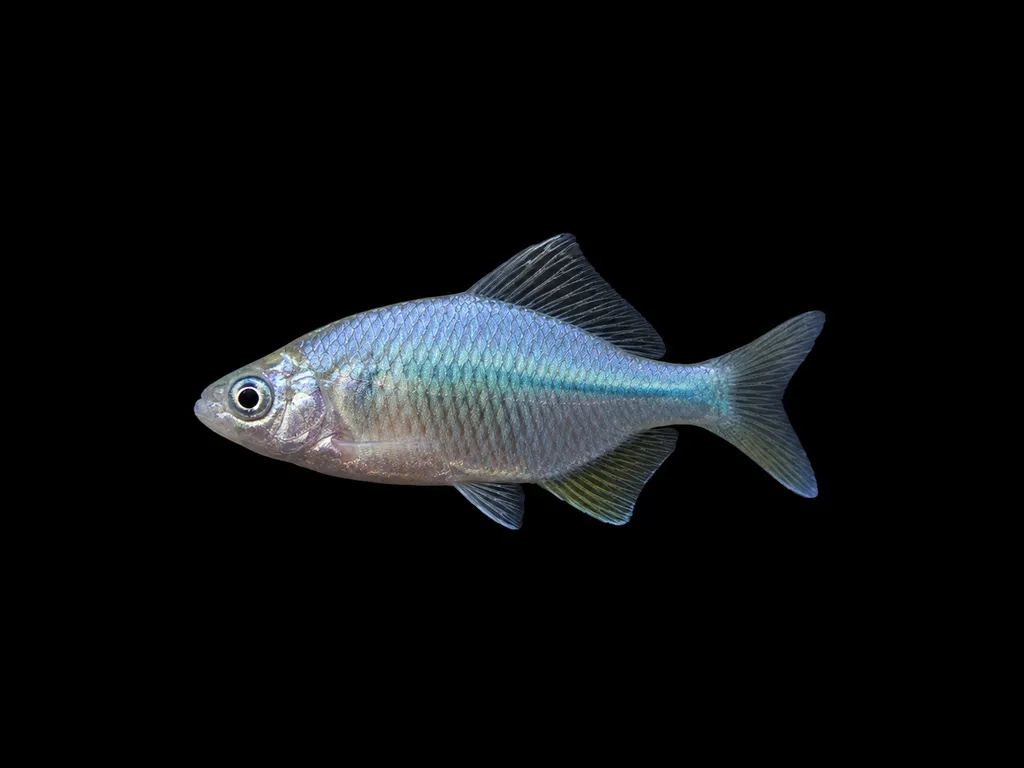
Rainbow bitterling
Acheilognathus macropterus
Freshwater10.6 in (27 cm) · 106 gal (400 L)57–79°F (14–26°C)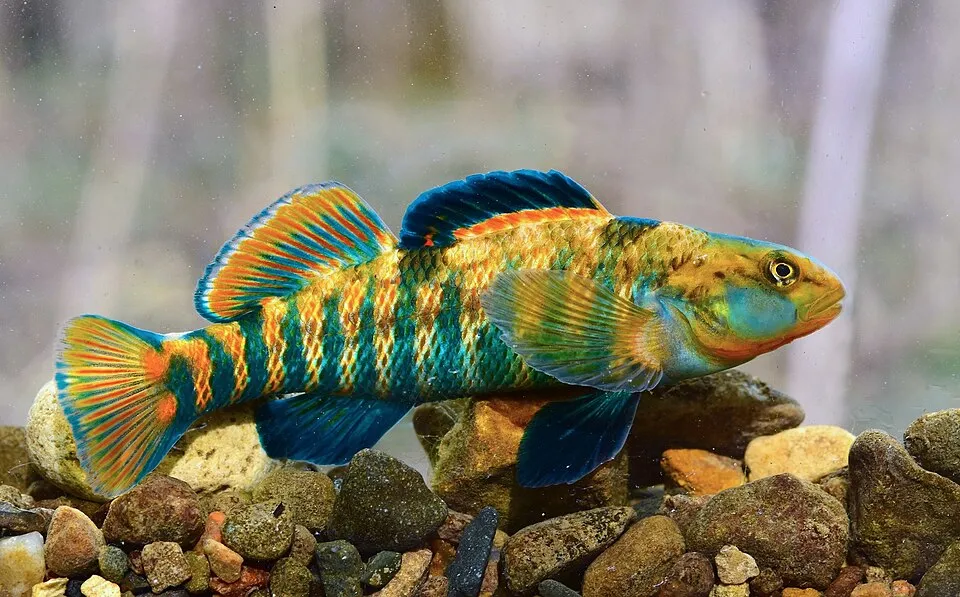
Rainbow darter
Etheostoma caeruleum
Freshwater2.8 in (7 cm) · 25 gal (95 L)50–64°F (10–18°C)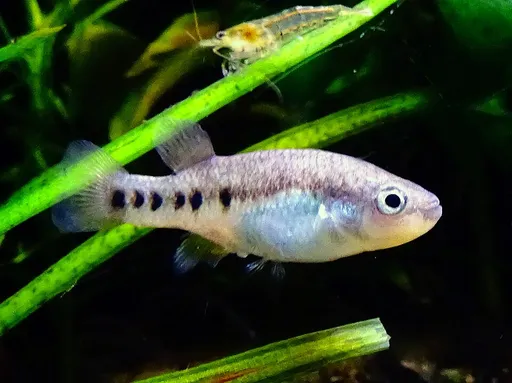
Rainbow goodeid
Characodon lateralis
Freshwater2.4 in (6 cm) · 15 gal (57 L)61–75°F (16–24°C)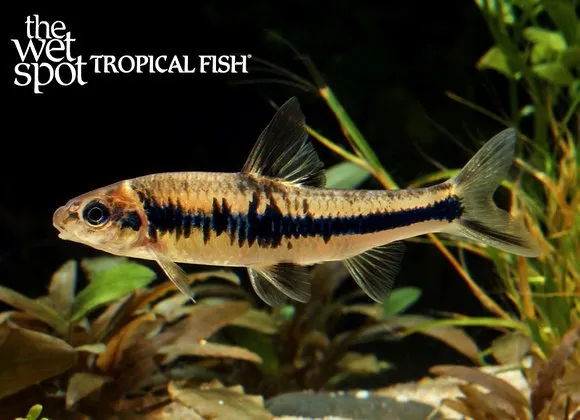
Rainbow gudgeon
Sarcocheilichthys nigripinnis
Freshwater6.3 in (16 cm) · 53 gal (200 L)57–75°F (14–24°C)Rainbow shiner
Notropis chrosomus
Freshwater3.1 in (8 cm) · 20 gal (75 L)50–72°F (10–22°C)
Rainbow snakehead
Channa bleheri
Freshwater7.9 in (20 cm) · 42 gal (160 L)59–77°F (15–25°C)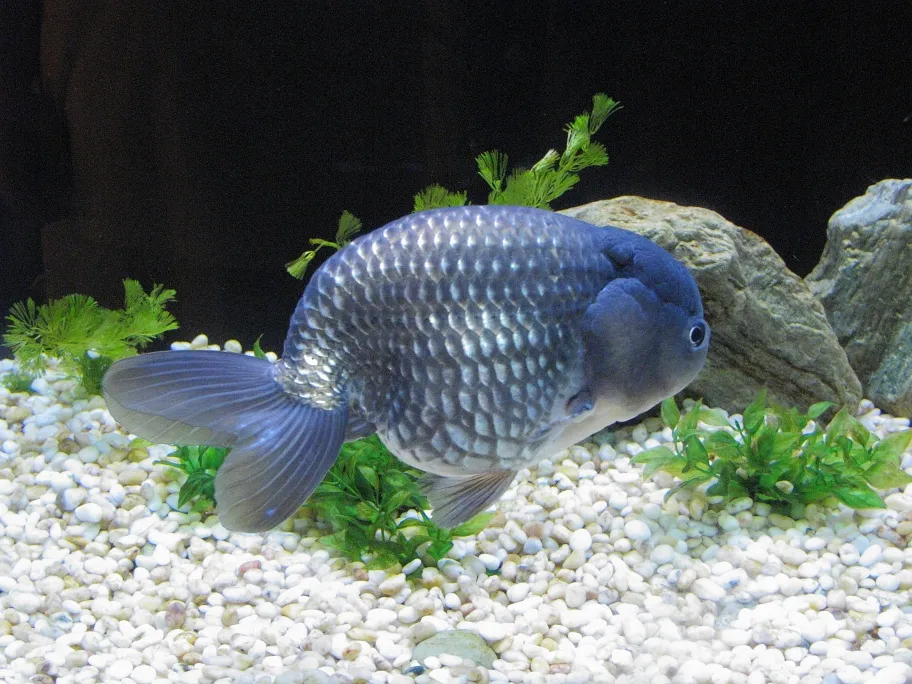
Ranchu
Carassius auratus
Freshwater7.1 in (18 cm) · 25 gal (95 L)61–75°F (16–24°C)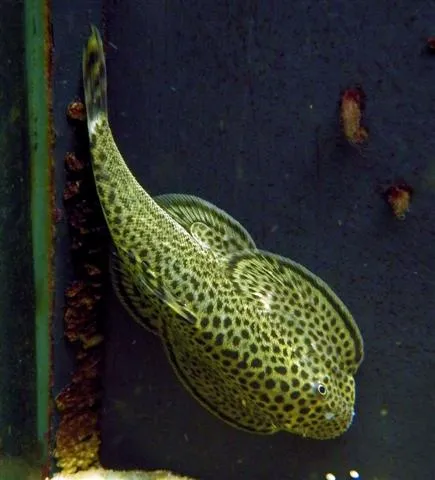
Red hillstream loach
Beaufortia leveretti
Freshwater3.1 in (8 cm) · 24 gal (90 L)64–75°F (18–24°C)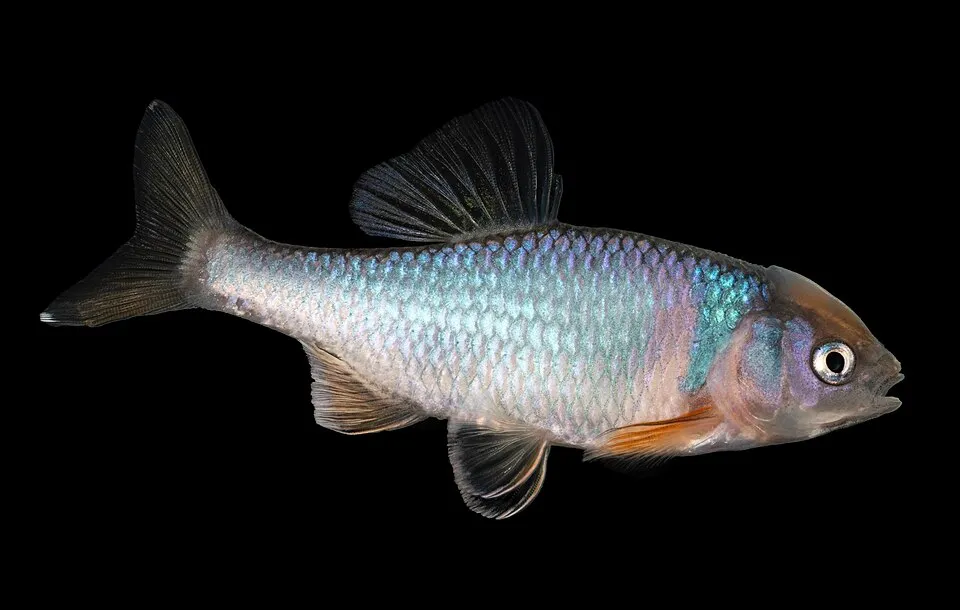
Red shiner
Cyprinella lutrensis
Freshwater3.5 in (9 cm) · 36 gal (135 L)57–77°F (14–25°C)Red-tail bitterling
Acheilognathus tonkinensis
Freshwater4.7 in (12 cm) · 40 gal (150 L)61–79°F (16–26°C)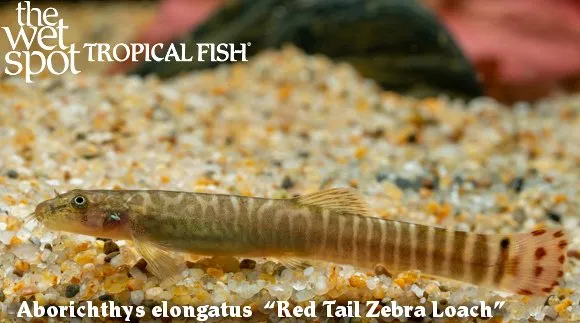
Red-tail squirrel loach
Aborichthys elongatus
Freshwater3.5 in (9 cm) · 24 gal (90 L)61–75°F (16–24°C)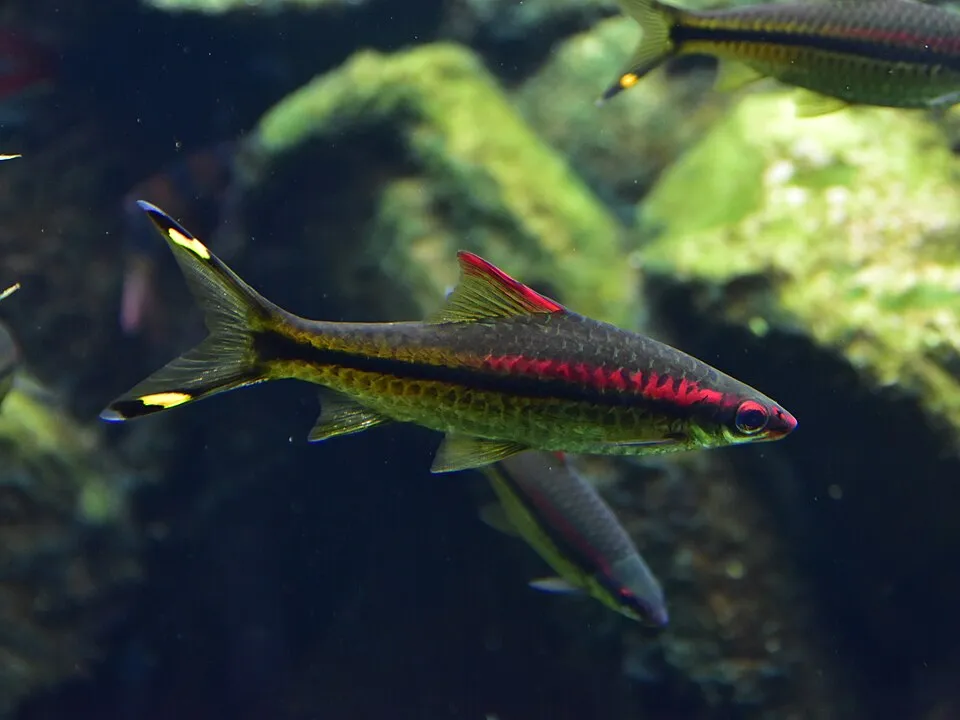
Redline torpedo barb
Sahyadria denisonii
Freshwater4.3 in (11 cm) · 53 gal (200 L)59–77°F (15–25°C)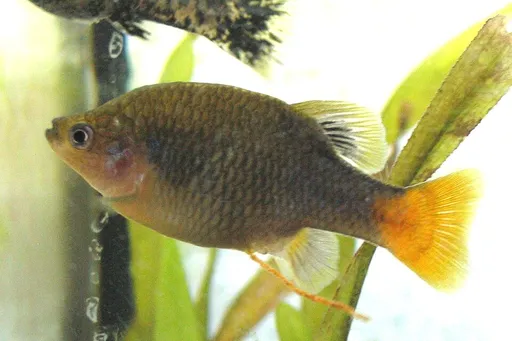
Redtail splitfin
Xenotoca eiseni
Freshwater2.8 in (7 cm) · 20 gal (75 L)64–82°F (18–28°C)
Relict splitfin
Xenoophorus captivus
Freshwater2.4 in (6 cm) · 16 gal (60 L)61–79°F (16–26°C)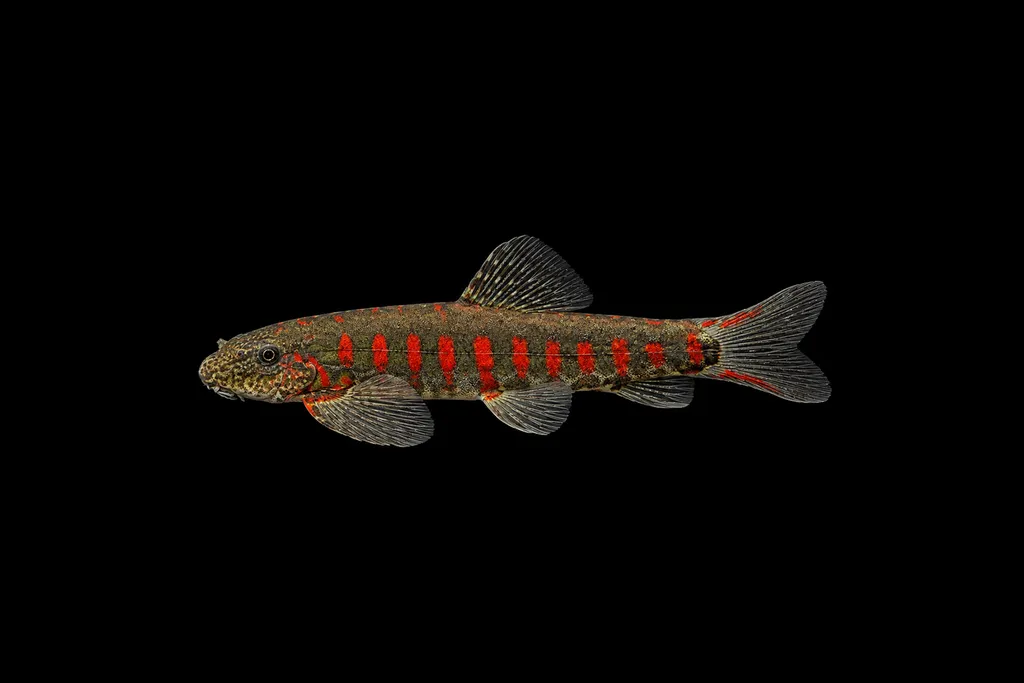
Ribbon hillstream loach
Erromyzon kalotaenia
Freshwater2.3 in (5.8 cm) · 20 gal (75 L)64–75°F (18–24°C)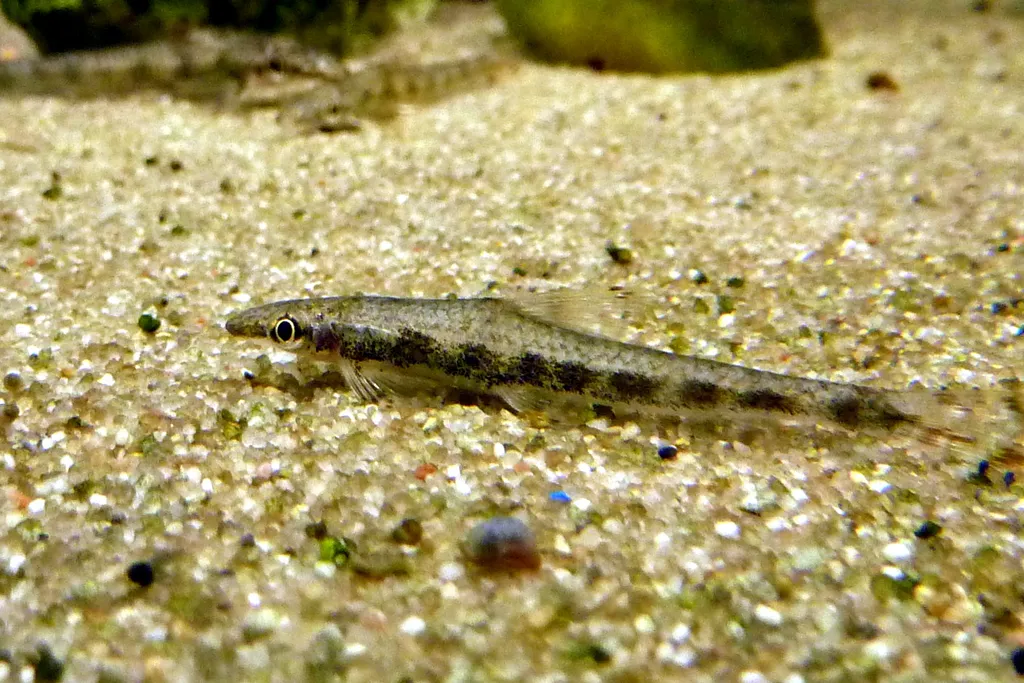
River stone carp
Psilorhynchus sucatio
Freshwater3.1 in (8 cm) · 26 gal (100 L)64–79°F (18–26°C)Rosy barb
Pethia conchonius
Freshwater2.8 in (7 cm) · 24 gal (90 L)61–75°F (16–24°C)1 varietyRosy bitterling
Rhodeus ocellatus
Freshwater3.1 in (8 cm) · 21 gal (80 L)64–75°F (18–24°C)Round-tail paradise fish
Macropodus ocellatus
Freshwater3.1 in (8 cm) · 20 gal (75 L)61–75°F (16–24°C)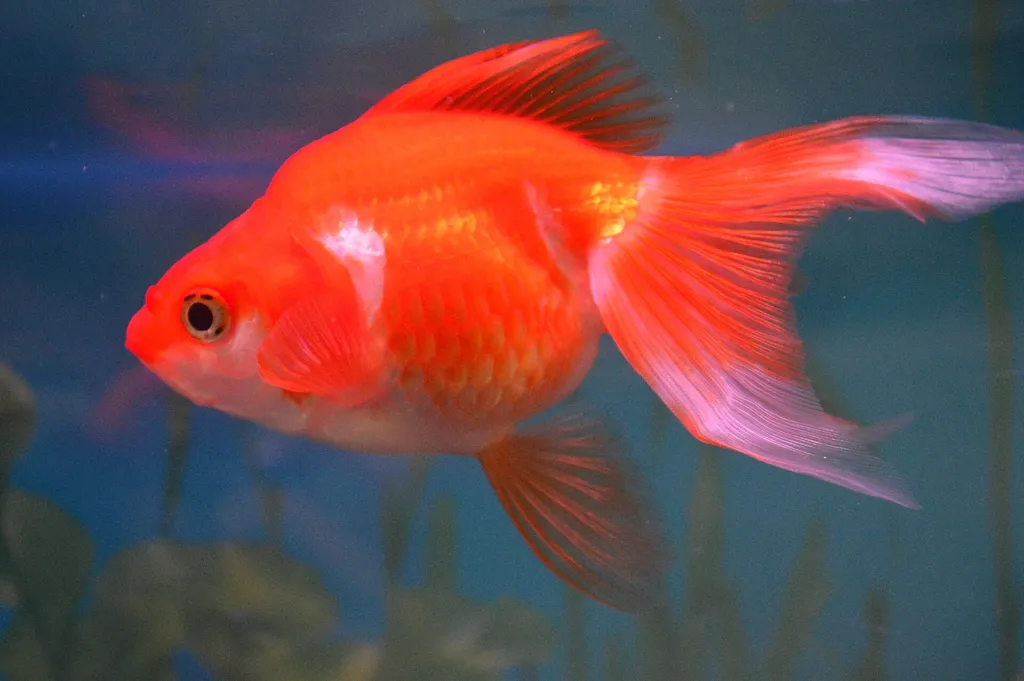
Ryukin
Carassius auratus
Freshwater7.9 in (20 cm) · 25 gal (95 L)61–73°F (16–23°C)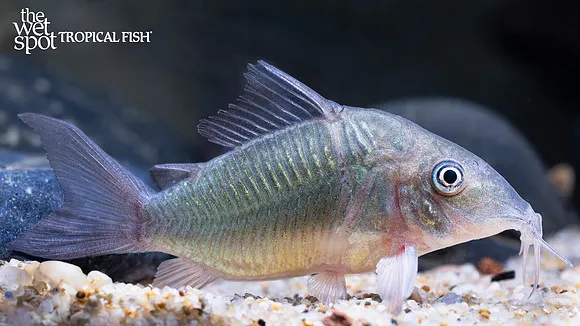
Sailfin cory
Scleromystax macropterus
Freshwater3.5 in (9 cm) · 44 gal (165 L)64–70°F (18–21°C)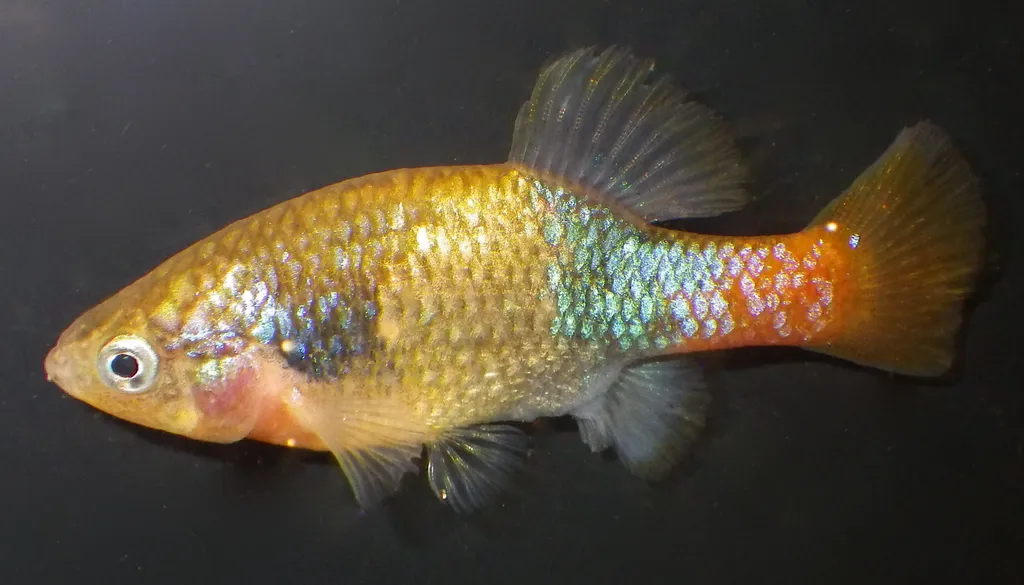
San Marcos goodeid
Xenotoca doadrioi
Freshwater2 in (5 cm) · 20 gal (75 L)64–79°F (18–26°C)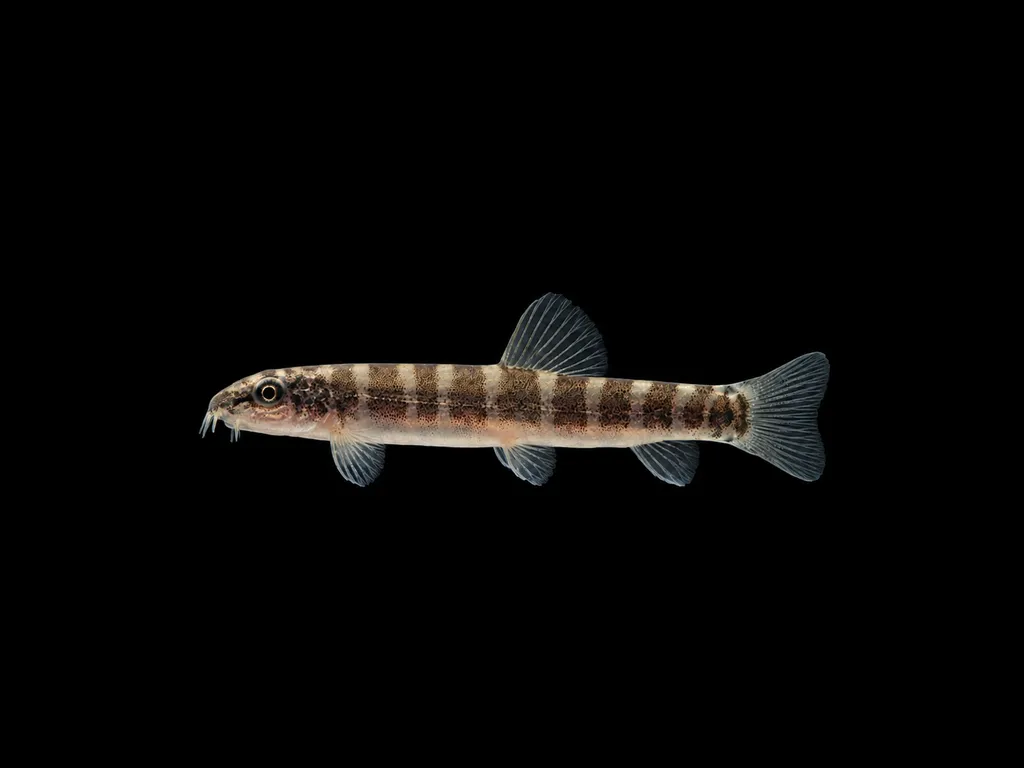
Savona loach
Schistura savona
Freshwater2 in (5 cm) · 20 gal (75 L)64–77°F (18–25°C)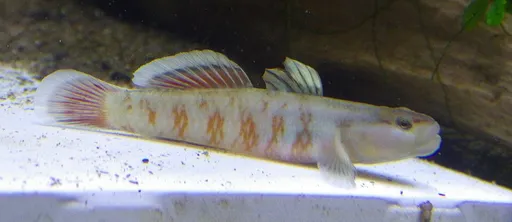
Scarlet goby
Rhinogobius zhoui
Freshwater1.6 in (4 cm) · 12 gal (45 L)61–75°F (16–24°C)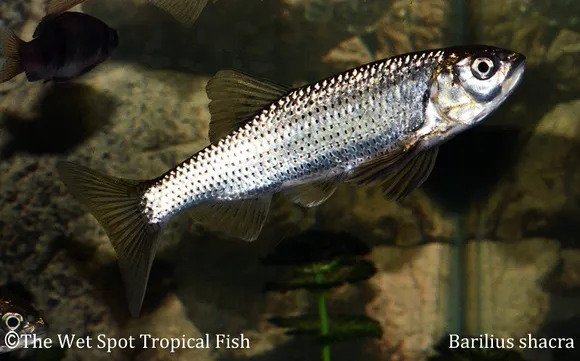
Shacra baril
Opsarius shacra
Freshwater5.5 in (14 cm) · 53 gal (200 L)64–79°F (18–26°C)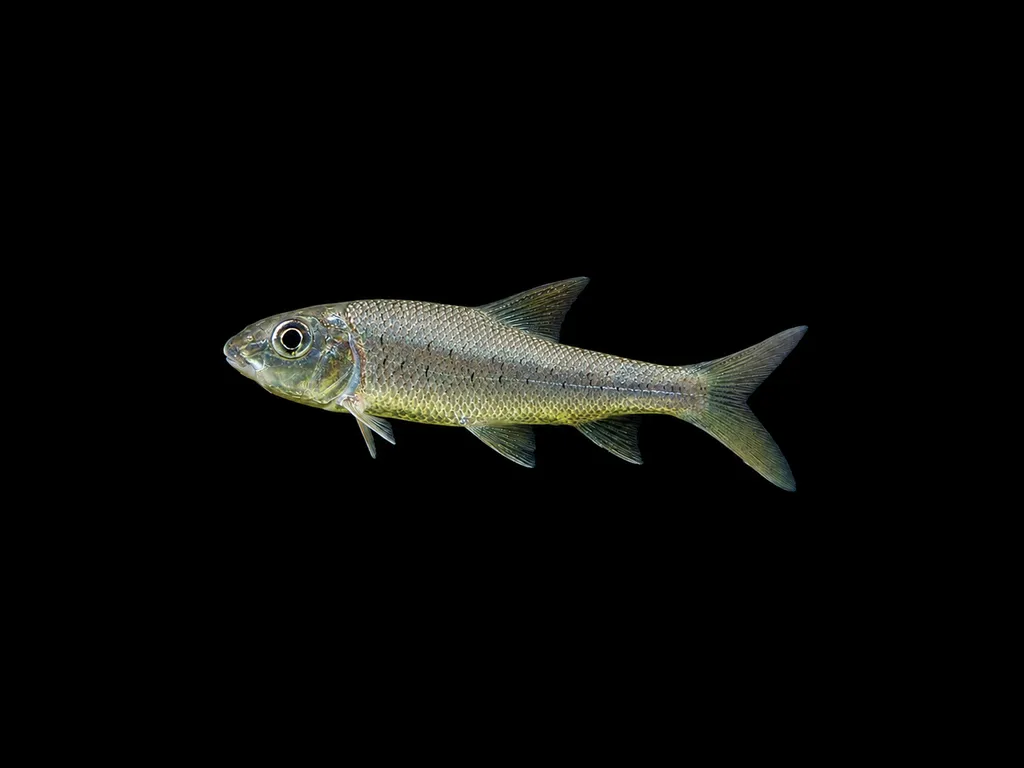
Shovelmouth barb
Chagunius chagunio
Freshwater19.7 in (50 cm) · 317 gal (1,200 L)61–79°F (16–26°C)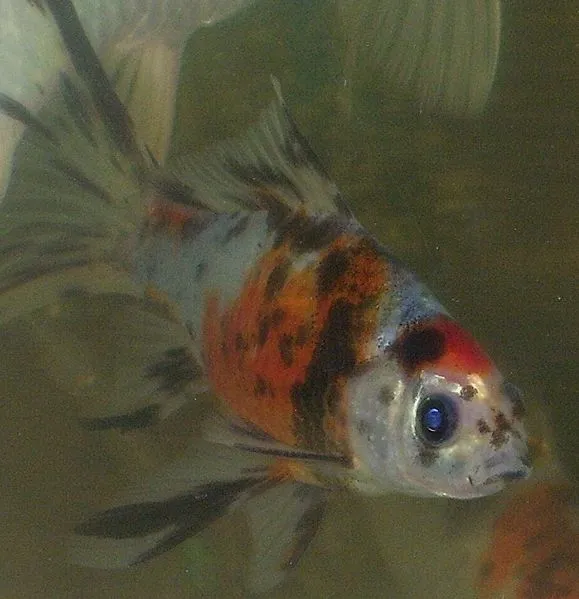
Shubunkin
Carassius auratus
Freshwater11.8 in (30 cm) · 50 gal (190 L)39–75°F (4–24°C)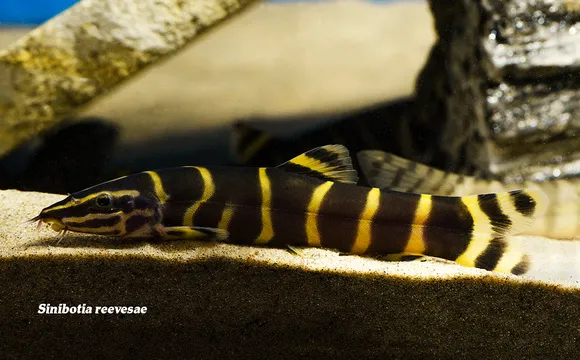
Sichuan golden loach
Sinibotia reevesae
Freshwater4.3 in (11 cm) · 37 gal (140 L)64–77°F (18–25°C)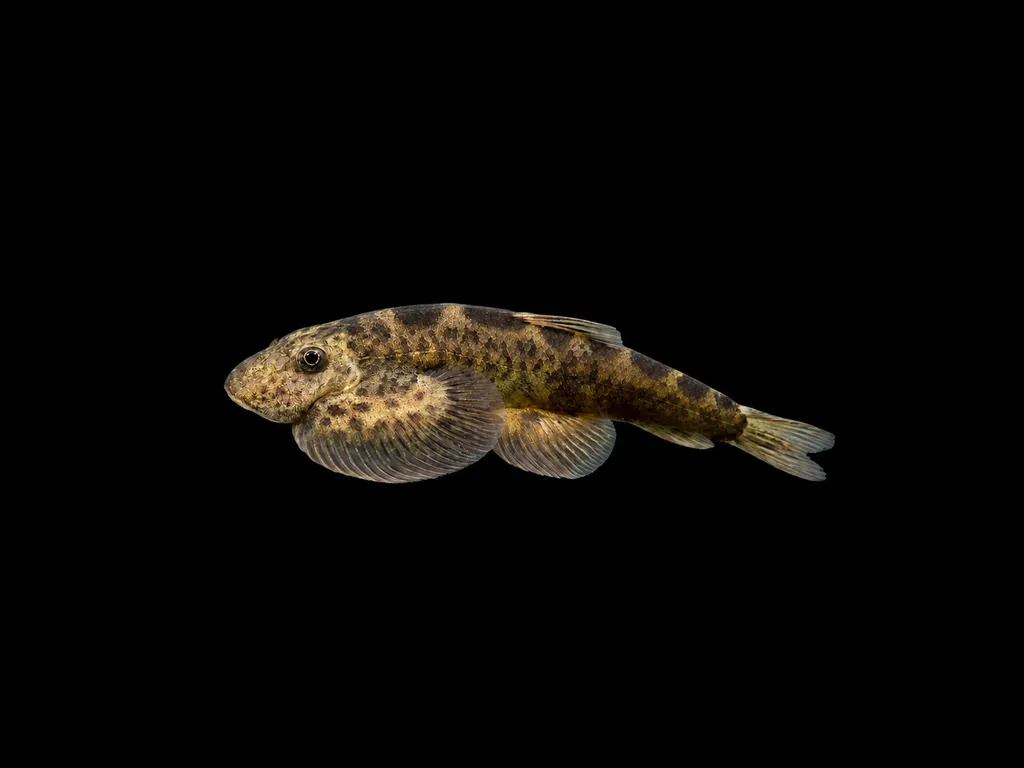
Sichuan hillstream loach
Sinogastromyzon szechuanensis
Freshwater4.7 in (12 cm) · 29 gal (110 L)57–72°F (14–22°C)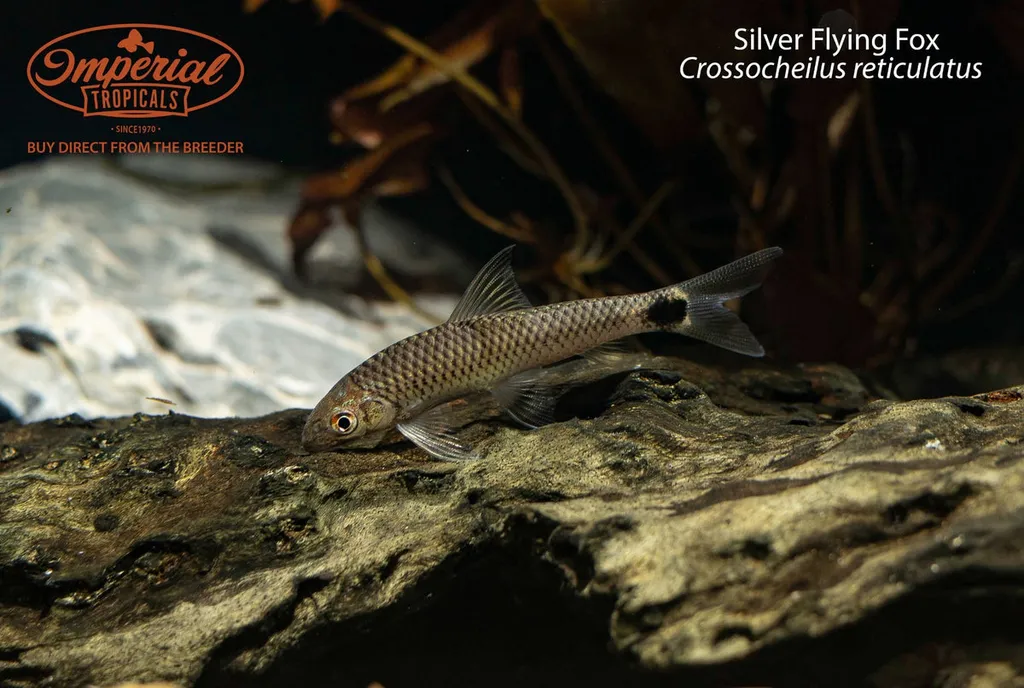
Silver flying fox
Crossocheilus reticulatus
Freshwater6.3 in (16 cm) · 53 gal (200 L)64–77°F (18–25°C)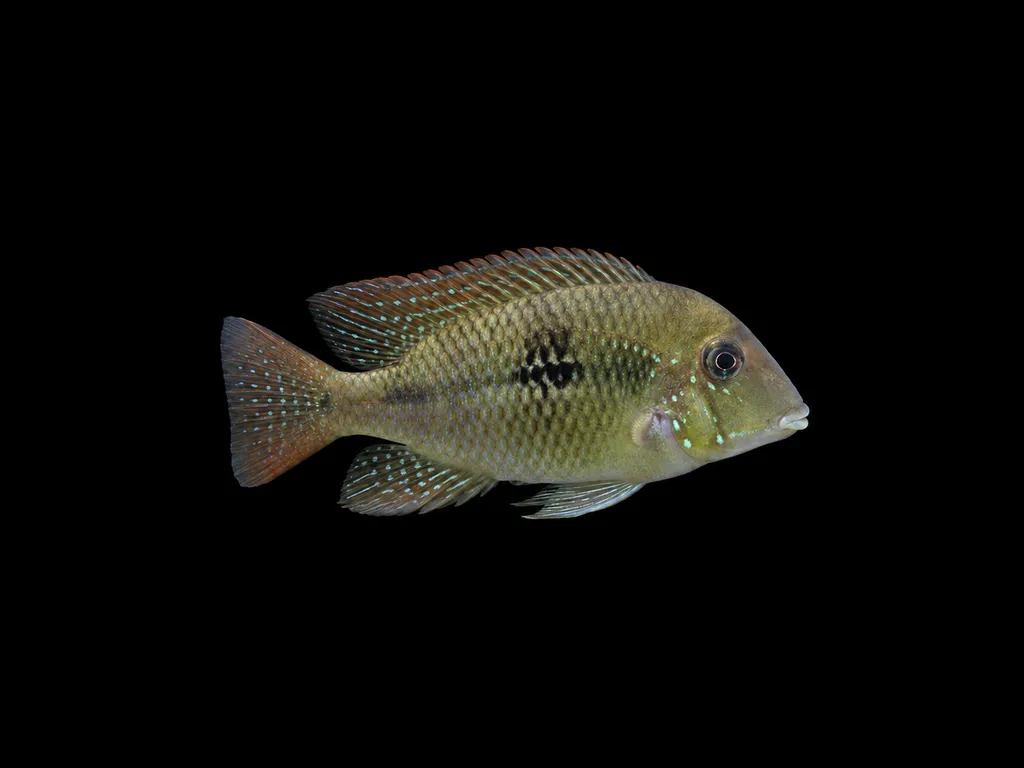
Smoothcheek eartheater
Gymnogeophagus gymnogenys
Freshwater7.1 in (18 cm) · 79 gal (300 L)61–79°F (16–26°C)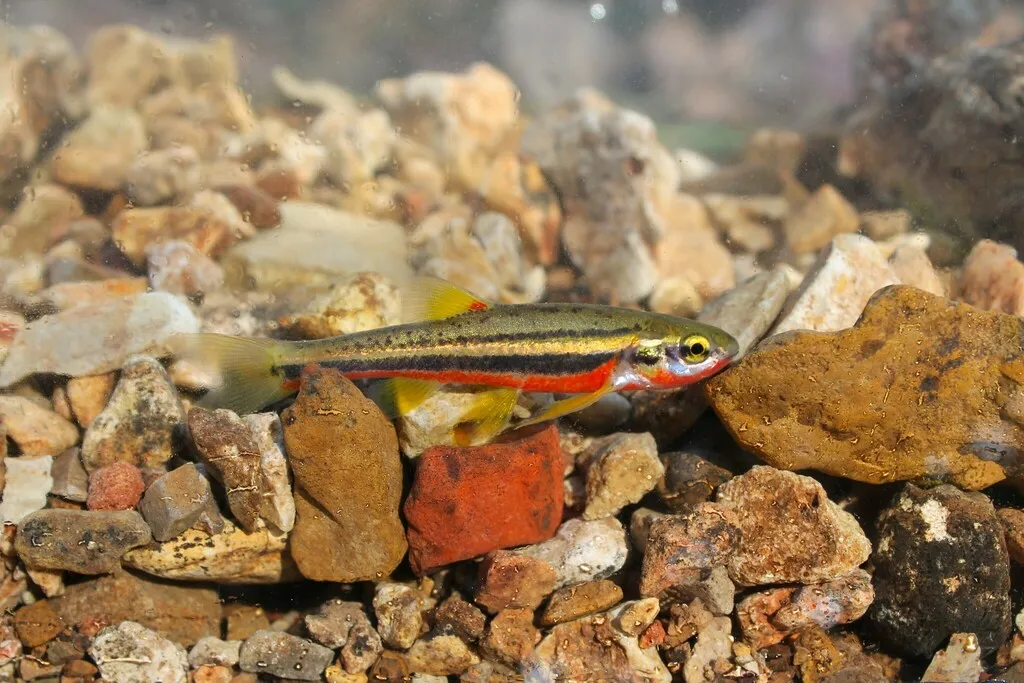
Southern redbelly dace
Phoxinus erythrogaster
Freshwater3.9 in (10 cm) · 61 gal (230 L)57–70°F (14–21°C)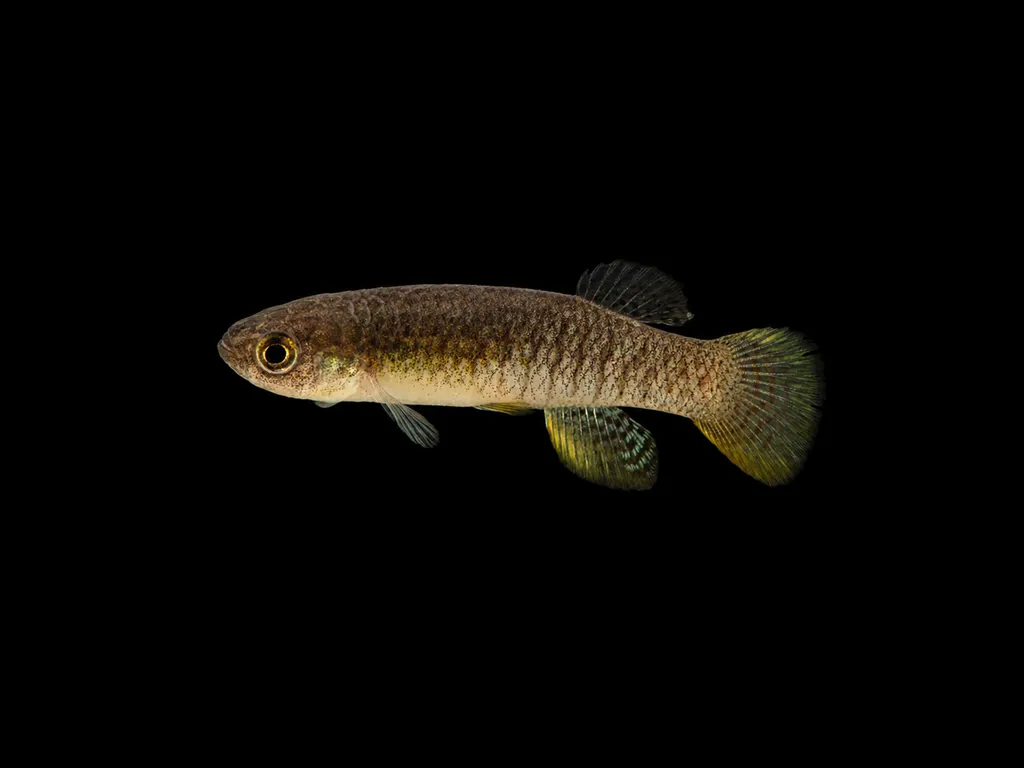
Spanish toothcarp
Valencia hispanica
Freshwater3 in (7.5 cm) · 20 gal (75 L)54–79°F (12–26°C)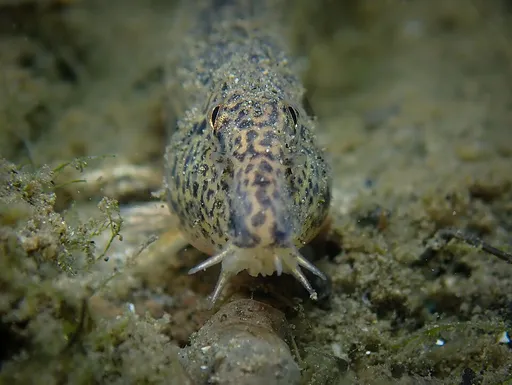
Spined loach
Cobitis taenia
Freshwater4.3 in (11 cm) · 32 gal (120 L)39–68°F (4–20°C)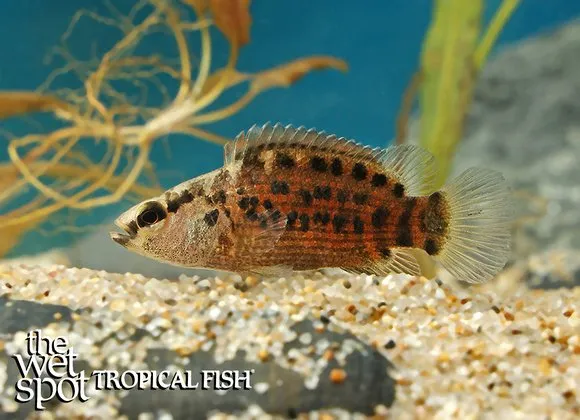
Spotted badis
Badis assamensis
Freshwater2.8 in (7 cm) · 21 gal (80 L)64–77°F (18–25°C)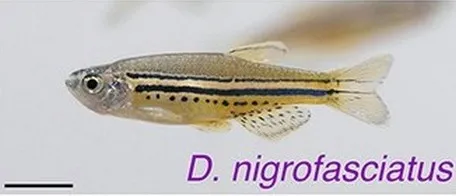
Spotted danio
Danio nigrofasciatus
Freshwater1.5 in (3.7 cm) · 15 gal (55 L)64–79°F (18–26°C)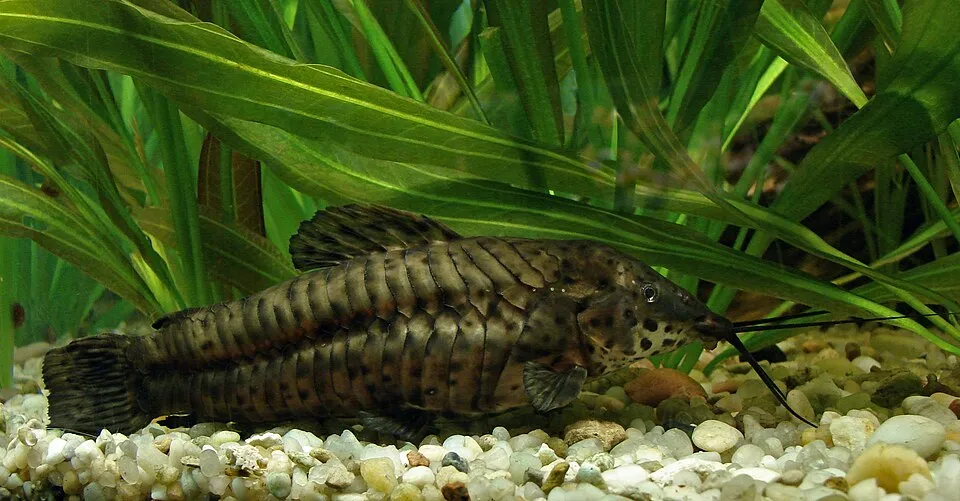
Spotted hoplo
Megalechis thoracata
Freshwater5.9 in (15 cm) · 40 gal (150 L)64–82°F (18–28°C)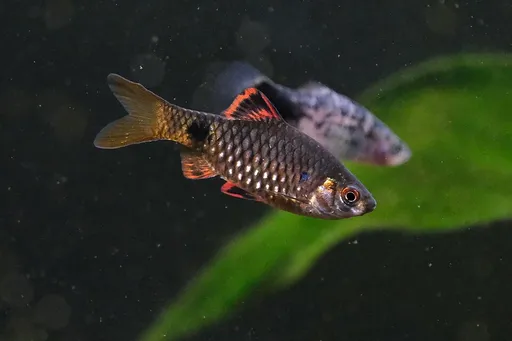
Stoliczka's barb
Pethia stoliczkana
Freshwater2 in (5 cm) · 20 gal (75 L)64–79°F (18–26°C)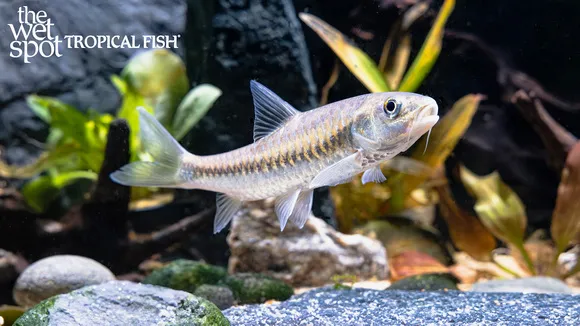
Stracheyi mahseer
Neolissochilus stracheyi
Freshwater23.6 in (60 cm) · 238 gal (900 L)64–79°F (18–26°C)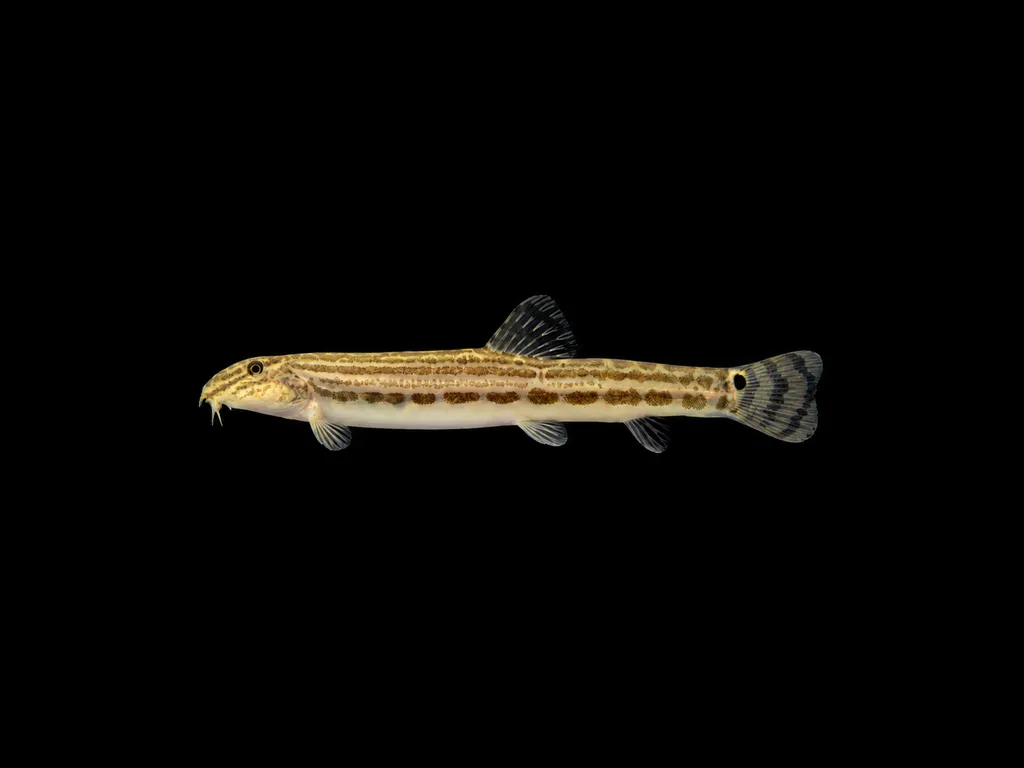
Striped spined loach
Cobitis striata
Freshwater3.9 in (10 cm) · 29 gal (110 L)57–72°F (14–22°C)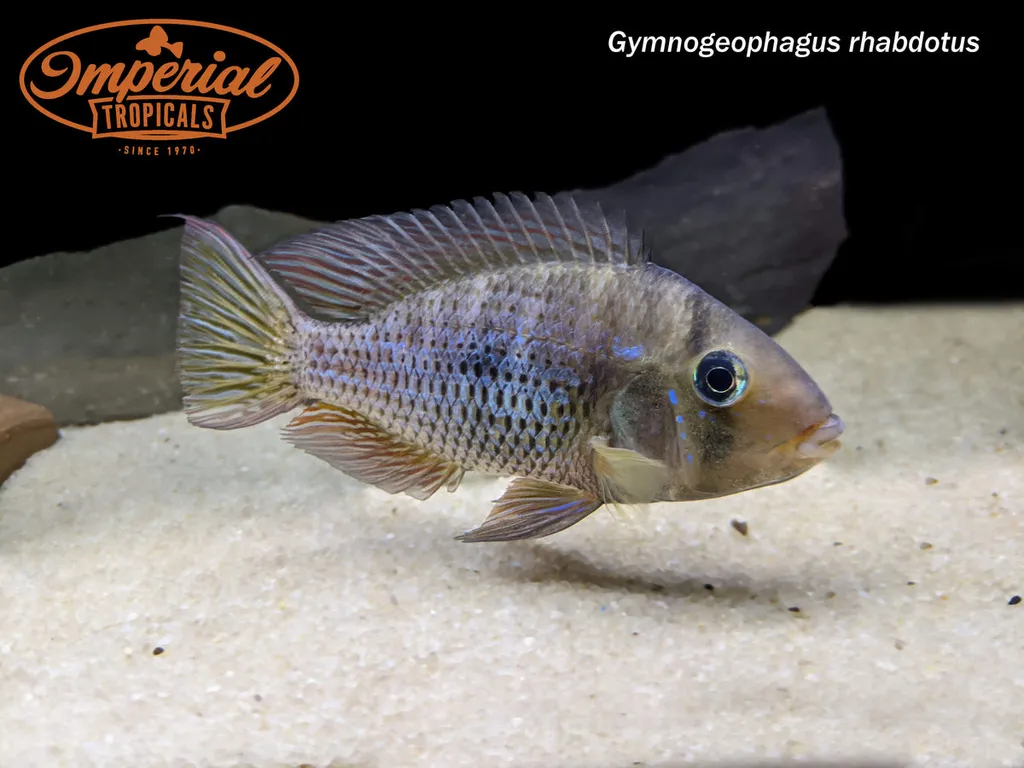
Stripefin eartheater
Gymnogeophagus rhabdotus
Freshwater5.9 in (15 cm) · 53 gal (200 L)64–79°F (18–26°C)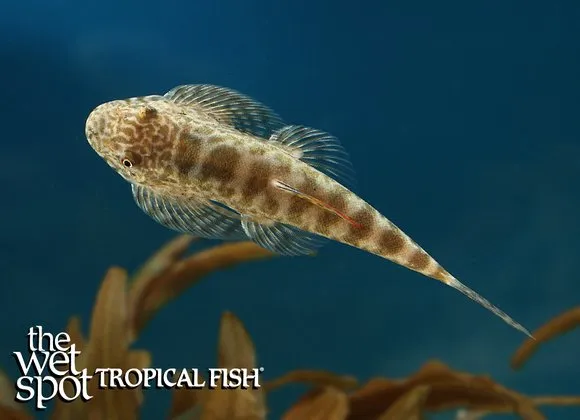
Sucker-belly loach
Pseudogastromyzon myersi
Freshwater2.4 in (6 cm) · 20 gal (75 L)64–75°F (18–24°C)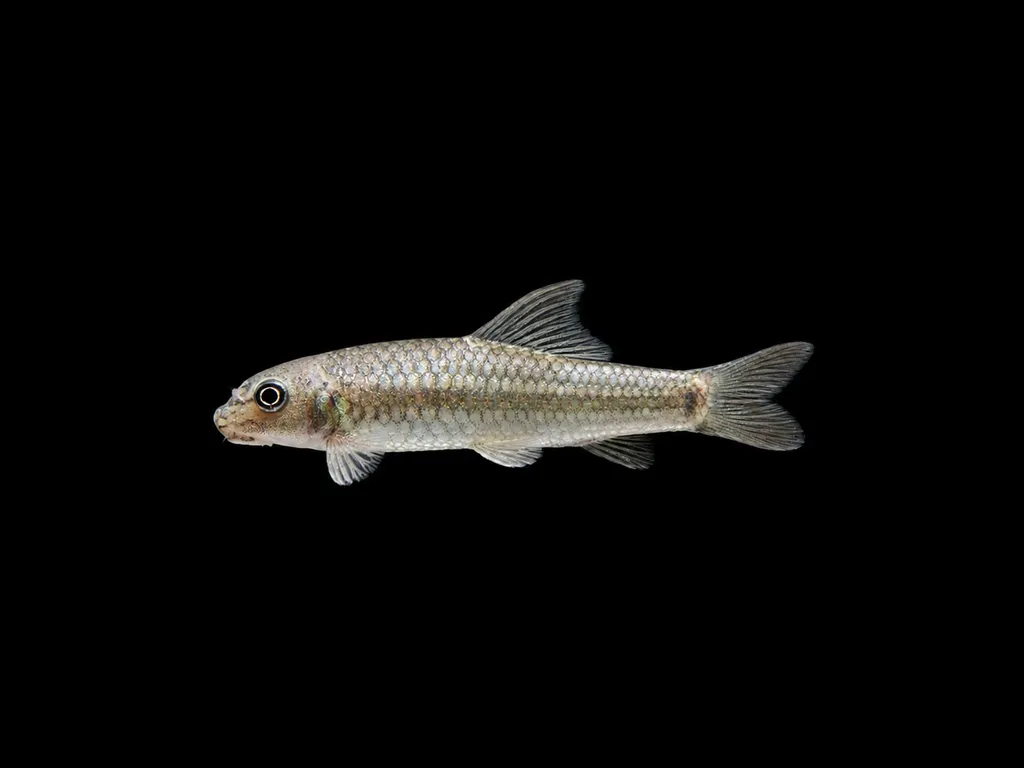
Sucker-head garra
Garra gotyla
Freshwater5.9 in (15 cm) · 42 gal (160 L)64–77°F (18–25°C)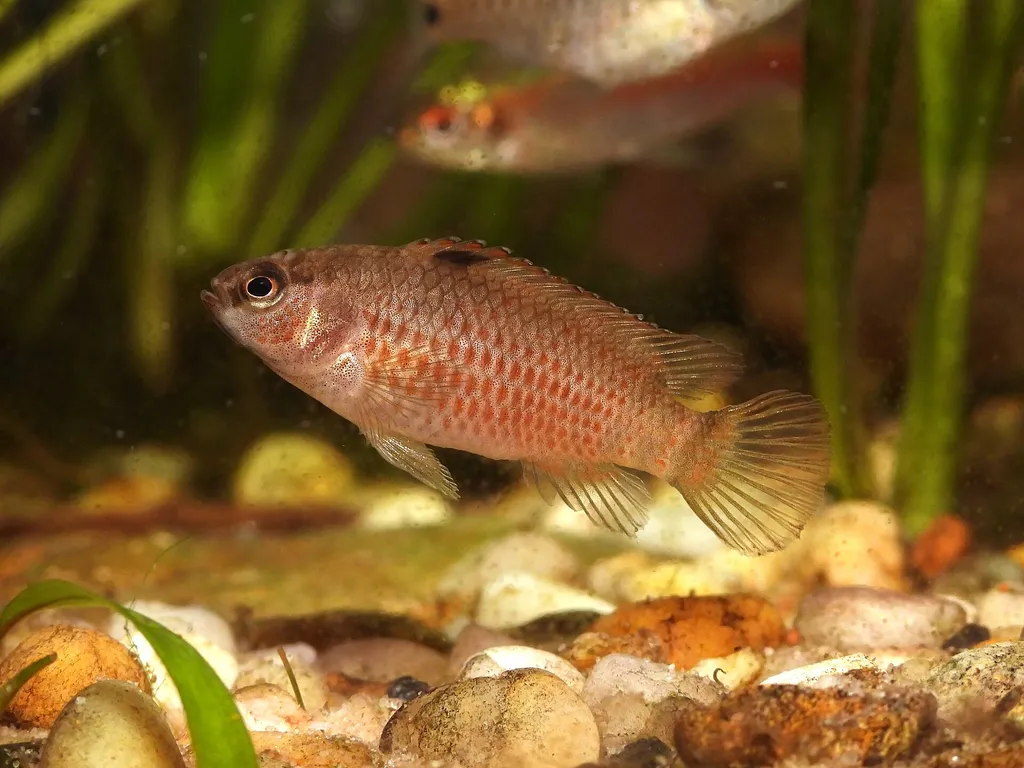
Swamp badis
Badis laspiophilus
Freshwater1 in (2.5 cm) · 5 gal (20 L)64–75°F (18–24°C)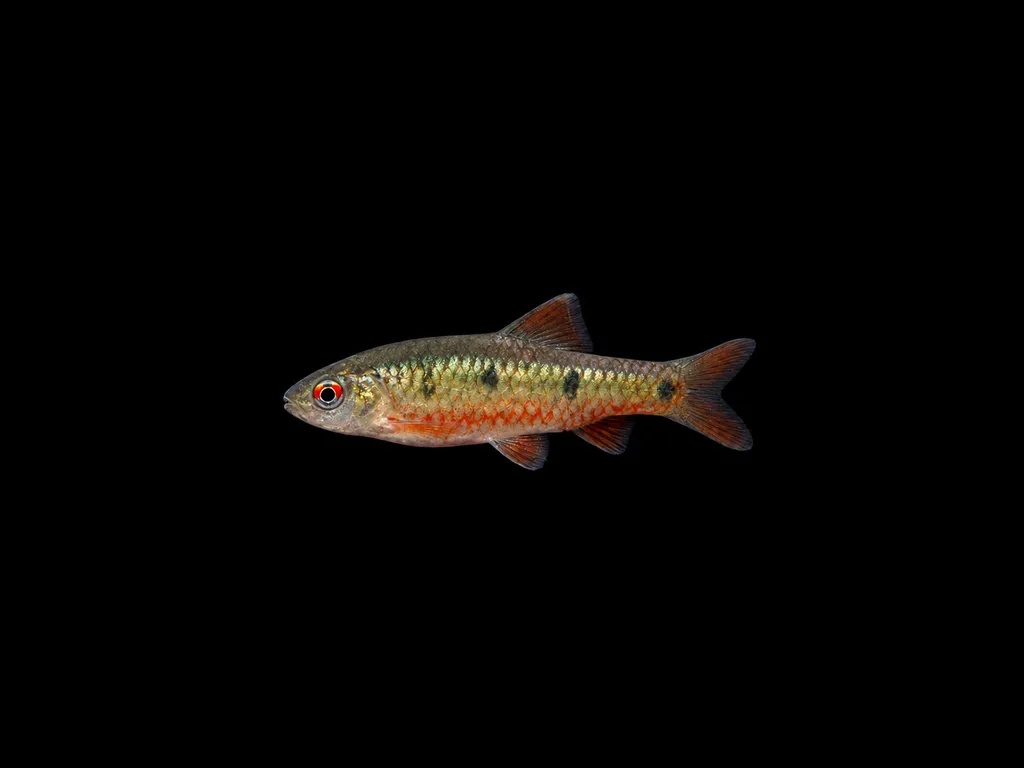
Taiwan barb
Puntius snyderi
Freshwater3.1 in (8 cm) · 24 gal (90 L)61–77°F (16–25°C)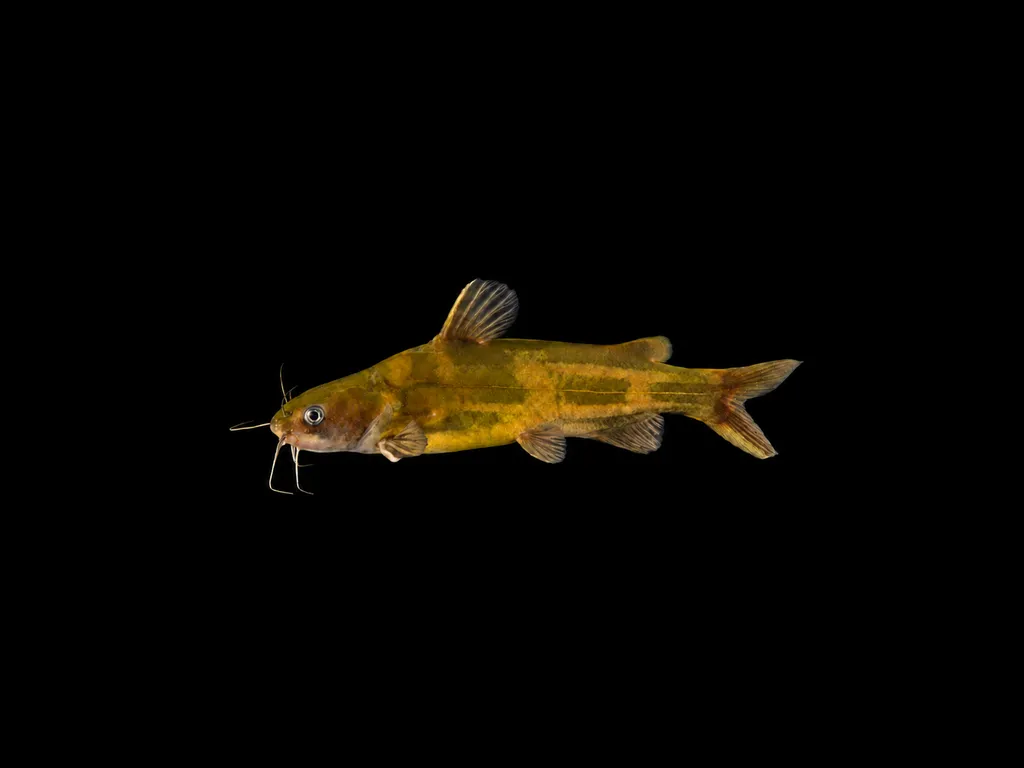
Tawny dragon catfish
Tachysurus fulvidraco
Freshwater13.4 in (34 cm) · 106 gal (400 L)61–79°F (16–26°C)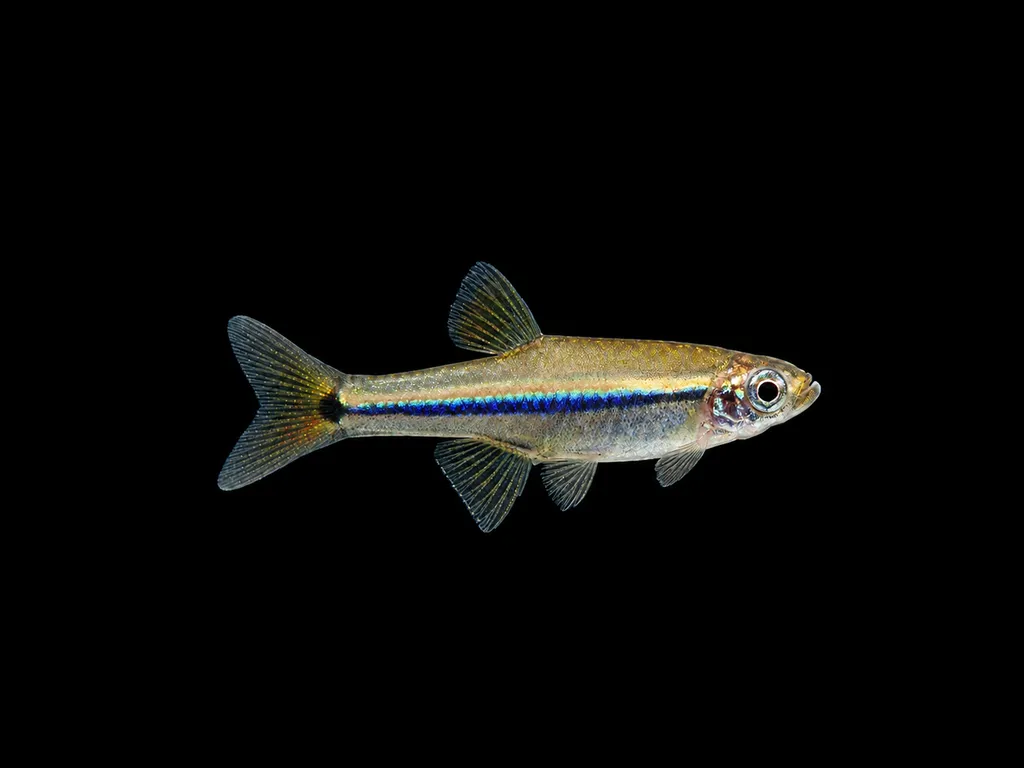
Thac Ba minnow
Tanichthys thacbaensis
Freshwater1.4 in (3.5 cm) · 14 gal (54 L)64–75°F (18–24°C)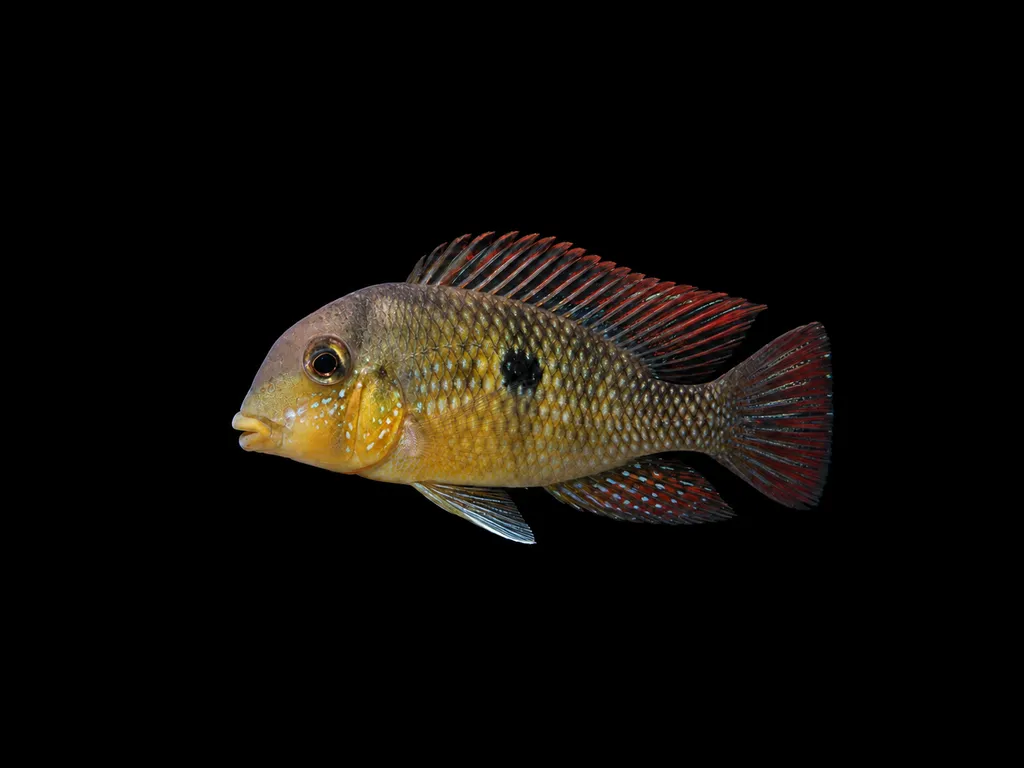
Thicklip gymnogeophagus
Gymnogeophagus labiatus
Freshwater7.1 in (18 cm) · 79 gal (300 L)61–79°F (16–26°C)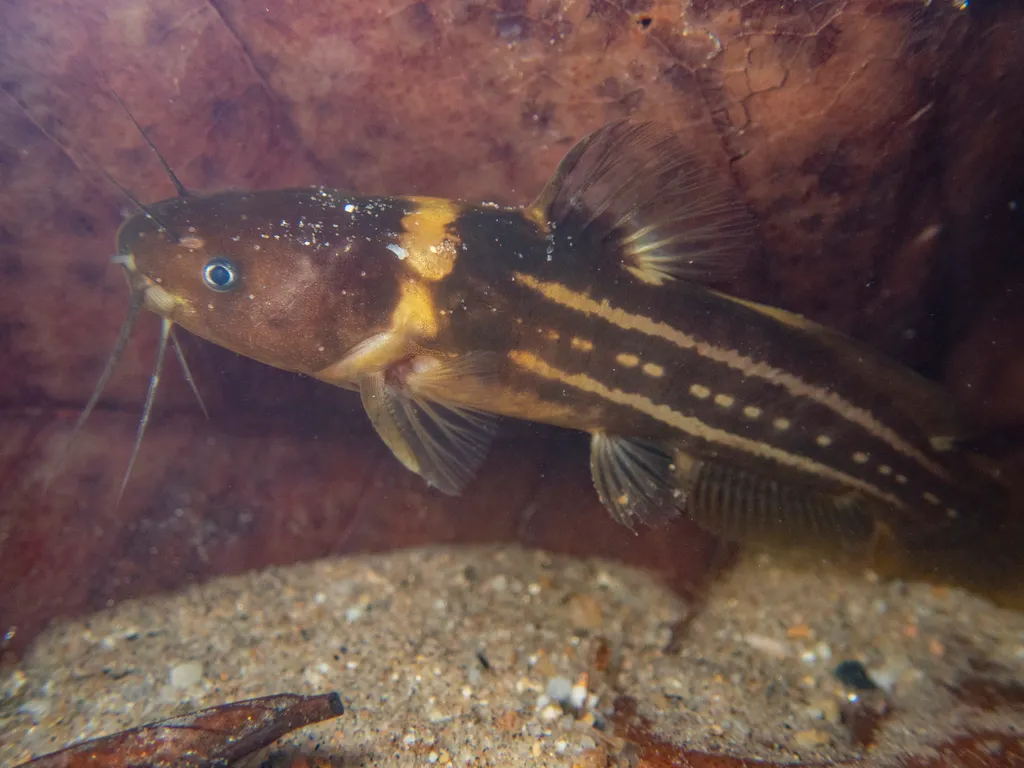
Three-lined bagrid
Tachysurus trilineatus
Freshwater3.1 in (8 cm) · 30 gal (112 L)64–77°F (18–25°C)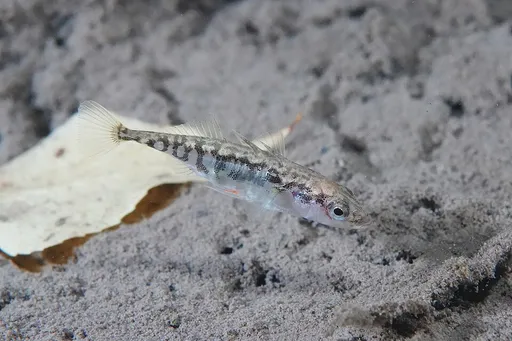
Three-spined stickleback
Gasterosteus aculeatus
Freshwater3.1 in (8 cm) · 20 gal (75 L)50–64°F (10–18°C)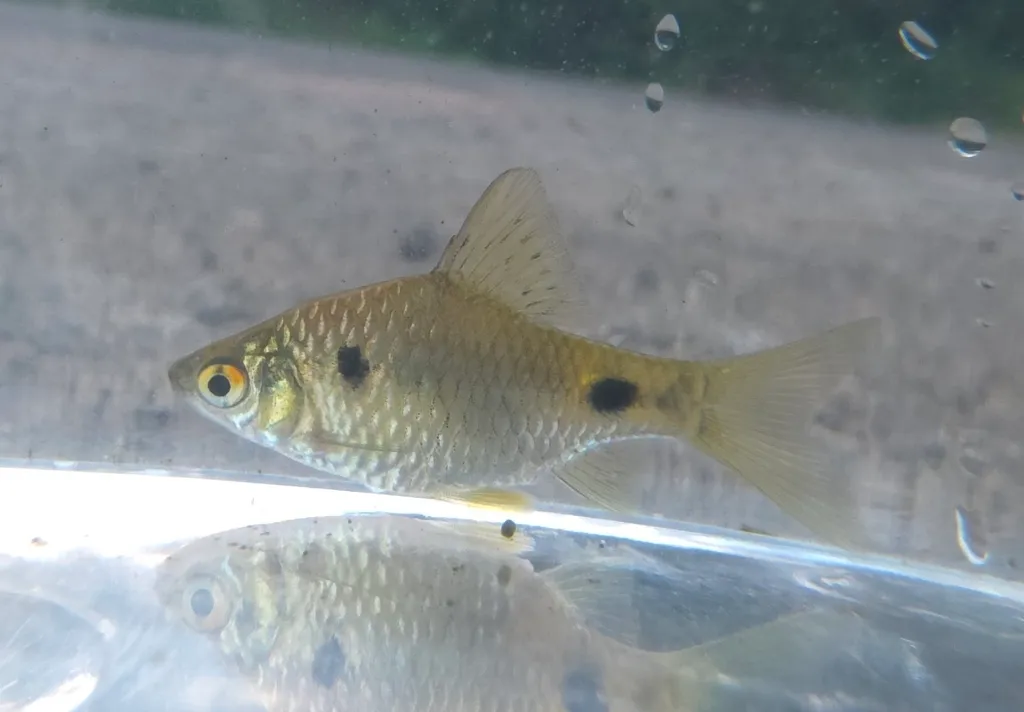
Ticto barb
Pethia ticto
Freshwater2.4 in (6 cm) · 20 gal (75 L)64–75°F (18–24°C)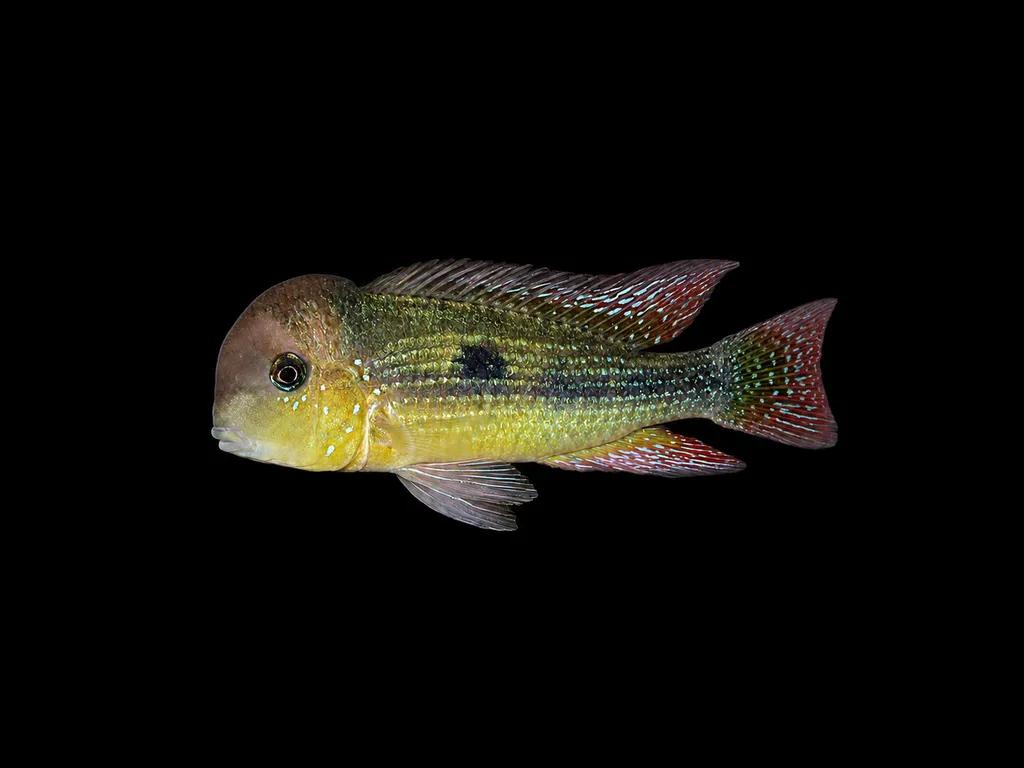
Tiraparae eartheater
Gymnogeophagus tiraparae
Freshwater4.7 in (12 cm) · 66 gal (250 L)61–79°F (16–26°C)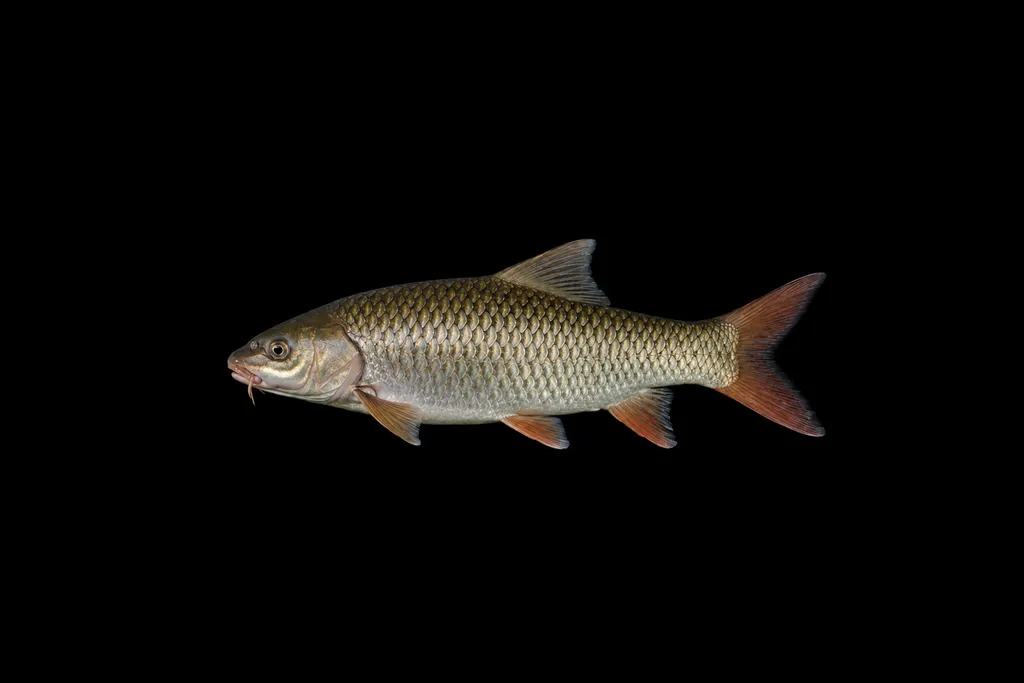
Tor mahseer
Tor tor
Freshwater59.1 in (150 cm) · 502 gal (1,900 L)61–77°F (16–25°C)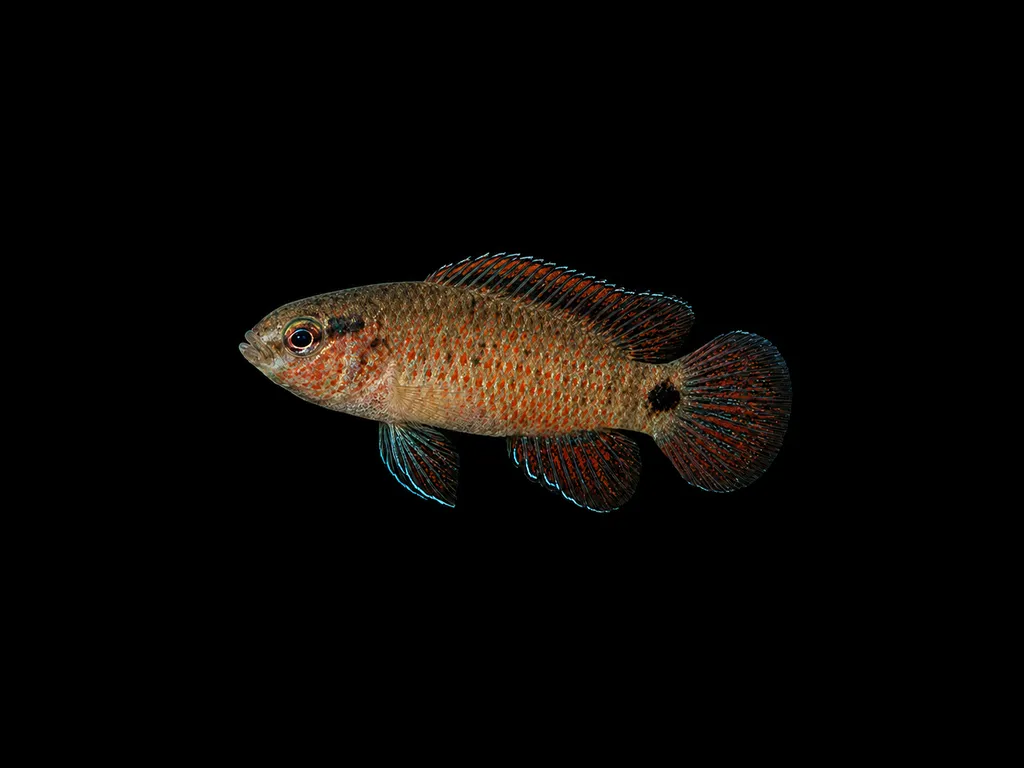
Torpedo badis
Badis autumnum
Freshwater1.6 in (4 cm) · 11 gal (40 L)61–77°F (16–25°C)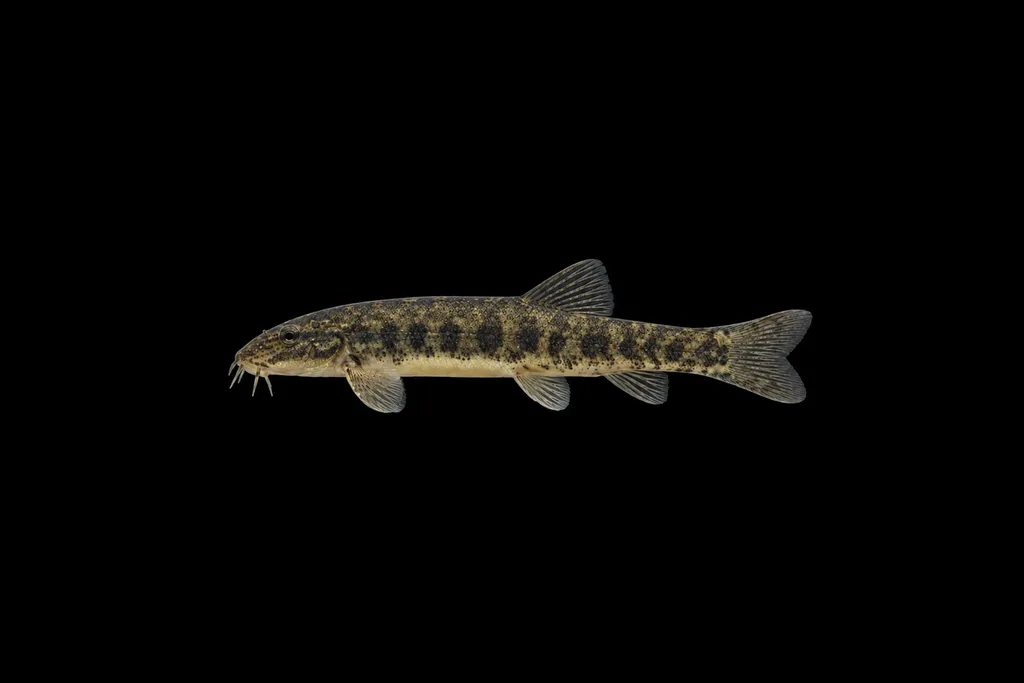
Torrent loach
Psilorhynchus robustus
Freshwater2.8 in (7 cm) · 26 gal (100 L)64–75°F (18–24°C)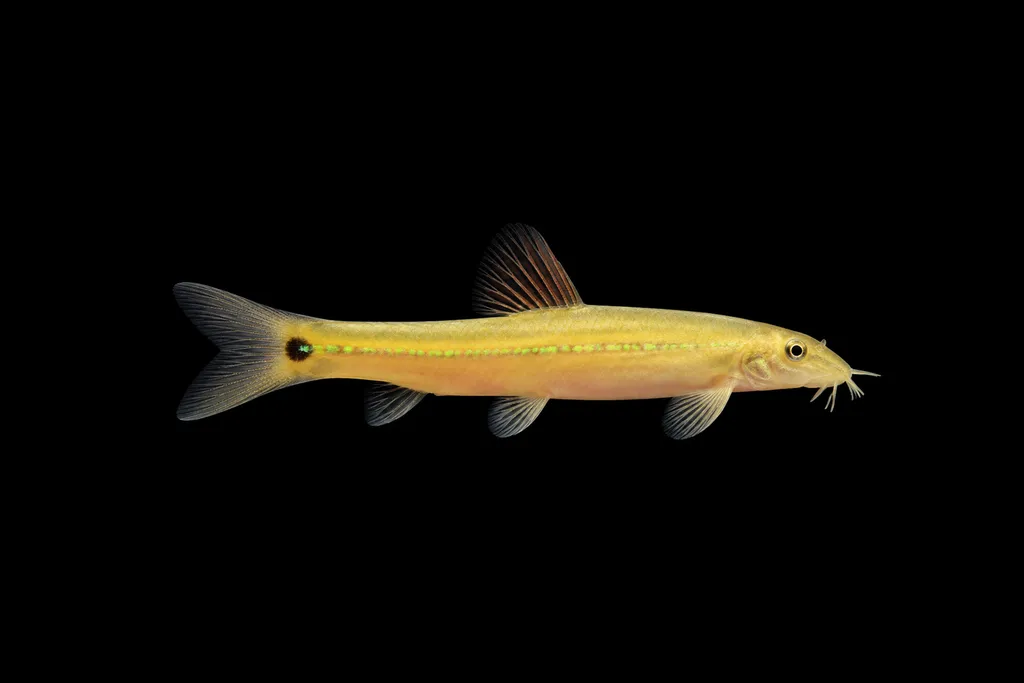
Tubercled flower loach
Traccatichthys tuberculum
Freshwater4.2 in (10.6 cm) · 29 gal (110 L)64–77°F (18–25°C)Uruguayan eartheater
Gymnogeophagus australis
Freshwater6.1 in (15.5 cm) · 66 gal (250 L)61–79°F (16–26°C)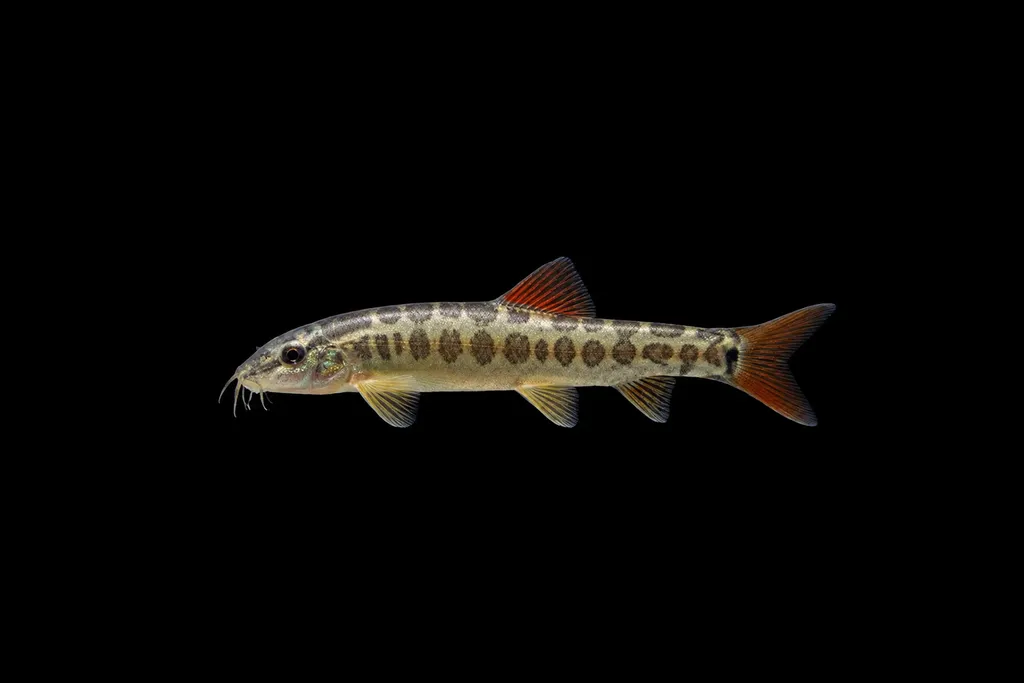
Vietnamese flower loach
Traccatichthys taeniatus
Freshwater5 in (12.6 cm) · 29 gal (110 L)64–77°F (18–25°C)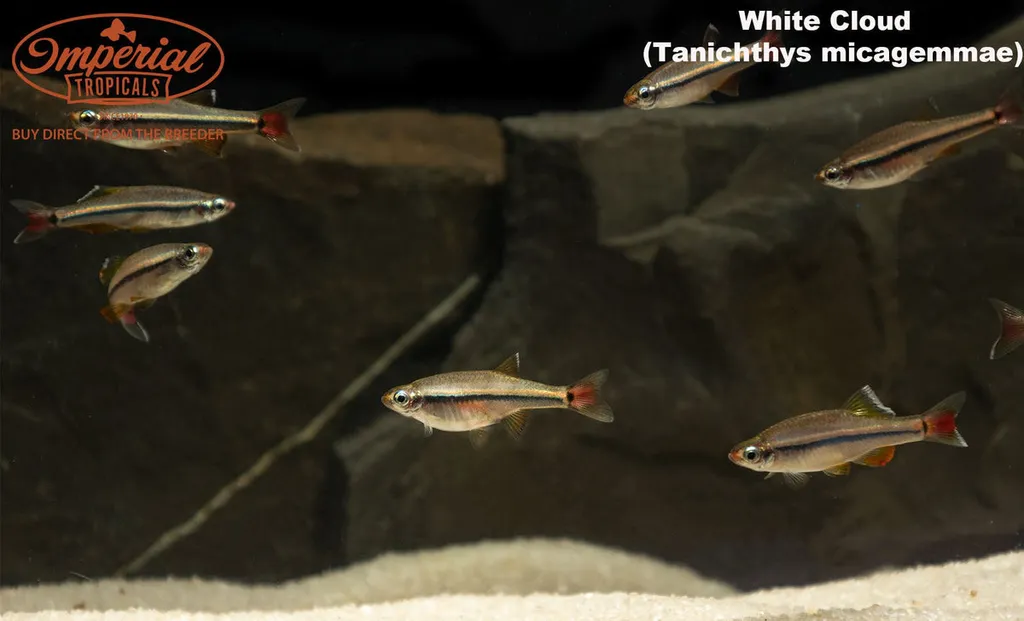
Vietnamese white cloud
Tanichthys micagemmae
Freshwater1.2 in (3 cm) · 12 gal (45 L)64–73°F (18–23°C)Weather loach
Misgurnus anguillicaudatus
Freshwater11 in (28 cm) · 55 gal (210 L)50–73°F (10–23°C)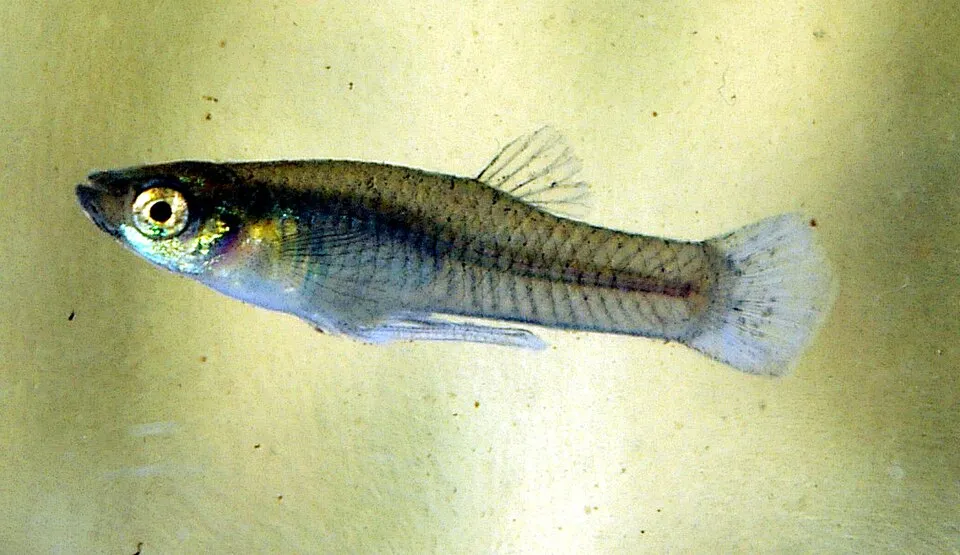
Western mosquitofish
Gambusia affinis
Freshwater3 in (7.5 cm) · 7 gal (25 L)64–81°F (18–27°C)White Cloud Mountain minnow
Tanichthys albonubes
Freshwater1.6 in (4 cm) · 10 gal (38 L)57–72°F (14–22°C)2 varietiesWhite-cheek goby
Rhinogobius duospilus
Freshwater2 in (5 cm) · 16 gal (60 L)61–75°F (16–24°C)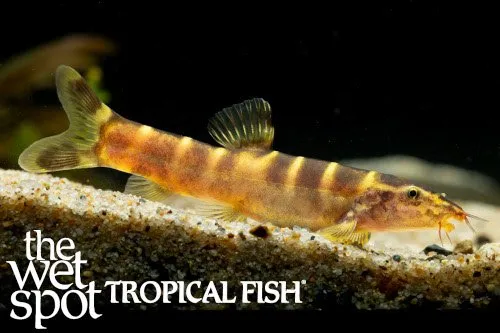
Yangtze golden loach
Sinibotia superciliaris
Freshwater6.5 in (16.4 cm) · 53 gal (200 L)61–75°F (16–24°C)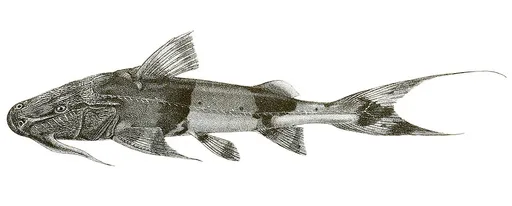
Yarrell's goonch
Bagarius yarrelli
Freshwater78.7 in (200 cm) · 1,057 gal (4,000 L)64–75°F (18–24°C)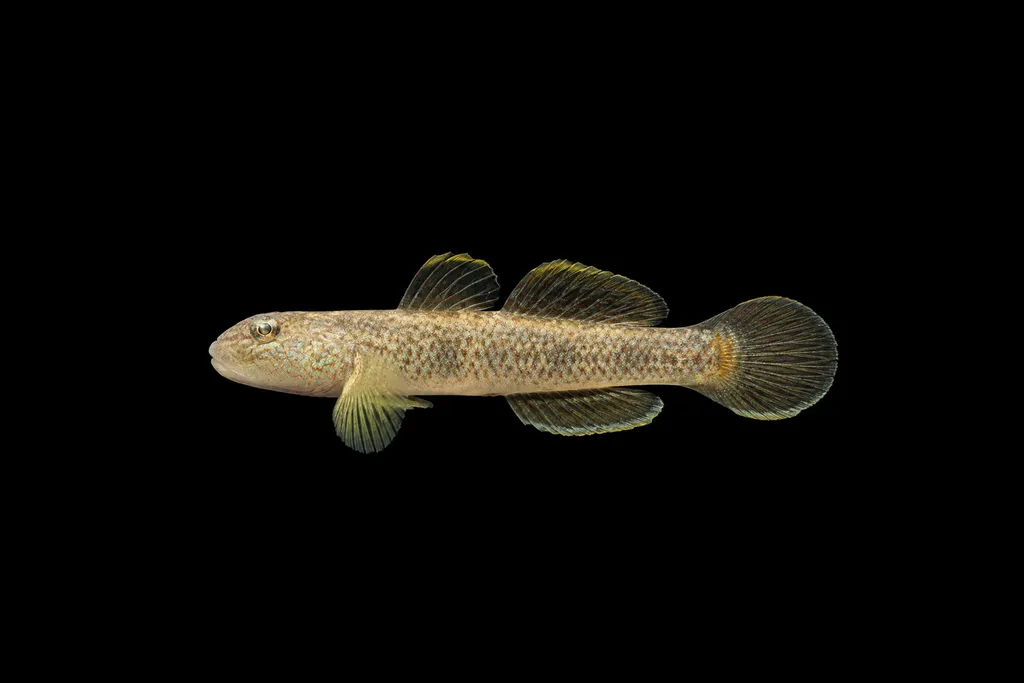
Yellow fin rhinogobius
Rhinogobius leavelli
Freshwater3.1 in (8 cm) · 14 gal (54 L)64–77°F (18–25°C)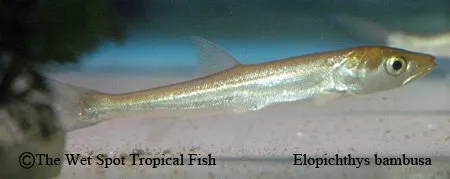
Yellowcheek
Elopichthys bambusa
Freshwater78.7 in (200 cm) · 5,283 gal (20,000 L)59–77°F (15–25°C)Zebra danio
Danio rerio
Freshwater2 in (5 cm) · 11 gal (41 L)64–75°F (18–24°C)2 varieties
Planning a tank?
TankBud checks stocking and water fit as you build a tank, then tracks water tests, reminders and photos once it is running.
Track your tanksMaintain tanks for clients? See TankBud Pro