Tangs and surgeonfish
Tangs, also called surgeonfish, are open-water grazers that need long tanks and steady algae in their diet. They carry a scalpel-sharp spine at the base of the tail, and most are territorial with their own kind. Each profile lists the tank size and diet a tang needs, since crowding one leads to disease and fighting.
At a glance
- Tank size
- 70–396 gal
- 70 gal (265 L) to 396 gal (1,500 L); half the list needs 151 gal (570 L) or more
- Temperature
- 75–81°F
- 24–27°C, most of the list
- pH
- 8.1–8.4
- Most of the list
- Difficulty
- 2 easy
- 18 medium · 6 difficult
- Temperament
- 1 peaceful
- 21 mostly peaceful · 4 aggressive
26 species
Types of tang
The Zebrasoma tangs (yellow, purple, scopas, sailfin, Red Sea sailfin, gem and black) are the disc-shaped ones with tall fins that graze filamentous algae all day. The bristletooth tangs (kole, tomini and chevron, genus Ctenochaetus) include the two smallest tangs in the list and feed on film algae and detritus, which makes them the useful glass and rock cleaners. The Acanthurus tangs (powder blue, powder brown, achilles, sohal, clown, convict, orangeshoulder, whitecheek, mimic and Atlantic blue) are the torpedo-shaped classics and carry the sharpest tempers in the family. The blue hippo tang (Paracanthurus) is the one everyone knows from the film. The naso tangs and the unicornfishes (Naso) are the open-water giants that need the longest tanks of all.
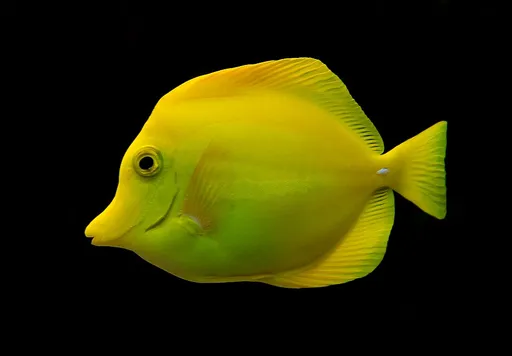
Yellow tang
Zebrasoma flavescens
Saltwater- Size
- 7.9 in (20 cm)
- Tank
- 100 gal (380 L)
- Water
- 72–79°F (22–26°C)
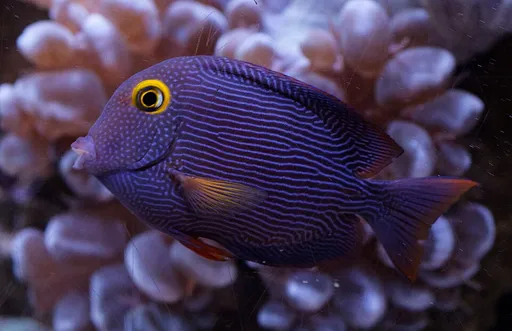
Kole tang
Ctenochaetus strigosus
Saltwater- Size
- 7.1 in (18 cm)
- Tank
- 79 gal (300 L)
- Water
- 75–81°F (24–27°C)
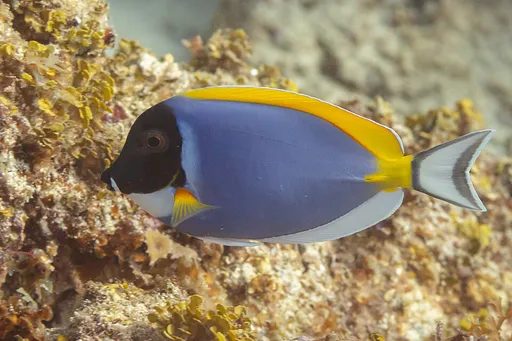
Powder blue tang
Acanthurus leucosternon
Saltwater- Size
- 9.1 in (23 cm)
- Tank
- 124 gal (470 L)
- Water
- 75–81°F (24–27°C)
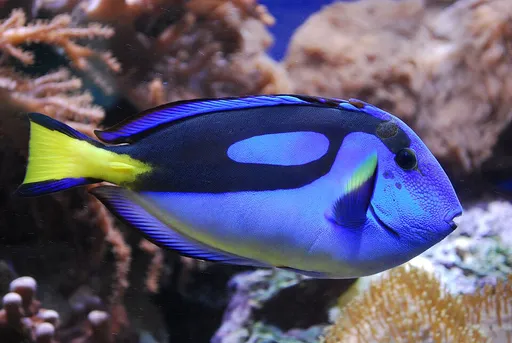
Blue hippo tang
Paracanthurus hepatus
Saltwater- Size
- 11.8 in (30 cm)
- Tank
- 180 gal (680 L)
- Water
- 73–81°F (23–27°C)
Tank length matters more than gallons
Tangs swim constantly, so the minimum on each profile is really a statement about length. The tomini tang, at 6 inches (16 cm), is the smallest and lists 70 gallons (265 liters); a 4 foot tank is the floor for it, the kole tang and the scopas tang, and the yellow tang lists 100 gallons (380 liters). The sailfin tangs and most Acanthurus reach 10 to 16 inches (25 to 40 cm) and want 6 feet, which is the 125 to 180 gallon (470 to 680 liter) band most of the list sits in. The naso tangs reach 18 inches (45 cm) and list 180 gallons (680 liters); the vlamingi tang and the bluespine unicornfish reach 24 inches (60 cm) and list 360 to 400 gallons (1360 to 1500 liters). A tang sold at 2 inches in a 55 gallon looks fine for a year and then stops growing right, starts pacing the glass and picks fights.
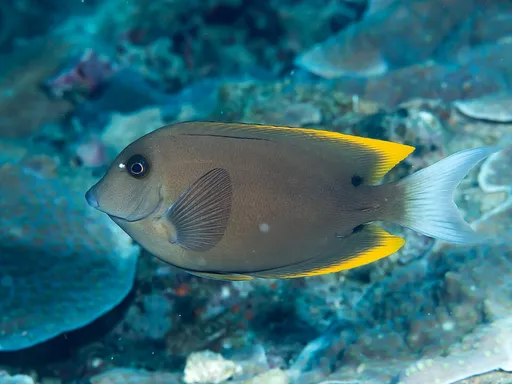
Tomini tang
Ctenochaetus tominiensis
Saltwater6.3 in (16 cm) · 70 gal (265 L)75–81°F (24–27°C)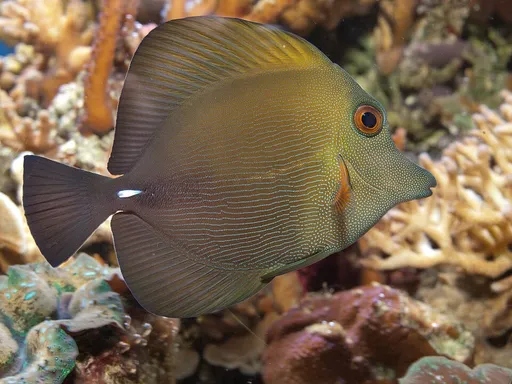
Scopas tang
Zebrasoma scopas
Saltwater7.9 in (20 cm) · 90 gal (340 L)75–82°F (24–28°C)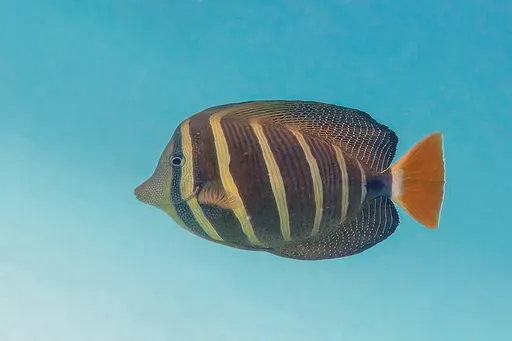
Sailfin tang
Zebrasoma veliferum
Saltwater11.8 in (30 cm) · 145 gal (550 L)75–82°F (24–28°C)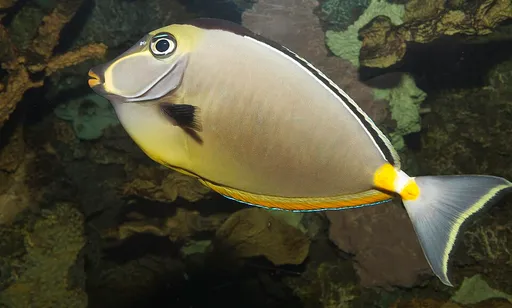
Naso tang
Naso lituratus
Saltwater17.7 in (45 cm) · 180 gal (680 L)73–82°F (23–28°C)
One tang per shape
Most tangs are territorial toward their own species and toward any other tang built like them. The working rule is one Zebrasoma, one bristletooth and one Acanthurus per tank, in a tank long enough for each to hold ground, added at the same time or smallest first. Two yellow tangs in a 125 gallon usually ends with one of them harried into a corner for good. The convict tang is the exception and the only tang in the list marked schooling: it is kept in groups and is the most peaceful of the family. The blue hippo tang is listed as social and tolerates its own kind better than most. Achilles, clown, powder blue and sohal tangs are marked aggressive, and a sohal or clown tang will run a 180 gallon tank. Every tang carries a blade on each side of the tail, a folding spine in most genera and fixed bony plates in the naso tangs, that cuts hands and nets; move them in a container, not a net.
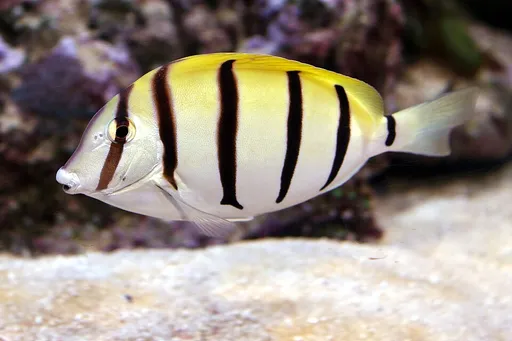
Convict tang
Acanthurus triostegus
Saltwater10.6 in (27 cm) · 124 gal (470 L)75–82°F (24–28°C)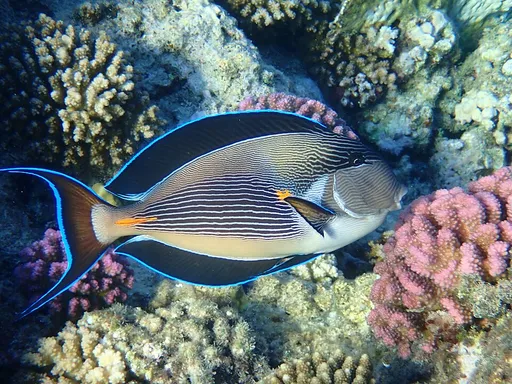
Sohal tang
Acanthurus sohal
Saltwater15.7 in (40 cm) · 180 gal (680 L)75–82°F (24–28°C)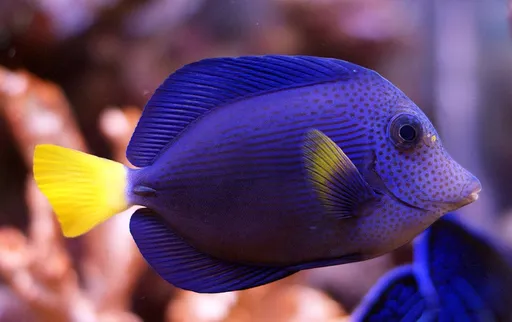
Purple tang
Zebrasoma xanthurum
Saltwater9.8 in (25 cm) · 106 gal (400 L)75–82°F (24–28°C)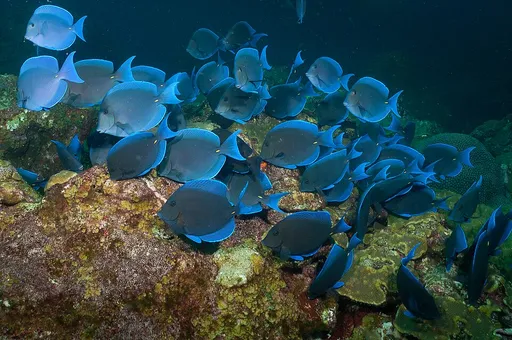
Atlantic blue tang
Acanthurus coeruleus
Saltwater13.8 in (35 cm) · 151 gal (570 L)75–81°F (24–27°C)
The hard ones
Six tangs are marked difficult, for two different reasons. The powder blue, achilles and clown tangs and the blue hippo tang are ich magnets: they show marine ich before anything else in the tank, they need very clean, well oxygenated water with strong flow, and they need a proper quarantine before they go anywhere near a display. The hippo tang is also sold at 2 inches for a fish that reaches 12 inches (30 cm) and lists 180 gallons (680 liters). The bluespine and spotted unicornfish are difficult on size alone: 22 to 24 inches (55 to 60 cm) of fish that needs a system most homes cannot hold. The scopas and mimic tangs are the two the catalog marks easy, and the kole, tomini and yellow tangs are the usual first tangs once a tank has matured for a few months.
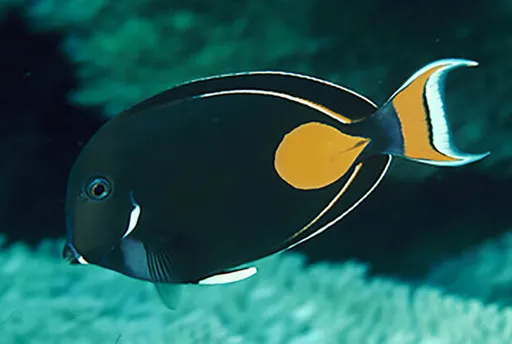
Achilles tang
Acanthurus achilles
Saltwater9.4 in (24 cm) · 180 gal (680 L)75–81°F (24–27°C)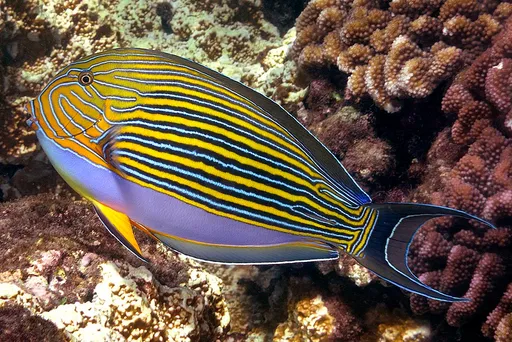
Clown tang
Acanthurus lineatus
Saltwater15 in (38 cm) · 238 gal (900 L)75–81°F (24–27°C)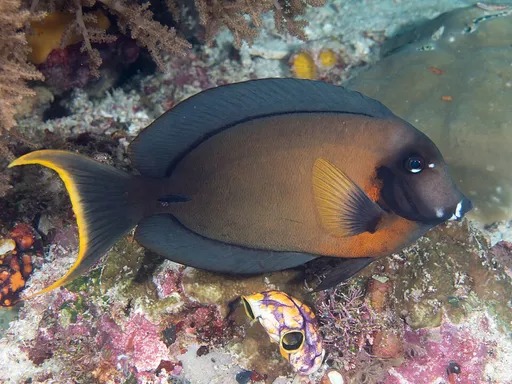
Mimic tang
Acanthurus pyroferus
Saltwater11.4 in (29 cm) · 129 gal (490 L)75–82°F (24–28°C)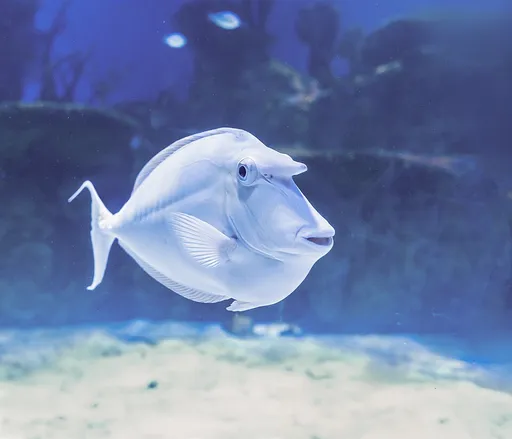
Bluespine unicornfish
Naso unicornis
Saltwater23.6 in (60 cm) · 396 gal (1,500 L)75–81°F (24–27°C)
Feed algae every day
Tangs are grazers and lose condition fast on a meaty diet. Clip dried seaweed in the tank every day, feed an algae-based pellet or flake as the staple, and add mysis or other frozen food a few times a week for variety. The bristletooth tangs also work the rock and glass for film and detritus and do best in a tank that grows some. A tang with a pinched belly or a fading face is usually underfed before it is sick, and a well fed tang is far less likely to break down with ich when something else in the tank goes wrong.
By the numbers
Smallest
Largest
FAQ
Common questions
What types of tang are there?
Zebrasoma tangs (yellow, purple, scopas, sailfin), bristletooth tangs (kole, tomini, chevron), Acanthurus tangs (powder blue, achilles, sohal, clown, convict and others), the blue hippo tang, and the naso tangs and unicornfishes. The section above walks through what each group needs.
Is a tang a fish?
Yes. Tangs, also called surgeonfish, are a family of marine reef fish named for the scalpel-like spine on each side of the tail. The blue hippo tang is the species most people recognise.
What size tank does a tang need?
From 70 gallons (265 liters) for the tomini tang to 400 gallons (1500 liters) for the bluespine unicornfish. Most common tangs list 100 to 180 gallons (380 to 680 liters) and want a tank at least 4 to 6 feet long, because they swim all day.
Are tangs reef safe?
Yes, every tang in the catalog is reef safe. They graze algae and leave corals and invertebrates alone.
Can you keep two tangs together?
Two of the same species, or two of the same shape, usually fight. Mix one from each group in a long tank, add them together, and treat the convict tang as the one species that is kept in a group.
What do tangs eat?
Algae first: dried seaweed on a clip every day and an algae-based pellet or flake, with frozen mysis or similar a few times a week.
Which tang is easiest?
The scopas and mimic tangs are the ones the catalog marks easy. The kole and tomini bristletooths and the yellow tang are the usual first tangs and are hardy once the tank has matured.
Index
All tangs & surgeonfish
Achilles tang
Acanthurus achilles
Saltwater9.4 in (24 cm) · 180 gal (680 L)75–81°F (24–27°C)Atlantic blue tang
Acanthurus coeruleus
Saltwater13.8 in (35 cm) · 151 gal (570 L)75–81°F (24–27°C)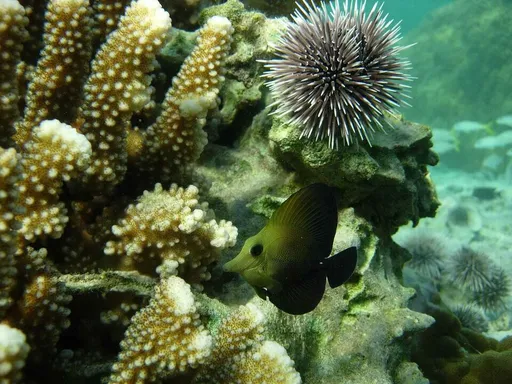
Black tang
Zebrasoma rostratum
Saltwater8.3 in (21 cm) · 119 gal (450 L)75–81°F (24–27°C)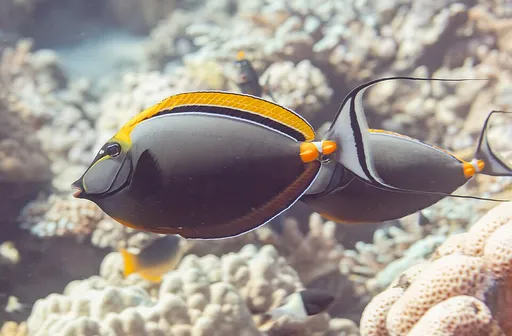
Blonde naso tang
Naso elegans
Saltwater17.7 in (45 cm) · 180 gal (680 L)75–81°F (24–27°C)Blue hippo tang
Paracanthurus hepatus
Saltwater11.8 in (30 cm) · 180 gal (680 L)73–81°F (23–27°C)Bluespine unicornfish
Naso unicornis
Saltwater23.6 in (60 cm) · 396 gal (1,500 L)75–81°F (24–27°C)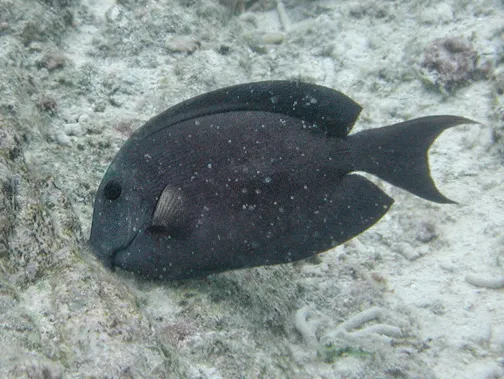
Chevron tang
Ctenochaetus hawaiiensis
Saltwater11 in (28 cm) · 180 gal (680 L)75–81°F (24–27°C)Clown tang
Acanthurus lineatus
Saltwater15 in (38 cm) · 238 gal (900 L)75–81°F (24–27°C)Convict tang
Acanthurus triostegus
Saltwater10.6 in (27 cm) · 124 gal (470 L)75–82°F (24–28°C)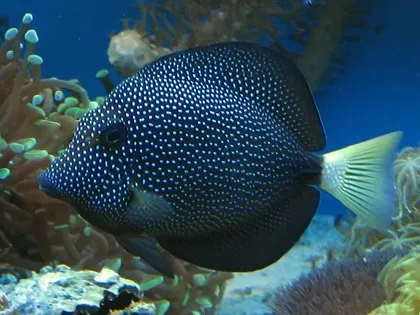
Gem tang
Zebrasoma gemmatum
Saltwater8.7 in (22 cm) · 151 gal (570 L)75–81°F (24–27°C)Kole tang
Ctenochaetus strigosus
Saltwater7.1 in (18 cm) · 79 gal (300 L)75–81°F (24–27°C)Mimic tang
Acanthurus pyroferus
Saltwater11.4 in (29 cm) · 129 gal (490 L)75–82°F (24–28°C)Naso tang
Naso lituratus
Saltwater17.7 in (45 cm) · 180 gal (680 L)73–82°F (23–28°C)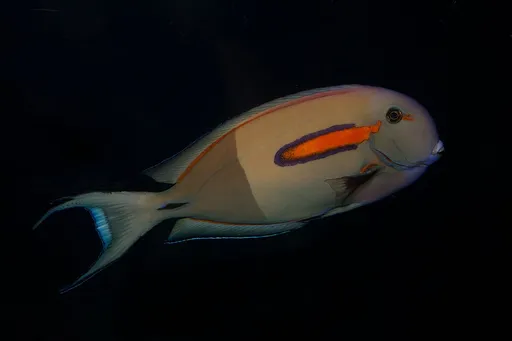
Orangeshoulder tang
Acanthurus olivaceus
Saltwater13.8 in (35 cm) · 180 gal (680 L)75–82°F (24–28°C)Powder blue tang
Acanthurus leucosternon
Saltwater9.1 in (23 cm) · 124 gal (470 L)75–81°F (24–27°C)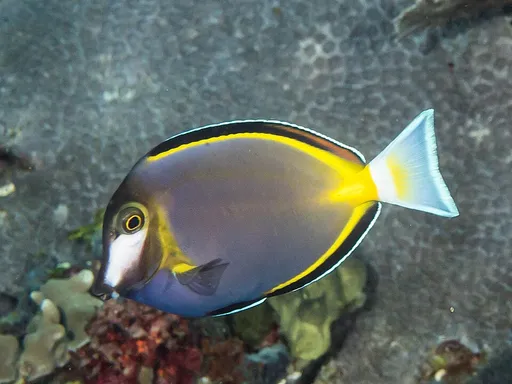
Powder brown tang
Acanthurus japonicus
Saltwater8.3 in (21 cm) · 129 gal (490 L)75–81°F (24–27°C)Purple tang
Zebrasoma xanthurum
Saltwater9.8 in (25 cm) · 106 gal (400 L)75–82°F (24–28°C)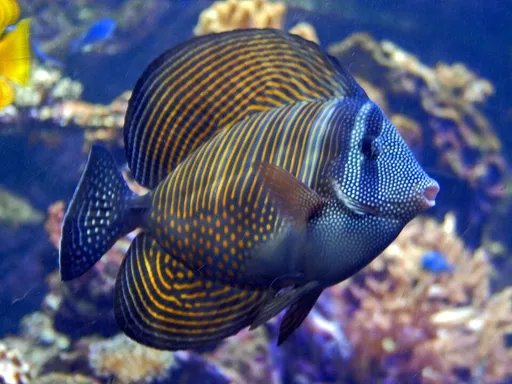
Red Sea sailfin tang
Zebrasoma desjardinii
Saltwater15.7 in (40 cm) · 180 gal (680 L)75–82°F (24–28°C)Sailfin tang
Zebrasoma veliferum
Saltwater11.8 in (30 cm) · 145 gal (550 L)75–82°F (24–28°C)Scopas tang
Zebrasoma scopas
Saltwater7.9 in (20 cm) · 90 gal (340 L)75–82°F (24–28°C)Sohal tang
Acanthurus sohal
Saltwater15.7 in (40 cm) · 180 gal (680 L)75–82°F (24–28°C)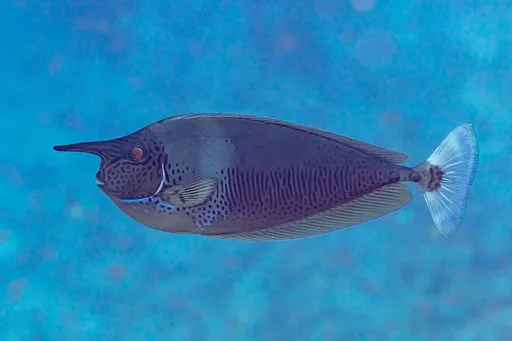
Spotted unicornfish
Naso brevirostris
Saltwater21.7 in (55 cm) · 343 gal (1,300 L)75–81°F (24–27°C)Tomini tang
Ctenochaetus tominiensis
Saltwater6.3 in (16 cm) · 70 gal (265 L)75–81°F (24–27°C)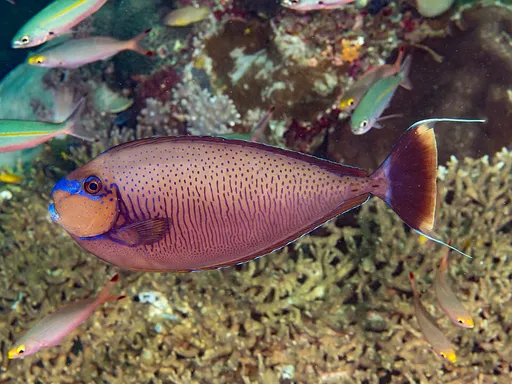
Vlamingi tang
Naso vlamingii
Saltwater23.6 in (60 cm) · 359 gal (1,360 L)75–81°F (24–27°C)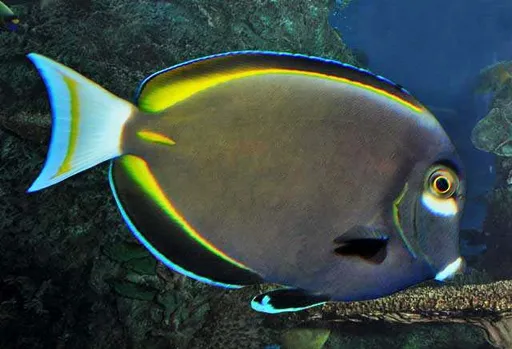
Whitecheek tang
Acanthurus nigricans
Saltwater13.8 in (35 cm) · 129 gal (490 L)75–81°F (24–27°C)Yellow tang
Zebrasoma flavescens
Saltwater7.9 in (20 cm) · 100 gal (380 L)72–79°F (22–26°C)
Planning a tank?
TankBud checks stocking and water fit as you build a tank, then tracks water tests, reminders and photos once it is running.
Track your tanksMaintain tanks for clients? See TankBud Pro