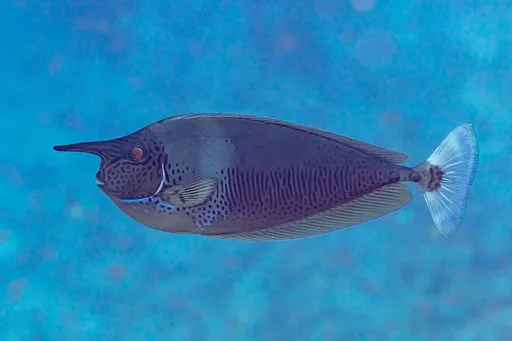
Spotted unicornfish
Naso brevirostris
Also known as Palefin Unicornfish, Shortnose Unicornfish, Brown Unicornfish, Spotted Unicorn Tang
SaltwaterFish
Care at a glance
- Temperature
- 75–81°F
- 24–27°C
- pH
- 8.1–8.4
- Adult size
- 21.7 in
- 55 cm
- Minimum tank
- 343 gal
- 1,300 L
- Temperament
- Mostly peaceful
- Social behavior
- Solitary
- Swim level
- Middle
- Difficulty
- Difficult
- Breeding
- No record
- Rarity
- Common
- Reef safe
- Reef safe
- Family
- Acanthuridae
- Origin
- Indo-Pacific from the Red Sea and East Africa to French Polynesia, feeding in mid-water over outer reef slopes.
Overview
This is a very large mid-water swimmer that needs at least 1300 litres of open room and steady flow at 24 to 27 C. Feed a mix of nori and macroalgae plus meaty foods like mysis to match its planktivorous adult diet. It ignores corals and invertebrates but can be sensitive if space and diet are not right. Best kept singly in show-sized systems only.
In the wild
Spotted unicornfish hang in mid-water above the outer slope and pick drifting plankton and algae as adults, unlike the bottom-grazing habits of many tangs. Adults develop a forward-pointing horn on the forehead. They are large, active swimmers that need open water. Coloration shifts between brown, grey and blue depending on mood.
Good to know
Naso brevirostris grows to roughly 55 to 60 cm and develops its horn with maturity. Adults feed largely on gelatinous zooplankton in the water column. It can rapidly change body color, a common trait among Naso species.
Did you know
Young fish graze algae off the bottom, but adults switch to hunting jellies and plankton drifting past the reef.
Weekly picks
Tank mates
Spotted unicornfish is a mostly peaceful, solitary species that keeps to the middle. These picks share a community profile with it, are safe together in both directions, and overlap on water type, temperature and pH.
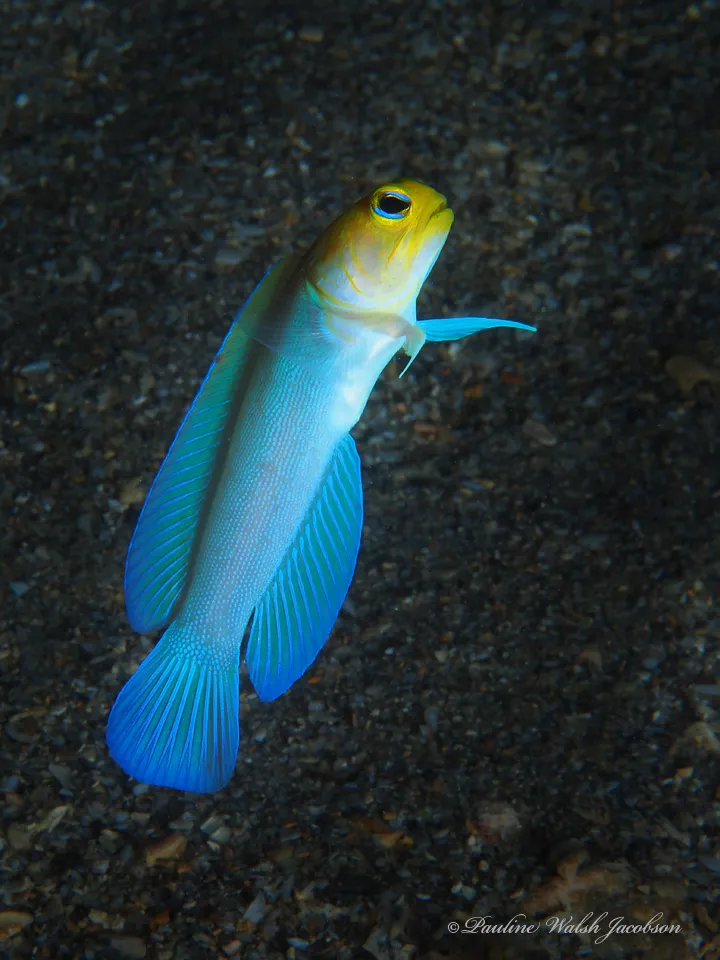
Pearly jawfish
Opistognathus aurifrons
Saltwater3.9 in (10 cm) · 29 gal (110 L)73–81°F (23–27°C)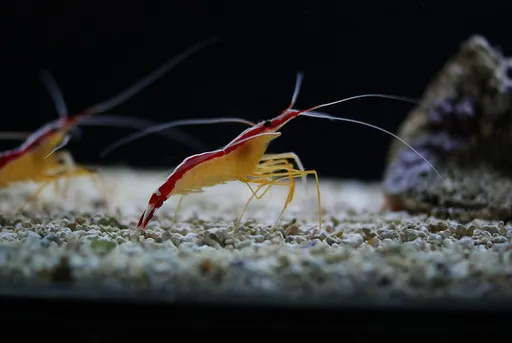
Skunk cleaner shrimp
Lysmata amboinensis
Saltwater2.4 in (6 cm) · 20 gal (75 L)73–81°F (23–27°C)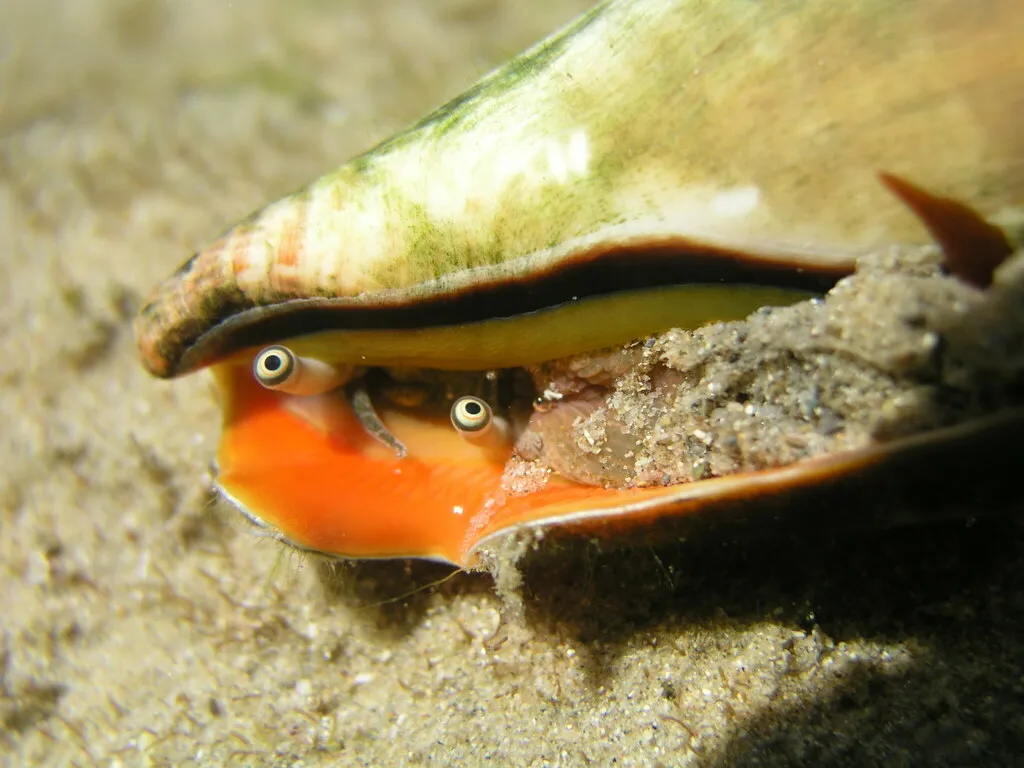
Tiger / strawberry conch
Conomurex luhuanus
Saltwater2.8 in (7 cm) · 20 gal (75 L)75–81°F (24–27°C)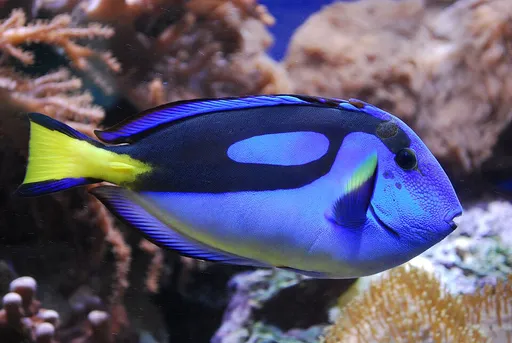
Blue hippo tang
Paracanthurus hepatus
Saltwater11.8 in (30 cm) · 180 gal (680 L)73–81°F (23–27°C)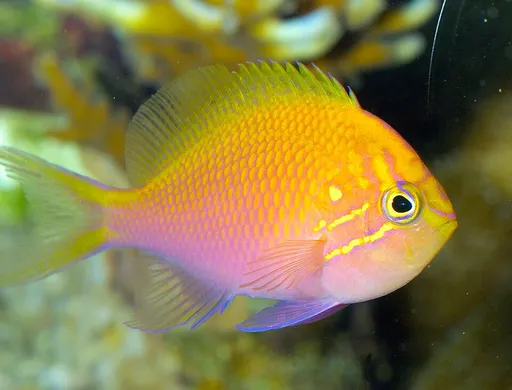
Sunburst anthias
Serranocirrhitus latus
Saltwater5.1 in (13 cm) · 70 gal (265 L)72–81°F (22–27°C)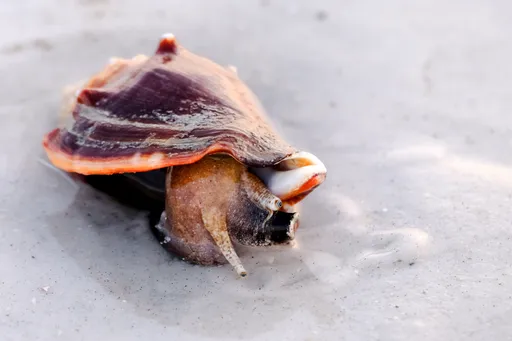
Fighting conch
Strombus alatus
Saltwater3.1 in (8 cm) · 20 gal (75 L)75–81°F (24–27°C)
Common questions
What size tank does a Spotted unicornfish need?
A Spotted unicornfish needs at least 343 gal (1,300 L). It spends most of its time in the middle.
What temperature and pH does a Spotted unicornfish need?
A Spotted unicornfish is comfortable at 75–81°F (24–27°C) with a pH of 8.1–8.4.
How big does a Spotted unicornfish get?
An adult Spotted unicornfish reaches about 21.7 in (55 cm).
Related species
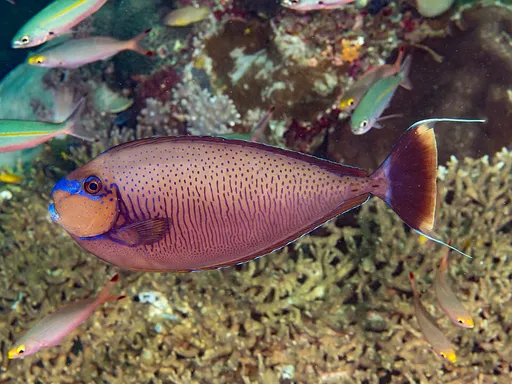
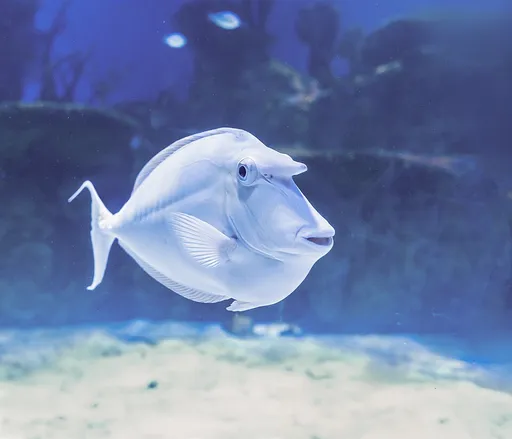 23.6 in (60 cm)396 gal (1,500 L)75–81°F (24–27°C)
Bluespine unicornfish
Naso unicornis
23.6 in (60 cm) · 396 gal (1,500 L)
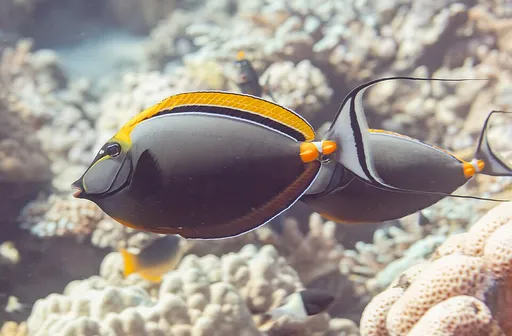
 23.6 in (60 cm)359 gal (1,360 L)75–81°F (24–27°C)
Vlamingi tang
Naso vlamingii
23.6 in (60 cm) · 359 gal (1,360 L)
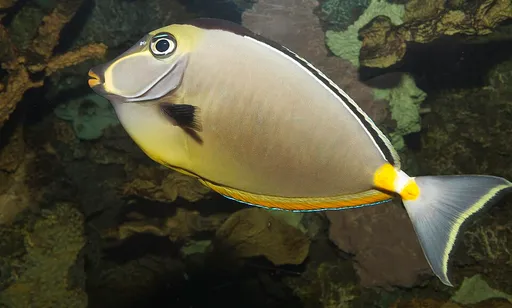
 17.7 in (45 cm)180 gal (680 L)75–81°F (24–27°C)
Blonde naso tang
Naso elegans
17.7 in (45 cm) · 180 gal (680 L)
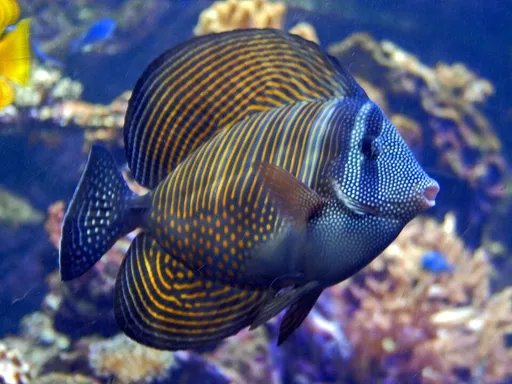
 17.7 in (45 cm)180 gal (680 L)73–82°F (23–28°C)
Naso tang
Naso lituratus
17.7 in (45 cm) · 180 gal (680 L)
 15.7 in (40 cm)180 gal (680 L)75–82°F (24–28°C)
Red Sea sailfin tang
Zebrasoma desjardinii
15.7 in (40 cm) · 180 gal (680 L)
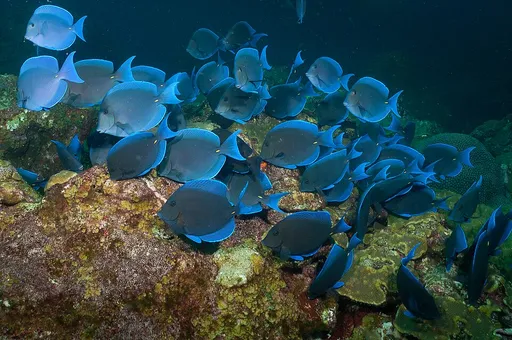 13.8 in (35 cm)151 gal (570 L)75–81°F (24–27°C)
Atlantic blue tang
Acanthurus coeruleus
13.8 in (35 cm) · 151 gal (570 L)