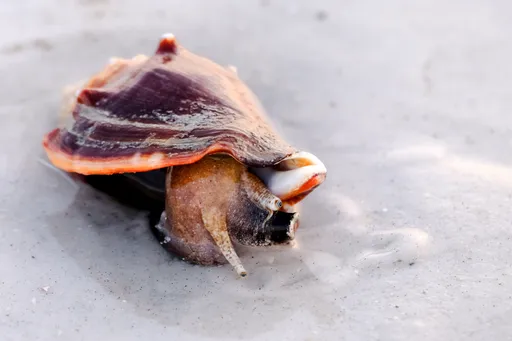
Fighting conch
Strombus alatus
Also known as Florida Fighting Conch, Sand-Sifting Conch, Sand Conch
SaltwaterSnail
Care at a glance
- Temperature
- 75–81°F
- 24–27°C
- pH
- 8.1–8.4
- Adult size
- 3.1 in
- 8 cm
- Minimum tank
- 20 gal
- 75 L
- Temperament
- Peaceful
- Social behavior
- Solitary
- Swim level
- Bottom
- Difficulty
- Easy
- Breeding
- No record
- Rarity
- Common
- Reef safe
- Reef safe
- Family
- Strombidae
- Origin
- Western Atlantic and Gulf of Mexico, from North Carolina to Florida and along the Gulf coast to Texas and the Yucatan
Overview
A dedicated sand-bed sifter that spends its day plowing through the substrate for detritus, diatoms and film algae, leaving the sand noticeably cleaner and better aerated behind it. Despite the name, it is peaceful toward fish, corals and other invertebrates. The fighting conch label comes from how males shove and jostle rival males away from females at breeding time, not from any aggression toward tankmates. The real risk is starvation in an older, very clean tank once the sand bed runs low on food, so watch for a conch that has stopped actively foraging and supplement with sinking algae wafers or pellets if needed.
In the wild
Strombus alatus lives on sand and rubble bottoms and in seagrass beds along the western Atlantic and Gulf of Mexico, from North Carolina down through Florida and west along the Gulf coast to Texas and the Yucatan. Wild conchs shift with the seasons, moving into deeper water over winter and back into the shallows in summer to spawn. In the aquarium it wants a fine sand bed several centimetres deep to plow through, since it spends nearly all of its time on or just under the sand rather than climbing rock.
Good to know
Strombus alatus is a true conch in the family Strombidae, recognized by the flared, wing-like outer lip of the adult shell that gives the species its name, alatus being Latin for winged. Like other strombid conchs it carries an eye on a long stalk on each side of its head and a claw-shaped, sickle-like operculum that it uses to flip and pole-vault across the sand rather than gliding like a typical snail. It reaches a mature shell length of roughly 7–8 cm, with larger individuals recorded in the wild.
Did you know
The fighting conch does not fight its tankmates. The name comes from the shoving matches males have with rivals over females at breeding time, brief pushing contests that leave nothing worse than a bruised ego.
Weekly picks
Tank mates
Fighting conch is a peaceful, solitary species that keeps to the bottom. These picks share a community profile with it, are safe together in both directions, and overlap on water type, temperature and pH.
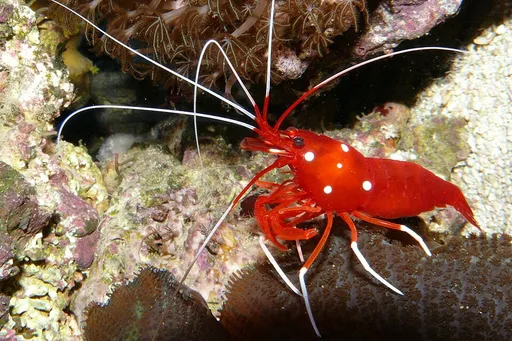
Fire shrimp
Lysmata debelius
Saltwater2.4 in (6 cm) · 20 gal (75 L)72–79°F (22–26°C)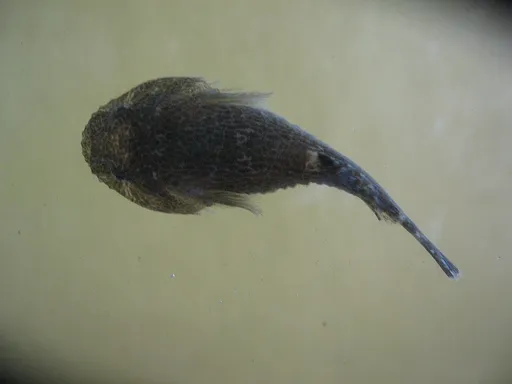
Skilletfish
Gobiesox strumosus
Saltwater3.1 in (8 cm) · 20 gal (76 L)72–79°F (22–26°C)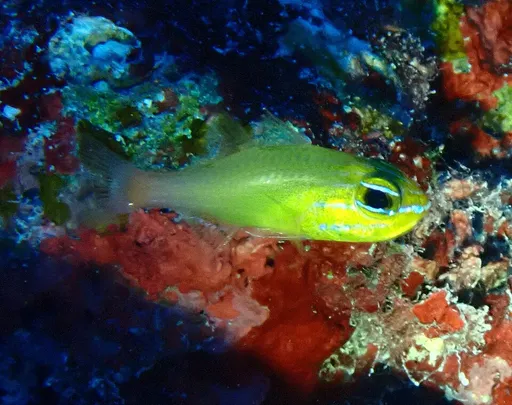
Yellow cardinalfish
Ostorhinchus luteus
Saltwater2 in (5 cm) · 20 gal (75 L)73–79°F (23–26°C)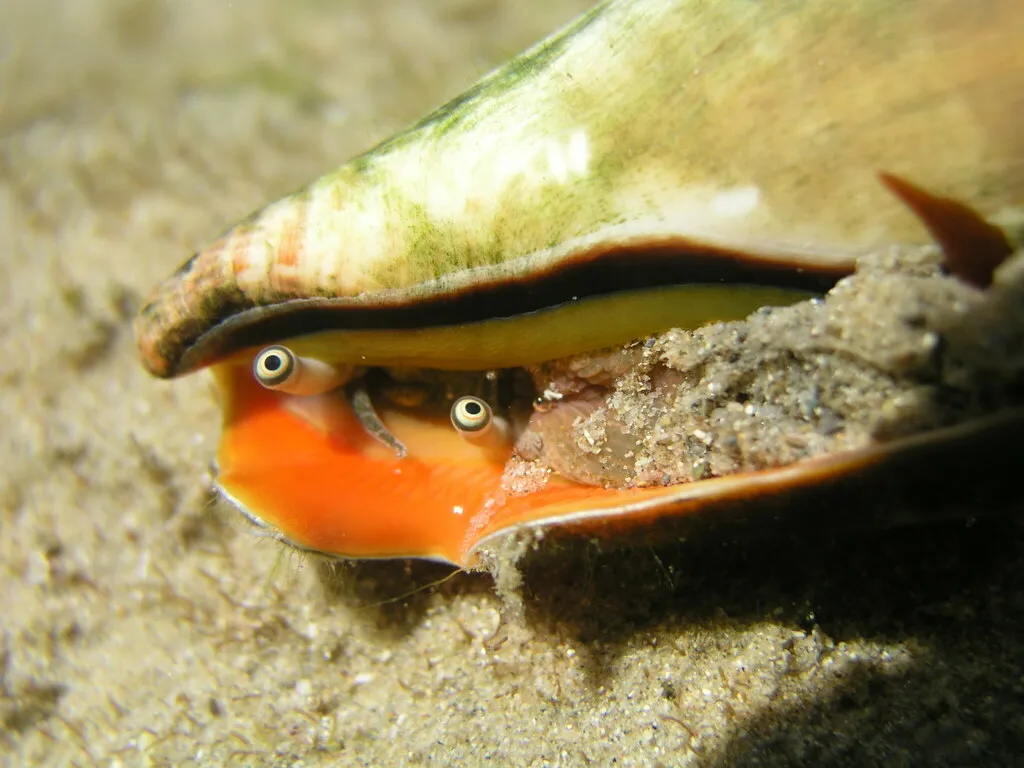
Tiger / strawberry conch
Conomurex luhuanus
Saltwater2.8 in (7 cm) · 20 gal (75 L)75–81°F (24–27°C)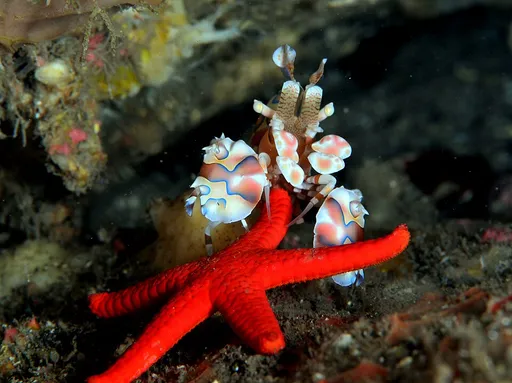
Harlequin shrimp
Hymenocera picta
Saltwater2 in (5 cm) · 11 gal (40 L)75–81°F (24–27°C)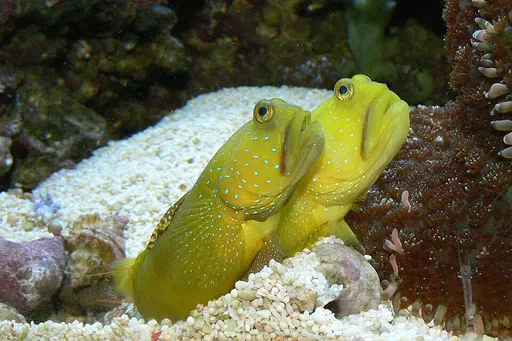
Yellow watchman goby
Cryptocentrus cinctus
Saltwater3.5 in (9 cm) · 20 gal (75 L)72–81°F (22–27°C)
Common questions
What size tank does a Fighting conch need?
A Fighting conch needs at least 20 gal (75 L). It spends most of its time in the bottom.
What temperature and pH does a Fighting conch need?
A Fighting conch is comfortable at 75–81°F (24–27°C) with a pH of 8.1–8.4.
How big does a Fighting conch get?
An adult Fighting conch reaches about 3.1 in (8 cm).
Related species
- 2.8 in (7 cm)20 gal (75 L)75–81°F (24–27°C)
Tiger / strawberry conch
Conomurex luhuanus
2.8 in (7 cm) · 20 gal (75 L)
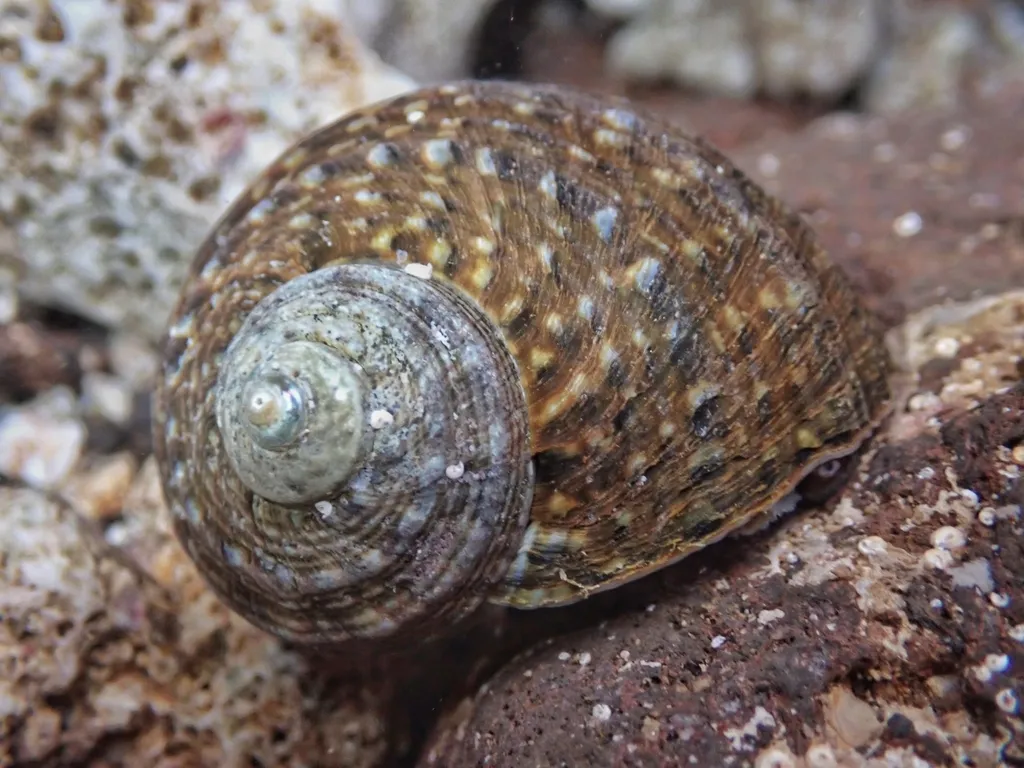 2.4 in (6 cm)11 gal (40 L)75–81°F (24–27°C)
Mexican turbo snail
Turbo fluctuosus
2.4 in (6 cm) · 11 gal (40 L)
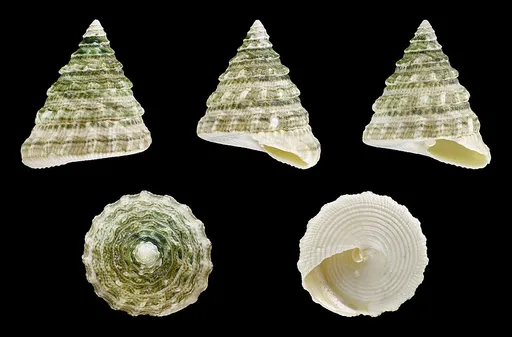 2 in (5 cm)11 gal (40 L)75–81°F (24–27°C)
Pyramid top snail
Tectus fenestratus
2 in (5 cm) · 11 gal (40 L)
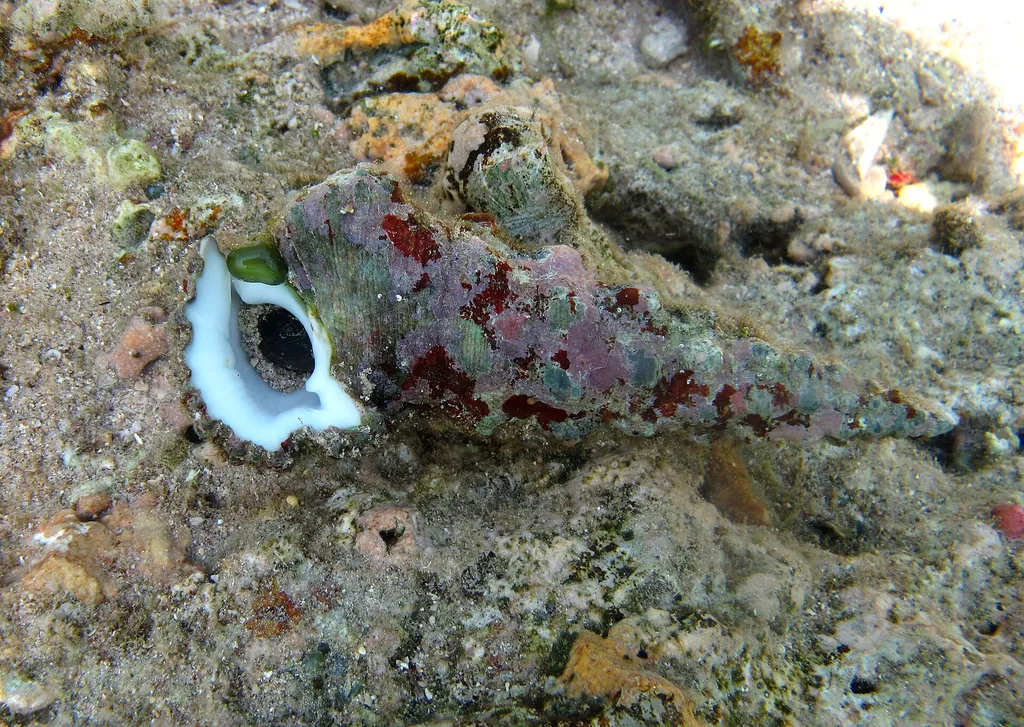 1.6 in (4 cm)11 gal (40 L)72–79°F (22–26°C)
Cerith snail
Cerithium sp.
1.6 in (4 cm) · 11 gal (40 L)