Marine aquarium invertebrates
Marine invertebrates run from the reef clean-up crew to centerpiece animals in their own right: cleaner shrimp, snails and hermit crabs that handle algae and detritus, plus anemones, clams, urchins and stars. Each profile lists what the species needs and whether it is safe in a reef.
At a glance
- Tank size
- 5–201 gal
- 5 gal (20 L) to 201 gal (760 L); half the list needs 20 gal (75 L) or more
- Temperature
- 75–81°F
- 24–27°C, most of the list
- pH
- 8.1–8.4
- Most of the list
- Difficulty
- 60 easy
- 30 medium · 28 difficult
- Temperament
- 94 peaceful
- 18 mostly peaceful · 6 aggressive
- Reef safety
- 59 reef safe
- 48 reef safe with caution · 11 not reef safe
118 species and 4 varieties
Start here
The marine inverts to start with
The skunk cleaner shrimp is marked beginner at 2.4 inches (6 cm) for 20 gallons (75 liters), and it cleans the fish and the hand that feeds it. The trochus snail is the grazer marked beginner, and the blue-leg hermit crab the scavenger, both for 11 gallons (40 liters). The bubble tip anemone is the host anemone with a track record, marked medium for 30 gallons (115 liters). The derasa clam is the giant clam marked beginner, a sand-bed clam for 40 gallons (150 liters). The tuxedo urchin grazes algae at 3.1 inches (8 cm) for 20 gallons (75 liters), marked easy, and carries a caution only because it carries frags around on its back.
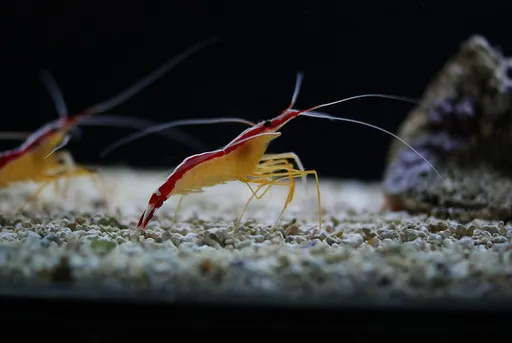
Skunk cleaner shrimp
Lysmata amboinensis
Saltwater- Size
- 2.4 in (6 cm)
- Tank
- 20 gal (75 L)
- Water
- 73–81°F (23–27°C)
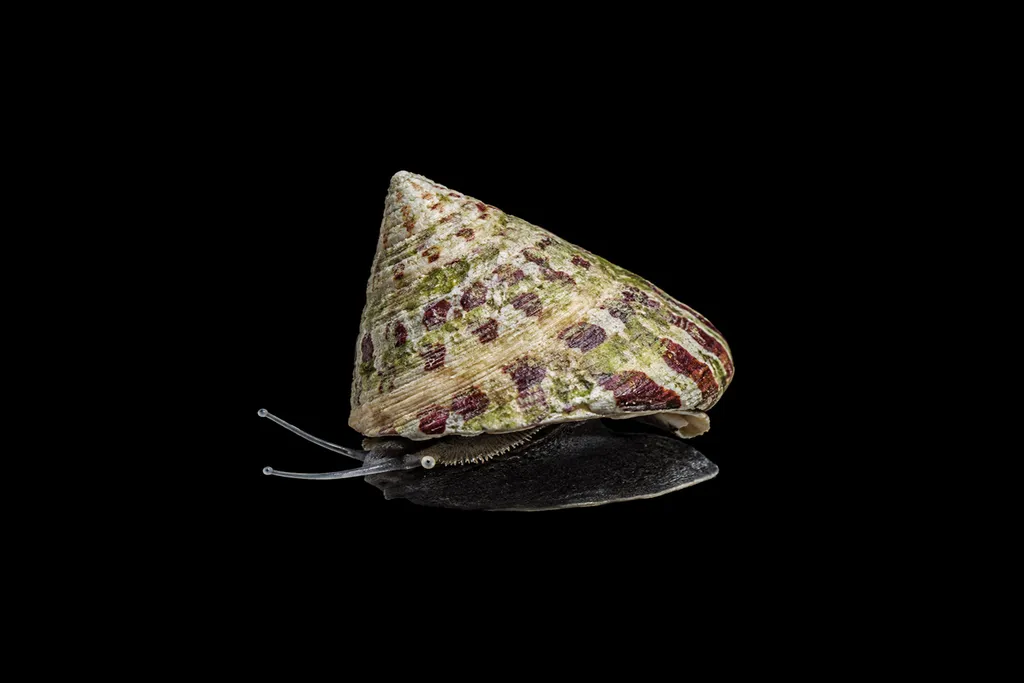
Trochus snail
Trochus sp.
Saltwater- Size
- 1.2 in (3 cm)
- Tank
- 11 gal (40 L)
- Water
- 72–79°F (22–26°C)
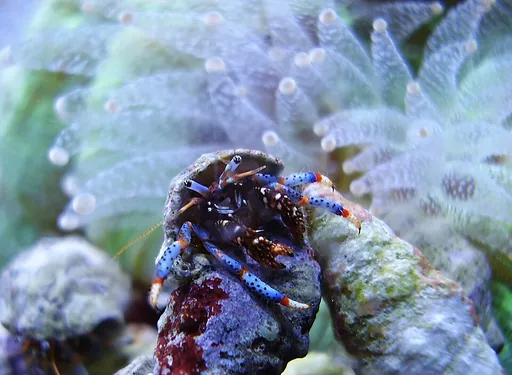
Blue-leg hermit crab
Clibanarius tricolor
Saltwater- Size
- 1 in (2.5 cm)
- Tank
- 11 gal (40 L)
- Water
- 72–79°F (22–26°C)
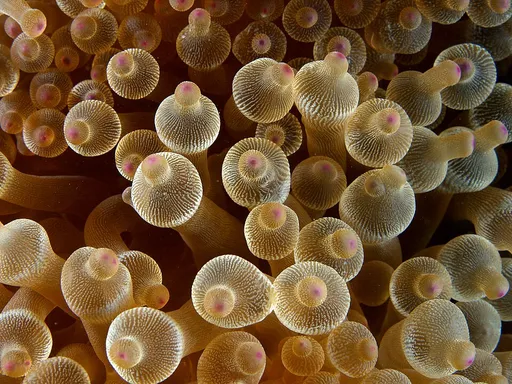
Bubble tip anemone
Entacmaea quadricolor
Saltwater- Size
- 11.8 in (30 cm)
- Tank
- 30 gal (115 L)
- Water
- 75–81°F (24–27°C)
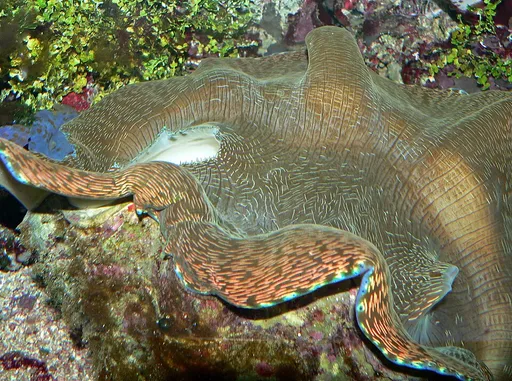
Derasa clam
Tridacna derasa
Saltwater- Size
- 19.7 in (50 cm)
- Tank
- 40 gal (150 L)
- Water
- 75–81°F (24–27°C)
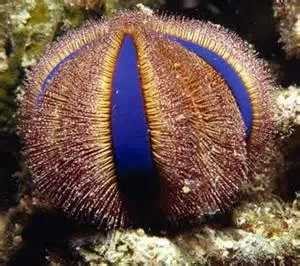
Tuxedo urchin
Mespilia globulus
Saltwater- Size
- 3.1 in (8 cm)
- Tank
- 20 gal (75 L)
- Water
- 72–79°F (22–26°C)
The rule
What the reef marks mean for invertebrates
Every profile carries a reef mark. Reef safe means the animal leaves corals and its fellow invertebrates alone. Caution means it usually does but has a habit: an urchin that carries frags, a crab that picks at polyps when hungry, a starfish that eats sleeping fish. Not reef safe means it eats coral or fish as a matter of course, the chocolate chip star and the mantis shrimp among them. Beyond the marks, every invertebrate is drip acclimated, because a salinity swing kills it, and no copper ever touches the tank.
- 01
Reef safe
Leaves corals and other inverts alone
- 02
Caution
Usually fine, with a known habit on the profile
- 03
Drip acclimate
A salinity swing kills an invertebrate
- 04
No copper
Fish medications wipe out every animal here
The crew
The clean-up crew
The peppermint shrimp is marked beginner at 2 inches (5 cm) and eats Aiptasia. The cerith snail works the sand and glass, the nassarius snail lives in the sand and eats leftovers, both marked beginner for 11 gallons (40 liters). The emerald crab eats bubble algae at 2.4 inches (6 cm) with a coral caution. The scarlet reef hermit crab is the peaceful hermit at 1.6 inches (4 cm). The Mexican turbo snail is the heavy grazer at 2.4 inches (6 cm), marked easy. The clean-up crew list covers the rest.
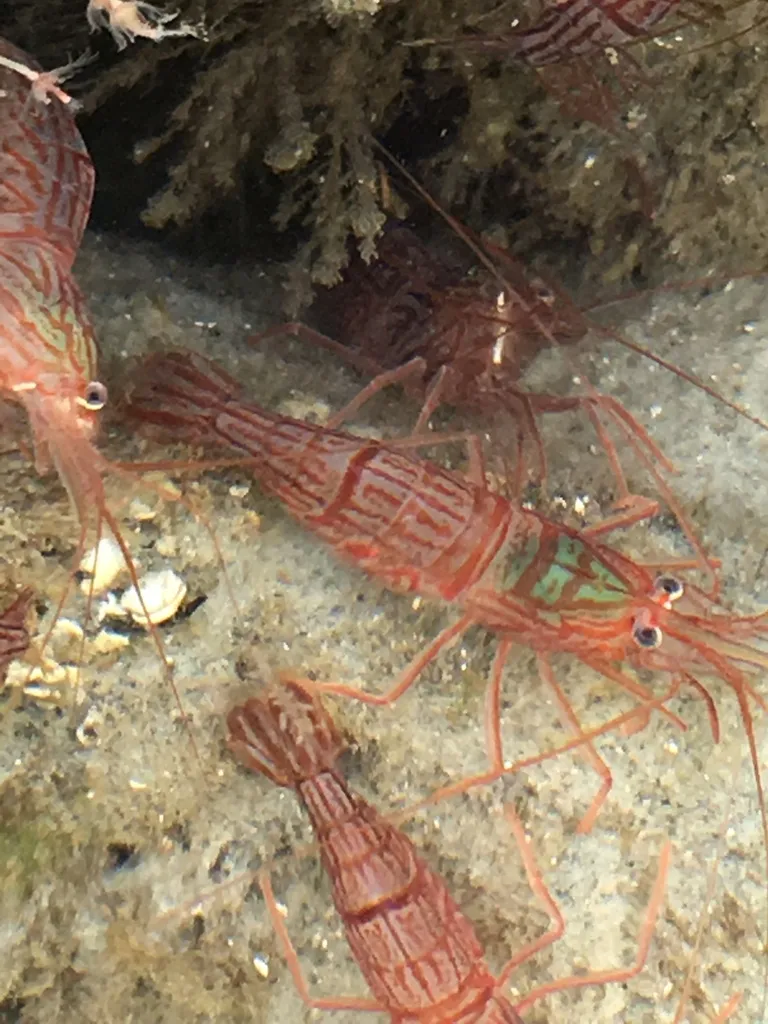
Peppermint shrimp
Lysmata wurdemanni
Saltwater2 in (5 cm) · 11 gal (40 L)72–81°F (22–27°C)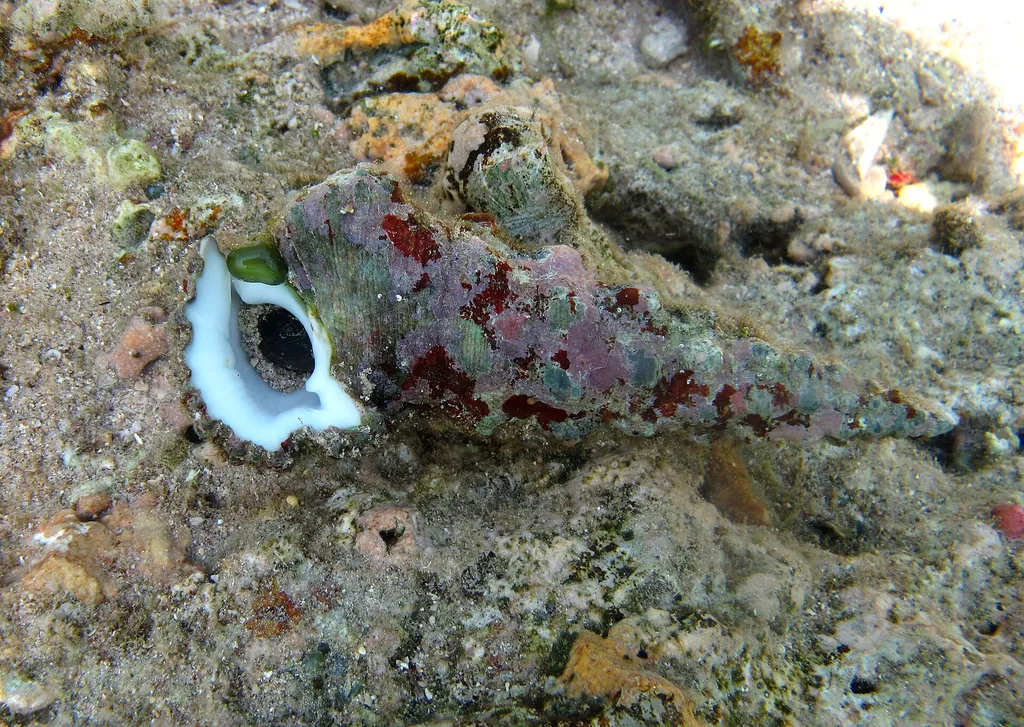
Cerith snail
Cerithium sp.
Saltwater1.6 in (4 cm) · 11 gal (40 L)72–79°F (22–26°C)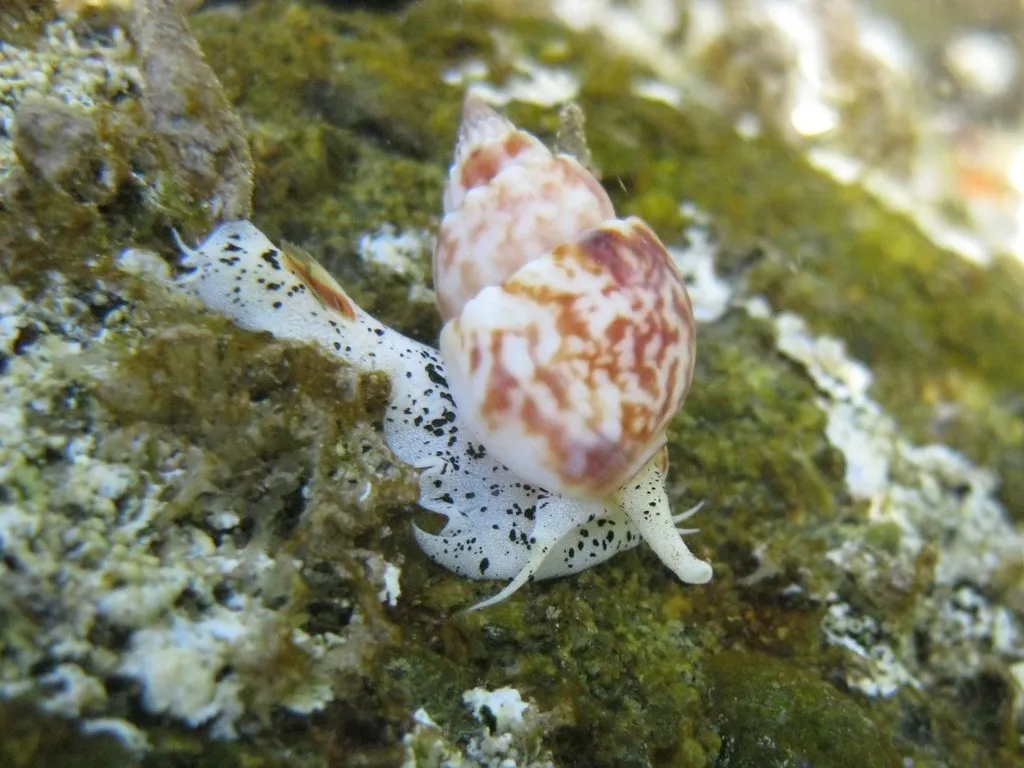
Nassarius snail
Nassarius sp.
Saltwater1 in (2.5 cm) · 11 gal (40 L)72–79°F (22–26°C)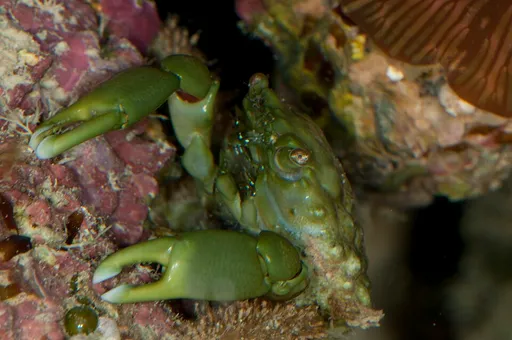
Emerald crab
Mithraculus sculptus
Saltwater2.4 in (6 cm) · 11 gal (40 L)75–82°F (24–28°C)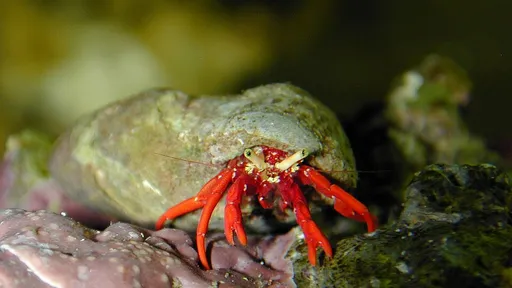
Scarlet reef hermit crab
Paguristes cadenati
Saltwater1.6 in (4 cm) · 11 gal (40 L)72–79°F (22–26°C)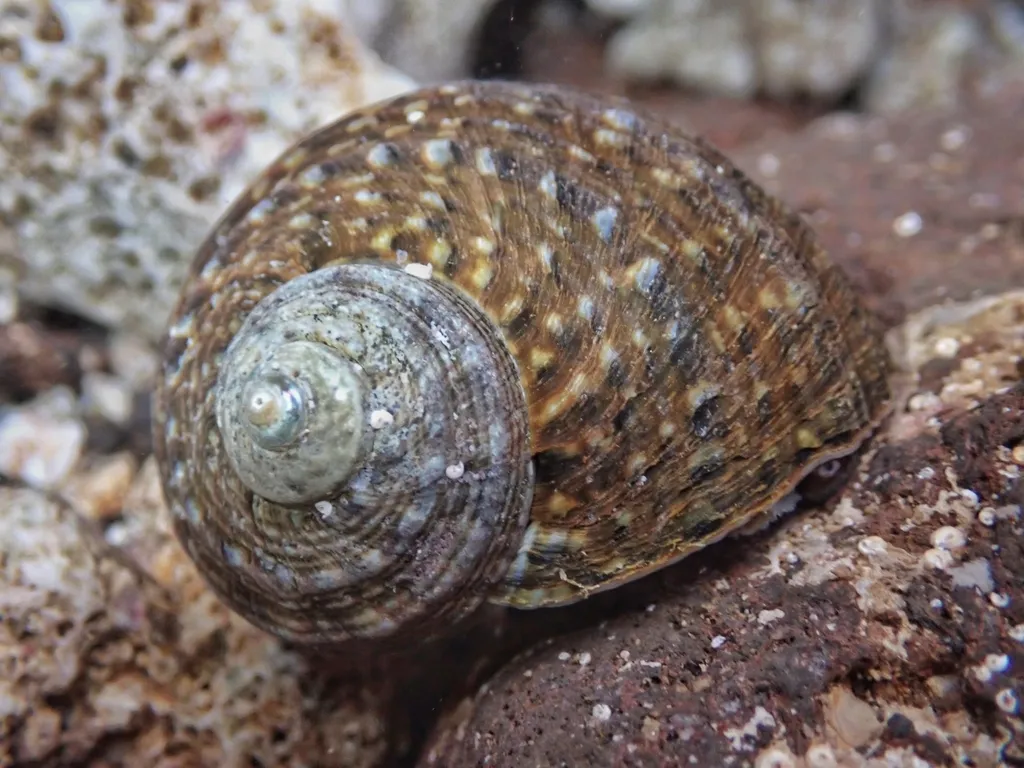
Mexican turbo snail
Turbo fluctuosus
Saltwater2.4 in (6 cm) · 11 gal (40 L)75–81°F (24–27°C)
Echinoderms
Urchins, stars and cucumbers
The long-spine urchin reaches 9.8 inches (25 cm) across and lists 50 gallons (190 liters), a grazer marked easy with spines that go through a glove. The purple urchin is the smaller grazer at 3.1 inches (8 cm) for 20 gallons (75 liters). The sand-sifting star cleans the sand bed at 4.7 inches (12 cm) and lists 53 gallons (200 liters), because a smaller bed runs out of food. The serpent star scavenges under the rock at 11.8 inches (30 cm) across, marked easy. The sand-sifting sea cucumber turns the sand at 7.1 inches (18 cm) for 20 gallons (75 liters). The chocolate chip star is marked not reef safe, because it eats coral.
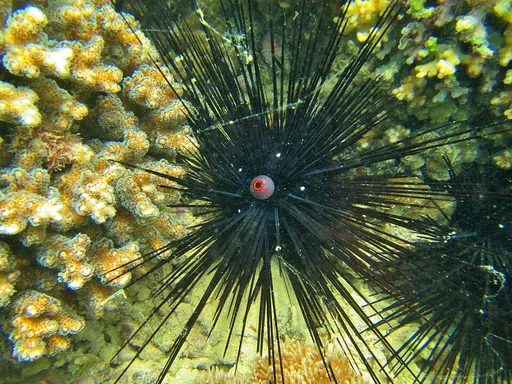
Long-spine urchin
Diadema setosum
Saltwater9.8 in (25 cm) · 50 gal (190 L)72–79°F (22–26°C)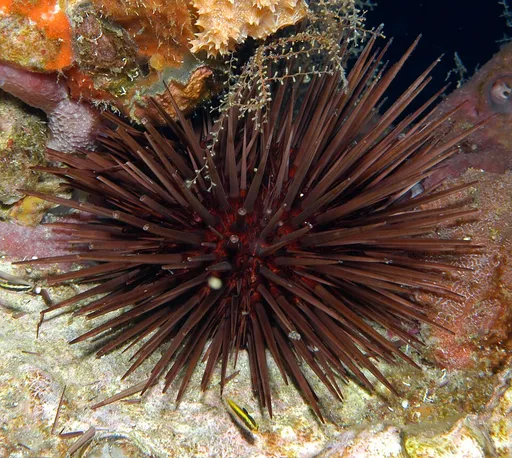
Purple urchin
Arbacia punctulata
Saltwater3.1 in (8 cm) · 20 gal (75 L)68–81°F (20–27°C)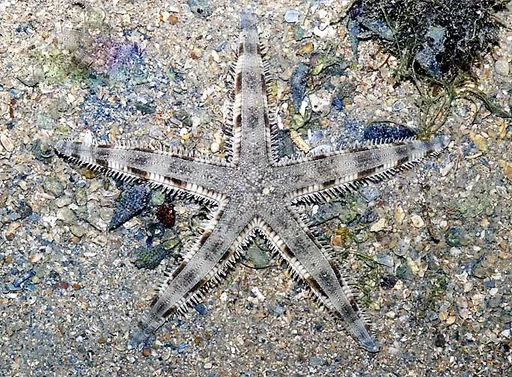
Sand-sifting star
Archaster typicus
Saltwater4.7 in (12 cm) · 53 gal (200 L)75–81°F (24–27°C)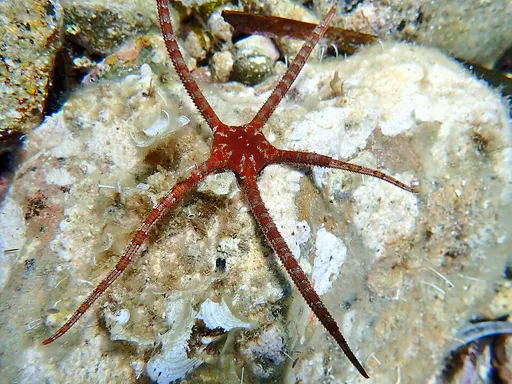
Serpent star
Ophioderma
Saltwater11.8 in (30 cm) · 26 gal (100 L)72–79°F (22–26°C)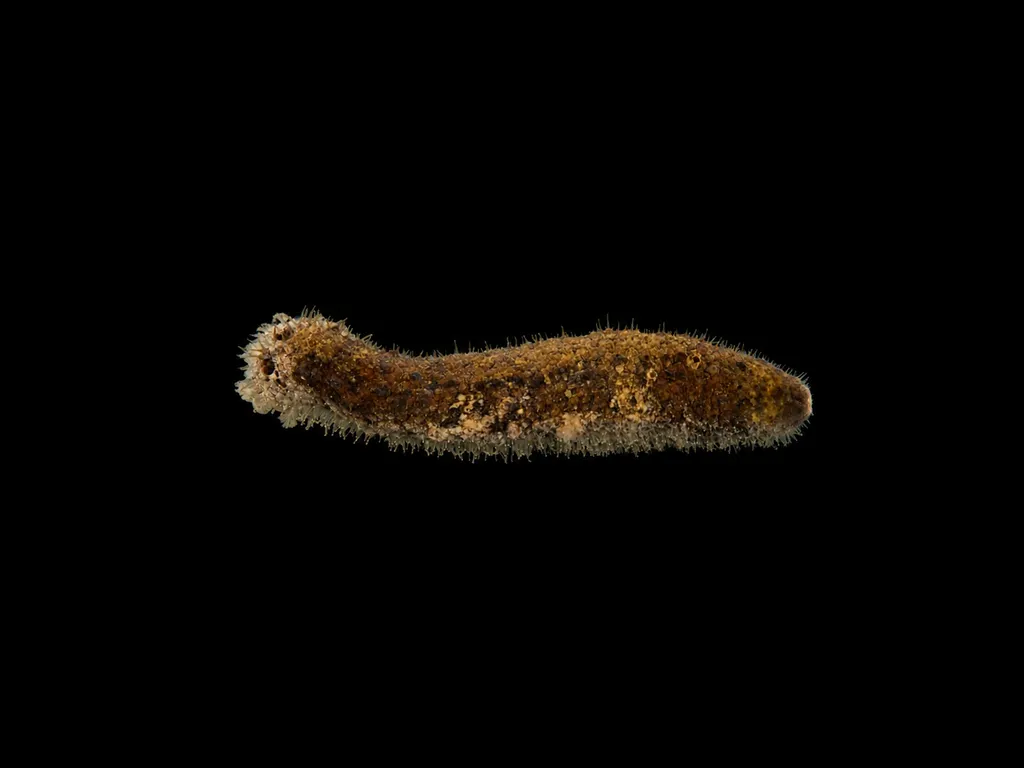
Sand-sifting sea cucumber
Holothuria floridana
Saltwater7.1 in (18 cm) · 20 gal (75 L)75–81°F (24–27°C)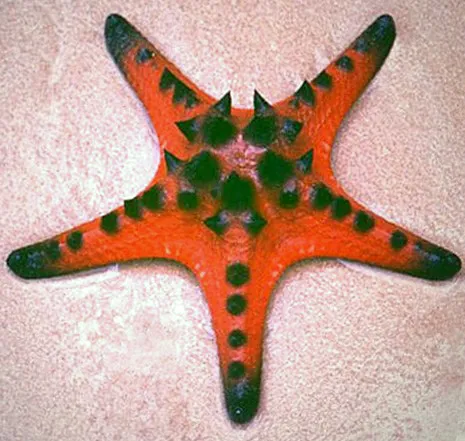
Chocolate chip star
Protoreaster nodosus
Saltwater11.8 in (30 cm) · 53 gal (200 L)75–81°F (24–27°C)
Anemones and clams
Anemones and clams
The rock flower anemone stays where it is put at 3.9 inches (10 cm) for 20 gallons (75 liters), marked medium, and the maxi-mini carpet anemone is the same size and rating. The long tentacle anemone reaches 15.7 inches (40 cm) and hosts Clark's and pink skunk clownfish. The maxima clam is the giant clam with the colors, marked medium for 40 gallons (150 liters) on the rock under strong light. The crocea clam is the smallest at 5.9 inches (15 cm) and marked difficult for the light it needs. The squamosa clam sits on the sand at 15.7 inches (40 cm), marked medium.

Rock flower anemone
Phymanthus crucifer
Saltwater3.9 in (10 cm) · 20 gal (75 L)75–81°F (24–27°C)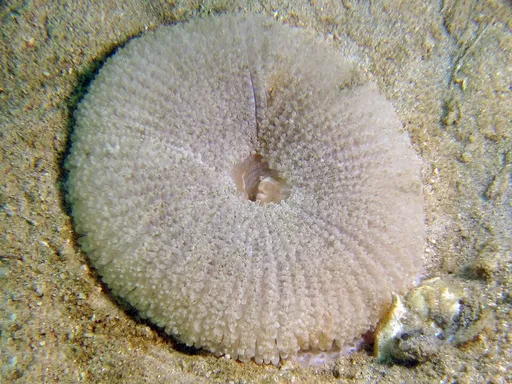
Maxi-mini carpet anemone
Stichodactyla tapetum
Saltwater3.1 in (8 cm) · 20 gal (75 L)75–81°F (24–27°C)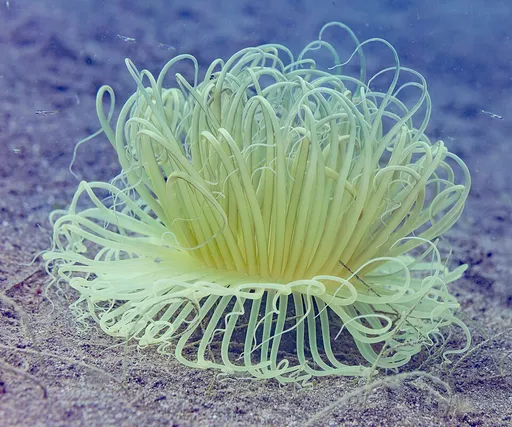
Long tentacle anemone
Macrodactyla doreensis
Saltwater15.7 in (40 cm) · 40 gal (150 L)75–81°F (24–27°C)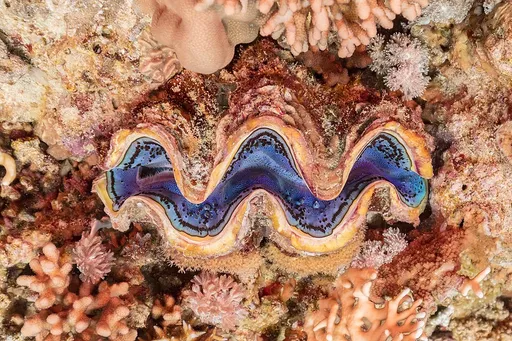
Maxima clam
Tridacna maxima
Saltwater13.8 in (35 cm) · 40 gal (150 L)75–81°F (24–27°C)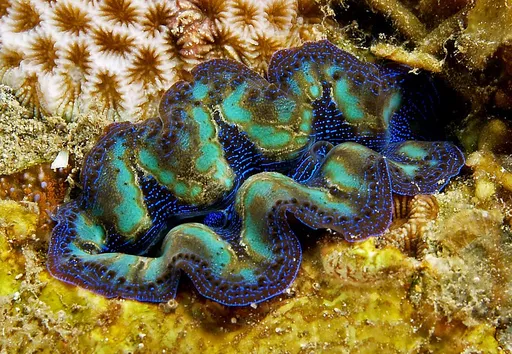
Crocea clam
Tridacna crocea
Saltwater5.9 in (15 cm) · 30 gal (115 L)75–81°F (24–27°C)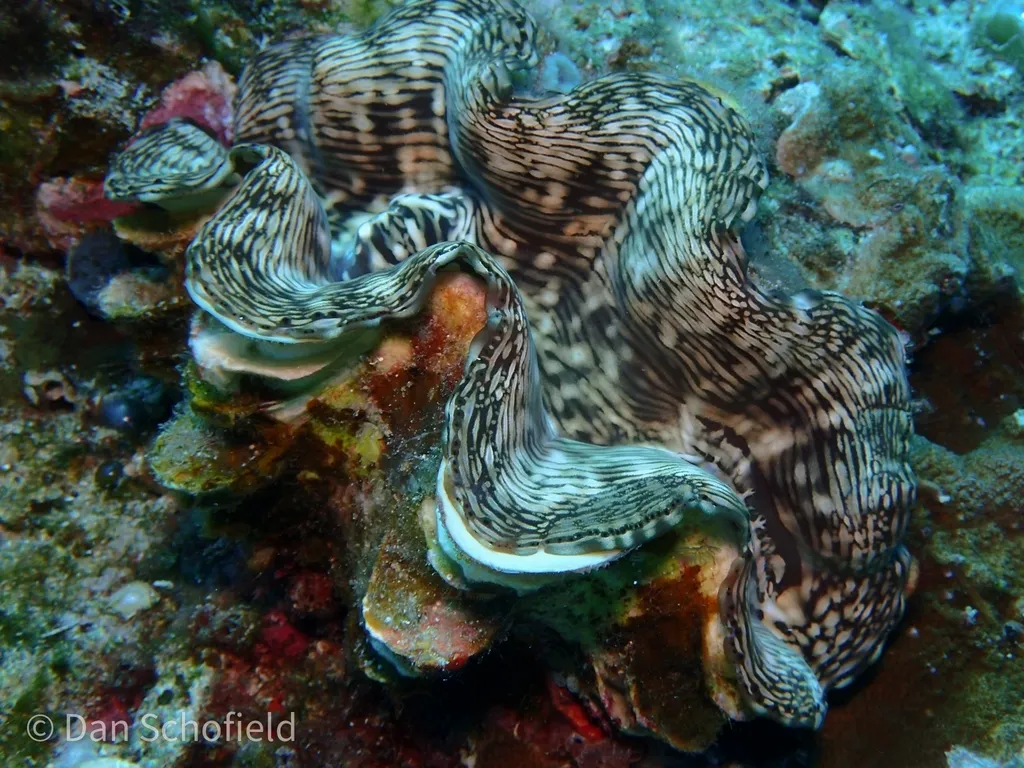
Squamosa clam
Tridacna squamosa
Saltwater15.7 in (40 cm) · 40 gal (150 L)75–81°F (24–27°C)
Specialists
Showpieces and specialists
The harlequin shrimp is 2 inches (5 cm) of blue and white that eats only starfish, marked medium for that reason. The Berghia nudibranch is 0.8 inches (2 cm), eats only Aiptasia and starves when the Aiptasia is gone. The lettuce sea slug grazes hair algae at 1.6 inches (4 cm) for 11 gallons (40 liters). The giant feather duster filters the water with a 5.9 inch (15 cm) crown, marked medium. The sea apple is 7.1 inches (18 cm) of color, marked difficult, and it releases a toxin when it dies that can take the tank with it. The pom-pom crab carries a small anemone in each claw and stays under 1 inch (2.5 cm).
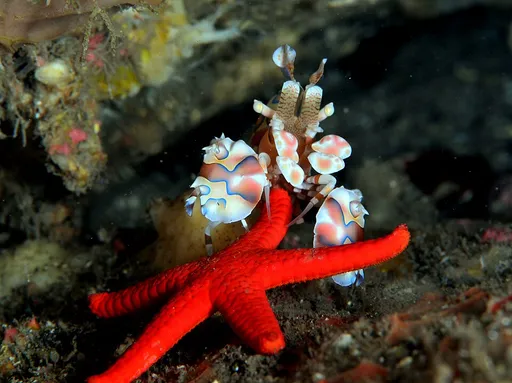
Harlequin shrimp
Hymenocera picta
Saltwater2 in (5 cm) · 11 gal (40 L)75–81°F (24–27°C)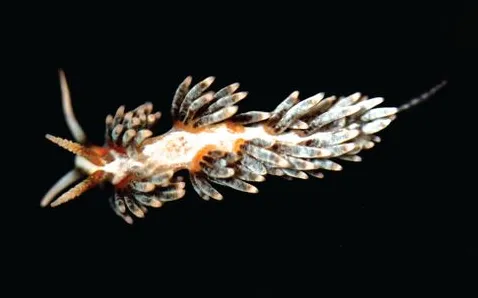
Berghia nudibranch
Berghia stephanieae
Saltwater0.8 in (2 cm) · 5 gal (20 L)75–81°F (24–27°C)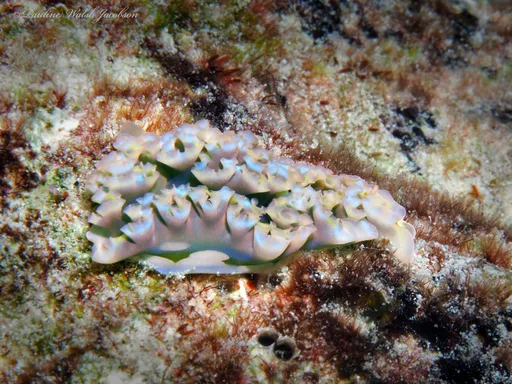
Lettuce sea slug
Elysia crispata
Saltwater1.6 in (4 cm) · 11 gal (40 L)75–81°F (24–27°C)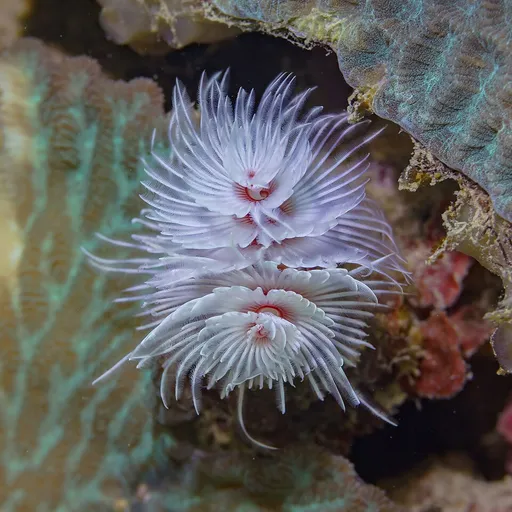
Giant feather duster
Sabellastarte spectabilis
Saltwater5.9 in (15 cm) · 20 gal (75 L)75–81°F (24–27°C)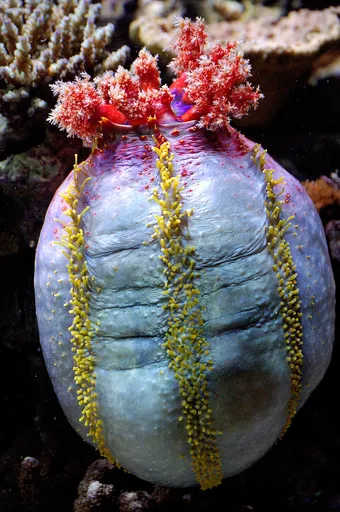
Sea apple
Pseudocolochirus violaceus
Saltwater7.1 in (18 cm) · 20 gal (75 L)75–81°F (24–27°C)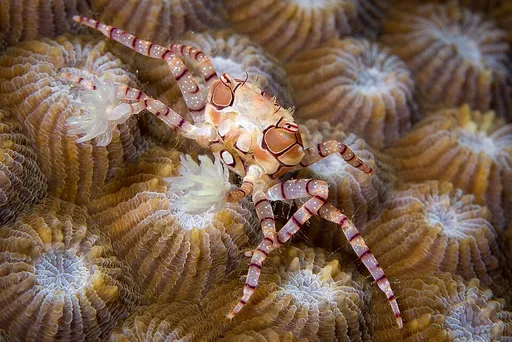
Pom-pom crab
Lybia tessellata
Saltwater1 in (2.5 cm) · 11 gal (40 L)75–81°F (24–27°C)
By the numbers
Smallest
Largest
Easiest to keep
Most peaceful
Fits a 20 gallon tank
Fits a 30 gallon tank
FAQ
Common questions
Which marine invertebrates are easiest?
The skunk cleaner and peppermint shrimp, the trochus, cerith and nassarius snails and the blue-leg hermit crab are all marked beginner. The tuxedo urchin and the serpent star are marked easy.
Are starfish reef safe?
The sand-sifting star and the Fromia star are marked reef safe. The serpent and brittle stars carry a caution, and the green brittle star catches sleeping fish. The chocolate chip and red knob stars are marked not reef safe because they eat coral.
Why did my invertebrate die after I added it?
Acclimation, most often. A snail, shrimp or starfish dropped into water of a different salinity dies within days. Drip acclimate over an hour, and check that no copper medication has ever been used in the tank.
What eats Aiptasia?
The peppermint shrimp, marked beginner, and the Berghia nudibranch, which eats nothing else and starves once the Aiptasia is gone.
Can I keep an anemone with a clam?
Yes, with room between them. An anemone stings whatever it touches and walks until it settles, so the clam sits well outside its reach.
Do sea urchins eat coral?
No. They graze algae and coralline off the rock. The caution mark on most urchins is for what they knock over and carry: a tuxedo urchin will walk off with a frag on its back.
Index
All marine inverts
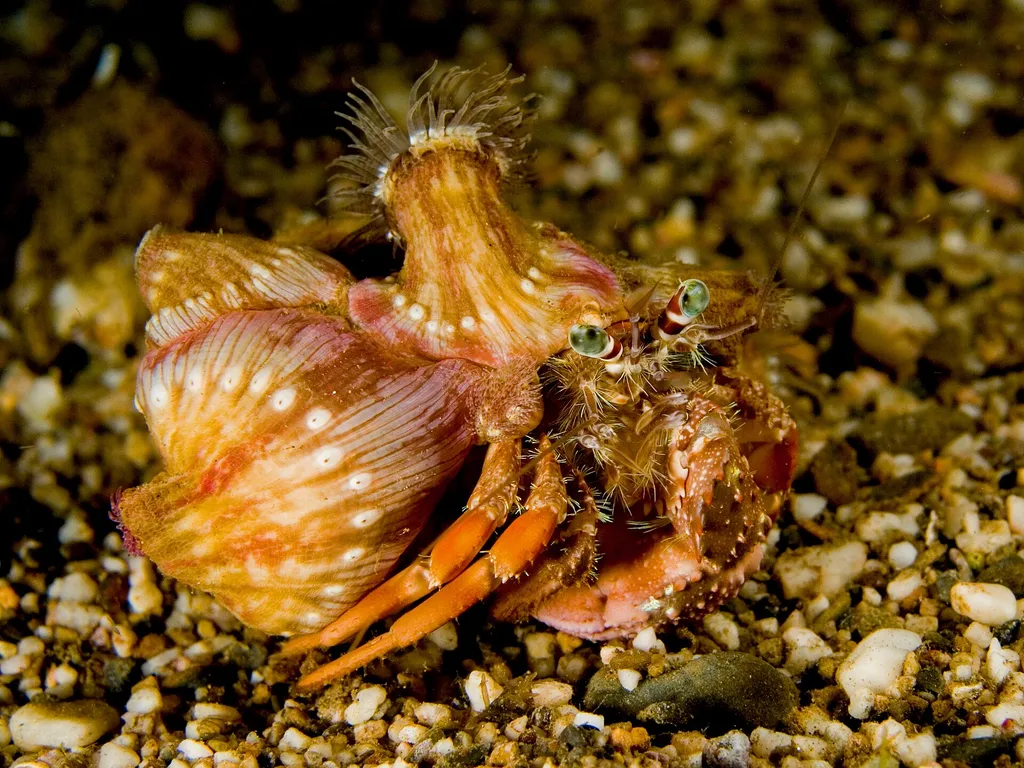
Anemone hermit crab
Dardanus pedunculatus
Saltwater3.9 in (10 cm) · 40 gal (150 L)72–81°F (22–27°C)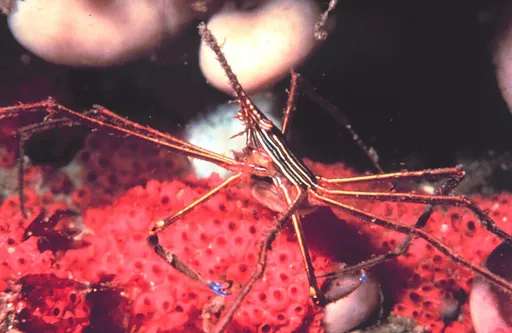
Arrow crab
Stenorhynchus seticornis
Saltwater3.9 in (10 cm) · 30 gal (115 L)72–79°F (22–26°C)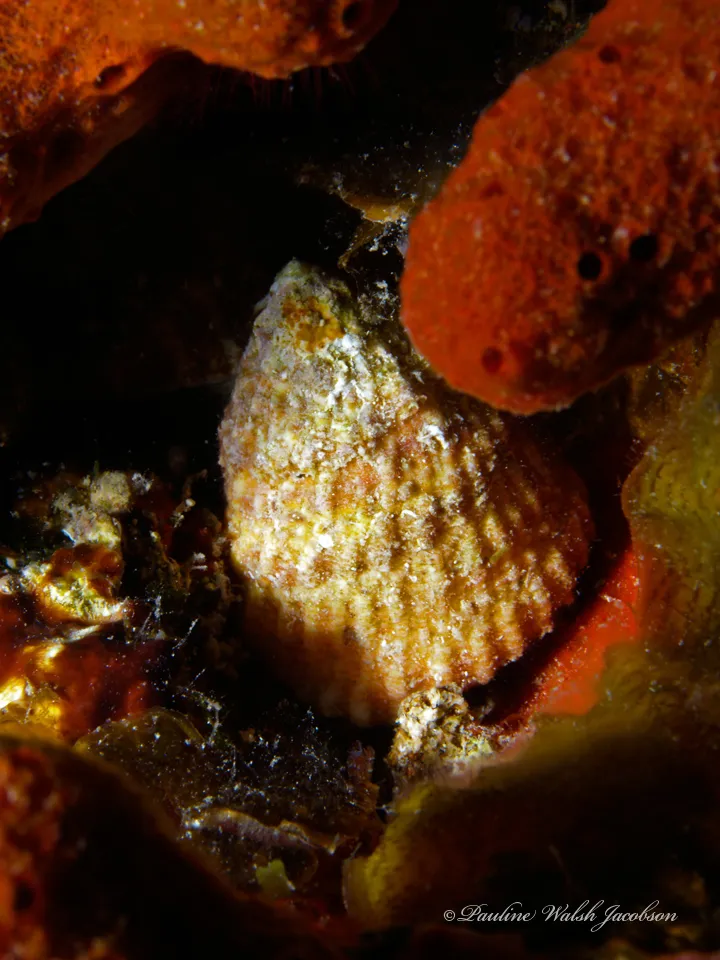
Astraea turbo snail
Astraea tecta
Saltwater1 in (2.5 cm) · 11 gal (40 L)72–79°F (22–26°C)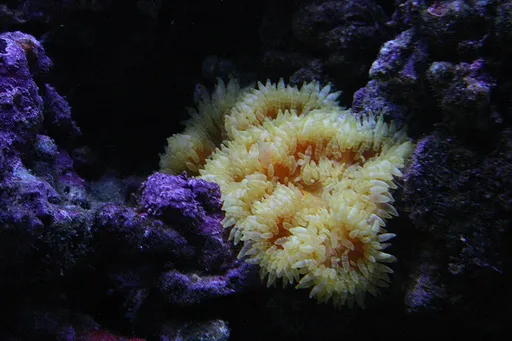
Aurora anemone
Heteractis aurora
Saltwater11.8 in (30 cm) · 50 gal (190 L)72–79°F (22–26°C)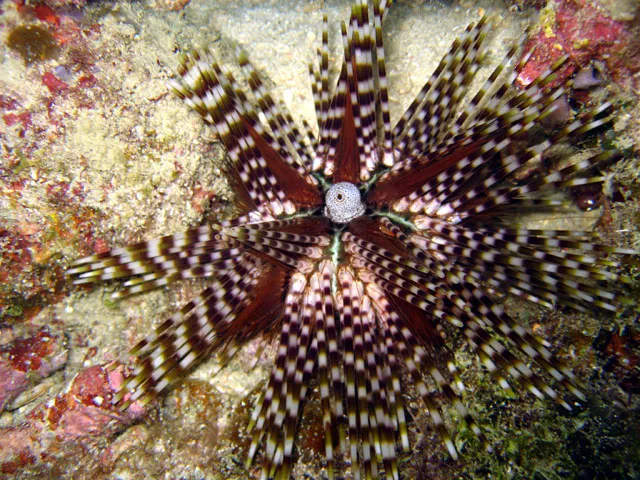
Banded urchin
Echinothrix calamaris
Saltwater3.1 in (8 cm) · 50 gal (190 L)72–79°F (22–26°C)Berghia nudibranch
Berghia stephanieae
Saltwater0.8 in (2 cm) · 5 gal (20 L)75–81°F (24–27°C)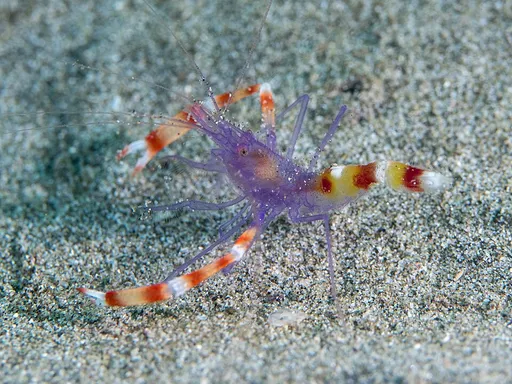
Blue / purple coral banded shrimp
Stenopus tenuirostris
Saltwater1.6 in (4 cm) · 11 gal (40 L)75–81°F (24–27°C)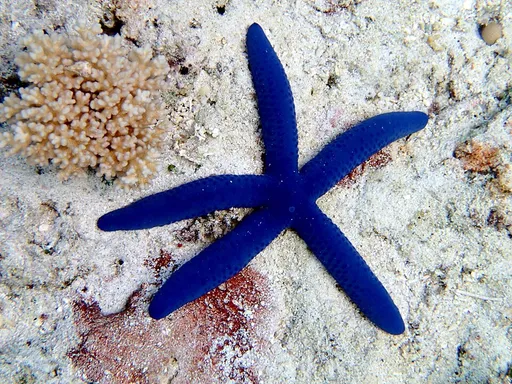
Blue linckia star
Linckia laevigata
Saltwater11.8 in (30 cm) · 53 gal (200 L)75–81°F (24–27°C)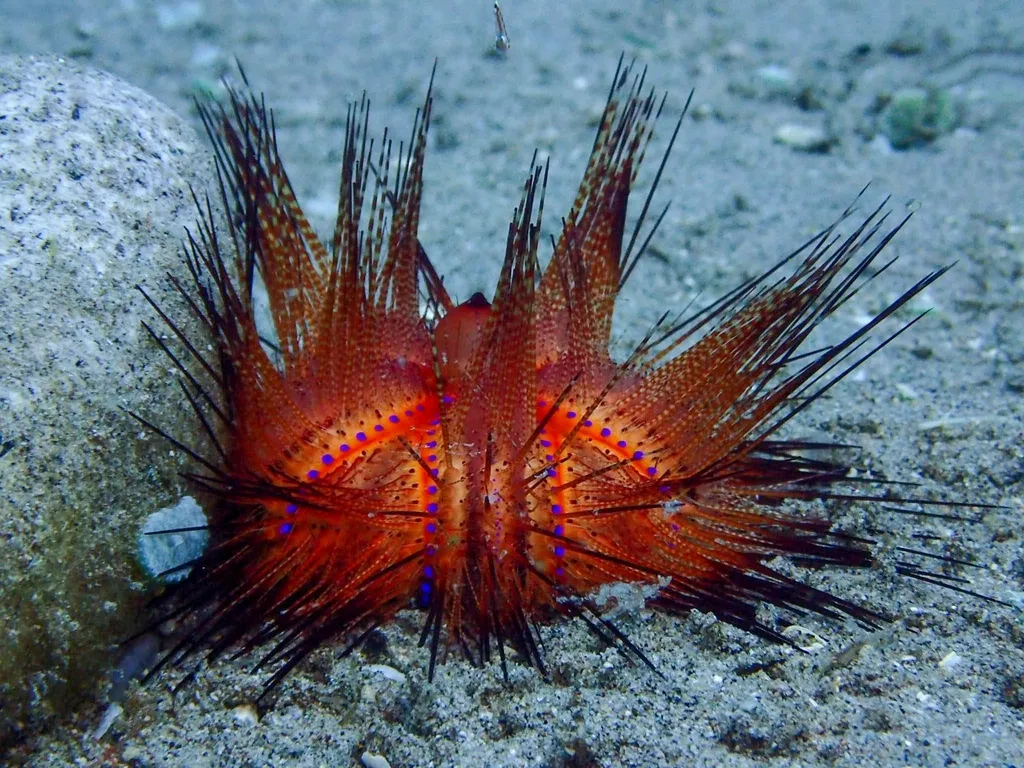
Blue spot urchin
Astropyga radiata
Saltwater7.9 in (20 cm) · 100 gal (380 L)72–82°F (22–28°C)Blue-leg hermit crab
Clibanarius tricolor
Saltwater1 in (2.5 cm) · 11 gal (40 L)72–79°F (22–26°C)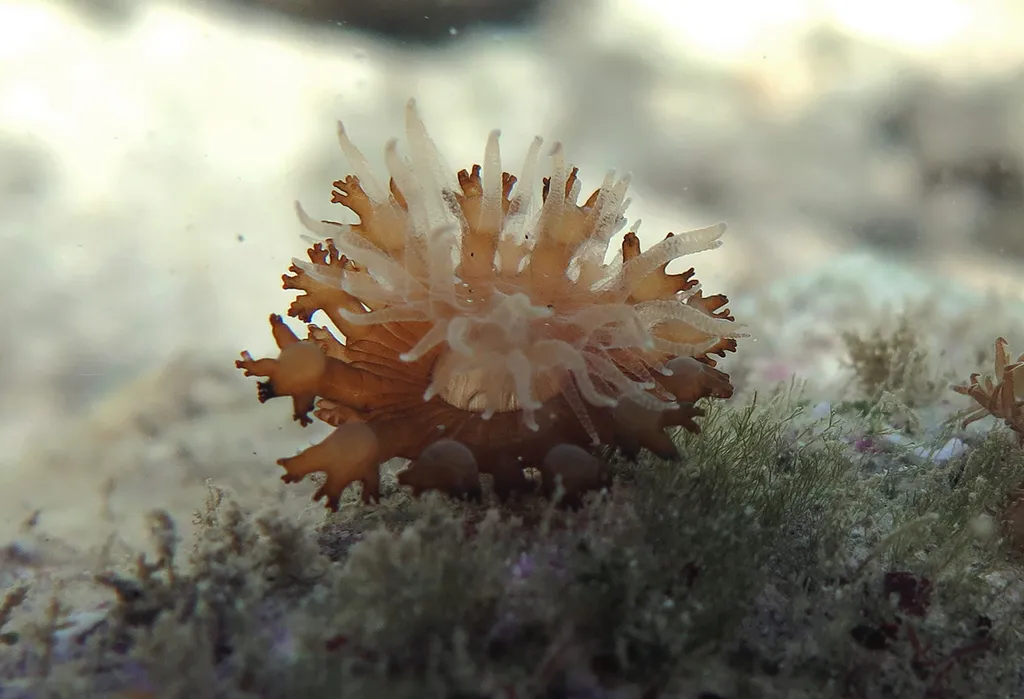
Boxer crab anemone
Triactis producta
Saltwater1.2 in (3 cm) · 11 gal (40 L)75–81°F (24–27°C)Bubble tip anemone
Entacmaea quadricolor
Saltwater11.8 in (30 cm) · 30 gal (115 L)75–81°F (24–27°C)4 varieties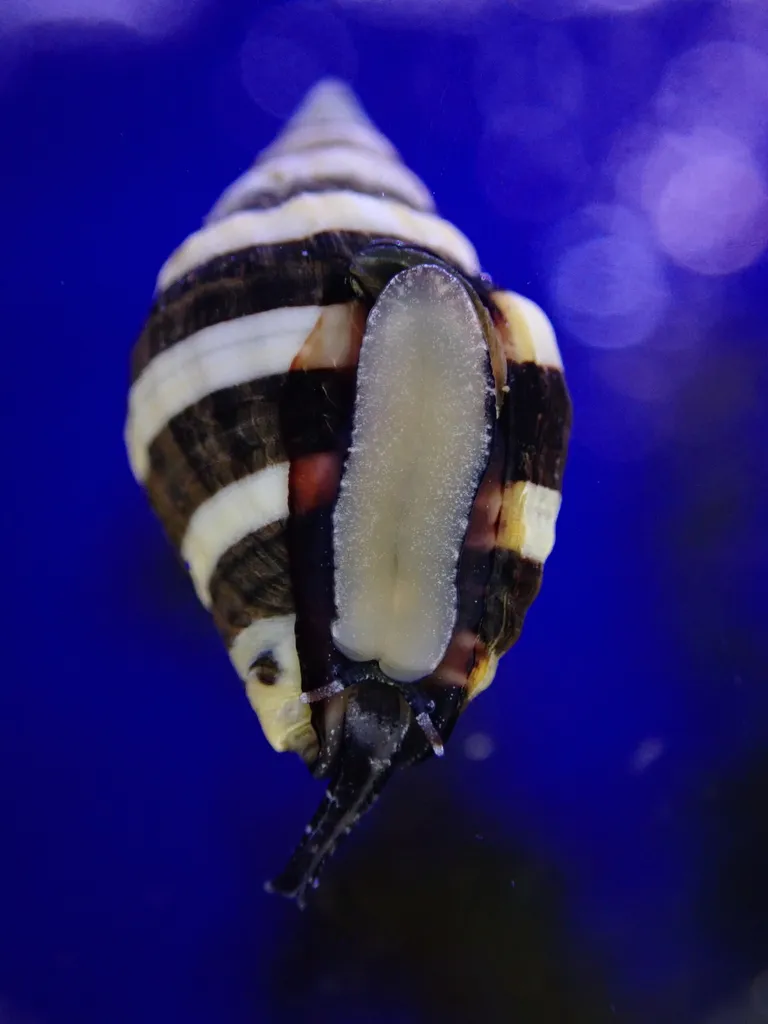
Bumble bee snail
Engina mendicaria
Saltwater0.8 in (2 cm) · 11 gal (40 L)75–81°F (24–27°C)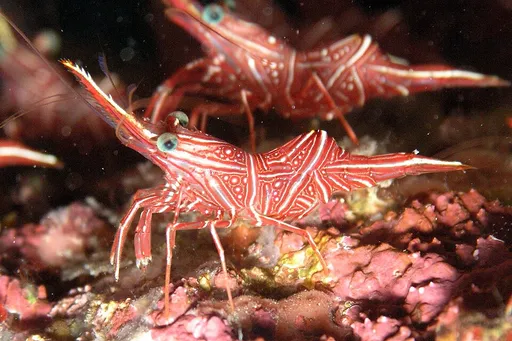
Camel / dancing shrimp
Rhynchocinetes durbanensis
Saltwater2 in (5 cm) · 16 gal (60 L)75–81°F (24–27°C)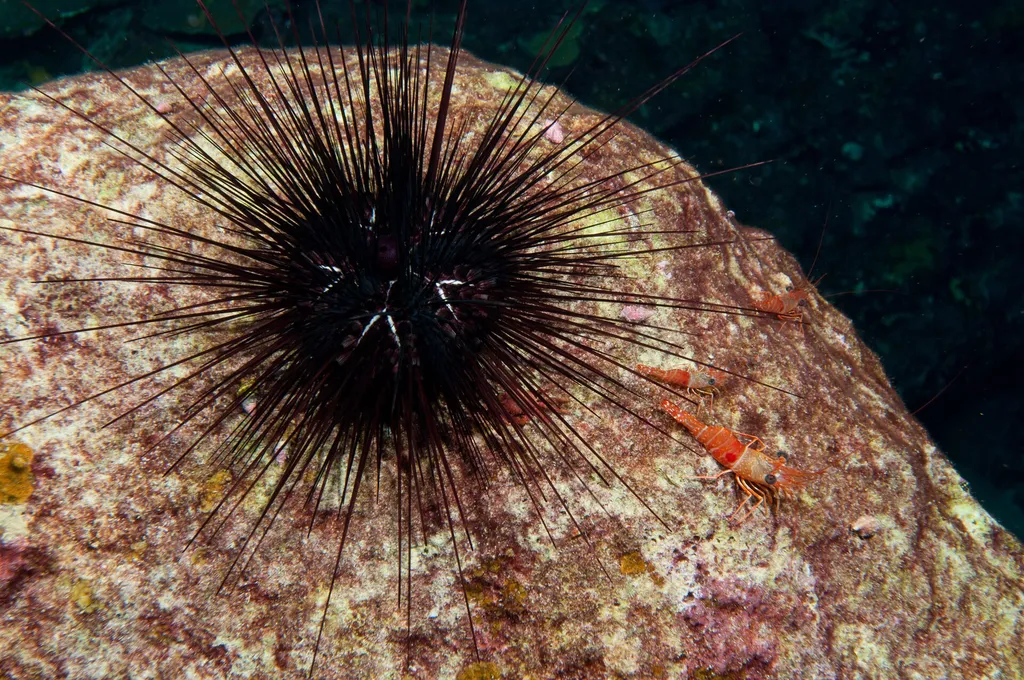
Caribbean long-spined urchin
Diadema antillarum
Saltwater3.9 in (10 cm) · 79 gal (300 L)72–81°F (22–27°C)Cerith snail
Cerithium sp.
Saltwater1.6 in (4 cm) · 11 gal (40 L)72–79°F (22–26°C)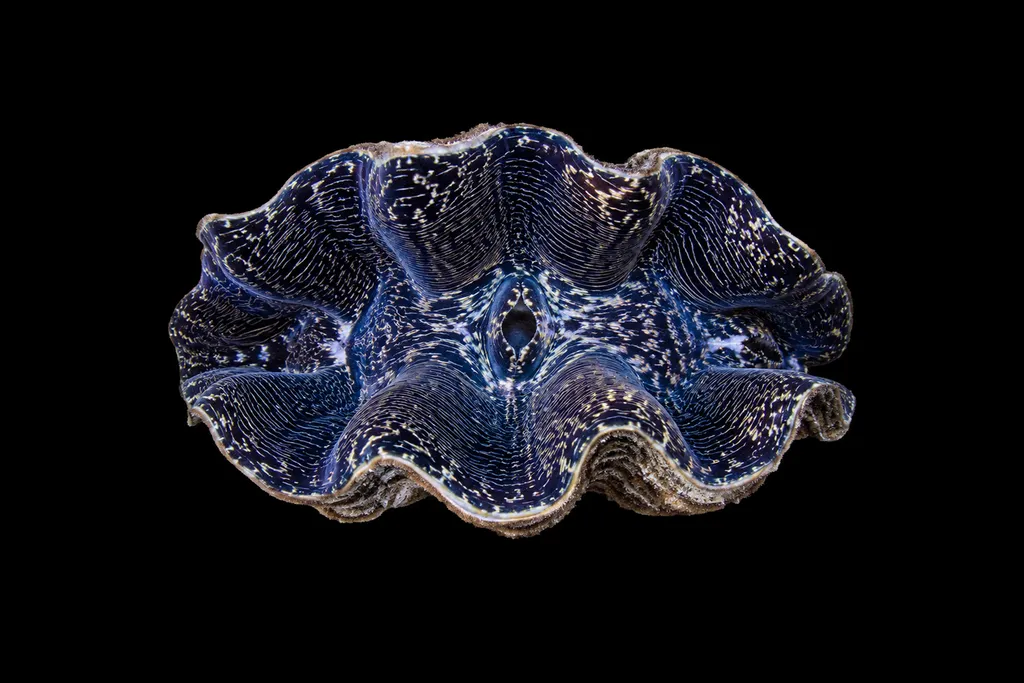
China clam
Hippopus porcellanus
Saltwater15.7 in (40 cm) · 106 gal (400 L)75–81°F (24–27°C)Chocolate chip star
Protoreaster nodosus
Saltwater11.8 in (30 cm) · 53 gal (200 L)75–81°F (24–27°C)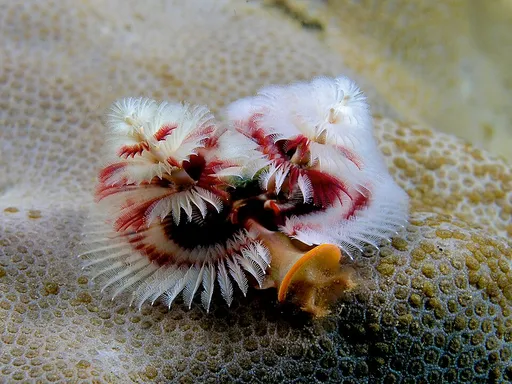
Christmas tree worm
Spirobranchus giganteus
Saltwater1.6 in (4 cm) · 20 gal (75 L)75–81°F (24–27°C)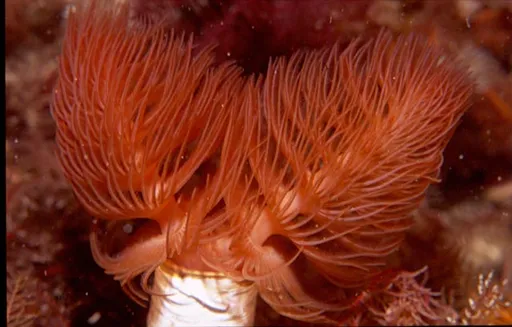
Coco worm
Protula bispiralis
Saltwater5.1 in (13 cm) · 20 gal (75 L)75–81°F (24–27°C)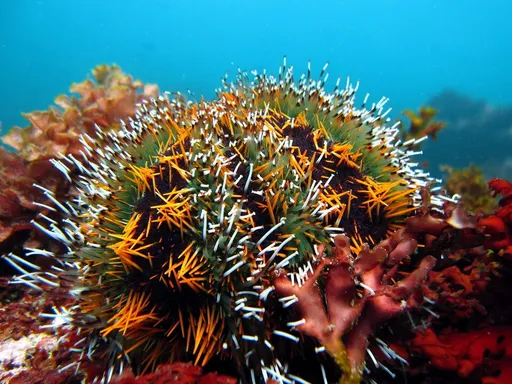
Collector urchin
Tripneustes gratilla
Saltwater5.9 in (15 cm) · 20 gal (75 L)75–81°F (24–27°C)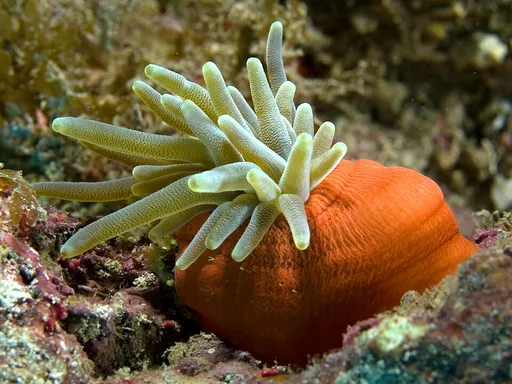
Condy anemone
Condylactis gigantea
Saltwater11.8 in (30 cm) · 40 gal (150 L)75–81°F (24–27°C)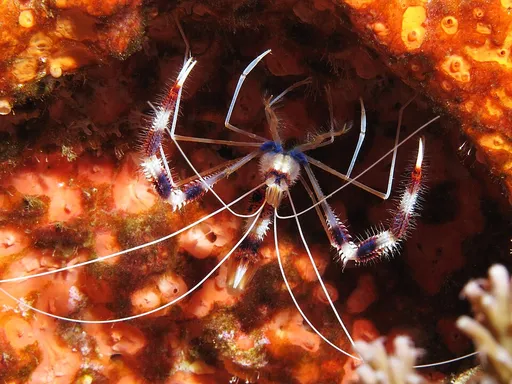
Coral banded shrimp
Stenopus hispidus
Saltwater2.4 in (6 cm) · 30 gal (115 L)72–81°F (22–27°C)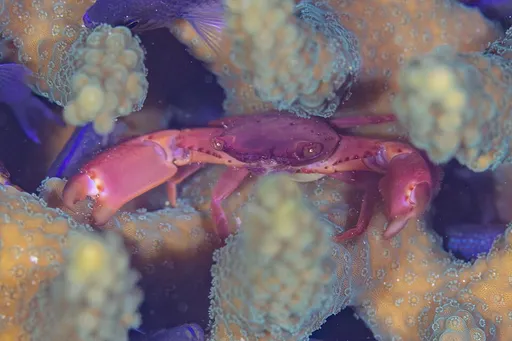
Coral guard crab
Trapezia cymodoce
Saltwater0.8 in (2 cm) · 11 gal (40 L)75–81°F (24–27°C)Crocea clam
Tridacna crocea
Saltwater5.9 in (15 cm) · 30 gal (115 L)75–81°F (24–27°C)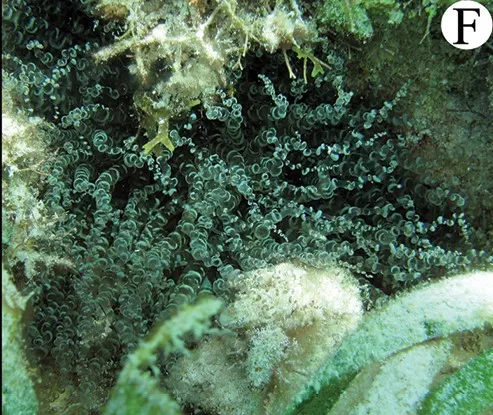
Curlyque anemone
Bartholomea annulata
Saltwater5.9 in (15 cm) · 20 gal (75 L)75–81°F (24–27°C)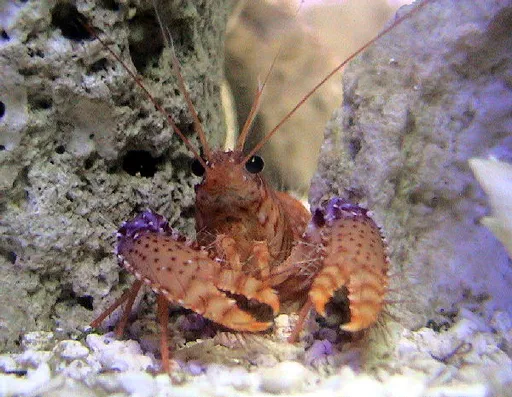
Daum's reef lobster
Enoplometopus daumi
Saltwater3.9 in (10 cm) · 50 gal (190 L)72–79°F (22–26°C)Decorator crab
Camposcia retusa
Saltwater1.2 in (3 cm) · 26 gal (100 L)72–81°F (22–27°C)Derasa clam
Tridacna derasa
Saltwater19.7 in (50 cm) · 40 gal (150 L)75–81°F (24–27°C)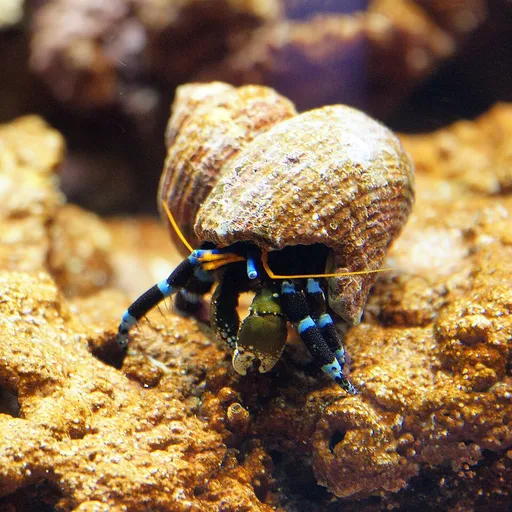
Electric blue hermit crab
Calcinus elegans
Saltwater2 in (5 cm) · 20 gal (75 L)72–79°F (22–26°C)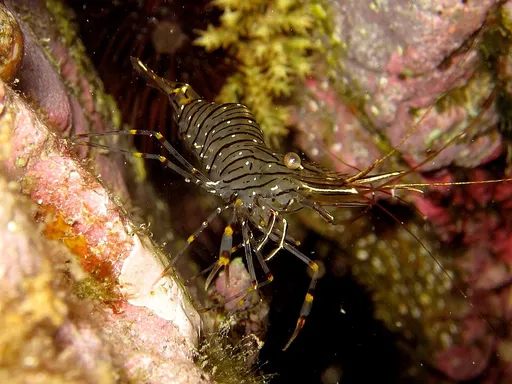
Elegant rockpool shrimp
Palaemon elegans
Saltwater2.4 in (6 cm) · 11 gal (40 L)61–79°F (16–26°C)Elongated heart urchin
Lovenia elongata
Saltwater2.8 in (7 cm) · 53 gal (200 L)72–81°F (22–27°C)Emerald crab
Mithraculus sculptus
Saltwater2.4 in (6 cm) · 11 gal (40 L)75–82°F (24–28°C)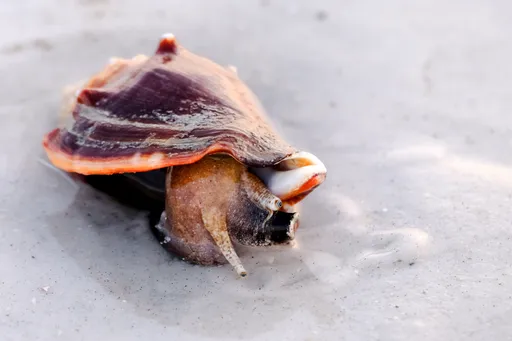
Fighting conch
Strombus alatus
Saltwater3.1 in (8 cm) · 20 gal (75 L)75–81°F (24–27°C)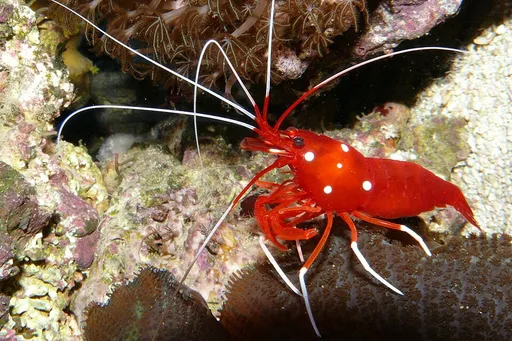
Fire shrimp
Lysmata debelius
Saltwater2.4 in (6 cm) · 20 gal (75 L)72–79°F (22–26°C)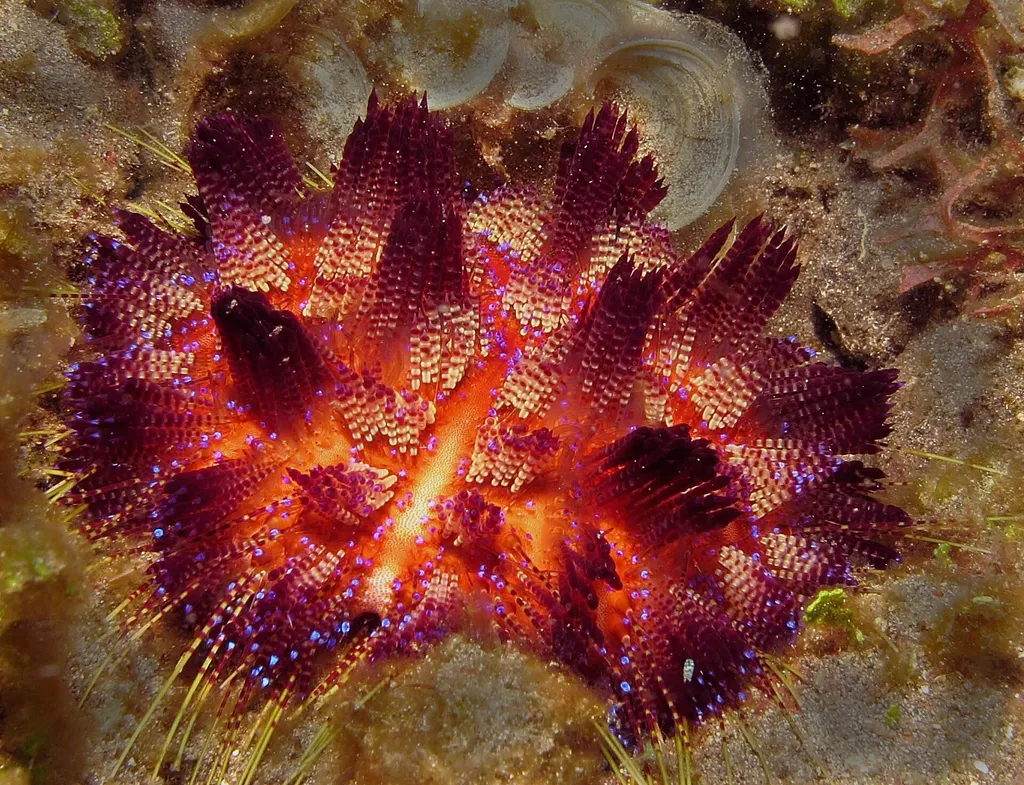
Fire urchin
Asthenosoma varium
Saltwater9.8 in (25 cm) · 201 gal (760 L)72–81°F (22–27°C)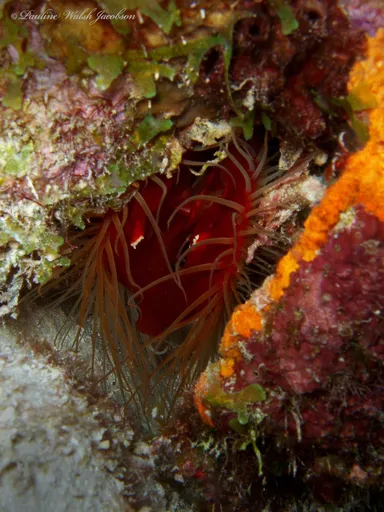
Flame scallop
Ctenoides scaber
Saltwater3.5 in (9 cm) · 30 gal (115 L)75–81°F (24–27°C)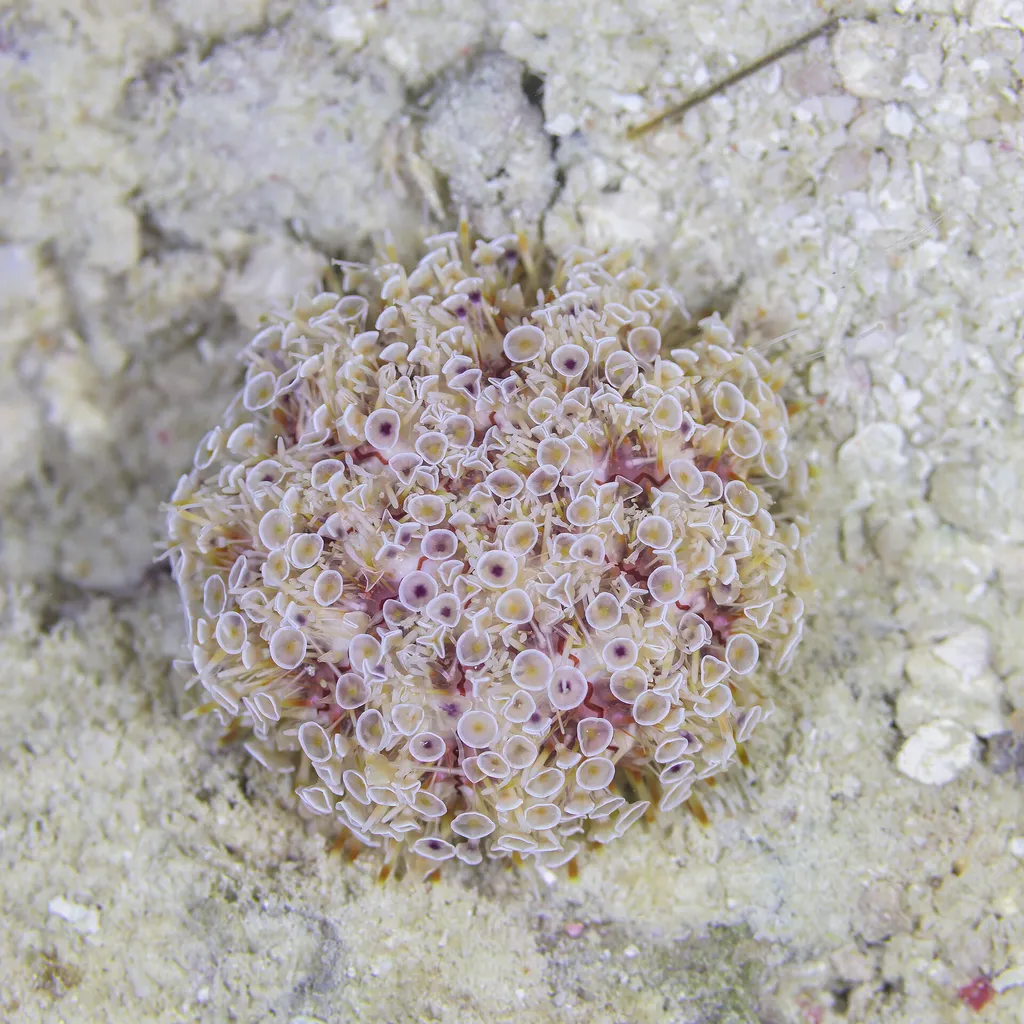
Flower urchin
Toxopneustes pileolus
Saltwater5.9 in (15 cm) · 100 gal (380 L)72–82°F (22–28°C)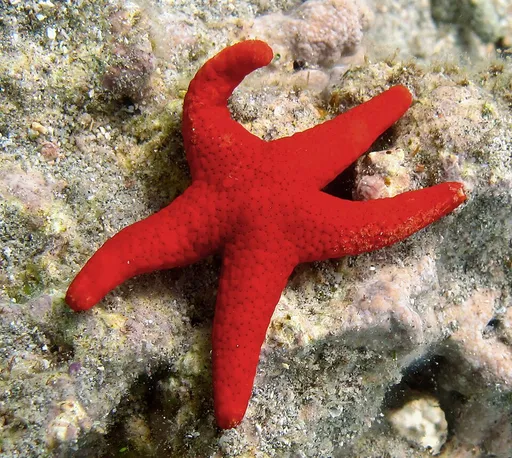
Fromia star
Fromia milleporella
Saltwater5.9 in (15 cm) · 40 gal (150 L)75–81°F (24–27°C)Giant feather duster
Sabellastarte spectabilis
Saltwater5.9 in (15 cm) · 20 gal (75 L)75–81°F (24–27°C)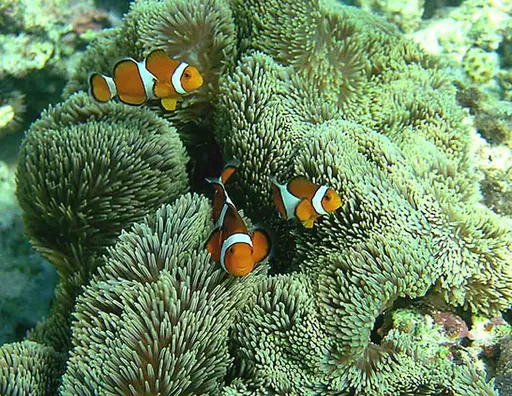
Gigantea carpet anemone
Stichodactyla gigantea
Saltwater19.7 in (50 cm) · 53 gal (200 L)75–81°F (24–27°C)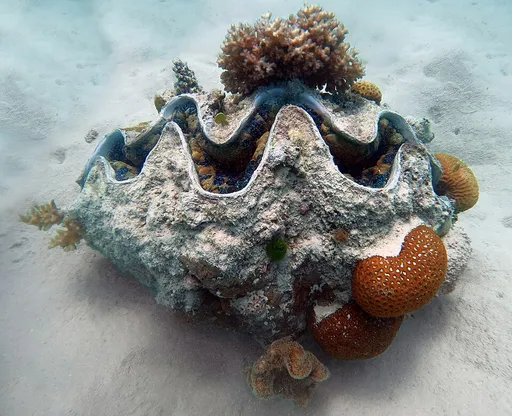
Gigas clam
Tridacna gigas
Saltwater47.2 in (120 cm) · 198 gal (750 L)75–81°F (24–27°C)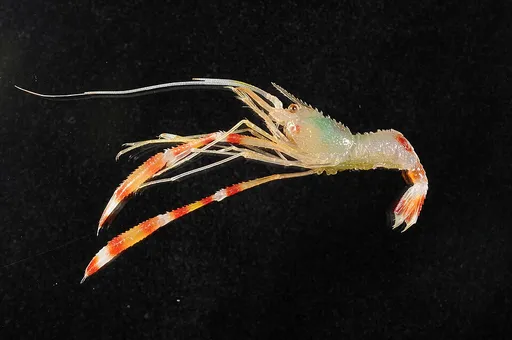
Gold coral banded shrimp
Stenopus scutellatus
Saltwater1.6 in (4 cm) · 11 gal (40 L)75–81°F (24–27°C)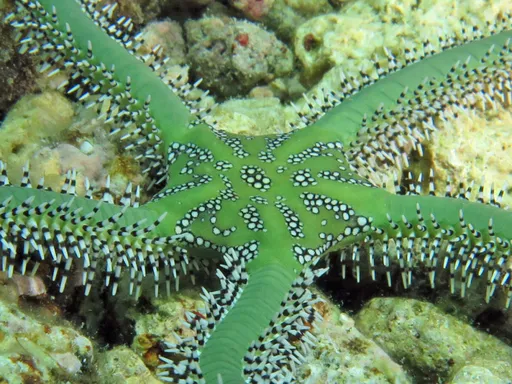
Green brittle star
Ophiarachna incrassata
Saltwater15.7 in (40 cm) · 79 gal (300 L)75–81°F (24–27°C)Green sea urchin
Strongylocentrotus droebachiensis
Saltwater3.5 in (9 cm) · 40 gal (150 L)36–59°F (2–15°C)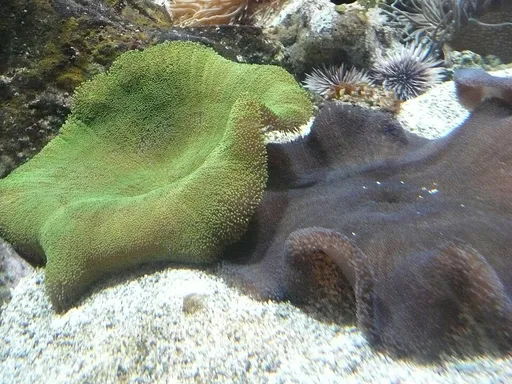
Haddon's carpet anemone
Stichodactyla haddoni
Saltwater33.5 in (85 cm) · 53 gal (200 L)75–81°F (24–27°C)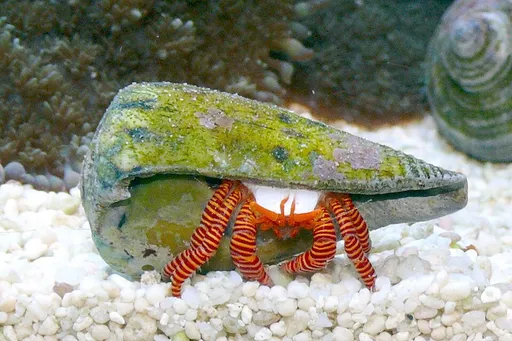
Halloween hermit crab
Ciliopagurus strigatus
Saltwater2 in (5 cm) · 20 gal (75 L)72–79°F (22–26°C)Harlequin shrimp
Hymenocera picta
Saltwater2 in (5 cm) · 11 gal (40 L)75–81°F (24–27°C)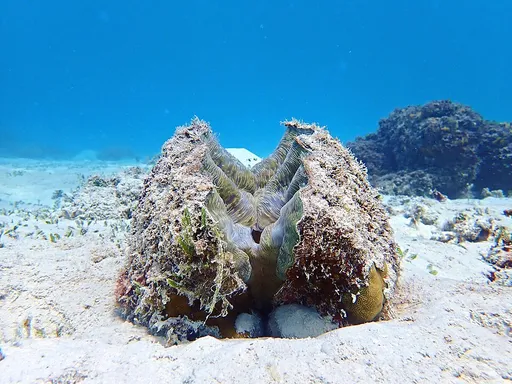
Horse hoof clam
Hippopus hippopus
Saltwater11.8 in (30 cm) · 40 gal (150 L)75–81°F (24–27°C)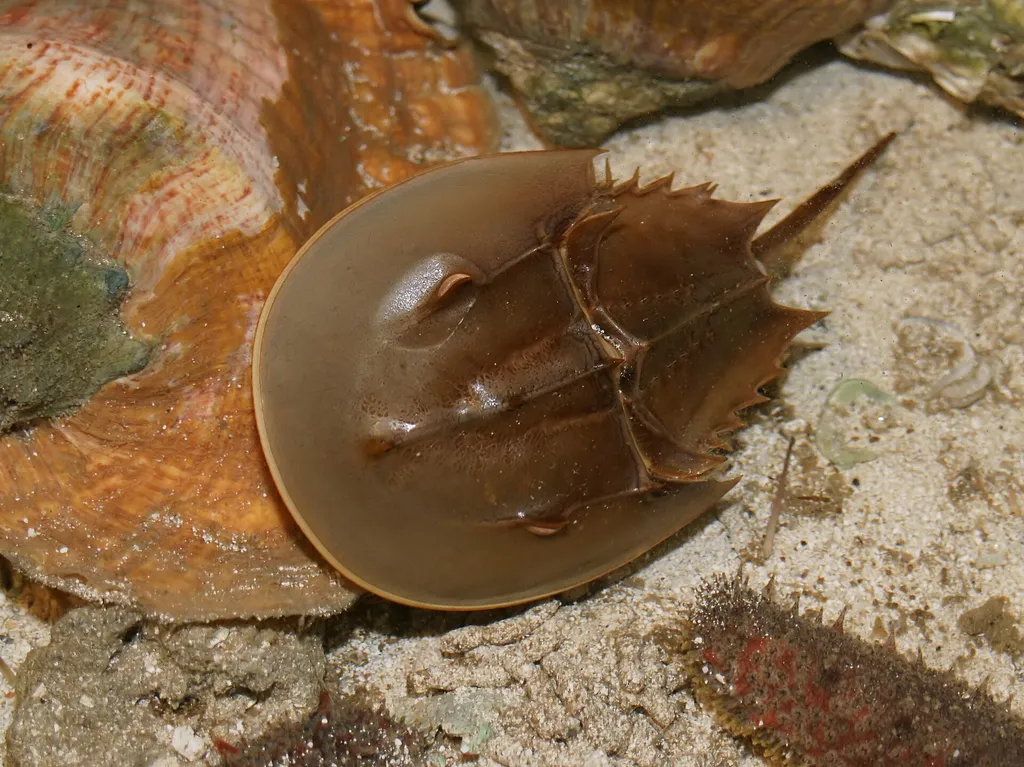
Horseshoe crab
Limulus polyphemus
Saltwater23.6 in (60 cm) · 185 gal (700 L)68–79°F (20–26°C)
Jewel urchin
Lytechinus williamsi
Saltwater2 in (5 cm) · 11 gal (40 L)72–81°F (22–27°C)Lettuce sea slug
Elysia crispata
Saltwater1.6 in (4 cm) · 11 gal (40 L)75–81°F (24–27°C)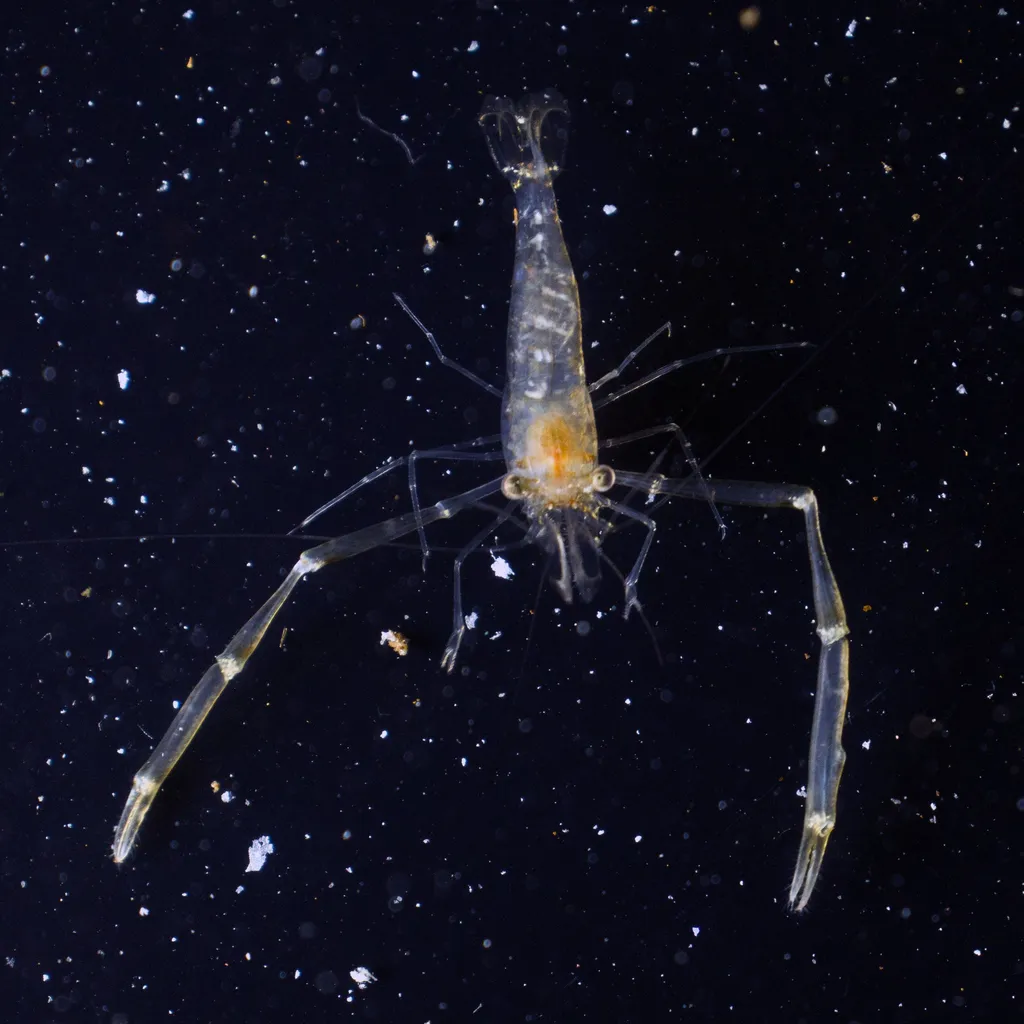
Long arm shrimp
Cuapetes sp.
Saltwater0.8 in (2 cm) · 5 gal (20 L)75–82°F (24–28°C)Long tentacle anemone
Macrodactyla doreensis
Saltwater15.7 in (40 cm) · 40 gal (150 L)75–81°F (24–27°C)Long-spine urchin
Diadema setosum
Saltwater9.8 in (25 cm) · 50 gal (190 L)72–79°F (22–26°C)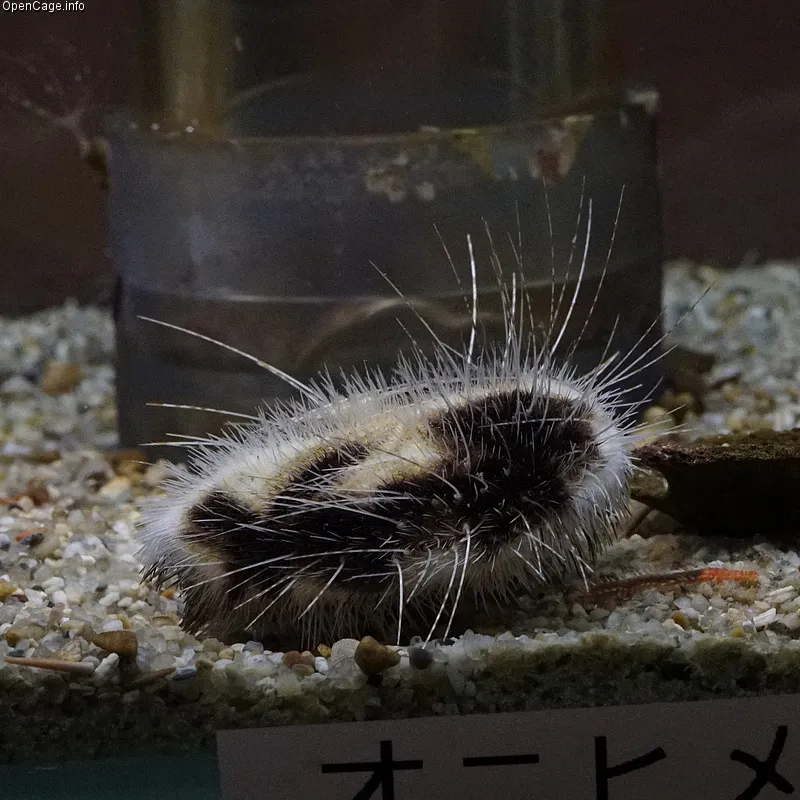
Longspine heart urchin
Maretia planulata
Saltwater2.8 in (7 cm) · 53 gal (200 L)73–81°F (23–27°C)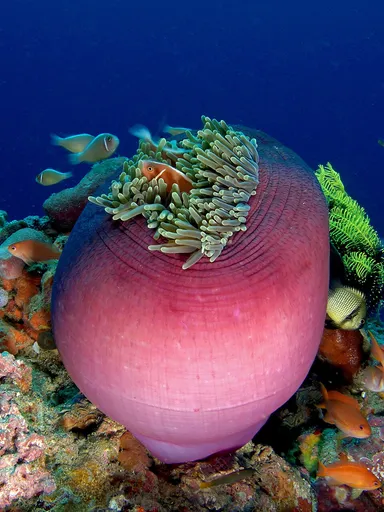
Magnificent anemone
Heteractis magnifica
Saltwater19.7 in (50 cm) · 53 gal (200 L)75–81°F (24–27°C)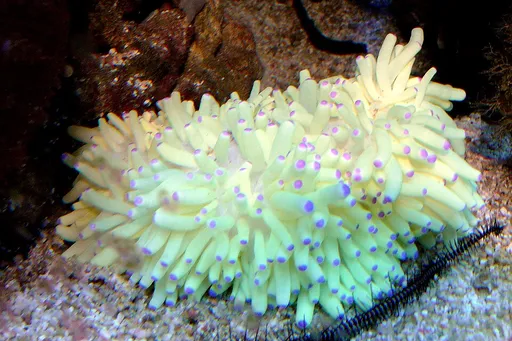
Malu anemone
Heteractis malu
Saltwater7.9 in (20 cm) · 40 gal (150 L)75–81°F (24–27°C)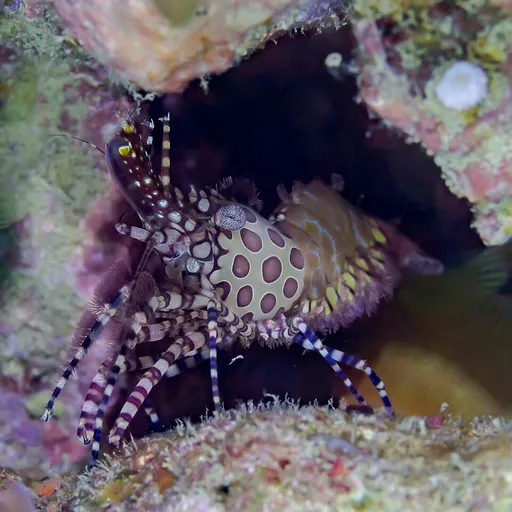
Marble shrimp
Saron marmoratus
Saltwater2 in (5 cm) · 11 gal (40 L)75–81°F (24–27°C)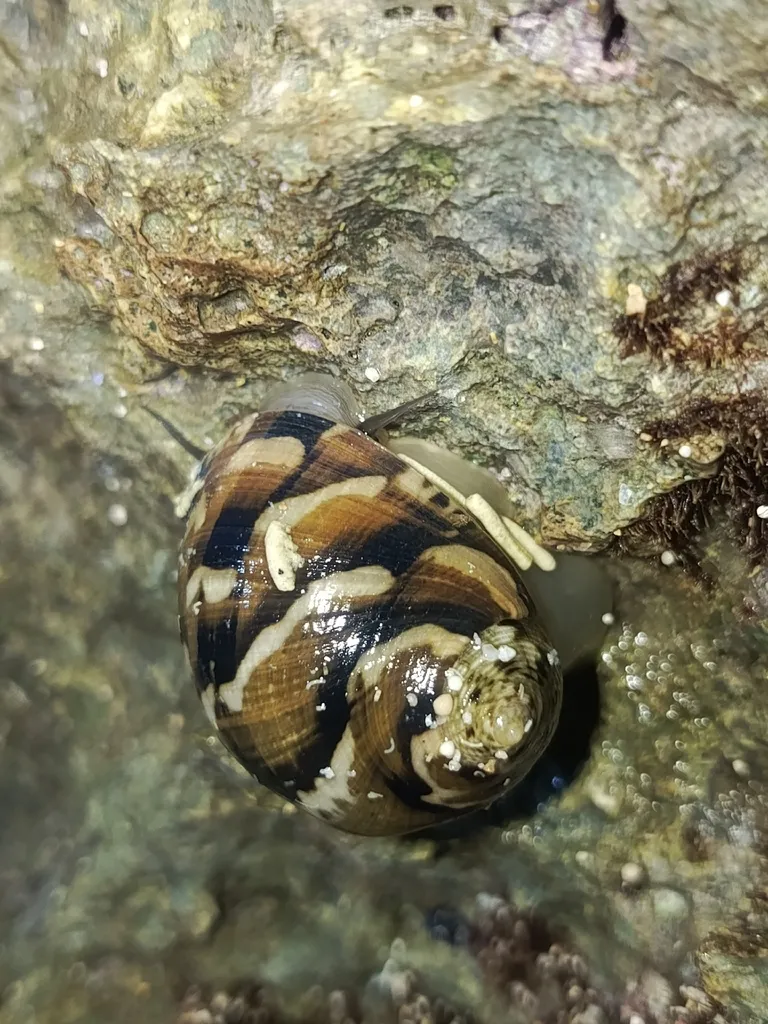
Marine nerite snail
Nerita sp.
Saltwater1 in (2.5 cm) · 11 gal (40 L)72–79°F (22–26°C)Maxi-mini carpet anemone
Stichodactyla tapetum
Saltwater3.1 in (8 cm) · 20 gal (75 L)75–81°F (24–27°C)Maxima clam
Tridacna maxima
Saltwater13.8 in (35 cm) · 40 gal (150 L)75–81°F (24–27°C)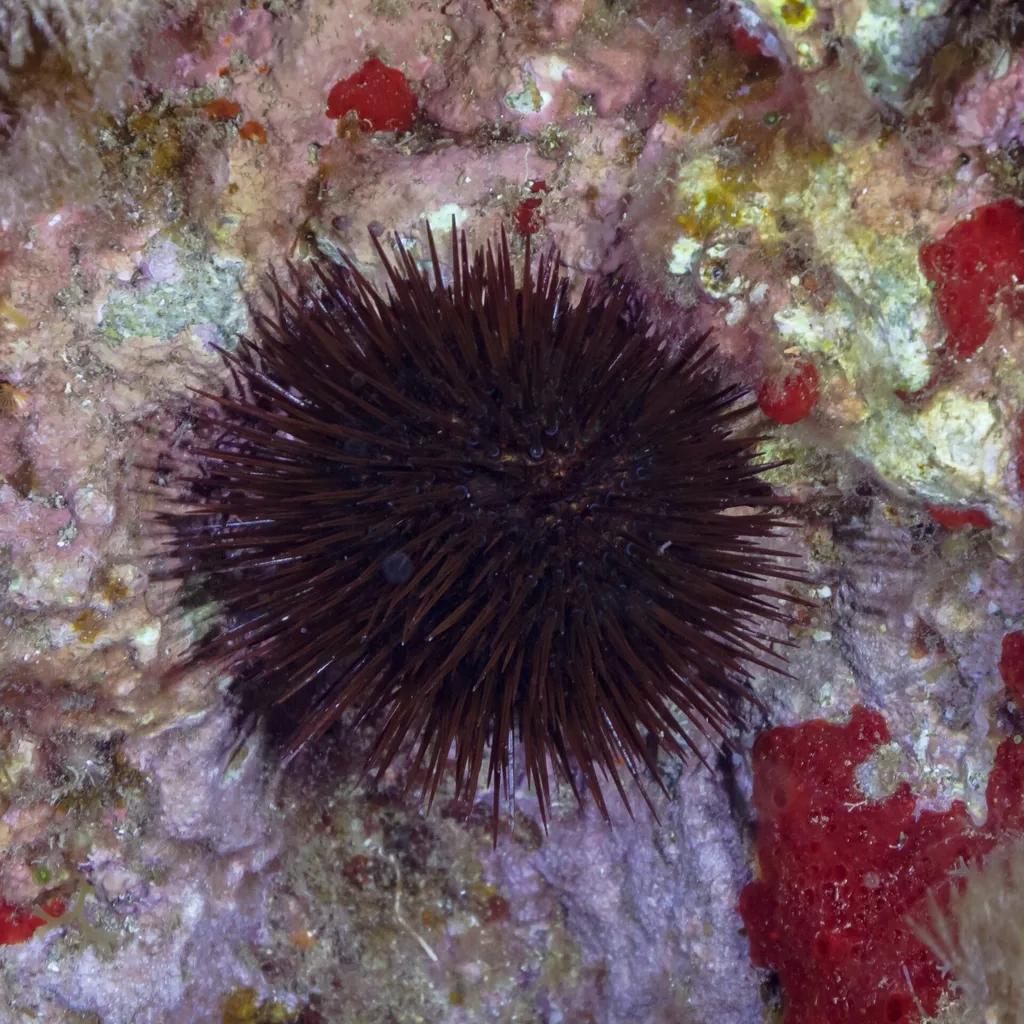
Mediterranean purple urchin
Paracentrotus lividus
Saltwater2.8 in (7 cm) · 40 gal (150 L)54–75°F (12–24°C)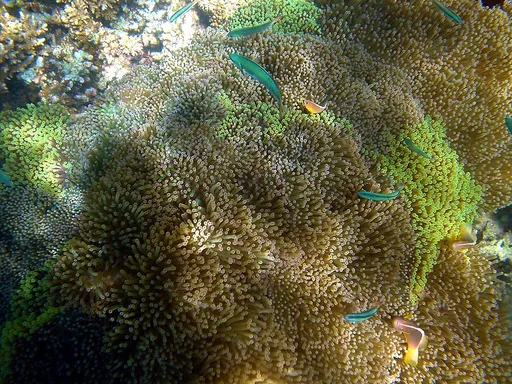
Mertens' carpet anemone
Stichodactyla mertensii
Saltwater35.4 in (90 cm) · 53 gal (200 L)75–81°F (24–27°C)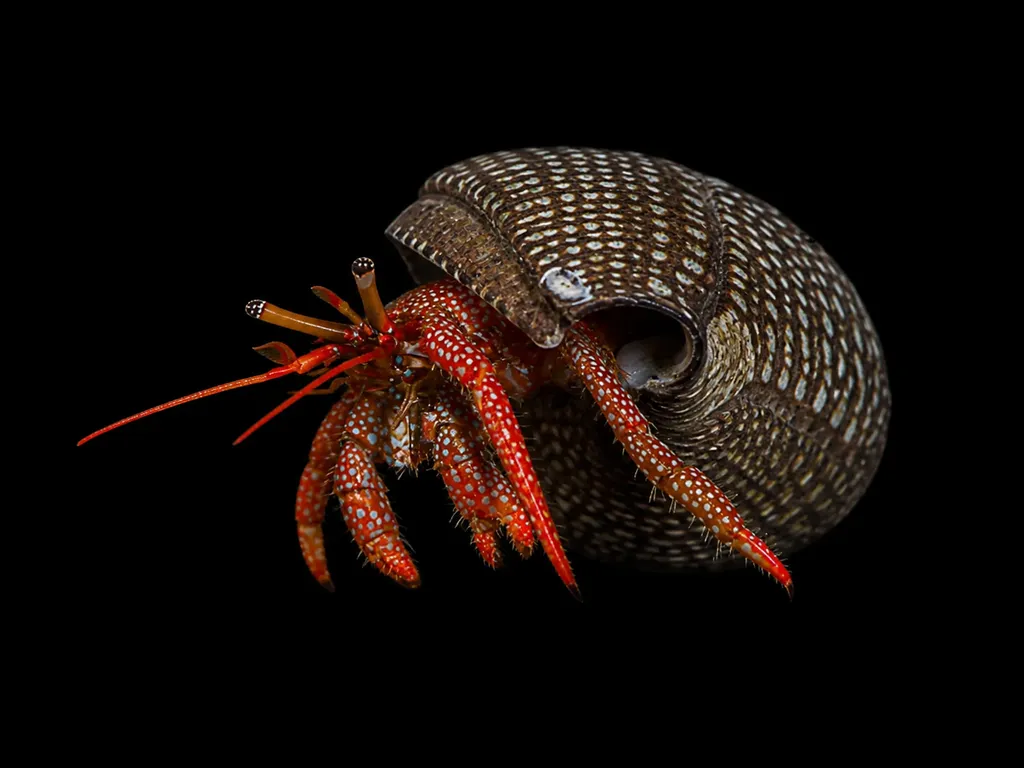
Mexican red-leg hermit crab
Clibanarius digueti
Saltwater1 in (2.5 cm) · 11 gal (40 L)72–81°F (22–27°C)Mexican turbo snail
Turbo fluctuosus
Saltwater2.4 in (6 cm) · 11 gal (40 L)75–81°F (24–27°C)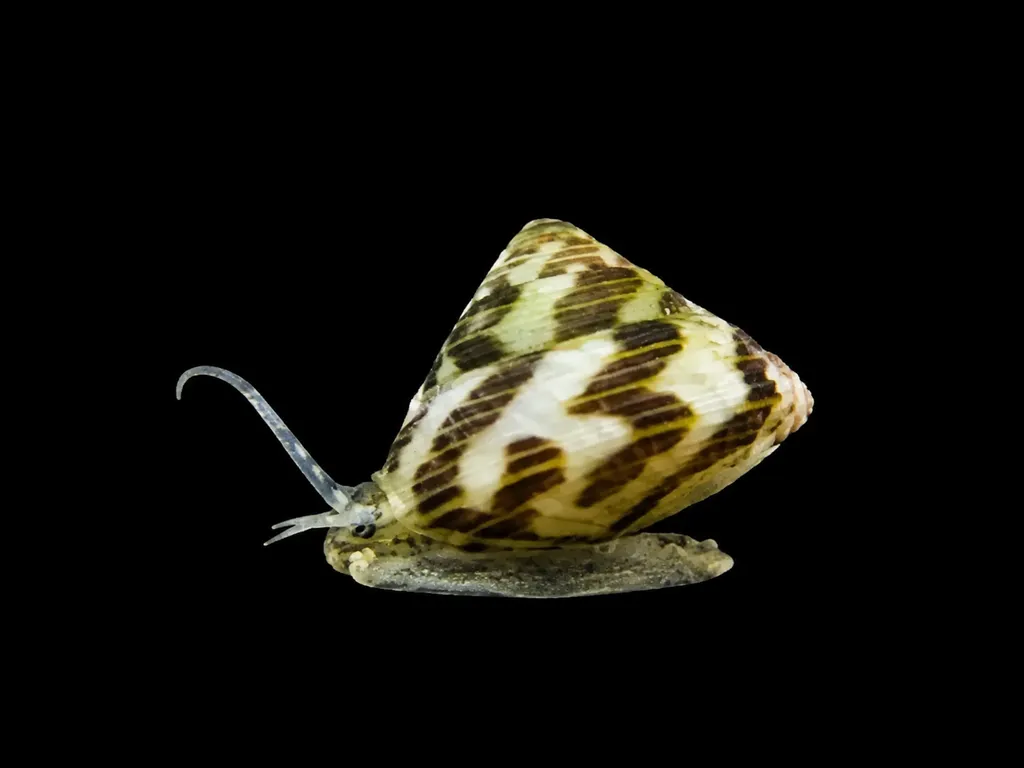
Mini trochus snail
Collonista sp.
Saltwater0.2 in (0.6 cm) · 5 gal (20 L)73–81°F (23–27°C)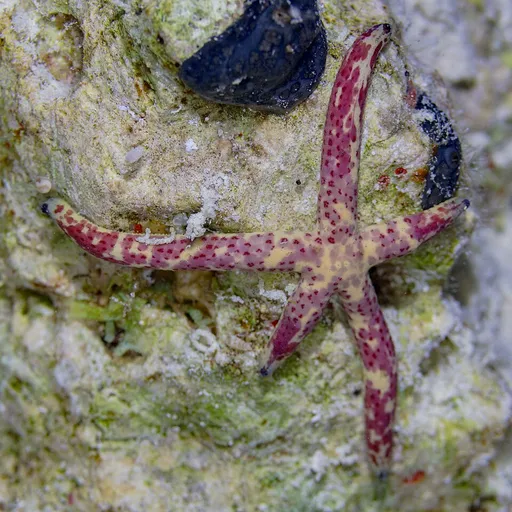
Multicolor sea star
Linckia multifora
Saltwater5.1 in (13 cm) · 53 gal (200 L)75–81°F (24–27°C)Nassarius snail
Nassarius sp.
Saltwater1 in (2.5 cm) · 11 gal (40 L)72–79°F (22–26°C)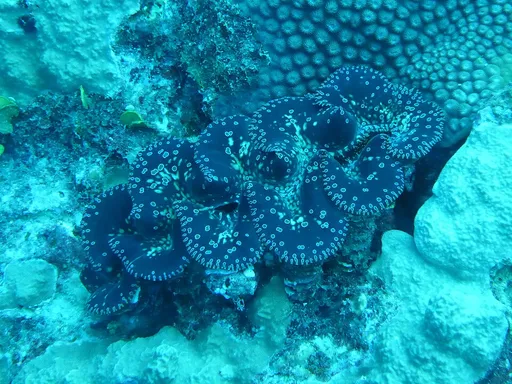
Noah's clam
Tridacna noae
Saltwater9.8 in (25 cm) · 40 gal (150 L)75–81°F (24–27°C)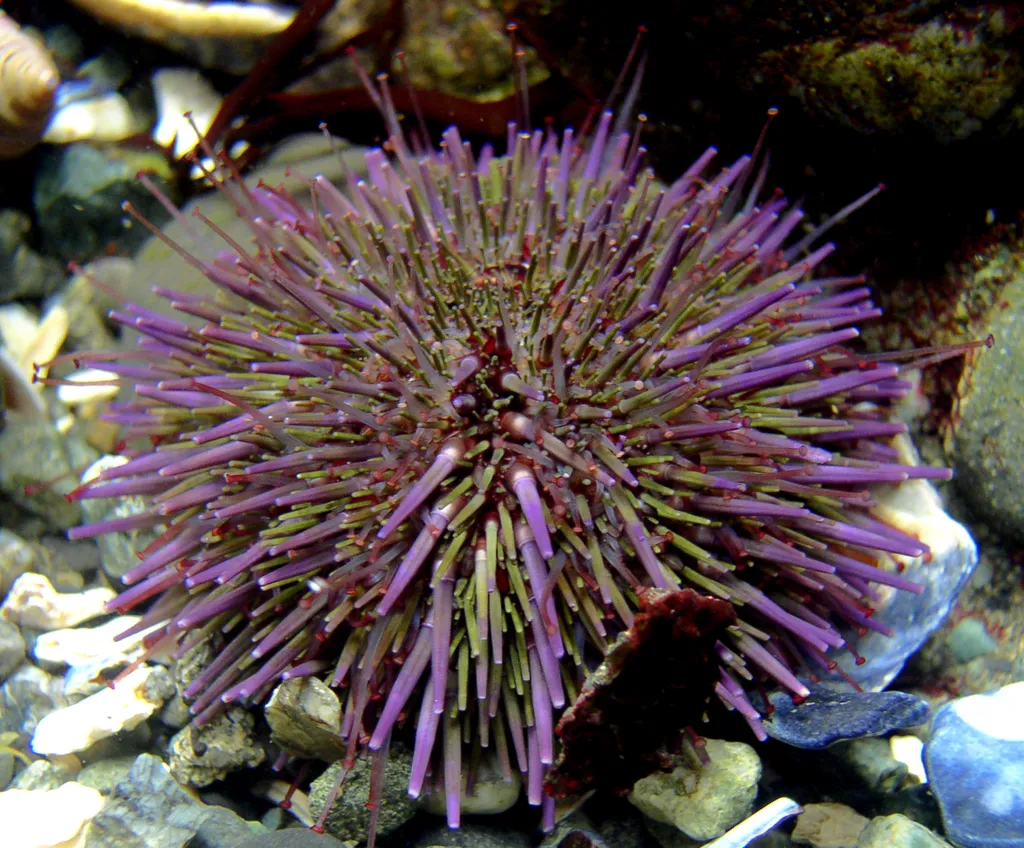
Pacific purple urchin
Strongylocentrotus purpuratus
Saltwater3.9 in (10 cm) · 53 gal (200 L)46–64°F (8–18°C)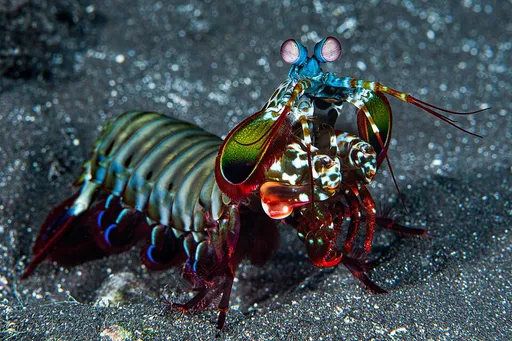
Peacock mantis shrimp
Odontodactylus scyllarus
Saltwater7.1 in (18 cm) · 20 gal (75 L)75–81°F (24–27°C)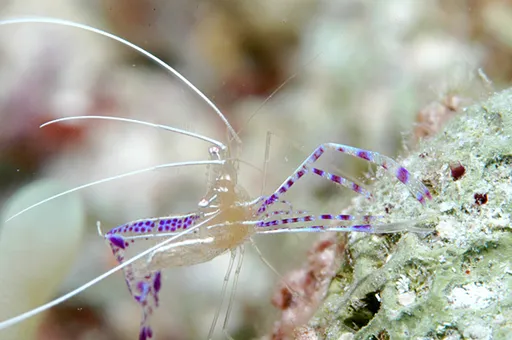
Pederson's cleaner shrimp
Ancylomenes pedersoni
Saltwater1.2 in (3 cm) · 11 gal (40 L)73–81°F (23–27°C)Peppermint shrimp
Lysmata wurdemanni
Saltwater2 in (5 cm) · 11 gal (40 L)72–81°F (22–27°C)Pom-pom crab
Lybia tessellata
Saltwater1 in (2.5 cm) · 11 gal (40 L)75–81°F (24–27°C)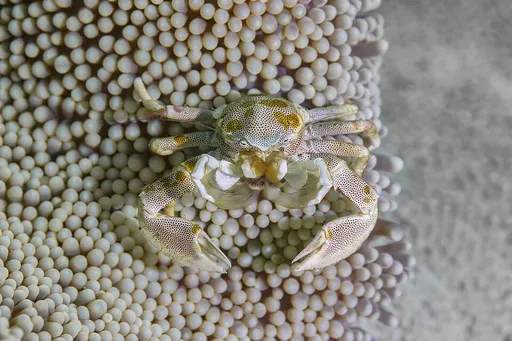
Porcelain anemone crab
Neopetrolisthes maculatus
Saltwater3 in (7.5 cm) · 11 gal (40 L)72–79°F (22–26°C)Purple urchin
Arbacia punctulata
Saltwater3.1 in (8 cm) · 20 gal (75 L)68–81°F (20–27°C)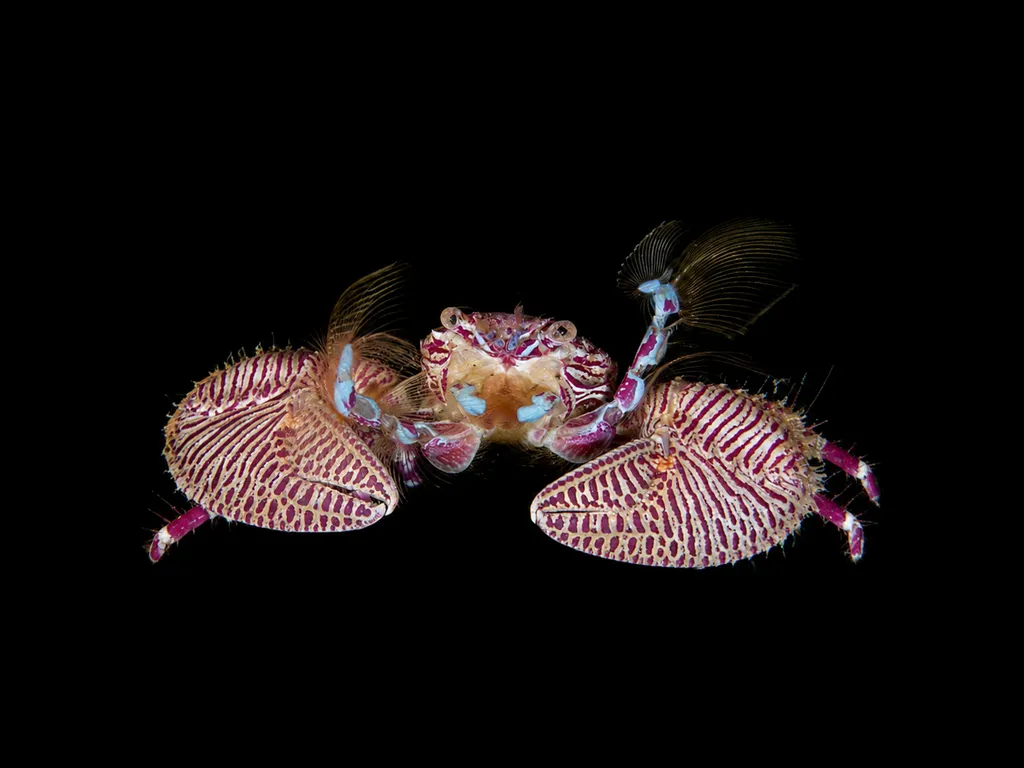
Purple zebra porcelain crab
Petrolisthes bolivarensis
Saltwater0.8 in (2 cm) · 11 gal (40 L)72–82°F (22–28°C)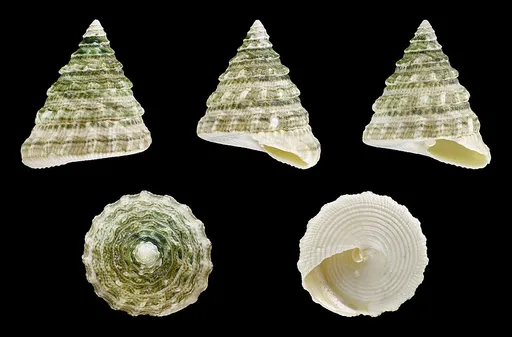
Pyramid top snail
Tectus fenestratus
Saltwater2 in (5 cm) · 11 gal (40 L)75–81°F (24–27°C)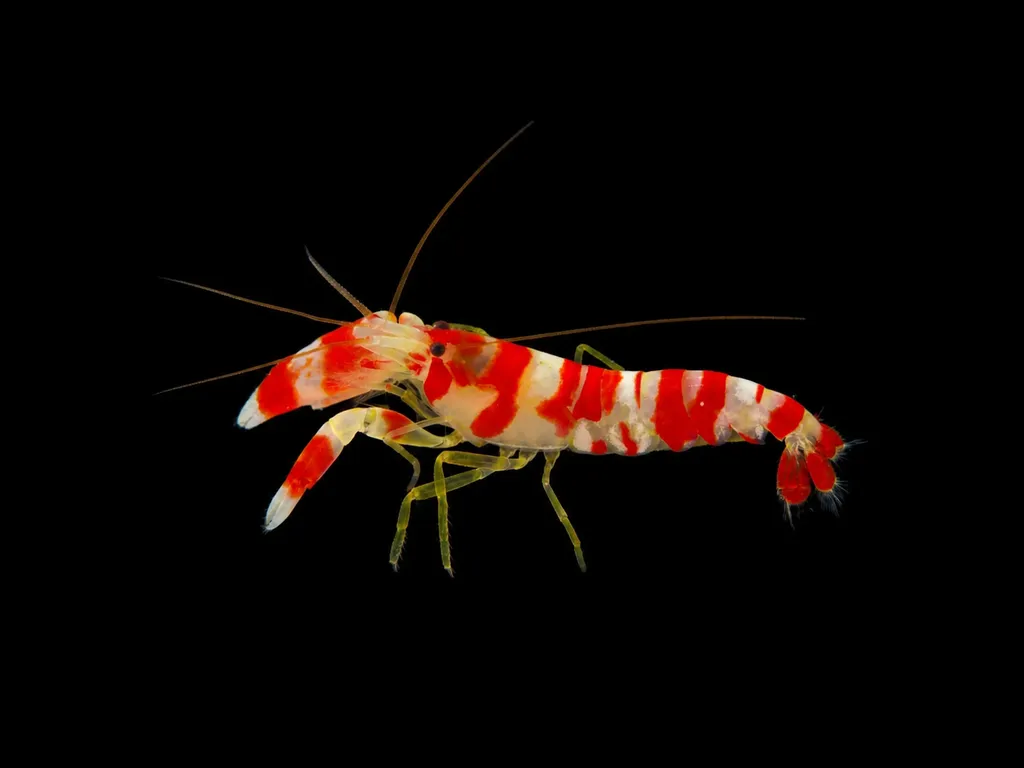
Randall's pistol shrimp
Alpheus randalli
Saltwater1.6 in (4 cm) · 11 gal (40 L)75–81°F (24–27°C)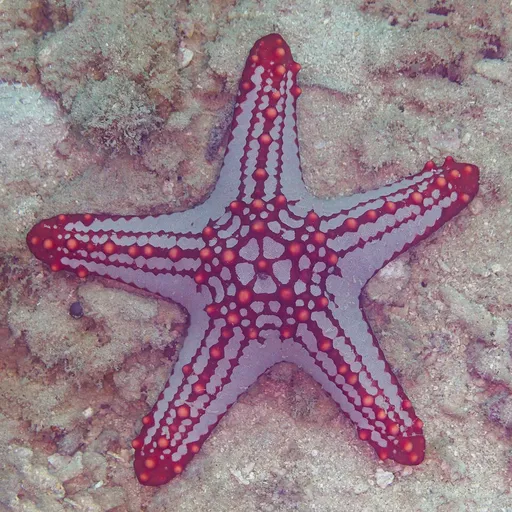
Red knob sea star
Protoreaster linckii
Saltwater11.8 in (30 cm) · 53 gal (200 L)75–81°F (24–27°C)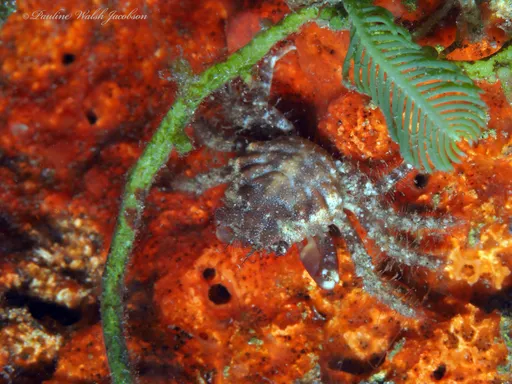
Red mithrax crab
Mithraculus forceps
Saltwater2 in (5 cm) · 11 gal (40 L)75–82°F (24–28°C)Red Sea boxer crab anemone
Alicia sp.
Saltwater0.4 in (1 cm) · 11 gal (40 L)75–81°F (24–27°C)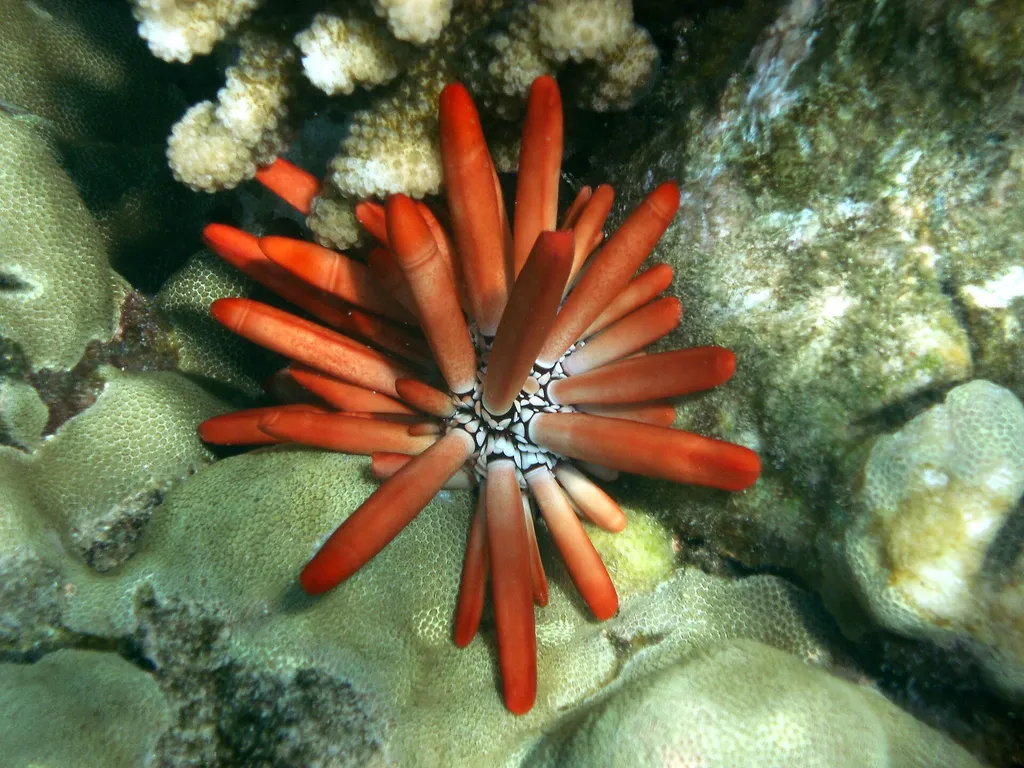
Red slate pencil urchin
Heterocentrotus mamillatus
Saltwater3.1 in (8 cm) · 50 gal (190 L)72–81°F (22–27°C)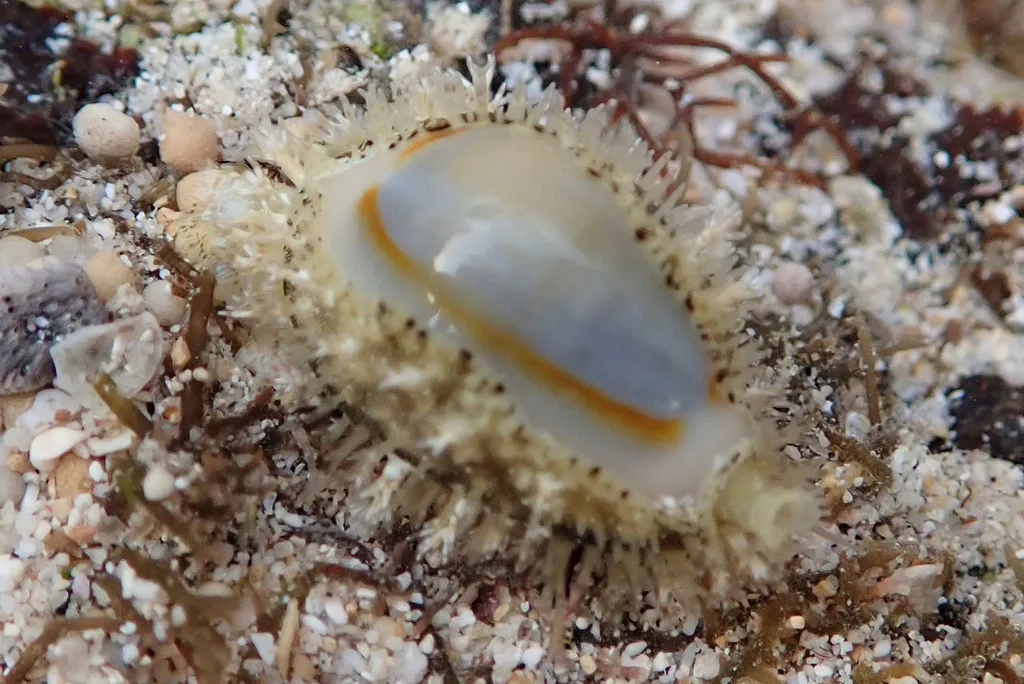
Ring cowrie
Monetaria annulus
Saltwater1.2 in (3 cm) · 20 gal (75 L)75–81°F (24–27°C)Rock flower anemone
Phymanthus crucifer
Saltwater3.9 in (10 cm) · 20 gal (75 L)75–81°F (24–27°C)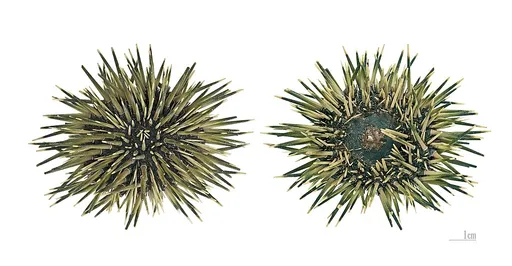
Rock-boring urchin
Echinometra mathaei
Saltwater3.1 in (8 cm) · 20 gal (75 L)72–81°F (22–27°C)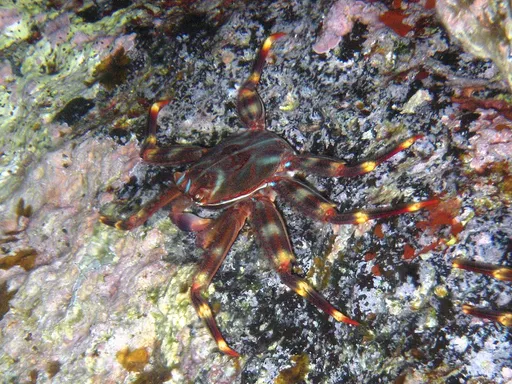
Sally Lightfoot crab
Percnon gibbesi
Saltwater3.1 in (8 cm) · 30 gal (115 L)72–79°F (22–26°C)Sand-sifting sea cucumber
Holothuria floridana
Saltwater7.1 in (18 cm) · 20 gal (75 L)75–81°F (24–27°C)Sand-sifting star
Archaster typicus
Saltwater4.7 in (12 cm) · 53 gal (200 L)75–81°F (24–27°C)Scarlet reef hermit crab
Paguristes cadenati
Saltwater1.6 in (4 cm) · 11 gal (40 L)72–79°F (22–26°C)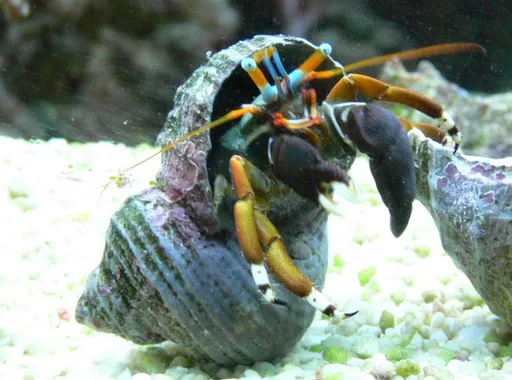
Scarlet zebra hermit crab
Calcinus laevimanus
Saltwater1.2 in (3 cm) · 20 gal (75 L)72–79°F (22–26°C)Sea apple
Pseudocolochirus violaceus
Saltwater7.1 in (18 cm) · 20 gal (75 L)75–81°F (24–27°C)Sea biscuit
Clypeaster subdepressus
Saltwater7.9 in (20 cm) · 53 gal (200 L)72–81°F (22–27°C)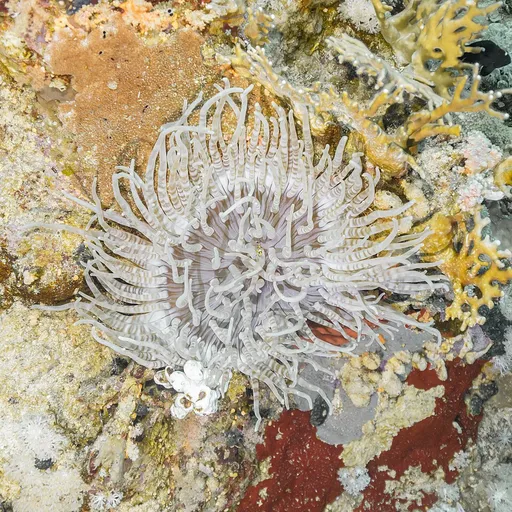
Sebae anemone
Heteractis crispa
Saltwater15.7 in (40 cm) · 40 gal (150 L)75–81°F (24–27°C)Serpent star
Ophioderma
Saltwater11.8 in (30 cm) · 26 gal (100 L)72–79°F (22–26°C)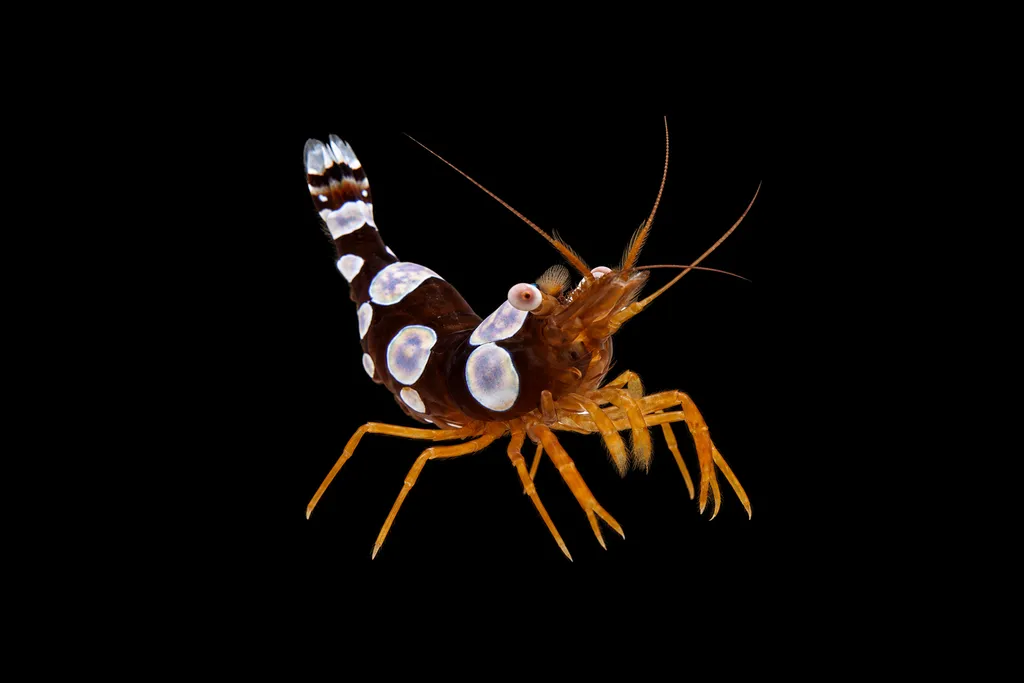
Sexy shrimp
Thor amboinensis
Saltwater1.2 in (3 cm) · 5 gal (20 L)75–81°F (24–27°C)Shingle urchin
Colobocentrotus atratus
Saltwater3.9 in (10 cm) · 53 gal (200 L)73–82°F (23–28°C)Skunk cleaner shrimp
Lysmata amboinensis
Saltwater2.4 in (6 cm) · 20 gal (75 L)73–81°F (23–27°C)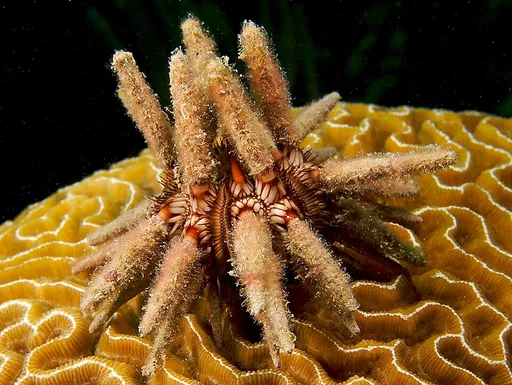
Slate pencil urchin
Eucidaris tribuloides
Saltwater5.1 in (13 cm) · 20 gal (75 L)75–81°F (24–27°C)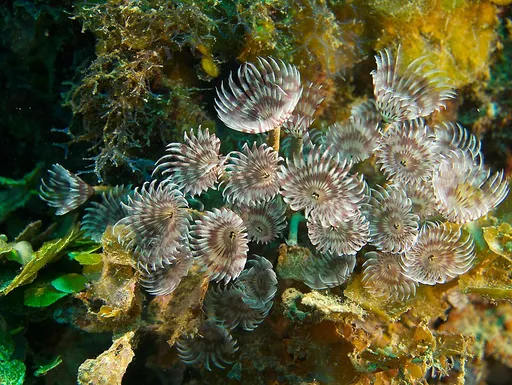
Social feather duster
Bispira brunnea
Saltwater3.9 in (10 cm) · 11 gal (40 L)75–81°F (24–27°C)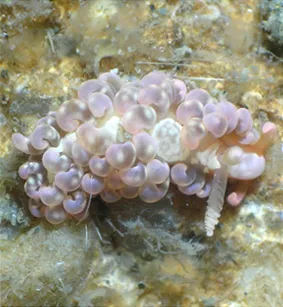
Spurilla nudibranch
Spurilla neapolitana
Saltwater3 in (7.5 cm) · 11 gal (40 L)68–81°F (20–27°C)Sputnik urchin
Phyllacanthus imperialis
Saltwater3.9 in (10 cm) · 79 gal (300 L)72–81°F (22–27°C)Squamosa clam
Tridacna squamosa
Saltwater15.7 in (40 cm) · 40 gal (150 L)75–81°F (24–27°C)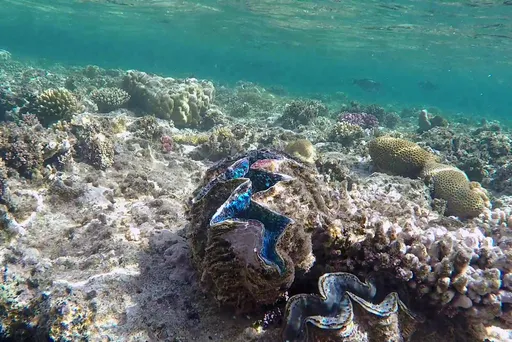
Squamosina clam
Tridacna squamosina
Saltwater11.8 in (30 cm) · 66 gal (250 L)75–82°F (24–28°C)Staghorn hermit crab
Manucomplanus varians
Saltwater0.8 in (2 cm) · 26 gal (100 L)68–77°F (20–25°C)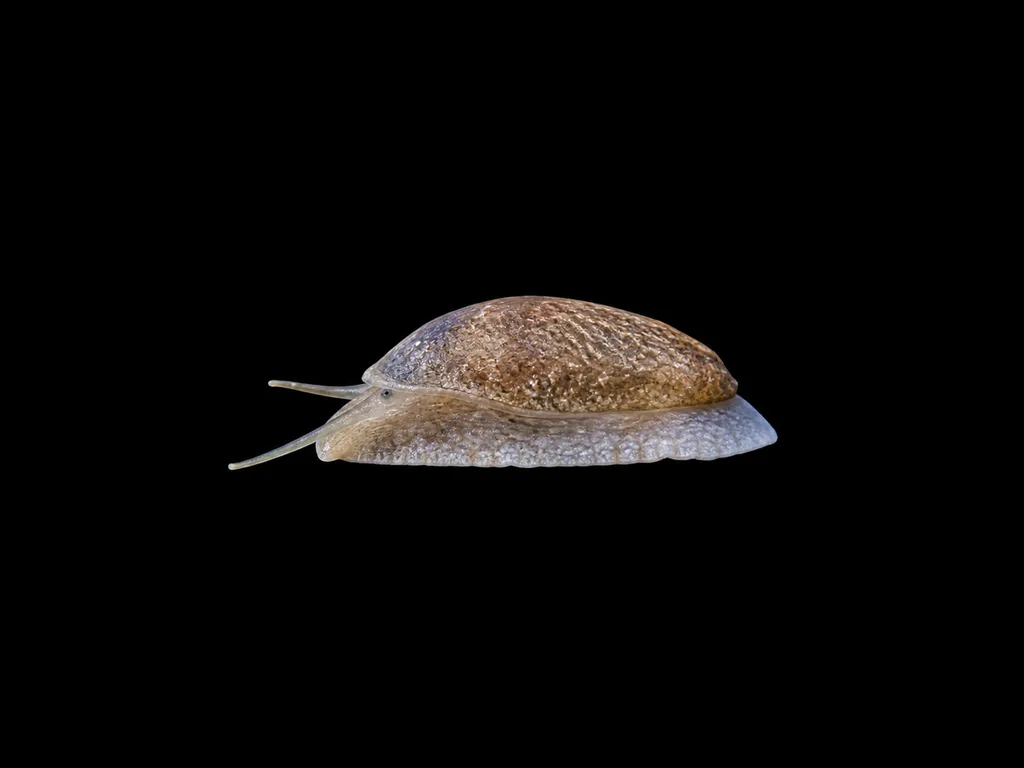
Stomatella snail
Stomatella varia
Saltwater0.8 in (2 cm) · 11 gal (40 L)75–81°F (24–27°C)Strawberry crab
Neoliomera pubescens
Saltwater1.2 in (3 cm) · 20 gal (75 L)72–81°F (22–27°C)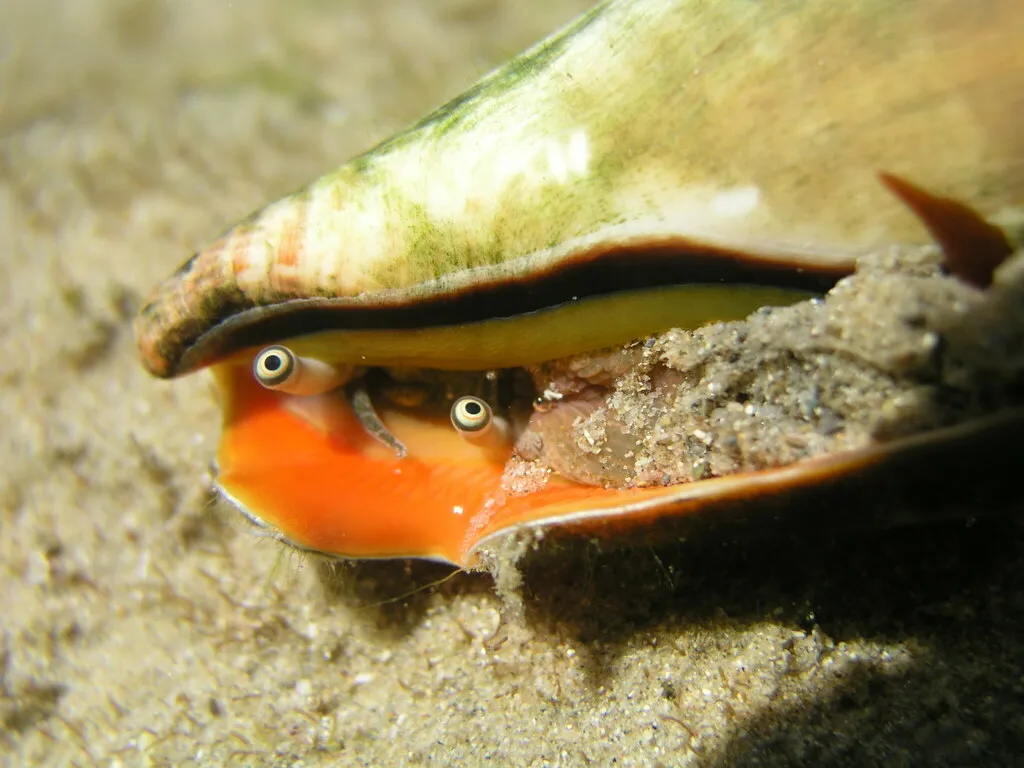
Tiger / strawberry conch
Conomurex luhuanus
Saltwater2.8 in (7 cm) · 20 gal (75 L)75–81°F (24–27°C)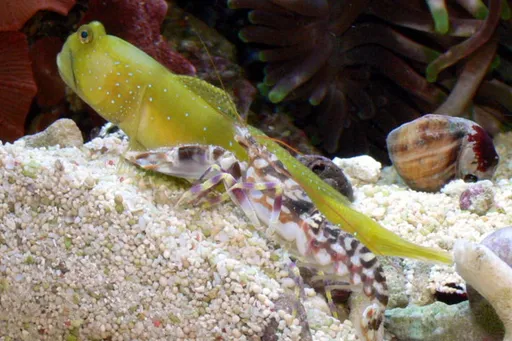
Tiger pistol shrimp
Alpheus bellulus
Saltwater2 in (5 cm) · 11 gal (40 L)75–81°F (24–27°C)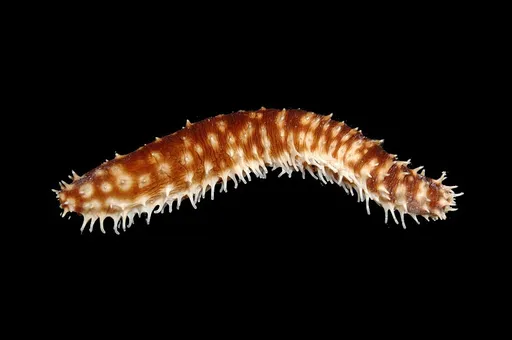
Tiger tail sea cucumber
Holothuria hilla
Saltwater17.7 in (45 cm) · 50 gal (190 L)72–79°F (22–26°C)Trochus snail
Trochus sp.
Saltwater1.2 in (3 cm) · 11 gal (40 L)72–79°F (22–26°C)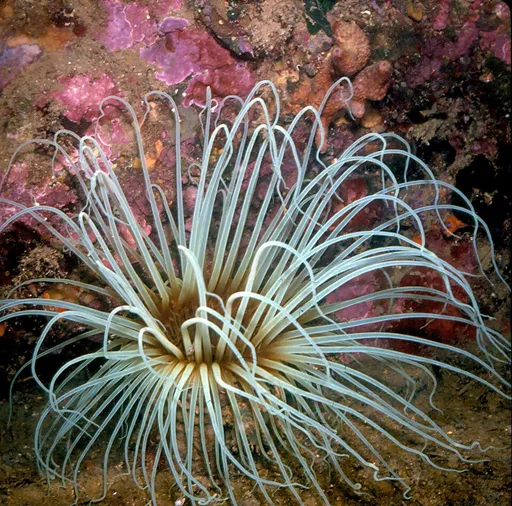
Tube anemone
Cerianthus sp.
Saltwater7.9 in (20 cm) · 20 gal (75 L)75–81°F (24–27°C)Tuxedo urchin
Mespilia globulus
Saltwater3.1 in (8 cm) · 20 gal (75 L)72–79°F (22–26°C)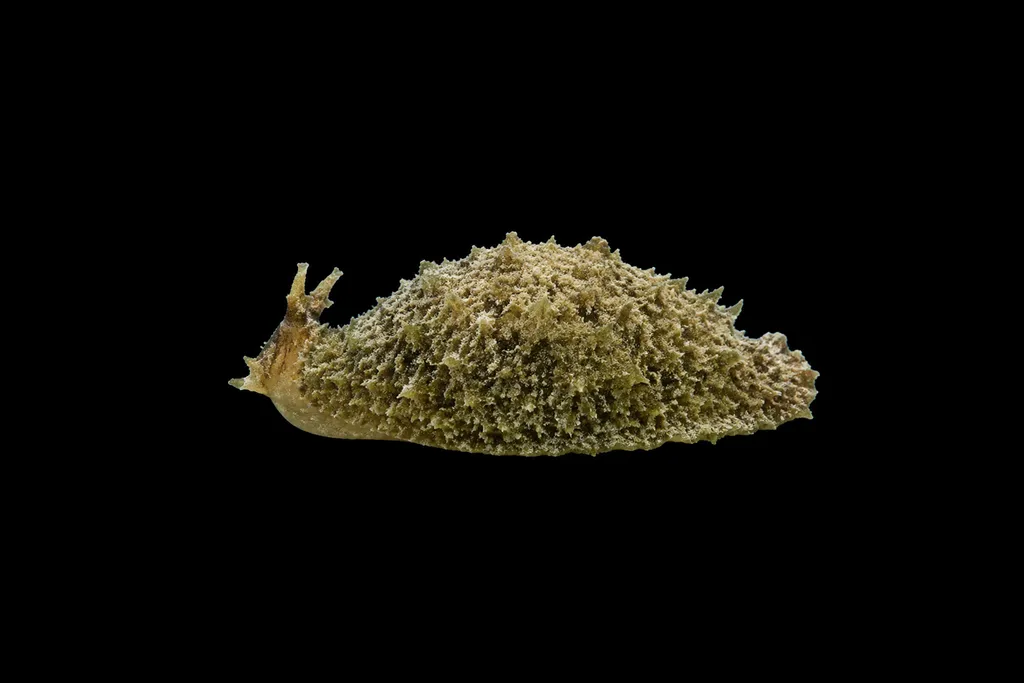
Wedge sea hare
Dolabella auricularia
Saltwater11.8 in (30 cm) · 50 gal (190 L)75–81°F (24–27°C)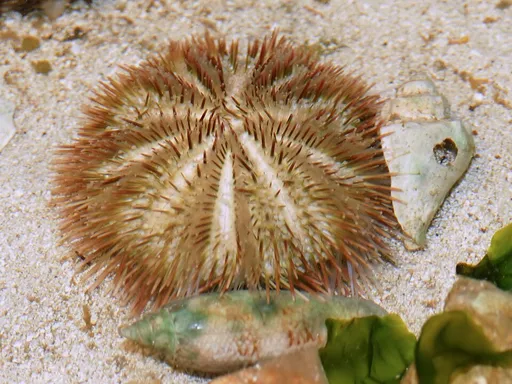
White urchin
Lytechinus variegatus
Saltwater3.9 in (10 cm) · 20 gal (75 L)72–81°F (22–27°C)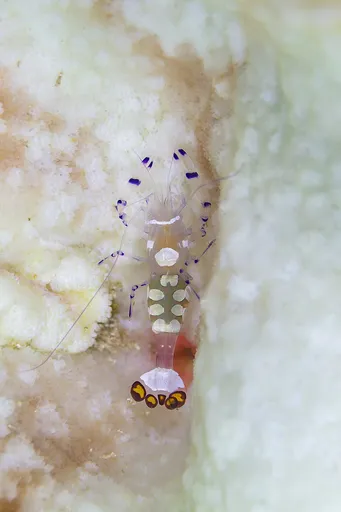
White-spot anemone shrimp
Periclimenes brevicarpalis
Saltwater1.6 in (4 cm) · 11 gal (40 L)75–81°F (24–27°C)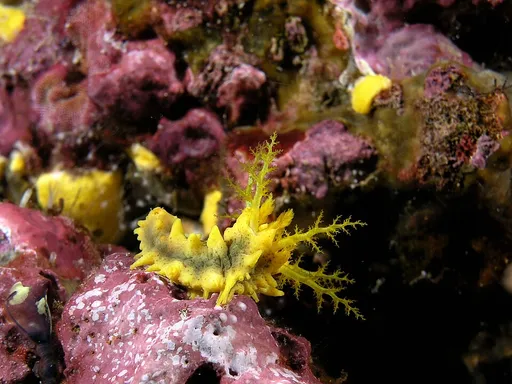
Yellow sea cucumber
Colochirus robustus
Saltwater3.9 in (10 cm) · 11 gal (40 L)75–81°F (24–27°C)
Planning a tank?
TankBud checks stocking and water fit as you build a tank, then tracks water tests, reminders and photos once it is running.
Track your tanksMaintain tanks for clients? See TankBud Pro