Fromia star
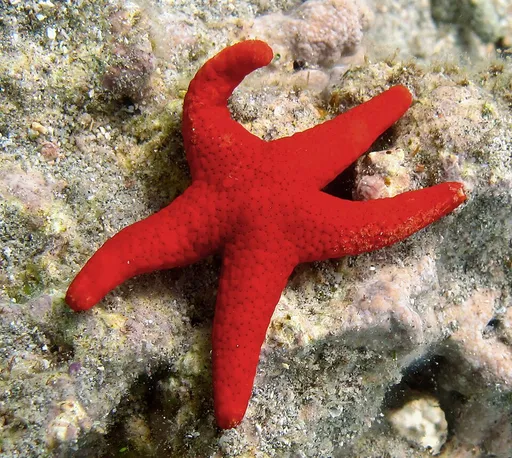
Fromia milleporella
Also known as Red Fromia Starfish, Red Sea Star, Black-Spotted Sea Star, Thousand-Pore Sea Star
SaltwaterInvertebrate
Care at a glance
- Temperature
- 75–81°F
- 24–27°C
- pH
- 8.1–8.4
- Adult size
- 5.9 in
- 15 cm
- Minimum tank
- 40 gal
- 150 L
- Temperament
- Peaceful
- Social behavior
- Solitary
- Swim level
- Bottom
- Difficulty
- Medium
- Breeding
- No record
- Rarity
- Common
- Reef safe
- Reef safe
- Family
- Goniasteridae
- Origin
- Indo-West Pacific reefs, from Madagascar and the Red Sea to the South Pacific, north to southern Japan
Overview
Reef safe and one of the more popular small sea stars for that reason: it leaves corals, clams, and other invertebrates alone, grazing on the biofilm and fine algae coating live rock, though it may also pick at sponges given the chance. It is not an animal for a new tank; it needs an established system with a healthy population of live rock to graze on around the clock, and it rarely takes hand feeding, so a young or freshly scrubbed aquarium simply cannot support it. Even in a mature tank it can slowly decline if the rock cannot keep up with its grazing, so keep an eye on body condition over the first few months and be ready to add more live rock or try target feeding frozen mysis or minced seafood if it looks thin. As with every sea star, use a slow drip acclimation and keep salinity rock-steady, since a sudden shift is a common trigger for a fast decline.
In the wild
Found across the Indo-West Pacific from Madagascar and the Red Sea to the South Pacific, north to southern Japan, on shallow reef flats and coral rubble down to about 70 m. It spends its time grazing slowly over live rock, picking at the thin film of algae, bacteria, and microorganisms that coats an established reef, so it needs a tank with plenty of mature, undisturbed live rock rather than bare or freshly scrubbed surfaces. A tank of at least 150 litres (40 US gal) that has been running for many months gives it enough grazing area to find food on its own.
Good to know
Its species name milleporella translates loosely to 'thousand pores,' a reference to the many small tubercles and pores scattered across its body surface, which also gives it the alternate name thousand-pore sea star. Many aquarium references still file it under the older family Ophidiasteridae alongside Linckia, but current taxonomy places genus Fromia in family Goniasteridae. Coloration runs from deep red to orange, often with small dark spots over the arms, and like other sea stars it can slowly regrow an arm lost to a predator or an injury.
Did you know
The small pores scattered across its arms, the detail behind the species name milleporella, are typical of sea stars generally: thin-walled papulae in the body wall that work as gills, taking up oxygen and expelling waste directly into the surrounding water.
Common questions
What size tank does a Fromia star need?
A Fromia star needs at least 40 gal (150 L). It spends most of its time in the bottom.
What temperature and pH does a Fromia star need?
A Fromia star is comfortable at 75–81°F (24–27°C) with a pH of 8.1–8.4.
How big does a Fromia star get?
An adult Fromia star reaches about 5.9 in (15 cm).
Related species
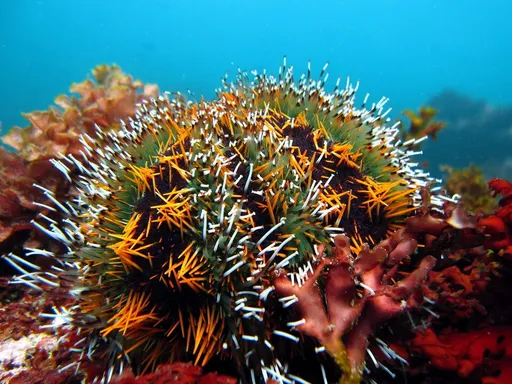 5.9 in (15 cm)20 gal (75 L)75–81°F (24–27°C)
Collector urchin
Tripneustes gratilla
5.9 in (15 cm) · 20 gal (75 L)
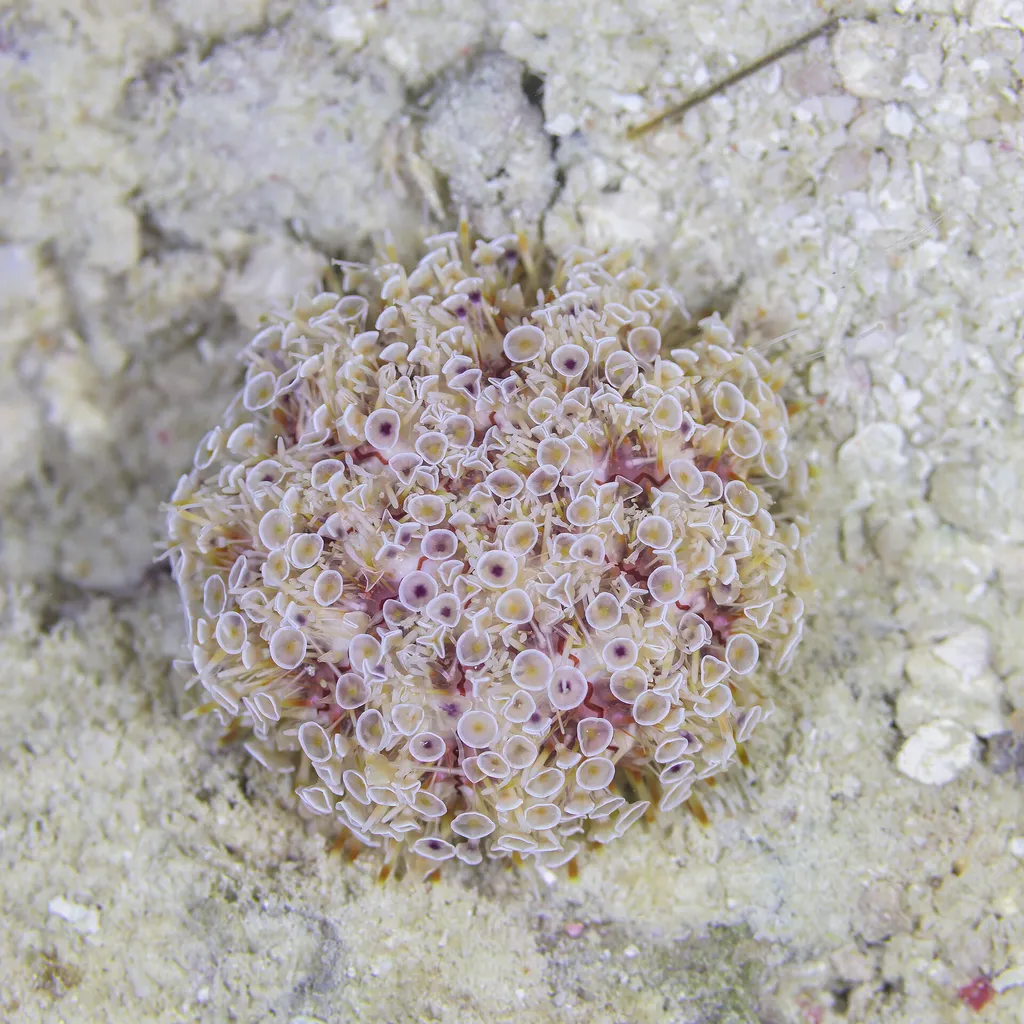 5.9 in (15 cm)100 gal (380 L)72–82°F (22–28°C)
Flower urchin
Toxopneustes pileolus
5.9 in (15 cm) · 100 gal (380 L)
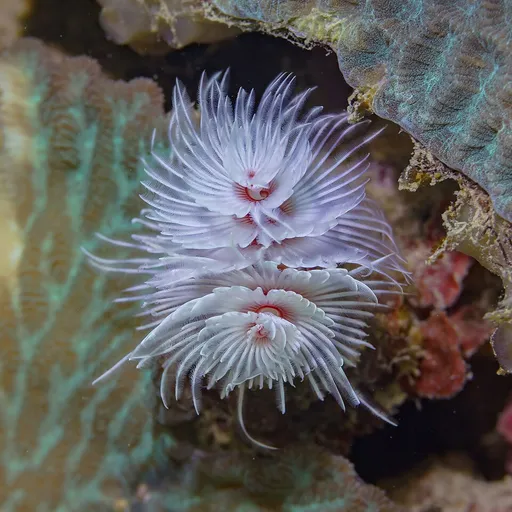 5.9 in (15 cm)20 gal (75 L)75–81°F (24–27°C)
Giant feather duster
Sabellastarte spectabilis
5.9 in (15 cm) · 20 gal (75 L)
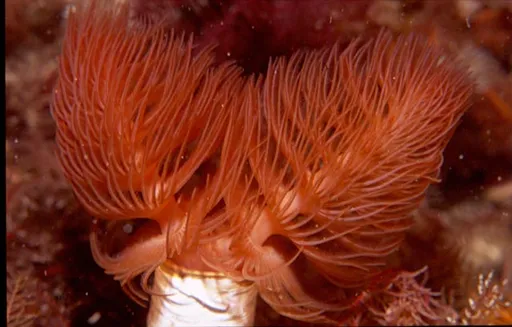 5.1 in (13 cm)20 gal (75 L)75–81°F (24–27°C)
Coco worm
Protula bispiralis
5.1 in (13 cm) · 20 gal (75 L)
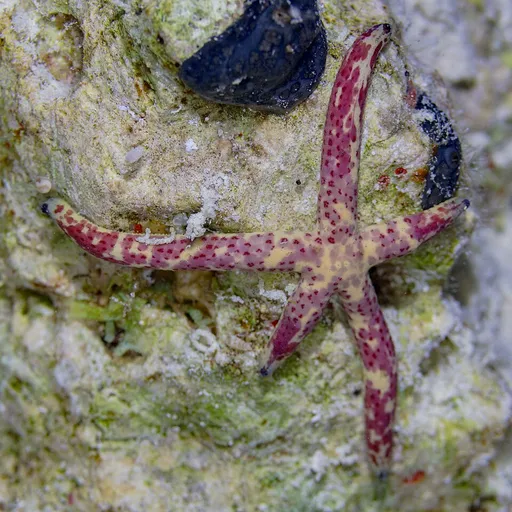 5.1 in (13 cm)53 gal (200 L)75–81°F (24–27°C)
Multicolor sea star
Linckia multifora
5.1 in (13 cm) · 53 gal (200 L)
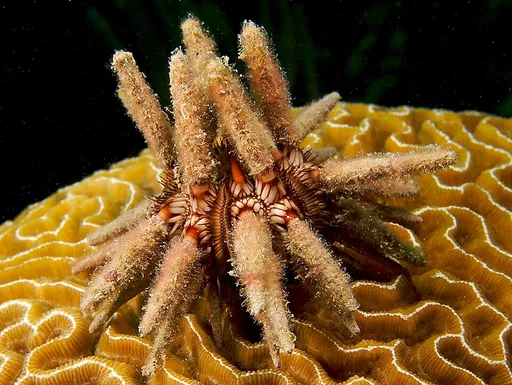 5.1 in (13 cm)20 gal (75 L)75–81°F (24–27°C)
Slate pencil urchin
Eucidaris tribuloides
5.1 in (13 cm) · 20 gal (75 L)