Reef aquarium anemones
Anemones are the natural home of clownfish and a centerpiece in their own right, from the hardy bubble tip to the demanding carpets. They want strong light and settle where the flow suits them, so they wander until they find a spot. Each profile lists the light and feeding an anemone needs, which clownfish it hosts, and the cautions that come with a stinging, mobile animal.
At a glance
- Tank size
- 11–53 gal
- 11 gal (40 L) to 53 gal (200 L); half the list needs 40 gal (150 L) or more
- Temperature
- 75–81°F
- 24–27°C, most of the list
- pH
- 8.1–8.4
- Most of the list
- Difficulty
- 9 medium
- 7 difficult
- Temperament
- 10 peaceful
- 2 mostly peaceful · 4 aggressive
- Reef safety
- 15 reef safe with caution
- 1 not reef safe
16 species and 4 varieties
Start here
The bubble tip is the one to start with
The bubble tip anemone is the only host anemone with a real track record in home reefs. It is marked medium, reaches 11.8 inches (30 cm), lists 30 gallons (115 liters) and splits when it is happy, which is how the rose, green, rainbow and black widow forms get passed between hobbyists: they are one species in different colors. It hosts most clownfish, including the ocellaris and percula that never see it in the wild. The rock flower anemone is the nano choice at 3.9 inches (10 cm) for 20 gallons (75 liters), marked medium, and it stays where it is put. The maxi-mini carpet anemone is the same size and the same rating, a small carpet that does not eat fish.
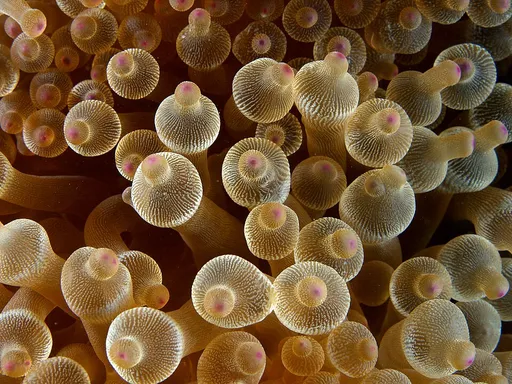
Bubble tip anemone
Entacmaea quadricolor
Saltwater- Size
- 11.8 in (30 cm)
- Tank
- 30 gal (115 L)
- Water
- 75–81°F (24–27°C)
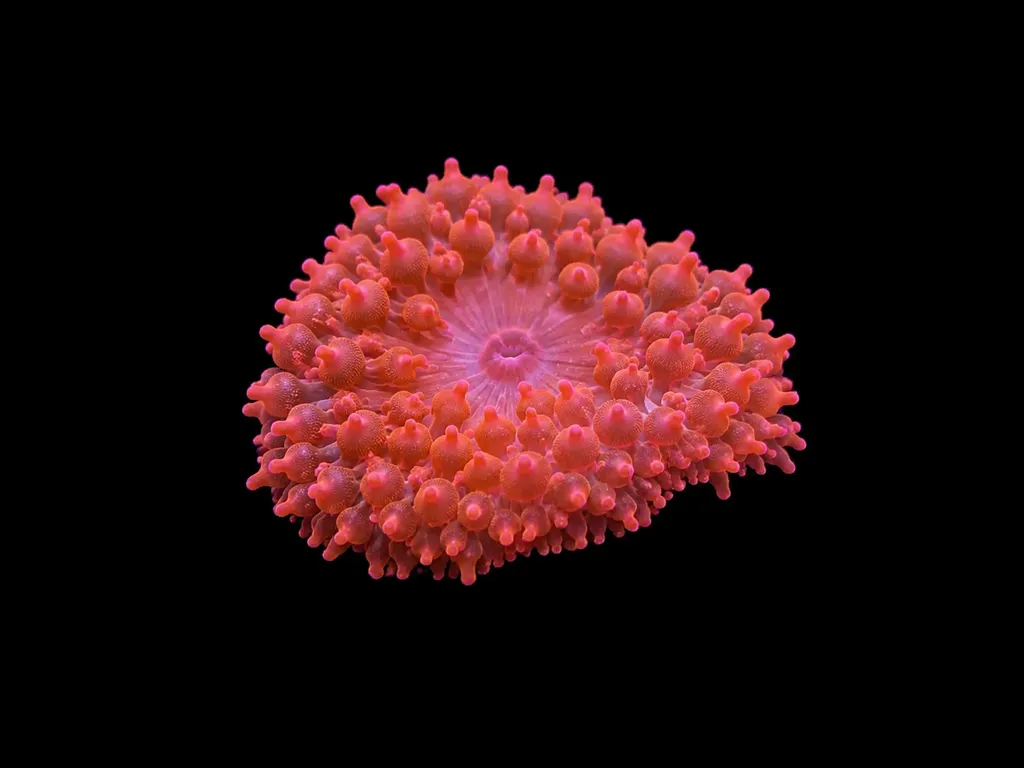
Rose bubble tip anemone
Entacmaea quadricolor
Saltwater- Size
- 11.8 in (30 cm)
- Tank
- 30 gal (115 L)
- Water
- 75–81°F (24–27°C)
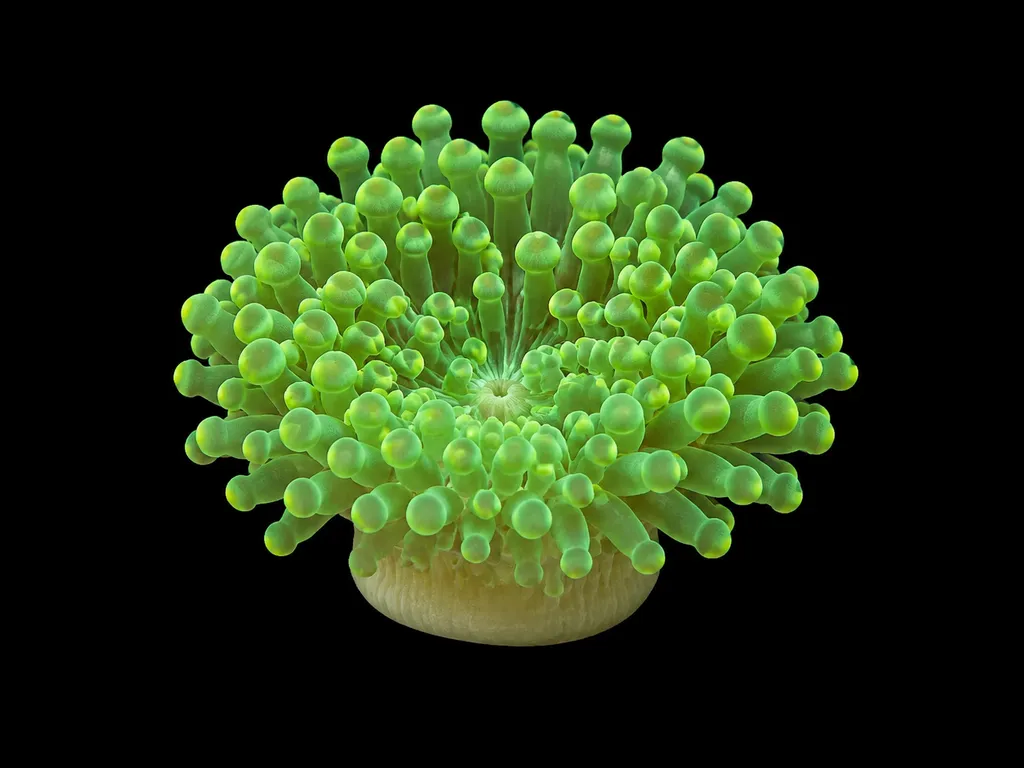
Green bubble tip anemone
Entacmaea quadricolor
Saltwater- Size
- 11.8 in (30 cm)
- Tank
- 30 gal (115 L)
- Water
- 75–81°F (24–27°C)
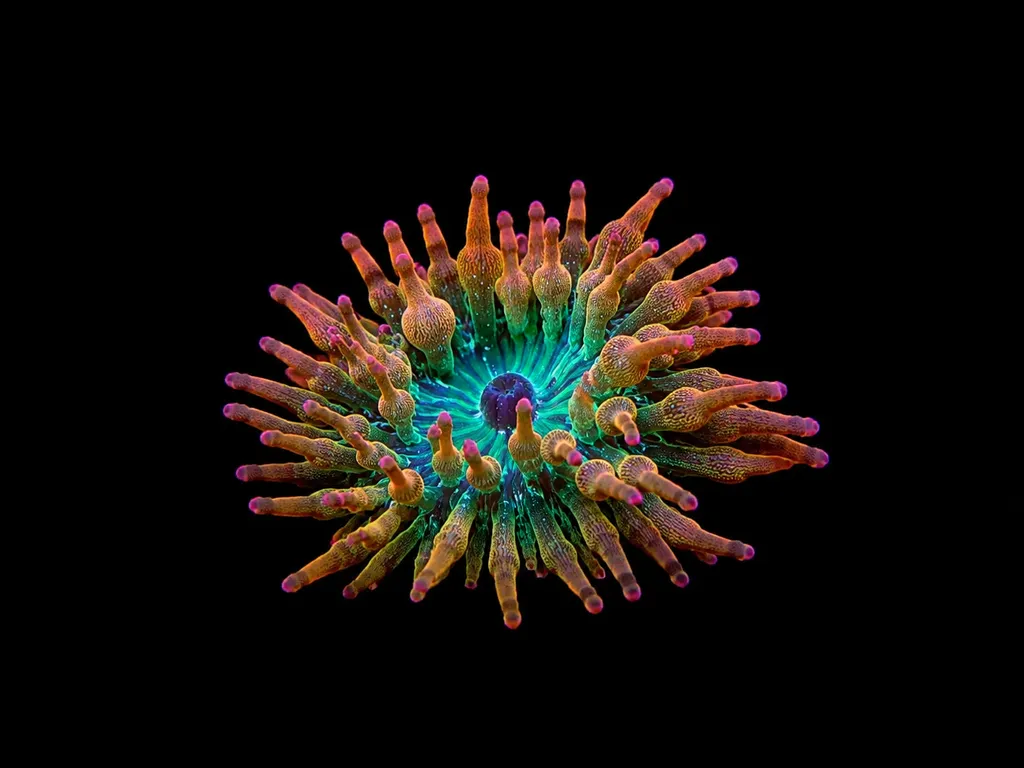
Rainbow bubble tip anemone
Entacmaea quadricolor
Saltwater- Size
- 11.8 in (30 cm)
- Tank
- 30 gal (115 L)
- Water
- 75–81°F (24–27°C)

Rock flower anemone
Phymanthus crucifer
Saltwater- Size
- 3.9 in (10 cm)
- Tank
- 20 gal (75 L)
- Water
- 75–81°F (24–27°C)
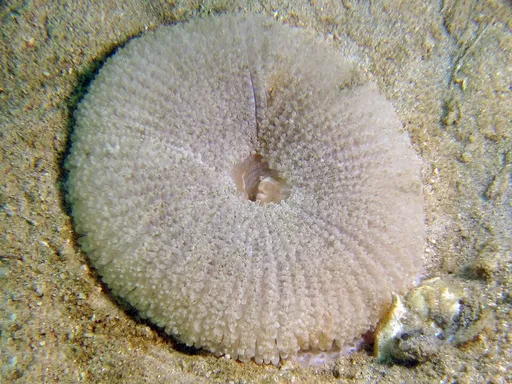
Maxi-mini carpet anemone
Stichodactyla tapetum
Saltwater- Size
- 3.1 in (8 cm)
- Tank
- 20 gal (75 L)
- Water
- 75–81°F (24–27°C)
The rule
What an anemone needs before it goes in
An anemone is a coral that walks. It needs the light a stony coral needs, because it feeds on its own algae, and it needs meaty food once a week on top. It needs a tank that has been stable for six months, because it will not forgive the swings of a new one. It needs the powerhead intakes guarded, because an anemone that wanders in the night ends up shredded in a pump. And it needs room, because everything it touches gets stung, and a moving anemone kills corals on its way past.
- 01
Strong light
It feeds on its own algae and starves in the dark
- 02
A mature tank
Six months of stable water before it goes in
- 03
Guarded intakes
A wandering anemone dies in a powerhead
- 04
Room to sting
It kills any coral it settles against
Hosts
Which anemone hosts which clownfish
Every anemone profile lists the clownfish that use it in the wild, and the match matters more for the anemone than the fish. The long tentacle anemone reaches 15.7 inches (40 cm), lists 40 gallons (150 liters) and is the natural host of Clark's and pink skunk clownfish. The sebae anemone is the same size and marked difficult. The magnificent anemone reaches 19.7 inches (50 cm) in 53 gallons (200 liters) and is the wild home of the ocellaris and percula, and it is marked difficult because it rarely settles. The carpets, the gigantea and Haddon's, host the most species and are the hardest of all. The malu anemone is the compact host at 7.9 inches (20 cm), marked medium.
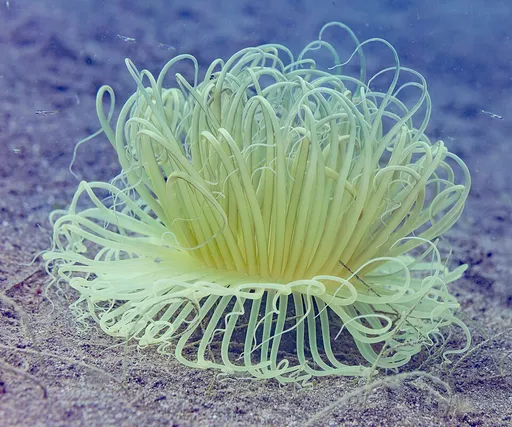
Long tentacle anemone
Macrodactyla doreensis
Saltwater15.7 in (40 cm) · 40 gal (150 L)75–81°F (24–27°C)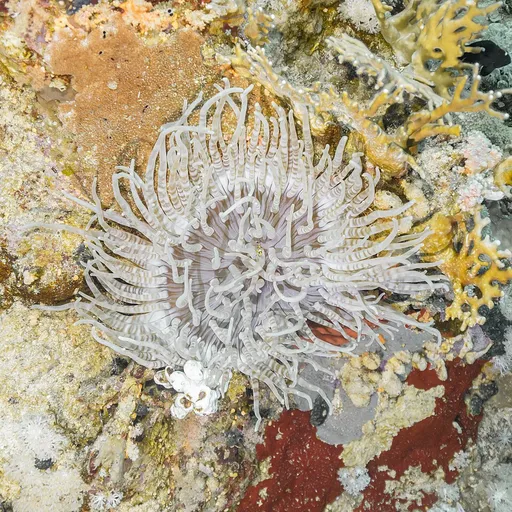
Sebae anemone
Heteractis crispa
Saltwater15.7 in (40 cm) · 40 gal (150 L)75–81°F (24–27°C)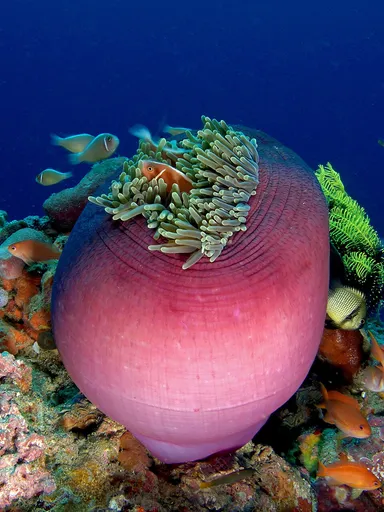
Magnificent anemone
Heteractis magnifica
Saltwater19.7 in (50 cm) · 53 gal (200 L)75–81°F (24–27°C)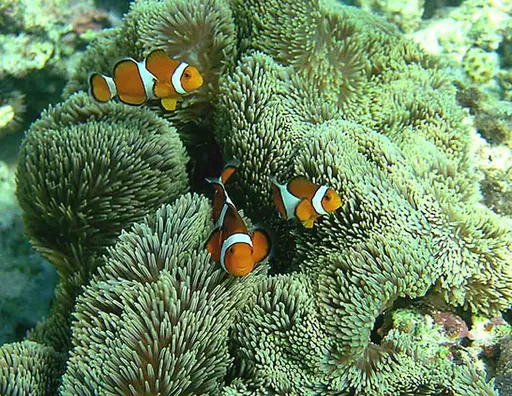
Gigantea carpet anemone
Stichodactyla gigantea
Saltwater19.7 in (50 cm) · 53 gal (200 L)75–81°F (24–27°C)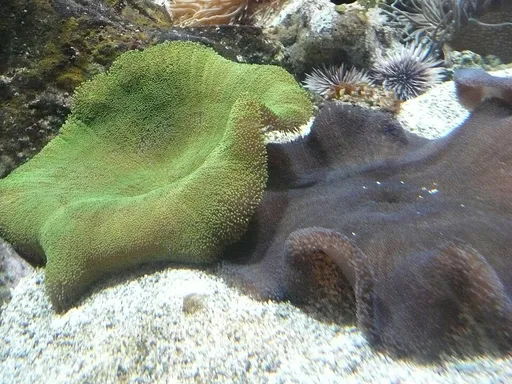
Haddon's carpet anemone
Stichodactyla haddoni
Saltwater33.5 in (85 cm) · 53 gal (200 L)75–81°F (24–27°C)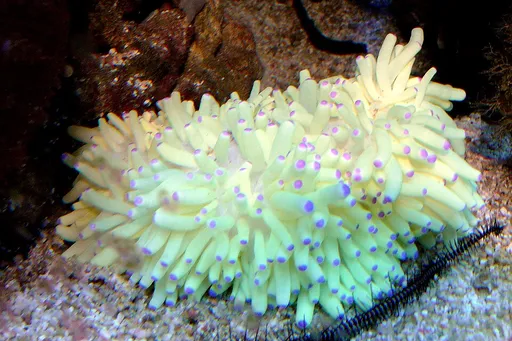
Malu anemone
Heteractis malu
Saltwater7.9 in (20 cm) · 40 gal (150 L)75–81°F (24–27°C)
Watch out
Carpets, tube anemones and the ones that eat fish
Mertens' carpet anemone reaches 35.4 inches (90 cm), lists 53 gallons (200 liters) and is marked difficult and aggressive: a carpet this size catches and eats fish, tangs and wrasses included. The tube anemone is the one marked not reef safe, 7.9 inches (20 cm) of stinging tentacles that reach any coral within range, and it buries its tube in deep sand. The condy anemone is the cheap one in the shops and the one that never hosts a clownfish, and it moves and stings as much as any. The curlyque anemone is in the Aiptasia family and spreads. The aurora anemone is marked difficult for the usual reason: it walks until it finds a place it likes, or dies trying.
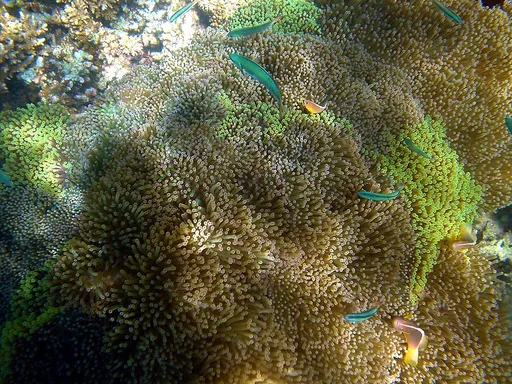
Mertens' carpet anemone
Stichodactyla mertensii
Saltwater35.4 in (90 cm) · 53 gal (200 L)75–81°F (24–27°C)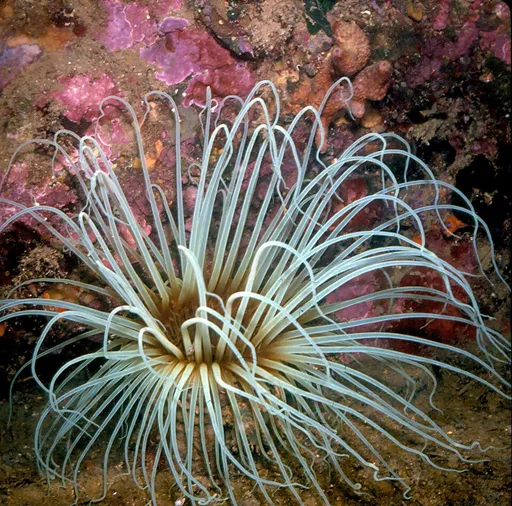
Tube anemone
Cerianthus sp.
Saltwater7.9 in (20 cm) · 20 gal (75 L)75–81°F (24–27°C)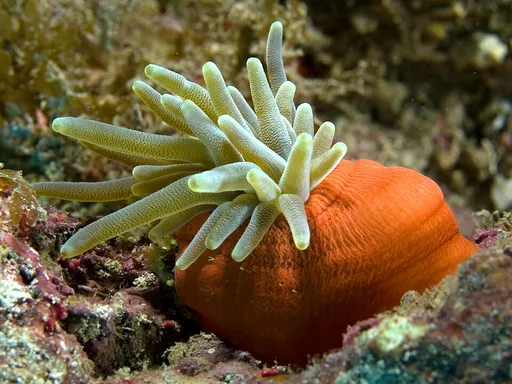
Condy anemone
Condylactis gigantea
Saltwater11.8 in (30 cm) · 40 gal (150 L)75–81°F (24–27°C)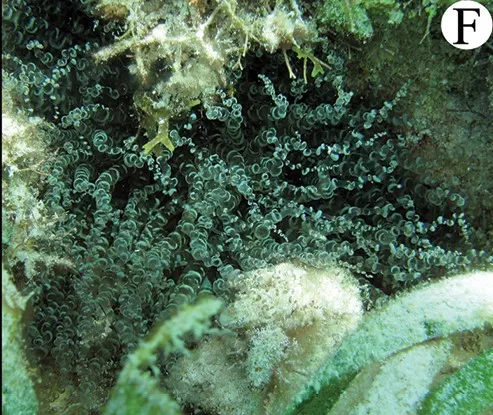
Curlyque anemone
Bartholomea annulata
Saltwater5.9 in (15 cm) · 20 gal (75 L)75–81°F (24–27°C)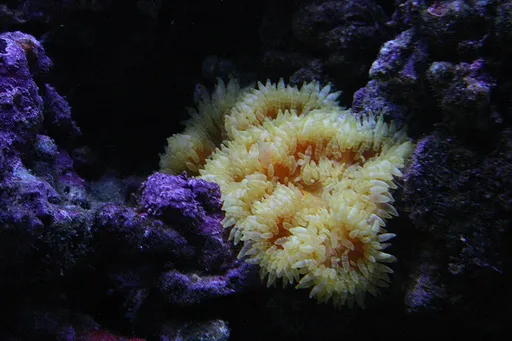
Aurora anemone
Heteractis aurora
Saltwater11.8 in (30 cm) · 50 gal (190 L)72–79°F (22–26°C)
By the numbers
Smallest
Largest
Fits a 20 gallon tank
FAQ
Common questions
Which anemone is easiest to keep?
The bubble tip anemone, marked medium and the only host anemone that splits and settles in a home reef. The rock flower and maxi-mini carpet anemones are the nano choices at the same rating. No anemone in the catalog is marked easy.
Do clownfish need an anemone?
No. Every clownfish in the catalog does fine without one, and a captive-bred ocellaris may ignore the anemone you buy for it. The anemone is for you.
How much light does an anemone need?
As much as a stony coral: it feeds on the algae in its tissue and fades under weak light. Feed it a piece of meaty food once a week on top of that.
Why does my anemone keep moving?
It is looking for the light and flow it wants and will walk until it finds them. Cover the powerhead intakes, leave it alone, and expect it to settle only in a tank that is stable.
Are anemones reef safe?
They sting whatever they touch, so every anemone here carries a coral caution except the tube anemone, which is marked not reef safe. Give one room on all sides and keep corals off its path.
How big do carpet anemones get?
Haddon's carpet anemone reaches 33.5 inches (85 cm), Mertens' 35.4 inches (90 cm) and the gigantea 19.7 inches (50 cm). They list 53 gallons (200 liters), are marked difficult and aggressive, and they eat fish.
Index
All anemones
Aurora anemone
Heteractis aurora
Saltwater11.8 in (30 cm) · 50 gal (190 L)72–79°F (22–26°C)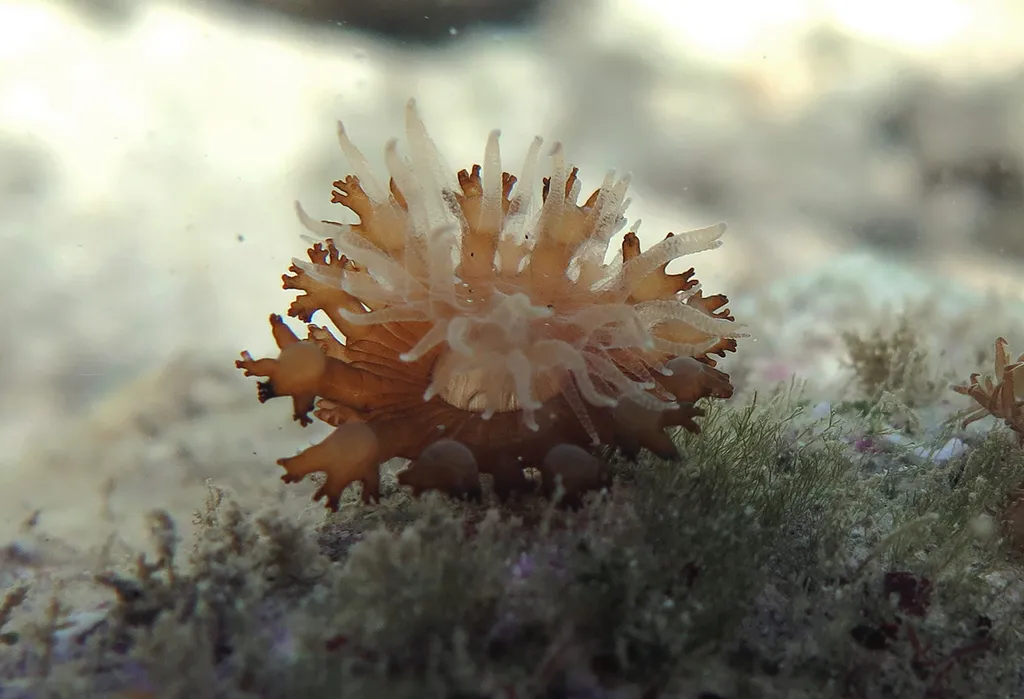
Boxer crab anemone
Triactis producta
Saltwater1.2 in (3 cm) · 11 gal (40 L)75–81°F (24–27°C)Bubble tip anemone
Entacmaea quadricolor
Saltwater11.8 in (30 cm) · 30 gal (115 L)75–81°F (24–27°C)4 varietiesCondy anemone
Condylactis gigantea
Saltwater11.8 in (30 cm) · 40 gal (150 L)75–81°F (24–27°C)Curlyque anemone
Bartholomea annulata
Saltwater5.9 in (15 cm) · 20 gal (75 L)75–81°F (24–27°C)Gigantea carpet anemone
Stichodactyla gigantea
Saltwater19.7 in (50 cm) · 53 gal (200 L)75–81°F (24–27°C)Haddon's carpet anemone
Stichodactyla haddoni
Saltwater33.5 in (85 cm) · 53 gal (200 L)75–81°F (24–27°C)Long tentacle anemone
Macrodactyla doreensis
Saltwater15.7 in (40 cm) · 40 gal (150 L)75–81°F (24–27°C)Magnificent anemone
Heteractis magnifica
Saltwater19.7 in (50 cm) · 53 gal (200 L)75–81°F (24–27°C)Malu anemone
Heteractis malu
Saltwater7.9 in (20 cm) · 40 gal (150 L)75–81°F (24–27°C)Maxi-mini carpet anemone
Stichodactyla tapetum
Saltwater3.1 in (8 cm) · 20 gal (75 L)75–81°F (24–27°C)Mertens' carpet anemone
Stichodactyla mertensii
Saltwater35.4 in (90 cm) · 53 gal (200 L)75–81°F (24–27°C)Red Sea boxer crab anemone
Alicia sp.
Saltwater0.4 in (1 cm) · 11 gal (40 L)75–81°F (24–27°C)Rock flower anemone
Phymanthus crucifer
Saltwater3.9 in (10 cm) · 20 gal (75 L)75–81°F (24–27°C)Sebae anemone
Heteractis crispa
Saltwater15.7 in (40 cm) · 40 gal (150 L)75–81°F (24–27°C)Tube anemone
Cerianthus sp.
Saltwater7.9 in (20 cm) · 20 gal (75 L)75–81°F (24–27°C)
Planning a tank?
TankBud checks stocking and water fit as you build a tank, then tracks water tests, reminders and photos once it is running.
Track your tanksMaintain tanks for clients? See TankBud Pro