Bettas and gouramis
Bettas and gouramis are labyrinth fish: they breathe air at the surface and hold small territories, so temperament matters as much as water. Wild bettas and chocolate gouramis ask more of you than the pet-store standards. Profiles list tank size, temperament and conditions.
At a glance
- Tank size
- 5–264 gal
- 5 gal (20 L) to 264 gal (1,000 L); half the list needs 16 gal (60 L) or more
- Temperature
- 72–81°F
- 22–27°C, most of the list
- pH
- 5.0–7.0
- Most of the list
- Difficulty
- 17 easy
- 65 medium · 49 difficult
- Temperament
- 52 peaceful
- 70 mostly peaceful · 9 aggressive
131 species and 17 varieties
The family
One family that breathes air
Bettas, gouramis, paradise fish, licorice gouramis and the giant gouramis are one family, the Osphronemidae, and they share the labyrinth, a folded organ behind the gills that lets them gulp air at the surface. They live in warm, slow, often oxygen-poor water, so they want a still surface, floating cover and a lid that keeps a layer of warm, humid air over the tank. Most of them hold a small territory, which is why so many profiles say one male per tank. The gouramis, the paradise fish and the show betta build bubble nests, while most wild bettas and the chocolate gouramis are mouthbrooders. And the family runs from a licorice gourami under 1 inch (2.4 cm) to a giant gourami of 27.6 inches (70 cm), so read the adult size before anything else.
- 01
A labyrinth
Gulps air at the surface, so keep the surface still
- 02
Warm air above
A lid keeps the humid layer they breathe
- 03
One male
Most hold a territory and squabble with rivals
- 04
Nests or mouths
Bubble nesters and mouthbrooders in one family
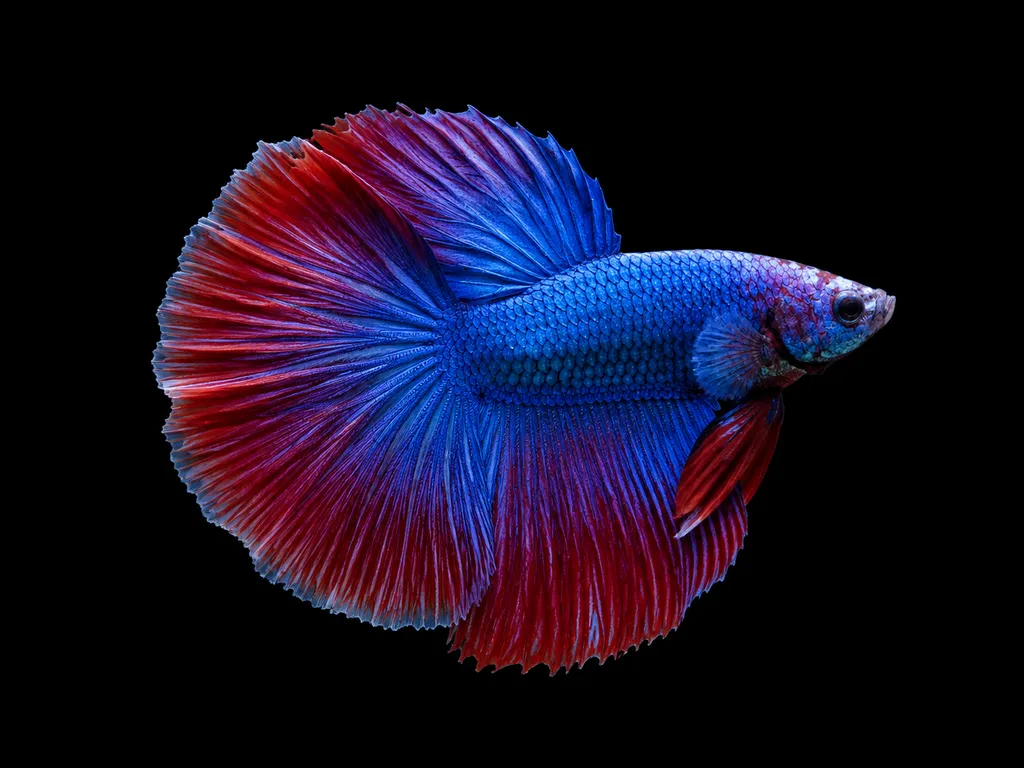
Halfmoon betta
Betta splendens
Freshwater- Size
- 3 in (7.5 cm)
- Tank
- 7 gal (25 L)
- Water
- 72–86°F (22–30°C)
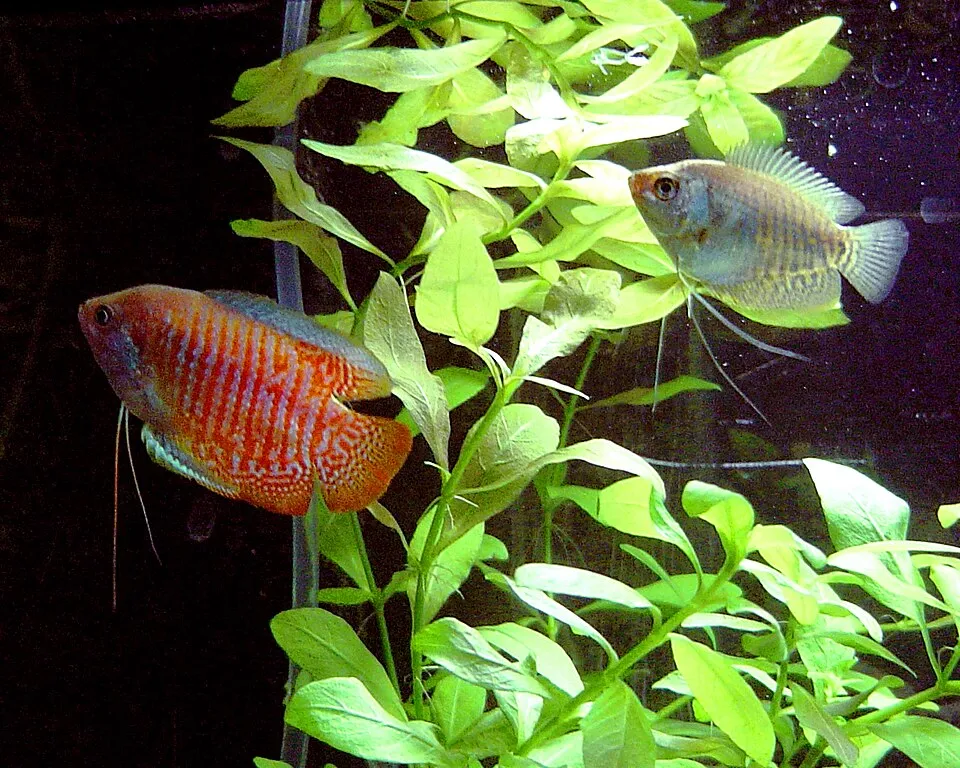
Dwarf gourami
Trichogaster lalius
Freshwater- Size
- 3 in (7.5 cm)
- Tank
- 16 gal (60 L)
- Water
- 72–81°F (22–27°C)
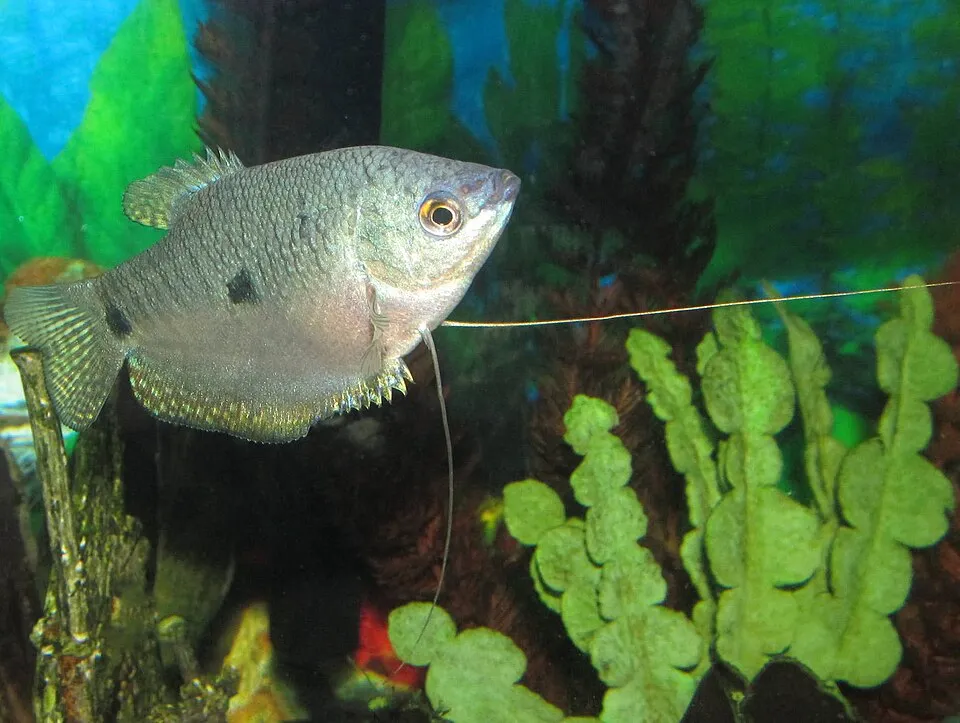
Three spot gourami
Trichopodus trichopterus
Freshwater- Size
- 5.1 in (13 cm)
- Tank
- 30 gal (115 L)
- Water
- 75–86°F (24–30°C)
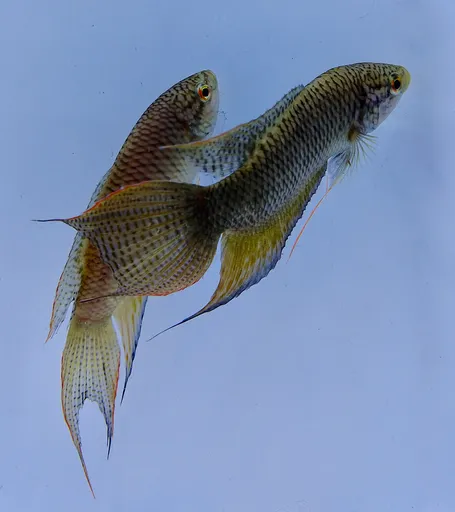
Black paradise fish
Macropodus spechti
Freshwater- Size
- 3.1 in (8 cm)
- Tank
- 20 gal (75 L)
- Water
- 68–82°F (20–28°C)
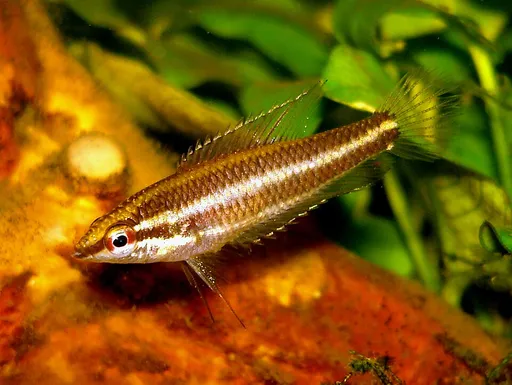
Licorice gourami
Parosphromenus deissneri
Freshwater- Size
- 1.5 in (3.8 cm)
- Tank
- 11 gal (40 L)
- Water
- 72–82°F (22–28°C)
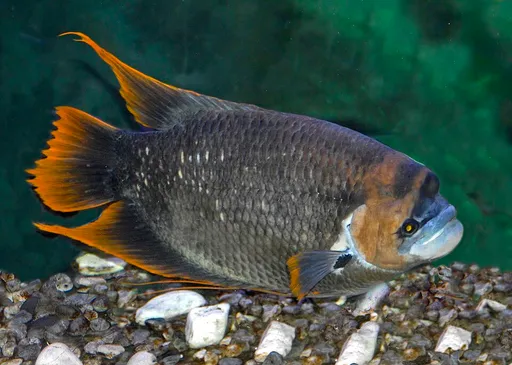
Giant red tail gourami
Osphronemus laticlavius
Freshwater- Size
- 19.7 in (50 cm)
- Tank
- 264 gal (1,000 L)
- Water
- 68–86°F (20–30°C)
Community
The ones that fit a community tank
The community gouramis are the easy end of the family, and the catalog marks most of them peaceful. The honey gourami stays at 2 inches (5 cm), lists 20 gallons (75 liters) and lives in a group of four to six with more females than males. The pearl gourami is the classic centerpiece for a 30 gallon (115 liter) planted tank at 4.7 inches (12 cm), and the moonlight gourami is a calmer, slower fish that lists the same tank. The croaking gourami and its threestripe cousin are small, quiet fish for 12 to 25 gallons (45 to 95 liters) that make an audible click when they display. The thick-lipped gourami is the sturdier choice at 3.5 inches (9 cm), and the spiketail paradisefish is a 2.6 inch (6.5 cm) fish for a 12 gallon (45 liter) tank with none of the paradise fish's temper. Keep all of them with fish that do not nip and do not crowd the surface.
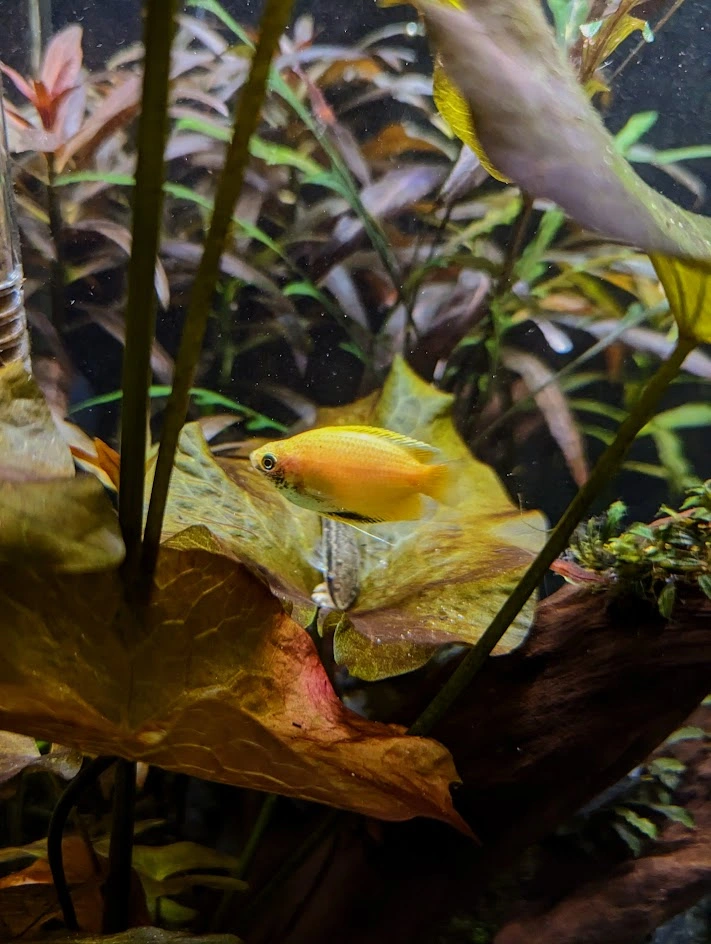
Honey gourami
Trichogaster chuna
Freshwater2 in (5 cm) · 20 gal (75 L)72–82°F (22–28°C)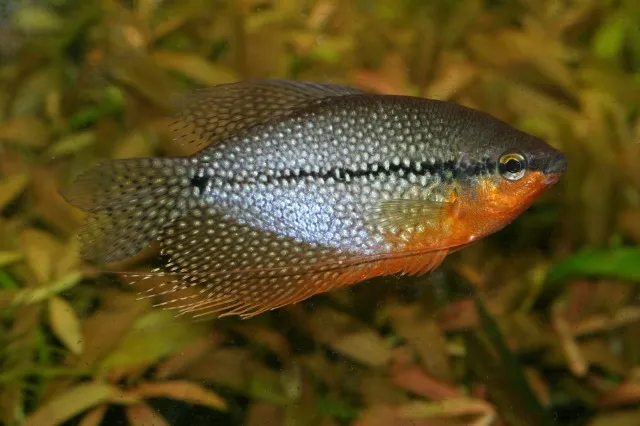
Pearl gourami
Trichopodus leerii
Freshwater4.7 in (12 cm) · 30 gal (115 L)75–86°F (24–30°C)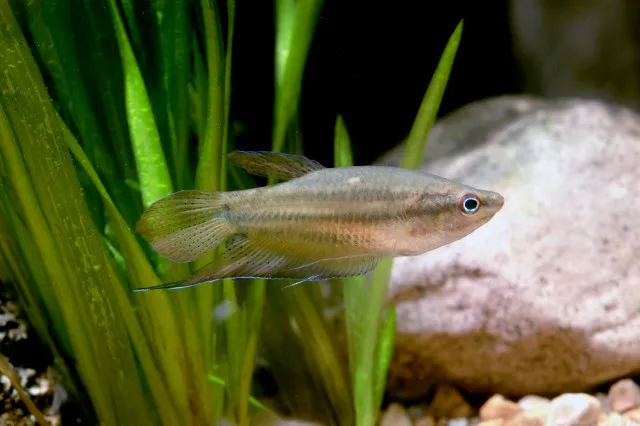
Croaking gourami
Trichopsis vittata
Freshwater2.8 in (7 cm) · 25 gal (95 L)72–82°F (22–28°C)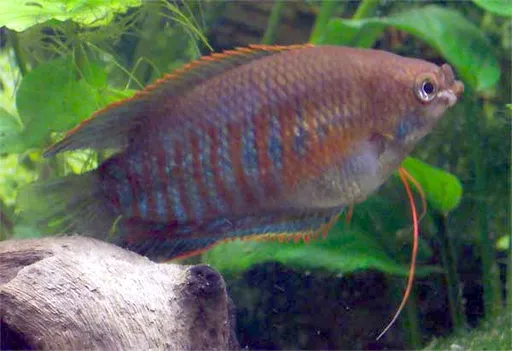
Thick-lipped gourami
Trichogaster labiosa
Freshwater3.5 in (9 cm) · 20 gal (75 L)72–82°F (22–28°C)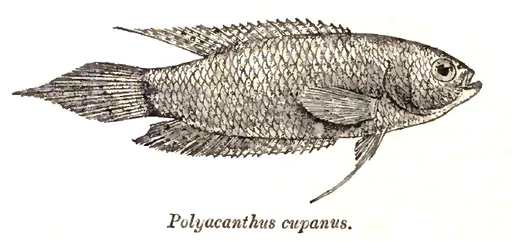
Spiketail paradisefish
Pseudosphromenus cupanus
Freshwater2.6 in (6.5 cm) · 12 gal (45 L)68–82°F (20–28°C)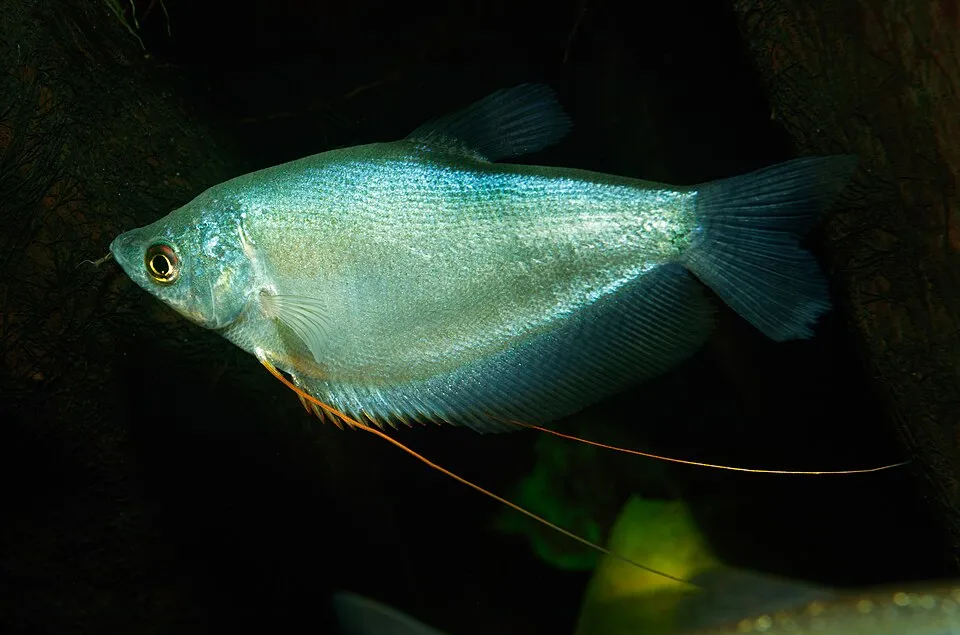
Moonlight gourami
Trichopodus microlepis
Freshwater5.9 in (15 cm) · 30 gal (115 L)77–86°F (25–30°C)
Bettas
The betta side of the family
The show betta and its wild relatives are the other half of the list, and they have a page of their own. The fish in the shop is one species, Betta splendens, marked beginner and aggressive, kept one male to a tank in 7 gallons (25 liters) or more. Most of the wild species are mouthbrooders, calmer fish for a pair in a soft-water species tank. The crescent betta and the emerald betta are the wild cousins closest to the show fish, at 2.4 inches (6 cm) in 11 to 12 gallons (40 to 45 liters). The spotted betta is marked easy and the whiteseam betta stays at 1.2 inches (3 cm), both good first mouthbrooders, and the one-spot betta is the largest of the genus here at 4.5 inches (11.5 cm) with a 29 gallon (110 liter) minimum.
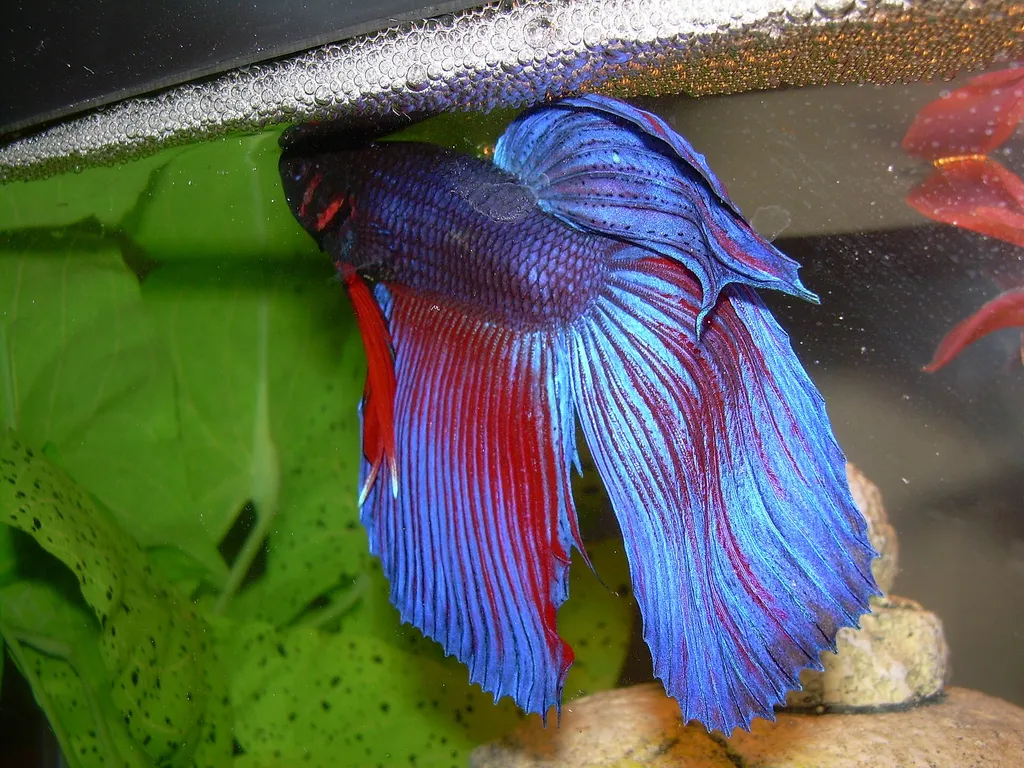
Betta
Betta splendens
Freshwater3 in (7.5 cm) · 7 gal (25 L)72–86°F (22–30°C)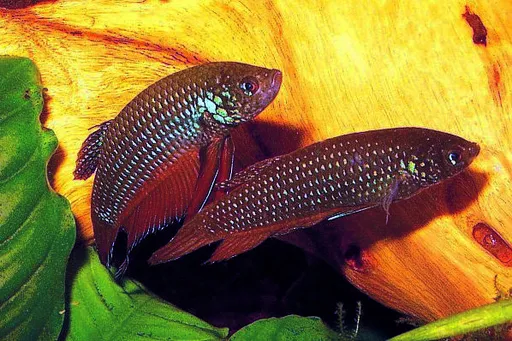
Emerald betta
Betta smaragdina
Freshwater2.4 in (6 cm) · 11 gal (40 L)72–82°F (22–28°C)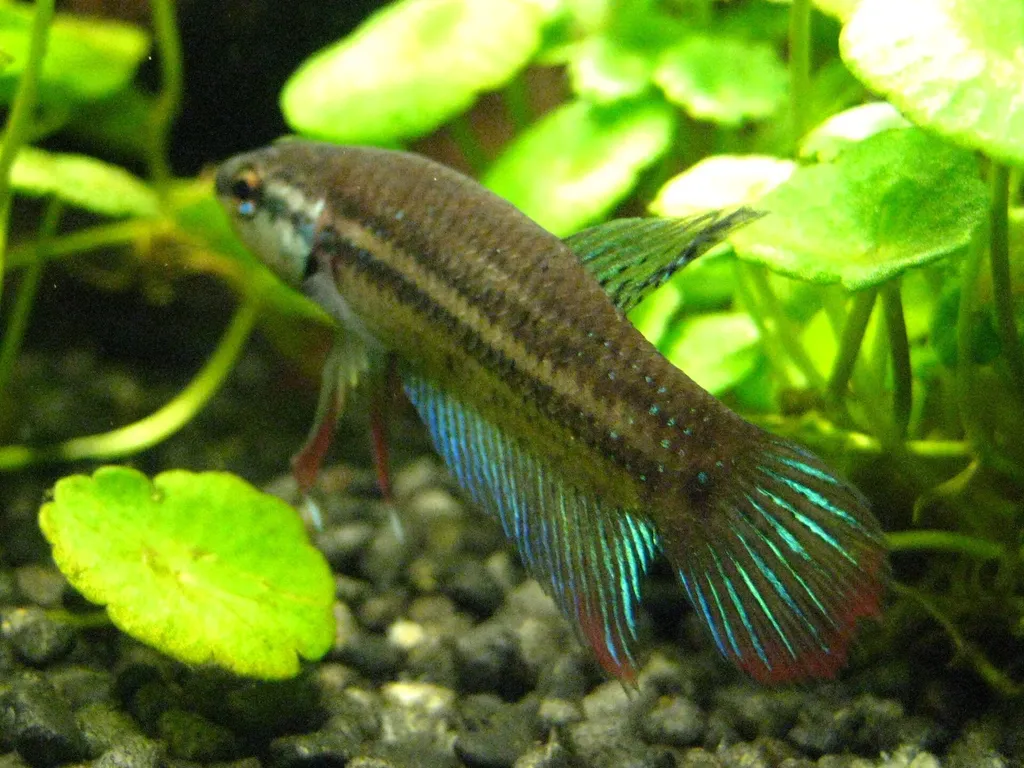
Crescent betta
Betta imbellis
Freshwater2.4 in (6 cm) · 12 gal (45 L)68–82°F (20–28°C)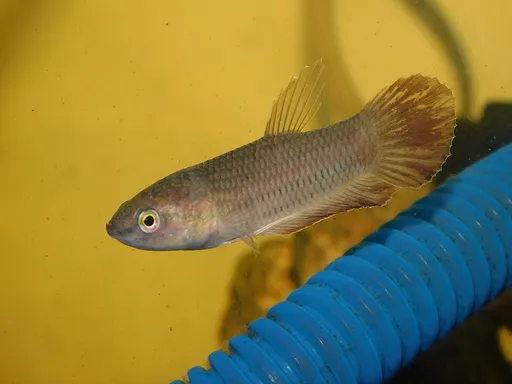
Spotted betta
Betta picta
Freshwater2 in (5 cm) · 16 gal (60 L)72–81°F (22–27°C)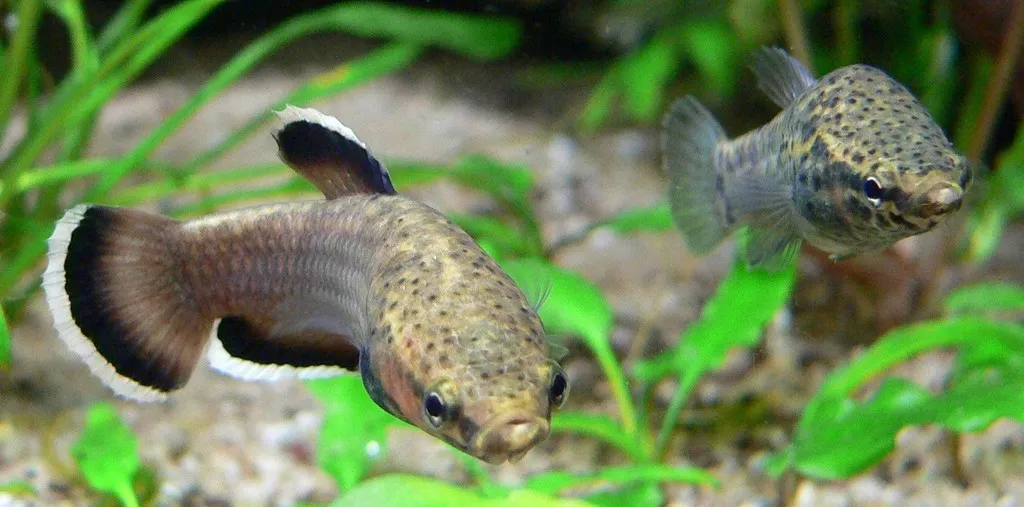
Whiteseam betta
Betta albimarginata
Freshwater1.2 in (3 cm) · 11 gal (40 L)73–82°F (23–28°C)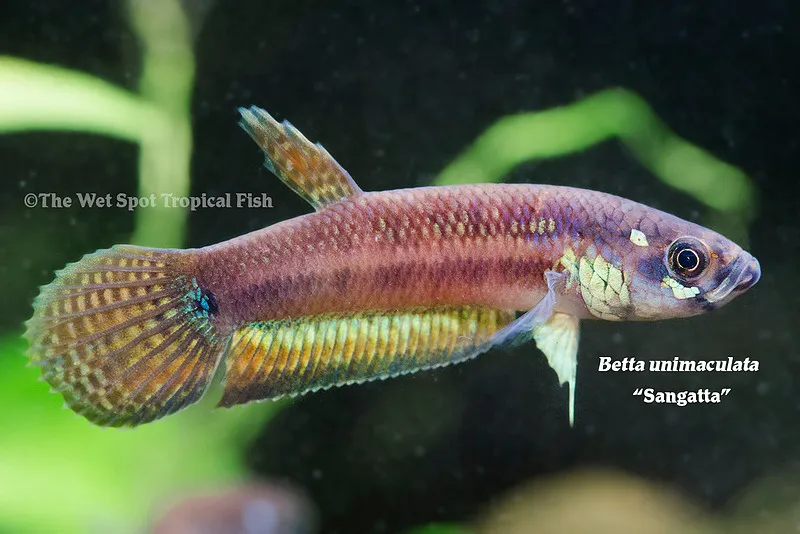
One-spot betta
Betta unimaculata
Freshwater4.5 in (11.5 cm) · 29 gal (110 L)70–79°F (21–26°C)
Blackwater
Licorice and chocolate gouramis are specialists
The licorice gouramis, the Parosphromenus, are marked difficult without exception. They stay between 0.9 and 1.6 inches (2.4 and 4 cm), list 5 to 11 gallons (20 to 40 liters), and want blackwater, which means very soft water at a pH around 4.5 to 6.0, leaf litter, dim light, live or frozen food and no other fish. Breeders keep them as pairs, and Harvey's licorice gourami is a threatened species that hobby breeding is helping to keep going. The chocolate gouramis are their larger cousins and mouthbrooders. The chocolate gourami itself is marked medium and wants heat, 79–88°F (26–31°C), while the crossband, sharpnose and Vaillant's chocolate gouramis are marked difficult, and the last is a shoaling fish for a group of six. The eyespot gourami is a tiny, cool-water mouthbrooder at 64–77°F (18–25°C) that also goes in a group.
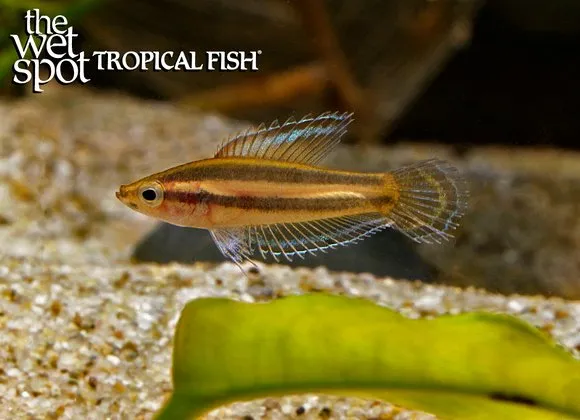
Nagy's licorice gourami
Parosphromenus nagyi
Freshwater1.4 in (3.5 cm) · 5 gal (20 L)72–81°F (22–27°C)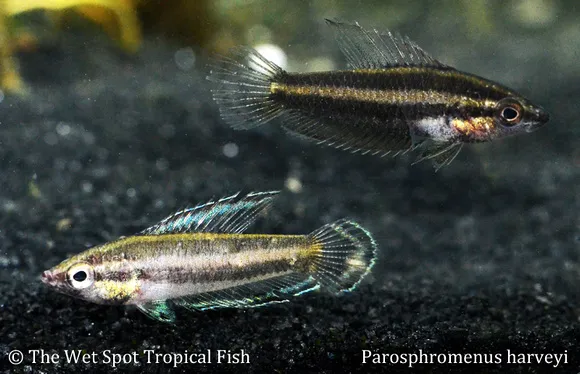
Harvey's licorice gourami
Parosphromenus harveyi
Freshwater1.2 in (3.1 cm) · 5 gal (20 L)72–81°F (22–27°C)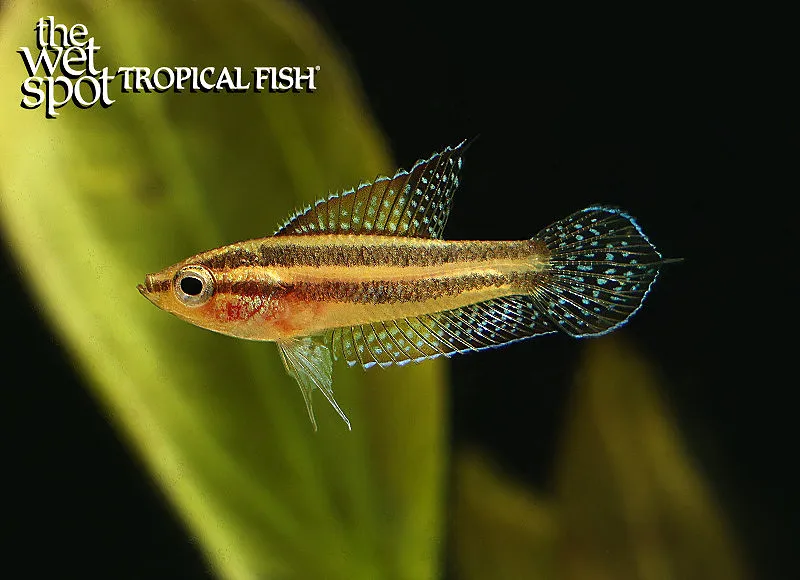
Linke's licorice gourami
Parosphromenus linkei
Freshwater1.4 in (3.5 cm) · 11 gal (40 L)72–82°F (22–28°C)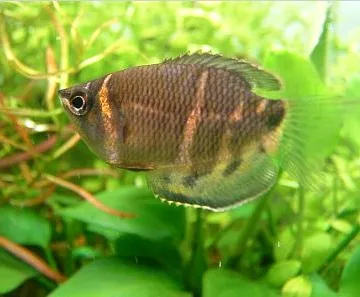
Chocolate gourami
Sphaerichthys osphromenoides
Freshwater2 in (5 cm) · 17 gal (65 L)79–88°F (26–31°C)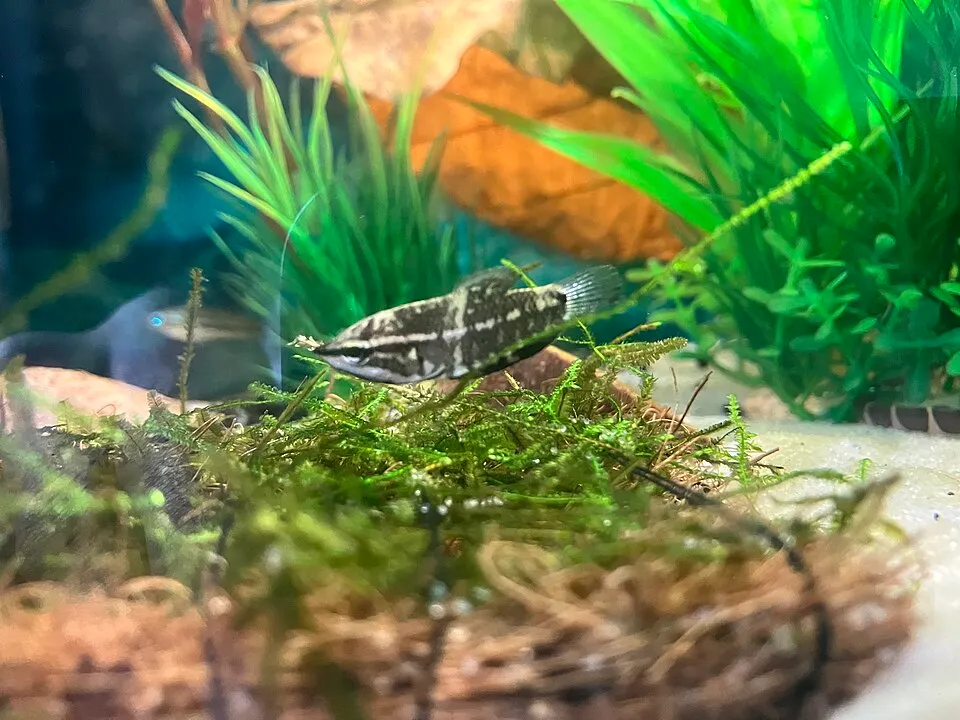
Vaillant's chocolate gourami
Sphaerichthys vaillanti
Freshwater2.2 in (5.5 cm) · 20 gal (75 L)70–77°F (21–25°C)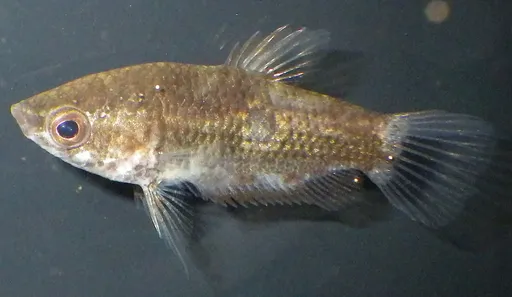
Eyespot gourami
Parasphaerichthys ocellatus
Freshwater1.4 in (3.5 cm) · 12 gal (45 L)64–77°F (18–25°C)
Size and temper
Paradise fish, combtails, pikeheads and giants
The paradise fish is a hardy fish for an unheated tank at 50–72°F (10–22°C), 3.1 inches (8 cm) in 25 gallons (95 liters), but it is marked aggressive and one male per tank. The round-tail paradise fish is the easy, milder relative for 61–75°F (16–24°C), and the black paradise fish takes a heated tank. The combtail gourami reaches 4.7 inches (12 cm), lists 53 gallons (200 liters) and is marked aggressive and solitary. The pikeheads are ambush predators that eat anything that fits in the mouth, marked difficult and aggressive, so they live alone. The giant gourami reaches 27.6 inches (70 cm) and lists 125 gallons (475 liters), the giant red tail and seven-banded giant gouramis reach 19.7 inches (50 cm) and list 264 gallons (1,000 liters), and the snakeskin gourami is the peaceful big one at 9.8 inches (25 cm) for 61 gallons (230 liters).
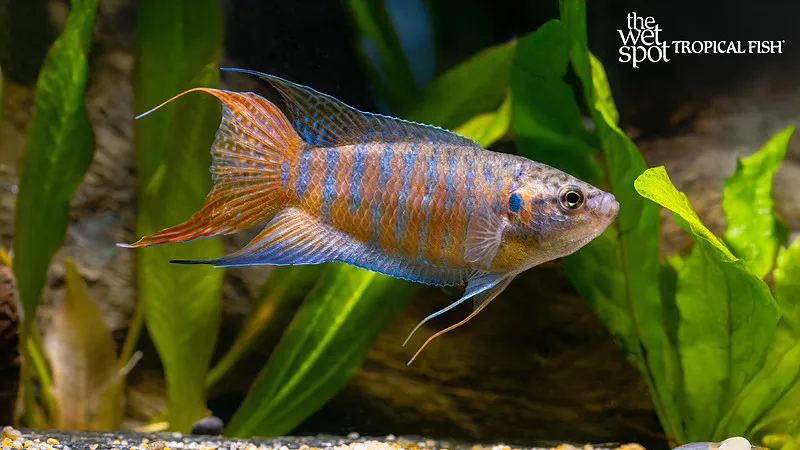
Paradise fish
Macropodus opercularis
Freshwater3.1 in (8 cm) · 25 gal (95 L)50–72°F (10–22°C)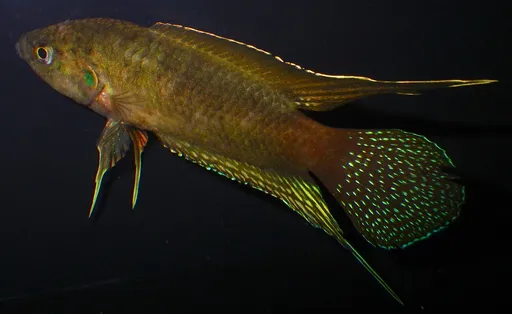
Round-tail paradise fish
Macropodus ocellatus
Freshwater3.1 in (8 cm) · 20 gal (75 L)61–75°F (16–24°C)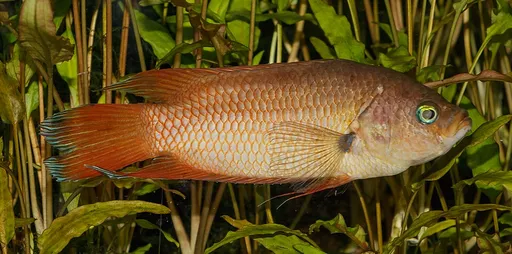
Combtail gourami
Belontia signata
Freshwater4.7 in (12 cm) · 53 gal (200 L)72–82°F (22–28°C)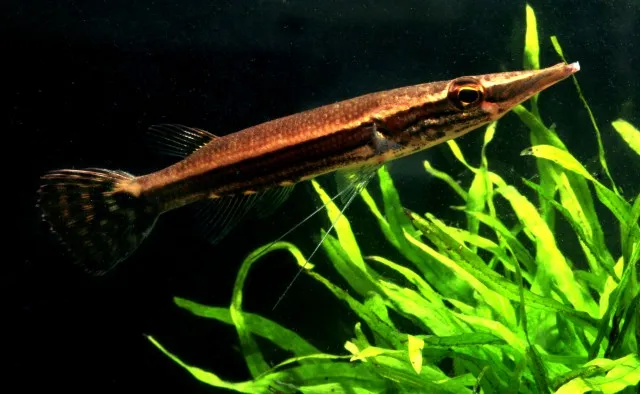
Giant pikehead
Luciocephalus pulcher
Freshwater7.9 in (20 cm) · 36 gal (135 L)72–79°F (22–26°C)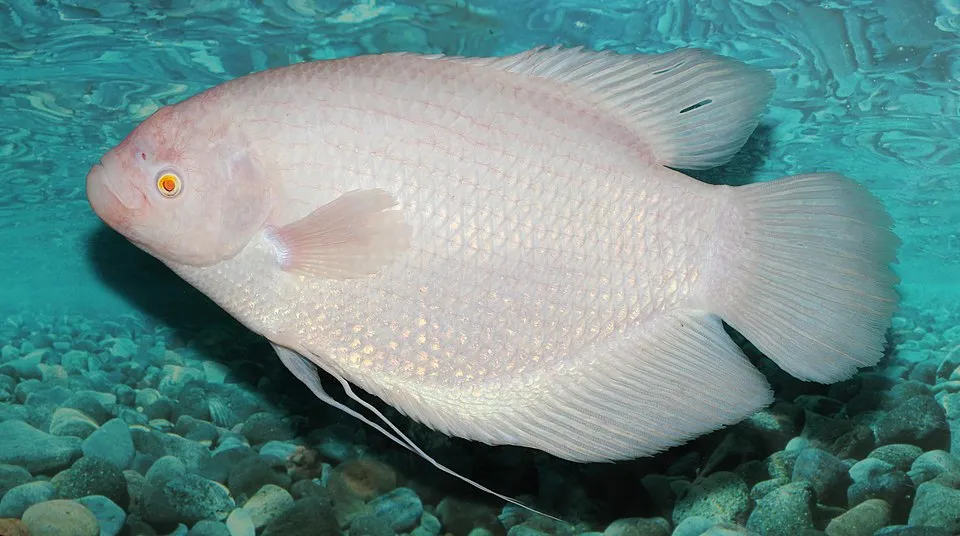
Giant gourami
Osphronemus goramy
Freshwater27.6 in (70 cm) · 125 gal (475 L)68–86°F (20–30°C)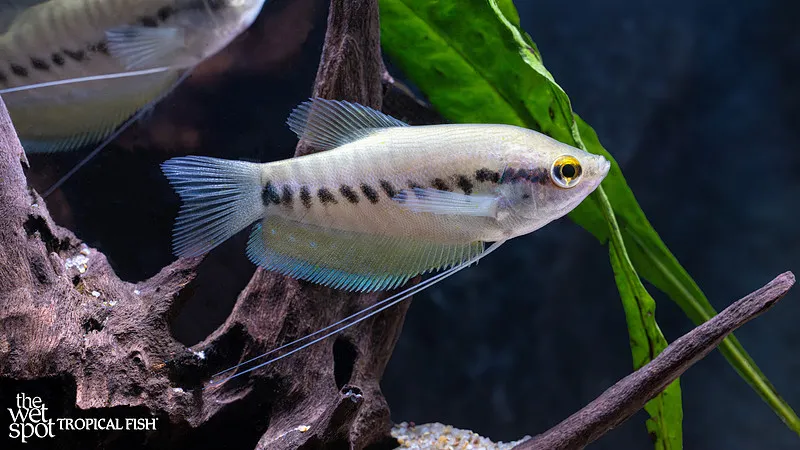
Snakeskin gourami
Trichopodus pectoralis
Freshwater9.8 in (25 cm) · 61 gal (230 L)72–86°F (22–30°C)
By the numbers
Smallest
Largest
Easiest to keep
Most peaceful
Fits a 20 gallon tank
Fits a 30 gallon tank
FAQ
Common questions
Are bettas and gouramis related?
Yes. Both belong to the Osphronemidae, the labyrinth fish family, along with the paradise fish, the licorice and chocolate gouramis and the giant gouramis. They all breathe air from the surface through the labyrinth organ, and most of them hold a territory.
Can a betta live with a gourami?
Not safely. They are close relatives with the same body plan and the same claim on the surface, so they read each other as rivals. The show betta is marked aggressive in the catalog and shows no tank mate picks for that reason. Keep one labyrinth species per tank unless the tank is large and planted enough for the calmer gouramis to spread out.
Which gourami is the most peaceful?
The honey gourami, marked easy and peaceful and happy in a group. The pearl gourami, the croaking gouramis and the spiketail paradisefish carry the same marks. The dwarf gourami is peaceful toward other fish but not toward a second male.
What size tank do gouramis need?
From 12 gallons (45 liters) for the threestripe croaking gourami and the spiketail paradisefish, 16 gallons (60 liters) for a dwarf gourami, 20 gallons (75 liters) for honey and thick-lipped gouramis and 30 gallons (115 liters) for pearl, three spot and moonlight gouramis, up to 61 gallons (230 liters) for a snakeskin and 125 gallons (475 liters) for a giant gourami. The two other giants list 264 gallons (1,000 liters).
Do bettas and gouramis need a heater?
Most do, at roughly 72–82°F (22–28°C). The paradise fish is the exception, listed at 50–72°F (10–22°C) and better off without a heater, and the round-tail and Hong Kong paradise fish and the eyespot gourami also run cool. The chocolate gourami is the opposite and wants 79–88°F (26–31°C).
Why does my gourami keep going to the surface?
To breathe. Every fish on this page gulps air through its labyrinth organ, so a trip to the surface every few minutes is normal, and a fish that stays there gasping is the one to worry about. Keep the surface still, leave a gap of warm air under the lid and do not aim the filter outflow at the top of the tank.
Index
All bettas & gouramis
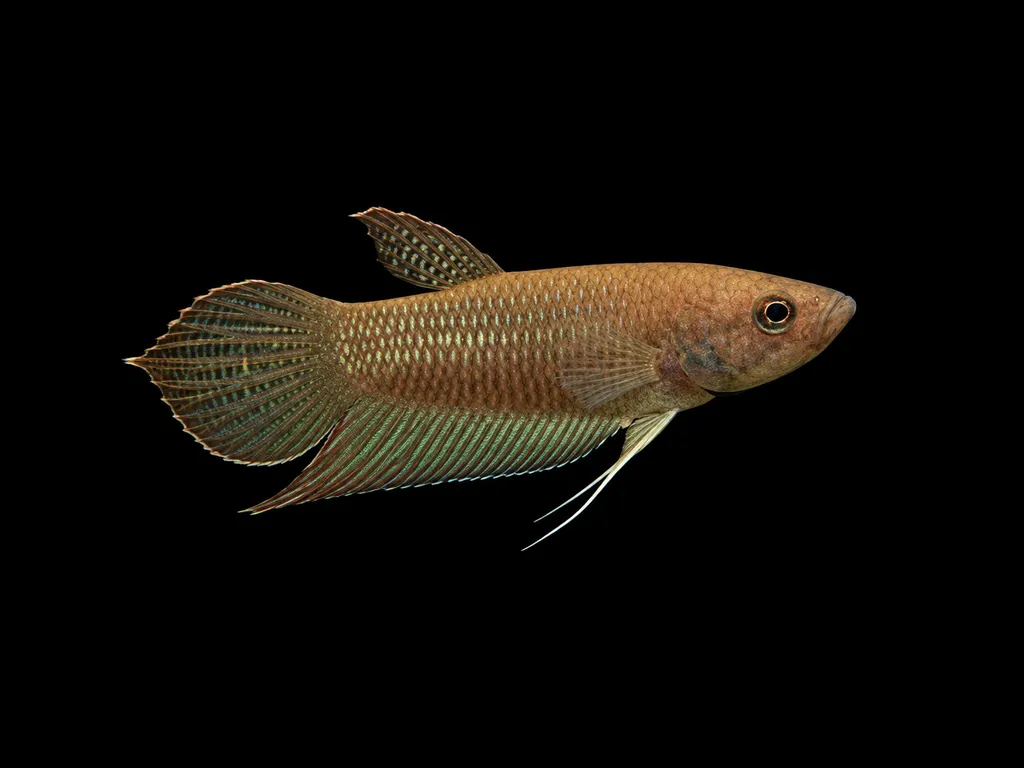
Akar betta
Betta akarensis
Freshwater3.1 in (8 cm) · 20 gal (75 L)70–81°F (21–27°C)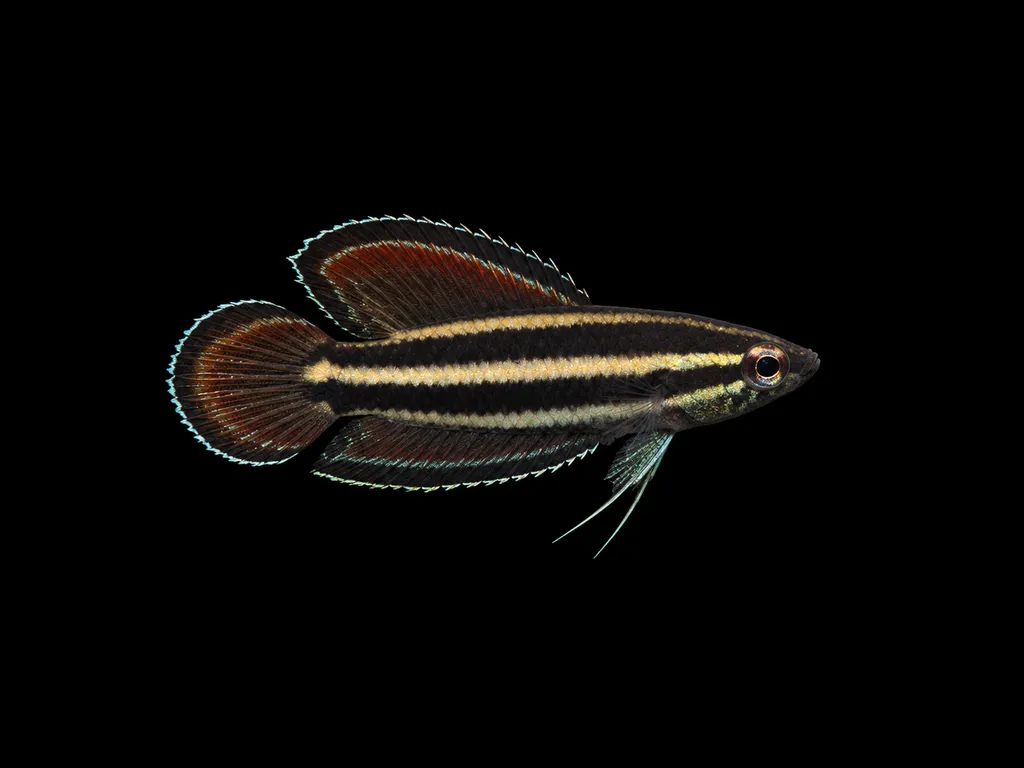
Alfred's licorice gourami
Parosphromenus alfredi
Freshwater1.3 in (3.2 cm) · 5 gal (20 L)72–81°F (22–27°C)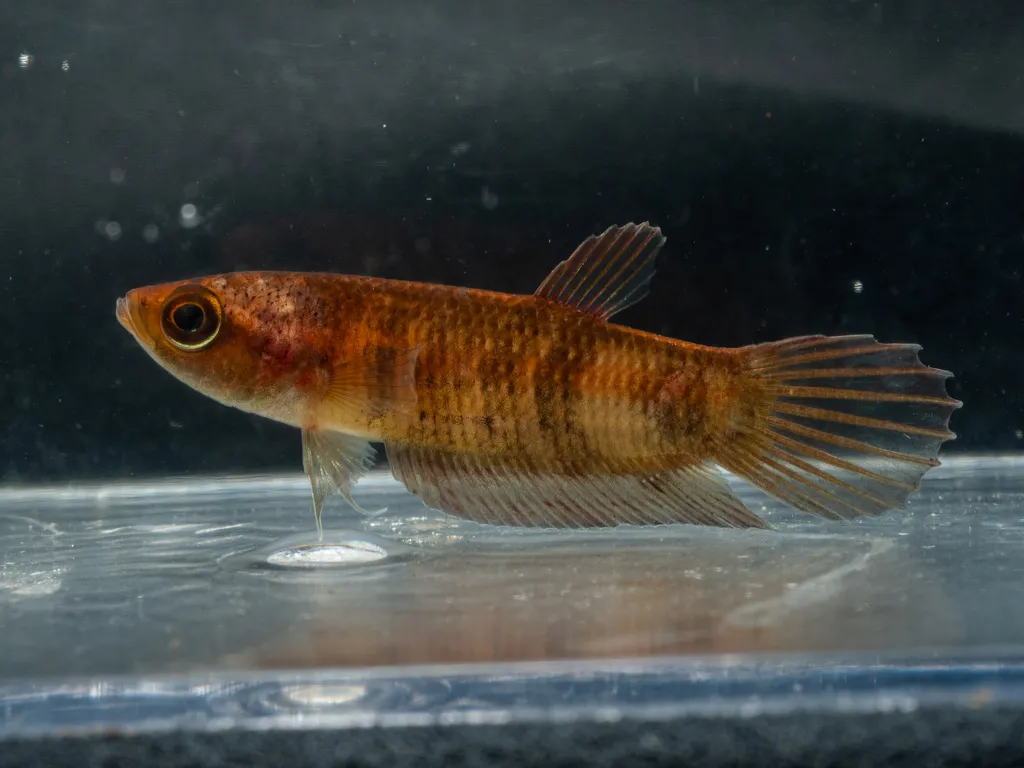
Anabatoides betta
Betta anabatoides
Freshwater3.2 in (8.2 cm) · 26 gal (100 L)79–84°F (26–29°C)Andrei betta
Betta andrei
Freshwater2 in (5.1 cm) · 24 gal (90 L)73–81°F (23–27°C)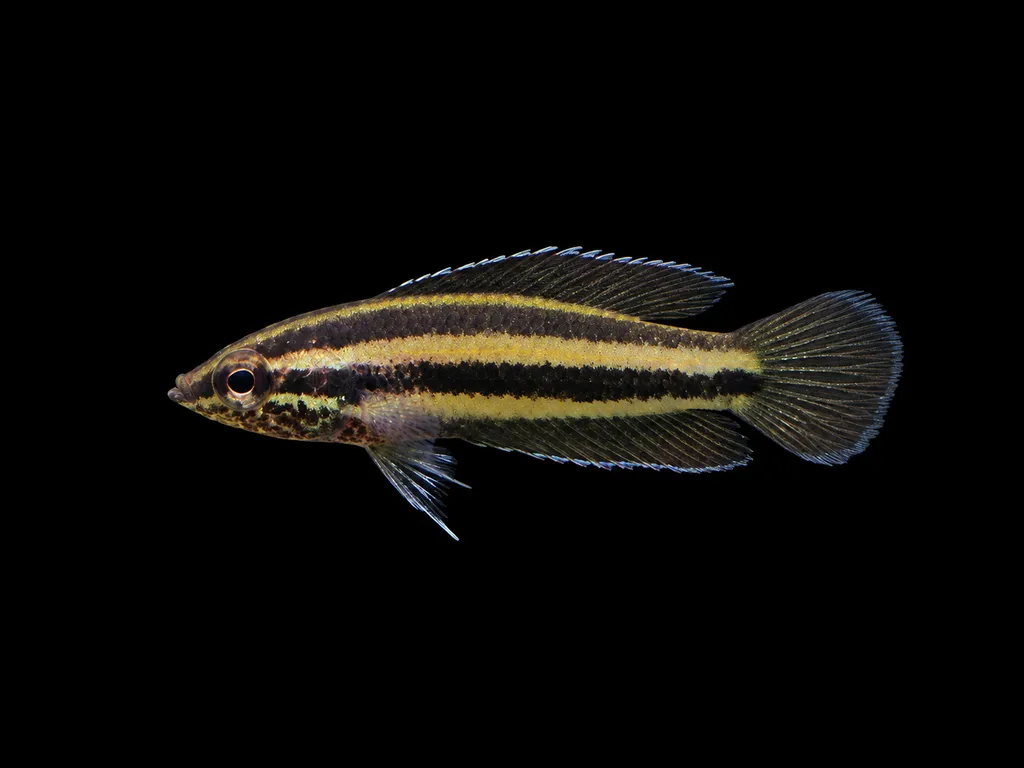
Anjungan licorice gourami
Parosphromenus anjunganensis
Freshwater1.4 in (3.5 cm) · 11 gal (40 L)72–82°F (22–28°C)Antoni betta
Betta antoni
Freshwater2 in (5 cm) · 16 gal (60 L)72–81°F (22–27°C)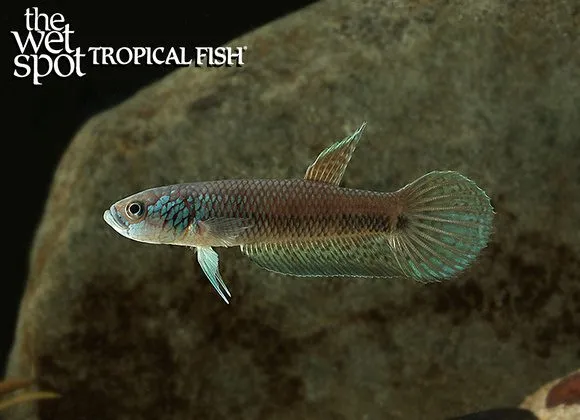
Antuta betta
Betta sp. 'Antuta'
Freshwater3.9 in (10 cm) · 26 gal (100 L)70–81°F (21–27°C)Api api betta
Betta mulyadii
Freshwater1.1 in (2.8 cm) · 8 gal (30 L)75–84°F (24–29°C)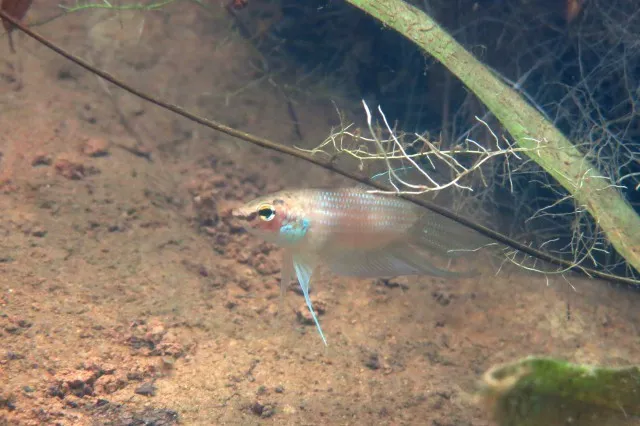
Apollon betta
Betta apollon
Freshwater2.2 in (5.5 cm) · 16 gal (60 L)73–81°F (23–27°C)Aurigans betta
Betta aurigans
Freshwater2.9 in (7.3 cm) · 16 gal (60 L)72–81°F (22–27°C)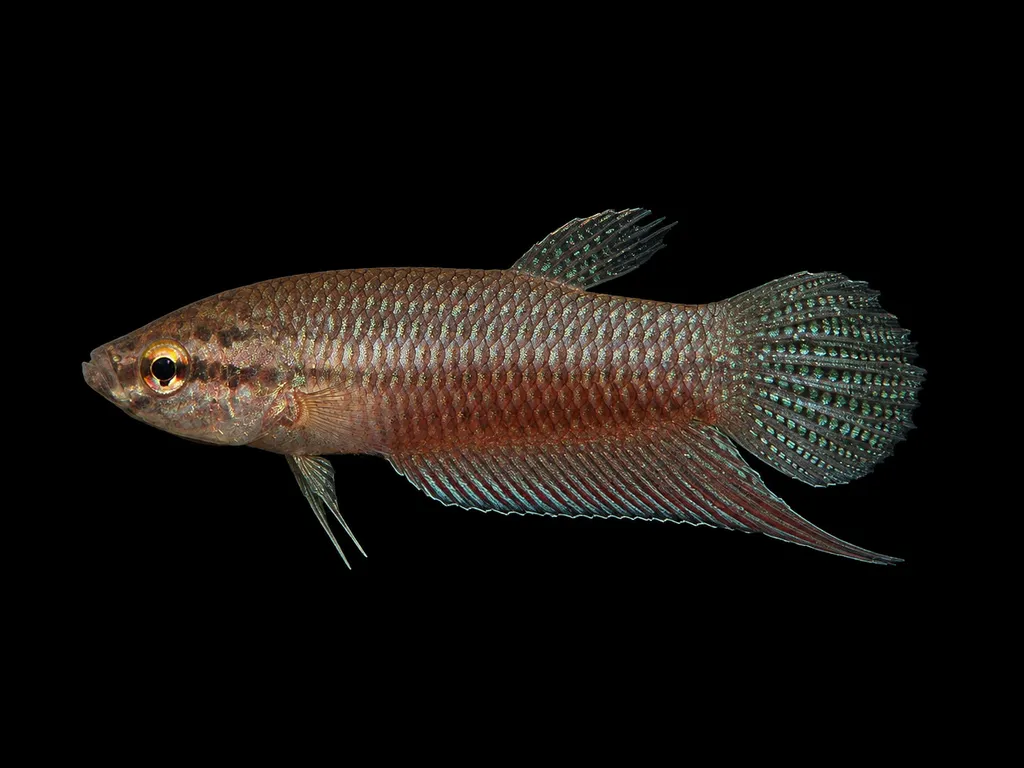
Balunga betta
Betta balunga
Freshwater2 in (5 cm) · 16 gal (60 L)72–81°F (22–27°C)Banded betta
Betta taeniata
Freshwater2.2 in (5.5 cm) · 16 gal (60 L)72–81°F (22–27°C)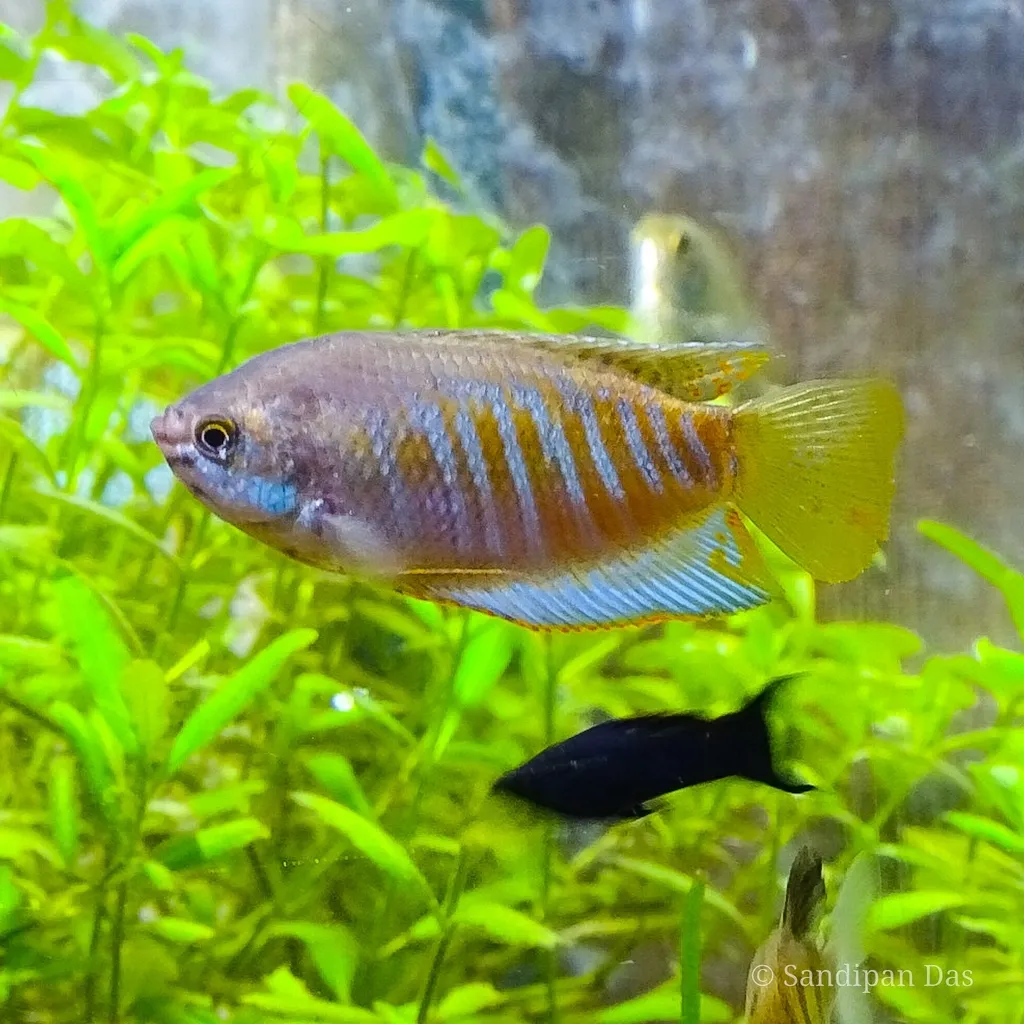
Banded gourami
Trichogaster fasciata
Freshwater3.5 in (9 cm) · 26 gal (100 L)70–82°F (21–28°C)Betta
Betta splendens
Freshwater3 in (7.5 cm) · 7 gal (25 L)72–86°F (22–30°C)8 varieties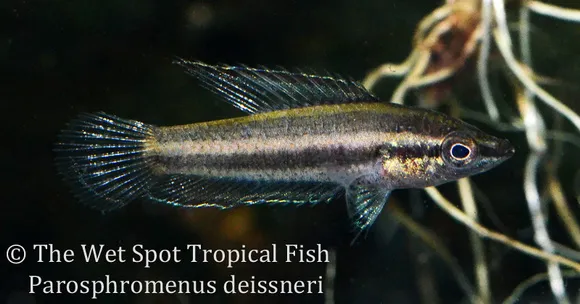
Bintan licorice gourami
Parosphromenus bintan
Freshwater1.3 in (3.2 cm) · 5 gal (20 L)72–81°F (22–27°C)Black paradise fish
Macropodus spechti
Freshwater3.1 in (8 cm) · 20 gal (75 L)68–82°F (20–28°C)Breviobesa betta
Betta breviobesa
Freshwater2.6 in (6.5 cm) · 16 gal (60 L)73–82°F (23–28°C)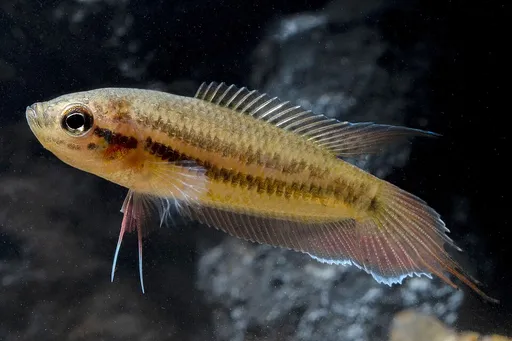
Brown spiketail paradisefish
Pseudosphromenus dayi
Freshwater2.6 in (6.5 cm) · 12 gal (45 L)68–82°F (20–28°C)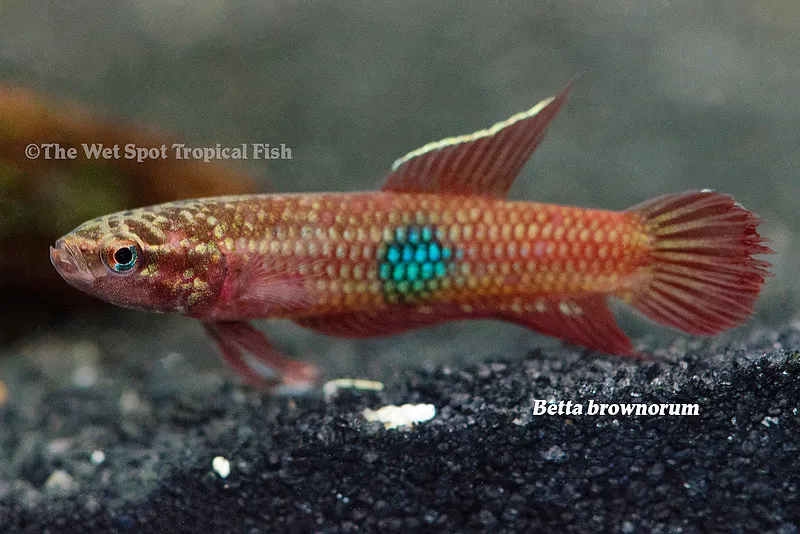
Brown's betta
Betta brownorum
Freshwater1.2 in (3 cm) · 11 gal (40 L)75–82°F (24–28°C)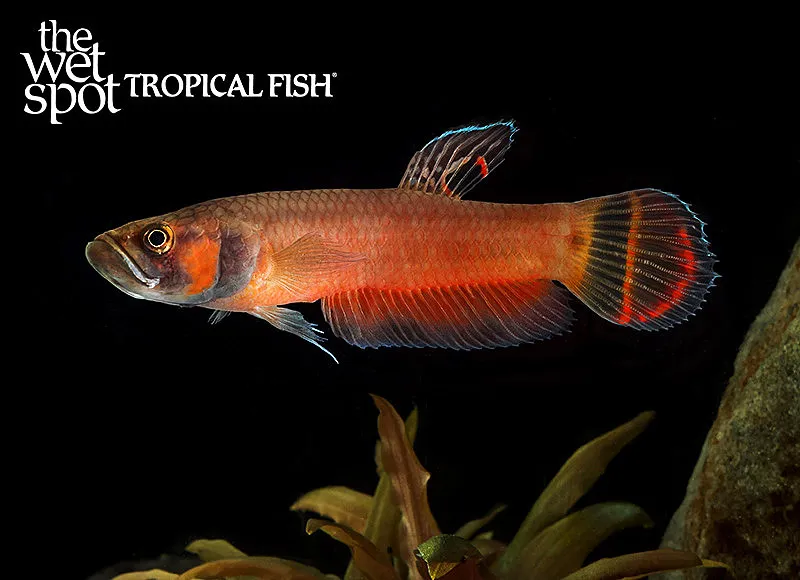
Brunei beauty betta
Betta macrostoma
Freshwater3.9 in (10 cm) · 20 gal (75 L)72–79°F (22–26°C)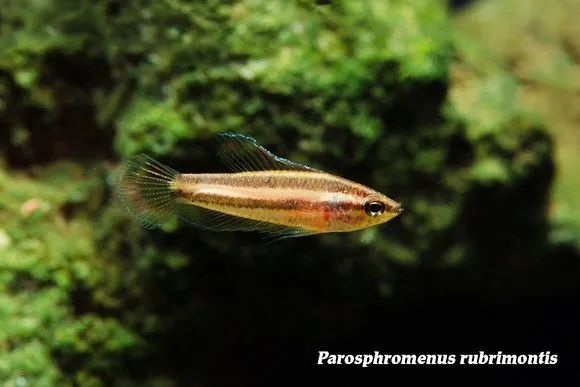
Bukit Merah licorice gourami
Parosphromenus rubrimontis
Freshwater1.2 in (3 cm) · 5 gal (20 L)72–81°F (22–27°C)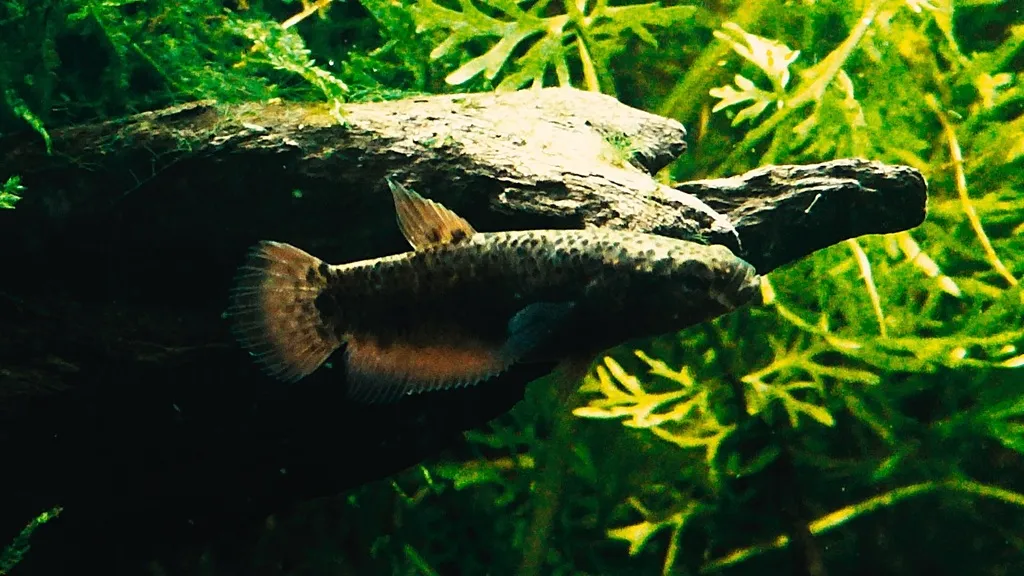
Channoides betta
Betta channoides
Freshwater1.6 in (4 cm) · 11 gal (40 L)73–82°F (23–28°C)Chini betta
Betta chini
Freshwater2.1 in (5.4 cm) · 16 gal (60 L)72–81°F (22–27°C)Chocolate gourami
Sphaerichthys osphromenoides
Freshwater2 in (5 cm) · 17 gal (65 L)79–88°F (26–31°C)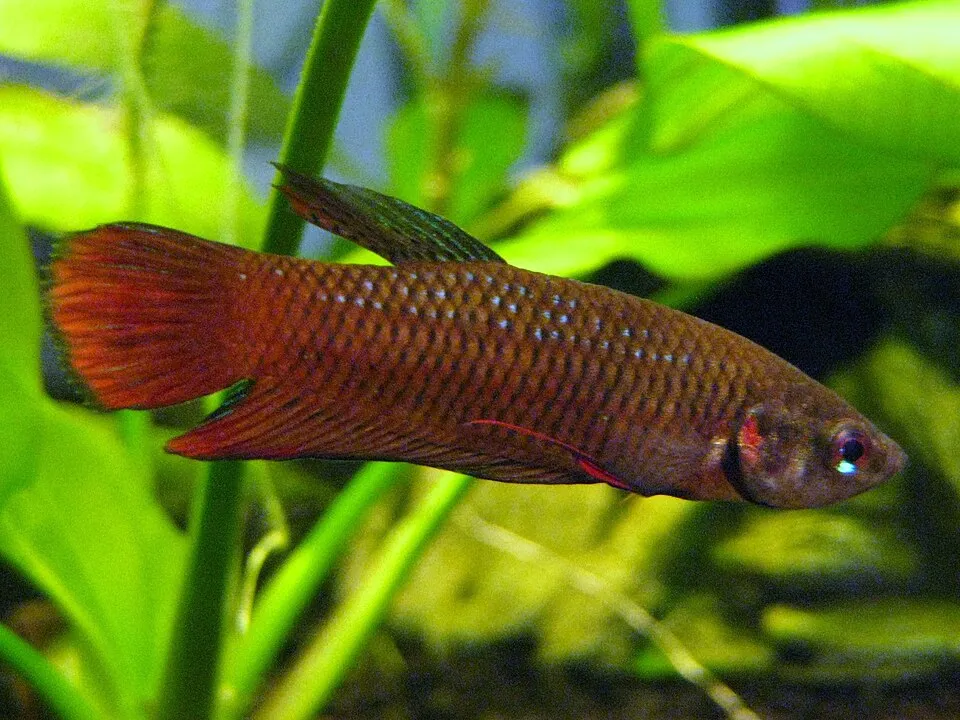
Chukai betta
Betta tussyae
Freshwater1.6 in (4 cm) · 11 gal (40 L)73–82°F (23–28°C)Combtail gourami
Belontia signata
Freshwater4.7 in (12 cm) · 53 gal (200 L)72–82°F (22–28°C)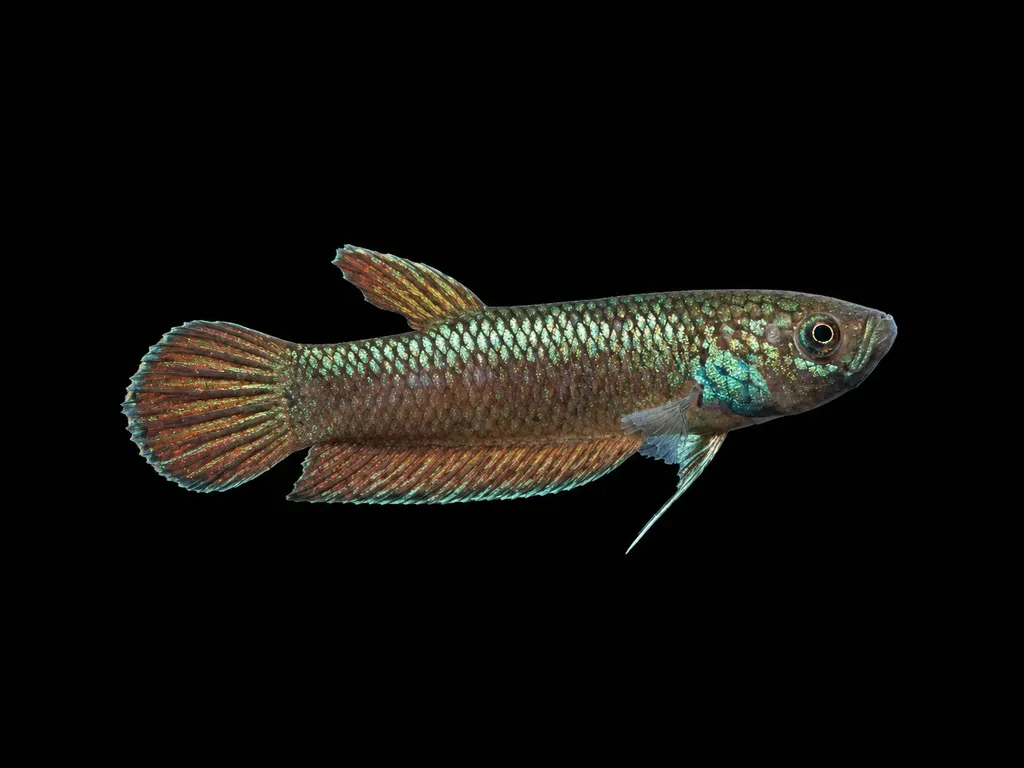
Compuncta betta
Betta compuncta
Freshwater3 in (7.5 cm) · 20 gal (75 L)72–81°F (22–27°C)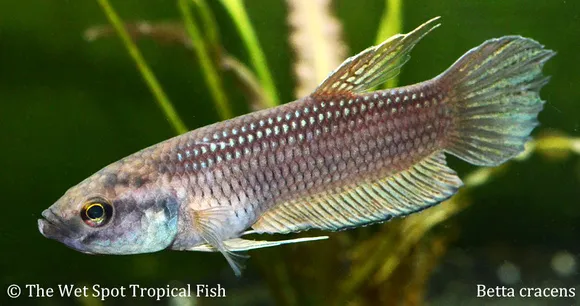
Cracens betta
Betta cracens
Freshwater2.8 in (7 cm) · 20 gal (75 L)73–81°F (23–27°C)Crescent betta
Betta imbellis
Freshwater2.4 in (6 cm) · 12 gal (45 L)68–82°F (20–28°C)Croaking gourami
Trichopsis vittata
Freshwater2.8 in (7 cm) · 25 gal (95 L)72–82°F (22–28°C)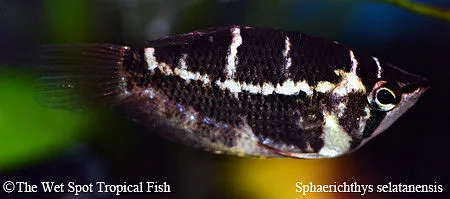
Crossband chocolate gourami
Sphaerichthys selatanensis
Freshwater1.8 in (4.5 cm) · 16 gal (60 L)79–86°F (26–30°C)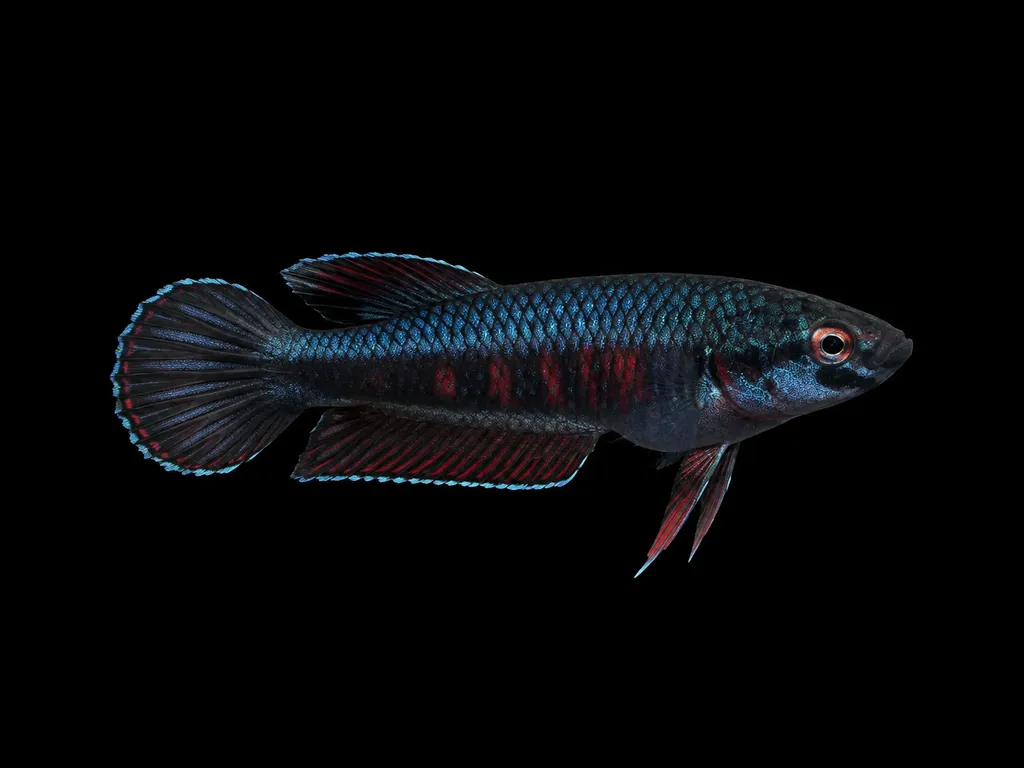
Dennis Yong's betta
Betta dennisyongi
Freshwater1.8 in (4.5 cm) · 11 gal (40 L)73–82°F (23–28°C)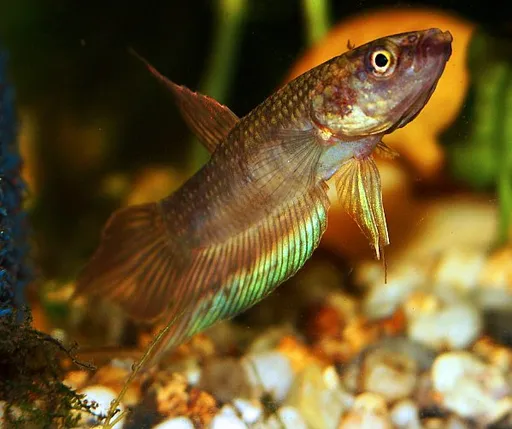
Dimidiata betta
Betta dimidiata
Freshwater1.6 in (4 cm) · 12 gal (45 L)72–81°F (22–27°C)Dusky betta
Betta fusca
Freshwater2.8 in (7 cm) · 21 gal (80 L)72–79°F (22–26°C)Dwarf gourami
Trichogaster lalius
Freshwater3 in (7.5 cm) · 16 gal (60 L)72–81°F (22–27°C)3 varieties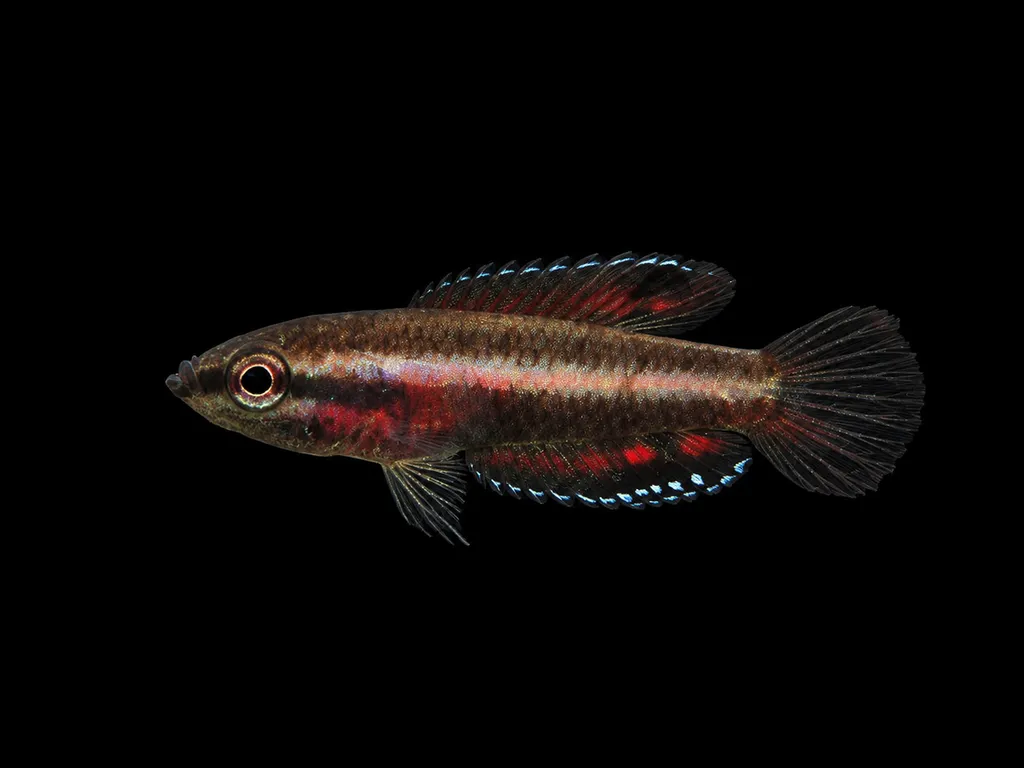
Dwarf licorice gourami
Parosphromenus parvulus
Freshwater1.1 in (2.7 cm) · 5 gal (20 L)72–81°F (22–27°C)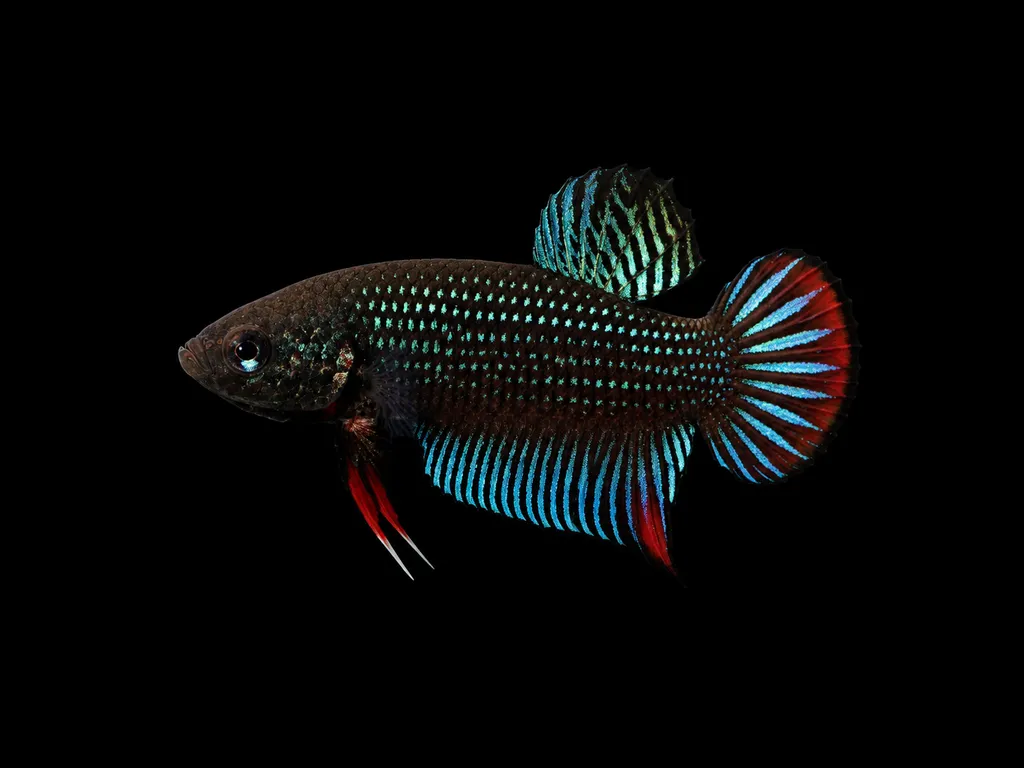
Eastern siam betta
Betta siamorientalis
Freshwater1.8 in (4.5 cm) · 11 gal (40 L)72–82°F (22–28°C)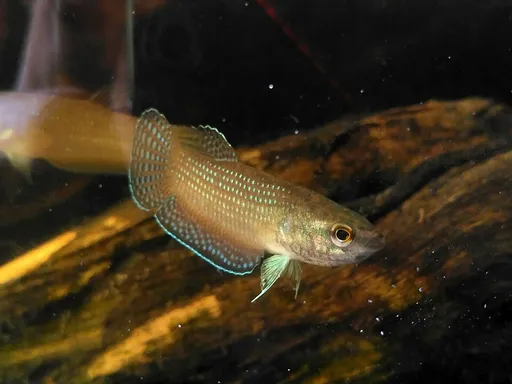
Edith's betta
Betta edithae
Freshwater2.4 in (6 cm) · 20 gal (75 L)72–81°F (22–27°C)Emerald betta
Betta smaragdina
Freshwater2.4 in (6 cm) · 11 gal (40 L)72–82°F (22–28°C)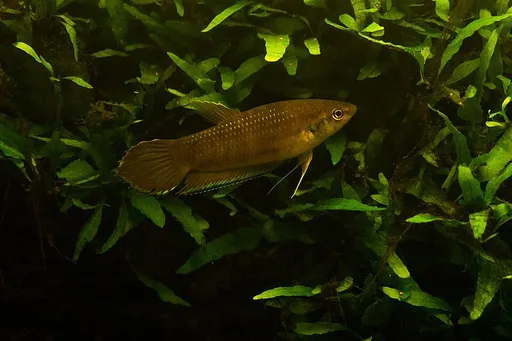
Enisae betta
Betta enisae
Freshwater2.4 in (6 cm) · 16 gal (60 L)70–77°F (21–25°C)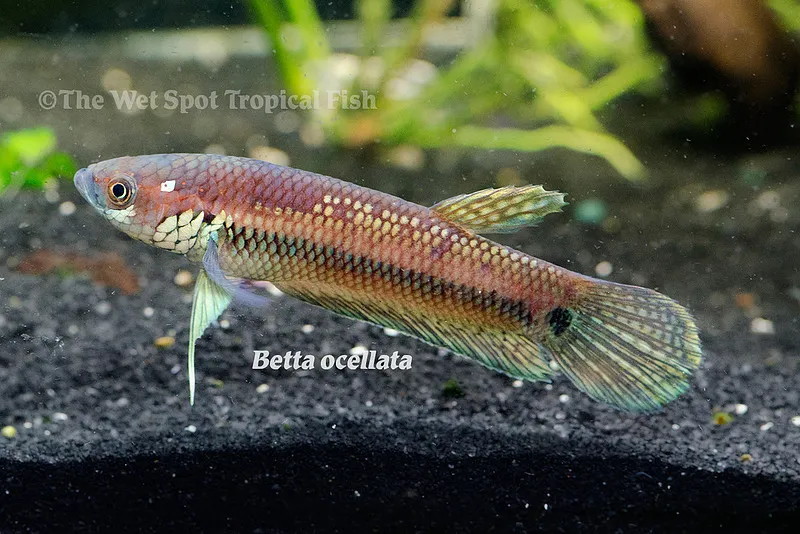
Eyespot betta
Betta ocellata
Freshwater3.5 in (9 cm) · 24 gal (90 L)70–77°F (21–25°C)Eyespot gourami
Parasphaerichthys ocellatus
Freshwater1.4 in (3.5 cm) · 12 gal (45 L)64–77°F (18–25°C)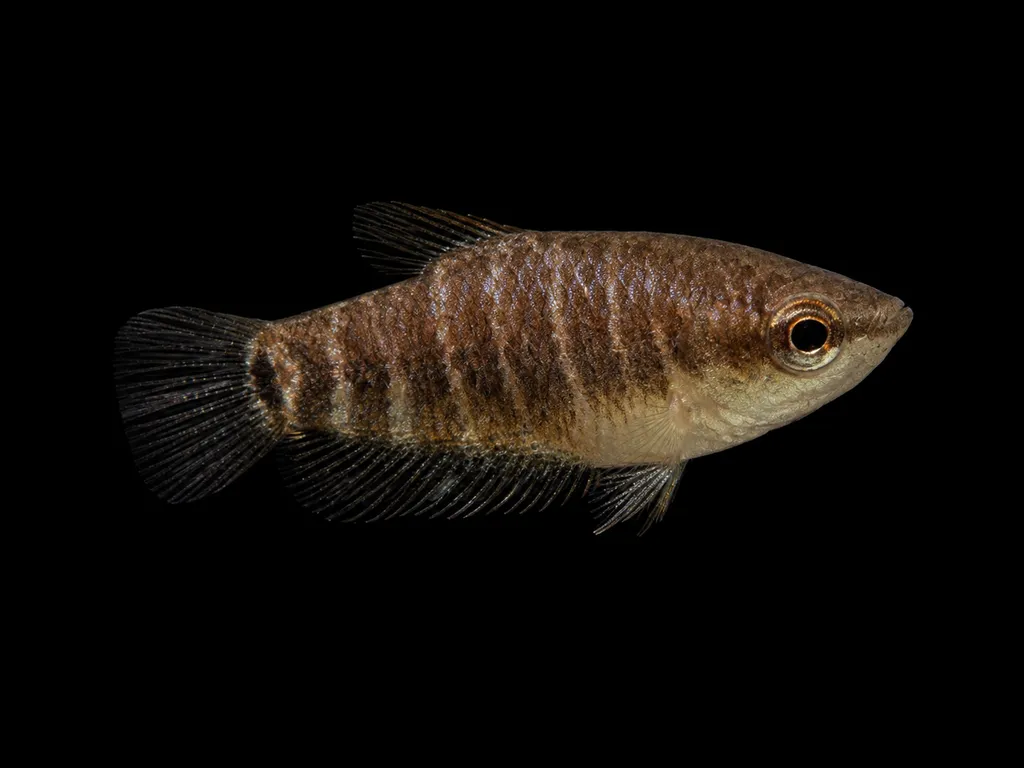
False chocolate gourami
Parasphaerichthys lineatus
Freshwater1 in (2.5 cm) · 11 gal (40 L)68–79°F (20–26°C)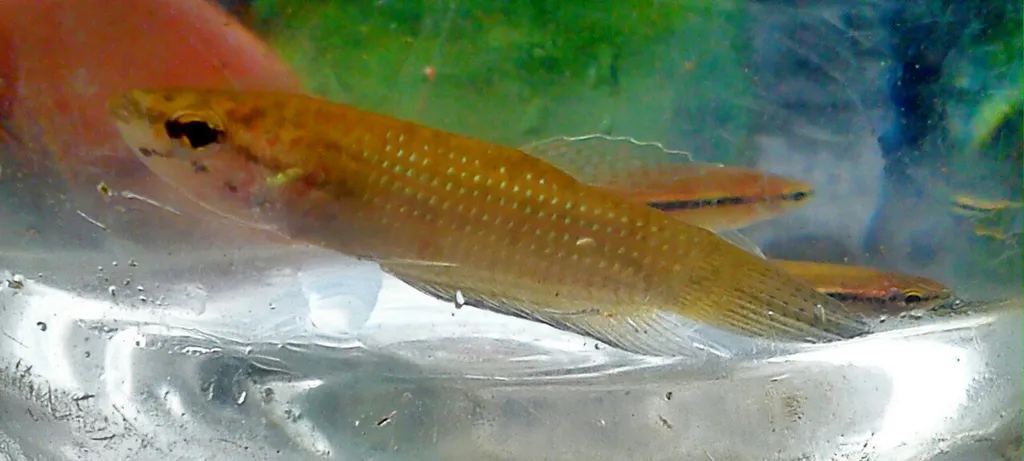
Falx betta
Betta falx
Freshwater2 in (5 cm) · 16 gal (60 L)73–81°F (23–27°C)Ferox betta
Betta ferox
Freshwater2.5 in (6.3 cm) · 21 gal (80 L)73–79°F (23–26°C)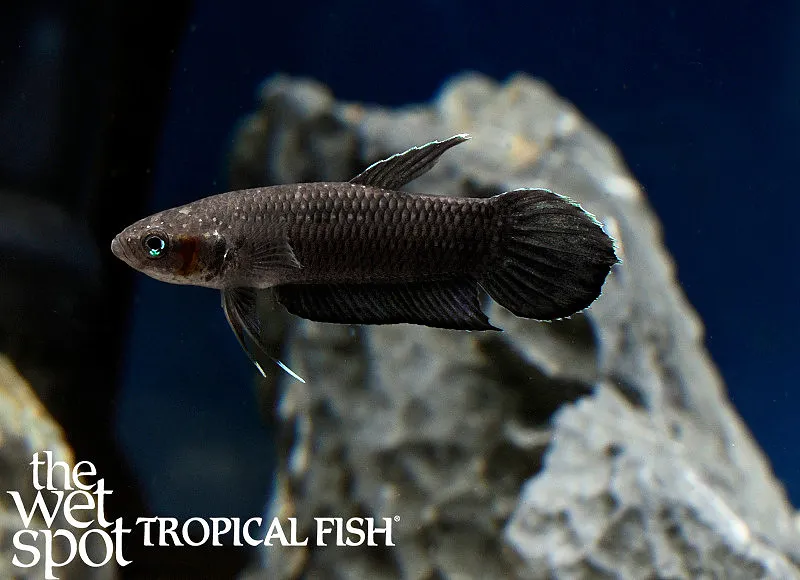
Foersch's betta
Betta foerschi
Freshwater2 in (5 cm) · 16 gal (60 L)73–81°F (23–27°C)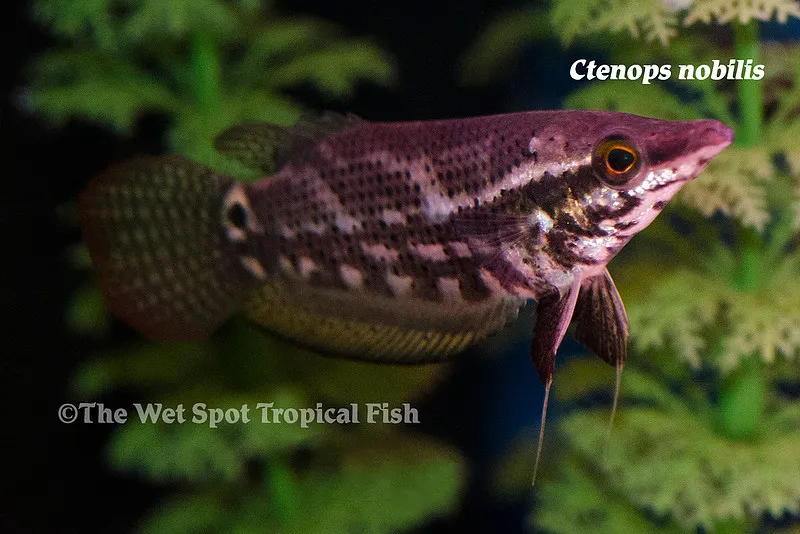
Frail gourami
Ctenops nobilis
Freshwater3.9 in (10 cm) · 24 gal (90 L)68–79°F (20–26°C)Giant gourami
Osphronemus goramy
Freshwater27.6 in (70 cm) · 125 gal (475 L)68–86°F (20–30°C)Giant pikehead
Luciocephalus pulcher
Freshwater7.9 in (20 cm) · 36 gal (135 L)72–79°F (22–26°C)Giant red tail gourami
Osphronemus laticlavius
Freshwater19.7 in (50 cm) · 264 gal (1,000 L)68–86°F (20–30°C)Gladiator betta
Betta gladiator
Freshwater2.2 in (5.6 cm) · 26 gal (100 L)72–81°F (22–27°C)Green throat mouthbrooder
Betta chloropharynx
Freshwater2.3 in (5.9 cm) · 21 gal (80 L)75–82°F (24–28°C)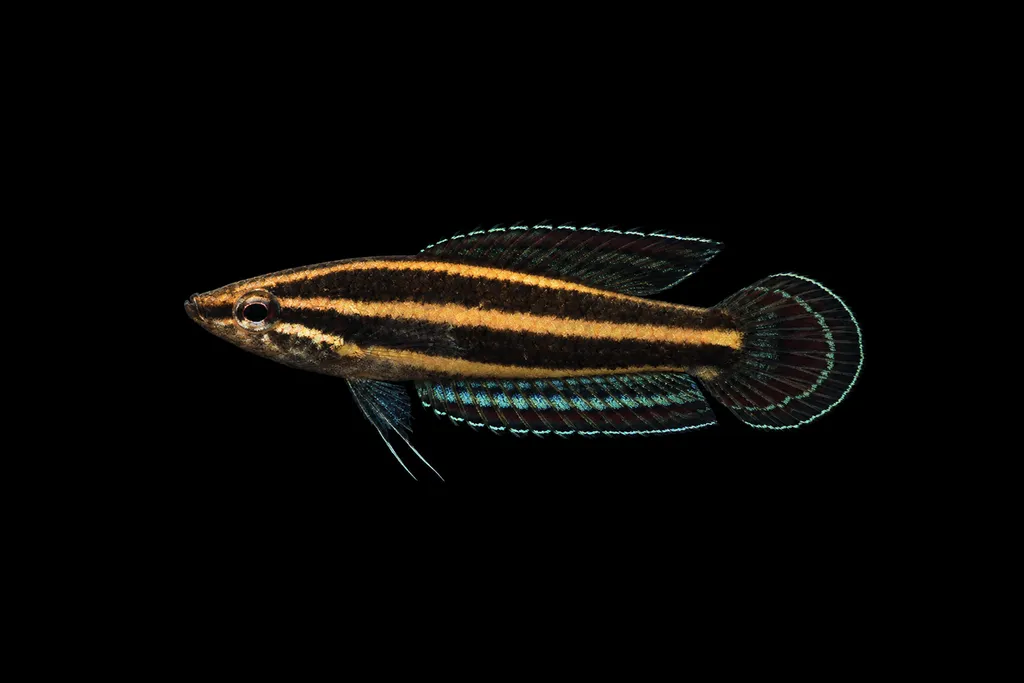
Gunawan's licorice gourami
Parosphromenus gunawani
Freshwater1.2 in (3 cm) · 5 gal (20 L)72–81°F (22–27°C)Harvey's licorice gourami
Parosphromenus harveyi
Freshwater1.2 in (3.1 cm) · 5 gal (20 L)72–81°F (22–27°C)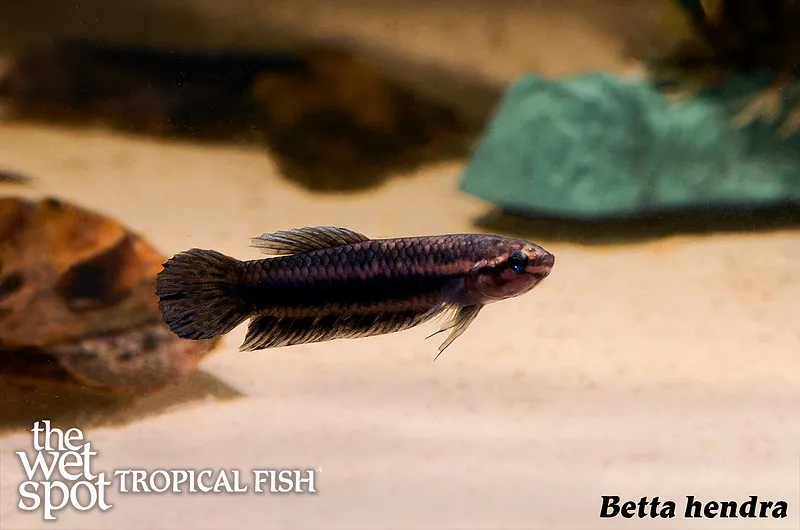
Hendra betta
Betta hendra
Freshwater1.8 in (4.5 cm) · 11 gal (40 L)73–81°F (23–27°C)Honey gourami
Trichogaster chuna
Freshwater2 in (5 cm) · 20 gal (75 L)72–82°F (22–28°C)2 varieties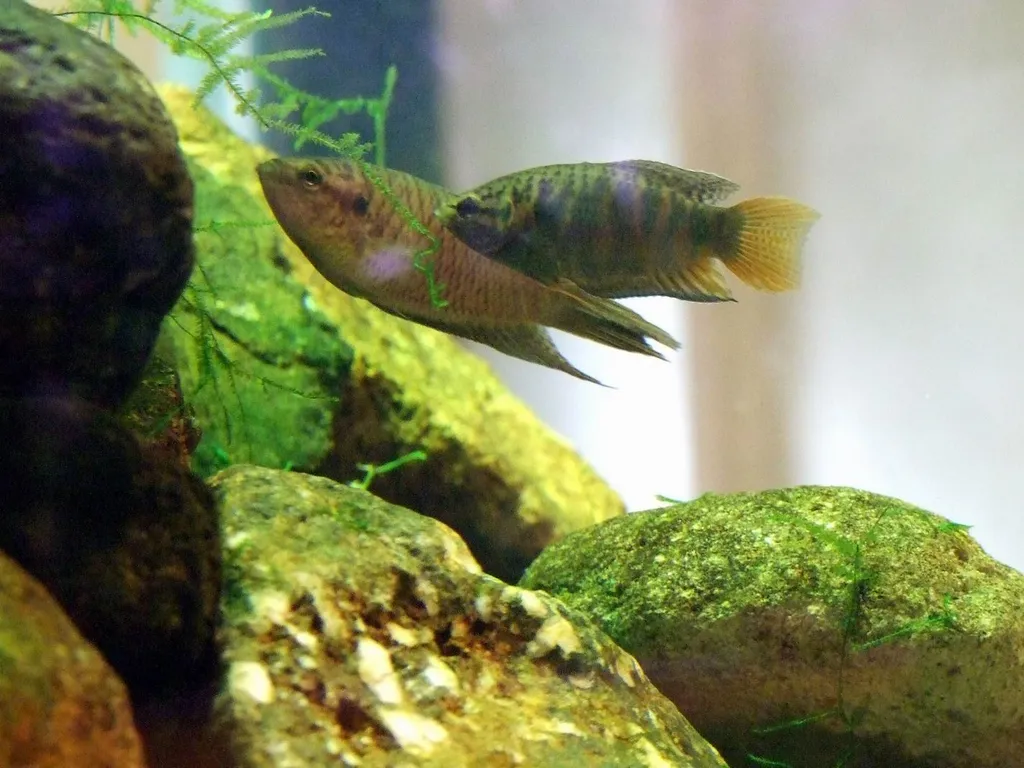
Hong Kong paradise fish
Macropodus hongkongensis
Freshwater3 in (7.5 cm) · 25 gal (95 L)54–77°F (12–25°C)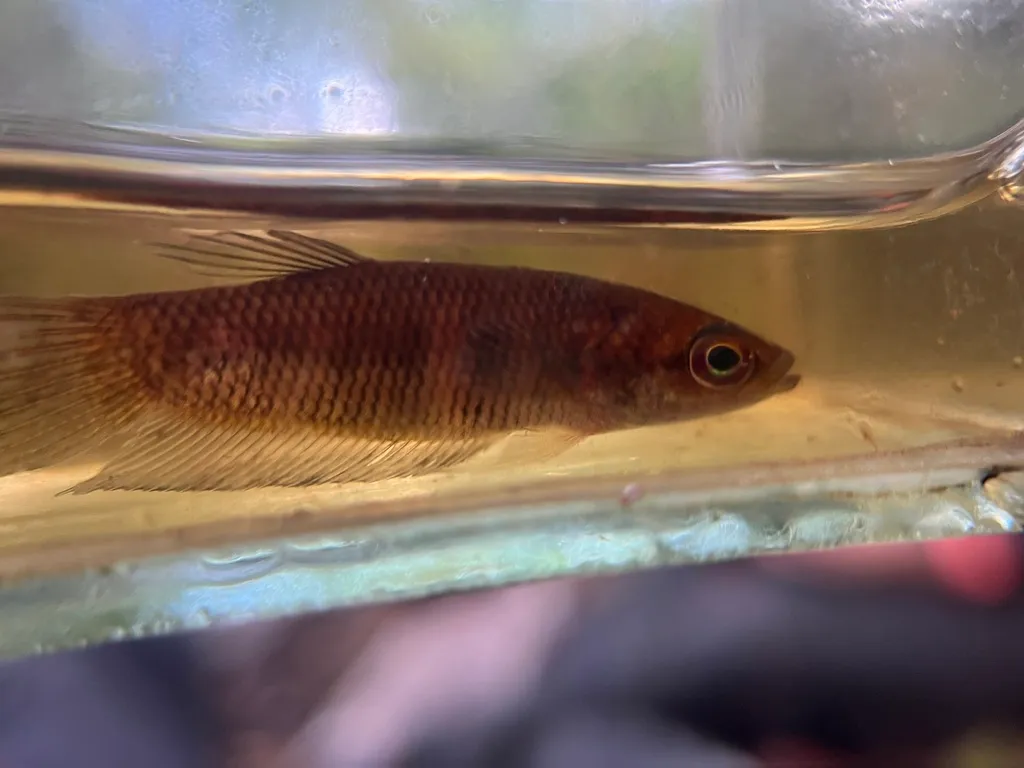
Horseshoe betta
Betta hipposideros
Freshwater3.1 in (8 cm) · 24 gal (90 L)73–81°F (23–27°C)Ibanorum betta
Betta ibanorum
Freshwater3.2 in (8.1 cm) · 21 gal (80 L)75–82°F (24–28°C)Ideii betta
Betta ideii
Freshwater3.3 in (8.3 cm) · 21 gal (80 L)68–79°F (20–26°C)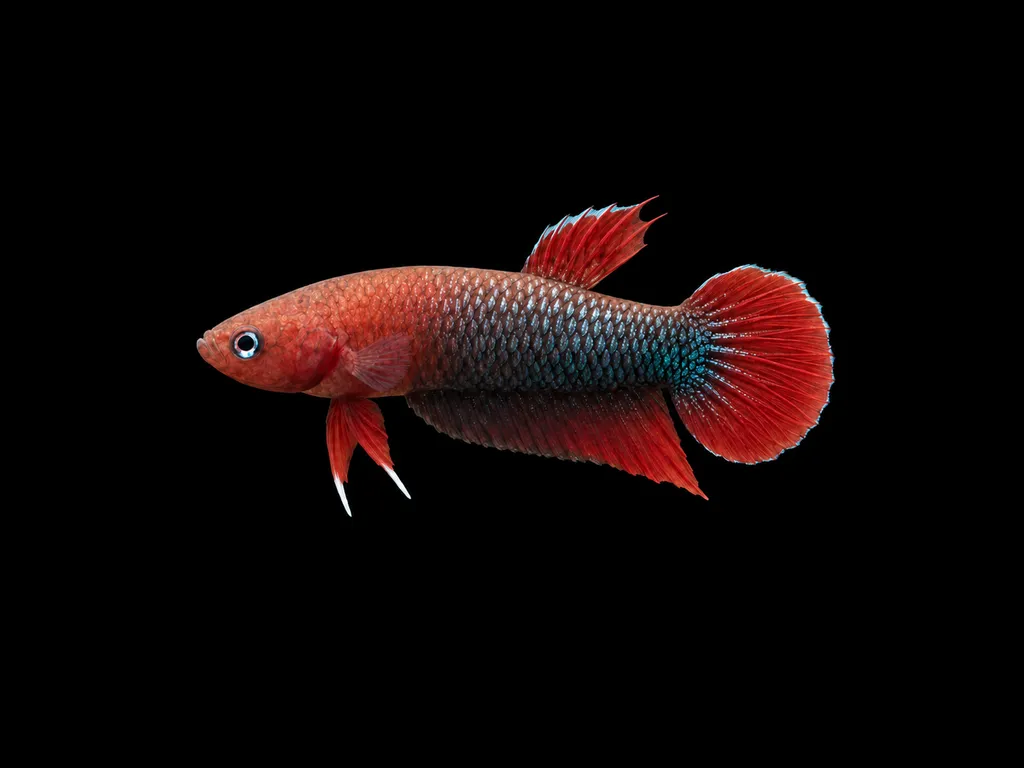
Jade betta
Betta iaspis
Freshwater0.9 in (2.4 cm) · 8 gal (30 L)75–86°F (24–30°C)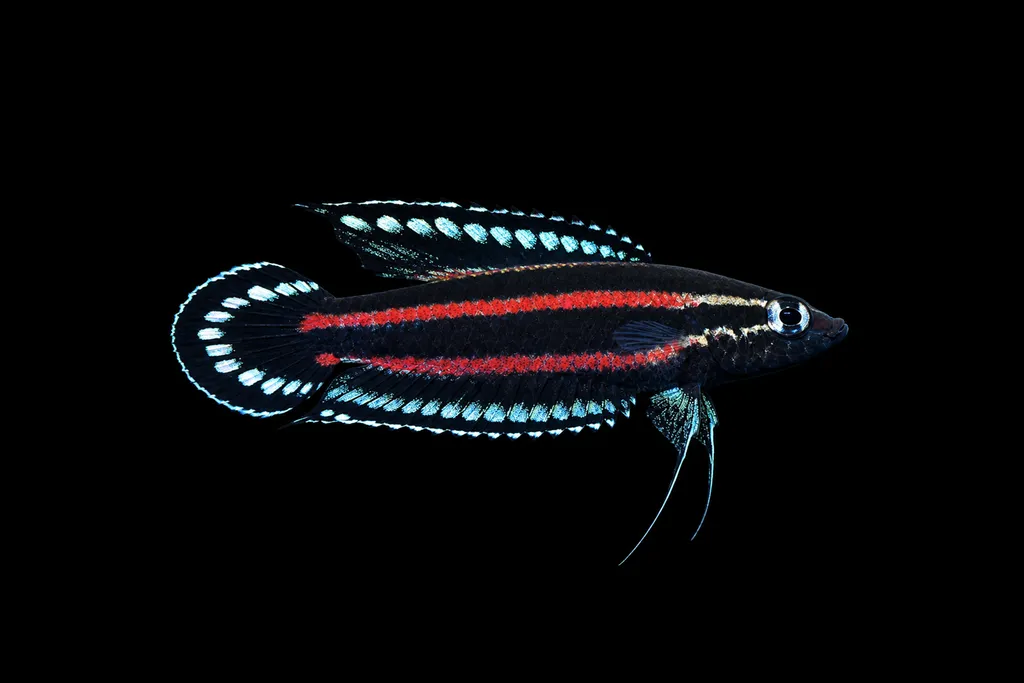
Juelin's licorice gourami
Parosphromenus juelinae
Freshwater1.2 in (3 cm) · 5 gal (20 L)72–81°F (22–27°C)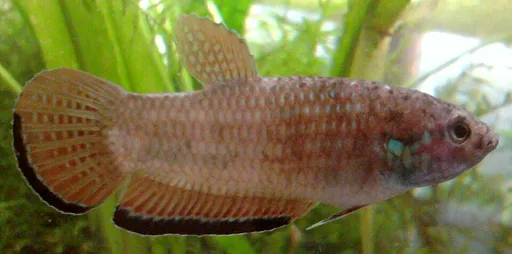
Krabi mouthbrooder
Betta simplex
Freshwater2.4 in (6 cm) · 16 gal (60 L)73–82°F (23–28°C)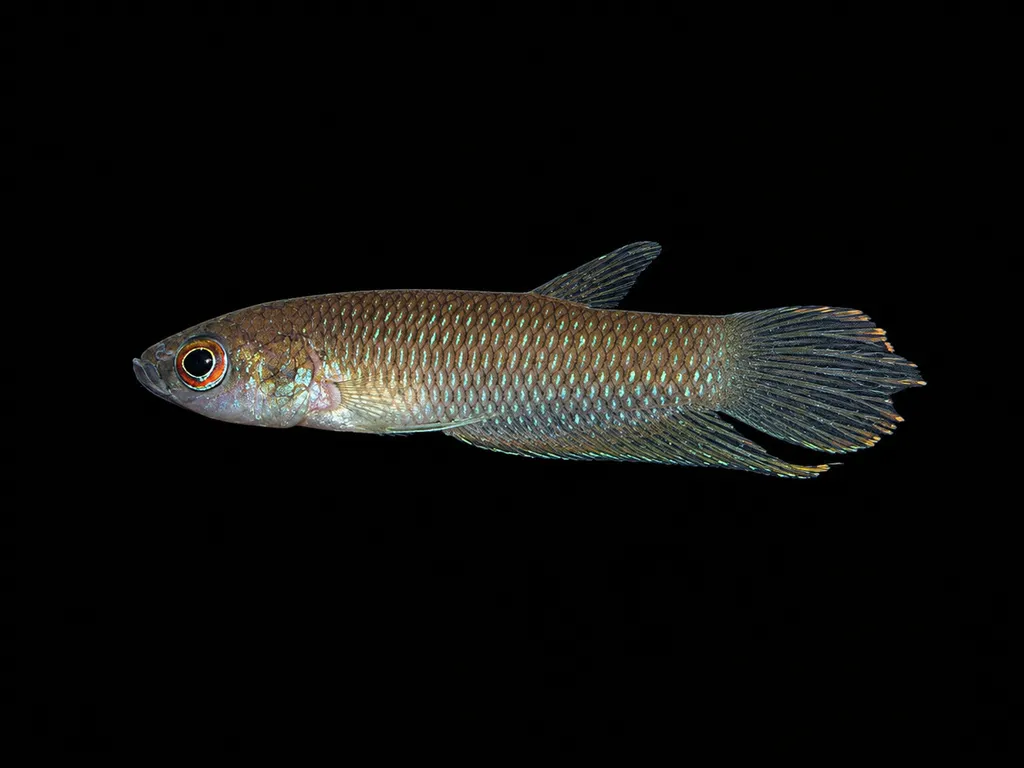
Krataios betta
Betta krataios
Freshwater2.2 in (5.5 cm) · 14 gal (54 L)73–82°F (23–28°C)Kuehnei betta
Betta kuehnei
Freshwater2.4 in (6 cm) · 16 gal (60 L)70–77°F (21–25°C)Lehi betta
Betta lehi
Freshwater2.4 in (6.1 cm) · 16 gal (60 L)72–81°F (22–27°C)Licorice gourami
Parosphromenus deissneri
Freshwater1.5 in (3.8 cm) · 11 gal (40 L)72–82°F (22–28°C)Linke's licorice gourami
Parosphromenus linkei
Freshwater1.4 in (3.5 cm) · 11 gal (40 L)72–82°F (22–28°C)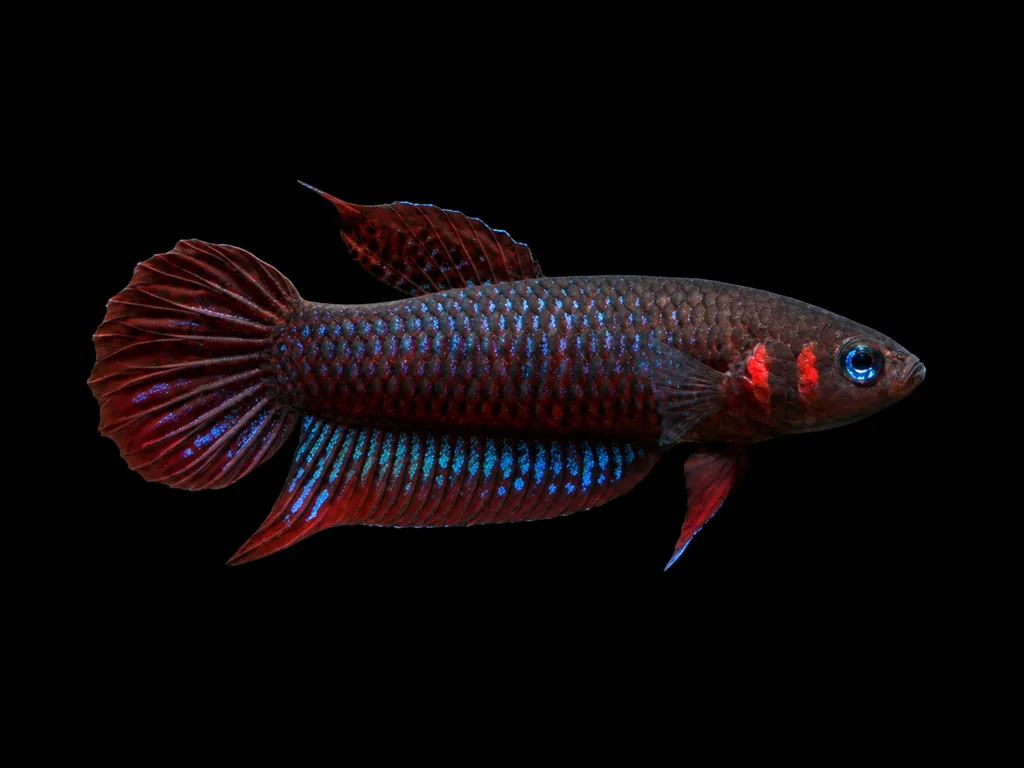
Livid betta
Betta livida
Freshwater1.4 in (3.6 cm) · 11 gal (40 L)73–81°F (23–27°C)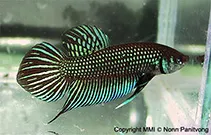
Mahachai betta
Betta mahachaiensis
Freshwater2.4 in (6 cm) · 10 gal (38 L)72–82°F (22–28°C)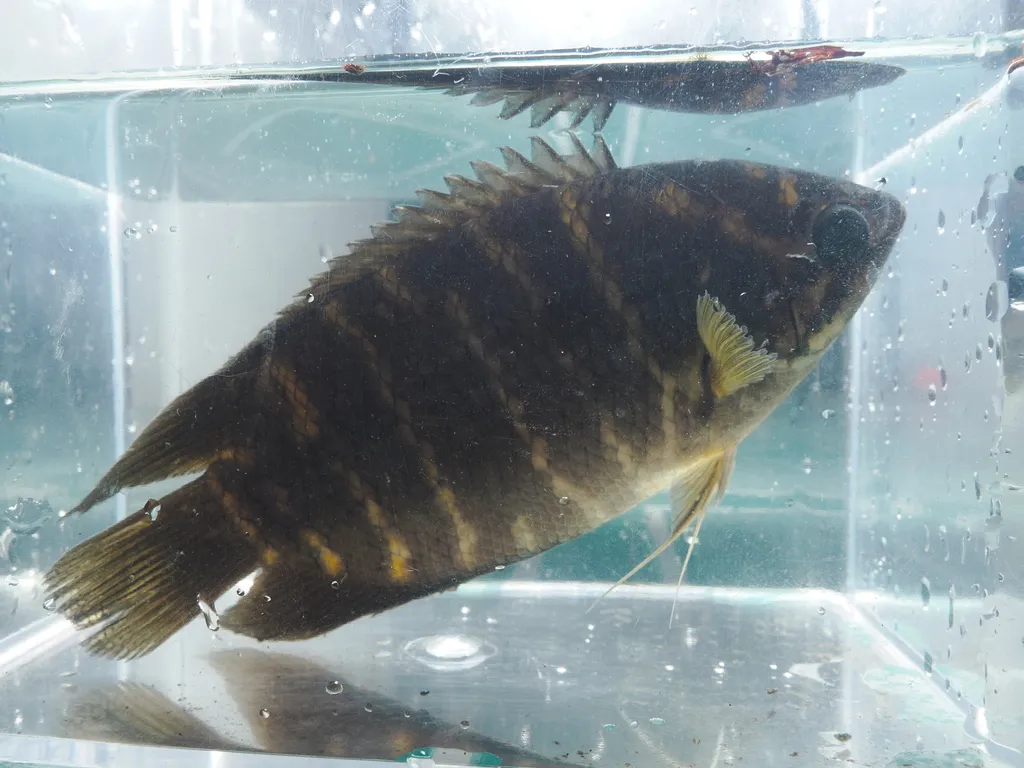
Malay combtail gourami
Belontia hasselti
Freshwater7.9 in (20 cm) · 45 gal (170 L)70–79°F (21–26°C)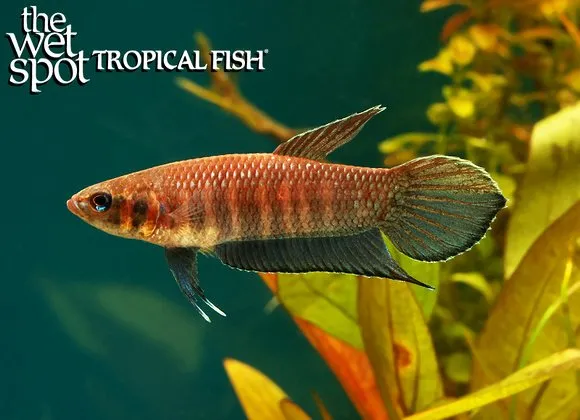
Mandor betta
Betta mandor
Freshwater2.6 in (6.5 cm) · 14 gal (54 L)72–81°F (22–27°C)Midas betta
Betta midas
Freshwater2.6 in (6.6 cm) · 20 gal (75 L)72–82°F (22–28°C)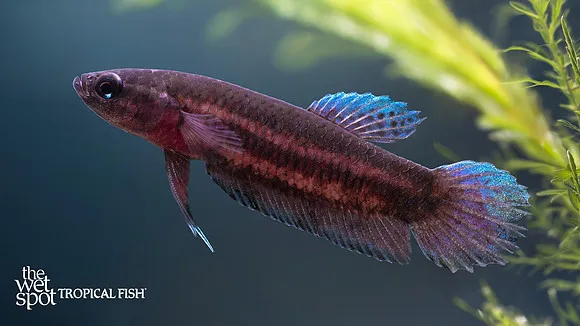
Miniopinna betta
Betta miniopinna
Freshwater1.1 in (2.8 cm) · 11 gal (40 L)72–81°F (22–27°C)Moonlight gourami
Trichopodus microlepis
Freshwater5.9 in (15 cm) · 30 gal (115 L)77–86°F (25–30°C)Nagy's licorice gourami
Parosphromenus nagyi
Freshwater1.4 in (3.5 cm) · 5 gal (20 L)72–81°F (22–27°C)Nuluhon betta
Betta nuluhon
Freshwater2.5 in (6.3 cm) · 16 gal (60 L)72–79°F (22–26°C)Obscura betta
Betta obscura
Freshwater2.7 in (6.9 cm) · 20 gal (75 L)72–81°F (22–27°C)Omega betta
Betta omega
Freshwater3.2 in (8.1 cm) · 24 gal (90 L)73–81°F (23–27°C)One-spot betta
Betta unimaculata
Freshwater4.5 in (11.5 cm) · 29 gal (110 L)70–79°F (21–26°C)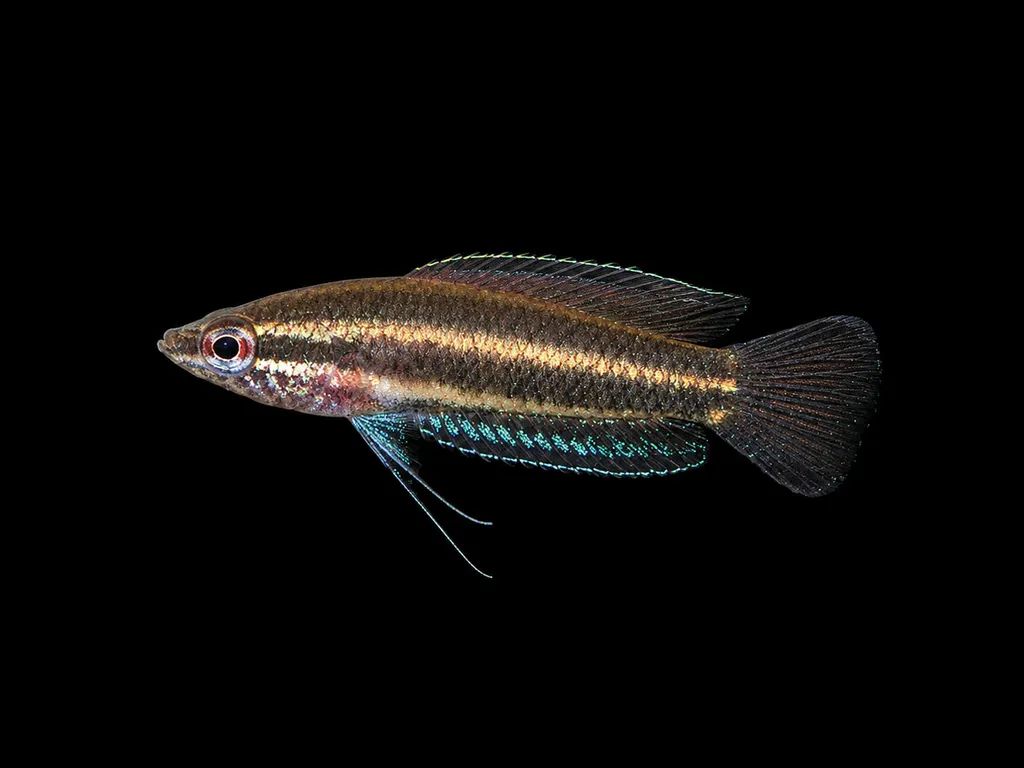
Opal licorice gourami
Parosphromenus opallios
Freshwater1.2 in (3 cm) · 5 gal (20 L)72–81°F (22–27°C)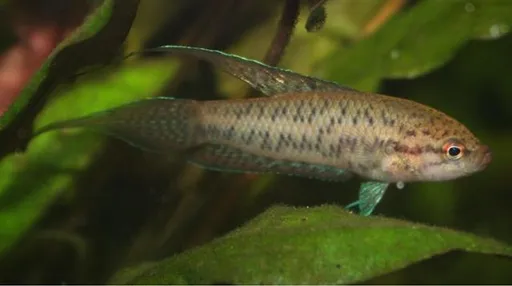
Ornate paradisefish
Malpulutta kretseri
Freshwater2 in (5 cm) · 12 gal (45 L)72–82°F (22–28°C)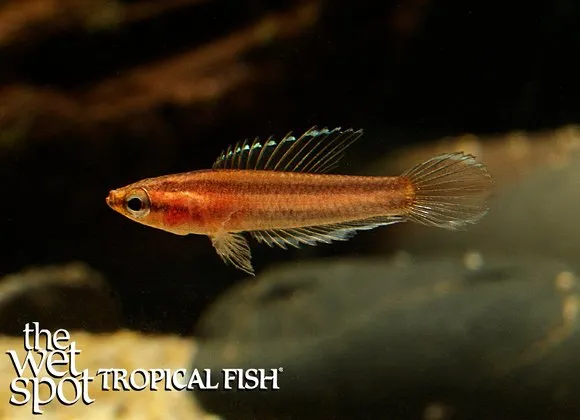
Ornate-tail licorice gourami
Parosphromenus ornaticauda
Freshwater0.9 in (2.4 cm) · 5 gal (20 L)72–81°F (22–27°C)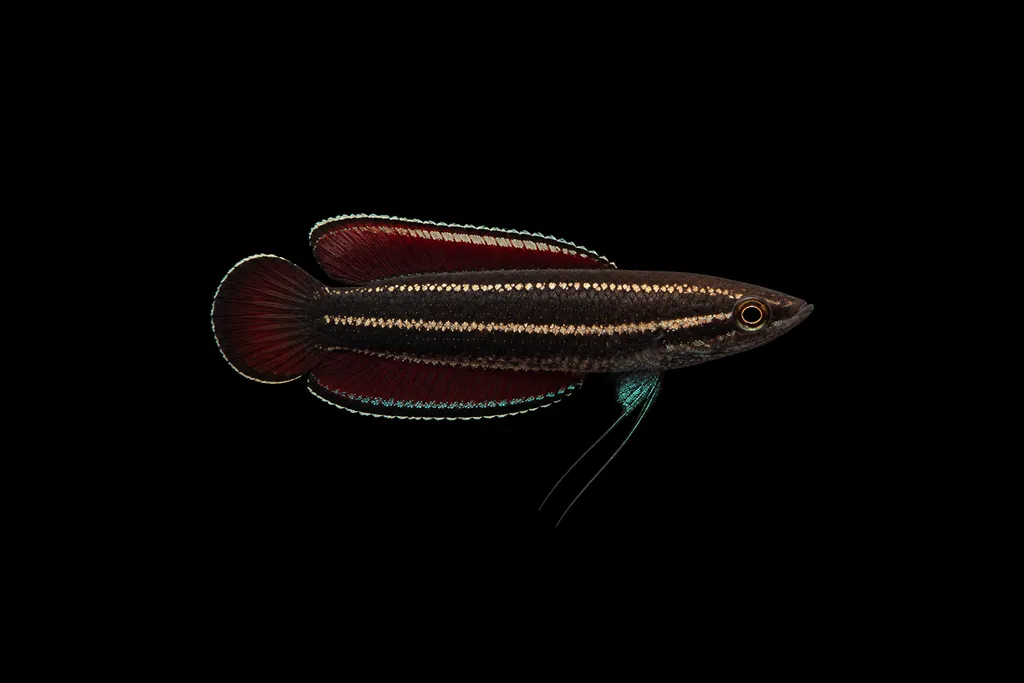
Pahu licorice gourami
Parosphromenus pahuensis
Freshwater1.1 in (2.8 cm) · 5 gal (20 L)72–81°F (22–27°C)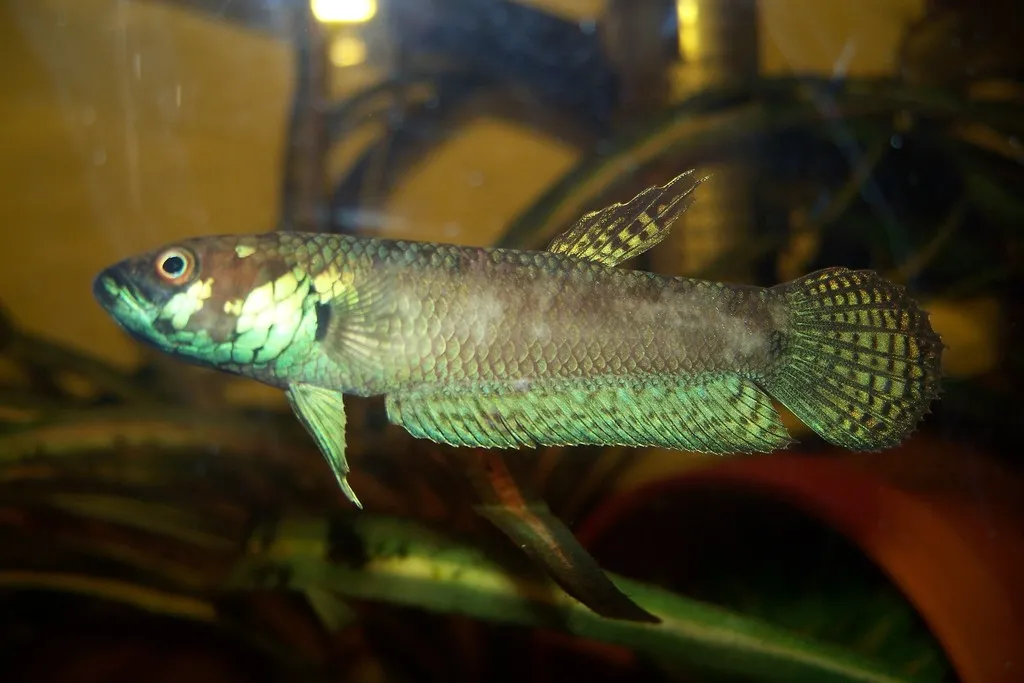
Pallifina betta
Betta pallifina
Freshwater3.1 in (8 cm) · 20 gal (75 L)72–79°F (22–26°C)Paradise fish
Macropodus opercularis
Freshwater3.1 in (8 cm) · 25 gal (95 L)50–72°F (10–22°C)1 varietyPardalotos betta
Betta pardalotos
Freshwater2.8 in (7.2 cm) · 21 gal (80 L)72–81°F (22–27°C)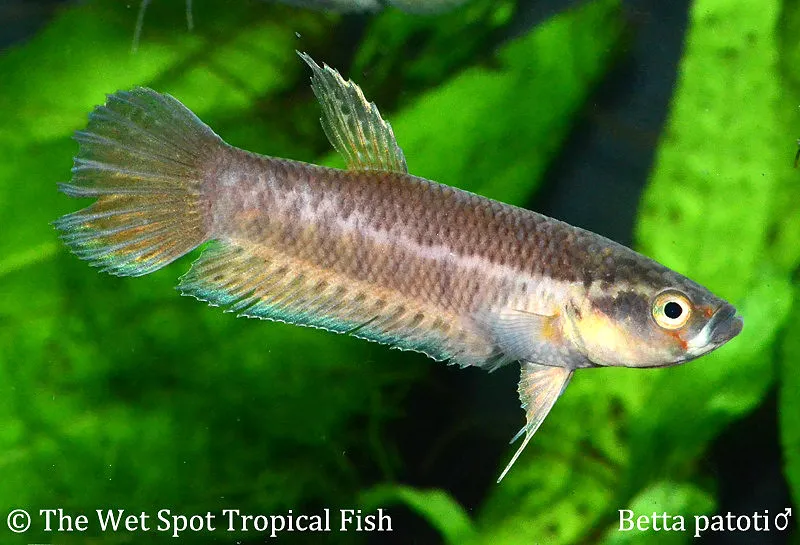
Patoti betta
Betta patoti
Freshwater3.9 in (10 cm) · 29 gal (110 L)72–81°F (22–27°C)Pearl gourami
Trichopodus leerii
Freshwater4.7 in (12 cm) · 30 gal (115 L)75–86°F (24–30°C)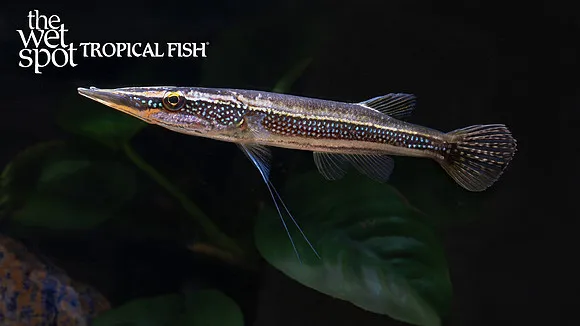
Peppermint pikehead
Luciocephalus aura
Freshwater4.7 in (12 cm) · 29 gal (110 L)72–79°F (22–26°C)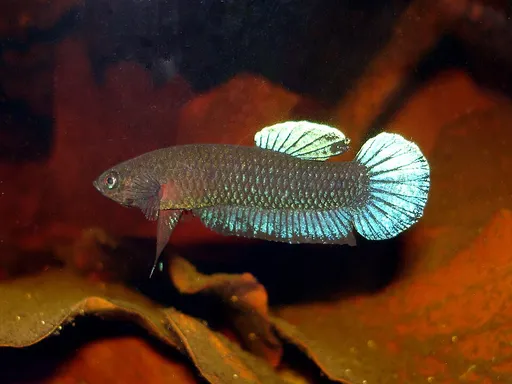
Persephone betta
Betta persephone
Freshwater1.4 in (3.5 cm) · 11 gal (40 L)73–81°F (23–27°C)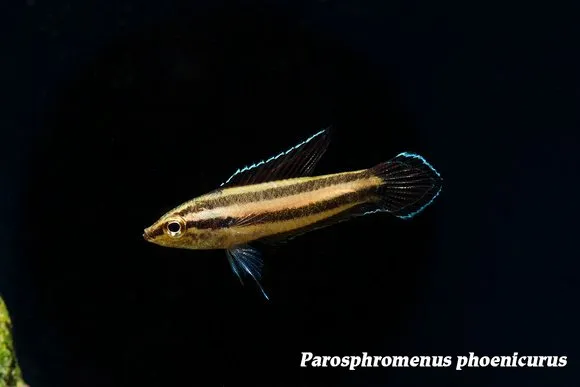
Phoenix licorice gourami
Parosphromenus phoenicurus
Freshwater1.3 in (3.2 cm) · 5 gal (20 L)72–81°F (22–27°C)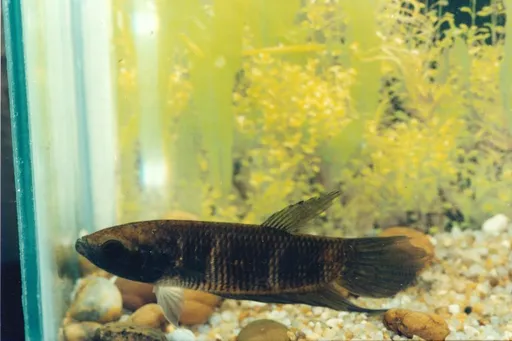
Pi betta
Betta pi
Freshwater3.5 in (9 cm) · 26 gal (100 L)73–81°F (23–27°C)Pinguis betta
Betta pinguis
Freshwater3.1 in (7.9 cm) · 21 gal (80 L)72–81°F (22–27°C)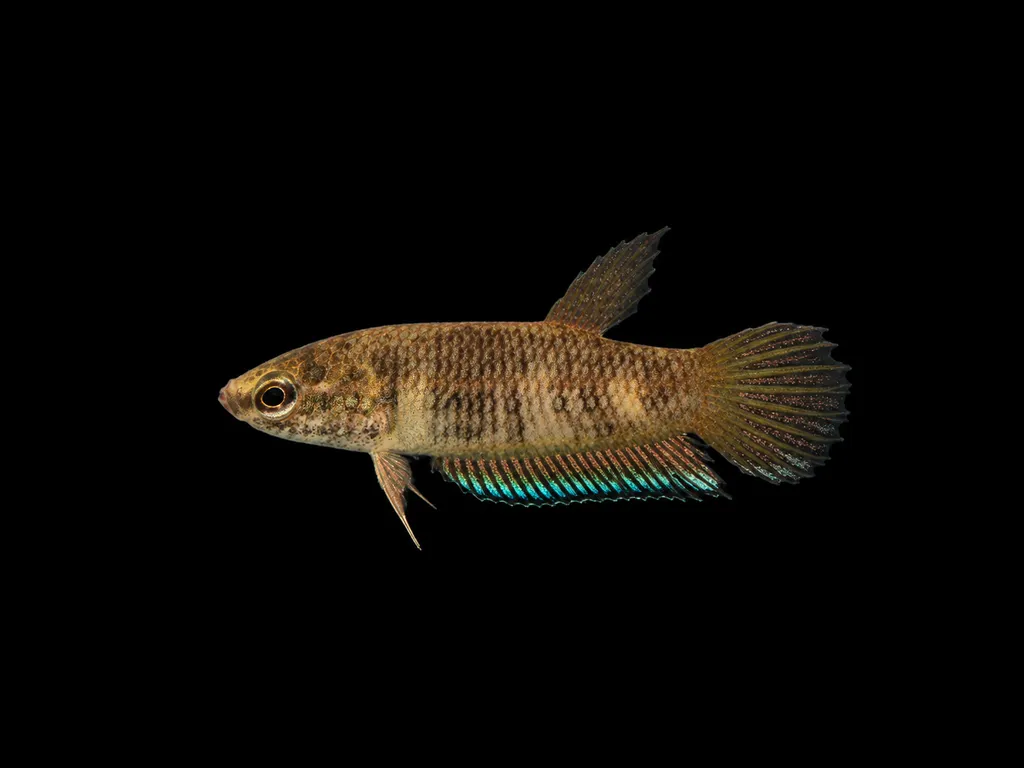
Prima betta
Betta prima
Freshwater2 in (5 cm) · 16 gal (60 L)73–81°F (23–27°C)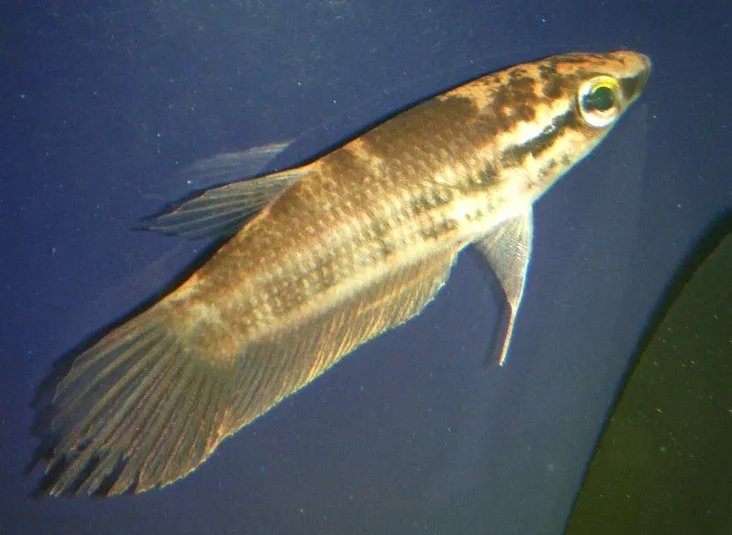
Pugnax betta
Betta pugnax
Freshwater2.8 in (7 cm) · 16 gal (60 L)72–82°F (22–28°C)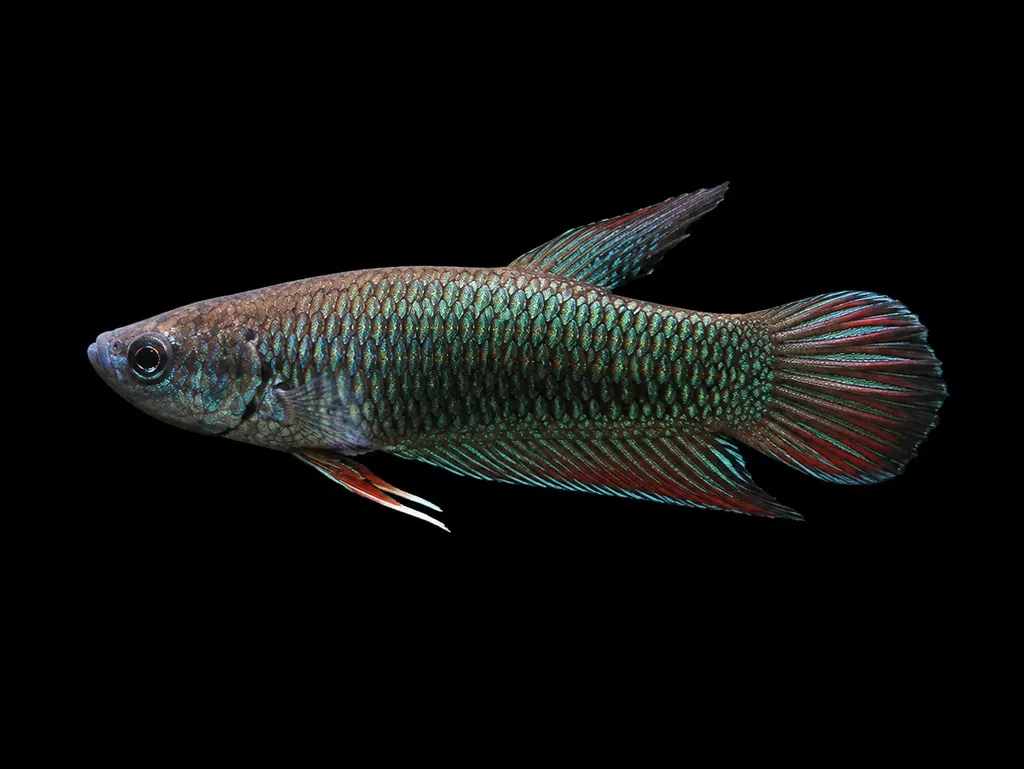
Pulchra betta
Betta pulchra
Freshwater2.4 in (6 cm) · 20 gal (75 L)73–81°F (23–27°C)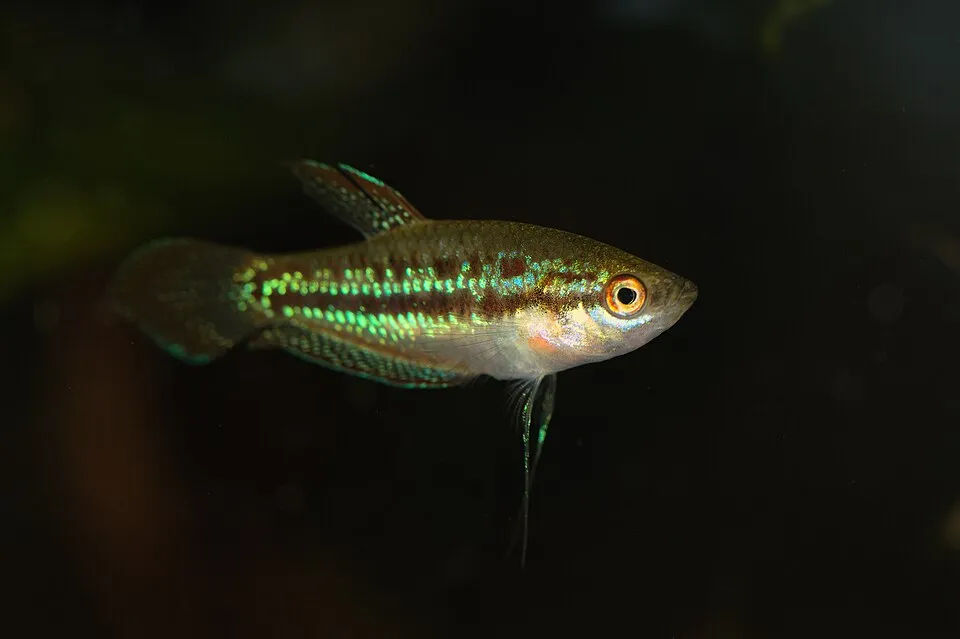
Pygmy gourami
Trichopsis pumila
Freshwater1.6 in (4 cm) · 15 gal (55 L)72–82°F (22–28°C)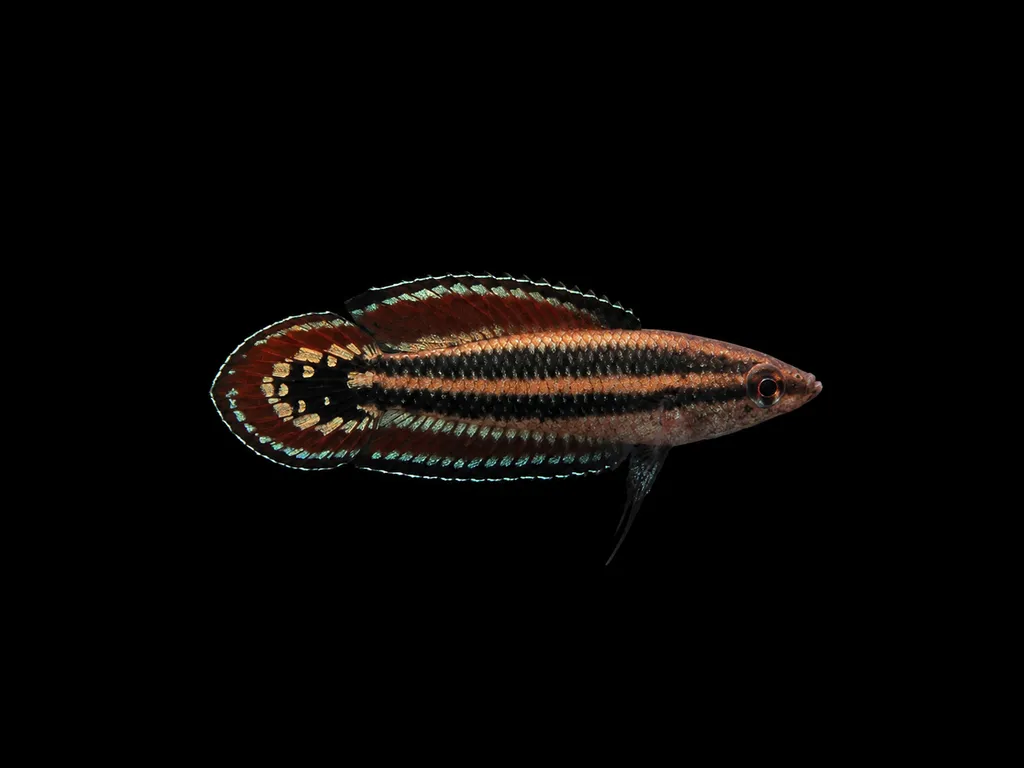
Quindecim licorice gourami
Parosphromenus quindecim
Freshwater1.3 in (3.4 cm) · 5 gal (20 L)72–81°F (22–27°C)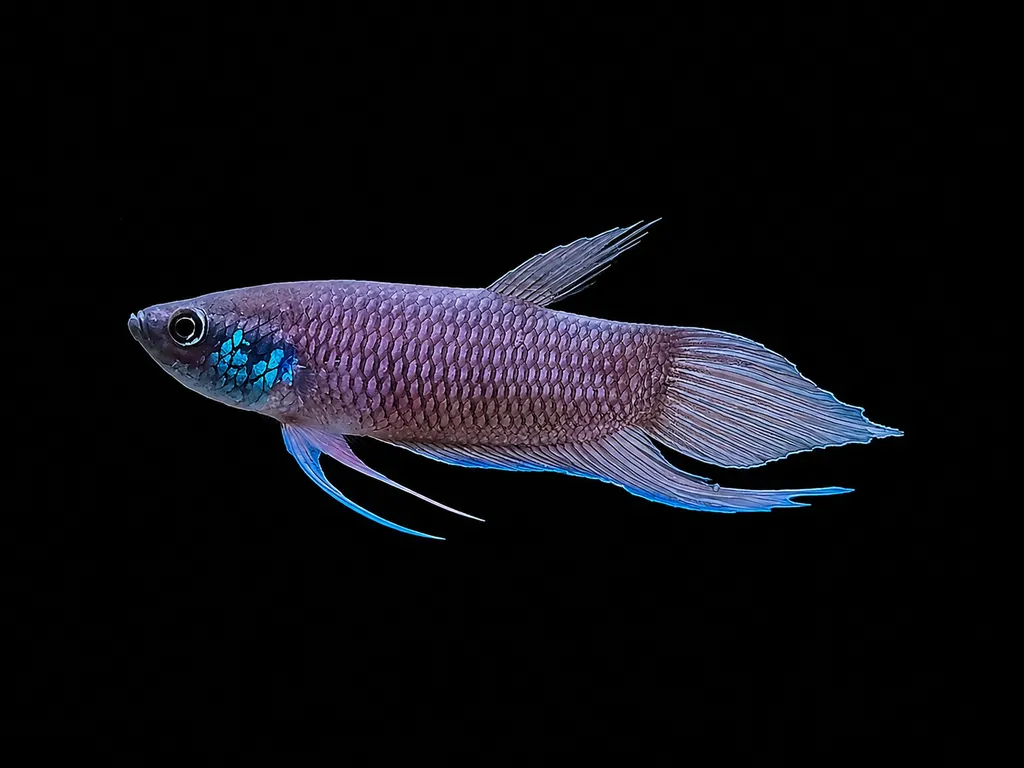
Raja betta
Betta raja
Freshwater2.8 in (7 cm) · 26 gal (100 L)72–81°F (22–27°C)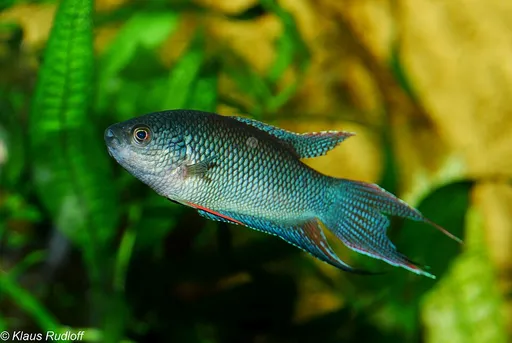
Redback paradisefish
Macropodus erythropterus
Freshwater3.1 in (8 cm) · 20 gal (75 L)68–86°F (20–30°C)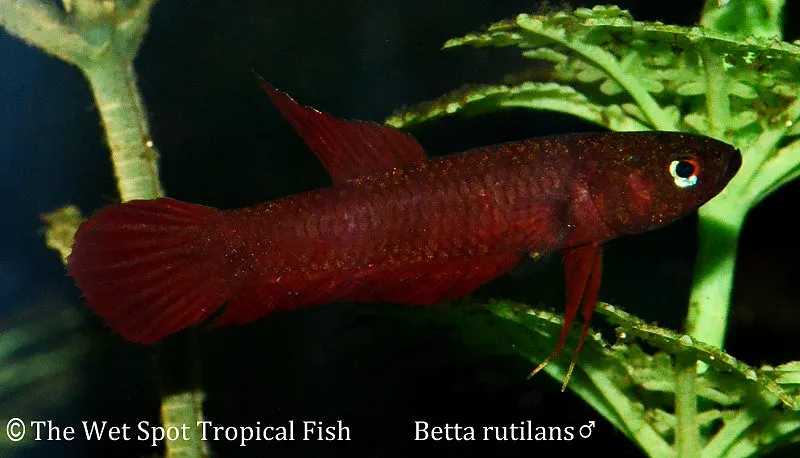
Redcheek betta
Betta rutilans
Freshwater1.4 in (3.5 cm) · 11 gal (40 L)73–81°F (23–27°C)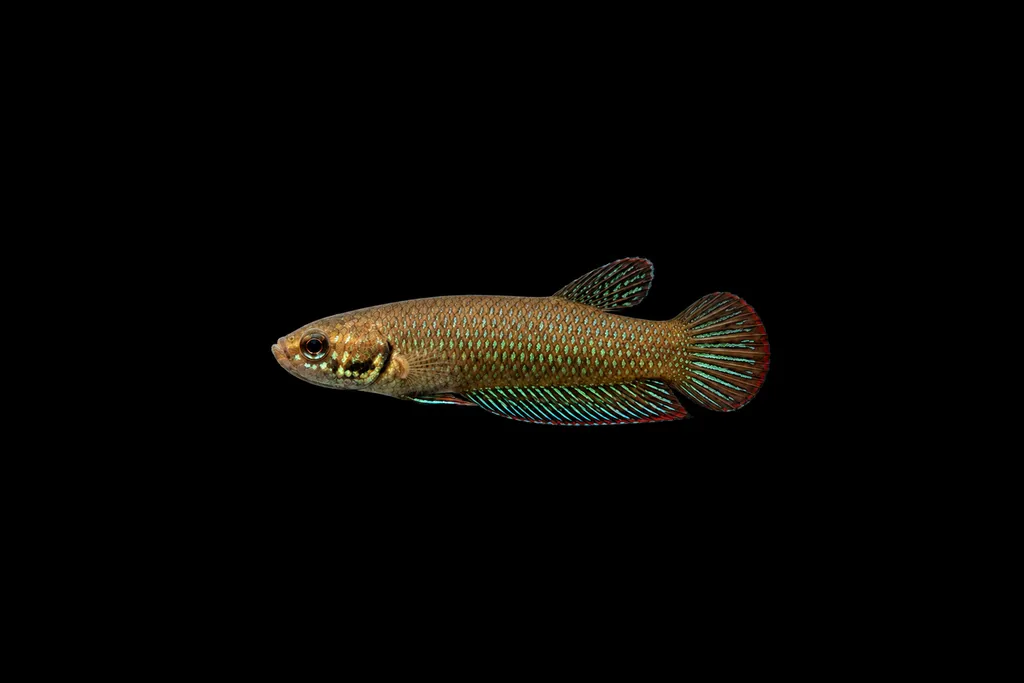
Renata betta
Betta renata
Freshwater3.7 in (9.5 cm) · 20 gal (75 L)73–81°F (23–27°C)Round-tail paradise fish
Macropodus ocellatus
Freshwater3.1 in (8 cm) · 20 gal (75 L)61–75°F (16–24°C)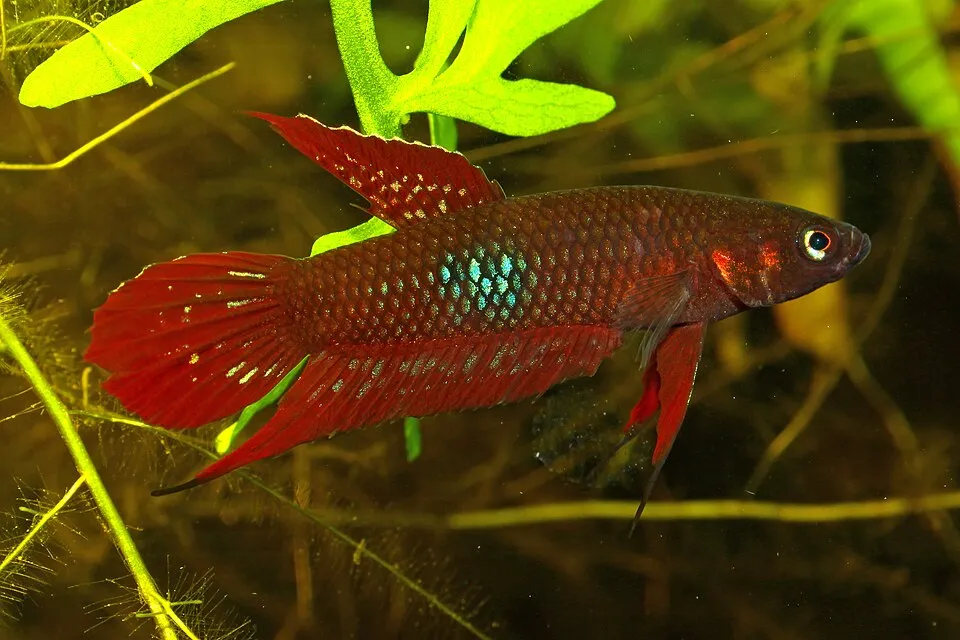
Scarlet betta
Betta coccina
Freshwater1.6 in (4 cm) · 11 gal (40 L)72–86°F (22–30°C)Schalleri betta
Betta schalleri
Freshwater1.8 in (4.5 cm) · 16 gal (60 L)75–84°F (24–29°C)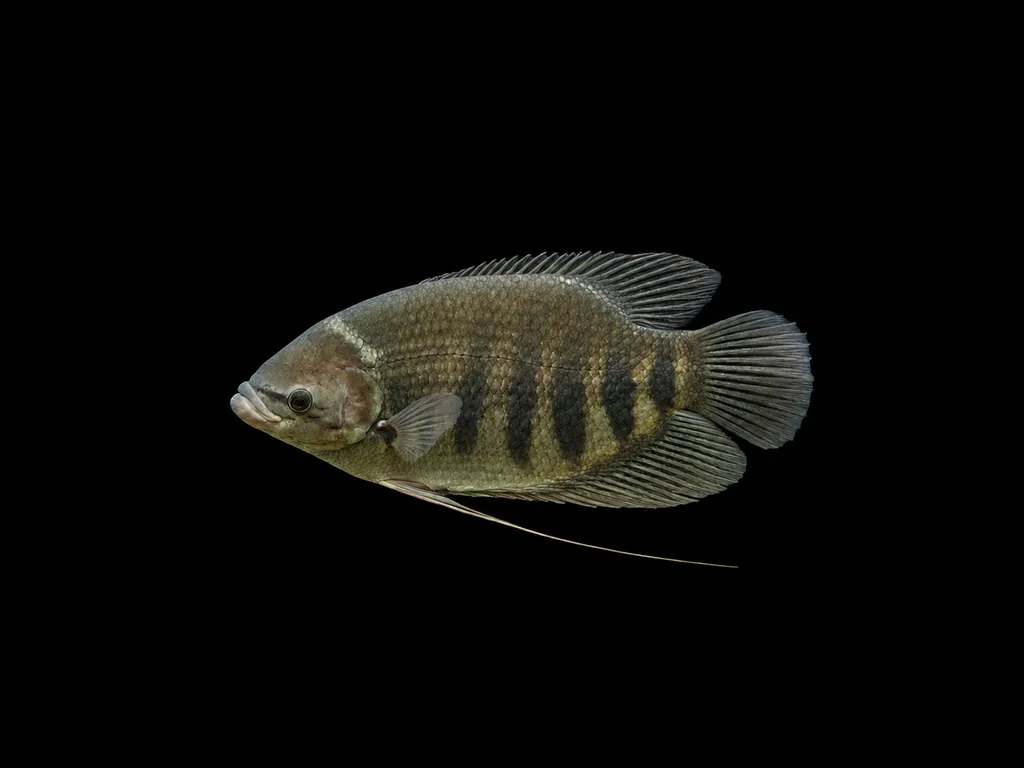
Seven-banded giant gourami
Osphronemus septemfasciatus
Freshwater19.7 in (50 cm) · 264 gal (1,000 L)72–82°F (22–28°C)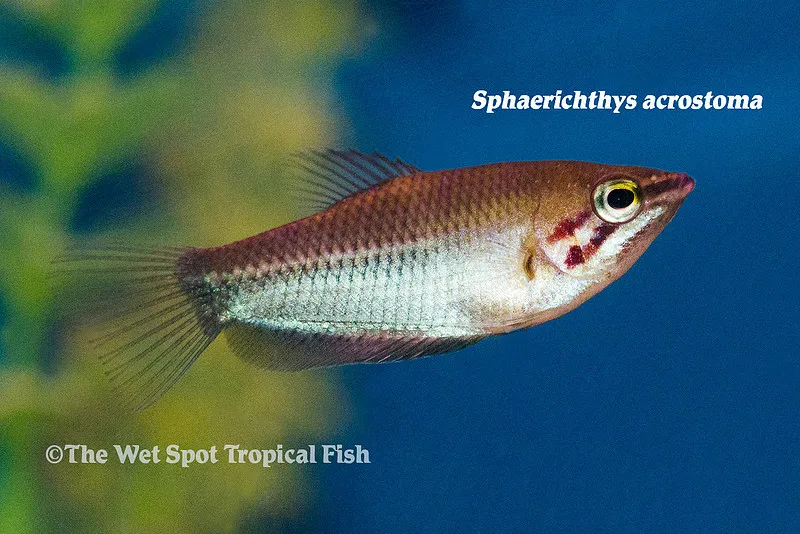
Sharpnose chocolate gourami
Sphaerichthys acrostoma
Freshwater2.8 in (7 cm) · 24 gal (90 L)72–79°F (22–26°C)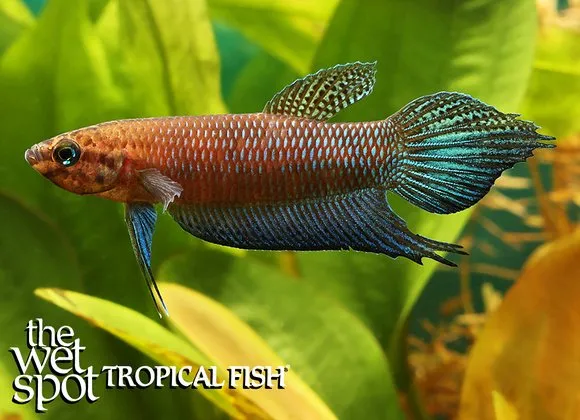
Sims' betta
Betta simorum
Freshwater3.5 in (9 cm) · 20 gal (75 L)73–81°F (23–27°C)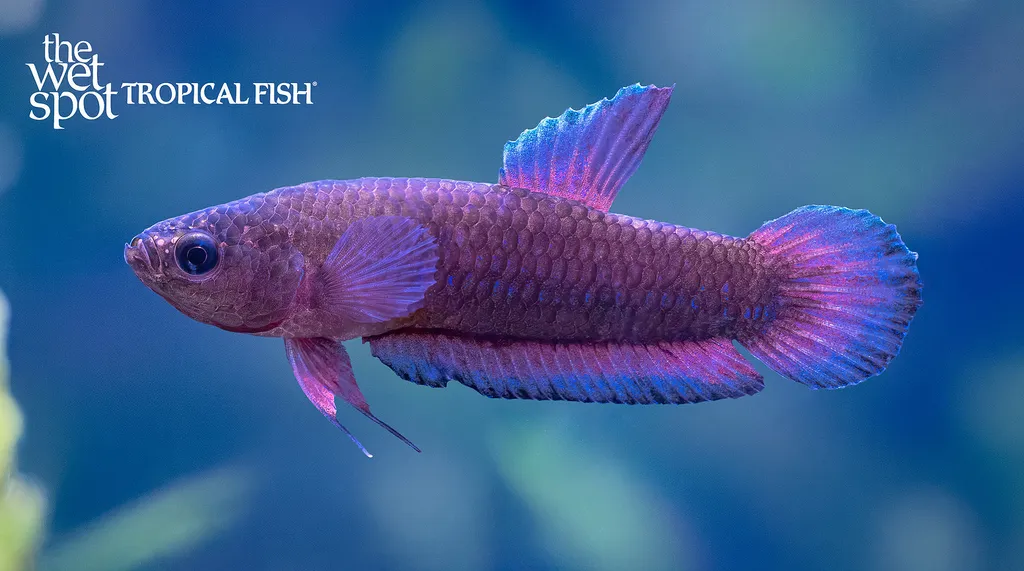
Slender betta
Betta bellica
Freshwater3.5 in (9 cm) · 20 gal (75 L)77–86°F (25–30°C)Snakeskin gourami
Trichopodus pectoralis
Freshwater9.8 in (25 cm) · 61 gal (230 L)72–86°F (22–30°C)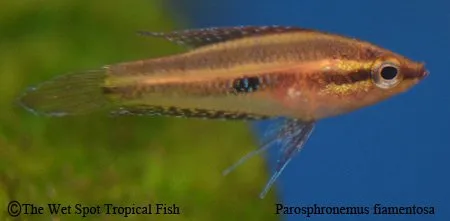
Spadetail licorice gourami
Parosphromenus filamentosus
Freshwater1.6 in (4 cm) · 5 gal (20 L)72–81°F (22–27°C)Spiketail paradisefish
Pseudosphromenus cupanus
Freshwater2.6 in (6.5 cm) · 12 gal (45 L)68–82°F (20–28°C)Spilotogena betta
Betta spilotogena
Freshwater2.8 in (7 cm) · 20 gal (75 L)72–81°F (22–27°C)Spotted betta
Betta picta
Freshwater2 in (5 cm) · 16 gal (60 L)72–81°F (22–27°C)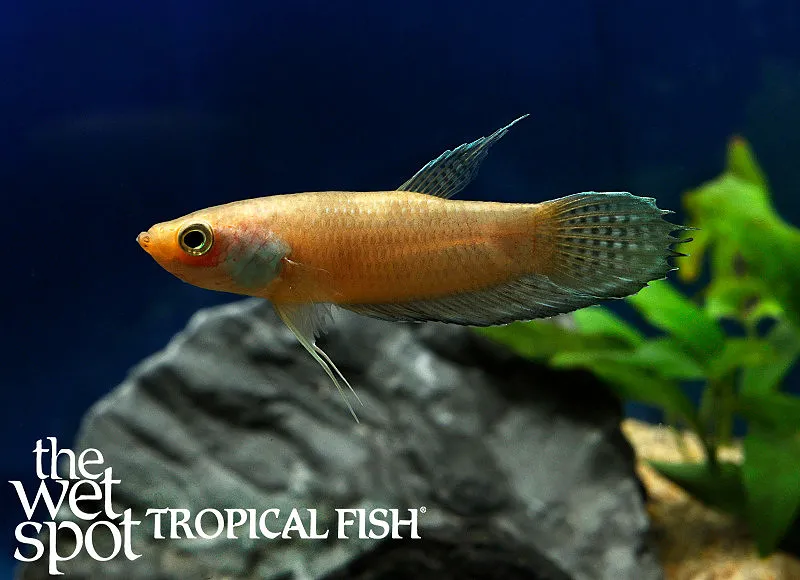
Stigmosa betta
Betta stigmosa
Freshwater2 in (5 cm) · 16 gal (60 L)73–81°F (23–27°C)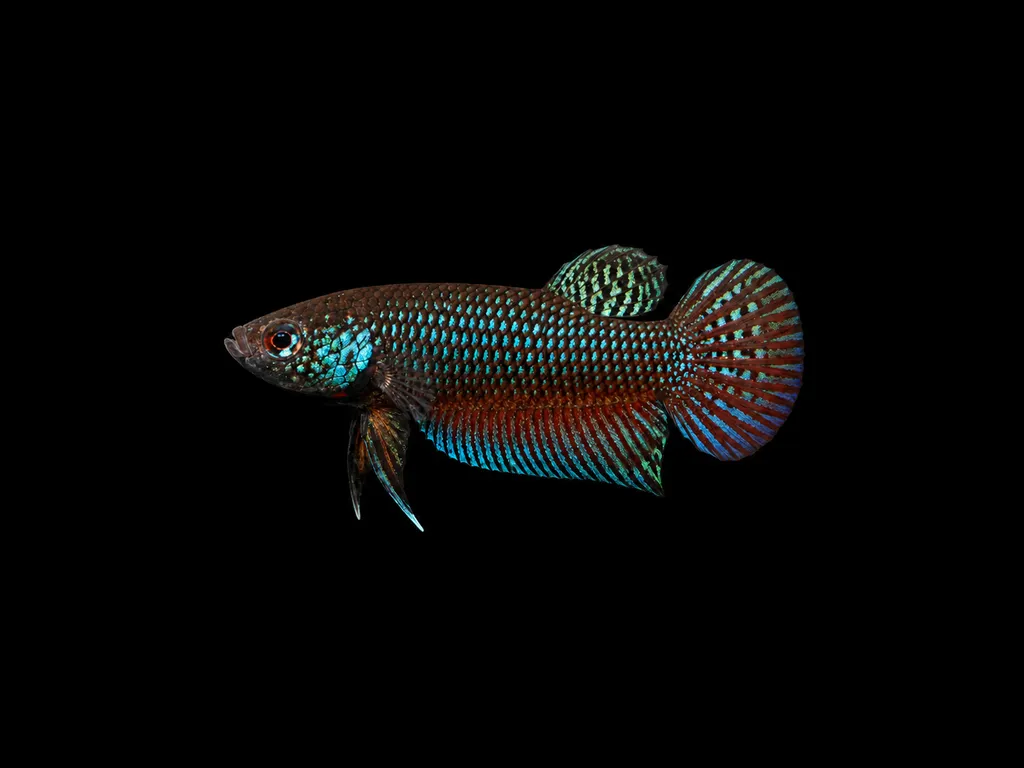
Stiktos betta
Betta stiktos
Freshwater2 in (5 cm) · 11 gal (40 L)73–81°F (23–27°C)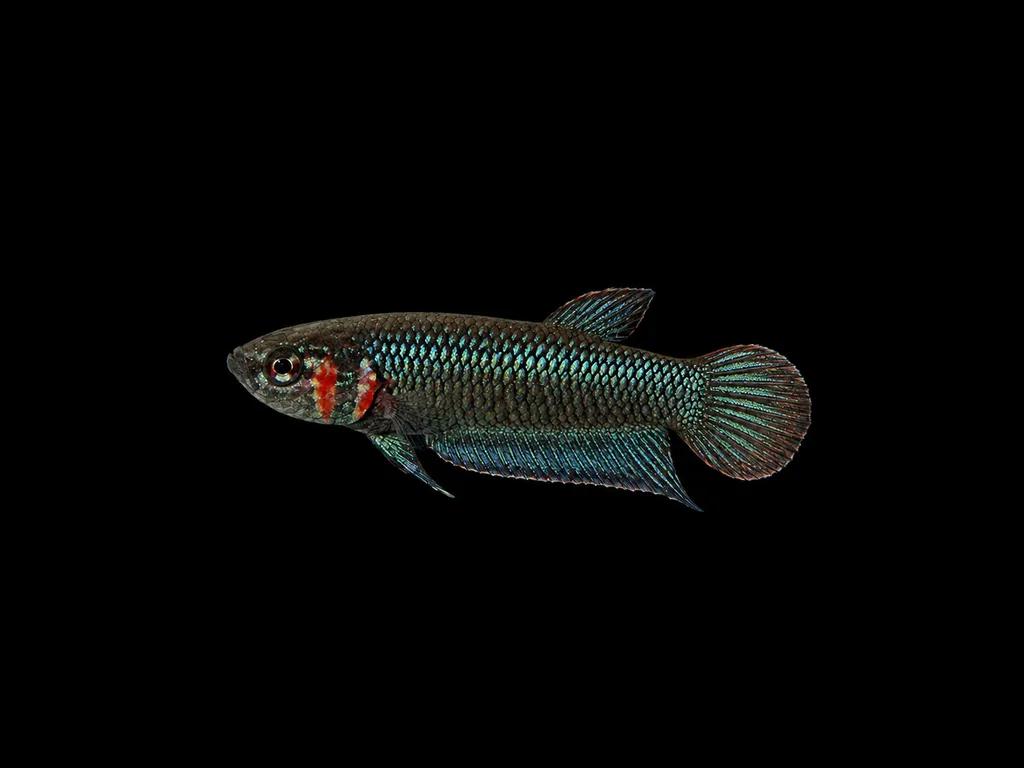
Stroh's betta
Betta strohi
Freshwater2.8 in (7 cm) · 14 gal (54 L)72–81°F (22–27°C)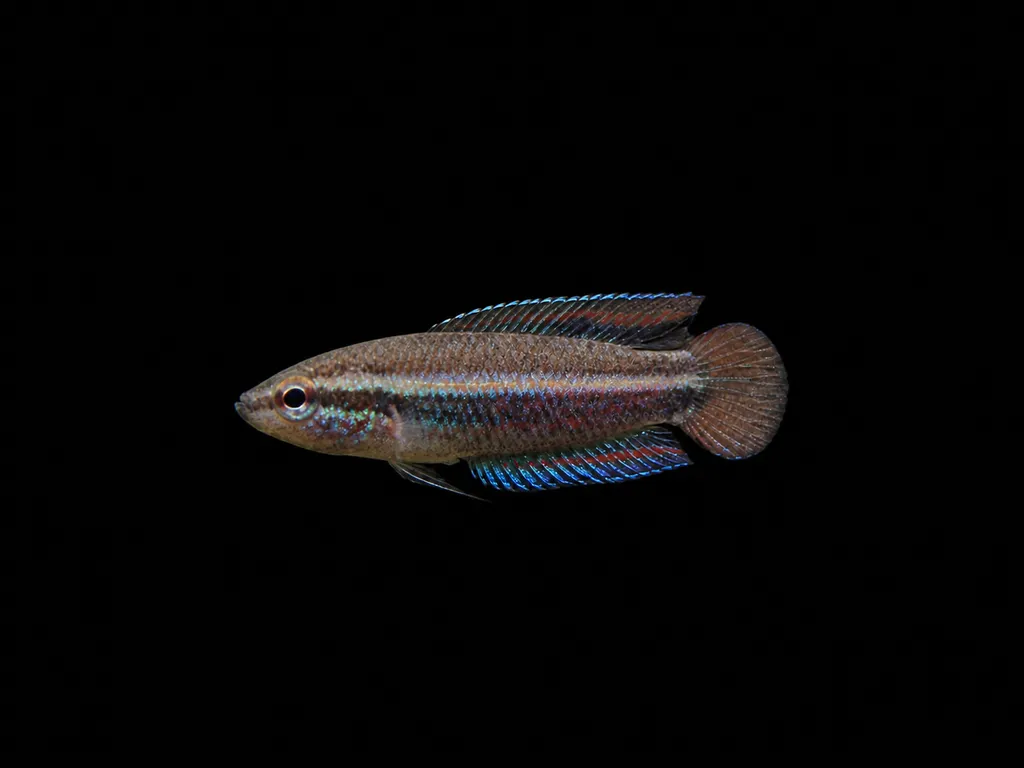
Sumatran licorice gourami
Parosphromenus sumatranus
Freshwater1.2 in (3 cm) · 5 gal (20 L)72–81°F (22–27°C)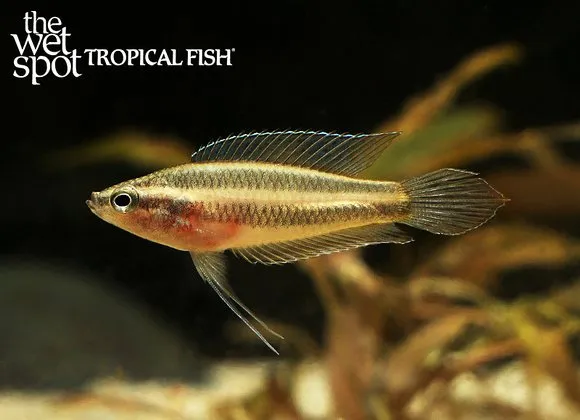
Swamp licorice gourami
Parosphromenus paludicola
Freshwater1.5 in (3.7 cm) · 5 gal (20 L)72–81°F (22–27°C)Thick-lipped gourami
Trichogaster labiosa
Freshwater3.5 in (9 cm) · 20 gal (75 L)72–82°F (22–28°C)Three spot gourami
Trichopodus trichopterus
Freshwater5.1 in (13 cm) · 30 gal (115 L)75–86°F (24–30°C)3 varieties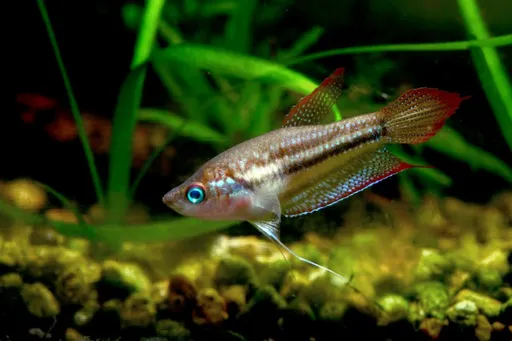
Threestripe croaking gourami
Trichopsis schalleri
Freshwater2 in (5 cm) · 12 gal (45 L)72–82°F (22–28°C)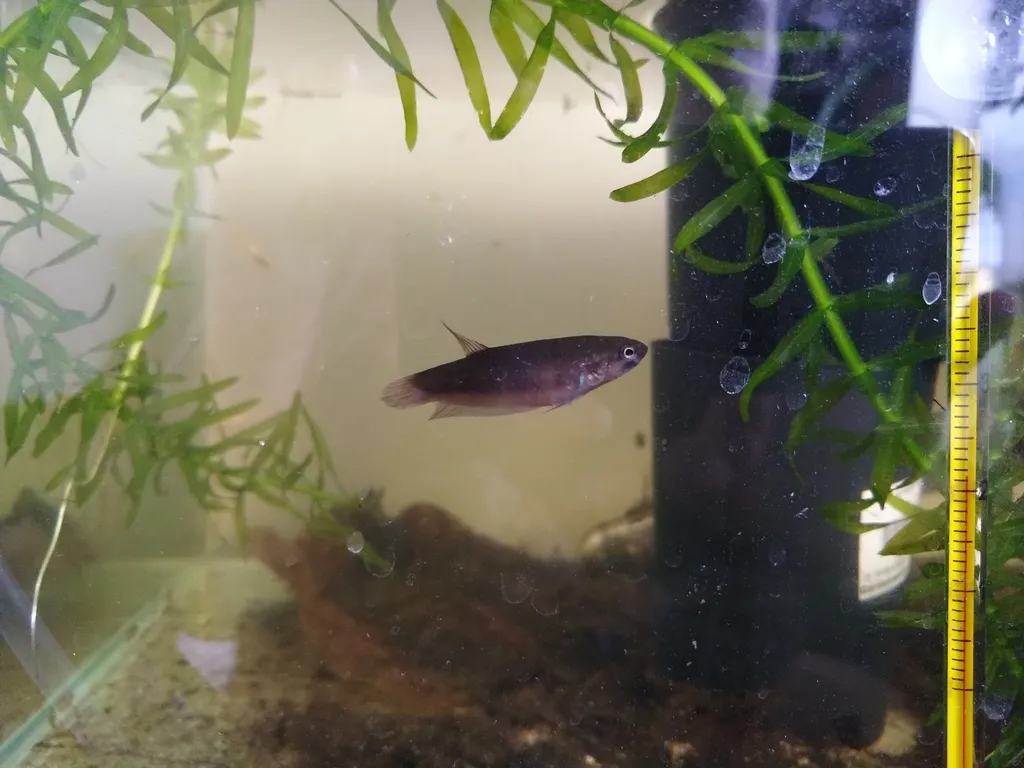
Toba betta
Betta rubra
Freshwater1.6 in (4 cm) · 11 gal (40 L)72–81°F (22–27°C)Tomi betta
Betta tomi
Freshwater2.8 in (7 cm) · 20 gal (75 L)72–81°F (22–27°C)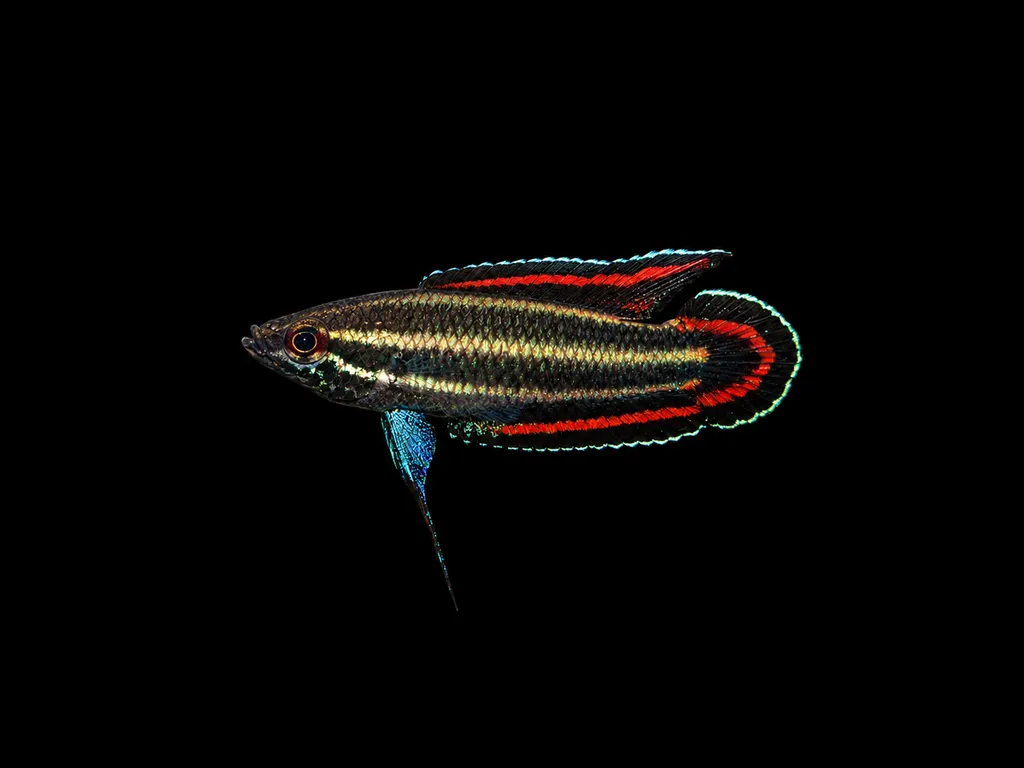
Tweedie's licorice gourami
Parosphromenus tweediei
Freshwater1.2 in (3 cm) · 5 gal (20 L)72–81°F (22–27°C)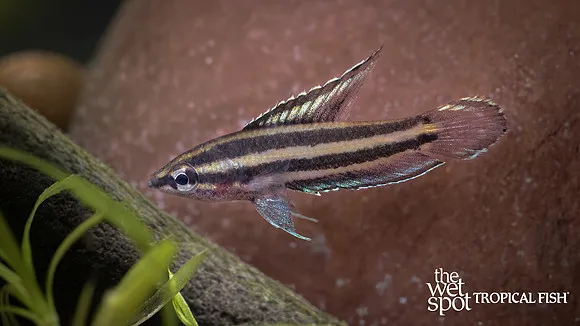
Uberis betta
Betta uberis
Freshwater1.4 in (3.6 cm) · 11 gal (40 L)73–81°F (23–27°C)Vaillant's chocolate gourami
Sphaerichthys vaillanti
Freshwater2.2 in (5.5 cm) · 20 gal (75 L)70–77°F (21–25°C)Waseri betta
Betta waseri
Freshwater3.6 in (9.1 cm) · 26 gal (100 L)72–81°F (22–27°C)Whiteseam betta
Betta albimarginata
Freshwater1.2 in (3 cm) · 11 gal (40 L)73–82°F (23–28°C)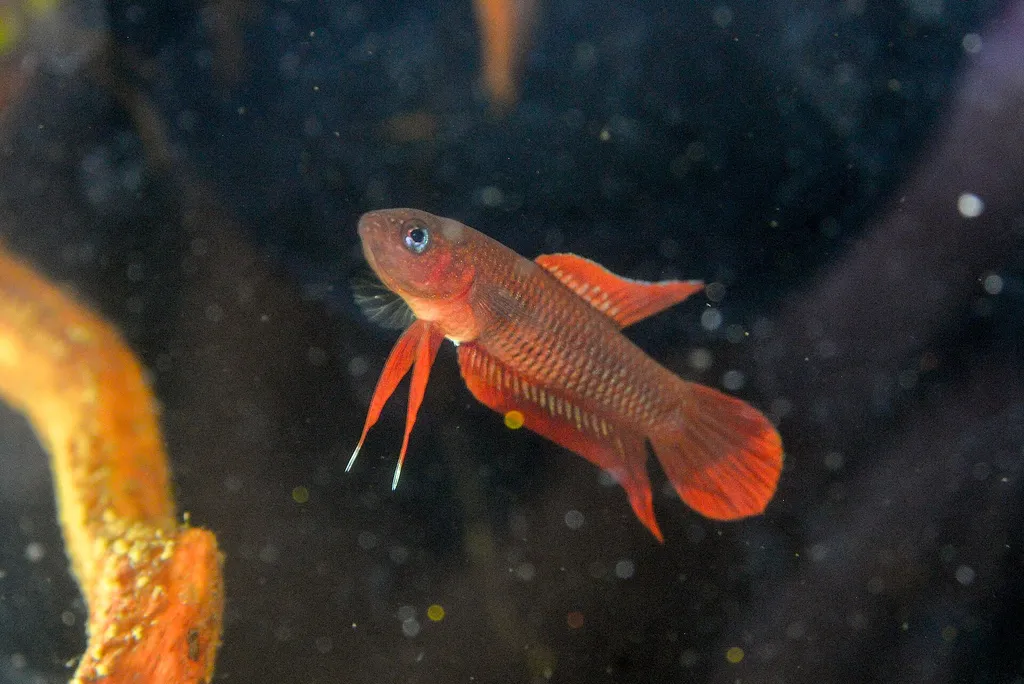
Wine-red betta
Betta burdigala
Freshwater1.4 in (3.5 cm) · 11 gal (40 L)72–81°F (22–27°C)
Planning a tank?
TankBud checks stocking and water fit as you build a tank, then tracks water tests, reminders and photos once it is running.
Track your tanksMaintain tanks for clients? See TankBud Pro