Emerald betta
Betta smaragdina
Also known as Emerald green betta, Mekong fighting fish, Pink Pearl Betta
FreshwaterFish
Care at a glance
- Temperature
- 72–82°F
- 22–28°C
- pH
- 6.0–7.5
- Adult size
- 2.4 in
- 6 cm
- Minimum tank
- 11 gal
- 40 L
- Temperament
- Aggressive
- Social behavior
- Solitary
- Tankmates
- With caution
- Swim level
- Middle
- Difficulty
- Easy
- Breeding
- Medium
- Rarity
- Common
- Family
- Osphronemidae
- Origin
- Khorat Plateau (Isan), northeastern Thailand, and Mekong tributaries in central Laos
Overview
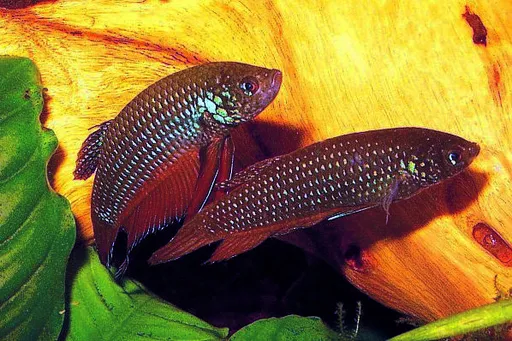
Keep one fish, or a single pair if you have the experience, in a species tank of 40 liters or up. Males are aggressive and territorial, so never house two males together or mix them with other bettas, since they will flare and fight. They sit in the middle of the water column and are shy and easily outcompeted, so a single species setup suits them best. Hold the temperature from 22 to 28 C and the pH between 6 and 7.5, and keep the water level a couple of inches below a tight fitting lid so the fish can gulp humid surface air, since it is also an excellent jumper. Feed small frozen and live foods like daphnia, bloodworms, and brine shrimp. These are wild fish from a limited range, so never release one into local waterways and check your local rules before keeping or moving them.
In the wild
Emerald bettas come from the Khorat Plateau in northeastern Thailand and from Mekong tributaries in central Laos, where they live in soft, slightly acidic, dimly lit pools with heavy planting. To match that, give them a quiet, well planted tank of 40 liters or larger with floating plants like Salvinia or Riccia, driftwood, and leaf litter to stain the water with tannins. Keep the temperature from 22 to 28 C and the pH between 6 and 7.5, and go easy on the flow with a sponge or gentle filter.
Good to know
This is a labyrinth fish in the family Osphronemidae, a wild relative of the common betta that reaches about 6 cm. It breathes air at the surface using a labyrinth organ, and it is a bubble nesting species where the male builds and guards the nest. It is slightly hardier than Betta splendens but still wants stable, mature water.
Did you know
Despite the "fighting fish" reputation, the emerald betta is not hostile toward unrelated peaceful fish. The aggression is aimed almost entirely at its own kind, so a lone male will leave calm tankmates be while still treating any other betta as a rival to chase off.
Common questions
What size tank does an Emerald betta need?
An Emerald betta needs at least 11 gal (40 L). It spends most of its time in the middle.
What temperature and pH does an Emerald betta need?
An Emerald betta is comfortable at 72–82°F (22–28°C) with a pH of 6.0–7.5.
How big does an Emerald betta get?
An adult Emerald betta reaches about 2.4 in (6 cm).
Related species
- 2.2 in (5.6 cm)26 gal (100 L)72–81°F (22–27°C)
Gladiator betta
Betta gladiator
2.2 in (5.6 cm) · 26 gal (100 L)
 3 in (7.5 cm)7 gal (25 L)72–86°F (22–30°C)
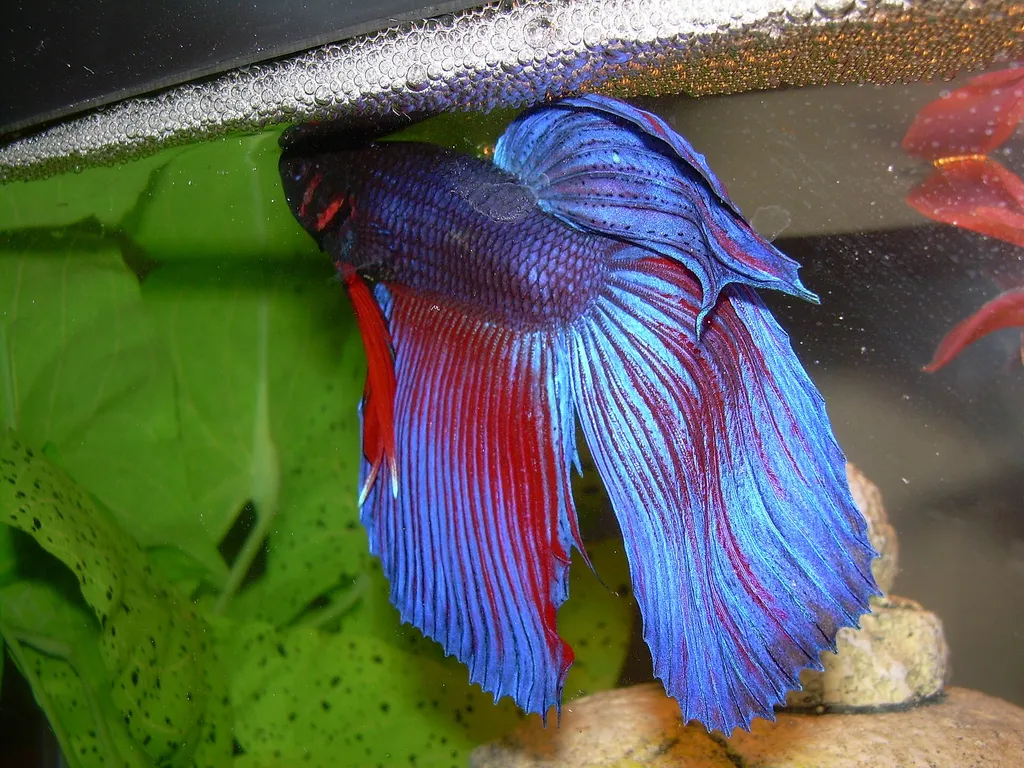
Betta
Betta splendens
3 in (7.5 cm) · 7 gal (25 L)
 2.4 in (6 cm)12 gal (45 L)68–82°F (20–28°C)
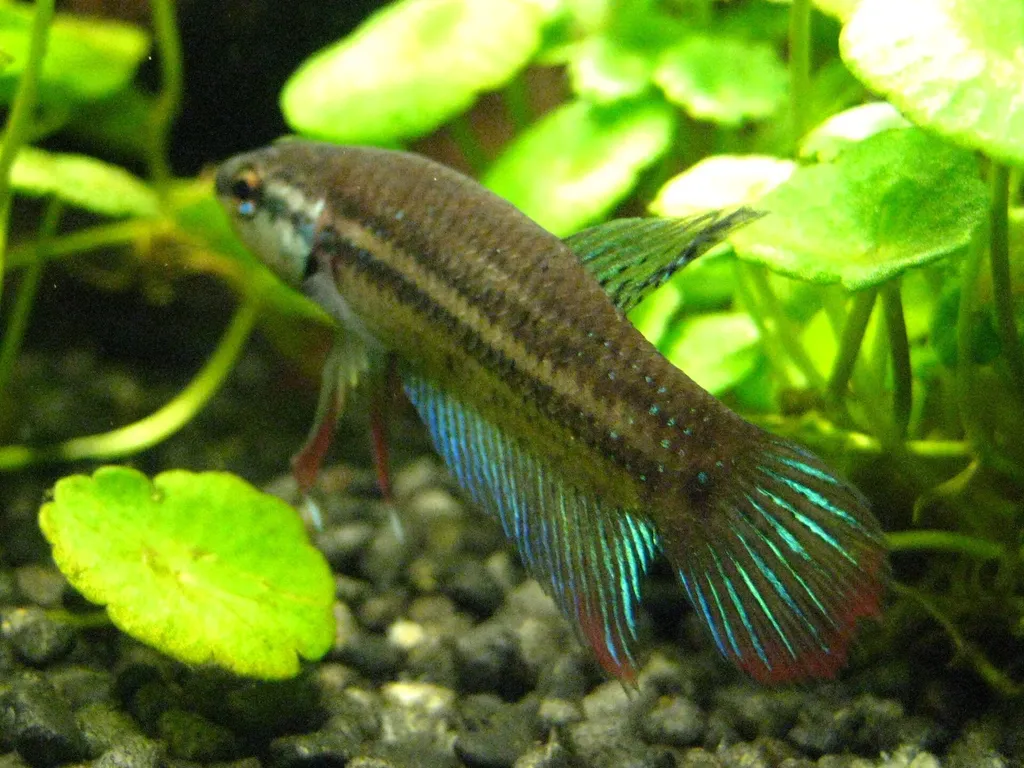
Crescent betta
Betta imbellis
2.4 in (6 cm) · 12 gal (45 L)
 2.4 in (6 cm)20 gal (75 L)72–81°F (22–27°C)
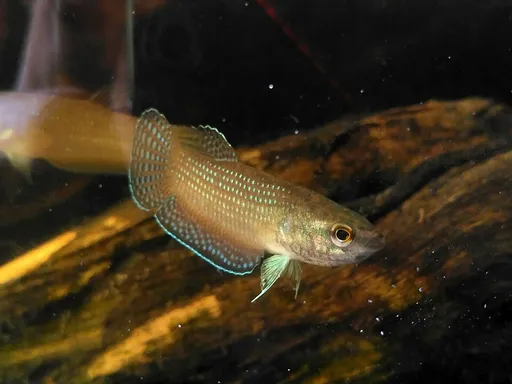
Edith's betta
Betta edithae
2.4 in (6 cm) · 20 gal (75 L)
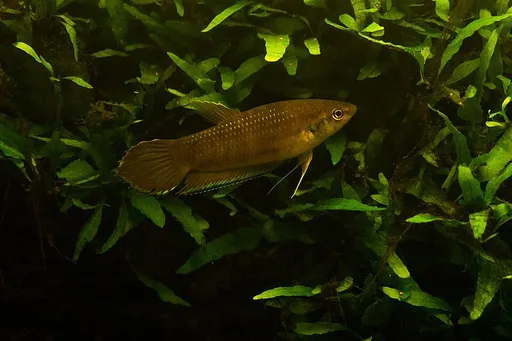 2.4 in (6 cm)16 gal (60 L)70–77°F (21–25°C)
Enisae betta
Betta enisae
2.4 in (6 cm) · 16 gal (60 L)
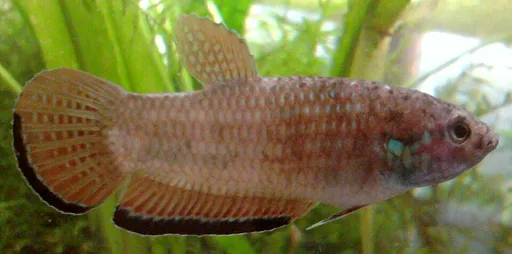 2.4 in (6 cm)16 gal (60 L)73–82°F (23–28°C)
Krabi mouthbrooder
Betta simplex
2.4 in (6 cm) · 16 gal (60 L)