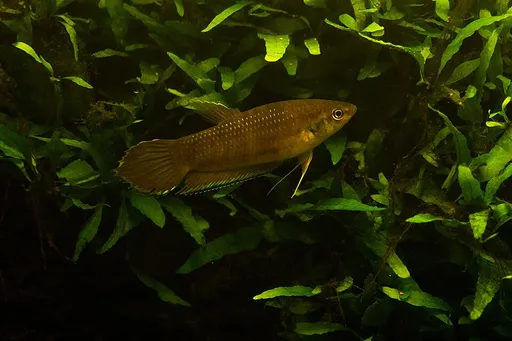
Enisae betta
Betta enisae
Also known as Blue Band Betta
FreshwaterFish
Care at a glance
- Temperature
- 70–77°F
- 21–25°C
- pH
- 5.5–7.0
- Adult size
- 2.4 in
- 6 cm
- Minimum tank
- 16 gal
- 60 L
- Temperament
- Mostly peaceful
- Social behavior
- Social
- Tankmates
- With caution
- Swim level
- Middle
- Diet
- Carnivore
- Difficulty
- Medium
- Breeding
- Mouthbrooder · Medium
- Rarity
- Rare
- Family
- Osphronemidae
- Origin
- Native to the Kapuas River basin of West Kalimantan, Borneo, in cool, flowing forest streams and swamp pools.
Overview
The Enisae betta is a small, mostly peaceful betta for a shaded, well-planted tank. It is best kept by someone with a little experience.
Did you know
The Enisae betta prefers noticeably cooler water than most tropical fish, a match for the forest streams it comes from.
Caring for the Enisae betta
A pair of Enisae bettas does well in at least 16 gal (60 L), with a base of at least 45 cm. Give them a shaded tank with wood, plants and leaf litter, plus plenty of cover. Keep a secure lid on the tank.
Keep the water soft to medium, at 70 to 77°F (21 to 25°C) and a pH of 5.5 to 7.0, with gentle flow. Feed small live and frozen foods such as daphnia, artemia and bloodworm.
Enisae bettas are mostly peaceful and swim in the middle of the tank. Keep the pair on its own or with calm fish of a similar size from cooler streams.
Males show fine iridescent markings on the head and gill cover. Enisae bettas are paternal mouthbrooders, with the male holding the eggs in his mouth. Breeding them is moderately difficult.
Good to know
The Enisae betta was described by Kottelat in 1995 and belongs to the family Osphronemidae. It is usually placed in the Betta pugnax complex, though some workers link it to the picta group. It is also sold as the blue band betta.
In the wild
Enisae bettas live in cool, flowing forest streams and swamp pools of the Kapuas River basin in West Kalimantan, Borneo. The water there is soft and slightly acidic to neutral, with plenty of cover.
Common questions
What size tank does an Enisae betta need?
An Enisae betta needs at least 16 gal (60 L). It spends most of its time in the middle.
What temperature and pH does an Enisae betta need?
An Enisae betta is comfortable at 70–77°F (21–25°C) with a pH of 5.5–7.0.
What does an Enisae betta eat?
An Enisae betta eats small live and frozen foods, such as daphnia, artemia and bloodworm.
How big does an Enisae betta get?
An adult Enisae betta reaches about 2.4 in (6 cm).
How can you tell a male Enisae betta from a female?
Males show fine iridescent markings on the head and gill cover.
How does an Enisae betta breed?
The Enisae betta is a paternal mouthbrooder, so the male carries the eggs in his mouth. Breeding it is moderately difficult.
Related species
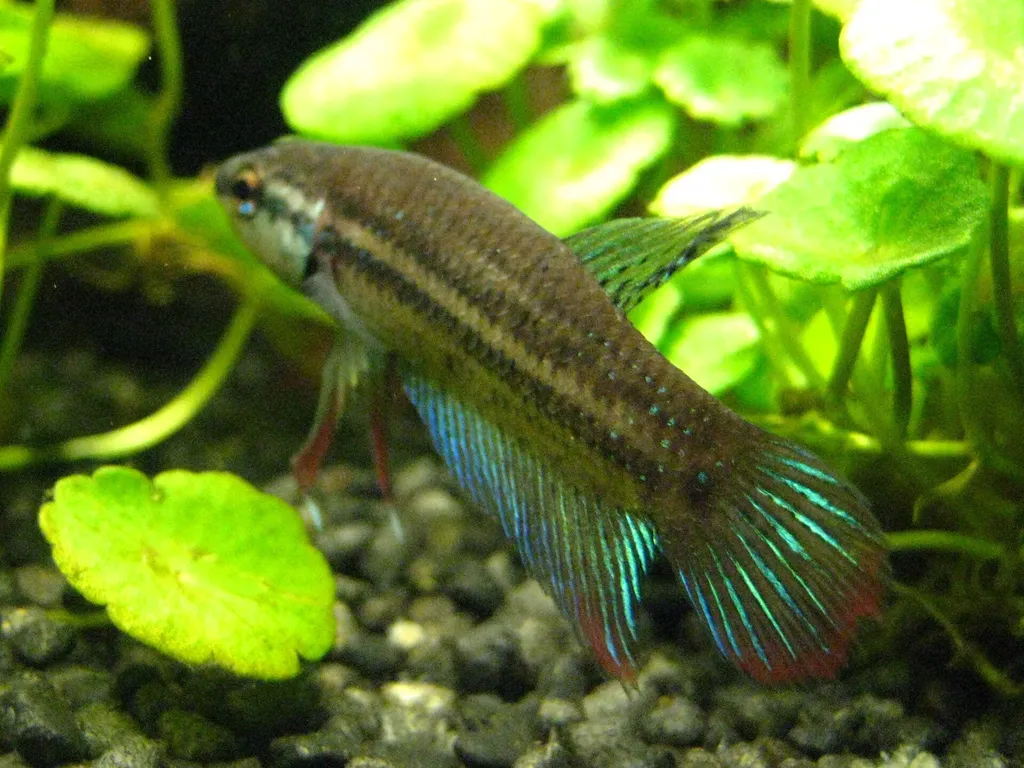 2.4 in (6 cm)12 gal (45 L)68–82°F (20–28°C)
Crescent betta
Betta imbellis
2.4 in (6 cm) · 12 gal (45 L)
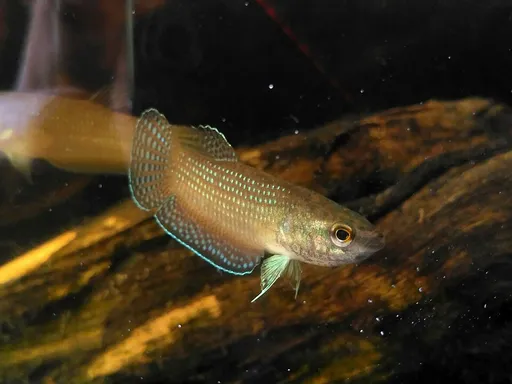 2.4 in (6 cm)20 gal (75 L)72–81°F (22–27°C)
Edith's betta
Betta edithae
2.4 in (6 cm) · 20 gal (75 L)
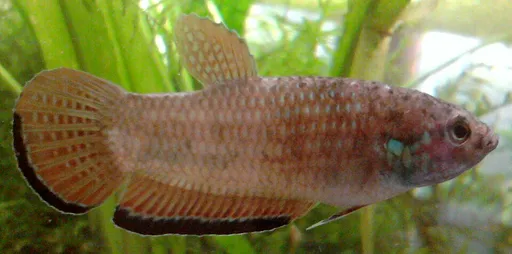 2.4 in (6 cm)16 gal (60 L)73–82°F (23–28°C)
Krabi mouthbrooder
Betta simplex
2.4 in (6 cm) · 16 gal (60 L)
 2.4 in (6 cm)10 gal (38 L)72–82°F (22–28°C)
Mahachai betta
Betta mahachaiensis
2.4 in (6 cm) · 10 gal (38 L)
 2.4 in (6 cm)20 gal (75 L)73–81°F (23–27°C)
Pulchra betta
Betta pulchra
2.4 in (6 cm) · 20 gal (75 L)
- 2.5 in (6.3 cm)21 gal (80 L)73–79°F (23–26°C)
Ferox betta
Betta ferox
2.5 in (6.3 cm) · 21 gal (80 L)