Corydoras and armored catfish
Corydoras are peaceful, social catfish that sift the substrate in groups, with armored relatives like hoplo cats close behind. Keep them over sand or smooth gravel in a group of six or more. Profiles list tank size and water conditions for each species.
At a glance
- Tank size
- 12–63 gal
- 12 gal (45 L) to 63 gal (240 L); half the list needs 20 gal (75 L) or more
- Temperature
- 72–79°F
- 22–26°C, most of the list
- pH
- 6.0–7.5
- Most of the list
- Difficulty
- 33 easy
- 82 medium · 2 difficult
- Temperament
- 112 peaceful
- 5 mostly peaceful
117 species and 2 varieties
Start here
Corydoras for a first group
The bronze cory is the one to start with. It reaches 3 inches (7.5 cm), lists 20 gallons (75 liters) and takes 70–81°F (21–27°C), the widest range of the common species. The peppered cory is close to the same size, 2.8 inches (7 cm) in 21 gallons (80 liters), with a narrower 72–79°F (22–26°C). The panda cory stays at 2 inches (5 cm) in 15 gallons (55 liters) but wants 72–77°F (22–25°C), cooler than many communities run. Sterba's cory is the warm-water cory, 2.6 inches (6.5 cm) at 75–82°F (24–28°C), the one for a discus or ram tank. The julii cory and the very similar false julii, the threestripe cory, sit at 2.2 inches (5.5 cm) in 16 to 20 gallons (60 to 75 liters). All six are marked easy or medium, and all six want the same things, which the next section covers.
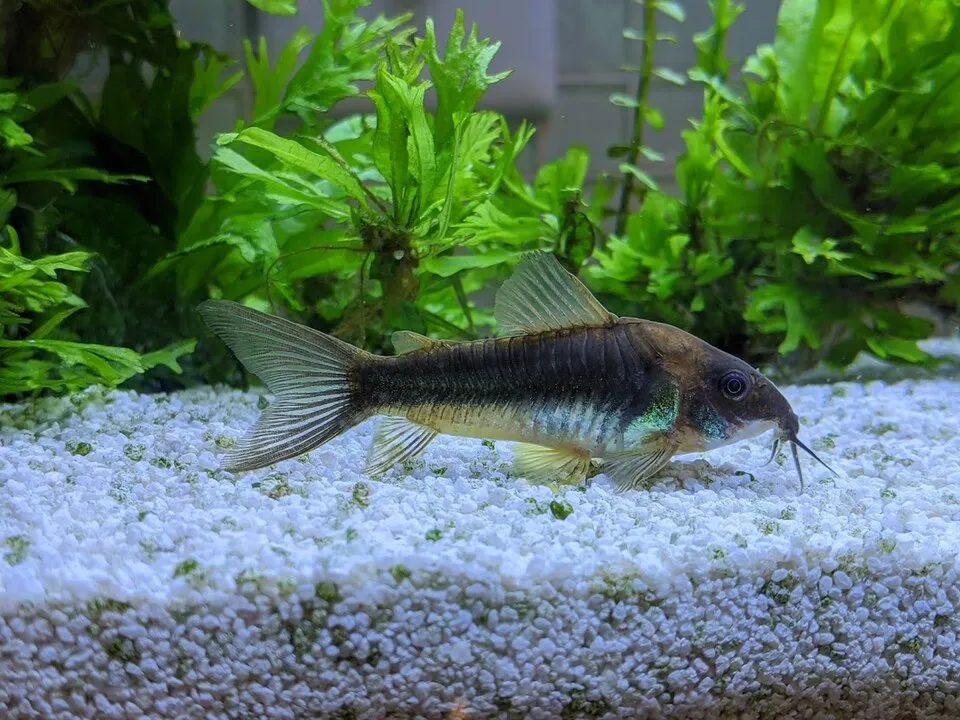
Bronze cory
Osteogaster aenea
Freshwater- Size
- 3 in (7.5 cm)
- Tank
- 20 gal (75 L)
- Water
- 70–81°F (21–27°C)
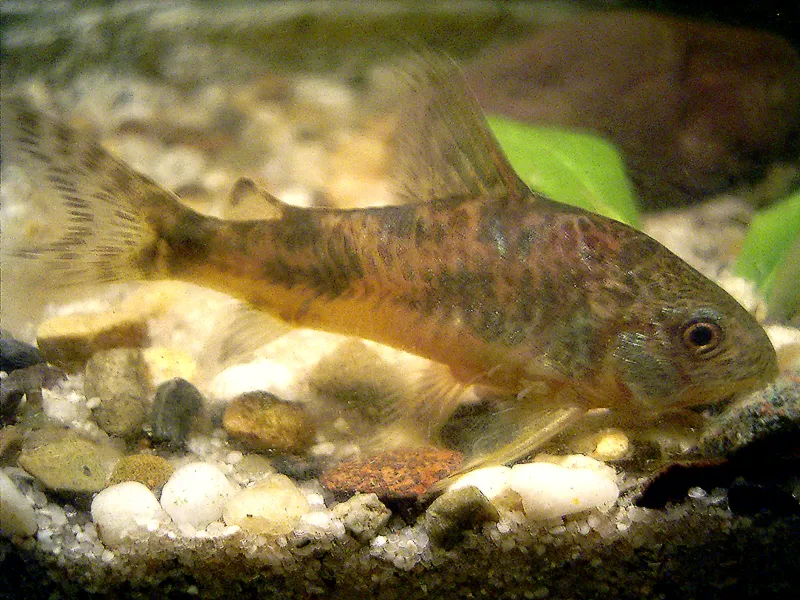
Peppered cory
Hoplisoma paleatum
Freshwater- Size
- 2.8 in (7 cm)
- Tank
- 21 gal (80 L)
- Water
- 72–79°F (22–26°C)
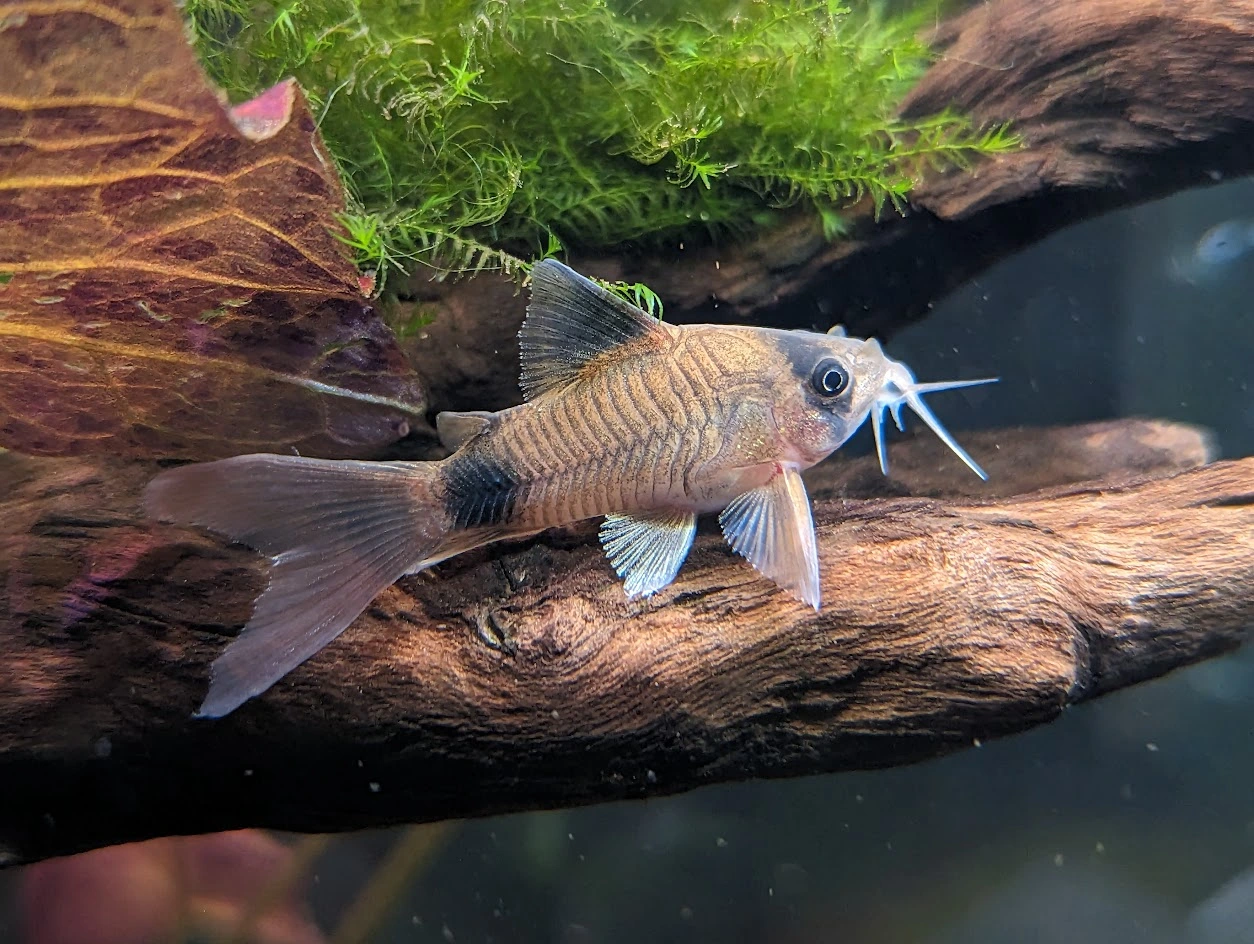
Panda cory
Hoplisoma panda
Freshwater- Size
- 2 in (5 cm)
- Tank
- 15 gal (55 L)
- Water
- 72–77°F (22–25°C)
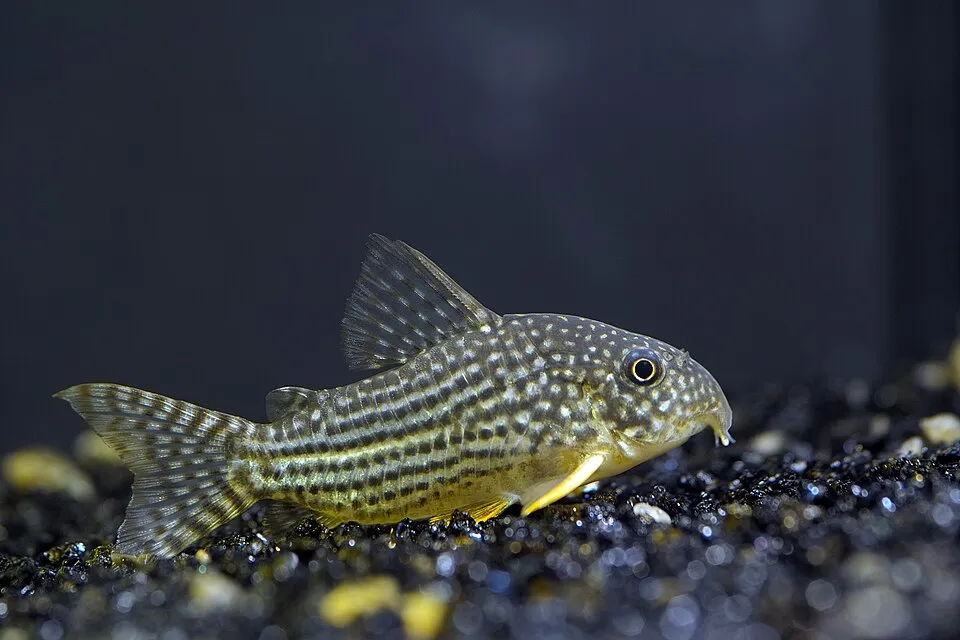
Sterba's cory
Hoplisoma sterbai
Freshwater- Size
- 2.6 in (6.5 cm)
- Tank
- 20 gal (75 L)
- Water
- 75–82°F (24–28°C)
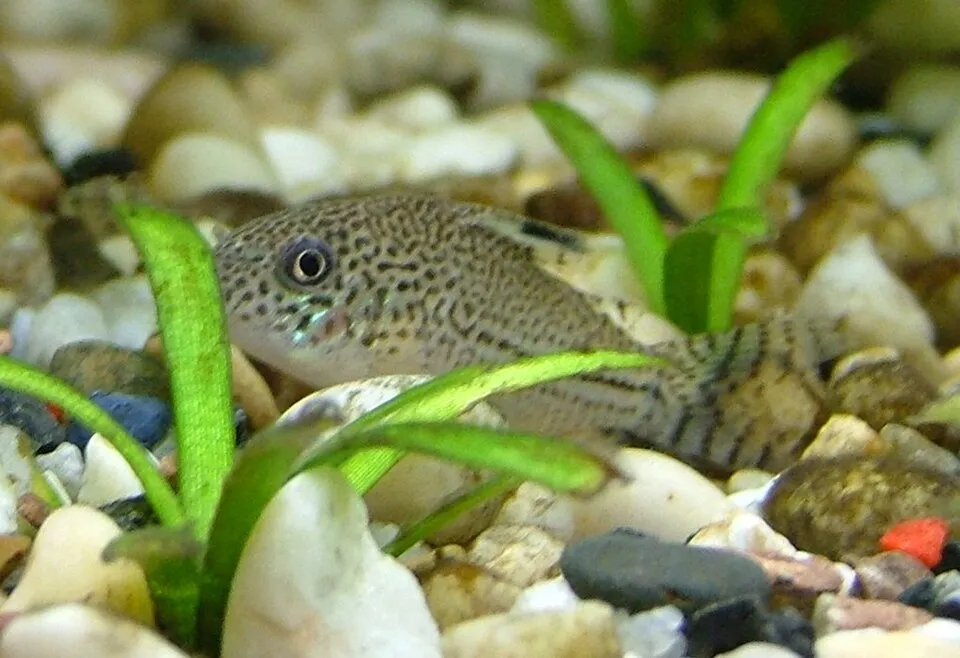
Julii cory
Hoplisoma julii
Freshwater- Size
- 2.2 in (5.5 cm)
- Tank
- 20 gal (75 L)
- Water
- 68–79°F (20–26°C)
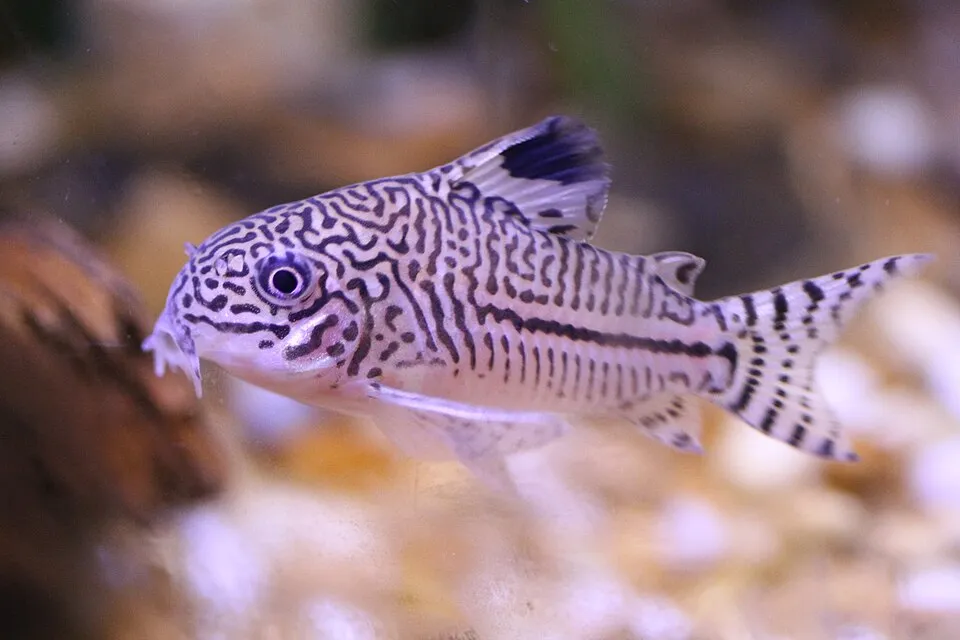
Threestripe cory
Hoplisoma trilineatum
Freshwater- Size
- 2.2 in (5.5 cm)
- Tank
- 16 gal (60 L)
- Water
- 72–81°F (22–27°C)
The rule
Six or more, on sand, fed after dark
Corys shoal, and six of one species is the minimum. They will mix with other corys but school by species, so six of one beats two of three. They feed by pushing their faces into the substrate, so fine sand or smooth rounded gravel keeps the barbels intact where sharp gravel and a dirty substrate wear them away. Feed sinking pellets or wafers and frozen food after the lights go down, when the mid-water fish are not competing, because a cory eats what reaches the floor and is not a cleanup crew. Then read the temperature on the profile before you buy, because several of the popular corys are cool-water fish and an 80°F (27°C) community shortens their lives.
- 01
Six or more
One species per group, six of one beats two of three
- 02
Sand or smooth gravel
Sharp gravel and a dirty substrate wear the barbels
- 03
Sinking food after dark
Pellets, wafers and frozen food, not leftovers
- 04
Check the temperature
Several popular corys are cool-water fish
Cool water
The cool-water corys
The blue cory and the gold laser cory list 68–73°F (20–23°C), the banded cory 66–75°F (19–24°C), Ehrhardt's cory 66–77°F (19–25°C) and the dirty bandit cory 70–75°F (21–24°C). The sailfin cory lists 64–70°F (18–21°C) and belongs in an unheated tank. Even the panda cory tops out at 77°F (25°C). None of them is a fish for a discus tank. The corys that are, Sterba's cory, the mosaic cory, the pretty cory and Amanda Jane's cory, all list up to 82°F (28°C), and the serratus cory goes to 84°F (29°C) but is marked difficult. The strip above shows the band most of the family shares, 72–79°F (22–26°C), so a community set in the mid 70s suits the majority.
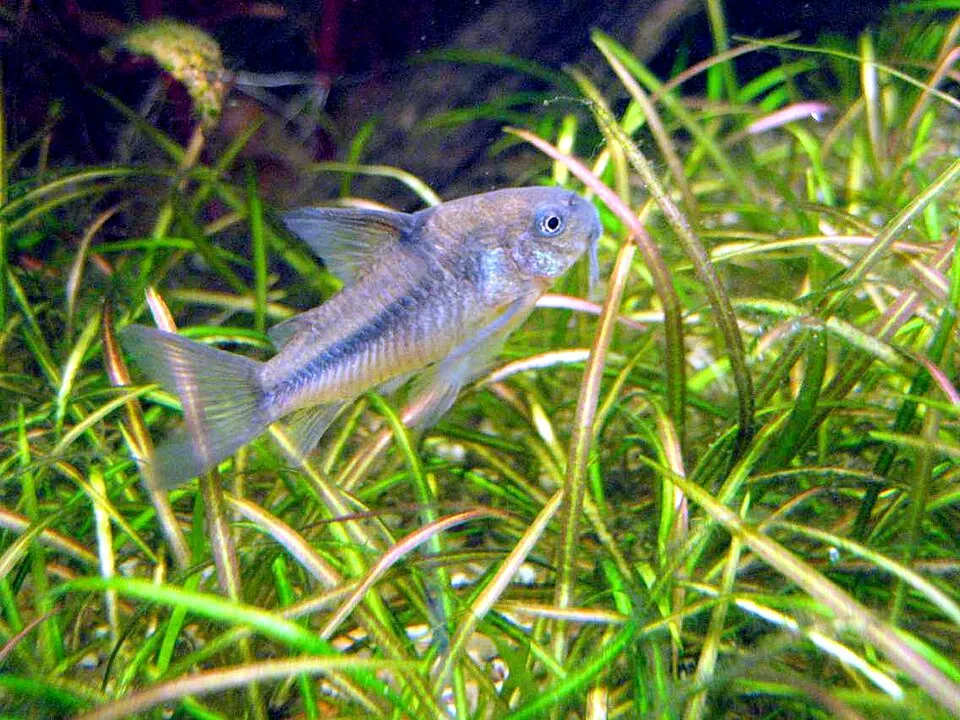
Blue cory
Hoplisoma nattereri
Freshwater2.6 in (6.5 cm) · 20 gal (75 L)68–73°F (20–23°C)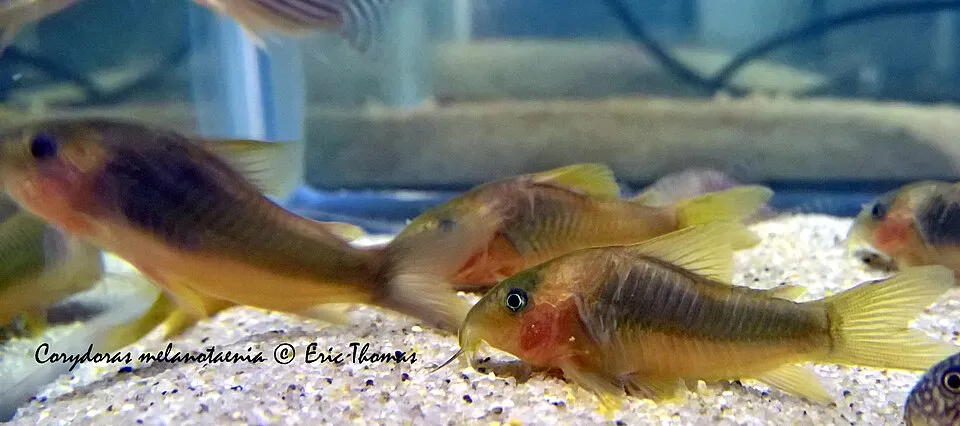
Gold laser cory
Osteogaster melanotaenia
Freshwater2.4 in (6 cm) · 17 gal (65 L)68–73°F (20–23°C)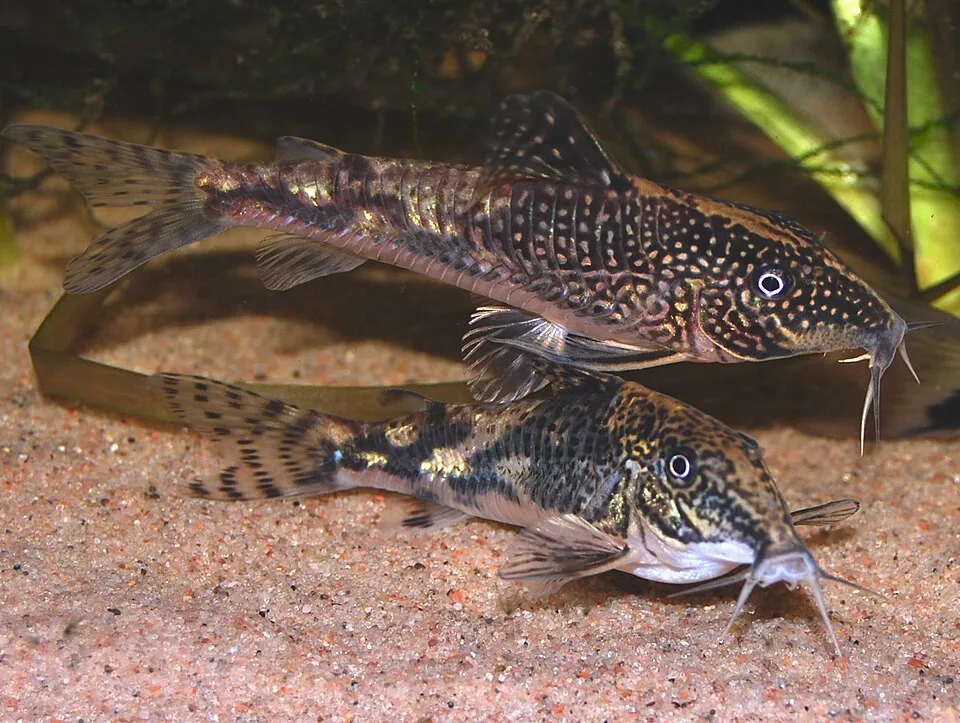
Banded cory
Scleromystax barbatus
Freshwater3.9 in (10 cm) · 40 gal (150 L)66–75°F (19–24°C)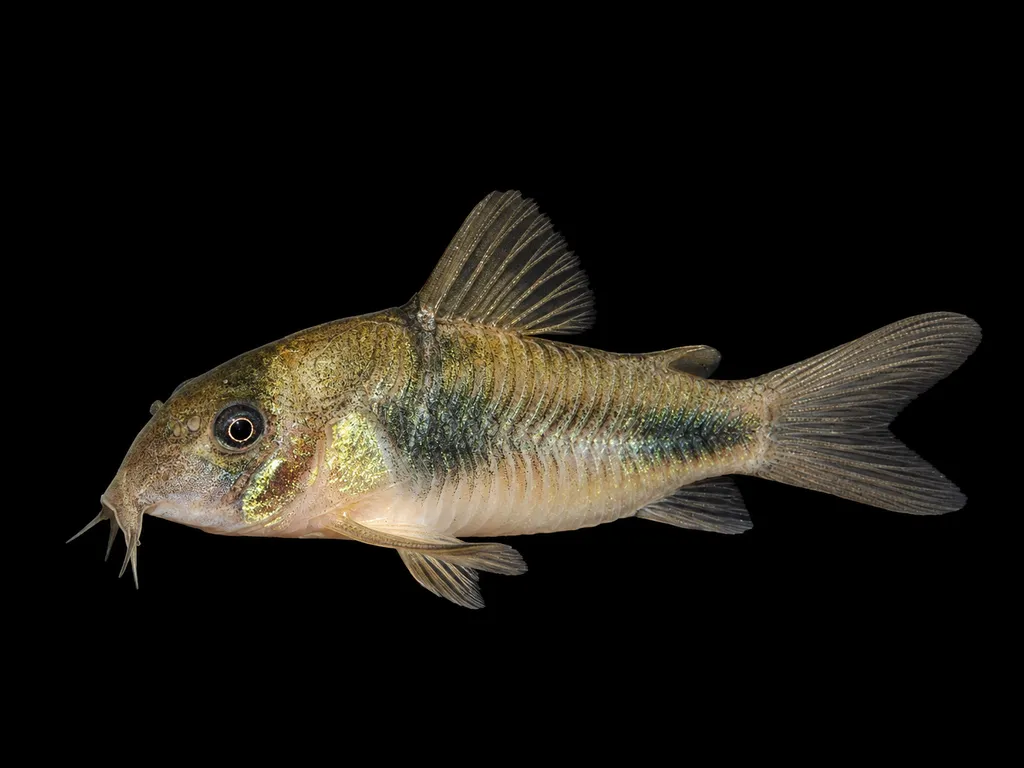
Ehrhardt's cory
Hoplisoma ehrhardti
Freshwater2 in (5 cm) · 16 gal (60 L)66–77°F (19–25°C)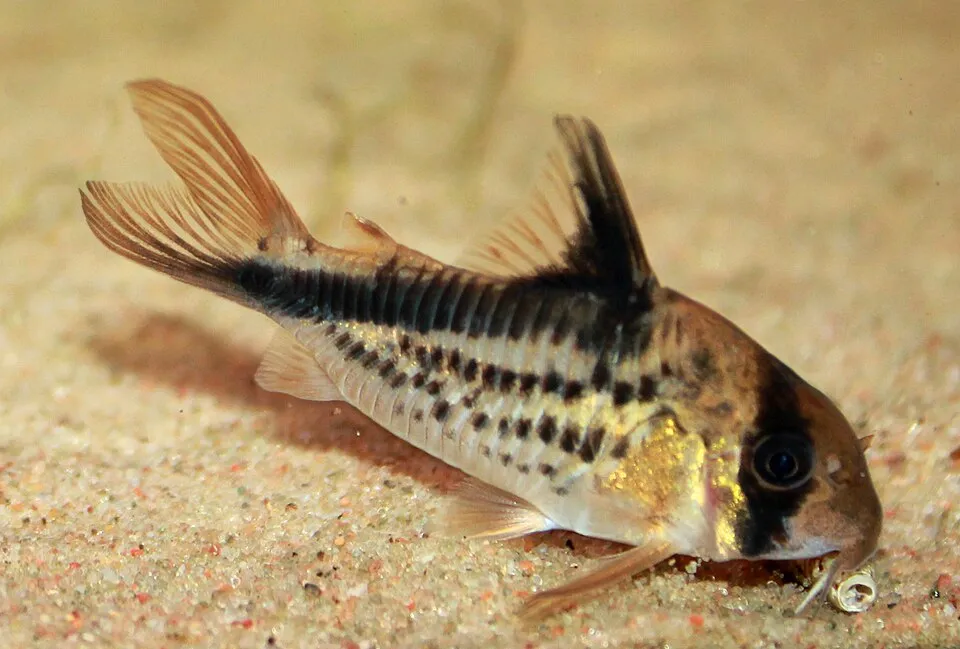
Dirty bandit cory
Hoplisoma loxozonum
Freshwater2 in (5 cm) · 16 gal (60 L)70–75°F (21–24°C)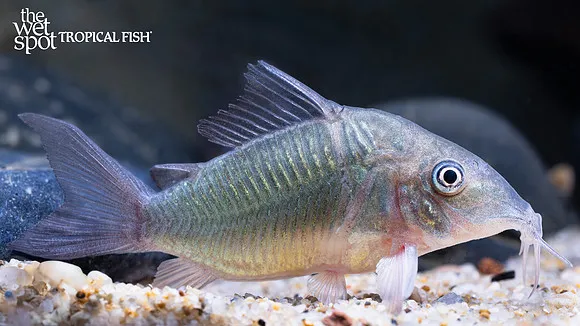
Sailfin cory
Scleromystax macropterus
Freshwater3.5 in (9 cm) · 44 gal (165 L)64–70°F (18–21°C)
Nano
Pygmy, dwarf and the other nano corys
The pygmy cory stays at 1.3 inches (3.3 cm) and lists 13 gallons (50 liters), the dwarf cory is the same size in 12 gallons (45 liters), and the nano cory, the salt and pepper cory, Reynolds's cory and the barred-tail cory stop at 1.4 inches (3.5 cm). Unlike the larger corys, the pygmy and dwarf corys spend much of the day hovering in mid-water in a tight shoal, which makes them look like a school of tiny tetras with whiskers. Keep them in tens rather than sixes, with fine food such as crushed pellets and baby brine shrimp, and away from anything that could swallow them. A 10 gallon (38 liter) tank with sand and floating plants is the classic home for a group of pygmies and nothing else.
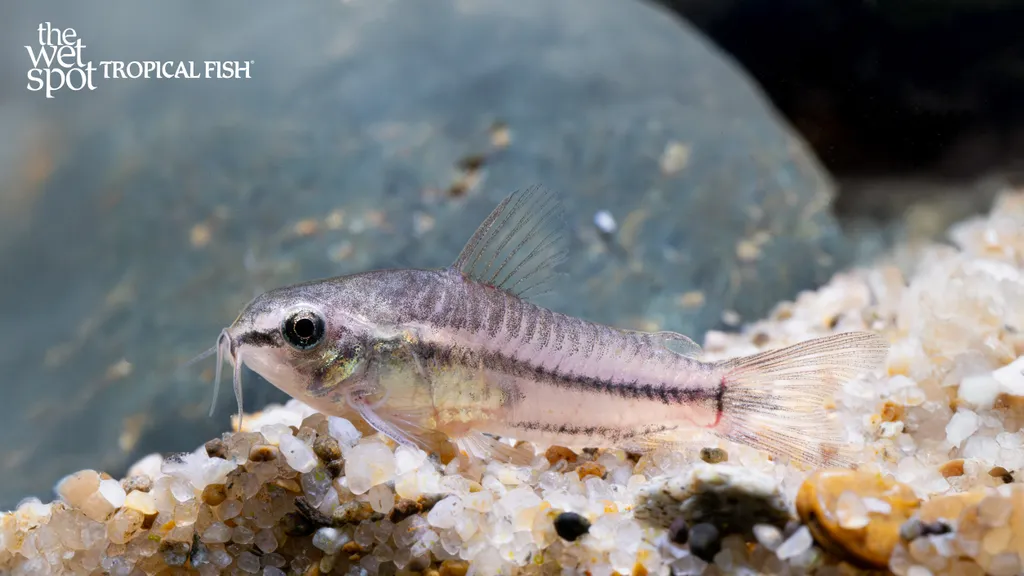
Pygmy cory
Gastrodermus pygmaeus
Freshwater1.3 in (3.3 cm) · 13 gal (50 L)72–79°F (22–26°C)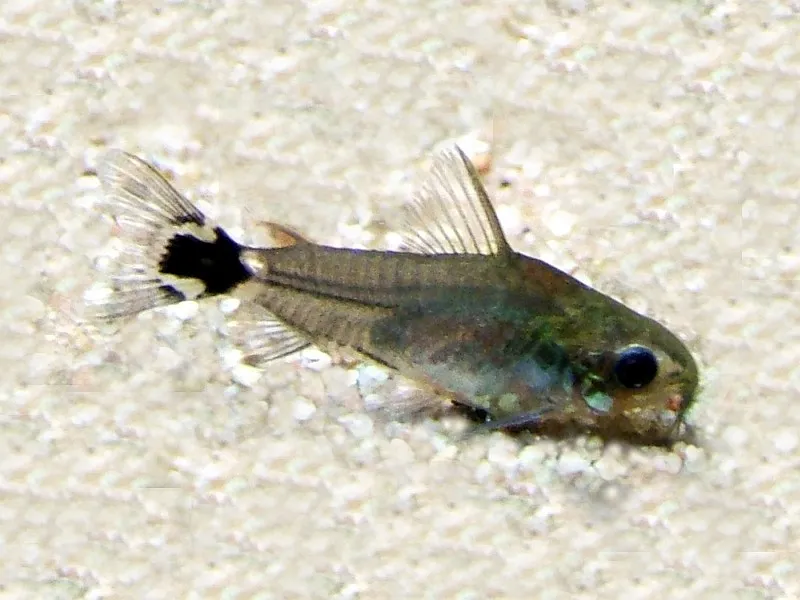
Dwarf cory
Gastrodermus hastatus
Freshwater1.3 in (3.2 cm) · 12 gal (45 L)68–79°F (20–26°C)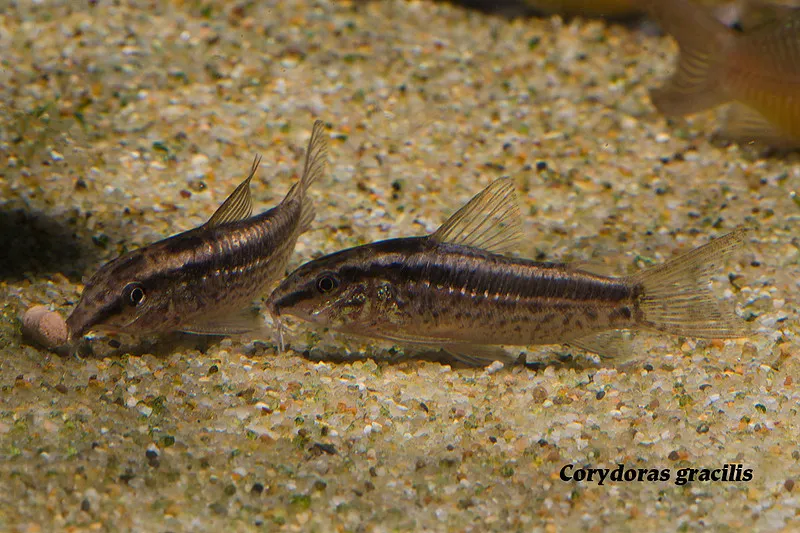
Nano cory
Gastrodermus gracilis
Freshwater1.4 in (3.5 cm) · 12 gal (45 L)72–79°F (22–26°C)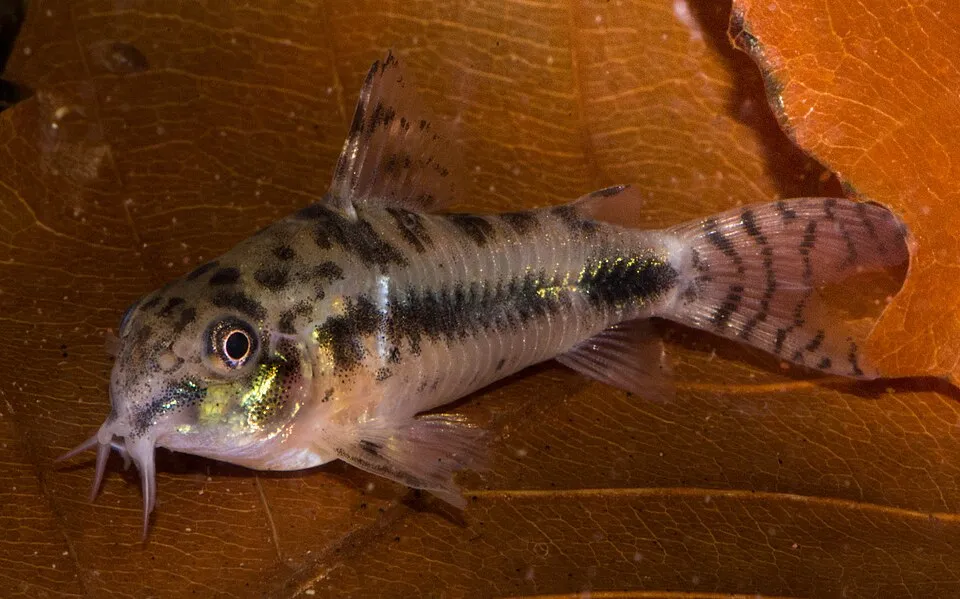
Salt and pepper cory
Hoplisoma habrosum
Freshwater1.4 in (3.5 cm) · 15 gal (55 L)68–79°F (20–26°C)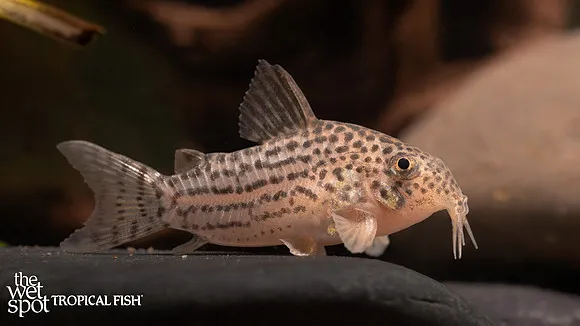
Reynolds's cory
Hoplisoma reynoldsi
Freshwater1.4 in (3.5 cm) · 12 gal (45 L)72–79°F (22–26°C)
Barred-tail cory
Hoplisoma cochui
Freshwater1.4 in (3.5 cm) · 13 gal (50 L)70–82°F (21–28°C)
The names
Why the names changed
In 2024 the genus Corydoras was split into several genera, and the catalog uses the new names on each profile. The bronze cory is now Osteogaster aenea, the panda cory Hoplisoma panda, the pygmy cory Gastrodermus pygmaeus and the emerald catfish is back in Brochis; only the long-snouted species such as Fowler's cory stay in Corydoras. The Aspidoras and Scleromystax corys, such as the sixray cory and the banded cory, were always genera of their own. The common names, the care and the fish are unchanged, and the shop label will say Corydoras for years yet. Search by common name and the profile shows both.
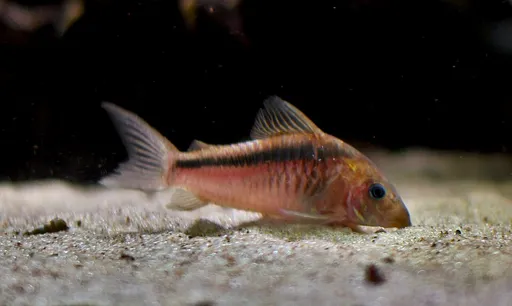
Black band cory
Osteogaster zygata
Freshwater2.6 in (6.5 cm) · 21 gal (80 L)72–79°F (22–26°C)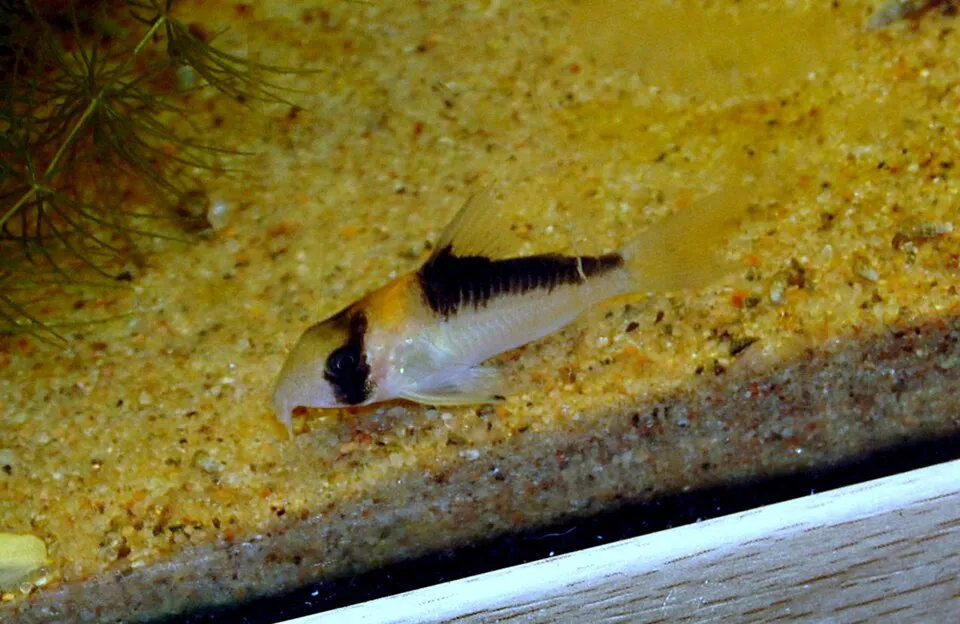
Adolfo's cory
Hoplisoma adolfoi
Freshwater2.4 in (6 cm) · 20 gal (75 L)70–79°F (21–26°C)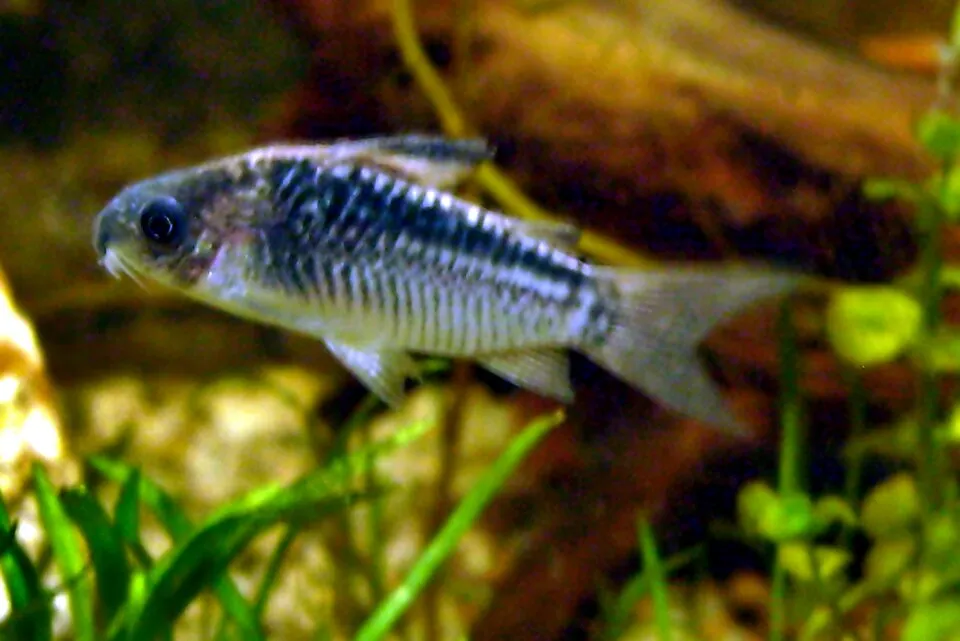
Elegant cory
Gastrodermus elegans
Freshwater2.1 in (5.4 cm) · 16 gal (60 L)68–79°F (20–26°C)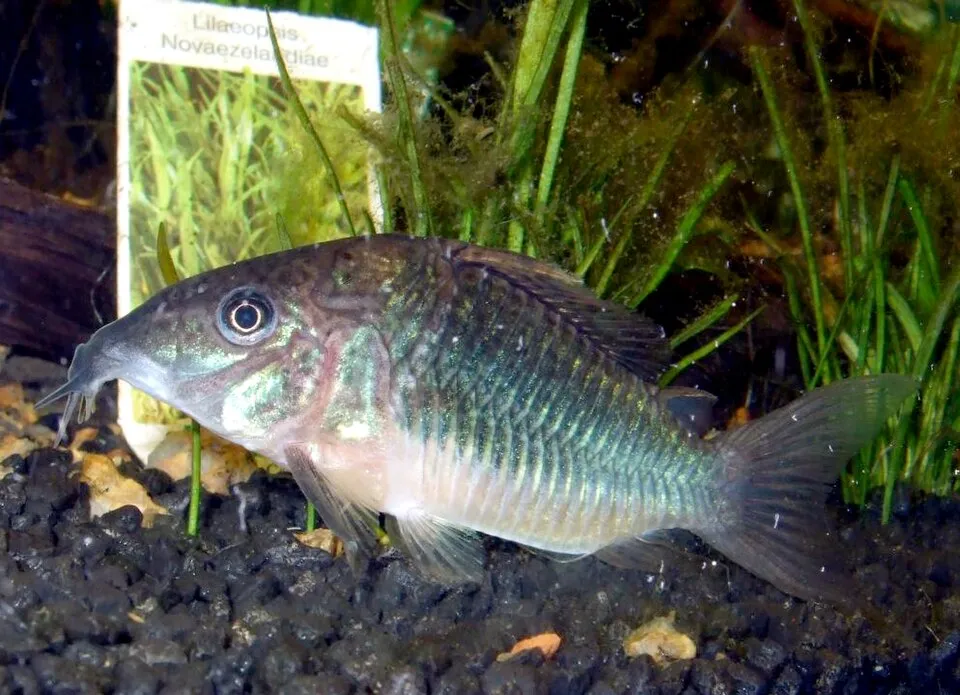
Emerald catfish
Brochis splendens
Freshwater3.1 in (8 cm) · 40 gal (150 L)70–82°F (21–28°C)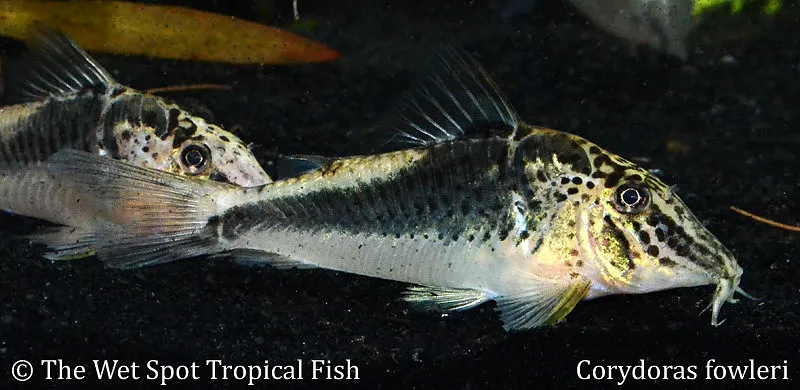
Fowler's cory
Corydoras fowleri
Freshwater2.8 in (7 cm) · 26 gal (100 L)72–79°F (22–26°C)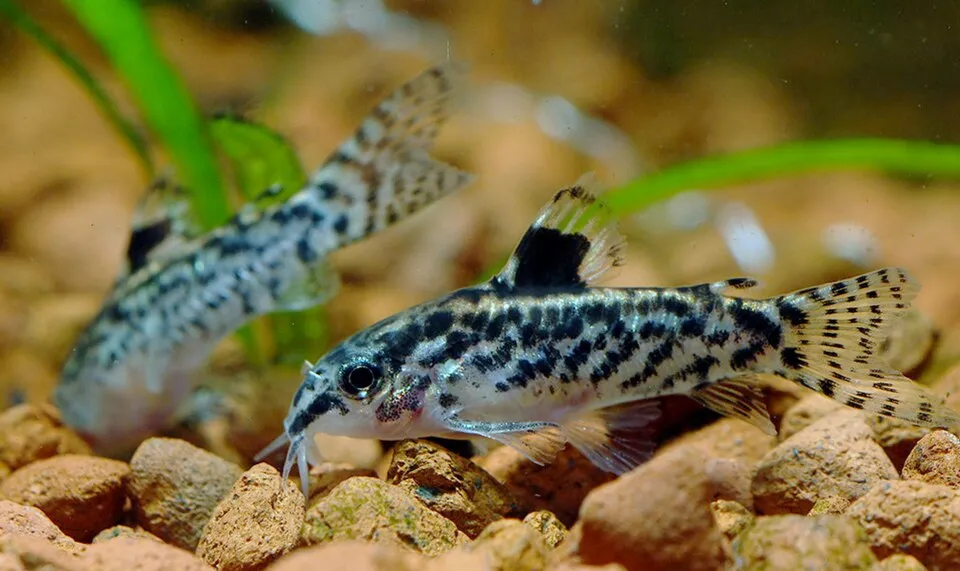
Sixray cory
Aspidoras pauciradiatus
Freshwater1.4 in (3.5 cm) · 13 gal (50 L)70–81°F (21–27°C)
Relatives
The armored relatives
The rest of the family are the hoplos, the porthole catfish and the cascarudo, bigger fish with the same armor and the same gentle habits. The hoplo catfish reaches 8 inches (20 cm), lists 40 gallons (150 liters), is marked easy and builds a bubble nest at the surface. The spotted hoplo is a 6 inch (15 cm) fish that takes 64–82°F (18–28°C). The dwarf hoplo stays at 2.6 inches (6.5 cm) and prefers cooler water, 68–75°F (20–24°C). The porthole catfish and the flagtail catfish are the mid-water members, 4 to 5 inches (10 to 12.5 cm), and shoal in the open like large corys. The cascarudo is the biggest fish on this page, 8 inches (20 cm) with a 63 gallon (240 liter) minimum, and the largest tank in the strip above is its.
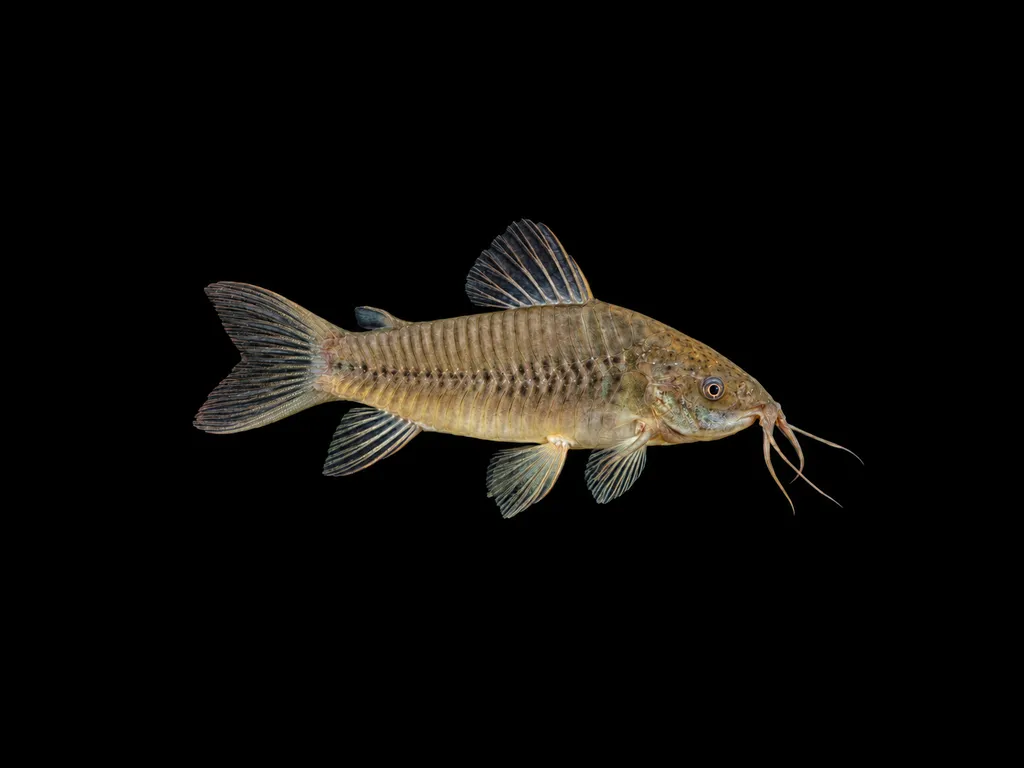
Hoplo catfish
Hoplosternum littorale
Freshwater7.9 in (20 cm) · 40 gal (150 L)72–81°F (22–27°C)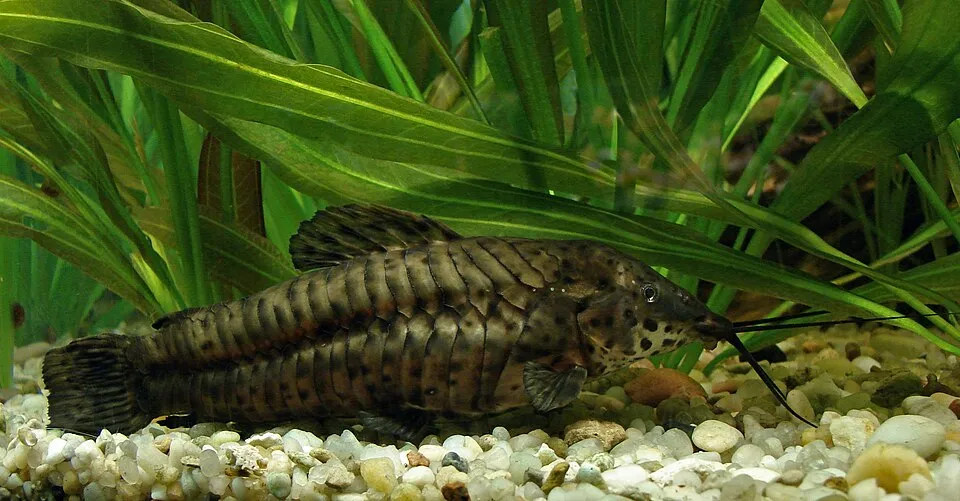
Spotted hoplo
Megalechis thoracata
Freshwater5.9 in (15 cm) · 40 gal (150 L)64–82°F (18–28°C)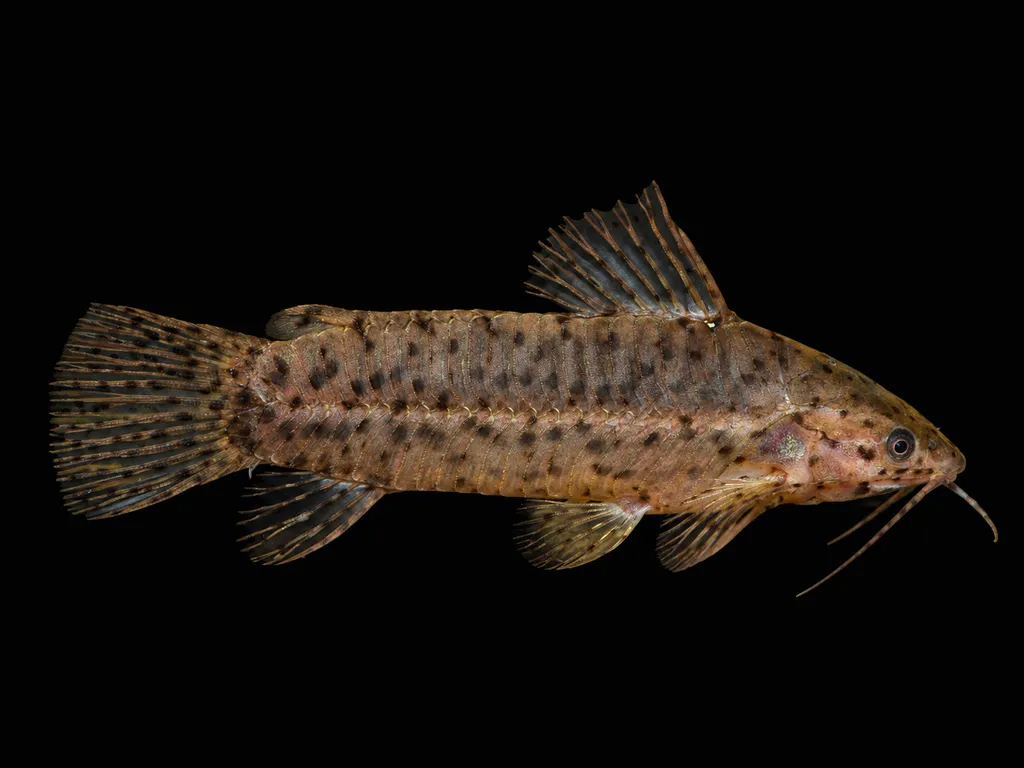
Dwarf hoplo
Lepthoplosternum pectorale
Freshwater2.6 in (6.5 cm) · 24 gal (90 L)68–75°F (20–24°C)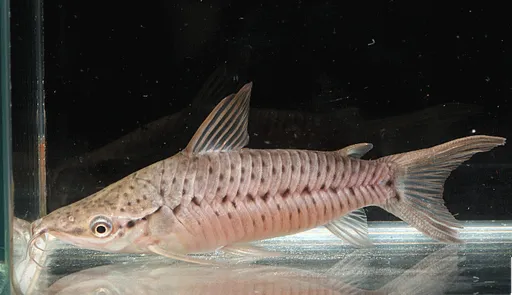
Porthole catfish
Dianema longibarbis
Freshwater3.9 in (10 cm) · 26 gal (100 L)75–82°F (24–28°C)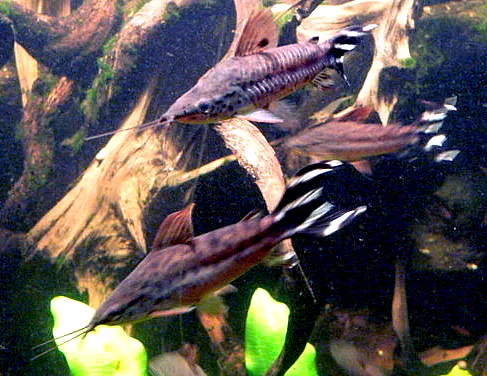
Flagtail catfish
Dianema urostriatum
Freshwater4.9 in (12.5 cm) · 40 gal (150 L)77–82°F (25–28°C)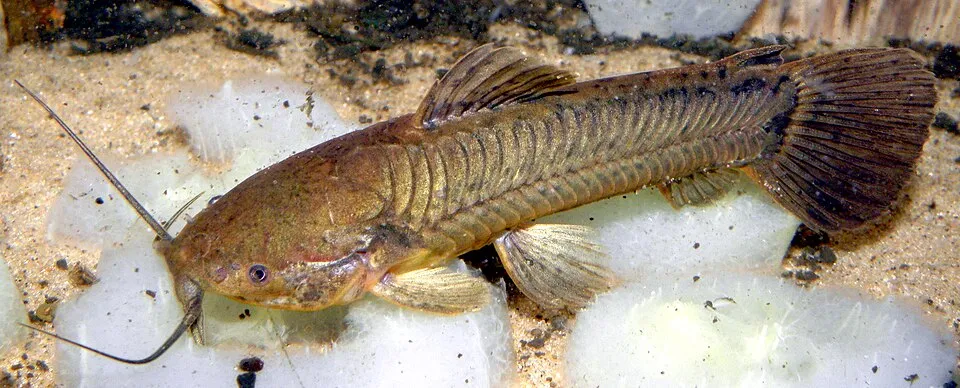
Cascarudo
Callichthys callichthys
Freshwater7.9 in (20 cm) · 63 gal (240 L)66–81°F (19–27°C)
By the numbers
Smallest
Largest
Easiest to keep
FAQ
Common questions
How big do corydoras get?
Most stay between 1.3 and 3 inches (3.3 and 7.5 cm). The pygmy and dwarf corys are the smallest; the banded cory reaches 4 inches (10 cm). The hoplos reach 6 to 8 inches (15 to 20 cm).
How many corydoras should be kept together?
Six or more of one species, and ten or more for the pygmy species.
What size tank do corydoras need?
12 to 15 gallons (45 to 55 liters) for the pygmy species and the panda cory; 20 to 21 gallons (75 to 80 liters) for bronze, peppered, Sterba's and julii corys; 40 gallons (150 liters) for the emerald catfish, the banded cory and the hoplos.
Do corydoras need sand?
Sand or smooth rounded gravel. Sharp gravel and a dirty substrate wear down the barbels they feed with.
What temperature do corydoras need?
It varies more than people expect. Panda, blue and gold laser corys list 68–77°F (20–25°C); Sterba's cory lists 75–82°F (24–28°C); the banded and sailfin corys run cooler still. Check the profile before adding a cory to a warm tank.
Why are corydoras now called Hoplisoma or Osteogaster?
The genus was split in 2024 and the catalog uses the new names. The fish and the care are the same; the shop label will lag for a while.
Can different corydoras species live together?
Yes, they get along and mix at feeding time, but they school by species. Build one group of six before adding a second species.
Do corydoras eat algae?
No. They sift the substrate for food and need sinking protein foods of their own.
Index
All corydoras
Adolfo's cory
Hoplisoma adolfoi
Freshwater2.4 in (6 cm) · 20 gal (75 L)70–79°F (21–26°C)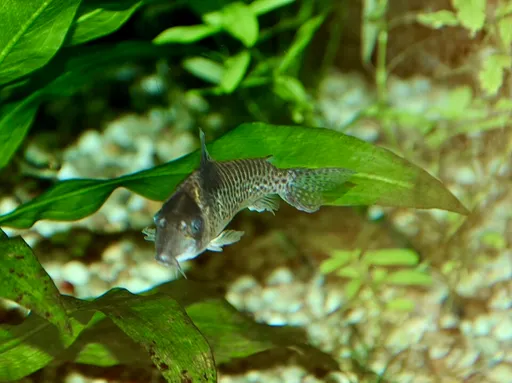
Agassiz's cory
Brochis agassizii
Freshwater2.8 in (7 cm) · 24 gal (90 L)72–79°F (22–26°C)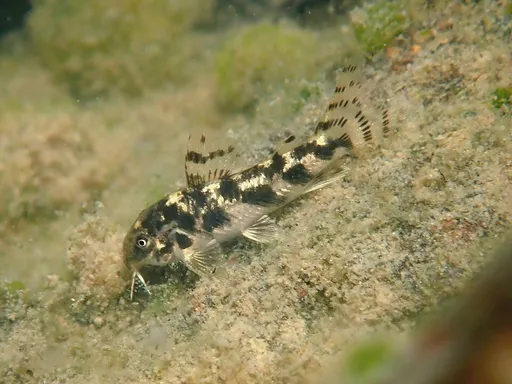
Albater cory
Aspidoras albater
Freshwater1.6 in (4 cm) · 16 gal (60 L)72–77°F (22–25°C)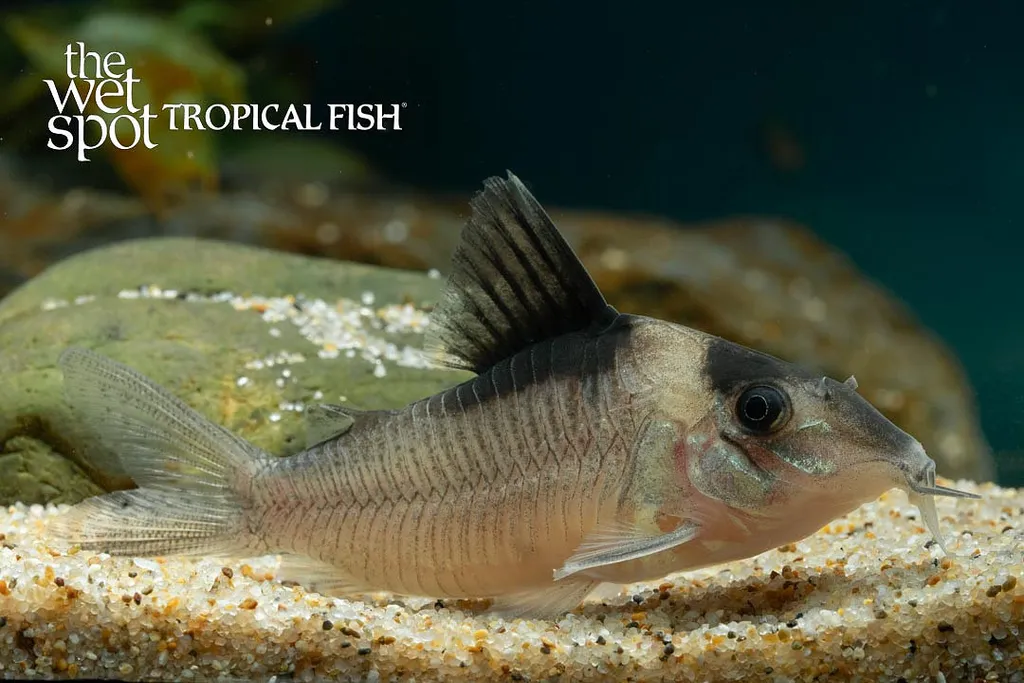
Amanda Jane's cory
Brochis amandajanea
Freshwater2.6 in (6.5 cm) · 20 gal (75 L)75–82°F (24–28°C)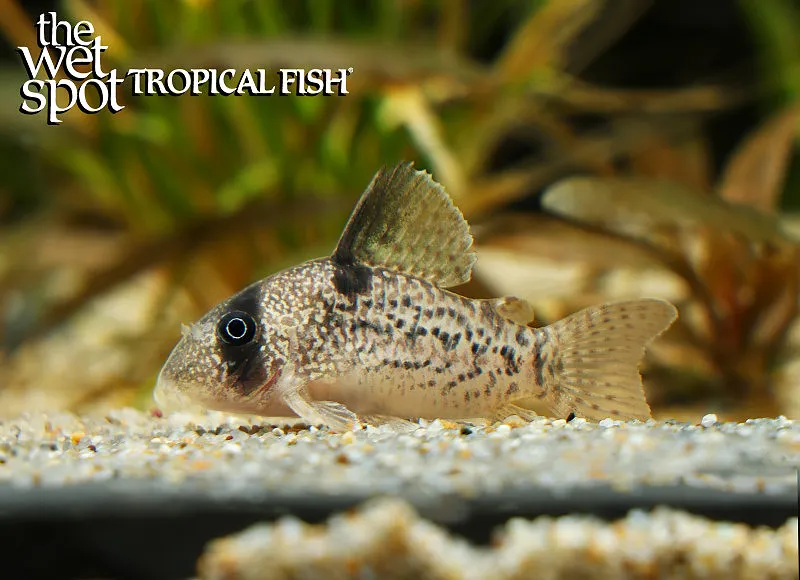
Ancestor cory
Hoplisoma noxium
Freshwater2.4 in (6 cm) · 16 gal (60 L)75–82°F (24–28°C)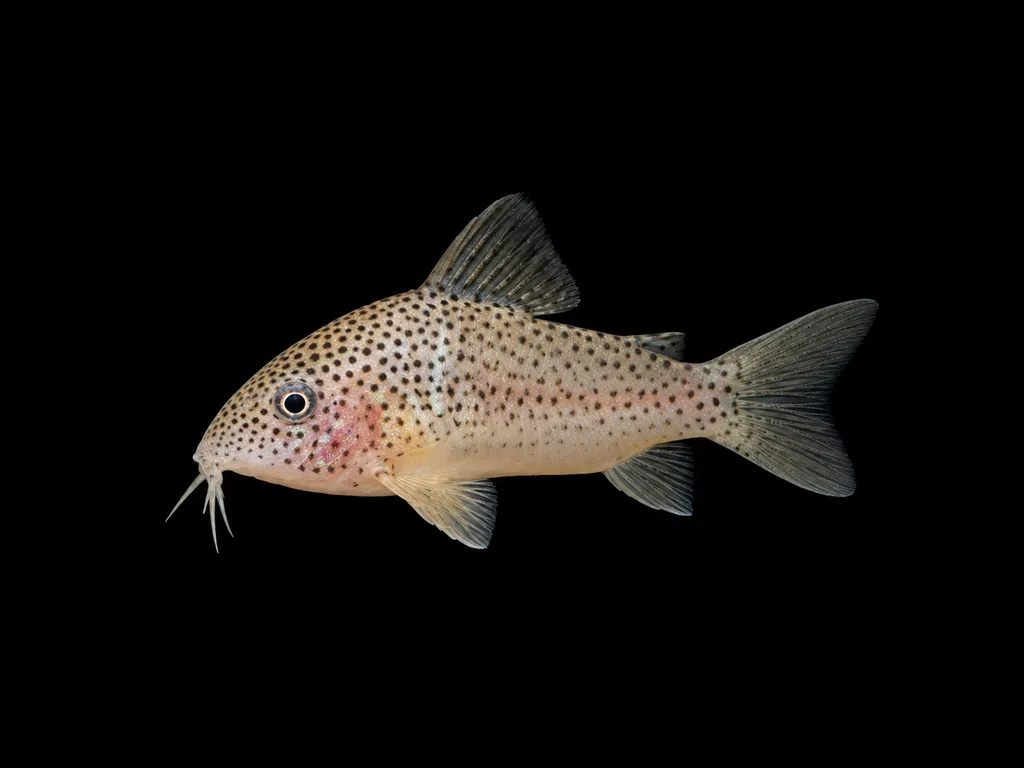
Apiaka cory
Hoplisoma apiaka
Freshwater1.8 in (4.5 cm) · 15 gal (55 L)75–82°F (24–28°C)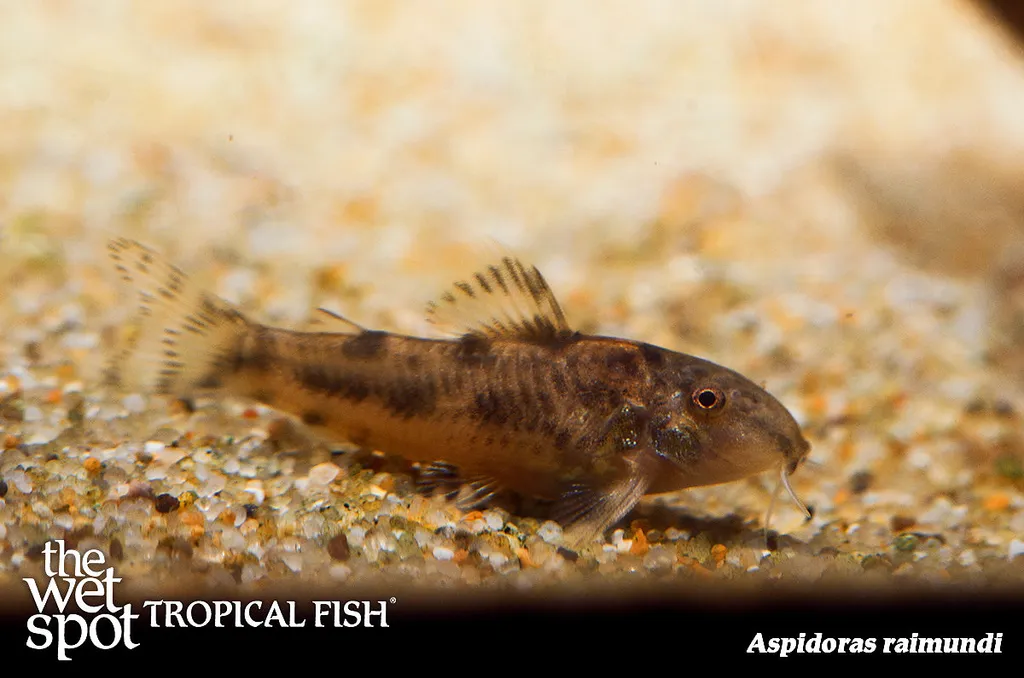
Aspidoras cory-cat
Aspidoras raimundi
Freshwater1.8 in (4.5 cm) · 15 gal (55 L)68–77°F (20–25°C)Banded cory
Scleromystax barbatus
Freshwater3.9 in (10 cm) · 40 gal (150 L)66–75°F (19–24°C)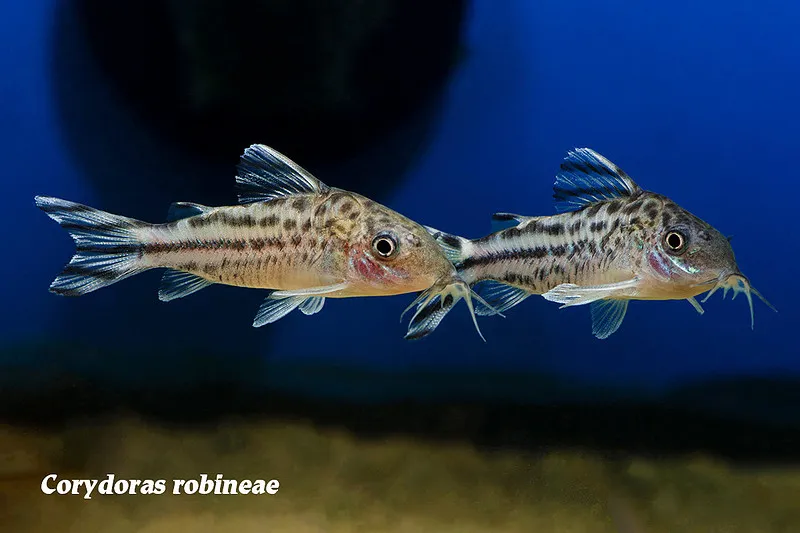
Bannertail cory
Brochis robineae
Freshwater2.6 in (6.5 cm) · 20 gal (75 L)73–79°F (23–26°C)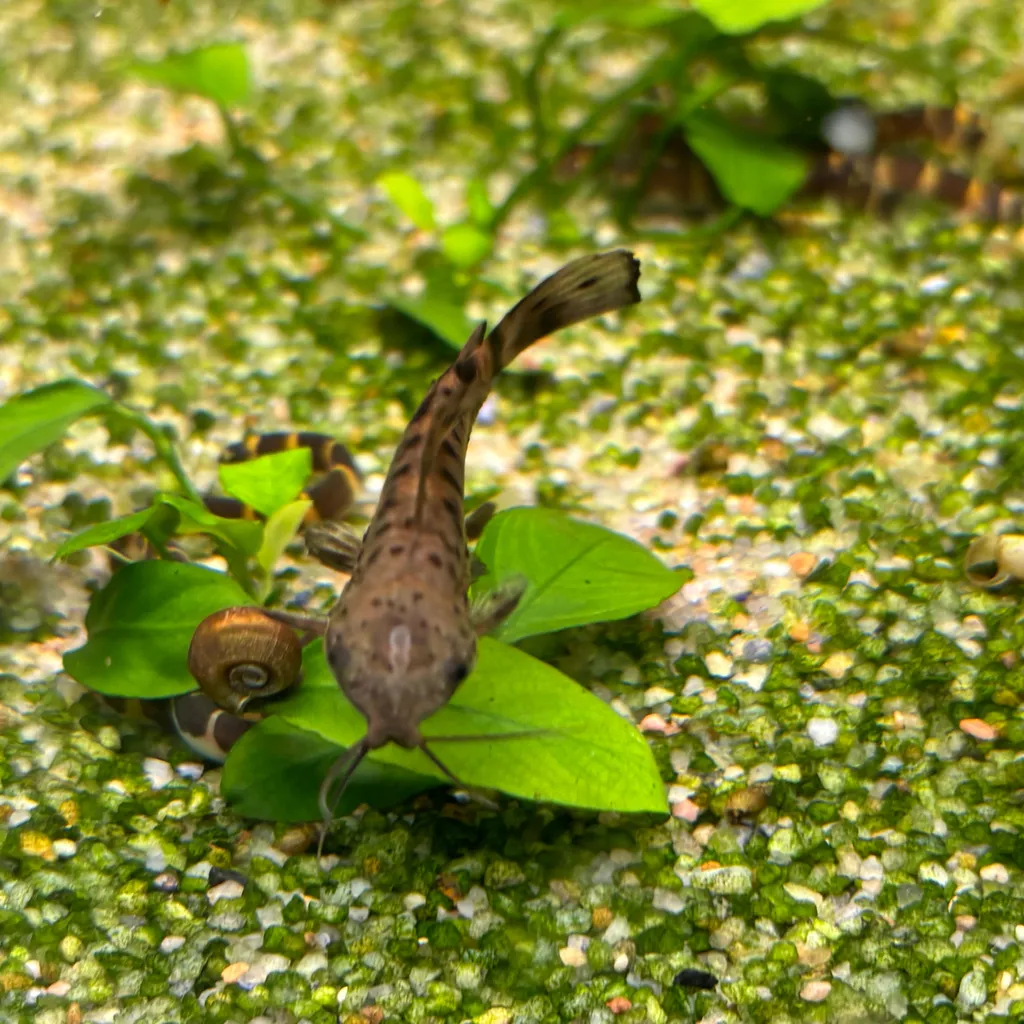
Bar-tailed hoplo
Megalechis picta
Freshwater5.9 in (15 cm) · 53 gal (200 L)72–79°F (22–26°C)Barred-tail cory
Hoplisoma cochui
Freshwater1.4 in (3.5 cm) · 13 gal (50 L)70–82°F (21–28°C)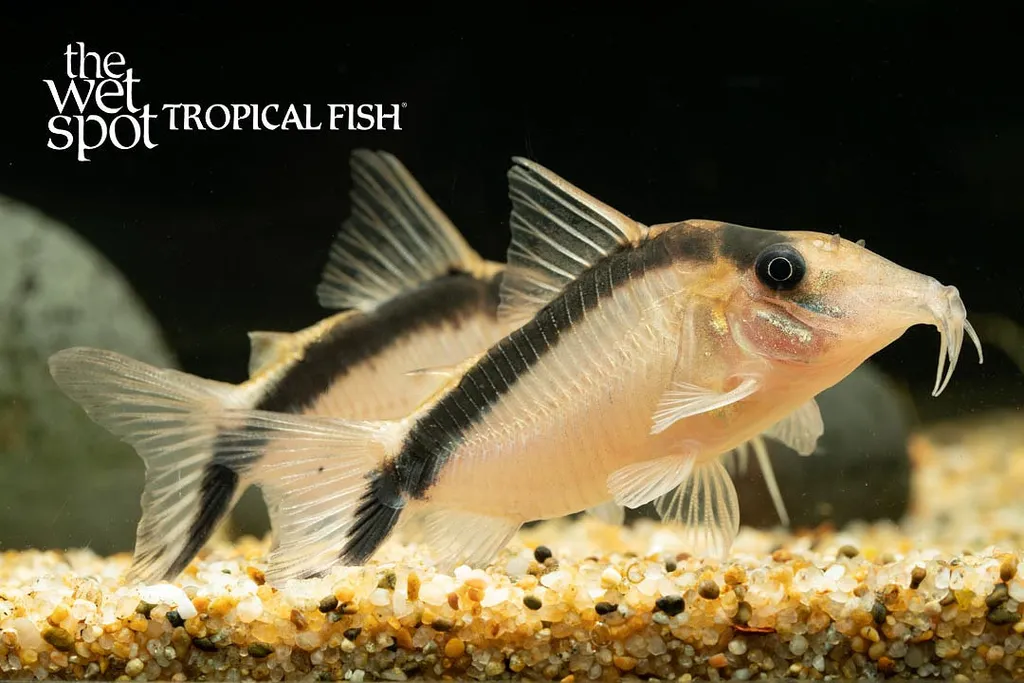
Bethan's cory
Brochis bethanae
Freshwater2.6 in (6.5 cm) · 20 gal (75 L)73–81°F (23–27°C)Black band cory
Osteogaster zygata
Freshwater2.6 in (6.5 cm) · 21 gal (80 L)72–79°F (22–26°C)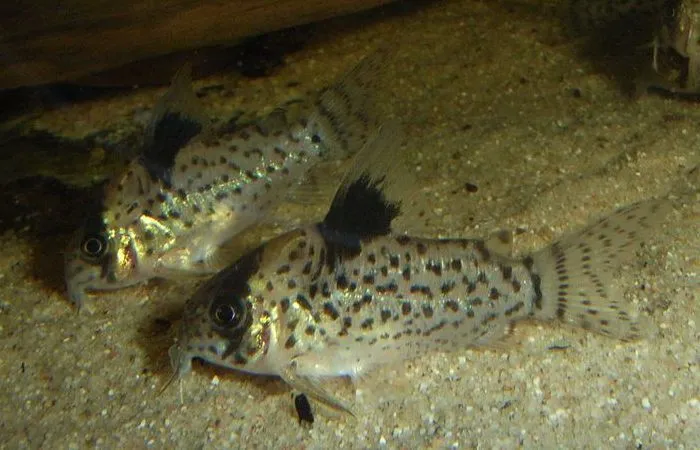
Blackfin cory
Hoplisoma leucomelas
Freshwater1.8 in (4.5 cm) · 16 gal (60 L)73–79°F (23–26°C)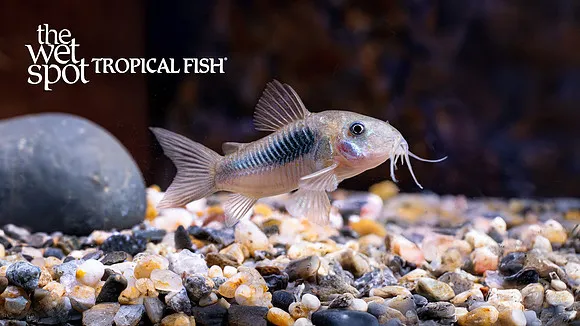
Blackstripe cory
Hoplisoma bondi
Freshwater2 in (5 cm) · 15 gal (55 L)70–79°F (21–26°C)
Blacktop cory
Corydoras acutus
Freshwater1.7 in (4.4 cm) · 13 gal (50 L)72–82°F (22–28°C)Blue cory
Hoplisoma nattereri
Freshwater2.6 in (6.5 cm) · 20 gal (75 L)68–73°F (20–23°C)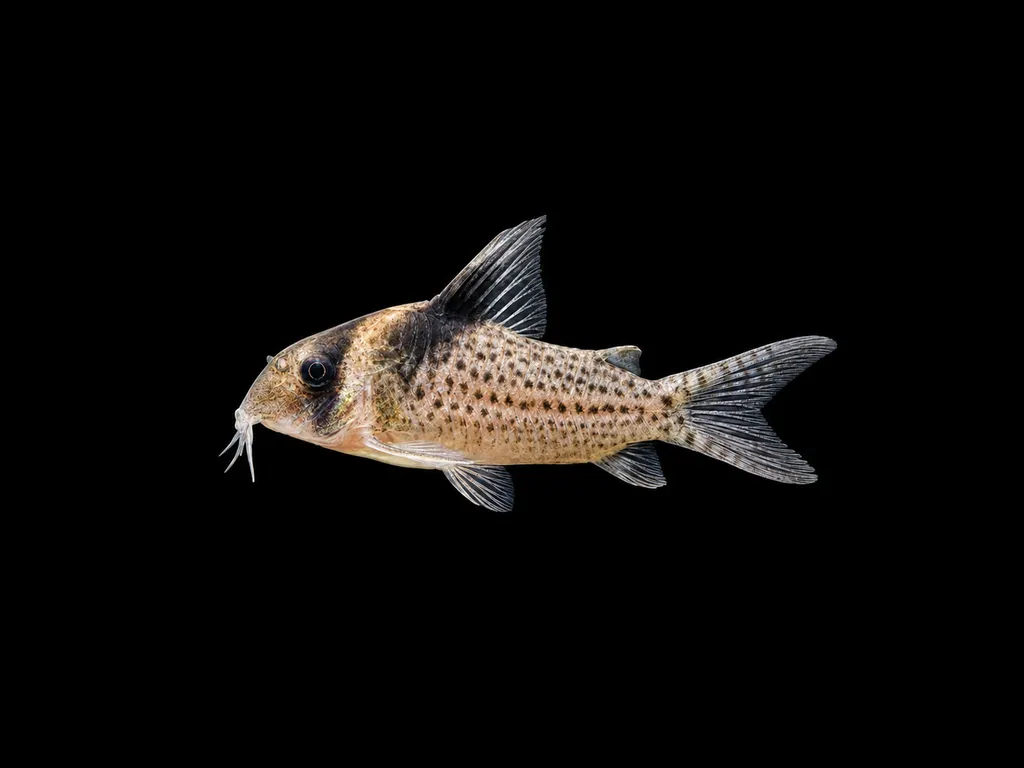
Bluespotted cory
Hoplisoma melanistium
Freshwater2.2 in (5.5 cm) · 16 gal (60 L)72–79°F (22–26°C)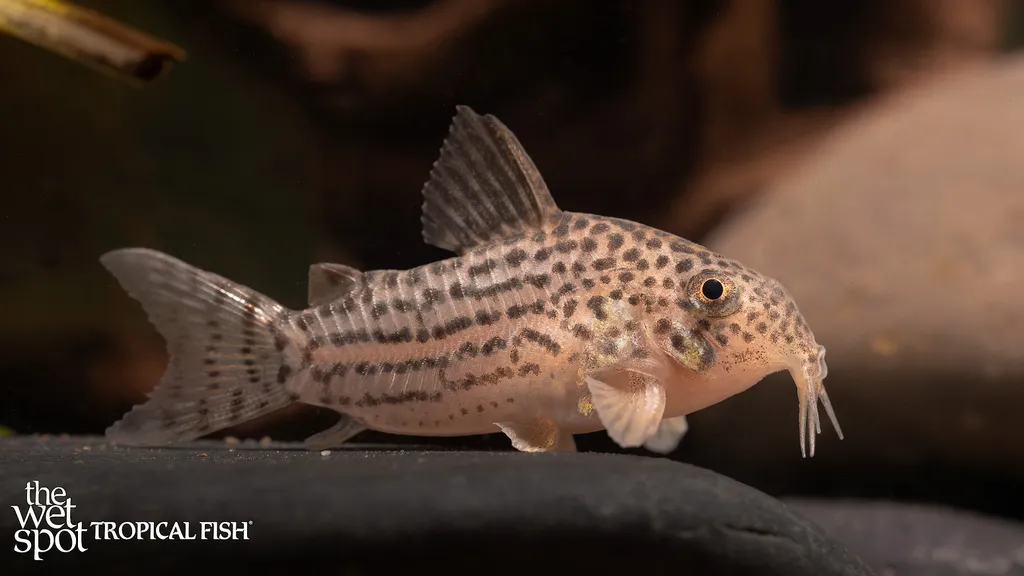
Boeseman's cory
Hoplisoma boesemani
Freshwater2.2 in (5.5 cm) · 16 gal (60 L)73–81°F (23–27°C)Bronze cory
Osteogaster aenea
Freshwater3 in (7.5 cm) · 20 gal (75 L)70–81°F (21–27°C)2 varieties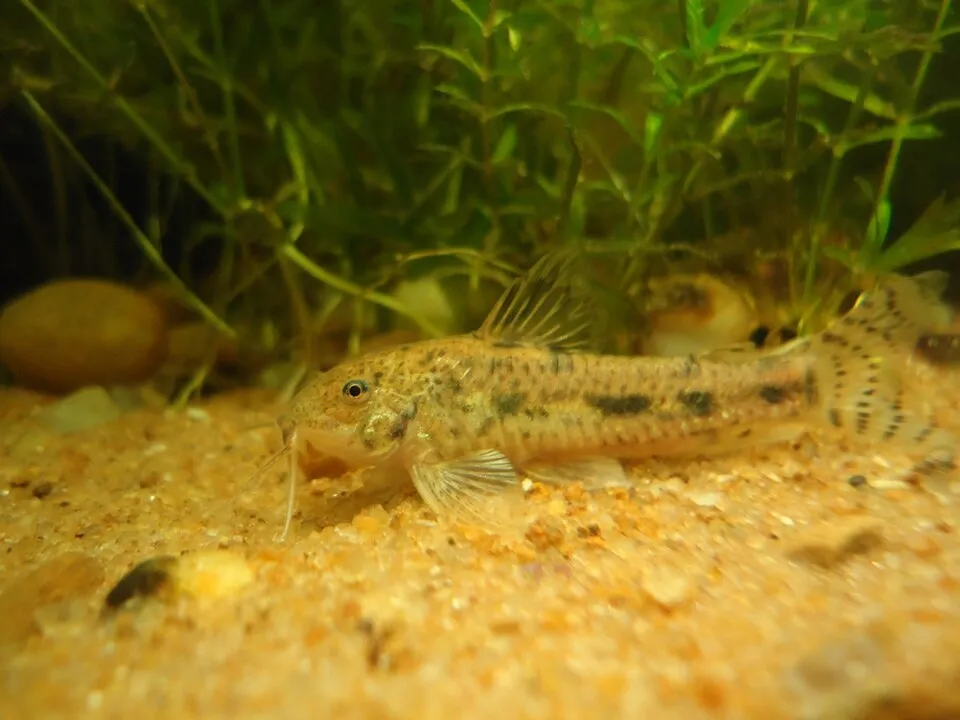
Brown-point shield skin
Aspidoras fuscoguttatus
Freshwater1.5 in (3.8 cm) · 13 gal (50 L)72–77°F (22–25°C)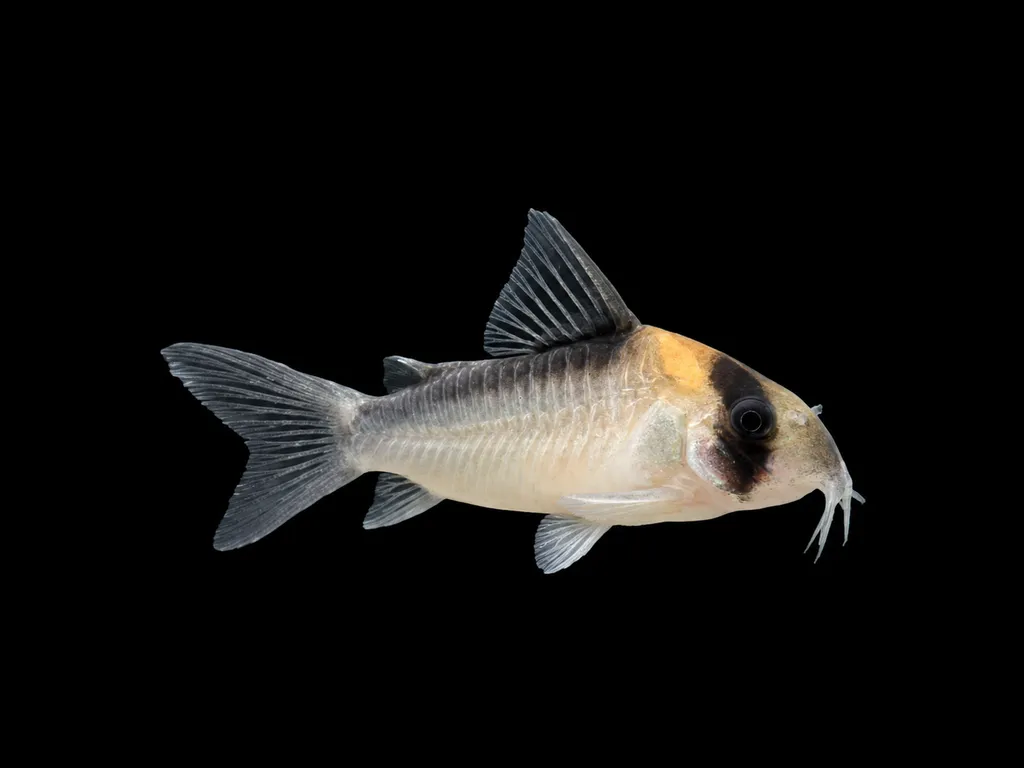
Burgess's cory
Hoplisoma burgessi
Freshwater2.2 in (5.5 cm) · 20 gal (75 L)72–79°F (22–26°C)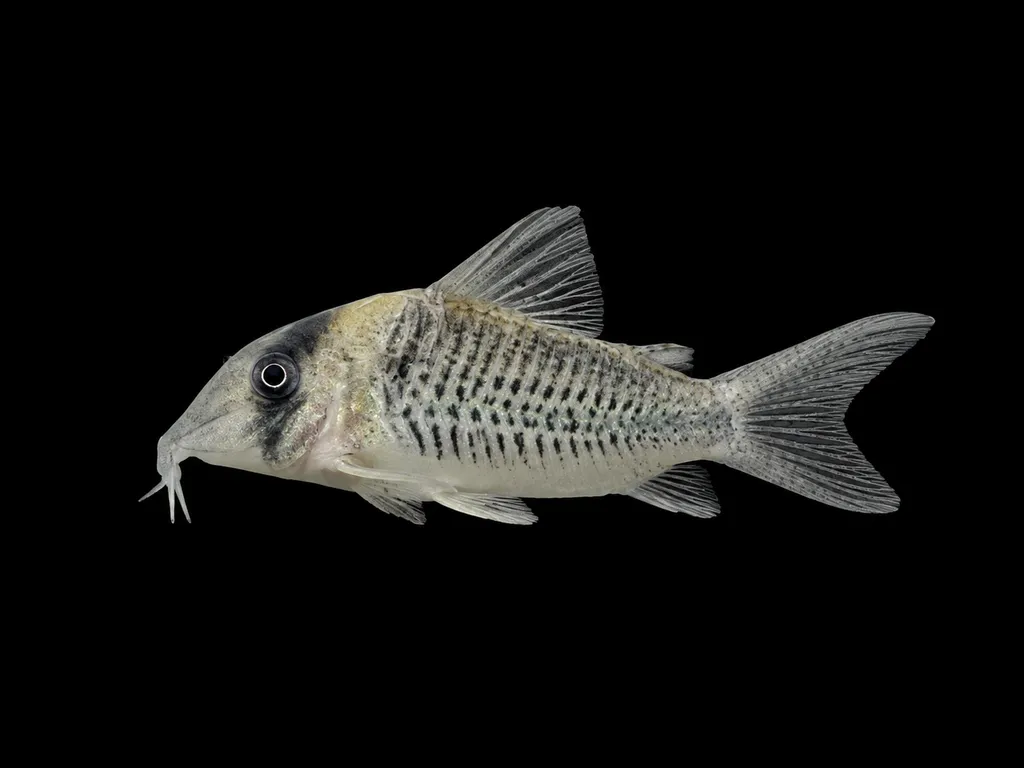
Caramater cory
Corydoras caramater
Freshwater2.2 in (5.5 cm) · 20 gal (75 L)75–82°F (24–28°C)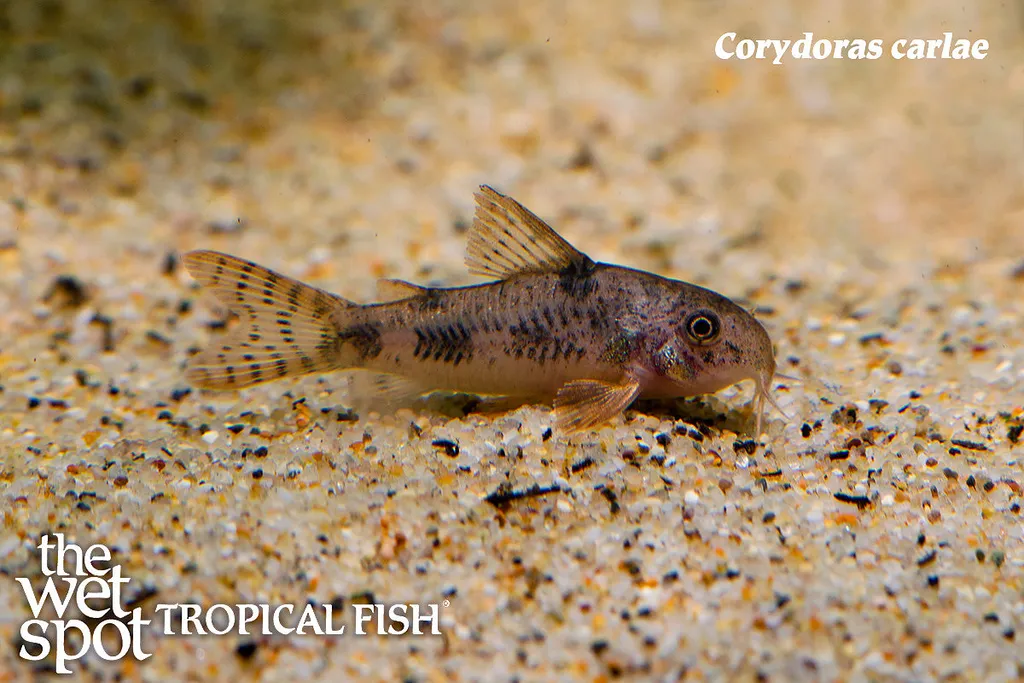
Carla's cory
Hoplisoma carlae
Freshwater2.4 in (6 cm) · 16 gal (60 L)68–77°F (20–25°C)Cascarudo
Callichthys callichthys
Freshwater7.9 in (20 cm) · 63 gal (240 L)66–81°F (19–27°C)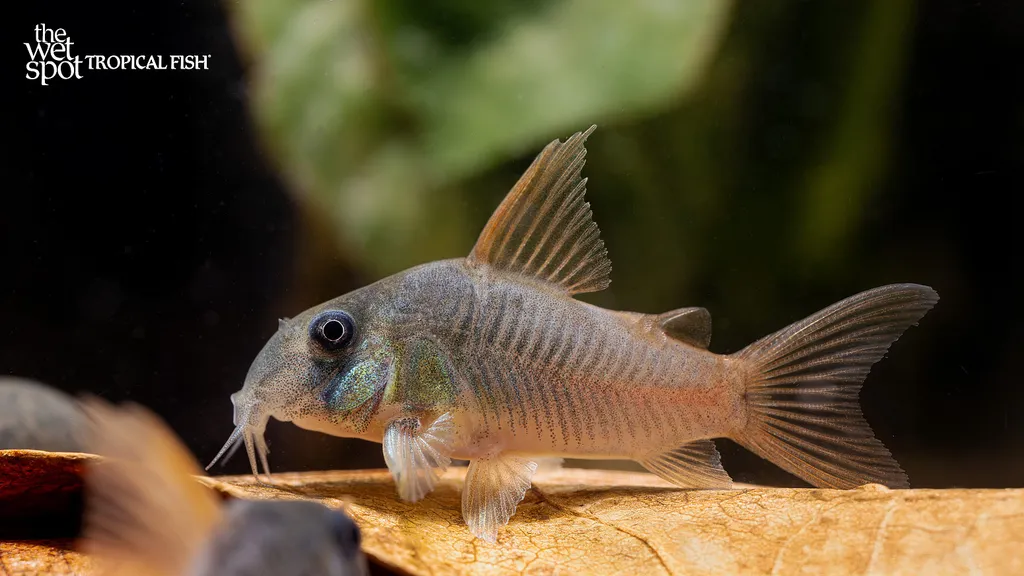
Concolor cory
Hoplisoma concolor
Freshwater2.4 in (6 cm) · 20 gal (75 L)72–79°F (22–26°C)Dirty bandit cory
Hoplisoma loxozonum
Freshwater2 in (5 cm) · 16 gal (60 L)70–75°F (21–24°C)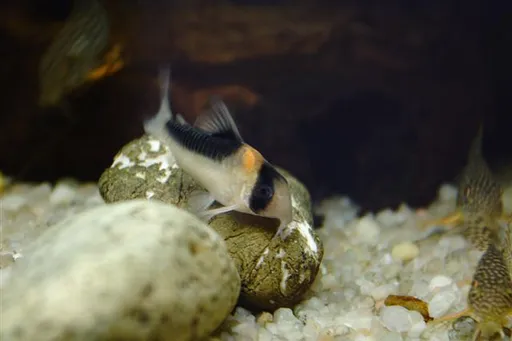
Duplicate cory
Hoplisoma duplicareum
Freshwater2 in (5 cm) · 20 gal (75 L)72–79°F (22–26°C)Dwarf cory
Gastrodermus hastatus
Freshwater1.3 in (3.2 cm) · 12 gal (45 L)68–79°F (20–26°C)Dwarf hoplo
Lepthoplosternum pectorale
Freshwater2.6 in (6.5 cm) · 24 gal (90 L)68–75°F (20–24°C)Ehrhardt's cory
Hoplisoma ehrhardti
Freshwater2 in (5 cm) · 16 gal (60 L)66–77°F (19–25°C)Elegant cory
Gastrodermus elegans
Freshwater2.1 in (5.4 cm) · 16 gal (60 L)68–79°F (20–26°C)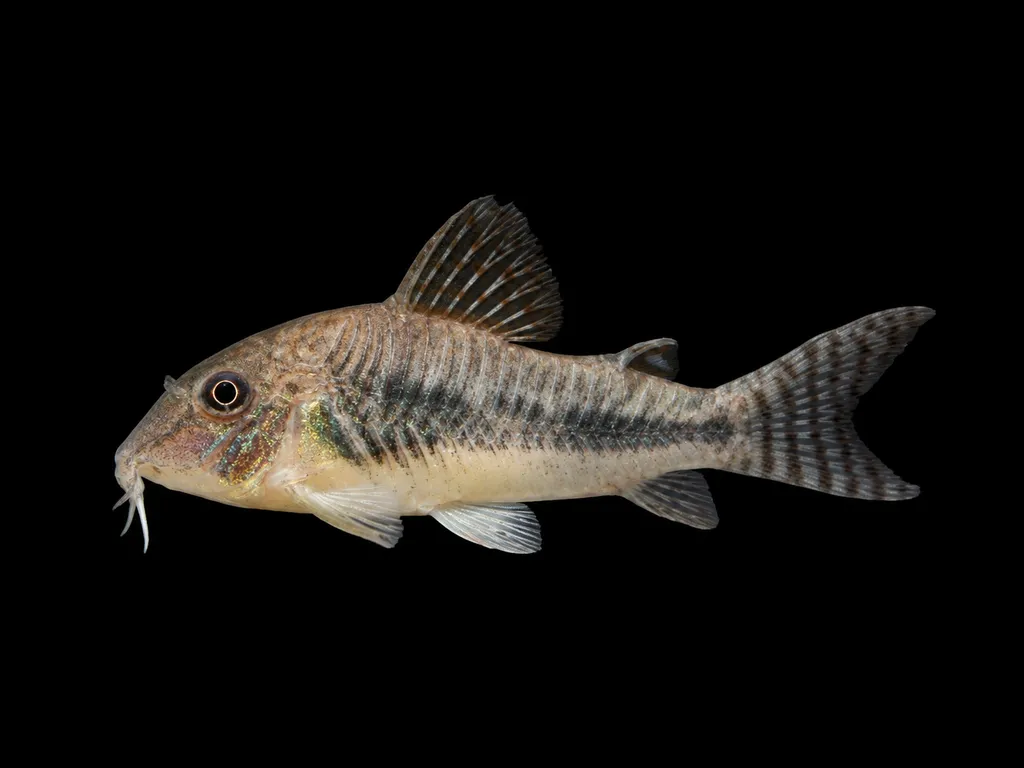
Ellis's cory
Corydoras ellisae
Freshwater2 in (5 cm) · 20 gal (75 L)72–79°F (22–26°C)Emerald catfish
Brochis splendens
Freshwater3.1 in (8 cm) · 40 gal (150 L)70–82°F (21–28°C)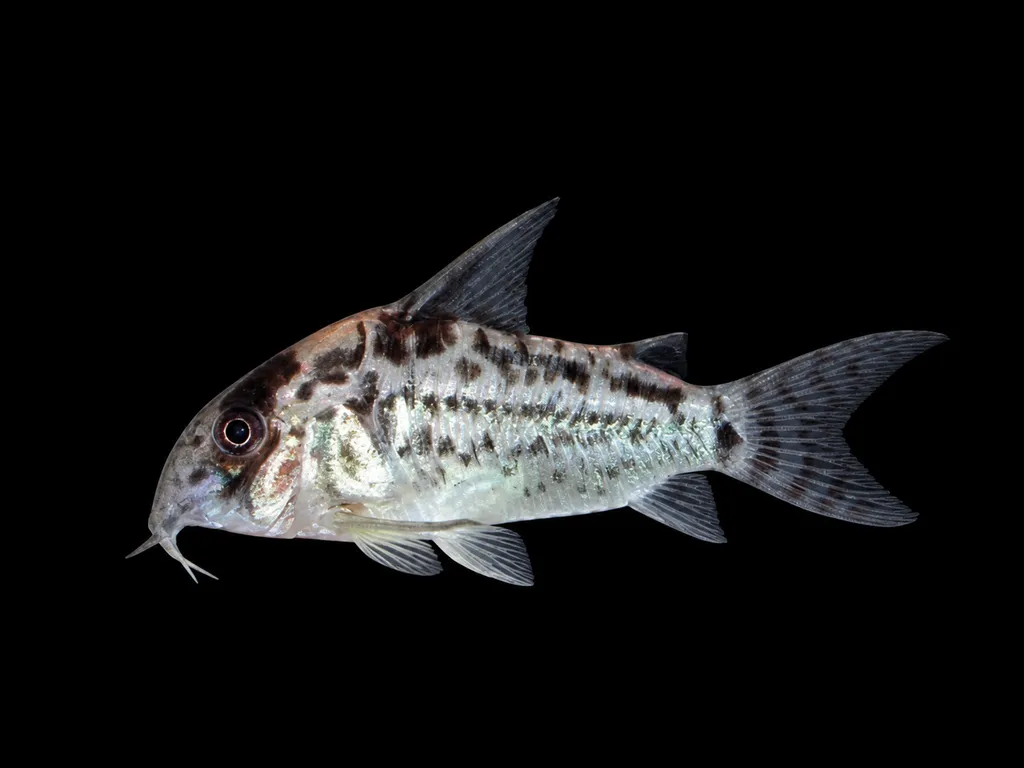
Evelyn's cory
Hoplisoma evelynae
Freshwater1.6 in (4 cm) · 15 gal (55 L)72–79°F (22–26°C)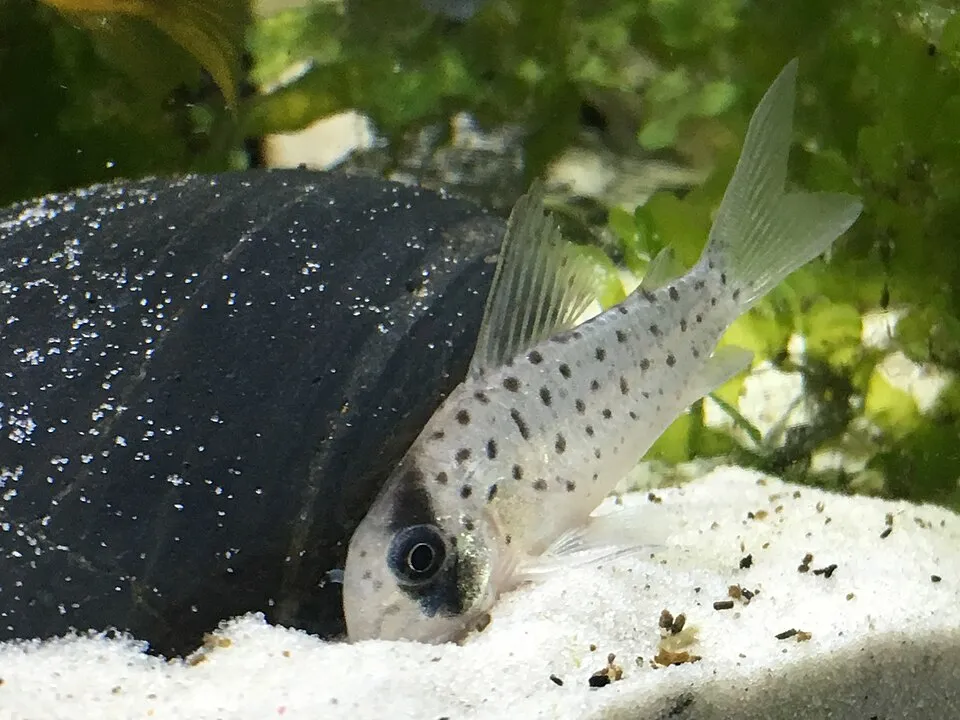
Fairy cory
Hoplisoma atropersonatum
Freshwater2 in (5 cm) · 16 gal (60 L)70–81°F (21–27°C)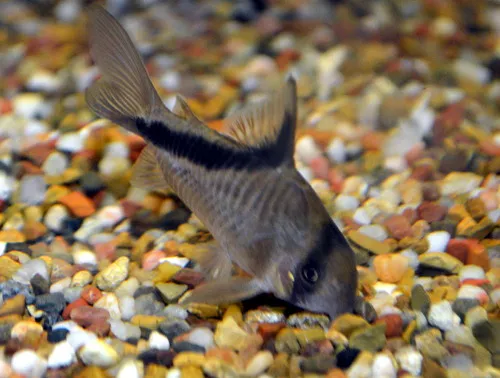
False bandit cory
Hoplisoma melini
Freshwater2 in (5 cm) · 16 gal (60 L)72–79°F (22–26°C)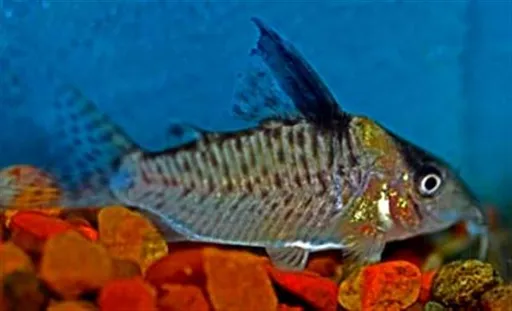
False blochi cory
Brochis delphax
Freshwater2.4 in (6 cm) · 20 gal (75 L)72–79°F (22–26°C)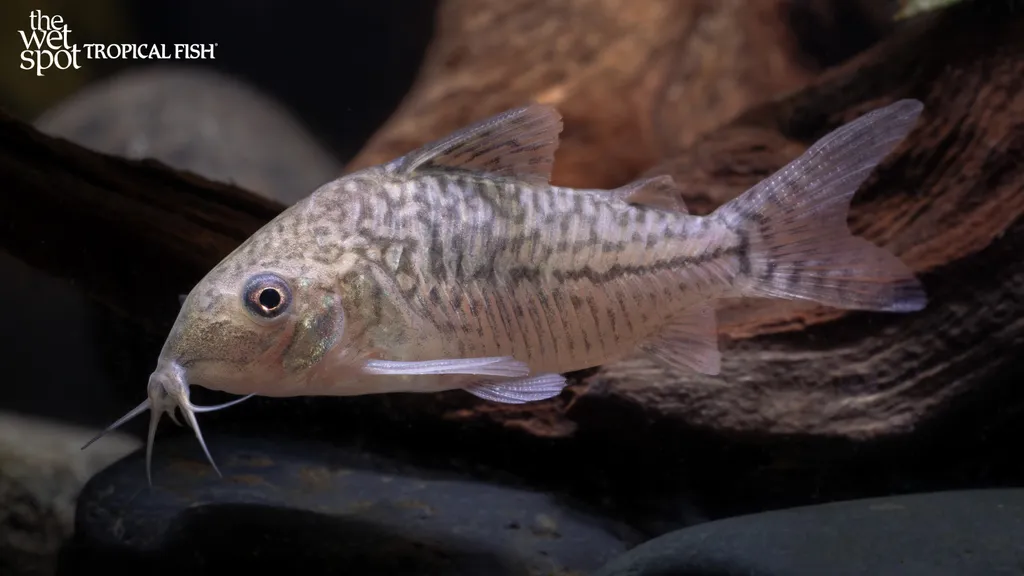
False network catfish
Brochis sodalis
Freshwater2.2 in (5.5 cm) · 16 gal (60 L)72–79°F (22–26°C)Flagtail catfish
Dianema urostriatum
Freshwater4.9 in (12.5 cm) · 40 gal (150 L)77–82°F (25–28°C)Fowler's cory
Corydoras fowleri
Freshwater2.8 in (7 cm) · 26 gal (100 L)72–79°F (22–26°C)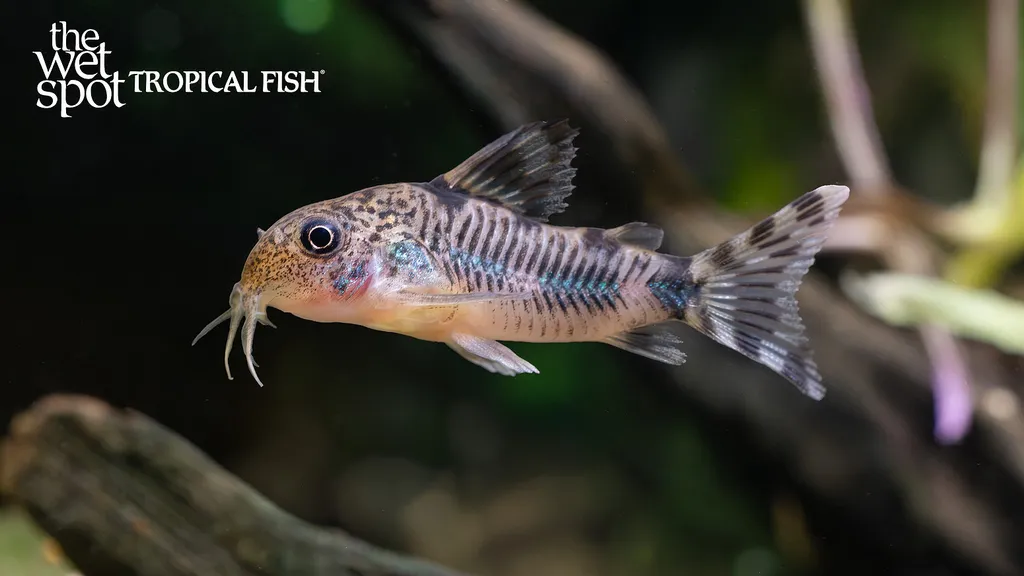
Froehlich's cory
Hoplisoma froehlichi
Freshwater2.4 in (6 cm) · 20 gal (75 L)72–79°F (22–26°C)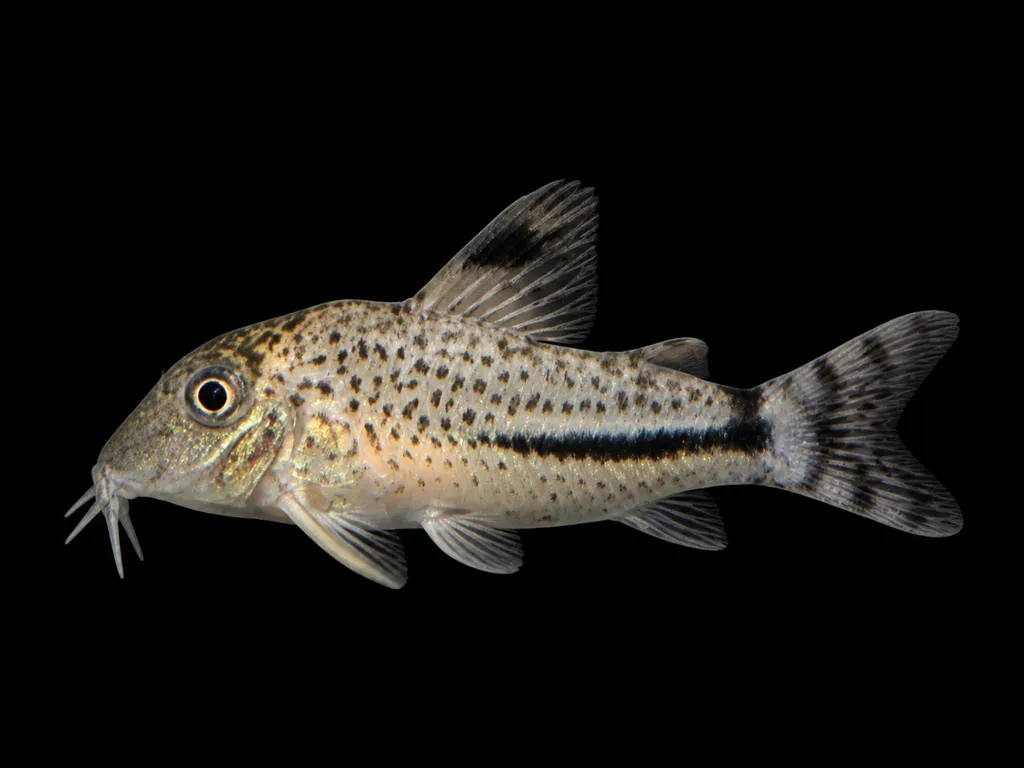
Fuller's cory
Corydoras fulleri
Freshwater2.6 in (6.5 cm) · 20 gal (75 L)73–81°F (23–27°C)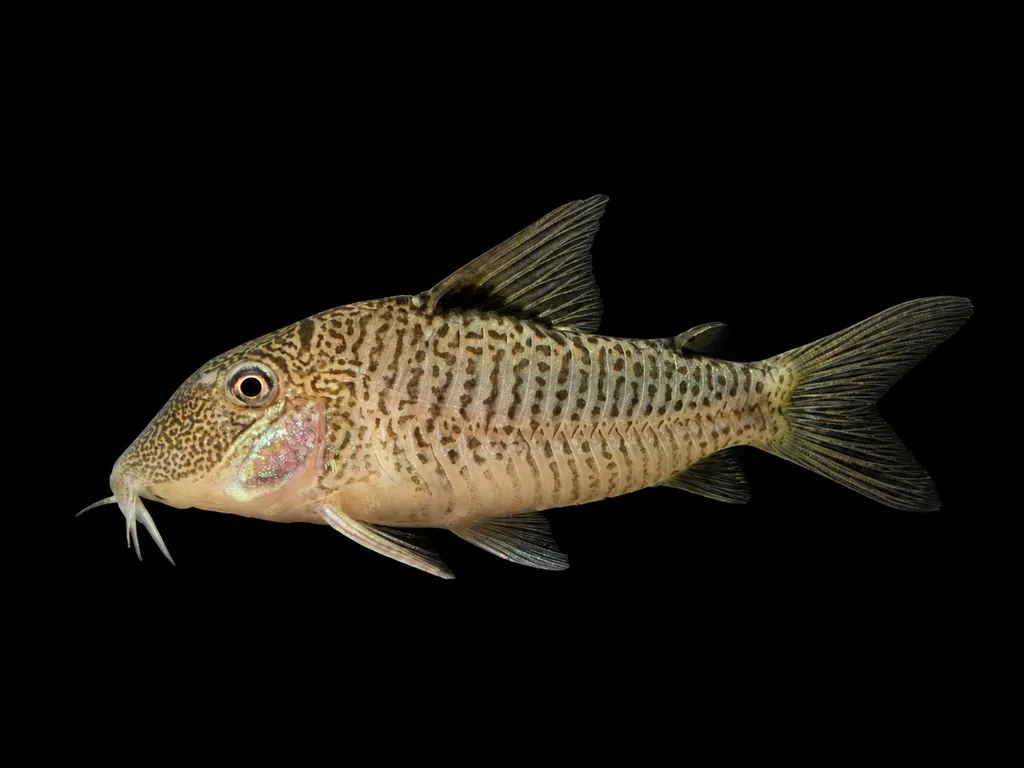
Geoffroy's cory
Corydoras geoffroy
Freshwater3 in (7.5 cm) · 26 gal (100 L)73–81°F (23–27°C)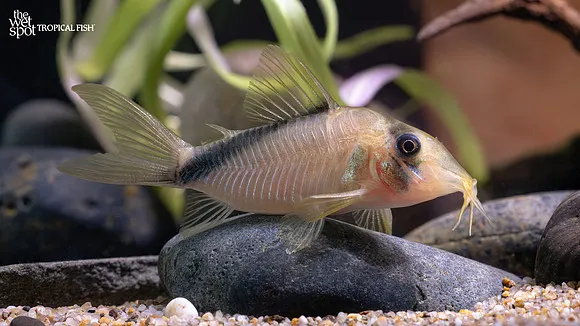
Giant brochis
Brochis britskii
Freshwater3.5 in (9 cm) · 40 gal (150 L)70–79°F (21–26°C)Gold laser cory
Osteogaster melanotaenia
Freshwater2.4 in (6 cm) · 17 gal (65 L)68–73°F (20–23°C)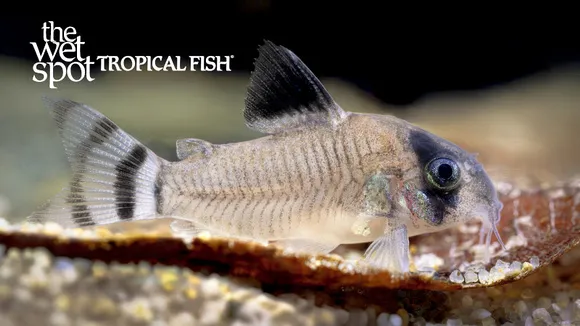
Gomez's cory
Brochis gomezi
Freshwater2.4 in (6 cm) · 20 gal (75 L)72–79°F (22–26°C)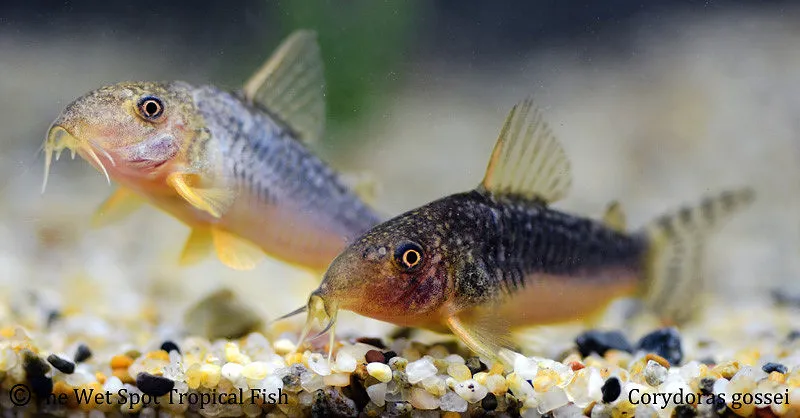
Gossei cory
Hoplisoma gossei
Freshwater2.4 in (6 cm) · 20 gal (75 L)72–79°F (22–26°C)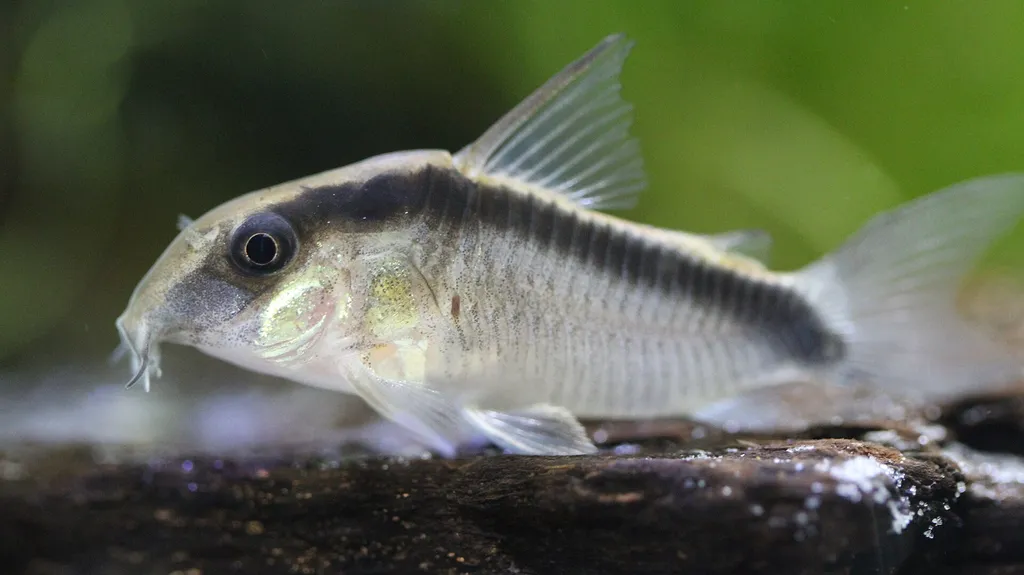
Grant's cory
Hoplisoma granti
Freshwater2.6 in (6.5 cm) · 20 gal (75 L)73–81°F (23–27°C)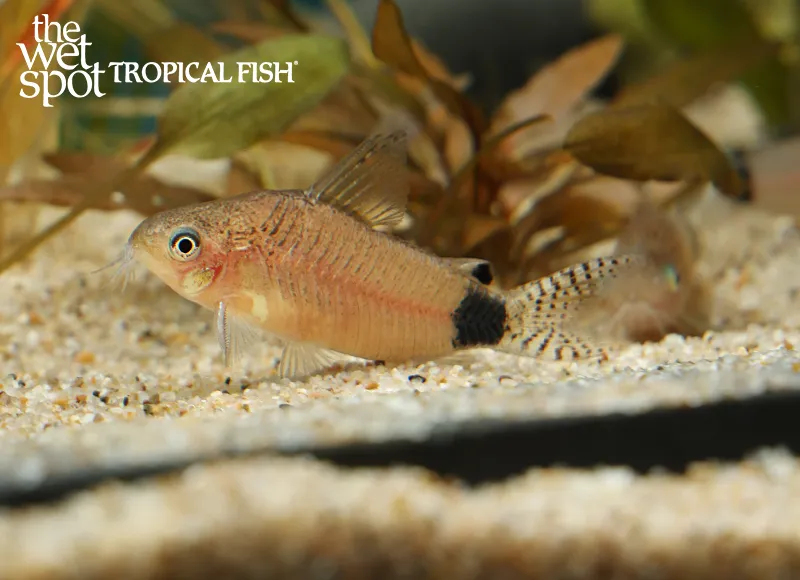
Guapore cory
Gastrodermus guapore
Freshwater2 in (5 cm) · 16 gal (60 L)72–82°F (22–28°C)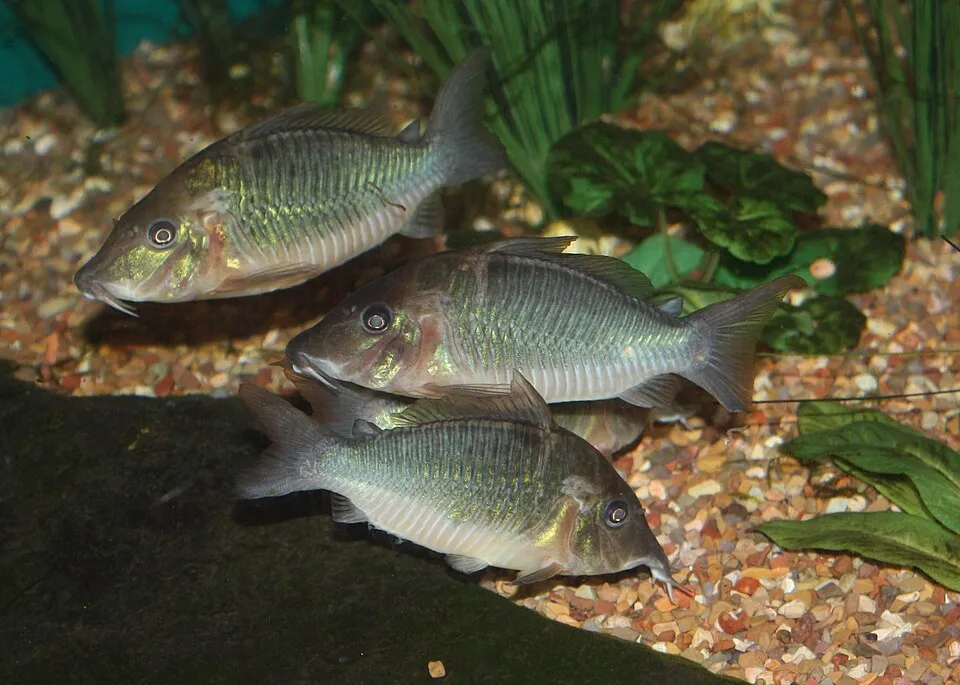
Hognosed brochis
Brochis multiradiatus
Freshwater3.5 in (9 cm) · 40 gal (150 L)70–79°F (21–26°C)Hoplo catfish
Hoplosternum littorale
Freshwater7.9 in (20 cm) · 40 gal (150 L)72–81°F (22–27°C)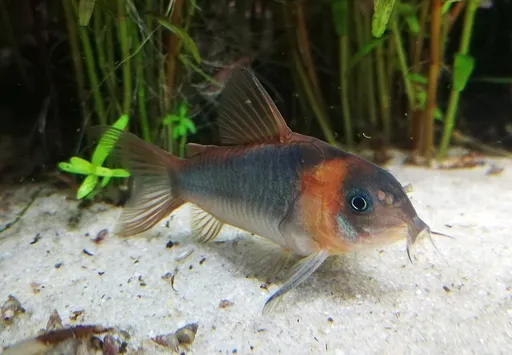
Horseman cory
Osteogaster eques
Freshwater2 in (5 cm) · 16 gal (60 L)72–79°F (22–26°C)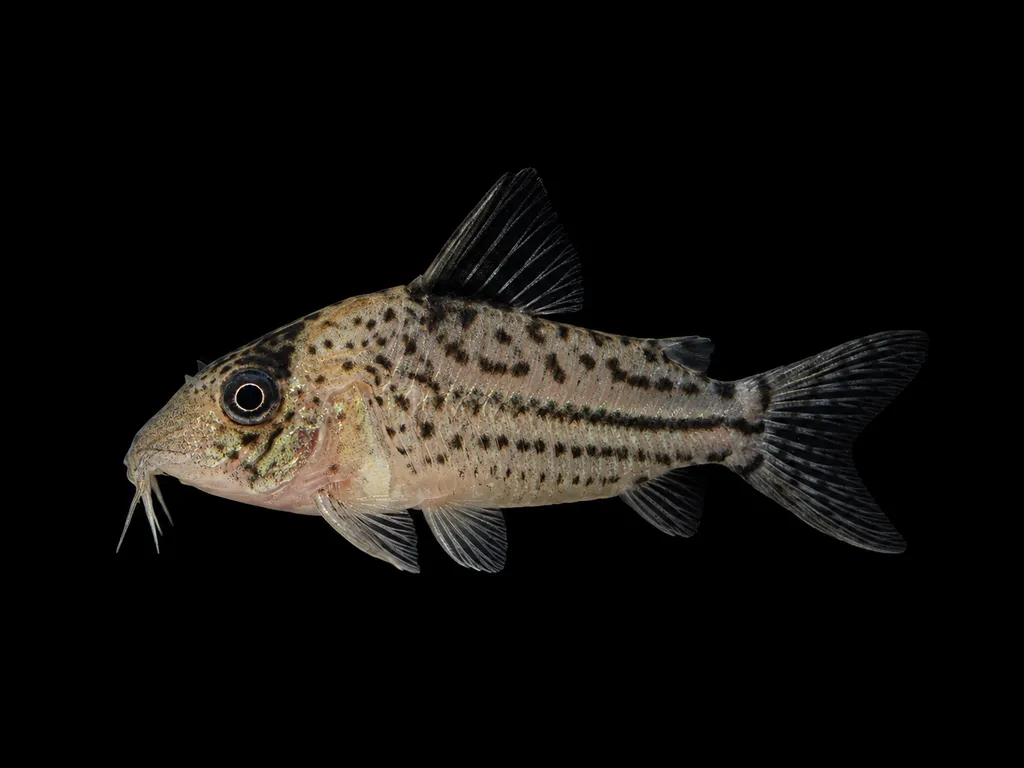
Icana cory
Brochis incolicana
Freshwater2.4 in (6 cm) · 20 gal (75 L)75–82°F (24–28°C)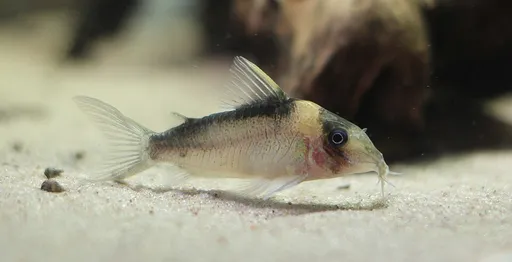
Imitator cory
Brochis imitator
Freshwater2.6 in (6.5 cm) · 21 gal (80 L)72–79°F (22–26°C)Julii cory
Hoplisoma julii
Freshwater2.2 in (5.5 cm) · 20 gal (75 L)68–79°F (20–26°C)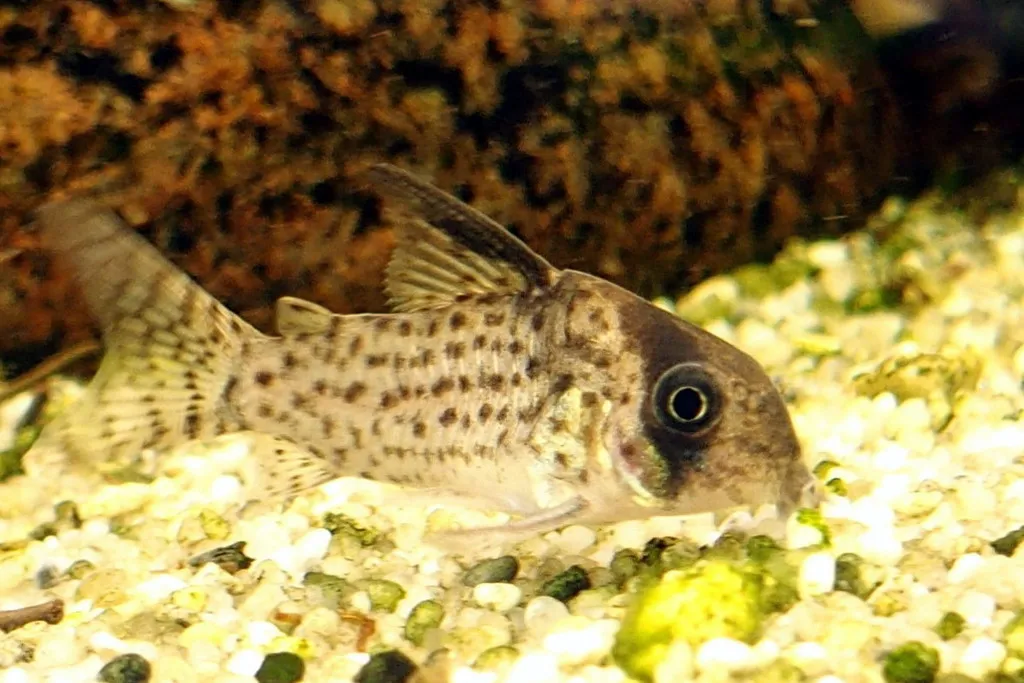
Kane's cory
Hoplisoma kanei
Freshwater1.8 in (4.5 cm) · 15 gal (55 L)75–82°F (24–28°C)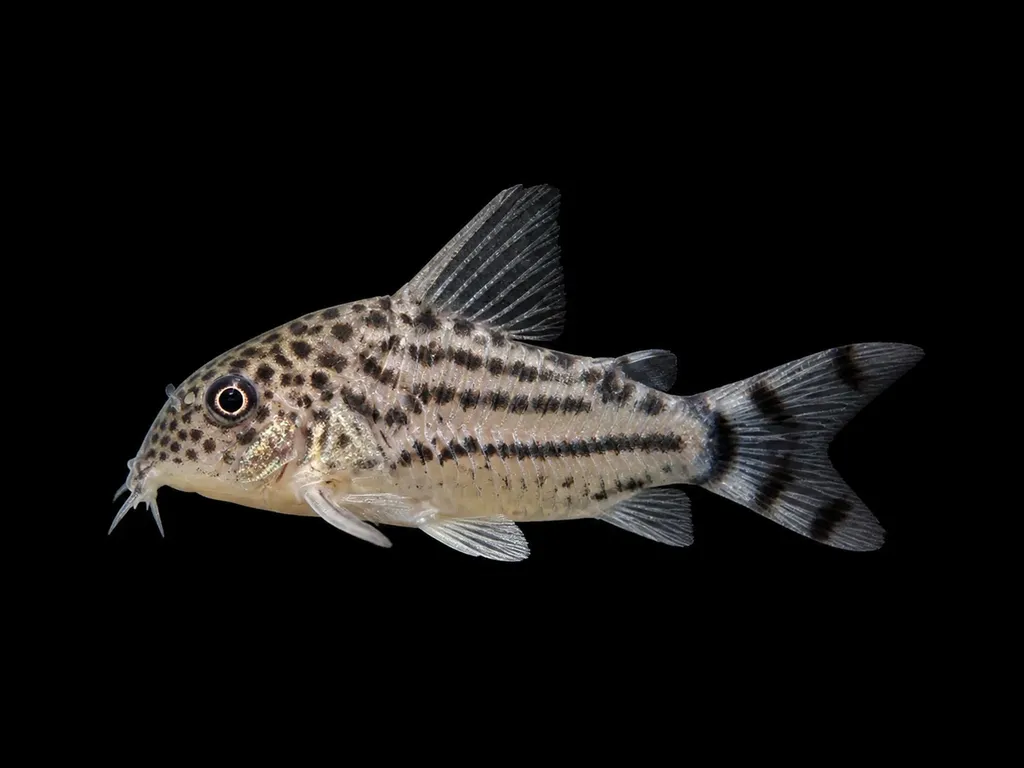
Knaack's cory
Hoplisoma knaacki
Freshwater1.8 in (4.5 cm) · 16 gal (60 L)73–81°F (23–27°C)
Leopard cory
Brochis leopardus
Freshwater2.8 in (7 cm) · 24 gal (90 L)72–79°F (22–26°C)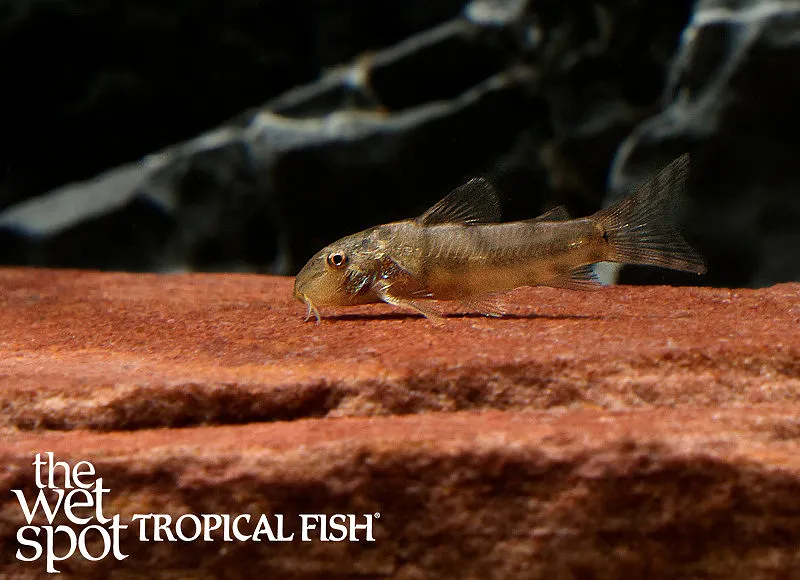
Loach catfish
Aspidoras rochai
Freshwater1.7 in (4.4 cm) · 15 gal (55 L)70–77°F (21–25°C)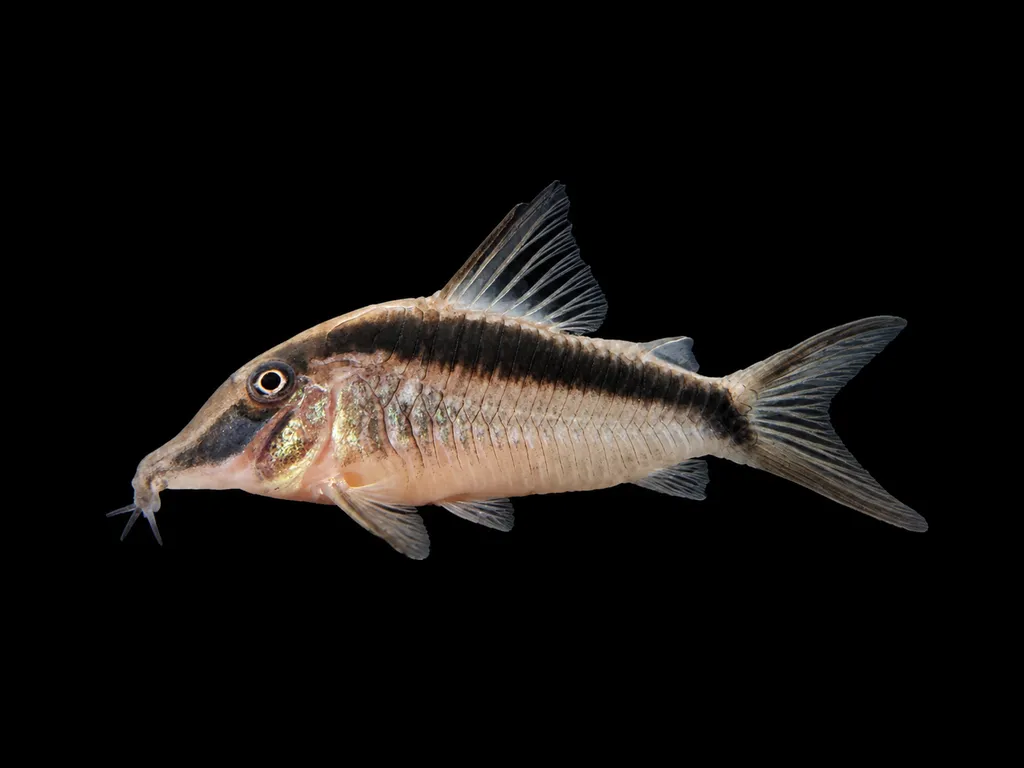
Long nosed arched cory
Corydoras narcissus
Freshwater2.8 in (7 cm) · 30 gal (115 L)73–77°F (23–25°C)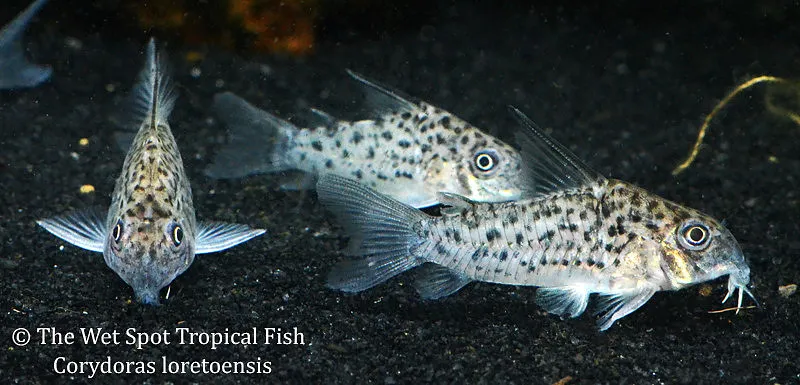
Loreto cory
Hoplisoma loretoense
Freshwater2 in (5 cm) · 16 gal (60 L)72–77°F (22–25°C)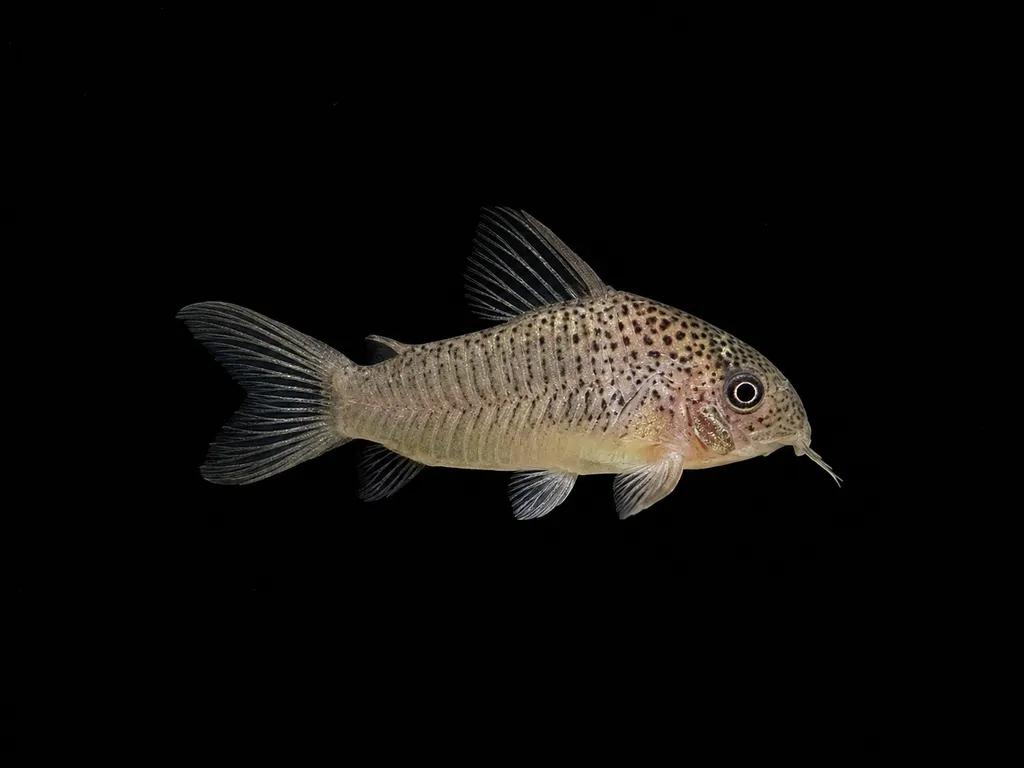
Many-spotted cory
Hoplisoma polystictum
Freshwater1.6 in (4 cm) · 15 gal (55 L)72–81°F (22–27°C)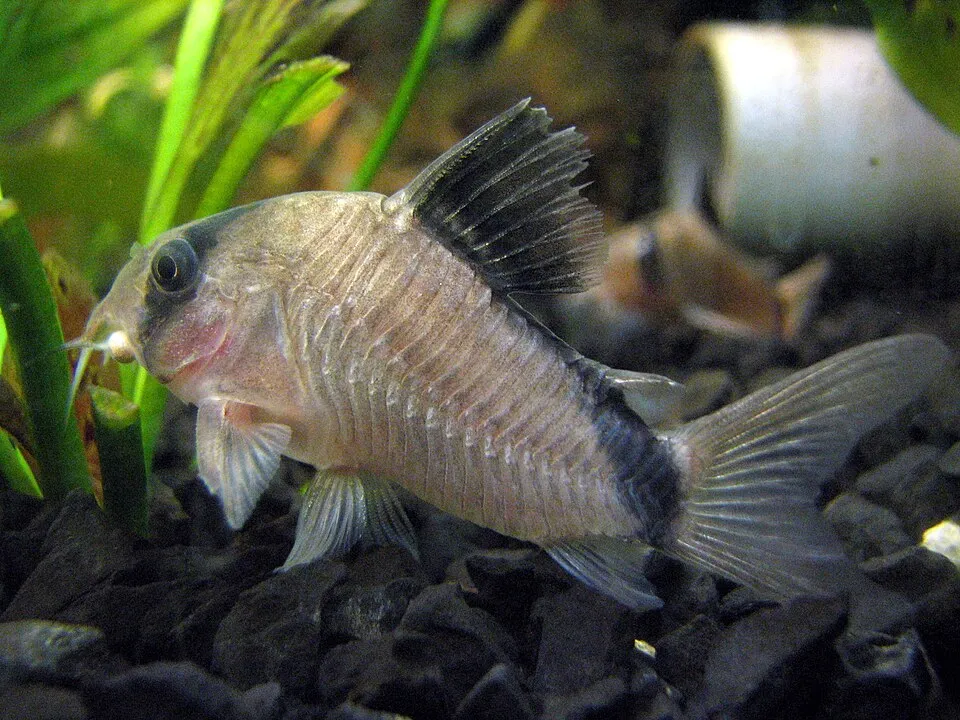
Masked cory
Hoplisoma metae
Freshwater2 in (5 cm) · 15 gal (55 L)70–79°F (21–26°C)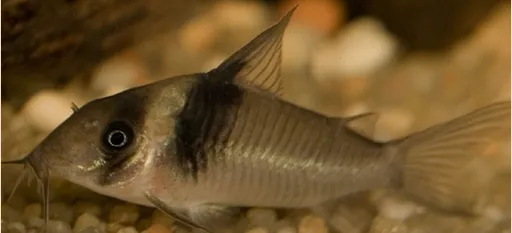
Miguelito cory
Brochis virginiae
Freshwater2.4 in (6 cm) · 20 gal (75 L)72–79°F (22–26°C)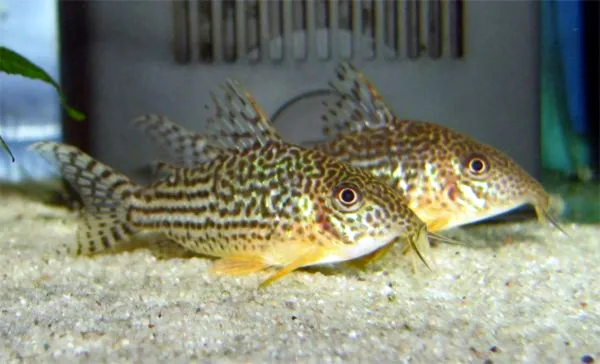
Mosaic cory
Brochis haraldschultzi
Freshwater2.8 in (7 cm) · 20 gal (75 L)75–82°F (24–28°C)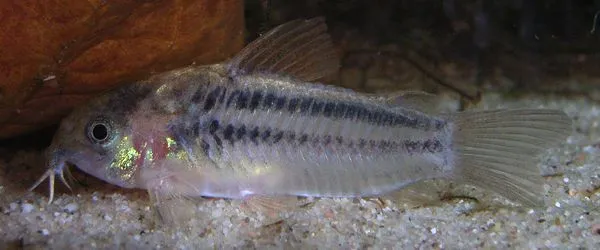
Nain dwarf cory
Gastrodermus nanus
Freshwater1.8 in (4.5 cm) · 16 gal (60 L)72–79°F (22–26°C)Nano cory
Gastrodermus gracilis
Freshwater1.4 in (3.5 cm) · 12 gal (45 L)72–79°F (22–26°C)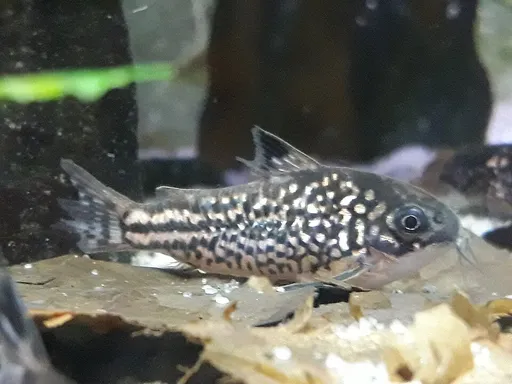
Napo cory
Gastrodermus napoensis
Freshwater2 in (5 cm) · 16 gal (60 L)72–79°F (22–26°C)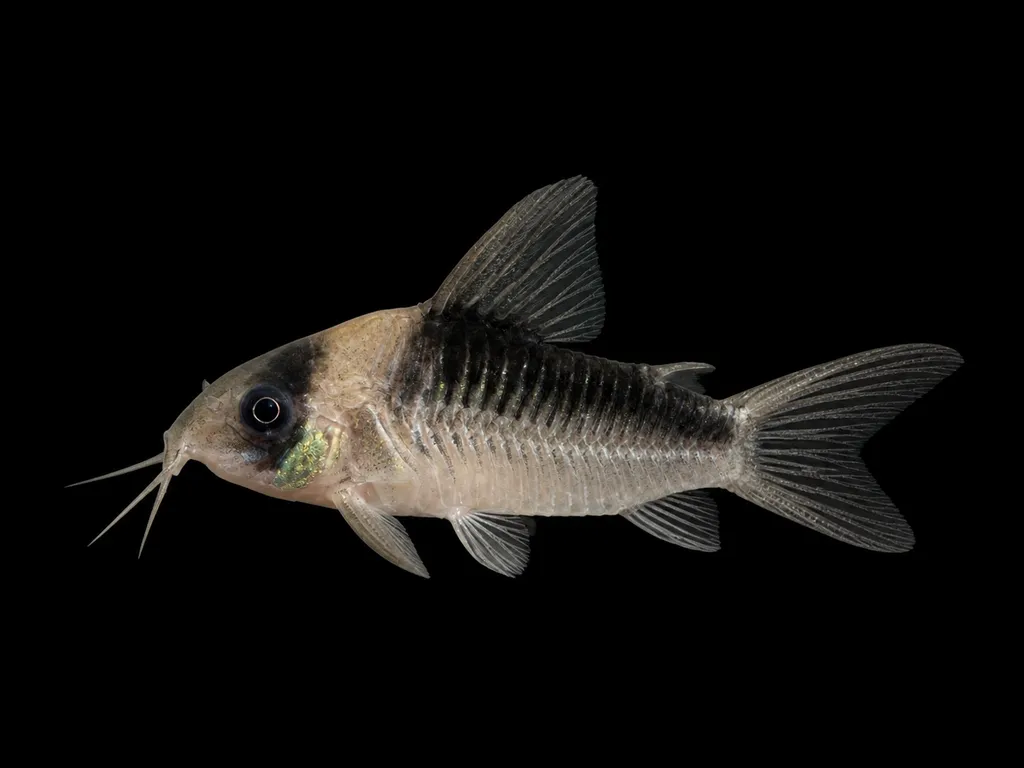
Nijssen's cory
Gastrodermus nijsseni
Freshwater1.8 in (4.5 cm) · 16 gal (60 L)72–79°F (22–26°C)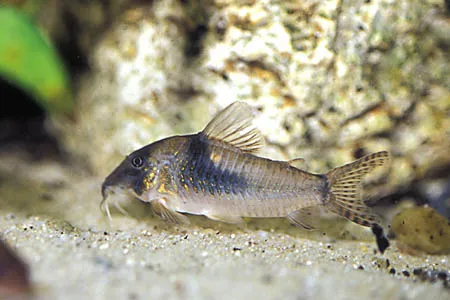
Northern longnose cory
Corydoras septentrionalis
Freshwater2.4 in (6 cm) · 20 gal (75 L)75–82°F (24–28°C)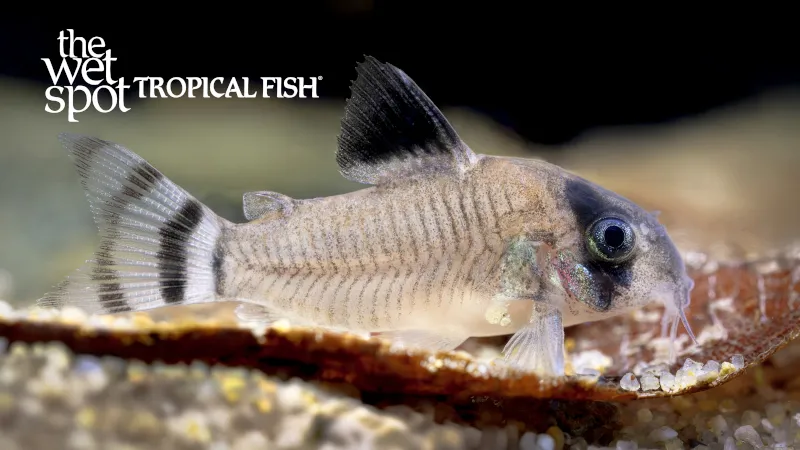
Oiapoque cory
Hoplisoma oiapoquense
Freshwater2.2 in (5.5 cm) · 20 gal (75 L)73–79°F (23–26°C)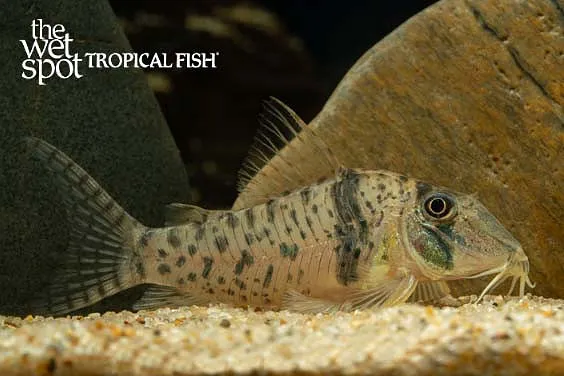
Orces's cory
Corydoras orcesi
Freshwater2.4 in (6 cm) · 20 gal (75 L)73–81°F (23–27°C)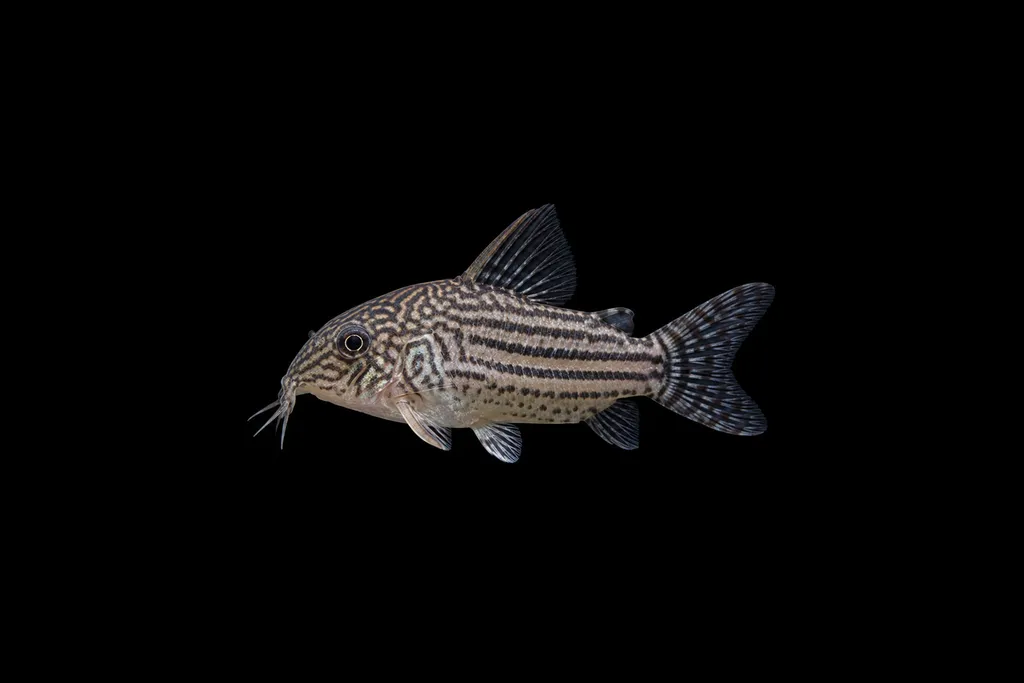
Ornate cory
Brochis ornata
Freshwater2.8 in (7 cm) · 24 gal (90 L)72–79°F (22–26°C)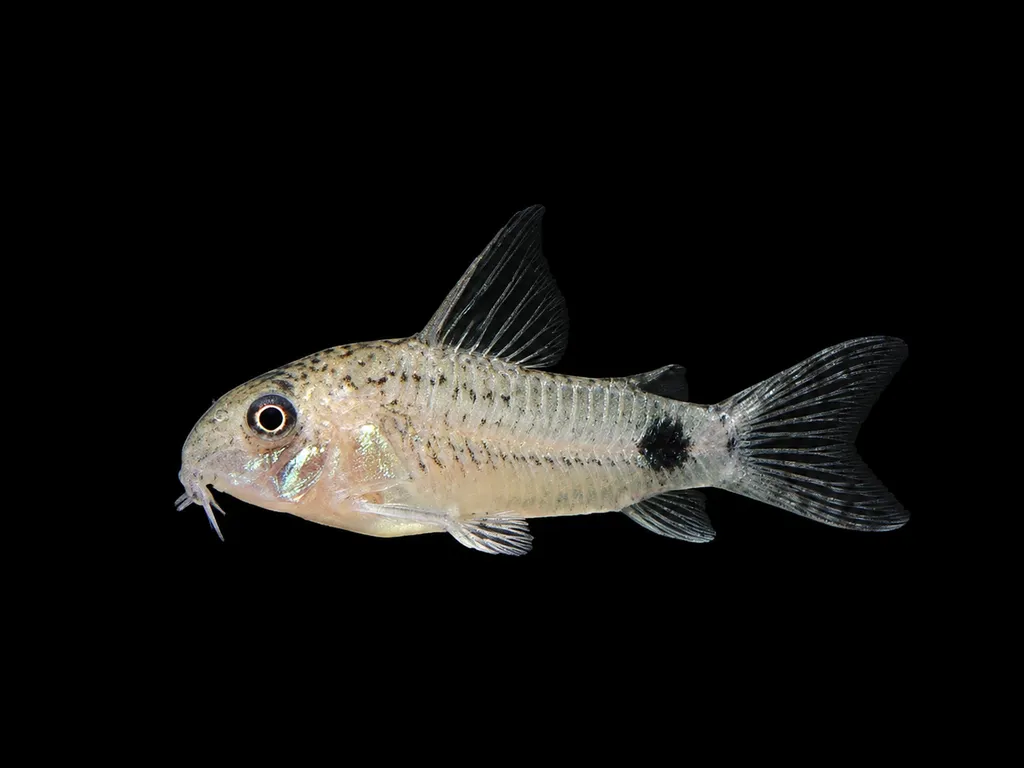
Ortega's cory
Hoplisoma ortegai
Freshwater2 in (5 cm) · 16 gal (60 L)73–81°F (23–27°C)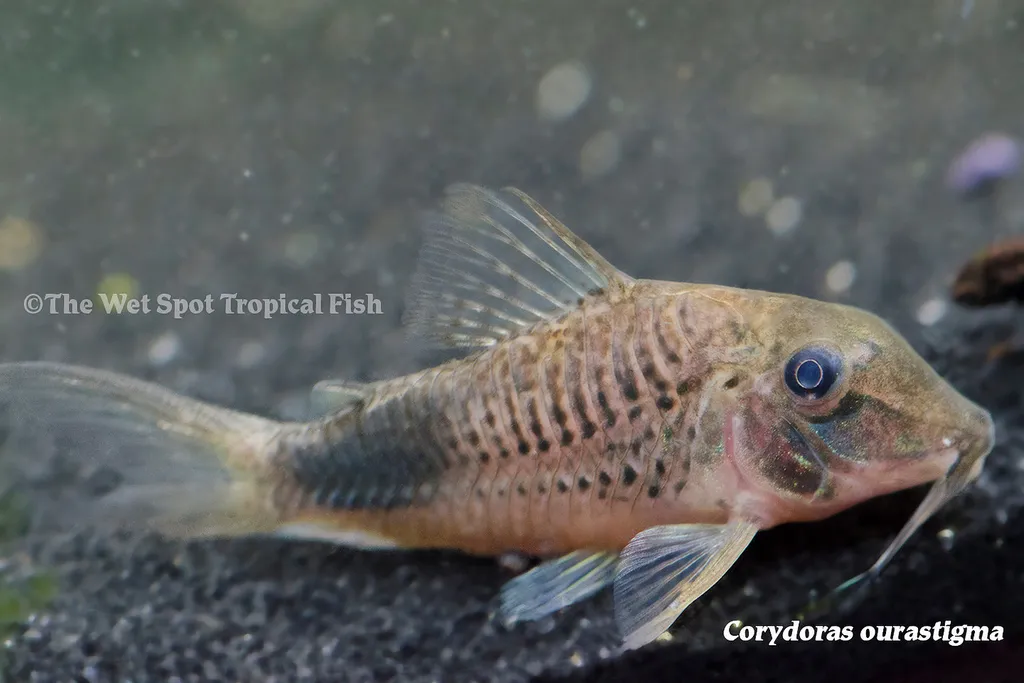
Ourastigma cory
Corydoras ourastigma
Freshwater2.6 in (6.5 cm) · 20 gal (75 L)75–82°F (24–28°C)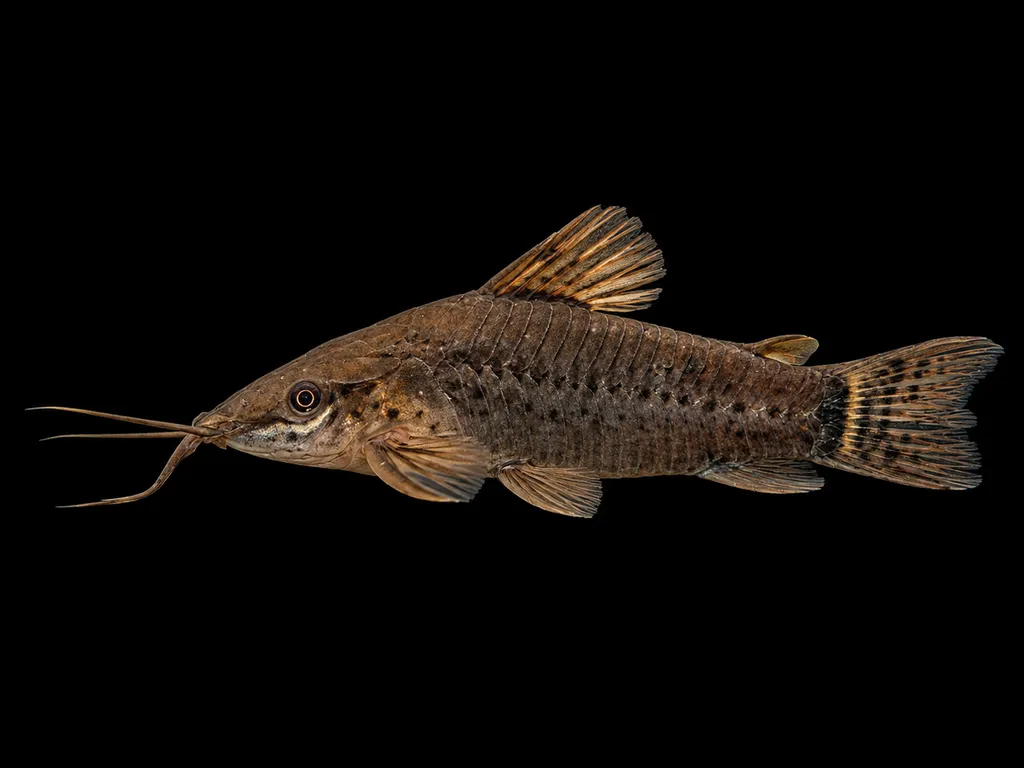
Panama hoplo
Hoplosternum punctatum
Freshwater3.1 in (8 cm) · 30 gal (115 L)72–79°F (22–26°C)Panda cory
Hoplisoma panda
Freshwater2 in (5 cm) · 15 gal (55 L)72–77°F (22–25°C)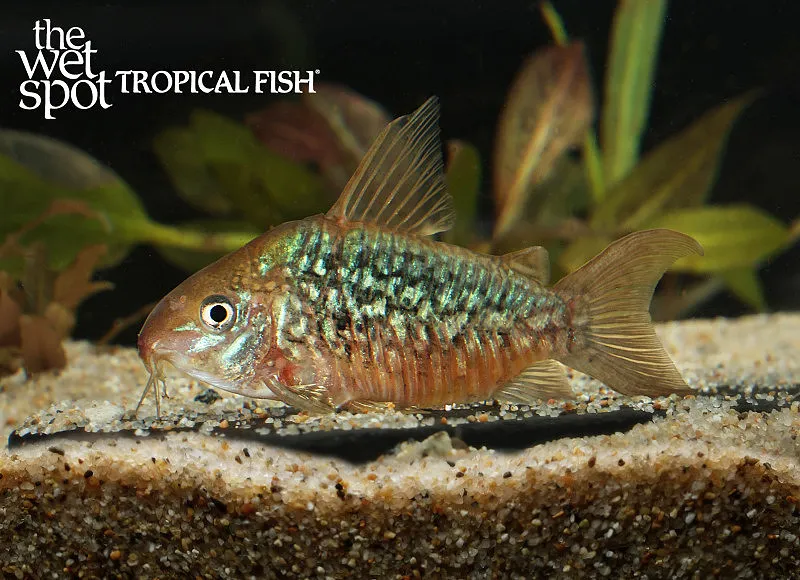
Pantanal cory
Brochis pantanalensis
Freshwater3 in (7.5 cm) · 26 gal (100 L)72–82°F (22–28°C)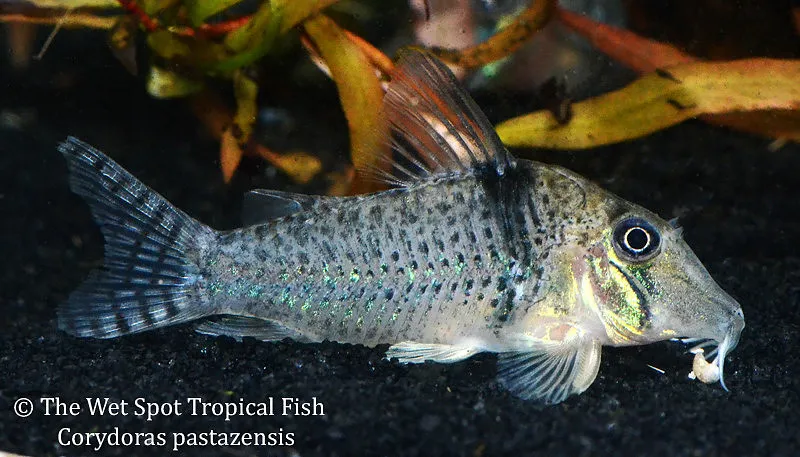
Pastaza cory
Corydoras pastazensis
Freshwater2.8 in (7 cm) · 22 gal (85 L)72–82°F (22–28°C)Peppered cory
Hoplisoma paleatum
Freshwater2.8 in (7 cm) · 21 gal (80 L)72–79°F (22–26°C)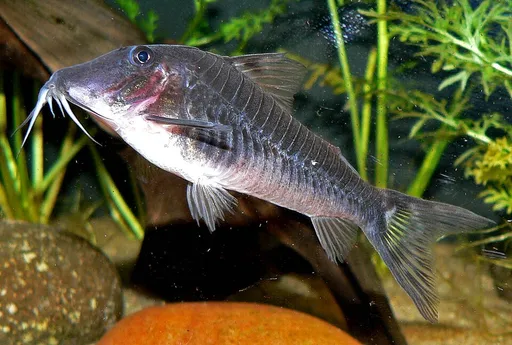
Peru black cory
Corydoras semiaquilus
Freshwater2.6 in (6.5 cm) · 24 gal (90 L)72–79°F (22–26°C)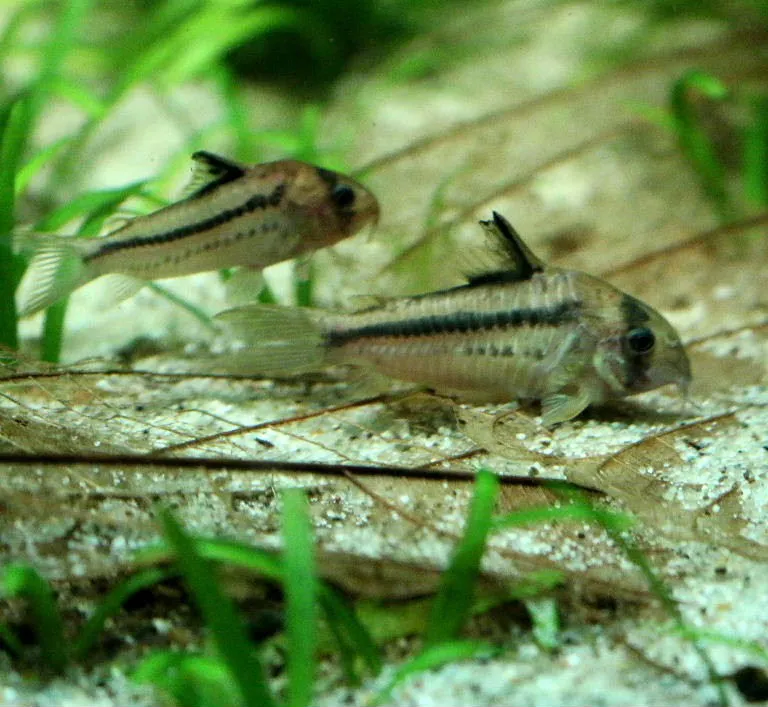
Pink cory
Hoplisoma axelrodi
Freshwater2 in (5 cm) · 16 gal (60 L)72–79°F (22–26°C)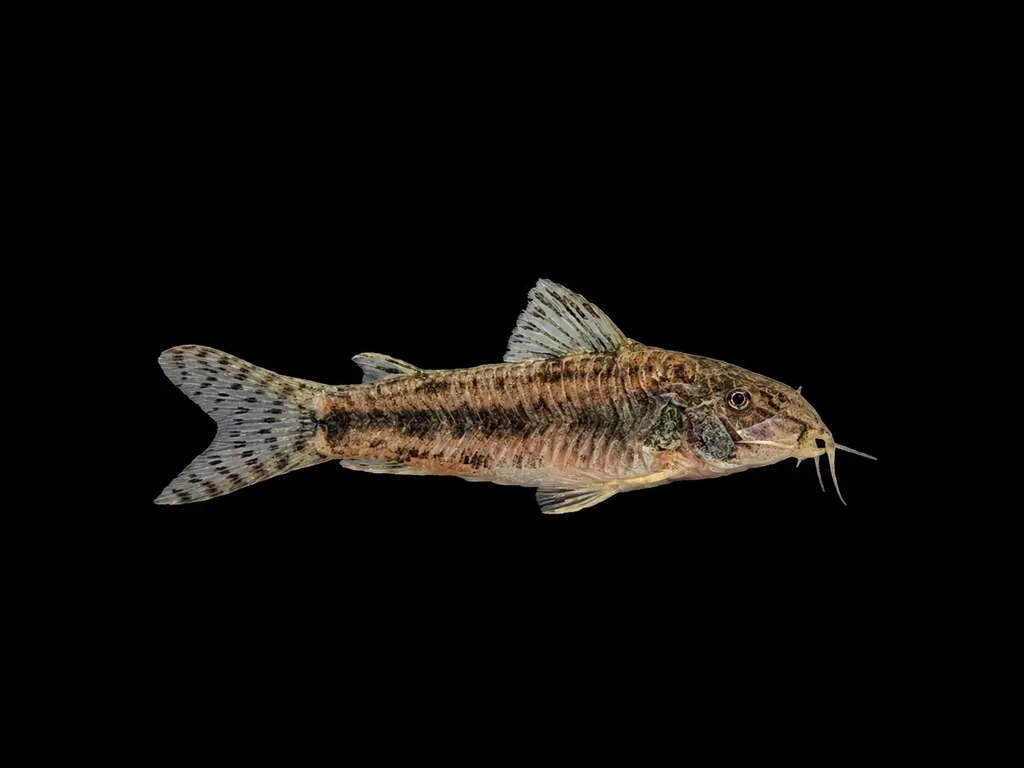
Poecilus shield skin
Aspidoras poecilus
Freshwater1.6 in (4 cm) · 14 gal (54 L)72–79°F (22–26°C)Porthole catfish
Dianema longibarbis
Freshwater3.9 in (10 cm) · 26 gal (100 L)75–82°F (24–28°C)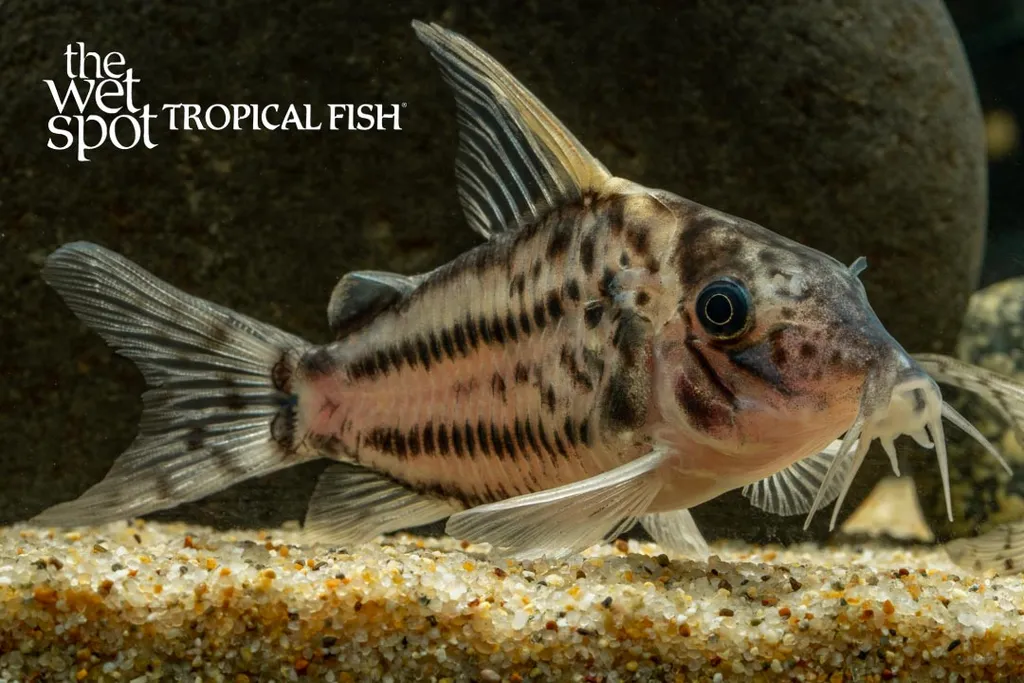
Pretty cory
Brochis pulchra
Freshwater2.6 in (6.5 cm) · 24 gal (90 L)75–82°F (24–28°C)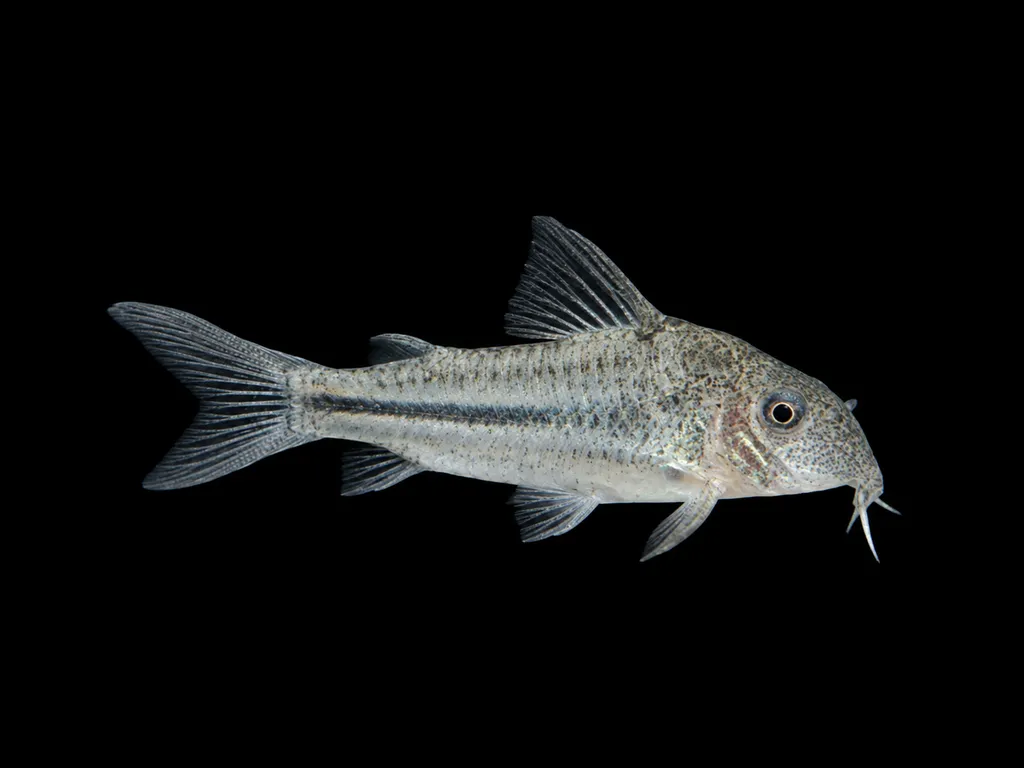
Prionotos cory
Scleromystax prionotos
Freshwater2.4 in (6 cm) · 29 gal (110 L)68–77°F (20–25°C)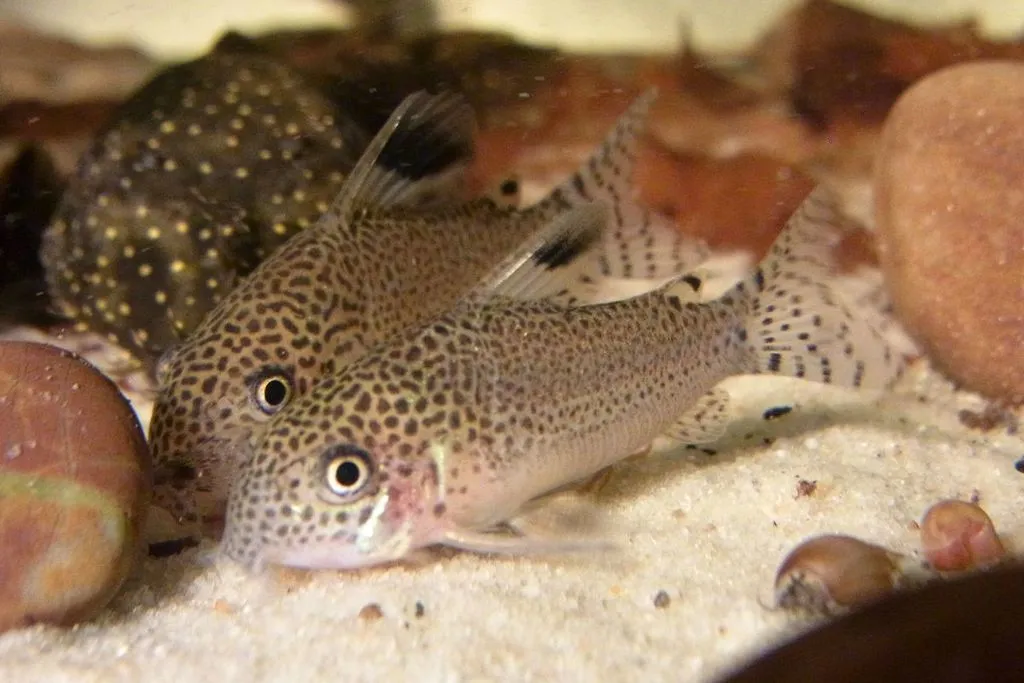
Punctatus cory
Corydoras punctatus
Freshwater2.4 in (6 cm) · 16 gal (60 L)73–81°F (23–27°C)Pygmy cory
Gastrodermus pygmaeus
Freshwater1.3 in (3.3 cm) · 13 gal (50 L)72–79°F (22–26°C)
Reticulated cory
Brochis reticulata
Freshwater2.4 in (6 cm) · 20 gal (75 L)72–79°F (22–26°C)Reynolds's cory
Hoplisoma reynoldsi
Freshwater1.4 in (3.5 cm) · 12 gal (45 L)72–79°F (22–26°C)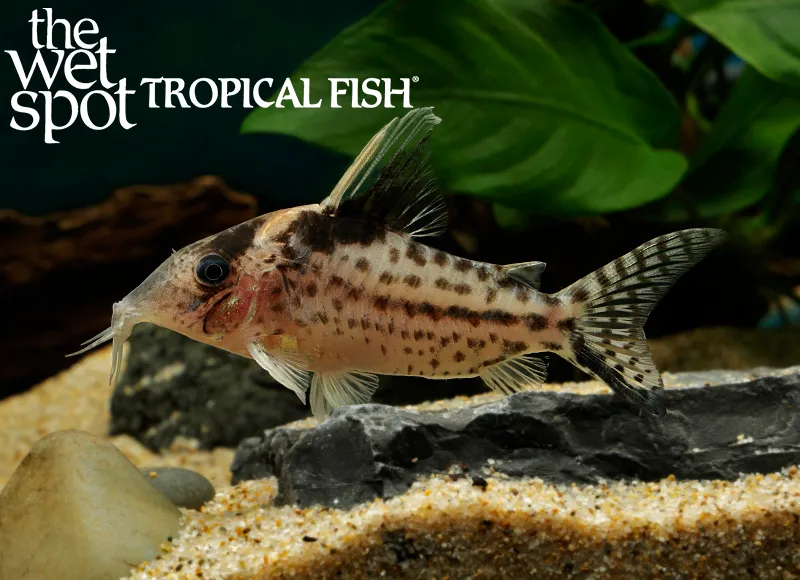
Robust cory
Brochis robusta
Freshwater3.1 in (8 cm) · 40 gal (150 L)72–79°F (22–26°C)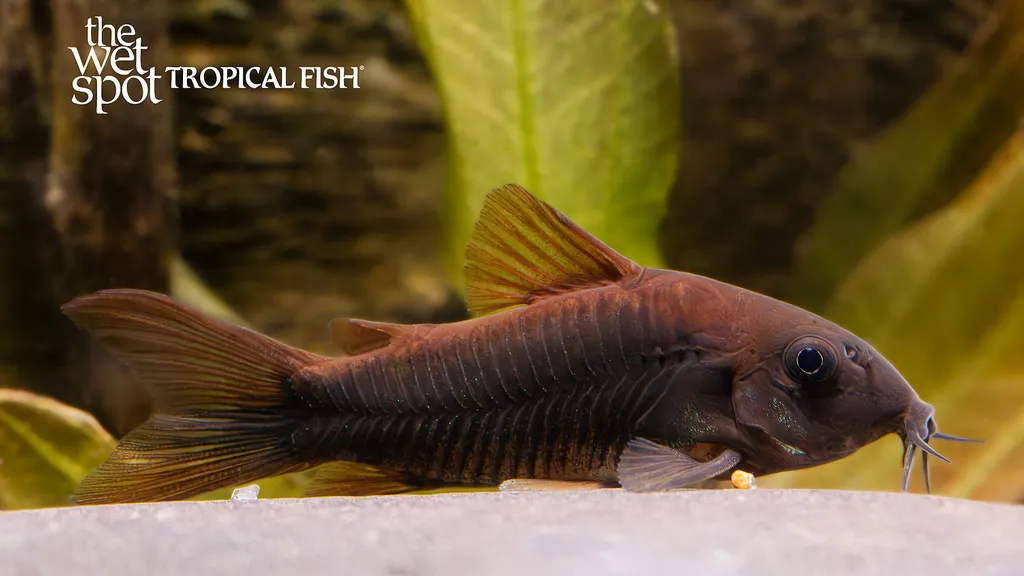
Rust cory
Osteogaster rabauti
Freshwater2.4 in (6 cm) · 20 gal (75 L)72–79°F (22–26°C)Sailfin cory
Scleromystax macropterus
Freshwater3.5 in (9 cm) · 44 gal (165 L)64–70°F (18–21°C)Salt and pepper cory
Hoplisoma habrosum
Freshwater1.4 in (3.5 cm) · 15 gal (55 L)68–79°F (20–26°C)
Sands cory
Hoplisoma davidsandsi
Freshwater2.4 in (6 cm) · 21 gal (80 L)72–79°F (22–26°C)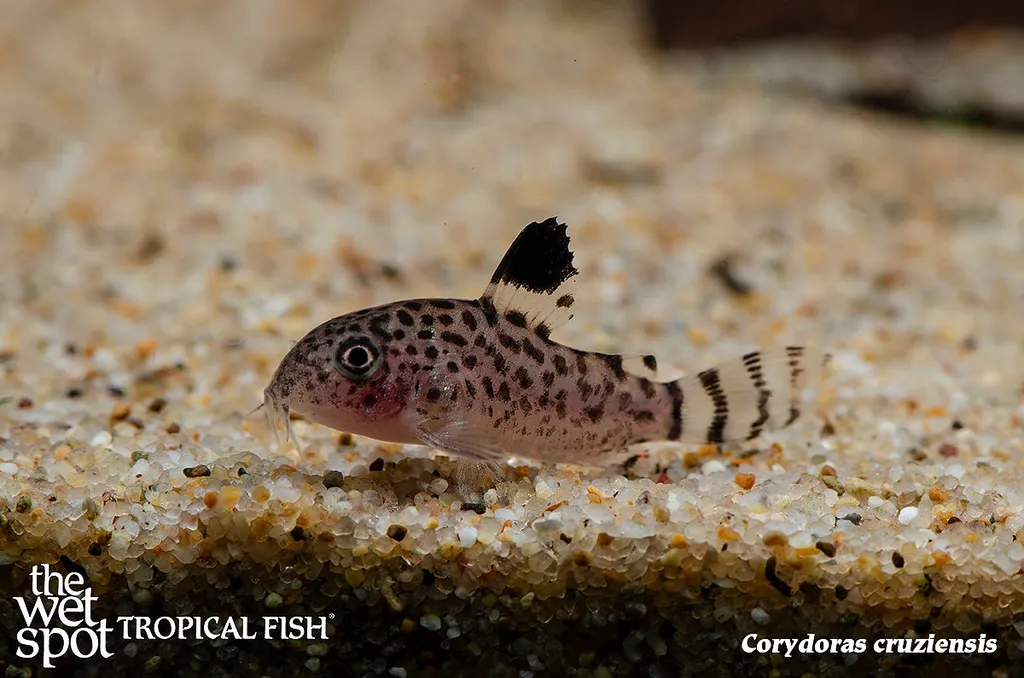
Santa Cruz cory
Hoplisoma cruziense
Freshwater2 in (5 cm) · 16 gal (60 L)73–81°F (23–27°C)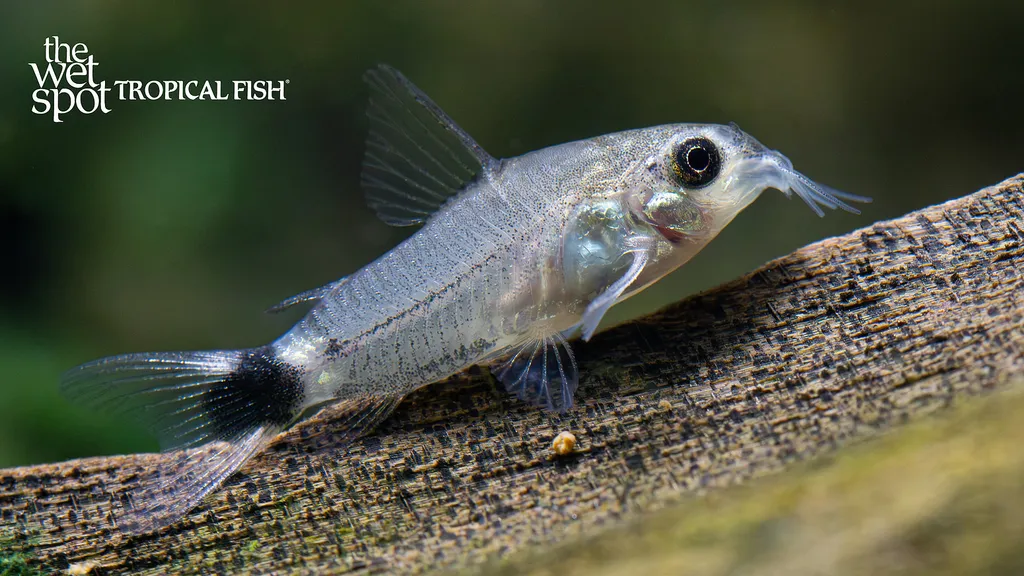
Sarare cory
Corydoras sarareensis
Freshwater2 in (5 cm) · 16 gal (60 L)75–82°F (24–28°C)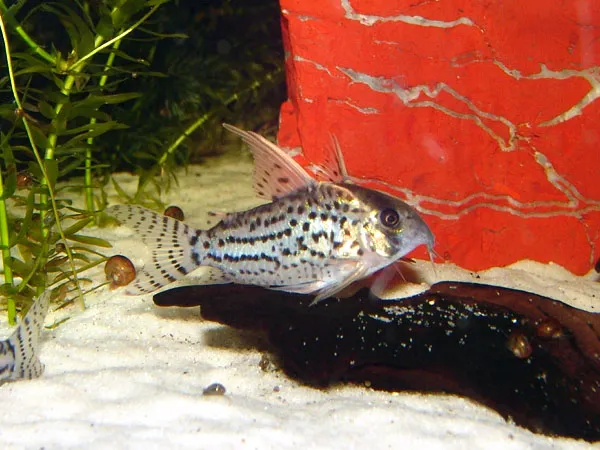
Schwartz's catfish
Hoplisoma schwartzi
Freshwater2.8 in (7 cm) · 20 gal (75 L)72–79°F (22–26°C)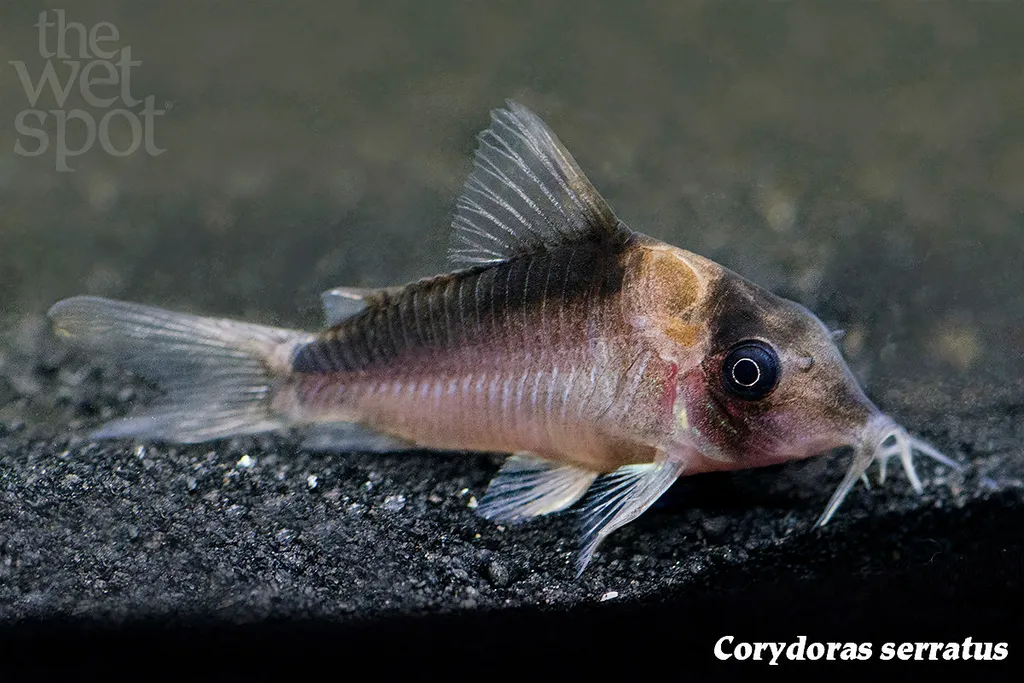
Serratus cory
Corydoras serratus
Freshwater2.4 in (6 cm) · 20 gal (75 L)77–84°F (25–29°C)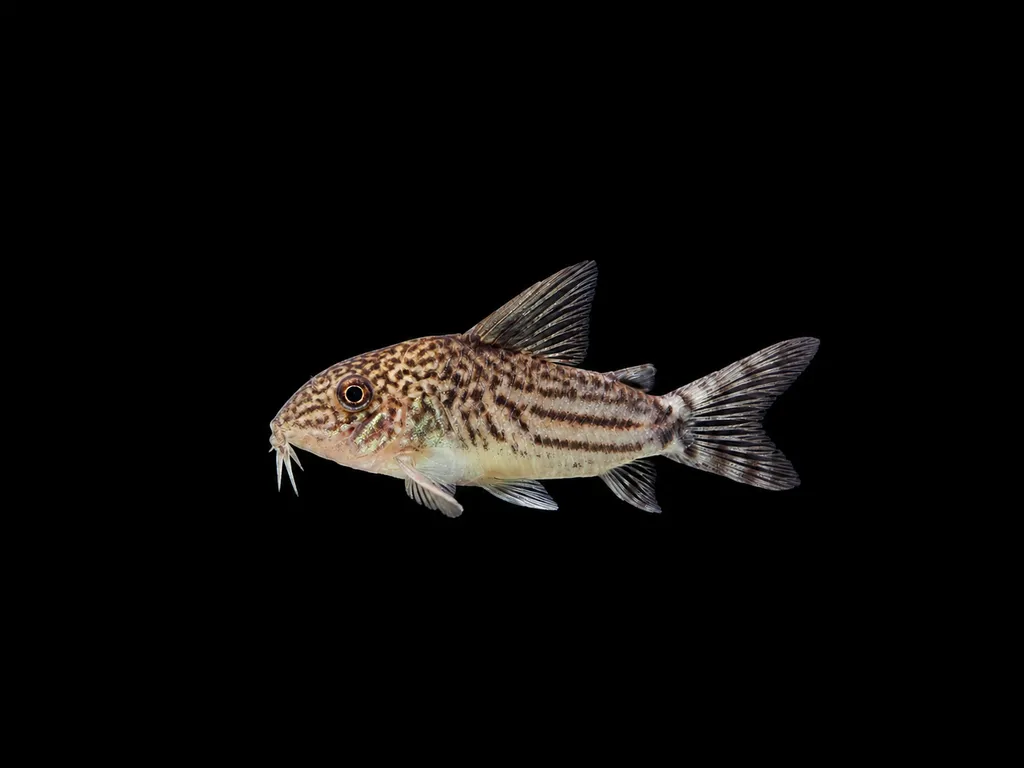
Seuss's cory
Brochis seussi
Freshwater2.6 in (6.5 cm) · 20 gal (75 L)75–82°F (24–28°C)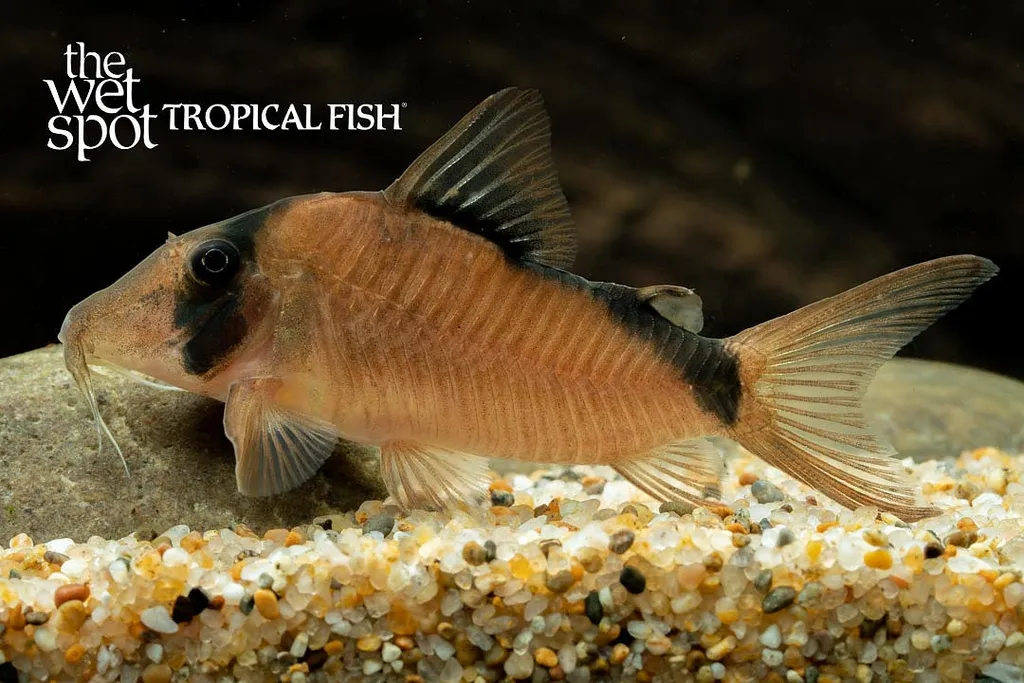
Simulatus cory
Corydoras simulatus
Freshwater2.4 in (6 cm) · 20 gal (75 L)73–81°F (23–27°C)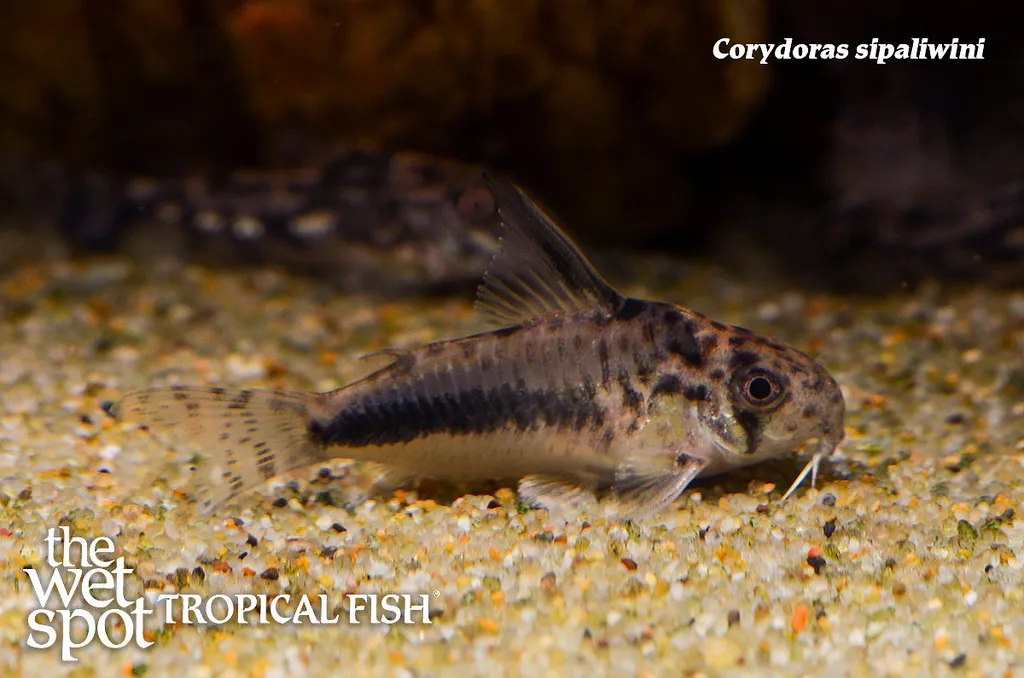
Sipaliwini cory
Hoplisoma sipaliwini
Freshwater2.2 in (5.5 cm) · 16 gal (60 L)73–81°F (23–27°C)Sixray cory
Aspidoras pauciradiatus
Freshwater1.4 in (3.5 cm) · 13 gal (50 L)70–81°F (21–27°C)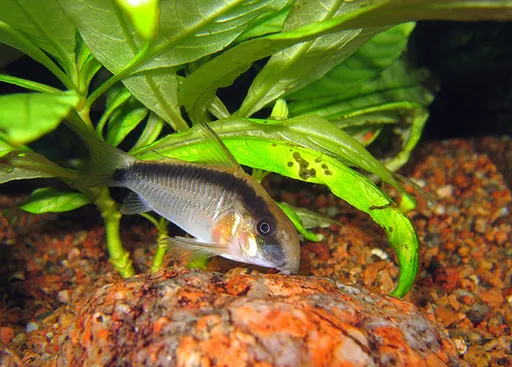
Skunk cory
Brochis arcuata
Freshwater2.2 in (5.5 cm) · 20 gal (75 L)72–79°F (22–26°C)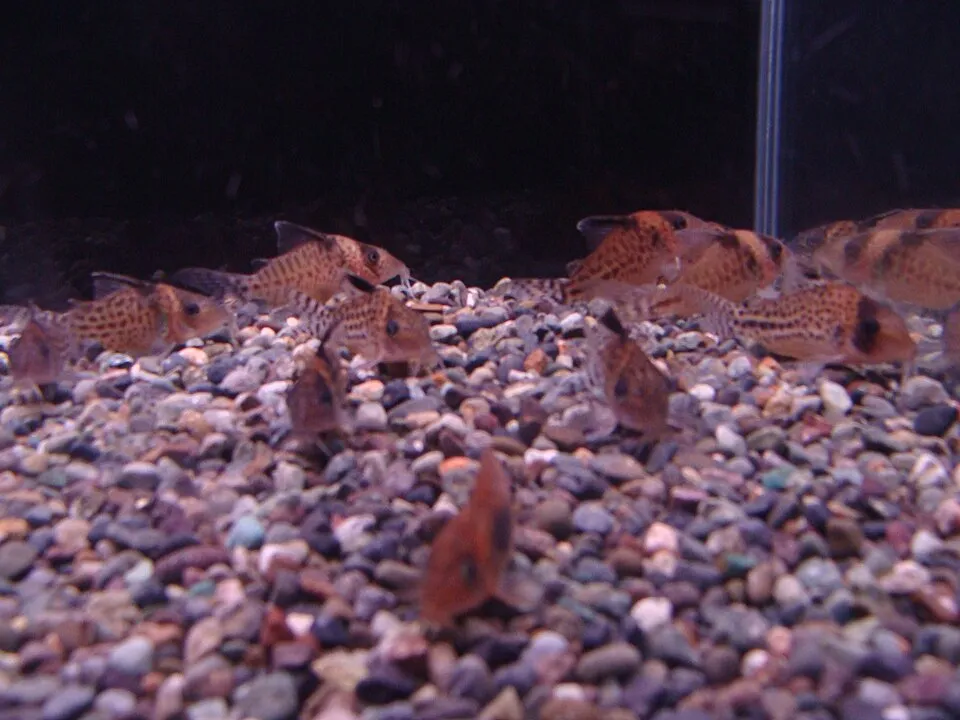
Spotted cory
Brochis ambiacus
Freshwater2.6 in (6.5 cm) · 20 gal (75 L)70–81°F (21–27°C)Spotted hoplo
Megalechis thoracata
Freshwater5.9 in (15 cm) · 40 gal (150 L)64–82°F (18–28°C)Sterba's cory
Hoplisoma sterbai
Freshwater2.6 in (6.5 cm) · 20 gal (75 L)75–82°F (24–28°C)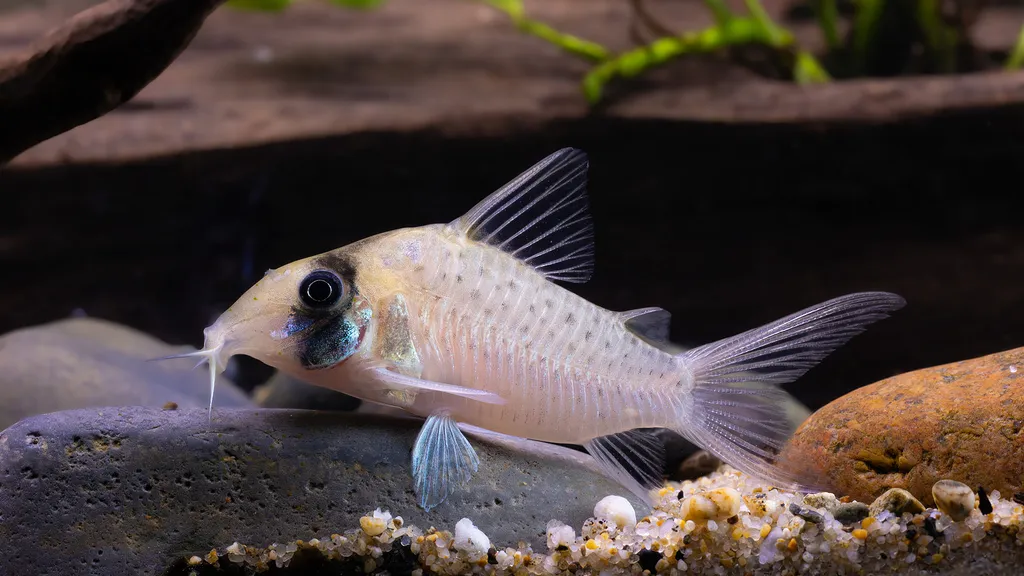
Sychr's catfish
Brochis sychri
Freshwater1.7 in (4.3 cm) · 16 gal (60 L)75–81°F (24–27°C)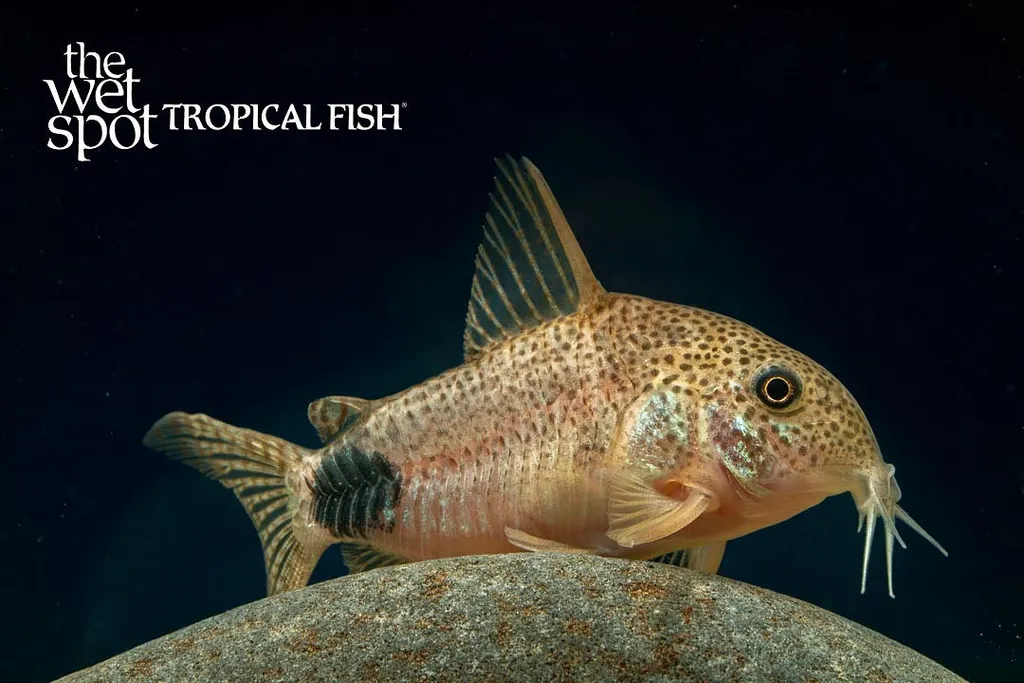
Tailspot cory
Hoplisoma caudimaculatum
Freshwater2 in (5 cm) · 20 gal (75 L)68–81°F (20–27°C)Threestripe cory
Hoplisoma trilineatum
Freshwater2.2 in (5.5 cm) · 16 gal (60 L)72–81°F (22–27°C)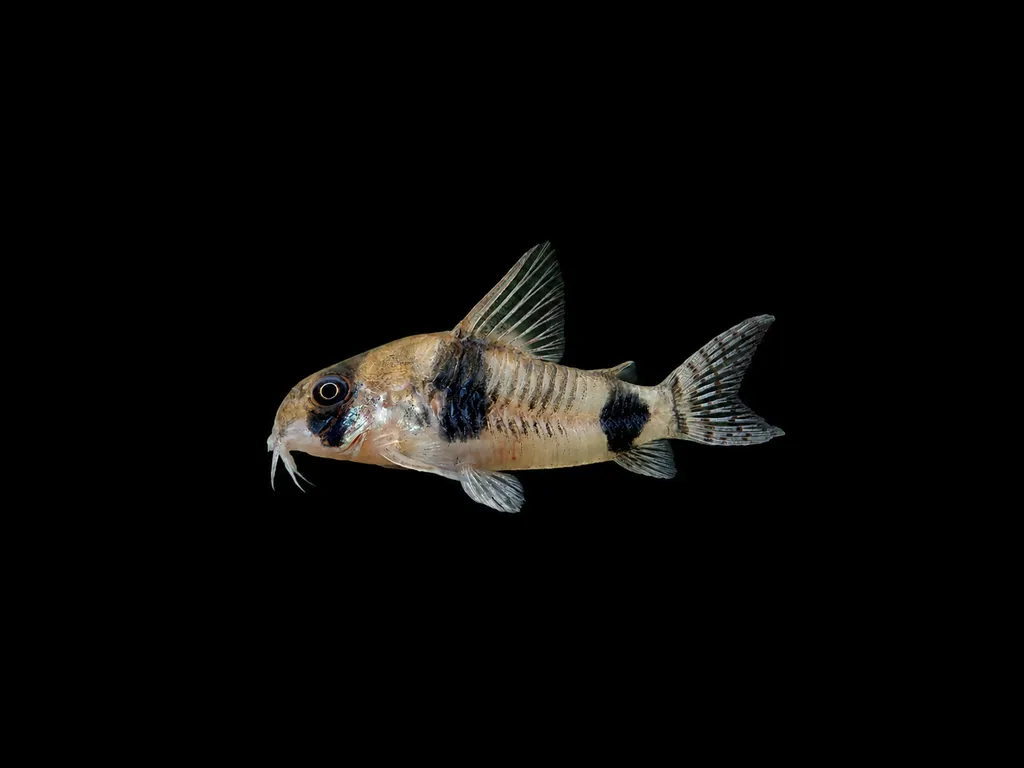
Tukano cory
Hoplisoma tukano
Freshwater2 in (5 cm) · 16 gal (60 L)75–82°F (24–28°C)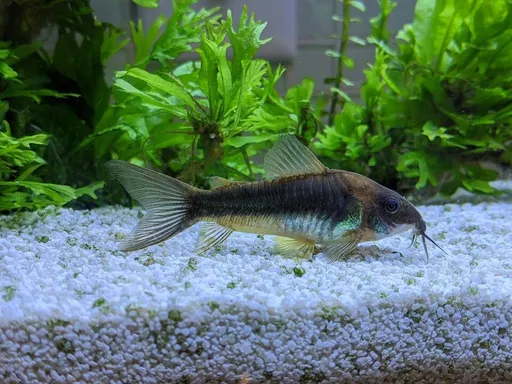
Venezuelan orange cory
Osteogaster aenea
Freshwater2.4 in (6 cm) · 20 gal (75 L)68–79°F (20–26°C)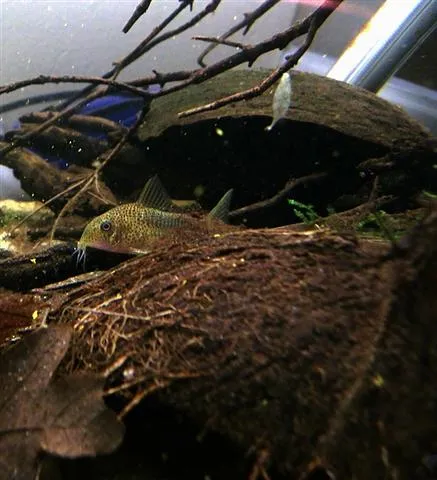
Violet cory
Hoplisoma simile
Freshwater2.2 in (5.5 cm) · 12 gal (45 L)70–81°F (21–27°C)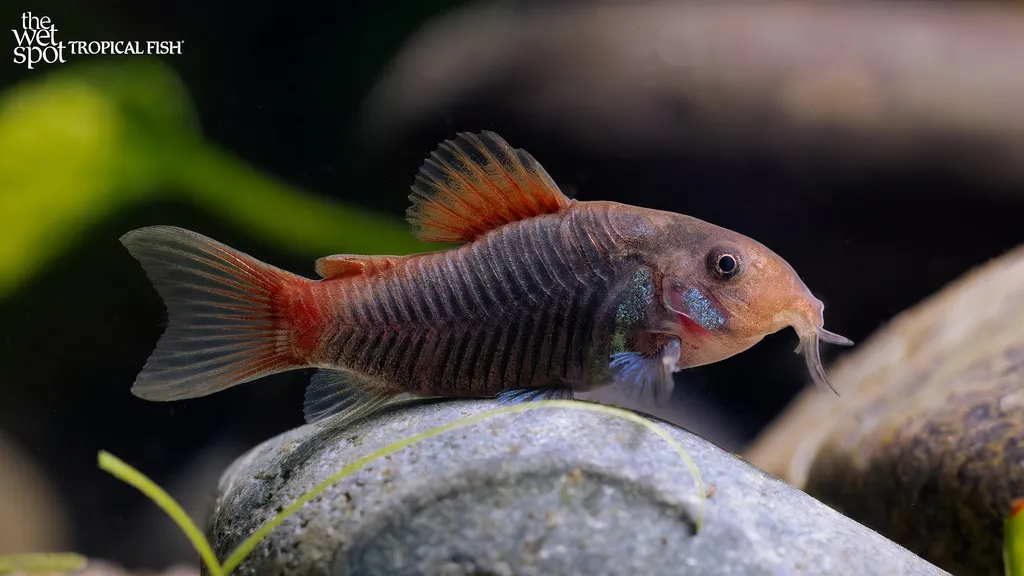
Volcano cory
Osteogaster hephaestus
Freshwater1.6 in (4 cm) · 15 gal (55 L)75–82°F (24–28°C)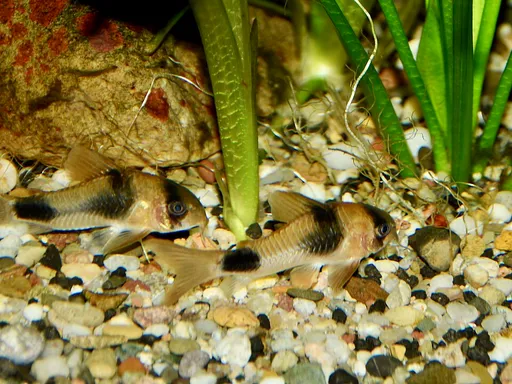
Weitzman's cory
Hoplisoma weitzmani
Freshwater2.4 in (6 cm) · 20 gal (75 L)72–79°F (22–26°C)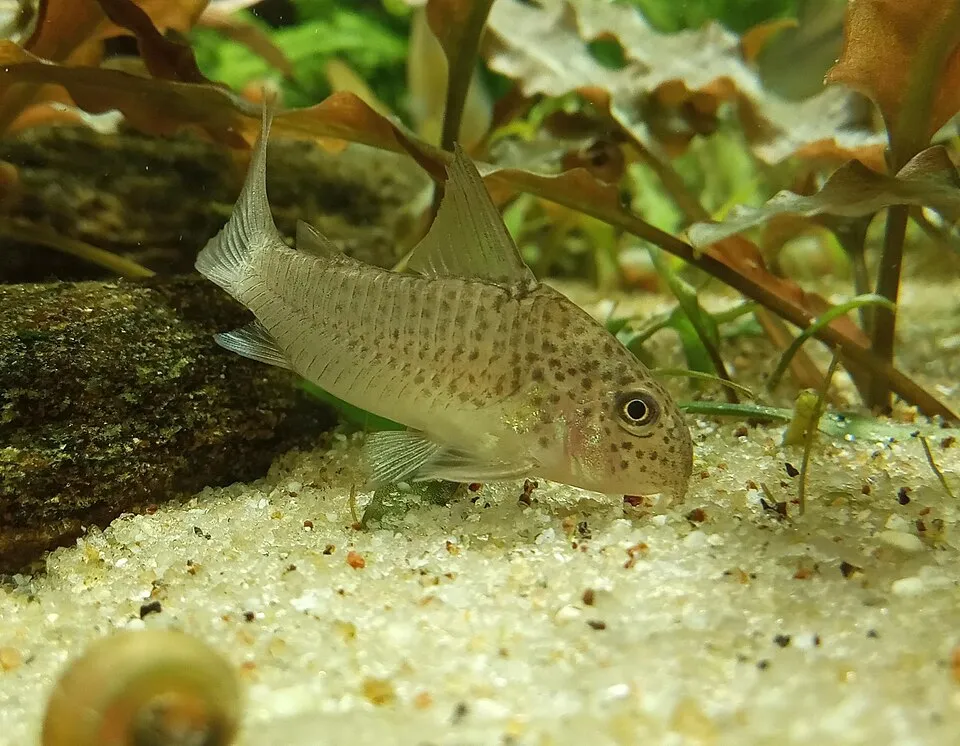
Xingu cory
Hoplisoma xinguense
Freshwater2 in (5 cm) · 18 gal (70 L)72–81°F (22–27°C)
Planning a tank?
TankBud checks stocking and water fit as you build a tank, then tracks water tests, reminders and photos once it is running.
Track your tanksMaintain tanks for clients? See TankBud Pro