One species · 2 varieties
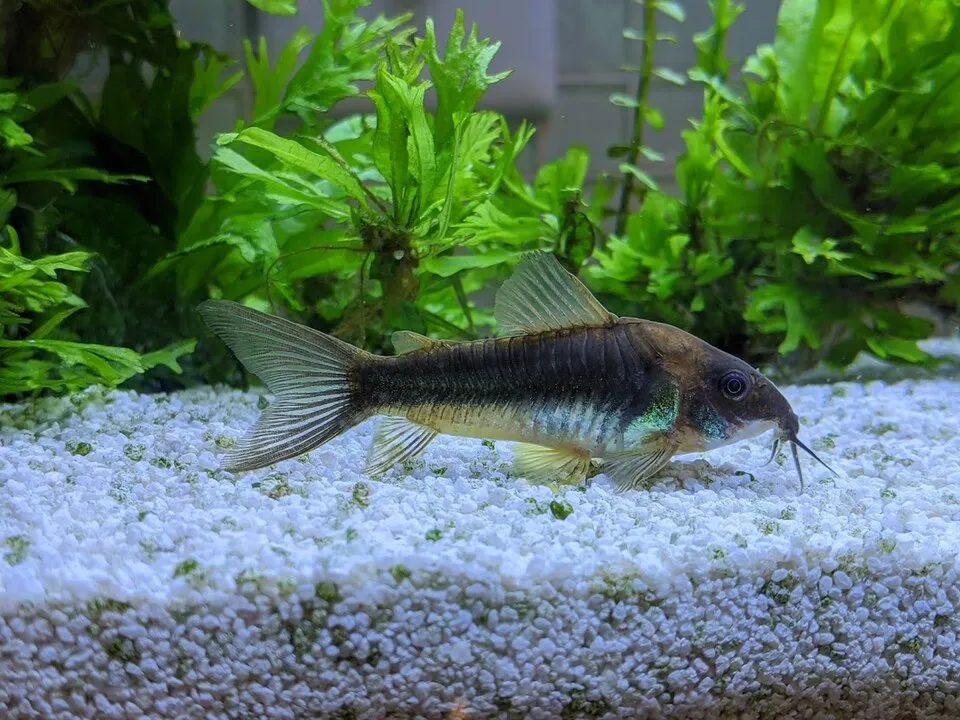
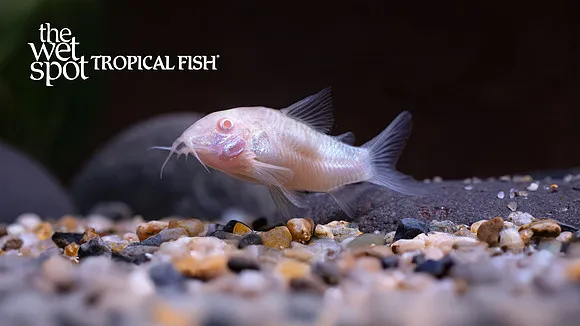
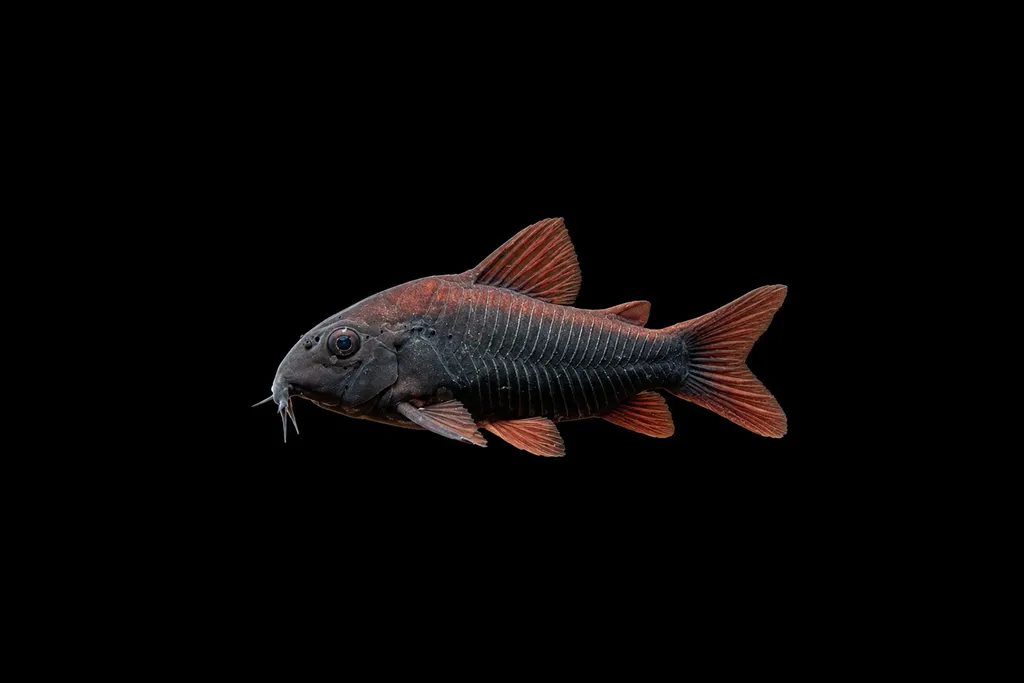
Bronze cory
Osteogaster aenea
Also known as Corydoras aeneus, Green cory, Lightspot cory, Corydoras schultzei, Gold shoulder cory, Osteogaster schultzii
FreshwaterFish
Care at a glance
- Temperature
- 70–81°F
- 21–27°C
- pH
- 6.0–7.5
- Adult size
- 3 in
- 7.5 cm
- Minimum tank
- 20 gal
- 75 L
- Temperament
- Peaceful
- Social behavior
- Shoaling
- Swim level
- Bottom
- Difficulty
- Easy
- Breeding
- Easy
- Rarity
- Very common
- Family
- Callichthyidae
- Origin
- South America
Pick a variety
One setup covers every line on this page: care is the species' care.
Overview
Keep them in a group of six or more; they're social bottom dwellers that get stressed and listless when kept alone or in pairs. They're peaceful and do well in a 75 liter community tank. They forage along the bottom, so make sure sinking food actually reaches them rather than getting eaten up top. Feed sinking pellets and wafers plus frozen bloodworms and brine shrimp. Keep pH from 6 to 7.5.
In the wild
Bronze corys are widespread across South America, living in shallow, slow waters with soft substrate where they root around for food. Give them a soft sand bottom or smooth rounded gravel so they can sift it without wearing down their barbels. Sharp substrate is the main thing to avoid. They handle a wide range, from the low 20s to mid 20s C.
Good to know
Corydoras aeneus is an armored catfish in the family Callichthyidae, reaching about 7 cm. They're easy to breed, laying adhesive eggs that the female carries between her pelvic fins and sticks to surfaces around the tank. They have a backup trick of gulping air at the surface and absorbing oxygen through their gut, which lets them cope with poor water.
Did you know
That occasional dash to the surface for a gulp of air is normal, not a sign of bad water. Corys can use their intestine to take oxygen from swallowed air, an adaptation for the low-oxygen pools they sometimes live in.
Weekly picks
Tank mates
Every variety on this page wants the same water, so one set of picks fits them all. These picks match on water type, temperature, pH, size and temperament.
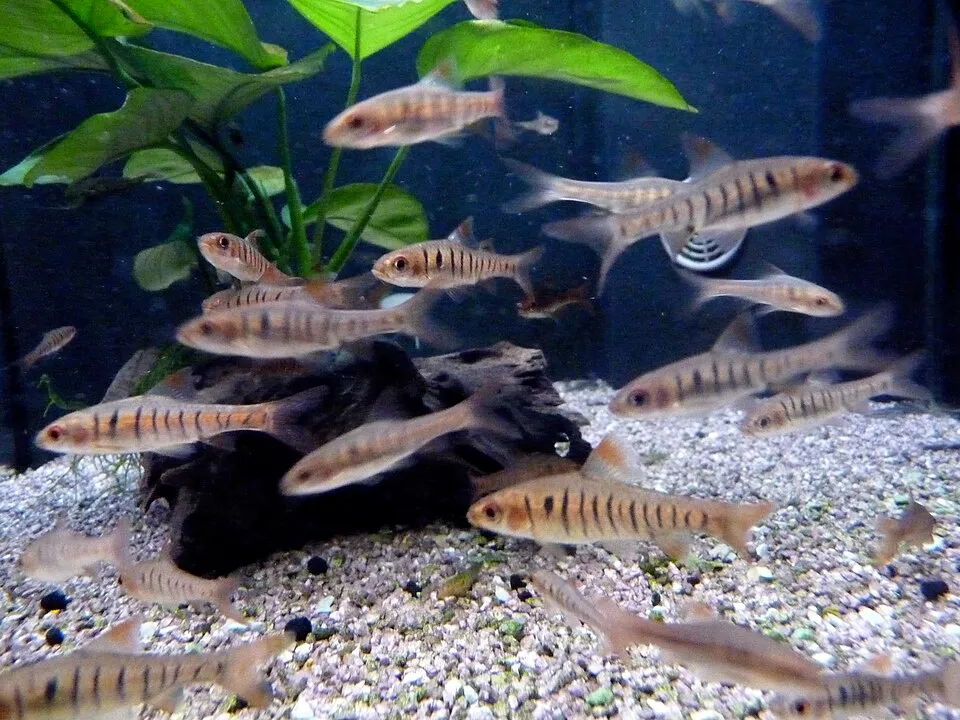
African banded barb
Barbus fasciolatus
Freshwater2.4 in (6 cm) · 20 gal (75 L)68–79°F (20–26°C)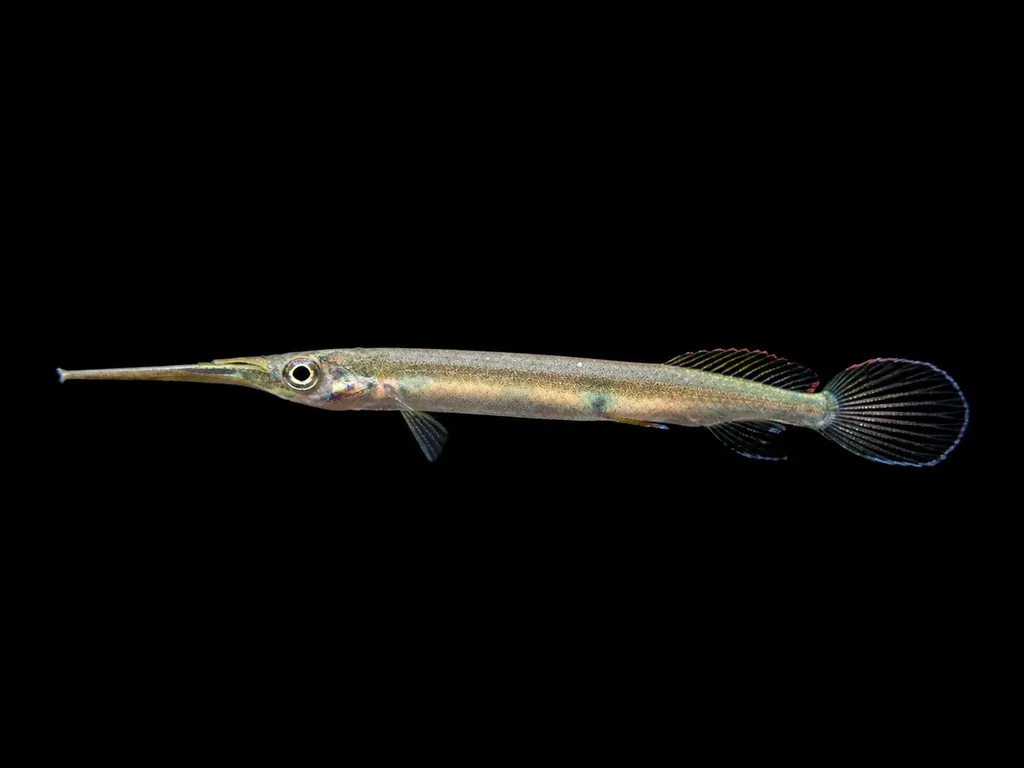
Kuekenthal's halfbeak
Hemirhamphodon kuekenthali
Freshwater3.3 in (8.5 cm) · 20 gal (75 L)73–81°F (23–27°C)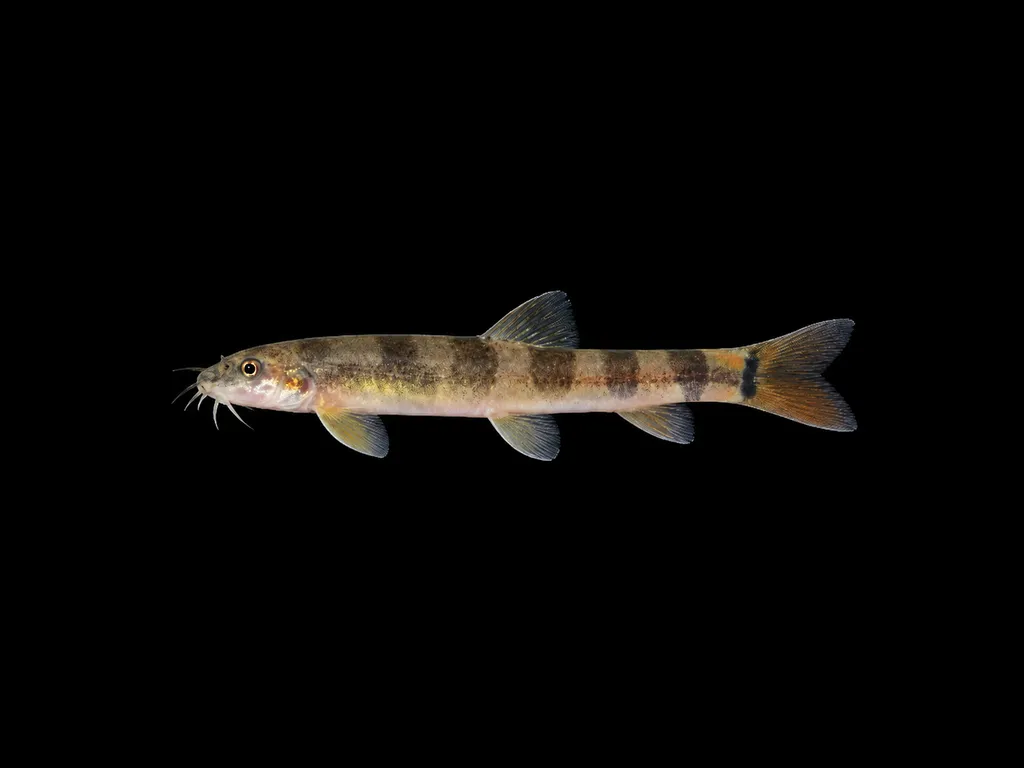
Aizawl loach
Schistura aizawlensis
Freshwater2.4 in (6 cm) · 20 gal (75 L)68–79°F (20–26°C)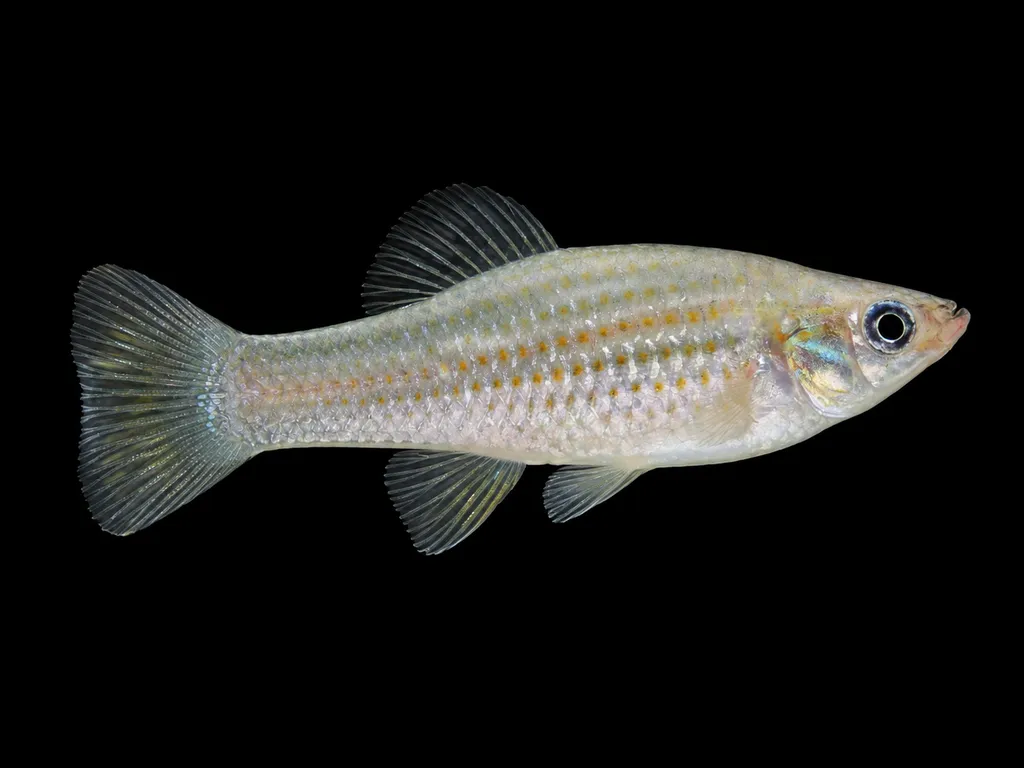
Amazon molly
Poecilia formosa
Freshwater3.5 in (9 cm) · 20 gal (75 L)68–82°F (20–28°C)
Six-barred panchax
Epiplatys sexfasciatus
Freshwater3.9 in (10 cm) · 20 gal (75 L)72–81°F (22–27°C)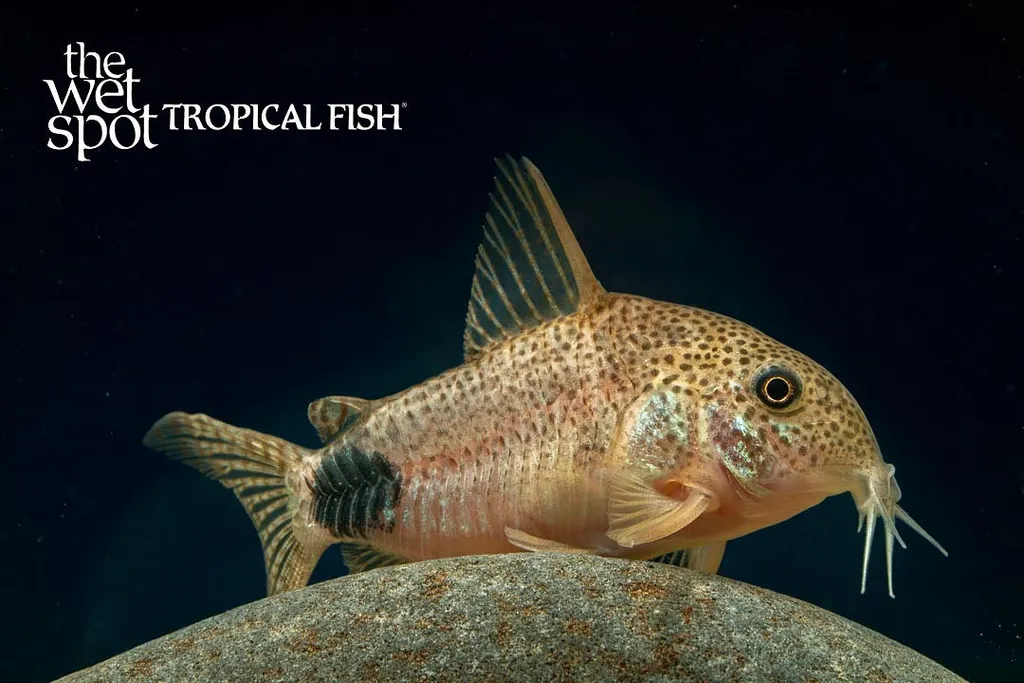
Tailspot cory
Hoplisoma caudimaculatum
Freshwater2 in (5 cm) · 20 gal (75 L)68–81°F (20–27°C)
Common questions
What size tank does a Bronze cory need?
A Bronze cory needs at least 20 gal (75 L). It spends most of its time in the bottom.
What temperature and pH does a Bronze cory need?
A Bronze cory is comfortable at 70–81°F (21–27°C) with a pH of 6.0–7.5.
How big does a Bronze cory get?
An adult Bronze cory reaches about 3 in (7.5 cm).
Does a Bronze cory need a group?
Yes. A Bronze cory is a shoaling species and should be kept in a group, not singly.
Related species
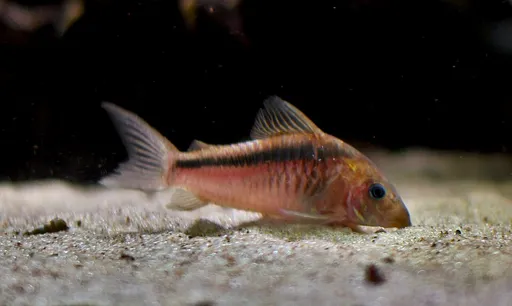 2.6 in (6.5 cm)21 gal (80 L)72–79°F (22–26°C)
Black band cory
Osteogaster zygata
2.6 in (6.5 cm) · 21 gal (80 L)
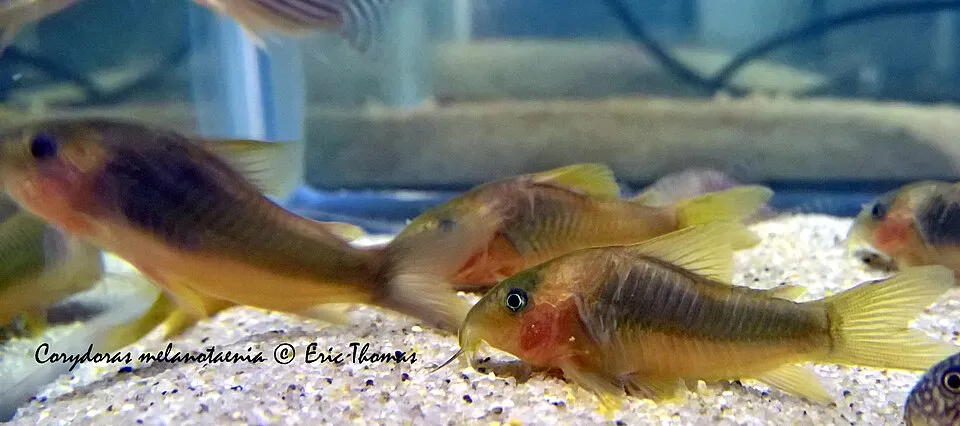 2.4 in (6 cm)17 gal (65 L)68–73°F (20–23°C)
Gold laser cory
Osteogaster melanotaenia
2.4 in (6 cm) · 17 gal (65 L)
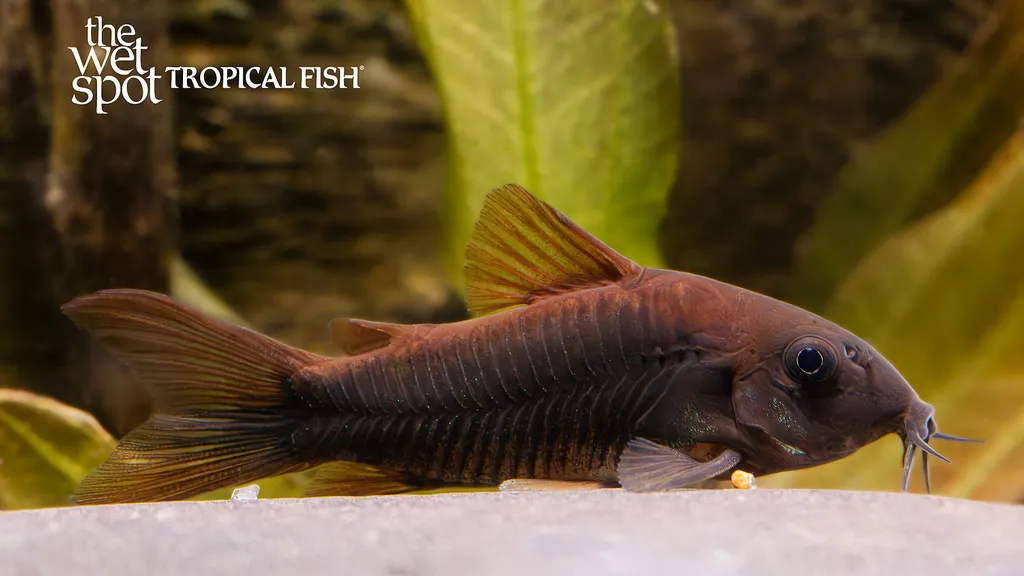 2.4 in (6 cm)20 gal (75 L)72–79°F (22–26°C)
Rust cory
Osteogaster rabauti
2.4 in (6 cm) · 20 gal (75 L)
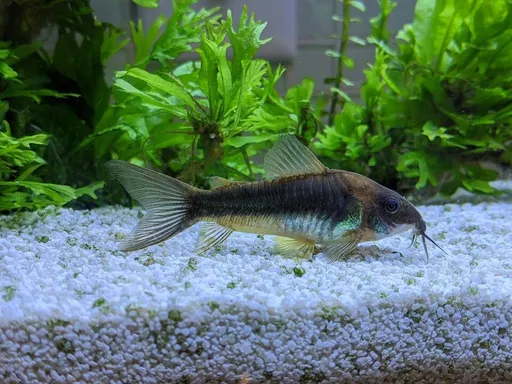 2.4 in (6 cm)20 gal (75 L)68–79°F (20–26°C)
Venezuelan orange cory
Osteogaster aenea
2.4 in (6 cm) · 20 gal (75 L)
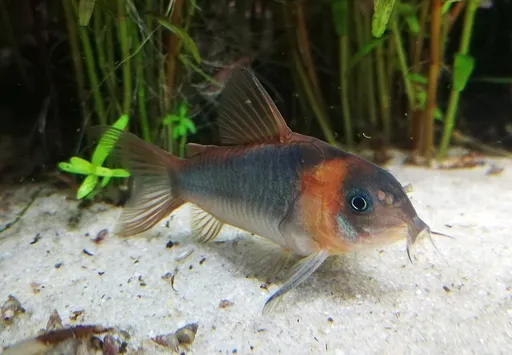 2 in (5 cm)16 gal (60 L)72–79°F (22–26°C)
Horseman cory
Osteogaster eques
2 in (5 cm) · 16 gal (60 L)
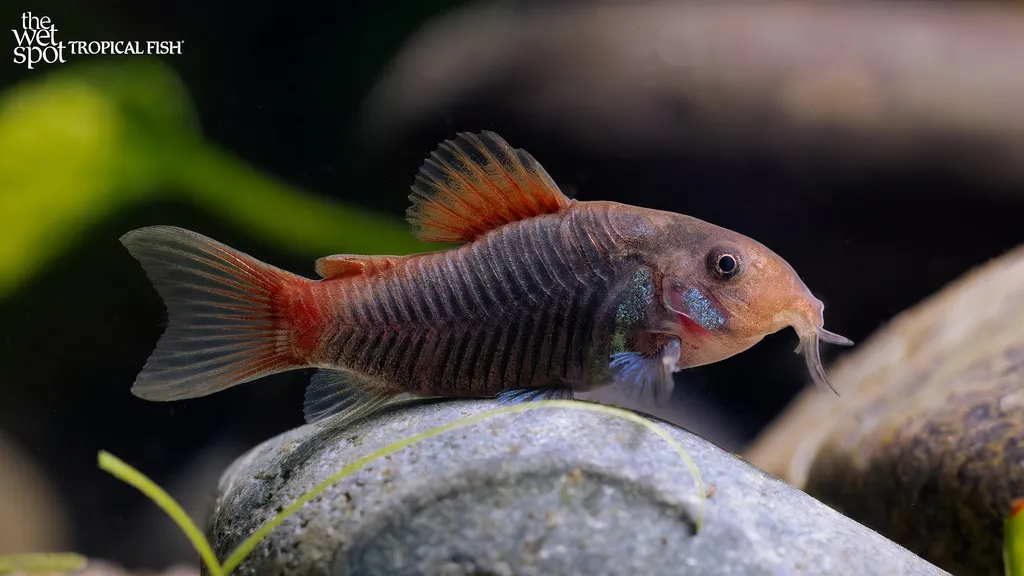 1.6 in (4 cm)15 gal (55 L)75–82°F (24–28°C)
Volcano cory
Osteogaster hephaestus
1.6 in (4 cm) · 15 gal (55 L)