Horseman cory
Osteogaster eques
Also known as Corydoras eques, Red-top cory, Horseman's cory
FreshwaterFish
Care at a glance
- Temperature
- 72–79°F
- 22–26°C
- pH
- 6.0–7.5
- Adult size
- 2 in
- 5 cm
- Minimum tank
- 16 gal
- 60 L
- Temperament
- Peaceful
- Social behavior
- Shoaling
- Swim level
- Bottom
- Difficulty
- Medium
- Breeding
- Hard
- Rarity
- Rare
- Family
- Callichthyidae
- Origin
- Central Amazon along the rio Solimoes in Brazil.
Overview
The horseman cory is a peaceful Amazon catfish that shoals along the bottom of a calm community tank. It is a step up from the easiest fish.
Did you know
The horseman cory is the type species of Osteogaster, a genus revived in the 2024 catfish revision.
Caring for the horseman cory
Horseman cories need a group of six or more and a tank of at least 16 gal (60 L). Give them a bed of soft sand to forage over.
Keep the water soft and acidic, at 72 to 79°F (22 to 26°C) and a pH of 6.0 to 7.5. Feed a mix of sinking pellets and small frozen foods, such as bloodworm and daphnia.
They are peaceful and safe in a community tank, and they do best with calm tank mates. Horseman cories are not commonly bred, and breeding them is hard. Most of the fish sold are wild caught for that reason.
Good to know
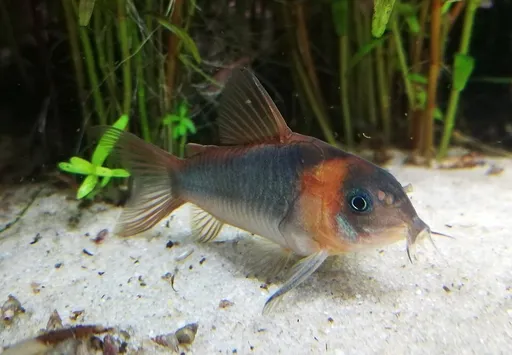
The horseman cory belongs to the family Callichthyidae and is also listed as Corydoras eques. Its genus holds its rust and bronze cory relatives too. It carries a strong green gold sheen over the head and shoulders, with a coppery orange ridge along the back. That ridge is the reason it is sold as the red top cory.
In the wild
The horseman cory comes from the central Amazon, along the rio Solimoes in Brazil. It lives in slow margins and side channels among leaf litter and wood, where the water is warm, soft and slightly acidic. Groups forage over open sand between patches of cover.
Weekly picks
Tank mates
The horseman cory is a peaceful, shoaling species that keeps to the bottom. These picks share a community profile with it, are safe together in both directions, and overlap on water type, temperature and pH.
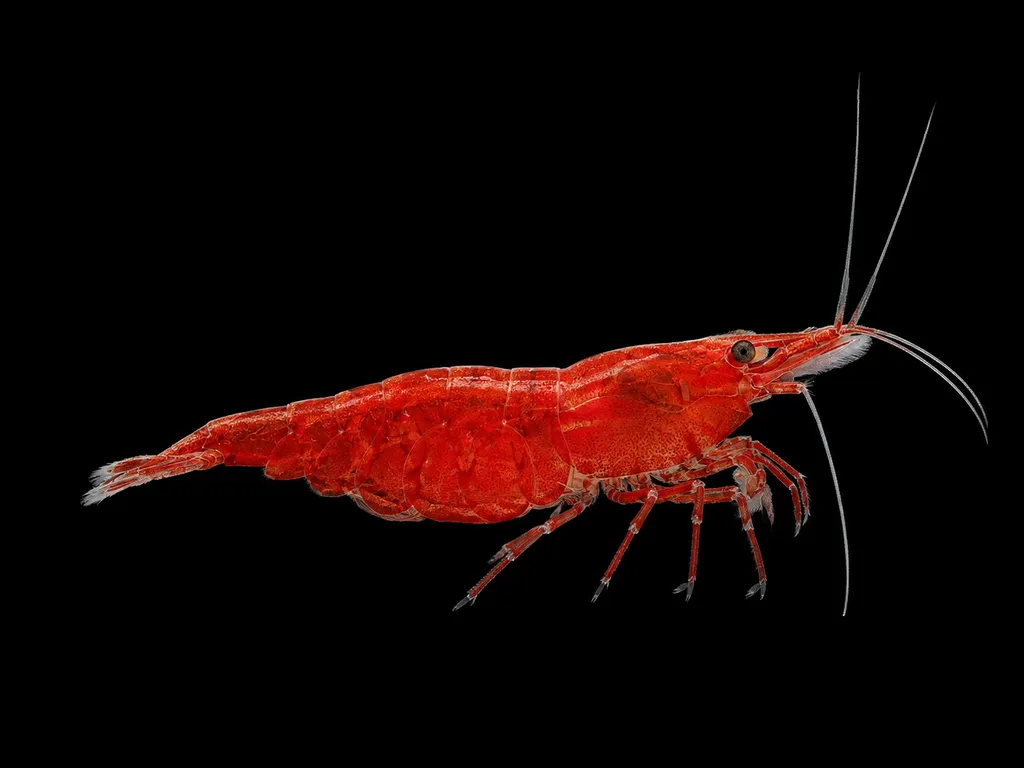
Neocaridina shrimp
Neocaridina davidi
Freshwater1.6 in (4 cm) · 5 gal (19 L)59–84°F (15–29°C)
Guppy
Poecilia reticulata
FreshwaterBrackish2.4 in (6 cm) · 10 gal (38 L)64–82°F (18–28°C)
Neon tetra
Paracheirodon innesi
Freshwater1.5 in (3.8 cm) · 11 gal (40 L)70–77°F (21–25°C)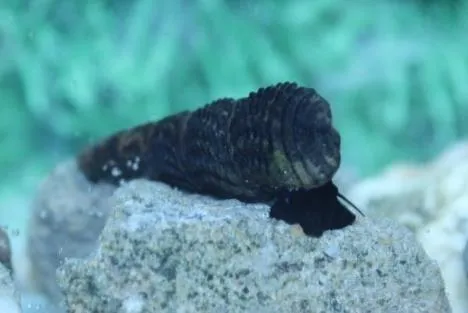
White spotted rabbit snail
Tylomelania towutica
Freshwater4.3 in (11 cm) · 16 gal (60 L)75–84°F (24–29°C)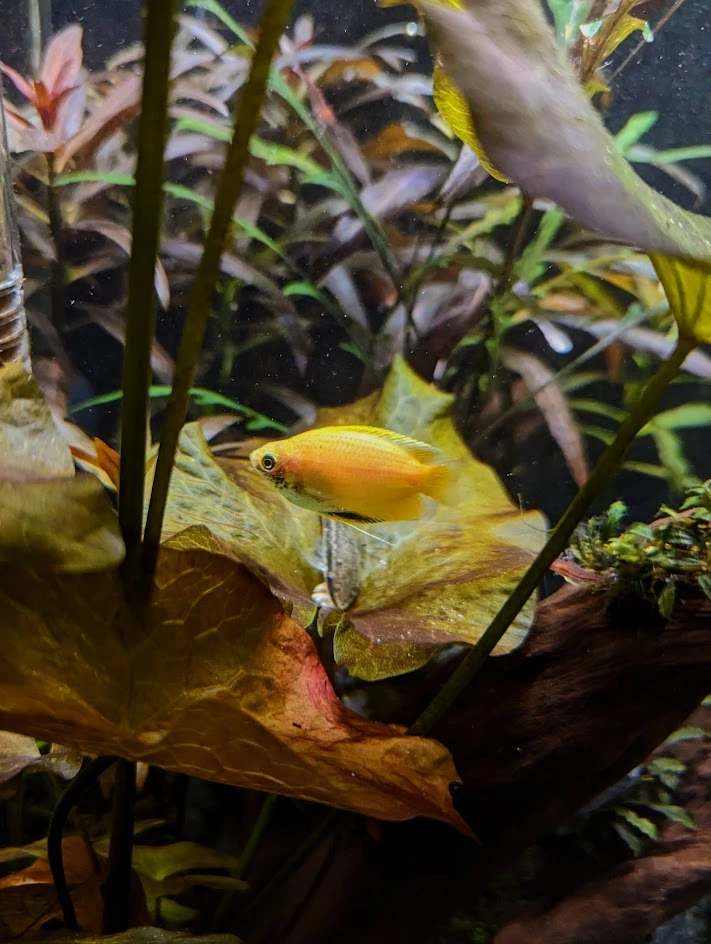
Honey gourami
Trichogaster chuna
Freshwater2 in (5 cm) · 14 gal (54 L)72–82°F (22–28°C)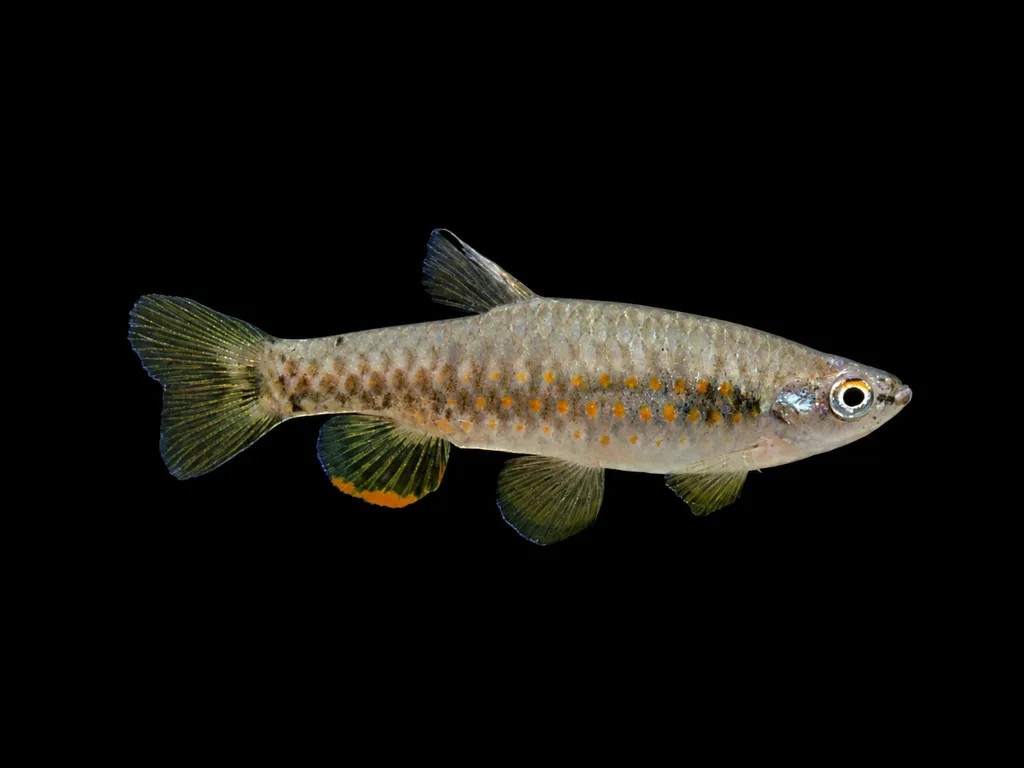
Fanning characin
Pyrrhulina rachoviana
Freshwater2 in (5 cm) · 16 gal (60 L)68–79°F (20–26°C)
Common questions
What size tank does a horseman cory need?
A horseman cory needs at least 16 gal (60 L). It spends most of its time in the bottom.
What temperature and pH does a horseman cory need?
A horseman cory is comfortable at 72–79°F (22–26°C) with a pH of 6.0–7.5.
What does a horseman cory eat?
A horseman cory eats a mix of sinking pellets and small frozen foods, such as bloodworm and daphnia.
How big does a horseman cory get?
An adult horseman cory reaches about 2 in (5 cm).
Does a horseman cory need a group?
Yes. A horseman cory is a shoaling species and should be kept in a group, not singly.
Related species
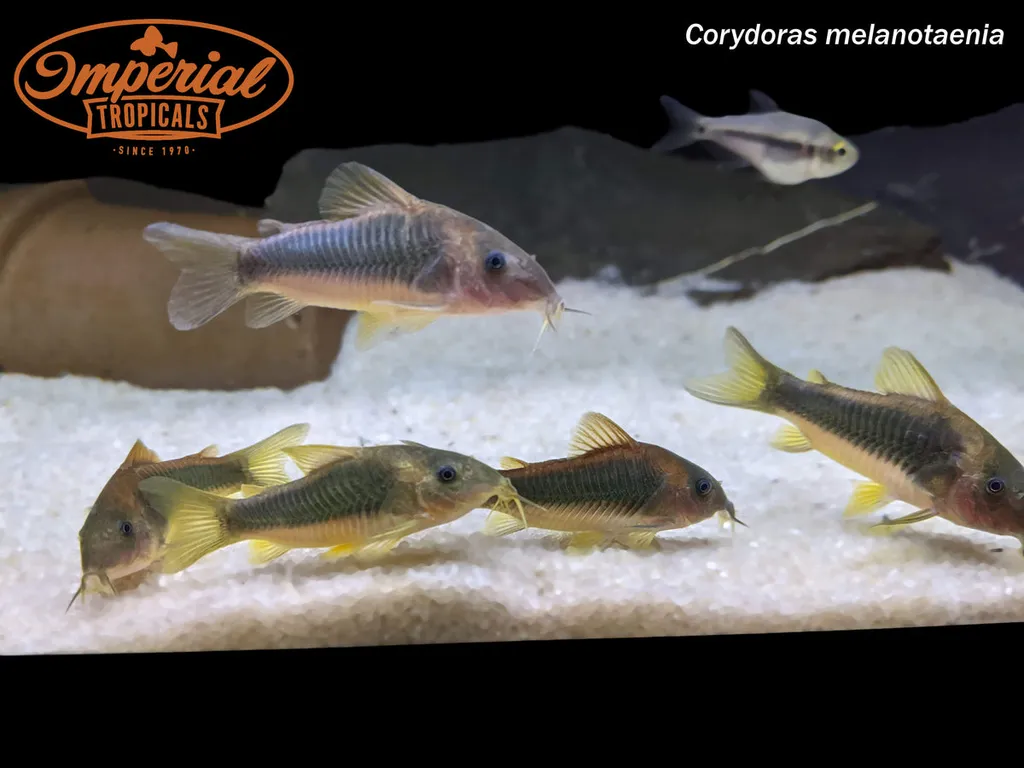 2.4 in (6 cm)17 gal (65 L)68–73°F (20–23°C)
Gold laser cory
Osteogaster melanotaenia
2.4 in (6 cm) · 17 gal (65 L)
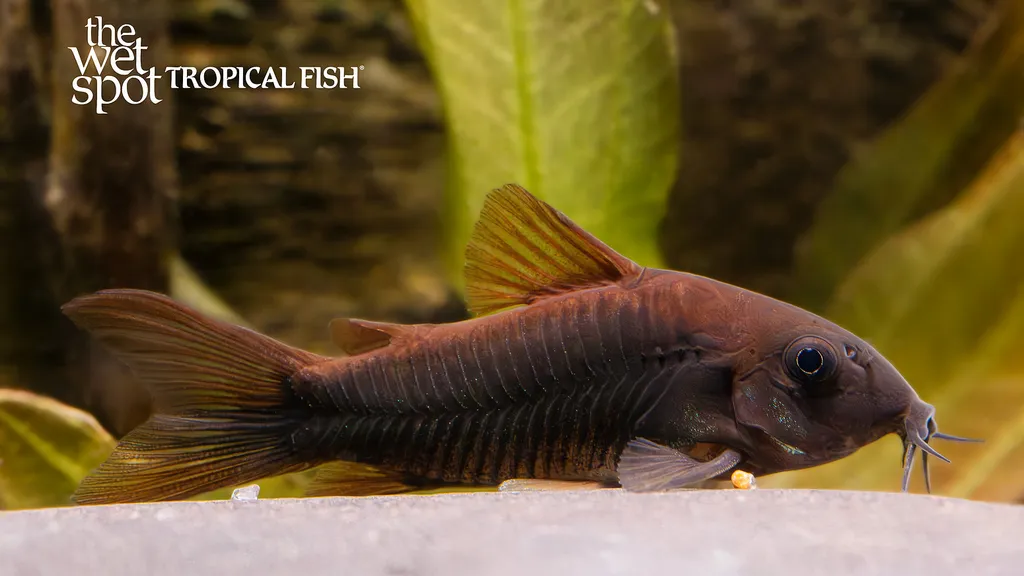 2.4 in (6 cm)20 gal (75 L)72–79°F (22–26°C)
Rust cory
Osteogaster rabauti
2.4 in (6 cm) · 20 gal (75 L)
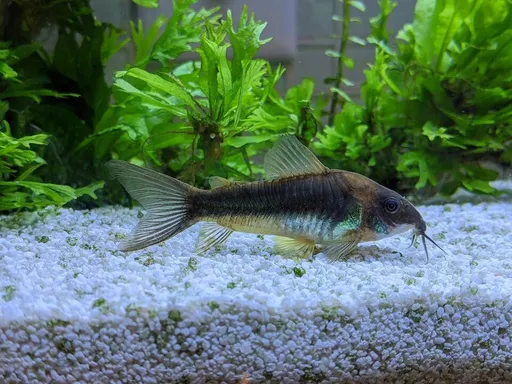 2.4 in (6 cm)20 gal (75 L)68–79°F (20–26°C)
Venezuelan orange cory
Osteogaster aenea
2.4 in (6 cm) · 20 gal (75 L)
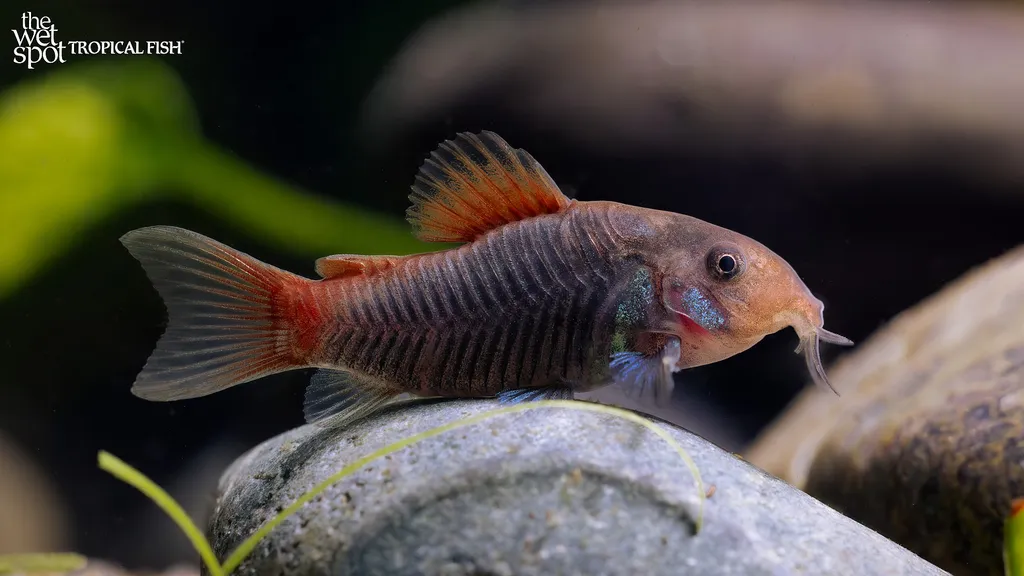 1.6 in (4 cm)15 gal (55 L)75–82°F (24–28°C)
Volcano cory
Osteogaster hephaestus
1.6 in (4 cm) · 15 gal (55 L)
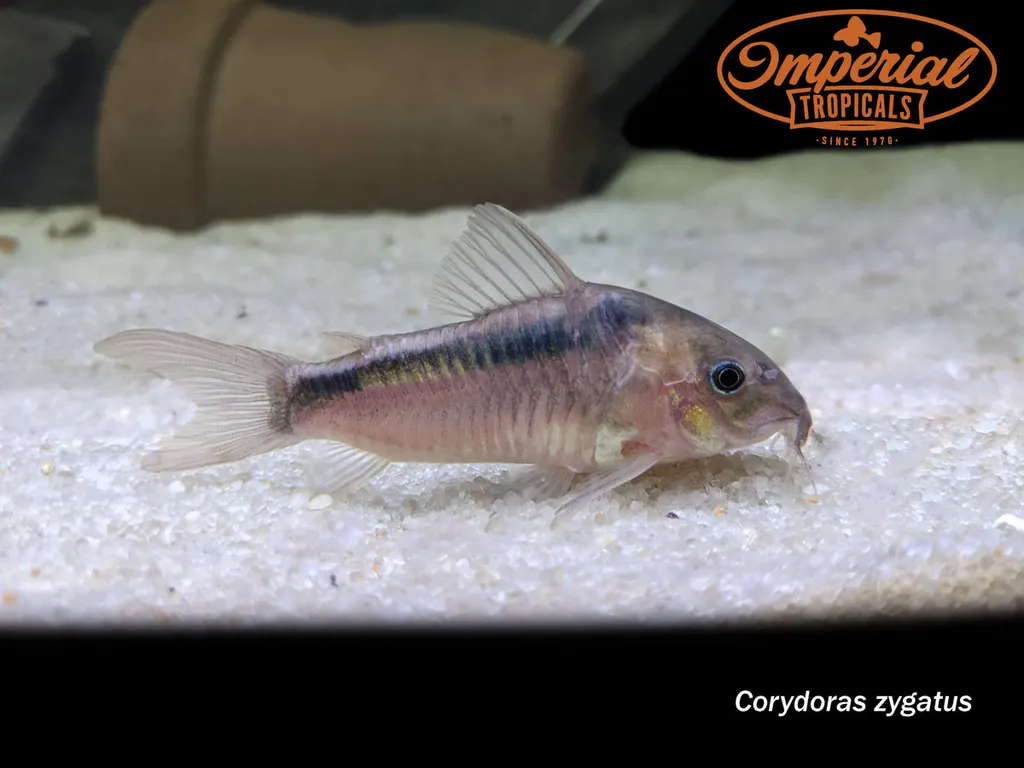 2.6 in (6.5 cm)21 gal (80 L)72–79°F (22–26°C)
Black band cory
Osteogaster zygata
2.6 in (6.5 cm) · 21 gal (80 L)
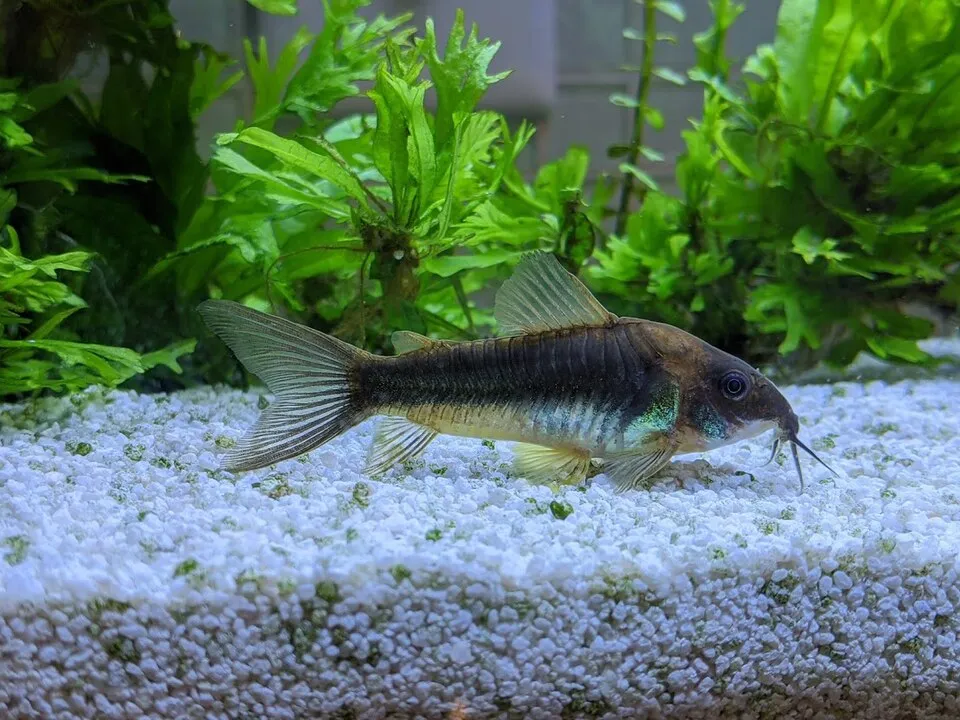 3 in (7.5 cm)17 gal (63 L)70–81°F (21–27°C)
Bronze cory
Osteogaster aenea
3 in (7.5 cm) · 17 gal (63 L)