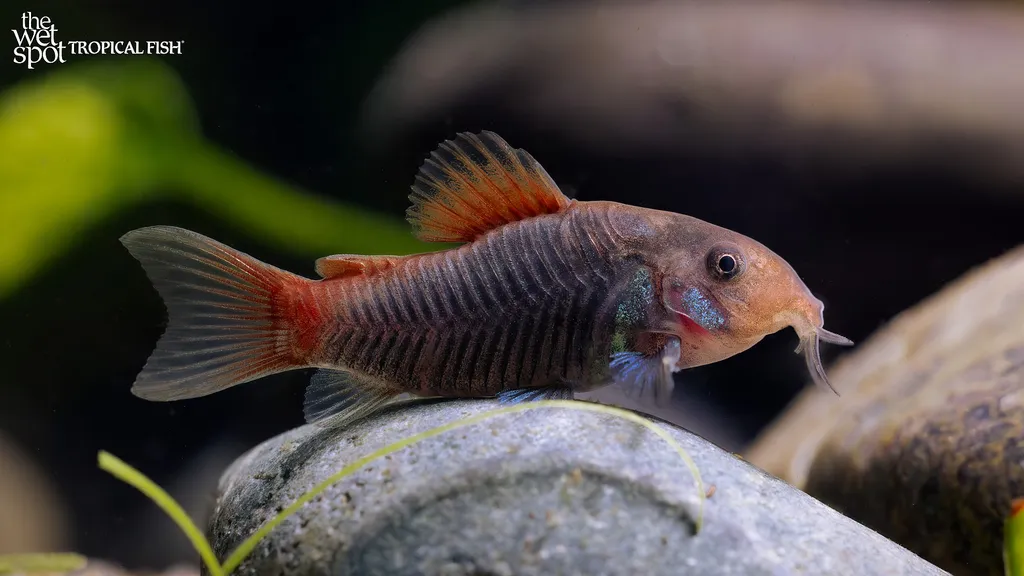
Volcano cory
Osteogaster hephaestus
Also known as Corydoras hephaestus, Red Devil cory, Fireball Cory
FreshwaterFish
Care at a glance
- Temperature
- 75–82°F
- 24–28°C
- pH
- 5.8–7.2
- Adult size
- 1.6 in
- 4 cm
- Minimum tank
- 15 gal
- 55 L
- Temperament
- Peaceful
- Social behavior
- Shoaling
- Swim level
- Bottom
- Difficulty
- Medium
- Breeding
- Egg depositor · Hard
- Rarity
- Rare
- Family
- Callichthyidae
- Origin
- Rio Machado drainage, Rondonia, Brazil
Overview
The volcano cory is a little shoaling cory for the sandy bottom of a community tank. It is best for a keeper with some experience.
Did you know
The volcano cory is named for Hephaestus, the Greek god of fire and the forge. The name refers to the glowing color of breeding males.
Caring for the volcano cory
Keep volcano cories in a shoal of six or more, in 15 gal (55 L) or larger. A bottom of fine sand with leaves and wood suits them, with gentle flow. They are small, active and peaceful, and safe with other community fish.
Keep the water at 75 to 82°F (24 to 28°C) with a pH of 5.8 to 7.2. They take fine sinking granules and small frozen foods.
Males glow strongest when kept in a group with a few females, and breeding males smolder ember-orange along the body. Spawning resembles a warm-water aeneus cory in miniature, with eggs placed on the glass and plants after fresh water changes. Breeding them is hard, and reports are still few.
Good to know
The volcano cory was described in 2016 by Ohara, Tencatt and Britto. The 2024 revision places it in Osteogaster, the aeneus lineage, and its rounded snout and build reflect that.
In the wild
The volcano cory comes from small forest streams in the Rio Machado drainage of Rondonia, Brazil. There it lives over sand and litter in warm, soft water.
Weekly picks
Tank mates
The volcano cory is a peaceful, shoaling species that keeps to the bottom. These picks share a community profile with it, are safe together in both directions, and overlap on water type, temperature and pH.
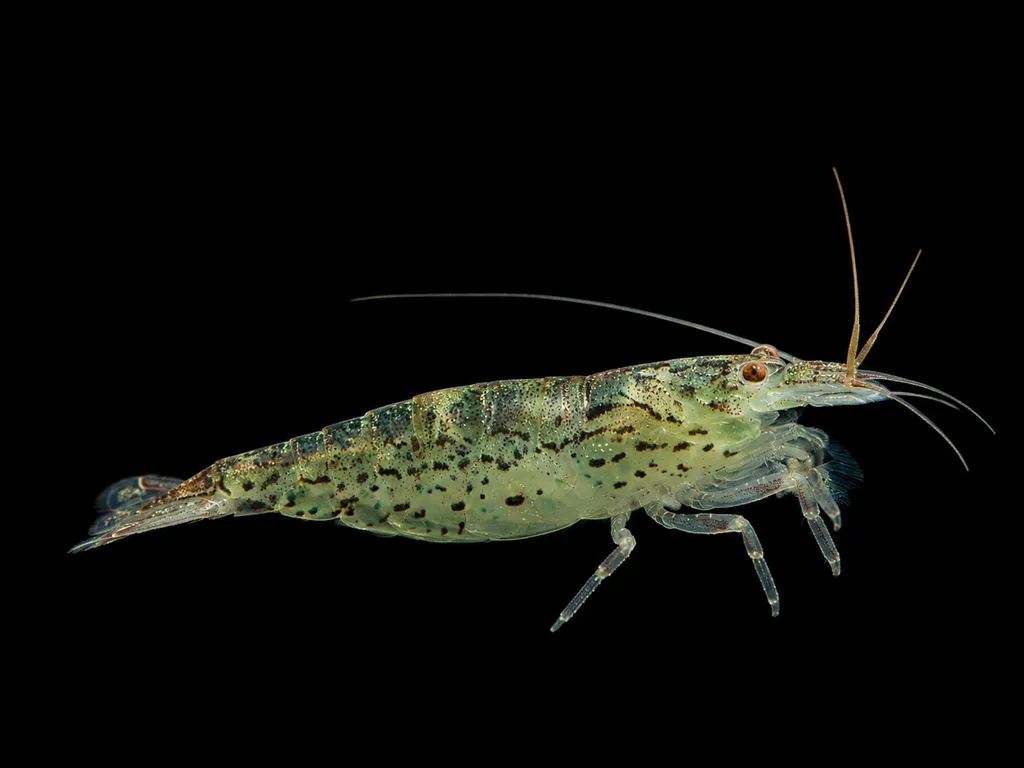
Green lace shrimp
Atyoida pilipes
Freshwater2.8 in (7 cm) · 14 gal (54 L)73–82°F (23–28°C)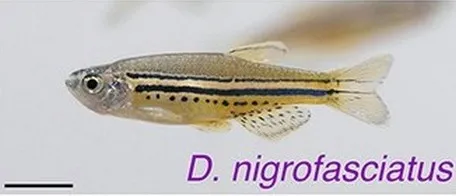
Spotted danio
Danio nigrofasciatus
Freshwater1.5 in (3.7 cm) · 15 gal (55 L)64–79°F (18–26°C)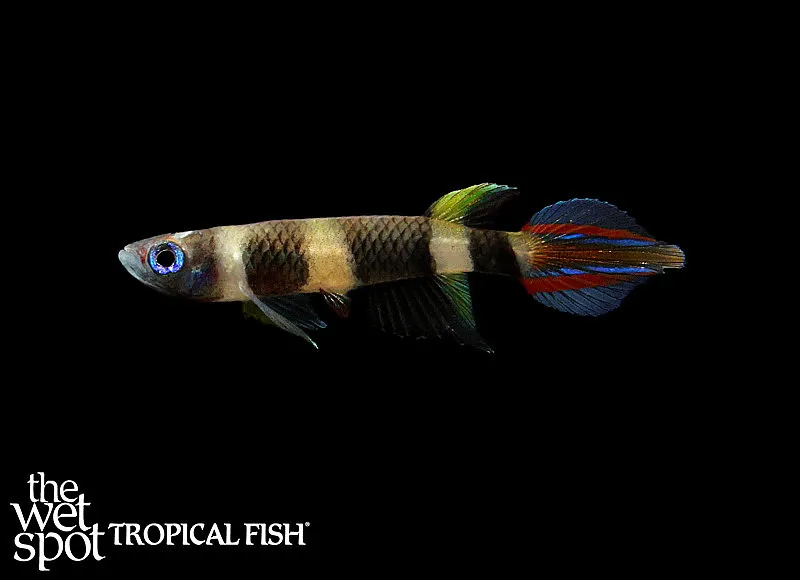
Clown killifish
Epiplatys annulatus
Freshwater1.4 in (3.5 cm) · 15 gal (55 L)68–79°F (20–26°C)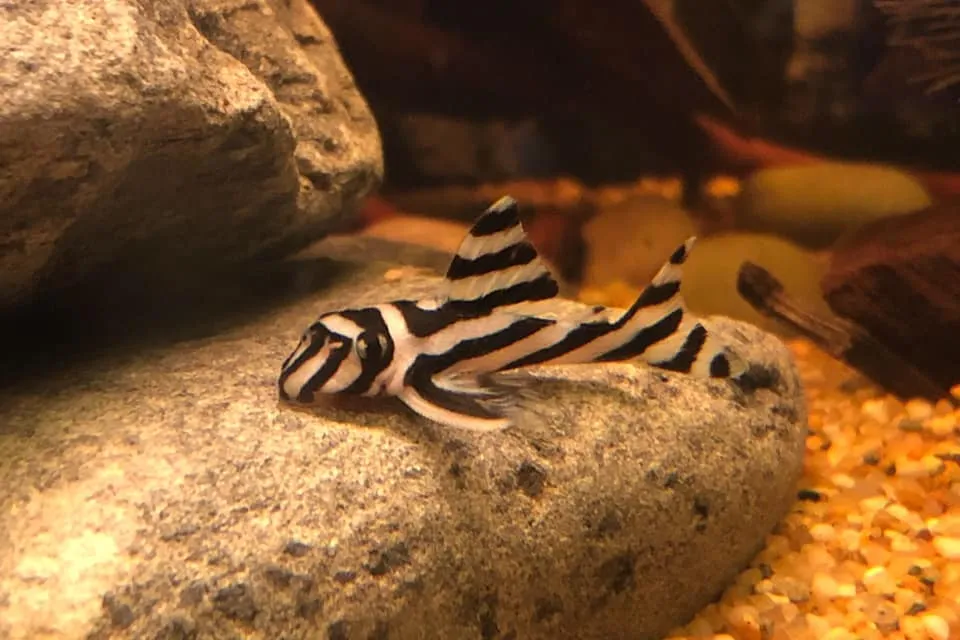
Zebra pleco
Hypancistrus zebra
Freshwater3.1 in (8 cm) · 15 gal (55 L)79–86°F (26–30°C)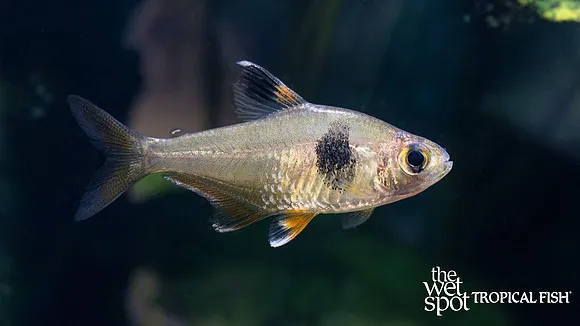
Coffee bean tetra
Hyphessobrycon takasei
Freshwater1.4 in (3.6 cm) · 15 gal (55 L)73–82°F (23–28°C)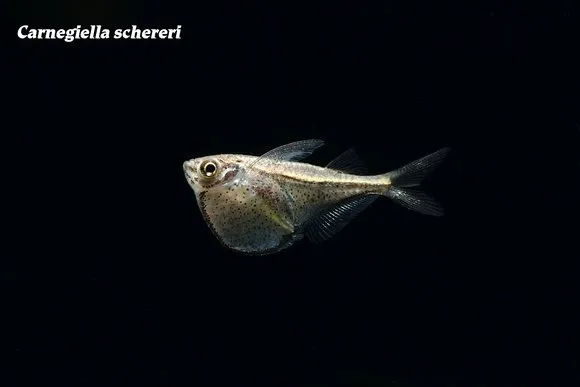
Scherer's hatchetfish
Carnegiella schereri
Freshwater1 in (2.6 cm) · 14 gal (54 L)73–82°F (23–28°C)
Common questions
What size tank does a volcano cory need?
A volcano cory needs at least 15 gal (55 L). It spends most of its time in the bottom.
What temperature and pH does a volcano cory need?
A volcano cory is comfortable at 75–82°F (24–28°C) with a pH of 5.8–7.2.
What does a volcano cory eat?
A volcano cory takes fine sinking granules and small frozen foods.
How big does a volcano cory get?
An adult volcano cory reaches about 1.6 in (4 cm).
Does a volcano cory need a group?
Yes. A volcano cory is a shoaling species and should be kept in a group, not singly.
How can you tell a male volcano cory from a female?
Males in breeding condition smolder ember-orange along the body. They glow strongest when kept in a group with a few females.
How does a volcano cory breed?
Volcano cories place their eggs on the glass and plants after fresh water changes, much like a warm-water aeneus cory in miniature. Breeding them is hard, and reports are still few.
Related species
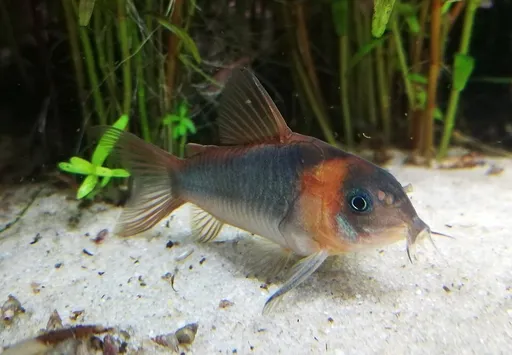 2 in (5 cm)16 gal (60 L)72–79°F (22–26°C)
Horseman cory
Osteogaster eques
2 in (5 cm) · 16 gal (60 L)
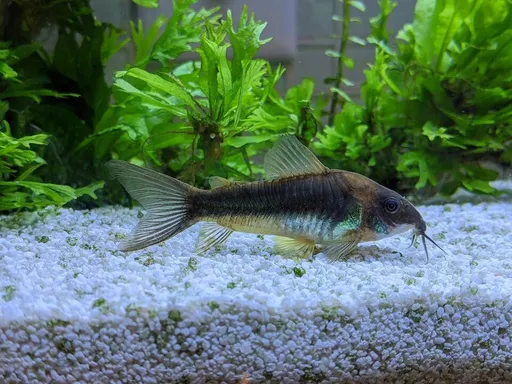
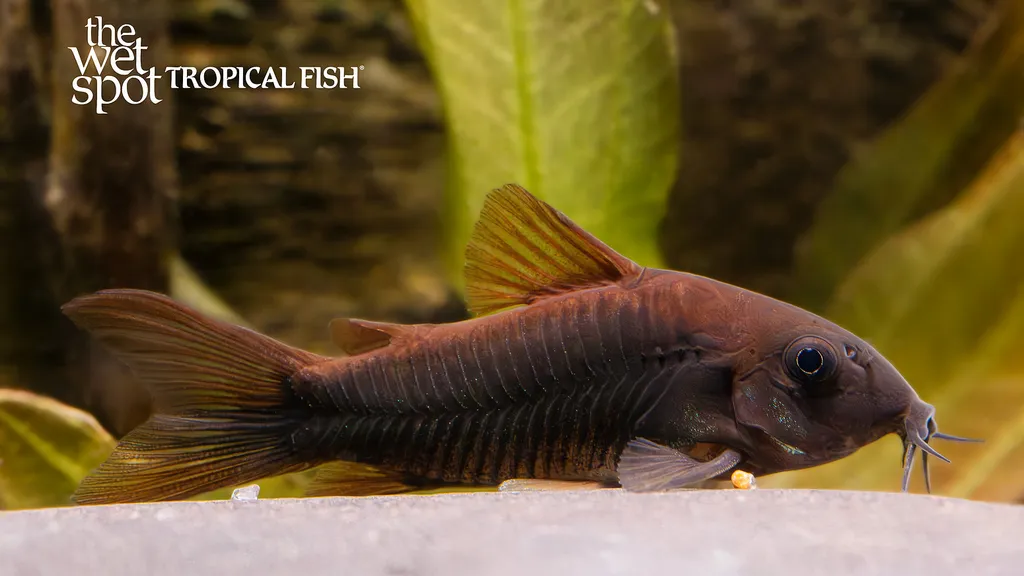 2.4 in (6 cm)20 gal (75 L)72–79°F (22–26°C)
Rust cory
Osteogaster rabauti
2.4 in (6 cm) · 20 gal (75 L)
 2.4 in (6 cm)20 gal (75 L)68–79°F (20–26°C)
Venezuelan orange cory
Osteogaster aenea
2.4 in (6 cm) · 20 gal (75 L)
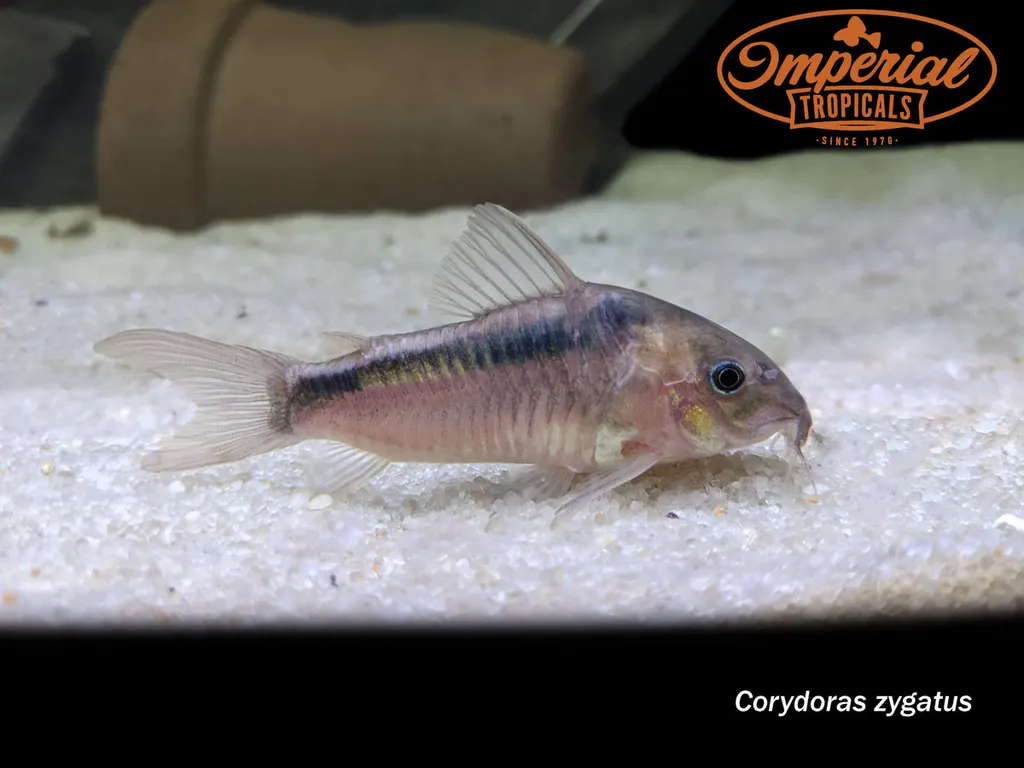 2.6 in (6.5 cm)21 gal (80 L)72–79°F (22–26°C)
Black band cory
Osteogaster zygata
2.6 in (6.5 cm) · 21 gal (80 L)
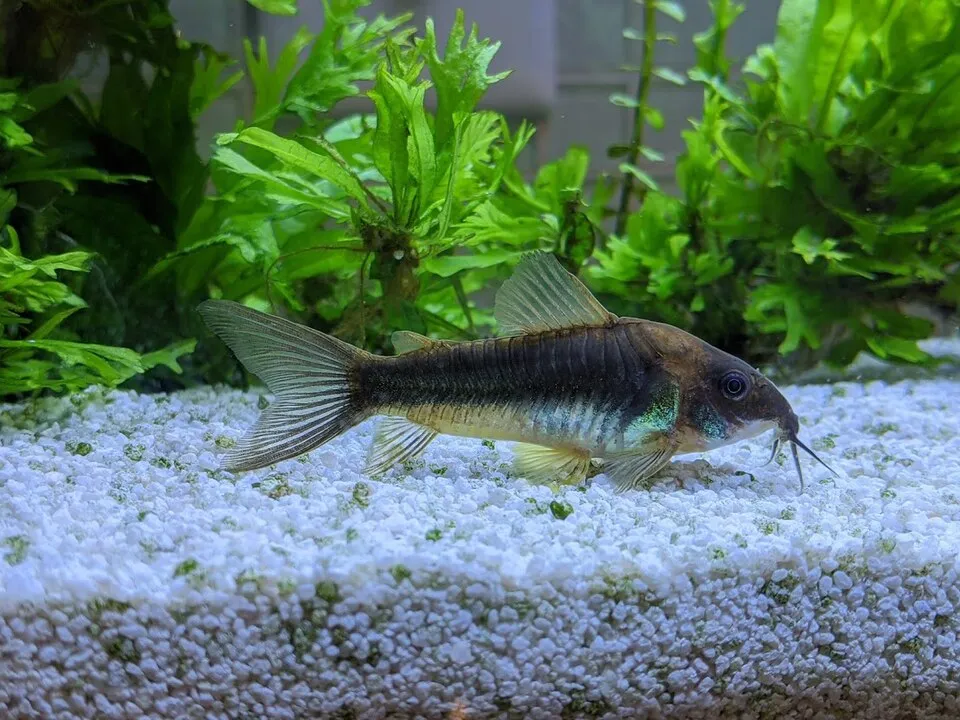 3 in (7.5 cm)17 gal (63 L)70–81°F (21–27°C)
Bronze cory
Osteogaster aenea
3 in (7.5 cm) · 17 gal (63 L)
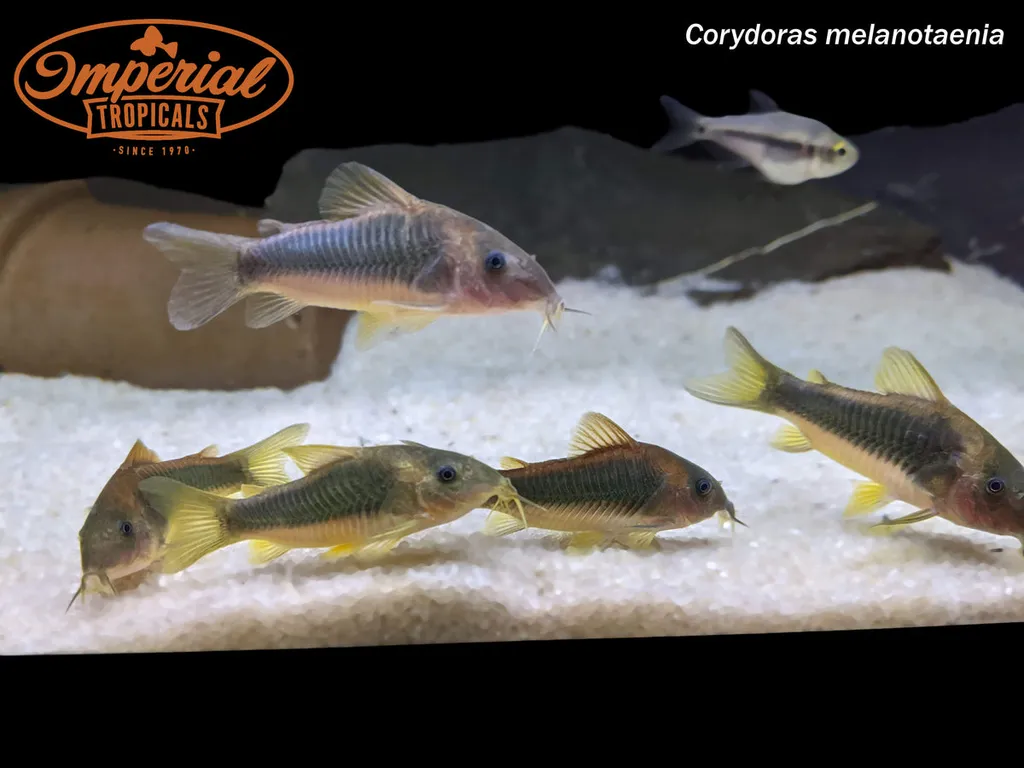 2.4 in (6 cm)17 gal (65 L)68–73°F (20–23°C)
Gold laser cory
Osteogaster melanotaenia
2.4 in (6 cm) · 17 gal (65 L)