Gobies
Gobies are small, peaceful bottom-dwellers that suit nano tanks, and they span the hobby: freshwater gudgeons and Stiphodon, marine sand-sifters and shrimp gobies, and the brackish bumblebee goby in between. Many perch on rock or pair up with a pistol shrimp, and most stay well under a few inches. Each profile lists tank size, diet and temperament.
At a glance
- Tank size
- 5–145 gal
- 5 gal (19 L) to 145 gal (550 L); half the list needs 14 gal (54 L) or more
- Temperature
- 73–81°F
- 23–27°C, most of the list
- pH
- 7.0–8.2
- Most of the list
- Difficulty
- 36 easy
- 37 medium · 36 difficult
- Temperament
- 74 peaceful
- 30 mostly peaceful · 5 aggressive
- Reef safety
- 40 reef safe
- 8 reef safe with caution
109 species
Reef
Reef gobies, the nano reef's workforce
The Eviota and Trimma dwarf gobies are the smallest fish in the catalog, under an inch (2 to 3 cm), listed for 5 gallon (19 liter) tanks and rated easy. Neon gobies and the other Elacatinus cleaner gobies, the clown gobies that perch in coral and the yellow watchman goby that shares a burrow with a pistol shrimp are the classic reef gobies, and all but the clown gobies are marked reef safe without caveats. The sleeper gobies sift sand all day and keep it clean, but they are hard to keep fed, and the profiles rate them medium to difficult.
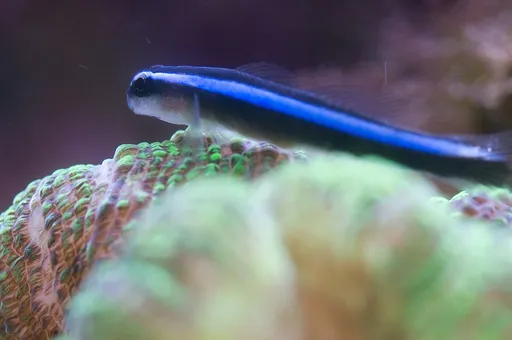
Neon goby
Elacatinus oceanops
Saltwater- Size
- 2 in (5 cm)
- Tank
- 11 gal (40 L)
- Water
- 72–79°F (22–26°C)
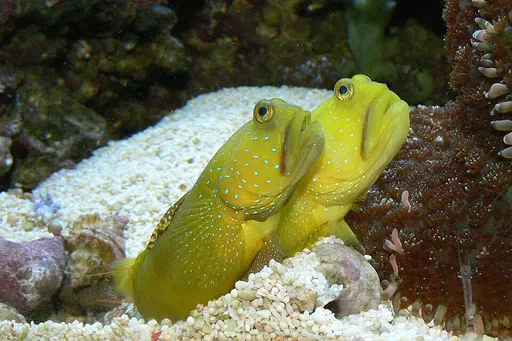
Yellow watchman goby
Cryptocentrus cinctus
Saltwater- Size
- 3.5 in (9 cm)
- Tank
- 20 gal (75 L)
- Water
- 72–81°F (22–27°C)
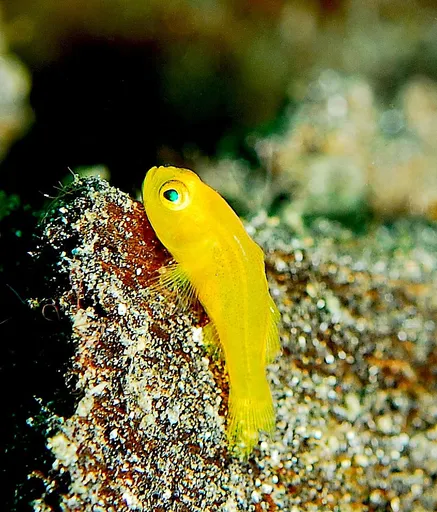
Yellow clown goby
Gobiodon okinawae
Saltwater- Size
- 1.6 in (4 cm)
- Tank
- 11 gal (40 L)
- Water
- 73–81°F (23–27°C)
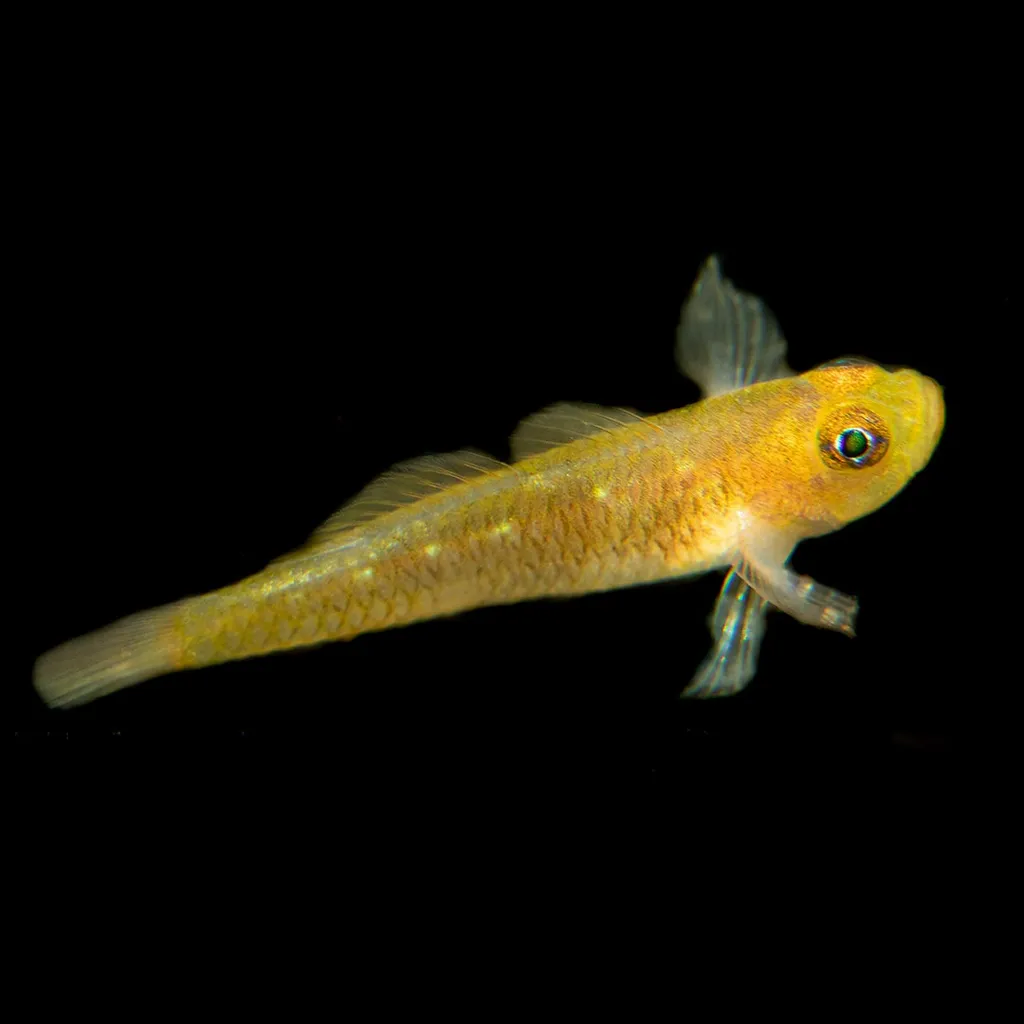
Citron pygmygoby
Trimma kitrinum
Saltwater- Size
- 1.1 in (2.7 cm)
- Tank
- 5 gal (19 L)
- Water
- 72–79°F (22–26°C)
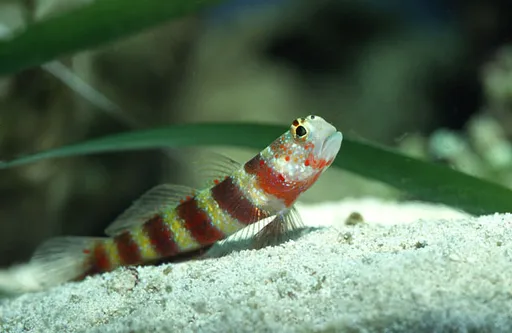
Wheeler's prawn goby
Amblyeleotris wheeleri
Saltwater- Size
- 3.9 in (10 cm)
- Tank
- 30 gal (114 L)
- Water
- 72–79°F (22–26°C)
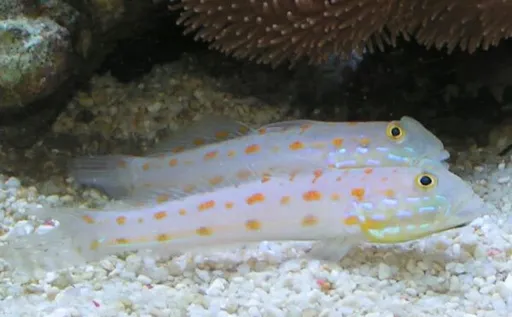
Diamond sleeper goby
Valenciennea puellaris
Saltwater- Size
- 5.9 in (15 cm)
- Tank
- 55 gal (208 L)
- Water
- 72–79°F (22–26°C)
Streams
Freshwater stream gobies
Stiphodon, Sicyopus and Lentipes gobies come from fast, clear streams and graze algae and biofilm off the rocks. Most are rated difficult, not because they are fragile but because a new tank has nothing for them to eat and they starve quietly. Give them a mature tank with strong flow, cool clean water and light enough to grow algae, and they are among the most colorful freshwater fish there are. The Rhinogobius gobies want it cooler still, down to 61°F (16°C).
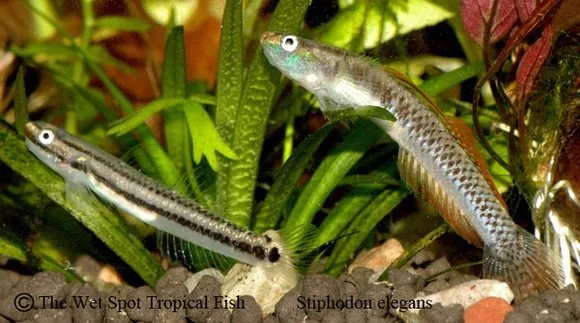
Elegant algae goby
Stiphodon elegans
Freshwater2 in (5 cm) · 14 gal (54 L)73–81°F (23–27°C)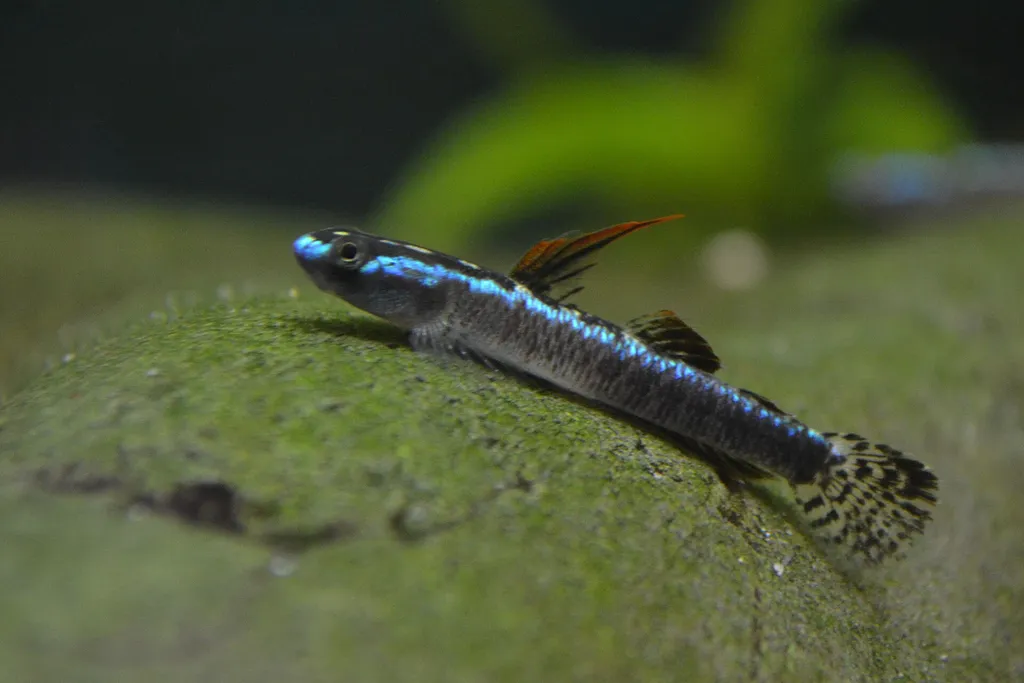
Gold neon dwarf goby
Stiphodon percnopterygionus
Freshwater1.6 in (4 cm) · 14 gal (54 L)72–79°F (22–26°C)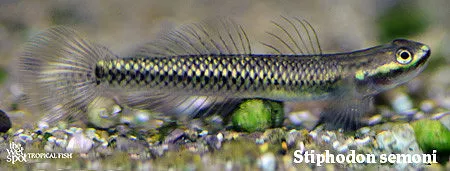
Cobalt blue goby
Stiphodon semoni
Freshwater1.8 in (4.5 cm) · 13 gal (50 L)68–79°F (20–26°C)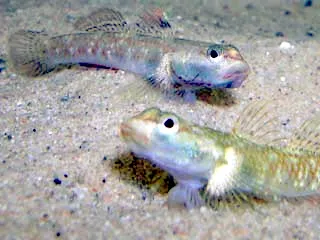
White-cheek goby
Rhinogobius duospilus
Freshwater2 in (5 cm) · 16 gal (60 L)61–75°F (16–24°C)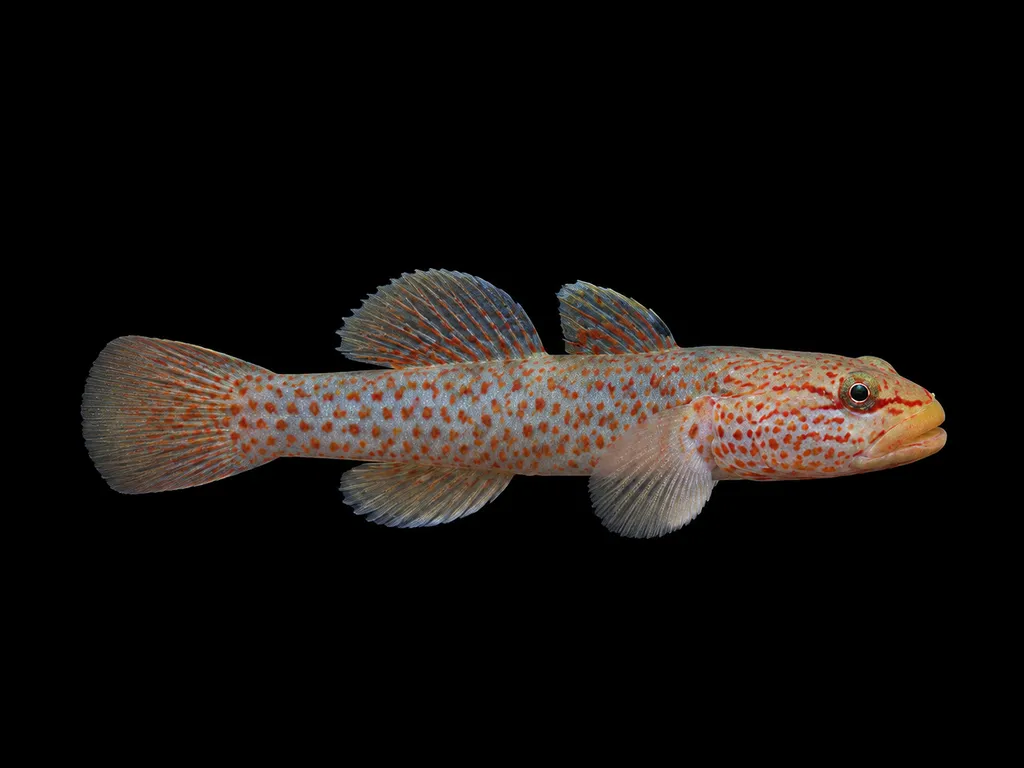
Chinese red ninja goby
Rhinogobius shennongensis
Freshwater2.4 in (6 cm) · 14 gal (54 L)61–73°F (16–23°C)
Gudgeons
Gudgeons and the easy community gobies
The peacock gudgeon is the community goby, a peaceful 3 inch (7.5 cm) fish for a 20 gallon (75 liter) tank that takes frozen food readily. The desert goby is the one freshwater goby rated beginner. Empire and carnival gudgeons sit midwater and school, and the purple-spotted gudgeon grows to 8 inches (20 cm) and eats anything small enough.
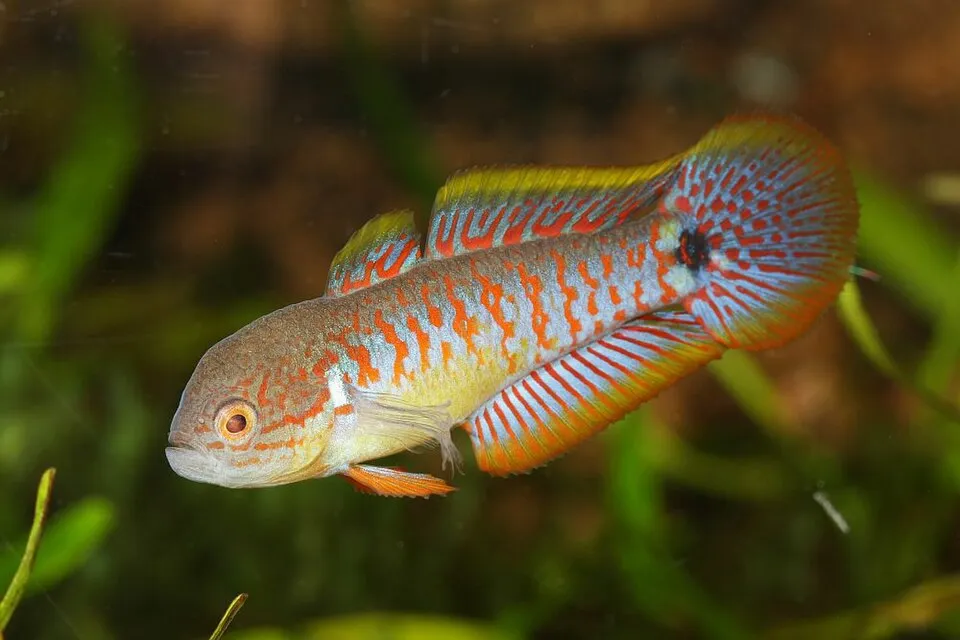
Peacock gudgeon
Tateurndina ocellicauda
Freshwater3 in (7.5 cm) · 20 gal (75 L)72–79°F (22–26°C)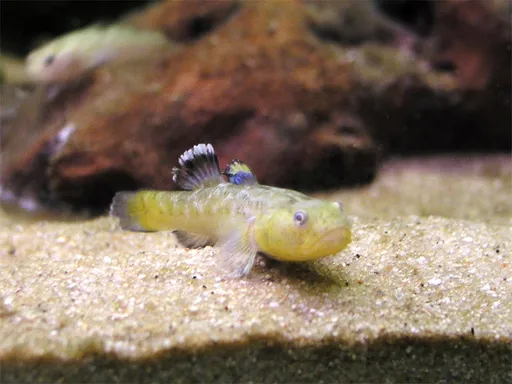
Desert goby
Chlamydogobius eremius
Freshwater2.4 in (6 cm) · 16 gal (60 L)64–82°F (18–28°C)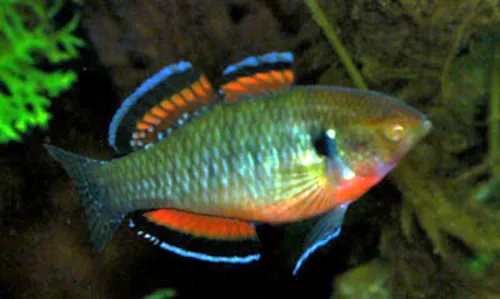
Empire gudgeon
Hypseleotris compressa
Freshwater4.7 in (12 cm) · 26 gal (100 L)68–95°F (20–35°C)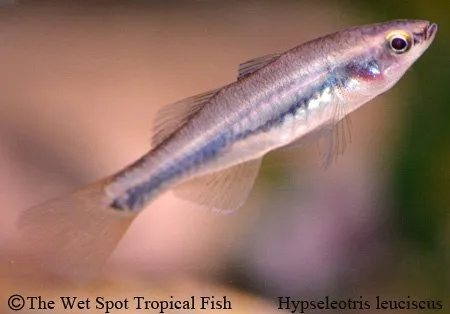
Blue neon carnival gudgeon
Hypseleotris leuciscus
Freshwater2 in (5 cm) · 14 gal (54 L)75–82°F (24–28°C)
Brackish
Gobies for a brackish tank
The bumblebee gobies are sold everywhere and rated difficult here for one reason: they eat live and frozen food only and starve on flake. The knight goby wants the same brackish water. The violet goby is a 22 inch (55 cm) sand-sifter that lists a 119 gallon (450 liter) brackish tank, and the Indian mudskipper needs land as well as water. None of them belongs in a standard freshwater community.
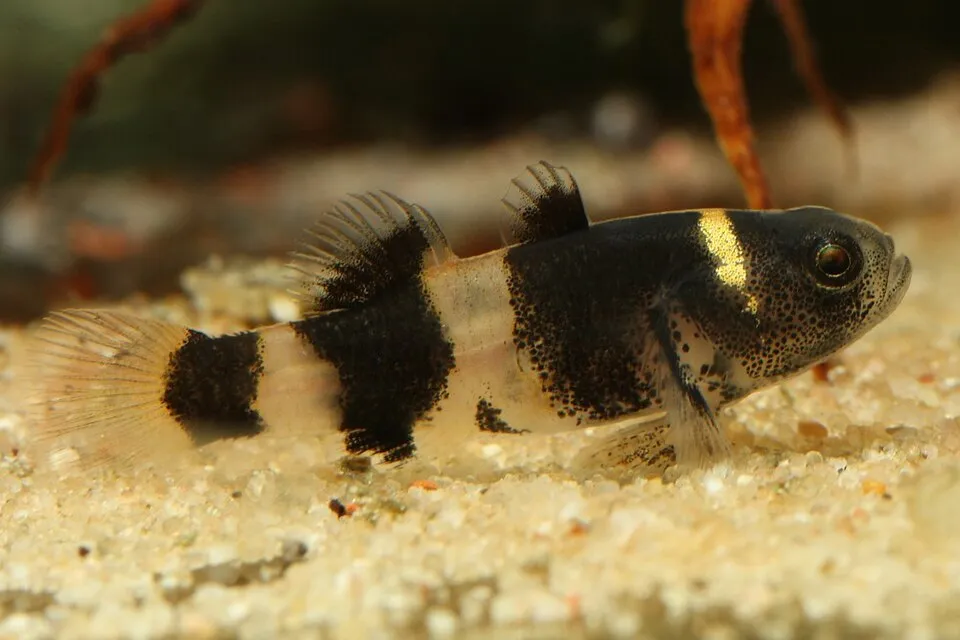
Bumblebee goby
Brachygobius doriae
FreshwaterBrackish1.6 in (4 cm) · 12 gal (45 L)72–82°F (22–28°C)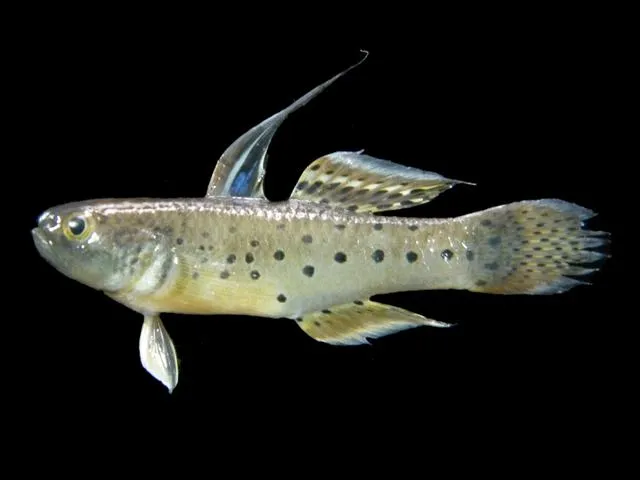
Knight goby
Stigmatogobius sadanundio
FreshwaterBrackish3.5 in (9 cm) · 21 gal (80 L)68–79°F (20–26°C)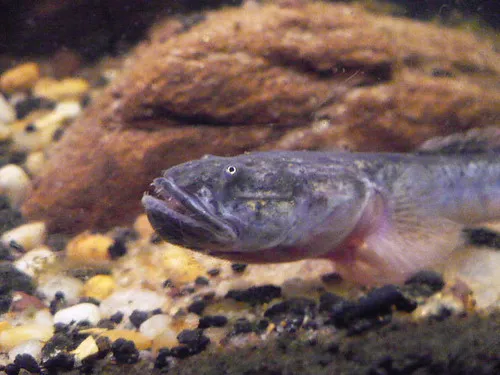
Violet goby
Gobioides broussonnetii
Brackish21.7 in (55 cm) · 119 gal (450 L)72–79°F (22–26°C)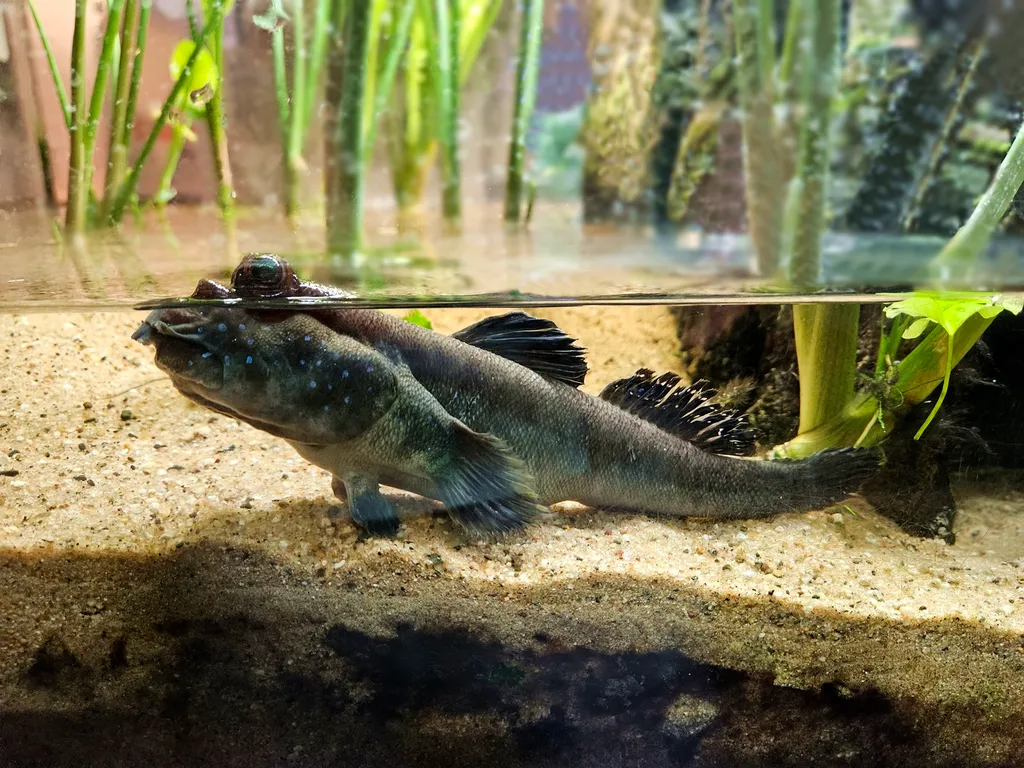
Indian mudskipper
Periophthalmus novemradiatus
Brackish3.9 in (10 cm) · 29 gal (110 L)75–82°F (24–28°C)
Dartfish
Dartfish and firefish
Firefish and the dartfish hover in open water rather than sitting on the bottom, dart into a hole when startled, and jump. They are peaceful, rated easy, and reef safe, which makes them favorites for a first reef, as long as the tank has a lid. Firefish pair or go singly; the dartfish prefer a small group.
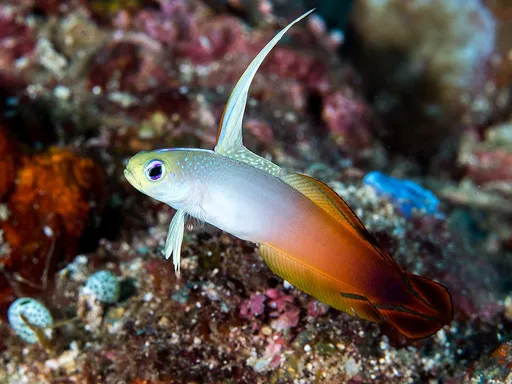
Firefish
Nemateleotris magnifica
Saltwater3.5 in (9 cm) · 20 gal (75 L)72–81°F (22–27°C)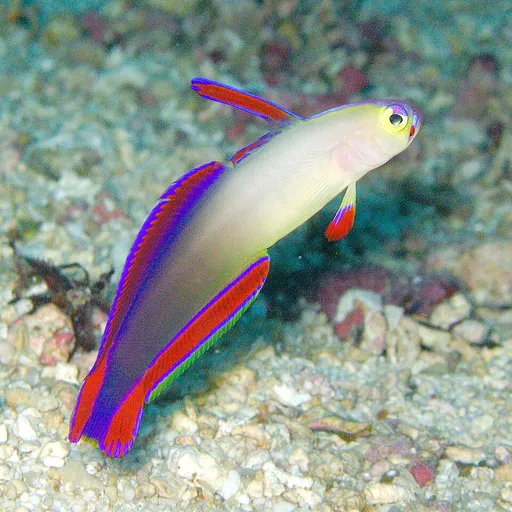
Purple firefish
Nemateleotris decora
Saltwater3.5 in (9 cm) · 20 gal (75 L)72–79°F (22–26°C)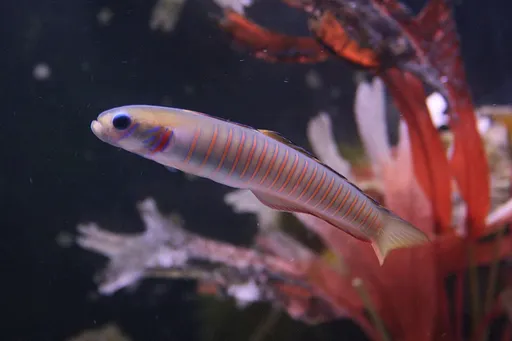
Zebra dartfish
Ptereleotris zebra
Saltwater4.7 in (12 cm) · 29 gal (110 L)72–79°F (22–26°C)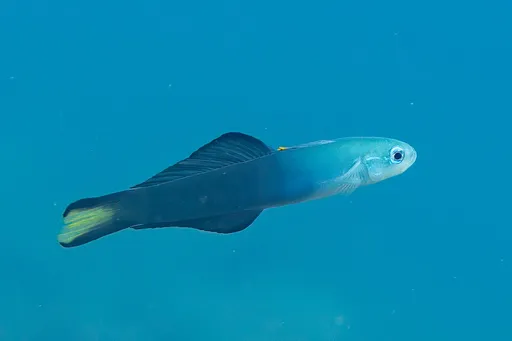
Scissortail dartfish
Ptereleotris evides
Saltwater5.5 in (14 cm) · 29 gal (110 L)72–79°F (22–26°C)
Pistol shrimp
The gobies that share a burrow with a pistol shrimp
A shrimp goby and a pistol shrimp share a burrow that the shrimp digs and the goby guards. The shrimp is nearly blind and keeps an antenna on the goby's tail; a flick sends both into the hole. The pink-spotted watchman goby is marked easy at 3.9 inches (10 cm) for 30 gallons (115 liters) and pairs with the tiger pistol shrimp, as do the orange-spot prawn goby and the pinkbar goby at 4.3 inches (11 cm). Randall's prawn goby is the same group at 4.7 inches (12 cm), marked medium. The yasha goby and the hi-fin red-banded goby are 2.4 inches (6 cm) for 15 to 20 gallons (57 to 75 liters) and pair with Randall's pistol shrimp instead. Each shrimp goby profile names the pistol shrimp it pairs with; buy the two together and give them a sand bed at least 2 inches (5 cm) deep.
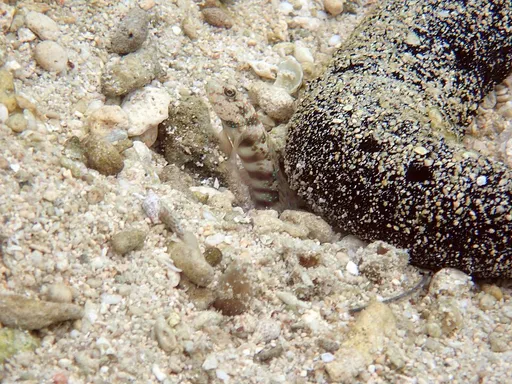
Pink-spotted watchman goby
Cryptocentrus leptocephalus
Saltwater3.9 in (10 cm) · 30 gal (115 L)73–81°F (23–27°C)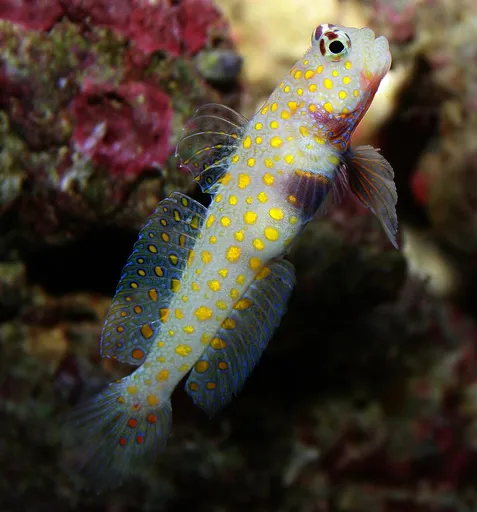
Orange-spot prawn goby
Amblyeleotris guttata
Saltwater4.3 in (11 cm) · 30 gal (114 L)72–79°F (22–26°C)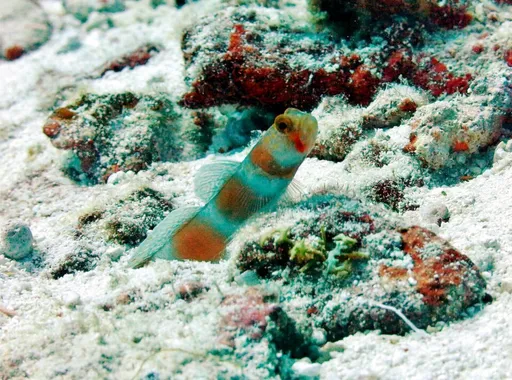
Pinkbar goby
Amblyeleotris aurora
Saltwater4.3 in (11 cm) · 30 gal (115 L)73–81°F (23–27°C)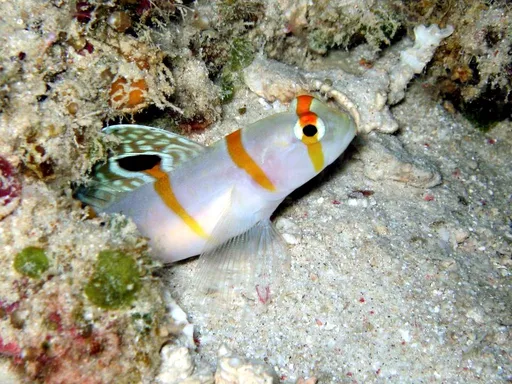
Randall's prawn goby
Amblyeleotris randalli
Saltwater4.7 in (12 cm) · 30 gal (114 L)72–79°F (22–26°C)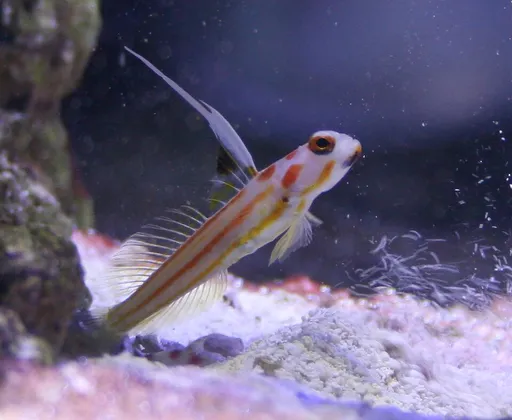
Yasha goby
Stonogobiops yasha
Saltwater2.4 in (6 cm) · 15 gal (57 L)72–79°F (22–26°C)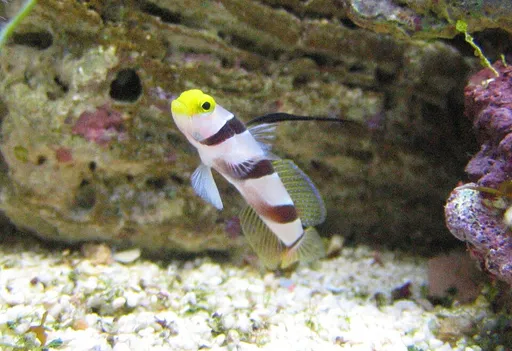
Hi-fin red banded goby
Stonogobiops nematodes
Saltwater2.4 in (6 cm) · 20 gal (75 L)72–81°F (22–27°C)
Cleaners
The cleaner gobies
The Elacatinus gobies of the Caribbean and Brazil pick parasites off larger fish, which hold still and open their gills for them. All of them are marked easy, peaceful and reef safe at 1.6 to 2 inches (4 to 5 cm) for 11 gallons (40 liters); the sharknose goby lists 13 gallons (50 liters). The barber goby is the Brazilian one, the barsnout, broadstripe and red head gobies are the Caribbean cleaners, and the yellowline sponge goby lives in tube sponges. A pair spawns in a shell or a bit of pipe, and the fry are among the few marine fish raised at home.
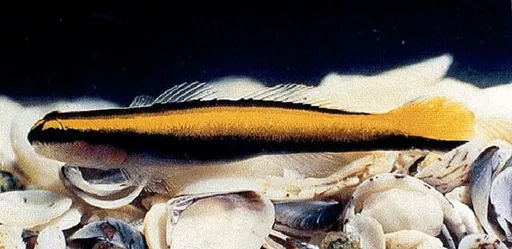
Barber goby
Elacatinus figaro
Saltwater1.6 in (4 cm) · 11 gal (40 L)72–79°F (22–26°C)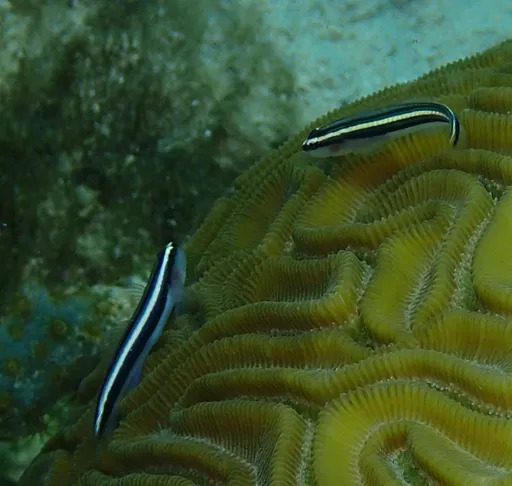
Barsnout cleaner goby
Elacatinus illecebrosus
Saltwater1.6 in (4 cm) · 11 gal (40 L)72–79°F (22–26°C)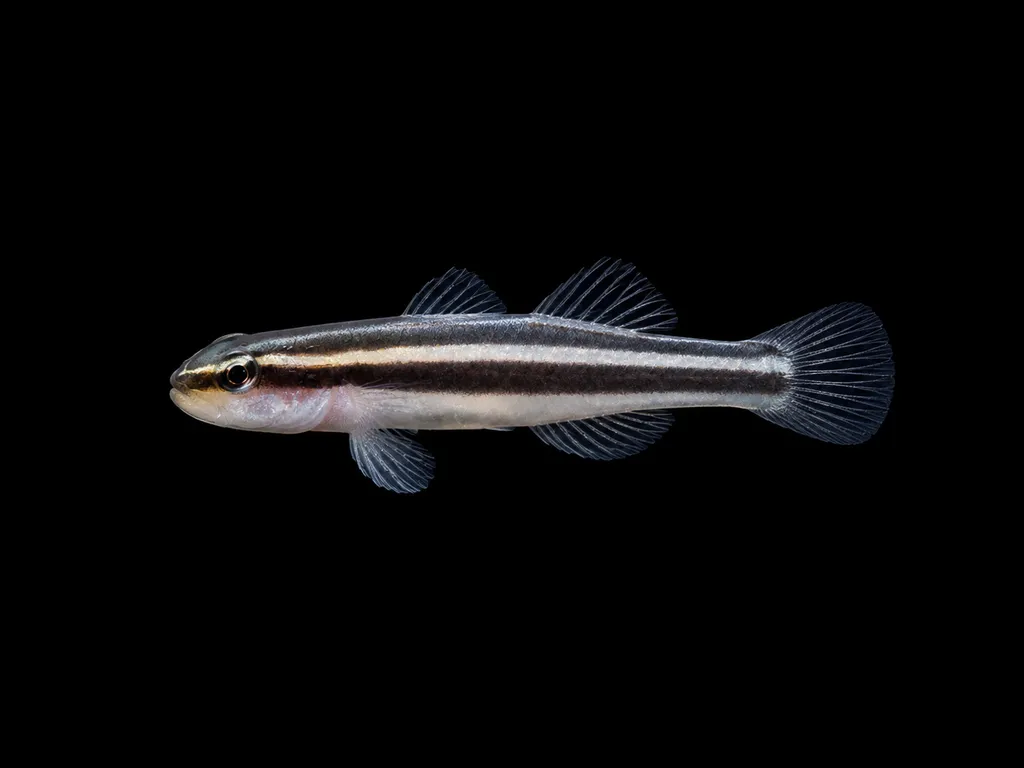
Broadstripe cleaner goby
Elacatinus prochilos
Saltwater1.6 in (4 cm) · 11 gal (40 L)72–79°F (22–26°C)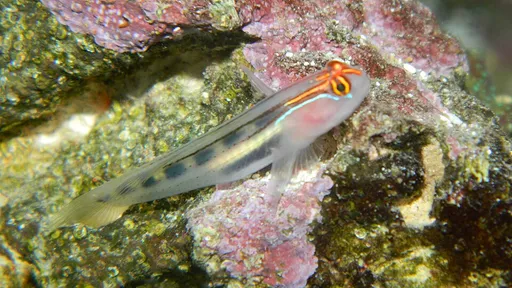
Red head goby
Elacatinus puncticulatus
Saltwater2 in (5 cm) · 11 gal (40 L)72–79°F (22–26°C)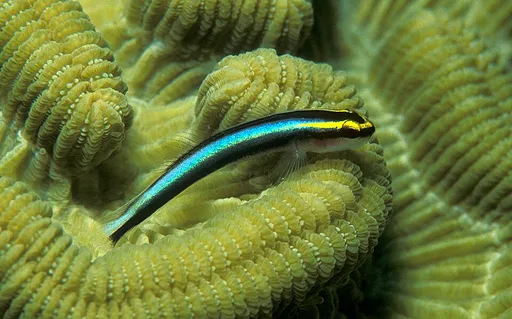
Sharknose goby
Elacatinus evelynae
Saltwater1.6 in (4 cm) · 13 gal (50 L)75–79°F (24–26°C)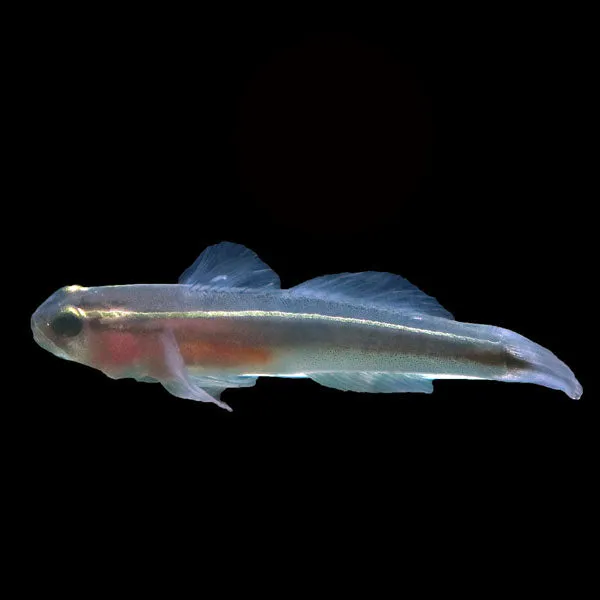
Yellowline sponge goby
Elacatinus horsti
Saltwater2 in (5 cm) · 11 gal (40 L)72–79°F (22–26°C)
By the numbers
Smallest
Largest
Easiest to keep
Most peaceful
Fits a 20 gallon tank
Fits a 30 gallon tank
FAQ
Common questions
Are gobies good for a nano tank?
The best there are. The dwarf gobies list 5 gallon (19 liter) tanks, the neon and clown gobies 10 gallons (40 liters), and on the freshwater side the bumblebee gobies fit similar tanks if you can feed them.
Do gobies eat algae?
The Stiphodon, Sicyopus and Lentipes stream gobies graze algae and biofilm and need it to survive. Most other gobies are carnivores that eat small frozen and live food.
What do gobies eat?
Small frozen food, mysis, brine shrimp and finely chopped seafood for the reef and community gobies. Bumblebee gobies take only live and frozen food. Sleeper gobies need sand to sift and several feedings a day.
Can gobies live in freshwater?
Yes. More than half the rows on this page are freshwater fish, the gudgeons, the stream gobies and the Rhinogobius among them, and a few, like the bumblebee and knight gobies, are brackish.
Do gobies jump?
The dartfish and firefish do, and the clown and neon gobies less often. Fit a lid, or at least mesh over the gaps.
Which goby pairs with a pistol shrimp?
The yellow watchman goby and the other Cryptocentrus, Amblyeleotris and Stonogobiops prawn gobies. Buy the shrimp and goby together and they usually pair within a day.
Index
Freshwater gobies
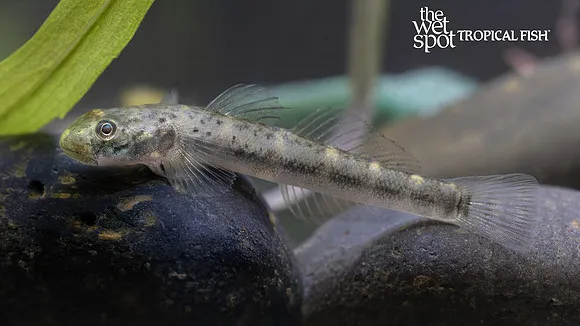
African algae-eating goby
Parasicydium bandama
Freshwater2.2 in (5.5 cm) · 14 gal (54 L)73–81°F (23–27°C)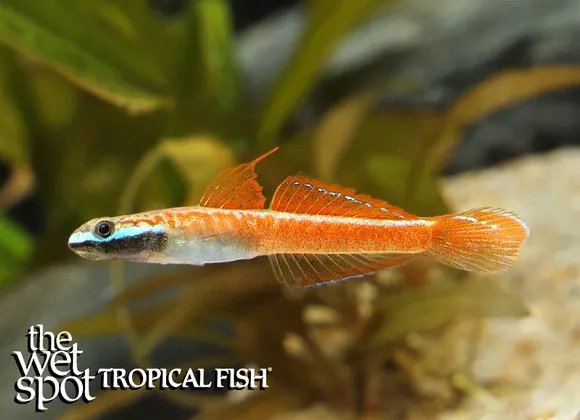
Annie's goby
Stiphodon annieae
Freshwater1.2 in (3 cm) · 14 gal (54 L)73–81°F (23–27°C)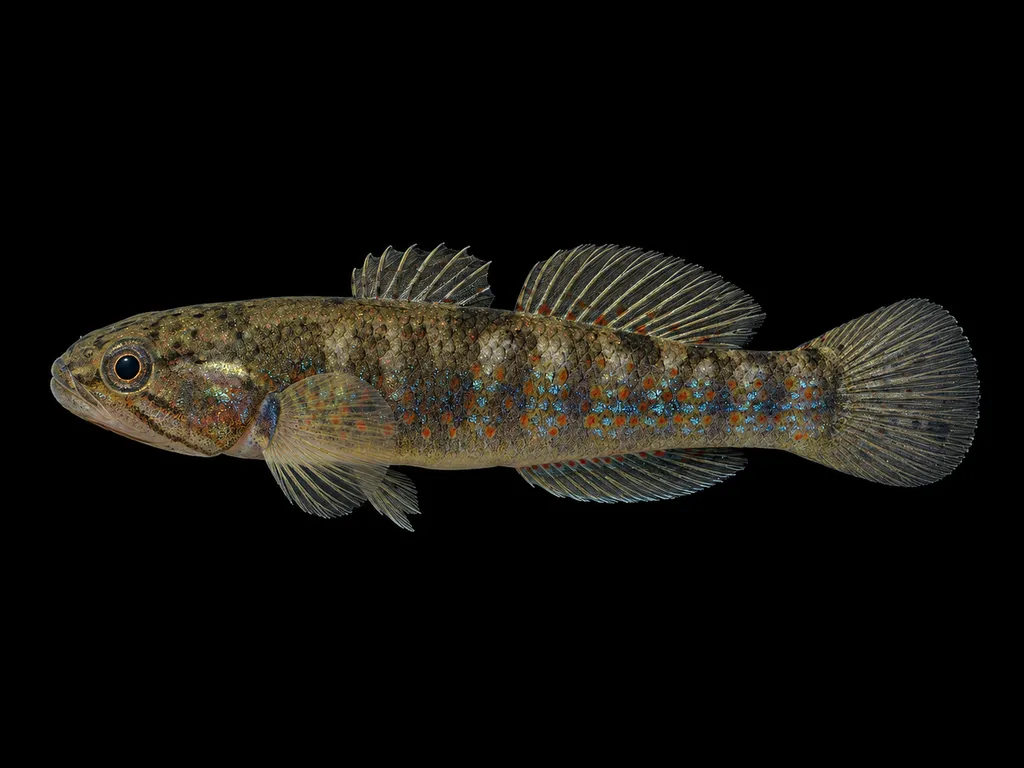
Banded gudgeon
Mogurnda cingulata
Freshwater4.7 in (12 cm) · 30 gal (112 L)72–82°F (22–28°C)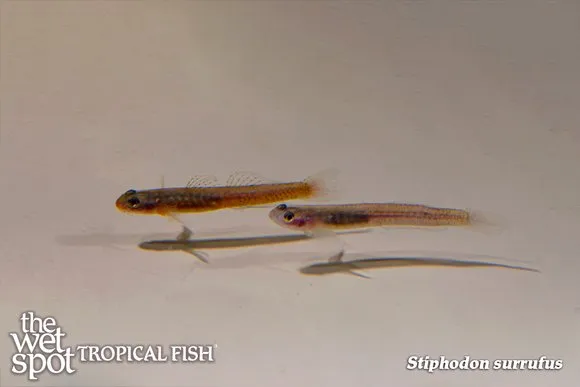
Birdsong goby
Stiphodon surrufus
Freshwater1 in (2.5 cm) · 11 gal (40 L)73–81°F (23–27°C)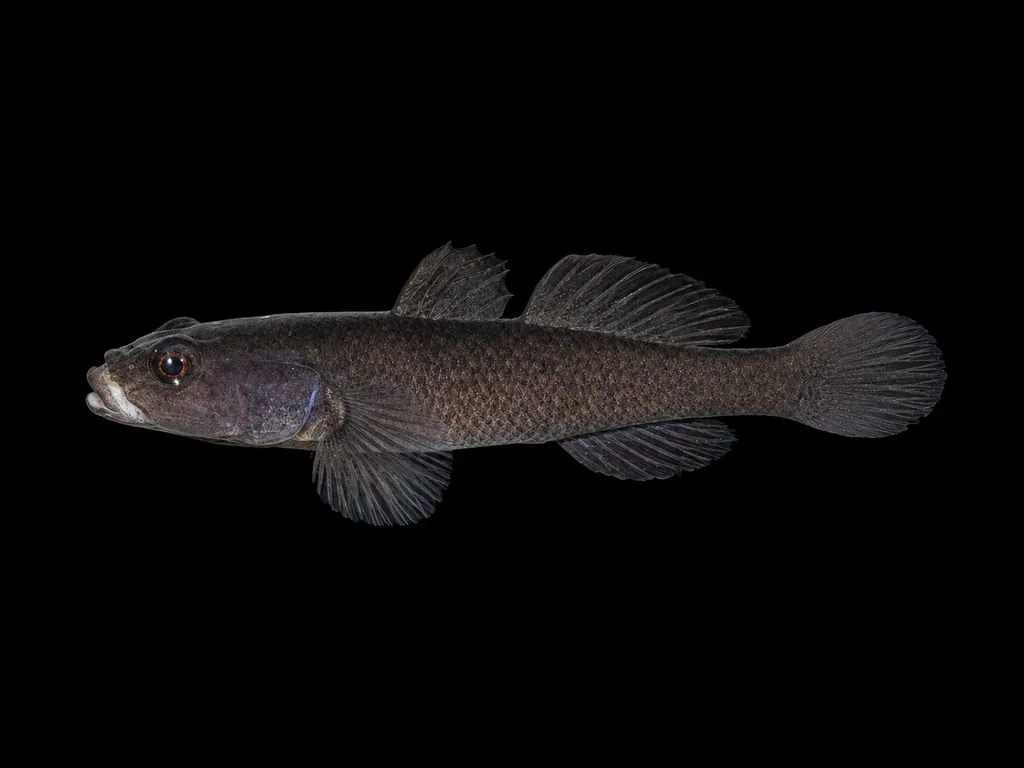
Black toraja goby
Mugilogobius sarasinorum
Freshwater3.1 in (8 cm) · 21 gal (80 L)79–82°F (26–28°C)Blue neon carnival gudgeon
Hypseleotris leuciscus
Freshwater2 in (5 cm) · 14 gal (54 L)75–82°F (24–28°C)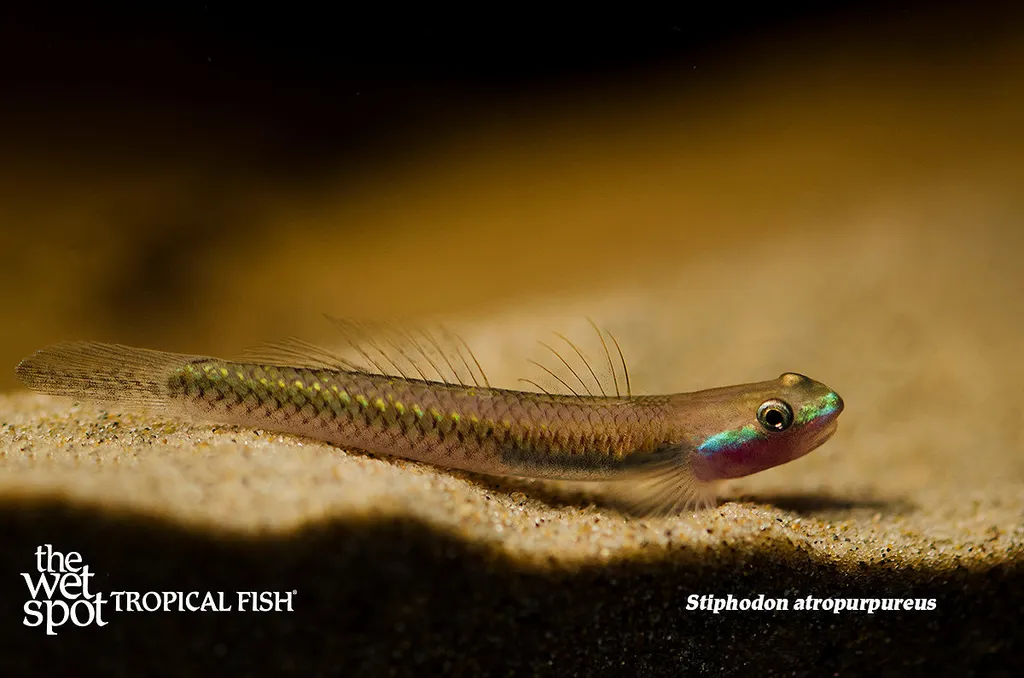
Blue neon dwarf goby
Stiphodon atropurpureus
Freshwater2 in (5 cm) · 20 gal (75 L)72–81°F (22–27°C)Bumblebee goby
Brachygobius doriae
FreshwaterBrackish1.6 in (4 cm) · 12 gal (45 L)72–82°F (22–28°C)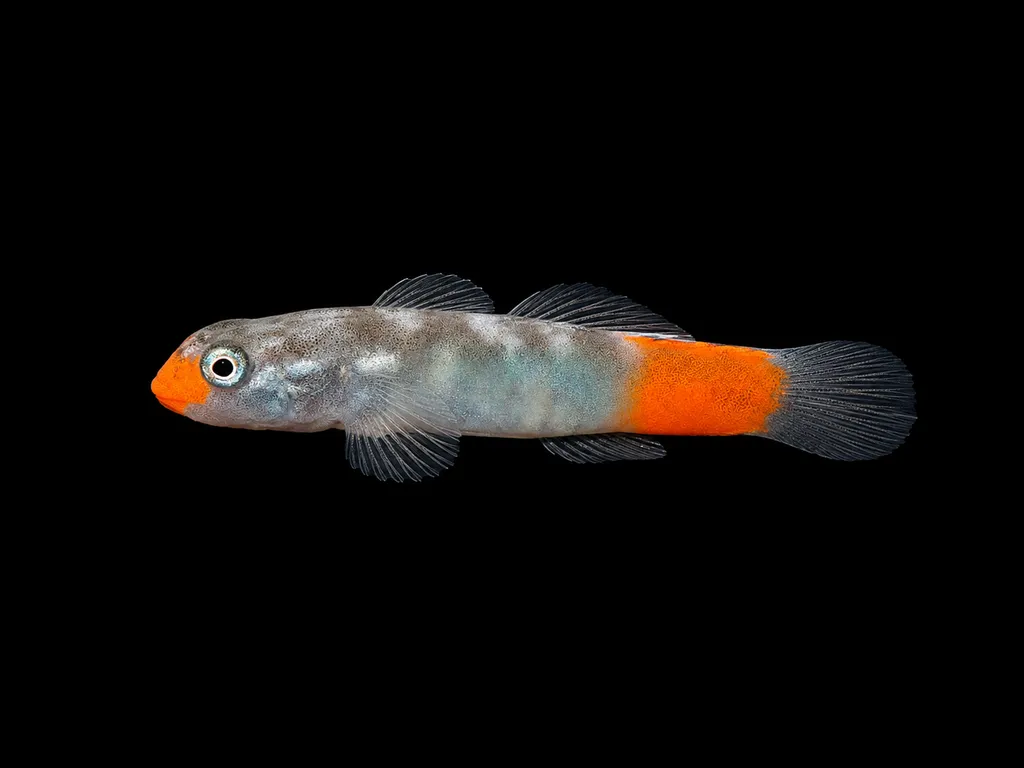
Caledonian red nose goby
Lentipes kaaea
Freshwater2.4 in (6 cm) · 14 gal (54 L)73–81°F (23–27°C)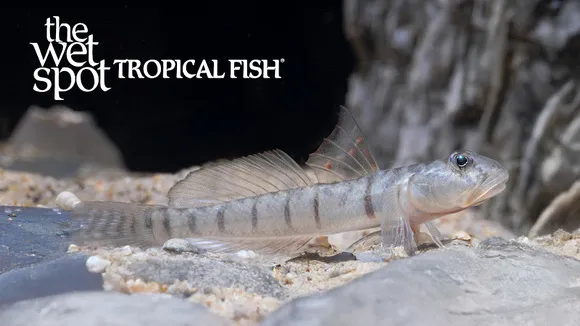
Candy stripe goby
Awaous flavus
Freshwater3.9 in (10 cm) · 29 gal (110 L)75–82°F (24–28°C)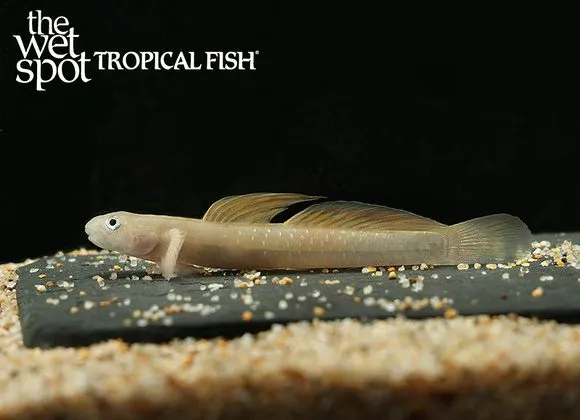
Cebu orange tail goby
Sicyopus cebuensis
Freshwater1.8 in (4.5 cm) · 14 gal (54 L)73–81°F (23–27°C)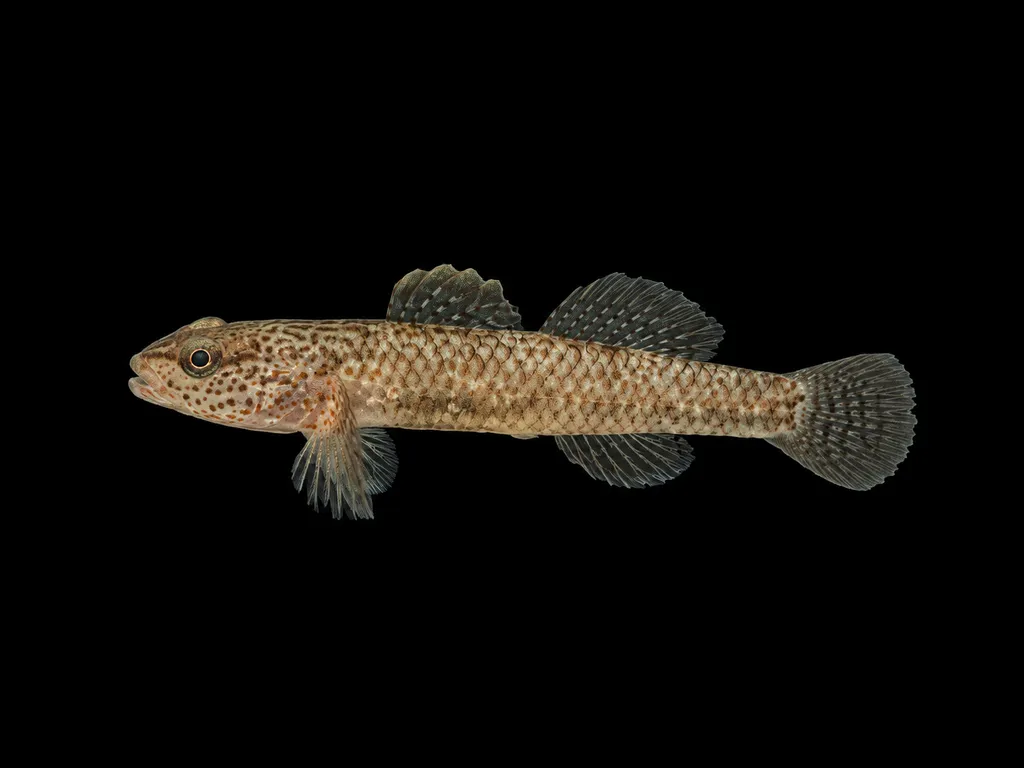
Chiangmai stream goby
Rhinogobius chiengmaiensis
Freshwater2 in (5 cm) · 14 gal (54 L)64–75°F (18–24°C)Chinese red ninja goby
Rhinogobius shennongensis
Freshwater2.4 in (6 cm) · 14 gal (54 L)61–73°F (16–23°C)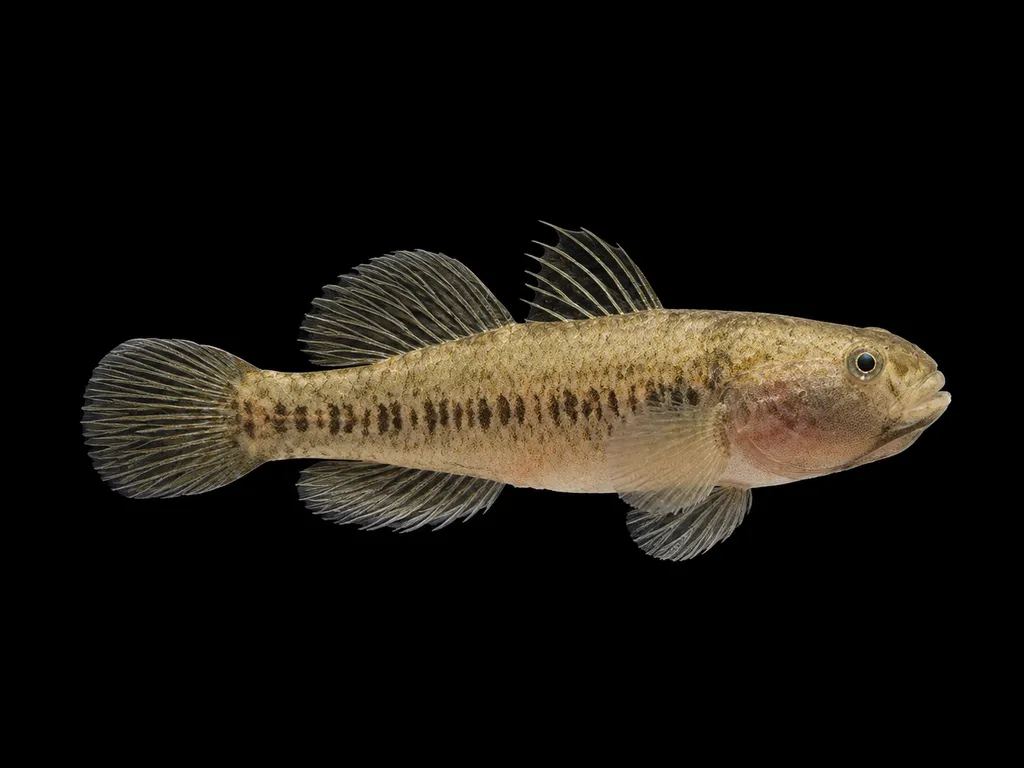
Clay goby
Dormitator lebretonis
Freshwater4.7 in (12 cm) · 42 gal (160 L)75–82°F (24–28°C)Cobalt blue goby
Stiphodon semoni
Freshwater1.8 in (4.5 cm) · 13 gal (50 L)68–79°F (20–26°C)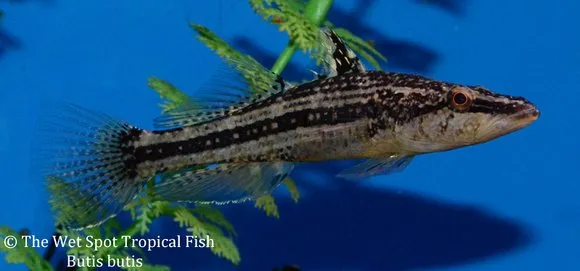
Crazy fish
Butis butis
Freshwater5.9 in (15 cm) · 66 gal (250 L)75–82°F (24–28°C)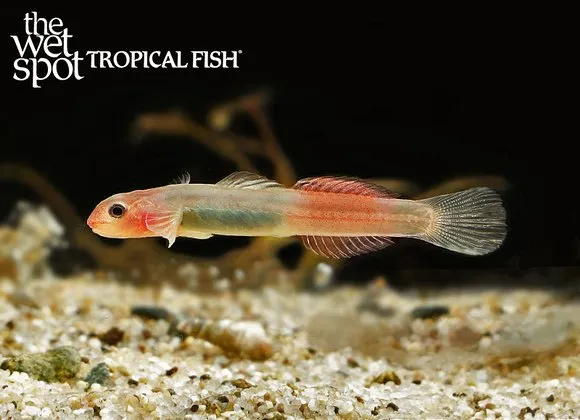
Critter goby
Lentipes crittersius
Freshwater1.6 in (4 cm) · 14 gal (54 L)73–81°F (23–27°C)Desert goby
Chlamydogobius eremius
Freshwater2.4 in (6 cm) · 16 gal (60 L)64–82°F (18–28°C)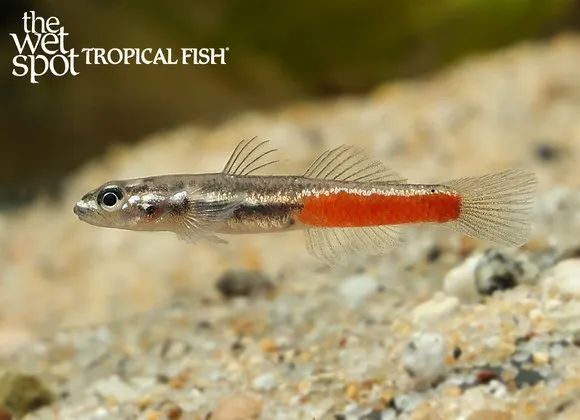
Discord goby
Sicyopus discordipinnis
Freshwater1.4 in (3.5 cm) · 14 gal (54 L)73–81°F (23–27°C)Elegant algae goby
Stiphodon elegans
Freshwater2 in (5 cm) · 14 gal (54 L)73–81°F (23–27°C)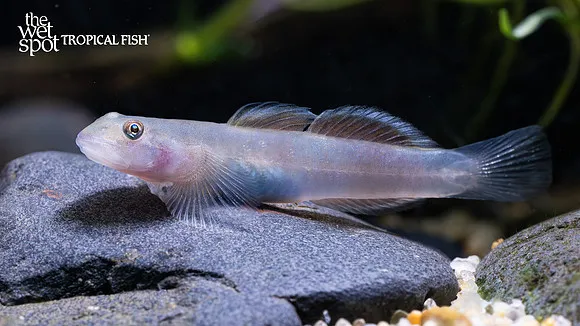
Elegant lentipes goby
Lentipes venustus
Freshwater1.8 in (4.5 cm) · 14 gal (54 L)73–81°F (23–27°C)Empire gudgeon
Hypseleotris compressa
Freshwater4.7 in (12 cm) · 26 gal (100 L)68–95°F (20–35°C)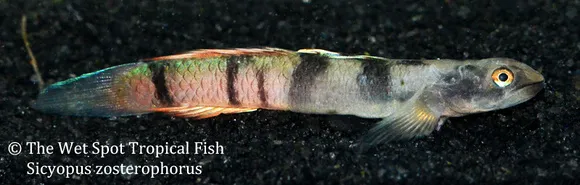
Flaming arrow goby
Sicyopus zosterophorus
Freshwater1.8 in (4.5 cm) · 14 gal (54 L)73–81°F (23–27°C)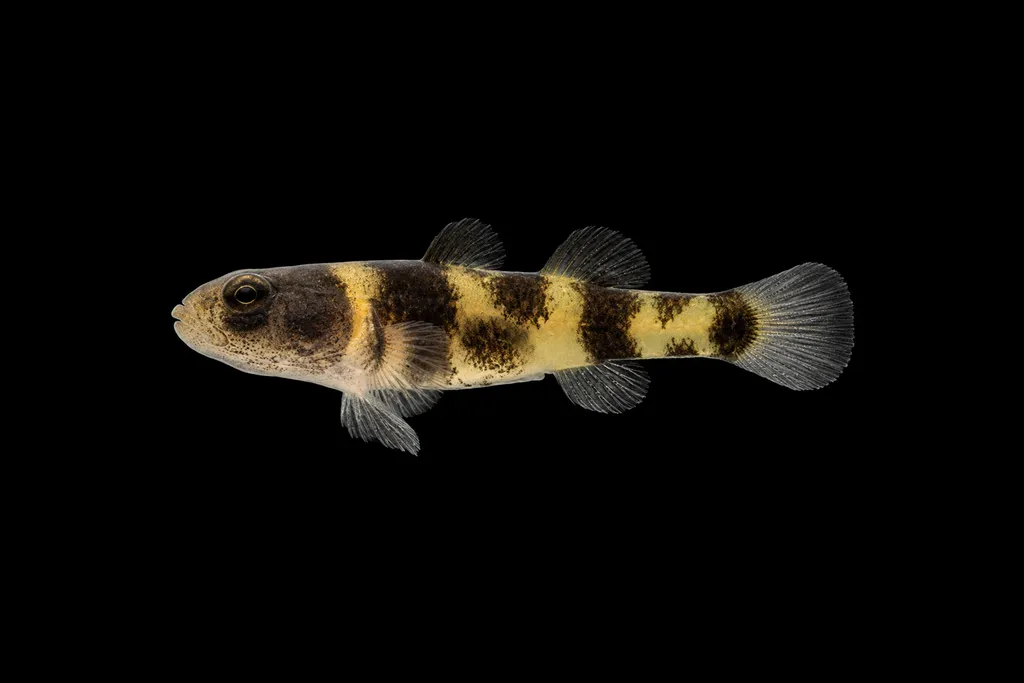
Freshwater bumblebee goby
Brachygobius aggregatus
Freshwater1.6 in (4 cm) · 11 gal (40 L)75–82°F (24–28°C)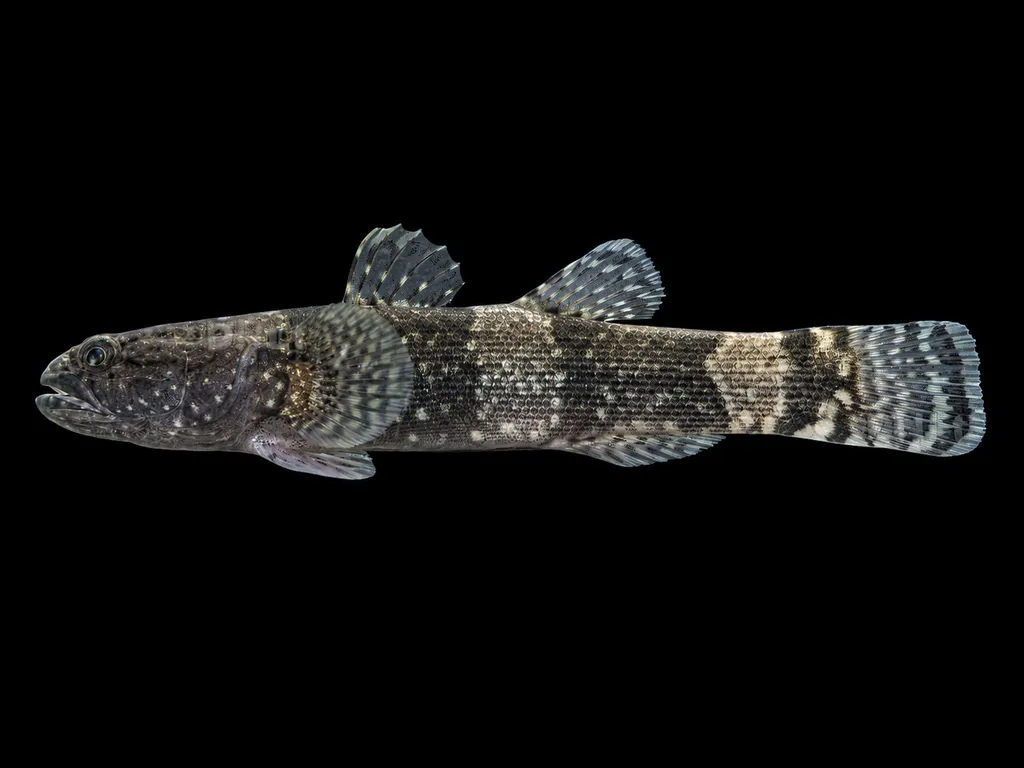
Gecko goby
Belobranchus belobranchus
Freshwater7.5 in (19 cm) · 53 gal (200 L)73–81°F (23–27°C)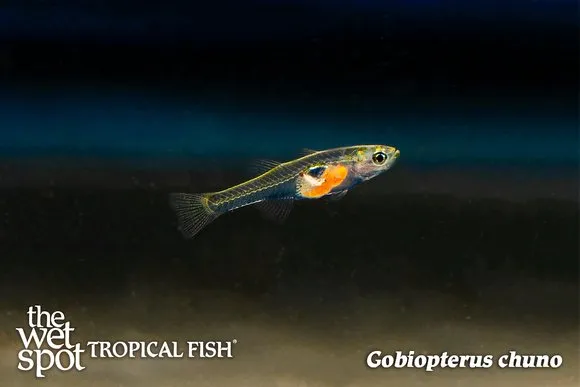
Glass goby
Gobiopterus chuno
Freshwater1 in (2.5 cm) · 11 gal (40 L)75–82°F (24–28°C)Gold neon dwarf goby
Stiphodon percnopterygionus
Freshwater1.6 in (4 cm) · 14 gal (54 L)72–79°F (22–26°C)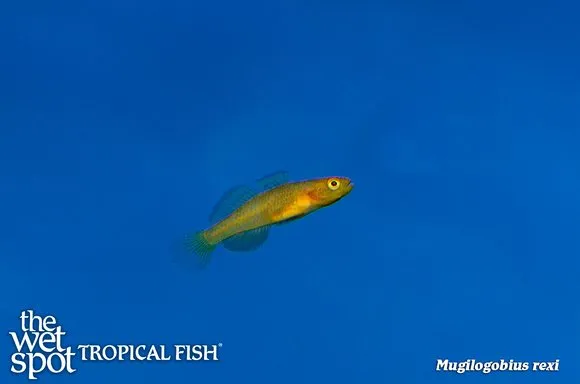
Golden mugilogobius
Mugilogobius rexi
Freshwater1.6 in (4 cm) · 14 gal (54 L)75–82°F (24–28°C)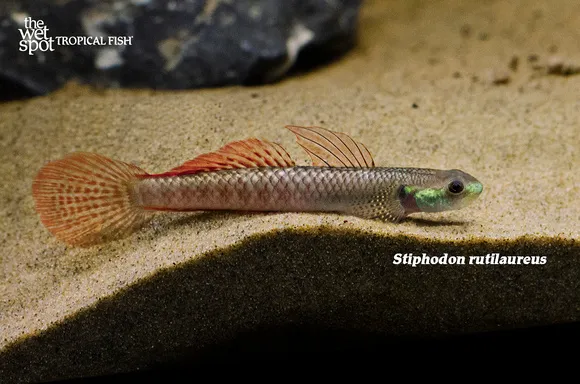
Golden spot goby
Stiphodon rutilaureus
Freshwater1.8 in (4.5 cm) · 14 gal (54 L)73–81°F (23–27°C)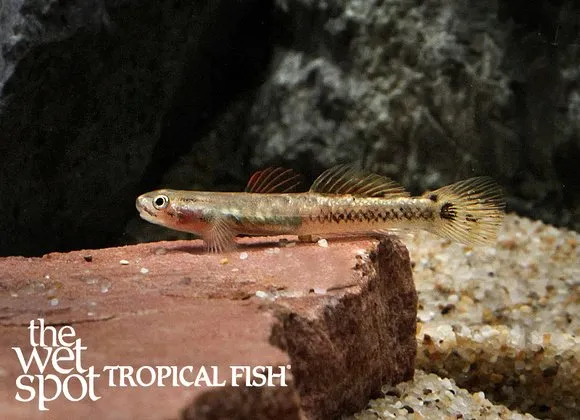
Golden striped goby
Stiphodon aureofuscus
Freshwater1.4 in (3.5 cm) · 14 gal (54 L)73–81°F (23–27°C)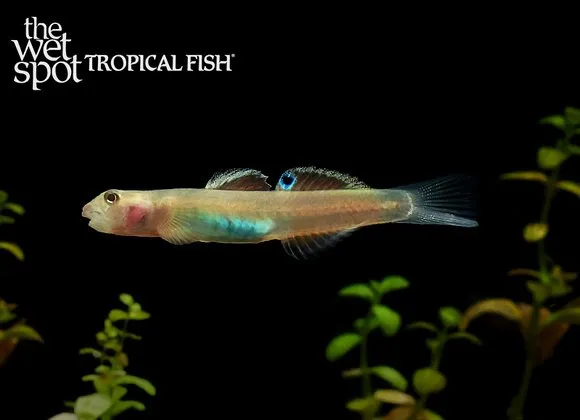
Green belly goby
Lentipes ikeae
Freshwater1.6 in (4 cm) · 14 gal (54 L)73–81°F (23–27°C)Knight goby
Stigmatogobius sadanundio
FreshwaterBrackish3.5 in (9 cm) · 21 gal (80 L)68–79°F (20–26°C)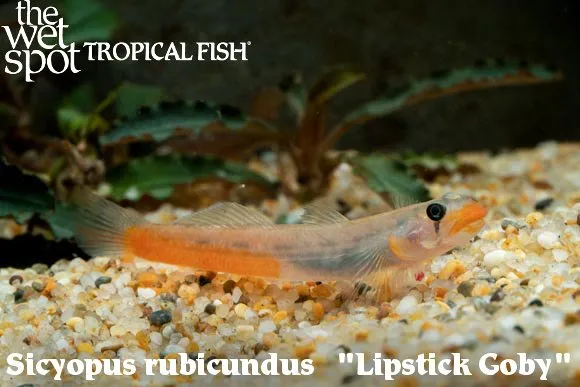
Lipstick goby
Sicyopus rubicundus
Freshwater2 in (5 cm) · 14 gal (54 L)73–81°F (23–27°C)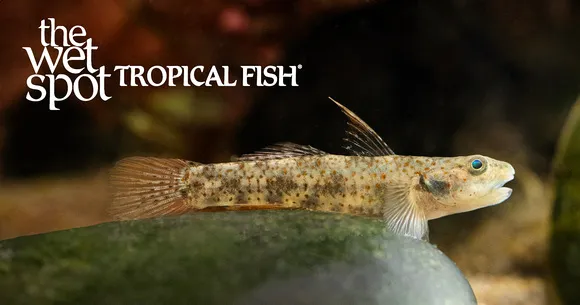
Lumbantobing goby
Pseudogobiopsis lumbantobing
Freshwater1.6 in (4 cm) · 11 gal (40 L)75–82°F (24–28°C)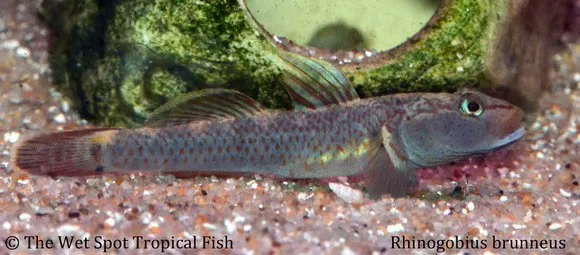
Mandarin rhinogobius
Rhinogobius brunneus
Freshwater2.4 in (6 cm) · 14 gal (54 L)64–75°F (18–24°C)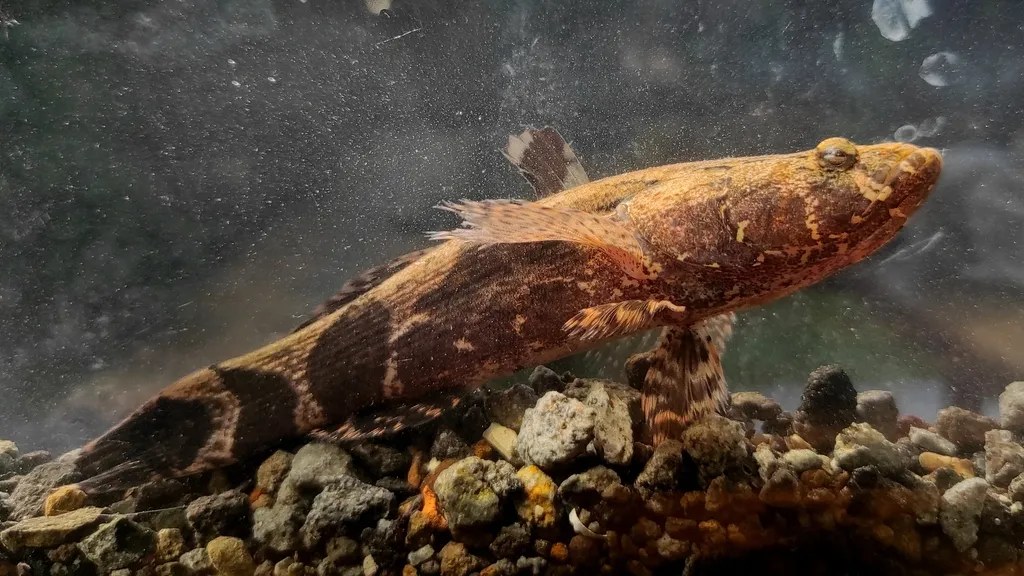
Marbled goby
Oxyeleotris marmorata
FreshwaterBrackish23.6 in (60 cm) · 145 gal (550 L)72–82°F (22–28°C)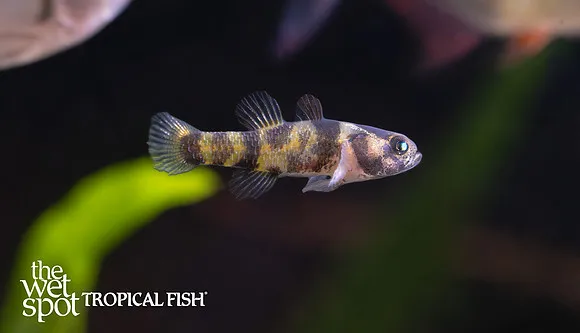
Micro bumblebee goby
Brachygobius nunus
FreshwaterBrackish1 in (2.5 cm) · 5 gal (20 L)73–82°F (23–28°C)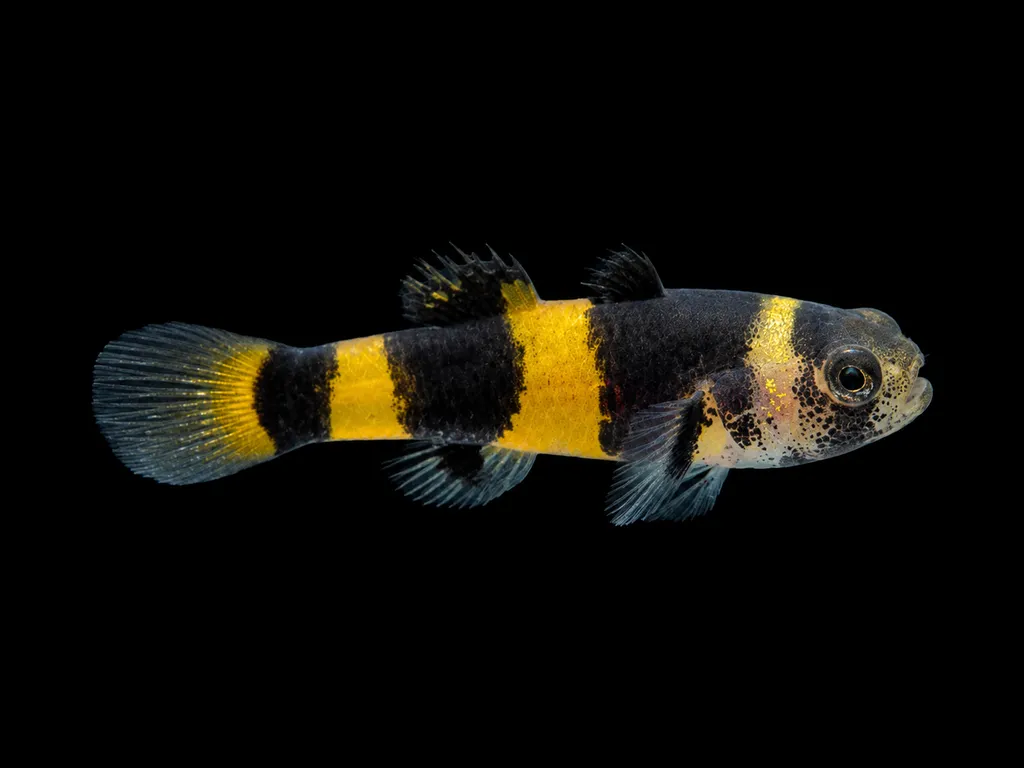
Mini bumblebee goby
Brachygobius xanthomelas
Freshwater0.8 in (2 cm) · 5 gal (20 L)75–82°F (24–28°C)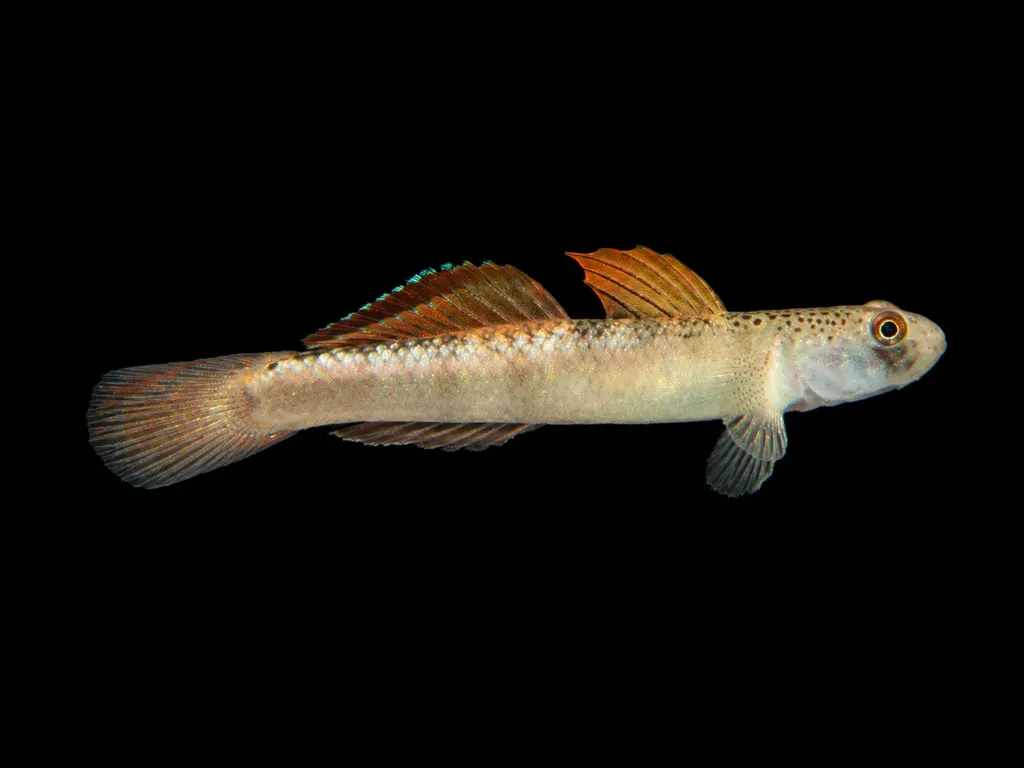
Orange fin goby
Stiphodon maculidorsalis
Freshwater2.2 in (5.5 cm) · 14 gal (54 L)73–81°F (23–27°C)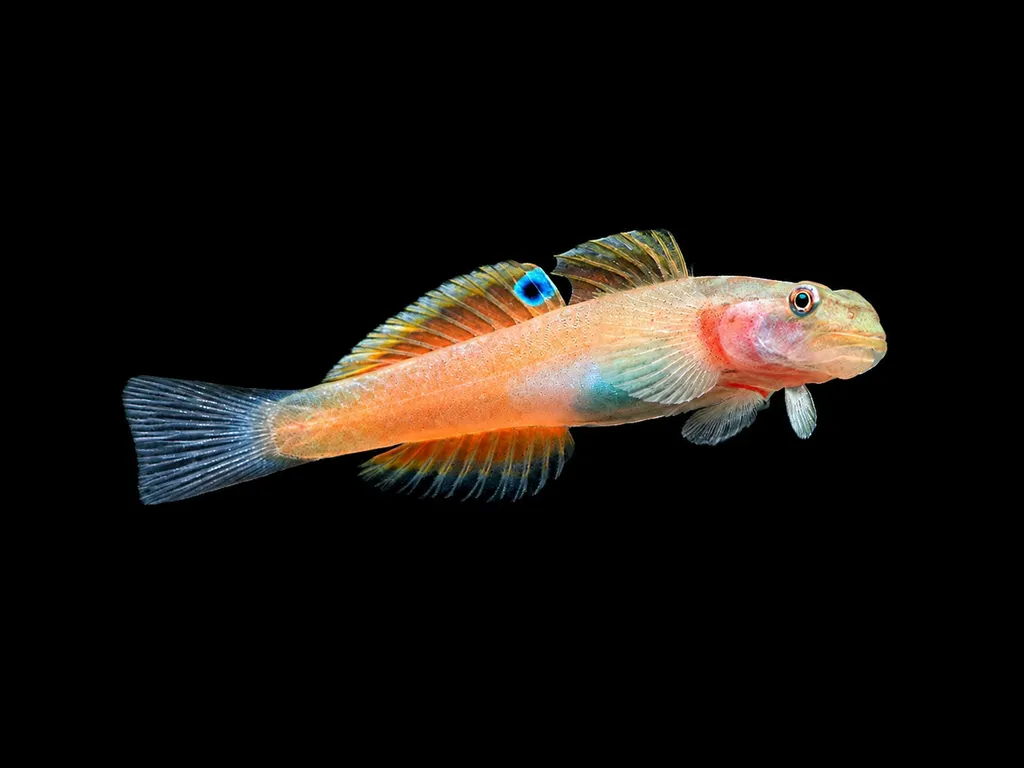
Papua red goby
Lentipes multiradiatus
Freshwater1.8 in (4.5 cm) · 14 gal (54 L)73–81°F (23–27°C)Peacock gudgeon
Tateurndina ocellicauda
Freshwater3 in (7.5 cm) · 20 gal (75 L)72–79°F (22–26°C)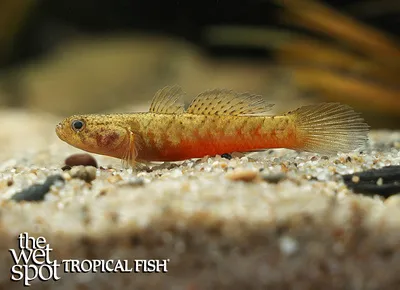
Poreless gudgeon
Oxyeleotris nullipora
Freshwater2 in (5 cm) · 20 gal (75 L)75–82°F (24–28°C)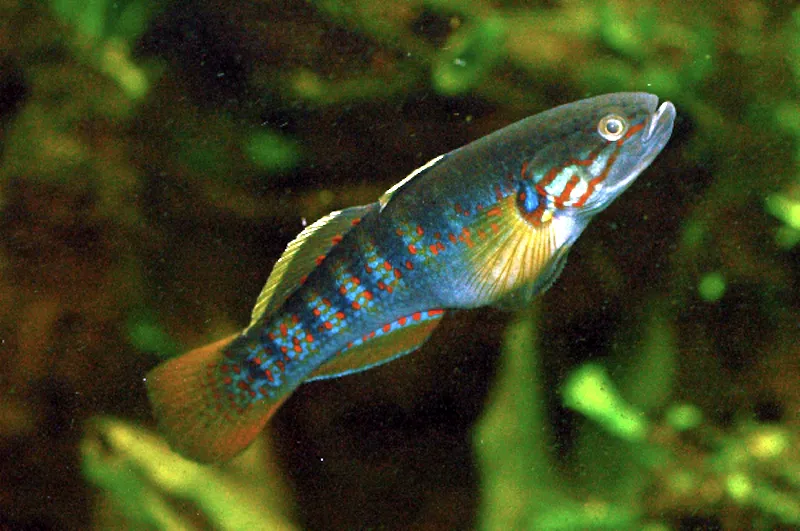
Purple spotted gudgeon
Mogurnda mogurnda
Freshwater7.9 in (20 cm) · 40 gal (150 L)68–79°F (20–26°C)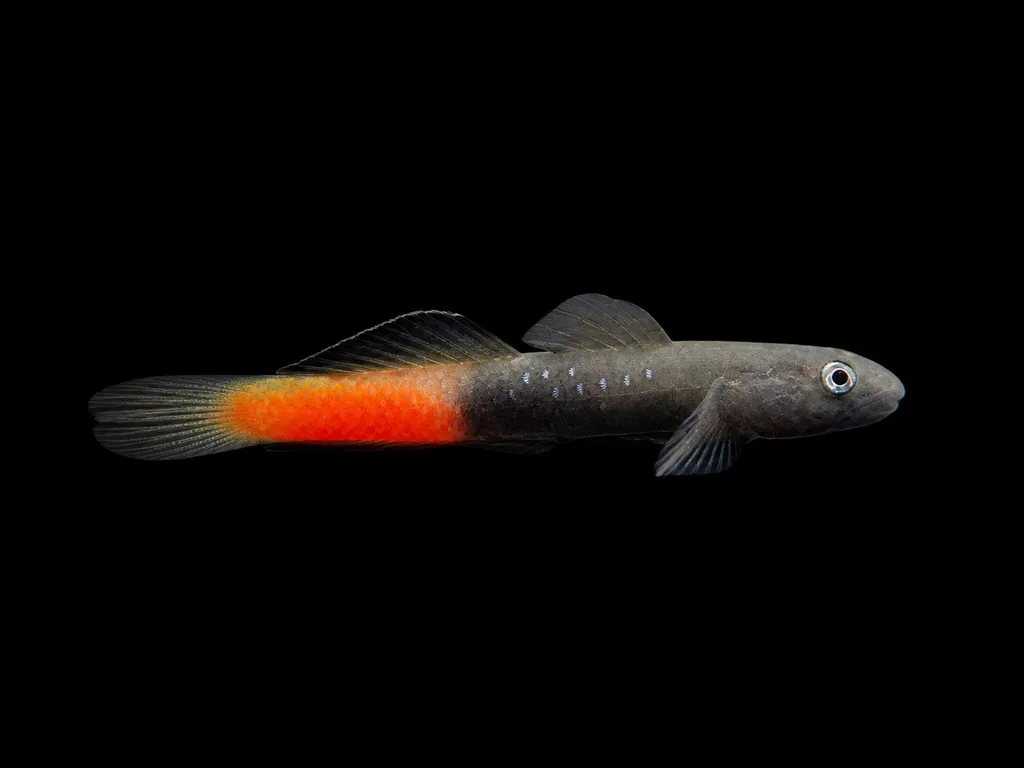
Rainbow sicyopus
Sicyopus auxilimentus
Freshwater1.4 in (3.5 cm) · 14 gal (54 L)73–81°F (23–27°C)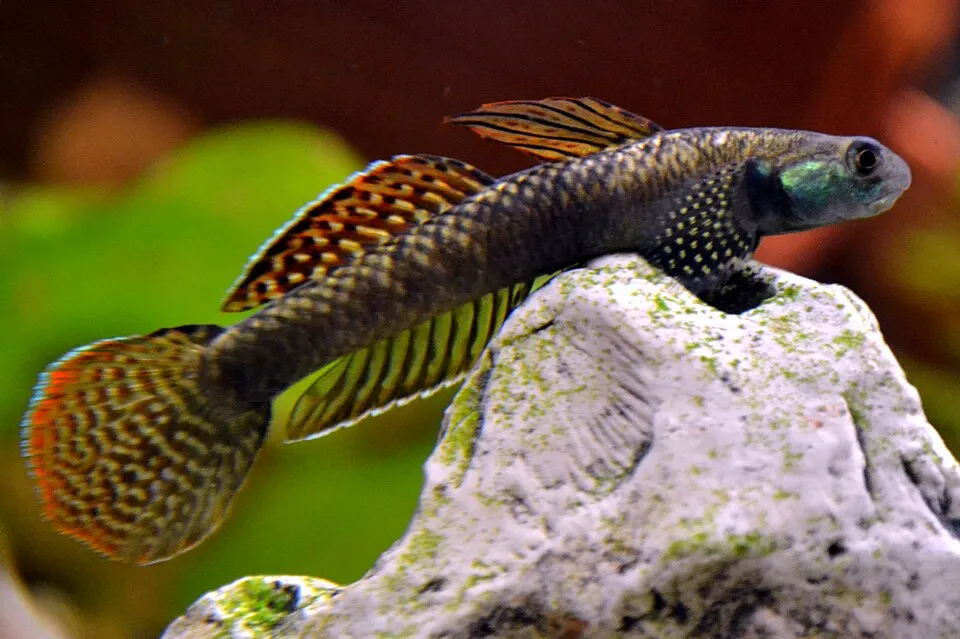
Rainbow stiphodon
Stiphodon ornatus
Freshwater2.6 in (6.5 cm) · 13 gal (50 L)68–79°F (20–26°C)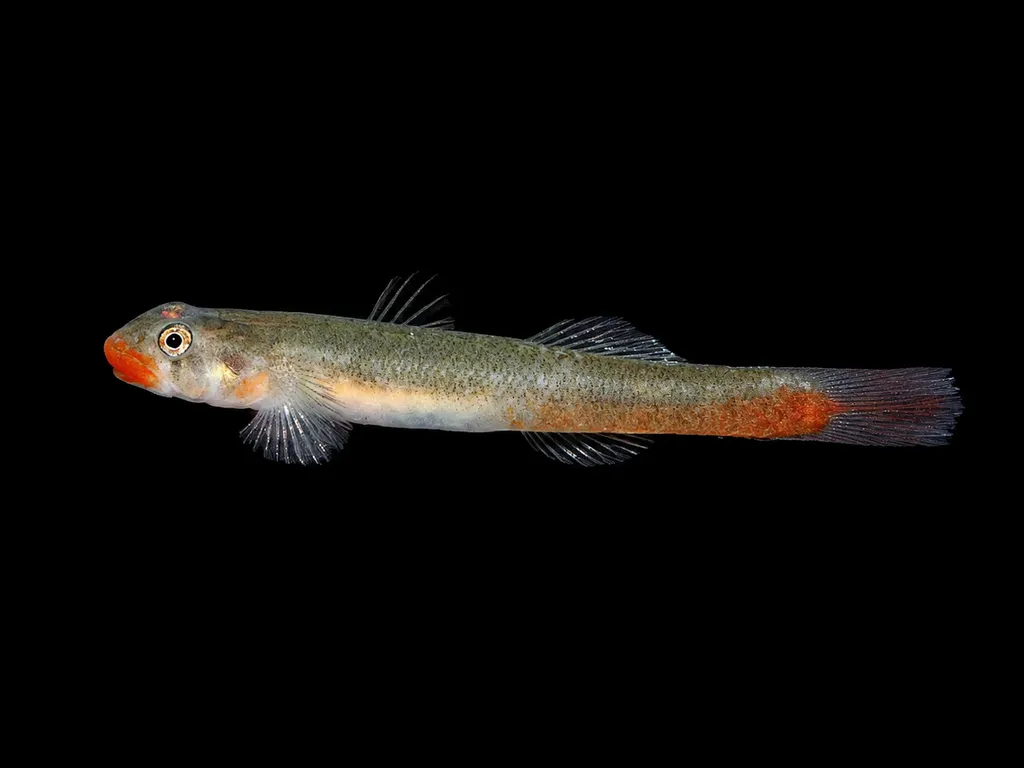
Red lip goby
Sicyopus exallisquamulus
Freshwater2.4 in (6 cm) · 14 gal (54 L)73–81°F (23–27°C)
Red tail sicyopterus
Sicyopterus lagocephalus
Freshwater5.1 in (13 cm) · 29 gal (110 L)73–81°F (23–27°C)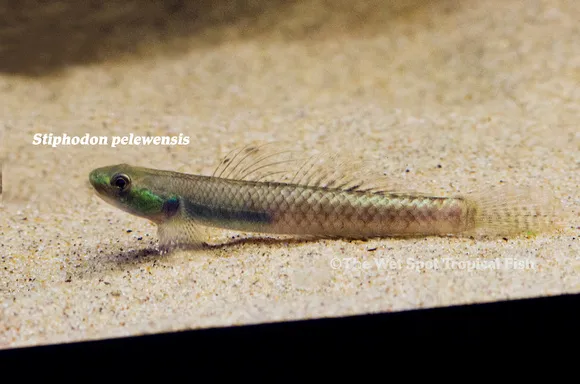
Riffle goby
Stiphodon pelewensis
Freshwater1.8 in (4.5 cm) · 14 gal (54 L)73–81°F (23–27°C)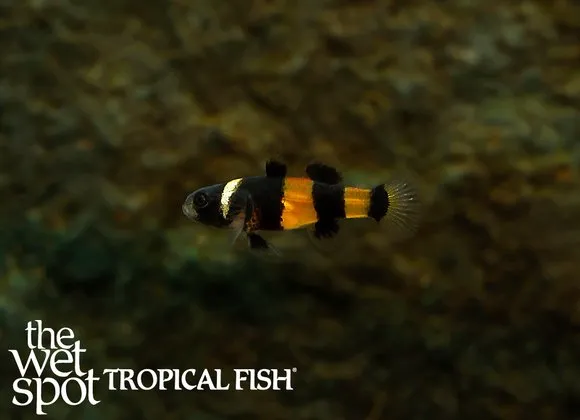
Sabanus bumblebee goby
Brachygobius sabanus
Freshwater1.2 in (3 cm) · 11 gal (40 L)75–82°F (24–28°C)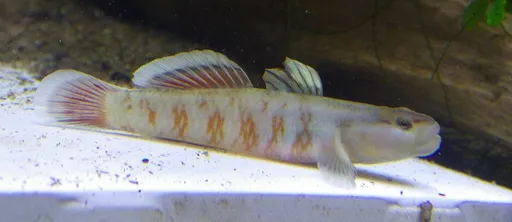
Scarlet goby
Rhinogobius zhoui
Freshwater1.6 in (4 cm) · 12 gal (45 L)61–75°F (16–24°C)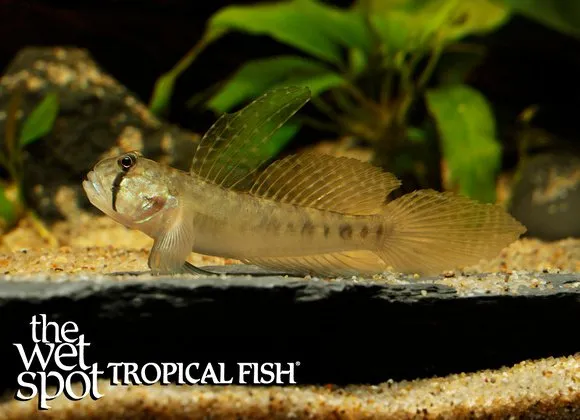
Sharptail goby
Oligolepis acutipennis
Freshwater5.9 in (15 cm) · 29 gal (110 L)75–82°F (24–28°C)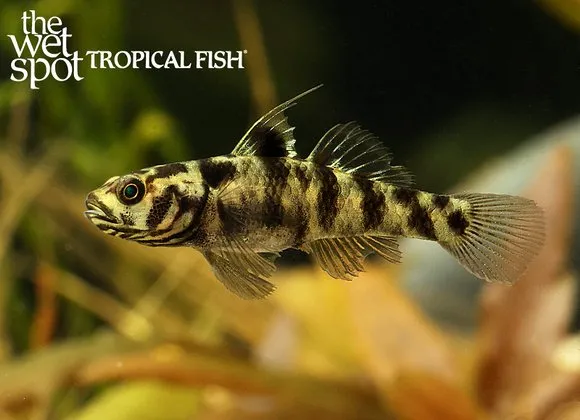
Shelldwelling clown goby
Mugilogobius adeia
Freshwater1.8 in (4.5 cm) · 14 gal (54 L)75–82°F (24–28°C)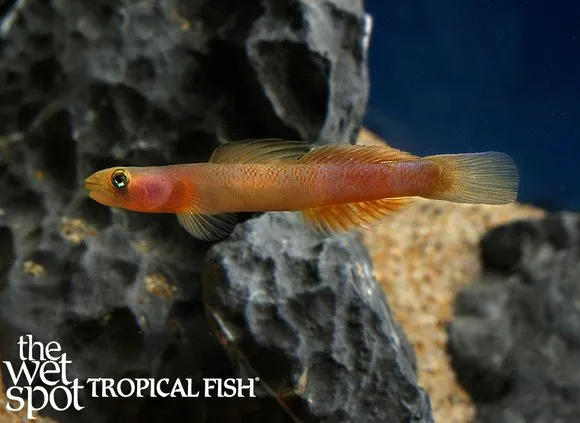
Teardrop goby
Sicyopus multisquamatus
Freshwater2.2 in (5.5 cm) · 14 gal (54 L)73–81°F (23–27°C)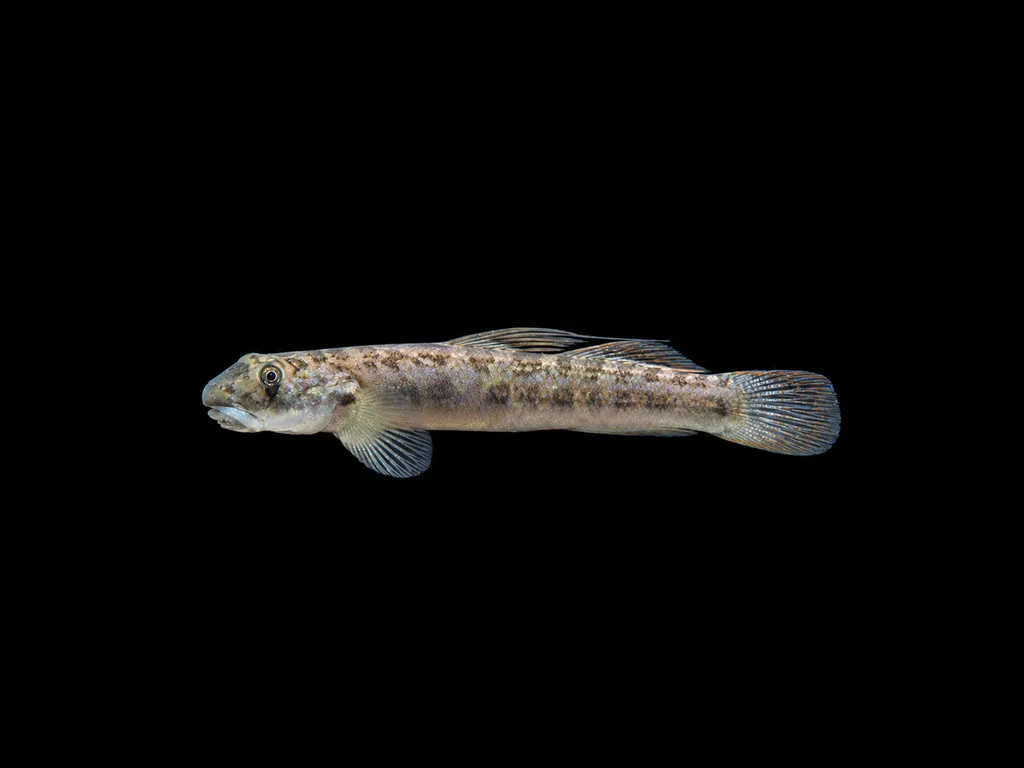
Threadfin sicyopterus
Sicyopterus longifilis
Freshwater3.9 in (10 cm) · 29 gal (110 L)73–81°F (23–27°C)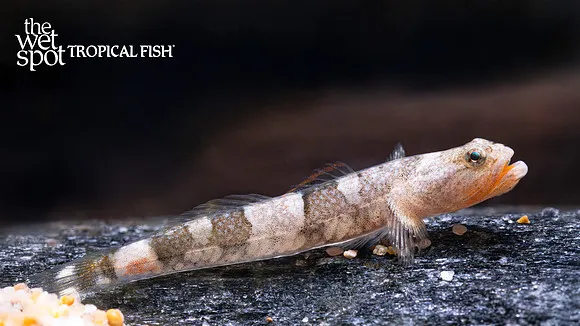
Tiger schismatogobius
Schismatogobius ampluvinculus
Freshwater1.2 in (3 cm) · 11 gal (40 L)73–81°F (23–27°C)White-cheek goby
Rhinogobius duospilus
Freshwater2 in (5 cm) · 16 gal (60 L)61–75°F (16–24°C)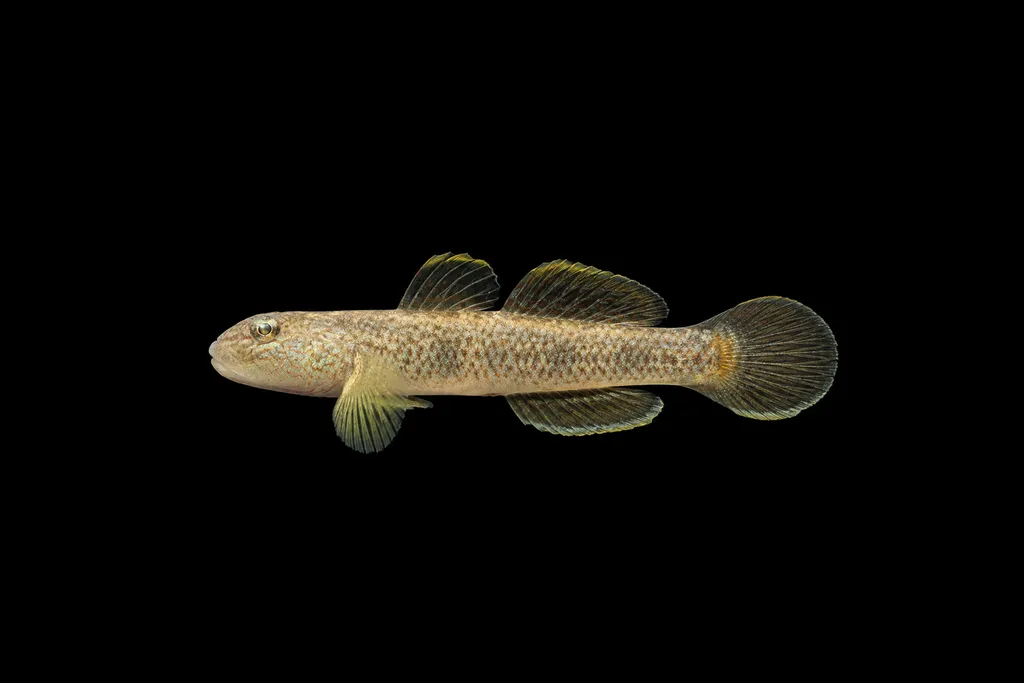
Yellow fin rhinogobius
Rhinogobius leavelli
Freshwater3.1 in (8 cm) · 14 gal (54 L)64–77°F (18–25°C)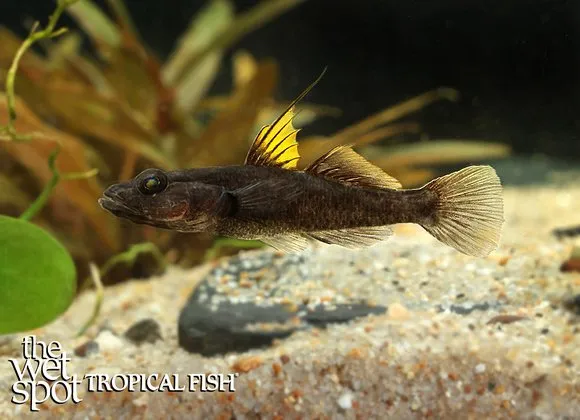
Yellow hi-fin Towuti goby
Glossogobius flavipinnis
Freshwater3.1 in (8 cm) · 42 gal (160 L)75–82°F (24–28°C)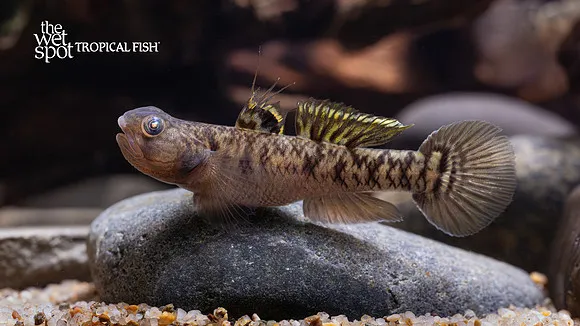
Yellowstripe mugilogobius
Mugilogobius chulae
Freshwater1.6 in (4 cm) · 11 gal (40 L)75–82°F (24–28°C)
Brackish gobies
Saltwater gobies
Barber goby
Elacatinus figaro
Saltwater1.6 in (4 cm) · 11 gal (40 L)72–79°F (22–26°C)Barsnout cleaner goby
Elacatinus illecebrosus
Saltwater1.6 in (4 cm) · 11 gal (40 L)72–79°F (22–26°C)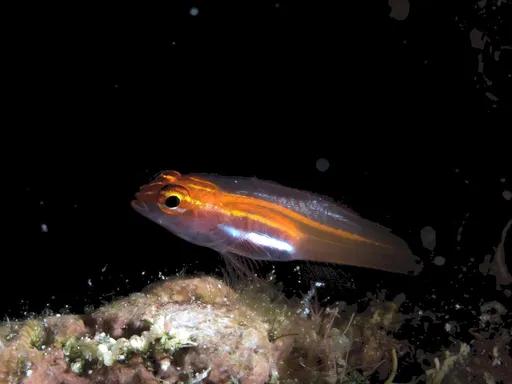
Blackbelly dwarfgoby
Eviota atriventris
Saltwater0.8 in (2 cm) · 5 gal (19 L)72–79°F (22–26°C)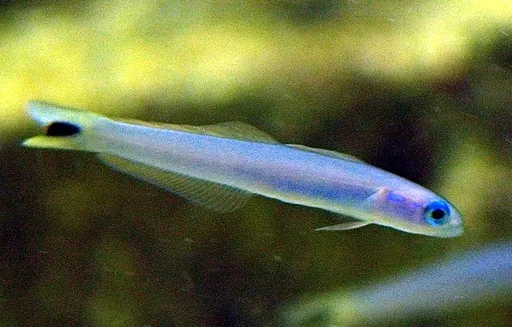
Blue gudgeon dartfish
Ptereleotris heteroptera
Saltwater5.1 in (13 cm) · 29 gal (110 L)72–79°F (22–26°C)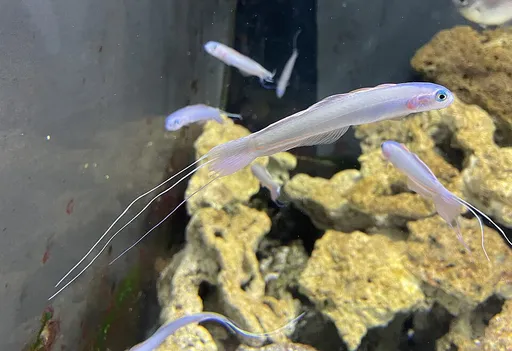
Blue hana goby
Ptereleotris hanae
Saltwater4.7 in (12 cm) · 40 gal (150 L)73–81°F (23–27°C)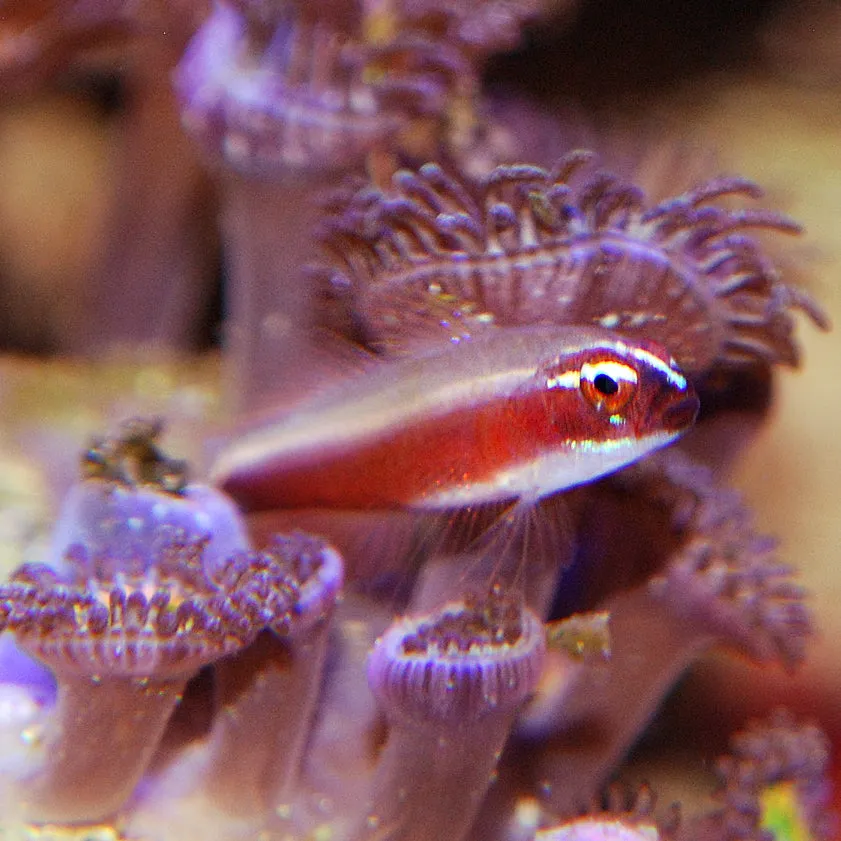
Brahm's dwarfgoby
Eviota brahmi
Saltwater0.8 in (2 cm) · 5 gal (19 L)72–79°F (22–26°C)Broadstripe cleaner goby
Elacatinus prochilos
Saltwater1.6 in (4 cm) · 11 gal (40 L)72–79°F (22–26°C)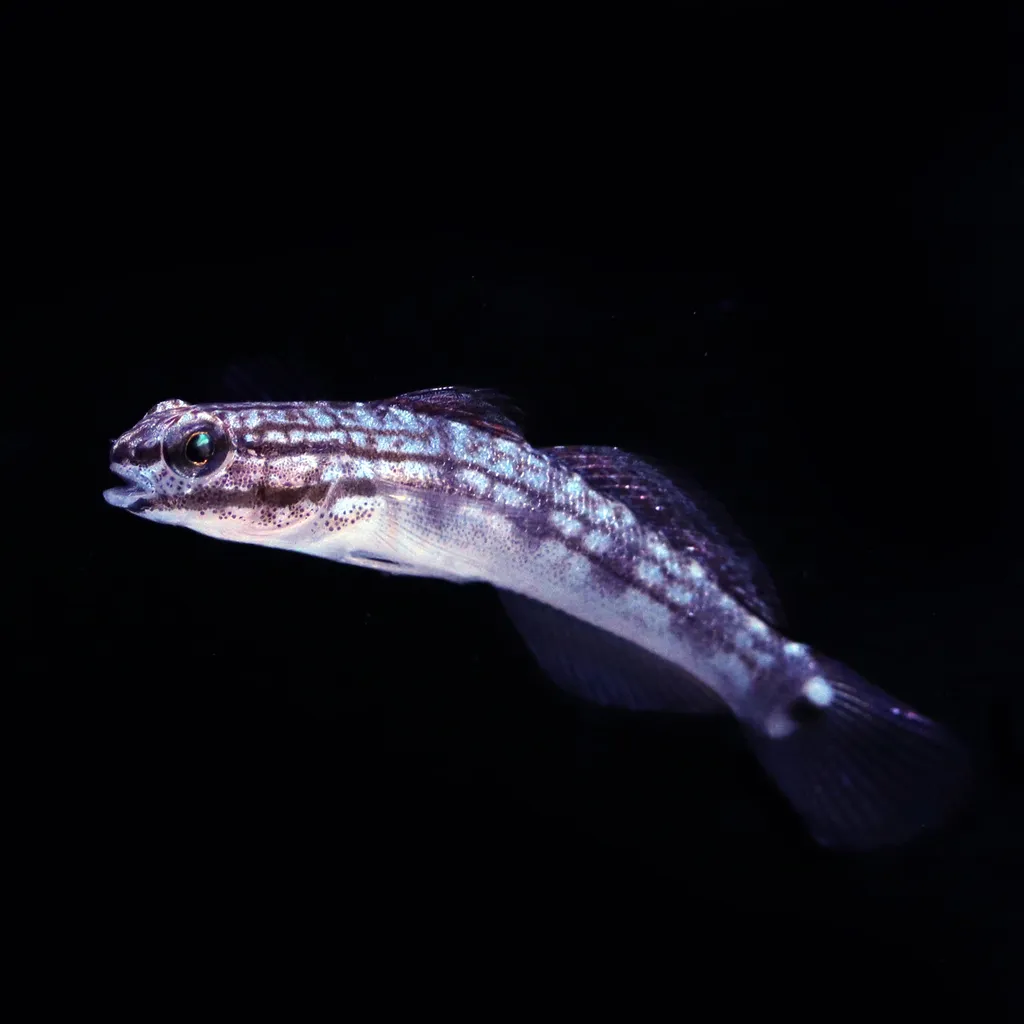
Buan's sleeper goby
Amblygobius buanensis
Saltwater3.1 in (8 cm) · 20 gal (75 L)73–81°F (23–27°C)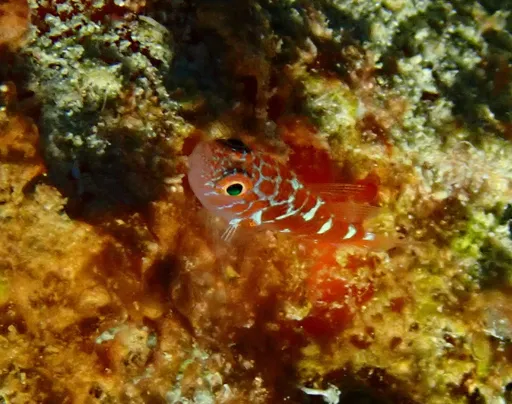
Caesiura pygmygoby
Trimma caesiura
Saltwater1.4 in (3.5 cm) · 10 gal (38 L)72–79°F (22–26°C)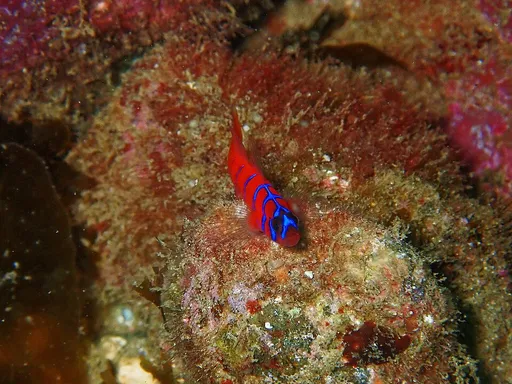
Catalina goby
Lythrypnus dalli
Saltwater2.4 in (6 cm) · 11 gal (40 L)59–72°F (15–22°C)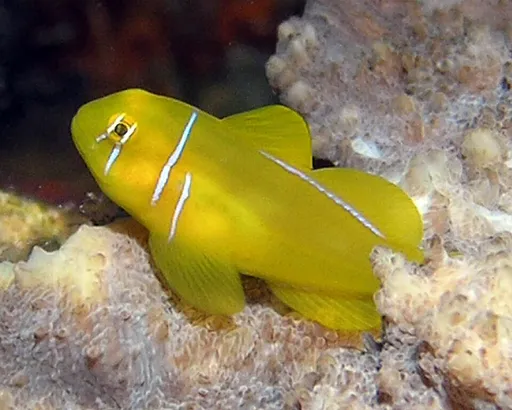
Citron clown goby
Gobiodon citrinus
Saltwater2.6 in (6.5 cm) · 11 gal (40 L)72–81°F (22–27°C)Citron pygmygoby
Trimma kitrinum
Saltwater1.1 in (2.7 cm) · 5 gal (19 L)72–79°F (22–26°C)Diamond sleeper goby
Valenciennea puellaris
Saltwater5.9 in (15 cm) · 55 gal (208 L)72–79°F (22–26°C)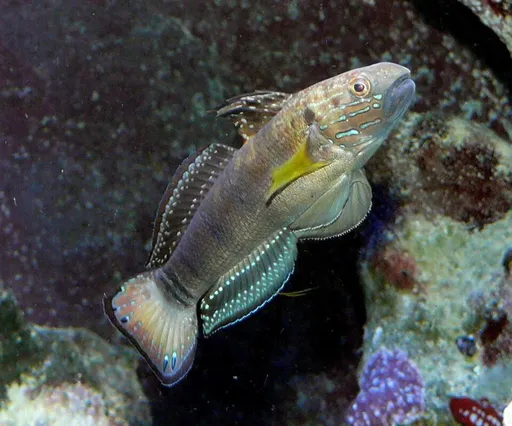
Dragon sleeper goby
Amblygobius phalaena
Saltwater5.9 in (15 cm) · 30 gal (115 L)73–81°F (23–27°C)Firefish
Nemateleotris magnifica
Saltwater3.5 in (9 cm) · 20 gal (75 L)72–81°F (22–27°C)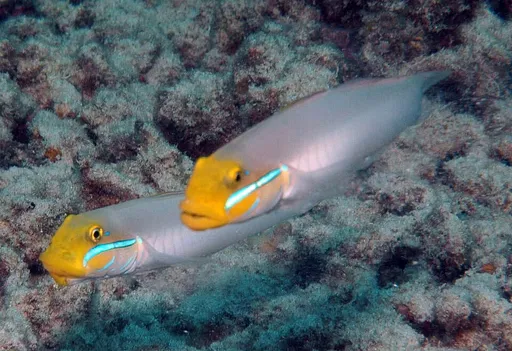
Golden head sleeper goby
Valenciennea strigata
Saltwater5.9 in (15 cm) · 53 gal (200 L)73–81°F (23–27°C)
Green clown goby
Gobiodon histrio
Saltwater1.8 in (4.5 cm) · 11 gal (40 L)72–79°F (22–26°C)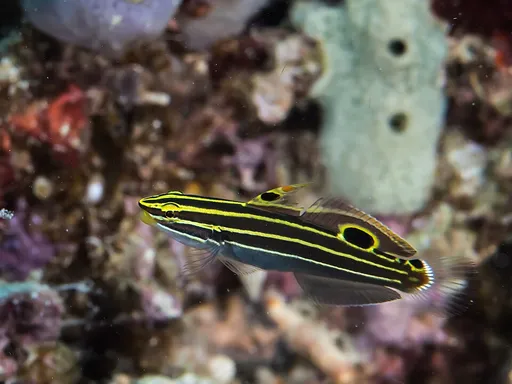
Hector's goby
Koumansetta hectori
Saltwater3.1 in (8 cm) · 20 gal (75 L)73–81°F (23–27°C)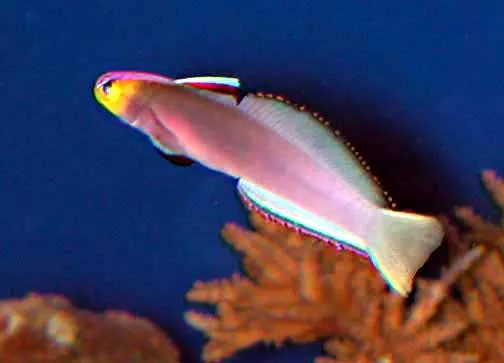
Helfrich's firefish
Nemateleotris helfrichi
Saltwater2.4 in (6 cm) · 20 gal (75 L)73–81°F (23–27°C)Hi-fin red banded goby
Stonogobiops nematodes
Saltwater2.4 in (6 cm) · 20 gal (75 L)72–81°F (22–27°C)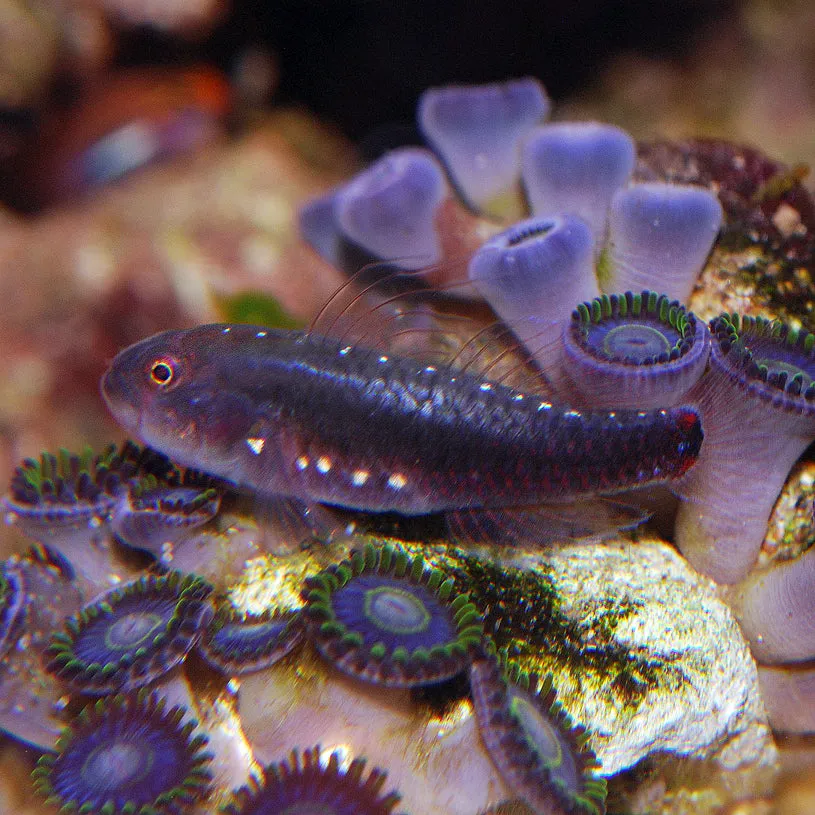
Lachdebere's dwarfgoby
Eviota lachdeberei
Saltwater0.8 in (2.1 cm) · 5 gal (19 L)72–79°F (22–26°C)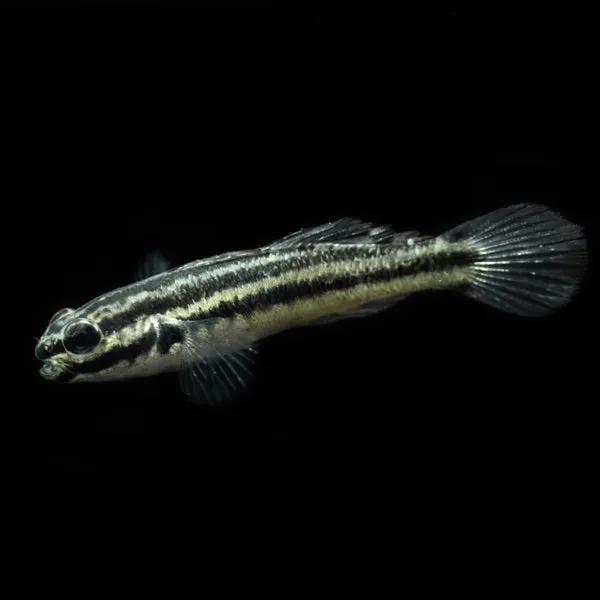
Link's goby
Amblygobius linki
Saltwater2.8 in (7 cm) · 20 gal (75 L)73–81°F (23–27°C)Neon goby
Elacatinus oceanops
Saltwater2 in (5 cm) · 11 gal (40 L)72–79°F (22–26°C)Orange-spot prawn goby
Amblyeleotris guttata
Saltwater4.3 in (11 cm) · 30 gal (114 L)72–79°F (22–26°C)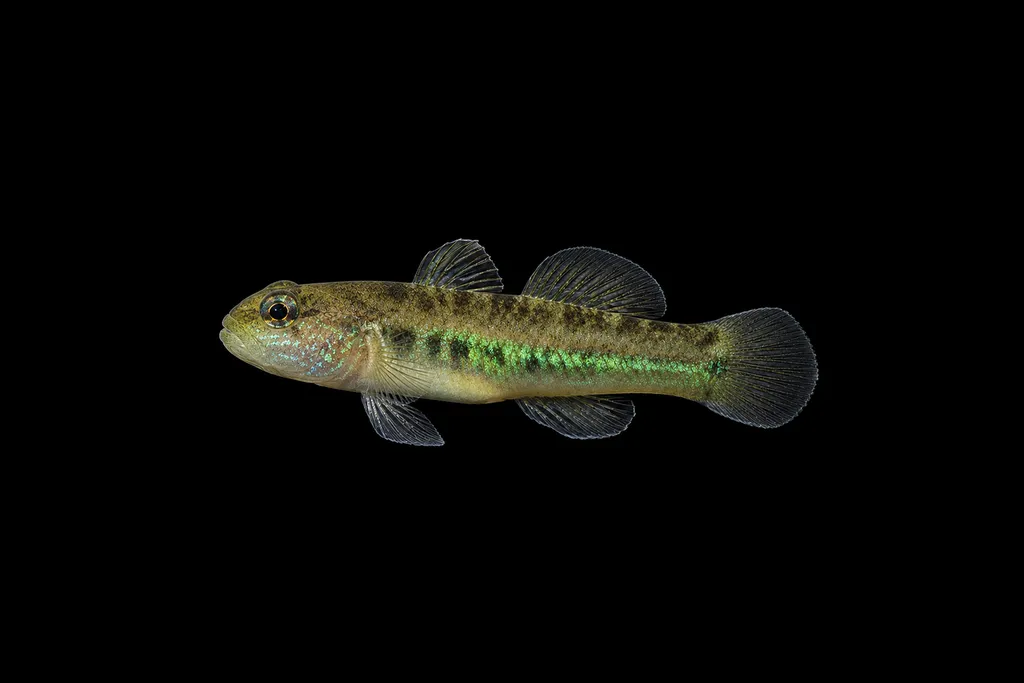
Panamanian greenbanded goby
Tigrigobius panamensis
Saltwater1.2 in (3 cm) · 11 gal (40 L)75–81°F (24–27°C)Pink-spotted watchman goby
Cryptocentrus leptocephalus
Saltwater3.9 in (10 cm) · 30 gal (115 L)73–81°F (23–27°C)Pinkbar goby
Amblyeleotris aurora
Saltwater4.3 in (11 cm) · 30 gal (115 L)73–81°F (23–27°C)Purple firefish
Nemateleotris decora
Saltwater3.5 in (9 cm) · 20 gal (75 L)72–79°F (22–26°C)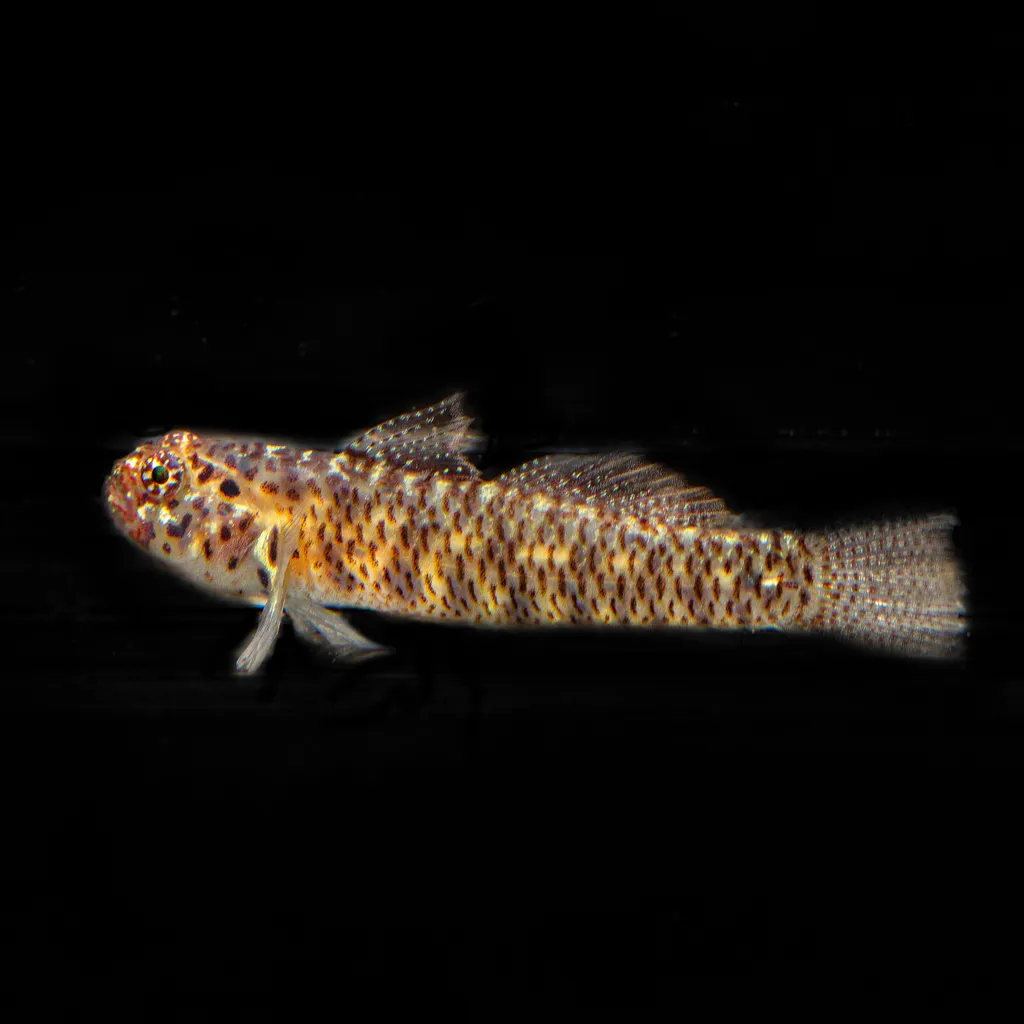
Queensland dwarfgoby
Eviota queenslandica
Saltwater0.9 in (2.4 cm) · 10 gal (38 L)72–79°F (22–26°C)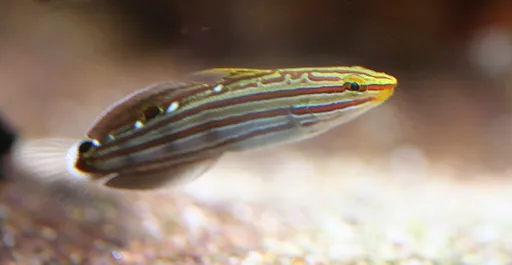
Rainford's goby
Koumansetta rainfordi
Saltwater3.1 in (8 cm) · 20 gal (75 L)72–79°F (22–26°C)Randall's prawn goby
Amblyeleotris randalli
Saltwater4.7 in (12 cm) · 30 gal (114 L)72–79°F (22–26°C)Red head goby
Elacatinus puncticulatus
Saltwater2 in (5 cm) · 11 gal (40 L)72–79°F (22–26°C)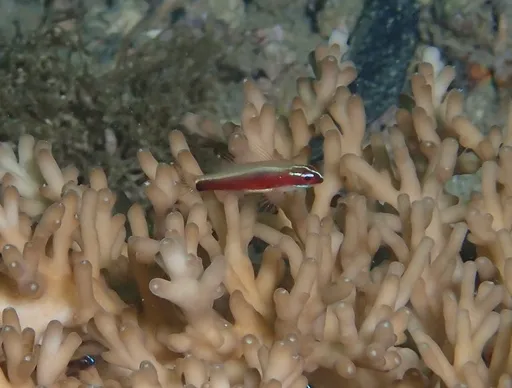
Redbelly dwarfgoby
Eviota nigriventris
Saltwater1.2 in (3 cm) · 10 gal (38 L)72–79°F (22–26°C)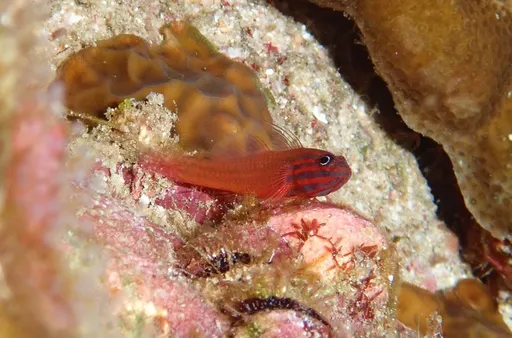
Redlined pygmygoby
Trimma striatum
Saltwater1.2 in (3 cm) · 10 gal (38 L)72–79°F (22–26°C)Scissortail dartfish
Ptereleotris evides
Saltwater5.5 in (14 cm) · 29 gal (110 L)72–79°F (22–26°C)Sharknose goby
Elacatinus evelynae
Saltwater1.6 in (4 cm) · 13 gal (50 L)75–79°F (24–26°C)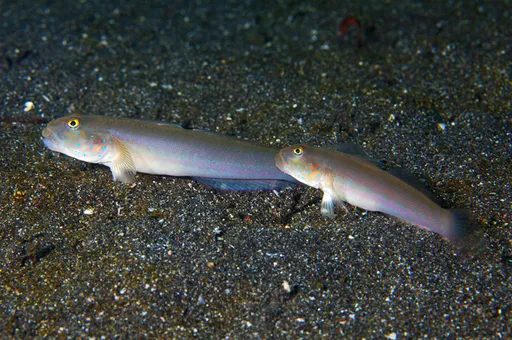
Sixspot sleeper goby
Valenciennea sexguttata
Saltwater5.5 in (14 cm) · 40 gal (150 L)72–79°F (22–26°C)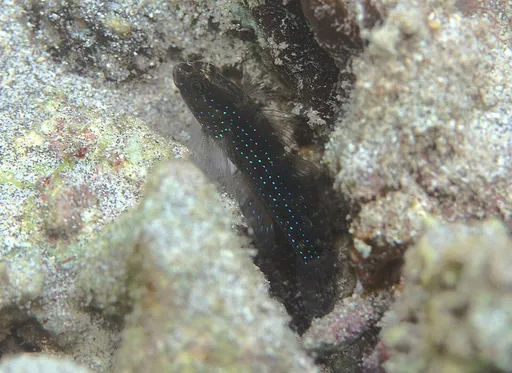
Starry goby
Asterropteryx semipunctata
Saltwater2.8 in (7 cm) · 13 gal (50 L)73–81°F (23–27°C)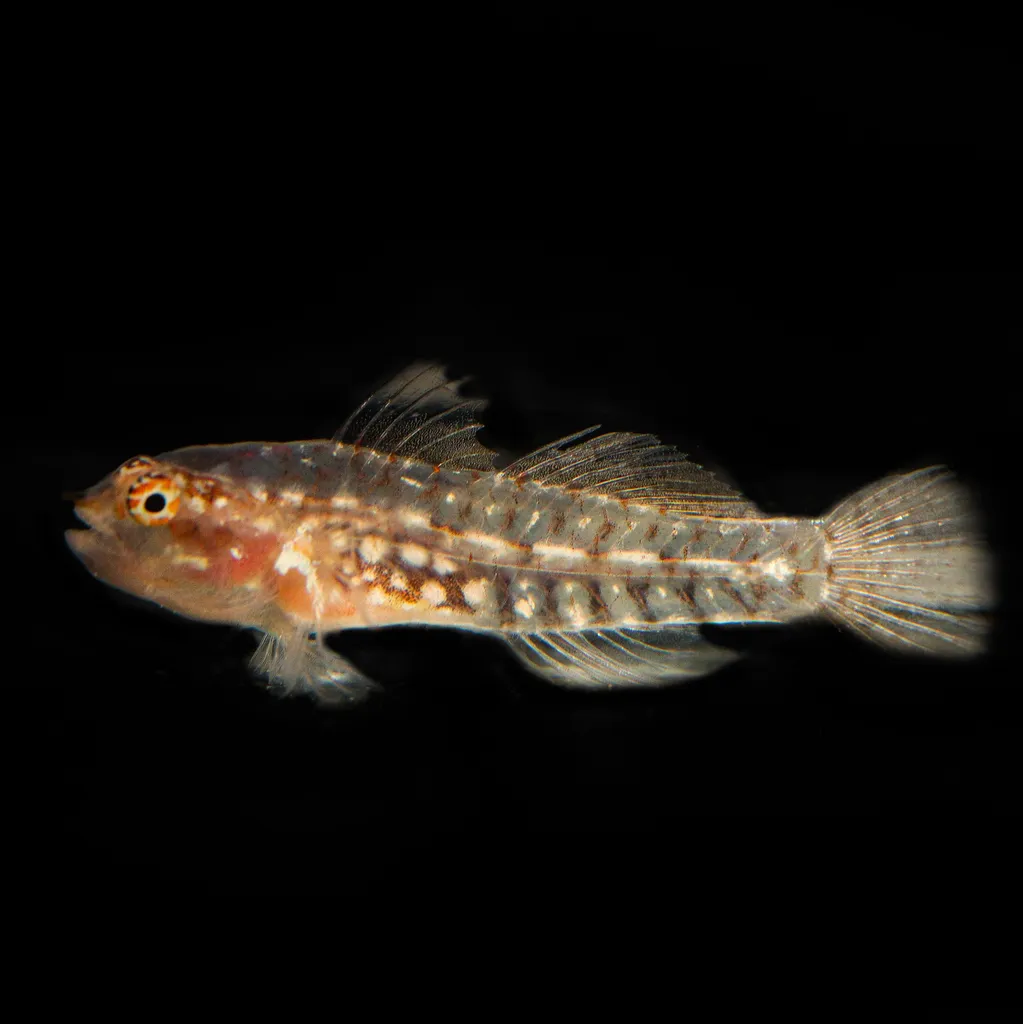
Storthynx dwarfgoby
Eviota storthynx
Saltwater1 in (2.5 cm) · 5 gal (19 L)72–79°F (22–26°C)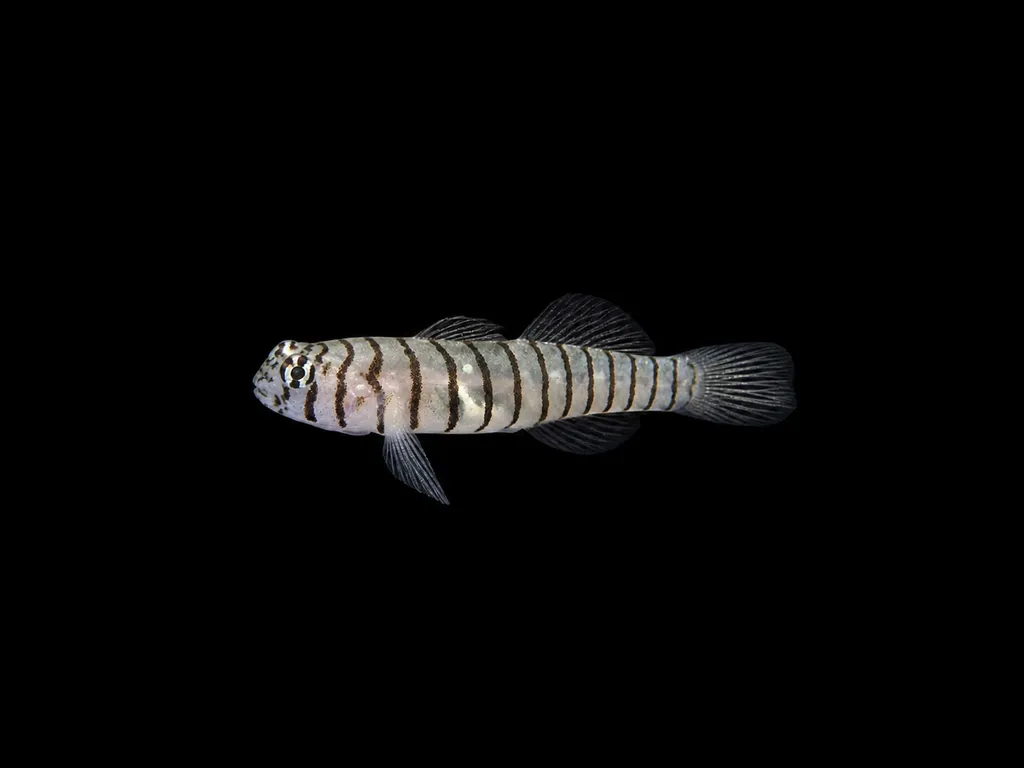
Tiger goby
Tigrigobius macrodon
Saltwater2 in (5 cm) · 11 gal (40 L)72–81°F (22–27°C)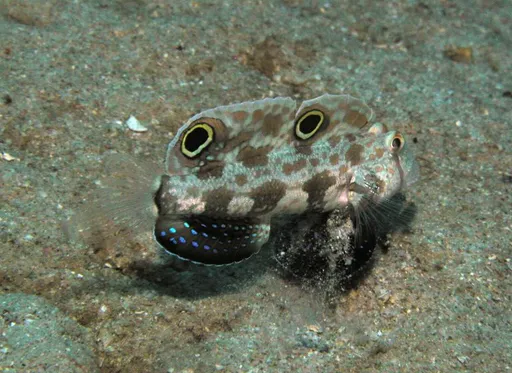
Twinspot goby
Signigobius biocellatus
Saltwater3.9 in (10 cm) · 30 gal (115 L)73–81°F (23–27°C)Wheeler's prawn goby
Amblyeleotris wheeleri
Saltwater3.9 in (10 cm) · 30 gal (114 L)72–79°F (22–26°C)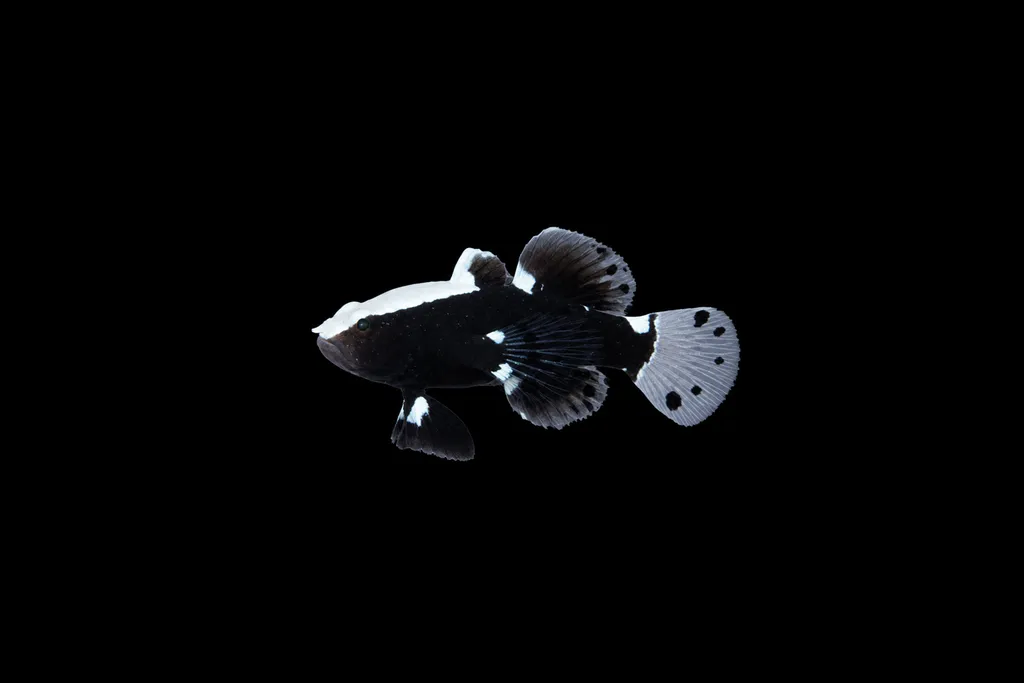
Whitecap goby
Lotilia klausewitzi
Saltwater2 in (5 cm) · 11 gal (40 L)73–81°F (23–27°C)Yasha goby
Stonogobiops yasha
Saltwater2.4 in (6 cm) · 15 gal (57 L)72–79°F (22–26°C)Yellow clown goby
Gobiodon okinawae
Saltwater1.6 in (4 cm) · 11 gal (40 L)73–81°F (23–27°C)Yellow watchman goby
Cryptocentrus cinctus
Saltwater3.5 in (9 cm) · 20 gal (75 L)72–81°F (22–27°C)Yellowline sponge goby
Elacatinus horsti
Saltwater2 in (5 cm) · 11 gal (40 L)72–79°F (22–26°C)Zebra dartfish
Ptereleotris zebra
Saltwater4.7 in (12 cm) · 29 gal (110 L)72–79°F (22–26°C)
Planning a tank?
TankBud checks stocking and water fit as you build a tank, then tracks water tests, reminders and photos once it is running.
Track your tanksMaintain tanks for clients? See TankBud Pro