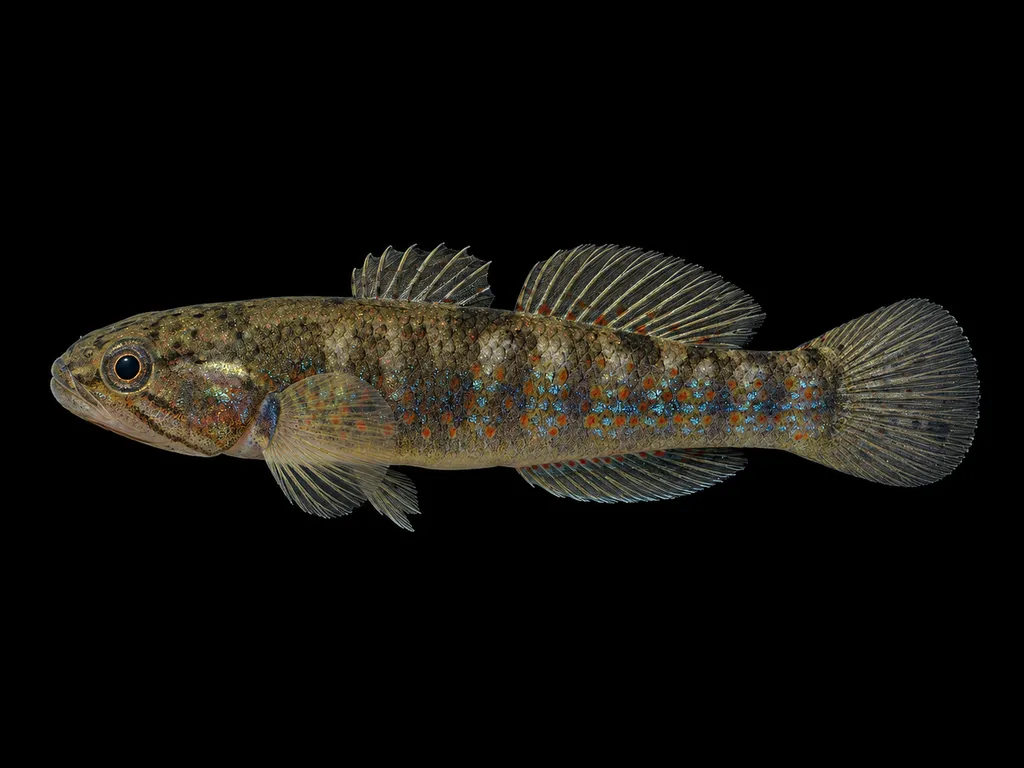
Banded gudgeon
Mogurnda cingulata
Also known as Banded mogurnda, Purple-spotted gudgeon (cingulata)
FreshwaterFish
Care at a glance
- Temperature
- 72–82°F
- 22–28°C
- pH
- 6.5–7.8
- Adult size
- 4.7 in
- 12 cm
- Minimum tank
- 30 gal
- 112 L
- Temperament
- Mostly peaceful
- Social behavior
- Solitary
- Tankmates
- With caution
- Swim level
- Bottom
- Diet
- Carnivore
- Difficulty
- Medium
- Breeding
- Substrate spawner · Medium
- Rarity
- Rare
- Family
- Eleotridae
- Origin
- Southern New Guinea rivers
Overview
The banded gudgeon is a sleeper goby that sits on the bottom near wood or a cave and darts out at passing food. It is a step up from the easiest fish.
Caring for the banded gudgeon
Give a banded gudgeon at least 30 gal (112 L), with a soft sand or fine gravel bottom and plenty of cover. Driftwood, rockwork and shaded spots give it places to retreat into.
Keep the water at 72 to 82°F (22 to 28°C), near neutral to slightly alkaline at pH 6.5 to 7.8. Steady filtration and regular water changes keep it in good condition.
Feed meaty foods such as bloodworm, small earthworms, brine shrimp and sinking carnivore pellets. Many individuals prefer live or frozen food to dried.
Keep it singly or as a single pair, not in a group, since adults hold territory and squabble with their own kind. It is calm toward fish it cannot swallow, but it eats anything small enough to fit in its mouth. Choose tank mates carefully and keep nothing tiny with it.
The banded gudgeon is a substrate spawner with real parental care. The male cleans a hard surface, and the female lays a batch of sticky eggs on it. The male then fans and guards the clutch until it hatches a few days later. That parental care makes it a rewarding project fish, if a predatory one, and breeding it is a moderate challenge.
Good to know
Mogurnda cingulata belongs to the sleeper goby family Eleotridae. It is one of several banded, spotted gudgeons from New Guinea, and it is also sold as the banded mogurnda.
In the wild
The banded gudgeon lives in clear, slow streams and pools of southern New Guinea. It holds station among roots, stones and leaf litter.
Common questions
What size tank does a banded gudgeon need?
A banded gudgeon needs at least 30 gal (112 L). It spends most of its time in the bottom.
What temperature and pH does a banded gudgeon need?
A banded gudgeon is comfortable at 72–82°F (22–28°C) with a pH of 6.5–7.8.
What does a banded gudgeon eat?
A banded gudgeon eats meaty foods such as bloodworm, small earthworms, brine shrimp and sinking carnivore pellets. Many prefer live or frozen food to dried.
How big does a banded gudgeon get?
An adult banded gudgeon reaches about 4.7 in (12 cm).
How does a banded gudgeon breed?
Banded gudgeons spawn on a hard surface that the male cleans, where the female lays a batch of sticky eggs. The male fans and guards the clutch until it hatches a few days later. Breeding them is a moderate challenge.
Related species
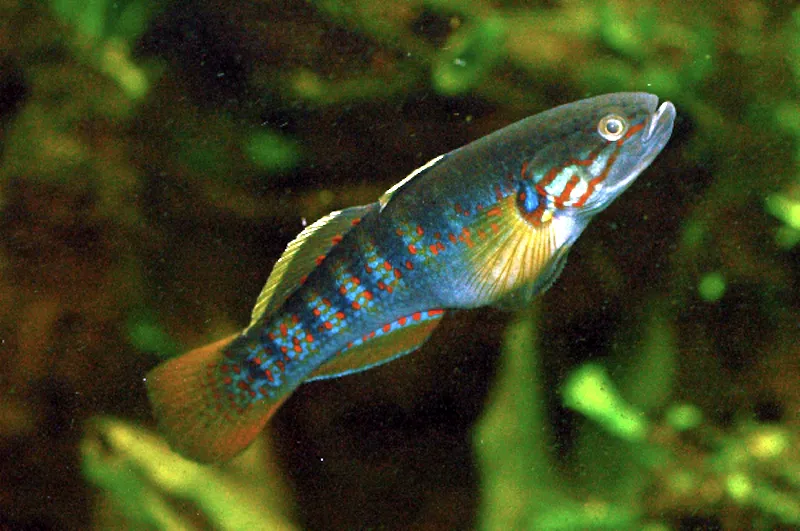 7.9 in (20 cm)40 gal (150 L)68–79°F (20–26°C)
Purple spotted gudgeon
Mogurnda mogurnda
7.9 in (20 cm) · 40 gal (150 L)
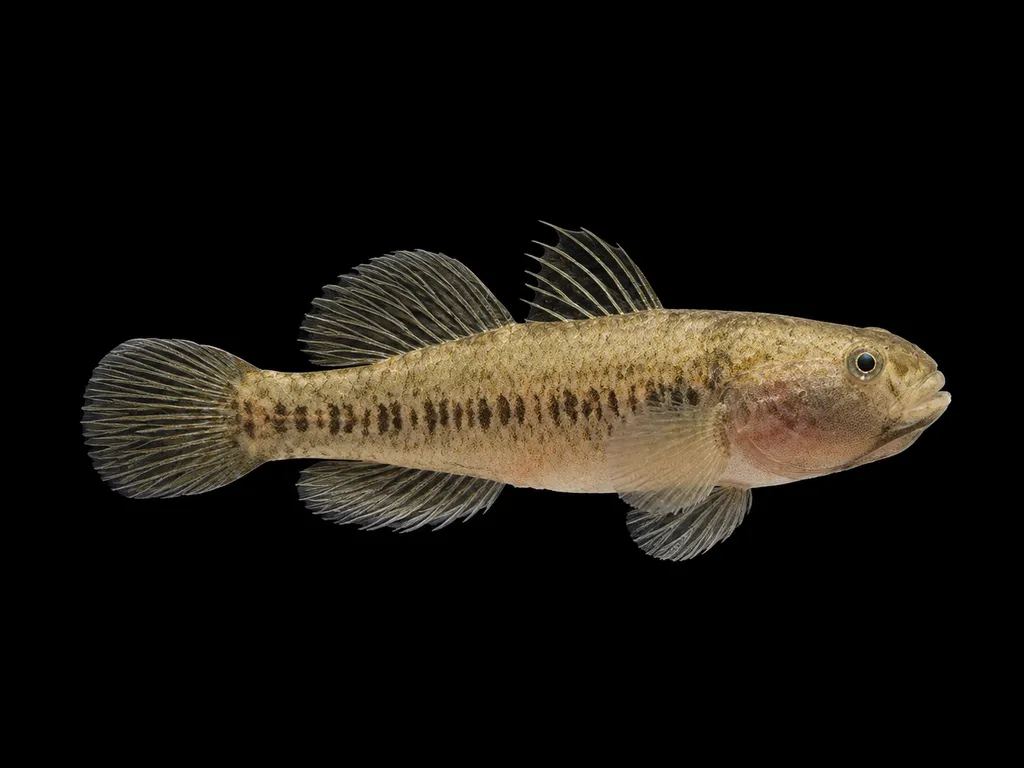 4.7 in (12 cm)42 gal (160 L)75–82°F (24–28°C)
Clay goby
Dormitator lebretonis
4.7 in (12 cm) · 42 gal (160 L)
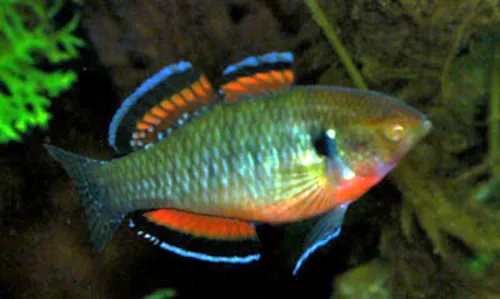 4.7 in (12 cm)26 gal (100 L)68–95°F (20–35°C)
Empire gudgeon
Hypseleotris compressa
4.7 in (12 cm) · 26 gal (100 L)
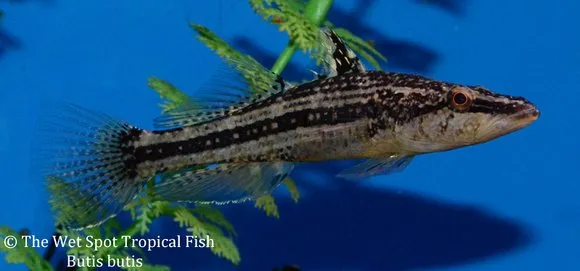 5.9 in (15 cm)66 gal (250 L)75–82°F (24–28°C)
Crazy fish
Butis butis
5.9 in (15 cm) · 66 gal (250 L)
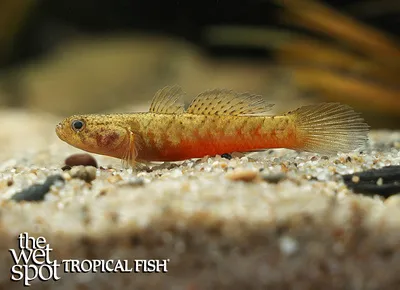 2 in (5 cm)20 gal (75 L)75–82°F (24–28°C)
Poreless gudgeon
Oxyeleotris nullipora
2 in (5 cm) · 20 gal (75 L)
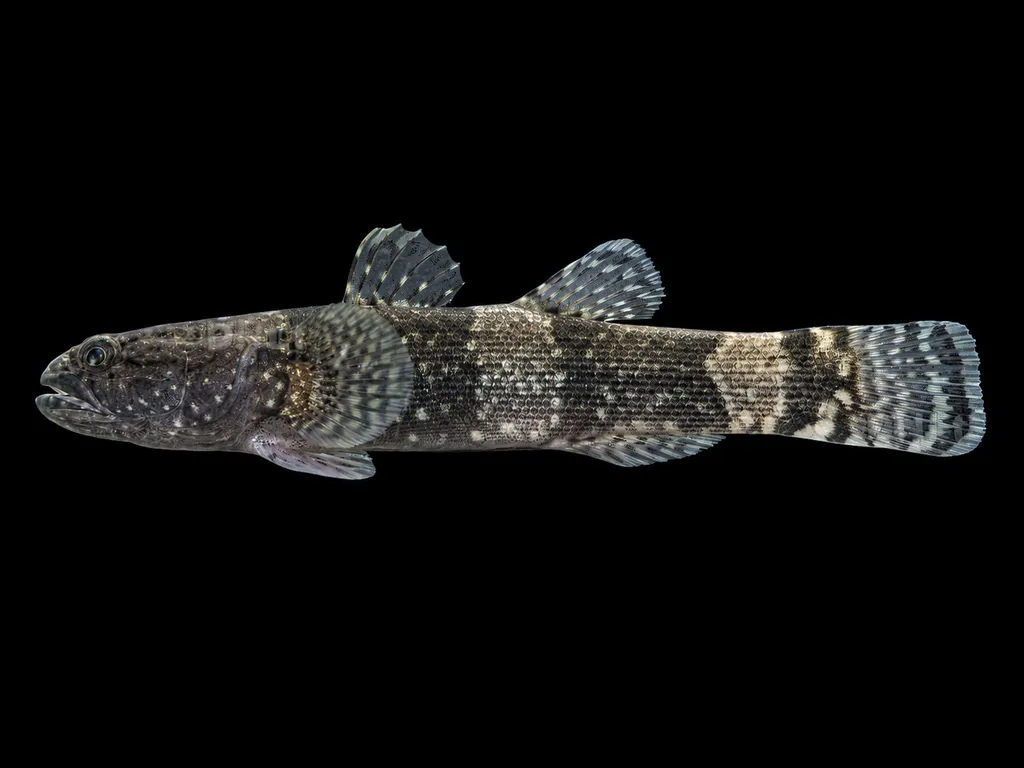 7.5 in (19 cm)53 gal (200 L)73–81°F (23–27°C)
Gecko goby
Belobranchus belobranchus
7.5 in (19 cm) · 53 gal (200 L)