Aquarium corals
Corals are the centerpiece of a reef tank, from beginner soft corals to demanding SPS. Each profile lists the light and flow a coral wants and how difficult it is to keep.
At a glance
- Tank size
- 11–53 gal
- 11 gal (40 L) to 53 gal (200 L); half the list needs 20 gal (75 L) or more
- Temperature
- 75–81°F
- 24–27°C, most of the list
- pH
- 8.1–8.4
- Most of the list
- Difficulty
- 46 easy
- 52 medium · 17 difficult
- Temperament
- 58 peaceful
- 51 mostly peaceful · 6 aggressive
115 species
Soft corals first
Soft corals are where nearly everyone starts, and the catalog agrees: the mushrooms, zoanthids, green star polyps, pulsing xenia, Kenya tree and the leathers are the rows rated beginner or easy. They have no hard skeleton, so they shrug off the alkalinity swings that kill stony corals, they take moderate light, and most of them grow fast enough that you will be trading frags within a year. Xenia and green star polyps spread over anything they touch, so give them an island of rock they can have to themselves. And palythoa and some zoanthids carry palytoxin, so wear gloves when you frag them and never boil a rock to clean it.
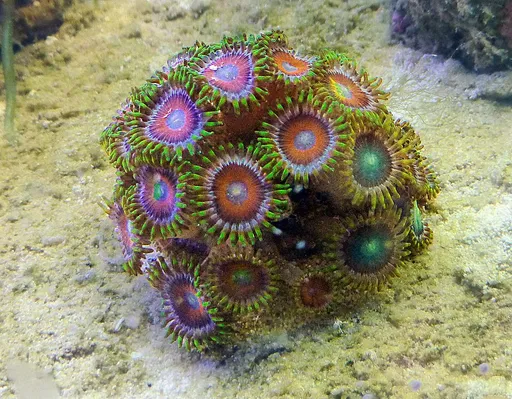
Zoanthid button polyps
Zoanthus
Saltwater- Size
- 5.9 in (15 cm)
- Tank
- 11 gal (40 L)
- Water
- 75–81°F (24–27°C)
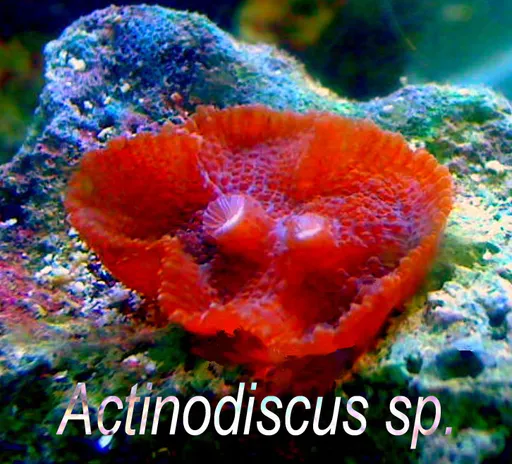
Mushroom coral
Discosoma
Saltwater- Size
- 3.9 in (10 cm)
- Tank
- 11 gal (40 L)
- Water
- 75–81°F (24–27°C)
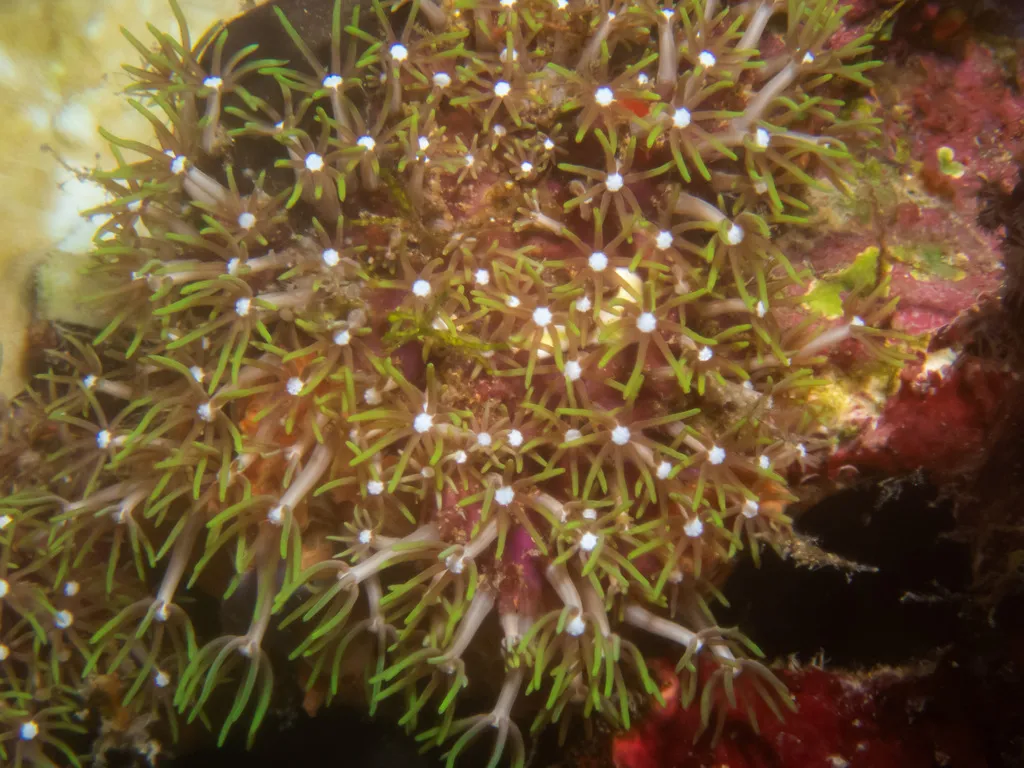
Green star polyps
Pachyclavularia violacea
Saltwater- Size
- 7.9 in (20 cm)
- Tank
- 11 gal (40 L)
- Water
- 75–81°F (24–27°C)
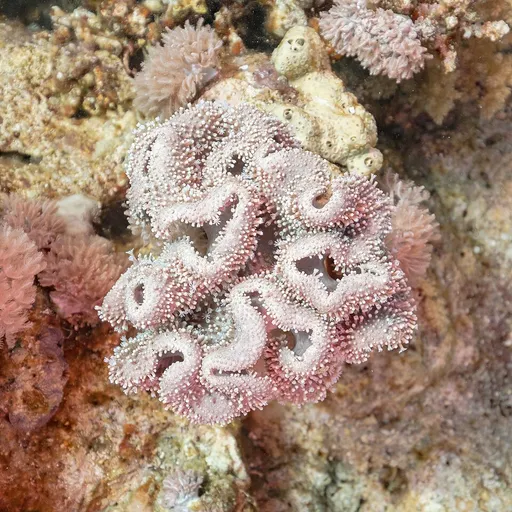
Toadstool leather
Sarcophyton
Saltwater- Size
- 11.8 in (30 cm)
- Tank
- 20 gal (75 L)
- Water
- 75–81°F (24–27°C)
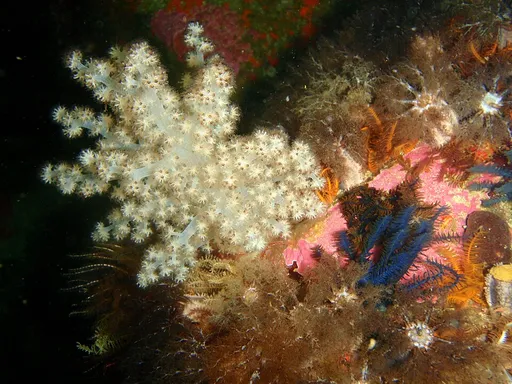
Kenya tree coral
Capnella
Saltwater- Size
- 9.8 in (25 cm)
- Tank
- 11 gal (40 L)
- Water
- 75–81°F (24–27°C)
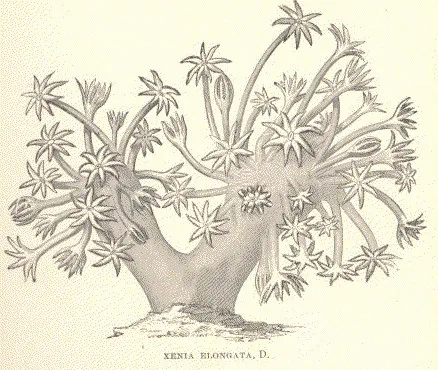
Pulsing xenia
Xenia elongata
Saltwater- Size
- 7.9 in (20 cm)
- Tank
- 11 gal (40 L)
- Water
- 75–81°F (24–27°C)
LPS, the big-polyp stonies
Hammers, frogspawns and torches, duncans, candy canes, acans and blastos, the brain corals and the plate corals all build a skeleton under fleshy polyps that swell during the day. Most of the catalog's LPS rows sit at medium difficulty. They want stable calcium and alkalinity more than they want intense light, and they feed on meaty food at night if you offer it. The euphyllias and the brains also throw sweeper tentacles after dark that sting whatever sits within a few inches, which is why a new frag goes in with a hand's width of empty rock around it.
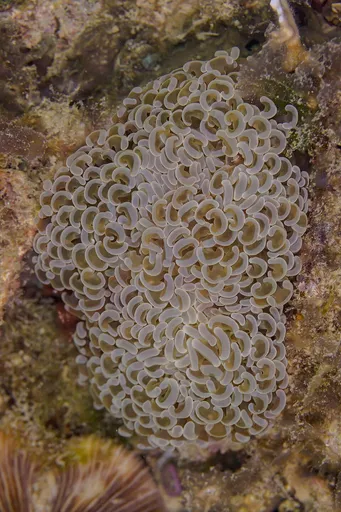
Hammer coral
Fimbriaphyllia ancora
Saltwater7.9 in (20 cm) · 20 gal (75 L)75–81°F (24–27°C)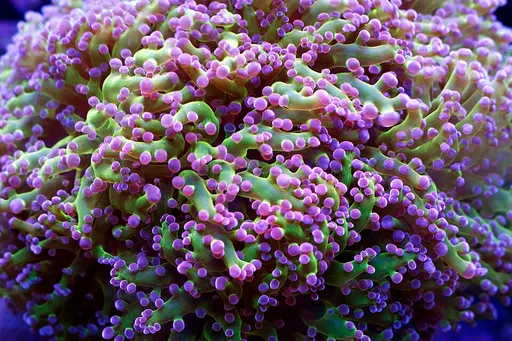
Frogspawn coral
Fimbriaphyllia divisa
Saltwater7.9 in (20 cm) · 20 gal (75 L)75–81°F (24–27°C)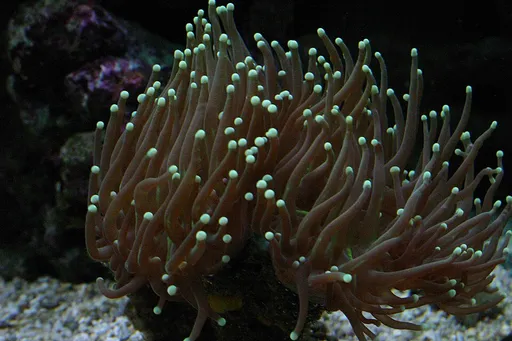
Torch coral
Euphyllia glabrescens
Saltwater7.9 in (20 cm) · 20 gal (75 L)75–81°F (24–27°C)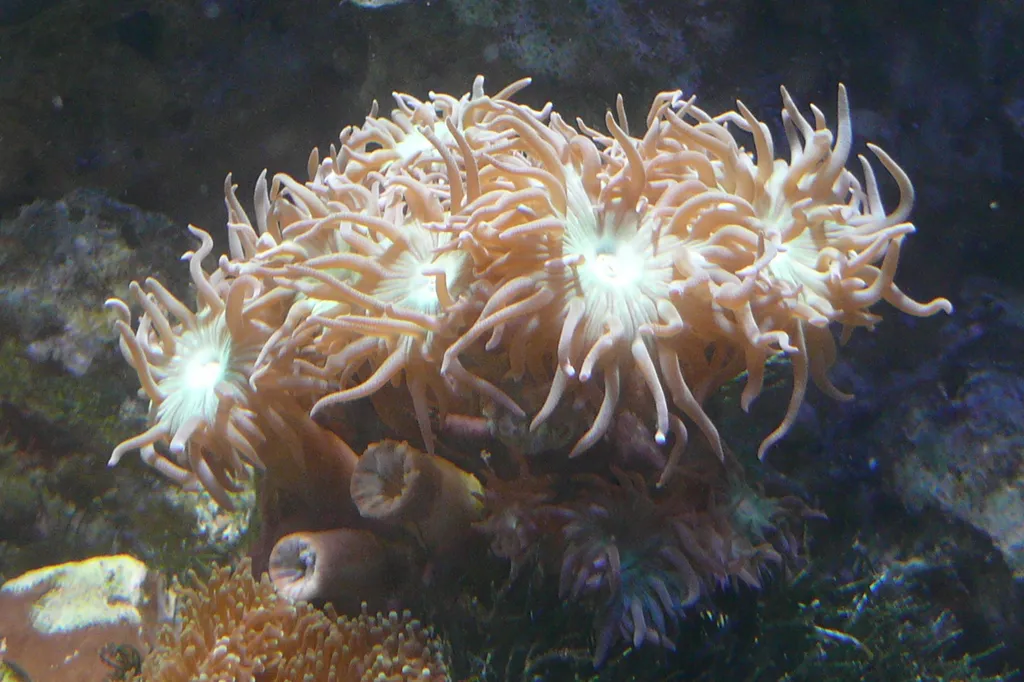
Duncan coral
Duncanopsammia axifuga
Saltwater7.9 in (20 cm) · 11 gal (40 L)75–81°F (24–27°C)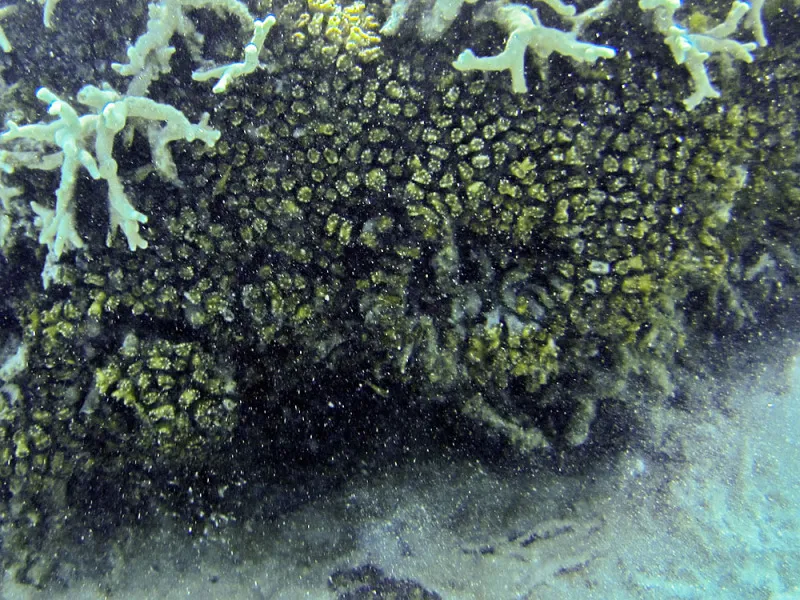
Candy cane coral
Caulastraea furcata
Saltwater7.9 in (20 cm) · 11 gal (40 L)75–81°F (24–27°C)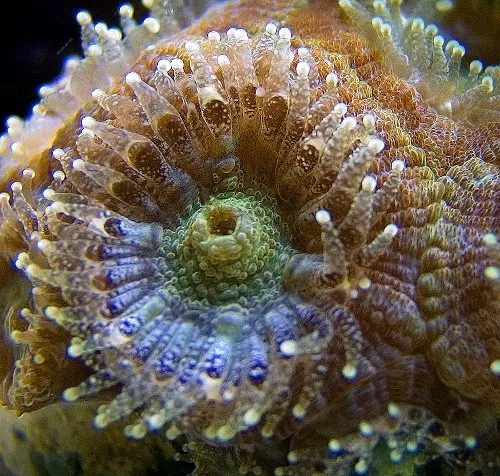
Acan lord coral
Micromussa lordhowensis
Saltwater5.9 in (15 cm) · 11 gal (40 L)75–81°F (24–27°C)
SPS, the branching corals that demand stability
Acropora, montipora, birdsnest, stylophora and pocillopora make up the small-polyp stonies, and these are most of the rows rated difficult. They need strong light, strong random flow and water chemistry that does not move between one test and the next. Birdsnest, cauliflower coral and the plating montiporas are the gentler introductions. The acroporas want a tank that has already run a year without drama. Every one of them turns brown or white within days when something slips, which is the point of the difficulty rating.
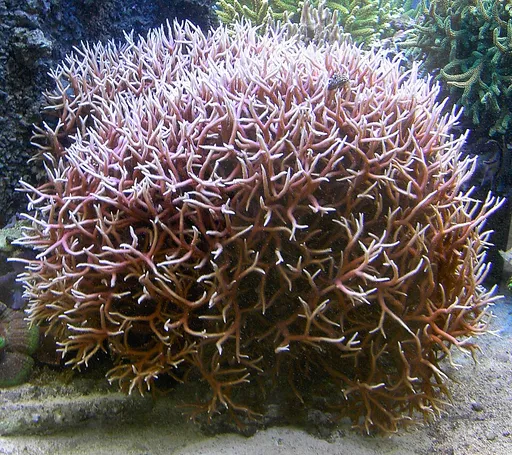
Birdsnest coral
Seriatopora hystrix
Saltwater5.9 in (15 cm) · 20 gal (75 L)75–81°F (24–27°C)
Montipora digitata (finger coral)
Montipora digitata
Saltwater7.9 in (20 cm) · 20 gal (75 L)75–81°F (24–27°C)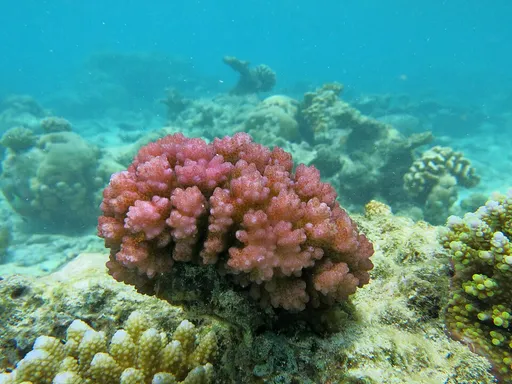
Cauliflower coral
Pocillopora damicornis
Saltwater9.8 in (25 cm) · 20 gal (75 L)75–81°F (24–27°C)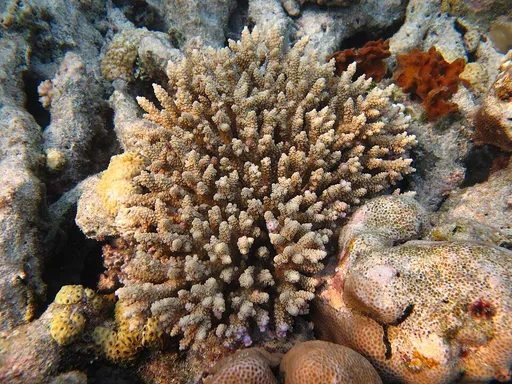
Smooth skin acropora
Acropora tenuis
Saltwater9.8 in (25 cm) · 40 gal (150 L)75–81°F (24–27°C)
Corals that have to be fed
Sun corals, dendronephthya, scleronephthya, the gold polyps and most of the sea fans carry no algae in their tissue, so light does nothing for them and every polyp has to be fed with food. That means target feeding several times a week at the least, and for dendronephthya near-constant plankton. They are some of the most colorful animals on this page and among the hardest to keep alive, which the difficult ratings reflect.
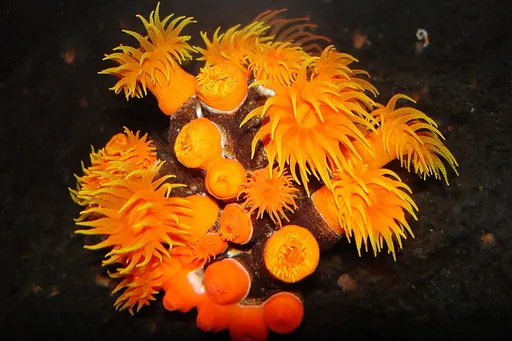
Sun coral
Tubastraea
Saltwater7.9 in (20 cm) · 20 gal (75 L)75–81°F (24–27°C)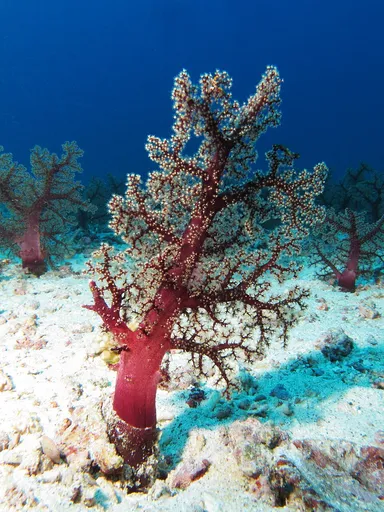
Carnation coral
Dendronephthya
Saltwater9.8 in (25 cm) · 20 gal (75 L)75–81°F (24–27°C)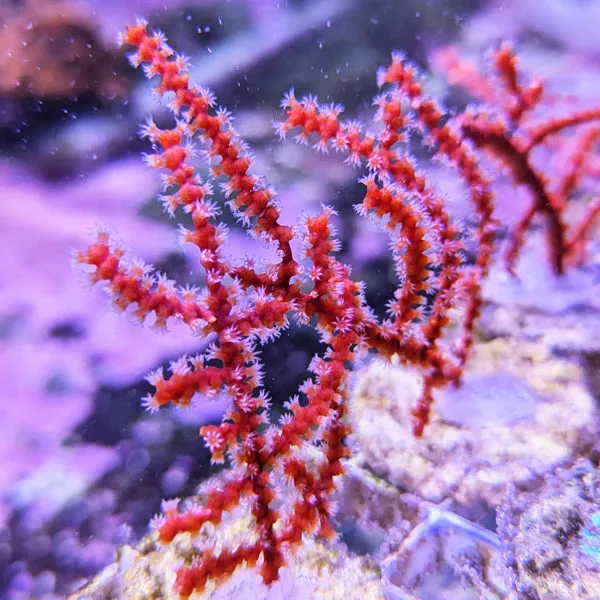
Red swiftia sea fan
Swiftia exserta
Saltwater7.9 in (20 cm) · 20 gal (75 L)68–79°F (20–26°C)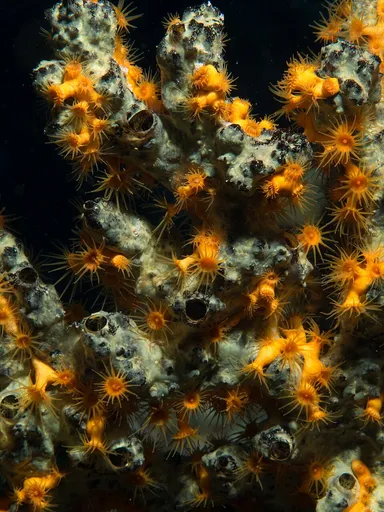
Gold polyps
Parazoanthus swiftii
Saltwater7.9 in (20 cm) · 20 gal (75 L)73–81°F (23–27°C)
The aggressive ones and how far apart to put them
A handful of rows are marked aggressive, and it is not a temperament in the fish sense. Galaxea, the favias and favites, the plate corals and the giant cup mushroom reach out at night with tentacles or a mouth that digests neighbors. Amplexidiscus, the giant cup mushroom, closes on small fish and shrimp that rest on it. Place these low and alone, downstream of nothing you care about, and move anything that starts to recede at the edge nearest them.
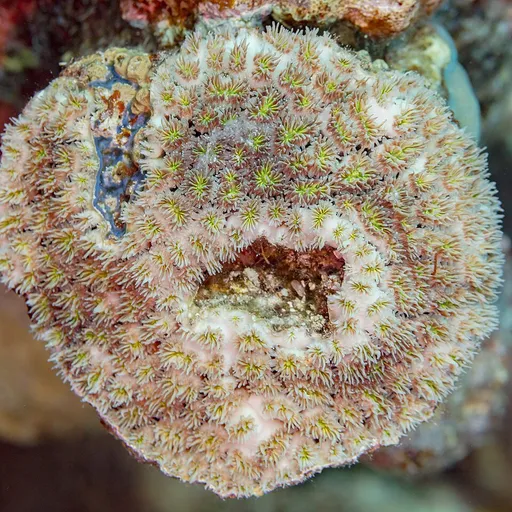
Galaxy coral
Galaxea
Saltwater11.8 in (30 cm) · 20 gal (75 L)75–81°F (24–27°C)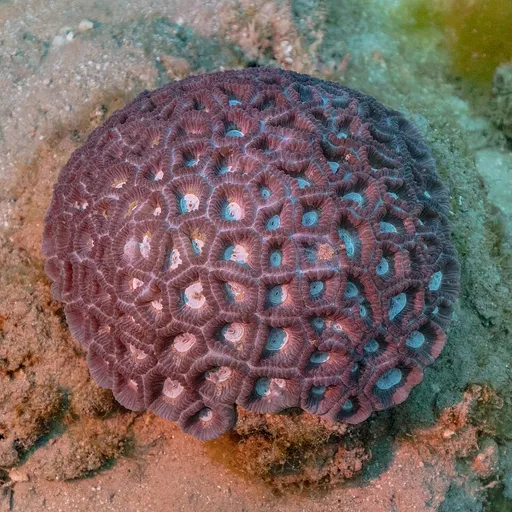
Brain coral (Favia)
Favia
Saltwater7.9 in (20 cm) · 20 gal (75 L)75–81°F (24–27°C)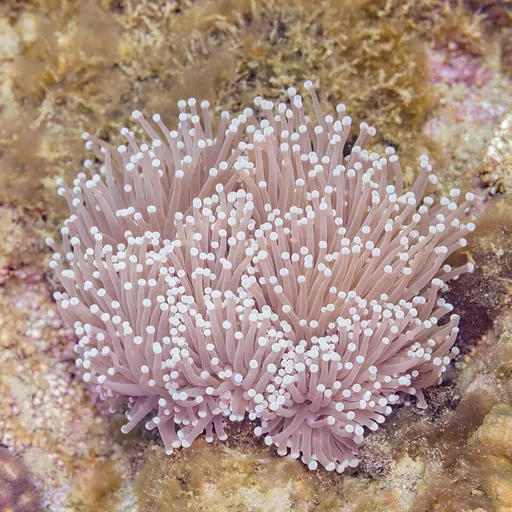
Long-tentacle plate coral
Heliofungia actiniformis
Saltwater9.8 in (25 cm) · 11 gal (40 L)75–81°F (24–27°C)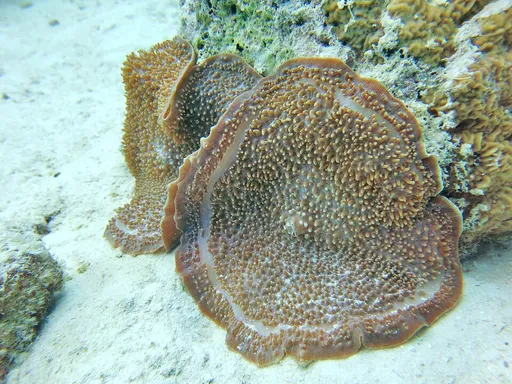
Elephant ear mushroom
Amplexidiscus fenestrafer
Saltwater13.8 in (35 cm) · 20 gal (75 L)75–81°F (24–27°C)
By the numbers
Smallest
Largest
Easiest to keep
Fits a 20 gallon tank
Fits a 30 gallon tank
FAQ
Common questions
What are the easiest corals for a beginner?
The rows rated beginner: mushroom corals, zoanthids and palythoa, green star polyps, Kenya tree, clavularia and anthelia, the leathers, bubble coral, the cactus coral and other pavonas, and the meteor shower coral. All of them tolerate the swings of a new tank better than any stony coral.
What is the difference between soft corals, LPS and SPS?
Soft corals have no skeleton and bend with the flow. LPS (large polyp stony) corals build a skeleton under big fleshy polyps, hammers and brains for example. SPS (small polyp stony) corals are the branching and plating acroporas and montiporas with tiny polyps, and they are the most demanding.
Do corals need to be fed?
Most carry algae that feed them from light, and they get by on that plus what drifts past. LPS corals grow faster when fed meaty food at night. Sun corals, dendronephthya and the sea fans have no algae and starve without regular target feeding.
How much light do corals need?
It depends on the group. Soft corals and most LPS are happy in moderate light and will bleach under too much. The SPS corals want strong light. Each profile describes what the coral in question wants, and a new coral always goes in lower than its final spot.
Why do corals sting each other?
Many corals defend space with sweeper tentacles at night and with chemicals in the water. Leave a hand's width between frags, keep the aggressive corals low and apart, and run carbon to soak up the chemical warfare.
What water conditions do corals need?
Nearly every profile here lists 75–81°F (24–27°C) and a pH of 8.1 to 8.4. For stony corals, alkalinity, calcium and magnesium matter as much as temperature, and stability matters more than any single number.
Index
All corals
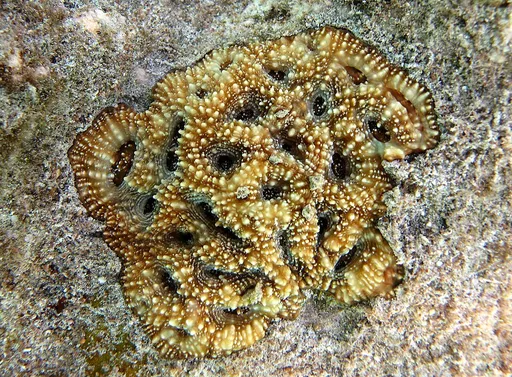
Acan coral
Acanthastrea echinata
Saltwater7.9 in (20 cm) · 11 gal (40 L)75–81°F (24–27°C)Acan lord coral
Micromussa lordhowensis
Saltwater5.9 in (15 cm) · 11 gal (40 L)75–81°F (24–27°C)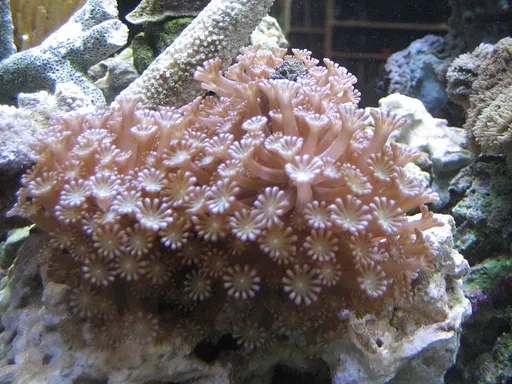
Alveopora coral
Alveopora
Saltwater7.9 in (20 cm) · 11 gal (40 L)75–81°F (24–27°C)Birdsnest coral
Seriatopora hystrix
Saltwater5.9 in (15 cm) · 20 gal (75 L)75–81°F (24–27°C)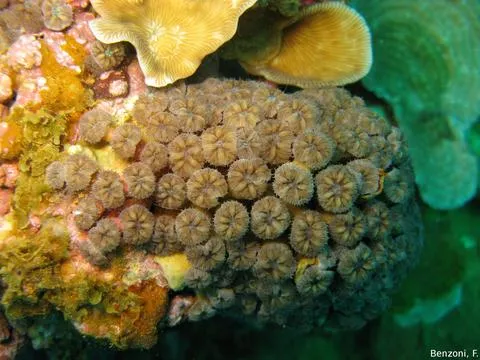
Blastomussa
Blastomussa merletti
Saltwater5.9 in (15 cm) · 11 gal (40 L)75–81°F (24–27°C)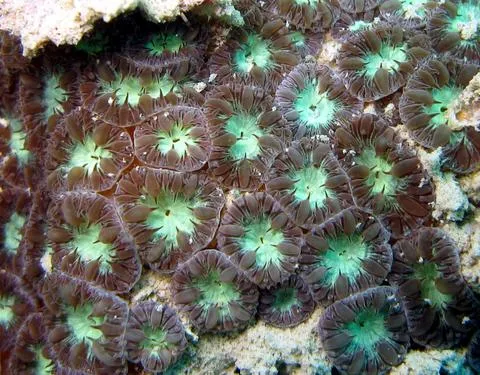
Blastomussa wellsi
Saltwater5.9 in (15 cm) · 20 gal (75 L)75–81°F (24–27°C)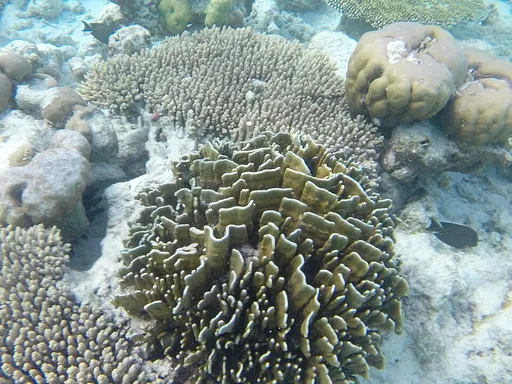
Blue coral
Heliopora coerulea
Saltwater9.8 in (25 cm) · 11 gal (40 L)75–81°F (24–27°C)Brain coral (Favia)
Favia
Saltwater7.9 in (20 cm) · 20 gal (75 L)75–81°F (24–27°C)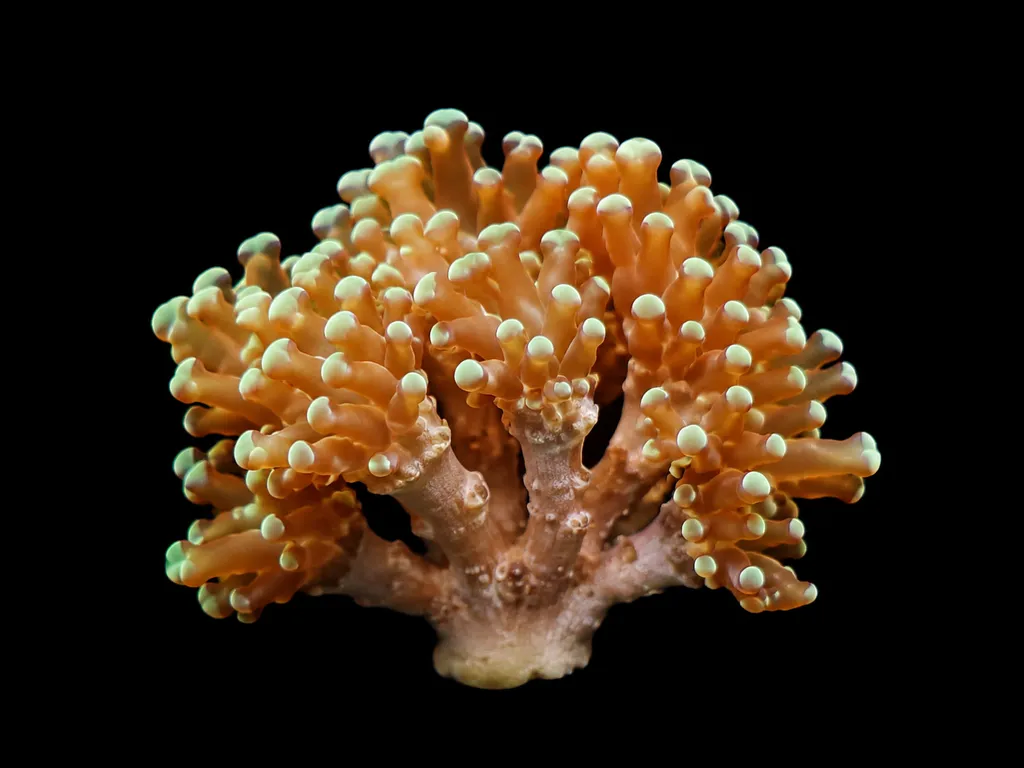
Branching frogspawn coral
Fimbriaphyllia paradivisa
Saltwater7.9 in (20 cm) · 20 gal (75 L)75–81°F (24–27°C)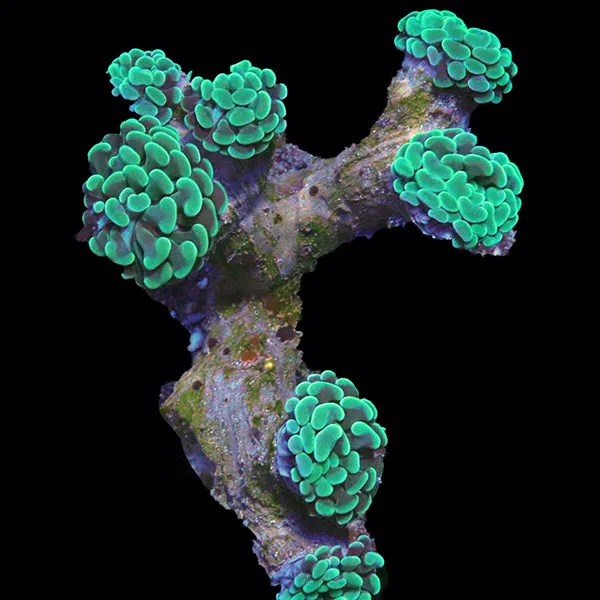
Branching hammer coral
Fimbriaphyllia paraancora
Saltwater7.9 in (20 cm) · 20 gal (75 L)75–81°F (24–27°C)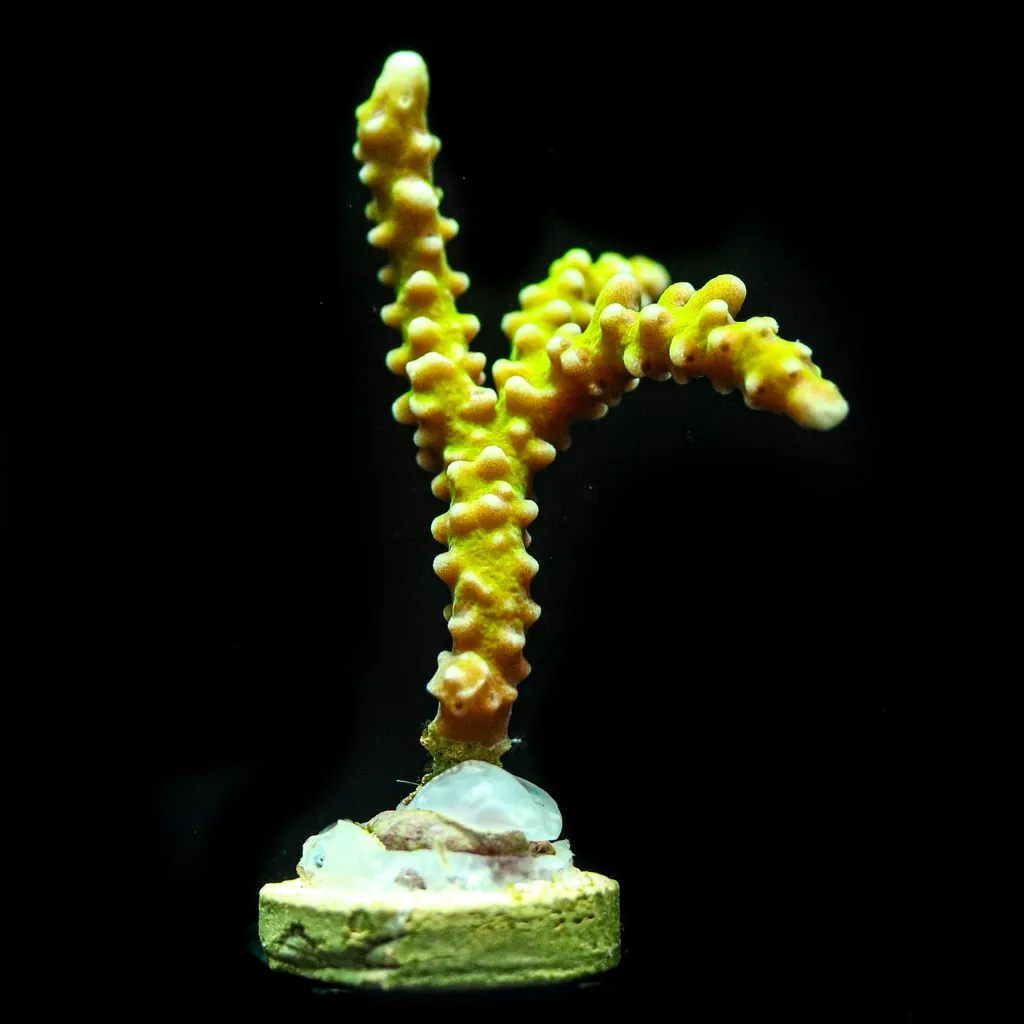
Briar coral
Anacropora sp.
Saltwater11.8 in (30 cm) · 26 gal (100 L)75–81°F (24–27°C)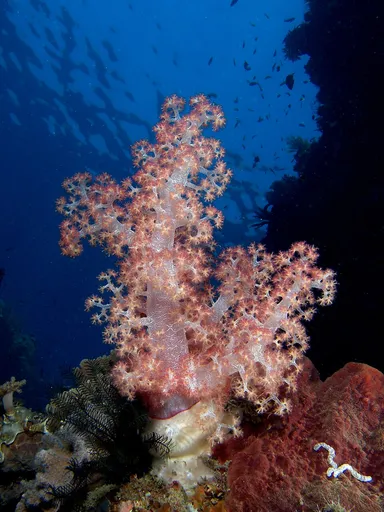
Broccoli tree coral
Litophyton
Saltwater11.8 in (30 cm) · 11 gal (40 L)75–81°F (24–27°C)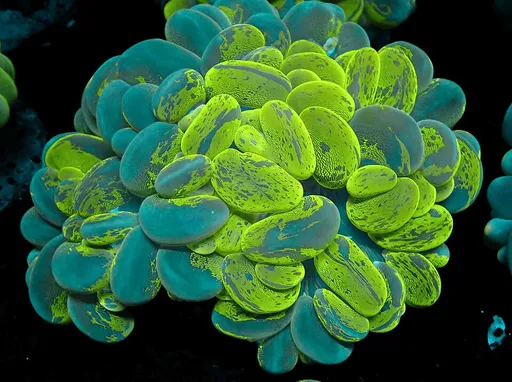
Bubble coral
Plerogyra sinuosa
Saltwater11.8 in (30 cm) · 11 gal (40 L)75–81°F (24–27°C)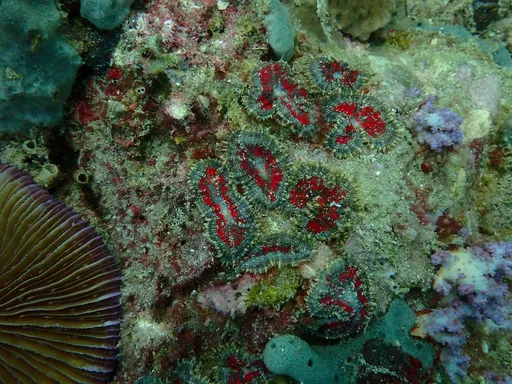
Bullseye mushroom
Rhodactis inchoata
Saltwater3.1 in (8 cm) · 11 gal (40 L)75–81°F (24–27°C)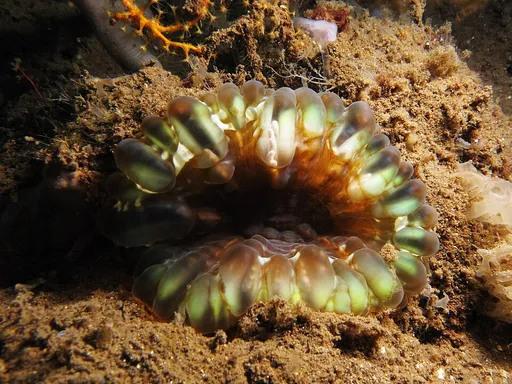
Button coral
Cynarina lacrymalis
Saltwater4.7 in (12 cm) · 11 gal (40 L)75–81°F (24–27°C)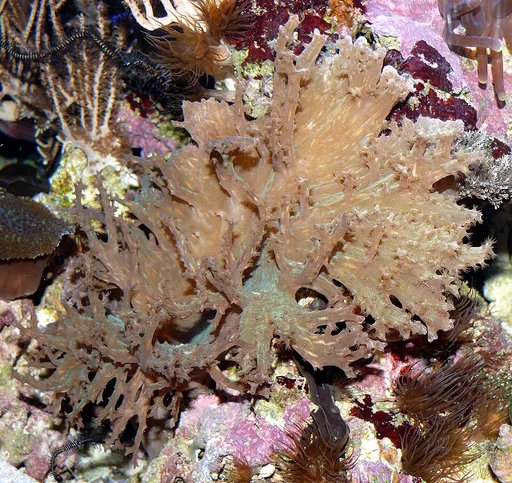
Cabbage leather coral
Sinularia dura
Saltwater11.8 in (30 cm) · 40 gal (150 L)75–81°F (24–27°C)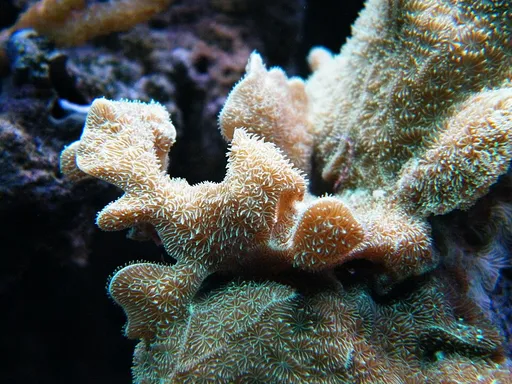
Cactus coral
Pavona cactus
Saltwater11.8 in (30 cm) · 20 gal (75 L)75–81°F (24–27°C)Candy cane coral
Caulastraea furcata
Saltwater7.9 in (20 cm) · 11 gal (40 L)75–81°F (24–27°C)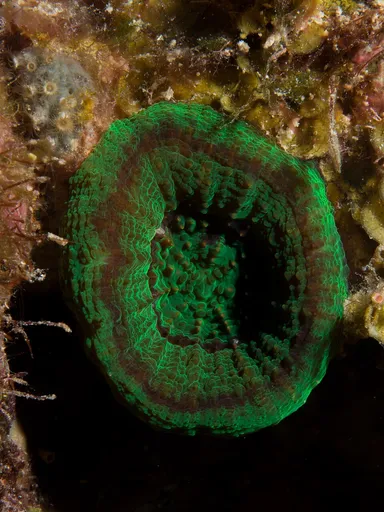
Caribbean doughnut coral
Scolymia cubensis
Saltwater3.9 in (10 cm) · 20 gal (75 L)73–81°F (23–27°C)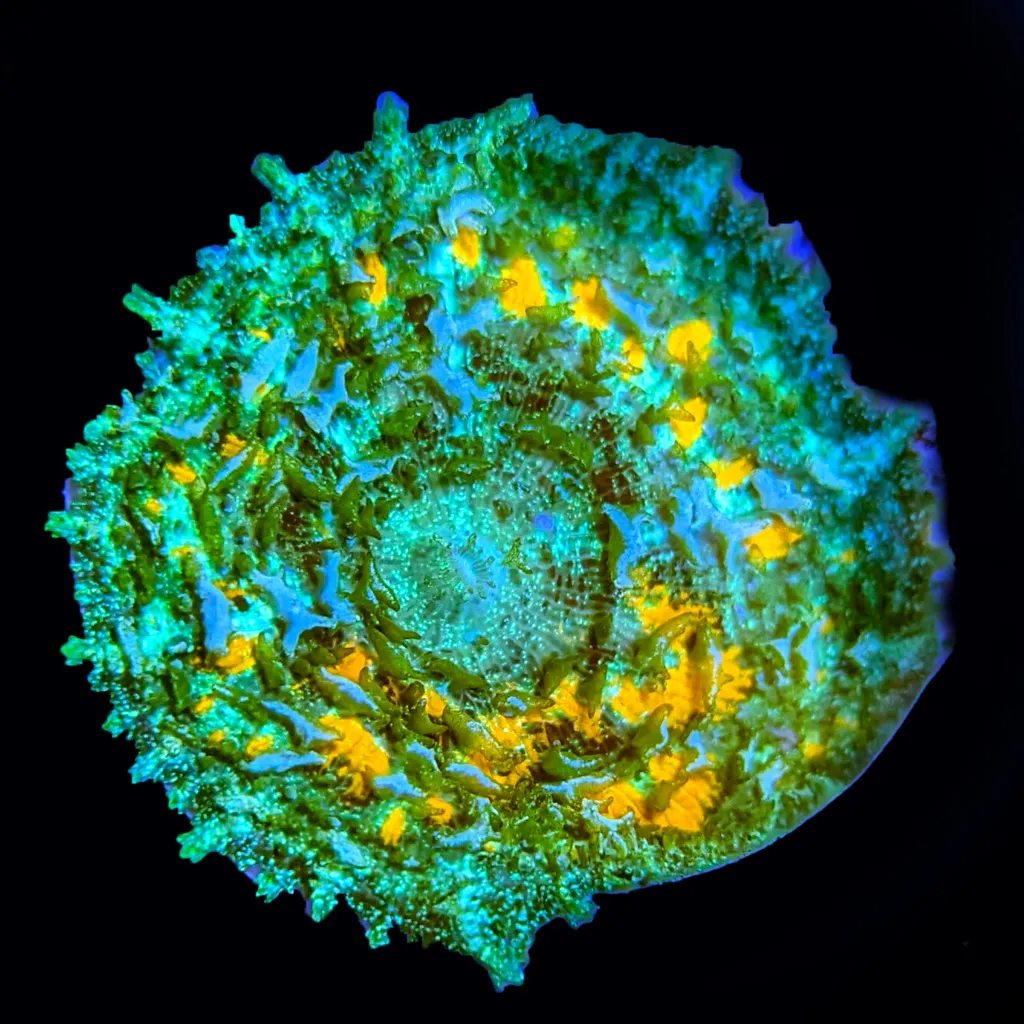
Carlgren's mushroom
Discosoma carlgreni
Saltwater2 in (5 cm) · 11 gal (40 L)75–81°F (24–27°C)Carnation coral
Dendronephthya
Saltwater9.8 in (25 cm) · 20 gal (75 L)75–81°F (24–27°C)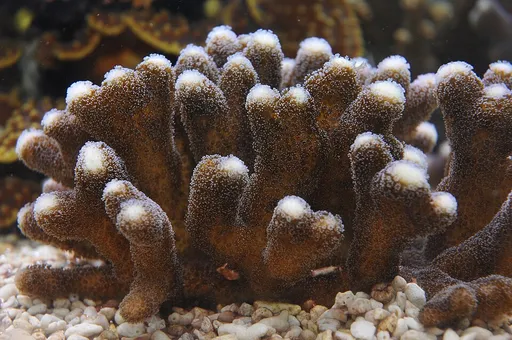
Cat's paw coral
Stylophora pistillata
Saltwater5.9 in (15 cm) · 20 gal (75 L)75–81°F (24–27°C)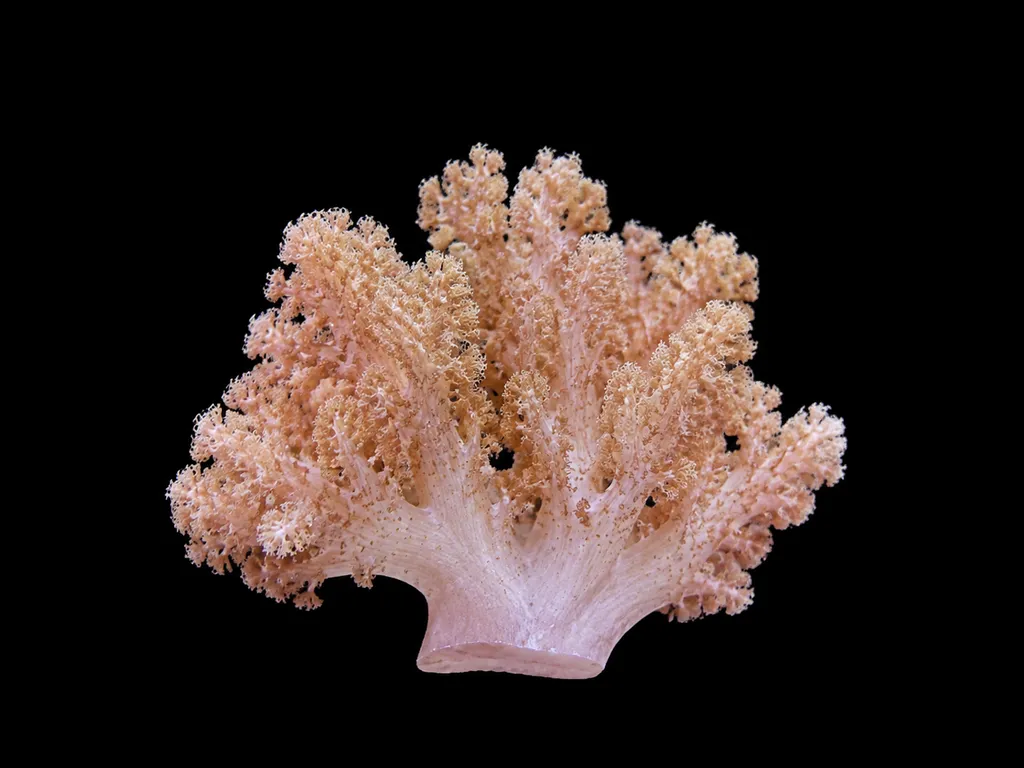
Cauliflower colt coral
Klyxum simplex
Saltwater9.8 in (25 cm) · 26 gal (100 L)75–81°F (24–27°C)Cauliflower coral
Pocillopora damicornis
Saltwater9.8 in (25 cm) · 20 gal (75 L)75–81°F (24–27°C)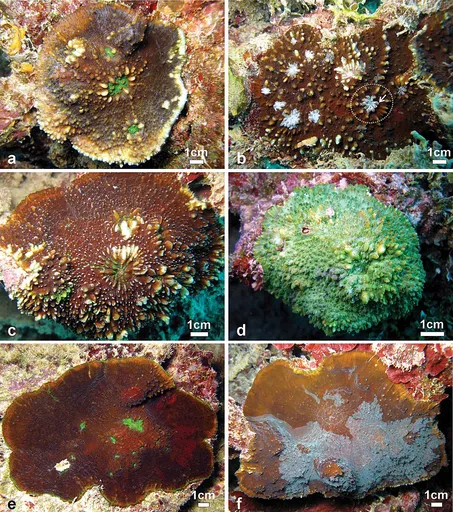
Chalice coral
Echinophyllia
Saltwater13.8 in (35 cm) · 20 gal (75 L)75–81°F (24–27°C)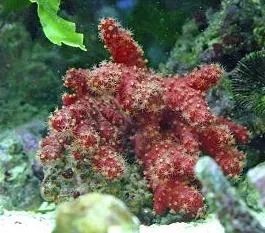
Chili coral
Nephthyigorgia
Saltwater5.9 in (15 cm) · 20 gal (75 L)75–81°F (24–27°C)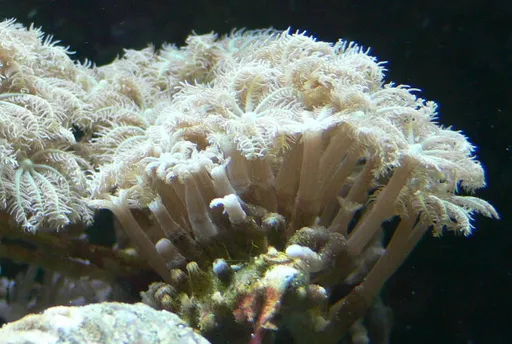
Clove polyps
Clavularia
Saltwater5.9 in (15 cm) · 11 gal (40 L)75–81°F (24–27°C)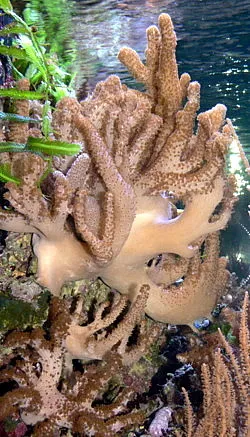
Colt coral
Cladiella
Saltwater11.8 in (30 cm) · 20 gal (75 L)75–81°F (24–27°C)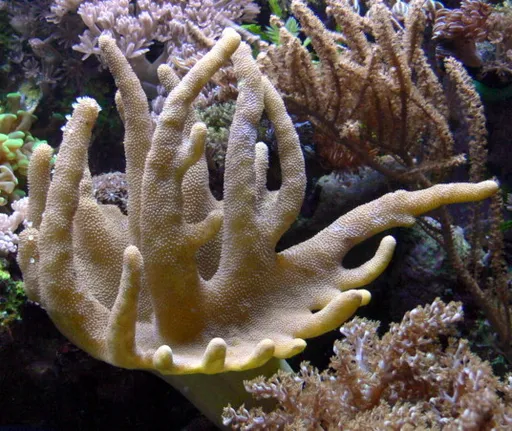
Devil's hand leather coral
Lobophytum
Saltwater11.8 in (30 cm) · 40 gal (150 L)75–81°F (24–27°C)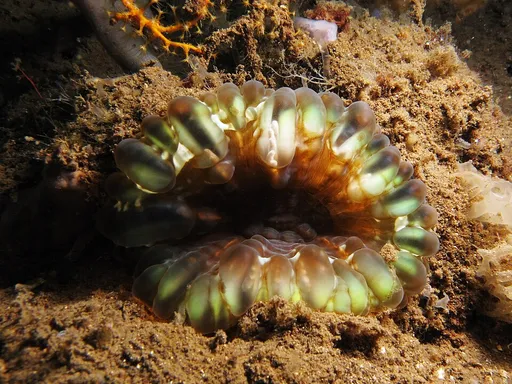
Donut coral
Acanthophyllia deshayesiana
Saltwater9.8 in (25 cm) · 11 gal (40 L)75–81°F (24–27°C)Duncan coral
Duncanopsammia axifuga
Saltwater7.9 in (20 cm) · 11 gal (40 L)75–81°F (24–27°C)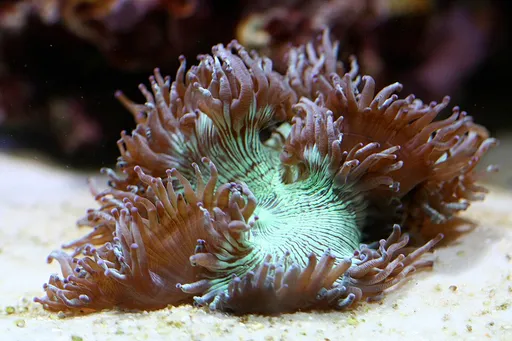
Elegance coral
Catalaphyllia jardinei
Saltwater11.8 in (30 cm) · 20 gal (75 L)75–81°F (24–27°C)Elephant ear mushroom
Amplexidiscus fenestrafer
Saltwater13.8 in (35 cm) · 20 gal (75 L)75–81°F (24–27°C)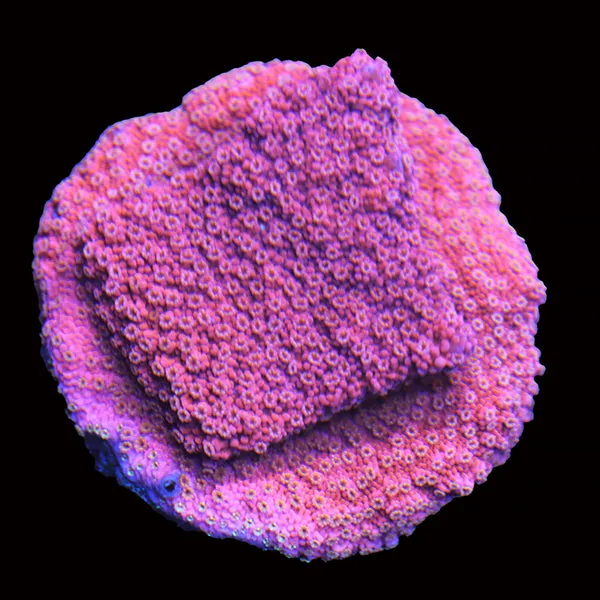
Encrusting montipora
Montipora confusa
Saltwater11.8 in (30 cm) · 26 gal (100 L)75–81°F (24–27°C)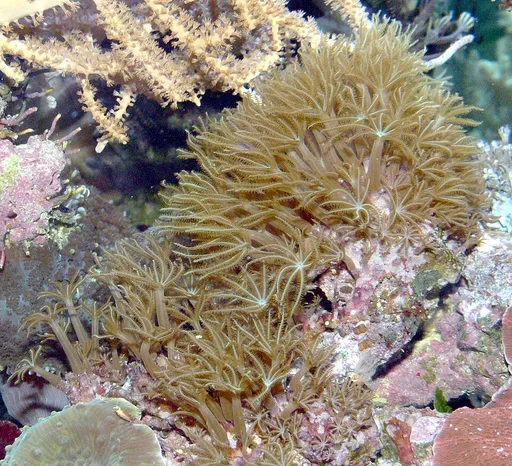
Encrusting star polyps
Briareum
Saltwater7.9 in (20 cm) · 11 gal (40 L)75–81°F (24–27°C)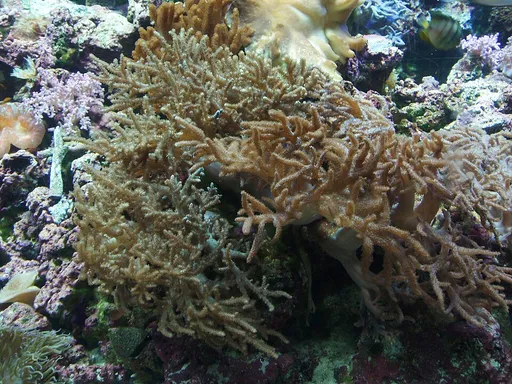
Finger leather
Sinularia
Saltwater9.8 in (25 cm) · 20 gal (75 L)75–81°F (24–27°C)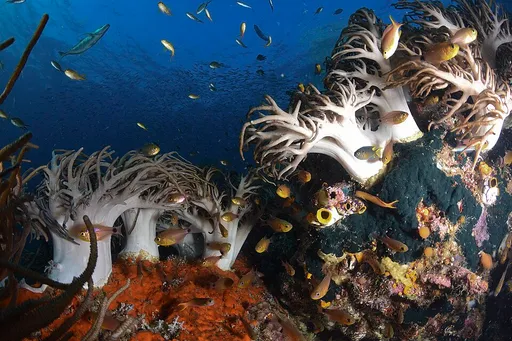
Flexible finger leather coral
Sinularia flexibilis
Saltwater11.8 in (30 cm) · 40 gal (150 L)75–81°F (24–27°C)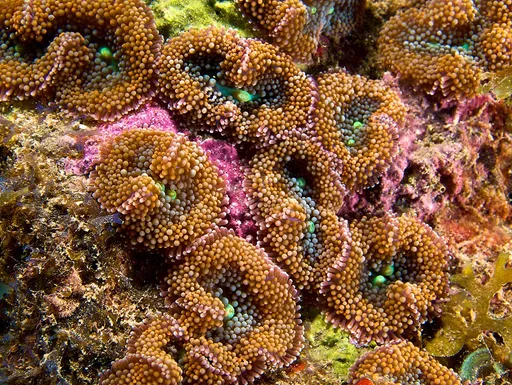
Florida ricordea
Ricordea florida
Saltwater3.1 in (8 cm) · 11 gal (40 L)75–81°F (24–27°C)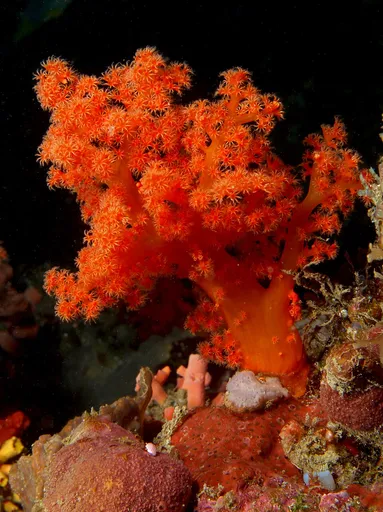
Flower tree coral
Scleronephthya
Saltwater5.9 in (15 cm) · 20 gal (75 L)75–81°F (24–27°C)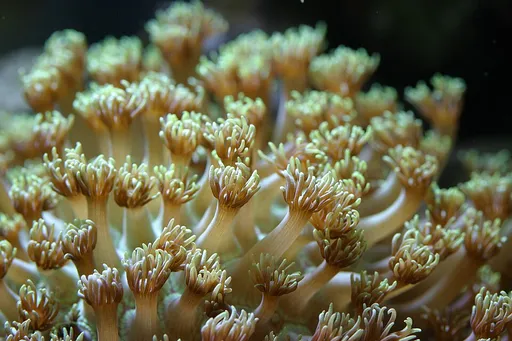
Flowerpot coral
Goniopora
Saltwater9.8 in (25 cm) · 11 gal (40 L)75–81°F (24–27°C)Frogspawn coral
Fimbriaphyllia divisa
Saltwater7.9 in (20 cm) · 20 gal (75 L)75–81°F (24–27°C)Galaxy coral
Galaxea
Saltwater11.8 in (30 cm) · 20 gal (75 L)75–81°F (24–27°C)Gold polyps
Parazoanthus swiftii
Saltwater7.9 in (20 cm) · 20 gal (75 L)73–81°F (23–27°C)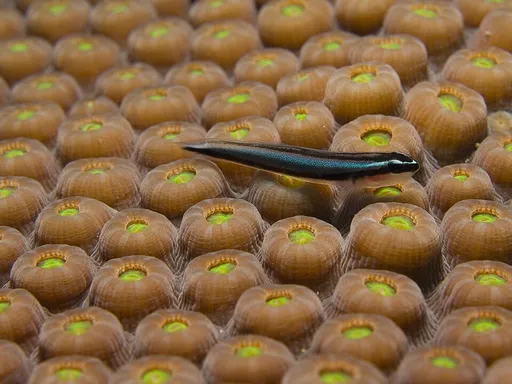
Great star coral
Montastraea cavernosa
Saltwater11.8 in (30 cm) · 53 gal (200 L)73–81°F (23–27°C)Green star polyps
Pachyclavularia violacea
Saltwater7.9 in (20 cm) · 11 gal (40 L)75–81°F (24–27°C)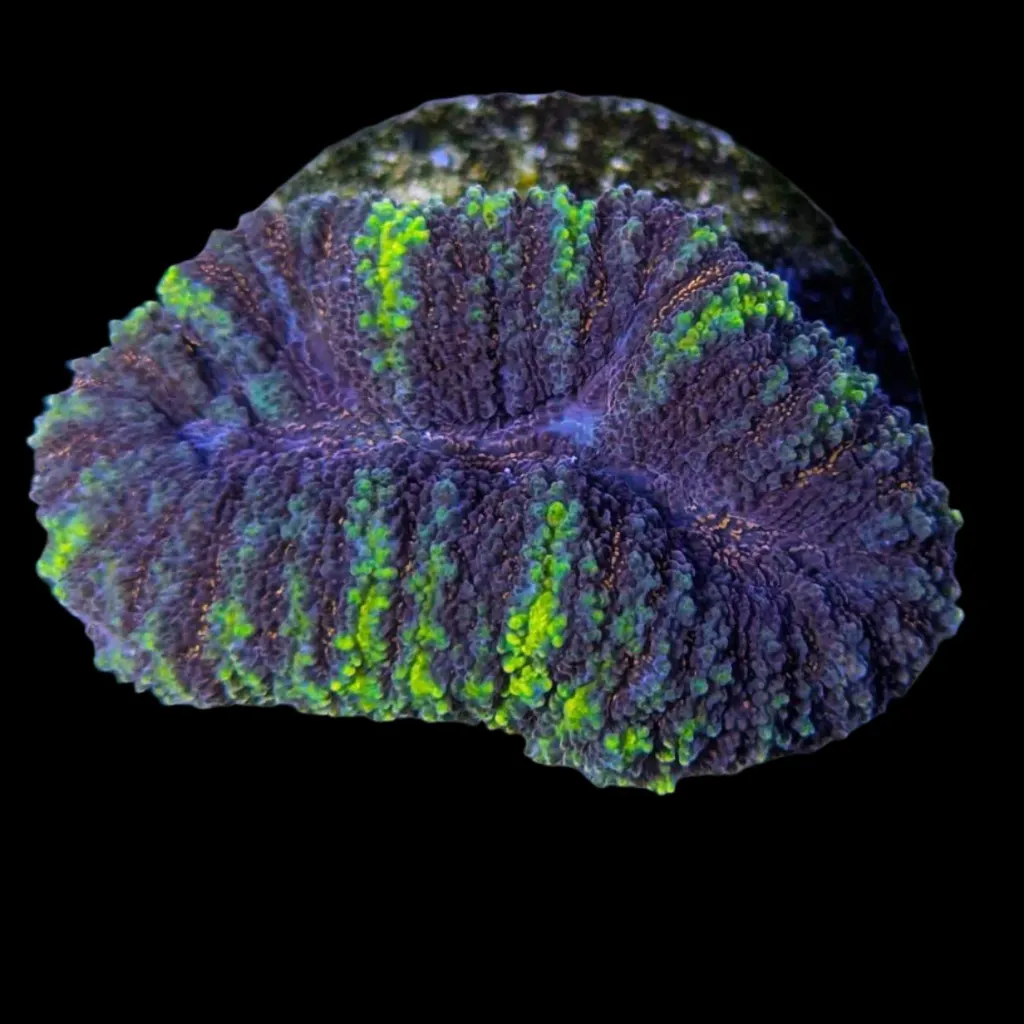
Grooved brain coral
Lobophyllia recta
Saltwater9.8 in (25 cm) · 26 gal (100 L)75–81°F (24–27°C)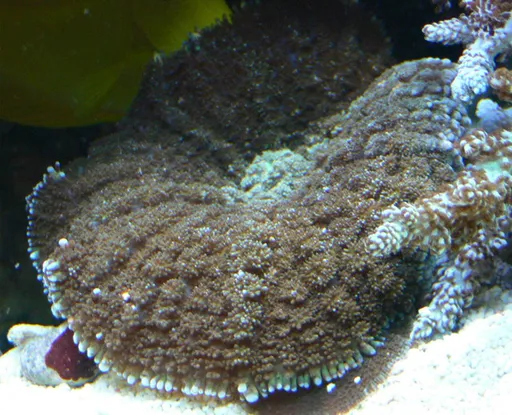
Hairy mushroom
Rhodactis
Saltwater5.9 in (15 cm) · 11 gal (40 L)75–81°F (24–27°C)Hammer coral
Fimbriaphyllia ancora
Saltwater7.9 in (20 cm) · 20 gal (75 L)75–81°F (24–27°C)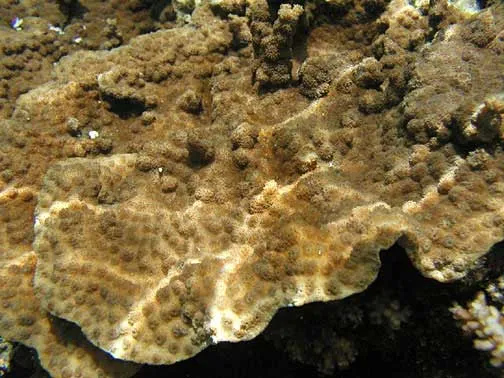
Hedgehog coral
Echinopora lamellosa
Saltwater11.8 in (30 cm) · 26 gal (100 L)75–81°F (24–27°C)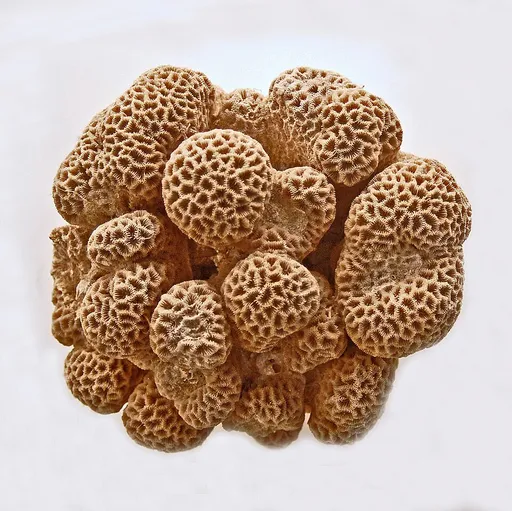
Honeycomb coral
Goniastrea
Saltwater7.9 in (20 cm) · 20 gal (75 L)75–81°F (24–27°C)Kenya tree coral
Capnella
Saltwater9.8 in (25 cm) · 11 gal (40 L)75–81°F (24–27°C)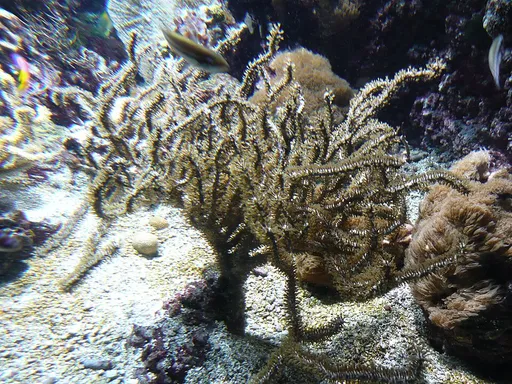
Knobby sea rod
Eunicea sp.
Saltwater17.7 in (45 cm) · 26 gal (100 L)73–81°F (23–27°C)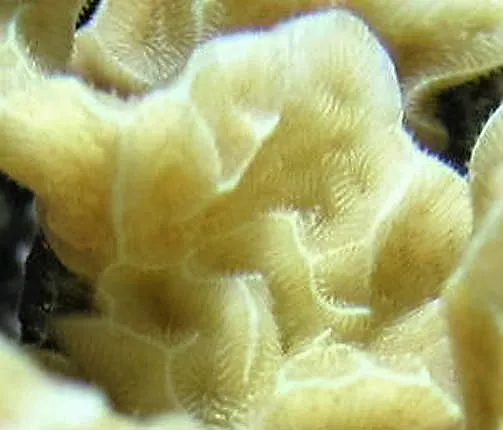
Leaf coral
Pavona frondifera
Saltwater9.8 in (25 cm) · 20 gal (75 L)75–81°F (24–27°C)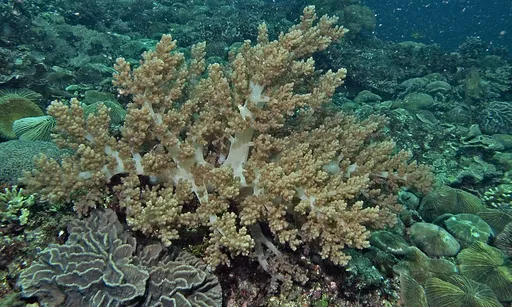
Lemnalia tree coral
Lemnalia
Saltwater7.9 in (20 cm) · 11 gal (40 L)75–81°F (24–27°C)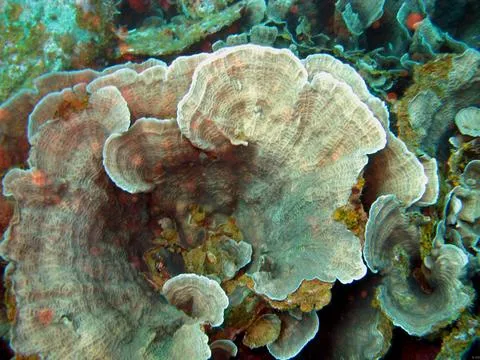
Leptoseris coral
Leptoseris
Saltwater11.8 in (30 cm) · 11 gal (40 L)75–81°F (24–27°C)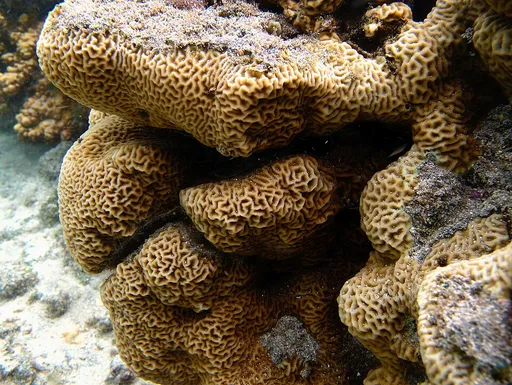
Lettuce coral
Pavona varians
Saltwater9.8 in (25 cm) · 20 gal (75 L)75–81°F (24–27°C)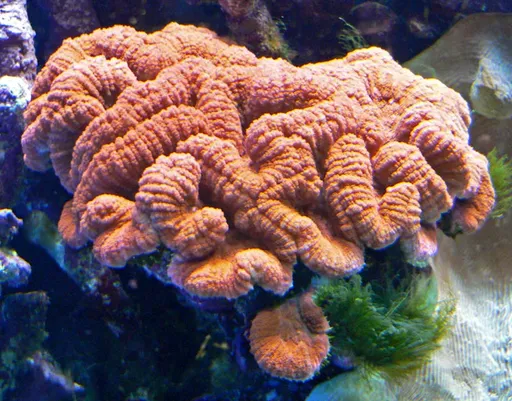
Lobed brain coral
Lobophyllia
Saltwater9.8 in (25 cm) · 20 gal (75 L)75–81°F (24–27°C)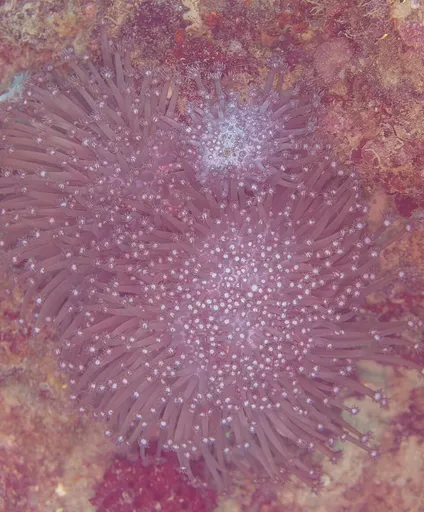
Long-polyp flowerpot coral
Goniopora stokesi
Saltwater7.9 in (20 cm) · 26 gal (100 L)75–81°F (24–27°C)Long-tentacle plate coral
Heliofungia actiniformis
Saltwater9.8 in (25 cm) · 11 gal (40 L)75–81°F (24–27°C)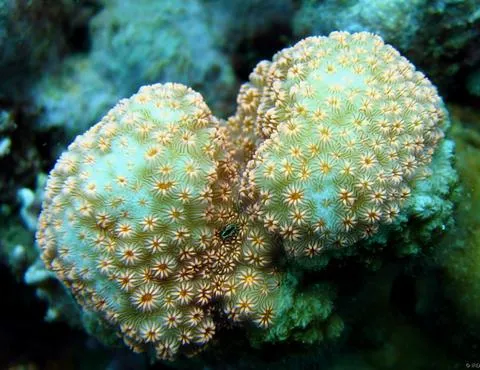
Maldives pavona
Pavona maldivensis
Saltwater7.9 in (20 cm) · 20 gal (75 L)75–81°F (24–27°C)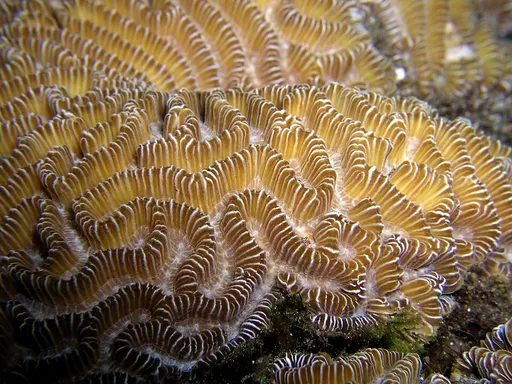
Maze brain coral
Platygyra
Saltwater9.8 in (25 cm) · 20 gal (75 L)75–81°F (24–27°C)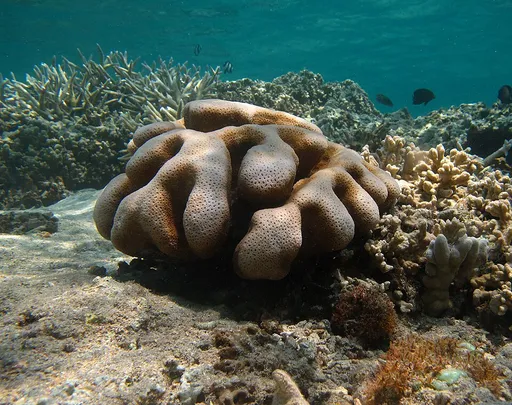
Meteor shower coral
Cyphastrea serailia
Saltwater9.8 in (25 cm) · 20 gal (75 L)75–81°F (24–27°C)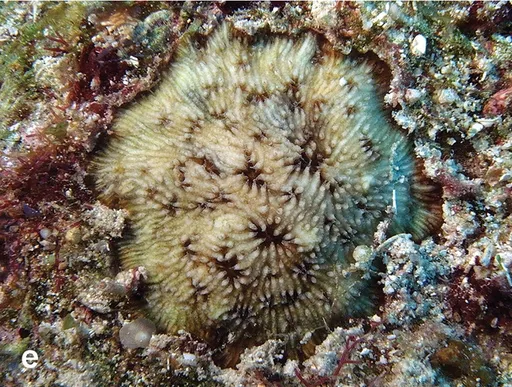
Mobile plate coral
Cycloseris
Saltwater3.1 in (8 cm) · 20 gal (75 L)75–81°F (24–27°C)Montipora digitata (finger coral)
Montipora digitata
Saltwater7.9 in (20 cm) · 20 gal (75 L)75–81°F (24–27°C)
Montipora plating (cap coral)
Montipora capricornis
Saltwater7.9 in (20 cm) · 20 gal (75 L)75–81°F (24–27°C)Mushroom coral
Discosoma
Saltwater3.9 in (10 cm) · 11 gal (40 L)75–81°F (24–27°C)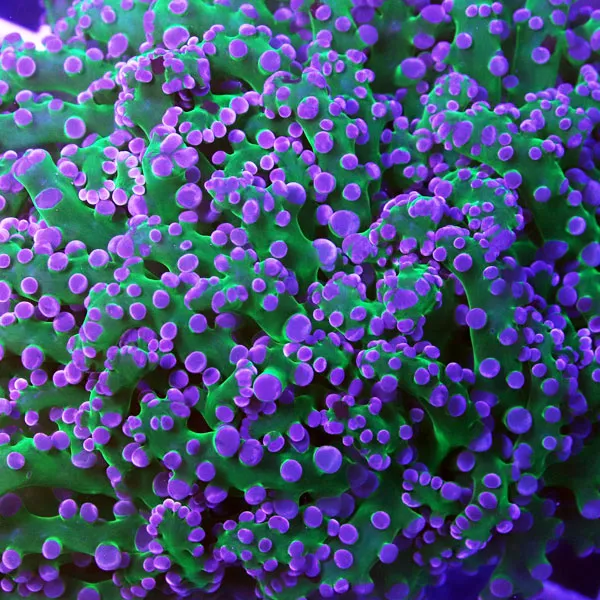
Octospawn coral
Fimbriaphyllia yaeyamaensis
Saltwater7.9 in (20 cm) · 20 gal (75 L)75–81°F (24–27°C)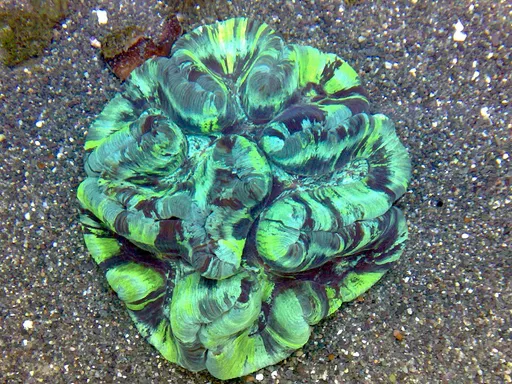
Open brain coral
Trachyphyllia geoffroyi
Saltwater5.9 in (15 cm) · 11 gal (40 L)75–81°F (24–27°C)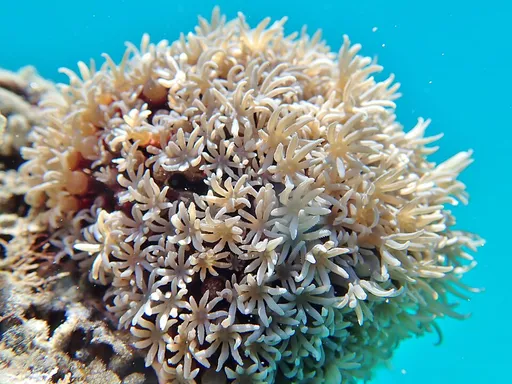
Organ pipe coral
Tubipora musica
Saltwater9.8 in (25 cm) · 11 gal (40 L)75–81°F (24–27°C)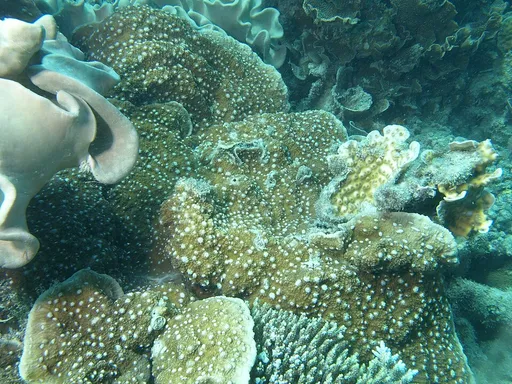
Oxypora chalice coral
Oxypora lacera
Saltwater9.8 in (25 cm) · 26 gal (100 L)75–81°F (24–27°C)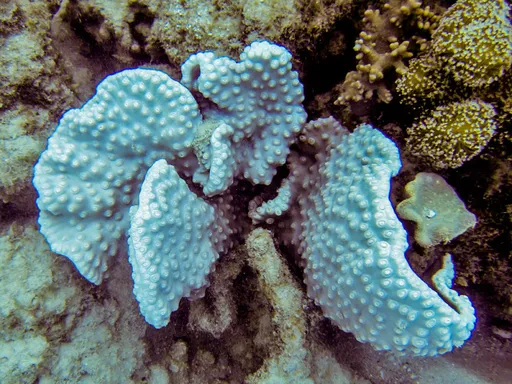
Pagoda cup coral
Turbinaria peltata
Saltwater11.8 in (30 cm) · 40 gal (150 L)75–81°F (24–27°C)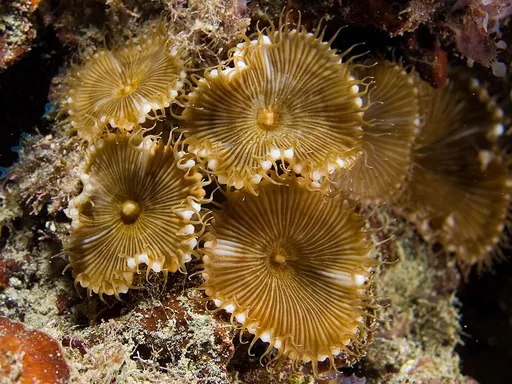
Palythoa
Saltwater7.1 in (18 cm) · 11 gal (40 L)75–81°F (24–27°C)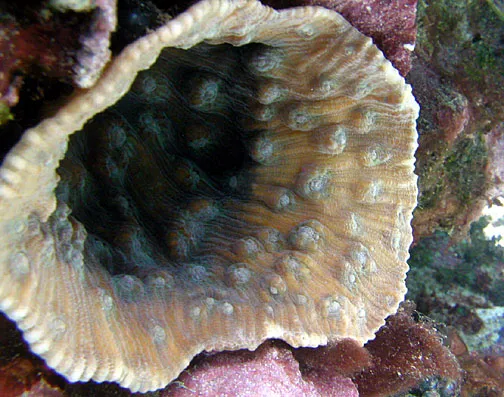
Peacock chalice coral
Mycedium elephantotus
Saltwater9.8 in (25 cm) · 26 gal (100 L)75–81°F (24–27°C)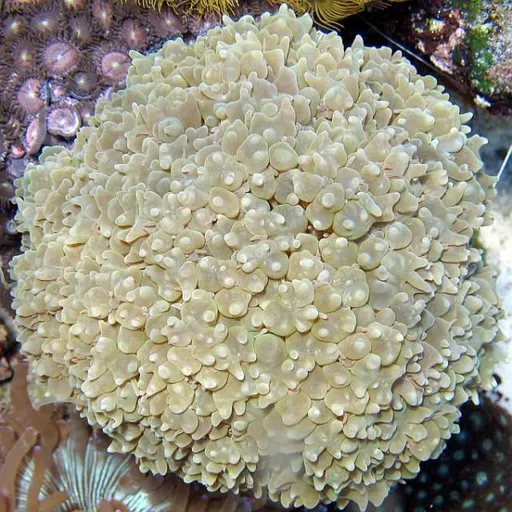
Pearl bubble coral
Physogyra lichtensteini
Saltwater9.8 in (25 cm) · 11 gal (40 L)75–81°F (24–27°C)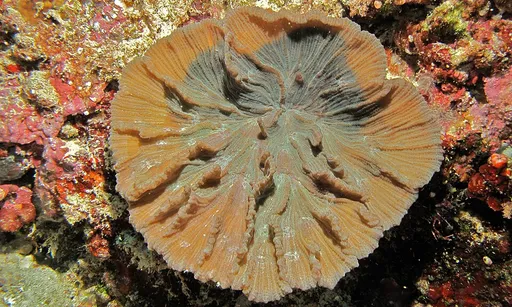
Pectinia coral
Pectinia
Saltwater11.8 in (30 cm) · 20 gal (75 L)75–81°F (24–27°C)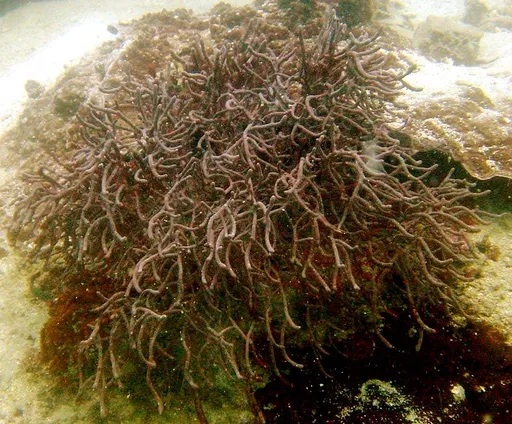
Pink sea fan
Hicksonella sp.
Saltwater11.8 in (30 cm) · 20 gal (75 L)75–81°F (24–27°C)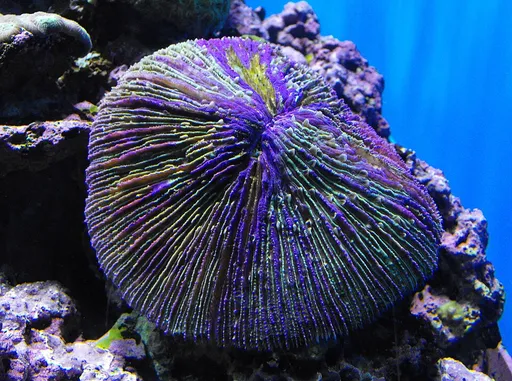
Plate coral
Fungia
Saltwater7.9 in (20 cm) · 11 gal (40 L)75–81°F (24–27°C)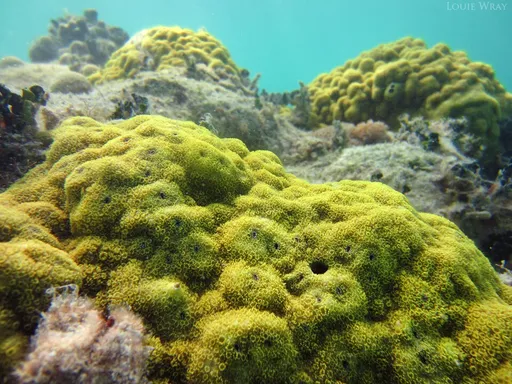
Porites
Saltwater13.8 in (35 cm) · 40 gal (150 L)75–81°F (24–27°C)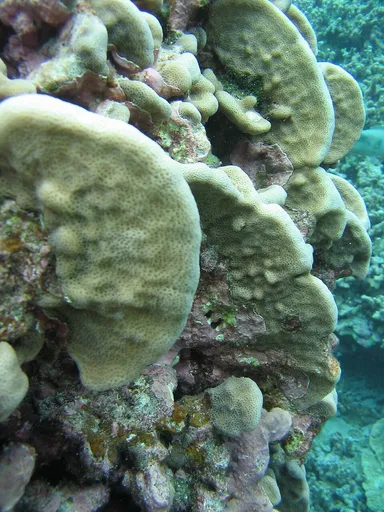
Porkchop coral
Pavona duerdeni
Saltwater23.6 in (60 cm) · 26 gal (100 L)75–81°F (24–27°C)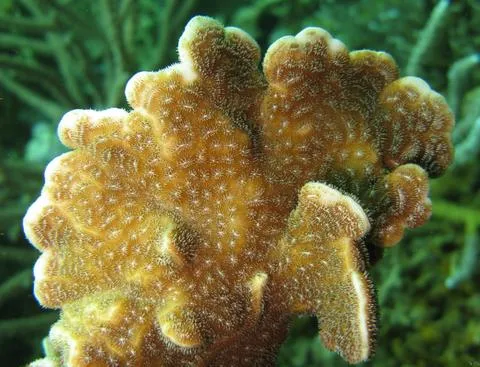
Potato chip coral
Pavona decussata
Saltwater11.8 in (30 cm) · 20 gal (75 L)75–81°F (24–27°C)Pulsing xenia
Xenia elongata
Saltwater7.9 in (20 cm) · 11 gal (40 L)75–81°F (24–27°C)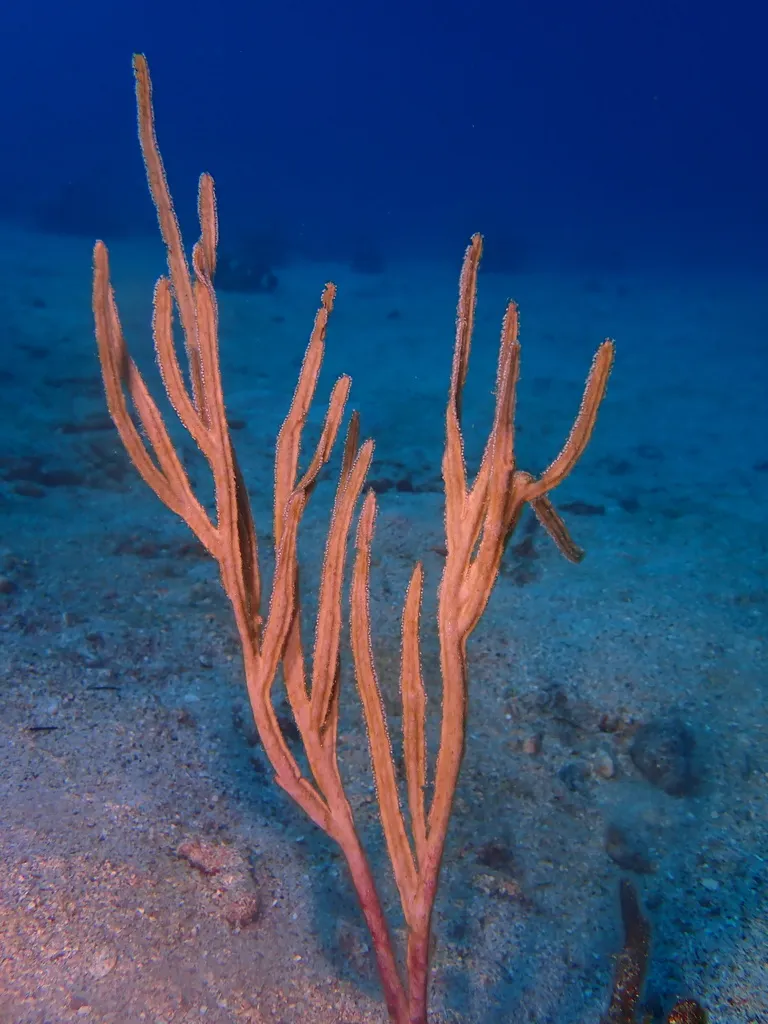
Purple sea blade
Pterogorgia anceps
Saltwater17.7 in (45 cm) · 26 gal (100 L)73–81°F (23–27°C)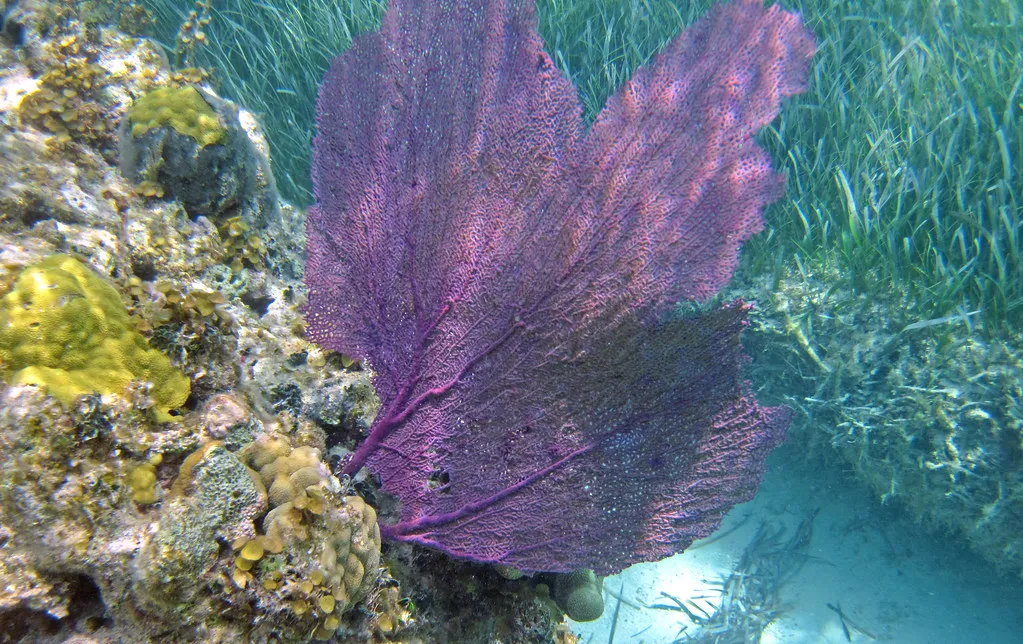
Purple sea fan
Gorgonia ventalina
Saltwater70.9 in (180 cm) · 53 gal (200 L)73–81°F (23–27°C)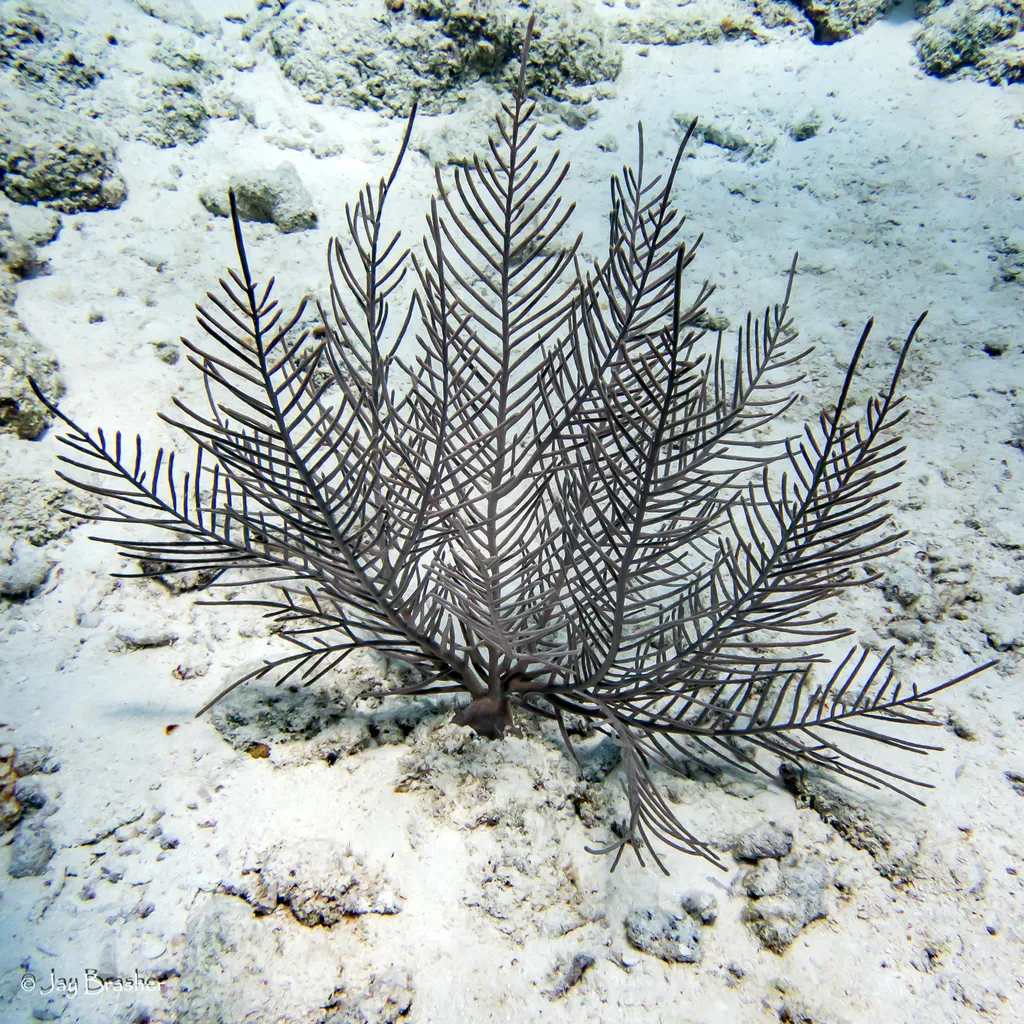
Purple sea plume
Antillogorgia bipinnata
Saltwater17.7 in (45 cm) · 26 gal (100 L)73–81°F (23–27°C)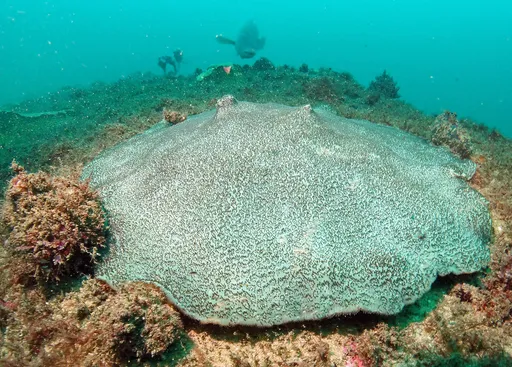
Rapunzel coscinaraea
Coscinaraea sp.
Saltwater11.8 in (30 cm) · 20 gal (75 L)75–81°F (24–27°C)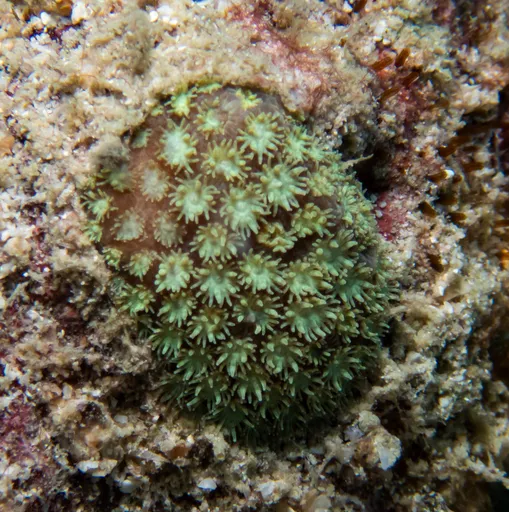
Red flowerpot coral
Bernardpora stutchburyi
Saltwater7.9 in (20 cm) · 11 gal (40 L)75–81°F (24–27°C)Red swiftia sea fan
Swiftia exserta
Saltwater7.9 in (20 cm) · 20 gal (75 L)68–79°F (20–26°C)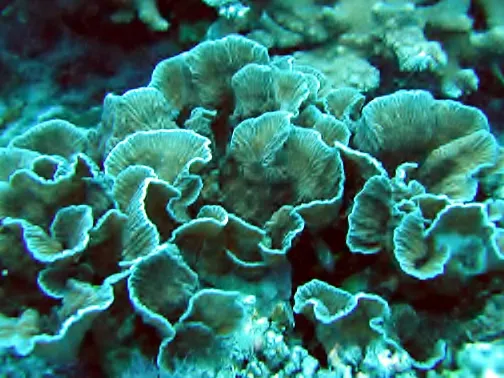
Ruffled coral
Merulina ampliata
Saltwater9.8 in (25 cm) · 26 gal (100 L)75–81°F (24–27°C)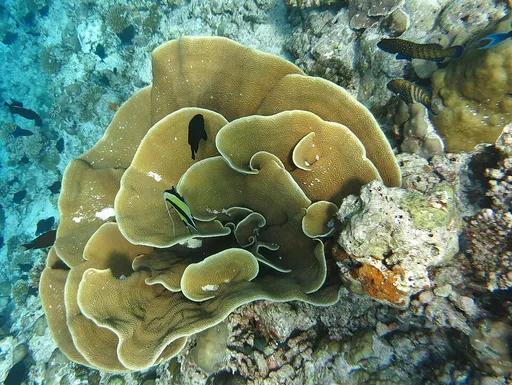
Ruffled disc coral
Turbinaria mesenterina
Saltwater11.8 in (30 cm) · 40 gal (150 L)75–81°F (24–27°C)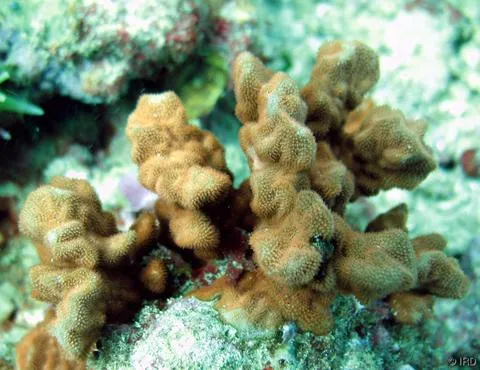
Sandpaper coral
Psammocora contigua
Saltwater9.8 in (25 cm) · 29 gal (110 L)75–81°F (24–27°C)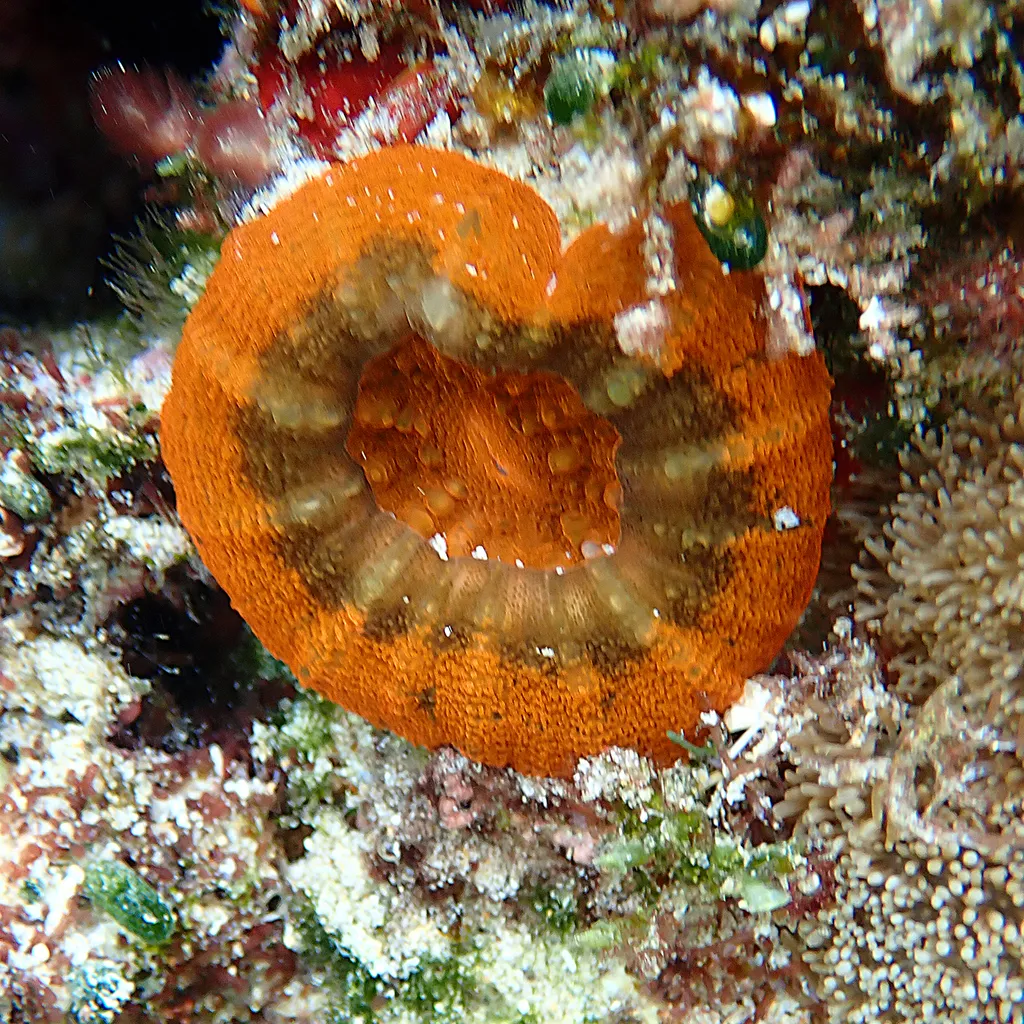
Scoly coral
Homophyllia australis
Saltwater5.1 in (13 cm) · 11 gal (40 L)75–81°F (24–27°C)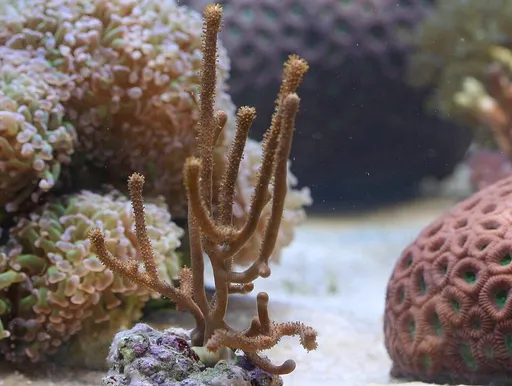
Sea fan gorgonian
Rumphella
Saltwater11.8 in (30 cm) · 20 gal (75 L)75–81°F (24–27°C)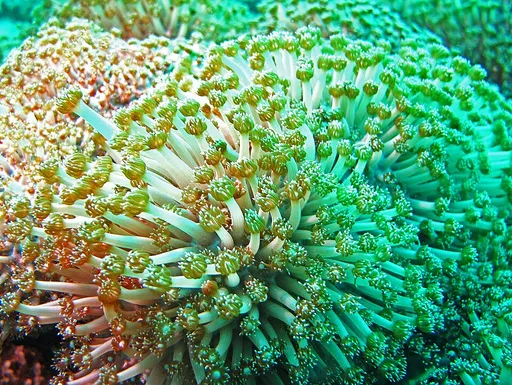
Short-polyp flowerpot coral
Goniopora columna
Saltwater7.9 in (20 cm) · 26 gal (100 L)75–81°F (24–27°C)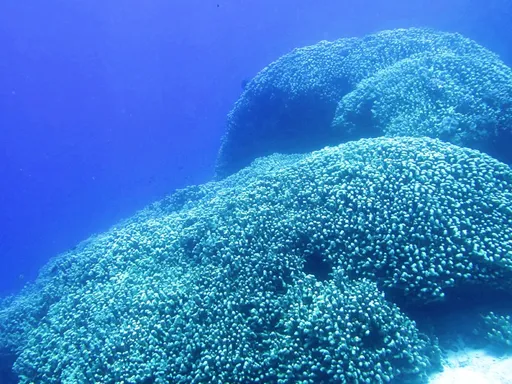
Shoulderblade coral
Pavona clavus
Saltwater19.7 in (50 cm) · 26 gal (100 L)75–81°F (24–27°C)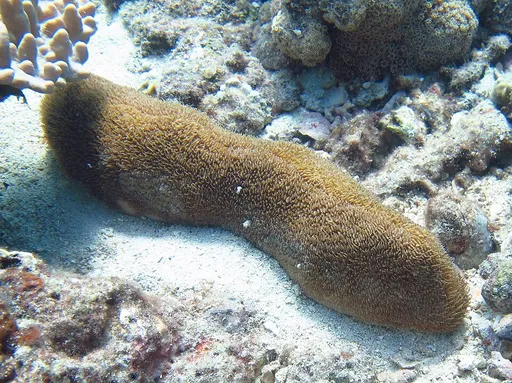
Slipper coral
Polyphyllia talpina
Saltwater15.7 in (40 cm) · 40 gal (150 L)75–81°F (24–27°C)Smooth skin acropora
Acropora tenuis
Saltwater9.8 in (25 cm) · 40 gal (150 L)75–81°F (24–27°C)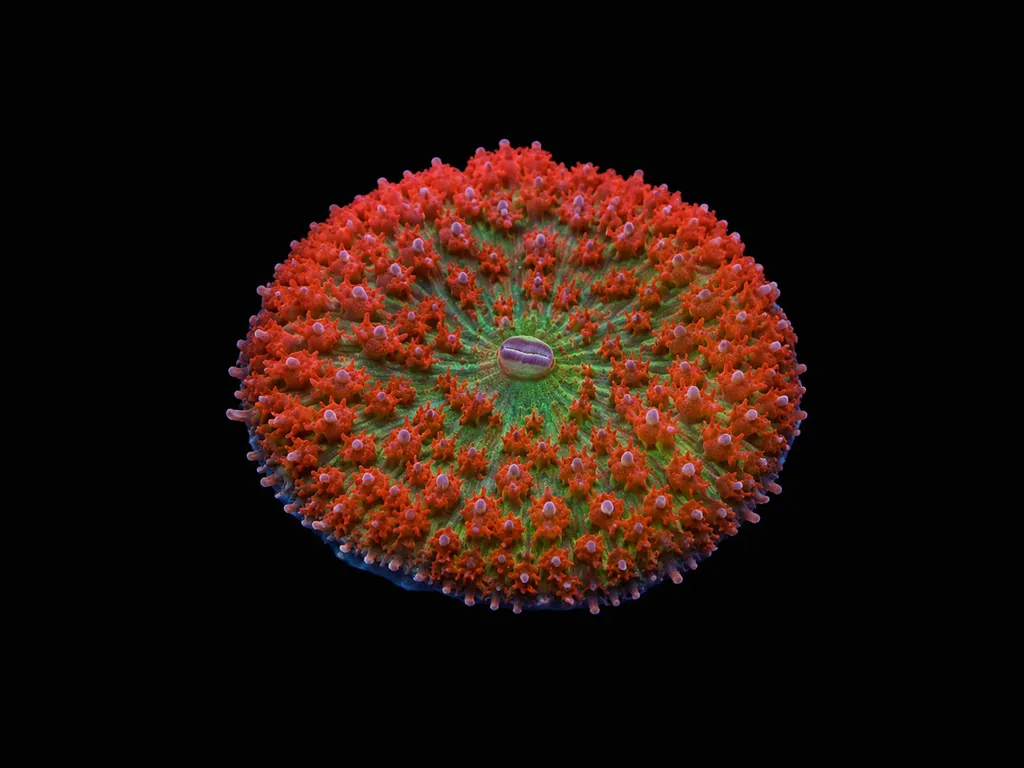
St. Thomas mushroom
Rhodactis osculifera
Saltwater3.9 in (10 cm) · 11 gal (40 L)75–81°F (24–27°C)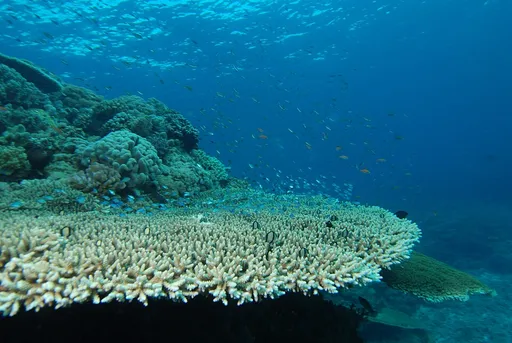
Staghorn acropora
Acropora
Saltwater9.8 in (25 cm) · 40 gal (150 L)75–81°F (24–27°C)Sun coral
Tubastraea
Saltwater7.9 in (20 cm) · 20 gal (75 L)75–81°F (24–27°C)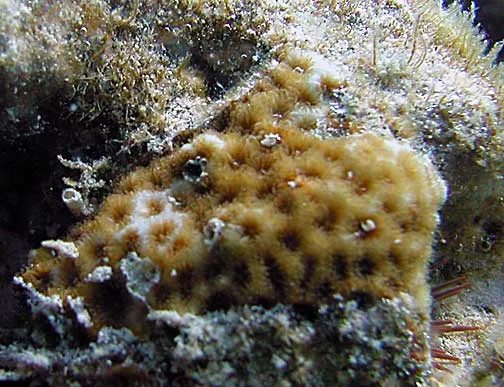
Sunset coral
Leptastrea
Saltwater7.9 in (20 cm) · 20 gal (75 L)75–81°F (24–27°C)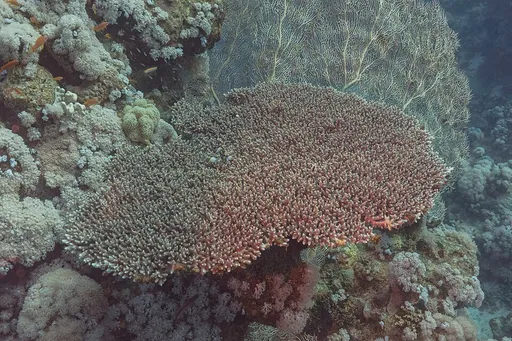
Table acropora
Acropora hyacinthus
Saltwater17.7 in (45 cm) · 53 gal (200 L)75–81°F (24–27°C)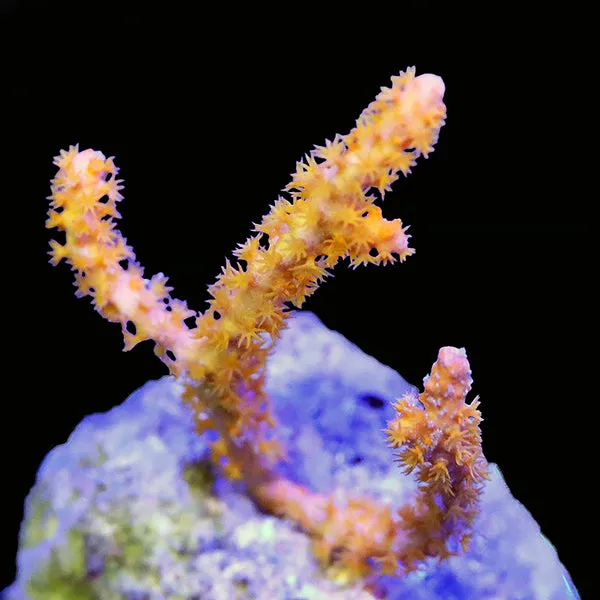
Tangerine sea fan
Annella sp.
Saltwater59.1 in (150 cm) · 53 gal (200 L)75–81°F (24–27°C)Toadstool leather
Sarcophyton
Saltwater11.8 in (30 cm) · 20 gal (75 L)75–81°F (24–27°C)Torch coral
Euphyllia glabrescens
Saltwater7.9 in (20 cm) · 20 gal (75 L)75–81°F (24–27°C)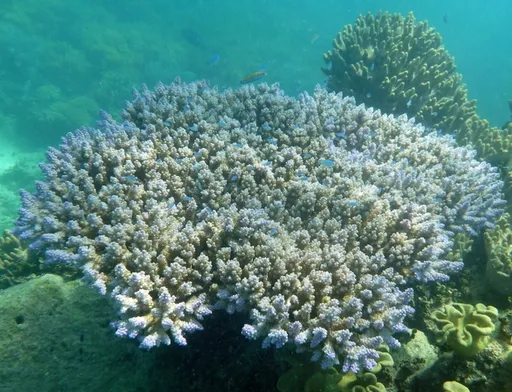
Tricolor acropora
Acropora valida
Saltwater9.8 in (25 cm) · 40 gal (150 L)75–81°F (24–27°C)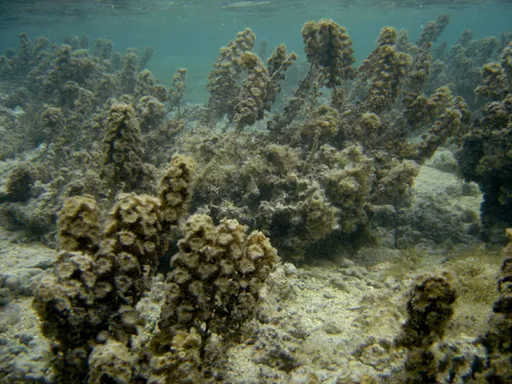
Turbinaria cup coral
Turbinaria
Saltwater13.8 in (35 cm) · 20 gal (75 L)75–81°F (24–27°C)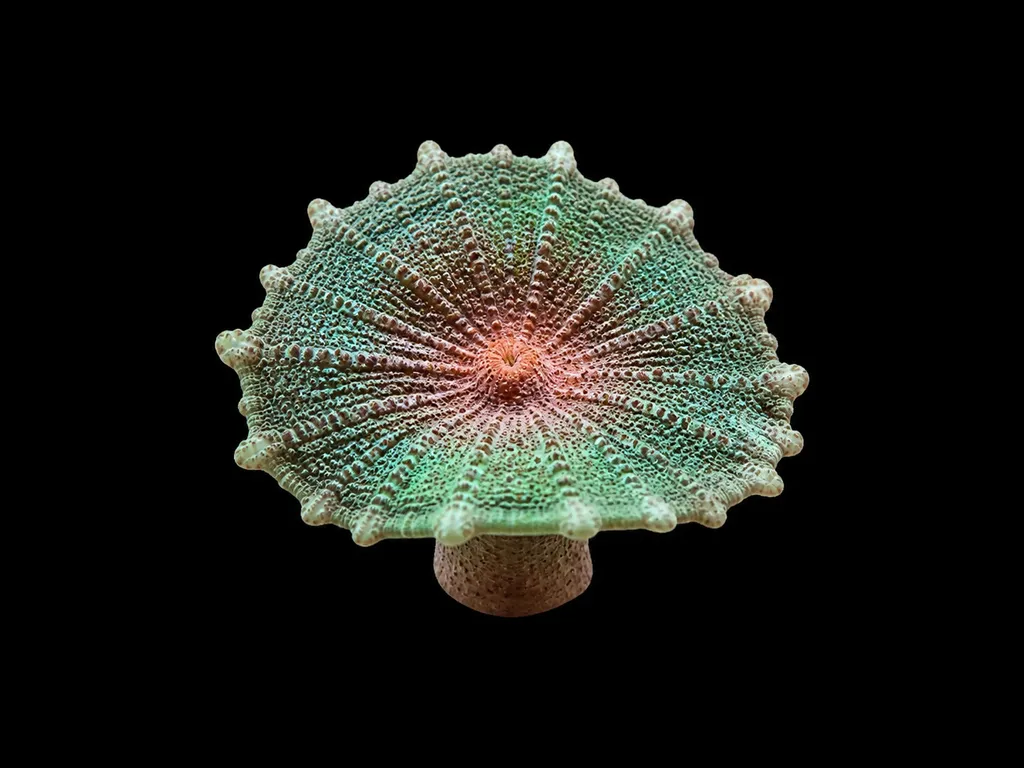
Umbrella mushroom
Discosoma neglecta
Saltwater5.9 in (15 cm) · 11 gal (40 L)75–81°F (24–27°C)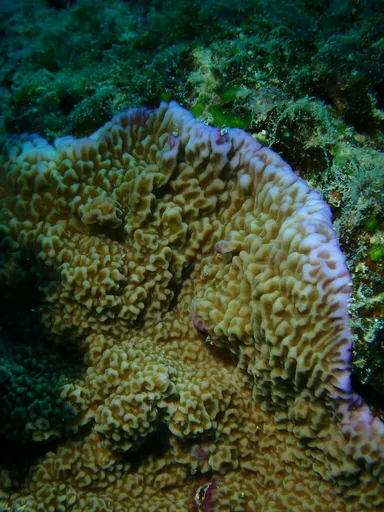
Undata montipora
Montipora undata
Saltwater11.8 in (30 cm) · 26 gal (100 L)75–81°F (24–27°C)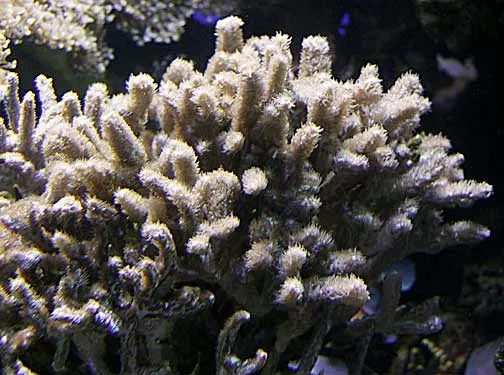
Velvet horn coral
Hydnophora rigida
Saltwater11.8 in (30 cm) · 26 gal (100 L)75–81°F (24–27°C)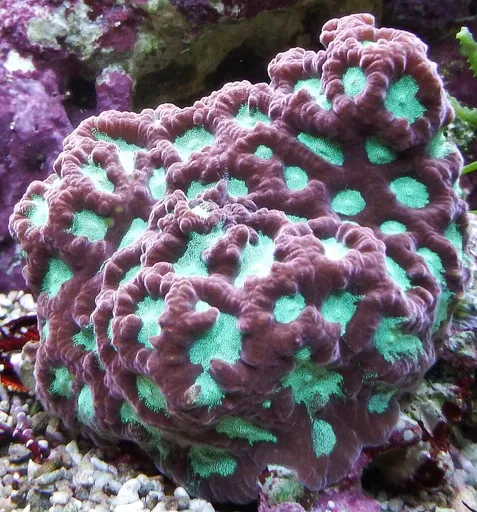
War coral
Favites
Saltwater9.8 in (25 cm) · 20 gal (75 L)75–81°F (24–27°C)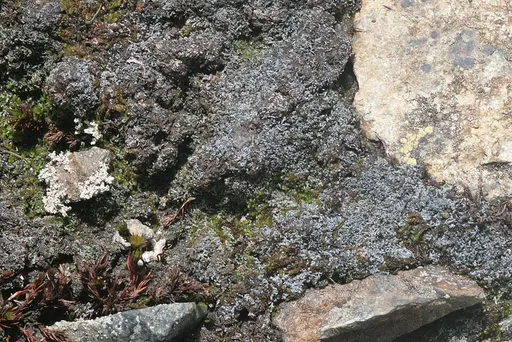
Waving hand coral
Anthelia
Saltwater7.9 in (20 cm) · 11 gal (40 L)75–81°F (24–27°C)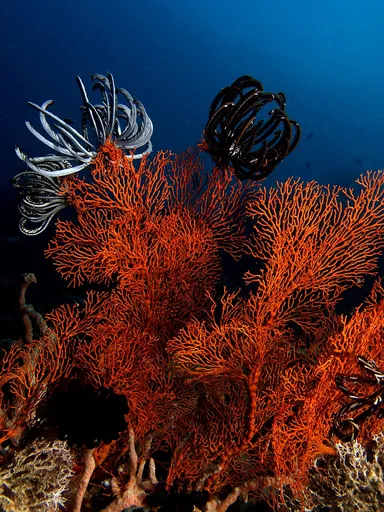
Yellow mopsella sea fan
Melithaea sp.
Saltwater23.6 in (60 cm) · 26 gal (100 L)75–81°F (24–27°C)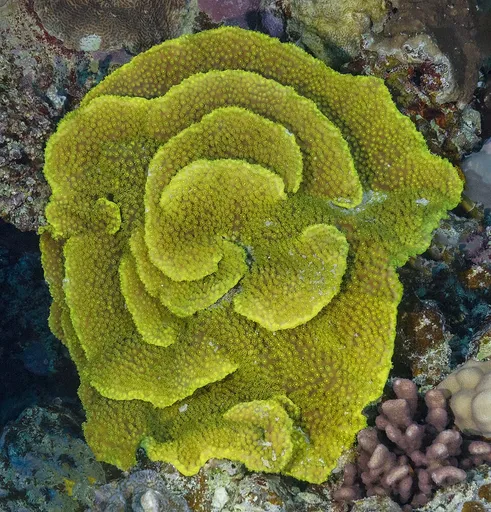
Yellow scroll coral
Turbinaria reniformis
Saltwater11.8 in (30 cm) · 40 gal (150 L)75–81°F (24–27°C)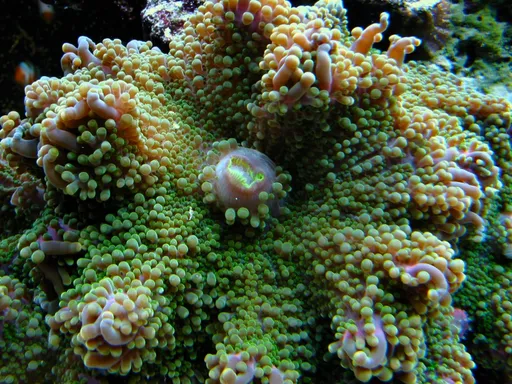
Yuma ricordea
Ricordea yuma
Saltwater4.7 in (12 cm) · 11 gal (40 L)75–81°F (24–27°C)Zoanthid button polyps
Zoanthus
Saltwater5.9 in (15 cm) · 11 gal (40 L)75–81°F (24–27°C)
Planning a tank?
TankBud checks stocking and water fit as you build a tank, then tracks water tests, reminders and photos once it is running.
Track your tanksMaintain tanks for clients? See TankBud Pro