Encrusting star polyps
Briareum
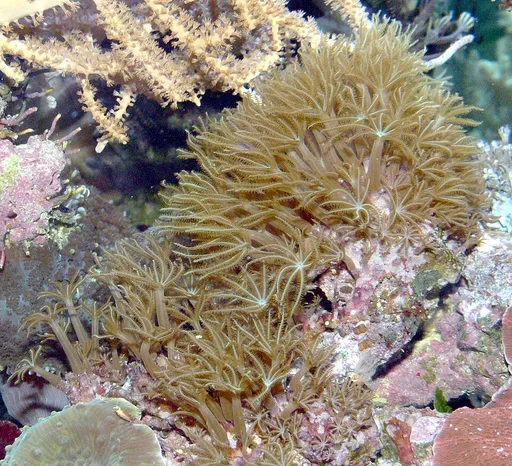
Also known as Star Polyps, Starburst Polyps, Corky Sea Fingers
SaltwaterCoral
Care at a glance
- Temperature
- 75–81°F
- 24–27°C
- pH
- 8.1–8.4
- Adult size
- 7.9 in
- 20 cm
- Minimum tank
- 11 gal
- 40 L
- Temperament
- Mostly peaceful
- Social behavior
- Solitary
- Swim level
- Bottom
- Difficulty
- Beginner
- Breeding
- Easy
- Rarity
- Very common
- Reef safe
- Reef safe
- Family
- Briareidae
- Origin
- Indo-Pacific and Caribbean reefs
Overview
A sessile encrusting octocoral that spreads rapidly across any hard surface, growing at a rate of an inch or more a month under good conditions. It has no strong stinging tentacles and will not chemically attack neighbors, but its aggressive overgrowth means it competes purely by encrusting over slower corals, so physical isolation on its own rock is the standard control, the same approach used for green star polyps. It needs no target feeding and tolerates a wide range of conditions, making it a hardy choice for beginners who keep a close eye on its spread.
In the wild
Briareum grows across reef flats in both the Indo-Pacific and the Caribbean, encrusting rock, rubble and dead coral skeletons as a thin fleshy mat. It tolerates a wide light range, roughly 100 to 250 PAR, and does best with moderate to strong flow, which keeps the polyps free of settling detritus. Place it on its own rock or an isolated section of the aquascape, since it grows over any hard surface it touches, including glass.
Good to know
Briareum is an octocoral in the family Briareidae, the same family as green star polyps (cataloged separately in this catalog as Pachyclavularia violacea), and taxonomists have at times treated the two names as synonyms. In the trade, Briareum most often shows up with duller brown, tan or purplish polyps on a purple-toned mat, rather than the saturated fluorescent green of classic green star polyps, and the genus also includes Caribbean species such as corky sea fingers that never occur alongside the Indo-Pacific GSP. It spreads by encrusting outward and gets most of its energy from zooxanthellae.
Did you know
Green star polyps and encrusting star polyps are so easily confused that the aquarium trade has sold nearly identical looking colonies under both names for decades, and researchers still debate exactly where Pachyclavularia ends and Briareum begins.
Common questions
What size tank does an Encrusting star polyps need?
An Encrusting star polyps needs at least 11 gal (40 L). It spends most of its time in the bottom.
What temperature and pH does an Encrusting star polyps need?
An Encrusting star polyps is comfortable at 75–81°F (24–27°C) with a pH of 8.1–8.4.
How big does an Encrusting star polyps get?
An adult Encrusting star polyps reaches about 7.9 in (20 cm).
Related species
 7.9 in (20 cm)11 gal (40 L)75–81°F (24–27°C)
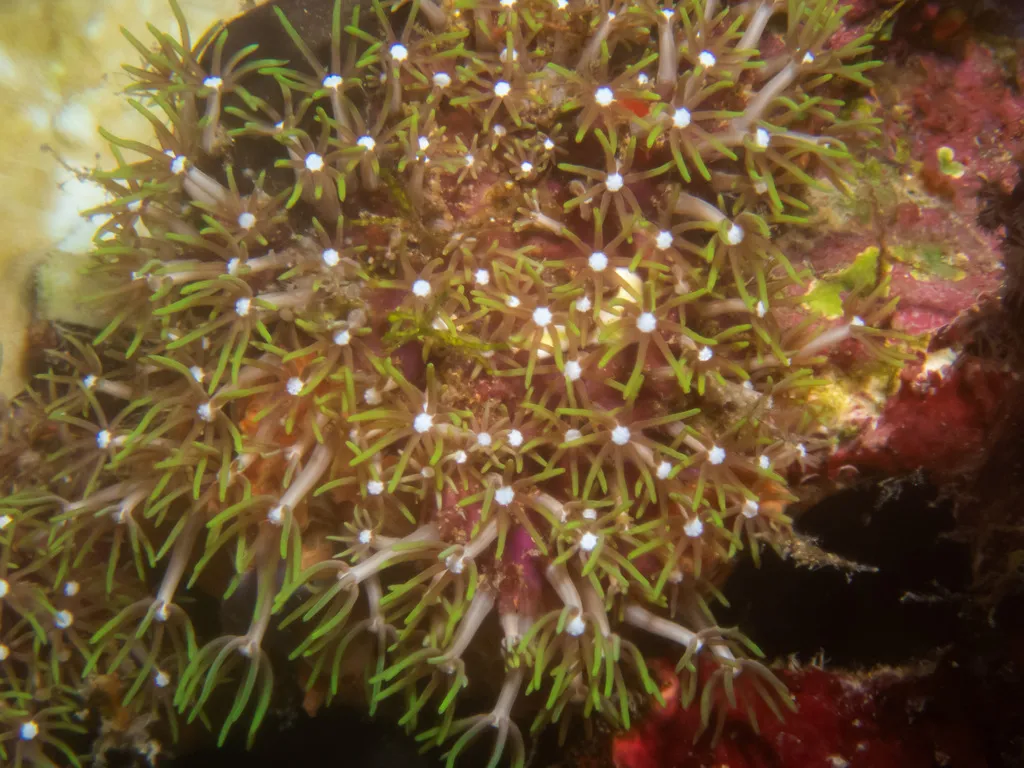
Green star polyps
Pachyclavularia violacea
7.9 in (20 cm) · 11 gal (40 L)
 7.9 in (20 cm)11 gal (40 L)75–81°F (24–27°C)
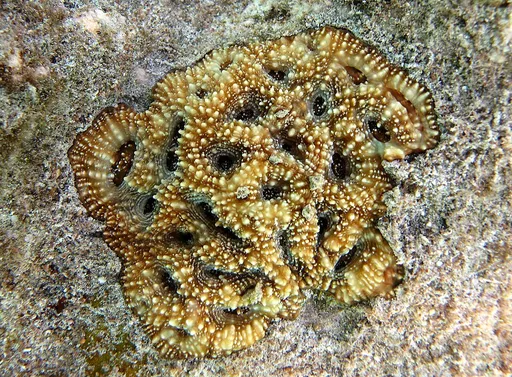
Acan coral
Acanthastrea echinata
7.9 in (20 cm) · 11 gal (40 L)
 7.9 in (20 cm)20 gal (75 L)75–81°F (24–27°C)
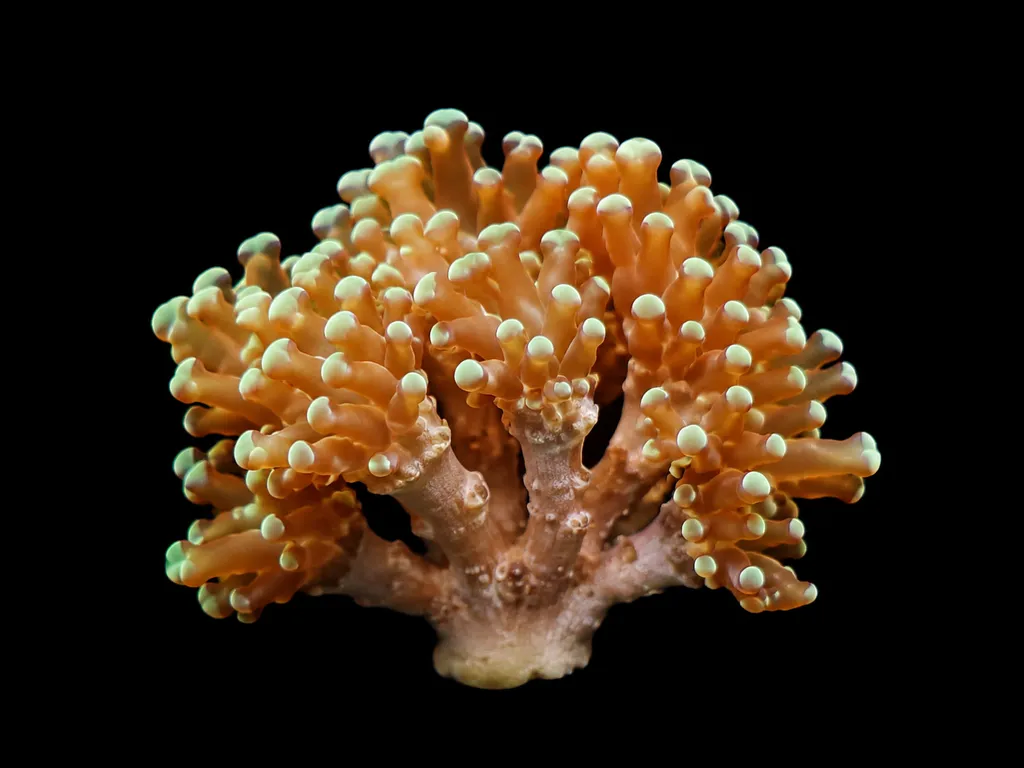
Branching frogspawn coral
Fimbriaphyllia paradivisa
7.9 in (20 cm) · 20 gal (75 L)
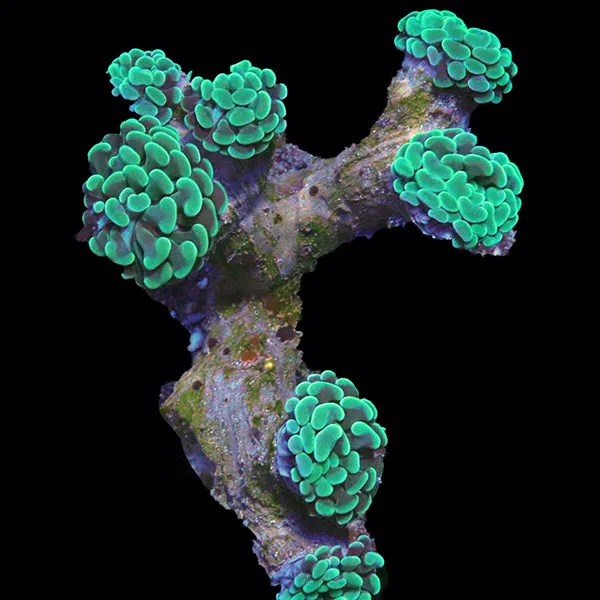 7.9 in (20 cm)20 gal (75 L)75–81°F (24–27°C)
Branching hammer coral
Fimbriaphyllia paraancora
7.9 in (20 cm) · 20 gal (75 L)
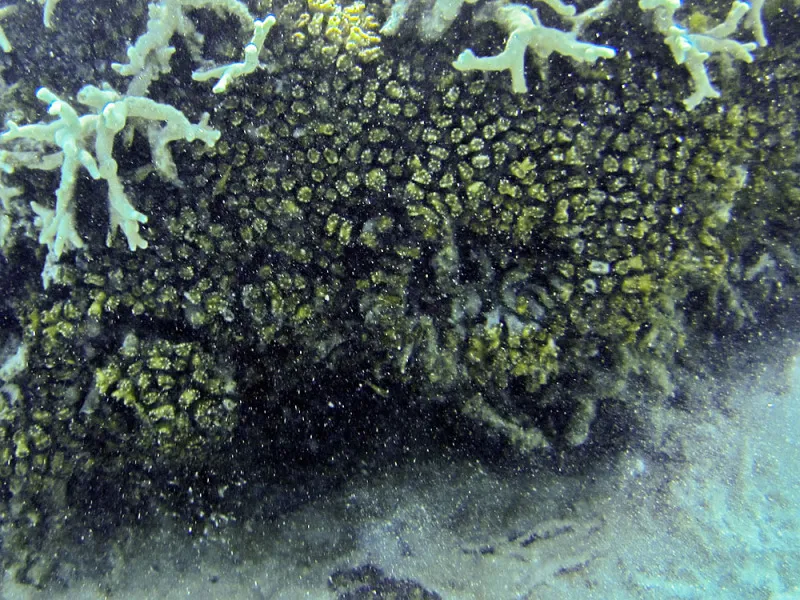 7.9 in (20 cm)11 gal (40 L)75–81°F (24–27°C)
Candy cane coral
Caulastraea furcata
7.9 in (20 cm) · 11 gal (40 L)
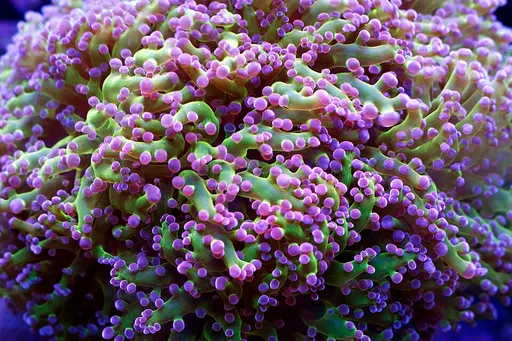 7.9 in (20 cm)20 gal (75 L)75–81°F (24–27°C)
Frogspawn coral
Fimbriaphyllia divisa
7.9 in (20 cm) · 20 gal (75 L)