Floating aquarium plants
Floating plants sit at the surface, shading the tank and soaking up nutrients that would otherwise feed algae. Each profile lists how fast a plant grows and the light it prefers.
At a glance
- Height
- 0–39.4 in
- 0 in (0.1 cm) to 39.4 in (100 cm); half the list stays at 1.4 in (3.5 cm) or under
- Temperature
- 64–82°F
- 18–28°C, most of the list
- Light
- 5 low light
- 13 medium light · 6 high light
- CO₂
- 21 no CO₂ needed
- 2 CO₂ beneficial · 1 CO₂ required
- Growth
- 2 medium growth
- 22 fast growing
- Difficulty
- 21 easy
- 3 medium
24 plants
The classic floaters
Amazon frogbit, dwarf water lettuce and the salvinias are the floaters most tanks end up with: rated beginner or easy, medium light, no CO₂, and roots that trail down for fry and shrimp to hide in. Red root floater turns red under strong light and stays green under weak. All of them grow fastest when the surface is still, so keep the filter outflow away from them or fence off a corner with a ring of airline tubing.
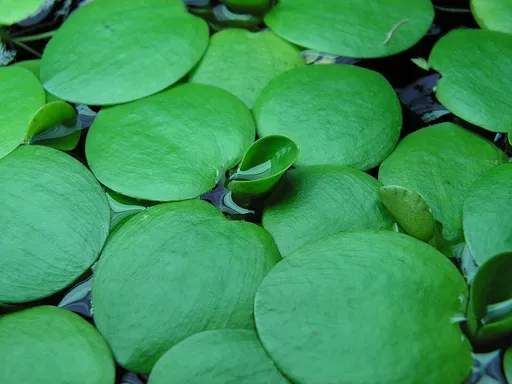
Amazon frogbit
Limnobium laevigatum
Freshwater- Light
- Medium light
- Placement
- Floating
- Height
- 2 in (5 cm)
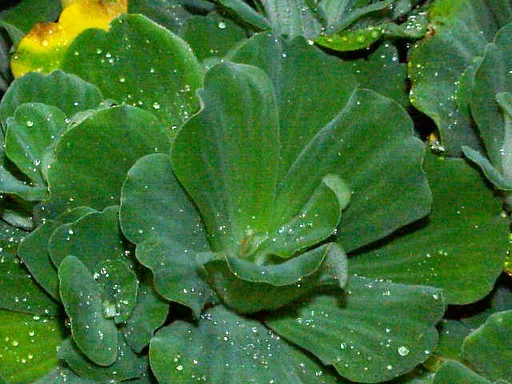
Dwarf water lettuce
Pistia stratiotes
Freshwater- Light
- Medium light
- Placement
- Floating
- Height
- 3.9 in (10 cm)
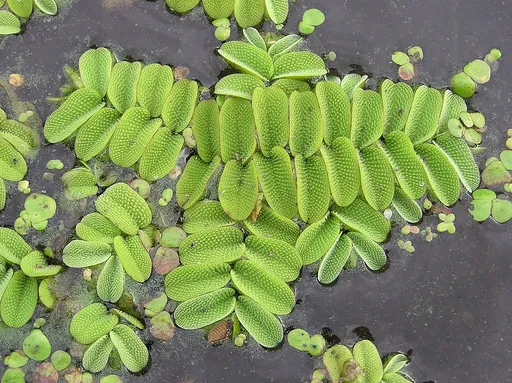
Salvinia natans
Freshwater- Light
- Medium light
- Placement
- Floating
- Height
- 1.2 in (3 cm)
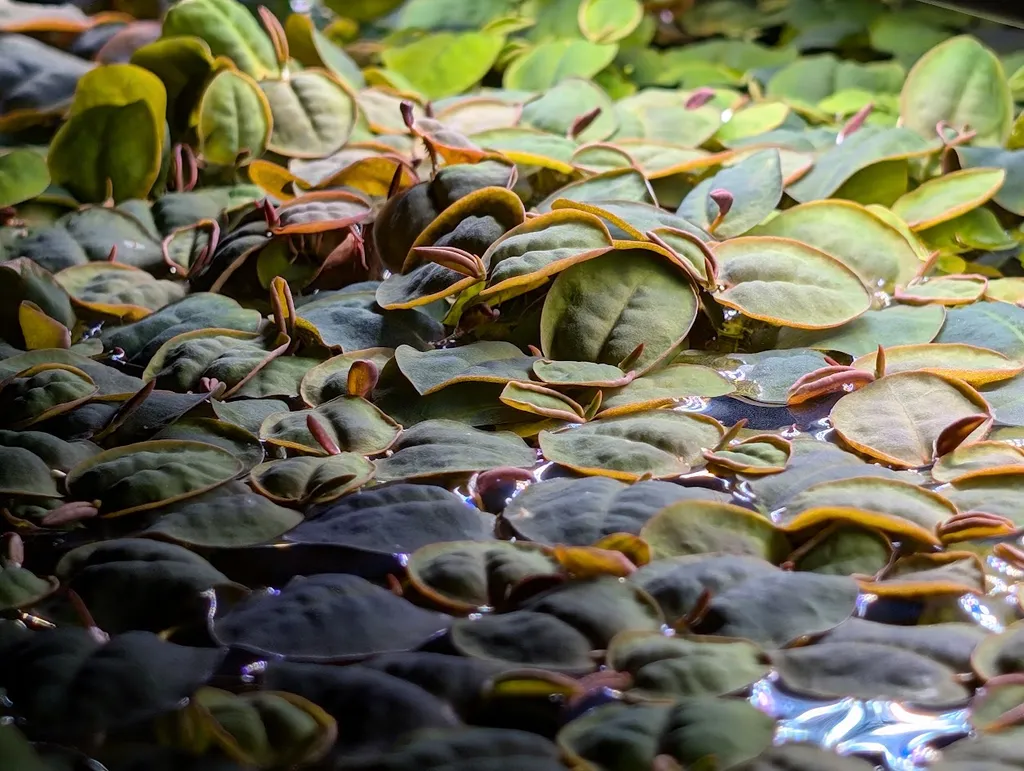
Red root floater
Phyllanthus fluitans
Freshwater- Light
- High light
- Placement
- Floating
- Height
- 1.2 in (3 cm)
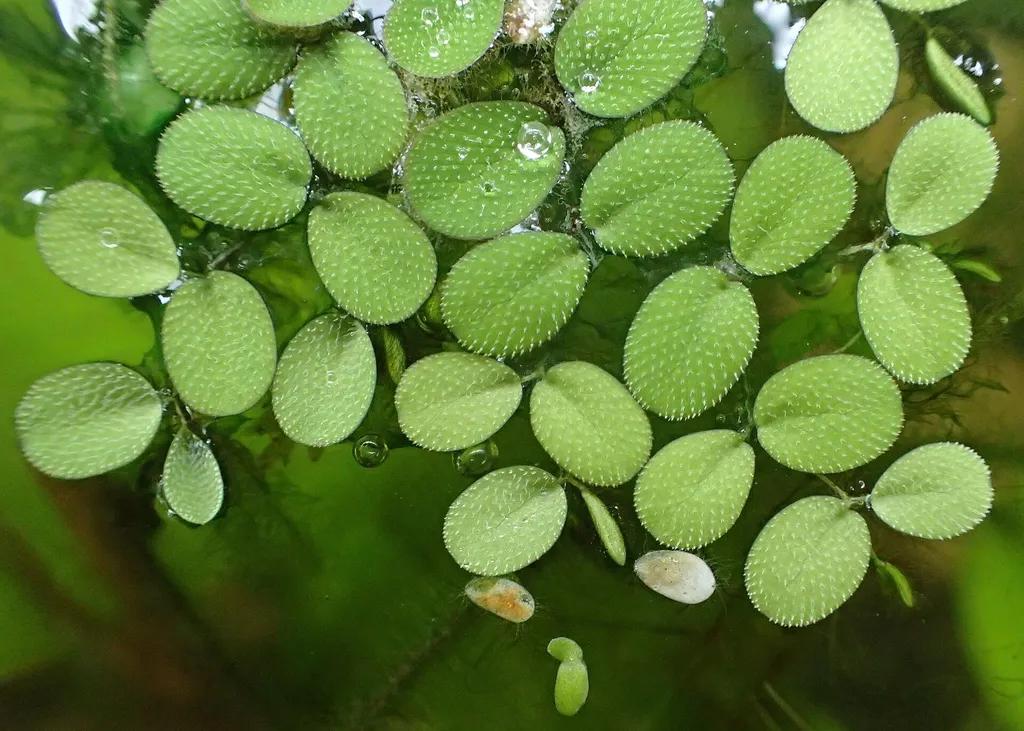
Water spangles
Salvinia minima
Freshwater- Light
- Medium light
- Placement
- Floating
- Height
- 1.2 in (3 cm)
Duckweed and its relatives
Duckweed, spirodela and watermeal are the smallest plants in the catalog and the hardest to get rid of. A single leaf in a plant bag colonizes the surface in weeks, and every net and hand that leaves the tank carries some. That makes them a superb nutrient sponge for a fry or shrimp tank and a nuisance everywhere else. Decide which you are keeping before it decides for you.
Stem plants that float
Hornwort, guppy grass and Najas indica have no real roots and are just as happy drifting as planted. Left loose they form a thicket at the surface that livebearer fry disappear into, and they grow in low light with no CO₂. Floating water sprite is a fern that does the same job with broader leaves.
Floaters for ponds and open-topped tanks
Water poppy, the mosaic plant and water hyacinth want strong light and room to spread, and they belong in a pond or an open tank under a bright light rather than under a hood. Water hyacinth is invasive across much of the world, so it never goes into a natural waterway or down a drain, and it is banned in some places. Check before you buy.
By the numbers
Smallest
Tallest
FAQ
Common questions
Do floating plants need CO₂?
Almost none of them. Their leaves take carbon dioxide from the air, which is why they grow faster than anything rooted. Only riccia lists a CO₂ need on this page.
Which floating plants are good for a betta tank?
Frogbit, salvinia and water sprite. They give the fish shade and a resting spot near the surface and leave open water to breathe at. Thin them so at least a third of the surface stays clear.
Why are my floating plants dying?
Usually wet leaves. Splashing from a filter, condensation dripping from a lid or a current that flips them rots the leaves. Calm water, a gap between the surface and the lid and a weekly dose of fertilizer fix most of it.
Do floating plants block too much light?
They will if you let them. Plants below a solid mat of frogbit go dark within days, so thin the floaters weekly or keep them to one part of the surface with a floating ring.
Is duckweed good or bad for an aquarium?
Both. It strips nitrate and shades algae out, and it never leaves once it arrives. Good in a fry tank or a shrimp tank, a nuisance in a display you want to see into.
Can floating plants live in a pond?
Water lettuce, frogbit, salvinia and water hyacinth are pond plants first. Never release them into a natural waterway, and check local rules, since water hyacinth in particular is banned in some places.
Index
All floating plants
Amazon frogbit
Limnobium laevigatum
FreshwaterMedium light · Floating2 in (5 cm)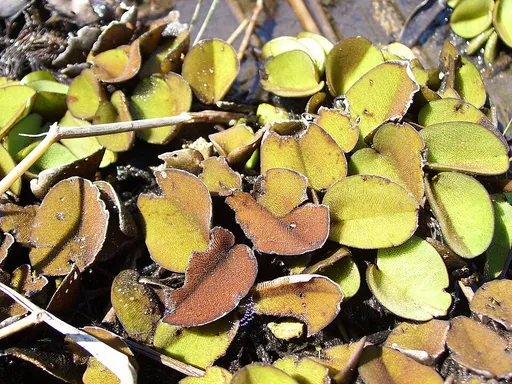
Butterfly fern
Salvinia auriculata
FreshwaterMedium light · Floating1.6 in (4 cm)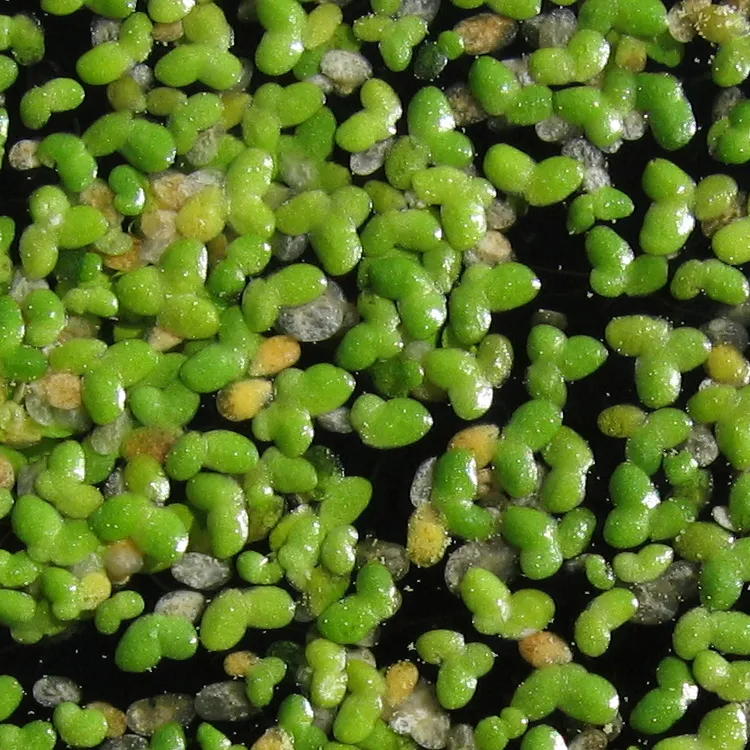
Duckweed
Lemna minor
FreshwaterLow light · Floating0.4 in (1 cm)Dwarf water lettuce
Pistia stratiotes
FreshwaterMedium light · Floating3.9 in (10 cm)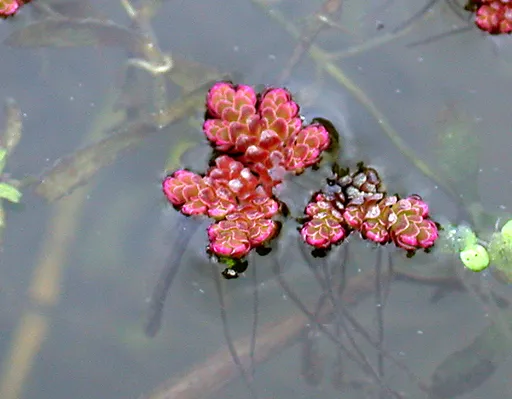
Fairy moss
Azolla filiculoides
FreshwaterMedium light · Floating0.8 in (2 cm)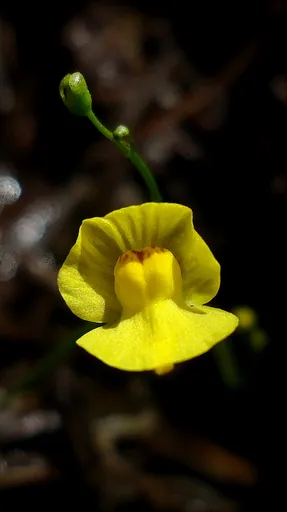
Floating bladderwort
Utricularia gibba
FreshwaterMedium light · Floating0.8 in (2 cm)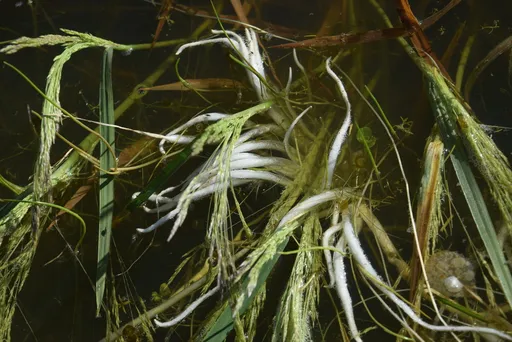
Floating ludwigia
Ludwigia helminthorrhiza
FreshwaterHigh light · Floating2 in (5 cm)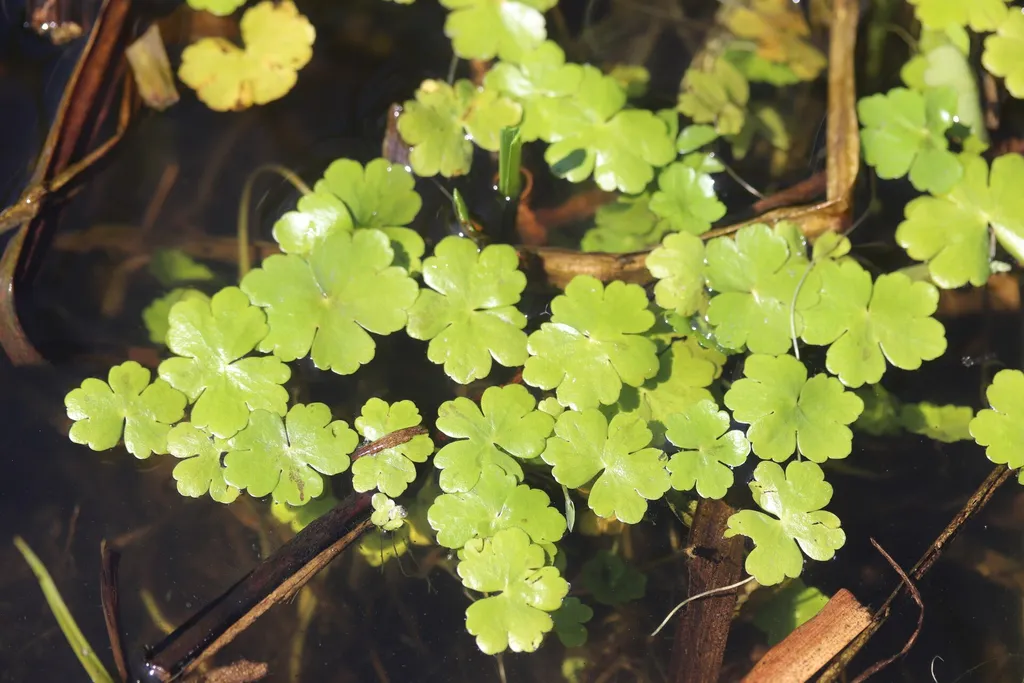
Floating pennywort
Hydrocotyle ranunculoides
FreshwaterMedium light · Floating5.9 in (15 cm)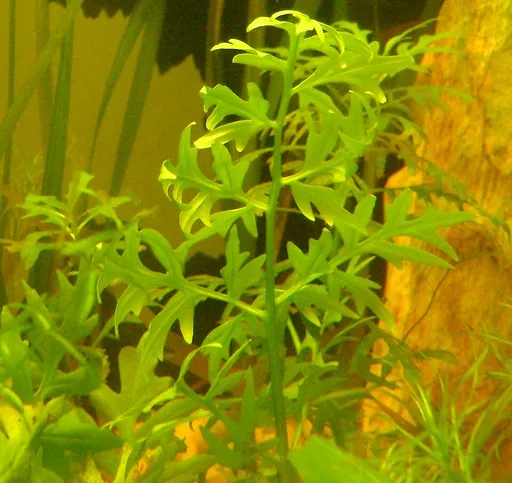
Floating water sprite
Ceratopteris cornuta
FreshwaterMedium light · Floating15.7 in (40 cm)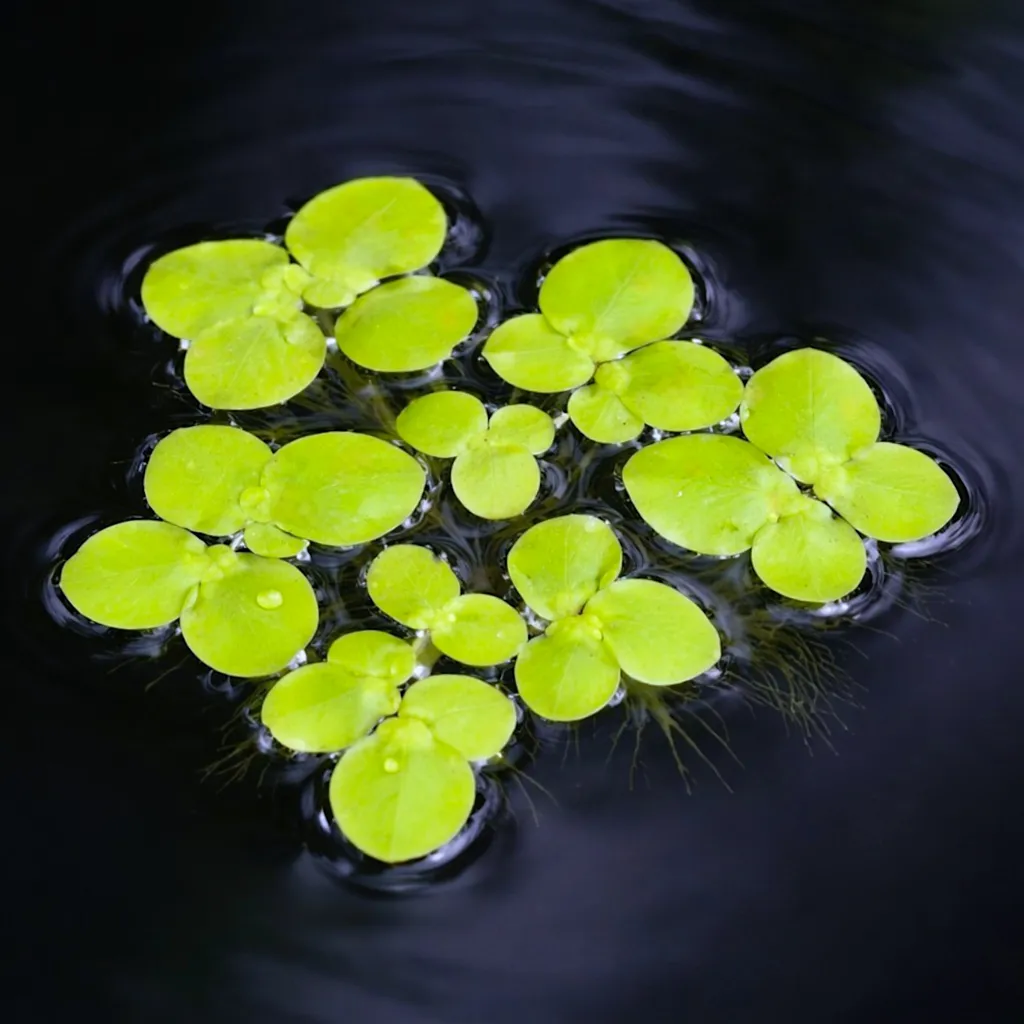
Giant duckweed
Spirodela polyrhiza
FreshwaterLow light · Floating0.4 in (1 cm)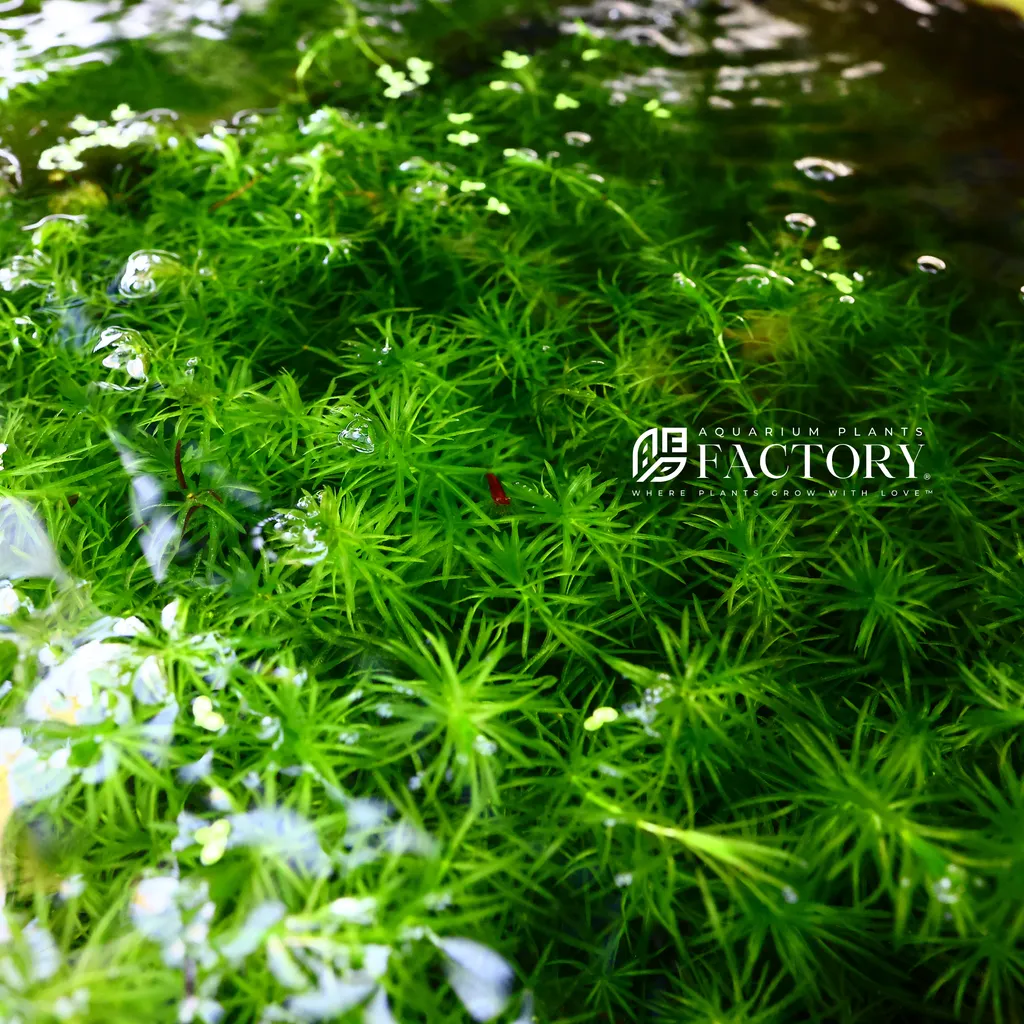
Guppy grass
Najas guadalupensis
FreshwaterBrackishLow light · Floating35.4 in (90 cm)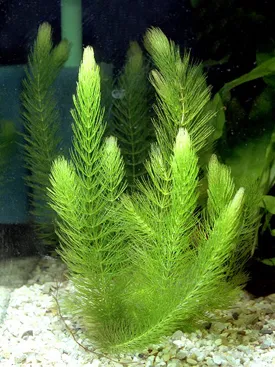
Hornwort
Ceratophyllum demersum
FreshwaterBrackishLow light · Floating39.4 in (100 cm)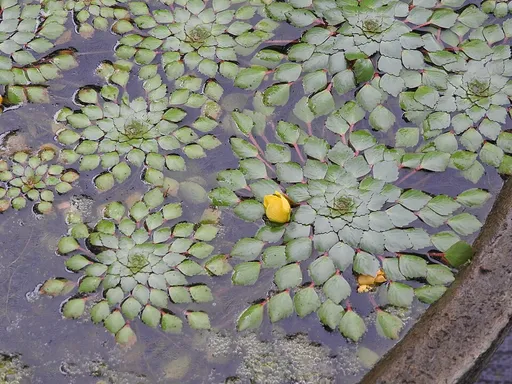
Mosaic plant
Ludwigia sedioides
FreshwaterHigh light · Floating11.8 in (30 cm)Najas indica
FreshwaterMedium light · Floating23.6 in (60 cm)Red root floater
Phyllanthus fluitans
FreshwaterHigh light · Floating1.2 in (3 cm)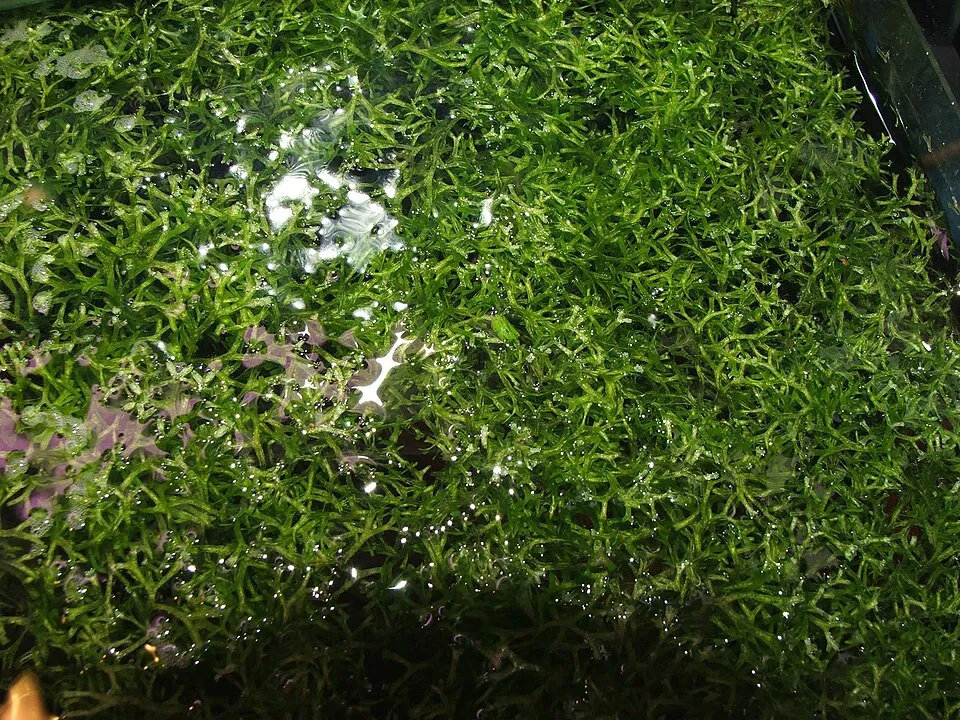
Riccia fluitans
FreshwaterHigh light · Floating1.2 in (3 cm)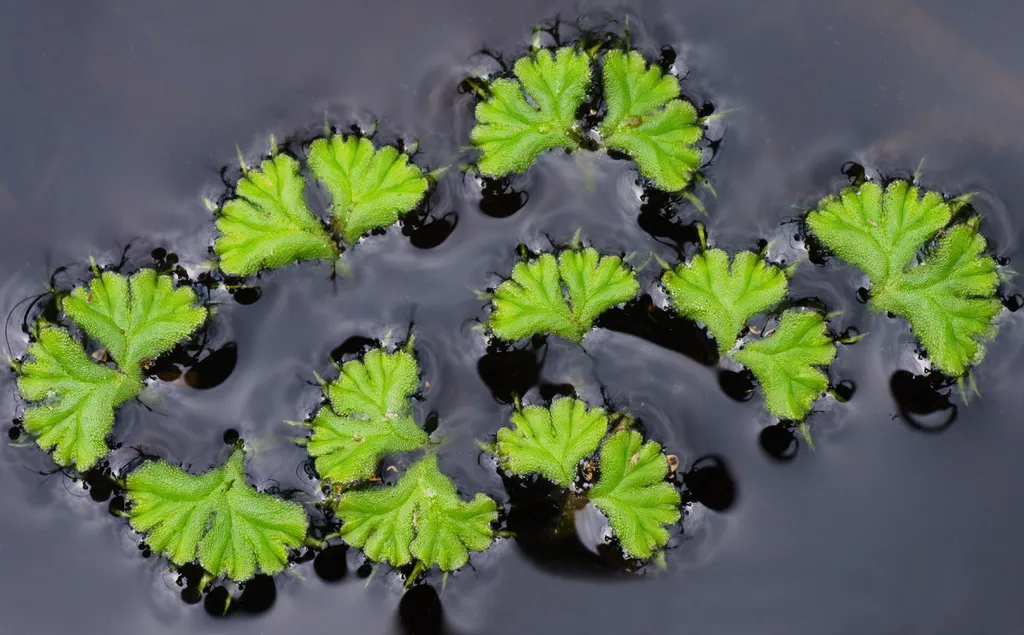
Ricciocarpos natans
FreshwaterMedium light · Floating0.8 in (2 cm)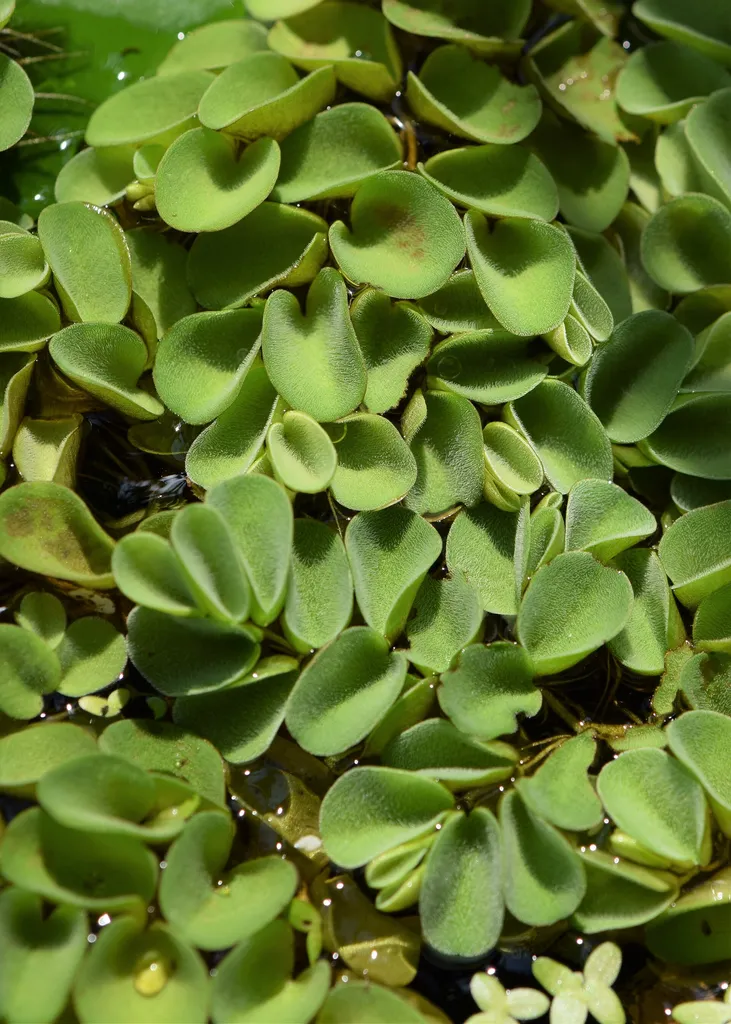
Salvinia cucullata
FreshwaterMedium light · Floating1.2 in (3 cm)Salvinia natans
FreshwaterMedium light · Floating1.2 in (3 cm)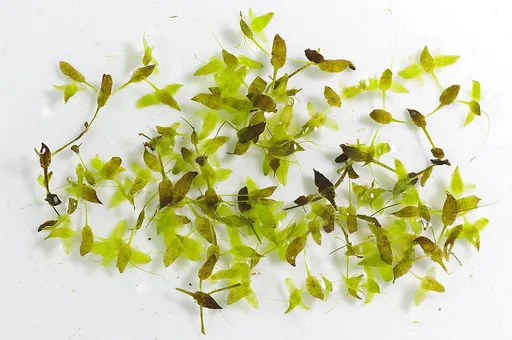
Star duckweed
Lemna trisulca
FreshwaterLow light · Floating0.4 in (1 cm)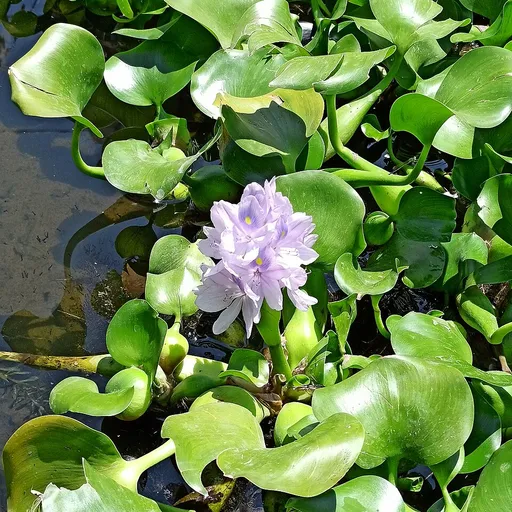
Water hyacinth
Pontederia crassipes
FreshwaterHigh light · Floating15.7 in (40 cm)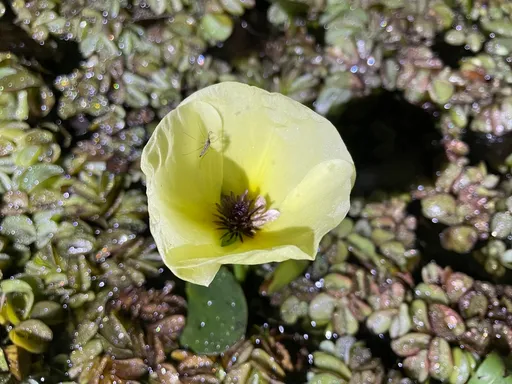
Water poppy
Hydrocleys nymphoides
FreshwaterHigh light · Floating11.8 in (30 cm)Water spangles
Salvinia minima
FreshwaterMedium light · Floating1.2 in (3 cm)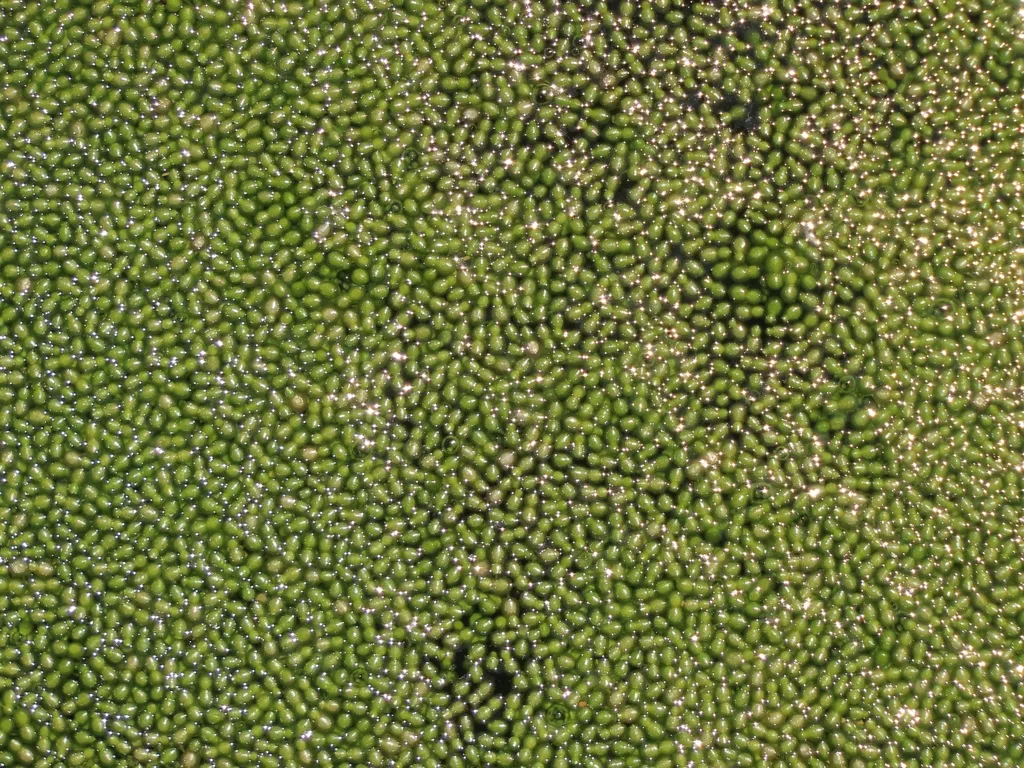
Watermeal
Wolffia globosa
FreshwaterMedium light · Floating0 in (0.1 cm)
Planning a tank?
TankBud checks stocking and water fit as you build a tank, then tracks water tests, reminders and photos once it is running.
Track your tanksMaintain tanks for clients? See TankBud Pro