Floating ludwigia
Ludwigia helminthorrhiza
Also known as White-root floating ludwigia
FreshwaterFloatingadventitious_plantletsfragmentation
Care at a glance
- Light
- High light
- CO2
- No CO₂ needed
- Temperature
- 72–82°F
- 22–28°C
- Max height
- 2 in
- 5 cm
- Growth rate
- Medium
- Placement
- Floating
- Type
- Floating
- pH
- 6.0–7.5
- Hardness
- 2–12 dGH
- Spread
- 9.8 in (25 cm)
- Nutrient uptake
- Water column
- Growth region
- Submersed or emersed
- Difficulty
- Medium
- Family
- Onagraceae
- Origin
- A floating primrose willow from still and slow fresh waters of tropical Central and South America, spreading across the surface of ponds and flooded margins.
Overview
Leave it floating rather than planting it, and give it bright light to keep the growth compact and reddish. It feeds straight from the water column with no CO2 needed, mopping up nutrients that would otherwise feed algae. Thin the mat regularly so it does not shade rooted plants underneath.
In the wild
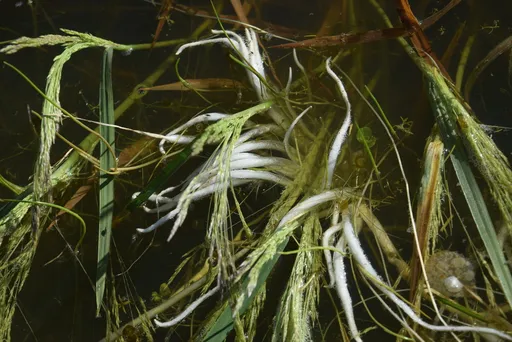
Ludwigia helminthorrhiza floats in mats of rounded green leaves that flush reddish under strong light. What sets it apart are the white, spongy, worm like breathing roots that dangle beneath each cluster. It creeps across the surface and can also climb onto wet edges as a marginal plant.
Good to know
The pale spongy structures under the leaves are pneumatophores, air filled breathing roots that both float the plant and take in oxygen. It is a member of the evening primrose family, the same group as the stem plant ludwigias.
Did you know
The species name helminthorrhiza means worm shaped root, a nod to the pale spongy roots that let it breathe while drifting on the surface.
Related plants
 High lightFloating11.8 in (30 cm)
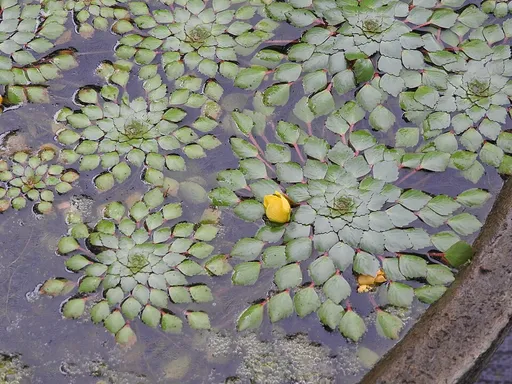
Mosaic plant
Ludwigia sedioides
High light · Floating
 High lightMidground11.8 in (30 cm)
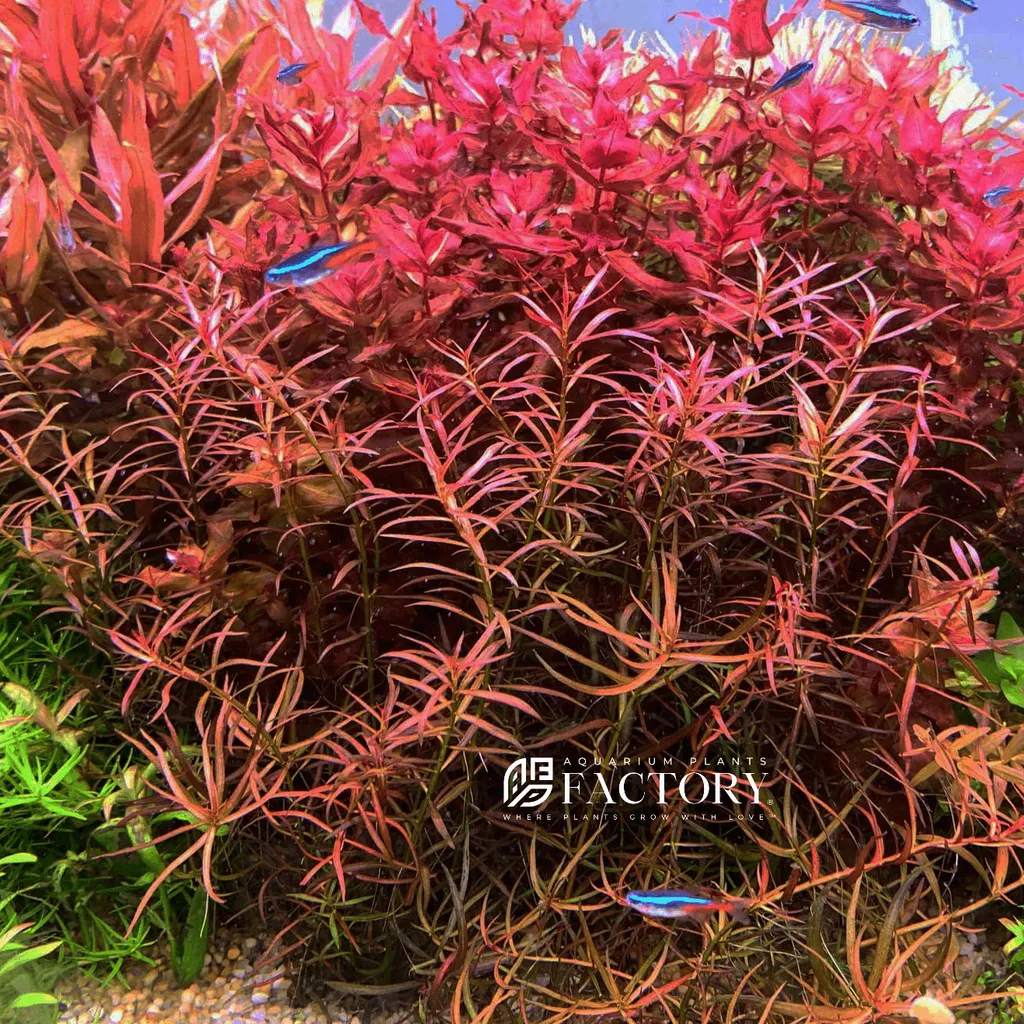
Ludwigia brevipes
High light · Midground
 Medium lightMidground11.8 in (30 cm)
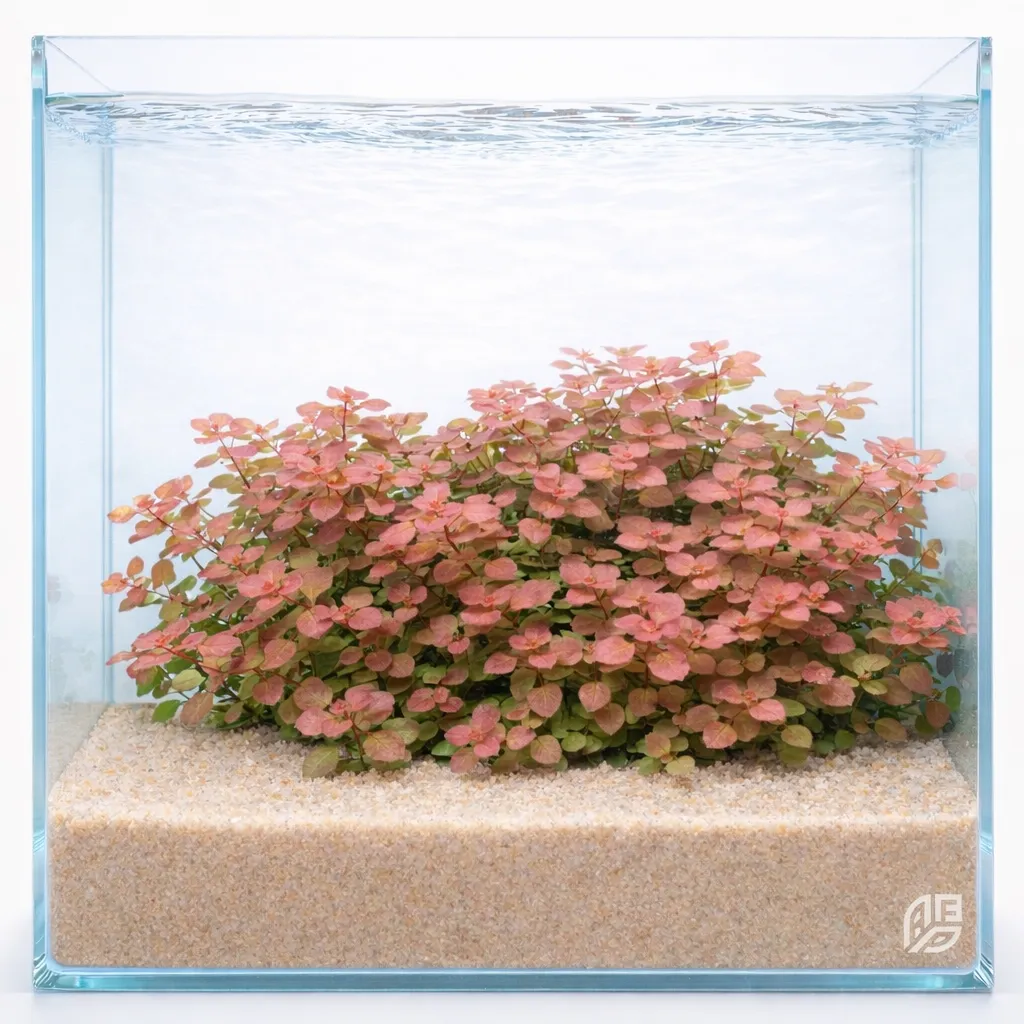
Ludwigia ovalis
Medium light · Midground
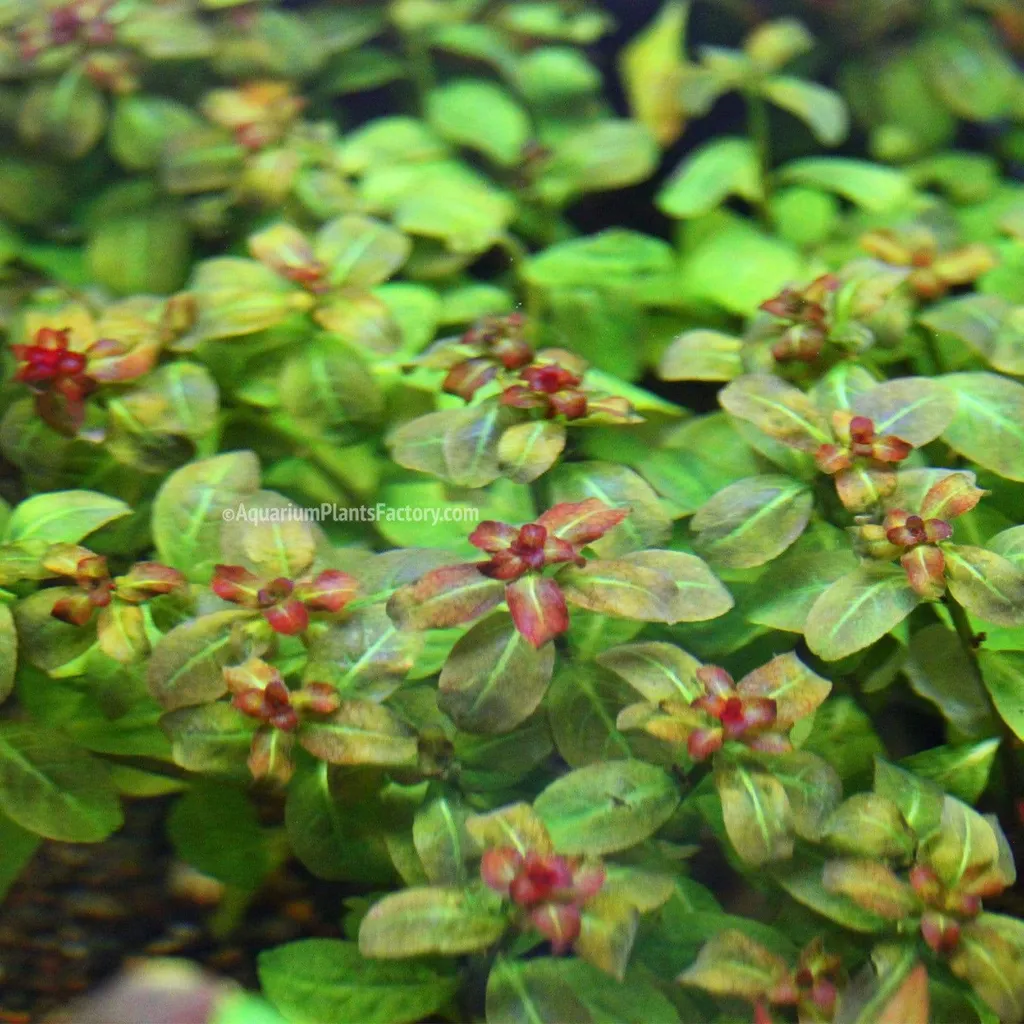 High lightMidground11.8 in (30 cm)
Ludwigia senegalensis
High light · Midground
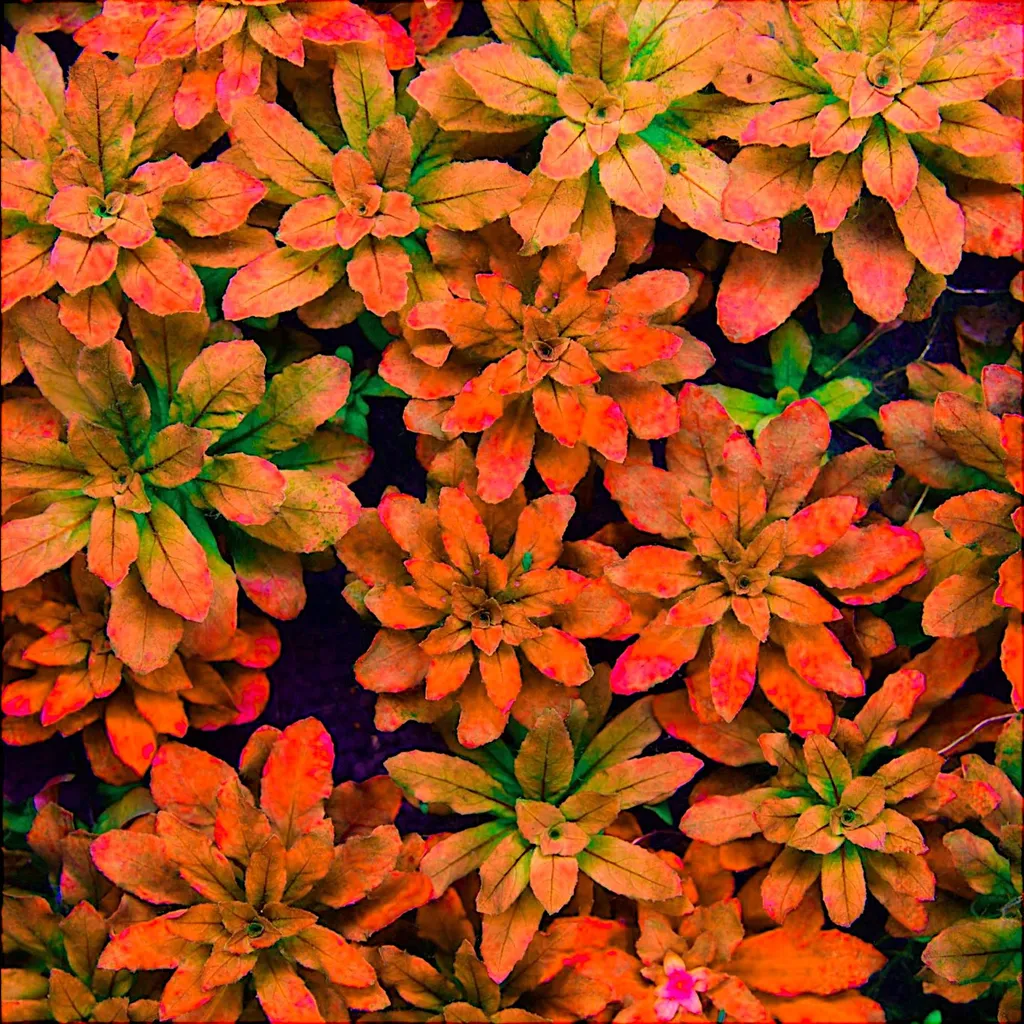 High lightMidground11.8 in (30 cm)
Ludwigia sphaerocarpa
High light · Midground
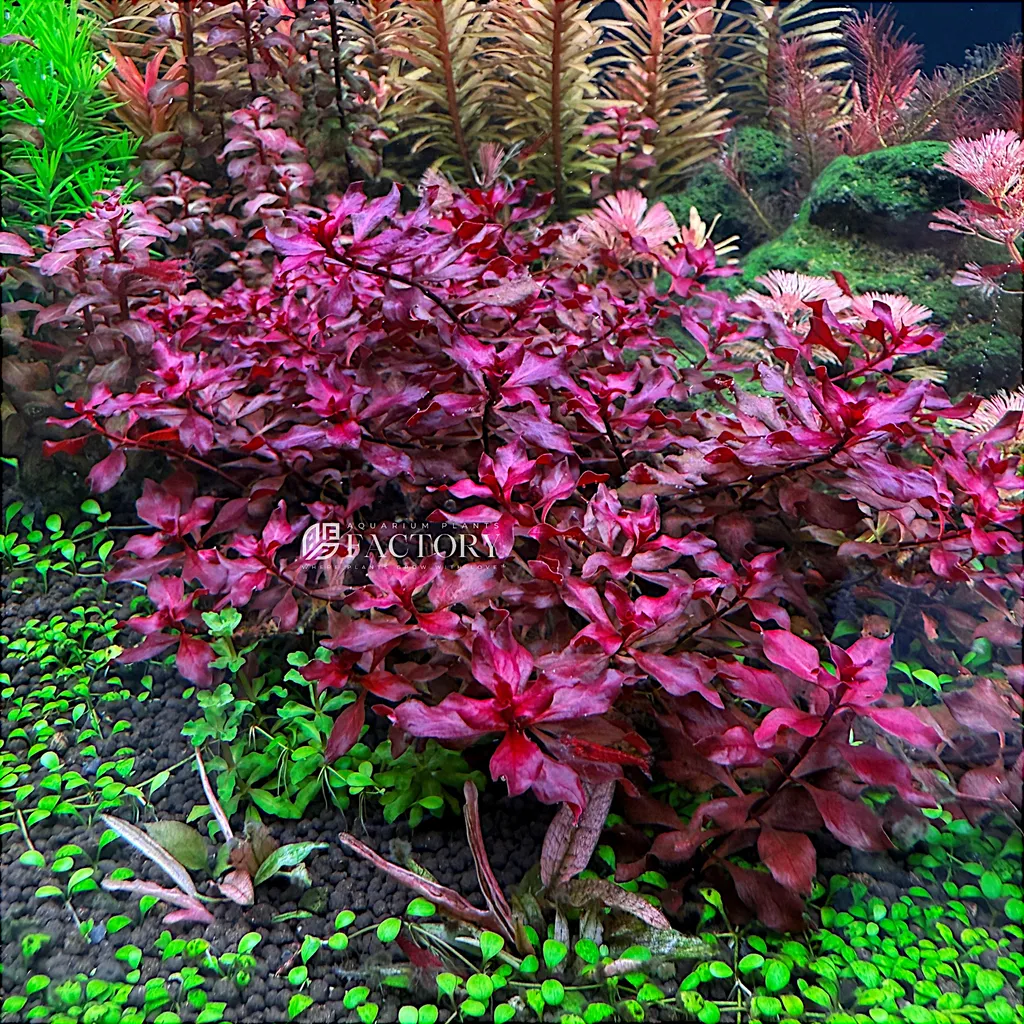 High lightMidground11.8 in (30 cm)
Ludwigia super red
Ludwigia palustris 'Super Red'
High light · Midground