Schooling freshwater fish
Schooling fish live in groups and behave best when you keep enough of them. Some technically shoal rather than school, holding a loose group instead of swimming in formation, but they need the numbers all the same. Kept short-handed they hide or nip. In a proper group they color up and use the whole tank. This list is freshwater only. Chromis, cardinalfish and the other marine schoolers sit with the saltwater fish. Profiles list tank size and conditions for each species.
At a glance
- Tank size
- 5–528 gal
- 5 gal (20 L) to 528 gal (2,000 L); half the list needs 20 gal (75 L) or more
- Temperature
- 72–81°F
- 22–27°C, most of the list
- pH
- 6.0–7.5
- Most of the list
- Difficulty
- 192 easy
- 453 medium · 53 difficult
- Temperament
- 573 peaceful
- 120 mostly peaceful · 5 aggressive
698 species and 17 varieties
Start here
The schools to start with
The neon tetra is marked beginner at 1.5 inches (3.75 cm) for 11 gallons (40 liters), and a school of ten is the classic first stocking. The harlequin rasbora is the same rating at 2 inches (5 cm) for 15 gallons (55 liters) and tolerates harder water. The cardinal tetra is the neon's bigger, redder cousin at 1.8 inches (4.5 cm), marked easy and happier warm at 73–84°F (23–29°C). The rummy-nose tetra is the tightest schooler in the catalog, 2 inches (5 cm) for 20 gallons (75 liters), and its red nose fades when the water is wrong. The zebra danio is the hardy one at 2 inches (5 cm) for 64–75°F (18–24°C). The bronze cory shoals along the bottom at 3 inches (7.5 cm) for 20 gallons (75 liters), marked easy.
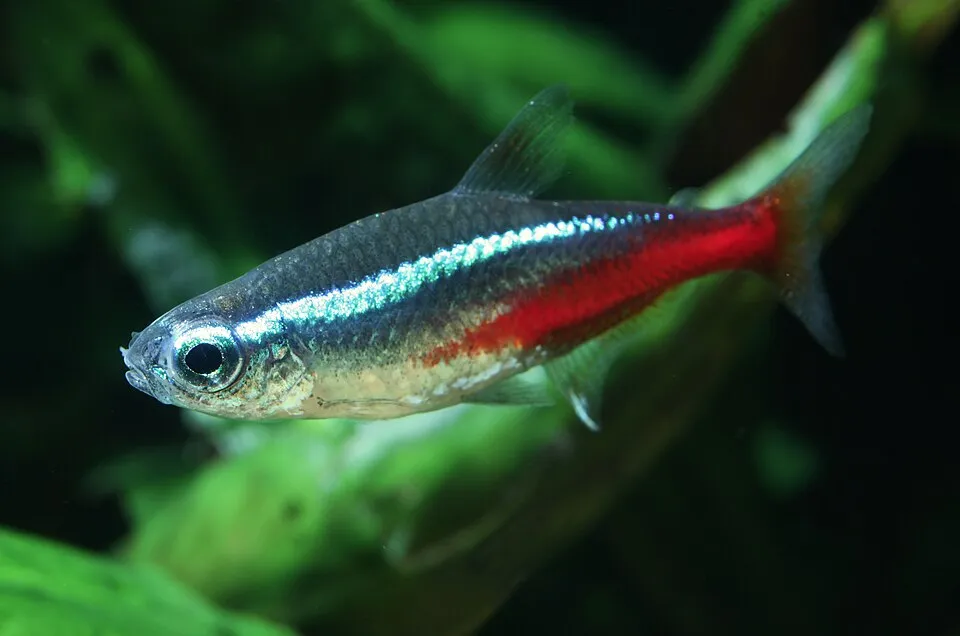
Neon tetra
Paracheirodon innesi
Freshwater- Size
- 1.5 in (3.8 cm)
- Tank
- 11 gal (40 L)
- Water
- 70–77°F (21–25°C)
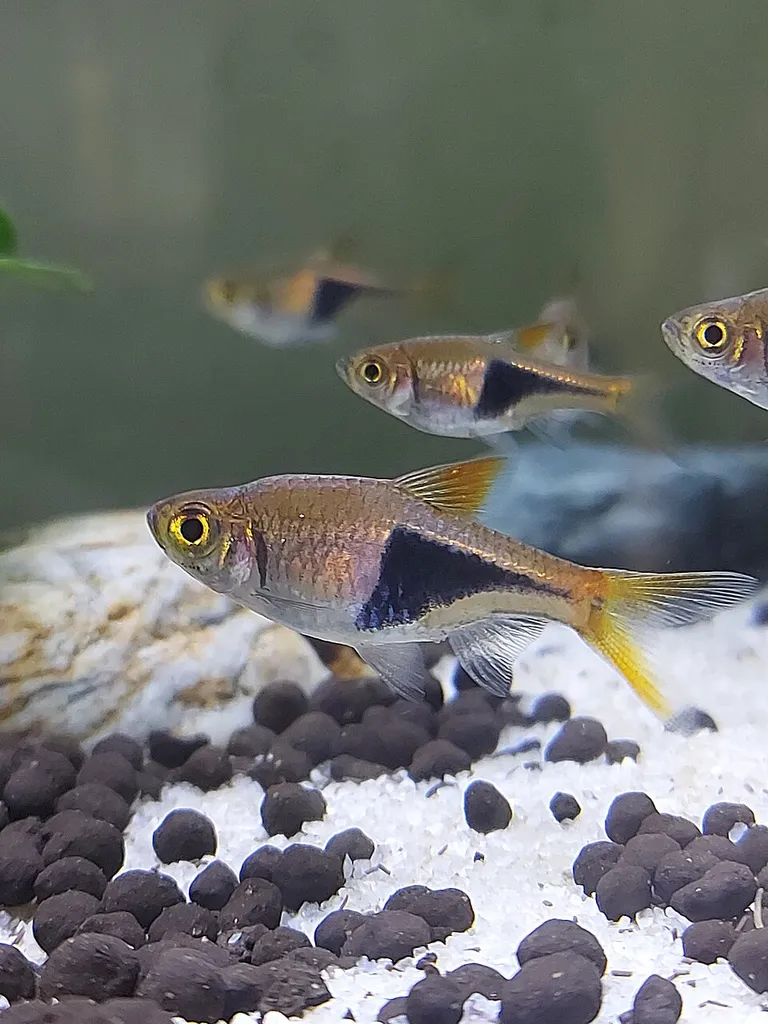
Harlequin rasbora
Trigonostigma heteromorpha
Freshwater- Size
- 2 in (5 cm)
- Tank
- 15 gal (55 L)
- Water
- 72–82°F (22–28°C)
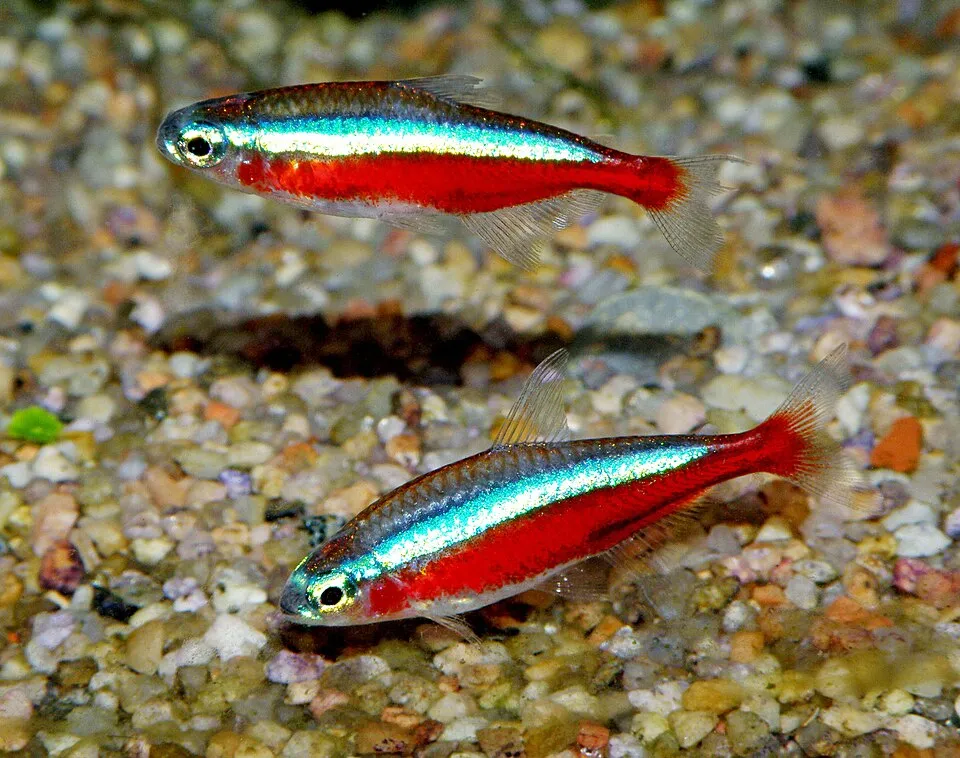
Cardinal tetra
Paracheirodon axelrodi
Freshwater- Size
- 1.8 in (4.5 cm)
- Tank
- 16 gal (60 L)
- Water
- 73–84°F (23–29°C)
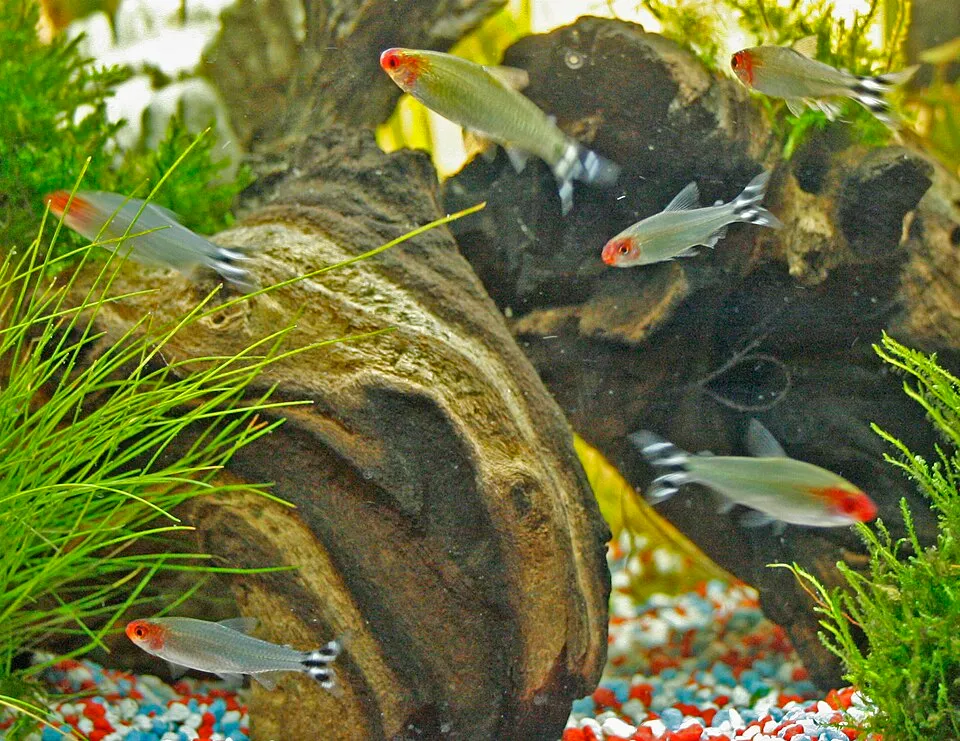
Rummy-nose tetra
Hemigrammus rhodostomus
Freshwater- Size
- 2 in (5 cm)
- Tank
- 20 gal (75 L)
- Water
- 75–81°F (24–27°C)
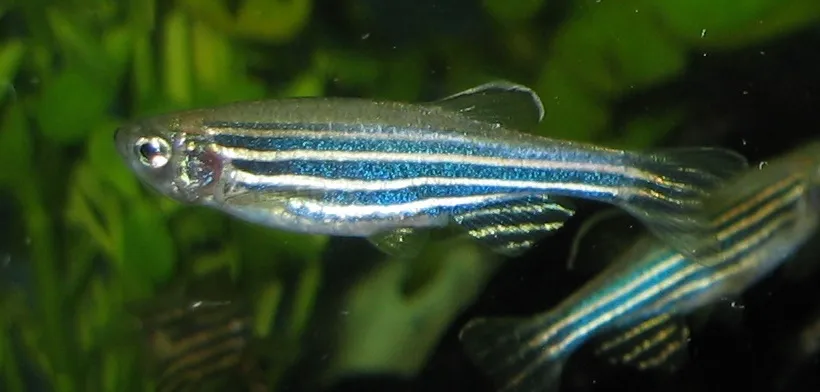
Zebra danio
Danio rerio
Freshwater- Size
- 2 in (5 cm)
- Tank
- 15 gal (55 L)
- Water
- 64–75°F (18–24°C)
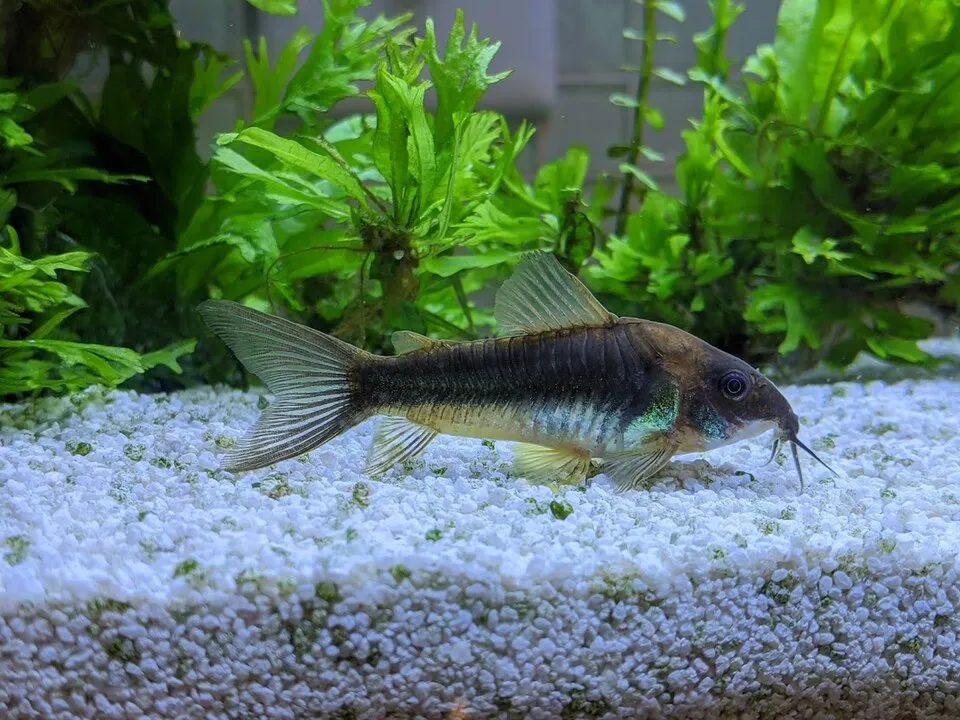
Bronze cory
Osteogaster aenea
Freshwater- Size
- 3 in (7.5 cm)
- Tank
- 20 gal (75 L)
- Water
- 70–81°F (21–27°C)
The rule
What a school needs
A schooling fish swims in formation with its own kind: rummy-nose and cardinal tetras turn together. A shoaling fish holds a loose group instead: corys, kuhli loaches and hatchetfish stay near each other without formation. Both are on this list, and both need numbers. Six is the floor for most species and each profile lists the group it needs. Kept in twos and threes, a schooling fish hides, loses color, or takes it out on tank mates, which is where most fin nipping by tetras and barbs comes from. Six different tetras are six lonely fish; the school is one species.
- 01
Six is the floor
Each profile lists the group its species needs
- 02
One species
Six different tetras do not make a school
- 03
More is calmer
A dozen hides less and nips less than six
- 04
Length over height
A school runs, so a long tank beats a tall one
Tetras
Tetras
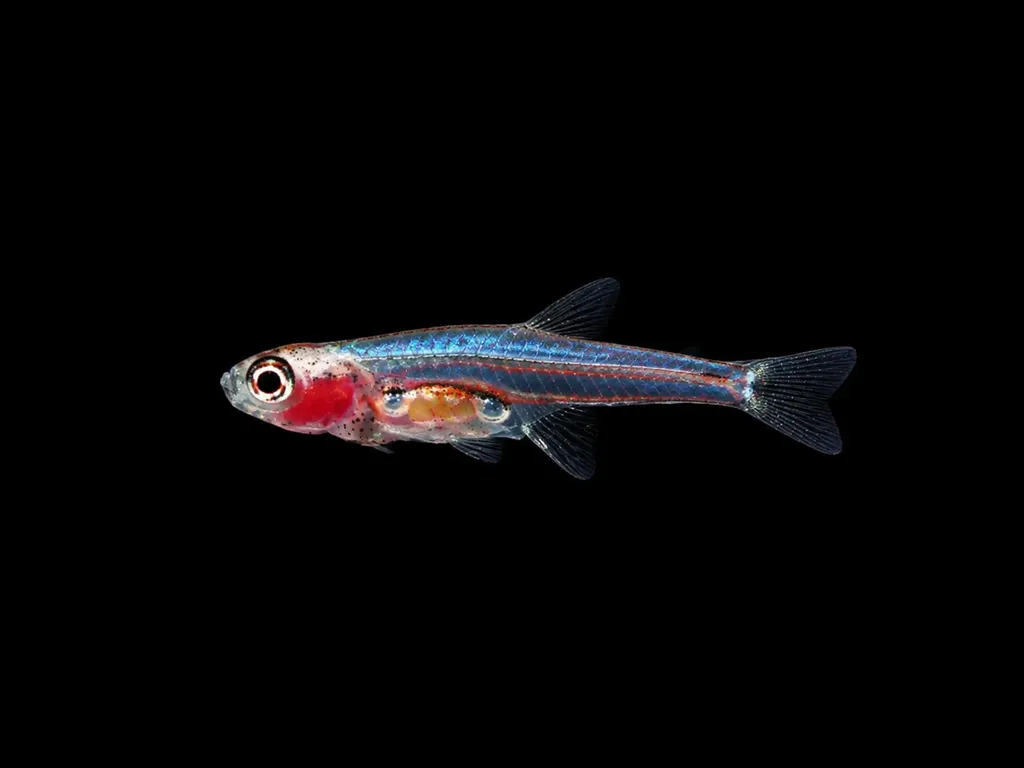
The ember tetra is 0.8 inches (2 cm) for 9 gallons (35 liters), marked easy, and the smallest school here. The black neon tetra is marked beginner at 1.4 inches (3.5 cm) for 16 gallons (60 liters). The glowlight tetra is 1.6 inches (4 cm) for 18 gallons (70 liters), and the lemon tetra 2 inches (5 cm) for 17 gallons (65 liters); both take a pH up to 7.5 or 8. The x-ray tetra takes the same and lists 18 gallons (70 liters). The Congo tetra is the big one, 3.1 inches (8 cm) for 24 gallons (90 liters), marked easy, with fins that only show in a group with room. The serpae tetra is the one that nips when kept short-handed.
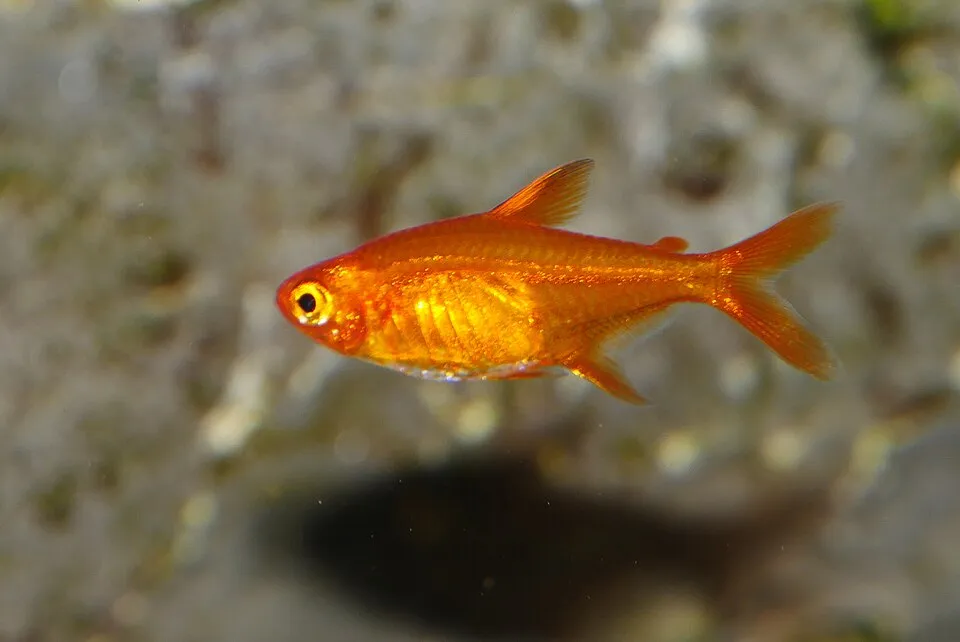
Ember tetra
Hyphessobrycon amandae
Freshwater0.8 in (2 cm) · 9 gal (35 L)72–82°F (22–28°C)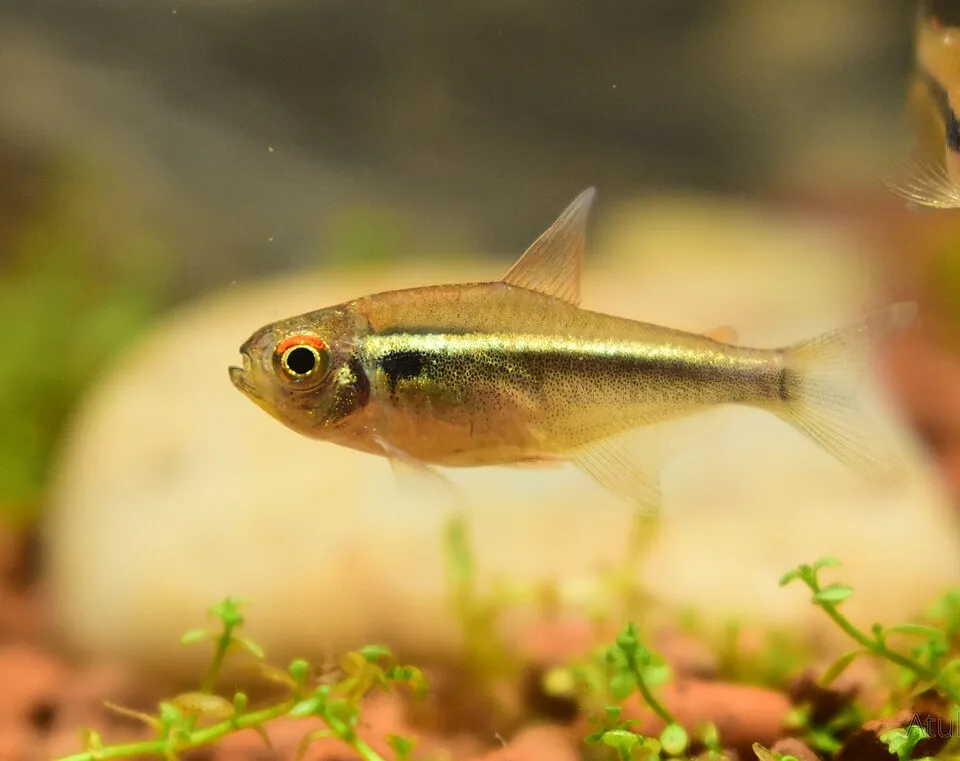
Black neon tetra
Hyphessobrycon herbertaxelrodi
Freshwater1.4 in (3.5 cm) · 16 gal (60 L)72–82°F (22–28°C)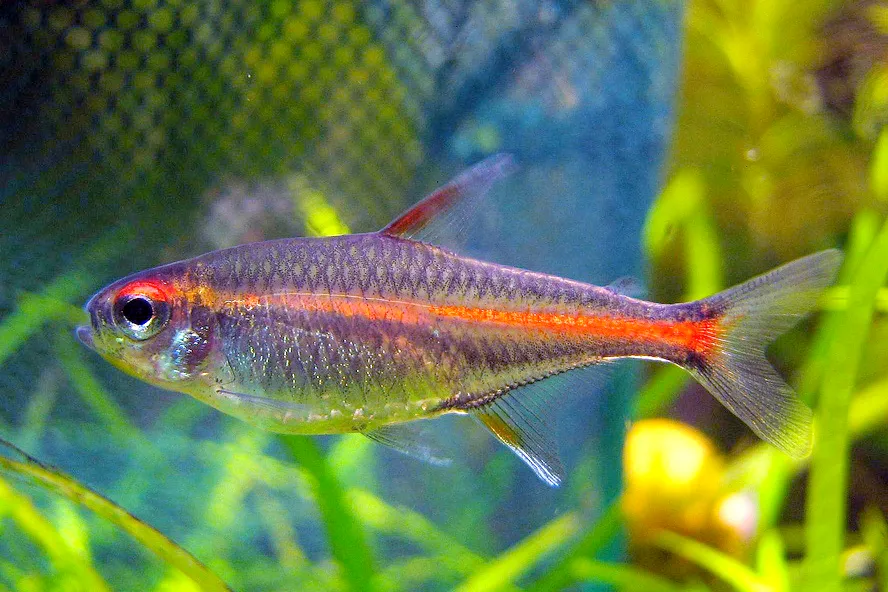
Glowlight tetra
Hemigrammus erythrozonus
Freshwater1.6 in (4 cm) · 18 gal (70 L)75–82°F (24–28°C)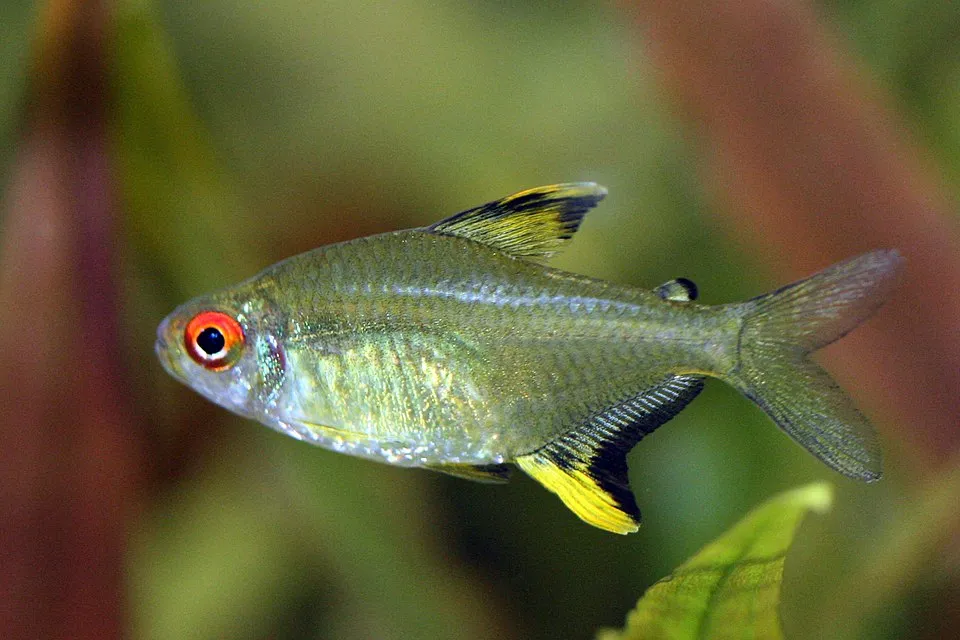
Lemon tetra
Hyphessobrycon pulchripinnis
Freshwater2 in (5 cm) · 17 gal (65 L)72–82°F (22–28°C)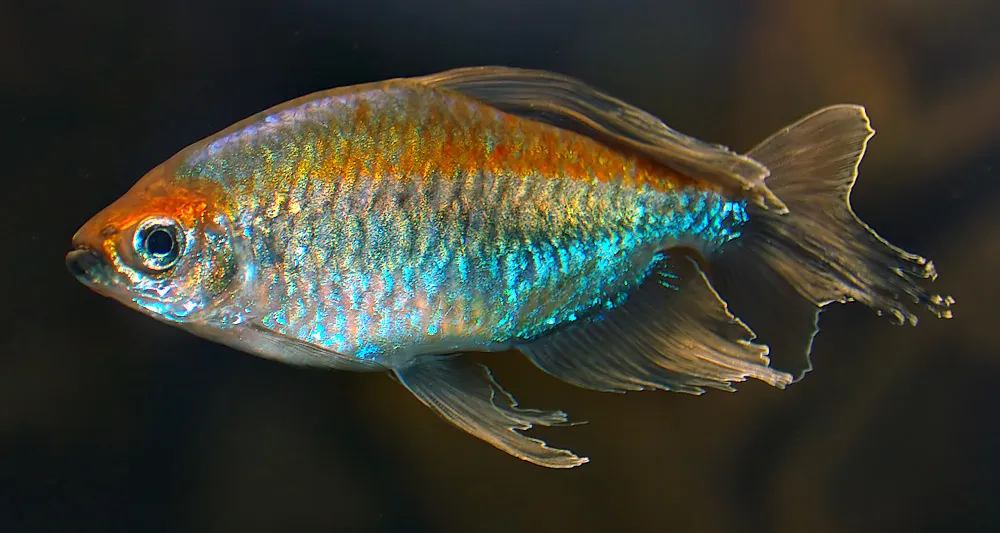
Congo tetra
Phenacogrammus interruptus
Freshwater3.1 in (8 cm) · 24 gal (90 L)73–82°F (23–28°C)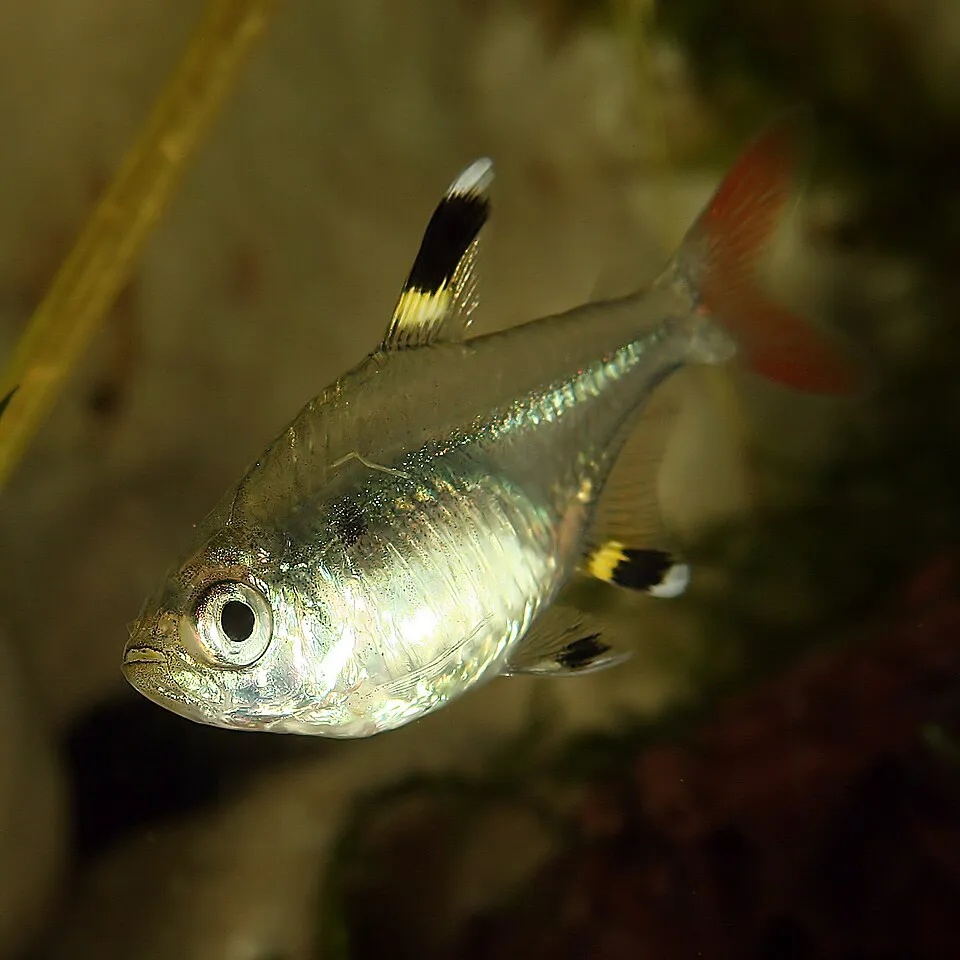
X-ray tetra
Pristella maxillaris
Freshwater1.8 in (4.5 cm) · 18 gal (70 L)72–82°F (22–28°C)
Cyprinids
Barbs, danios and rasboras
The cherry barb is marked beginner and peaceful at 2 inches (5 cm) for 20 gallons (75 liters), the barb for a community tank. The tiger barb is the same size and rating and marked aggressive, because a small group nips everything; a group of eight or more mostly nips each other. The Odessa barb is 1.8 inches (4.5 cm) for 61–77°F (16–25°C). The pearl danio takes the same cool range at 2.4 inches (6 cm) for 18 gallons (70 liters). The white cloud mountain minnow is marked beginner at 1.6 inches (4 cm) and lists 57–72°F (14–22°C), a school for an unheated tank. The celestial pearl danio is 0.8 inches (2 cm) for 9 gallons (35 liters), marked easy.
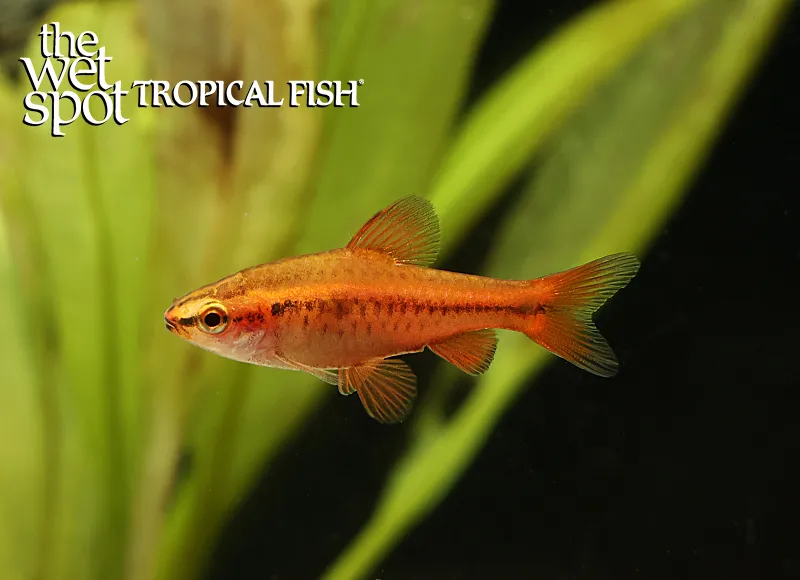
Cherry barb
Rohanella titteya
Freshwater2 in (5 cm) · 20 gal (75 L)72–81°F (22–27°C)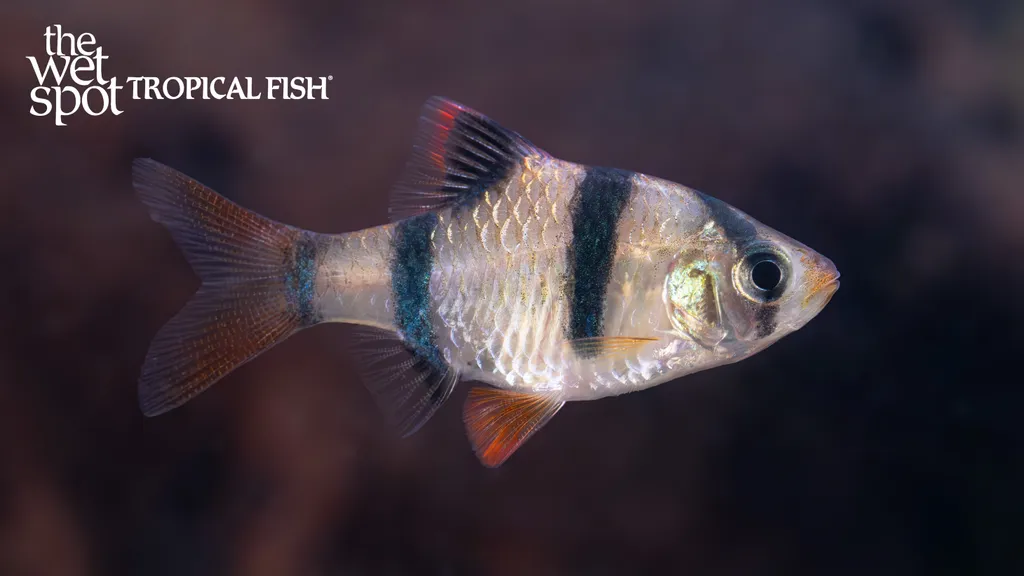
Tiger barb
Puntigrus tetrazona
Freshwater2.8 in (7 cm) · 20 gal (75 L)68–79°F (20–26°C)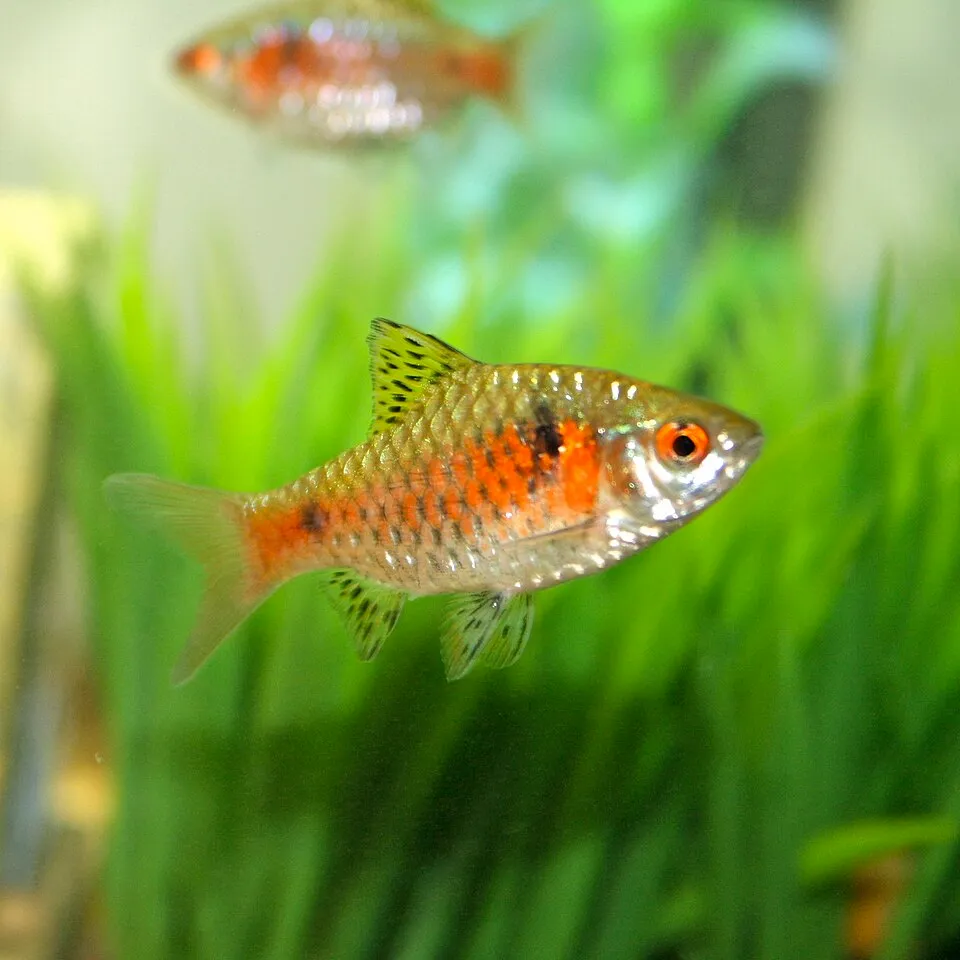
Odessa barb
Pethia padamya
Freshwater1.8 in (4.5 cm) · 20 gal (75 L)61–77°F (16–25°C)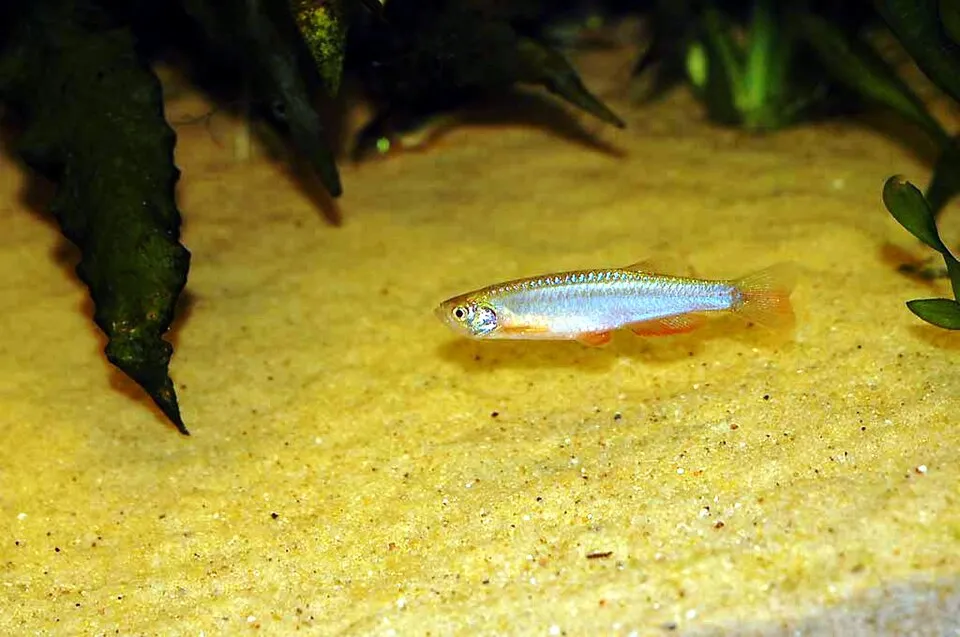
Pearl danio
Danio albolineatus
Freshwater2.4 in (6 cm) · 18 gal (70 L)61–77°F (16–25°C)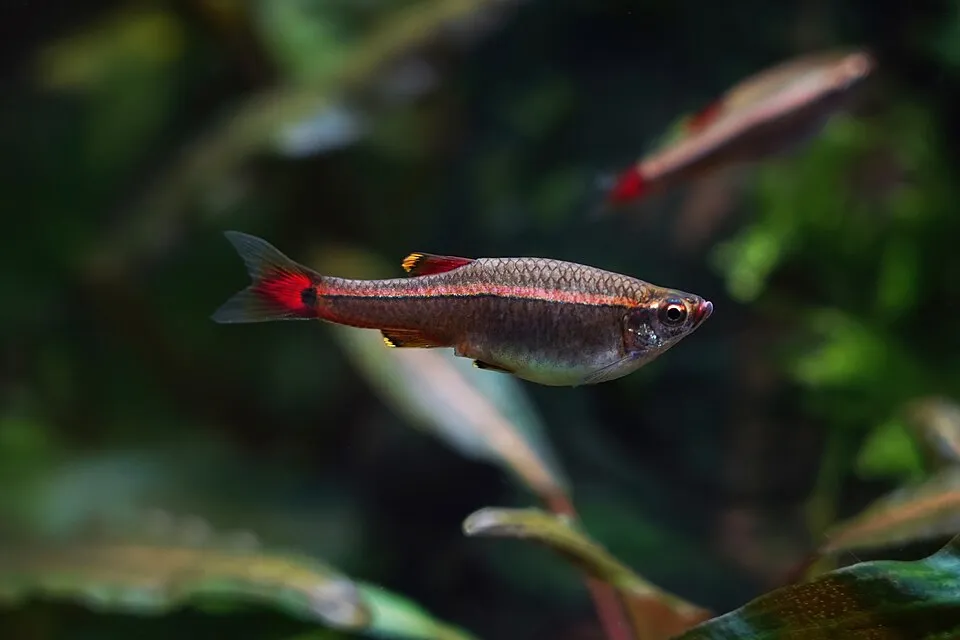
White Cloud Mountain minnow
Tanichthys albonubes
Freshwater1.6 in (4 cm) · 12 gal (45 L)57–72°F (14–22°C)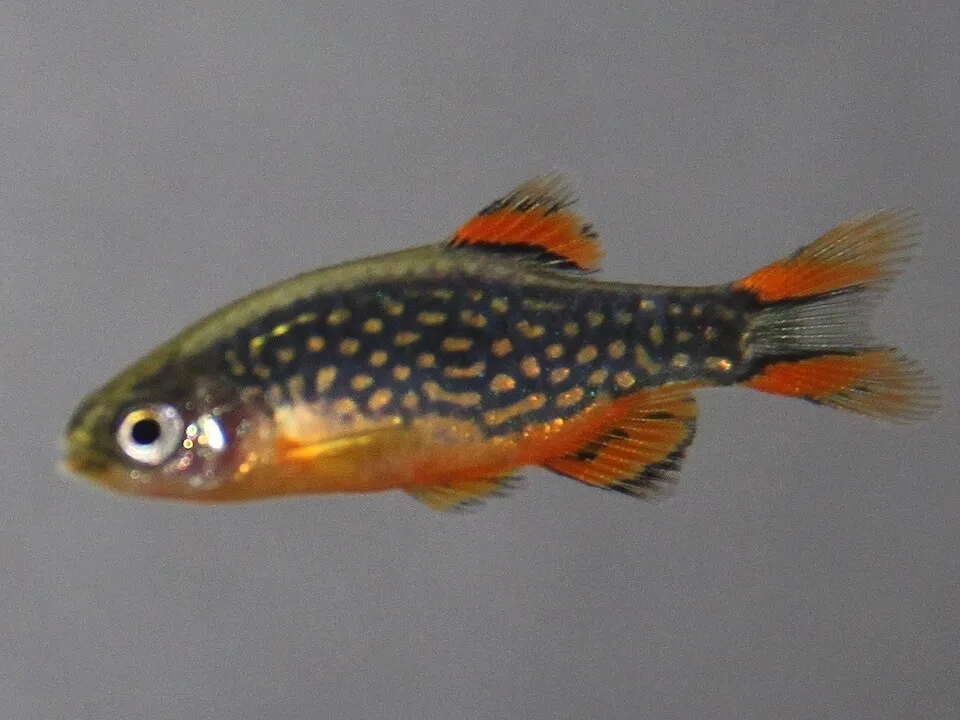
Celestial Pearl danio
Danio margaritatus
Freshwater0.8 in (2 cm) · 9 gal (35 L)72–79°F (22–26°C)
Bottom and top
Schools for the bottom and the surface
The panda cory shoals on the sand at 2 inches (5 cm) for 15 gallons (55 liters), marked easy. The pygmy cory is the one cory that schools in mid-water, 1.3 inches (3.3 cm) for 13 gallons (50 liters). The kuhli loach is a 3.9 inch (10 cm) eel-shaped fish for 20 gallons (75 liters), marked easy, that only comes out in a group. The otocinclus grazes algae in a shoal at 2 inches (5 cm) for 20 gallons (75 liters), marked medium because it starves in a new tank. The marbled hatchetfish holds the surface at 1.6 inches (4 cm) for 32 gallons (120 liters) and jumps at any gap in the lid. The golden pencilfish hangs just under the surface at 2.4 inches (6 cm).
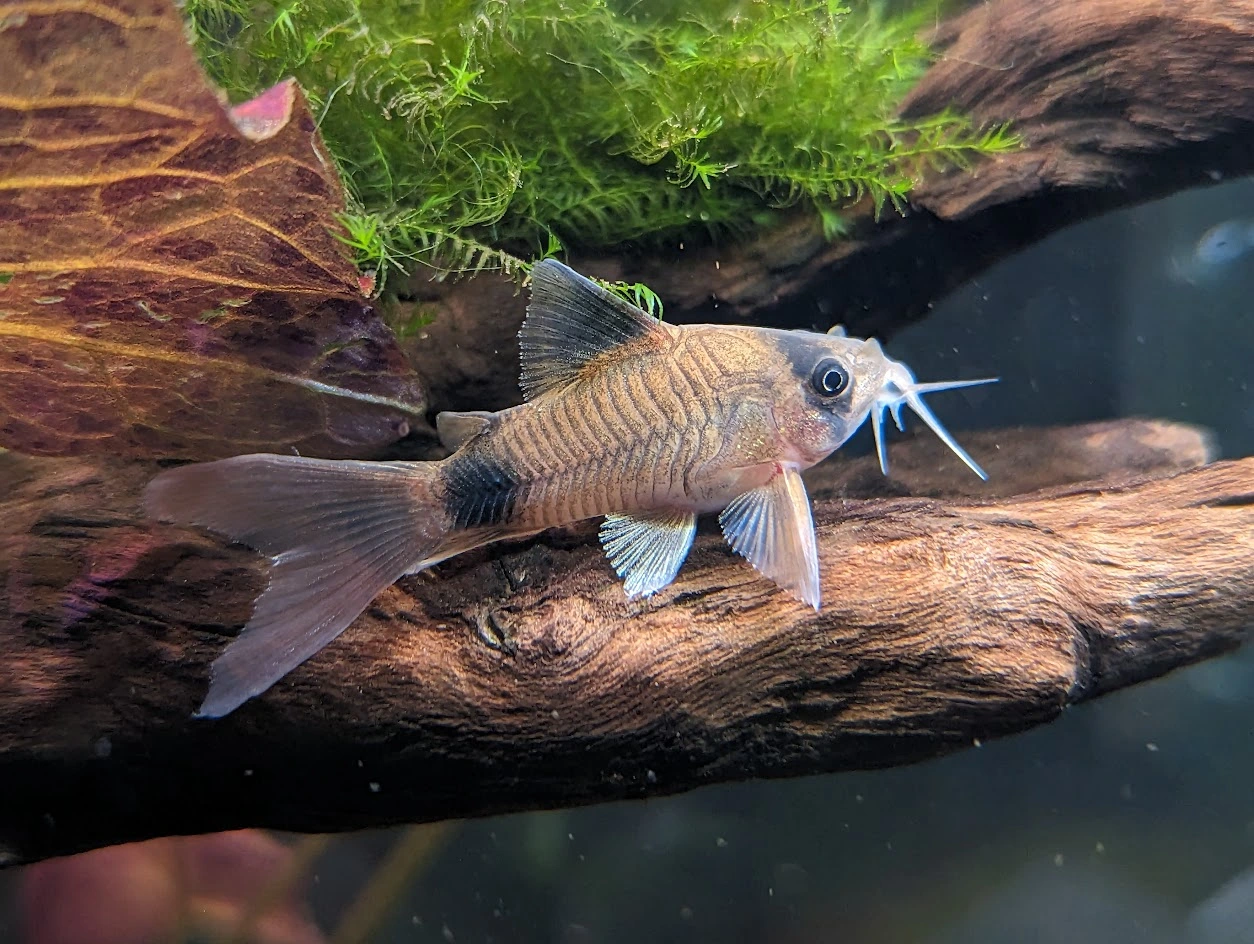
Panda cory
Hoplisoma panda
Freshwater2 in (5 cm) · 15 gal (55 L)72–77°F (22–25°C)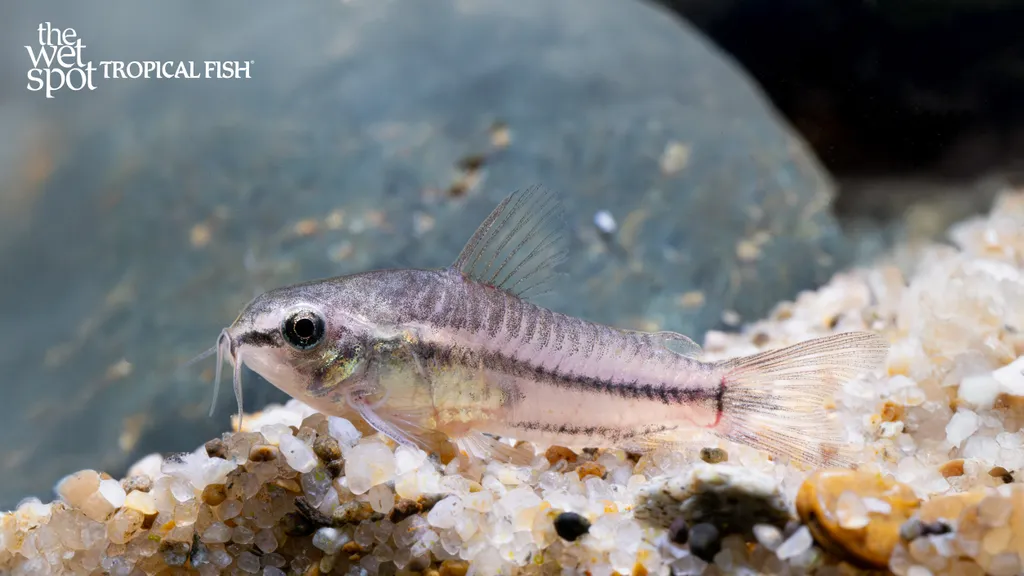
Pygmy cory
Gastrodermus pygmaeus
Freshwater1.3 in (3.3 cm) · 13 gal (50 L)72–79°F (22–26°C)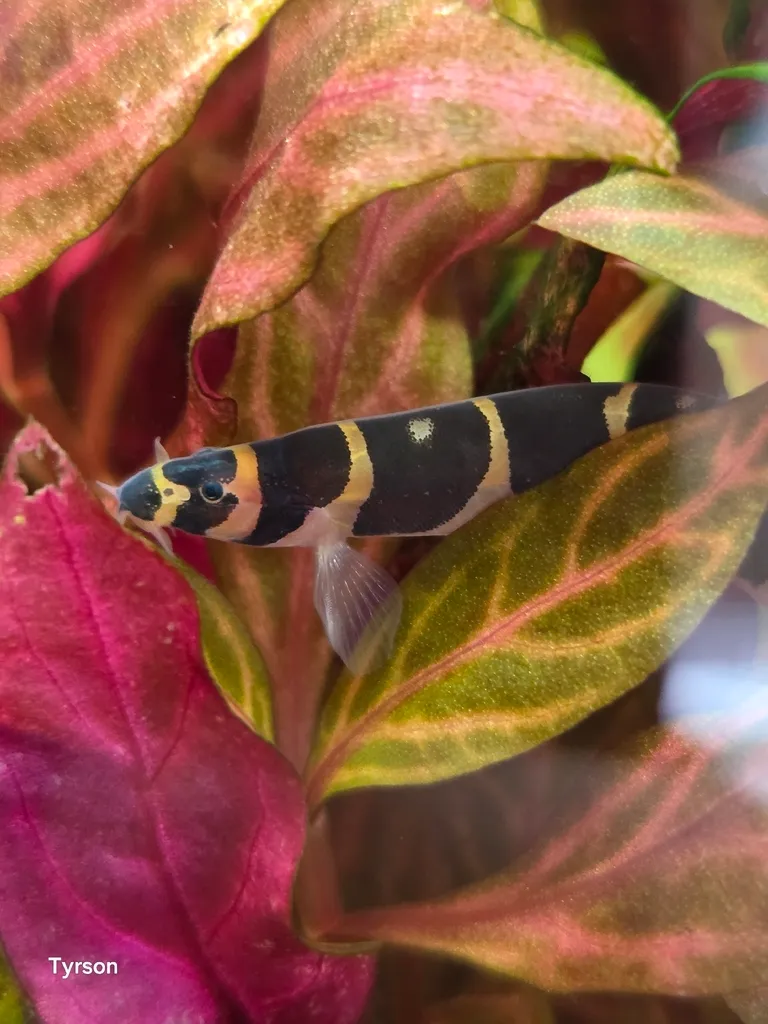
Kuhli loach
Pangio kuhlii
Freshwater3.9 in (10 cm) · 20 gal (75 L)72–82°F (22–28°C)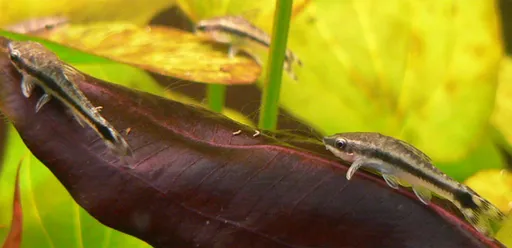
Common otocinclus
Otocinclus vittatus
Freshwater2 in (5 cm) · 20 gal (75 L)72–79°F (22–26°C)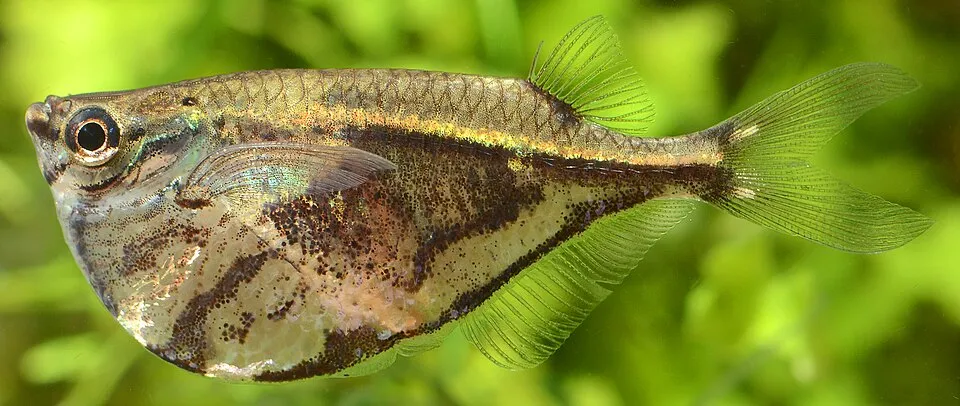
Marbled hatchetfish
Carnegiella strigata
Freshwater1.6 in (4 cm) · 32 gal (120 L)68–82°F (20–28°C)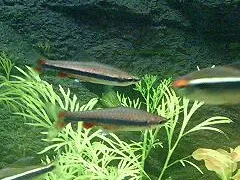
Golden pencilfish
Nannostomus beckfordi
Freshwater2.4 in (6 cm) · 18 gal (70 L)70–81°F (21–27°C)
Room to run
Schools that need room to run
The dwarf rainbowfish is the rainbowfish for a smaller tank at 2.8 inches (7 cm) for 20 gallons (75 liters), marked easy. The red rainbowfish reaches 5.5 inches (14 cm) and lists 34 gallons (130 liters). The silver dollar is 5.9 inches (15 cm) and lists 70 gallons (265 liters), a plant eater that wants a group and a long tank. The scissortail rasbora is 5.5 inches (14 cm) for 45 gallons (170 liters), marked easy. The glass catfish schools in mid-water at 2.8 inches (7 cm) for 30 gallons (115 liters), marked easy and peaceful. The clown loach is the biggest shoaling fish on this page, 11.8 inches (30 cm) for 75 gallons (285 liters), sold small and kept for decades.
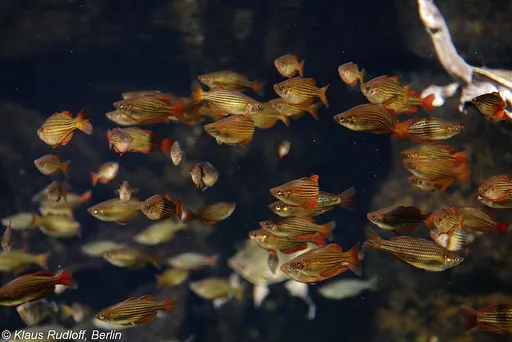
Dwarf rainbowfish
Melanotaenia maccullochi
Freshwater2.8 in (7 cm) · 20 gal (75 L)72–82°F (22–28°C)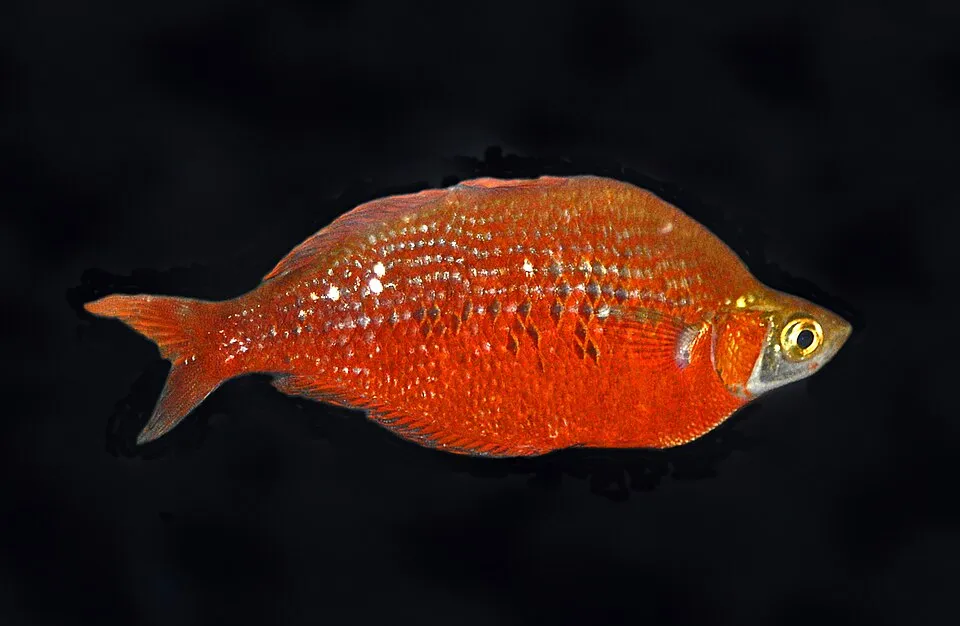
Red rainbowfish
Glossolepis incisus
Freshwater5.5 in (14 cm) · 34 gal (130 L)72–77°F (22–25°C)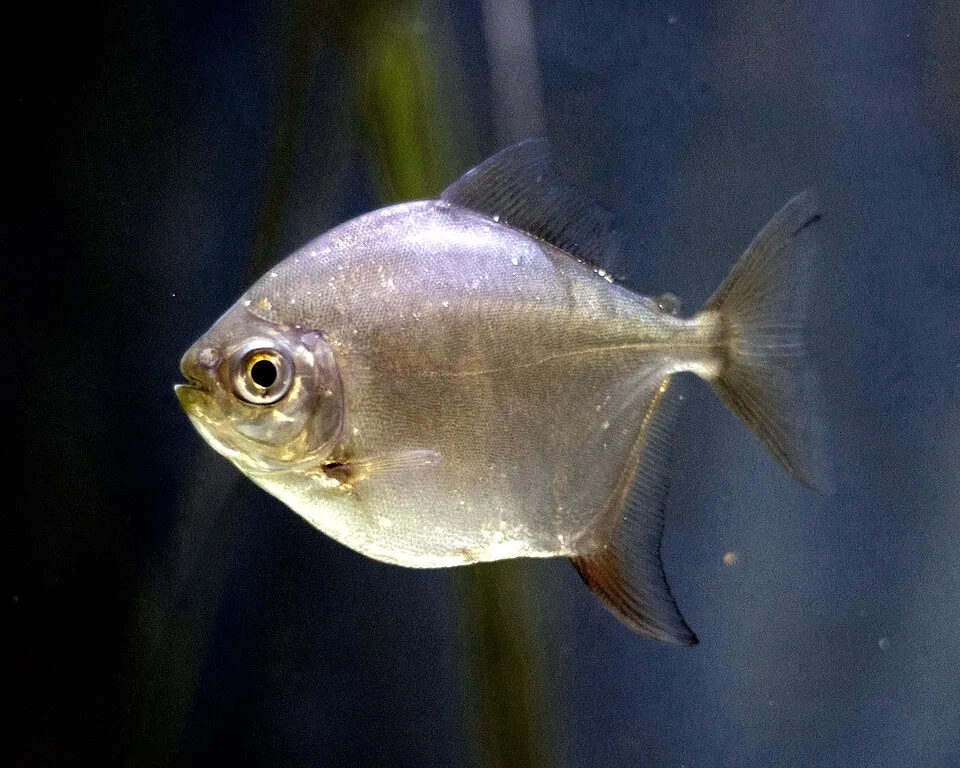
Silver dollar
Metynnis argenteus
Freshwater5.9 in (15 cm) · 70 gal (265 L)75–82°F (24–28°C)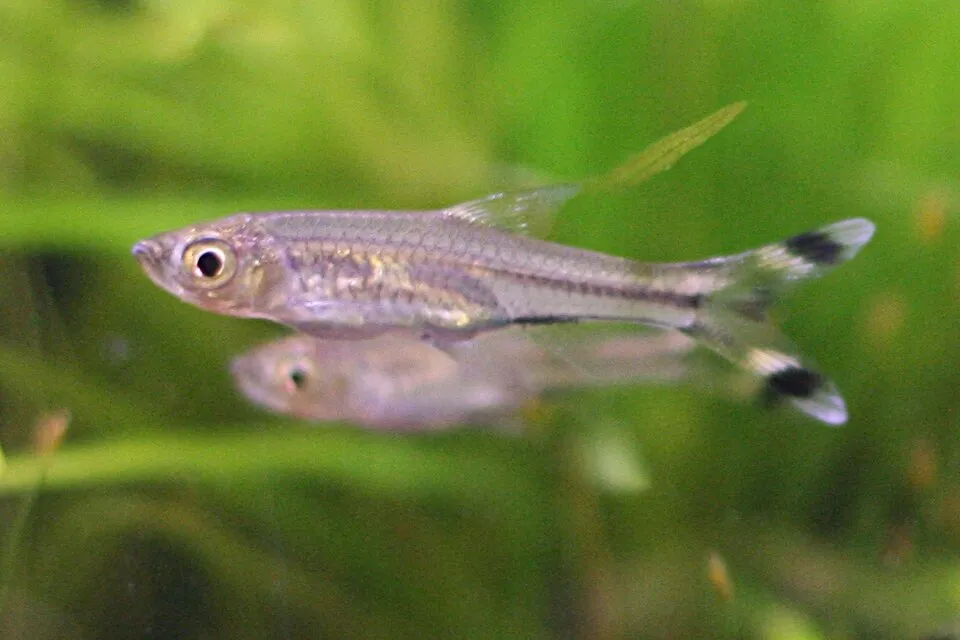
Scissortail rasbora
Rasbora trilineata
Freshwater5.5 in (14 cm) · 45 gal (170 L)72–77°F (22–25°C)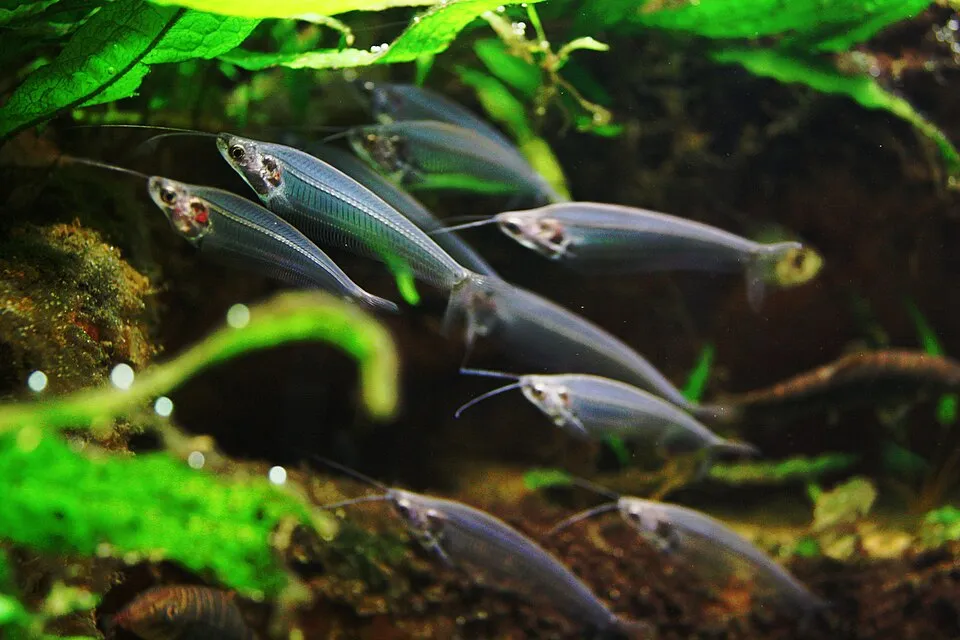
Glass catfish
Kryptopterus vitreolus
Freshwater2.8 in (7 cm) · 30 gal (115 L)70–79°F (21–26°C)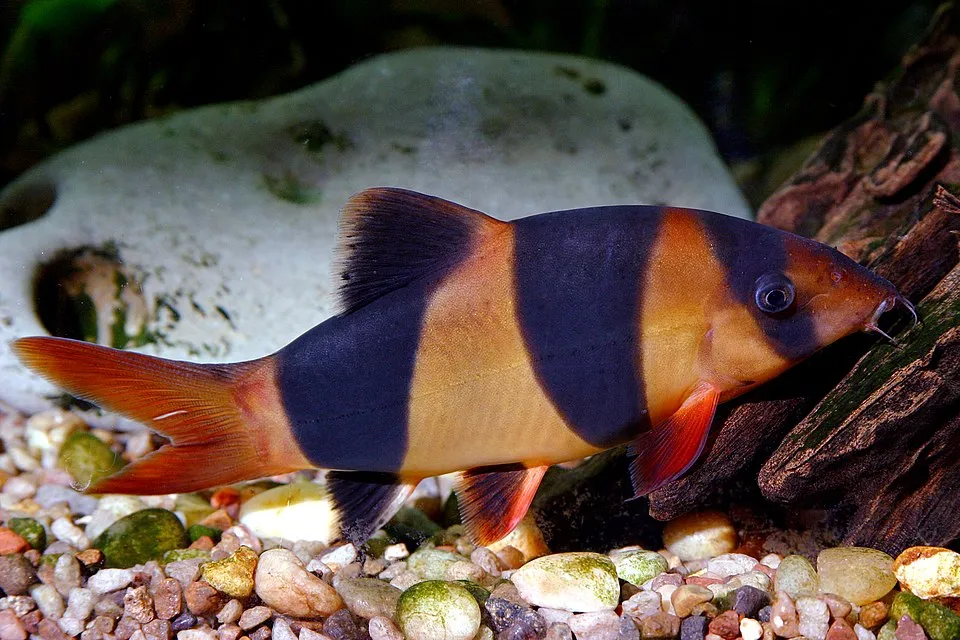
Clown loach
Chromobotia macracanthus
Freshwater11.8 in (30 cm) · 75 gal (285 L)75–86°F (24–30°C)
By the numbers
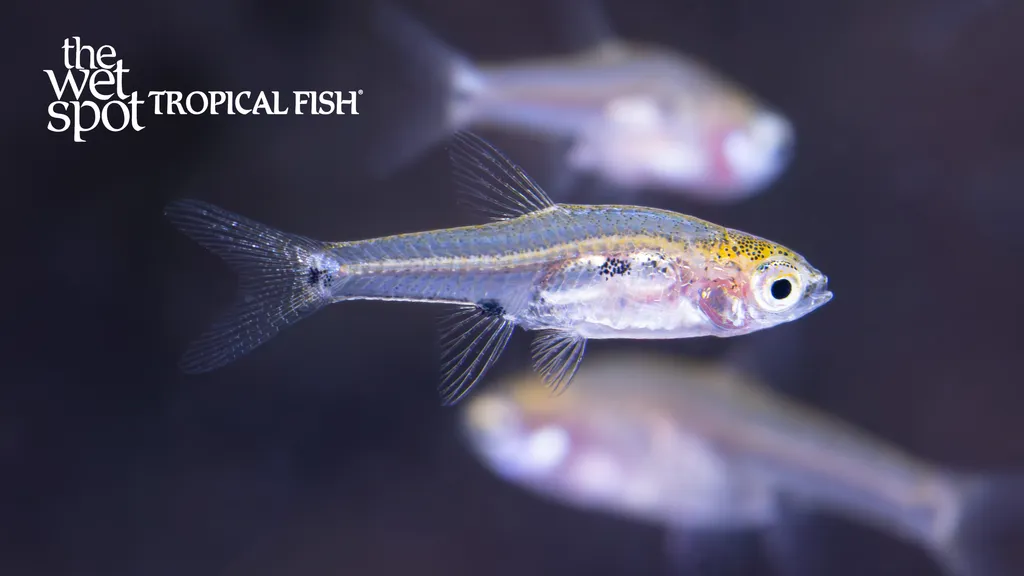
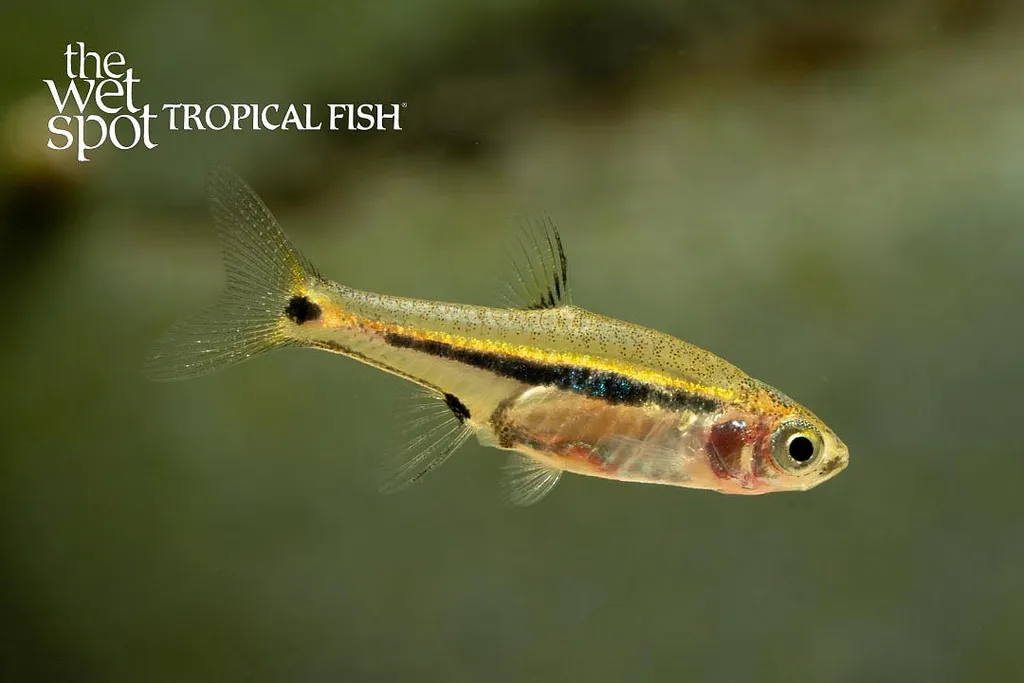
Smallest
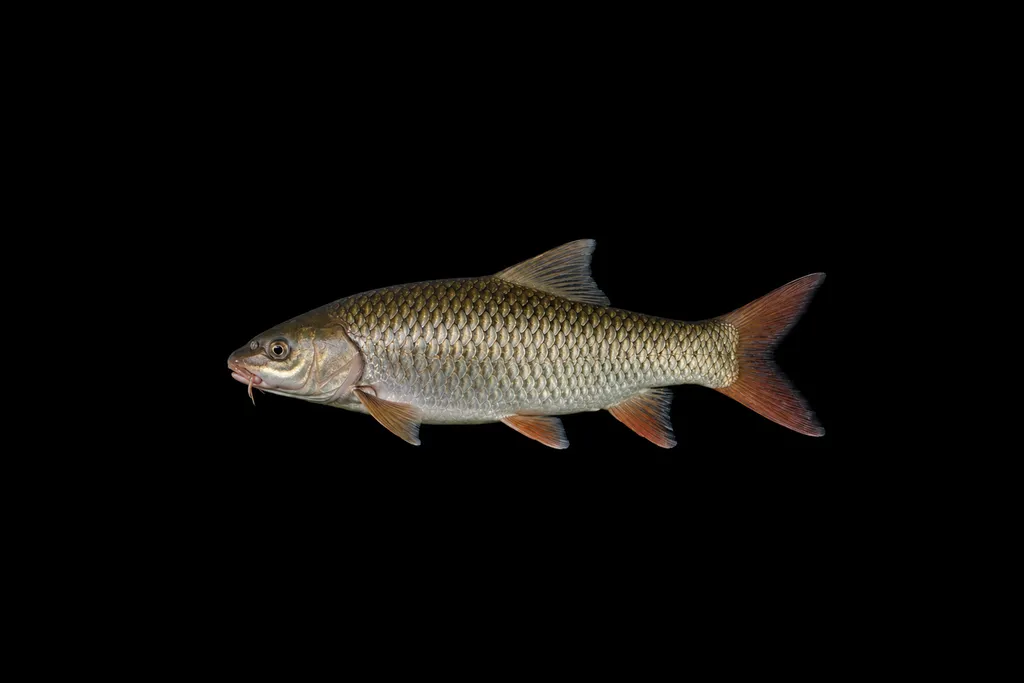
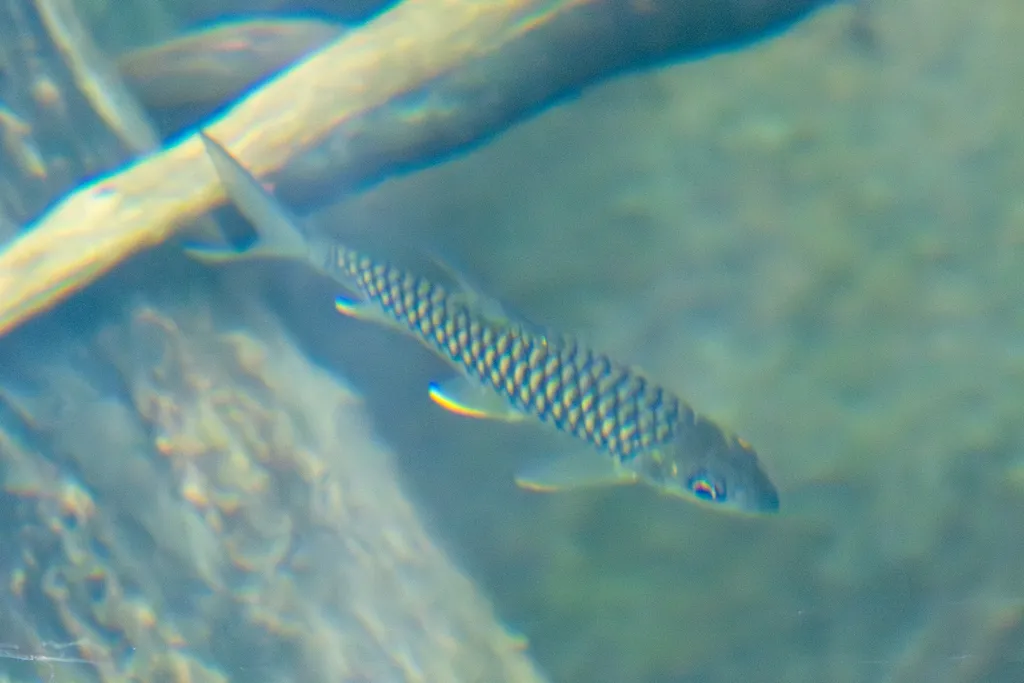
Largest
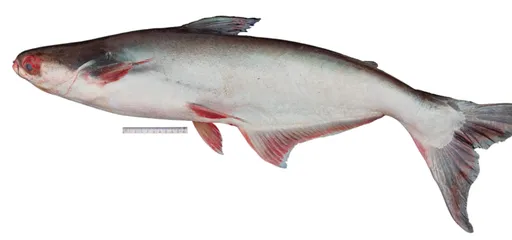
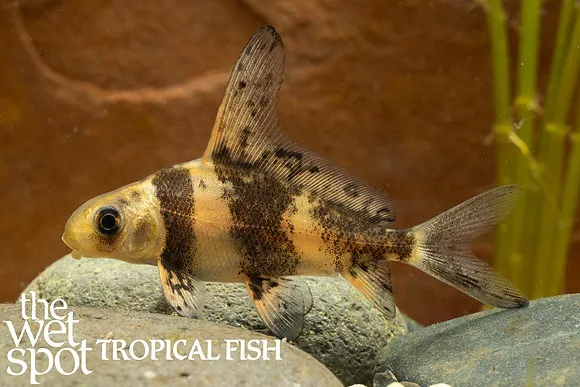
Easiest to keep
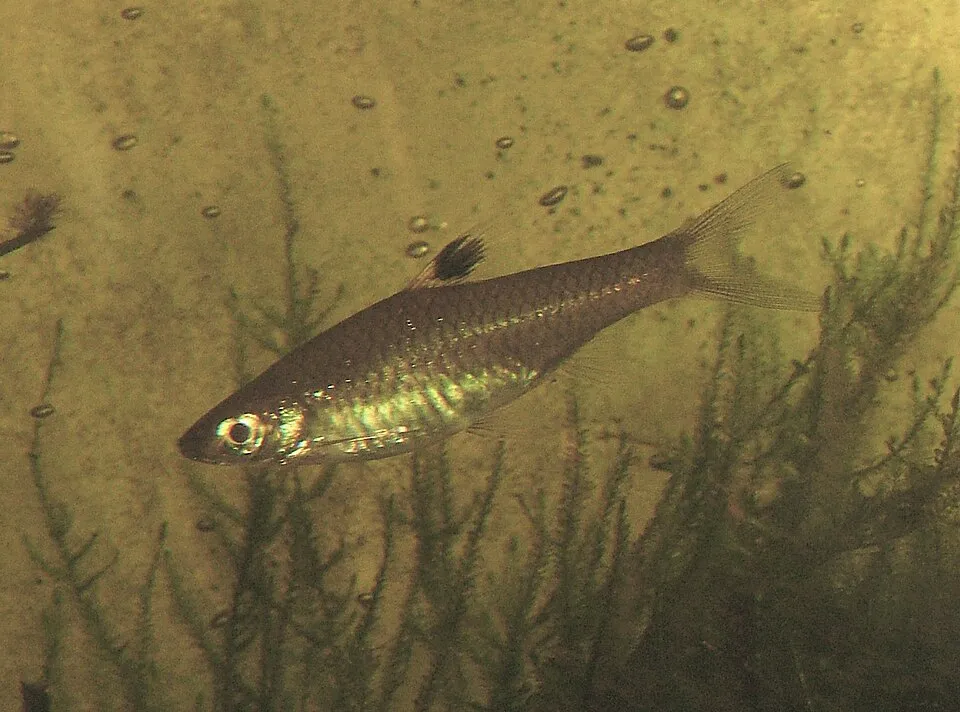
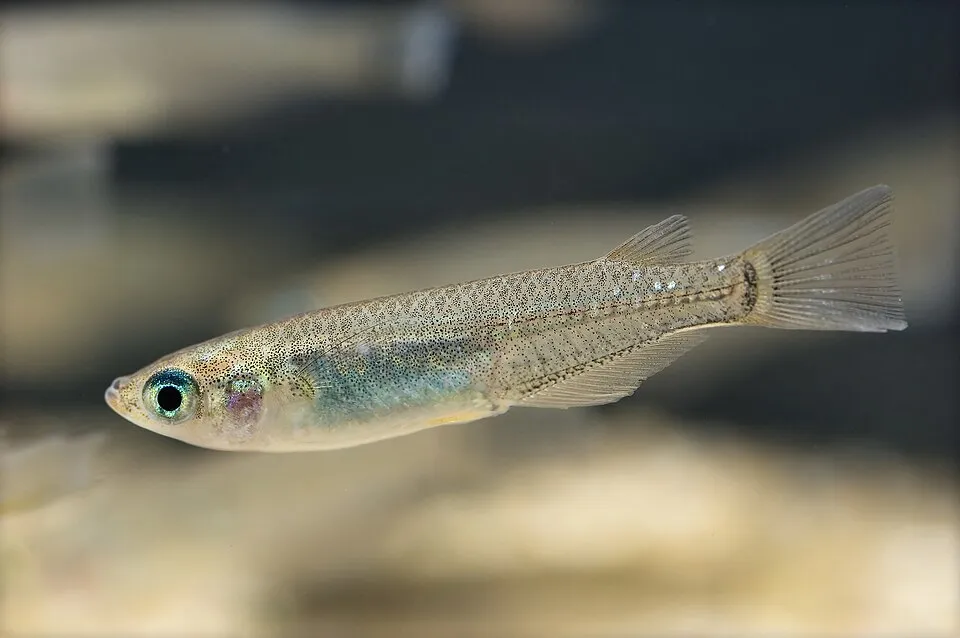
Fits a 20 gallon tank
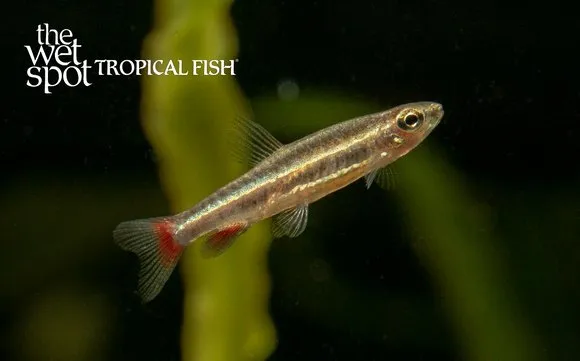
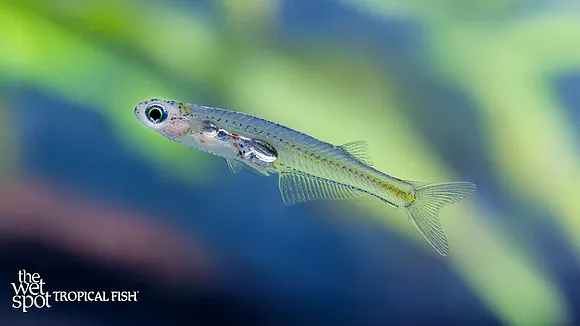
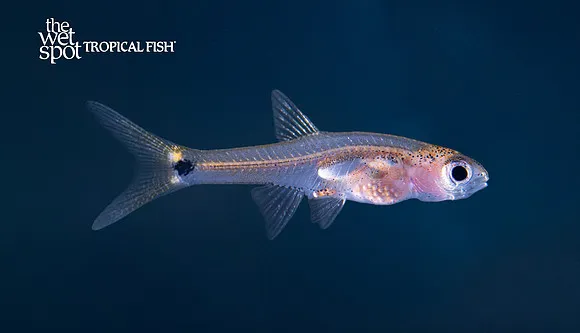
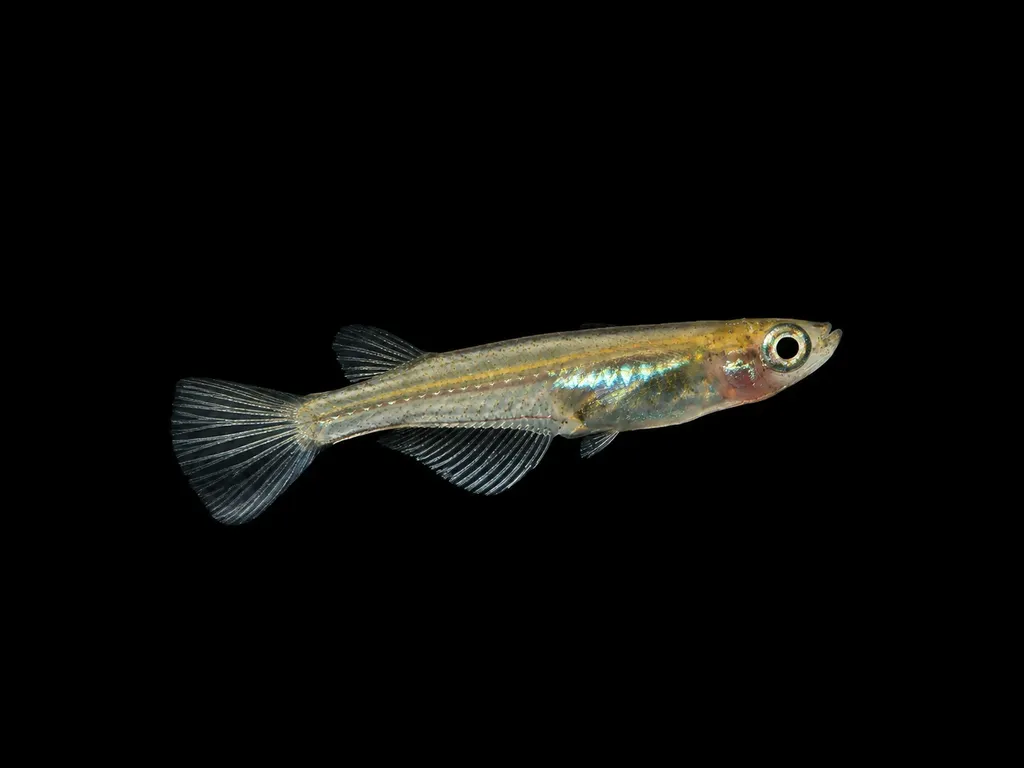
Fits a 30 gallon tank
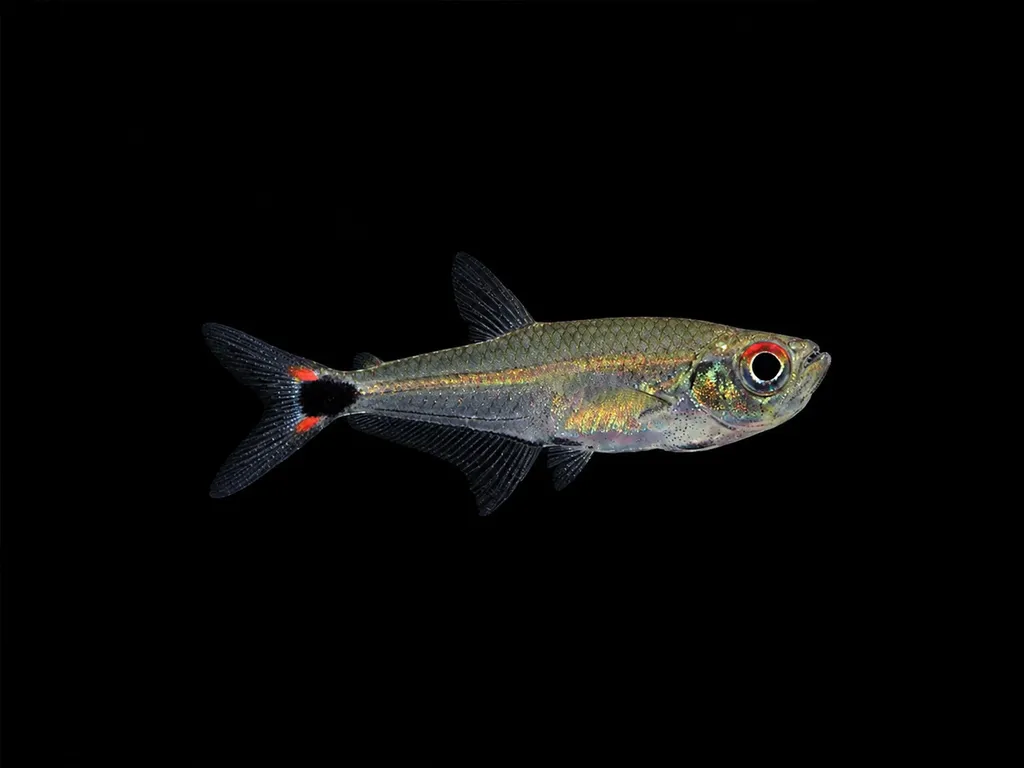
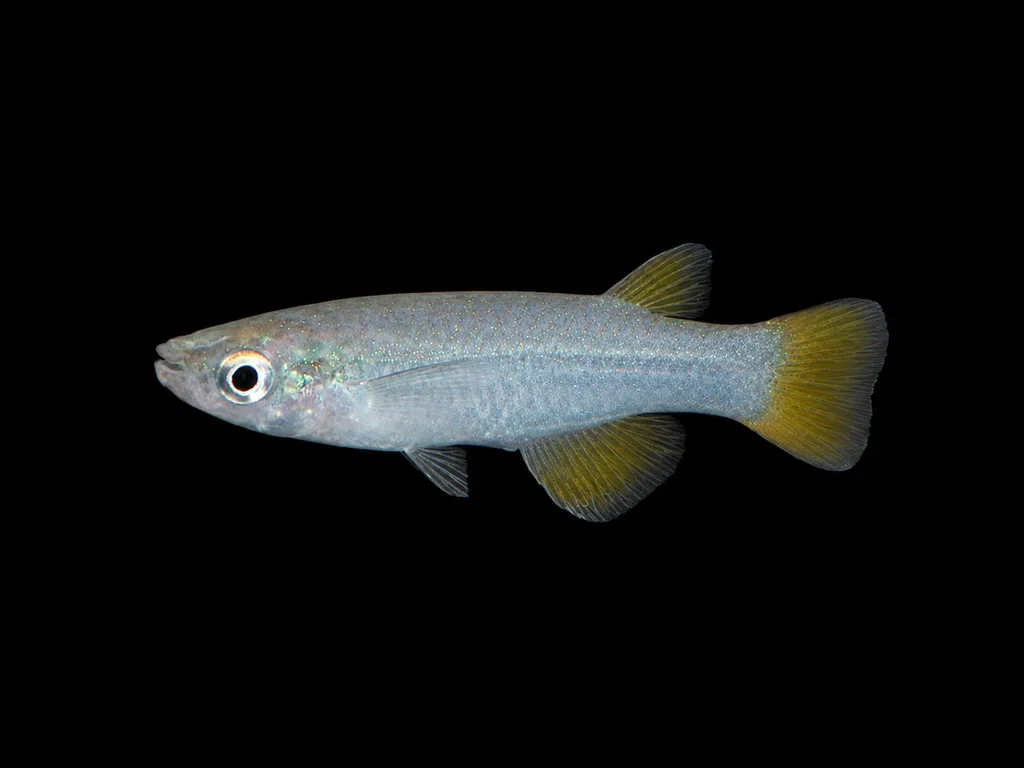
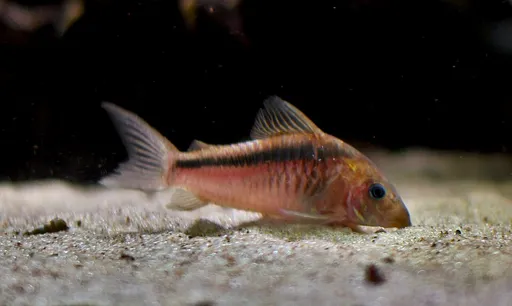
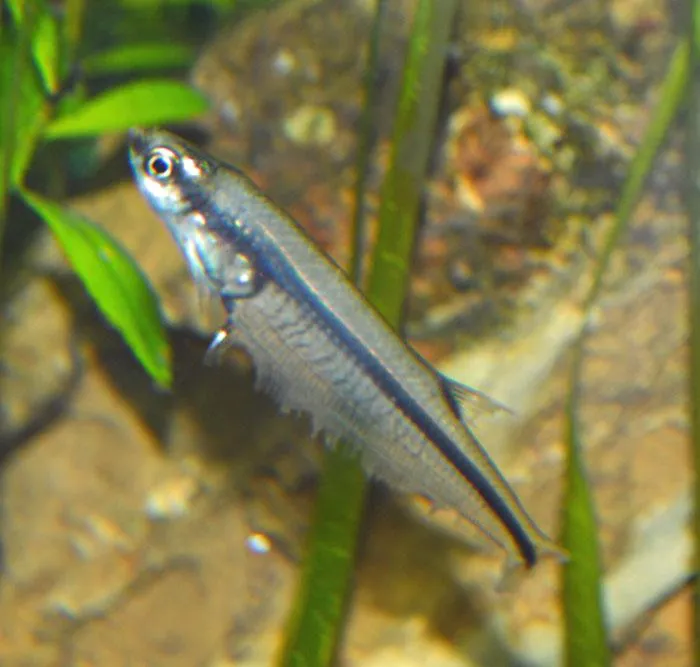
FAQ
Common questions
How many schooling fish do I need?
Six of one species is the floor for most, and each profile lists the group its species needs. Ten or twelve is calmer than six, and the fish color up and use the whole tank.
What is the difference between schooling and shoaling?
A schooling fish swims in formation with its own kind; a shoaling fish stays in a loose group without formation. Rummy-nose tetras school. Corys and kuhli loaches shoal. Both need numbers.
Can different tetras school together?
Not really. Neons and cardinals will tolerate each other, but each species wants six or more of its own. Mixing three species in twos leaves every fish short-handed.
Which schooling fish fit a 10 gallon tank?
The ember tetra and the celestial pearl danio list 9 gallons (35 liters), the neon tetra and the espei rasbora 11 gallons (40 liters), the chili rasbora 7 gallons (25 liters). Eight to ten of one species is a full 10 gallon tank.
Why are my tetras nipping fins?
The group is too small. Serpae tetras, tiger barbs and black skirt tetras all nip when kept in twos and threes and mostly stop in a group of eight or more.
Do corydoras school?
They shoal: a group of six or more of the same species stays together on the bottom. The pygmy cory is the exception and schools in open water.
Index
All schooling freshwater fish
Planning a tank?
TankBud checks stocking and water fit as you build a tank, then tracks water tests, reminders and photos once it is running.
Track your tanksMaintain tanks for clients? See TankBud Pro