Common otocinclus
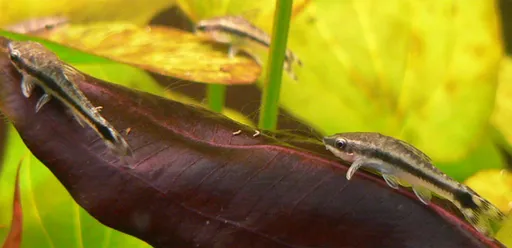
Otocinclus vittatus
Also known as Common oto, Dwarf sucker
FreshwaterFish
Care at a glance
- Temperature
- 72–79°F
- 22–26°C
- pH
- 6.0–7.5
- Adult size
- 2 in
- 5 cm
- Minimum tank
- 20 gal
- 75 L
- Temperament
- Peaceful
- Social behavior
- Shoaling
- Swim level
- Bottom
- Difficulty
- Medium
- Breeding
- Hard
- Rarity
- Common
- Family
- Loricariidae
- Origin
- Amazon basin
Overview
Keep them in a group of at least six, in a tank of 75 liters or larger. They are peaceful algae grazers that work the bottom and the lower surfaces, picking at biofilm all day long. Water should sit between 22 and 26 C with a pH from 6 to 7.5, and the tank needs to be mature with real algae to graze before they go in. Supplement that with algae wafers and blanched vegetables like zucchini or cucumber, since bare glass won't keep them fed. They are completely shrimp safe and do well with other small, peaceful fish, so skip anything large or pushy.
In the wild
Common otocinclus come from the Amazon basin, where they cling to plants, wood, and rock in slow stretches of river and graze the algae and biofilm that coat every surface. To match that, give them a mature, well established tank that has had time to grow real algae, with a smooth substrate so they don't scrape their bellies. Keep the water between 22 and 26 C with a pH from 6 to 7.5. A tank that is too clean and new will starve them, so let it age before you add a group.
Good to know
This is a tiny suckermouth catfish in the family Loricariidae, topping out around 5 cm. Breeding is hard in the home tank, with eggs laid on leaves and glass and no parental care once they are placed. Most fish in the trade are still wild caught, which is part of why they ship poorly. A settled adult can live a few years.
Did you know
Otocinclus can breathe air through a modified gut, gulping at the surface and passing the bubble through to pull out oxygen. It is a backup system for the low oxygen, slow water they sometimes end up in. If you see one dash up for a quick gulp now and then, that is normal and not a sign of trouble on its own.
Weekly picks
Tank mates
Common otocinclus is a peaceful, shoaling species that keeps to the bottom. These picks share a community profile with it, are safe together in both directions, and overlap on water type, temperature and pH.
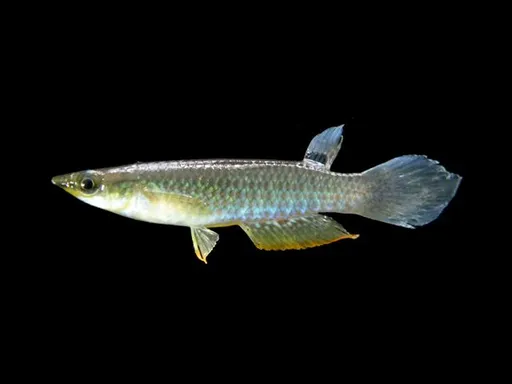
Blue panchax
Aplocheilus panchax
Freshwater3.5 in (9 cm) · 20 gal (75 L)72–82°F (22–28°C)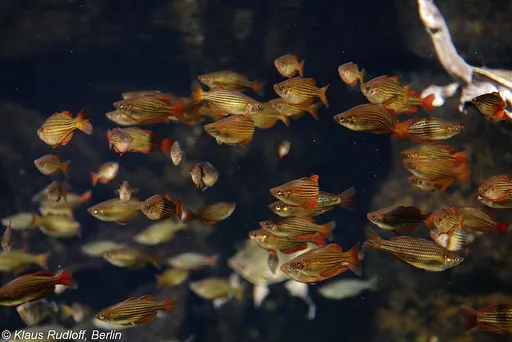
Dwarf rainbowfish
Melanotaenia maccullochi
Freshwater2.8 in (7 cm) · 20 gal (75 L)72–82°F (22–28°C)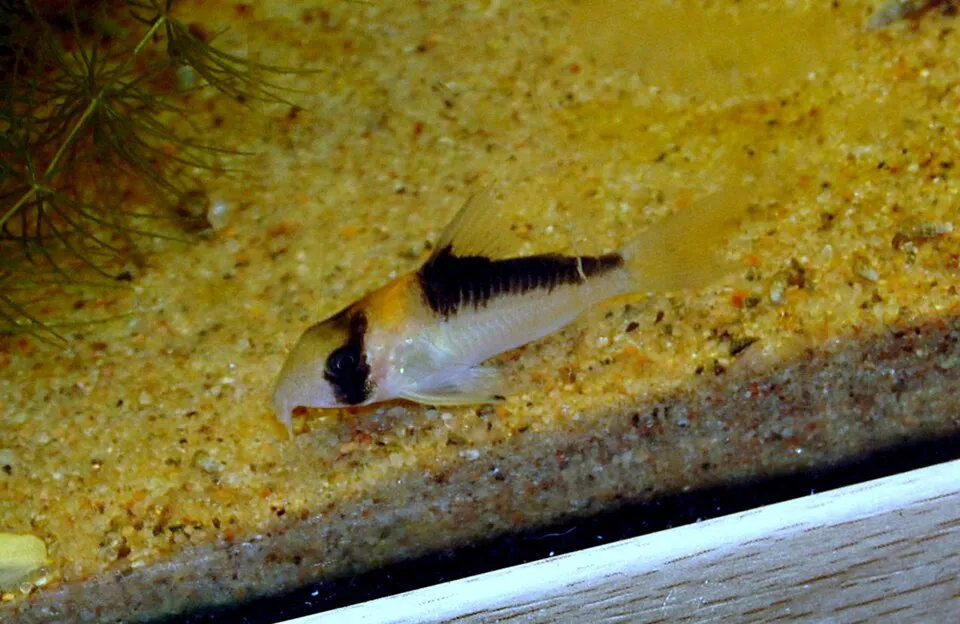
Adolfo's cory
Hoplisoma adolfoi
Freshwater2.4 in (6 cm) · 20 gal (75 L)70–79°F (21–26°C)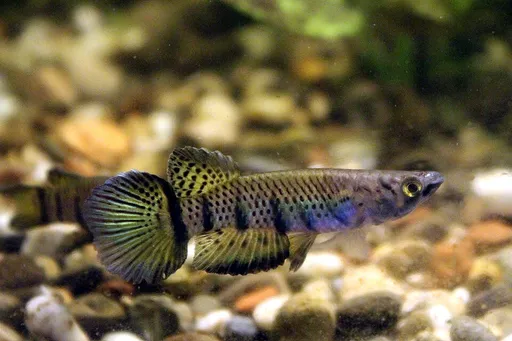
Six-barred panchax
Epiplatys sexfasciatus
Freshwater3.9 in (10 cm) · 20 gal (75 L)72–81°F (22–27°C)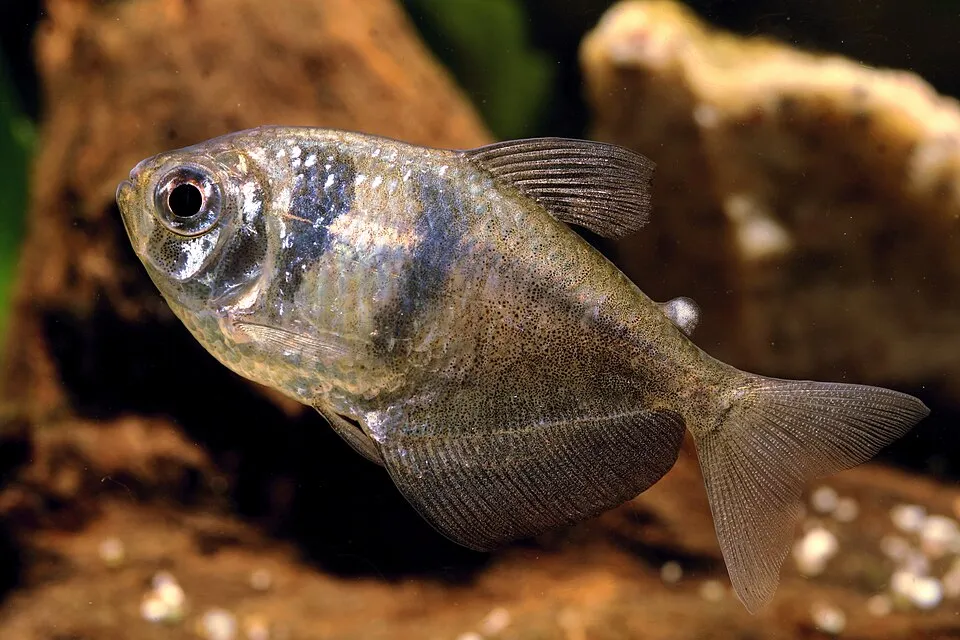
Black widow tetra
Gymnocorymbus ternetzi
Freshwater2.4 in (6 cm) · 20 gal (75 L)68–79°F (20–26°C)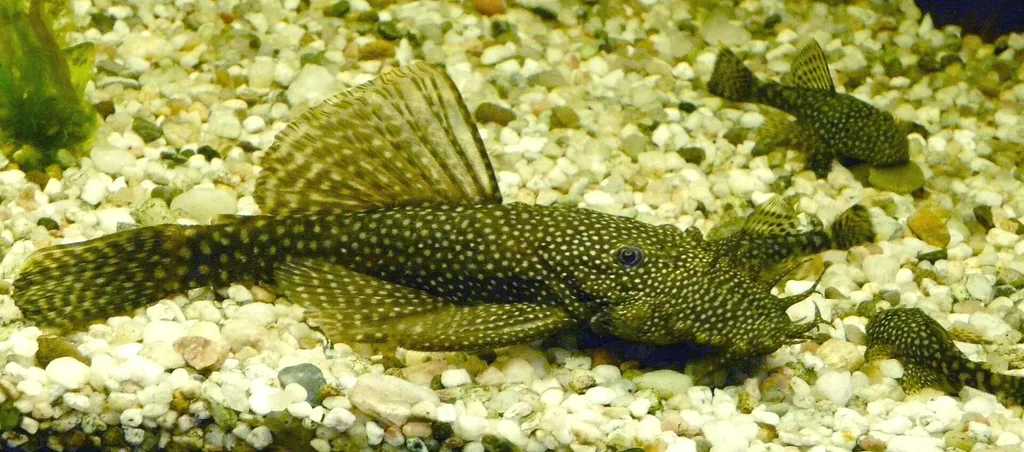
Bristlenose pleco
Ancistrus sp.
Freshwater4.9 in (12.5 cm) · 20 gal (75 L)70–79°F (21–26°C)
Common questions
What size tank does a Common otocinclus need?
A Common otocinclus needs at least 20 gal (75 L). It spends most of its time in the bottom.
What temperature and pH does a Common otocinclus need?
A Common otocinclus is comfortable at 72–79°F (22–26°C) with a pH of 6.0–7.5.
How big does a Common otocinclus get?
An adult Common otocinclus reaches about 2 in (5 cm).
Does a Common otocinclus need a group?
Yes. A Common otocinclus is a shoaling species and should be kept in a group, not singly.
Related species
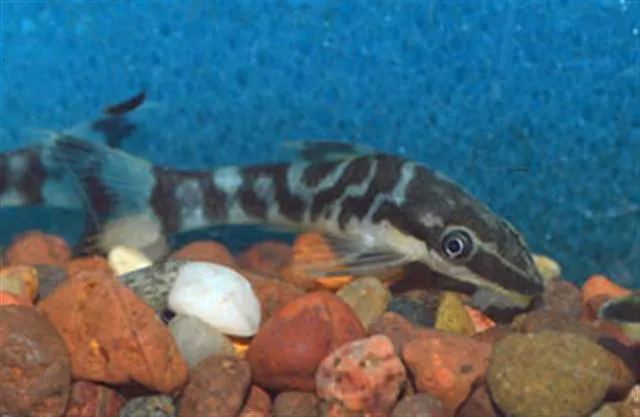 1.8 in (4.5 cm)11 gal (40 L)70–77°F (21–25°C)
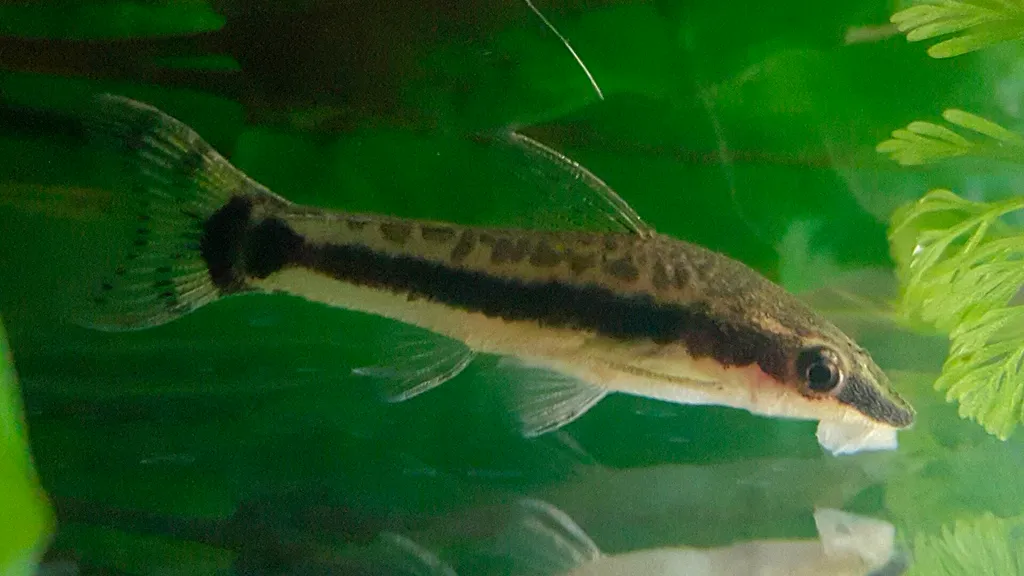
Zebra dwarf sucker
Otocinclus cocama
1.8 in (4.5 cm) · 11 gal (40 L)
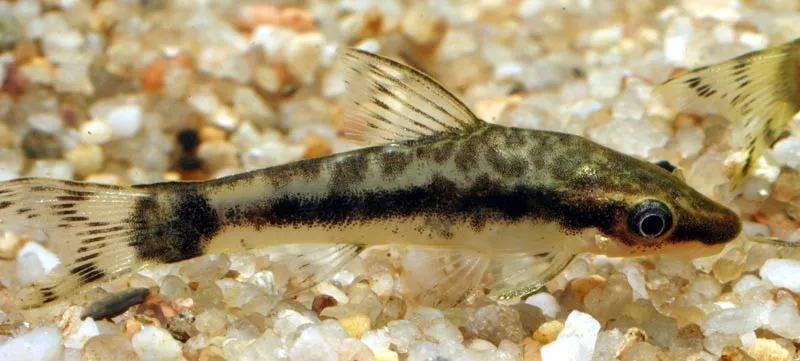
 1.6 in (4 cm)14 gal (54 L)72–81°F (22–27°C)
Vestitus otocinclus
Otocinclus vestitus
1.6 in (4 cm) · 14 gal (54 L)
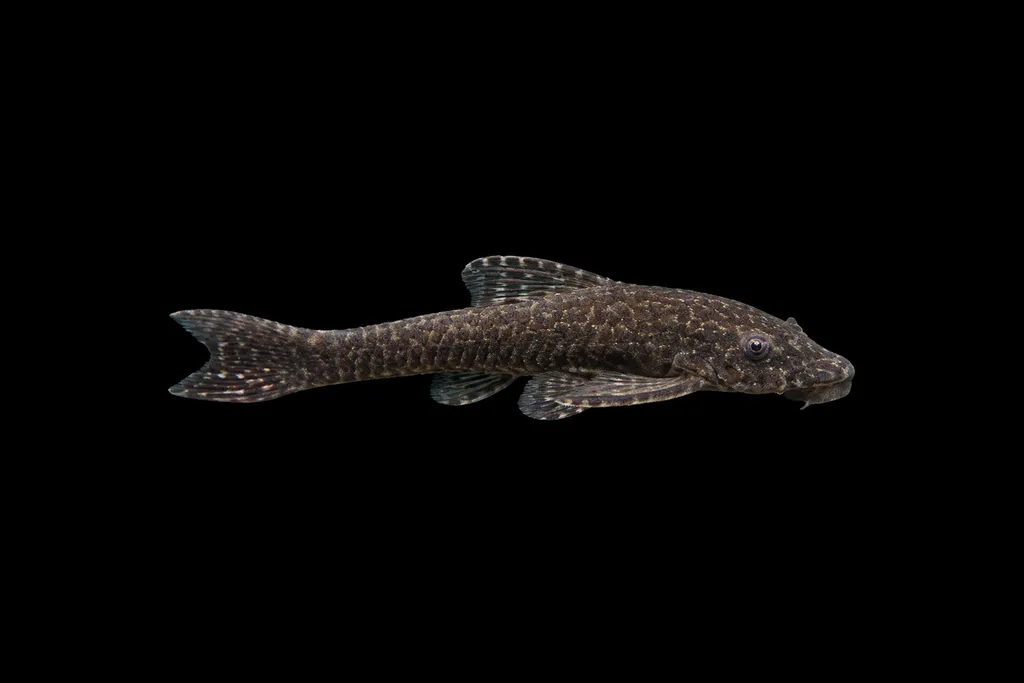
 1.4 in (3.5 cm)11 gal (40 L)70–79°F (21–26°C)
Golden dwarf sucker
Otocinclus macrospilus
1.4 in (3.5 cm) · 11 gal (40 L)
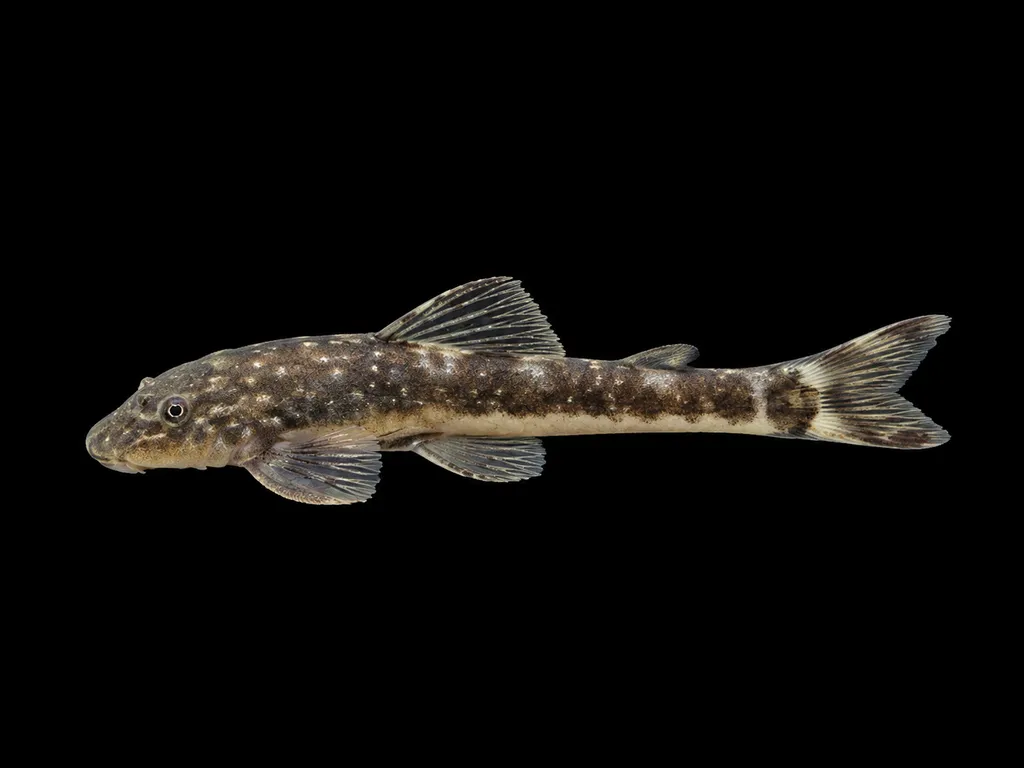
 2 in (5 cm)14 gal (54 L)72–81°F (22–27°C)
Black otocinclus
Hisonotus notatus
2 in (5 cm) · 14 gal (54 L)
 2 in (5 cm)14 gal (54 L)72–81°F (22–27°C)
Ceará parotocinclus
Parotocinclus cearensis
2 in (5 cm) · 14 gal (54 L)
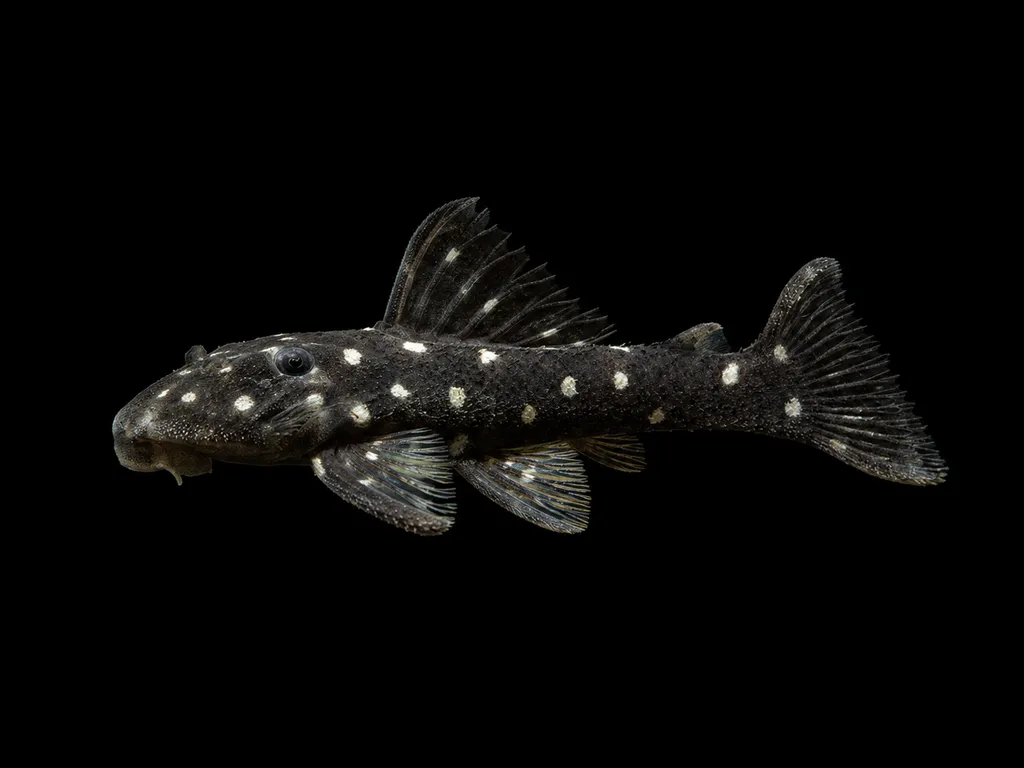 2 in (5 cm)29 gal (110 L)79–86°F (26–30°C)
Dwarf spiny pleco
Micracanthicus vandragti
2 in (5 cm) · 29 gal (110 L)