Vestitus otocinclus
Otocinclus vestitus
Also known as Dwarf oto, Vestitus oto
FreshwaterFish
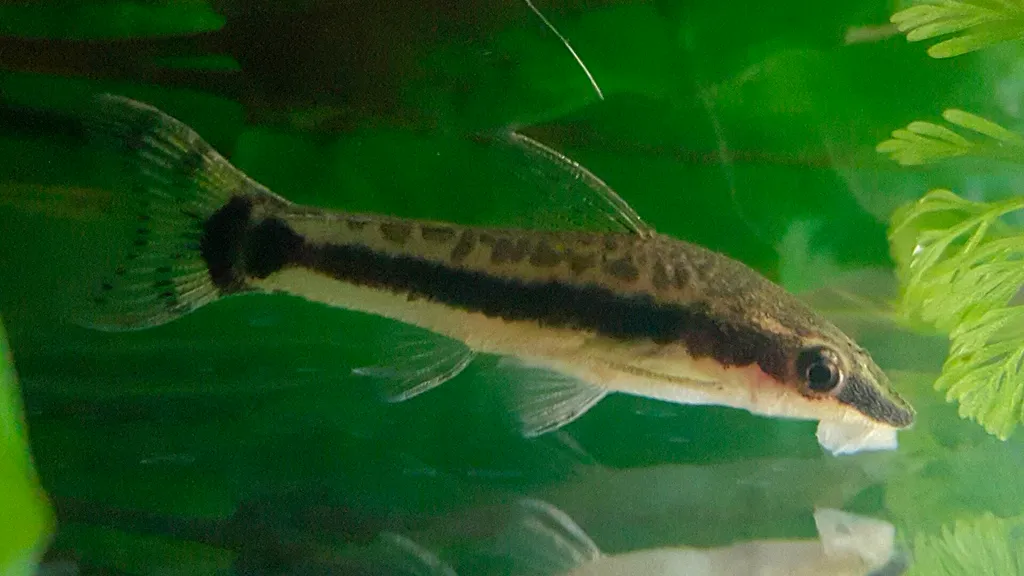
Care at a glance
- Temperature
- 72–81°F
- 22–27°C
- pH
- 6.0–7.5
- Adult size
- 1.6 in
- 4 cm
- Minimum tank
- 14 gal
- 54 L
- Temperament
- Peaceful
- Social behavior
- Shoaling
- Swim level
- Bottom
- Diet
- Herbivore
- Difficulty
- Medium
- Breeding
- Egg depositor · Hard
- Rarity
- Common
- Family
- Loricariidae
- Origin
- Upper Amazon and Madeira drainages
Overview
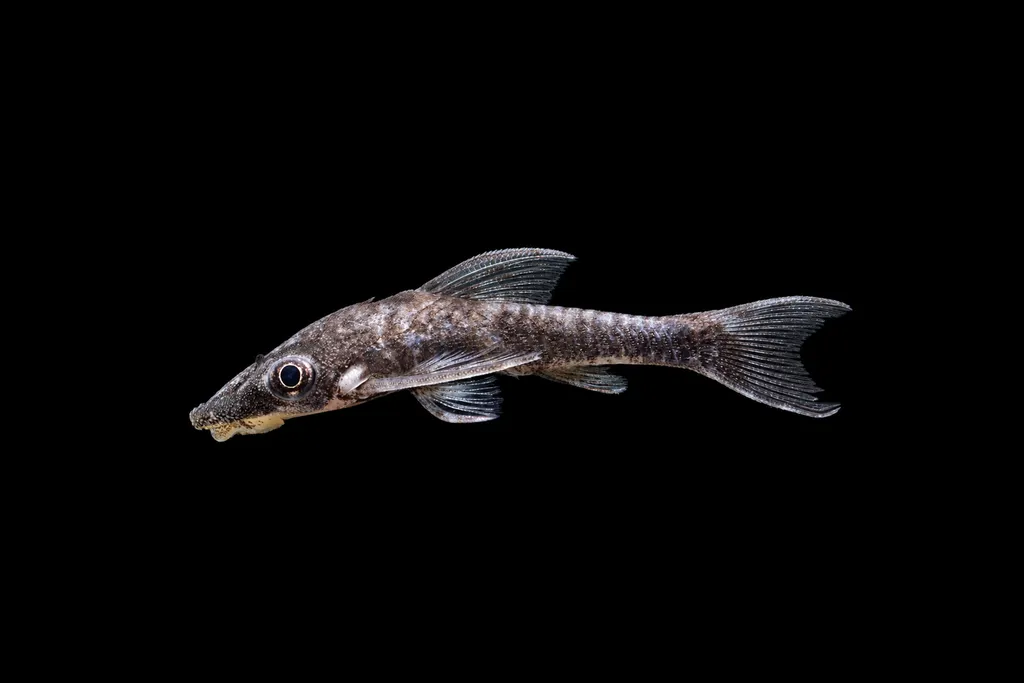
The Vestitus otocinclus is a small, peaceful catfish and a dedicated algae grazer for mature tanks. It needs a keeper with a little experience.
Did you know
The Vestitus otocinclus is one of at least four look-alike species that travel under the one name common oto. A shop tank labeled otocinclus may hold any of several, told apart only by small differences in the markings near the tail.
Caring for the Vestitus otocinclus
Give a shoal of Vestitus otocinclus a tank of at least 14 gal (54 L), mature and planted. They need soft green algae on surfaces, driftwood, leaf litter and calm, well-filtered water. An established tank with a steady supply of grazing is the single most important thing you can give them. They will starve in a bright new tank with nothing to graze, so never add them to a fresh setup.
Keep the water soft to neutral, at 72 to 81°F (22 to 27°C) and a pH of 6.0 to 7.5. They work along the bottom, plants and wood, scraping soft algae and biofilm. Supplement their grazing with algae wafers and blanched vegetables.
The Vestitus otocinclus is a shoaling fish, so keep at least six together. There is no limit on numbers, and a group grazes and rests more confidently than a lone fish. It is peaceful and fits a calm community.
It lays small adhesive eggs on leaves and glass. Breeding it in the aquarium is hard.
Good to know
Otocinclus vestitus is a small armored catfish in the family Loricariidae, and shops sell it as a common or dwarf oto. It grazes with a sucker mouth and is harmless to plants. Most fish in the trade are wild caught.
In the wild
The Vestitus otocinclus comes from quiet, vegetated margins of rivers in the upper Amazon and Madeira drainages, where it grazes films of algae.
Weekly picks
Tank mates
The Vestitus otocinclus is a peaceful, shoaling species that keeps to the bottom. These picks share a community profile with it, are safe together in both directions, and overlap on water type, temperature and pH.
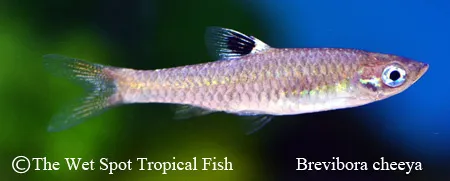
Cheeya rasbora
Brevibora cheeya
Freshwater1.3 in (3.4 cm) · 14 gal (54 L)72–81°F (22–27°C)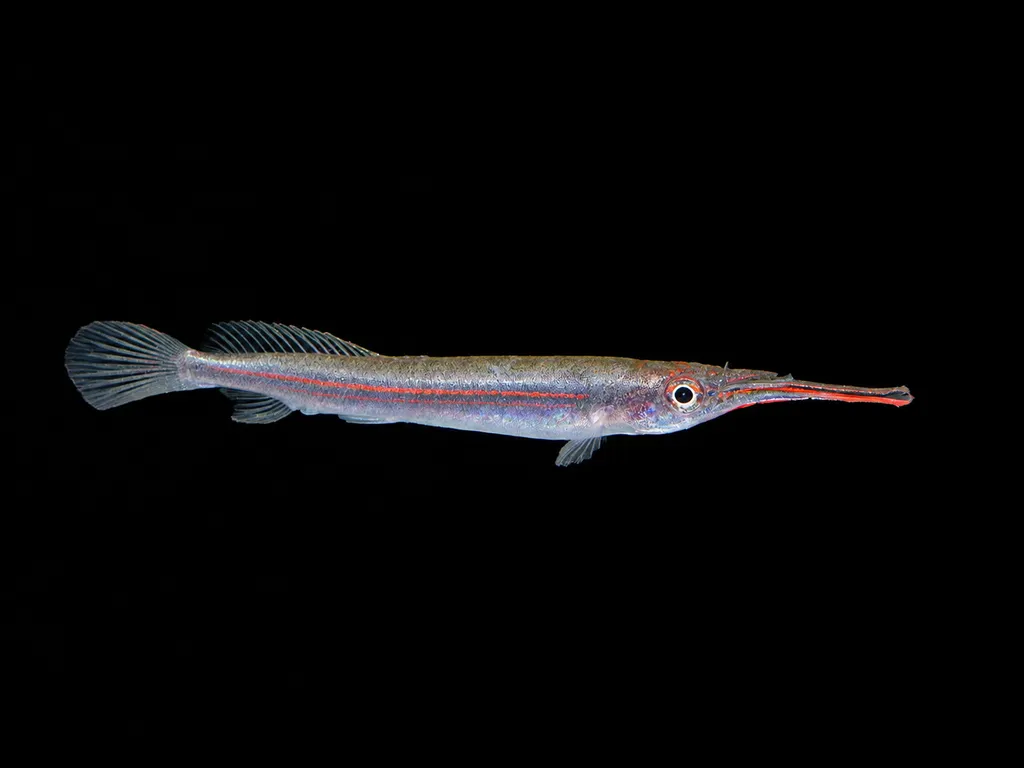
Red line halfbeak
Hemirhamphodon phaiosoma
Freshwater2.6 in (6.5 cm) · 14 gal (54 L)73–81°F (23–27°C)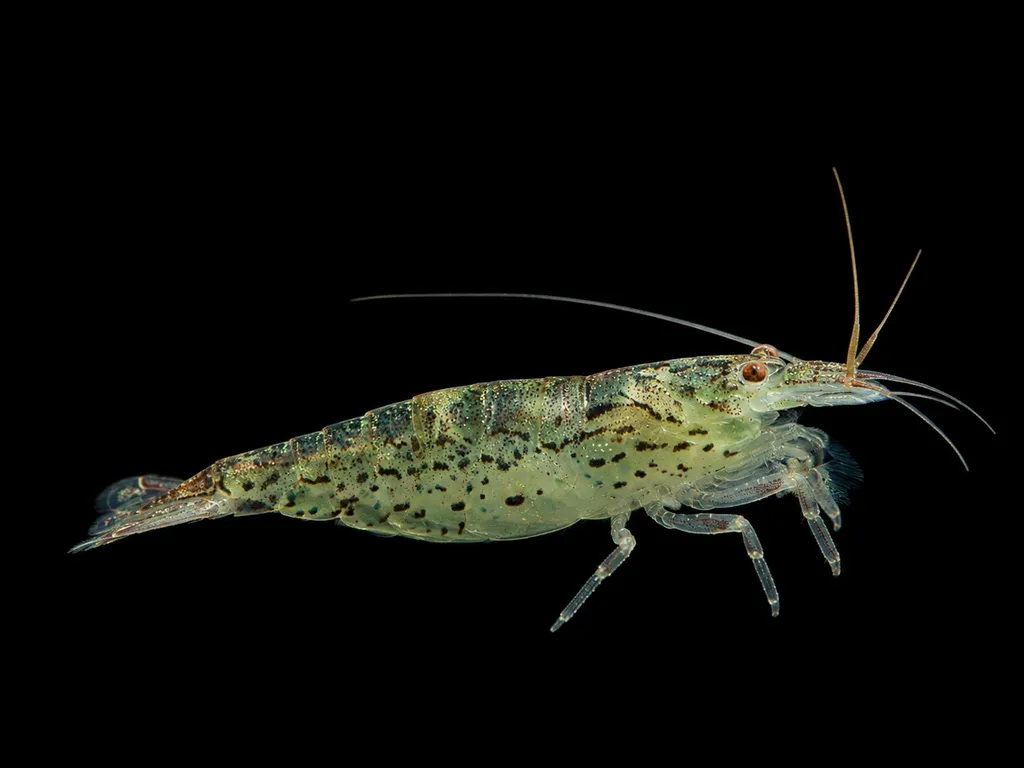
Green lace shrimp
Atyoida pilipes
Freshwater2.8 in (7 cm) · 14 gal (54 L)73–82°F (23–28°C)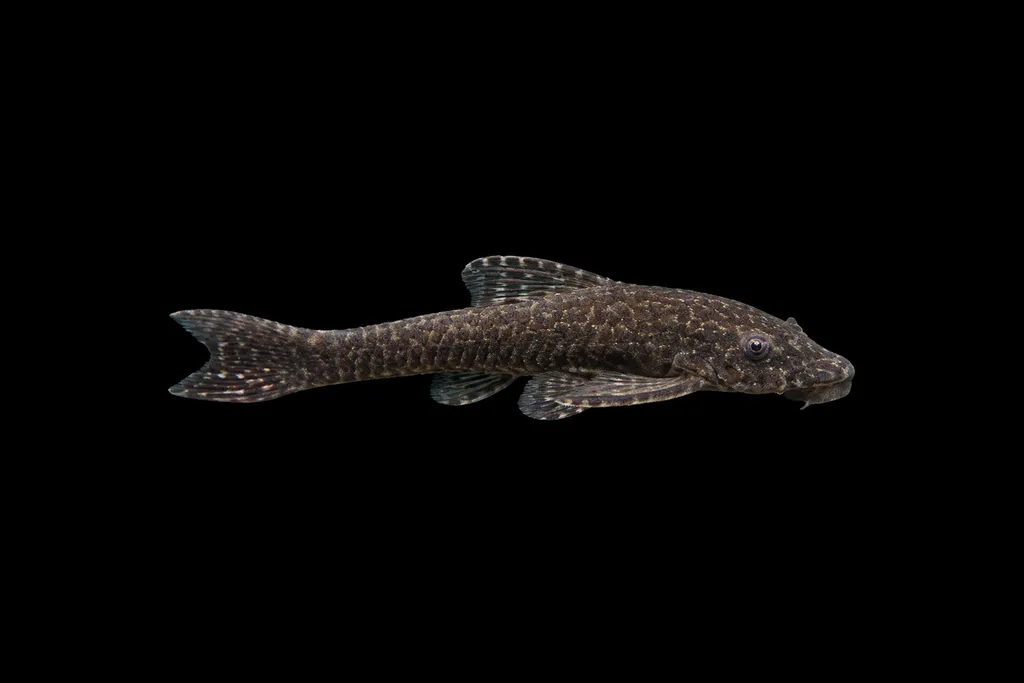
Black otocinclus
Hisonotus notatus
Freshwater2 in (5 cm) · 14 gal (54 L)72–81°F (22–27°C)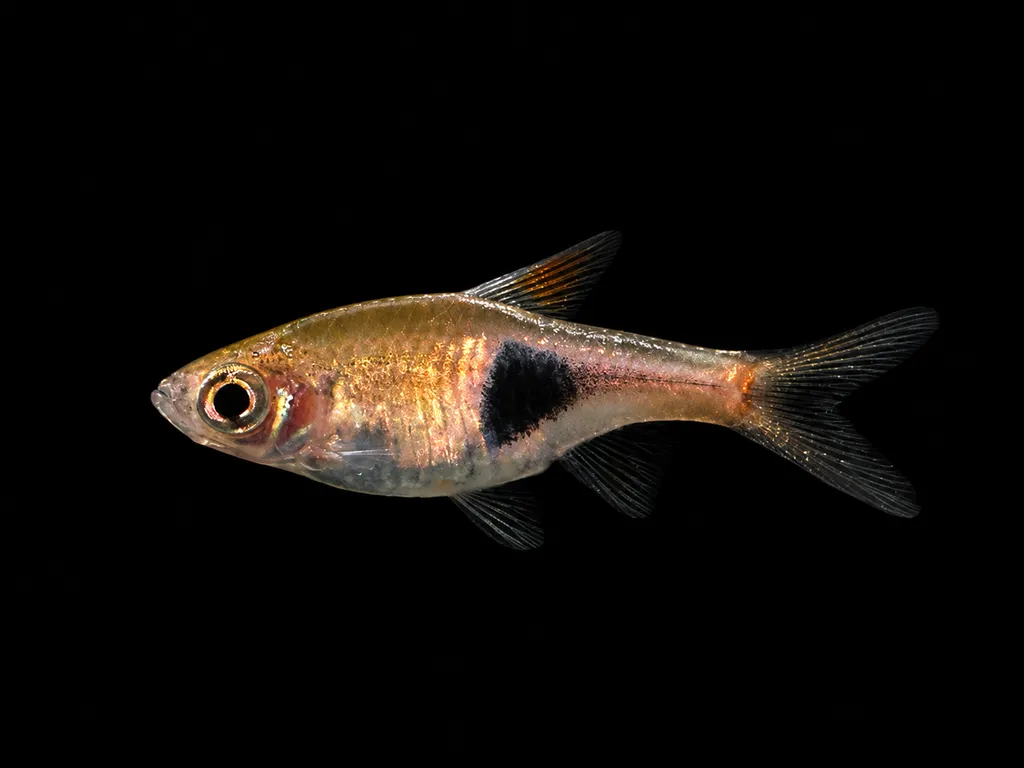
Malayan harlequin rasbora
Trigonostigma truncata
Freshwater1.2 in (3 cm) · 14 gal (54 L)72–81°F (22–27°C)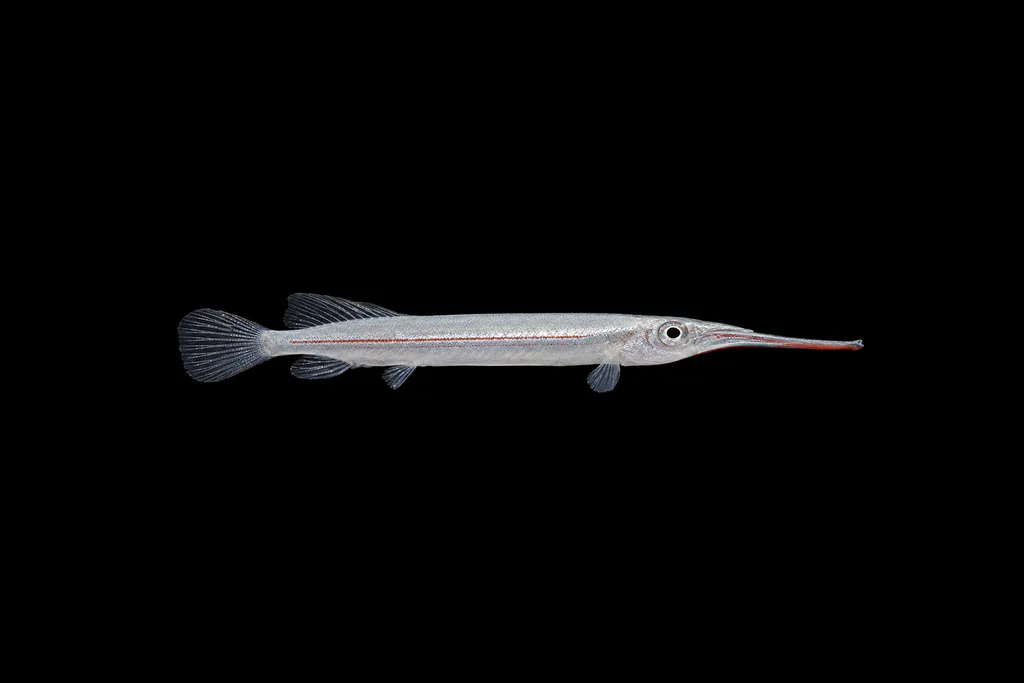
Fire halfbeak
Hemirhamphodon kapuasensis
Freshwater2.4 in (6 cm) · 14 gal (54 L)73–81°F (23–27°C)
Common questions
What size tank does a Vestitus otocinclus need?
A Vestitus otocinclus needs at least 14 gal (54 L). It spends most of its time in the bottom.
What temperature and pH does a Vestitus otocinclus need?
A Vestitus otocinclus is comfortable at 72–81°F (22–27°C) with a pH of 6.0–7.5.
What does a Vestitus otocinclus eat?
A Vestitus otocinclus grazes soft algae and biofilm along the bottom, plants and wood. Supplement it with algae wafers and blanched vegetables.
How big does a Vestitus otocinclus get?
An adult Vestitus otocinclus reaches about 1.6 in (4 cm).
Does a Vestitus otocinclus need a group?
Yes. A Vestitus otocinclus is a shoaling species and should be kept in a group, not singly.
How does a Vestitus otocinclus breed?
A Vestitus otocinclus lays small adhesive eggs on leaves and glass. Breeding it in the aquarium is hard.
Related species
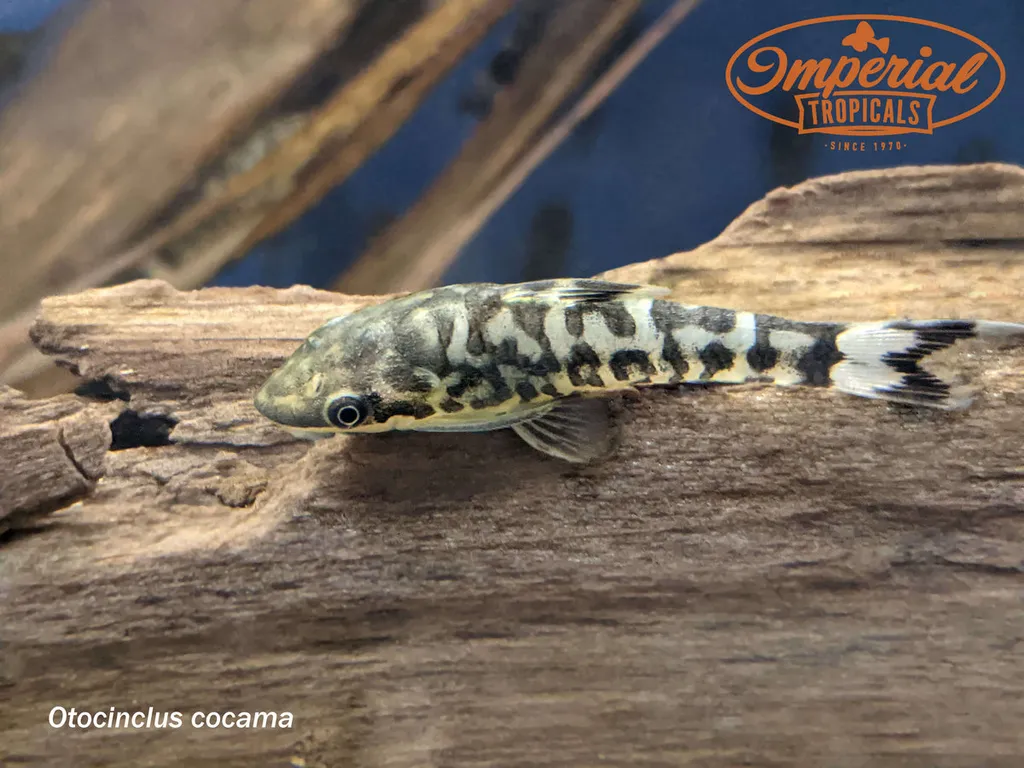 1.8 in (4.5 cm)11 gal (40 L)70–77°F (21–25°C)
Zebra dwarf sucker
Otocinclus cocama
1.8 in (4.5 cm) · 11 gal (40 L)
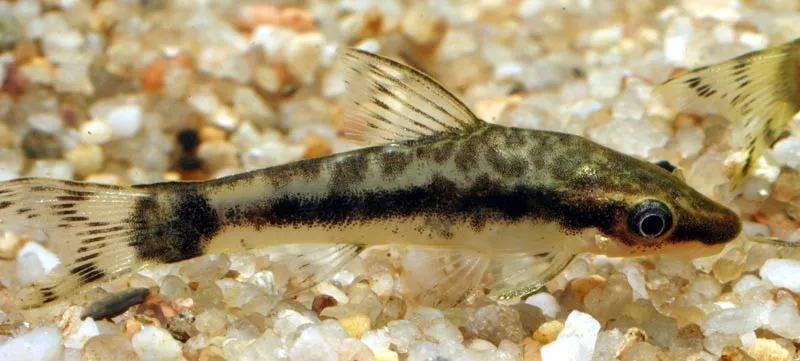 1.4 in (3.5 cm)11 gal (40 L)70–79°F (21–26°C)
Golden dwarf sucker
Otocinclus macrospilus
1.4 in (3.5 cm) · 11 gal (40 L)
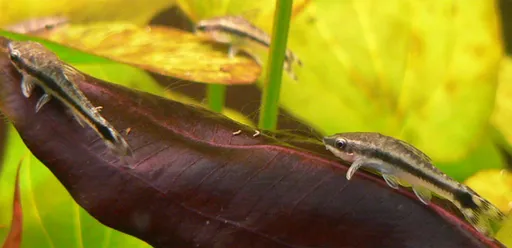 2 in (5 cm)12 gal (46 L)72–79°F (22–26°C)
Common otocinclus
Otocinclus vittatus
2 in (5 cm) · 12 gal (46 L)
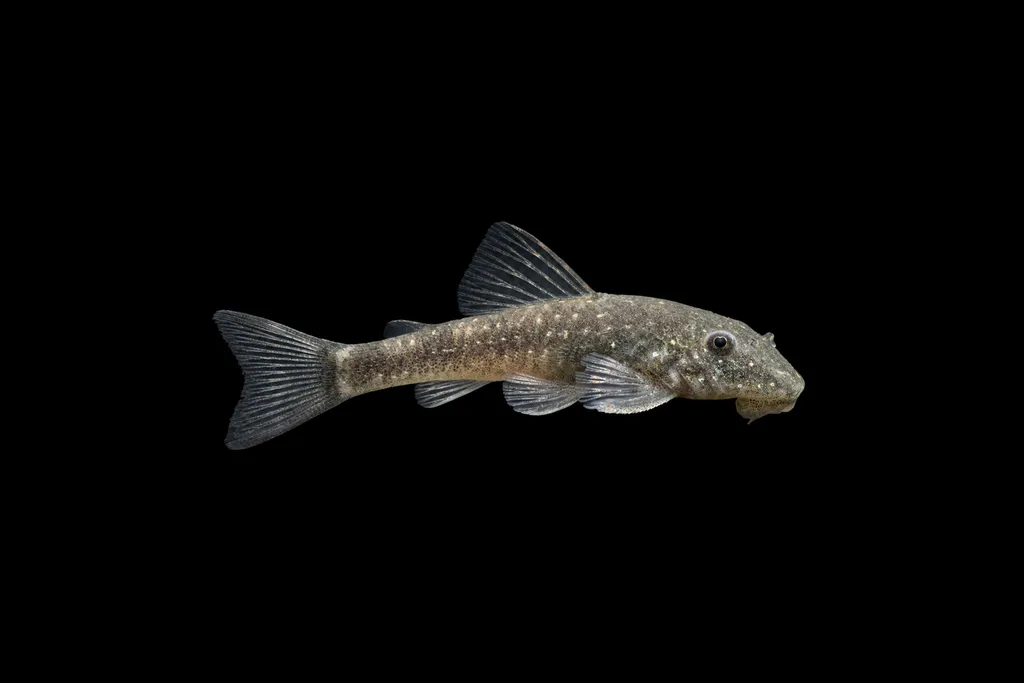 1.6 in (4 cm)14 gal (54 L)72–81°F (22–27°C)
Bahia parotocinclus
Parotocinclus bahiensis
1.6 in (4 cm) · 14 gal (54 L)
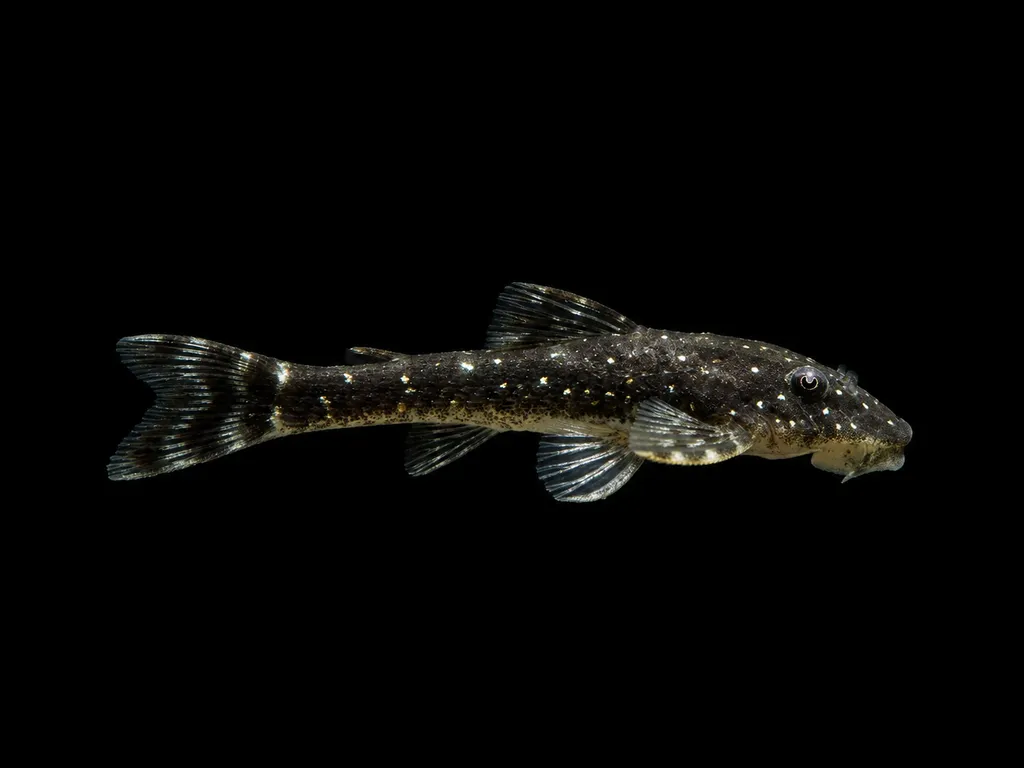 1.6 in (4 cm)14 gal (54 L)75–82°F (24–28°C)
Galaxy otocinclus
Parotocinclus haroldoi
1.6 in (4 cm) · 14 gal (54 L)
 1.6 in (4 cm)14 gal (54 L)75–82°F (24–28°C)
Vampire otocinclus
Nannoptopoma sternoptychum
1.6 in (4 cm) · 14 gal (54 L)