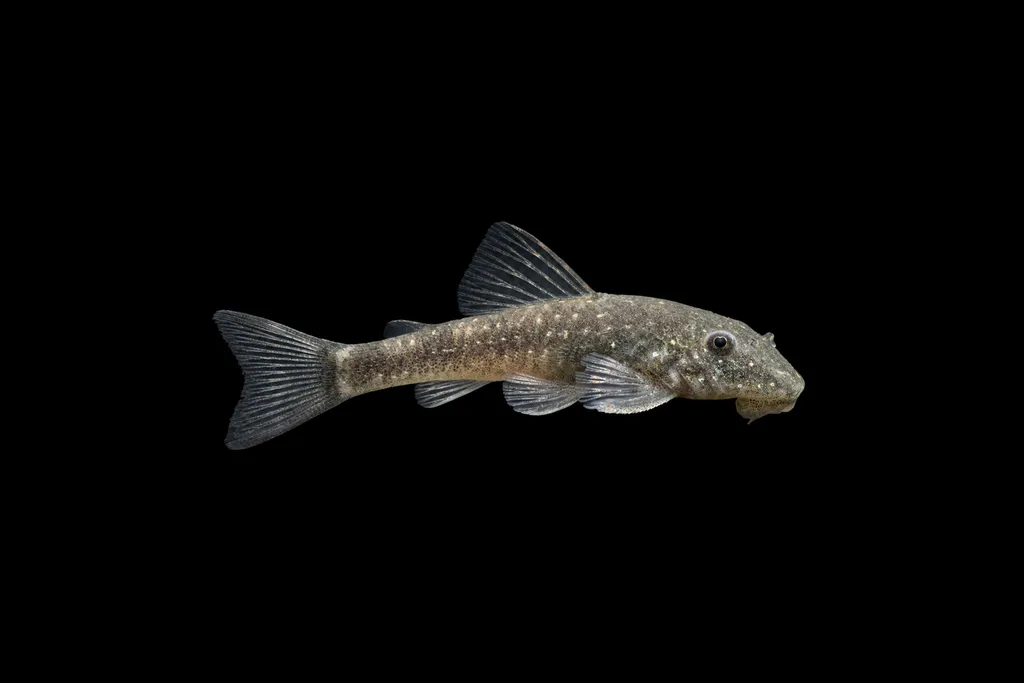
Bahia parotocinclus
Parotocinclus bahiensis
Also known as Bahiensis oto
FreshwaterFish
Care at a glance
- Temperature
- 72–81°F
- 22–27°C
- pH
- 6.0–7.5
- Adult size
- 1.6 in
- 4 cm
- Minimum tank
- 14 gal
- 54 L
- Temperament
- Peaceful
- Social behavior
- Social
- Swim level
- Bottom
- Diet
- Herbivore
- Difficulty
- Medium
- Breeding
- Medium
- Rarity
- Rare
- Family
- Loricariidae
- Origin
- Coastal Bahia streams, Brazil
Overview
The Bahia parotocinclus is a tiny, peaceful algae grazer for the bottom of a mature tank. It is best with a little experience.
Did you know
The Bahia parotocinclus has a fin that true Otocinclus lack, a low, fleshy adipose flap on its back. That extra fin is the easiest way to tell a Parotocinclus from a true oto.
Caring for the Bahia parotocinclus
Keep Bahia parotocinclus in a mature, planted tank of at least 14 gal (54 L), which is enough for a small group. Smooth rocks, some wood and a soft substrate suit them. They need a mature surface film to graze.
Keep the water on the soft side of neutral, at 72 to 81°F (22 to 27°C) and a pH of 6.0 to 7.5. They need clean, stable conditions, so make regular small water changes.
They work over plants, wood and stones through the day, scraping off the fine film of algae and biofilm. That film is their main food. Top it up with a little vegetable matter and gentle prepared foods for grazers.
They are more settled and more active with their own kind around, so keep a handful together. They are small and gentle, so house them only with peaceful nano fish and shrimp that will not harass them. Breeding them is moderately difficult, and they have been bred in aquaria far less often than the common shop otos.
Good to know
Parotocinclus bahiensis is one of the miniature Loricariidae. Most keepers get it as a wild-caught rarity rather than a tank-raised fish. It is also sold as the bahiensis oto.
In the wild
The Bahia parotocinclus comes from small coastal stream systems in Bahia, northeastern Brazil. It grazes stones and plants there in warm, gently flowing water.
Weekly picks
Tank mates
The Bahia parotocinclus is a peaceful, social species that keeps to the bottom. These picks share a community profile with it, are safe together in both directions, and overlap on water type, temperature and pH.
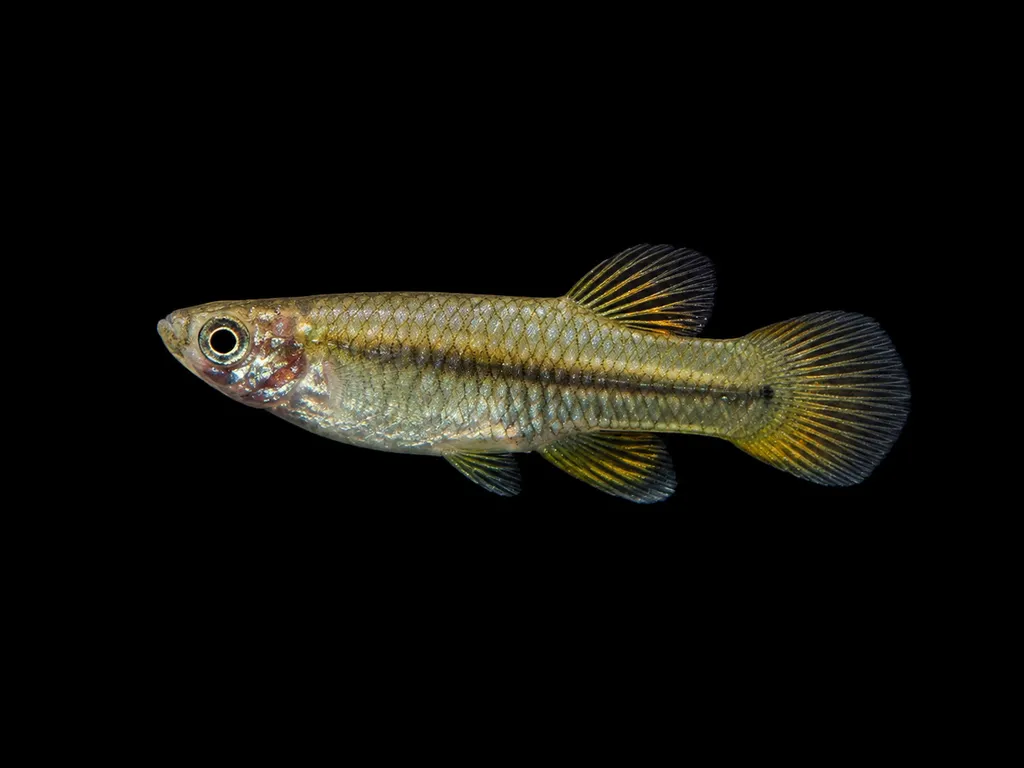
Kidder's livebearer
Carlhubbsia kidderi
Freshwater2 in (5 cm) · 14 gal (54 L)72–81°F (22–27°C)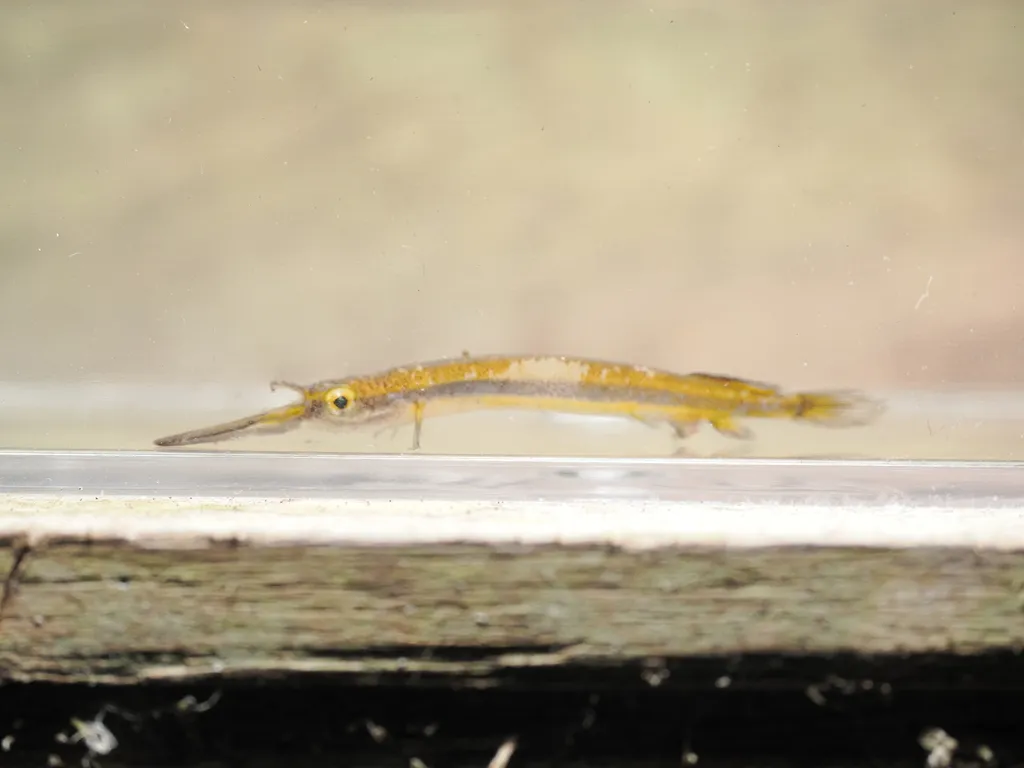
Gold-spotted halfbeak
Hemirhamphodon chrysopunctatus
Freshwater2.6 in (6.5 cm) · 14 gal (54 L)73–81°F (23–27°C)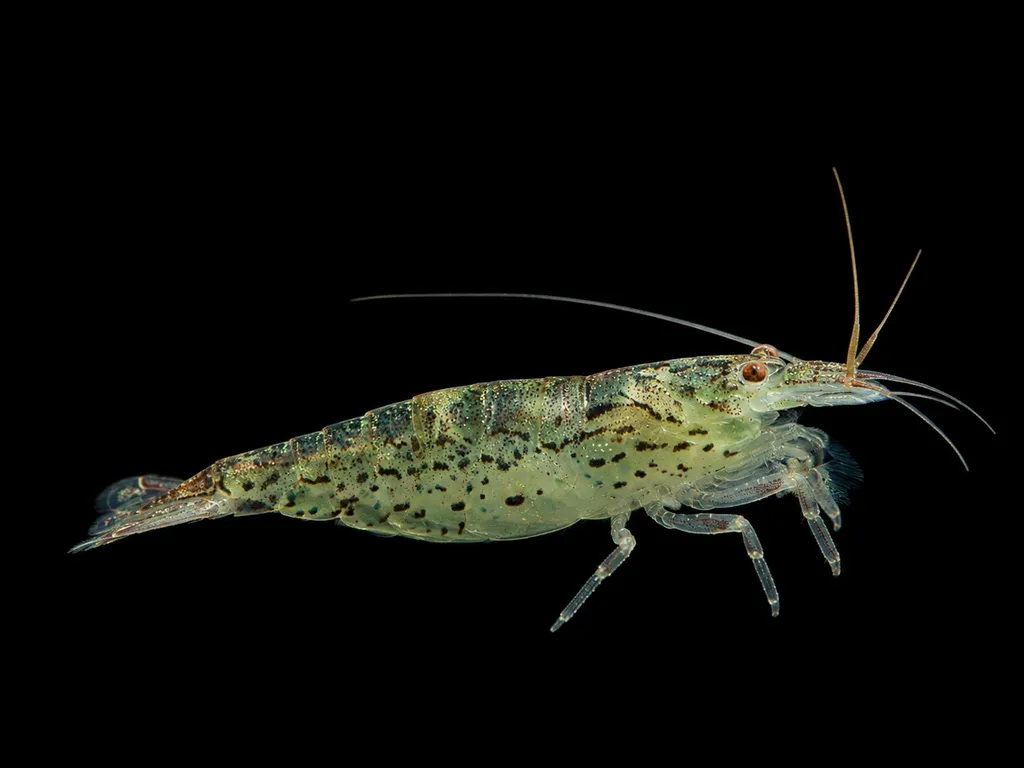
Green lace shrimp
Atyoida pilipes
Freshwater2.8 in (7 cm) · 14 gal (54 L)73–82°F (23–28°C)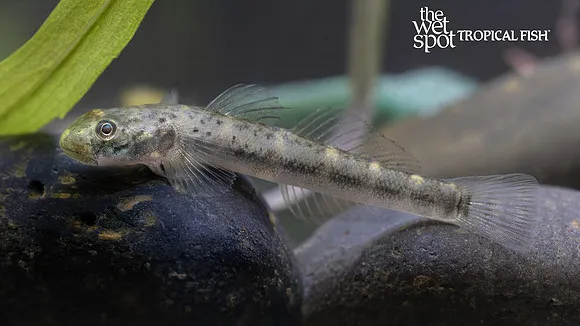
African algae-eating goby
Parasicydium bandama
Freshwater2.2 in (5.5 cm) · 14 gal (54 L)73–81°F (23–27°C)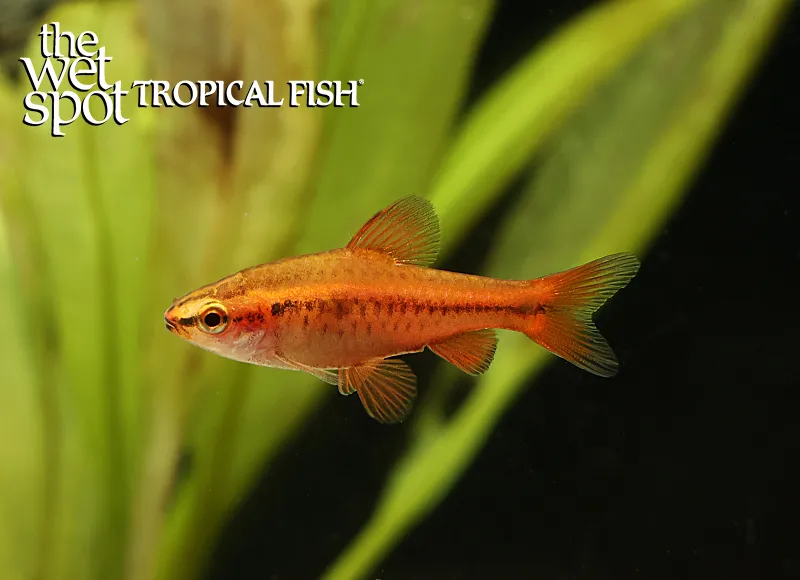
Cherry barb
Rohanella titteya
Freshwater2 in (5 cm) · 14 gal (54 L)72–81°F (22–27°C)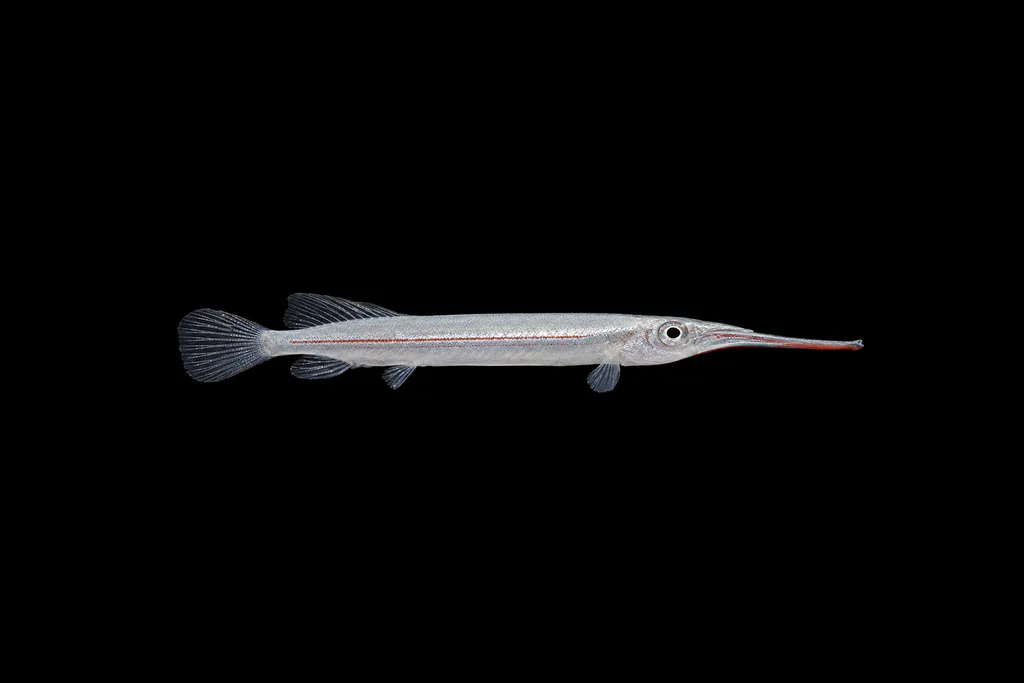
Fire halfbeak
Hemirhamphodon kapuasensis
Freshwater2.4 in (6 cm) · 14 gal (54 L)73–81°F (23–27°C)
Common questions
What size tank does a Bahia parotocinclus need?
A Bahia parotocinclus needs at least 14 gal (54 L). It spends most of its time in the bottom.
What temperature and pH does a Bahia parotocinclus need?
A Bahia parotocinclus is comfortable at 72–81°F (22–27°C) with a pH of 6.0–7.5.
What does a Bahia parotocinclus eat?
A Bahia parotocinclus eats the fine film of algae and biofilm that it scrapes from plants, wood and stones. Top that up with a little vegetable matter and gentle prepared foods for grazers.
How big does a Bahia parotocinclus get?
An adult Bahia parotocinclus reaches about 1.6 in (4 cm).
Related species
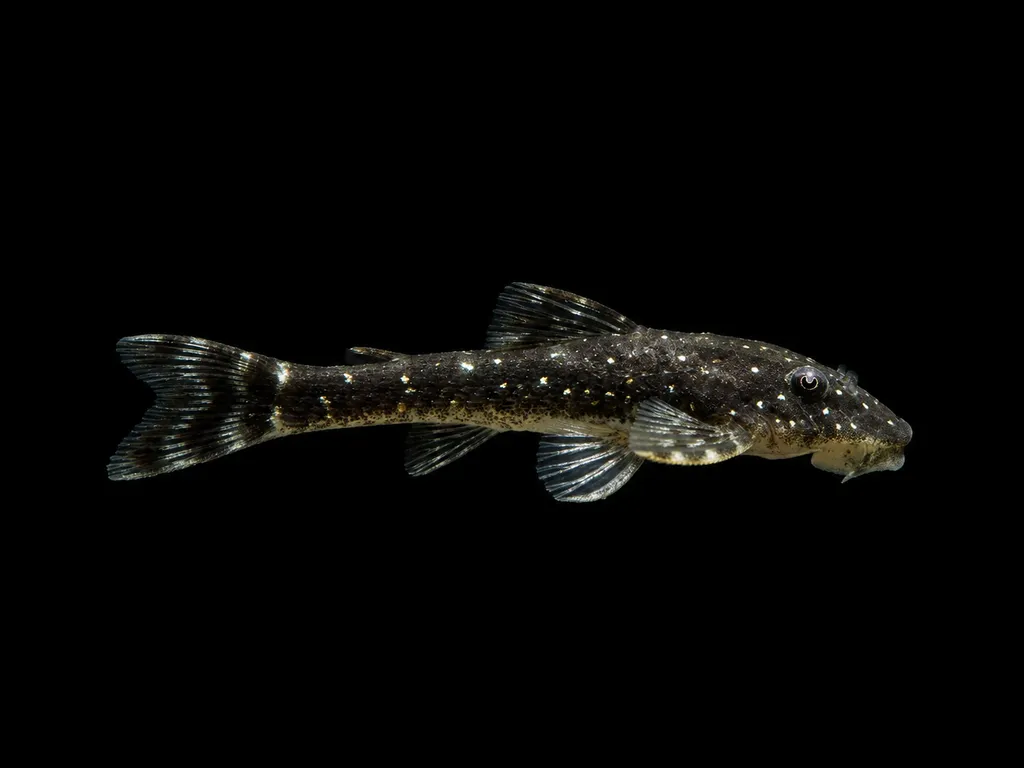 1.6 in (4 cm)14 gal (54 L)75–82°F (24–28°C)
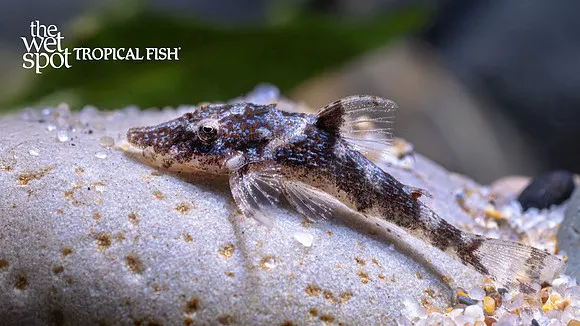
Galaxy otocinclus
Parotocinclus haroldoi
1.6 in (4 cm) · 14 gal (54 L)
 1.4 in (3.5 cm)14 gal (54 L)75–82°F (24–28°C)
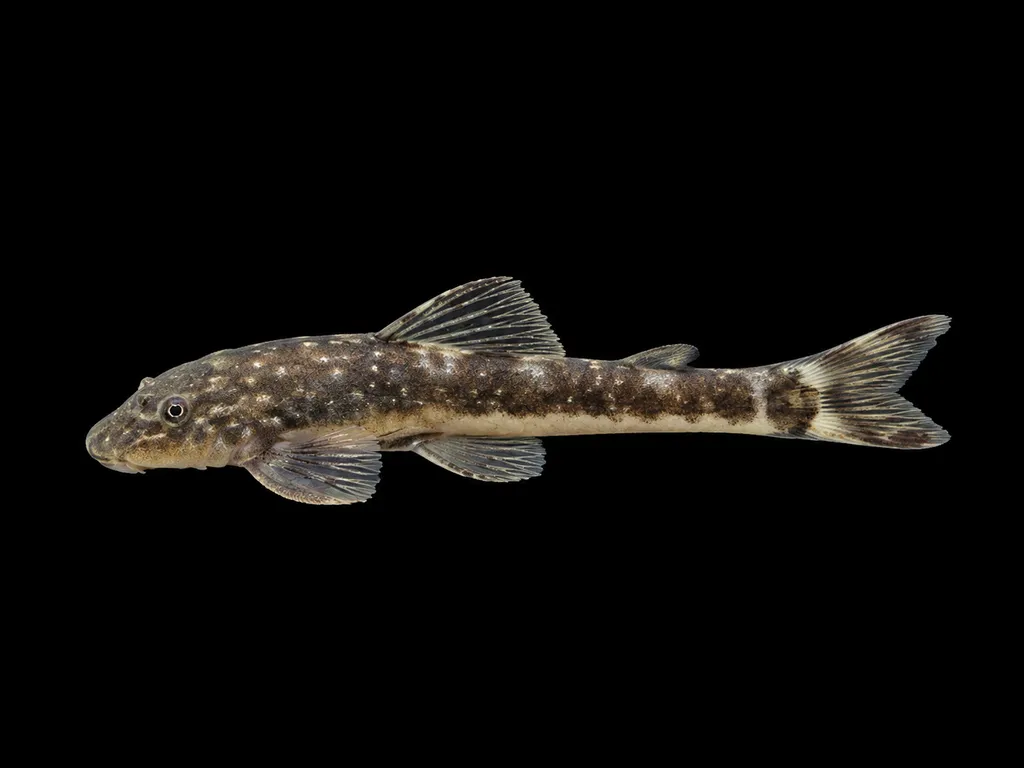
Peppermint otocinclus
Parotocinclus eppleyi
1.4 in (3.5 cm) · 14 gal (54 L)
 2 in (5 cm)14 gal (54 L)72–81°F (22–27°C)
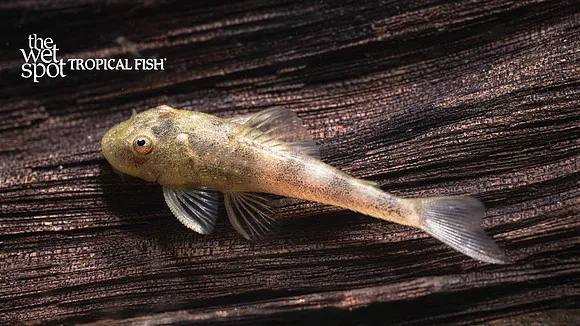
Ceará parotocinclus
Parotocinclus cearensis
2 in (5 cm) · 14 gal (54 L)
 2.4 in (6 cm)14 gal (54 L)75–82°F (24–28°C)
Gold spot otocinclus
Parotocinclus spilosoma
2.4 in (6 cm) · 14 gal (54 L)
 2.4 in (6 cm)20 gal (75 L)72–81°F (22–27°C)
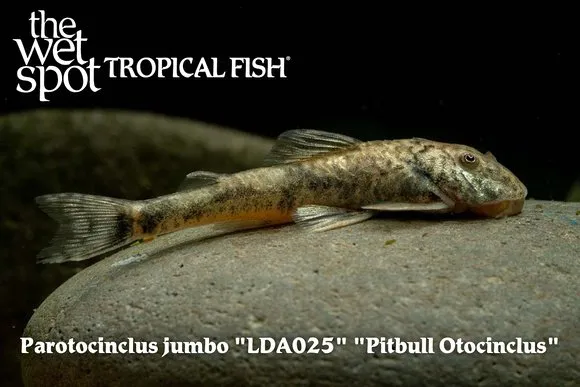
Pit bull otocinclus
Parotocinclus jumbo
2.4 in (6 cm) · 20 gal (75 L)
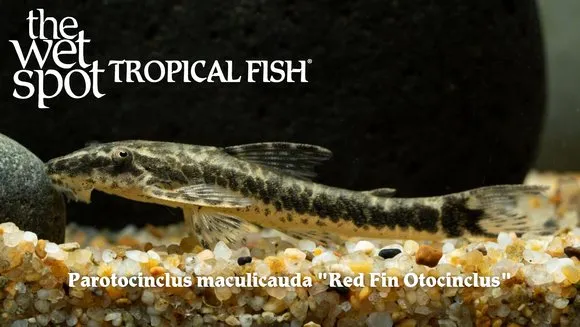 2.4 in (6 cm)14 gal (54 L)72–81°F (22–27°C)
Red fin otocinclus
Parotocinclus maculicauda
2.4 in (6 cm) · 14 gal (54 L)