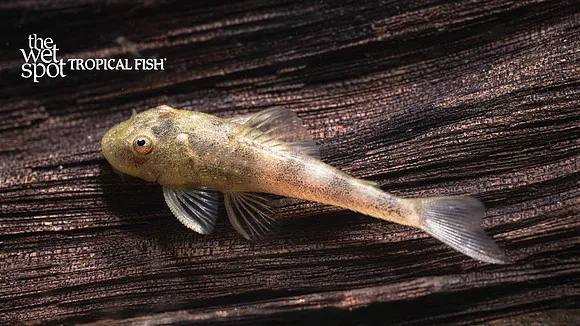
Gold spot otocinclus
Parotocinclus spilosoma
Also known as Spilosoma oto
FreshwaterFish
Care at a glance
- Temperature
- 75–82°F
- 24–28°C
- pH
- 6.0–7.5
- Adult size
- 2.4 in
- 6 cm
- Minimum tank
- 14 gal
- 54 L
- Temperament
- Peaceful
- Social behavior
- Social
- Swim level
- Bottom
- Diet
- Herbivore
- Difficulty
- Medium
- Breeding
- Egg scatterer · Medium
- Rarity
- Rare
- Family
- Loricariidae
- Origin
- Paraíba basin, northeastern Brazil
Overview
The gold spot otocinclus is a little catfish that grazes its way around a calm community tank. It is a step up from the beginner fish.
Did you know
The gold spot otocinclus is only rarely seen in the aquarium hobby. Its far-eastern Brazilian home is off-limits for export.
Caring for the gold spot otocinclus
Give gold spot otocinclus a tank of at least 14 gal (54 L), which holds a small group comfortably. Use a fine substrate and smooth stones, with wood for biofilm to grow on.
Keep the water soft to neutral, at 75 to 82°F (24 to 28°C) with a pH of 6.0 to 7.5. Hold conditions clean and stable.
They spend their time scraping algae and biofilm from stones, wood and leaves. Feed a base of natural algae and biofilm, topped up with algae wafers and blanched vegetables.
Gold spot otocinclus are social and can live alone, but a group of several will patrol the tank together. They are peaceful and completely harmless to tank mates. House them with small, calm community fish that will not bully them off their food. They scatter adhesive eggs across firm surfaces, and spawning them is of moderate difficulty.
Good to know
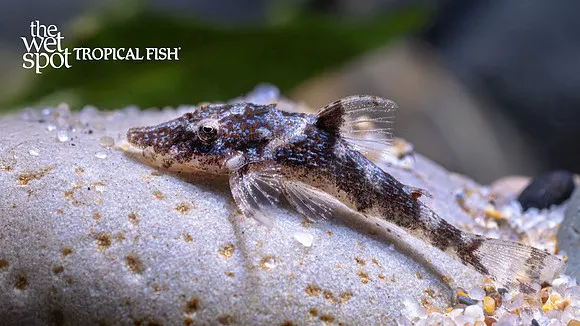
Parotocinclus spilosoma is a dwarf loricariid whose name means spotted body, from the Greek for spot and body. Unlike the true Otocinclus, it has a small adipose fin, one of the features that separates the genus. Its dark body is mottled with a dusting of gold.
In the wild
The gold spot otocinclus lives in the Paraíba basin of northeastern Brazil. Its home creeks are shallow and clear, with a gentle current over sand and rock and some plant growth at the margins.
Weekly picks
Tank mates
The gold spot otocinclus is a peaceful, social species that keeps to the bottom. These picks share a community profile with it, are safe together in both directions, and overlap on water type, temperature and pH.
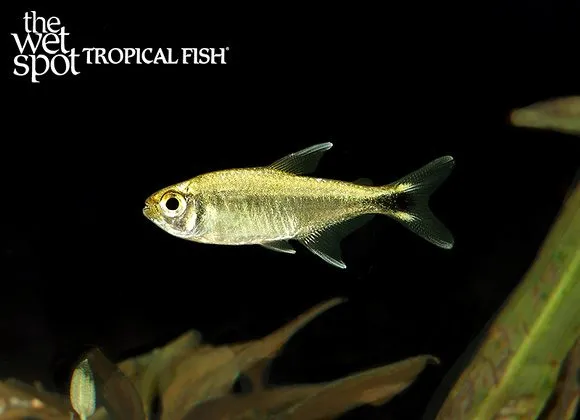
Colombian gold tetra
Hyphessobrycon saizi
Freshwater1.4 in (3.5 cm) · 14 gal (54 L)73–82°F (23–28°C)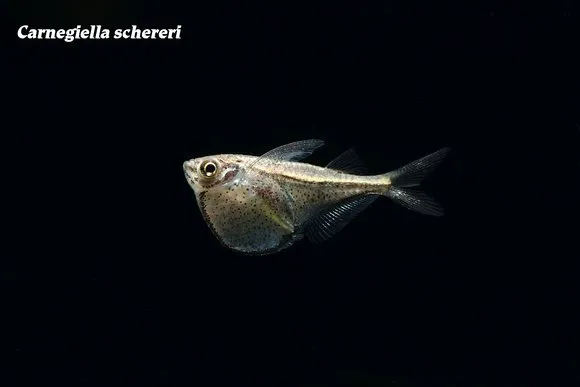
Scherer's hatchetfish
Carnegiella schereri
Freshwater1 in (2.6 cm) · 14 gal (54 L)73–82°F (23–28°C)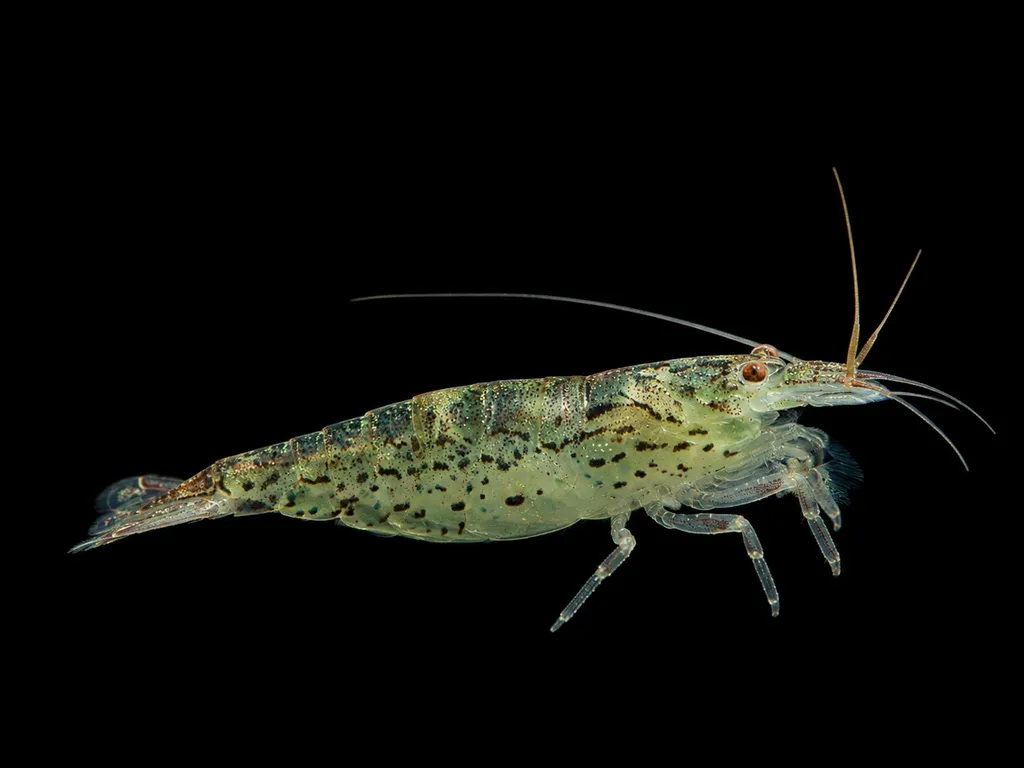
Green lace shrimp
Atyoida pilipes
Freshwater2.8 in (7 cm) · 14 gal (54 L)73–82°F (23–28°C)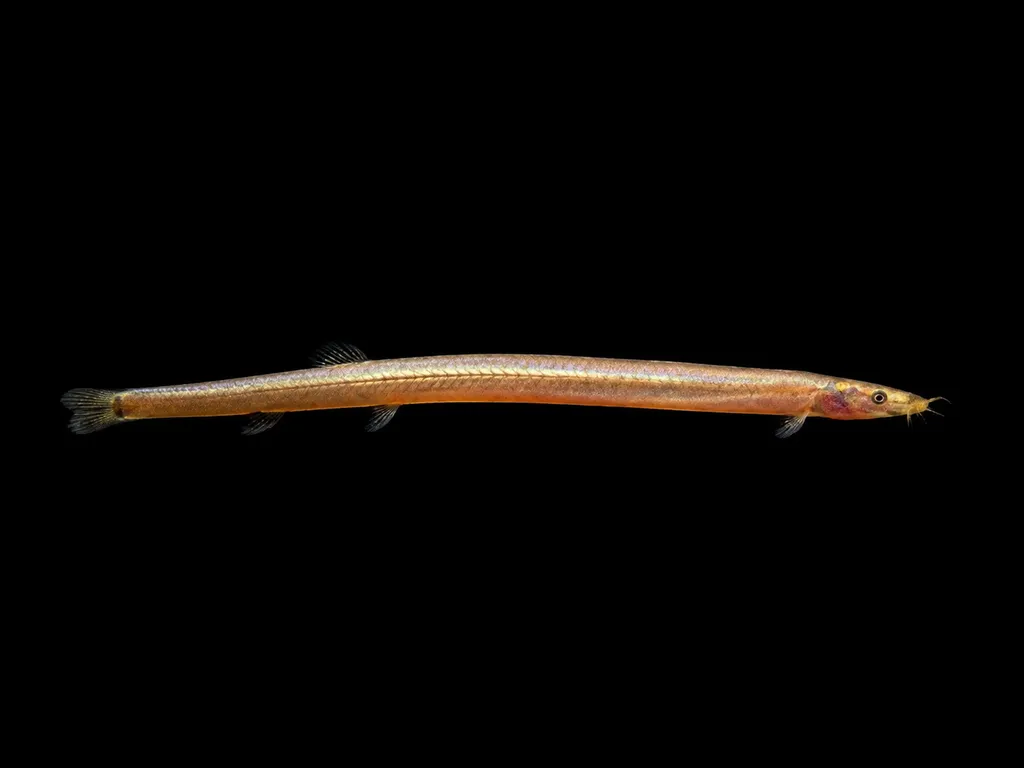
Sumatran neon loach
Pangio bitaimac
Freshwater3.7 in (9.5 cm) · 14 gal (54 L)73–82°F (23–28°C)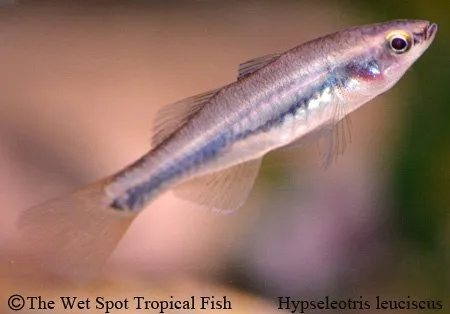
Blue neon carnival gudgeon
Hypseleotris leuciscus
Freshwater2 in (5 cm) · 14 gal (54 L)75–82°F (24–28°C)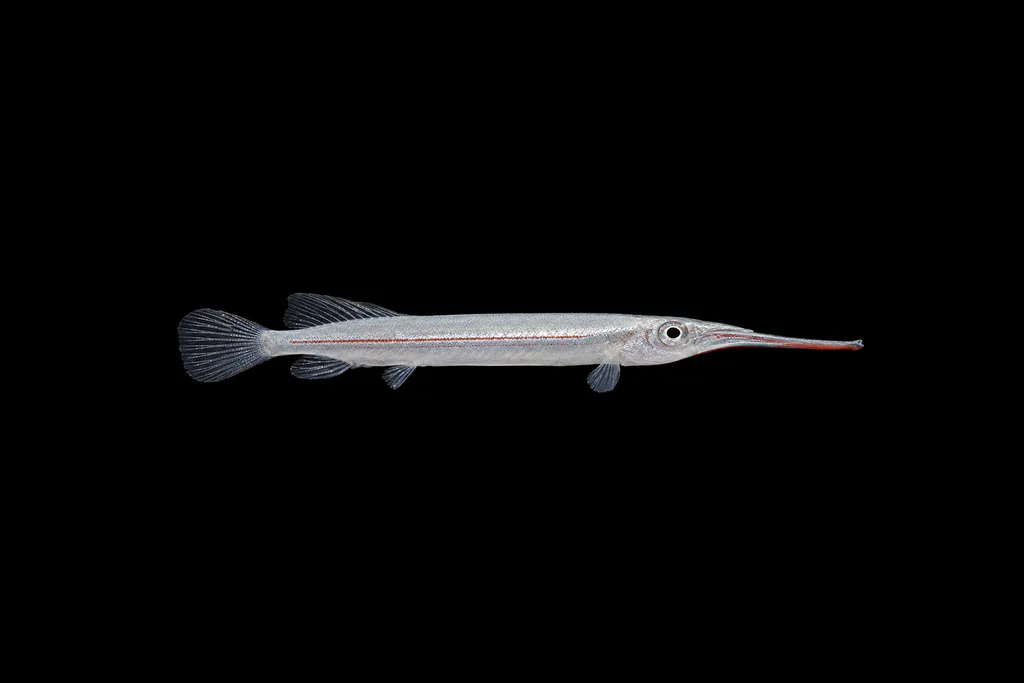
Fire halfbeak
Hemirhamphodon kapuasensis
Freshwater2.4 in (6 cm) · 14 gal (54 L)73–81°F (23–27°C)
Common questions
What size tank does a gold spot otocinclus need?
A gold spot otocinclus needs at least 14 gal (54 L). It spends most of its time in the bottom.
What temperature and pH does a gold spot otocinclus need?
A gold spot otocinclus is comfortable at 75–82°F (24–28°C) with a pH of 6.0–7.5.
What does a gold spot otocinclus eat?
A gold spot otocinclus scrapes algae and biofilm from stones, wood and leaves. Top up that natural food with algae wafers and blanched vegetables.
How big does a gold spot otocinclus get?
An adult gold spot otocinclus reaches about 2.4 in (6 cm).
How does a gold spot otocinclus breed?
A gold spot otocinclus scatters adhesive eggs across firm surfaces. Spawning it is of moderate difficulty.
Related species
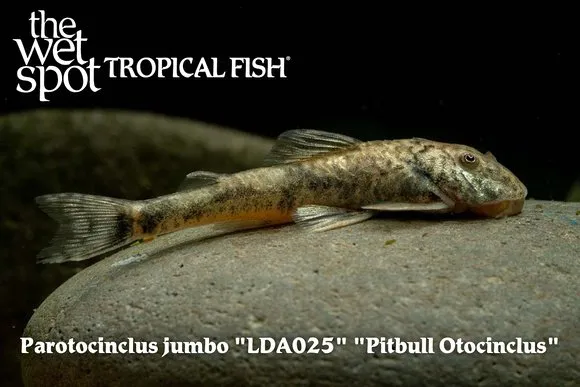 2.4 in (6 cm)20 gal (75 L)72–81°F (22–27°C)
Pit bull otocinclus
Parotocinclus jumbo
2.4 in (6 cm) · 20 gal (75 L)
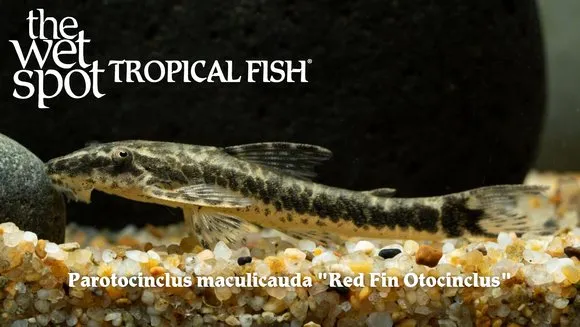 2.4 in (6 cm)14 gal (54 L)72–81°F (22–27°C)
Red fin otocinclus
Parotocinclus maculicauda
2.4 in (6 cm) · 14 gal (54 L)
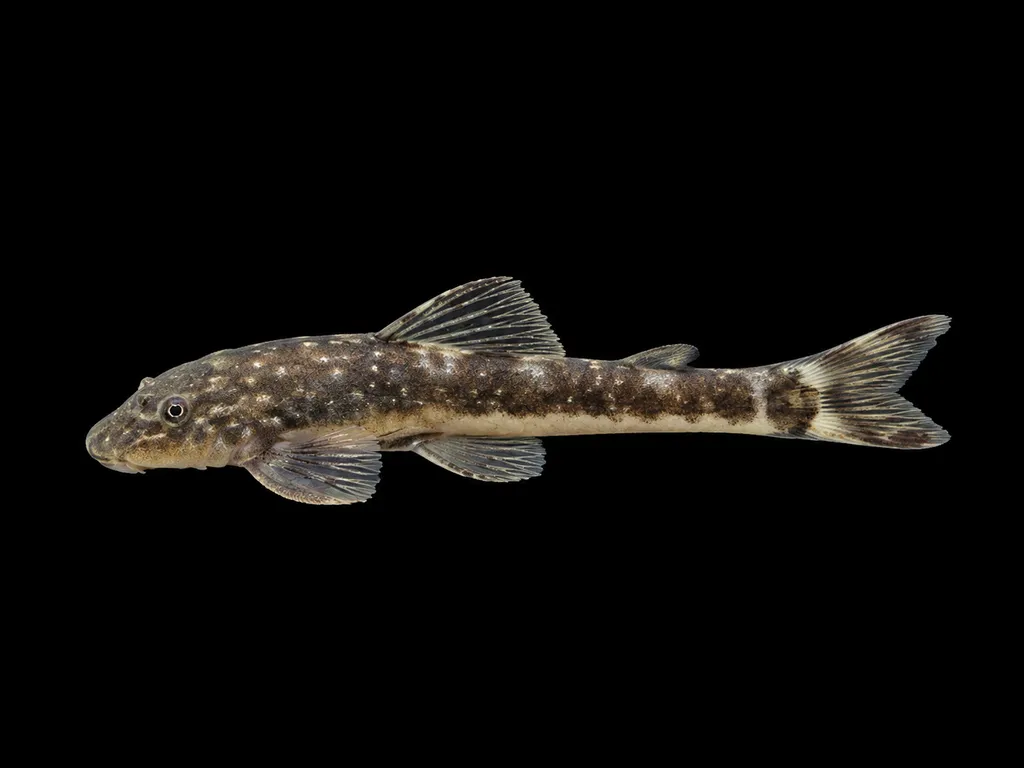 2 in (5 cm)14 gal (54 L)72–81°F (22–27°C)
Ceará parotocinclus
Parotocinclus cearensis
2 in (5 cm) · 14 gal (54 L)
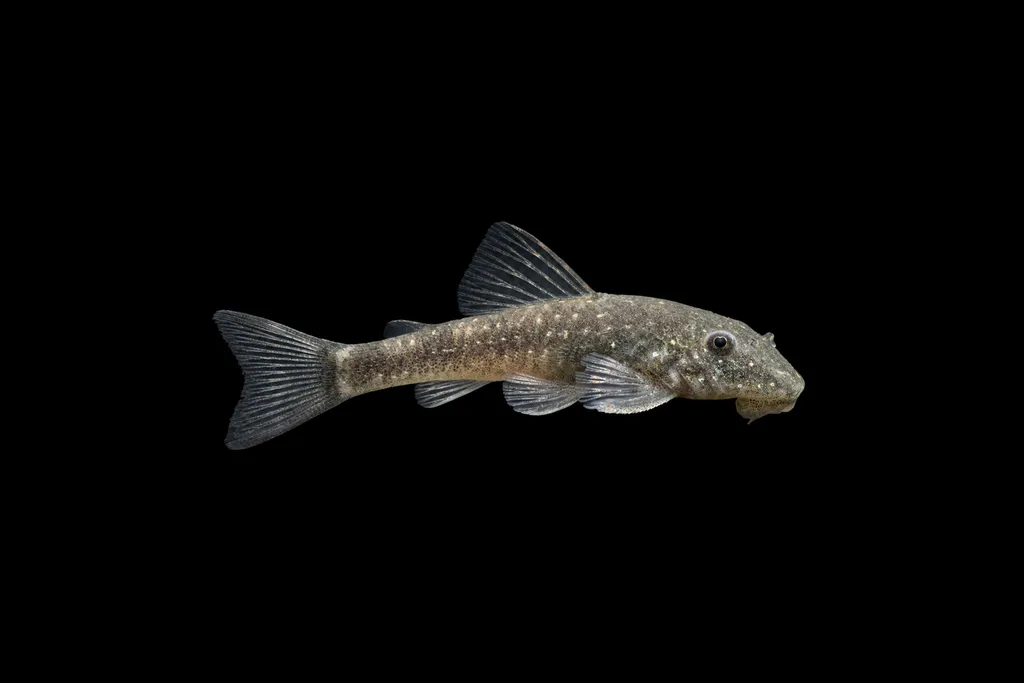 1.6 in (4 cm)14 gal (54 L)72–81°F (22–27°C)
Bahia parotocinclus
Parotocinclus bahiensis
1.6 in (4 cm) · 14 gal (54 L)
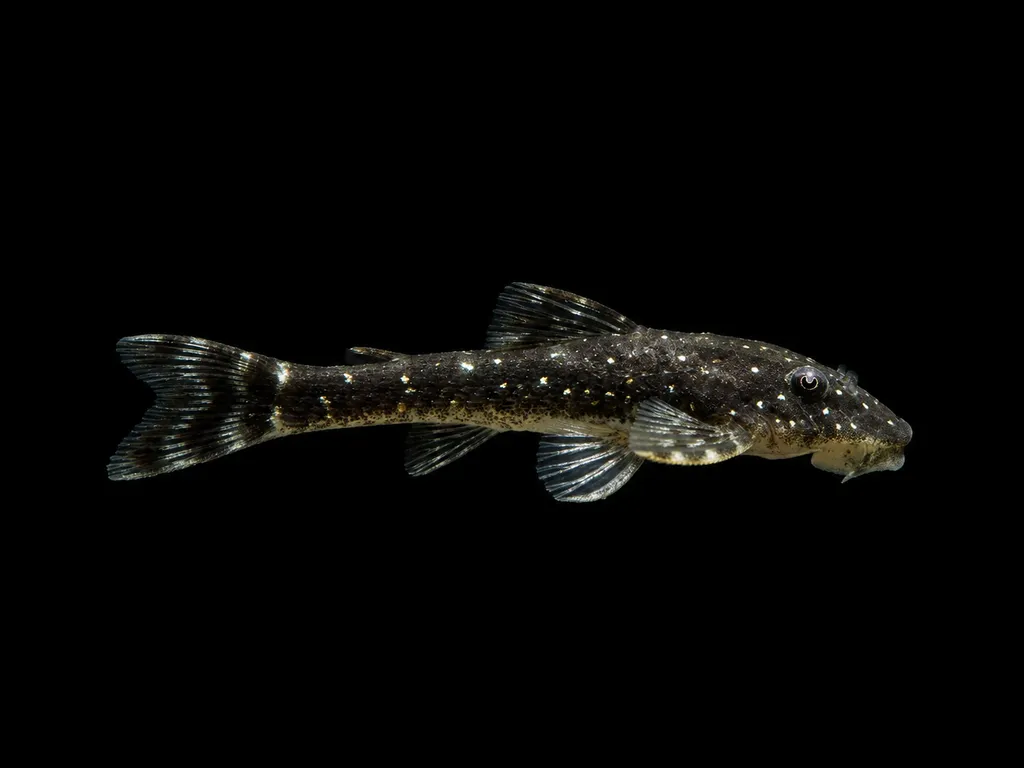 1.6 in (4 cm)14 gal (54 L)75–82°F (24–28°C)
Galaxy otocinclus
Parotocinclus haroldoi
1.6 in (4 cm) · 14 gal (54 L)
 1.4 in (3.5 cm)14 gal (54 L)75–82°F (24–28°C)
Peppermint otocinclus
Parotocinclus eppleyi
1.4 in (3.5 cm) · 14 gal (54 L)