Red fin otocinclus
Parotocinclus maculicauda
Also known as Maculicauda oto
FreshwaterFish
Care at a glance
- Temperature
- 72–81°F
- 22–27°C
- pH
- 6.0–7.5
- Adult size
- 2.4 in
- 6 cm
- Minimum tank
- 14 gal
- 54 L
- Temperament
- Peaceful
- Social behavior
- Social
- Swim level
- Bottom
- Diet
- Herbivore
- Difficulty
- Medium
- Breeding
- Egg scatterer · Medium
- Rarity
- Rare
- Family
- Loricariidae
- Origin
- Coastal southeastern Brazil
Overview
The red fin otocinclus is a small, hardy grazing catfish and a classic of the hobby. It works the bottom and lower surfaces, rasping biofilm and soft algae from stone, wood and leaves. It suits a keeper with a little experience.
Did you know
The red fin otocinclus turned invader in one southeastern Brazilian stream, where it was introduced outside its native range. Over about fifteen years it gradually displaced the much larger native common pleco. It is a rare case of a tiny suckermouth pushing out a big one.
Caring for the red fin otocinclus
A group of red fin otocinclus settles comfortably in a tank of 14 gal (54 L) or more. Set it up with smooth stones, driftwood and plants over sand or fine gravel, so there is plenty of grazing surface.
Keep the water mild, at 72 to 81°F (22 to 27°C), with a pH of 6.0 to 7.5. It should be clean, well oxygenated and gently flowing. This fish tolerates cooler water than most tropical fish, and it handles the lower end of that range better than most catfish.
Keep the tank mature enough to grow a grazing film for it. Supplement that film with algae wafers and blanched vegetables.
The red fin otocinclus is social and fine alone, though a group of six or more suits it better. It is completely peaceful and community safe, and it fits calm, temperate-leaning communities.
Breeding is of moderate difficulty. It scatters its eggs on surfaces and gives no parental care. Soft, acidic water and a mature grazing tank help the fry through.
Good to know
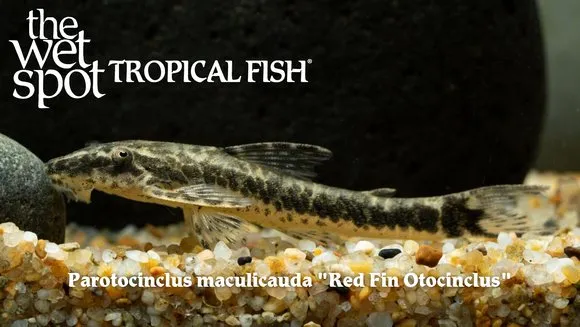
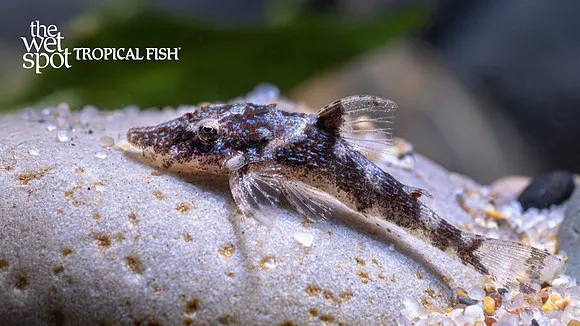
The red fin otocinclus, Parotocinclus maculicauda, is a dwarf catfish in the family Loricariidae. It is gray with faintly red-tinted fin spines and a dark blotch at the tail base. The species name maculicauda means spotted tail, after that mark.
In the wild
The red fin otocinclus is native to the cooler coastal rivers of southeastern Brazil, from Santa Catarina to Espirito Santo. There it grazes over rock and wood among submerged plants, in a subtropical home.
Weekly picks
Tank mates
The red fin otocinclus is a peaceful, social species that keeps to the bottom. These picks share a community profile with it, are safe together in both directions, and overlap on water type, temperature and pH.
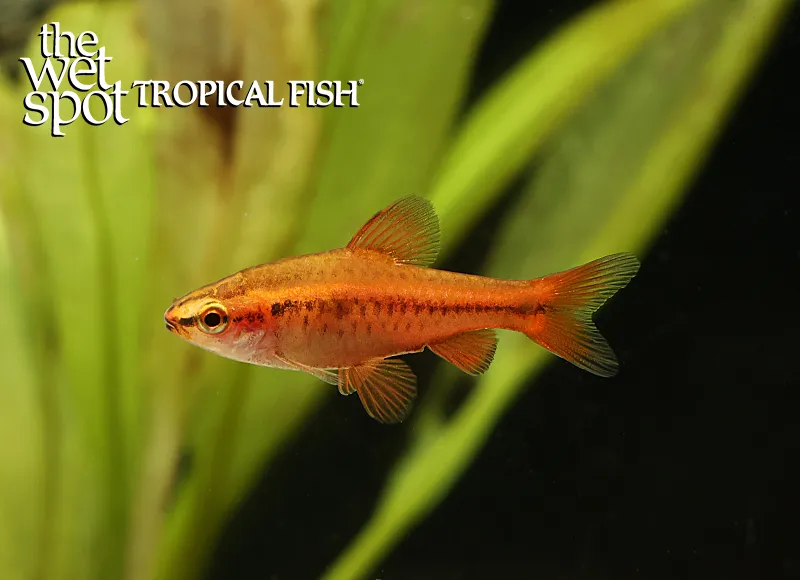
Cherry barb
Rohanella titteya
Freshwater2 in (5 cm) · 14 gal (54 L)72–81°F (22–27°C)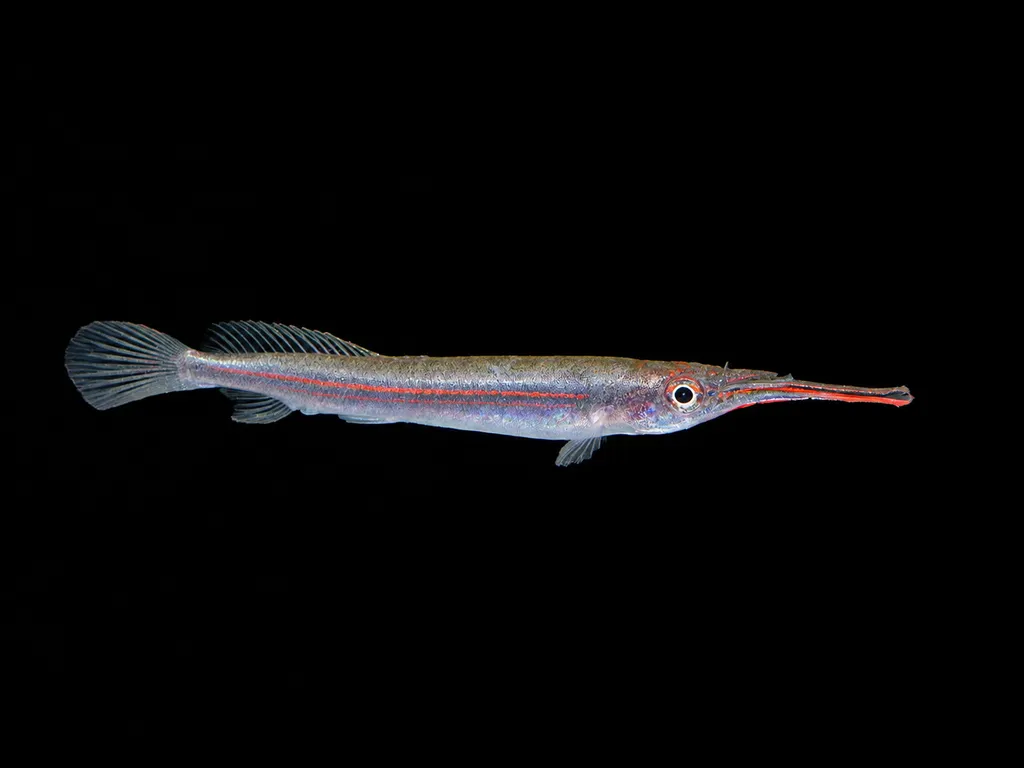
Red line halfbeak
Hemirhamphodon phaiosoma
Freshwater2.6 in (6.5 cm) · 14 gal (54 L)73–81°F (23–27°C)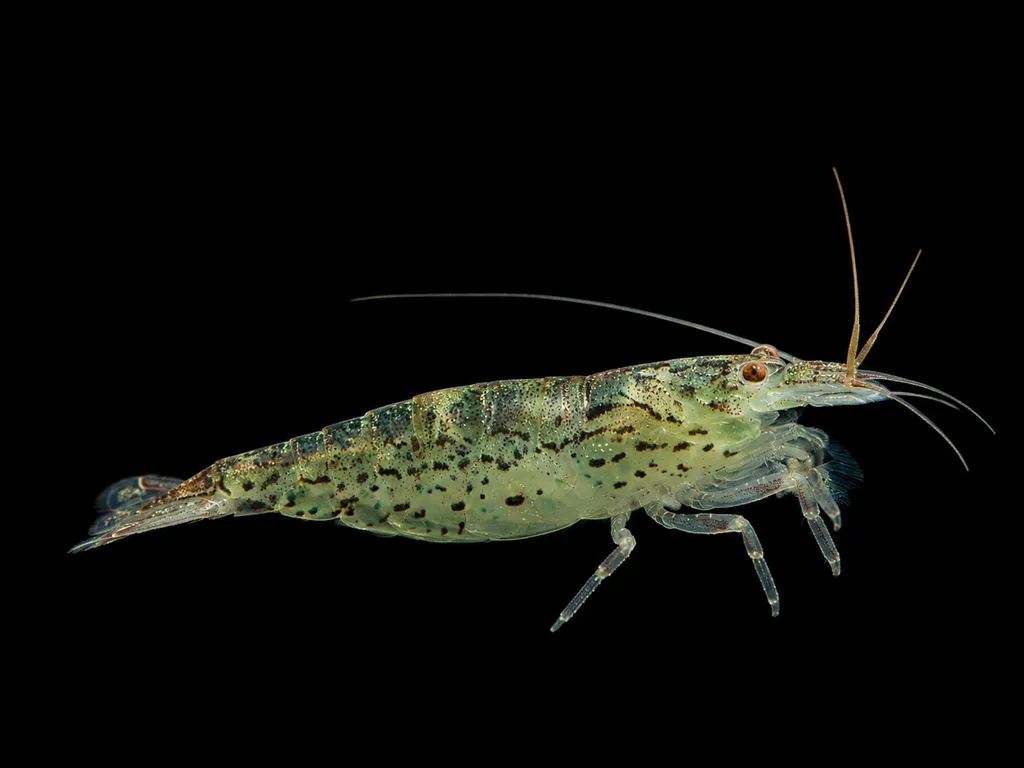
Green lace shrimp
Atyoida pilipes
Freshwater2.8 in (7 cm) · 14 gal (54 L)73–82°F (23–28°C)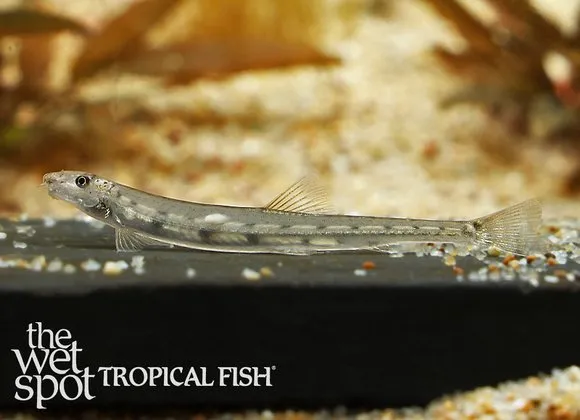
Dwarf horseface loach
Acanthopsoides robertsi
Freshwater2.2 in (5.5 cm) · 14 gal (54 L)72–81°F (22–27°C)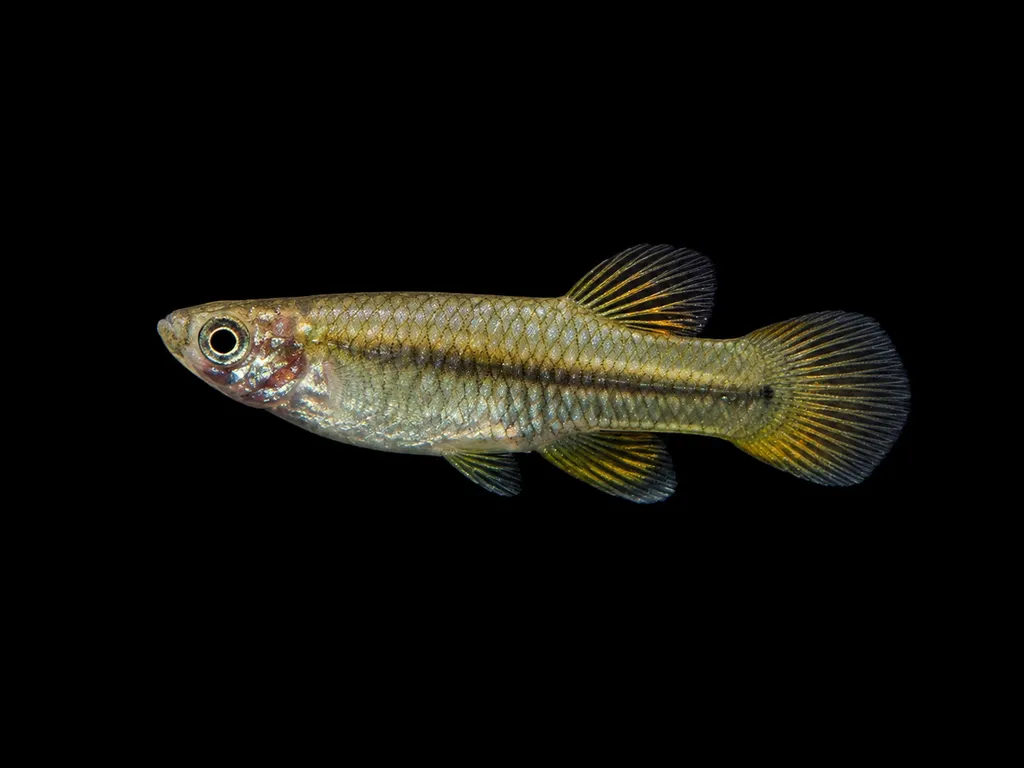
Kidder's livebearer
Carlhubbsia kidderi
Freshwater2 in (5 cm) · 14 gal (54 L)72–81°F (22–27°C)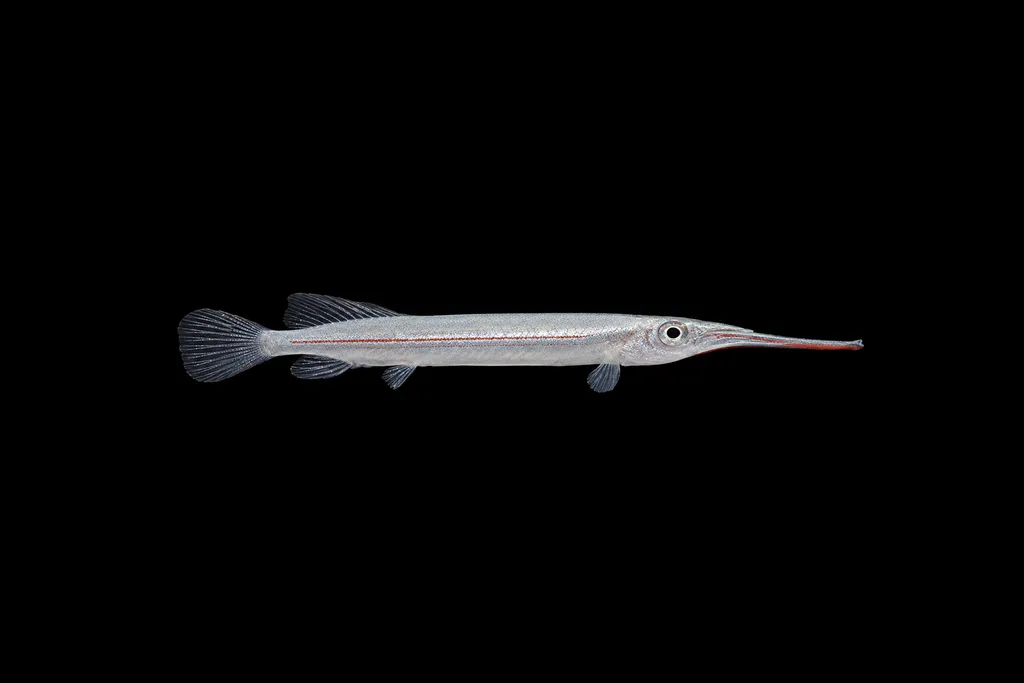
Fire halfbeak
Hemirhamphodon kapuasensis
Freshwater2.4 in (6 cm) · 14 gal (54 L)73–81°F (23–27°C)
Common questions
What size tank does a red fin otocinclus need?
A red fin otocinclus needs at least 14 gal (54 L). It spends most of its time in the bottom.
What temperature and pH does a red fin otocinclus need?
A red fin otocinclus is comfortable at 72–81°F (22–27°C) with a pH of 6.0–7.5.
What does a red fin otocinclus eat?
A red fin otocinclus grazes the film and soft algae that grow in a mature tank. Supplement its grazing with algae wafers and blanched vegetables.
How big does a red fin otocinclus get?
An adult red fin otocinclus reaches about 2.4 in (6 cm).
How does a red fin otocinclus breed?
Red fin otocinclus scatter their eggs on surfaces and give no parental care. Breeding is of moderate difficulty, and soft, acidic water and a mature grazing tank help the fry through.
Related species
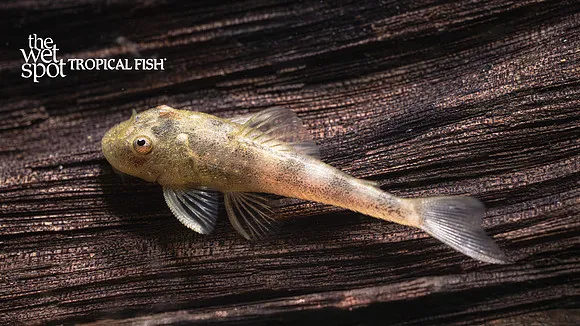 2.4 in (6 cm)14 gal (54 L)75–82°F (24–28°C)
Gold spot otocinclus
Parotocinclus spilosoma
2.4 in (6 cm) · 14 gal (54 L)
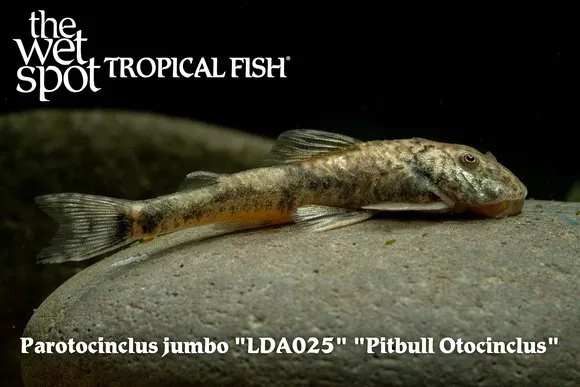 2.4 in (6 cm)20 gal (75 L)72–81°F (22–27°C)
Pit bull otocinclus
Parotocinclus jumbo
2.4 in (6 cm) · 20 gal (75 L)
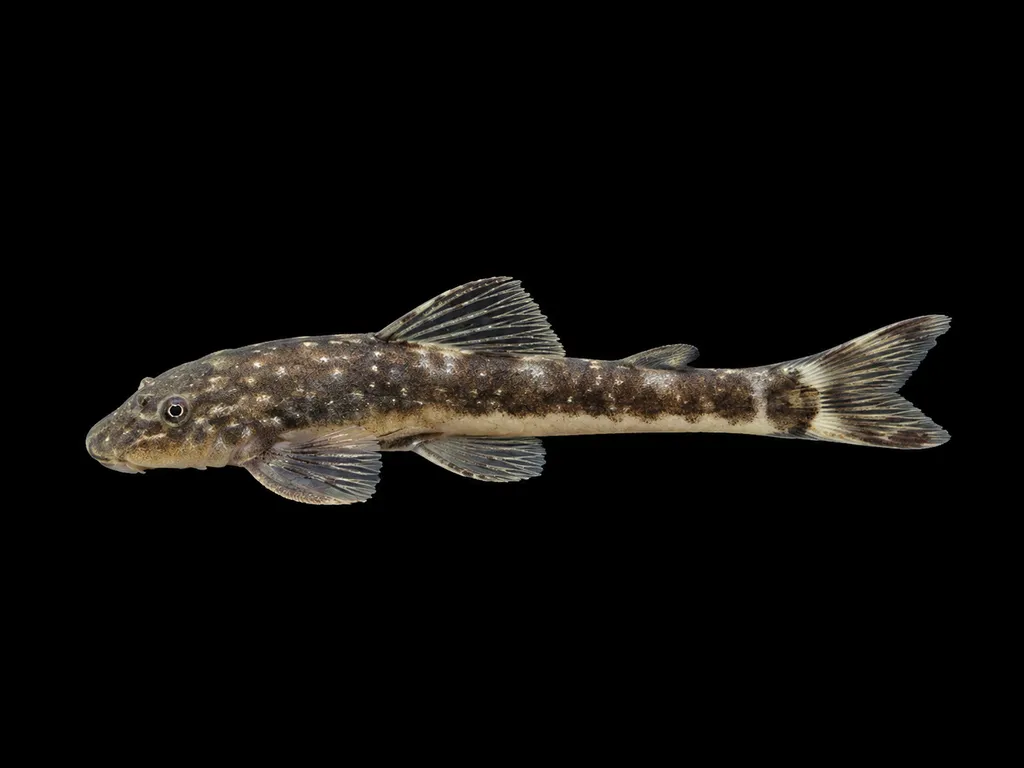 2 in (5 cm)14 gal (54 L)72–81°F (22–27°C)
Ceará parotocinclus
Parotocinclus cearensis
2 in (5 cm) · 14 gal (54 L)
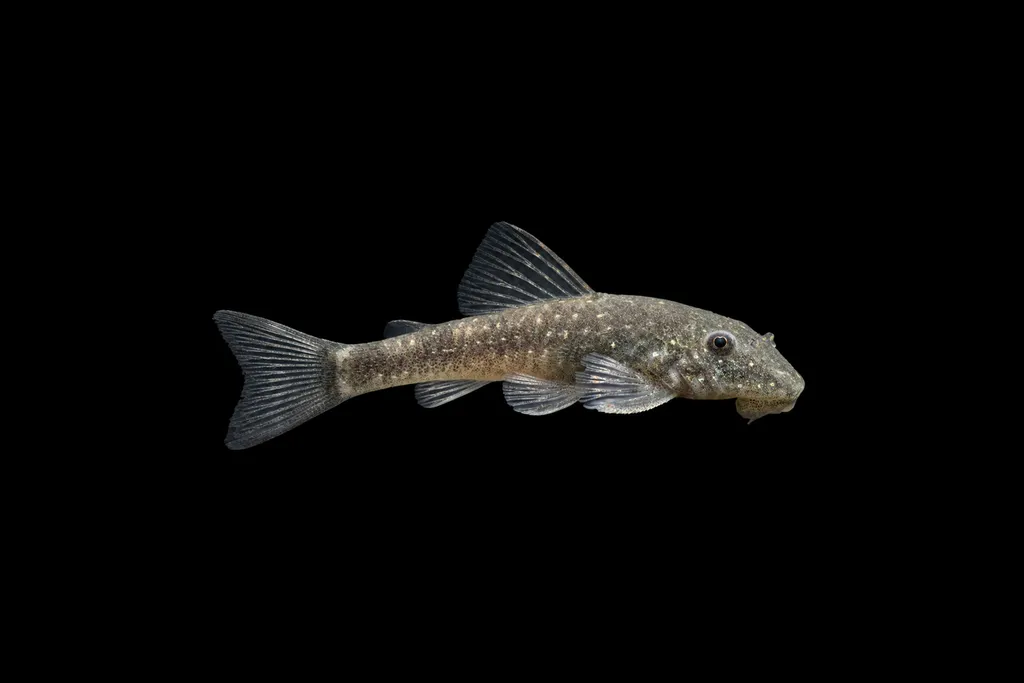 1.6 in (4 cm)14 gal (54 L)72–81°F (22–27°C)
Bahia parotocinclus
Parotocinclus bahiensis
1.6 in (4 cm) · 14 gal (54 L)
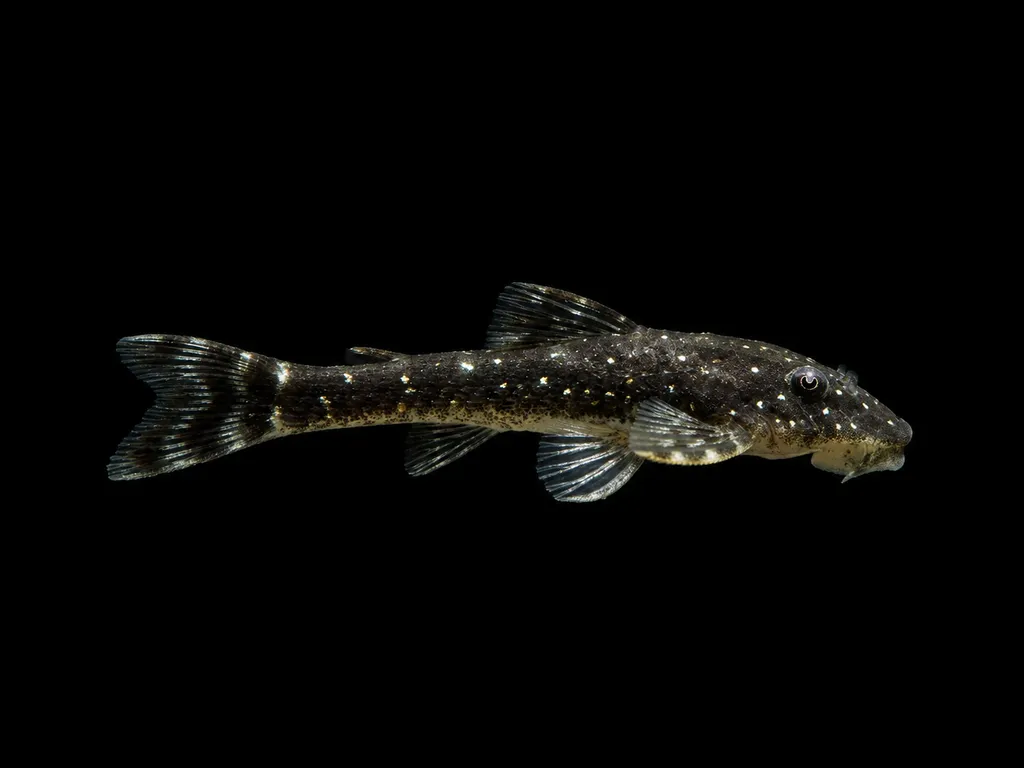 1.6 in (4 cm)14 gal (54 L)75–82°F (24–28°C)
Galaxy otocinclus
Parotocinclus haroldoi
1.6 in (4 cm) · 14 gal (54 L)
 1.4 in (3.5 cm)14 gal (54 L)75–82°F (24–28°C)
Peppermint otocinclus
Parotocinclus eppleyi
1.4 in (3.5 cm) · 14 gal (54 L)