Triggerfish
Triggerfish are bold, intelligent and often aggressive, which makes them a FOWLR fish rather than a reef fish. They lock a spiny first dorsal fin upright to wedge into rock, and their strong teeth make short work of inverts. A few reef-safer species exist, but most need space and careful tankmates. Each profile lists adult size, tank size and temperament.
At a glance
- Tank size
- 106–300 gal
- 106 gal (400 L) to 300 gal (1,135 L); half the list needs 180 gal (680 L) or more
- Temperature
- 72–79°F
- 22–26°C, most of the list
- pH
- 8.1–8.4
- Most of the list
- Difficulty
- 2 easy
- 6 medium · 3 difficult
- Temperament
- 5 mostly peaceful
- 6 aggressive
- Reef safety
- 5 reef safe with caution
- 6 not reef safe
11 species
Start here
Triggers that leave a reef alone
The bluethroat triggerfish is marked easy and mostly peaceful at 9.1 inches (23 cm) for 125 gallons (473 liters), a plankton feeder that carries a caution rather than a no in a reef. The niger triggerfish is the other easy one, 11.8 inches (30 cm) for 180 gallons (680 liters), and it learns to take food from fingers. The crosshatch triggerfish is the showpiece of the plankton group at 11.8 inches (30 cm) for 106 gallons (400 liters), marked medium. The pinktail triggerfish reaches 15.7 inches (40 cm) for 180 gallons (680 liters). The black durgon is the same size in 124 gallons (470 liters). All five eat from the water column and mostly ignore corals; they still take a small shrimp that swims past.
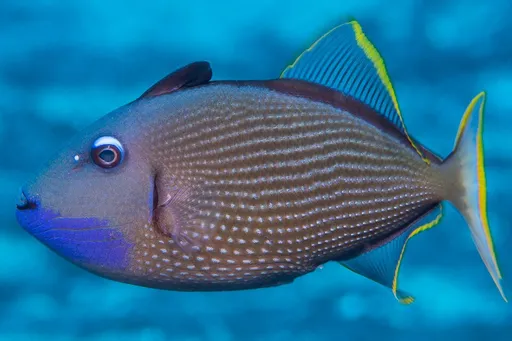
Bluethroat triggerfish
Xanthichthys auromarginatus
Saltwater- Size
- 9.1 in (23 cm)
- Tank
- 125 gal (473 L)
- Water
- 72–79°F (22–26°C)
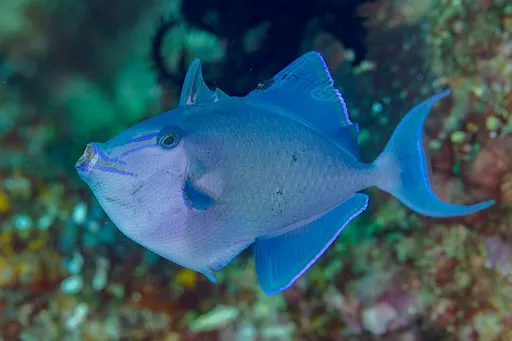
Niger triggerfish
Odonus niger
Saltwater- Size
- 11.8 in (30 cm)
- Tank
- 180 gal (680 L)
- Water
- 72–79°F (22–26°C)
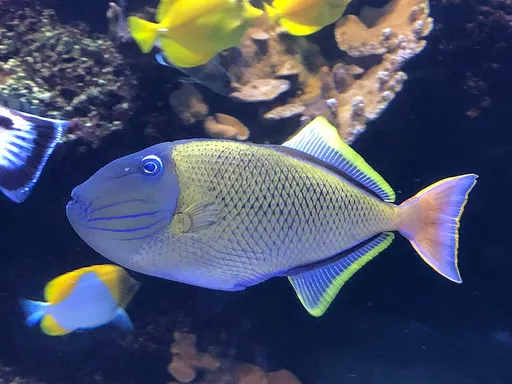
Crosshatch triggerfish
Xanthichthys mento
Saltwater- Size
- 11.8 in (30 cm)
- Tank
- 106 gal (400 L)
- Water
- 70–79°F (21–26°C)
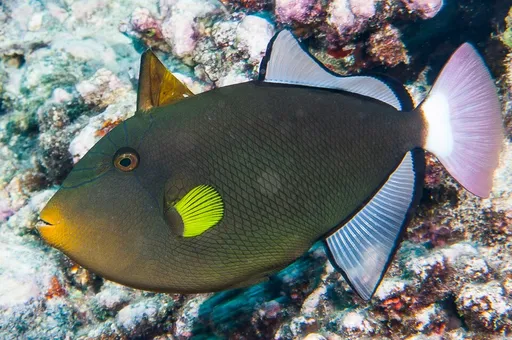
Pinktail triggerfish
Melichthys vidua
Saltwater- Size
- 15.7 in (40 cm)
- Tank
- 180 gal (680 L)
- Water
- 72–79°F (22–26°C)
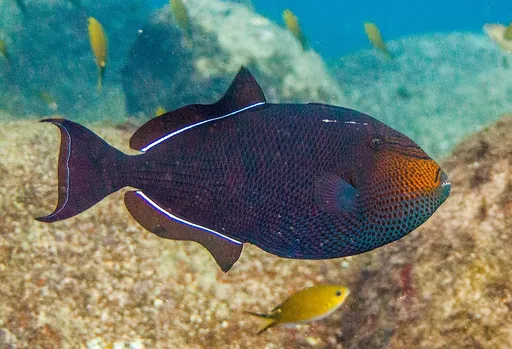
Black durgon
Melichthys niger
Saltwater- Size
- 15.7 in (40 cm)
- Tank
- 124 gal (470 L)
- Water
- 75–81°F (24–27°C)
The rule
What every trigger asks for
A triggerfish is a big, smart, solitary fish with teeth that keep growing. Every profile here is marked solitary, and two triggers in one tank is a fight, so it is one trigger per tank and it goes in last. The teeth need hard food, clams in the shell, whole shrimp and crab legs, or they overgrow. They move rock to build a sleeping hole and to reach a snail, so the rockwork is stacked to stay put. And the split is by diet: the plankton feeders carry a reef caution, the ones that crush snails, crabs and coral are marked not reef safe.
- 01
One per tank
Every trigger here is marked solitary
- 02
Hard food
Shells and whole shrimp keep the teeth worn down
- 03
Rock that stays put
They move rock to dig a sleeping hole
- 04
Diet decides the reef mark
Plankton feeders caution, crushers no
FOWLR
The fish-only triggers
The Picasso triggerfish is marked aggressive at 11.8 inches (30 cm) for 180 gallons (680 liters), the classic fish-only trigger. The wedgetail triggerfish is the compact one at the same length for 106 gallons (400 liters). The bursa triggerfish reaches 9.8 inches (25 cm) and lists 125 gallons (473 liters). The undulated triggerfish is marked difficult and aggressive at 11.8 inches (30 cm), and it attacks tank mates of any size. The queen triggerfish reaches 19.7 inches (50 cm) and lists 238 gallons (900 liters). The clown triggerfish is the same length for 300 gallons (1,135 liters), marked difficult and aggressive, and worth every inch of it to the keepers who have the tank.
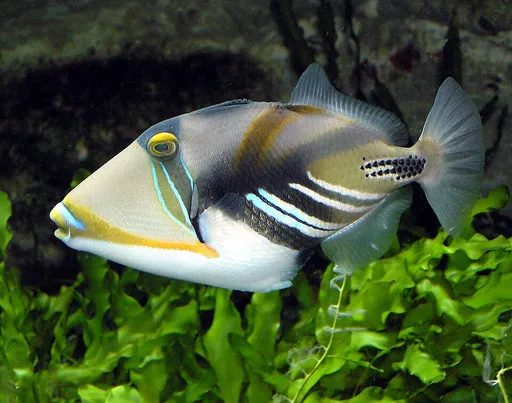
Picasso triggerfish
Rhinecanthus aculeatus
Saltwater11.8 in (30 cm) · 180 gal (680 L)72–79°F (22–26°C)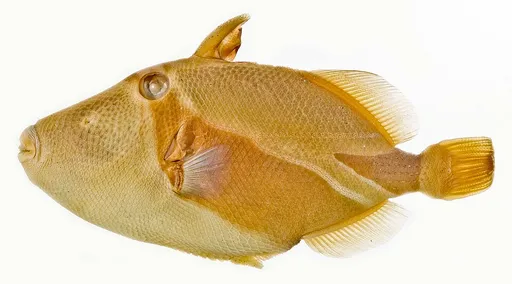
Wedgetail triggerfish
Rhinecanthus rectangulus
Saltwater11.8 in (30 cm) · 106 gal (400 L)75–81°F (24–27°C)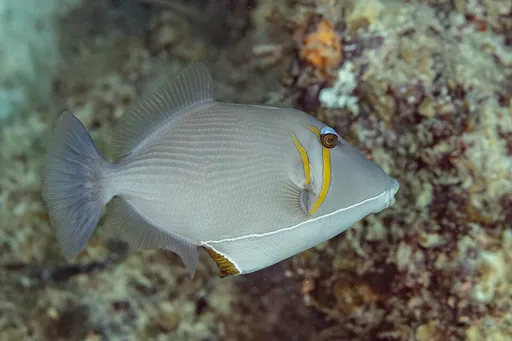
Bursa triggerfish
Sufflamen bursa
Saltwater9.8 in (25 cm) · 125 gal (473 L)72–79°F (22–26°C)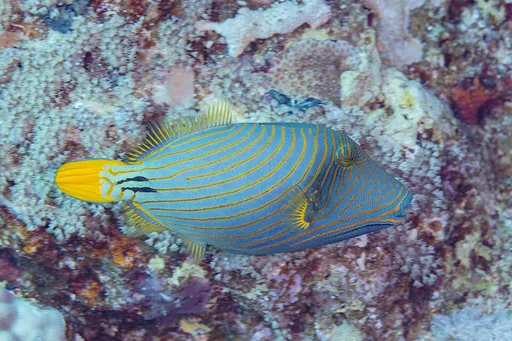
Undulated triggerfish
Balistapus undulatus
Saltwater11.8 in (30 cm) · 180 gal (680 L)75–81°F (24–27°C)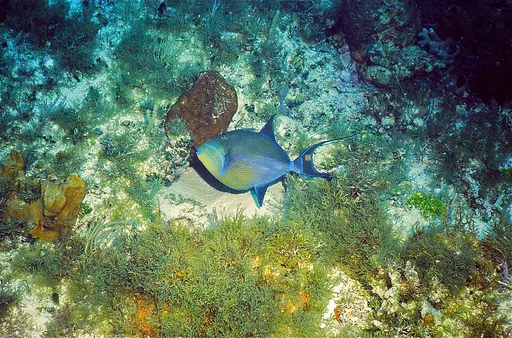
Queen triggerfish
Balistes vetula
Saltwater19.7 in (50 cm) · 238 gal (900 L)72–81°F (22–27°C)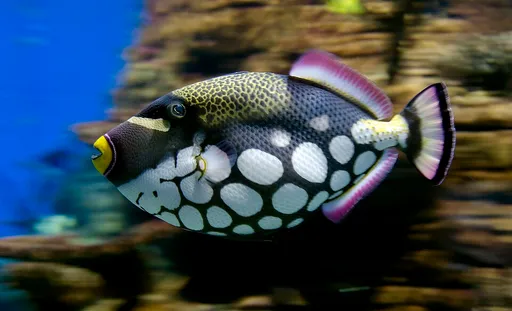
Clown triggerfish
Balistoides conspicillum
Saltwater19.7 in (50 cm) · 300 gal (1,135 L)72–79°F (22–26°C)
By the numbers
Smallest
Largest
FAQ
Common questions
Are any triggerfish reef safe?
Not outright. The bluethroat, crosshatch, niger, pinktail and black durgon are plankton feeders marked caution, which means they leave corals alone and may take a small shrimp. The rest are marked not reef safe.
What size tank does a triggerfish need?
From 106 gallons (400 liters) for the crosshatch and wedgetail triggers to 300 gallons (1,135 liters) for the clown triggerfish. Most profiles list 125 to 180 gallons (473 to 680 liters).
Can I keep two triggerfish together?
Every trigger here is marked solitary. Two in one tank fight, and the loser dies unless the tank is hundreds of gallons with rock between them.
What do triggerfish eat?
Hard food: clams and mussels in the shell, whole shrimp, crab legs and squid, plus pellets. The shells wear down teeth that never stop growing.
Which triggerfish is easiest?
The bluethroat and niger triggerfish are marked easy and mostly peaceful. The undulated, queen and clown triggers are marked difficult and aggressive.
Do triggerfish bite?
Yes, and hard. A trigger defends its sleeping hole and will bite a hand in the tank. Keep fingers clear when feeding.
Index
All triggerfish
Black durgon
Melichthys niger
Saltwater15.7 in (40 cm) · 124 gal (470 L)75–81°F (24–27°C)Bluethroat triggerfish
Xanthichthys auromarginatus
Saltwater9.1 in (23 cm) · 125 gal (473 L)72–79°F (22–26°C)Bursa triggerfish
Sufflamen bursa
Saltwater9.8 in (25 cm) · 125 gal (473 L)72–79°F (22–26°C)Clown triggerfish
Balistoides conspicillum
Saltwater19.7 in (50 cm) · 300 gal (1,135 L)72–79°F (22–26°C)Crosshatch triggerfish
Xanthichthys mento
Saltwater11.8 in (30 cm) · 106 gal (400 L)70–79°F (21–26°C)Niger triggerfish
Odonus niger
Saltwater11.8 in (30 cm) · 180 gal (680 L)72–79°F (22–26°C)Picasso triggerfish
Rhinecanthus aculeatus
Saltwater11.8 in (30 cm) · 180 gal (680 L)72–79°F (22–26°C)Pinktail triggerfish
Melichthys vidua
Saltwater15.7 in (40 cm) · 180 gal (680 L)72–79°F (22–26°C)Queen triggerfish
Balistes vetula
Saltwater19.7 in (50 cm) · 238 gal (900 L)72–81°F (22–27°C)Undulated triggerfish
Balistapus undulatus
Saltwater11.8 in (30 cm) · 180 gal (680 L)75–81°F (24–27°C)Wedgetail triggerfish
Rhinecanthus rectangulus
Saltwater11.8 in (30 cm) · 106 gal (400 L)75–81°F (24–27°C)
Planning a tank?
TankBud checks stocking and water fit as you build a tank, then tracks water tests, reminders and photos once it is running.
Track your tanksMaintain tanks for clients? See TankBud Pro