Beginner saltwater fish
A good first saltwater fish is hardy, eats readily and forgives the swings of a young tank. The species here are rated beginner or easy in our catalog, stay under 6 inches, fit a 30 gallon tank or smaller and do not bully. Clownfish, gobies, blennies, cardinalfish and the gentler damsels make up most of the list, and each profile gives tank size, reef safety and temperament.
At a glance
- Tank size
- 5–30 gal
- 5 gal (19 L) to 30 gal (115 L); half the list needs 29 gal (110 L) or more
- Temperature
- 72–80°F
- 22–27°C, most of the list
- pH
- 8.1–8.4
- Most of the list
- Temperament
- 55 peaceful
- 47 mostly peaceful
- Reef safety
- 87 reef safe
- 15 reef safe with caution
102 species and 21 varieties
Start here
The first fish for a first reef
The ocellaris clownfish is the usual first saltwater fish, and the catalog agrees: it is marked beginner at 3.1 inches (8 cm) with a 20 gallon (75 liter) minimum, it eats prepared food from day one and it does not need an anemone. The royal gramma is the other classic, marked beginner at 3.1 inches for a 29 gallon (110 liter) tank, a purple and yellow fish that hangs under rock ledges and bothers nobody. The orchid dottyback does the same job in a smaller body. The yellow watchman goby sits on the sand at 3.5 inches (9 cm) in 20 gallons (75 liters) and will pair with a pistol shrimp. The yellowtail damsel and the chalk bass are the two hardy, mostly peaceful fish that give a young tank some movement without the damsel temper.
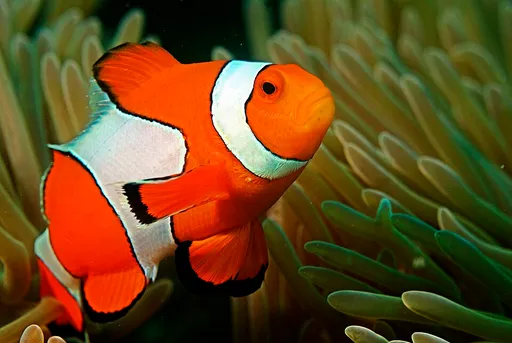
Ocellaris clownfish
Amphiprion ocellaris
Saltwater- Size
- 3.1 in (8 cm)
- Tank
- 20 gal (75 L)
- Water
- 75–82°F (24–28°C)
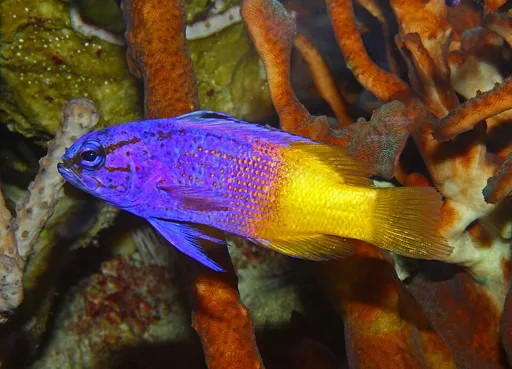
Royal gramma
Gramma loreto
Saltwater- Size
- 3.1 in (8 cm)
- Tank
- 29 gal (110 L)
- Water
- 72–81°F (22–27°C)
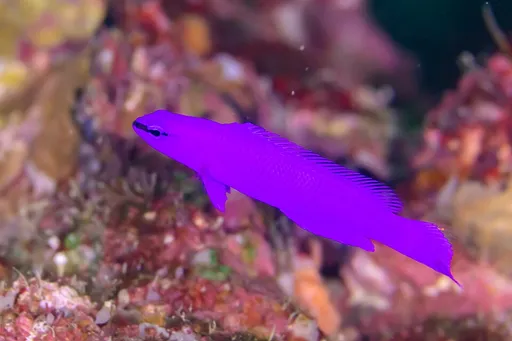
Orchid dottyback
Pseudochromis fridmani
Saltwater- Size
- 2.8 in (7 cm)
- Tank
- 29 gal (110 L)
- Water
- 72–79°F (22–26°C)
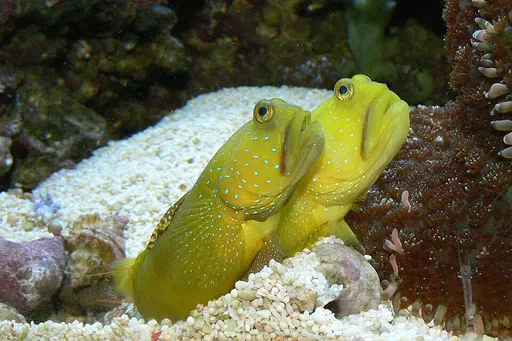
Yellow watchman goby
Cryptocentrus cinctus
Saltwater- Size
- 3.5 in (9 cm)
- Tank
- 20 gal (75 L)
- Water
- 72–81°F (22–27°C)
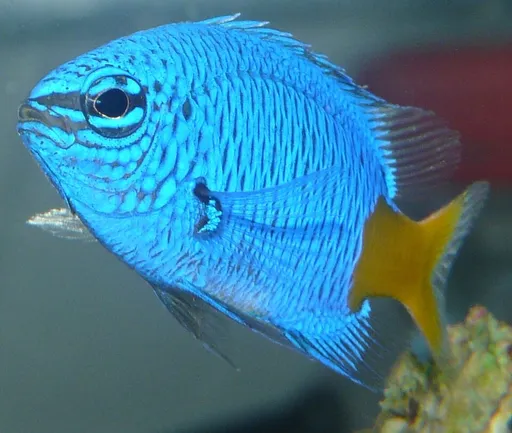
Yellowtail damsel
Chrysiptera parasema
Saltwater- Size
- 2.8 in (7 cm)
- Tank
- 29 gal (110 L)
- Water
- 75–81°F (24–27°C)
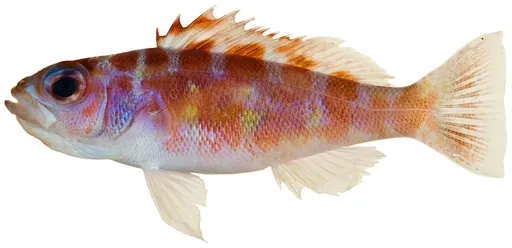
Chalk bass
Serranus tortugarum
Saltwater- Size
- 3.1 in (8 cm)
- Tank
- 29 gal (110 L)
- Water
- 72–81°F (22–27°C)
The rule
What makes a saltwater fish beginner-friendly
Every fish on this list is marked beginner or easy, which in a saltwater profile means it takes frozen and pellet food and forgives the swings of a tank in its first year. It stays under 6 inches (15 cm). It lists a 30 gallon (115 liter) tank or smaller. And it is marked peaceful or mostly peaceful, so the blue damsel, the maroon clownfish and the other easy fish with a temper are not here. Two cautions still apply inside the list. The six-line wrasse, the lawnmower blenny and the striped poison-fang blenny are listed as one of their kind per tank, and the dwarf angels, the bicolor blenny and the clown gobies carry a coral caution.
- 01
Marked beginner or easy
Eats prepared food and forgives a young tank
- 02
Under 6 inches
Stays under 15 cm full grown
- 03
Fits 30 gallons
Lists 115 liters or less
- 04
Peaceful or mostly
No damsels with a temper, no maroon clownfish
Clownfish and damsels
Clownfish, then damsels
The ocellaris and percula clownfish are the two marked beginner, both 3.1 inches (8 cm) in 20 gallons (75 liters), and the designer forms in the catalog are the same two species with the same care. Clark's, tomato and cinnamon clownfish are the bigger, bolder cousins at 4.7 to 5.5 inches (12 to 14 cm), marked easy for a 30 gallon (115 liter) tank and rougher with tank mates as they mature. The damsels here are the calm ones. The azure, yellowtail and sapphire damsels are marked beginner and mostly peaceful, and the green chromis is the one damsel marked peaceful outright, a schooling fish at 3.1 inches (8 cm) that wants a group in 30 gallons (115 liters).
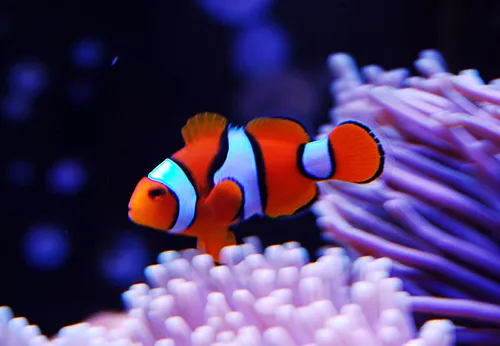
Percula clownfish
Amphiprion percula
Saltwater3.1 in (8 cm) · 20 gal (75 L)75–82°F (24–28°C)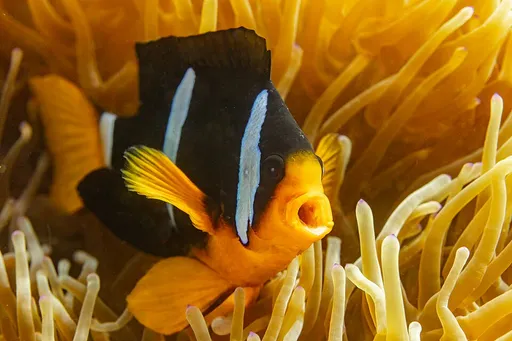
Clark's clownfish
Amphiprion clarkii
Saltwater5.5 in (14 cm) · 30 gal (115 L)75–82°F (24–28°C)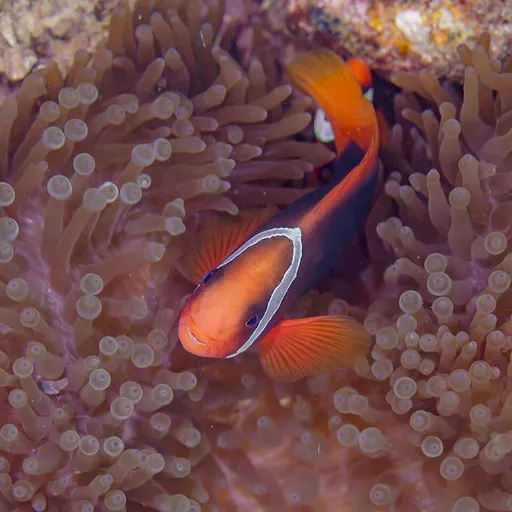
Tomato clownfish
Amphiprion frenatus
Saltwater5.5 in (14 cm) · 30 gal (115 L)75–82°F (24–28°C)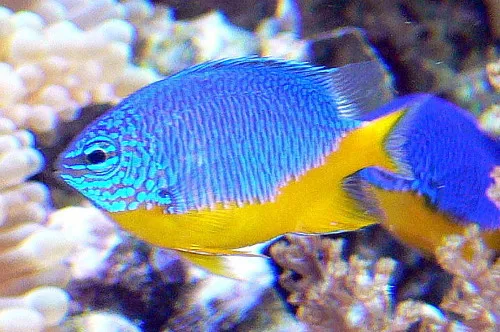
Azure damsel
Chrysiptera hemicyanea
Saltwater2.8 in (7 cm) · 29 gal (110 L)75–81°F (24–27°C)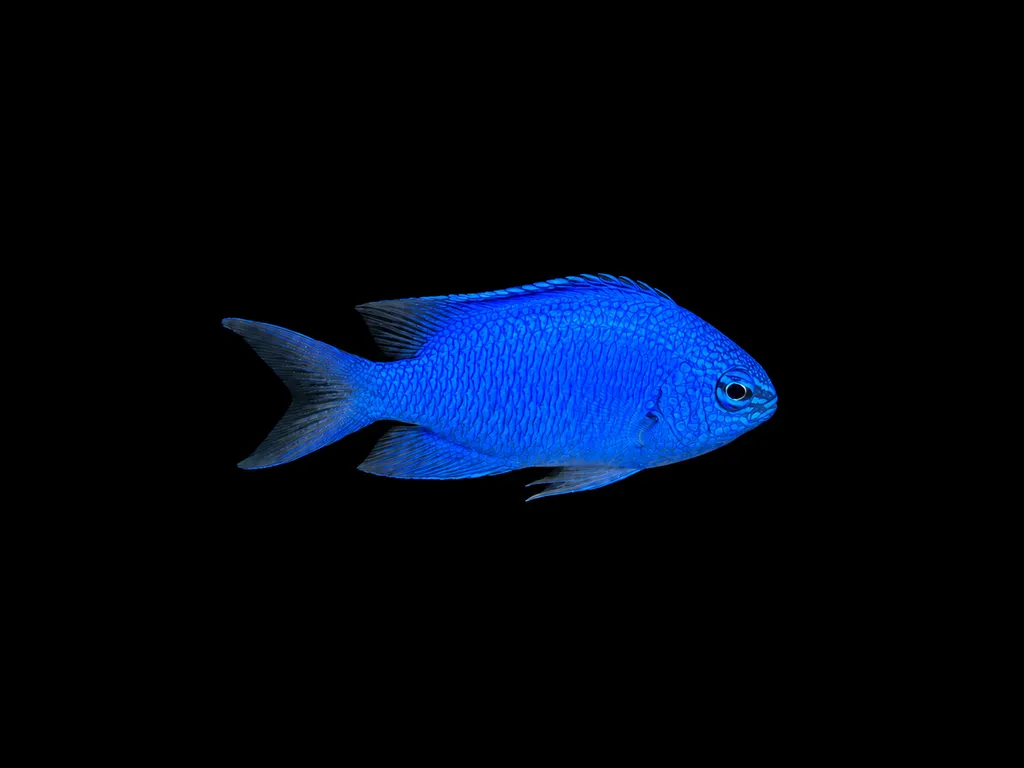
Sapphire damsel
Pomacentrus pavo
Saltwater3.3 in (8.5 cm) · 29 gal (110 L)75–82°F (24–28°C)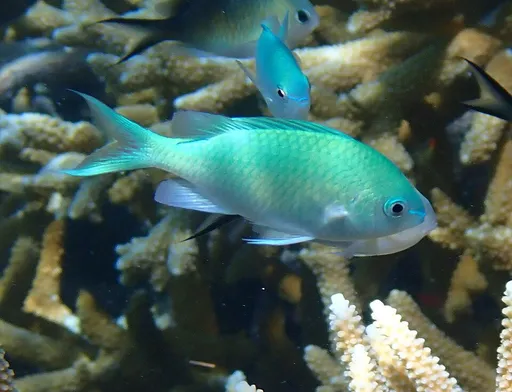
Green chromis
Chromis viridis
Saltwater3.1 in (8 cm) · 30 gal (115 L)75–82°F (24–28°C)
Gobies and blennies
The bottom of a small reef
The neon goby stays at 2 inches (5 cm), lists 11 gallons (40 liters) and cleans parasites off larger fish. The yellow clown goby is a 1.6 inch (4 cm) fish that perches in branching coral, which is also why it carries a coral caution. The tailspot blenny is 2.4 inches (6 cm) in 20 gallons (75 liters) and the midas blenny is the larger, swimming blenny at 5.1 inches (13 cm). The lawnmower blenny grazes hair algae at 5.1 inches (13 cm) and wants to be the only one of its kind in the tank. The firefish is the mid-water fish for a 20 gallon (75 liter) tank, 3.5 inches (9 cm) and a jumper, so the lid is part of the setup.
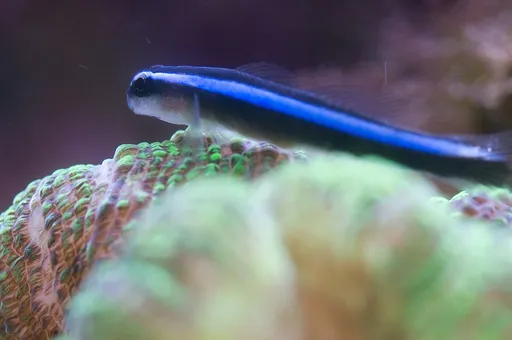
Neon goby
Elacatinus oceanops
Saltwater2 in (5 cm) · 11 gal (40 L)72–79°F (22–26°C)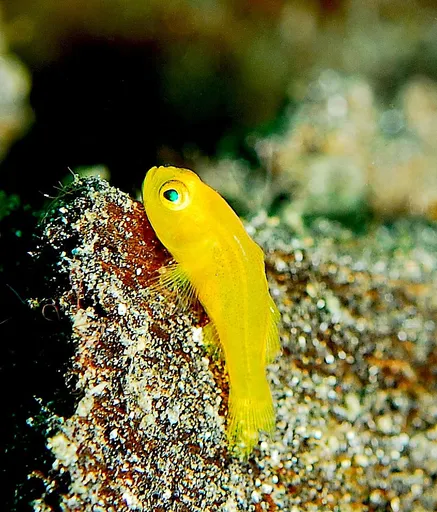
Yellow clown goby
Gobiodon okinawae
Saltwater1.6 in (4 cm) · 11 gal (40 L)73–81°F (23–27°C)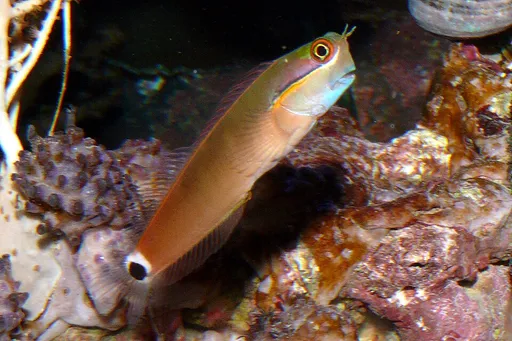
Tailspot blenny
Ecsenius stigmatura
Saltwater2.4 in (6 cm) · 20 gal (75 L)72–79°F (22–26°C)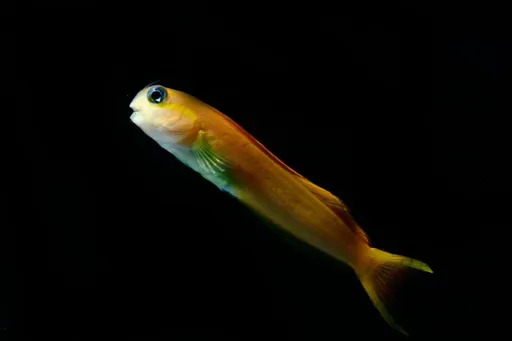
Midas blenny
Ecsenius midas
Saltwater5.1 in (13 cm) · 29 gal (110 L)72–79°F (22–26°C)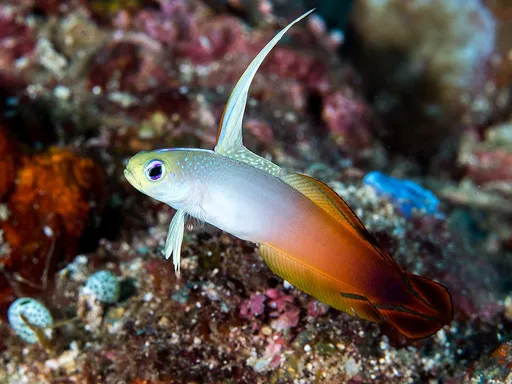
Firefish
Nemateleotris magnifica
Saltwater3.5 in (9 cm) · 20 gal (75 L)72–81°F (22–27°C)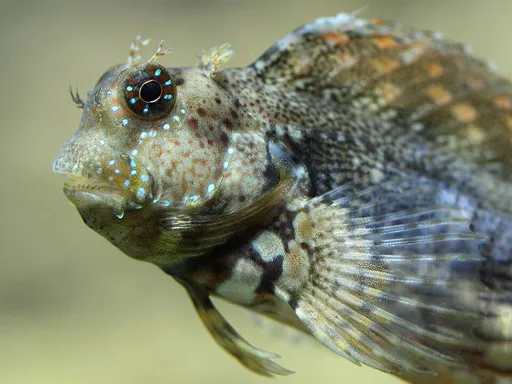
Lawnmower blenny
Salarias fasciatus
Saltwater5.1 in (13 cm) · 29 gal (110 L)72–79°F (22–26°C)
Cardinals and basslets
Calm fish for the middle of the tank
The Banggai and pajama cardinalfish hang in the water column at 3.1 inches (8 cm) in a 29 gallon (110 liter) tank and are among the few marine fish that breed readily in captivity. The yellow cardinalfish is the small one at 2 inches (5 cm) in 20 gallons (75 liters). The blackcap basslet is the deep water cousin of the royal gramma, 3.9 inches (10 cm) and marked easy. The blue assessor is a peaceful, social fish at 2.8 inches (7 cm) that swims upside down under overhangs. The zebra dartfish and its relatives hover in a group at 4.7 inches (12 cm) and, like the firefish, will find any gap in the lid.
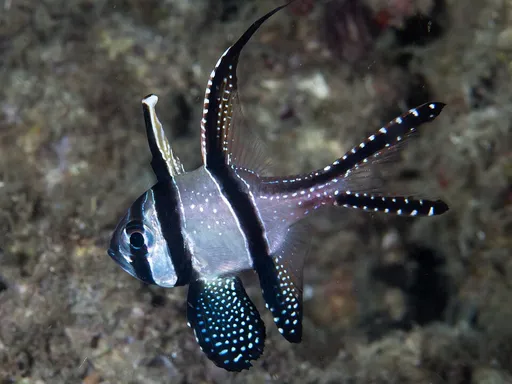
Banggai cardinalfish
Pterapogon kauderni
Saltwater3.1 in (8 cm) · 29 gal (110 L)73–82°F (23–28°C)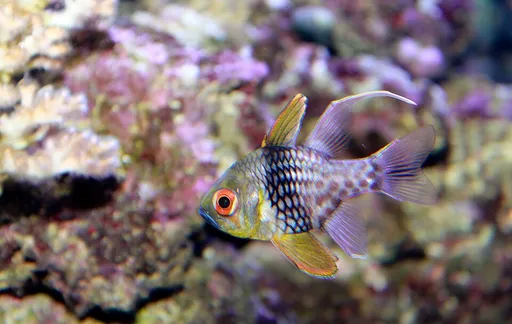
Pajama cardinalfish
Sphaeramia nematoptera
Saltwater3.1 in (8 cm) · 29 gal (110 L)72–81°F (22–27°C)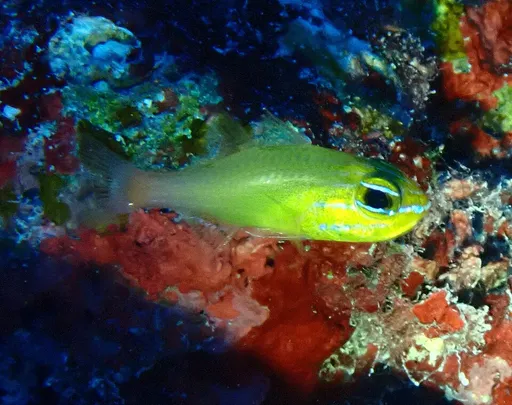
Yellow cardinalfish
Ostorhinchus luteus
Saltwater2 in (5 cm) · 20 gal (75 L)73–79°F (23–26°C)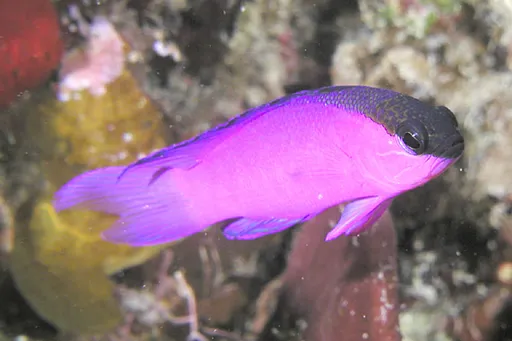
Blackcap basslet
Gramma melacara
Saltwater3.9 in (10 cm) · 29 gal (110 L)72–81°F (22–27°C)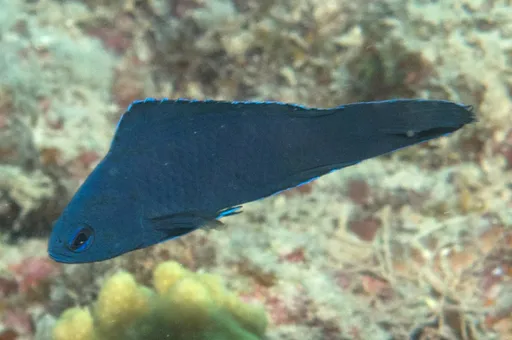
Blue assessor
Assessor macneilli
Saltwater2.8 in (7 cm) · 29 gal (110 L)72–79°F (22–26°C)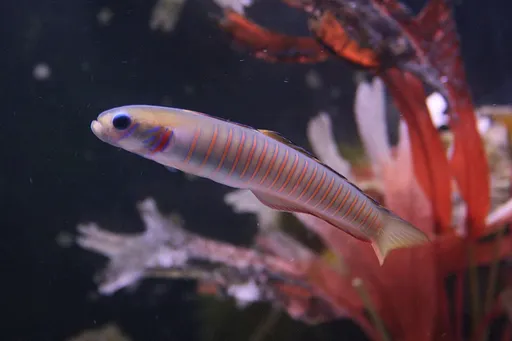
Zebra dartfish
Ptereleotris zebra
Saltwater4.7 in (12 cm) · 29 gal (110 L)72–79°F (22–26°C)
By the numbers
Smallest
Largest
Most peaceful
Fits a 20 gallon tank
Fits a 30 gallon tank
FAQ
Common questions
What is the easiest saltwater fish for a beginner?
The ocellaris clownfish, the royal gramma, the orchid dottyback and the yellow watchman goby are all marked beginner in the catalog. Any one of them fits a 20 to 29 gallon (75 to 110 liter) tank and eats prepared food.
What size tank do I need for a first saltwater fish?
Everything on this page lists 30 gallons (115 liters) or less. An ocellaris pair fits 20 gallons (75 liters), the neon goby and the yellow clown goby list 11 gallons (40 liters), and a 30 gallon tank holds a small community.
Can I keep two clownfish together?
Two of the same species bought small usually settle into a pair, with the larger fish becoming the female. Two different clownfish species, or two adult females, fight.
Are damsels good beginner fish?
The ones on this list are. The azure, yellowtail and sapphire damsels are marked beginner and mostly peaceful. The blue damsel, the three-stripe and the four-stripe damsels are marked aggressive, which is why they are not here.
Do beginner saltwater fish need a reef tank?
No. Every fish here does fine in a fish-only tank with live rock. Most are marked reef safe, so they can move into a reef later; the bicolor and lawnmower blennies, the clown gobies and the dwarf angels carry a caution.
How many fish can I put in a 30 gallon saltwater tank?
A clownfish pair, a goby, a blenny and one cardinalfish or gramma is a full tank. Add them a few weeks apart and check the mix in the stocking calculator.
Index
All beginner saltwater fish
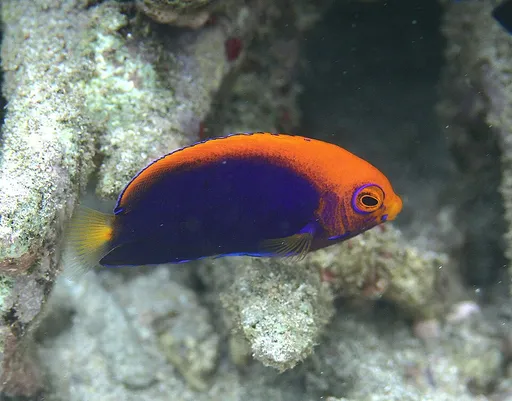
African flameback angelfish
Centropyge acanthops
Saltwater3.1 in (8 cm) · 29 gal (110 L)72–79°F (22–26°C)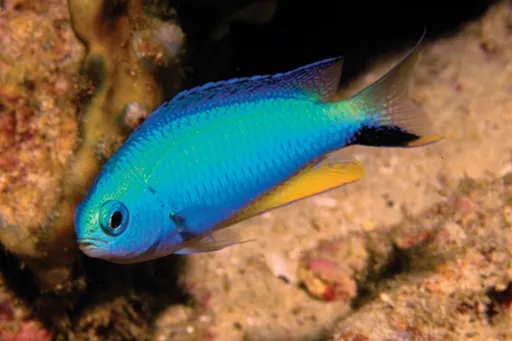
Allen's damsel
Pomacentrus alleni
Saltwater2.4 in (6 cm) · 29 gal (110 L)75–81°F (24–27°C)Azure damsel
Chrysiptera hemicyanea
Saltwater2.8 in (7 cm) · 29 gal (110 L)75–81°F (24–27°C)Banggai cardinalfish
Pterapogon kauderni
Saltwater3.1 in (8 cm) · 29 gal (110 L)73–82°F (23–28°C)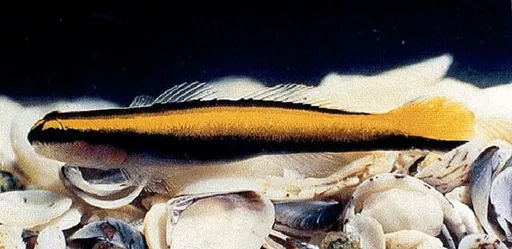
Barber goby
Elacatinus figaro
Saltwater1.6 in (4 cm) · 11 gal (40 L)72–79°F (22–26°C)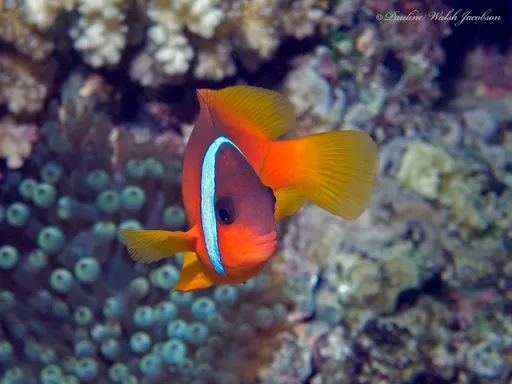
Barberi clownfish
Amphiprion barberi
Saltwater3.5 in (9 cm) · 30 gal (115 L)75–81°F (24–27°C)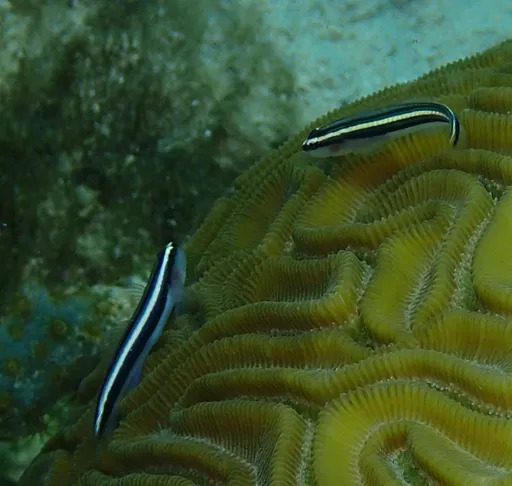
Barsnout cleaner goby
Elacatinus illecebrosus
Saltwater1.6 in (4 cm) · 11 gal (40 L)72–79°F (22–26°C)
Bicolor blenny
Ecsenius bicolor
Saltwater3.9 in (10 cm) · 29 gal (110 L)72–79°F (22–26°C)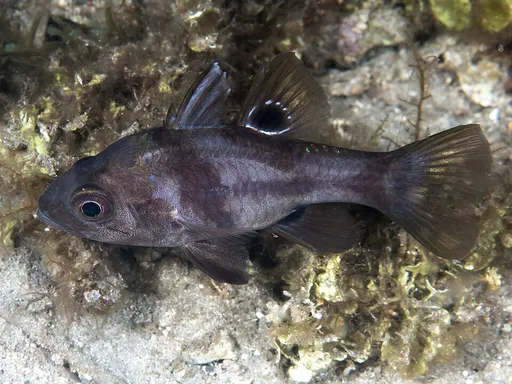
Black cardinalfish
Apogonichthyoides melas
Saltwater4.3 in (11 cm) · 29 gal (110 L)72–79°F (22–26°C)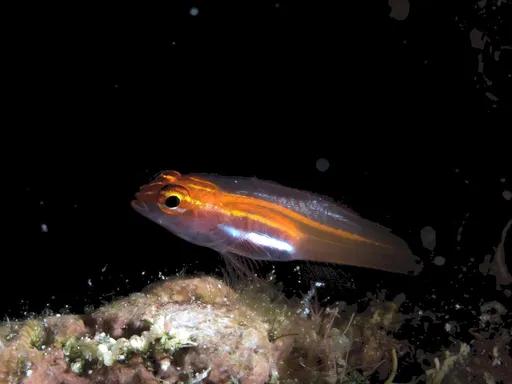
Blackbelly dwarfgoby
Eviota atriventris
Saltwater0.8 in (2 cm) · 5 gal (19 L)72–79°F (22–26°C)Blackcap basslet
Gramma melacara
Saltwater3.9 in (10 cm) · 29 gal (110 L)72–81°F (22–27°C)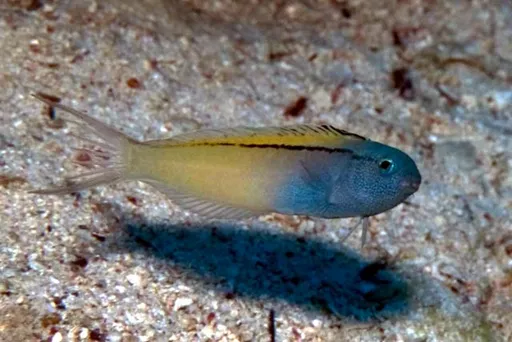
Blackline fang blenny
Meiacanthus nigrolineatus
Saltwater3.5 in (9 cm) · 20 gal (75 L)75–81°F (24–27°C)Blue assessor
Assessor macneilli
Saltwater2.8 in (7 cm) · 29 gal (110 L)72–79°F (22–26°C)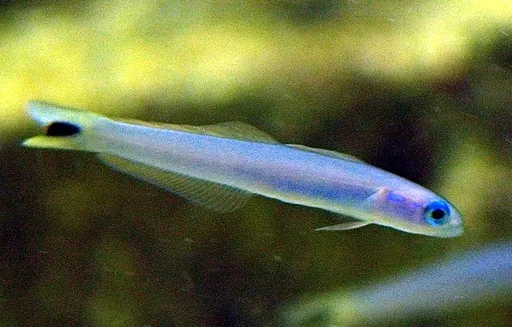
Blue gudgeon dartfish
Ptereleotris heteroptera
Saltwater5.1 in (13 cm) · 29 gal (110 L)72–79°F (22–26°C)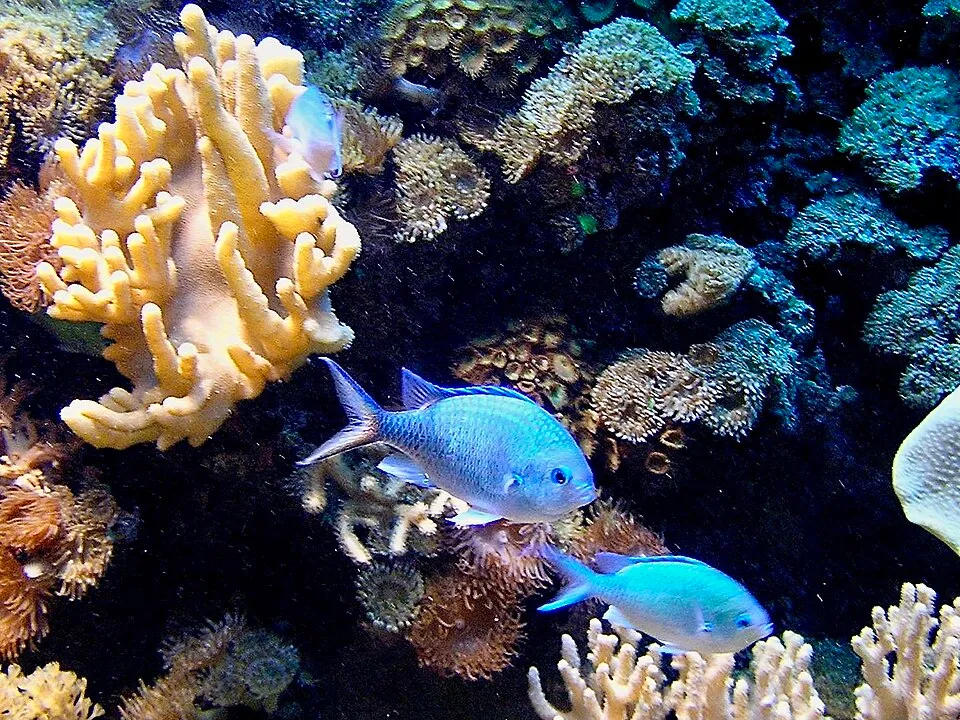
Blue-green chromis
Chromis atripectoralis
Saltwater4.7 in (12 cm) · 30 gal (115 L)75–82°F (24–28°C)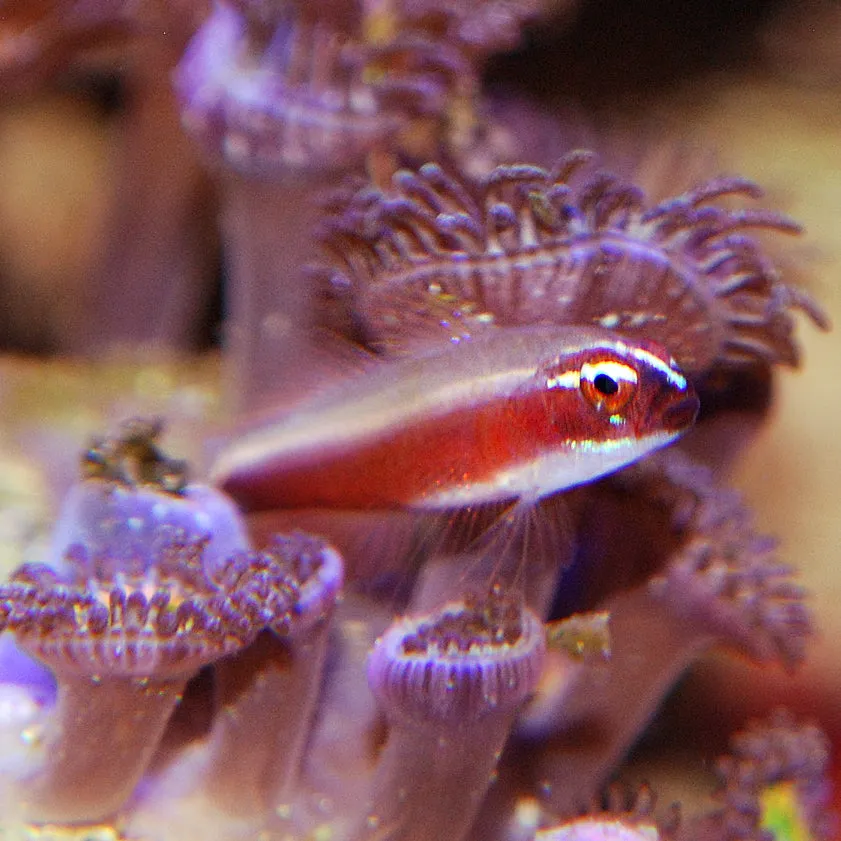
Brahm's dwarfgoby
Eviota brahmi
Saltwater0.8 in (2 cm) · 5 gal (19 L)72–79°F (22–26°C)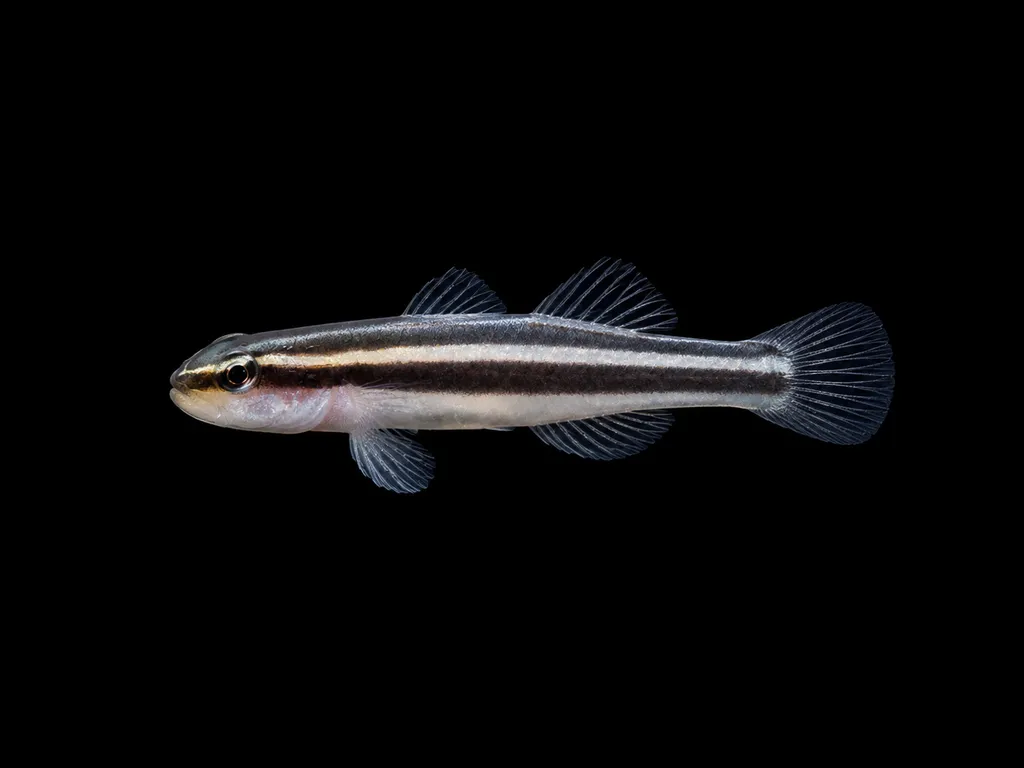
Broadstripe cleaner goby
Elacatinus prochilos
Saltwater1.6 in (4 cm) · 11 gal (40 L)72–79°F (22–26°C)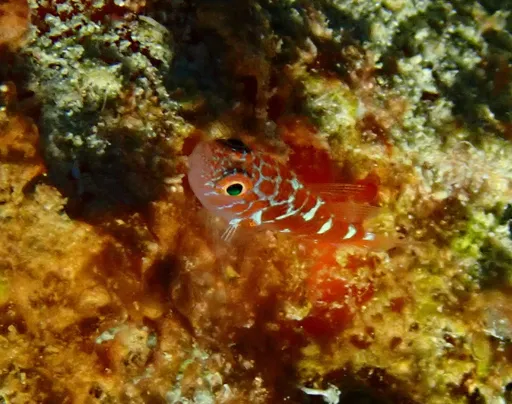
Caesiura pygmygoby
Trimma caesiura
Saltwater1.4 in (3.5 cm) · 10 gal (38 L)72–79°F (22–26°C)Chalk bass
Serranus tortugarum
Saltwater3.1 in (8 cm) · 29 gal (110 L)72–81°F (22–27°C)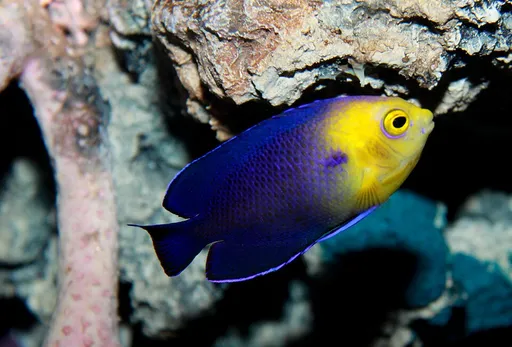
Cherub angelfish
Centropyge argi
Saltwater2.8 in (7 cm) · 29 gal (110 L)72–82°F (22–28°C)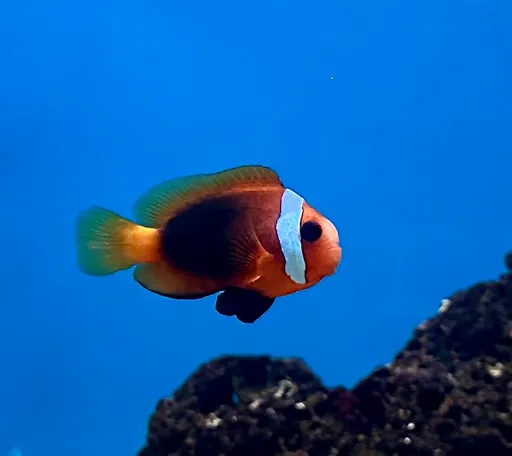
Cinnamon clownfish
Amphiprion melanopus
Saltwater4.7 in (12 cm) · 30 gal (115 L)75–82°F (24–28°C)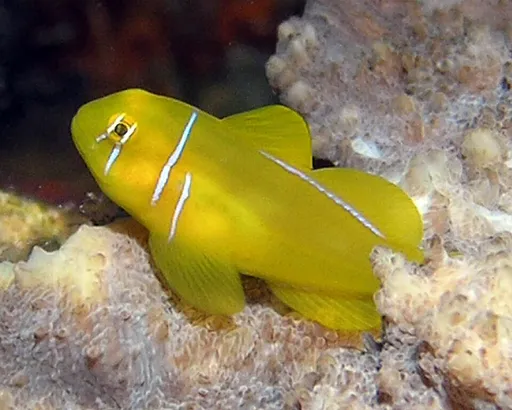
Citron clown goby
Gobiodon citrinus
Saltwater2.6 in (6.5 cm) · 11 gal (40 L)72–81°F (22–27°C)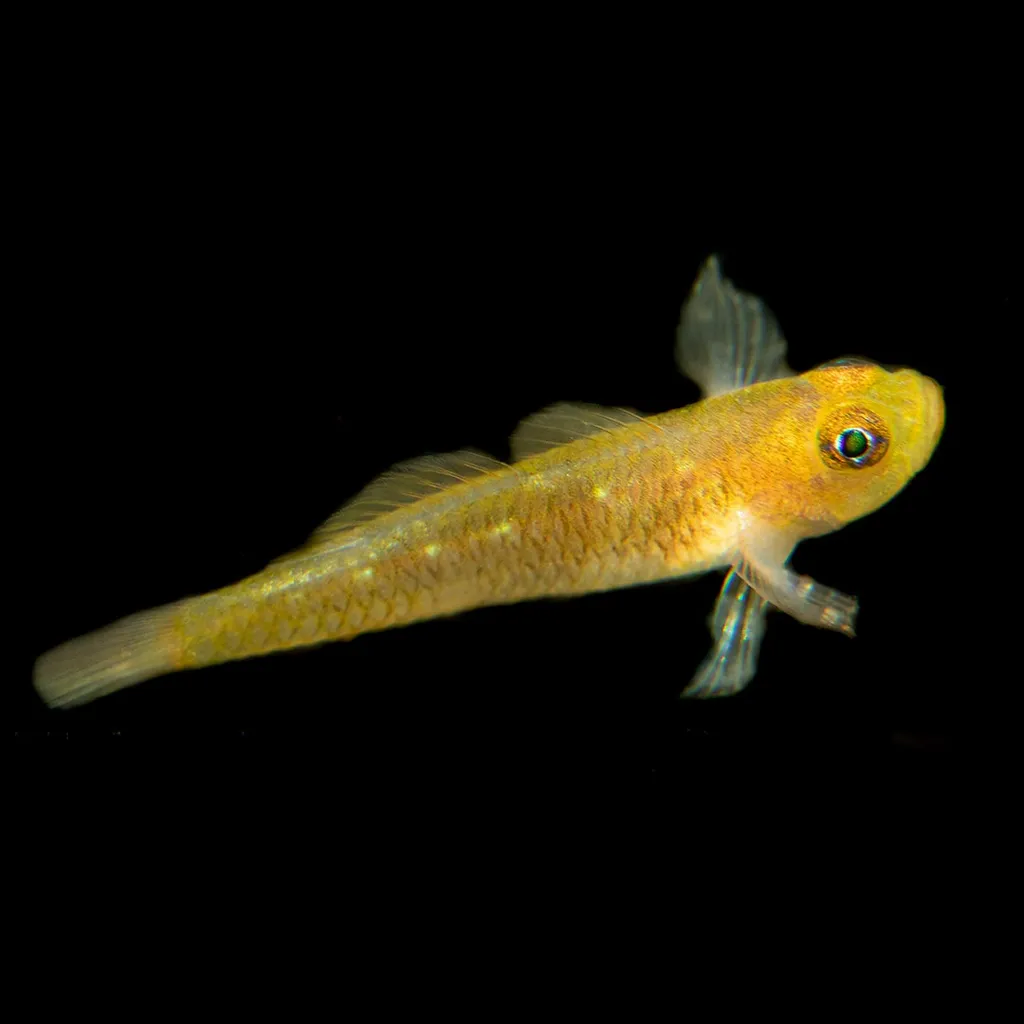
Citron pygmygoby
Trimma kitrinum
Saltwater1.1 in (2.7 cm) · 5 gal (19 L)72–79°F (22–26°C)Clark's clownfish
Amphiprion clarkii
Saltwater5.5 in (14 cm) · 30 gal (115 L)75–82°F (24–28°C)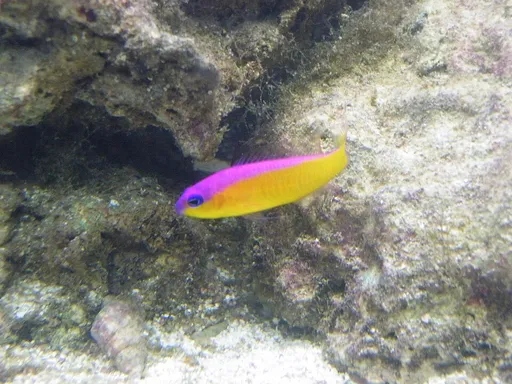
Diadem dottyback
Pseudochromis diadema
Saltwater2.8 in (7 cm) · 20 gal (75 L)73–81°F (23–27°C)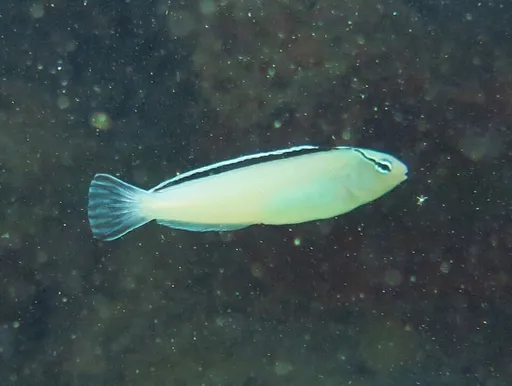
Disco blenny
Meiacanthus smithi
Saltwater3.1 in (8 cm) · 26 gal (100 L)73–81°F (23–27°C)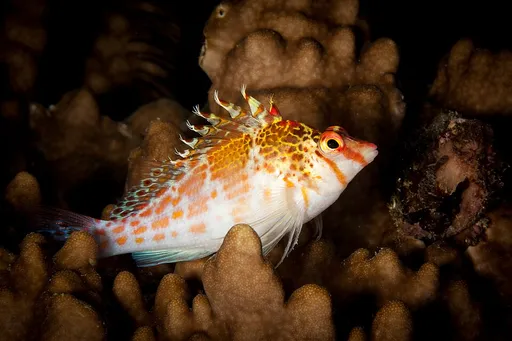
Falco hawkfish
Cirrhitichthys falco
Saltwater2.8 in (7 cm) · 29 gal (110 L)72–79°F (22–26°C)Firefish
Nemateleotris magnifica
Saltwater3.5 in (9 cm) · 20 gal (75 L)72–81°F (22–27°C)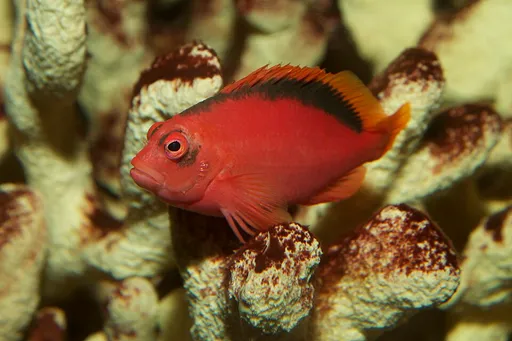
Flame hawkfish
Neocirrhites armatus
Saltwater3.5 in (9 cm) · 29 gal (110 L)72–79°F (22–26°C)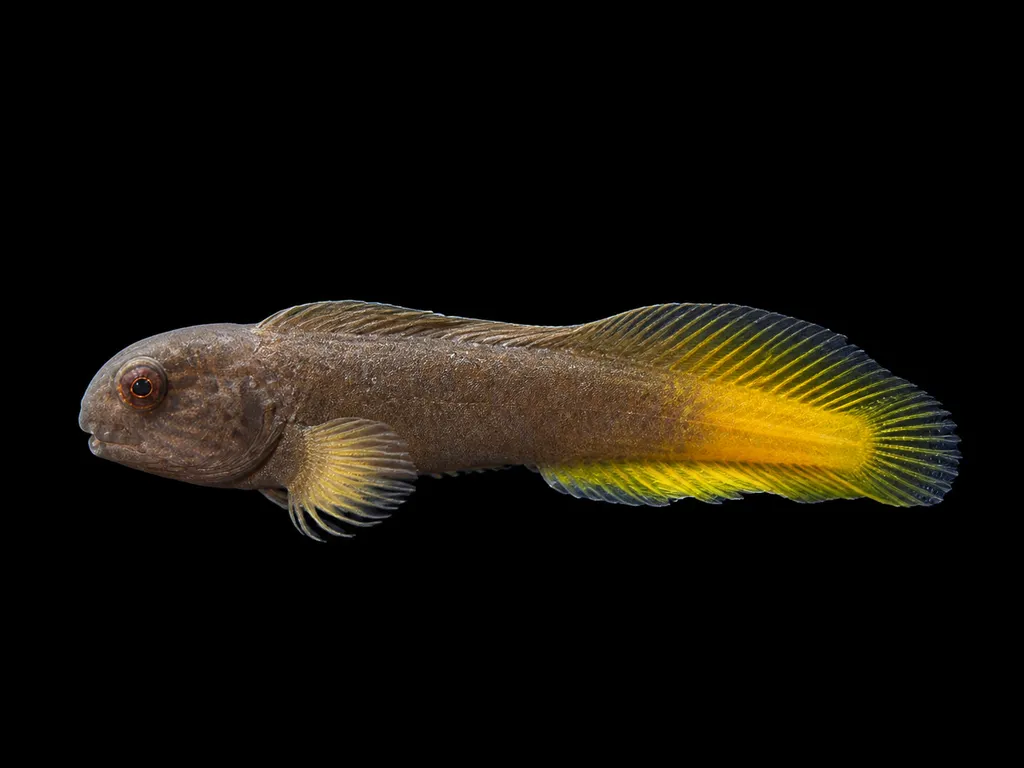
Flametail blenny
Enchelyurus flavipes
Saltwater3 in (7.5 cm) · 29 gal (110 L)72–79°F (22–26°C)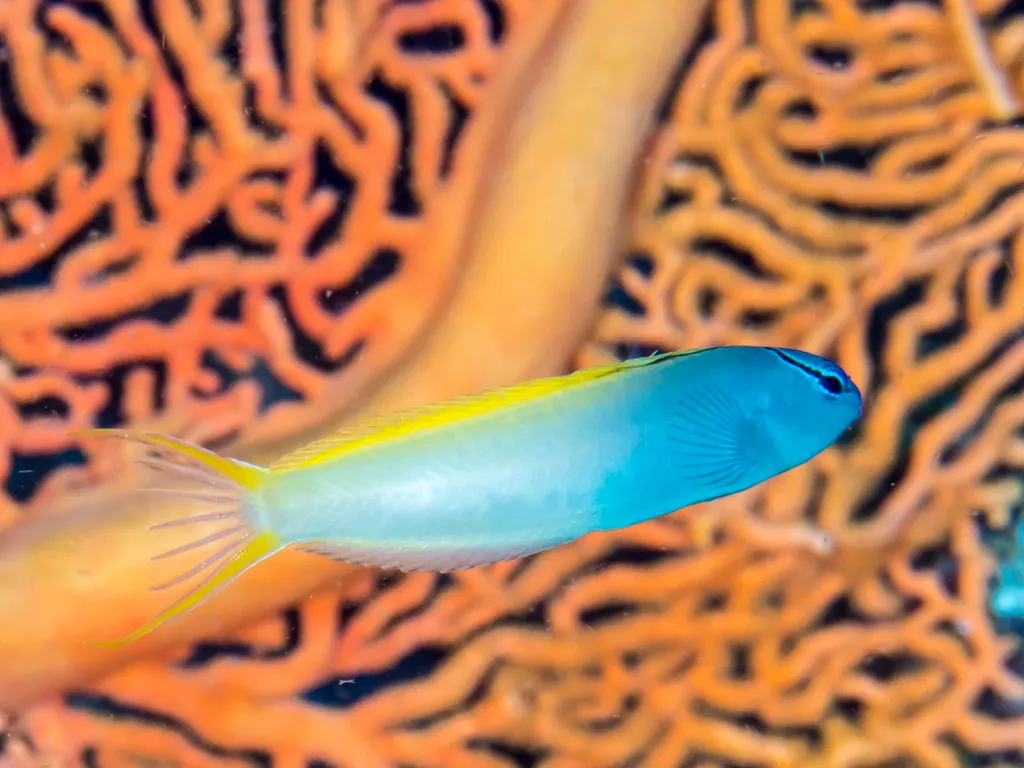
Forktail fang blenny
Meiacanthus atrodorsalis
Saltwater4.3 in (11 cm) · 30 gal (114 L)72–79°F (22–26°C)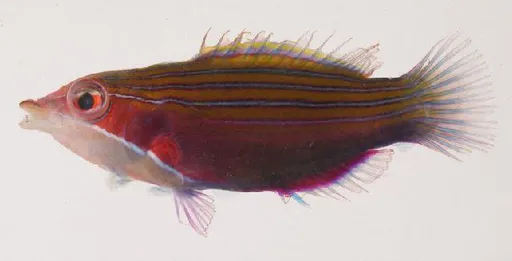
Fourline wrasse
Pseudocheilinus tetrataenia
Saltwater3 in (7.5 cm) · 30 gal (114 L)72–79°F (22–26°C)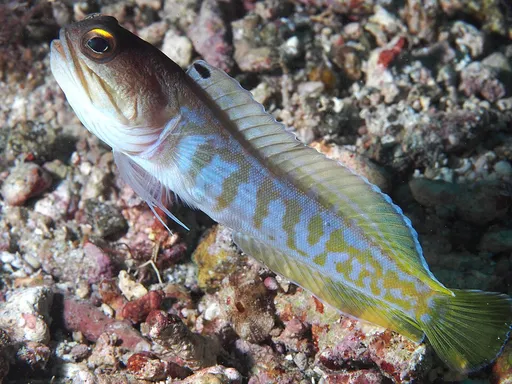
Gold-specs jawfish
Opistognathus randalli
Saltwater3.9 in (10 cm) · 30 gal (115 L)73–81°F (23–27°C)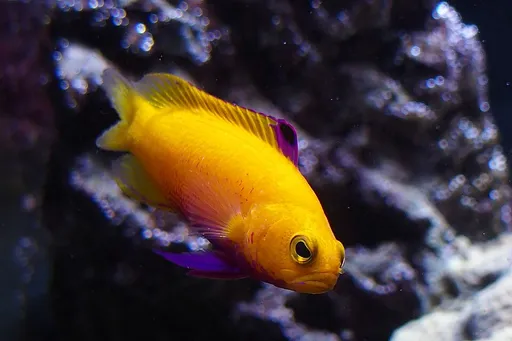
Golden basslet
Gramma dejongi
Saltwater2.8 in (7 cm) · 29 gal (110 L)75–81°F (24–27°C)Green chromis
Chromis viridis
Saltwater3.1 in (8 cm) · 30 gal (115 L)75–82°F (24–28°C)
Green clown goby
Gobiodon histrio
Saltwater1.8 in (4.5 cm) · 11 gal (40 L)72–79°F (22–26°C)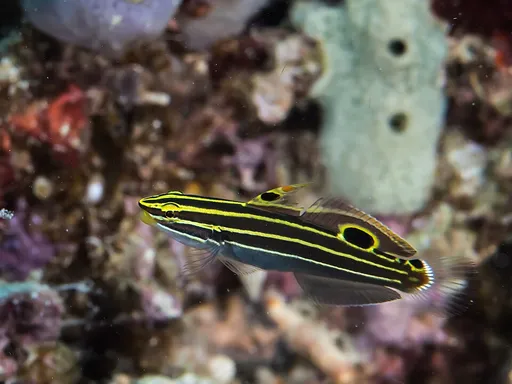
Hector's goby
Koumansetta hectori
Saltwater3.1 in (8 cm) · 20 gal (75 L)73–81°F (23–27°C)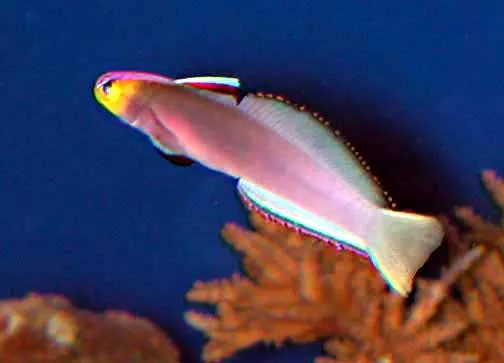
Helfrich's firefish
Nemateleotris helfrichi
Saltwater2.4 in (6 cm) · 20 gal (75 L)73–81°F (23–27°C)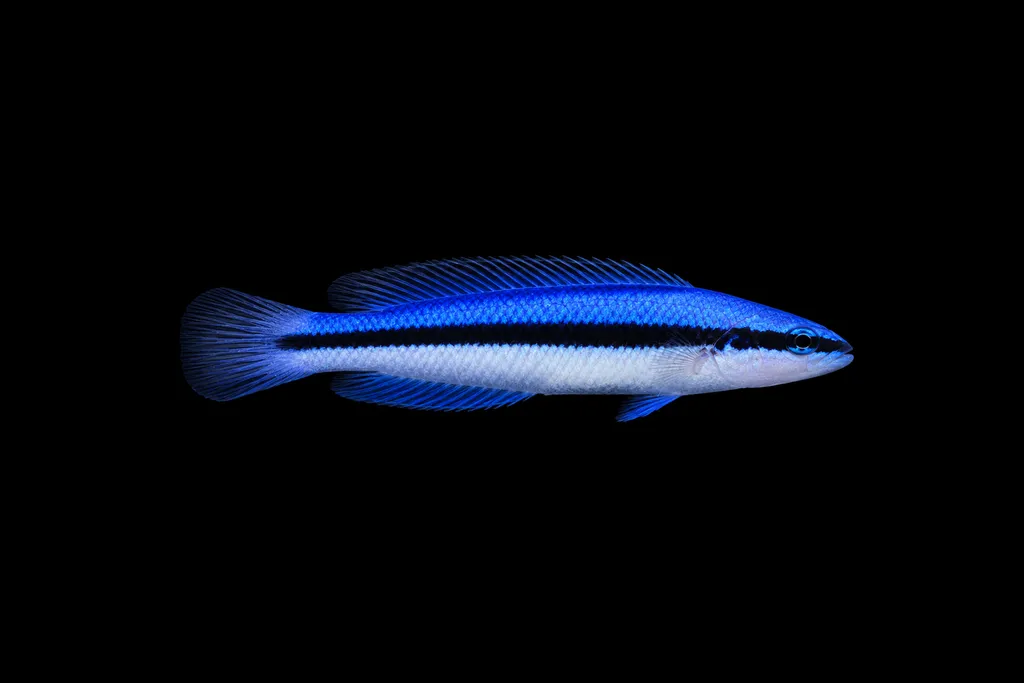
Indigo dottyback
Pseudochromis hybrid
Saltwater3 in (7.5 cm) · 29 gal (110 L)73–81°F (23–27°C)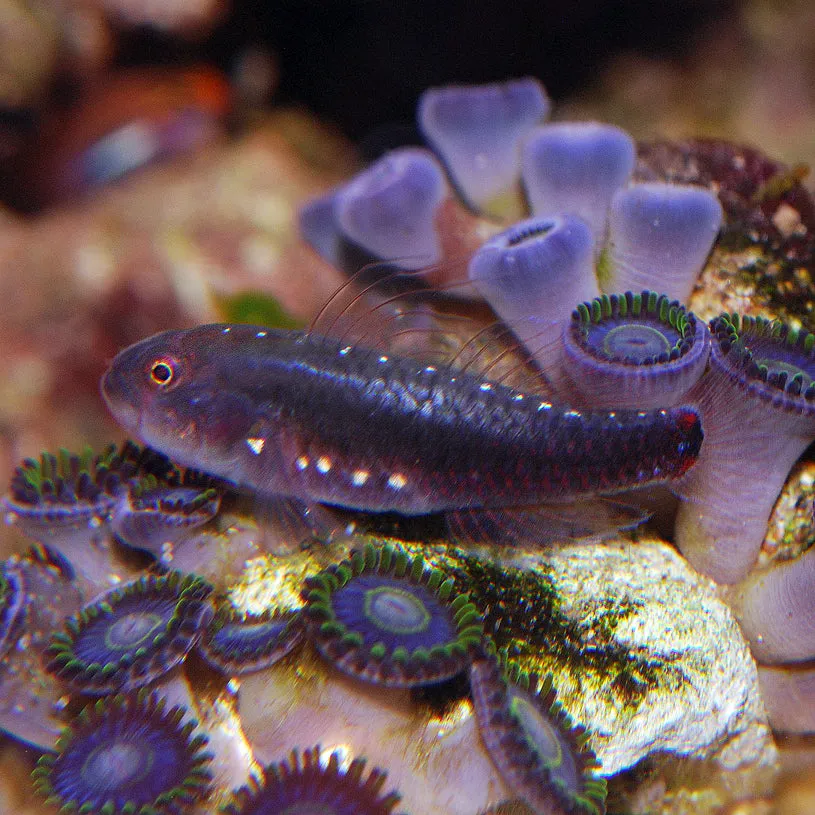
Lachdebere's dwarfgoby
Eviota lachdeberei
Saltwater0.8 in (2.1 cm) · 5 gal (19 L)72–79°F (22–26°C)Lawnmower blenny
Salarias fasciatus
Saltwater5.1 in (13 cm) · 29 gal (110 L)72–79°F (22–26°C)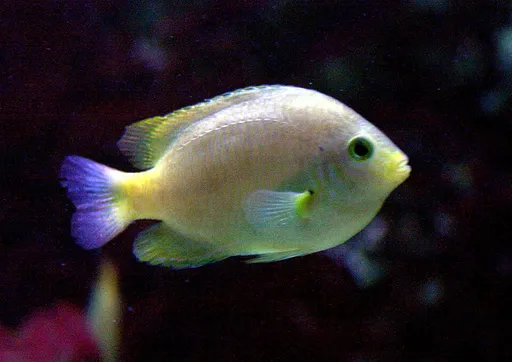
Lemon damsel
Pomacentrus moluccensis
Saltwater3.5 in (9 cm) · 29 gal (110 L)75–81°F (24–27°C)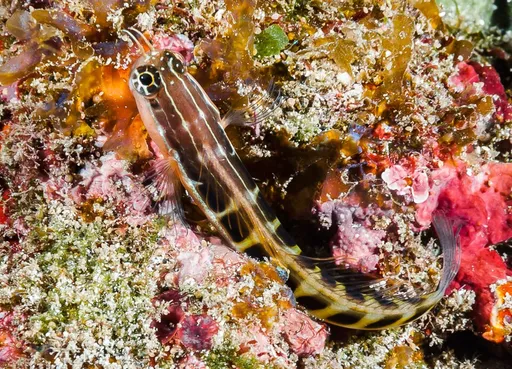
Lined blenny
Ecsenius lineatus
Saltwater3.5 in (9 cm) · 20 gal (75 L)72–79°F (22–26°C)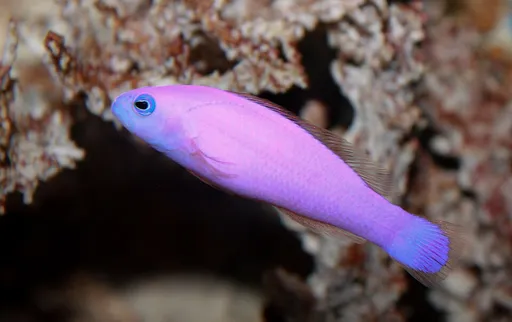
Magenta dottyback
Pictichromis porphyrea
Saltwater2.4 in (6 cm) · 20 gal (75 L)72–79°F (22–26°C)Midas blenny
Ecsenius midas
Saltwater5.1 in (13 cm) · 29 gal (110 L)72–79°F (22–26°C)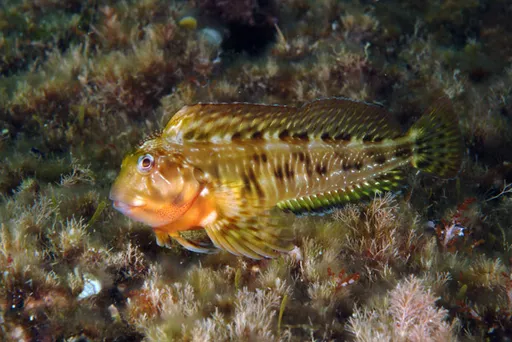
Molly Miller blenny
Scartella cristata
Saltwater4.7 in (12 cm) · 30 gal (114 L)72–79°F (22–26°C)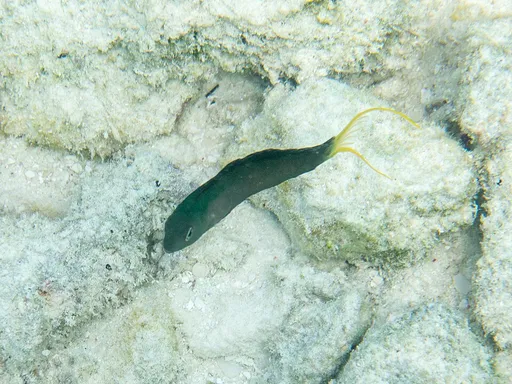
Mozambique fangblenny
Meiacanthus mossambicus
Saltwater3.5 in (9 cm) · 29 gal (110 L)72–79°F (22–26°C)Neon goby
Elacatinus oceanops
Saltwater2 in (5 cm) · 11 gal (40 L)72–79°F (22–26°C)Ocellaris clownfish
Amphiprion ocellaris
Saltwater3.1 in (8 cm) · 20 gal (75 L)75–82°F (24–28°C)17 varieties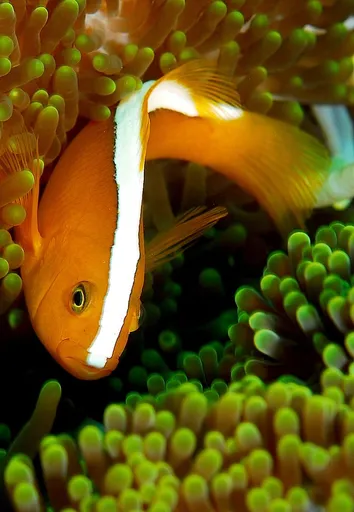
Orange skunk clownfish
Amphiprion sandaracinos
Saltwater5.5 in (14 cm) · 30 gal (115 L)75–82°F (24–28°C)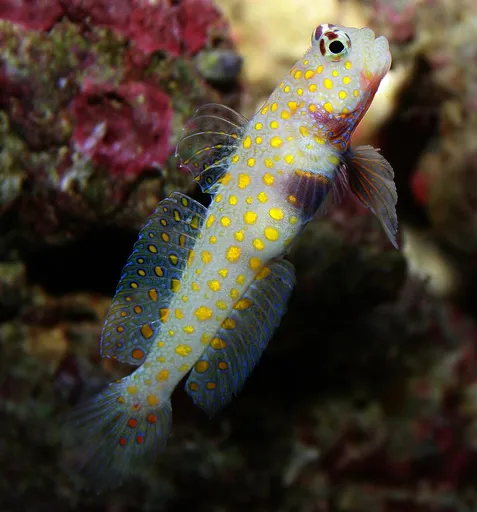
Orange-spot prawn goby
Amblyeleotris guttata
Saltwater4.3 in (11 cm) · 30 gal (114 L)72–79°F (22–26°C)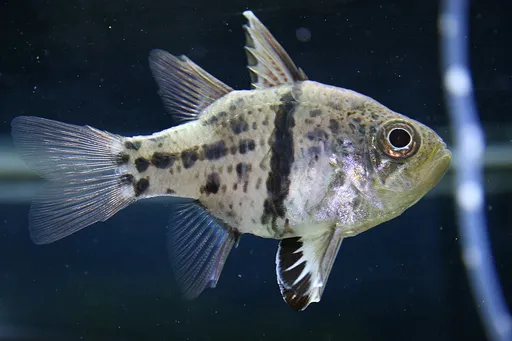
Orbiculate cardinalfish
Sphaeramia orbicularis
Saltwater3.9 in (10 cm) · 30 gal (115 L)75–82°F (24–28°C)Orchid dottyback
Pseudochromis fridmani
Saltwater2.8 in (7 cm) · 29 gal (110 L)72–79°F (22–26°C)Pajama cardinalfish
Sphaeramia nematoptera
Saltwater3.1 in (8 cm) · 29 gal (110 L)72–81°F (22–27°C)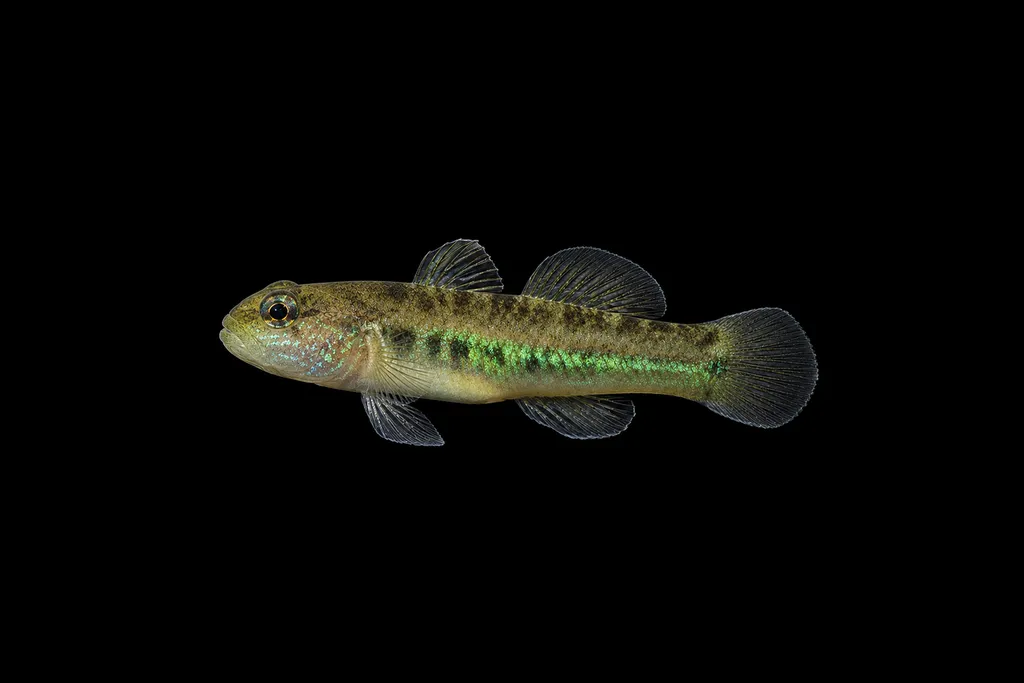
Panamanian greenbanded goby
Tigrigobius panamensis
Saltwater1.2 in (3 cm) · 11 gal (40 L)75–81°F (24–27°C)Percula clownfish
Amphiprion percula
Saltwater3.1 in (8 cm) · 20 gal (75 L)75–82°F (24–28°C)4 varieties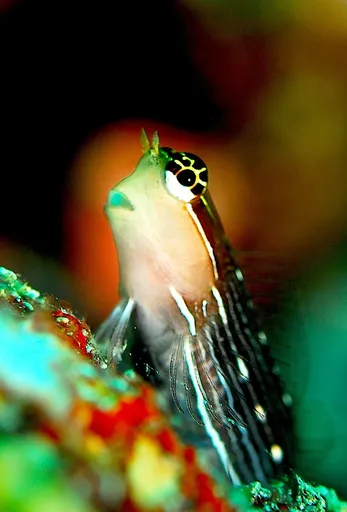
Pictus blenny
Ecsenius pictus
Saltwater2 in (5 cm) · 20 gal (75 L)73–81°F (23–27°C)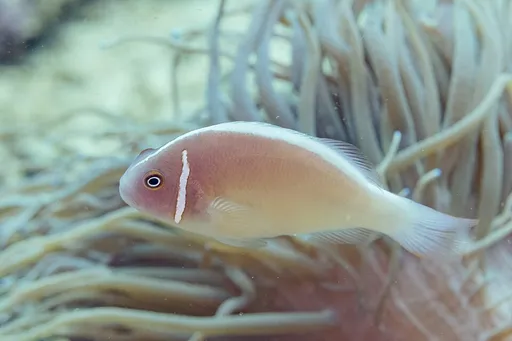
Pink skunk clownfish
Amphiprion perideraion
Saltwater3.9 in (10 cm) · 30 gal (115 L)75–82°F (24–28°C)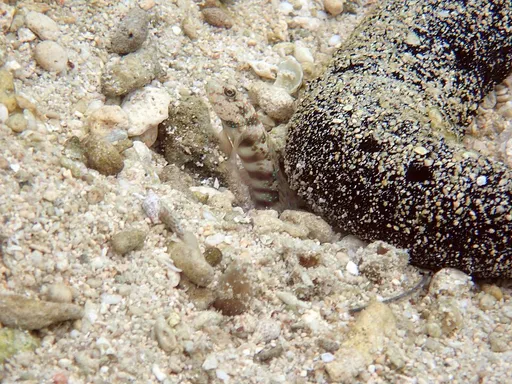
Pink-spotted watchman goby
Cryptocentrus leptocephalus
Saltwater3.9 in (10 cm) · 30 gal (115 L)73–81°F (23–27°C)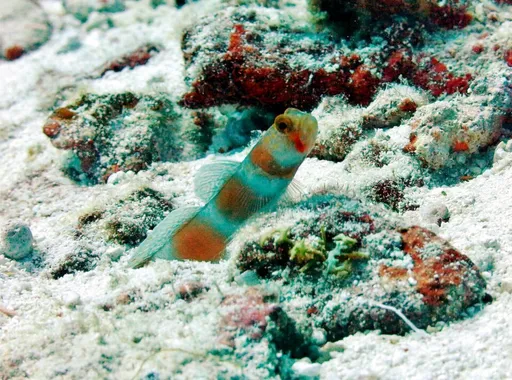
Pinkbar goby
Amblyeleotris aurora
Saltwater4.3 in (11 cm) · 30 gal (115 L)73–81°F (23–27°C)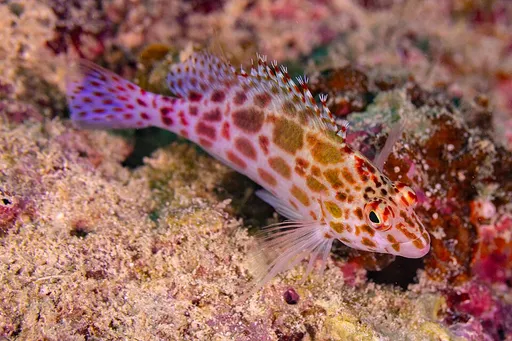
Pixy hawkfish
Cirrhitichthys oxycephalus
Saltwater3.9 in (10 cm) · 29 gal (110 L)72–79°F (22–26°C)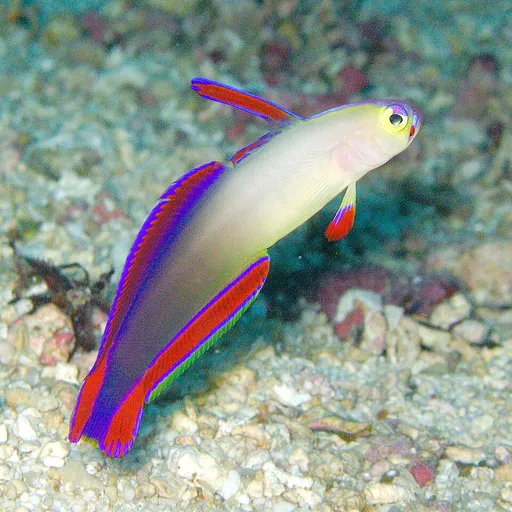
Purple firefish
Nemateleotris decora
Saltwater3.5 in (9 cm) · 20 gal (75 L)72–79°F (22–26°C)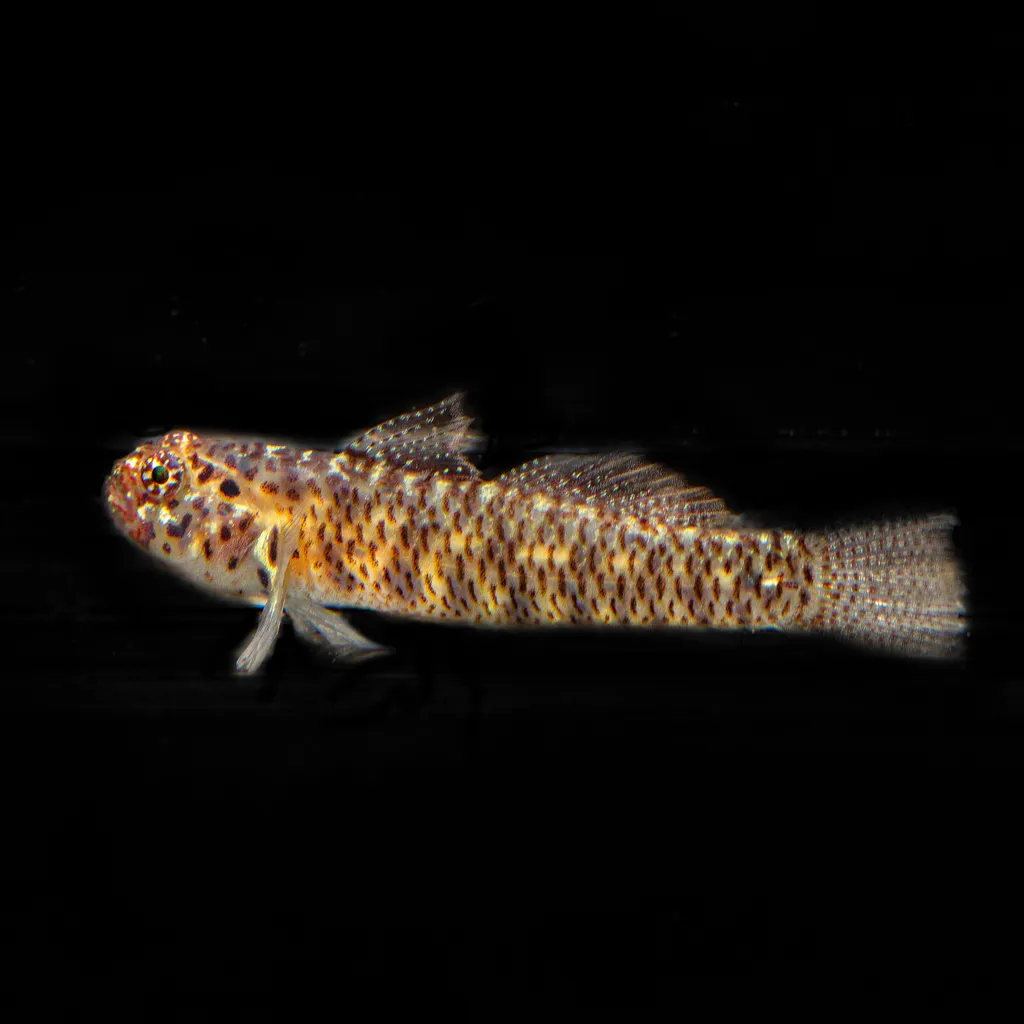
Queensland dwarfgoby
Eviota queenslandica
Saltwater0.9 in (2.4 cm) · 10 gal (38 L)72–79°F (22–26°C)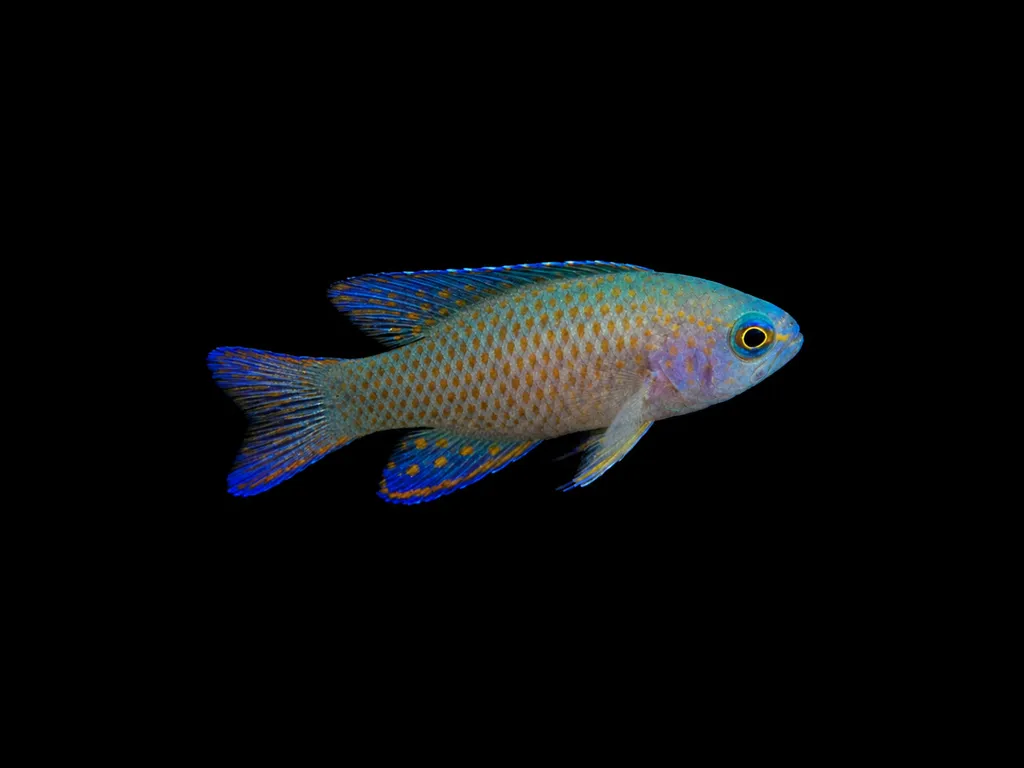
Randall's assessor
Assessor randalli
Saltwater3.1 in (8 cm) · 29 gal (110 L)73–81°F (23–27°C)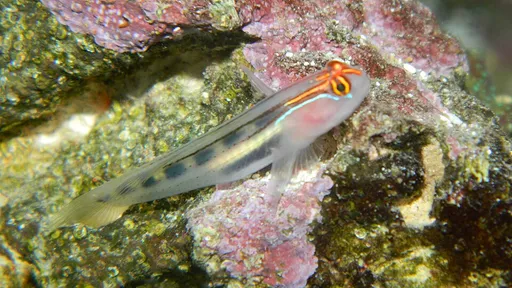
Red head goby
Elacatinus puncticulatus
Saltwater2 in (5 cm) · 11 gal (40 L)72–79°F (22–26°C)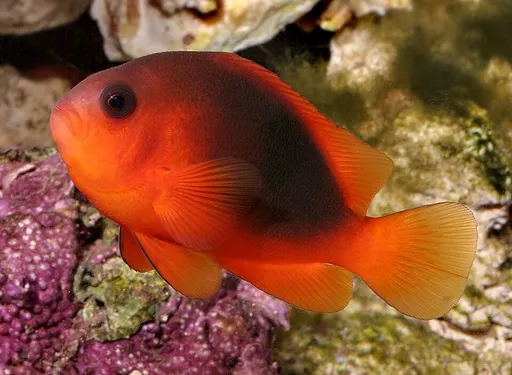
Red saddleback anemonefish
Amphiprion ephippium
Saltwater5.5 in (14 cm) · 30 gal (115 L)75–81°F (24–27°C)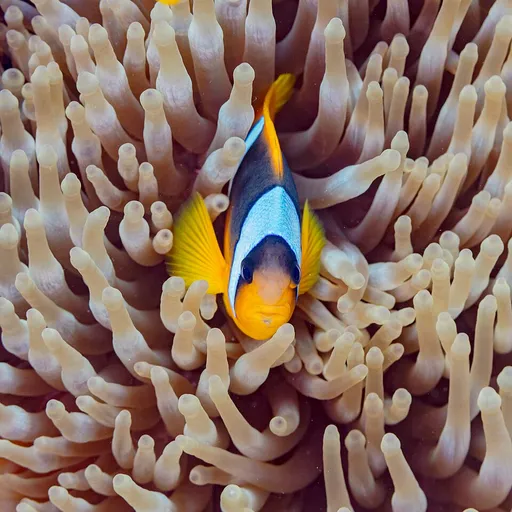
Red Sea clownfish
Amphiprion bicinctus
Saltwater5.5 in (14 cm) · 30 gal (115 L)75–82°F (24–28°C)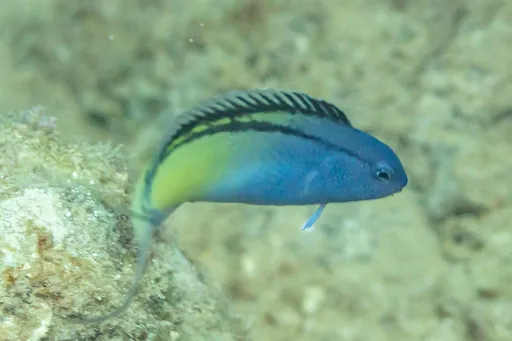
Red Sea mimic blenny
Ecsenius gravieri
Saltwater3.1 in (8 cm) · 20 gal (75 L)75–81°F (24–27°C)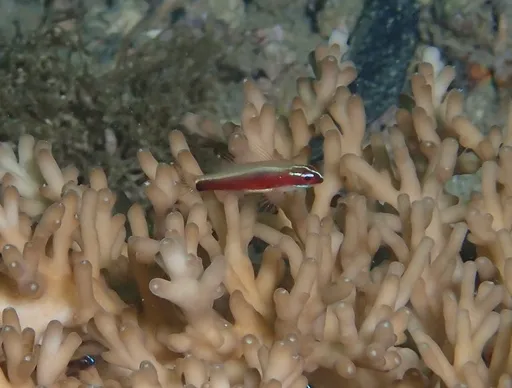
Redbelly dwarfgoby
Eviota nigriventris
Saltwater1.2 in (3 cm) · 10 gal (38 L)72–79°F (22–26°C)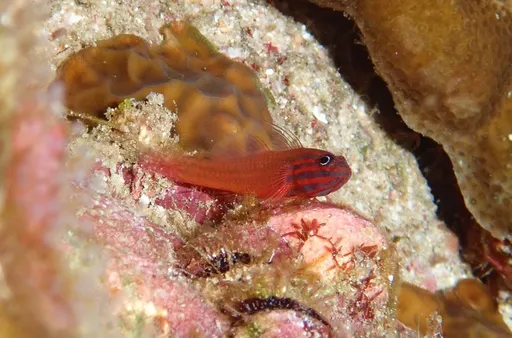
Redlined pygmygoby
Trimma striatum
Saltwater1.2 in (3 cm) · 10 gal (38 L)72–79°F (22–26°C)Royal gramma
Gramma loreto
Saltwater3.1 in (8 cm) · 29 gal (110 L)72–81°F (22–27°C)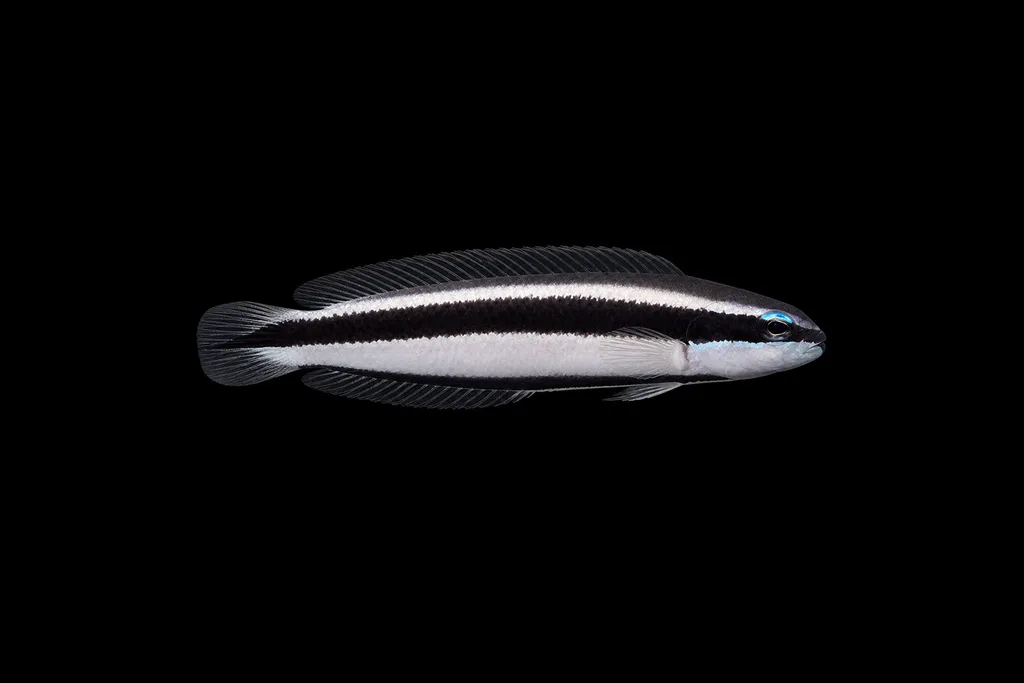
Sankey's dottyback
Pseudochromis sankeyi
Saltwater3.1 in (8 cm) · 29 gal (110 L)75–82°F (24–28°C)Sapphire damsel
Pomacentrus pavo
Saltwater3.3 in (8.5 cm) · 29 gal (110 L)75–82°F (24–28°C)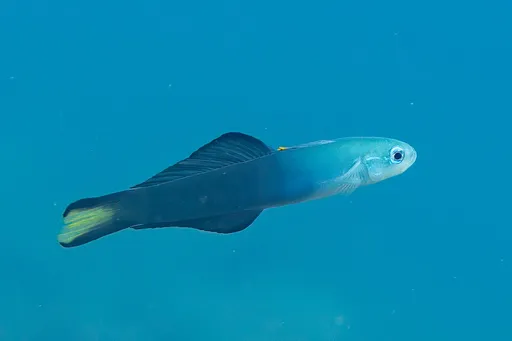
Scissortail dartfish
Ptereleotris evides
Saltwater5.5 in (14 cm) · 29 gal (110 L)72–79°F (22–26°C)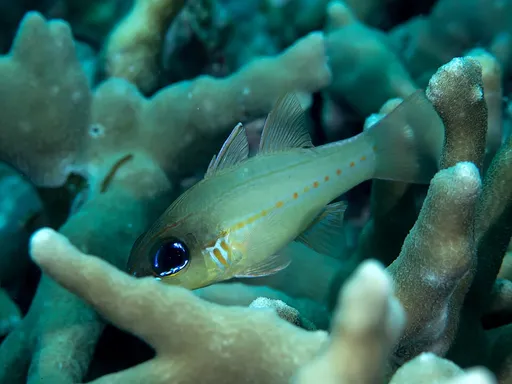
Seale's cardinalfish
Ostorhinchus sealei
Saltwater3.9 in (10 cm) · 29 gal (110 L)72–79°F (22–26°C)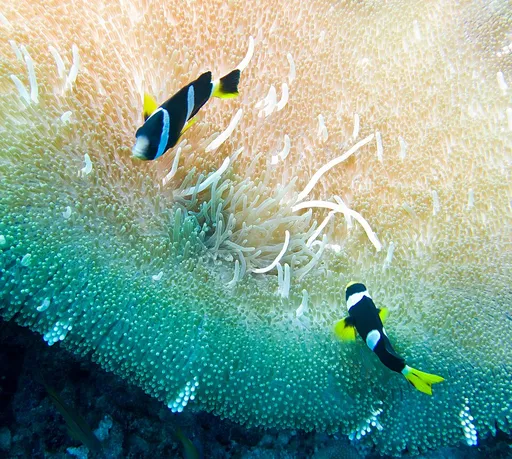
Sebae clownfish
Amphiprion sebae
Saltwater5.9 in (15 cm) · 30 gal (115 L)75–82°F (24–28°C)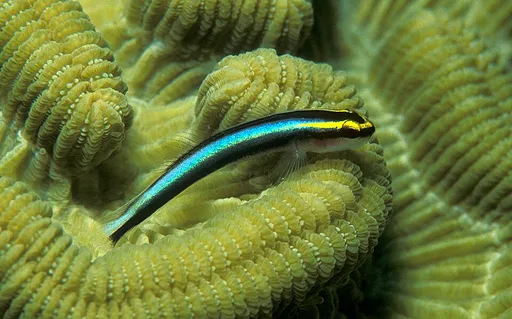
Sharknose goby
Elacatinus evelynae
Saltwater1.6 in (4 cm) · 13 gal (50 L)75–79°F (24–26°C)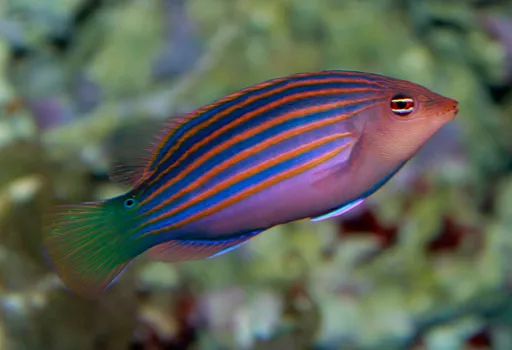
Six-line wrasse
Pseudocheilinus hexataenia
Saltwater3.1 in (8 cm) · 29 gal (110 L)72–79°F (22–26°C)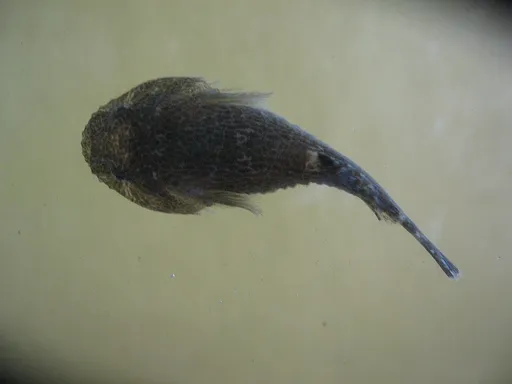
Skilletfish
Gobiesox strumosus
Saltwater3.1 in (8 cm) · 20 gal (76 L)72–79°F (22–26°C)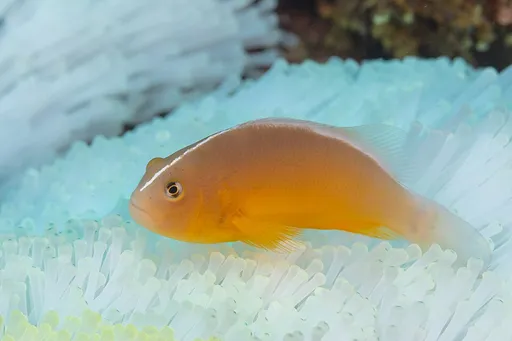
Skunk clownfish
Amphiprion akallopisos
Saltwater4.3 in (11 cm) · 26 gal (100 L)75–82°F (24–28°C)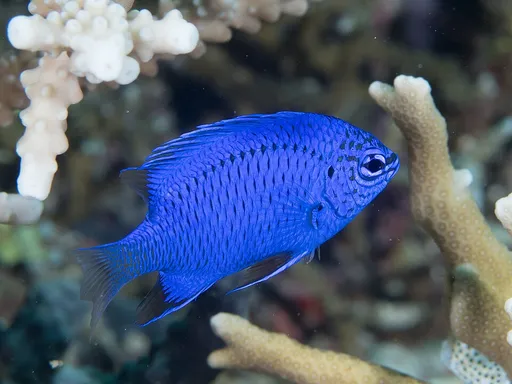
Springer's damsel
Chrysiptera springeri
Saltwater2.8 in (7 cm) · 25 gal (95 L)75–81°F (24–27°C)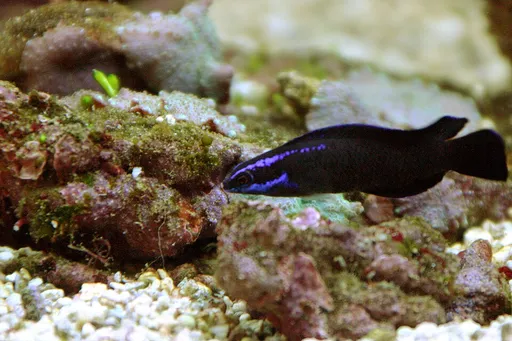
Springer's dottyback
Pseudochromis springeri
Saltwater2.4 in (6 cm) · 20 gal (75 L)72–79°F (22–26°C)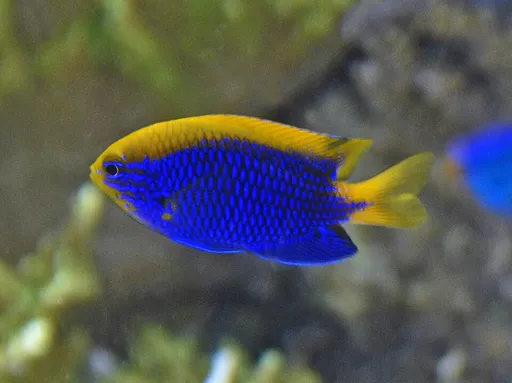
Starck's damsel
Chrysiptera starcki
Saltwater3.5 in (9 cm) · 29 gal (110 L)73–81°F (23–27°C)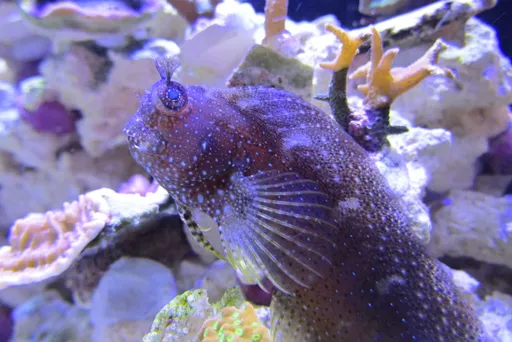
Starry blenny
Salarias ramosus
Saltwater5.5 in (14 cm) · 30 gal (114 L)72–79°F (22–26°C)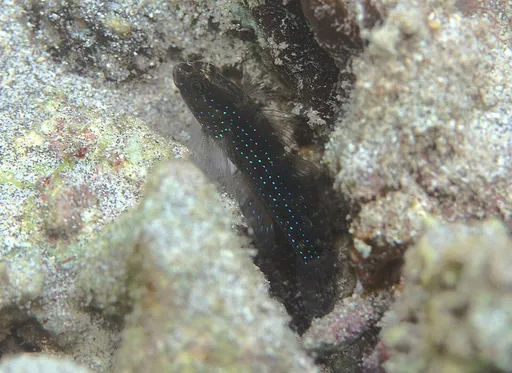
Starry goby
Asterropteryx semipunctata
Saltwater2.8 in (7 cm) · 13 gal (50 L)73–81°F (23–27°C)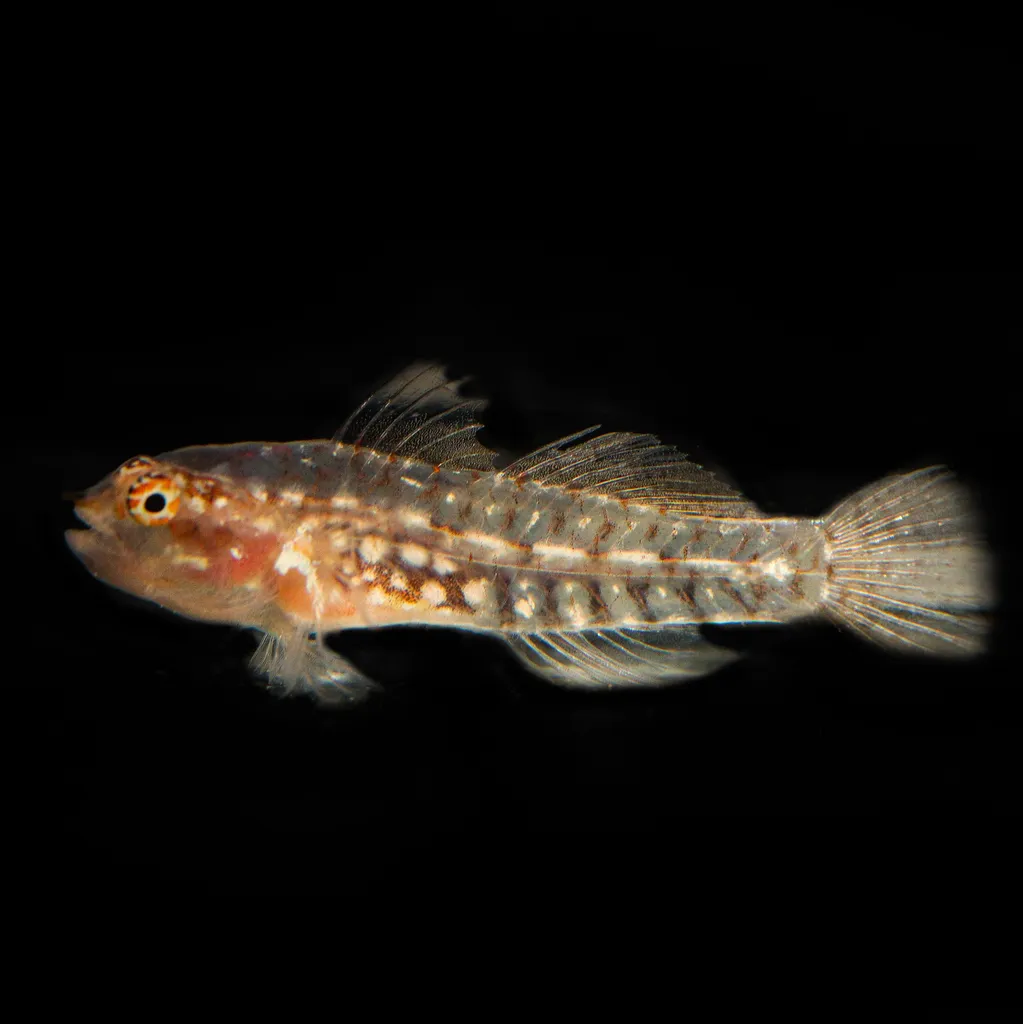
Storthynx dwarfgoby
Eviota storthynx
Saltwater1 in (2.5 cm) · 5 gal (19 L)72–79°F (22–26°C)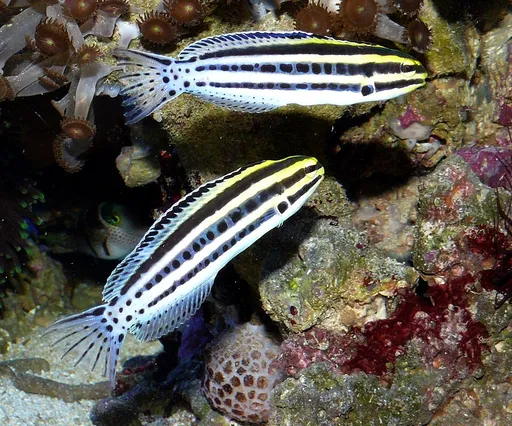
Striped poison-fang blenny
Meiacanthus grammistes
Saltwater4.3 in (11 cm) · 29 gal (110 L)73–79°F (23–26°C)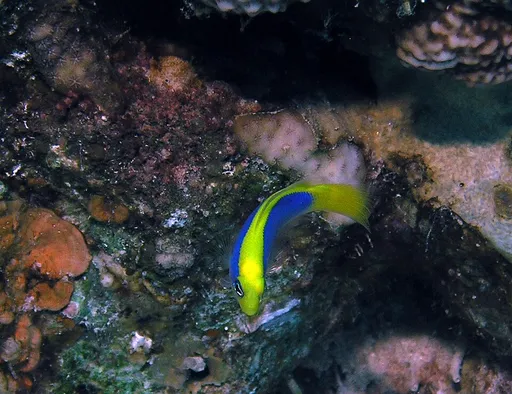
Sunrise dottyback
Pseudochromis flavivertex
Saltwater3.1 in (8 cm) · 29 gal (110 L)75–82°F (24–28°C)Tailspot blenny
Ecsenius stigmatura
Saltwater2.4 in (6 cm) · 20 gal (75 L)72–79°F (22–26°C)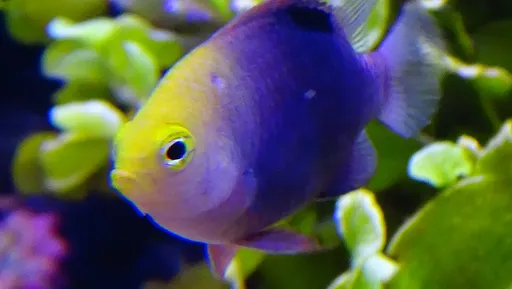
Talbot's damsel
Chrysiptera talboti
Saltwater2.4 in (6 cm) · 29 gal (110 L)75–81°F (24–27°C)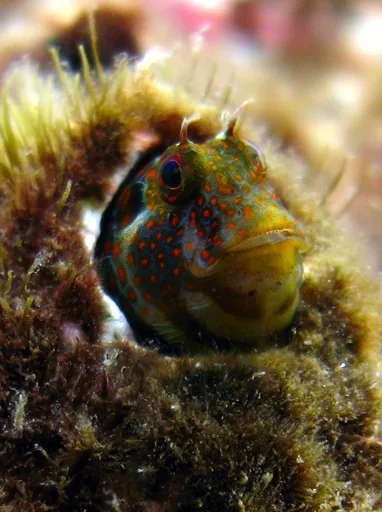
Tessellated blenny
Hypsoblennius invemar
Saltwater2.4 in (6 cm) · 20 gal (75 L)73–79°F (23–26°C)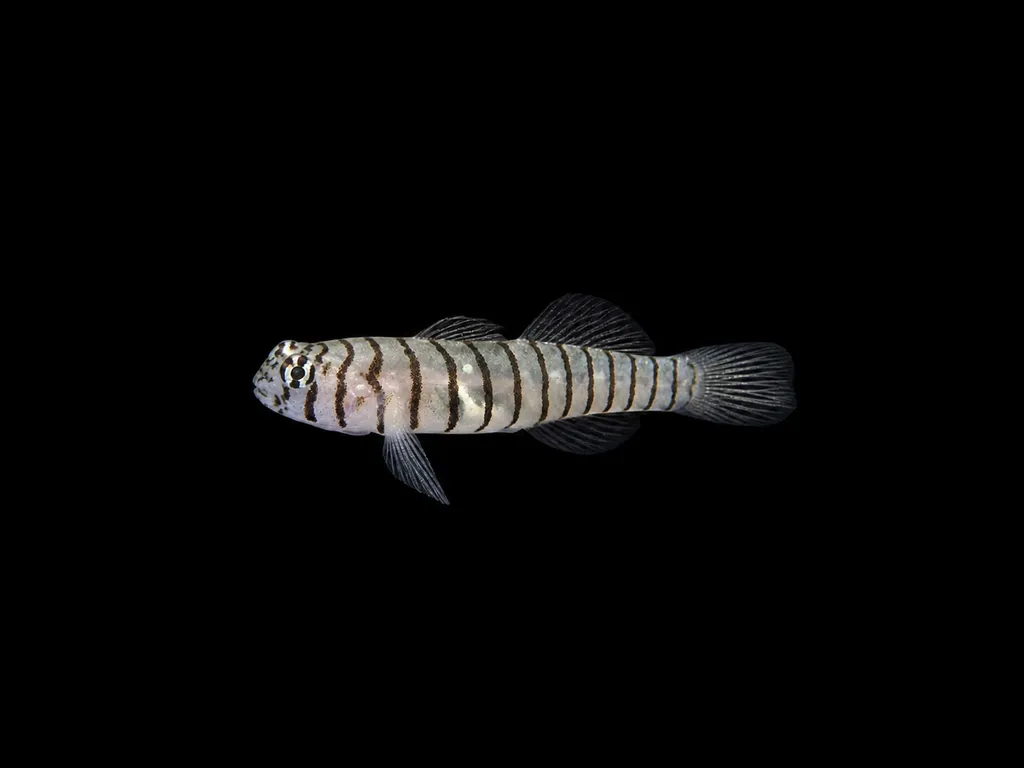
Tiger goby
Tigrigobius macrodon
Saltwater2 in (5 cm) · 11 gal (40 L)72–81°F (22–27°C)Tomato clownfish
Amphiprion frenatus
Saltwater5.5 in (14 cm) · 30 gal (115 L)75–82°F (24–28°C)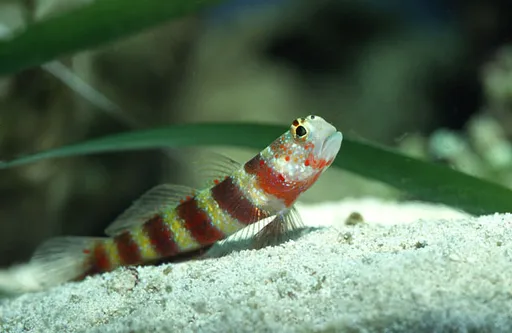
Wheeler's prawn goby
Amblyeleotris wheeleri
Saltwater3.9 in (10 cm) · 30 gal (114 L)72–79°F (22–26°C)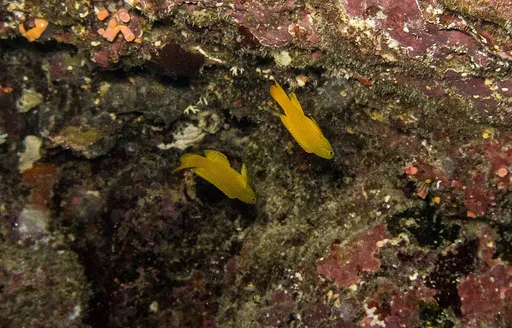
Yellow assessor
Assessor flavissimus
Saltwater2.8 in (7 cm) · 29 gal (110 L)72–79°F (22–26°C)Yellow cardinalfish
Ostorhinchus luteus
Saltwater2 in (5 cm) · 20 gal (75 L)73–79°F (23–26°C)Yellow clown goby
Gobiodon okinawae
Saltwater1.6 in (4 cm) · 11 gal (40 L)73–81°F (23–27°C)Yellow watchman goby
Cryptocentrus cinctus
Saltwater3.5 in (9 cm) · 20 gal (75 L)72–81°F (22–27°C)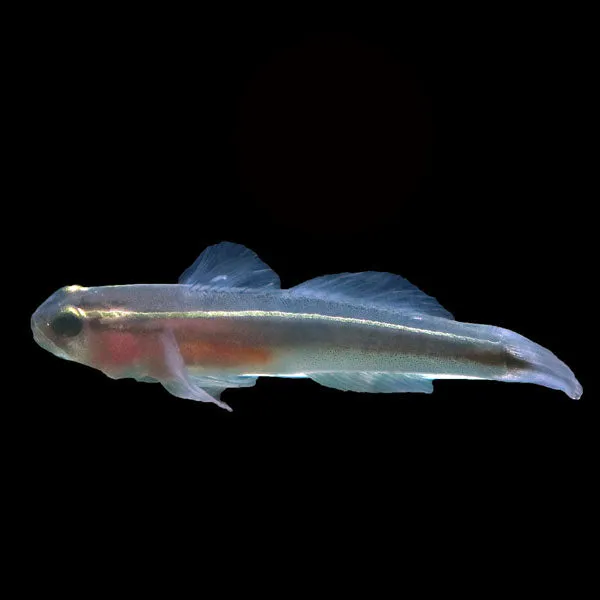
Yellowline sponge goby
Elacatinus horsti
Saltwater2 in (5 cm) · 11 gal (40 L)72–79°F (22–26°C)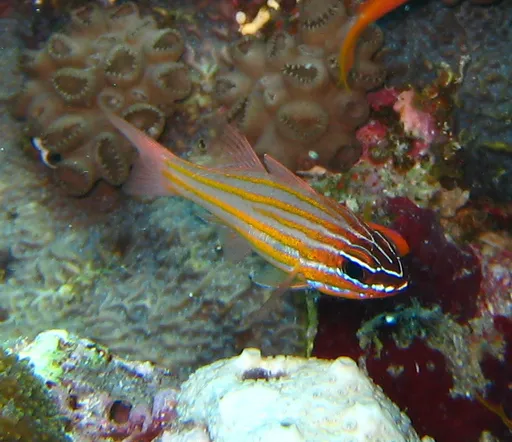
Yellowstriped cardinalfish
Ostorhinchus cyanosoma
Saltwater3.1 in (8 cm) · 30 gal (114 L)72–79°F (22–26°C)Yellowtail damsel
Chrysiptera parasema
Saltwater2.8 in (7 cm) · 29 gal (110 L)75–81°F (24–27°C)Zebra dartfish
Ptereleotris zebra
Saltwater4.7 in (12 cm) · 29 gal (110 L)72–79°F (22–26°C)
Planning a tank?
TankBud checks stocking and water fit as you build a tank, then tracks water tests, reminders and photos once it is running.
Track your tanksMaintain tanks for clients? See TankBud Pro