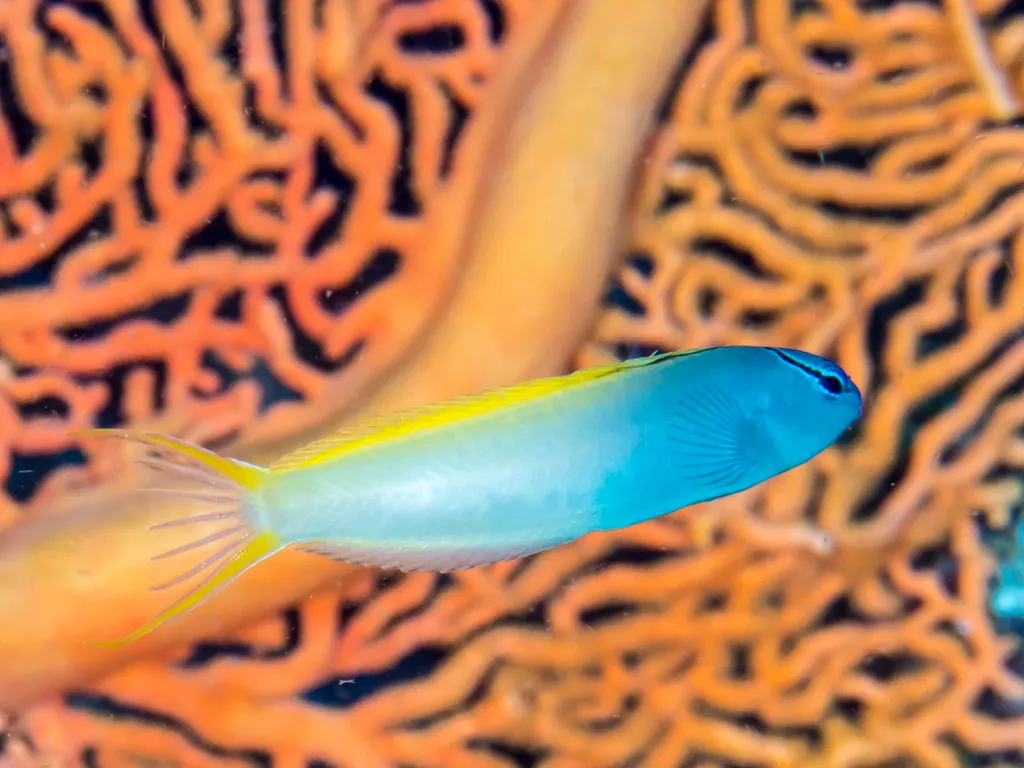
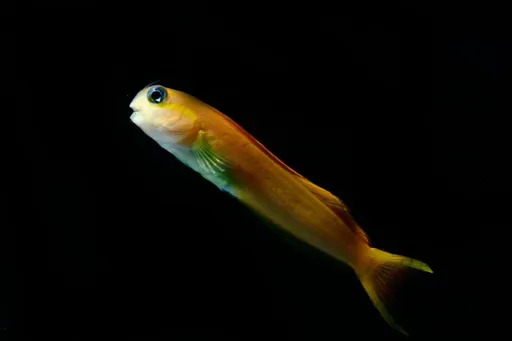
Forktail fang blenny
Meiacanthus atrodorsalis
Also known as Yellowtail Fang Blenny, Eyelash Fang Blenny, Forktail Blenny
SaltwaterFish
Care at a glance
- Temperature
- 72–79°F
- 22–26°C
- pH
- 8.1–8.4
- Adult size
- 4.3 in
- 11 cm
- Minimum tank
- 30 gal
- 114 L
- Temperament
- Peaceful
- Social behavior
- Solitary
- Swim level
- Middle
- Difficulty
- Easy
- Breeding
- Hard
- Rarity
- Common
- Reef safe
- Reef safe
- Family
- Blenniidae
- Origin
- Western Pacific reefs, from Bali and the Philippines to Samoa
Overview
Peaceful toward other species and safe around corals, clams and most invertebrates, though it may pick at small ornamental shrimp or feather duster worms if underfed. It is best kept singly or as an established male-female pair, since two unrelated fish of the same or similar-looking species usually fight. Offer a varied diet of mysis and vitamin-enriched brine shrimp, finely chopped seafood and herbivore preparations several times a day; it will also graze on copepods and algae film in the rockwork.
In the wild
Native to shallow reef flats and lagoons across the western Pacific, from Bali and the Philippines east to Samoa. It shelters in abandoned worm holes and small crevices in the reef and, unusually for a blenny, spends much of its time swimming freely in open water instead of perching on rock. Keep it in at least 114 liters (30 gallons) with plenty of live rock offering tight hiding spots, and a well-sealed lid, since it jumps readily when startled.
Good to know
Meiacanthus fang blennies carry a pair of long, grooved canine fangs on the lower jaw that connect to venom glands, an oral venom system used purely for defense rather than for hunting prey. The venom contains opioid-like compounds and enzymes that can drop a predator's blood pressure and cause disorientation, giving the blenny time to escape. The bite is harmless to people beyond a sharp, localized sting, but several unrelated reef fish, including the bicolor fangblenny and bicolor blenny, have evolved to mimic its coloring and swimming style to borrow that protection.
Did you know
Its venomous bite is such an effective deterrent that at least two other reef fish, the bicolor fangblenny and the bicolor blenny, have evolved to look almost identical to it so predators leave them alone too, even though neither actually carries venom.
Weekly picks
Tank mates
Forktail fang blenny is a peaceful, solitary species that keeps to the middle. These picks share a community profile with it, are safe together in both directions, and overlap on water type, temperature and pH.
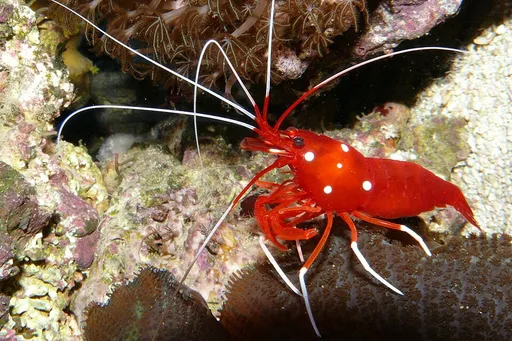
Fire shrimp
Lysmata debelius
Saltwater2.4 in (6 cm) · 20 gal (75 L)72–79°F (22–26°C)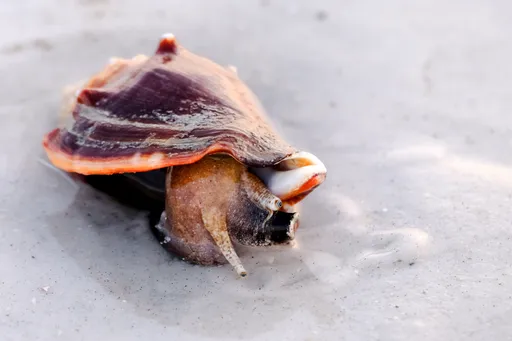
Fighting conch
Strombus alatus
Saltwater3.1 in (8 cm) · 20 gal (75 L)75–81°F (24–27°C)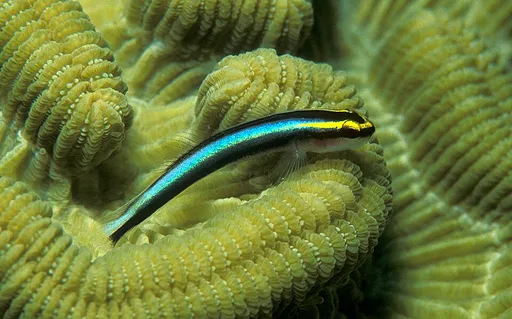
Sharknose goby
Elacatinus evelynae
Saltwater1.6 in (4 cm) · 13 gal (50 L)75–79°F (24–26°C)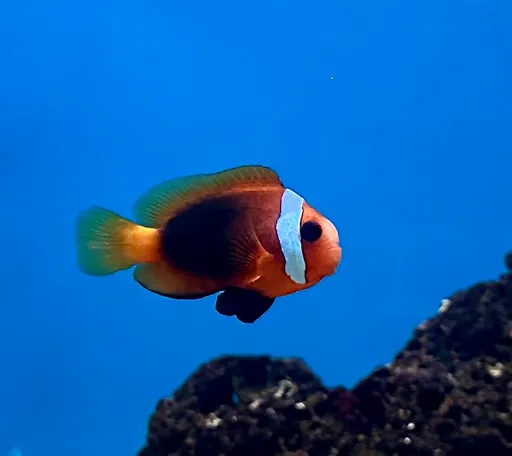
Cinnamon clownfish
Amphiprion melanopus
Saltwater4.7 in (12 cm) · 30 gal (115 L)75–82°F (24–28°C)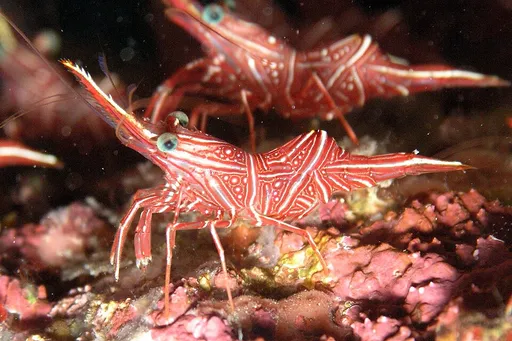
Camel / dancing shrimp
Rhynchocinetes durbanensis
Saltwater2 in (5 cm) · 16 gal (60 L)75–81°F (24–27°C)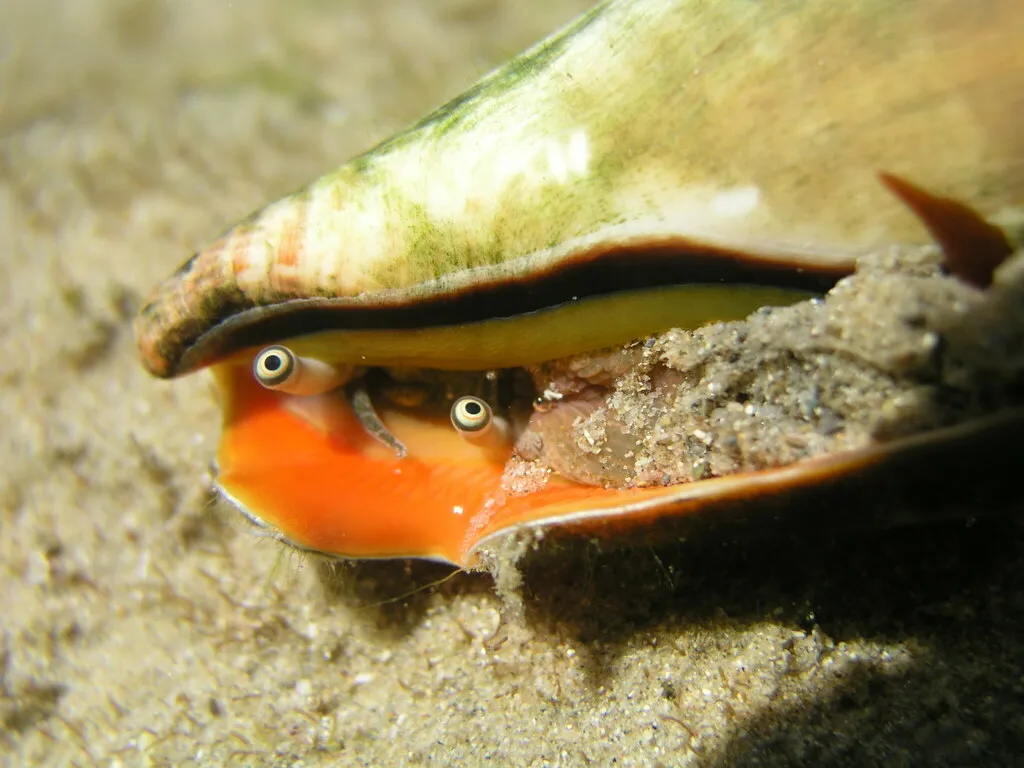
Tiger / strawberry conch
Conomurex luhuanus
Saltwater2.8 in (7 cm) · 20 gal (75 L)75–81°F (24–27°C)
Common questions
What size tank does a Forktail fang blenny need?
A Forktail fang blenny needs at least 30 gal (114 L). It spends most of its time in the middle.
What temperature and pH does a Forktail fang blenny need?
A Forktail fang blenny is comfortable at 72–79°F (22–26°C) with a pH of 8.1–8.4.
How big does a Forktail fang blenny get?
An adult Forktail fang blenny reaches about 4.3 in (11 cm).
Related species
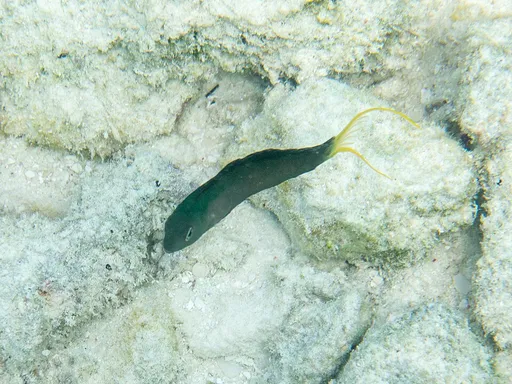 3.5 in (9 cm)29 gal (110 L)72–79°F (22–26°C)
Mozambique fangblenny
Meiacanthus mossambicus
3.5 in (9 cm) · 29 gal (110 L)
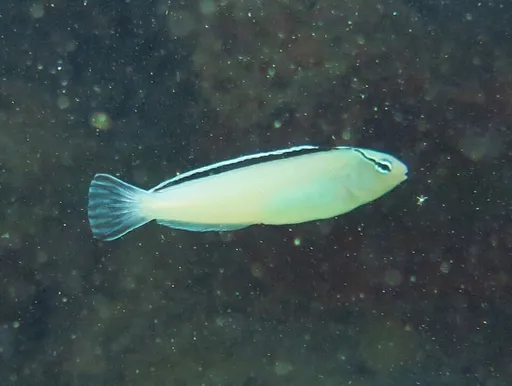 3.1 in (8 cm)26 gal (100 L)73–81°F (23–27°C)
Disco blenny
Meiacanthus smithi
3.1 in (8 cm) · 26 gal (100 L)
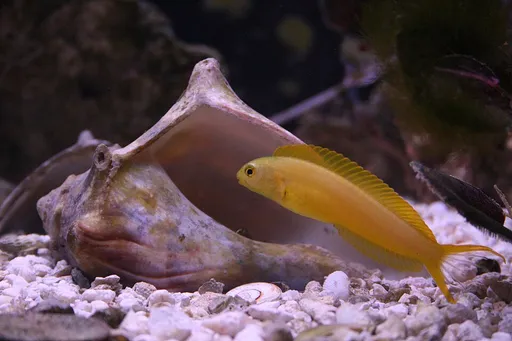 3.9 in (10 cm)40 gal (150 L)72–79°F (22–26°C)
Canary fang blenny
Meiacanthus oualanensis
3.9 in (10 cm) · 40 gal (150 L)
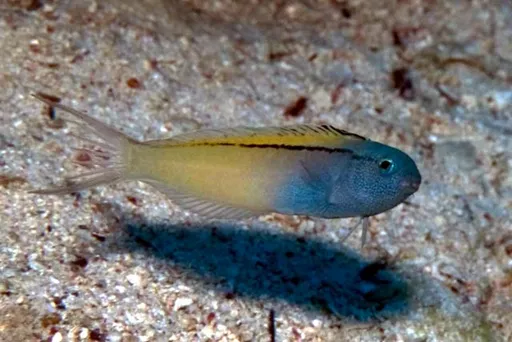 3.5 in (9 cm)20 gal (75 L)75–81°F (24–27°C)
Blackline fang blenny
Meiacanthus nigrolineatus
3.5 in (9 cm) · 20 gal (75 L)
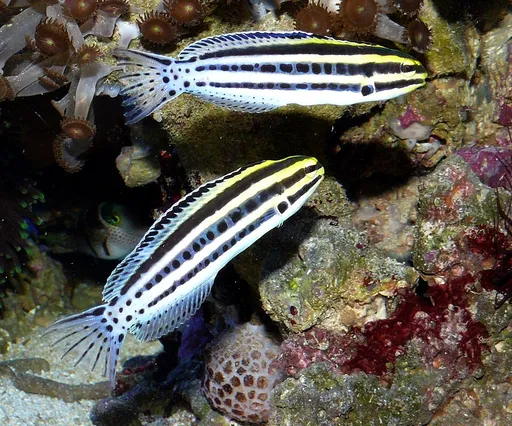 4.3 in (11 cm)29 gal (110 L)73–79°F (23–26°C)
Striped poison-fang blenny
Meiacanthus grammistes
4.3 in (11 cm) · 29 gal (110 L)
 5.1 in (13 cm)29 gal (110 L)72–79°F (22–26°C)
Midas blenny
Ecsenius midas
5.1 in (13 cm) · 29 gal (110 L)