Cichlids
Cichlids run from peaceful dwarf species to territorial tank bosses, so the right pick depends on the water and space you have. Rams and apistos suit a quiet community; mbuna and larger New World cichlids want a tank planned around them. Each profile lists tank size, water and temperament.
At a glance
- Tank size
- 11–528 gal
- 11 gal (40 L) to 528 gal (2,000 L); half the list needs 64 gal (243 L) or more
- Temperature
- 75–82°F
- 24–28°C, most of the list
- pH
- 7.0–8.2
- Most of the list
- Difficulty
- 64 easy
- 401 medium · 73 difficult
- Temperament
- 36 peaceful
- 309 mostly peaceful · 193 aggressive
538 species and 31 varieties
Choose the water first
Cichlids come from four very different kinds of water, and the tank you can keep well is the one that matches your tap. The Rift lakes, Malawi and Tanganyika, are hard and alkaline, pH 7.5 and above; their cichlids fade and sicken in soft water. Most South American cichlids, from apistos and rams to angelfish and discus, want soft to neutral water and, for discus, real warmth. Central American cichlids are robust fish for neutral to hard water and tolerate more, but many are big and territorial. West African cichlids such as the kribensis sit in the middle: modest size, neutral water, easy temper. Test your water, pick the region that fits it, and the profiles will do the rest.
Dwarf cichlids for a community tank
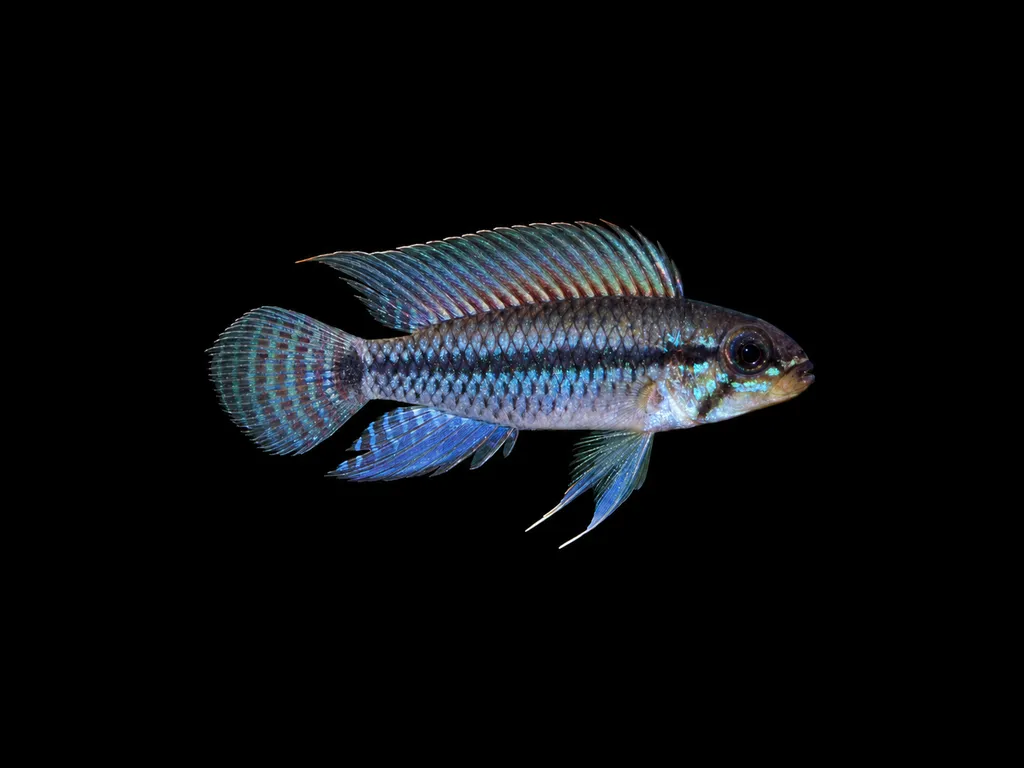
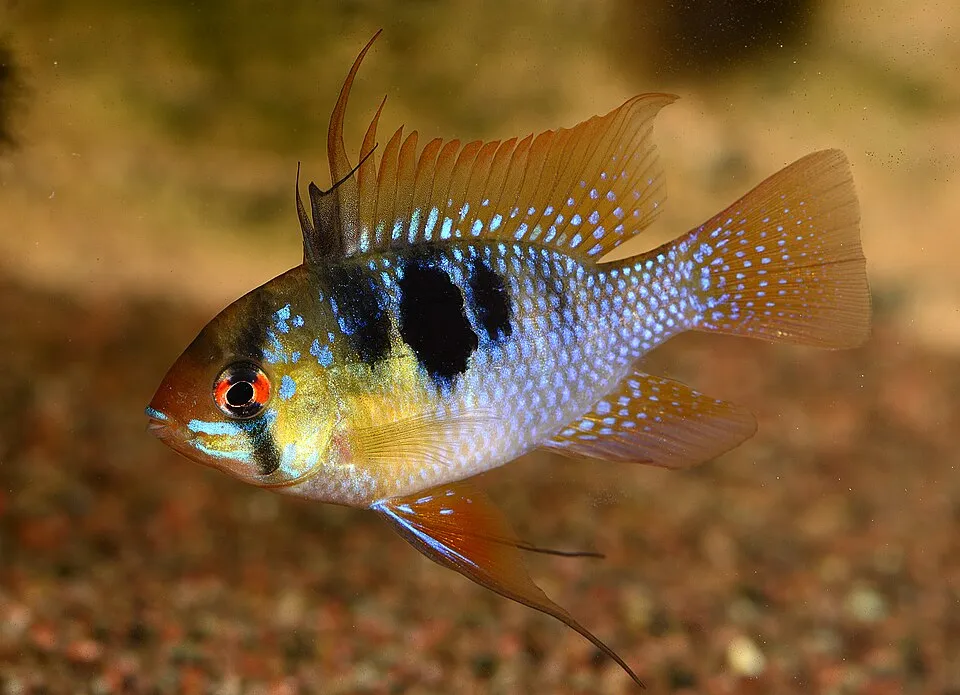
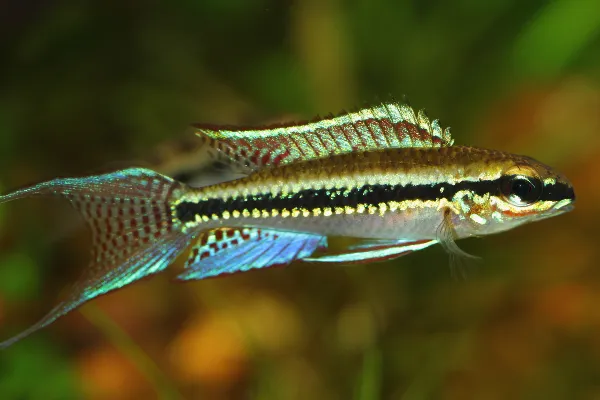
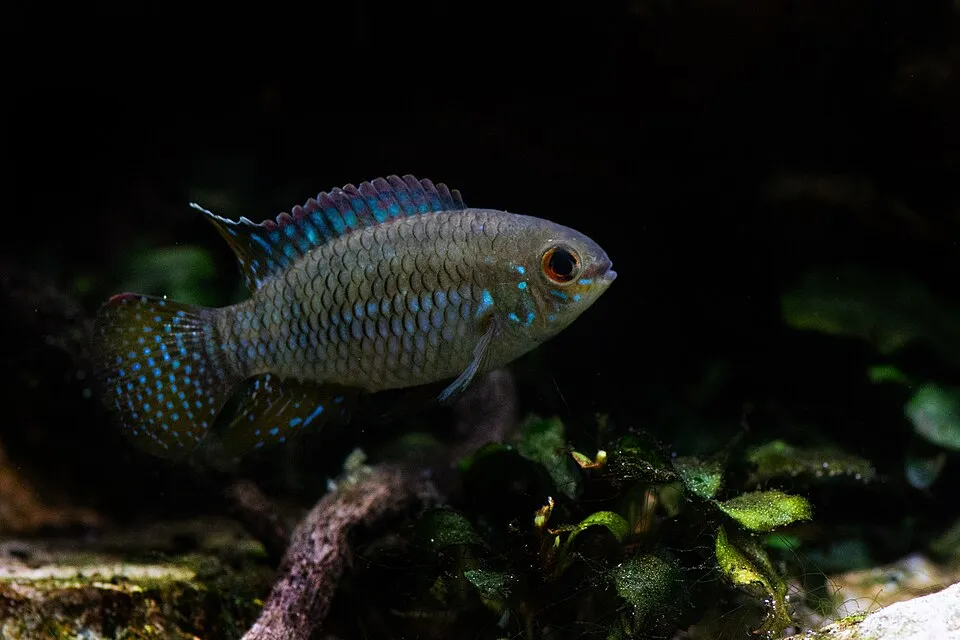
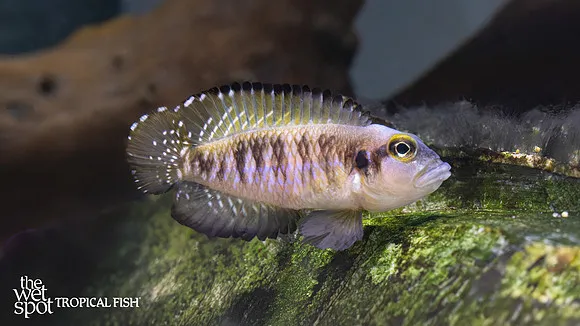
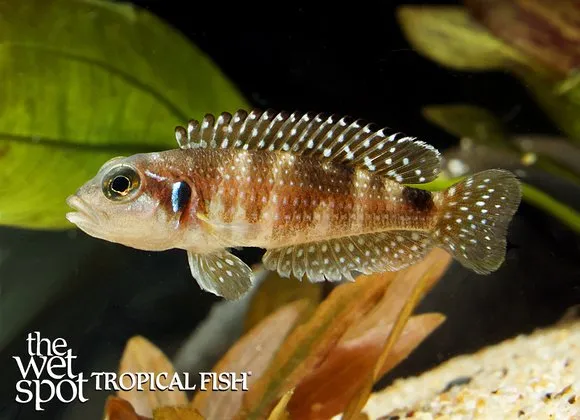
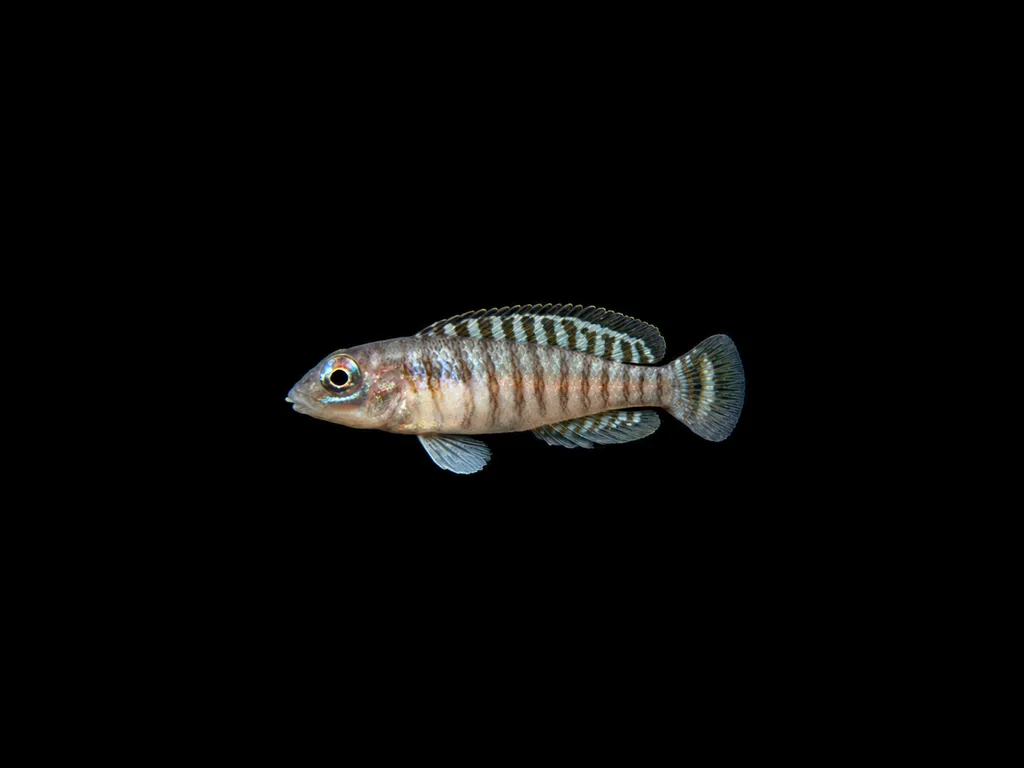
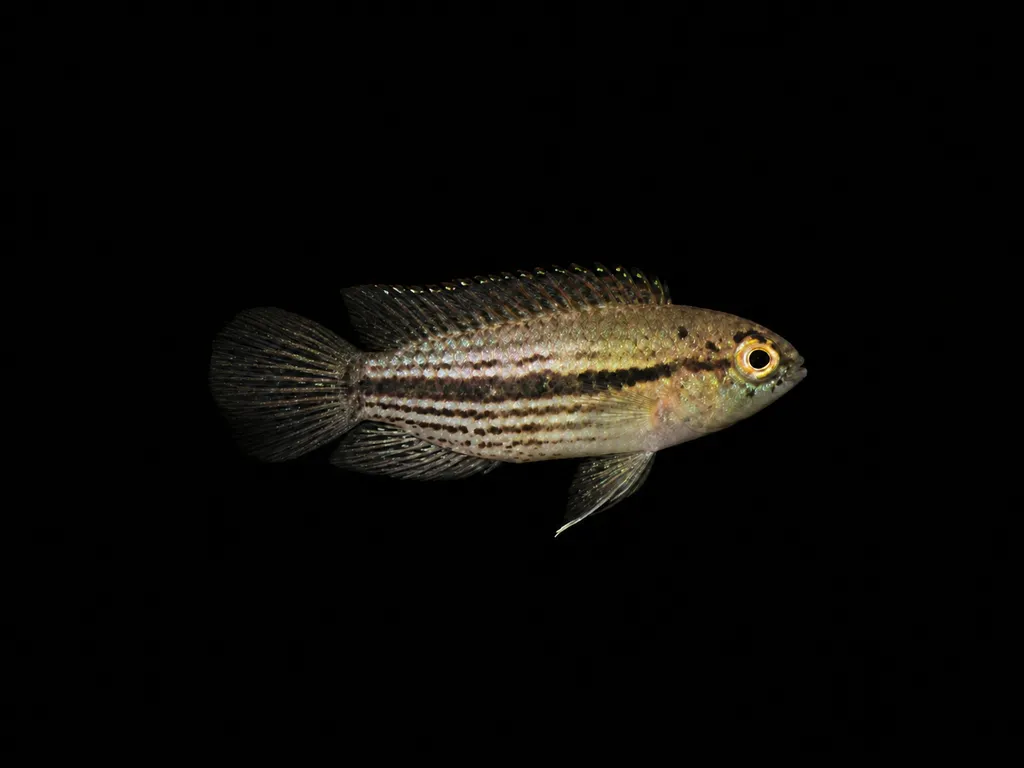
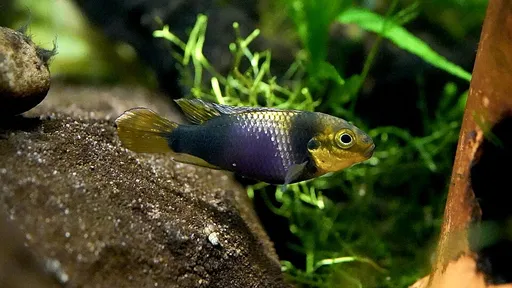
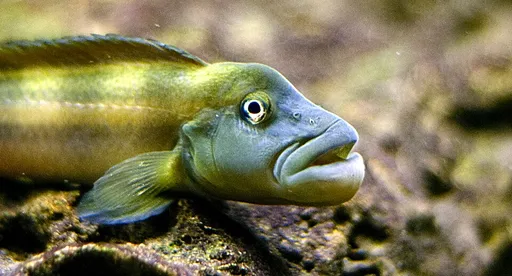
A good number of the cichlids in this list stay under 3 inches (8 cm), and several are genuine community fish. The kribensis is the easy starting point: 4 inches (10 cm), 20 gallons (75 liters), peaceful outside its cave. The cockatoo and umbrella cichlids and the other apistos want soft water, a pair, and caves to claim, in tanks from 18 gallons (70 liters). The Bolivian ram is steadier than its German cousin. The keyhole cichlid is one of the gentlest cichlids kept. For hard water there are the Tanganyikan shell dwellers: the multies live in a colony of empty snail shells and stay under 2 inches (5 cm).
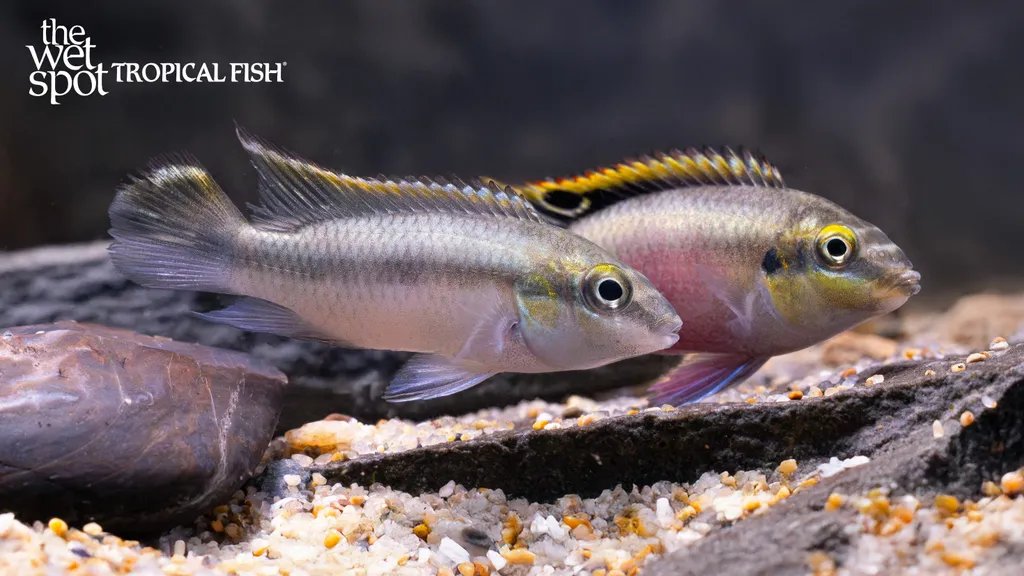
Kribensis
Pelvicachromis pulcher
Freshwater- Size
- 3.9 in (10 cm)
- Tank
- 20 gal (75 L)
- Water
- 75–81°F (24–27°C)
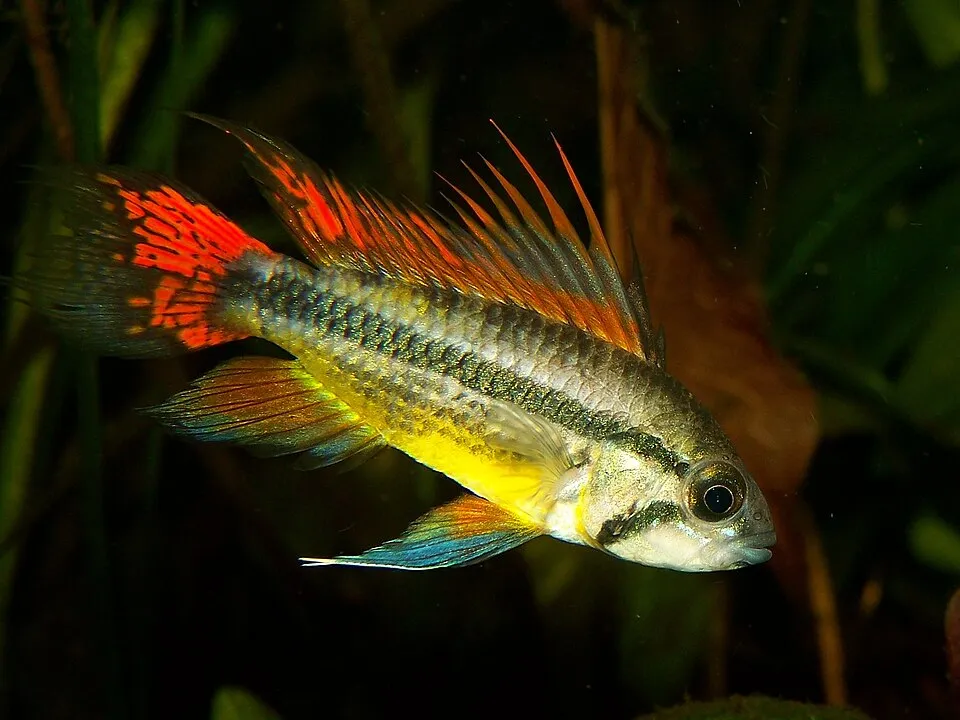
Cockatoo cichlid
Apistogramma cacatuoides
Freshwater- Size
- 3 in (7.5 cm)
- Tank
- 18 gal (70 L)
- Water
- 72–84°F (22–29°C)
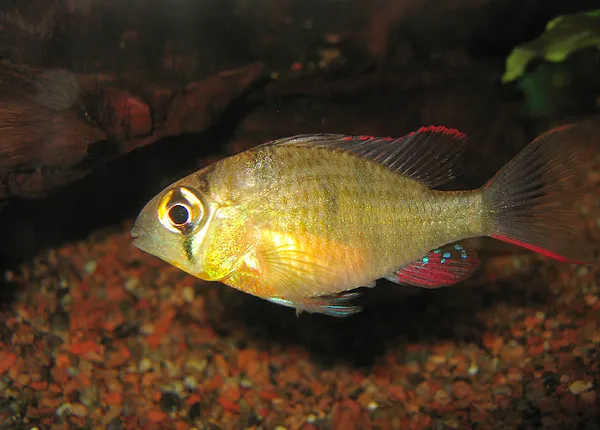
Bolivian ram
Mikrogeophagus altispinosus
Freshwater- Size
- 3.1 in (8 cm)
- Tank
- 45 gal (170 L)
- Water
- 75–82°F (24–28°C)
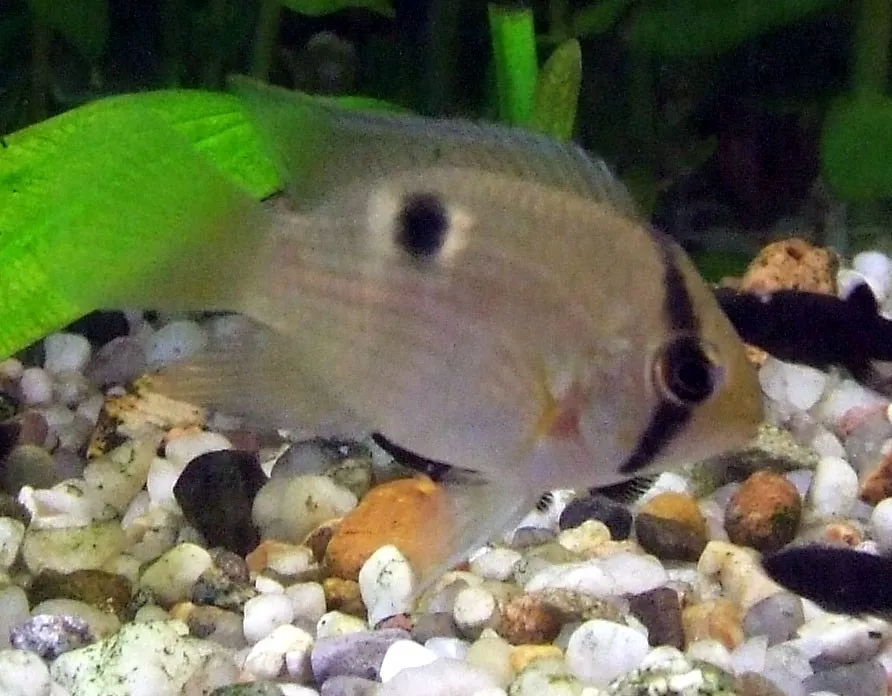
Keyhole cichlid
Cleithracara maronii
Freshwater- Size
- 4.3 in (11 cm)
- Tank
- 25 gal (95 L)
- Water
- 70–82°F (21–28°C)
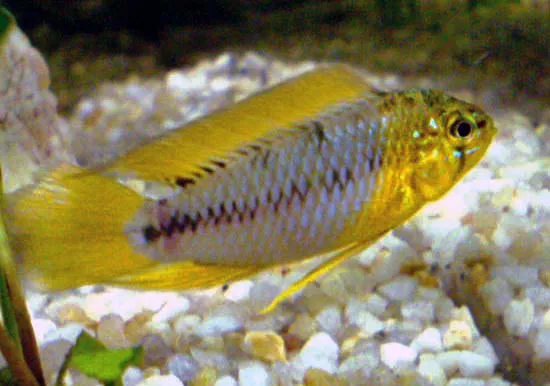
Umbrella cichlid
Apistogramma borellii
Freshwater- Size
- 2.6 in (6.5 cm)
- Tank
- 18 gal (70 L)
- Water
- 68–79°F (20–26°C)
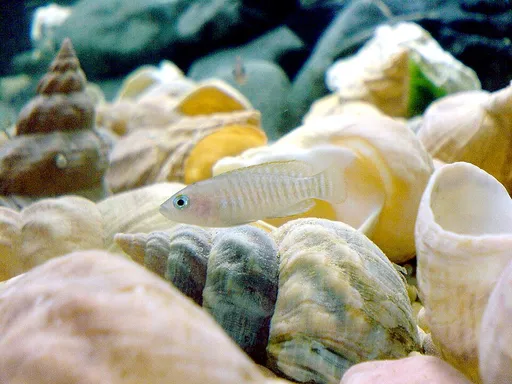
Multie shell dweller
Neolamprologus multifasciatus
Freshwater- Size
- 1.8 in (4.5 cm)
- Tank
- 20 gal (75 L)
- Water
- 75–81°F (24–27°C)
Lake Malawi: mbuna, peacocks and haps
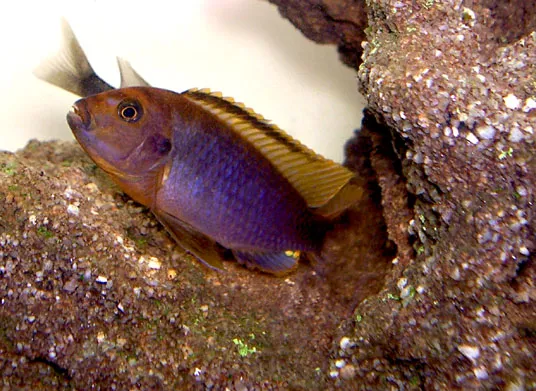
Malawi cichlids are the bright ones in the shop, and they are hard-water fish first: pH 7.5–8.5, 75–82°F (24–28°C), rock piles for territory. Mbuna such as the red zebra are aggressive and are kept in crowded, well-filtered groups so no single fish can hold a territory. Peacocks and haps are milder and larger; an all-male peacock tank gives the colour without the breeding fights. The electric yellow is the easy mbuna, the sunshine and OB peacocks are easy peacocks, and the blue dolphin and venustus are the milder haps, reaching 10 to 12 inches (25 to 30 cm) and wanting 65 to 75 gallons (250 to 280 liters).
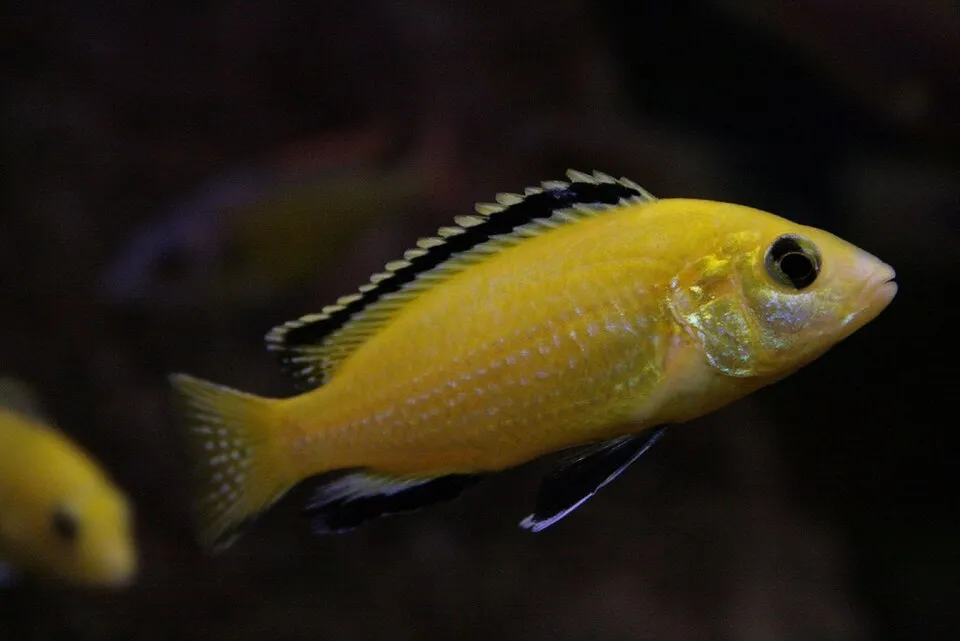
Electric yellow cichlid
Labidochromis caeruleus
Freshwater4.7 in (12 cm) · 42 gal (160 L)75–82°F (24–28°C)
Sunshine peacock cichlid
Aulonocara baenschi
Freshwater4.3 in (11 cm) · 63 gal (240 L)77–84°F (25–29°C)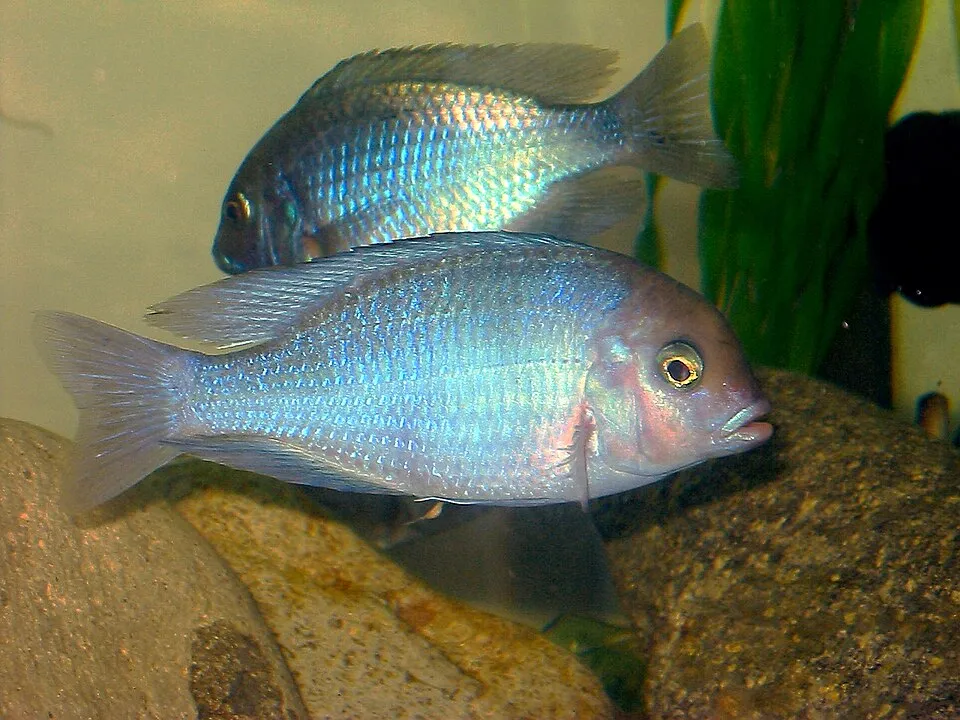
Blue dolphin cichlid
Cyrtocara moorii
Freshwater9.8 in (25 cm) · 66 gal (250 L)77–84°F (25–29°C)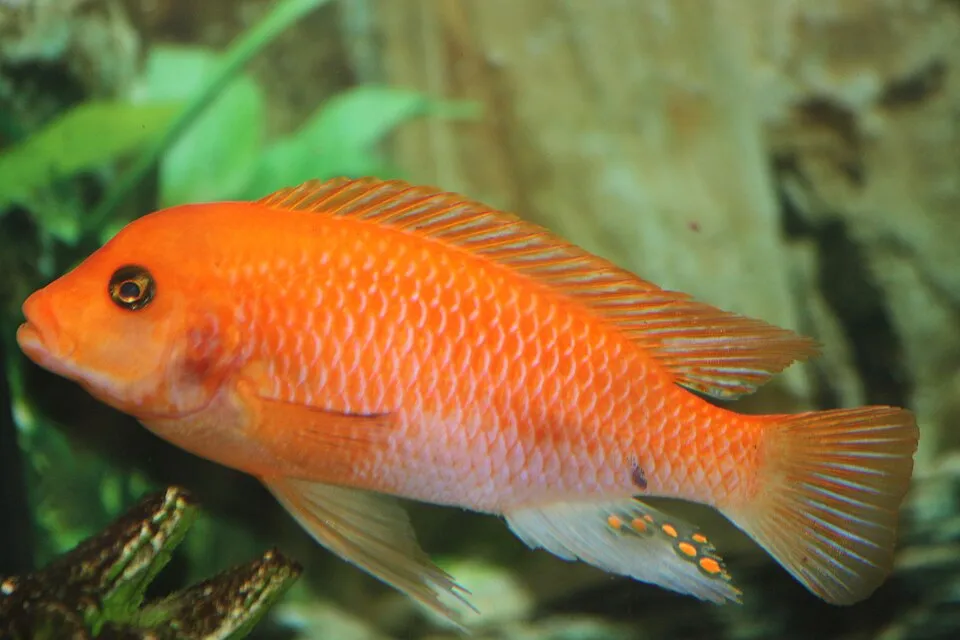
Red zebra cichlid
Maylandia estherae
Freshwater3.9 in (10 cm) · 45 gal (170 L)75–82°F (24–28°C)
American cichlids: plan the tank around them
The Central and South American cichlids run from a 30 gallon (115 liter) angelfish tank to fish that need a room. Angelfish, the firemouth and the rainbow cichlid are the approachable ones, all around 6 inches (15 cm), the rainbow cichlid the most peaceful of the three. Convicts are the same size and easy to keep but breed constantly and defend the fry against anything. Severums and oscars reach 12 to 14 inches (30 to 35 cm); the oscar wants 95 gallons (360 liters) to itself. Discus are the exception in the group: soft, very warm water at 79–90°F (26–32°C), spotless conditions, and a difficult rating that is earned.
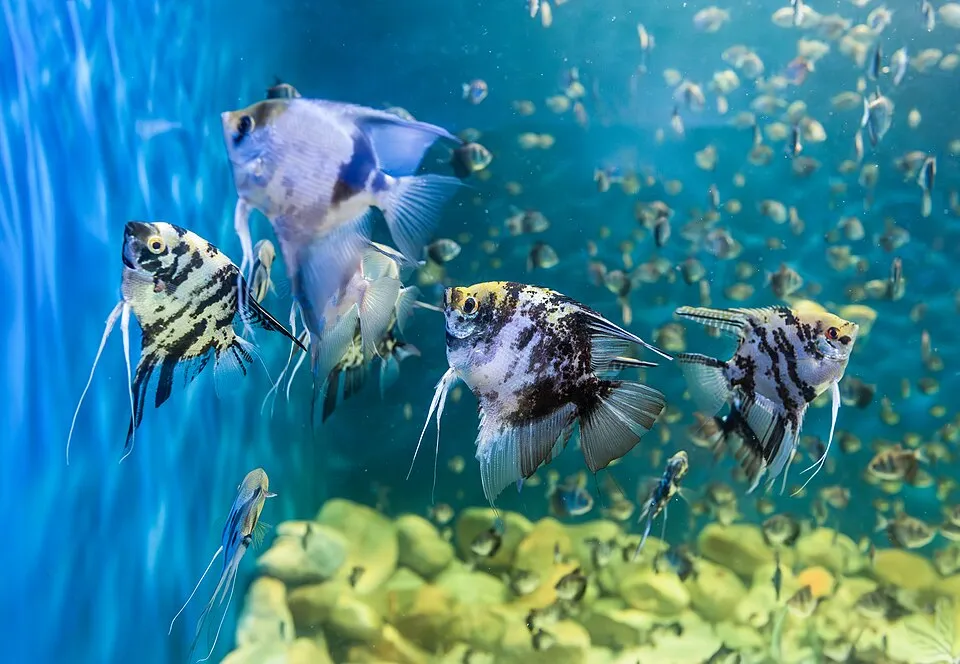
Angelfish
Pterophyllum scalare
Freshwater5.9 in (15 cm) · 30 gal (115 L)75–86°F (24–30°C)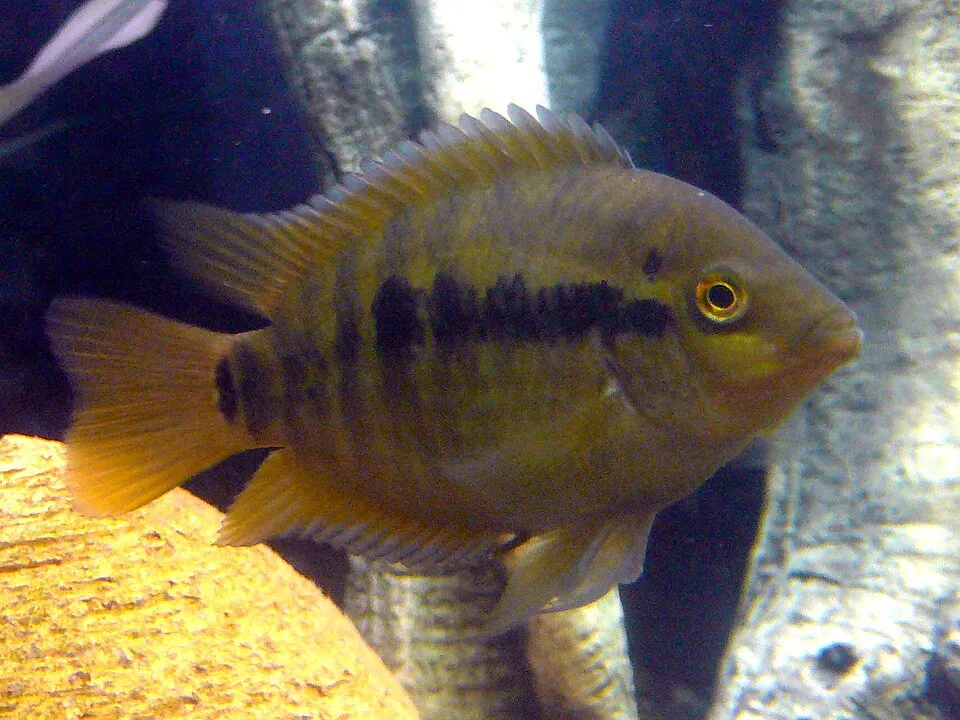
Rainbow cichlid
Herotilapia multispinosa
Freshwater6.3 in (16 cm) · 26 gal (100 L)72–82°F (22–28°C)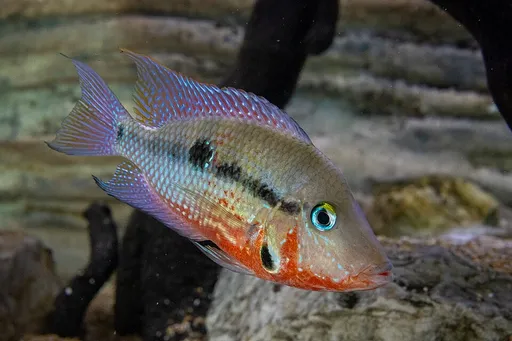
Firemouth cichlid
Thorichthys meeki
Freshwater5.9 in (15 cm) · 30 gal (115 L)73–82°F (23–28°C)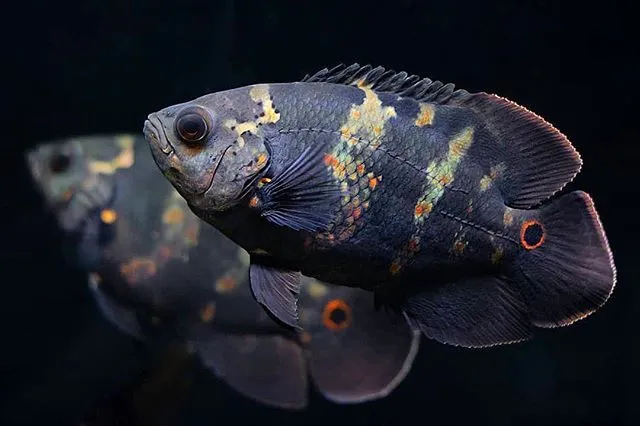
Oscar
Astronotus ocellatus
Freshwater13.8 in (35 cm) · 95 gal (360 L)68–82°F (20–28°C)
The giants
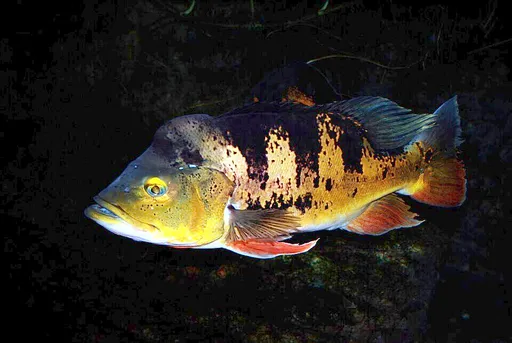
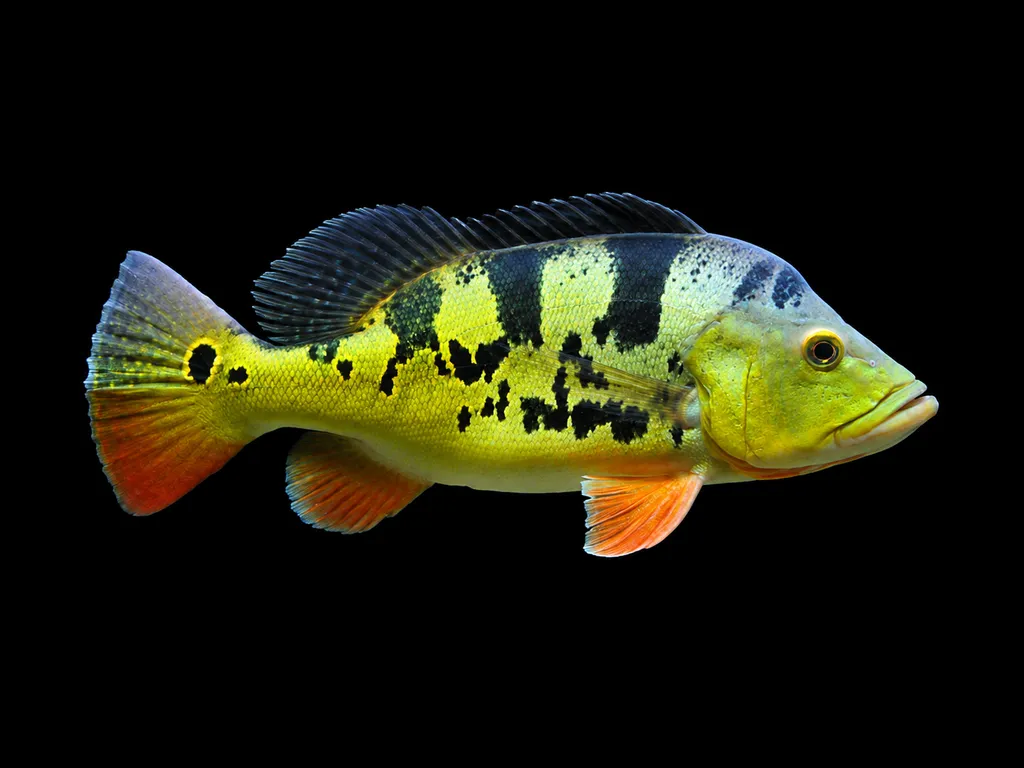
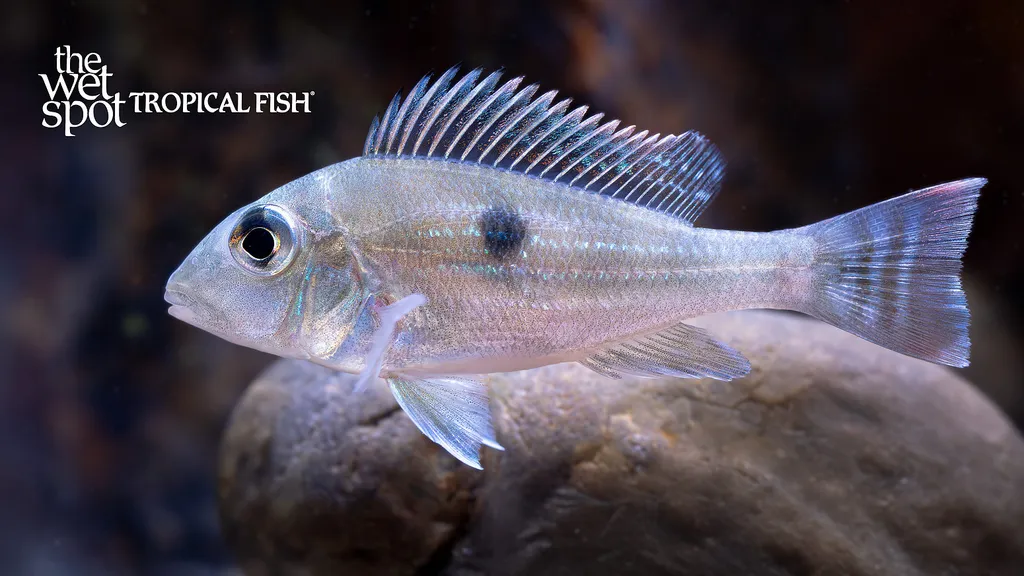
A small set of cichlids grow to 14 inches (35 cm) and well beyond, and belong in tanks most homes cannot hold. The Central American red devil, midas and trimac cichlids reach 14 inches (35 cm) and 75 to 90 gallons (284 to 340 liters); the flowerhorn, a man-made hybrid, reaches 16 inches (40 cm) and wants 90 gallons (340 liters). The wolf cichlid reaches 28 inches (70 cm) and 250 gallons (946 liters), and the Tanganyikan emperor cichlid reaches 31 inches (80 cm) and 530 gallons (2000 liters). The peacock bass are the largest of all: the speckled peacock bass reaches 39 inches (99 cm), and the others run from around 20 inches (50 cm) to 29 inches (74 cm) and list 200 gallons (800 liters) or more. Every profile lists adult size and minimum tank size; check both before the fish is in the bag.
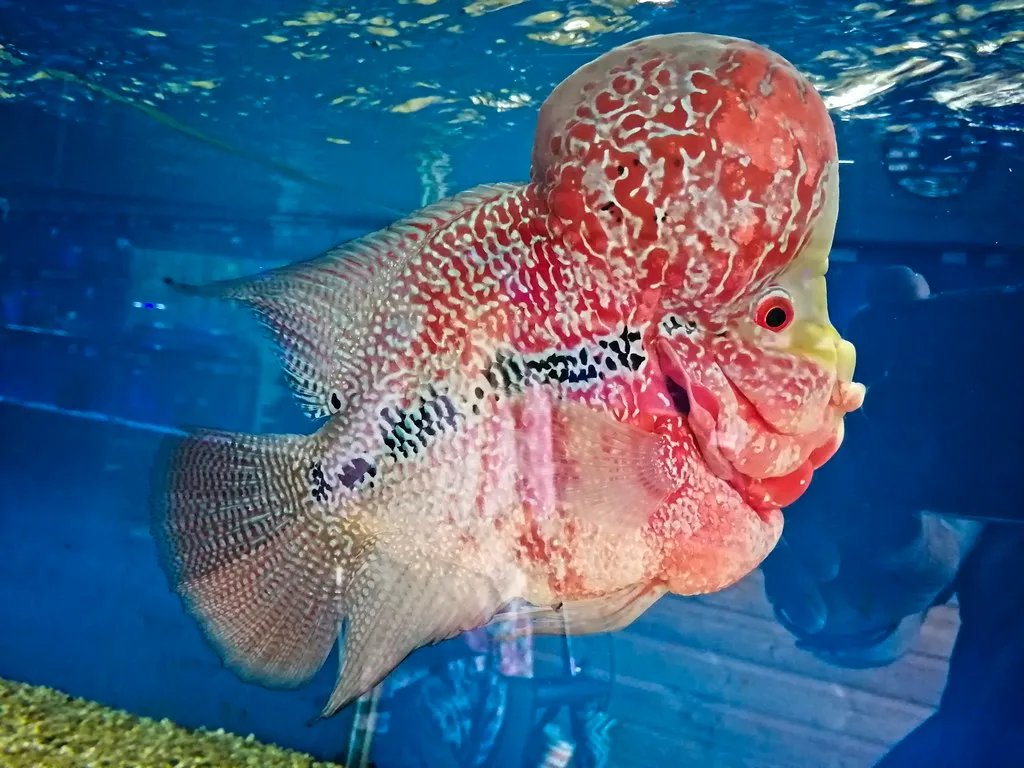
Flowerhorn cichlid
Amphilophus hybrid
Freshwater15.7 in (40 cm) · 90 gal (340 L)77–88°F (25–31°C)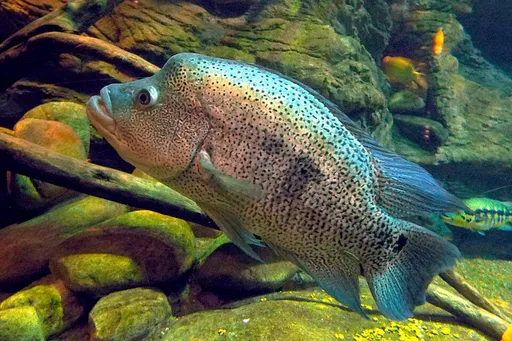
Wolf cichlid
Parachromis dovii
Freshwater27.6 in (70 cm) · 250 gal (946 L)75–82°F (24–28°C)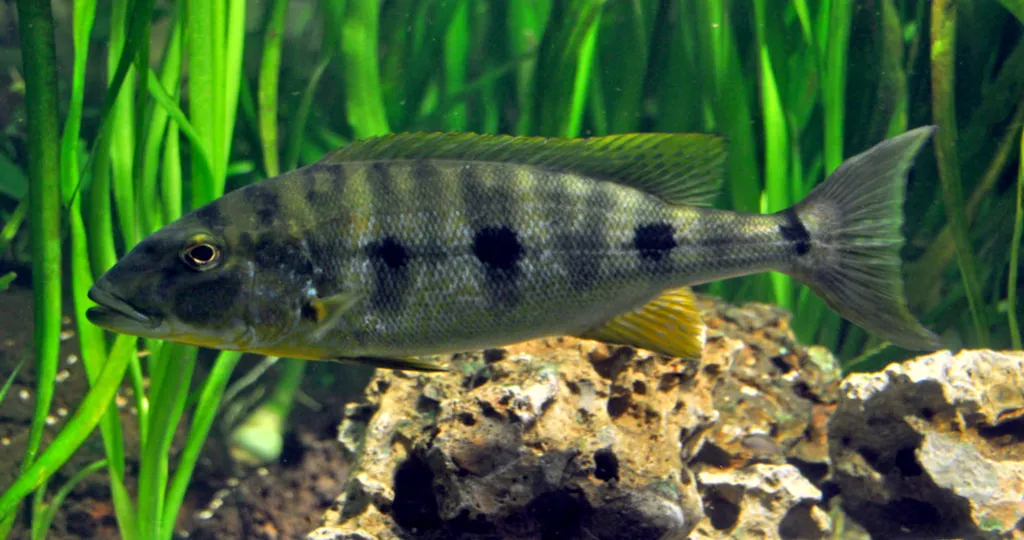
Emperor cichlid
Boulengerochromis microlepis
Freshwater31.5 in (80 cm) · 528 gal (2,000 L)75–81°F (24–27°C)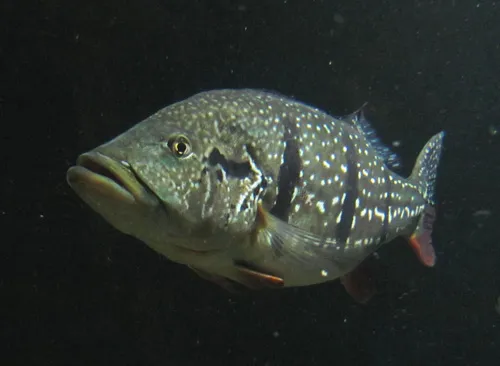
Speckled peacock bass
Cichla temensis
Freshwater39 in (99 cm) · 396 gal (1,500 L)79–84°F (26–29°C)
By the numbers
Smallest
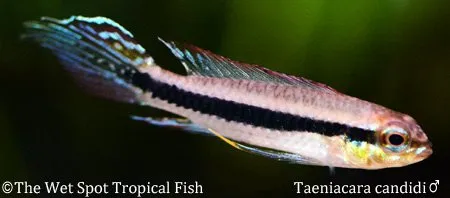
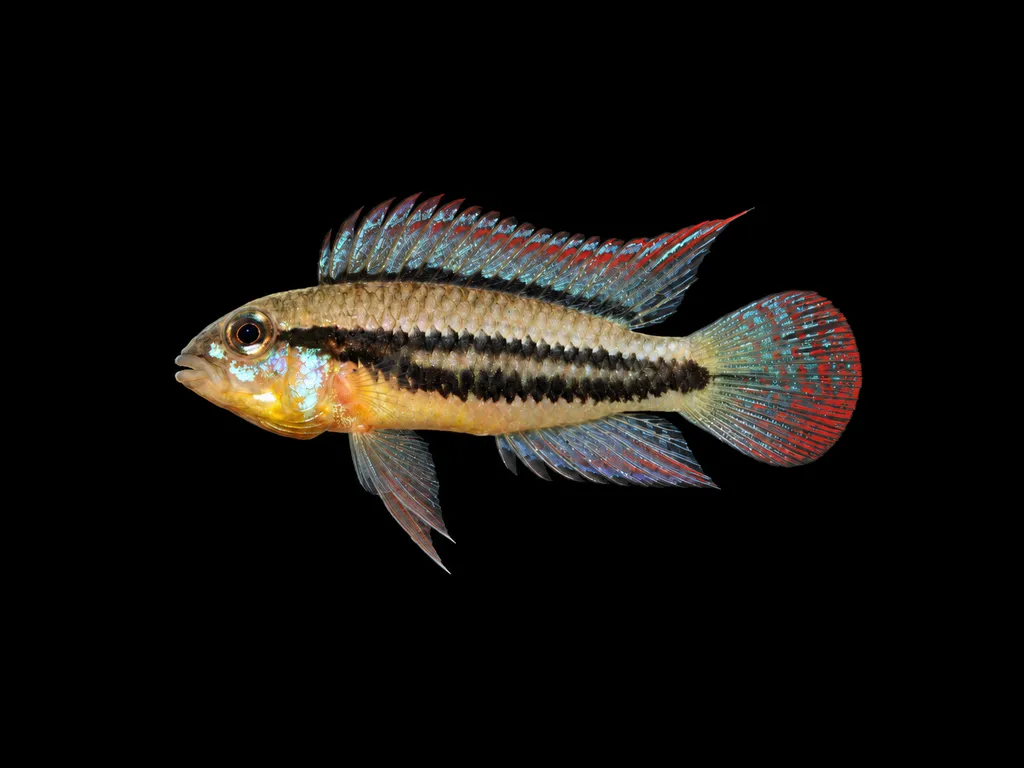
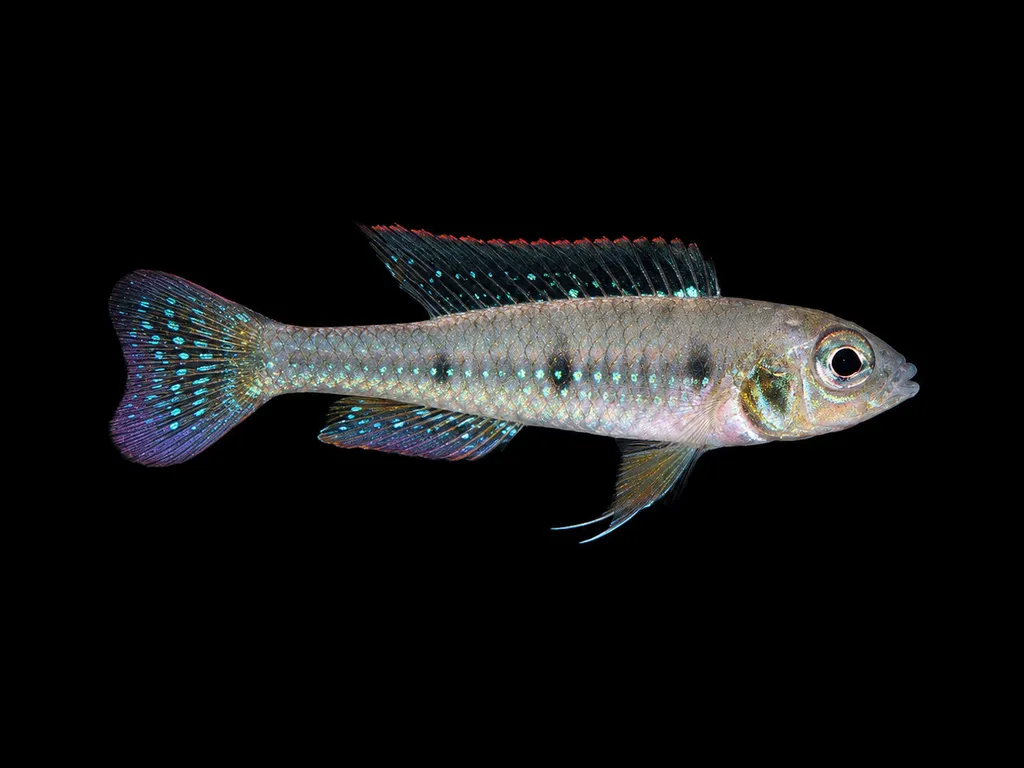
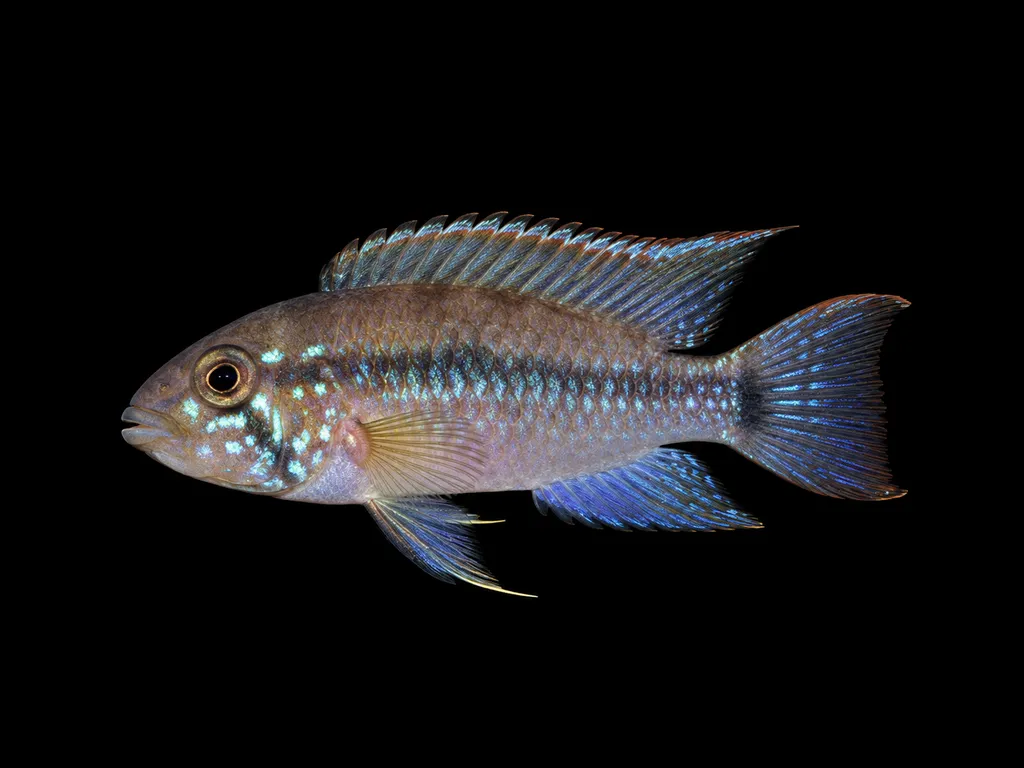
Largest
Easiest to keep
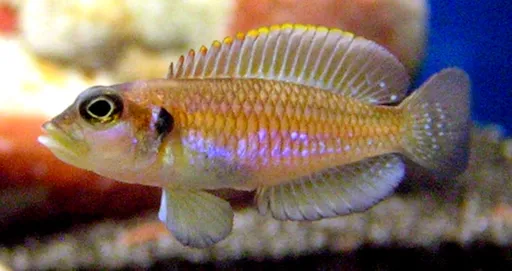
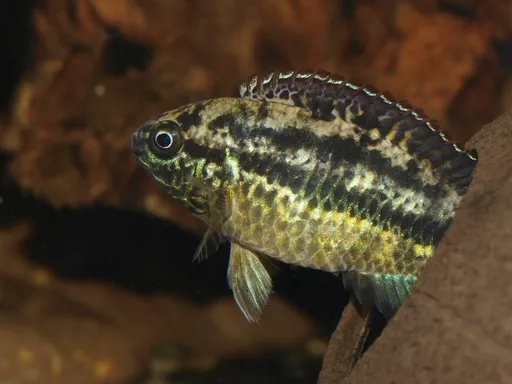
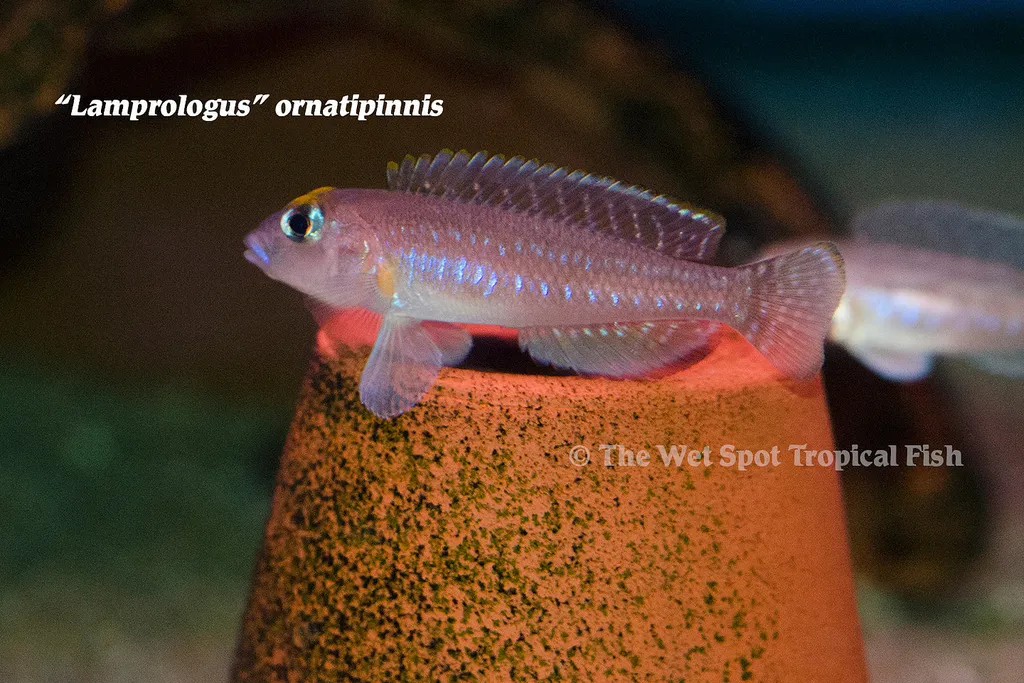
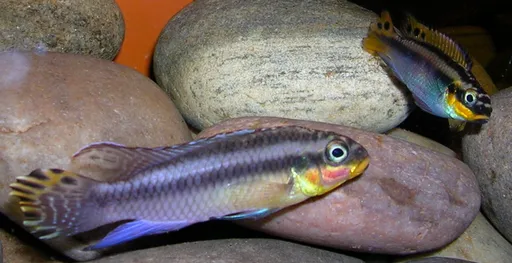
Most peaceful
Fits a 20 gallon tank
Fits a 30 gallon tank
FAQ
Common questions
What is a cichlid?
A member of the family Cichlidae, a large family of freshwater fish from Africa, the Americas, Madagascar and southern Asia. They are known for parental care, personality and colour, and they range from 2 inch (5 cm) shell dwellers to peacock bass over 3 feet (99 cm) long.
Are cichlids aggressive?
Many are, especially when breeding, but the family runs the whole range from peaceful dwarf species to tank bosses. Each profile carries a temperament, and the "most peaceful" row above is computed from the catalog.
What size tank do cichlids need?
From 10 gallons (40 liters) for a Tanganyikan shell-dweller colony to hundreds of gallons for the giants. Most mid-sized cichlids fall between 30 and 75 gallons (115 and 285 liters); the minimum is on every profile.
Can African and South American cichlids live together?
Not well. Rift lake cichlids want hard alkaline water and South American cichlids want soft to neutral water, and their temperaments and diets differ too. Pick one region per tank.
What temperature do cichlids need?
Most sit around 75–82°F (24–28°C). Discus want 79–90°F (26–32°C); a few cool-water species go lower. The range is on each profile.
How big do cichlids get?
From under 2 inches (5 cm) for the multies to 39 inches (99 cm) for the speckled peacock bass, with the emperor cichlid at 31 inches (80 cm). The adult size is on every profile, and the profiles list the tank that size needs.
Index
All cichlids
Planning a tank?
TankBud checks stocking and water fit as you build a tank, then tracks water tests, reminders and photos once it is running.
Track your tanksMaintain tanks for clients? See TankBud Pro