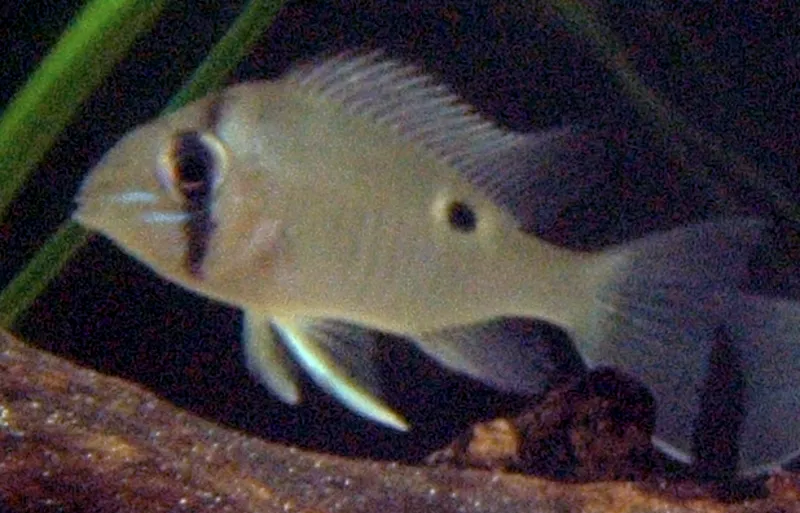
Checkerboard cichlid
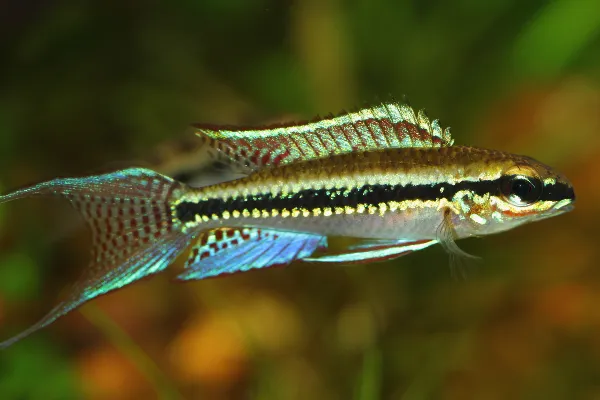
Dicrossus filamentosus
Also known as Lyretail Checkerboard Cichlid
FreshwaterFish
Care at a glance
- Temperature
- 79–86°F
- 26–30°C
- pH
- 5.0–6.5
- Adult size
- 3.5 in
- 9 cm
- Minimum tank
- 20 gal
- 75 L
- Temperament
- Peaceful
- Social behavior
- Social
- Swim level
- Middle
- Difficulty
- Medium
- Breeding
- No record
- Rarity
- Rare
- Family
- Cichlidae
- Origin
- Colombia, Venezuela, Brazil
Overview
The checkerboard cichlid is a small, shy and peaceful dwarf that needs calm surroundings and soft, acidic water to thrive. Keep it in a group so the fish can pair off naturally, and choose gentle tankmates such as small tetras, pencilfish and Corydoras rather than anything pushy. Males set up small territories and display to each other with their forked, flag-like tails, but serious aggression is rare. Provide a dim tank with leaf litter, driftwood, fine sand and plenty of low cover so the fish feel secure enough to come out into the open. Feed small live and frozen foods such as brine shrimp, daphnia and cyclops, since many individuals ignore dry food at first. A tank of at least 75 liters gives a group the space and territories it needs.
In the wild
The checkerboard cichlid lives in the Rio Negro and Orinoco drainages of Colombia, Venezuela and Brazil, in shallow, slow blackwater streams shaded by forest. The water is warm, extremely soft and very acidic, deeply stained with tannins and often barely holding any measurable hardness. To keep it well, aim for a pH of 5.0 to 6.5 and a temperature of 26 to 30 C, using soft water and plenty of botanicals such as leaf litter and alder cones to tint and acidify the tank. Subdued lighting and floating plants help the fish settle and show their best color.
Good to know
Dicrossus filamentosus is a dwarf cichlid in the family Cichlidae, growing to around 9 cm including the male's extended tail. Its common name comes from the double row of dark, checkerboard-like blotches along the flanks. Mature males develop a lyre-shaped, filamentous tail, which is the source of the alternative name lyretail checkerboard cichlid. It is an open spawner that usually lays its eggs on a leaf or flat surface, with the female taking on most of the care of the eggs and fry while the male guards the wider area. Soft, acidic water is generally needed for the eggs to develop.
Did you know
Mature male checkerboard cichlids grow a distinctive forked, lyre-shaped tail edged in red and blue, which they flick at rivals and displaying females. This feature gives the fish its other common name, the lyretail checkerboard cichlid.
Weekly picks
Tank mates
Checkerboard cichlid is a peaceful, social species that keeps to the middle. These picks share a community profile with it, are safe together in both directions, and overlap on water type, temperature and pH.
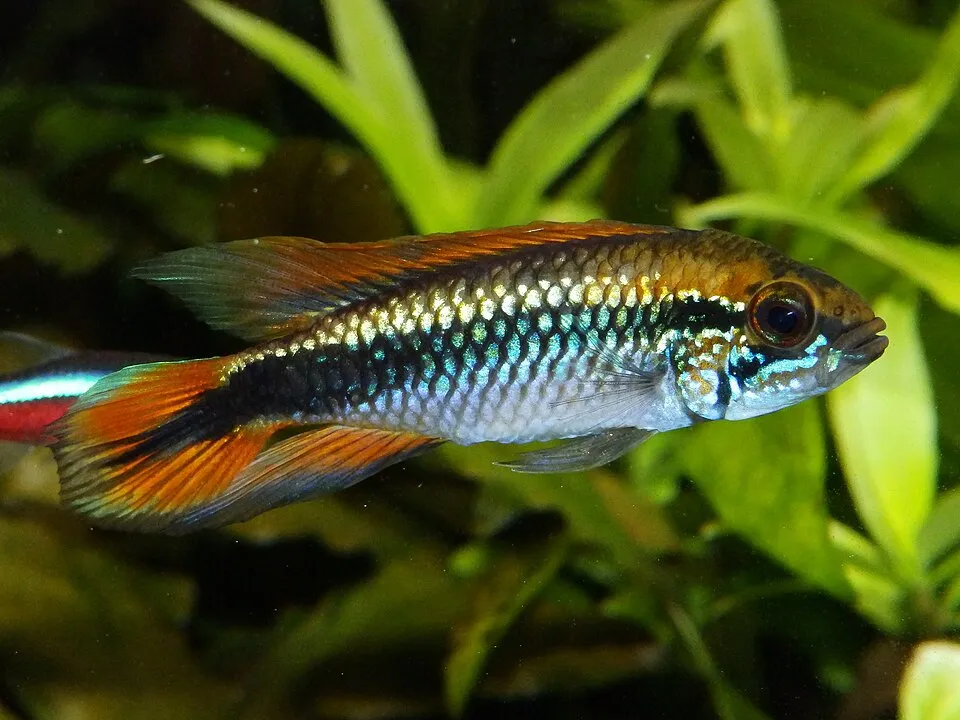
Agassiz's dwarf cichlid
Apistogramma agassizii
Freshwater3.5 in (9 cm) · 20 gal (75 L)72–84°F (22–29°C)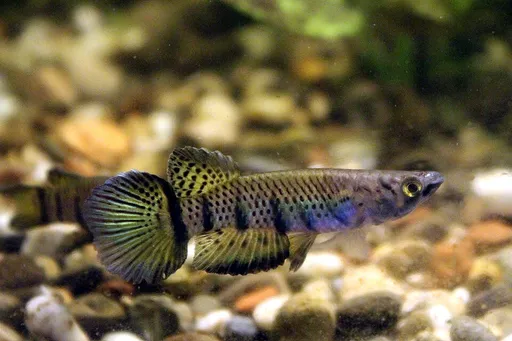
Six-barred panchax
Epiplatys sexfasciatus
Freshwater3.9 in (10 cm) · 20 gal (75 L)72–81°F (22–27°C)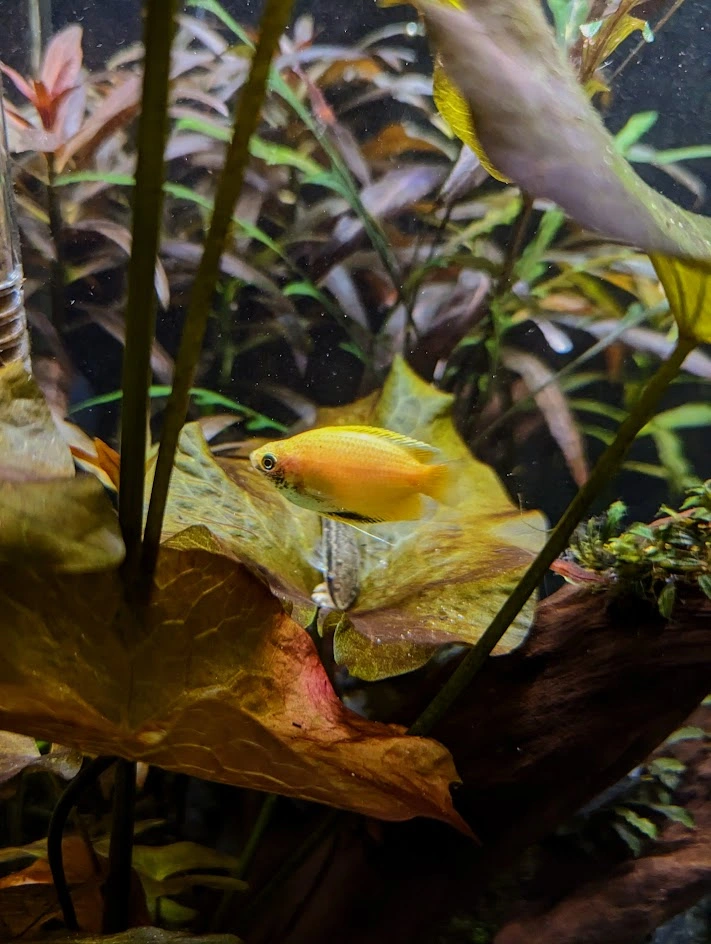
Honey gourami
Trichogaster chuna
Freshwater2 in (5 cm) · 20 gal (75 L)72–82°F (22–28°C)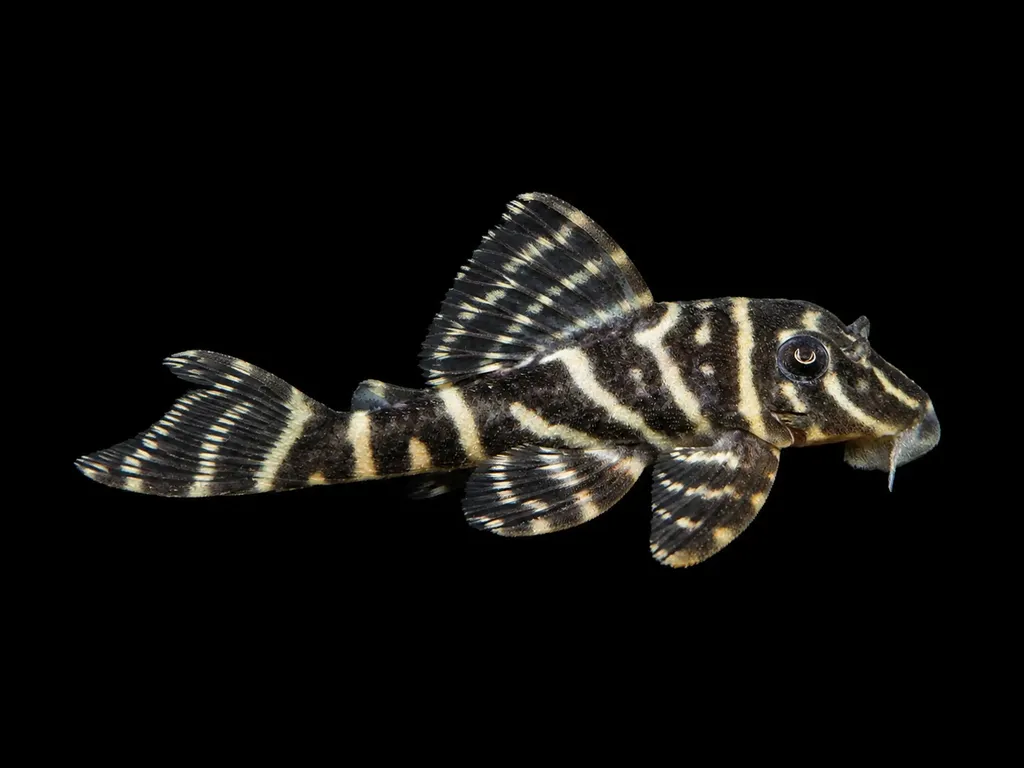
Mega clown pleco (L340)
Hypancistrus sp. L340
Freshwater3.5 in (9 cm) · 20 gal (75 L)79–86°F (26–30°C)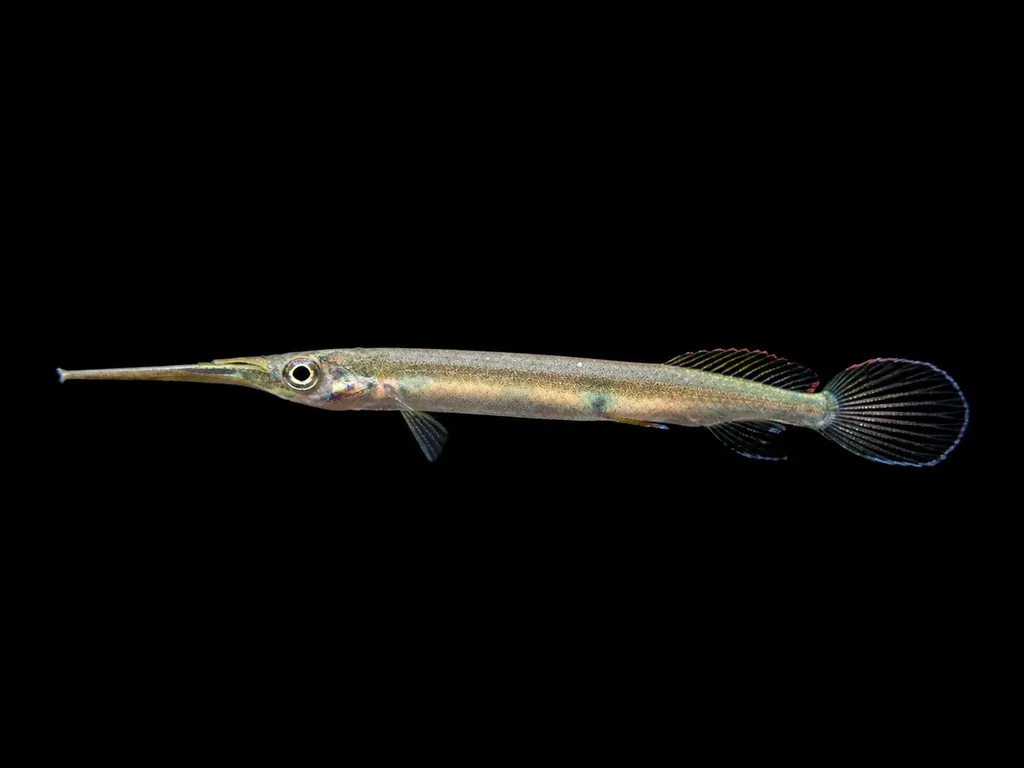
Kuekenthal's halfbeak
Hemirhamphodon kuekenthali
Freshwater3.3 in (8.5 cm) · 20 gal (75 L)73–81°F (23–27°C)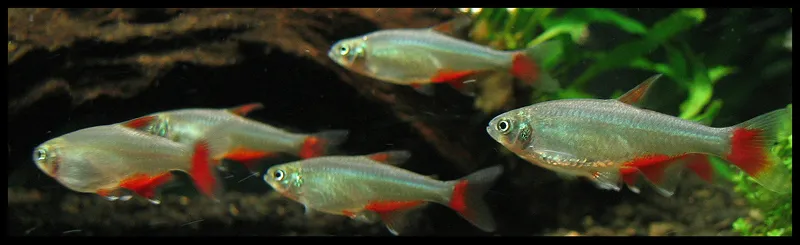
Bloodfin tetra
Aphyocharax anisitsi
Freshwater2.2 in (5.5 cm) · 20 gal (75 L)72–82°F (22–28°C)
Common questions
What size tank does a Checkerboard cichlid need?
A Checkerboard cichlid needs at least 20 gal (75 L). It spends most of its time in the middle.
What temperature and pH does a Checkerboard cichlid need?
A Checkerboard cichlid is comfortable at 79–86°F (26–30°C) with a pH of 5.0–6.5.
How big does a Checkerboard cichlid get?
An adult Checkerboard cichlid reaches about 3.5 in (9 cm).
Related species
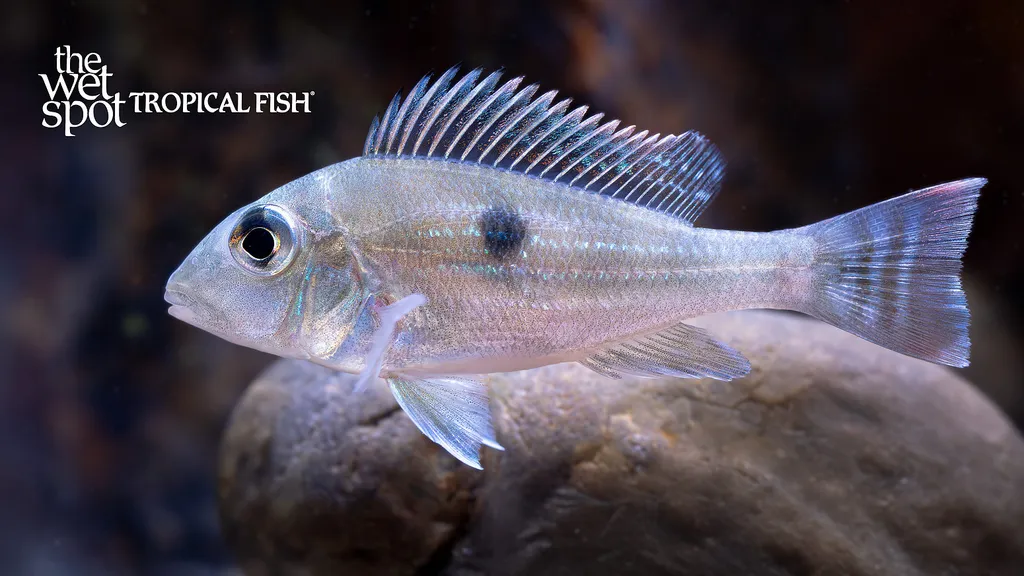 3.5 in (9 cm)24 gal (90 L)79–86°F (26–30°C)
Spadetail checkerboard cichlid
Dicrossus maculatus
3.5 in (9 cm) · 24 gal (90 L)
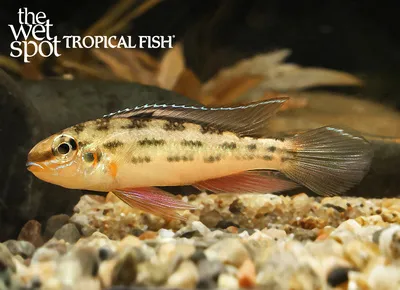 3 in (7.5 cm)20 gal (75 L)75–82°F (24–28°C)
Warzel's dwarf cichlid
Dicrossus warzeli
3 in (7.5 cm) · 20 gal (75 L)
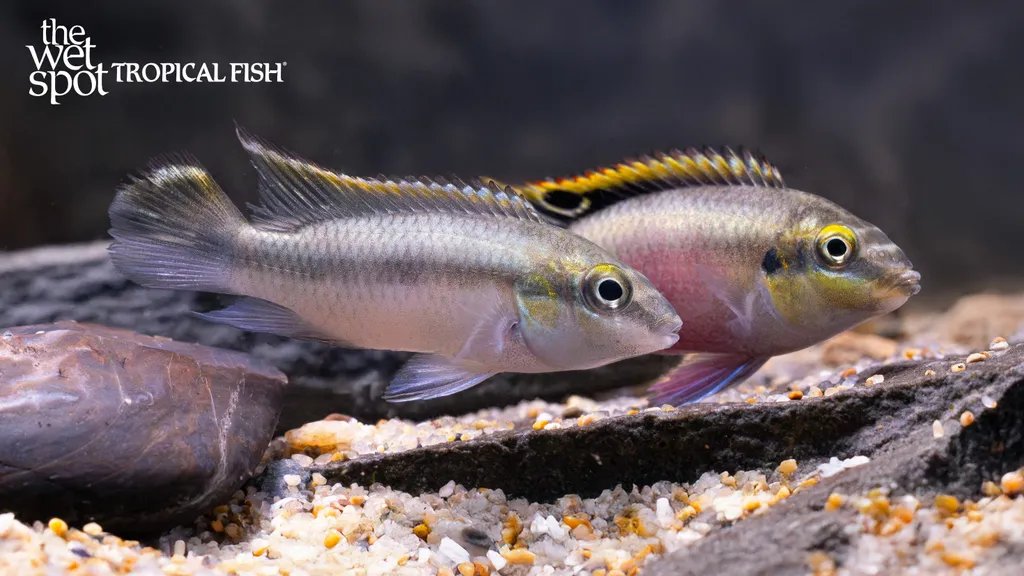 3.9 in (10 cm)20 gal (75 L)75–81°F (24–27°C)
Kribensis
Pelvicachromis pulcher
3.9 in (10 cm) · 20 gal (75 L)
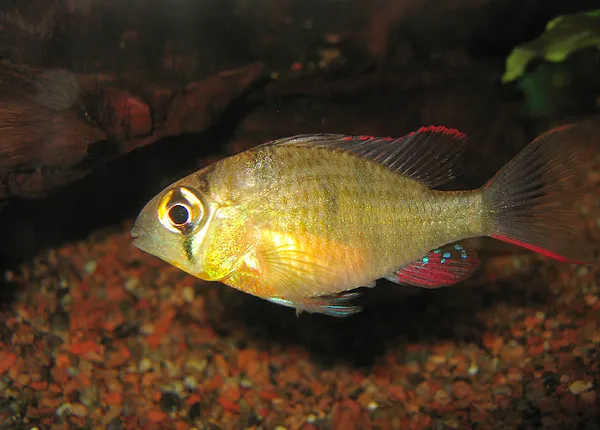 3.1 in (8 cm)45 gal (170 L)75–82°F (24–28°C)
Bolivian ram
Mikrogeophagus altispinosus
3.1 in (8 cm) · 45 gal (170 L)
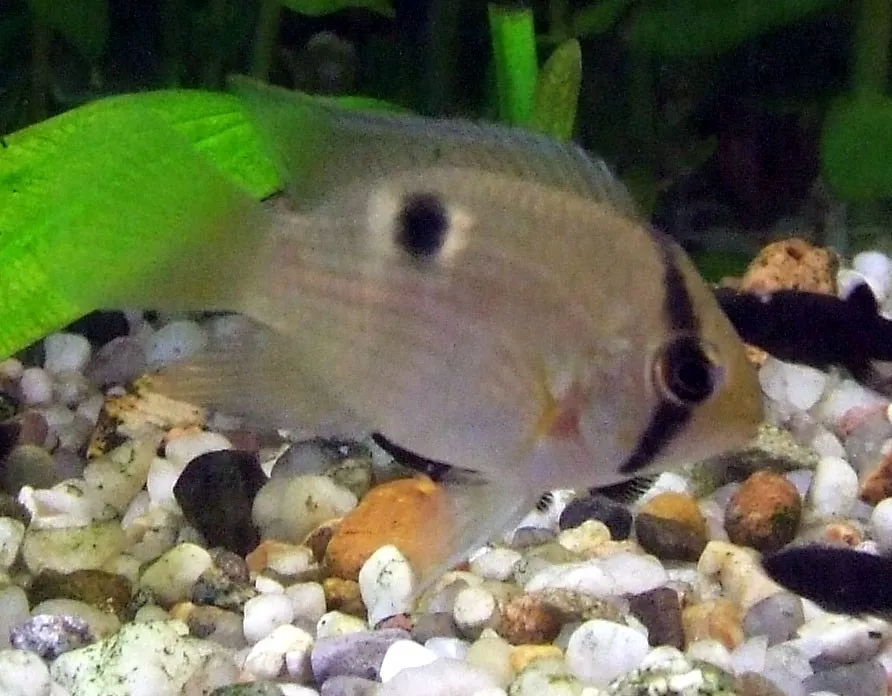 4.3 in (11 cm)25 gal (95 L)70–82°F (21–28°C)
Keyhole cichlid
Cleithracara maronii
4.3 in (11 cm) · 25 gal (95 L)
 4.7 in (12 cm)53 gal (200 L)68–86°F (20–30°C)
Cupid cichlid
Biotodoma cupido
4.7 in (12 cm) · 53 gal (200 L)