Fast-growing aquarium plants
Fast growers pull nutrients out of the water before algae can use them, which makes them the cheapest algae control there is. Expect to trim regularly. Profiles list light, CO2 and growth rate for each species.
At a glance
- Height
- 0–59.1 in
- 0 in (0.1 cm) to 59.1 in (150 cm); half the list stays at 15.7 in (40 cm) or under
- Temperature
- 64–82°F
- 18–28°C, most of the list
- Light
- 13 low light
- 64 medium light · 45 high light
- CO₂
- 40 no CO₂ needed
- 61 CO₂ beneficial · 21 CO₂ required
- Difficulty
- 75 easy
- 33 medium · 14 difficult
110 plants and 12 varieties
Fast growers that need nothing
Hornwort, guppy grass, Hygrophila polysperma, jungle val, waterweed and water sprite are the rows rated beginner that also list low or medium light and no CO₂ need. They grow in a bare tank with a shop light, they soak up the nitrate a new tank produces, and they give fry somewhere to hide. Hornwort and guppy grass do not even need planting. Drop them in and they float or sink and grow either way.
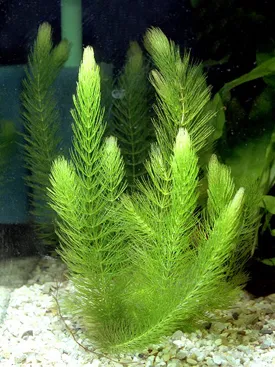
Hornwort
Ceratophyllum demersum
FreshwaterBrackish- Light
- Low light
- Placement
- Floating
- Height
- 39.4 in (100 cm)
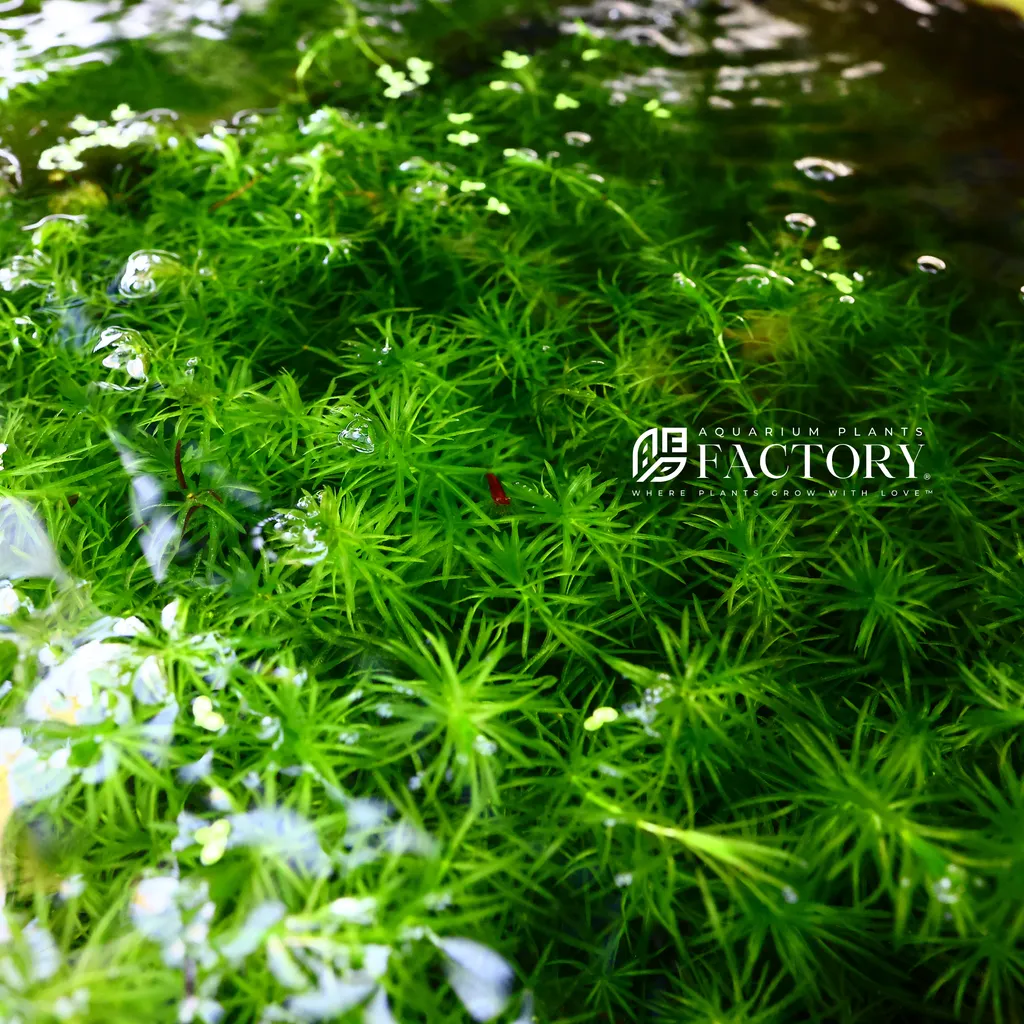
Guppy grass
Najas guadalupensis
FreshwaterBrackish- Light
- Low light
- Placement
- Floating
- Height
- 35.4 in (90 cm)
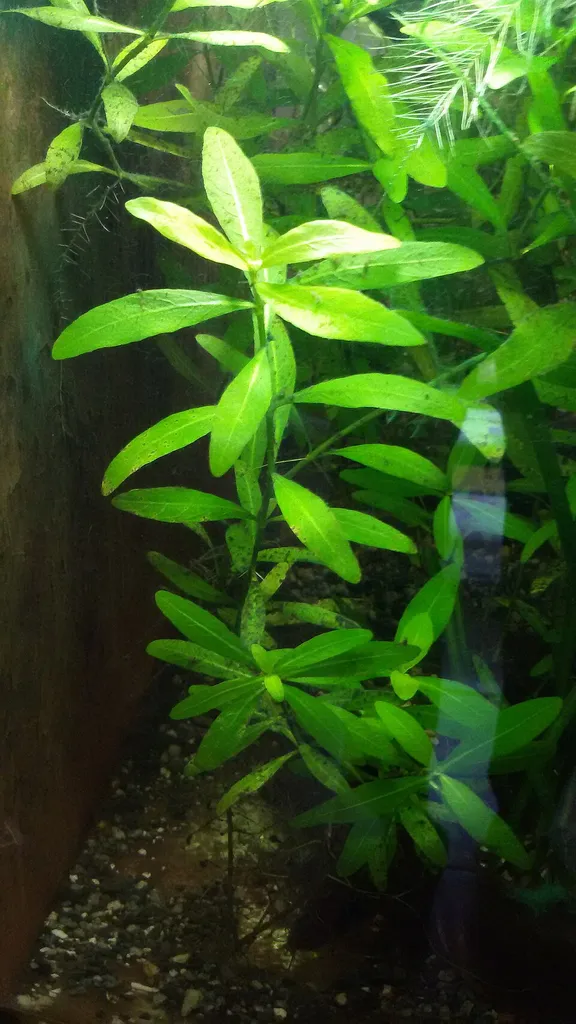
Hygrophila polysperma
Freshwater- Light
- Low light
- Placement
- Background
- Height
- 17.7 in (45 cm)
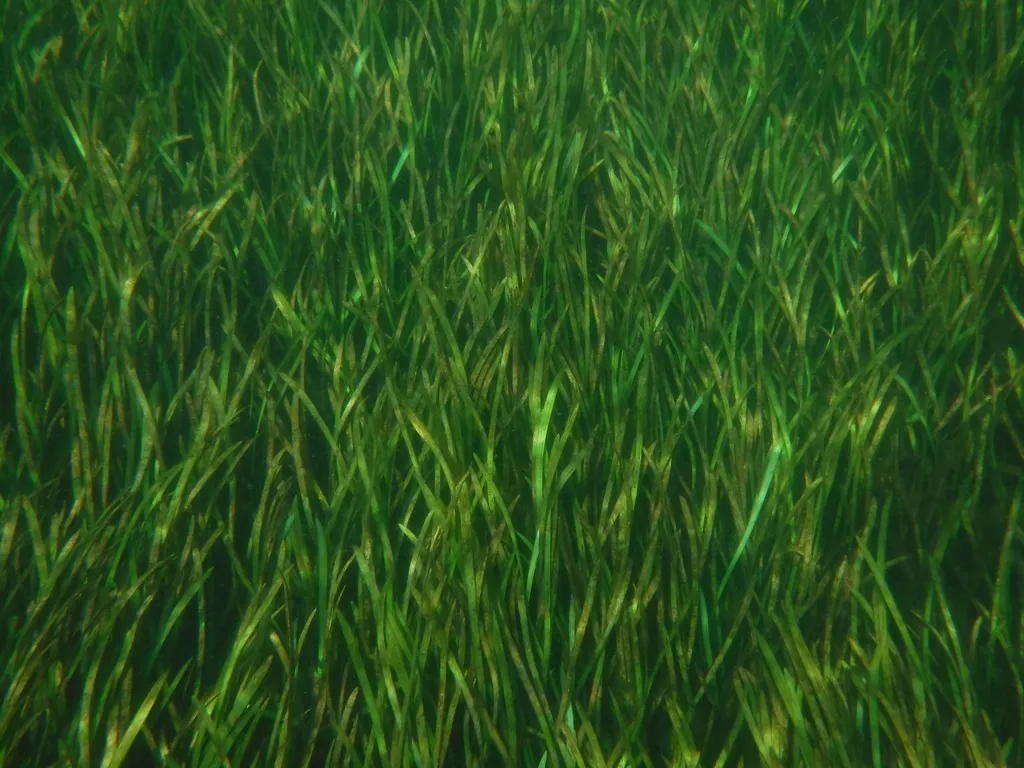
Jungle val
Vallisneria americana
FreshwaterBrackish- Light
- Low light
- Placement
- Background
- Height
- 39.4 in (100 cm)
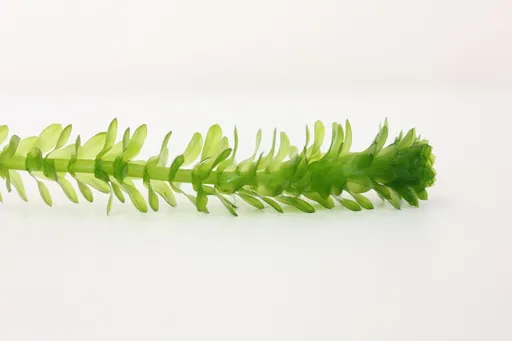
Waterweed
Egeria densa
FreshwaterBrackish- Light
- Medium light
- Placement
- Background
- Height
- 39.4 in (100 cm)
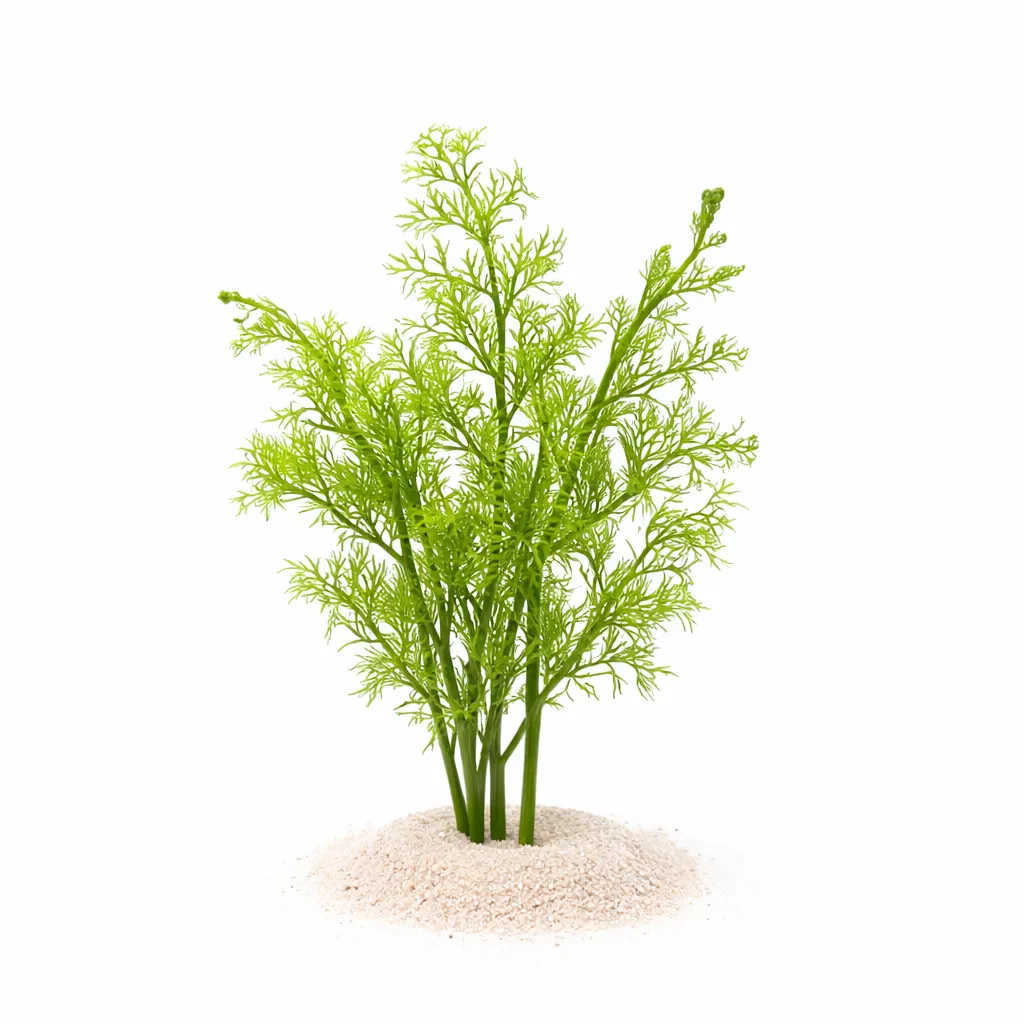
Water sprite
Ceratopteris thalictroides
FreshwaterBrackish- Light
- Medium light
- Placement
- Background
- Height
- 15 in (38 cm)
Stems that fill a background in weeks
Rotala rotundifolia, ambulia, Hygrophila corymbosa, Ludwigia palustris and Bacopa australis are the easy stems. Plant a bunch, cut the tops off when they reach the surface, and replant the tops beside the parents. Within a month you have a wall. Rotala and ludwigia color up toward red under stronger light and with iron in the fertilizer, and stay green without.
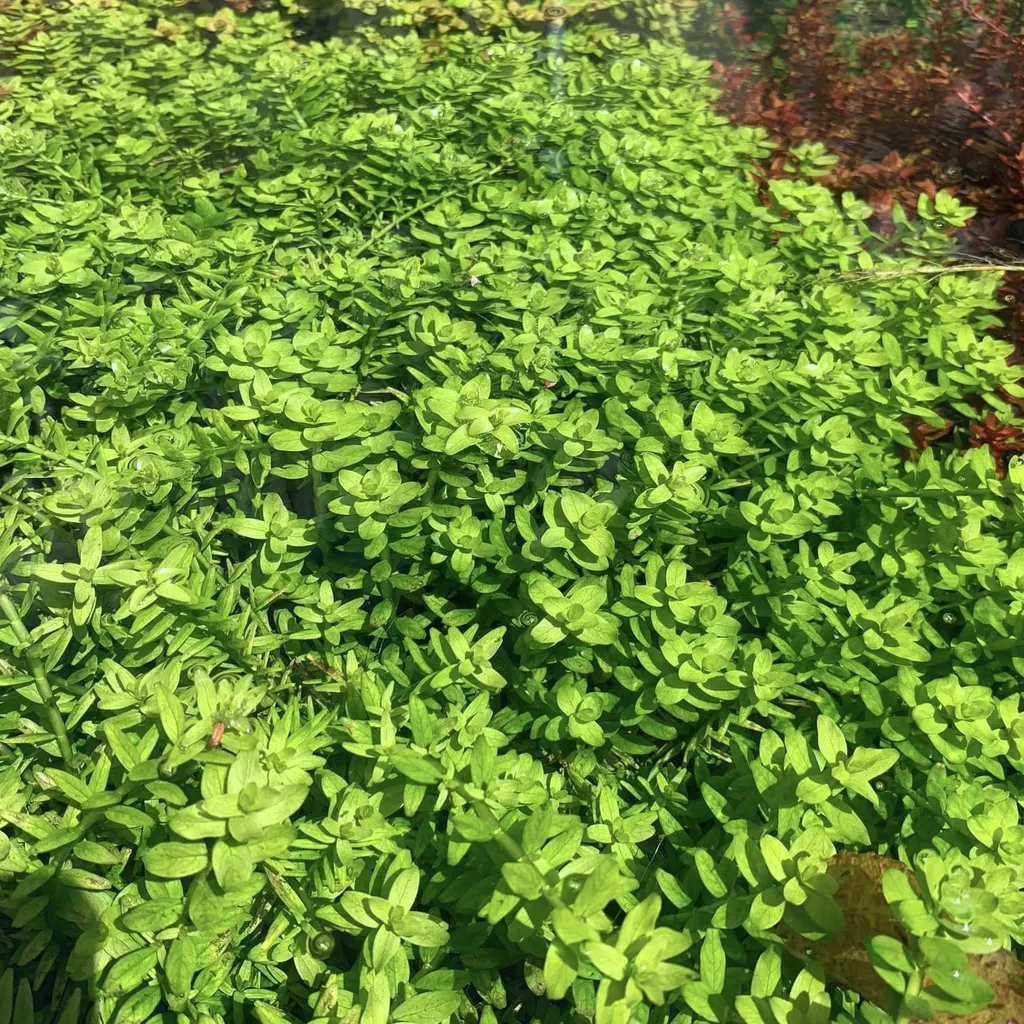
Rotala rotundifolia
FreshwaterMedium light · Background19.7 in (50 cm)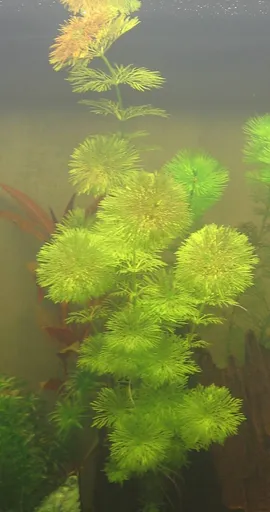
Ambulia
Limnophila sessiliflora
FreshwaterLow light · Background15.7 in (40 cm)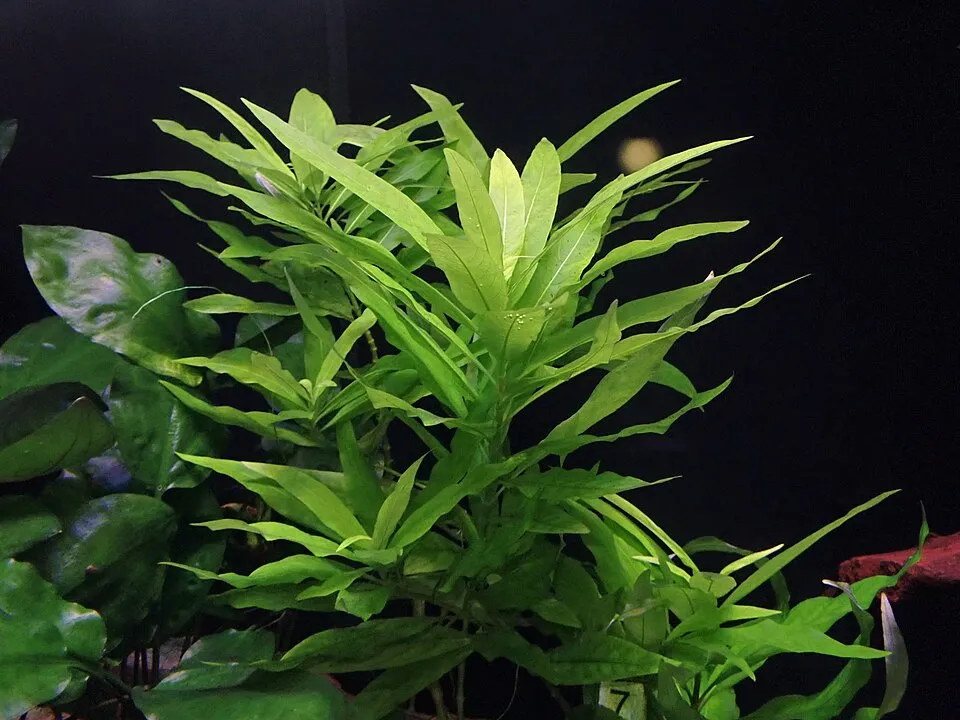
Hygrophila corymbosa
FreshwaterLow light · Background19.7 in (50 cm)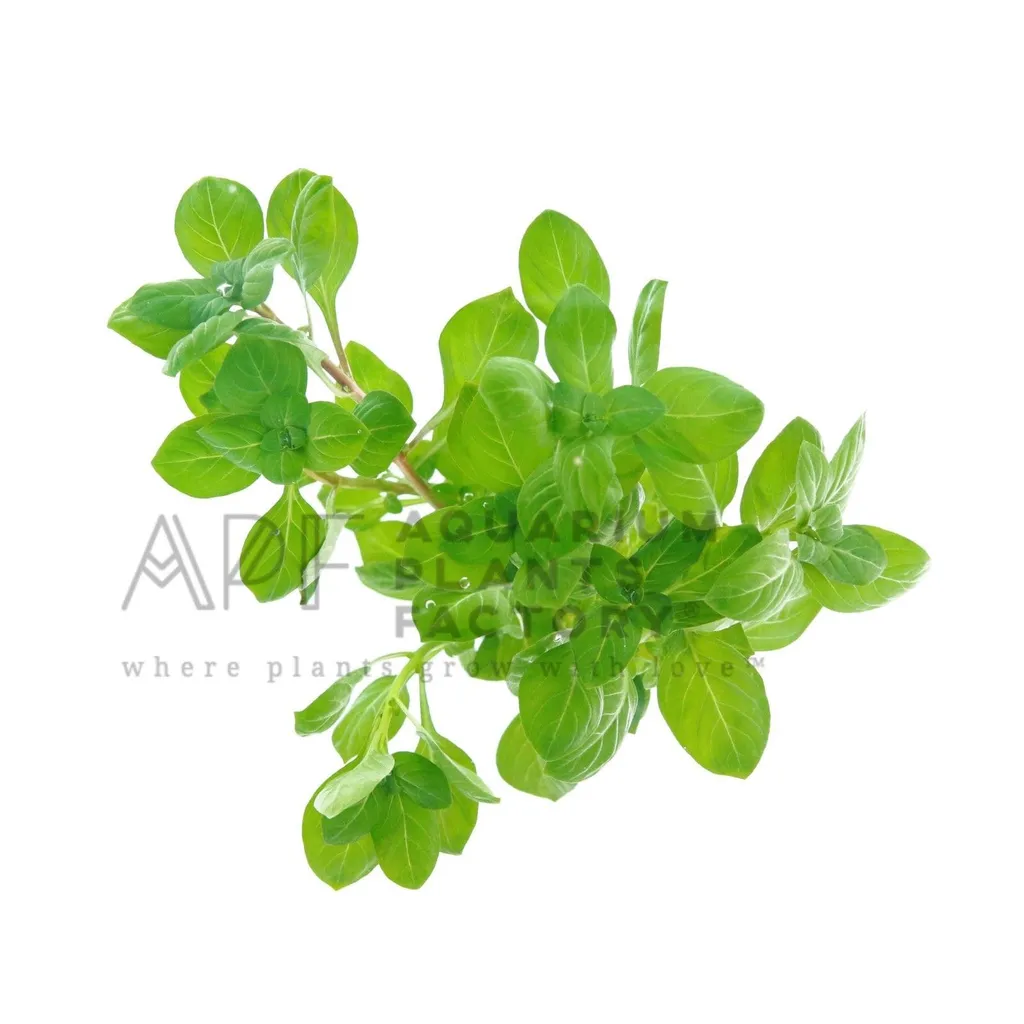
Ludwigia palustris
FreshwaterMedium light · Background19.7 in (50 cm)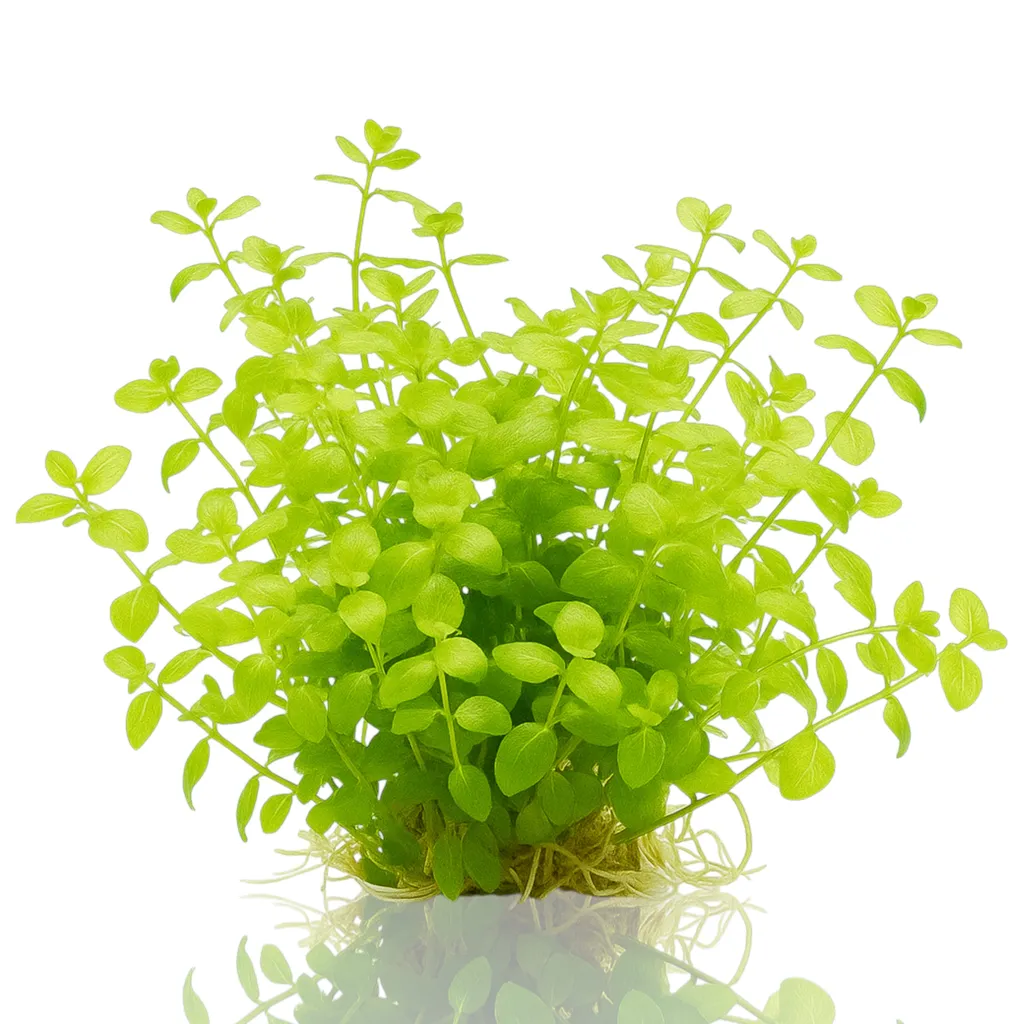
Creeping bacopa
Bacopa australis
FreshwaterMedium light · Midground7.9 in (20 cm)
Floating fast growers
Frogbit, dwarf water lettuce, salvinia and red root floater grow faster than anything rooted because they take carbon dioxide straight from the air. They shade the tank, which many fish appreciate, and they pull nutrients out of the water faster than any filter. The cost is that they need thinning every week or the plants below them go dark.
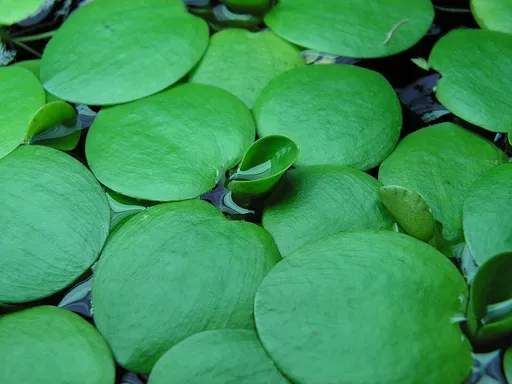
Amazon frogbit
Limnobium laevigatum
FreshwaterMedium light · Floating2 in (5 cm)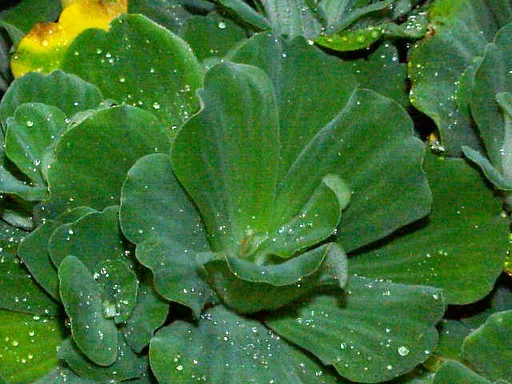
Dwarf water lettuce
Pistia stratiotes
FreshwaterMedium light · Floating3.9 in (10 cm)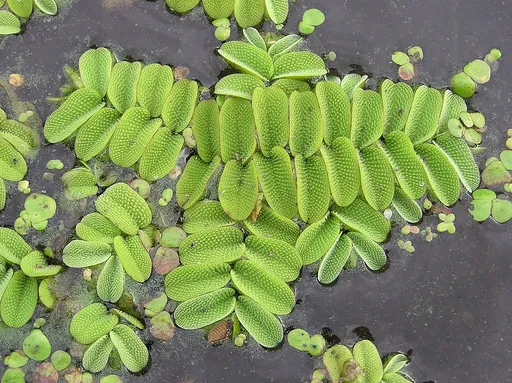
Salvinia natans
FreshwaterMedium light · Floating1.2 in (3 cm)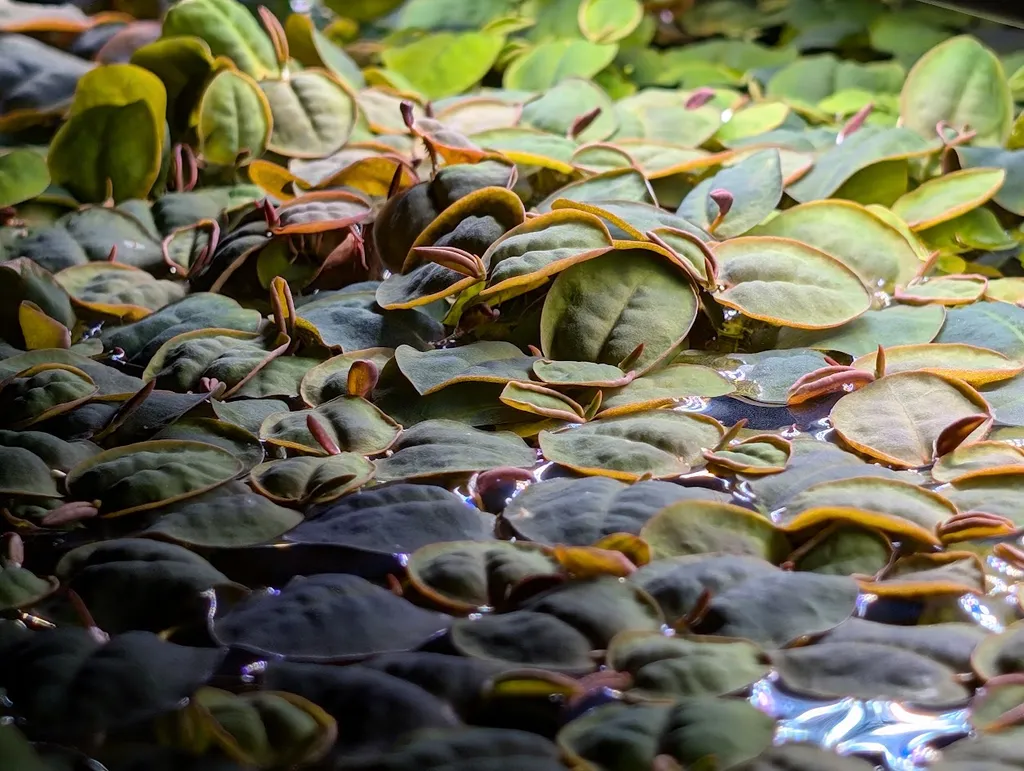
Red root floater
Phyllanthus fluitans
FreshwaterHigh light · Floating1.2 in (3 cm)
Fast but demanding
Rotala macrandra and wallichii, the Pantanal, Cuba and Meta ludwigias, red cabomba and glosso are also rated fast, and they are rated difficult. They want high light and injected CO₂ and a steady fertilizer routine, and when one of those slips they decline as fast as they grew. Fast growth means fast feedback, which is a virtue in an experienced keeper's tank and a trap in a first one.
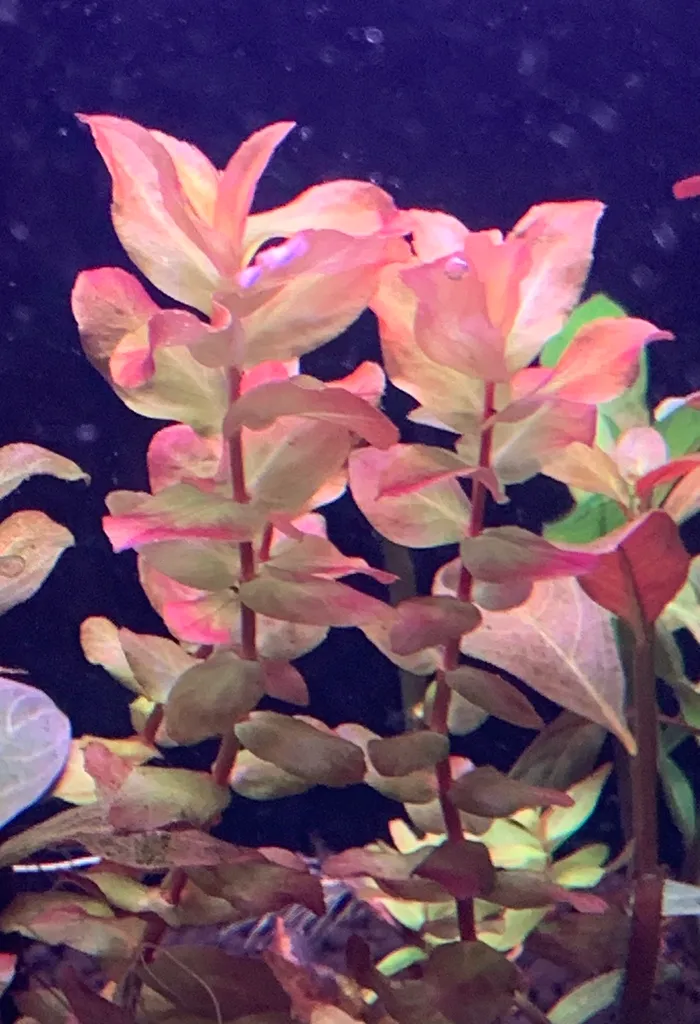
Rotala macrandra
FreshwaterHigh light · Background19.7 in (50 cm)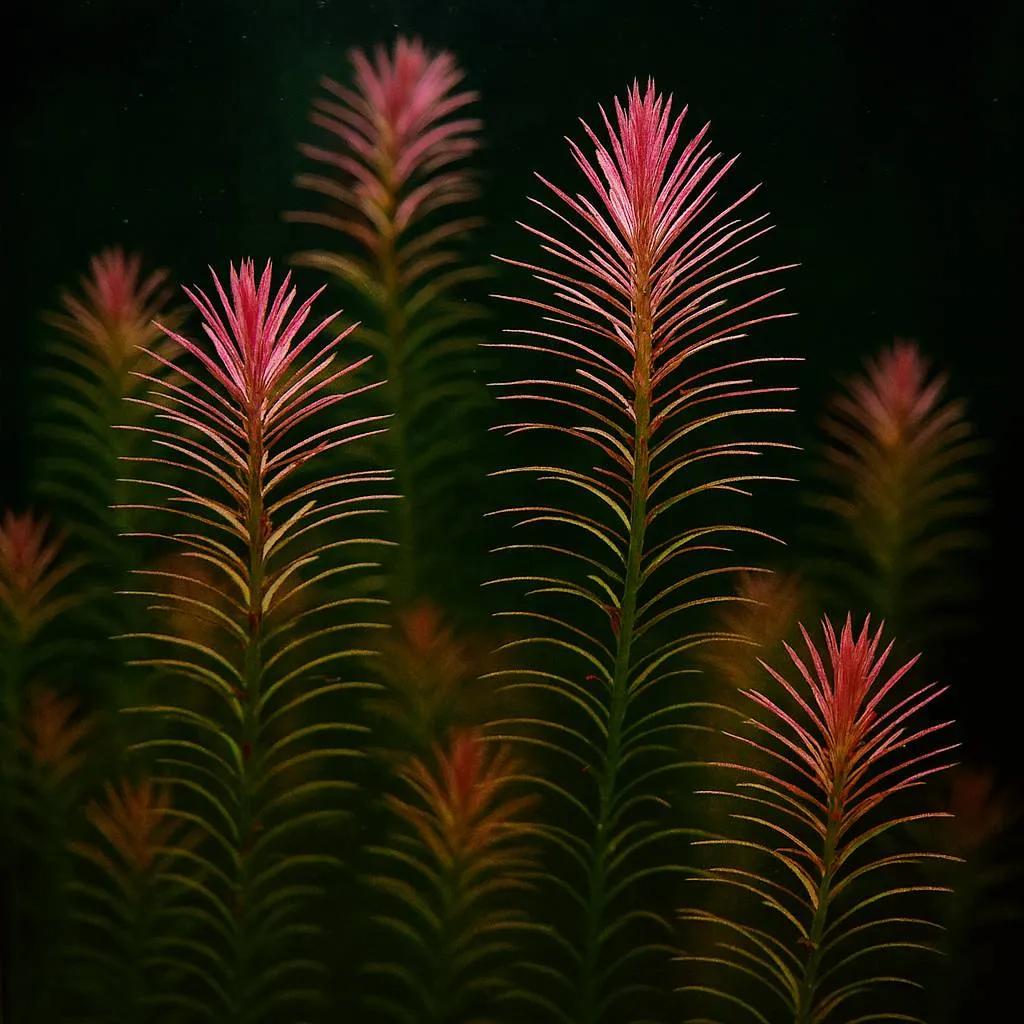
Rotala wallichii
FreshwaterHigh light · Background11.8 in (30 cm)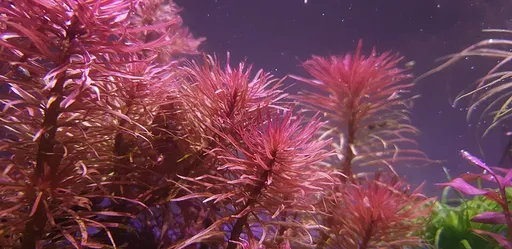
Ludwigia Pantanal
Ludwigia inclinata var. verticillata 'Pantanal'
FreshwaterHigh light · Background15.7 in (40 cm)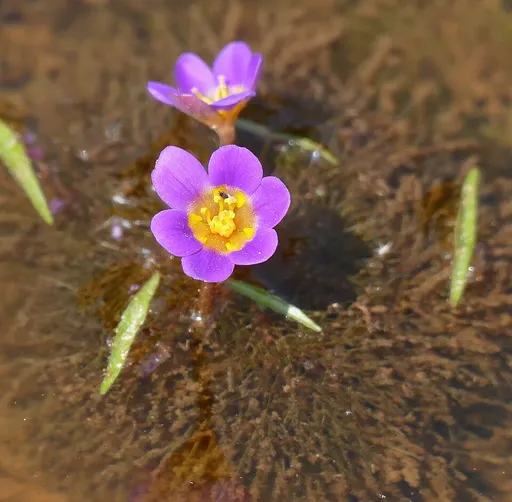
Red cabomba
Cabomba furcata
FreshwaterHigh light · Background19.7 in (50 cm)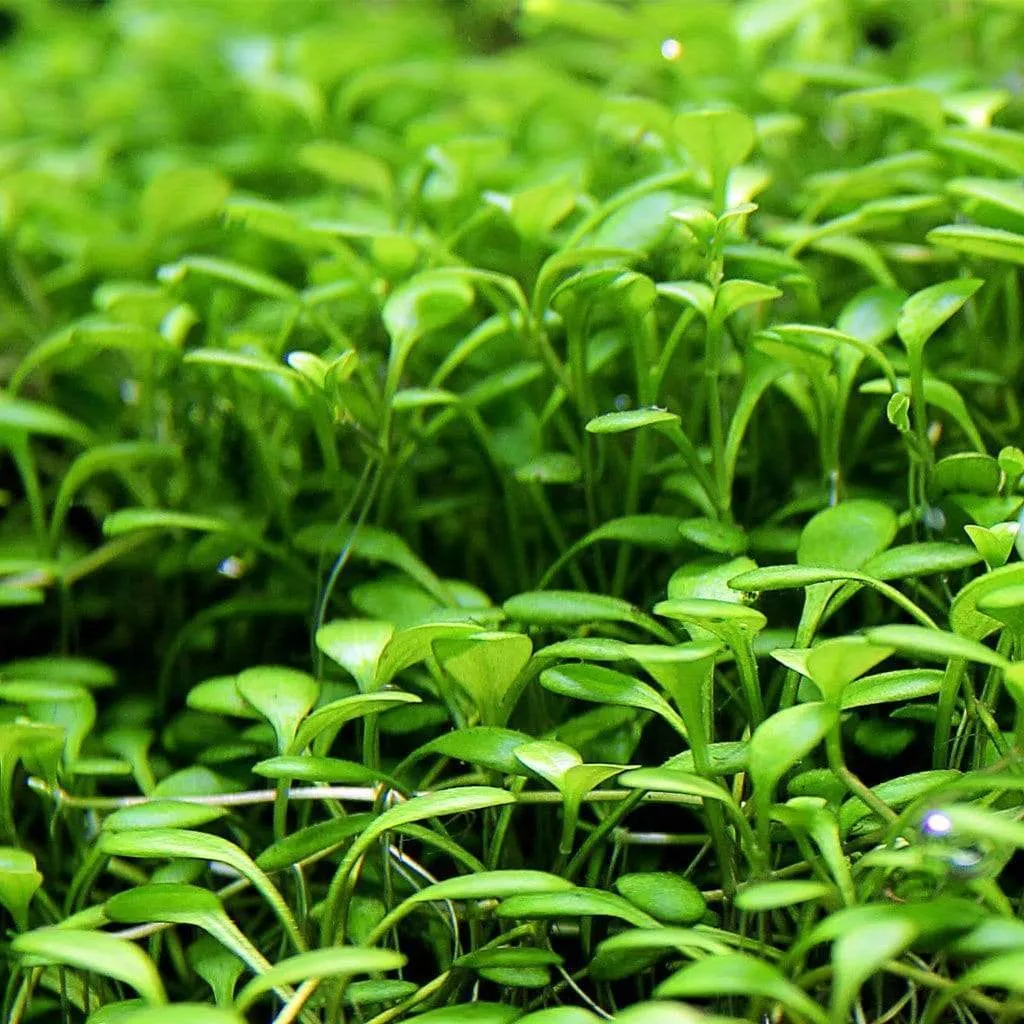
Glosso
Glossostigma elatinoides
FreshwaterHigh light · Foreground1.6 in (4 cm)
What fast growth costs you
Fast growers eat. In a tank without fertilizer they show it as pale new leaves and holes in the old ones, potassium and iron running short before nitrogen does. Expect to trim weekly, to pull handfuls of floaters, and to fertilize once the fish waste stops being enough. The trade is a tank that stays clear of algae with very little scrubbing.
By the numbers
Smallest
Tallest
Easiest to grow
No CO₂ needed
FAQ
Common questions
Do fast-growing plants really reduce algae?
They compete for the same nutrients and light, so a tank stuffed with fast growers has less algae than the same tank without them. They are not a cure for too much light or too much food, and a shaded tank grows less of everything.
Which fast-growing aquarium plants need no CO₂?
Hornwort, guppy grass, Hygrophila polysperma, jungle val, Vallisneria spiralis, waterweed, water sprite, ambulia, Bacopa australis and every floating plant on this page list no CO₂ need.
What is the fastest-growing aquarium plant?
The floaters, because their leaves sit in air. Duckweed, frogbit and salvinia can double in a week in a well-lit tank. Among rooted plants, hornwort, guppy grass and water sprite keep pace.
How often do fast-growing plants need trimming?
Weekly in a well-lit, fertilized tank, every two weeks in a low-tech one. Cut stems above a leaf node and replant the tops if you want more plants.
Can fast-growing plants live in low light?
Yes, a good number of them. Hornwort, guppy grass, Hygrophila polysperma, ambulia, jungle val, giant val, Elodea canadensis and duckweed all list low light.
Do fast-growing plants need fertilizer?
Eventually. A lightly stocked tank feeds them for a while, then new leaves come in pale or full of holes. A weekly all-in-one liquid fertilizer, and root tabs for the swords and vals, keeps them going.
Index
All fast growers
Amazon frogbit
Limnobium laevigatum
FreshwaterMedium light · Floating2 in (5 cm)Ambulia
Limnophila sessiliflora
FreshwaterLow light · Background15.7 in (40 cm)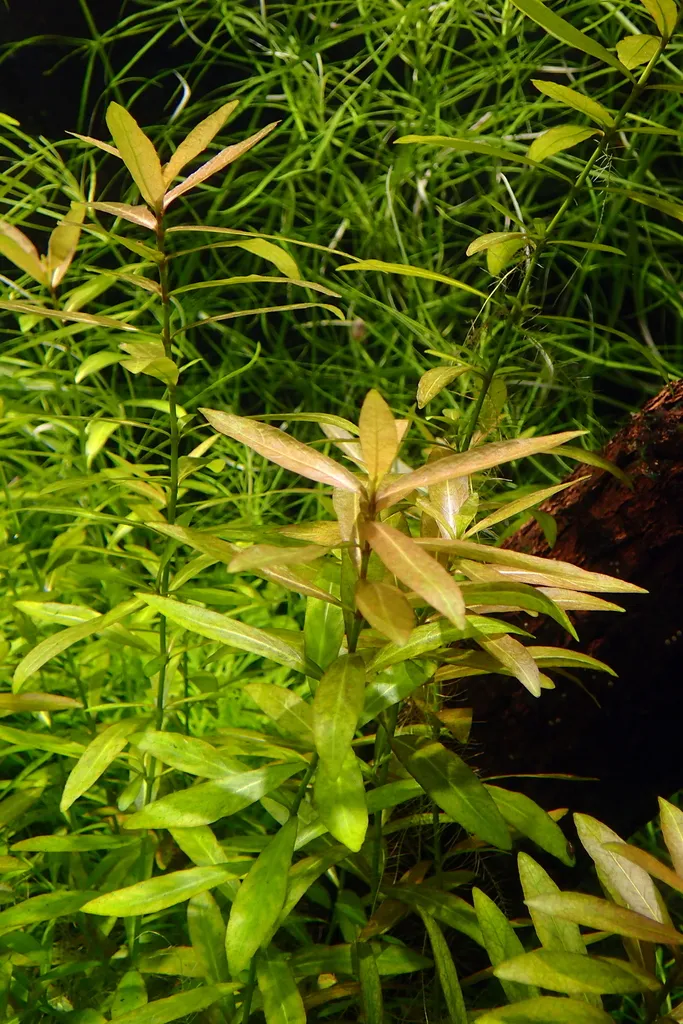
Ammannia gracilis
FreshwaterHigh light · Background19.7 in (50 cm)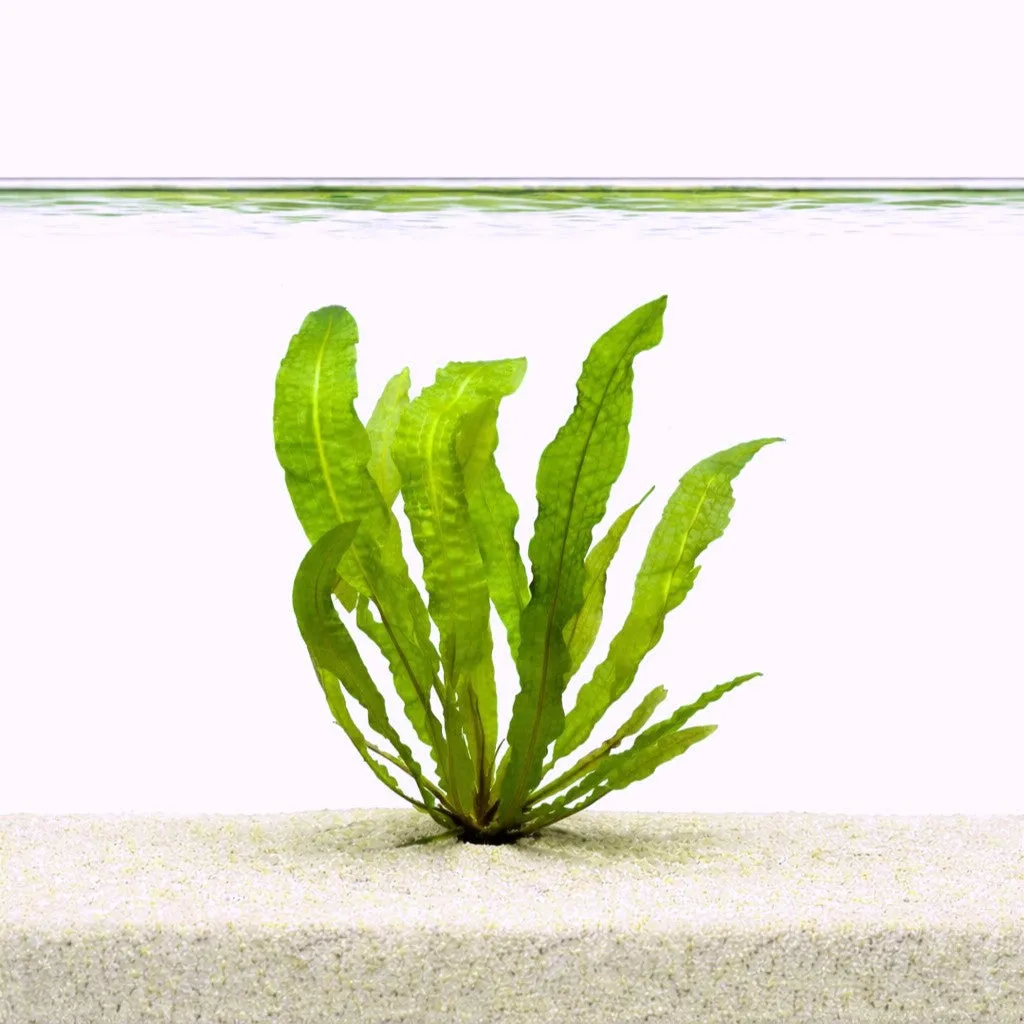
Aponogeton boivinianus
FreshwaterMedium light · Background19.7 in (50 cm)
Aponogeton crispus
FreshwaterMedium light · Background19.7 in (50 cm)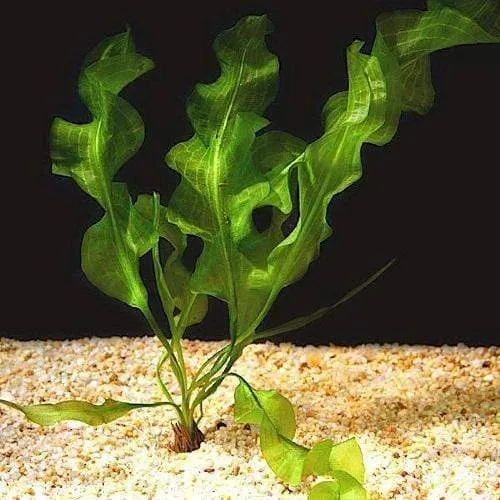
Aponogeton ulvaceus
FreshwaterMedium light · Background19.7 in (50 cm)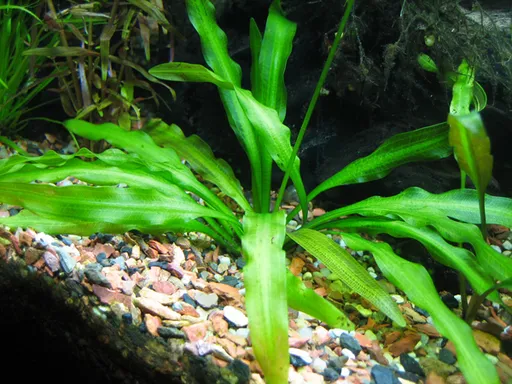
Aponogeton undulatus
FreshwaterMedium light · Background21.7 in (55 cm)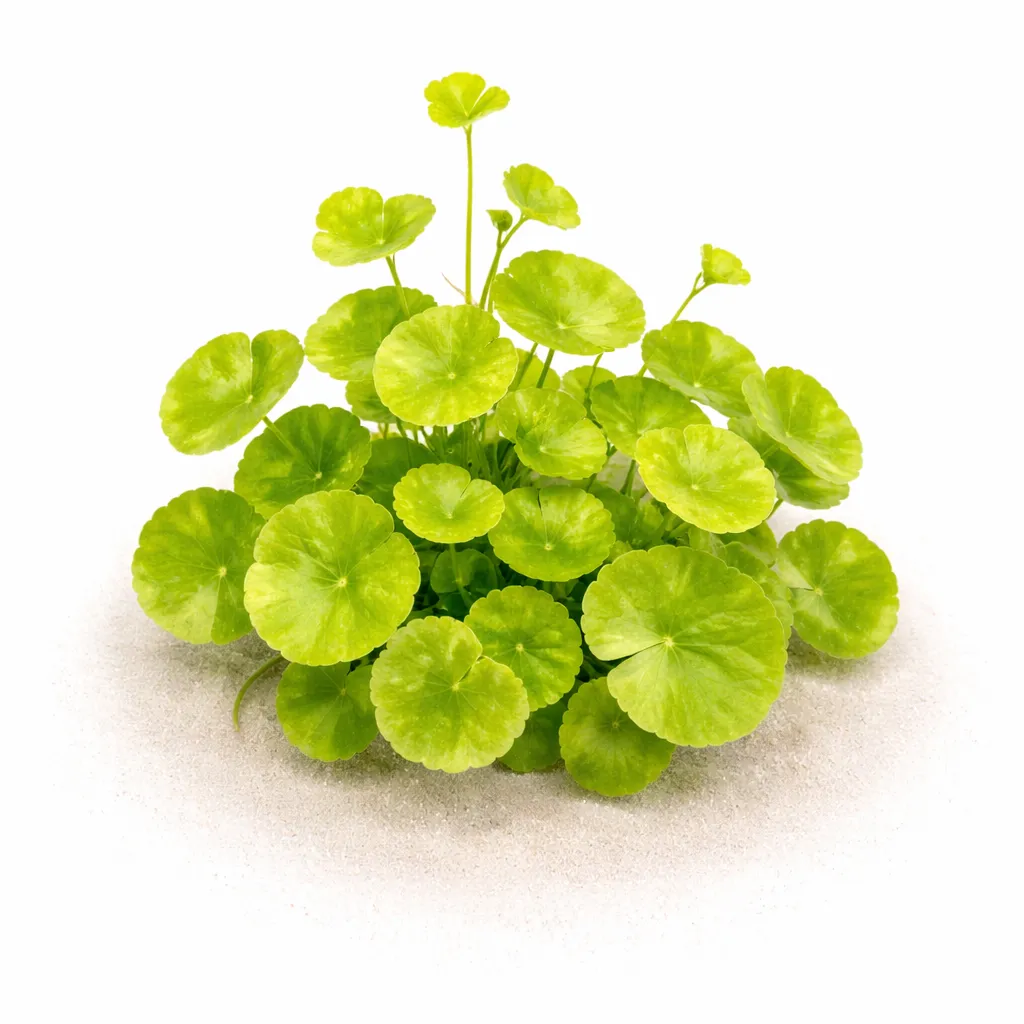
Brazilian pennywort
Hydrocotyle leucocephala
FreshwaterMedium light · Midground19.7 in (50 cm)Brazilian pennywort Variegated
Hydrocotyle leucocephala 'Variegated'
FreshwaterMedium light · Midground19.7 in (50 cm)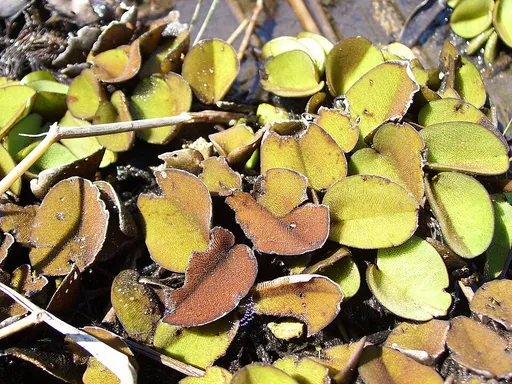
Butterfly fern
Salvinia auriculata
FreshwaterMedium light · Floating1.6 in (4 cm)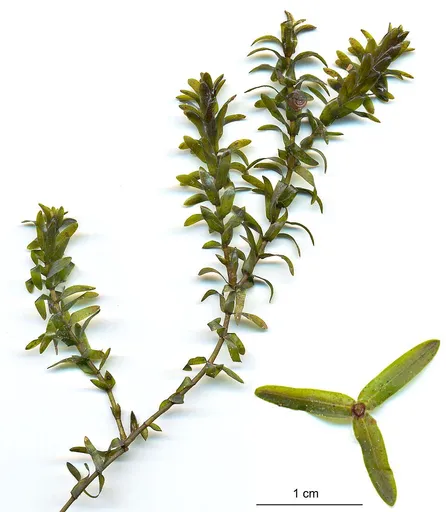
Canadian waterweed
Elodea canadensis
FreshwaterLow light · Background23.6 in (60 cm)Corkscrew val
Vallisneria natans
FreshwaterMedium light · Background23.6 in (60 cm)Creeping bacopa
Bacopa australis
FreshwaterMedium light · Midground7.9 in (20 cm)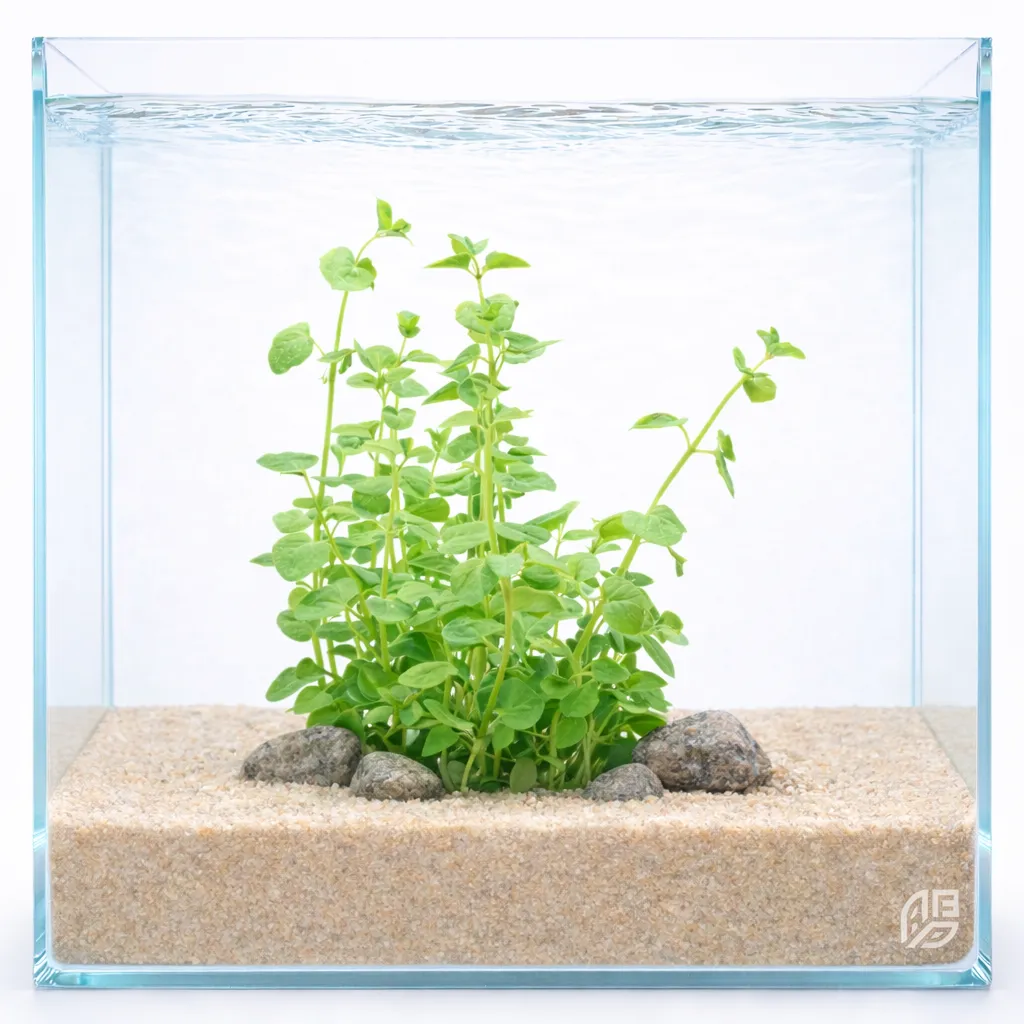
Creeping Charlie
Clinopodium brownei
FreshwaterMedium light · Midground15.7 in (40 cm)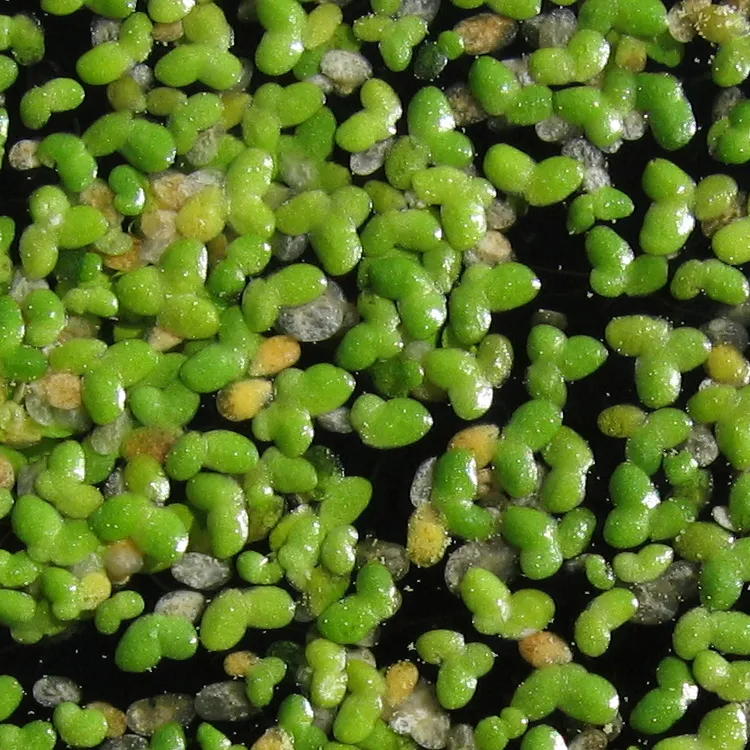
Duckweed
Lemna minor
FreshwaterLow light · Floating0.4 in (1 cm)Dwarf water lettuce
Pistia stratiotes
FreshwaterMedium light · Floating3.9 in (10 cm)Echinodorus decumbens
FreshwaterMedium light · Background19.7 in (50 cm)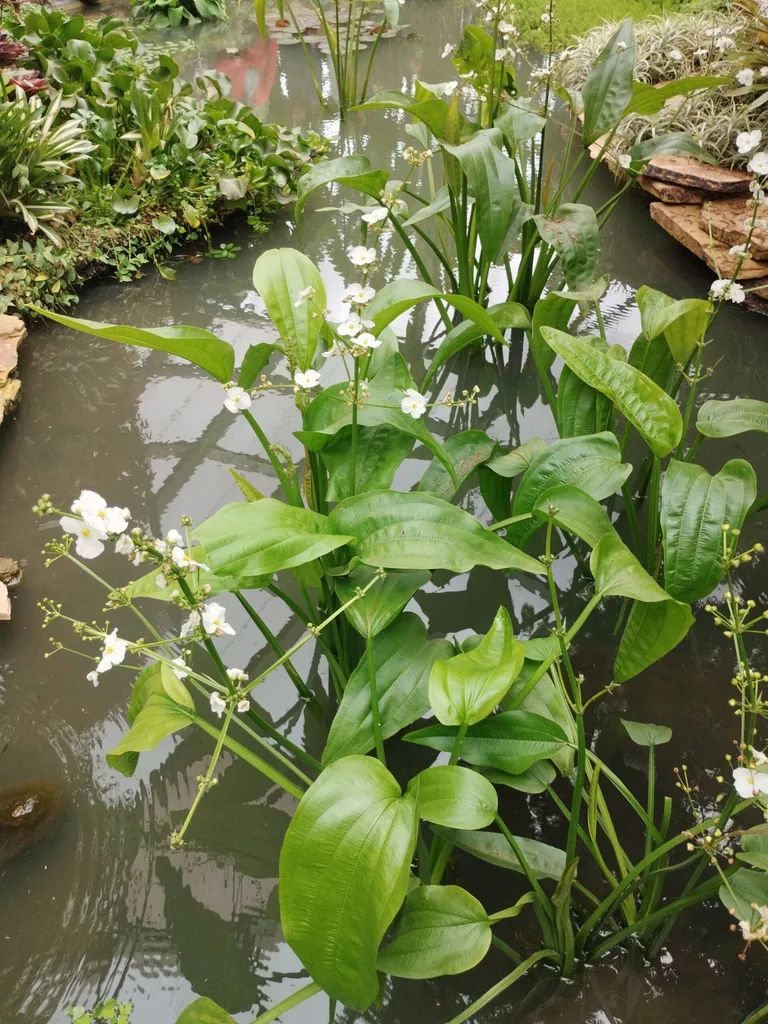
Echinodorus palifolius
Aquarius palifolius
FreshwaterMedium light · Background39.4 in (100 cm)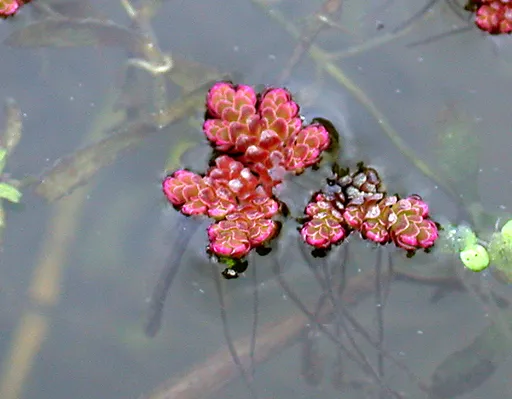
Fairy moss
Azolla filiculoides
FreshwaterMedium light · Floating0.8 in (2 cm)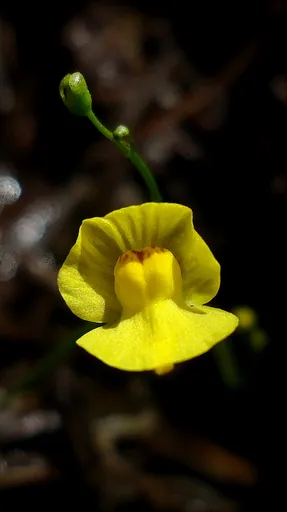
Floating bladderwort
Utricularia gibba
FreshwaterMedium light · Floating0.8 in (2 cm)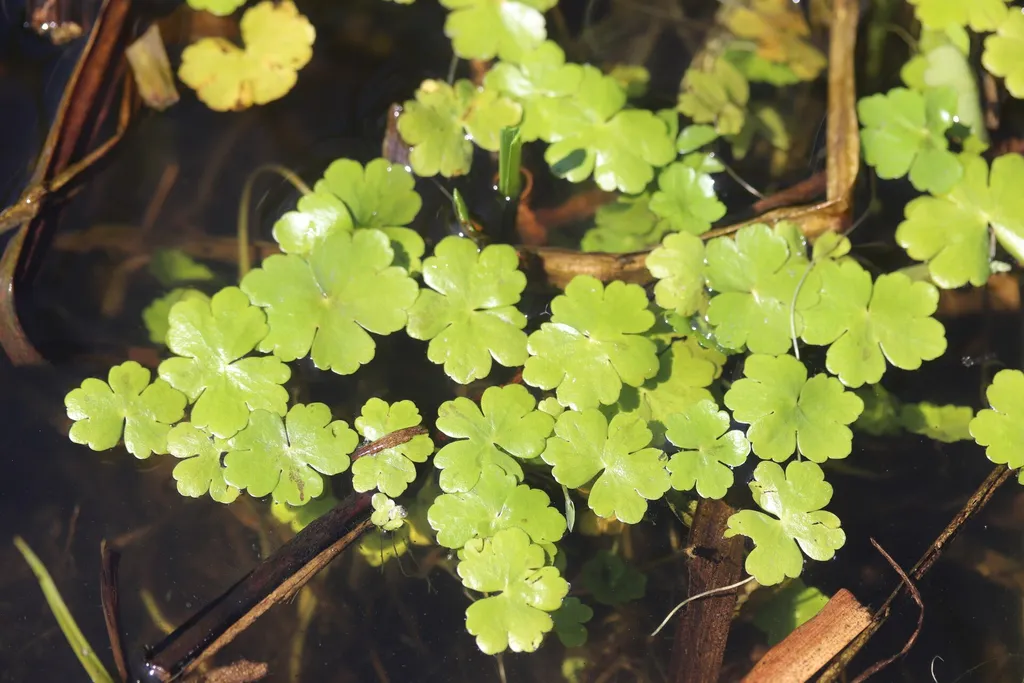
Floating pennywort
Hydrocotyle ranunculoides
FreshwaterMedium light · Floating5.9 in (15 cm)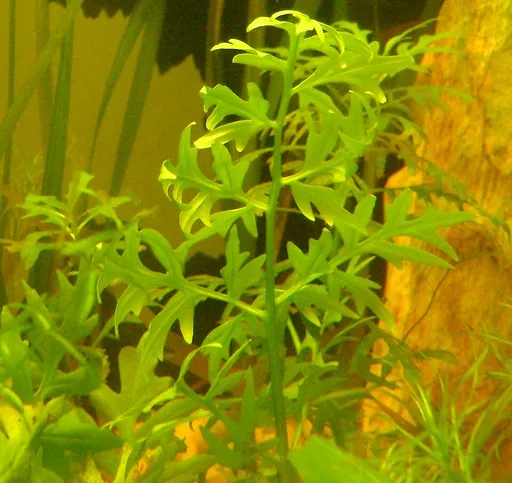
Floating water sprite
Ceratopteris cornuta
FreshwaterMedium light · Floating15.7 in (40 cm)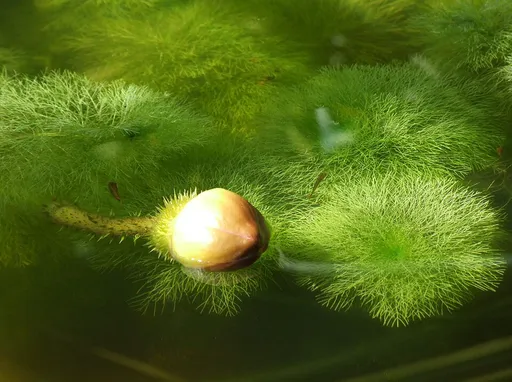
Giant ambulia
Limnophila aquatica
FreshwaterHigh light · Background19.7 in (50 cm)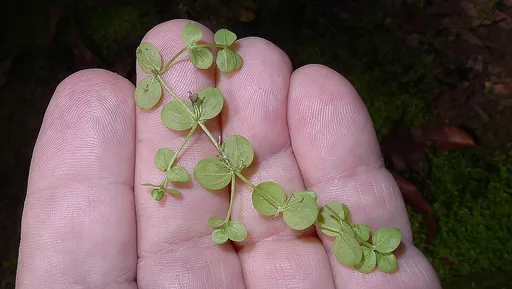
Giant baby tears
Micranthemum umbrosum
FreshwaterMedium light · Midground7.9 in (20 cm)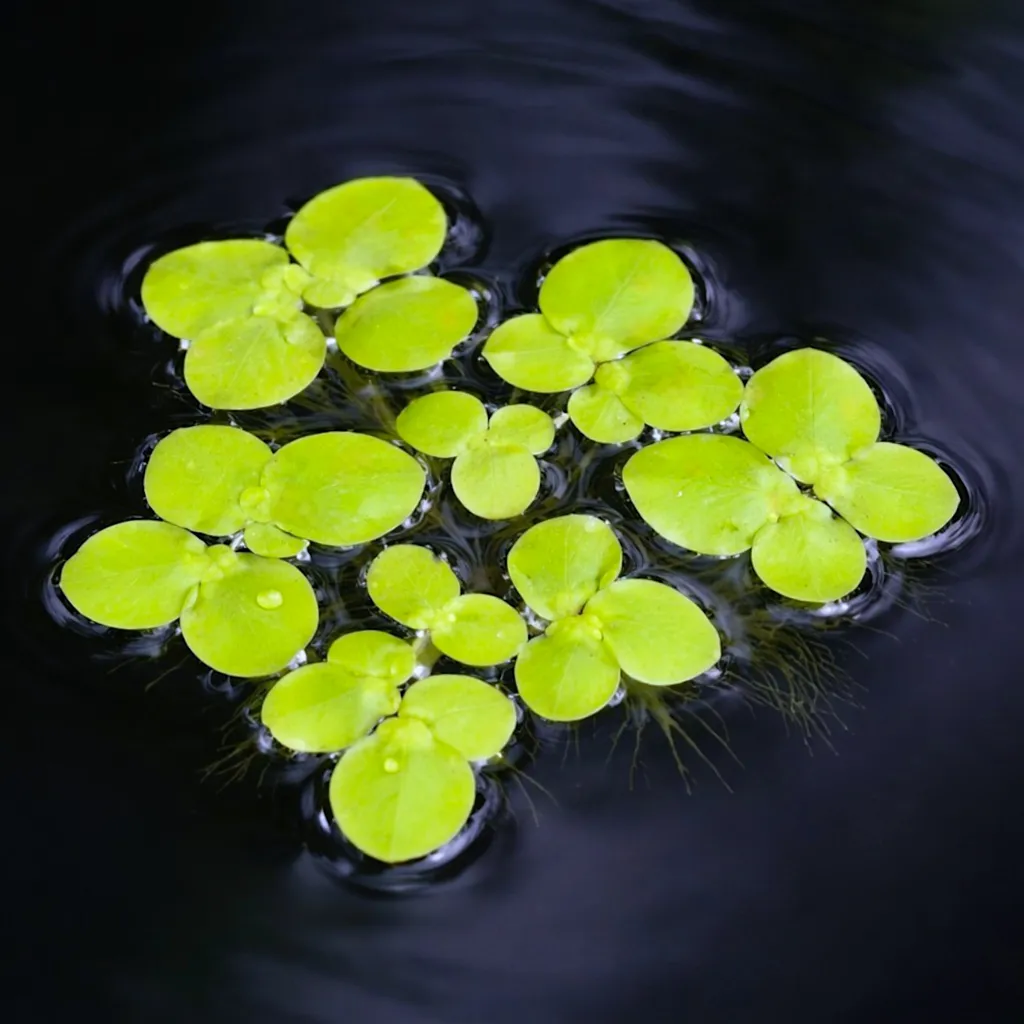
Giant duckweed
Spirodela polyrhiza
FreshwaterLow light · Floating0.4 in (1 cm)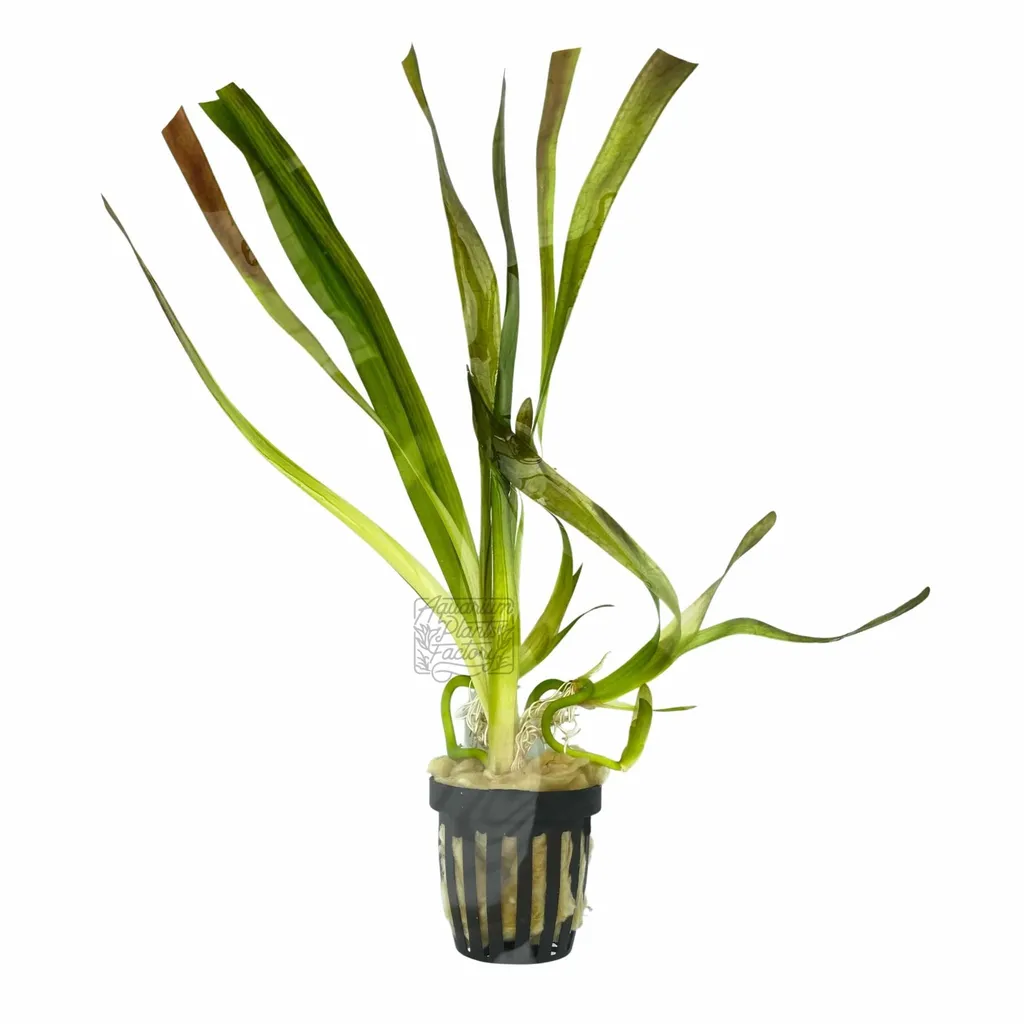
Giant vallisneria
Vallisneria australis
FreshwaterBrackishLow light · Background59.1 in (150 cm)Glosso
Glossostigma elatinoides
FreshwaterHigh light · Foreground1.6 in (4 cm)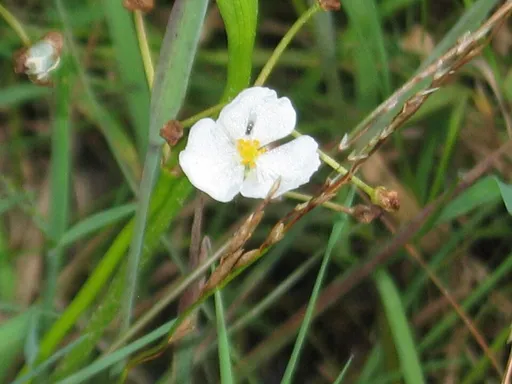
Grassy arrowhead
Sagittaria graminea
FreshwaterMedium light · Background23.6 in (60 cm)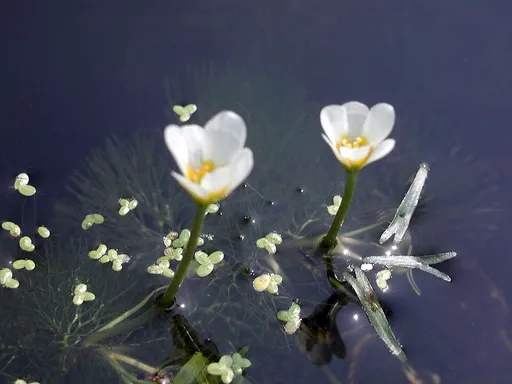
Green cabomba
Cabomba caroliniana
FreshwaterHigh light · Background23.6 in (60 cm)Guppy grass
Najas guadalupensis
FreshwaterBrackishLow light · Floating35.4 in (90 cm)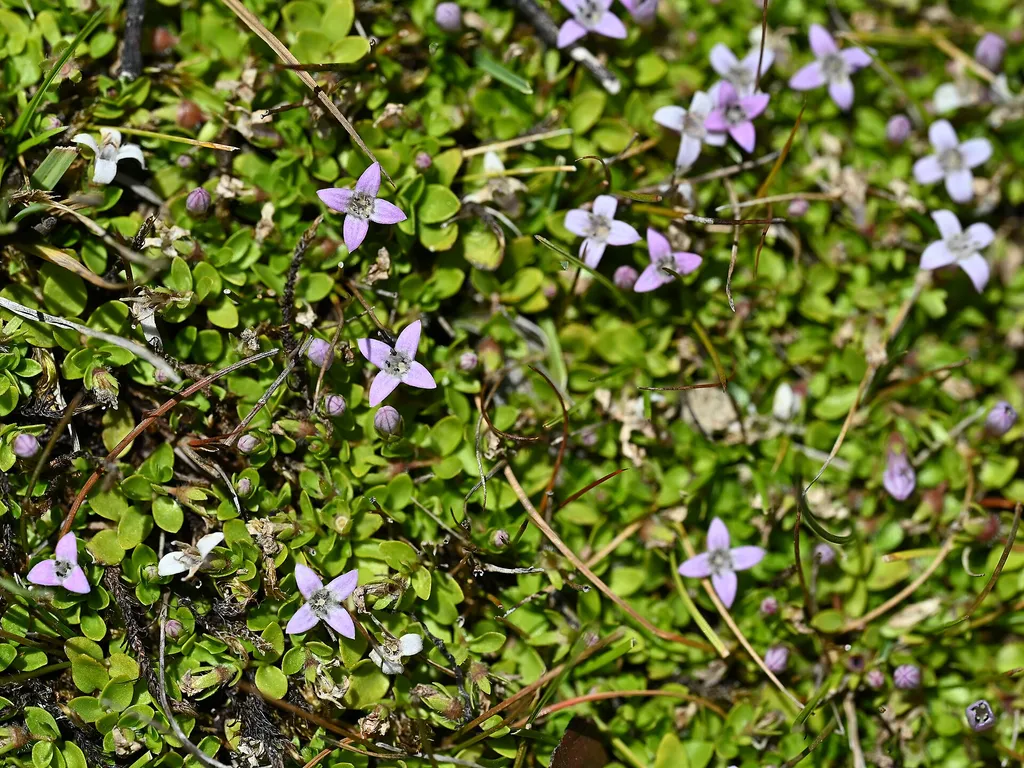
Hedyotis salzmannii
Oldenlandia salzmannii
FreshwaterMedium light · Midground7.9 in (20 cm)Hornwort
Ceratophyllum demersum
FreshwaterBrackishLow light · Floating39.4 in (100 cm)
Hydrocotyle Japan
Hydrocotyle tripartita
FreshwaterMedium light · Foreground2 in (5 cm)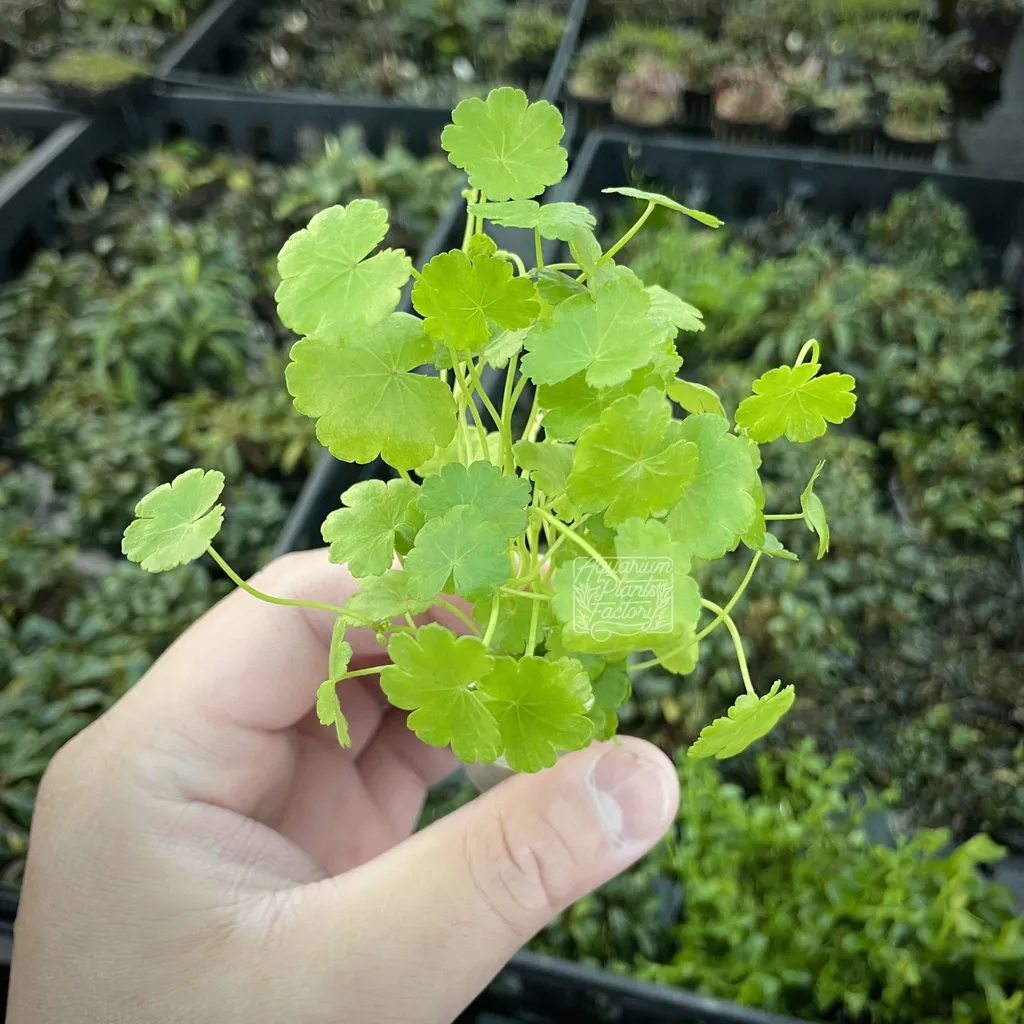
Hydrocotyle mini
Hydrocotyle sibthorpioides
FreshwaterHigh light · Foreground2 in (5 cm)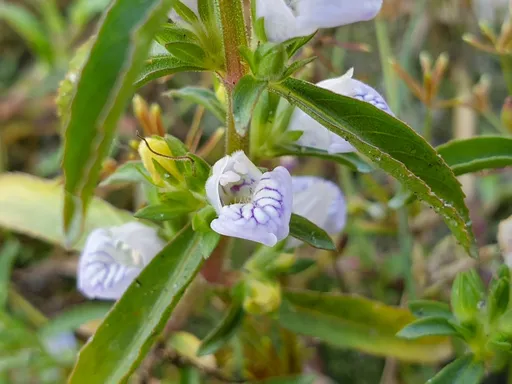
Hygrophila balsamica
FreshwaterHigh light · Background19.7 in (50 cm)Hygrophila corymbosa
FreshwaterLow light · Background19.7 in (50 cm)1 form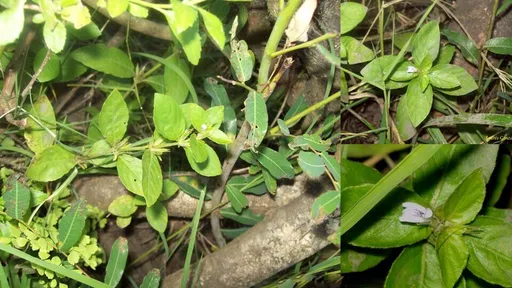
Hygrophila costata
FreshwaterMedium light · Background15.7 in (40 cm)Hygrophila polysperma
FreshwaterLow light · Background17.7 in (45 cm)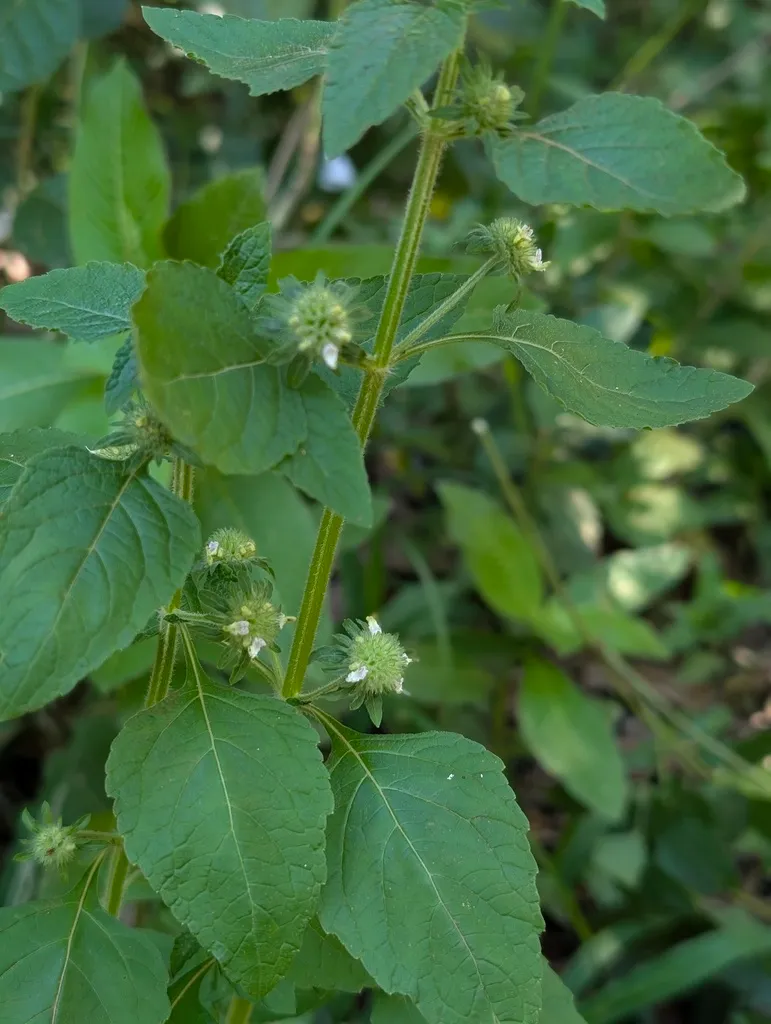
Hyptis lorentziana
FreshwaterHigh light · Midground11.8 in (30 cm)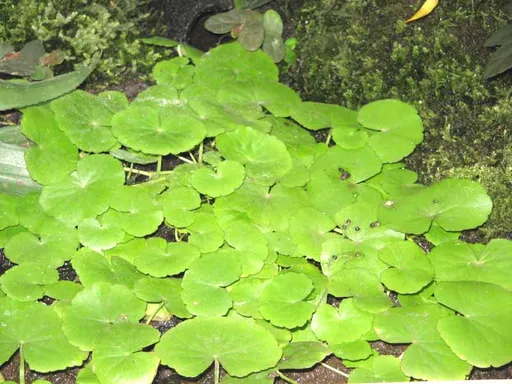
Japanese cress
Cardamine lyrata
FreshwaterMedium light · Midground17.7 in (45 cm)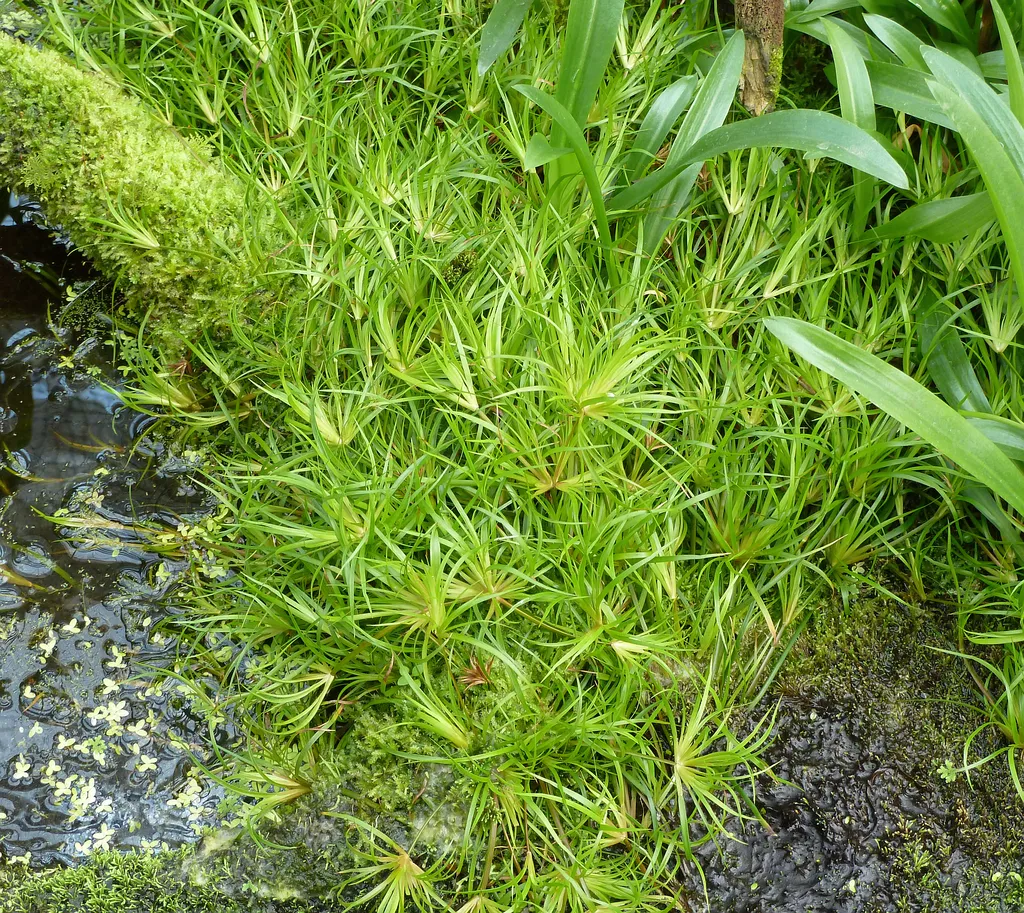
Juncus repens
FreshwaterMedium light · Midground11.8 in (30 cm)Jungle val
Vallisneria americana
FreshwaterBrackishLow light · Background39.4 in (100 cm)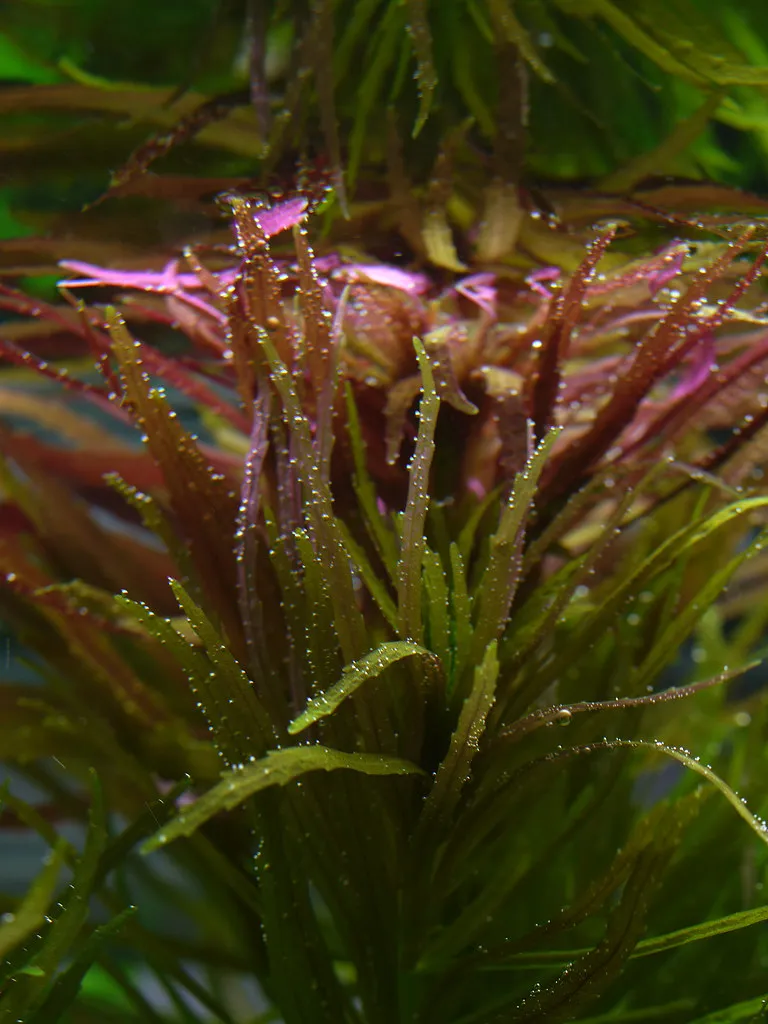
Limnophila aromatica
FreshwaterHigh light · Background15.7 in (40 cm)Limnophila Belem
Limnophila sp. 'Belem'
FreshwaterHigh light · Background11.8 in (30 cm)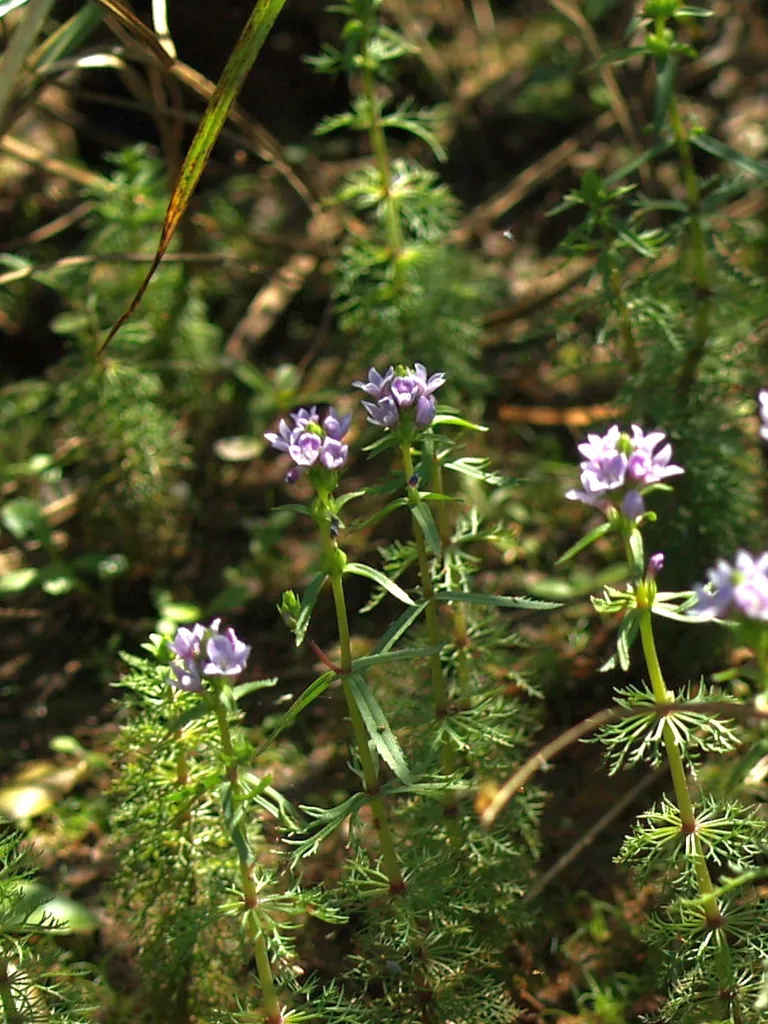
Limnophila heterophylla
FreshwaterMedium light · Background19.7 in (50 cm)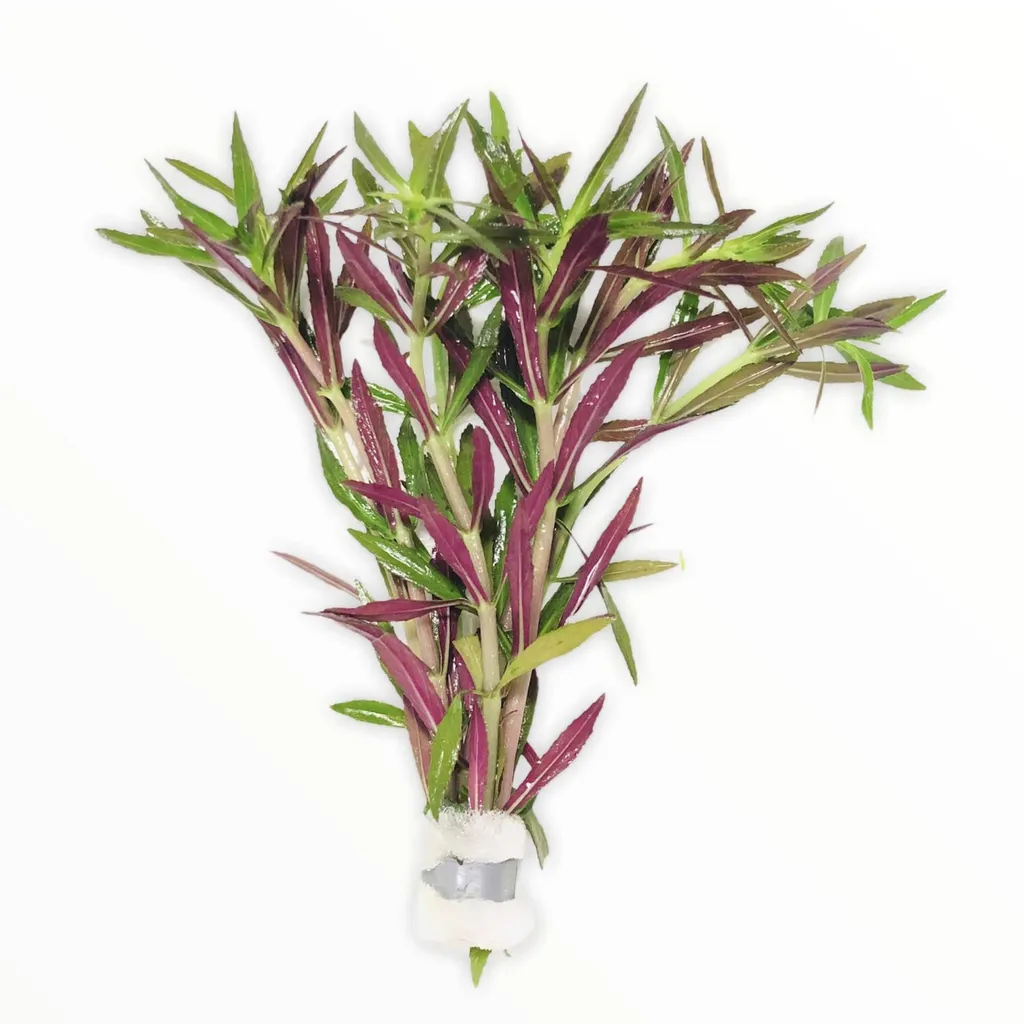
Limnophila hippuridoides
FreshwaterHigh light · Background19.7 in (50 cm)Limnophila Vietnam
Limnophila sp. 'Vietnam'
FreshwaterHigh light · Midground9.8 in (25 cm)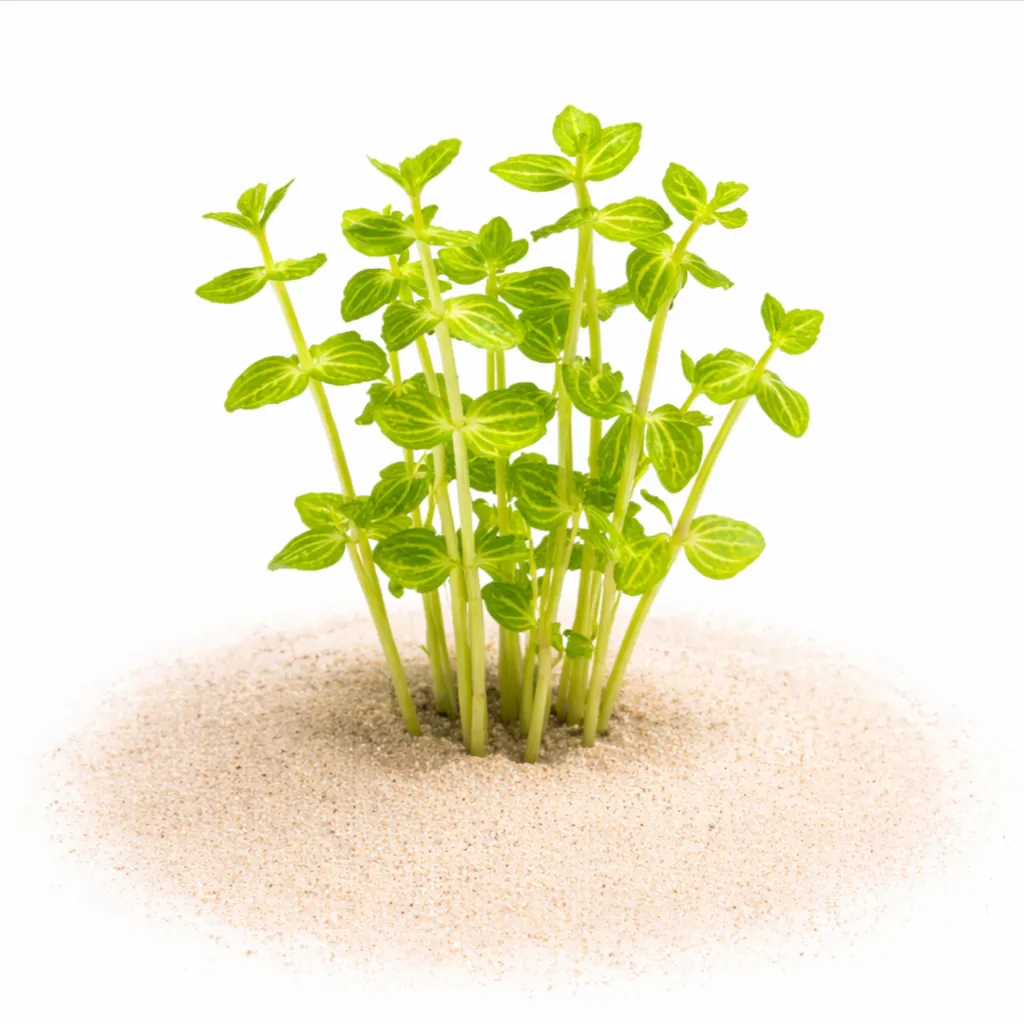
Lindernia rotundifolia
FreshwaterLow light · Background11.8 in (30 cm)Lindernia rotundifolia Variegated
Lindernia rotundifolia 'Variegated'
FreshwaterMedium light · Midground11.8 in (30 cm)Ludwigia Cuba
Ludwigia inclinata var. verticillata 'Cuba'
FreshwaterHigh light · Background15.7 in (40 cm)Ludwigia Dark Orange
Ludwigia sp. 'Dark Orange'
FreshwaterHigh light · Background15.7 in (40 cm)Ludwigia Marilia
Ludwigia sp. 'Marilia'
FreshwaterMedium light · Background23.6 in (60 cm)Ludwigia Meta
Ludwigia inclinata var. verticillata 'Meta'
FreshwaterHigh light · Background15.7 in (40 cm)Ludwigia palustris
FreshwaterMedium light · Background19.7 in (50 cm)Ludwigia Pantanal
Ludwigia inclinata var. verticillata 'Pantanal'
FreshwaterHigh light · Background15.7 in (40 cm)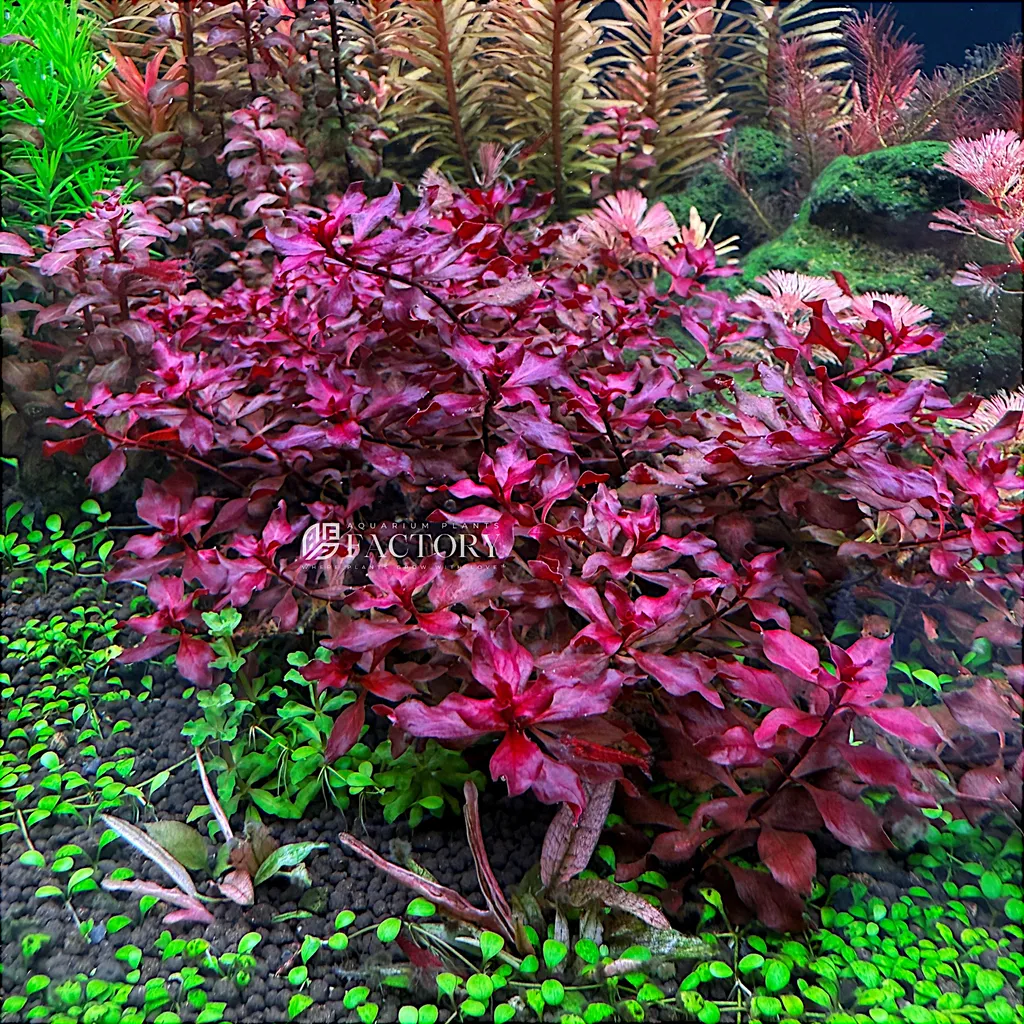
Ludwigia super red
Ludwigia palustris 'Super Red'
FreshwaterHigh light · Midground11.8 in (30 cm)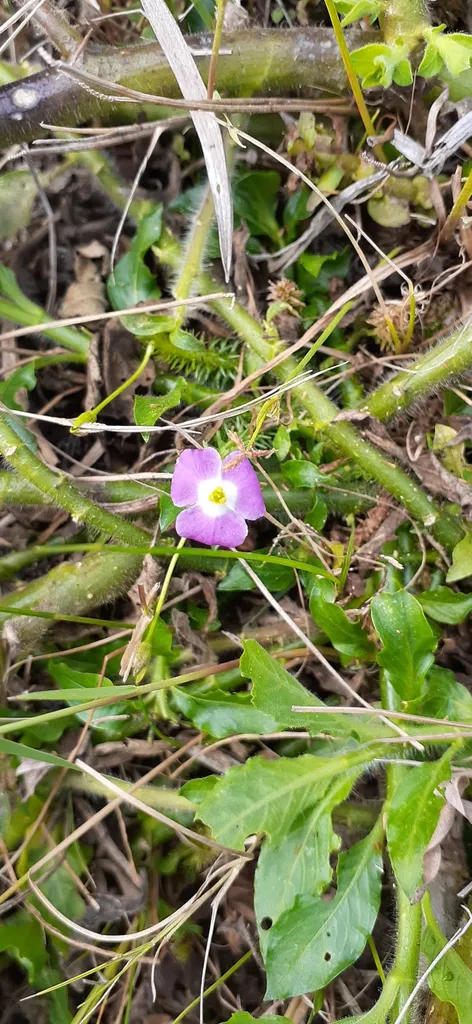
Mayaca sellowiana
FreshwaterMedium light · Midground9.8 in (25 cm)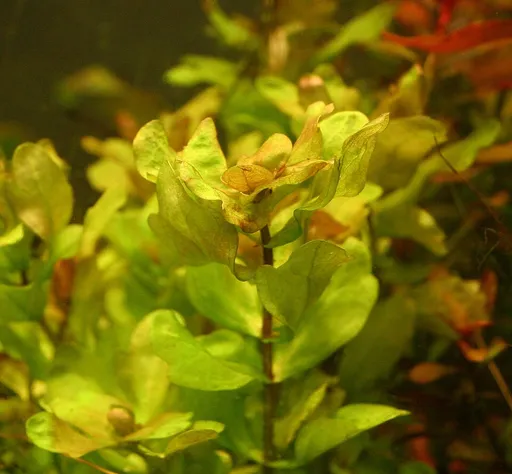
Mexican oak leaf
Shinnersia rivularis
FreshwaterMedium light · Background19.7 in (50 cm)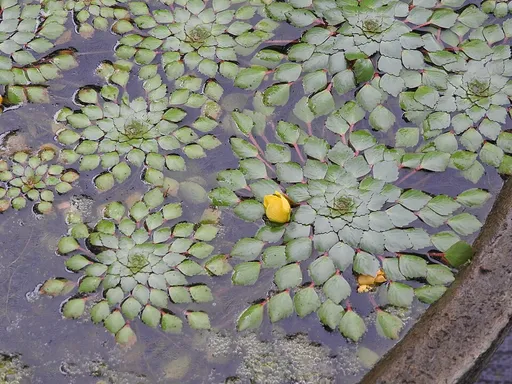
Mosaic plant
Ludwigia sedioides
FreshwaterHigh light · Floating11.8 in (30 cm)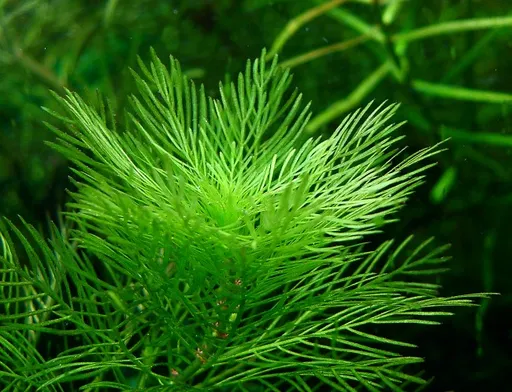
Myriophyllum Guyana
Myriophyllum mattogrossense
FreshwaterMedium light · Background19.7 in (50 cm)Myriophyllum pinnatum
FreshwaterMedium light · Background23.6 in (60 cm)Myriophyllum Roraima
Myriophyllum sp. 'Roraima'
FreshwaterHigh light · Background23.6 in (60 cm)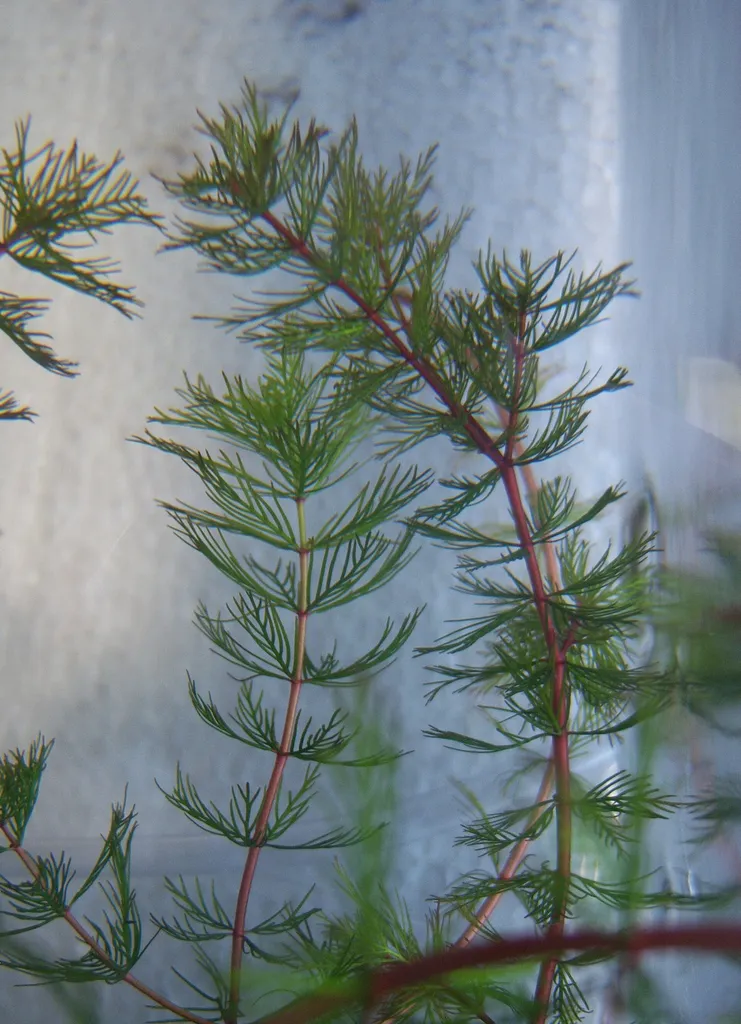
Myriophyllum Snowflake
Myriophyllum quitense
FreshwaterMedium light · Background23.6 in (60 cm)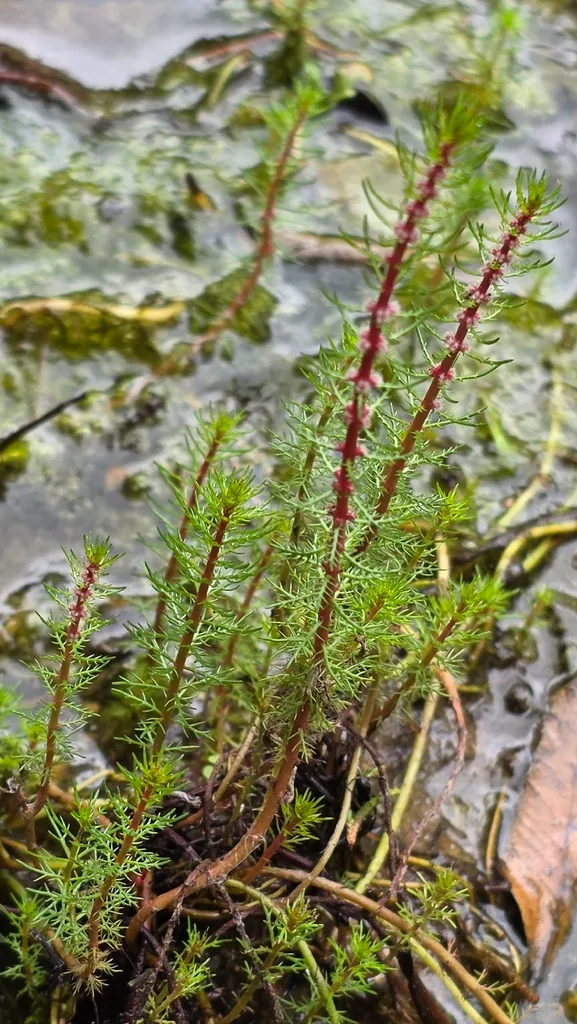
Myriophyllum ussuriense
FreshwaterMedium light · Background15.7 in (40 cm)Najas indica
FreshwaterMedium light · Floating23.6 in (60 cm)Narrow leaf anacharis
Elodea najas
FreshwaterMedium light · Background15.7 in (40 cm)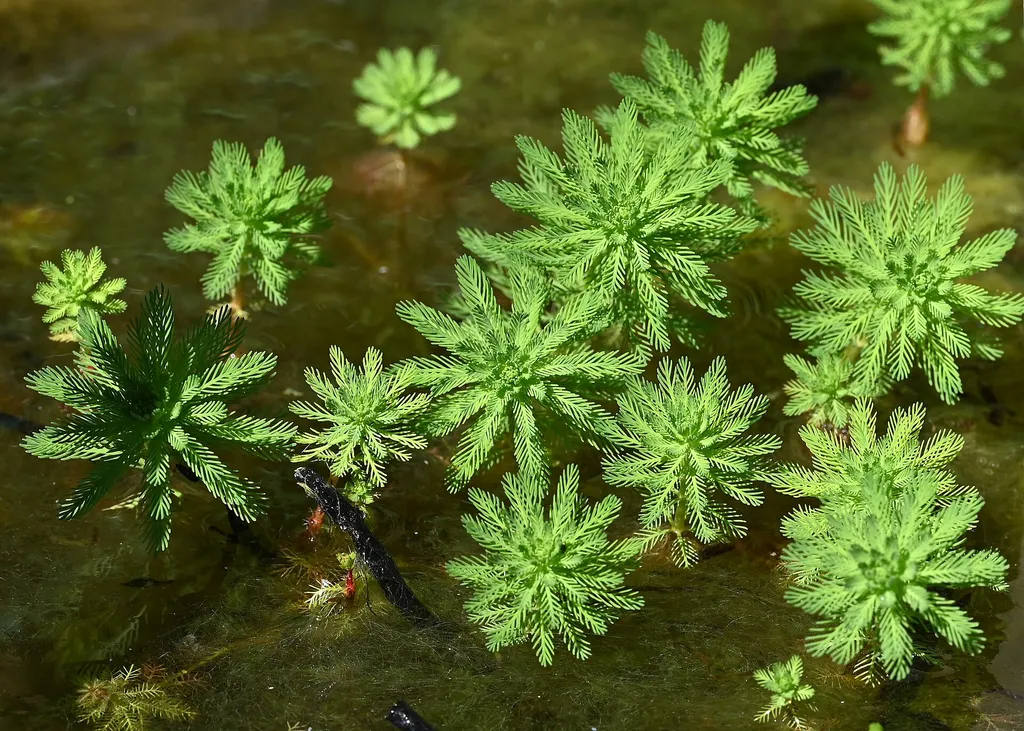
Parrot's feather
Myriophyllum aquaticum
FreshwaterHigh light · Background15.7 in (40 cm)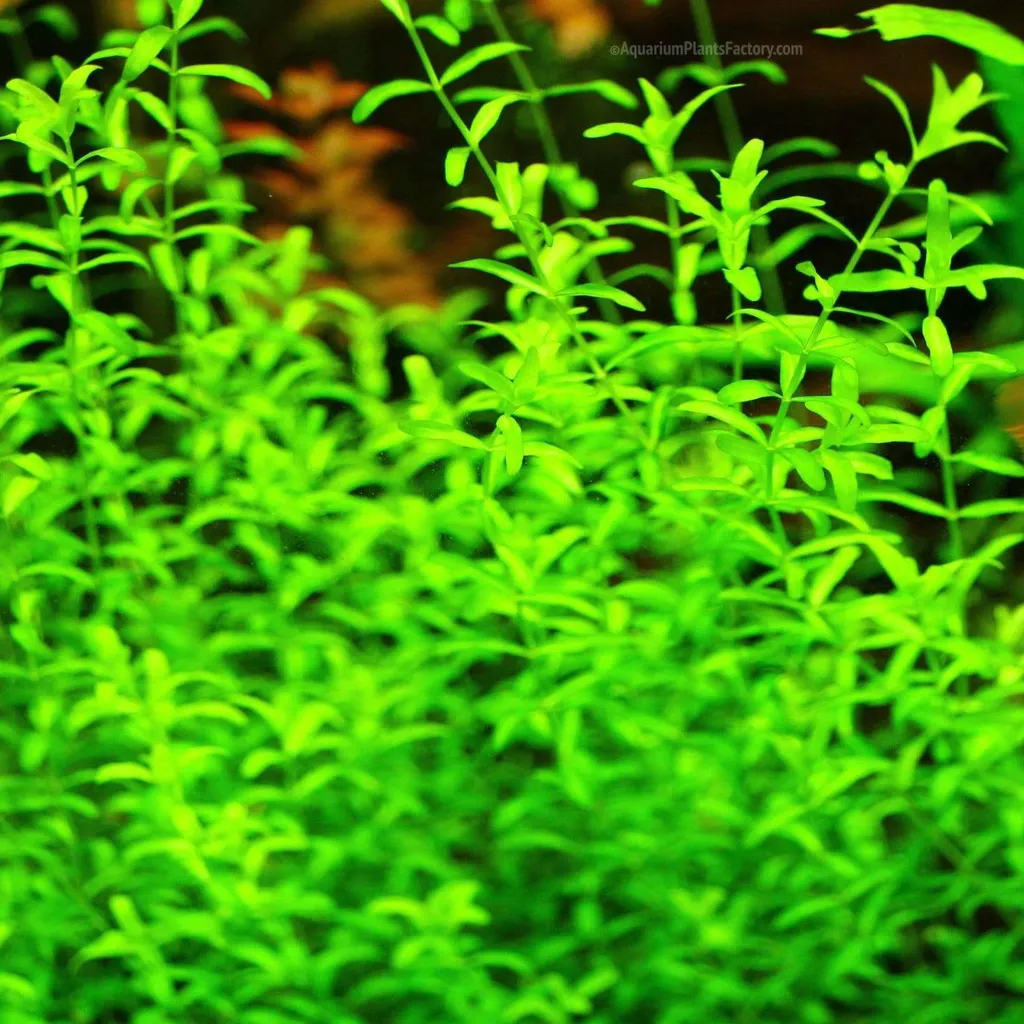
Pearlweed
Hemianthus glomeratus
FreshwaterMedium light · Midground7.9 in (20 cm)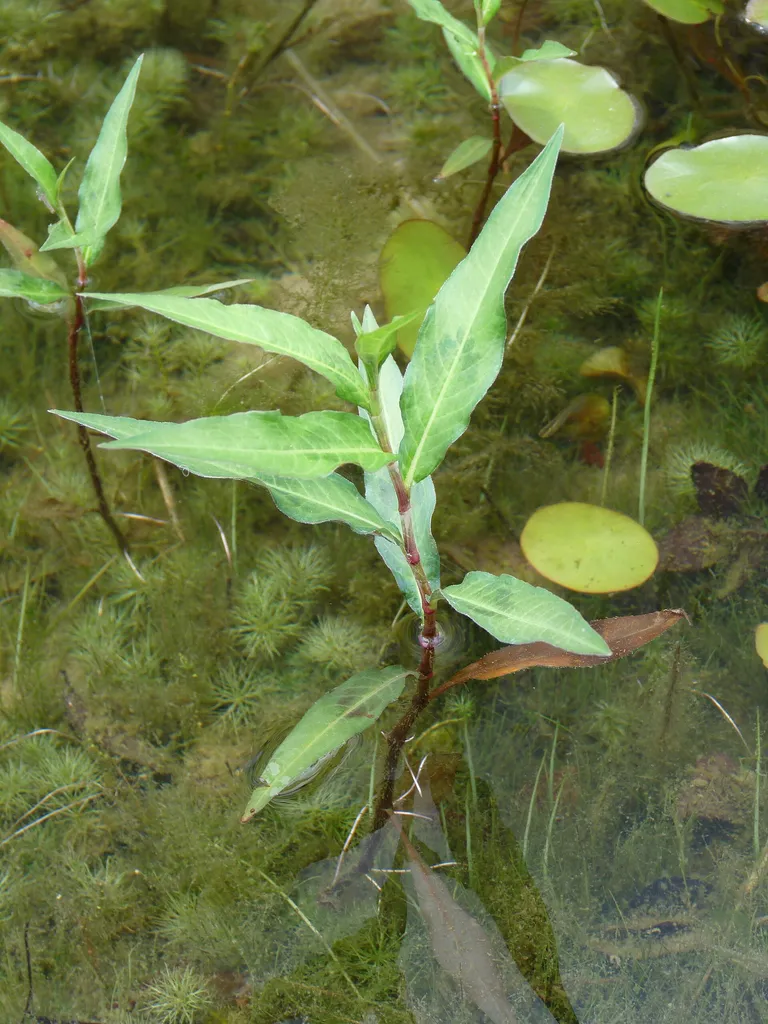
Persicaria hydropiper
FreshwaterMedium light · Midground11.8 in (30 cm)Persicaria kawagoeanum
Persicaria sp. 'Kawagoeanum'
FreshwaterHigh light · Background15.7 in (40 cm)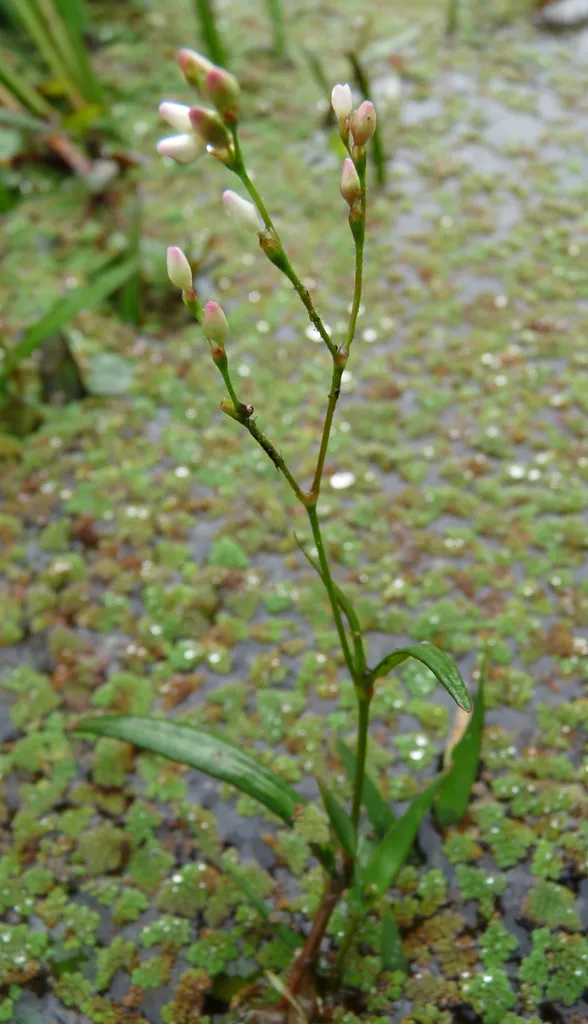
Persicaria praetermissa
FreshwaterMedium light · Midground13.8 in (35 cm)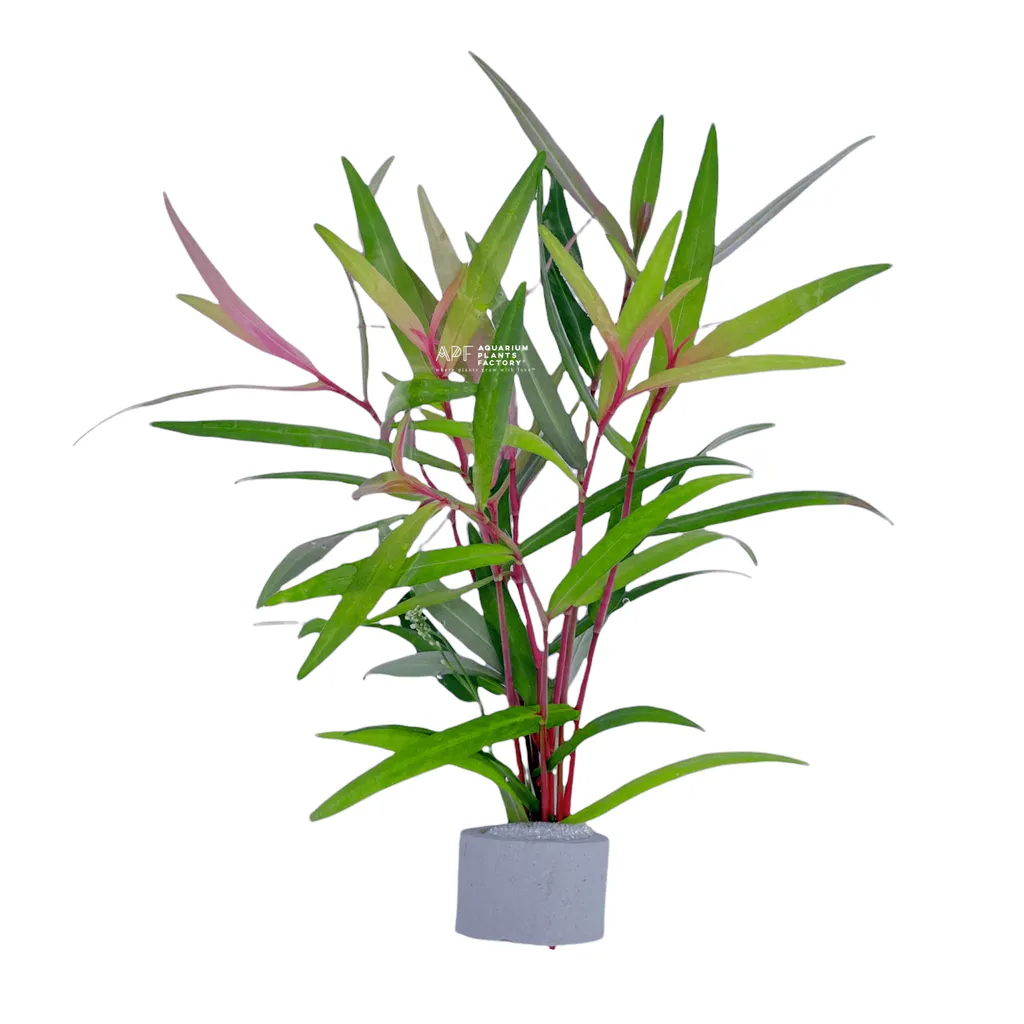
Persicaria Sao Paulo
Persicaria sp. 'Sao Paulo'
FreshwaterHigh light · Background19.7 in (50 cm)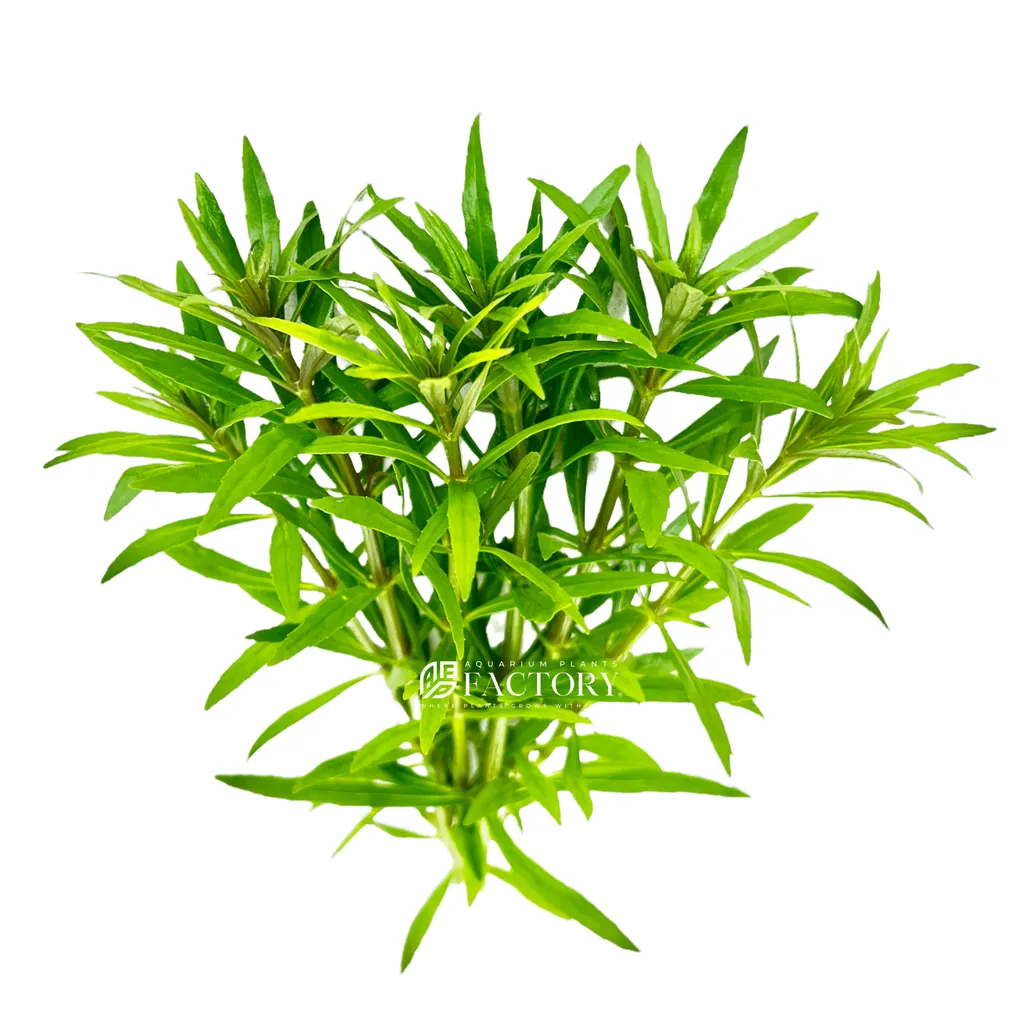
Pogostemon quadrifolius
FreshwaterMedium light · Background15.7 in (40 cm)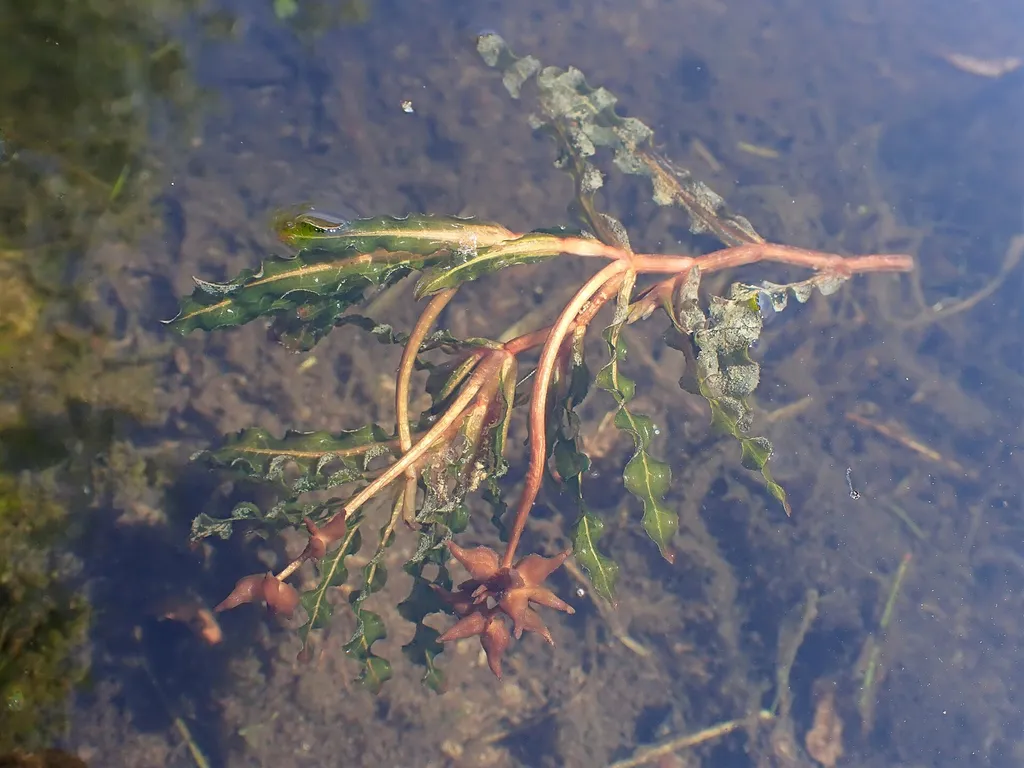
Potamogeton crispus
FreshwaterBrackishLow light · Background31.5 in (80 cm)Potamogeton gayi
FreshwaterMedium light · Background23.6 in (60 cm)Red cabomba
Cabomba furcata
FreshwaterHigh light · Background19.7 in (50 cm)Red Devil sword
Echinodorus 'Red Devil'
FreshwaterMedium light · Midground11.8 in (30 cm)Red myriophyllum
Myriophyllum tuberculatum
FreshwaterHigh light · Background11.8 in (30 cm)Red root floater
Phyllanthus fluitans
FreshwaterHigh light · Floating1.2 in (3 cm)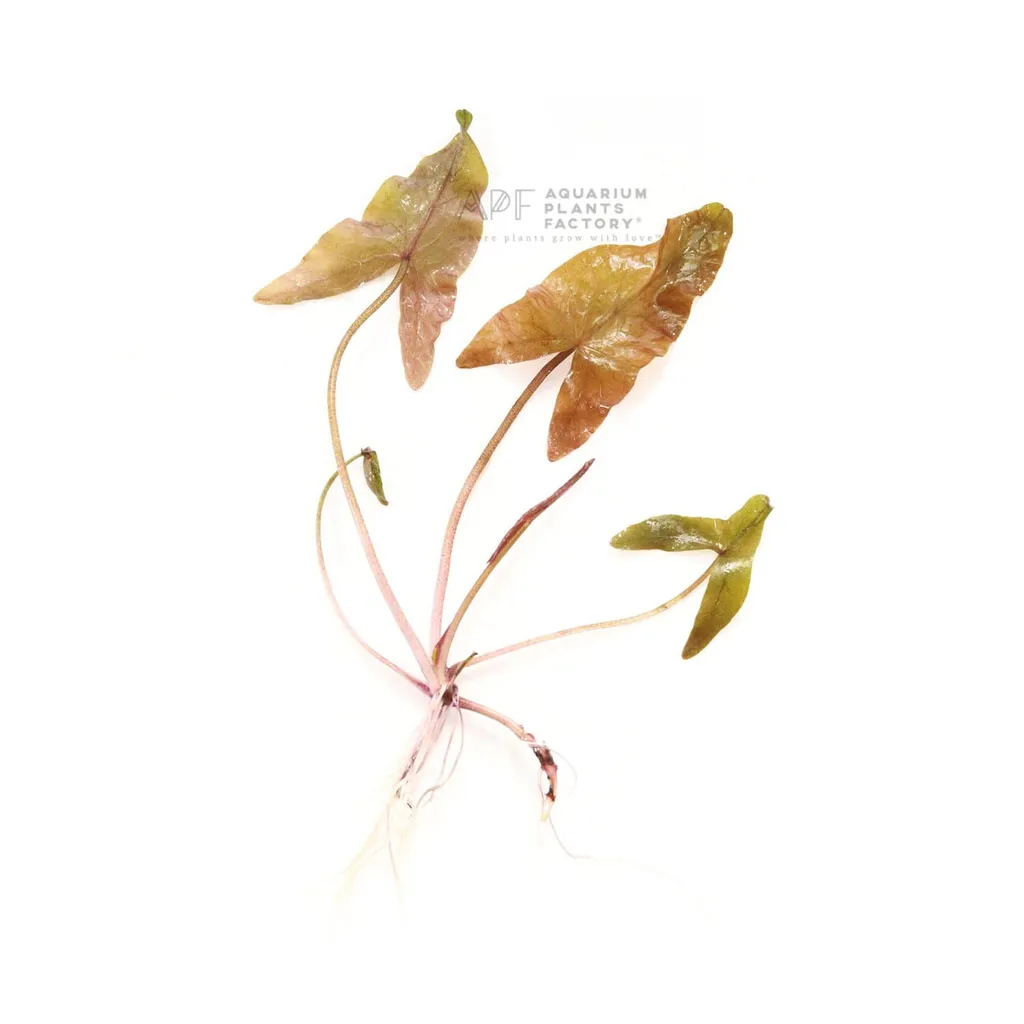
Red water lily
Nymphaea rubra
FreshwaterMedium light · Midground23.6 in (60 cm)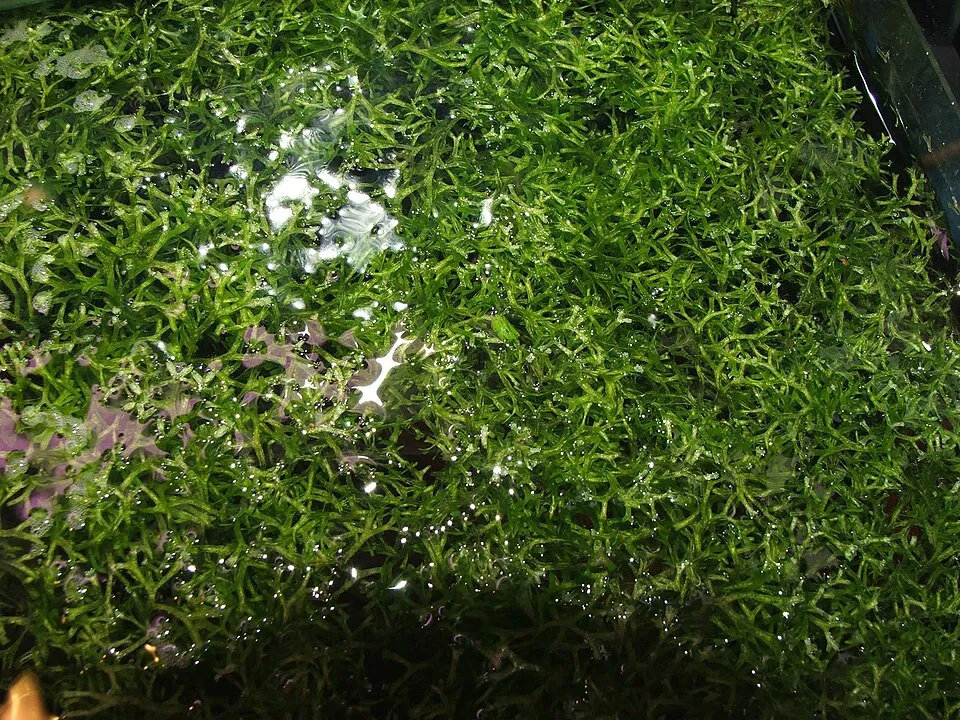
Riccia fluitans
FreshwaterHigh light · Floating1.2 in (3 cm)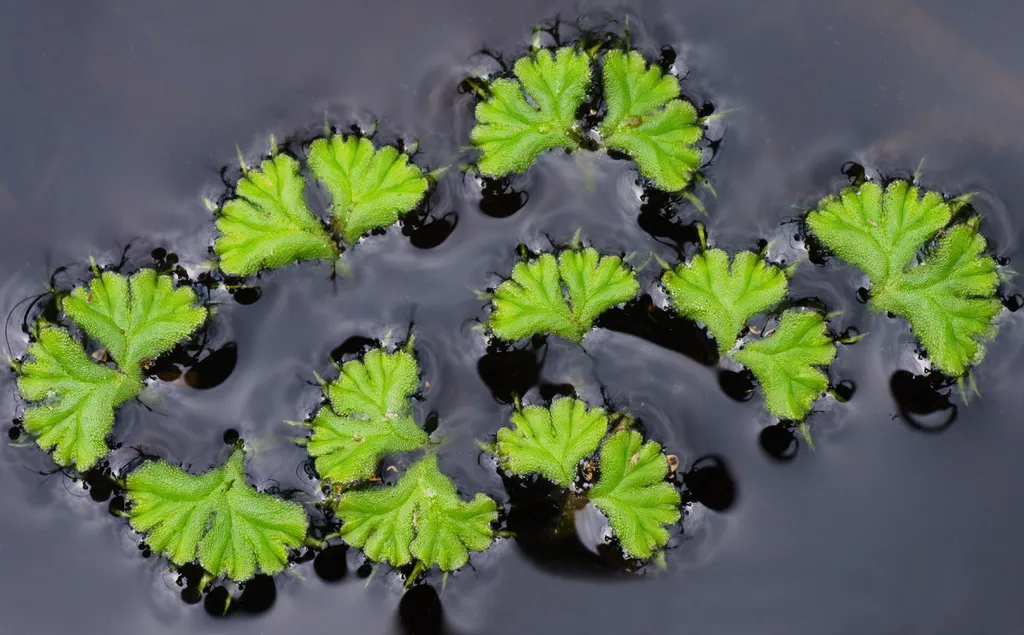
Ricciocarpos natans
FreshwaterMedium light · Floating0.8 in (2 cm)Rotala Bossii
Rotala sp. 'Bossii'
FreshwaterHigh light · Background11.8 in (30 cm)Rotala Coin Leaf
Rotala sp. 'Coin Leaf'
FreshwaterMedium light · Midground11.8 in (30 cm)Rotala Fujian
Rotala 'Fujian'
FreshwaterHigh light · Midground7.9 in (20 cm)Rotala macrandra
FreshwaterHigh light · Background19.7 in (50 cm)3 formsRotala Nanjenshan
Rotala sp. 'Nanjenshan'
FreshwaterHigh light · Midground15.7 in (40 cm)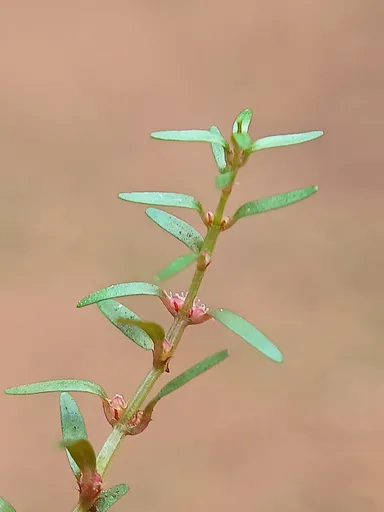
Rotala pusilla
Rotala mexicana
FreshwaterHigh light · Midground11.8 in (30 cm)Rotala rotundifolia
FreshwaterMedium light · Background19.7 in (50 cm)8 formsRotala wallichii
FreshwaterHigh light · Background11.8 in (30 cm)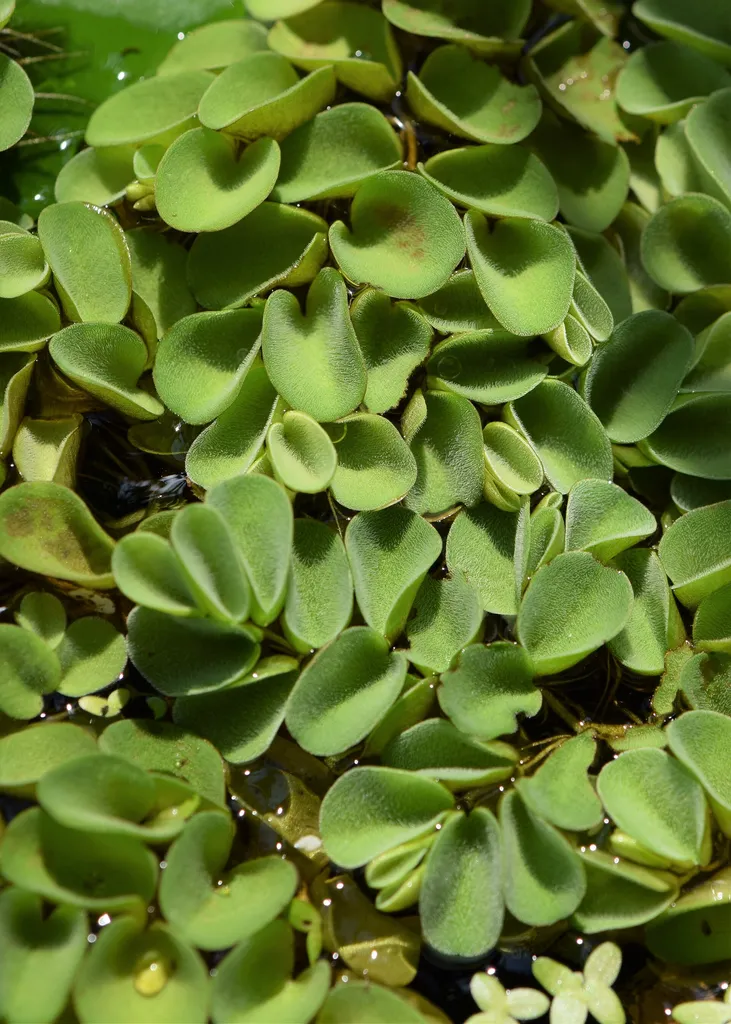
Salvinia cucullata
FreshwaterMedium light · Floating1.2 in (3 cm)Salvinia natans
FreshwaterMedium light · Floating1.2 in (3 cm)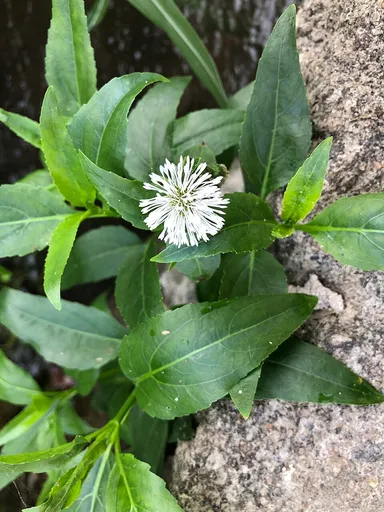
Senegal tea plant
Gymnocoronis spilanthoides
FreshwaterHigh light · Background23.6 in (60 cm)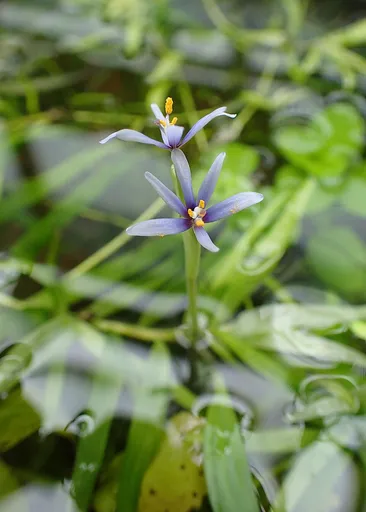
Star grass
Heteranthera zosterifolia
FreshwaterHigh light · Background15.7 in (40 cm)Staurogyne Bihar
Staurogyne sp. 'Bihar'
FreshwaterMedium light · Midground5.9 in (15 cm)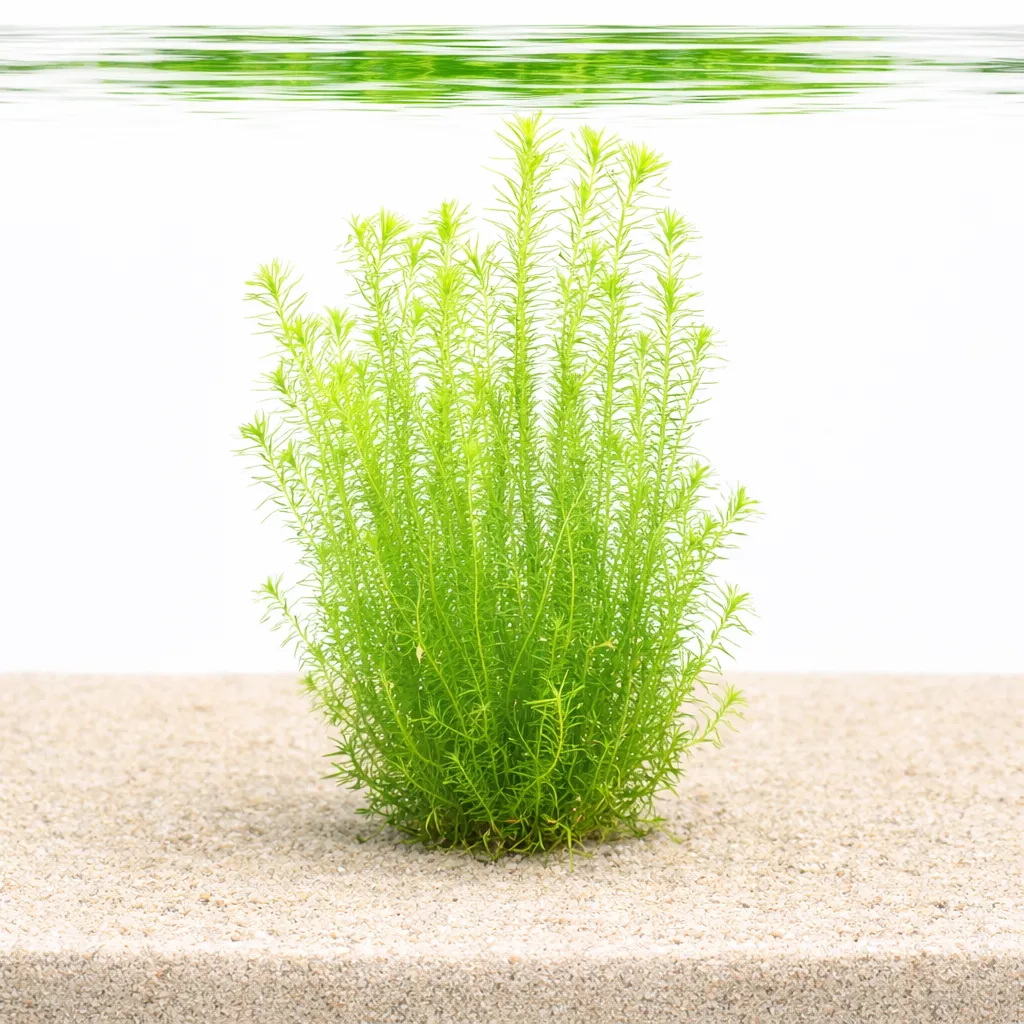
Stream bogmoss
Mayaca fluviatilis
FreshwaterMedium light · Background15.7 in (40 cm)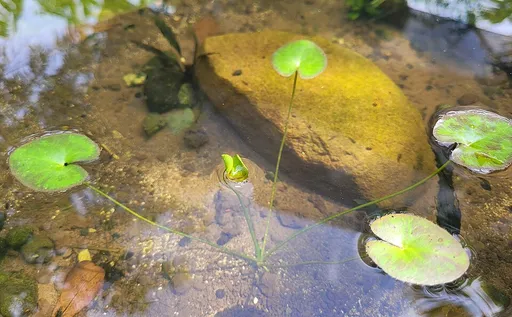
Taiwan lily
Nymphoides hydrophylla 'Taiwan'
FreshwaterMedium light · Midground11.8 in (30 cm)Tricolor sword
Echinodorus 'Tricolor'
FreshwaterMedium light · Midground15.7 in (40 cm)Vallisneria nana Tiger
Vallisneria nana 'Tiger'
FreshwaterMedium light · Background23.6 in (60 cm)Vallisneria Rubra
Vallisneria australis 'Rubra'
FreshwaterBrackishMedium light · Background23.6 in (60 cm)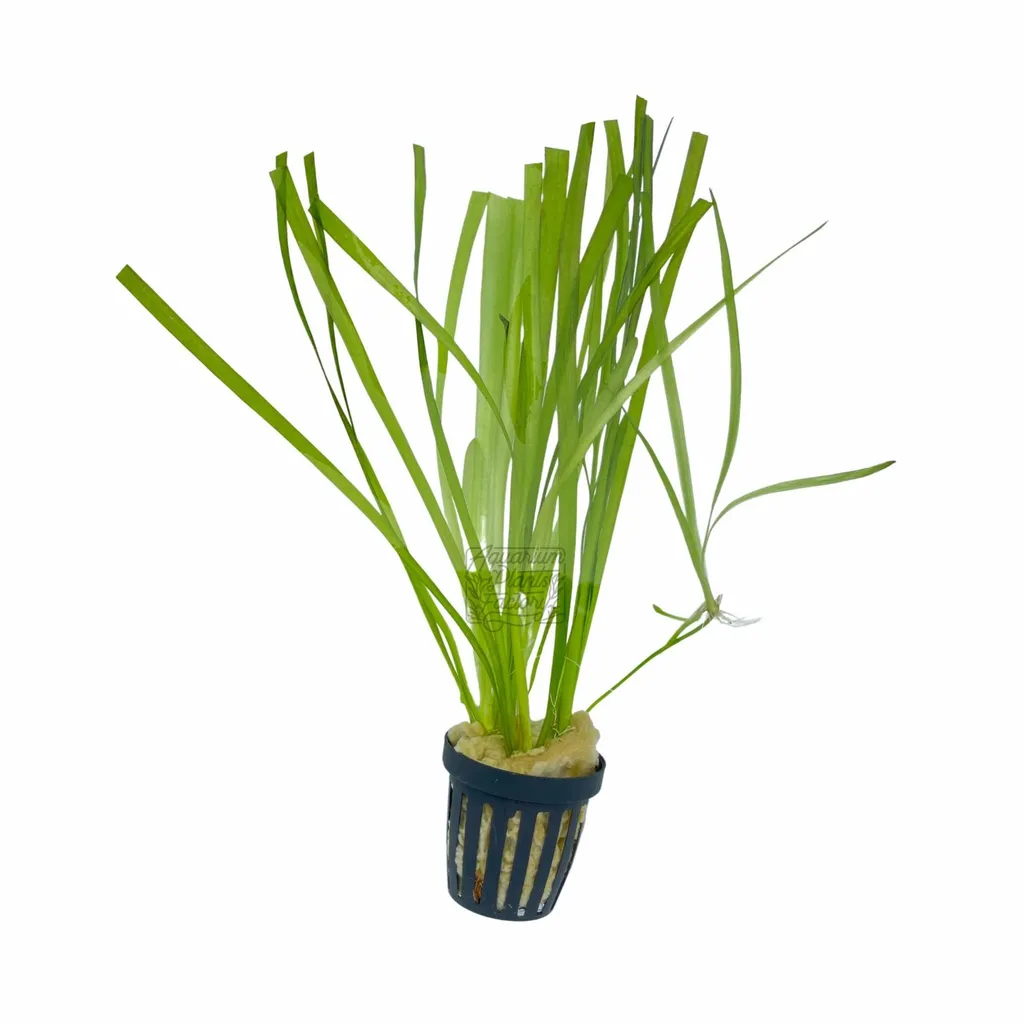
Vallisneria spiralis
FreshwaterBrackishLow light · Background19.7 in (50 cm)Water hedge
Didiplis diandra
FreshwaterHigh light · Midground11.8 in (30 cm)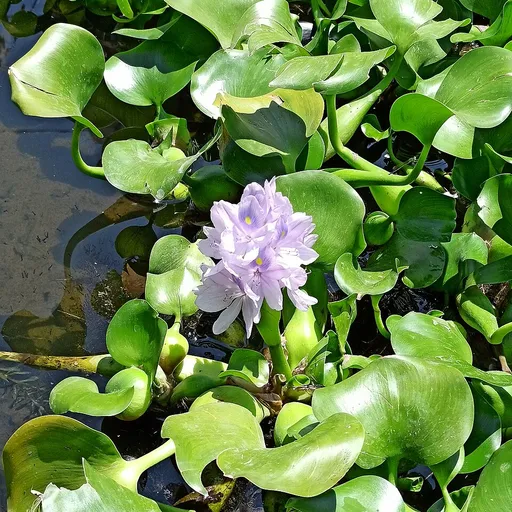
Water hyacinth
Pontederia crassipes
FreshwaterHigh light · Floating15.7 in (40 cm)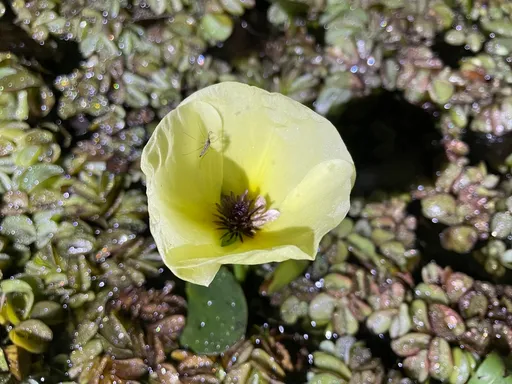
Water poppy
Hydrocleys nymphoides
FreshwaterHigh light · Floating11.8 in (30 cm)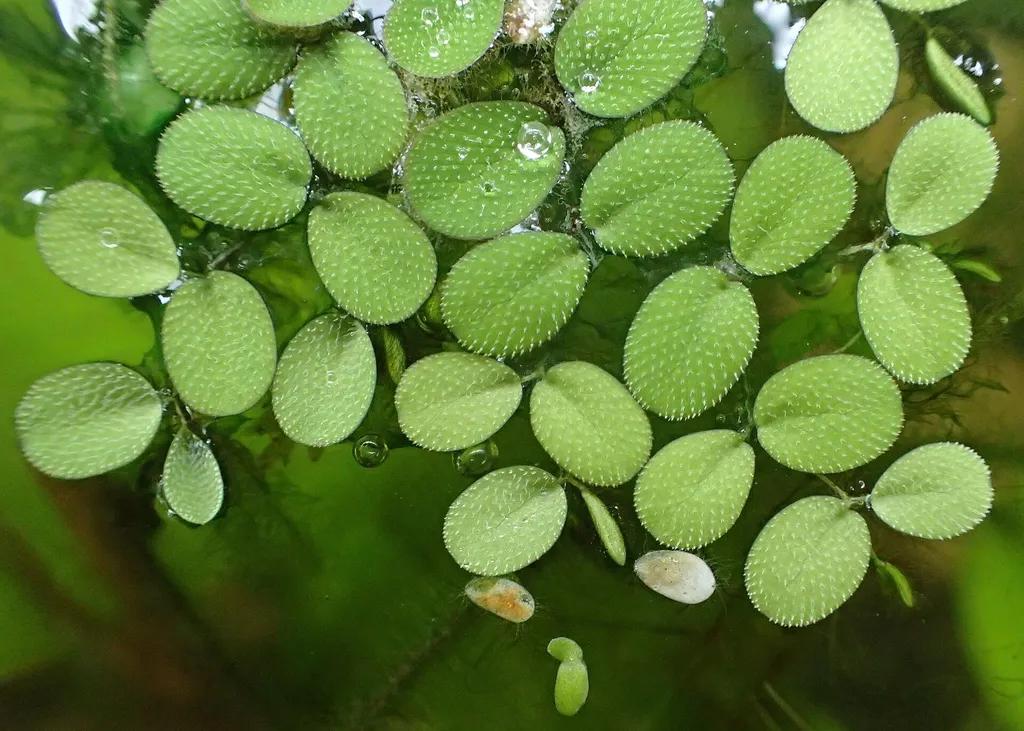
Water spangles
Salvinia minima
FreshwaterMedium light · Floating1.2 in (3 cm)Water sprite
Ceratopteris thalictroides
FreshwaterBrackishMedium light · Background15 in (38 cm)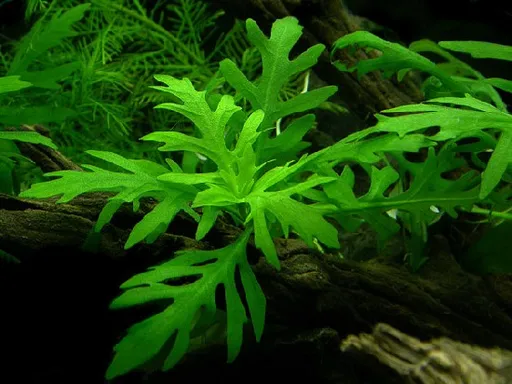
Water wisteria
Hygrophila difformis
FreshwaterMedium light · Background19.7 in (50 cm)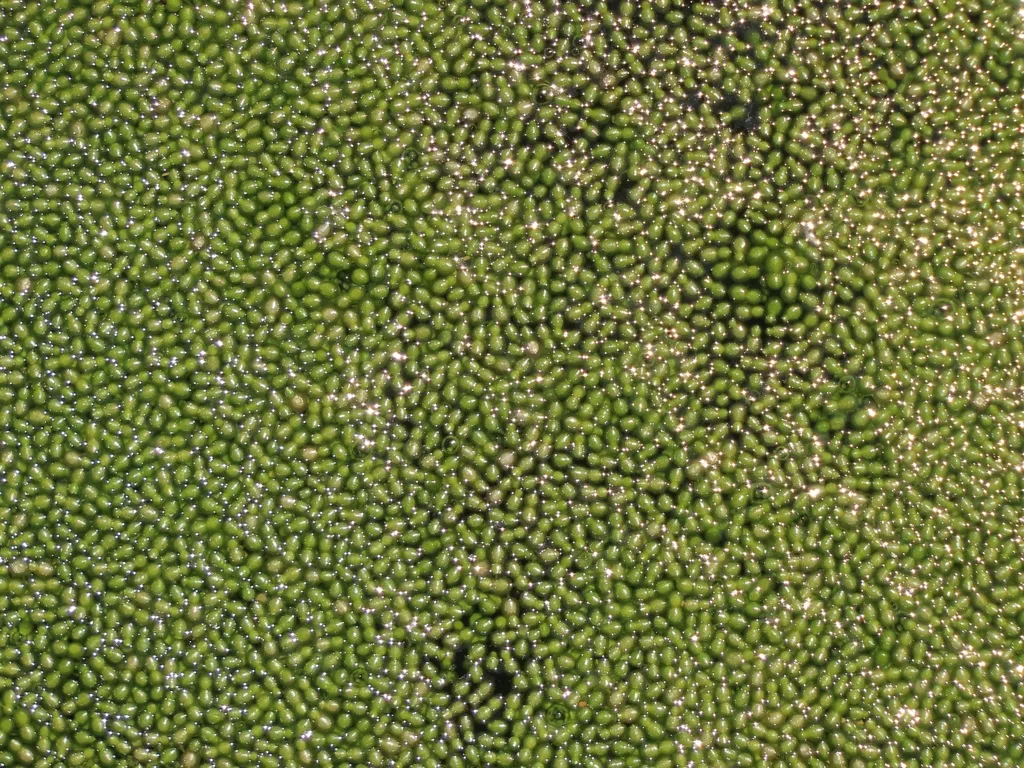
Watermeal
Wolffia globosa
FreshwaterMedium light · Floating0 in (0.1 cm)Waterweed
Egeria densa
FreshwaterBrackishMedium light · Background39.4 in (100 cm)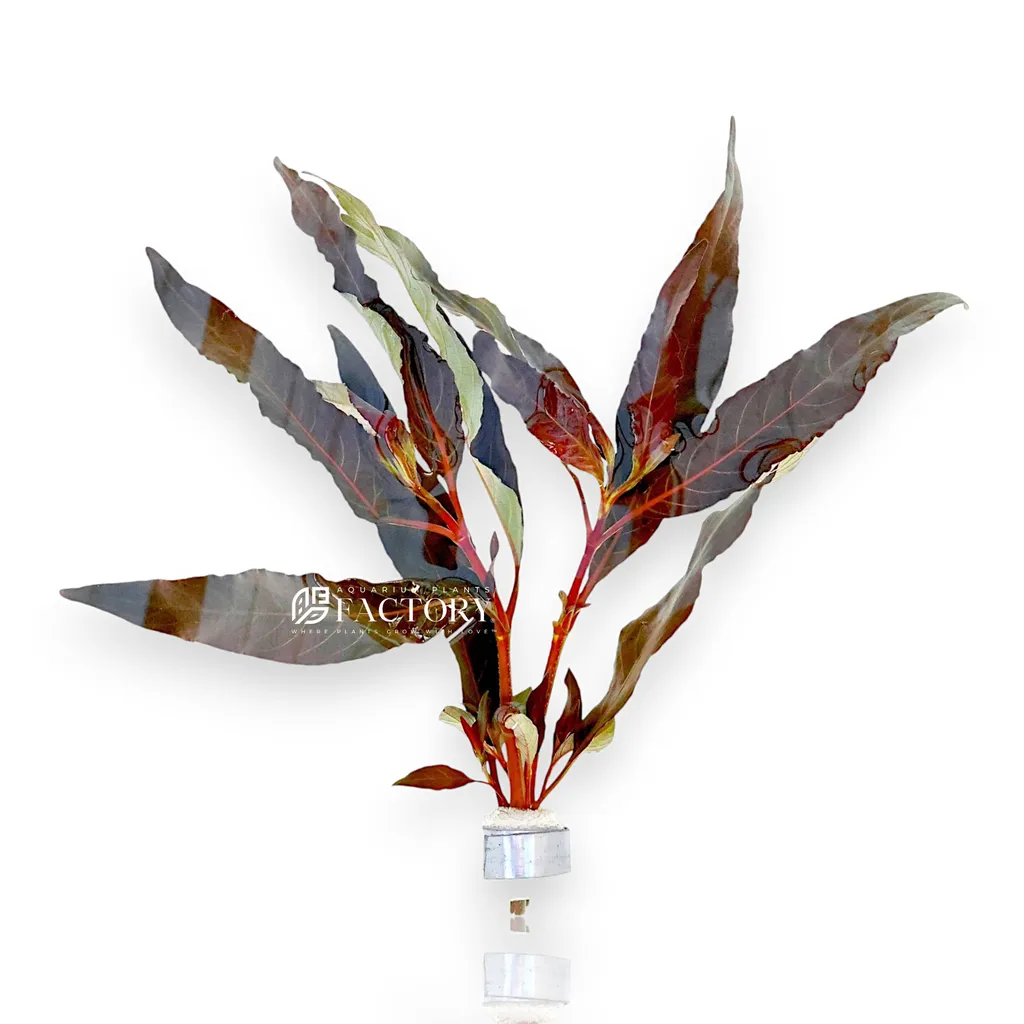
Willow hygro
Hygrophila salicifolia
FreshwaterMedium light · Background23.6 in (60 cm)
Planning a tank?
TankBud checks stocking and water fit as you build a tank, then tracks water tests, reminders and photos once it is running.
Track your tanksMaintain tanks for clients? See TankBud Pro