Green cabomba
Cabomba caroliniana
Also known as Carolina fanwort, Fanwort, Cabomba, Washington grass
FreshwaterStemCuttingsSide shoots
Invasive. Invasive and regulated in parts of the US (banned for sale in some states) and elsewhere. Never release into the wild; dispose of in the trash.
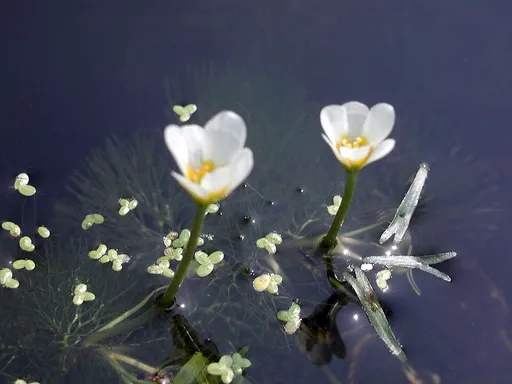
Care at a glance
- Light
- High light
- CO2
- CO₂ beneficial
- Temperature
- 64–82°F
- 18–28°C
- Max height
- 23.6 in
- 60 cm
- Growth rate
- Fast
- Placement
- Background
- Type
- Stem
- pH
- 6.0–7.5
- Hardness
- 2–15 dGH
- Spread
- 3.1 in (8 cm)
- Nutrient uptake
- Root + water column
- Growth region
- Submersed
- Difficulty
- Medium
- Family
- Cabombaceae
- Origin
- Southeastern North America and subtropical South America (Brazil, Argentina)
Overview
A fast, feathery background stem planted in thick groups, weighted or anchored because the brittle stems uproot easily. It needs strong light to stay dense; under weak light it goes leggy and the lower stems strip bare. CO2 and good iron dosing keep it lush, and it dislikes being shaded or disturbed, so it suits stable, high-flow tanks. Important: this plant is a regulated noxious weed in many places, so never release trimmings or old plants into natural water, and check local rules before keeping it.
In the wild
Cabomba caroliniana is native to the southeastern United States (Florida, the Gulf states and the Carolinas) and to subtropical South America in Brazil and Argentina, growing rooted in slow streams, ponds and ditches with its finely divided fan leaves fully submersed. It spreads readily from stem fragments, which is exactly how it has escaped into waterways well outside its native range. It is essentially an obligate underwater plant and does poorly grown emersed.
Good to know
It belongs to Cabombaceae, a small family of aquatic plants closely tied to the water lilies. The submersed leaves are oppositely arranged and split into a fan of fine segments, while the floating leaves it produces at flowering are small and shield-shaped. Legally it is a serious problem species: Cabomba caroliniana is listed as a noxious or prohibited aquatic weed in numerous US states (sale is banned in Washington and it is restricted in states including CA, CT, ME, MA, MI, NH, NY, VT and WI) and is invasive across parts of Europe, Asia, Australia and Canada.
Did you know
Did you know its weediness has earned it the nickname Washington grass, even though it is banned for sale in Washington State. A single broken stem fragment can root and start a whole new infestation, which is why it is so tightly regulated.
Related plants
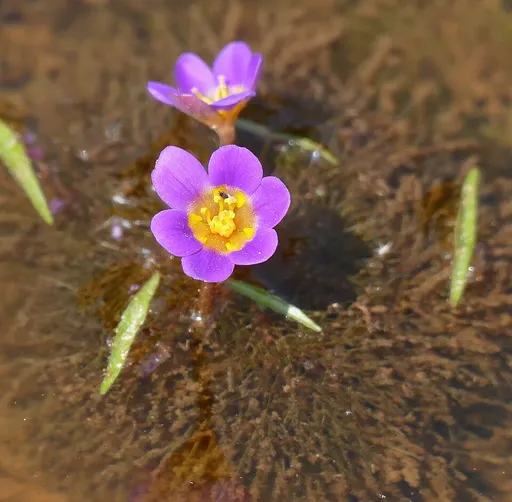 High lightBackground19.7 in (50 cm)
Red cabomba
Cabomba furcata
High light · Background
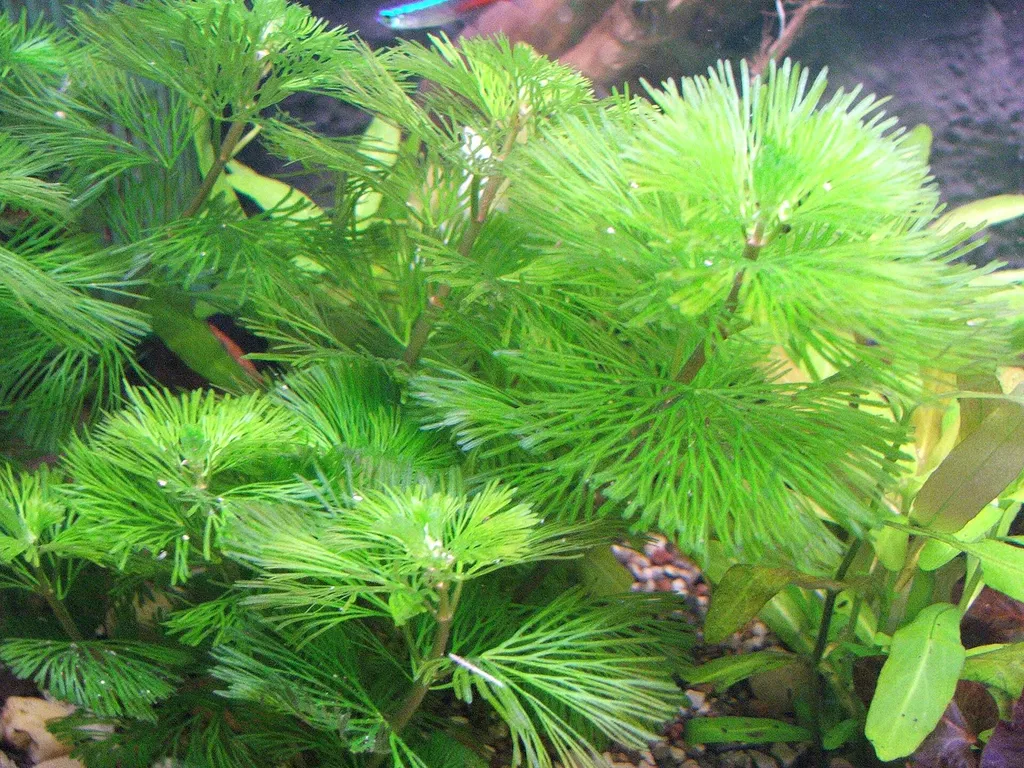 High lightBackground31.5 in (80 cm)
Giant cabomba
Cabomba aquatica
High light · Background
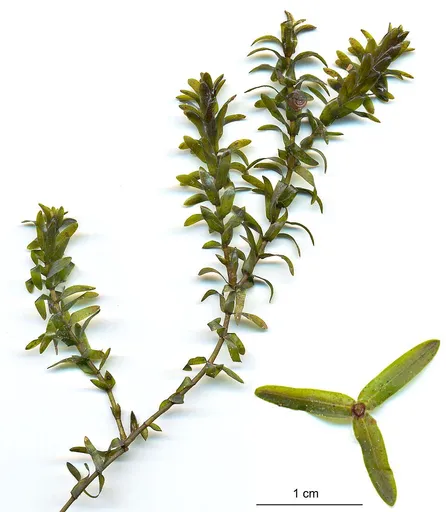 Low lightBackground23.6 in (60 cm)
Canadian waterweed
Elodea canadensis
Low light · Background
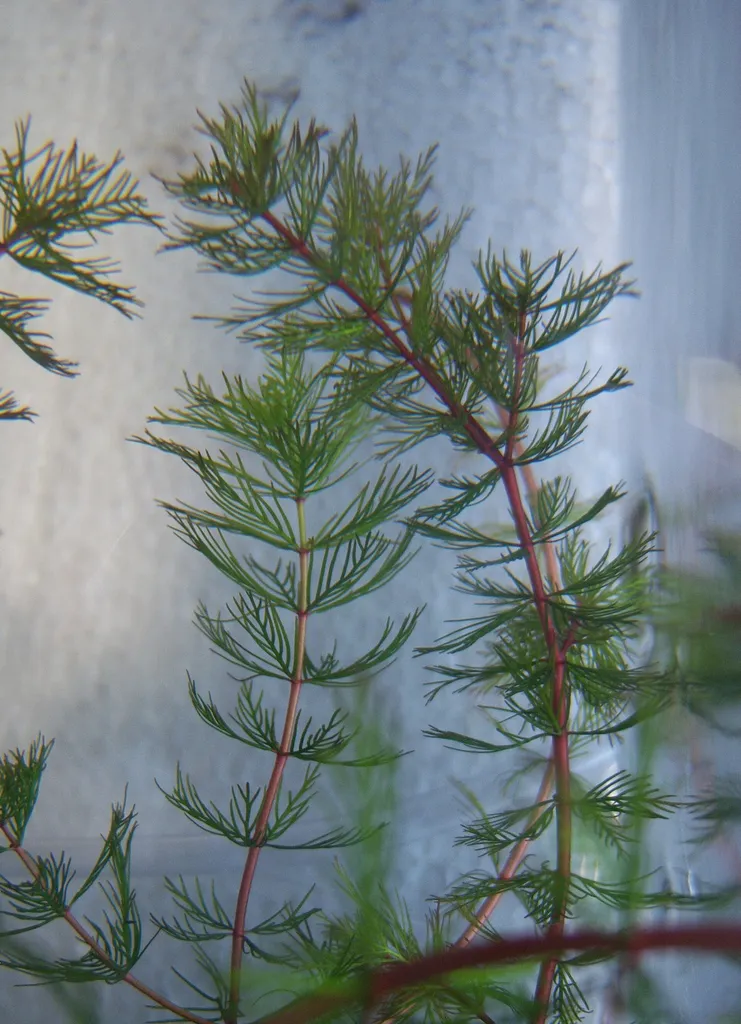 Medium lightBackground23.6 in (60 cm)
Myriophyllum Snowflake
Myriophyllum quitense
Medium light · Background
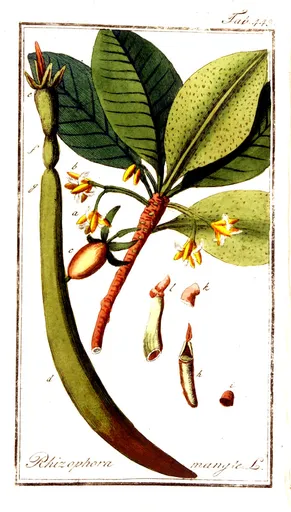 High lightBackground23.6 in (60 cm)
Red mangrove
Rhizophora mangle
High light · Background
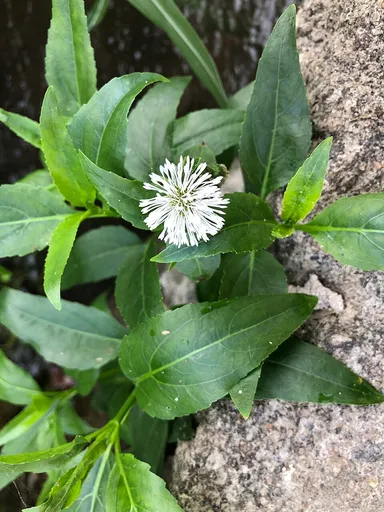 High lightBackground23.6 in (60 cm)
Senegal tea plant
Gymnocoronis spilanthoides
High light · Background