Canadian waterweed
Elodea canadensis
Also known as Canadian pondweed, American waterweed, Common waterweed
FreshwaterStemCuttingsfragmentation
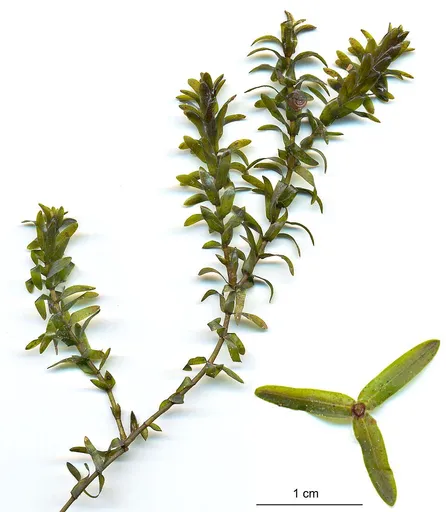
Care at a glance
- Light
- Low light
- CO2
- No CO₂ needed
- Temperature
- 39–75°F
- 4–24°C
- Max height
- 23.6 in
- 60 cm
- Growth rate
- Fast
- Placement
- Background
- Type
- Stem
- pH
- 6.5–8.0
- Hardness
- 5–20 dGH
- Spread
- 2 in (5 cm)
- Nutrient uptake
- Water column
- Growth region
- Submersed
- Difficulty
- Beginner
- Family
- Hydrocharitaceae
- Origin
- Native to lakes, ponds, and slow rivers across temperate North America.
Overview
Canadian waterweed is a hardy beginner plant that thrives in cool water and low to medium light without CO2. It can be planted loosely in the substrate or left floating, and it grows fast enough to soak up excess nutrients and help fight algae. Trim as needed, since it prefers cooler tanks and can struggle in warm tropical setups.
In the wild
Elodea canadensis has slender, brittle stems densely set with small, dark green leaves in whorls of three. It grows in cool lakes and slow rivers, often forming thick underwater stands. It roots loosely or simply drifts, absorbing nutrients straight from the water.
Good to know
Elodea canadensis belongs to the frogbit family, Hydrocharitaceae, and is distinct from the similar-looking Egeria densa, which is a separate genus. Plants are either male or female, and outside North America almost all spread is by fragmentation rather than seed. It was one of the first aquatic plants used to demonstrate photosynthesis in classrooms.
Did you know
A classic photosynthesis demonstration plant in classrooms, it is also a serious invasive species in Europe, Asia, and Australia, so it should never be released into the wild.
Related plants
- Medium lightBackground15.7 in (40 cm)
Narrow leaf anacharis
Elodea najas
Medium light · Background
- Medium lightBackground23.6 in (60 cm)
Corkscrew val
Vallisneria natans
Medium light · Background
- Medium lightBackground23.6 in (60 cm)
Vallisneria nana Tiger
Vallisneria nana 'Tiger'
Medium light · Background
- Medium lightBackground23.6 in (60 cm)
Vallisneria Rubra
Vallisneria australis 'Rubra'
Medium light · Background
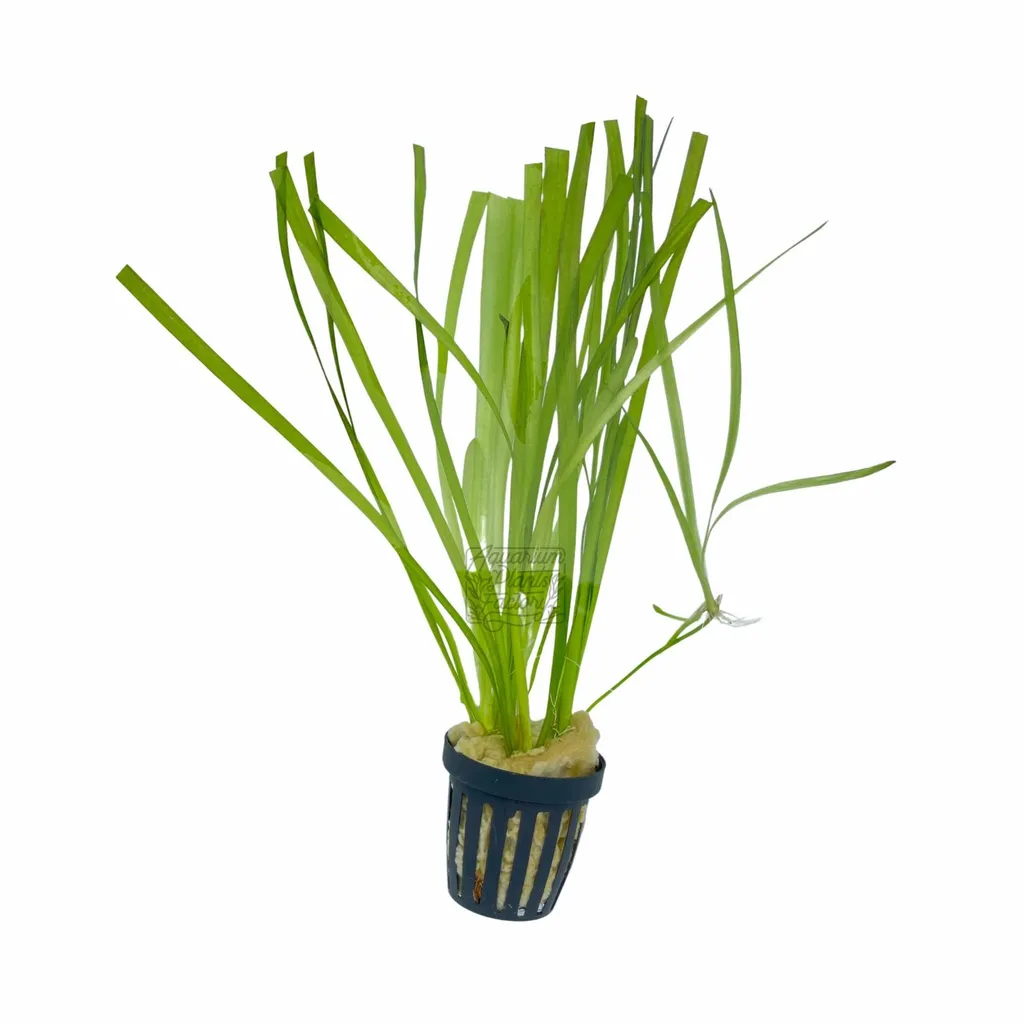 Low lightBackground19.7 in (50 cm)
Vallisneria spiralis
Low light · Background
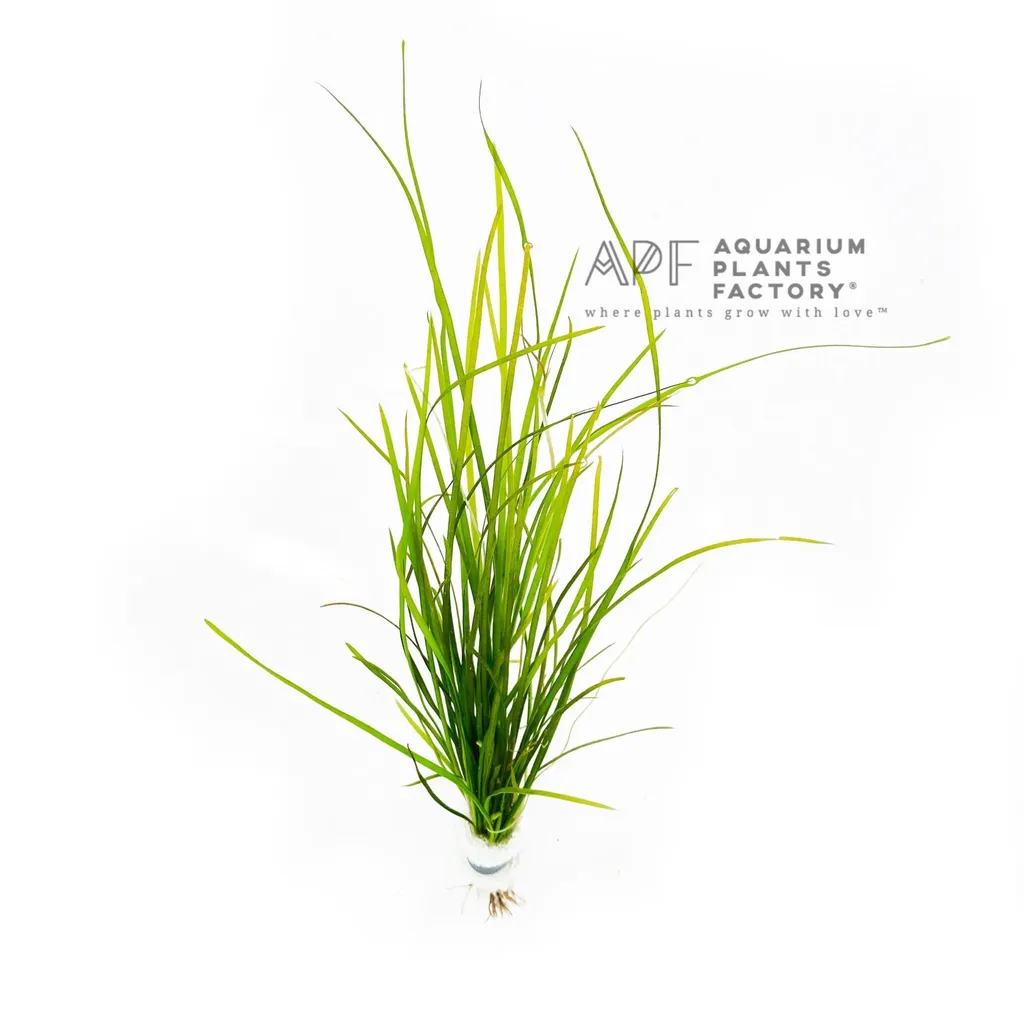 Medium lightBackground15.7 in (40 cm)
Dwarf vallisneria
Vallisneria nana
Medium light · Background