Aquarium mosses
Moss grows attached to wood and rock rather than planted in substrate, which makes it the most flexible plant in the hobby. It shelters fry and shrimp and asks very little light. Profiles cover growth and placement for each species.
At a glance
- Height
- 0.6–4.7 in
- 0.6 in (1.5 cm) to 4.7 in (12 cm); half the list stays at 2 in (5 cm) or under
- Temperature
- 59–82°F
- 15–28°C, most of the list
- Light
- 15 low light
- 5 medium light · 1 high light
- CO₂
- 6 no CO₂ needed
- 14 CO₂ beneficial · 1 CO₂ required
- Growth
- 14 slow growing
- 6 medium growth · 1 fast growing
- Difficulty
- 14 easy
- 6 medium · 1 difficult
21 plants
Types of aquarium moss
The Taxiphyllum mosses (java, flame, spiky, peacock and Taiwan) are the hardy warm-water standards and the fastest growers of the group. The Vesicularia mosses (Christmas, weeping, Singapore and erect) have finer, triangular fronds, grow more slowly and take the same conditions. The Fissidens (phoenix moss, mini fissidens and Fissidens nobilis) grow in small feathery cushions, are the slowest, and want stable water. The cold-stream mosses (willow moss and stringy moss) come from temperate rivers and suit an unheated tank. The list also carries several plants sold as moss that are not: pellia and mini pellia are liverworts, Süsswassertang is a stage in the life of a fern, riccia is a floating liverwort, and the marimo ball is an alga. They are here because that is where you will look for them.
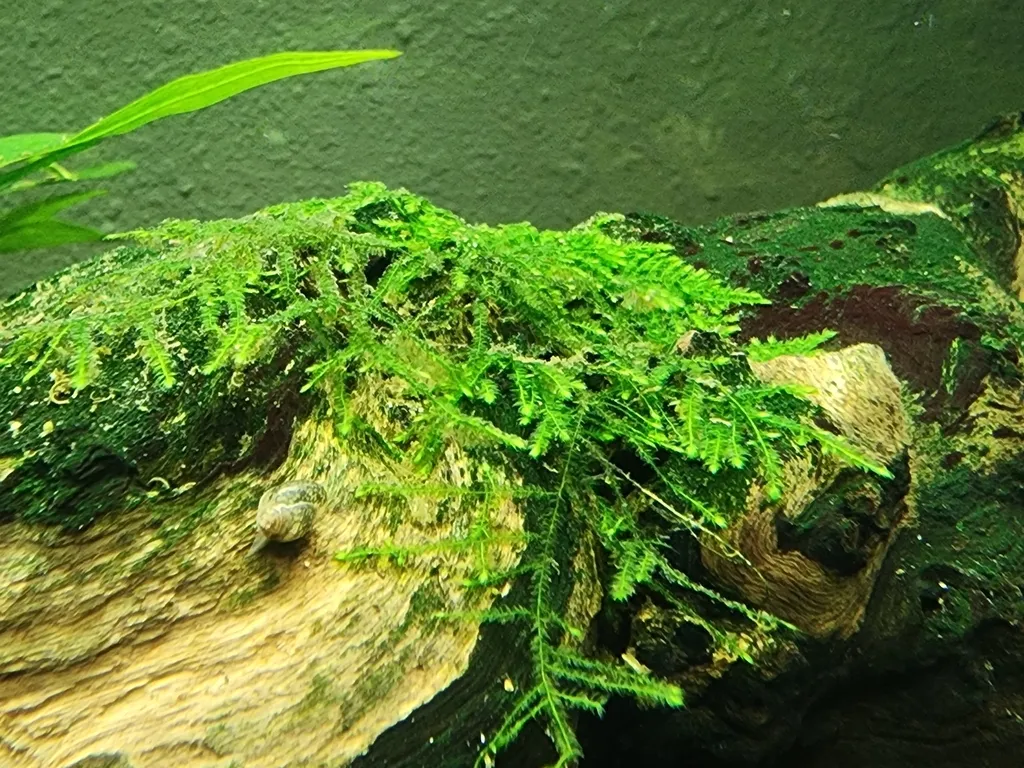
Java moss
Taxiphyllum barbieri
FreshwaterBrackish- Light
- Low light
- Placement
- Epiphyte
- Height
- 3.9 in (10 cm)
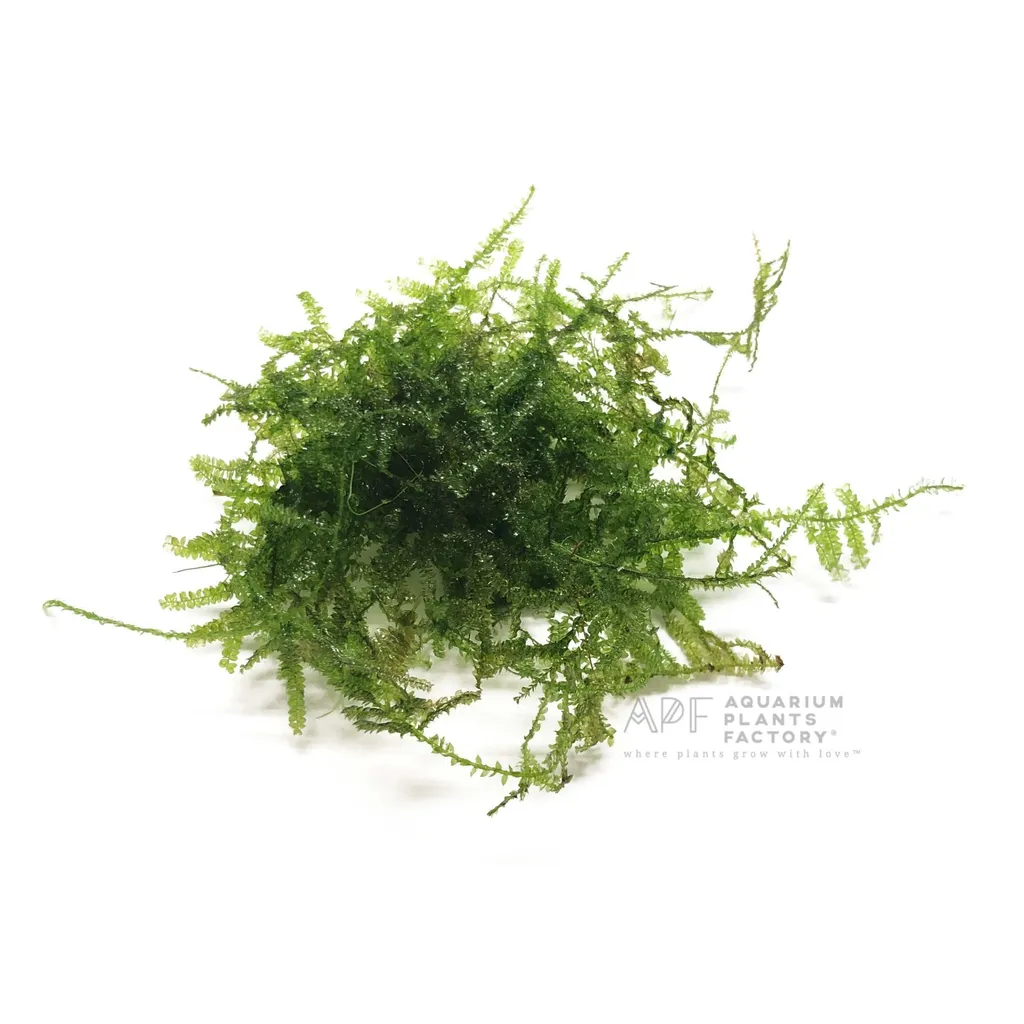
Christmas moss
Vesicularia montagnei
Freshwater- Light
- Low light
- Placement
- Epiphyte
- Height
- 2 in (5 cm)
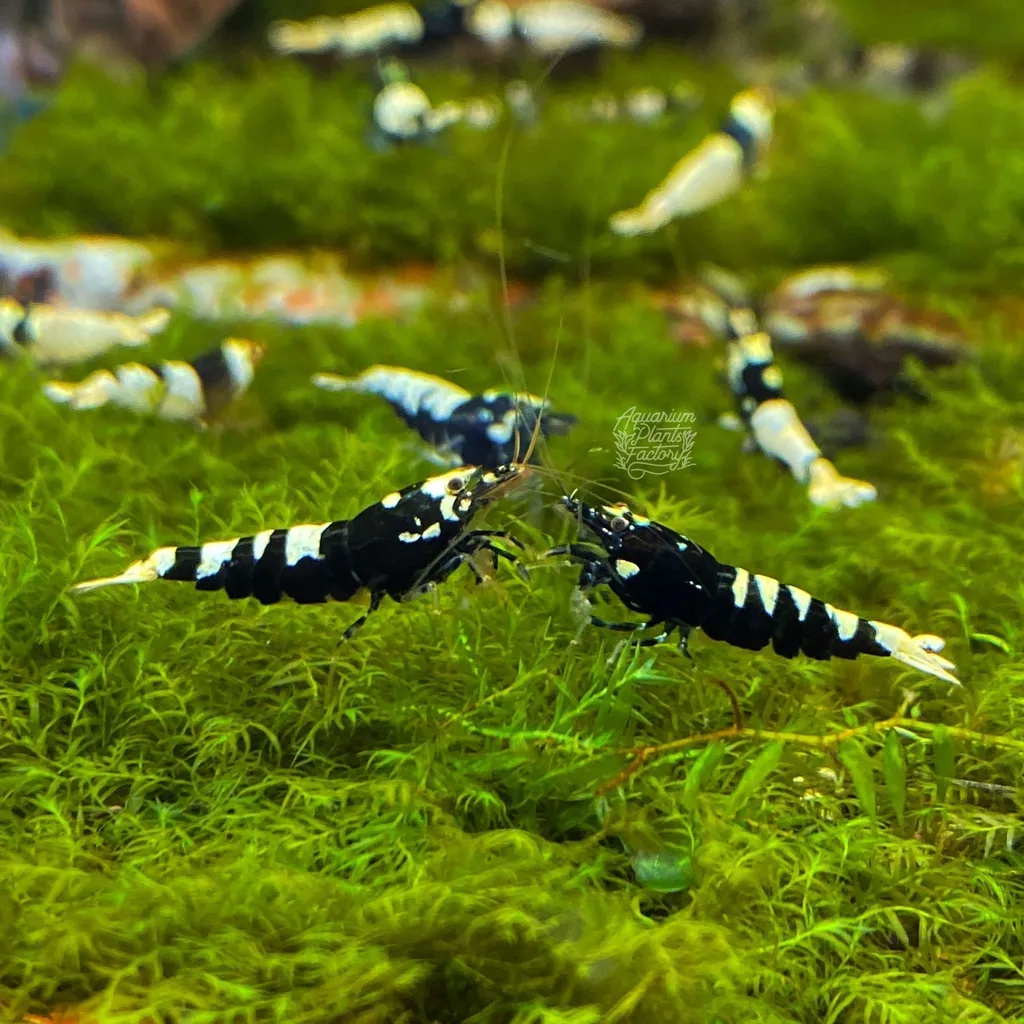
Phoenix moss
Fissidens fontanus
Freshwater- Light
- Medium light
- Placement
- Epiphyte
- Height
- 1.2 in (3 cm)
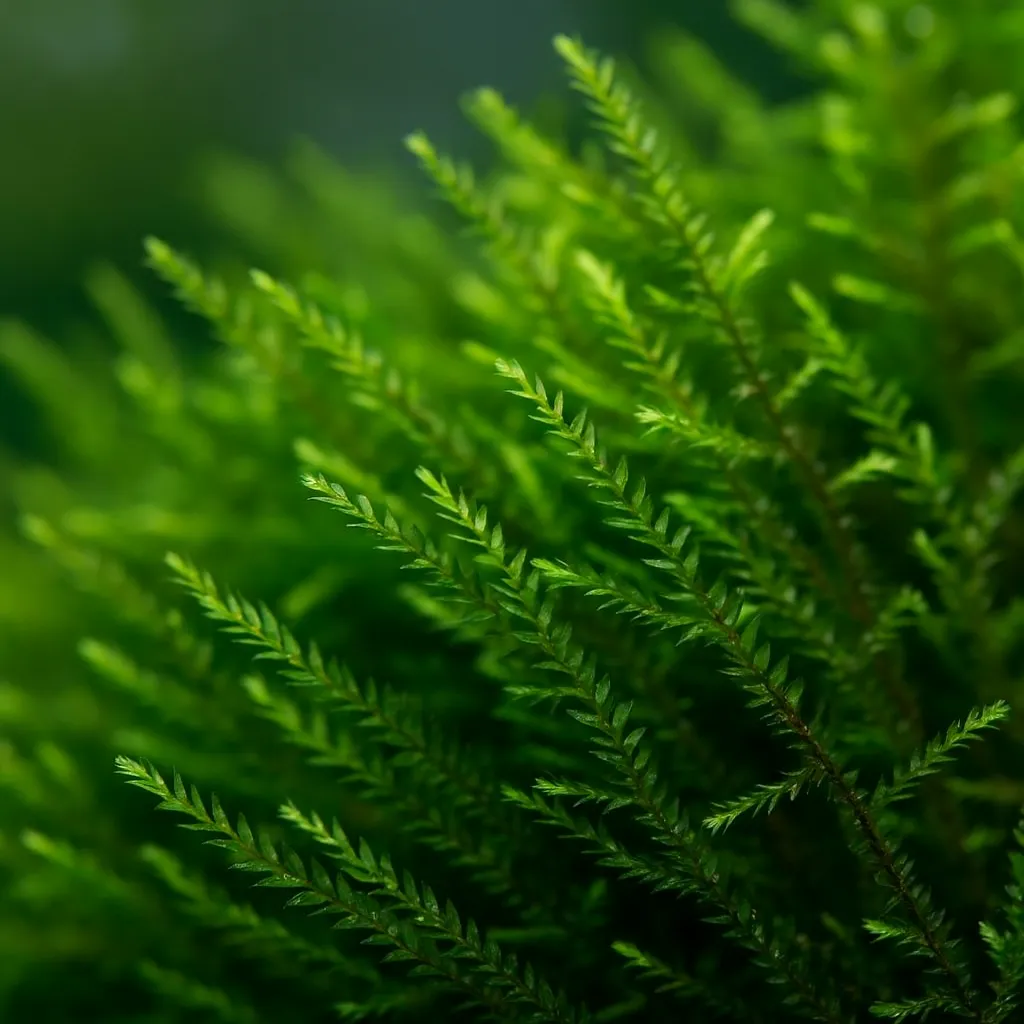
Willow moss
Fontinalis antipyretica
Freshwater- Light
- Low light
- Placement
- Epiphyte
- Height
- 4.7 in (12 cm)
Which moss for which job
Java, Christmas and Taiwan moss carpet a piece of wood or a mesh pad. Flame moss grows upward in twisted strands and makes vertical accents. Weeping moss hangs down from a branch. Christmas and peacock moss on a bonsai branch make the tree-shaped scapes. Mini fissidens, nano moss and mini pellia cushion a rock in a nano tank. For fry and shrimp any of them will do, and java moss does it cheapest. Riccia is the odd one out: it wants high light and CO2, and it floats unless it is tied down, but tied to a stone in a bright tank it makes the brightest green carpet in the hobby.
Attaching and trimming
Spread the moss thin over wood, rock or a stainless mesh pad and tie it with cotton thread or a hairnet, or use dots of super glue gel; it grips in three to six weeks and the thread rots away. Thin is the whole trick. A thick wad shades its own base, the bottom layer dies, and the clump lifts off in one piece. Trim it back hard every few weeks, blow the debris out of it with a turkey baster at water-change time, and it stays dense and attached. Never bury moss.
Light, CO2 and algae
Every moss but riccia lists low or medium light and no or beneficial CO2. The enemy is not the moss dying but algae growing in it, and more light makes that worse faster than it makes the moss grow. Keep the light modest, keep flow moderate so debris does not settle, and keep shrimp: a colony of cherry or amano shrimp is the most reliable way to keep hair algae out of a moss scape. Most mosses list 59–86°F (15–30°C); the Fissidens list narrower ranges within that, willow moss goes down to 50°F (10°C) and stringy moss to near freezing.
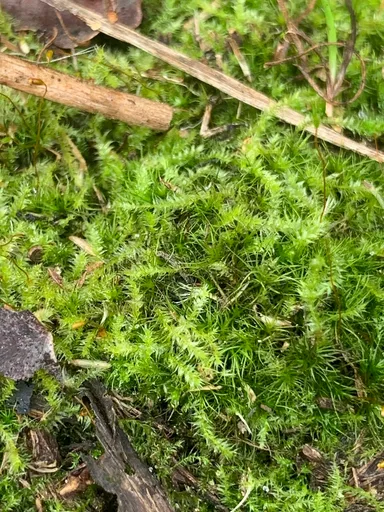
Taiwan moss
Taxiphyllum alternans
FreshwaterLow light · Epiphyte3.9 in (10 cm)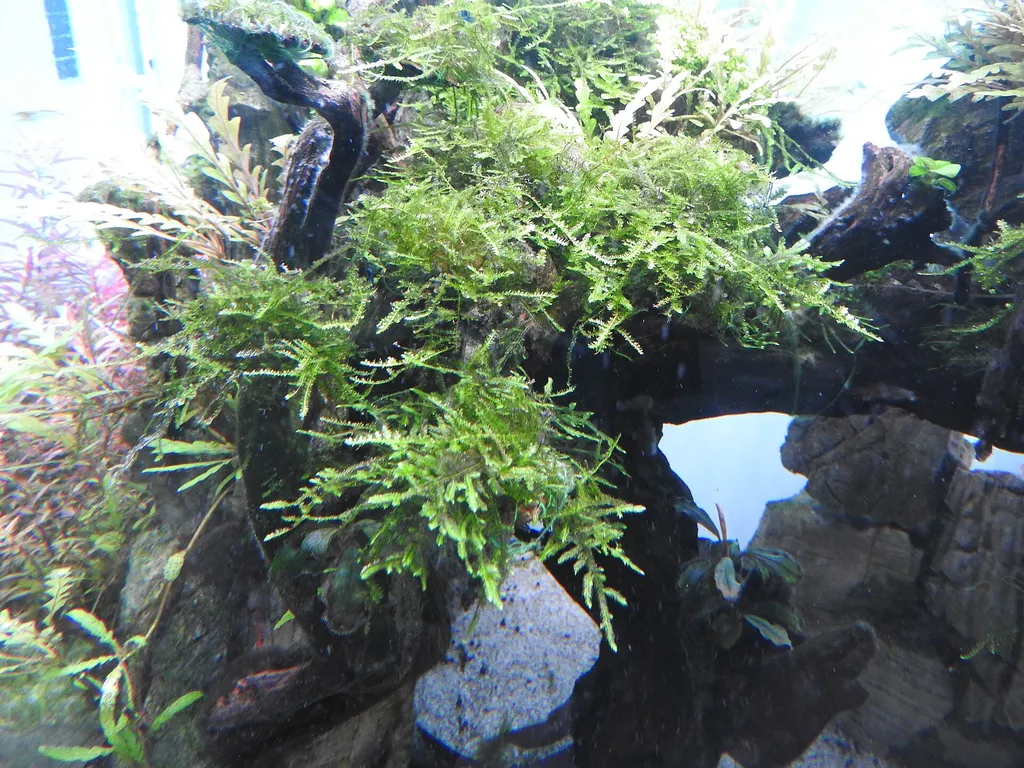
Peacock moss
Taxiphyllum sp. 'Peacock'
FreshwaterLow light · Epiphyte2 in (5 cm)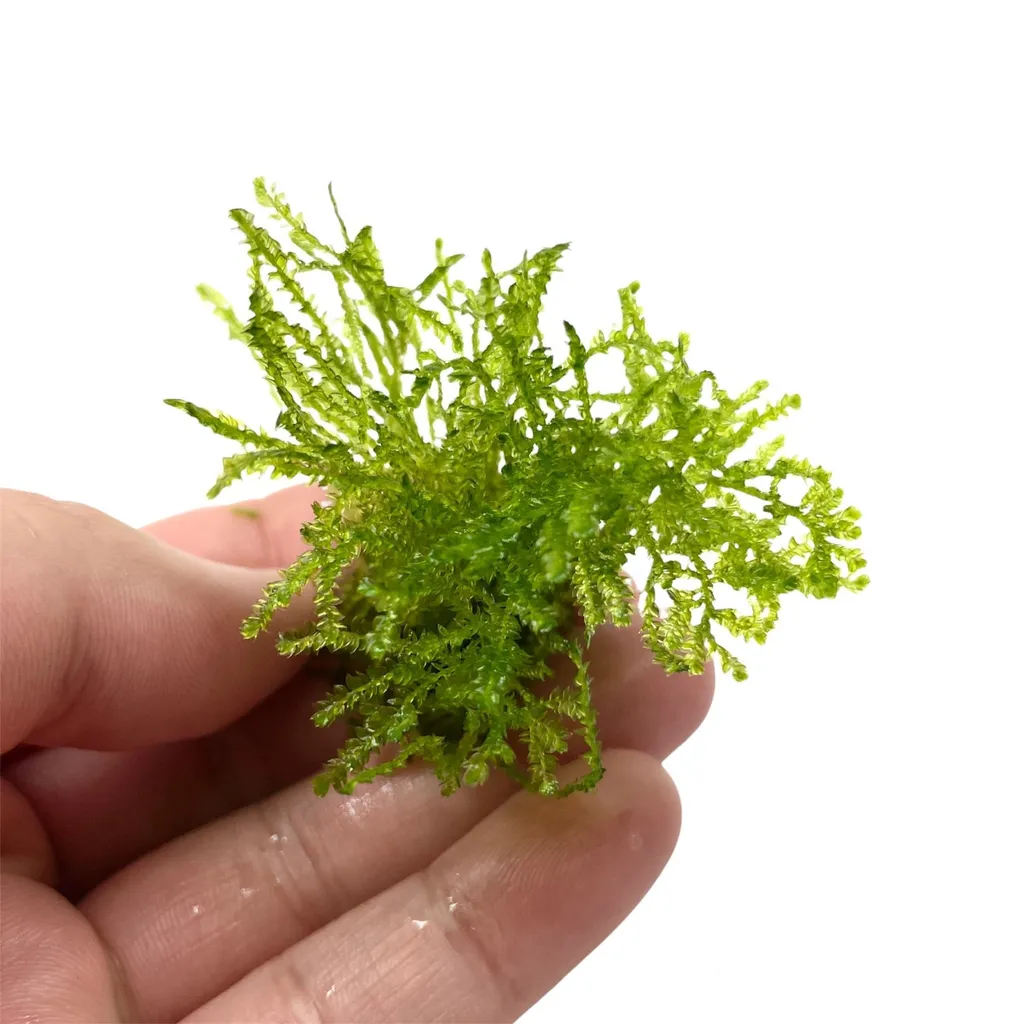
Spiky moss
Taxiphyllum sp. 'Spiky'
FreshwaterLow light · Epiphyte2 in (5 cm)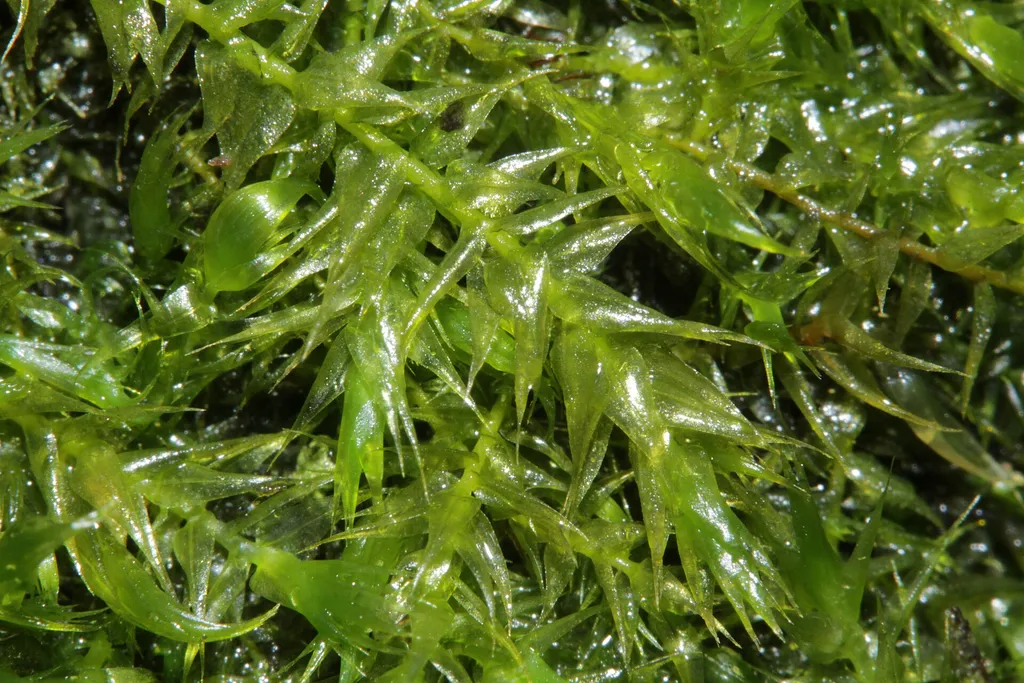
Stringy moss
Leptodictyum riparium
FreshwaterLow light · Epiphyte3.9 in (10 cm)
Marimo balls and the other not-mosses
The marimo moss ball is a ball of green alga, and it wants cool water, low light and a turn every week or two so all sides get light; it is marked beginner and takes water from 39°F (4°C). Pellia and mini pellia are liverworts with flat, branching lobes rather than leaves; pellia is slow and easy in low light, and mini pellia, marked medium and wanting a little more light, is the classic rock cushion for a nano tank. Süsswassertang looks like a green seaweed and grows as a loose thicket that shrimp live in. Riccia floats by nature and is the one member of this list that lists high light and CO2 required. None of them care what you call them.
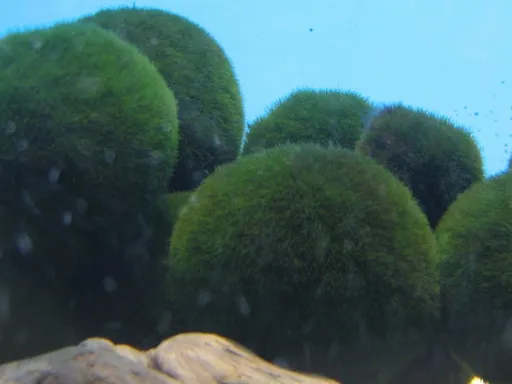
Marimo moss ball
Aegagropila linnaei
FreshwaterBrackishLow light · Foreground3.9 in (10 cm)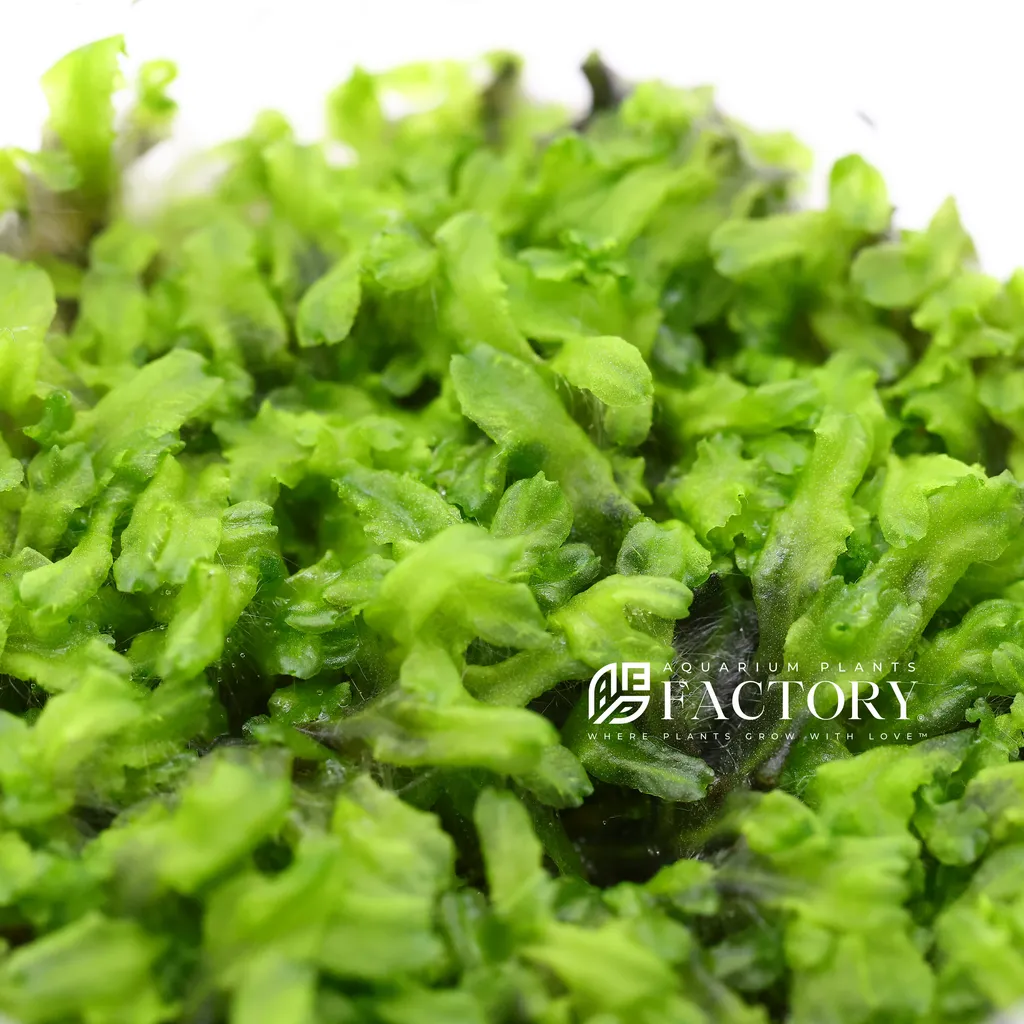
Pellia
Monosolenium tenerum
FreshwaterLow light · Epiphyte2 in (5 cm)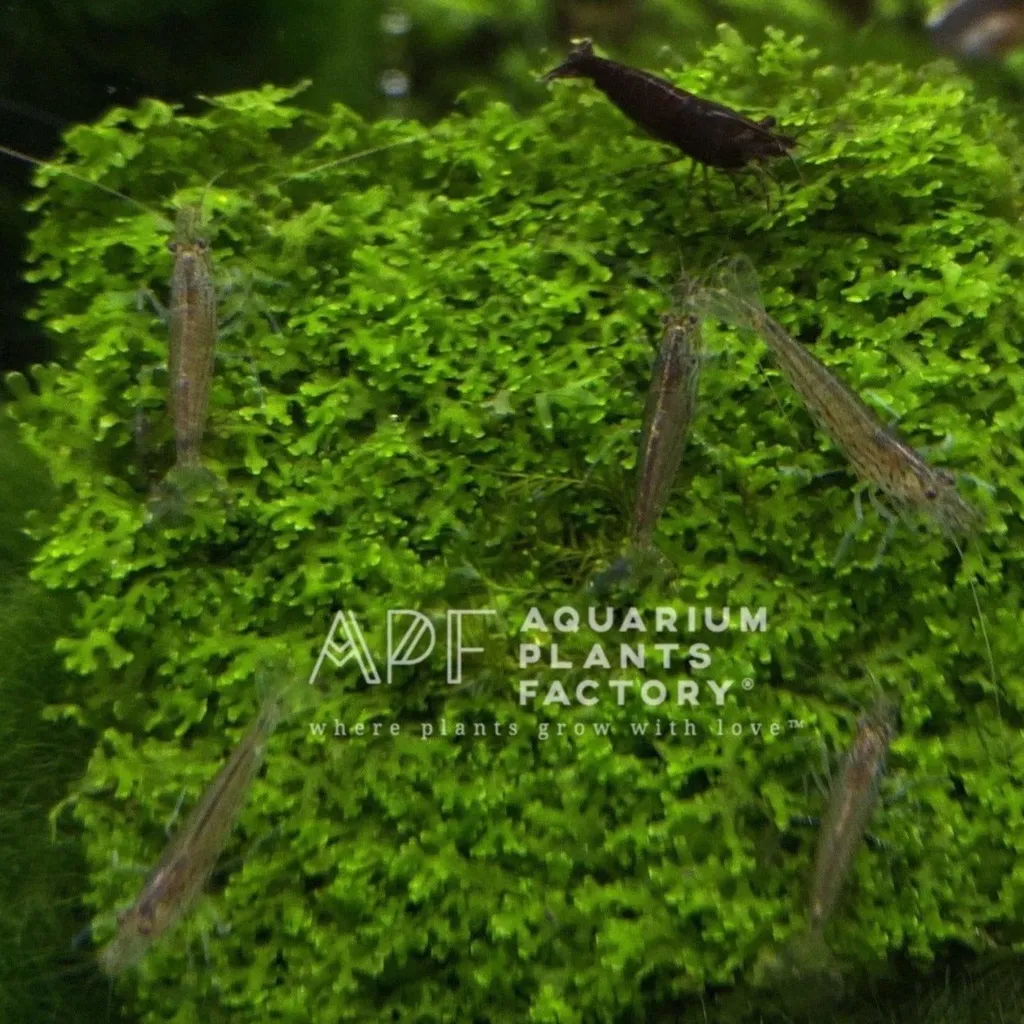
Mini pellia
Riccardia chamedryfolia
FreshwaterMedium light · Epiphyte1.2 in (3 cm)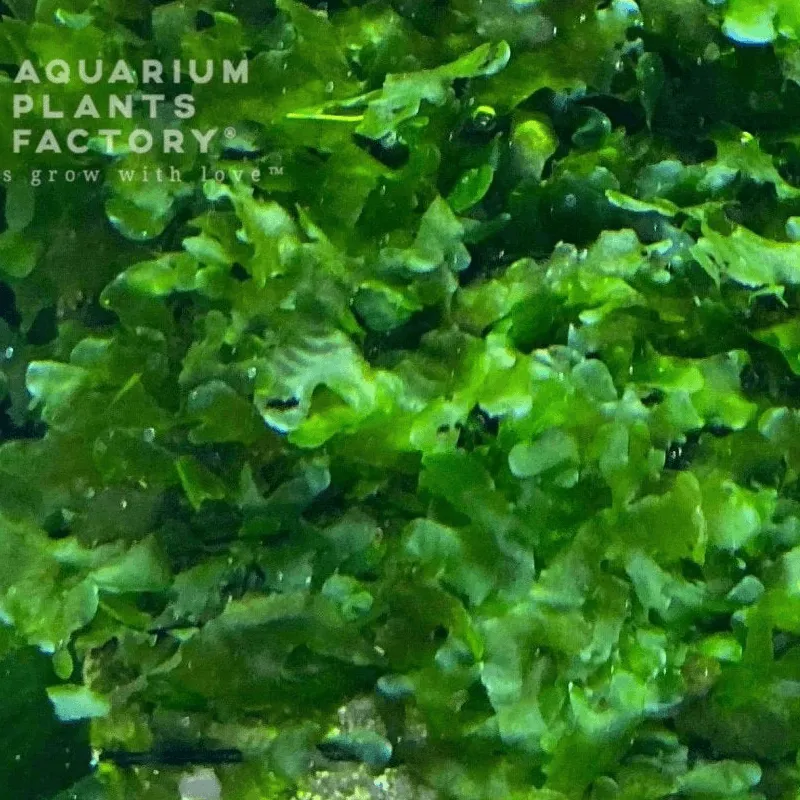
Süsswassertang
Lomariopsis cf. lineata
FreshwaterLow light · Epiphyte2 in (5 cm)
By the numbers
Smallest
Tallest
Easiest to grow
FAQ
Common questions
What types of aquarium moss are there?
Taxiphyllum mosses (java, flame, spiky, peacock, Taiwan), Vesicularia mosses (Christmas, weeping, Singapore, erect), Fissidens (phoenix, mini fissidens), the cold-water willow and stringy mosses, and several liverworts and an alga sold as moss.
What is the easiest aquarium moss?
Java moss and stringy moss, marked beginner, then Christmas, Taiwan, flame, peacock, spiky, weeping and Singapore moss, all marked easy and all fine in low light without CO2.
Does aquarium moss need CO2?
No. Java, willow, stringy and nano moss list none, most of the rest list beneficial, and only riccia lists required.
How do you attach moss to wood or rock?
Spread it thin, tie it with cotton thread or a hairnet or dot it with super glue gel, and give it three to six weeks to grip.
Does moss need a lot of light?
No. Low light suits nearly every moss, and bright light grows algae in the moss faster than it grows the moss.
Why is my moss turning brown?
Usually a clump too thick to light its own base, debris trapped inside it, or a swing in temperature. Trim it thin, blow the detritus out, and it regrows from the green parts.
Can moss grow in cold water?
Yes. Willow moss lists 50–79°F (10–26°C), stringy moss and the marimo ball go down to 39°F (4°C), and java moss and the Vesicularia mosses take 59°F (15°C).
Is a marimo moss ball a moss?
No, it is a ball of alga. It is kept the same way: cool water, low light and a turn now and then.
Index
All mosses
Christmas moss
Vesicularia montagnei
FreshwaterLow light · Epiphyte2 in (5 cm)Erect moss
Vesicularia reticulata
FreshwaterMedium light · Epiphyte2 in (5 cm)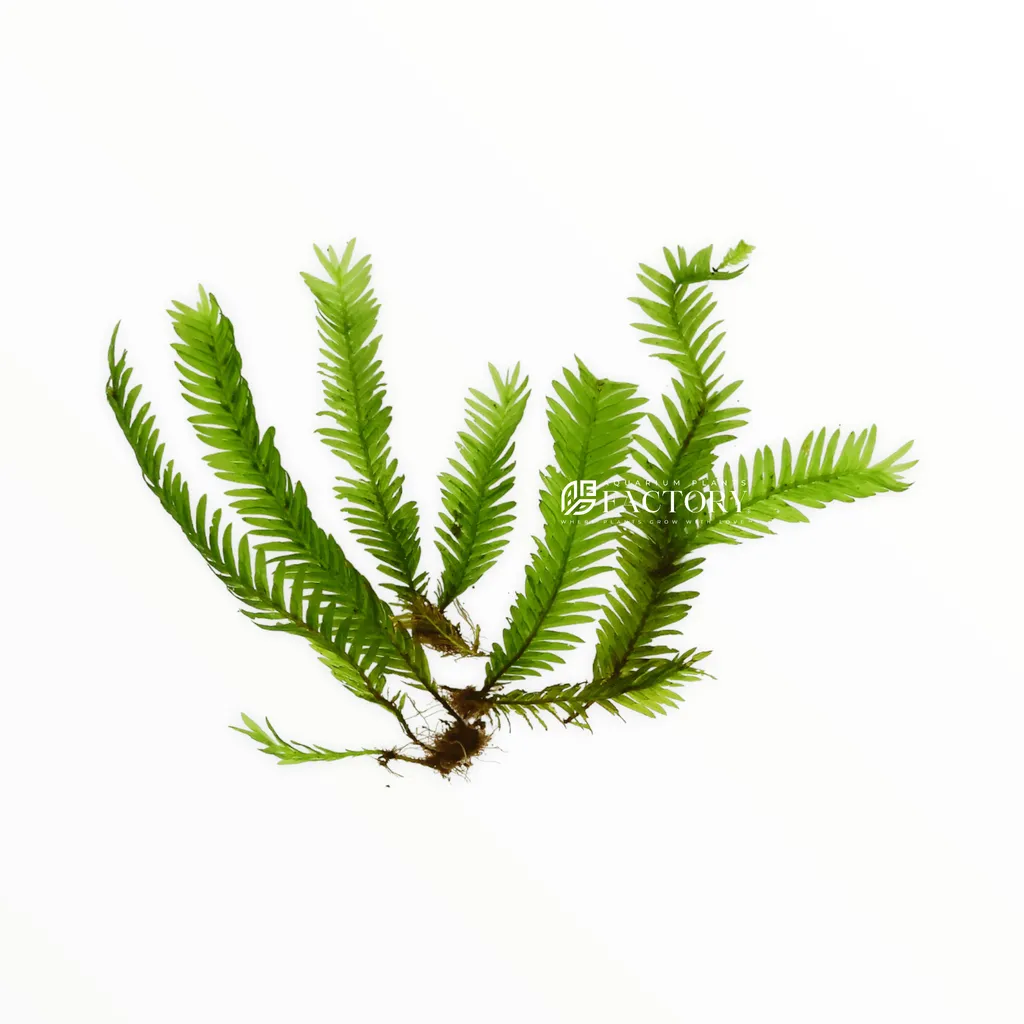
Fissidens nobilis
FreshwaterLow light · Epiphyte1.6 in (4 cm)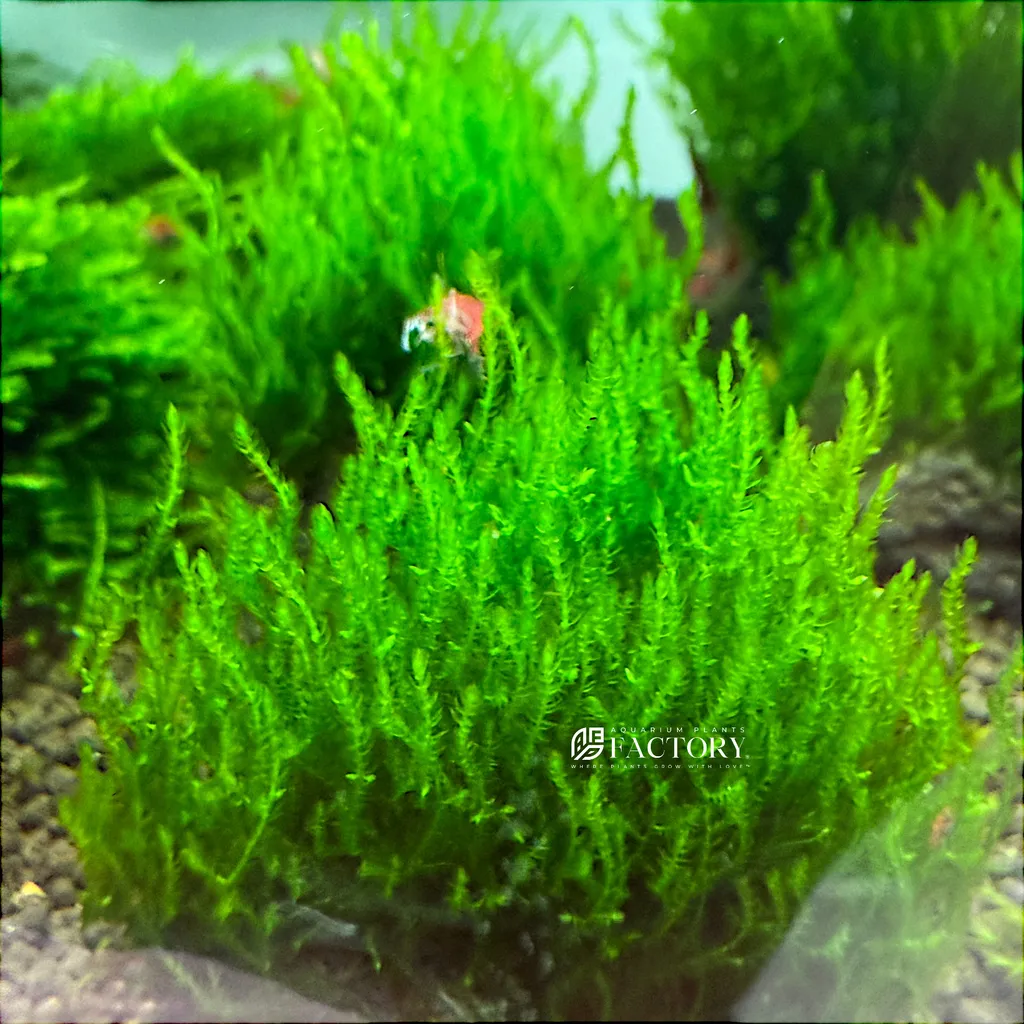
Flame moss
Taxiphyllum sp. 'Flame'
FreshwaterLow light · Epiphyte3.1 in (8 cm)Java moss
Taxiphyllum barbieri
FreshwaterBrackishLow light · Epiphyte3.9 in (10 cm)Marimo moss ball
Aegagropila linnaei
FreshwaterBrackishLow light · Foreground3.9 in (10 cm)Mini fissidens
Fissidens sp. 'Mini'
FreshwaterMedium light · Epiphyte0.6 in (1.5 cm)Mini pellia
Riccardia chamedryfolia
FreshwaterMedium light · Epiphyte1.2 in (3 cm)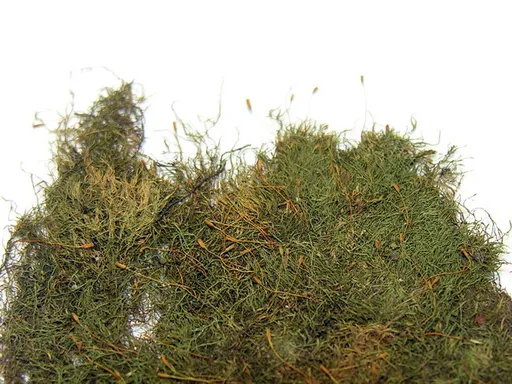
Nano moss
Amblystegium serpens
FreshwaterLow light · Epiphyte1.2 in (3 cm)Peacock moss
Taxiphyllum sp. 'Peacock'
FreshwaterLow light · Epiphyte2 in (5 cm)Pellia
Monosolenium tenerum
FreshwaterLow light · Epiphyte2 in (5 cm)Phoenix moss
Fissidens fontanus
FreshwaterMedium light · Epiphyte1.2 in (3 cm)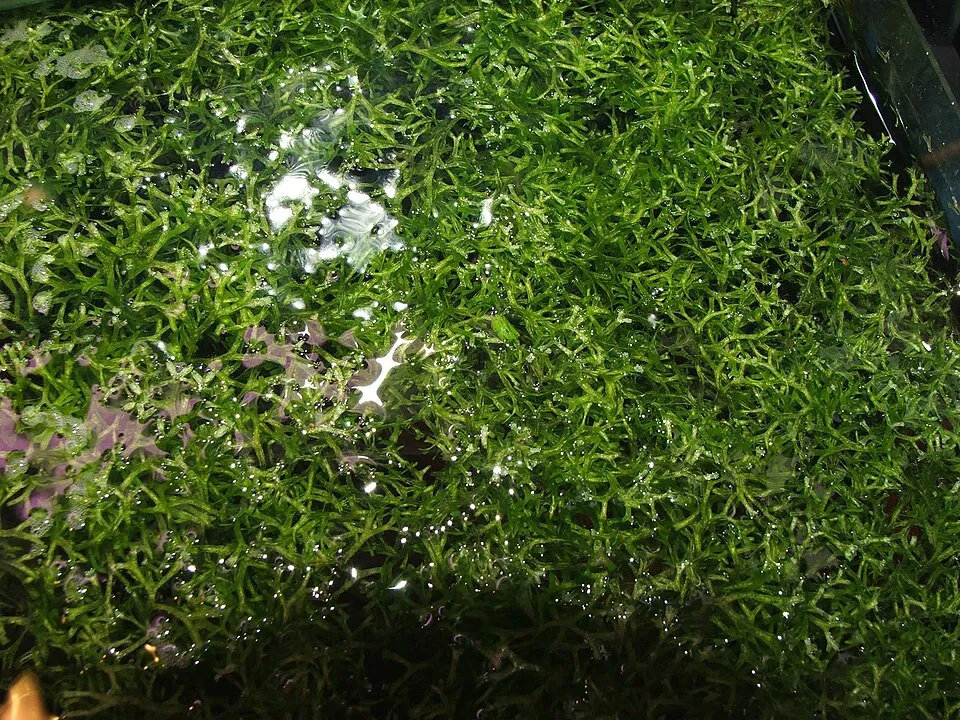
Riccia fluitans
FreshwaterHigh light · Floating1.2 in (3 cm)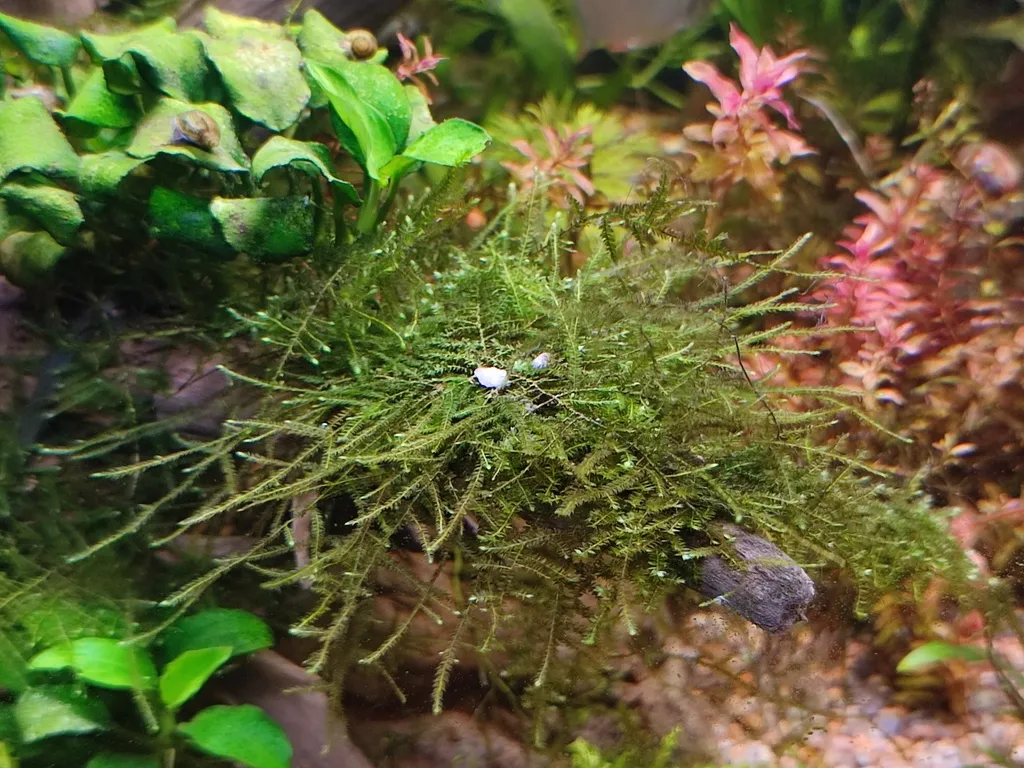
Singapore moss
Vesicularia dubyana
FreshwaterBrackishLow light · Epiphyte2 in (5 cm)Solenostoma tetragonum
FreshwaterMedium light · Epiphyte2 in (5 cm)Spiky moss
Taxiphyllum sp. 'Spiky'
FreshwaterLow light · Epiphyte2 in (5 cm)Stringy moss
Leptodictyum riparium
FreshwaterLow light · Epiphyte3.9 in (10 cm)Süsswassertang
Lomariopsis cf. lineata
FreshwaterLow light · Epiphyte2 in (5 cm)Taiwan moss
Taxiphyllum alternans
FreshwaterLow light · Epiphyte3.9 in (10 cm)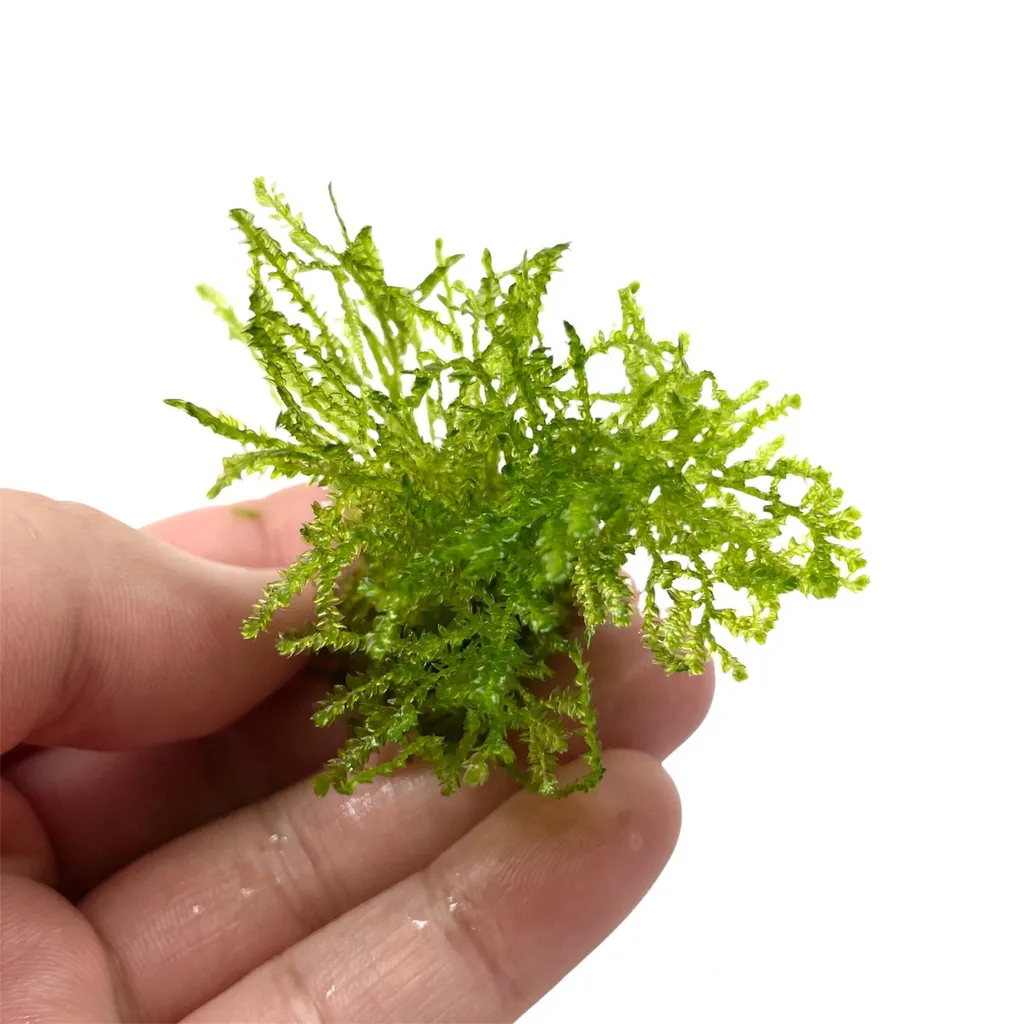
Weeping moss
Vesicularia ferriei
FreshwaterLow light · Epiphyte2 in (5 cm)Willow moss
Fontinalis antipyretica
FreshwaterLow light · Epiphyte4.7 in (12 cm)
Planning a tank?
TankBud checks stocking and water fit as you build a tank, then tracks water tests, reminders and photos once it is running.
Track your tanksMaintain tanks for clients? See TankBud Pro