Nano moss
Amblystegium serpens
Also known as Creeping feather-moss, Creeping feathermoss, Mini moss
FreshwaterMossDivisionFragmentation
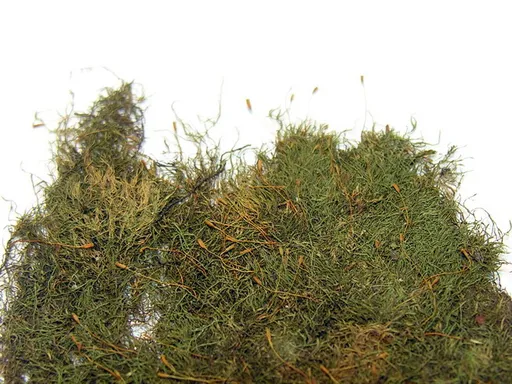
Care at a glance
- Light
- Low light
- CO2
- No CO₂ needed
- Temperature
- 59–82°F
- 15–28°C
- Max height
- 1.2 in
- 3 cm
- Growth rate
- Slow
- Placement
- Epiphyte
- Type
- Moss
- pH
- 6.0–7.5
- Hardness
- 2–15 dGH
- Spread
- 3.9 in (10 cm)
- Nutrient uptake
- Water column
- Growth region
- Submersed or emersed
- Difficulty
- Easy
- Family
- Amblystegiaceae
- Origin
- A cosmopolitan feather moss of damp ground, bark, and stone across the Northern Hemisphere, adapted by hobbyists to grow submerged.
Overview
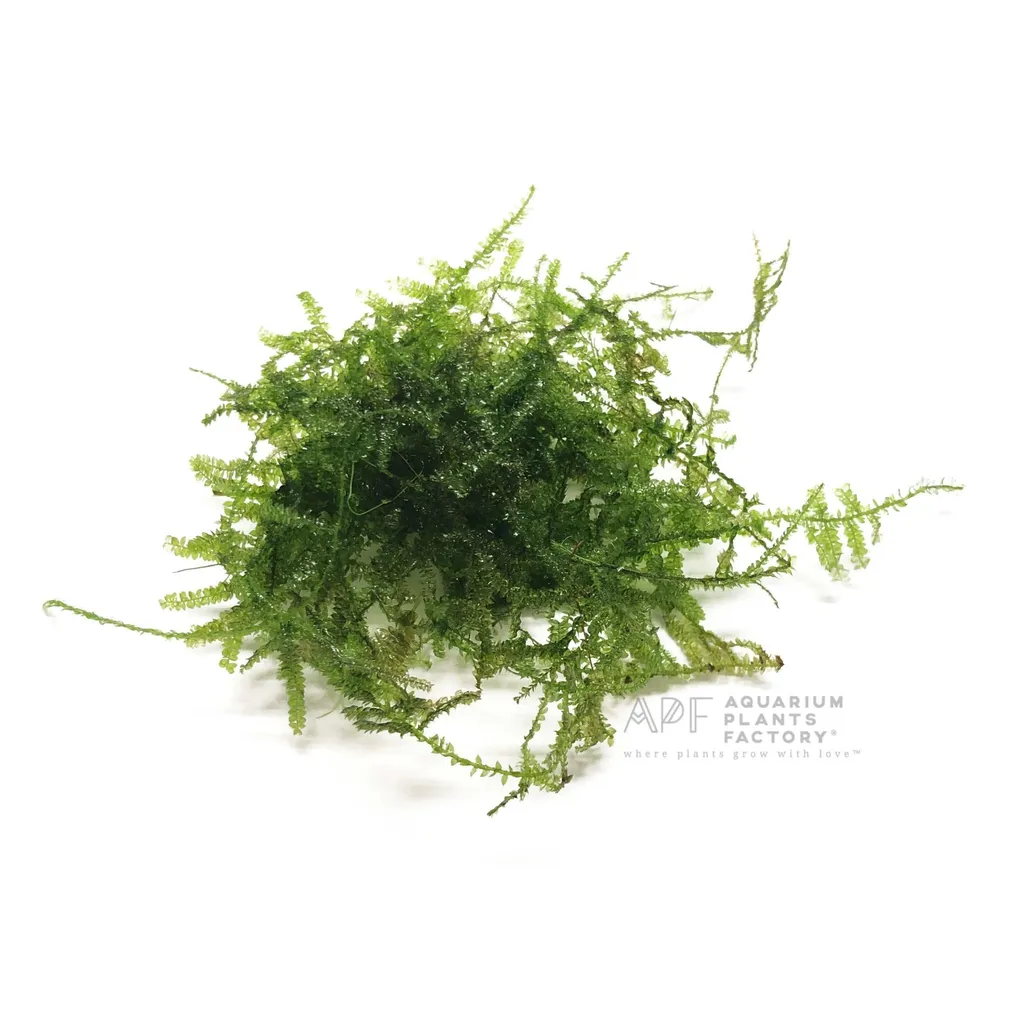
Nano moss is a fine, feathery moss for stone and wood, and its delicate texture suits nano tanks. It is an easy plant for a low-tech setup.
Did you know
Nano moss is not really an aquatic plant at all. Like a handful of tough land mosses, it simply keeps growing once submerged.
Caring for nano moss
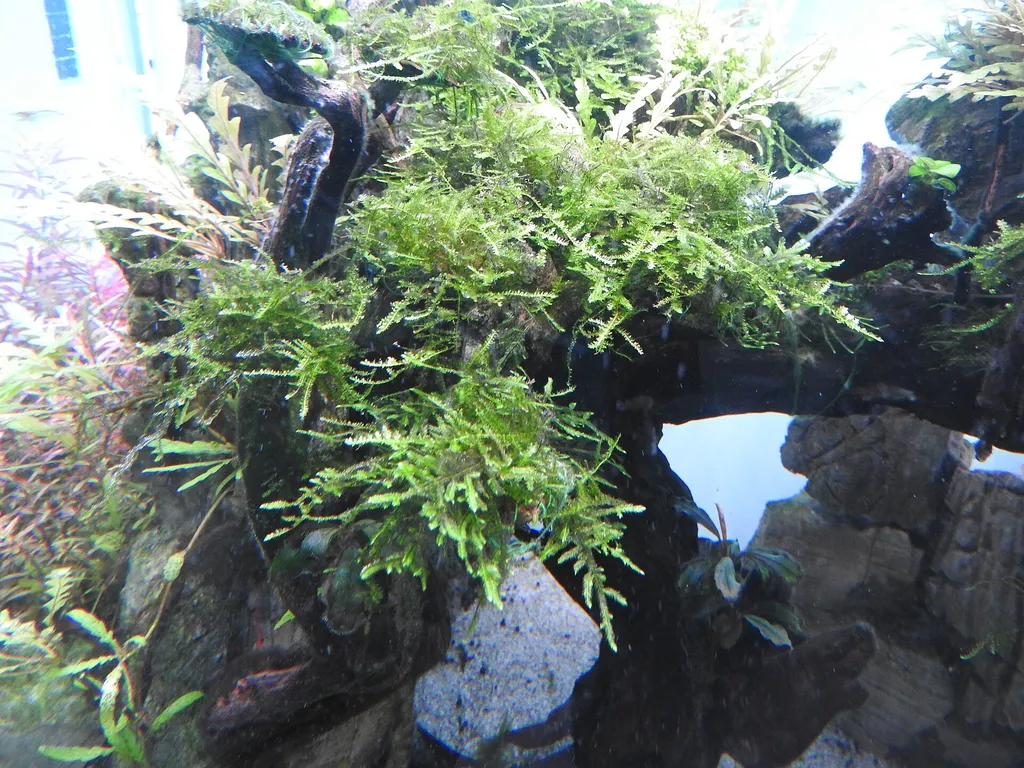
Tie or glue nano moss thinly onto small stones or wood, and let it knit into a low cushion. Cotton thread, fishing line or gel superglue hold it until it anchors itself.
It grows in low light with no CO2 and handles cool water, anywhere from 59 to 82°F (15 to 28°C). Bright but diffuse light suits it better than harsh direct light. It takes its nutrients from the water column, so a liquid fertilizer feeds it rather than root tabs.
Growth is slow either way, and it stays around 3 cm tall. Trim it now and then to keep it neat and encourage denser shoots. To propagate, pull a clump apart into smaller pieces and tie each one down, since pieces that break off keep growing.
Good to know
Nano moss is Amblystegium serpens, a moss in the family Amblystegiaceae, also called creeping feather-moss. Like all mosses it is a non-vascular plant with no true roots, and it takes in water and nutrients across its whole surface. Underwater it forms short, upright shoots. Its small scale gave it the hobby name nano moss.
In the wild
Nano moss is a cosmopolitan feather moss found across the Northern Hemisphere. In the wild it covers damp ground, bark and stone.
Common questions
Does nano moss need to be planted in the substrate?
No. Nano moss grows on rock or wood rather than in the substrate. Tie it on with cotton thread or fishing line, or use gel superglue, until it anchors itself.
How much light does nano moss need?
Nano moss is a low-light plant, and the light that comes with a standard tank kit is enough for it.
How do you propagate nano moss?
Nano moss propagates by division and fragmentation. Pull a clump apart into smaller pieces and tie each one down. Pieces that break off keep growing, so pulling a clump apart spreads it.
How tall does nano moss grow?
Nano moss grows to about 1.2 in (3 cm) tall. It grows slowly.
Related plants
 Low lightEpiphyte3.9 in (10 cm)
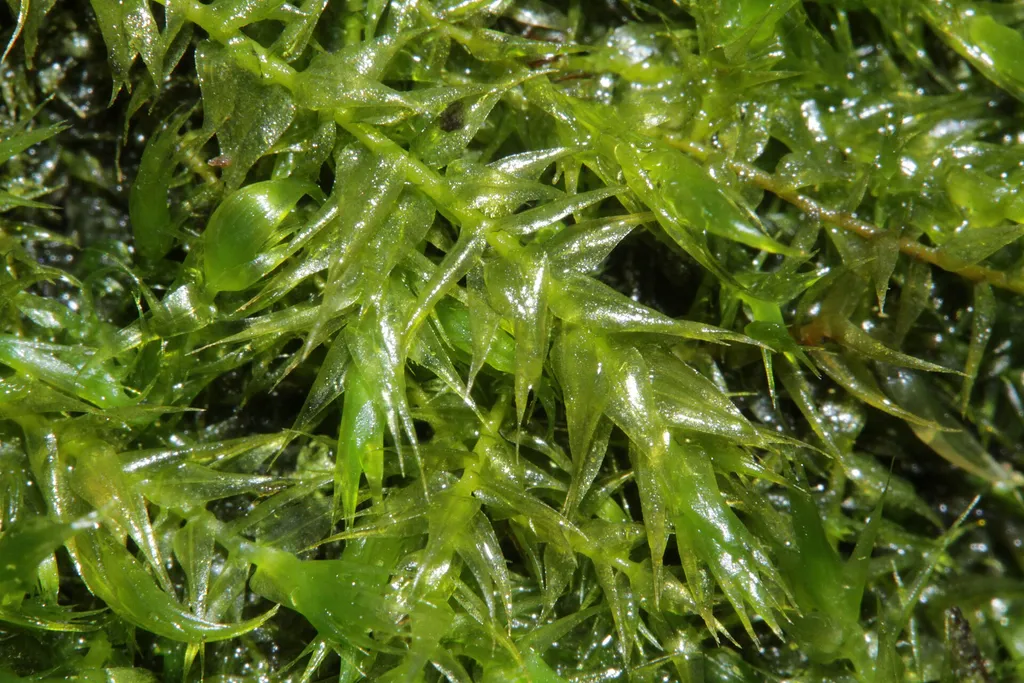
Stringy moss
Leptodictyum riparium
Low light · Epiphyte
 Medium lightEpiphyte1.2 in (3 cm)
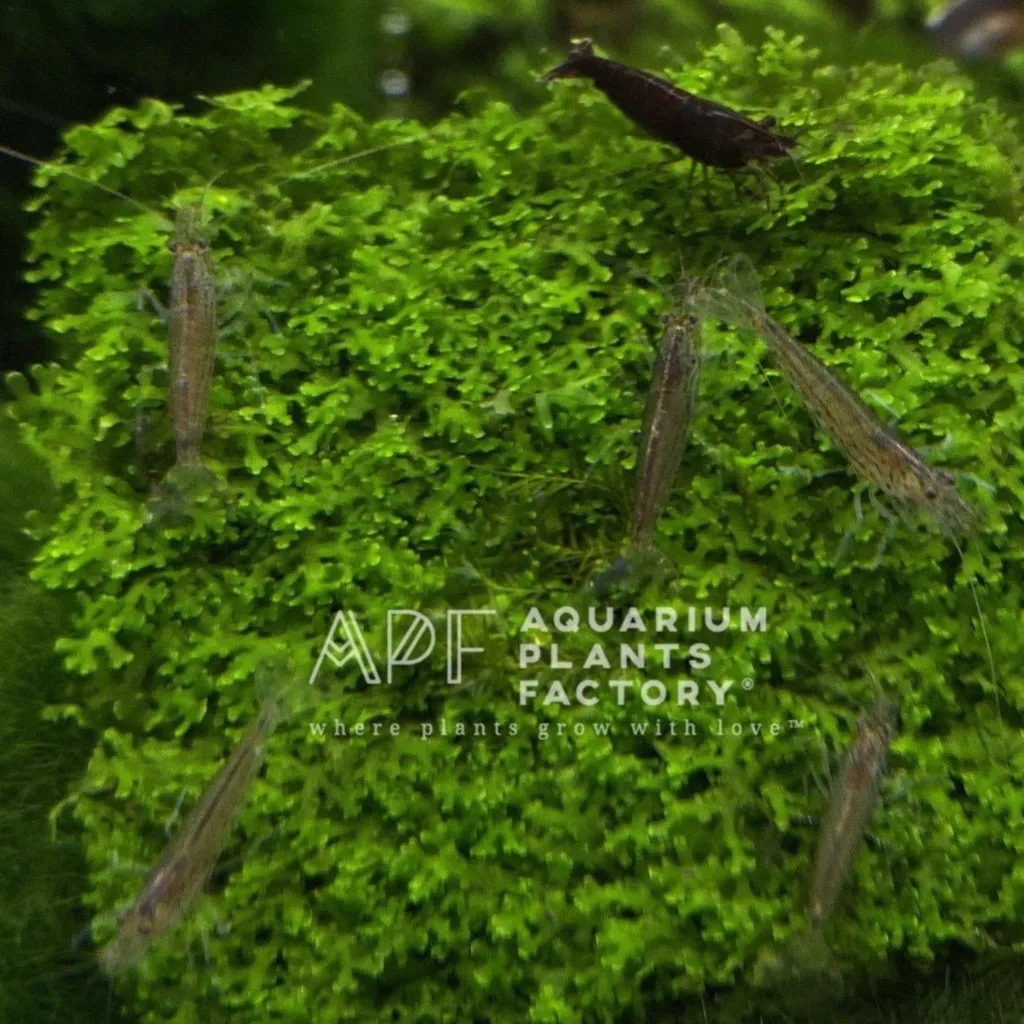
Mini pellia
Riccardia chamedryfolia
Medium light · Epiphyte
 Low lightEpiphyte1.6 in (4 cm)
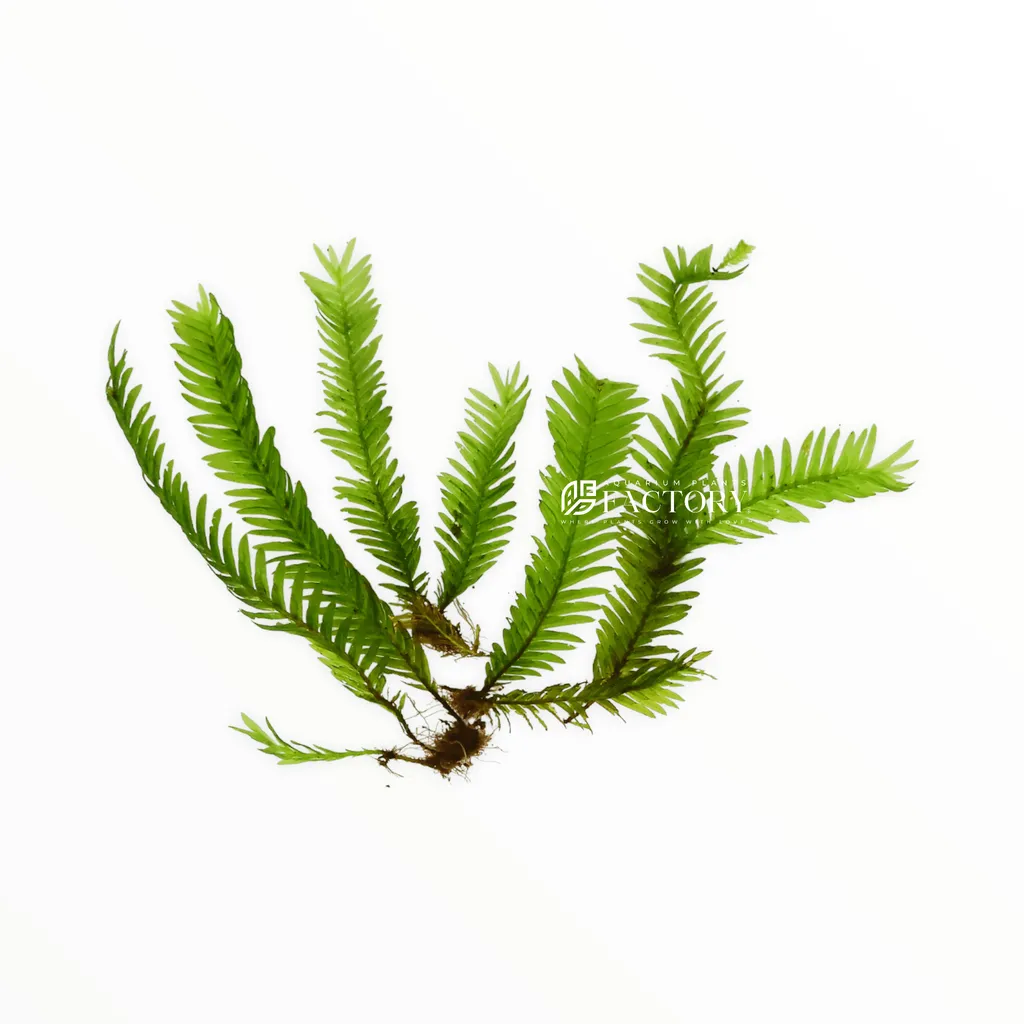
Fissidens nobilis
Low light · Epiphyte
- Low lightEpiphyte1.2 in (3 cm)
Callicostella prabaktiana
Low light · Epiphyte
 Low lightEpiphyte2 in (5 cm)
Christmas moss
Vesicularia montagnei
Low light · Epiphyte
 Low lightEpiphyte2 in (5 cm)
Peacock moss
Taxiphyllum sp. 'Peacock'
Low light · Epiphyte