Plecos and suckermouth catfish
Plecos range from two-inch otocinclus to common plecos that outgrow most tanks, so adult size is the first thing to check. Many graze algae but still need wood and sinking food of their own. Profiles list adult size, tank size and diet for each species.
At a glance
- Tank size
- 11–264 gal
- 11 gal (40 L) to 264 gal (1,000 L); half the list needs 42 gal (160 L) or more
- Temperature
- 77–84°F
- 25–29°C, most of the list
- pH
- 6.0–7.4
- Most of the list
- Difficulty
- 6 easy
- 102 medium · 18 difficult
- Temperament
- 98 peaceful
- 23 mostly peaceful · 5 aggressive
126 species and 4 varieties
How big do plecos get
Anywhere from 2 inches to nearly 3 feet, which is why adult size is the first line on every profile here. The otocinclus and the dwarf spiny pleco stay around 2 inches (5 cm). The bristlenose pleco, the one most people should buy, stops near 5 inches (12.5 cm). The common pleco sold as an algae eater for a 20 gallon reaches 16 inches (40 cm) and lists 85 gallons (320 liters); the sailfin and leopard sailfin plecos reach 18 to 19 inches (45 to 48 cm) and the royal pleco 17 inches (43 cm) on 100 to 125 gallons (380 to 473 liters). The adonis pleco reaches 35 inches (90 cm) and lists 264 gallons (1000 liters). Shops sell all of these at 2 to 3 inches, so the name on the tag is the only warning you get.
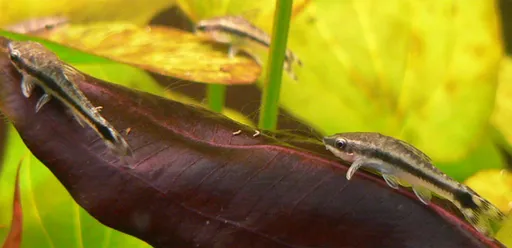
Common otocinclus
Otocinclus vittatus
Freshwater- Size
- 2 in (5 cm)
- Tank
- 20 gal (75 L)
- Water
- 72–79°F (22–26°C)
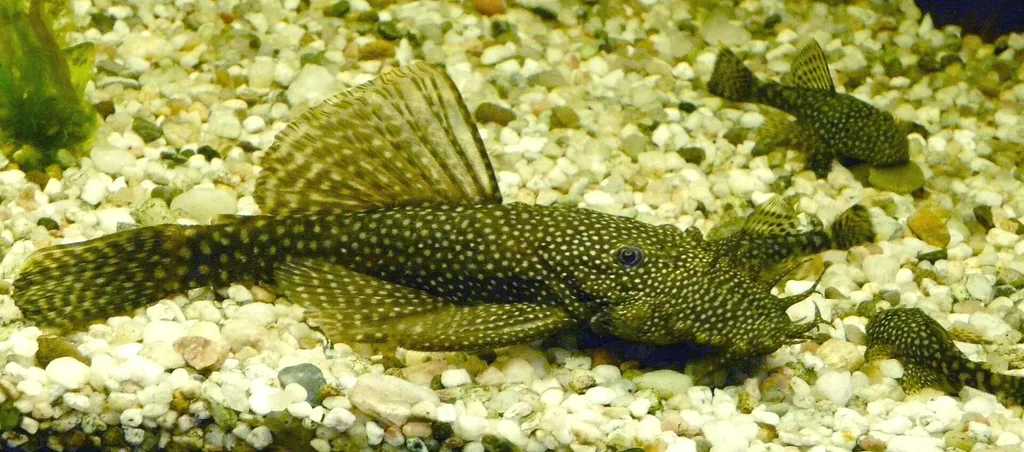
Bristlenose pleco
Ancistrus sp.
Freshwater- Size
- 4.9 in (12.5 cm)
- Tank
- 20 gal (75 L)
- Water
- 70–79°F (21–26°C)
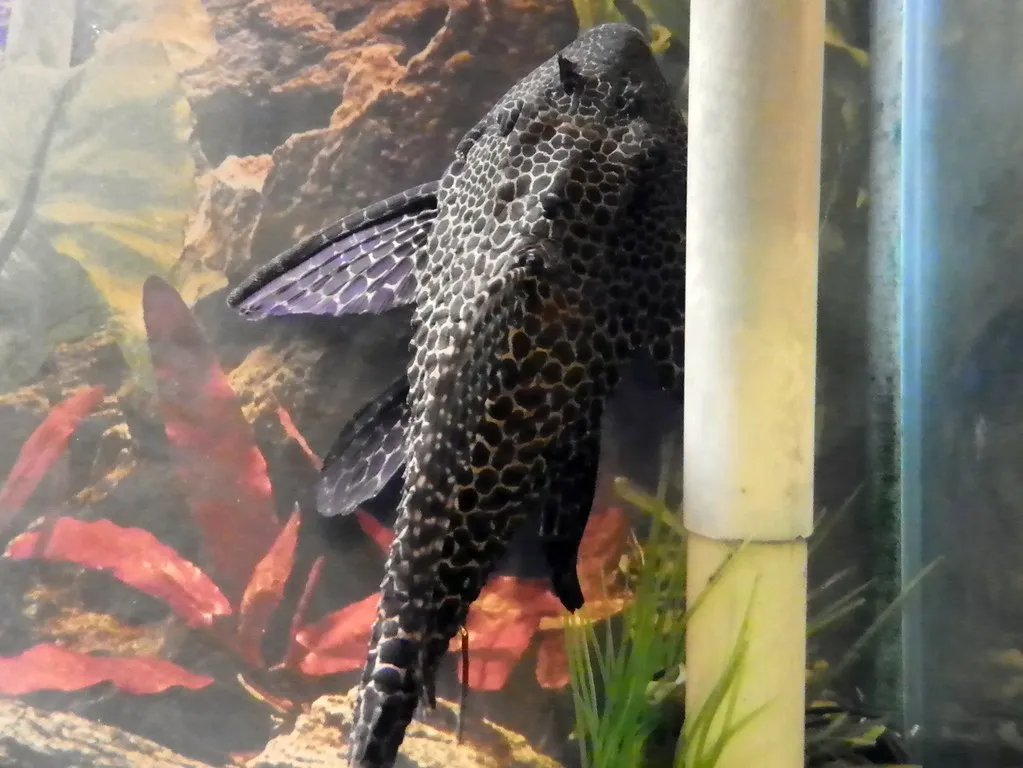
Common pleco
Hypostomus plecostomus
Freshwater- Size
- 15.7 in (40 cm)
- Tank
- 85 gal (320 L)
- Water
- 72–86°F (22–30°C)
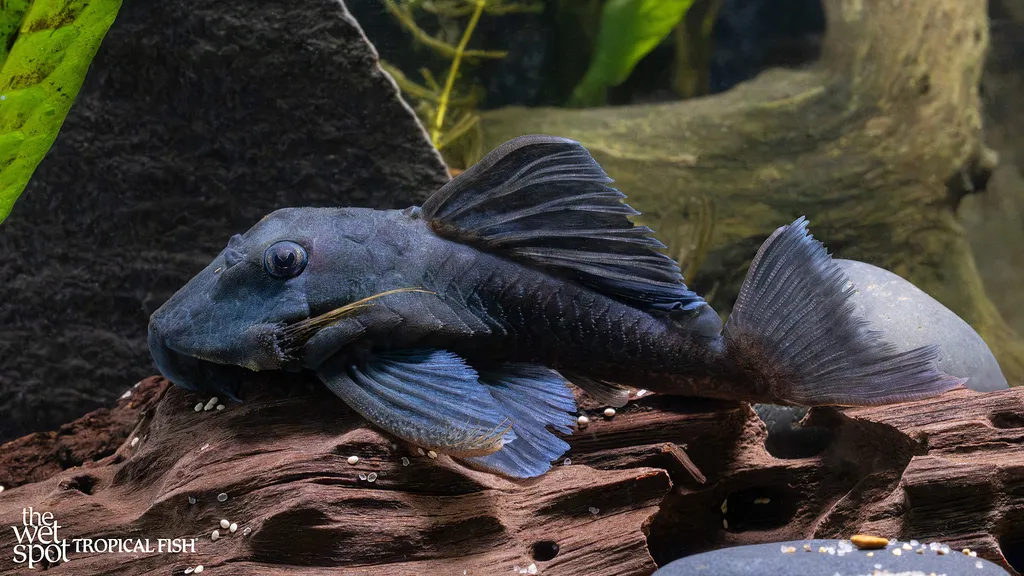
Adonis pleco (L155)
Acanthicus adonis
Freshwater- Size
- 35.4 in (90 cm)
- Tank
- 264 gal (1,000 L)
- Water
- 77–84°F (25–29°C)
Plecos for a community tank
The small plecos are some of the best community fish there are. The bristlenose pleco grazes algae, stays around 5 inches (12.5 cm) and is happy from 20 gallons (75 liters) with a piece of driftwood to rasp. The clown pleco stays at 3.5 inches (9 cm) in the same tank, eats wood more than algae, and is one of the few in the list marked easy. The whiptail catfish is a 4 inch (11 cm) twig of a fish for a calm 20 gallon. The bloodred tiger pleco stays at 3 inches (8 cm) and wants a bit more room at 40 gallons (160 liters). Otocinclus are the small algae eaters for a planted tank, in a group of six, but only once the tank is mature enough to grow the film they live on.
Bristlenose pleco
Ancistrus sp.
Freshwater4.9 in (12.5 cm) · 20 gal (75 L)70–79°F (21–26°C)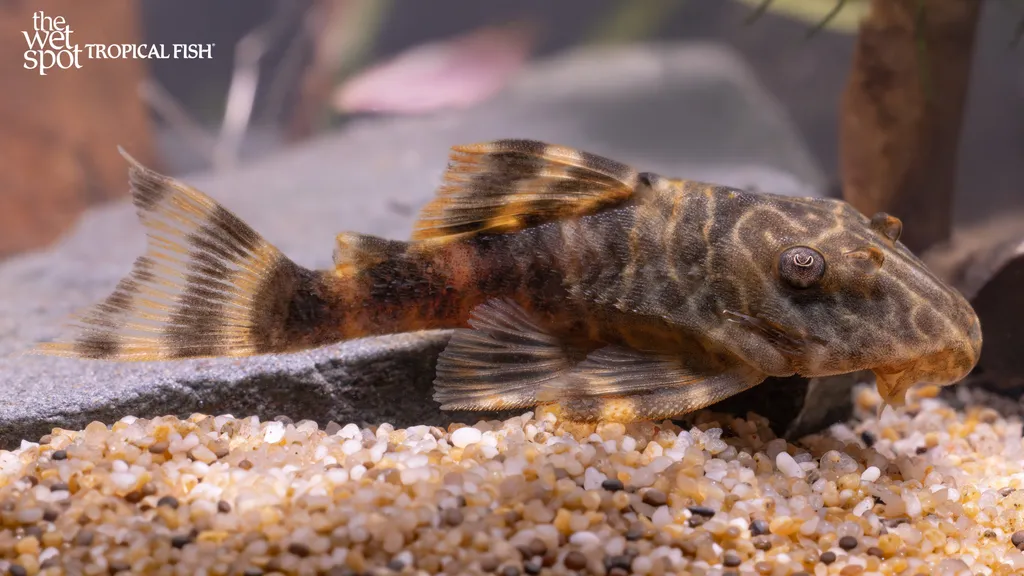
Clown pleco
Panaqolus maccus
Freshwater3.5 in (9 cm) · 20 gal (75 L)73–82°F (23–28°C)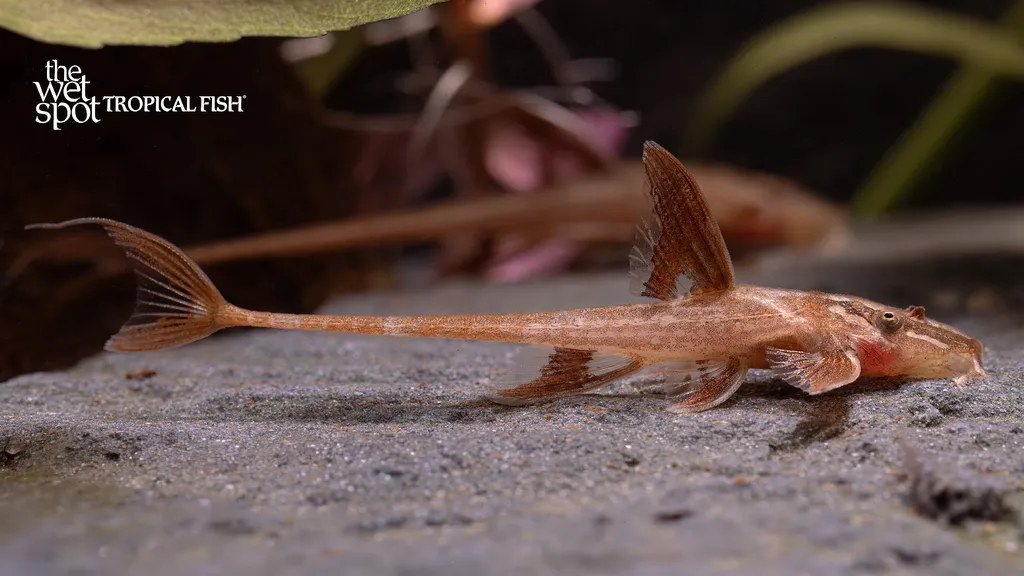
Whiptail catfish
Rineloricaria sp.
Freshwater4.3 in (11 cm) · 20 gal (75 L)75–84°F (24–29°C)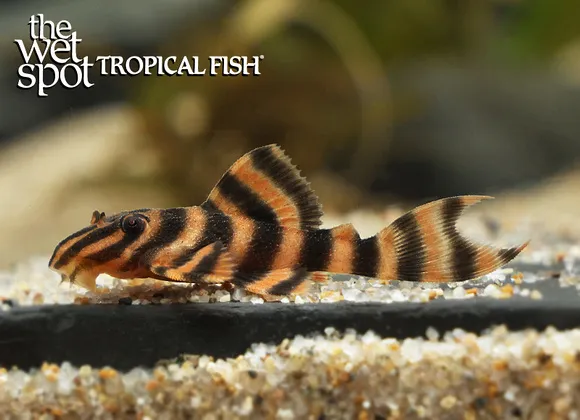
Bloodred tiger pleco
Panaqolus claustellifer
Freshwater3.1 in (8 cm) · 42 gal (160 L)77–84°F (25–29°C)
L-numbers
Many plecos are sold by an L-number rather than a name: L204, L264, L034. The numbers were assigned by the German magazine DATZ to plecos that arrived in the trade before science had described them, and the trade kept using them even after the species got names. Where the shops still lead with the number the catalog keeps it in the name, so you can search for the number on the tag. The flash pleco L204 stays at 5 inches (13 cm) and wants 40 gallons (150 liters); the medusa pleco L034 reaches 6 inches (15 cm) on the same footprint; the candy striped pleco L015 is a 5 inch (12 cm) fish for 30 gallons (115 liters); the sultan pleco L264 reaches 9 inches (22 cm), lists 65 gallons (250 liters) and is marked difficult.
Flash pleco (L204)
Panaqolus albivermis
Freshwater5.1 in (13 cm) · 40 gal (150 L)77–84°F (25–29°C)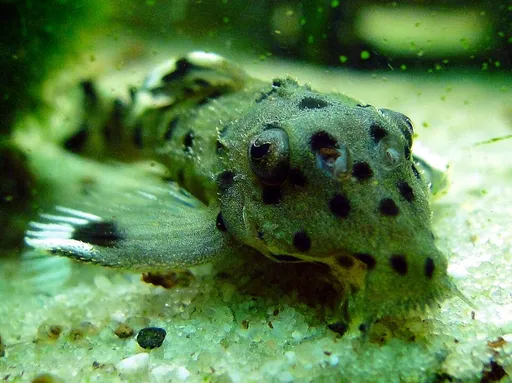
Sultan pleco (L264)
Leporacanthicus joselimai
Freshwater8.7 in (22 cm) · 66 gal (250 L)79–86°F (26–30°C)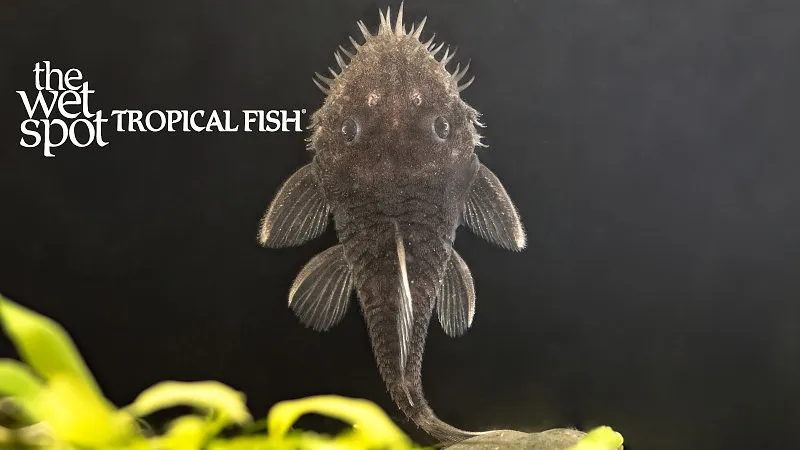
Medusa pleco (L034)
Ancistrus ranunculus
Freshwater5.9 in (15 cm) · 40 gal (150 L)79–86°F (26–30°C)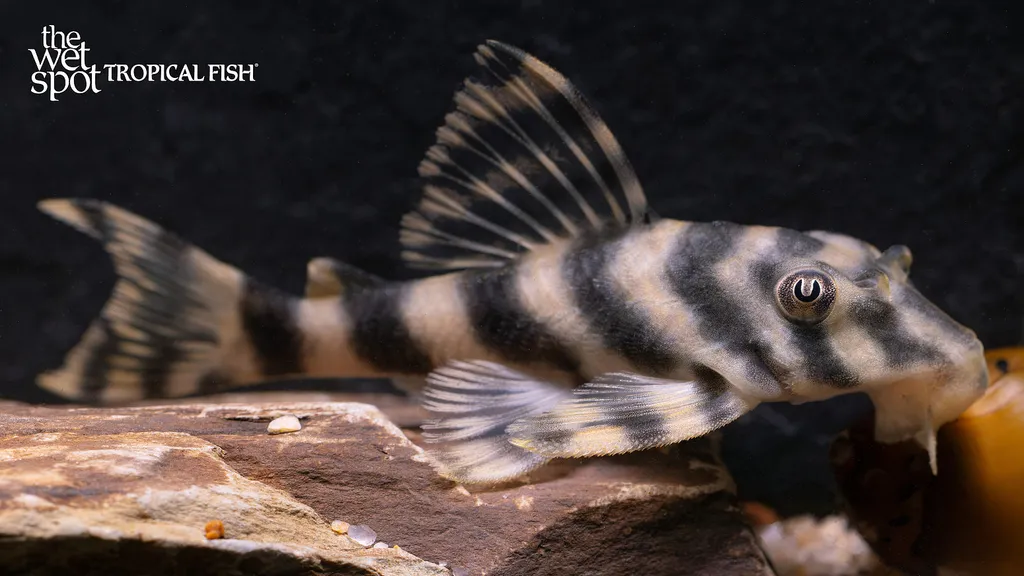
Candy striped pleco (L015)
Peckoltia vittata
Freshwater4.7 in (12 cm) · 30 gal (115 L)77–84°F (25–29°C)
Not every pleco eats algae
The bristlenose, the otocinclus and the clown pleco graze, and even they need feeding. Most of the fancy plecos do not eat algae at all. The zebra pleco and its Hypancistrus relatives are meat eaters that want frozen and sinking protein foods; the gold nugget pleco is marked difficult largely because it starves quietly in tanks where everyone assumes it is grazing. The royal pleco and the clown pleco are wood eaters and must have driftwood in the tank, not as decoration but as food. Feed every pleco after the lights go down, when the mid-water fish are not competing: wafers, vegetables such as zucchini and cucumber, and frozen foods for the carnivores.
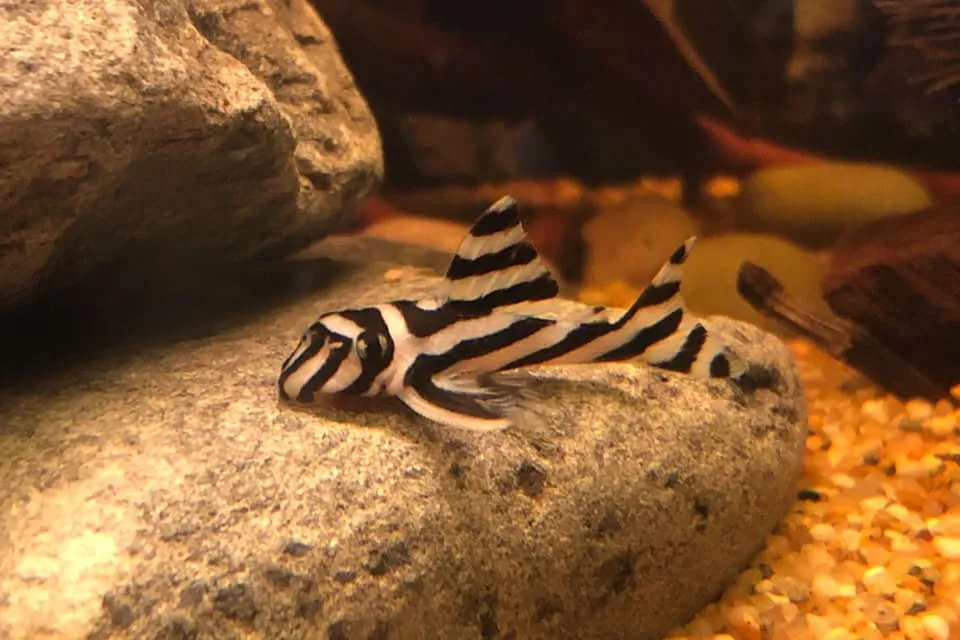
Zebra pleco
Hypancistrus zebra
Freshwater3.1 in (8 cm) · 15 gal (55 L)79–86°F (26–30°C)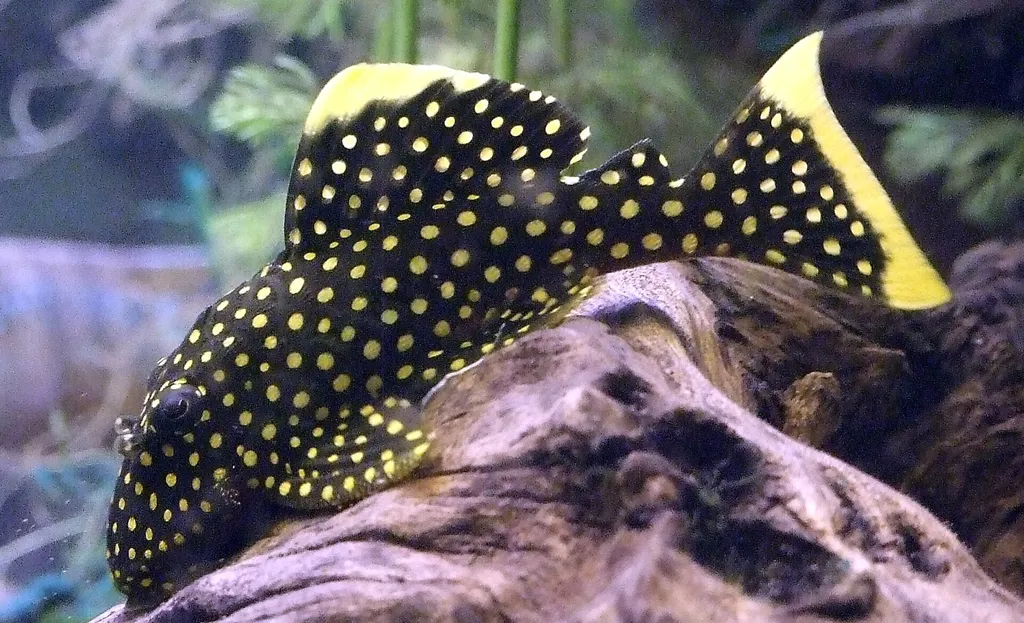
Gold nugget pleco
Baryancistrus xanthellus
Freshwater9.8 in (25 cm) · 55 gal (210 L)81–90°F (27–32°C)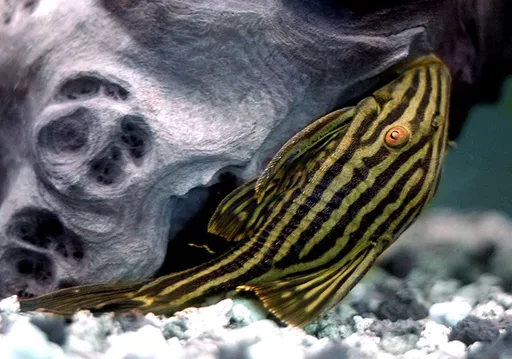
Royal pleco
Panaque nigrolineatus
Freshwater16.9 in (43 cm) · 125 gal (473 L)72–82°F (22–28°C)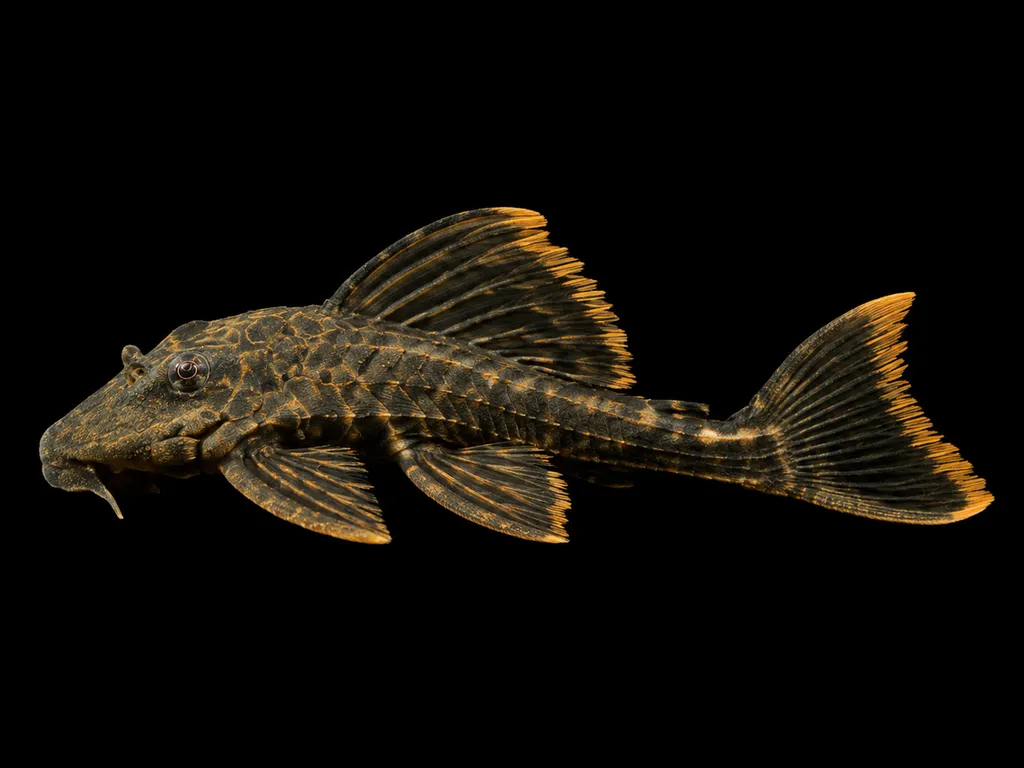
Orange seam pleco
Hemiancistrus guahiborum
Freshwater5.5 in (14 cm) · 66 gal (250 L)77–84°F (25–29°C)
Warm, clean, moving water
Most plecos come from Amazon and Orinoco tributaries and list 77–84°F (25–29°C) and neutral to slightly acid water. Many of the small fancy species, the zebra pleco among them, come from the Rio Xingu and want the warm end of that range plus strong flow and high oxygen; a still, cool tank is a slow death for them. Give every pleco a cave of its own. Males hold caves and defend them, and two of the same species in a small tank will fight over the best one. The otocinclus are the exception and go in groups.
Zebra pleco
Hypancistrus zebra
Freshwater3.1 in (8 cm) · 15 gal (55 L)79–86°F (26–30°C)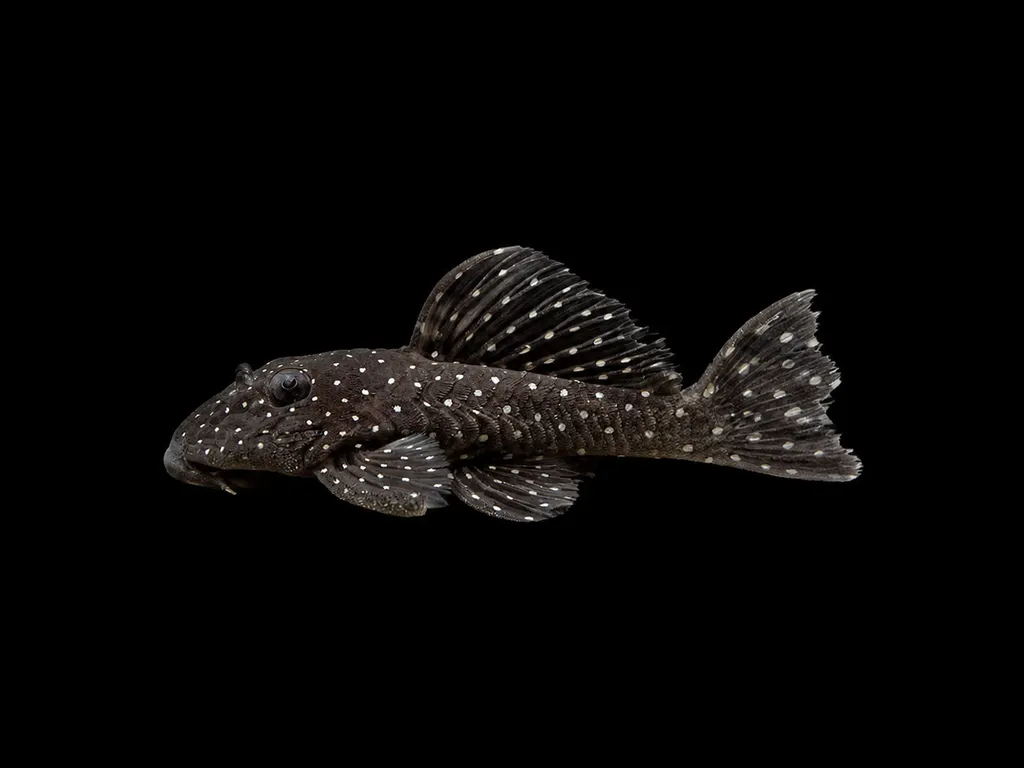
Peppermint pleco
Spectracanthicus punctatissimus
Freshwater4.7 in (12 cm) · 66 gal (250 L)79–86°F (26–30°C)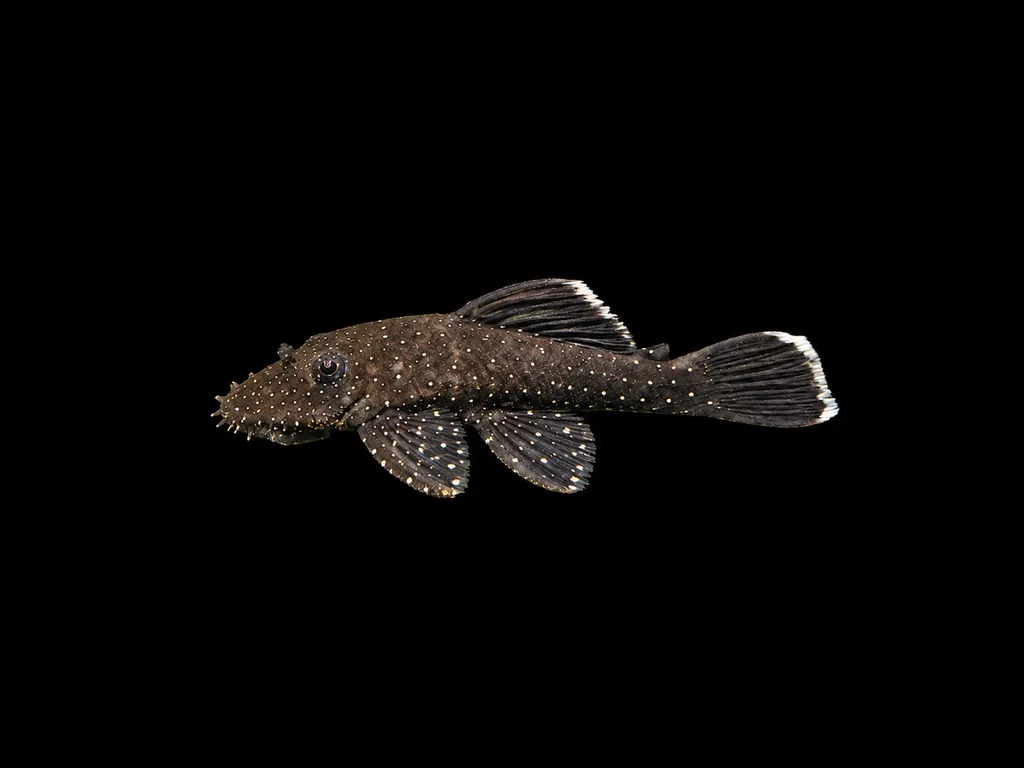
Starry night bristlenose pleco
Ancistrus hoplogenys
Freshwater7.1 in (18 cm) · 42 gal (160 L)77–84°F (25–29°C)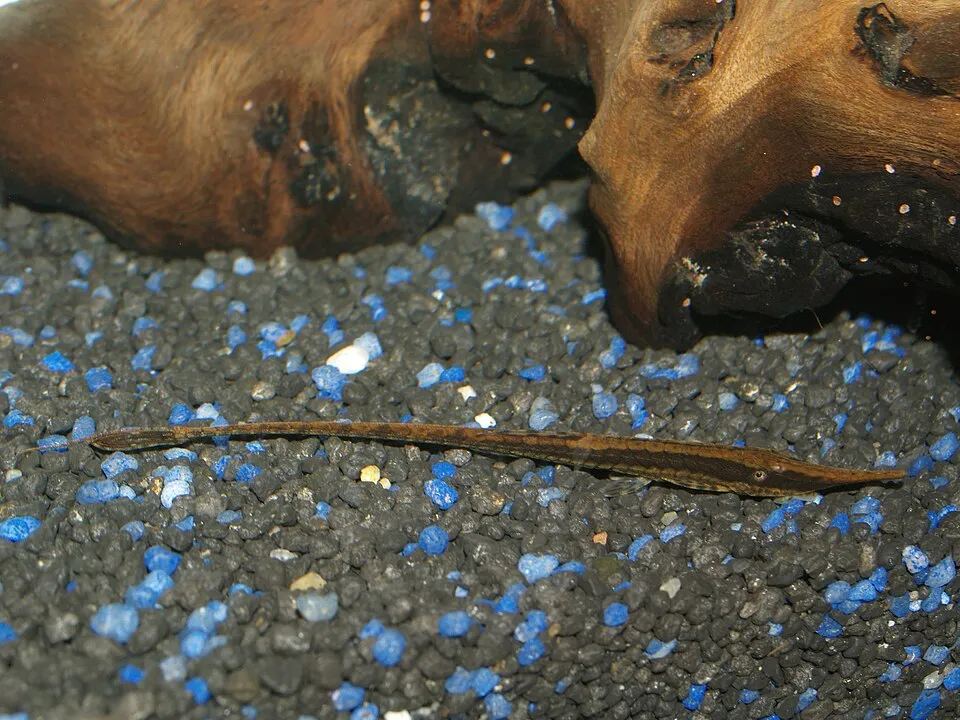
Twig catfish
Farlowella vittata
Freshwater5.9 in (15 cm) · 30 gal (115 L)75–81°F (24–27°C)
By the numbers
Smallest
Largest
Easiest to keep
Most peaceful
Fits a 20 gallon tank
Fits a 30 gallon tank
FAQ
Common questions
How big do plecos get?
From 2 inches (5 cm) for otocinclus and the dwarf spiny pleco to 16 to 19 inches (40 to 48 cm) for the common, sailfin and royal plecos. The adonis pleco reaches 35 inches (90 cm). The bristlenose stays near 5 inches (12.5 cm), which is why it is the usual recommendation.
Do plecos eat algae?
Some do: bristlenose, otocinclus and clown plecos graze. None of them can live on algae alone, and the zebra, gold nugget and most other fancy plecos are meat eaters. Feed wafers, vegetables and frozen food after dark.
What size tank does a bristlenose pleco need?
20 gallons (75 liters) with a piece of driftwood. It reaches about 5 inches (12.5 cm).
What size tank does a common pleco need?
85 gallons (320 liters). It reaches 16 inches (40 cm) and produces a great deal of waste.
Do plecos need driftwood?
The wood eaters (royal and clown plecos) must have it. Bristlenose and many others rasp it for fibre and do better with it. The meat-eating Hypancistrus do not need wood but want caves.
Can you keep two plecos together?
Most are territorial toward their own species and toward similar plecos, especially over caves. One per tank unless the tank is large and every fish has a cave. Otocinclus are the exception and go in groups of six.
What do the L-numbers mean?
Catalogue numbers given to plecos by the German magazine DATZ before the species were formally described. The trade still uses them, so the catalog keeps the number in the name where the shops do.
Index
All plecos
Adonis pleco (L155)
Acanthicus adonis
Freshwater35.4 in (90 cm) · 264 gal (1,000 L)77–84°F (25–29°C)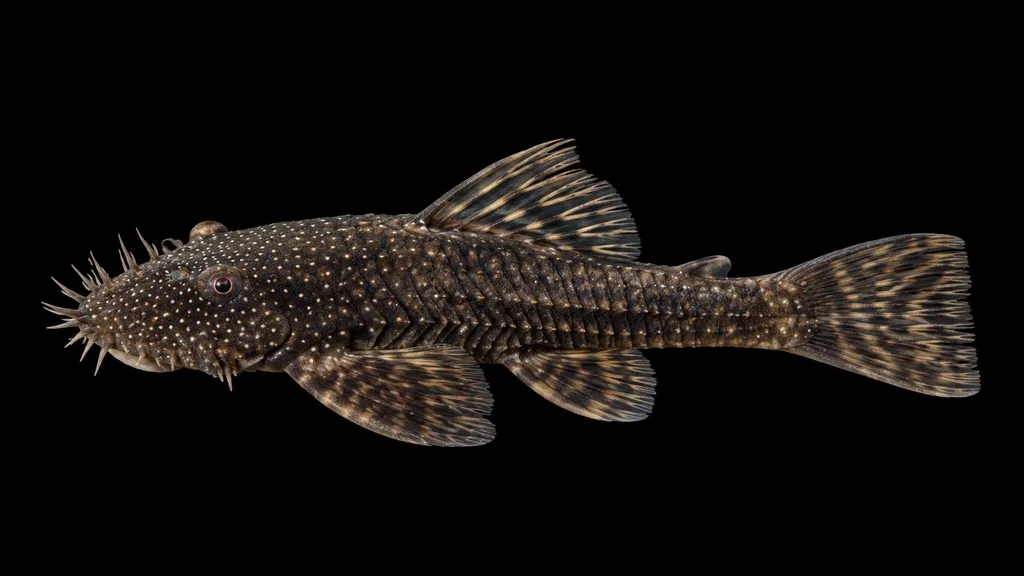
Aguaboa bristlenose pleco
Ancistrus aguaboensis
Freshwater3.1 in (8 cm) · 29 gal (110 L)77–84°F (25–29°C)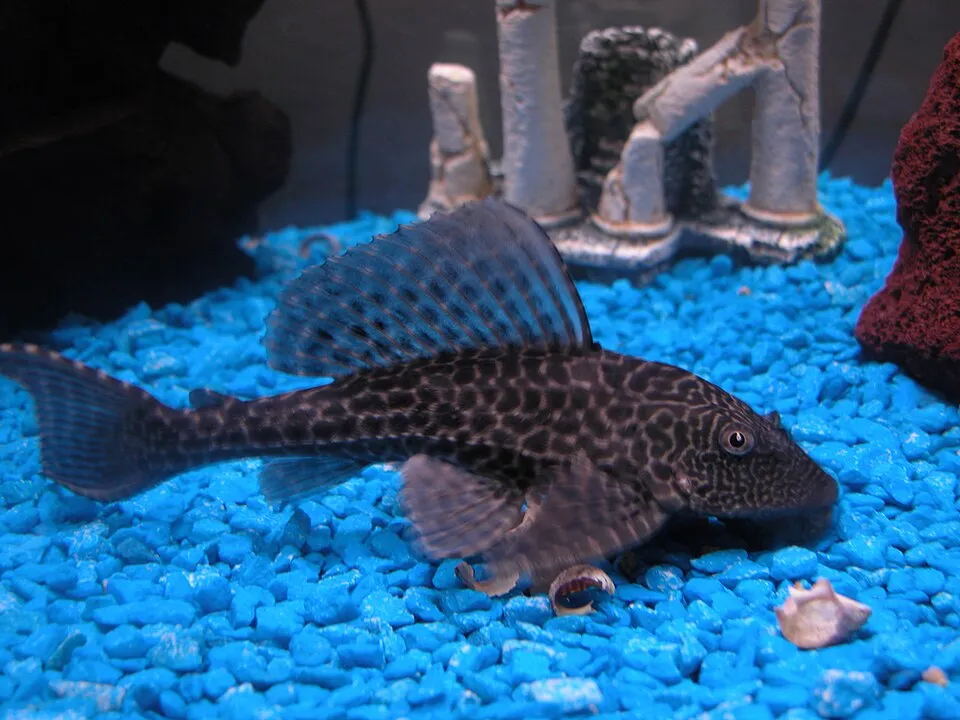
Amazon sailfin catfish
Pterygoplichthys pardalis
Freshwater17.7 in (45 cm) · 100 gal (380 L)72–84°F (22–29°C)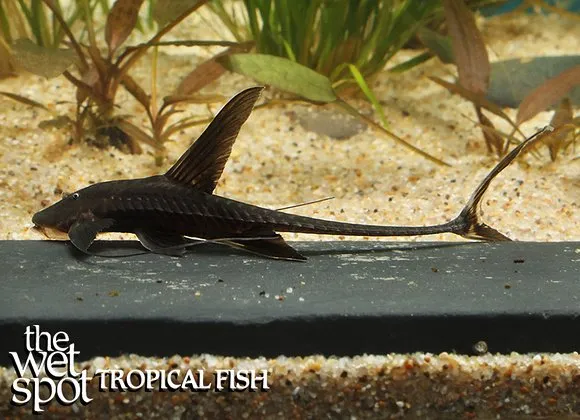
Antenna whiptail
Pterosturisoma microps
Freshwater6.3 in (16 cm) · 40 gal (150 L)73–82°F (23–28°C)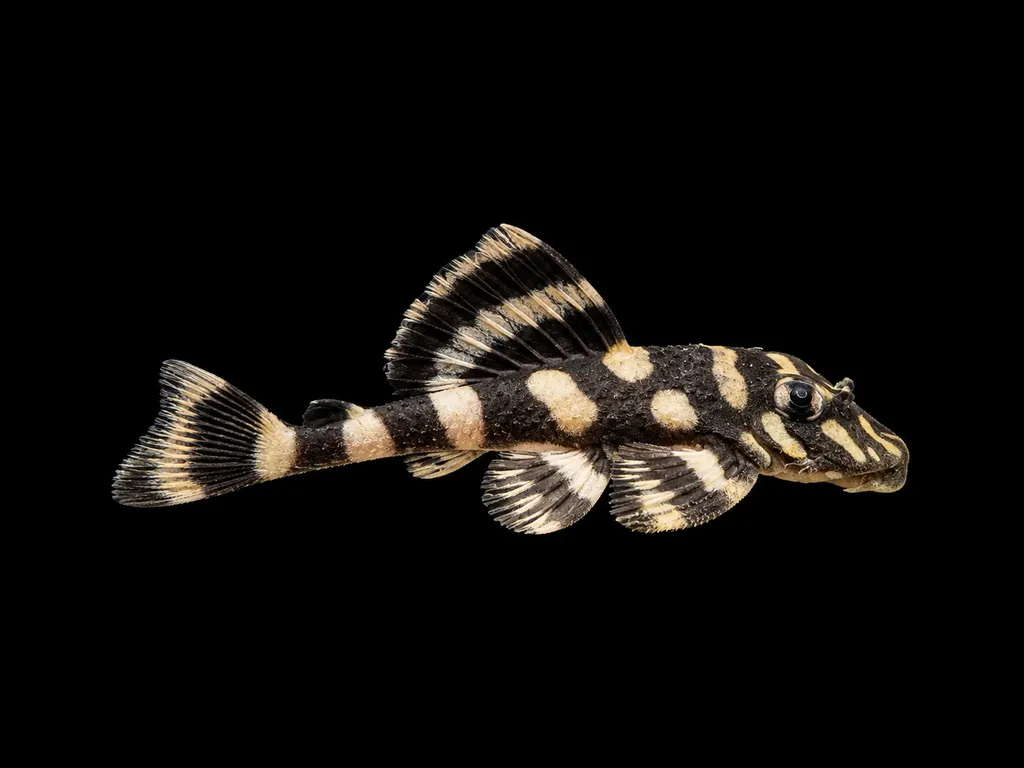
Atabapo butterfly pleco
Dekeyseria picta
Freshwater5.5 in (14 cm) · 53 gal (200 L)77–84°F (25–29°C)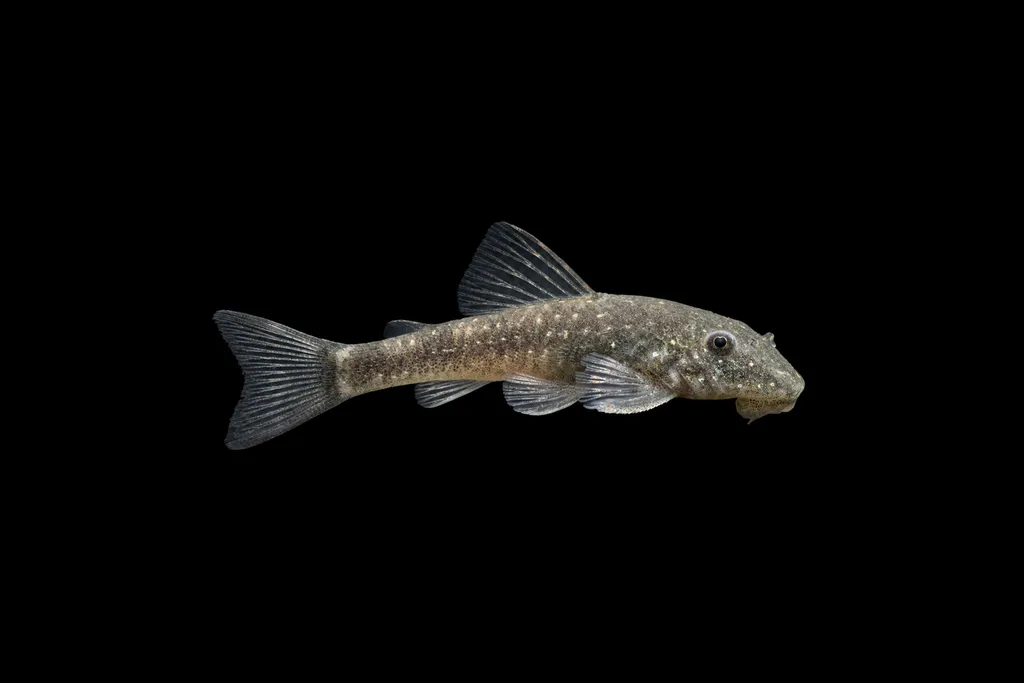
Bahia parotocinclus
Parotocinclus bahiensis
Freshwater1.6 in (4 cm) · 14 gal (54 L)72–81°F (22–27°C)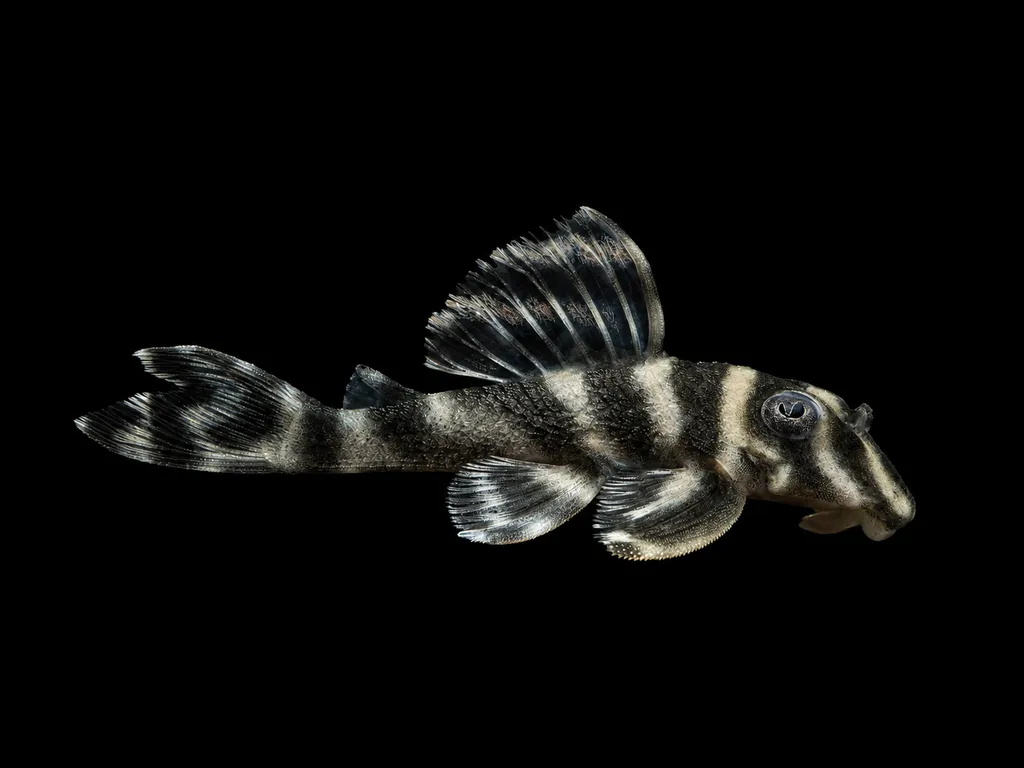
Bandit pleco
Hypancistrus furunculus
Freshwater3.9 in (10 cm) · 42 gal (160 L)79–86°F (26–30°C)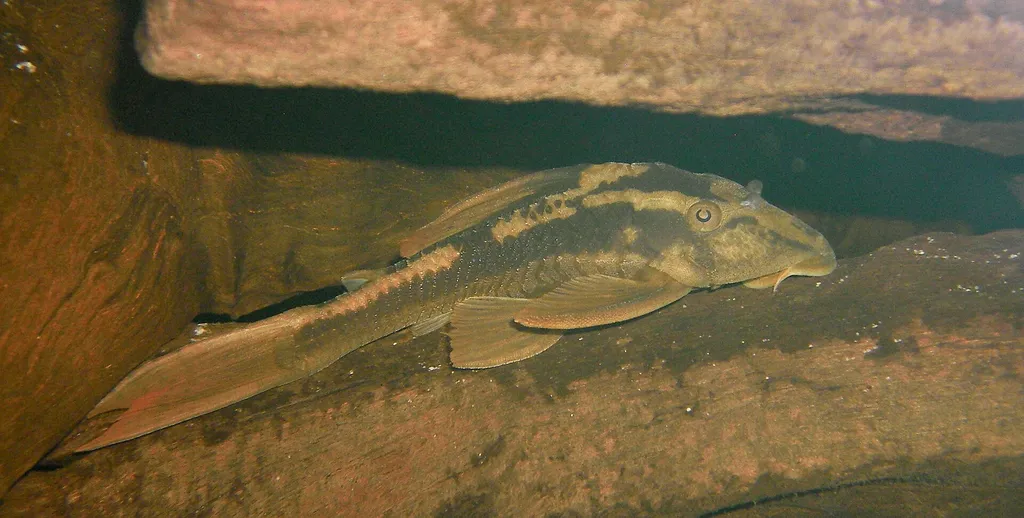
Basilisk pleco
Hypostomus basilisko
Freshwater9.4 in (24 cm) · 79 gal (300 L)77–84°F (25–29°C)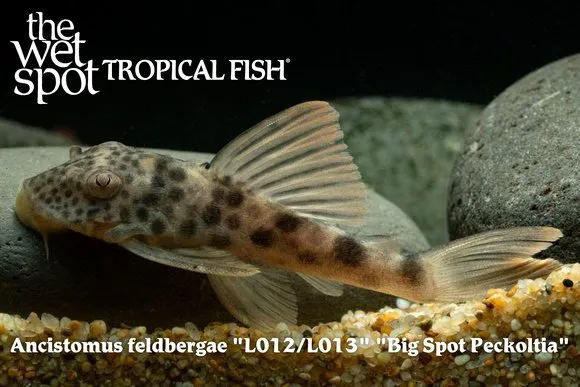
Big spot pleco
Ancistomus feldbergae
Freshwater7.9 in (20 cm) · 66 gal (250 L)79–86°F (26–30°C)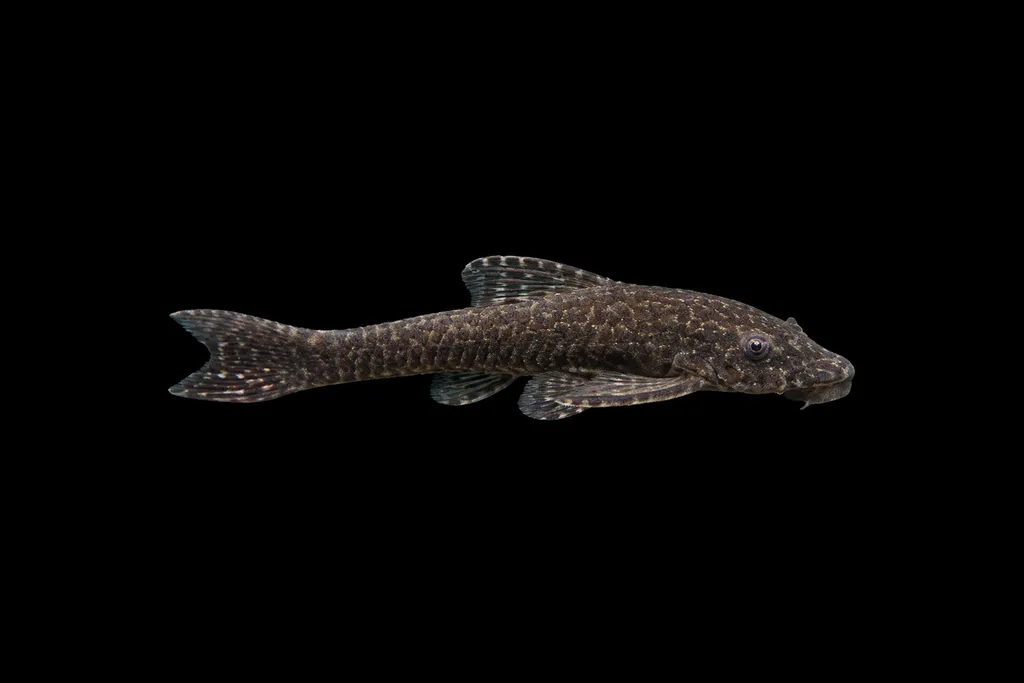
Black otocinclus
Hisonotus notatus
Freshwater2 in (5 cm) · 14 gal (54 L)72–81°F (22–27°C)Bloodred tiger pleco
Panaqolus claustellifer
Freshwater3.1 in (8 cm) · 42 gal (160 L)77–84°F (25–29°C)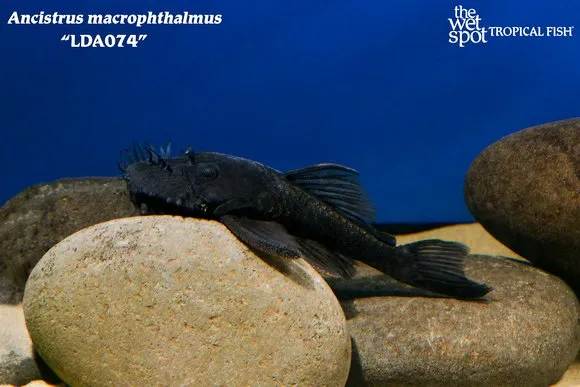
Blue medusa pleco
Ancistrus macrophthalmus
Freshwater3.5 in (9 cm) · 29 gal (110 L)77–84°F (25–29°C)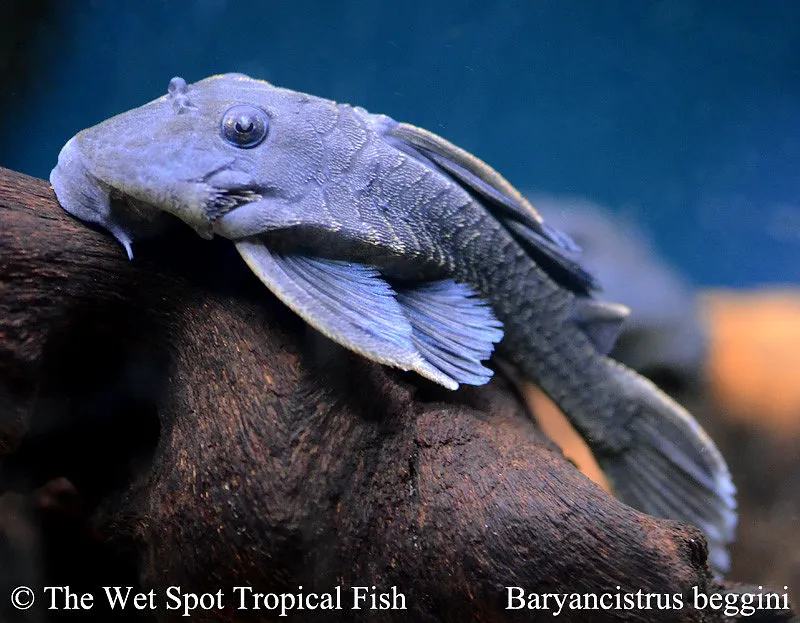
Blue panaque (L239)
Baryancistrus beggini
Freshwater4.7 in (12 cm) · 30 gal (115 L)79–86°F (26–30°C)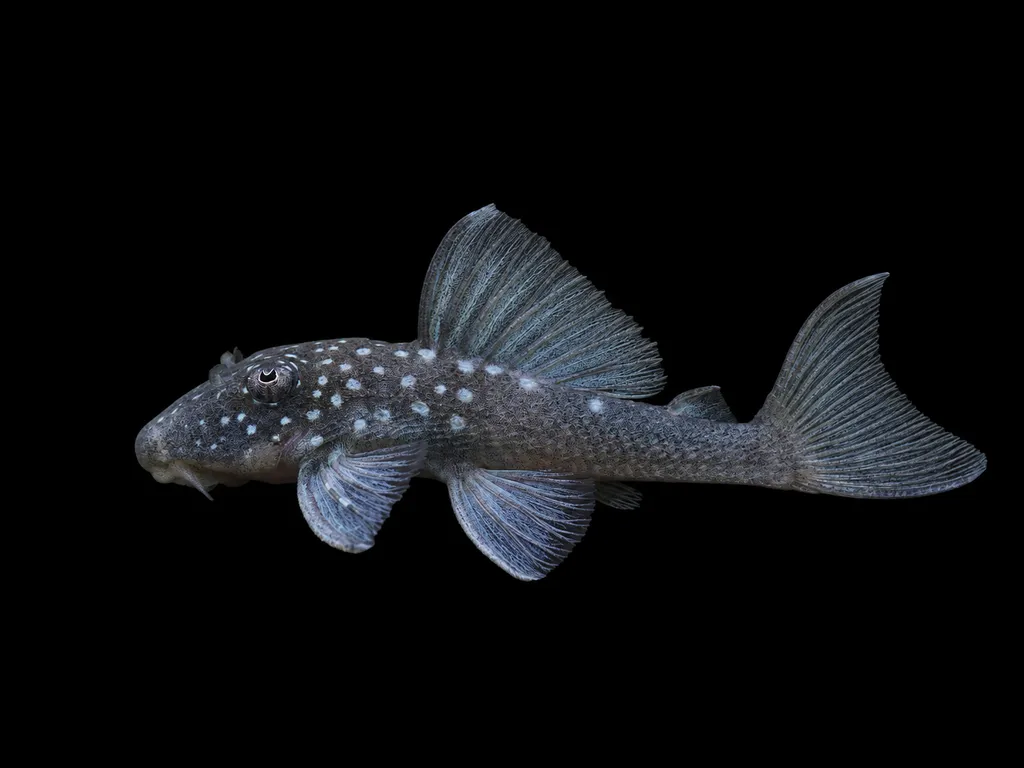
Blue phantom pleco (L128)
Hemiancistrus sp. L128
Freshwater9.8 in (25 cm) · 66 gal (250 L)81–86°F (27–30°C)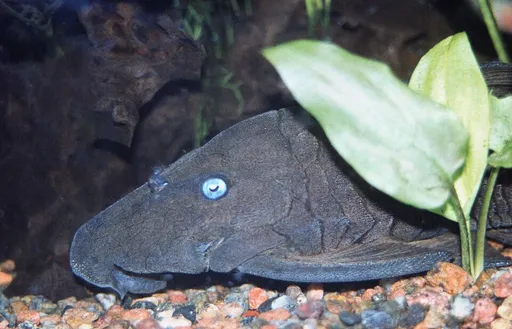
Blue-eyed pleco
Panaque cochliodon
Freshwater11.8 in (30 cm) · 119 gal (450 L)73–82°F (23–28°C)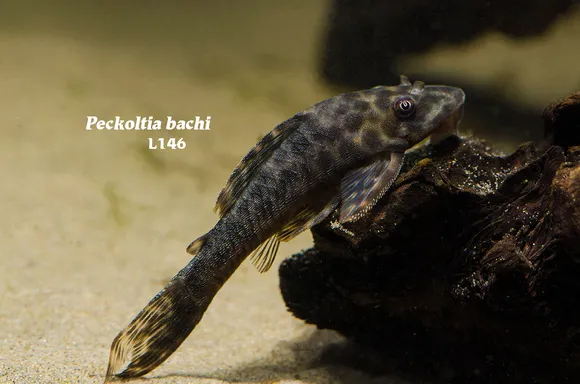
Bola pleco
Peckoltia bachi
Freshwater5.5 in (14 cm) · 53 gal (200 L)77–84°F (25–29°C)Bristlenose pleco
Ancistrus sp.
Freshwater4.9 in (12.5 cm) · 20 gal (75 L)70–79°F (21–26°C)4 varieties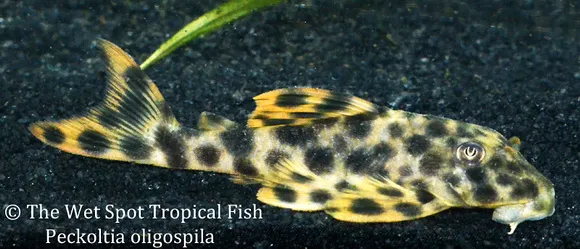
Brown dot peckoltia
Peckoltia oligospila
Freshwater5.9 in (15 cm) · 42 gal (160 L)77–84°F (25–29°C)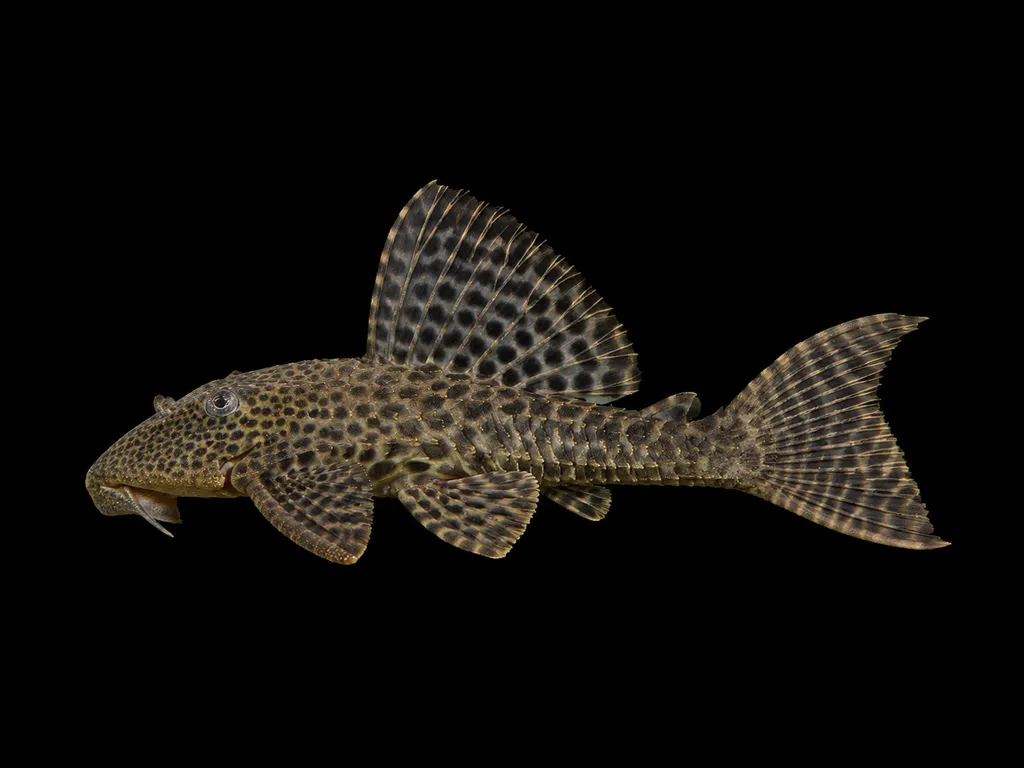
Brown pleco
Hypostomus plecostomoides
Freshwater10.2 in (26 cm) · 79 gal (300 L)77–84°F (25–29°C)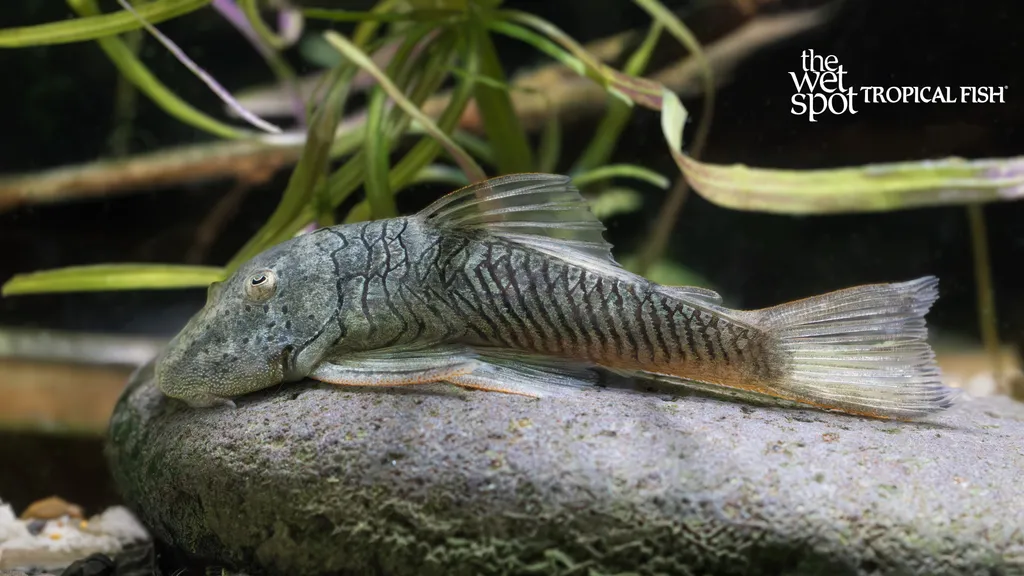
Bulldog pleco
Chaetostoma formosae
Freshwater4.3 in (11 cm) · 40 gal (150 L)68–77°F (20–25°C)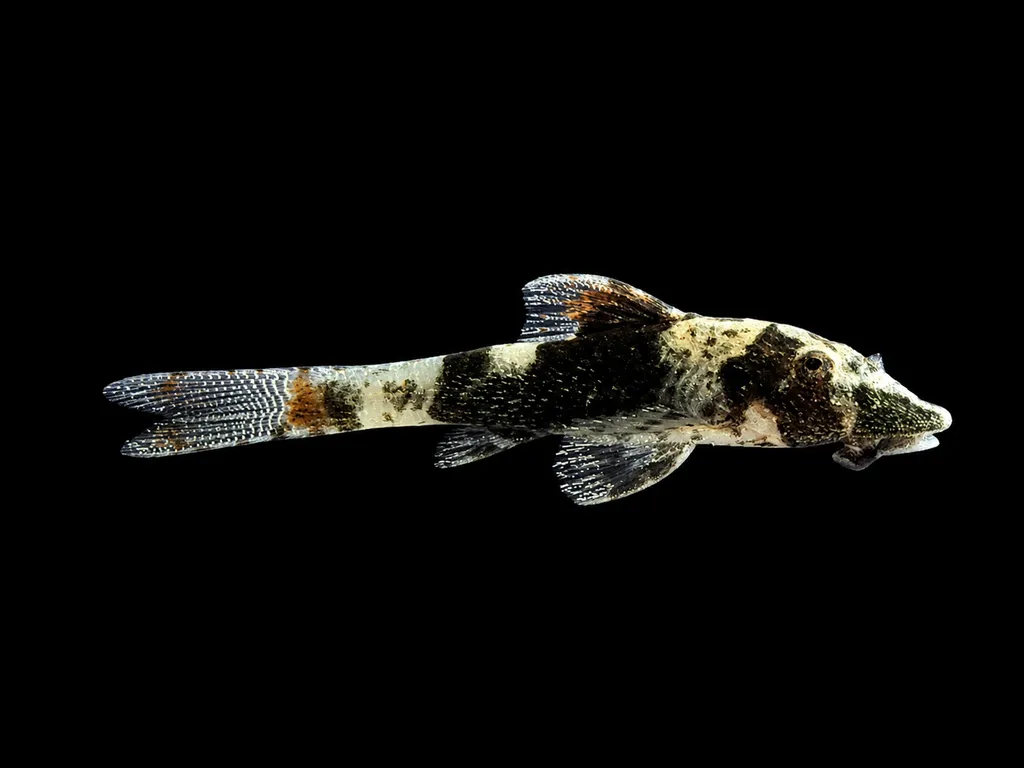
Bumblebee otocinclus
Rhinotocinclus isabelae
Freshwater0.8 in (2 cm) · 11 gal (40 L)73–82°F (23–28°C)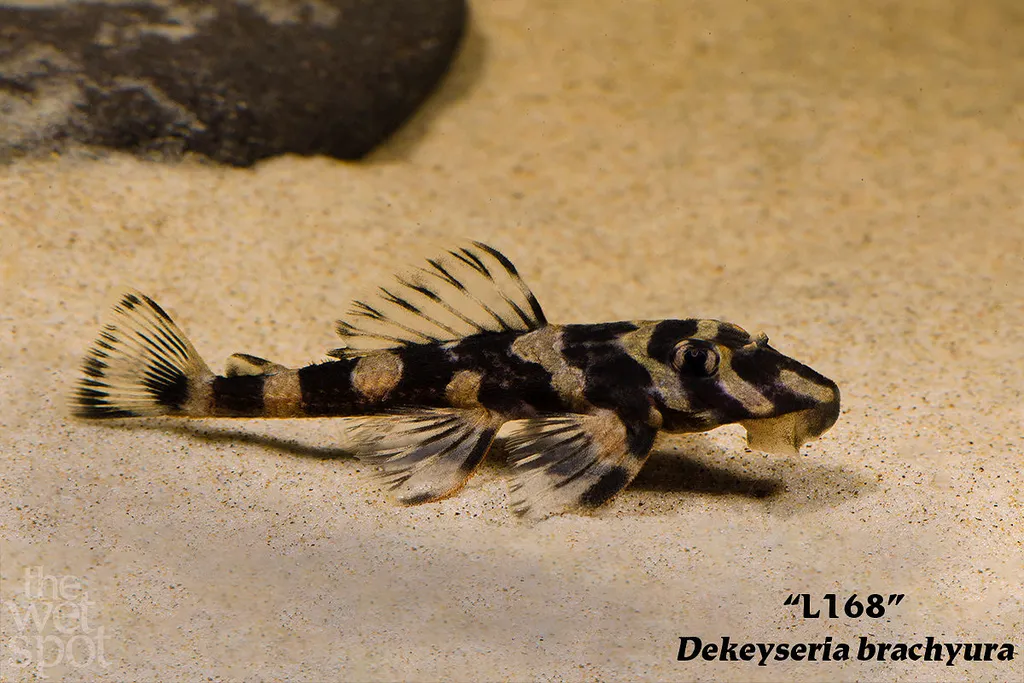
Butterfly pleco (L168)
Dekeyseria brachyura
Freshwater5.5 in (14 cm) · 40 gal (150 L)77–84°F (25–29°C)Candy striped pleco (L015)
Peckoltia vittata
Freshwater4.7 in (12 cm) · 30 gal (115 L)77–84°F (25–29°C)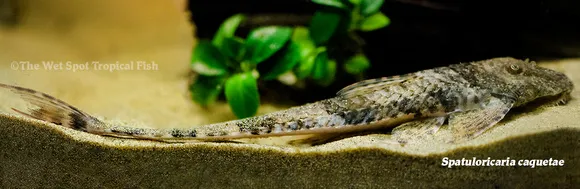
Caquetá whiptail
Spatuloricaria caquetae
Freshwater13.8 in (35 cm) · 106 gal (400 L)75–82°F (24–28°C)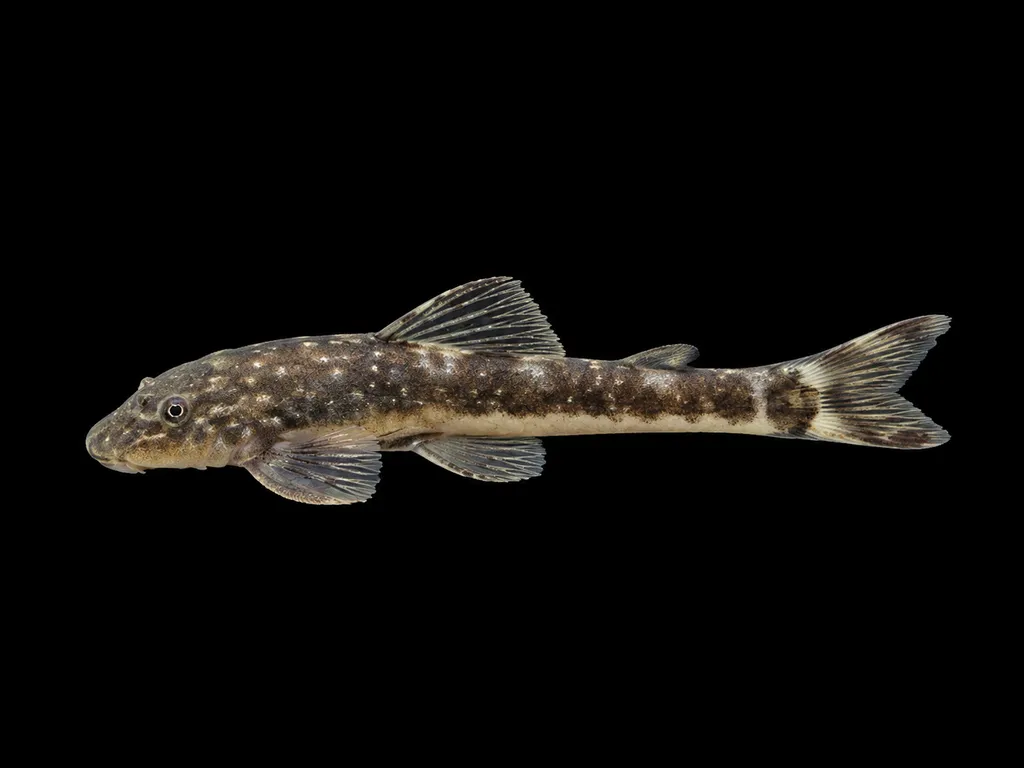
Ceará parotocinclus
Parotocinclus cearensis
Freshwater2 in (5 cm) · 14 gal (54 L)72–81°F (22–27°C)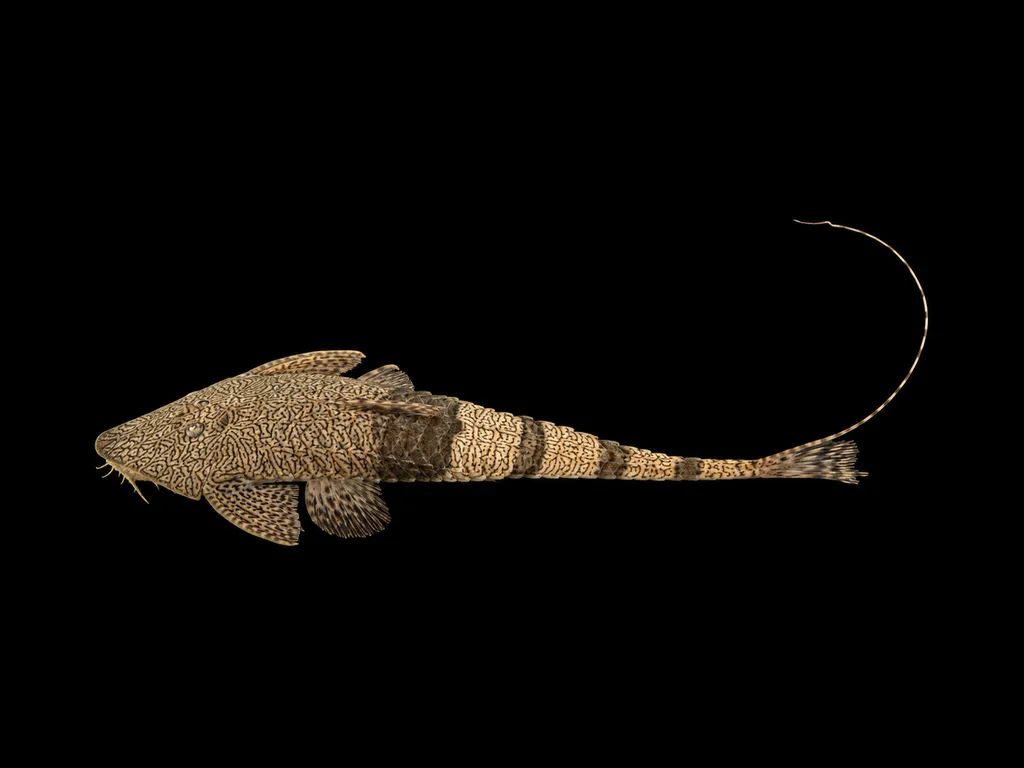
Chameleon whiptail
Pseudohemiodon apithanos
Freshwater6.7 in (17 cm) · 79 gal (300 L)75–82°F (24–28°C)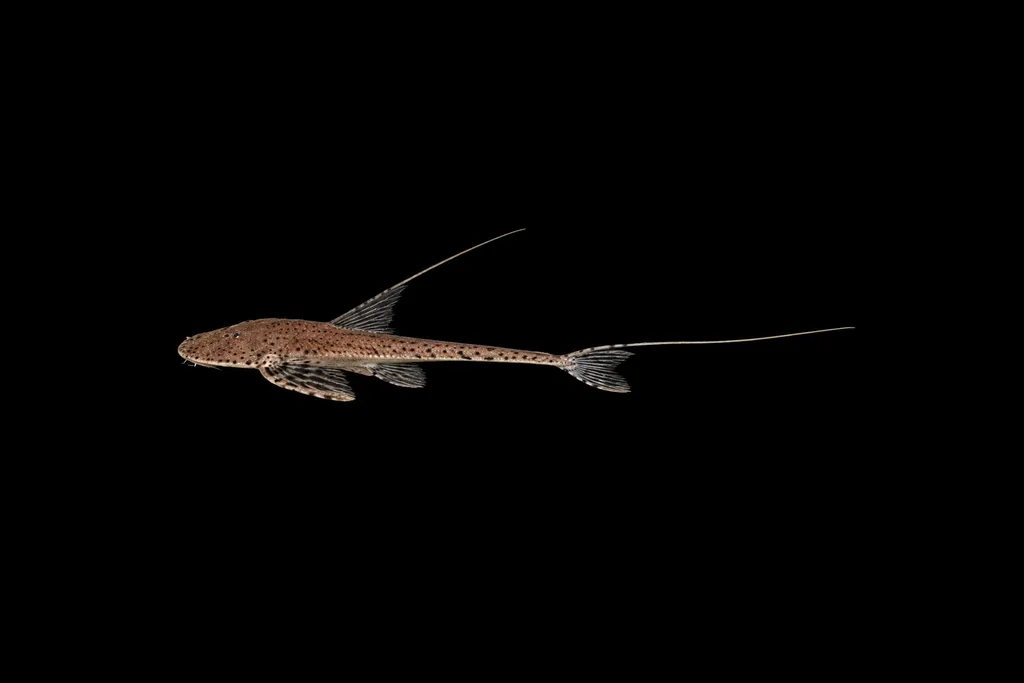
Circular whiptail
Planiloricaria cryptodon
Freshwater8.7 in (22 cm) · 79 gal (300 L)75–82°F (24–28°C)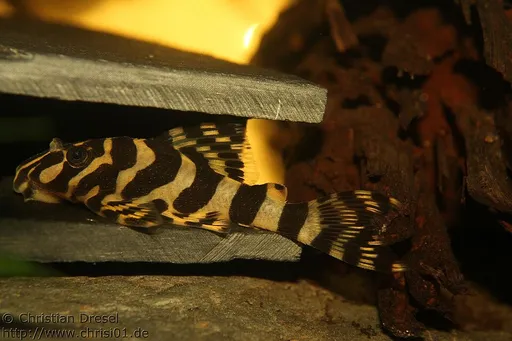
Clown peckoltia (L134)
Peckoltia compta
Freshwater4.7 in (12 cm) · 29 gal (110 L)77–84°F (25–29°C)Clown pleco
Panaqolus maccus
Freshwater3.5 in (9 cm) · 20 gal (75 L)73–82°F (23–28°C)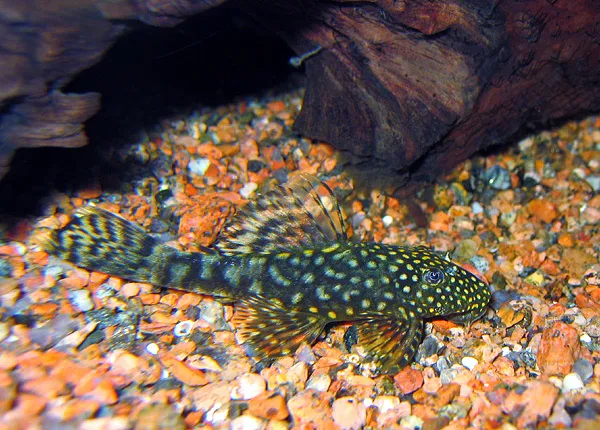
Colombian bristlenose pleco
Ancistrus triradiatus
Freshwater4.3 in (11 cm) · 29 gal (110 L)77–84°F (25–29°C)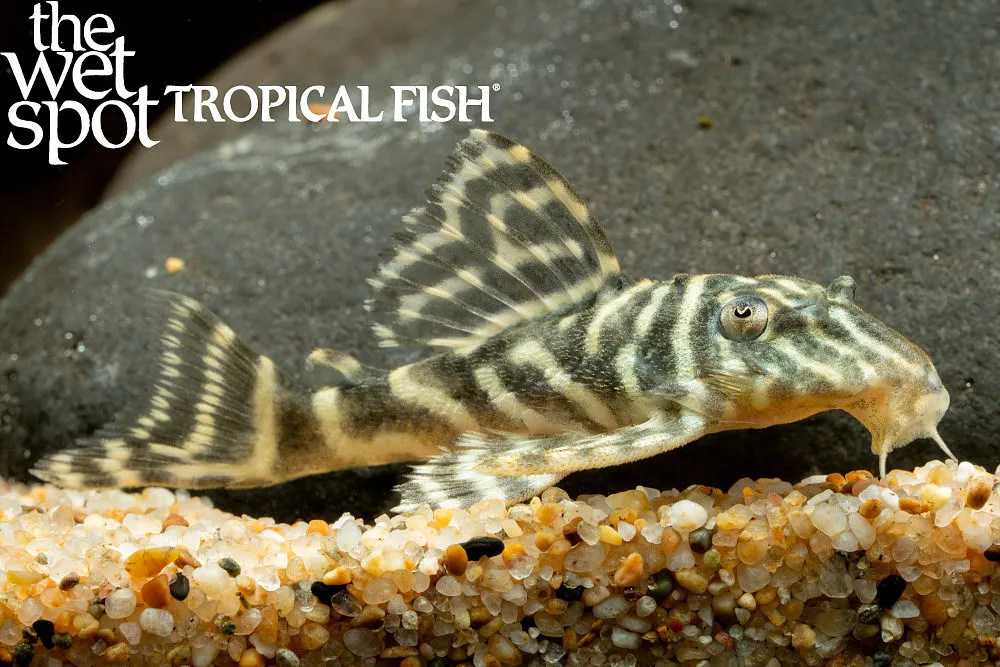
Colombian zebra pleco (L129)
Hypancistrus debilittera
Freshwater3.5 in (9 cm) · 20 gal (75 L)79–86°F (26–30°C)Common otocinclus
Otocinclus vittatus
Freshwater2 in (5 cm) · 20 gal (75 L)72–79°F (22–26°C)Common pleco
Hypostomus plecostomus
Freshwater15.7 in (40 cm) · 85 gal (320 L)72–86°F (22–30°C)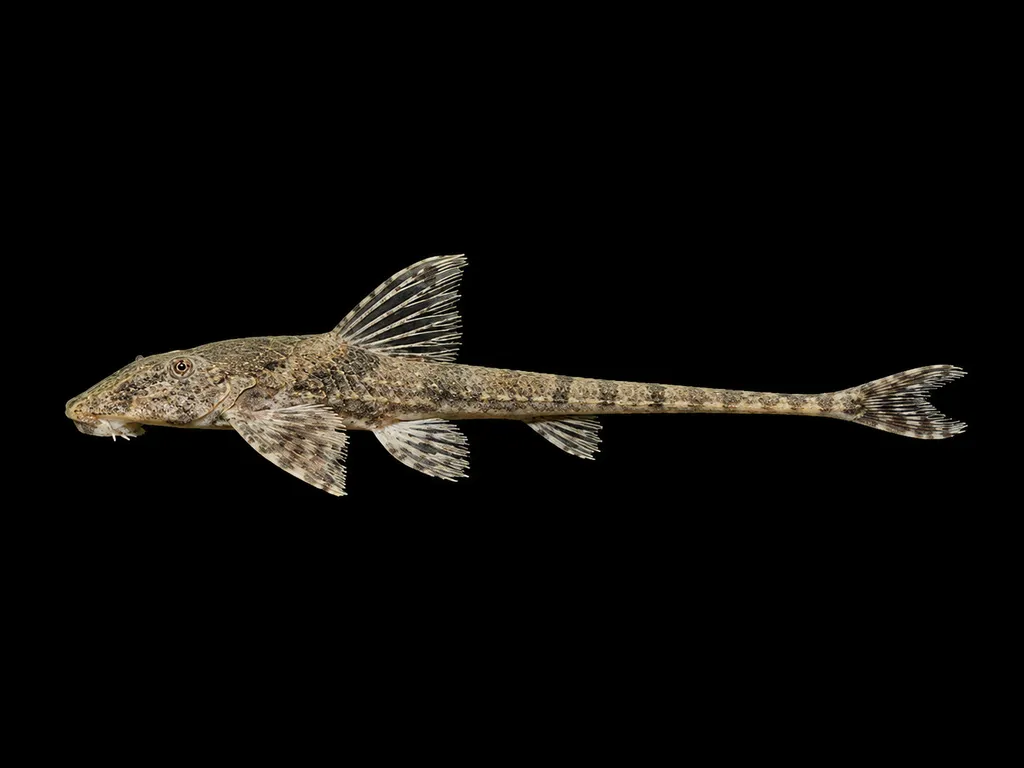
Common whiptail
Rineloricaria parva
Freshwater4.7 in (12 cm) · 20 gal (75 L)68–79°F (20–26°C)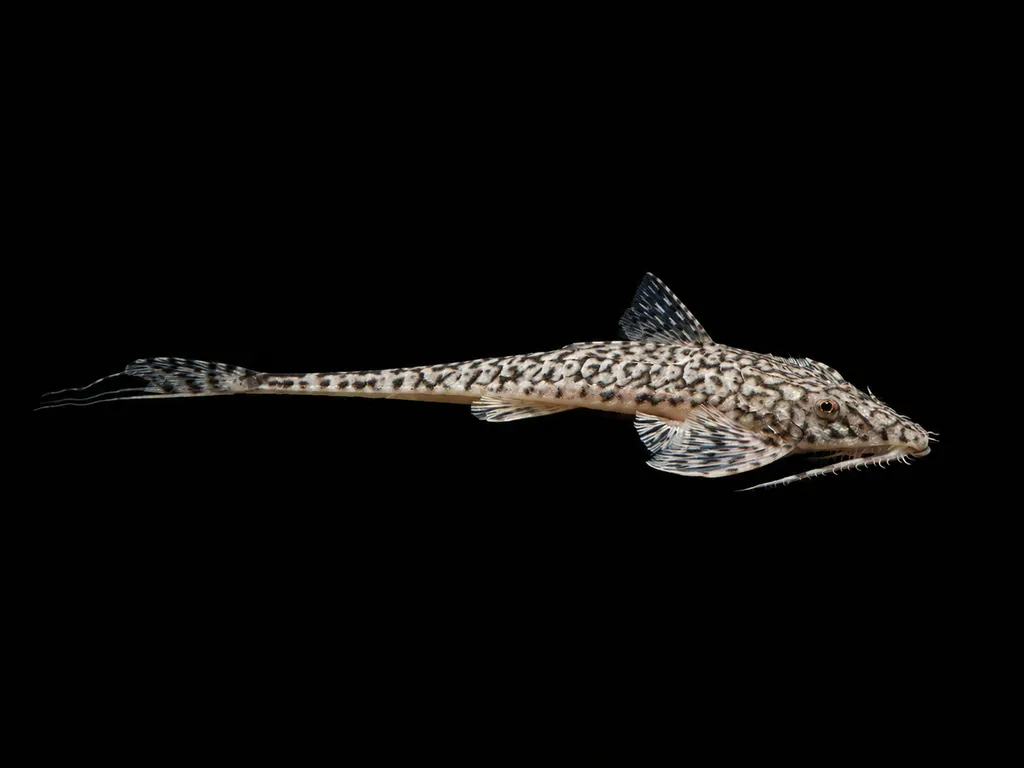
Dragon-head whiptail
Rhadinoloricaria macromystax
Freshwater5.7 in (14.5 cm) · 40 gal (150 L)73–82°F (23–28°C)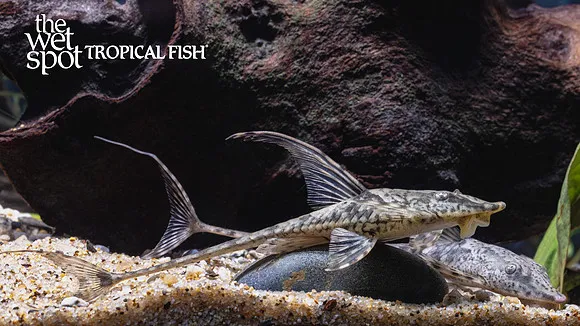
Dwarf royal twig catfish
Sturisomatichthys leightoni
Freshwater5.9 in (15 cm) · 42 gal (160 L)75–82°F (24–28°C)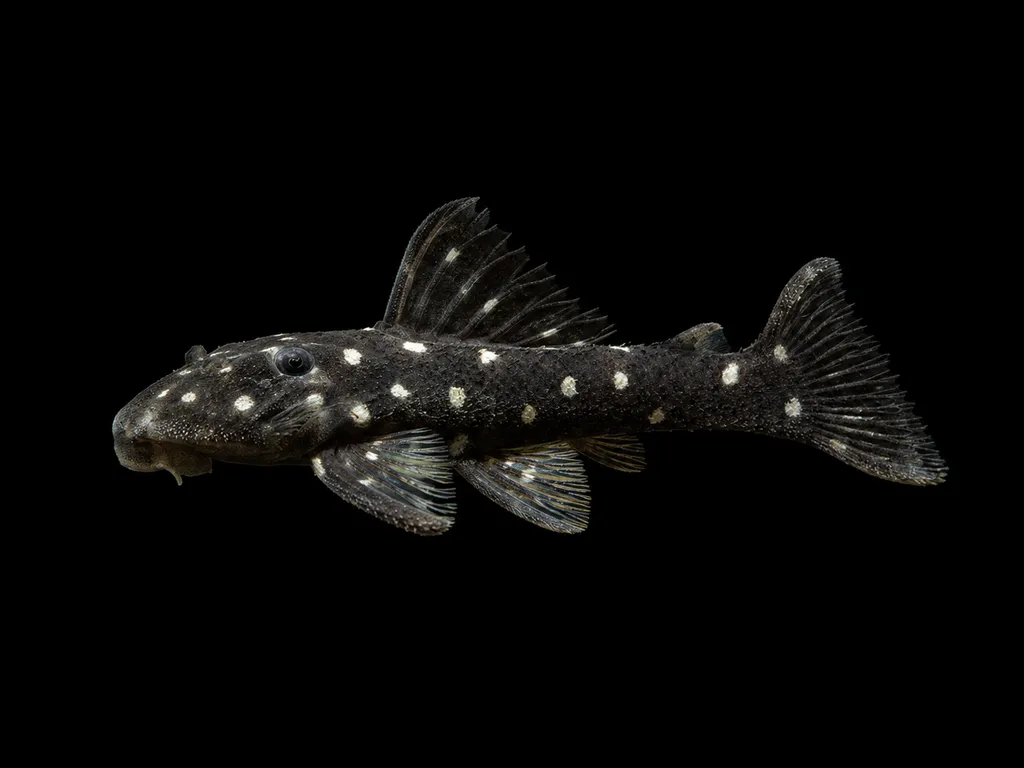
Dwarf spiny pleco
Micracanthicus vandragti
Freshwater2 in (5 cm) · 29 gal (110 L)79–86°F (26–30°C)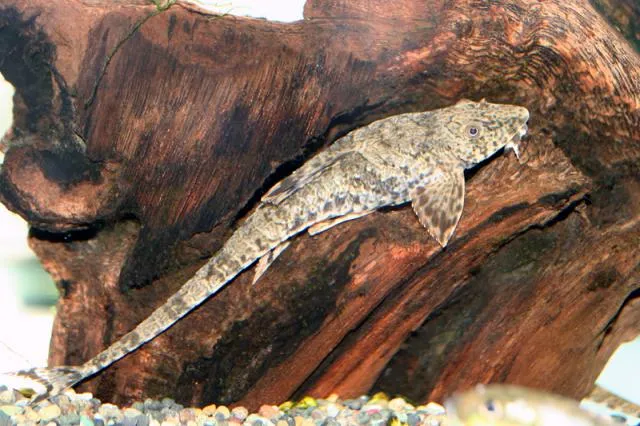
Eigenmann's whiptail
Rineloricaria eigenmanni
Freshwater4.7 in (12 cm) · 29 gal (110 L)75–82°F (24–28°C)Flash pleco (L204)
Panaqolus albivermis
Freshwater5.1 in (13 cm) · 40 gal (150 L)77–84°F (25–29°C)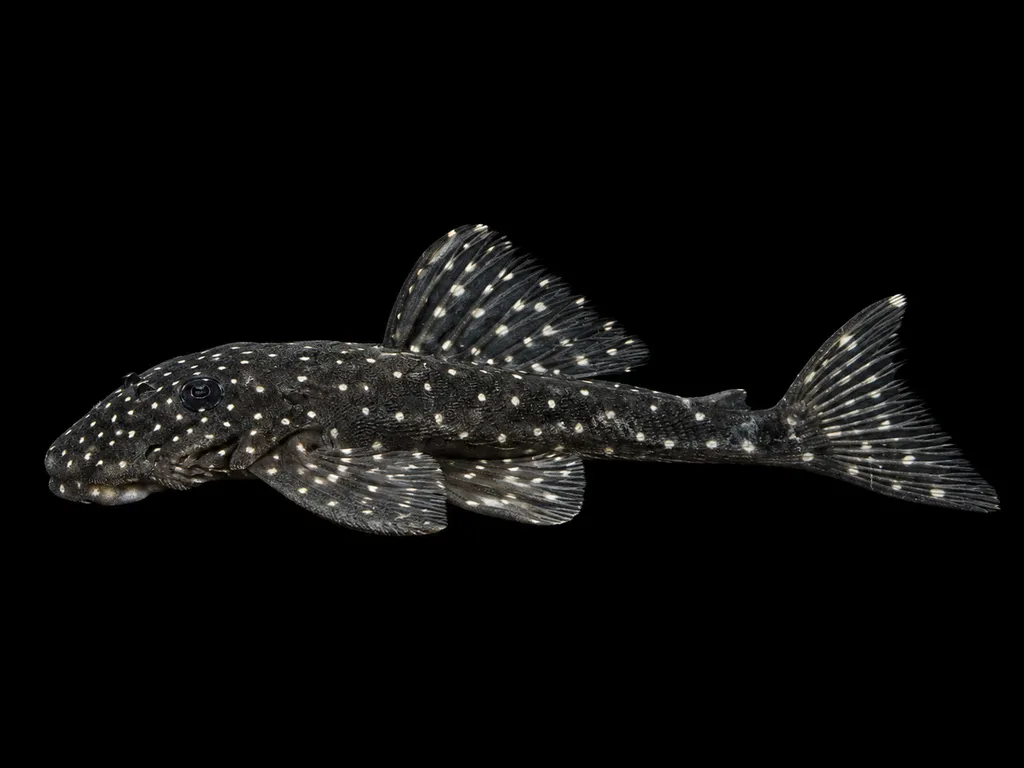
Flat flyer pleco
Pseudolithoxus anthrax
Freshwater5.5 in (14 cm) · 53 gal (200 L)79–86°F (26–30°C)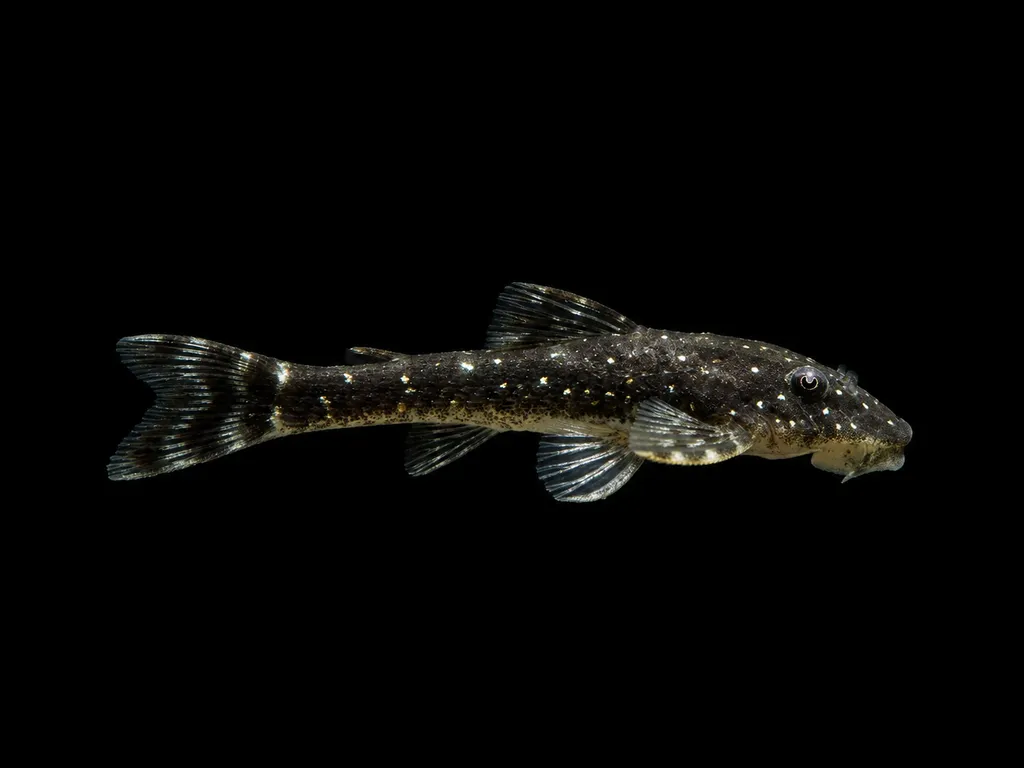
Galaxy otocinclus
Parotocinclus haroldoi
Freshwater1.6 in (4 cm) · 14 gal (54 L)75–82°F (24–28°C)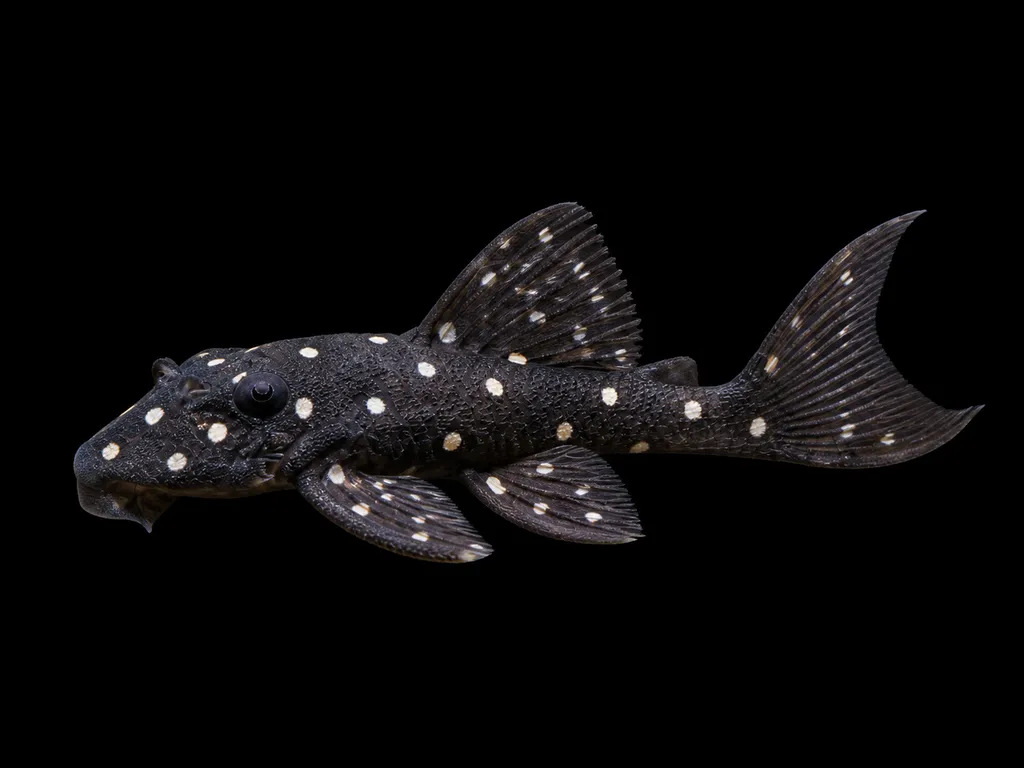
Galaxy panaqolus
Panaqolus albomaculatus
Freshwater5.5 in (14 cm) · 53 gal (200 L)77–84°F (25–29°C)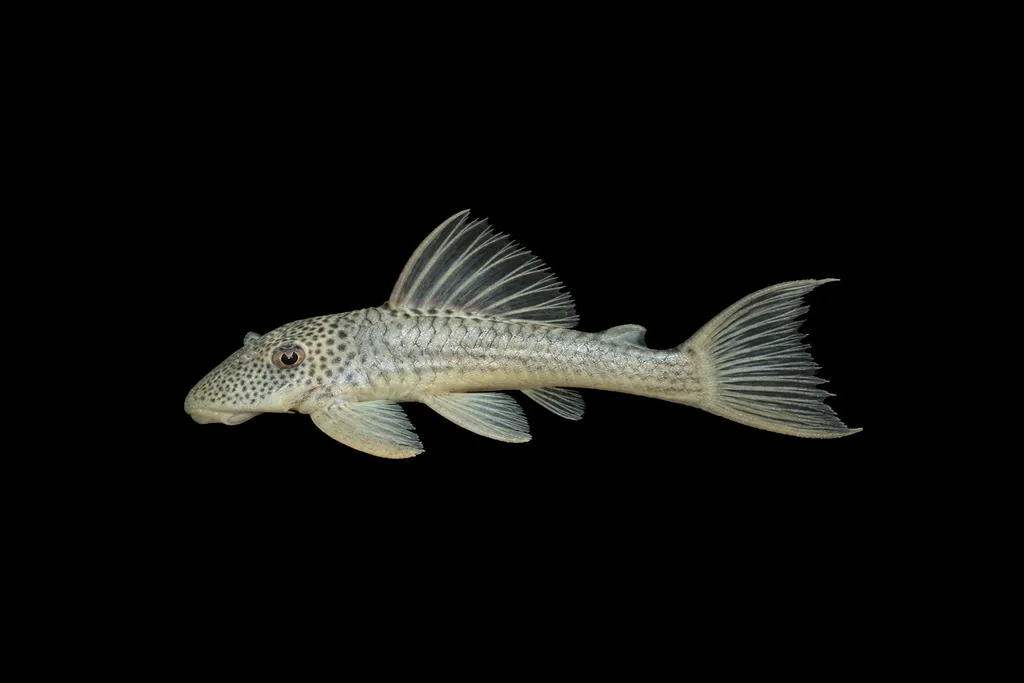
Ghost pleco
Ancistomus snethlageae
Freshwater8.7 in (22 cm) · 66 gal (250 L)77–84°F (25–29°C)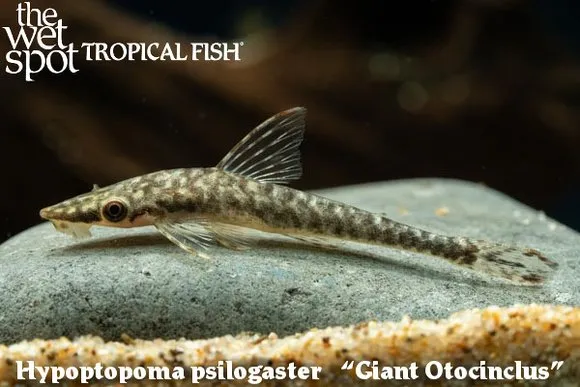
Giant otocinclus
Hypoptopoma psilogaster
Freshwater3.1 in (8 cm) · 29 gal (110 L)75–82°F (24–28°C)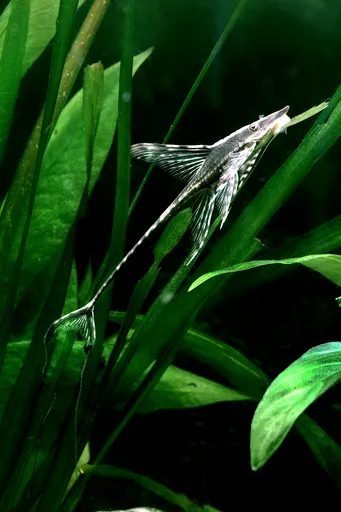
Giant whiptail catfish
Sturisomatichthys aureus
Freshwater7.9 in (20 cm) · 53 gal (200 L)73–81°F (23–27°C)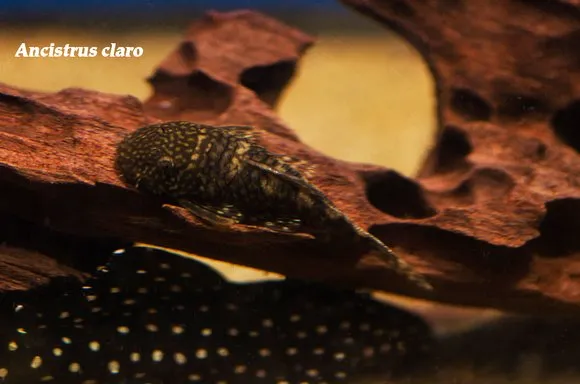
Gold marble bristlenose pleco
Ancistrus claro
Freshwater3.1 in (8 cm) · 20 gal (75 L)77–84°F (25–29°C)Gold nugget pleco
Baryancistrus xanthellus
Freshwater9.8 in (25 cm) · 55 gal (210 L)81–90°F (27–32°C)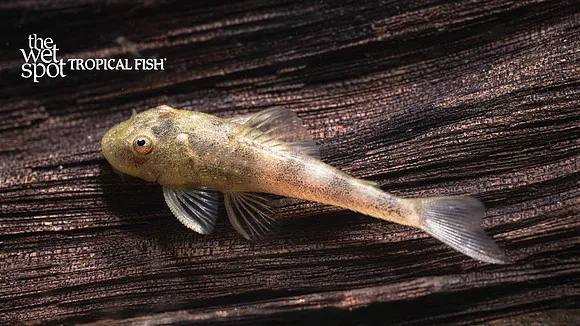
Gold spot otocinclus
Parotocinclus spilosoma
Freshwater2.4 in (6 cm) · 14 gal (54 L)75–82°F (24–28°C)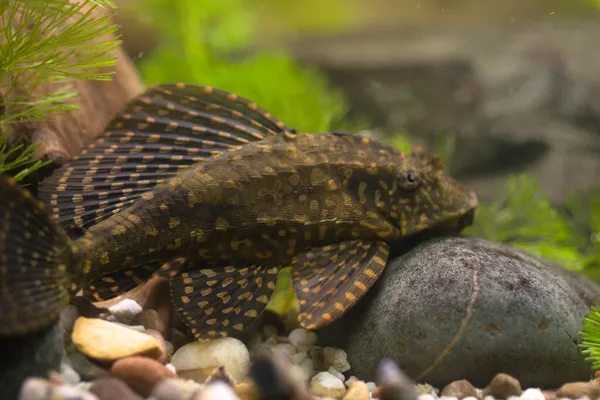
Gold spot sailfin pleco
Pterygoplichthys joselimaianus
Freshwater15.7 in (40 cm) · 119 gal (450 L)77–84°F (25–29°C)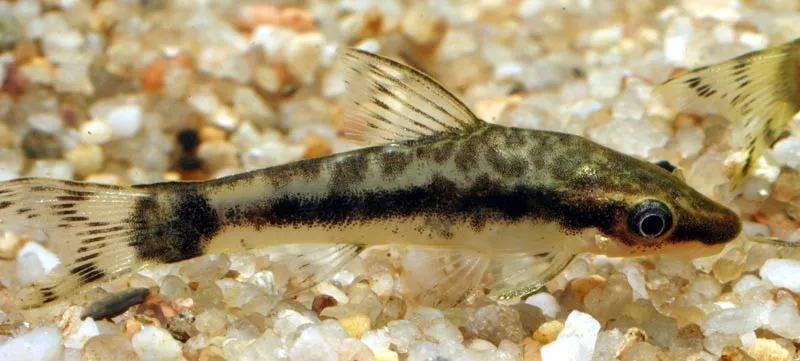
Golden dwarf sucker
Otocinclus macrospilus
Freshwater1.4 in (3.5 cm) · 11 gal (40 L)70–79°F (21–26°C)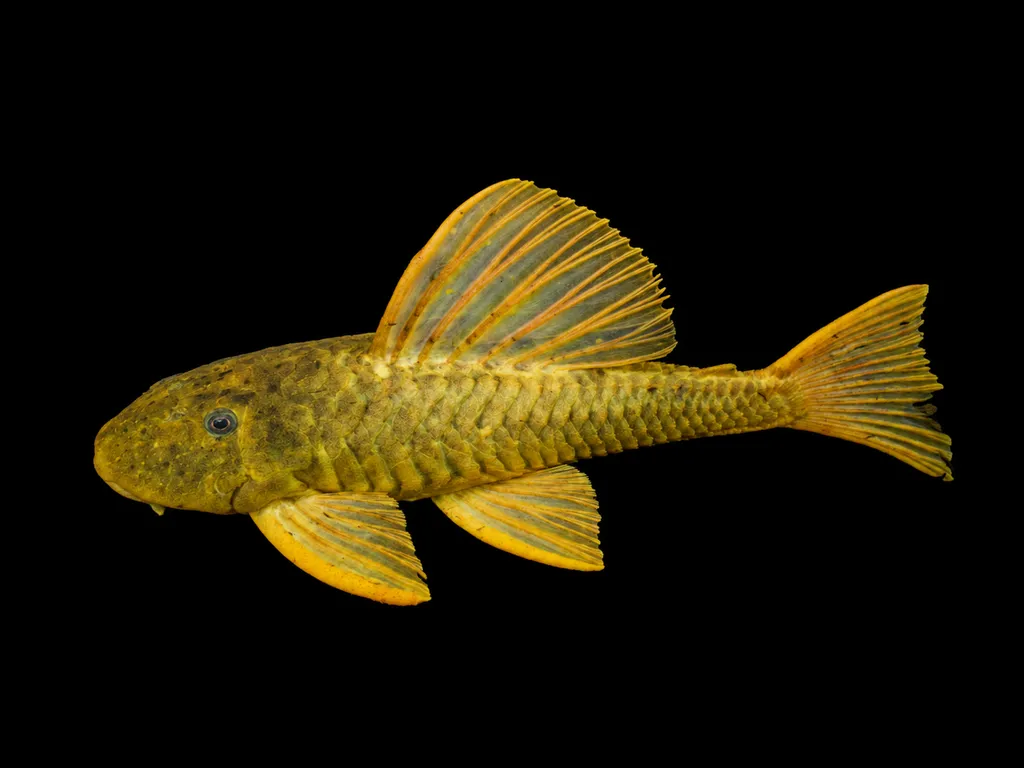
Golden hypostomus
Hypostomus luteus
Freshwater13.8 in (35 cm) · 106 gal (400 L)64–79°F (18–26°C)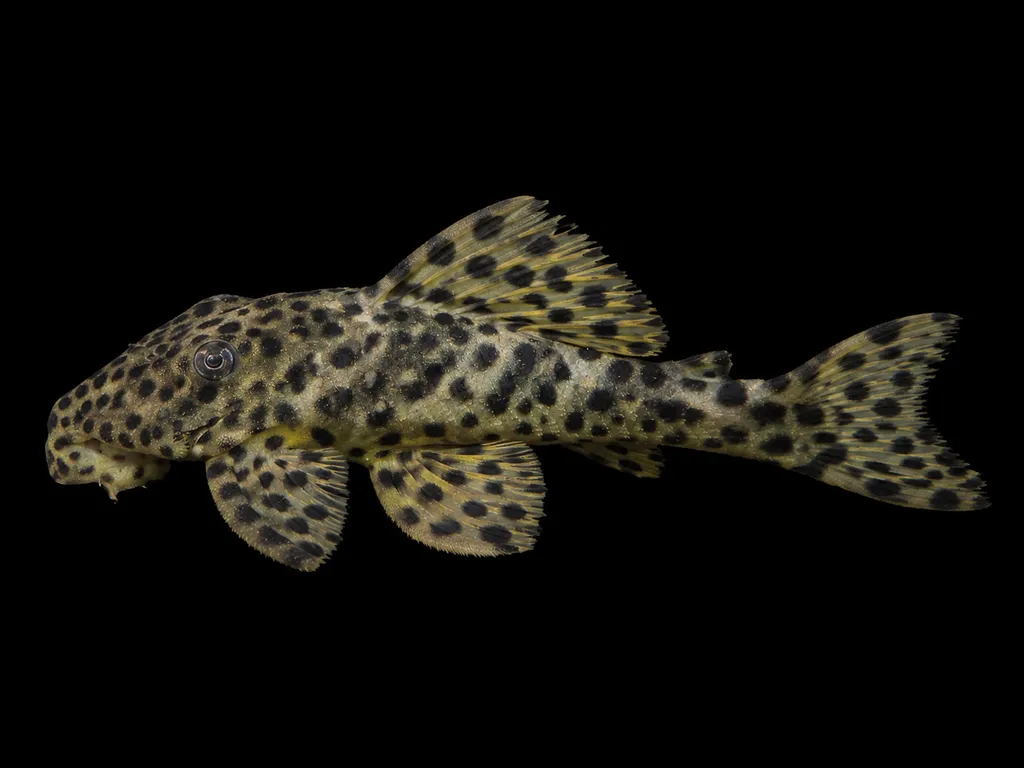
Golden vampire pleco
Leporacanthicus heterodon
Freshwater6.3 in (16 cm) · 79 gal (300 L)79–86°F (26–30°C)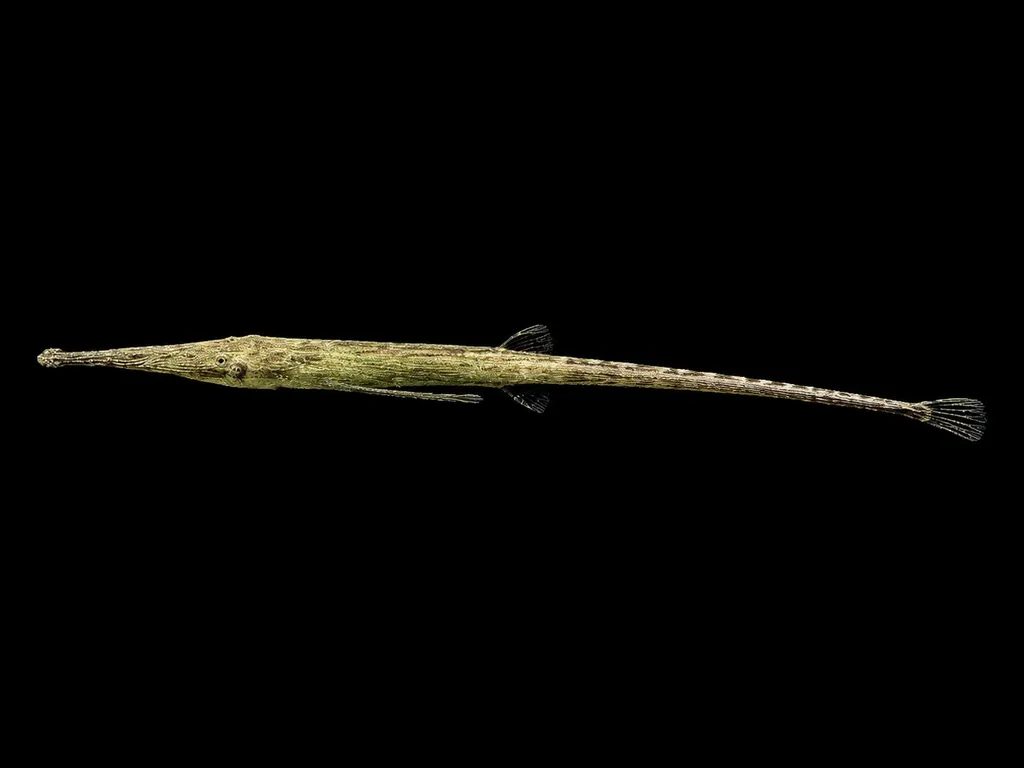
Green farlowella
Acestridium dichromum
Freshwater2.8 in (7 cm) · 20 gal (75 L)75–82°F (24–28°C)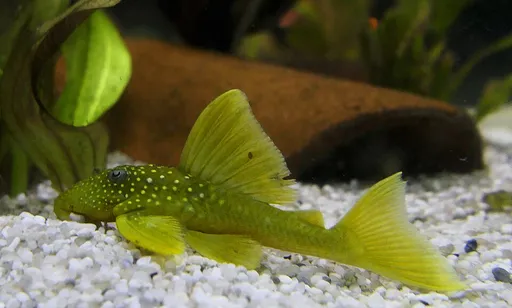
Green phantom pleco (L200)
Hemiancistrus subviridis
Freshwater7.1 in (18 cm) · 53 gal (200 L)79–86°F (26–30°C)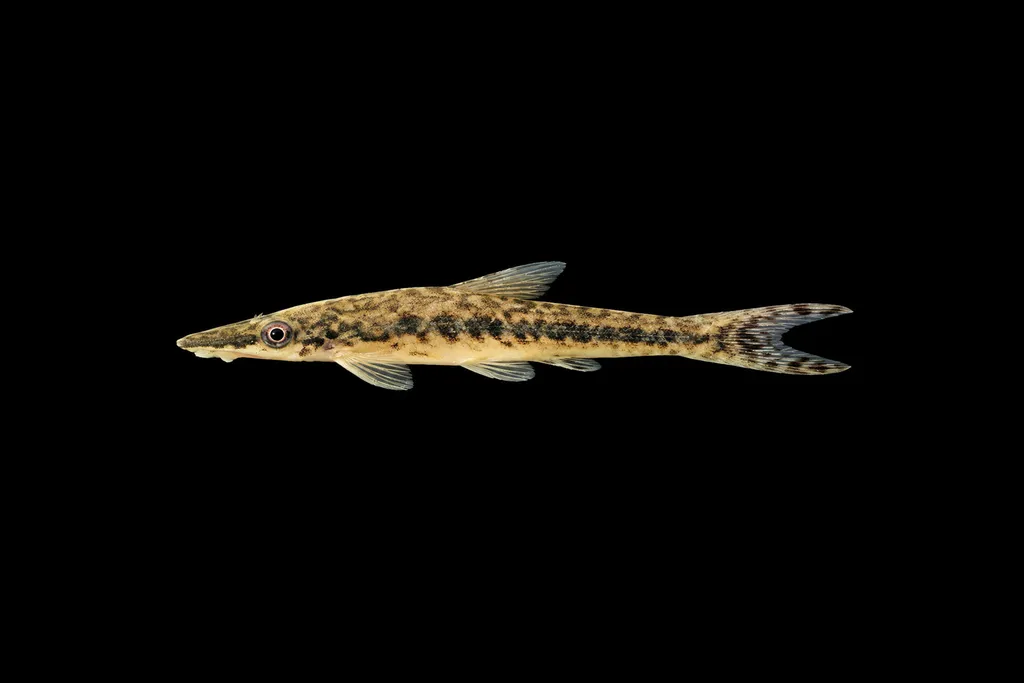
Guianense otocinclus
Hypoptopoma guianense
Freshwater3 in (7.5 cm) · 29 gal (110 L)75–82°F (24–28°C)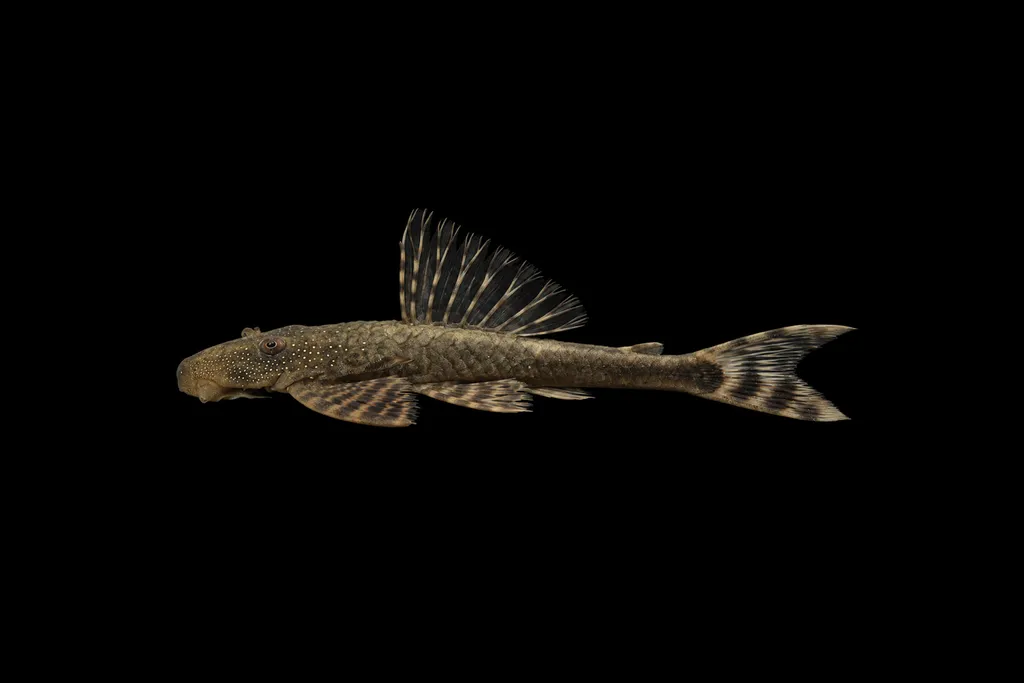
Head-spot delta pleco
Lasiancistrus tentaculatus
Freshwater6.7 in (17 cm) · 66 gal (250 L)77–84°F (25–29°C)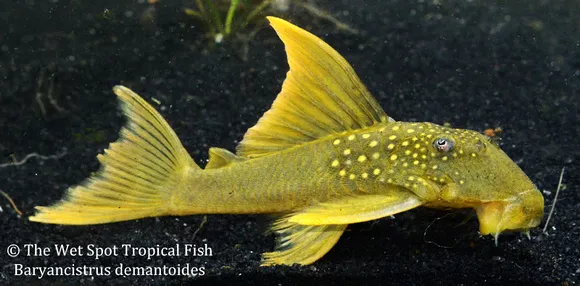
Hi-fin green phantom pleco
Baryancistrus demantoides
Freshwater7.1 in (18 cm) · 79 gal (300 L)77–84°F (25–29°C)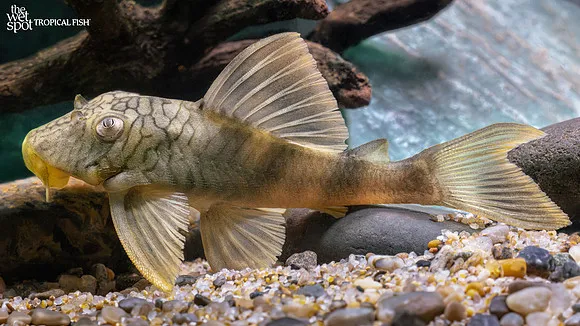
Imperial coal pleco
Peckoltia pankimpuju
Freshwater5.9 in (15 cm) · 53 gal (200 L)77–84°F (25–29°C)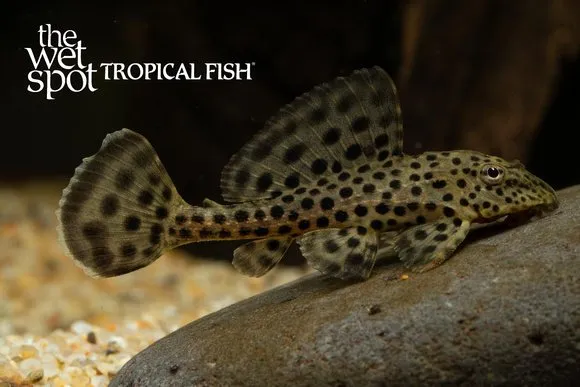
Imperial ranger pleco
Pterygoplichthys punctatus
Freshwater13 in (33 cm) · 119 gal (450 L)77–84°F (25–29°C)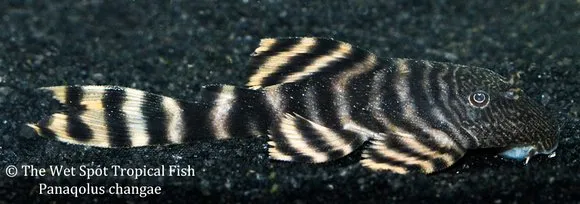
Iquitos tiger pleco
Panaqolus changae
Freshwater3.9 in (10 cm) · 42 gal (160 L)77–84°F (25–29°C)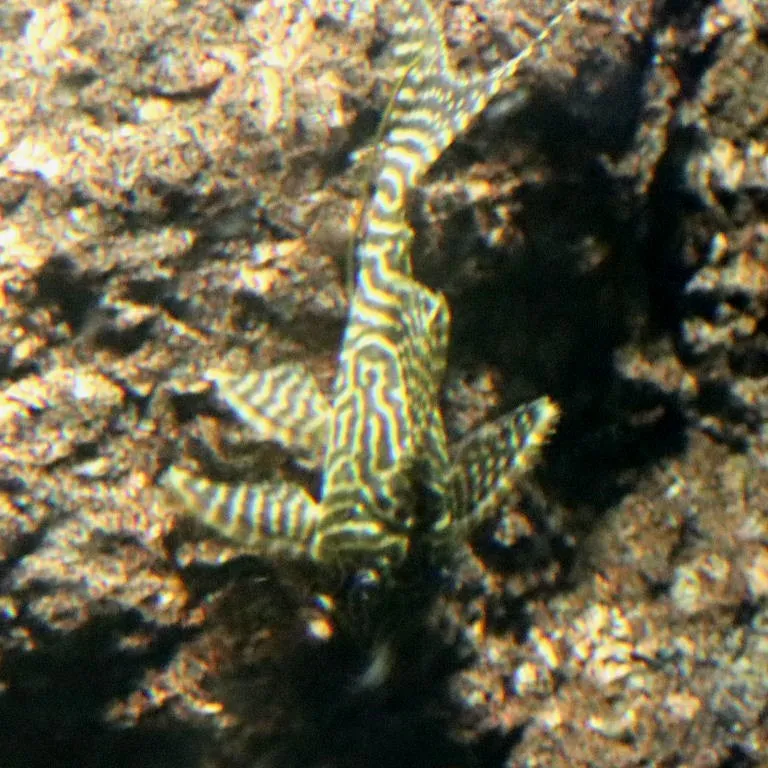
King tiger pleco (L066)
Hypancistrus seideli
Freshwater5.1 in (13 cm) · 40 gal (150 L)79–84°F (26–29°C)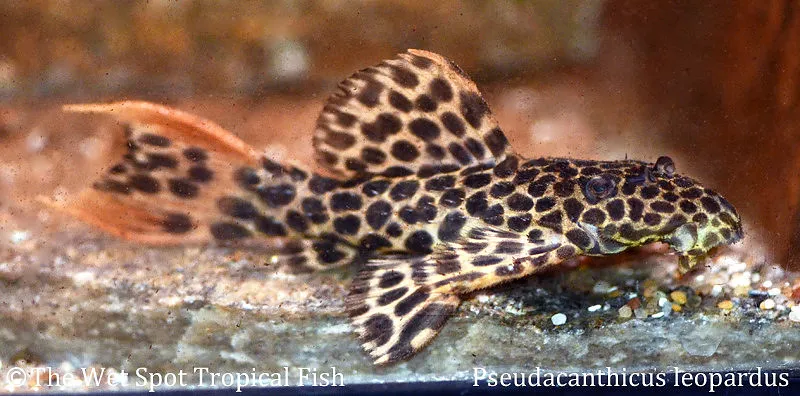
Leopard cactus pleco (L114)
Pseudacanthicus cf. leopardus
Freshwater13.8 in (35 cm) · 106 gal (400 L)81–88°F (27–31°C)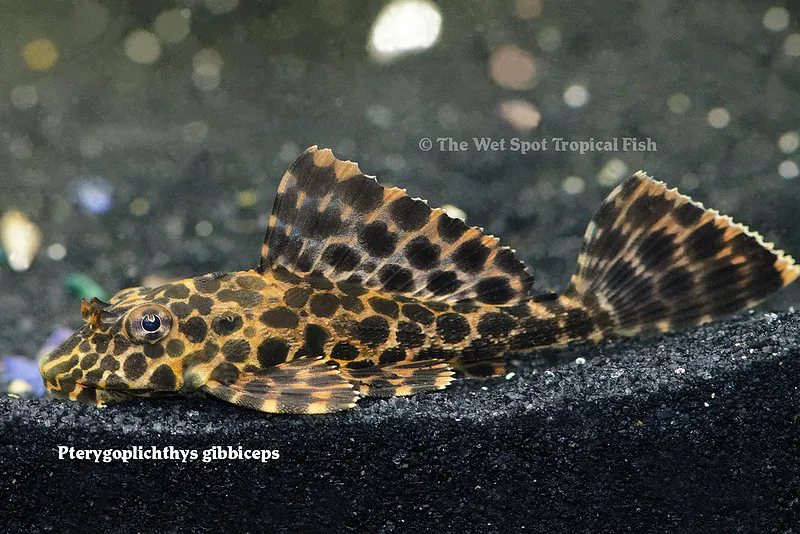
Leopard sailfin pleco
Pterygoplichthys gibbiceps
Freshwater18.9 in (48 cm) · 100 gal (380 L)72–86°F (22–30°C)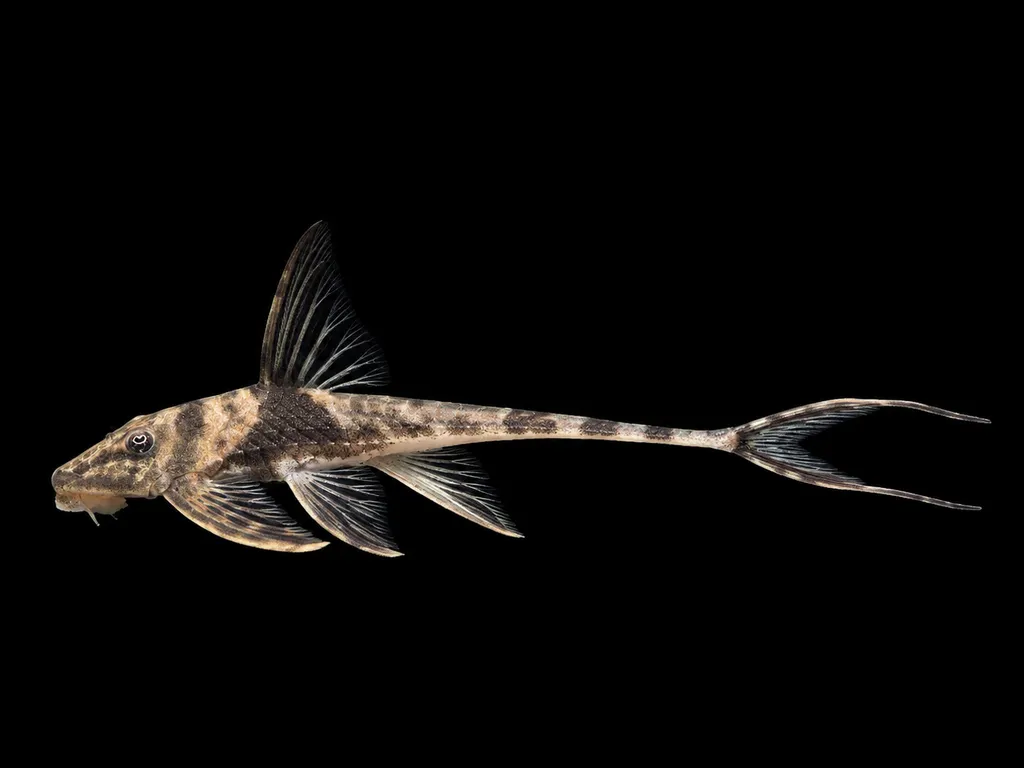
Llanero whiptail
Lamontichthys llanero
Freshwater9.1 in (23 cm) · 79 gal (300 L)75–82°F (24–28°C)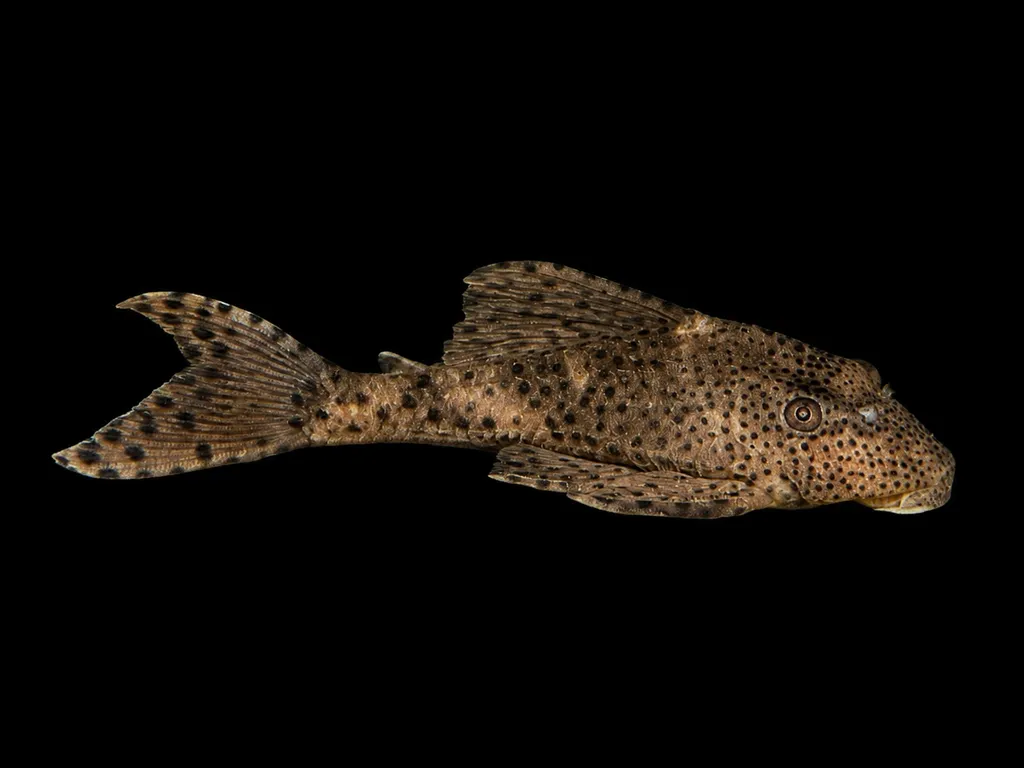
Macushi pleco
Hypostomus macushi
Freshwater7.9 in (20 cm) · 79 gal (300 L)77–84°F (25–29°C)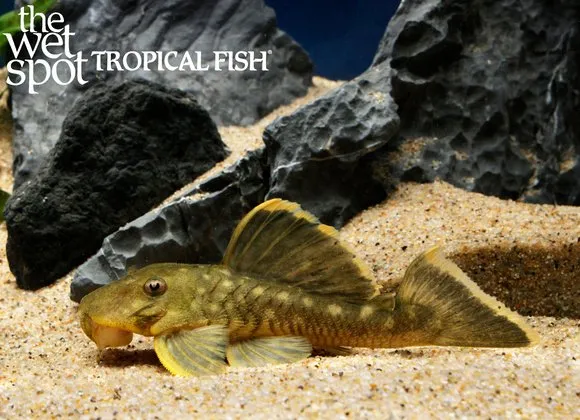
Mango pleco
Baryancistrus chrysolomus
Freshwater11.8 in (30 cm) · 119 gal (450 L)81–88°F (27–31°C)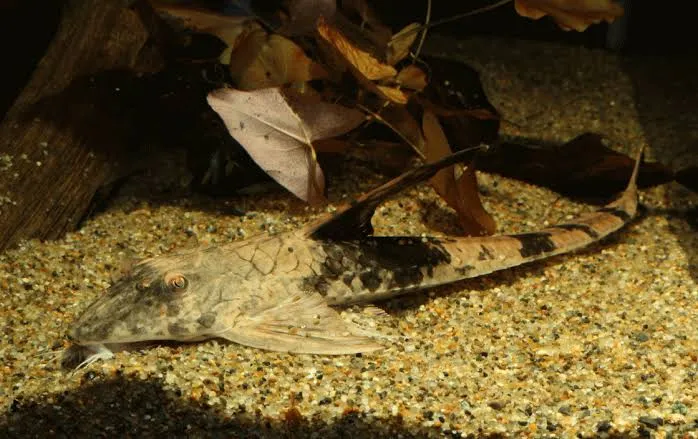
Marble whiptail
Loricaria simillima
Freshwater10.2 in (26 cm) · 66 gal (250 L)75–82°F (24–28°C)Medusa pleco (L034)
Ancistrus ranunculus
Freshwater5.9 in (15 cm) · 40 gal (150 L)79–86°F (26–30°C)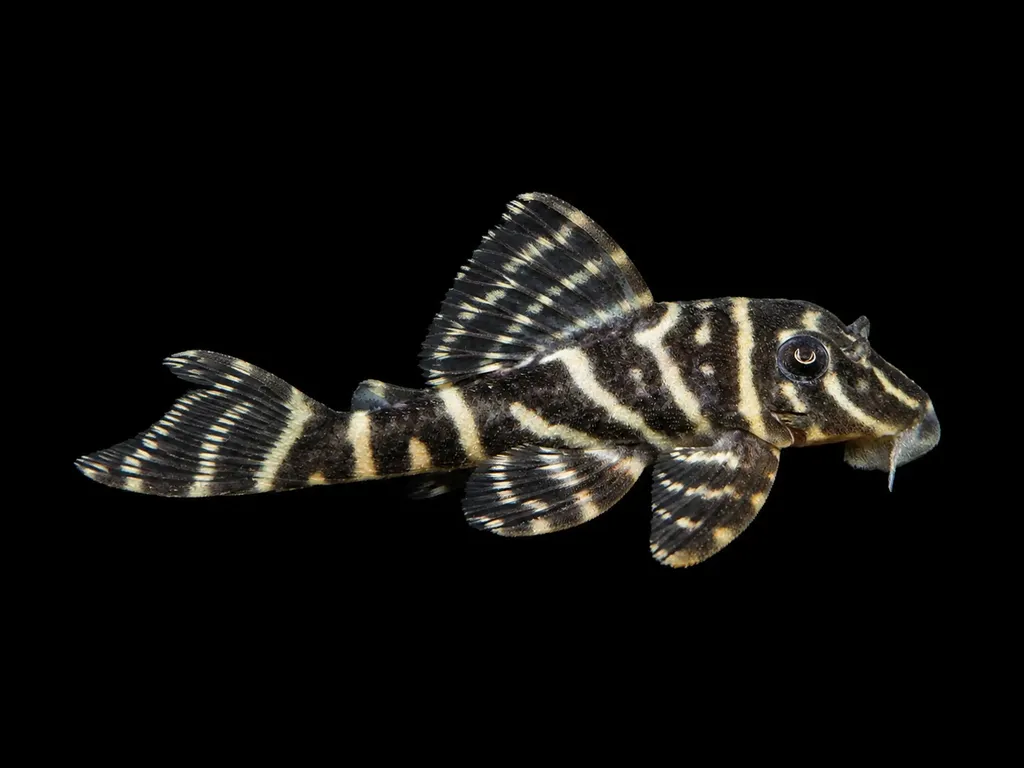
Mega clown pleco (L340)
Hypancistrus sp. L340
Freshwater3.5 in (9 cm) · 20 gal (75 L)79–86°F (26–30°C)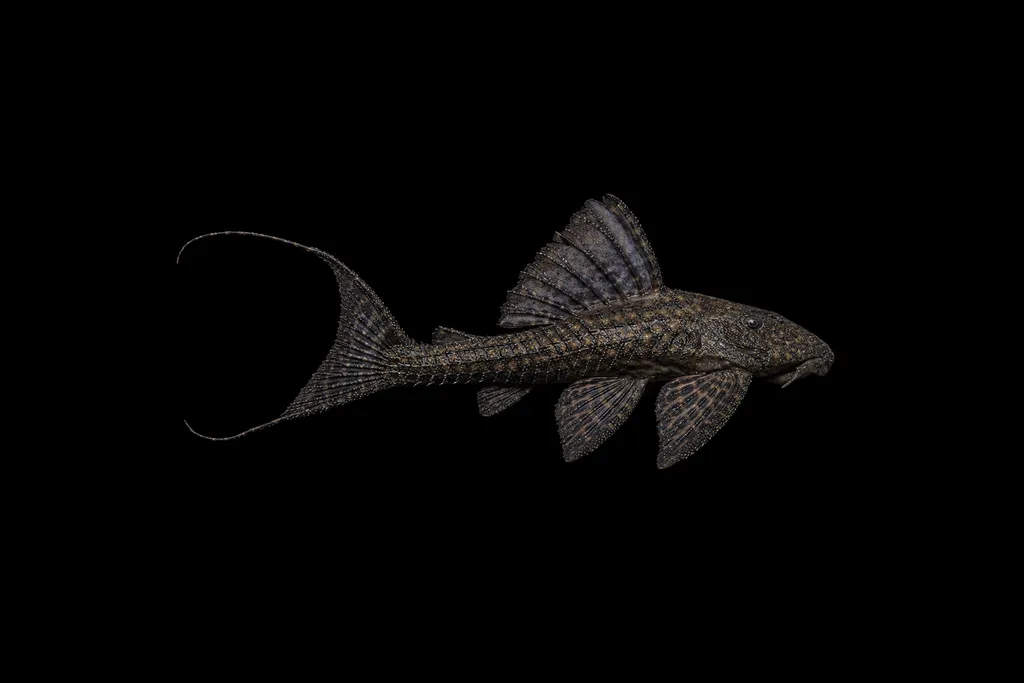
Nocturnal panaqolus
Panaqolus nocturnus
Freshwater4.7 in (12 cm) · 30 gal (112 L)75–84°F (24–29°C)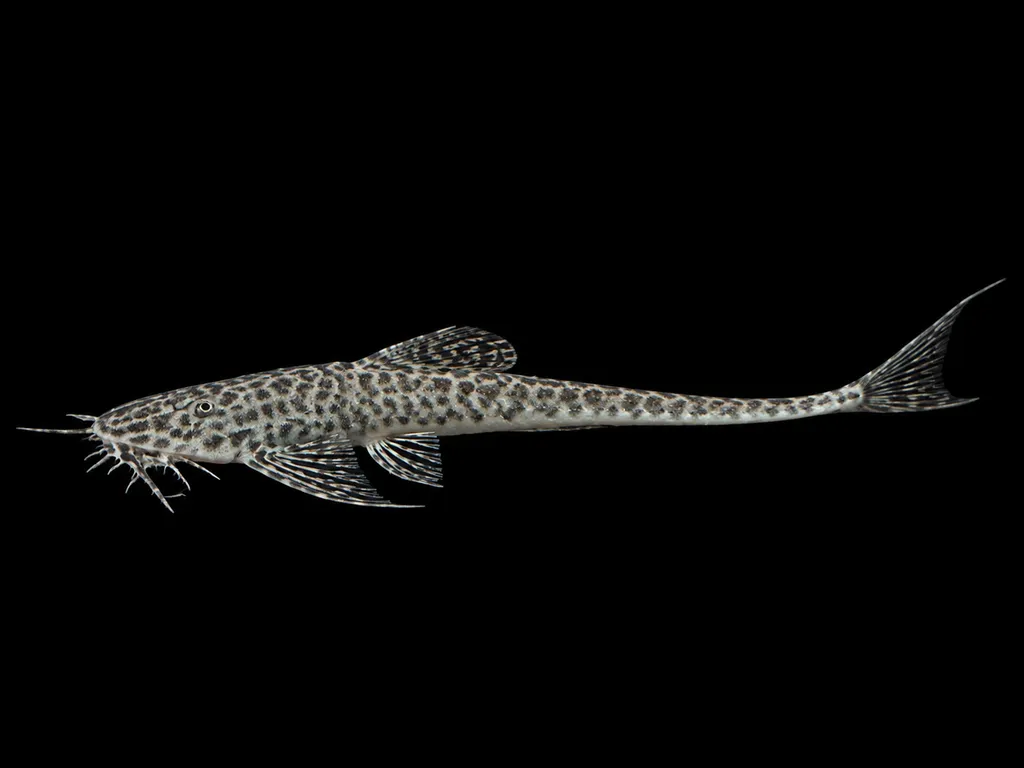
Ommation whiptail
Rhadinoloricaria ommation
Freshwater5.7 in (14.5 cm) · 40 gal (150 L)73–82°F (23–28°C)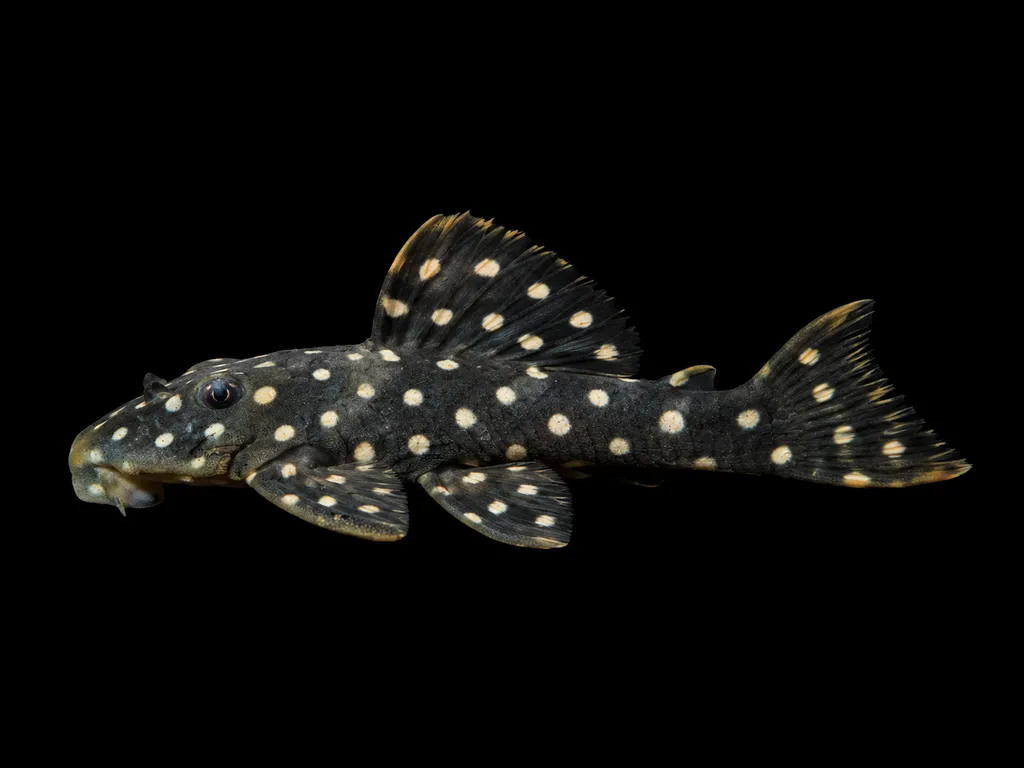
Opal spot pleco
Scobinancistrus raonii
Freshwater6.3 in (16 cm) · 79 gal (300 L)81–88°F (27–31°C)Orange seam pleco
Hemiancistrus guahiborum
Freshwater5.5 in (14 cm) · 66 gal (250 L)77–84°F (25–29°C)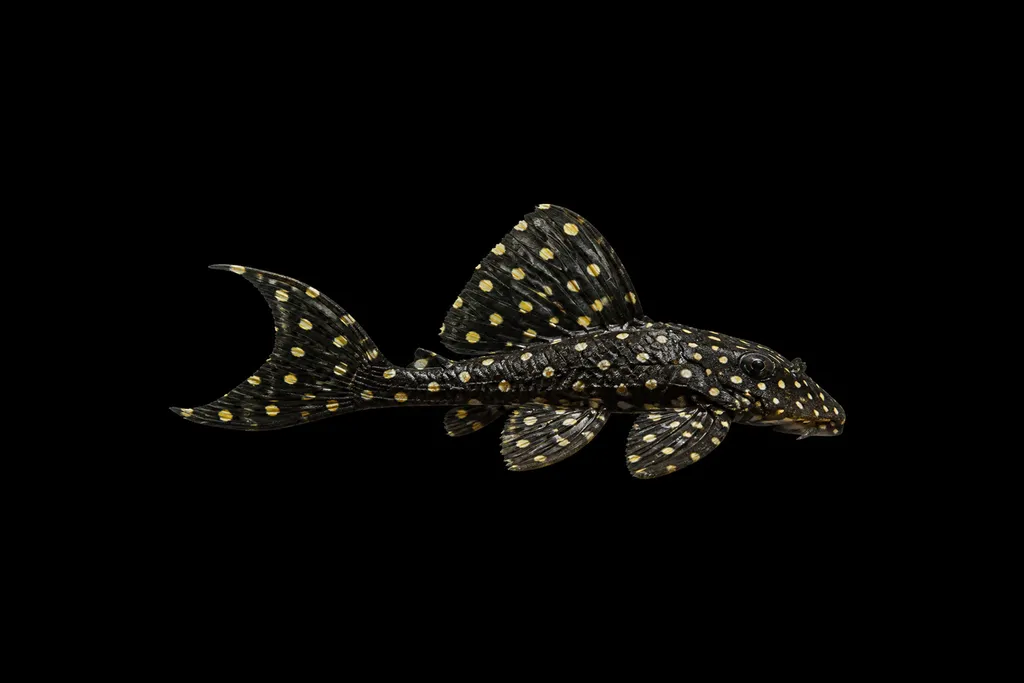
Orinoco angel pleco (L201)
Hypancistrus sp. L201
Freshwater5.9 in (15 cm) · 30 gal (115 L)79–86°F (26–30°C)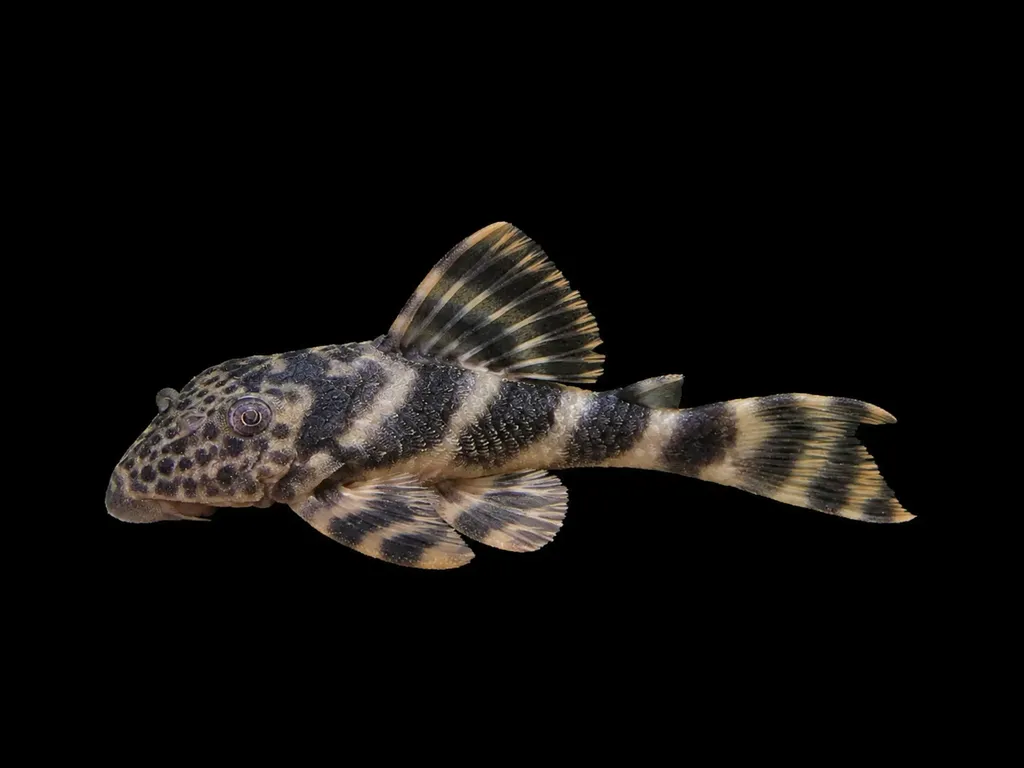
Orinoco dwarf pleco
Peckoltia lineola
Freshwater4.3 in (11 cm) · 29 gal (110 L)77–84°F (25–29°C)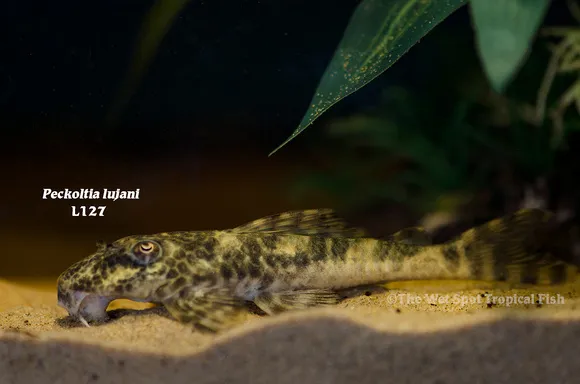
Orinoco peckoltia
Peckoltia lujani
Freshwater3.5 in (9 cm) · 29 gal (110 L)77–84°F (25–29°C)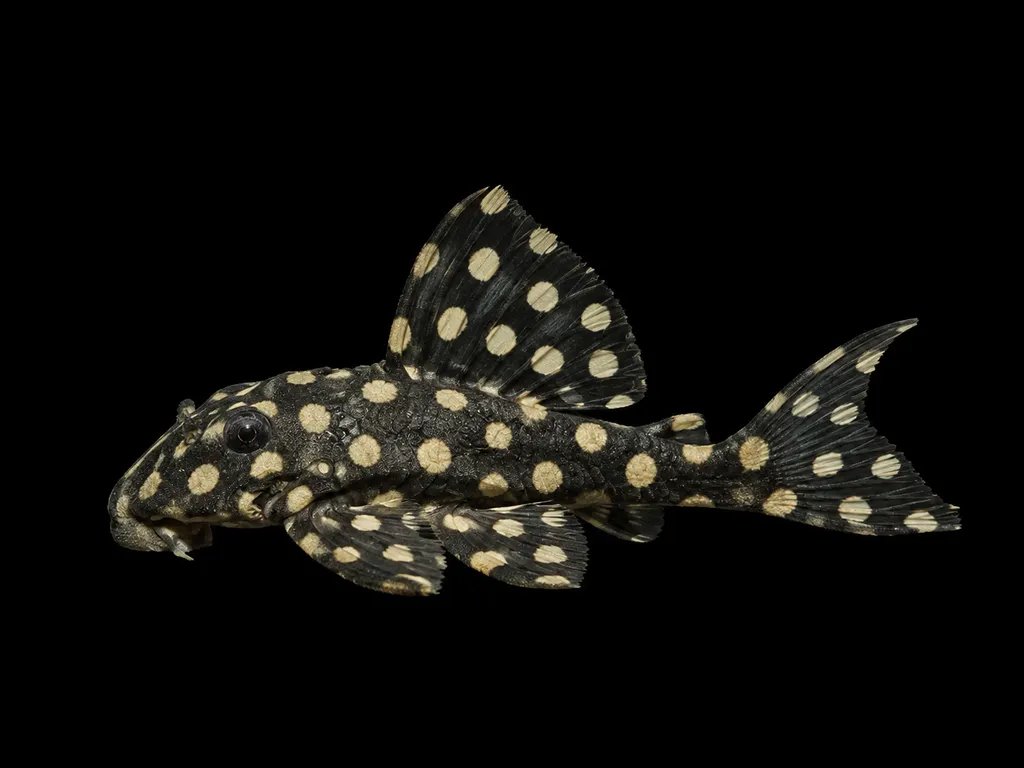
Orinoco polka-dot pleco
Hypancistrus contradens
Freshwater4.7 in (12 cm) · 42 gal (160 L)79–86°F (26–30°C)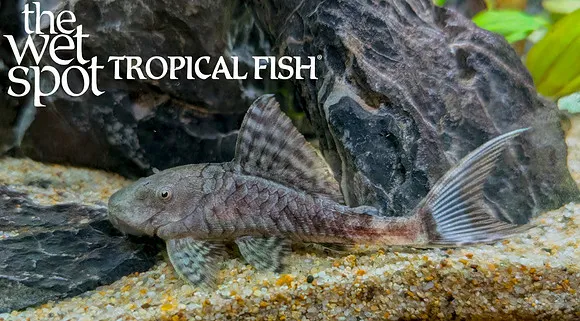
Papa panaque
Panaque bathyphilus
Freshwater9.8 in (25 cm) · 79 gal (300 L)77–84°F (25–29°C)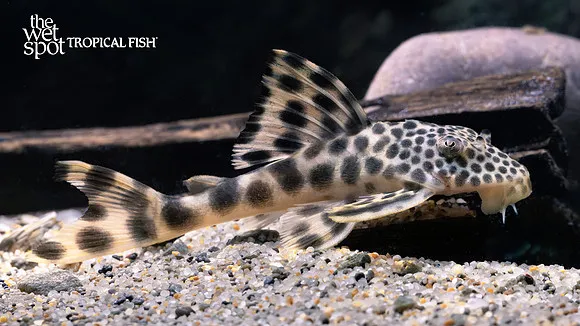
Para pleco
Peckoltia sabaji
Freshwater7.9 in (20 cm) · 66 gal (250 L)77–84°F (25–29°C)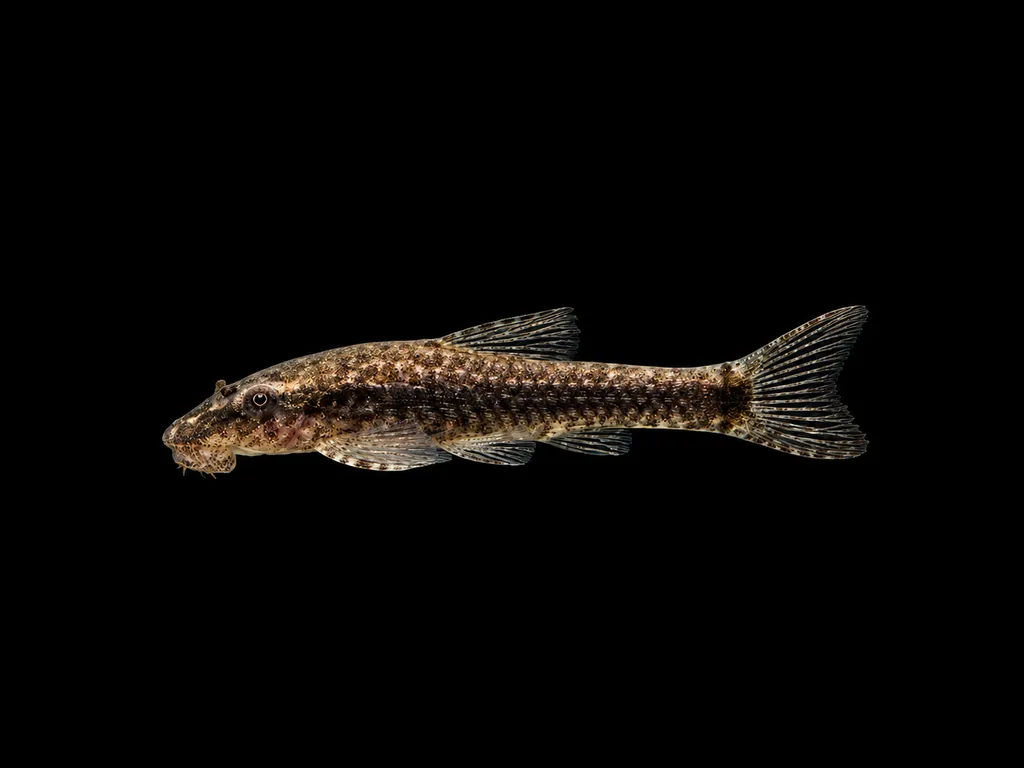
Paraguay black otocinclus
Otothyropsis piribebuy
Freshwater1.4 in (3.5 cm) · 14 gal (54 L)68–79°F (20–26°C)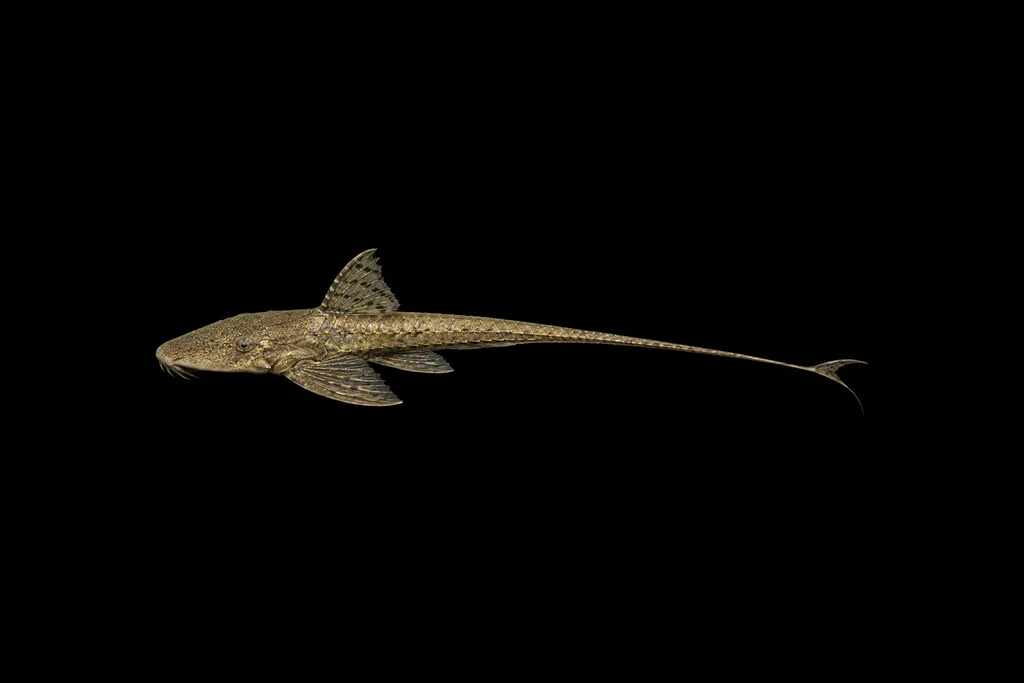
Parnahyba whiptail
Loricaria parnahybae
Freshwater9.8 in (25 cm) · 53 gal (200 L)73–82°F (23–28°C)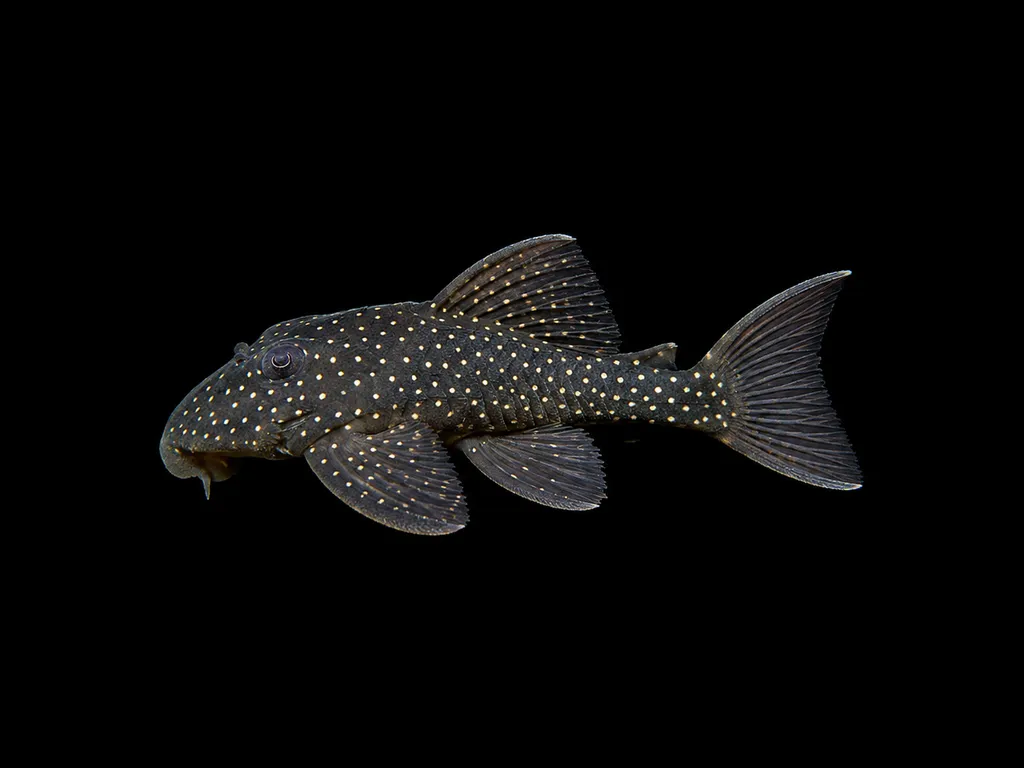
Pearl-spotted angel pleco
Hypancistrus margaritatus
Freshwater2.4 in (6 cm) · 42 gal (160 L)79–86°F (26–30°C)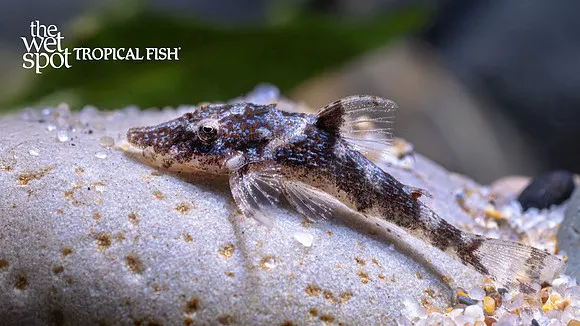
Peppermint otocinclus
Parotocinclus eppleyi
Freshwater1.4 in (3.5 cm) · 14 gal (54 L)75–82°F (24–28°C)Peppermint pleco
Spectracanthicus punctatissimus
Freshwater4.7 in (12 cm) · 66 gal (250 L)79–86°F (26–30°C)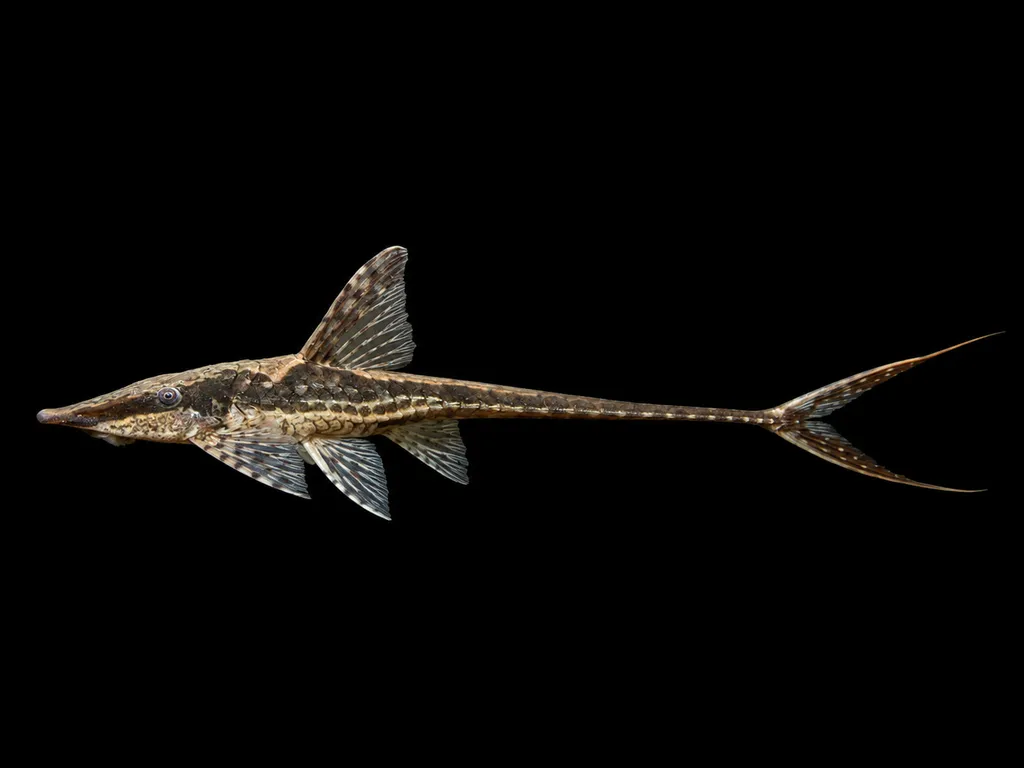
Peruvian royal whiptail
Sturisoma nigrirostrum
Freshwater8.7 in (22 cm) · 66 gal (250 L)75–82°F (24–28°C)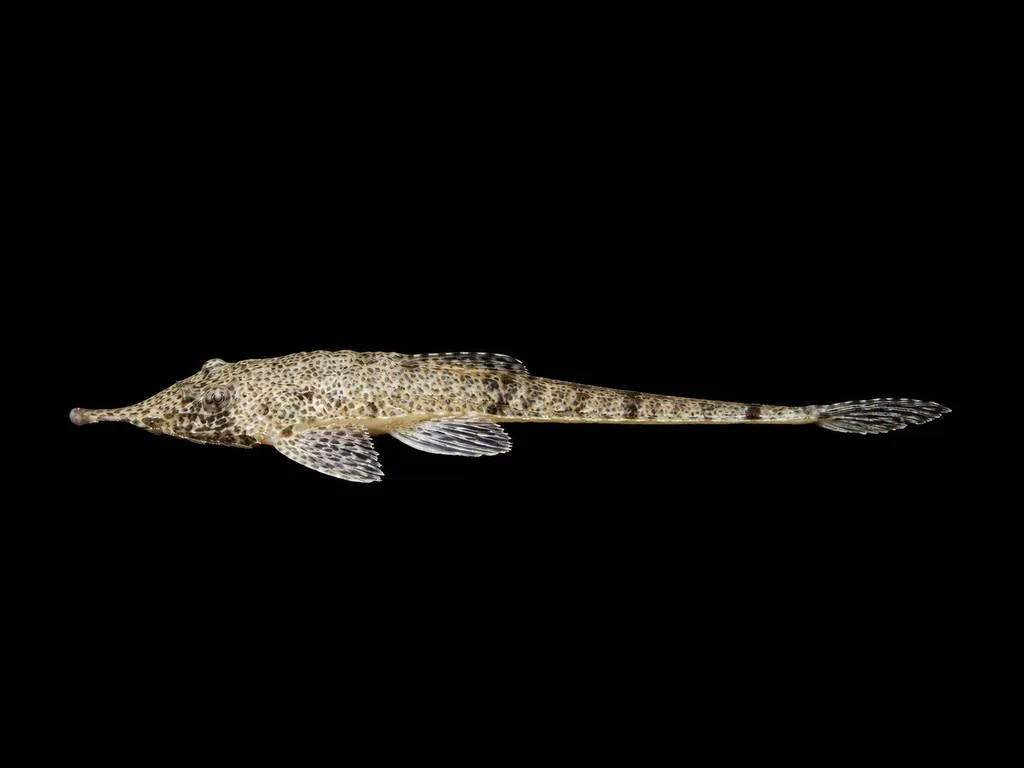
Pinocchio whiptail
Hemiodontichthys acipenserinus
Freshwater5.3 in (13.5 cm) · 30 gal (112 L)73–82°F (23–28°C)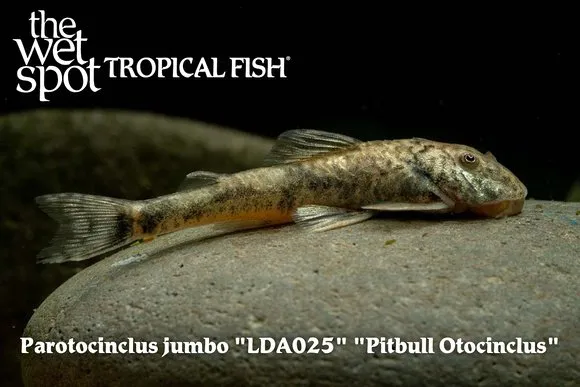
Pit bull otocinclus
Parotocinclus jumbo
Freshwater2.4 in (6 cm) · 20 gal (75 L)72–81°F (22–27°C)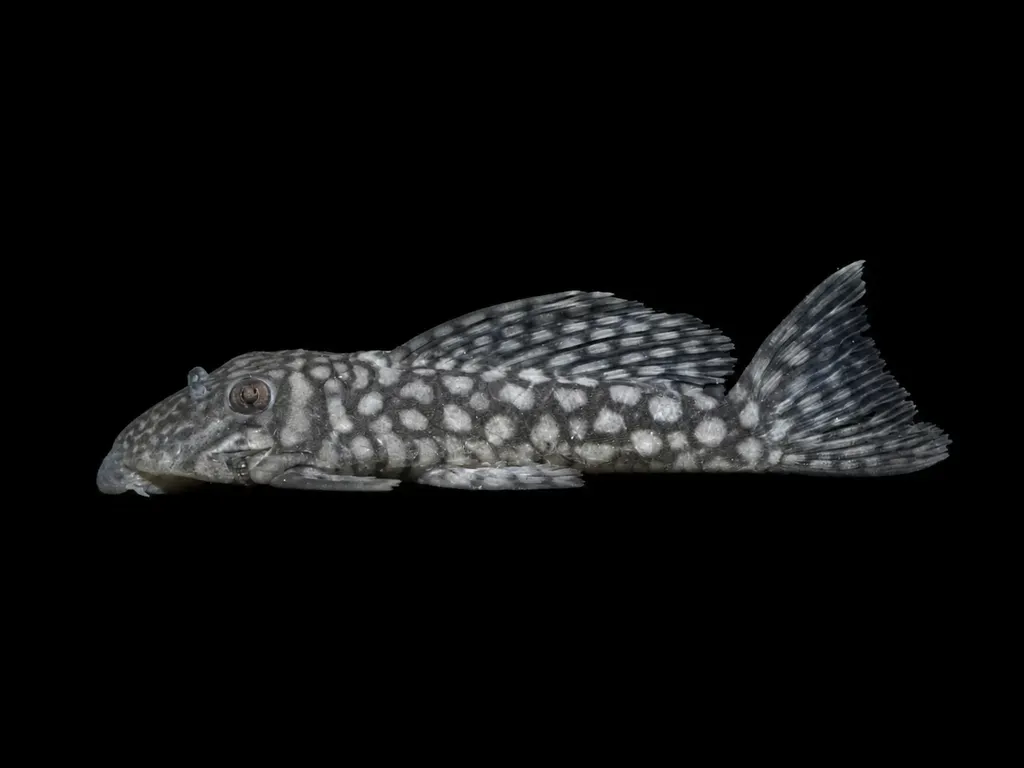
Polka dot pleco
Spectracanthicus zuanoni
Freshwater5.1 in (13 cm) · 79 gal (300 L)79–86°F (26–30°C)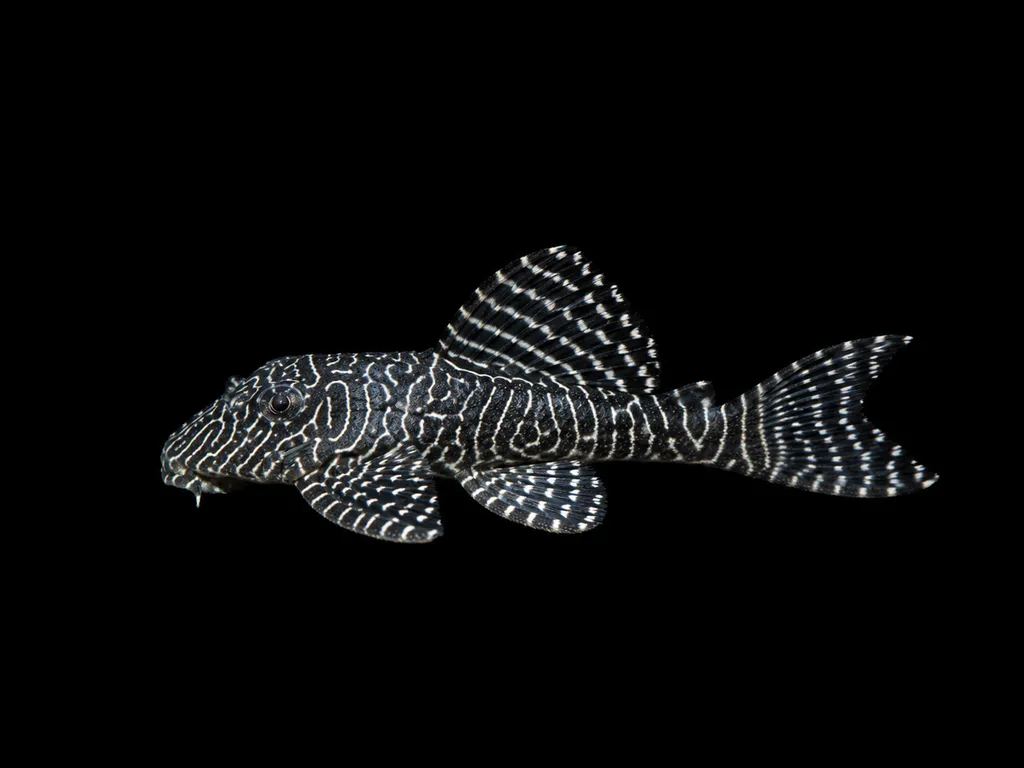
Queen arabesque pleco (L260)
Hypancistrus sp. L260
Freshwater3.9 in (10 cm) · 20 gal (75 L)79–86°F (26–30°C)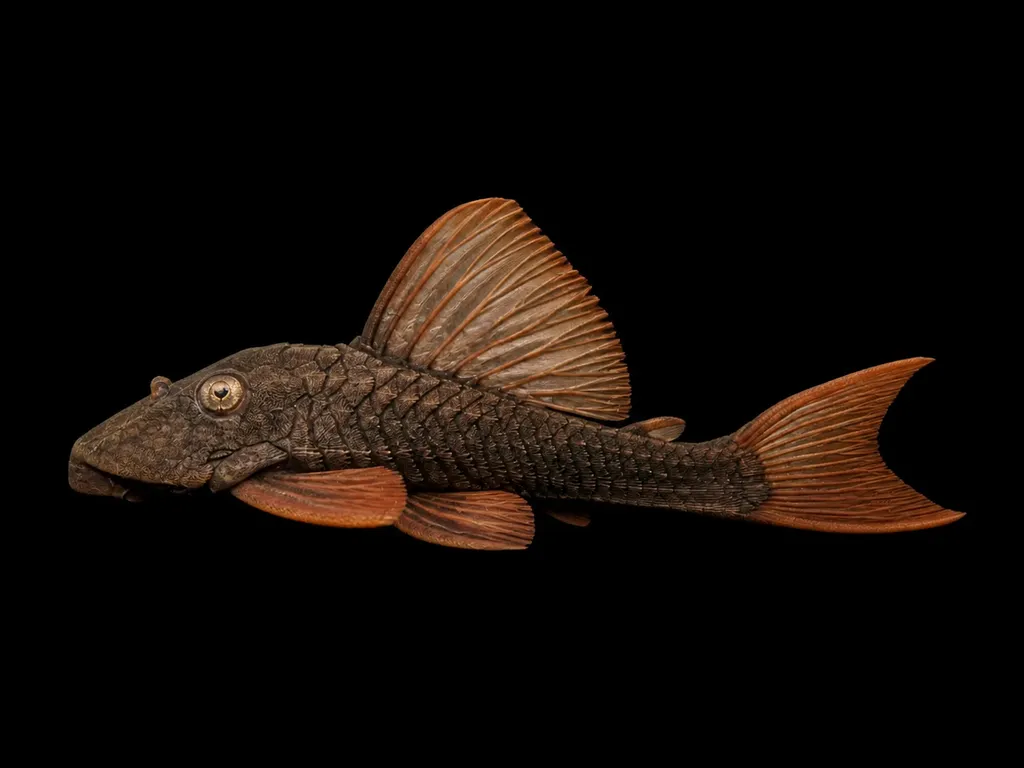
Red bruno pleco
Hypostomus soniae
Freshwater7.9 in (20 cm) · 79 gal (300 L)77–84°F (25–29°C)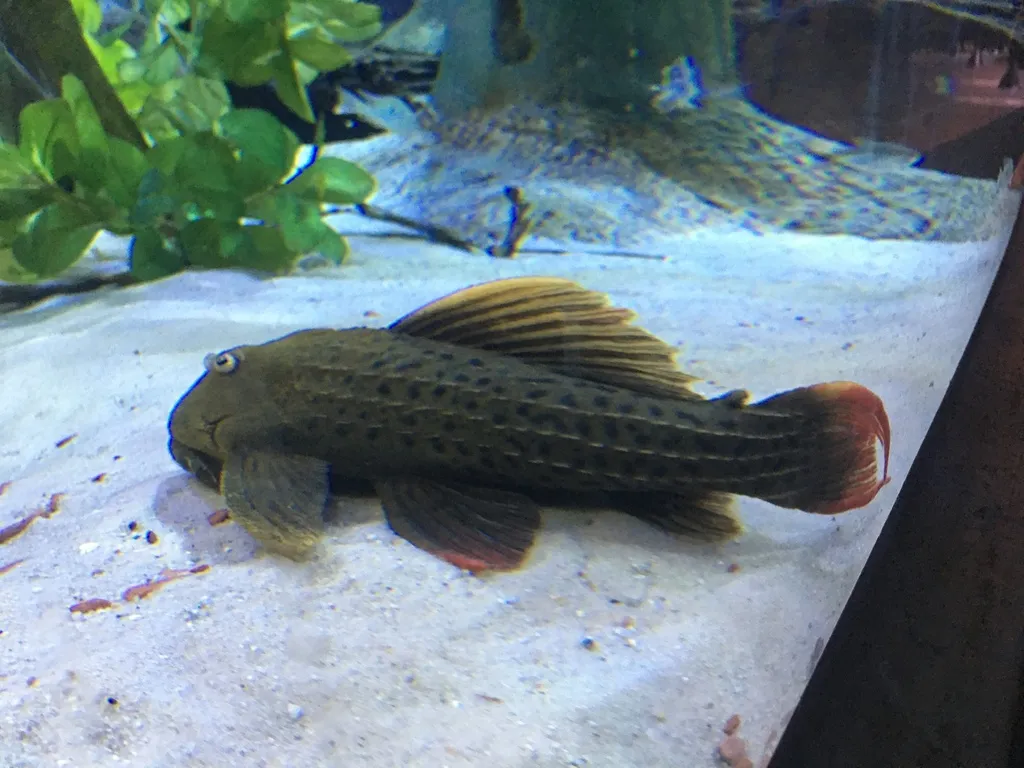
Red fin cactus pleco
Pseudacanthicus pitanga
Freshwater13.8 in (35 cm) · 119 gal (450 L)77–84°F (25–29°C)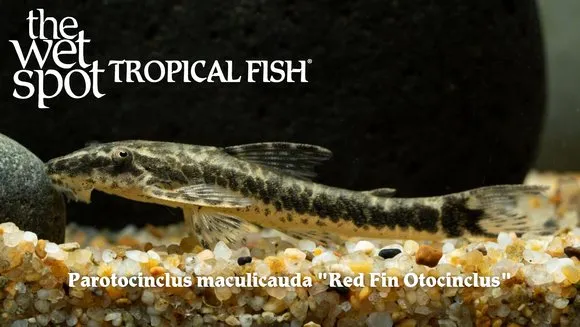
Red fin otocinclus
Parotocinclus maculicauda
Freshwater2.4 in (6 cm) · 14 gal (54 L)72–81°F (22–27°C)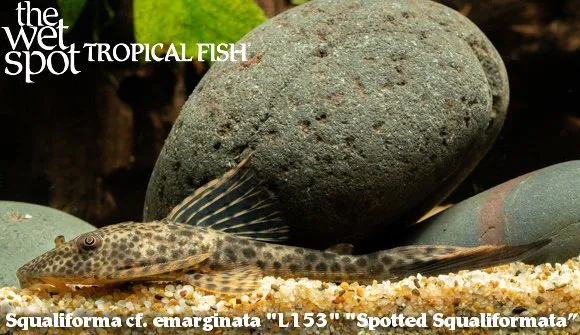
Red fin thresher pleco
Aphanotorulus emarginatus
Freshwater13.4 in (34 cm) · 119 gal (450 L)77–84°F (25–29°C)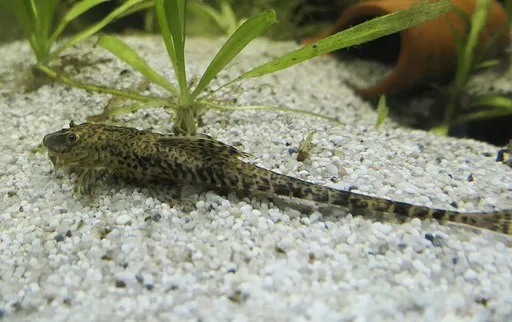
Red lizard whiptail
Rineloricaria lanceolata
Freshwater3.9 in (10 cm) · 24 gal (90 L)77–82°F (25–28°C)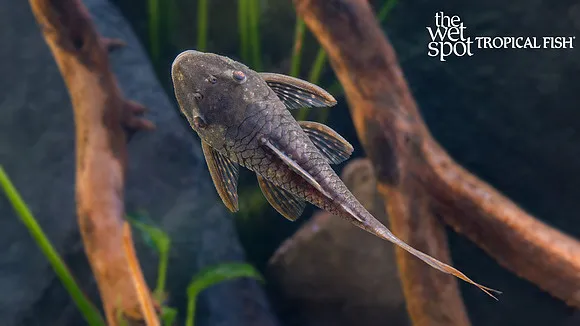
Red tail lasiancistrus
Lasiancistrus heteracanthus
Freshwater7.1 in (18 cm) · 66 gal (250 L)73–81°F (23–27°C)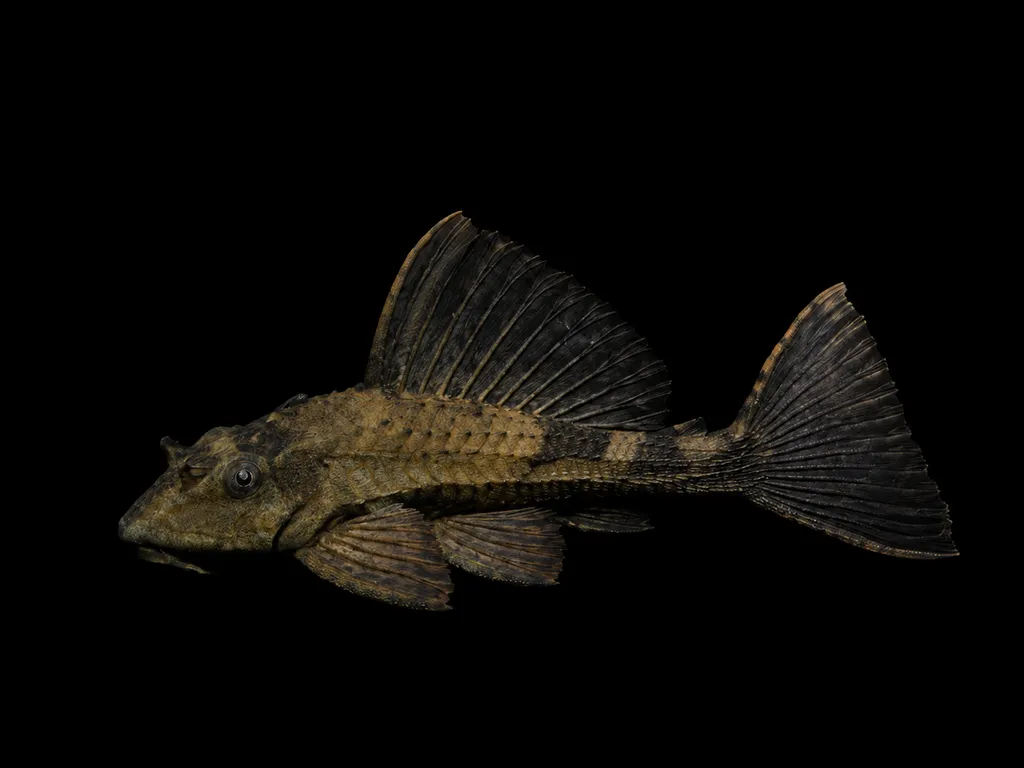
Rhino pleco
Pterygoplichthys scrophus
Freshwater12.6 in (32 cm) · 119 gal (450 L)77–84°F (25–29°C)Royal pleco
Panaque nigrolineatus
Freshwater16.9 in (43 cm) · 125 gal (473 L)72–82°F (22–28°C)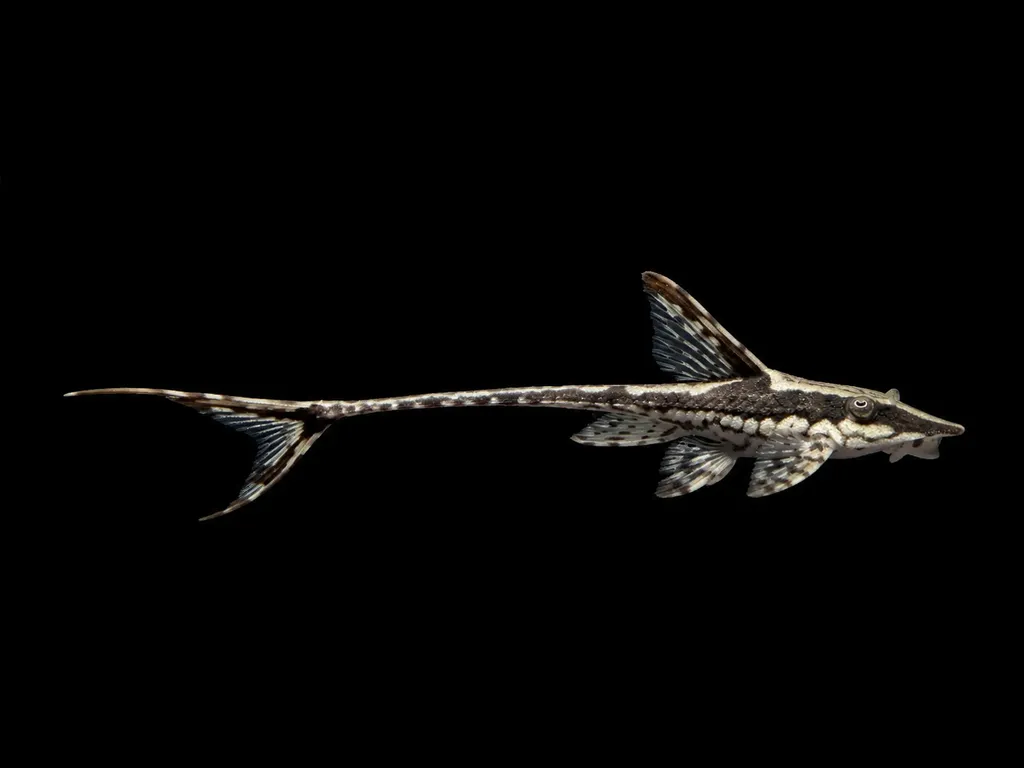
Royal whiptail catfish
Sturisoma panamense
Freshwater7.9 in (20 cm) · 40 gal (150 L)72–82°F (22–28°C)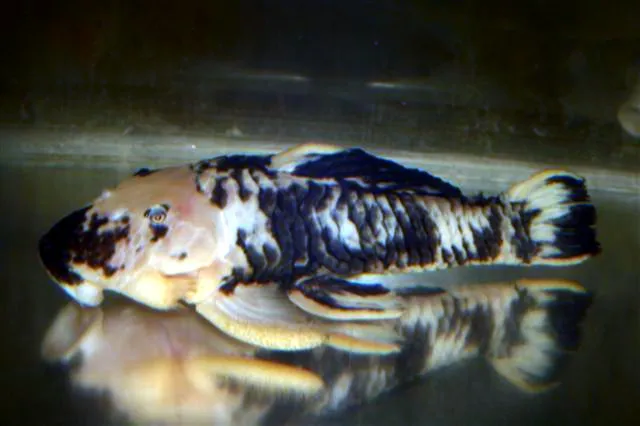
Rubber pleco
Parancistrus aurantiacus
Freshwater8.7 in (22 cm) · 79 gal (300 L)77–84°F (25–29°C)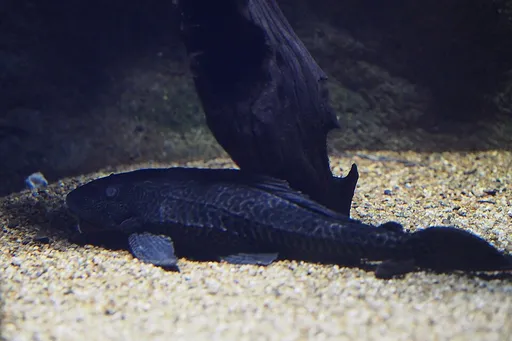
Sailfin pleco
Pterygoplichthys disjunctivus
Freshwater17.7 in (45 cm) · 100 gal (380 L)73–84°F (23–29°C)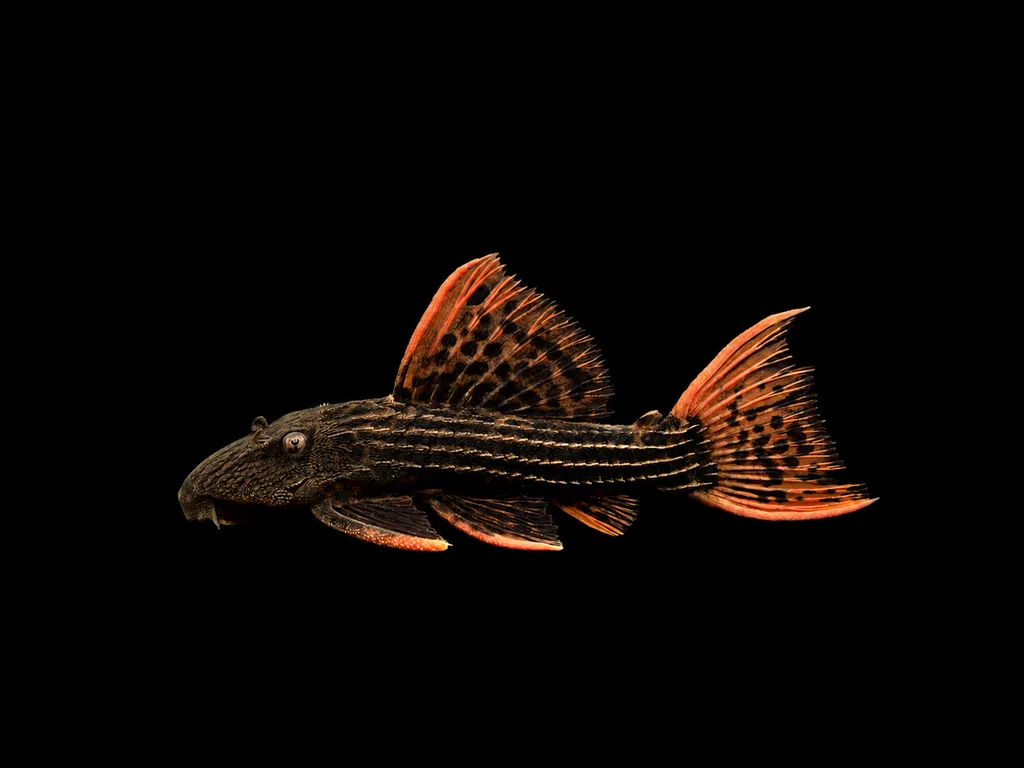
Scarlet cactus pleco (L025)
Pseudacanthicus pirarara
Freshwater15.7 in (40 cm) · 119 gal (450 L)79–86°F (26–30°C)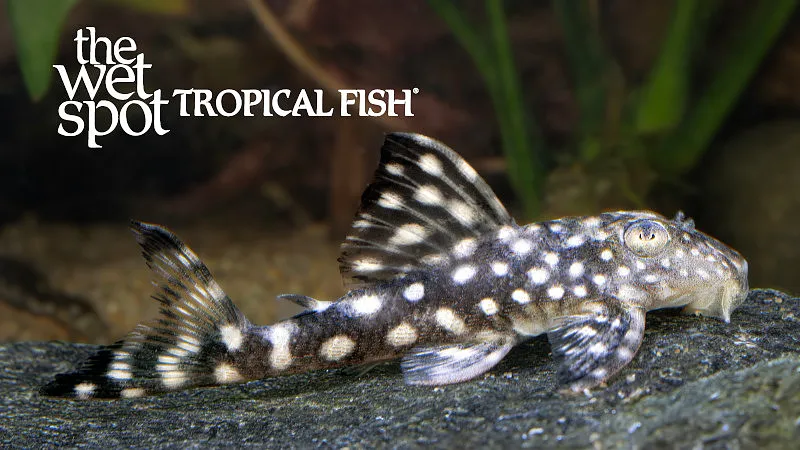
Snowball pleco (L102)
Hypancistrus inspector
Freshwater5.9 in (15 cm) · 30 gal (113 L)75–82°F (24–28°C)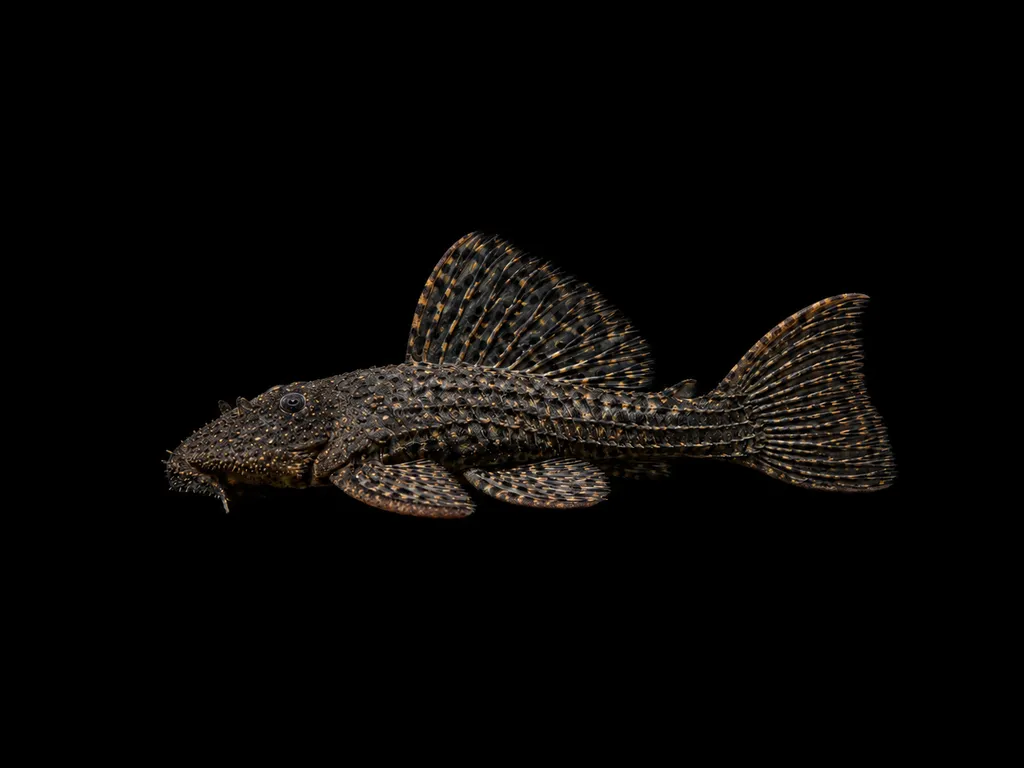
Spiny monster pleco
Pseudacanthicus spinosus
Freshwater11.8 in (30 cm) · 119 gal (450 L)77–84°F (25–29°C)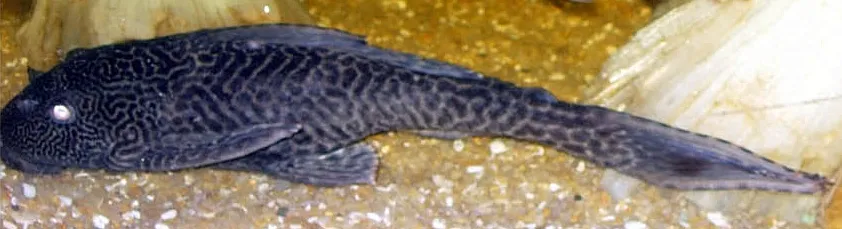
Spotted pleco
Hypostomus punctatus
Freshwater11.8 in (30 cm) · 79 gal (300 L)72–82°F (22–28°C)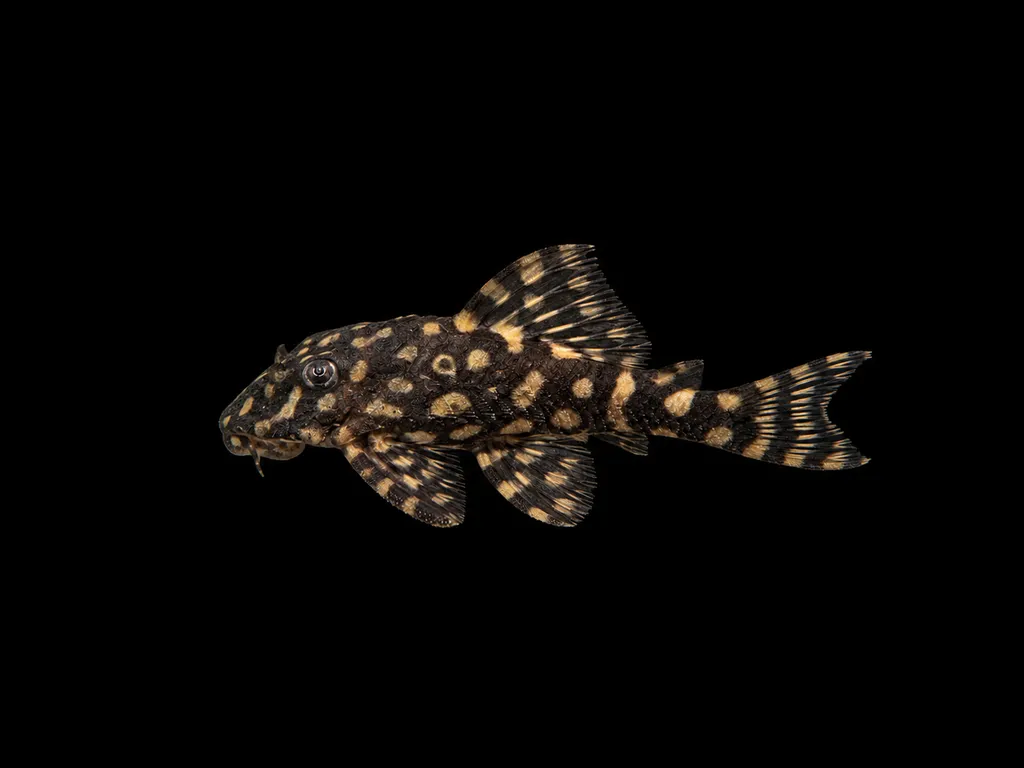
Spotted tiger pleco
Peckoltia brevis
Freshwater5.1 in (13 cm) · 42 gal (160 L)77–84°F (25–29°C)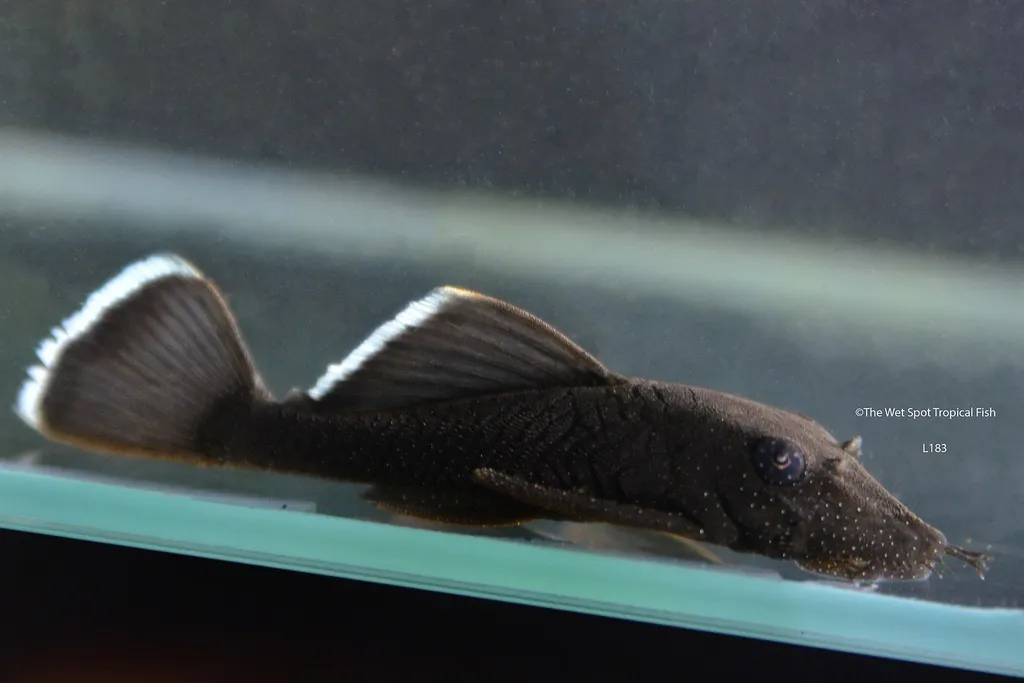
Starlight bristlenose pleco (L183)
Ancistrus dolichopterus
Freshwater5.5 in (14 cm) · 30 gal (115 L)79–84°F (26–29°C)Starry night bristlenose pleco
Ancistrus hoplogenys
Freshwater7.1 in (18 cm) · 42 gal (160 L)77–84°F (25–29°C)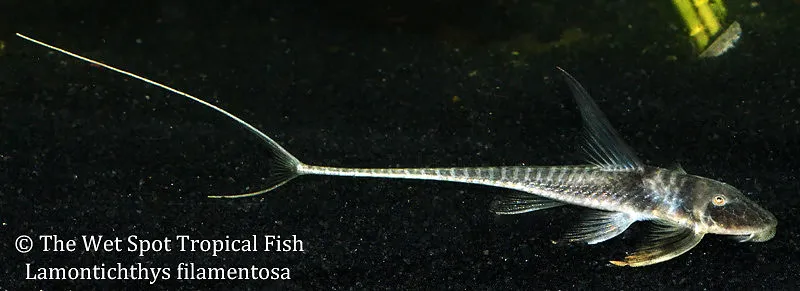
Sturgeon catfish
Lamontichthys filamentosus
Freshwater6.3 in (16 cm) · 36 gal (135 L)72–86°F (22–30°C)Sultan pleco (L264)
Leporacanthicus joselimai
Freshwater8.7 in (22 cm) · 66 gal (250 L)79–86°F (26–30°C)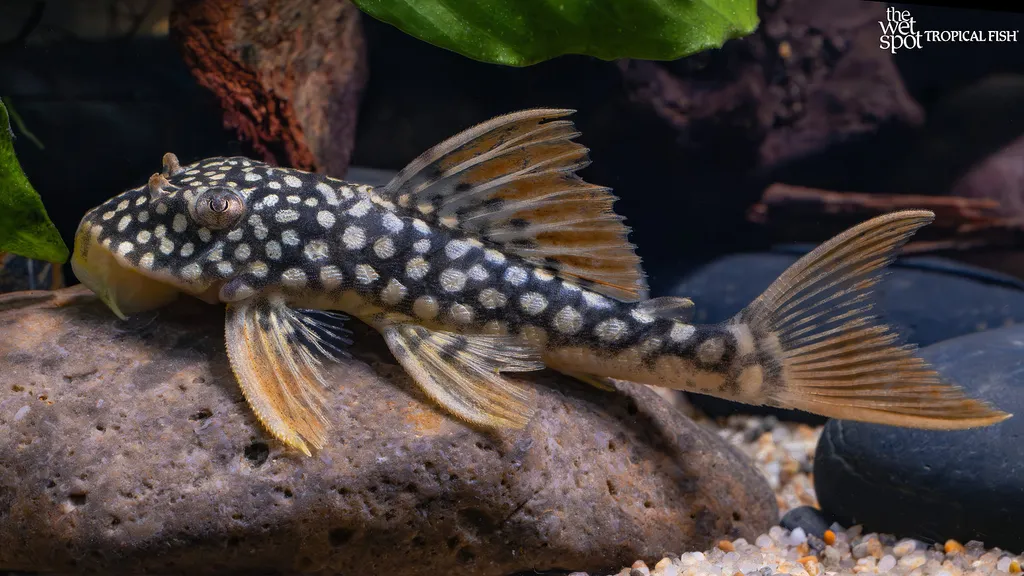
Sunshine pleco (L014)
Scobinancistrus aureatus
Freshwater13.8 in (35 cm) · 106 gal (400 L)79–86°F (26–30°C)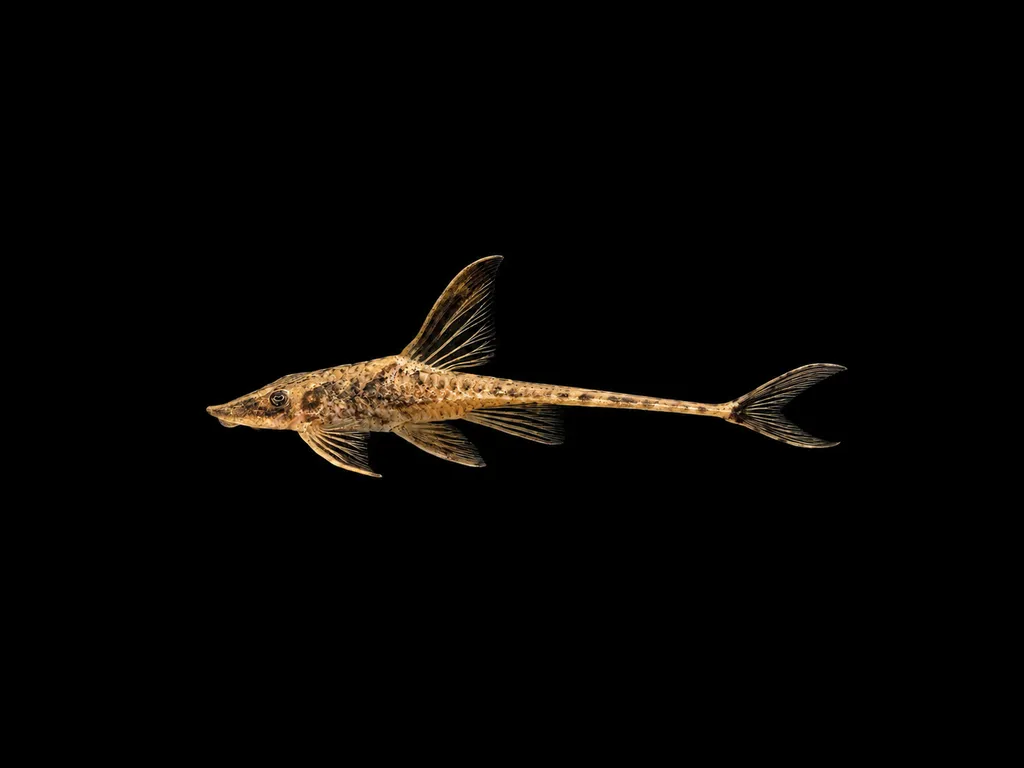
Tamana royal farlowella
Sturisomatichthys tamanae
Freshwater8.7 in (22 cm) · 53 gal (200 L)75–82°F (24–28°C)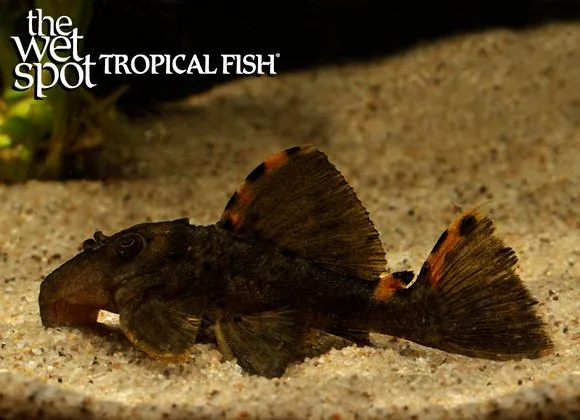
Three beacon pleco
Leporacanthicus triactis
Freshwater11 in (28 cm) · 106 gal (400 L)79–86°F (26–30°C)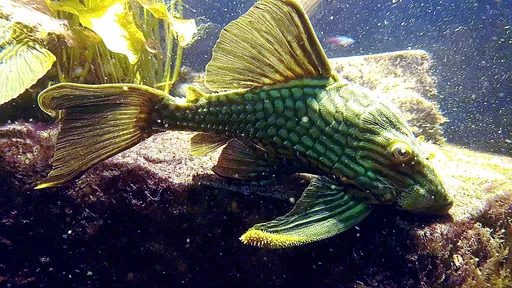
Thunder royal pleco (L027)
Panaque armbrusteri
Freshwater17.7 in (45 cm) · 151 gal (570 L)77–84°F (25–29°C)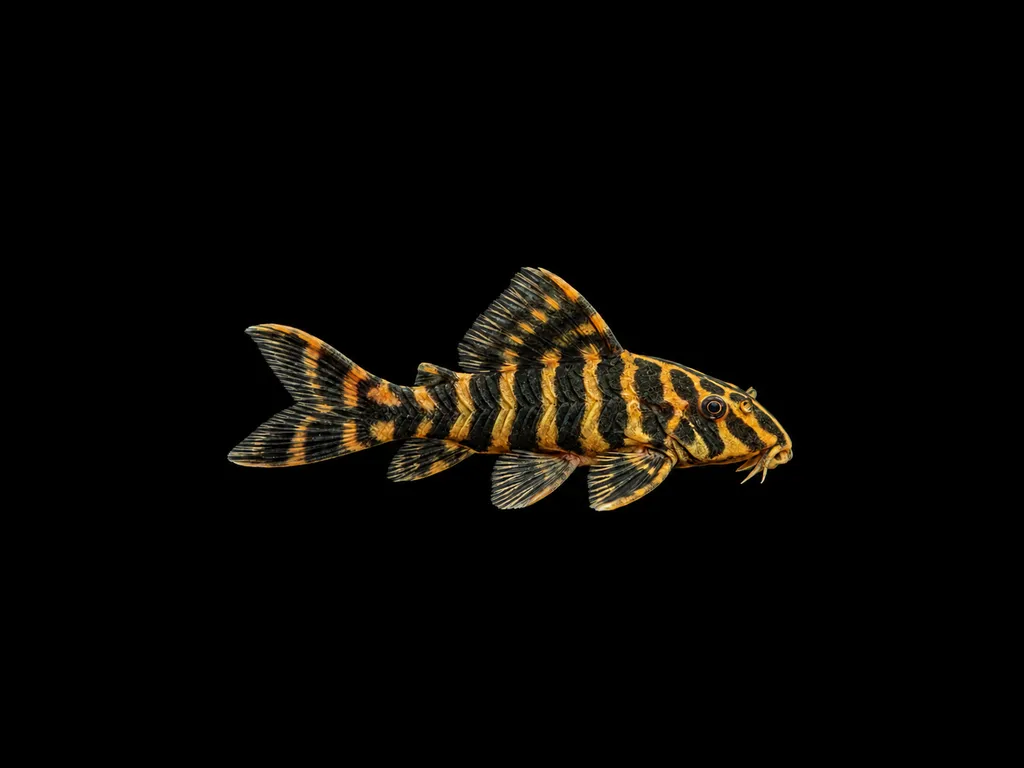
Tiger pleco (L002)
Panaqolus sp. L002
Freshwater5.1 in (13 cm) · 40 gal (150 L)77–84°F (25–29°C)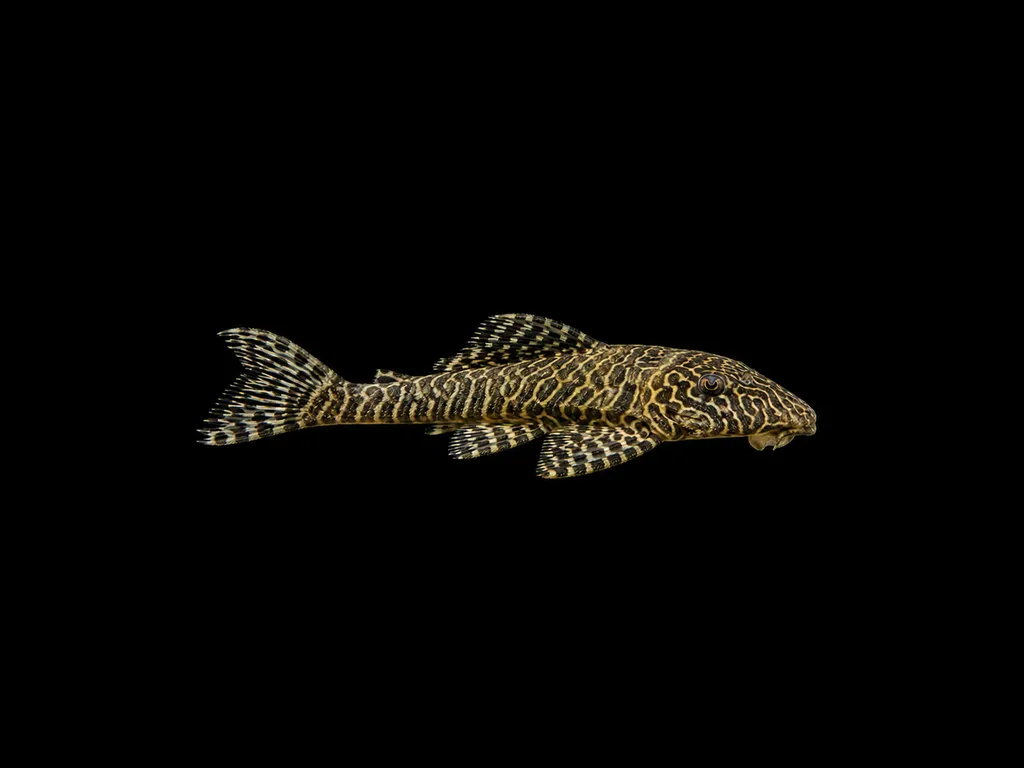
Tigris pleco
Pseudolithoxus tigris
Freshwater4.3 in (11 cm) · 53 gal (200 L)79–86°F (26–30°C)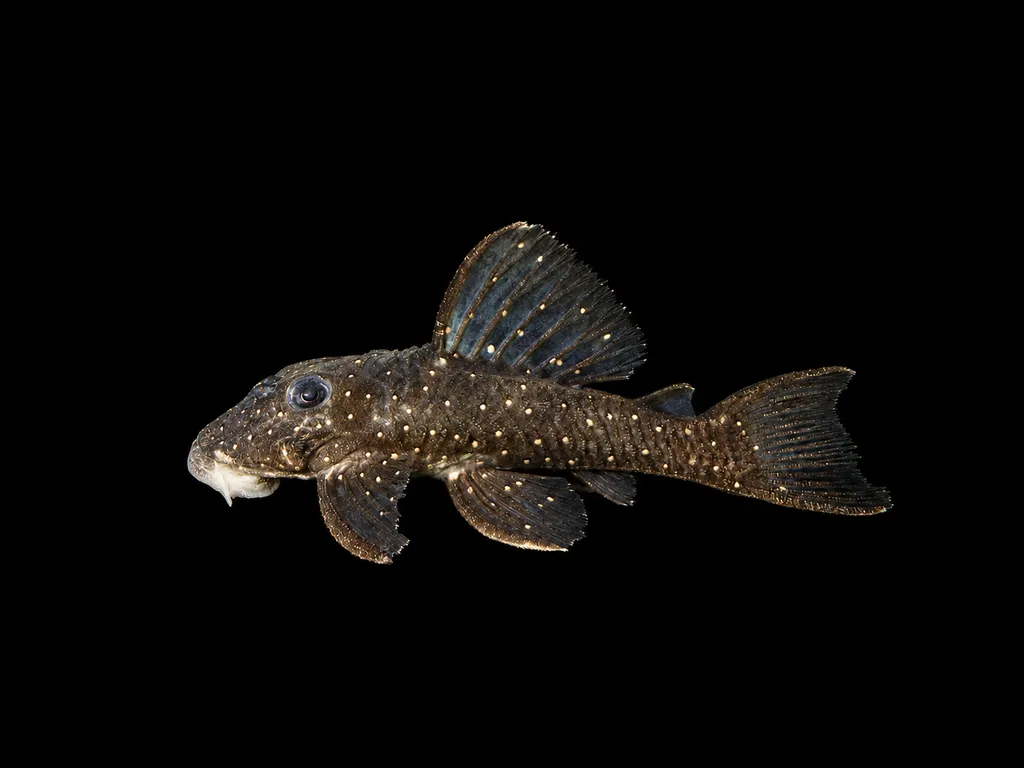
Tiny spot pleco
Hypancistrus lunaorum
Freshwater3.9 in (10 cm) · 42 gal (160 L)79–86°F (26–30°C)Twig catfish
Farlowella vittata
Freshwater5.9 in (15 cm) · 30 gal (115 L)75–81°F (24–27°C)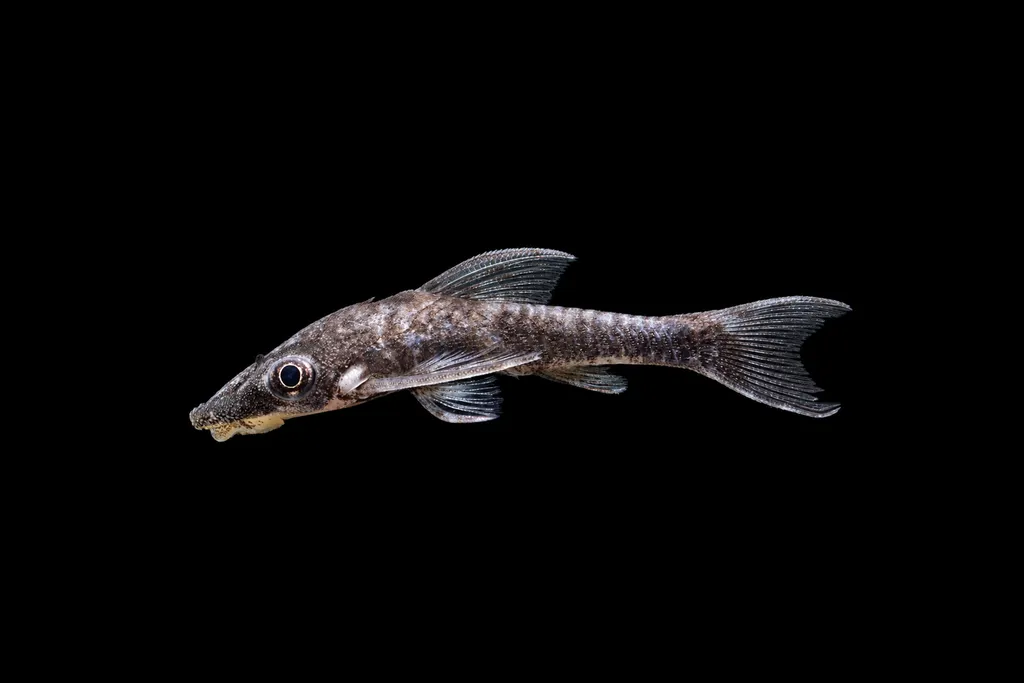
Vampire otocinclus
Nannoptopoma sternoptychum
Freshwater1.6 in (4 cm) · 14 gal (54 L)75–82°F (24–28°C)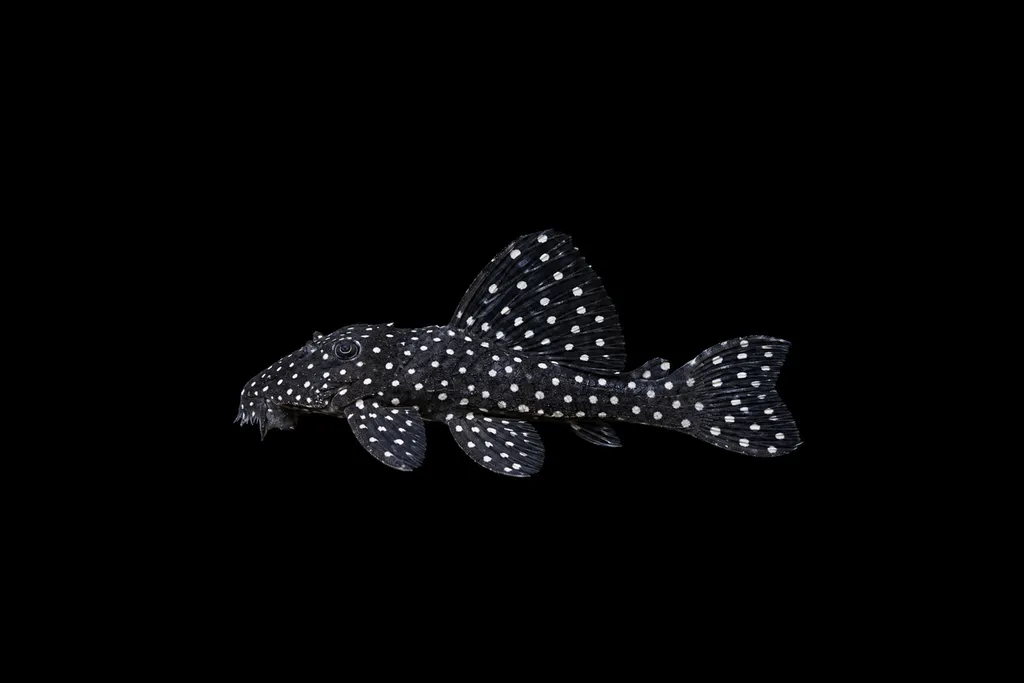
Vampire pleco (L029)
Leporacanthicus galaxias
Freshwater9.8 in (25 cm) · 66 gal (250 L)79–86°F (26–30°C)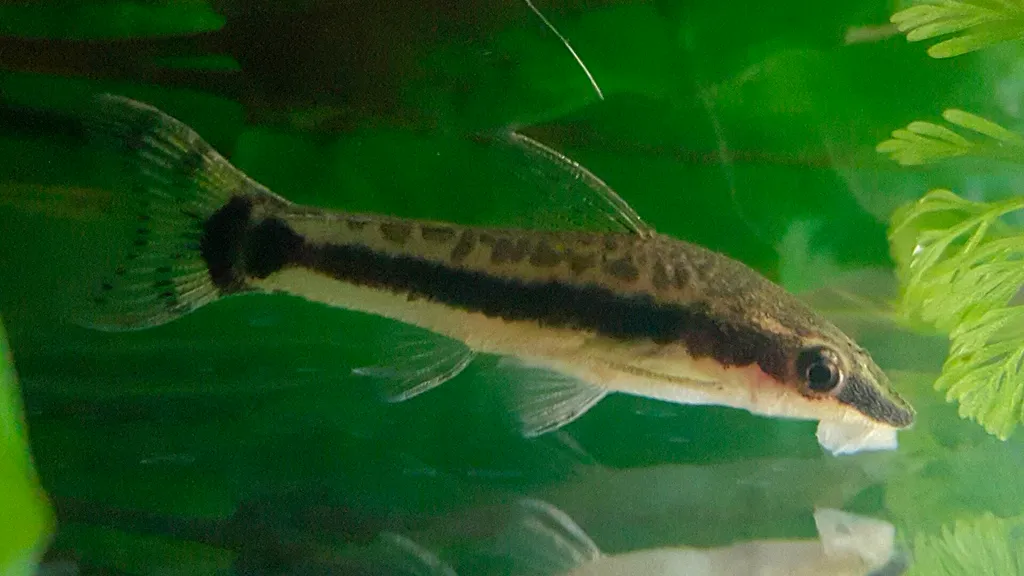
Vestitus otocinclus
Otocinclus vestitus
Freshwater1.6 in (4 cm) · 14 gal (54 L)72–81°F (22–27°C)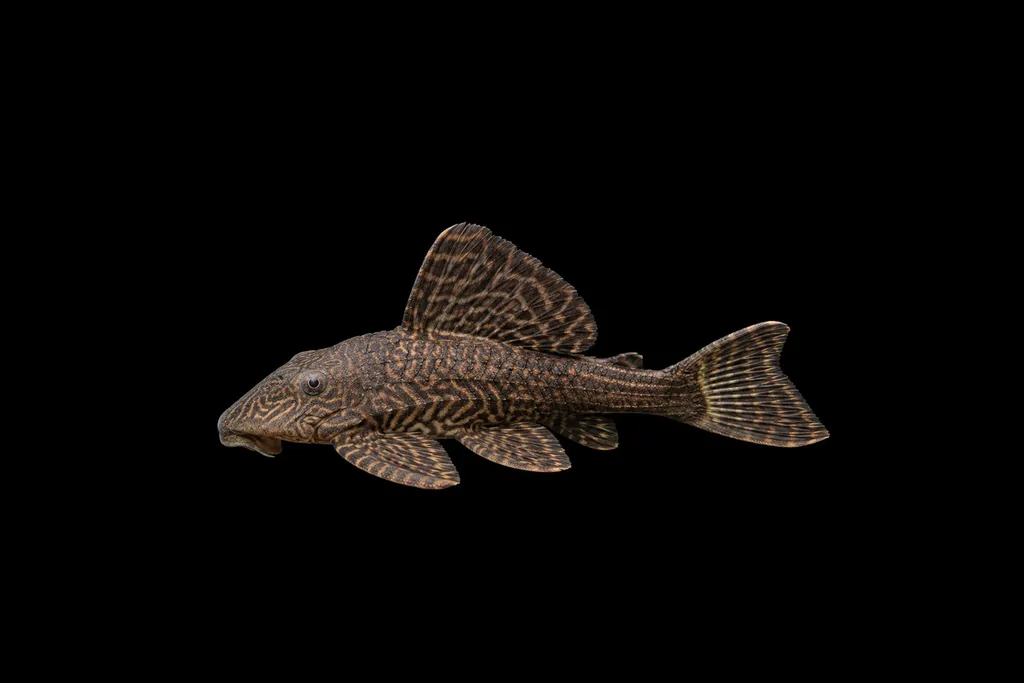
Volkswagen pleco
Panaque schaeferi
Freshwater23.6 in (60 cm) · 264 gal (1,000 L)77–84°F (25–29°C)Whiptail catfish
Rineloricaria sp.
Freshwater4.3 in (11 cm) · 20 gal (75 L)75–84°F (24–29°C)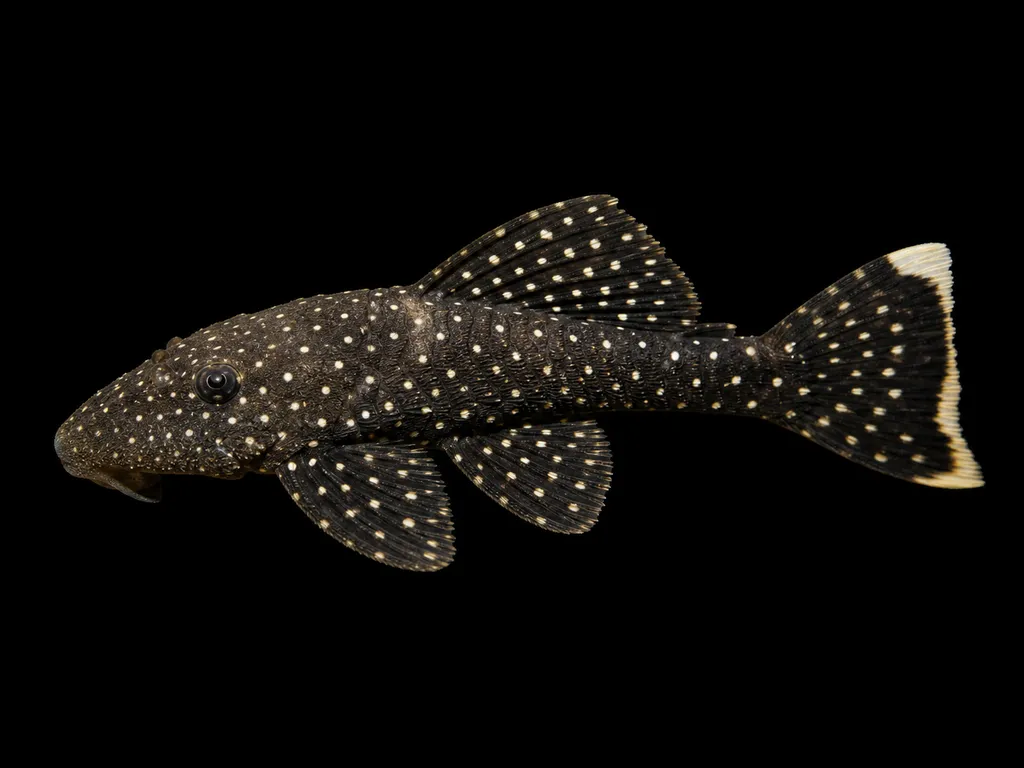
Wolverine pleco
Hopliancistrus wolverine
Freshwater7.9 in (20 cm) · 66 gal (250 L)81–88°F (27–31°C)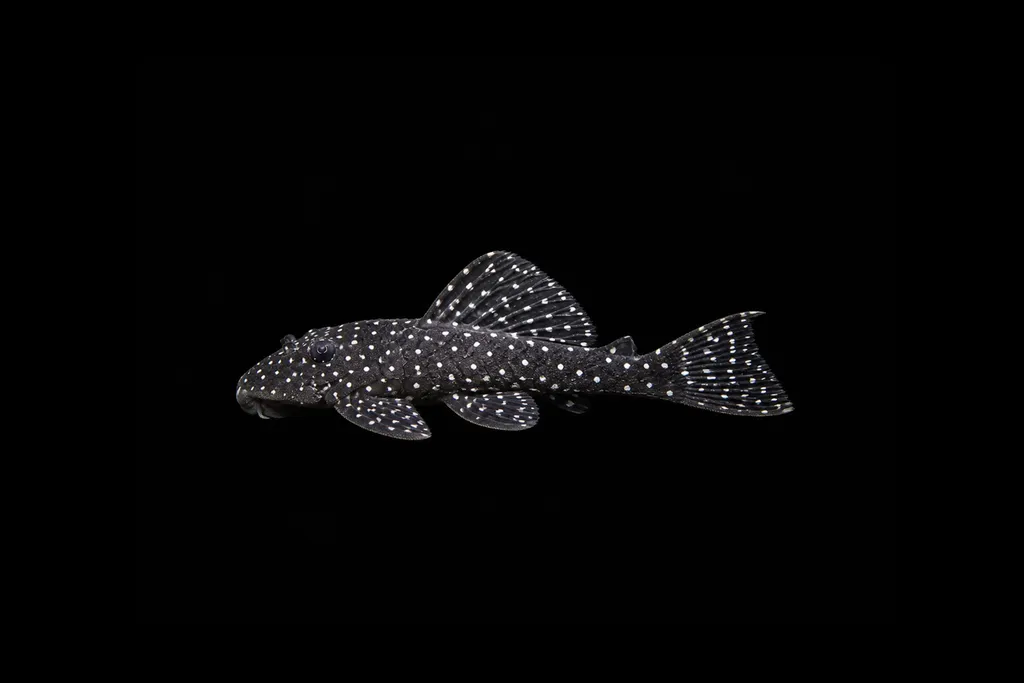
Xingu peppermint pleco
Parancistrus nudiventris
Freshwater8.7 in (22 cm) · 79 gal (300 L)81–88°F (27–31°C)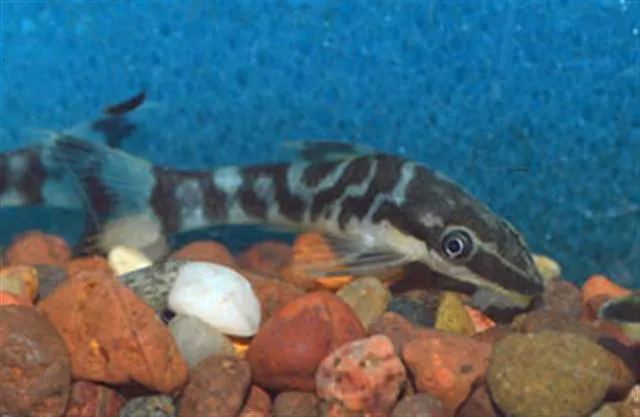
Zebra dwarf sucker
Otocinclus cocama
Freshwater1.8 in (4.5 cm) · 11 gal (40 L)70–77°F (21–25°C)Zebra pleco
Hypancistrus zebra
Freshwater3.1 in (8 cm) · 15 gal (55 L)79–86°F (26–30°C)
Planning a tank?
TankBud checks stocking and water fit as you build a tank, then tracks water tests, reminders and photos once it is running.
Track your tanksMaintain tanks for clients? See TankBud Pro