Galaxy panaqolus
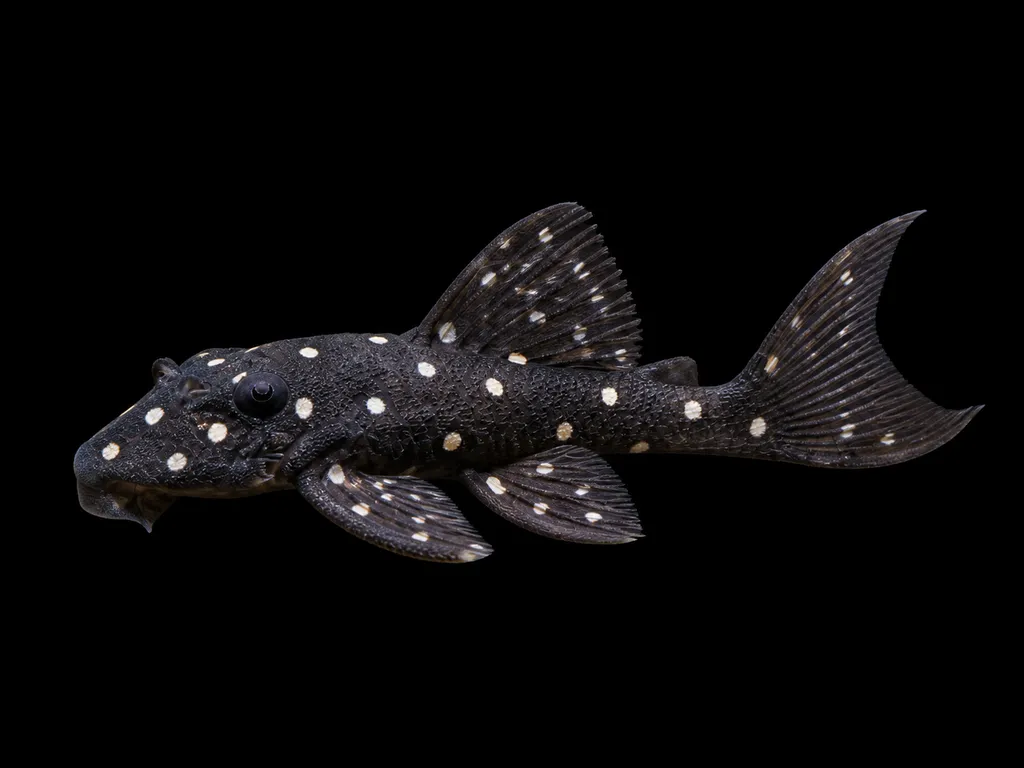
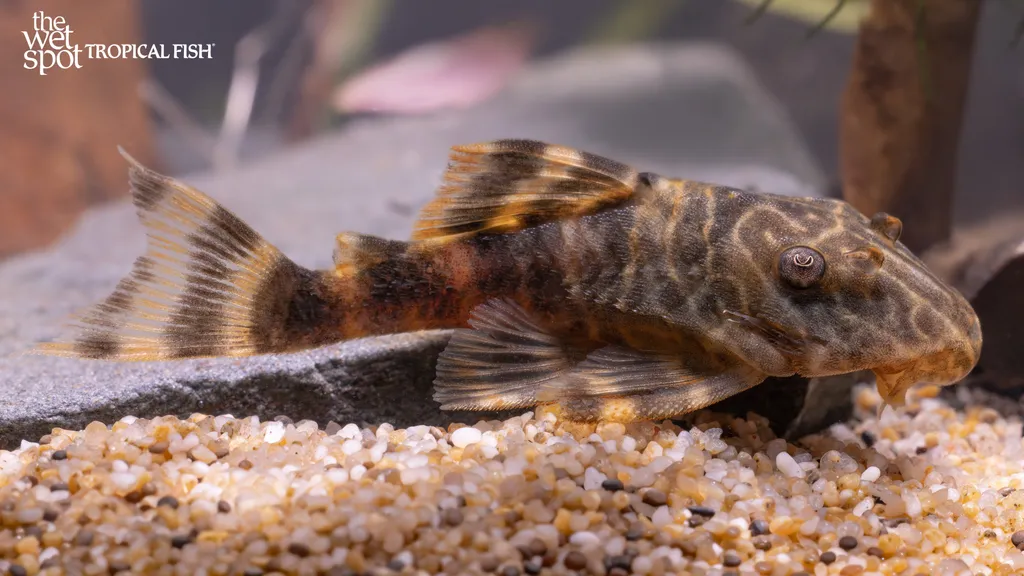
Panaqolus albomaculatus
Also known as LDA31, Mustard spot pleco
FreshwaterFish
Care at a glance
- Temperature
- 77–84°F
- 25–29°C
- pH
- 6.0–7.2
- Adult size
- 5.5 in
- 14 cm
- Minimum tank
- 53 gal
- 200 L
- Temperament
- Peaceful
- Social behavior
- Solitary
- Swim level
- Bottom
- Difficulty
- Medium
- Breeding
- Cave spawner · Medium
- Rarity
- Rare
- Family
- Loricariidae
- Origin
- Upper Amazon, Ecuador and Peru
Overview
The galaxy panaqolus is a solitary, wood-rasping pleco for a calm community tank full of driftwood. It is best with a little experience.
Did you know
Because the galaxy panaqolus grinds through so much wood, its droppings come out looking like wet sawdust.
Caring for the galaxy panaqolus
Give a galaxy panaqolus a dim tank of at least 53 gal (200 L), filled with driftwood and some smooth rock. Add shade and plenty of hiding places, with floating plants to cut the bright light it dislikes. It spends the day tucked into driftwood or a cave and comes out to graze once the lights dim.
Keep the water soft to neutral and warm, at 77 to 84°F (25 to 29°C) and a pH of 6.0 to 7.2. Aim for steady, gentle flow and clean, well-filtered water. It puts out nearly as much waste as the wood it eats, so filter the tank heavily.
It rasps and eats wood constantly and needs a lot of it, so real bogwood is the key to keeping it. Round out the diet with sinking wafers and vegetables such as zucchini, cucumber and sweet potato. Go easy on protein.
Keep one galaxy panaqolus per tank rather than a group, since adults squabble with their own kind. It leaves other fish alone and fits a calm community of small to mid-size fish. It is a cave spawner, and the male guards the clutch. Breeding it is of moderate difficulty.
Good to know
Panaqolus albomaculatus belongs to the Loricariidae, the suckermouth armored catfishes. Like others in its genus, it has spoon-shaped teeth built for scraping wood. Its dark body carries pale mustard to off-white spots, which give it the trade name mustard spot pleco. It is also sold as LDA31.
In the wild
The galaxy panaqolus lives in warm, flowing tributaries of the upper Amazon in Ecuador and Peru. Sunken branches and leaf litter pile up along their banks.
Weekly picks
Tank mates
The galaxy panaqolus is a peaceful, solitary species that keeps to the bottom. These picks share a community profile with it, are safe together in both directions, and overlap on water type, temperature and pH.
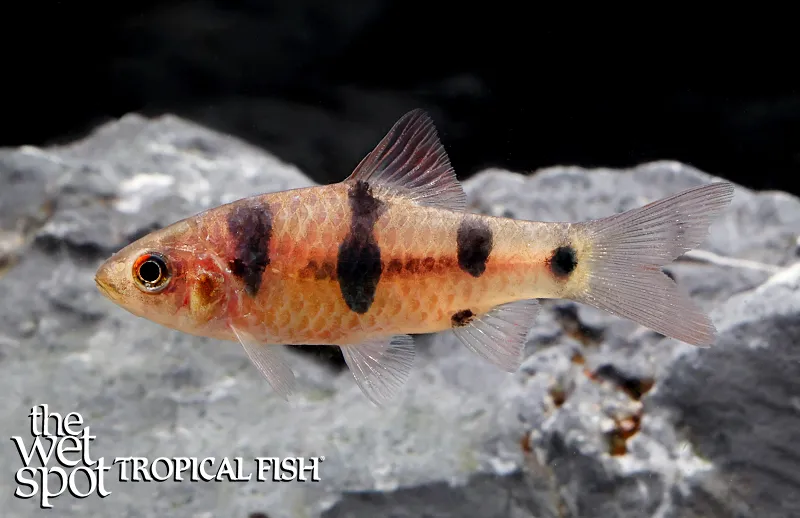
Clown barb
Barbodes dunckeri
Freshwater5.1 in (13 cm) · 53 gal (200 L)75–82°F (24–28°C)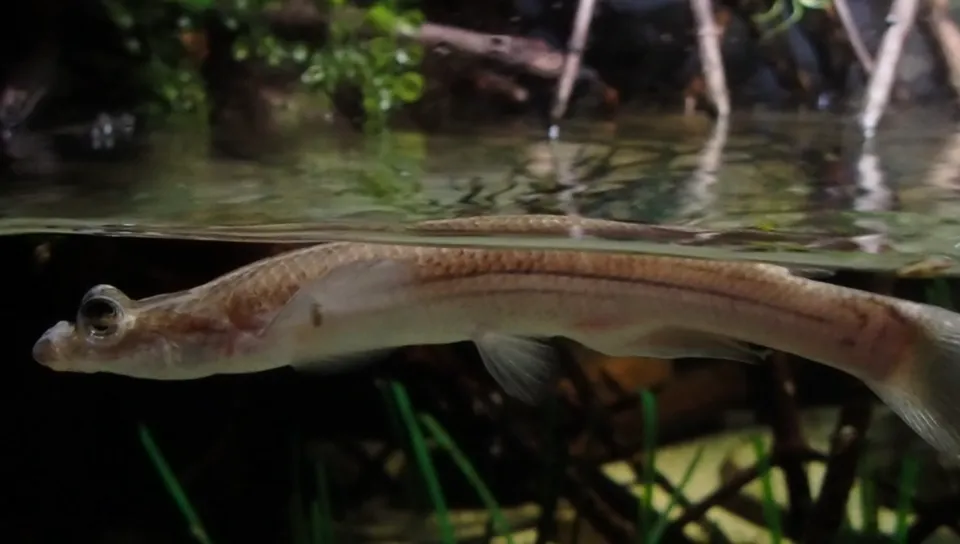
Largescale four-eyed fish
Anableps anableps
FreshwaterBrackish11.8 in (30 cm) · 70 gal (265 L)77–88°F (25–31°C)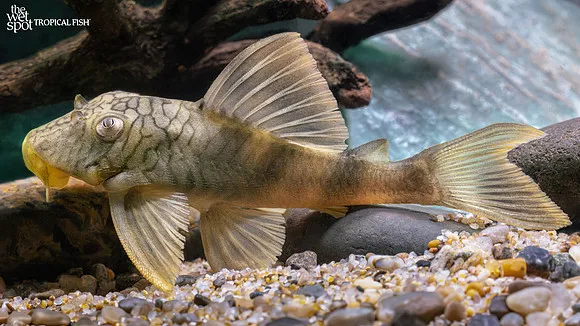
Imperial coal pleco
Peckoltia pankimpuju
Freshwater5.9 in (15 cm) · 53 gal (200 L)77–84°F (25–29°C)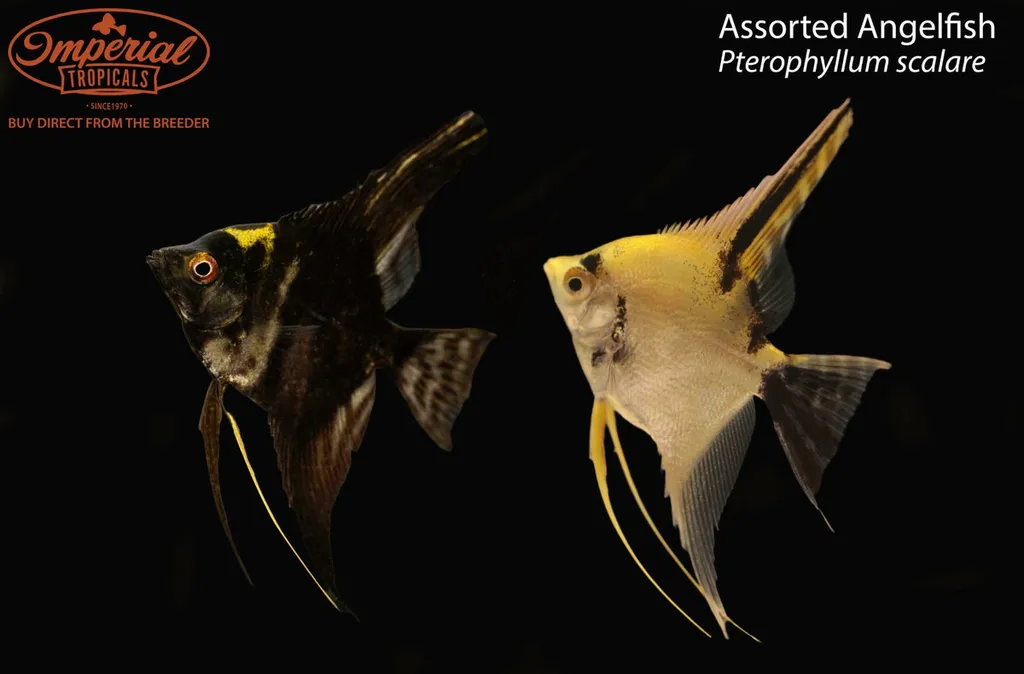
Angelfish
Pterophyllum scalare
Freshwater5.9 in (15 cm) · 53 gal (200 L)75–86°F (24–30°C)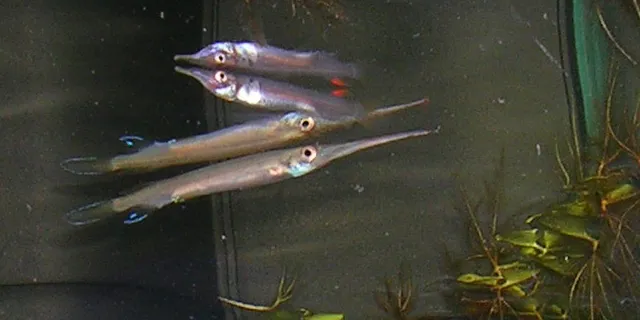
Forest halfbeak
Hemirhamphodon pogonognathus
Freshwater3.5 in (9 cm) · 34 gal (130 L)75–82°F (24–28°C)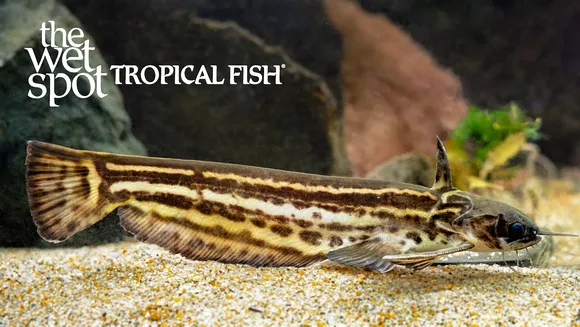
Striped woodcat
Trachelyopterichthys taeniatus
Freshwater5.9 in (15 cm) · 53 gal (200 L)73–82°F (23–28°C)
Common questions
What size tank does a galaxy panaqolus need?
A galaxy panaqolus needs at least 53 gal (200 L). It spends most of its time in the bottom.
What temperature and pH does a galaxy panaqolus need?
A galaxy panaqolus is comfortable at 77–84°F (25–29°C) with a pH of 6.0–7.2.
What does a galaxy panaqolus eat?
A galaxy panaqolus rasps and eats wood constantly, so keep plenty of real bogwood in its tank. Add sinking wafers and vegetables such as zucchini, cucumber and sweet potato, and go easy on protein.
How big does a galaxy panaqolus get?
An adult galaxy panaqolus reaches about 5.5 in (14 cm).
How does a galaxy panaqolus breed?
The galaxy panaqolus is a cave-spawning egg layer, and the male guards the clutch. Breeding it is of moderate difficulty.
Related species
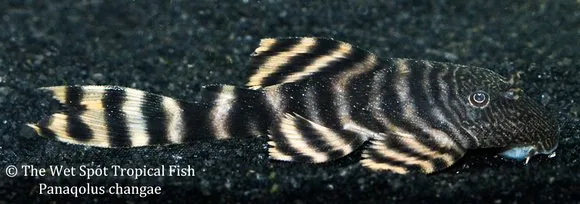 3.9 in (10 cm)42 gal (160 L)77–84°F (25–29°C)
Iquitos tiger pleco
Panaqolus changae
3.9 in (10 cm) · 42 gal (160 L)
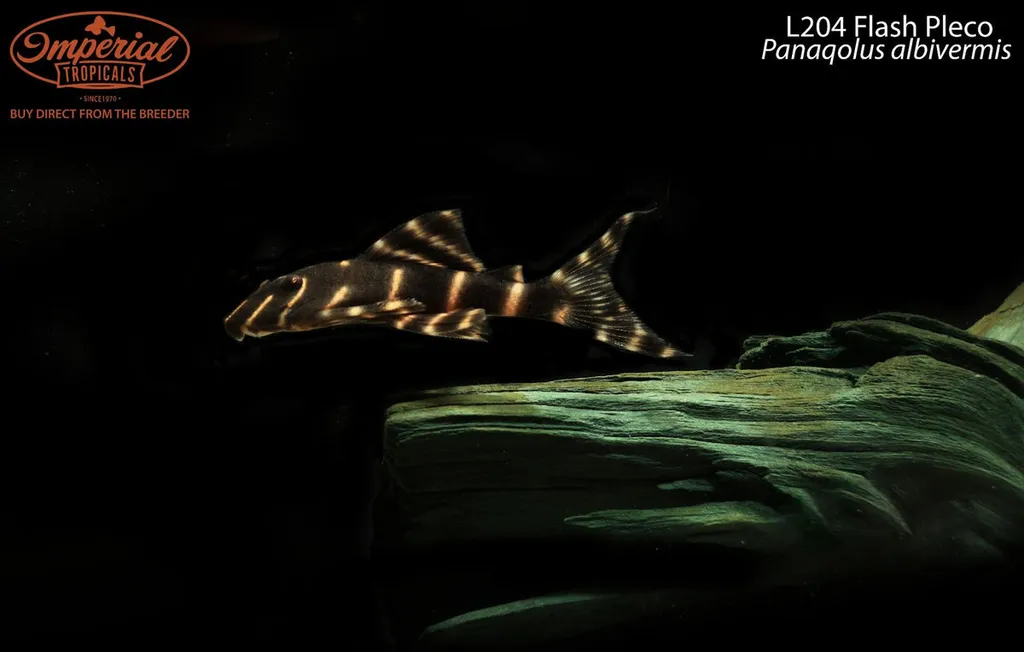 5.1 in (13 cm)40 gal (150 L)77–84°F (25–29°C)
Flash pleco (L204)
Panaqolus albivermis
5.1 in (13 cm) · 40 gal (150 L)
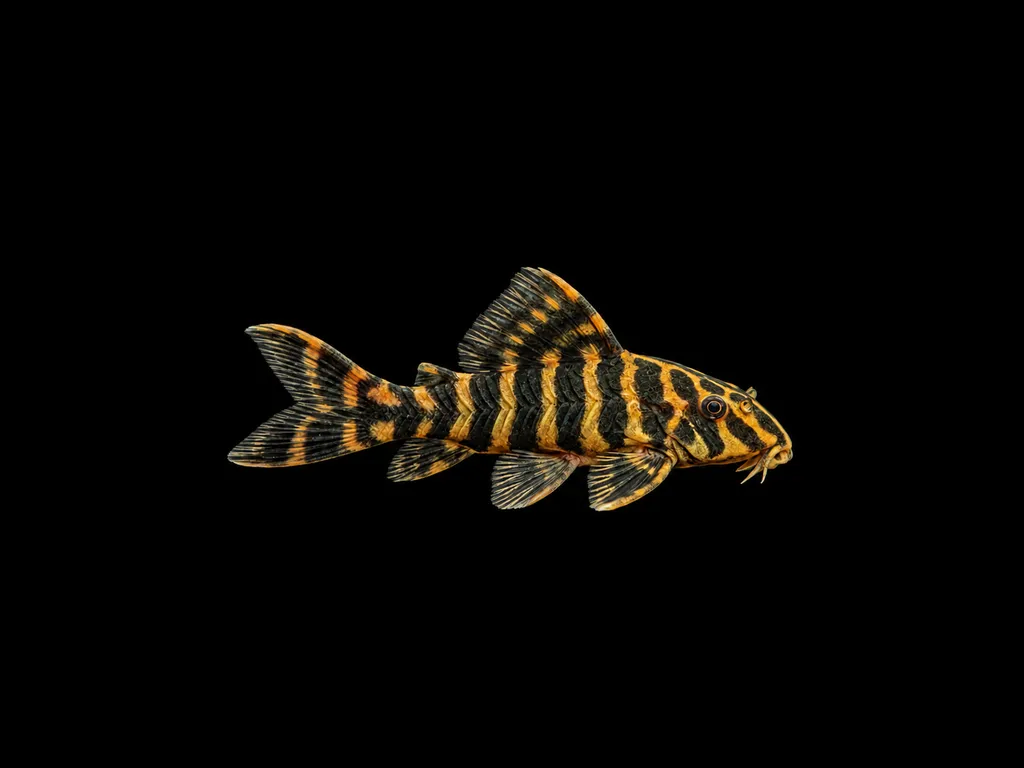 5.1 in (13 cm)40 gal (150 L)77–84°F (25–29°C)
Tiger pleco (L002)
Panaqolus sp. L002
5.1 in (13 cm) · 40 gal (150 L)
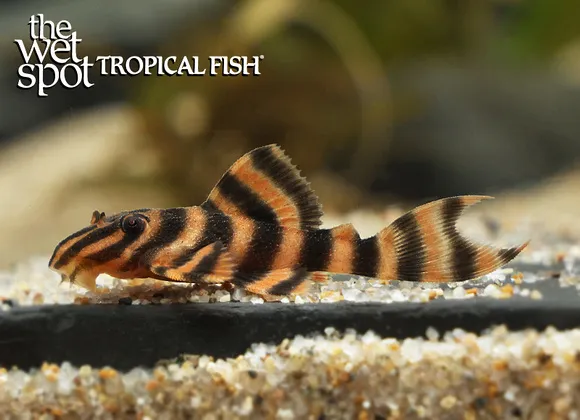 3.1 in (8 cm)42 gal (160 L)77–84°F (25–29°C)
Bloodred tiger pleco
Panaqolus claustellifer
3.1 in (8 cm) · 42 gal (160 L)
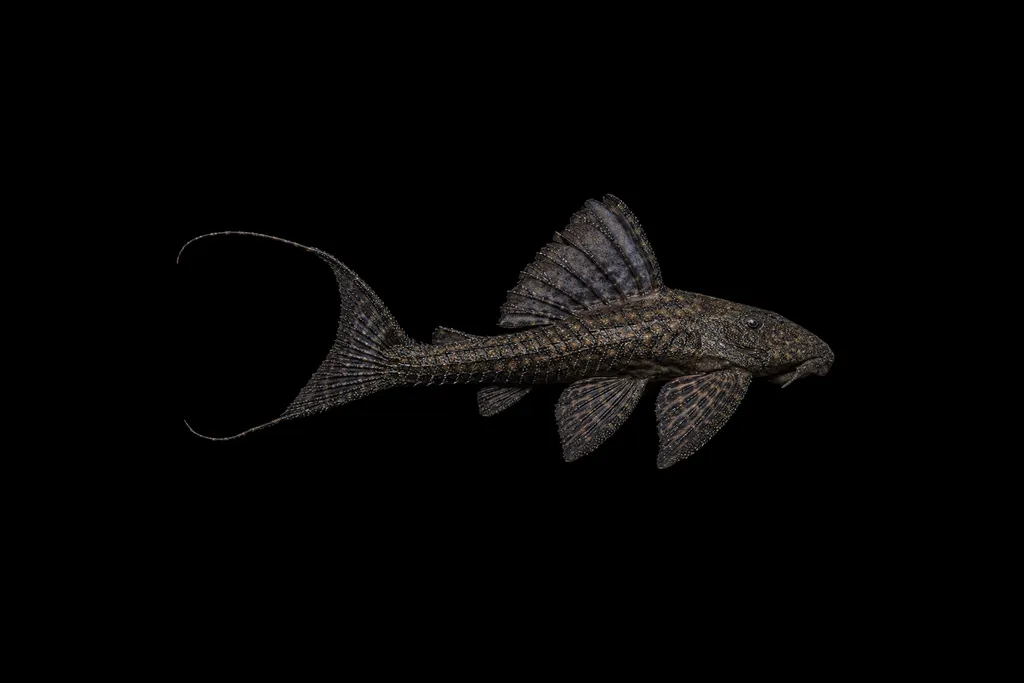 4.7 in (12 cm)30 gal (112 L)75–84°F (24–29°C)
Nocturnal panaqolus
Panaqolus nocturnus
4.7 in (12 cm) · 30 gal (112 L)
 3.5 in (9 cm)20 gal (75 L)73–82°F (23–28°C)
Clown pleco
Panaqolus maccus
3.5 in (9 cm) · 20 gal (75 L)