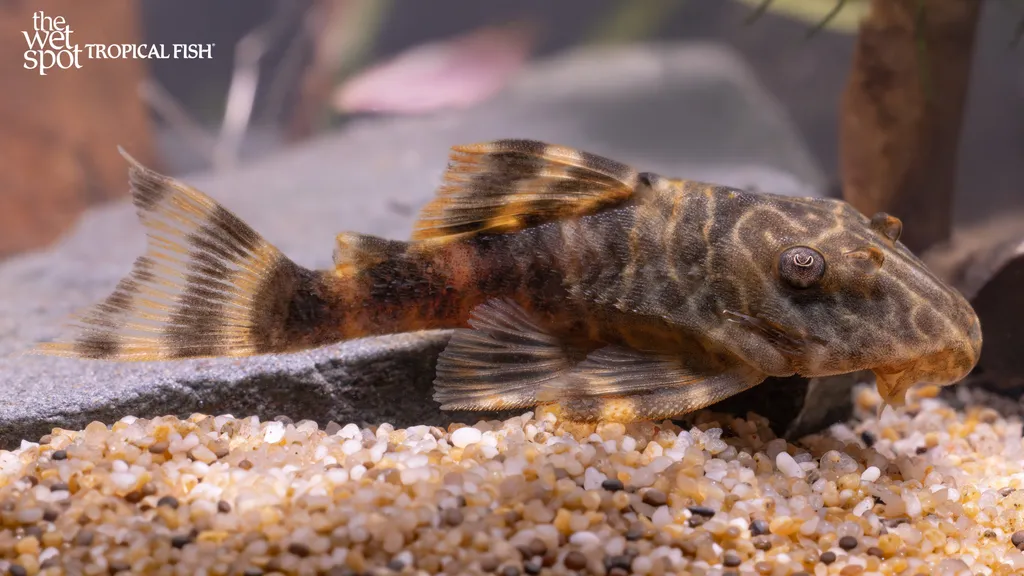
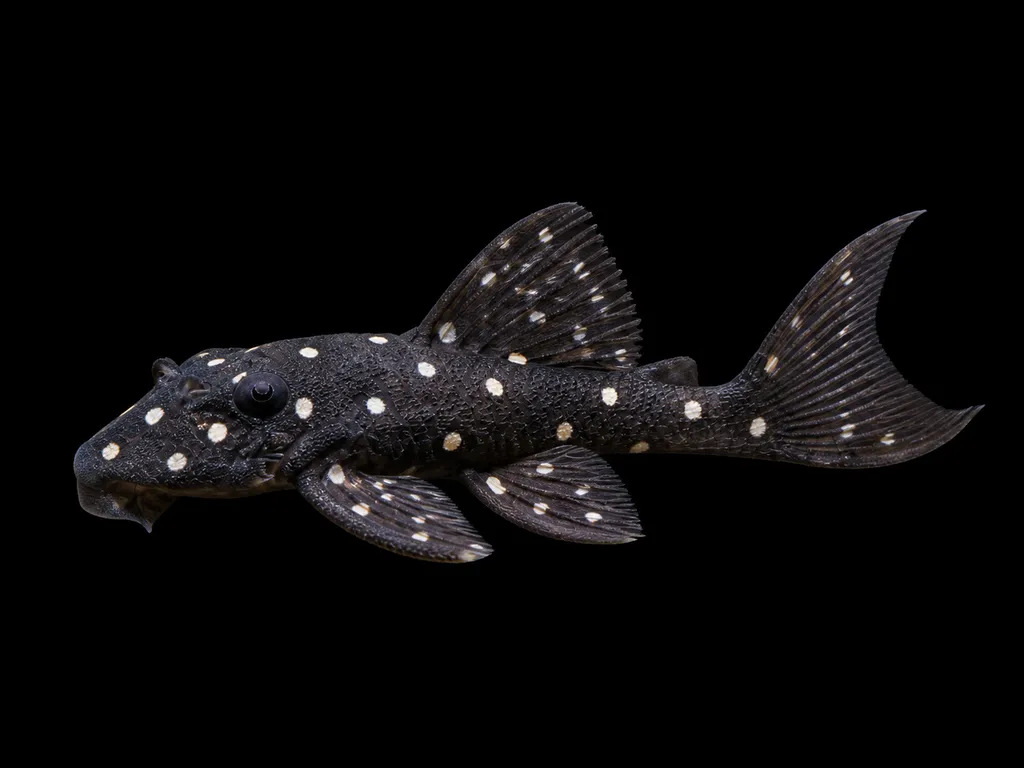
Clown pleco
Panaqolus maccus
Also known as L104
FreshwaterFish
Care at a glance
- Temperature
- 73–82°F
- 23–28°C
- pH
- 6.6–7.6
- Adult size
- 3.5 in
- 9 cm
- Minimum tank
- 20 gal
- 75 L
- Temperament
- Mostly peaceful
- Social behavior
- Solitary
- Swim level
- Bottom
- Difficulty
- Easy
- Breeding
- Medium
- Rarity
- Very common
- Family
- Loricariidae
- Origin
- Apure and Caroni river basins, Venezuela and Colombia
Overview
Keep one per tank, since they are solitary and turn territorial toward their own kind over caves and wood. They are mostly peaceful toward other species and stay along the bottom, hiding by day and coming out at night. Water should sit between 23 and 28 C with a pH from 6.6 to 7.6 in a tank of 75 liters or more. They are obligate wood-eaters, so driftwood has to be present at all times as food, not just decor, and you supplement with algae wafers and fresh veg like zucchini or cucumber. Pair them with calm midwater and surface fish that will not compete for the floor.
In the wild
Clown plecos come from the Apure and Caroni river basins in Venezuela and Colombia, where they live among submerged branches and fallen wood along the riverbed. To match that, build the tank around real driftwood and use a sand or smooth substrate so they do not scrape their belly. Give them at least 75 liters with plenty of caves and shaded spots to retreat into. Keep the water warm, from 23 to 28 C, with a pH from 6.6 to 7.6.
Good to know
This is a small suckermouth catfish in the family Loricariidae, reaching about 9 cm as an adult. It is a cave spawner, with the male guarding eggs laid inside a narrow tube, and breeding is doable but takes some setup. Most clown plecos in the trade are wild caught, though tank-bred fish show up. A healthy adult can live ten years or more.
Did you know
The driftwood in the tank is not just something to gnaw on, it is a real part of their diet. Clown plecos rasp at wood and digest the matter inside it, so a tank without driftwood leaves them slowly starving no matter how much else you feed. Watch for fine sawdust-like waste, which is a sign they are working the wood as they should.
Weekly picks
Tank mates
Clown pleco is a mostly peaceful, solitary species that keeps to the bottom. These picks share a community profile with it, are safe together in both directions, and overlap on water type, temperature and pH.
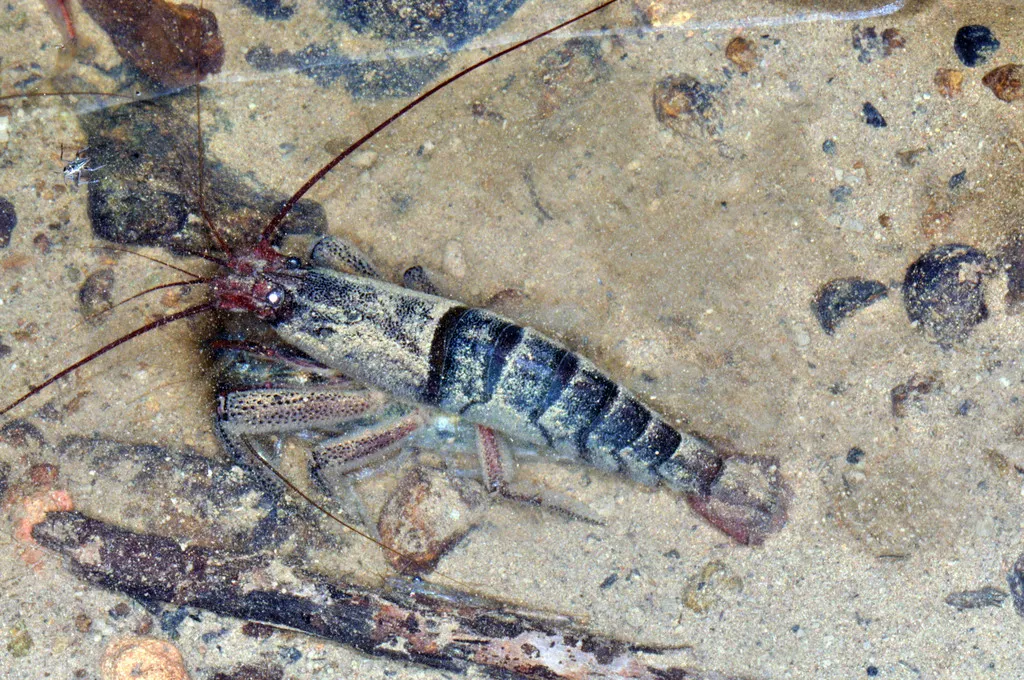
Marble wood shrimp
Atya scabra
Freshwater3.9 in (10 cm) · 20 gal (75 L)73–82°F (23–28°C)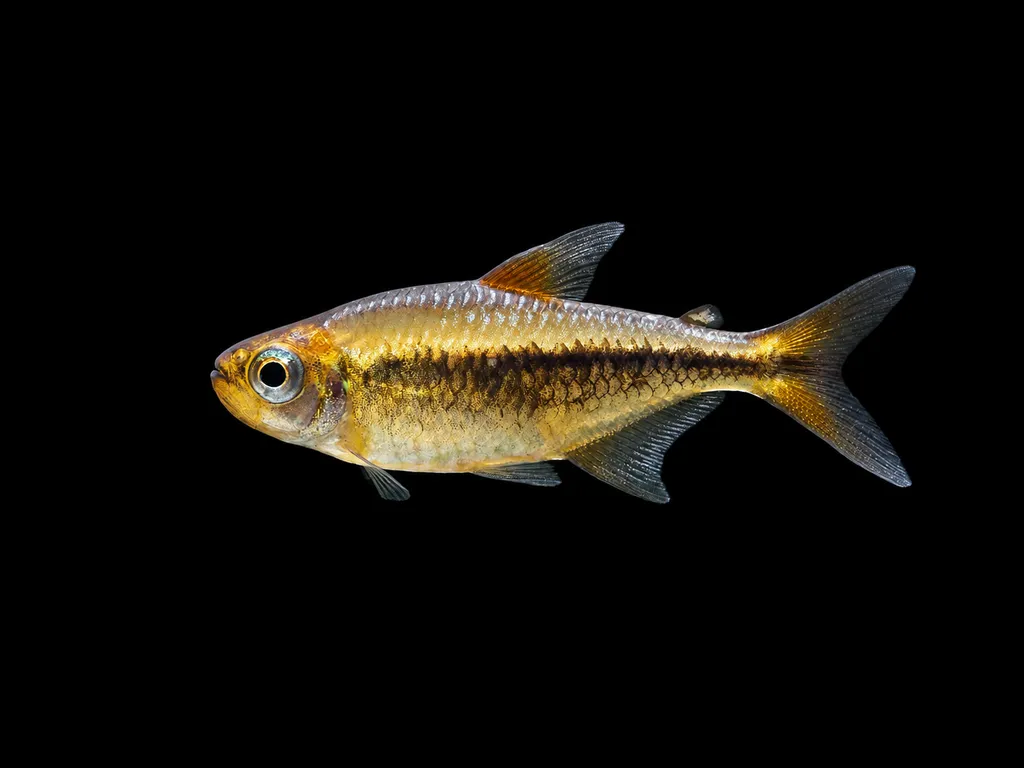
Blackmargin tetra
Moenkhausia nigromarginata
Freshwater2.1 in (5.3 cm) · 20 gal (75 L)73–82°F (23–28°C)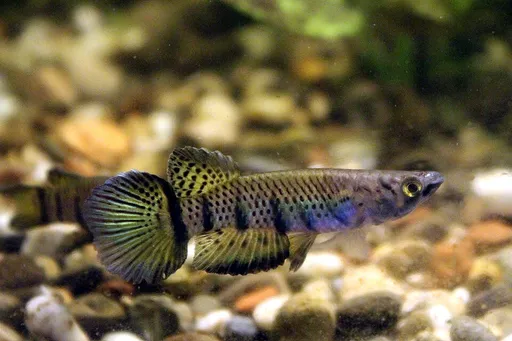
Six-barred panchax
Epiplatys sexfasciatus
Freshwater3.9 in (10 cm) · 20 gal (75 L)72–81°F (22–27°C)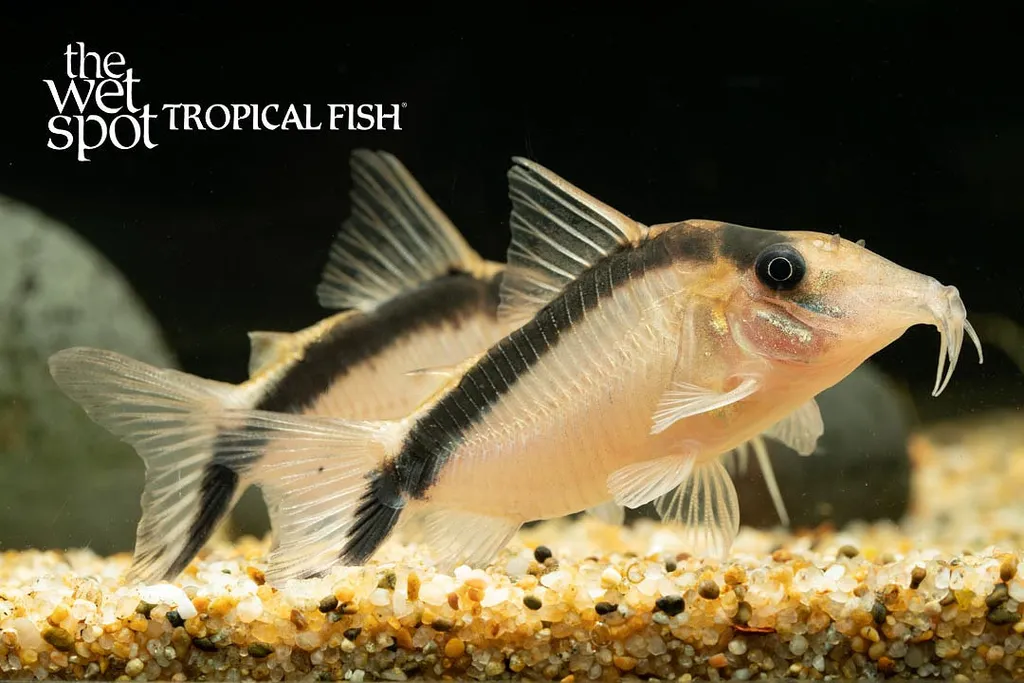
Bethan's cory
Brochis bethanae
Freshwater2.6 in (6.5 cm) · 20 gal (75 L)73–81°F (23–27°C)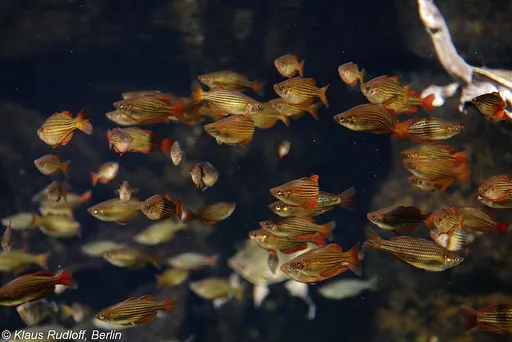
Dwarf rainbowfish
Melanotaenia maccullochi
Freshwater2.8 in (7 cm) · 20 gal (75 L)72–82°F (22–28°C)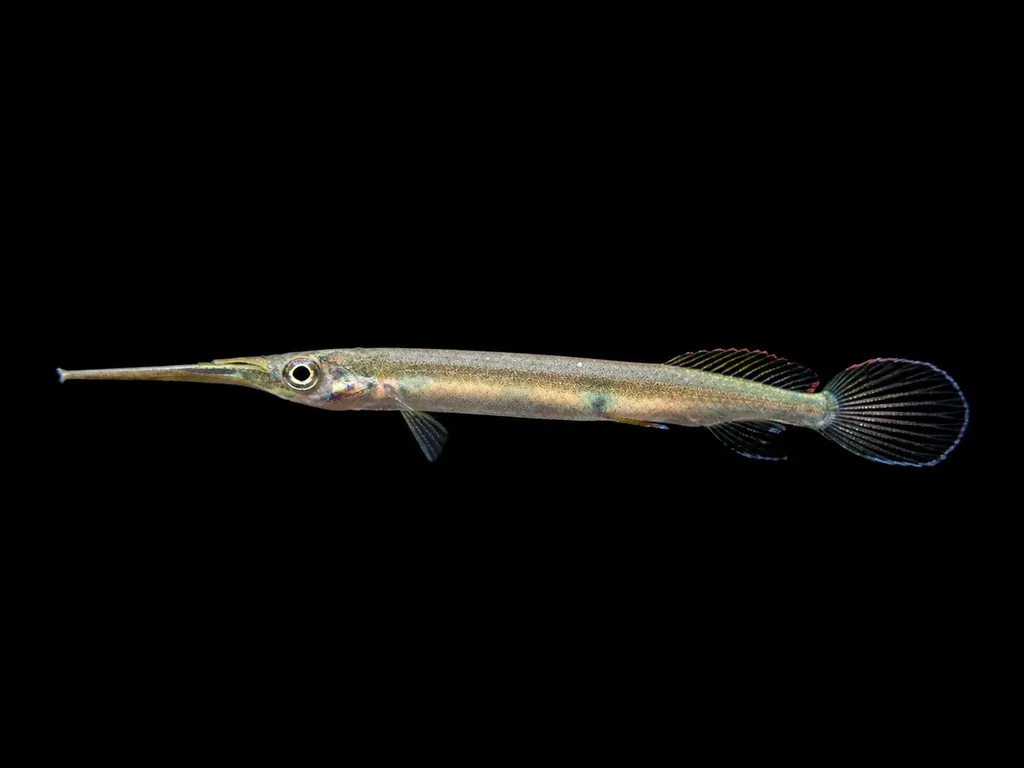
Kuekenthal's halfbeak
Hemirhamphodon kuekenthali
Freshwater3.3 in (8.5 cm) · 20 gal (75 L)73–81°F (23–27°C)
Common questions
What size tank does a Clown pleco need?
A Clown pleco needs at least 20 gal (75 L). It spends most of its time in the bottom.
What temperature and pH does a Clown pleco need?
A Clown pleco is comfortable at 73–82°F (23–28°C) with a pH of 6.6–7.6.
How big does a Clown pleco get?
An adult Clown pleco reaches about 3.5 in (9 cm).
Related species
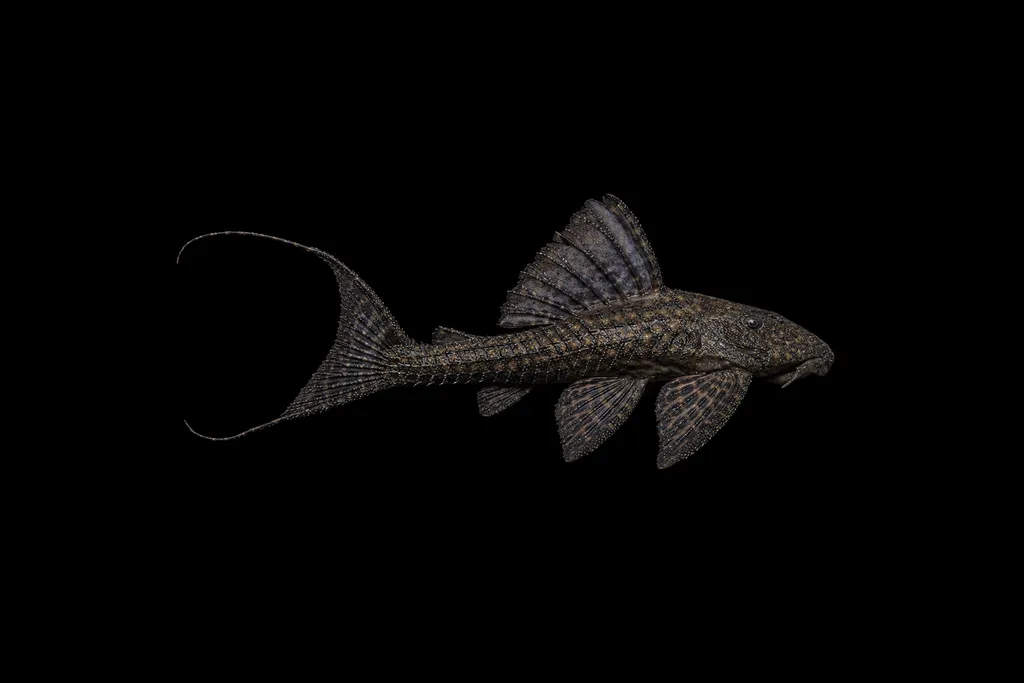 4.7 in (12 cm)30 gal (112 L)75–84°F (24–29°C)
Nocturnal panaqolus
Panaqolus nocturnus
4.7 in (12 cm) · 30 gal (112 L)
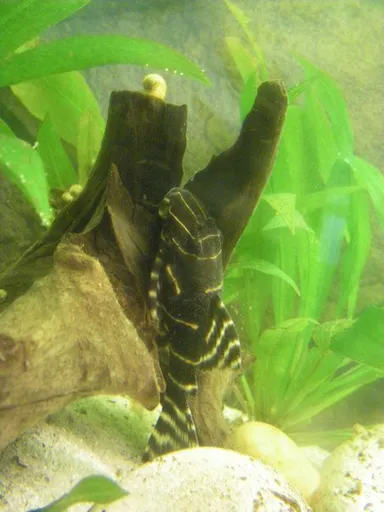 5.1 in (13 cm)40 gal (150 L)77–84°F (25–29°C)
Flash pleco (L204)
Panaqolus albivermis
5.1 in (13 cm) · 40 gal (150 L)
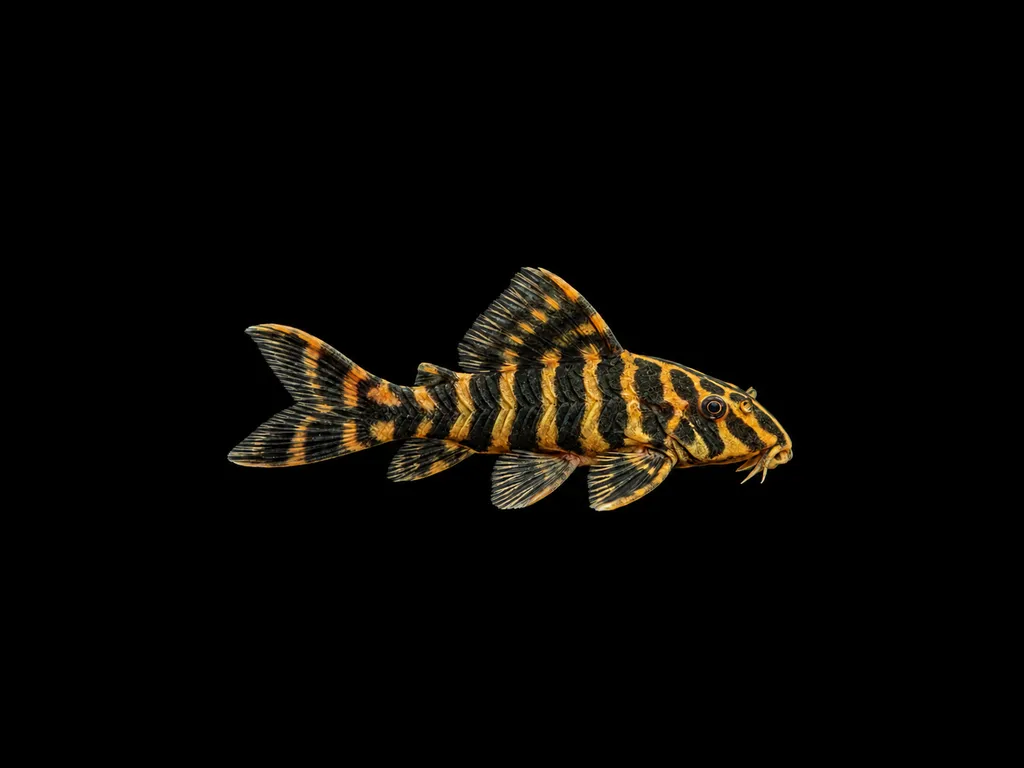 5.1 in (13 cm)40 gal (150 L)77–84°F (25–29°C)
Tiger pleco (L002)
Panaqolus sp. L002
5.1 in (13 cm) · 40 gal (150 L)
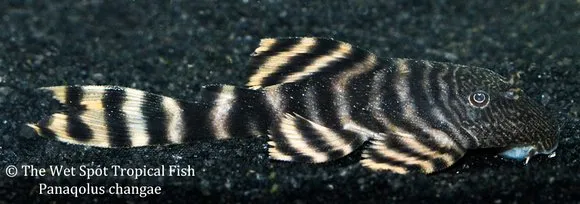 3.9 in (10 cm)42 gal (160 L)77–84°F (25–29°C)
Iquitos tiger pleco
Panaqolus changae
3.9 in (10 cm) · 42 gal (160 L)
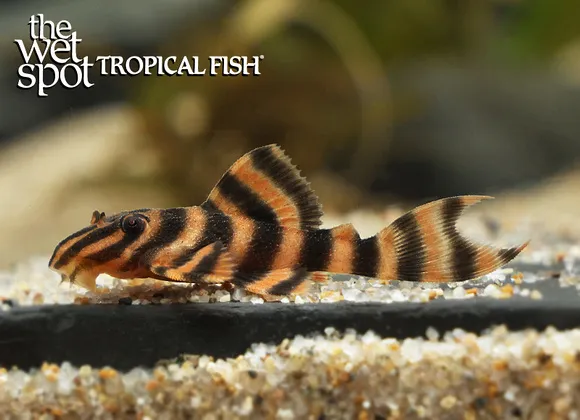 3.1 in (8 cm)42 gal (160 L)77–84°F (25–29°C)
Bloodred tiger pleco
Panaqolus claustellifer
3.1 in (8 cm) · 42 gal (160 L)
 5.5 in (14 cm)53 gal (200 L)77–84°F (25–29°C)
Galaxy panaqolus
Panaqolus albomaculatus
5.5 in (14 cm) · 53 gal (200 L)