Nano freshwater fish
Nano fish stay small enough for a desktop tank without feeling cramped. Every species here suits roughly a 10 gallon or smaller and stays under a few inches full grown. Profiles list adult size, minimum tank and how each fish behaves in a group. The marine equivalents, mostly tiny gobies, have a list of their own.
At a glance
- Tank size
- 5–11 gal
- 5 gal (20 L) to 11 gal (40 L); half the list needs 11 gal (40 L) or more
- Temperature
- 72–81°F
- 22–27°C, most of the list
- pH
- 6.0–7.2
- Most of the list
- Difficulty
- 26 easy
- 115 medium · 44 difficult
- Temperament
- 120 peaceful
- 60 mostly peaceful · 5 aggressive
185 species and 7 varieties
Start here
Six fish for a 10 gallon tank
The ember tetra is the nano fish to start with: 0.8 inches (2 cm), a 9 gallon (35 liter) minimum, marked easy and peaceful, and orange enough to see from across the room. The celestial pearl danio is the same size and rating with a spotted body and red fins. The chili rasbora is the smallest of the three and lists 7 gallons (25 liters), marked medium because it wants soft water and small food. The neon tetra is the classic at 1.5 inches (3.75 cm) for 11 gallons (40 liters), marked beginner. Endler's livebearer is 1.6 inches (4 cm) for a 5 gallon (20 liter) tank and breeds without help, and the least killifish is a 1.4 inch (3.5 cm) livebearer marked easy for the same tank.
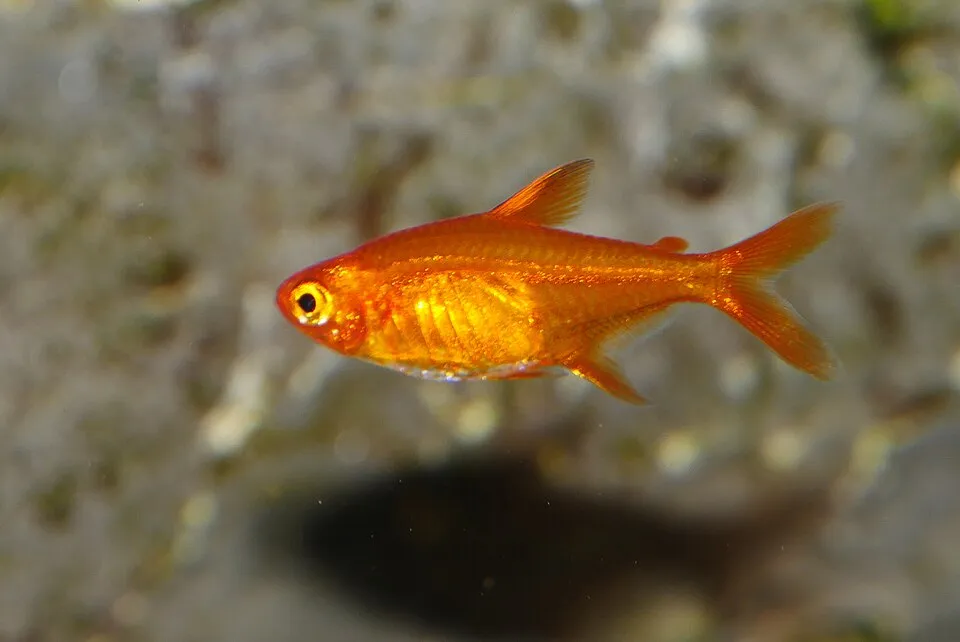
Ember tetra
Hyphessobrycon amandae
Freshwater- Size
- 0.8 in (2 cm)
- Tank
- 9 gal (35 L)
- Water
- 72–82°F (22–28°C)
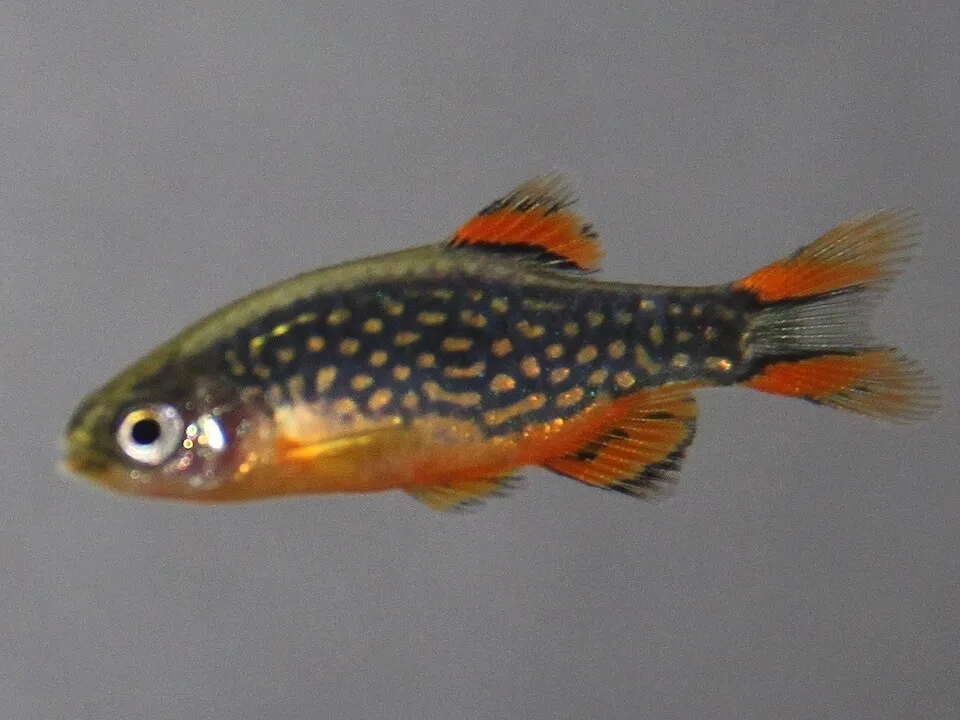
Celestial Pearl danio
Danio margaritatus
Freshwater- Size
- 0.8 in (2 cm)
- Tank
- 9 gal (35 L)
- Water
- 72–79°F (22–26°C)
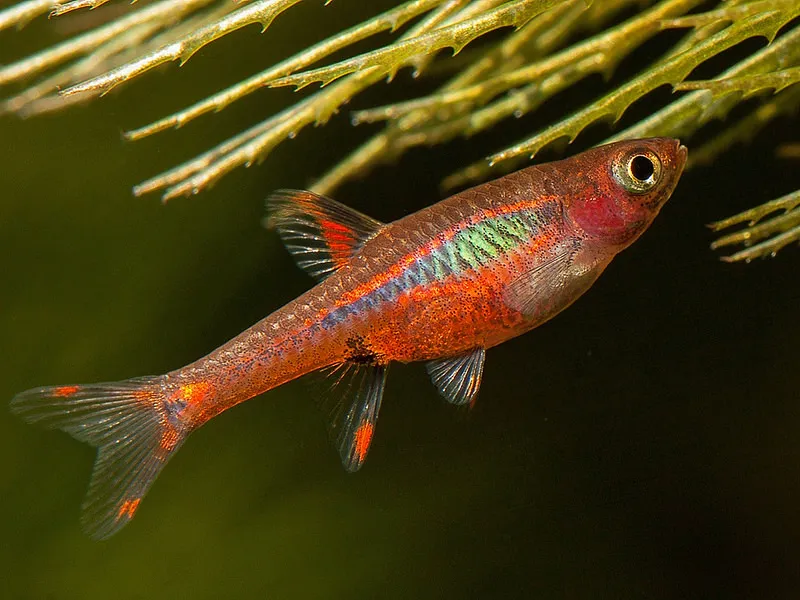
Chili rasbora
Boraras brigittae
Freshwater- Size
- 0.8 in (2 cm)
- Tank
- 7 gal (25 L)
- Water
- 72–82°F (22–28°C)
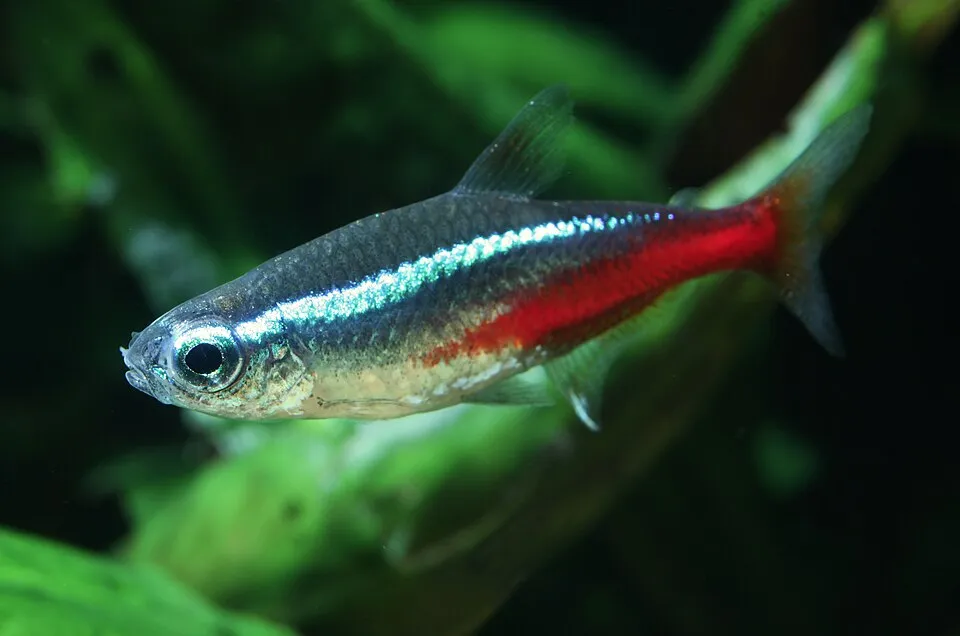
Neon tetra
Paracheirodon innesi
Freshwater- Size
- 1.5 in (3.8 cm)
- Tank
- 11 gal (40 L)
- Water
- 70–77°F (21–25°C)
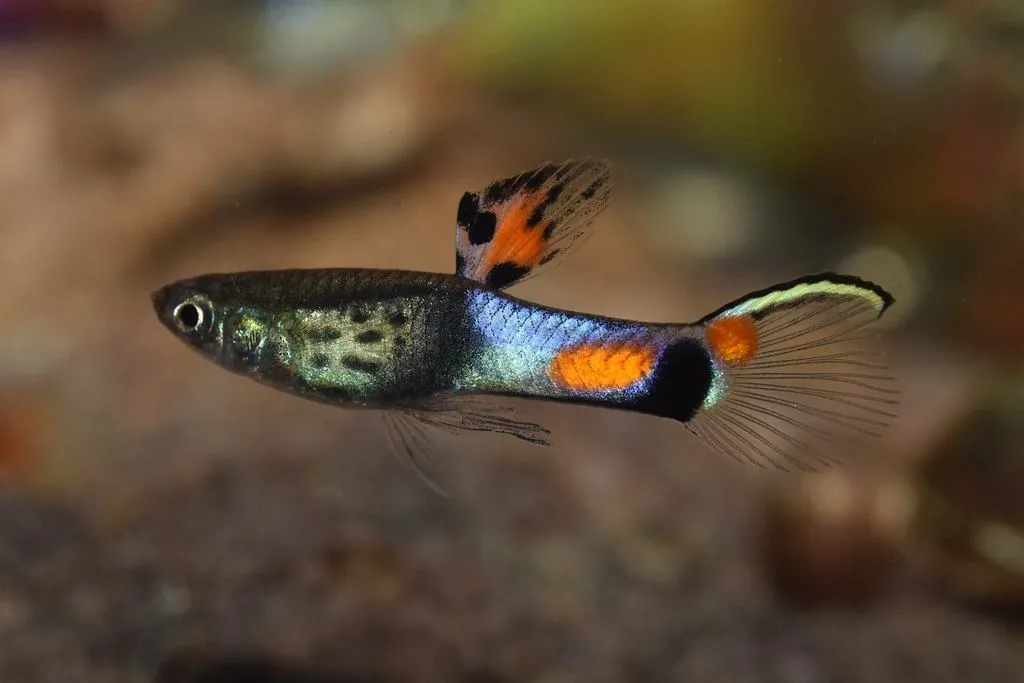
Endler's livebearer
Poecilia wingei
FreshwaterBrackish- Size
- 1.6 in (4 cm)
- Tank
- 5 gal (20 L)
- Water
- 72–86°F (22–30°C)
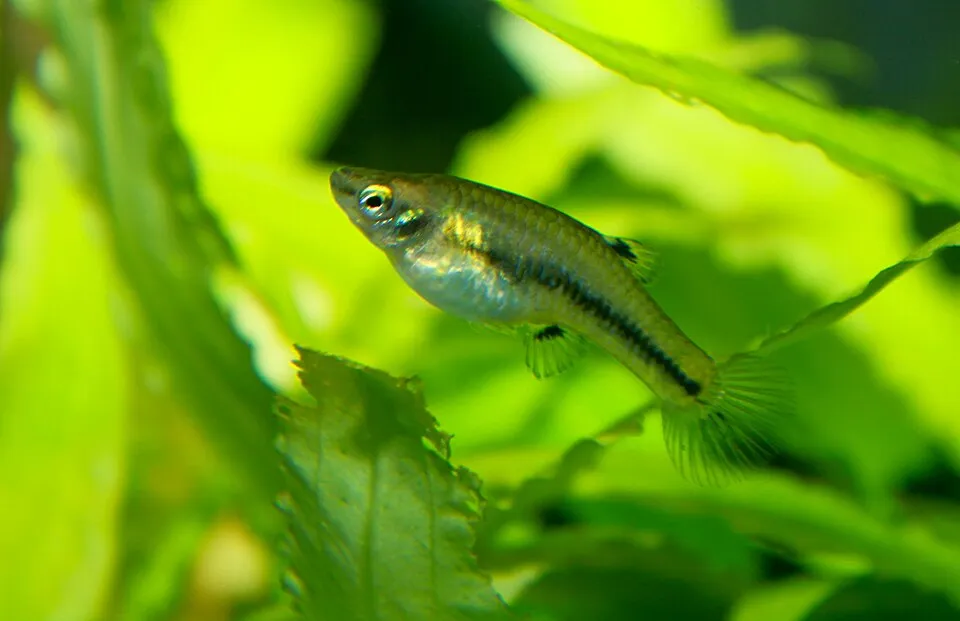
Least killifish
Heterandria formosa
FreshwaterBrackish- Size
- 1.4 in (3.5 cm)
- Tank
- 5 gal (20 L)
- Water
- 68–79°F (20–26°C)
The rule
What makes a freshwater fish nano
Every fish on this page stays under 2.4 inches (6 cm) and lists 11 gallons (40 liters) or less. Small does not mean solitary: most of them are schooling fish, and a group of eight to ten of one species in a 10 gallon tank is the right way to keep them, not one of each. They eat small food, crushed flake, micro pellets and baby brine shrimp, and they eat often. And a small tank has no buffer, so the water changes are weekly and the stocking stays light.
- 01
Under 2.4 inches
Every fish here stays under 6 cm full grown
- 02
11 gallons or less
Every profile lists 40 liters or under
- 03
Still a school
Eight to ten of one species, not one of each
- 04
Small food, often
Crushed flake, micro pellets, baby brine shrimp
Micro schools
Micro rasboras and the smallest tetras
The exclamation-point rasbora stays at 0.6 inches (1.6 cm), lists 11 gallons (40 liters) and is marked easy, which makes it the smallest easy fish in the catalog. The phoenix rasbora and the dwarf rasbora are its Boraras cousins at 0.8 to 1 inch (2 to 2.5 cm), marked medium for their soft water and their shyness in small numbers. The flame tetra is a 1 inch (2.5 cm) fish for 10 gallons (38 liters), marked easy, and the jellybean tetra is its African counterpart at 1.2 inches (3 cm). The espei rasbora is the harlequin's smaller relative at 1.5 inches (3.8 cm) for 11 gallons (40 liters), marked easy, and the most forgiving school on this page.
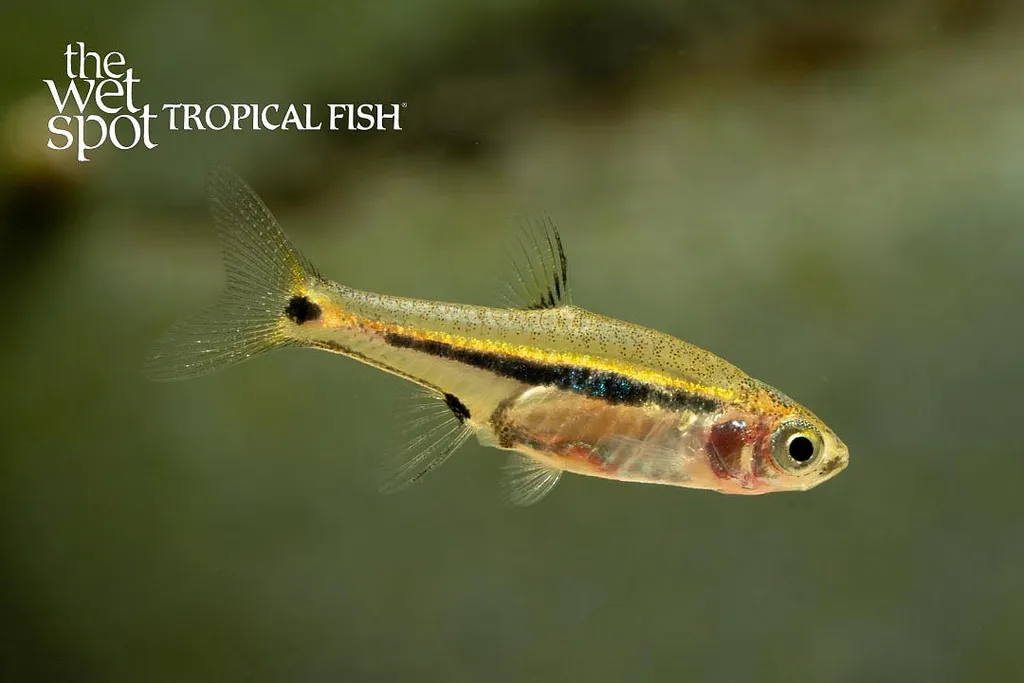
Exclamation-point rasbora
Boraras urophthalmoides
Freshwater0.6 in (1.6 cm) · 11 gal (40 L)73–81°F (23–27°C)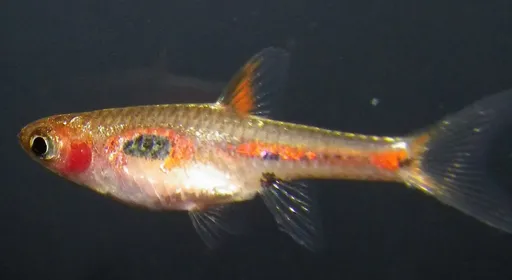
Phoenix rasbora
Boraras merah
Freshwater0.8 in (2 cm) · 11 gal (40 L)72–81°F (22–27°C)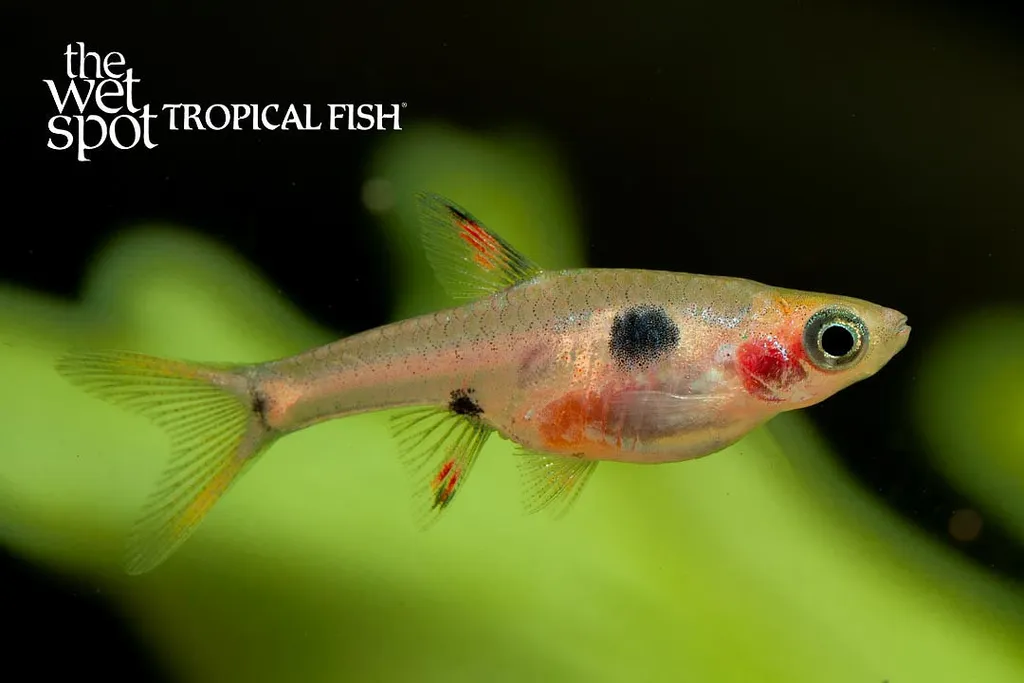
Dwarf rasbora
Boraras maculatus
Freshwater1 in (2.5 cm) · 7 gal (25 L)72–82°F (22–28°C)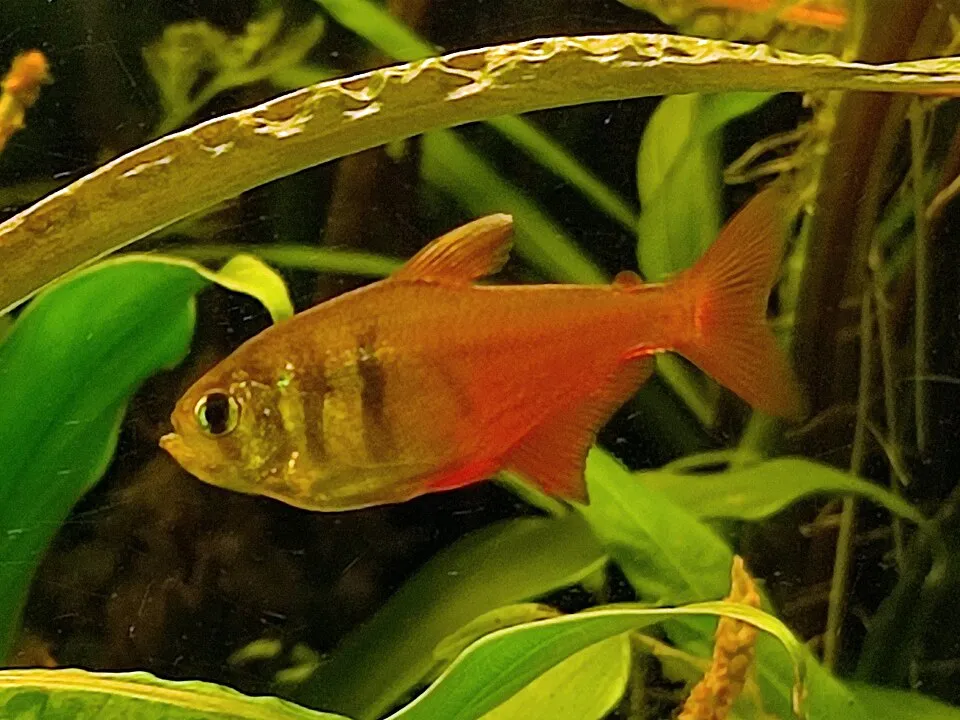
Flame tetra
Hyphessobrycon flammeus
Freshwater1 in (2.5 cm) · 10 gal (38 L)68–79°F (20–26°C)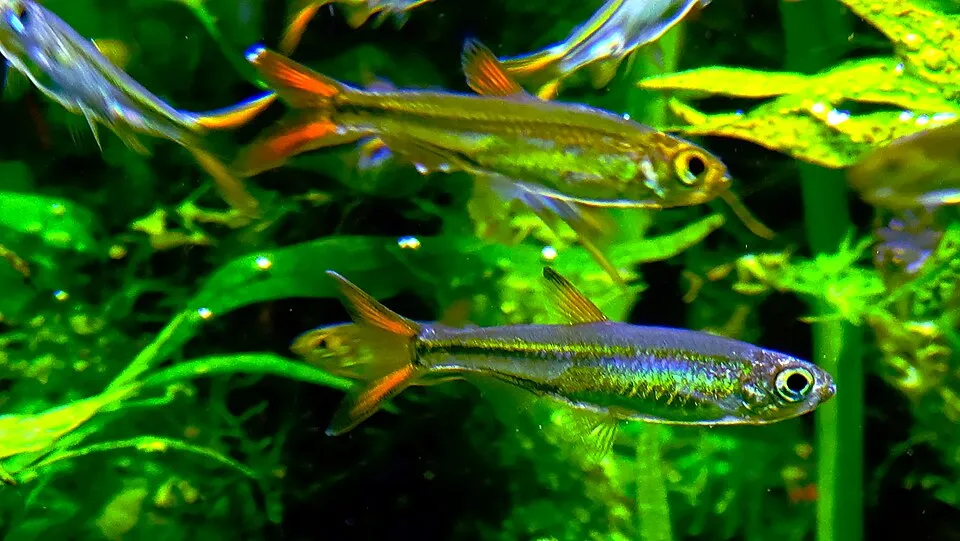
Jellybean tetra
Ladigesia roloffi
Freshwater1.2 in (3 cm) · 10 gal (37 L)72–81°F (22–27°C)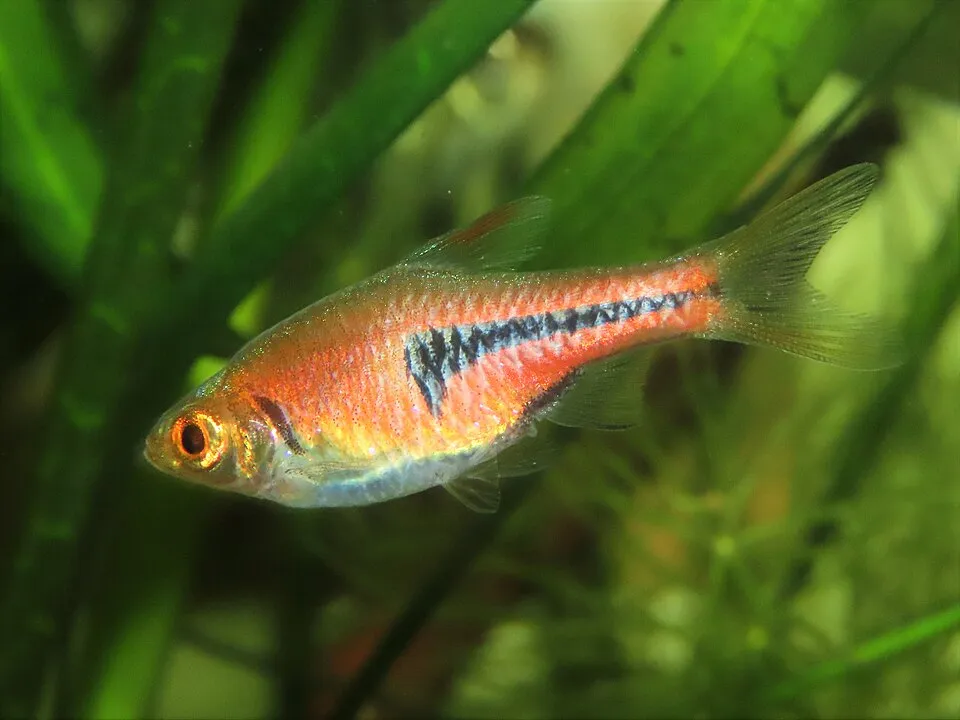
Espei rasbora
Trigonostigma espei
Freshwater1.5 in (3.8 cm) · 11 gal (40 L)73–82°F (23–28°C)
Centerpieces
One fish to build a nano tank around
The scarlet badis is a 0.8 inch (2 cm) fish that hunts live and frozen food and ignores flake, marked medium and mostly peaceful, and one male with a few females owns a 10 gallon tank. The gold ocellatus is a Tanganyikan shell dweller at 2.4 inches (6 cm) for 11 gallons (40 liters), marked easy, and it wants hard water at a pH from 7.5 to 9 and a pile of snail shells. The golden lyretail killifish is 2.4 inches (6 cm) for 10 gallons (38 liters) and jumps, so the lid matters. The medaka is the cool one, marked beginner at 61–72°F (16–22°C), a rice fish for an unheated tank. The green panchax is a 2 inch (5 cm) surface fish marked easy, and the red melon dario is the scarlet badis's larger cousin at 1.2 inches (3 cm).
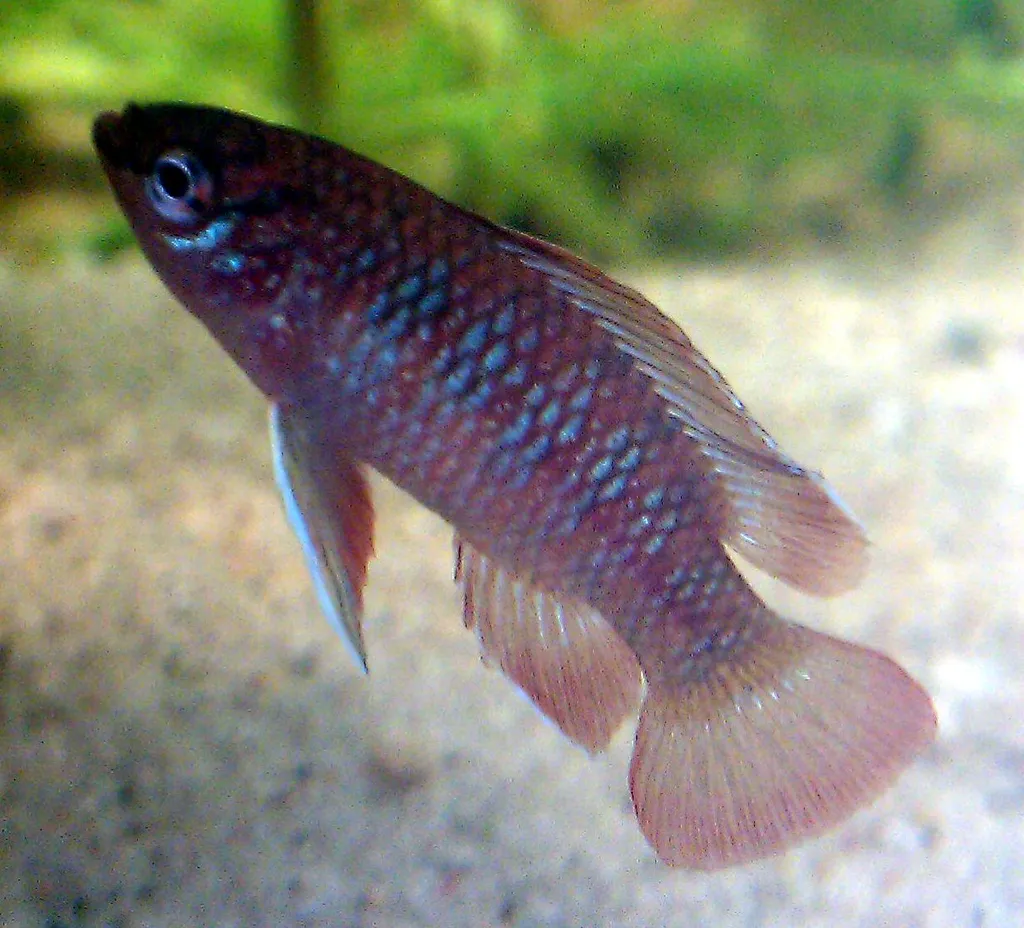
Scarlet badis
Dario dario
Freshwater0.8 in (2 cm) · 11 gal (40 L)72–79°F (22–26°C)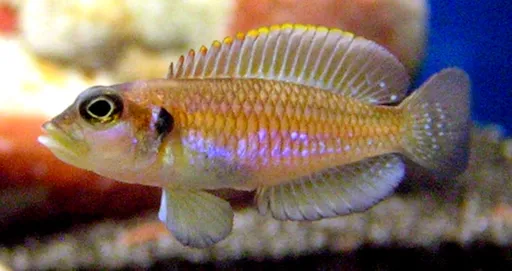
Gold ocellatus shell dweller
Lamprologus ocellatus
Freshwater2.4 in (6 cm) · 11 gal (40 L)75–81°F (24–27°C)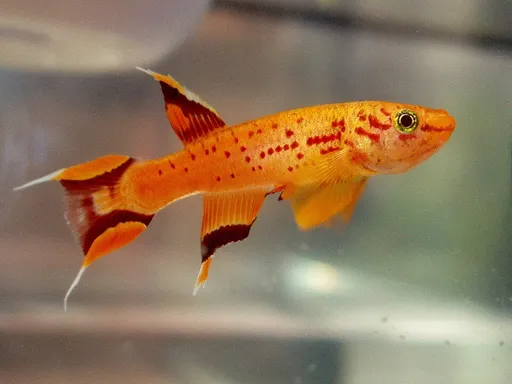
Golden lyretail killifish
Aphyosemion australe
Freshwater2.4 in (6 cm) · 10 gal (38 L)70–75°F (21–24°C)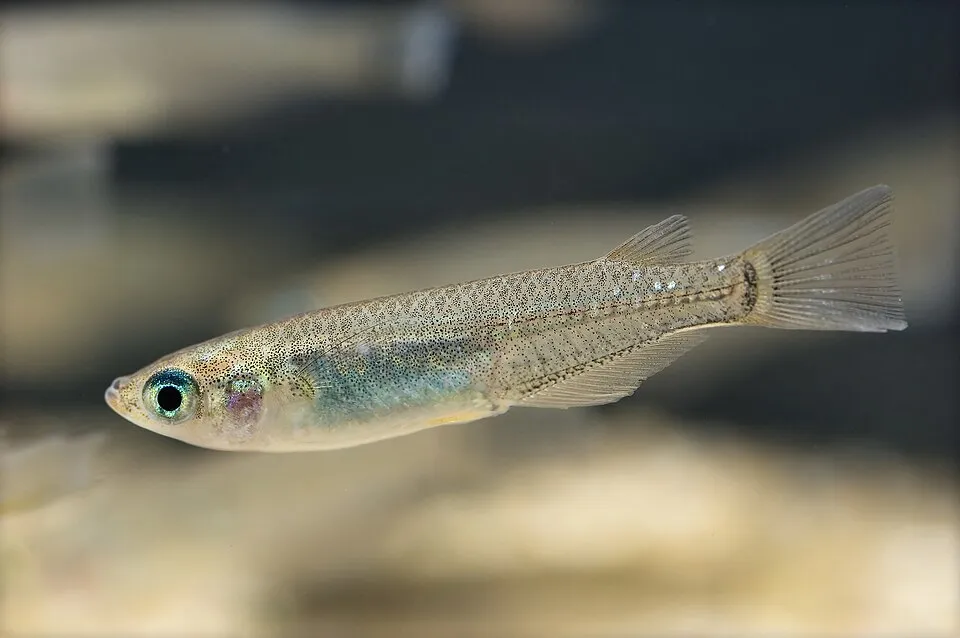
Medaka
Oryzias latipes
Freshwater1.4 in (3.5 cm) · 9 gal (35 L)61–72°F (16–22°C)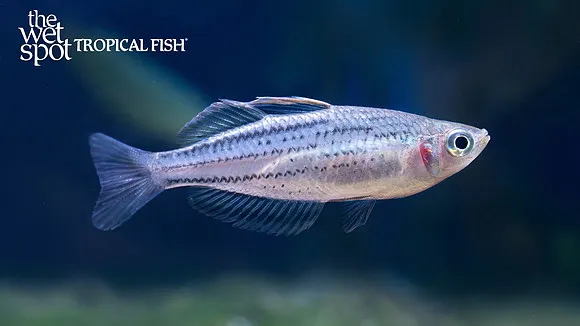
Green panchax
Aplocheilus blockii
Freshwater2 in (5 cm) · 11 gal (40 L)72–82°F (22–28°C)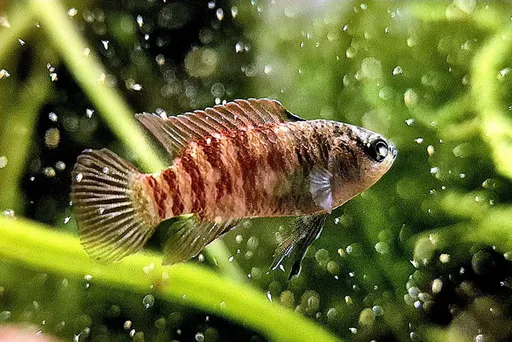
Red melon dario
Dario hysginon
Freshwater1.2 in (3 cm) · 11 gal (40 L)72–79°F (22–26°C)
Specialists
The blackwater specialists
The licorice gouramis are the hardest fish on this page: 1.1 to 1.5 inches (2.7 to 3.8 cm), a 5 to 11 gallon (20 to 40 liter) tank, a pH from 3.5 to 6 and water so soft it comes from a reverse osmosis unit. The wine-red betta and the other small wild bettas want the same water at 1.4 inches (3.5 cm) for 11 gallons (40 liters). The sundadanios are 0.9 inch (2.3 cm) schooling fish for a pH from 4.5 to 6.5, marked difficult. The pygmy carplet is 0.5 inches (1.2 cm), one of the smallest fish anyone keeps, and the Tambopata glass tetra is 0.7 inches (1.9 cm) for a 5 gallon (20 liter) tank. None of them belongs in a first tank.
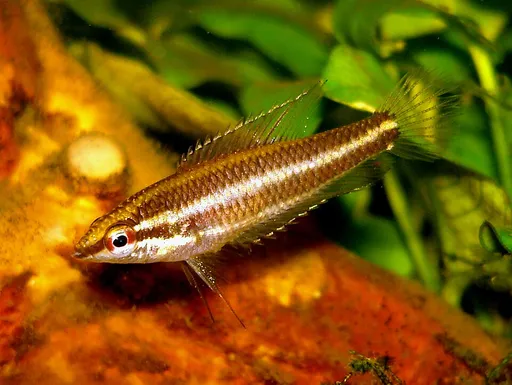
Licorice gourami
Parosphromenus deissneri
Freshwater1.5 in (3.8 cm) · 11 gal (40 L)72–82°F (22–28°C)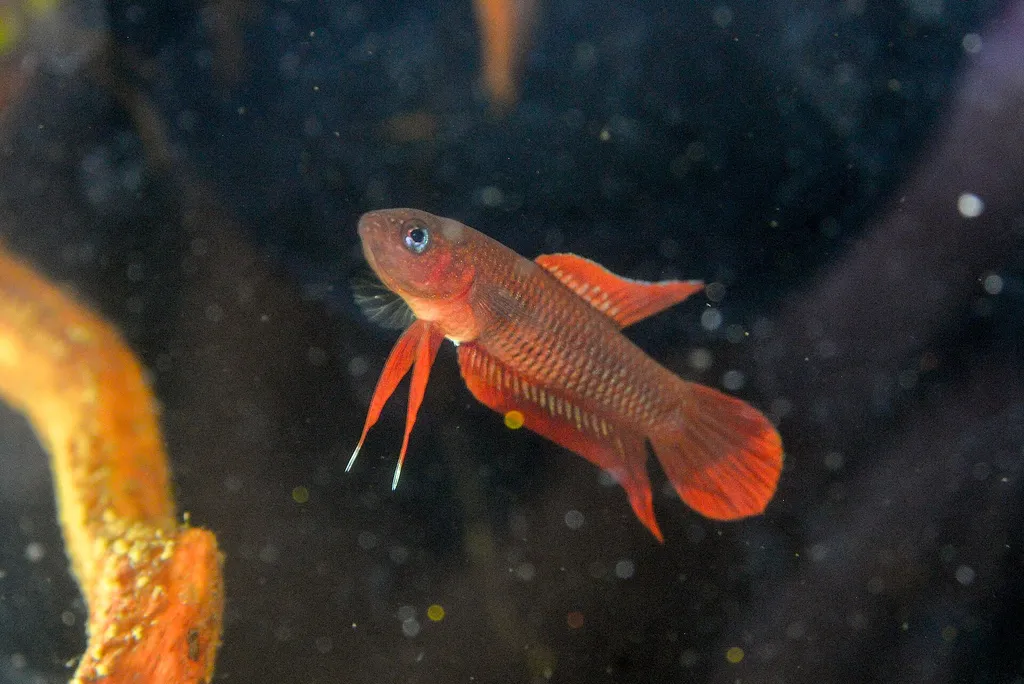
Wine-red betta
Betta burdigala
Freshwater1.4 in (3.5 cm) · 11 gal (40 L)72–81°F (22–27°C)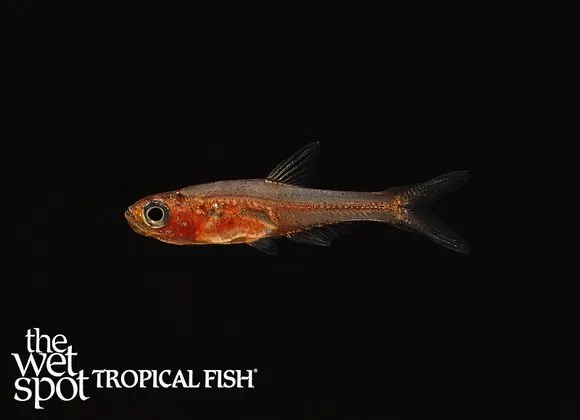
Ruby sundadanio
Sundadanio rubellus
Freshwater0.9 in (2.3 cm) · 11 gal (40 L)73–81°F (23–27°C)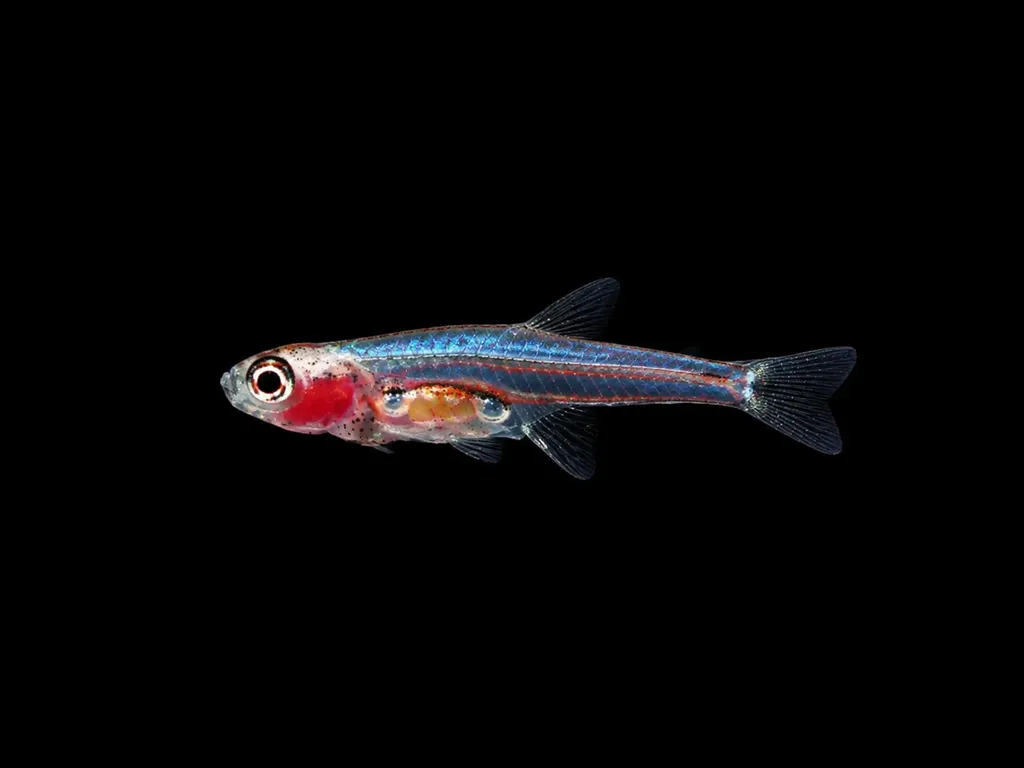
Pygmy carplet
Paedocypris progenetica
Freshwater0.5 in (1.2 cm) · 5 gal (20 L)75–82°F (24–28°C)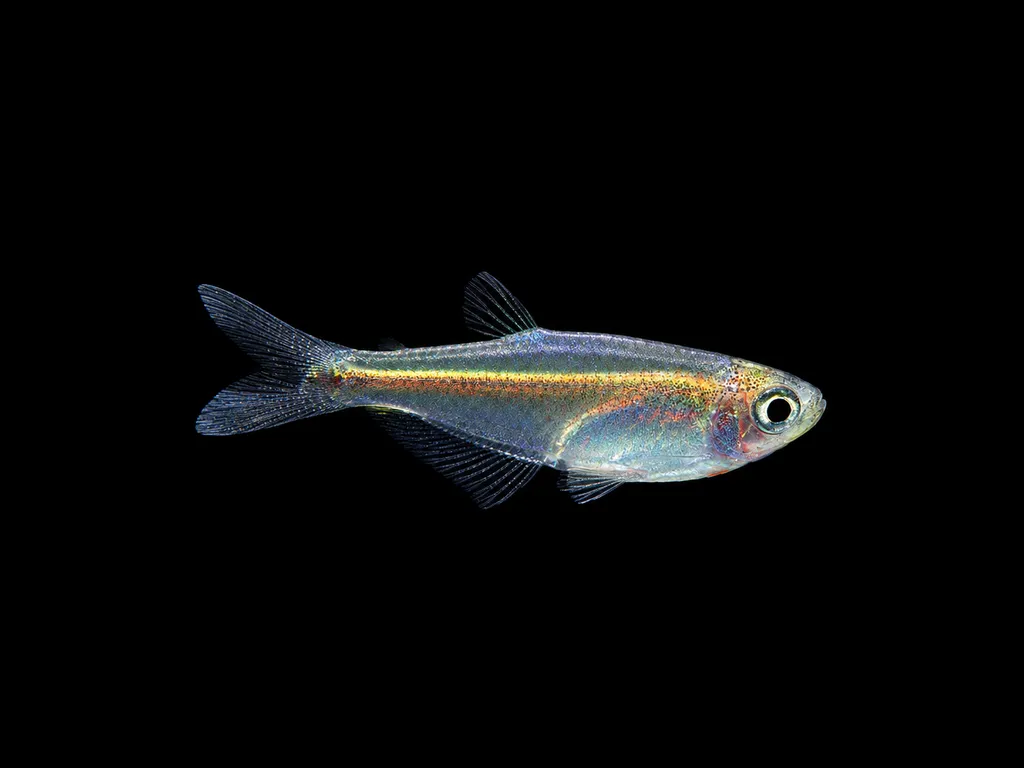
Tambopata glass tetra
Tyttocharax tambopatensis
Freshwater0.7 in (1.9 cm) · 5 gal (20 L)73–81°F (23–27°C)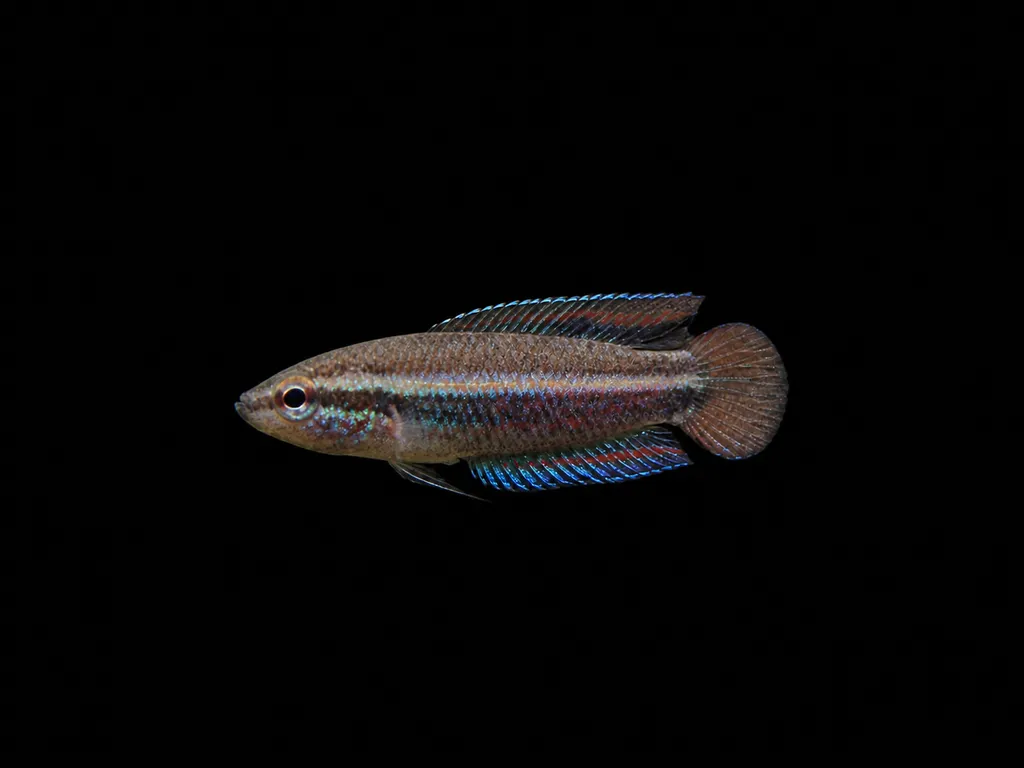
Sumatran licorice gourami
Parosphromenus sumatranus
Freshwater1.2 in (3 cm) · 5 gal (20 L)72–81°F (22–27°C)
By the numbers
Smallest
Largest
Easiest to keep
FAQ
Common questions
What fish can live in a 5 gallon tank?
Endler's livebearer, the least killifish and the dwarf livebearer all list 5 gallons (20 liters) and are marked beginner or easy. The chili rasbora lists 7 gallons (25 liters) and most of the other nano fish list 9 to 11 gallons (35 to 40 liters).
How many nano fish fit in a 10 gallon tank?
A school of eight to ten of one species, such as ember tetras or chili rasboras, plus one centerpiece such as a scarlet badis. Check the mix in the stocking calculator before adding a second school.
Are nano fish harder to keep than bigger fish?
The fish are not; the ember tetra, celestial pearl danio and Endler's livebearer are marked easy or beginner. The tank is: 10 gallons of water swings faster than 40, so the water changes have to happen on time.
Can a betta live with nano fish?
Bettas are not on this list because they list a larger tank, but a betta shares a 10 gallon tank with a school of ember tetras or chili rasboras in many tanks. Check the pair in the stocking calculator, and read the betta hub before you try it.
Do nano fish need a heater?
Most list 72–82°F (22–28°C) and need one. The medaka lists 61–72°F (16–22°C) and does better without.
What do nano fish eat?
Crushed flake, micro pellets, baby brine shrimp and daphnia, fed in small amounts twice a day. The scarlet badis and the darios refuse dry food and need frozen or live food from the start.
Index
All nano freshwater fish
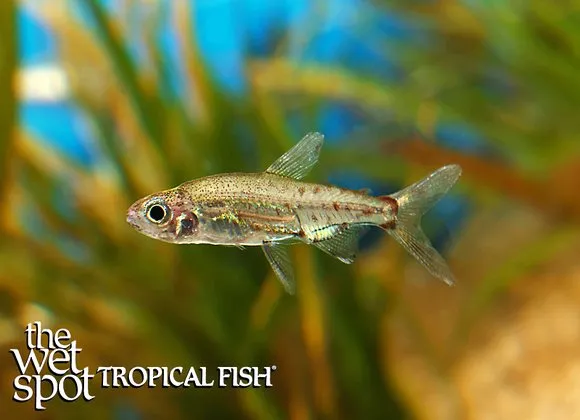
Adonis tetra
Lepidarchus adonis
Freshwater1 in (2.5 cm) · 11 gal (40 L)72–79°F (22–26°C)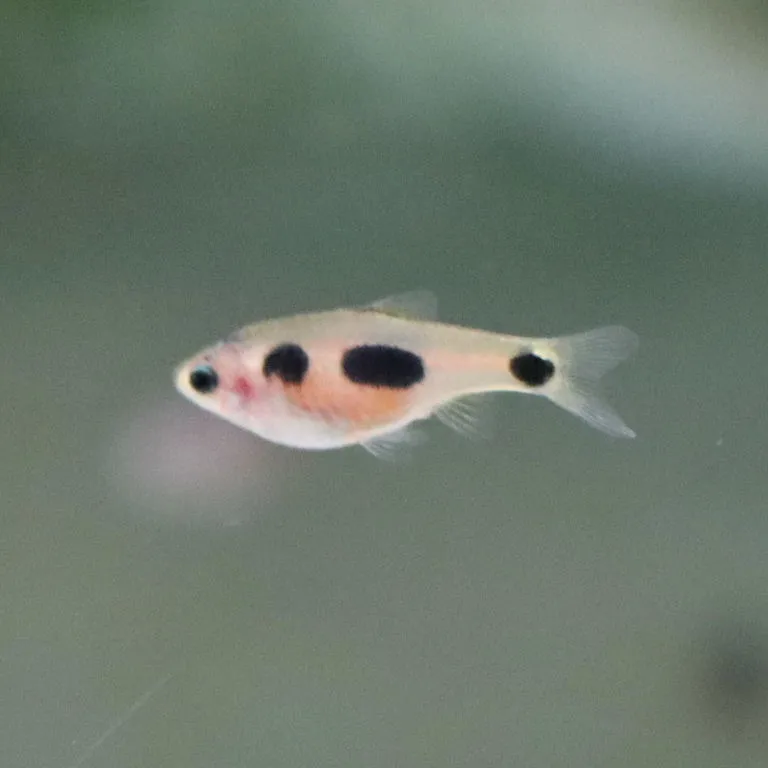
African butterfly barb
Barbus hulstaerti
Freshwater1.4 in (3.5 cm) · 11 gal (40 L)63–75°F (17–24°C)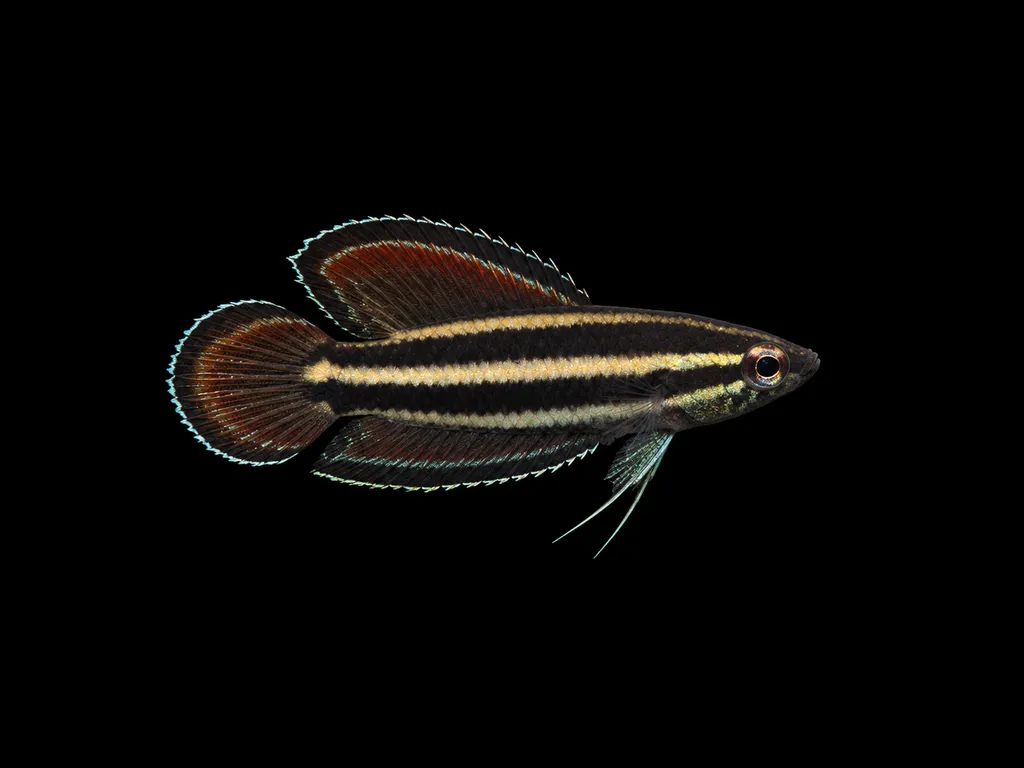
Alfred's licorice gourami
Parosphromenus alfredi
Freshwater1.3 in (3.2 cm) · 5 gal (20 L)72–81°F (22–27°C)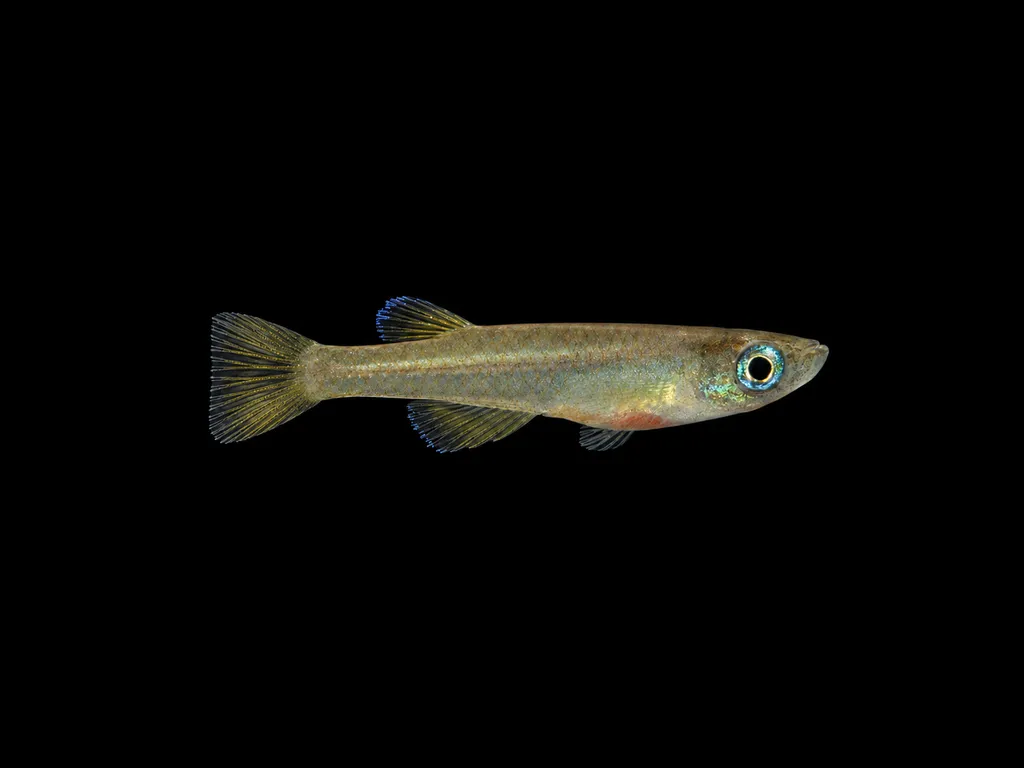
Amber-finned lampeye
Foerschichthys flavipinnis
Freshwater1.4 in (3.5 cm) · 11 gal (40 L)72–79°F (22–26°C)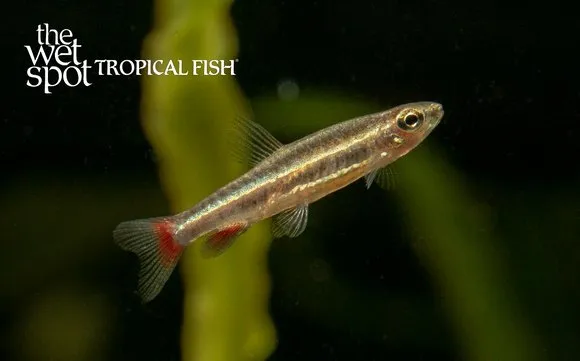
Anduzei pencilfish
Nannostomus anduzei
Freshwater0.7 in (1.9 cm) · 5 gal (20 L)75–82°F (24–28°C)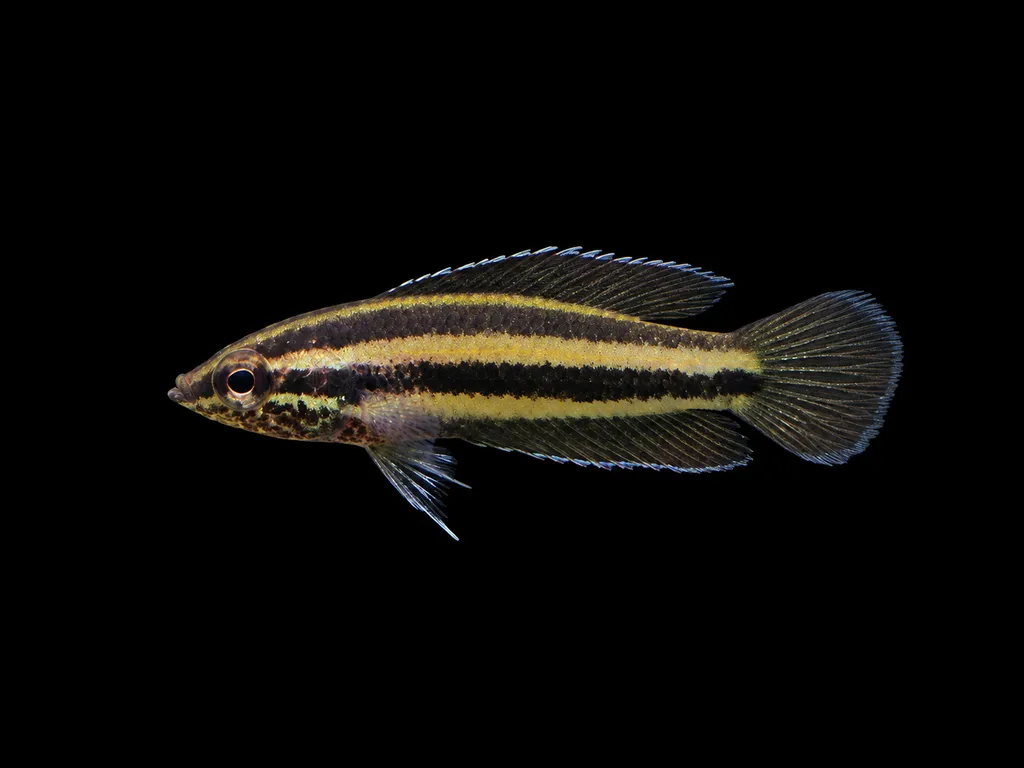
Anjungan licorice gourami
Parosphromenus anjunganensis
Freshwater1.4 in (3.5 cm) · 11 gal (40 L)72–82°F (22–28°C)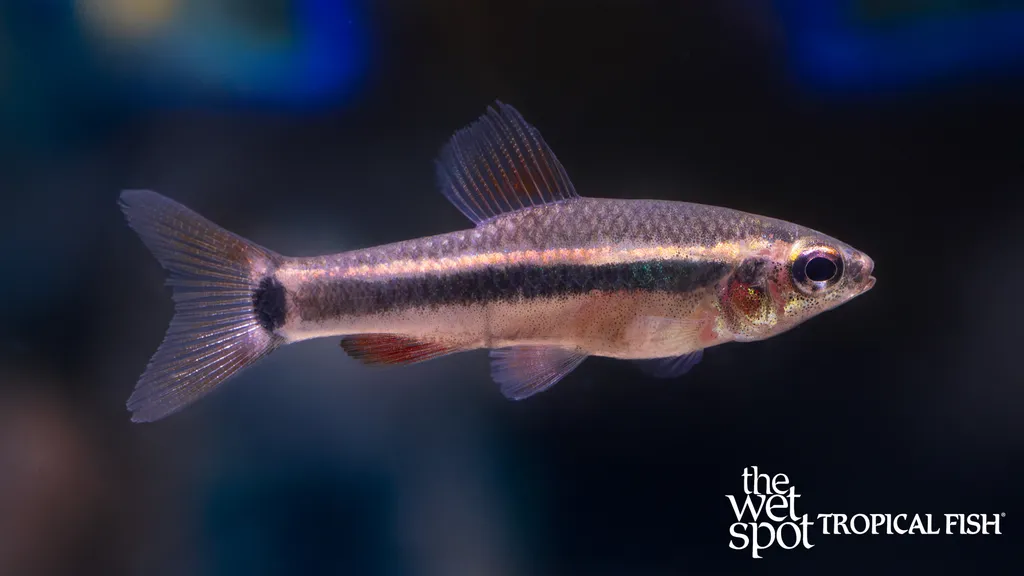
Ansorge's neolebias
Neolebias ansorgii
Freshwater1.4 in (3.5 cm) · 11 gal (40 L)75–82°F (24–28°C)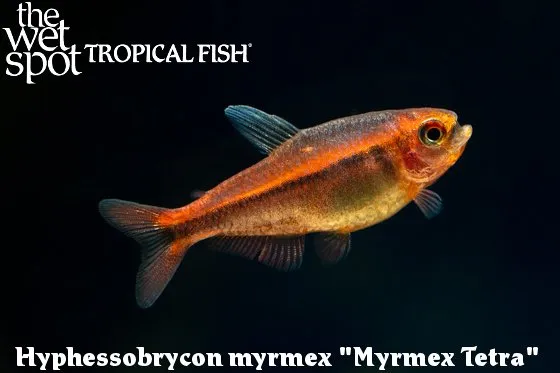
Ant tetra
Hyphessobrycon myrmex
Freshwater1.1 in (2.9 cm) · 10 gal (38 L)72–81°F (22–27°C)Api api betta
Betta mulyadii
Freshwater1.1 in (2.8 cm) · 8 gal (30 L)75–84°F (24–29°C)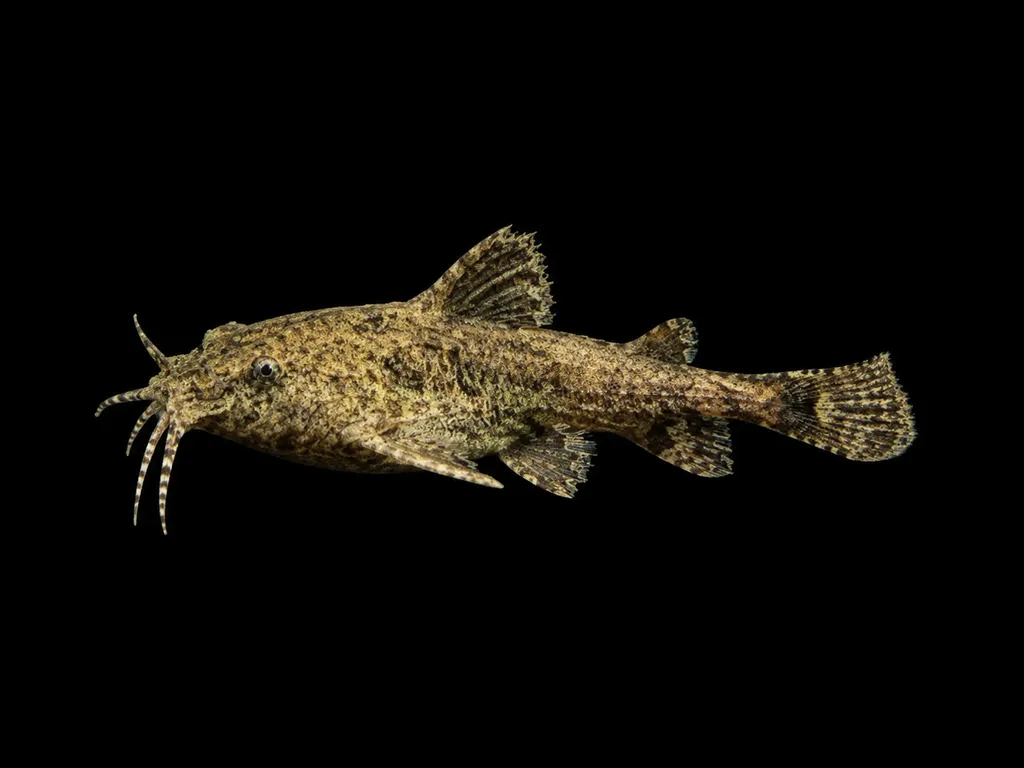
Asian stone catfish
Hara jerdoni
Freshwater1.6 in (4 cm) · 11 gal (40 L)64–75°F (18–24°C)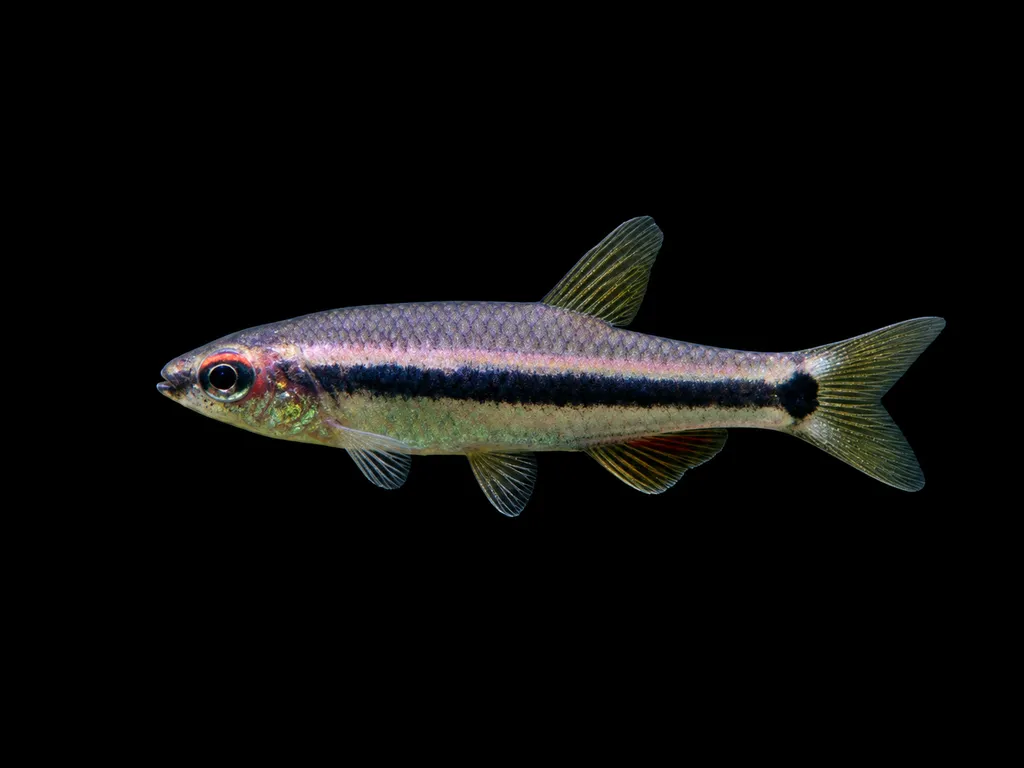
Axelrod's neolebias
Neolebias axelrodi
Freshwater0.9 in (2.2 cm) · 11 gal (40 L)73–81°F (23–27°C)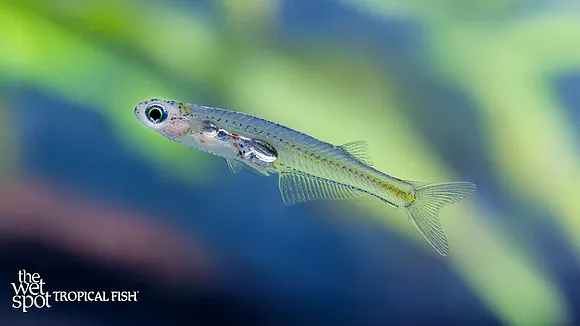
Bengal glass danio
Danionella priapus
Freshwater0.7 in (1.9 cm) · 5 gal (20 L)72–79°F (22–26°C)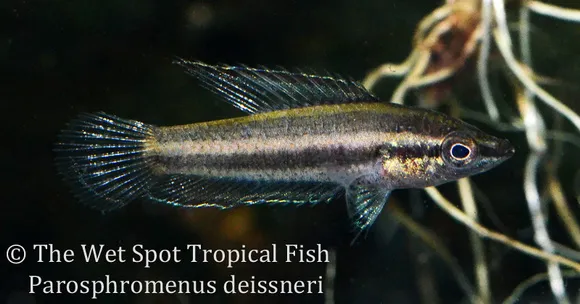
Bintan licorice gourami
Parosphromenus bintan
Freshwater1.3 in (3.2 cm) · 5 gal (20 L)72–81°F (22–27°C)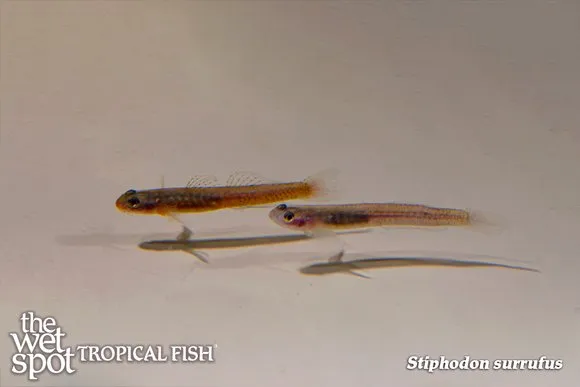
Birdsong goby
Stiphodon surrufus
Freshwater1 in (2.5 cm) · 11 gal (40 L)73–81°F (23–27°C)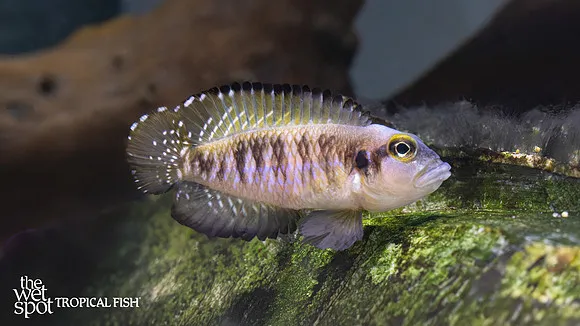
Black ocellatus
Lamprologus speciosus
Freshwater2.2 in (5.5 cm) · 11 gal (40 L)75–81°F (24–27°C)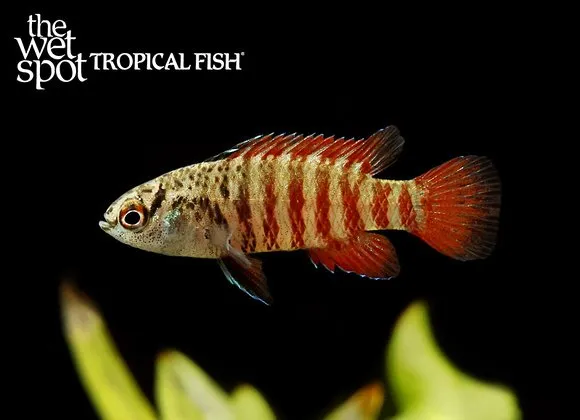
Black tiger dario
Dario tigris
Freshwater0.8 in (2 cm) · 5 gal (20 L)68–79°F (20–26°C)
Black-barred livebearer
Quintana atrizona
Freshwater1.3 in (3.4 cm) · 11 gal (40 L)72–82°F (22–28°C)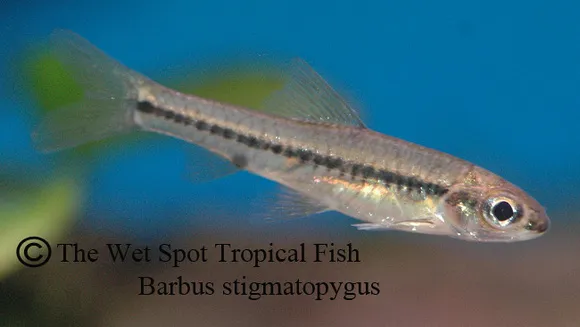
Blackspot dwarf barb
Enteromius stigmatopygus
Freshwater1.4 in (3.5 cm) · 11 gal (40 L)72–81°F (22–27°C)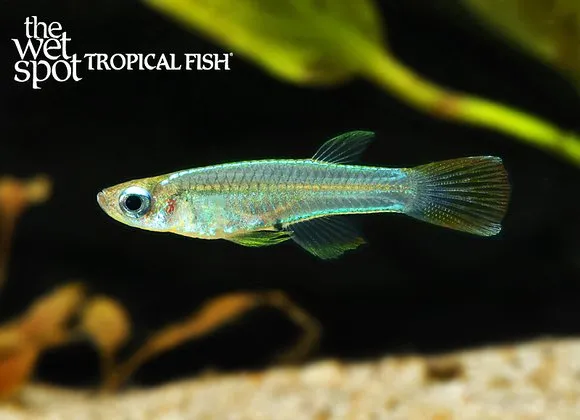
Blackspot lampeye
Poropanchax stigmatopygus
Freshwater1.2 in (3 cm) · 11 gal (40 L)72–79°F (22–26°C)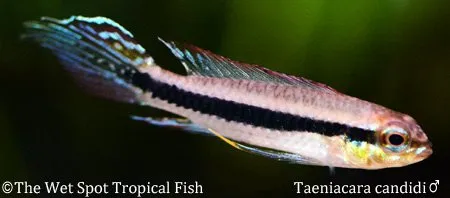
Blackstripe dwarf cichlid
Taeniacara candidi
Freshwater1.6 in (4 cm) · 11 gal (40 L)75–82°F (24–28°C)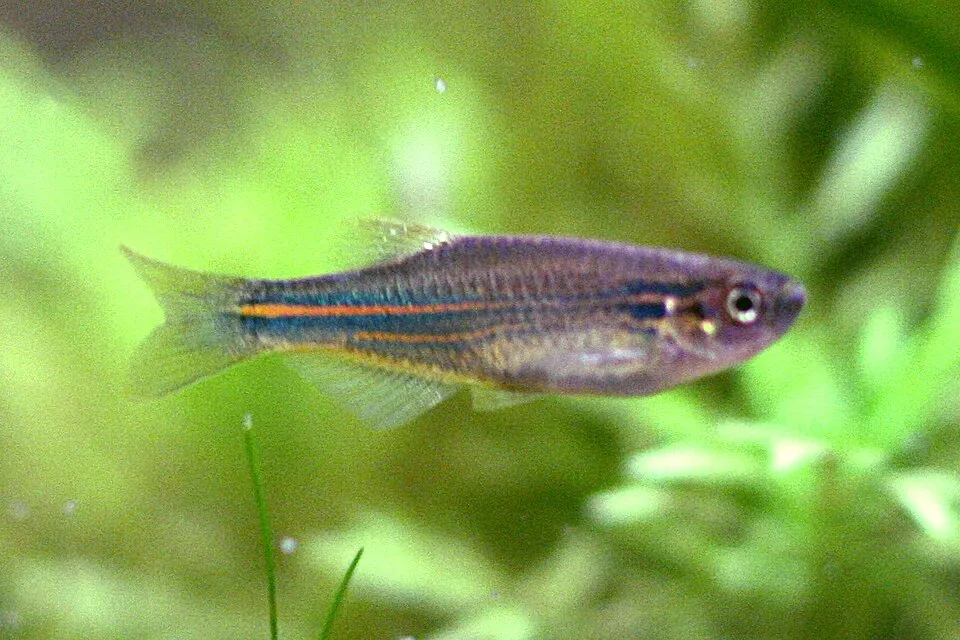
Blue danio
Danio kerri
Freshwater1.8 in (4.5 cm) · 11 gal (40 L)68–79°F (20–26°C)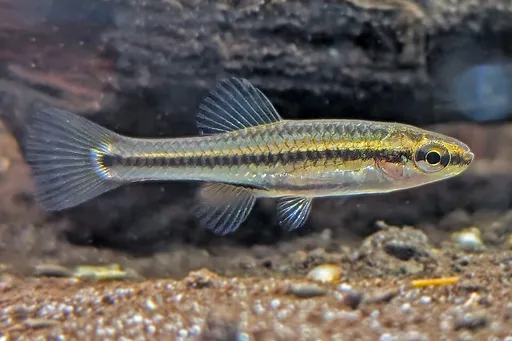
Bluefin killifish
Lucania goodei
Freshwater2 in (5 cm) · 11 gal (40 L)64–77°F (18–25°C)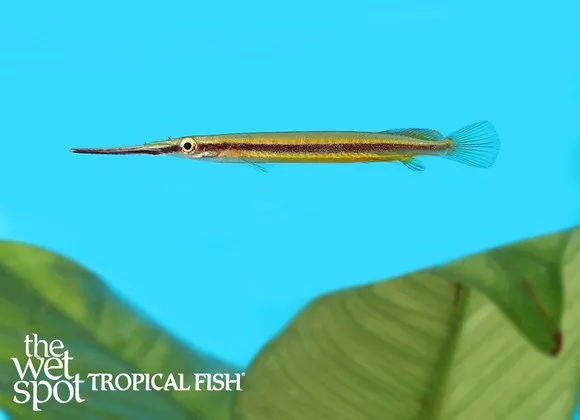
Borneo gold spot halfbeak
Hemirhamphodon tengah
Freshwater1.8 in (4.5 cm) · 11 gal (40 L)73–81°F (23–27°C)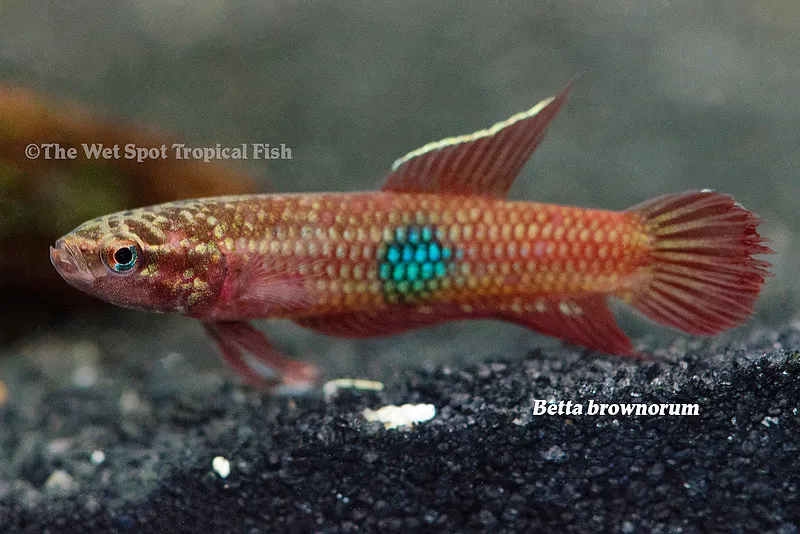
Brown's betta
Betta brownorum
Freshwater1.2 in (3 cm) · 11 gal (40 L)75–82°F (24–28°C)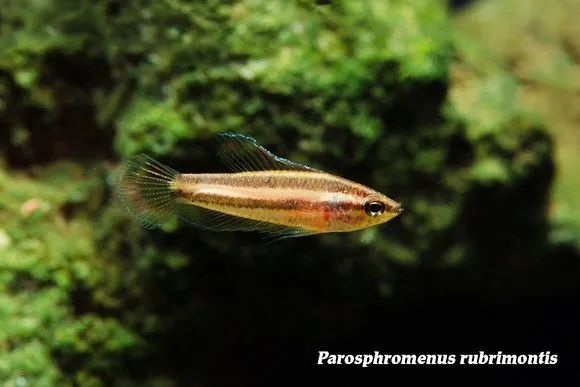
Bukit Merah licorice gourami
Parosphromenus rubrimontis
Freshwater1.2 in (3 cm) · 5 gal (20 L)72–81°F (22–27°C)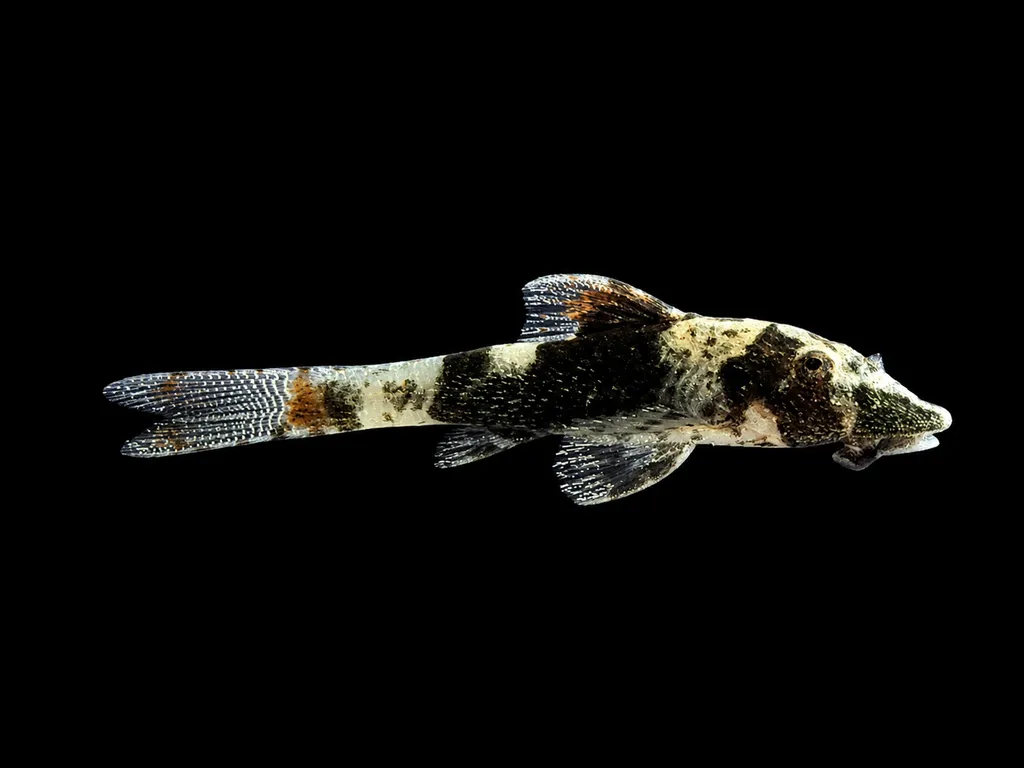
Bumblebee otocinclus
Rhinotocinclus isabelae
Freshwater0.8 in (2 cm) · 11 gal (40 L)73–82°F (23–28°C)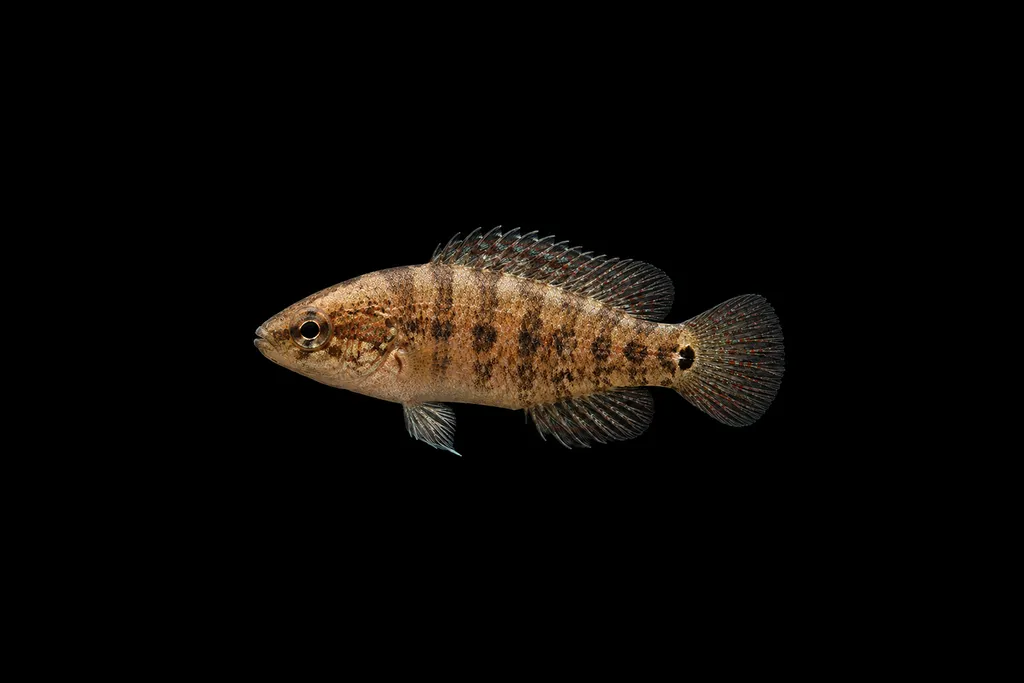
Burmese caterpillar badis
Badis pyema
Freshwater1.8 in (4.5 cm) · 11 gal (40 L)68–79°F (20–26°C)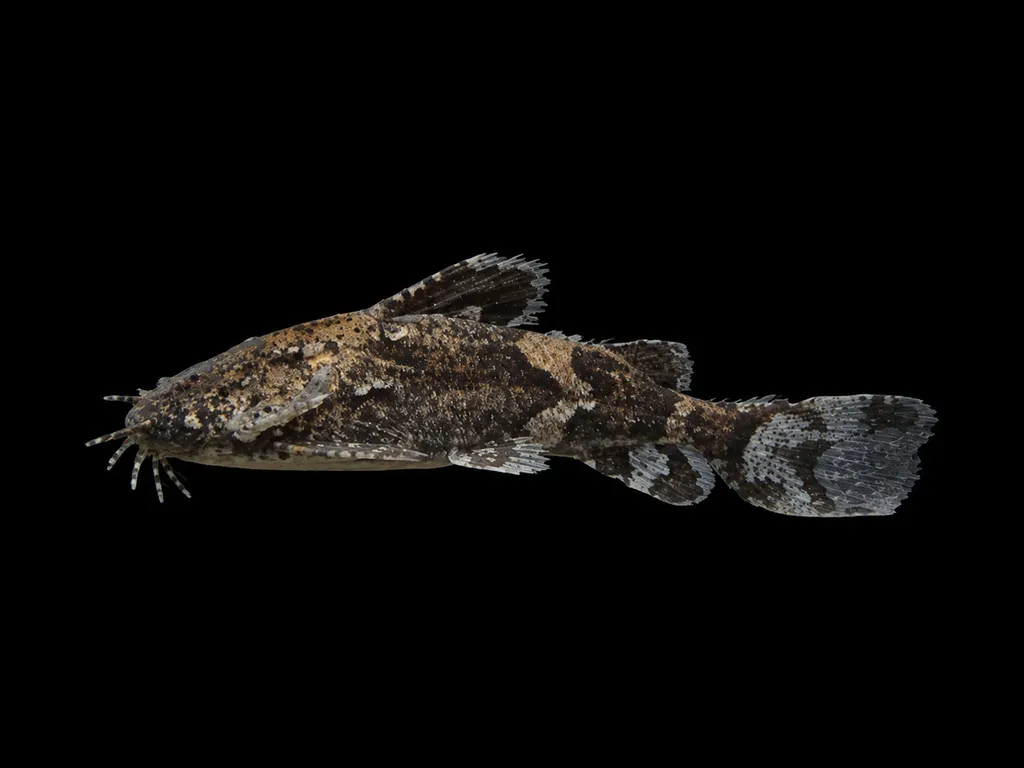
Burmese mini moth catfish
Hara minuscula
Freshwater1.2 in (3 cm) · 11 gal (40 L)68–79°F (20–26°C)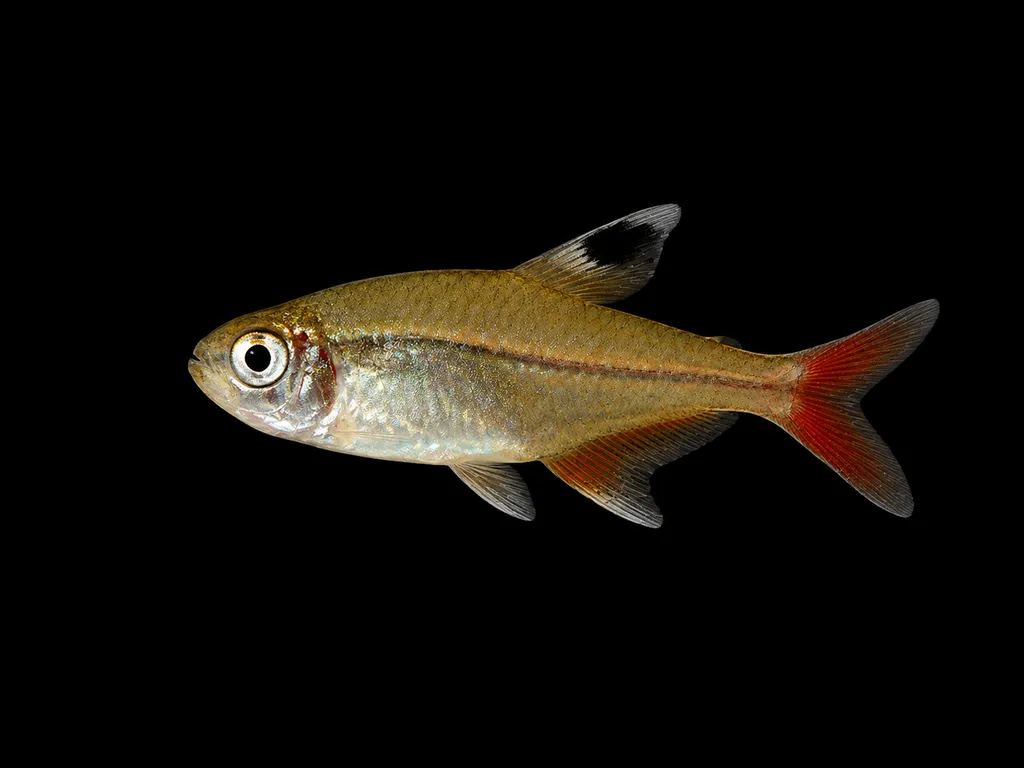
Calypso tetra
Hyphessobrycon axelrodi
Freshwater1.1 in (2.8 cm) · 10 gal (38 L)72–82°F (22–28°C)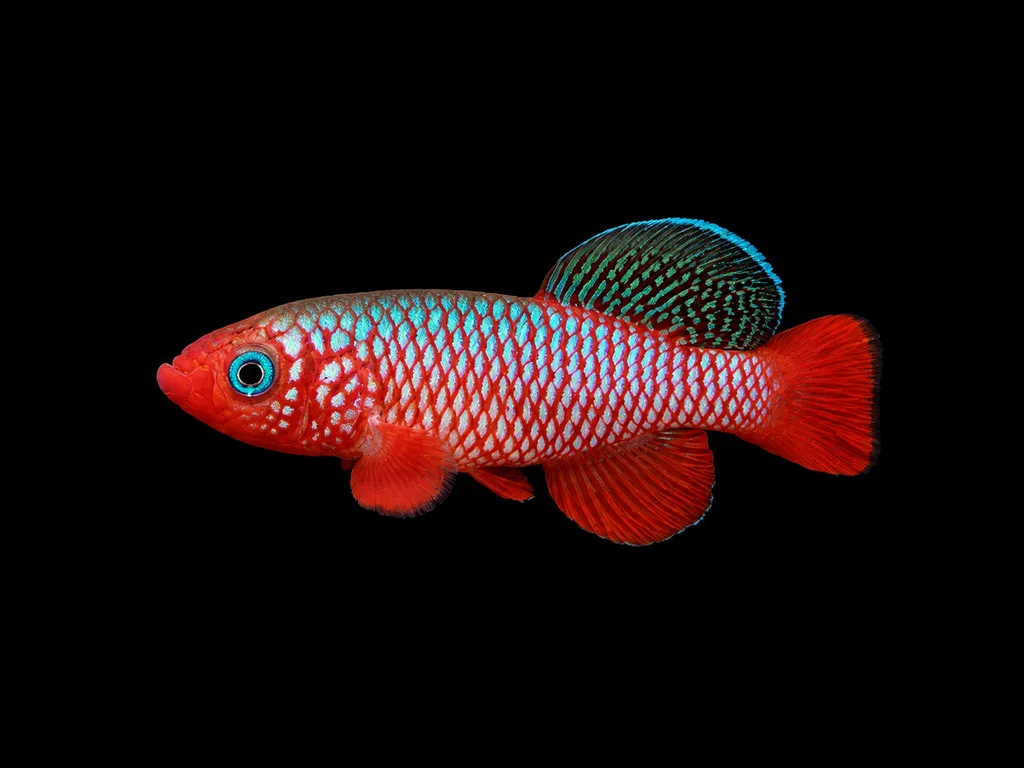
Cardinal nothobranch
Nothobranchius cardinalis
Freshwater1.6 in (4 cm) · 11 gal (40 L)72–79°F (22–26°C)Celestial Pearl danio
Danio margaritatus
Freshwater0.8 in (2 cm) · 9 gal (35 L)72–79°F (22–26°C)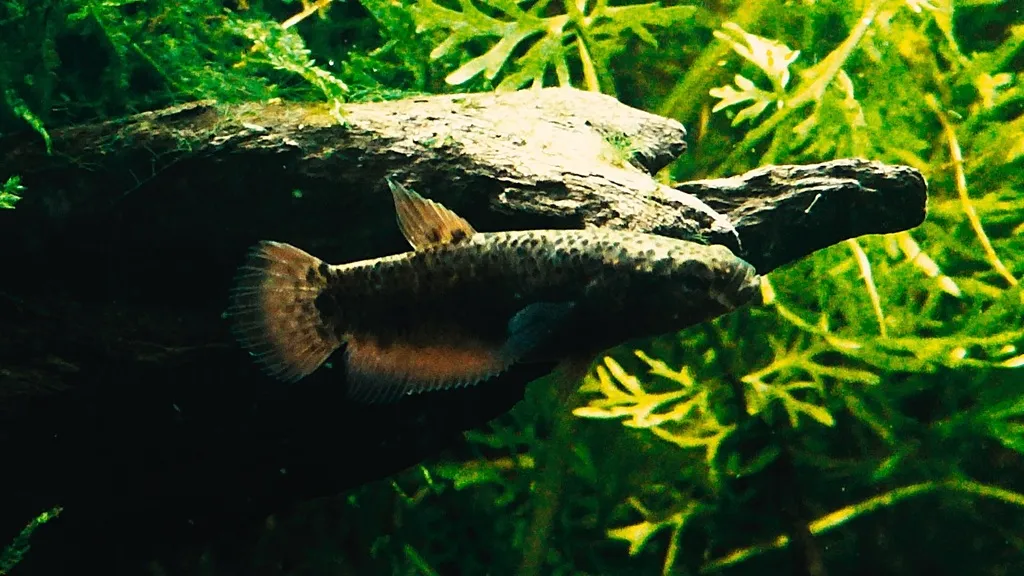
Channoides betta
Betta channoides
Freshwater1.6 in (4 cm) · 11 gal (40 L)73–82°F (23–28°C)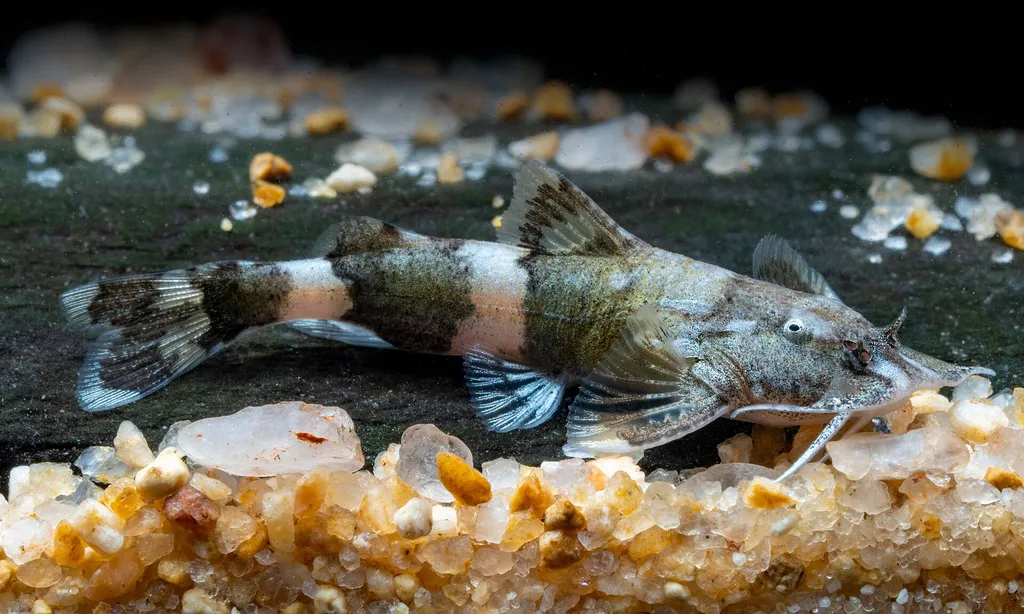
Cheetah moth catfish
Pseudolaguvia shawi
Freshwater1.5 in (3.8 cm) · 11 gal (40 L)68–79°F (20–26°C)Chili rasbora
Boraras brigittae
Freshwater0.8 in (2 cm) · 7 gal (25 L)72–82°F (22–28°C)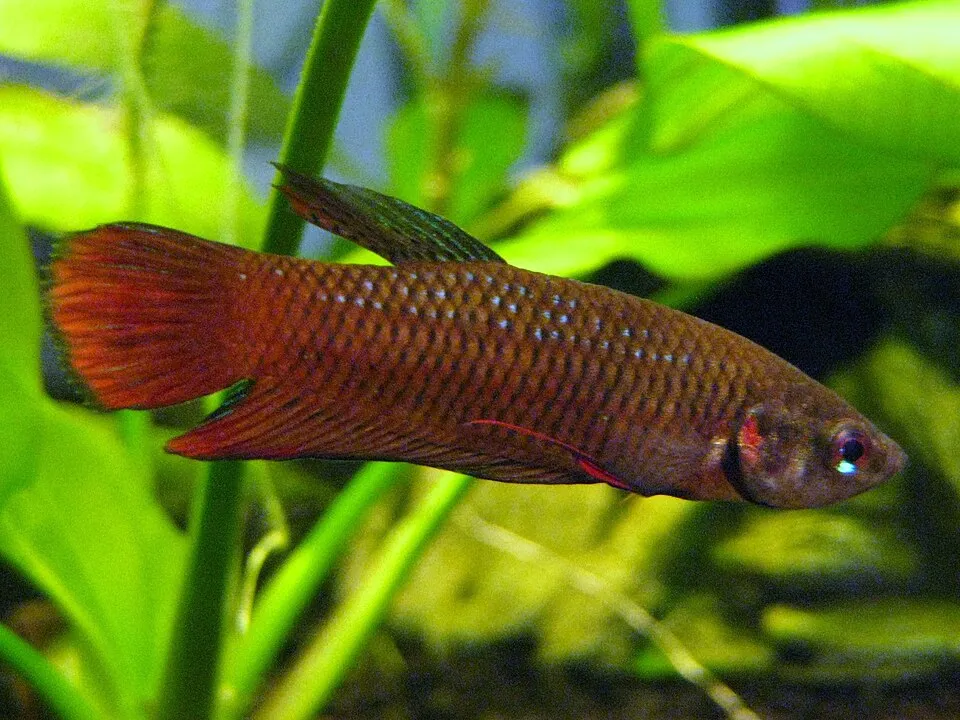
Chukai betta
Betta tussyae
Freshwater1.6 in (4 cm) · 11 gal (40 L)73–82°F (23–28°C)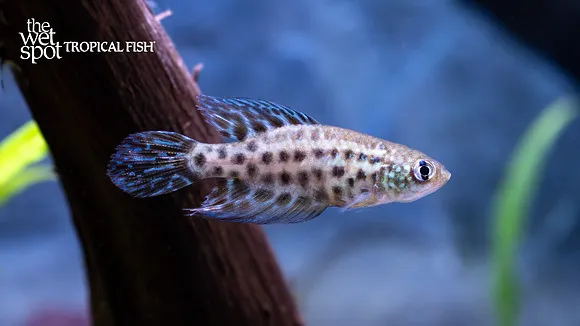
Constanciae killifish
Simpsonichthys constanciae
Freshwater2.4 in (6 cm) · 11 gal (40 L)68–77°F (20–25°C)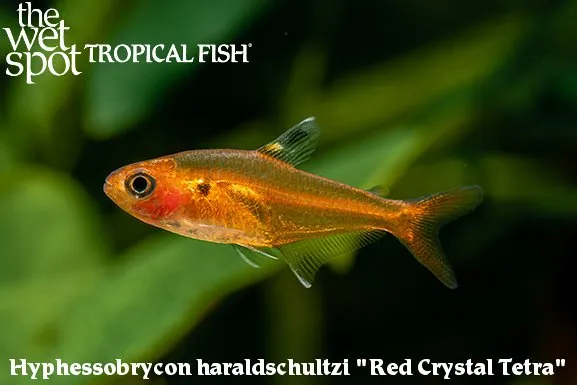
Crystal red tetra
Hyphessobrycon haraldschultzi
Freshwater1 in (2.5 cm) · 10 gal (38 L)73–82°F (23–28°C)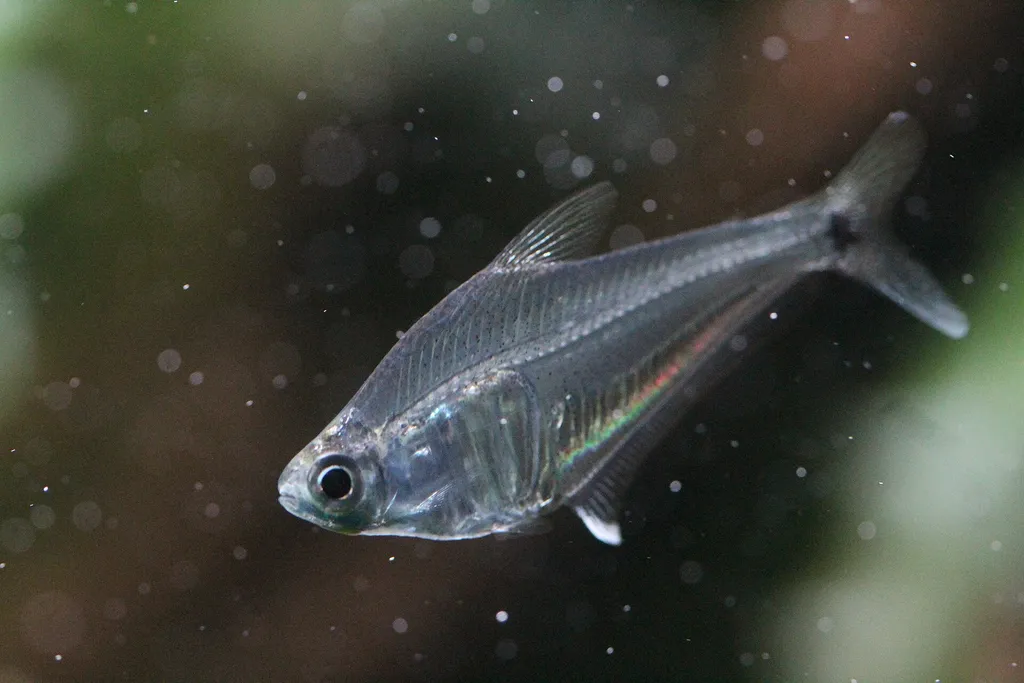
Crystal tetra
Protocheirodon pi
Freshwater1.2 in (3.1 cm) · 11 gal (40 L)73–82°F (23–28°C)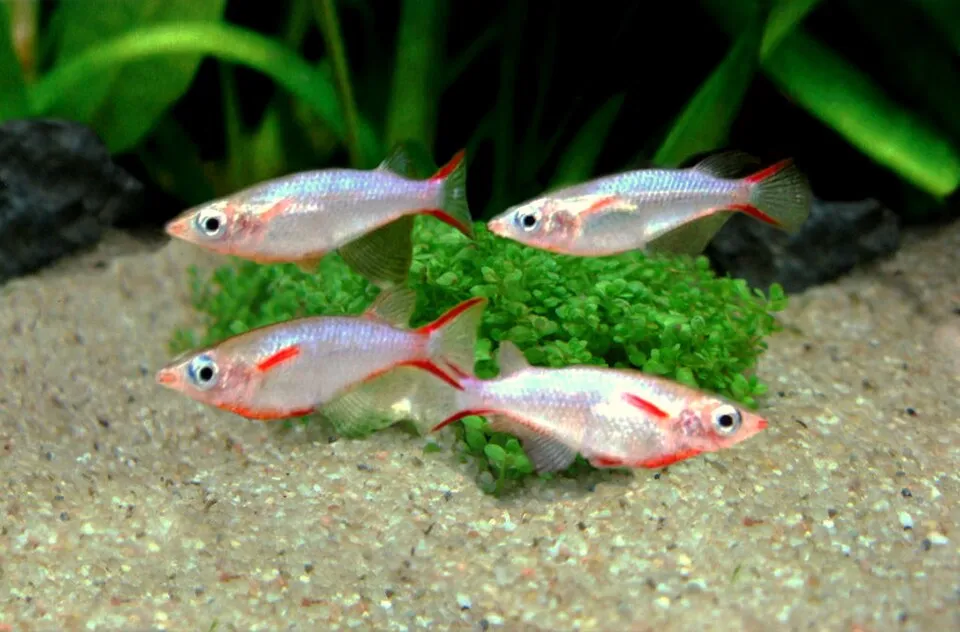
Daisy's ricefish
Oryzias woworae
Freshwater1.2 in (3 cm) · 9 gal (35 L)73–81°F (23–27°C)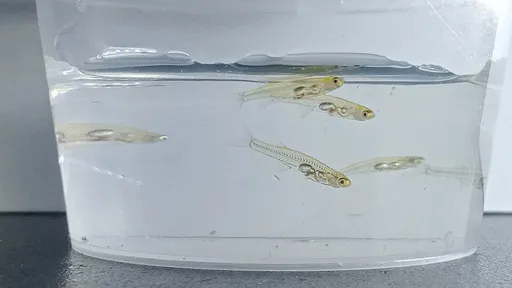
Danionella cerebrum
Freshwater0.5 in (1.3 cm) · 8 gal (30 L)72–82°F (22–28°C)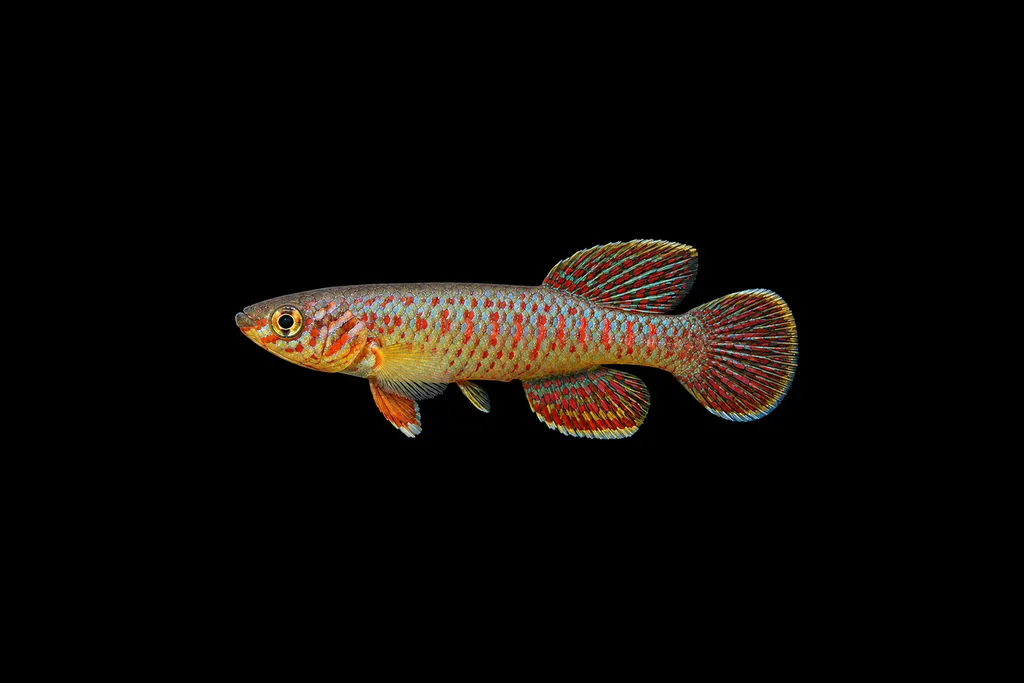
Darge's killifish
Aphyosemion dargei
Freshwater2 in (5 cm) · 11 gal (40 L)68–77°F (20–25°C)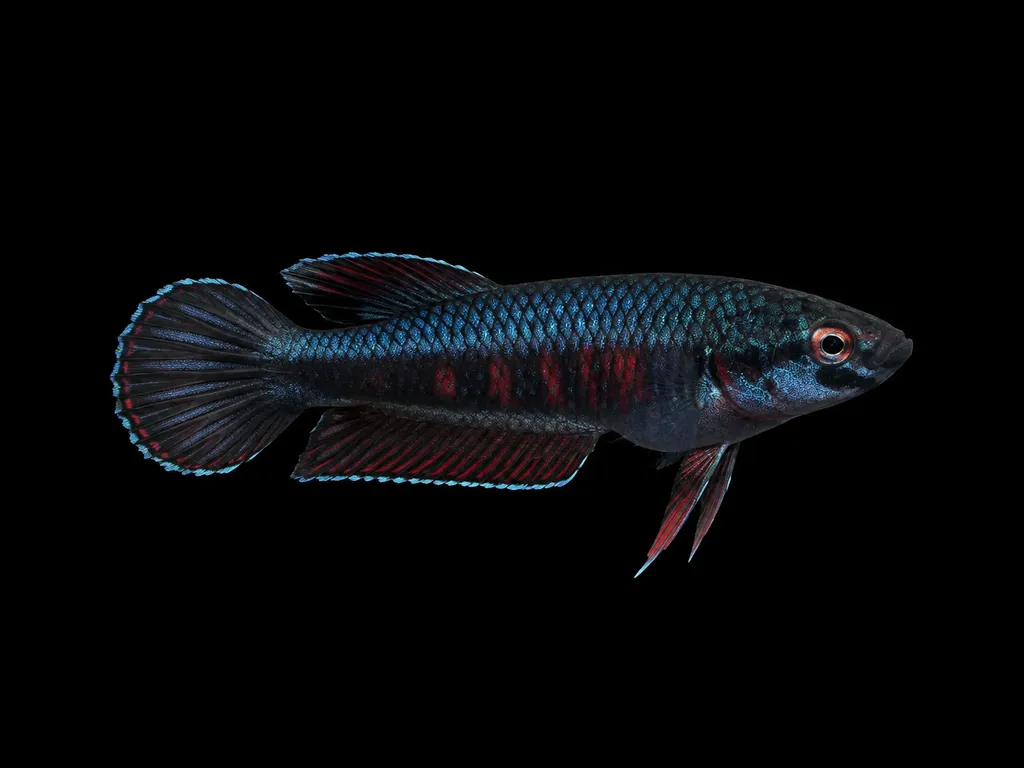
Dennis Yong's betta
Betta dennisyongi
Freshwater1.8 in (4.5 cm) · 11 gal (40 L)73–82°F (23–28°C)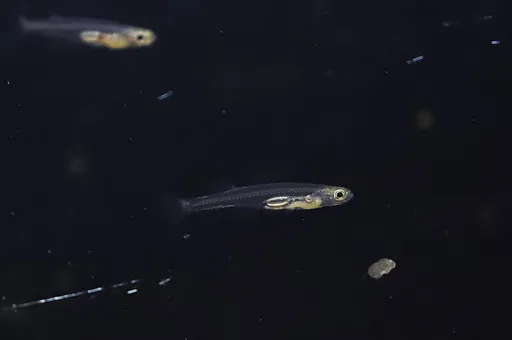
Dracula fish
Danionella dracula
Freshwater0.7 in (1.7 cm) · 11 gal (40 L)68–79°F (20–26°C)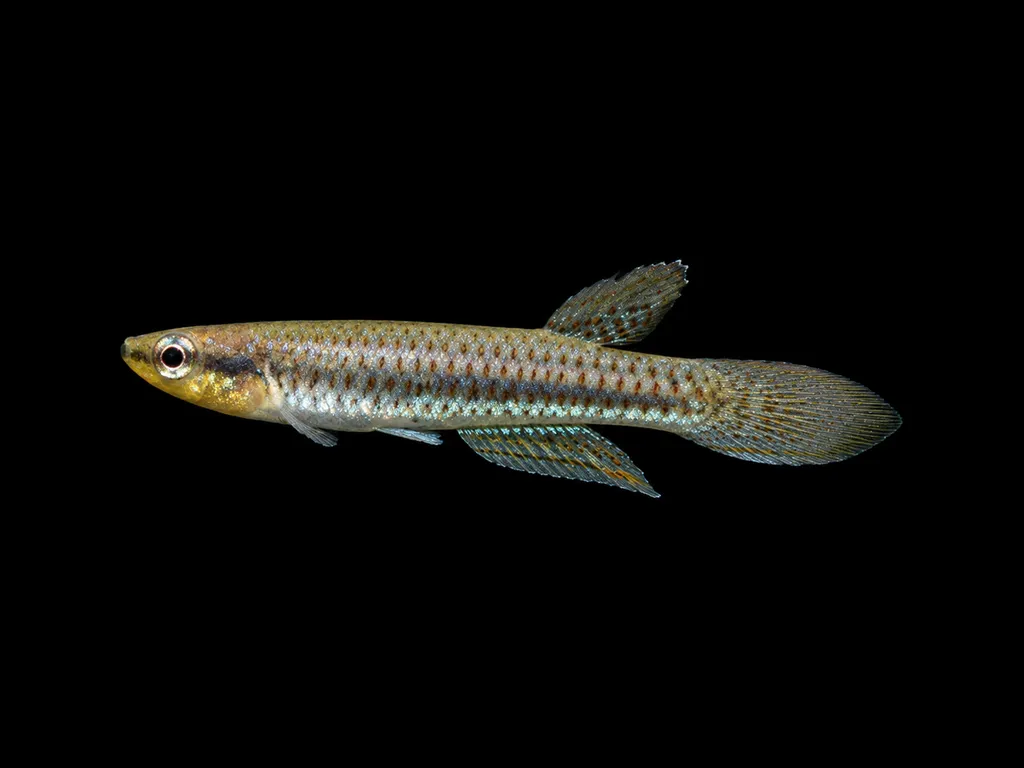
Dubois' panchax
Epiplatys duboisi
Freshwater1.4 in (3.5 cm) · 11 gal (40 L)68–77°F (20–25°C)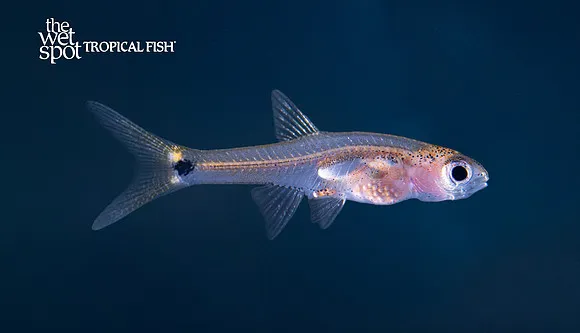
Dwarf amber barb
Barboides gracilis
Freshwater0.8 in (2 cm) · 5 gal (20 L)73–81°F (23–27°C)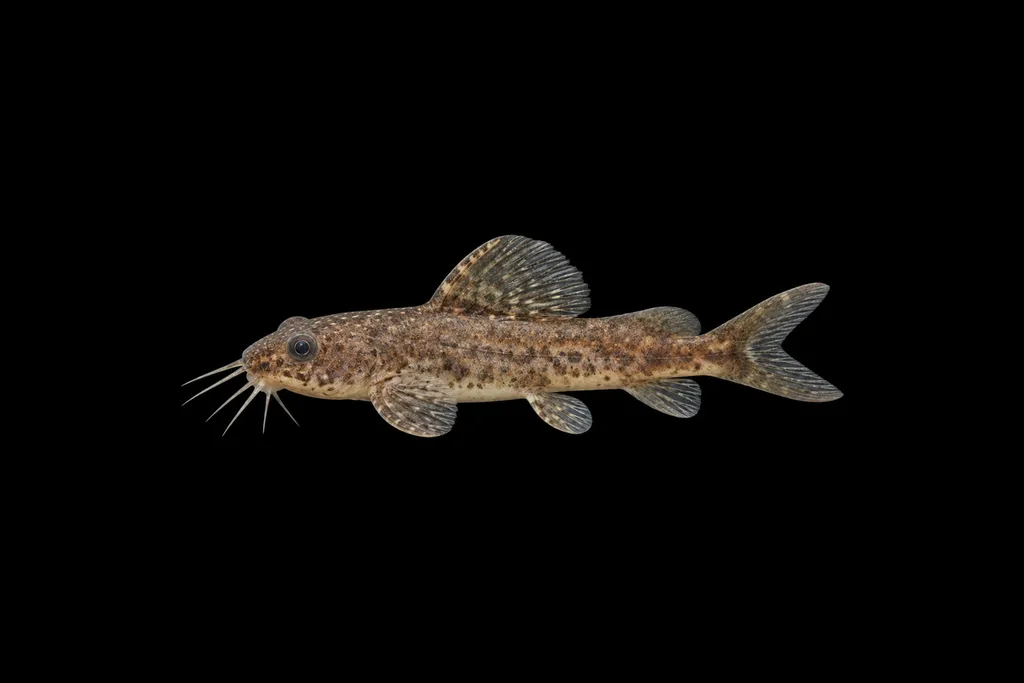
Dwarf broadfin catfish
Nanobagrus immaculatus
Freshwater1.2 in (3 cm) · 11 gal (40 L)73–82°F (23–28°C)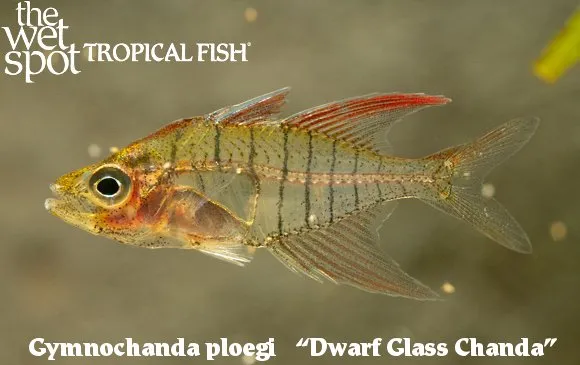
Dwarf glass chanda
Gymnochanda ploegi
Freshwater1.2 in (3 cm) · 11 gal (40 L)75–82°F (24–28°C)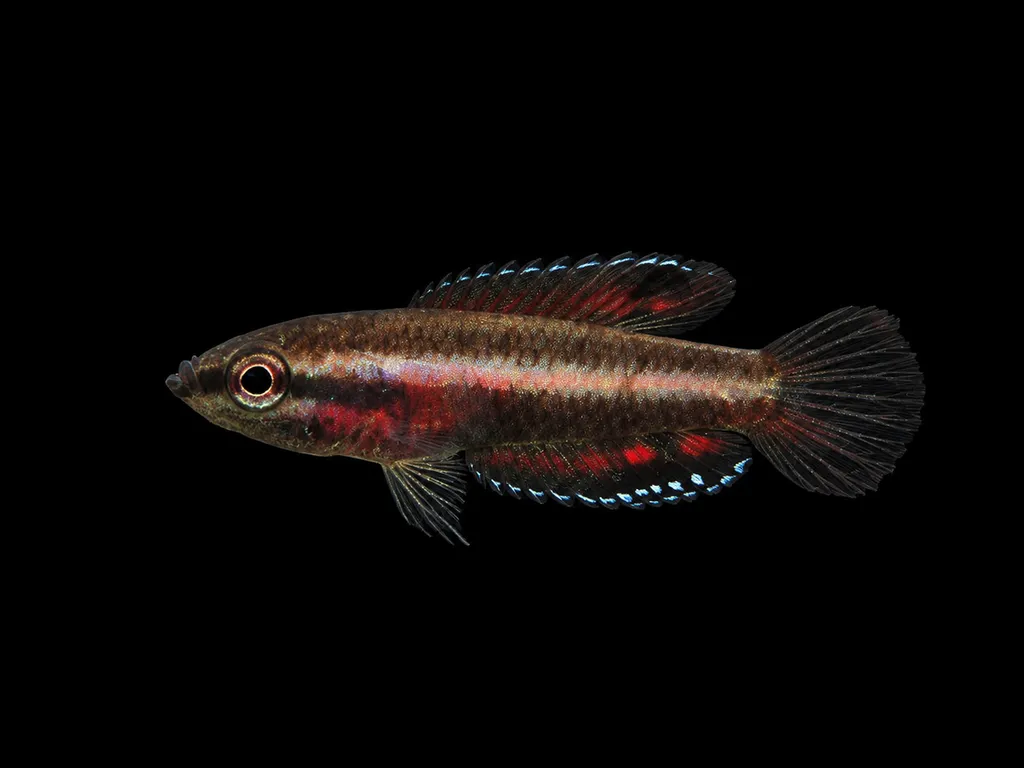
Dwarf licorice gourami
Parosphromenus parvulus
Freshwater1.1 in (2.7 cm) · 5 gal (20 L)72–81°F (22–27°C)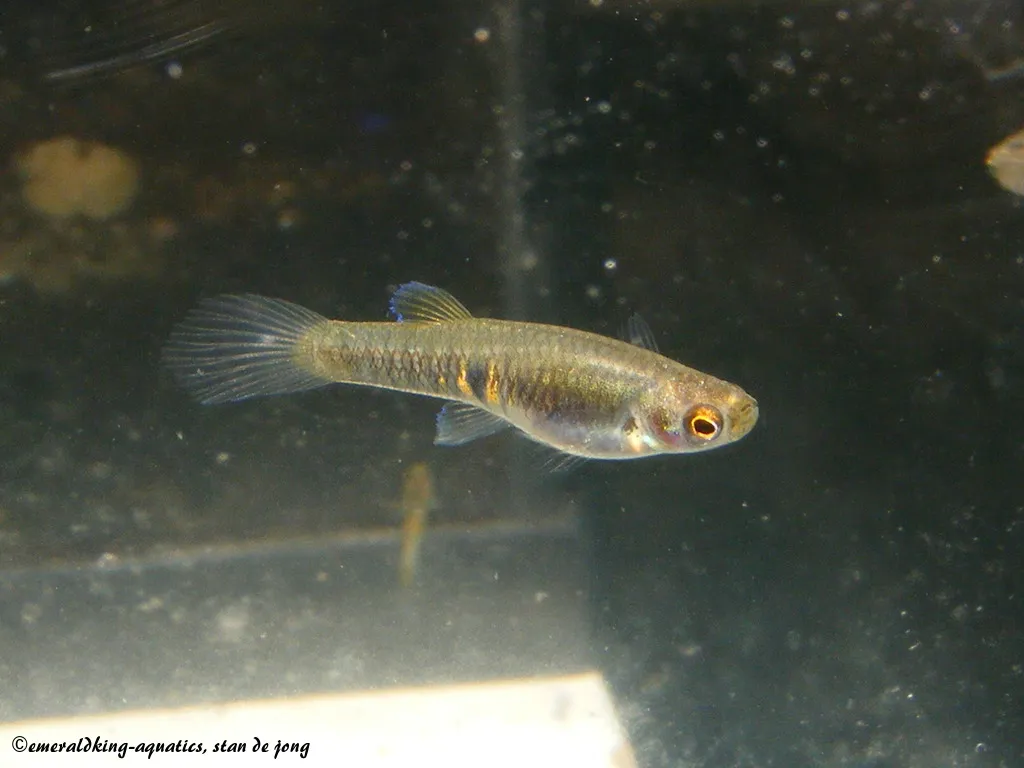
Dwarf livebearer
Neoheterandria elegans
Freshwater1 in (2.5 cm) · 5 gal (20 L)75–82°F (24–28°C)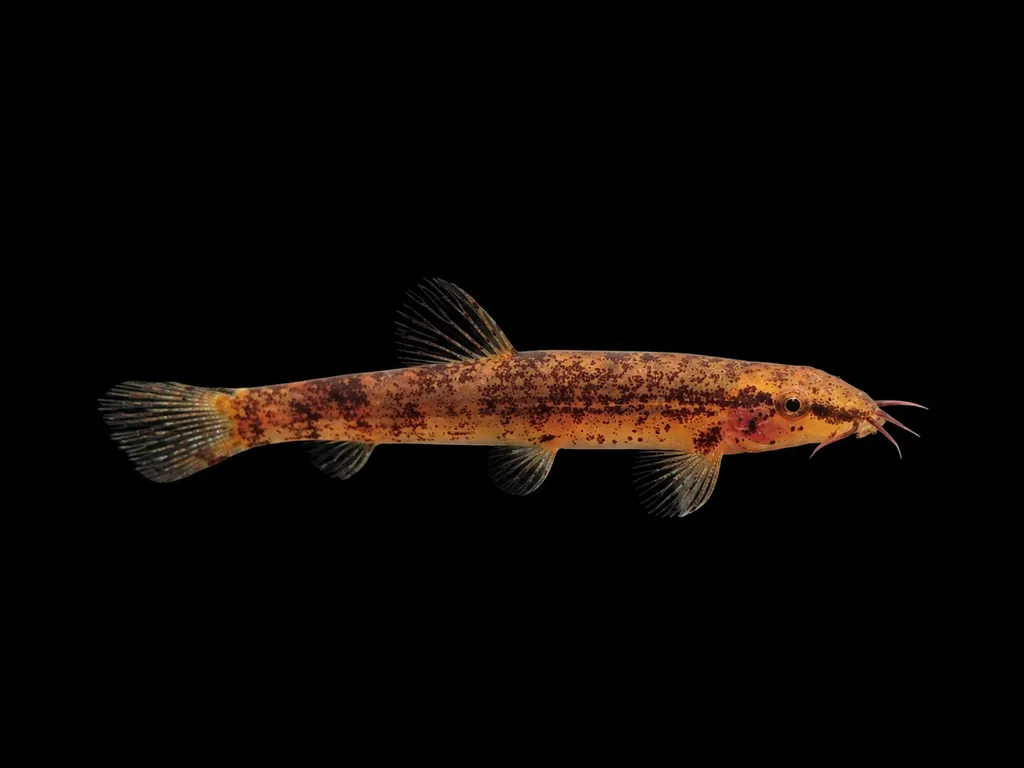
Dwarf lizard loach
Neohomaloptera johorensis
Freshwater1 in (2.5 cm) · 11 gal (40 L)72–79°F (22–26°C)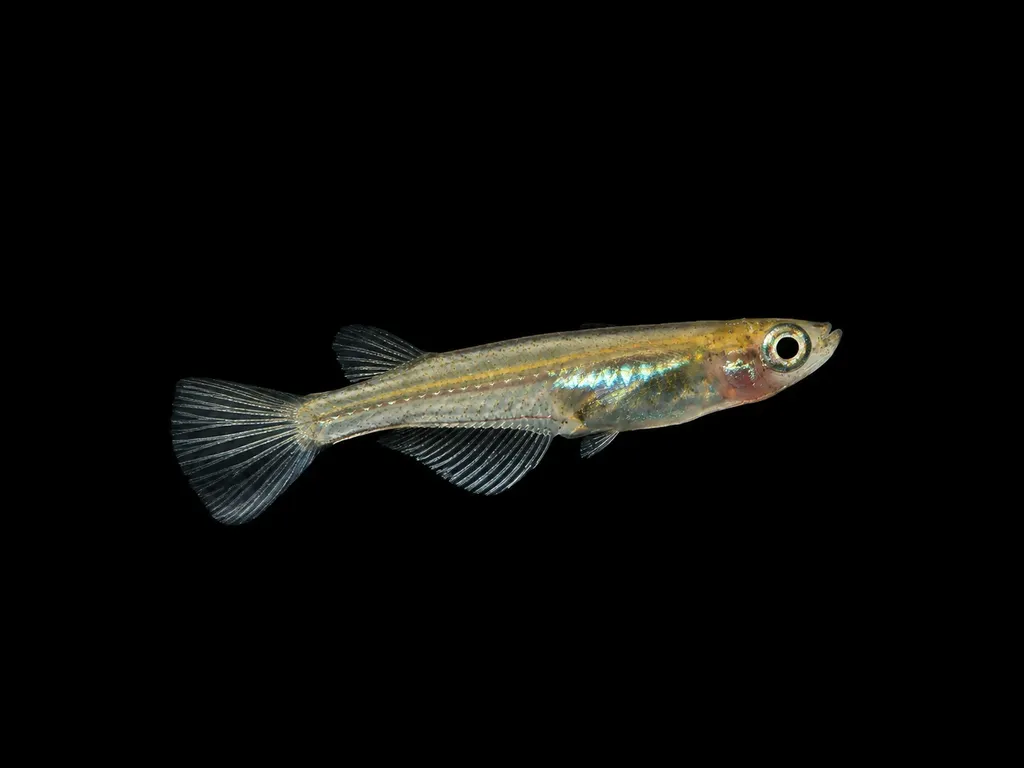
Dwarf medaka
Oryzias minutillus
Freshwater0.8 in (2 cm) · 5 gal (20 L)72–79°F (22–26°C)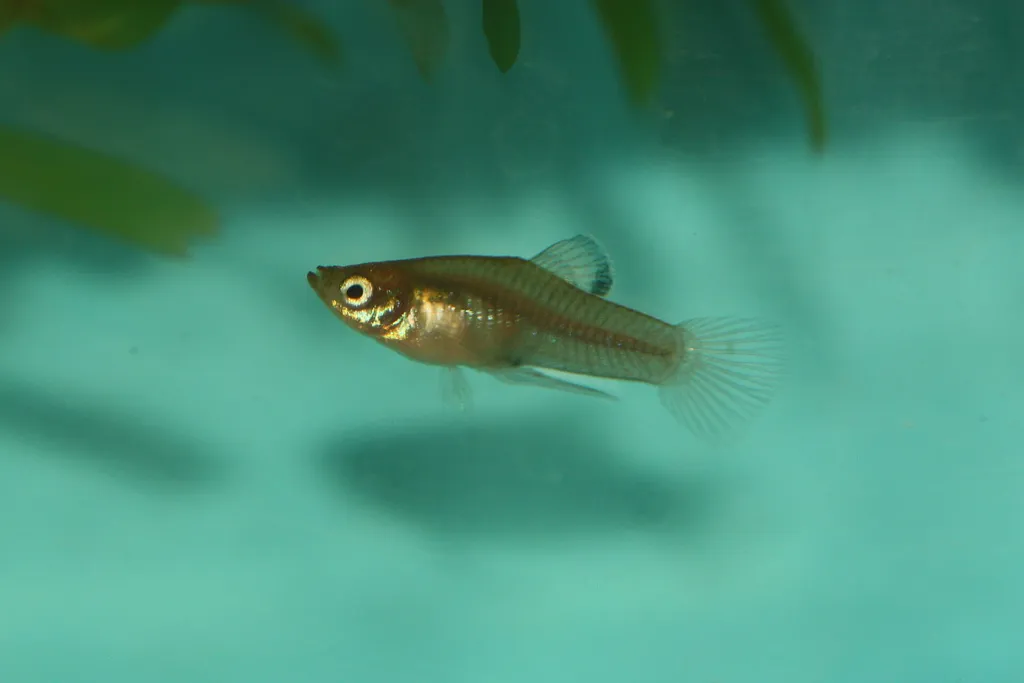
Dwarf merry widow
Phallichthys tico
Freshwater1.4 in (3.5 cm) · 11 gal (40 L)72–81°F (22–27°C)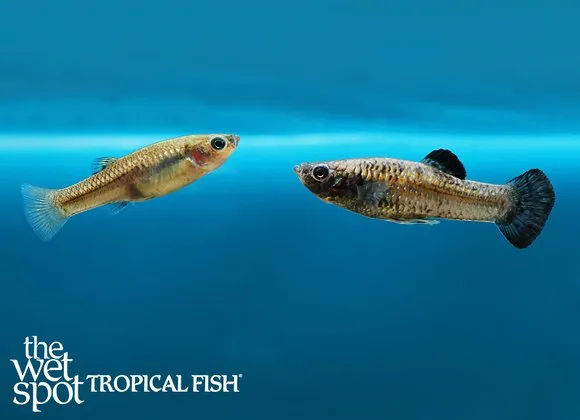
Dwarf molly
Poecilia chica
Freshwater1.6 in (4 cm) · 11 gal (40 L)72–81°F (22–27°C)Dwarf rasbora
Boraras maculatus
Freshwater1 in (2.5 cm) · 7 gal (25 L)72–82°F (22–28°C)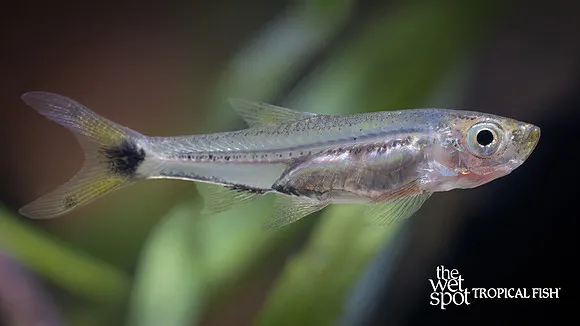
Dwarf scissortail rasbora
Rasbosoma spilocerca
Freshwater1.3 in (3.2 cm) · 11 gal (40 L)72–81°F (22–27°C)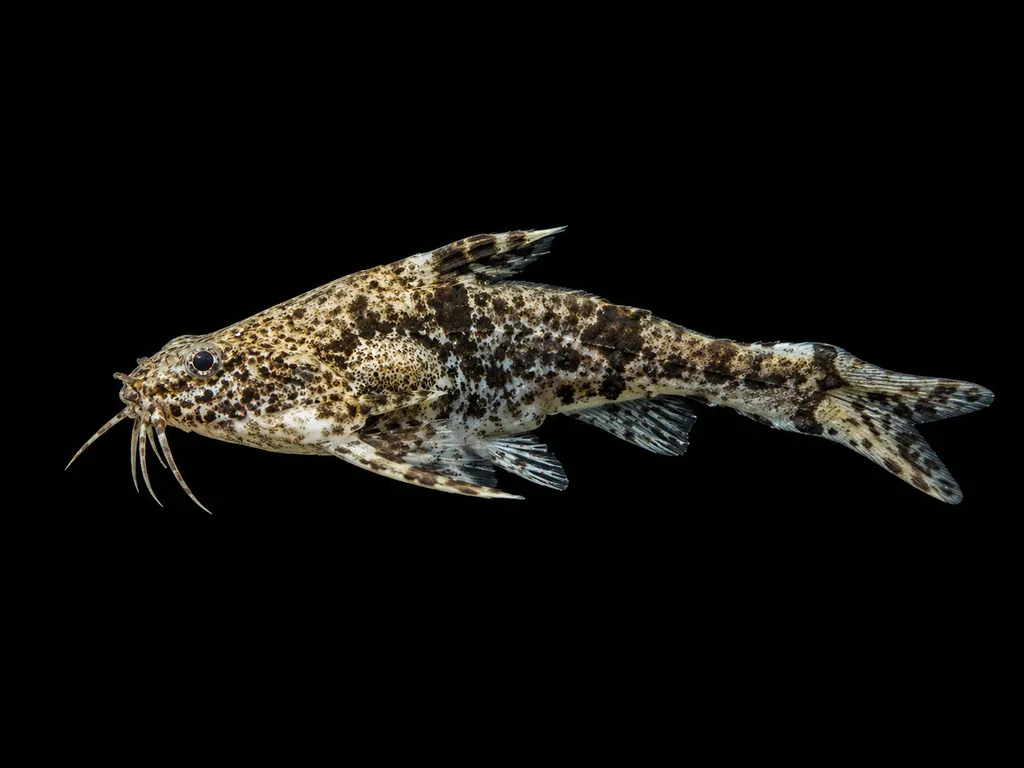
Dwarf thorny catfish
Physopyxis lyra
Freshwater1.4 in (3.5 cm) · 11 gal (40 L)73–82°F (23–28°C)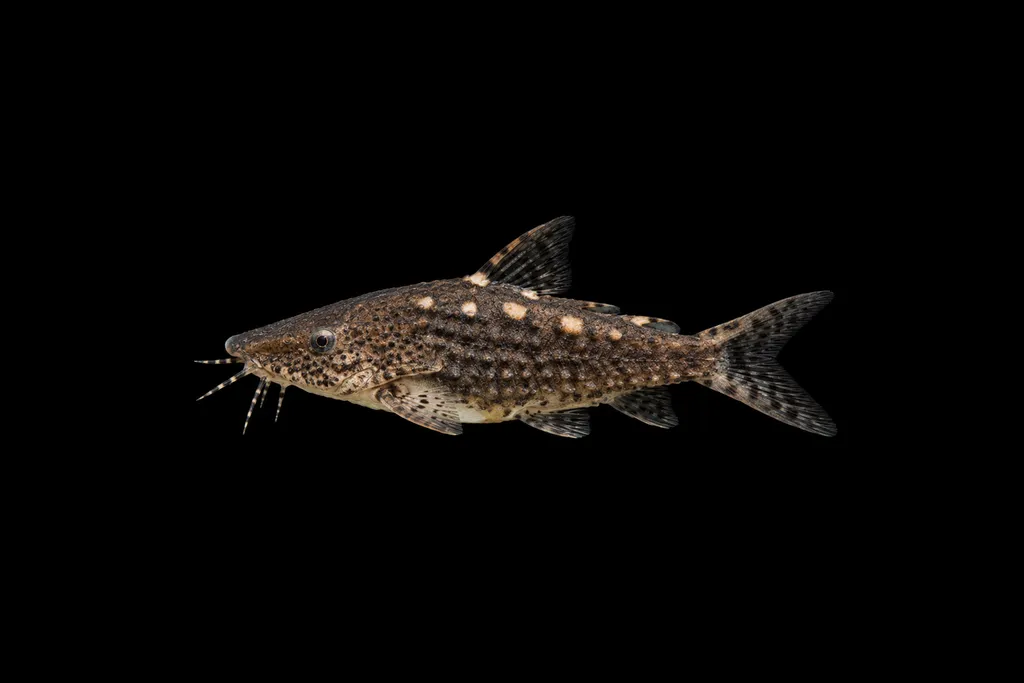
Dwarf warty catfish
Parakysis notialis
Freshwater1 in (2.5 cm) · 11 gal (40 L)73–82°F (23–28°C)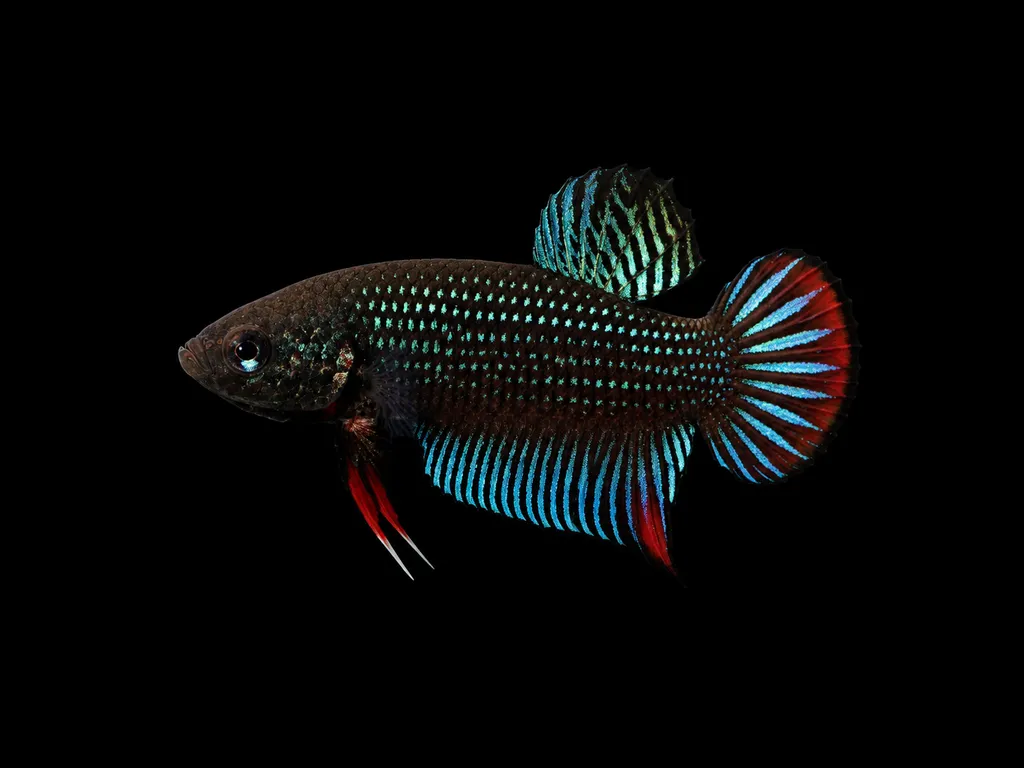
Eastern siam betta
Betta siamorientalis
Freshwater1.8 in (4.5 cm) · 11 gal (40 L)72–82°F (22–28°C)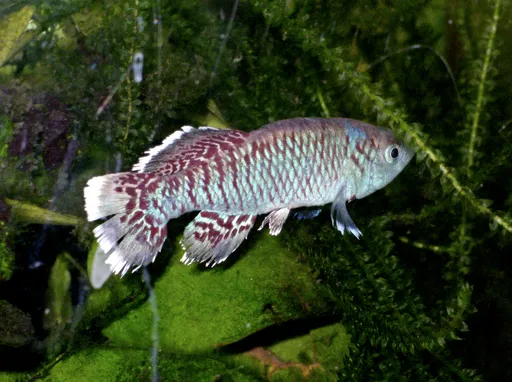
Eggers' notho
Nothobranchius eggersi
Freshwater2 in (5 cm) · 11 gal (40 L)68–79°F (20–26°C)Ember tetra
Hyphessobrycon amandae
Freshwater0.8 in (2 cm) · 9 gal (35 L)72–82°F (22–28°C)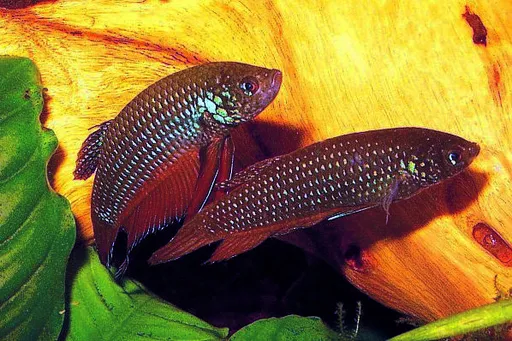
Emerald betta
Betta smaragdina
Freshwater2.4 in (6 cm) · 11 gal (40 L)72–82°F (22–28°C)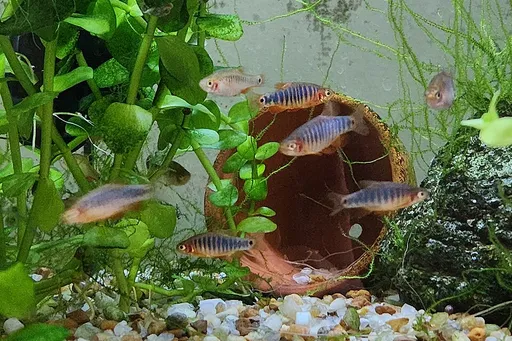
Emerald dwarf rasbora
Danio erythromicron
Freshwater0.8 in (2 cm) · 11 gal (40 L)68–75°F (20–24°C)Endler's livebearer
Poecilia wingei
FreshwaterBrackish1.6 in (4 cm) · 5 gal (20 L)72–86°F (22–30°C)4 varietiesEspei rasbora
Trigonostigma espei
Freshwater1.5 in (3.8 cm) · 11 gal (40 L)73–82°F (23–28°C)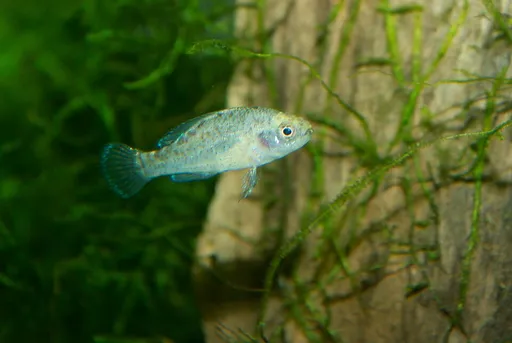
Everglades pygmy sunfish
Elassoma evergladei
Freshwater1.3 in (3.4 cm) · 8 gal (30 L)54–82°F (12–28°C)Exclamation-point rasbora
Boraras urophthalmoides
Freshwater0.6 in (1.6 cm) · 11 gal (40 L)73–81°F (23–27°C)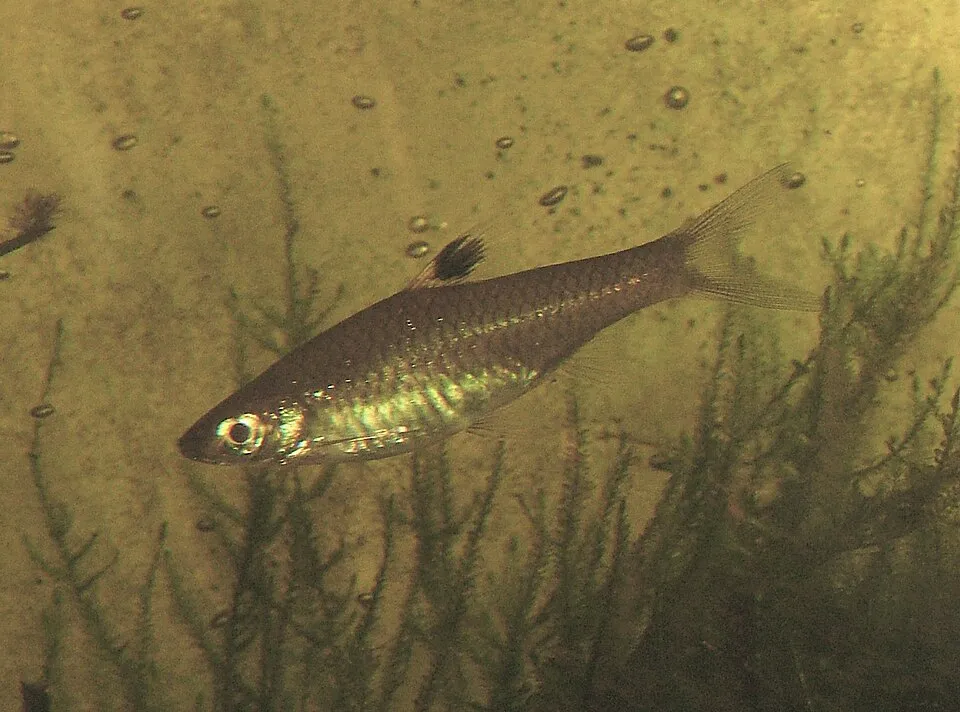
Eyespot rasbora
Brevibora dorsiocellata
Freshwater1.4 in (3.5 cm) · 9 gal (35 L)68–77°F (20–25°C)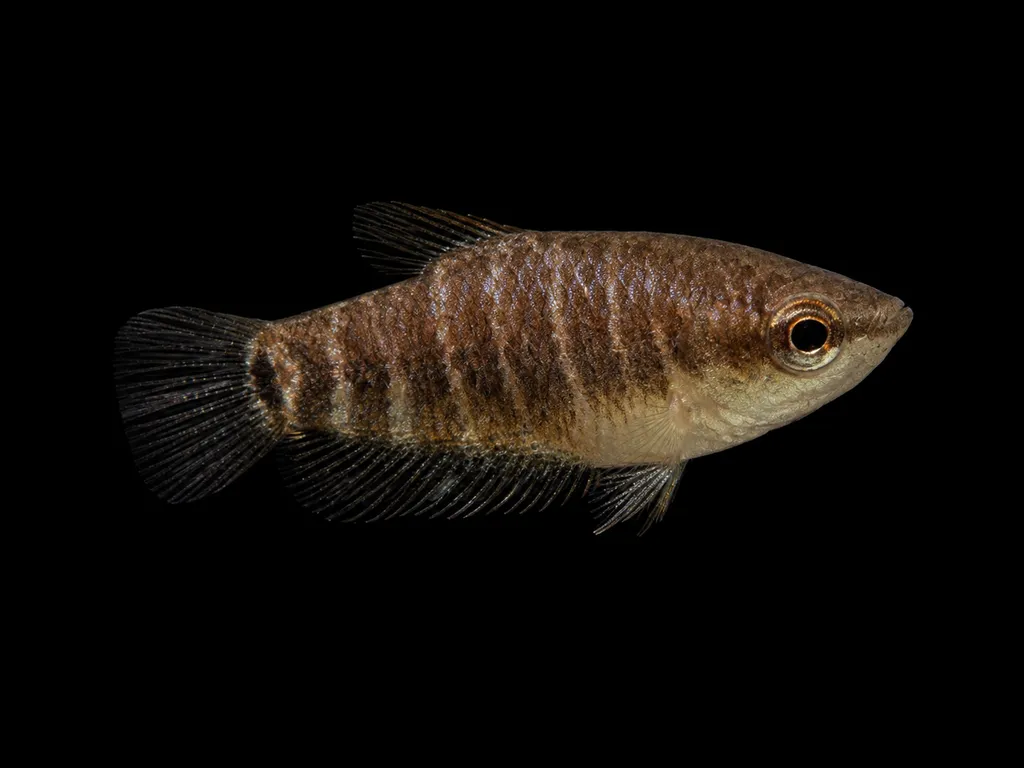
False chocolate gourami
Parasphaerichthys lineatus
Freshwater1 in (2.5 cm) · 11 gal (40 L)68–79°F (20–26°C)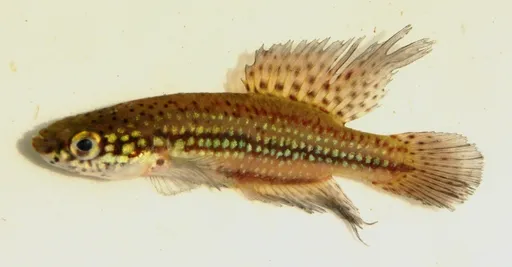
Fighting gaucho
Cynopoecilus melanotaenia
Freshwater1.8 in (4.5 cm) · 5 gal (20 L)64–75°F (18–24°C)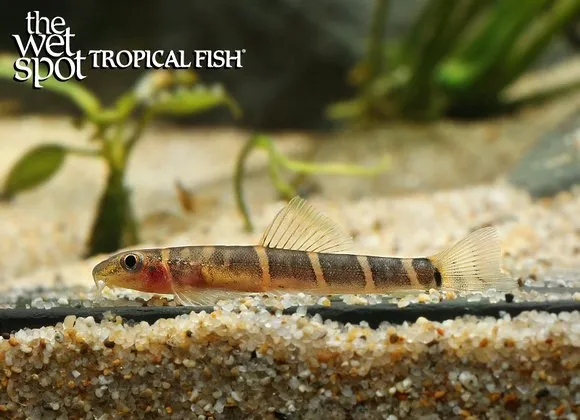
Fire-eyed loach
Barbucca diabolica
Freshwater1.2 in (3 cm) · 11 gal (40 L)72–79°F (22–26°C)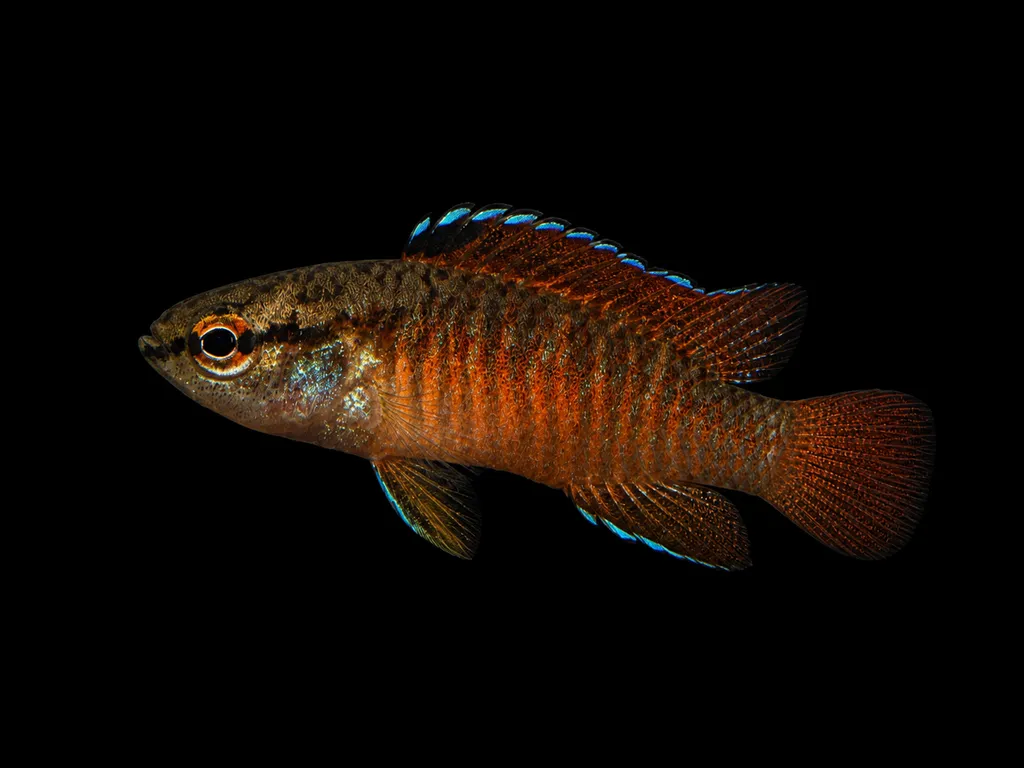
Flame jewel badis
Dario kajal
Freshwater0.8 in (2 cm) · 5 gal (20 L)64–79°F (18–26°C)Flame tetra
Hyphessobrycon flammeus
Freshwater1 in (2.5 cm) · 10 gal (38 L)68–79°F (20–26°C)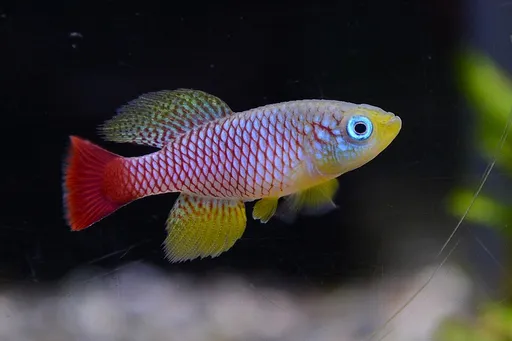
Foersch's notho
Nothobranchius foerschi
Freshwater2.2 in (5.5 cm) · 11 gal (40 L)72–79°F (22–26°C)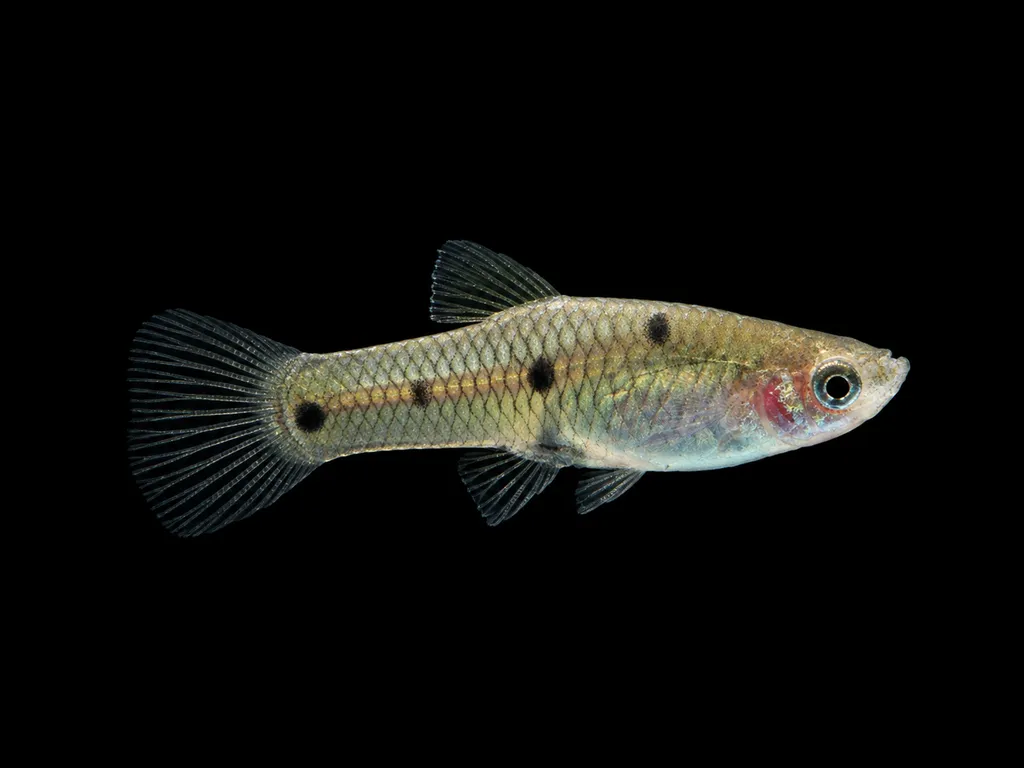
Fourspotted toothcarp
Phallichthys quadripunctatus
Freshwater1.4 in (3.5 cm) · 11 gal (40 L)68–86°F (20–30°C)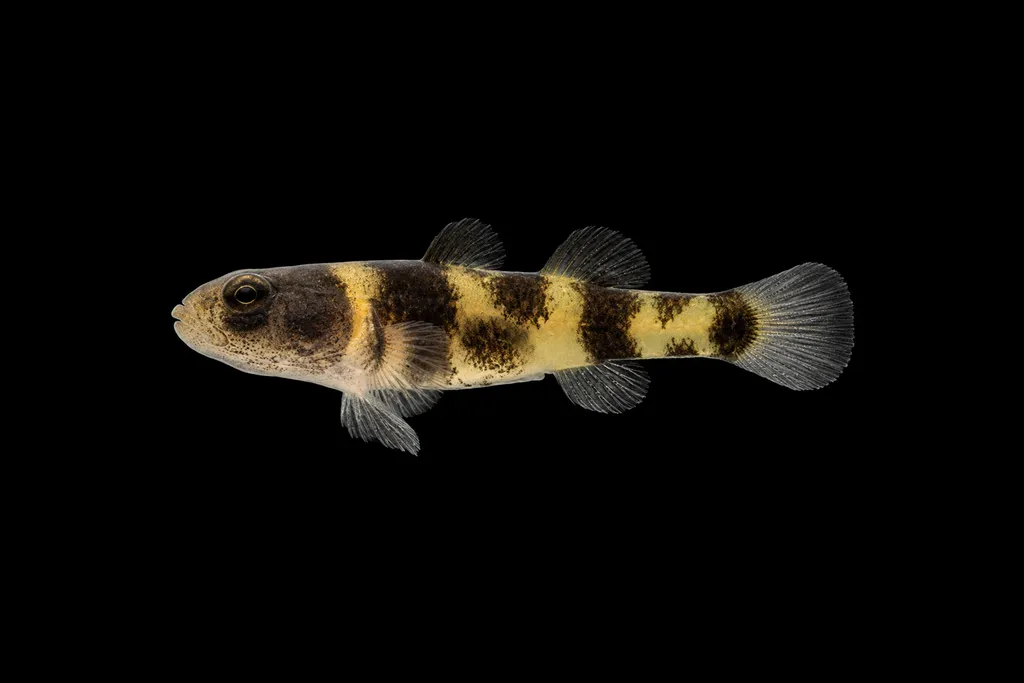
Freshwater bumblebee goby
Brachygobius aggregatus
Freshwater1.6 in (4 cm) · 11 gal (40 L)75–82°F (24–28°C)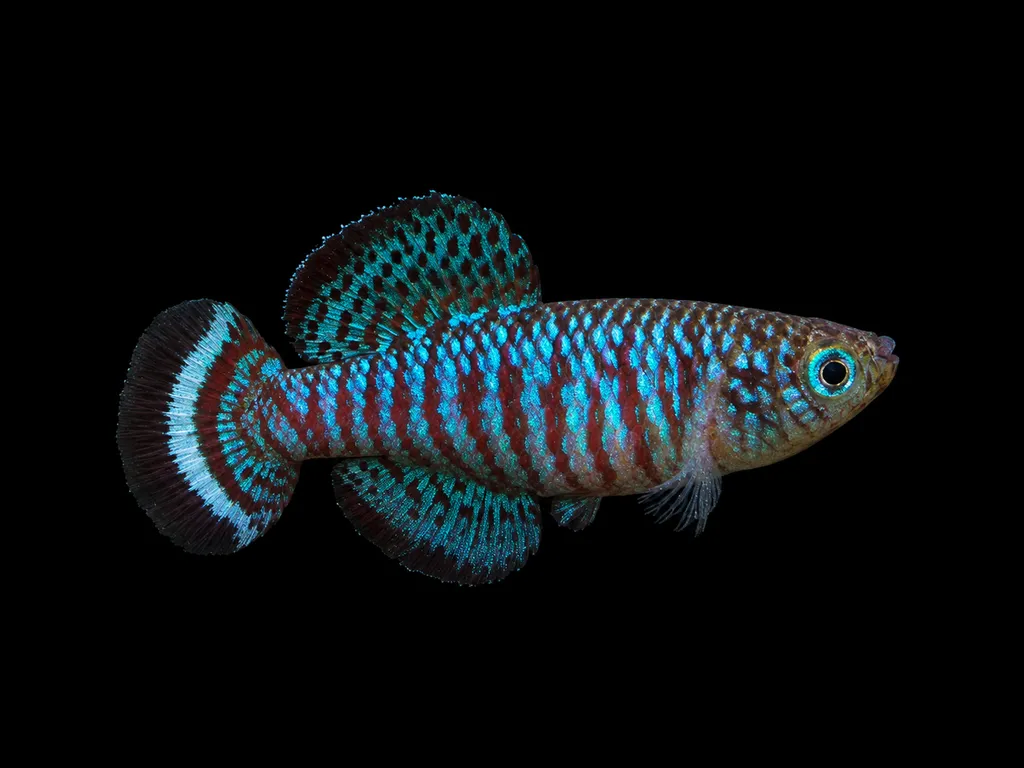
Fuscotaeniatus nothobranch
Nothobranchius fuscotaeniatus
Freshwater1.6 in (4 cm) · 11 gal (40 L)72–79°F (22–26°C)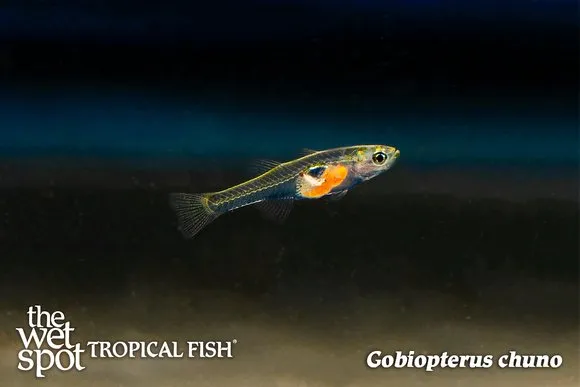
Glass goby
Gobiopterus chuno
Freshwater1 in (2.5 cm) · 11 gal (40 L)75–82°F (24–28°C)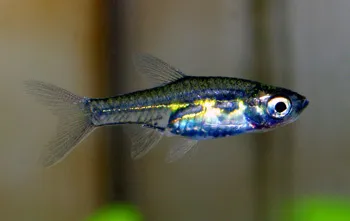
Glowlight carplet
Horadandia atukorali
Freshwater1.2 in (3 cm) · 11 gal (40 L)75–82°F (24–28°C)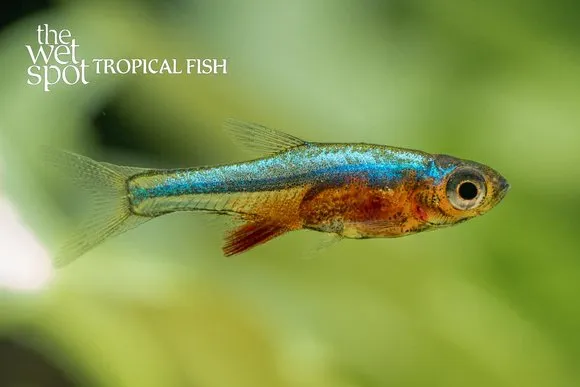
Goblin sundadanio
Sundadanio goblinus
Freshwater0.9 in (2.3 cm) · 11 gal (40 L)73–81°F (23–27°C)Gold ocellatus shell dweller
Lamprologus ocellatus
Freshwater2.4 in (6 cm) · 11 gal (40 L)75–81°F (24–27°C)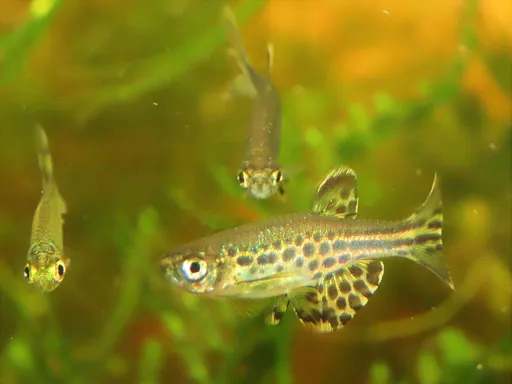
Gold ring danio
Danio tinwini
Freshwater1.2 in (3 cm) · 11 gal (40 L)64–79°F (18–26°C)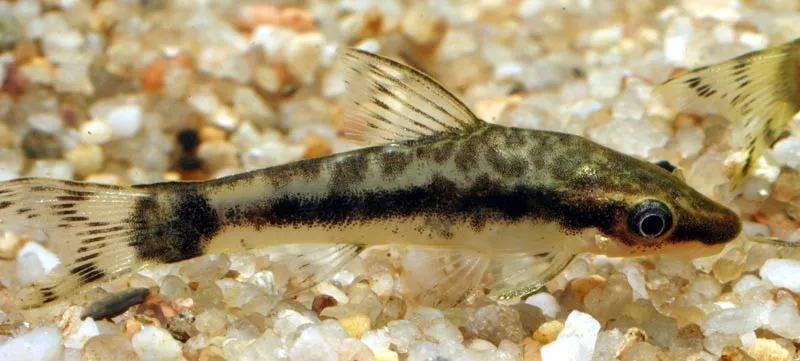
Golden dwarf sucker
Otocinclus macrospilus
Freshwater1.4 in (3.5 cm) · 11 gal (40 L)70–79°F (21–26°C)Golden lyretail killifish
Aphyosemion australe
Freshwater2.4 in (6 cm) · 10 gal (38 L)70–75°F (21–24°C)Green panchax
Aplocheilus blockii
Freshwater2 in (5 cm) · 11 gal (40 L)72–82°F (22–28°C)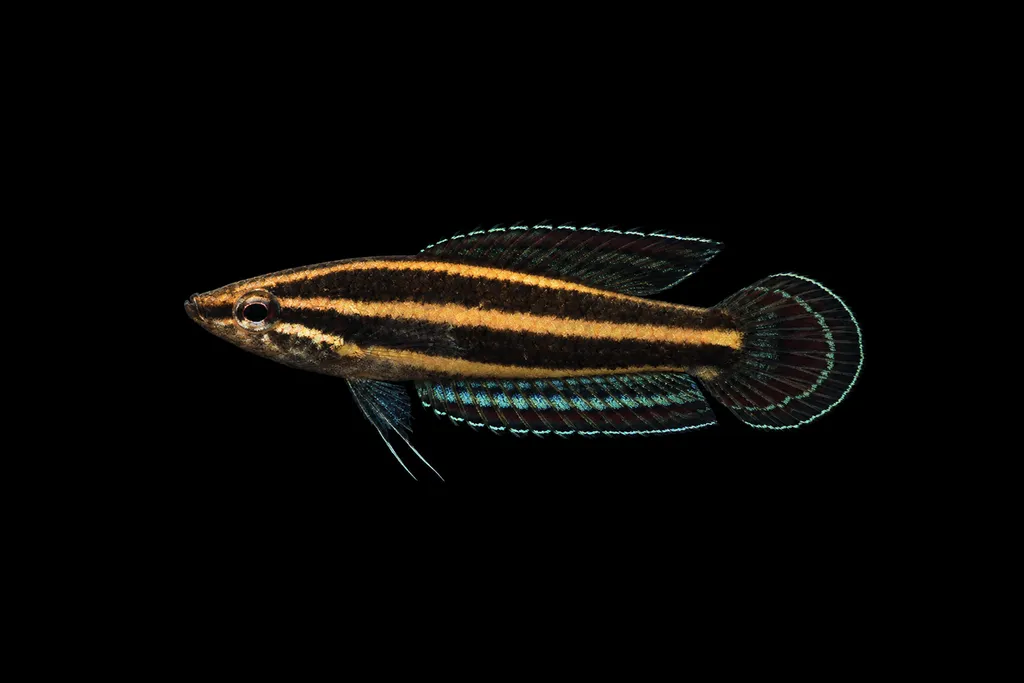
Gunawan's licorice gourami
Parosphromenus gunawani
Freshwater1.2 in (3 cm) · 5 gal (20 L)72–81°F (22–27°C)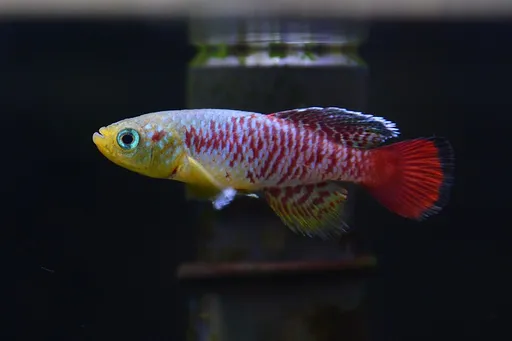
Gunther's nothobranch
Nothobranchius guentheri
Freshwater2.4 in (6 cm) · 11 gal (40 L)72–77°F (22–25°C)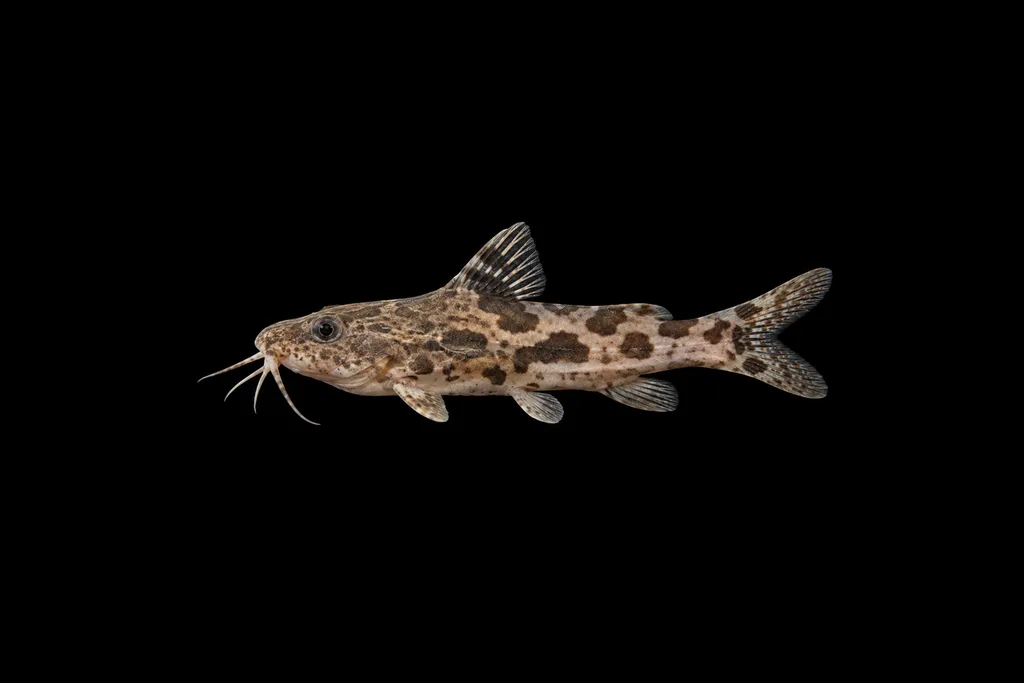
Harlequin moth catfish
Pseudolaguvia ribeiroi
Freshwater1.6 in (4 cm) · 11 gal (40 L)68–79°F (20–26°C)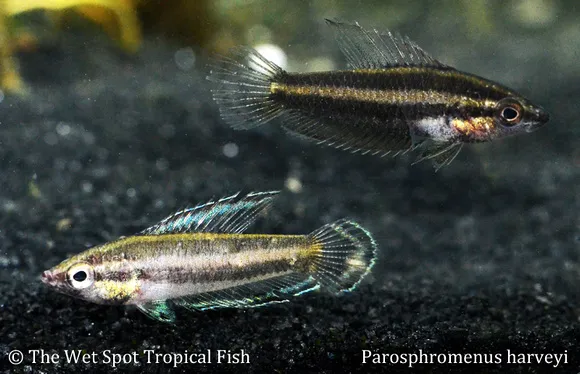
Harvey's licorice gourami
Parosphromenus harveyi
Freshwater1.2 in (3.1 cm) · 5 gal (20 L)72–81°F (22–27°C)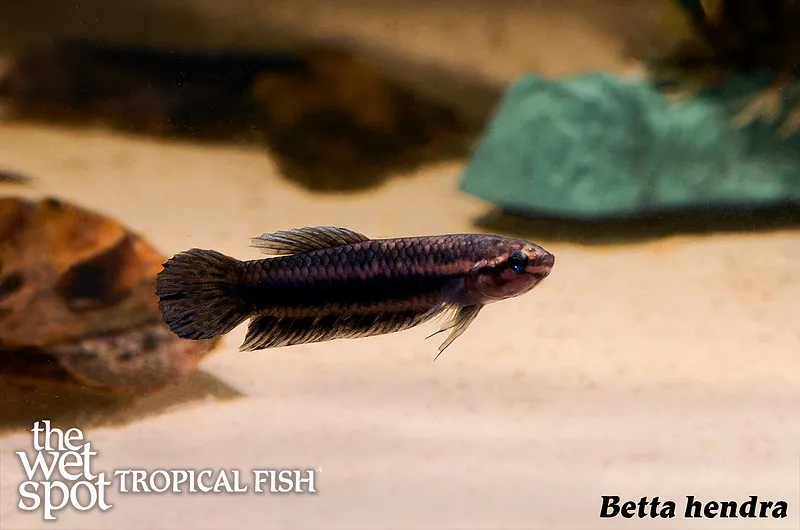
Hendra betta
Betta hendra
Freshwater1.8 in (4.5 cm) · 11 gal (40 L)73–81°F (23–27°C)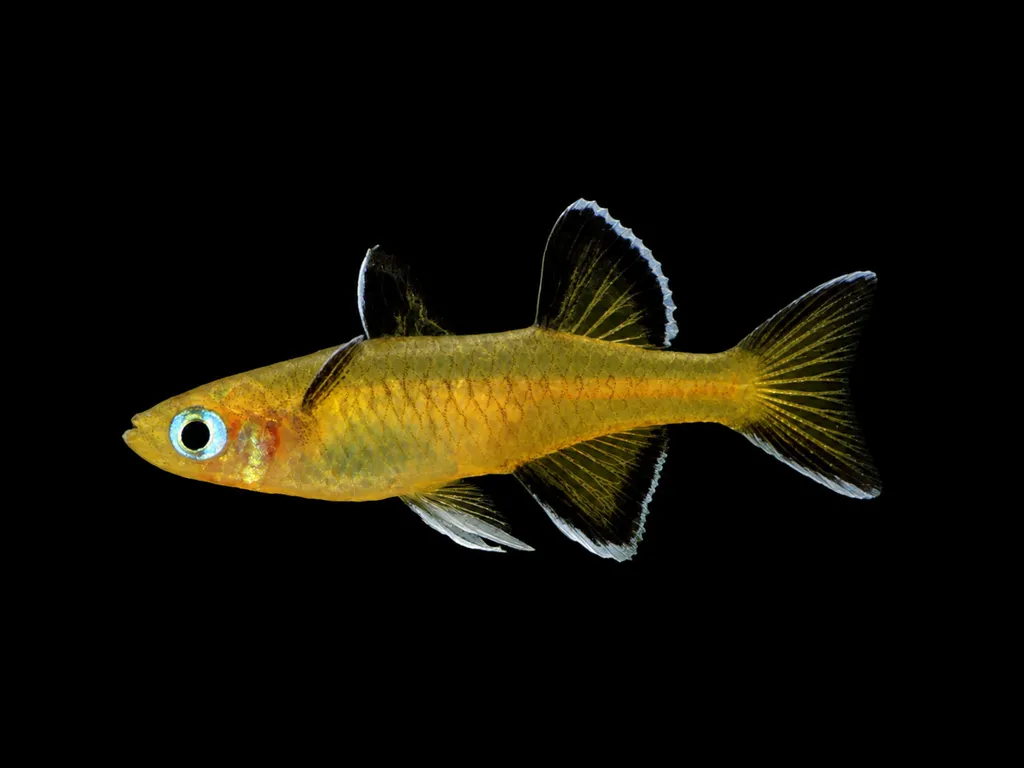
Honey blue-eye
Pseudomugil mellis
Freshwater1.4 in (3.5 cm) · 11 gal (40 L)68–82°F (20–28°C)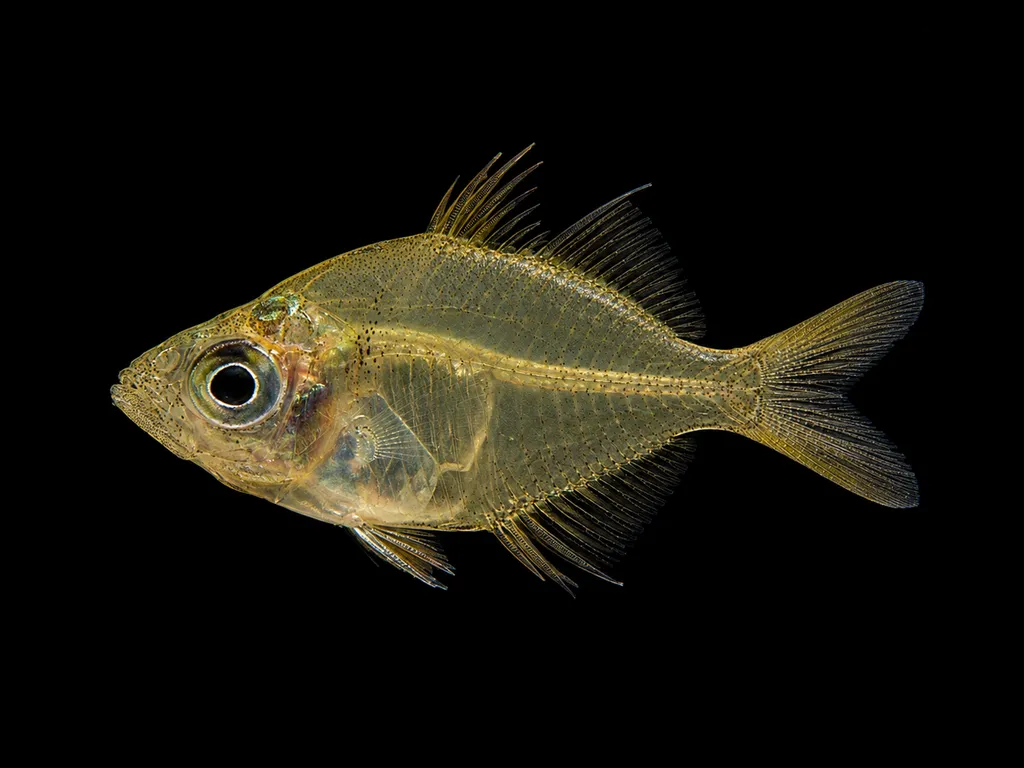
Indian amber glassfish
Parambassis lala
Freshwater1.2 in (3 cm) · 11 gal (40 L)72–82°F (22–28°C)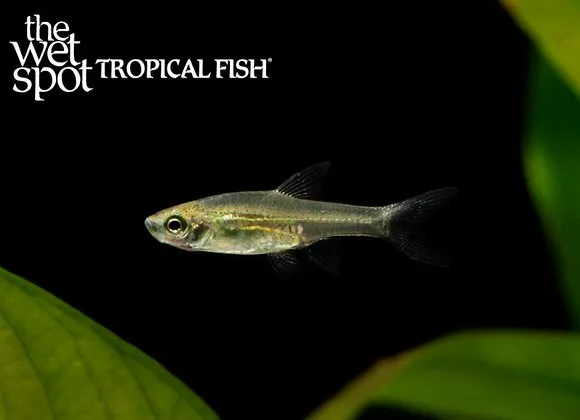
Indian glowlight carplet
Horadandia brittani
Freshwater1 in (2.5 cm) · 11 gal (40 L)75–82°F (24–28°C)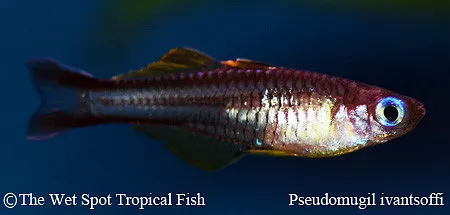
Ivantsoff's blue-eye
Pseudomugil ivantsoffi
Freshwater1.6 in (4 cm) · 11 gal (40 L)75–82°F (24–28°C)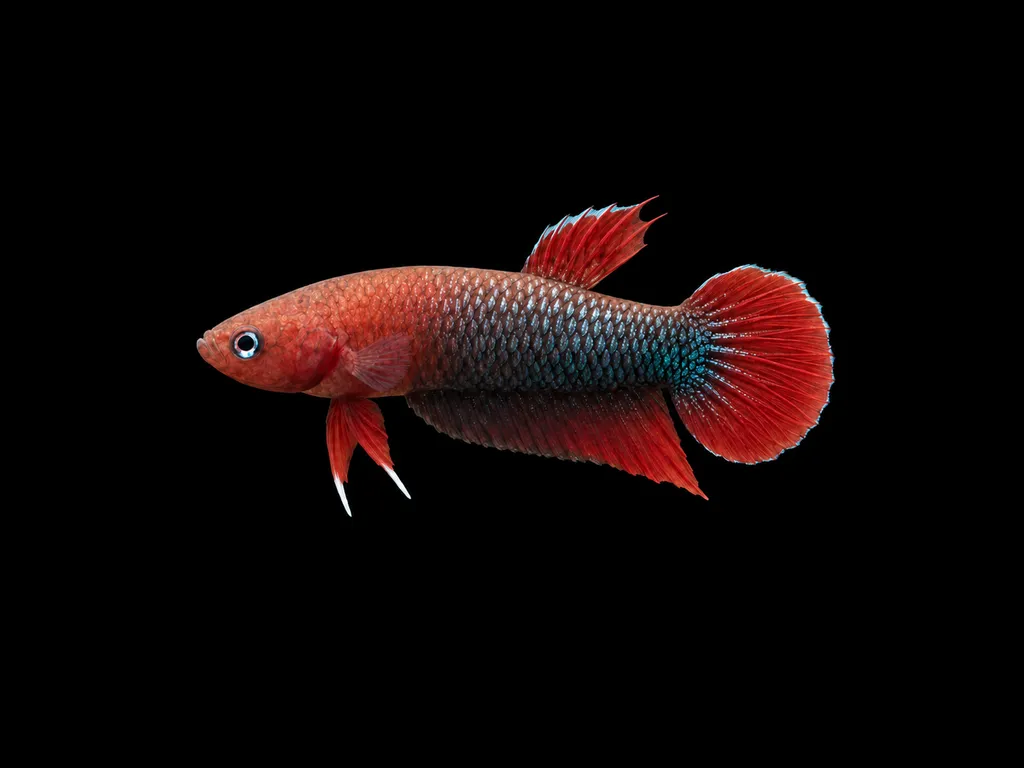
Jade betta
Betta iaspis
Freshwater0.9 in (2.4 cm) · 8 gal (30 L)75–86°F (24–30°C)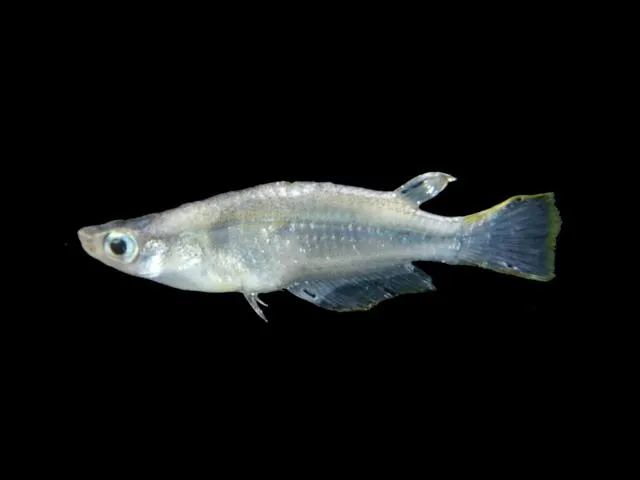
Javanese ricefish
Oryzias javanicus
Freshwater1.4 in (3.5 cm) · 11 gal (40 L)75–84°F (24–29°C)Jellybean tetra
Ladigesia roloffi
Freshwater1.2 in (3 cm) · 10 gal (37 L)72–81°F (22–27°C)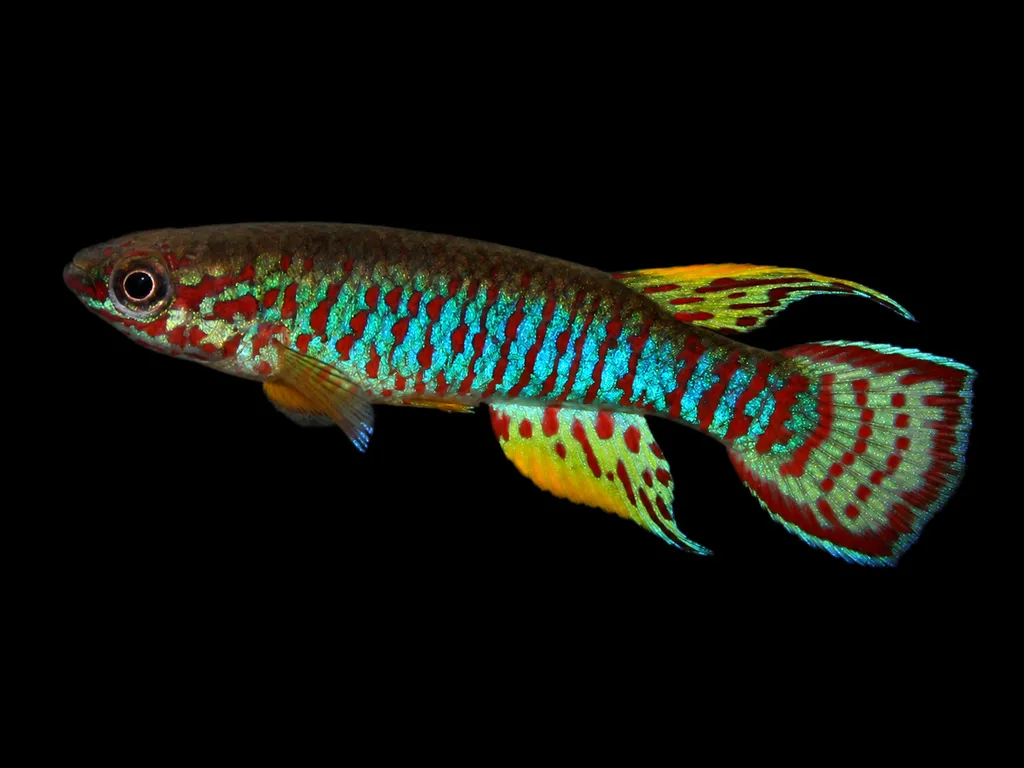
Jewel killifish
Aphyosemion exiguum
Freshwater1.6 in (4 cm) · 11 gal (40 L)68–77°F (20–25°C)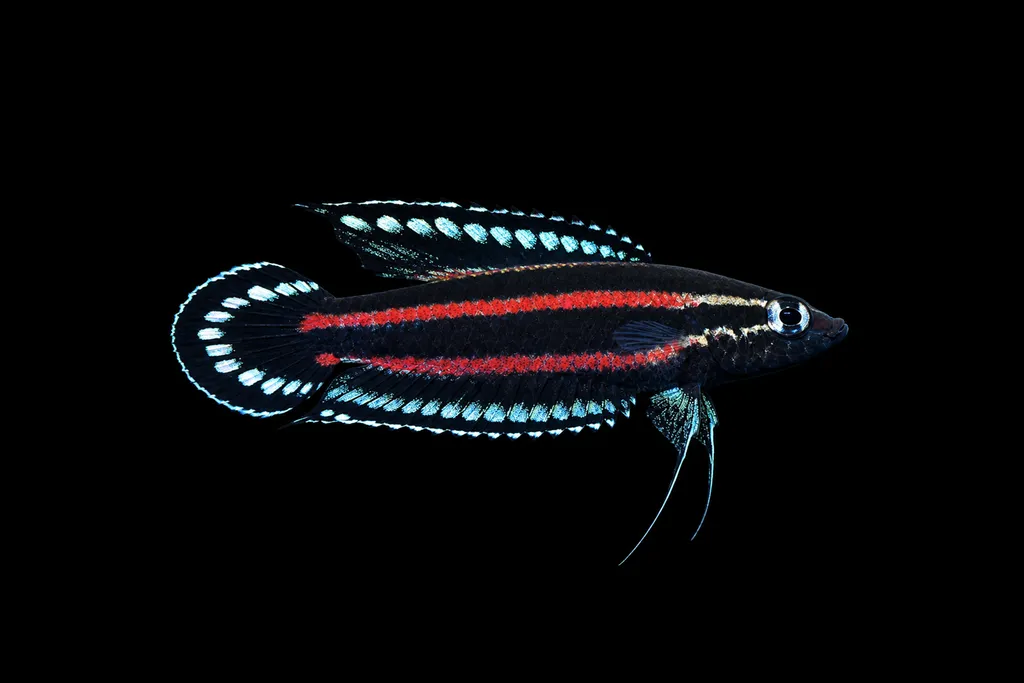
Juelin's licorice gourami
Parosphromenus juelinae
Freshwater1.2 in (3 cm) · 5 gal (20 L)72–81°F (22–27°C)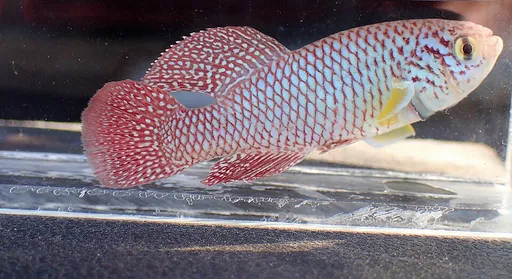
Kadlec's notho
Nothobranchius kadleci
Freshwater2.4 in (6 cm) · 11 gal (40 L)72–79°F (22–26°C)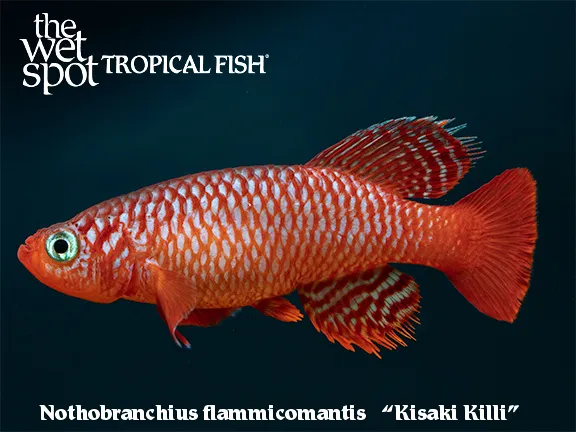
Kisaki nothobranch
Nothobranchius flammicomantis
Freshwater2.2 in (5.5 cm) · 11 gal (40 L)72–79°F (22–26°C)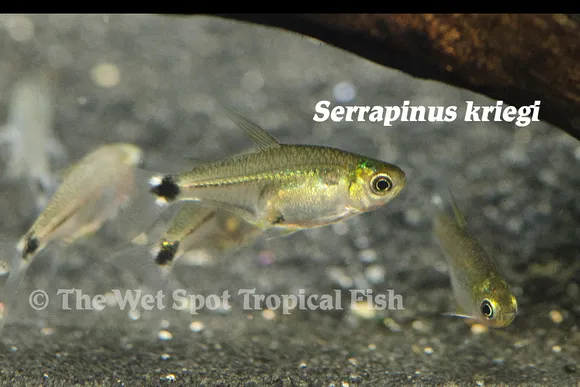
Krieg's tetra
Serrapinnus kriegi
Freshwater0.9 in (2.4 cm) · 11 gal (40 L)68–79°F (20–26°C)Least killifish
Heterandria formosa
FreshwaterBrackish1.4 in (3.5 cm) · 5 gal (20 L)68–79°F (20–26°C)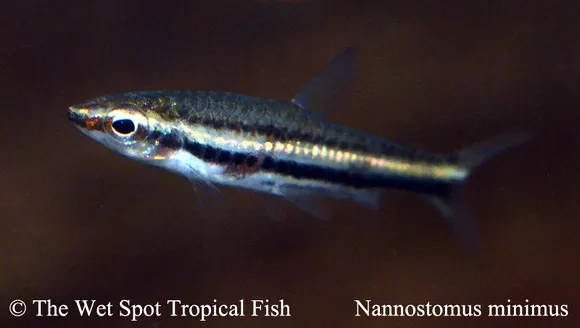
Least pencilfish
Nannostomus minimus
Freshwater1.1 in (2.8 cm) · 11 gal (40 L)75–82°F (24–28°C)Licorice gourami
Parosphromenus deissneri
Freshwater1.5 in (3.8 cm) · 11 gal (40 L)72–82°F (22–28°C)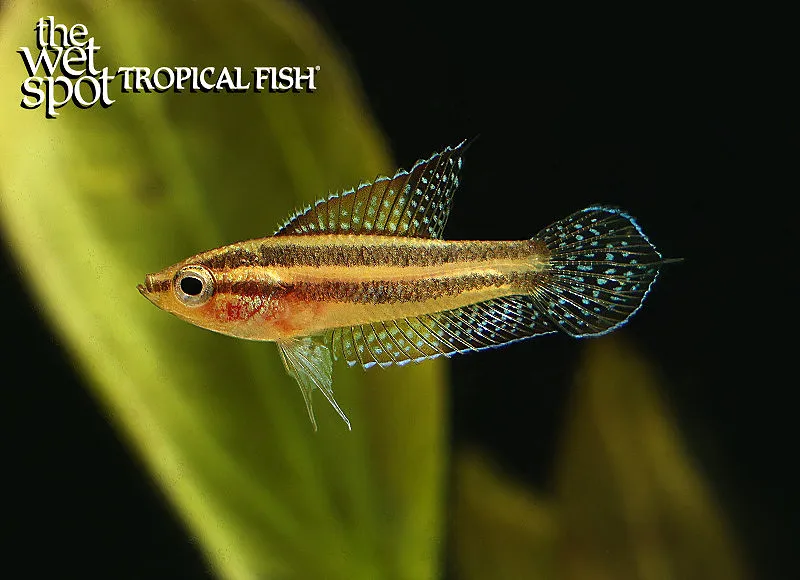
Linke's licorice gourami
Parosphromenus linkei
Freshwater1.4 in (3.5 cm) · 11 gal (40 L)72–82°F (22–28°C)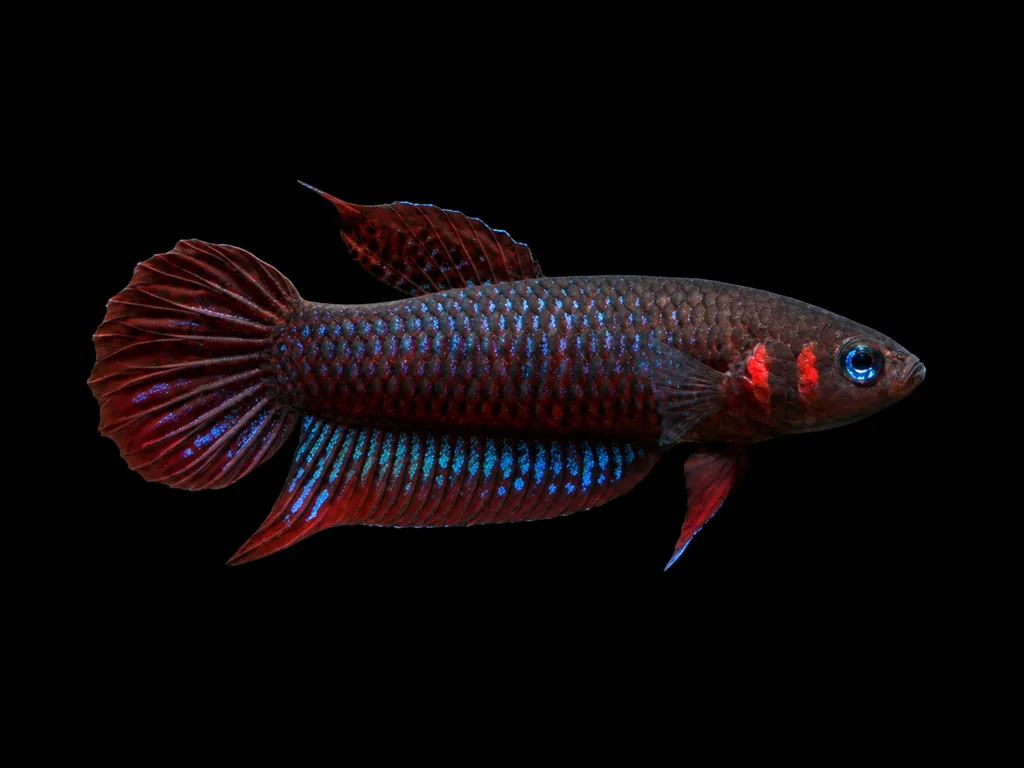
Livid betta
Betta livida
Freshwater1.4 in (3.6 cm) · 11 gal (40 L)73–81°F (23–27°C)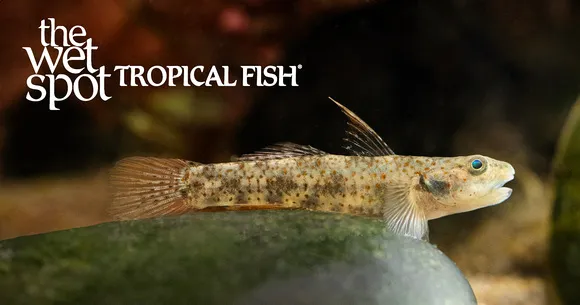
Lumbantobing goby
Pseudogobiopsis lumbantobing
Freshwater1.6 in (4 cm) · 11 gal (40 L)75–82°F (24–28°C)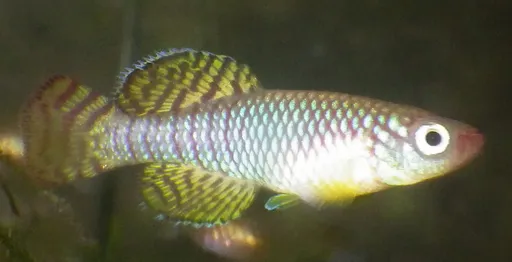
Mafia killifish
Nothobranchius korthausae
Freshwater2 in (5 cm) · 10 gal (38 L)72–79°F (22–26°C)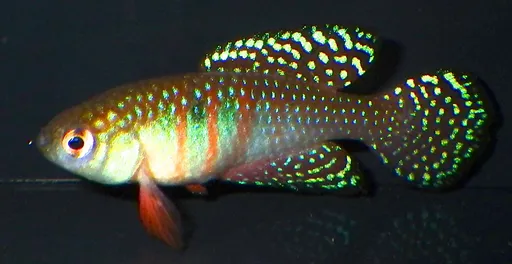
Magnificent killifish
Hypsolebias magnificus
Freshwater2 in (5 cm) · 10 gal (38 L)72–79°F (22–26°C)
Mahachai betta
Betta mahachaiensis
Freshwater2.4 in (6 cm) · 10 gal (38 L)72–82°F (22–28°C)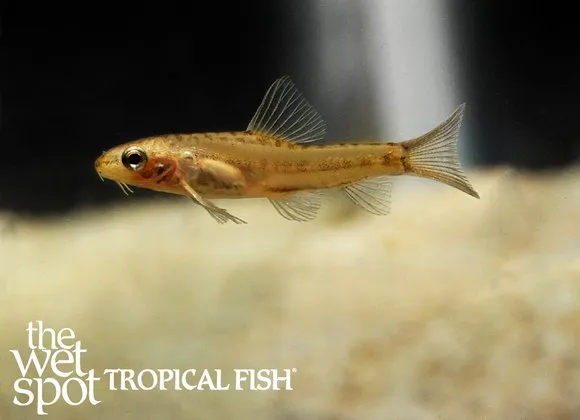
Mango loach
Physoschistura mango
Freshwater1 in (2.5 cm) · 11 gal (40 L)68–77°F (20–25°C)Medaka
Oryzias latipes
Freshwater1.4 in (3.5 cm) · 9 gal (35 L)61–72°F (16–22°C)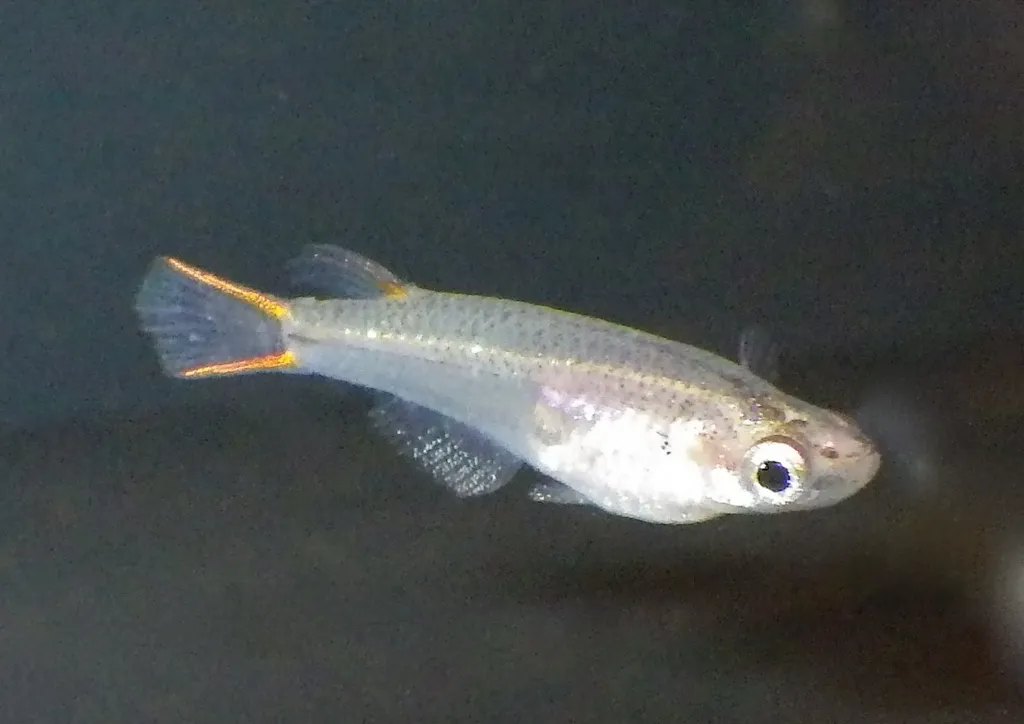
Mekong ricefish
Oryzias mekongensis
Freshwater1.2 in (3 cm) · 11 gal (40 L)72–79°F (22–26°C)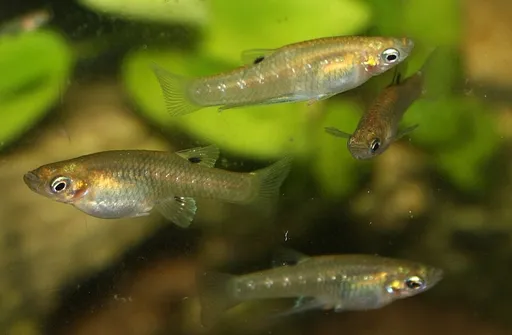
Metallic livebearer
Girardinus metallicus
Freshwater2.4 in (6 cm) · 11 gal (40 L)72–81°F (22–27°C)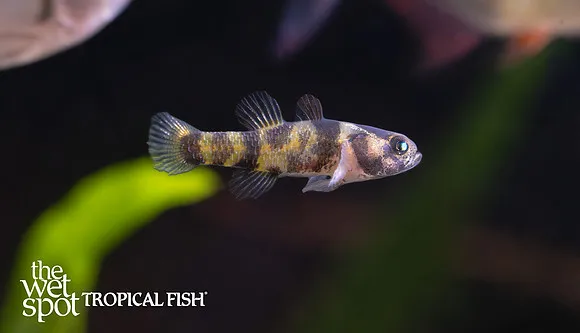
Micro bumblebee goby
Brachygobius nunus
FreshwaterBrackish1 in (2.5 cm) · 5 gal (20 L)73–82°F (23–28°C)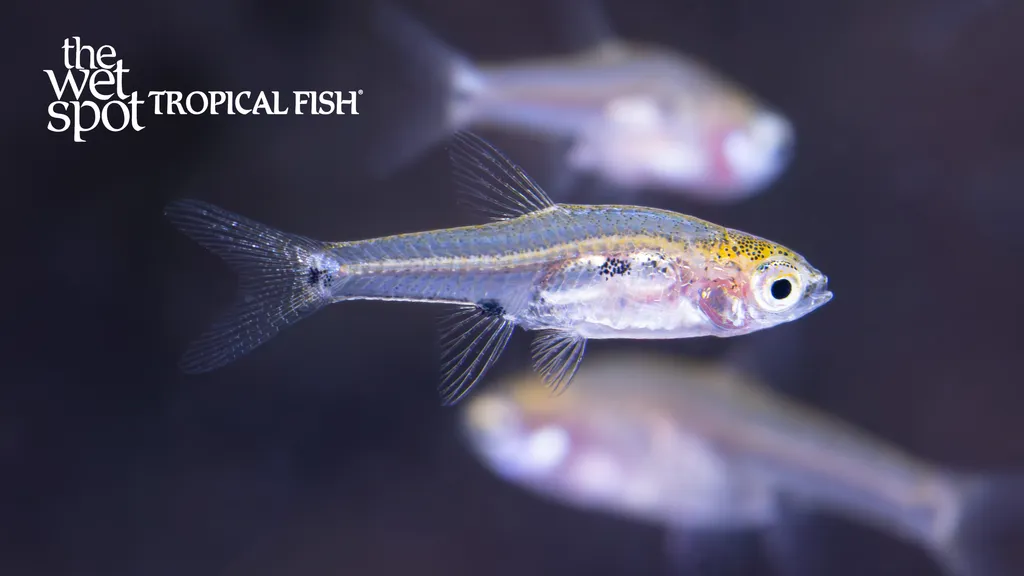
Micro rasbora
Boraras micros
Freshwater0.6 in (1.5 cm) · 8 gal (30 L)72–79°F (22–26°C)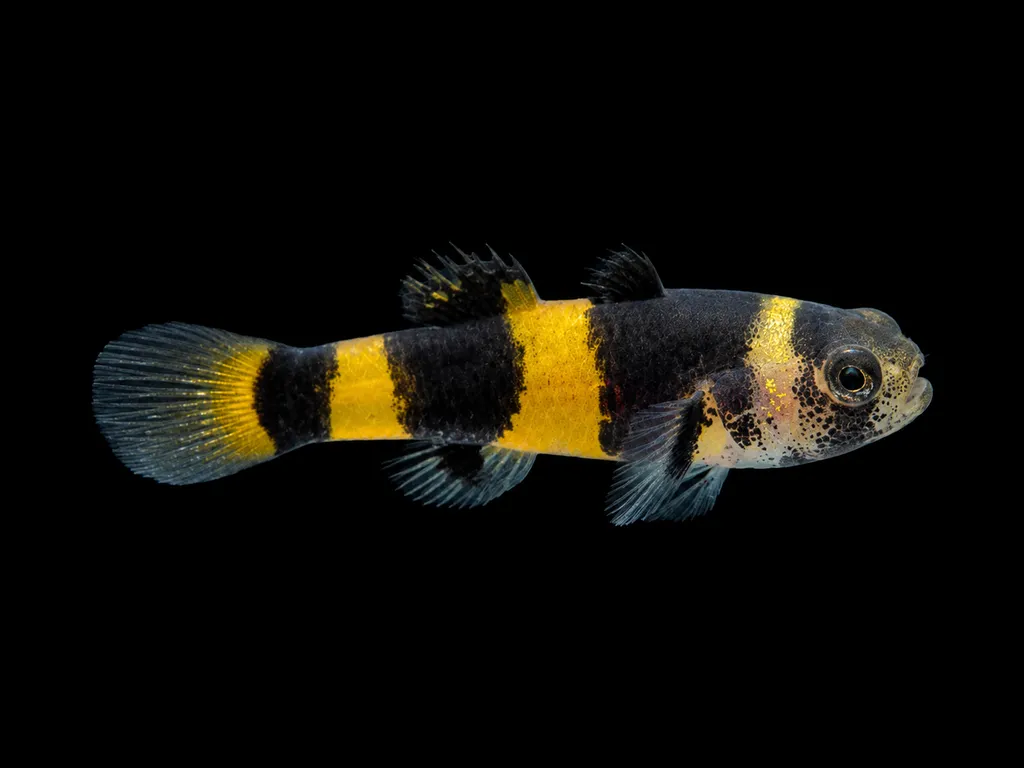
Mini bumblebee goby
Brachygobius xanthomelas
Freshwater0.8 in (2 cm) · 5 gal (20 L)75–82°F (24–28°C)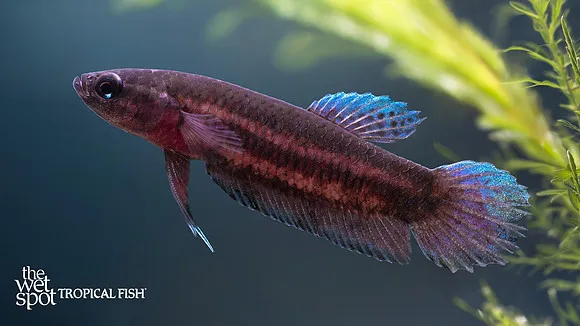
Miniopinna betta
Betta miniopinna
Freshwater1.1 in (2.8 cm) · 11 gal (40 L)72–81°F (22–27°C)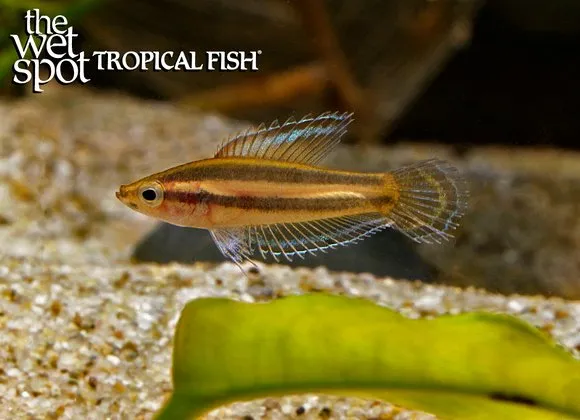
Nagy's licorice gourami
Parosphromenus nagyi
Freshwater1.4 in (3.5 cm) · 5 gal (20 L)72–81°F (22–27°C)Neon tetra
Paracheirodon innesi
Freshwater1.5 in (3.8 cm) · 11 gal (40 L)70–77°F (21–25°C)3 varieties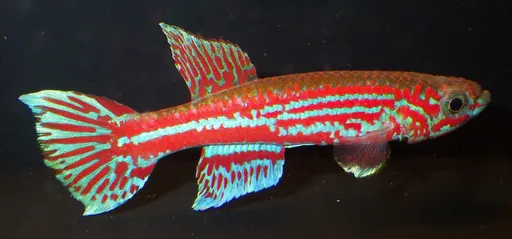
Ogowe killifish
Aphyosemion ogoense
Freshwater2 in (5 cm) · 11 gal (40 L)64–73°F (18–23°C)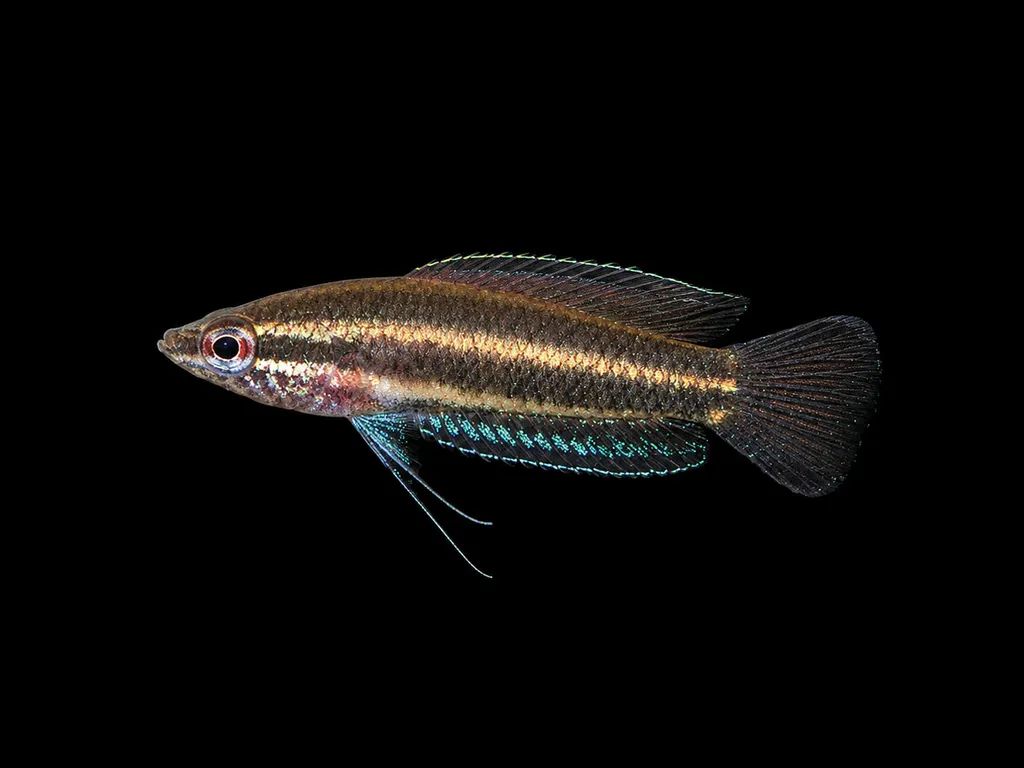
Opal licorice gourami
Parosphromenus opallios
Freshwater1.2 in (3 cm) · 5 gal (20 L)72–81°F (22–27°C)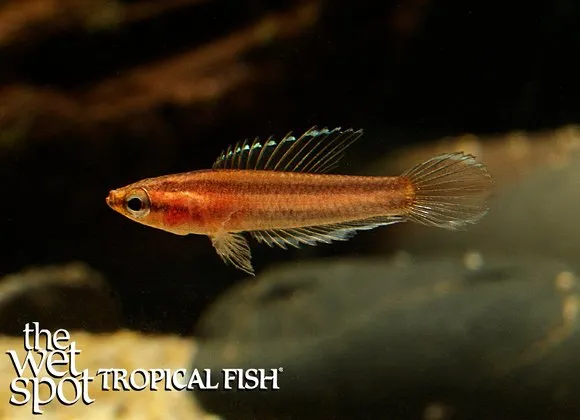
Ornate-tail licorice gourami
Parosphromenus ornaticauda
Freshwater0.9 in (2.4 cm) · 5 gal (20 L)72–81°F (22–27°C)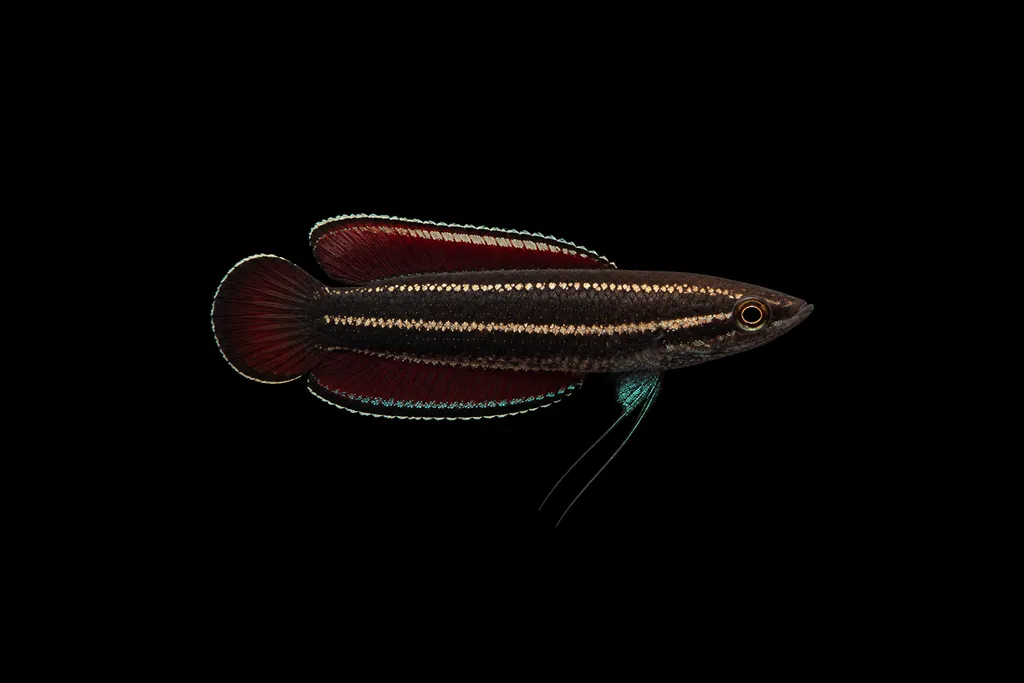
Pahu licorice gourami
Parosphromenus pahuensis
Freshwater1.1 in (2.8 cm) · 5 gal (20 L)72–81°F (22–27°C)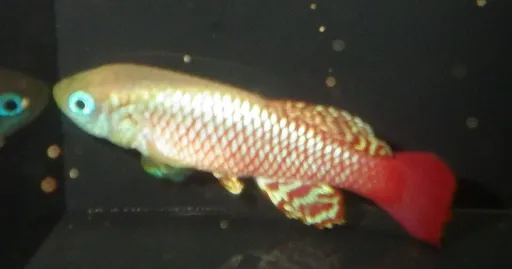
Palmqvist's notho
Nothobranchius palmqvisti
Freshwater2 in (5 cm) · 11 gal (40 L)72–81°F (22–27°C)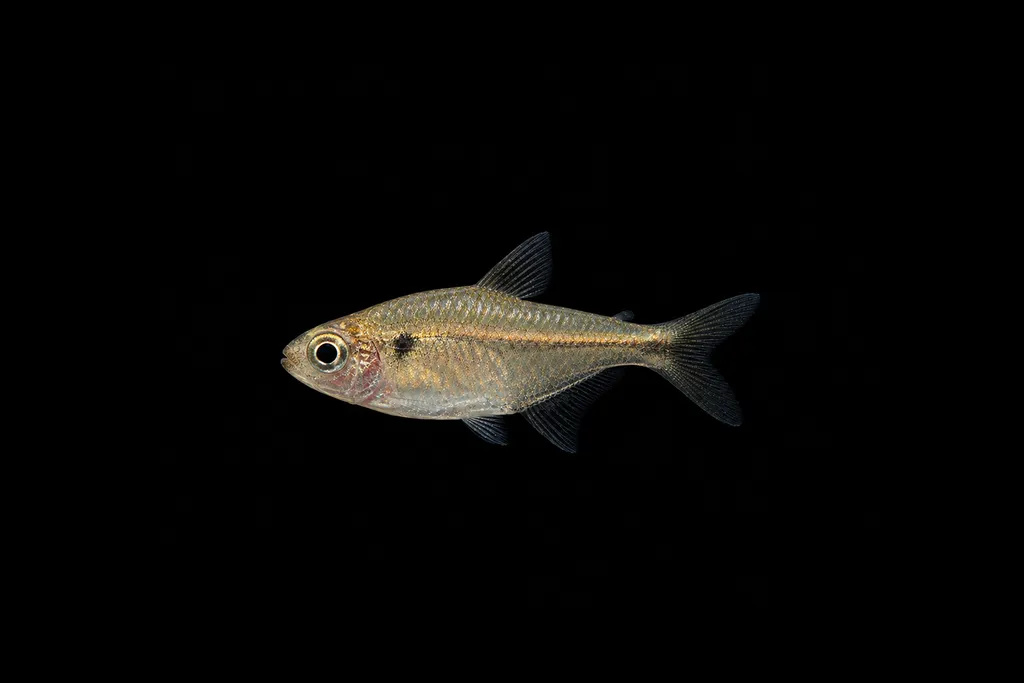
Parvellus tetra
Hyphessobrycon parvellus
Freshwater1 in (2.6 cm) · 10 gal (38 L)72–82°F (22–28°C)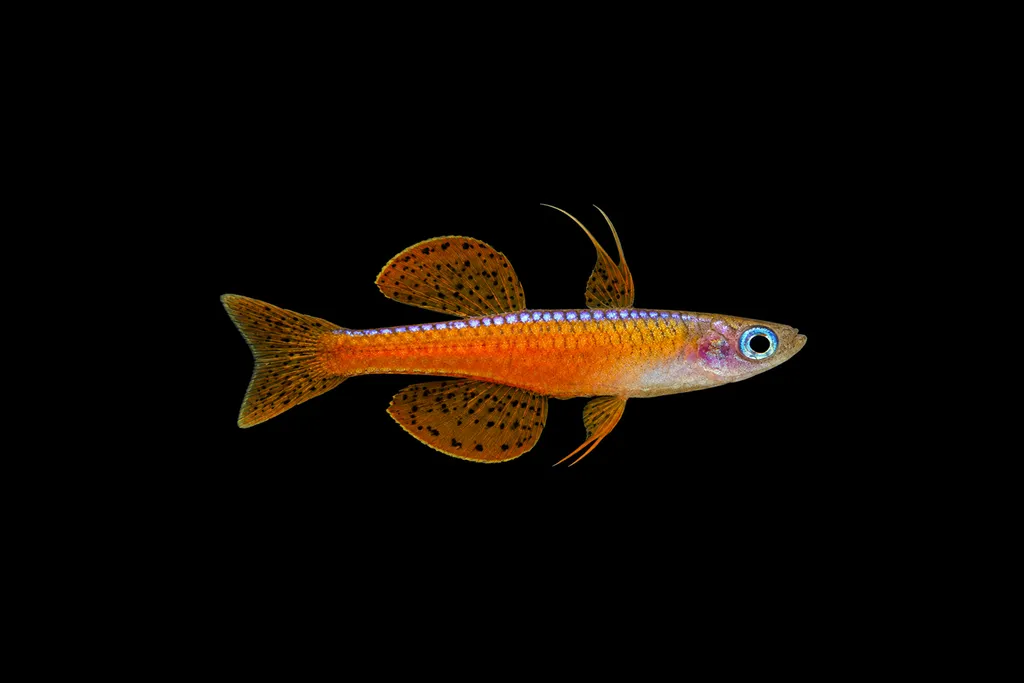
Paska's blue-eye
Pseudomugil paskai
Freshwater1.4 in (3.5 cm) · 11 gal (40 L)72–79°F (22–26°C)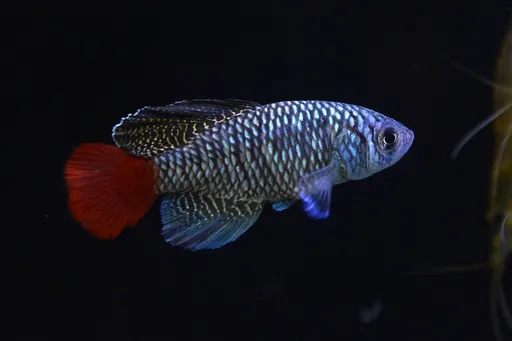
Patrizi's notho
Nothobranchius patrizii
Freshwater2.2 in (5.5 cm) · 11 gal (40 L)72–79°F (22–26°C)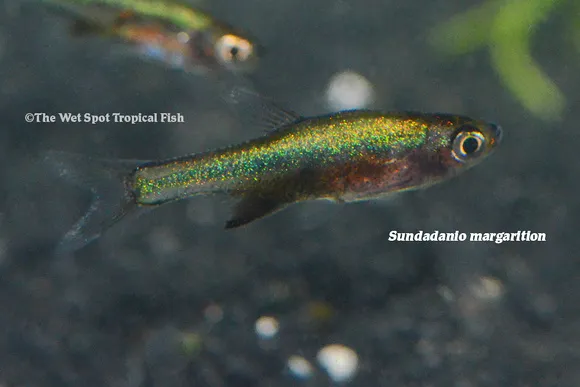
Pearl sundadanio
Sundadanio margarition
Freshwater0.9 in (2.4 cm) · 11 gal (40 L)73–81°F (23–27°C)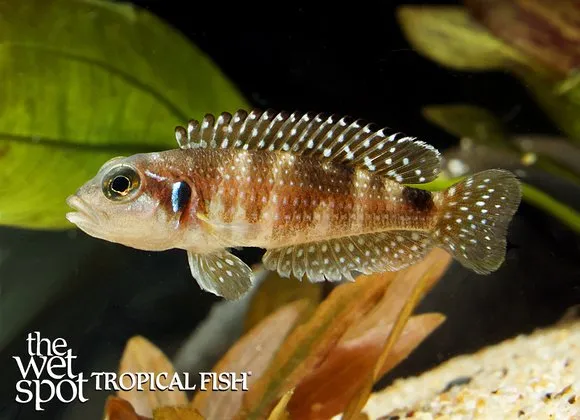
Pearly ocellatus
Lamprologus stappersi
Freshwater2.2 in (5.5 cm) · 11 gal (40 L)75–81°F (24–27°C)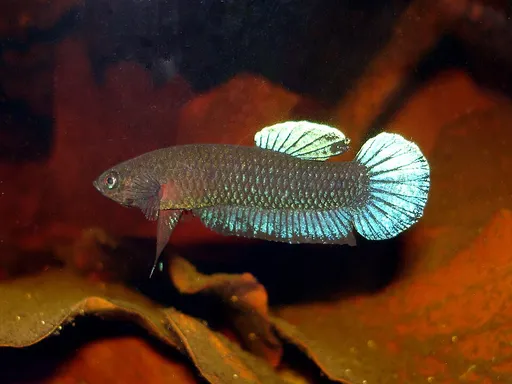
Persephone betta
Betta persephone
Freshwater1.4 in (3.5 cm) · 11 gal (40 L)73–81°F (23–27°C)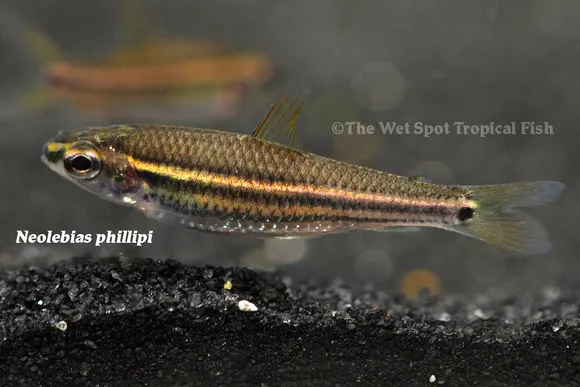
Philippe's neolebias
Neolebias philippei
Freshwater1.4 in (3.5 cm) · 11 gal (40 L)73–81°F (23–27°C)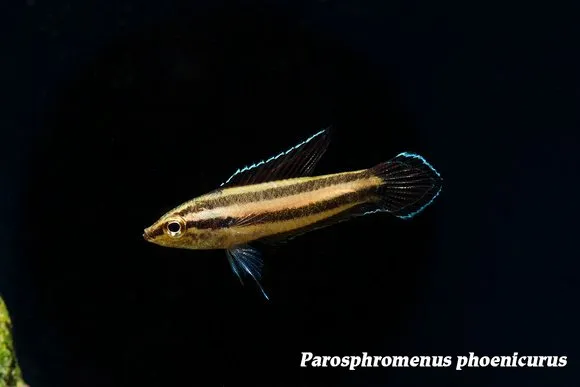
Phoenix licorice gourami
Parosphromenus phoenicurus
Freshwater1.3 in (3.2 cm) · 5 gal (20 L)72–81°F (22–27°C)Phoenix rasbora
Boraras merah
Freshwater0.8 in (2 cm) · 11 gal (40 L)72–81°F (22–27°C)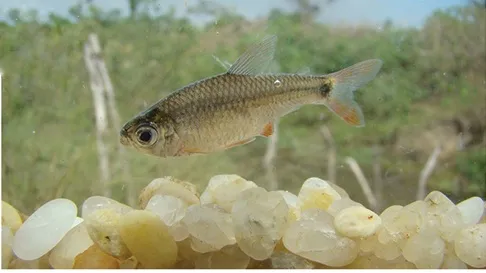
Piaba tetra
Serrapinnus piaba
Freshwater1.6 in (4 cm) · 11 gal (40 L)72–82°F (22–28°C)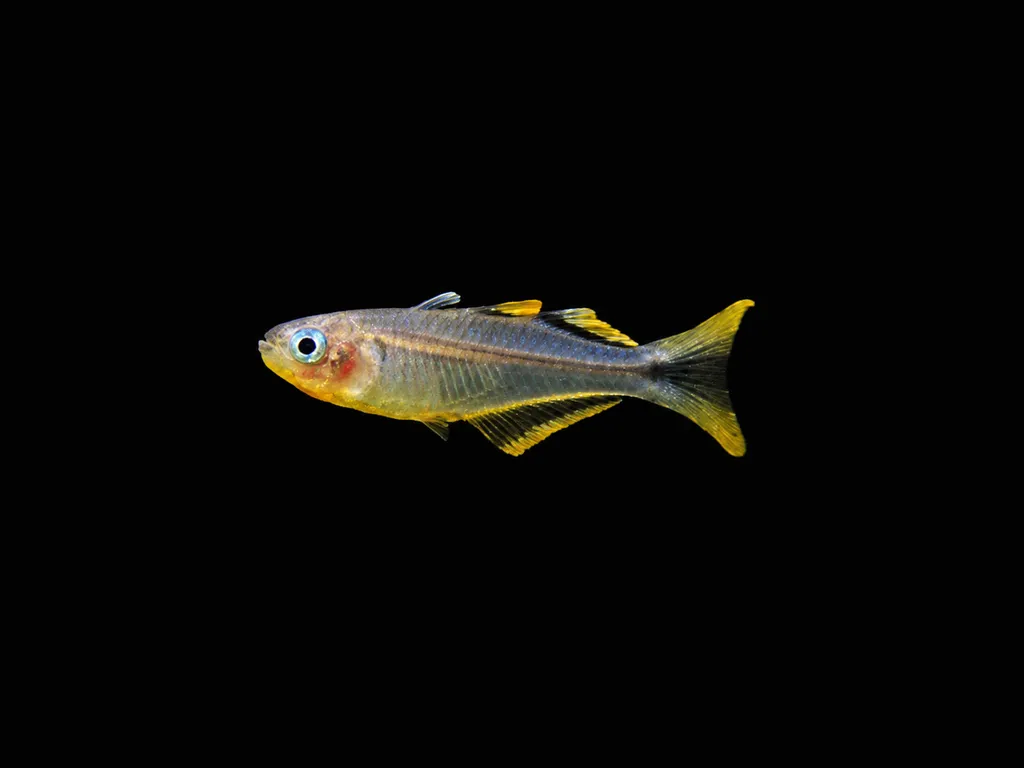
Popondetta blue-eye
Pseudomugil connieae
Freshwater2 in (5 cm) · 11 gal (40 L)75–82°F (24–28°C)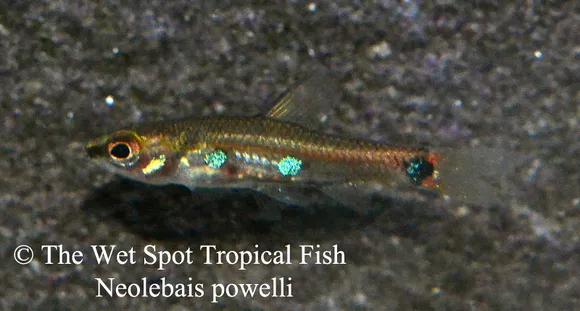
Powell's neolebias
Neolebias powelli
Freshwater0.8 in (2 cm) · 11 gal (40 L)73–81°F (23–27°C)Pygmy carplet
Paedocypris progenetica
Freshwater0.5 in (1.2 cm) · 5 gal (20 L)75–82°F (24–28°C)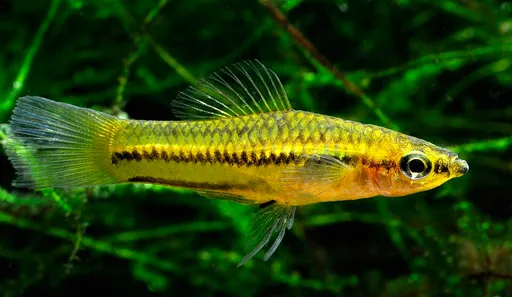
Pygmy swordtail
Xiphophorus pygmaeus
Freshwater1.6 in (4 cm) · 11 gal (40 L)75–82°F (24–28°C)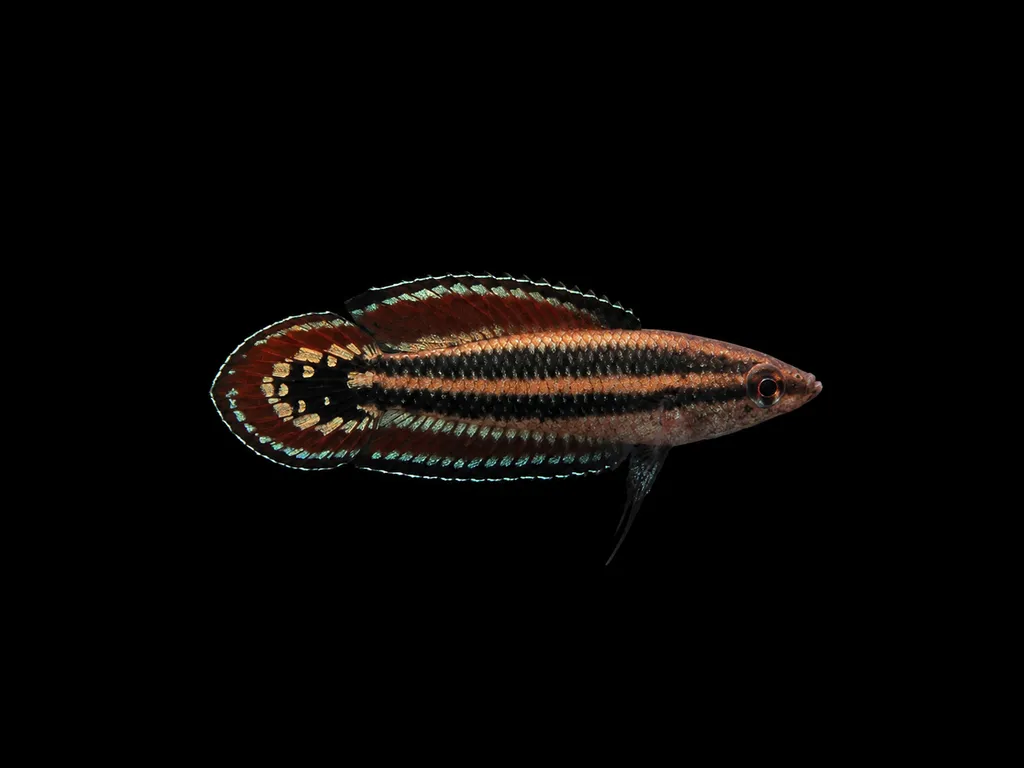
Quindecim licorice gourami
Parosphromenus quindecim
Freshwater1.3 in (3.4 cm) · 5 gal (20 L)72–81°F (22–27°C)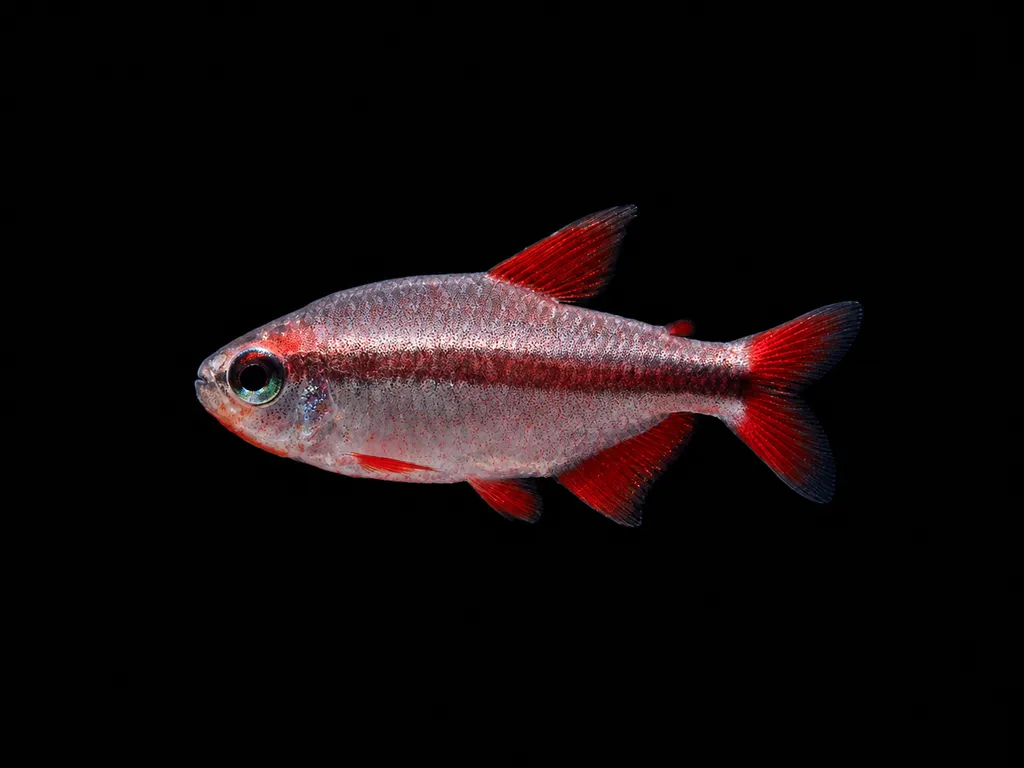
Red devil tetra
Hyphessobrycon piranga
Freshwater1 in (2.5 cm) · 10 gal (38 L)73–82°F (23–28°C)Red melon dario
Dario hysginon
Freshwater1.2 in (3 cm) · 11 gal (40 L)72–79°F (22–26°C)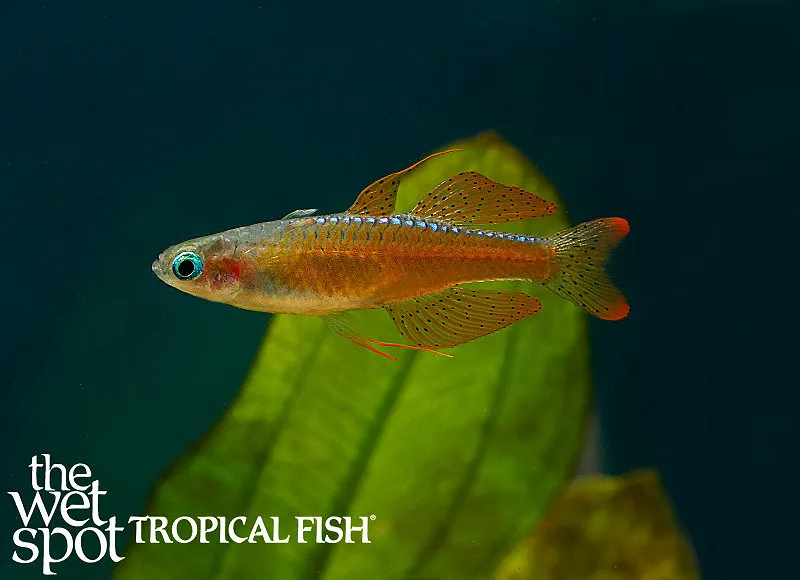
Red neon blue-eye
Pseudomugil luminatus
Freshwater1.4 in (3.5 cm) · 11 gal (40 L)72–81°F (22–27°C)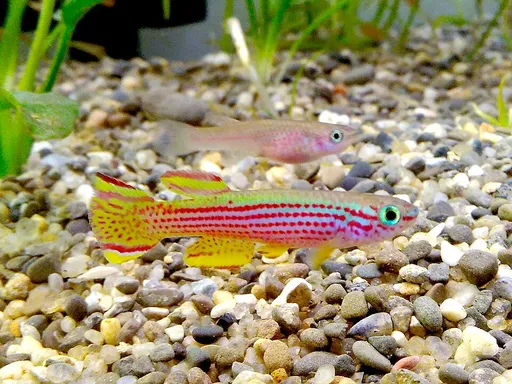
Red-striped killifish
Aphyosemion striatum
Freshwater2 in (5 cm) · 11 gal (40 L)70–77°F (21–25°C)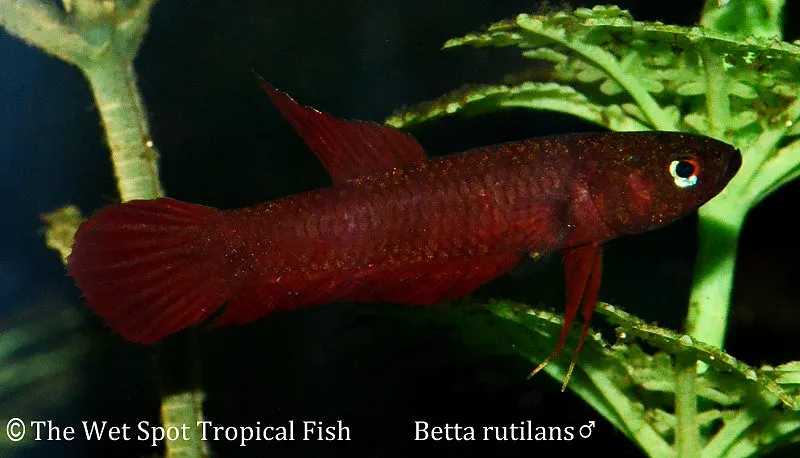
Redcheek betta
Betta rutilans
Freshwater1.4 in (3.5 cm) · 11 gal (40 L)73–81°F (23–27°C)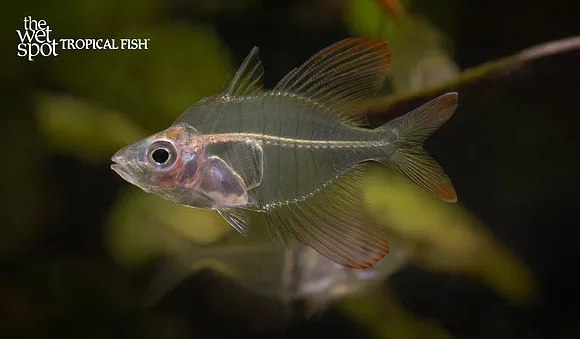
Rose flame glassfish
Gymnochanda verae
Freshwater1.2 in (3 cm) · 11 gal (40 L)75–82°F (24–28°C)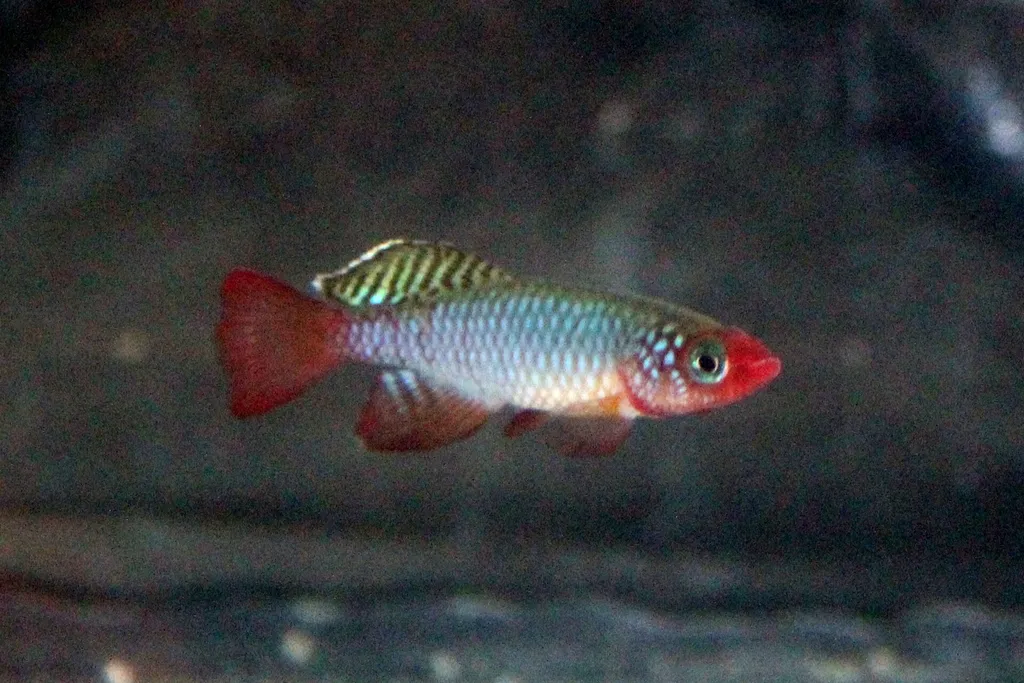
Rubripinnis nothobranch
Nothobranchius rubripinnis
Freshwater1.8 in (4.5 cm) · 11 gal (40 L)72–79°F (22–26°C)Ruby sundadanio
Sundadanio rubellus
Freshwater0.9 in (2.3 cm) · 11 gal (40 L)73–81°F (23–27°C)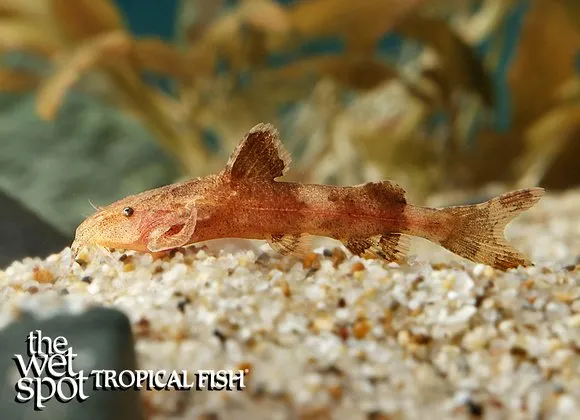
Rusty moth catfish
Pseudolaguvia muricata
Freshwater1.2 in (3 cm) · 11 gal (40 L)68–79°F (20–26°C)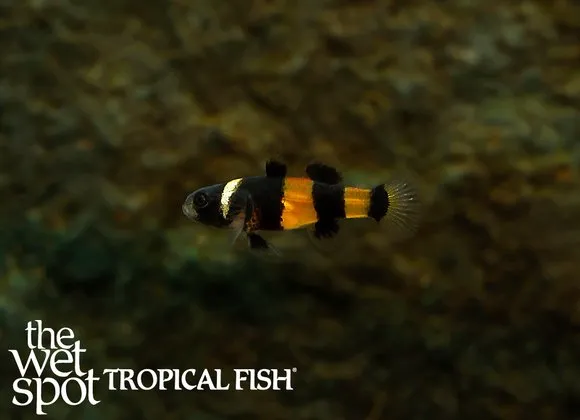
Sabanus bumblebee goby
Brachygobius sabanus
Freshwater1.2 in (3 cm) · 11 gal (40 L)75–82°F (24–28°C)Scarlet badis
Dario dario
Freshwater0.8 in (2 cm) · 11 gal (40 L)72–79°F (22–26°C)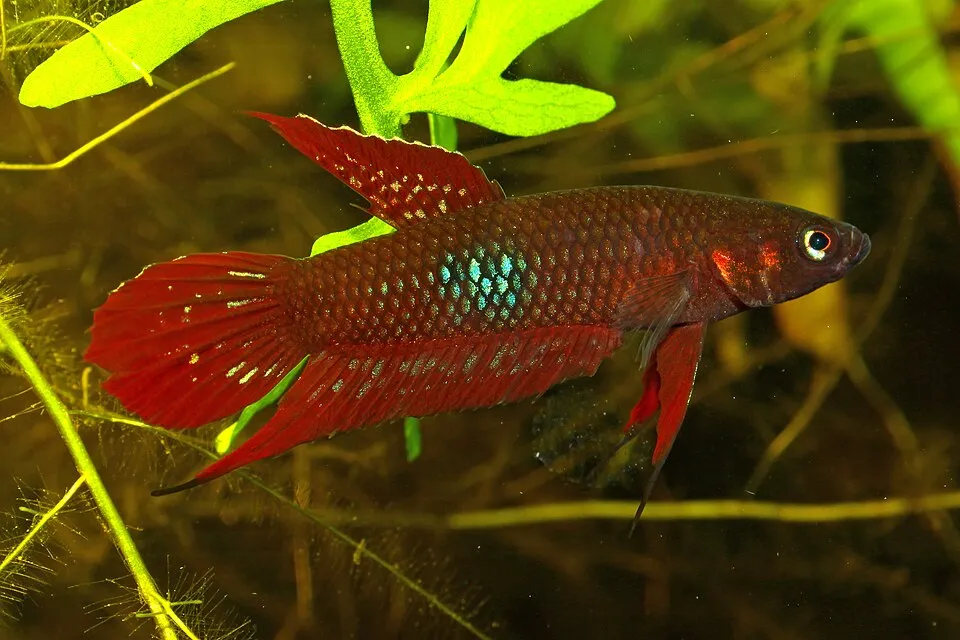
Scarlet betta
Betta coccina
Freshwater1.6 in (4 cm) · 11 gal (40 L)72–86°F (22–30°C)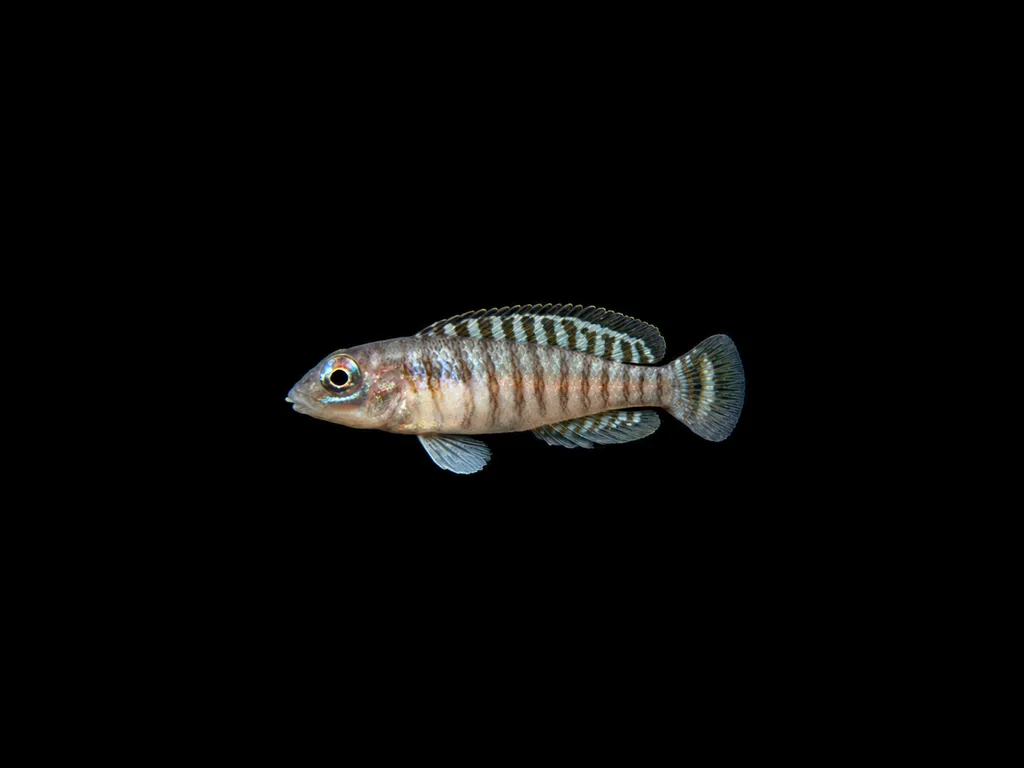
Signatus shell dweller
Lamprologus signatus
Freshwater2.2 in (5.5 cm) · 11 gal (40 L)75–81°F (24–27°C)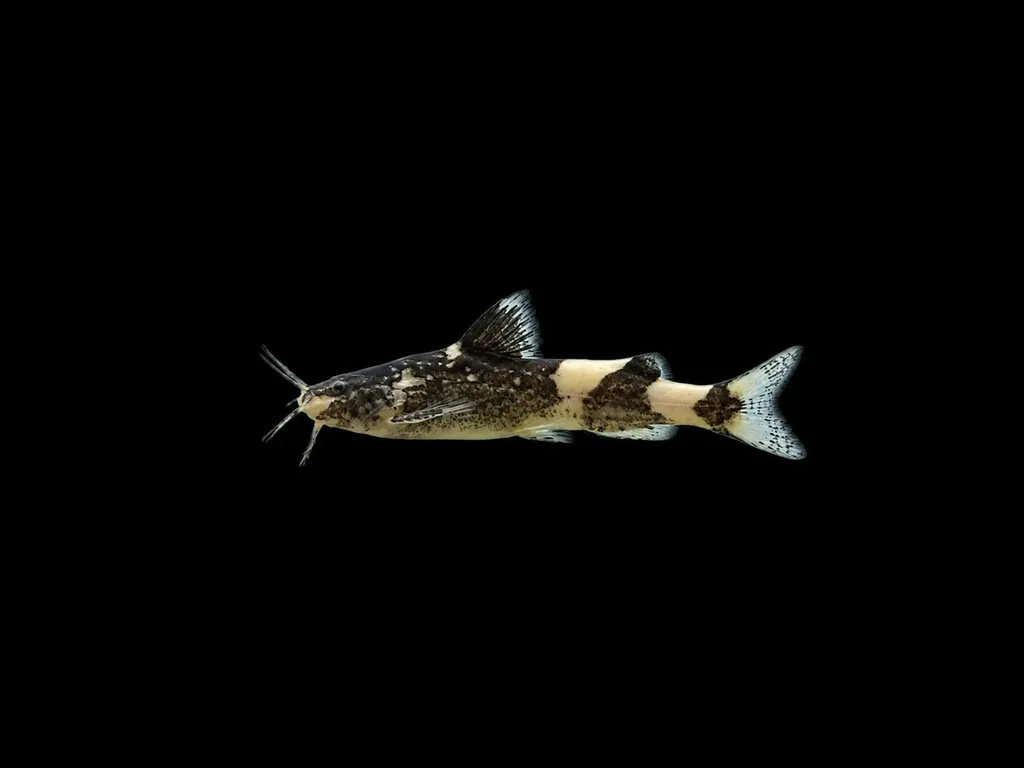
Small-eyed bee catfish
Akysis microps
Freshwater1.4 in (3.5 cm) · 11 gal (40 L)72–79°F (22–26°C)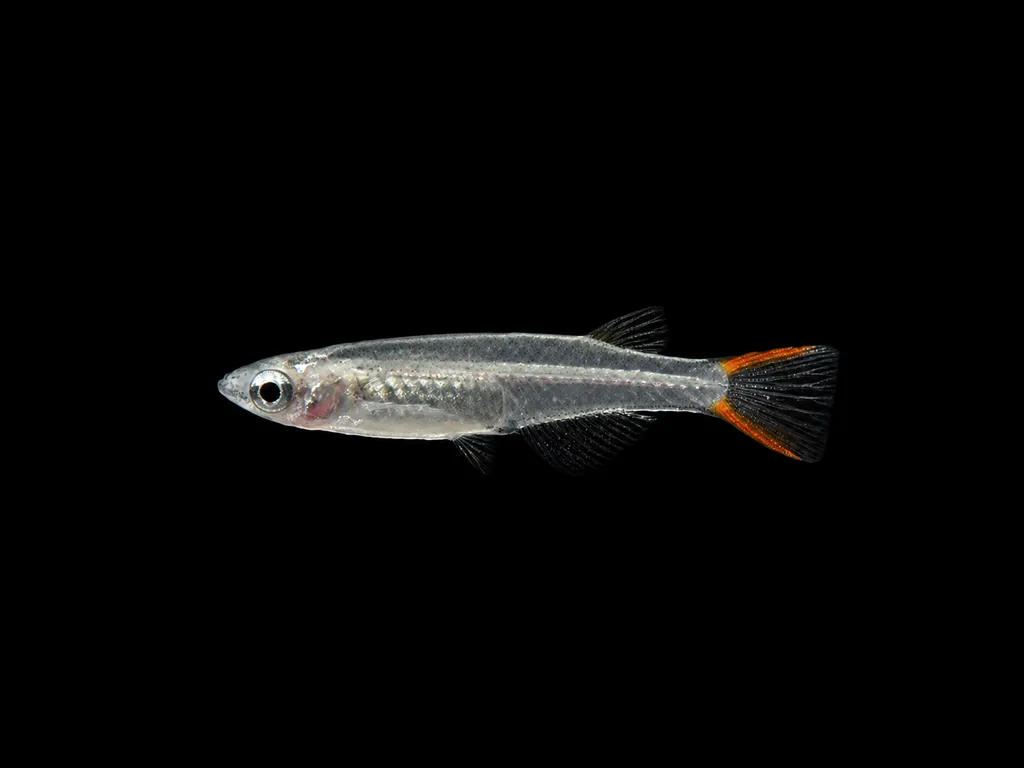
Songkhram ricefish
Oryzias songkhramensis
Freshwater1 in (2.5 cm) · 11 gal (40 L)72–79°F (22–26°C)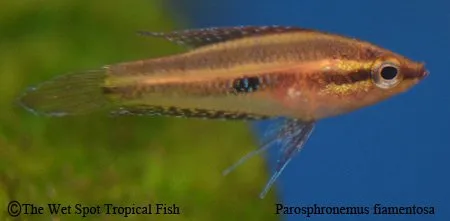
Spadetail licorice gourami
Parosphromenus filamentosus
Freshwater1.6 in (4 cm) · 5 gal (20 L)72–81°F (22–27°C)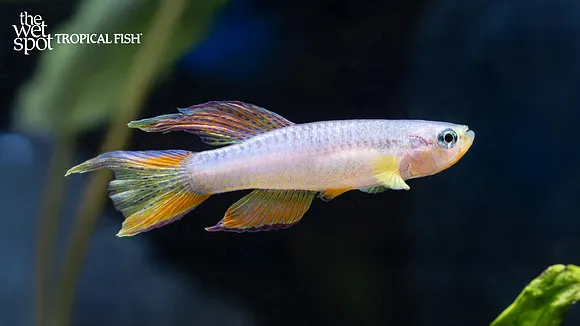
Splendid killifish
Aphyosemion splendopleure
Freshwater2.2 in (5.5 cm) · 11 gal (40 L)68–77°F (20–25°C)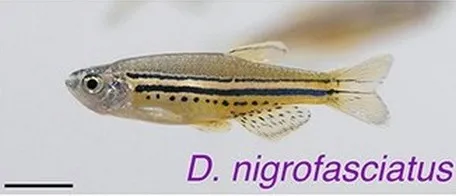
Spotted danio
Danio nigrofasciatus
Freshwater1.5 in (3.7 cm) · 11 gal (40 L)64–79°F (18–26°C)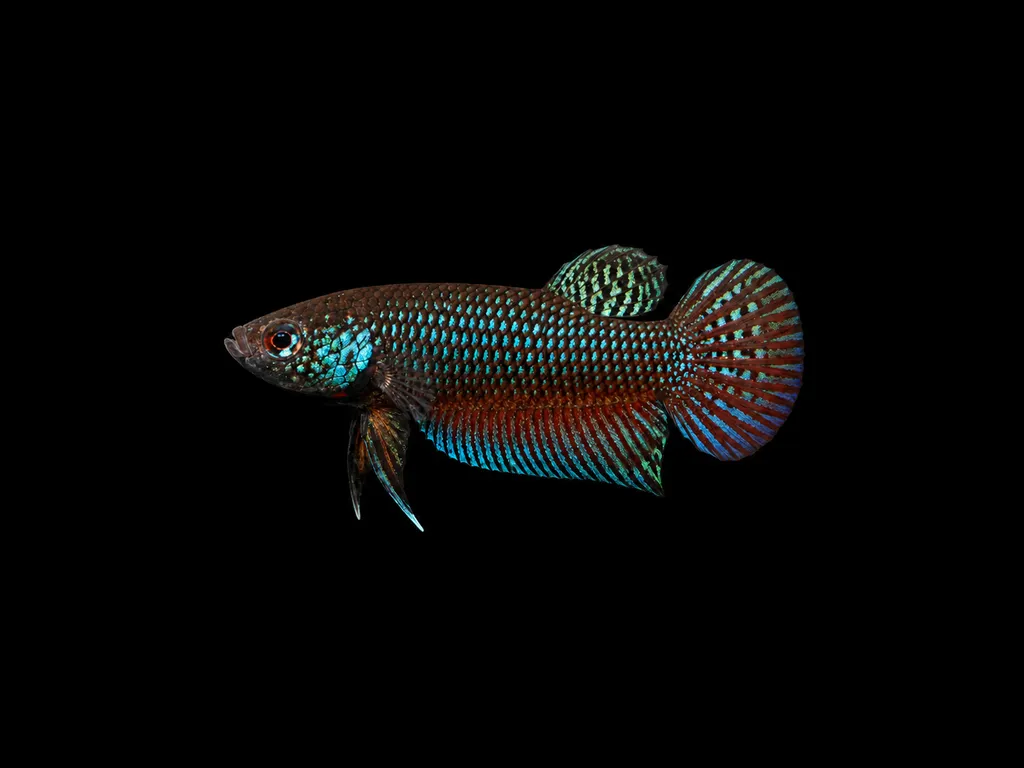
Stiktos betta
Betta stiktos
Freshwater2 in (5 cm) · 11 gal (40 L)73–81°F (23–27°C)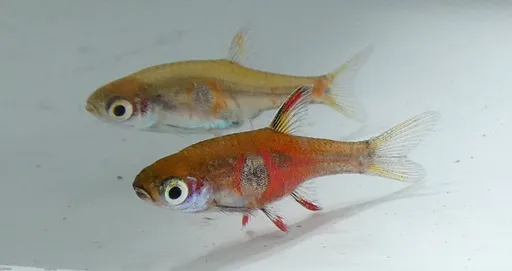
Strawberry rasbora
Boraras naevus
Freshwater0.8 in (2 cm) · 11 gal (40 L)73–81°F (23–27°C)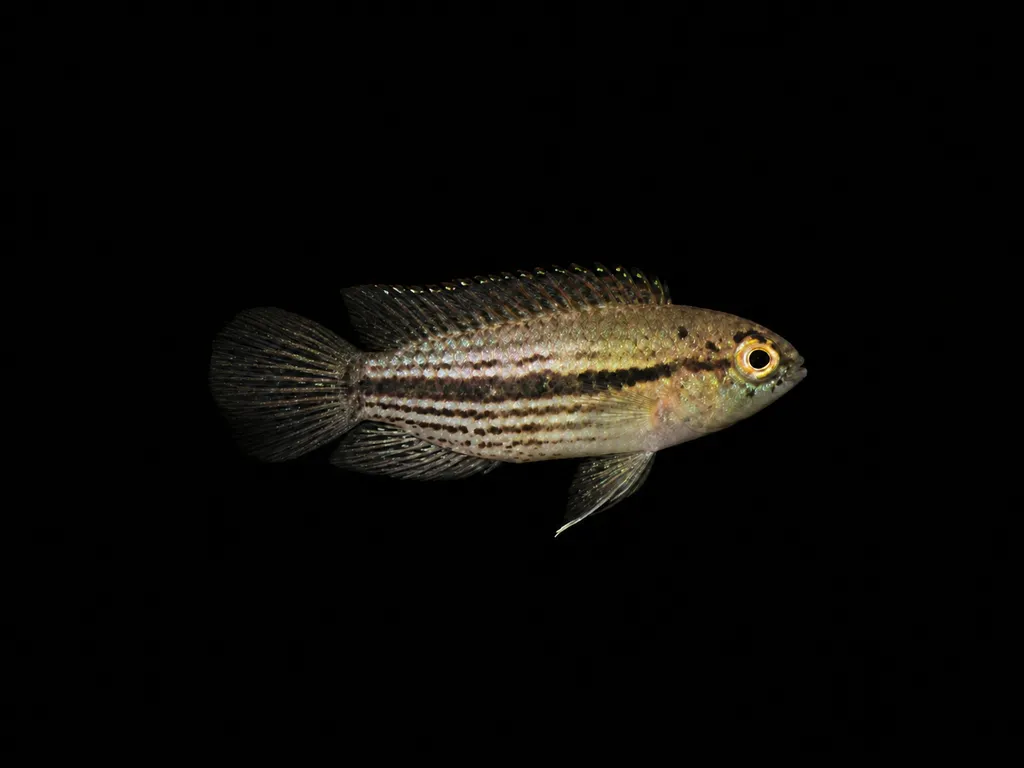
Striped nannacara
Nannacara taenia
Freshwater2.4 in (6 cm) · 11 gal (40 L)75–82°F (24–28°C)Sumatran licorice gourami
Parosphromenus sumatranus
Freshwater1.2 in (3 cm) · 5 gal (20 L)72–81°F (22–27°C)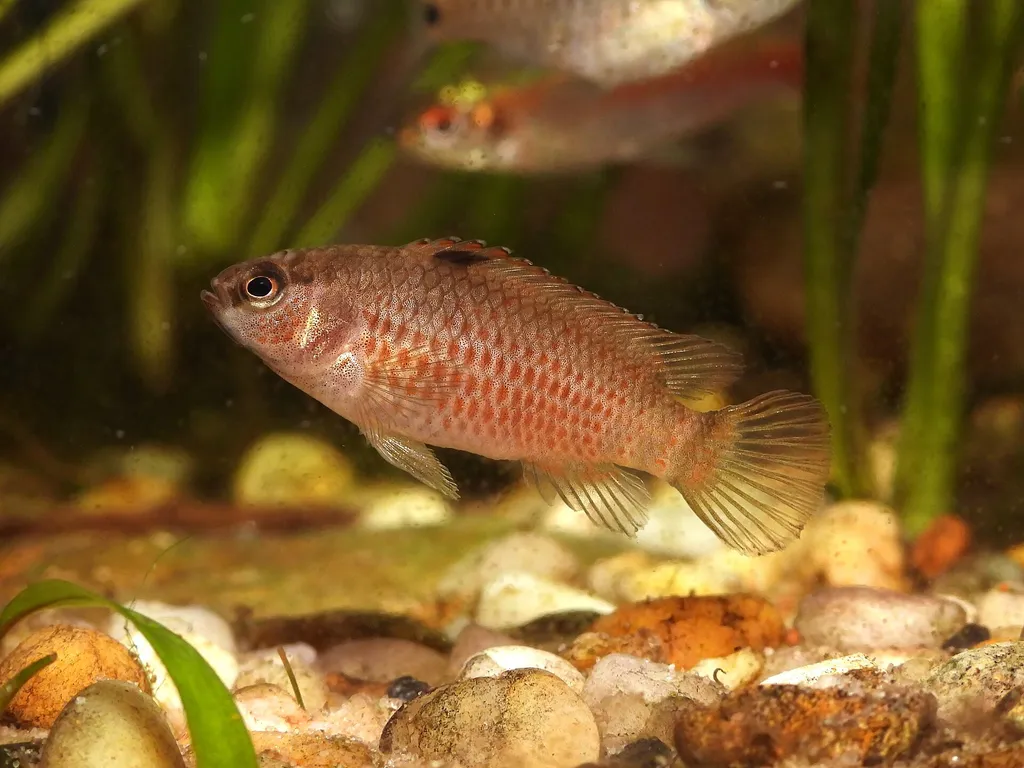
Swamp badis
Badis laspiophilus
Freshwater1 in (2.5 cm) · 5 gal (20 L)64–75°F (18–24°C)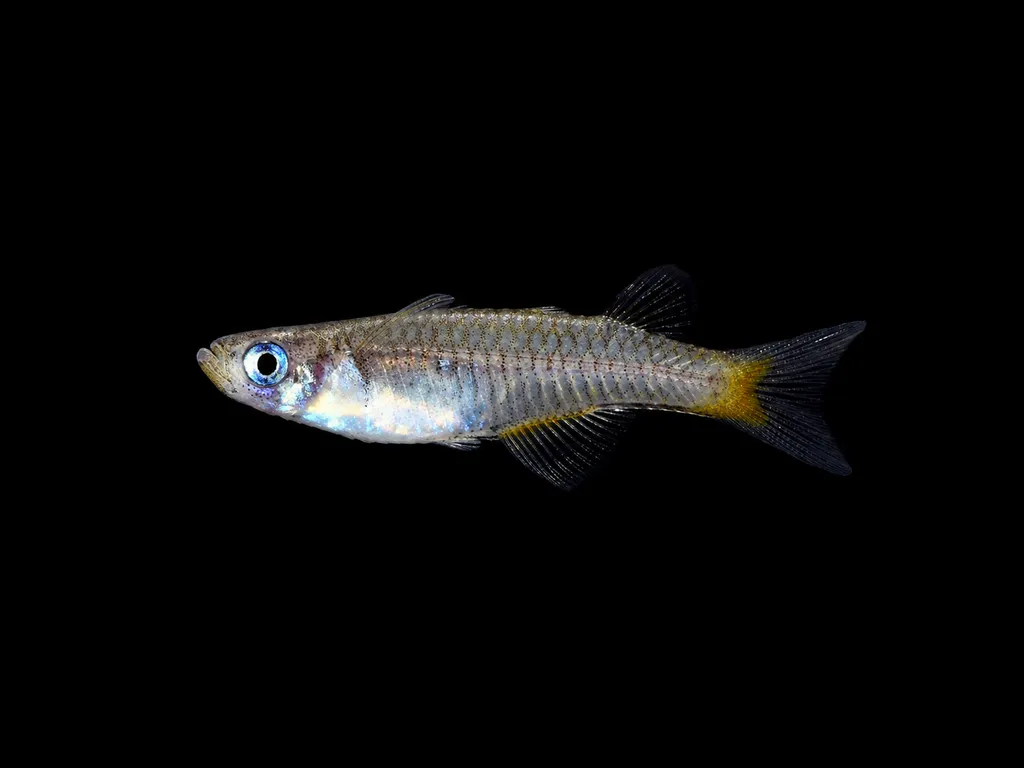
Swamp blue-eye
Pseudomugil paludicola
Freshwater1.4 in (3.5 cm) · 11 gal (40 L)79–86°F (26–30°C)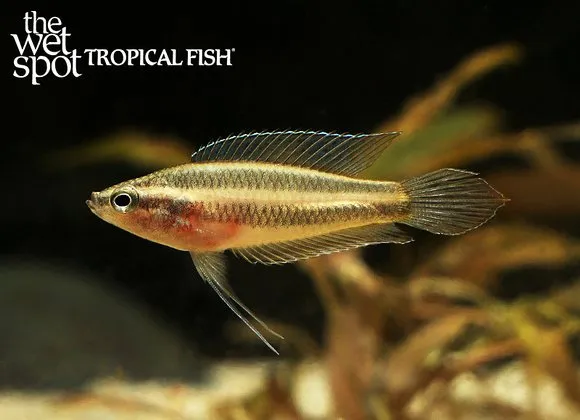
Swamp licorice gourami
Parosphromenus paludicola
Freshwater1.5 in (3.7 cm) · 5 gal (20 L)72–81°F (22–27°C)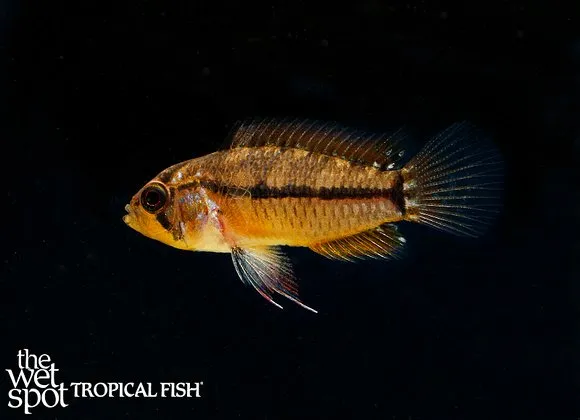
T-bar dwarf cichlid
Apistogrammoides pucallpaensis
Freshwater1.6 in (4 cm) · 11 gal (40 L)75–82°F (24–28°C)Tambopata glass tetra
Tyttocharax tambopatensis
Freshwater0.7 in (1.9 cm) · 5 gal (20 L)73–81°F (23–27°C)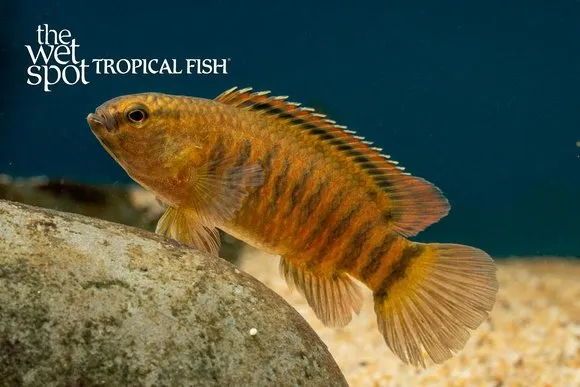
Tiger badis
Badis kyar
Freshwater1.6 in (4 cm) · 11 gal (40 L)68–79°F (20–26°C)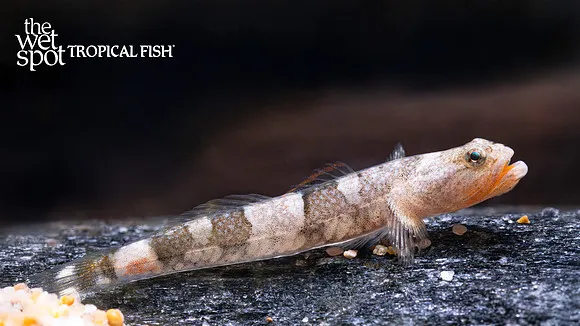
Tiger schismatogobius
Schismatogobius ampluvinculus
Freshwater1.2 in (3 cm) · 11 gal (40 L)73–81°F (23–27°C)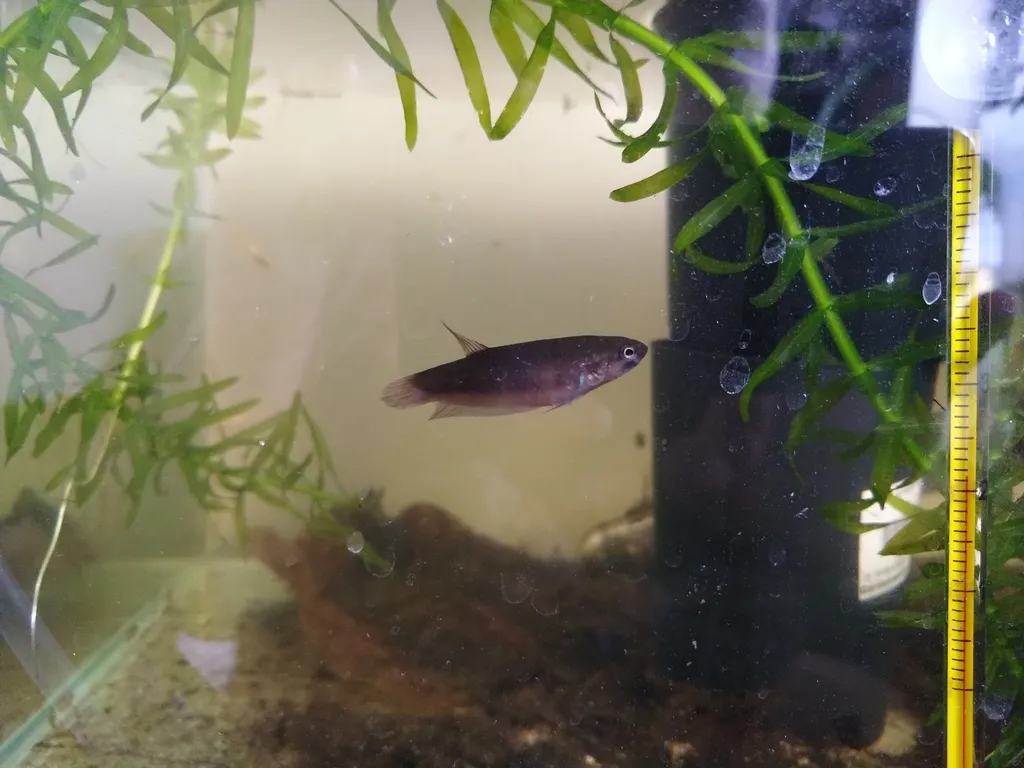
Toba betta
Betta rubra
Freshwater1.6 in (4 cm) · 11 gal (40 L)72–81°F (22–27°C)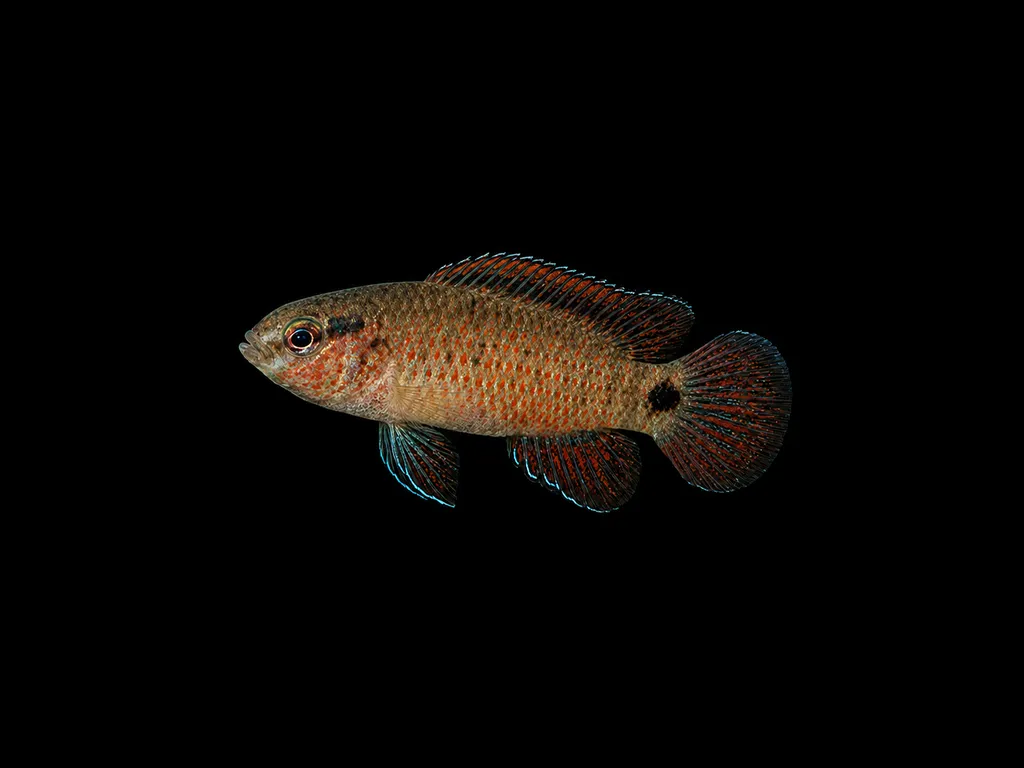
Torpedo badis
Badis autumnum
Freshwater1.6 in (4 cm) · 11 gal (40 L)61–77°F (16–25°C)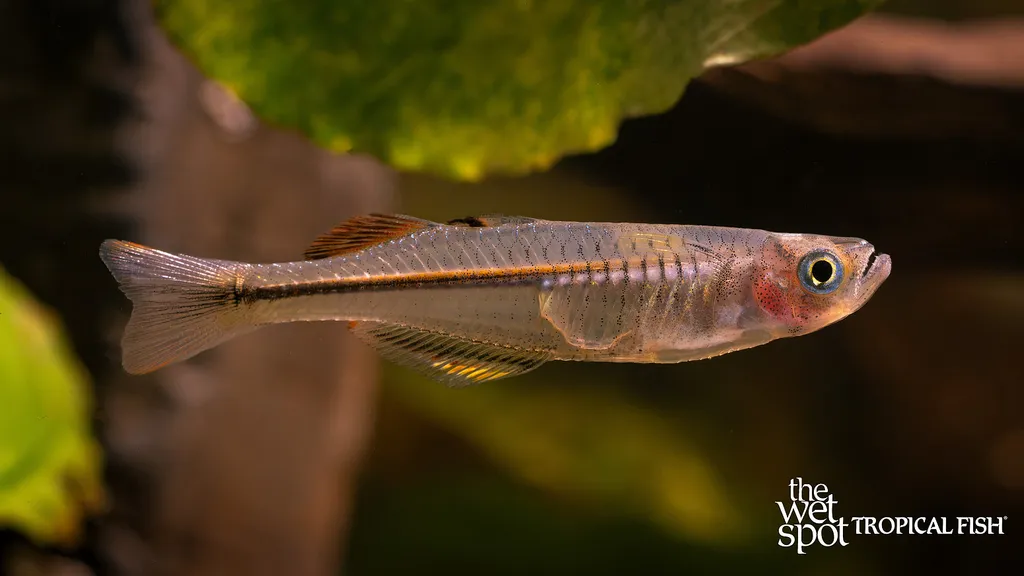
Transparent blue-eye
Pseudomugil pellucidus
Freshwater1.6 in (4 cm) · 11 gal (40 L)75–82°F (24–28°C)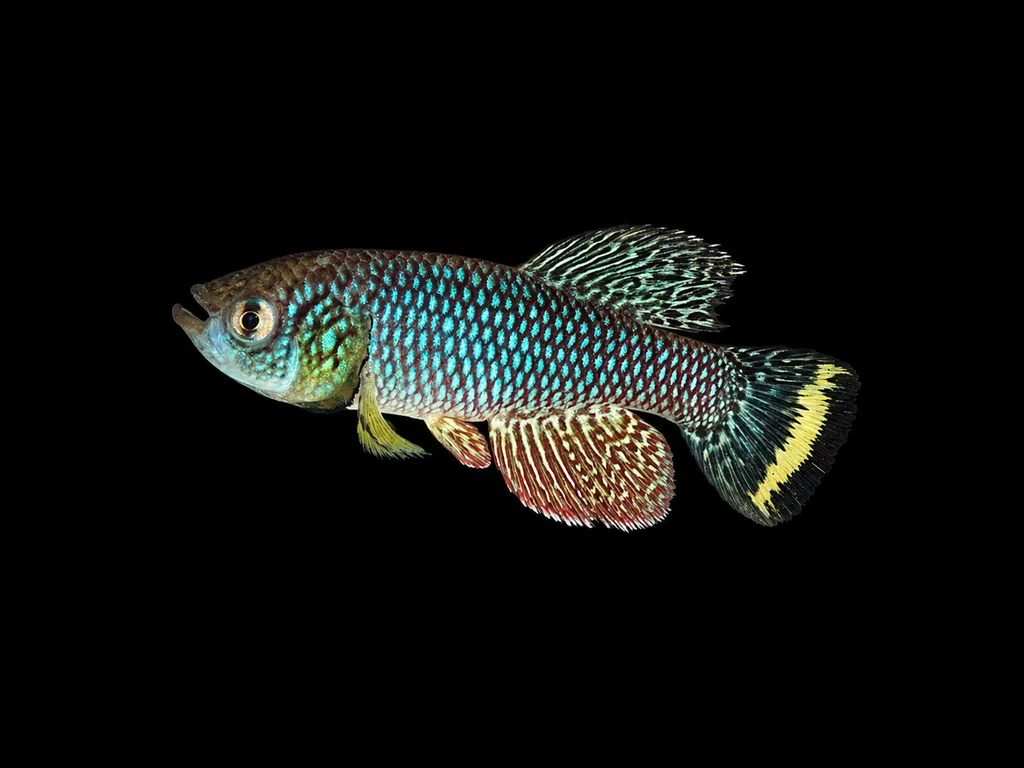
Turquoise killifish
Nothobranchius furzeri
Freshwater2.4 in (6 cm) · 11 gal (40 L)68–79°F (20–26°C)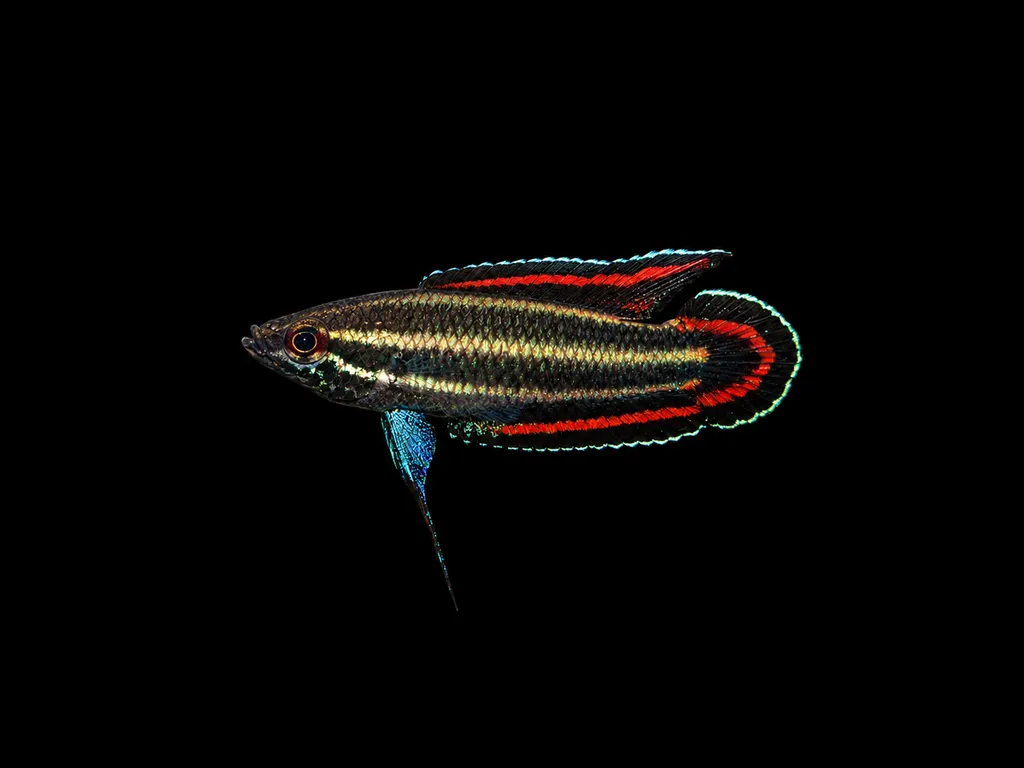
Tweedie's licorice gourami
Parosphromenus tweediei
Freshwater1.2 in (3 cm) · 5 gal (20 L)72–81°F (22–27°C)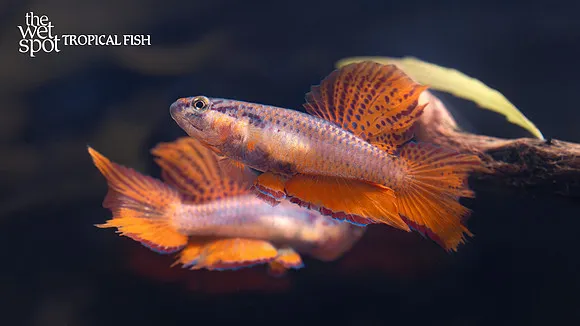
Two-banded killifish
Chromaphyosemion bitaeniatum
Freshwater2.2 in (5.5 cm) · 10 gal (38 L)72–79°F (22–26°C)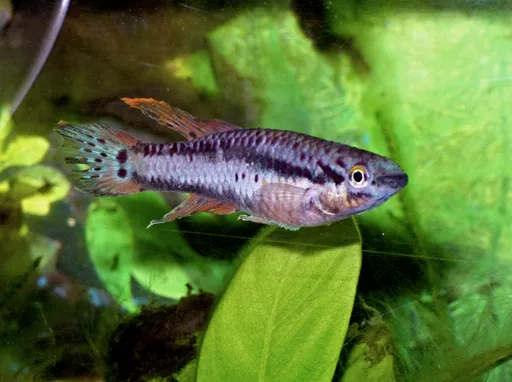
Two-striped aphyosemion
Aphyosemion bivittatum
Freshwater2 in (5 cm) · 11 gal (40 L)72–79°F (22–26°C)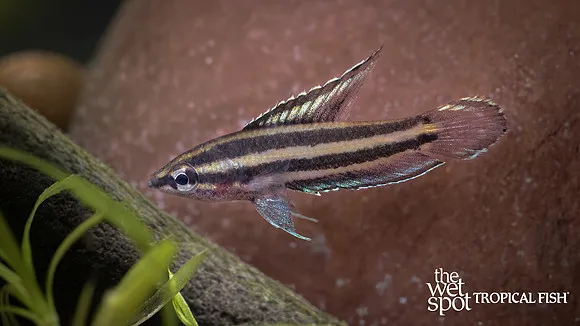
Uberis betta
Betta uberis
Freshwater1.4 in (3.6 cm) · 11 gal (40 L)73–81°F (23–27°C)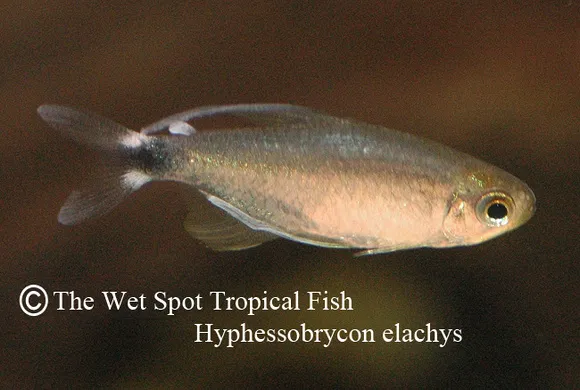
Veiltail tetra
Hyphessobrycon elachys
Freshwater0.9 in (2.4 cm) · 10 gal (38 L)68–79°F (20–26°C)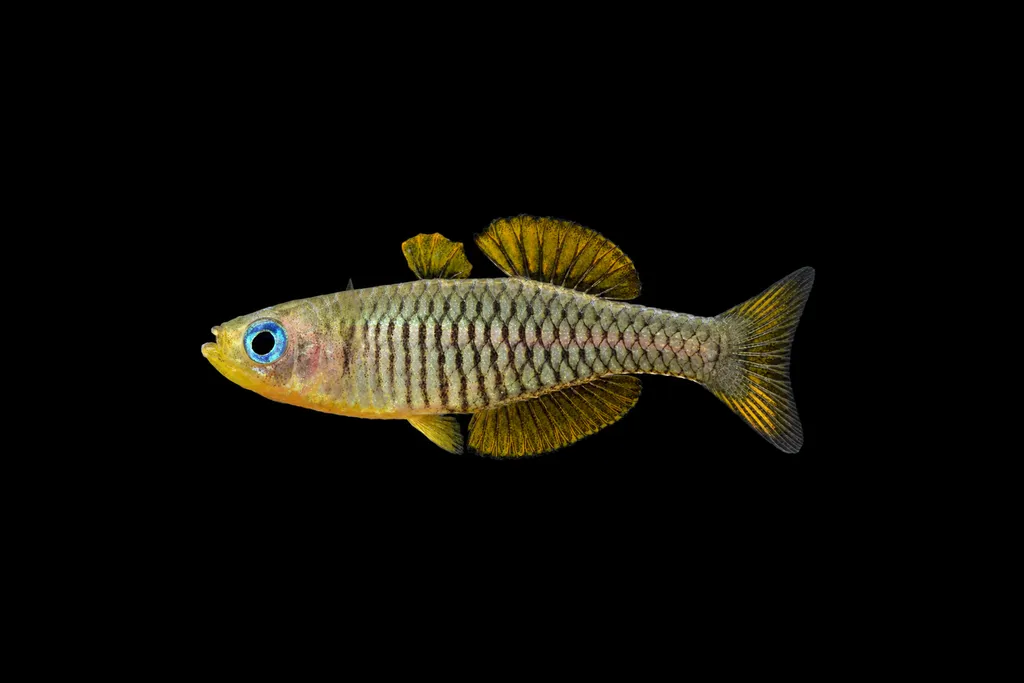
Vogelkop blue-eye
Pseudomugil reticulatus
Freshwater1.4 in (3.5 cm) · 11 gal (40 L)75–82°F (24–28°C)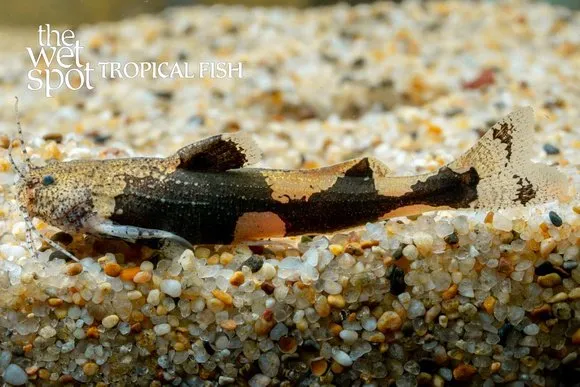
Wasp bee catfish
Akysis vespa
Freshwater1.6 in (4 cm) · 11 gal (40 L)72–79°F (22–26°C)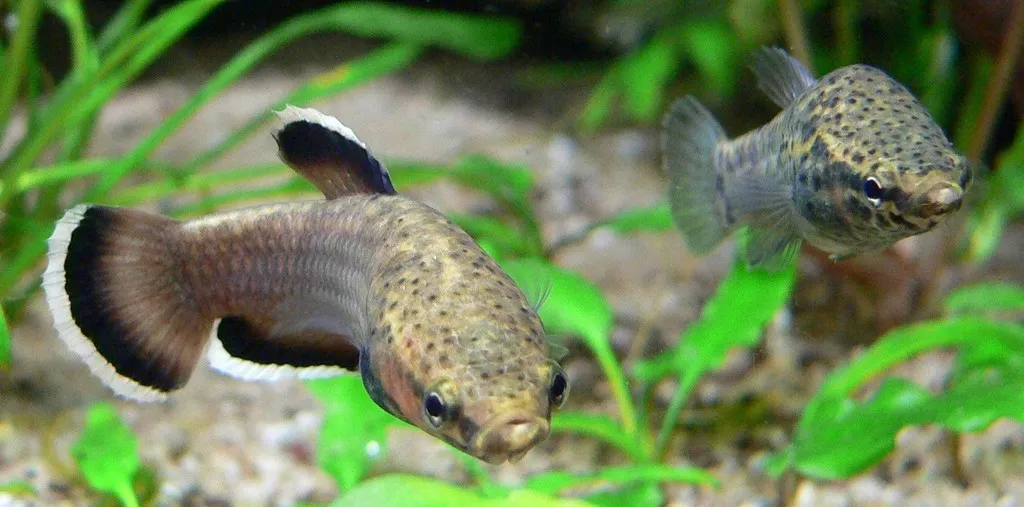
Whiteseam betta
Betta albimarginata
Freshwater1.2 in (3 cm) · 11 gal (40 L)73–82°F (23–28°C)Wine-red betta
Betta burdigala
Freshwater1.4 in (3.5 cm) · 11 gal (40 L)72–81°F (22–27°C)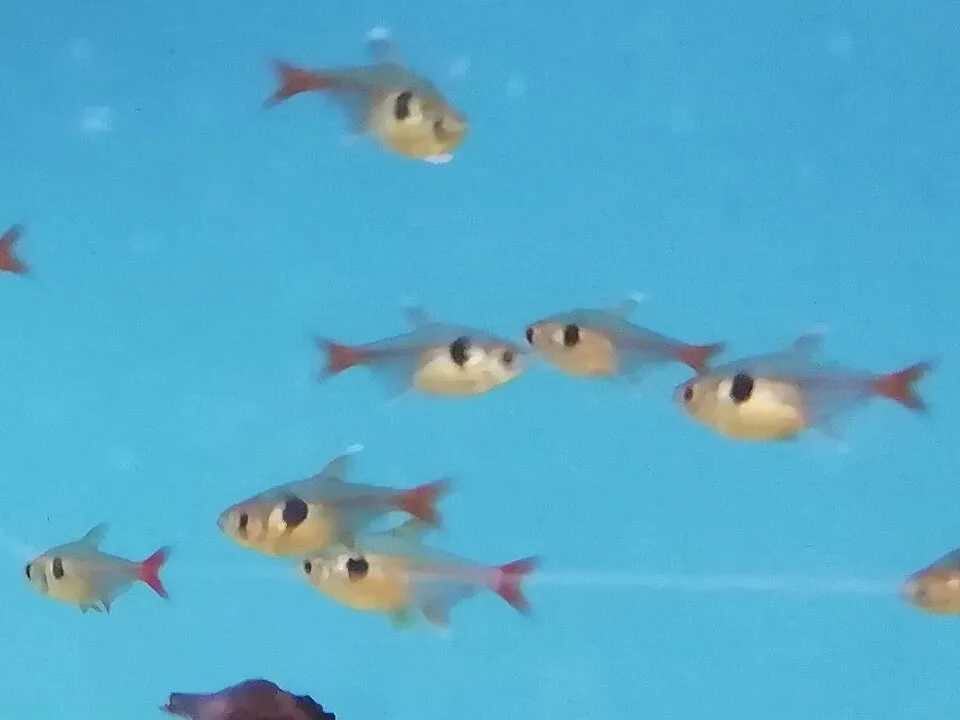
Yellow phantom tetra
Hyphessobrycon roseus
Freshwater0.8 in (2 cm) · 7 gal (25 L)68–82°F (20–28°C)
Yellowstripe mugilogobius
Mugilogobius chulae
Freshwater1.6 in (4 cm) · 11 gal (40 L)75–82°F (24–28°C)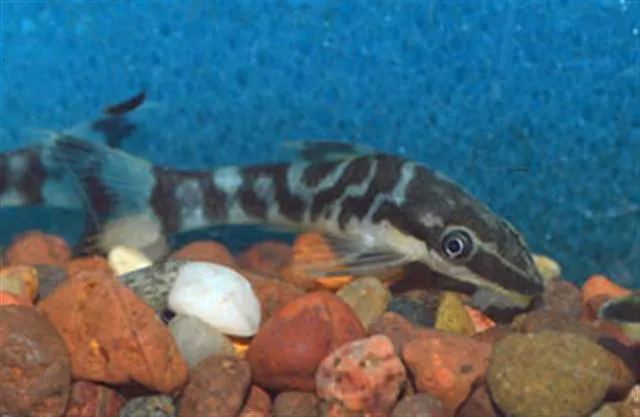
Zebra dwarf sucker
Otocinclus cocama
Freshwater1.8 in (4.5 cm) · 11 gal (40 L)70–77°F (21–25°C)
Planning a tank?
TankBud checks stocking and water fit as you build a tank, then tracks water tests, reminders and photos once it is running.
Track your tanksMaintain tanks for clients? See TankBud Pro