Salt and pepper cory
Hoplisoma habrosum
Also known as Corydoras habrosus, Dwarf Spotted Cory
FreshwaterFish
Care at a glance
- Temperature
- 68–79°F
- 20–26°C
- pH
- 6.0–7.5
- Adult size
- 1.4 in
- 3.5 cm
- Minimum tank
- 15 gal
- 55 L
- Temperament
- Peaceful
- Social behavior
- Shoaling
- Swim level
- Bottom
- Difficulty
- Easy
- Breeding
- Hard
- Rarity
- Rare
- Family
- Callichthyidae
- Origin
- Colombia, Venezuela
Overview
Keep them in a group of at least six, ideally more, since they are far more confident and active in a shoal. They work the bottom, sifting sand for food, and a tank around 55 liters gives a decent group room. Feed sinking pellets and wafers plus occasional live or frozen brine shrimp and daphnia, making sure food reaches the floor. They want soft to neutral water, pH about 6 to 7.5, in the low to mid 20s C, and stay peaceful with small, calm tankmates.
In the wild
Salt and pepper corys come from the Orinoco basin in Colombia and Venezuela, in shallow, slow streams and pools with sandy or fine-gravel bottoms and lots of plants. The water there is soft and runs from slightly acidic to neutral. Give them a soft, sandy substrate so they can sift it without damaging their barbels, plus planting and gentle flow. They are a true dwarf cory, so they fit smaller setups better than most.
Good to know
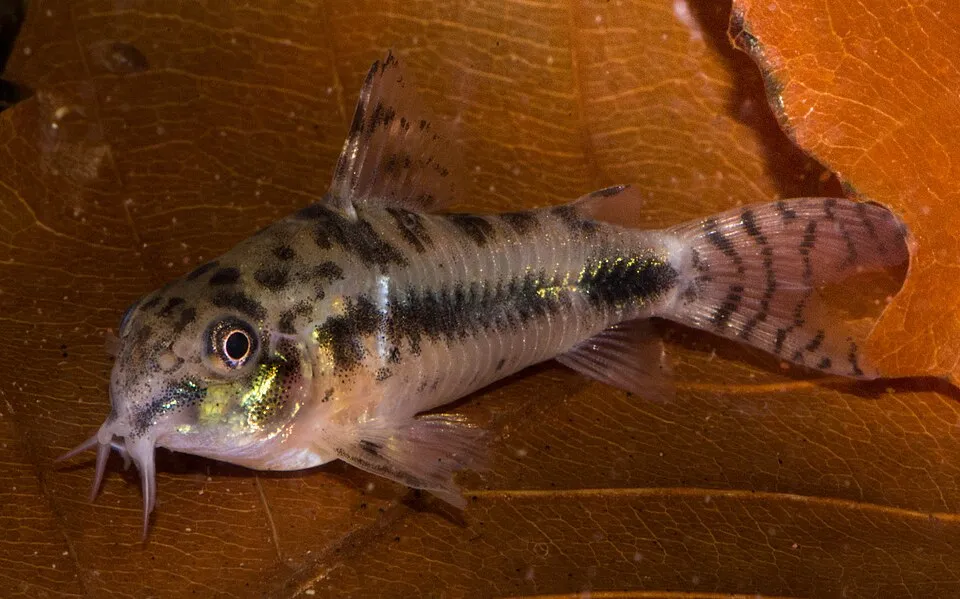
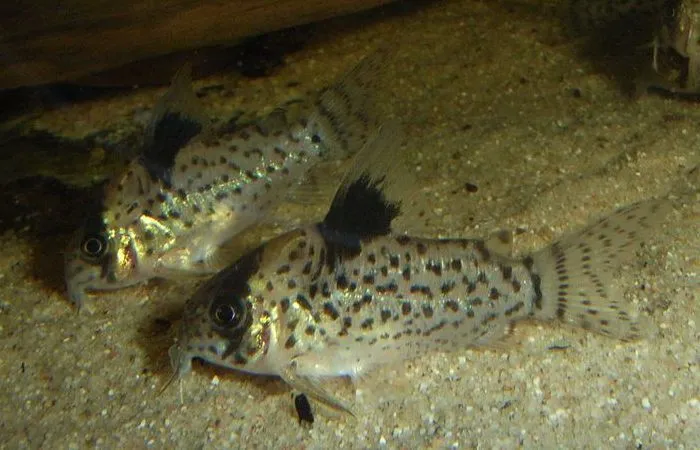
This is an armored catfish in the family Callichthyidae and one of the smallest Corydoras, reaching about 3.5 cm. The body is pale with scattered black blotches, hence the salt-and-pepper look. They are egg layers that scatter and stick eggs on surfaces with no parental care, and eggs hatch in roughly three to five days. Captive breeding is on the harder side. Wild populations are not currently listed as threatened.
Did you know
Unlike most corys that mostly hug the bottom, salt and pepper corys often hover and swim partway up the tank, almost like a tiny shoaling tetra. That mid-water behavior makes a group of them more visible than their larger relatives.
Weekly picks
Tank mates
Salt and pepper cory is a peaceful, shoaling species that keeps to the bottom. These picks share a community profile with it, are safe together in both directions, and overlap on water type, temperature and pH.
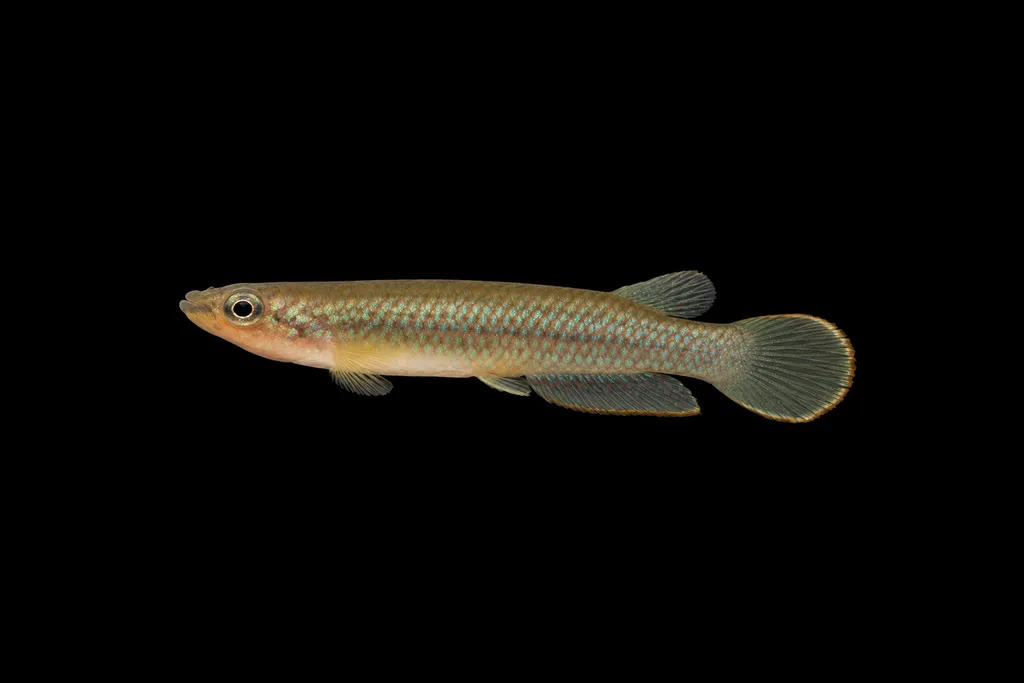
Guinean panchax
Epiplatys guineensis
Freshwater2.8 in (7 cm) · 14 gal (54 L)68–77°F (20–25°C)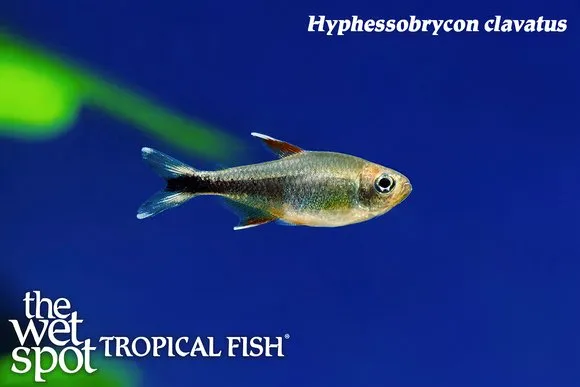
Clavatus tetra
Hyphessobrycon clavatus
Freshwater1.5 in (3.7 cm) · 15 gal (55 L)72–81°F (22–27°C)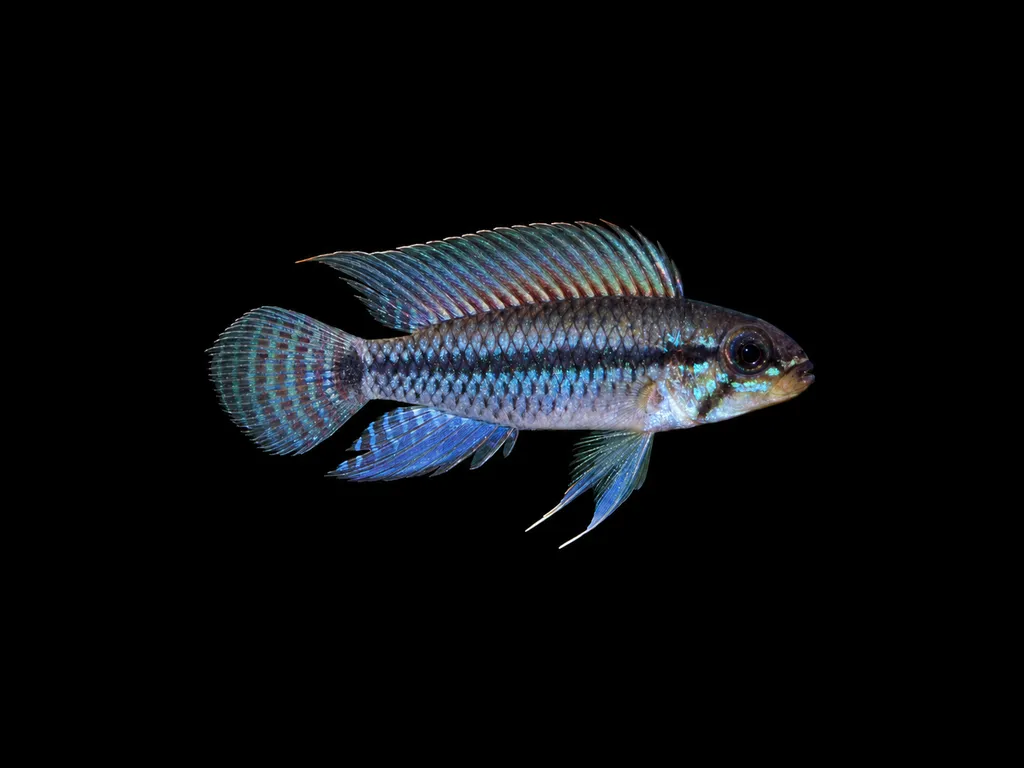
Amazon sail-fin dwarf cichlid
Apistogramma pertensis
Freshwater2 in (5 cm) · 15 gal (55 L)77–84°F (25–29°C)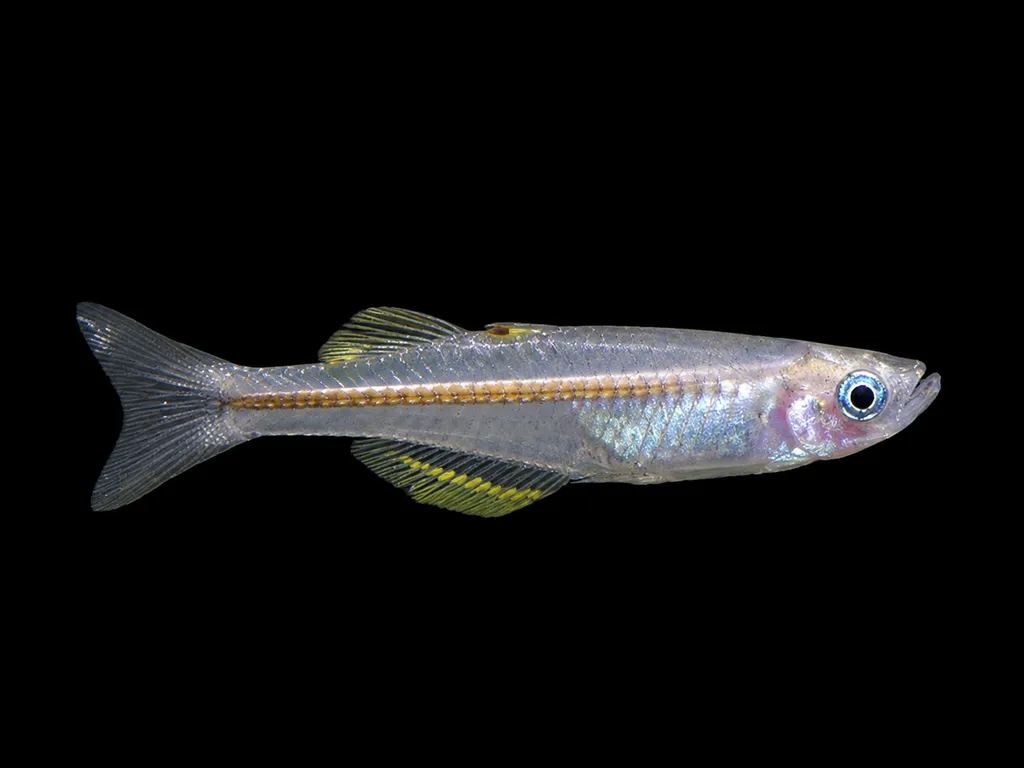
New Guinea blue-eye
Pseudomugil novaeguineae
Freshwater1.8 in (4.5 cm) · 15 gal (55 L)79–86°F (26–30°C)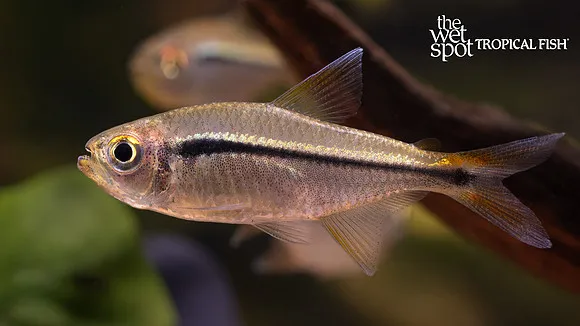
Eschwartzae tetra
Hyphessobrycon eschwartzae
Freshwater1.5 in (3.8 cm) · 15 gal (55 L)72–81°F (22–27°C)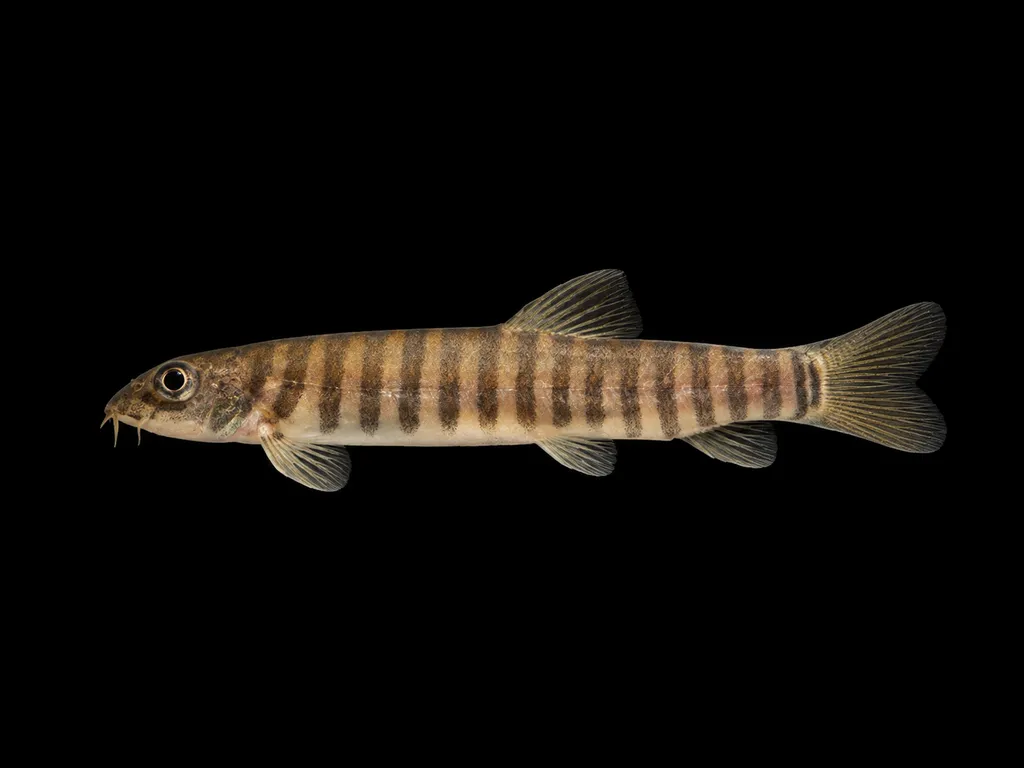
Assam banded loach
Neonoemacheilus assamensis
Freshwater1.8 in (4.5 cm) · 14 gal (54 L)68–79°F (20–26°C)
Common questions
What size tank does a Salt and pepper cory need?
A Salt and pepper cory needs at least 15 gal (55 L). It spends most of its time in the bottom.
What temperature and pH does a Salt and pepper cory need?
A Salt and pepper cory is comfortable at 68–79°F (20–26°C) with a pH of 6.0–7.5.
How big does a Salt and pepper cory get?
An adult Salt and pepper cory reaches about 1.4 in (3.5 cm).
Does a Salt and pepper cory need a group?
Yes. A Salt and pepper cory is a shoaling species and should be kept in a group, not singly.
Related species
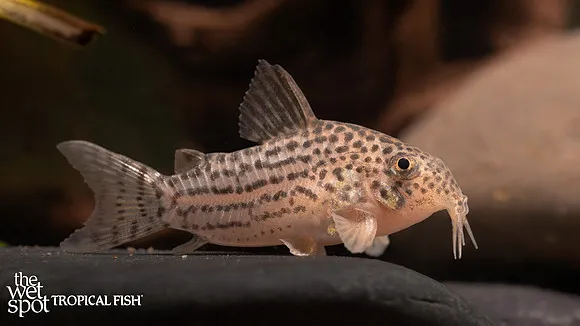
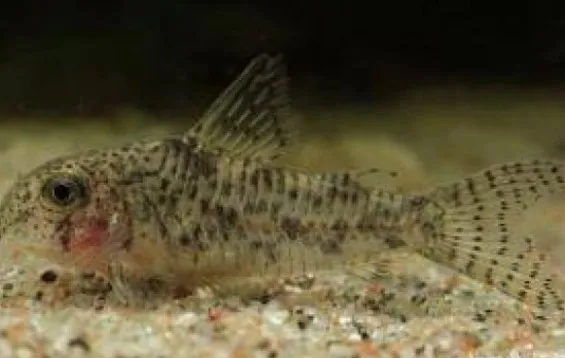 1.4 in (3.5 cm)13 gal (50 L)70–82°F (21–28°C)
Barred-tail cory
Hoplisoma cochui
1.4 in (3.5 cm) · 13 gal (50 L)
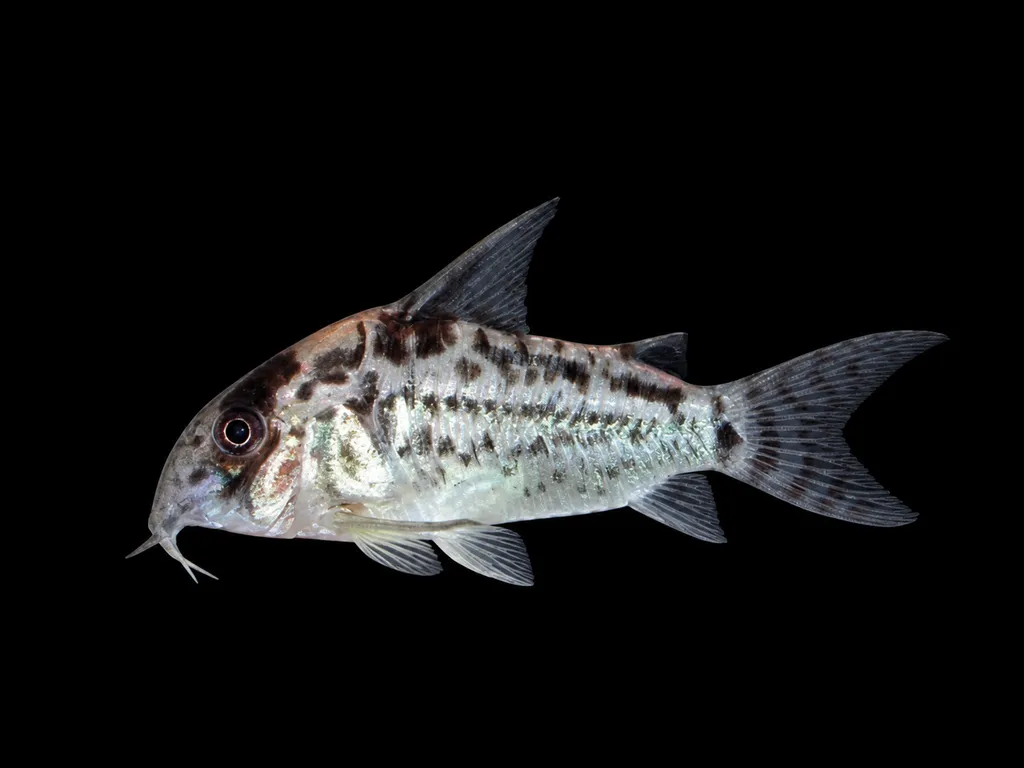
 1.4 in (3.5 cm)12 gal (45 L)72–79°F (22–26°C)
Reynolds's cory
Hoplisoma reynoldsi
1.4 in (3.5 cm) · 12 gal (45 L)
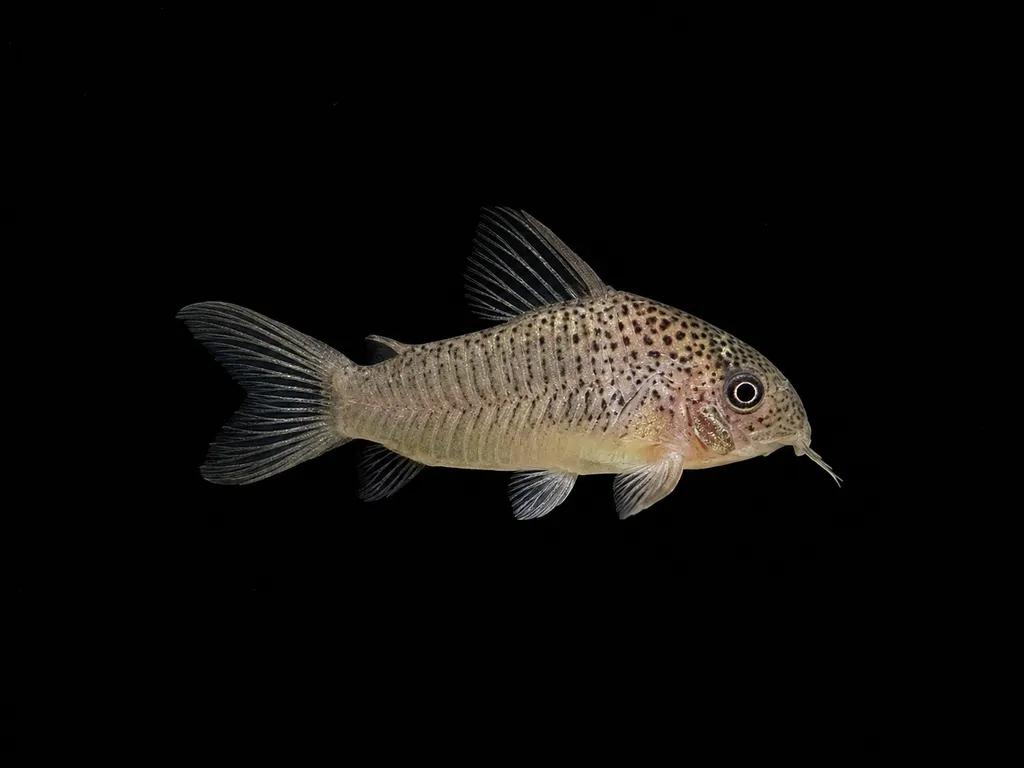
 1.6 in (4 cm)15 gal (55 L)72–79°F (22–26°C)
Evelyn's cory
Hoplisoma evelynae
1.6 in (4 cm) · 15 gal (55 L)
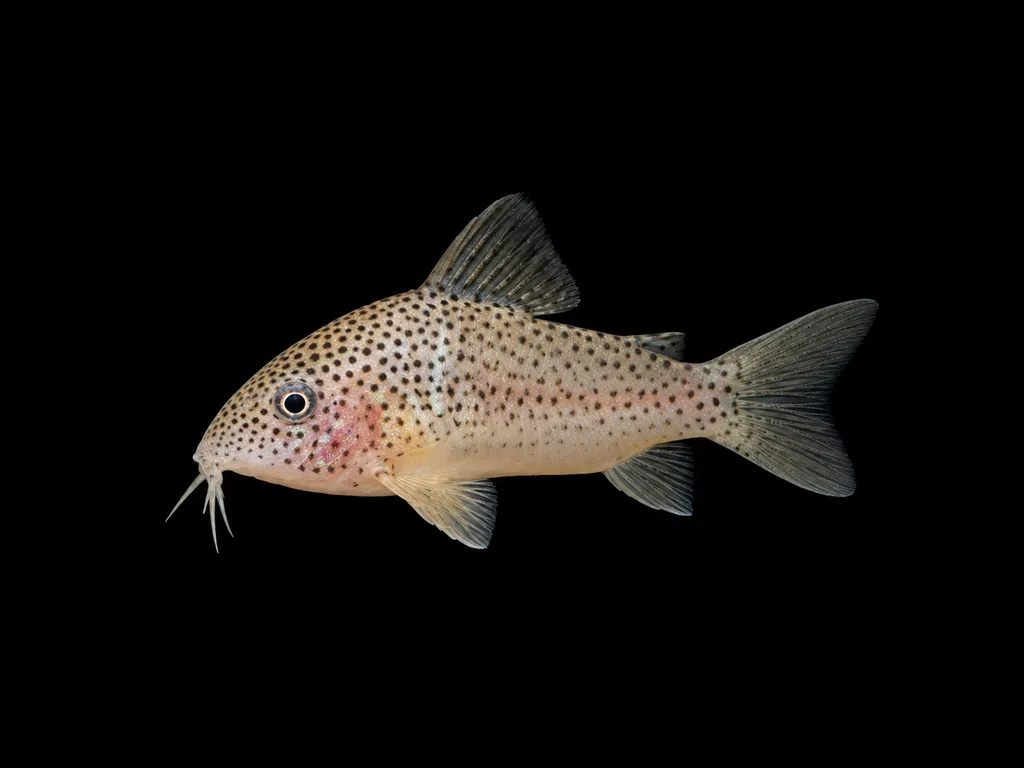
 1.6 in (4 cm)15 gal (55 L)72–81°F (22–27°C)
Many-spotted cory
Hoplisoma polystictum
1.6 in (4 cm) · 15 gal (55 L)
 1.8 in (4.5 cm)15 gal (55 L)75–82°F (24–28°C)
Apiaka cory
Hoplisoma apiaka
1.8 in (4.5 cm) · 15 gal (55 L)
 1.8 in (4.5 cm)16 gal (60 L)73–79°F (23–26°C)
Blackfin cory
Hoplisoma leucomelas
1.8 in (4.5 cm) · 16 gal (60 L)