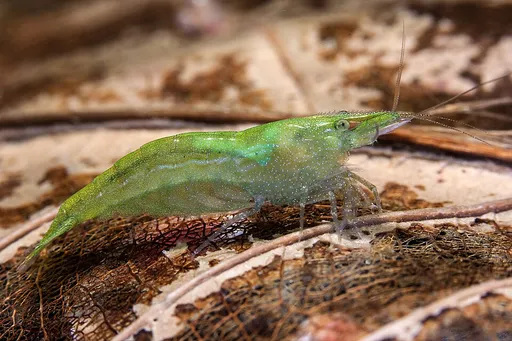
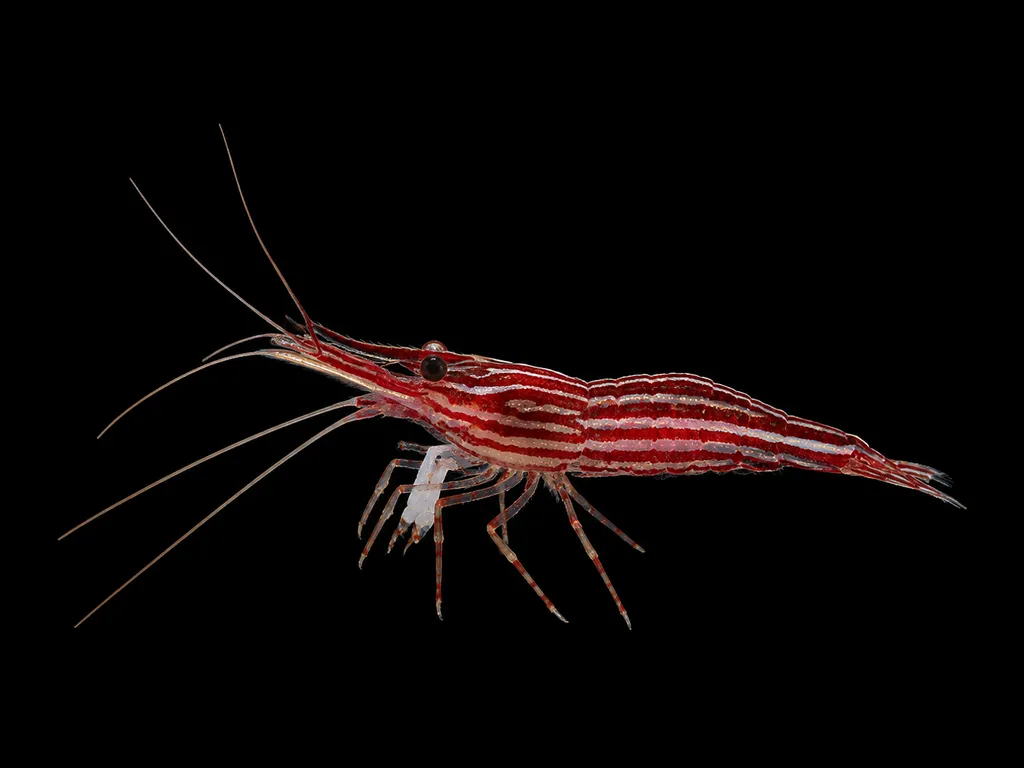
Green babaulti shrimp
Caridina babaulti
Also known as Malaya shrimp
FreshwaterShrimp
Care at a glance
- Temperature
- 72–82°F
- 22–28°C
- pH
- 6.5–7.8
- Adult size
- 1.2 in
- 3 cm
- Minimum tank
- 10 gal
- 38 L
- Temperament
- Peaceful
- Social behavior
- Social
- Swim level
- Bottom
- Difficulty
- Easy
- Breeding
- Easy
- Rarity
- Common
- Family
- Atyidae
- Origin
- South Asia (India, extending across the Indian subcontinent)
Overview
Keep them in a colony of at least ten in a tank of 38 liters or larger, since they turn shy and reclusive in small numbers and grow far more confident and visible in a group. They are peaceful bottom dwellers that spend the day grazing on algae, biofilm, and leftover food. They handle a pH from about 6.5 to 7.8 and a wide hardness range, but they dislike sudden swings, so go slow on water changes. Breeding is easy and works much like cherry shrimp, though the very small fry are slower to mature and harder to raise, so a biofilm rich tank and a sponge over the filter intake help the young survive. Keep them with small, peaceful fish or no fish at all, since anything large will eat the shrimplets.
In the wild
Green babaulti shrimp come from streams across the Indian subcontinent in South Asia, where they pick over leaf litter, plants, and submerged wood. Give them a mature planted tank with mosses, driftwood, and a fine sand or gravel substrate they can sift through. Aim for 22 to 28 C and a pH from 6.5 to 7.8. A well established tank with plenty of biofilm and algae suits them best, since that is what they graze on all day.
Good to know
This is Caridina babaulti, a dwarf shrimp in the family Atyidae. Adults reach about 3 cm and usually live one to two years. Females carry their eggs under the tail for around 30 days, holding roughly 30 to 50 at a time, and the young hatch as tiny copies of the adults with no larval or brackish stage. They are sensitive to copper, so avoid copper based medications and fertilizers.
Did you know
The green color is not fixed. Babaulti shrimp can shift their shade depending on what they eat and the tank around them, drifting between green, brown, red, and yellow over time. A shrimp that looks deep green one month may turn brownish the next, and a whole colony will often show a mix of tones at once.
Weekly picks
Tank mates
Green babaulti shrimp is a peaceful, social species that keeps to the bottom. These picks share a community profile with it, are safe together in both directions, and overlap on water type, temperature and pH.
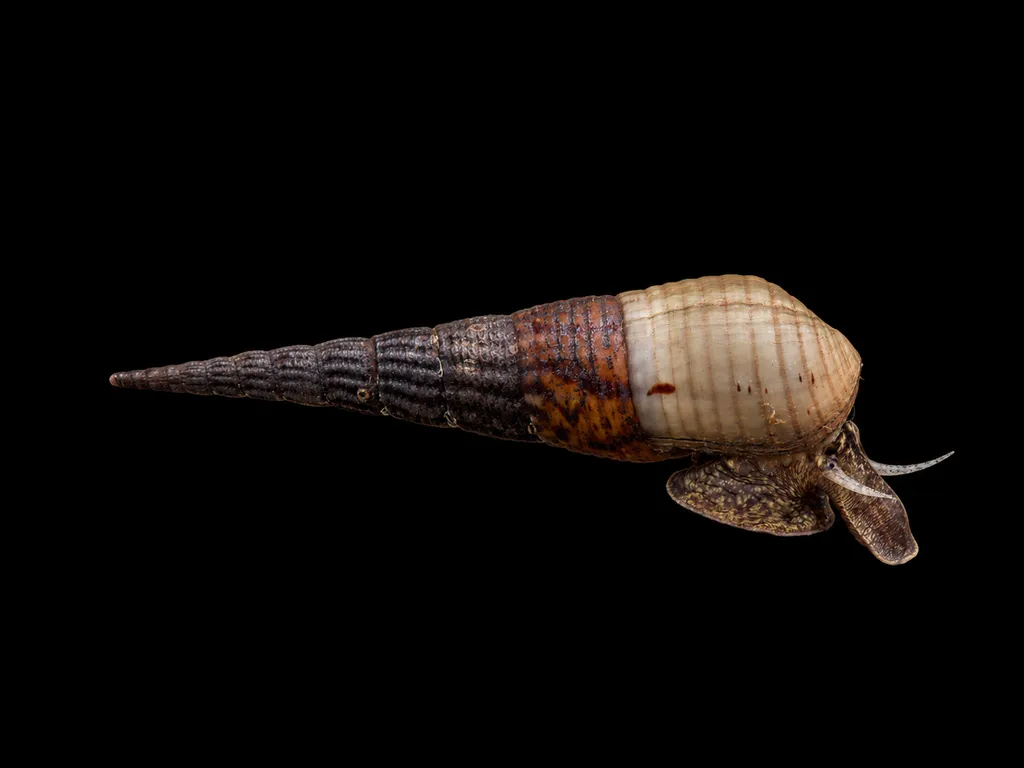
Chopstick snail
Stenomelania torulosa
Freshwater2 in (5 cm) · 11 gal (40 L)73–82°F (23–28°C)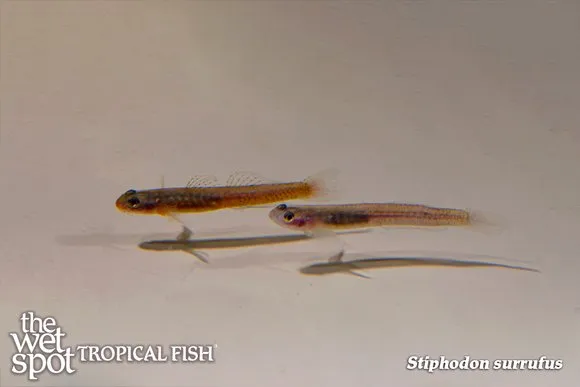
Birdsong goby
Stiphodon surrufus
Freshwater1 in (2.5 cm) · 11 gal (40 L)73–81°F (23–27°C)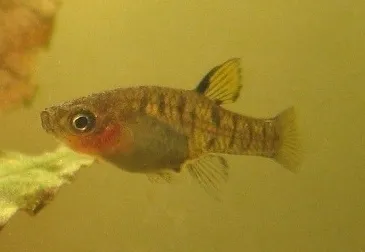
Black-barred livebearer
Quintana atrizona
Freshwater1.3 in (3.4 cm) · 11 gal (40 L)72–82°F (22–28°C)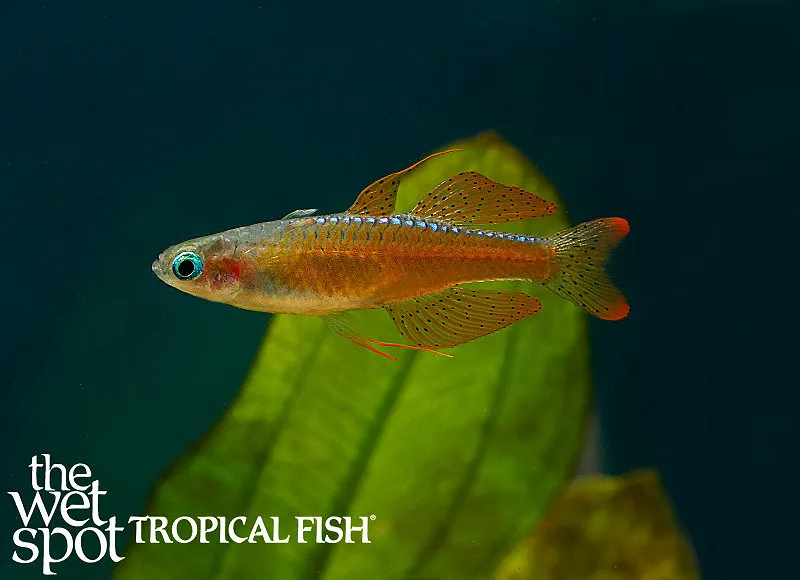
Red neon blue-eye
Pseudomugil luminatus
Freshwater1.4 in (3.5 cm) · 11 gal (40 L)72–81°F (22–27°C)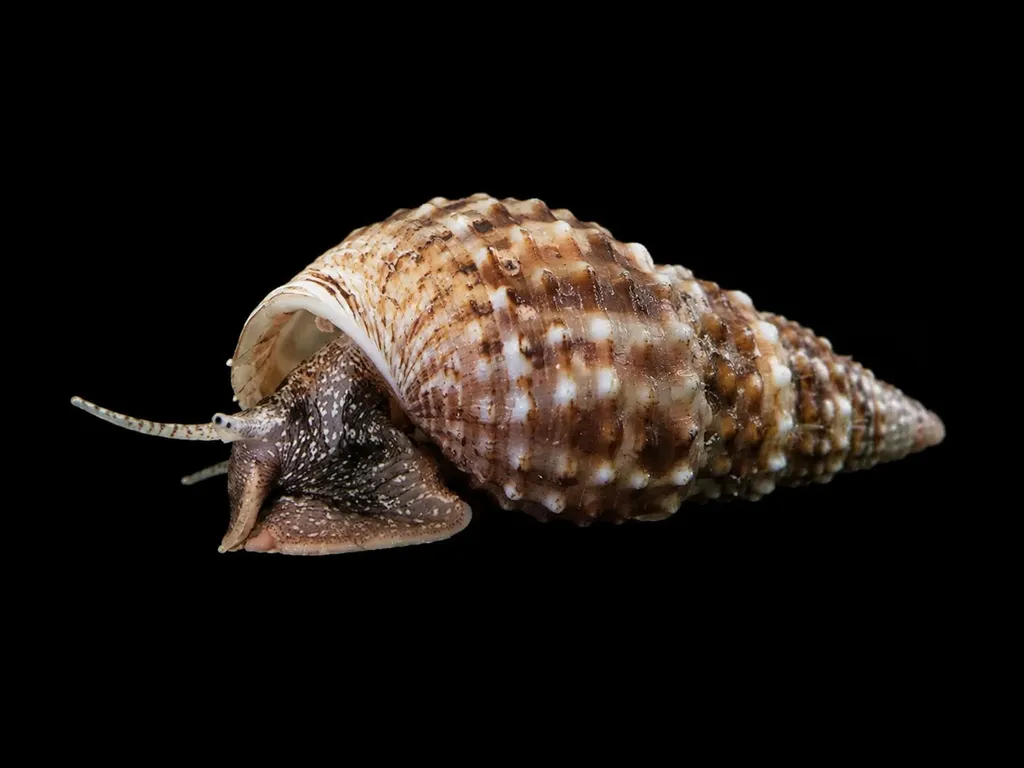
Prambanan snail
Thiara winteri
Freshwater1.6 in (4 cm) · 11 gal (40 L)73–82°F (23–28°C)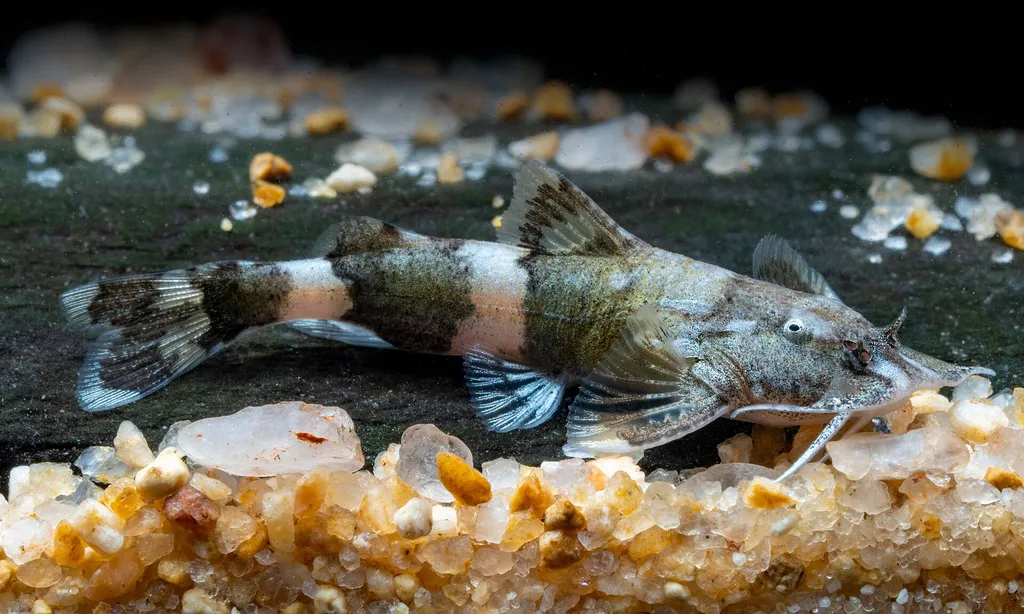
Cheetah moth catfish
Pseudolaguvia shawi
Freshwater1.5 in (3.8 cm) · 11 gal (40 L)68–79°F (20–26°C)
Common questions
What size tank does a Green babaulti shrimp need?
A Green babaulti shrimp needs at least 10 gal (38 L). It spends most of its time in the bottom.
What temperature and pH does a Green babaulti shrimp need?
A Green babaulti shrimp is comfortable at 72–82°F (22–28°C) with a pH of 6.5–7.8.
How big does a Green babaulti shrimp get?
An adult Green babaulti shrimp reaches about 1.2 in (3 cm).
Related species
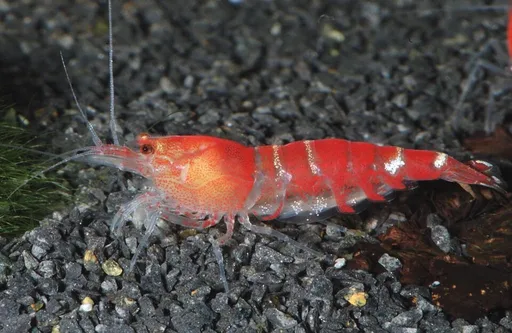 1.2 in (3 cm)5 gal (20 L)64–75°F (18–24°C)
Bee shrimp
Caridina logemanni
1.2 in (3 cm) · 5 gal (20 L)
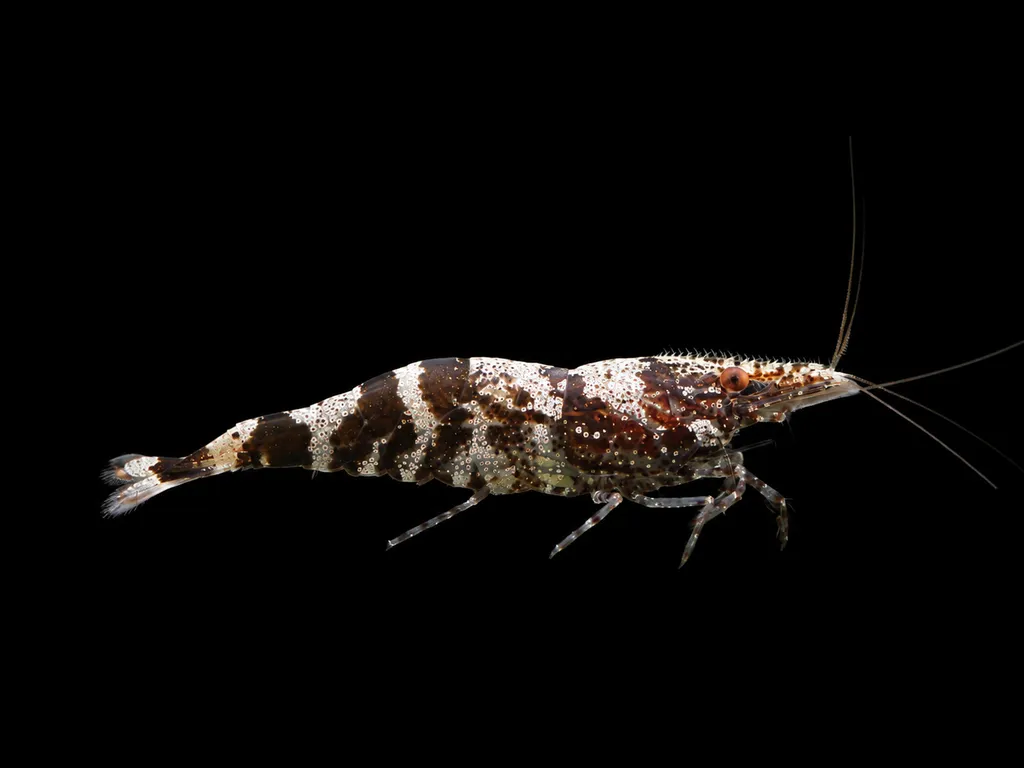 1.2 in (3 cm)5 gal (20 L)73–82°F (23–28°C)
Ninja shrimp
Caridina serratirostris
1.2 in (3 cm) · 5 gal (20 L)
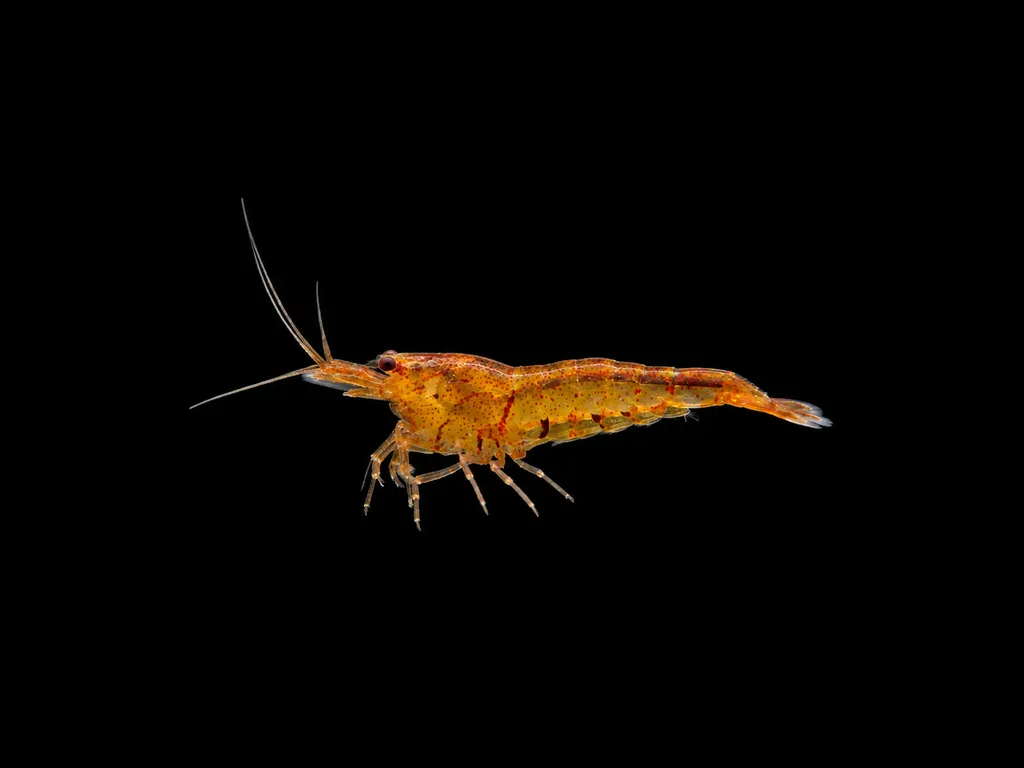 1.2 in (3 cm)5 gal (20 L)68–79°F (20–26°C)
Tangerine tiger shrimp
Caridina serrata
1.2 in (3 cm) · 5 gal (20 L)
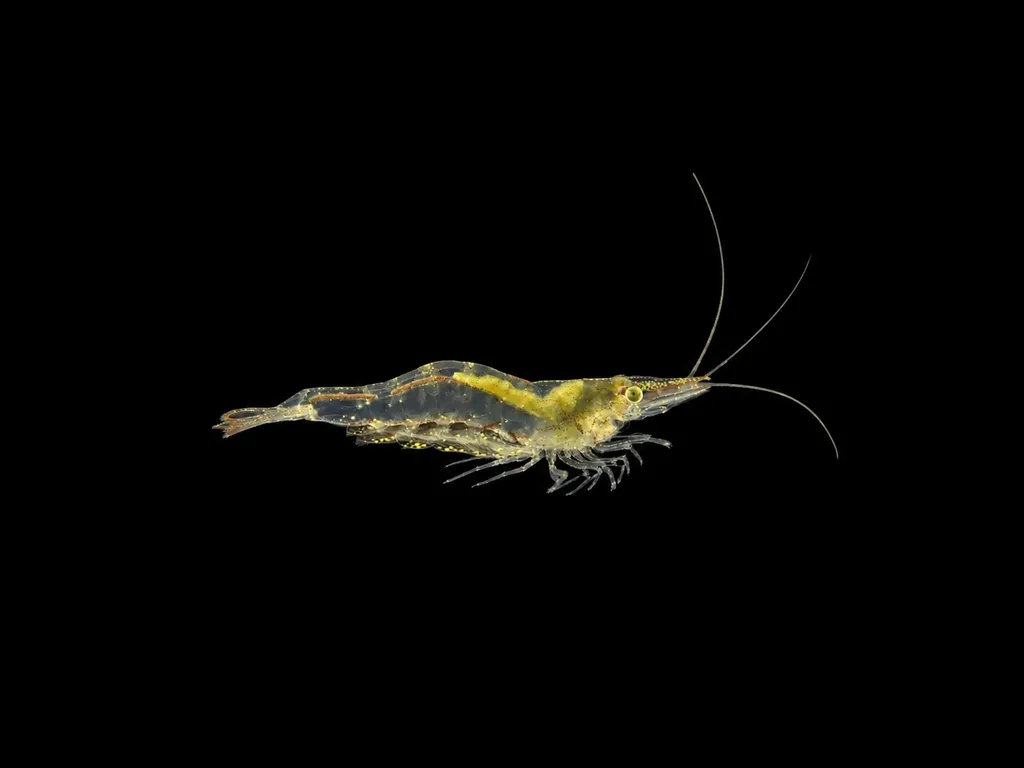 1.4 in (3.5 cm)5 gal (20 L)73–82°F (23–28°C)
Short-nose algae shrimp
Caridina longirostris
1.4 in (3.5 cm) · 5 gal (20 L)
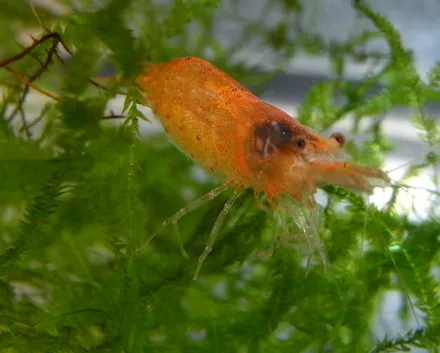 1.4 in (3.5 cm)5 gal (20 L)73–82°F (23–28°C)
Sunkist shrimp
Caridina thambipillai
1.4 in (3.5 cm) · 5 gal (20 L)
 1 in (2.5 cm)5 gal (20 L)79–88°F (26–31°C)
Red line shrimp
Caridina striata
1 in (2.5 cm) · 5 gal (20 L)