Clownfish
Clownfish are among the hardiest marine fish and a common first reef fish, though they do not need an anemone to thrive. A group sorts into a size-based hierarchy led by a single female, and some species turn aggressive as they mature. Each profile lists tank size, reef safety and which anemones a clownfish will host.
At a glance
- Tank size
- 20–55 gal
- 20 gal (75 L) to 55 gal (210 L); half the list needs 30 gal (115 L) or more
- Temperature
- 75–82°F
- 24–28°C, most of the list
- pH
- 8.1–8.4
- Most of the list
- Difficulty
- 14 easy
- 1 medium
- Temperament
- 14 mostly peaceful
- 1 aggressive
15 species and 25 varieties
How big do clownfish get
Smaller than the shop tank suggests, and the female is always the big one. The ocellaris and percula clownfish and every designer form bred from them stop near 3 inches (8 cm), which is why a pair fits a 20 gallon (75 liter) tank. The skunk clownfish run 4 to 5.5 inches (10 to 14 cm). The tomato, cinnamon, Clark's, sebae and Red Sea clownfish reach 5 to 6 inches (12 to 15 cm) and list 30 gallons (115 liters). The maroon clownfish and the bluestripe clownfish reach nearly 7 inches (17 cm); the maroon lists 40 gallons (150 liters) and the bluestripe 55 gallons (210 liters). Buy the species for the tank you have, not the one the display tank makes look small.
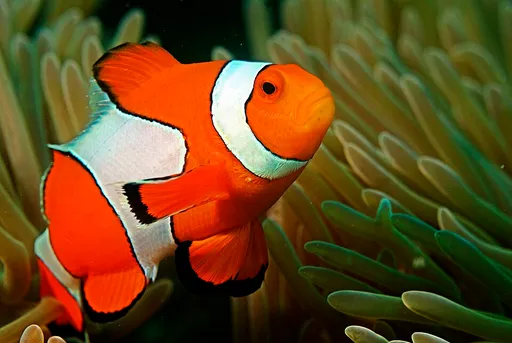
Ocellaris clownfish
Amphiprion ocellaris
Saltwater- Size
- 3.1 in (8 cm)
- Tank
- 20 gal (75 L)
- Water
- 75–82°F (24–28°C)
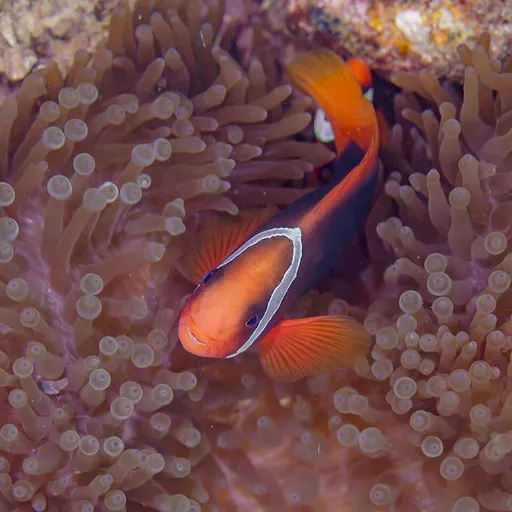
Tomato clownfish
Amphiprion frenatus
Saltwater- Size
- 5.5 in (14 cm)
- Tank
- 30 gal (115 L)
- Water
- 75–82°F (24–28°C)
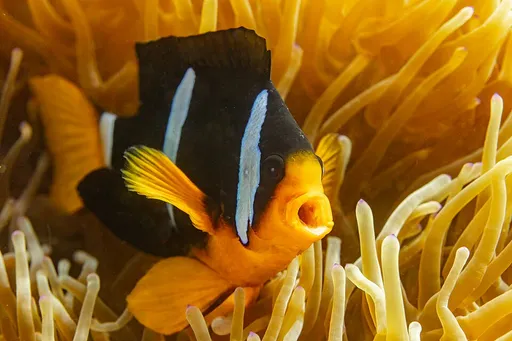
Clark's clownfish
Amphiprion clarkii
Saltwater- Size
- 5.5 in (14 cm)
- Tank
- 30 gal (115 L)
- Water
- 75–82°F (24–28°C)
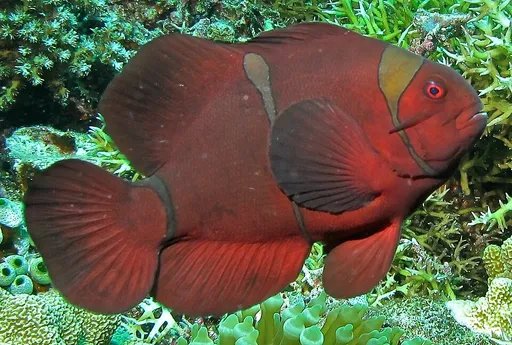
Maroon clownfish
Premnas biaculeatus
Saltwater- Size
- 6.7 in (17 cm)
- Tank
- 40 gal (150 L)
- Water
- 75–82°F (24–28°C)
Ocellaris, percula and the designer clowns
Most of the named clownfish in a shop are captive-bred colour lines of the ocellaris and percula: snowflake, picasso, black ice, the storms, DaVinci, platinum, mocha, Wyoming white and the rest. They are the same fish underneath and take the same care as a plain ocellaris, 3 inches (8 cm) and 20 gallons (75 liters), and they are among the hardiest marine fish sold. The maroon lines (lightning, gold nugget, gold stripe and white stripe maroon) are the exception: they are maroon clownfish and carry the maroon's size and temper. The catalog lists each designer form under its parent species so the care facts stay in one place.
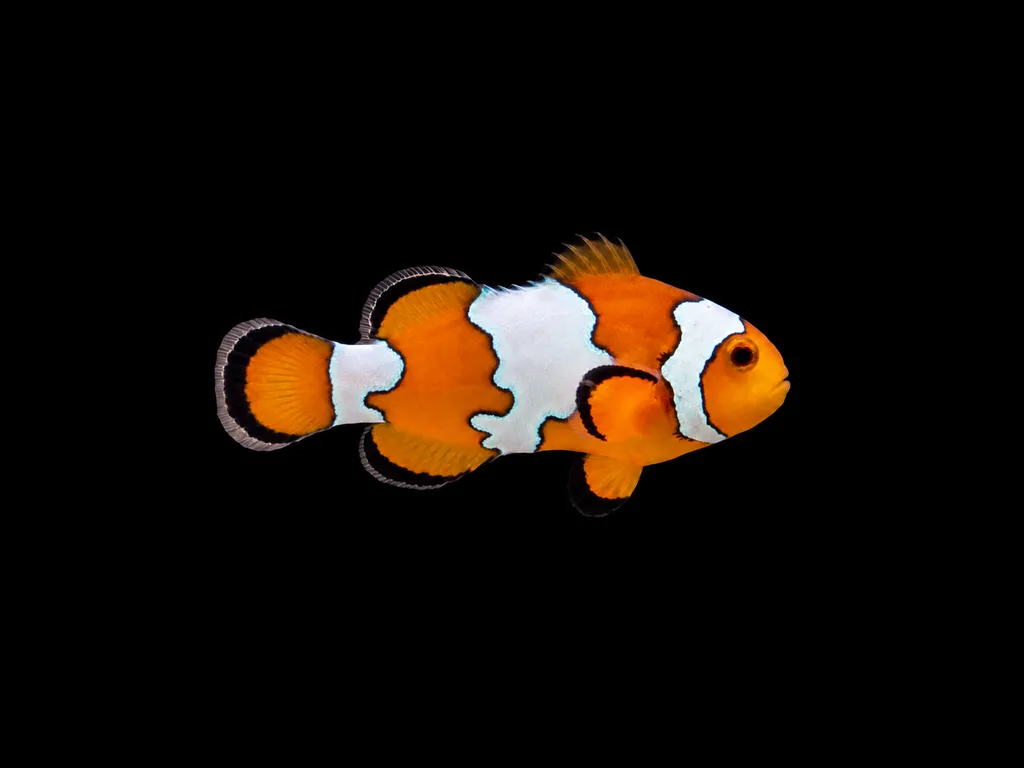
Snowflake clownfish
Amphiprion ocellaris
Saltwater3.1 in (8 cm) · 20 gal (75 L)75–82°F (24–28°C)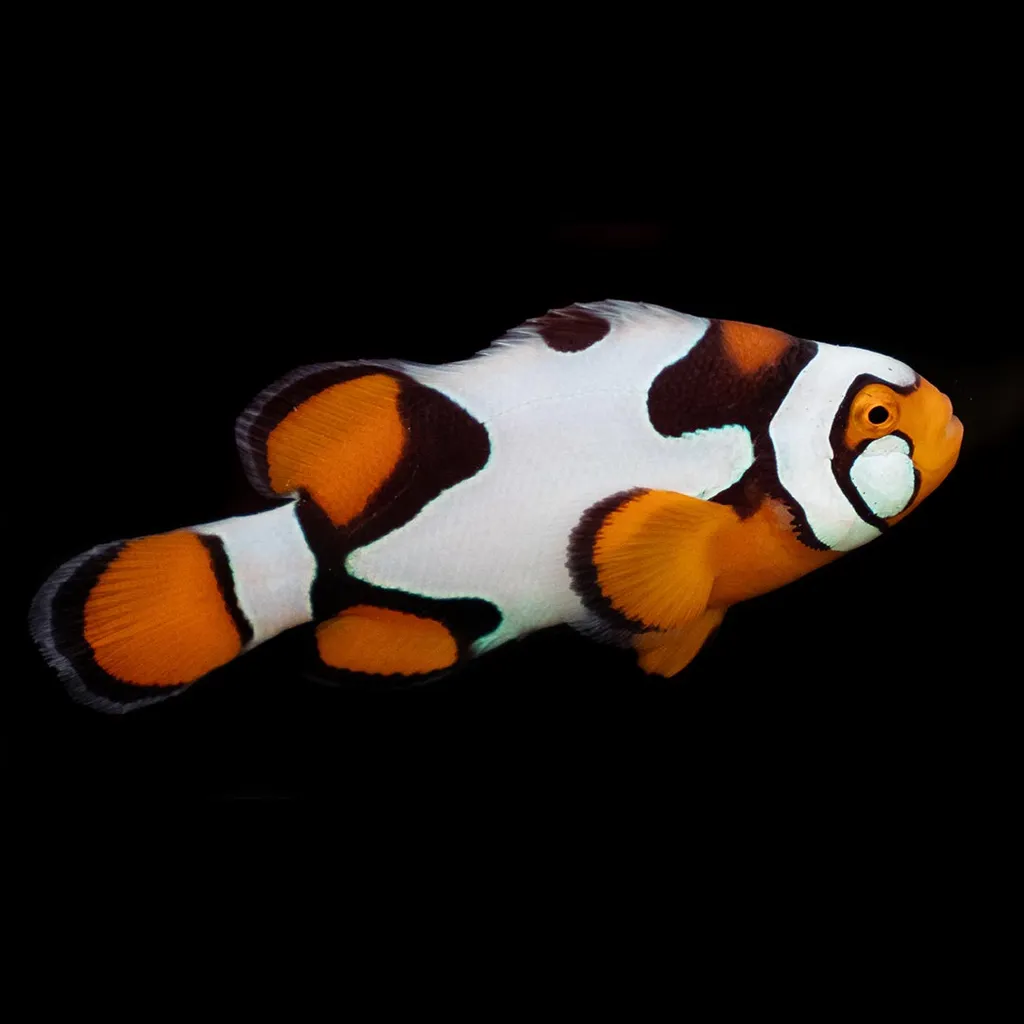
Picasso clownfish
Amphiprion percula
Saltwater3.1 in (8 cm) · 20 gal (75 L)75–82°F (24–28°C)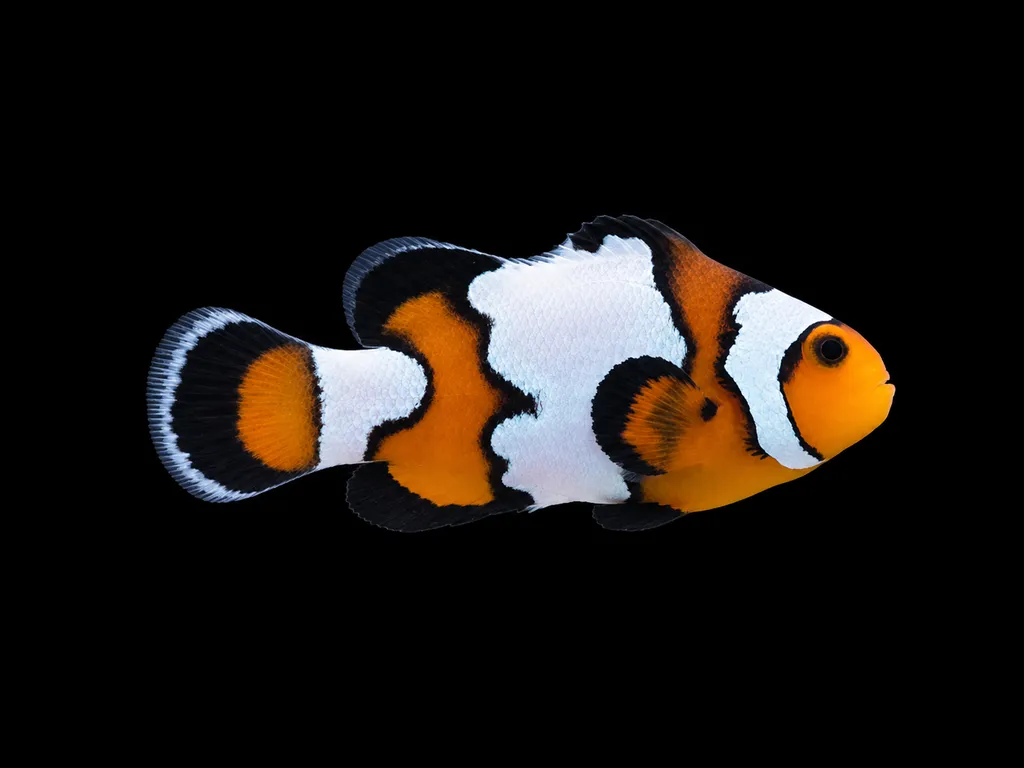
Black Ice clownfish
Amphiprion ocellaris
Saltwater3.1 in (8 cm) · 20 gal (75 L)75–82°F (24–28°C)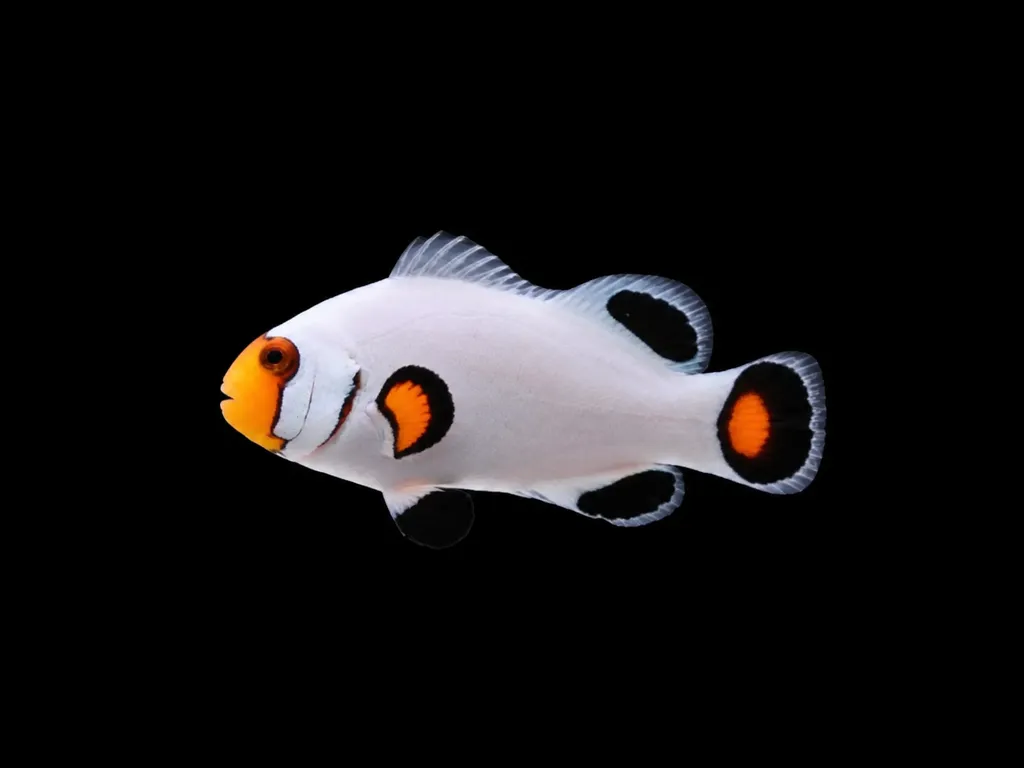
Platinum clownfish
Amphiprion percula
Saltwater3.1 in (8 cm) · 20 gal (75 L)75–82°F (24–28°C)
A pair, not a group
Clownfish start life able to become either sex. In a group the largest becomes female, the next largest the breeding male, and the rest stay small; once a fish has become female it cannot go back. The way to get a pair is to buy two small juveniles of the same species at the same time and let them sort it out. Two adult females fight until one dies, two adults of unknown sex usually do, and different clownfish species fight in the same way. One species per tank, one pair per tank. The maroon clownfish is marked aggressive and listed as one to a tank: a maroon female rules a 40 gallon and only tolerates a male much smaller than herself.
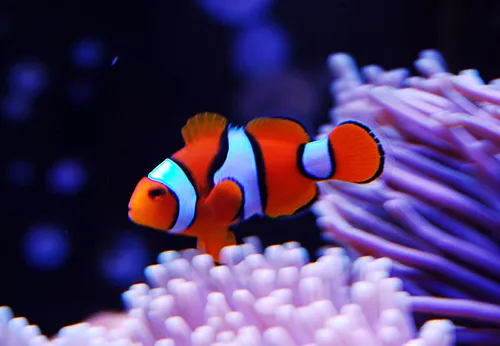
Percula clownfish
Amphiprion percula
Saltwater3.1 in (8 cm) · 20 gal (75 L)75–82°F (24–28°C)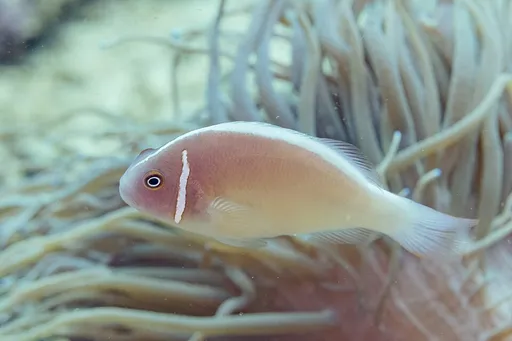
Pink skunk clownfish
Amphiprion perideraion
Saltwater3.9 in (10 cm) · 30 gal (115 L)75–82°F (24–28°C)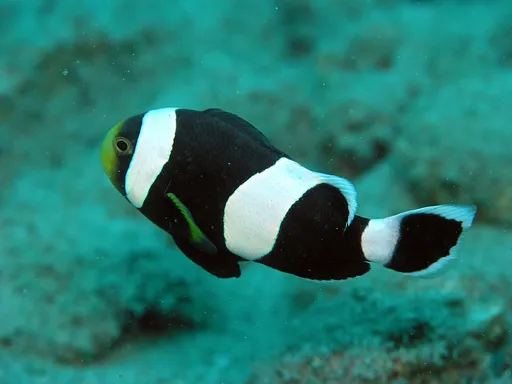
Saddleback clownfish
Amphiprion polymnus
Saltwater5.1 in (13 cm) · 40 gal (150 L)75–82°F (24–28°C)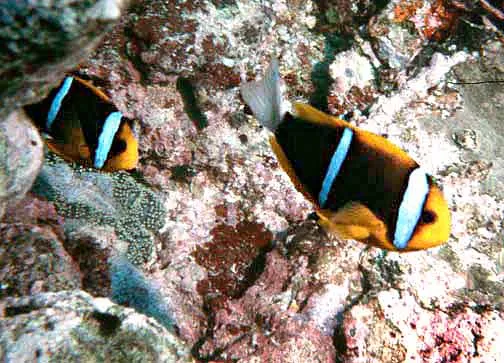
Bluestripe clownfish
Amphiprion chrysopterus
Saltwater6.7 in (17 cm) · 55 gal (210 L)75–82°F (24–28°C)
They do not need an anemone
Captive-bred clownfish have never seen an anemone and do not miss one; they host in a coral, a powerhead or a corner of the tank instead. The anemone is the harder animal by far: it needs a mature tank, strong light, stable water and a keeper who has already succeeded with corals. If you want the pairing, the bubble tip anemone is the one to try, marked medium, reaching 12 inches (30 cm) and listing 30 gallons (115 liters); the long tentacle anemone is the other medium option. The magnificent and sebae anemones are marked difficult, and the large carpet anemones (Haddon's, gigantea and Mertens') are difficult and eat fish. Each species profile lists which anemones that clownfish hosts, and every anemone profile lists the tank it needs.
By the numbers
Smallest
Largest
FAQ
Common questions
How big do clownfish get?
Ocellaris, percula and the designer forms stay near 3 inches (8 cm). Skunk, tomato and Clark's clownfish reach 4 to 6 inches (10 to 15 cm). The maroon and bluestripe clownfish reach nearly 7 inches (17 cm). The female is larger than the male.
What size tank do clownfish need?
20 gallons (75 liters) for an ocellaris or percula pair; 30 gallons (115 liters) for tomato, Clark's and the skunks; 40 gallons (150 liters) for the maroon and saddleback; 55 gallons (210 liters) for the bluestripe.
Do clownfish need an anemone?
No. Captive-bred clownfish do fine without one. An anemone is a harder animal than the fish and needs a mature reef tank; the bubble tip is the one to start with if you want the pairing.
Are clownfish tropical?
Yes. They are Indo-Pacific reef fish and need a heated marine tank; the temperature range is on each profile.
Can you keep two clownfish together?
Yes, as a pair of the same species bought small at the same time. Not two adult females, and not two species.
Are clownfish reef safe?
Yes, every clownfish in the catalog is reef safe.
Are clownfish aggressive?
Ocellaris, percula and the designer forms are mostly peaceful. Tomato, cinnamon and Clark's clownfish defend their patch harder as they mature. The maroon clownfish is the aggressive one and is kept one to a tank, or as a female with a much smaller male.
Index
All clownfish
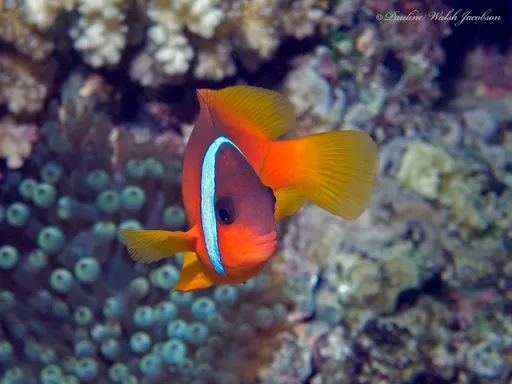
Barberi clownfish
Amphiprion barberi
Saltwater3.5 in (9 cm) · 30 gal (115 L)75–81°F (24–27°C)Bluestripe clownfish
Amphiprion chrysopterus
Saltwater6.7 in (17 cm) · 55 gal (210 L)75–82°F (24–28°C)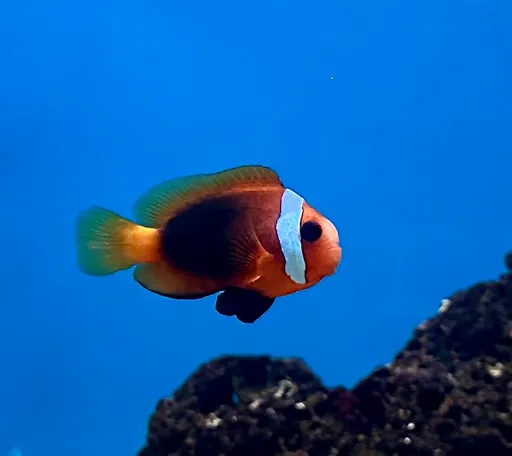
Cinnamon clownfish
Amphiprion melanopus
Saltwater4.7 in (12 cm) · 30 gal (115 L)75–82°F (24–28°C)Clark's clownfish
Amphiprion clarkii
Saltwater5.5 in (14 cm) · 30 gal (115 L)75–82°F (24–28°C)Maroon clownfish
Premnas biaculeatus
Saltwater6.7 in (17 cm) · 40 gal (150 L)75–82°F (24–28°C)4 varietiesOcellaris clownfish
Amphiprion ocellaris
Saltwater3.1 in (8 cm) · 20 gal (75 L)75–82°F (24–28°C)17 varieties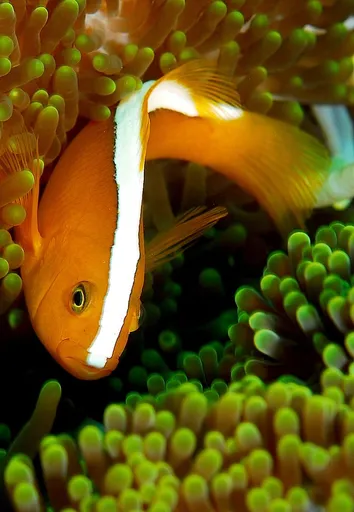
Orange skunk clownfish
Amphiprion sandaracinos
Saltwater5.5 in (14 cm) · 30 gal (115 L)75–82°F (24–28°C)Percula clownfish
Amphiprion percula
Saltwater3.1 in (8 cm) · 20 gal (75 L)75–82°F (24–28°C)4 varietiesPink skunk clownfish
Amphiprion perideraion
Saltwater3.9 in (10 cm) · 30 gal (115 L)75–82°F (24–28°C)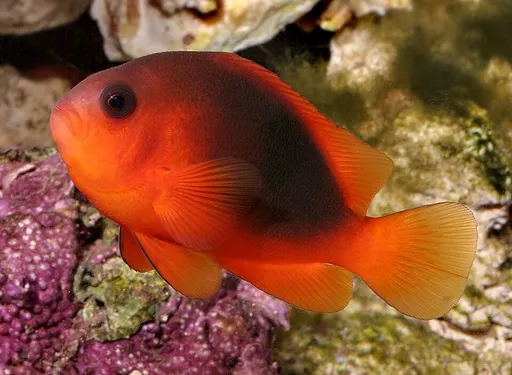
Red saddleback anemonefish
Amphiprion ephippium
Saltwater5.5 in (14 cm) · 30 gal (115 L)75–81°F (24–27°C)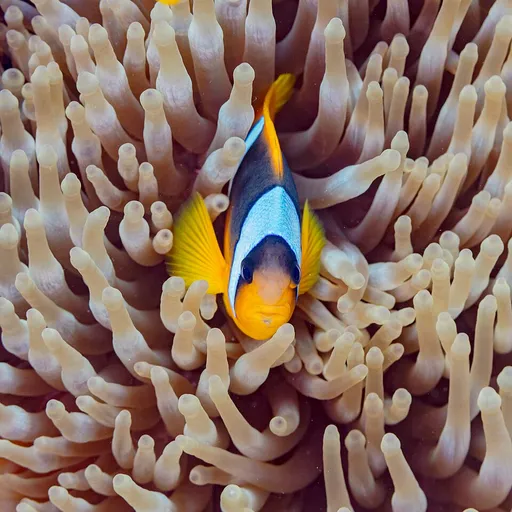
Red Sea clownfish
Amphiprion bicinctus
Saltwater5.5 in (14 cm) · 30 gal (115 L)75–82°F (24–28°C)Saddleback clownfish
Amphiprion polymnus
Saltwater5.1 in (13 cm) · 40 gal (150 L)75–82°F (24–28°C)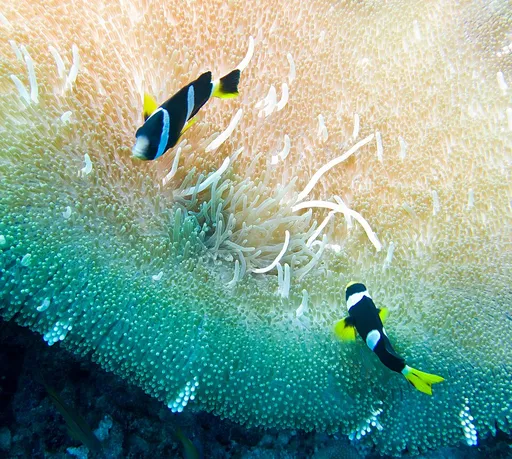
Sebae clownfish
Amphiprion sebae
Saltwater5.9 in (15 cm) · 30 gal (115 L)75–82°F (24–28°C)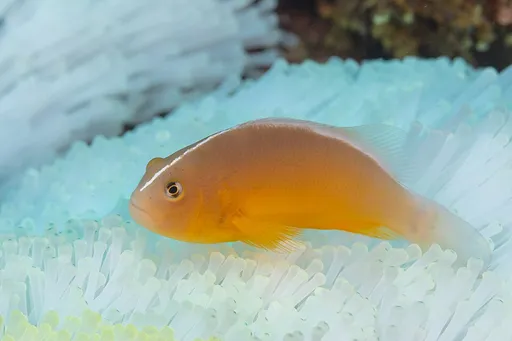
Skunk clownfish
Amphiprion akallopisos
Saltwater4.3 in (11 cm) · 26 gal (100 L)75–82°F (24–28°C)Tomato clownfish
Amphiprion frenatus
Saltwater5.5 in (14 cm) · 30 gal (115 L)75–82°F (24–28°C)
Planning a tank?
TankBud checks stocking and water fit as you build a tank, then tracks water tests, reminders and photos once it is running.
Track your tanksMaintain tanks for clients? See TankBud Pro