One species · 4 varieties
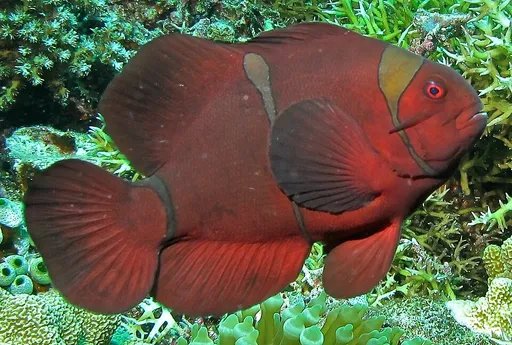
Maroon clownfish
Premnas biaculeatus
Also known as Spine-cheeked Clownfish, Spine-cheeked Anemonefish, Gold-stripe Maroon Clownfish
SaltwaterFish
Care at a glance
- Temperature
- 75–82°F
- 24–28°C
- pH
- 8.1–8.4
- Adult size
- 6.7 in
- 17 cm
- Minimum tank
- 40 gal
- 150 L
- Temperament
- Aggressive
- Social behavior
- Social
- Tankmates
- With caution
- Swim level
- Middle
- Difficulty
- Easy
- Breeding
- Medium
- Rarity
- Common
- Reef safe
- Reef safe
- Family
- Pomacentridae
- Origin
- Indo-Australian Archipelago and Western Pacific
Pick a variety
One setup covers every line on this page: care is the species' care.
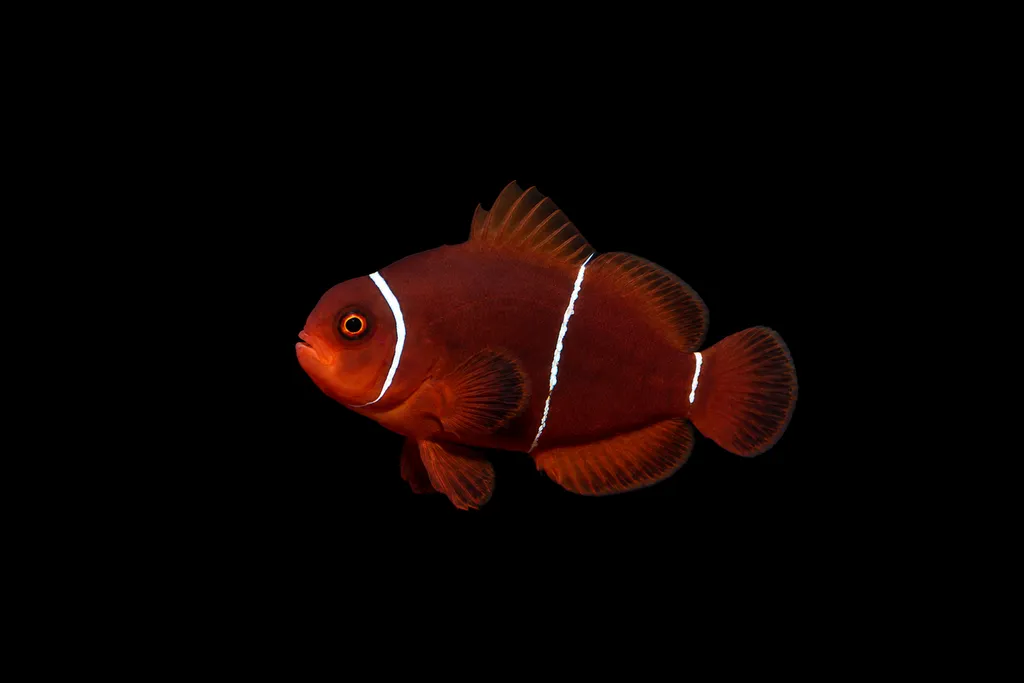
White Stripe maroon clownfish
the standard form; stripes stay white into adulthood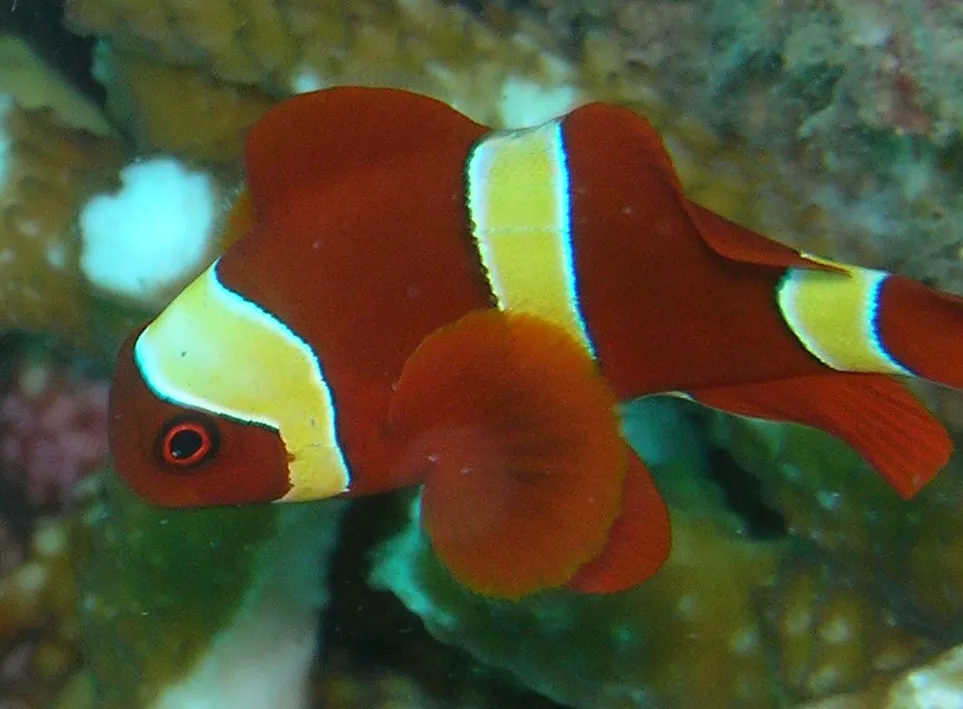
Gold Stripe maroon clownfish
stripes turn gold with age; from Sumatra broodstock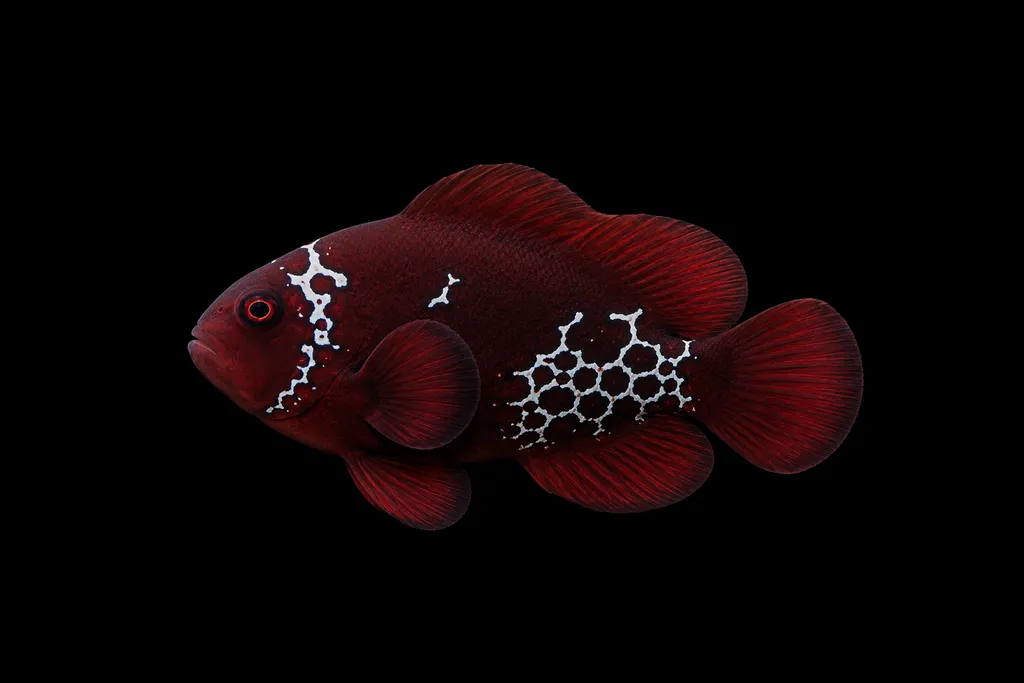
Lightning maroon clownfish
stripes fracture into a white web; from a famous wild Papua New Guinea pair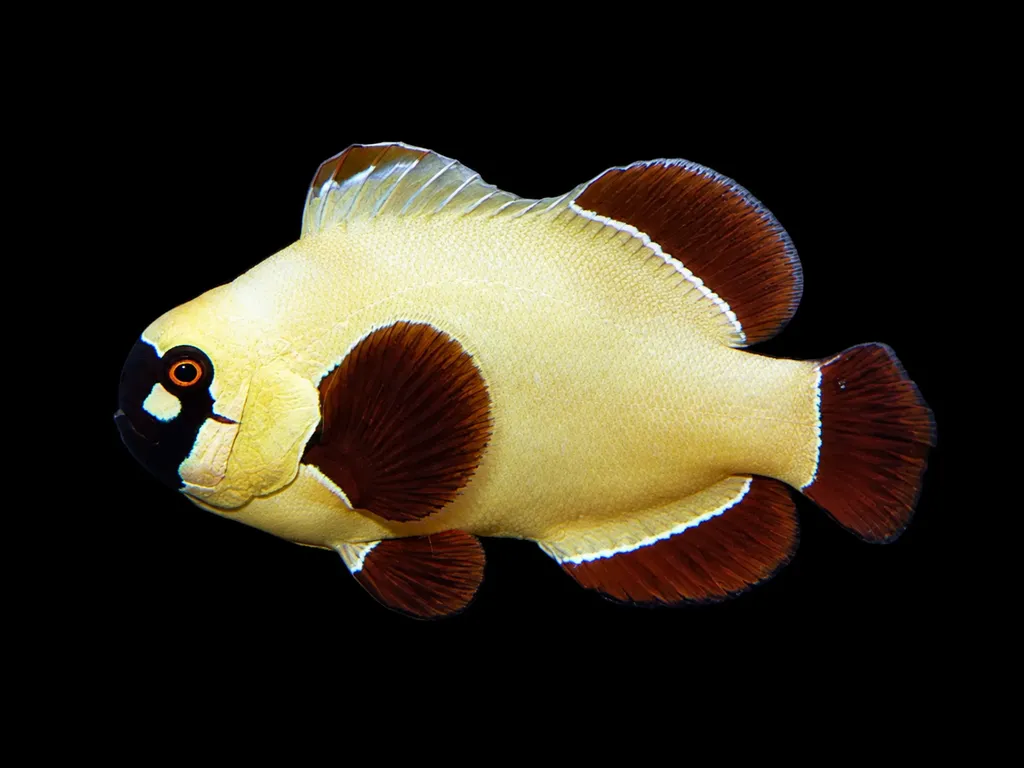
Gold Nugget maroon clownfish
gold spreads over the flank, bred from the gold stripe line
Overview
A gorgeous but genuinely aggressive clownfish and one of the most territorial fish in the hobby. A mature female will dominate a tank, harass or kill other clownfish, and bully smaller or peaceful tankmates, so she should usually be the last fish added and never housed with another clown that is not her mate. Hardy and easy to feed, taking prepared, frozen, and live foods.
In the wild
Found on reefs and in lagoons of the Indo-West Pacific, living almost exclusively with the bubble-tip anemone. It is the largest of the commonly kept clownfish, with a deep maroon to reddish body crossed by white or gold bars, and a distinctive spine on each cheek that gives it the name spine-cheeked clownfish.
Good to know
The maroon clownfish is the only species traditionally placed in the genus Premnas (though some authorities now fold it into Amphiprion), set apart by the sharp spine on the cheek. It shows the most extreme size difference between sexes of any clownfish, with a large dominant female and a much smaller male. Like all clownfish it is a protandrous hermaphrodite.
Did you know
The female maroon can reach around 17 cm while her mate stays a fraction of that size, the most dramatic size gap between partners of any clownfish.
Symbiotic relationships
Clownfish and their host anemones
A clownfish lives inside an anemone that stings and eats other fish its size. Its mucus coat keeps the anemone's stinging cells from firing, and a new fish builds that protection up over hours of brief touches. The fish gets a refuge no predator will follow it into and a nest site at the anemone's base. The anemone gets a guard that drives off the butterflyfish that would graze its tentacles, a steady supply of nitrogen from the fish's waste, and water movement at night, when the fish fans its fins among the tentacles and the anemone takes up more oxygen. Only ten anemone species host clownfish in the wild, and each clownfish species uses its own short list of them.
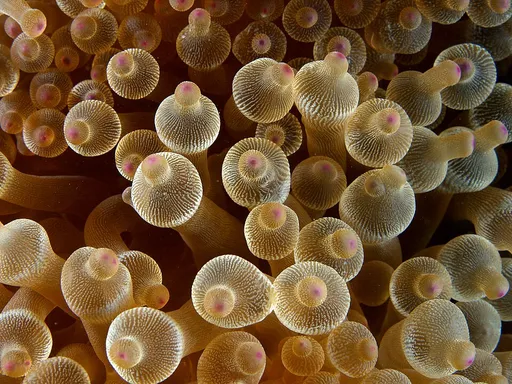
Captive-bred clownfish have never seen an anemone and do not need one; they settle for a coral, a powerhead or a corner of the tank. If you want the pairing, the anemone is the harder animal by far and goes in first, into a mature tank with strong light and stable water, at the tank size its own profile lists. The bubble tip anemone is the hardy host, and the one most clownfish accept in captivity even when it is not a natural host, so a clownfish profile lists it as the usual tank host where that is the case. The sebae, magnificent and carpet anemones are marked difficult, and the carpets eat fish. Expect a paired clownfish to defend its anemone against everything else in the tank.
Common questions
What size tank does a Maroon clownfish need?
A Maroon clownfish needs at least 40 gal (150 L). It spends most of its time in the middle.
What temperature and pH does a Maroon clownfish need?
A Maroon clownfish is comfortable at 75–82°F (24–28°C) with a pH of 8.1–8.4.
How big does a Maroon clownfish get?
An adult Maroon clownfish reaches about 6.7 in (17 cm).
Related species
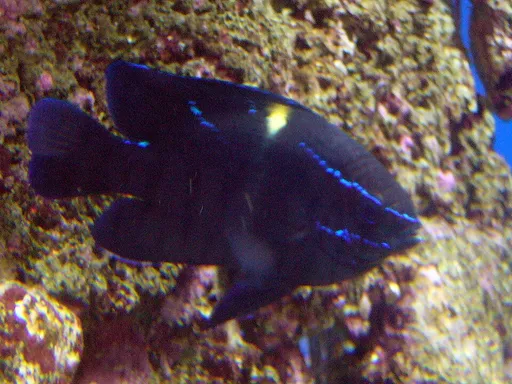 5.9 in (15 cm)55 gal (210 L)75–81°F (24–27°C)
Blue velvet damsel
Neoglyphidodon oxyodon
5.9 in (15 cm) · 55 gal (210 L)
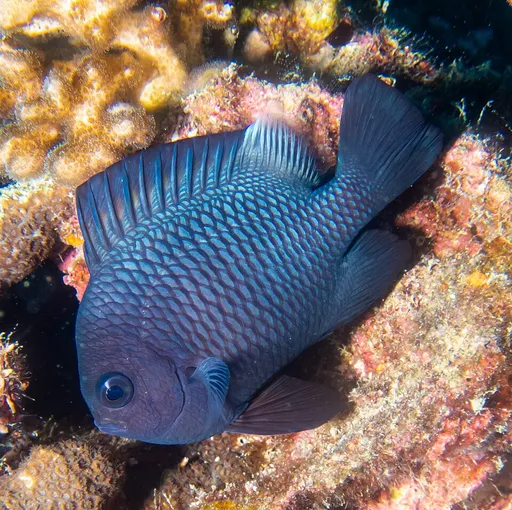 5.5 in (14 cm)55 gal (210 L)75–81°F (24–27°C)
Domino damsel
Dascyllus trimaculatus
5.5 in (14 cm) · 55 gal (210 L)
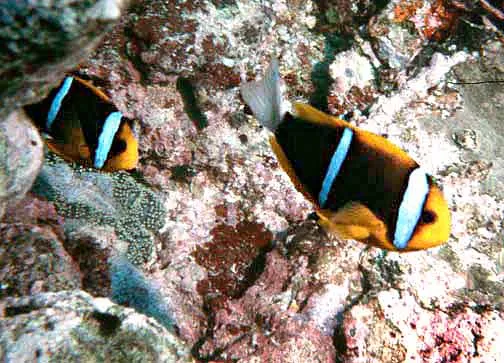 6.7 in (17 cm)55 gal (210 L)75–82°F (24–28°C)
Bluestripe clownfish
Amphiprion chrysopterus
6.7 in (17 cm) · 55 gal (210 L)
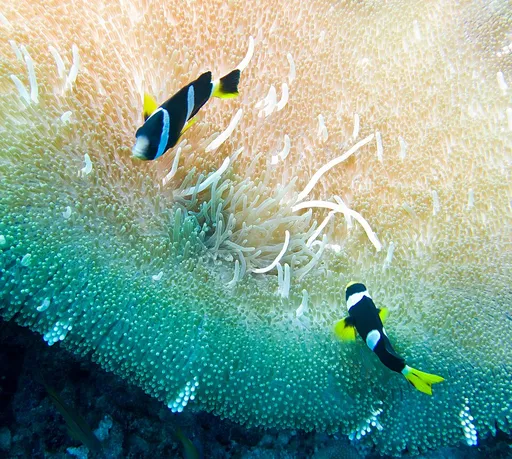 5.9 in (15 cm)30 gal (115 L)75–82°F (24–28°C)
Sebae clownfish
Amphiprion sebae
5.9 in (15 cm) · 30 gal (115 L)
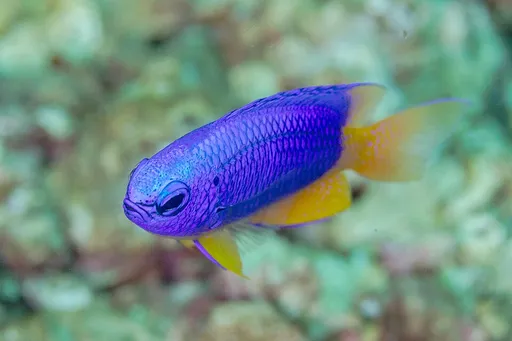 3.5 in (9 cm)29 gal (110 L)75–81°F (24–27°C)
Neon damselfish
Pomacentrus coelestis
3.5 in (9 cm) · 29 gal (110 L)
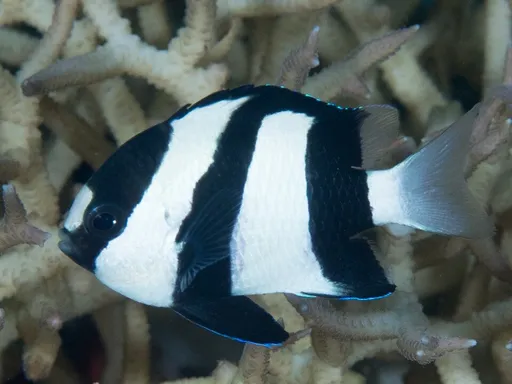 3.5 in (9 cm)29 gal (110 L)75–81°F (24–27°C)
Three-stripe damsel
Dascyllus aruanus
3.5 in (9 cm) · 29 gal (110 L)