Bulb aquarium plants
Bulb plants grow from a stored bulb, so they sprout fast and throw up big leaves once they take off: aponogeton, aquarium lilies and the tiger lotus. Bury the bulb partway and leave the growing point exposed. Depth varies from a quarter of the bulb to nearly all of it, so check each profile. The banana plant can rest on top. Expect some to go dormant and die back before returning. Profiles list size and light, and many explain how to handle dormancy.
At a glance
- Height
- 5.9–39.4 in
- 5.9 in (15 cm) to 39.4 in (100 cm); half the list stays at 21.7 in (55 cm) or under
- Temperature
- 72–82°F
- 22–28°C, most of the list
- Light
- 2 low light
- 17 medium light
- CO₂
- 5 no CO₂ needed
- 14 CO₂ beneficial
- Growth
- 2 slow growing
- 12 medium growth · 5 fast growing
- Difficulty
- 12 easy
- 6 medium · 1 difficult
19 plants and 1 variety
What aquarium bulb plants are
Four groups of plants grow from a stored bulb or tuber and are sold that way, often as a dry bulb in a blister pack. The aponogetons, from Madagascar, Sri Lanka and India, throw long strappy or crinkled leaves and belong at the back. The lilies and lotuses (Nymphaea and Barclaya) grow round or arrow-shaped leaves. They either stay low as a bushy midground plant or send leaves to the surface. The crinums, sold as onion plants, grow long ribbon leaves from a bulb the size of a fist. The Crinum calamistratum and the onion plant natans grow slowly. The water onion grows steadily, at a medium pace. The banana plant grows from a cluster of tubers that look like its name and is the one bulb plant for the foreground.
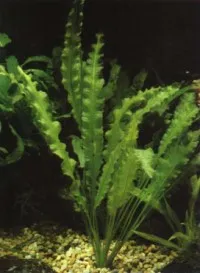
Aponogeton crispus
Freshwater- Light
- Medium light
- Placement
- Background
- Height
- 19.7 in (50 cm)
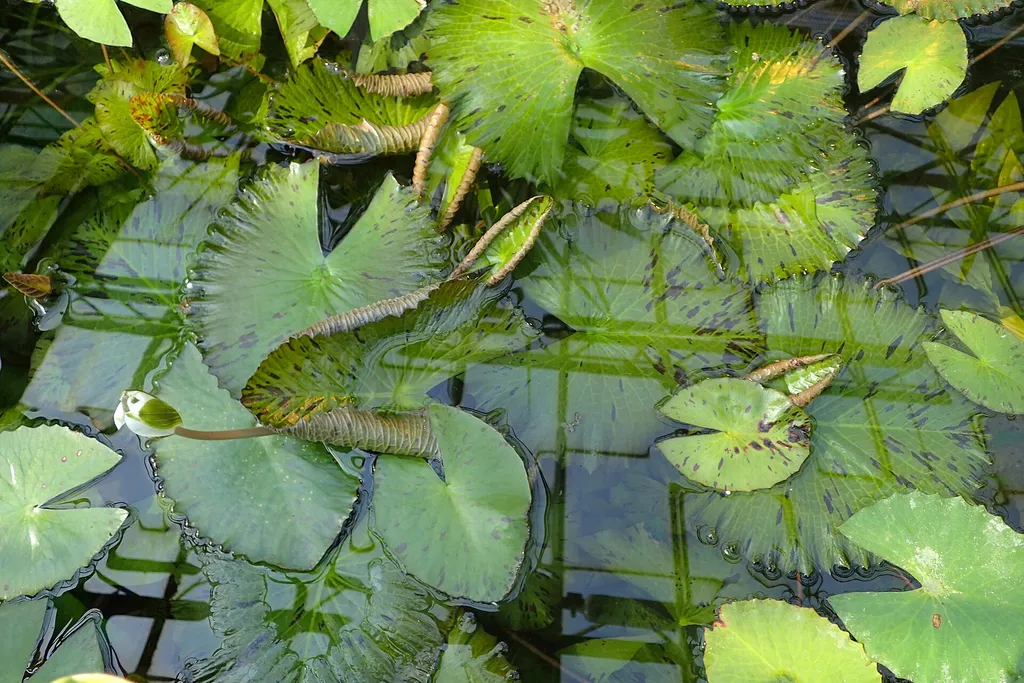
Tiger lotus
Nymphaea lotus
Freshwater- Light
- Medium light
- Placement
- Midground
- Height
- 19.7 in (50 cm)
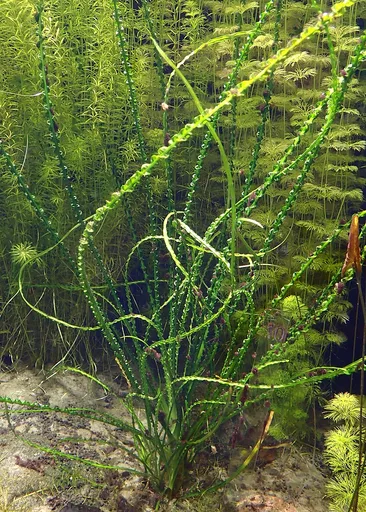
Crinum calamistratum
Freshwater- Light
- Low light
- Placement
- Background
- Height
- 39.4 in (100 cm)
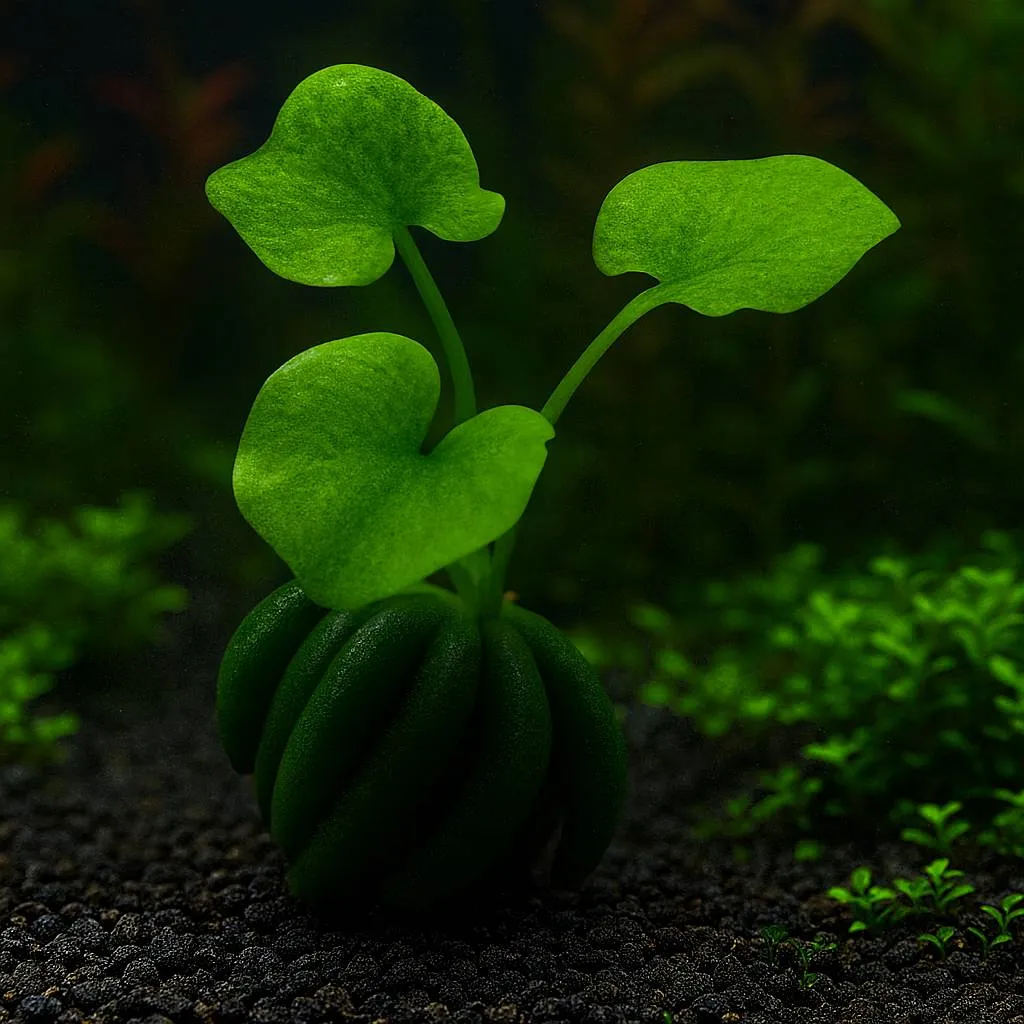
Banana plant
Nymphoides aquatica
Freshwater- Light
- Medium light
- Placement
- Foreground
- Height
- 5.9 in (15 cm)
Planting a bulb
Set the bulb with any visible growing point up, and keep that point clear of the substrate. Depth varies by plant, from resting on top to half or more in the substrate for most crinums and many aponogetons. If it floats, let it float; it sinks once it sprouts. A bulb bought dry can take three or four weeks to wake in water above 72°F (22°C), and a bulb that turns soft or smells is dead. Bulb plants feed from the roots more than most aquarium plants, so a root tab under a lily or an aponogeton makes a visible difference. Medium light suits nearly all of them and CO2 is optional.
Fast growers that need trimming
Several bulbs are among the fastest plants in the catalog. The red water lily and Aponogeton crispus, undulatus, ulvaceus and boivinianus all list fast growth. They can put out a leaf every few days when established and will shade a tank in a month. The tiger lotus and red tiger lotus stay compact only if you keep pinching off the leaves that head for the surface; leave them and the plant switches to floating pads and shades everything underneath. Trim leaves at the base of the stem, not halfway.
Dormancy and the lace plants
Aponogetons and some lilies grow hard for months and then die back to the bulb. That is dormancy, not death: leave the bulb in place, or lift it and store it cool and damp for a couple of months, and it usually returns. The crinums do not go dormant. The two lace plants, Madagascar lace and Henkel's lace plant, are the difficult bulbs in the list. Both want cool water, 64 to 75°F (18 to 24°C). The Madagascar lace may rest and shed leaves, and Henkel's lace plant needs no hard dormancy. Their perforated leaves collect algae in a bright tank. Aponogeton natans, crispus and undulatus are marked easy and are the steadier aponogetons if the lace plants put you off. Aponogeton capuronii is less prone to dormancy than most. Aponogeton boivinianus needs a dormant rest, when the bulb sheds its leaves.
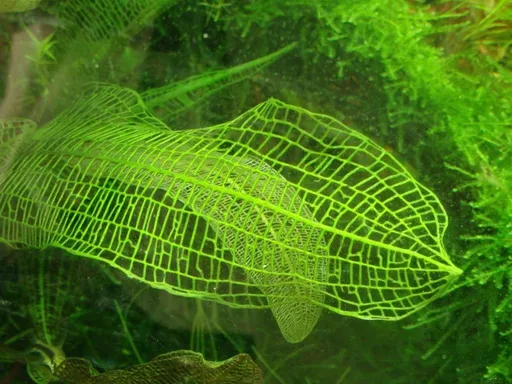
Madagascar lace
Aponogeton madagascariensis
FreshwaterMedium light · Background23.6 in (60 cm)
Henkel's lace plant
Aponogeton madagascariensis var. henkelianus
FreshwaterMedium light · Background23.6 in (60 cm)Aponogeton boivinianus
FreshwaterMedium light · Background31.5 in (80 cm)
Aponogeton natans
FreshwaterMedium light · Background15.7 in (40 cm)
Bulb plants for a small tank
The big aponogetons and the crinums reach 19.7 to 39.4 inches (50 to 100 cm) and need a tall tank. For a 10 to 20 gallon (38 to 76 liter) tank, the dwarf aquarium lily and micrantha lily stop at 9.8 inches (25 cm). The banana plant fits as well at 5.9 inches (15 cm). The orchid lily makes no floating leaves and stands 15.7 inches (40 cm) tall, too tall for these tanks. Every profile lists height; check it against the water depth you actually have.
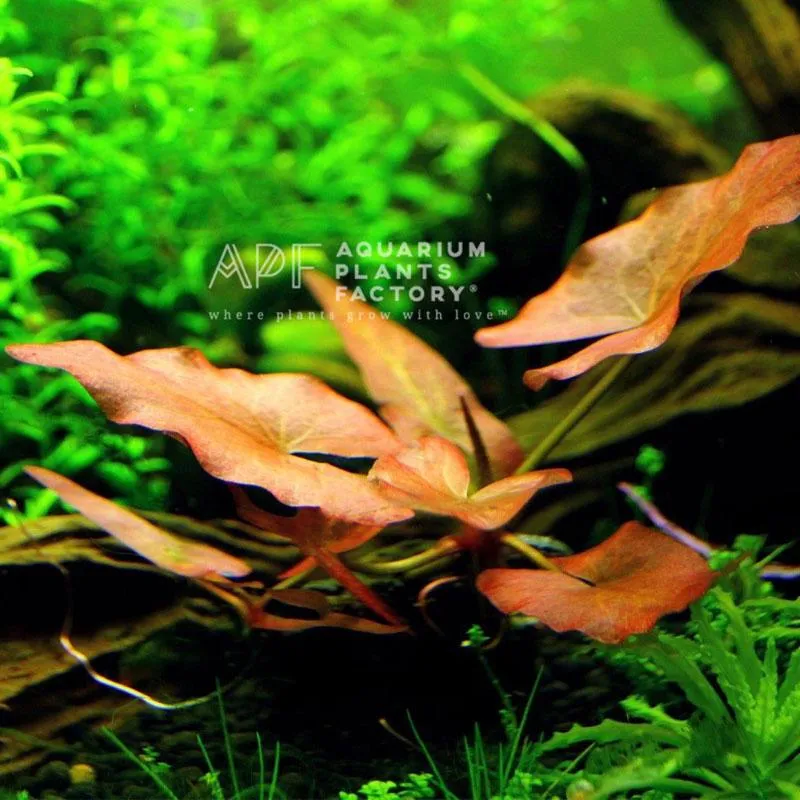
Dwarf aquarium lily
Nymphaea nouchali
FreshwaterMedium light · Midground9.8 in (25 cm)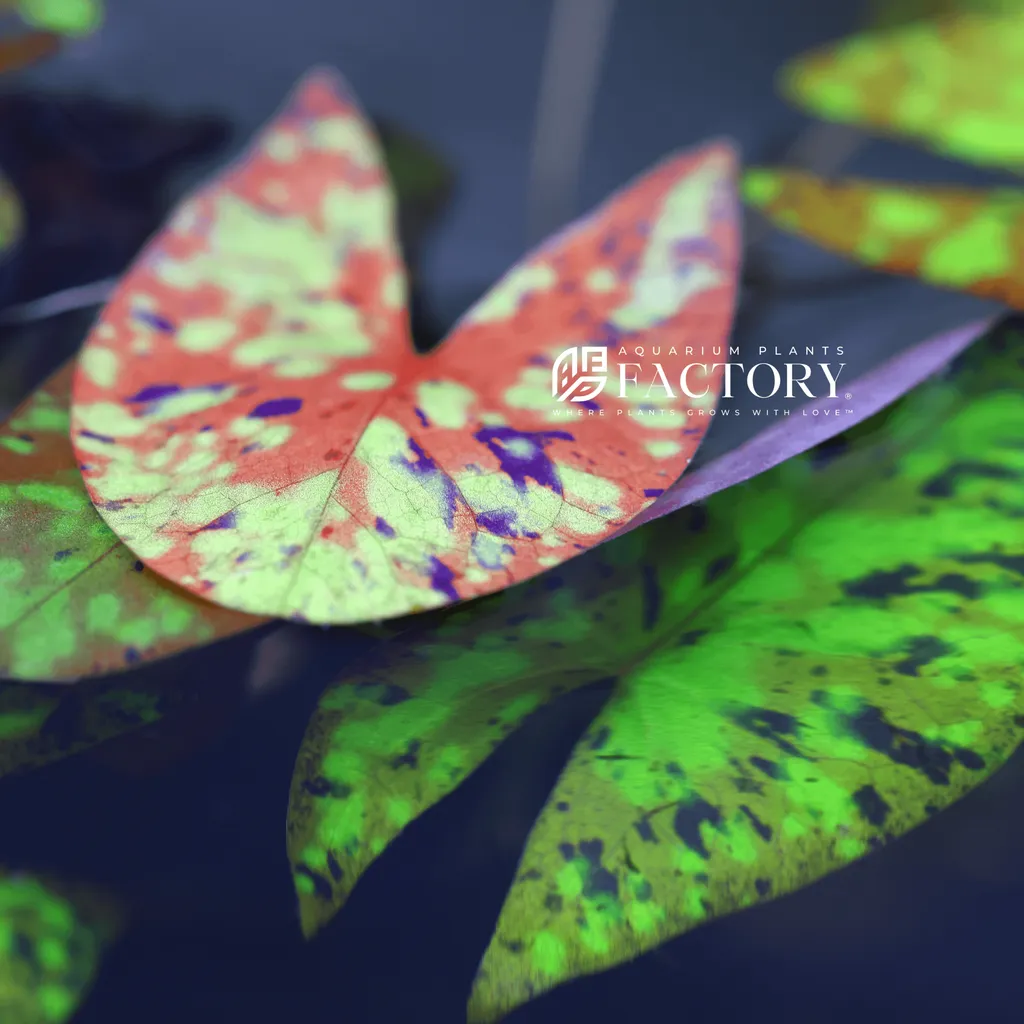
Micrantha lily
Nymphaea micrantha
FreshwaterMedium light · Midground9.8 in (25 cm)Banana plant
Nymphoides aquatica
FreshwaterMedium light · Foreground5.9 in (15 cm)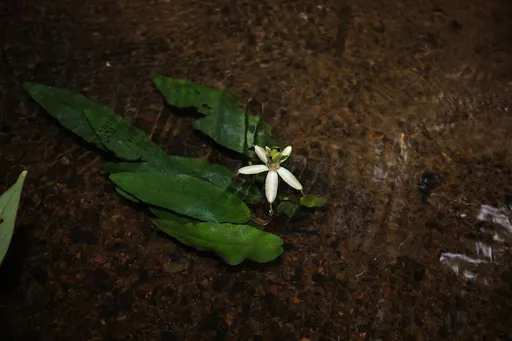
Orchid lily
Barclaya longifolia
FreshwaterMedium light · Midground15.7 in (40 cm)
By the numbers
Smallest
Tallest
Easiest to grow
FAQ
Common questions
How do you plant aquarium bulbs?
Keep the growing point up and clear of the substrate, and check each plant's profile for depth. Most crinums and many aponogetons can go in half or more. Let a floating bulb float until it sprouts and sinks.
Why won't my bulb sprout?
Give it three to four weeks in water above 72°F (22°C). A bulb that goes soft or smells is dead; a firm one is still waiting.
Do bulb plants need CO2?
No. Most list CO2 as beneficial rather than required, and the crinums, the banana plant and the dwarf aquarium lily list none.
Why did my aponogeton die back?
Dormancy. Leave the bulb in the tank or rest it somewhere cool for a couple of months and it usually regrows.
Are tiger lotus and aponogeton hard to grow?
No. The tiger lotus, the red tiger lotus, aponogeton crispus, natans and undulatus, the dwarf aquarium lily and the crinums are all marked easy. Aponogeton longiplumulosus, boivinianus, ulvaceus and capuronii are marked medium. The two lace plants are the difficult ones.
How big do bulb plants get?
They run from 5.9 inches (15 cm) for the banana plant to 39.4 inches (100 cm) for the three crinums. The aponogetons run 15.7 to 31.5 inches (40 to 80 cm). Height is on every profile.
Index
All bulb plants
Aponogeton boivinianus
FreshwaterMedium light · Background31.5 in (80 cm)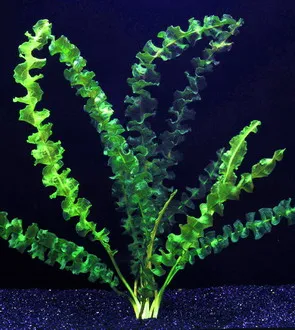
Aponogeton capuronii
FreshwaterMedium light · Background23.6 in (60 cm)Aponogeton crispus
FreshwaterMedium light · Background19.7 in (50 cm)Aponogeton longiplumulosus
FreshwaterMedium light · Background23.6 in (60 cm)Aponogeton natans
FreshwaterMedium light · Background15.7 in (40 cm)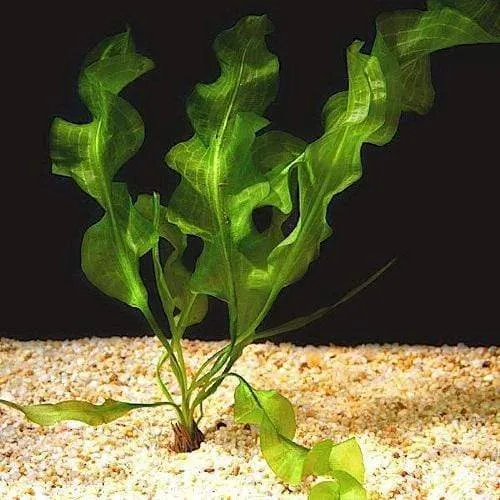
Aponogeton ulvaceus
FreshwaterMedium light · Background19.7 in (50 cm)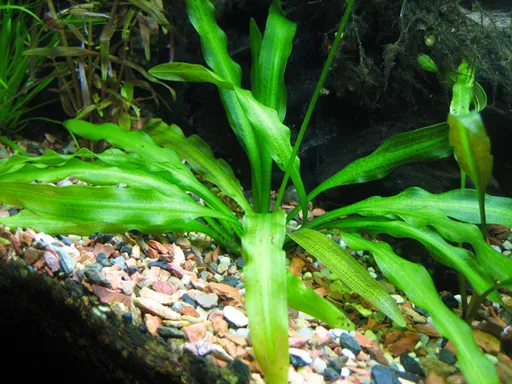
Aponogeton undulatus
FreshwaterMedium light · Background21.7 in (55 cm)Banana plant
Nymphoides aquatica
FreshwaterMedium light · Foreground5.9 in (15 cm)Crinum calamistratum
FreshwaterLow light · Background39.4 in (100 cm)Dwarf aquarium lily
Nymphaea nouchali
FreshwaterMedium light · Midground9.8 in (25 cm)Madagascar lace
Aponogeton madagascariensis
FreshwaterMedium light · Background23.6 in (60 cm)1 formMicrantha lily
Nymphaea micrantha
FreshwaterMedium light · Midground9.8 in (25 cm)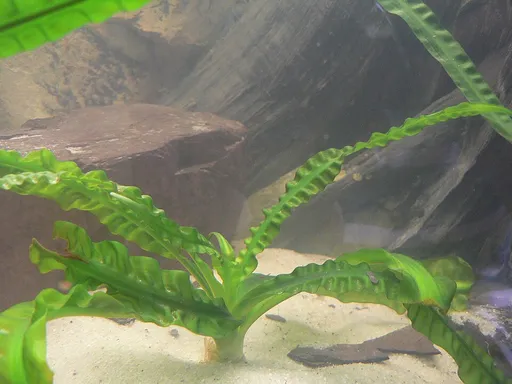
Onion plant natans
Crinum natans
FreshwaterMedium light · Background39.4 in (100 cm)Orchid lily
Barclaya longifolia
FreshwaterMedium light · Midground15.7 in (40 cm)Orchid lily Rosea
Barclaya longifolia 'Rosea'
FreshwaterMedium light · Midground15.7 in (40 cm)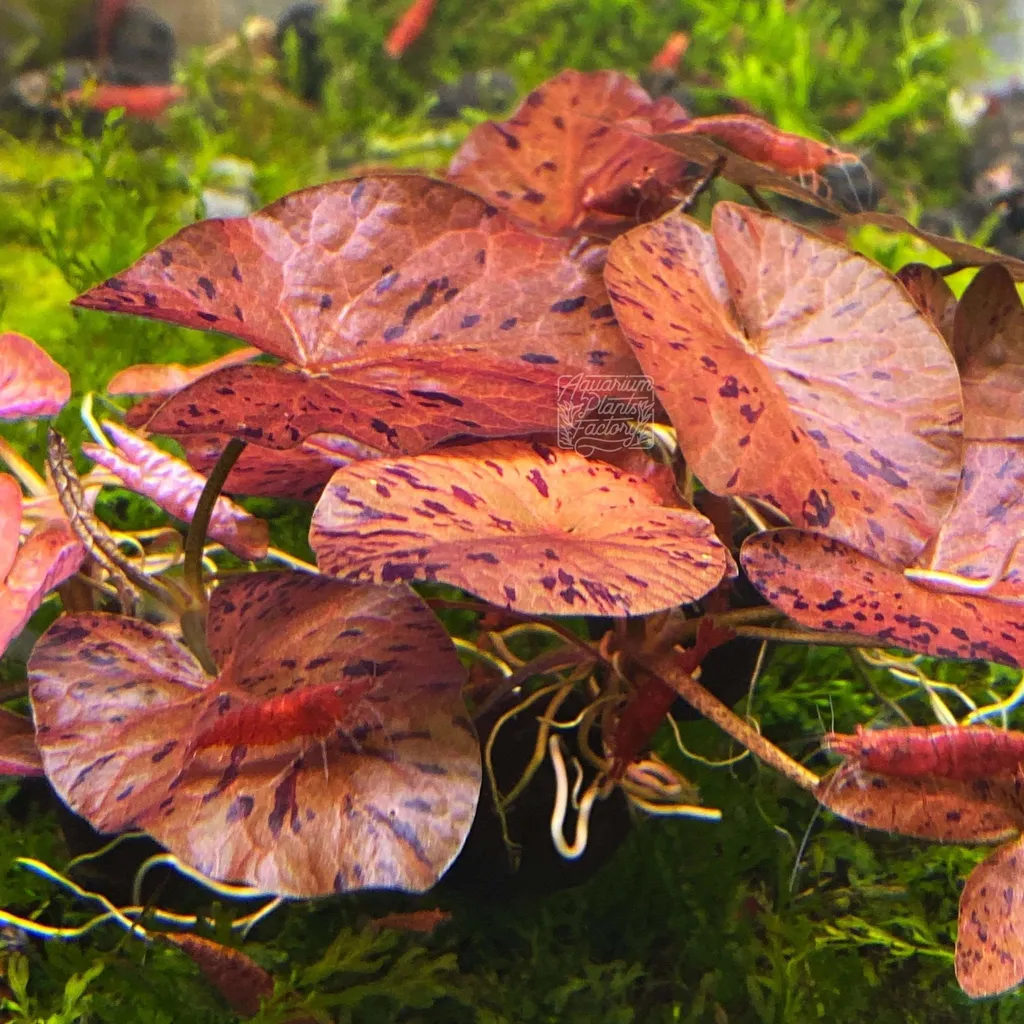
Red tiger lotus
Nymphaea lotus
FreshwaterMedium light · Midground23.6 in (60 cm)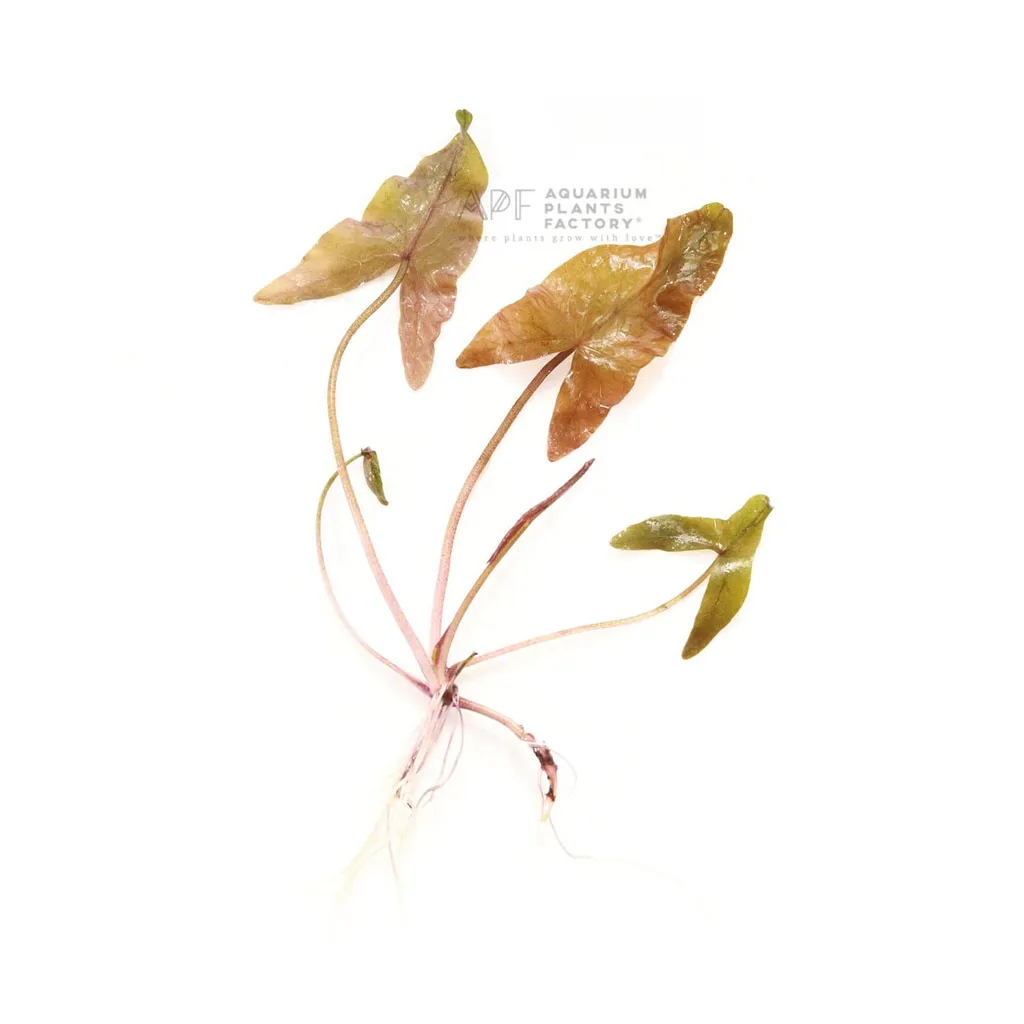
Red water lily
Nymphaea rubra
FreshwaterMedium light · Midground23.6 in (60 cm)Tiger lotus
Nymphaea lotus
FreshwaterMedium light · Midground19.7 in (50 cm)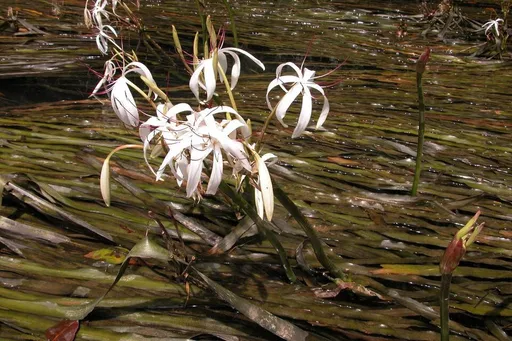
Water onion
Crinum thaianum
FreshwaterLow light · Background39.4 in (100 cm)
Planning a tank?
TankBud checks stocking and water fit as you build a tank, then tracks water tests, reminders and photos once it is running.
Track your tanksMaintain tanks for clients? See TankBud Pro