Crinum calamistratum
Also known as African onion plant, Curly crinum, Crinum natans var. calamistratum
FreshwaterBulb / tuberBulb offsets
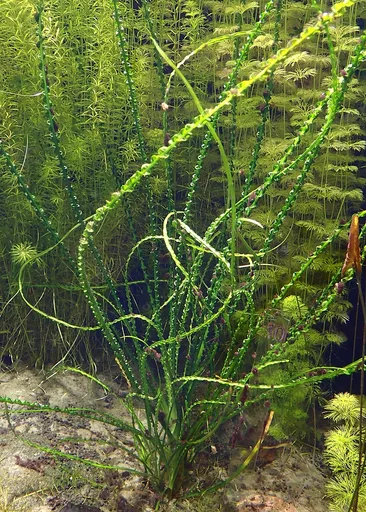
Care at a glance
- Light
- Low light
- CO2
- No CO₂ needed
- Temperature
- 68–82°F
- 20–28°C
- Max height
- 23.6 in
- 60 cm
- Growth rate
- Slow
- Placement
- Background
- Type
- Bulb / tuber
- pH
- 6.0–8.0
- Hardness
- 2–15 dGH
- Spread
- 9.8 in (25 cm)
- Nutrient uptake
- Root feeder
- Growth region
- Submersed
- Difficulty
- Easy
- Family
- Amaryllidaceae
- Origin
- West-Central Africa (Cameroon)
Overview
Plant the bulb at an angle with the top third left proud of the substrate so it does not rot, and be patient because it establishes and grows slowly. It is a heavy root feeder, so root tabs or a rich substrate keep the curly leaves dark and healthy, and it does not need CO2. The tough leaves are ignored by most plant-eating and cichlid-type fish, which makes it a durable centrepiece or background specimen for large tanks.
In the wild
Crinum calamistratum comes from West-Central Africa, growing in fast-flowing forest streams and rivers around Cameroon near Kumba. It roots as a bulb in the streambed and trails long, dark green, strongly crinkled ribbon leaves in the current. It lives fully submersed and, unlike some Crinum relatives, does not adapt to emersed growth.
Good to know
It is a true bulb-forming member of the amaryllis family (Amaryllidaceae), related to terrestrial garden lilies rather than to typical stem or rosette aquarium plants. The name calamistratum refers to the curled, crimped leaves ('curled like with a curling iron'). It forms several smaller bulbs and, unlike the larger-bulbed Crinum species, is undemanding on light while responding to brighter tanks with more compact, flower-prone growth.
Did you know
Given enough time and space, Crinum calamistratum will send up a stalk and bloom underwater or at the surface with a spidery white amaryllis-style flower, something few aquarium plants do.
Related plants
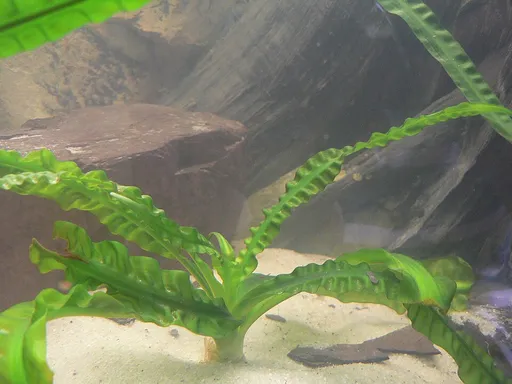 Medium lightBackground39.4 in (100 cm)
Onion plant natans
Crinum natans
Medium light · Background
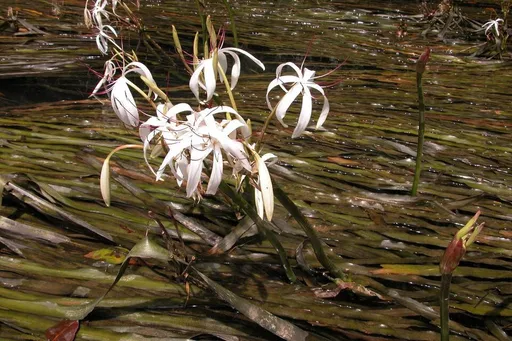 Low lightBackground39.4 in (100 cm)
Water onion
Crinum thaianum
Low light · Background
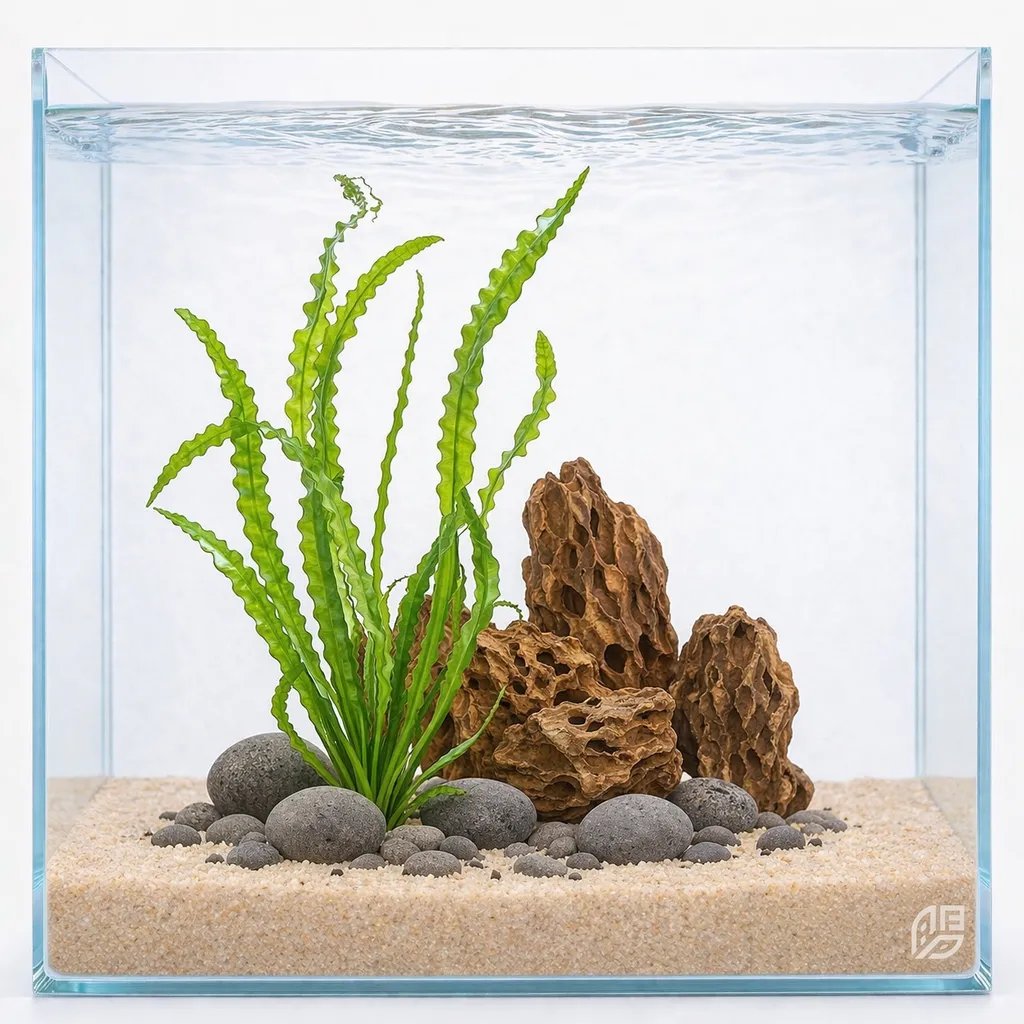 Medium lightBackground23.6 in (60 cm)
Aponogeton longiplumulosus
Medium light · Background
 Medium lightBackground23.6 in (60 cm)
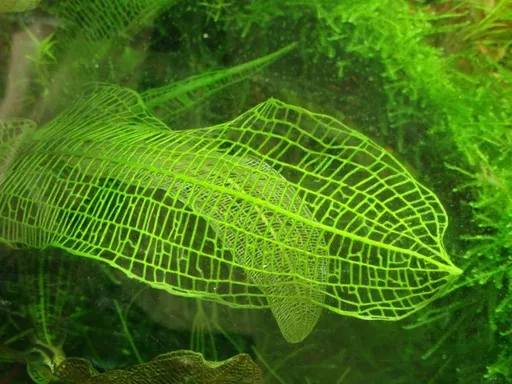
Madagascar lace
Aponogeton madagascariensis
Medium light · Background
 Medium lightBackground23.6 in (60 cm)
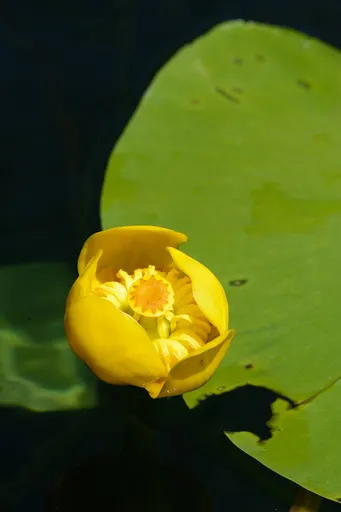
Yellow pond lily
Nuphar lutea
Medium light · Background
 Medium lightBackground21.7 in (55 cm)
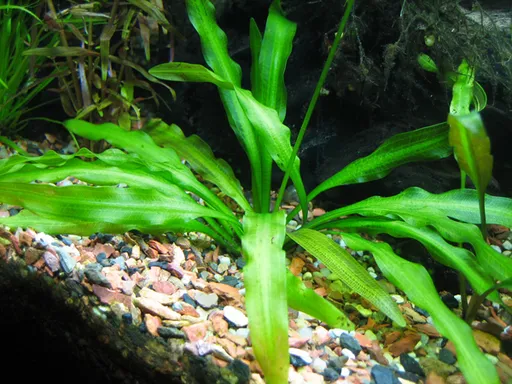
Aponogeton undulatus
Medium light · Background