Loaches
Loaches are social bottom dwellers with strong personalities, from noodle-shaped kuhlis to flow-loving hillstream species. Most want company, smooth substrate and places to hide. Profiles list group size, tank size and the conditions each species needs.
At a glance
- Tank size
- 11–127 gal
- 11 gal (40 L) to 127 gal (480 L); half the list needs 24 gal (90 L) or more
- Temperature
- 68–79°F
- 20–26°C, most of the list
- pH
- 6.5–7.5
- Most of the list
- Difficulty
- 9 easy
- 98 medium · 33 difficult
- Temperament
- 67 peaceful
- 67 mostly peaceful · 6 aggressive
140 species
The main kinds of loach
Loaches are several families that share a bottom-dwelling habit and little else. Kuhli loaches and their Pangio relatives are eel-shaped sand burrowers that hide by day and come out at dusk. Botiid loaches, the clown, yoyo, zebra and dwarf chain loaches, are the active shoaling snail-eaters, and a few of them, including the sun loach and Leconte's loach, are aggressive. Hillstream loaches are flat, sucker-bellied fish from fast cool streams and need flow, oxygen and biofilm rather than a tropical community. Stone loaches such as the rosy and zipper loaches are small stream fish, with the sumo loaches as the solitary, territorial exception and the giant stone loach, a 22 inch (55 cm) cold-water predator, as the outlier. The weather loach and the spined loach are cold-water fish for unheated tanks and ponds.
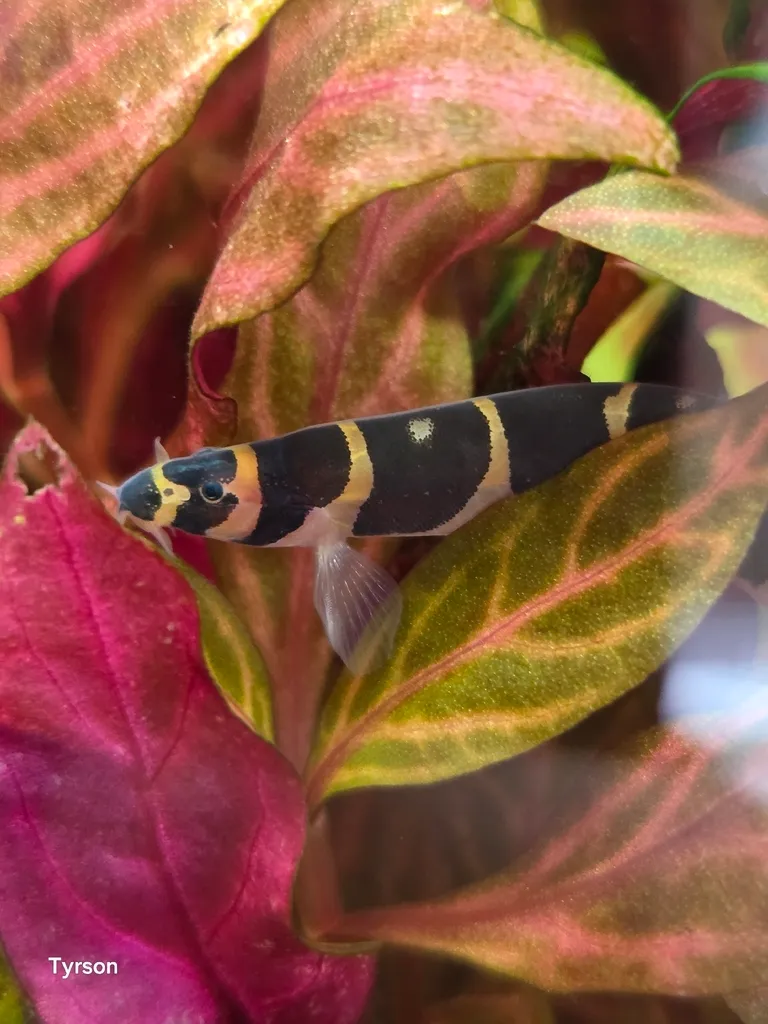
Kuhli loach
Pangio kuhlii
Freshwater- Size
- 3.9 in (10 cm)
- Tank
- 20 gal (75 L)
- Water
- 72–82°F (22–28°C)
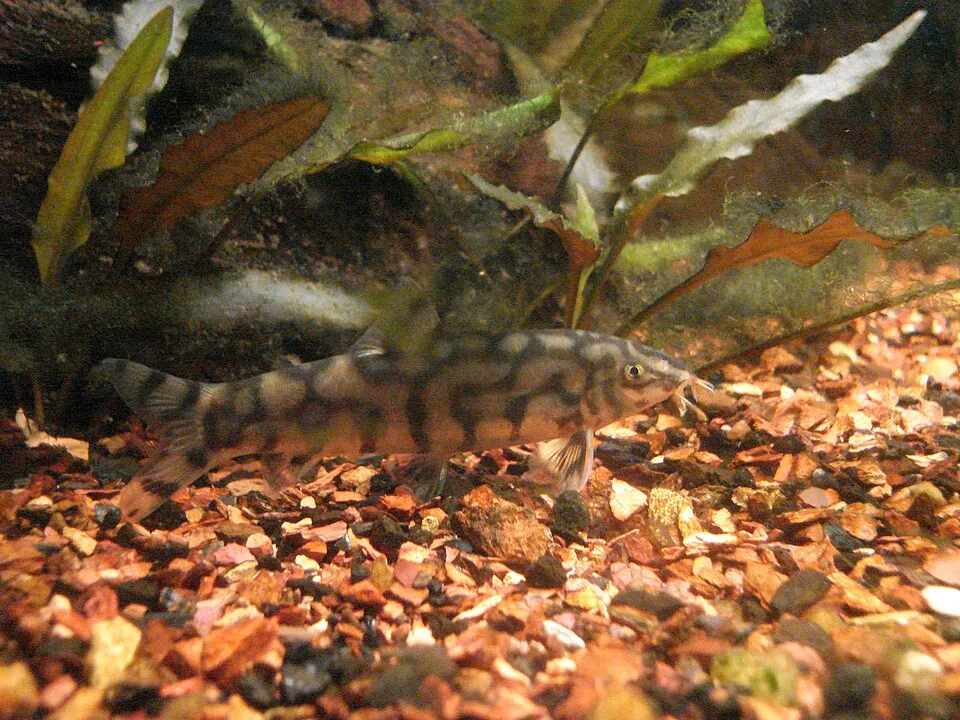
Yoyo loach
Botia almorhae
Freshwater- Size
- 6.3 in (16 cm)
- Tank
- 42 gal (160 L)
- Water
- 66–81°F (19–27°C)
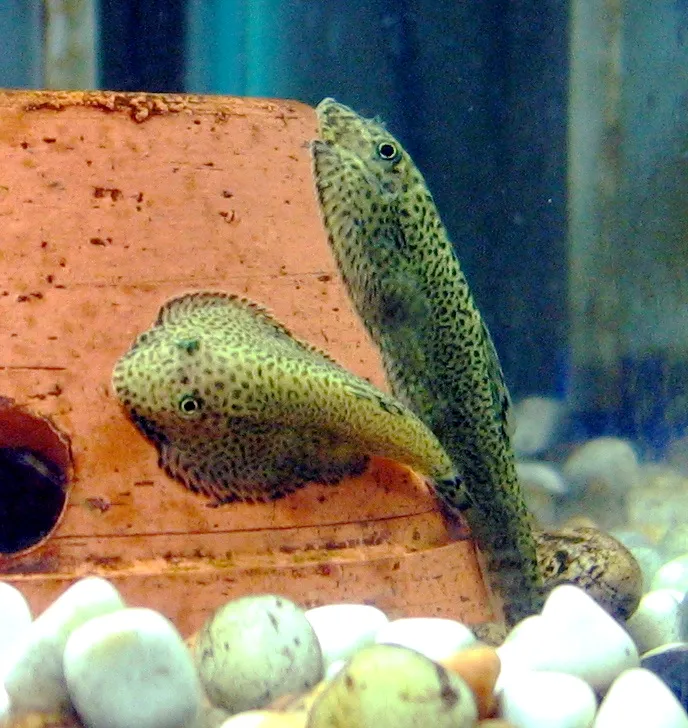
Butterfly loach
Beaufortia kweichowensis
Freshwater- Size
- 3 in (7.5 cm)
- Tank
- 25 gal (95 L)
- Water
- 61–75°F (16–24°C)
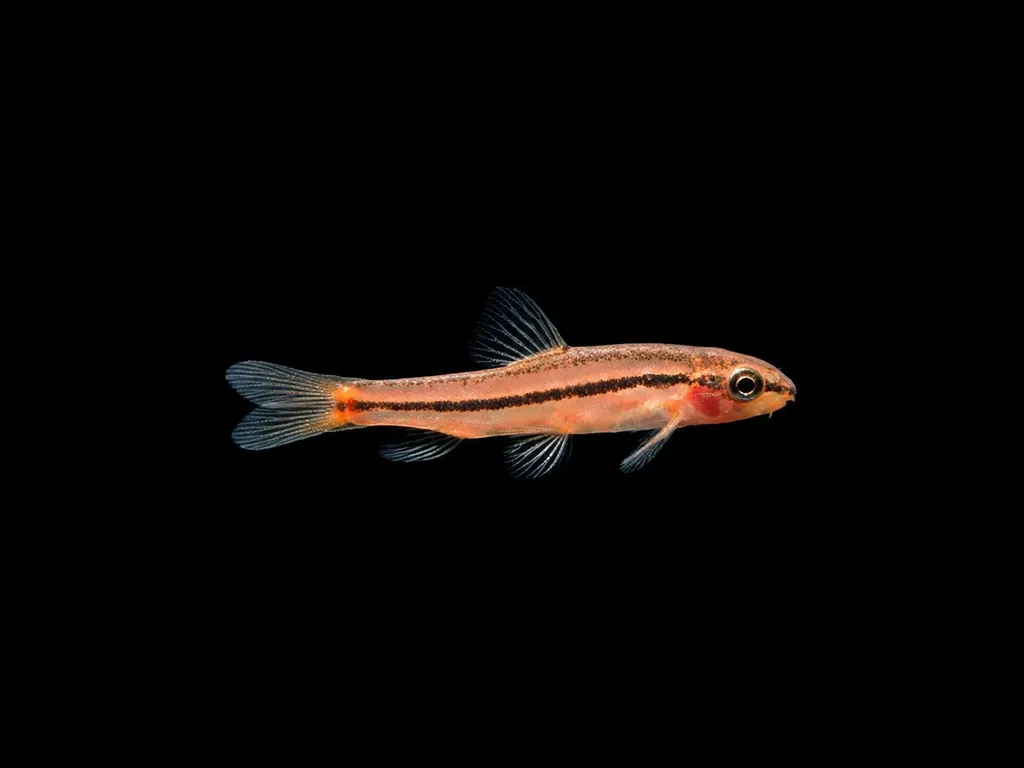
Rosy loach
Petruichthys sp. 'rosy'
Freshwater- Size
- 1.2 in (3 cm)
- Tank
- 14 gal (54 L)
- Water
- 68–79°F (20–26°C)
Groups, sand and hiding places
Most loaches are social and turn nervous or reclusive alone; keep the shoaling species in fives and sixes at least. Burrowers such as the kuhli and horseface loaches want fine sand, and every loach wants cover: caves, pipes, wood and plant thickets. They are also escape artists. Kuhli loaches find gaps in lids and filter intakes, so cover both, and a loach that vanishes has usually burrowed or wedged itself somewhere rather than died.
Clown loaches outgrow the tank they were sold for
The clown loach is sold at 2 inches (5 cm) and reaches 12 inches (30 cm), wants 75 gallons (285 liters) and a shoal, and lives for decades. The redtail loach and the banded tiger loach reach 10 to 12 inches (25 to 30 cm) on the same footprint. The chameleon loach reaches 10 inches (25 cm), wants 105 gallons (400 liters) and is aggressive. For the same shoaling character in a smaller tank, the yoyo loach stops at 6 inches (16 cm) in 40 gallons (160 liters), the zebra loach at 3.5 inches (9 cm) in 35 gallons (140 liters), and the dwarf chain loach at 2.5 inches (6 cm) in 20 gallons (75 liters).
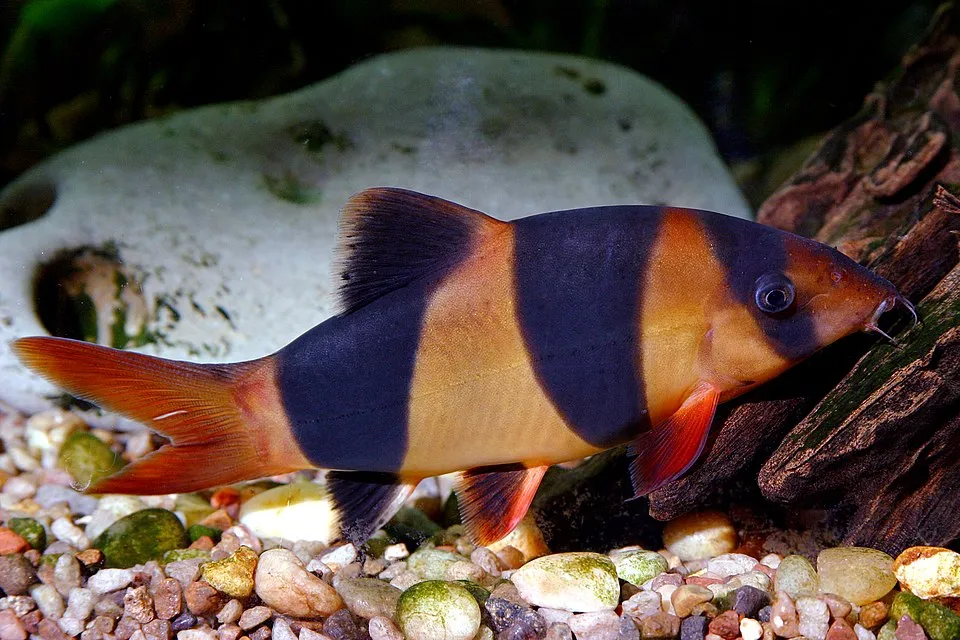
Clown loach
Chromobotia macracanthus
Freshwater11.8 in (30 cm) · 75 gal (285 L)75–86°F (24–30°C)Yoyo loach
Botia almorhae
Freshwater6.3 in (16 cm) · 42 gal (160 L)66–81°F (19–27°C)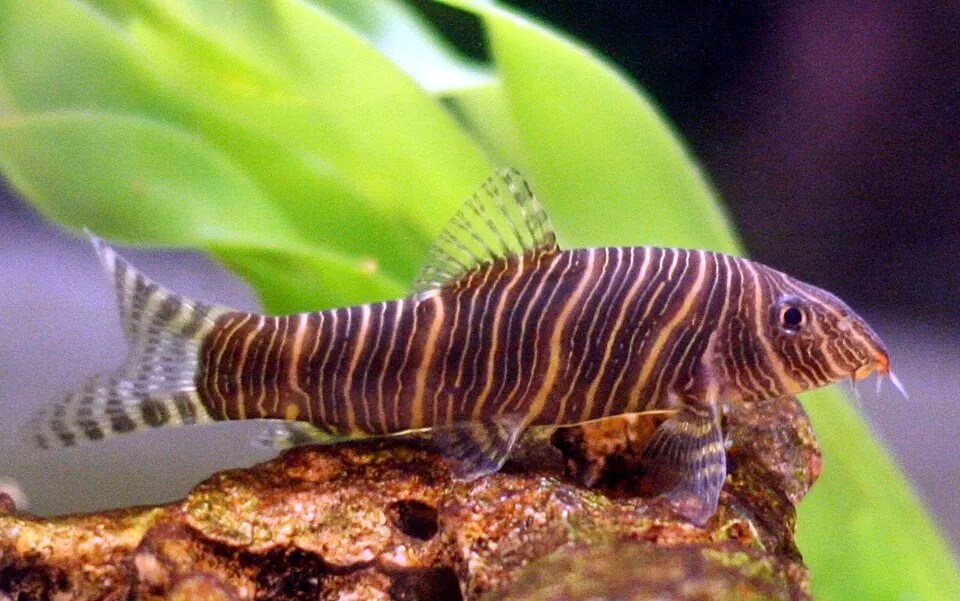
Zebra loach
Botia striata
Freshwater3.5 in (9 cm) · 37 gal (140 L)70–79°F (21–26°C)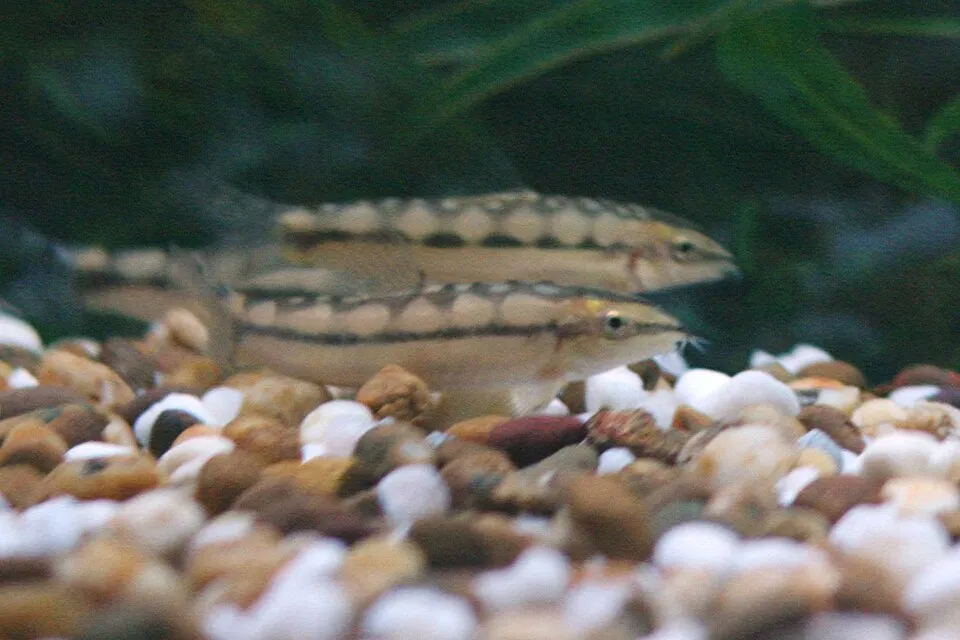
Dwarf botia
Ambastaia sidthimunki
Freshwater2.4 in (6 cm) · 20 gal (75 L)68–86°F (20–30°C)
Hillstream loaches are a cool, fast-water project
Hillstream loaches come from streams that run cool and hard over rock, and they are marked medium or difficult in the catalog for a reason. Most list 61–75°F (16–24°C), well below a heated community tank; the Borneo suckers are the warm end at 72–79°F (22–26°C). All of them need strong flow, high oxygen and a standing crop of algae and biofilm to graze; a new tank starves them. Set up a dedicated river tank with a powerhead, smooth rocks and strong light, and they are rewarding. Drop one into a 82°F (28°C) community tank and it will not last.
Butterfly loach
Beaufortia kweichowensis
Freshwater3 in (7.5 cm) · 25 gal (95 L)61–75°F (16–24°C)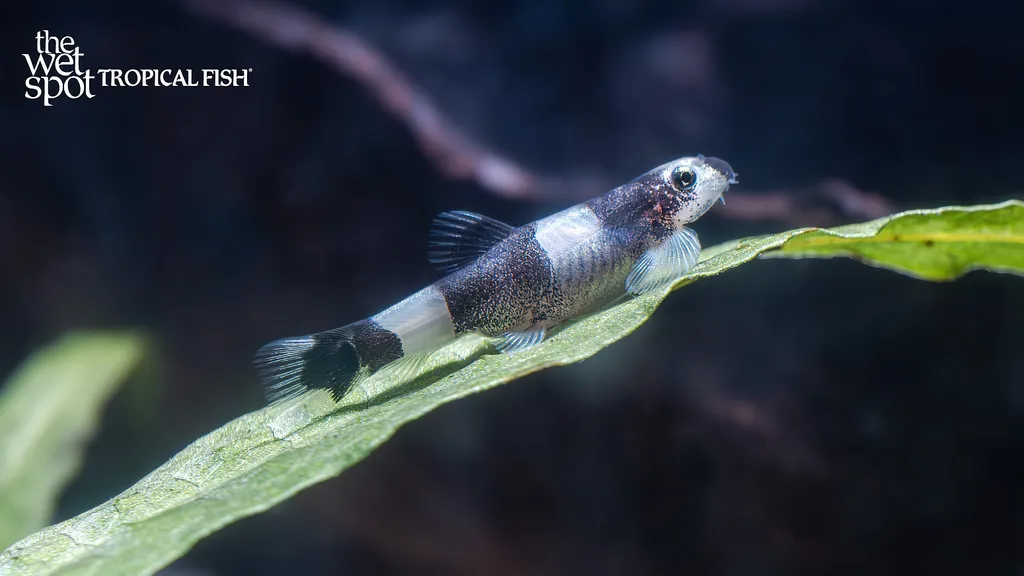
Panda loach
Yaoshania pachychilus
Freshwater2.8 in (7 cm) · 20 gal (75 L)64–75°F (18–24°C)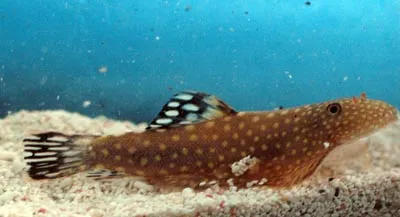
Borneo hillstream loach
Gastromyzon ctenocephalus
Freshwater1.6 in (4 cm) · 20 gal (75 L)68–75°F (20–24°C)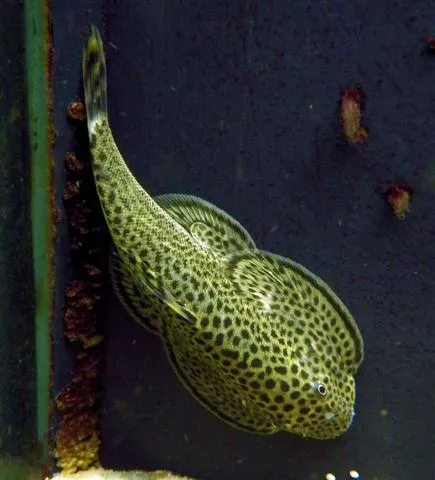
Red hillstream loach
Beaufortia leveretti
Freshwater3.1 in (8 cm) · 24 gal (90 L)64–75°F (18–24°C)
Loaches for a small tank
Several loaches suit a 10 to 20 gallon (40 to 75 liter) tank. The rosy loach stays around 1.2 inches (3 cm) and shoals in mid-water more than most loaches. The dwarf chain loach and the dwarf horseface loach stay small and social. The kuhli loach itself is fine in 20 gallons (75 liters) in a group of five or six, and the fire-eyed, mango and dwarf lizard loaches are true nano fish for a mature tank with fine food.
Rosy loach
Petruichthys sp. 'rosy'
Freshwater1.2 in (3 cm) · 14 gal (54 L)68–79°F (20–26°C)Dwarf botia
Ambastaia sidthimunki
Freshwater2.4 in (6 cm) · 20 gal (75 L)68–86°F (20–30°C)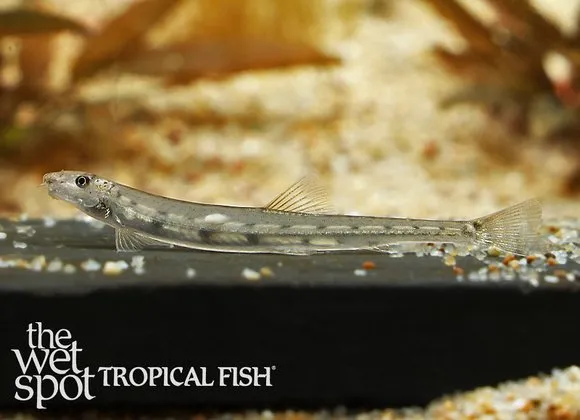
Dwarf horseface loach
Acanthopsoides robertsi
Freshwater2.2 in (5.5 cm) · 14 gal (54 L)72–81°F (22–27°C)Kuhli loach
Pangio kuhlii
Freshwater3.9 in (10 cm) · 20 gal (75 L)72–82°F (22–28°C)
By the numbers
Smallest
Largest
Easiest to keep
Most peaceful
Fits a 20 gallon tank
Fits a 30 gallon tank
FAQ
Common questions
What types of loaches are there?
Kuhli and other Pangio loaches, the botiid loaches (clown, yoyo, zebra, dwarf chain), hillstream loaches, stone loaches such as the rosy and zipper loaches, and the cold-water weather and spined loaches. The section above walks through what each group needs.
How many loaches should be kept together?
For the social species, five or six at least; clown, yoyo and zebra loaches and kuhlis all do poorly alone. The sumo loaches, the zodiac loach and the fork-tailed loach are the exceptions and are kept singly.
Do loaches eat snails?
The botiid loaches do: yoyo, zebra, skunk and clown loaches all eat small snails. Kuhli, hillstream and stone loaches do not.
Do loaches need sand?
The burrowers do. Kuhli and horseface loaches want fine sand; botiids and hillstreams are fine on smooth gravel or rock as long as there is cover.
What size tank do kuhli loaches need?
20 gallons (75 liters) for a group of five or six, with sand and hiding places.
Why do my loaches disappear?
Kuhlis and other burrowers hide by day and under the substrate. Check filter intakes and lid gaps before assuming the worst; they come out at dusk and at feeding time.
Index
All loaches
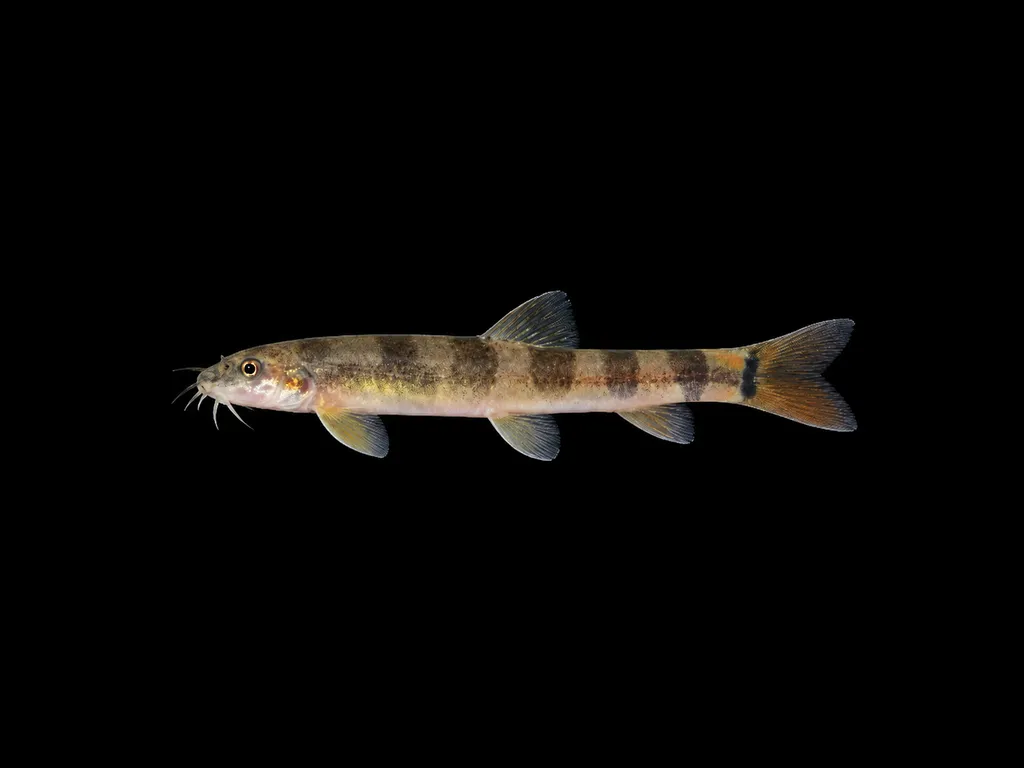
Aizawl loach
Schistura aizawlensis
Freshwater2.4 in (6 cm) · 20 gal (75 L)68–79°F (20–26°C)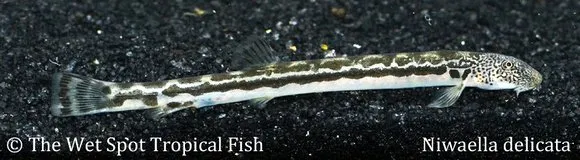
Ajime loach
Niwaella delicata
Freshwater3.7 in (9.5 cm) · 29 gal (110 L)50–72°F (10–22°C)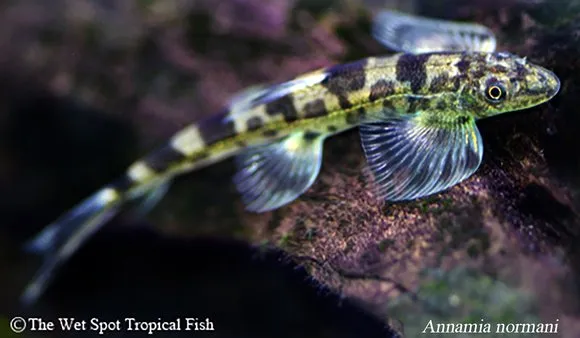
Annam hillstream loach
Annamia normani
Freshwater3.7 in (9.4 cm) · 25 gal (95 L)68–77°F (20–25°C)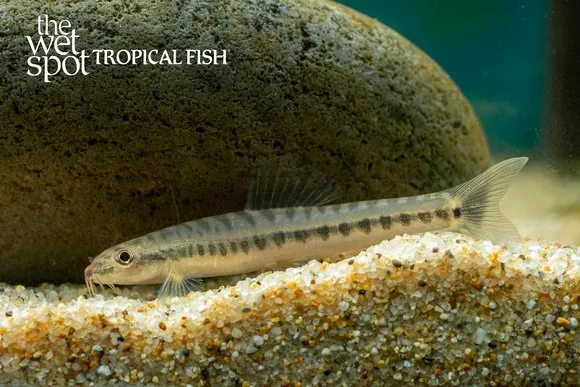
Arrow loach
Nemacheilus masyae
Freshwater6.3 in (16 cm) · 42 gal (160 L)72–81°F (22–27°C)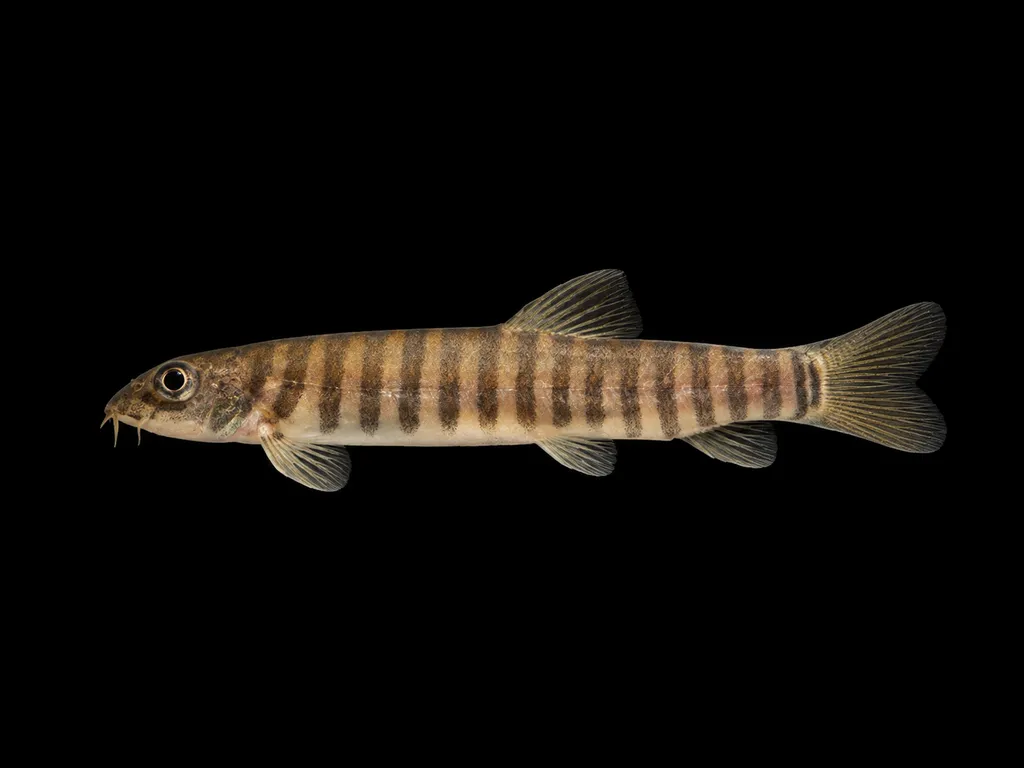
Assam banded loach
Neonoemacheilus assamensis
Freshwater1.8 in (4.5 cm) · 14 gal (54 L)68–79°F (20–26°C)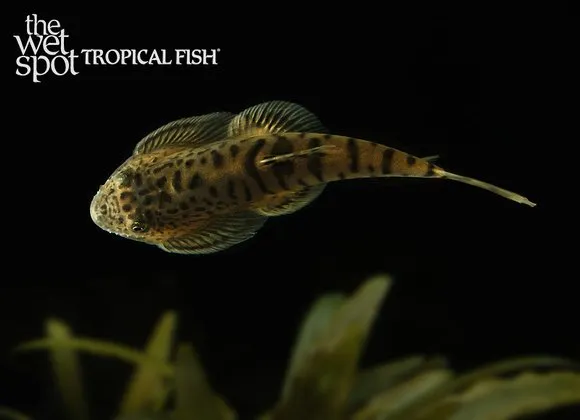
Banded hillstream loach
Pseudogastromyzon fasciatus
Freshwater3.9 in (10 cm) · 25 gal (95 L)64–75°F (18–24°C)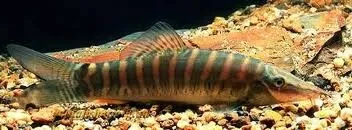
Banded tiger loach
Syncrossus helodes
Freshwater11.8 in (30 cm) · 75 gal (285 L)75–86°F (24–30°C)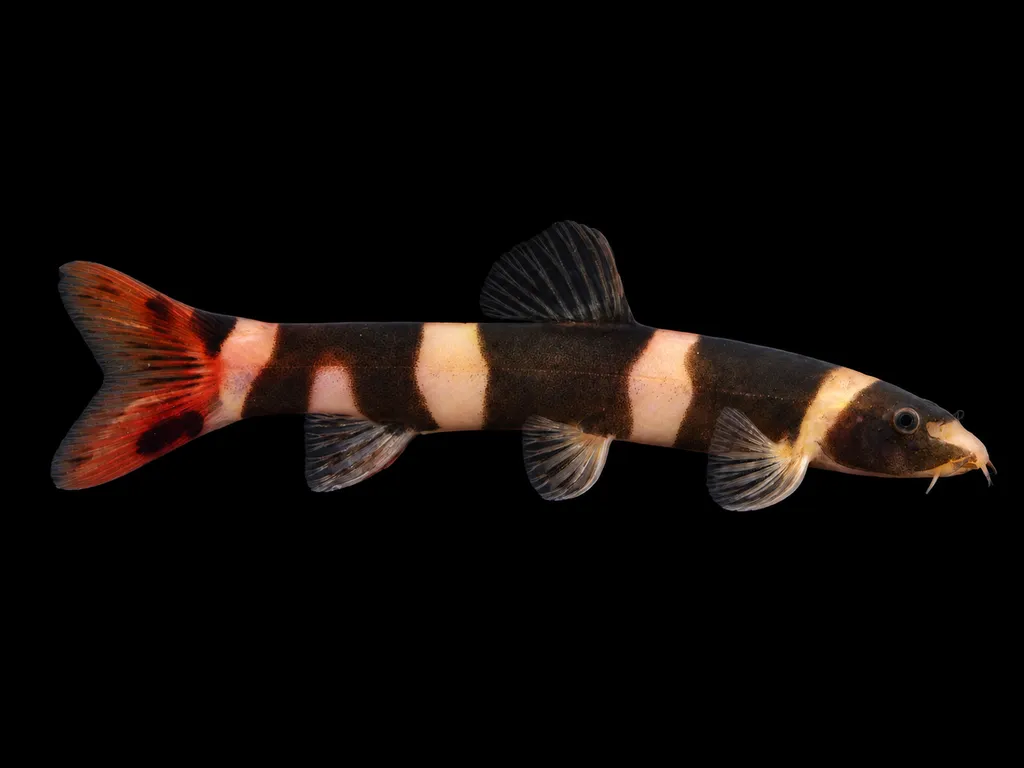
Barito loach
Kapuasia falaris
Freshwater2.6 in (6.5 cm) · 20 gal (75 L)73–81°F (23–27°C)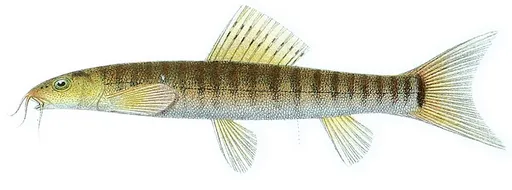
Barred loach
Nemacheilus fasciatus
Freshwater3.1 in (8 cm) · 24 gal (90 L)68–77°F (20–25°C)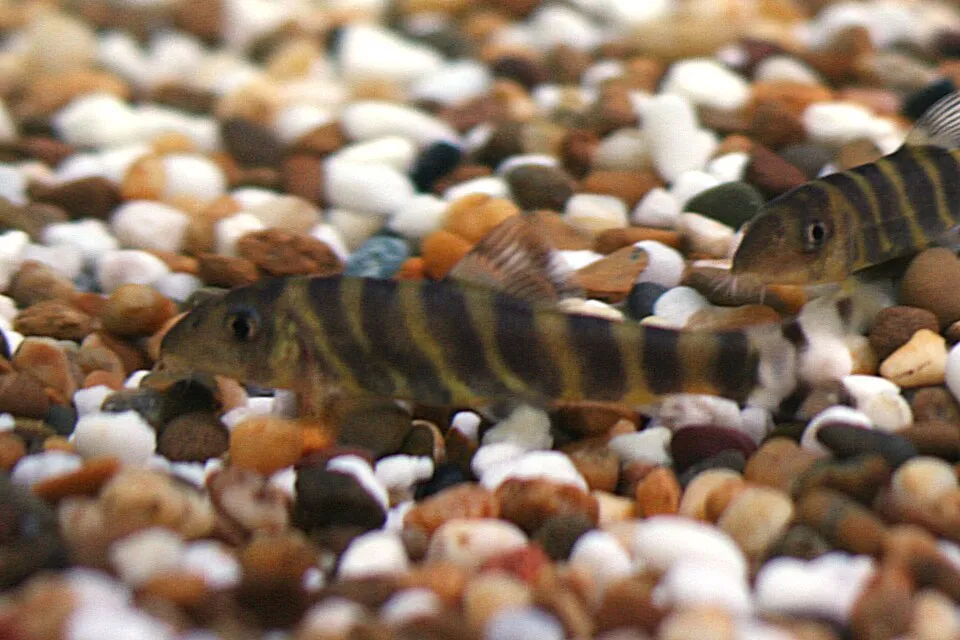
Bengal loach
Botia dario
Freshwater5.1 in (13 cm) · 37 gal (140 L)73–79°F (23–26°C)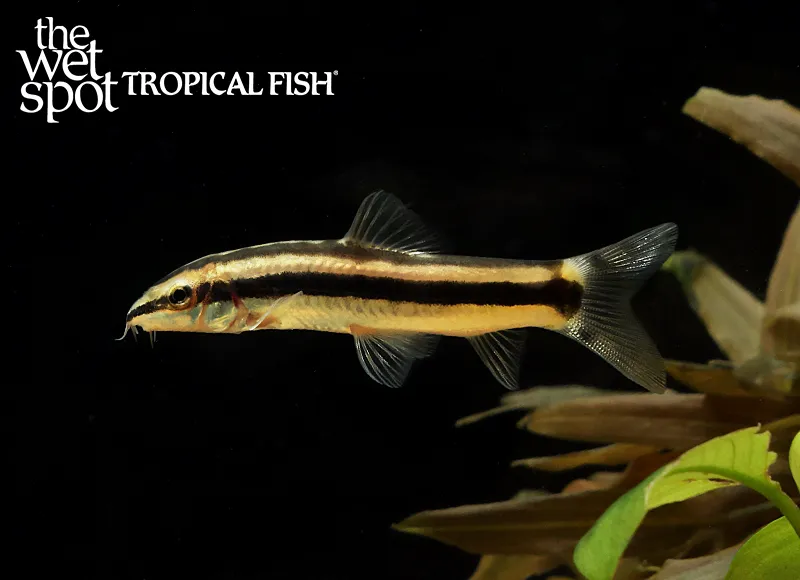
Black-lined loach
Ambastaia nigrolineata
Freshwater3.1 in (8 cm) · 24 gal (90 L)72–81°F (22–27°C)Borneo hillstream loach
Gastromyzon ctenocephalus
Freshwater1.6 in (4 cm) · 20 gal (75 L)68–75°F (20–24°C)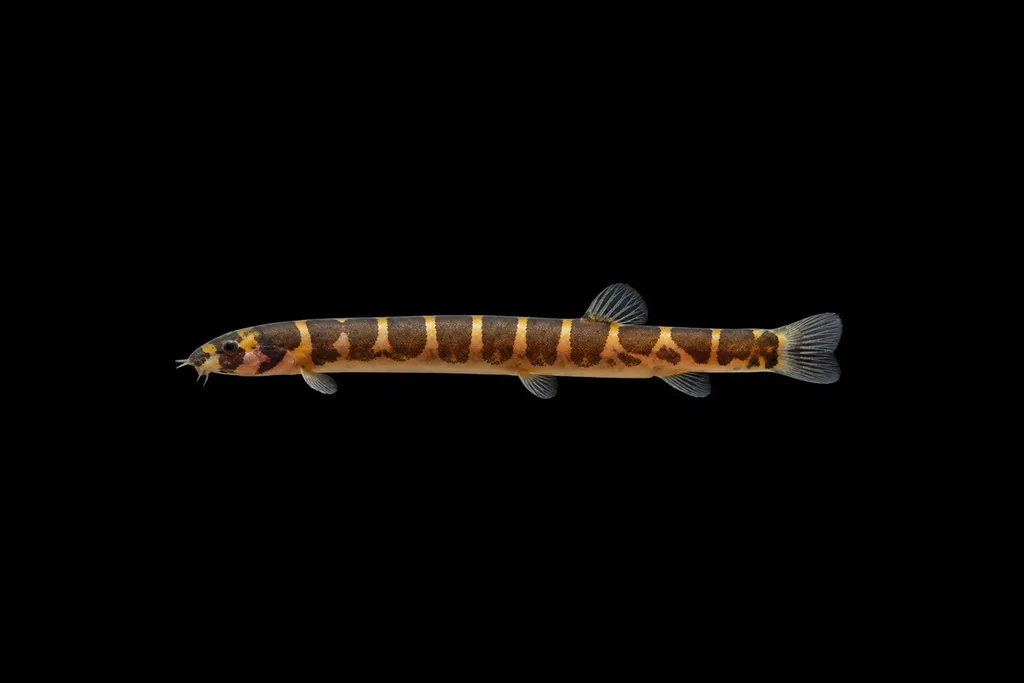
Borneo kuhli loach
Pangio borneensis
Freshwater2.5 in (6.3 cm) · 20 gal (75 L)72–81°F (22–27°C)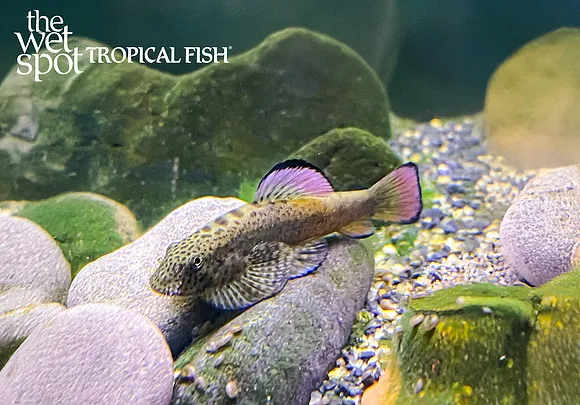
Broadhead hillstream loach
Pseudogastromyzon laticeps
Freshwater3.1 in (8 cm) · 24 gal (90 L)64–75°F (18–24°C)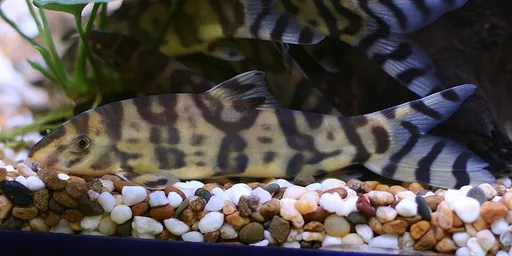
Burmese border loach
Botia histrionica
Freshwater5.1 in (13 cm) · 53 gal (200 L)72–82°F (22–28°C)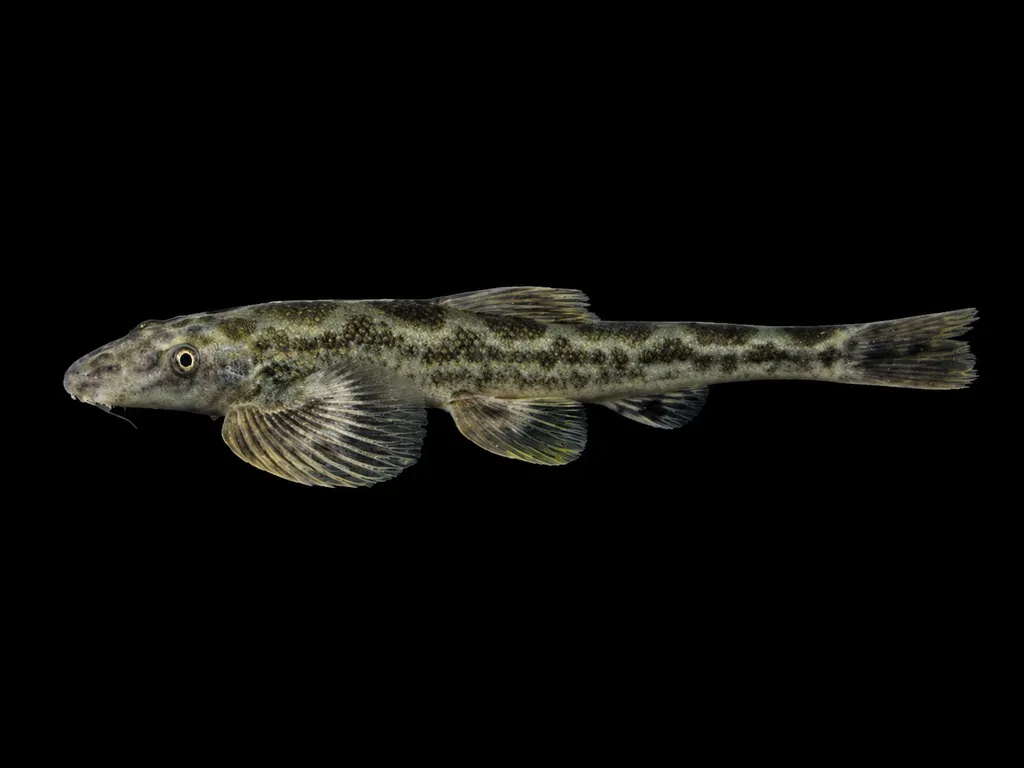
Burmese stone loach
Balitora burmanica
Freshwater3.9 in (10 cm) · 25 gal (95 L)68–79°F (20–26°C)Butterfly loach
Beaufortia kweichowensis
Freshwater3 in (7.5 cm) · 25 gal (95 L)61–75°F (16–24°C)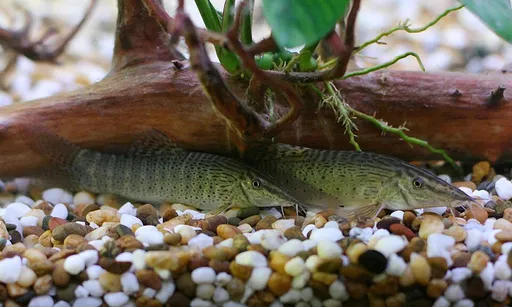
Chameleon loach
Syncrossus beauforti
Freshwater9.8 in (25 cm) · 106 gal (400 L)73–82°F (23–28°C)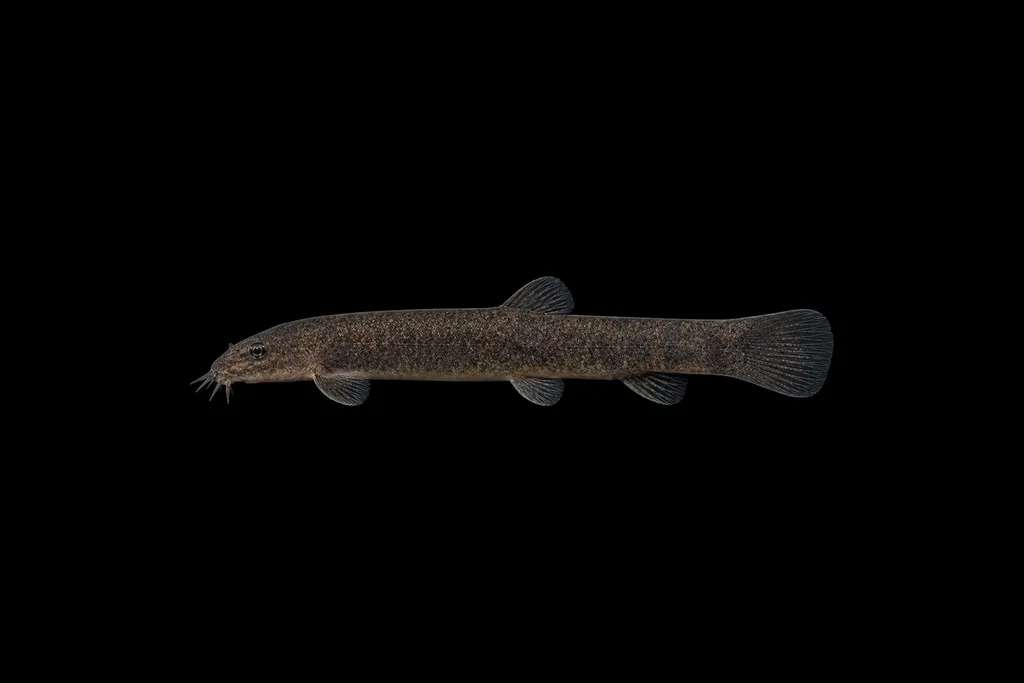
Charcoal loach
Schistura carbonaria
Freshwater3.4 in (8.6 cm) · 24 gal (90 L)70–79°F (21–26°C)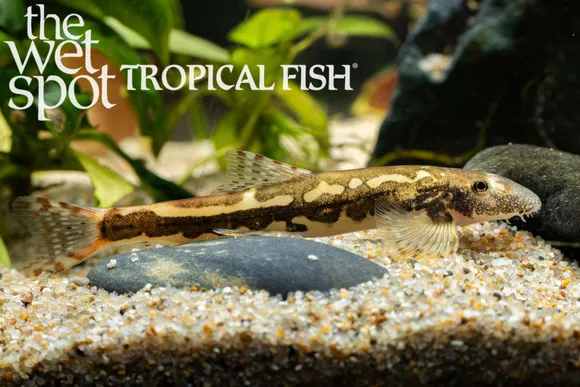
Chen's lizard loach
Formosania chenyiyui
Freshwater3.6 in (9.2 cm) · 25 gal (95 L)61–75°F (16–24°C)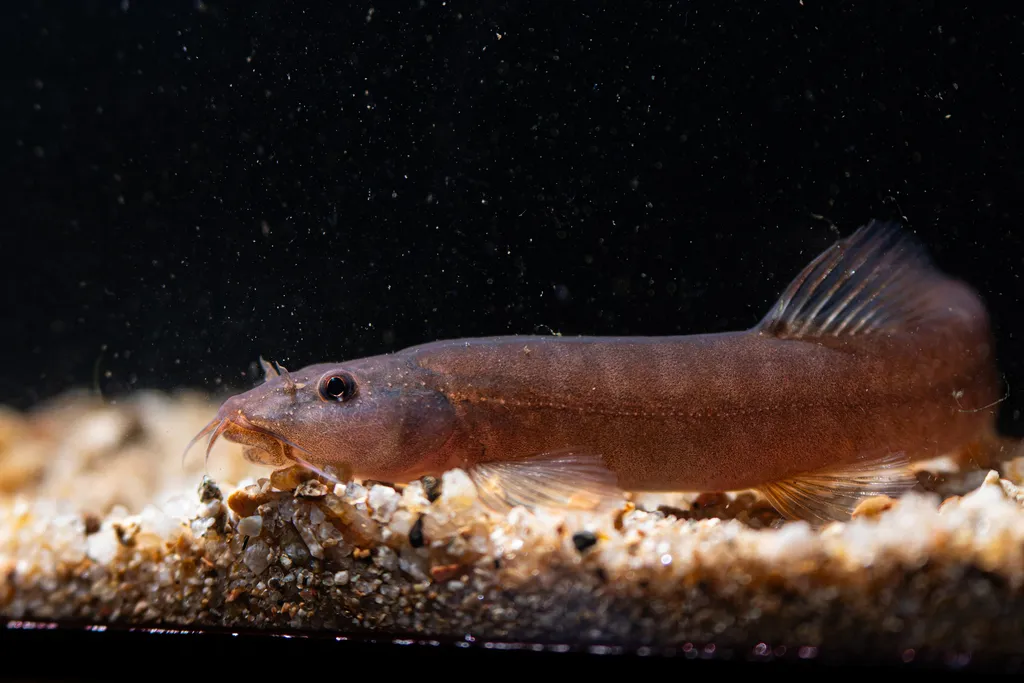
Chinese banded loach
Schistura fasciolata
Freshwater4.7 in (12 cm) · 29 gal (110 L)61–75°F (16–24°C)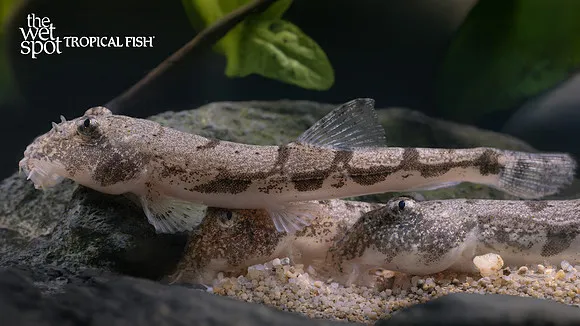
Chinese butterfly loach
Pseudogastromyzon cheni
Freshwater2.4 in (6 cm) · 20 gal (75 L)64–75°F (18–24°C)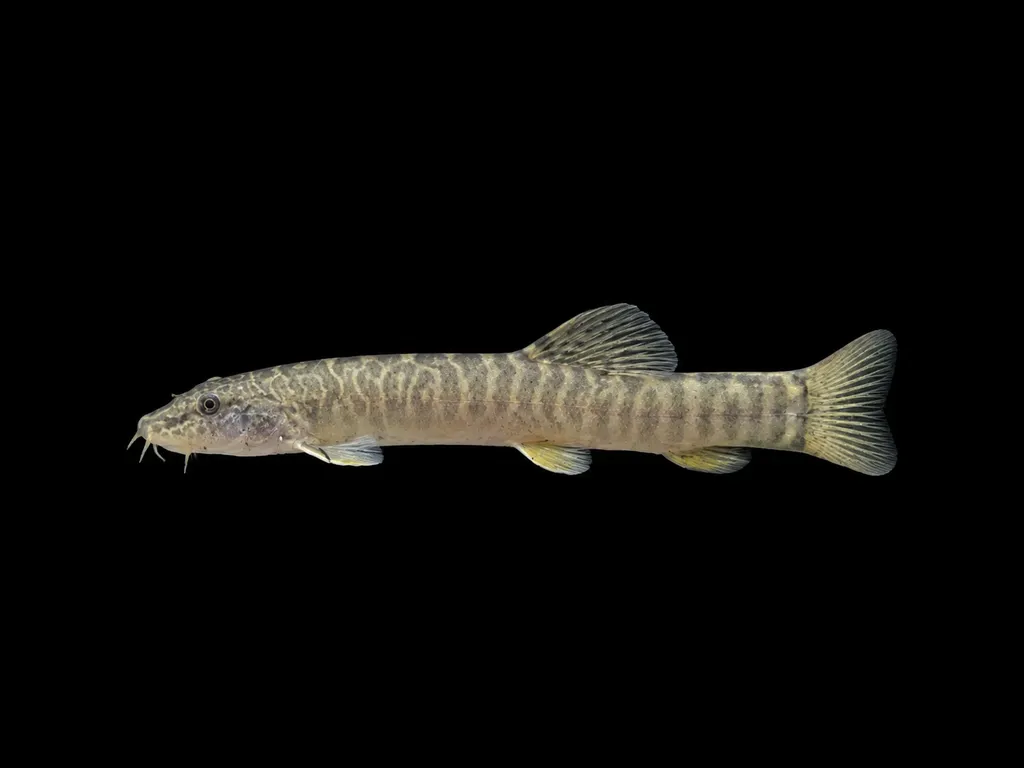
Chinese elongated zebra loach
Homatula potanini
Freshwater5.3 in (13.5 cm) · 40 gal (150 L)61–75°F (16–24°C)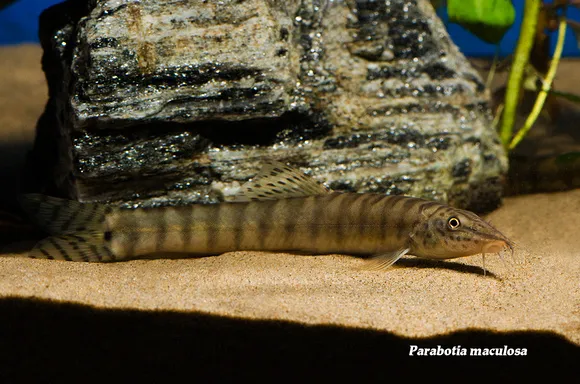
Chinese emperor loach
Parabotia maculosus
Freshwater7.9 in (20 cm) · 70 gal (265 L)64–79°F (18–26°C)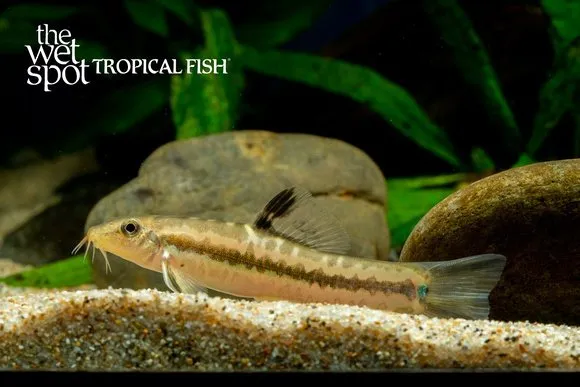
Chinese flower loach
Traccatichthys pulcher
Freshwater4.7 in (12 cm) · 29 gal (110 L)61–75°F (16–24°C)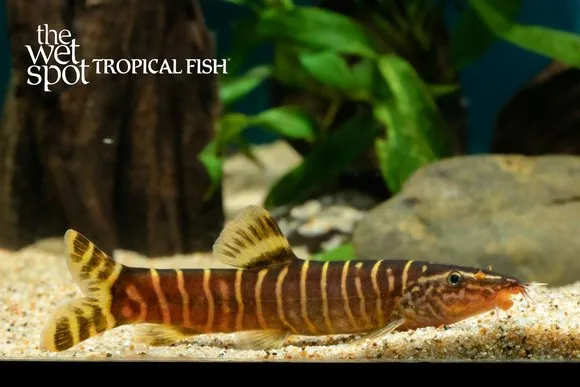
Chinese golden zebra loach
Sinibotia pulchra
Freshwater3.9 in (10 cm) · 37 gal (140 L)64–77°F (18–25°C)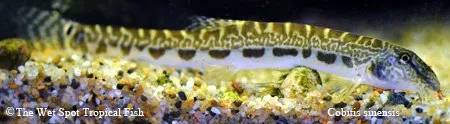
Chinese spiny loach
Cobitis sinensis
Freshwater6 in (15.3 cm) · 42 gal (160 L)59–75°F (15–24°C)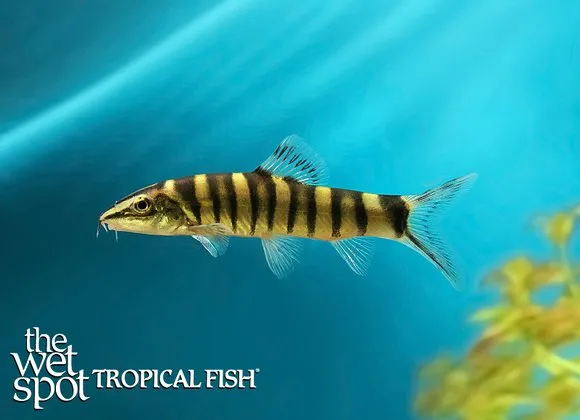
Chinese tiger loach
Sinibotia robusta
Freshwater7.1 in (18 cm) · 53 gal (200 L)64–79°F (18–26°C)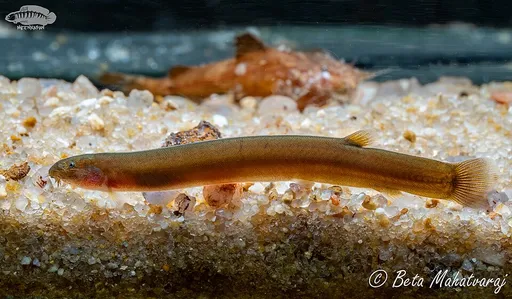
Cinnamon loach
Pangio pangia
Freshwater2.4 in (6 cm) · 20 gal (75 L)72–81°F (22–27°C)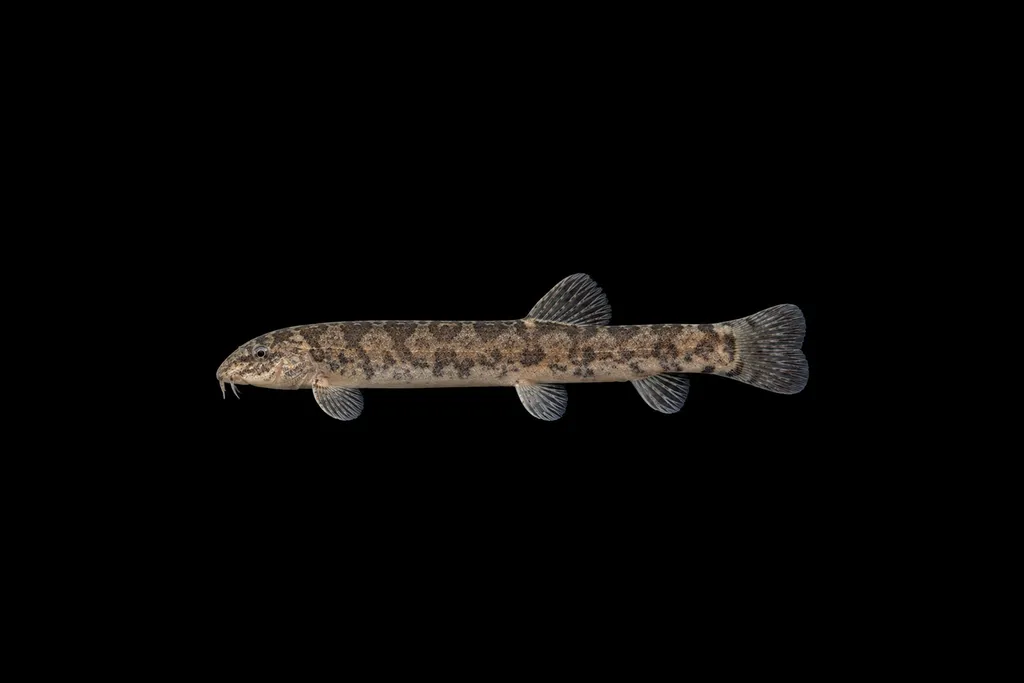
Cloud loach
Schistura nubigena
Freshwater2 in (5 cm) · 20 gal (75 L)64–75°F (18–24°C)Clown loach
Chromobotia macracanthus
Freshwater11.8 in (30 cm) · 75 gal (285 L)75–86°F (24–30°C)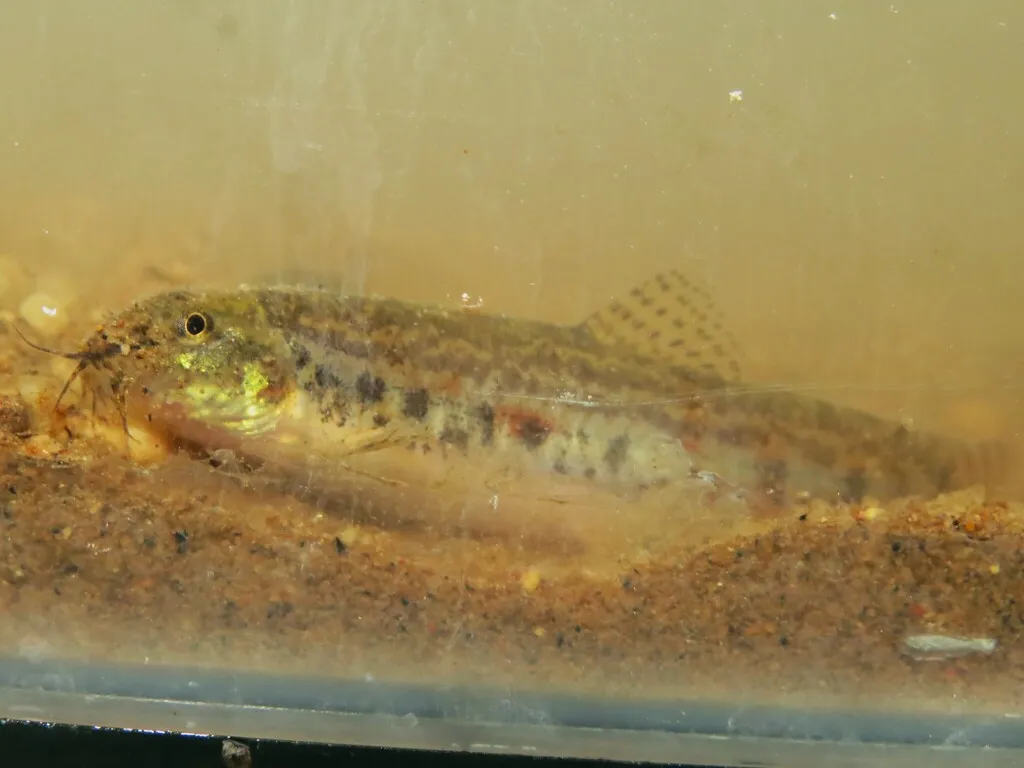
Common spiny loach
Lepidocephalichthys thermalis
Freshwater3.1 in (8 cm) · 20 gal (75 L)72–82°F (22–28°C)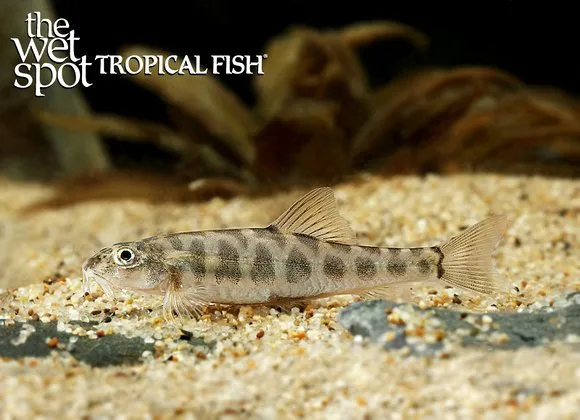
Corica loach
Nemacheilus corica
Freshwater2 in (5 cm) · 20 gal (75 L)68–79°F (20–26°C)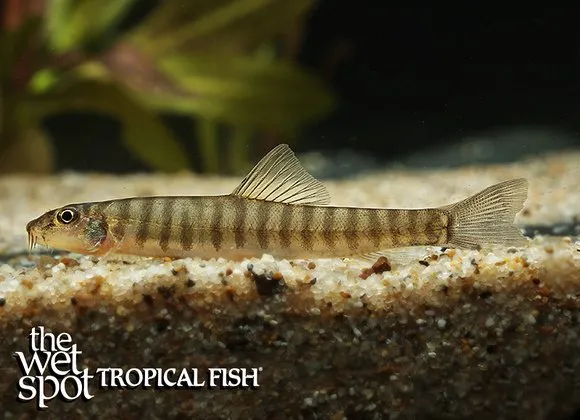
Creek loach
Schistura beavani
Freshwater3.9 in (10 cm) · 29 gal (110 L)64–77°F (18–25°C)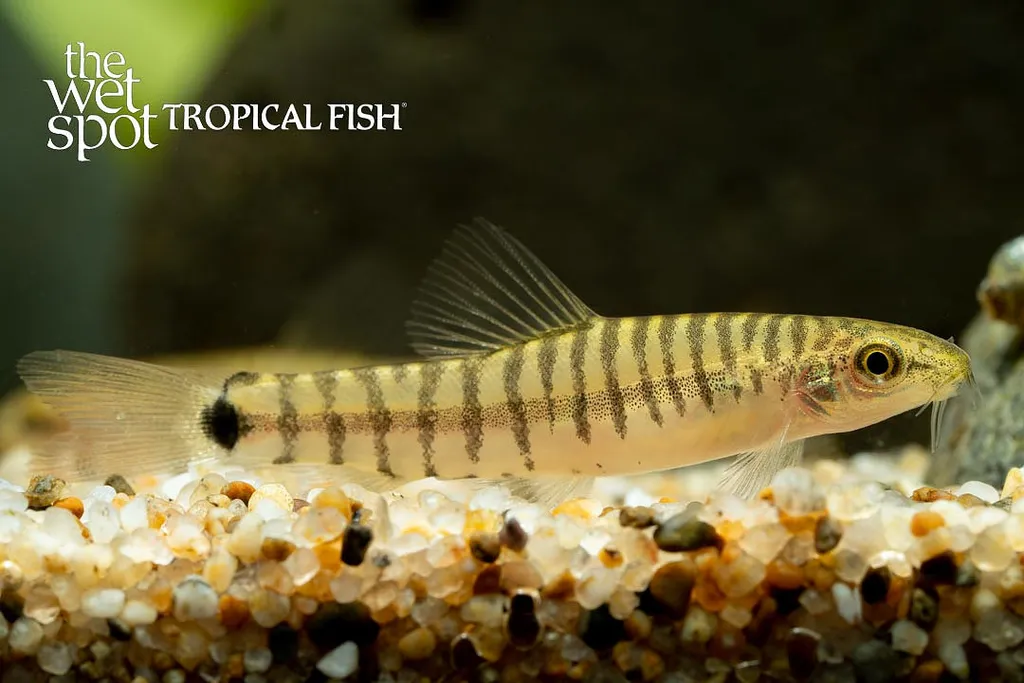
Cross loach
Micronemacheilus cruciatus
Freshwater1.6 in (4 cm) · 14 gal (54 L)68–77°F (20–25°C)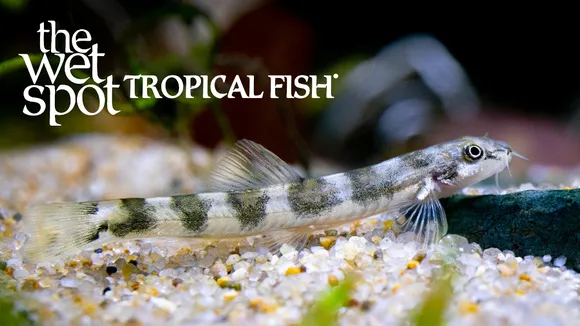
Devdevi loach
Schistura devdevi
Freshwater2 in (5 cm) · 20 gal (75 L)64–75°F (18–24°C)Dwarf botia
Ambastaia sidthimunki
Freshwater2.4 in (6 cm) · 20 gal (75 L)68–86°F (20–30°C)Dwarf horseface loach
Acanthopsoides robertsi
Freshwater2.2 in (5.5 cm) · 14 gal (54 L)72–81°F (22–27°C)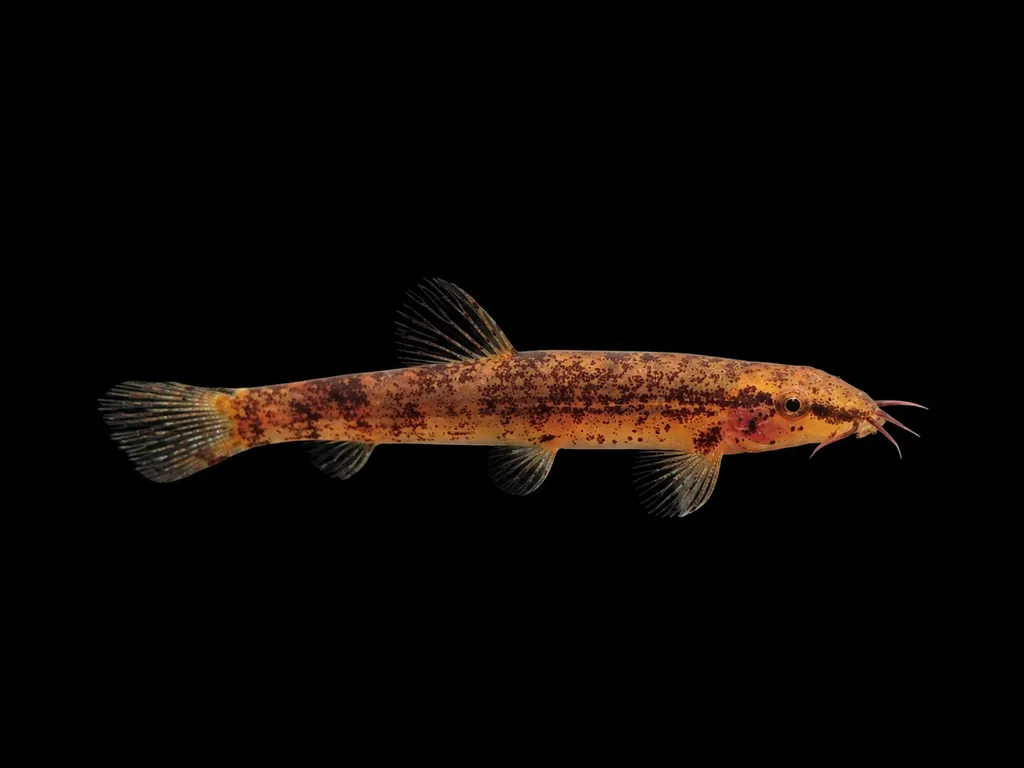
Dwarf lizard loach
Neohomaloptera johorensis
Freshwater1 in (2.5 cm) · 11 gal (40 L)72–79°F (22–26°C)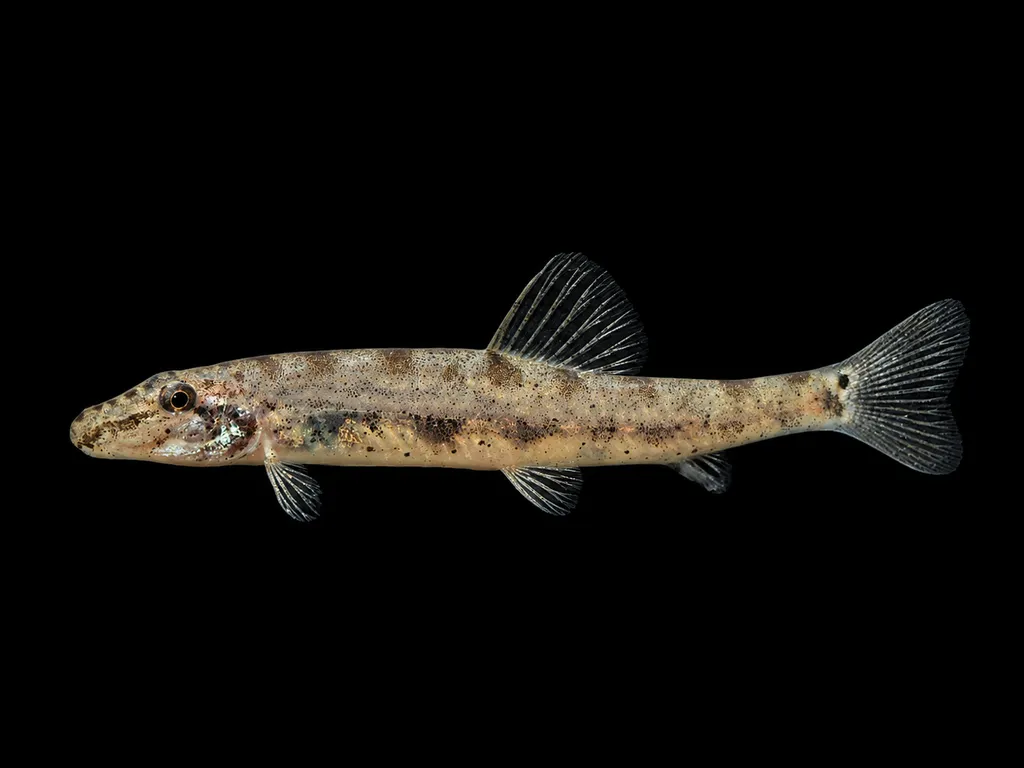
Dwarf white horseface loach
Kottelatlimia hipporhynchos
Freshwater2 in (5 cm) · 14 gal (54 L)72–81°F (22–27°C)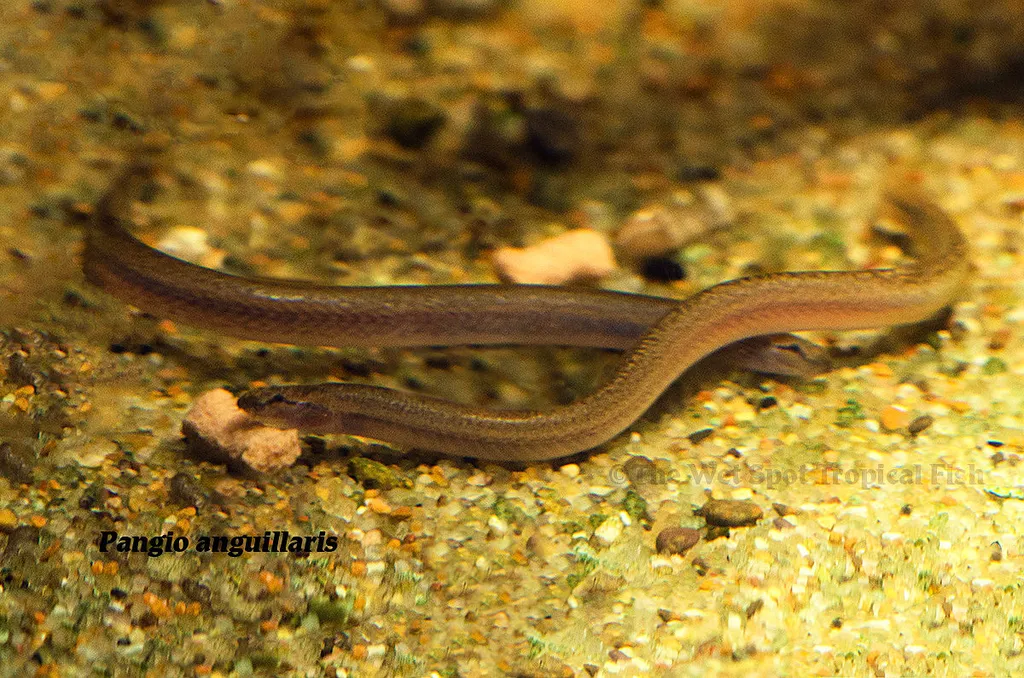
Eel kuhli loach
Pangio anguillaris
Freshwater4.7 in (12 cm) · 20 gal (75 L)72–82°F (22–28°C)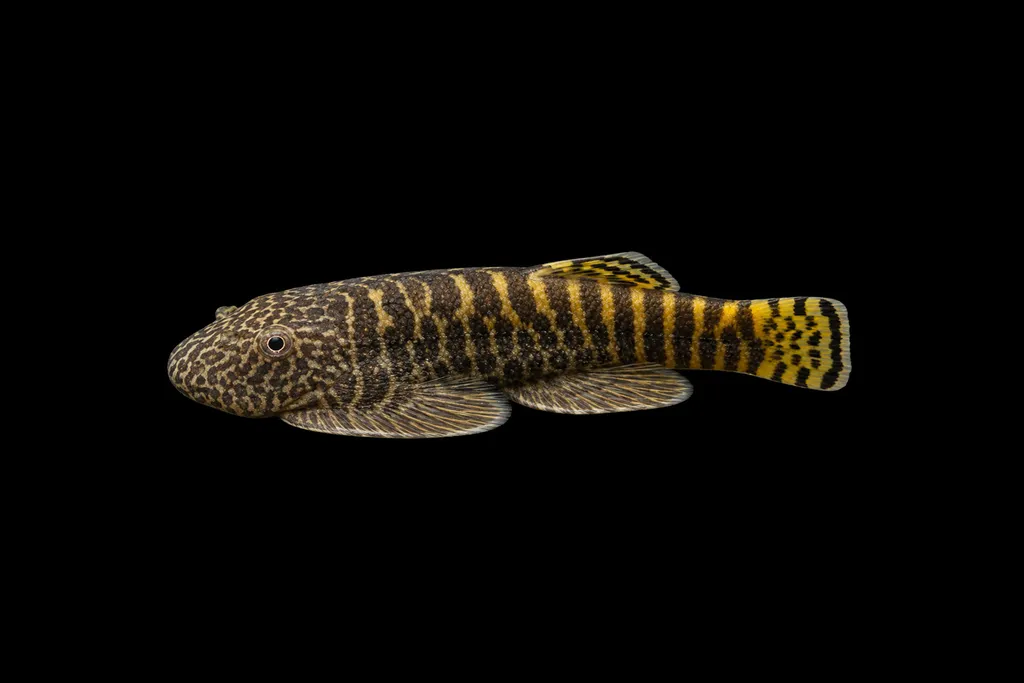
Embaloh Borneo sucker
Gastromyzon embalohensis
Freshwater2 in (5 cm) · 20 gal (75 L)72–79°F (22–26°C)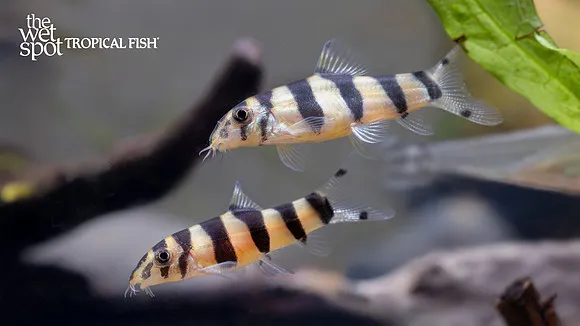
Emperor loach
Botia udomritthiruji
Freshwater5.5 in (14 cm) · 42 gal (160 L)73–82°F (23–28°C)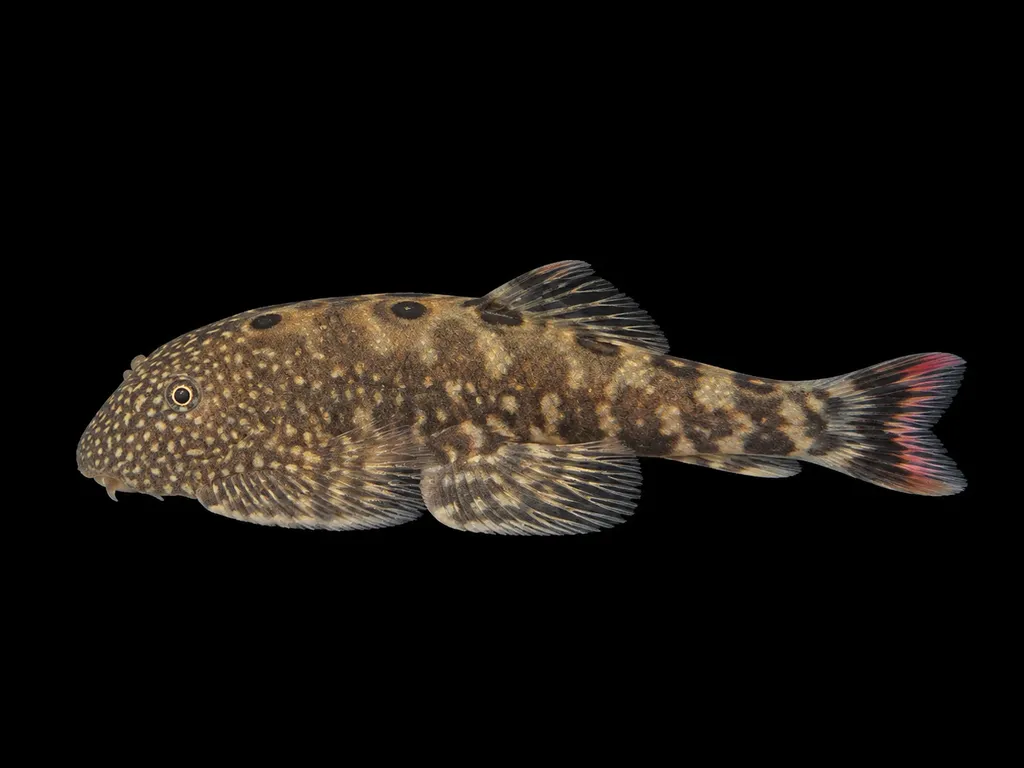
Eyespotted Borneo sucker
Gastromyzon ocellatus
Freshwater2.1 in (5.4 cm) · 20 gal (75 L)68–77°F (20–25°C)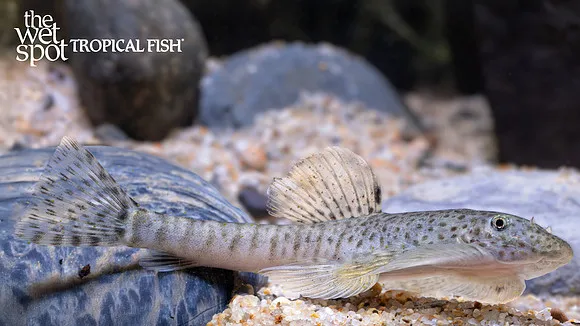
Fang's hillstream loach
Pseudogastromyzon fangi
Freshwater3.9 in (10 cm) · 25 gal (95 L)64–75°F (18–24°C)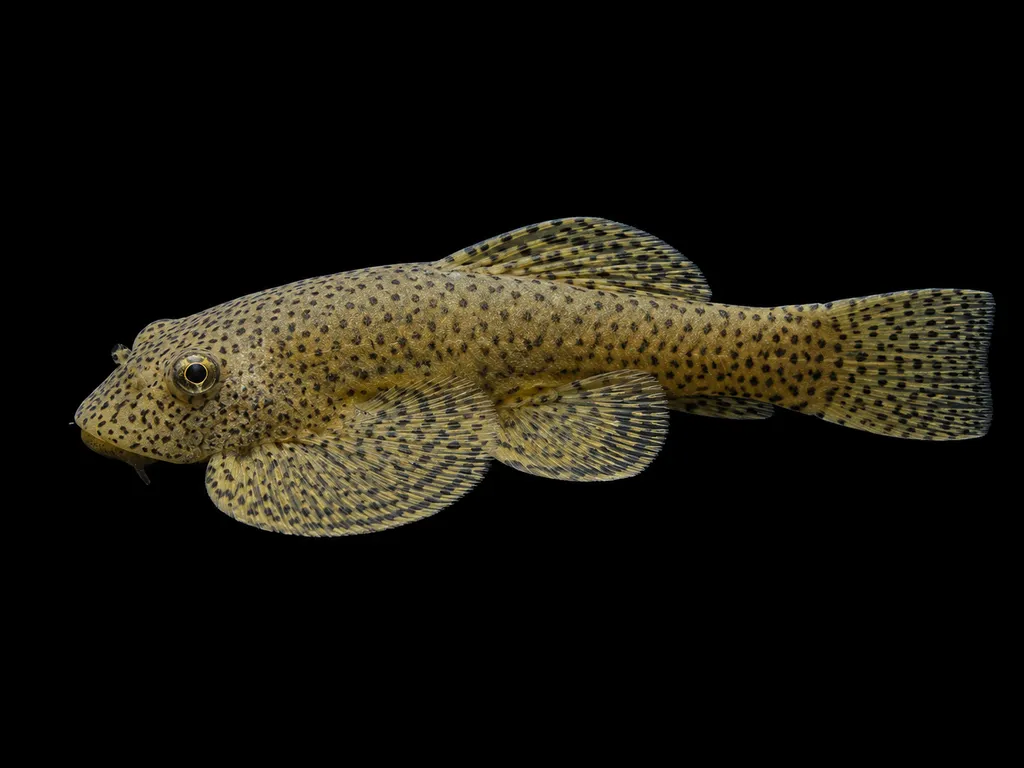
Finespot hillstream loach
Sewellia analis
Freshwater2.4 in (6 cm) · 24 gal (90 L)68–75°F (20–24°C)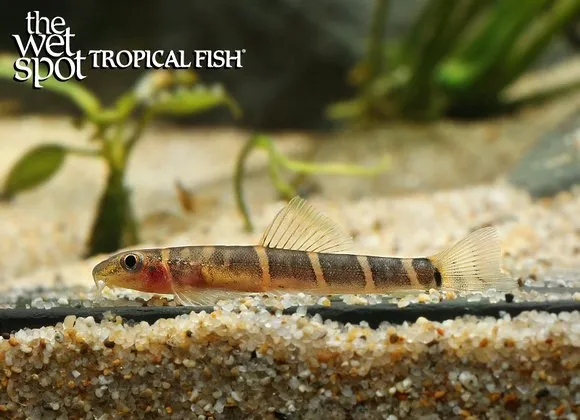
Fire-eyed loach
Barbucca diabolica
Freshwater1.2 in (3 cm) · 11 gal (40 L)72–79°F (22–26°C)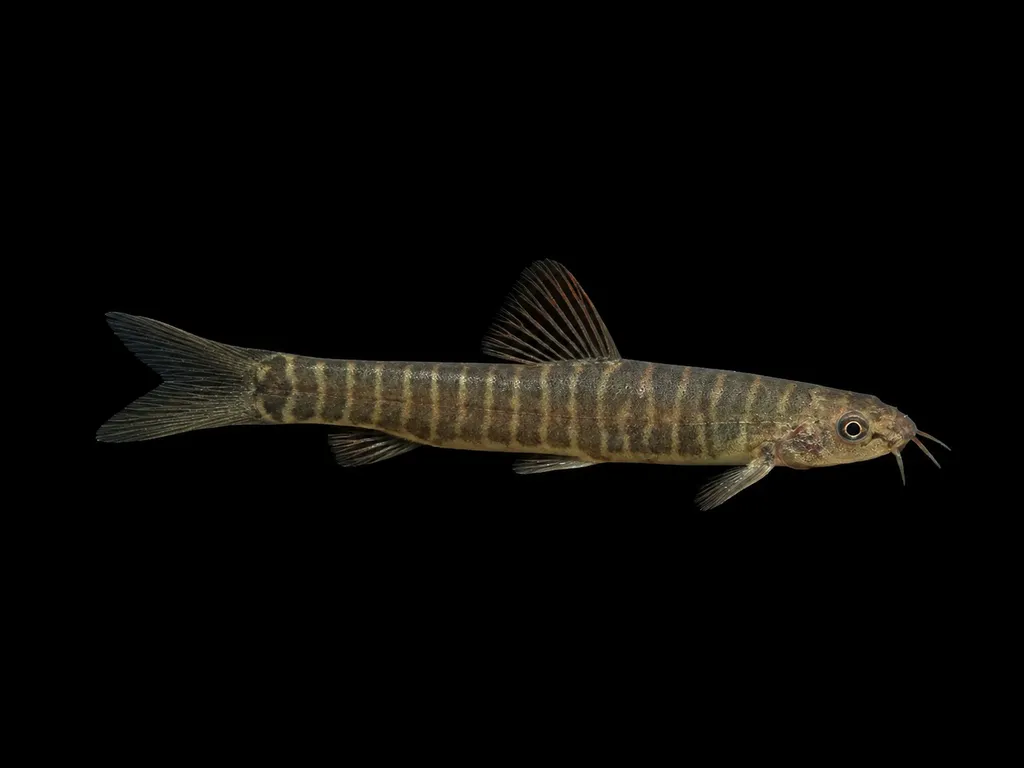
Flathead loach
Nemacheilus platiceps
Freshwater2.9 in (7.3 cm) · 24 gal (90 L)72–81°F (22–27°C)
Fork-tailed loach
Vaillantella maassi
Freshwater4.7 in (12 cm) · 46 gal (175 L)73–84°F (23–29°C)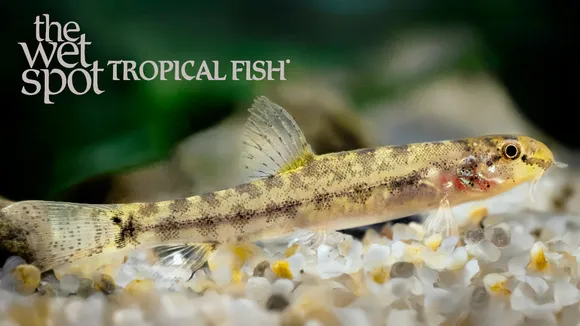
Forktail spiny loach
Lepidocephalichthys furcatus
Freshwater2.4 in (6 cm) · 20 gal (75 L)73–82°F (23–28°C)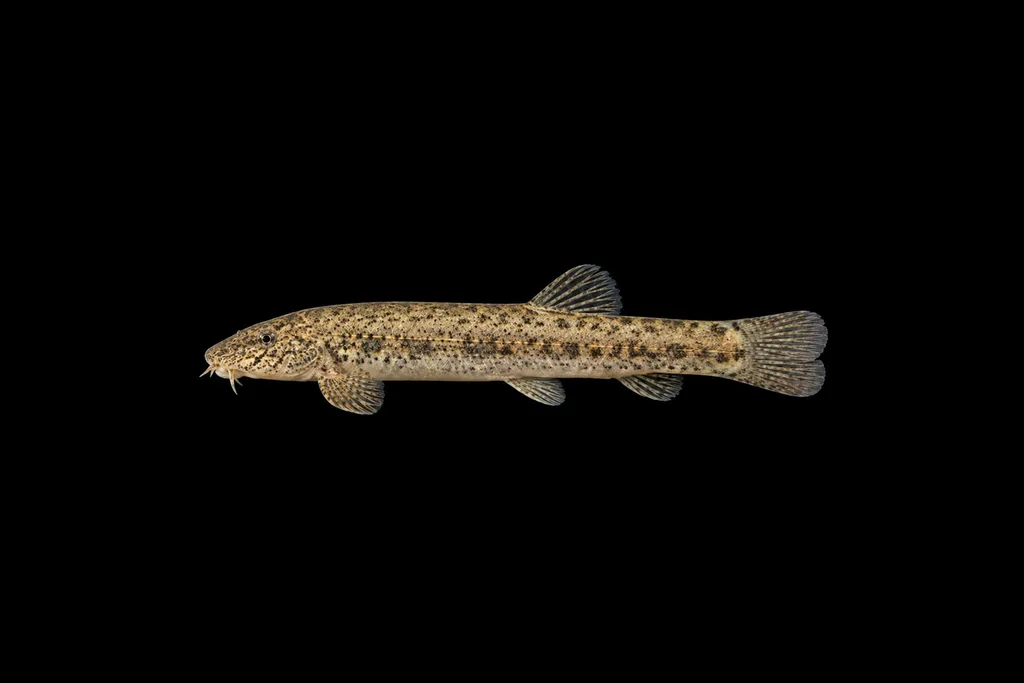
Freckled lizard loach
Formosania stigmata
Freshwater3.9 in (10 cm) · 25 gal (95 L)61–75°F (16–24°C)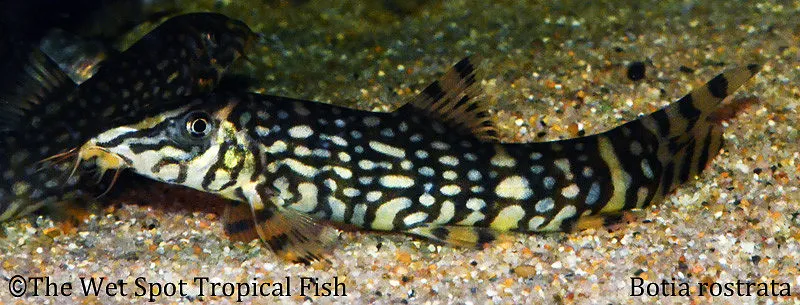
Gangetic loach
Botia rostrata
Freshwater4.7 in (12 cm) · 42 gal (160 L)66–81°F (19–27°C)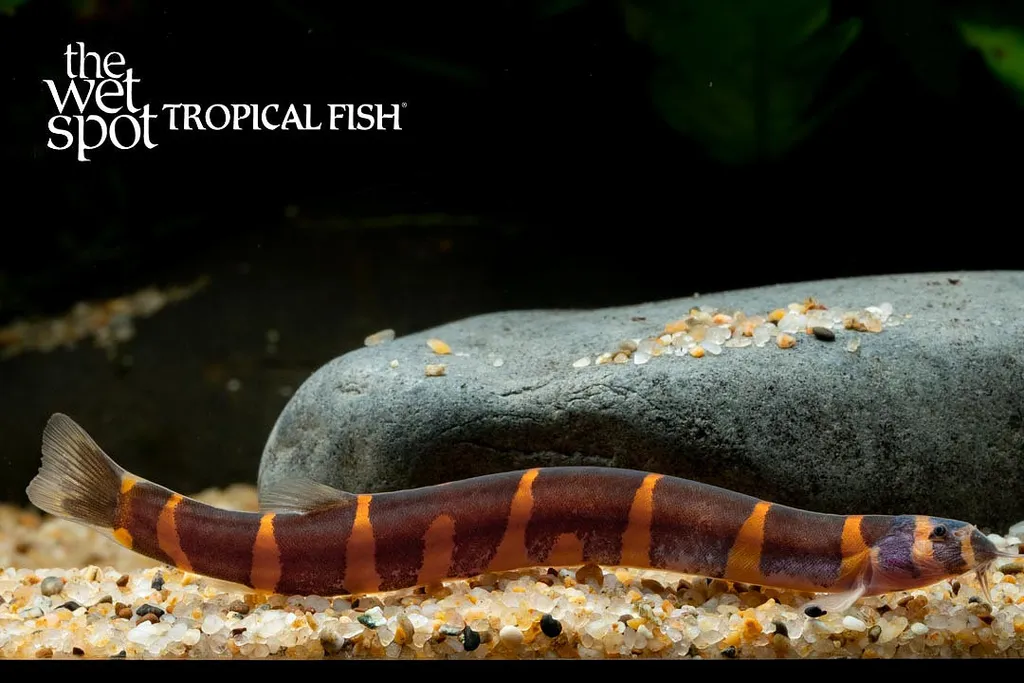
Giant kuhli loach
Pangio myersi
Freshwater3.9 in (10 cm) · 20 gal (75 L)72–82°F (22–28°C)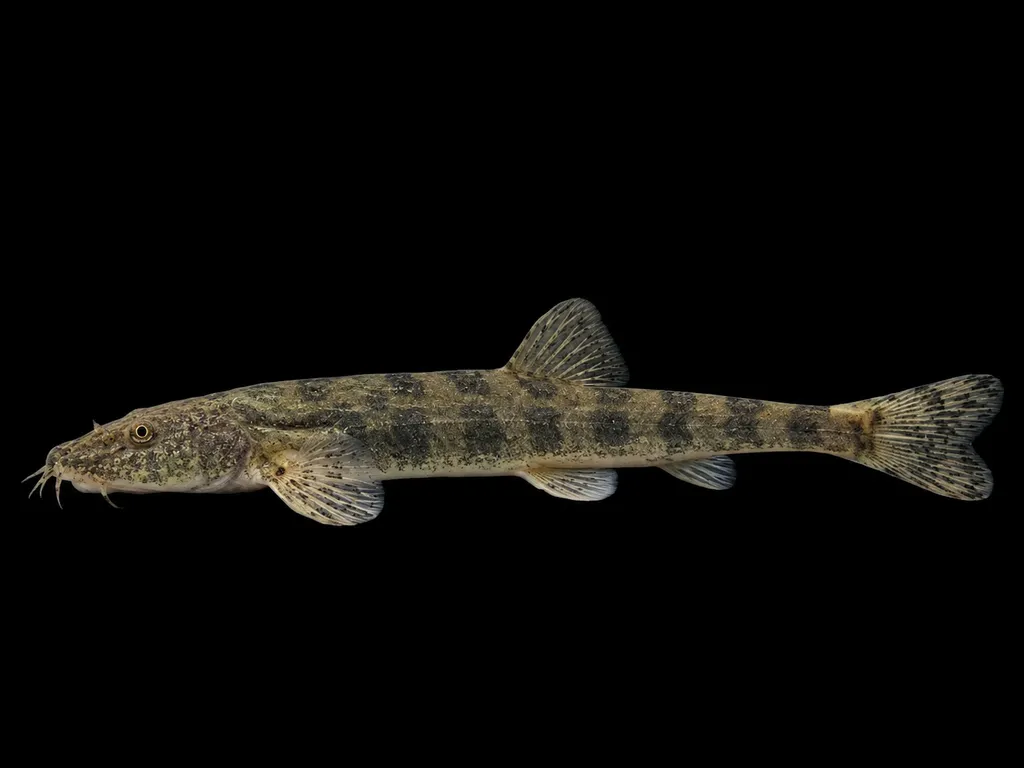
Giant stone loach
Triplophysa siluroides
Freshwater21.7 in (55 cm) · 127 gal (480 L)50–68°F (10–20°C)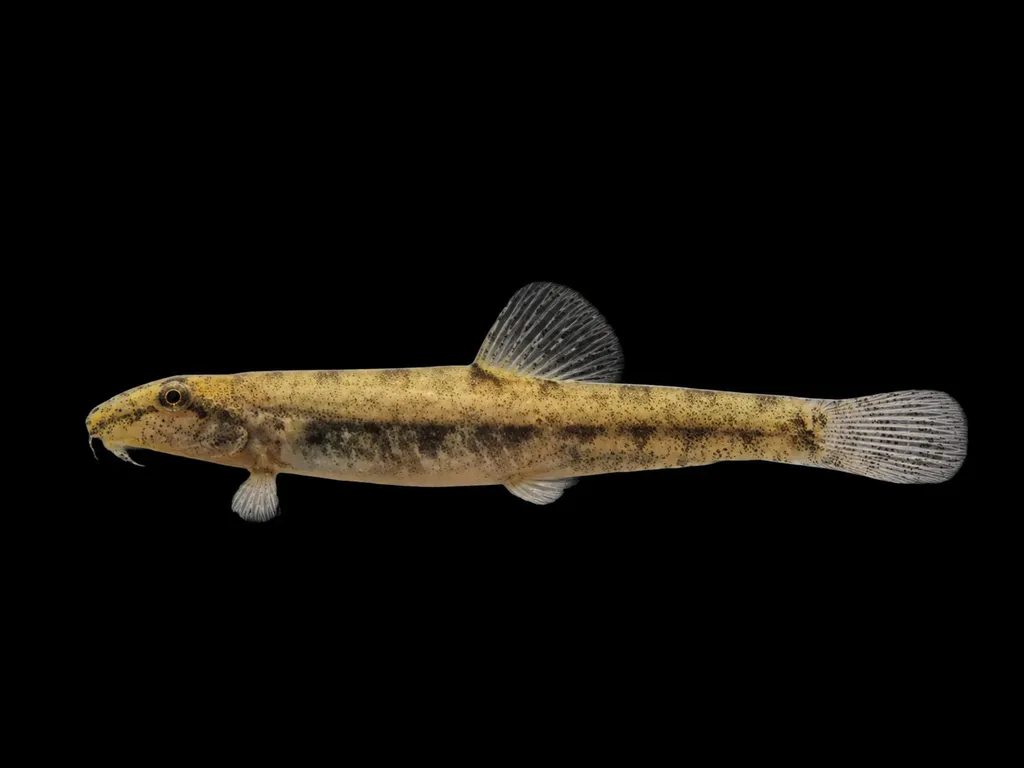
Gold pygmy horseface loach
Kottelatlimia pristes
Freshwater1.6 in (4 cm) · 14 gal (54 L)72–81°F (22–27°C)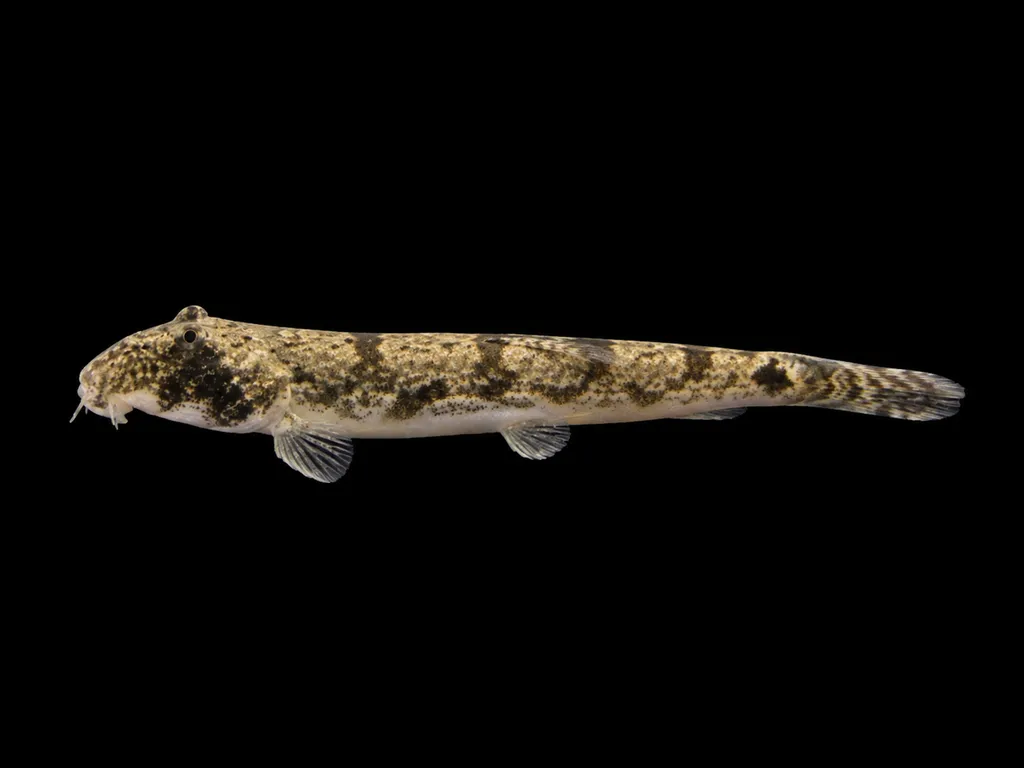
Gongota loach
Canthophrys gongota
Freshwater5.1 in (13 cm) · 42 gal (160 L)70–81°F (21–27°C)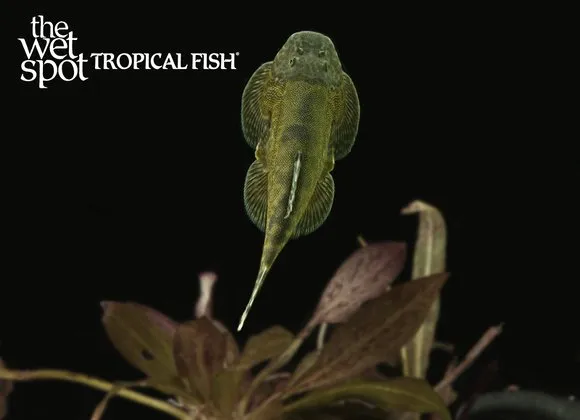
Green Borneo sucker
Gastromyzon lepidogaster
Freshwater4.7 in (12 cm) · 29 gal (110 L)68–77°F (20–25°C)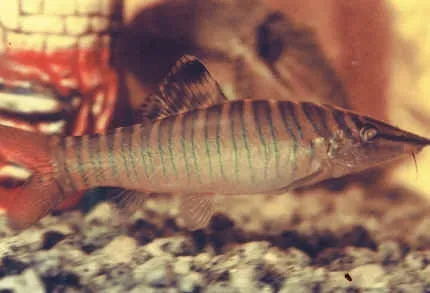
Green tiger loach
Syncrossus hymenophysa
Freshwater8.3 in (21 cm) · 40 gal (150 L)77–86°F (25–30°C)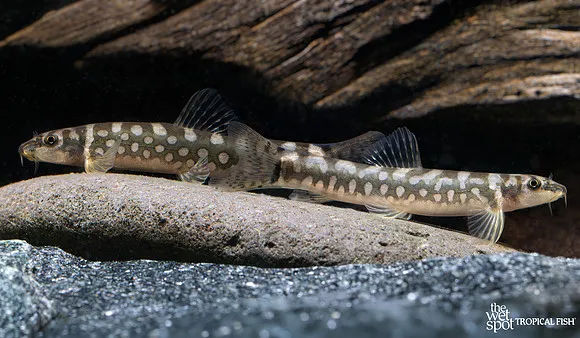
Guenther's zipper loach
Nemacheilus guentheri
Freshwater2.6 in (6.7 cm) · 20 gal (75 L)68–79°F (20–26°C)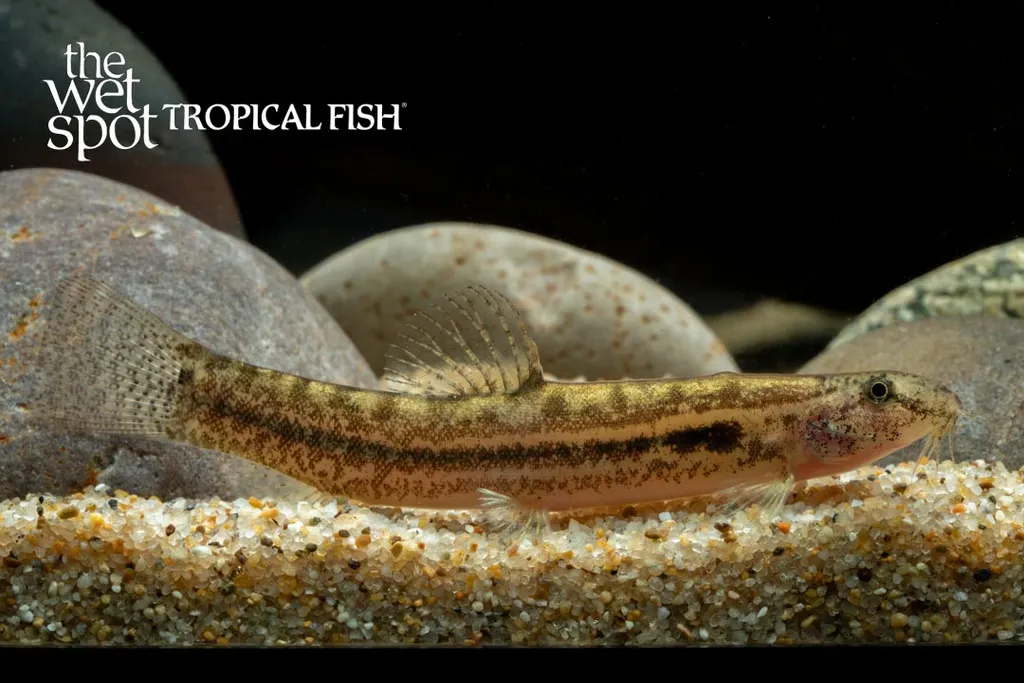
Guntea loach
Lepidocephalichthys guntea
Freshwater4.7 in (12 cm) · 24 gal (90 L)64–82°F (18–28°C)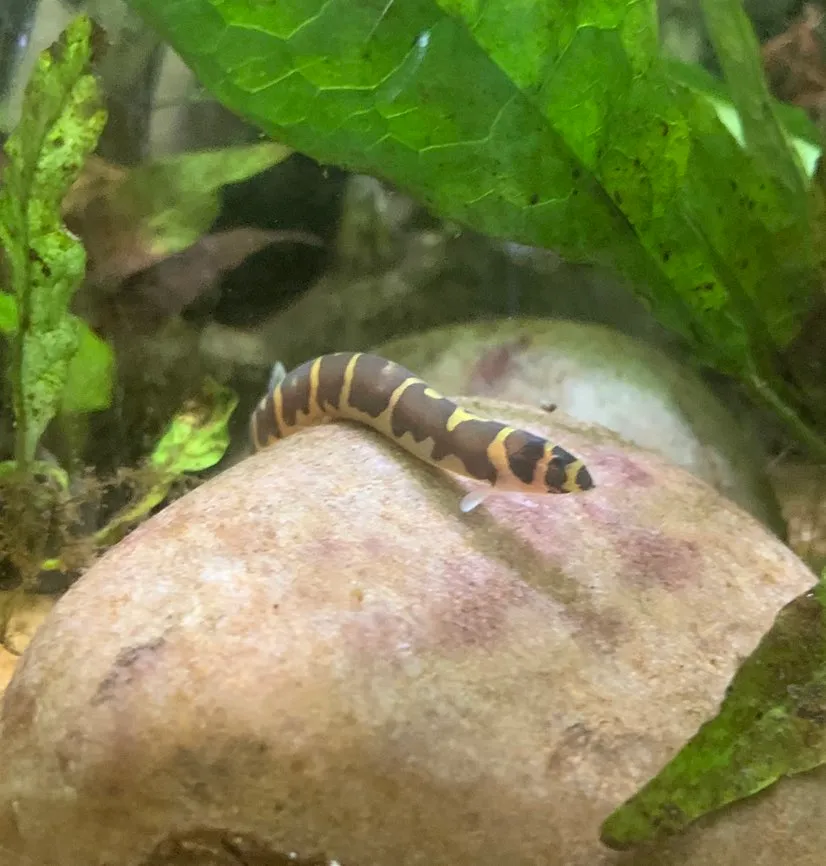
Half-banded kuhli loach
Pangio semicincta
Freshwater3.9 in (10 cm) · 28 gal (105 L)70–79°F (21–26°C)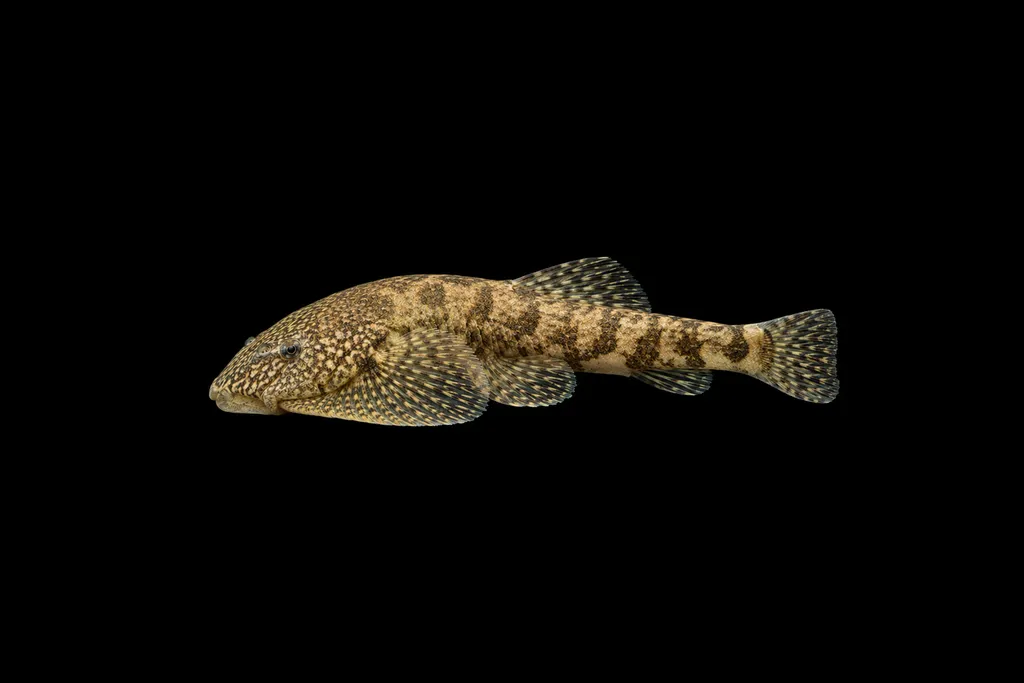
Hanshu hillstream loach
Metahomaloptera omeiensis
Freshwater2.4 in (6 cm) · 21 gal (80 L)61–72°F (16–22°C)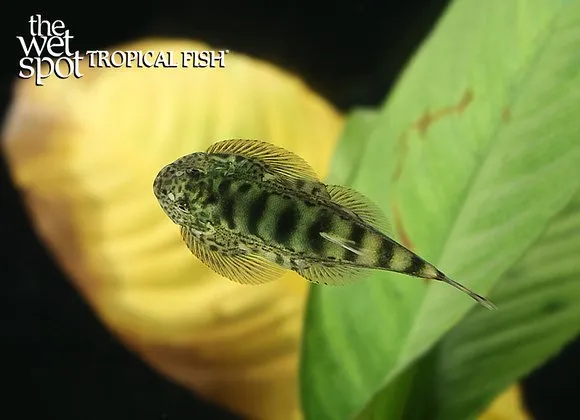
Hidden Borneo sucker
Hypergastromyzon abditus
Freshwater1.8 in (4.5 cm) · 20 gal (75 L)72–79°F (22–26°C)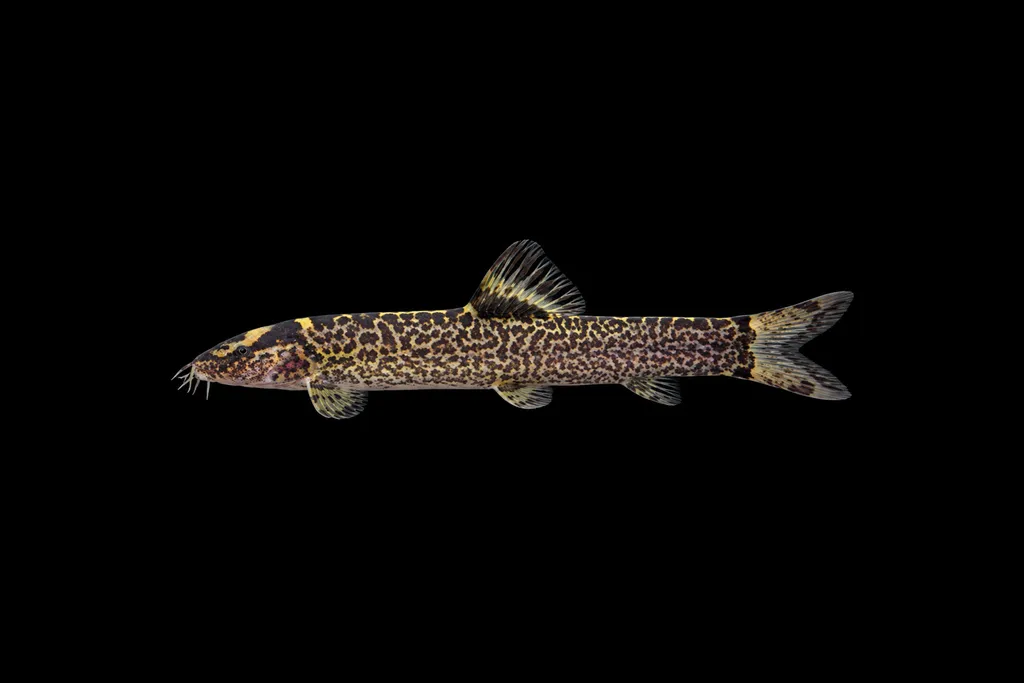
Honeycomb loach
Leptobotia taeniops
Freshwater9.1 in (23 cm) · 106 gal (400 L)64–79°F (18–26°C)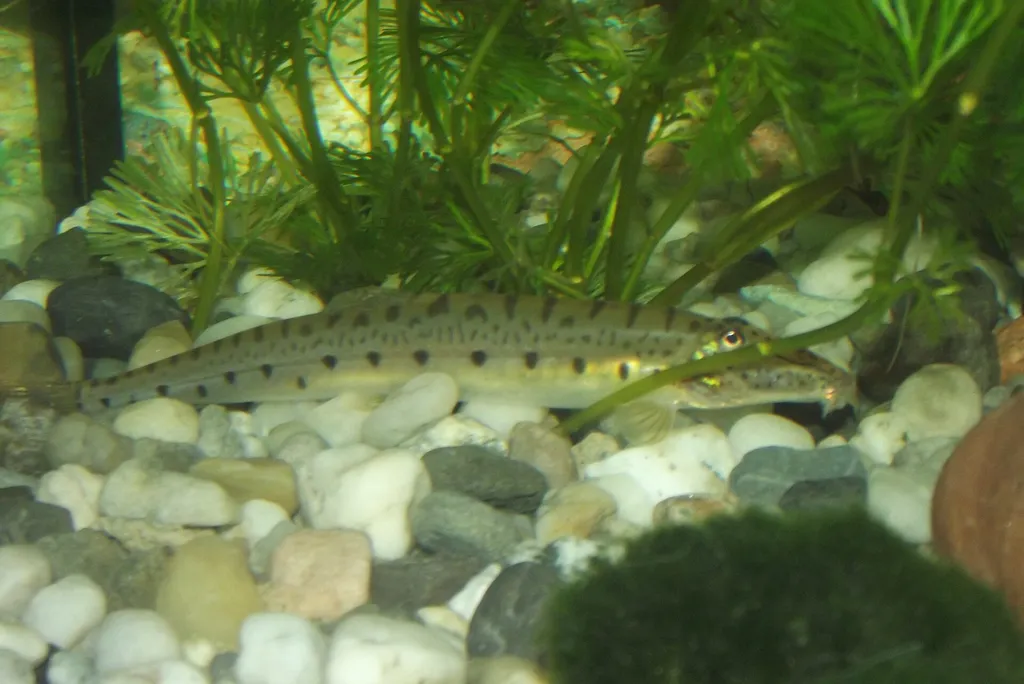
Horseface loach
Acantopsis dialuzona
Freshwater7.9 in (20 cm) · 55 gal (210 L)61–75°F (16–24°C)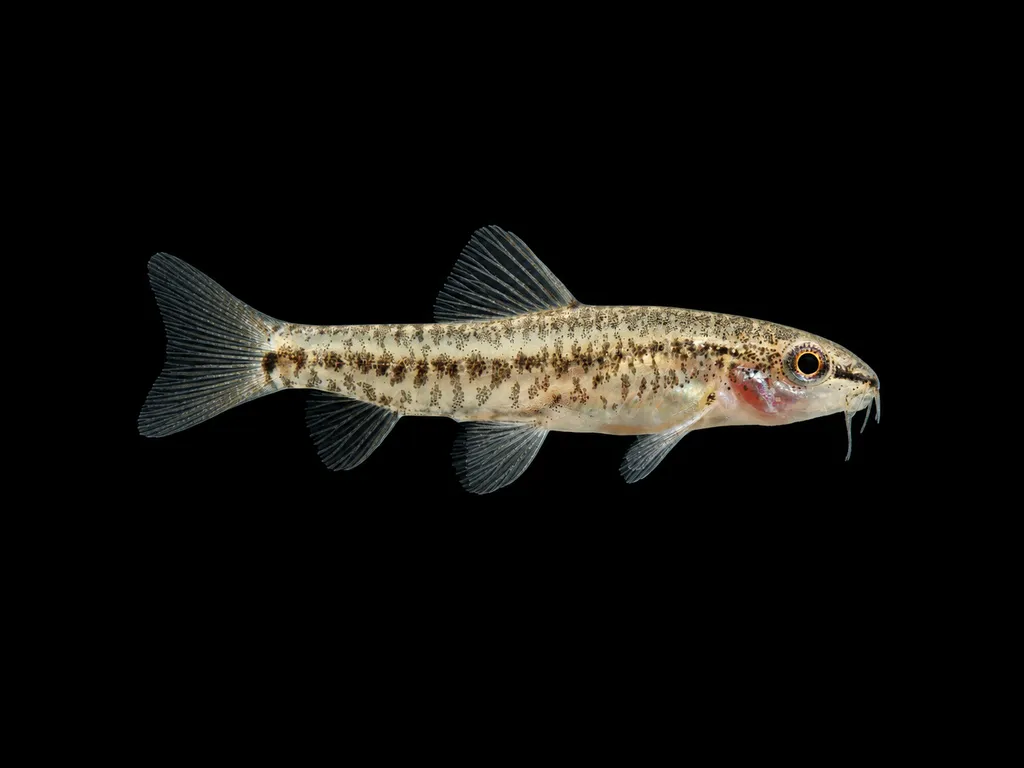
Inle loach
Yunnanilus brevis
Freshwater2.6 in (6.5 cm) · 20 gal (75 L)68–79°F (20–26°C)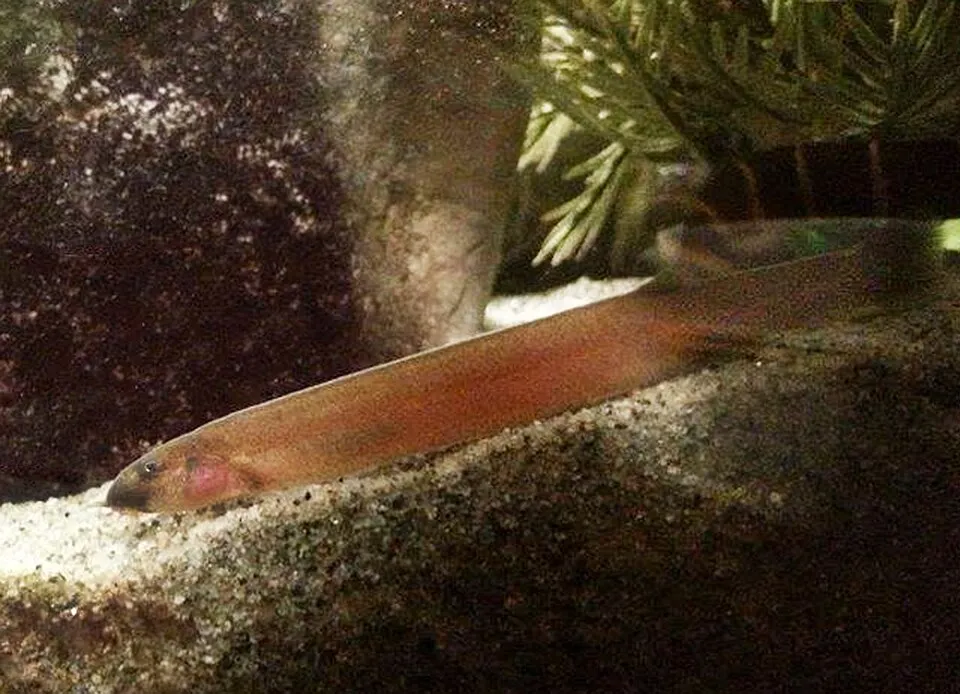
Java loach
Pangio oblonga
Freshwater3.1 in (8 cm) · 25 gal (95 L)70–79°F (21–26°C)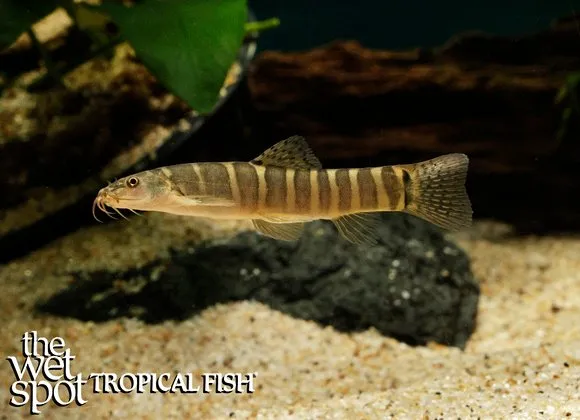
Koh Chang loach
Schistura kohchangensis
Freshwater3.5 in (9 cm) · 24 gal (90 L)72–81°F (22–27°C)Kuhli loach
Pangio kuhlii
Freshwater3.9 in (10 cm) · 20 gal (75 L)72–82°F (22–28°C)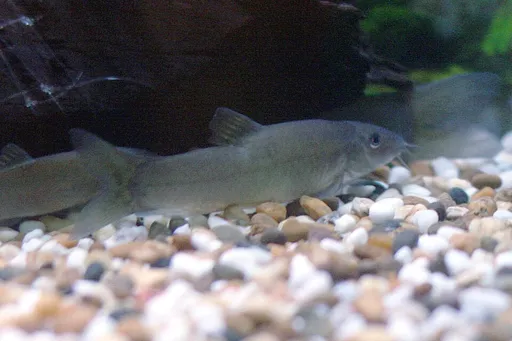
Leconte's loach
Yasuhikotakia lecontei
Freshwater5.9 in (15 cm) · 53 gal (200 L)75–82°F (24–28°C)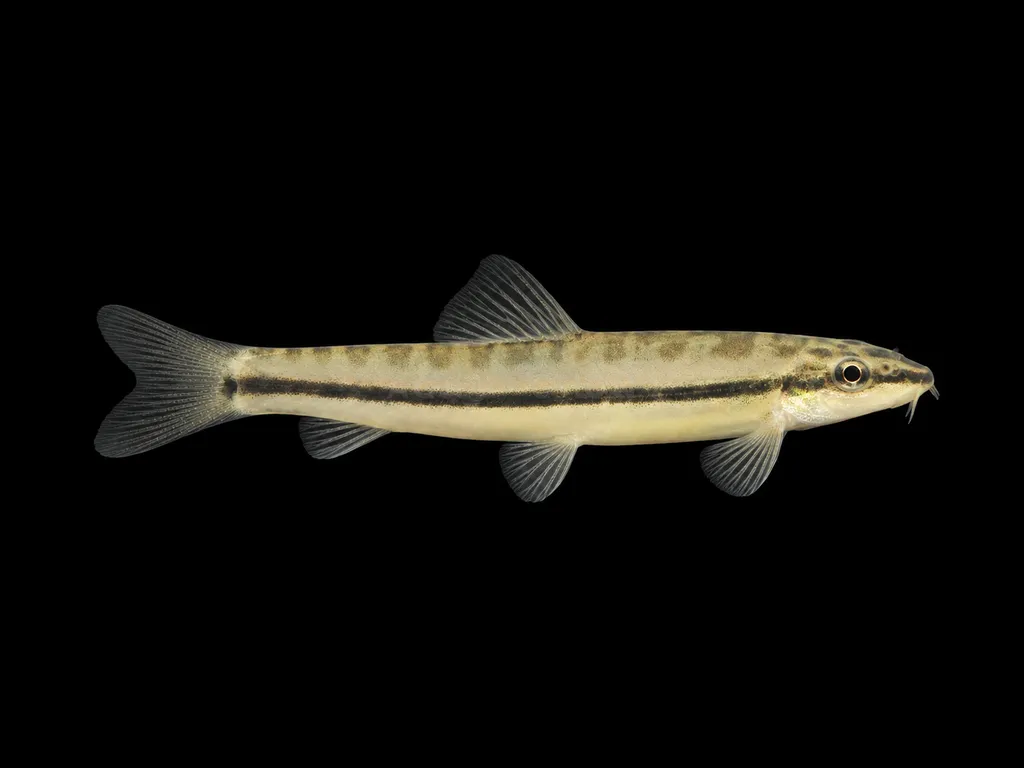
Longstripe loach
Nemacheilus longistriatus
Freshwater5.9 in (15 cm) · 42 gal (160 L)72–81°F (22–27°C)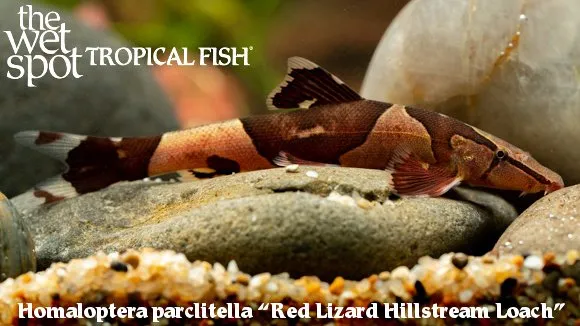
Malayan lizard loach
Homaloptera parclitella
Freshwater3.9 in (10 cm) · 29 gal (110 L)70–79°F (21–26°C)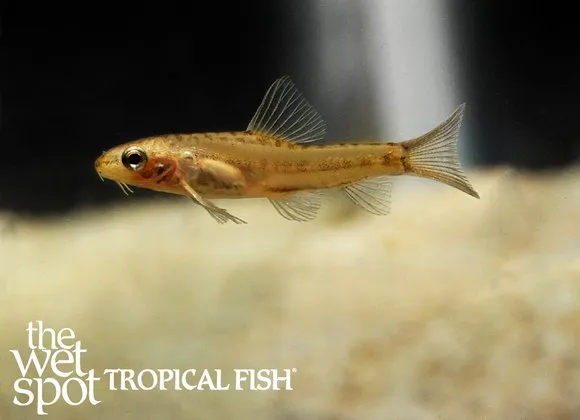
Mango loach
Physoschistura mango
Freshwater1 in (2.5 cm) · 11 gal (40 L)68–77°F (20–25°C)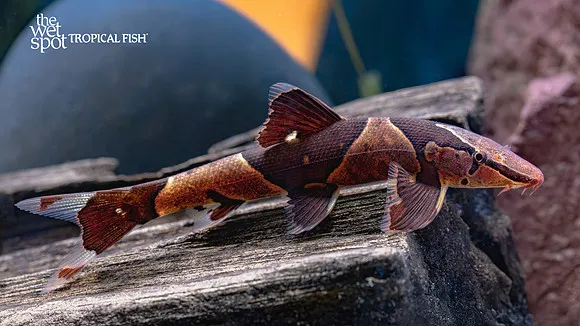
Mekong lizard loach
Homaloptera confuzona
Freshwater3.2 in (8.2 cm) · 24 gal (90 L)70–81°F (21–27°C)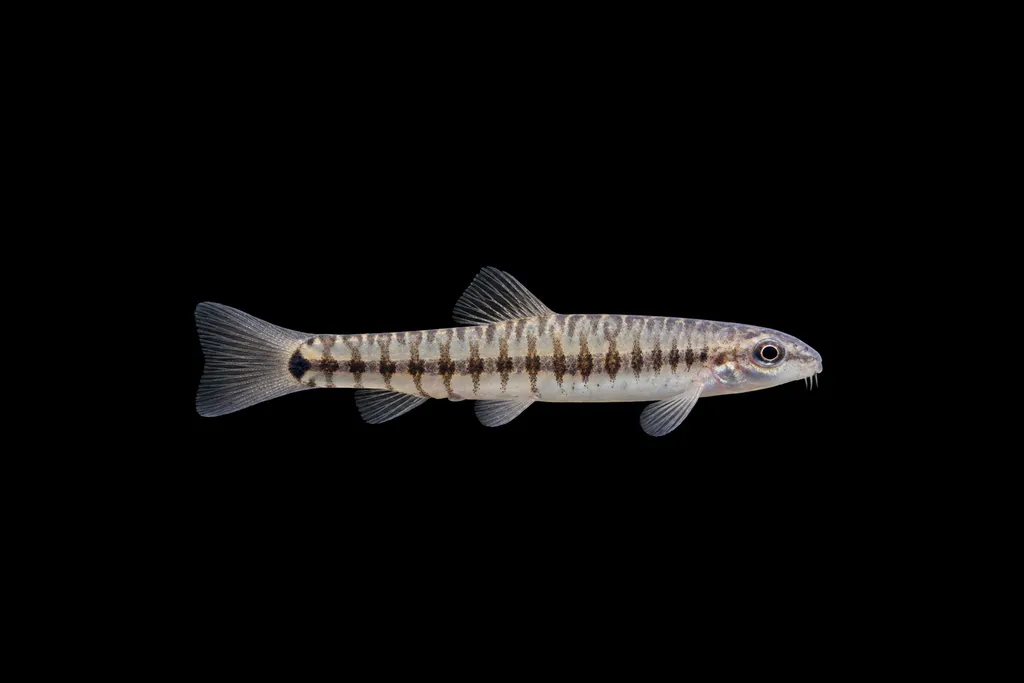
Mini zebra loach
Yunnanilus pulcherrimus
Freshwater2 in (5 cm) · 14 gal (54 L)64–75°F (18–24°C)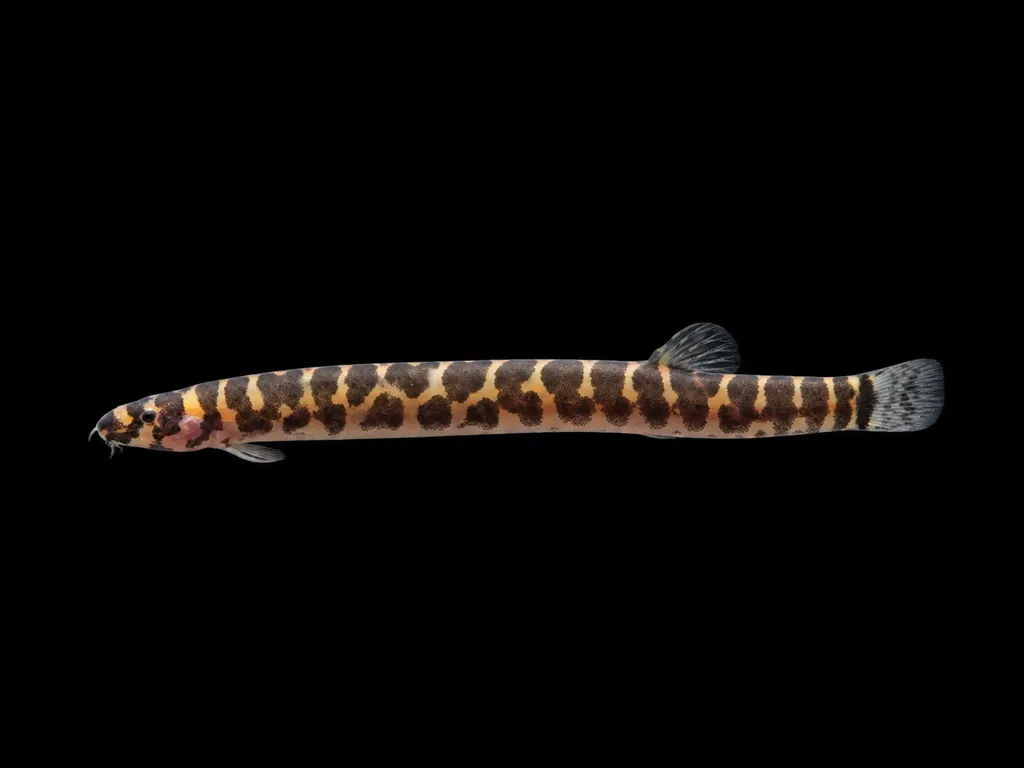
Moray kuhli loach
Pangio muraeniformis
Freshwater2.4 in (6 cm) · 20 gal (75 L)72–81°F (22–27°C)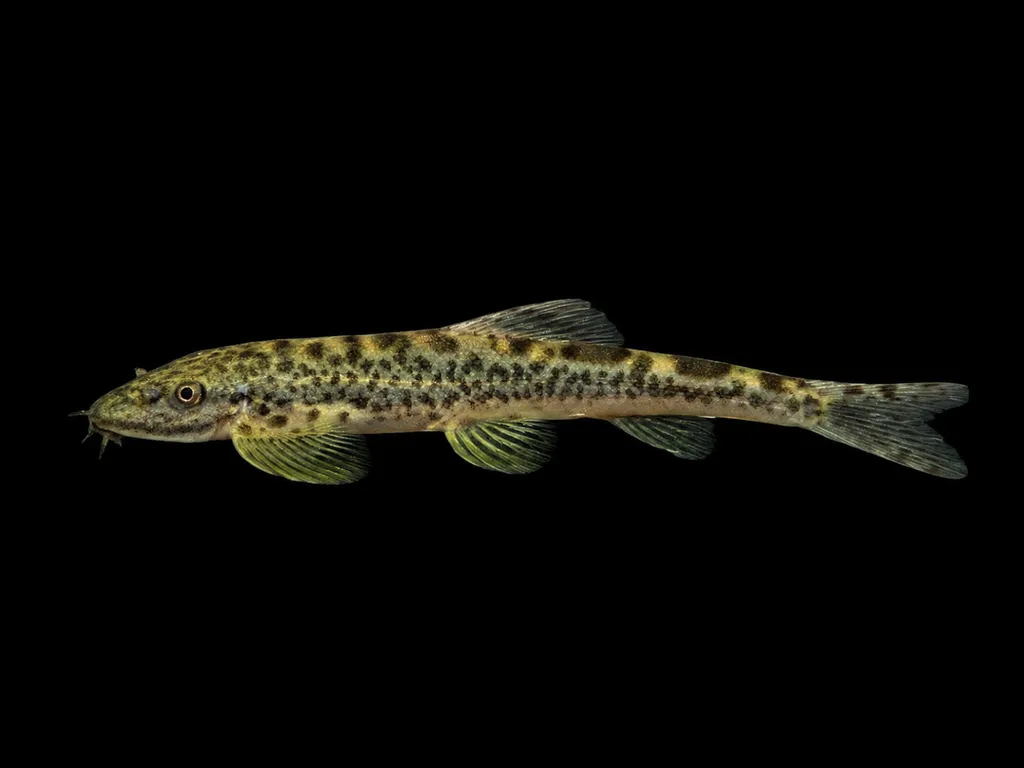
Nan River loach
Hemimyzon nanensis
Freshwater2.8 in (7 cm) · 24 gal (90 L)64–75°F (18–24°C)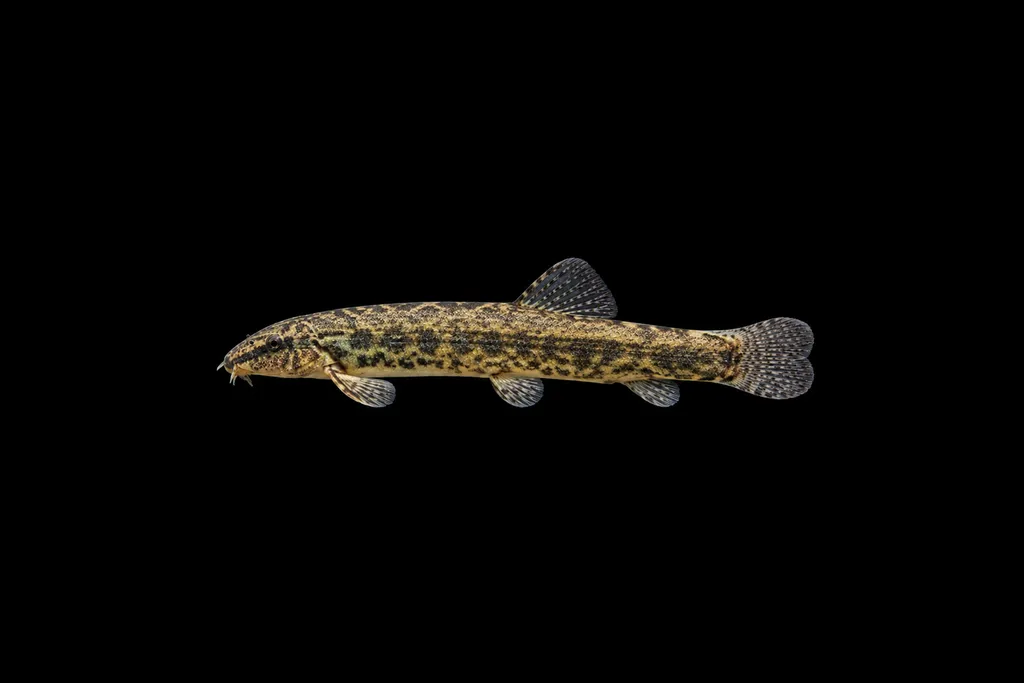
Nilgiri loach
Schistura nilgiriensis
Freshwater2.4 in (6 cm) · 20 gal (75 L)64–75°F (18–24°C)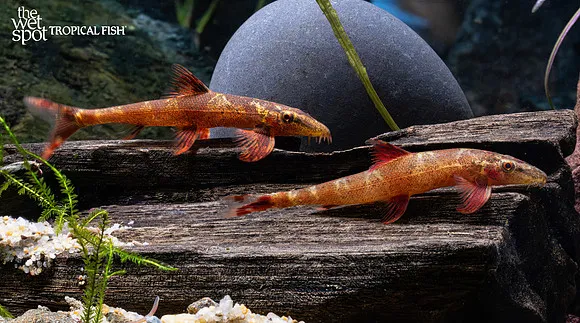
Ogilvie's lizard loach
Homaloptera ogilviei
Freshwater2.4 in (6 cm) · 20 gal (75 L)70–79°F (21–26°C)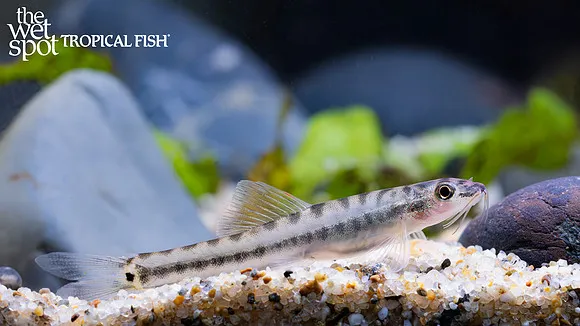
Ornate stone loach
Nemacheilus ornatus
Freshwater2 in (5 cm) · 20 gal (75 L)72–79°F (22–26°C)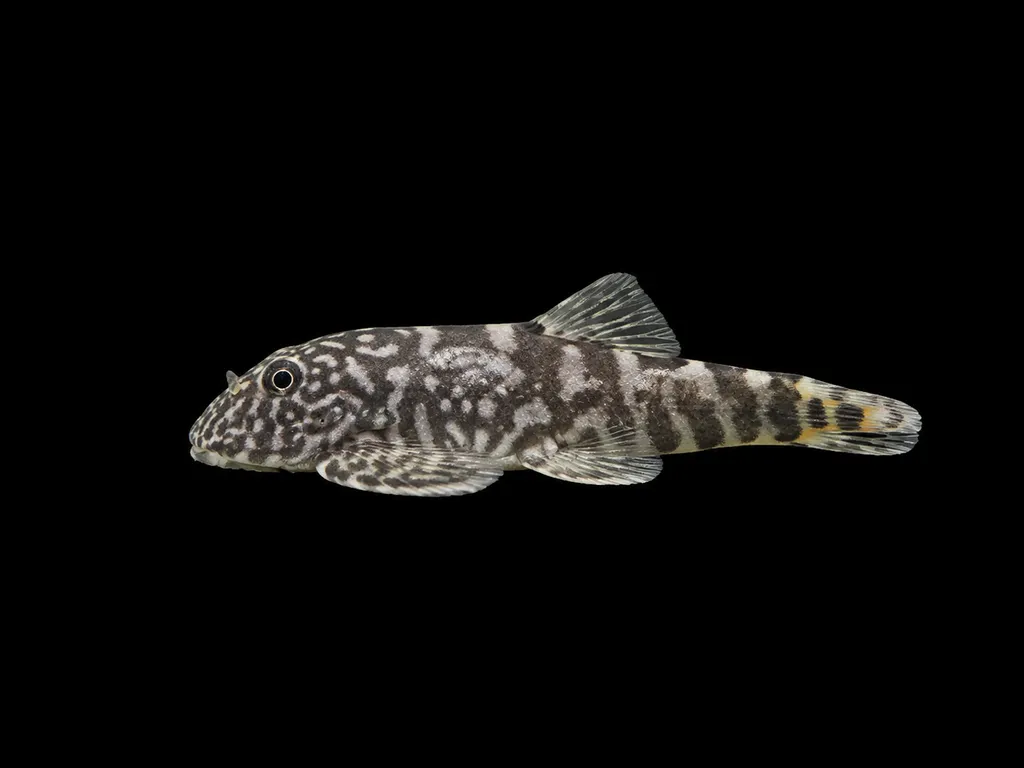
Ornate-tail Borneo sucker
Gastromyzon ornaticauda
Freshwater3.3 in (8.4 cm) · 24 gal (90 L)68–77°F (20–25°C)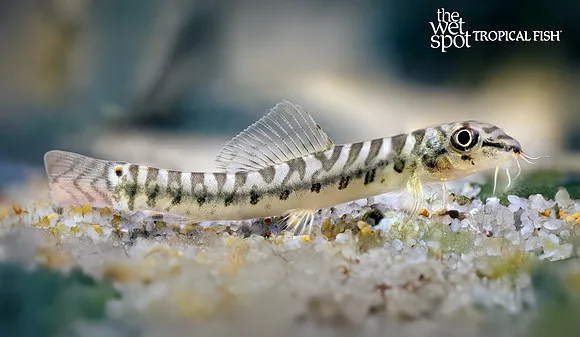
Painted zipper loach
Paracanthocobitis pictilis
Freshwater2.6 in (6.5 cm) · 20 gal (75 L)68–79°F (20–26°C)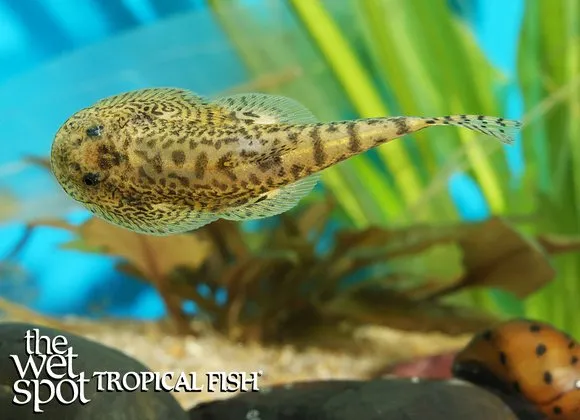
Pako hillstream loach
Sewellia breviventralis
Freshwater2.4 in (6.2 cm) · 24 gal (90 L)68–75°F (20–24°C)Panda loach
Yaoshania pachychilus
Freshwater2.8 in (7 cm) · 20 gal (75 L)64–75°F (18–24°C)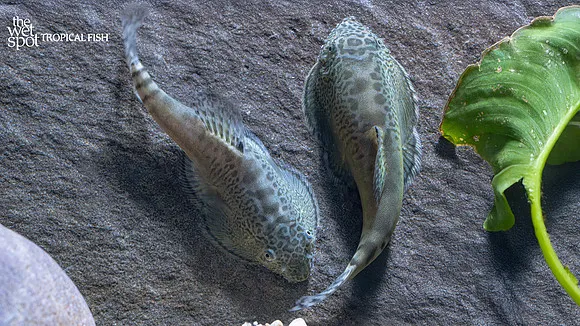
Pearl River hillstream loach
Beaufortia granulopinna
Freshwater3.1 in (8 cm) · 24 gal (90 L)61–75°F (16–24°C)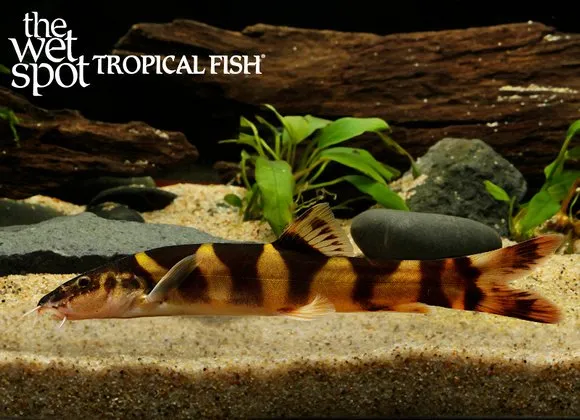
Pellegrin's loach
Leptobotia pellegrini
Freshwater8.7 in (22 cm) · 106 gal (400 L)64–79°F (18–26°C)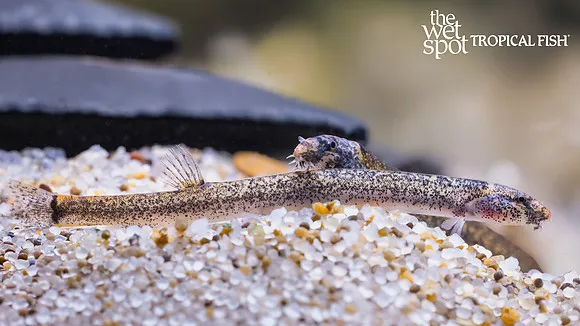
Peppered kuhli loach
Pangio piperata
Freshwater2.4 in (6 cm) · 20 gal (75 L)72–81°F (22–27°C)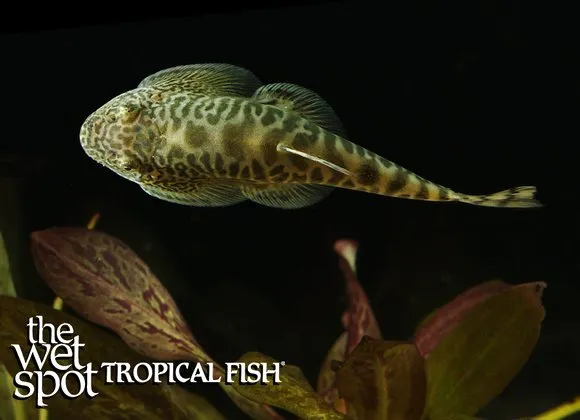
Ping's hillstream loach
Beaufortia pingi
Freshwater3.5 in (8.9 cm) · 24 gal (90 L)61–75°F (16–24°C)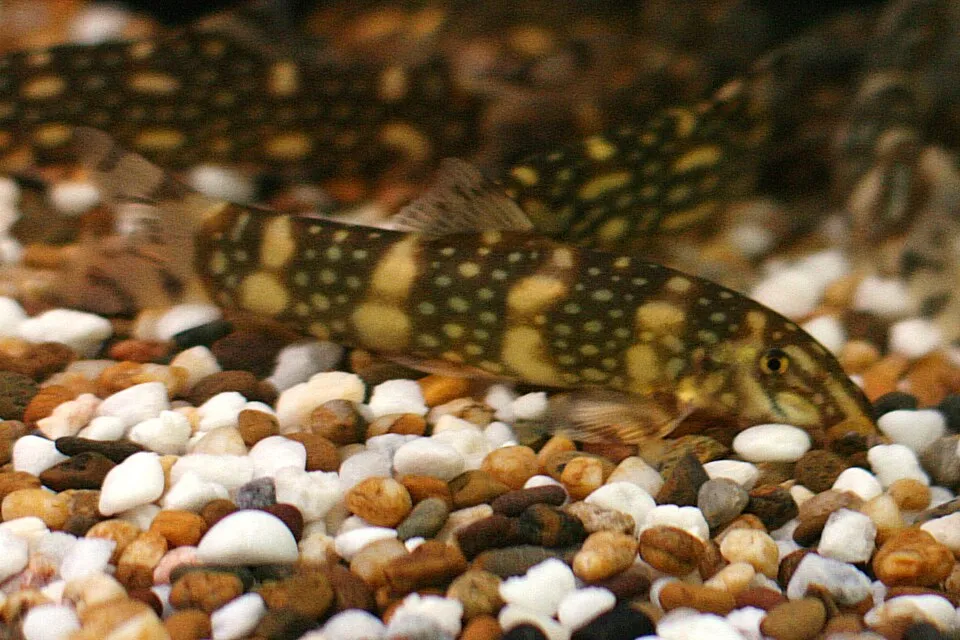
Polka-dot loach
Botia kubotai
Freshwater5.9 in (15 cm) · 42 gal (160 L)72–82°F (22–28°C)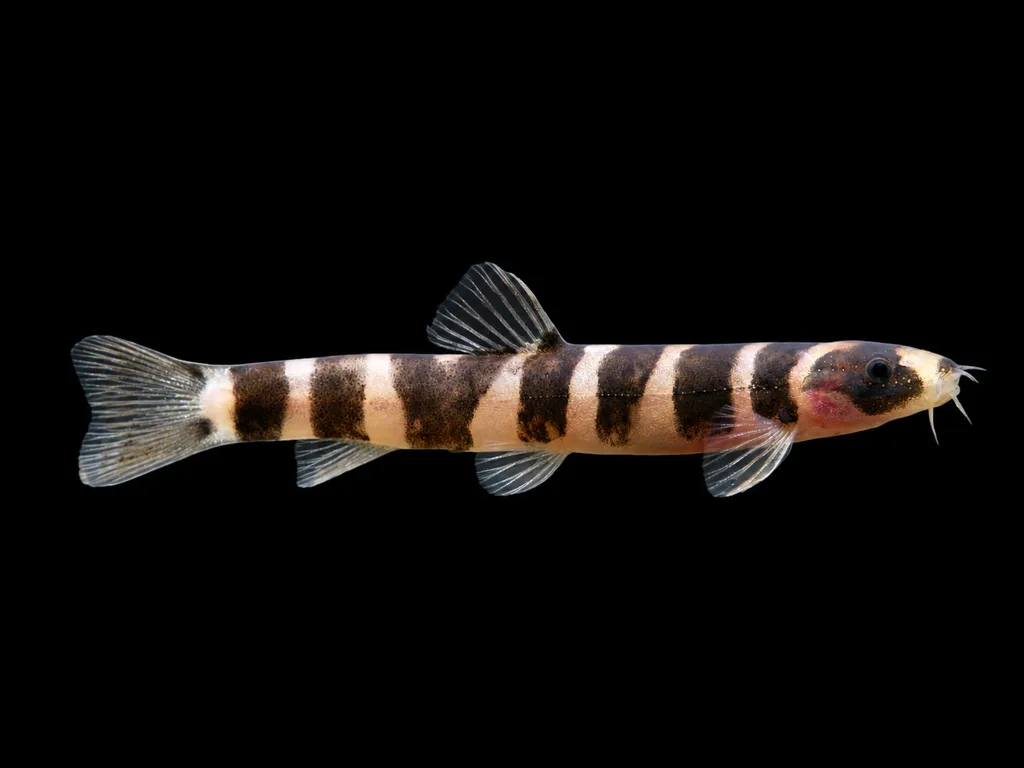
Pridi loach
Schistura pridii
Freshwater1.8 in (4.5 cm) · 14 gal (54 L)68–77°F (20–25°C)Red hillstream loach
Beaufortia leveretti
Freshwater3.1 in (8 cm) · 24 gal (90 L)64–75°F (18–24°C)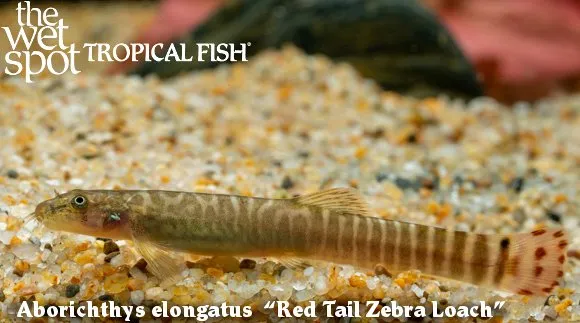
Red-tail squirrel loach
Aborichthys elongatus
Freshwater3.5 in (9 cm) · 24 gal (90 L)61–75°F (16–24°C)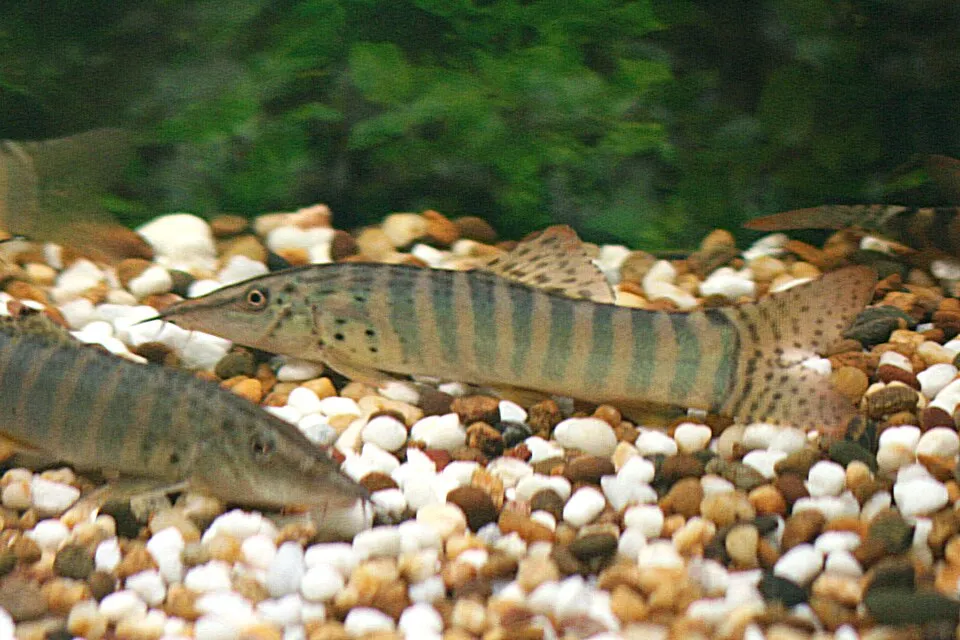
Redfin tiger loach
Syncrossus berdmorei
Freshwater9.4 in (24 cm) · 50 gal (190 L)70–79°F (21–26°C)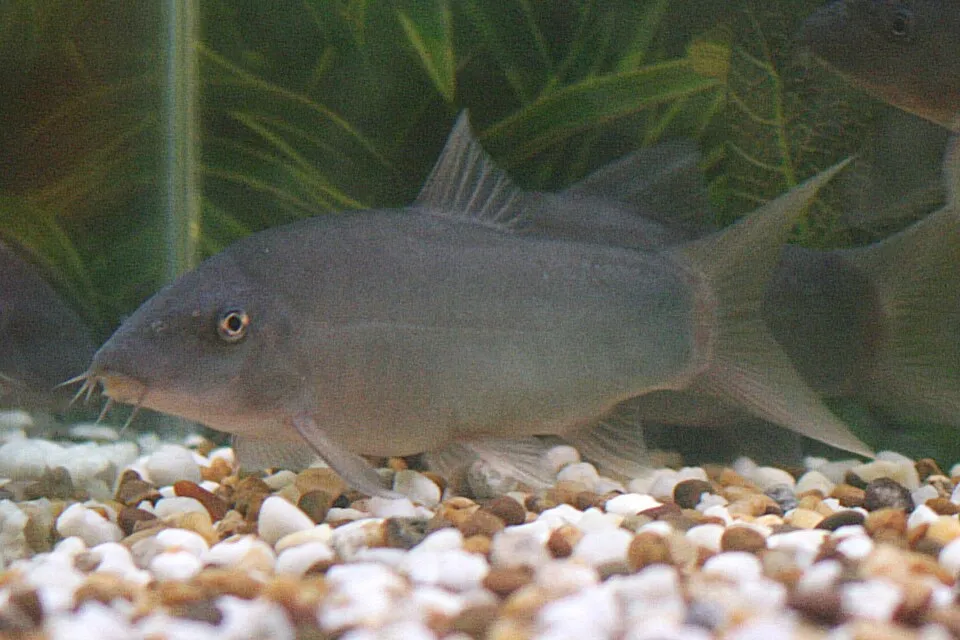
Redtail loach
Yasuhikotakia modesta
Freshwater9.8 in (25 cm) · 75 gal (285 L)73–82°F (23–28°C)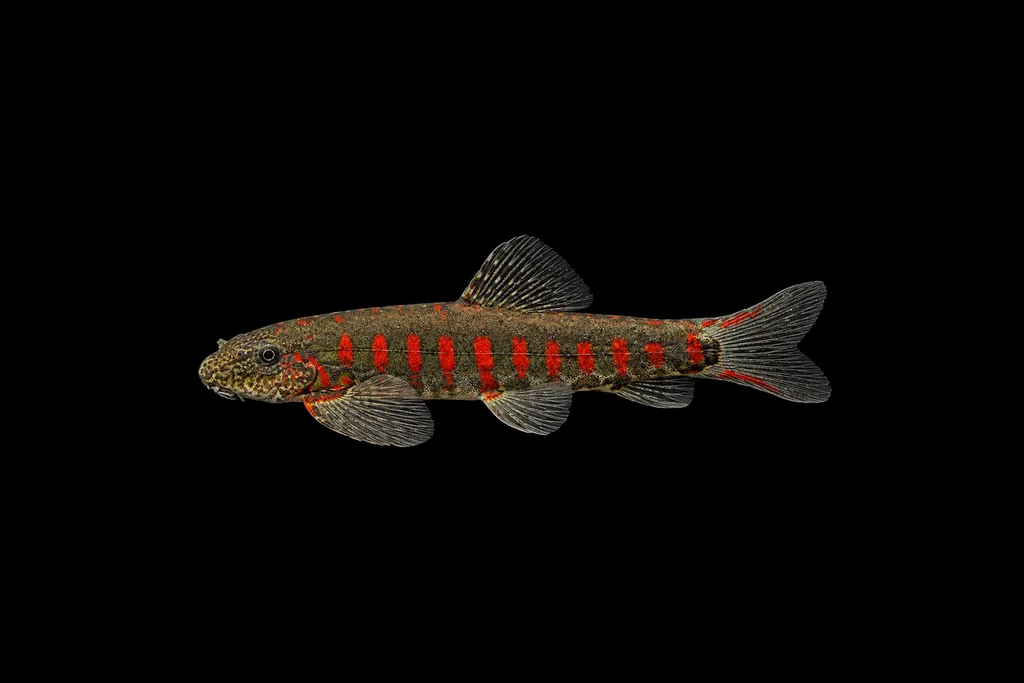
Ribbon hillstream loach
Erromyzon kalotaenia
Freshwater2.3 in (5.8 cm) · 20 gal (75 L)64–75°F (18–24°C)Rosy loach
Petruichthys sp. 'rosy'
Freshwater1.2 in (3 cm) · 14 gal (54 L)68–79°F (20–26°C)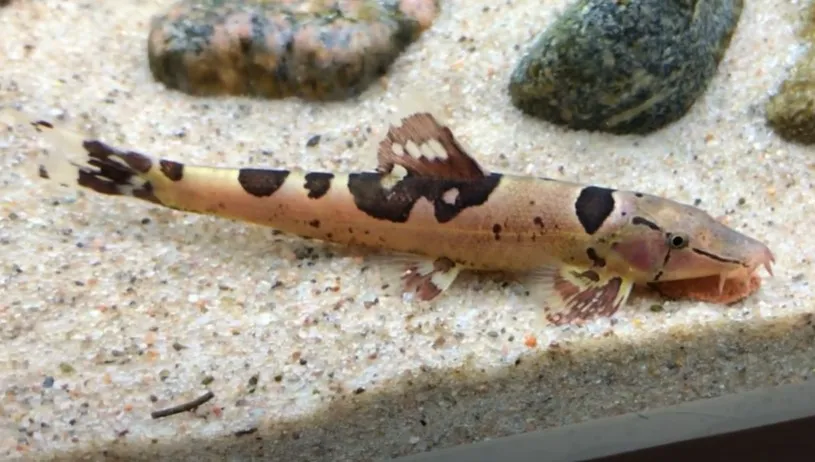
Saddle-back loach
Homaloptera orthogoniata
Freshwater4.3 in (11 cm) · 45 gal (170 L)68–77°F (20–25°C)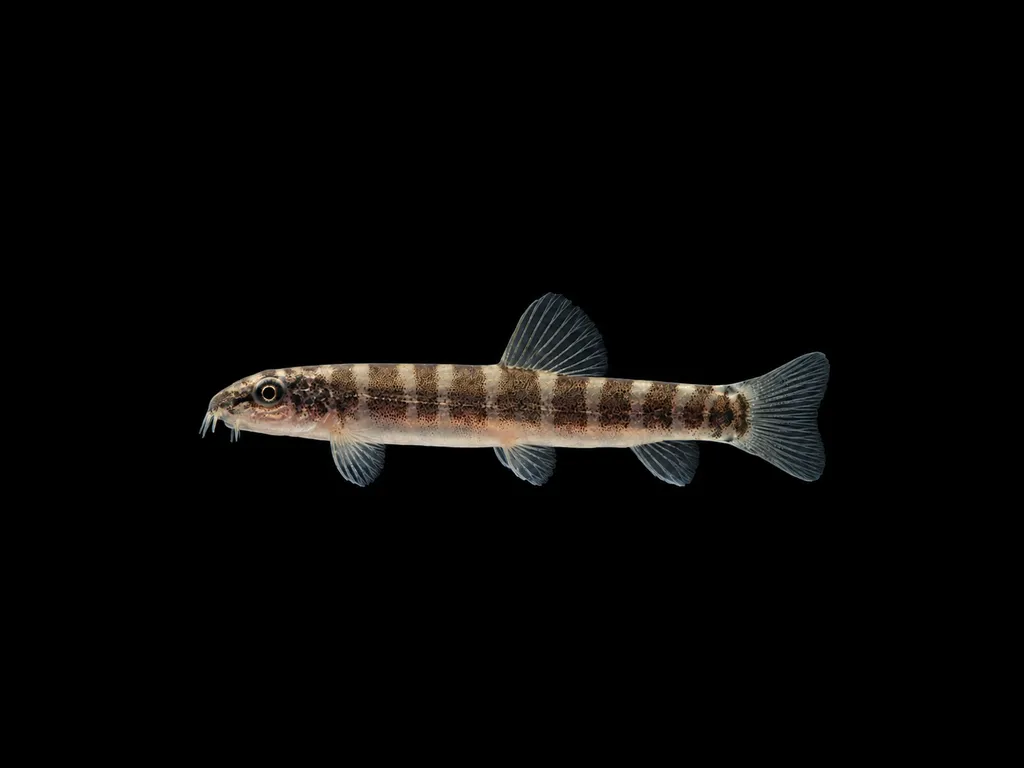
Savona loach
Schistura savona
Freshwater2 in (5 cm) · 20 gal (75 L)64–77°F (18–25°C)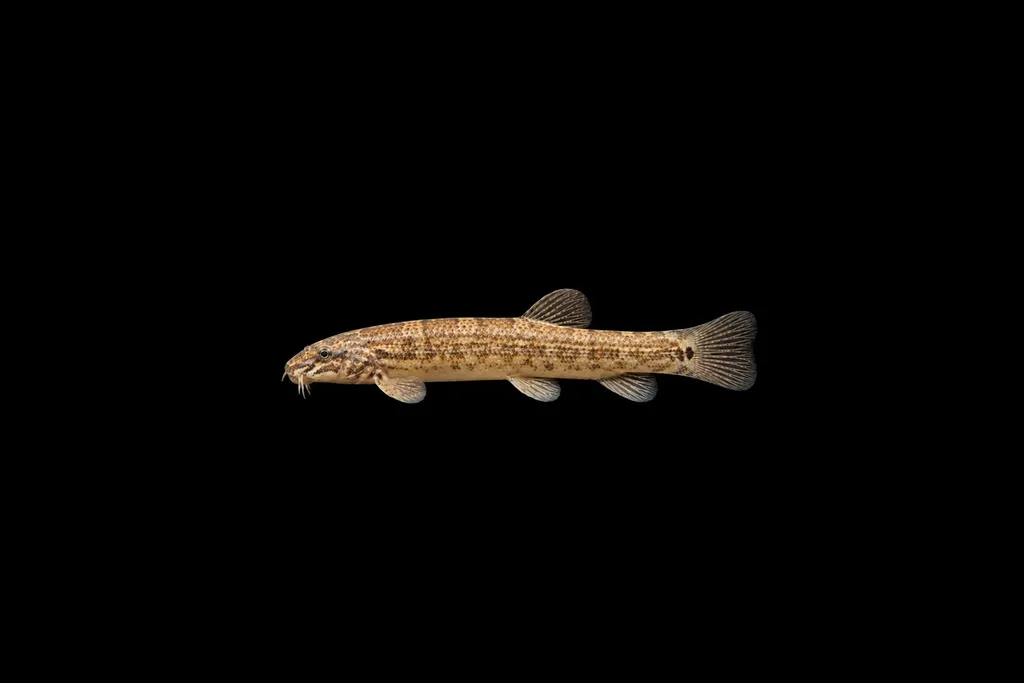
Schultz's stone loach
Schistura schultzi
Freshwater4.3 in (11 cm) · 29 gal (110 L)72–81°F (22–27°C)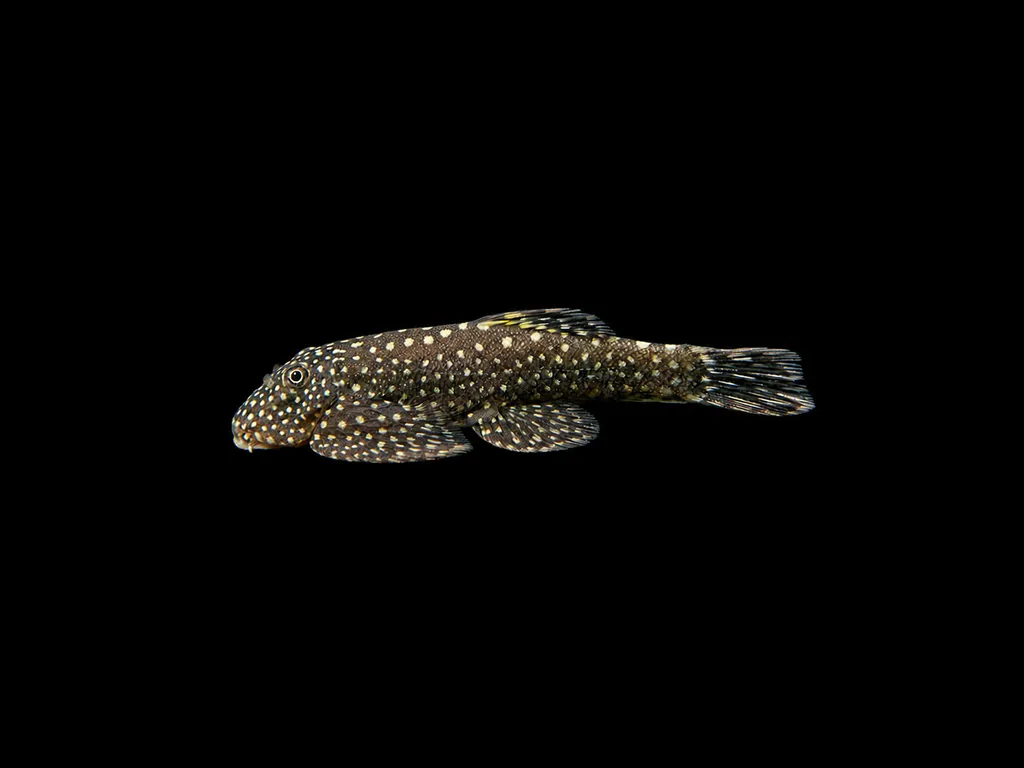
Serian Borneo sucker
Gastromyzon scitulus
Freshwater2.2 in (5.5 cm) · 20 gal (75 L)68–77°F (20–25°C)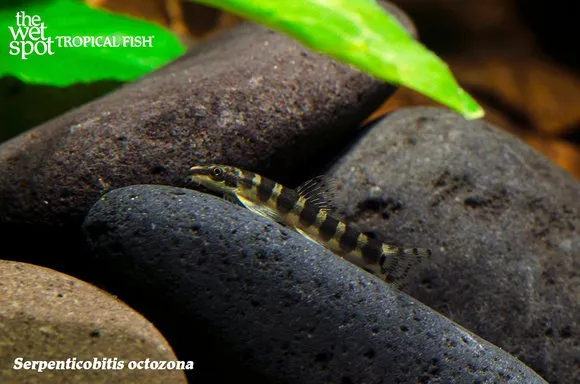
Serpent loach
Serpenticobitis octozona
Freshwater2.6 in (6.5 cm) · 20 gal (75 L)72–79°F (22–26°C)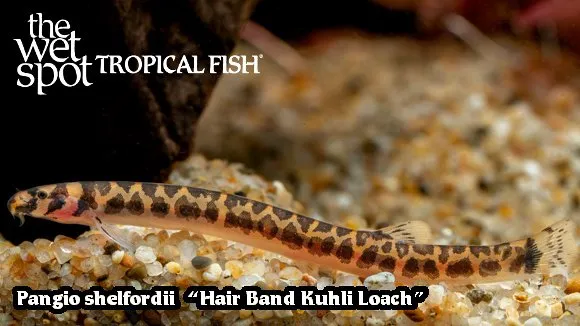
Shelford's kuhli loach
Pangio shelfordii
Freshwater3.1 in (8 cm) · 24 gal (90 L)72–81°F (22–27°C)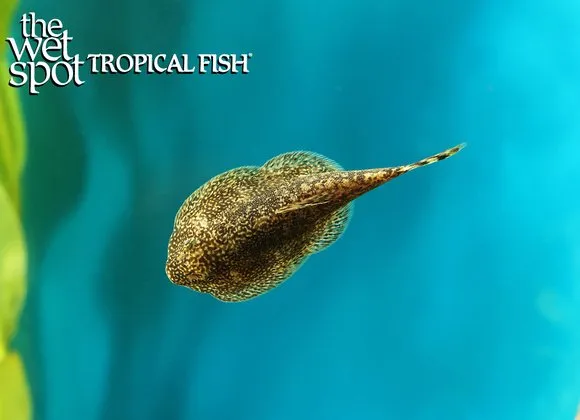
Showy hillstream loach
Sewellia speciosa
Freshwater2.6 in (6.5 cm) · 24 gal (90 L)68–75°F (20–24°C)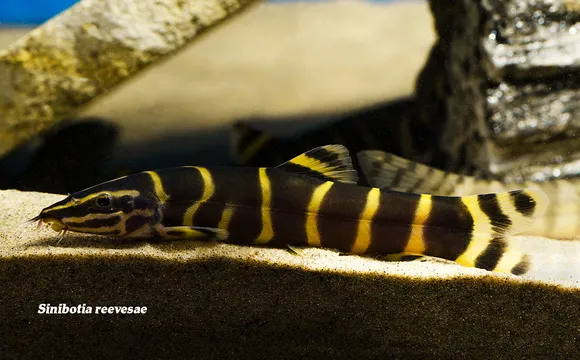
Sichuan golden loach
Sinibotia reevesae
Freshwater4.3 in (11 cm) · 37 gal (140 L)64–77°F (18–25°C)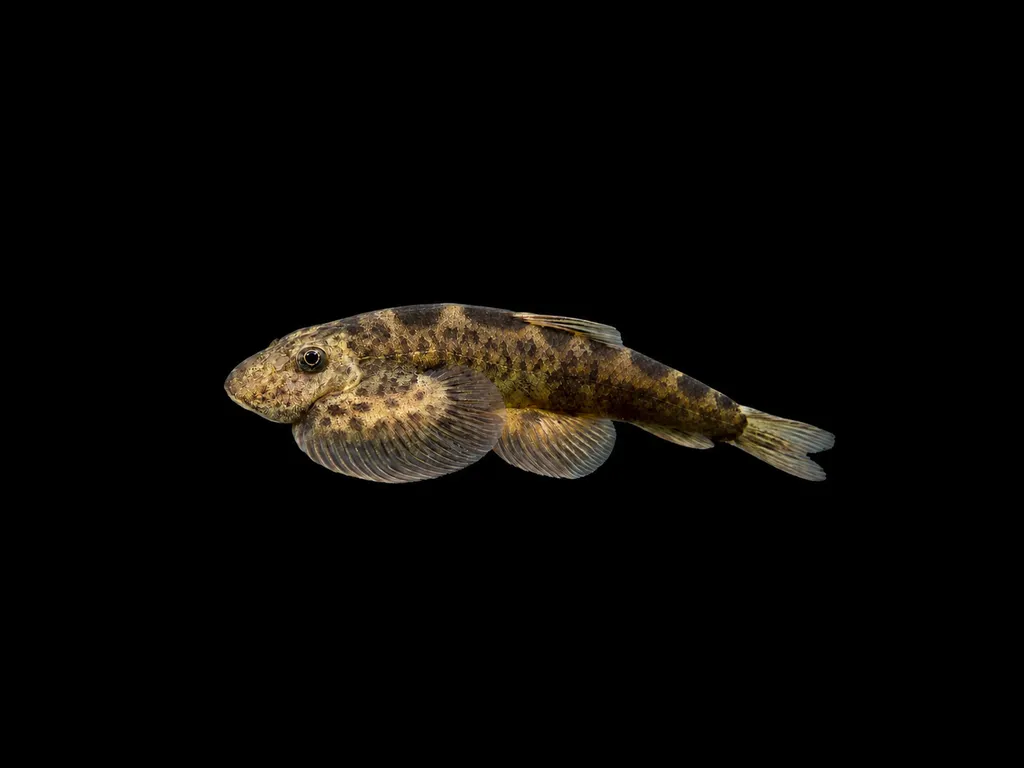
Sichuan hillstream loach
Sinogastromyzon szechuanensis
Freshwater4.7 in (12 cm) · 29 gal (110 L)57–72°F (14–22°C)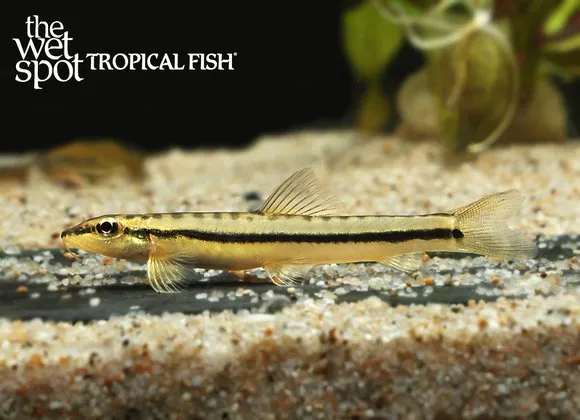
Silverbelly loach
Nemacheilus argyrogaster
Freshwater3.1 in (8 cm) · 24 gal (90 L)72–79°F (22–26°C)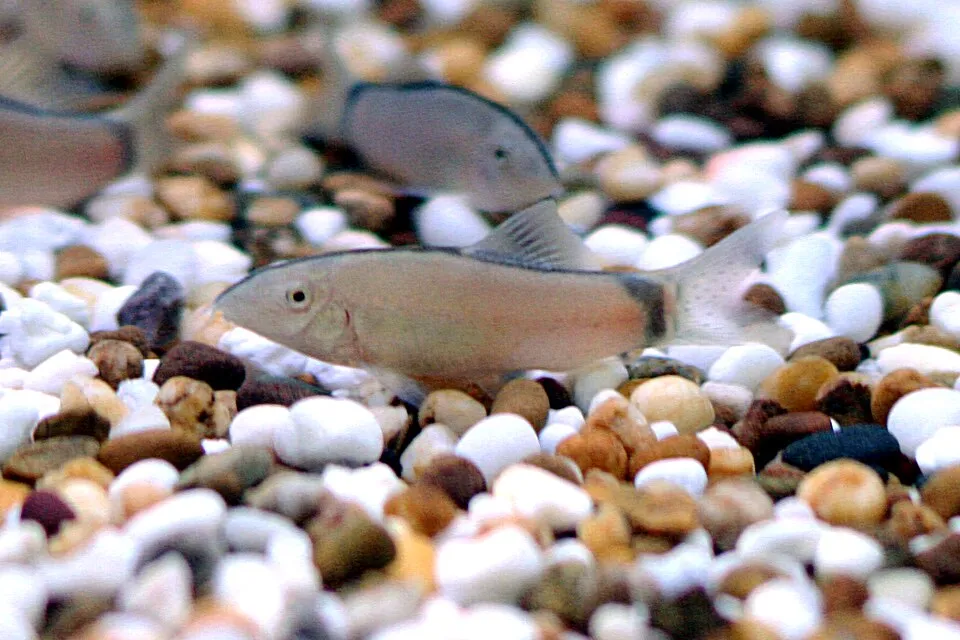
Skunk loach
Yasuhikotakia morleti
Freshwater3.3 in (8.5 cm) · 37 gal (140 L)73–82°F (23–28°C)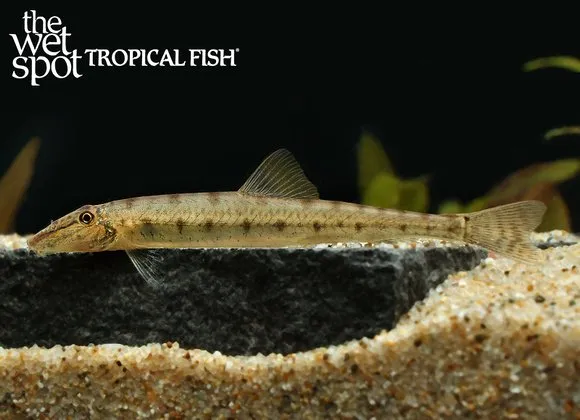
Slender horseface loach
Acantopsis ioa
Freshwater6.3 in (16 cm) · 42 gal (160 L)72–81°F (22–27°C)Smooth-belly Borneo sucker
Gastromyzon psiloetron
Freshwater3.9 in (10 cm) · 25 gal (95 L)72–79°F (22–26°C)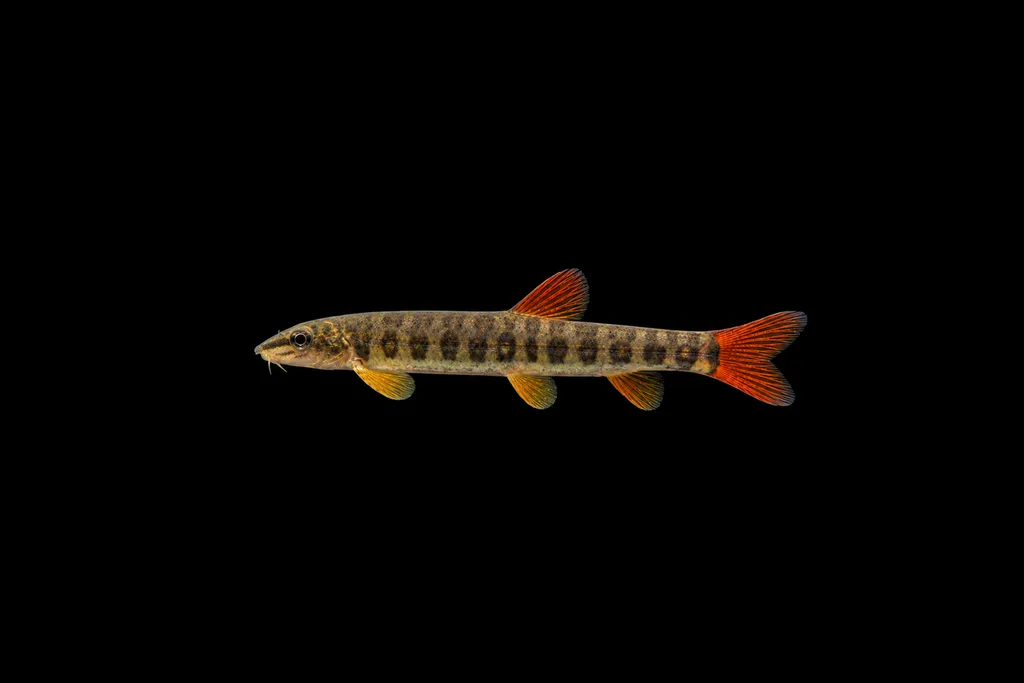
Sparkling loach
Schistura coruscans
Freshwater3.1 in (8 cm) · 24 gal (90 L)68–77°F (20–25°C)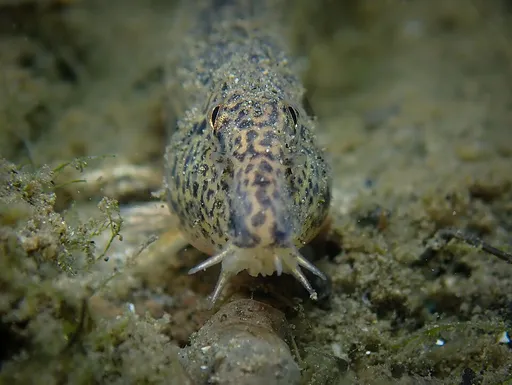
Spined loach
Cobitis taenia
Freshwater4.3 in (11 cm) · 32 gal (120 L)39–68°F (4–20°C)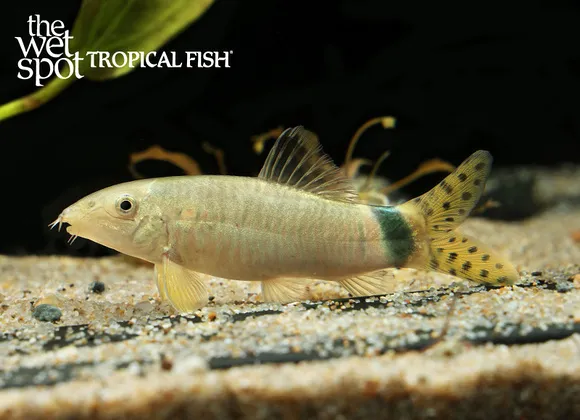
Splendid loach
Yasuhikotakia splendida
Freshwater4.7 in (12 cm) · 42 gal (160 L)73–82°F (23–28°C)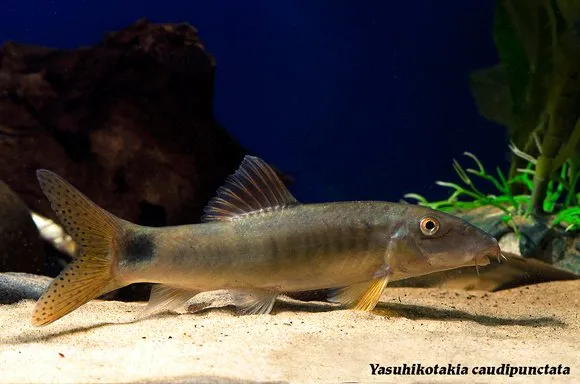
Spottail loach
Yasuhikotakia caudipunctata
Freshwater4.3 in (11 cm) · 37 gal (140 L)73–82°F (23–28°C)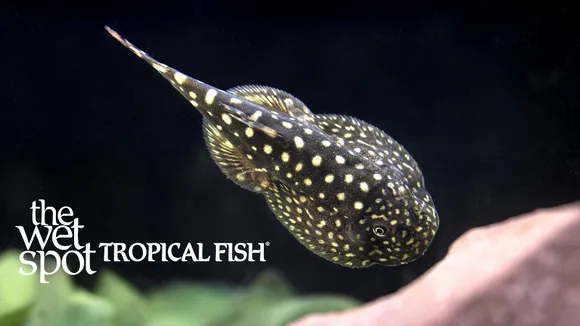
Spotted hillstream loach
Gastromyzon punctulatus
Freshwater2.6 in (6.5 cm) · 20 gal (75 L)68–75°F (20–24°C)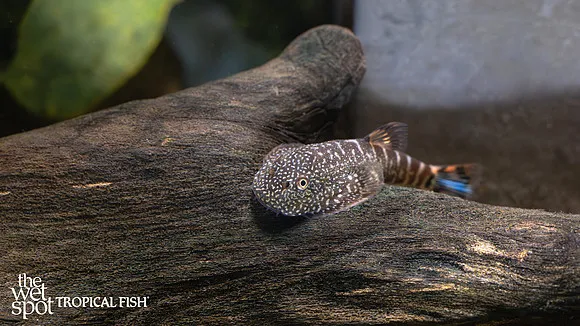
Starry Borneo sucker
Gastromyzon stellatus
Freshwater2.4 in (6.2 cm) · 20 gal (75 L)68–77°F (20–25°C)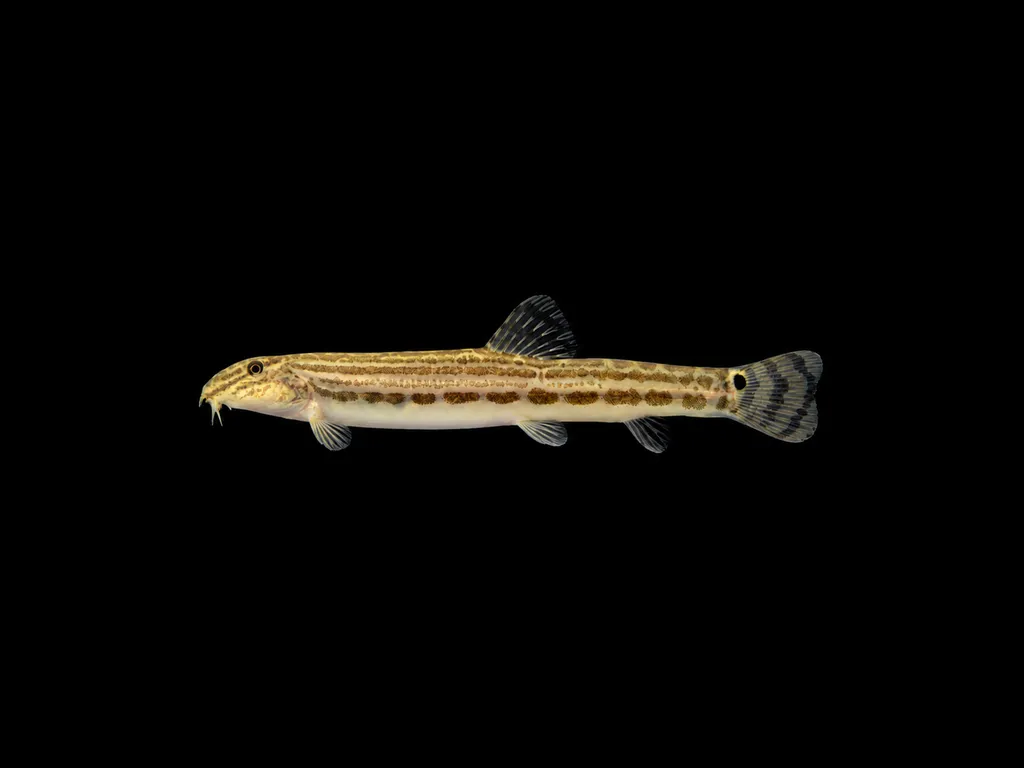
Striped spined loach
Cobitis striata
Freshwater3.9 in (10 cm) · 29 gal (110 L)57–72°F (14–22°C)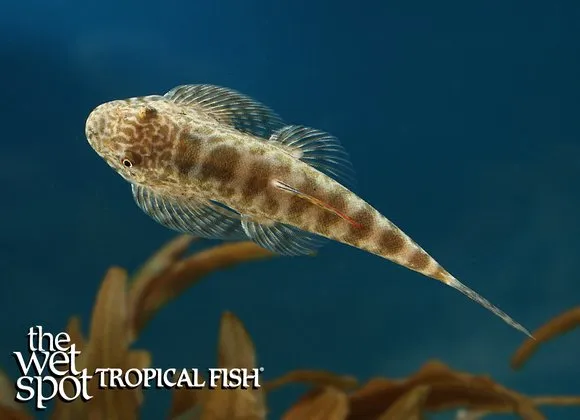
Sucker-belly loach
Pseudogastromyzon myersi
Freshwater2.4 in (6 cm) · 20 gal (75 L)64–75°F (18–24°C)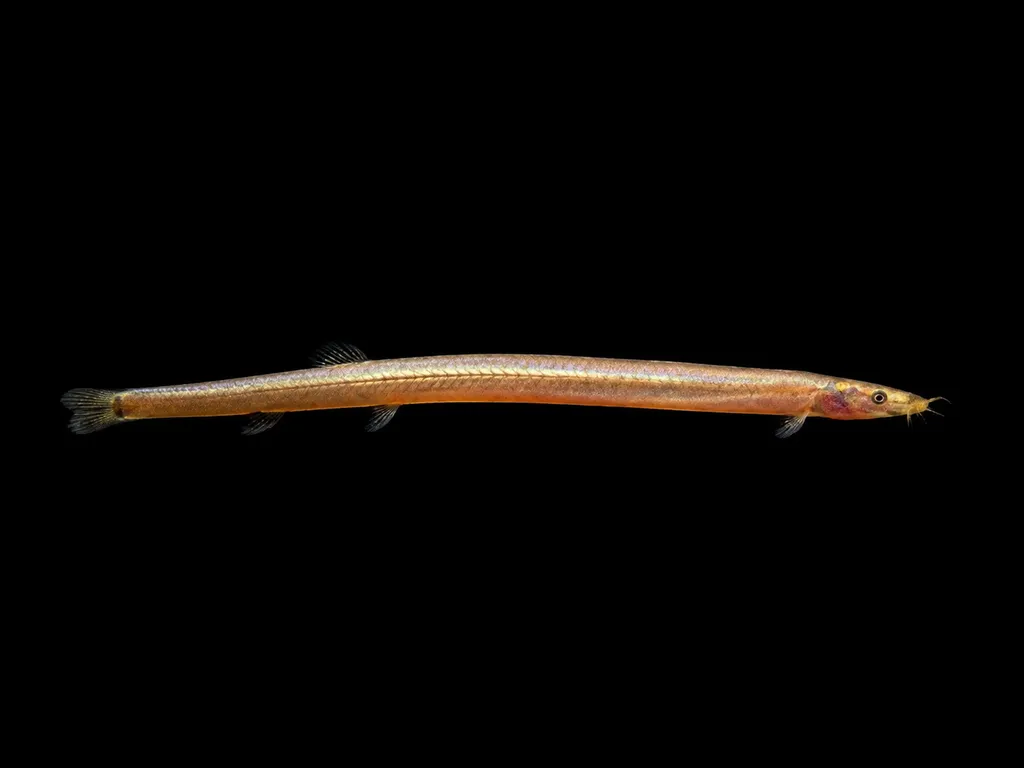
Sumatran neon loach
Pangio bitaimac
Freshwater3.7 in (9.5 cm) · 14 gal (54 L)73–82°F (23–28°C)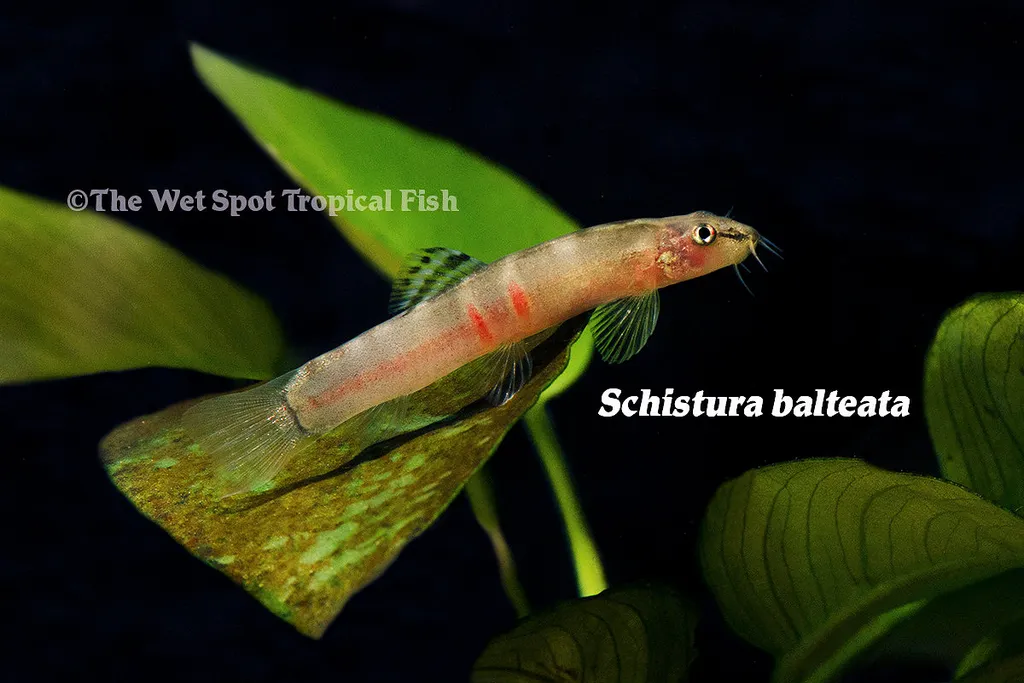
Sumo loach
Schistura balteata
Freshwater3.1 in (8 cm) · 24 gal (90 L)72–79°F (22–26°C)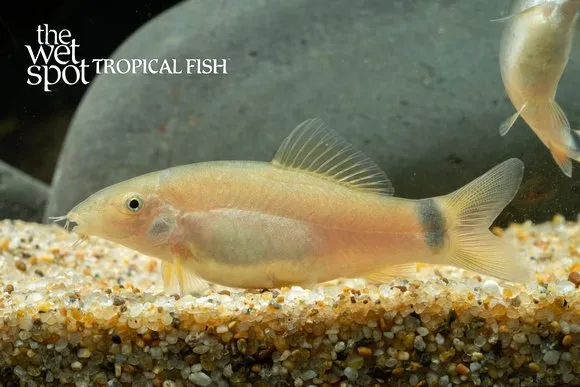
Sun loach
Yasuhikotakia eos
Freshwater4.3 in (11 cm) · 53 gal (200 L)73–82°F (23–28°C)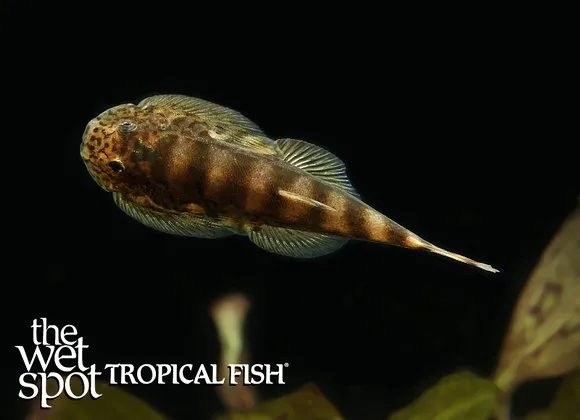
Tamang Borneo sucker
Hypergastromyzon humilis
Freshwater1.8 in (4.6 cm) · 20 gal (75 L)72–79°F (22–26°C)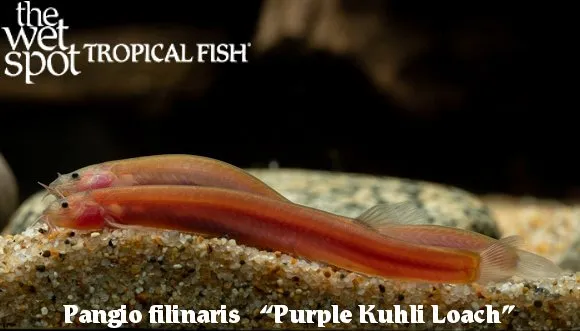
Thread kuhli loach
Pangio filinaris
Freshwater1.8 in (4.5 cm) · 14 gal (54 L)72–81°F (22–27°C)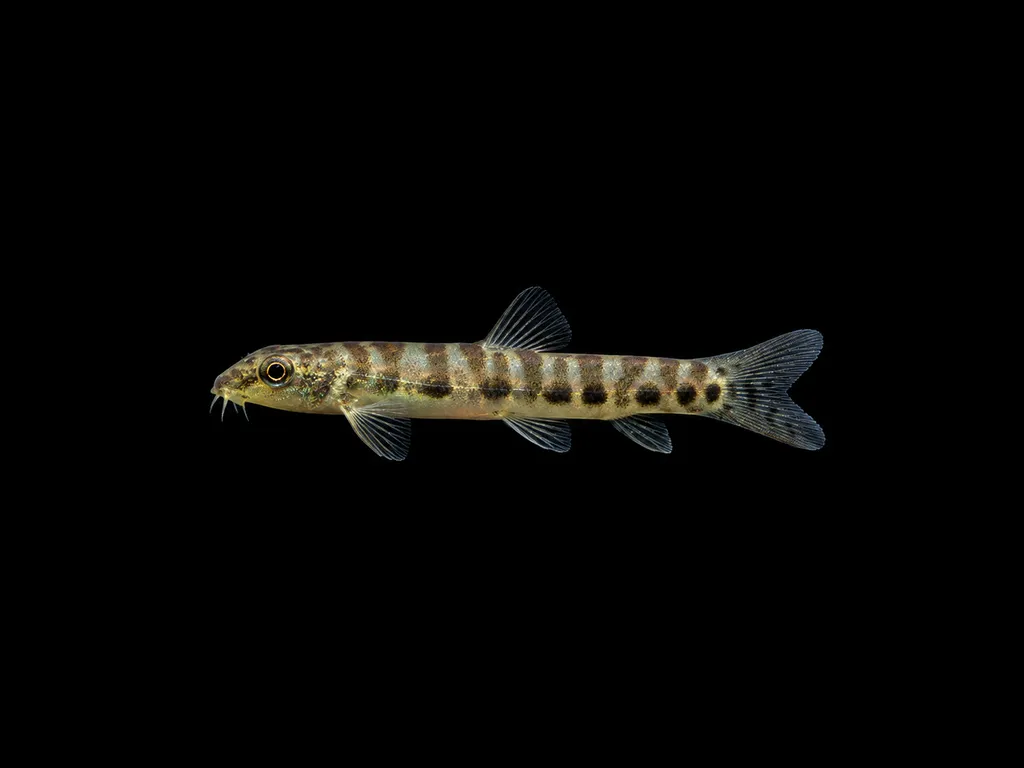
Thuttinjet stone loach
Nemacheilus stigmofasciatus
Freshwater2.4 in (6 cm) · 20 gal (75 L)68–79°F (20–26°C)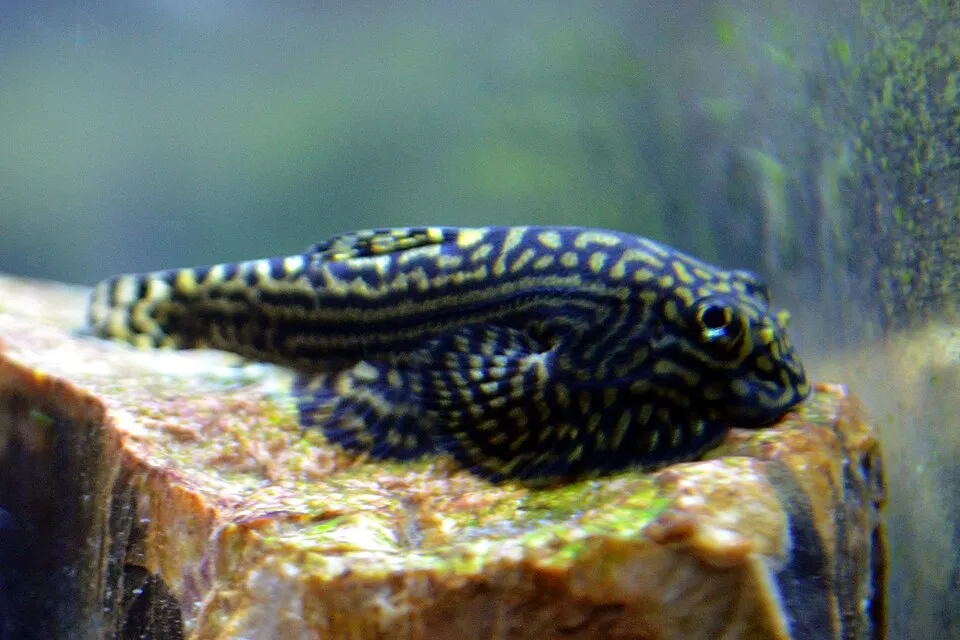
Tiger hillstream loach
Sewellia lineolata
Freshwater2.6 in (6.5 cm) · 25 gal (95 L)68–75°F (20–24°C)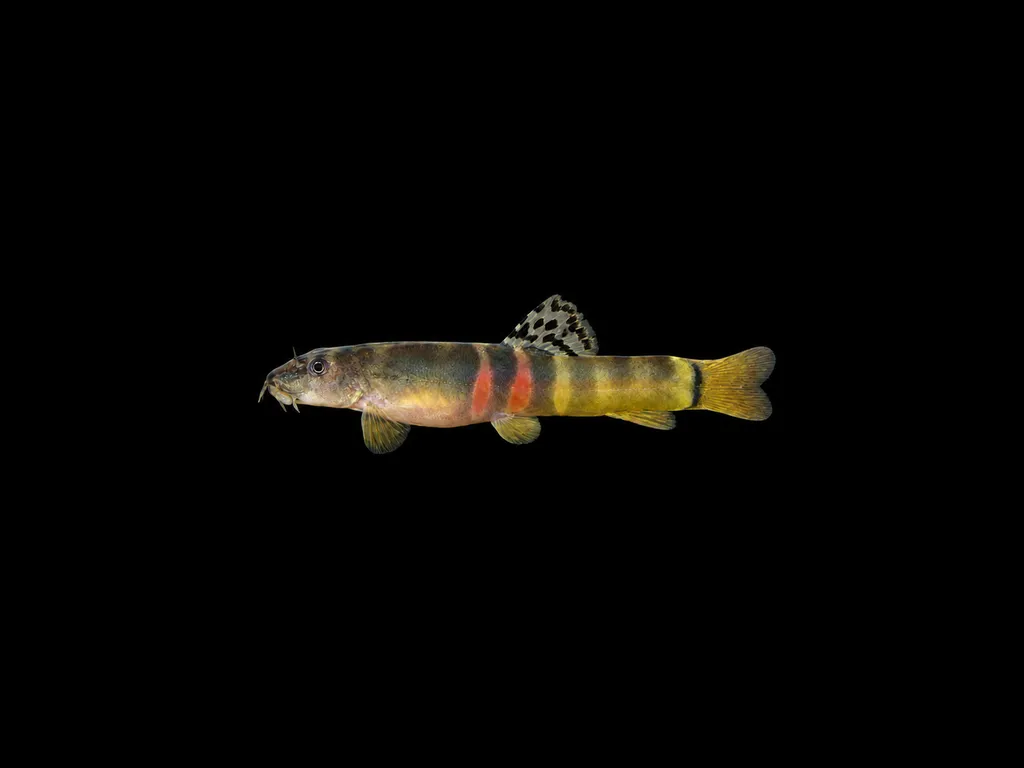
Tri-band sumo loach
Schistura ataranensis
Freshwater3.1 in (8 cm) · 24 gal (90 L)72–79°F (22–26°C)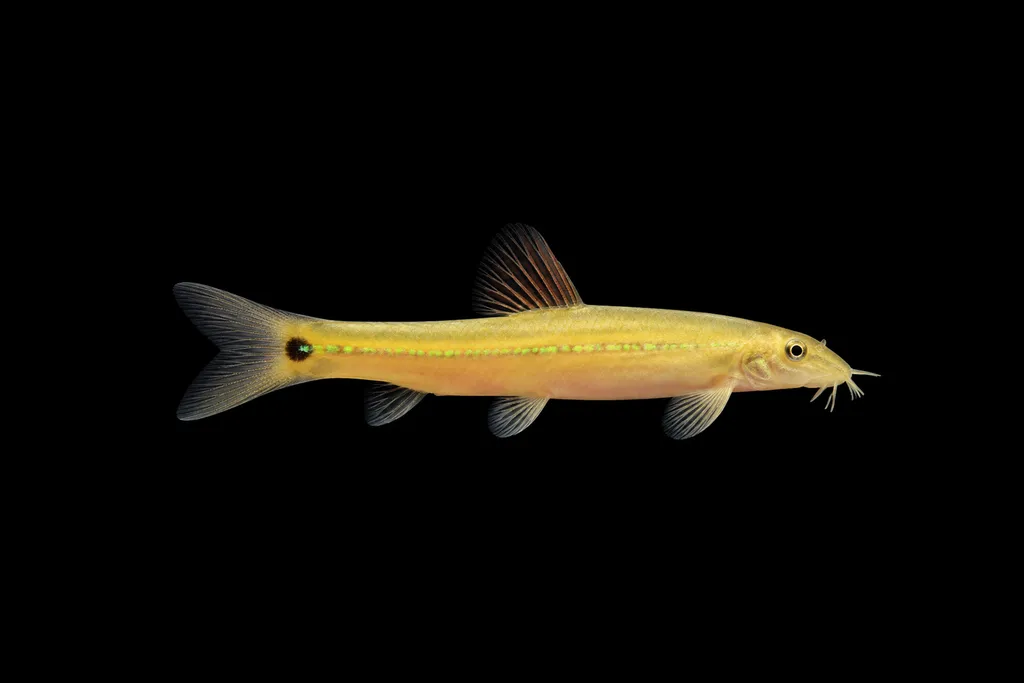
Tubercled flower loach
Traccatichthys tuberculum
Freshwater4.2 in (10.6 cm) · 29 gal (110 L)64–77°F (18–25°C)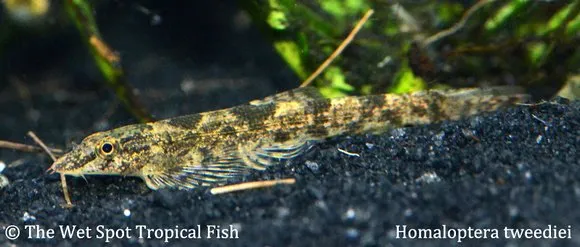
Tweedie's hillstream loach
Homalopteroides tweediei
Freshwater1.6 in (4 cm) · 14 gal (54 L)70–79°F (21–26°C)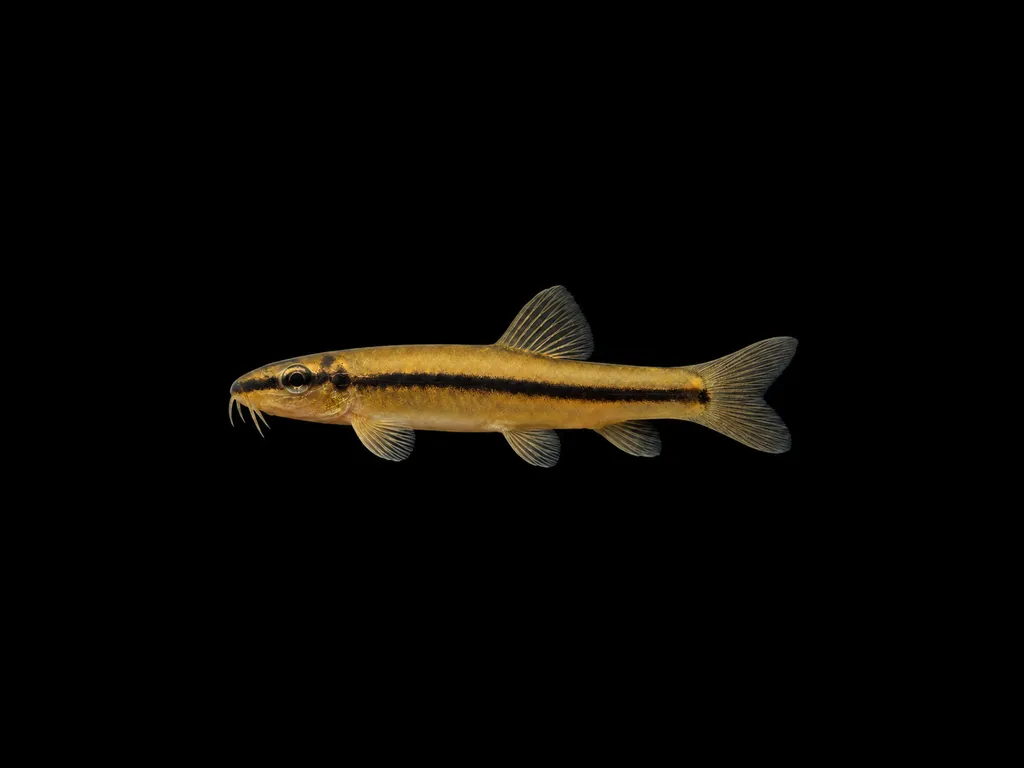
Twin-spot loach
Nemacheilus binotatus
Freshwater2.8 in (7 cm) · 24 gal (90 L)72–81°F (22–27°C)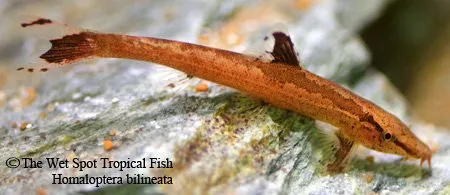
Twin-stripe lizard loach
Homaloptera bilineata
Freshwater3.1 in (8 cm) · 24 gal (90 L)68–79°F (20–26°C)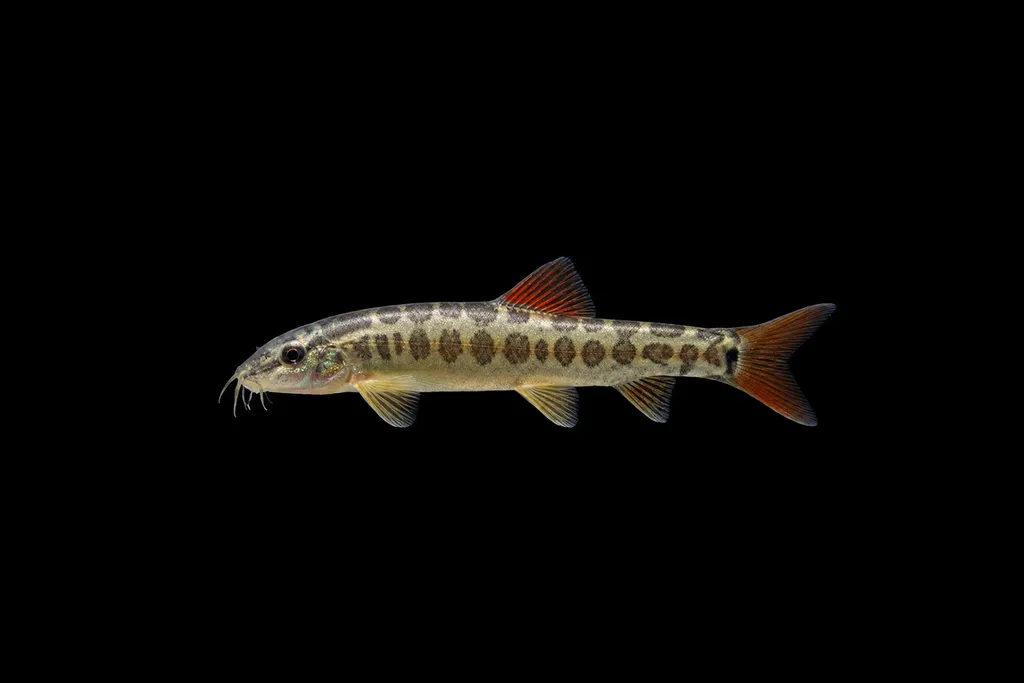
Vietnamese flower loach
Traccatichthys taeniatus
Freshwater5 in (12.6 cm) · 29 gal (110 L)64–77°F (18–25°C)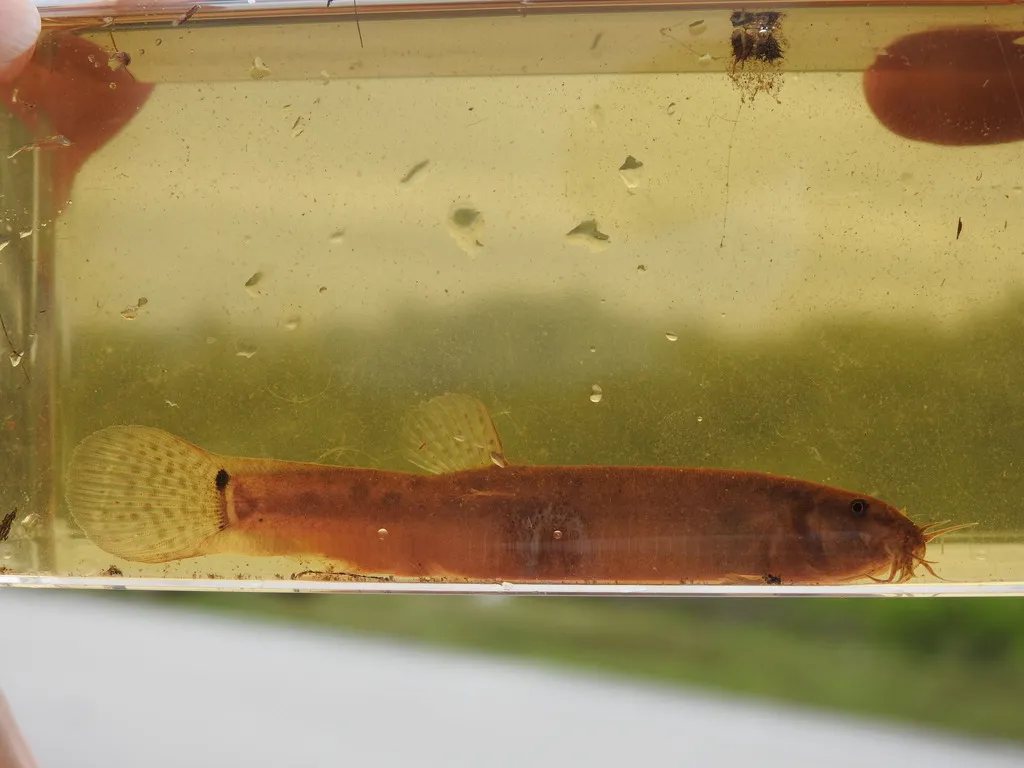
Weather loach
Misgurnus anguillicaudatus
Freshwater11 in (28 cm) · 55 gal (210 L)50–73°F (10–23°C)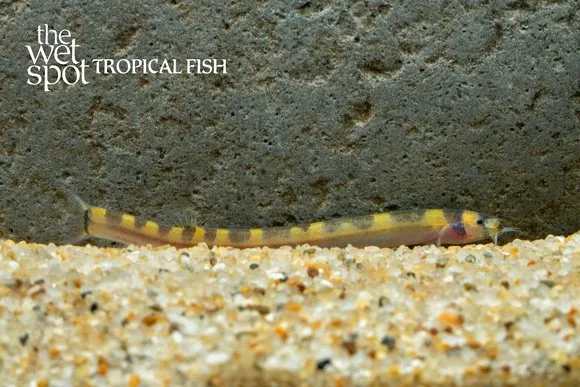
Wedge-striped kuhli loach
Pangio cuneovirgata
Freshwater2.8 in (7 cm) · 20 gal (75 L)70–81°F (21–27°C)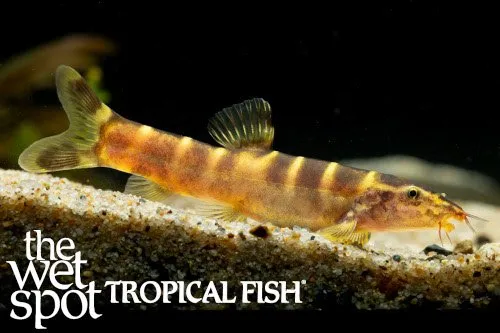
Yangtze golden loach
Sinibotia superciliaris
Freshwater6.5 in (16.4 cm) · 53 gal (200 L)61–75°F (16–24°C)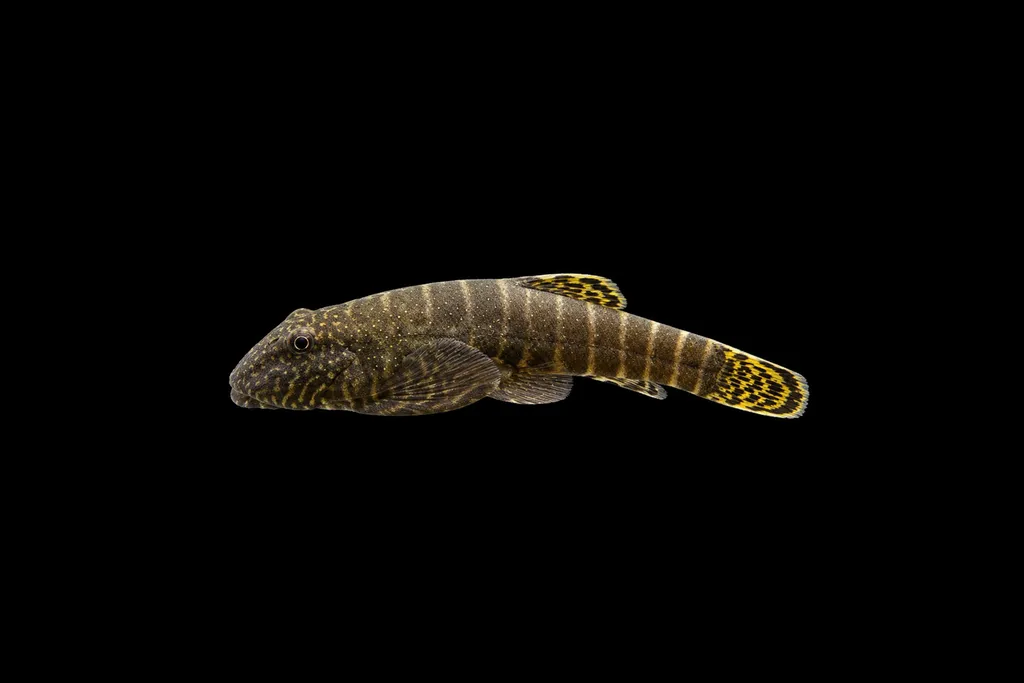
Yellowfin Borneo sucker
Gastromyzon viriosus
Freshwater2.6 in (6.5 cm) · 20 gal (75 L)72–79°F (22–26°C)Yoyo loach
Botia almorhae
Freshwater6.3 in (16 cm) · 42 gal (160 L)66–81°F (19–27°C)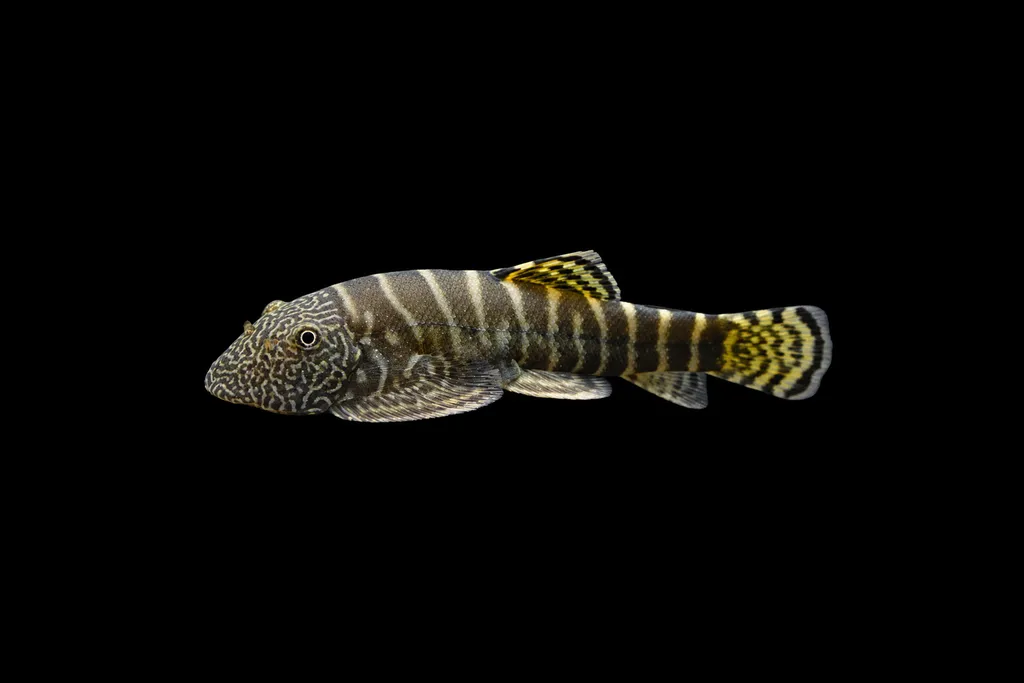
Zebra Borneo sucker
Gastromyzon zebrinus
Freshwater2.9 in (7.3 cm) · 24 gal (90 L)72–79°F (22–26°C)Zebra loach
Botia striata
Freshwater3.5 in (9 cm) · 37 gal (140 L)70–79°F (21–26°C)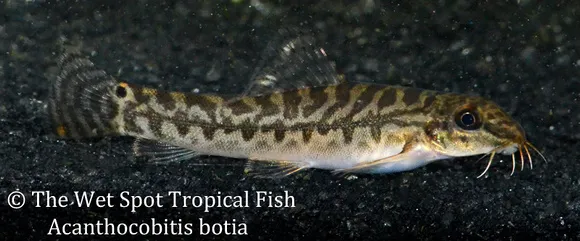
Zipper loach
Paracanthocobitis botia
Freshwater3.9 in (10 cm) · 29 gal (110 L)70–79°F (21–26°C)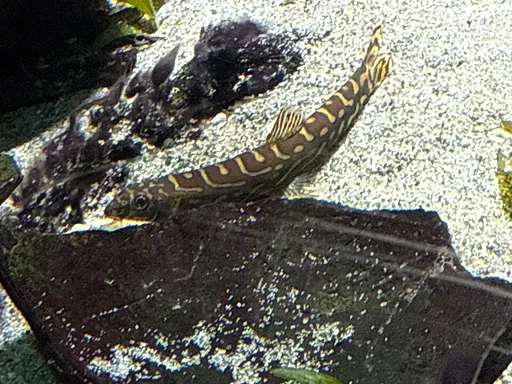
Zodiac loach
Mesonoemacheilus triangularis
Freshwater2.4 in (6 cm) · 24 gal (90 L)68–79°F (20–26°C)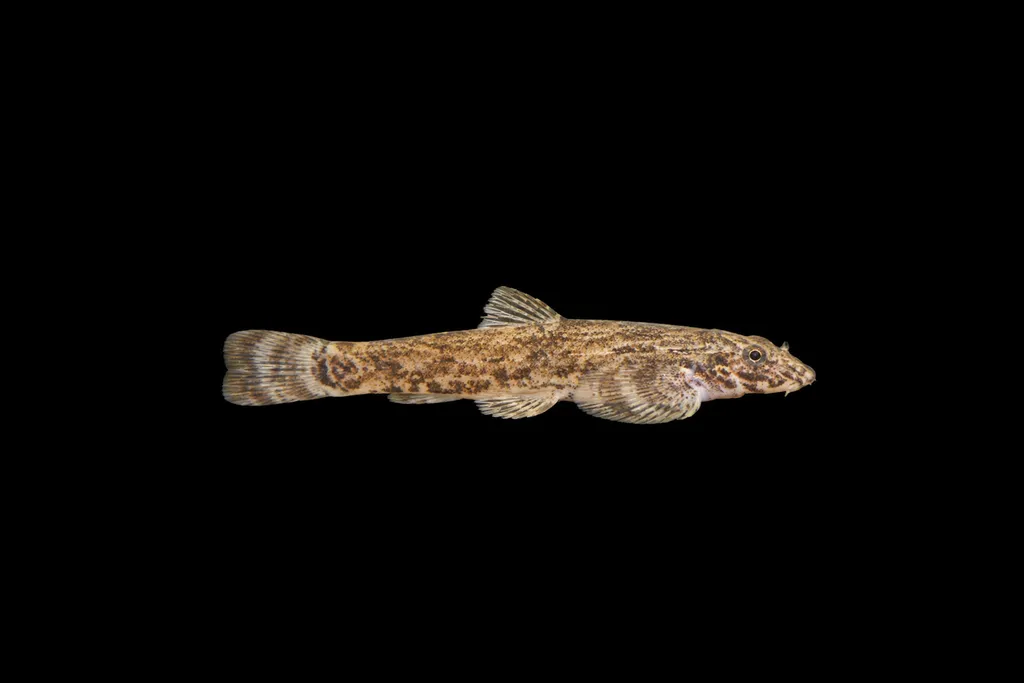
Zollinger's lizard loach
Balitoropsis zollingeri
Freshwater3.1 in (8 cm) · 24 gal (90 L)70–79°F (21–26°C)
Planning a tank?
TankBud checks stocking and water fit as you build a tank, then tracks water tests, reminders and photos once it is running.
Track your tanksMaintain tanks for clients? See TankBud Pro